

Games like Subnautica
If you've surfaced from the alien ocean of Planet 4546B and immediately started searching for games like Subnautica, you already know what you're chasing: that rare combination of open-world exploration, first-person survival crafting, and a story that reveals itself through discovery rather than cutscenes. The good news is that several games nail at least part of that formula — and a handful come remarkably close to the whole package.
What sets Subnautica apart is its specific alchemy: base-building and resource crafting wrapped inside a science-fiction mystery, all filtered through an atmosphere that oscillates between wonder and genuine dread. The underwater setting forces a slow, deliberate pace that makes every new biome feel like a real revelation. Players aren't just surviving — they're piecing together an alien world's history while managing oxygen, blueprints, and encroaching horror. That blend of story-rich exploration and open-world survival craft is exactly what fans want more of.
What Makes a Good Alternative to Subnautica?
- Open-world survival crafting — The core loop of gathering resources, unlocking blueprints, and expanding your base is central to Subnautica's appeal; the best alternatives keep this loop satisfying rather than purely grindy.
- Atmospheric environmental storytelling — Subnautica's narrative unfolds through exploration, not exposition dumps. Games that reveal their world through discovered objects, audio logs, or environmental detail scratch the same itch.
- A sense of scale and isolation — The feeling of being alone on an alien or hostile world, where the environment itself is both beautiful and threatening, is core to the emotional experience.
- Science-fiction or horror tone — Whether it's cosmic dread, alien biology, or psychological tension, the best alternatives carry that same undercurrent of something unknown and unsettling beneath the surface.
- First-person exploration — Subnautica's first-person perspective makes discovery feel personal and immediate; alternatives that share this viewpoint tend to land closest in feel.
Top Picks If You Enjoyed Subnautica
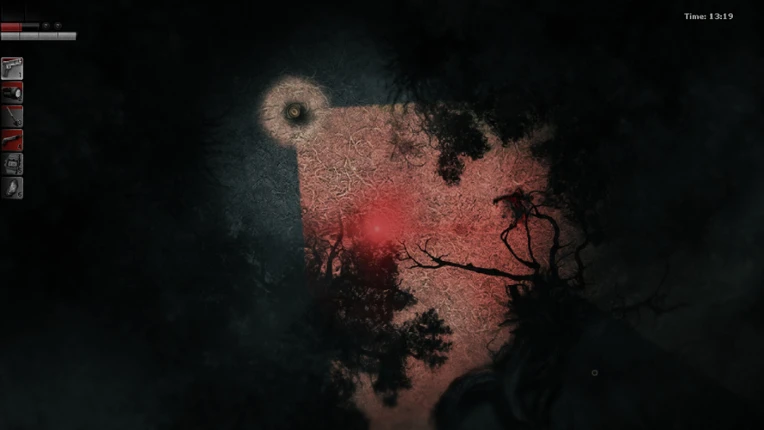
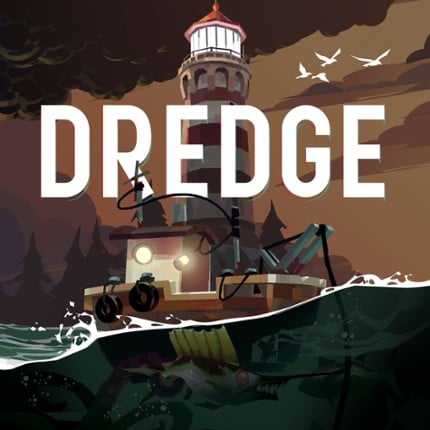
Outer Wilds delivers the same story-through-exploration philosophy in a stunning solar system. Sons of the Forest brings first-person survival crafting with genuine horror atmosphere. Raft keeps the aquatic survival and base-building loop intact. The Solus Project mirrors the alien-planet isolation and gradual environmental mystery almost beat for beat. Dredge trades the deep ocean survival for Lovecraftian fishing dread, but the coastal atmosphere and creeping horror land in familiar territory. Darkwood swaps underwater for dense forest but nails the psychological tension and survival loop.
Every recommendation below is ranked by similarity to Subnautica using real player data, so the closest matches appear first. Browse the full list to find your next obsession.
- 86%Game Brain ScoreMost mentioned positive aspects:story, gameplayMost mentioned negative aspects:stability, optimization87% User Score 176,320 reviewsCritic Score 83%6 reviews
Both games trap you in hostile environments where scavenging, building, and incremental progression are your only path to survival—but the rhythm differs fundamentally. In Subnautica, you're pulled deeper by mystery and discovery; in Sons Of The Forest, you're grinding outward to secure territory and resources against more immediate, visceral threats.
The base-building loop operates identically: gather materials, construct shelter, expand incrementally. But where Subnautica's bases feel like safe havens in an alien ocean, Sons Of The Forest's fortifications are defensive necessities against hostile inhabitants, creating tension rather than respite.
Crafting and resource management anchor both experiences, yet Sons Of The Forest frontloads grinding far less mercifully than Subnautica's late-game tediousness—a direct answer to players frustrated by excessive harvesting requirements.
The tradeoff: Sons Of The Forest trades Subnautica's narrative coherence and wonder for brutal atmosphere and replayability. Story unfolds less deliberately; horror dominates mystery.
Best for players who loved Subnautica's survival framework and base-building but craved a grittier, more hostile world—and who won't mind sacrificing some narrative polish for raw tension and co-op chaos.
If you enjoyed this game, see our list of games similar to Sons Of The Forest.View Game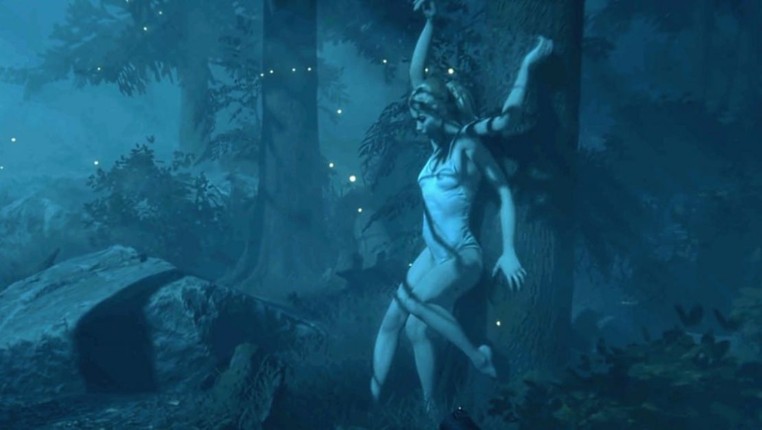


- 90%Game Brain ScoreMost mentioned positive aspects:story, gameplayMost mentioned negative aspects:grinding, stability94% User Score 228,886 reviewsCritic Score 80%3 reviews
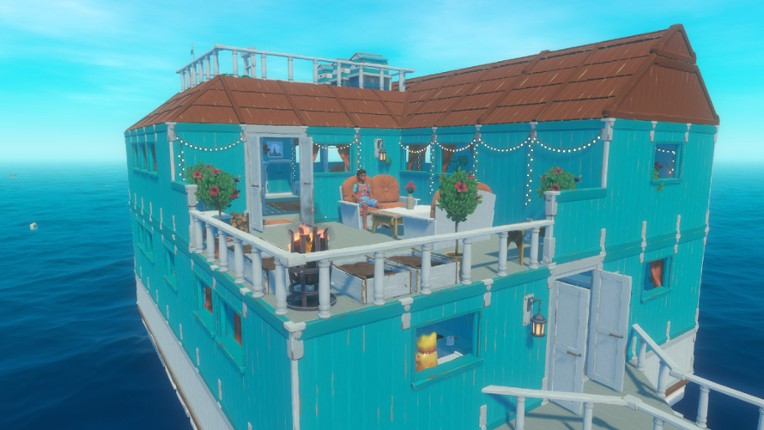
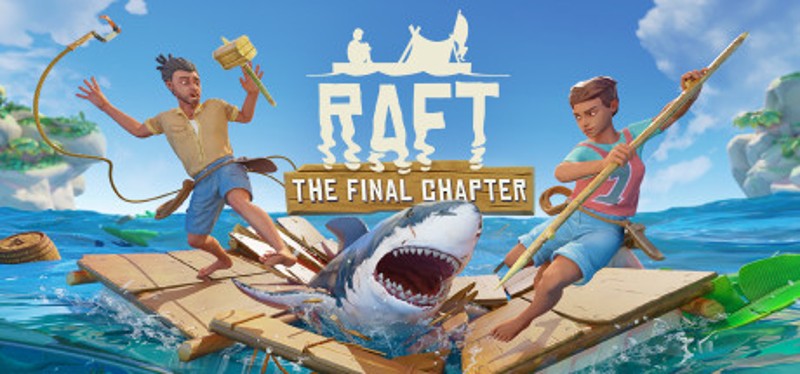
Scavenging a dangerous space while keeping your home alive is the core loop here: in Raft, every trip for scraps, food, and water feeds the same constant tension Subnautica fans know from resource runs in hostile waters. Both games reward careful exploration, crafting, and turning a fragile starting point into a functioning base, which makes progress feel earned rather than handed out.
The overlap goes deeper in how they pace survival. You’re always deciding whether to push farther for better materials or return before your supplies run out, and that push-pull creates the same “one more expedition” momentum that keeps Subnautica players hooked. Raft also gives you plenty of building and base-expansion systems, so your refuge becomes a visible record of your progress.
The fresh angle is that Raft swaps Subnautica’s deep-sea isolation for a more social, cooperative survival rhythm, especially in co-op. That makes the grind feel more playful and lets you share the work of sailing, defending, and expanding your raft, which is a nice counterpoint for players who found Subnautica’s late-game resource slog repetitive. Best for players who want survival crafting with discovery, pressure, and a stronger co-op edge.
If you enjoyed this game, see our list of games similar to Raft.View Game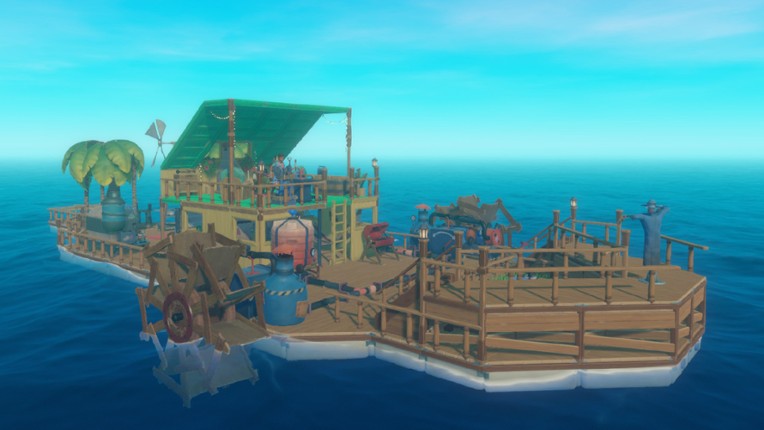

- 93%Game Brain ScoreMost mentioned positive aspects:story, graphicsMost mentioned negative aspects:stability, grinding93% User Score 72,685 reviews
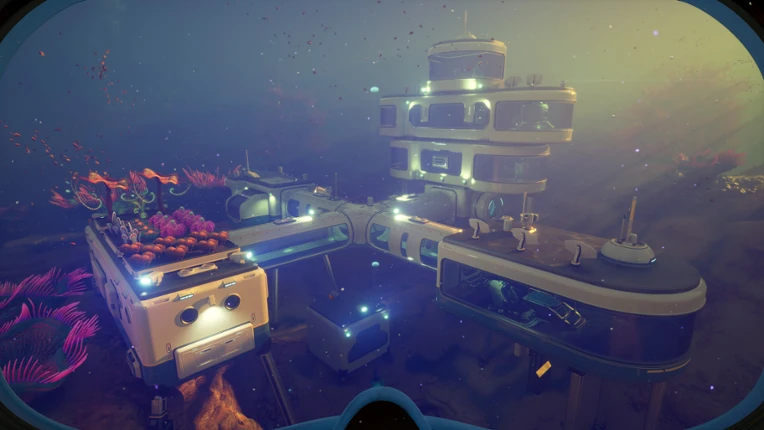
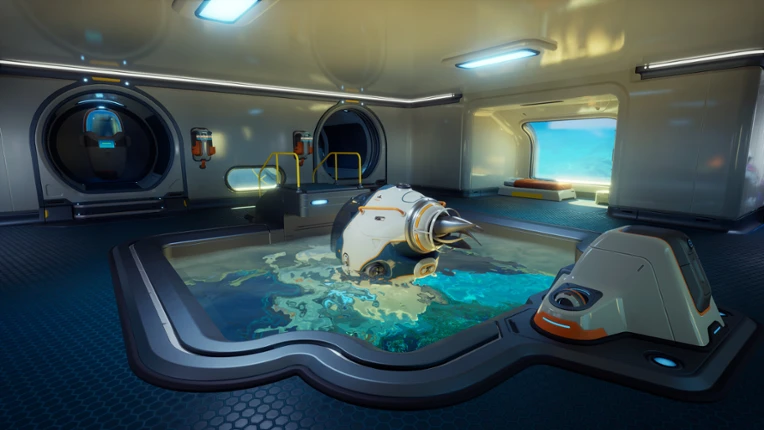
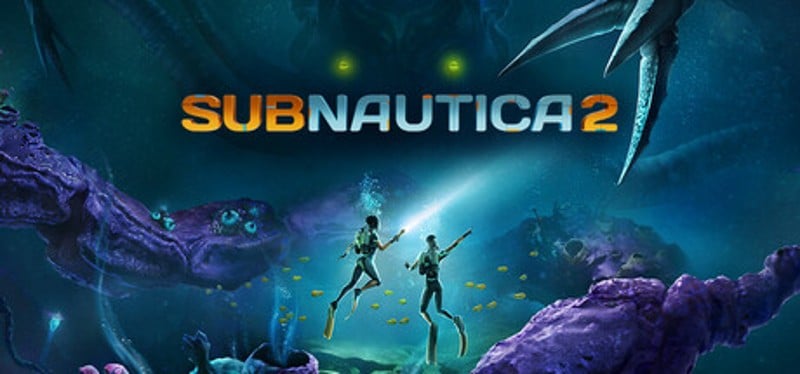
Dive into uncharted waters in Subnautica 2, the hotly-anticipated sequel to Subnautica and Subnautica: Below Zero. Adventure alone or with friends as you try to survive on an all-new mysterious alien planet. If you enjoyed this game, see our list of games similar to Subnautica 2.
View Game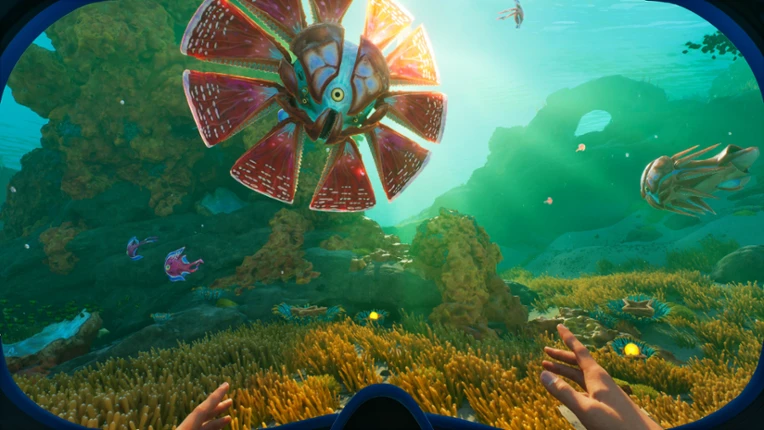
- 94%Game Brain ScoreMost mentioned positive aspects:story, gameplayMost mentioned negative aspects:stability, grinding95% User Score 315,218 reviewsCritic Score 90%1 reviews
Both titles drop you into a hostile wilderness where the environment itself feels like an active antagonist watching your every move. You will spend your first hours frantically gathering scraps to secure a defensible sanctuary, mirroring the desperate scramble for oxygen in the shallows. This reliance on structural safety creates a familiar psychological rhythm, where your base becomes a vital emotional anchor against the terrors lurking just outside your walls.
While the deep ocean offers isolation, this peninsula provides a fresh angle through aggressive, tactical combat against a persistent tribal threat. To counter the late-game repetition often criticized in Subnautica, the inclusion of cooperative multiplayer keeps the resource cycle dynamic and unpredictable. Sharing the burden of construction and defense helps mitigate the sense of tedious grinding by introducing human unpredictability into the survival loop.
Best for survivalists who want their mystery-solving seasoned with brutal, high-stakes base defense.
If you enjoyed this game, see our list of games similar to The Forest.View Game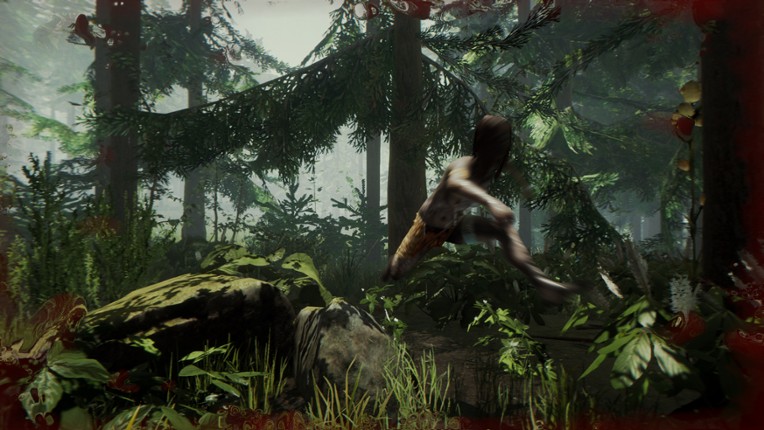
- 85%Game Brain ScoreMost mentioned positive aspects:story, gameplayMost mentioned negative aspects:grinding, stability85% User Score 1,131 reviews
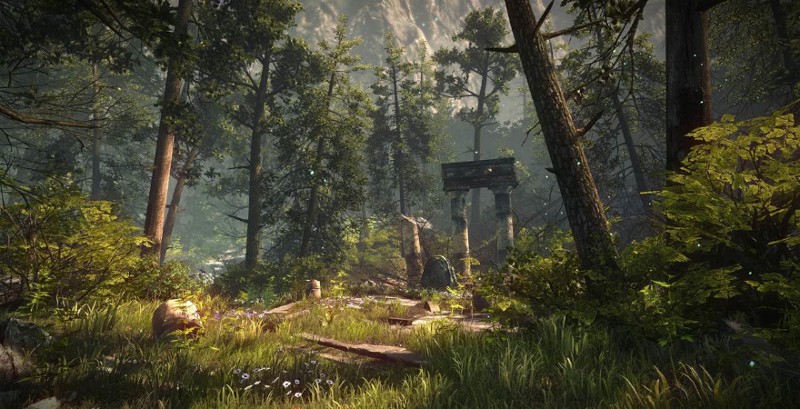
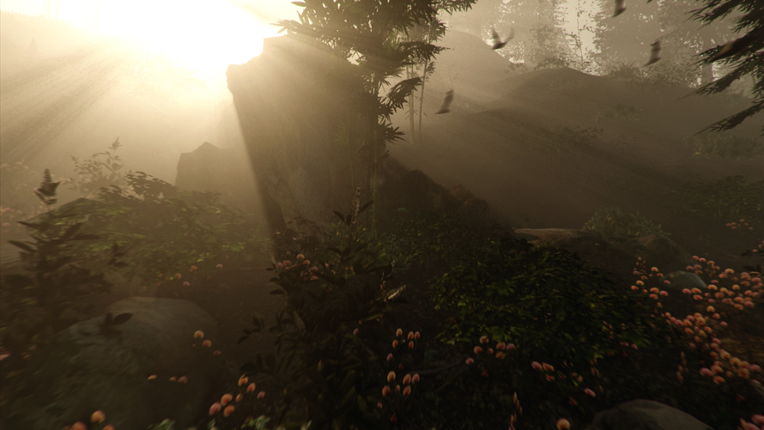
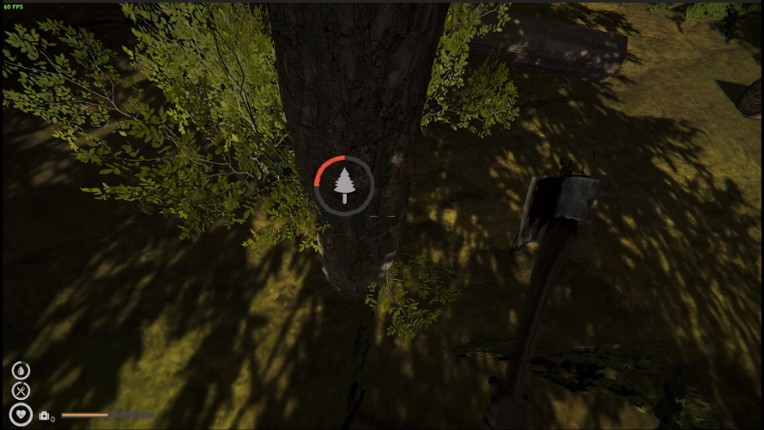
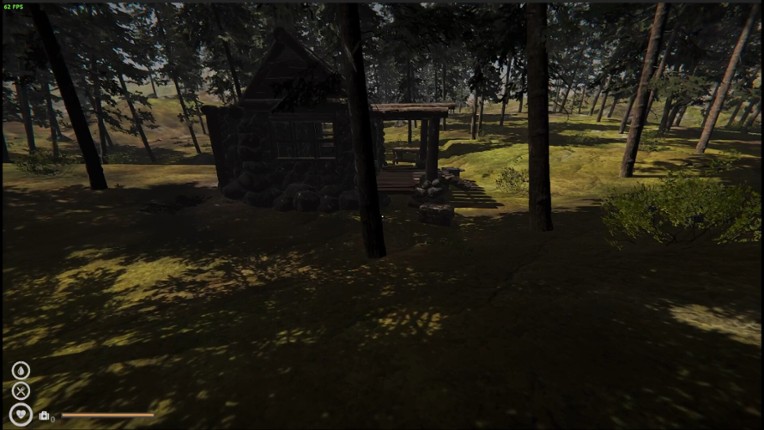
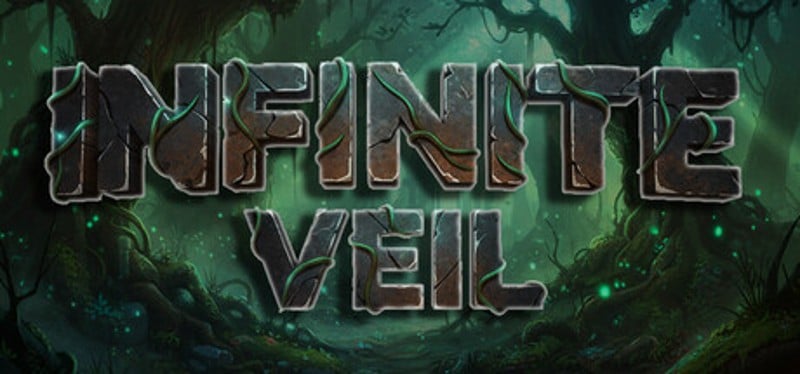
Infinite Veil is an atmospheric forest survival experience focused on realism and immersion. You awaken surrounded by untamed nature, with no paths or maps — only silence, cold, and the will to survive. Explore the wilderness, collect materials, and construct your shelter to shield yourself from wind and rain. The dynamic cycle of day, night, and weather brings the world to life: daylight fades i… If you enjoyed this game, see our list of games similar to Infinite Veil.
View Game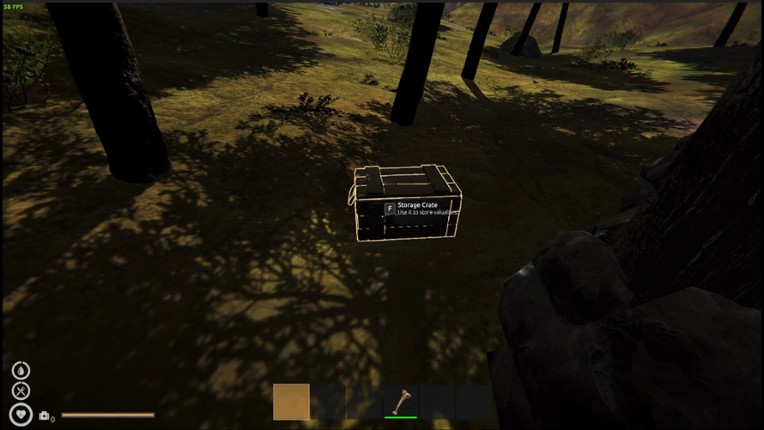
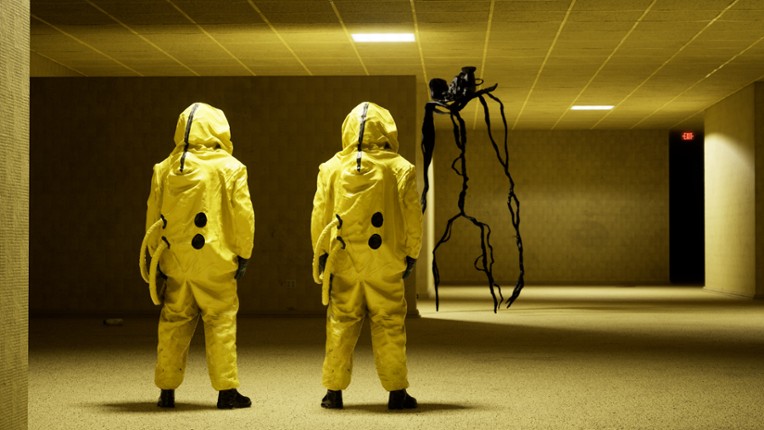
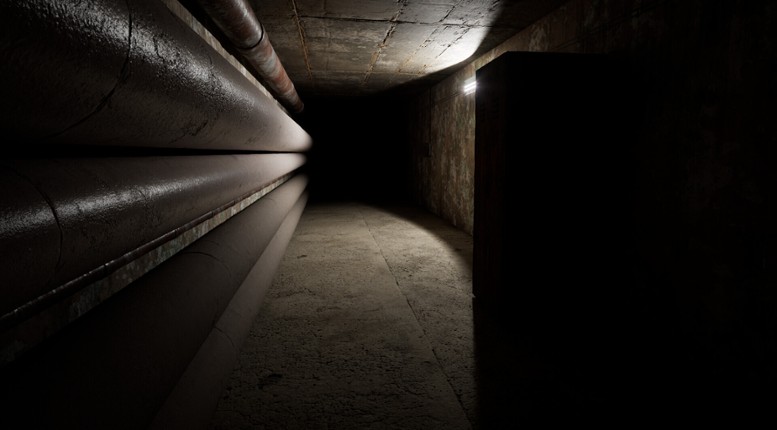
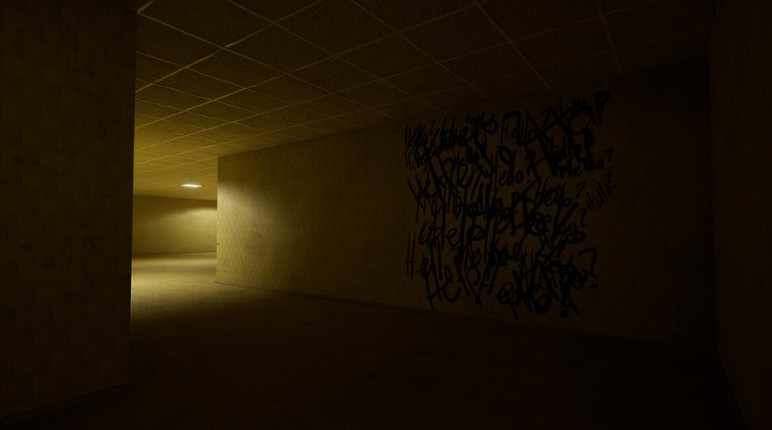
- 90%Game Brain ScoreMost mentioned positive aspects:graphics, gameplayMost mentioned negative aspects:grinding, stability90% User Score 13,375 reviewsTranslates co-op exploration and horror atmosphere into a procedurally-generated liminal space crawler, emphasizing psychological dread over sci-fi wonder and progression. If you enjoyed this game, see our list of games similar to Backrooms: Escape Together.View Game
- 89%Game Brain ScoreMost mentioned positive aspects:story, gameplayMost mentioned negative aspects:grinding, replayability96% User Score 42,766 reviewsCritic Score 82%48 reviews
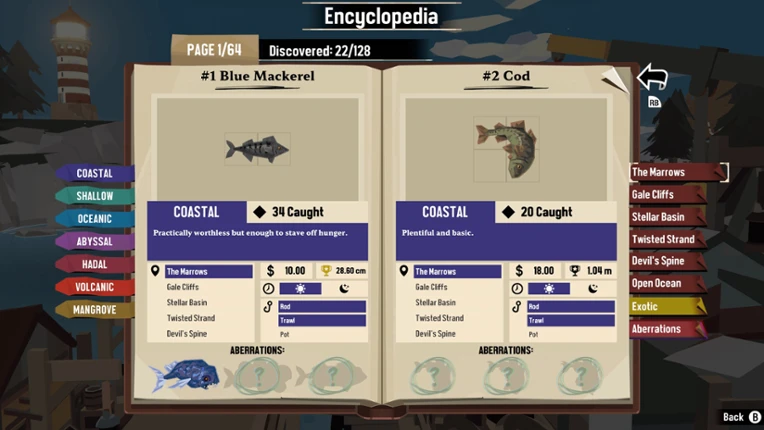
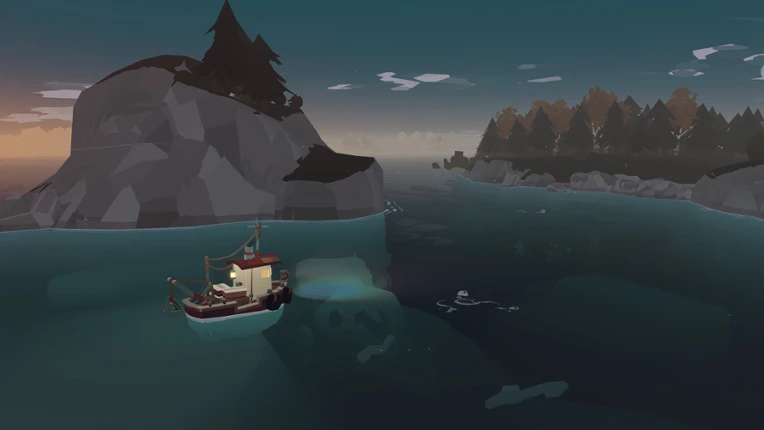
Both games thrive on dread-fueled exploration where the ocean floor hides lethal mysteries far beyond your current capability. This tension is magnified by an oppressive, Lovecraftian atmosphere, which transforms routine resource gathering into a nerve-wracking exercise in risk management.
While Subnautica focuses on expansive base-building and high-tech crafting, Dredge constrains you to the claustrophobic confines of your vessel’s hull. You will trade deep-sea construction for tight inventory management and a more focused, narrative-driven loop.
Pick this up if you crave the existential terror of the deep but prefer a streamlined, bite-sized survival experience over complex sandbox automation.
If you enjoyed this game, see our list of games similar to DREDGE.View Game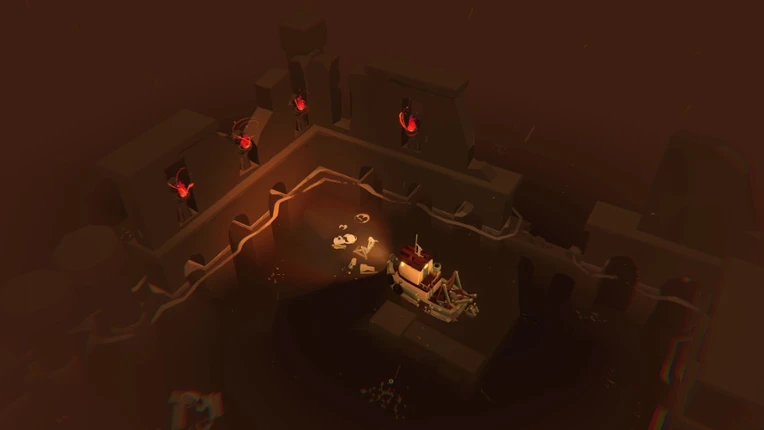
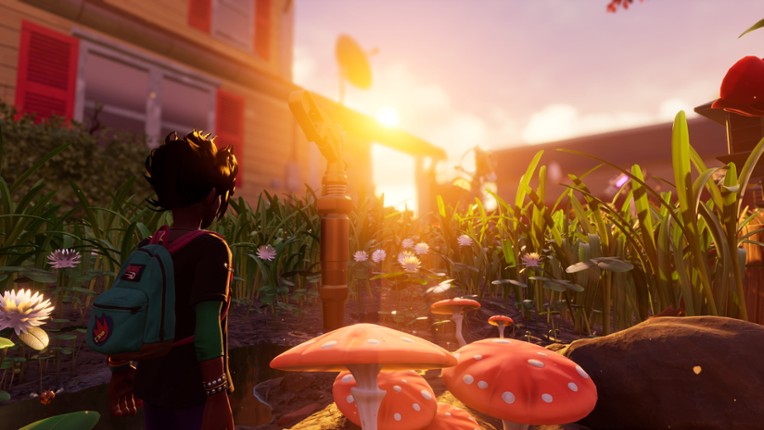
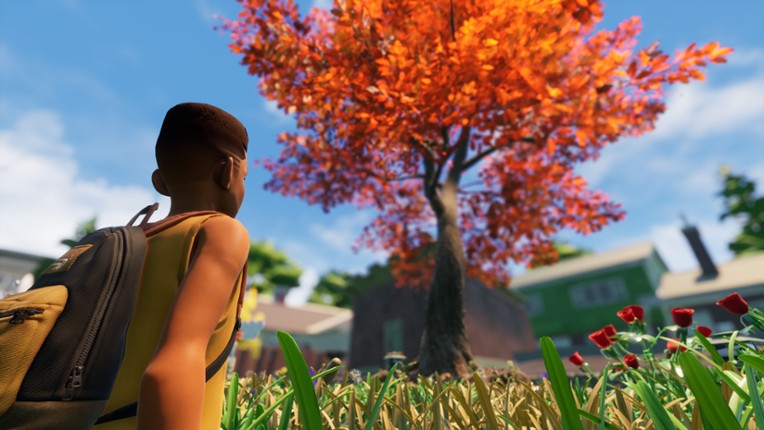
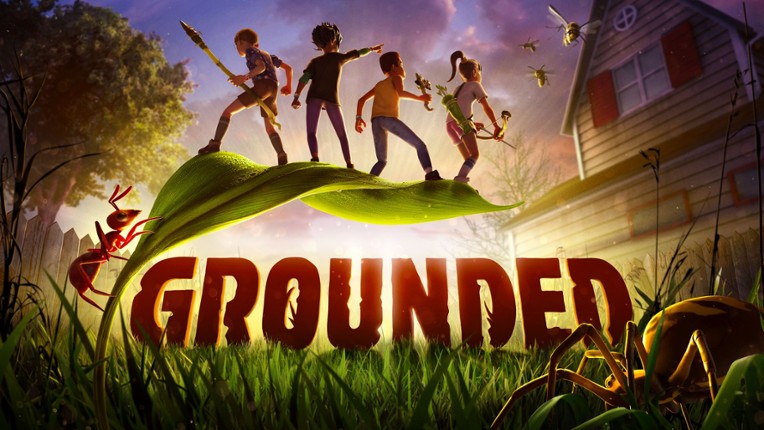
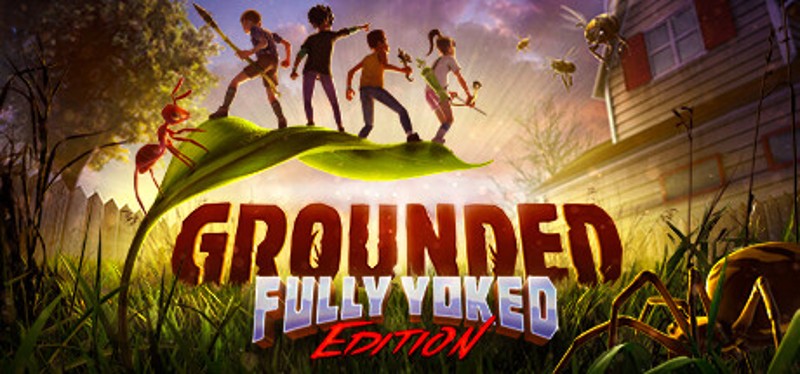
- 86%Game Brain ScoreMost mentioned positive aspects:story, gameplayMost mentioned negative aspects:stability, grinding92% User Score 65,944 reviewsCritic Score 79%27 reviewsSwap the deep ocean for a backyard jungle where miniaturized survival relies on bug-slaying and tactical base construction against oversized insects. If you enjoyed this game, see our list of games similar to Grounded.View Game
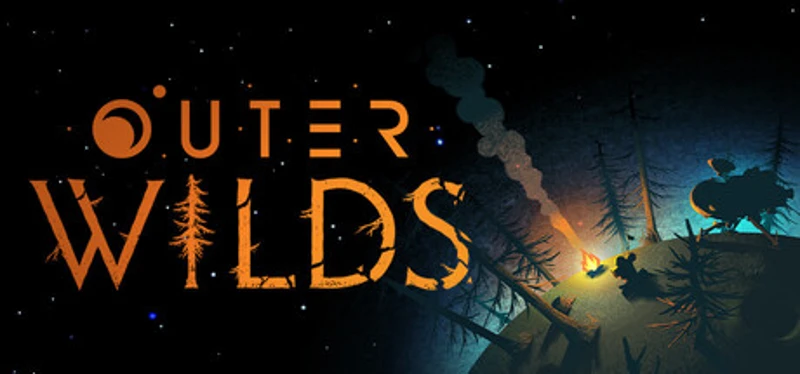
- 89%Game Brain ScoreMost mentioned positive aspects:story, gameplayMost mentioned negative aspects:grinding, replayability95% User Score 72,832 reviewsCritic Score 82%30 reviews
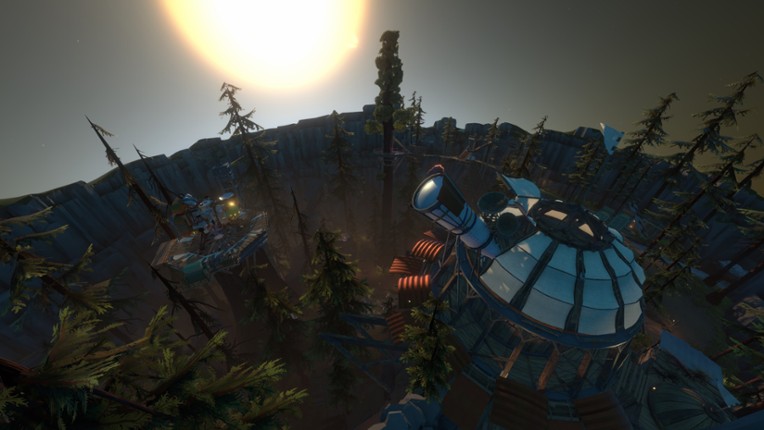
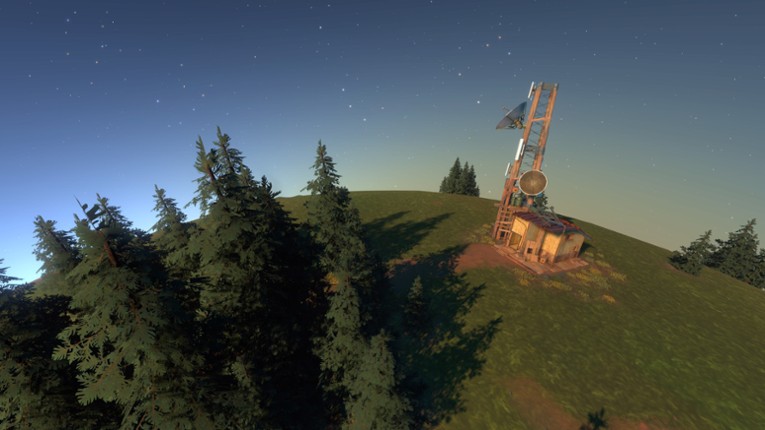
Both games share a fearless approach to discovery—few markers, no hand-holding, just a world that rewards those who look up from their immediate survival. The first time you breach the surface in Subnautica or launch into the void in Outer Wilds, the same thrill hits: this place is vast, and it's yours to understand. Exploration in both titles functions less like gameplay and more like piecing together a puzzle scattered across an alien landscape.
The narrative structure mirrors itself in a subtle way: both deliver their stories through environmental clues rather than exposition. A derelict submarine and a fossilized spacecraft tell their histories through placement, damage, and silence. This creates a shared feeling of being an archaeologist rather than a tourist, where every location holds a story you've earned the right to hear. Outer Wilds amplifies this further by tying discoveries to a 22-minute time loop, meaning knowledge itself becomes your progression currency.
Where Subnautica grounds you in crafting and base-building logistics, Outer Wilds strips away resource management entirely. Your ship and your wits are all you carry, trading the satisfying loop of gathering and constructing for pure investigation. The tradeoff? No inventory anxiety, no late-game grinding. If Subnautica's resource treadmill sometimes stalled your momentum, Outer Wilds offers a smoother ride through its mysteries.
Best for players who prefer understanding a world over conquering it, and who find genuine reward in failing forward through curiosity rather than combat.
If you enjoyed this game, see our list of games similar to Outer Wilds.View Game
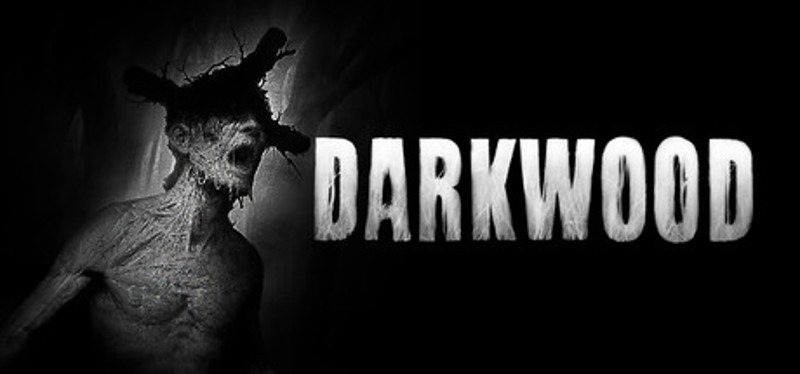
- 94%Game Brain ScoreMost mentioned positive aspects:story, atmosphereMost mentioned negative aspects:grinding, stability94% User Score 10,983 reviews
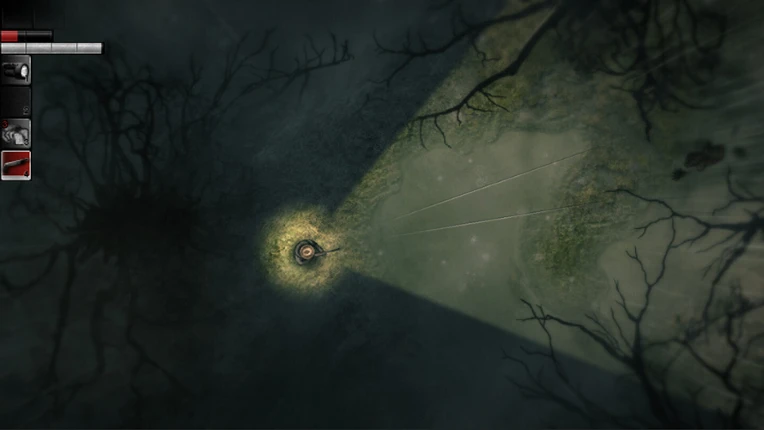
Both games trap you in hostile environments where resource scarcity forces constant tactical decisions—you're always weighing whether to venture further into danger or retreat to safety. In Subnautica, this tension emerges from oxygen timers and depth limits; in Darkwood, it's the encroaching night and dwindling supplies that create the same psychological pressure to explore strategically.
The exploration loop mirrors itself across both titles: you map unknown territory, uncover environmental storytelling, and gradually piece together why your world is broken. Trading systems and crafting reinforce this rhythm, making each expedition feel purposeful rather than aimless grinding.
Where Darkwood diverges is its day-night cycle and base defense mechanics—instead of freely roaming, you're anchored to shelter and must prepare for incoming threats. This shifts the survival experience from open-ended discovery to cyclical tension, offering Subnautica veterans a fresh pressure model.
If you felt Subnautica's late-game grinding became repetitive, Darkwood's tighter resource economy and supernatural horror create a leaner, more focused survival loop that rewards restraint over extraction.
Best for: players who value atmosphere and strategic scarcity over scale, and who welcome horror tension as the driving force behind survival decisions.
If you enjoyed this game, see our list of games similar to Darkwood.View Game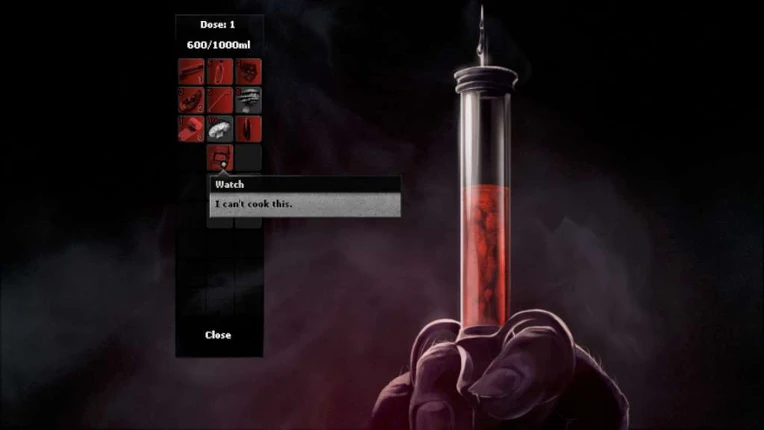
- 75%Game Brain ScoreMost mentioned positive aspects:story, gameplayMost mentioned negative aspects:grinding, optimization78% User Score 149,300 reviewsCritic Score 71%47 reviews
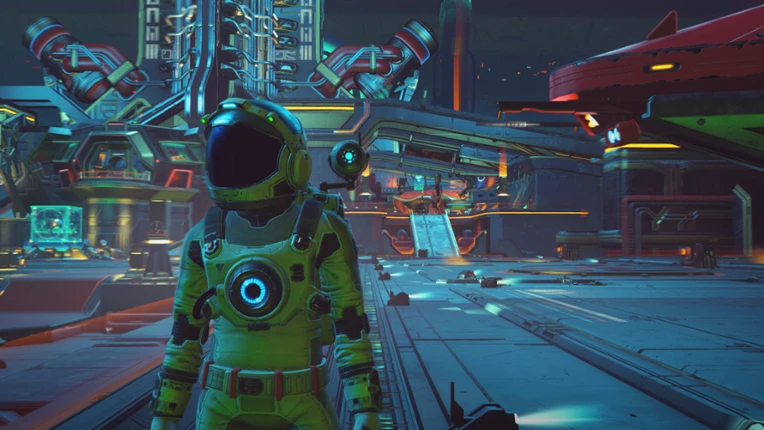
Buy No Man's Sky on PlayStation Store. Lose yourself in a vast sci-fi odyssey as you explore a near-infinite, procedurally generated universe. If you enjoyed this game, see our list of games similar to No Man's Sky.
View Game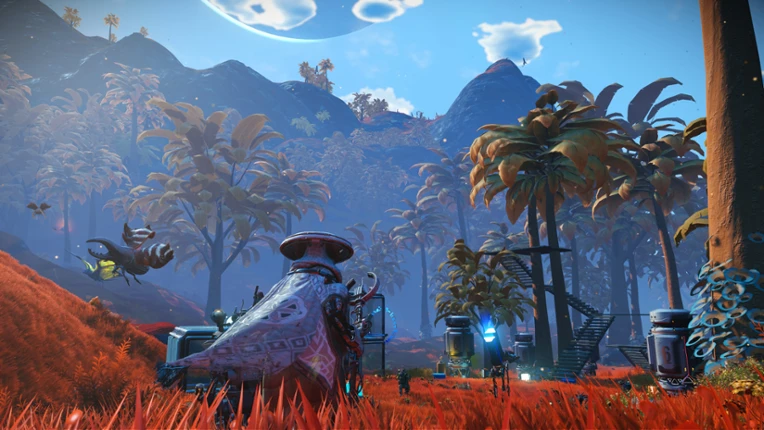
- 93%Game Brain ScoreMost mentioned positive aspects:story, gameplayMost mentioned negative aspects:grinding, stability98% User Score 114,792 reviewsCritic Score 78%3 reviews
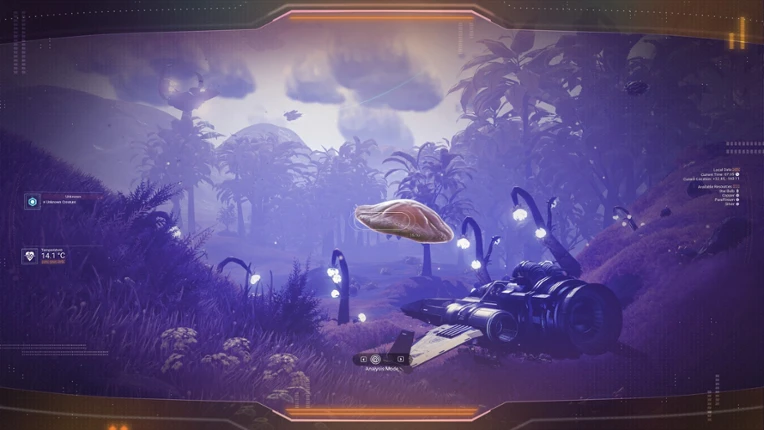
Both games anchor themselves in first-person exploration of alien ecosystems, rewarding curiosity over combat. You'll spend hours cataloging strange lifeforms and uncovering environmental storytelling rather than fighting.
Trading mechanics matter in both—they let you convert resources into progress without grinding identical tasks, which keeps pacing varied.
The crucial difference: Slime Rancher is a colorful, comedic sandbox; Subnautica is atmospheric sci-fi horror with a tight narrative arc and survival stakes.
Pick Slime Rancher if you want Subnautica's exploration loop and charm but can abandon the existential dread, story weight, and underwater survival tension.
If you enjoyed this game, see our list of games similar to Slime Rancher.View Game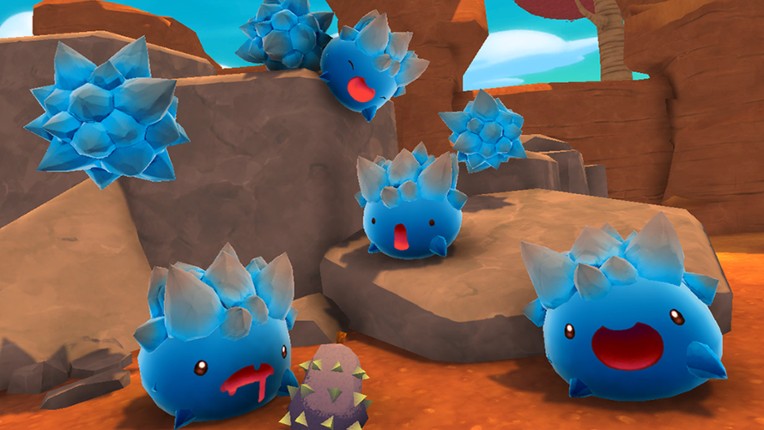
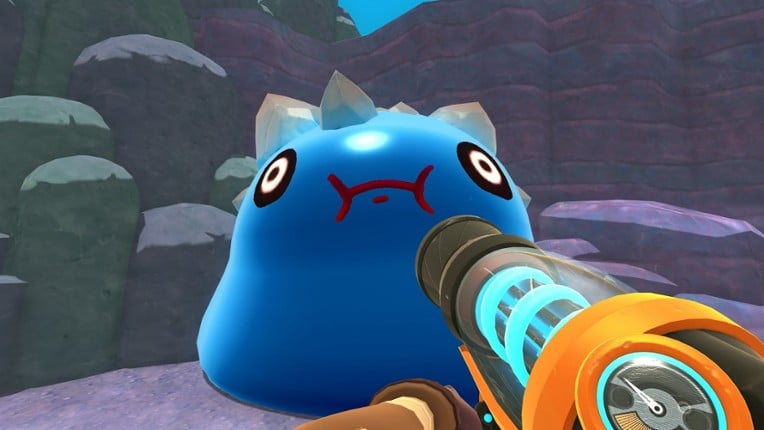
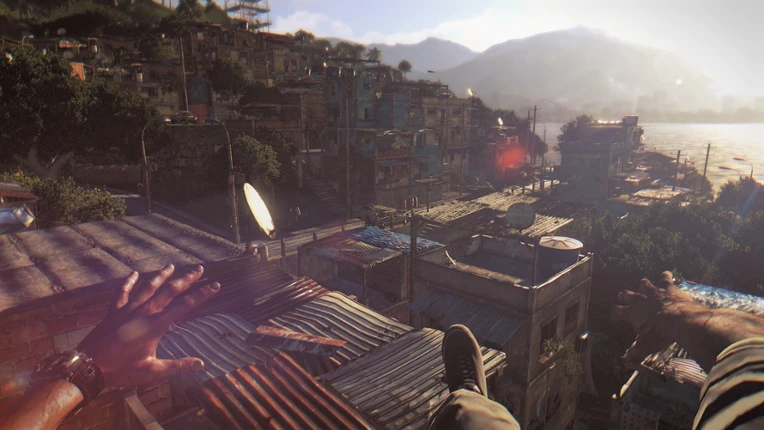
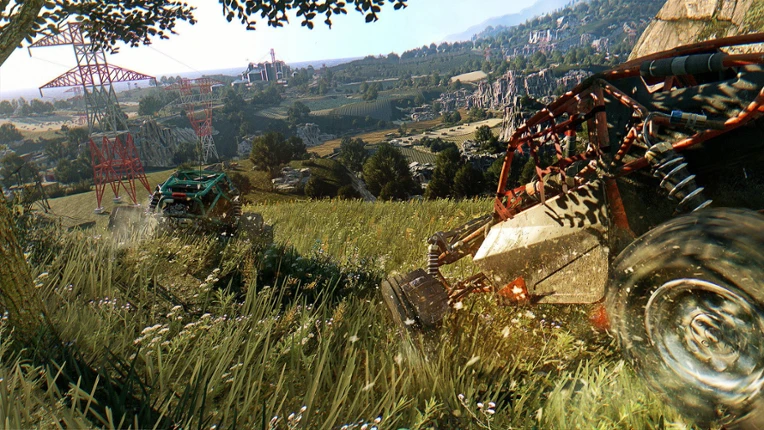
- 87%Game Brain ScoreMost mentioned positive aspects:story, gameplayMost mentioned negative aspects:stability, grinding94% User Score 132,525 reviewsCritic Score 80%33 reviewsExtends open-world survival and co-op depth across zombie parkour gameplay, prioritizing moment-to-moment action and progression systems over atmospheric mystery. If you enjoyed this game, see our list of games similar to Dying Light.View Game
- 70%Game Brain ScoreMost mentioned positive aspects:story, gameplayMost mentioned negative aspects:stability, grinding78% User Score 3,038 reviewsCritic Score 60%7 reviews
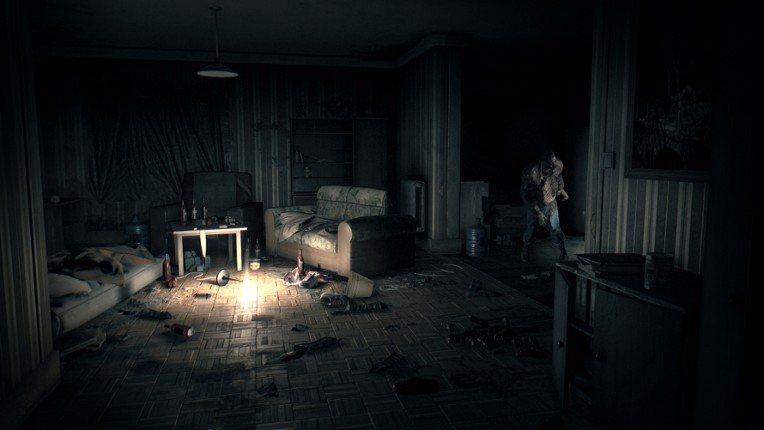
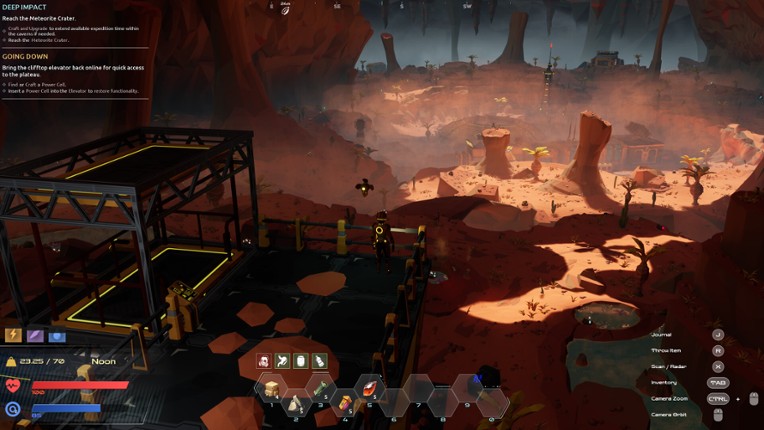
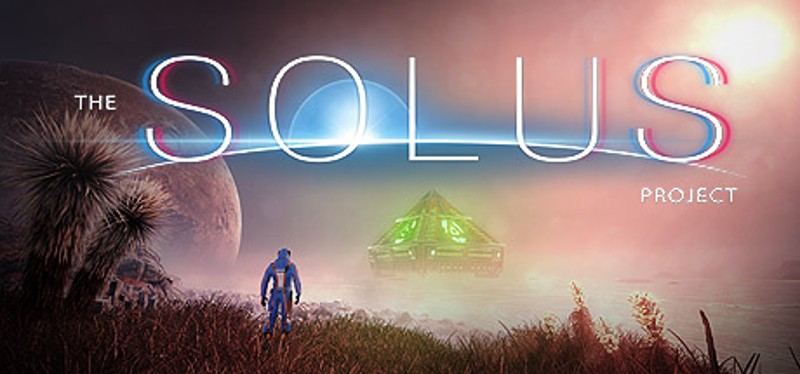
The Solus Project shares Subnautica’s focus on exploration-driven storytelling, where uncovering environmental clues is essential to piecing together the world’s mystery. Both lean heavily on atmospheric design to boost immersion and tension in an alien setting, enhancing the emotional impact of discovery.
The key difference is that Solus Project’s survival elements lack challenge, often feeling trivial, which reduces the urgency that keeps Subnautica’s gameplay gripping. Additionally, Solus Project struggles with tedious backtracking and an unsatisfying ending that may frustrate players seeking closure.
Pick The Solus Project if you want a visually rich, story-rich space mystery with lighter survival demands but can tolerate a less polished narrative and gameplay flow than Subnautica offers.
If you enjoyed this game, see our list of games similar to The Solus Project.View Game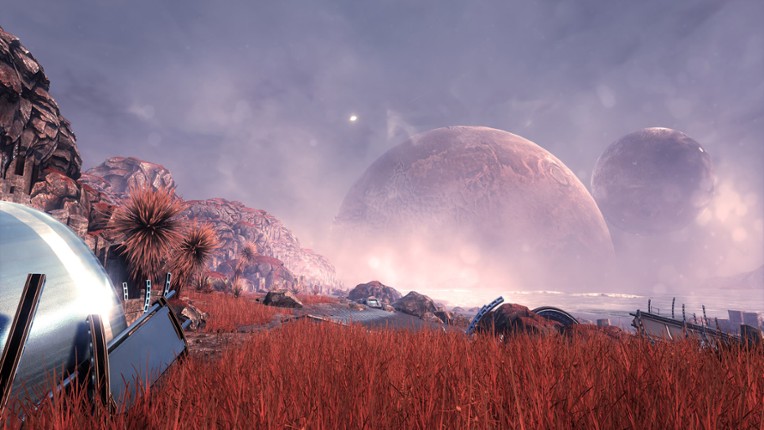
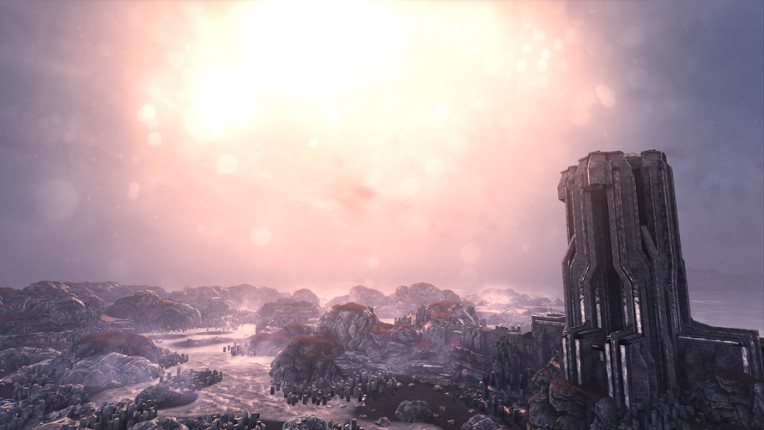
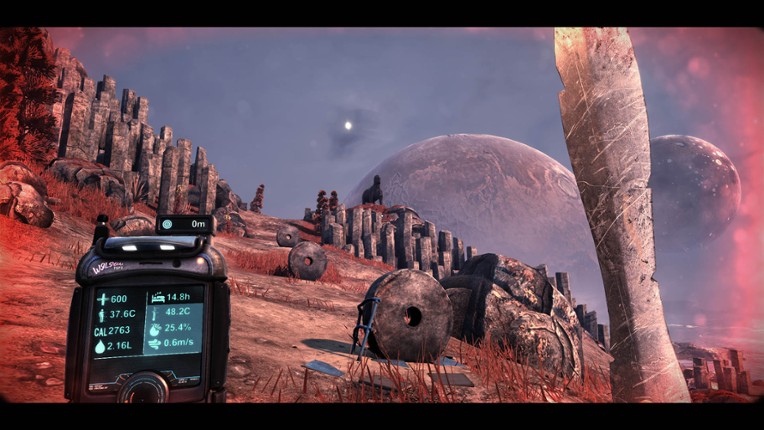
- 78%Game Brain ScoreMost mentioned positive aspects:story, gameplayMost mentioned negative aspects:grinding, stability85% User Score 33,418 reviewsCritic Score 66%6 reviewsReplaces alien beauty with the brutal realism of the Amazon rainforest, prioritizing hyper-realistic medical management and psychological endurance over high-tech exploration. If you enjoyed this game, see our list of games similar to Green Hell.View Game
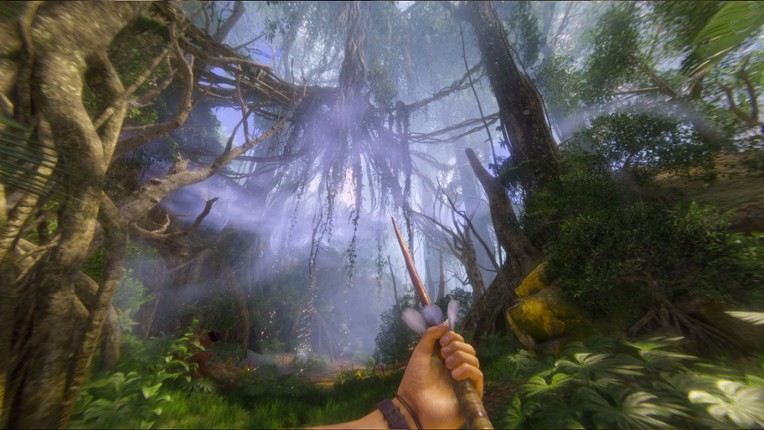
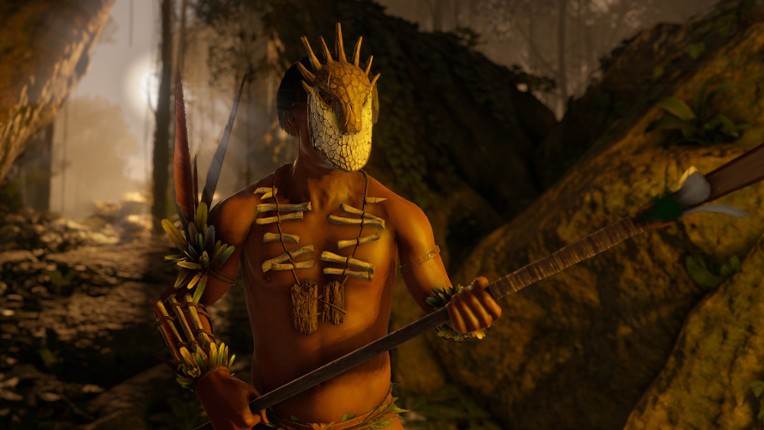
- 93%Game Brain ScoreMost mentioned positive aspects:story, atmosphereMost mentioned negative aspects:grinding, stability95% User Score 20,478 reviewsCritic Score 86%3 reviews
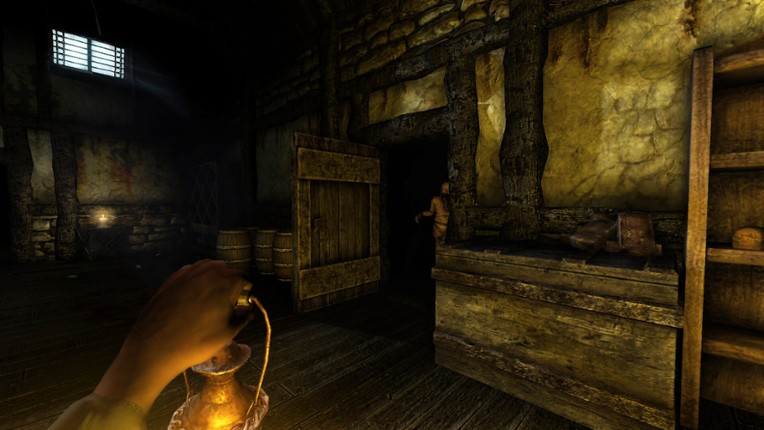
Both games weaponize isolation as a gameplay mechanic. Subnautica's crushing underwater depths and Amnesia's oppressive castle corridors force players to confront fear without a safety net, making every shadow and sound disproportionately threatening.
The psychological tension systems reinforce this shared design. Subnautica's PDA scanner hums ominously in the dark while Amnesia's sanity meter warps reality—both understand that survival horror lives in the mind, not just the monster.
Where they diverge: Subnautica hands players creative agency through base building and resource progression, whereas Amnesia strips that away, leaving only survival and storytelling.
Pick this up if you want tight, narrative-driven horror with a 66% thematic overlap to Subnautica, but can live without crafting or open-world exploration.
If you enjoyed this game, see our list of games similar to Amnesia: The Dark Descent.View Game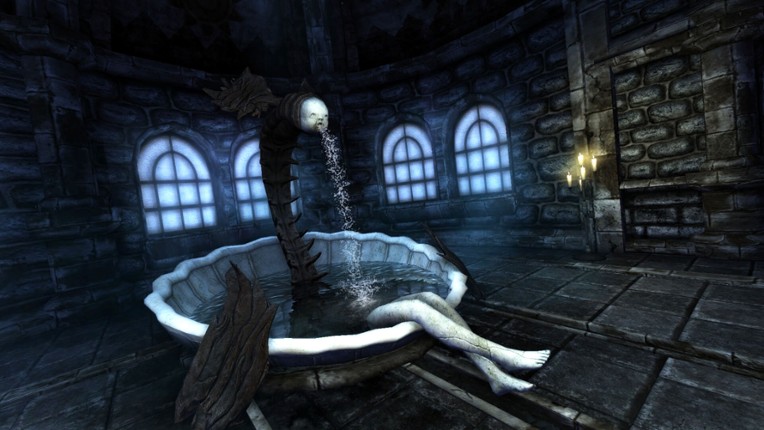
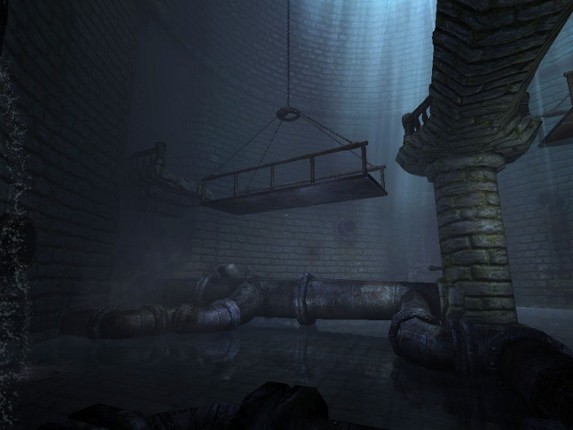
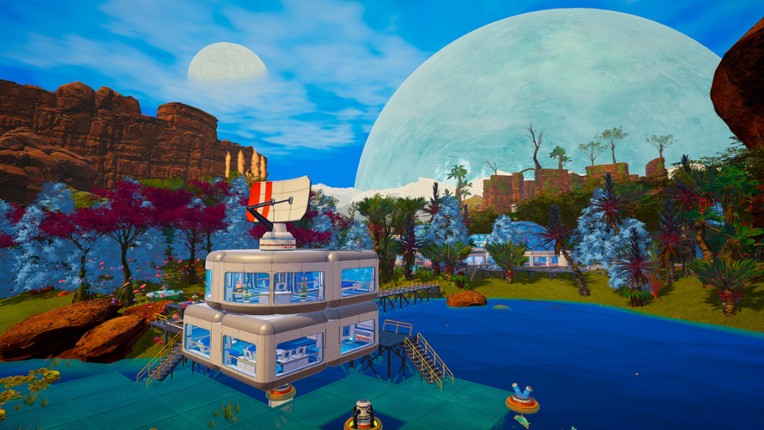
- 88%Game Brain ScoreMost mentioned positive aspects:gameplay, storyMost mentioned negative aspects:grinding, stability96% User Score 43,956 reviewsCritic Score 78%7 reviewsOffering a much looser connection, this title strips away the biological dangers to focus entirely on the meditative, systemic process of planetary terraforming. If you enjoyed this game, see our list of games similar to Planet Crafter.View Game
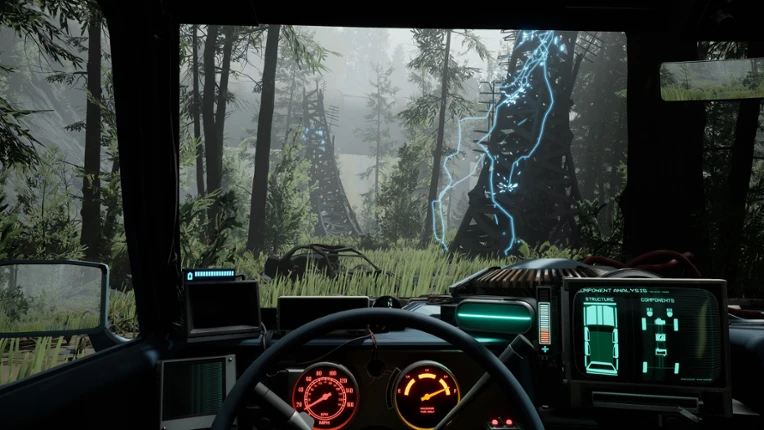
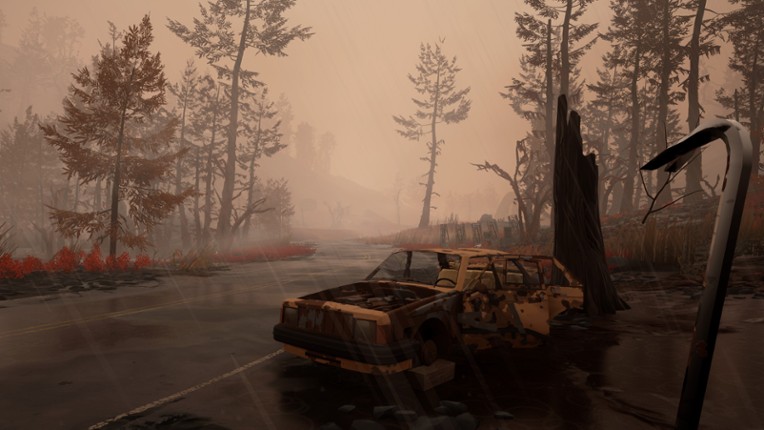
- 81%Game Brain ScoreMost mentioned positive aspects:story, gameplayMost mentioned negative aspects:optimization, grinding83% User Score 15,162 reviewsCritic Score 78%5 reviewsChannels crafting and base-building into a post-apocalyptic vehicle-centric adventure, maintaining atmospheric exploration while grounding survival in driving mechanics. If you enjoyed this game, see our list of games similar to Pacific Drive.View Game
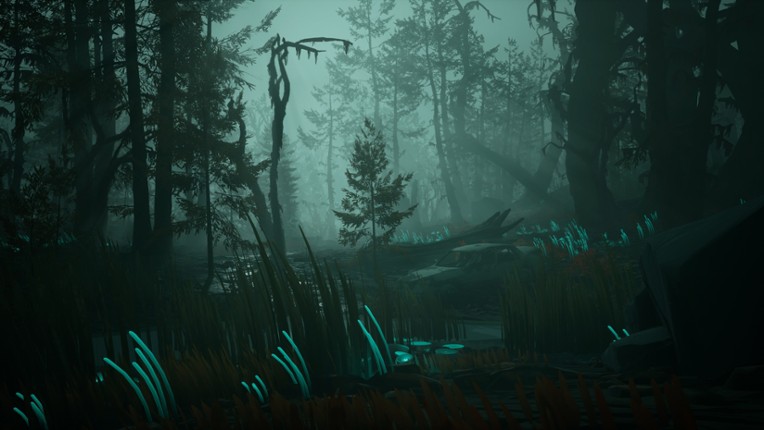
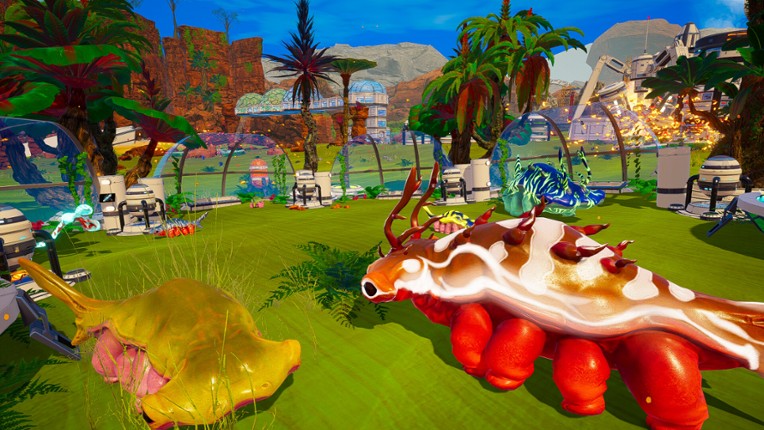
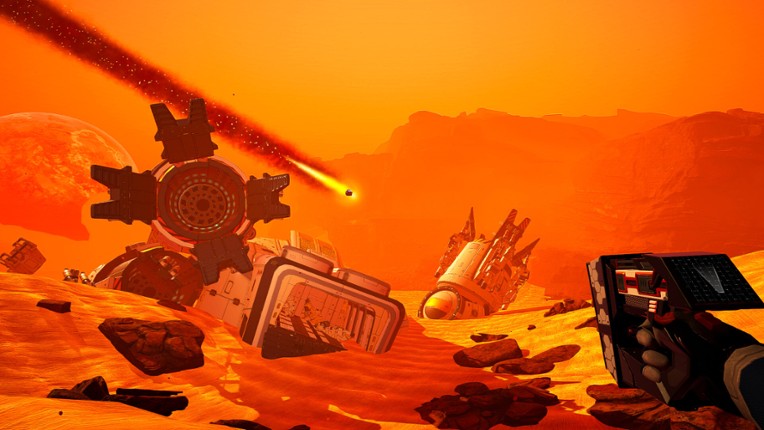
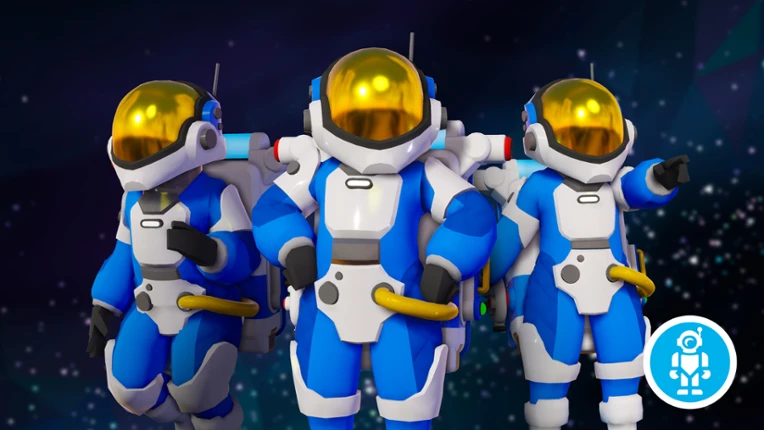
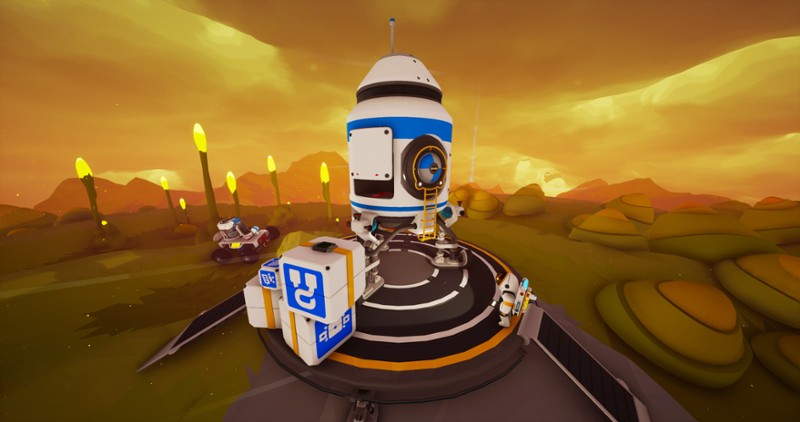
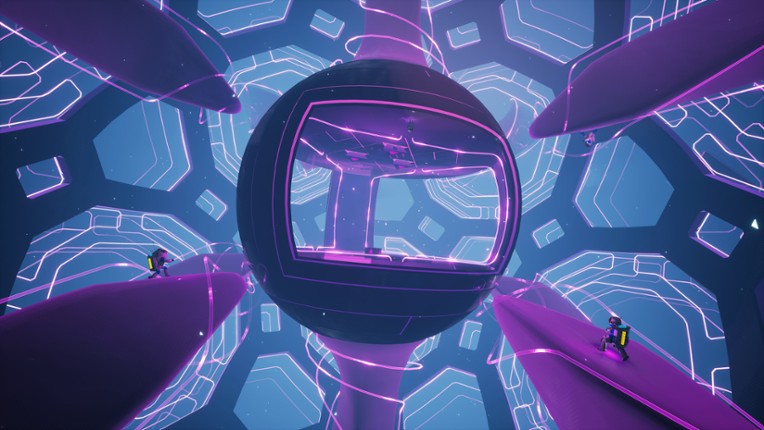
- 92%Game Brain ScoreMost mentioned positive aspects:gameplay, graphicsMost mentioned negative aspects:stability, grinding92% User Score 44,980 reviewsShifts the focus to cooperative planetary sandbox exploration with a lighter, kid-friendly sci-fi tone and vibrant, low-poly visuals. If you enjoyed this game, see our list of games similar to ASTRONEER.View Game
- 71%Game Brain ScoreMost mentioned positive aspects:graphics, storyMost mentioned negative aspects:replayability, stability71% User Score 2,373 reviewsFeatures a smaller, more focused underwater loop centered on resource gathering and submarine maintenance, providing a simplified experience for those craving more aquatic survival. If you enjoyed this game, see our list of games similar to FarSky.View Game
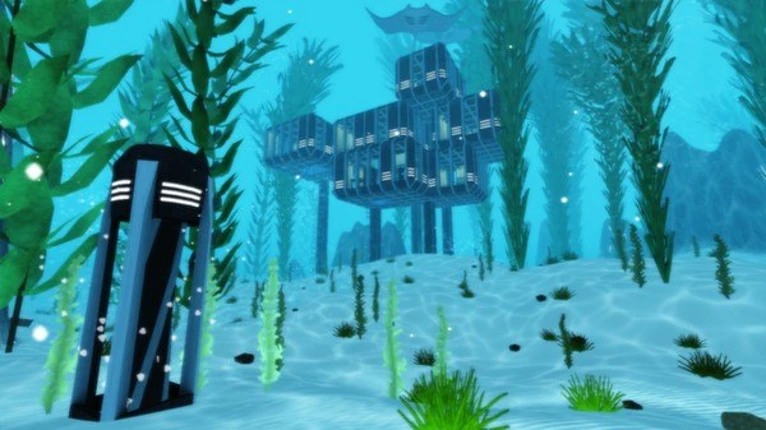
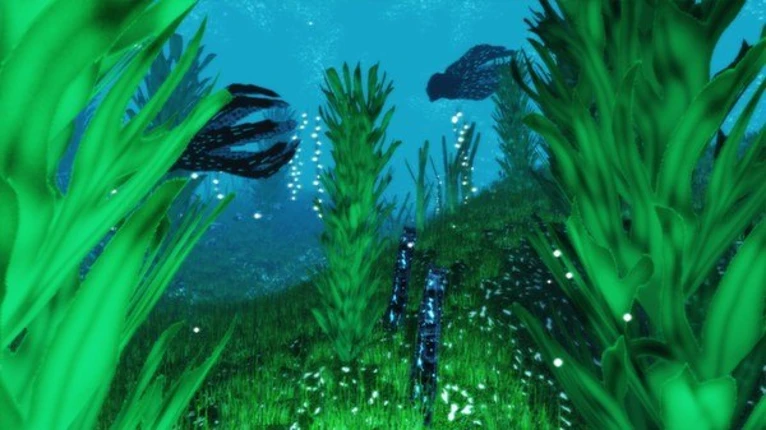
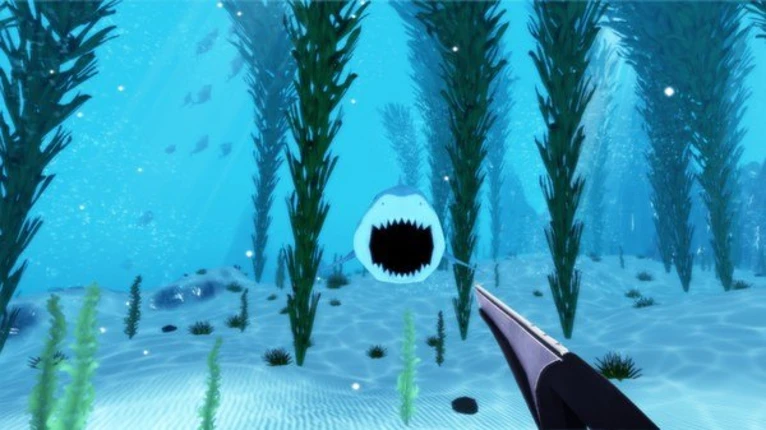
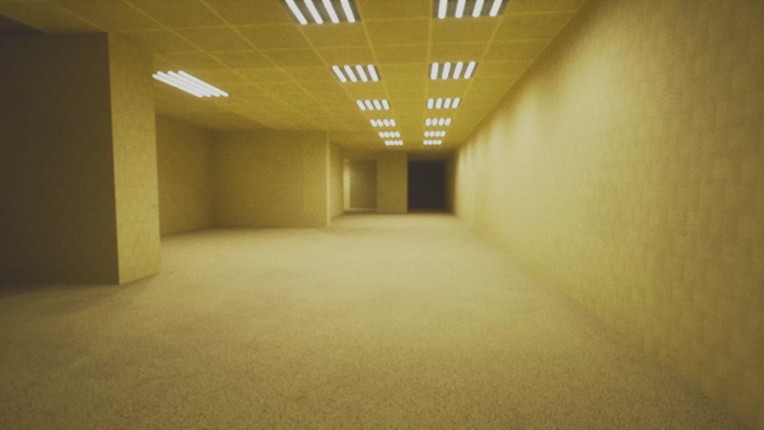
- 90%Game Brain ScoreMost mentioned positive aspects:gameplay, graphicsMost mentioned negative aspects:stability, grinding90% User Score 51,622 reviewsEmphasizes the anxiety of exploration within liminal, supernatural spaces, trading the open-world discovery of alien ecosystems for claustrophobic and terrifying indoor navigation. If you enjoyed this game, see our list of games similar to Escape the Backrooms.View Game

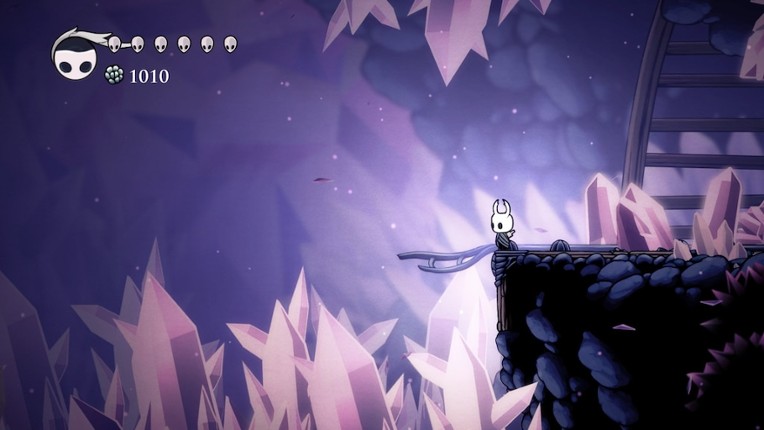
- 94%Game Brain ScoreMost mentioned positive aspects:music, storyMost mentioned negative aspects:grinding, stability97% User Score 193,267 reviewsCritic Score 90%9 reviewsChannels atmospheric exploration and rich storytelling into a hand-drawn 2D metroidvania, trading survival crafting for souls-like difficulty and tight platforming. If you enjoyed this game, see our list of games similar to null.View Game

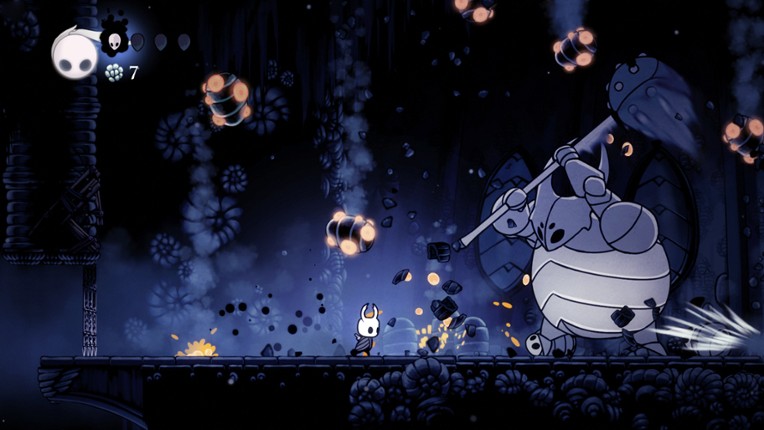
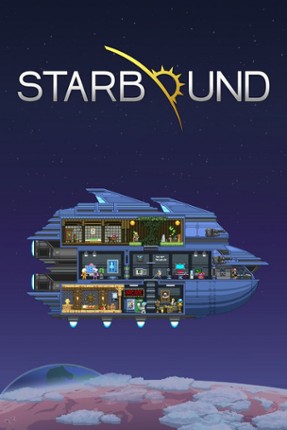
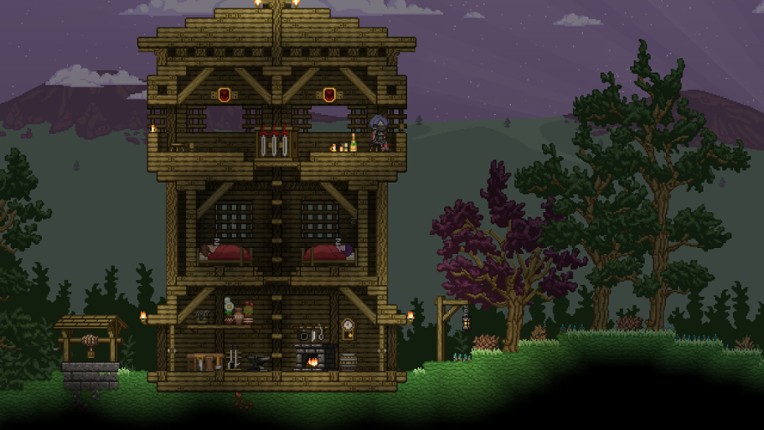
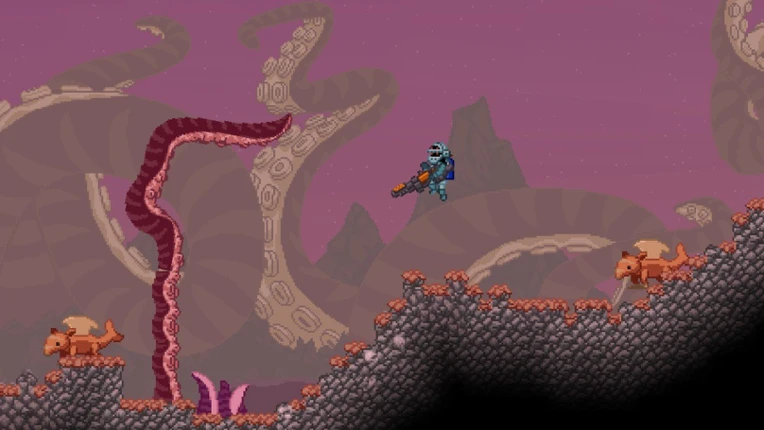
- 86%Game Brain ScoreMost mentioned positive aspects:story, gameplayMost mentioned negative aspects:grinding, optimization89% User Score 101,534 reviewsCritic Score 83%10 reviewsExpands multi-player survival and crafting across a procedural space sandbox with pixel-art aesthetics, trading underwater mystery for relaxing galactic exploration. If you enjoyed this game, see our list of games similar to Starbound.View Game
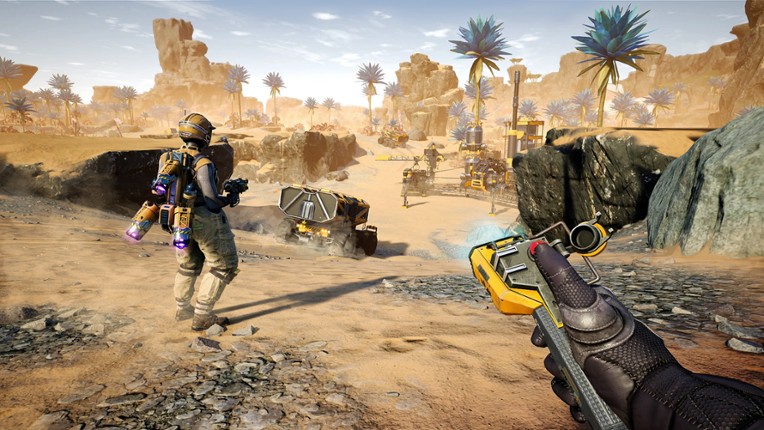
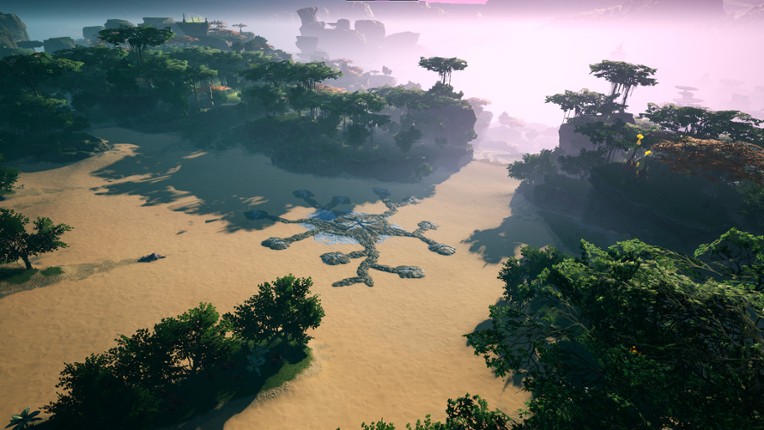
- 95%Game Brain ScoreMost mentioned positive aspects:gameplay, graphicsMost mentioned negative aspects:grinding, stability97% User Score 153,748 reviewsCritic Score 91%7 reviewsShifts the emphasis from biological survival to complex industrial automation and resource logistics, perfect for players who loved building bases but wanted more machinery. If you enjoyed this game, see our list of games similar to Satisfactory.View Game
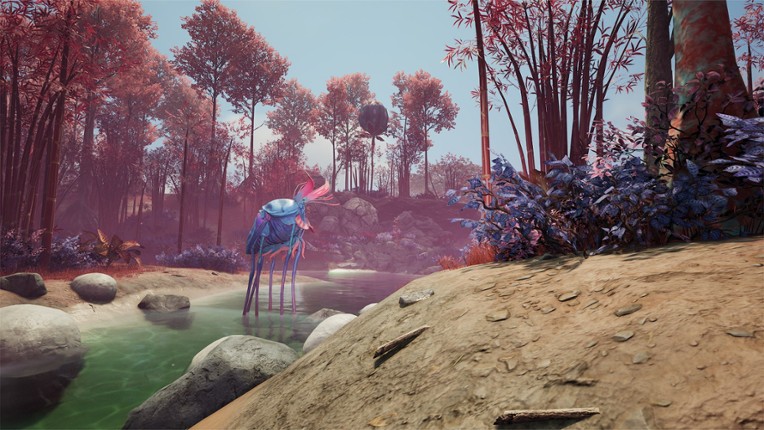
- 69%Game Brain ScoreMost mentioned positive aspects:humor, storyMost mentioned negative aspects:grinding, stability71% User Score 6,071 reviewsCritic Score 66%16 reviewsCombines open-world survival and space exploration with dark humor and crafting in a satirical cosmic setting adding a heavier sci-fi emphasis. If you enjoyed this game, see our list of games similar to Breathedge.View Game
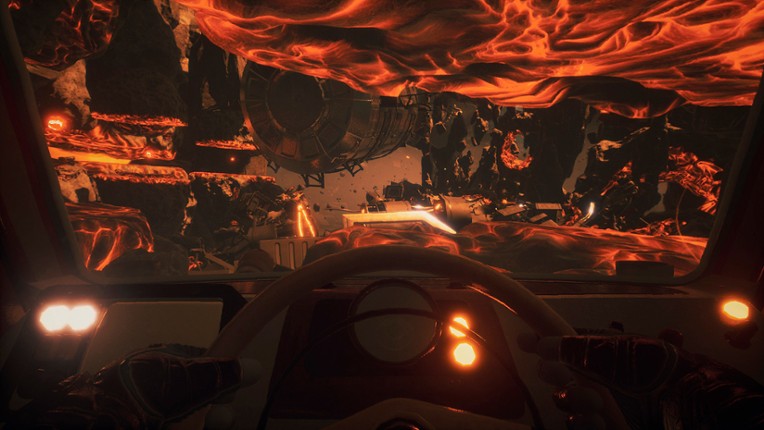
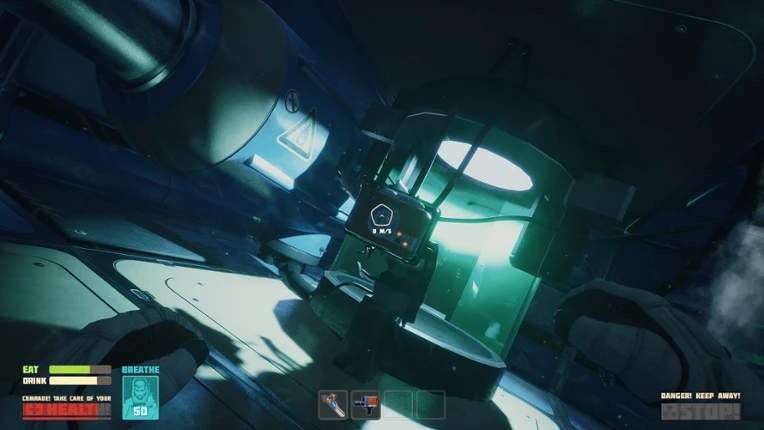
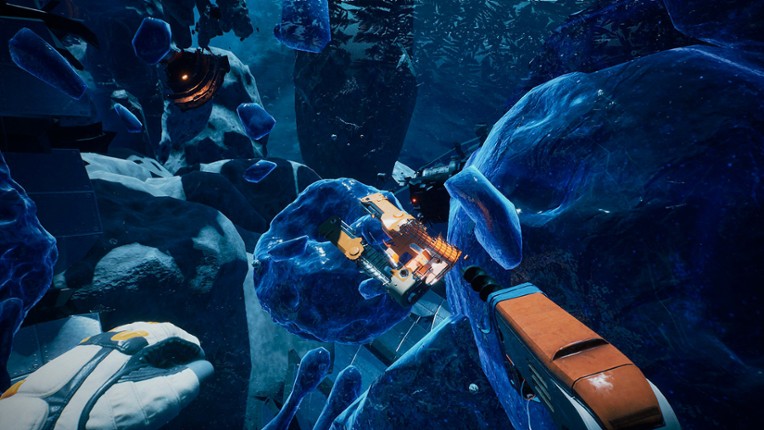
- 96%Game Brain ScoreMost mentioned positive aspects:story, gameplayMost mentioned negative aspects:grinding, optimization96% User Score 37,234 reviewsSwaps underwater solitude for cooperative alien facility survival, maintaining crafting and base-building depth across solo and online co-op campaigns. If you enjoyed this game, see our list of games similar to Abiotic Factor.View Game
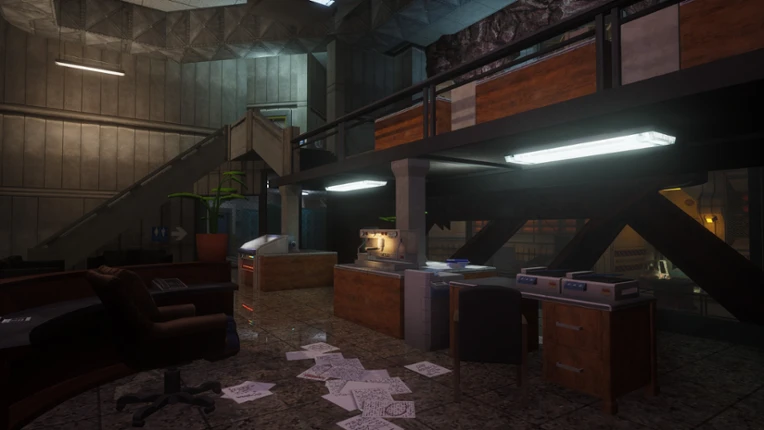
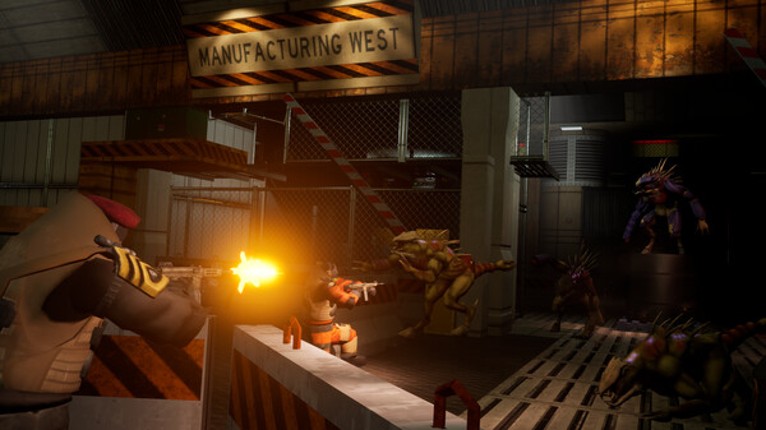
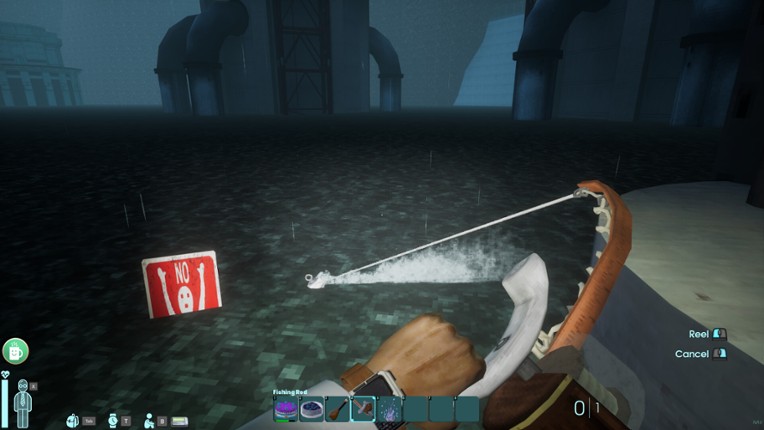
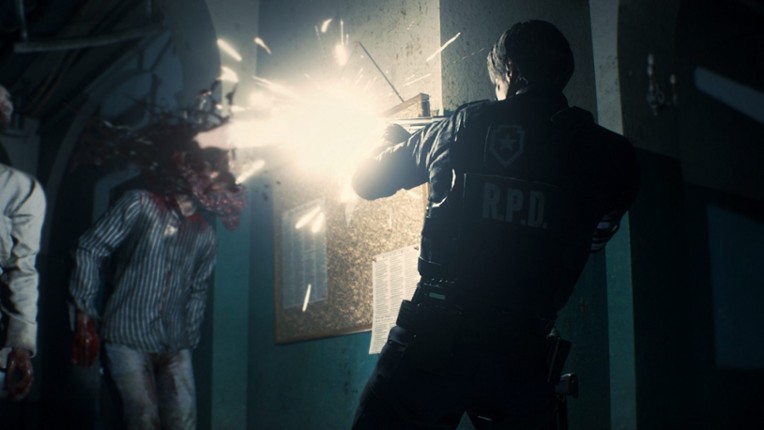
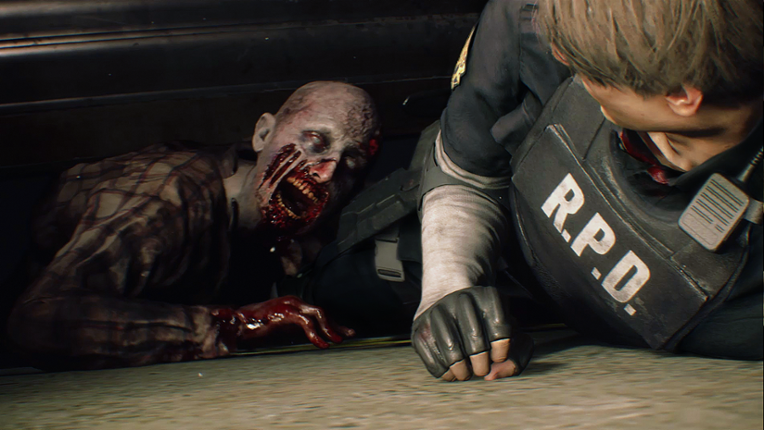
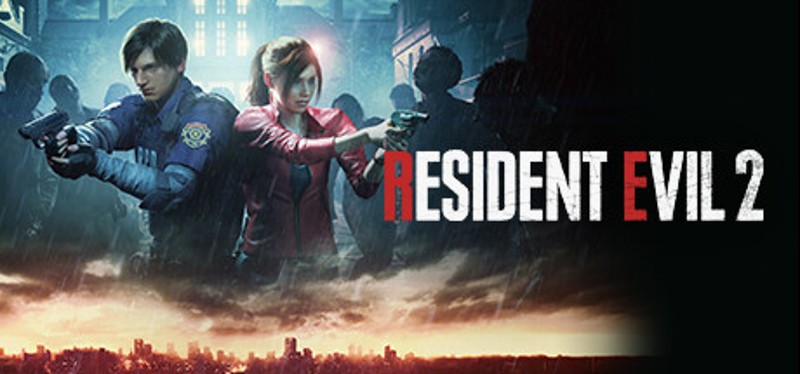
- 96%Game Brain ScoreMost mentioned positive aspects:story, graphicsMost mentioned negative aspects:grinding, stability97% User Score 67,617 reviewsCritic Score 95%1 reviewsApplies survival horror atmosphere to a zombie-infested urban setting with fixed camera angles, emphasizing puzzle-solving and resource scarcity over free exploration. If you enjoyed this game, see our list of games similar to Resident Evil 2.View Game
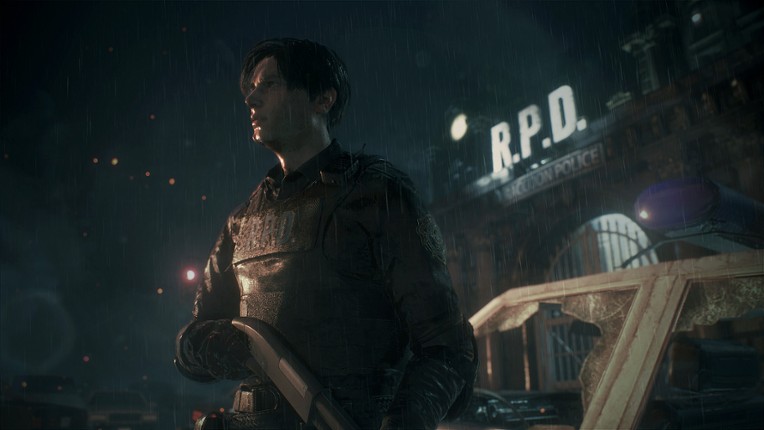
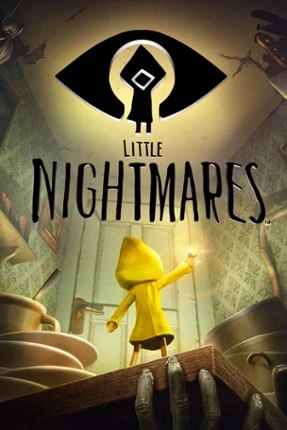
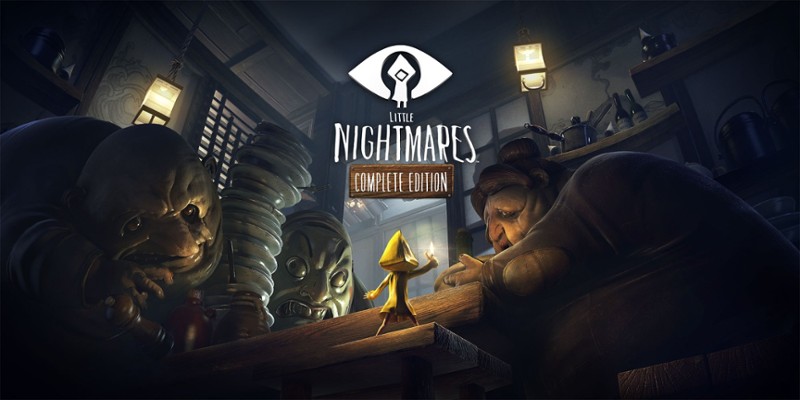
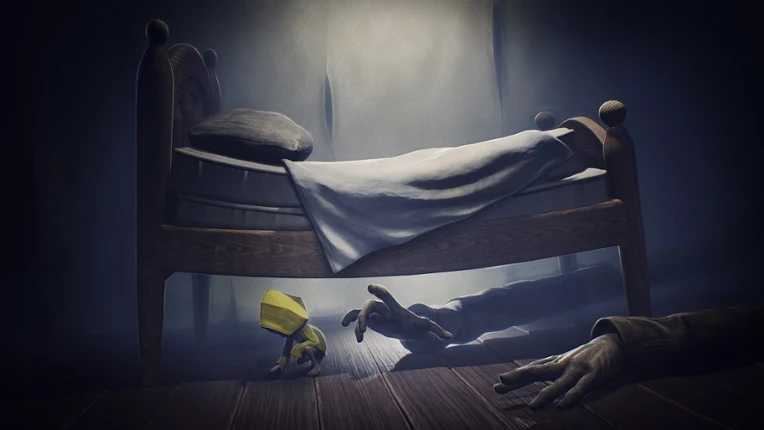
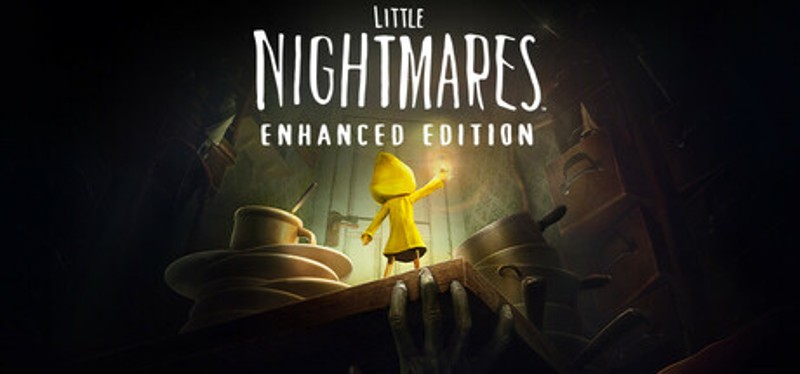
- 87%Game Brain ScoreMost mentioned positive aspects:story, atmosphereMost mentioned negative aspects:replayability, stability94% User Score 33,296 reviewsCritic Score 80%11 reviewsFocuses less on resource gathering and more on atmospheric, platforming-based puzzles within a terrifying, surreal environment that emphasizes dread over crafting. If you enjoyed this game, see our list of games similar to Little Nightmares.View Game
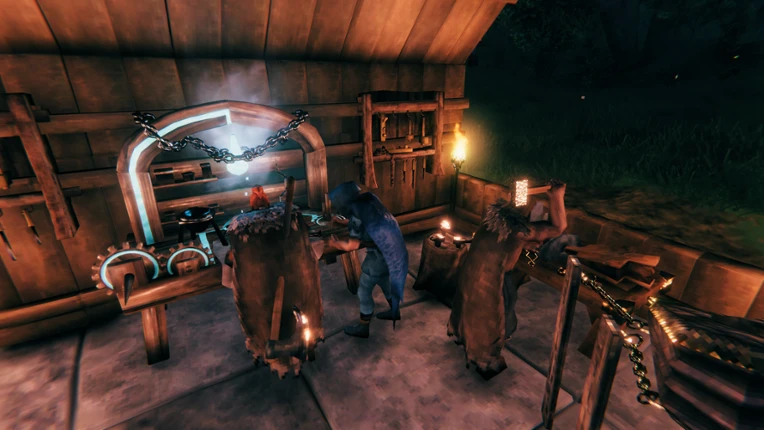
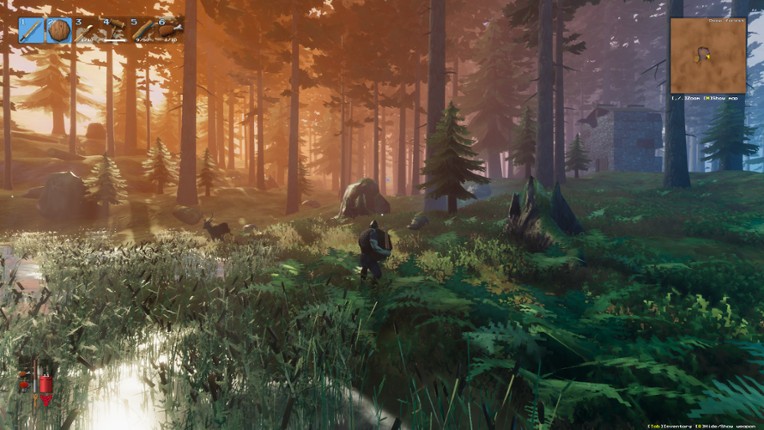
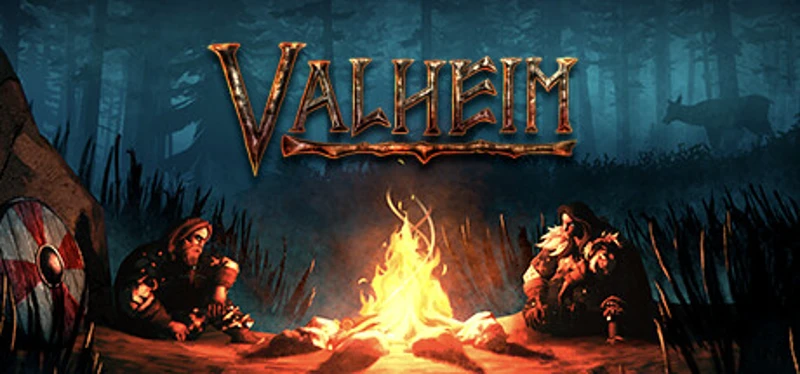
- 92%Game Brain ScoreMost mentioned positive aspects:gameplay, graphicsMost mentioned negative aspects:grinding, optimization95% User Score 291,882 reviewsCritic Score 90%11 reviewsMirrors base-building and co-op survival through Norse mythology instead of alien sci-fi, with melee combat and environmental hazards replacing underwater exploration. If you enjoyed this game, see our list of games similar to Valheim.View Game
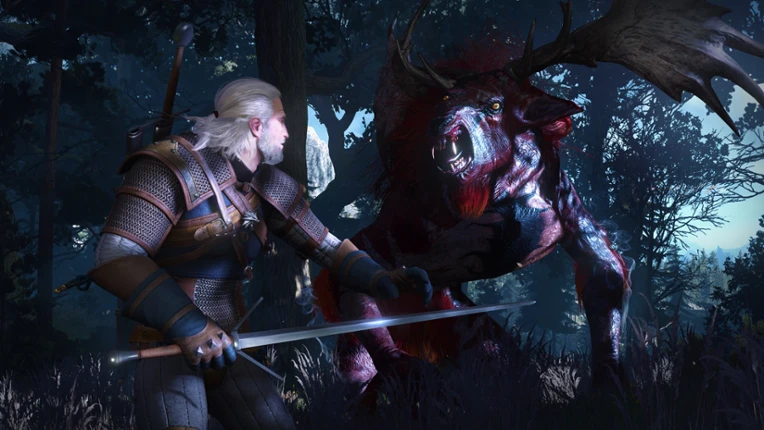
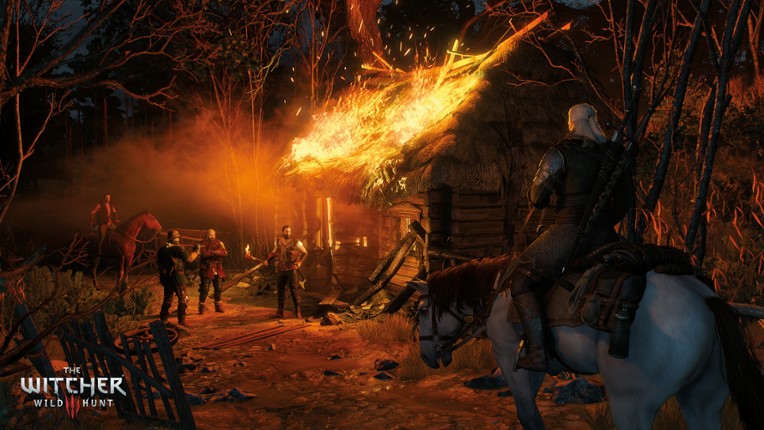
30 View Game 95%Game Brain ScoreMost mentioned positive aspects:story, graphicsMost mentioned negative aspects:stability, grinding97% User Score 245,794 reviewsCritic Score 92%8 reviewsA looser connection that moves away from survival mechanics entirely, delivering a narrative-heavy fantasy journey focused on character development and lore-rich questing. If you enjoyed this game, see our list of games similar to The Witcher 3: Wild Hunt.View Game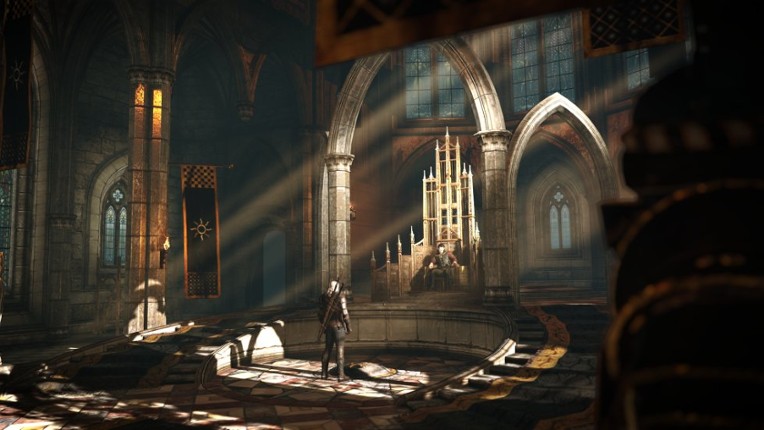
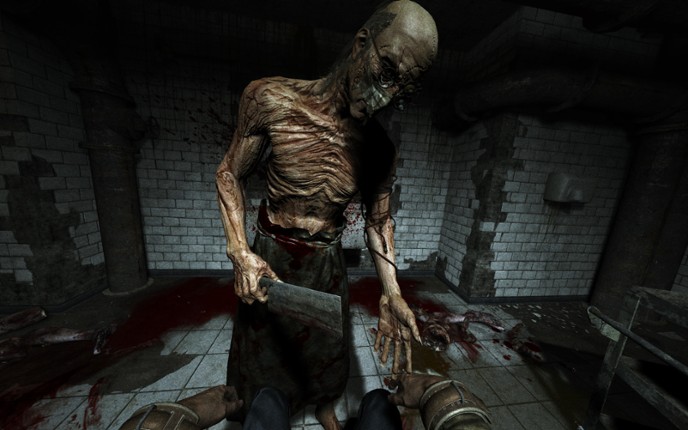
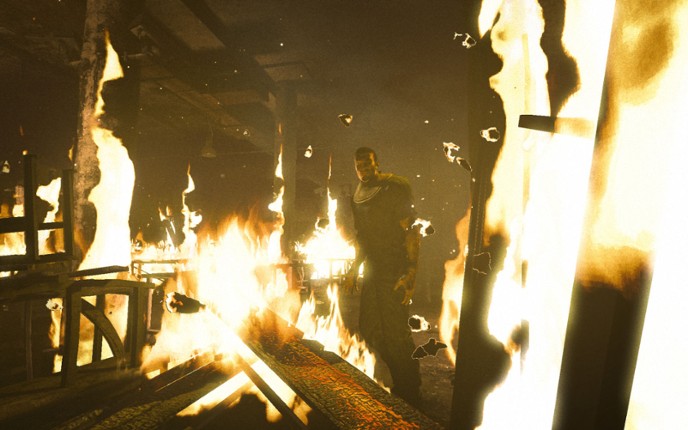
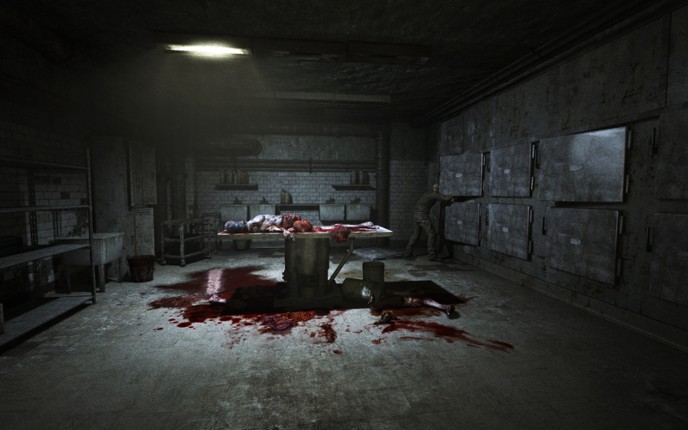
- 87%Game Brain ScoreMost mentioned positive aspects:story, gameplayMost mentioned negative aspects:grinding, stability96% User Score 37,540 reviewsCritic Score 78%16 reviewsWhile lacking the building mechanics, this purely horror-focused experience strips away your ability to fight back, intensifying the helplessness felt during ocean encounters. If you enjoyed this game, see our list of games similar to Outlast.View Game
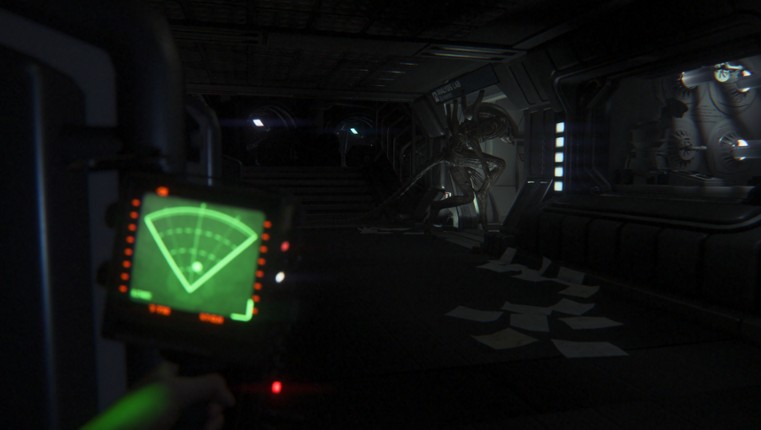
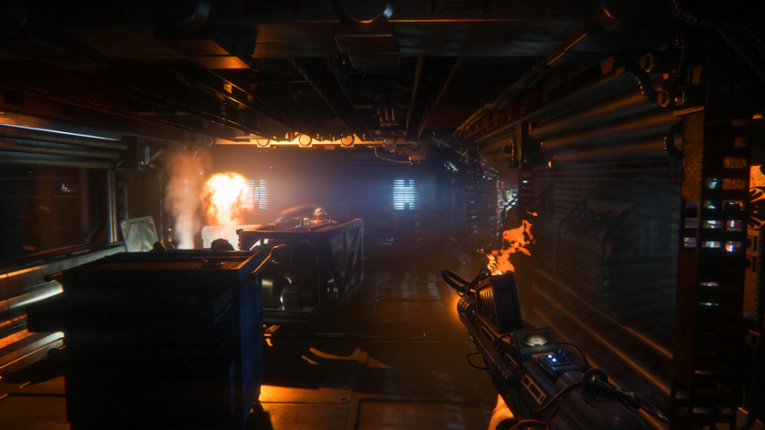
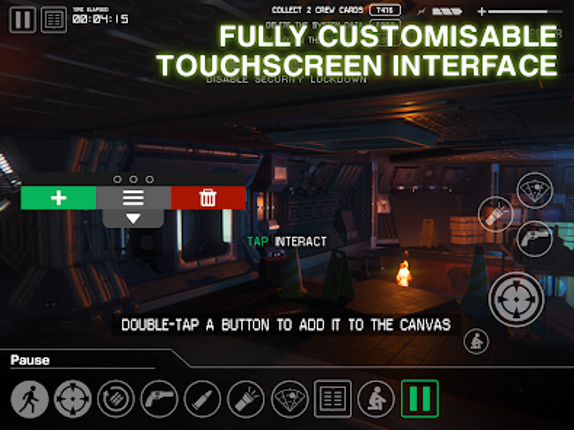
- 88%Game Brain ScoreMost mentioned positive aspects:story, atmosphereMost mentioned negative aspects:grinding, stability92% User Score 21,612 reviewsCritic Score 85%17 reviewsDelivers tense, psychological horror through methodical stalking alien threats in claustrophobic space station environments with a female lead. If you enjoyed this game, see our list of games similar to Alien: Isolation.View Game
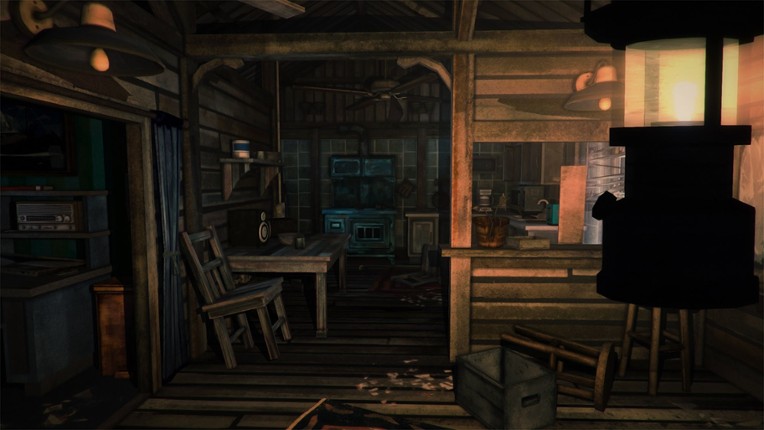
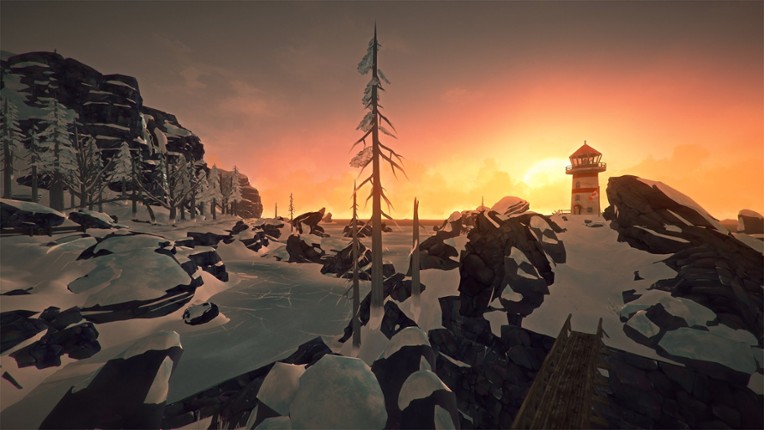
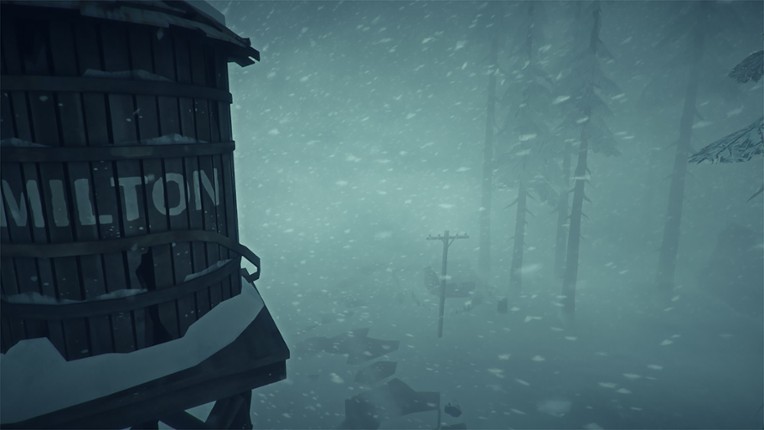
- 84%Game Brain ScoreMost mentioned positive aspects:story, gameplayMost mentioned negative aspects:grinding, stability89% User Score 43,788 reviewsCritic Score 79%22 reviewsOffers stark, lonely survival in a frozen wilderness with slower pacing and a stronger focus on realism and harsh environmental storytelling. If you enjoyed this game, see our list of games similar to The Long Dark.View Game
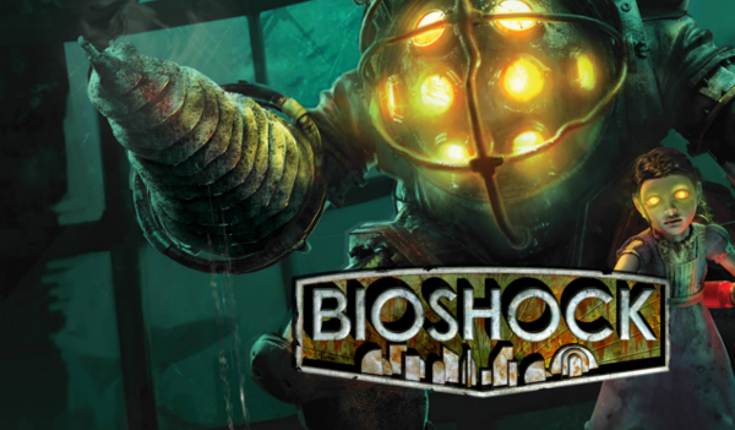
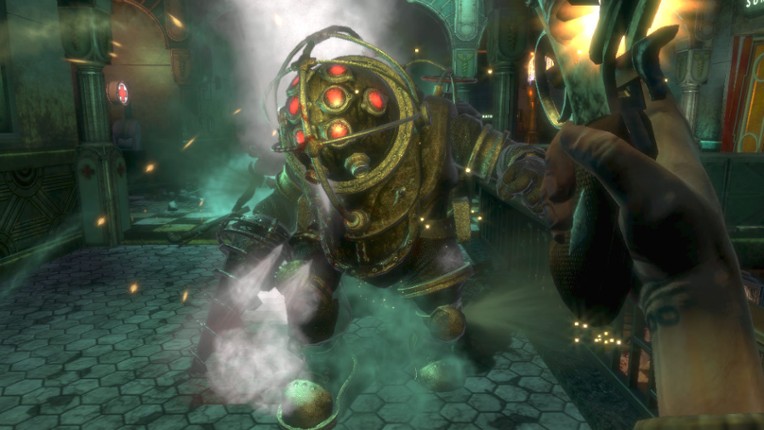
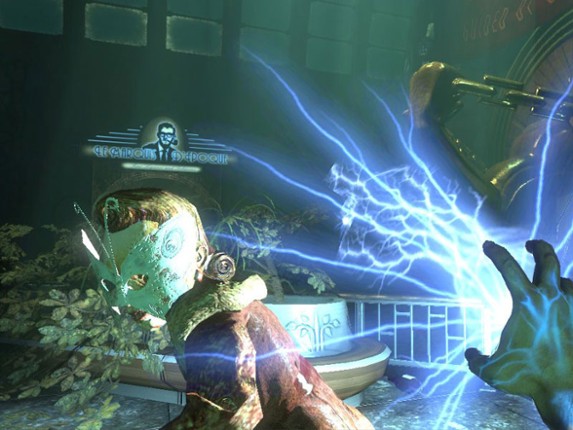
- 95%Game Brain ScoreMost mentioned positive aspects:story, gameplayMost mentioned negative aspects:stability, grinding93% User Score 16,143 reviewsCritic Score 97%5 reviewsDials up dystopian horror with a narrative-driven, underwater steampunk world loaded with political and philosophical themes. If you enjoyed this game, see our list of games similar to BioShock.View Game
- 88%Game Brain ScoreMost mentioned positive aspects:gameplay, humorMost mentioned negative aspects:stability, grinding88% User Score 2,859 reviewsInjects humor and procedural dungeon crawling beneath the waves with a focus on PvE multiplayer and character customization. If you enjoyed this game, see our list of games similar to Murky Divers.View Game
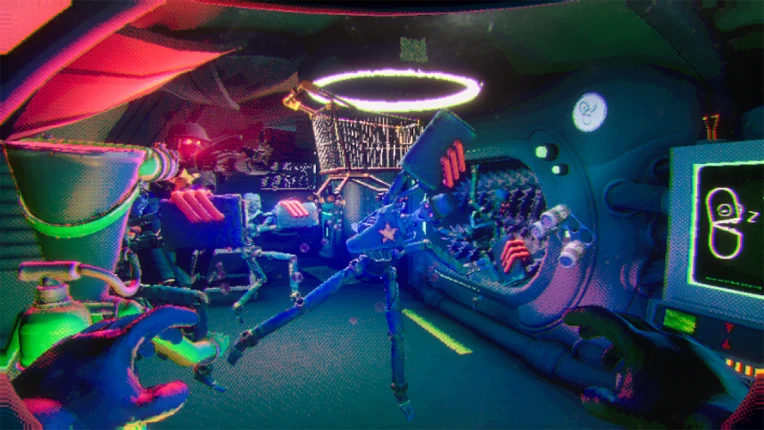
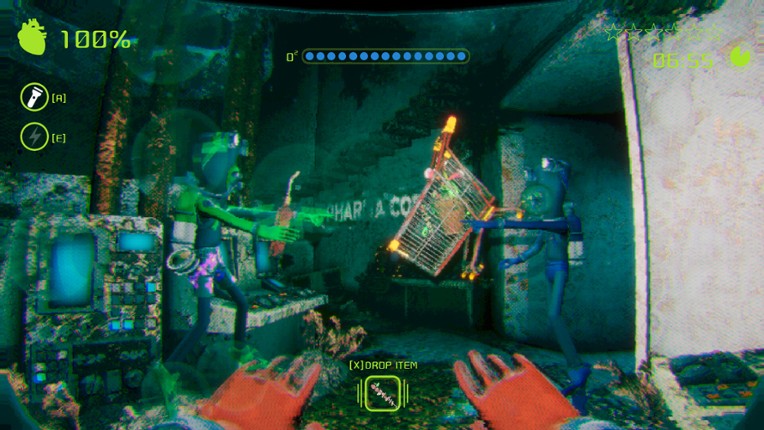
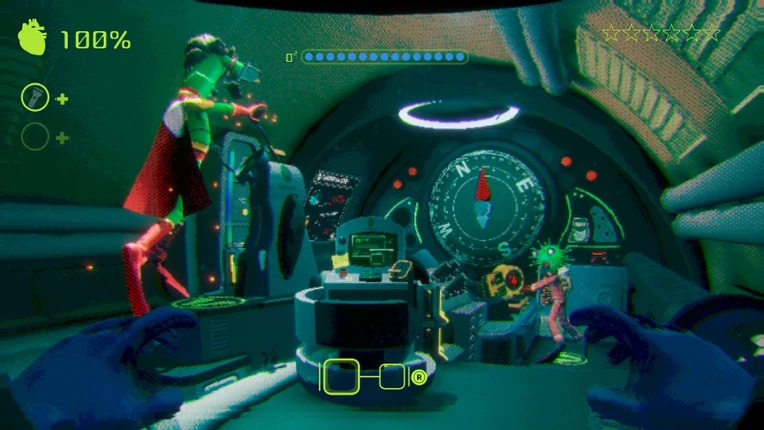
- 86%Game Brain ScoreMost mentioned positive aspects:story, gameplayMost mentioned negative aspects:stability, grinding89% User Score 34,738 reviewsCritic Score 84%9 reviewsReplaces underwater wonder with oppressive post-apocalyptic horror in a linear, story-rich environment grounded in gritty realism. If you enjoyed this game, see our list of games similar to Metro 2033 Redux.View Game
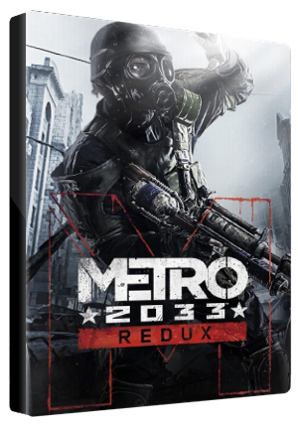
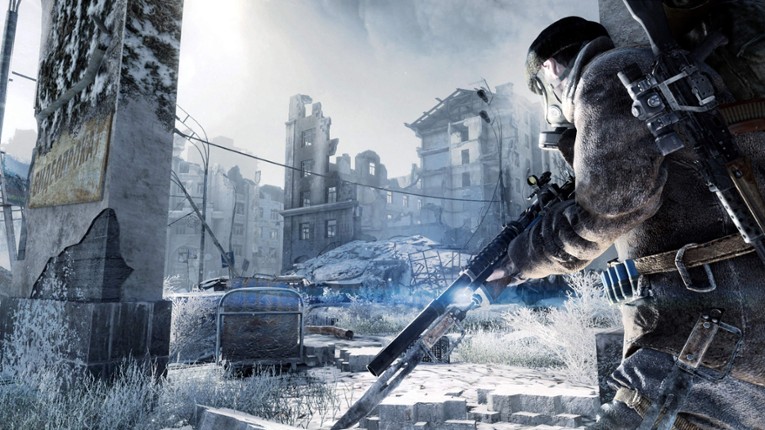
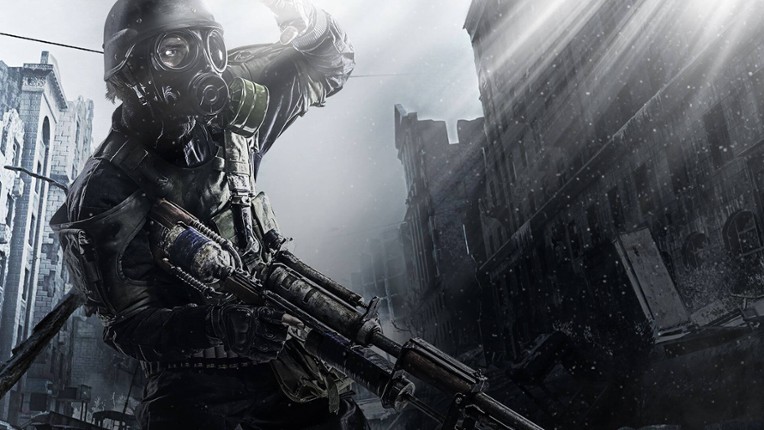
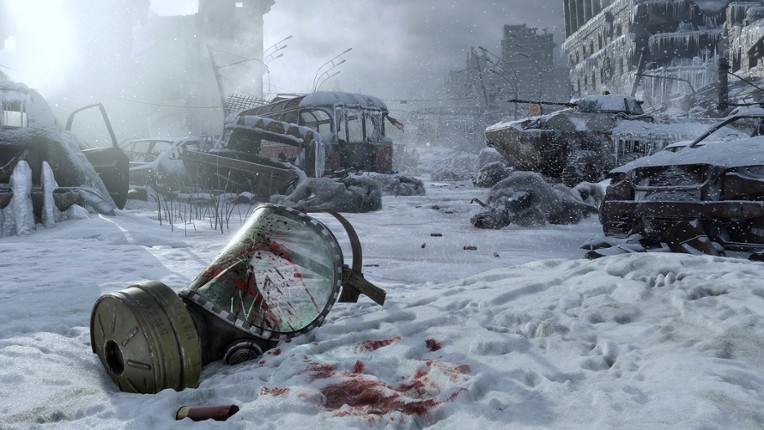
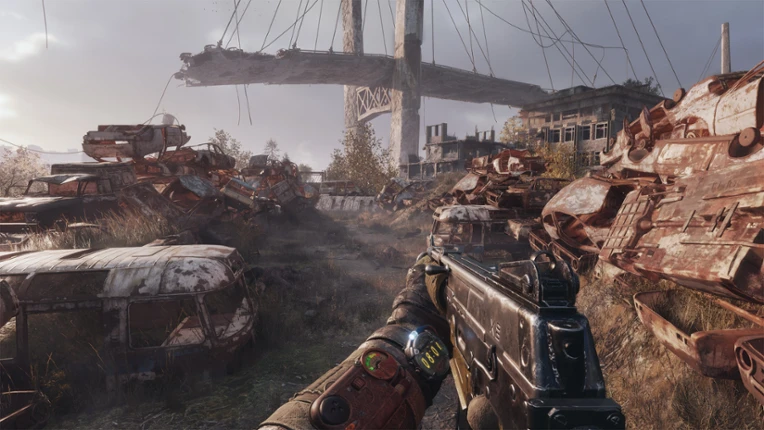
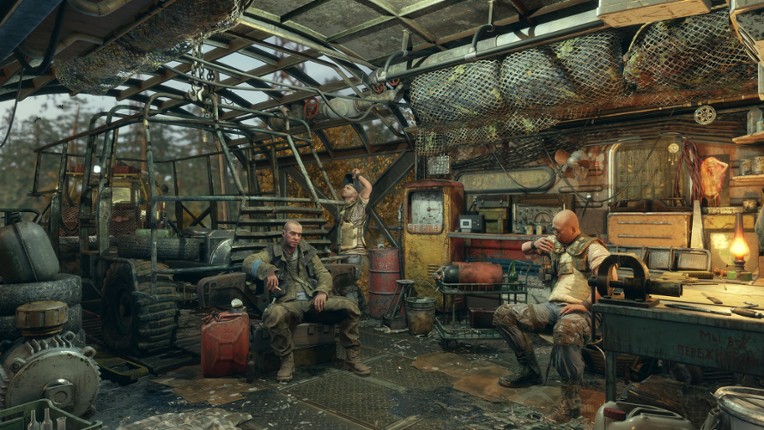
- 80%Game Brain ScoreMost mentioned positive aspects:story, gameplayMost mentioned negative aspects:stability, optimization87% User Score 38,385 reviewsCritic Score 72%73 reviewsMetro Exodus swaps Subnautica's alien sea for a post‑apocalyptic wasteland, delivering intense action and atmospheric storytelling for fans of survival‑horror shooters. If you enjoyed this game, see our list of games similar to Metro Exodus.View Game
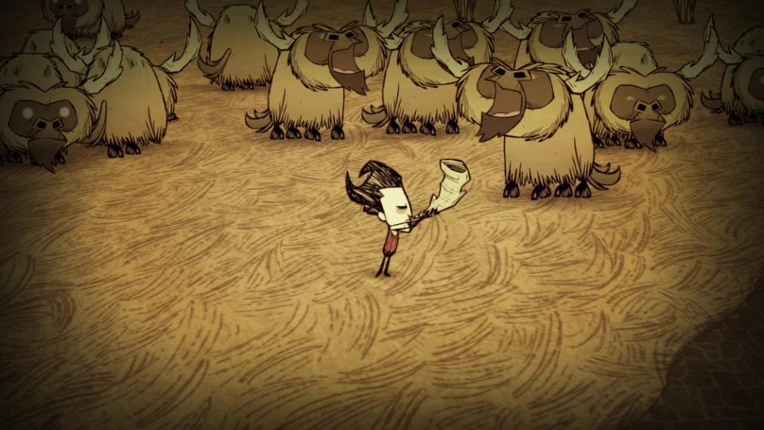
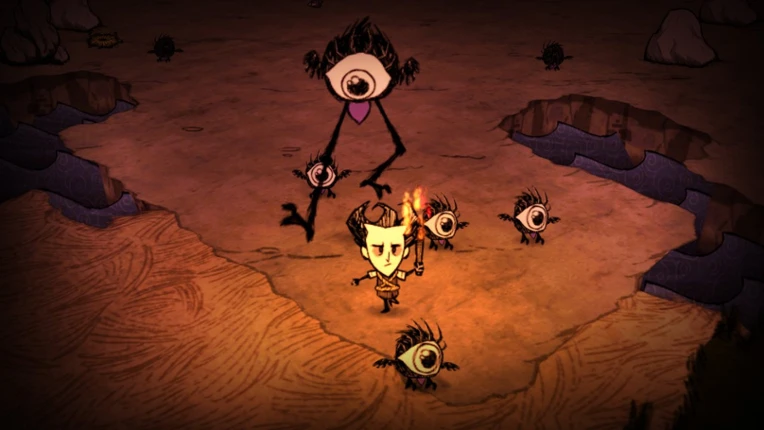
- 91%Game Brain ScoreMost mentioned positive aspects:graphics, gameplayMost mentioned negative aspects:grinding, stability96% User Score 63,685 reviewsCritic Score 81%5 reviewsMoves away from underwater settings toward a stylized 2D roguelike wilderness survival with permadeath and crafting depth. If you enjoyed this game, see our list of games similar to Don't Starve.View Game
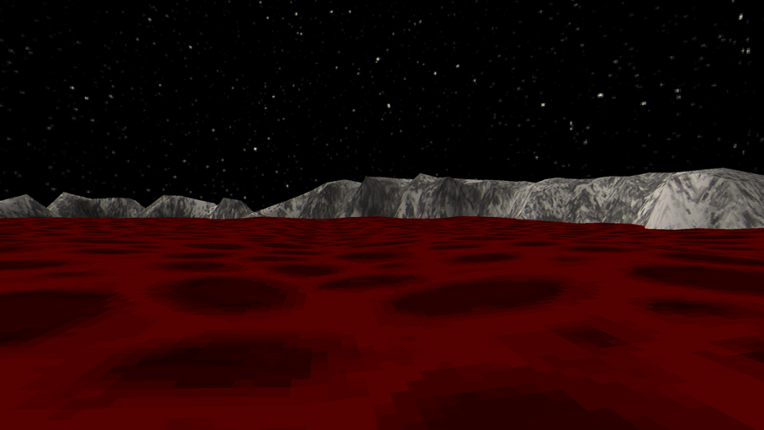
- 93%Game Brain ScoreMost mentioned positive aspects:atmosphere, gameplayMost mentioned negative aspects:replayability, grinding93% User Score 12,186 reviewsDistills exploration into claustrophobic submarine horror with minimalist pixel aesthetics, prioritizing dread and mystery over the sense of wonder. If you enjoyed this game, see our list of games similar to Iron Lung.View Game
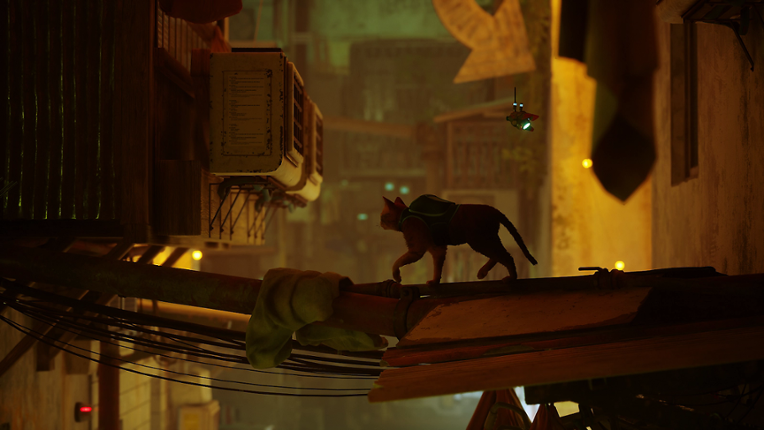
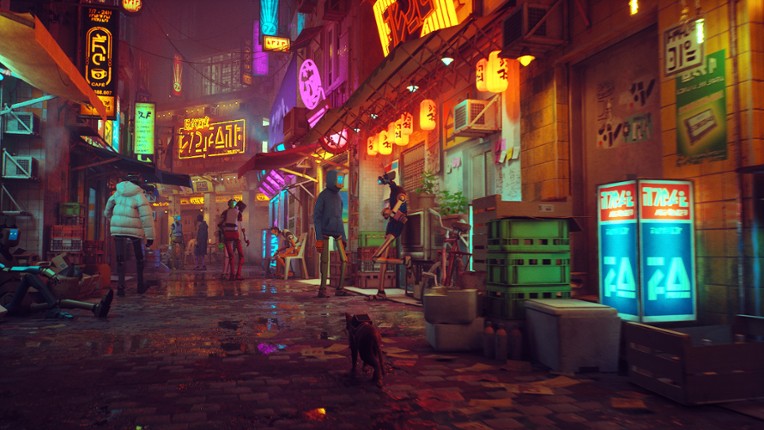
- 95%Game Brain ScoreMost mentioned positive aspects:story, graphicsMost mentioned negative aspects:stability, grinding97% User Score 135,040 reviewsCritic Score 85%1 reviewsStray swaps Subnautica's alien ocean for a neon‑lit cyberpunk city, letting players explore as a cat with puzzles and platforming instead of survival or crafting. If you enjoyed this game, see our list of games similar to Stray.View Game
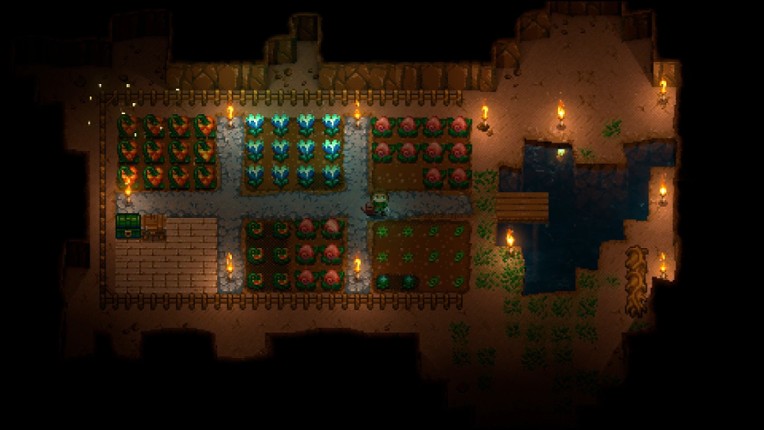
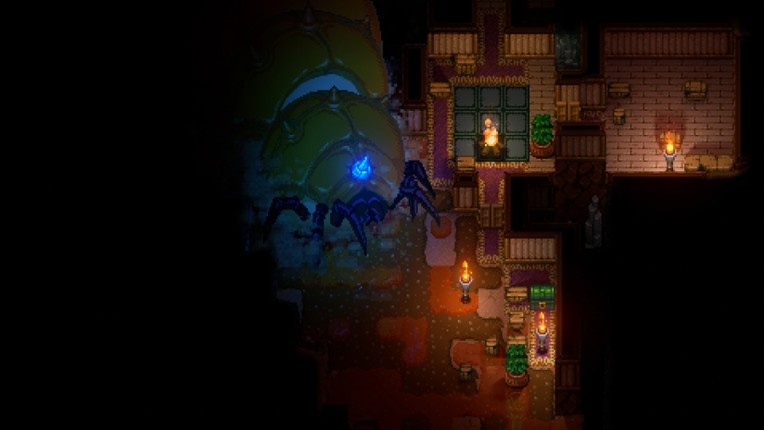
- 93%Game Brain ScoreMost mentioned positive aspects:gameplay, graphicsMost mentioned negative aspects:grinding, optimization95% User Score 31,361 reviewsCritic Score 90%3 reviewsCore Keeper strips away Subnautica's immersive 3D ocean for a colorful 2D pixel‑world, focusing on mining, building, and coop discovery rather than atmospheric survival horror. If you enjoyed this game, see our list of games similar to Core Keeper.View Game
- View Game88%Game Brain ScoreMost mentioned positive aspects:story, gameplayMost mentioned negative aspects:stability, grinding88% User Score 35,072 reviews
Cry of Fear is a single-player, horror modification for Half-Life 1 that brings you all the horrors you have always been afraid of. This is a free total converstion of Half-Life 1, which means none of the assets from Half-Life 1 have been used in this mod or any files from other people, it is a totally unique experience. Everything is made exclusively by Team Psykskallar, the Cry of Fear developer… If you enjoyed this game, see our list of games similar to Cry of Fear.
43 View Game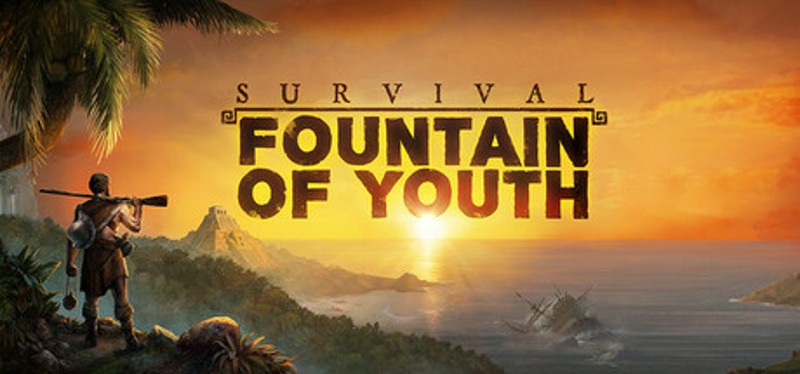 85%Game Brain ScoreMost mentioned positive aspects:story, gameplayMost mentioned negative aspects:grinding, optimization85% User Score 2,252 reviews
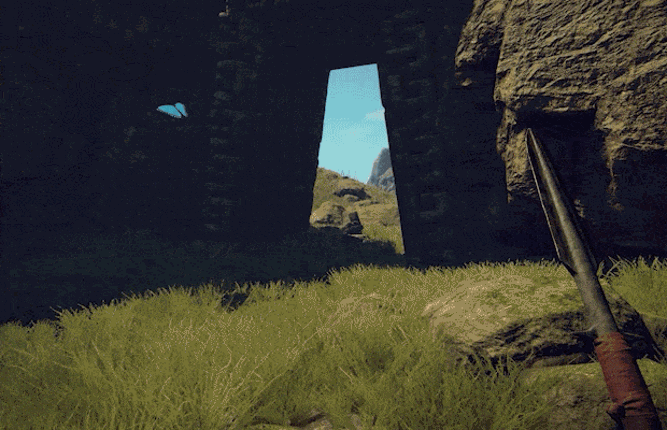
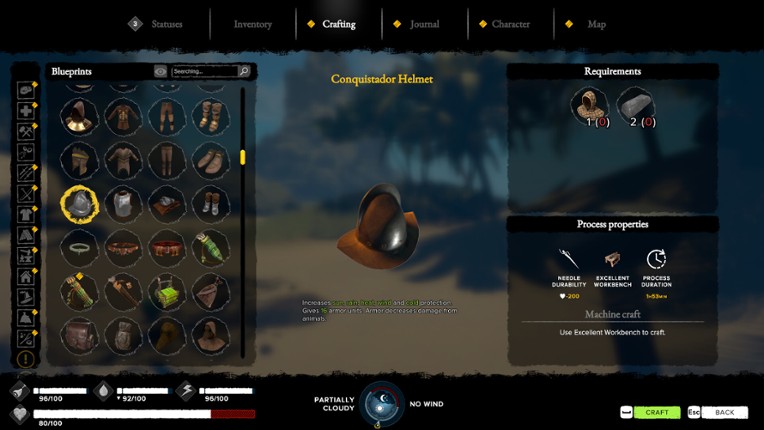
Discover Survival: Fountain of Youth - Captain's Edition on the official PlayStation website. Check out the unique gameplay features for this open-world survival game for PS5, as well as trailers, screenshots and more. If you enjoyed this game, see our list of games similar to Survival: Fountain of Youth.
View Game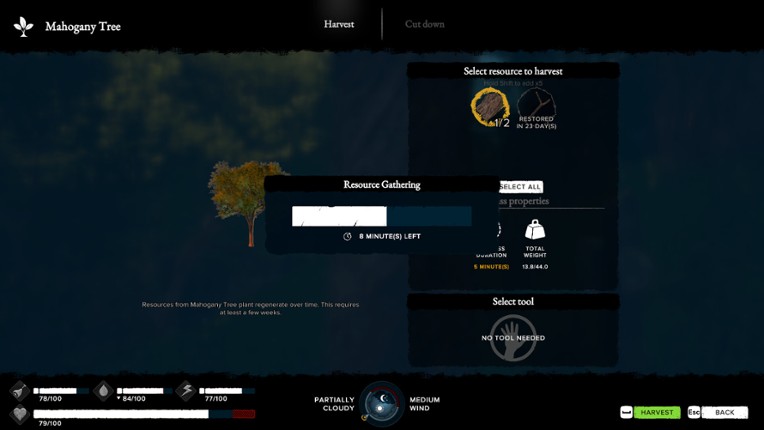
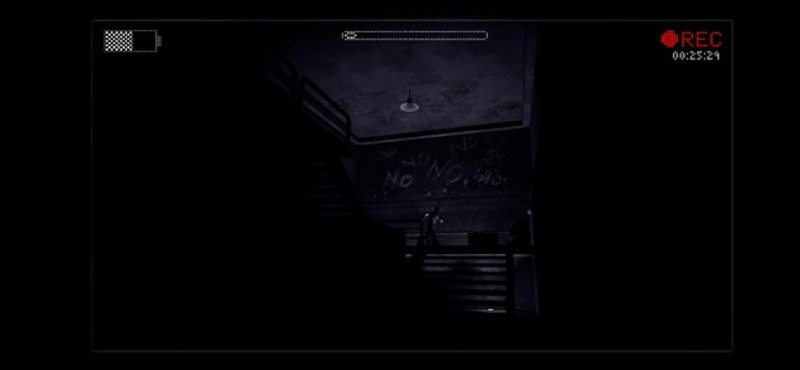
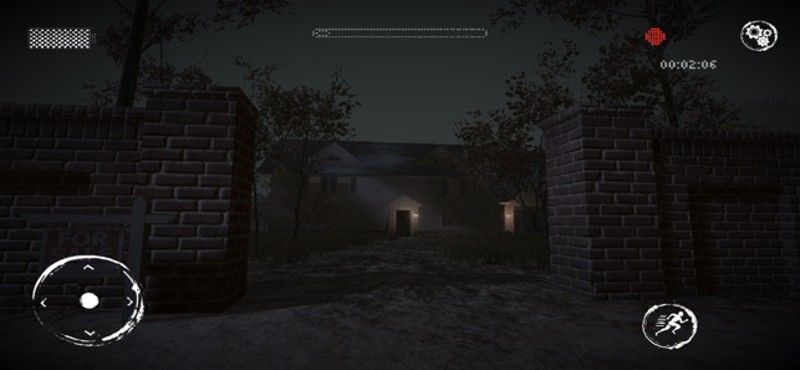
44 View Game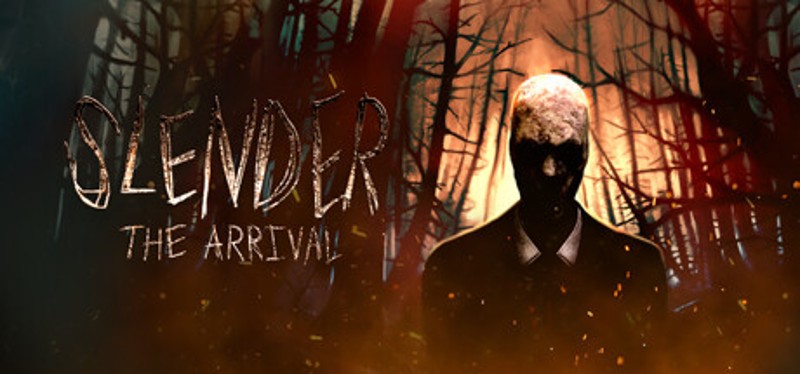 81%Game Brain ScoreMost mentioned positive aspects:story, graphicsMost mentioned negative aspects:stability, grinding87% User Score 6,654 reviewsCritic Score 70%5 reviewsIntensifies survival horror with jump scares and a focus on psychological dread in a shorter, episodic experience blending multiplayer elements. If you enjoyed this game, see our list of games similar to Slender: The Arrival.View Game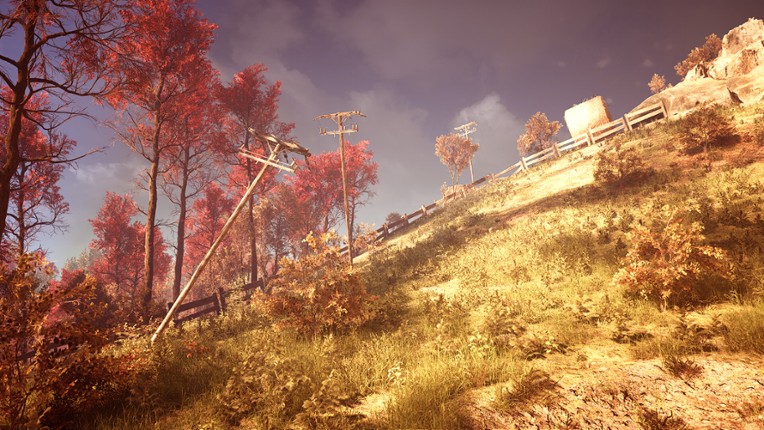
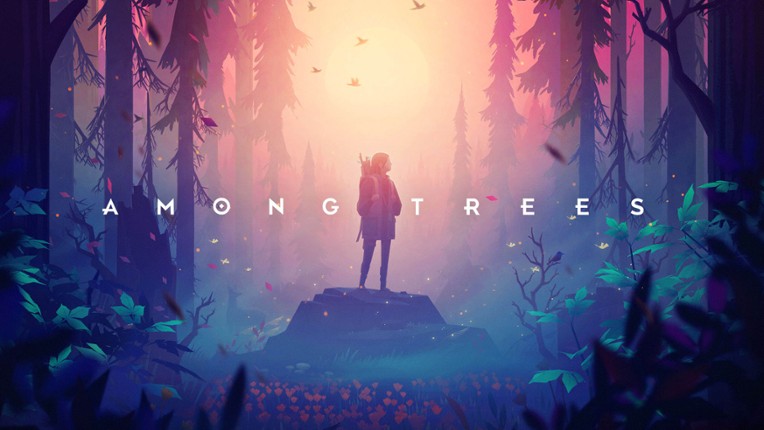
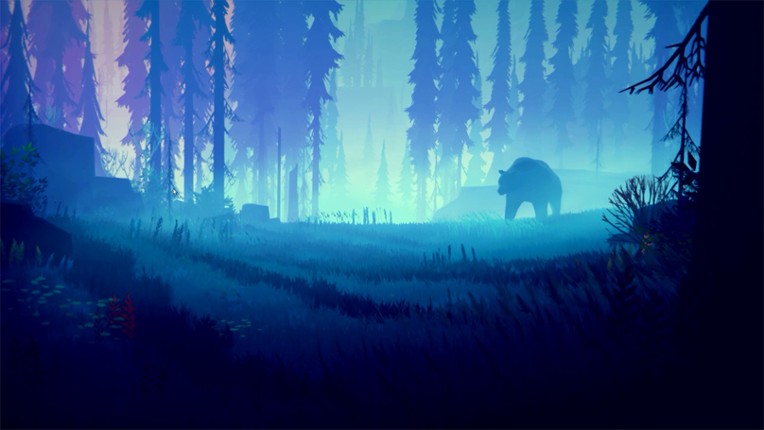
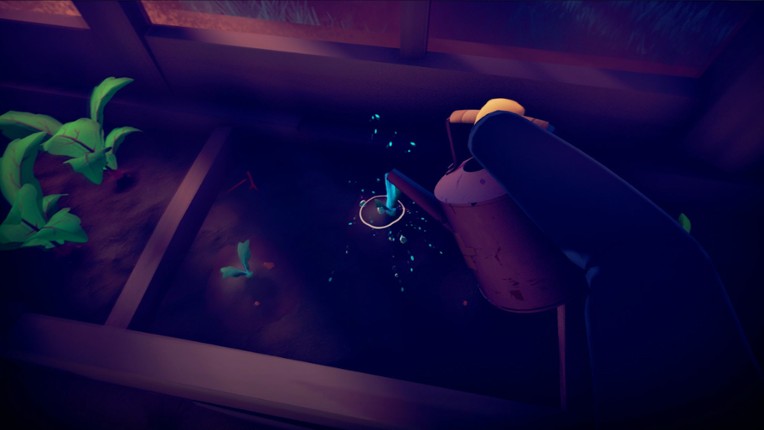
- 71%Game Brain ScoreMost mentioned positive aspects:graphics, gameplayMost mentioned negative aspects:story, grinding67% User Score 2,766 reviewsCritic Score 90%1 reviewsAmong Trees shifts Subnautica's survival craft to a colorful forest, providing a gentler, relaxing vibe with base‑building and crafting for solo players. If you enjoyed this game, see our list of games similar to Among Trees.View Game
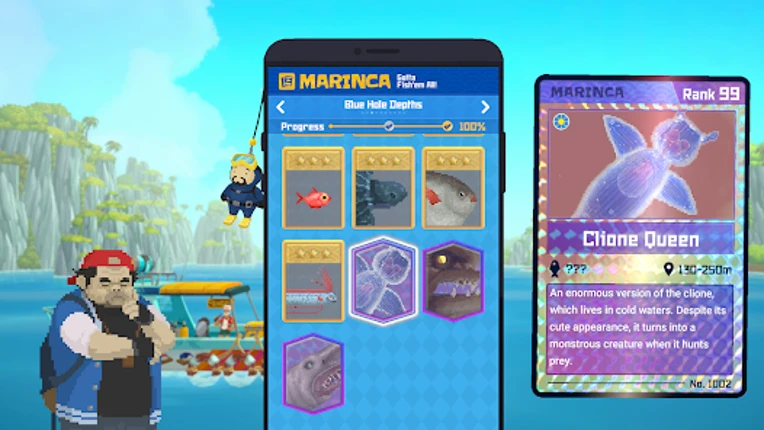
- 96%Game Brain ScoreMost mentioned positive aspects:story, gameplayMost mentioned negative aspects:grinding, stability97% User Score 49,624 reviewsCritic Score 95%1 reviewsDAVE THE DIVER reimagines Subnautica's underwater world as a 2D side‑scrolling adventure, blending roguelite diving with farming and a lighter, comedic tone. If you enjoyed this game, see our list of games similar to DAVE THE DIVER.View Game

- 94%Game Brain ScoreMost mentioned positive aspects:story, graphicsMost mentioned negative aspects:stability, grinding96% User Score 97,182 reviewsCritic Score 80%1 reviews
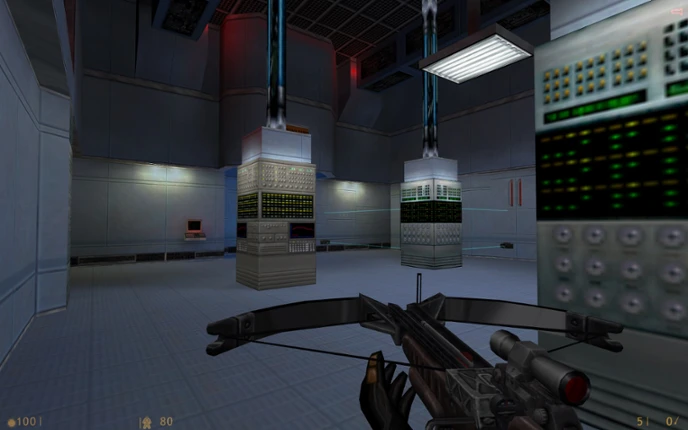
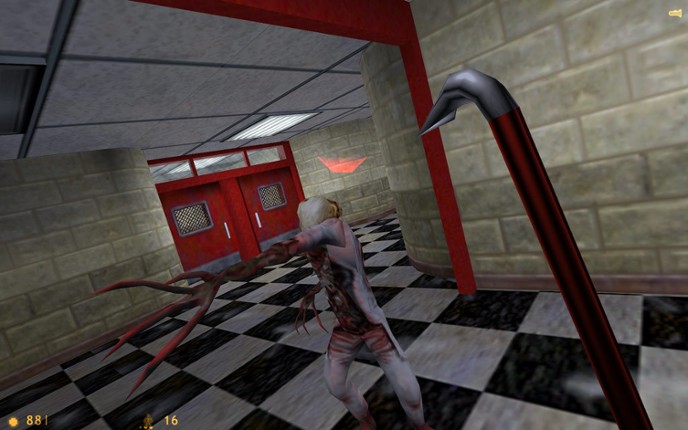
Awarded "Game of the Year" by nearly 50 publications, Valve's debut title combines action and adventure with award-winning technology to create a frighteningly realistic world where players must think to survive. Also includes an exciting multiplayer mode! If you enjoyed this game, see our list of games similar to Half-Life.
View Game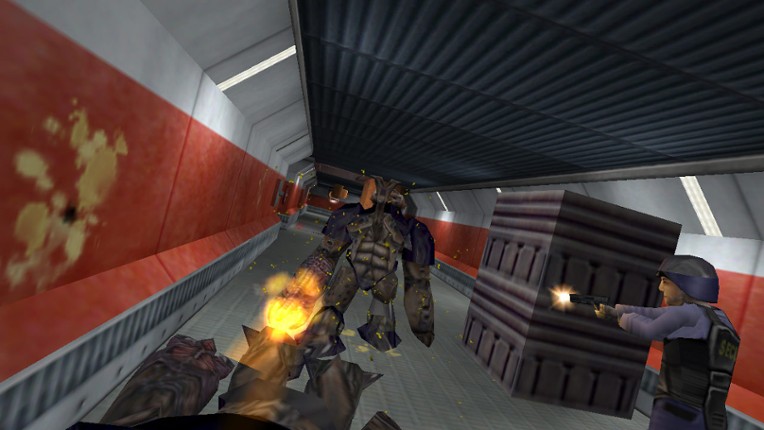
- 85%Game Brain ScoreMost mentioned positive aspects:story, gameplayMost mentioned negative aspects:stability, grinding85% User Score 18,743 reviews
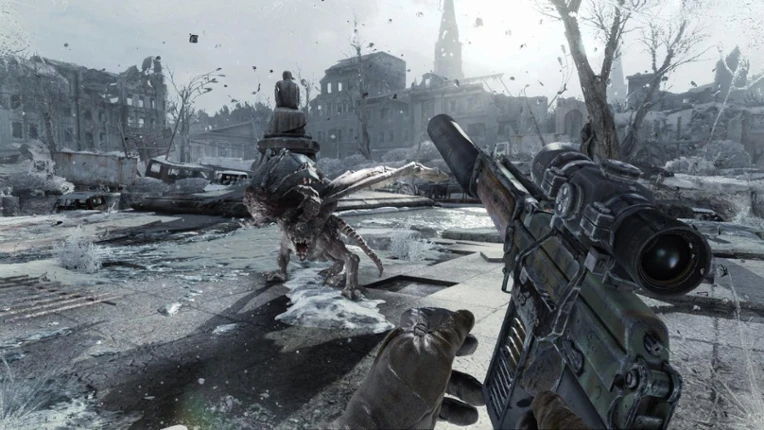
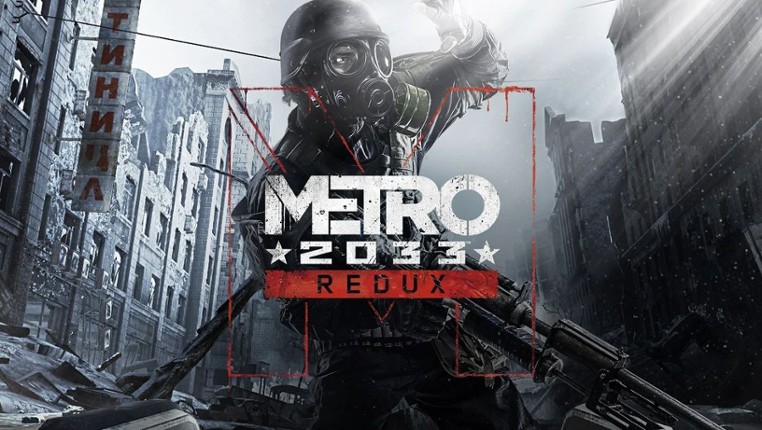
The year is 2033. An entire generation has been born and raised underground, and their besieged Metro Station Cities struggle for survival, both with each other and the mutant horrors that await outside. You are Artyom, born in the last days before the fire, but raised underground. Having never ventured beyond the city limits, one fateful event sparks a desperate mission to the heart of the Metro … If you enjoyed this game, see our list of games similar to Metro Redux.
View Game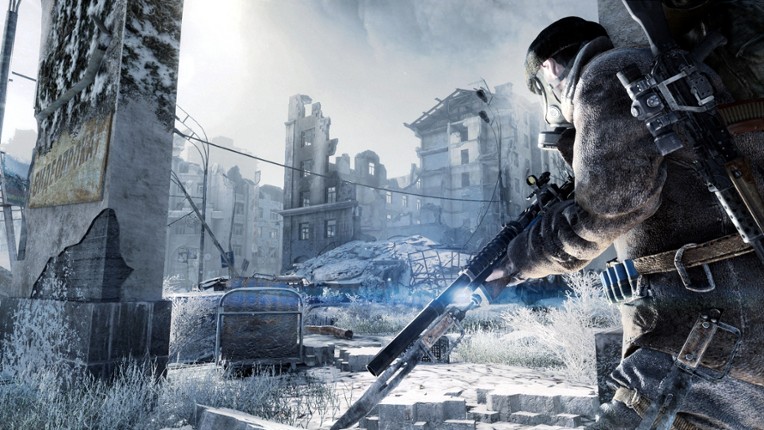
- 81%Game Brain ScoreMost mentioned positive aspects:story, gameplayMost mentioned negative aspects:replayability, stability91% User Score 4,236 reviewsCritic Score 71%17 reviews
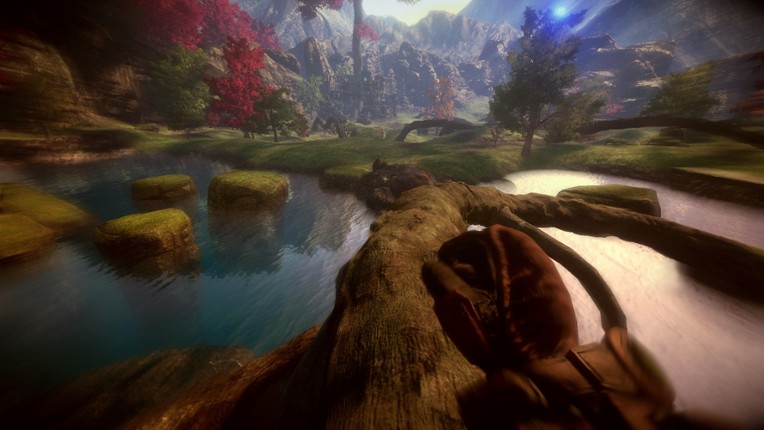
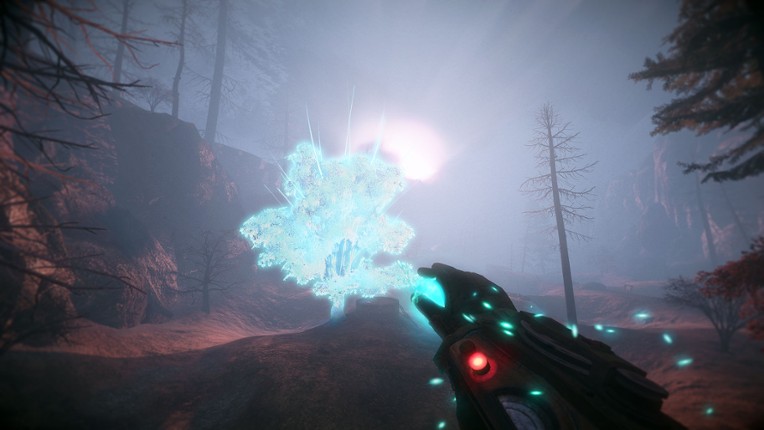
Explore the vast and beautiful world of Valley using the power of the L.E.A.F. suit: a fierce exoskeleton that grants exceptional speed and agility along with the phenomenal ability to manipulate the life and death of all living things. If you enjoyed this game, see our list of games similar to Valley.
View Game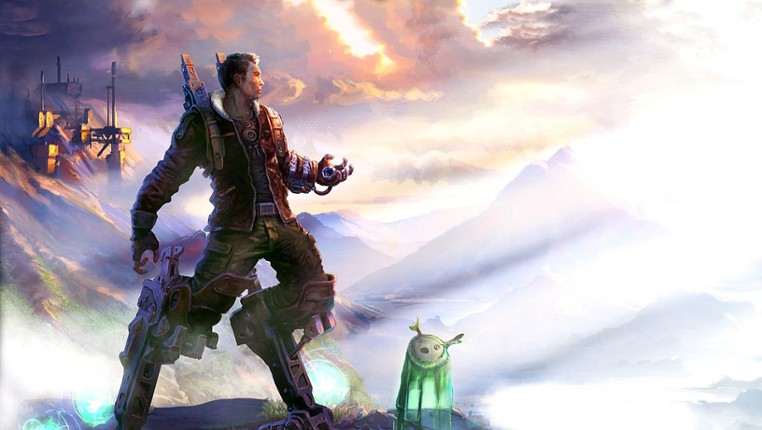
- 95%Game Brain ScoreMost mentioned positive aspects:story, gameplayMost mentioned negative aspects:grinding, replayability95% User Score 1,830 reviews
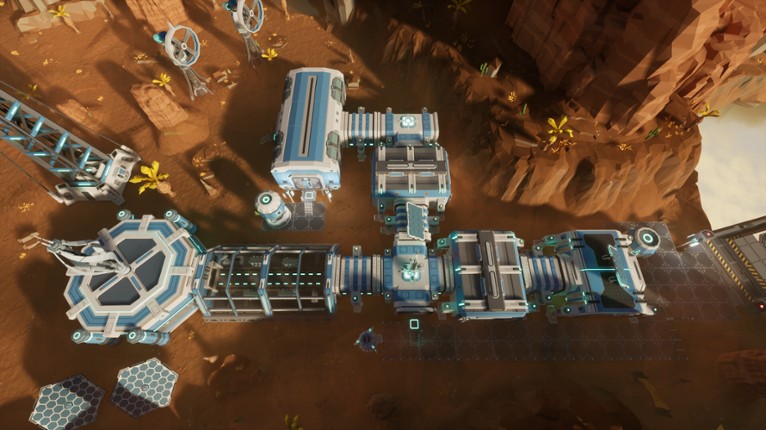
A story-driven sci-fi survival-crafting game about mining, base-building, and carving out a future in the ruins of corporate greed. About AETHUSYou are Maeve - ex-mining engineer for the Astral Research Corporation (ARC), a galactic megacorp that profits by draining entire planets of their resources. She’s left the company. ARC has not left her, however. On Aethus, ARC claims there is n… If you enjoyed this game, see our list of games similar to AETHUS.
View Game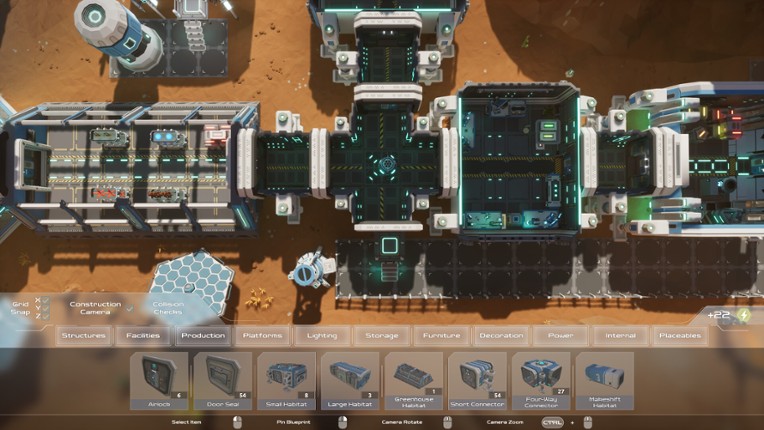


 View Game
































Frequently Asked Questions
Outer Wilds matches Subnautica's sense of discovery with exploration-driven gameplay, while The Solus Project delivers alien planet survival with similar atmospheric storytelling. Raft offers the same crafting and base-building loop in an open-world setting, though on water rather than underwater.
Sons of The Forest and The Forest both feature robust co-op gameplay with building, crafting, and exploration mechanics. Raft also supports online co-op for up to four players, letting you survive and build together in a shared world.
Raft features identical base-building mechanics where you construct and expand your floating home. Sons of The Forest emphasizes settlement construction with deep crafting systems. Both games reward exploration to gather resources needed for progression, just like Subnautica's core loop.
Darkwood and Dredge lean heavily into psychological horror with Lovecraftian dread. Amnesia: The Dark Descent provides pure survival horror with sanity mechanics. If you want Subnautica's tension amplified by genuine fear, these deliver that atmospheric darkness effectively.
Outer Wilds rivals Subnautica's narrative through environmental storytelling and mystery. The Solus Project matches the alien exploration vibe with gradual world-building. Dredge excels at atmosphere through sailing and fishing mechanics wrapped in unsettling mystery.