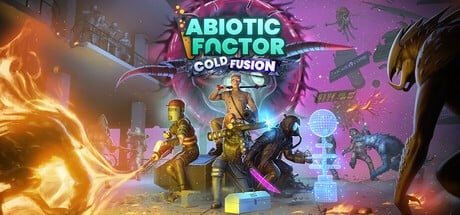


Games like Abiotic Factor
Surviving the abandoned Cascade research facility with a crowbar in one hand and a jury-rigged shotgun in the other has a way of ruining other survival games for you — which is exactly why so many fans go looking for games like Abiotic Factor once they've finally stabilized their base. The blend of first-person shooting, co-op crafting, and SCP-flavored sci-fi horror is a rare combination, and thankfully, a handful of other titles capture that same spark.
Abiotic Factor works because it fuses systems that rarely share a screen: first-person shooter combat, deep crafting and base-building, and a slow-burn mystery plot with genuine horror-comedy tone. The survival loop — scavenging gear, fortifying a growing base against raids, and pushing into new areas of the facility — stays satisfying thanks to smart level design and co-op that actually rewards teamwork. Players hunting for something similar usually want that exact mix: a science-fiction setting, meaningful crafting progression, and multiplayer that never feels bolted on.
What Makes a Good Alternative to Abiotic Factor?
- Crafting and Base Building — Abiotic Factor's appeal leans heavily on turning scavenged junk into functional bases and gear, so the best alternatives need a crafting tree with real depth, not just a checklist.
- Co-op Survival — Much of the game's charm comes from tackling raids and exploration with friends, so multiplayer that supports shared building and combat is essential to the experience.
- Strange, Story-Driven Settings — The SCP-and-Half-Life-inspired atmosphere gives every discovery weight, so alternatives with their own mysterious lore or otherworldly backdrop hit the same nerve.
- Exploration-Driven Progression — Pushing into new zones for better loot and answers drives the whole loop, so a good alternative should reward curiosity, not just grinding.
- Active Development and Replayability — Frequent updates and adjustable difficulty kept players coming back to Abiotic Factor, so ongoing support matters just as much as day-one content.
Top Picks If You Enjoyed Abiotic Factor
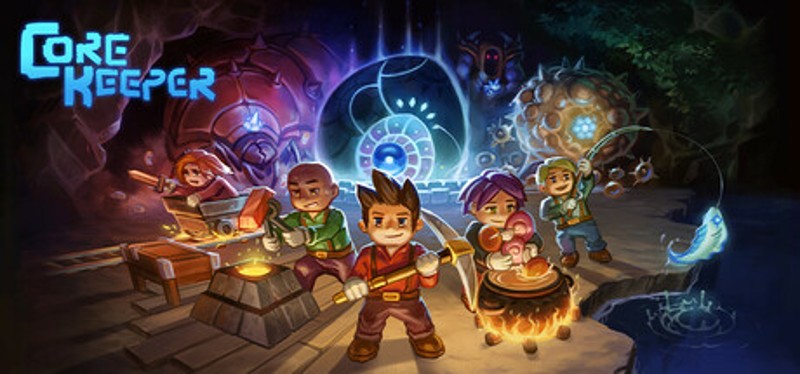
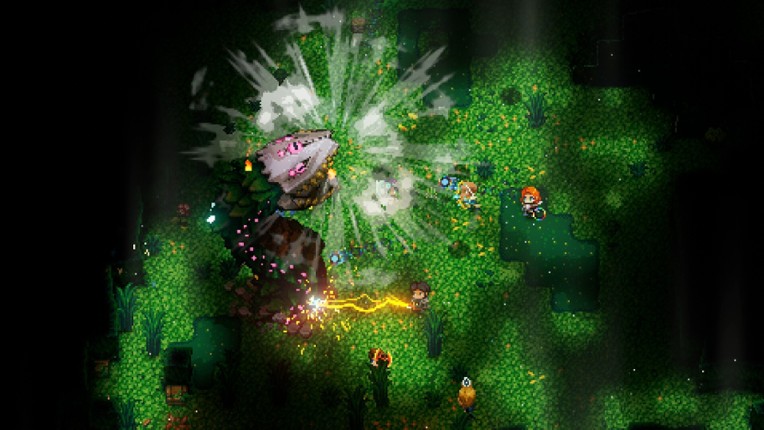
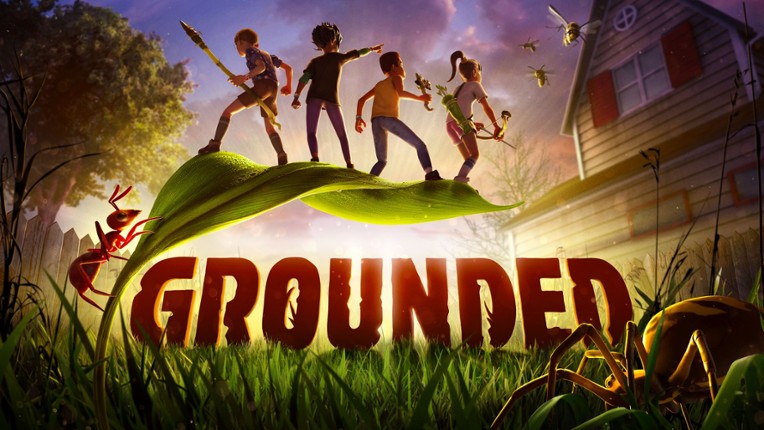
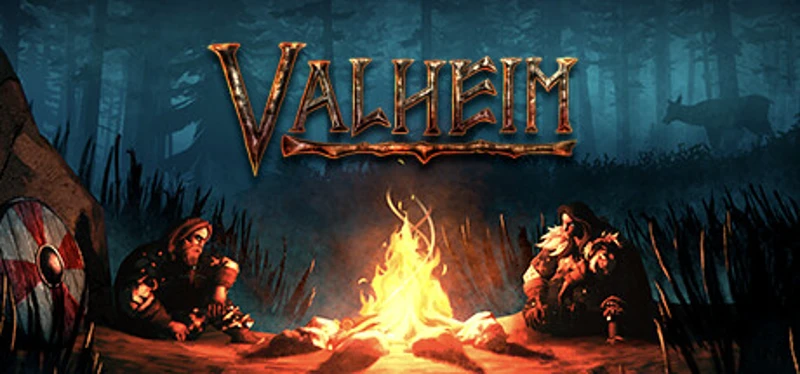
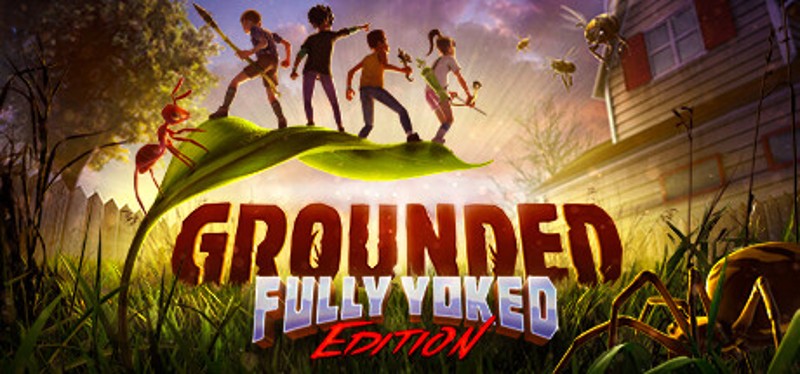
Core Keeper offers a similarly deep crafting loop with co-op mining and boss fights. Enshrouded pairs base building with action RPG combat and rich exploration. Valheim nails the co-op survival chaos and creative building freedom. Grounded matches the humor and first-person survival tension. Planet Crafter scratches the science-fiction, terraforming-and-automation itch almost directly.
Every recommendation below is ranked by actual similarity to Abiotic Factor using player data, not guesswork, so you can browse the full list and find your next obsession without wading through games that only look alike on the surface.
- 93%Game Brain ScoreMost mentioned positive aspects:gameplay, graphicsMost mentioned negative aspects:grinding, optimization95% User Score 31,361 reviewsCritic Score 90%3 reviews
The satisfying rhythm of leaving a carefully built base, scavenging dangerous territory, and returning with resources for the next upgrade carries directly from Abiotic Factor into Core Keeper. Every expedition turns into a practical decision: improve equipment, expand defenses, or push farther into the unknown.
Both games make crafting, base building, exploration, and online co-op central rather than decorative. Playing with friends is especially rewarding because each player can specialize in gathering, combat, farming, or construction, making preparation feel like a shared survival project instead of a checklist.
The fresh angle is Core Keeper’s top-down, pixel-art presentation and procedurally generated world. That trades Abiotic Factor’s first-person sci-fi horror and authored environmental detail for broader replayability, mystery, and a more approachable adventure with plenty of humor.
It also softens Abiotic Factor’s dependence on a single, abrupt late-game payoff: ongoing exploration and repeatable world discovery provide reasons to keep playing, though grinding and bugs remain possible friction points.
Best for players who value cooperative progression and inventive base growth over first-person spectacle.
If you enjoyed this game, see our list of games similar to Core Keeper.View Game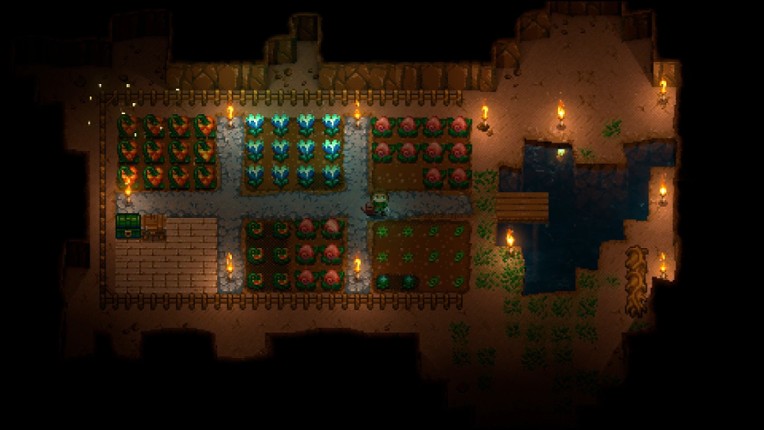
- 86%Game Brain ScoreMost mentioned positive aspects:story, gameplayMost mentioned negative aspects:optimization, grinding87% User Score 51,928 reviewsCritic Score 85%10 reviews
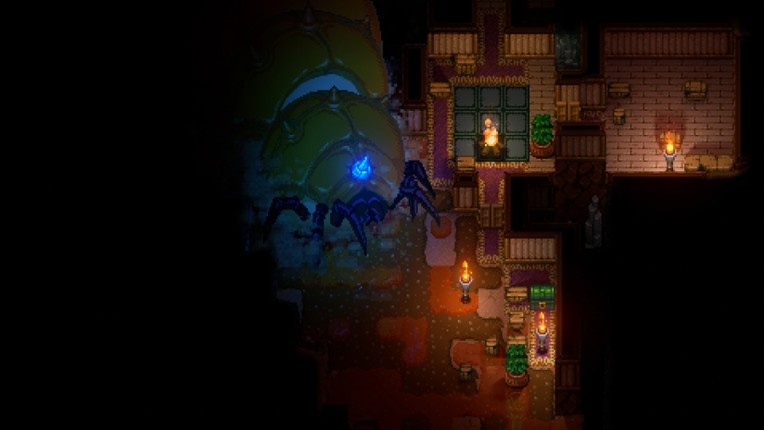
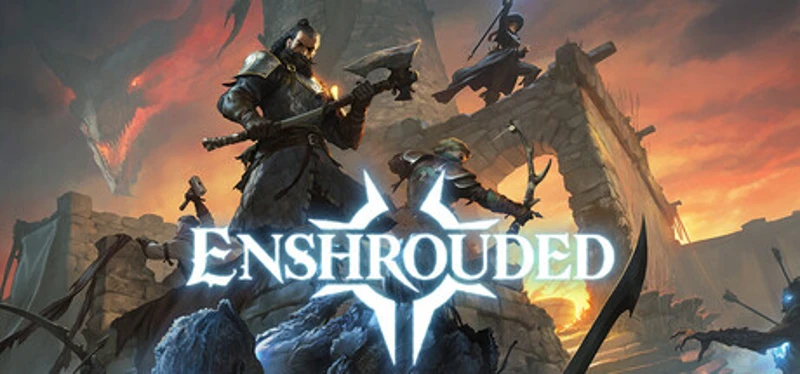
Both games thrive on the satisfaction of transforming a hostile, sprawling environment into a highly personalized, secure sanctuary alongside your friends. You will find yourself constantly distracted on resource runs, hoarding materials to engineer the ultimate homestead. This shared focus on meticulous base building and exploration captures the exact same rewarding loop of claiming territory step-by-step.
While Abiotic Factor sometimes bogs down your creativity with frustrating base raids and hostile AI, Enshrouded grants you complete structural freedom through voxel-based construction, letting you build without intrusive threats. This transition to terraforming allows you to manipulate the very earth, deepening the satisfaction of your survival-crafting efforts.
The primary shift lies in the perspective and combat, trading claustrophobic first-person sci-fi survival for an expansive third-person action-RPG flow. Best for players who want to swap sterile lab corridors for sweeping fantasy vistas without losing the joy of cooperative structural engineering.
If you enjoyed this game, see our list of games similar to Enshrouded.View Game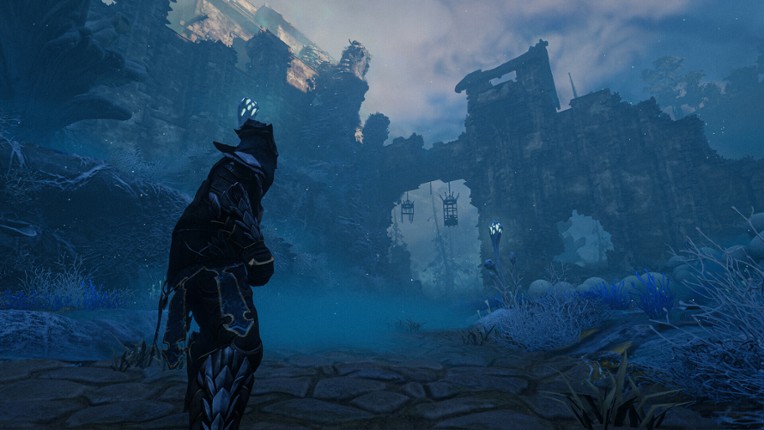
- 92%Game Brain ScoreMost mentioned positive aspects:gameplay, graphicsMost mentioned negative aspects:grinding, optimization95% User Score 291,882 reviewsCritic Score 90%11 reviews
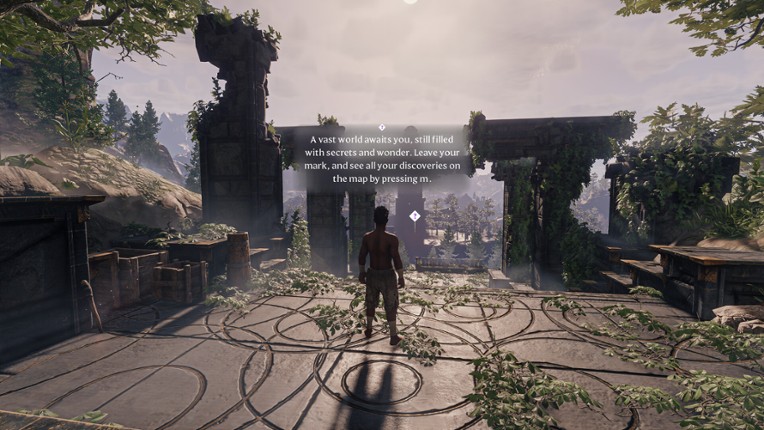
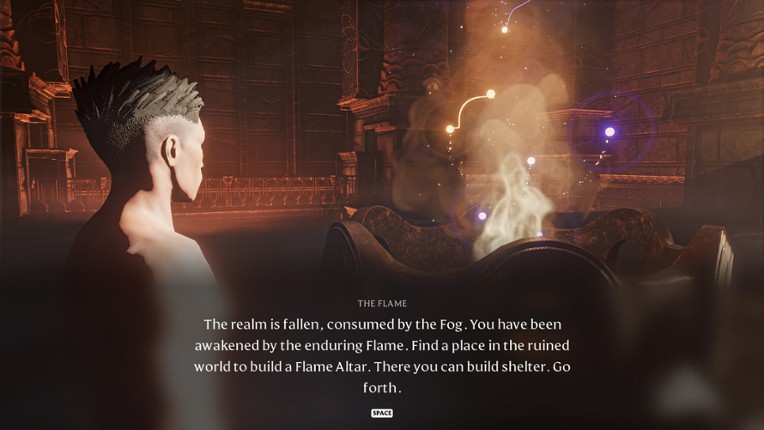
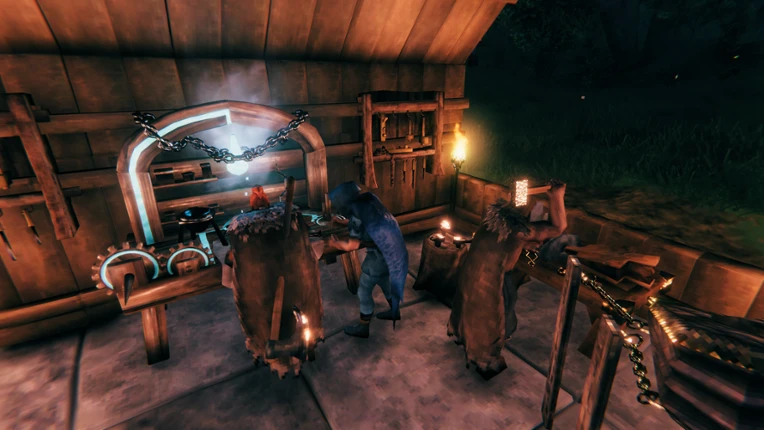
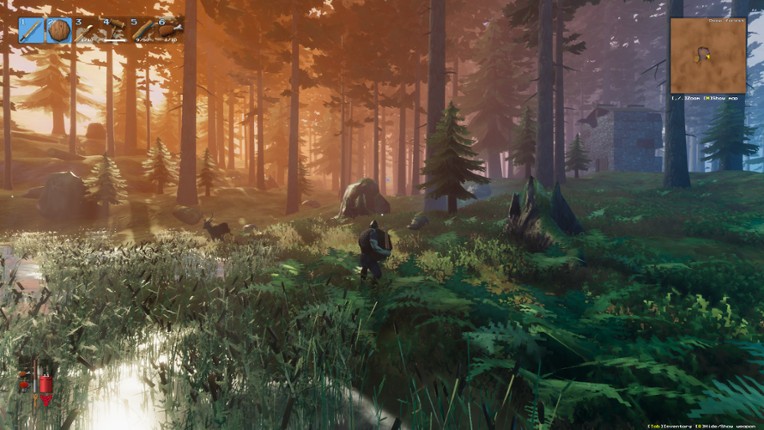
Both games hook you through the same core rhythm: explore, scavenge, build, repeat—with multiplayer chaos amplifying every success and failure. That loop works because resource scarcity forces meaningful decisions about what to prioritize and where to base yourself, whether you're managing an alien research station or a Viking settlement.
The base-building systems operate on identical principles of creative problem-solving and incremental expansion. In Abiotic Factor, you're defending against raids; in Valheim, you're preparing for boss encounters—but both games reward players who think spatially about defense, efficiency, and aesthetics. This shared tension between function and expression is what keeps you tinkering for hours.
Where Valheim diverges is tone: it trades sci-fi dread for Norse mythology humor and camaraderie. If Abiotic Factor's narrative disappointment left you hungry for clearer progression milestones, Valheim delivers a structured boss-hunting roadmap that actually feels earned.
Best for players who value the making and breaking of bases over cinematic payoffs—and who'd rather laugh at multiplayer mishaps than chase a mystery box ending.
If you enjoyed this game, see our list of games similar to Valheim.View Game
- 86%Game Brain ScoreMost mentioned positive aspects:story, gameplayMost mentioned negative aspects:stability, grinding92% User Score 65,944 reviewsCritic Score 79%27 reviews
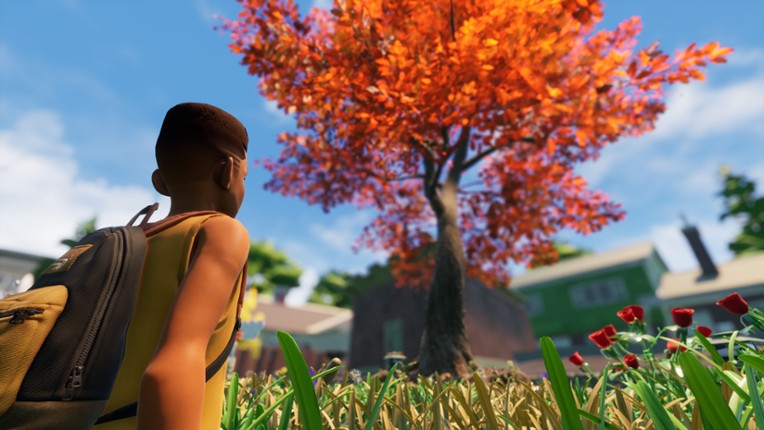
Fans who sank hours into Abiotic Factor's base-building loop will feel right at home with Grounded's robust shelter construction, where every platform and defensive wall reflects your survival strategy. Both games reward methodical resource gathering and let your base evolve from a humble lean-to into a fully fortified outpost shared with friends. The satisfaction of watching a settlement grow stems from the same core drive: turning raw materials into a personalized safe haven against hostile environments.
The co-op experience mirrors Abiotic Factor's strengths too—you and your teammates coordinate exploration, divide labor between crafting and defense, and tackle environmental hazards together. Grounded's online multiplayer captures that same sense of camaraderie where one player's turret placement and another's combat distractions create emergent, memorable moments. Unlike many survival games that treat multiplayer as an afterthought, both titles design encounters around coordinated group play.
The tonal shift is notable though: Grounded trades alien facilities for a sun-drenched backyard nightmare where insects dwarf you, swapping sci-fi horror for creature-feature survival. Visually and atmospherically, this is a fresh lens on the survival craft formula rather than a direct extension of the sci-fi setting you loved. Combat also feels weightier and more melee-focused, rewarding positioning over shooting.
While Grounded still has its grinding moments, its seasonal content updates and substantial post-launch expansions mean the late-game doesn't vanish behind an abrupt ending. If Abiotic Factor's unsatisfying finish left you hungry for more world to explore and survive through, Grounded offers ongoing reasons to return.
Best for players who thrive on collaborative base-building, exploration-driven progression, and survival games that reward patience over reflexes.
If you enjoyed this game, see our list of games similar to Grounded.View Game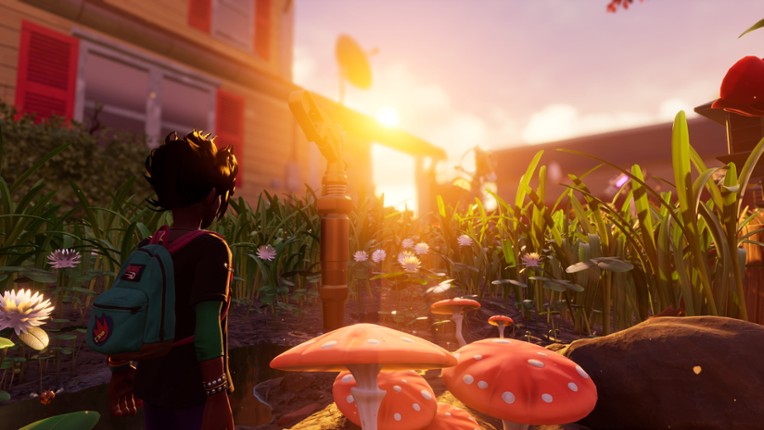
- 90%Game Brain ScoreMost mentioned positive aspects:gameplay, graphicsMost mentioned negative aspects:grinding, optimization90% User Score 89,178 reviews
That satisfying loop of scavenging a hostile zone, hauling resources home, and watching your base slowly become a real fortress? V Rising taps the same nerve. You'll recognize the rhythm immediately — venture out, gather, craft, fortify, repeat — except here you're doing it as a vampire clawing territory away from a Dark Fantasy world instead of hiding from SCP-style horrors.
The base-building carries real weight in both games: what you build determines what you can survive next, not just cosmetic flair. V Rising adds PvP-driven server tension on top of that — other players can raid your castle, which raises the stakes on defense in a way Abiotic Factor's PvE base-raiding only hints at.
Where Abiotic Factor stumbles into repetitive late-game grinding, V Rising leans into its grind more deliberately, wrapping it in gothic atmosphere and boss progression that gives the repetition a clearer sense of climbing rather than treading water.
Best for players who enjoyed the co-op base-building core of Abiotic Factor and want to test that same instinct against other players, not just the environment.
If you enjoyed this game, see our list of games similar to V Rising.View Game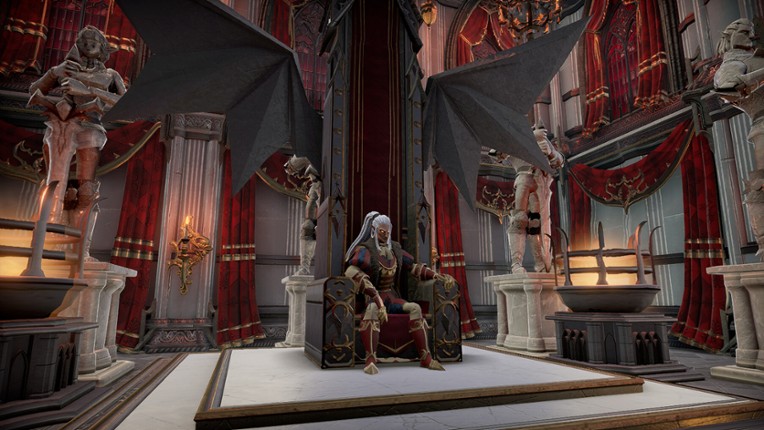
- 90%Game Brain ScoreMost mentioned positive aspects:music, atmosphereMost mentioned negative aspects:grinding, stability91% User Score 11,674 reviewsCritic Score 85%2 reviews
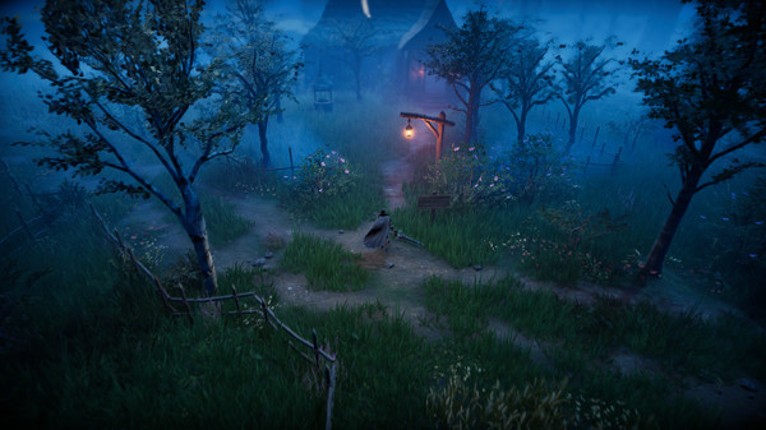
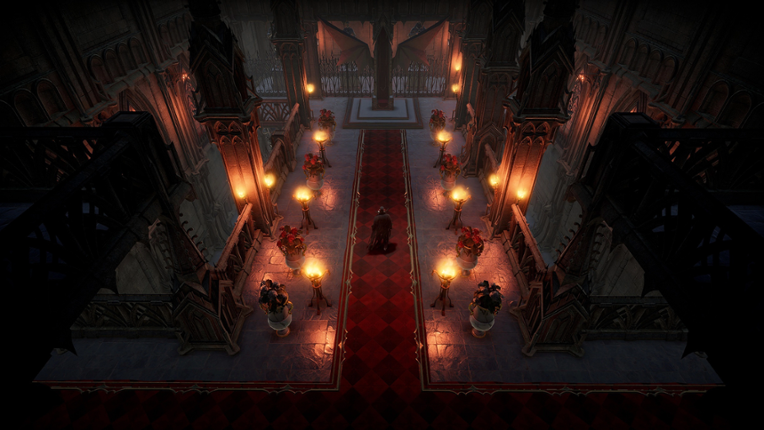
Abiotic Factor and Lunacid both hook you with first-person exploration that forces you to scrape together resources, manage danger, and push deeper into hostile spaces.
They also share trading and a strong PvE focus, which matters because progress comes from what you recover, not from raw combat skill alone.
The tradeoff is clear: Lunacid is a solo, dark fantasy dungeon crawler with a tighter, more combat-driven loop, while Abiotic Factor is bigger on co-op survival, base-building, and systemic sci-fi chaos.
Pick this up if you want exploration and scavenging pressure in first person but can live without multiplayer survival crafting.
If you enjoyed this game, see our list of games similar to Lunacid.View Game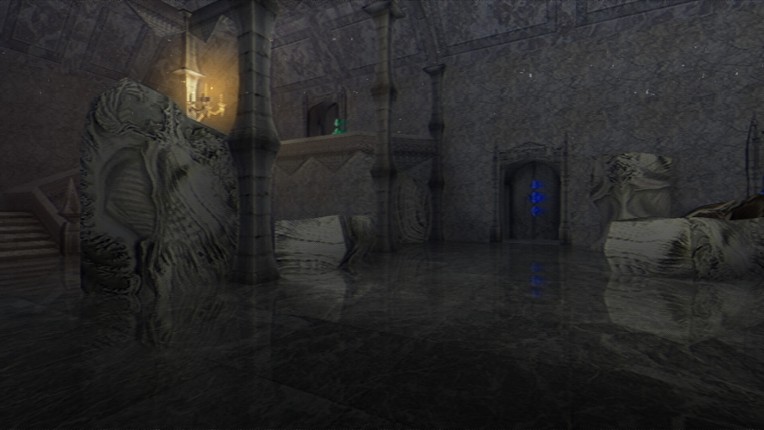

- 88%Game Brain ScoreMost mentioned positive aspects:gameplay, storyMost mentioned negative aspects:grinding, stability96% User Score 43,956 reviewsCritic Score 78%7 reviews
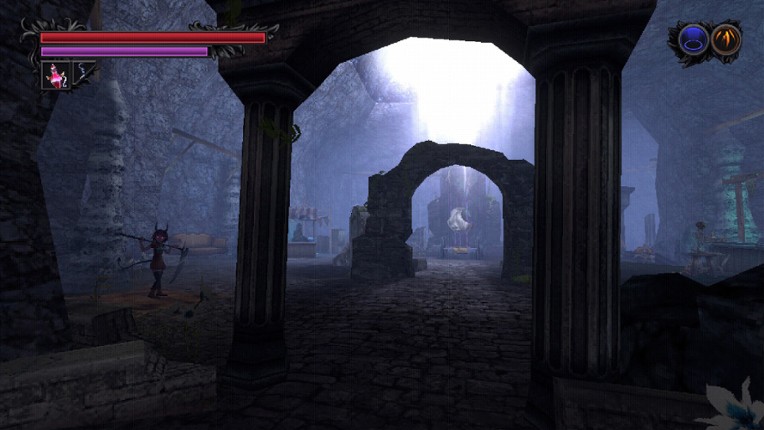
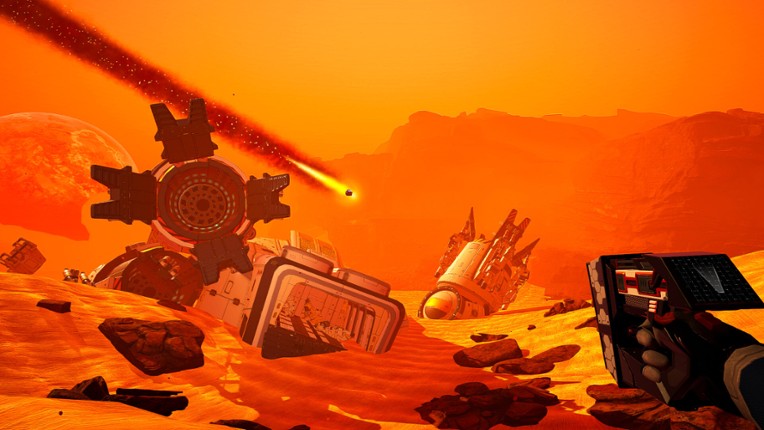
If you loved Abiotic Factor's survival-craft loop and base building in alien environments, Planet Crafter delivers the same core dopamine—resource gathering, tech trees, and shaping your own habitat in first-person.
Both games nail sci-fi atmosphere with humor and mystery, rewarding curiosity with satisfying progression systems and frequent updates.
Planet Crafter ditches Abiotic Factor's hostile combat entirely, replacing alien threats with a calmer terraforming experience—less tension, but also less frustration.
Pick this up if you want co-op base building in a sci-fi sandbox but can live without combat depth and heavy narrative payoff.
If you enjoyed this game, see our list of games similar to Planet Crafter.View Game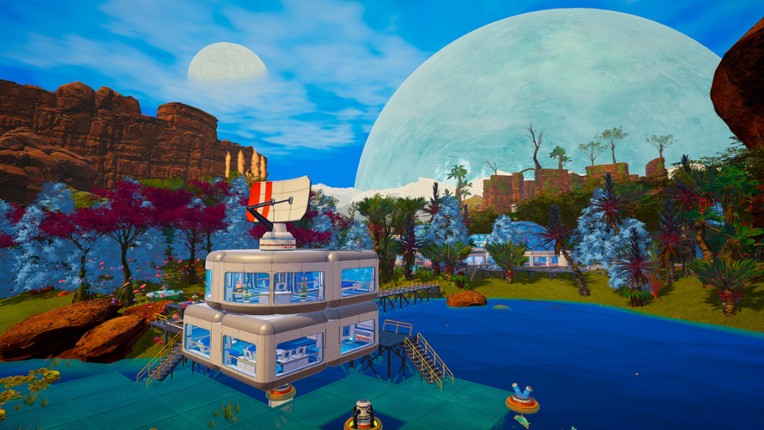
- 92%Game Brain ScoreMost mentioned positive aspects:gameplay, graphicsMost mentioned negative aspects:grinding, stability92% User Score 10,586 reviews
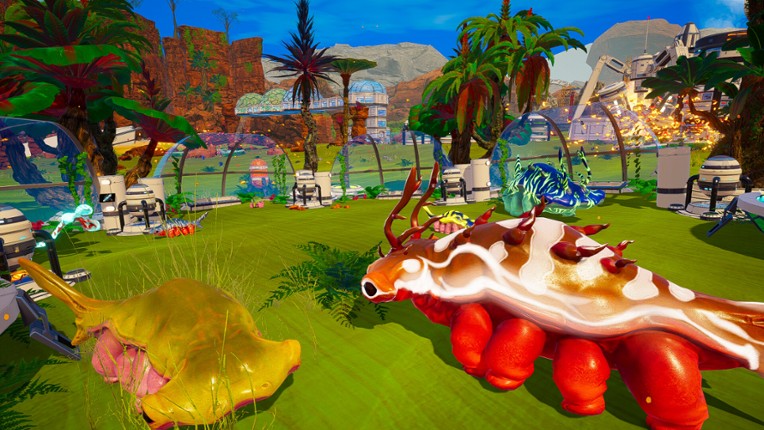
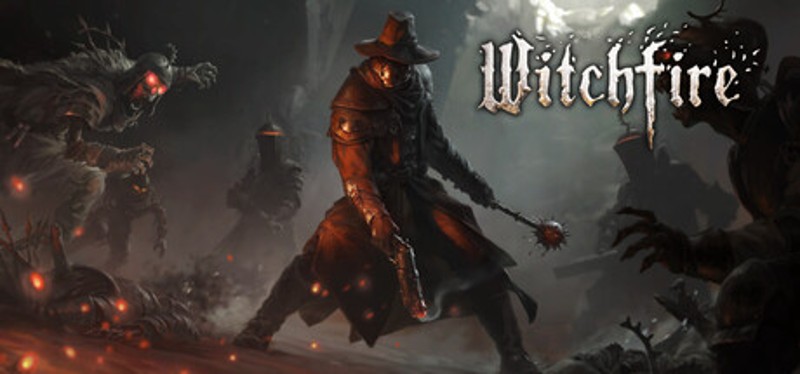
Both titles prioritize high-stakes PvE progression where every foray into hostile territory demands careful resource management and strategic preparation. You will experience that same tense, methodical exploration found in Abiotic Factor, which ensures that each venture outside your safe zone carries tangible risk.
The primary divergence lies in the loop: where Abiotic Factor leans into base-building and long-term crafting, Witchfire strips away the survival management to focus exclusively on fast-paced, Souls-like combat encounters. You are trading scientific tinkering for refined, gothic gunplay.
Pick this up if you want the punishing, atmosphere-heavy combat of your current favorite but can live without the sedentary grind of maintaining a home base.
If you enjoyed this game, see our list of games similar to Witchfire.View Game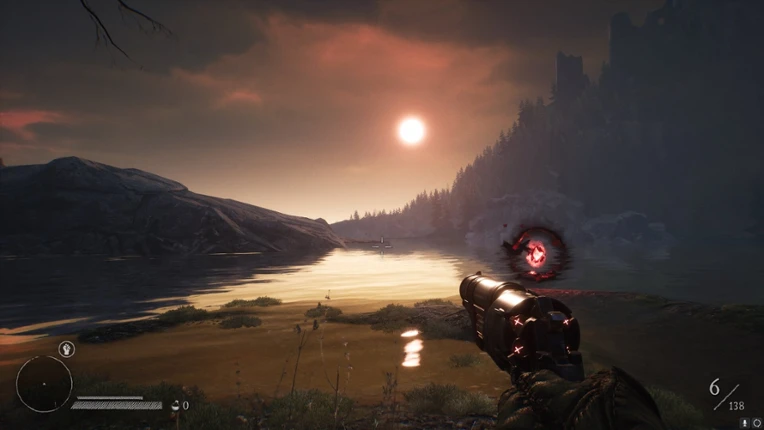

- 90%Game Brain ScoreMost mentioned positive aspects:story, gameplayMost mentioned negative aspects:grinding, stability91% User Score 8,526 reviewsCritic Score 83%1 reviews
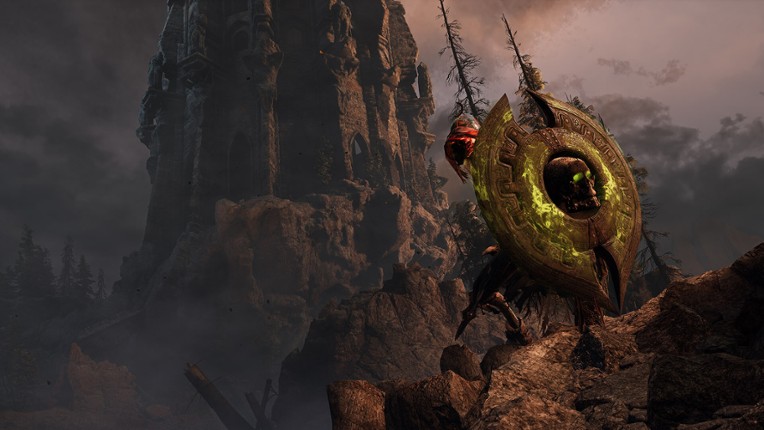
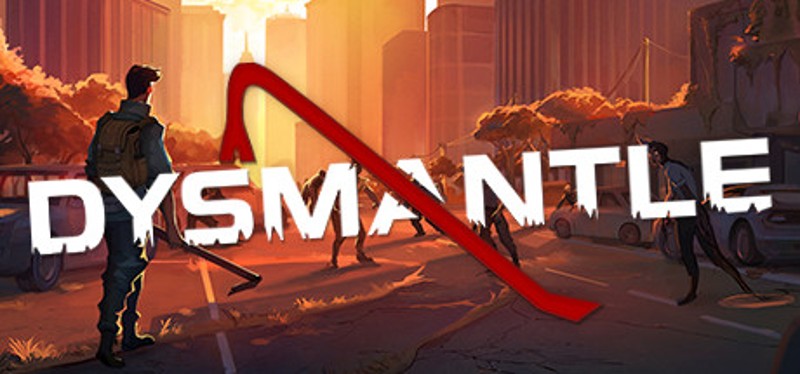
Both games anchor themselves in destructible-environment resource loops—you break down the world to fuel crafting and base building, creating that satisfying cycle of gather-craft-upgrade that defines the experience.
DYSMANTLE's top-down perspective and split-screen co-op offer accessibility that Abiotic Factor's first-person immersion doesn't, which matters if you want relaxed multiplayer sessions over competitive survival tension.
The tradeoff: DYSMANTLE trades Abiotic Factor's narrative ambition and sci-fi atmosphere for a more forgiving, less grindy late game—but sacrifices mechanical depth and replay hooks in return.
Pick this up if you want co-op base building without punishing combat systems or performance headaches, but expect less story payoff and atmospheric dread than Abiotic Factor delivers.
If you enjoyed this game, see our list of games similar to DYSMANTLE.View Game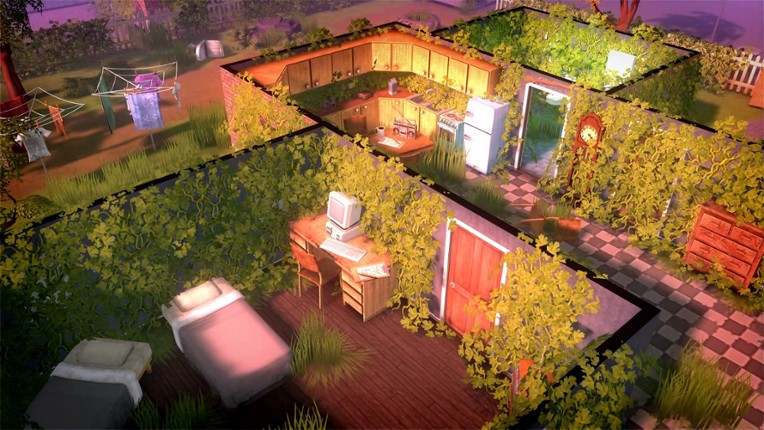
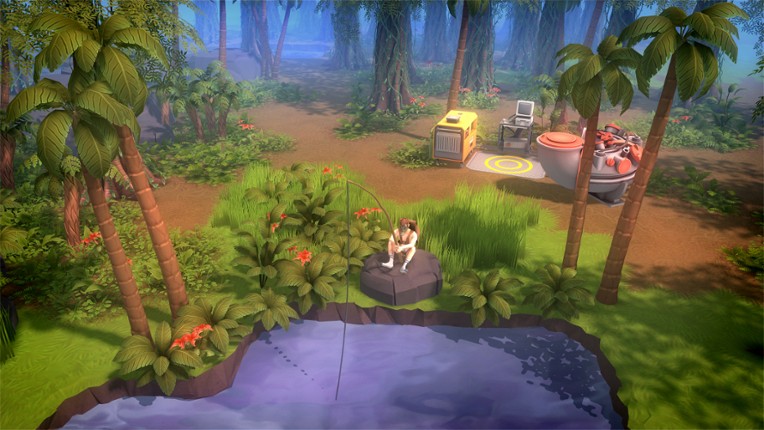
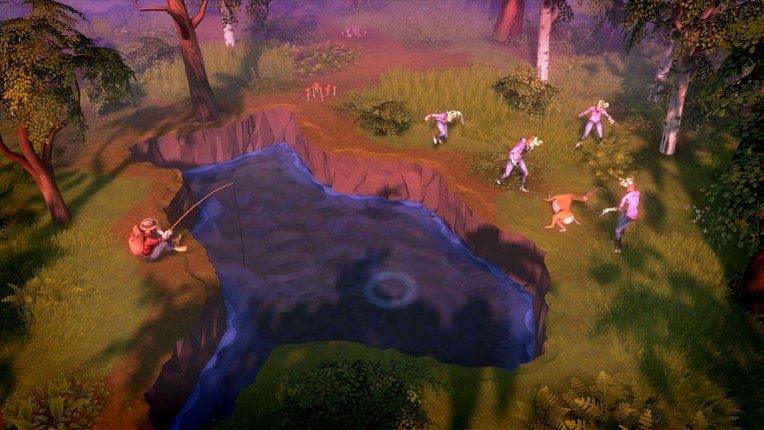
- 86%Game Brain ScoreMost mentioned positive aspects:gameplay, graphicsMost mentioned negative aspects:grinding, optimization86% User Score 4,114 reviews
The primary bridge between these titles is their satisfying loop of resource gathering and base construction, which serves as the anchor for both experiences. You will spend your time transforming raw materials into fortified workshops, crucial because it provides a sense of tangible progress against hostile environments.
The core shift lies in tone and perspective: you trade Abiotic Factor’s tense, first-person sci-fi corridors for Len’s Island’s vibrant, top-down fantasy exploration. The former emphasizes survival against encroaching dread, while the latter pivots toward relaxed farming and dungeon crawling.
Pick this up if you want the addictive satisfaction of building an efficient base but can live without the gritty, claustrophobic atmosphere of an SCP-inspired research facility.
If you enjoyed this game, see our list of games similar to Len's Island.View Game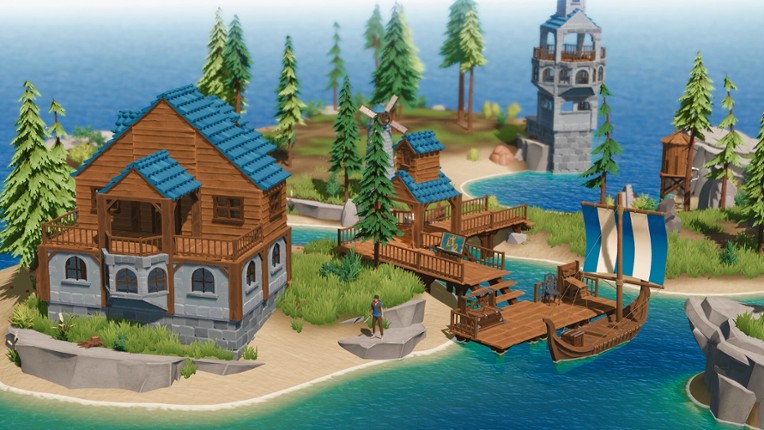
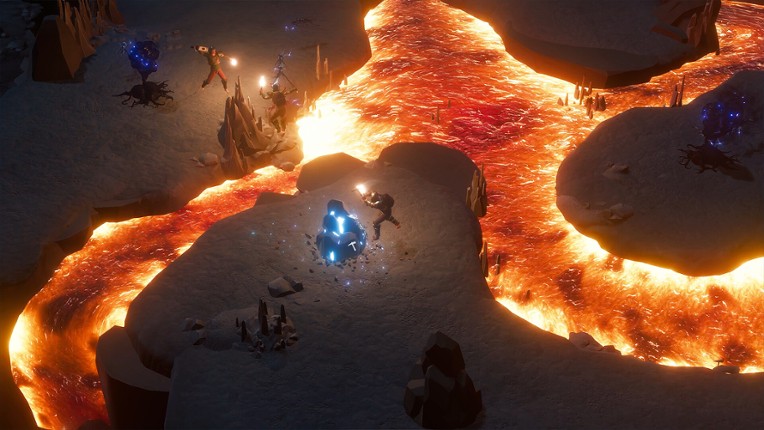
- 86%Game Brain ScoreMost mentioned positive aspects:gameplay, graphicsMost mentioned negative aspects:optimization, grinding86% User Score 32,968 reviews
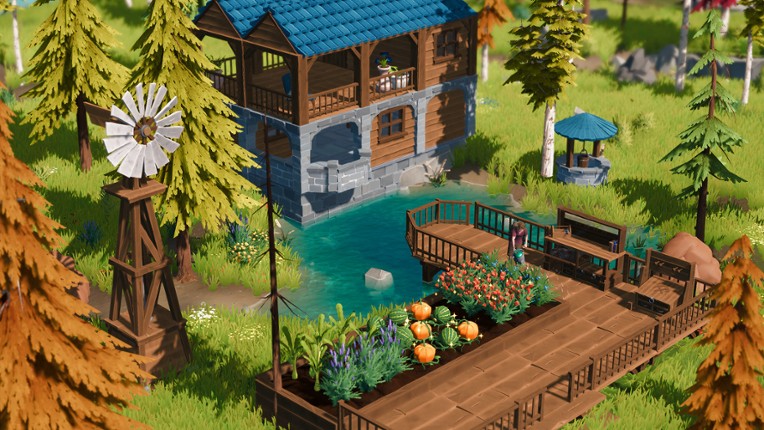
No Rest for the Wicked swaps survival crafting for a dark‑fantasy action RPG with souls‑like combat, catering to players who enjoy challenging, story‑driven co‑op.
If you enjoyed this game, see our list of games similar to No Rest for the Wicked.View Game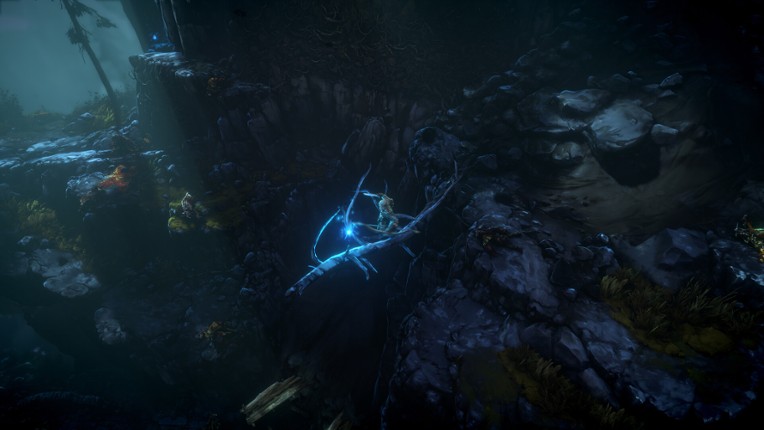
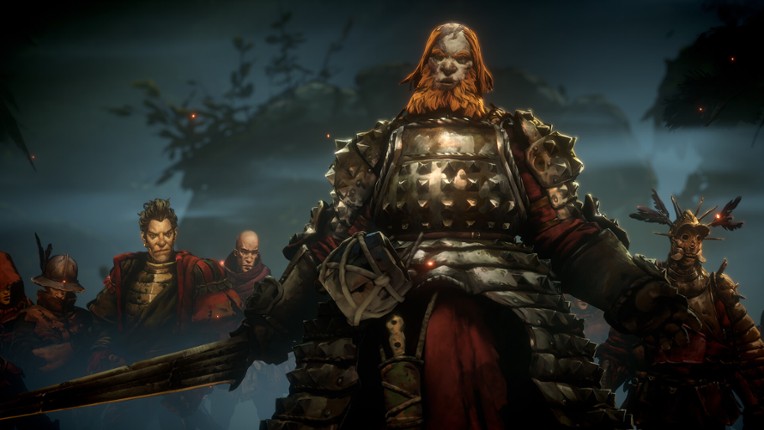

- 91%Game Brain ScoreMost mentioned positive aspects:gameplay, graphicsMost mentioned negative aspects:stability, grinding91% User Score 14,064 reviews
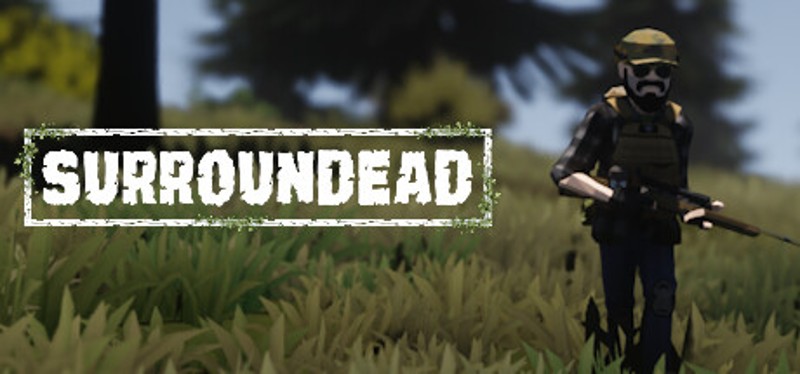
SurrounDead swaps the sci‑fi mystery for a zombie‑infested post‑apocalypse, offering loot‑driven co‑op survival for fans who want more action.
If you enjoyed this game, see our list of games similar to SurrounDead.View Game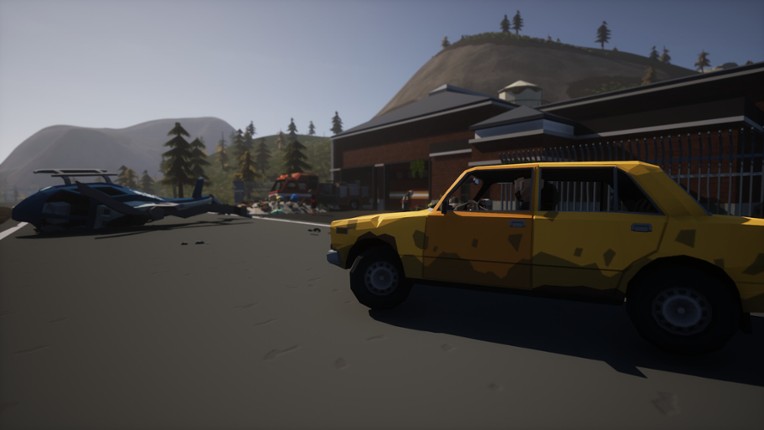
- 90%Game Brain ScoreMost mentioned positive aspects:gameplay, graphicsMost mentioned negative aspects:grinding, stability90% User Score 1,323 reviews
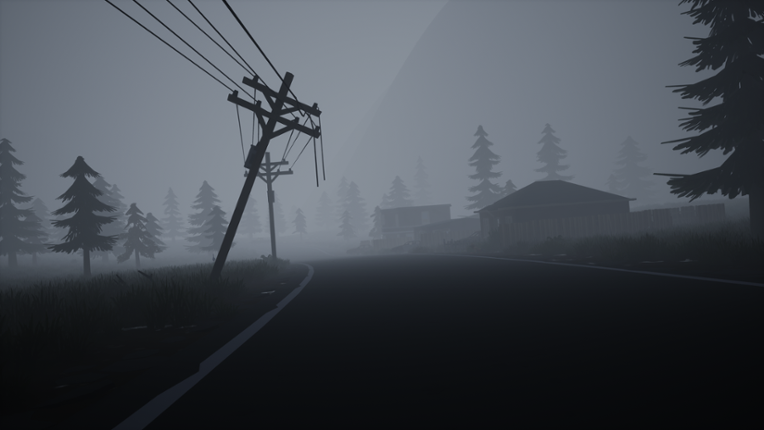
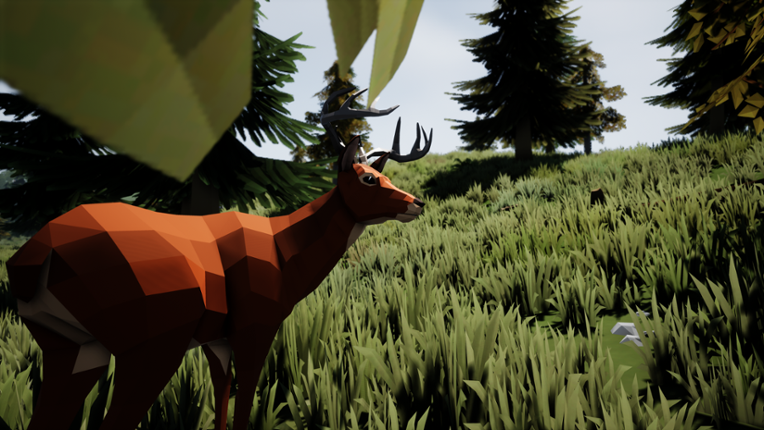
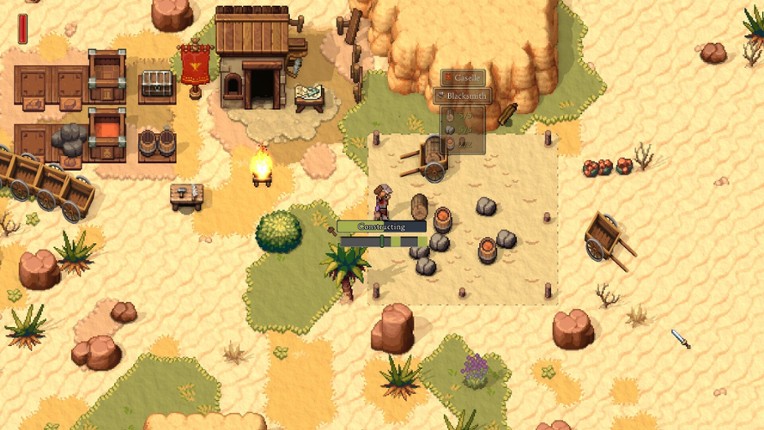
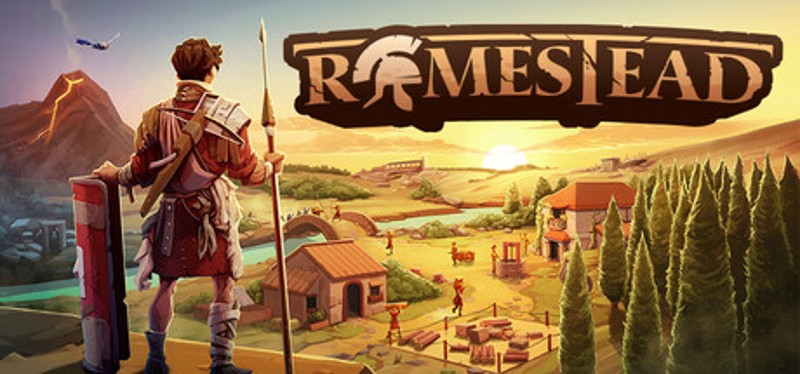
Top-down pixel survival with co-op base building and procedural dungeons, trading sci-fi immersion for cute accessibility.
If you enjoyed this game, see our list of games similar to Romestead.View Game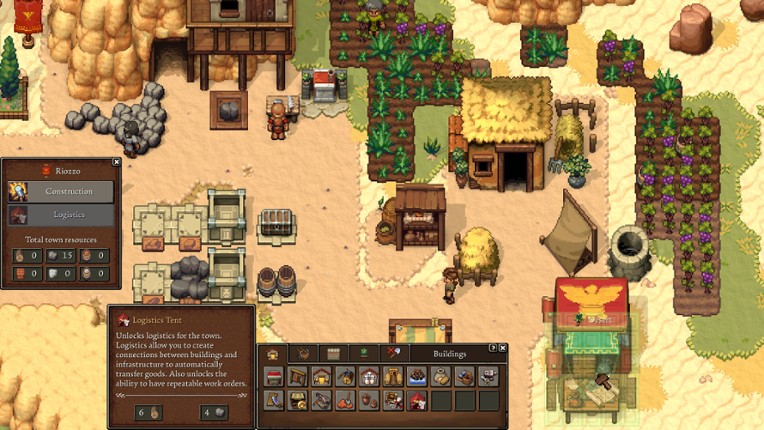
- 89%Game Brain ScoreMost mentioned positive aspects:gameplay, storyMost mentioned negative aspects:grinding, stability89% User Score 30,186 reviews
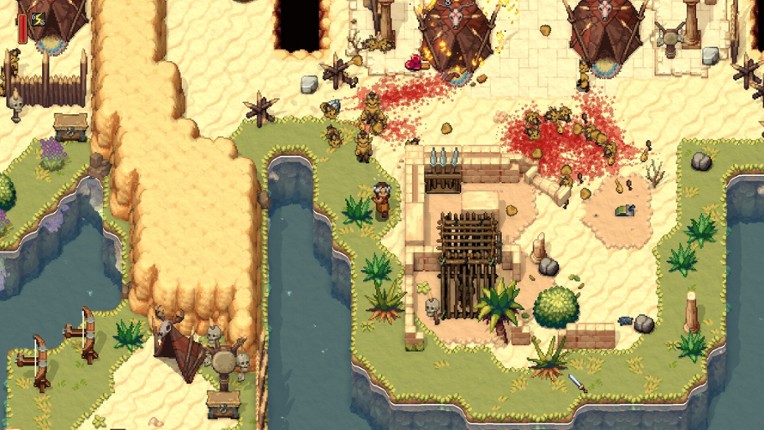
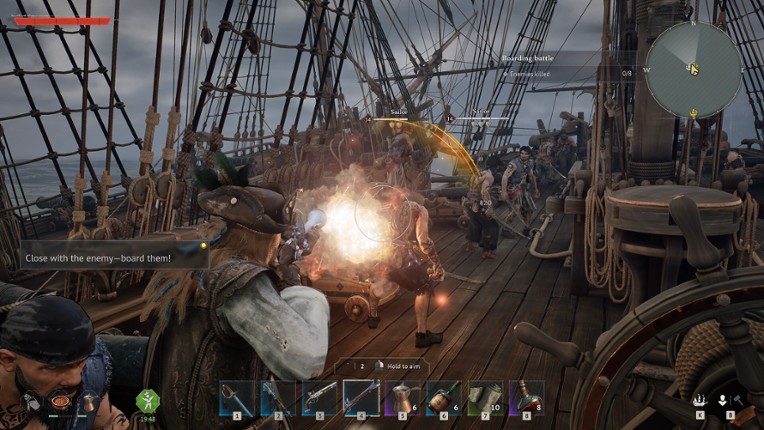
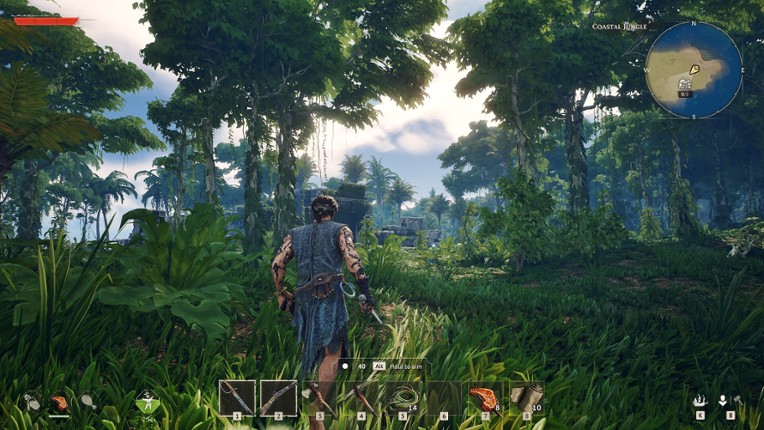
Windrose is a survival adventure set in an alternative Age of Piracy. It features the classic “build, craft, survive” formula along with intense combat and engaging exploration on land and sea. Progress through vast procedurally generated biomes filled with hidden mysteries, hand-crafted dungeons and quests. Gather your crew and captain your ship through brutal naval combat with boarding actions … If you enjoyed this game, see our list of games similar to Windrose.
View Game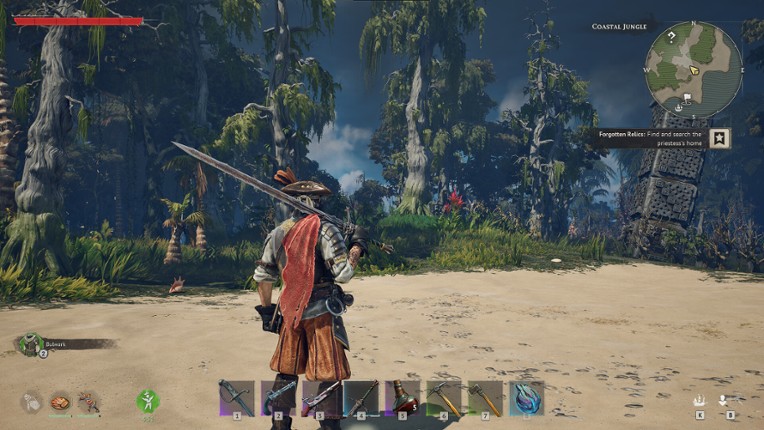
- 92%Game Brain ScoreMost mentioned positive aspects:story, gameplayMost mentioned negative aspects:grinding, stability92% User Score 3,221 reviews
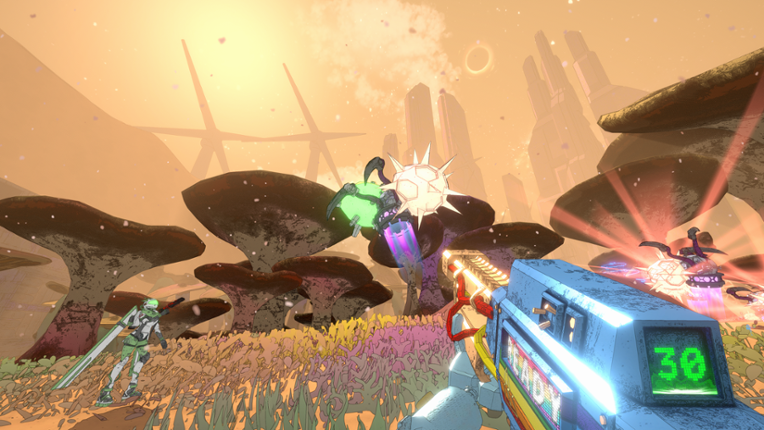
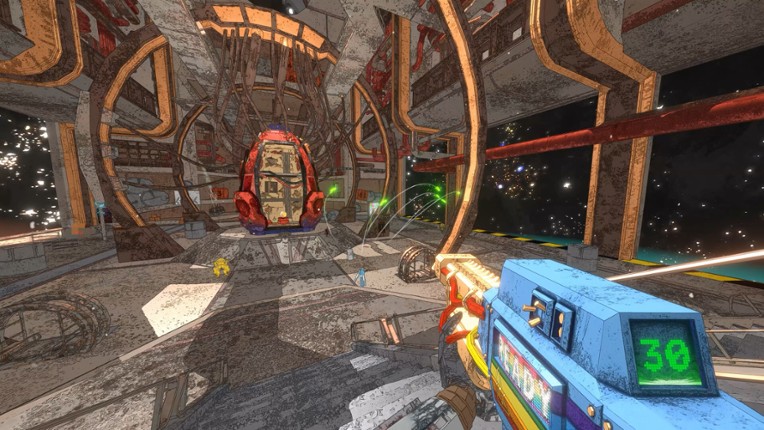
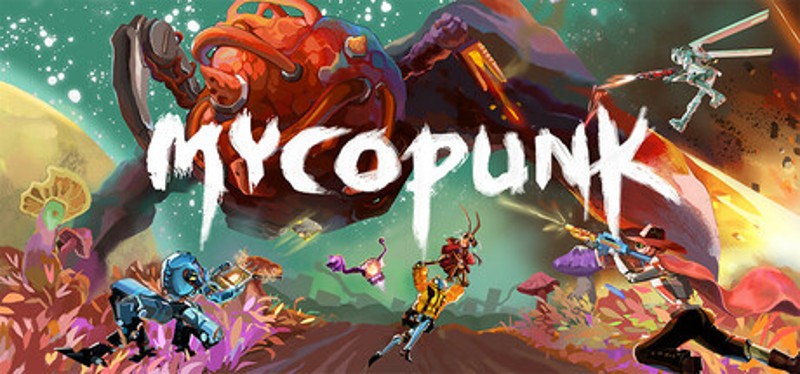
Mycopunk keeps the sci‑fi vibe but layers on colorful, absurdist humor and roguelike runs, trading base‑building depth for fast, replayable sessions.
If you enjoyed this game, see our list of games similar to Mycopunk.View Game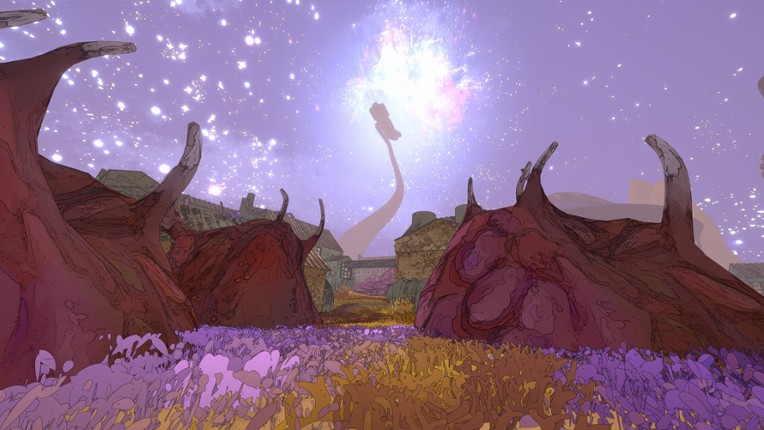
- 70%Game Brain ScoreMost mentioned positive aspects:gameplay, storyMost mentioned negative aspects:grinding, optimization70% User Score 16,164 reviews
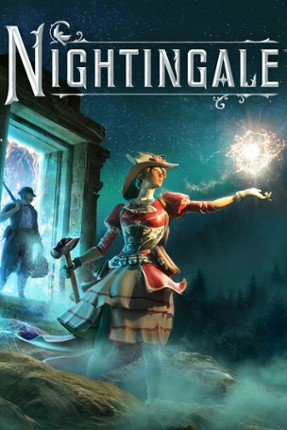
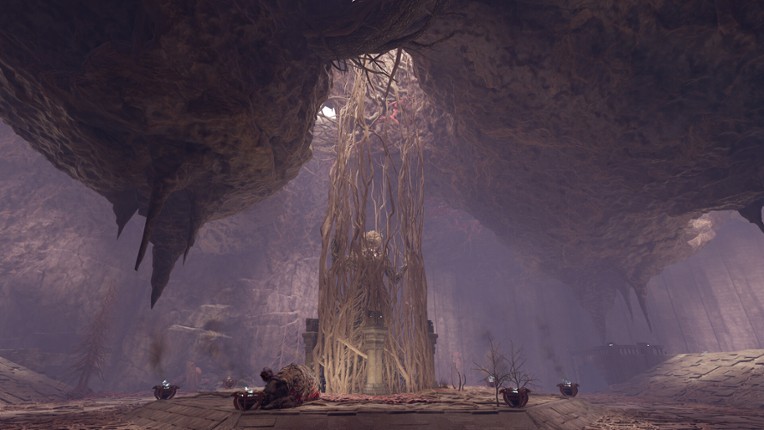
Nightingale shifts the survival craft to a fantasy realm, offering procedurally generated realms and a deeper narrative for players craving story‑rich exploration.
If you enjoyed this game, see our list of games similar to Nightingale.View Game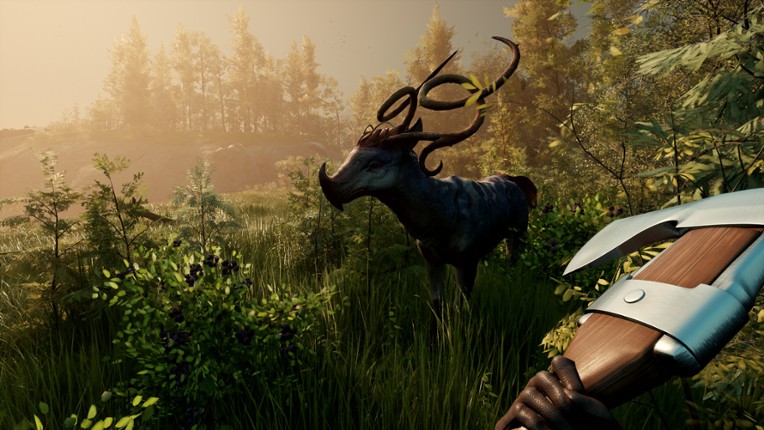
17 View Game 82%Game Brain ScoreMost mentioned positive aspects:gameplay, storyMost mentioned negative aspects:grinding, optimization82% User Score 25,376 reviews
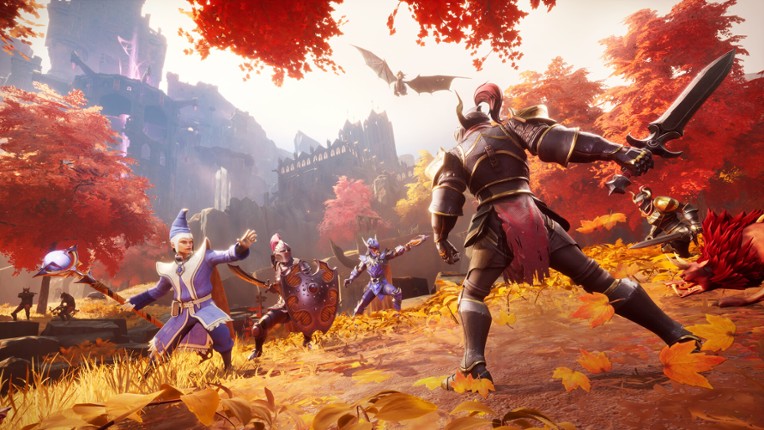
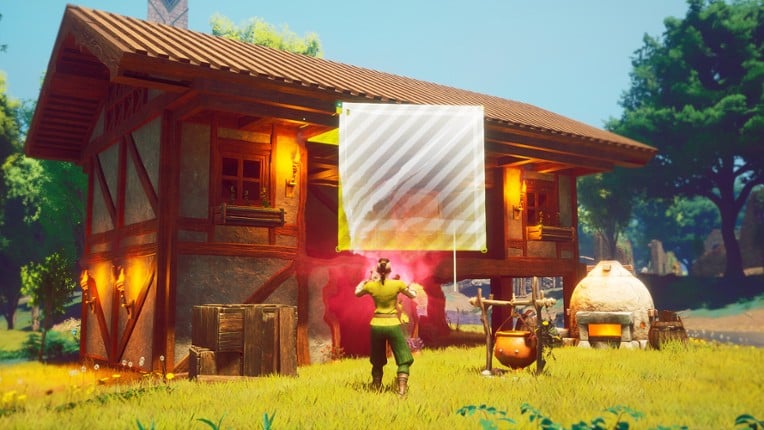
Dragonwilds replaces alien tech with dragons and magic, delivering a third‑person fantasy craft experience for players who love RuneScape’s open‑world progression.
If you enjoyed this game, see our list of games similar to RuneScape: Dragonwilds.View Game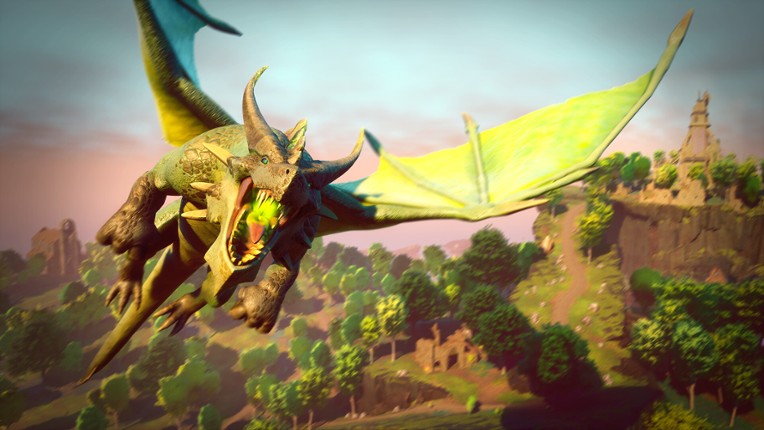
18 View Game 81%Game Brain ScoreMost mentioned positive aspects:story, gameplayMost mentioned negative aspects:grinding, stability81% User Score 7,554 reviewsCritic Score 80%1 reviews
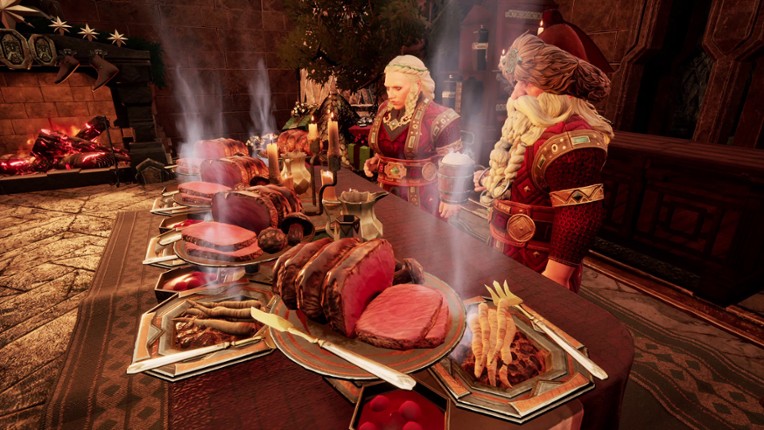
Return to Moria drops the sci‑fi for epic Tolkien fantasy, letting players mine, craft, and survive in a third‑person dwarven stronghold with friends.
If you enjoyed this game, see our list of games similar to The Lord of the Rings: Return to Moria.View Game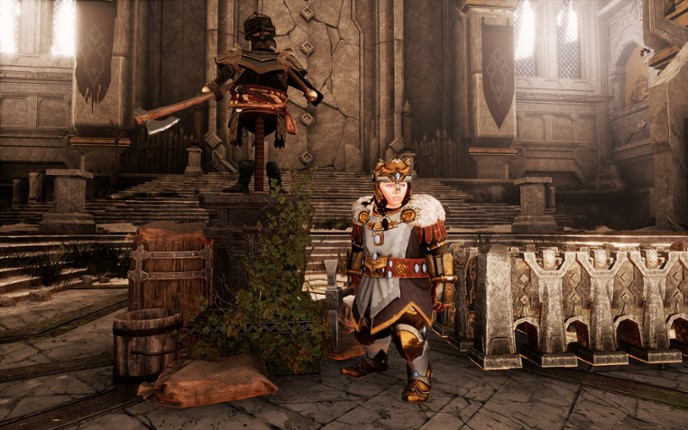
- 82%Game Brain ScoreMost mentioned positive aspects:story, gameplayMost mentioned negative aspects:stability, optimization82% User Score 1,541 reviews
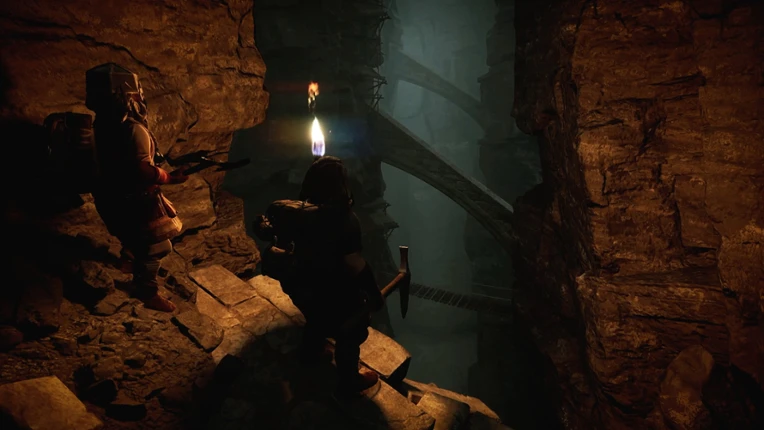
Saleblazers adds a capitalist economy and shop‑keeping to survival crafting, letting co‑op groups run businesses while fighting PvP threats in an open world.
If you enjoyed this game, see our list of games similar to Saleblazers.View Game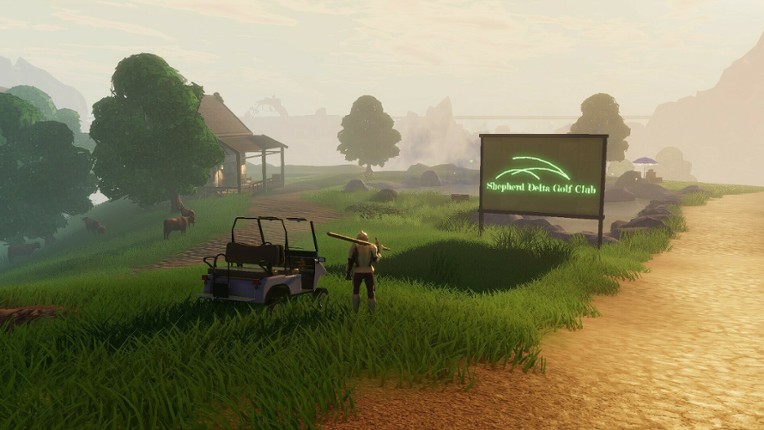
- 86%Game Brain ScoreMost mentioned positive aspects:story, gameplayMost mentioned negative aspects:optimization, grinding86% User Score 45,791 reviews
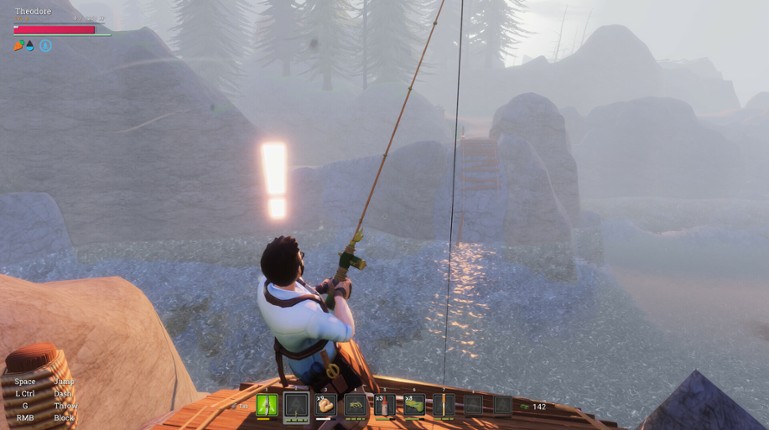
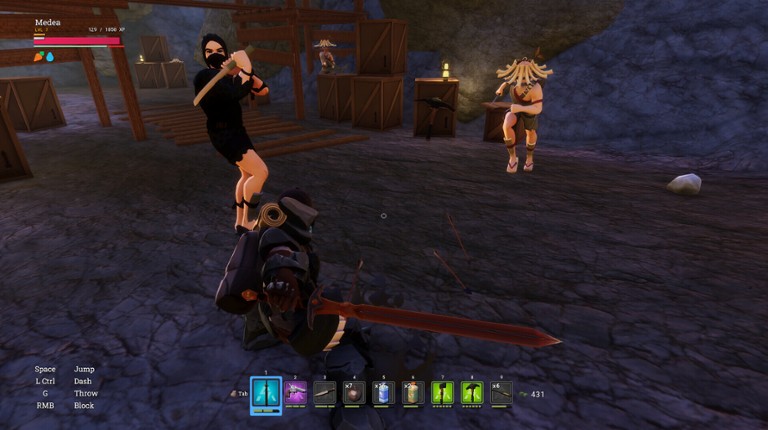
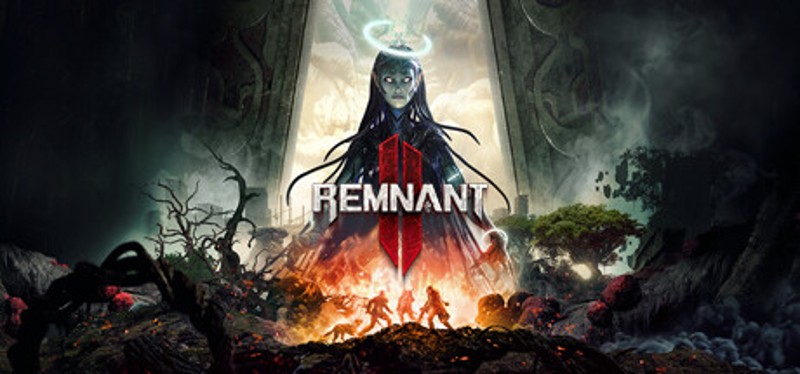
Remnant 2 offers a third‑person shooter with horror‑fantasy mash‑up and mature themes, delivering intense co‑op gunplay for players who want less crafting.
If you enjoyed this game, see our list of games similar to Remnant 2.View Game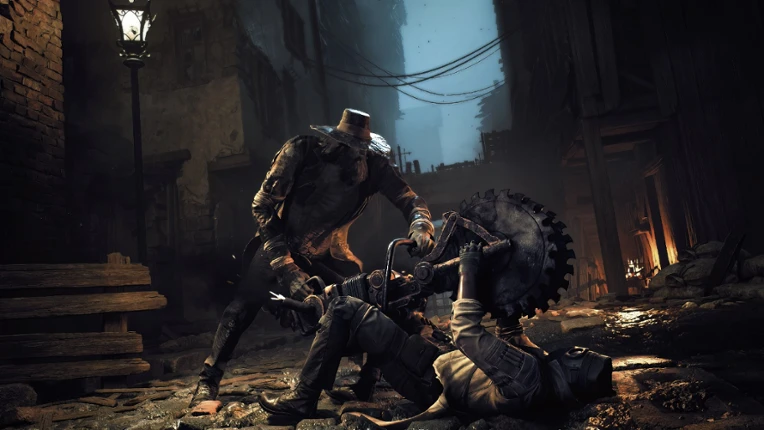

- 87%Game Brain ScoreMost mentioned positive aspects:gameplay, graphicsMost mentioned negative aspects:stability, grinding95% User Score 241,630 reviewsCritic Score 78%9 reviews
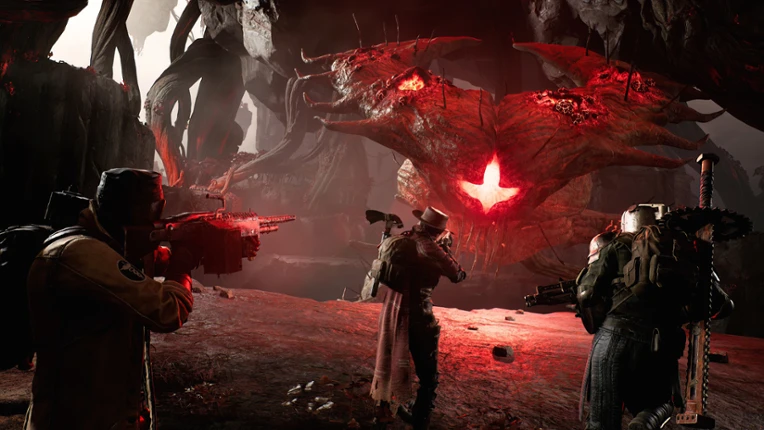
Palworld blends creature collection and automation into an anime‑styled survival craft, letting friends trade and battle pals while building bases in an open world.
If you enjoyed this game, see our list of games similar to Palworld.View Game


22 View Game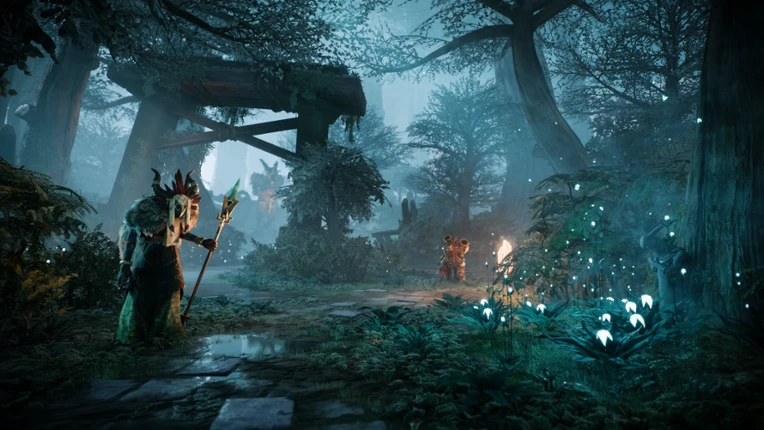
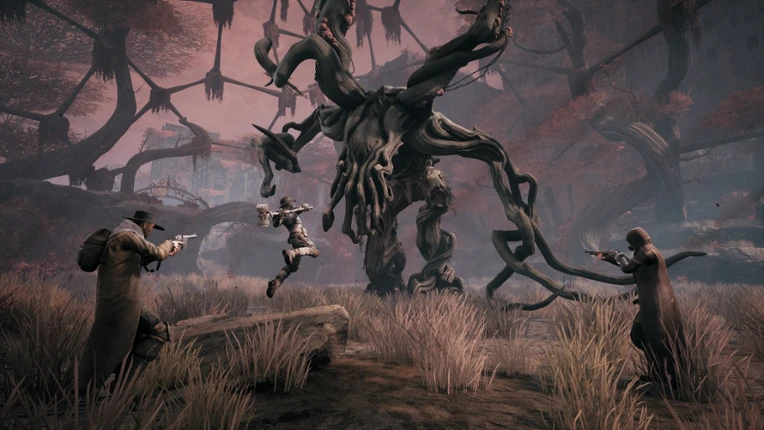 86%Game Brain ScoreMost mentioned positive aspects:gameplay, storyMost mentioned negative aspects:grinding, stability87% User Score 45,980 reviewsCritic Score 80%1 reviews
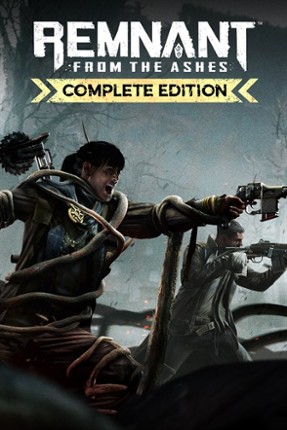
Includes: Remnant: From the Ashes - Swamps of Corsus DLC Remnant: From the Ashes - Subject 2923 DLC Remnant: From the Ashes - Swamps of CorsusBegin your journey across the dangerous and corrupted worlds of Remnant: From the Ashes with a new mode and expanded map content in the Swamps of Corsus DLC. Remnant: From the Ashes - Subject 2923In a brand-new continuation of the Remnant: From the Ashes sto… If you enjoyed this game, see our list of games similar to Remnant: From the Ashes.
View Game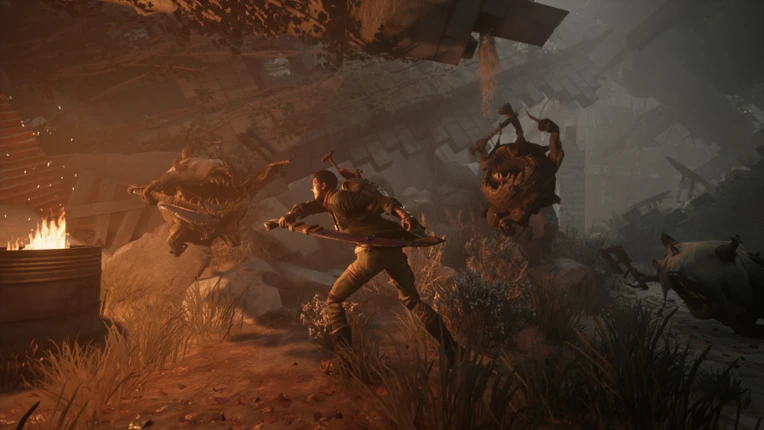
23 View Game 84%Game Brain ScoreMost mentioned positive aspects:story, gameplayMost mentioned negative aspects:optimization, stability88% User Score 18,509 reviewsCritic Score 77%6 reviews
Narrative-driven immersive sim emphasizing story branches and character choice over survival systems and multiplayer.
If you enjoyed this game, see our list of games similar to Tainted Grail: The Fall of Avalon.View Game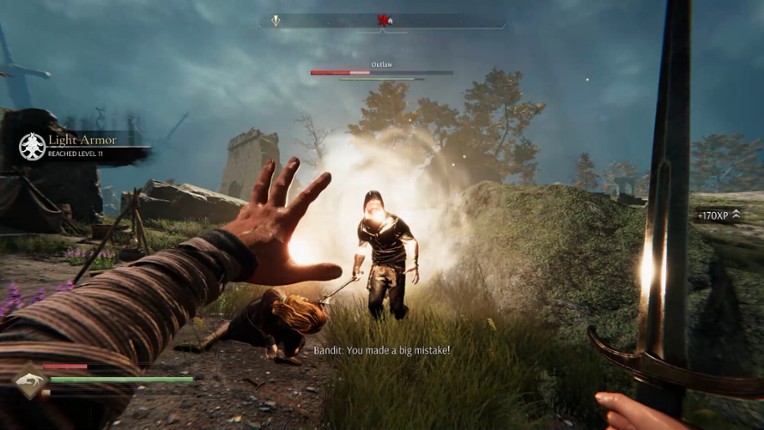
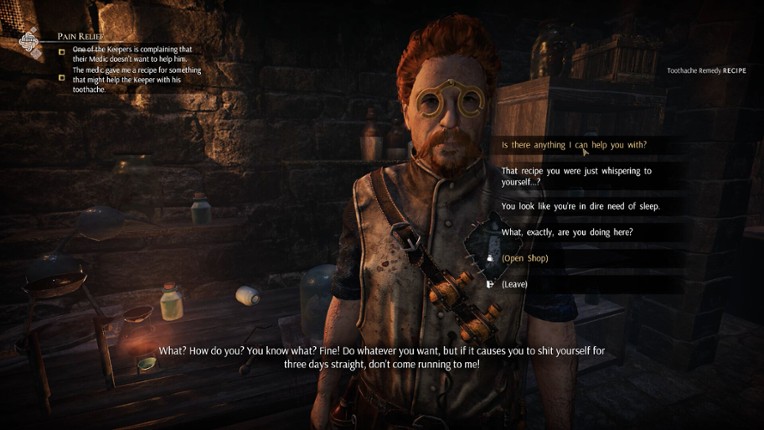

- 93%Game Brain ScoreMost mentioned positive aspects:story, gameplayMost mentioned negative aspects:grinding, stability93% User Score 2,760 reviews
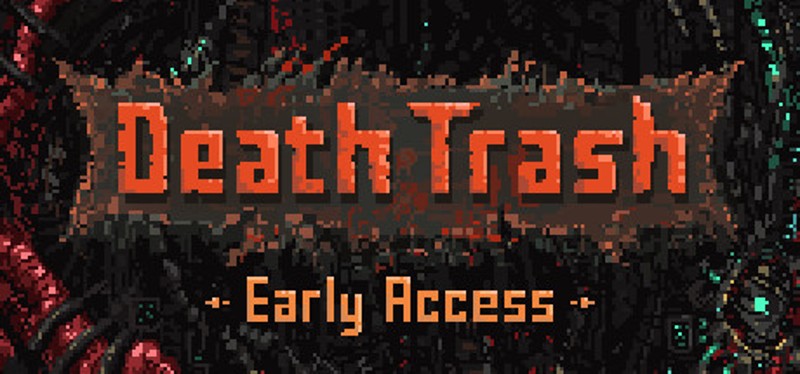
Isometric action-RPG with local co-op and Lovecraftian horror, sacrificing survival crafting for souls-like combat depth.
If you enjoyed this game, see our list of games similar to Death Trash.View Game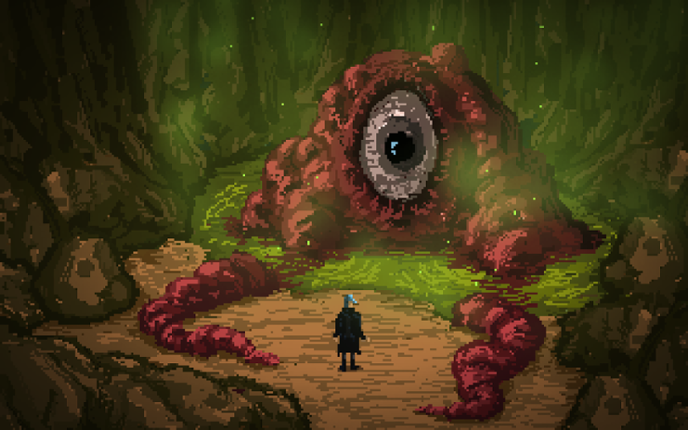
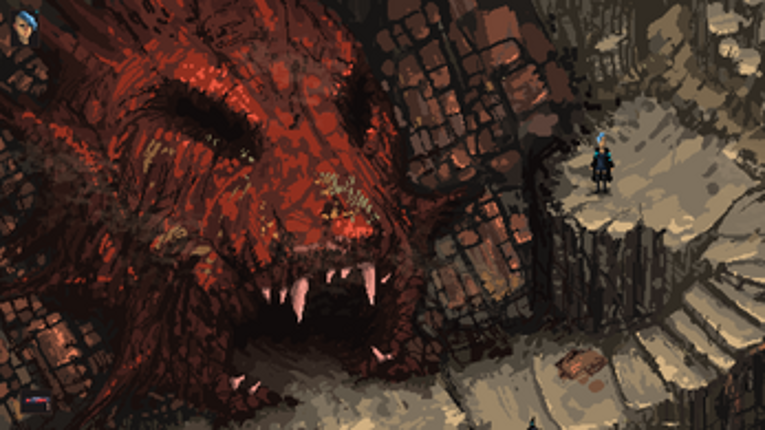

- 82%Game Brain ScoreMost mentioned positive aspects:story, gameplayMost mentioned negative aspects:optimization, stability85% User Score 9,562 reviewsCritic Score 77%3 reviews
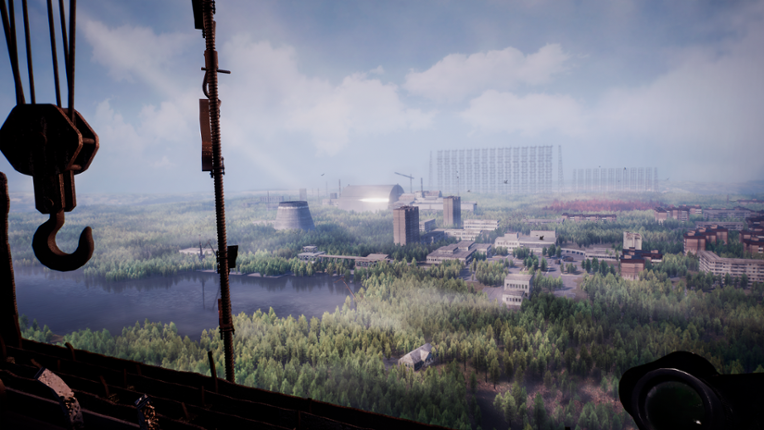
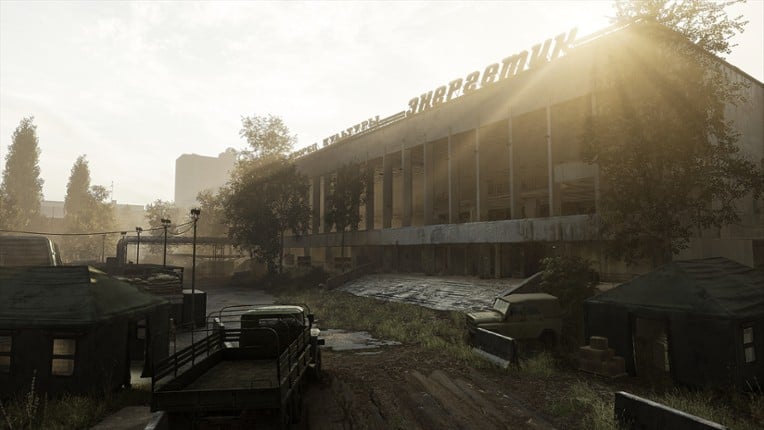
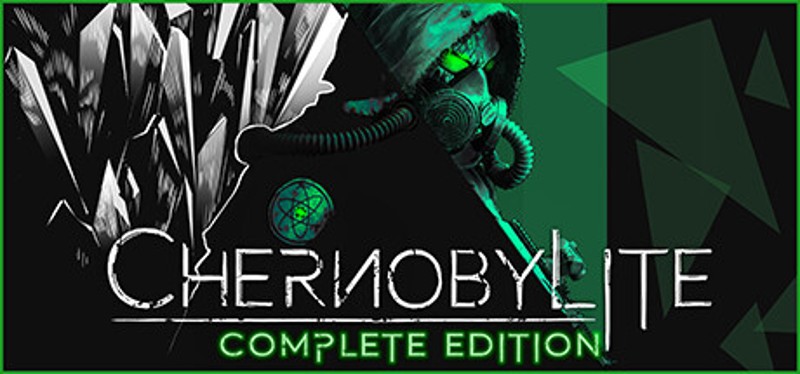
Survival shooter set in Chernobyl's exclusion zone with co-op exploration, grounding sci-fi wonder in real historical horror.
If you enjoyed this game, see our list of games similar to Chernobylite.View Game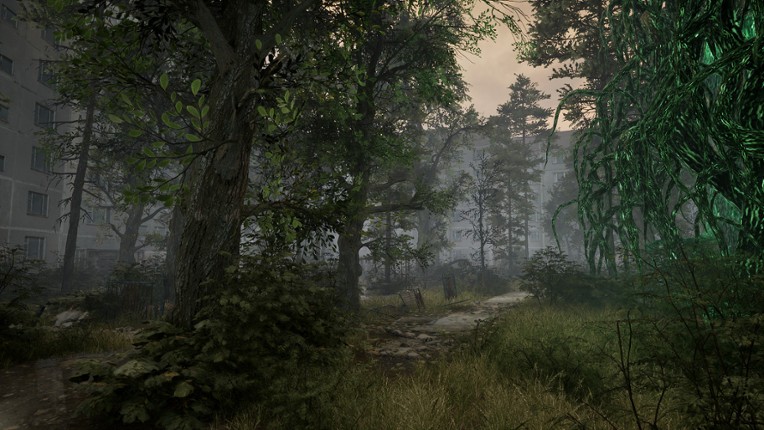
- 85%Game Brain ScoreMost mentioned positive aspects:story, gameplayMost mentioned negative aspects:grinding, stability85% User Score 1,131 reviews
Minimalist indie experience that trades Abiotic Factor's systems depth for experimental gameplay; details remain sparse.
If you enjoyed this game, see our list of games similar to Infinite Veil.View Game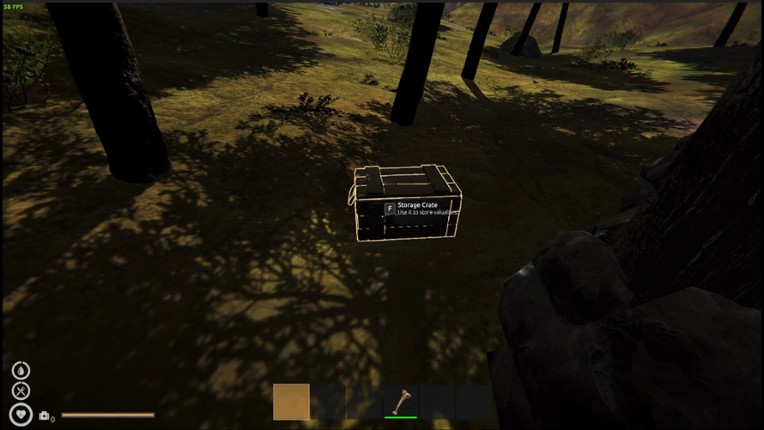
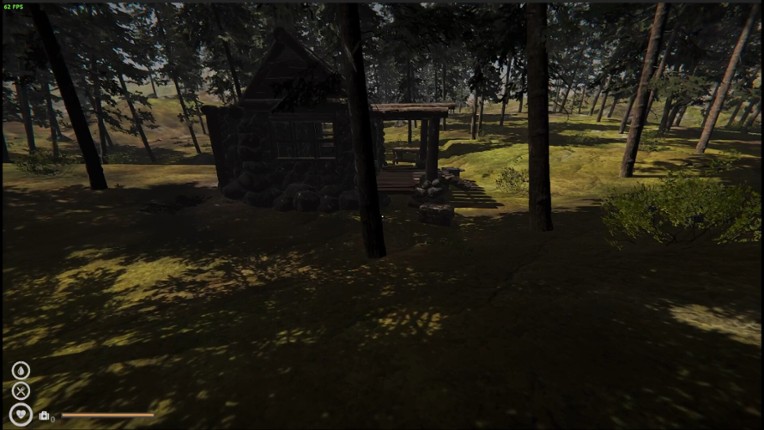
- 97%Game Brain ScoreMost mentioned positive aspects:gameplay, storyMost mentioned negative aspects:grinding97% User Score 22,612 reviews
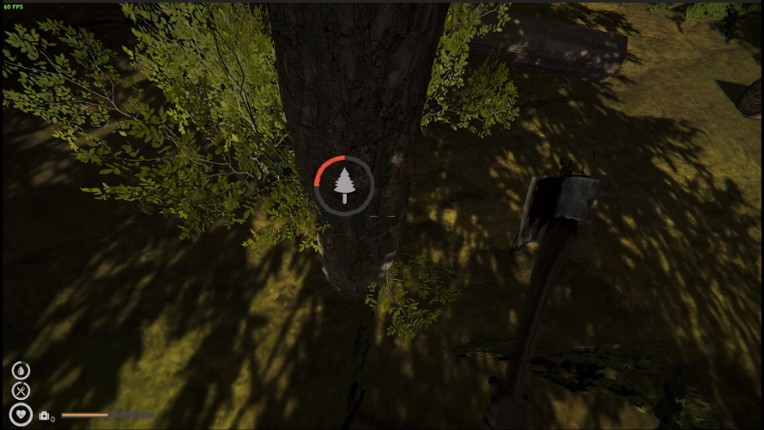
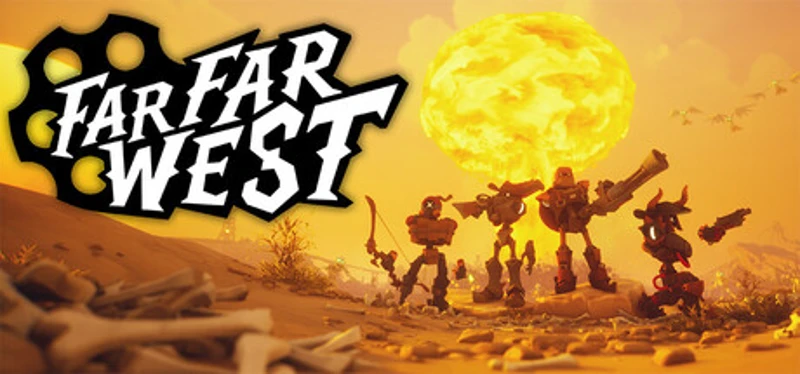
Wild West first-person co-op shooter with magic and robots, swapping sci-fi mystery for frontier chaos and loot.
If you enjoyed this game, see our list of games similar to Far Far West.View Game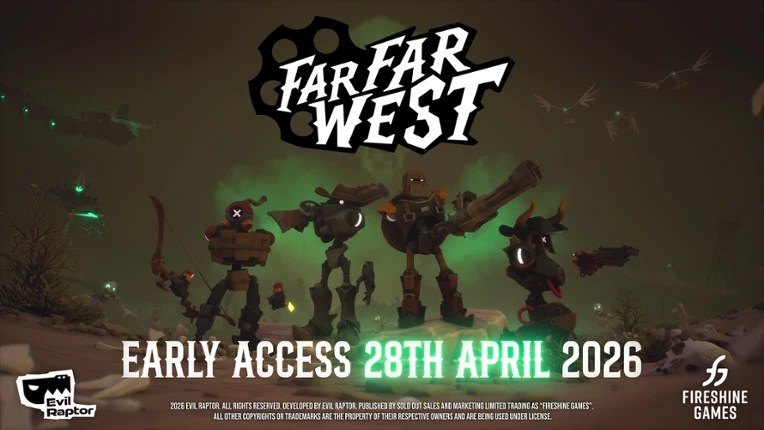

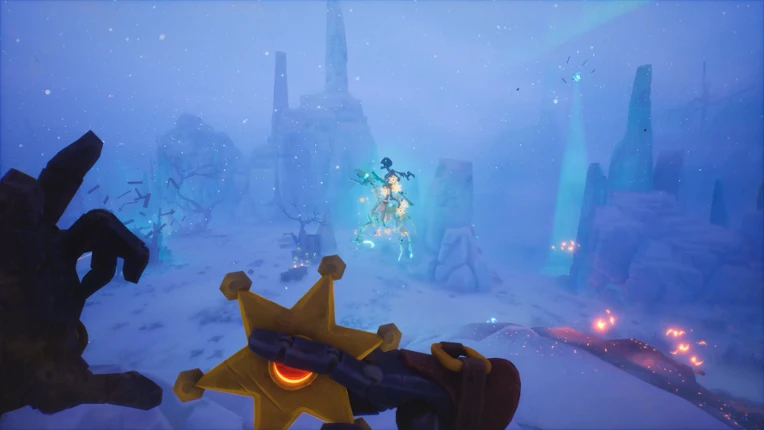
- 81%Game Brain ScoreMost mentioned positive aspects:gameplay, graphicsMost mentioned negative aspects:optimization, story81% User Score 9,415 reviews
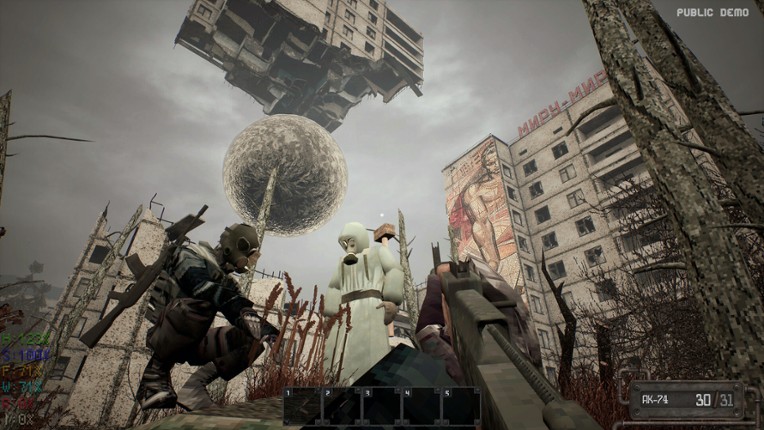
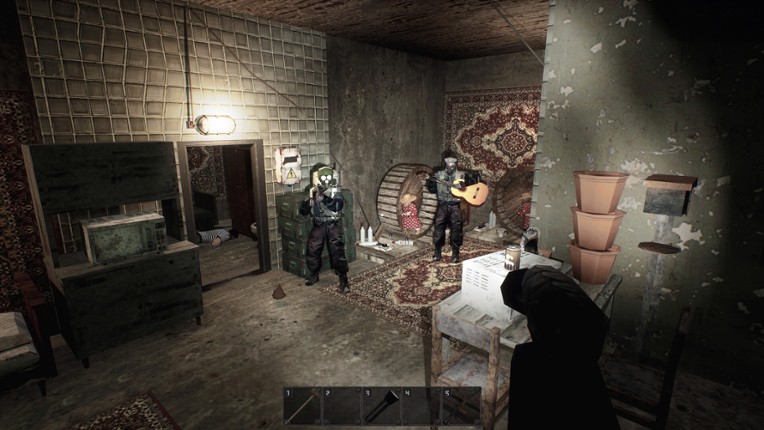
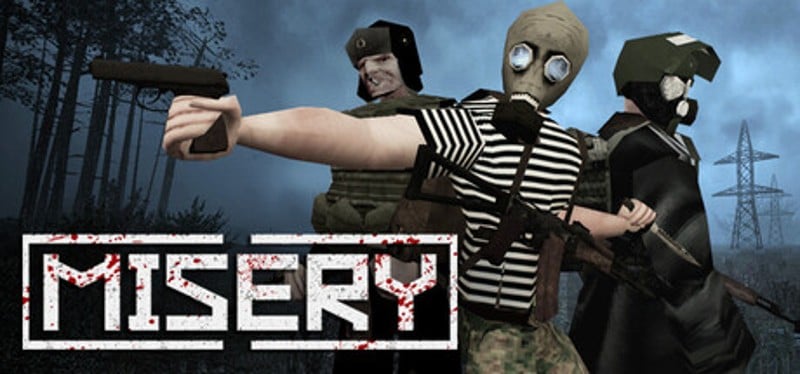
Amplify the dread of an abandoned facility with harsh procedural environmental survival that prioritizes grim exploration over the narrative-heavy sci-fi antics.
If you enjoyed this game, see our list of games similar to MISERY.View Game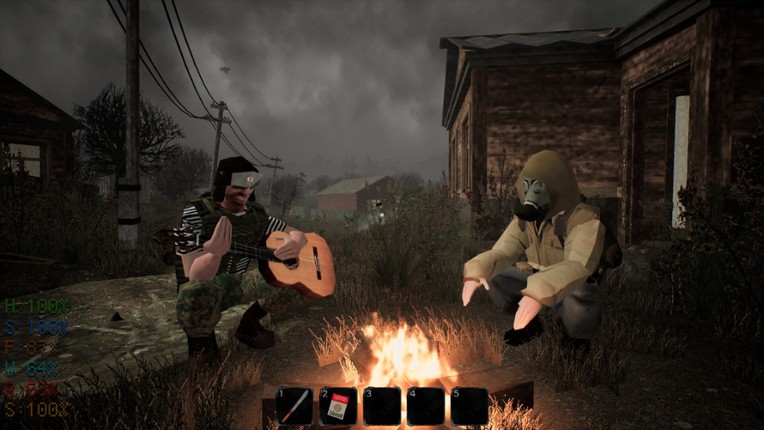
- 89%Game Brain ScoreMost mentioned positive aspects:gameplay, musicMost mentioned negative aspects:grinding, stability89% User Score 797 reviews
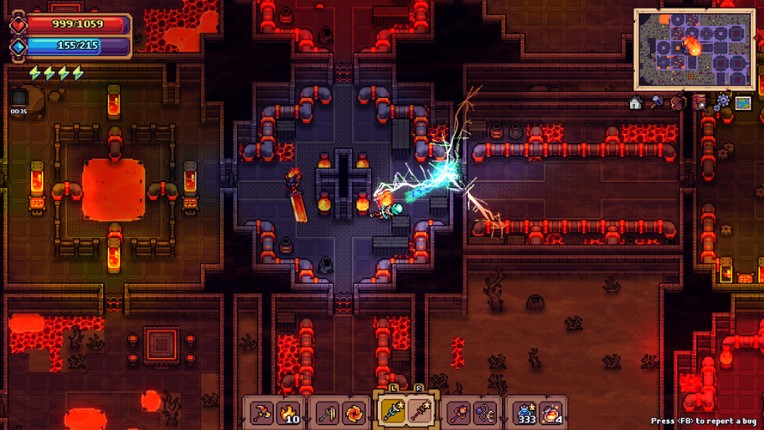
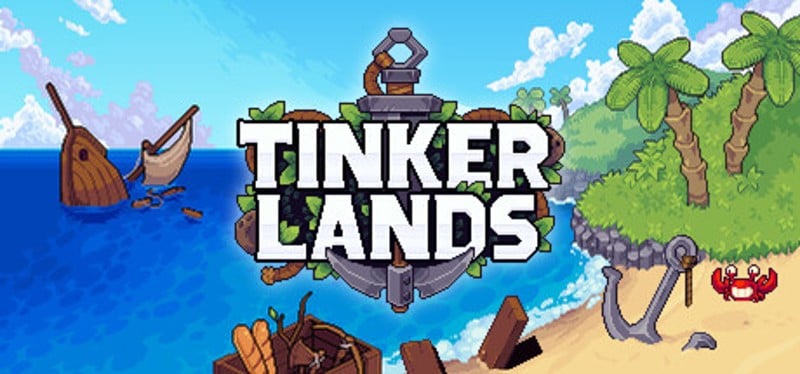
Colorful 2D survival sandbox with co-op crafting and base building, replacing sci-fi dread with cheerful fantasy exploration.
If you enjoyed this game, see our list of games similar to Tinkerlands.View Game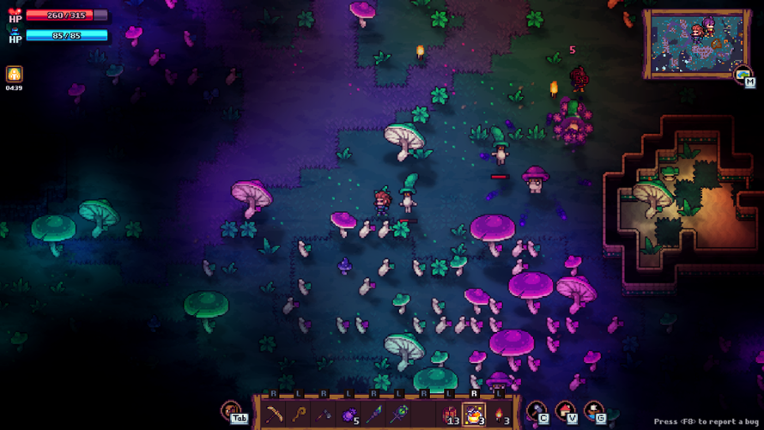
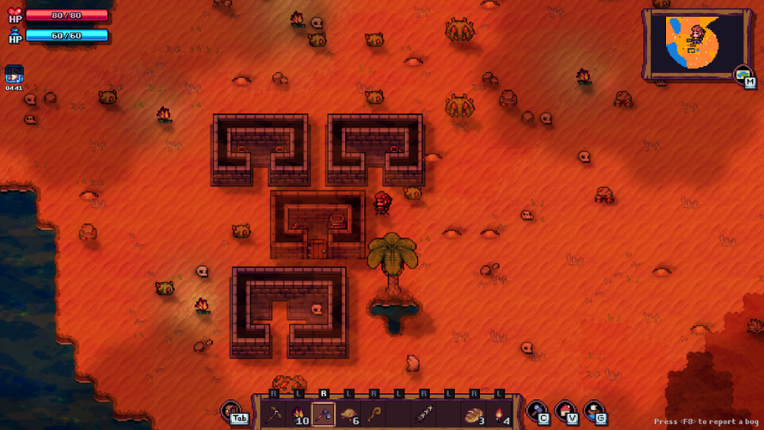
- 86%Game Brain ScoreMost mentioned positive aspects:story, gameplayMost mentioned negative aspects:stability, optimization87% User Score 176,320 reviewsCritic Score 83%6 reviews
Atmospheric co-op survival horror in forests rather than labs, matching base-building systems but deepening dread over mystery.
If you enjoyed this game, see our list of games similar to Sons Of The Forest.View Game


- 90%Game Brain ScoreMost mentioned positive aspects:gameplay, graphicsMost mentioned negative aspects:grinding, stability90% User Score 5,995 reviews
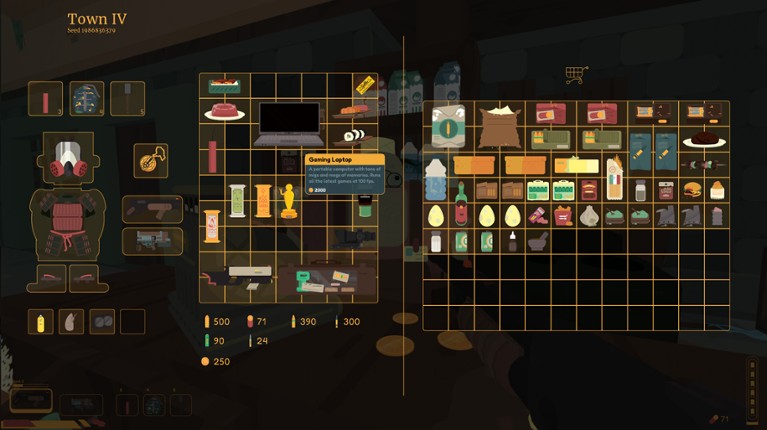
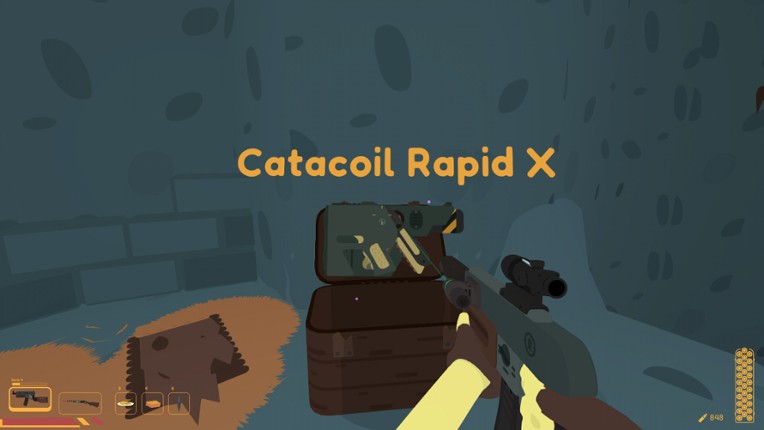
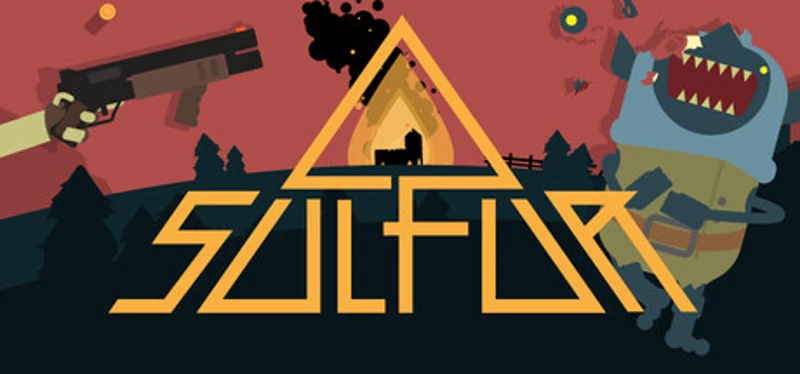
Sulfur is a modern old-school action-adventure: Outsmart enemies, find treasure, improve weapons, harness powers. Delve deeper, find answers, make it end. If you enjoyed this game, see our list of games similar to SULFUR.
View Game
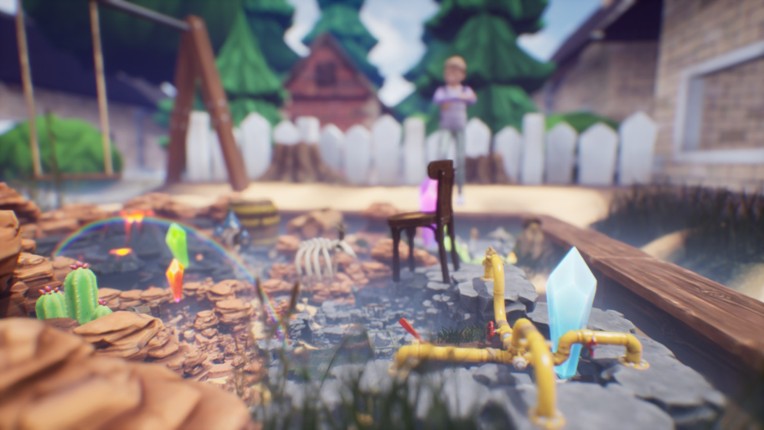
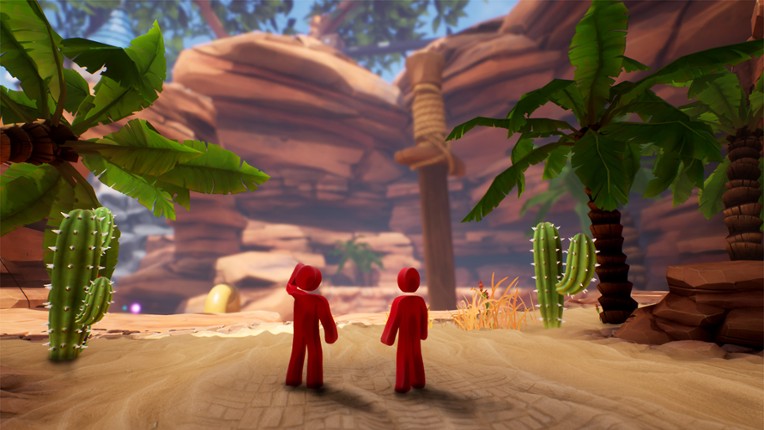
- 85%Game Brain ScoreMost mentioned positive aspects:gameplay, storyMost mentioned negative aspects:grinding, stability94% User Score 6,565 reviewsCritic Score 75%11 reviews
Colorful first-person puzzle platformer with trading and exploration, removing survival mechanics and horror for family-friendly discovery.
If you enjoyed this game, see our list of games similar to Supraland.View Game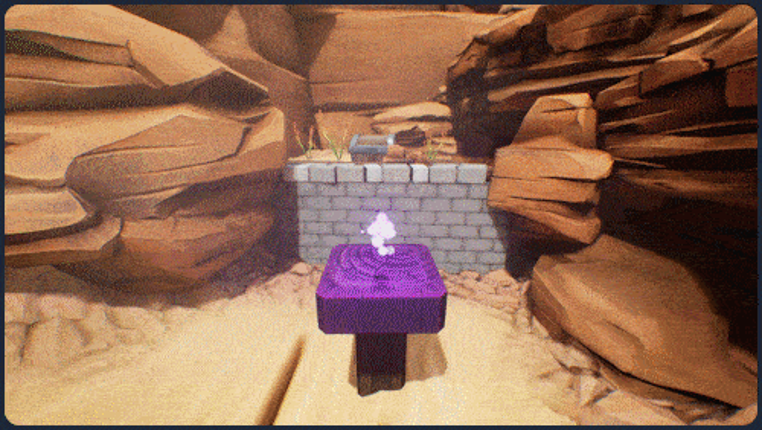
- 80%Game Brain ScoreMost mentioned positive aspects:story, gameplayMost mentioned negative aspects:grinding, optimization84% User Score 14,533 reviewsCritic Score 73%7 reviews
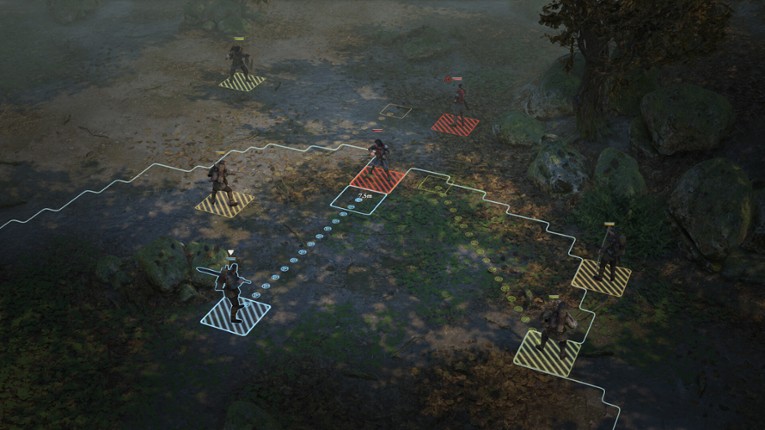
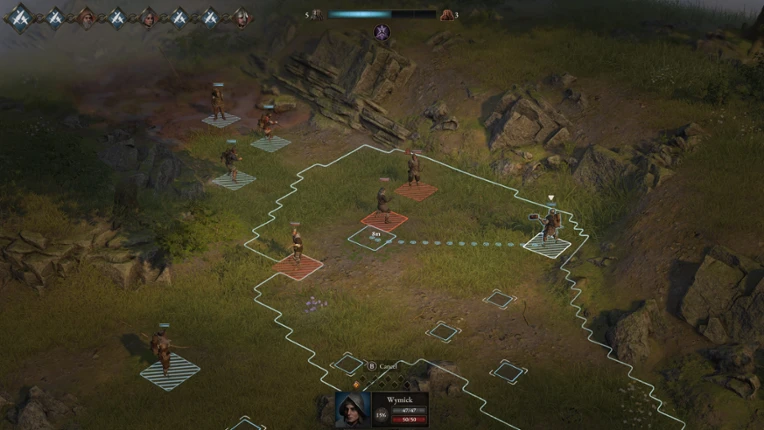
Swap the claustrophobic sci-fi halls for expansive medieval map traversal and turn-based squad tactics rather than real-time physics crafting.
If you enjoyed this game, see our list of games similar to Wartales.View Game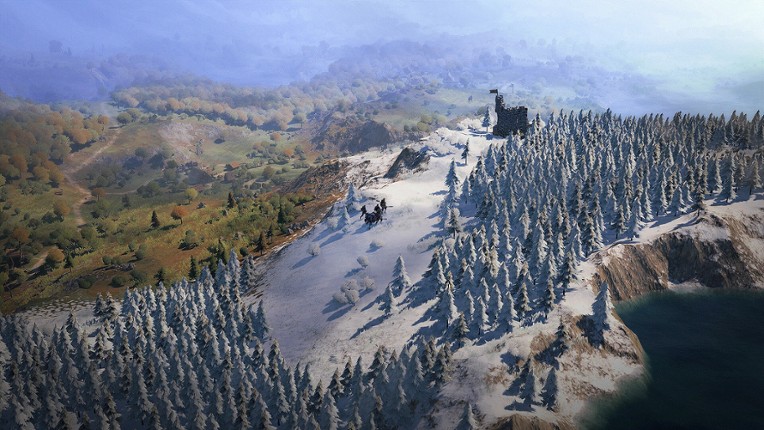
- 90%Game Brain ScoreMost mentioned positive aspects:story, gameplayMost mentioned negative aspects:grinding, stability94% User Score 228,886 reviewsCritic Score 80%3 reviews
Raft keeps the crafting-and-building loop but turns it into a drifting ocean expedition, ideal for players who want survival on the move.
If you enjoyed this game, see our list of games similar to Raft.View Game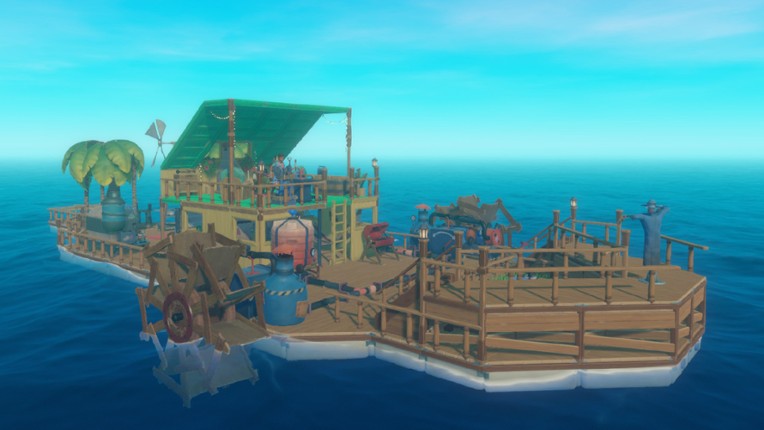

- 93%Game Brain ScoreMost mentioned positive aspects:story, graphicsMost mentioned negative aspects:stability, grinding93% User Score 72,685 reviews
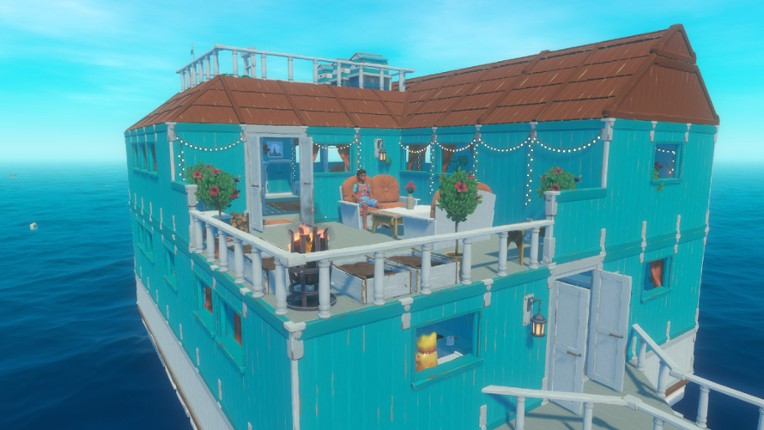
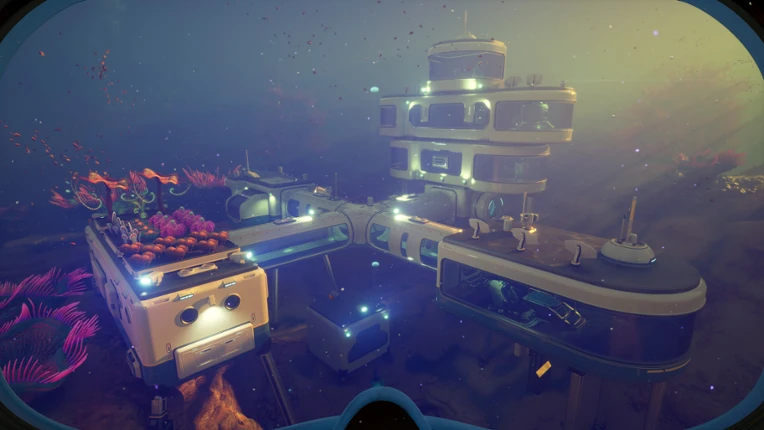
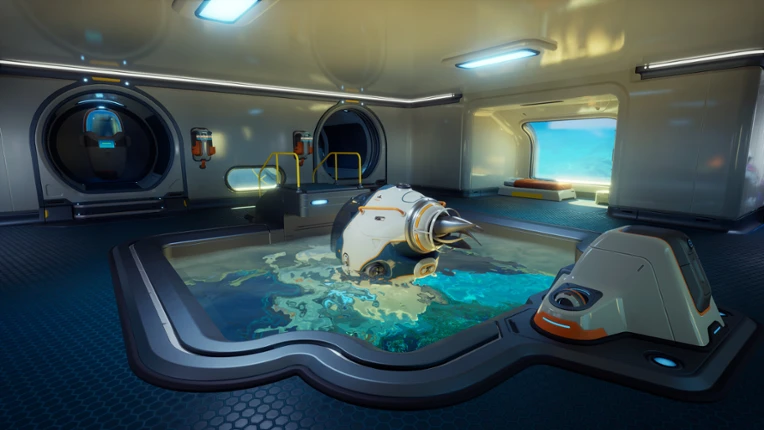
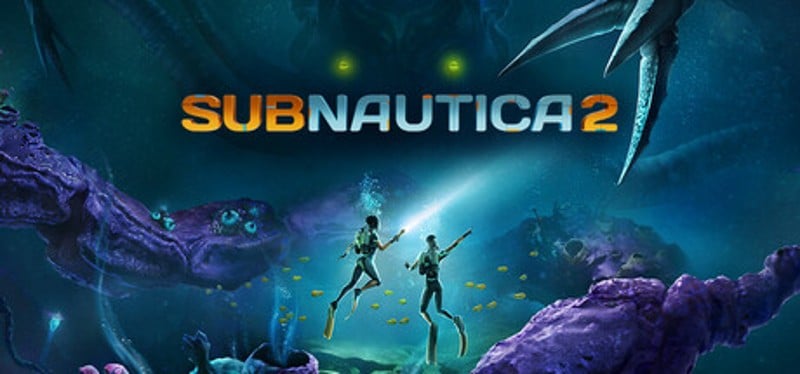
Subnautica 2 trades the lab-horror setting for a largely underwater frontier, keeping co-op exploration while leaning harder into eerie ocean survival.
If you enjoyed this game, see our list of games similar to Subnautica 2.View Game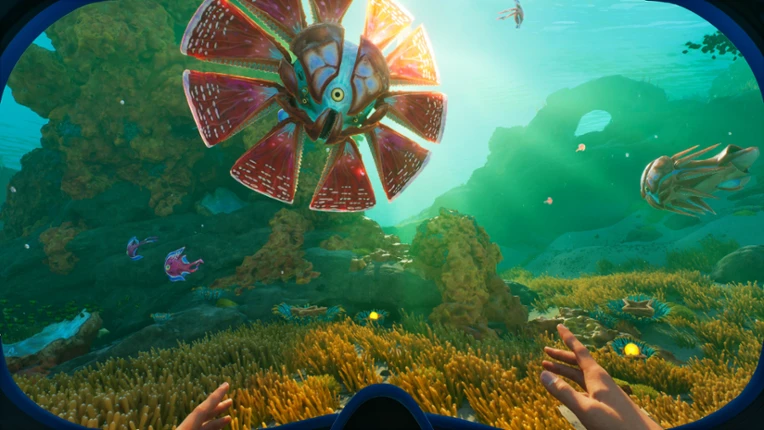
- 84%Game Brain ScoreMost mentioned positive aspects:gameplay, storyMost mentioned negative aspects:optimization, stability84% User Score 1,126 reviews
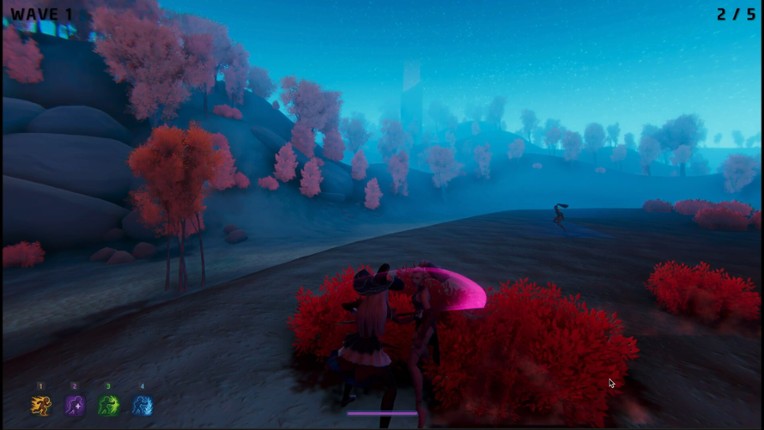
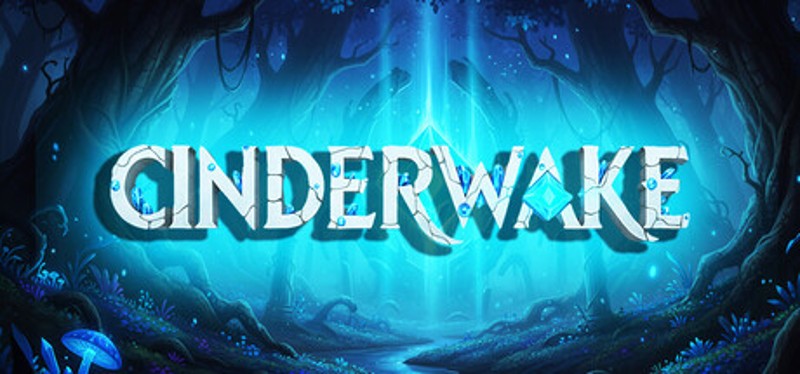
While lacking direct mechanical parity, this title emphasizes pure single-player progression over the complex cooperative science-horror systems found in Abiotic Factor.
If you enjoyed this game, see our list of games similar to Cinderwake.View Game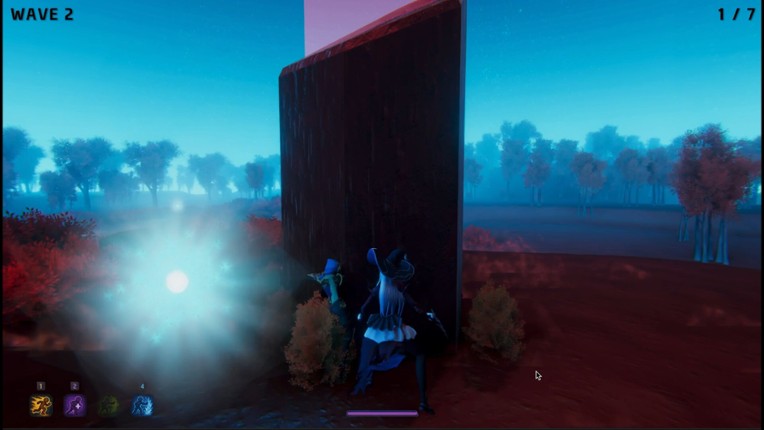
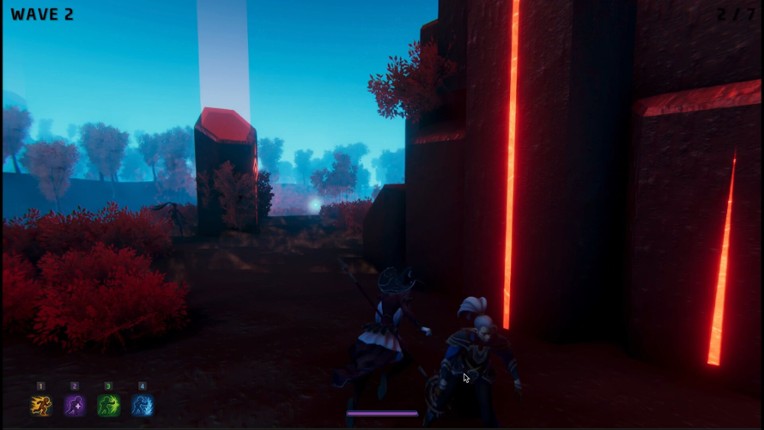
- 90%Game Brain ScoreMost mentioned positive aspects:gameplay, graphicsMost mentioned negative aspects:stability, optimization90% User Score 8,667 reviews
VEIN cranks up the horror with a dark, zombie‑filled world, offering first‑person immersive sim survival for players who want a grittier co‑op experience.
If you enjoyed this game, see our list of games similar to VEIN.View Game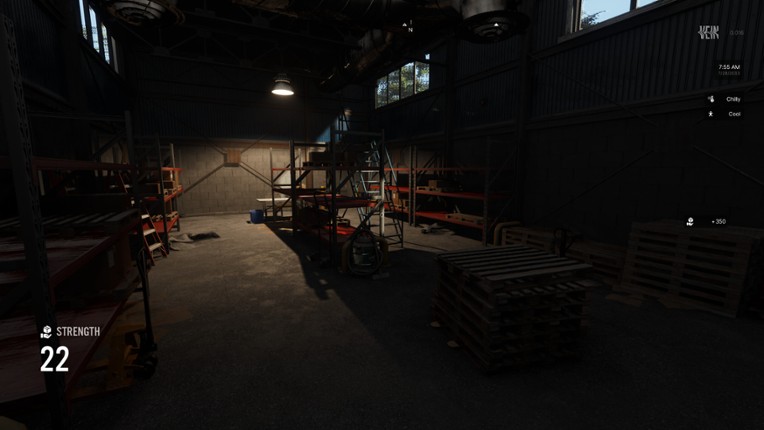
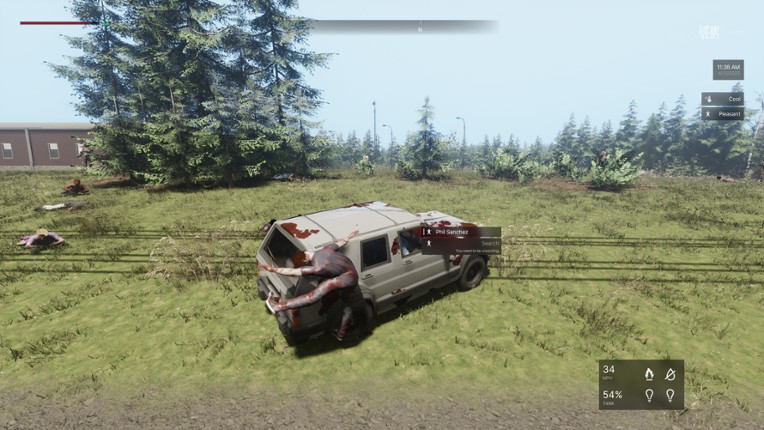
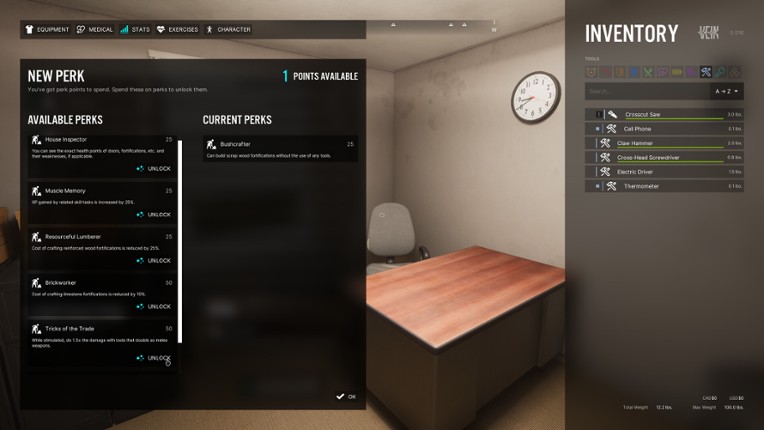
- 86%Game Brain ScoreMost mentioned positive aspects:gameplay, storyMost mentioned negative aspects:grinding, stability94% User Score 5,142 reviewsCritic Score 78%9 reviews
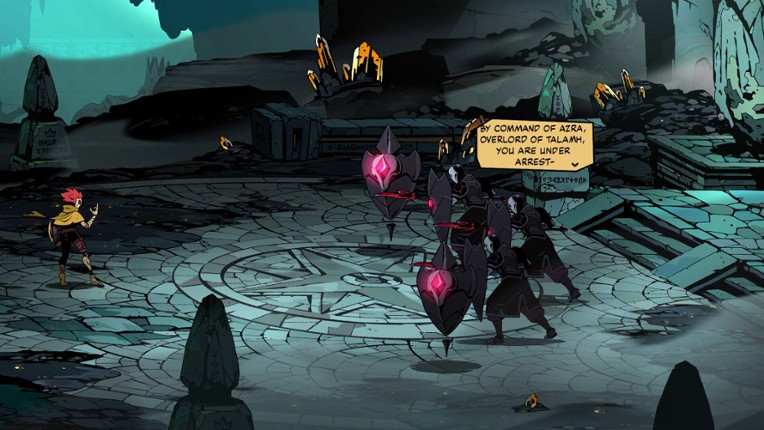
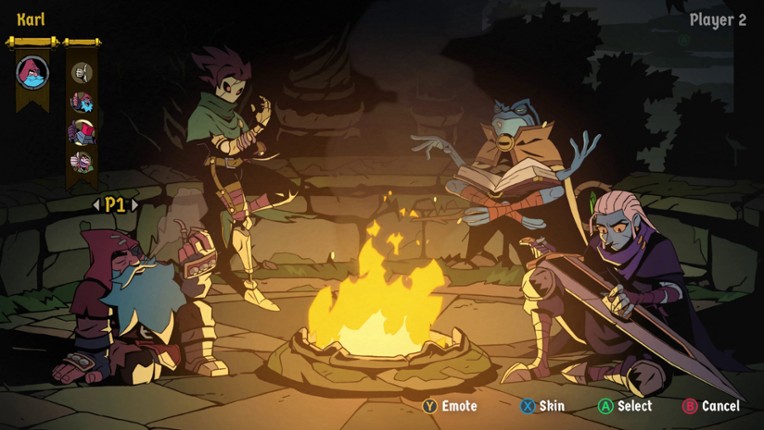
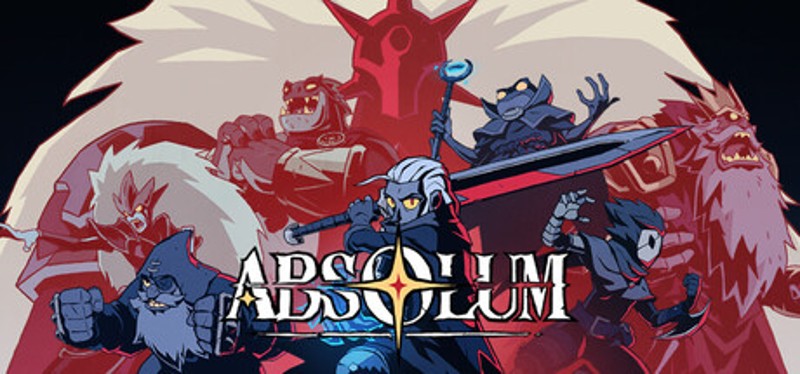
Fight as the outcast heroes of Talamh in a fierce battle to retake magic from Sun King Azra’s grasp in Absolum, an original roguelite beat ‘em up by Dotemu. If you enjoyed this game, see our list of games similar to Absolum.
View Game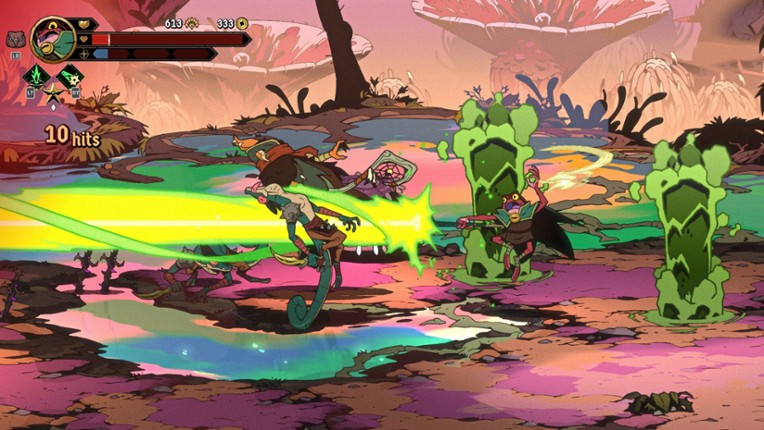
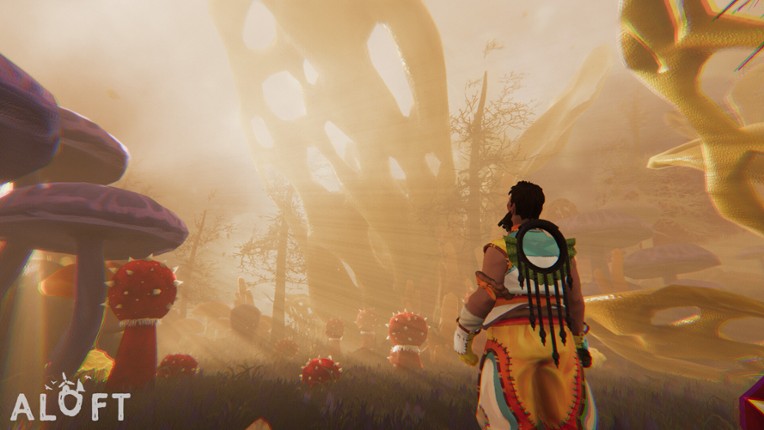
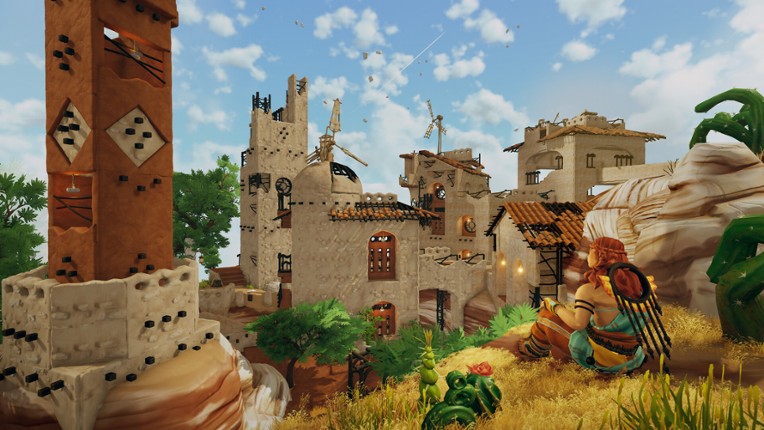
- 86%Game Brain ScoreMost mentioned positive aspects:gameplay, graphicsMost mentioned negative aspects:grinding, optimization86% User Score 2,120 reviews
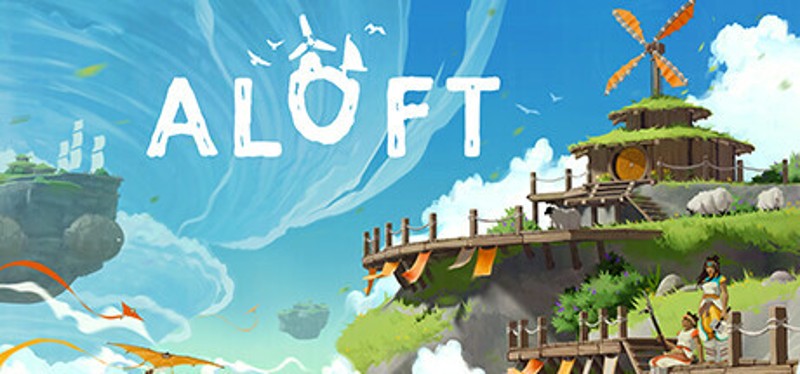
Ditch the underground lab hazards to manage floating islands and ship-sailing mechanics that trade science-horror for a whimsical, high-altitude survival experience.
If you enjoyed this game, see our list of games similar to ALOFT.View Game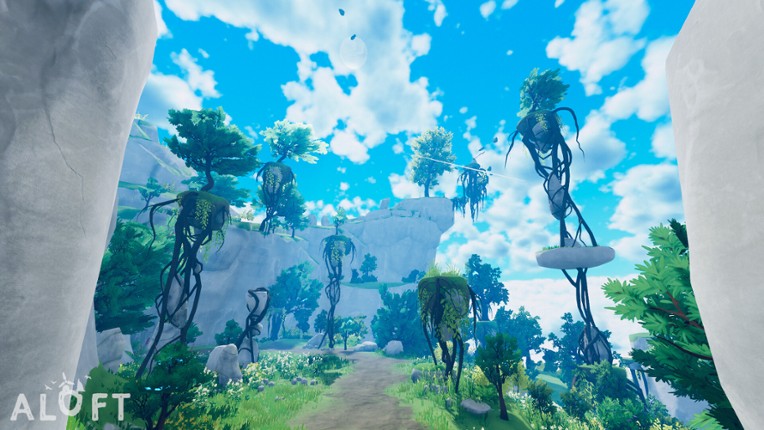
- 93%Game Brain ScoreMost mentioned positive aspects:gameplay, storyMost mentioned negative aspects:grinding, stability93% User Score 18,284 reviews
Shift from frantic containment-site survival to a low-pressure, charming life-sim loop that trades alien threats for simple community farming and building.
If you enjoyed this game, see our list of games similar to Dinkum.View Game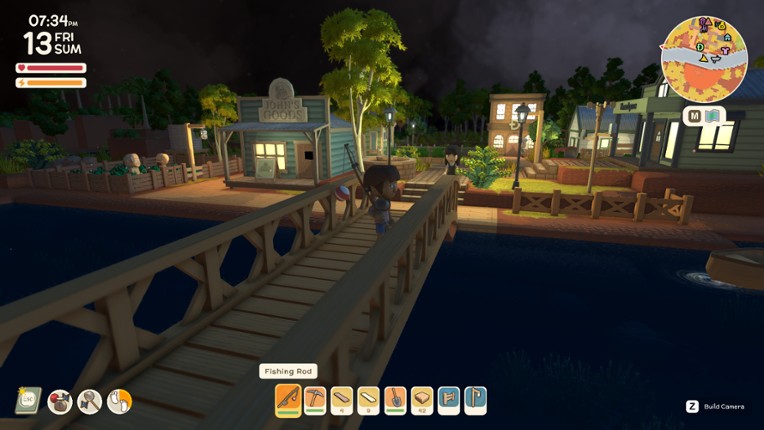
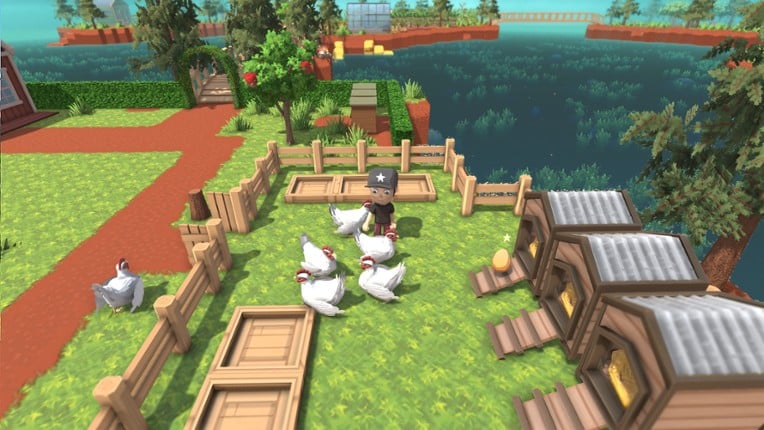
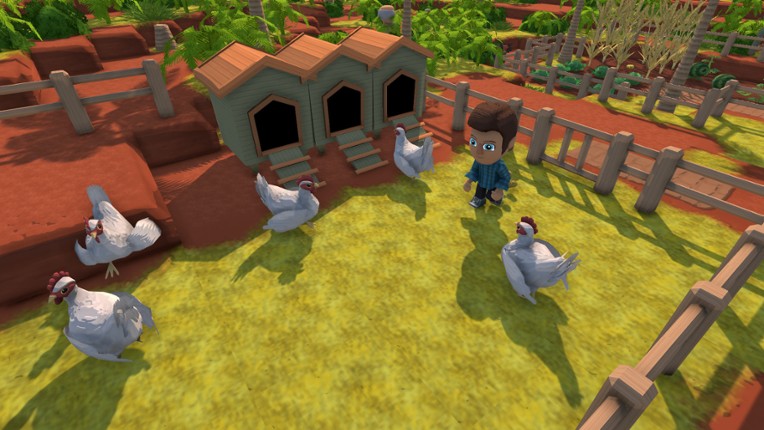
- 86%Game Brain ScoreMost mentioned positive aspects:gameplay, storyMost mentioned negative aspects:grinding, stability86% User Score 8,632 reviews
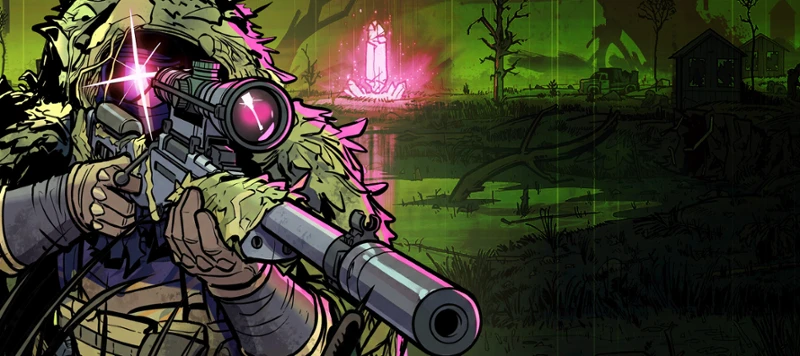
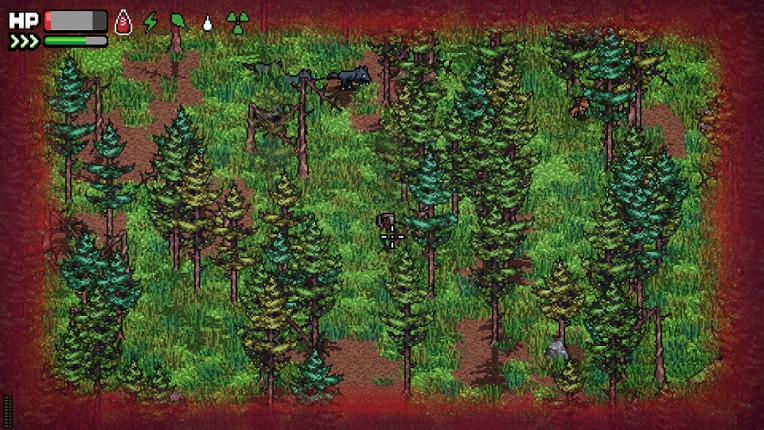
Transition into a top-down, pixelated tactical perspective that emphasizes high-stakes loot runs and base management over first-person immersive simulation.
If you enjoyed this game, see our list of games similar to ZERO Sievert.View Game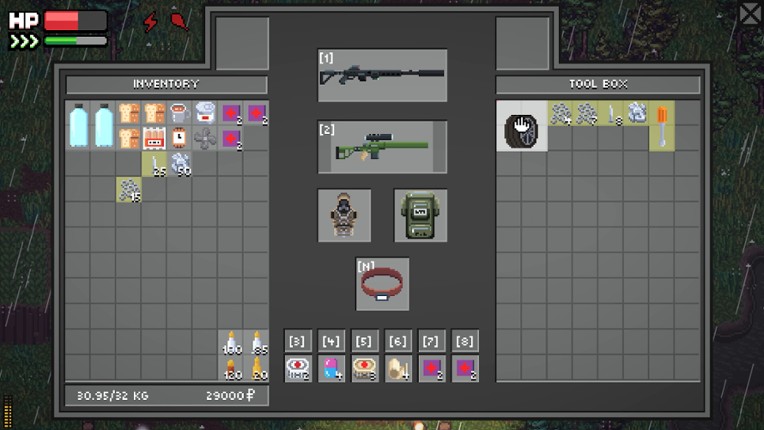
- 77%Game Brain ScoreMost mentioned positive aspects:gameplay, storyMost mentioned negative aspects:optimization, grinding77% User Score 3,601 reviews
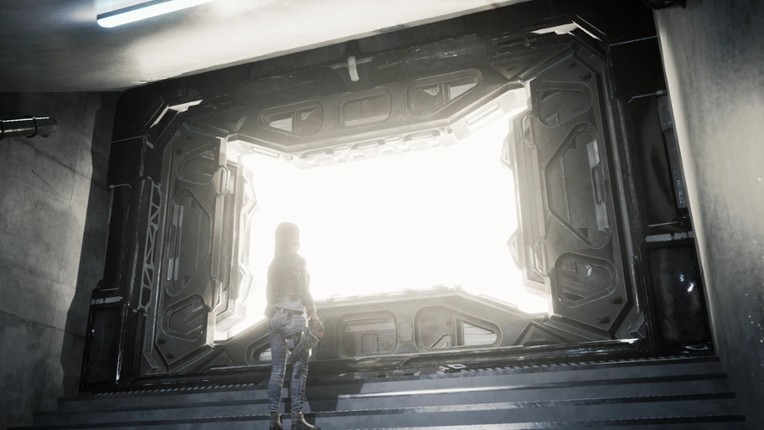
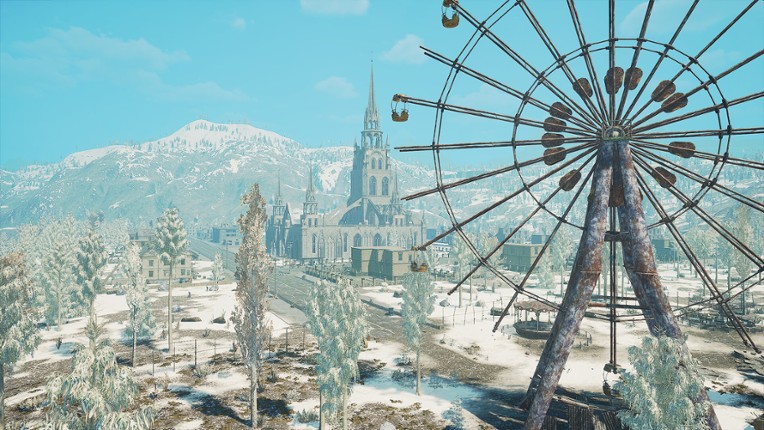
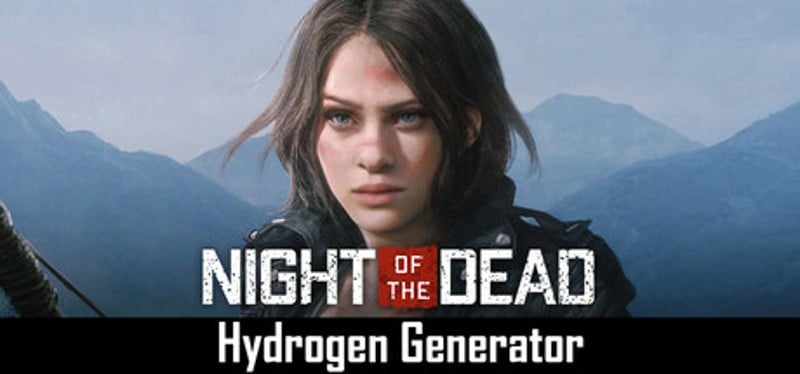
Survive, exploring a vast island where everything is interactive and covered with zombies. - Build and upgrade bases using materials obtained by cutting down trees, mining up stones and collecting artifacts. - Get food through hunting and farming, cook and eat. - Build fortresses and traps to guide zombie movements to defend the flocking zombie waves. - Collect various items, weapons and costumes … If you enjoyed this game, see our list of games similar to Night of the Dead.
View Game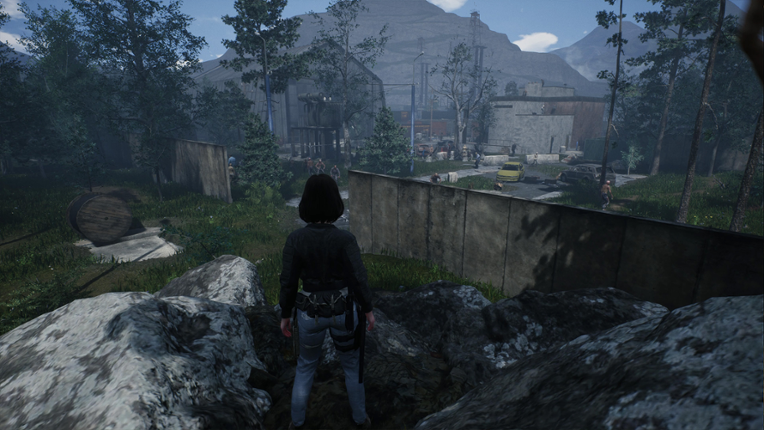
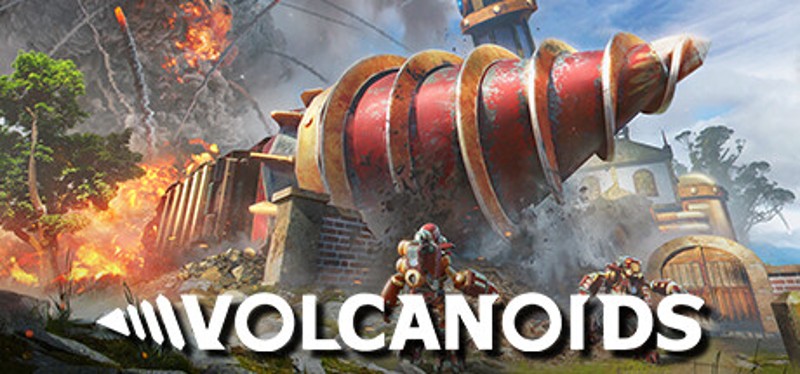
- 85%Game Brain ScoreMost mentioned positive aspects:gameplay, storyMost mentioned negative aspects:grinding, optimization85% User Score 8,985 reviews
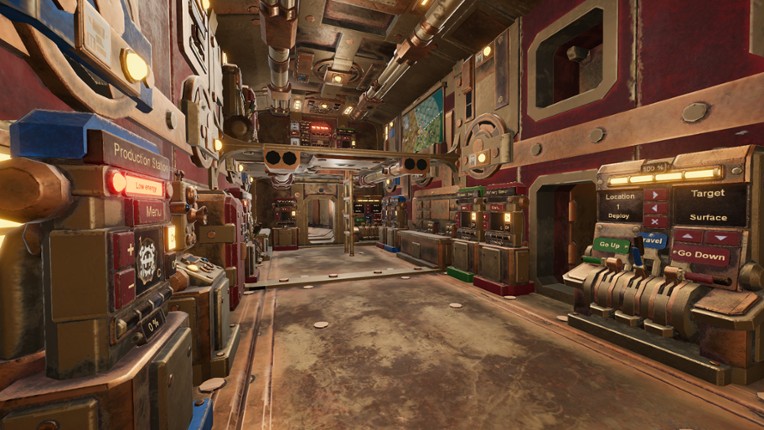
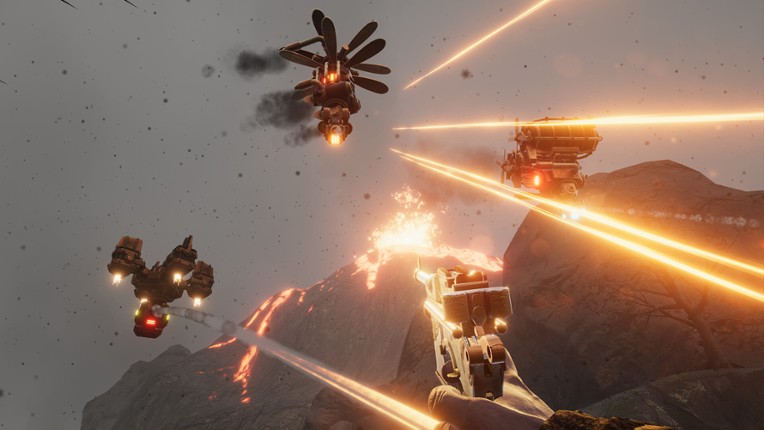
Replace stagnant facility defenses with mobile, steampunk base-building that forces you to pilot your shelter across a changing volcanic landscape.
If you enjoyed this game, see our list of games similar to Volcanoids.View Game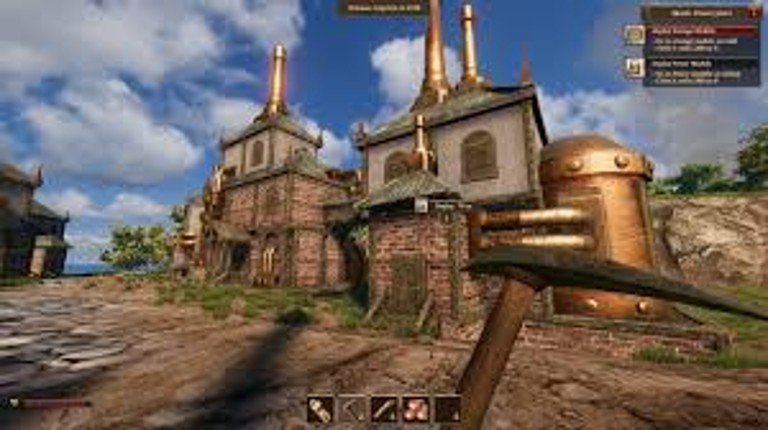
44 View Game 85%Game Brain ScoreMost mentioned positive aspects:story, gameplayMost mentioned negative aspects:grinding, optimization85% User Score 2,252 reviews
Focus on extreme, realistic historical survival challenges in a remote tropical wilderness rather than the inventive, sci-fi gadgetry of a corporate research site.
If you enjoyed this game, see our list of games similar to Survival: Fountain of Youth.View Game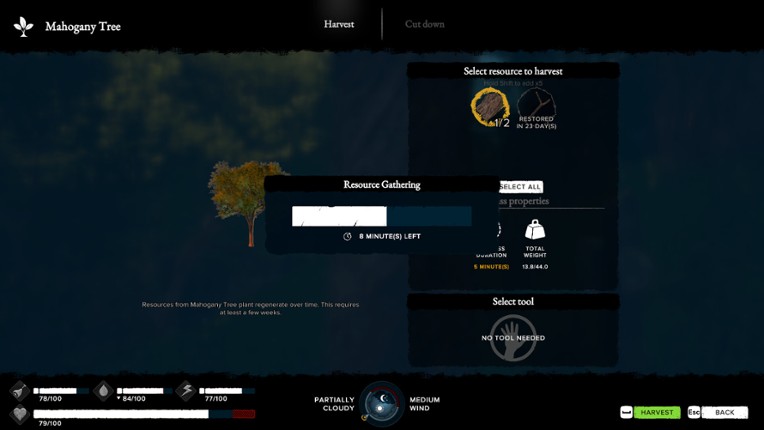
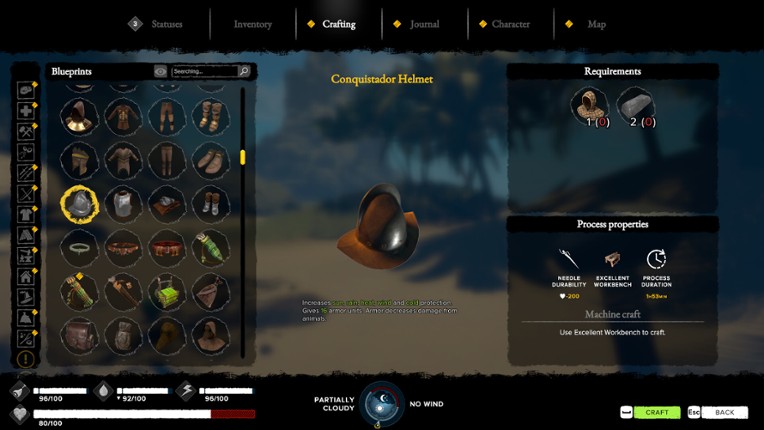
- 84%Game Brain ScoreMost mentioned positive aspects:story, gameplayMost mentioned negative aspects:grinding, stability89% User Score 43,788 reviewsCritic Score 79%22 reviews
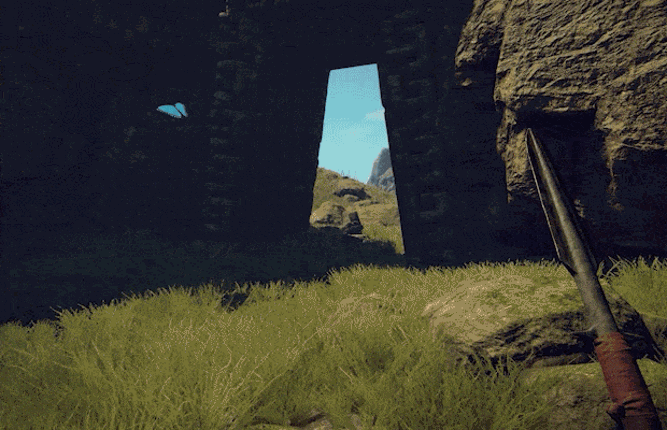
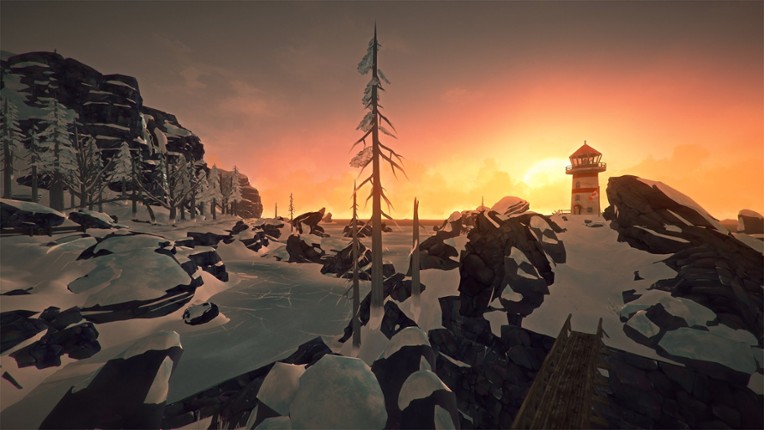
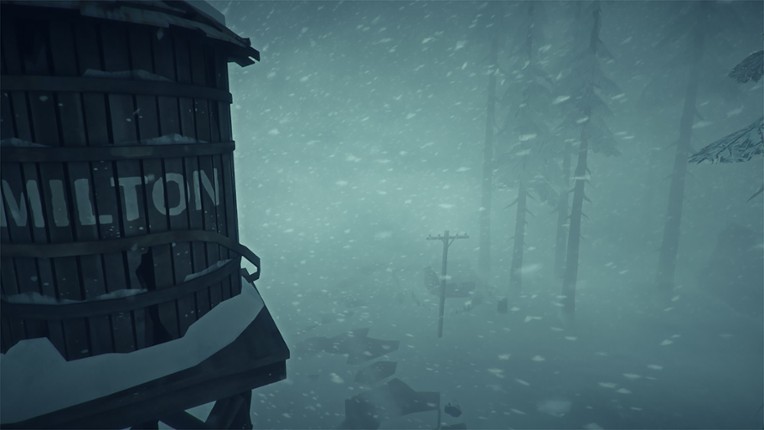
Where Abiotic Factor is sci-fi co-op chaos, The Long Dark swaps in lonely, punishing wilderness survival with no base-building comfort.
If you enjoyed this game, see our list of games similar to The Long Dark.View Game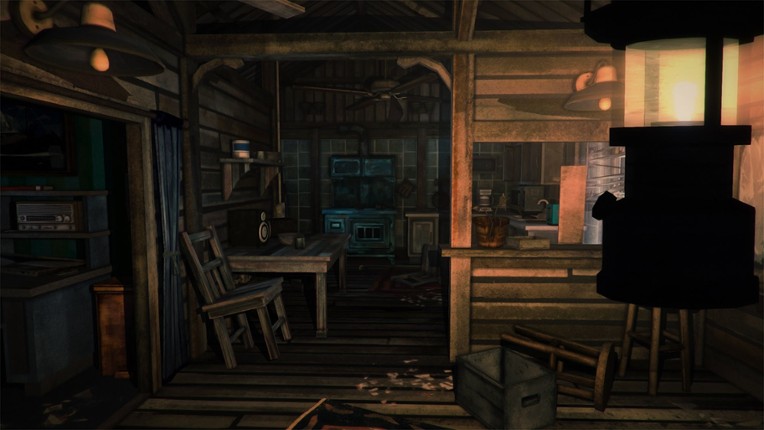
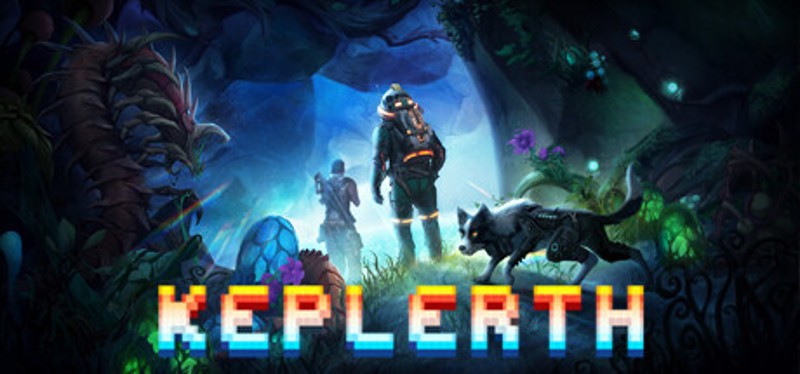
- 86%Game Brain ScoreMost mentioned positive aspects:gameplay, graphicsMost mentioned negative aspects:grinding, stability85% User Score 1,097 reviewsCritic Score 90%1 reviews
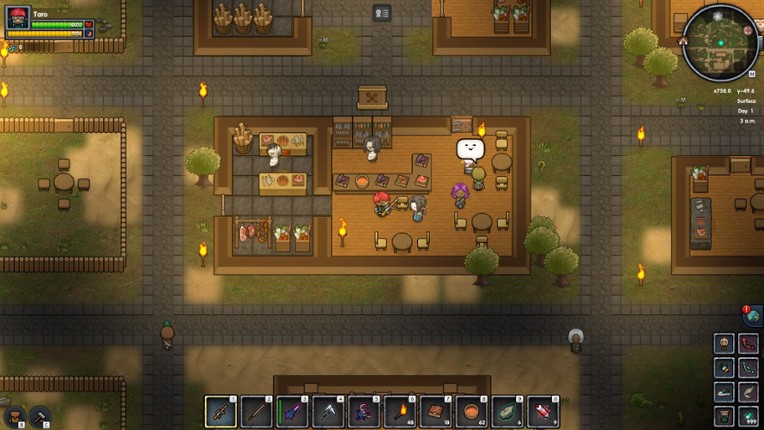
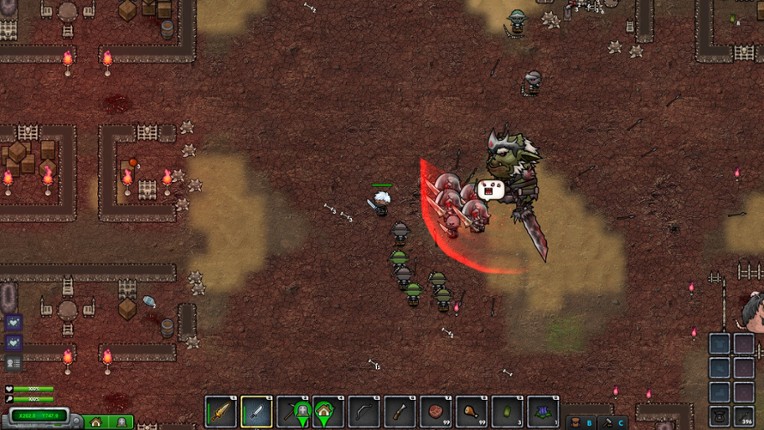
Keplerth echoes the science-fiction crafting feel, but shifts to top-down colony survival with a stronger RPG and character-customization layer.
If you enjoyed this game, see our list of games similar to Keplerth.View Game
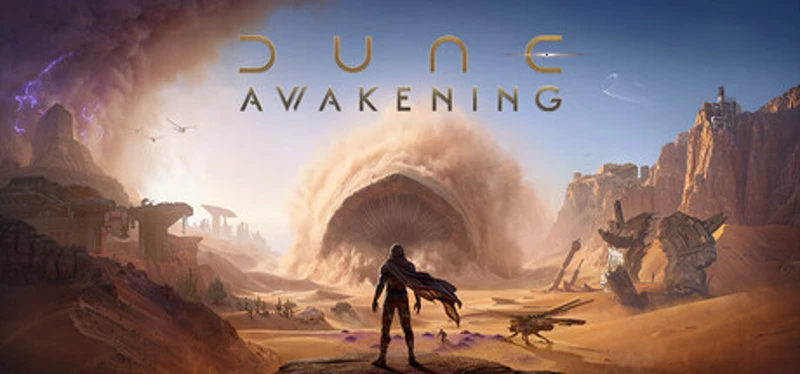
- 76%Game Brain ScoreMost mentioned positive aspects:story, gameplayMost mentioned negative aspects:grinding, stability71% User Score 52,982 reviewsCritic Score 80%27 reviews
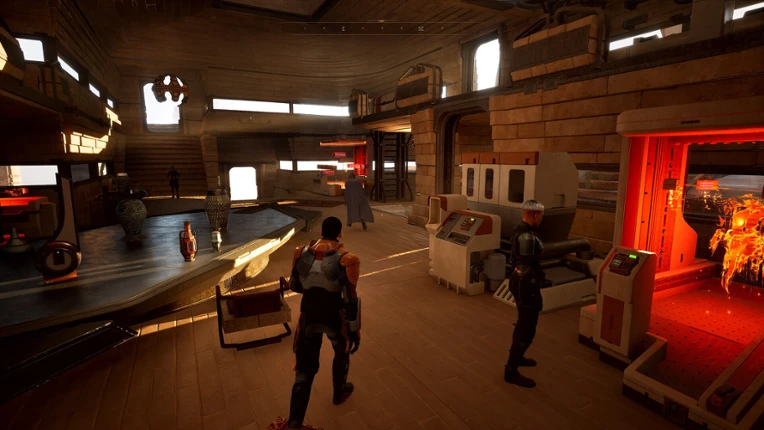
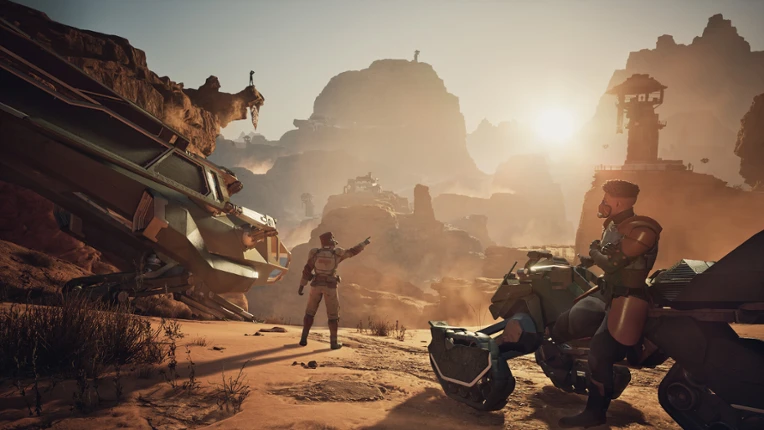
Dune: Awakening is the loosest fit here, appealing mostly to players who want large-scale multiplayer survival in a famous desert science-fiction world.
If you enjoyed this game, see our list of games similar to Dune: Awakening.View Game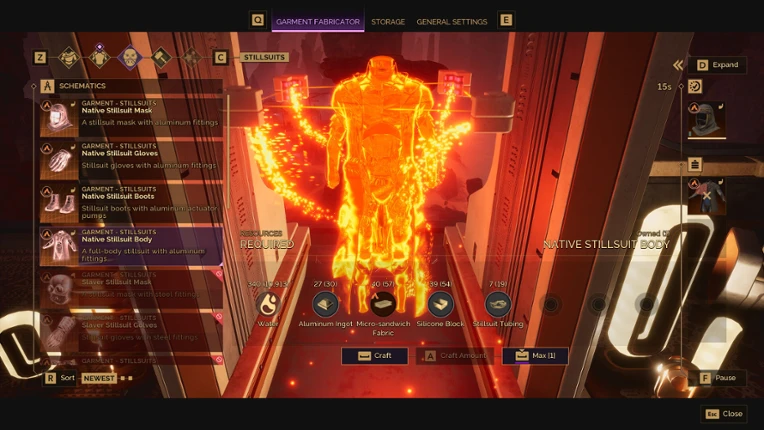
- 87%Game Brain ScoreMost mentioned positive aspects:story, gameplayMost mentioned negative aspects:grinding, stability87% User Score 9,489 reviews
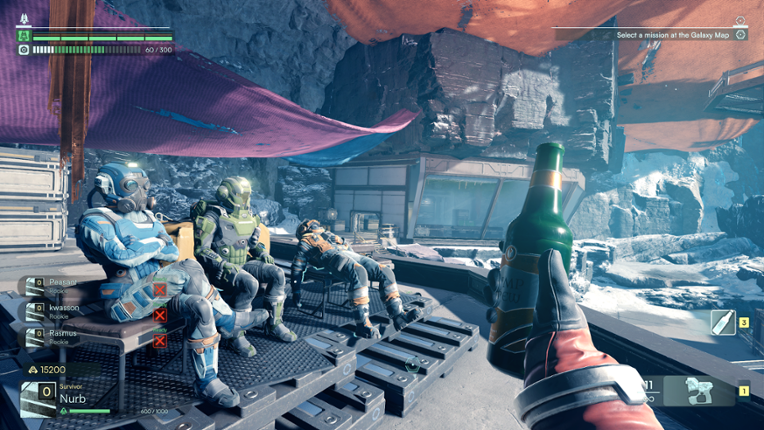
Jump Space keeps the co-op science-fiction energy, but swaps grounded research-station survival for mission-based spaceship combat and roguelite runs.
If you enjoyed this game, see our list of games similar to Jump Space.View Game

- 96%Game Brain ScoreMost mentioned positive aspects:story, gameplayMost mentioned negative aspects:grinding, stability97% User Score 49,624 reviewsCritic Score 95%1 reviews
DAVE THE DIVER only shares the resource-management itch loosely, replacing co-op survival with a quirky solo routine of diving, fishing, and restaurant work.
If you enjoyed this game, see our list of games similar to DAVE THE DIVER.View Game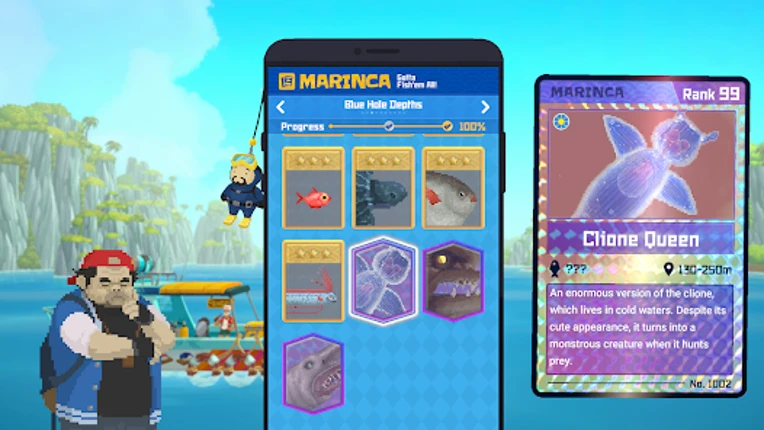

- 87%Game Brain ScoreMost mentioned positive aspects:story, gameplayMost mentioned negative aspects:grinding, stability88% User Score 6,502 reviewsCritic Score 86%1 reviews
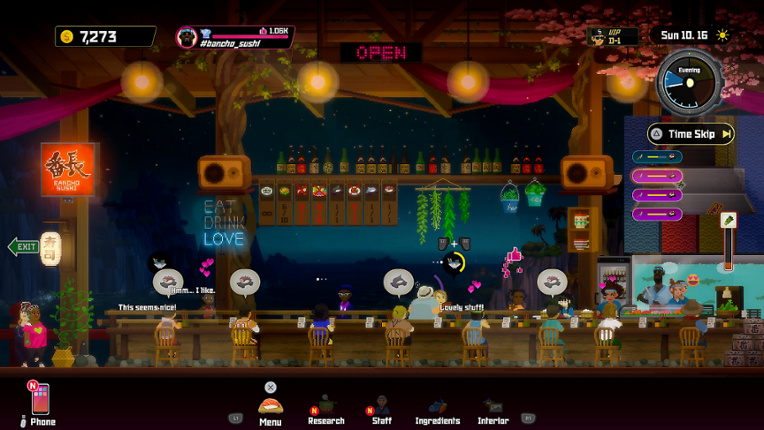
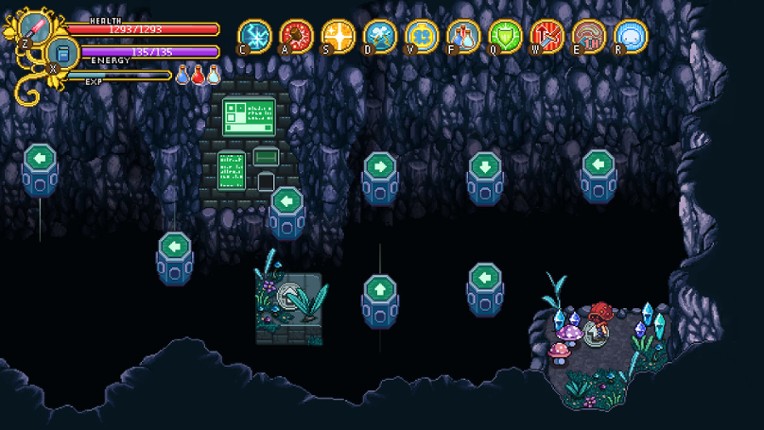
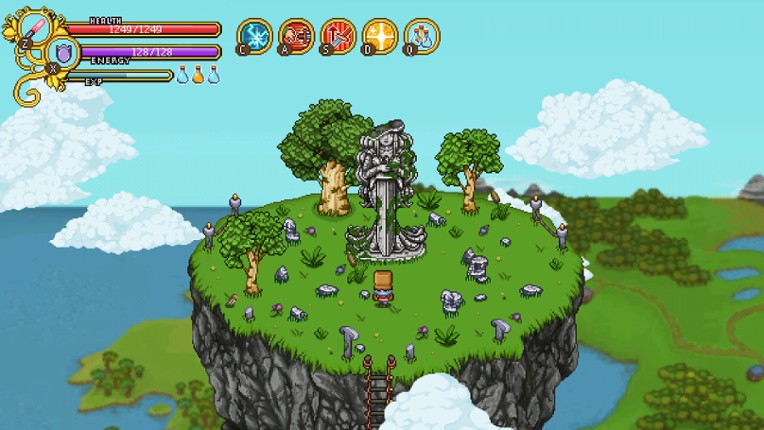
Secrets of Grindea is for players who want the cooperative progression and humor, but in a bright fantasy action-RPG instead of sci-fi survival.
If you enjoyed this game, see our list of games similar to Secrets of Grindea.View Game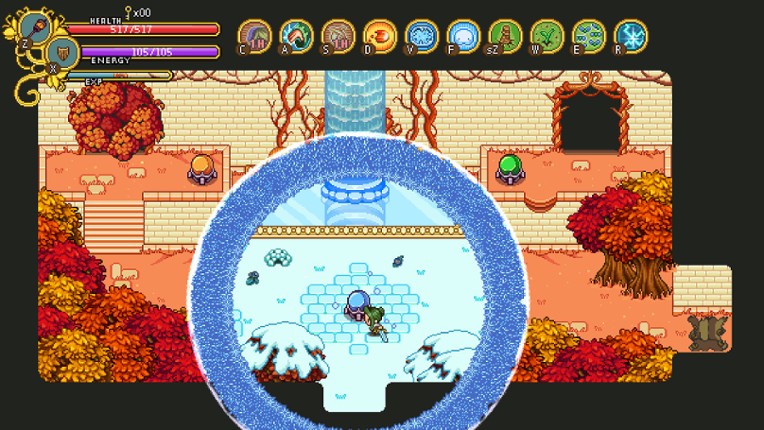


 View Game




































Frequently Asked Questions
Valheim delivers engaging base building and crafting with stunning atmosphere and multiplayer chaos. Core Keeper offers similar survival loops in a procedurally generated world with excellent co-op support. Enshrouded combines action RPG mechanics with deep crafting systems and early access updates, matching Abiotic Factor's sandbox appeal and replayability.
Absolutely. Valheim, Grounded, and Core Keeper all feature robust online co-op for 2–10 players with base building and exploration. Enshrouded supports co-op campaigns with shared progression. These games prioritize multiplayer experiences similar to Abiotic Factor's co-op focus, though some may perform better depending on your system.
Planet Crafter excels with science fiction themes and base-building automation on Mars. Witchfire delivers atmospheric first-person exploration with dark, gothic immersion and roguelike mechanics. While different in tone, Lunacid offers atmospheric first-person exploration with metroidvania elements, satisfying players who love Abiotic Factor's richly detailed worlds.
Most games like Abiotic Factor require purchase, but many are indie titles with fair pricing. Grounded and Valheim offer excellent value for their content depth. Check Steam sales regularly—survival crafters frequently discount during seasonal promotions. Early access titles like Enshrouded also provide strong value compared to AAA releases.
Planet Crafter emphasizes terraforming and automation systems with satisfying progression loops. Valheim and Grounded feature creative building freedom with strategic resource gathering. V Rising adds castle management to survival mechanics. These titles mirror Abiotic Factor's depth in base construction while offering distinct gameplay flavors and progression systems.
Witchfire is praised for smooth optimization across mid-range PCs and Steam Deck with minimal crashes. Valheim runs efficiently on most systems despite Early Access status. V Rising offers solid performance for action gameplay. While Abiotic Factor struggles with late-game optimization, these alternatives maintain stability through longer play sessions and multiplayer sessions.