

Games like DREDGE
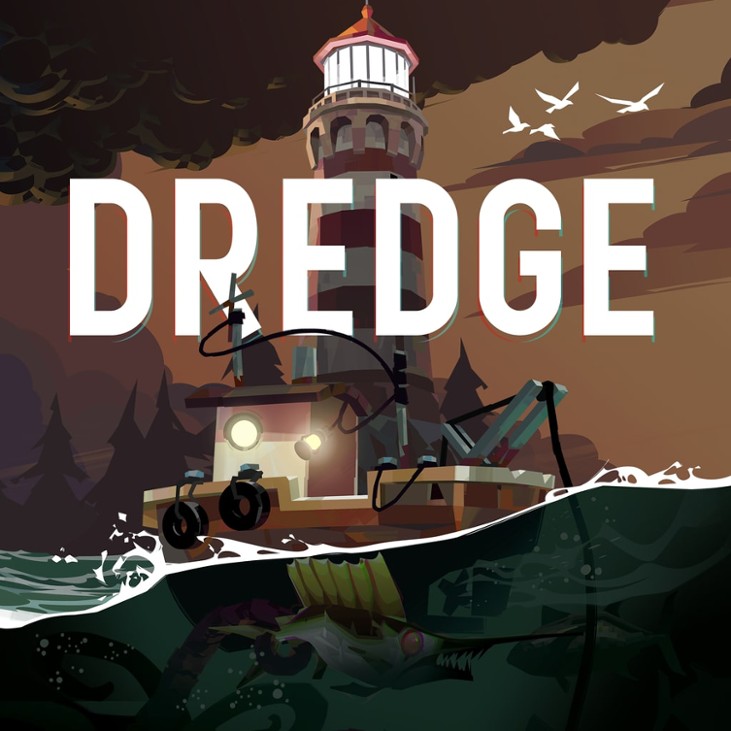
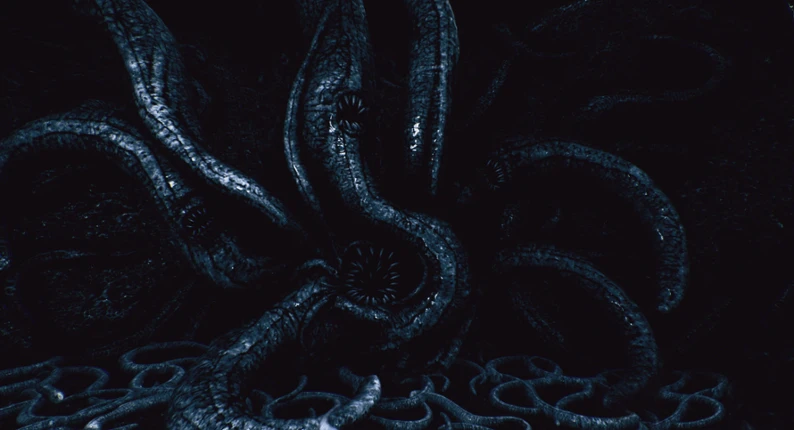
If you've spent hours adrift on DREDGE's fog-shrouded waters, casting lines by day and fleeing unspeakable horrors by night, it makes perfect sense that you're now hunting for games like DREDGE. This is a game that fuses fishing, open-world sailing, Lovecraftian horror, and story-rich exploration into something genuinely difficult to replace — but the good news is that some excellent alternatives are waiting for you.
What DREDGE does so well is layer a creeping psychological dread beneath an otherwise peaceful fishing loop. You're managing inventory, trading with isolated islanders, and uncovering a mystery — all while the world subtly warps around you the longer you stay out after dark. It appeals to players who want atmosphere and narrative weight alongside hands-on resource management, and who don't mind their cozy mechanics occasionally turning sinister. That specific cocktail is what you're really searching for.
What Makes a Good Alternative to DREDGE?
- A compelling atmospheric tone — DREDGE's greatest achievement is mood. The best alternatives use art, music, and pacing to build a world that feels alive and slightly unsettling, pulling you forward through curiosity rather than obligation.
- Exploration tied to discovery — Sailing between DREDGE's islands rewards patient curiosity. Look for games where exploring the map reveals story, secrets, or surprises rather than just terrain.
- A satisfying resource or inventory loop — Juggling your hold space in DREDGE creates real tension. Games with crafting, trading, or inventory systems that feel purposeful — not padded — scratch the same itch.
- Psychological horror or unsettling undercurrents — DREDGE earns its dread slowly. The best alternatives blend horror into otherwise calm gameplay, letting unease creep in rather than announcing itself loudly.
- Story and character depth — Players consistently praise DREDGE's narrative. Alternatives worth your time tell a real story, with characters that leave an impression and a plot that gives the gameplay meaning.
Top Picks If You Enjoyed DREDGE
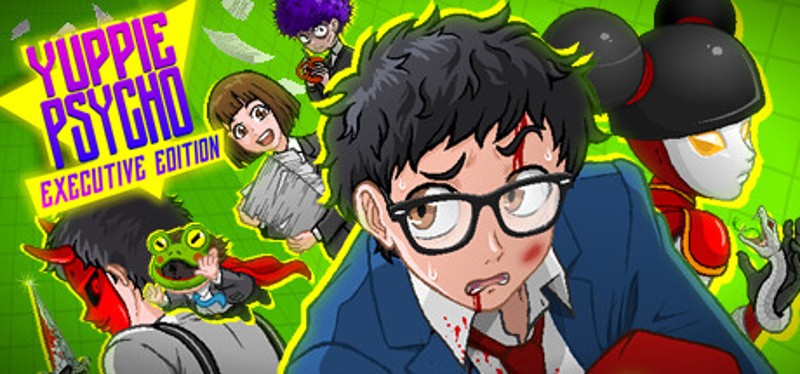
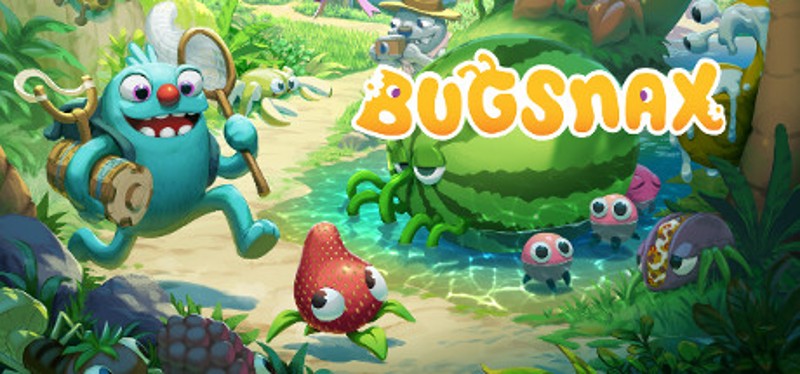
Dave the Diver blends fishing and management with a wonderfully warm story. Feed the Deep delivers Lovecraftian underwater dread with roguelite exploration. Yuppie Psycho nails psychological horror wrapped in dark, quirky narrative. Bugsnax hides genuine emotional depth beneath its charming creature-collecting surface. 4/1/1992 mixes pixel horror with story-driven intrigue and surprising tonal range. Each one captures at least one of DREDGE's core strengths.
Every recommendation below is ranked by similarity using real player data, so the closest matches appear first. Browse the full list to find the game that fits exactly what you loved most about DREDGE.
- 96%Game Brain ScoreMost mentioned positive aspects:story, gameplayMost mentioned negative aspects:grinding, stability97% User Score 49,624 reviewsCritic Score 95%1 reviews
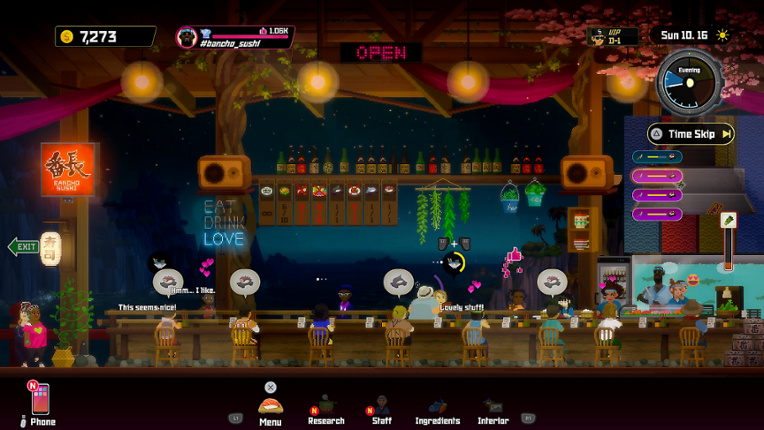
Both DREDGE and DAVE THE DIVER hook you through methodical resource loops—fishing, trading, and inventory management that create rhythm and progression. In DREDGE, you dredge catches to uncover lore and currency; in DAVE, you fish to fuel a restaurant empire. This shared loop explains why the gameplay feels compulsive in both: you're not just collecting, you're feeding a system that rewards you with story and upgrades.
The exploration-driven structure mirrors DREDGE's design, where curiosity leads discovery. DAVE replaces psychological horror with charm and absurdist humor, but both games reward players who investigate every corner and NPC. The atmosphere shift—from dread to whimsy—transforms the feeling without dismantling the skeleton that makes exploration satisfying.
Where DREDGE demands patience against grinding and monetization friction, DAVE offers a relaxed alternative with no aggressive systems pulling you backward. This trades DREDGE's tension for accessibility, making it ideal for players who loved the core loop but craved smoother pacing and emotional levity.
Best for DREDGE fans seeking that same trance-state of fishing and trading, but who'd rather laugh than shudder—and who want their gameplay to breathe without resistance.
If you enjoyed this game, see our list of games similar to DAVE THE DIVER.View Game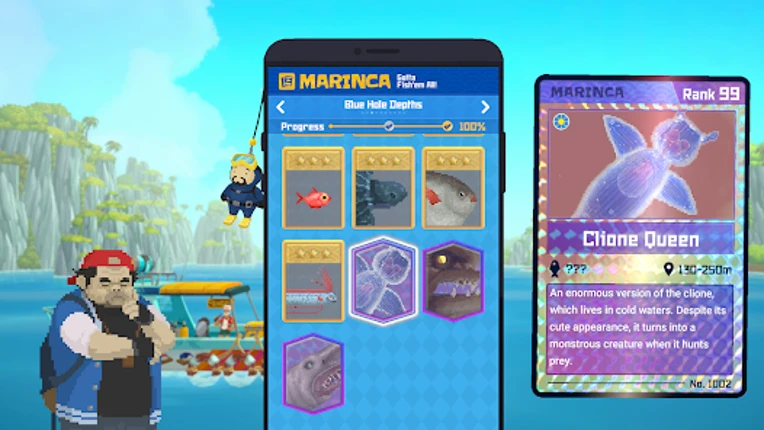

- 86%Game Brain ScoreMost mentioned positive aspects:story, gameplayMost mentioned negative aspects:grinding, stability95% User Score 6,185 reviewsCritic Score 74%6 reviews
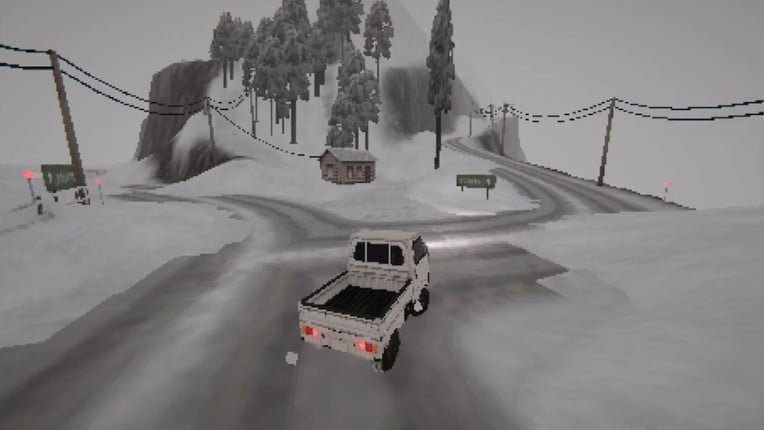
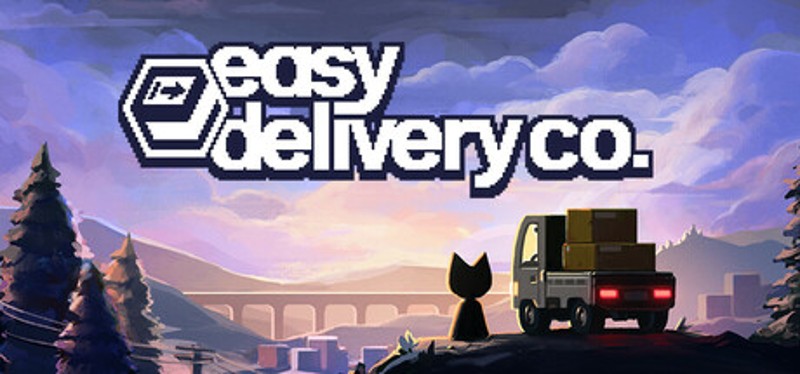
Navigating an isolated environment to transport precious cargo creates a rhythmic loop of solitude and mechanical mastery. Both games task you with perfecting vehicle control while juggling inventory space and environmental hazards. This cycle transforms simple travel into a high-stakes puzzle of spatial management and route planning.
The low-poly world of Easy Delivery Co. mirrors the lonely exploration of the open seas, trading coastal fog for blinding snow. Constantly scanning the horizon for landmarks echoes the tense navigation required to stay afloat in DREDGE. This shared reliance on spatial awareness ensures the journey itself remains as compelling as the destination.
While DREDGE leans into horror, this title offers a cozier, nostalgic aesthetic and a chill soundtrack. It provides a condensed experience that bypasses the monetization or repetitive grind often found in more expansive survival titles. The shift to physics-based driving and cold-survival mechanics provides a fresh tactile challenge while preserving a sense of unfolding mystery.
Best for players who prioritize aesthetic "vibes" and mechanical crunch over long-term progression.
If you enjoyed this game, see our list of games similar to Easy Delivery Co..View Game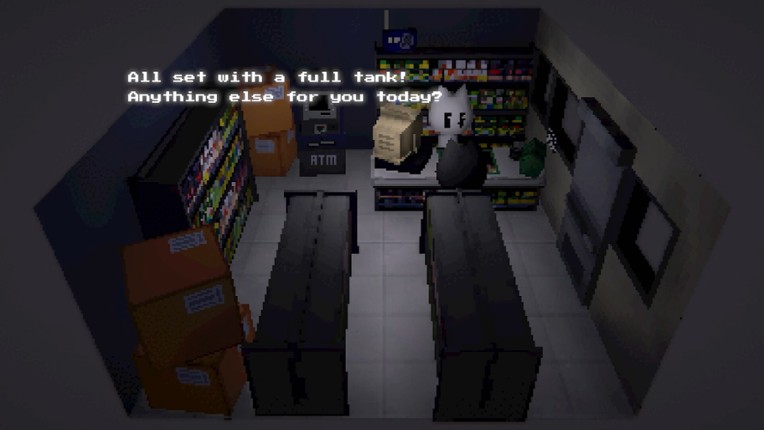
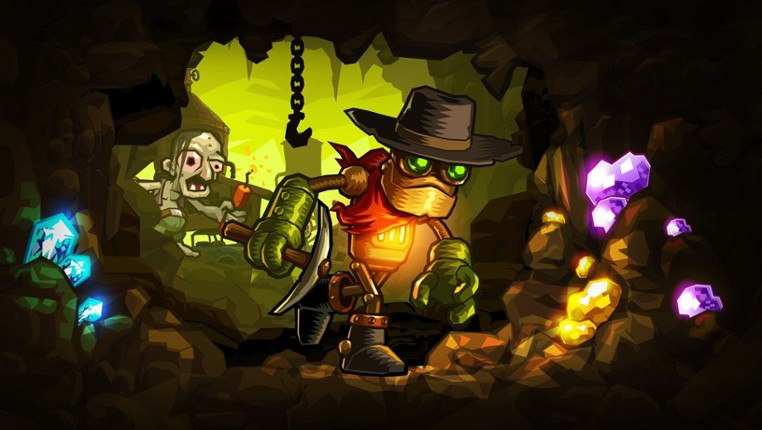
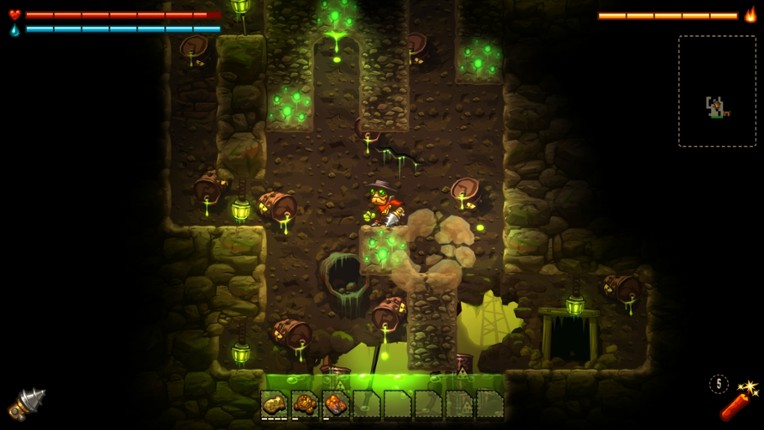
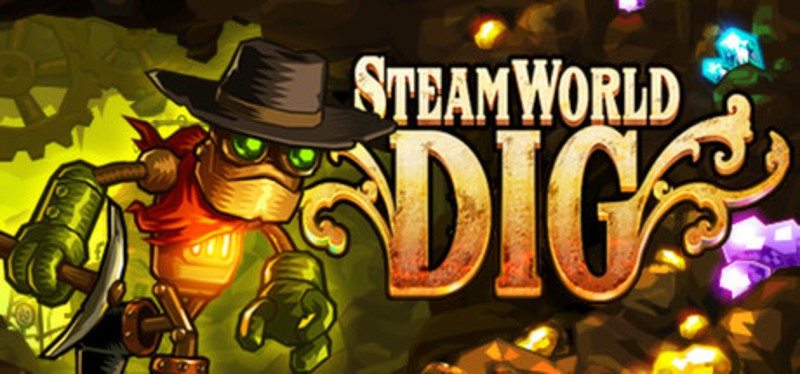
- 91%Game Brain ScoreMost mentioned positive aspects:gameplay, storyMost mentioned negative aspects:grinding, stability94% User Score 5,235 reviewsCritic Score 80%1 reviewsDitches the ocean for underground robot mining in a steampunk world, turning a Lovecraftian mood into a retro‑style treasure hunt. If you enjoyed this game, see our list of games similar to SteamWorld Dig.View Game
- 85%Game Brain ScoreMost mentioned positive aspects:story, graphicsMost mentioned negative aspects:grinding, replayability94% User Score 3,325 reviewsCritic Score 75%9 reviews
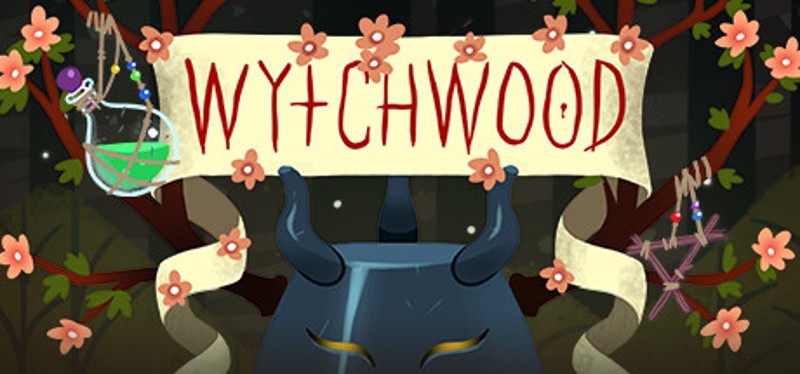
Both DREDGE and Wytchwood reward the player who slows down, scans every corner, and hoards curiosities for later use. In DREDGE, this manifests as meticulous rod-fishing and inventory Tetris; in Wytchwood, it blooms into an alchemical crafting loop where every herb and creature part holds potential. The shared impulse to explore before progressing creates the same dopamine rhythm in both titles.
The atmospheric storytelling hook differs in texture but not in function. DREDGE builds dread through cosmic unknowing, while Wytchwood weaves mystery through folklore and fable—both games make you want to keep sailing or strolling just one more screen to see what oddity waits. Neither title holds your hand, leaving discovery entirely in your hands.
The tonal shift is the meaningful tradeoff: Wytchwood trades Lovecraftian dread for a warm, storybook charm. If you played DREDGE for its relaxing pace punctuated by unease, Wytchwood delivers that rhythm without the chill—perfect for players who want atmospheric exploration with a cozy blanket wrapped around it.
If you enjoyed this game, see our list of games similar to Wytchwood.View Game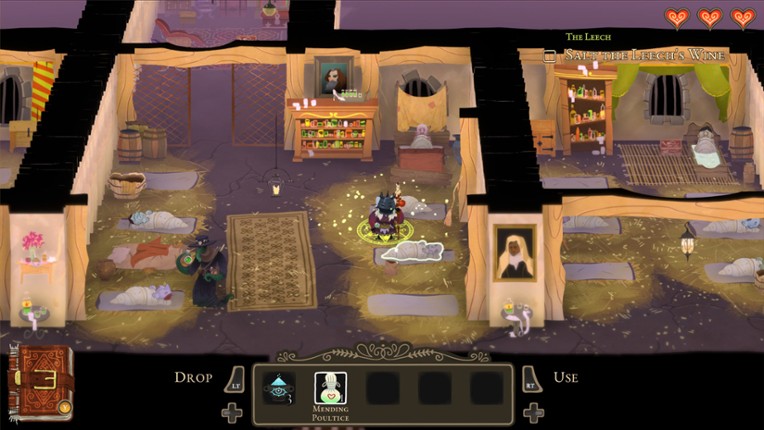
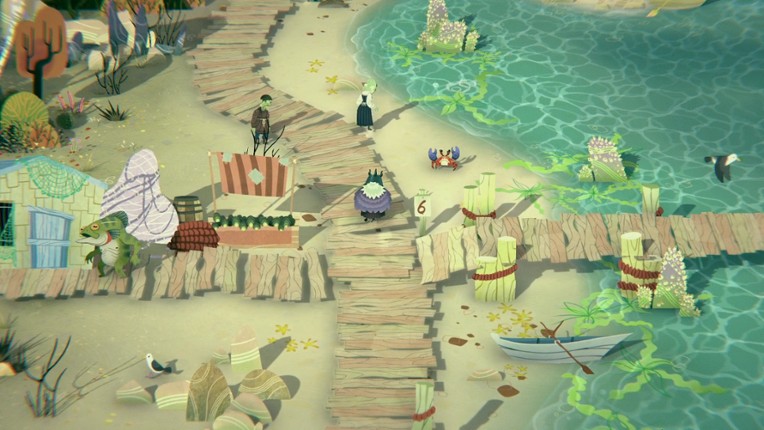
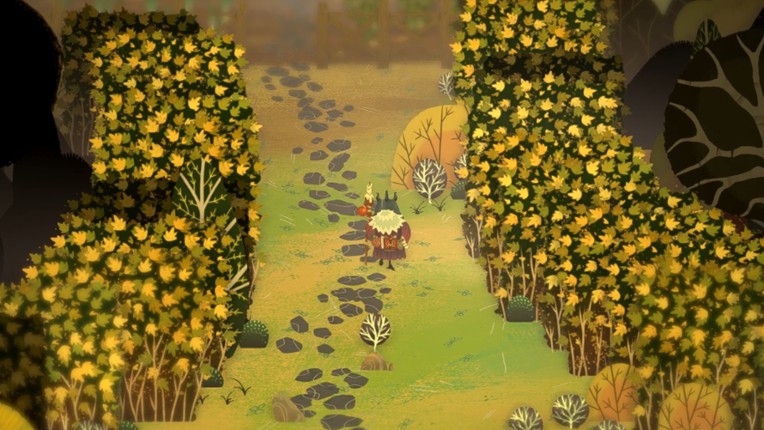
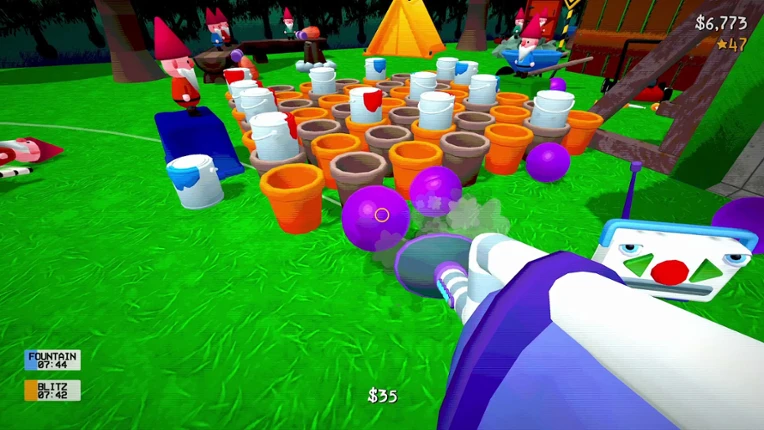
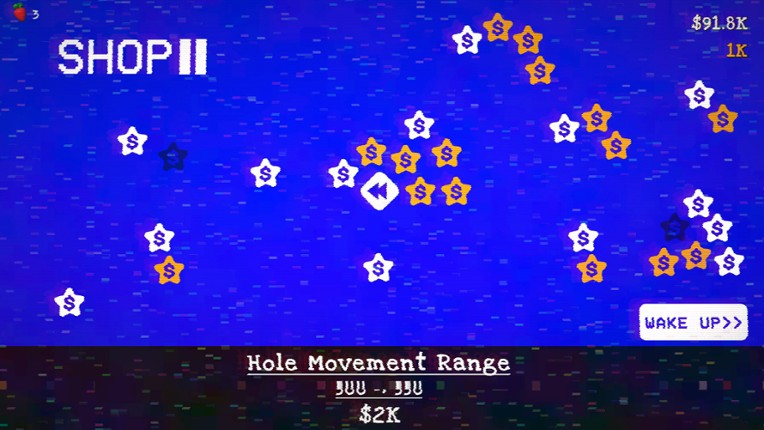
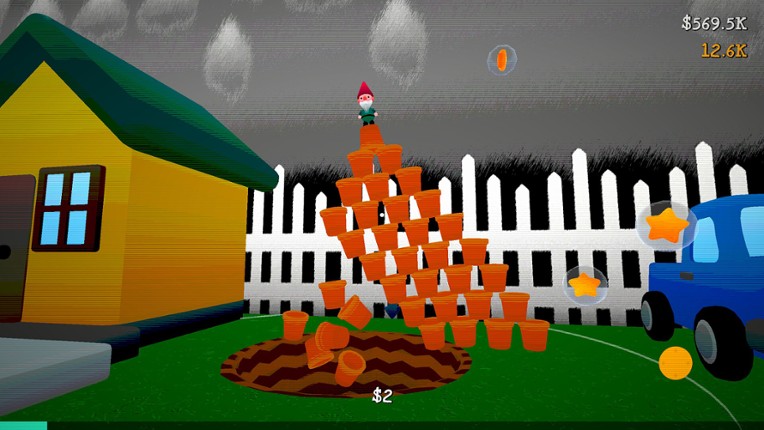
- 98%Game Brain ScoreMost mentioned positive aspects:story, gameplayMost mentioned negative aspects:grinding, monetization98% User Score 6,036 reviewsInverts DREDGE's fishing-focused exploration into an underground farming idler where psychological horror lurks beneath the adorable surface. If you enjoyed this game, see our list of games similar to Berry Bury Berry.View Game
- 88%Game Brain ScoreMost mentioned positive aspects:story, gameplayMost mentioned negative aspects:grinding, stability94% User Score 2,729 reviewsCritic Score 82%9 reviews
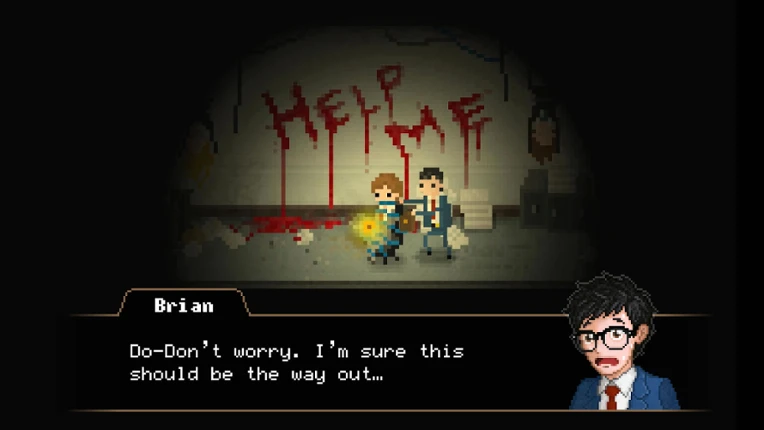
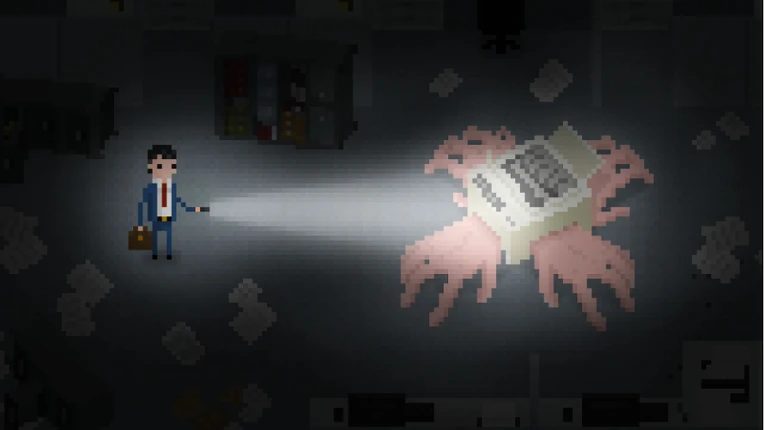
Both games make you constantly read a hostile space, plan your next move, and then commit before the tension spikes. In DREDGE, that means managing risk across dark waters; in Yuppie Psycho, it means slipping through an oppressive office while tracking resources, routes, and danger. The shared loop of exploration, inventory pressure, and psychological horror creates the same “one more room, one more stop” momentum.
Yuppie Psycho also scratches the same itch for mystery and trading, but with a sharper emphasis on choices matter and multiple endings. That matters because every decision feels like part of survival, not just story flavor, which is exactly the kind of lived-in pressure DREDGE fans tend to enjoy.
The big tradeoff is tone: instead of open-sea solitude, you get pixel-art corporate nightmare with dark humor and stranger characters. And while DREDGE can frustrate with grinding, Yuppie Psycho’s longer, choice-driven structure gives that tension more room to evolve. Best for players who want horror exploration with consequence, not just spectacle.
If you enjoyed this game, see our list of games similar to Yuppie Psycho.View Game
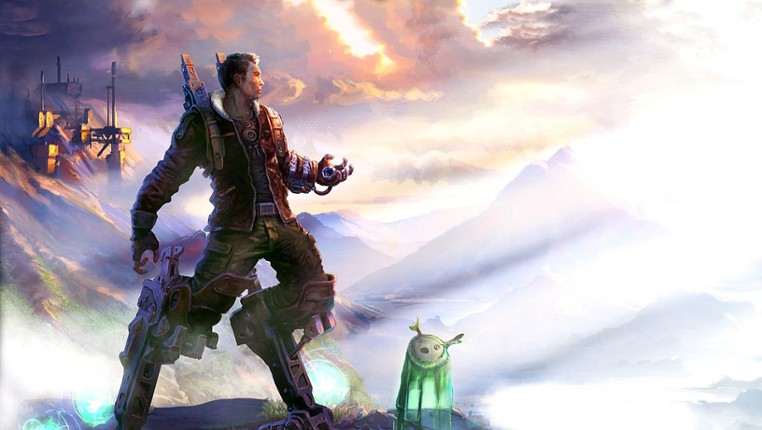
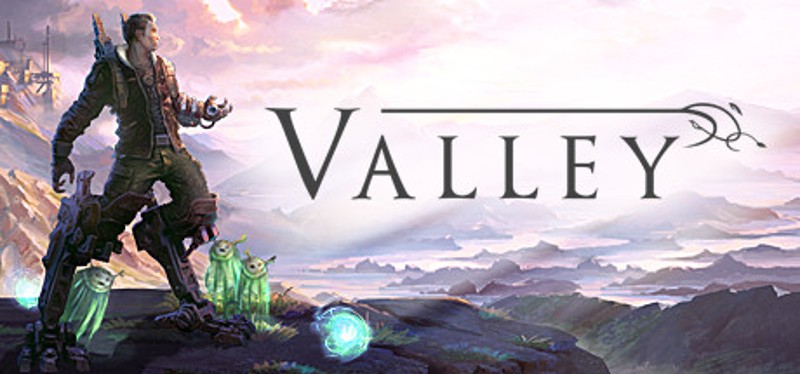
- 81%Game Brain ScoreMost mentioned positive aspects:story, gameplayMost mentioned negative aspects:replayability, stability91% User Score 4,236 reviewsCritic Score 71%17 reviewsAbandons the sea for a lush, parkour‑filled valley where you harness magic, swapping spooky fishing for fast‑paced exploration. If you enjoyed this game, see our list of games similar to Valley.View Game
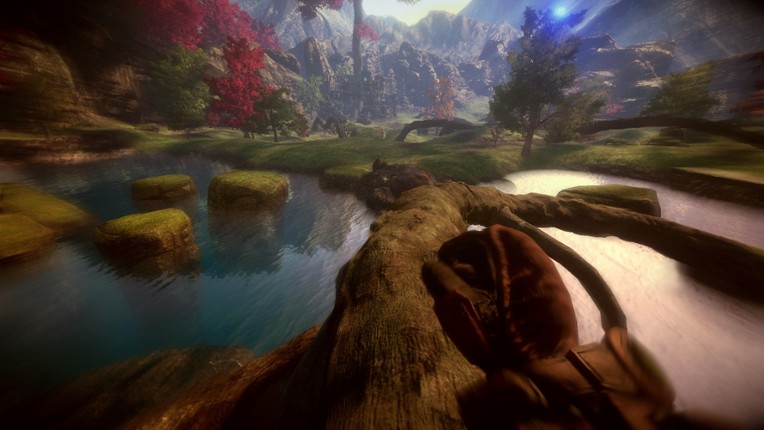
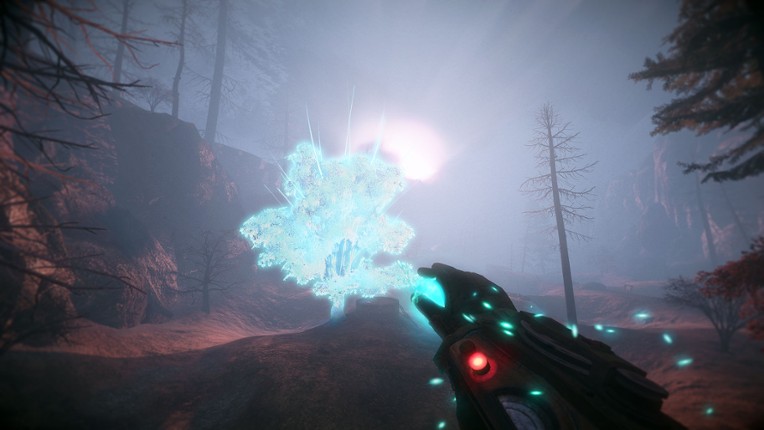
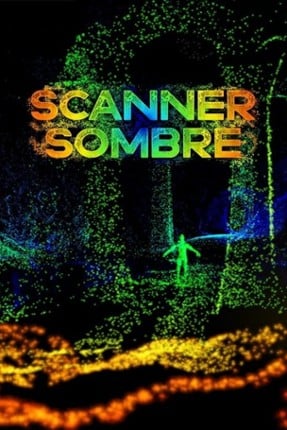
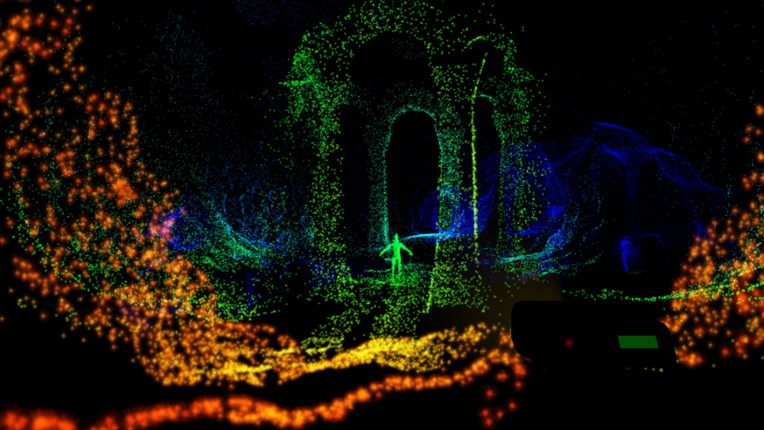
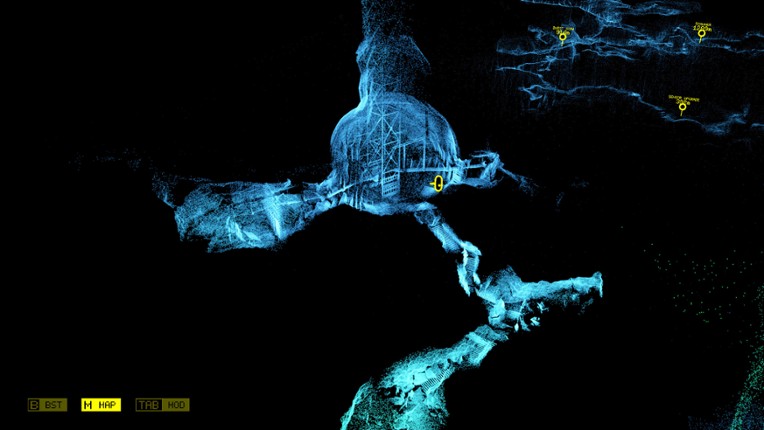
- 76%Game Brain ScoreMost mentioned positive aspects:story, gameplayMost mentioned negative aspects:optimization, replayability91% User Score 3,881 reviewsCritic Score 57%8 reviewsShares DREDGE's Lovecraftian tone and psychological horror but compresses the experience into a linear, colorful underground descent without narrative depth. If you enjoyed this game, see our list of games similar to Scanner Sombre.View Game
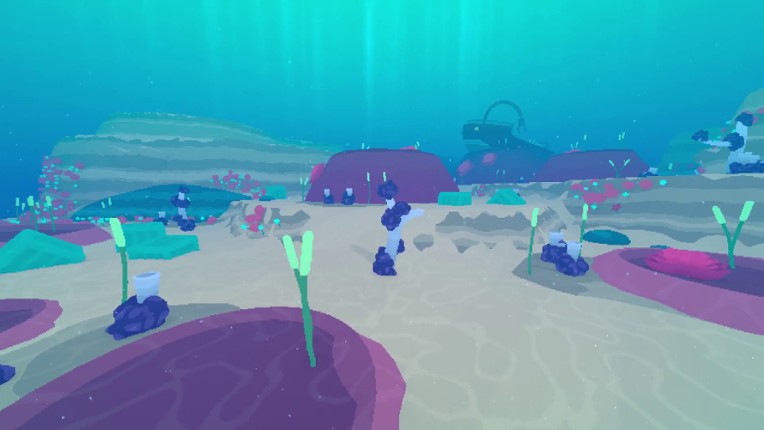
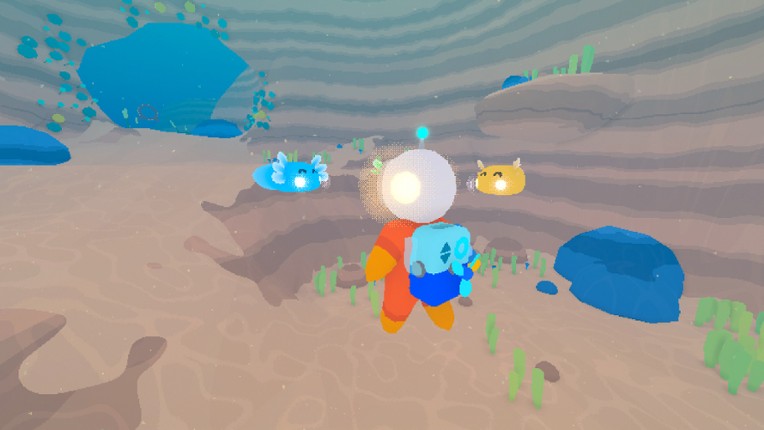
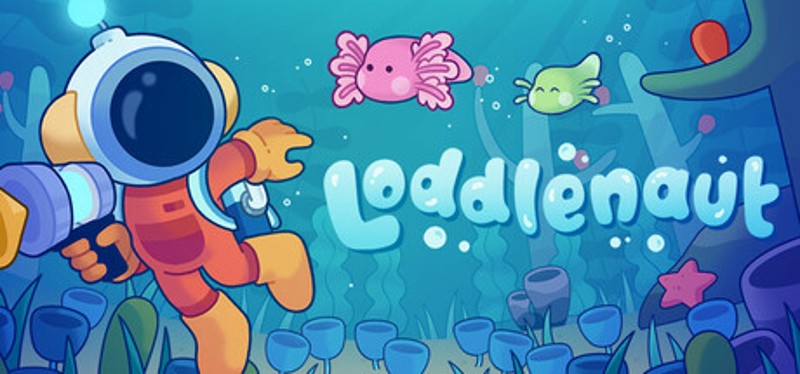
- 95%Game Brain ScoreMost mentioned positive aspects:gameplay, graphicsMost mentioned negative aspects:grinding, stability98% User Score 4,013 reviewsCritic Score 80%1 reviewsDitch the Lovecraftian dread for a cozy underwater cleanup mission where you collect alien creatures instead of catching mutated sea life. If you enjoyed this game, see our list of games similar to Loddlenaut.View Game

- 87%Game Brain ScoreMost mentioned positive aspects:story, gameplayMost mentioned negative aspects:grinding, replayability87% User Score 653 reviews
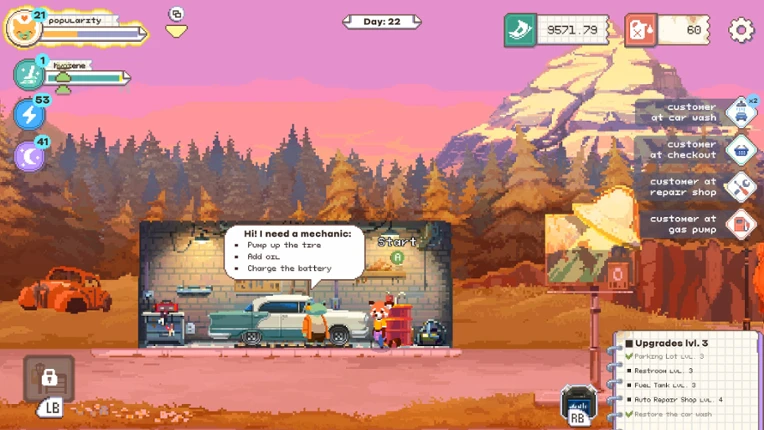
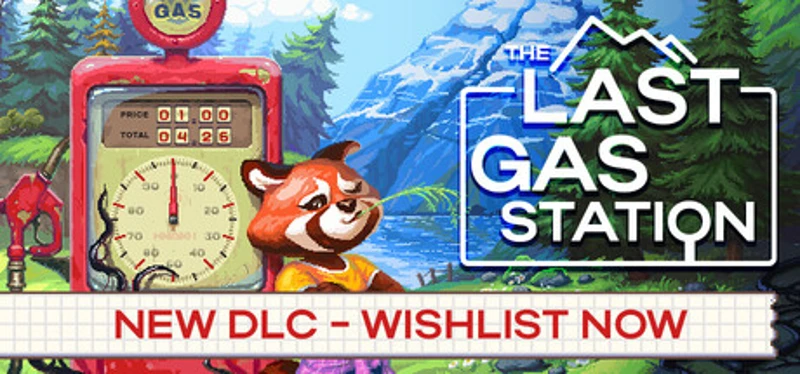
You are the new owner of an old gas station and a cozy little store next to it. The previous owner disappeared under mysterious circumstances, and now it is your turn to maintain order here. Grow your business: clear out the trash, organize the space, set up trade, order goods, set prices, work the cash register and monitor the fuel levels. Turn the old ruin into a beacon for travelers stuck in ti… If you enjoyed this game, see our list of games similar to The Last Gas Station.
View Game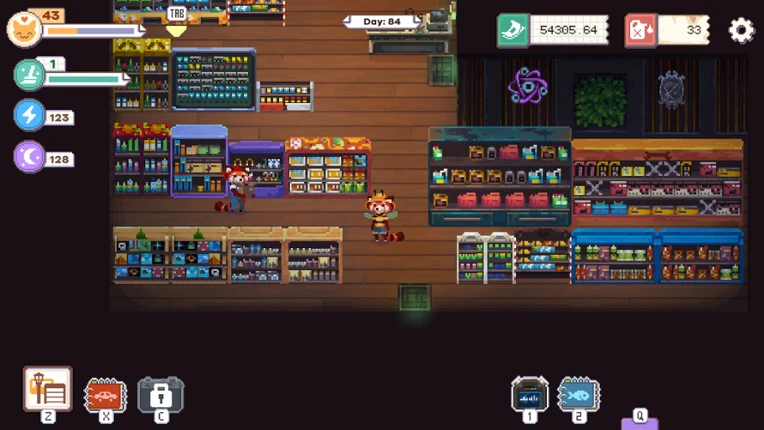
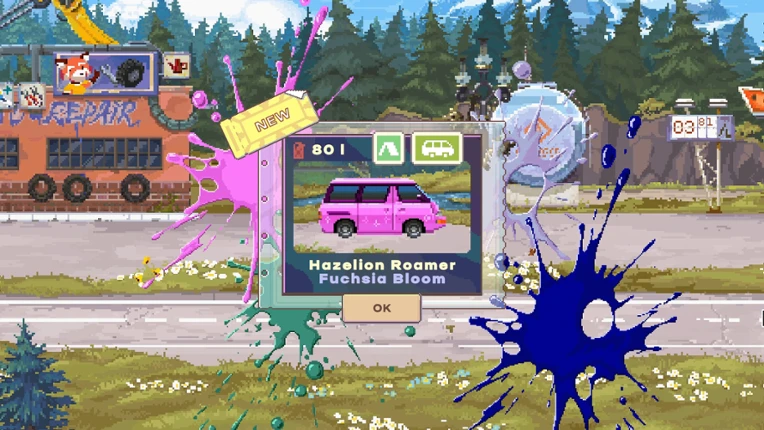
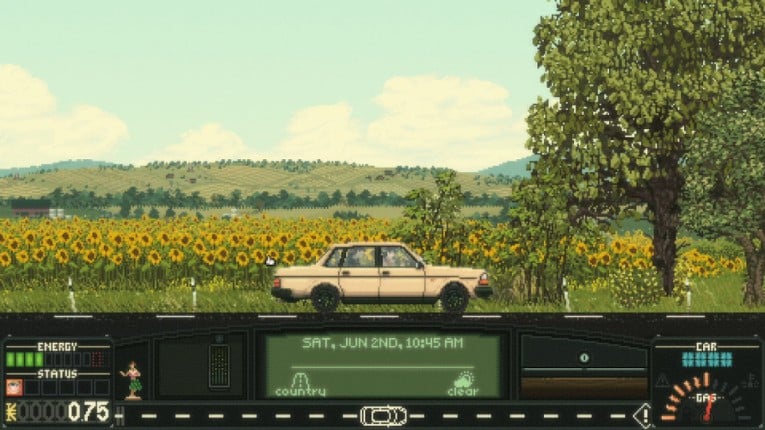
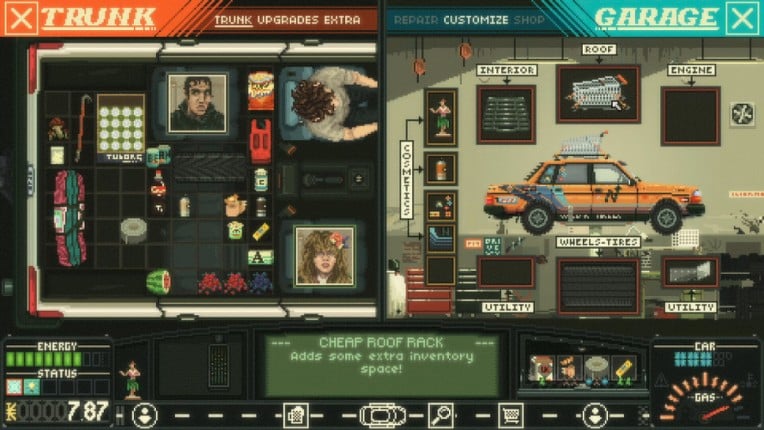
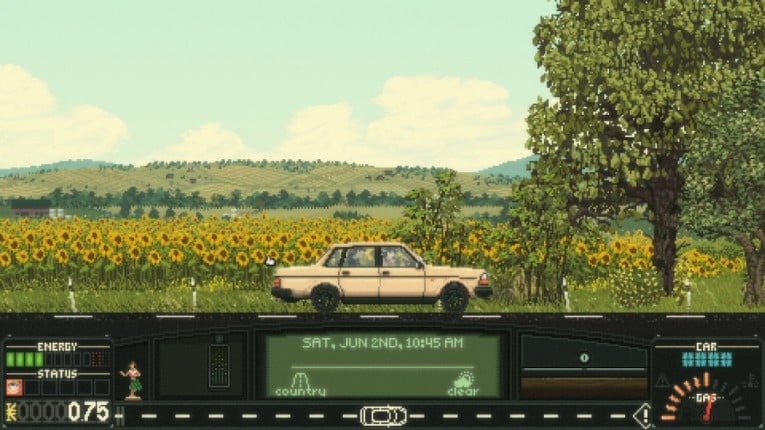
- 93%Game Brain ScoreMost mentioned positive aspects:music, gameplayMost mentioned negative aspects:grinding, stability94% User Score 2,877 reviewsCritic Score 90%1 reviewsAdopts DREDGE's atmospheric exploration and inventory management but shrinks the world to a procedural road trip with pixel-art simplicity. If you enjoyed this game, see our list of games similar to Keep Driving.View Game
- 94%Game Brain ScoreMost mentioned positive aspects:story, gameplayMost mentioned negative aspects:grinding, replayability97% User Score 2,036 reviewsCritic Score 85%3 reviews
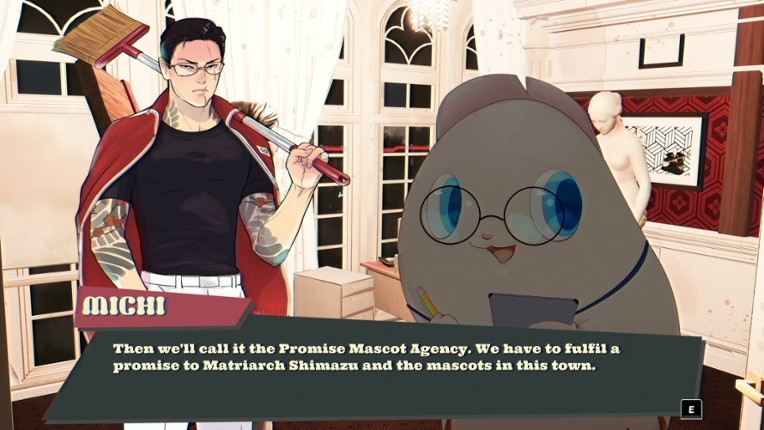
Explore a cursed town, recruit new mascots and solve the mystery of your exile If you enjoyed this game, see our list of games similar to Promise Mascot Agency.
View Game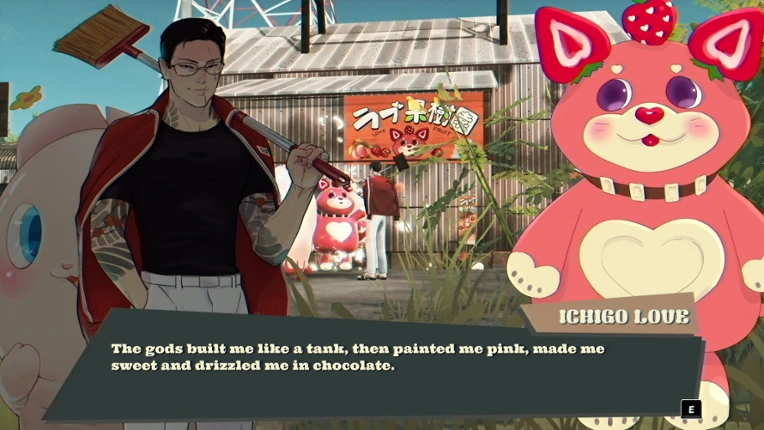

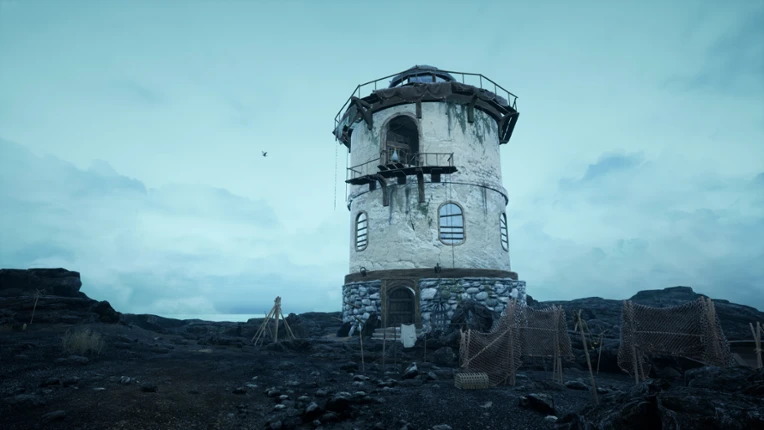
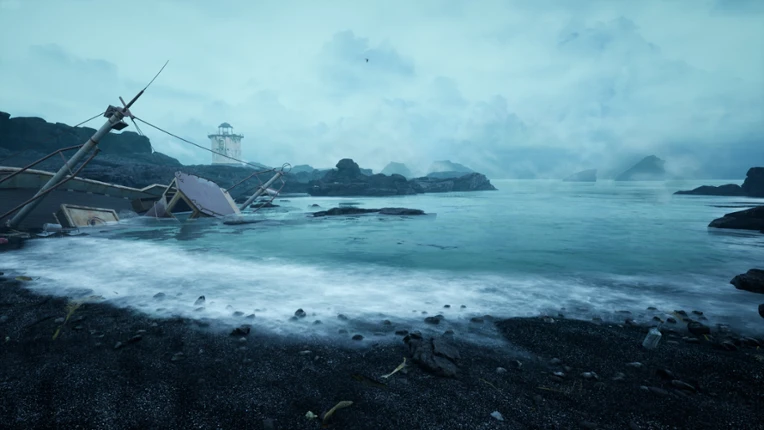
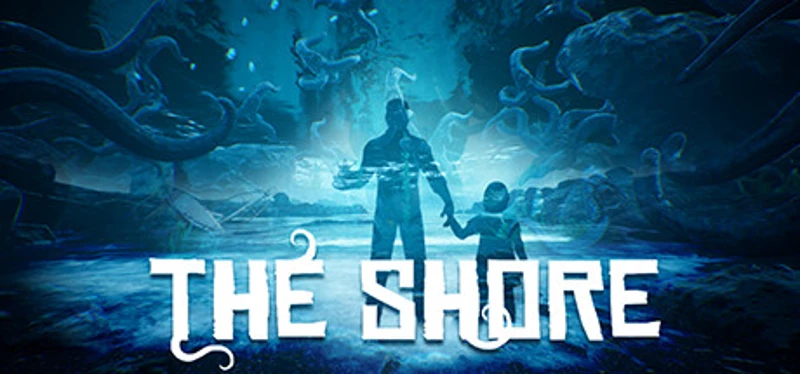
- 66%Game Brain ScoreMost mentioned positive aspects:story, graphicsMost mentioned negative aspects:gameplay, stability71% User Score 1,798 reviewsCritic Score 53%3 reviewsDrowns you in an underwater first‑person odyssey where Lovecraftian dread meets philosophical musings, replacing sailing with immersive deep‑sea exploration. If you enjoyed this game, see our list of games similar to The Shore.View Game
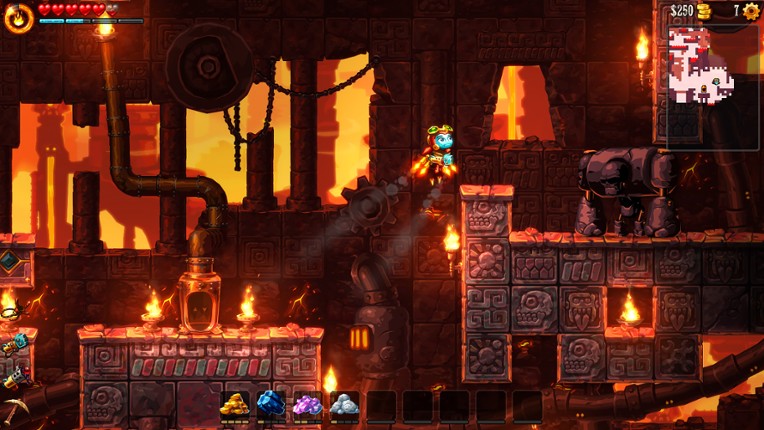
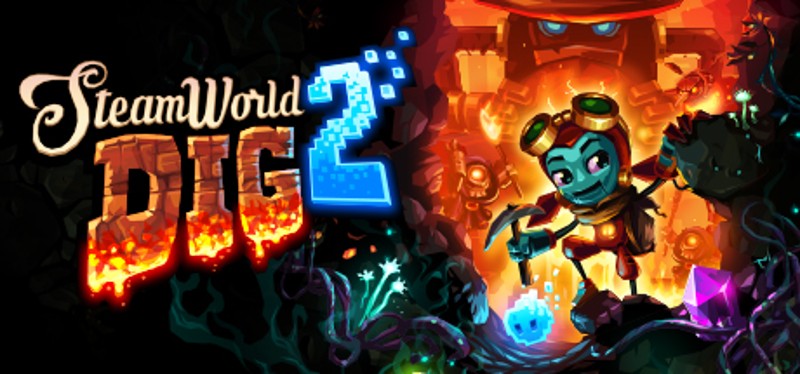
- 96%Game Brain ScoreMost mentioned positive aspects:gameplay, storyMost mentioned negative aspects:grinding, stability95% User Score 4,289 reviewsCritic Score 100%1 reviews
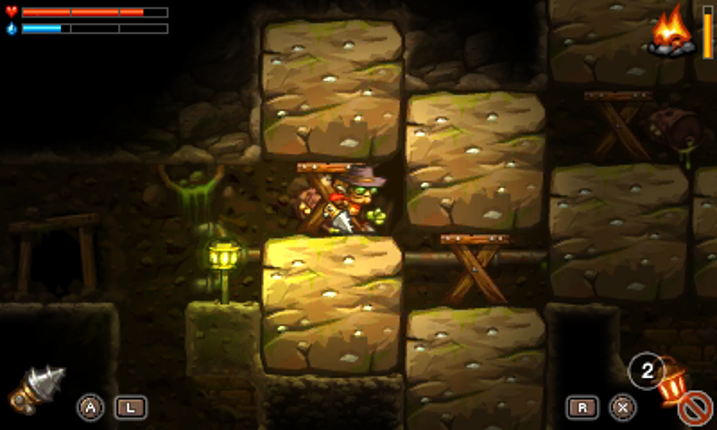
Both games anchor progression around a trading and upgrade loop — you collect resources, sell or trade them, and spend proceeds on gear that opens new areas. DREDGE just does it on water; SteamWorld Dig 2 does it underground.
Exploration drives both titles, but where DREDGE trades fishing lines for cursed relics, SteamWorld Dig 2 trades pickaxes for robot parts in a vibrant steampunk mine.
DREDGE wraps its loop in psychological horror and a mystery story; SteamWorld Dig 2 swaps dread for colorful charm and a tighter, six-to-ten-hour adventure.
Pick this up if you want DREDGE's satisfying inventory-progression cycle but can live without Lovecraftian atmosphere and prefer a shorter, lighter experience.
If you enjoyed this game, see our list of games similar to SteamWorld Dig 2.View Game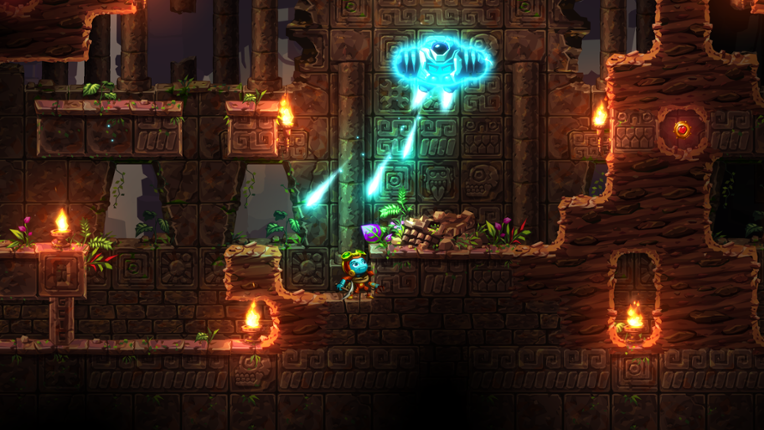
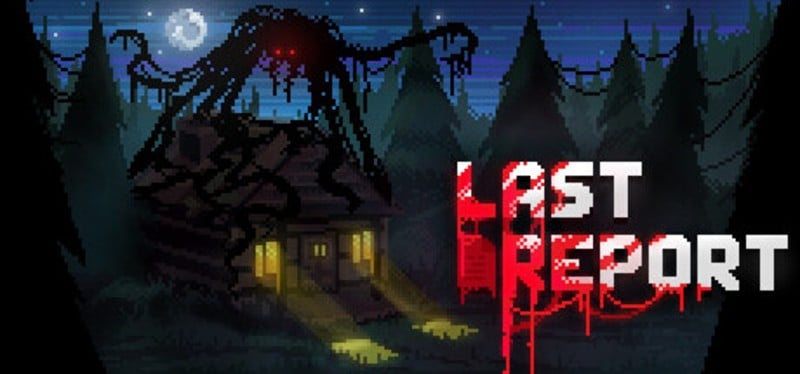
- 90%Game Brain ScoreMost mentioned positive aspects:story, gameplayMost mentioned negative aspects:replayability, grinding90% User Score 1,129 reviews
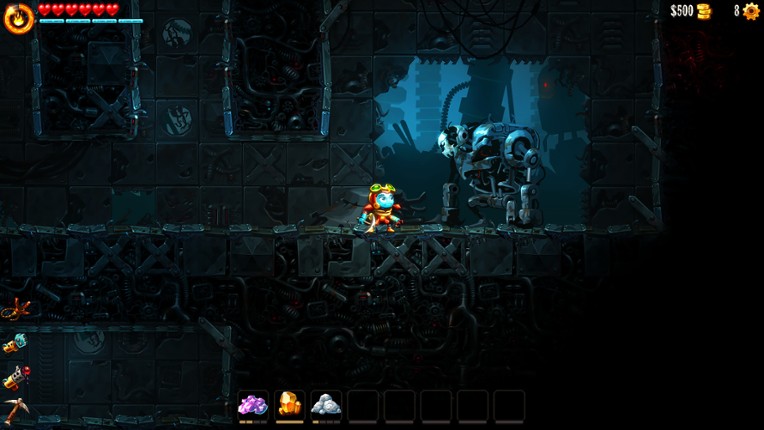
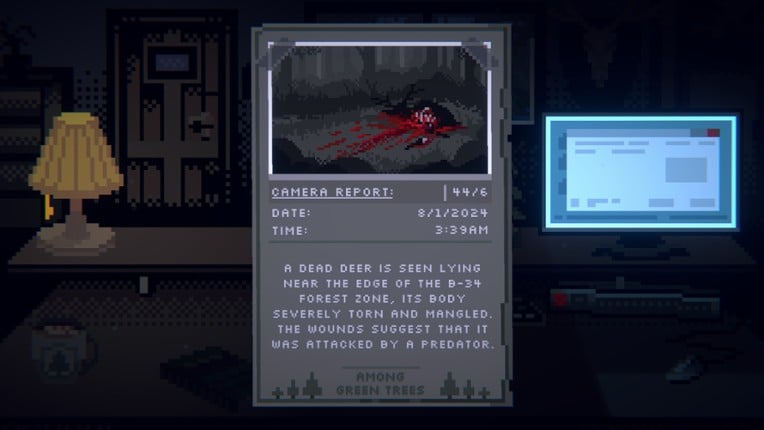
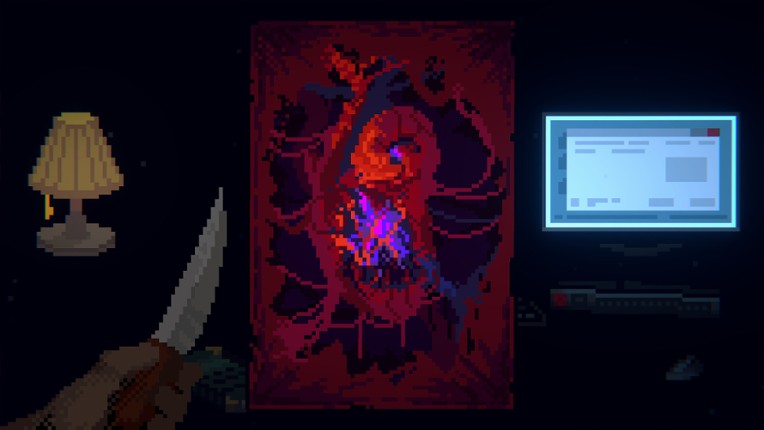
Last Report is a dark horror game where you play as a night shift park ranger. While monitoring the camera footage, you start noticing strange events. Uncover the terrifying secret of the National Park. Something moved in the window, but don’t worry it’s probably just another deer, right? If you enjoyed this game, see our list of games similar to Last Report.
View Game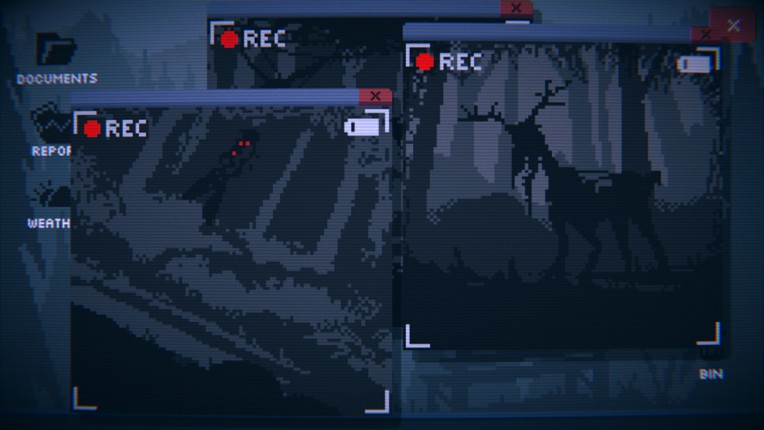
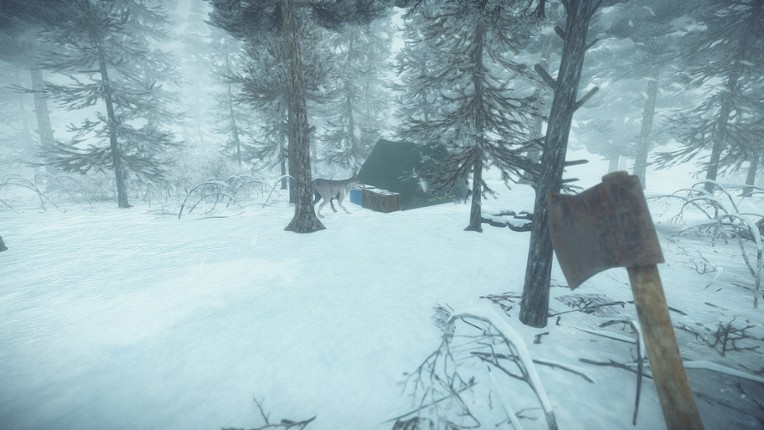
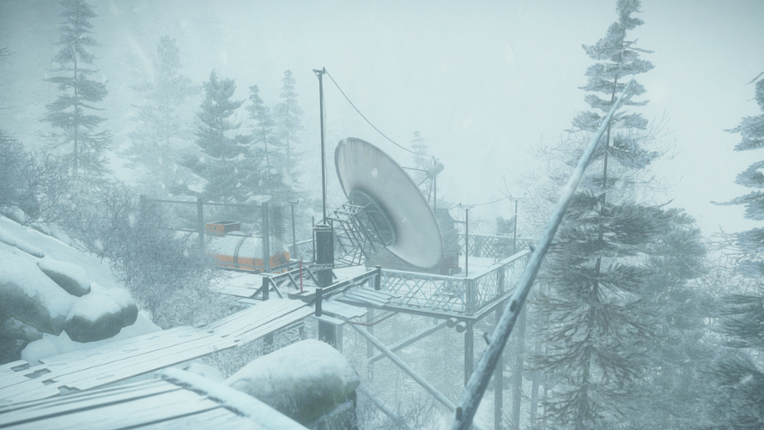
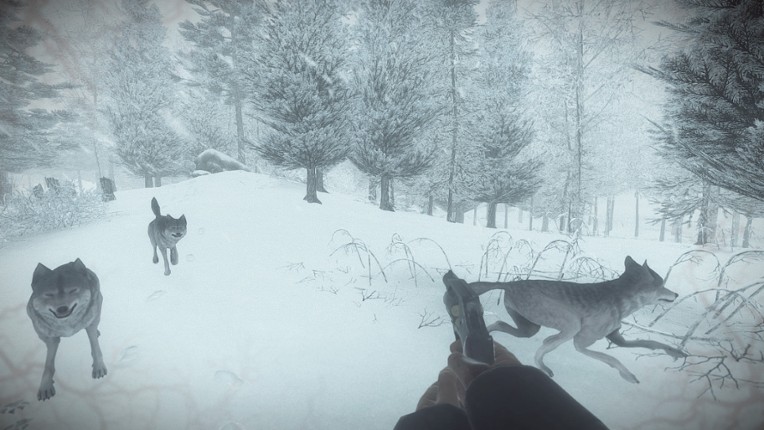
- 77%Game Brain ScoreMost mentioned positive aspects:story, atmosphereMost mentioned negative aspects:grinding, stability82% User Score 1,917 reviewsCritic Score 73%14 reviewsShifts from a cursed fishing boat to a frozen, surreal detective story, letting you solve mysteries instead of battling monsters. If you enjoyed this game, see our list of games similar to Kona.View Game
- 87%Game Brain ScoreMost mentioned positive aspects:story, gameplayMost mentioned negative aspects:grinding, stability98% User Score 7,080 reviewsCritic Score 75%44 reviews
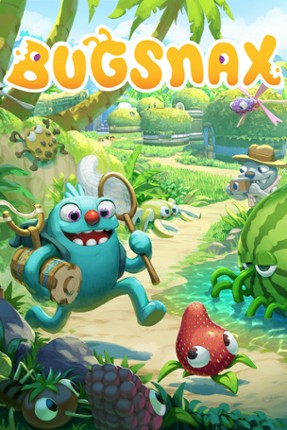
Bugsnax shares DREDGE’s emphasis on rich single-player storytelling intertwined with exploration and trading mechanics, creating a similar rhythm of discovery and resource management that drives player engagement.
Both games leverage a distinctive atmosphere—Bugsnax’s colorful, quirky world contrasts DREDGE’s dark Lovecraftian tone but equally deepens the narrative experience through character-driven mystery.
However, Bugsnax’s lighter, more comedic approach and creature-collecting puzzles trade off the psychological horror and tense mood that define DREDGE’s identity.
Pick Bugsnax if you want a whimsical, story-rich adventure with quirky puzzles but can live without DREDGE’s brooding suspense and grinding depth.
If you enjoyed this game, see our list of games similar to Bugsnax.View Game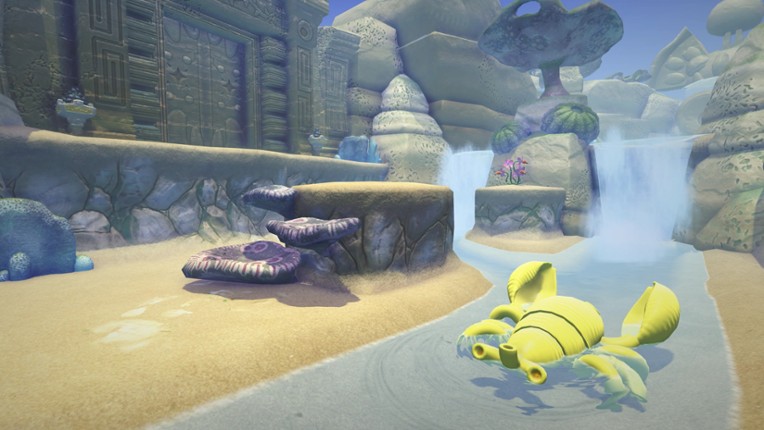
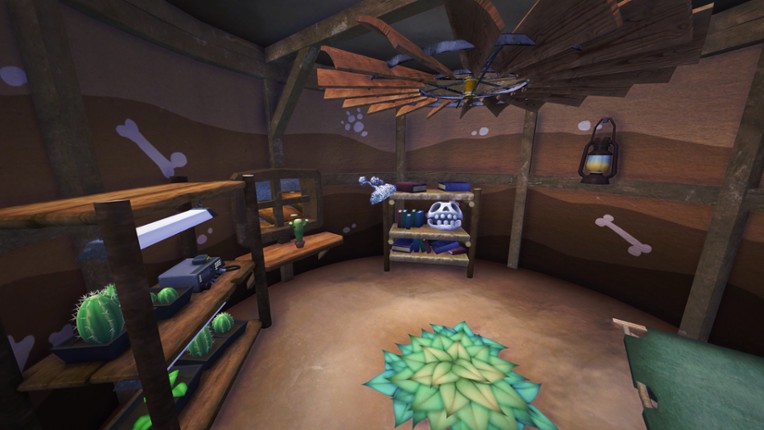
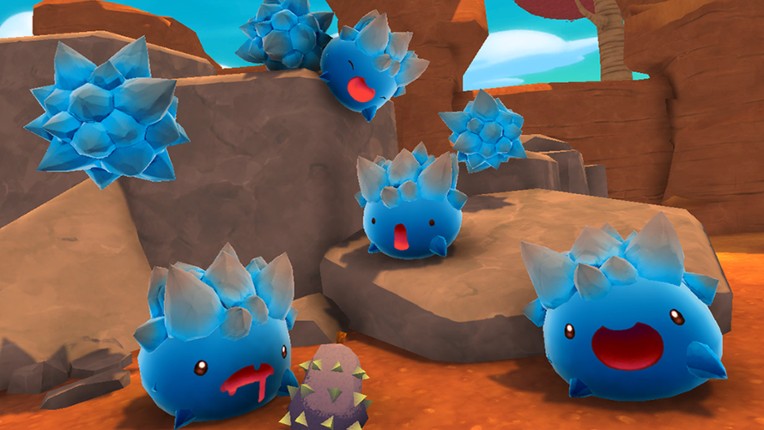
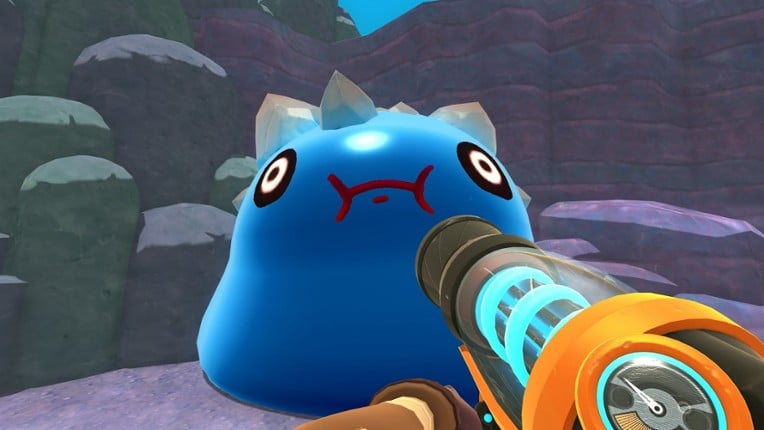
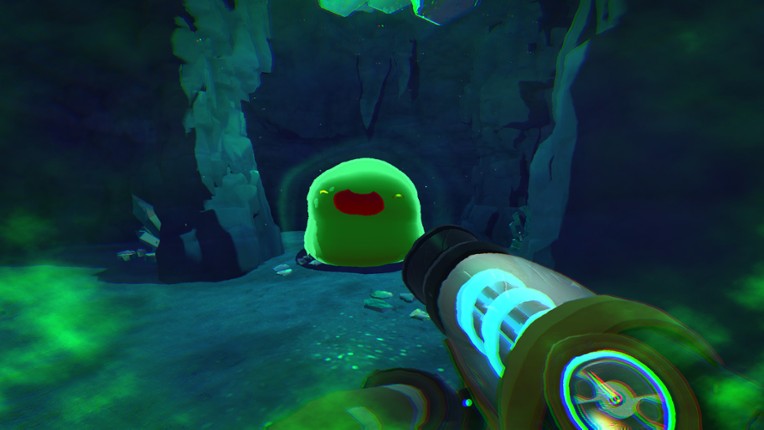
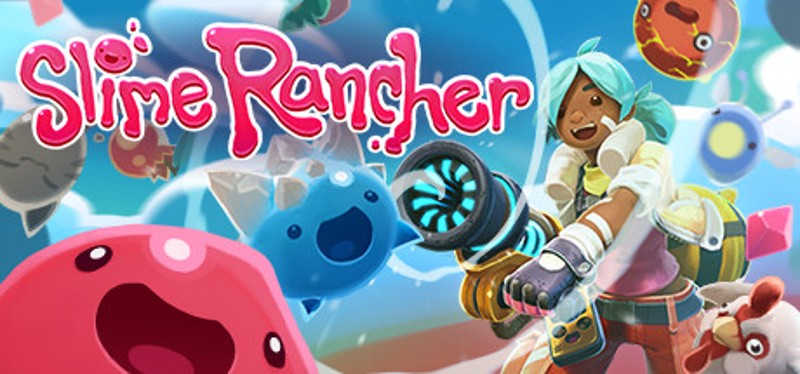
- 93%Game Brain ScoreMost mentioned positive aspects:story, gameplayMost mentioned negative aspects:grinding, stability98% User Score 114,792 reviewsCritic Score 78%3 reviewsReplace the creeping dread of the deep sea with a vibrant, playful creature collection loop focused on managing your own slime-filled ranch. If you enjoyed this game, see our list of games similar to Slime Rancher.View Game
- 96%Game Brain ScoreMost mentioned positive aspects:gameplay, graphicsMost mentioned negative aspects:grinding, stability96% User Score 3,323 reviews
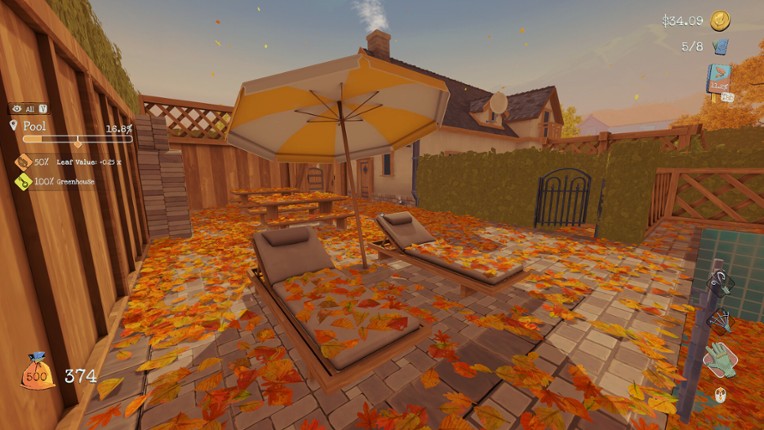
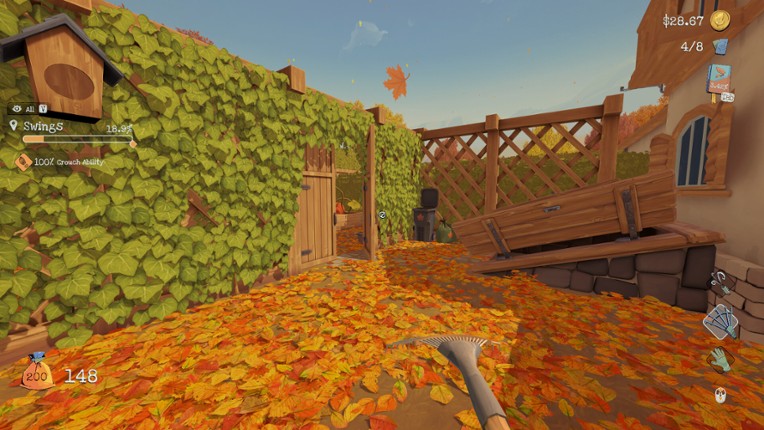
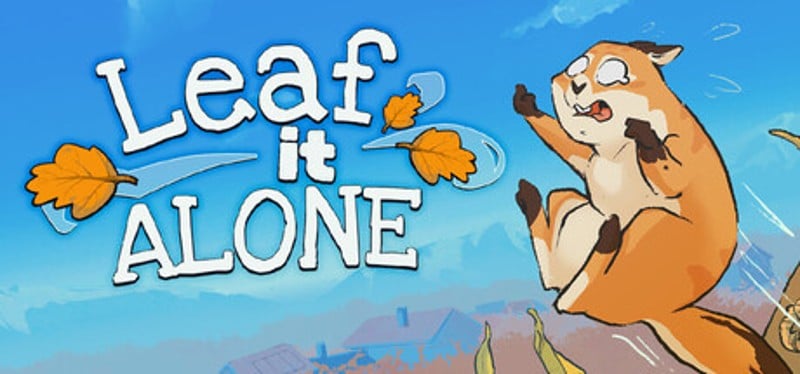
Leaves have been piling up for too long, and they aren't going anywhere on their own. Time to roll up your sleeves and get back to work. You don't need much. A rake, a leaf blower, or sometimes even a mighty hand might become handy. The plot changes slowly at first, but once you start upgrading your tools, the process becomes quick - and the yard begins to feel alive again. Keep track of th… If you enjoyed this game, see our list of games similar to Leaf it Alone.
View Game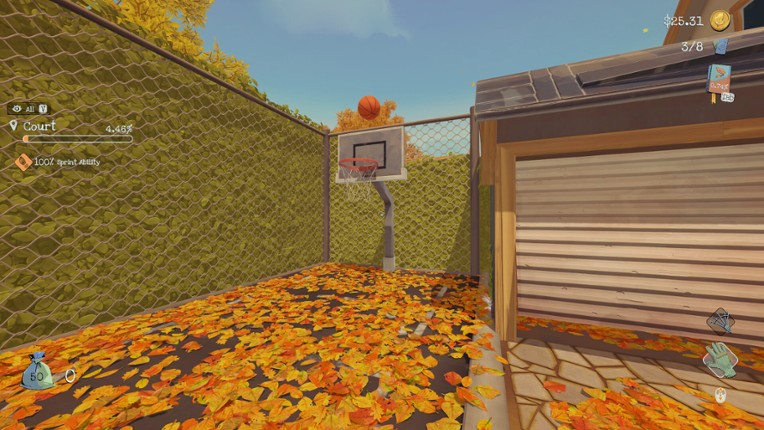
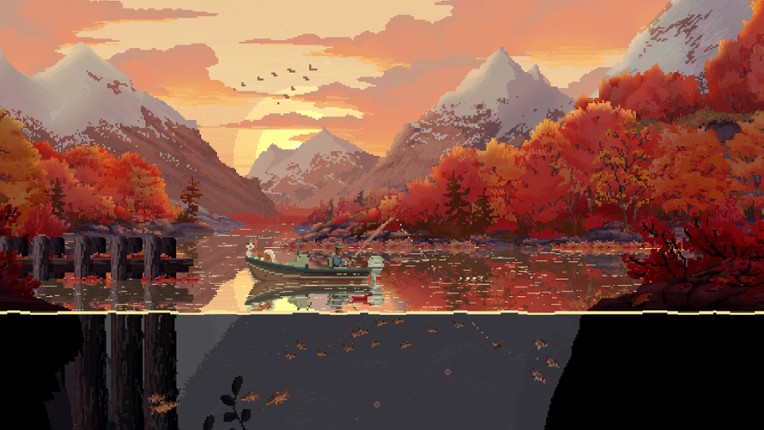
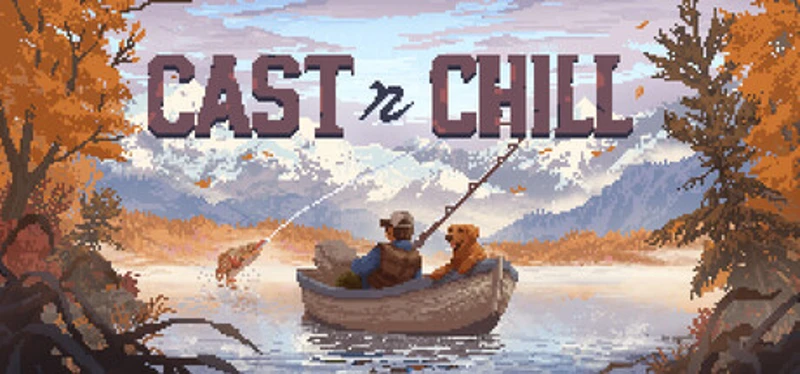
- 96%Game Brain ScoreMost mentioned positive aspects:gameplay, graphicsMost mentioned negative aspects:grinding, story96% User Score 4,832 reviewsReplaces DREDGE's psychological horror with cozy underwater fishing and resource management in a charming pixel art world. If you enjoyed this game, see our list of games similar to Cast n Chill.View Game
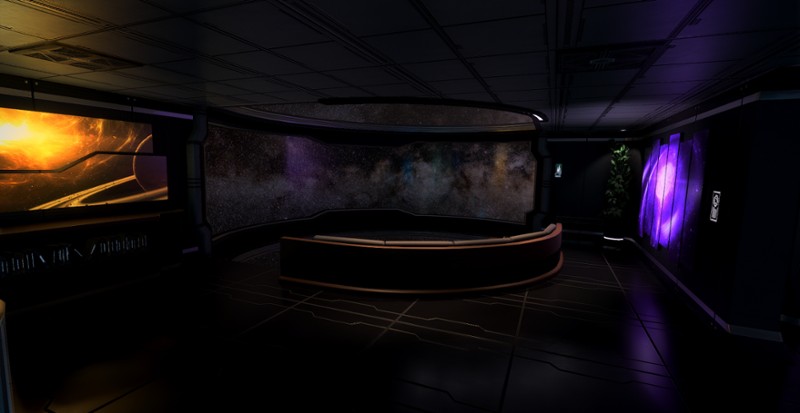
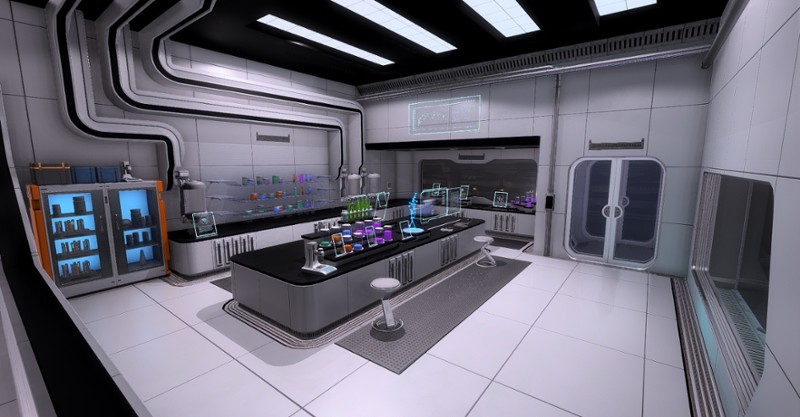
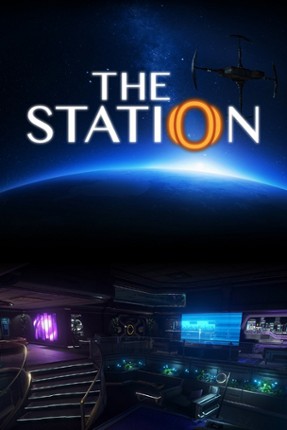
- 80%Game Brain ScoreMost mentioned positive aspects:story, graphicsMost mentioned negative aspects:replayability, stability85% User Score 1,266 reviewsCritic Score 69%5 reviewsThis narrative-focused investigation shifts the focus from open-sea fishing to exploring a singular, atmospheric sci-fi space station for story-driven clues. If you enjoyed this game, see our list of games similar to The Station.View Game
- 86%Game Brain ScoreMost mentioned positive aspects:story, gameplayMost mentioned negative aspects:grinding, stability86% User Score 3,356 reviews
Discover Hell is Us on the official PlayStation website. Find out more about this PS5 action-adventure combining intense combat with thrilling exploration. Check out the latest trailers, editions to purchase, and gameplay features. If you enjoyed this game, see our list of games similar to Hell is Us.
View Game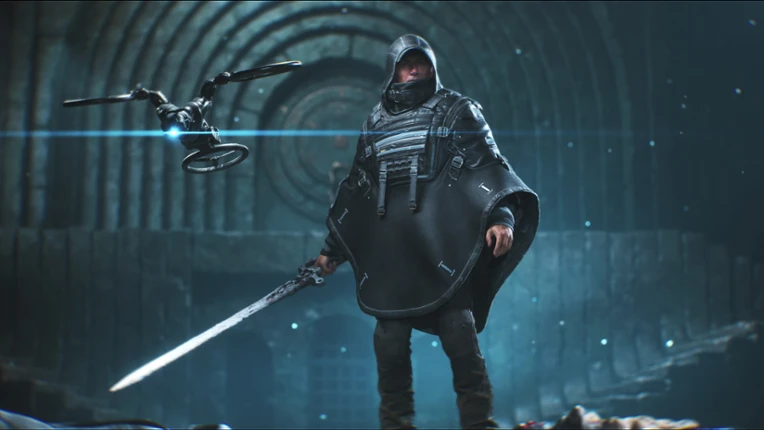
- 94%Game Brain ScoreMost mentioned positive aspects:music, storyMost mentioned negative aspects:grinding, optimization94% User Score 17,746 reviewsCritic Score 95%4 reviews
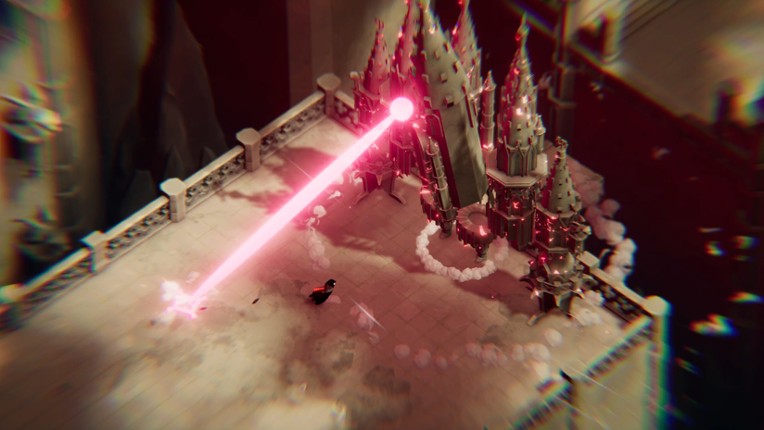
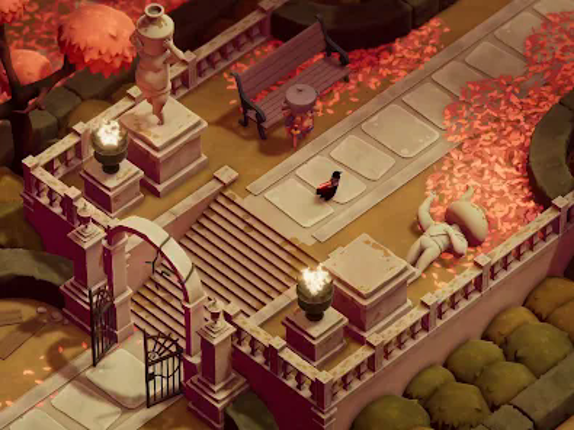
Fight bosses, reap souls If you enjoyed this game, see our list of games similar to Death's Door.
View Game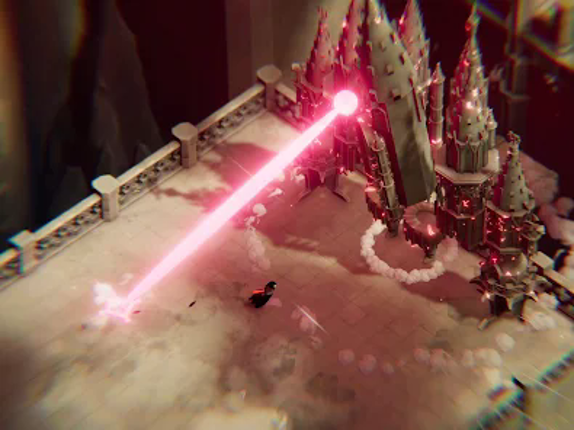
- 96%Game Brain ScoreMost mentioned positive aspects:story, graphicsMost mentioned negative aspects:grinding, replayability96% User Score 1,414 reviews
Both games excel at hiding creeping dread behind a deceptively charming aesthetic, forcing players to confront psychological terror while managing mundane tasks. This tonal dissonance creates a compelling feedback loop, as the contrast between the cute visuals and the unfolding mystery makes the horror hit harder.
The primary shift here is from Dredge’s methodical open-world sailing to 4/1/1992’s tight, 2D top-down perspective and episodic pacing. While you trade the freedom of the high seas for structured, hack-heavy exploration, the unsettling narrative core remains intact.
Pick this up if you want a viscerally weird mystery but can live with a shorter, more linear experience that occasionally stumbles through tedious stealth sequences.
If you enjoyed this game, see our list of games similar to 4/1/1992.View Game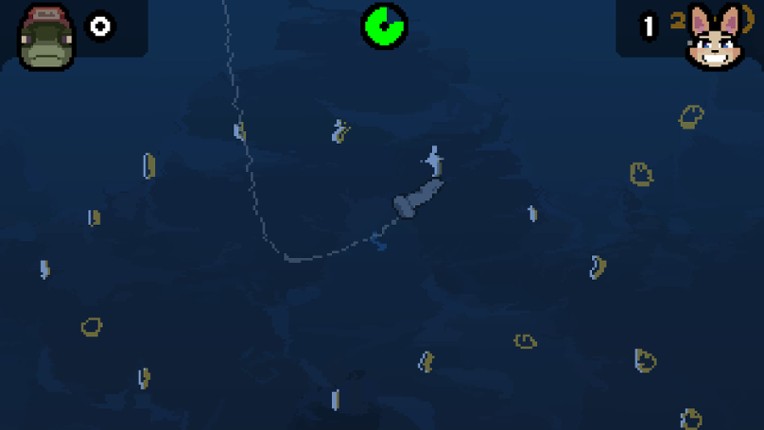


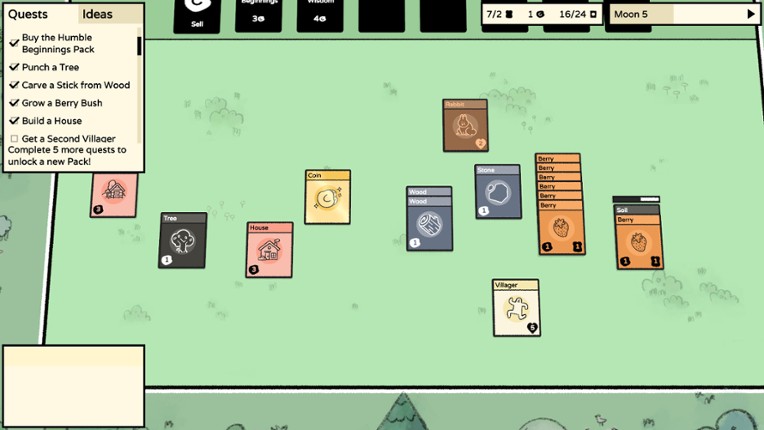
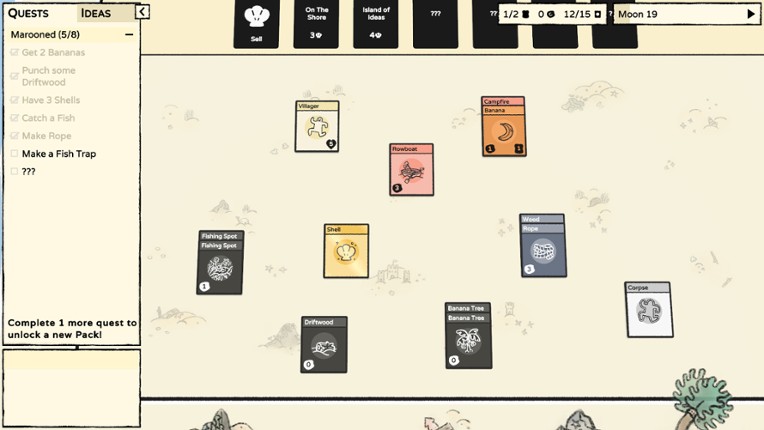
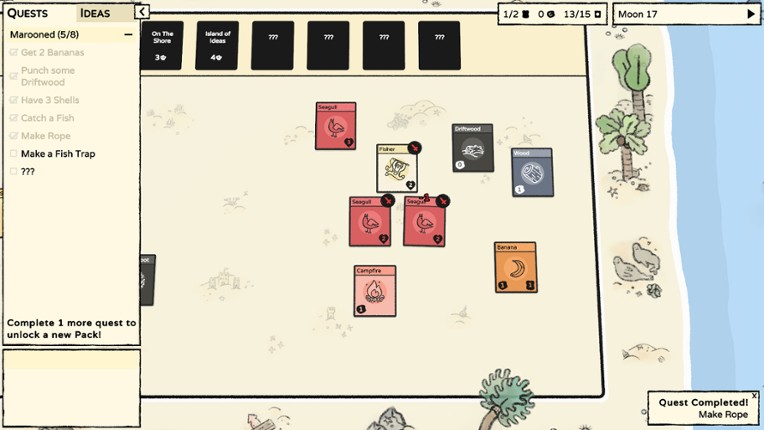
- 96%Game Brain ScoreMost mentioned positive aspects:gameplay, graphicsMost mentioned negative aspects:grinding, stability96% User Score 11,499 reviewsSwap nautical exploration for a tabletop card-based loop where managing finite resources feels like a brisk puzzle rather than a grim voyage. If you enjoyed this game, see our list of games similar to Stacklands.View Game
- 79%Game Brain ScoreMost mentioned positive aspects:graphics, storyMost mentioned negative aspects:replayability, grinding97% User Score 24,944 reviewsCritic Score 62%10 reviews
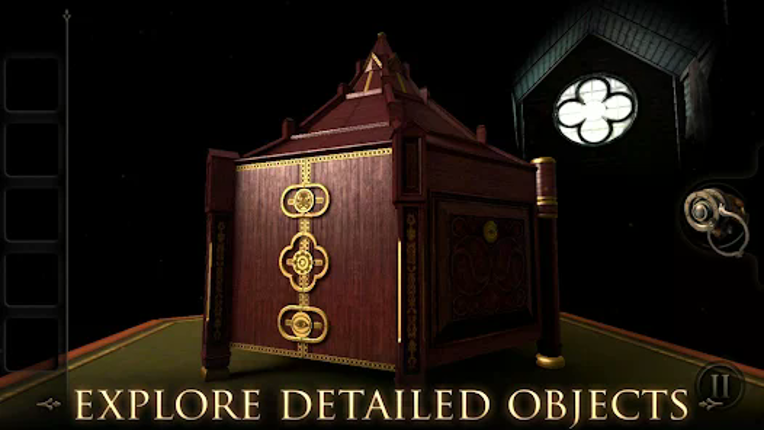
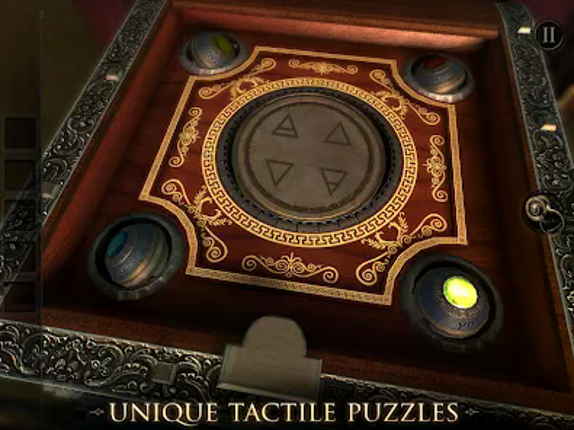
The definitive puzzle experience If you enjoyed this game, see our list of games similar to The Room.
View Game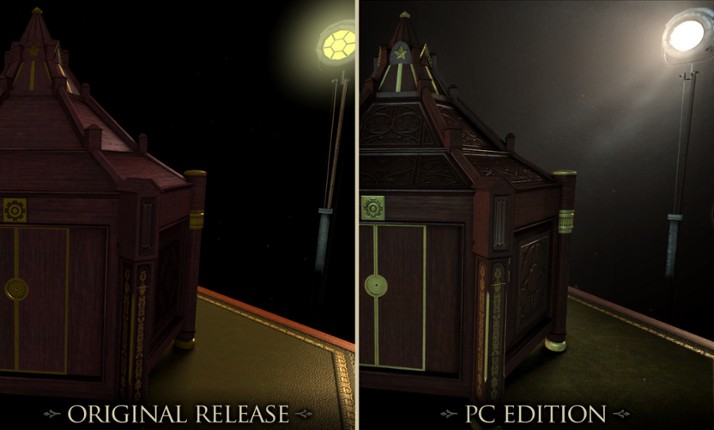
- 90%Game Brain ScoreMost mentioned positive aspects:story, gameplayMost mentioned negative aspects:grinding, stability94% User Score 228,886 reviewsCritic Score 80%3 reviews
Both games hinge on exploration-driven survival where you navigate hostile environments, scavenge resources, and piece together a larger mystery. Raft trades DREDGE's fishing-focused trading loop for crafting and base-building, which creates longer engagement cycles.
The critical difference: Raft is cooperative and open-ended, while DREDGE is a tightly authored single-player narrative with psychological horror teeth. You're building and surviving indefinitely versus unraveling a specific, unsettling story.
Pick Raft if you want DREDGE's atmospheric ocean exploration and sense of gradual progression, but prefer sandbox creativity and multiplayer cooperation over narrative dread and dark humor.
If you enjoyed this game, see our list of games similar to Raft.View Game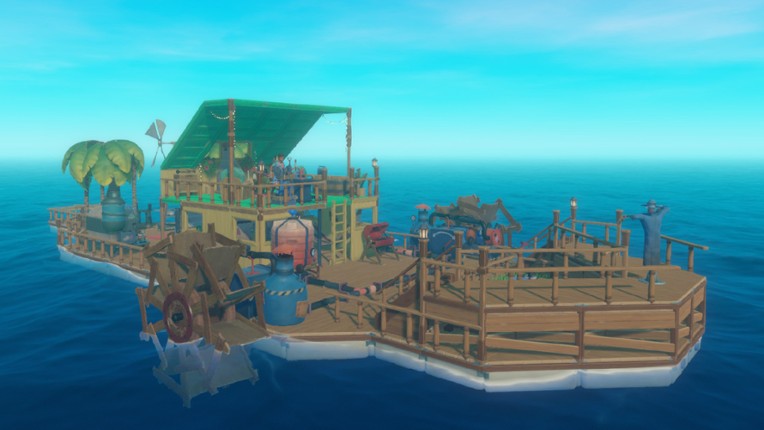

- 82%Game Brain ScoreMost mentioned positive aspects:story, gameplayMost mentioned negative aspects:stability, optimization88% User Score 1,393 reviewsCritic Score 77%13 reviews
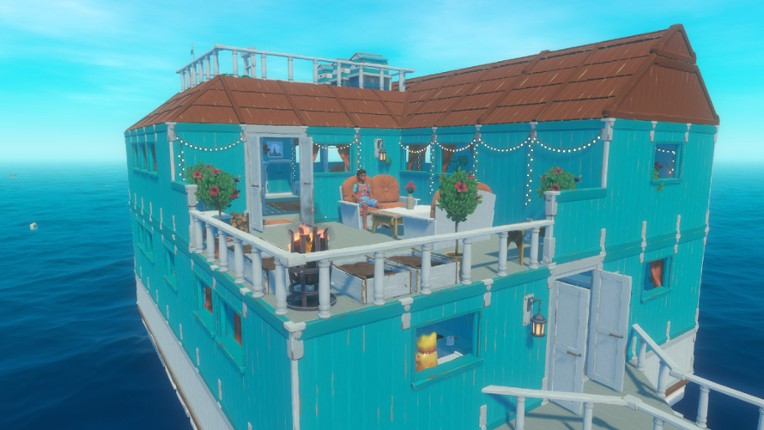
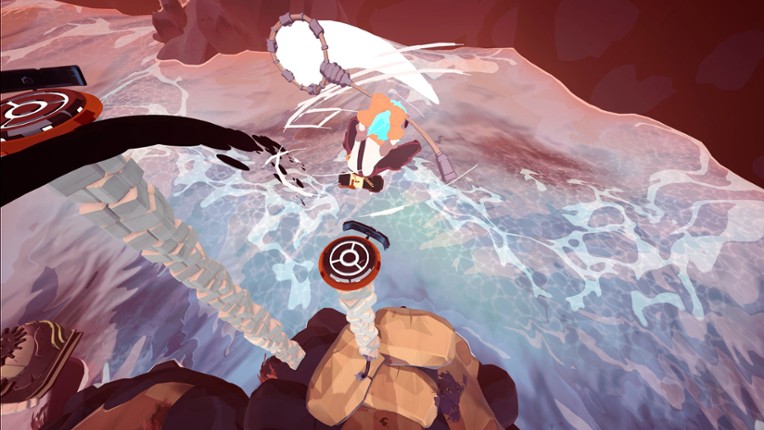
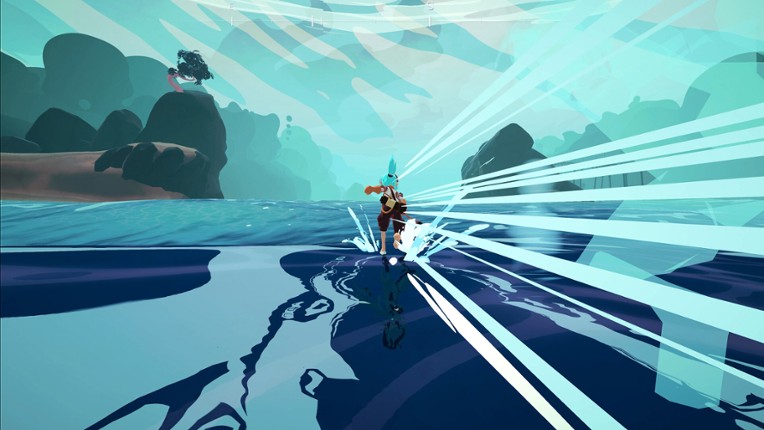
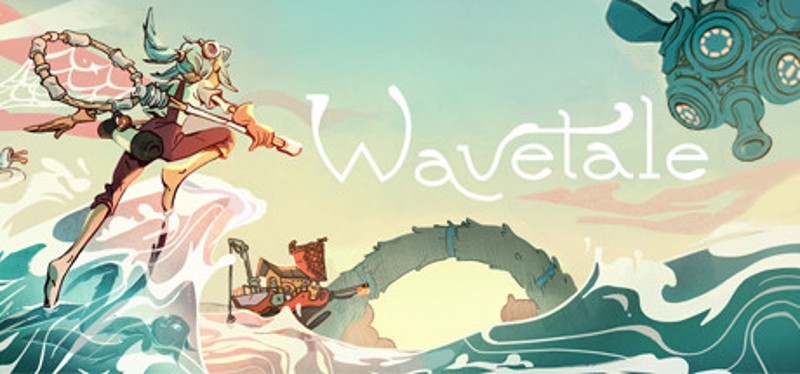
Explore an open sea and the decaying archipelago of Strandville in Wavetale, a story-driven action-adventure game introducing you to fed-up fishermen, secretive hermits – and maybe a pirate or two. Traverse calm waters and surging waves as Sigrid, a young girl who befriends a mysterious shadow that provides her with the power to walk on water. If you enjoyed this game, see our list of games similar to Wavetale.
View Game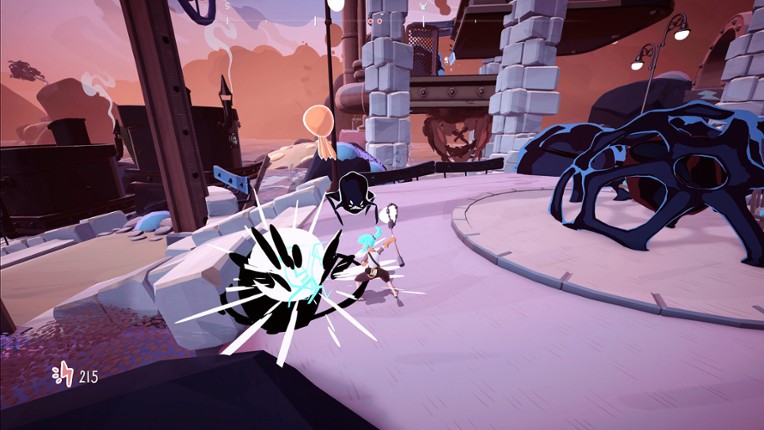
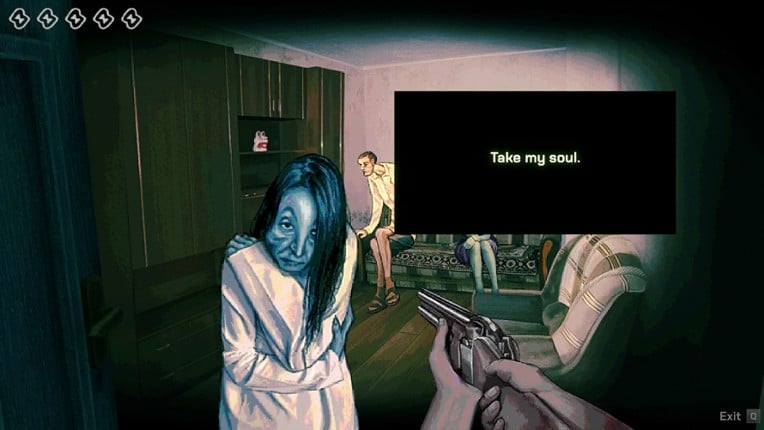
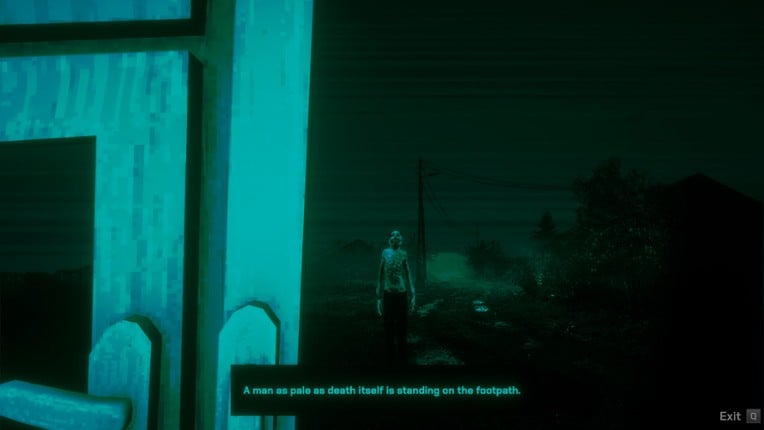
- 93%Game Brain ScoreMost mentioned positive aspects:story, gameplayMost mentioned negative aspects:grinding, stability93% User Score 10,797 reviewsShares DREDGE's mystery and psychological unease but trades sailing for an immobilized outbreak scenario with branching consequences. If you enjoyed this game, see our list of games similar to No I'm not a Human.View Game

- 86%Game Brain ScoreMost mentioned positive aspects:gameplay, graphicsMost mentioned negative aspects:grinding, optimization86% User Score 4,114 reviews
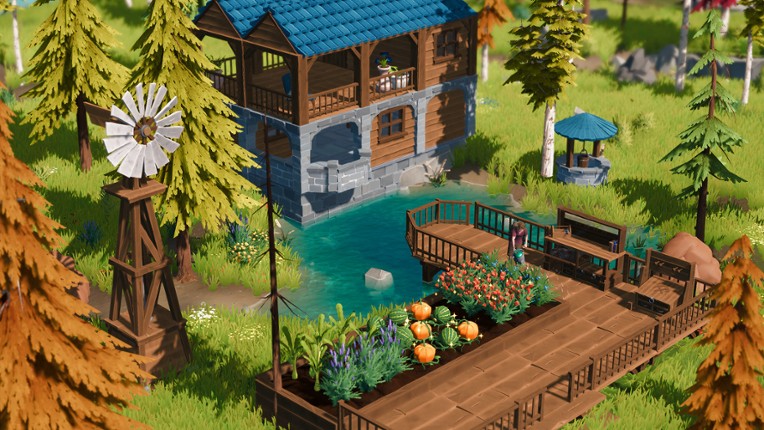
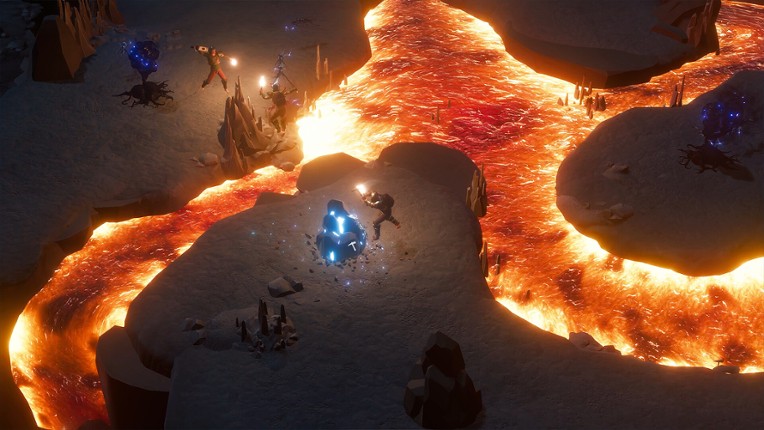
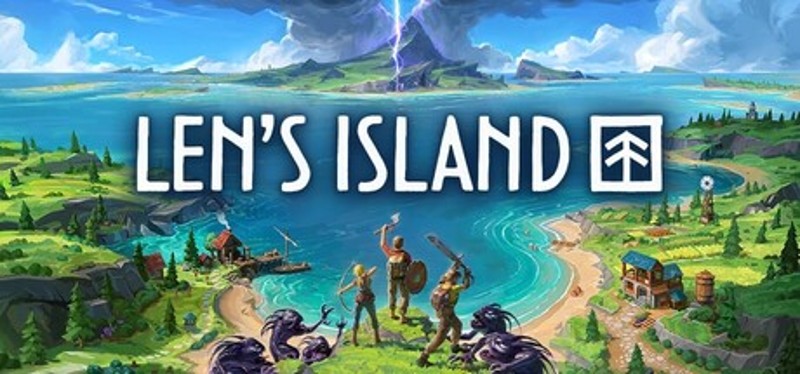
You're new to town, with only the tools in your backpack, a can-do attitude and the ability to build a new life for yourself on the beautiful island nearby. Unravel the dark secrets the island holds as you venture deeper into the caves in search of mystery and treasure. Len's Island is a blend of peaceful building, farming and crafting, mixed with intense combat, dungeon battles and deep q… If you enjoyed this game, see our list of games similar to Len's Island.
View Game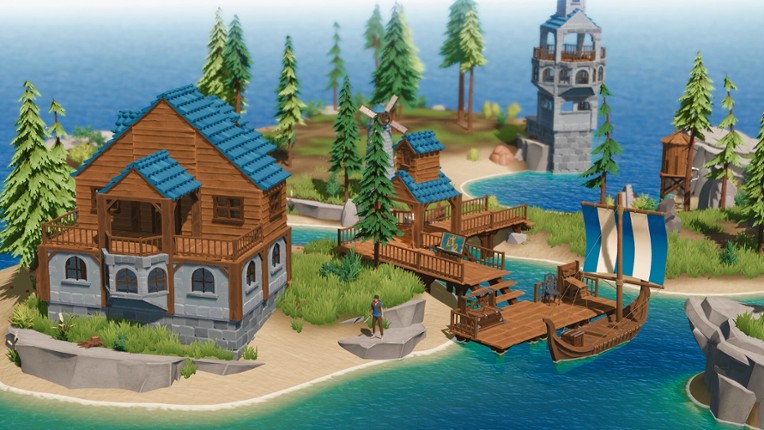
- 87%Game Brain ScoreMost mentioned positive aspects:story, atmosphereMost mentioned negative aspects:replayability, stability94% User Score 33,296 reviewsCritic Score 80%11 reviews
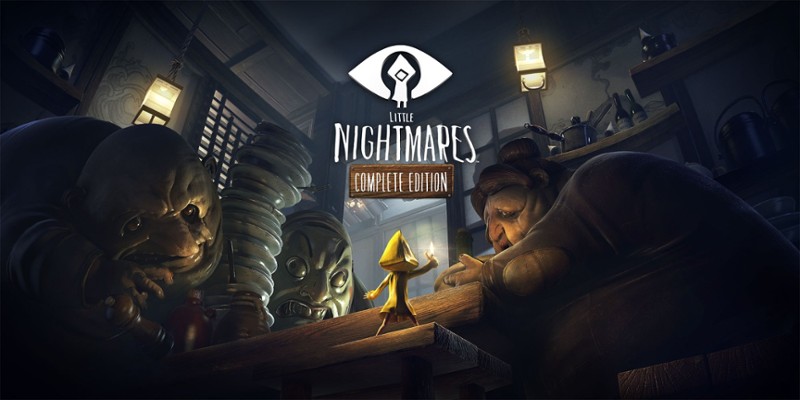
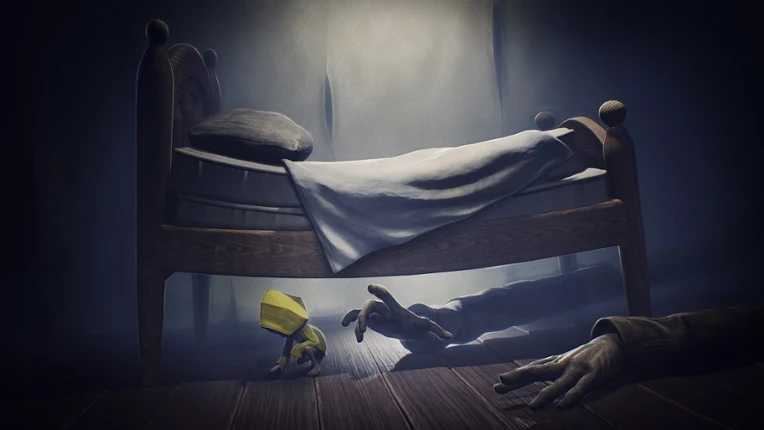
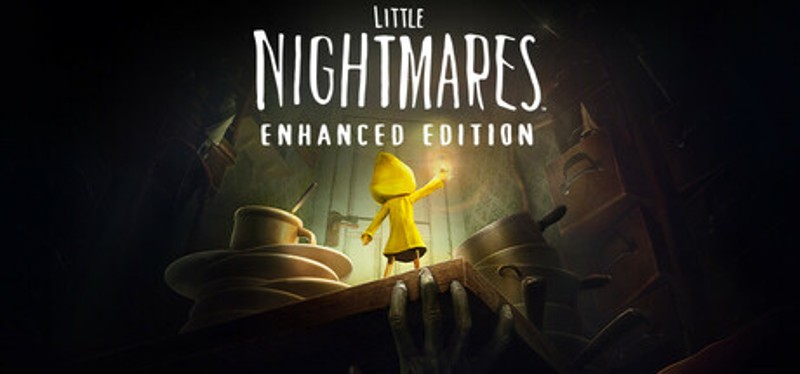
The shared DNA of Dredge and Little Nightmares is their mastery of looming dread, where the environment itself feels predatory and hostile. Both titles excel at environmental storytelling that forces you to piece together a decaying, grotesque world through visual cues rather than explicit exposition.
You exchange the sailing and inventory management loops of Dredge for precise, high-stakes platforming mechanics. While Dredge emphasizes resource survival on the open ocean, Little Nightmares traps you in claustrophobic, linear sequences that demand twitch reactions.
Pick this up if you crave the same chilling, psychological atmosphere but are ready to trade sea-faring strategy for a more focused, terrifying gauntlet of puzzles.
If you enjoyed this game, see our list of games similar to Little Nightmares.View Game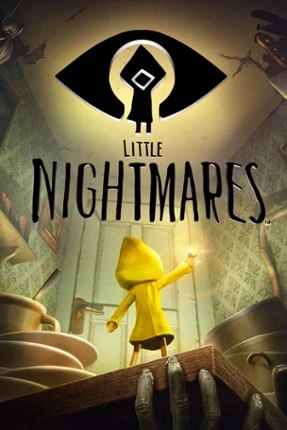
- 88%Game Brain ScoreMost mentioned positive aspects:story, gameplayMost mentioned negative aspects:replayability, grinding90% User Score 412 reviewsCritic Score 84%5 reviews
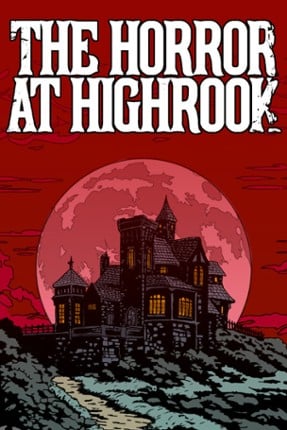
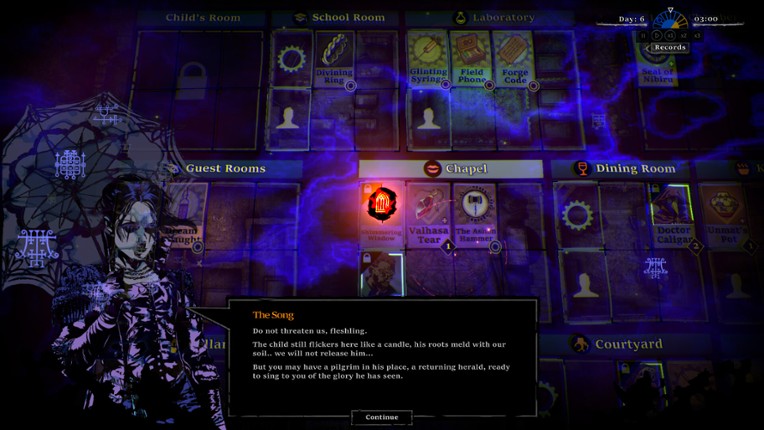
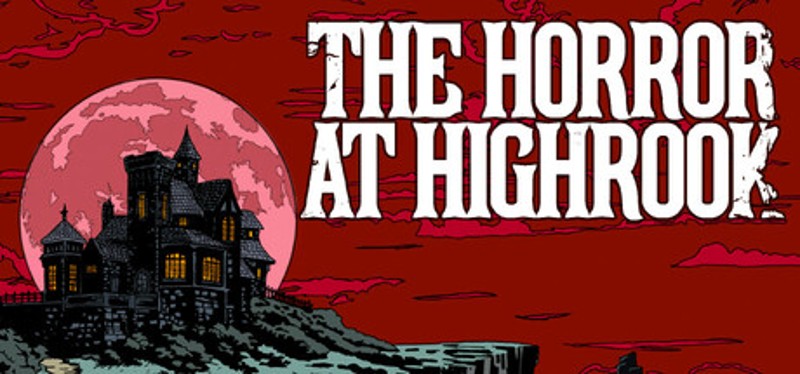
Explore an atmospheric setting on the edge of nightmare Guide a team of occult investigators to investigate the disappearance of a noble family. Keep your team well equipped and safe from hunger, injury, madness and disease. Each member of this motley crew offers their own unique skills to aid with your quest. But they also harbour their own secret ambitions... Master the dark arts Combine charact… If you enjoyed this game, see our list of games similar to The Horror at Highrook.
View Game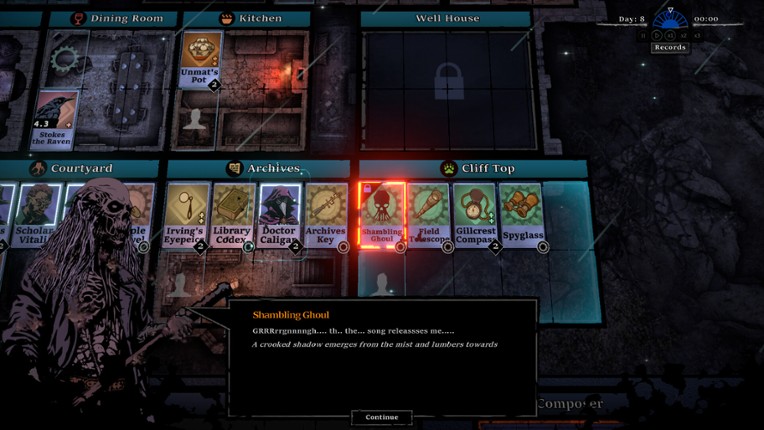
- 94%Game Brain ScoreMost mentioned positive aspects:graphics, gameplayMost mentioned negative aspects:grinding, stability97% User Score 982 reviewsCritic Score 80%1 reviews
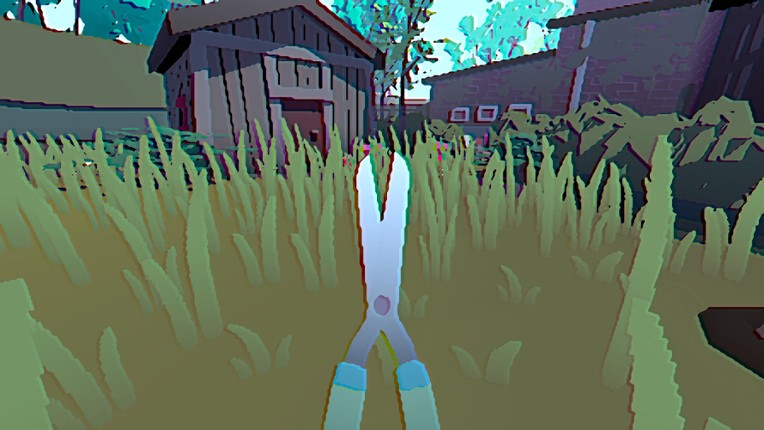
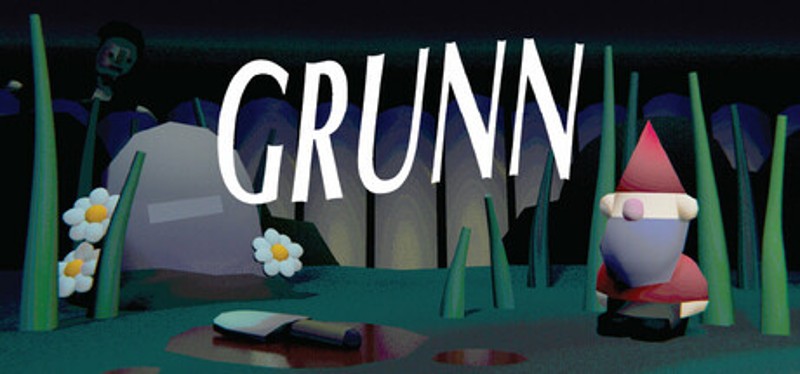
A gardener gets hired for maintenance work over the weekend. A simple task, but strangely some tools are missing… The owner of the garden isn't around, and their house is off-limits. Perhaps new tools can be found in the mysterious town, or maybe some of the reserved townsfolk have seen them? If you enjoyed this game, see our list of games similar to Grunn.
View Game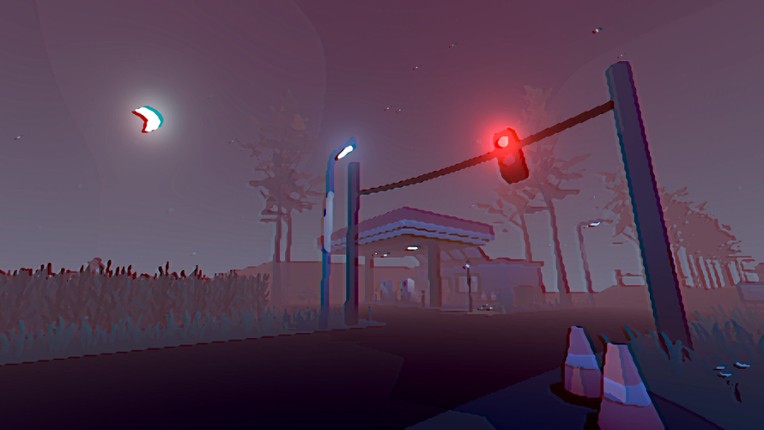

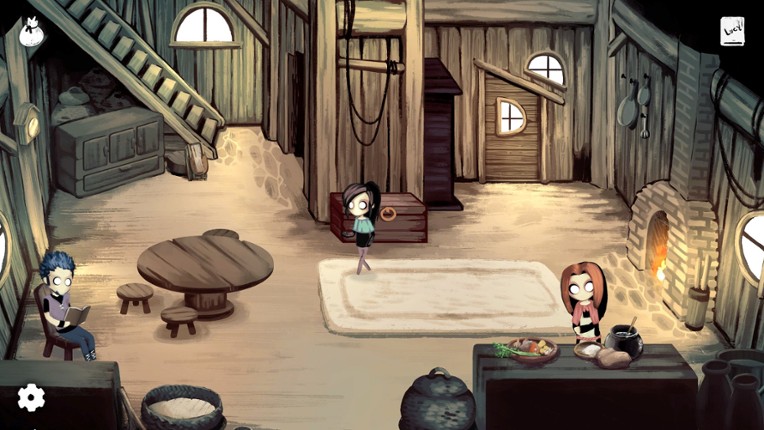
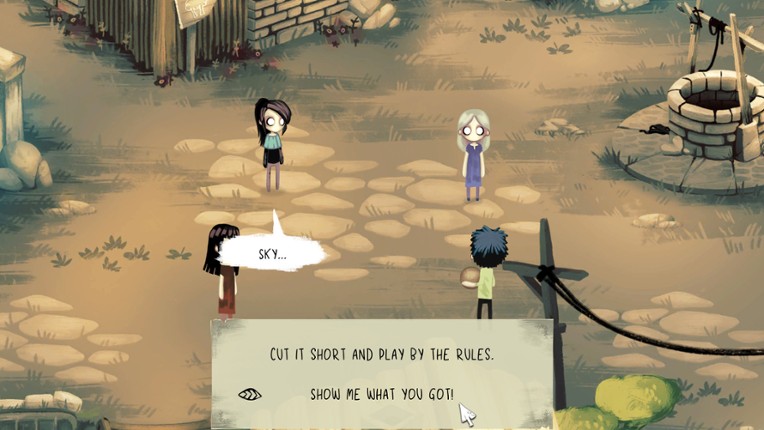
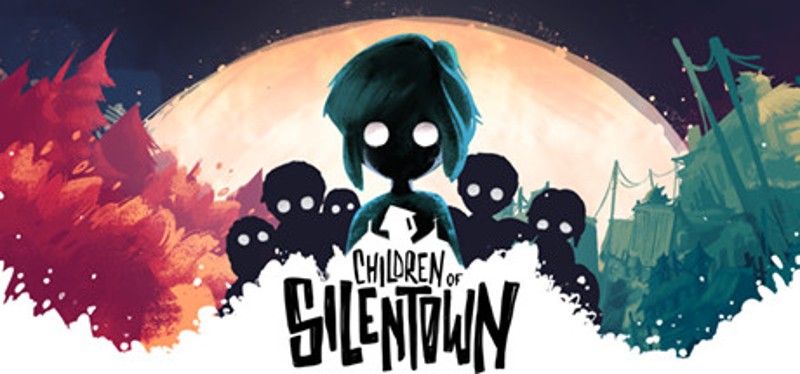
- 79%Game Brain ScoreMost mentioned positive aspects:story, graphicsMost mentioned negative aspects:grinding, replayability85% User Score 574 reviewsCritic Score 73%18 reviewsTrades the open sea for a hand‑drawn, 2D village where a young girl unravels an unsettling mystery in a colorful, surreal style. If you enjoyed this game, see our list of games similar to Children of Silentown.View Game
- 93%Game Brain ScoreMost mentioned positive aspects:story, graphicsMost mentioned negative aspects:grinding, stability97% User Score 6,330 reviewsCritic Score 83%3 reviews
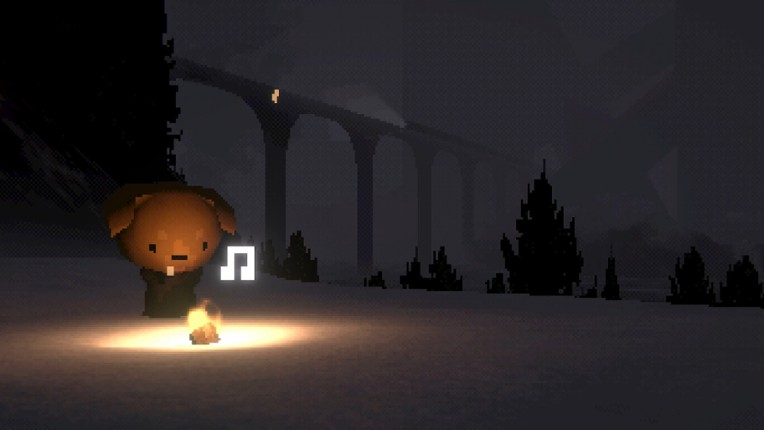
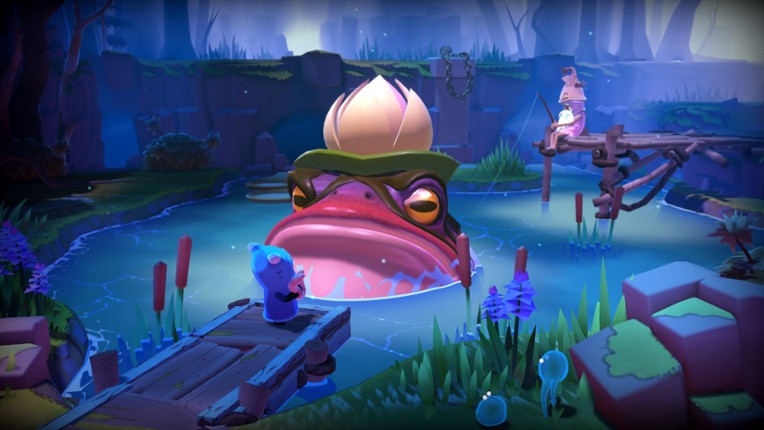
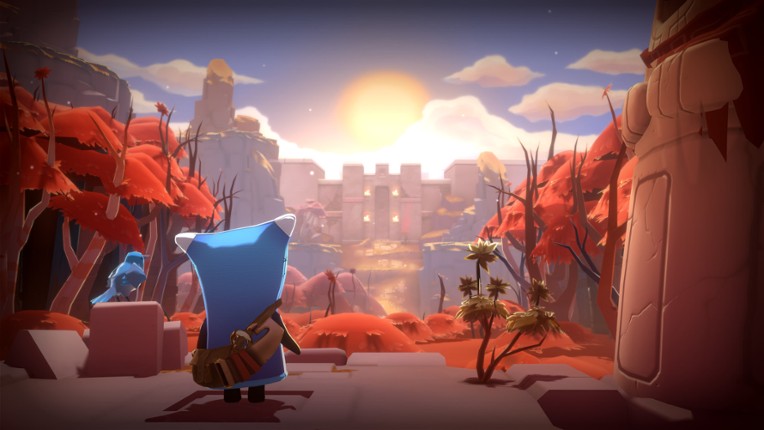
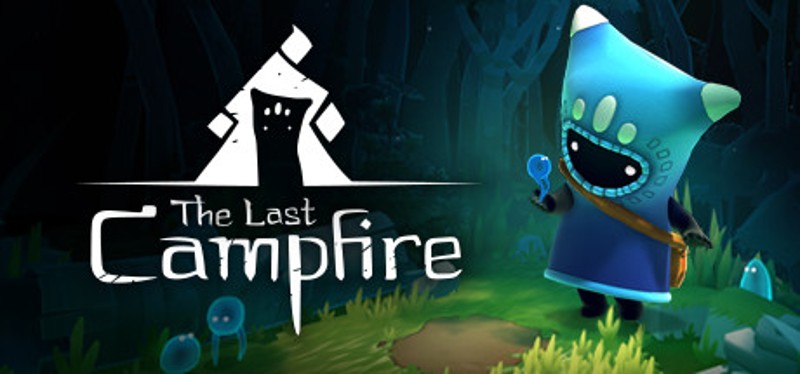
The Last Campfire is an adventure, a story of a lost ember trapped in a puzzling place, searching for meaning and a way home. If you enjoyed this game, see our list of games similar to The Last Campfire.
View Game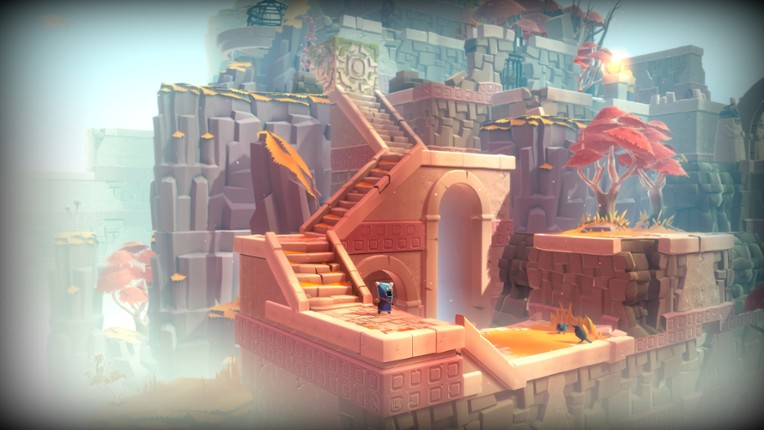
- 83%Game Brain ScoreMost mentioned positive aspects:story, gameplayMost mentioned negative aspects:grinding, stability86% User Score 6,554 reviewsCritic Score 81%36 reviews
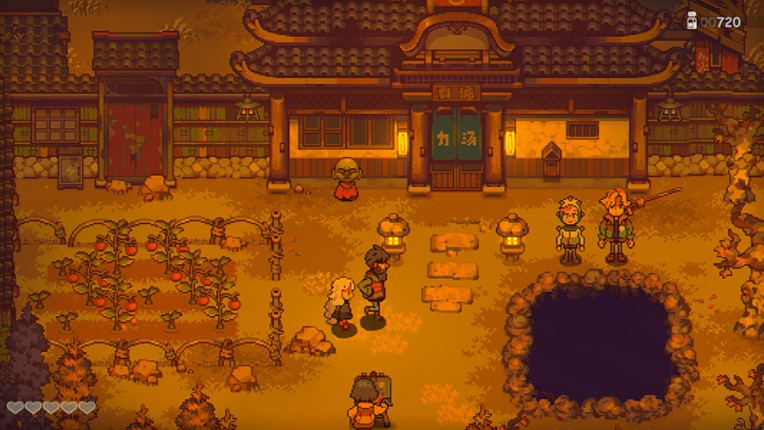
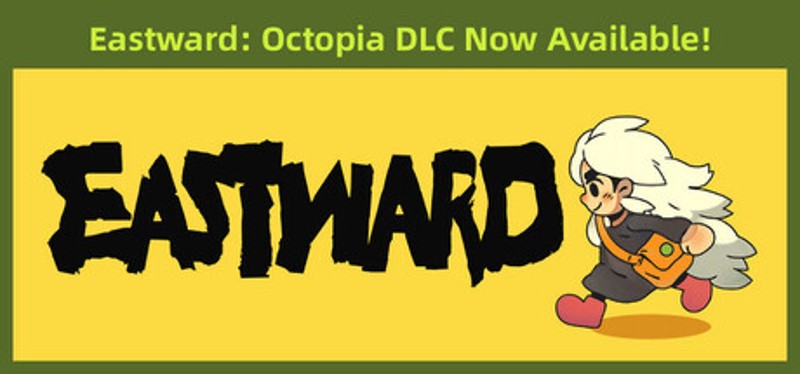
Eastward is a beautifully detailed and charming adventure RPG, from Shanghai-based indie developers, Pixpil and published by Chucklefish. Escape the tyrannical clutches of a subterranean society and join Eastward’s unlikely duo on an exciting adventure to the land above! Discover beautiful yet bizarre settlements and make new friends as you travel across the world by rail. Inspired by 90s Japane… If you enjoyed this game, see our list of games similar to Eastward.
View Game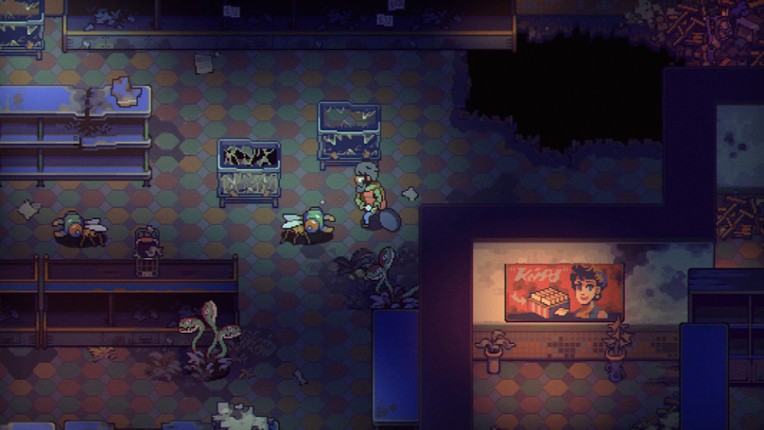
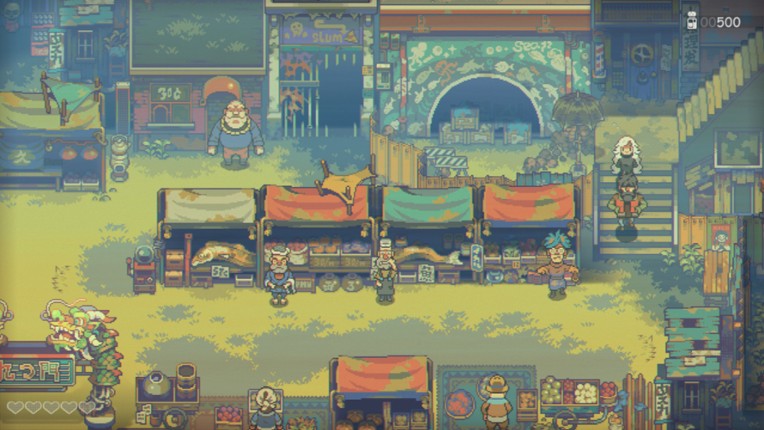
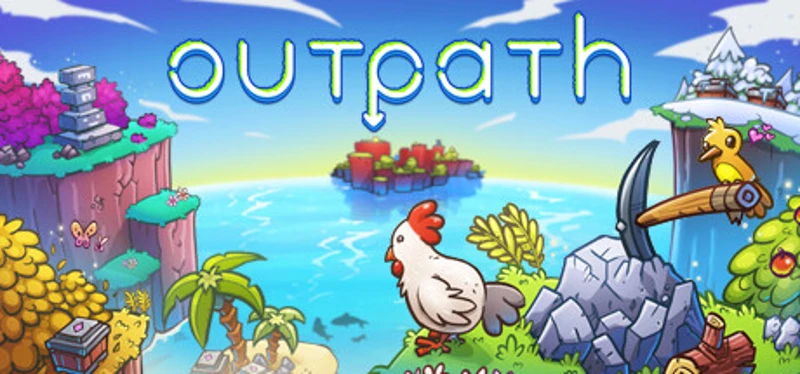
- 93%Game Brain ScoreMost mentioned positive aspects:gameplay, musicMost mentioned negative aspects:grinding, stability95% User Score 2,638 reviewsCritic Score 85%1 reviewsWhile lacking the maritime horror, this title offers a more automation-heavy approach to survival where you expand your territory through voxel-based expansion. If you enjoyed this game, see our list of games similar to Outpath.View Game
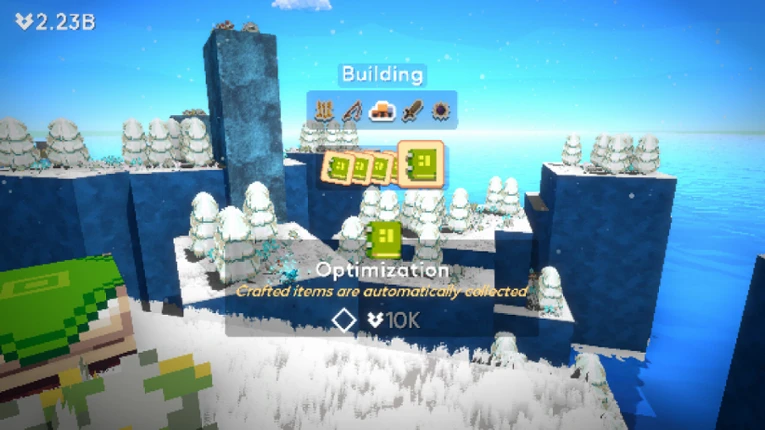
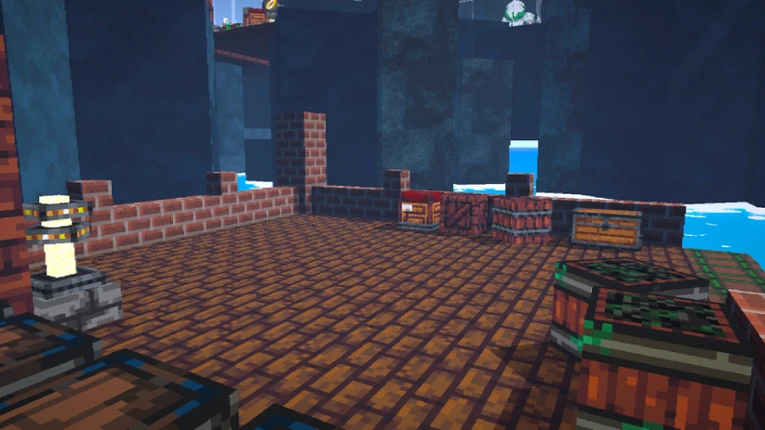
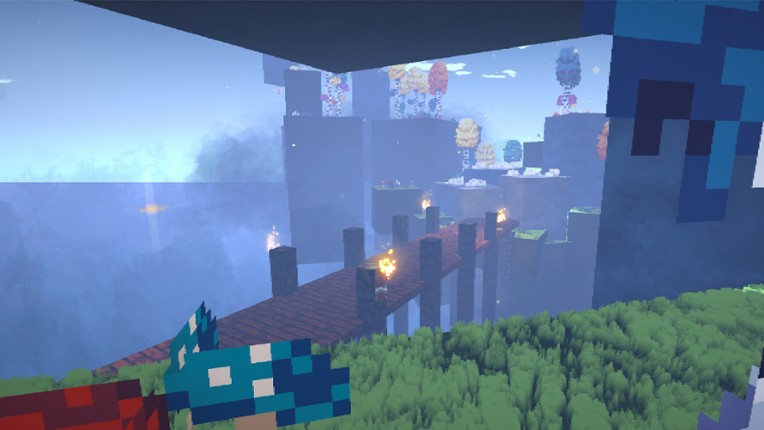
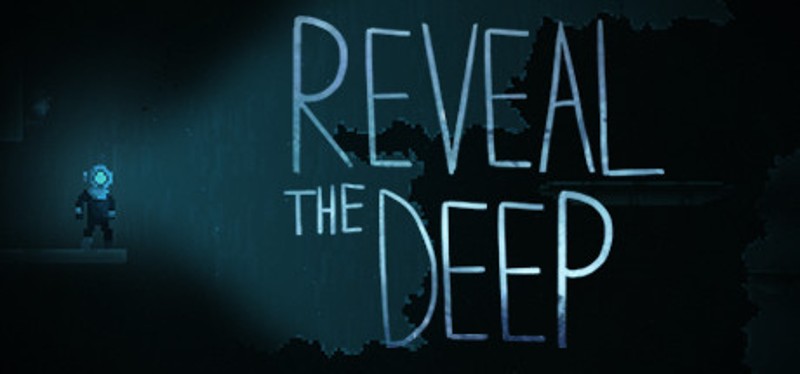
- 82%Game Brain ScoreMost mentioned positive aspects:atmosphere, storyMost mentioned negative aspects:stability, grinding82% User Score 1,758 reviewsFocuses purely on the claustrophobic dread of the abyss, stripping away trading and management systems to highlight a linear, pixelated descent. If you enjoyed this game, see our list of games similar to Reveal the Deep.View Game

- 92%Game Brain ScoreMost mentioned positive aspects:gameplay, graphicsMost mentioned negative aspects:grinding, optimization92% User Score 1,726 reviews
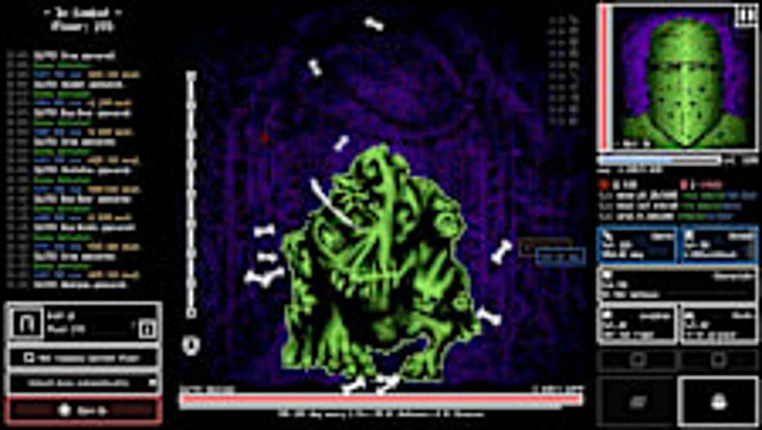
Horripilant is a chilling incremental dungeon crawl through the horrors of a forgotten underworld. Combining idler, puzzle and autobattler elements, you'll fight, mine, and think your way through the depths of a forsaken dungeon. With each step you'll grow stronger, but beware; every boon has its burden. You awaken. An old, battered knight, lost in the darkest corners of an abandoned dungeon, with… If you enjoyed this game, see our list of games similar to Horripilant.
View Game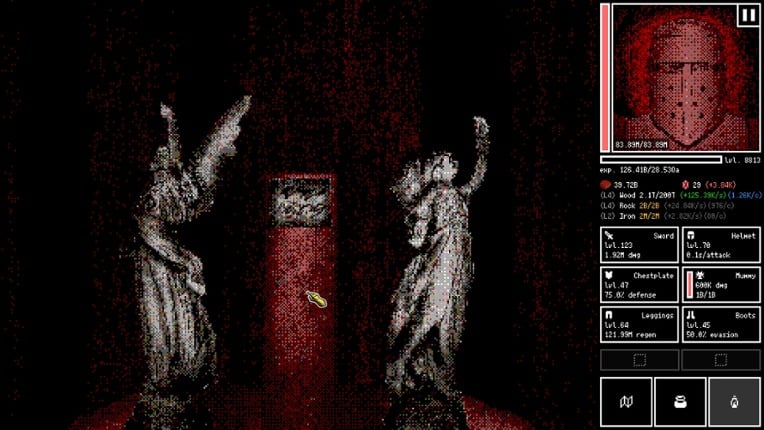
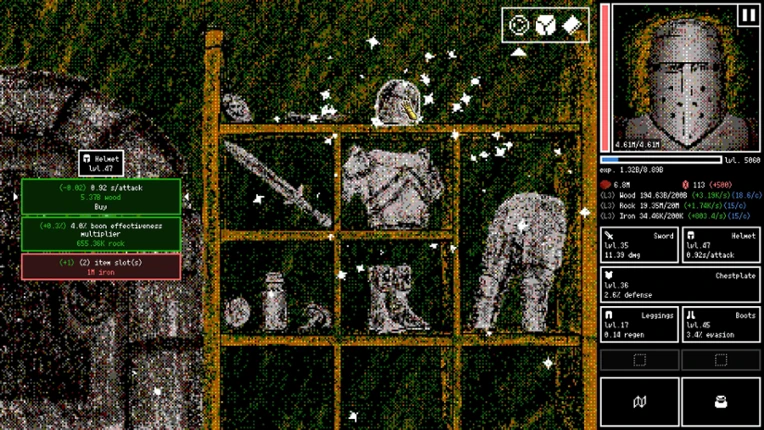
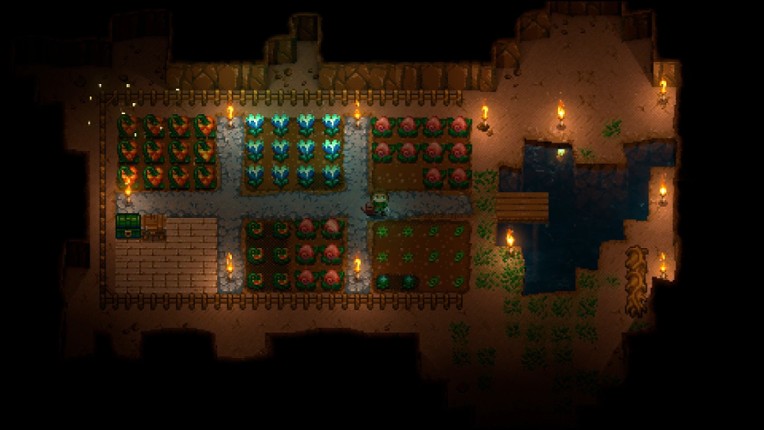
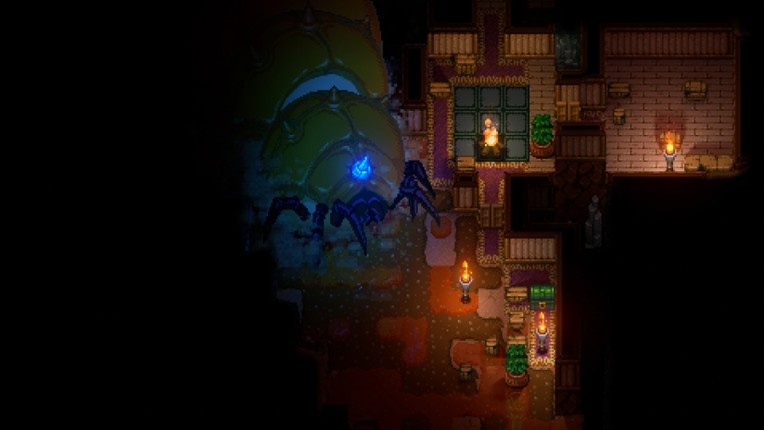
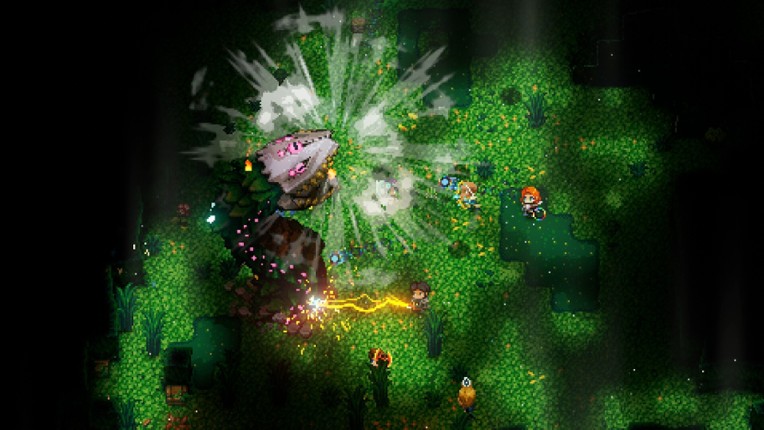
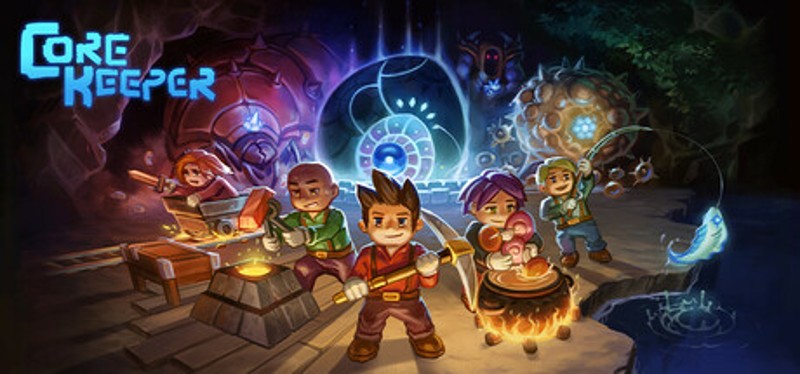
- 93%Game Brain ScoreMost mentioned positive aspects:gameplay, graphicsMost mentioned negative aspects:grinding, optimization95% User Score 31,361 reviewsCritic Score 90%3 reviewsMoves the adventure into a co‑op, pixel‑art sandbox where base‑building and mining replace the solitary, horror‑tinged sailing of DREDGE. If you enjoyed this game, see our list of games similar to Core Keeper.View Game
- 94%Game Brain ScoreMost mentioned positive aspects:gameplay, storyMost mentioned negative aspects:grinding, optimization94% User Score 600 reviews
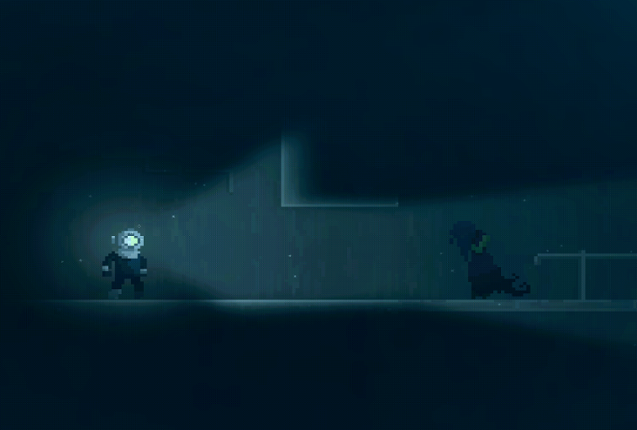
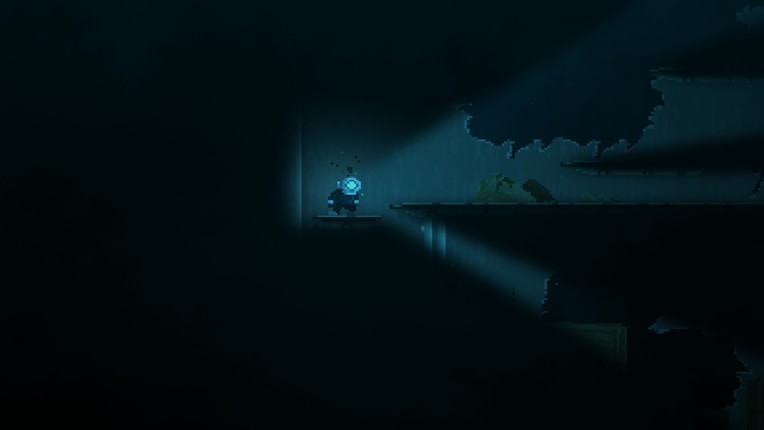
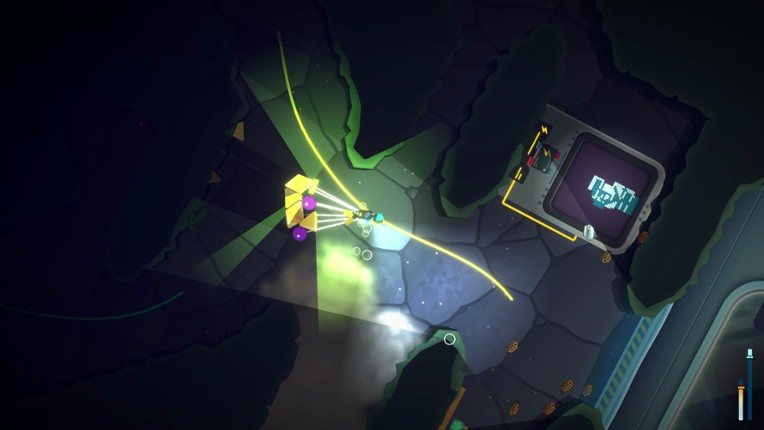
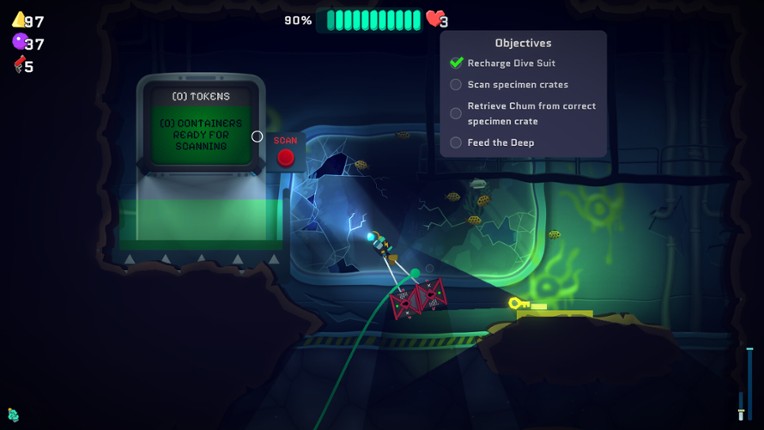
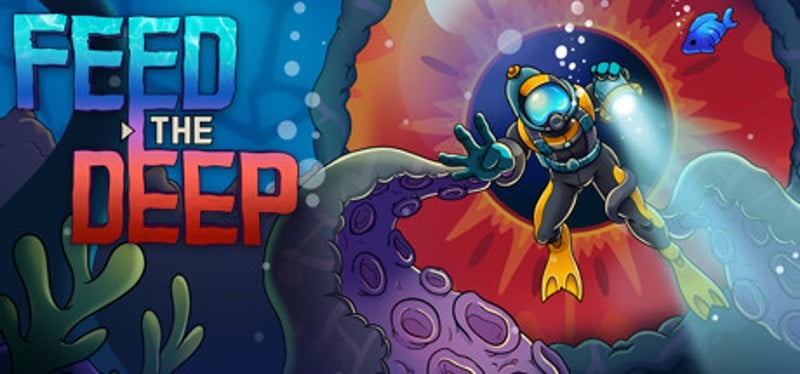
That creeping dread of venturing into dark water — not knowing what lurks just beyond your light — is the exact emotional core both games share. In DREDGE, the tension comes from sailing into fog-shrouded zones at night; in Feed the Deep, it manifests through procedurally generated underwater depths that punish curiosity in equally unsettling ways. The Lovecraftian psychological horror isn't just aesthetic in either game — it actively shapes how cautiously you move and what risks you're willing to take.
Both reward methodical exploration over aggression, and that slow-burn discovery loop will feel instantly familiar. The stylized art direction also carries a distinctly indie sensibility, where atmosphere does heavy lifting that budget alone can't buy.
Where DREDGE leans into a handcrafted narrative, Feed the Deep trades story structure for roguelite replayability — each run reshapes the environment, offering a more unpredictable kind of dread rather than a scripted one.
Players who found DREDGE's progression occasionally grindy may appreciate that Feed the Deep keeps sessions tighter and more self-contained. That said, those who loved DREDGE's rich story may find the lighter narrative here a notable tradeoff.
Best for DREDGE fans who prioritize atmosphere and tension over storytelling, and who don't mind a worthy detour into rougher, more procedural waters.
If you enjoyed this game, see our list of games similar to Feed the Deep.View Game
42 View Game 91%Game Brain ScoreMost mentioned positive aspects:gameplay, graphicsMost mentioned negative aspects:grinding, replayability91% User Score 11,743 reviews
An alchemist simulator where you brew potions using tools and ingredients. If you enjoyed this game, see our list of games similar to Potion Craft: Alchemist Simulator.
View Game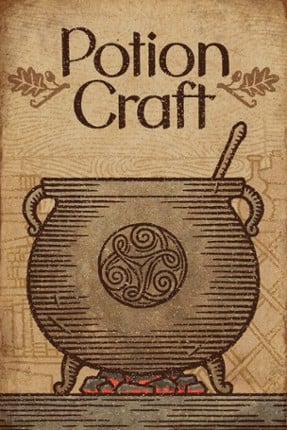

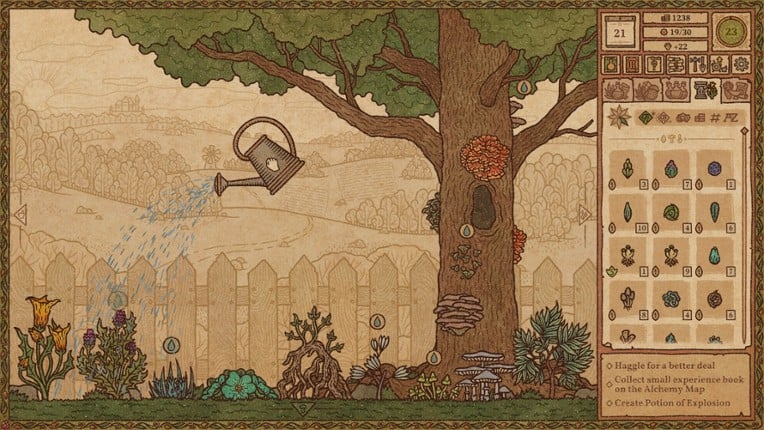
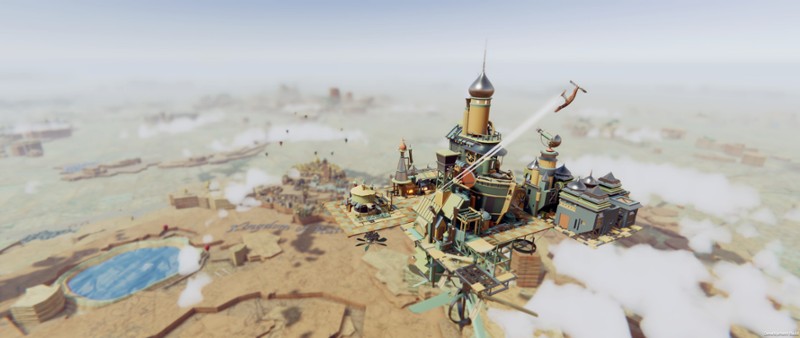
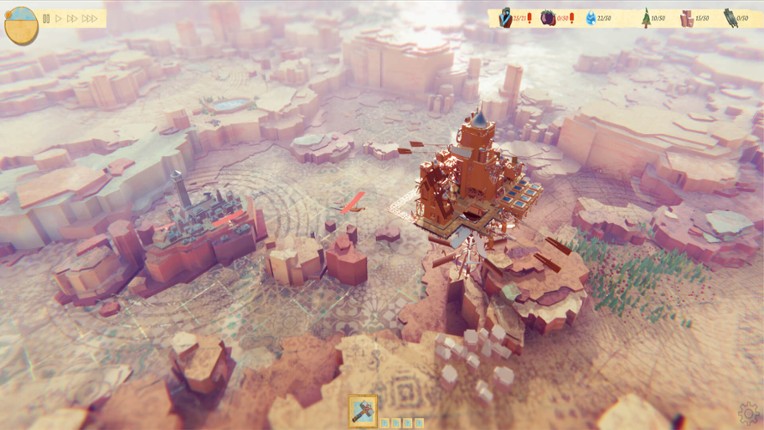
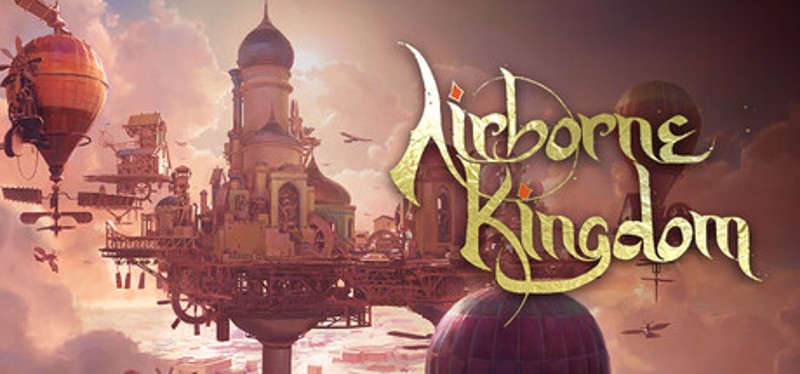
- 85%Game Brain ScoreMost mentioned positive aspects:story, gameplayMost mentioned negative aspects:replayability, optimization87% User Score 1,314 reviewsCritic Score 78%3 reviewsTransforms DREDGE’s eerie atmosphere into a bright steampunk world emphasizing base building and real-time trading over horror elements. If you enjoyed this game, see our list of games similar to Airborne Kingdom.View Game
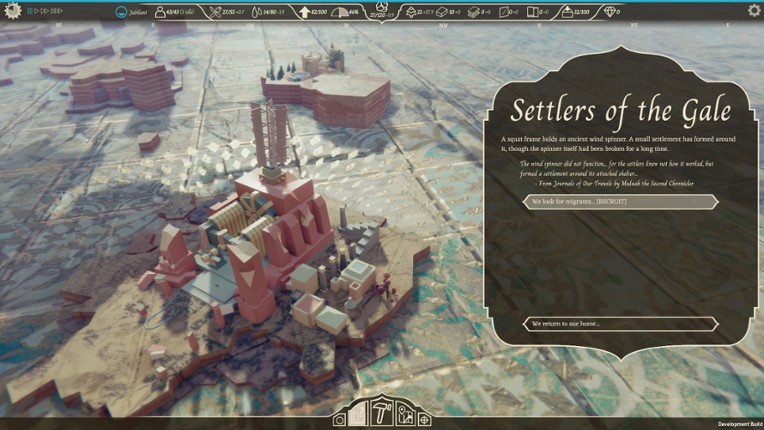
- 91%Game Brain ScoreMost mentioned positive aspects:story, musicMost mentioned negative aspects:replayability, optimization91% User Score 3,600 reviews
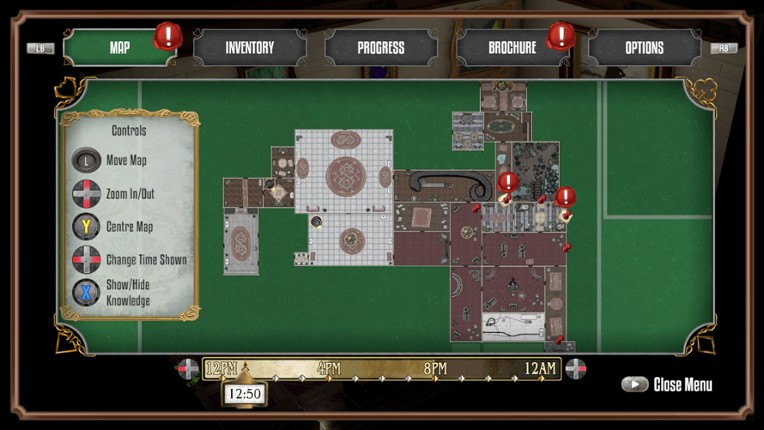
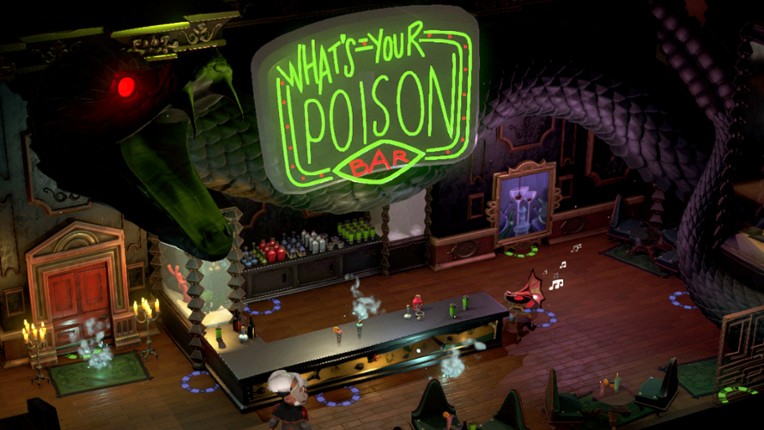
The Sexy Brutale — a never-ending masked ball featuring intrigue, murder and the (quite possibly) occult! Relive the same mysterious day where the guests at the casino mansion are being murdered by the staff over and over again. If you enjoyed this game, see our list of games similar to The Sexy Brutale.
View Game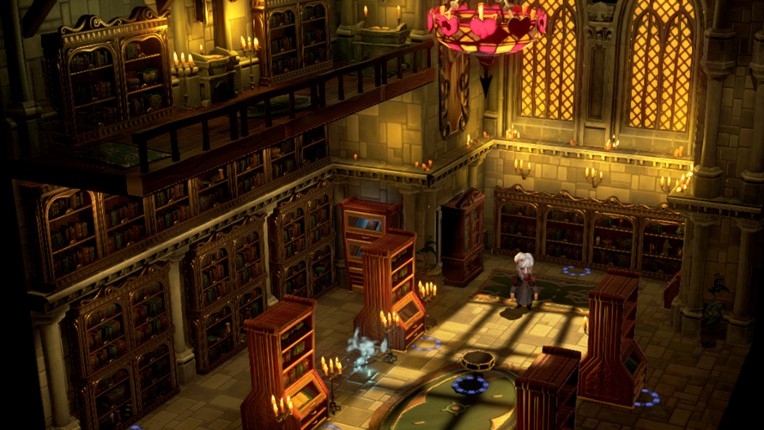
- 81%Game Brain ScoreMost mentioned positive aspects:story, gameplayMost mentioned negative aspects:replayability, grinding87% User Score 4,022 reviewsCritic Score 68%4 reviews
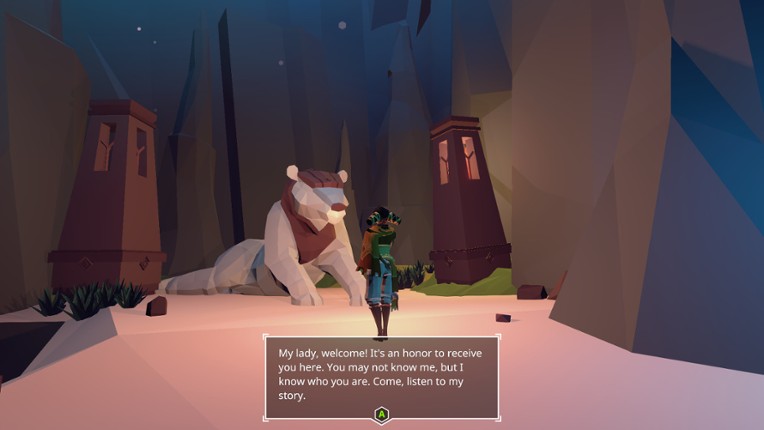
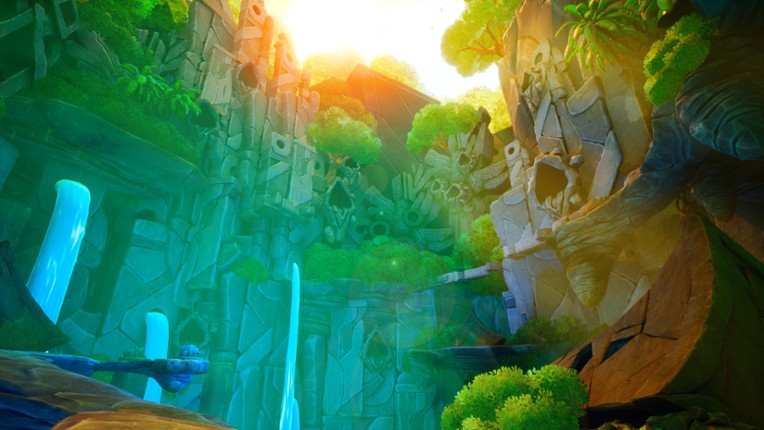
Transform into a bird and fly to explore and experience a vibrant world of floating islands in the sky. Venture down into lost ancient ruins where each step leads you closer to the end of the world. AER puts you in the shoes of Auk, a magical shape-shifting girl who can transform between human and bird. If you enjoyed this game, see our list of games similar to AER Memories of Old.
View Game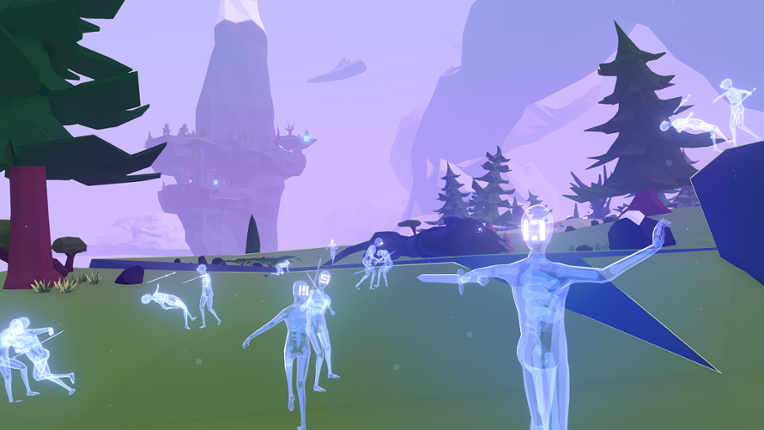

- 77%Game Brain ScoreMost mentioned positive aspects:story, gameplayMost mentioned negative aspects:grinding, replayability85% User Score 2,374 reviewsCritic Score 70%28 reviews
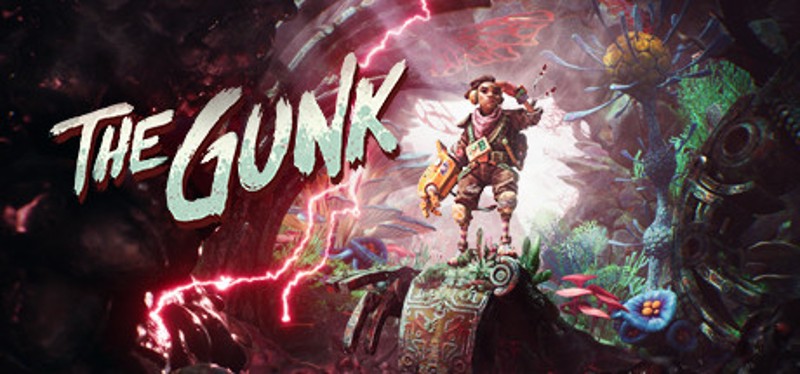
The Gunk is an adventure game that stars Rani, one part of our duo of gritty space haulers, struggling to make a buck as they chance upon an untouched planet brimming with life. They came in search of valuable resources, and it looks like they've hit the jackpot... If you enjoyed this game, see our list of games similar to The Gunk.
View Game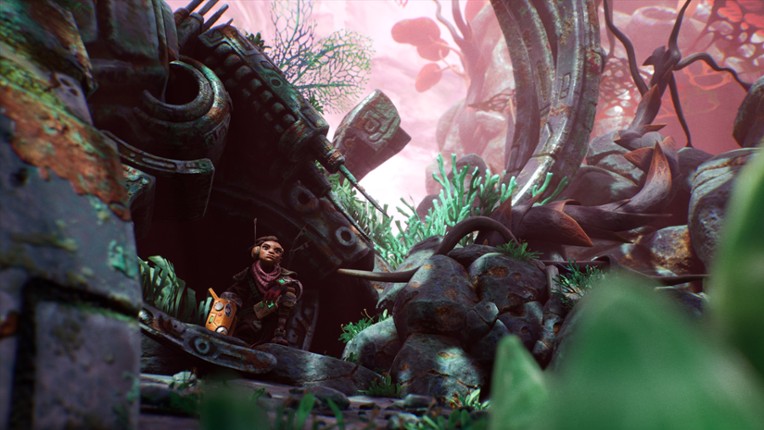
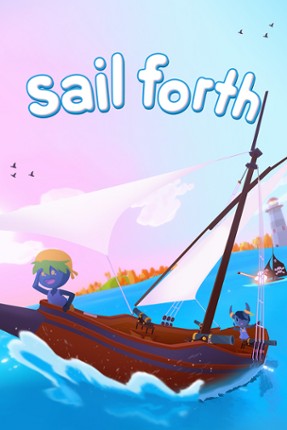
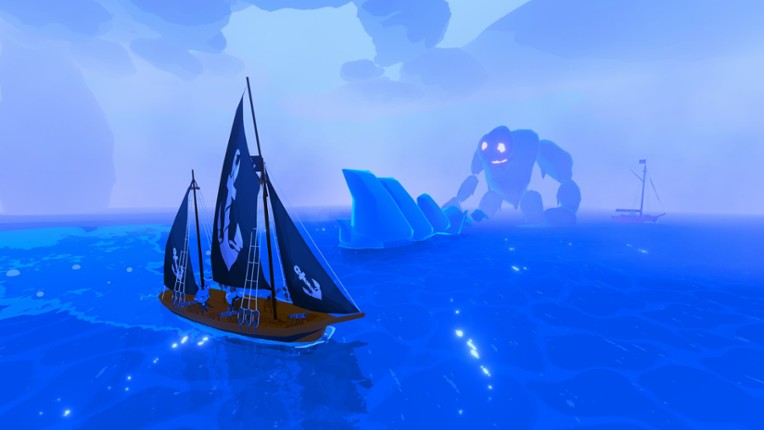
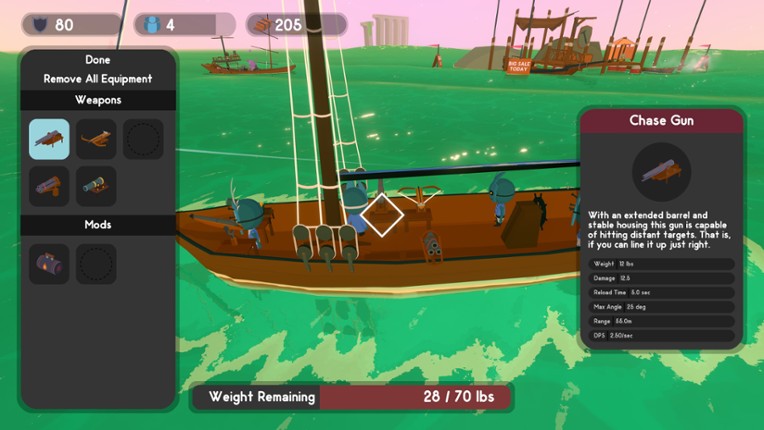
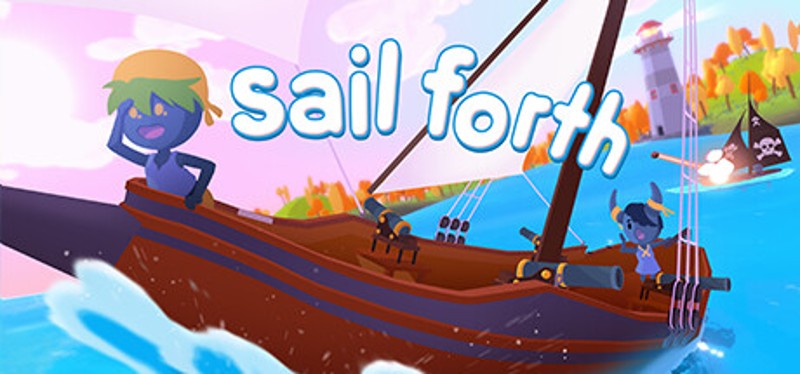
- 87%Game Brain ScoreMost mentioned positive aspects:gameplay, graphicsMost mentioned negative aspects:stability, grinding92% User Score 546 reviewsCritic Score 80%7 reviewsShares DREDGE's sailing and exploration but spices it up with colorful naval combat and procedural worldbuilding in a vibrant pirate-themed adventure. If you enjoyed this game, see our list of games similar to Sail Forth.View Game
- 86%Game Brain ScoreMost mentioned positive aspects:story, gameplayMost mentioned negative aspects:grinding, stability90% User Score 3,828 reviewsCritic Score 75%3 reviews
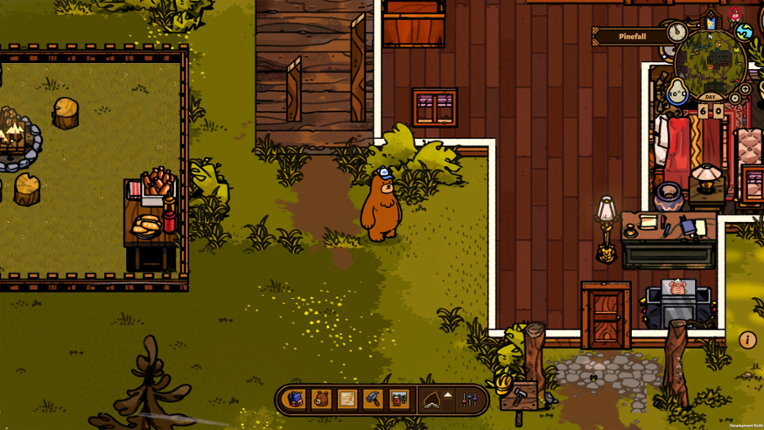
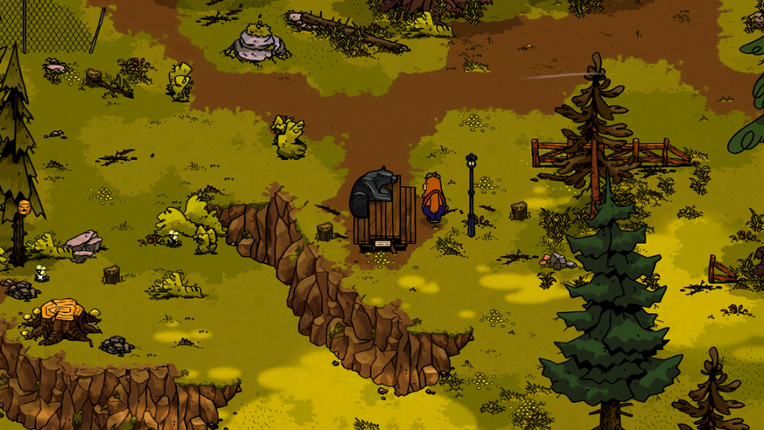
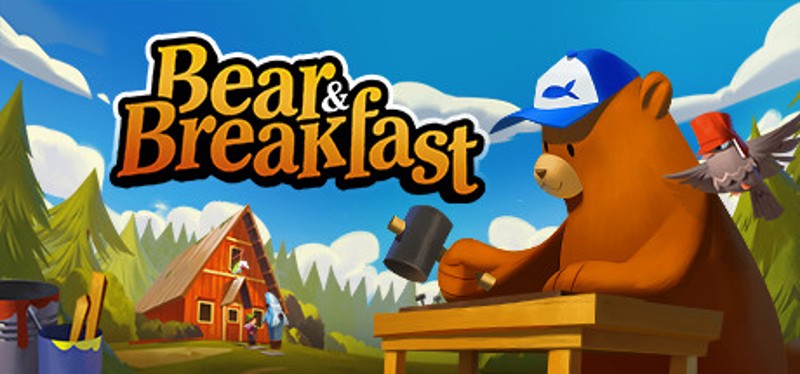
Bear and Breakfast is a laid-back management adventure game where you build and run a bed and breakfast...but you’re a bear. If you enjoyed this game, see our list of games similar to Bear & Breakfast.
View Game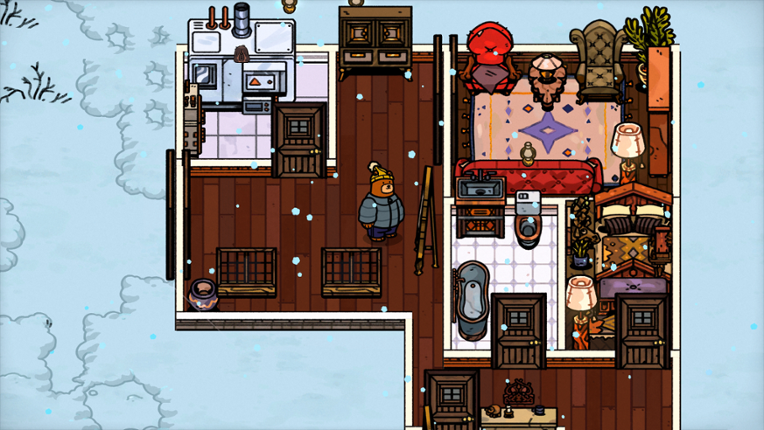
- 83%Game Brain ScoreMost mentioned positive aspects:story, graphicsMost mentioned negative aspects:grinding, replayability87% User Score 3,584 reviewsCritic Score 75%4 reviews
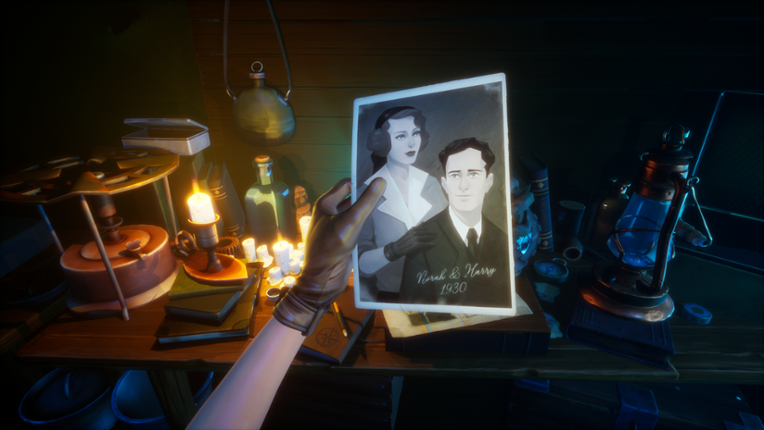
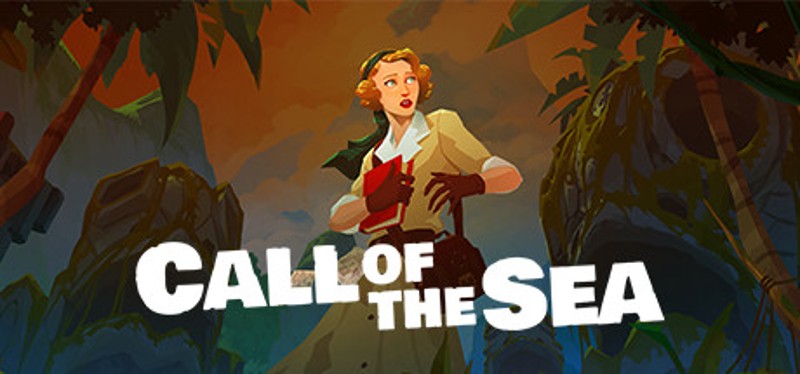
Call of the Sea is a first-person adventure puzzle game set in the 1930's that tells the story of Norah, a woman on the trail of her missing husband's expedition. The search takes place on a strange but beautiful island in the South Pacific, filled with secrets waiting to be unearthed. It’s an otherworldly tale of mystery, adventure, and self-discovery. If you enjoyed this game, see our list of games similar to Call of the Sea.
View Game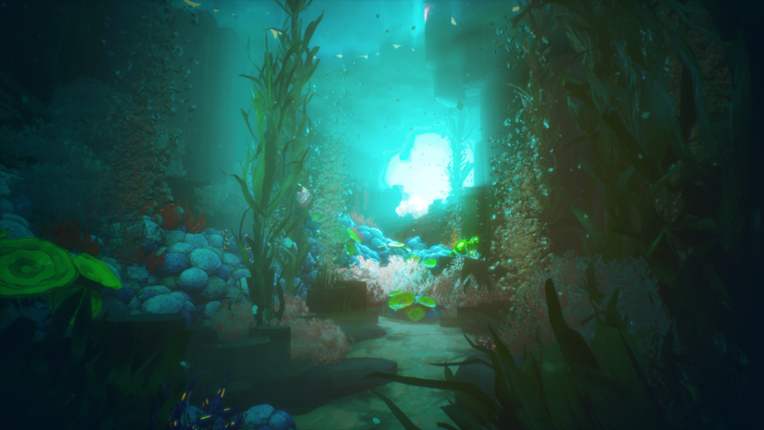
- 88%Game Brain ScoreMost mentioned positive aspects:story, graphicsMost mentioned negative aspects:grinding, stability90% User Score 1,490 reviewsCritic Score 83%2 reviews
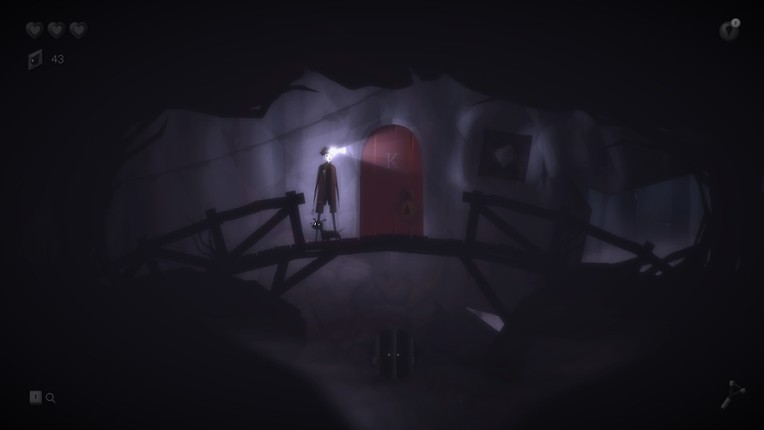
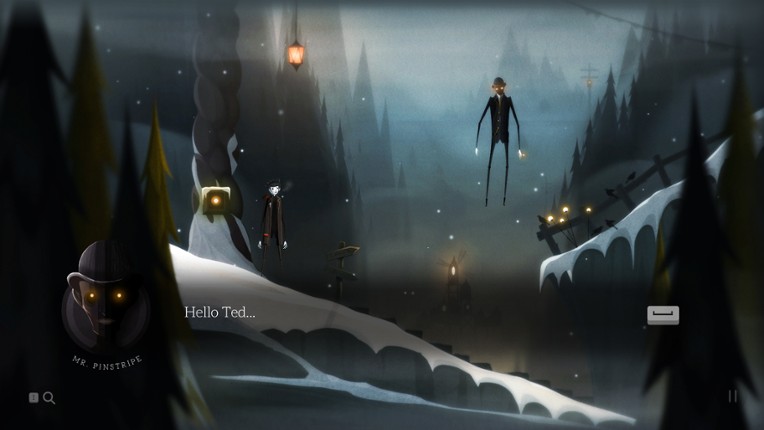
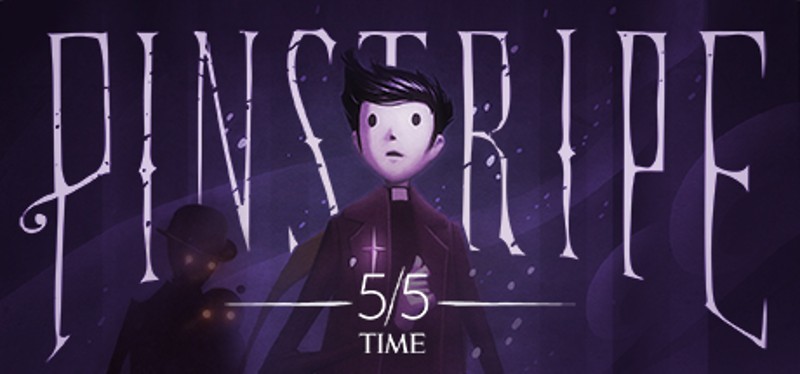
Pinstripe is an emotionally charged adventure about Hell created entirely by a one-man team over the course of five years. Play as Teddy, an estranged ex-minister forced to venture through the frozen afterlife in search of Bo, his three year old daughter, and her perverse kidnapper. Discover the dark secrets of Teddy's past, and confront his sleazy, demonic nemesis, Mr. Pinstripe. If you enjoyed this game, see our list of games similar to Pinstripe.
View Game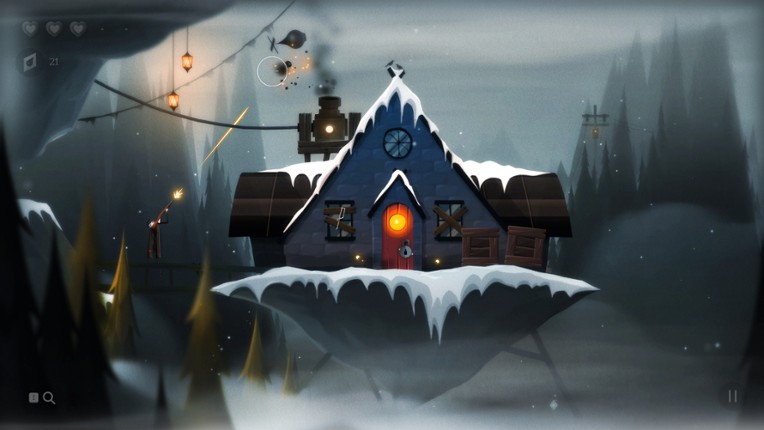


 View Game



























Frequently Asked Questions
Try Dave the Diver for its engaging fishing and exploration loop with charming pixel art, or Easy Delivery Co. for a cozy, atmospheric experience with mysterious story elements. Both match DREDGE's focus on exploration and discovery in relaxing, stylized worlds with surprising narrative depth beneath their calm surfaces.
Yuppie Psycho delivers psychological horror with dark comedy and multiple endings, while 4/1/1992 blends cute pixel art with genuine horror elements and engaging story beats. Both games balance unsettling atmospheres with quirky humor, similar to DREDGE's mysterious, sometimes darkly comedic tone.
Dave the Diver is your best match, featuring extensive fishing mechanics and resource management wrapped in a relaxing gameplay loop. Wytchwood emphasizes collecting and crafting with charming characters. Both capture DREDGE's meditative mechanics while layering in surprising story complexity and atmospheric world-building.
Bugsnax offers creature-collecting with deep storytelling and multiple endings, while Feed the Deep provides atmospheric indie horror with roguelike replayability. SteamWorld Dig 2 delivers engaging narrative with satisfying gameplay loops. All are indie titles emphasizing story quality and atmospheric presentation like DREDGE.
Feed the Deep directly shares DREDGE's Lovecraftian atmosphere with underwater exploration and psychological horror elements. It features procedural generation for replayability and maintains dark, unsettling aesthetics. If you loved DREDGE's cosmic dread and stylized presentation, Feed the Deep delivers similar existential unease in a compact indie package.
Dave the Diver, Easy Delivery Co., Bugsnax, and SteamWorld Dig 2 are all premium indie titles with fair pricing and no aggressive monetization schemes. These games offer complete experiences upfront without grinding or pay-to-win mechanics, making them perfect alternatives if DREDGE's monetization frustrated you.