

Games like Little Nightmares
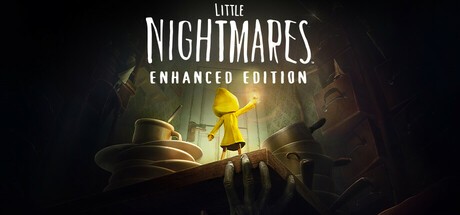
Little Nightmares is one of those rare games that lodges itself deep in your imagination — its wordless storytelling, grotesque monster design, and oppressive sense of dread create an atmosphere unlike almost anything else in the genre. If you've crept through the Maw as Six and are now hunting for games like Little Nightmares that deliver the same dark, unsettling magic, you're in exactly the right place. Every recommendation here is ranked using real player-similarity data, putting the closest matches first so you can find your next obsession without the guesswork.
What makes Little Nightmares so hard to replace is the precise cocktail it serves: a side-scrolling survival platformer wrapped in a horror-fairy-tale aesthetic, where you feel genuinely small and vulnerable at every turn. There are no jump scares propping it up — just relentless dread, clever environmental puzzles, and a beautifully grim world that rewards curiosity. The best alternatives share at least part of that formula, whether it's the sinister atmosphere, the puzzle-platformer structure, or that specific sensation of playing as a powerless child in a world built to destroy you.
What to Look for in Games Similar to Little Nightmares
The titles that come closest to Little Nightmares tend to combine several of its defining qualities:
- Atmospheric horror without combat — games where tension comes from evasion and wit rather than fighting back, as in LIMBO, INSIDE, and DARQ, all of which put stealth and puzzle-solving at the centre of survival.
- Dark, wordless storytelling — narratives told entirely through environment, imagery, and implication rather than dialogue, a technique Playdead perfected in INSIDE (which holds a perfect 100% critic score).
- Small protagonist, enormous world — the specific horror of scale, where ordinary spaces feel monstrous, found in Little Nightmares 2, Bramble: The Mountain King, and Planet of Lana.
- Surreal or gothic visual design — a distinctive, hand-crafted aesthetic that makes every screen feel like a painting, shared by Layers of Fear, The Medium, and Stray.
Top Picks for Fans of Little Nightmares
The most essential starting points are Playdead's two masterworks. INSIDE is arguably the closest game in spirit to Little Nightmares — a wordless, side-scrolling horror-platformer with a dystopian setting and a finale that has stuck with players for years, earning a rare perfect critic score. LIMBO, also by Playdead, is the older sibling: starker, more minimalist, and just as haunting in its black-and-white world of traps and shadows. For players who simply want more of the same series, Little Nightmares 2 expands the lore with a new protagonist, Mono, and some of the most memorable enemy designs in recent horror gaming.
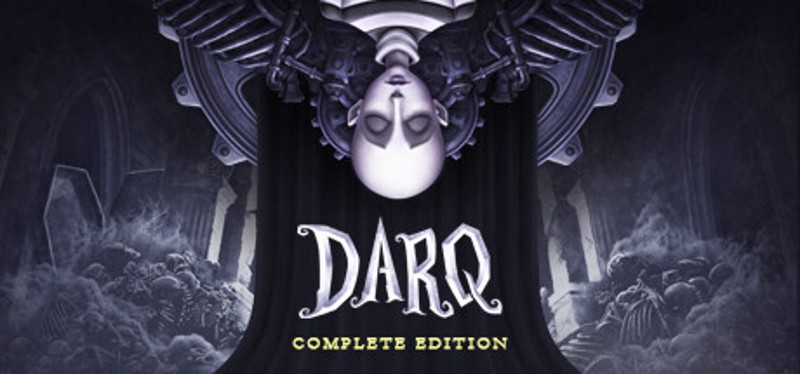
Beyond the obvious picks, Bramble: The Mountain King is a standout recent discovery — a gorgeous, brutal Nordic folklore adventure with boss battles drawn straight from nightmare, and a 95% user score to back it up. Stray offers a gentler but equally atmospheric journey through a mysterious world where you feel delightfully out of place, while DARQ channels Little Nightmares' physics and psychological dread into a dream world where gravity itself is your puzzle to solve. Use the platform filters below to find titles on PC, PlayStation, Xbox, or Nintendo Switch and discover the dark little world that's waiting for you next.
- 95%Game Brain ScoreMost mentioned positive aspects:story, atmosphereMost mentioned negative aspects:replayability, grinding96% User Score 25,819 reviewsCritic Score 90%1 reviews
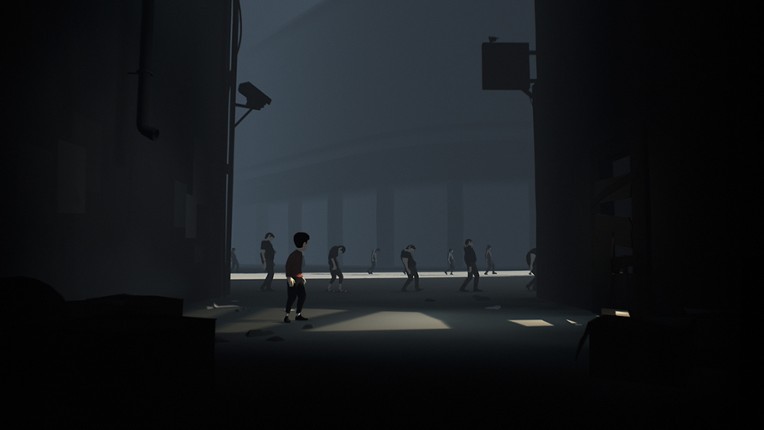
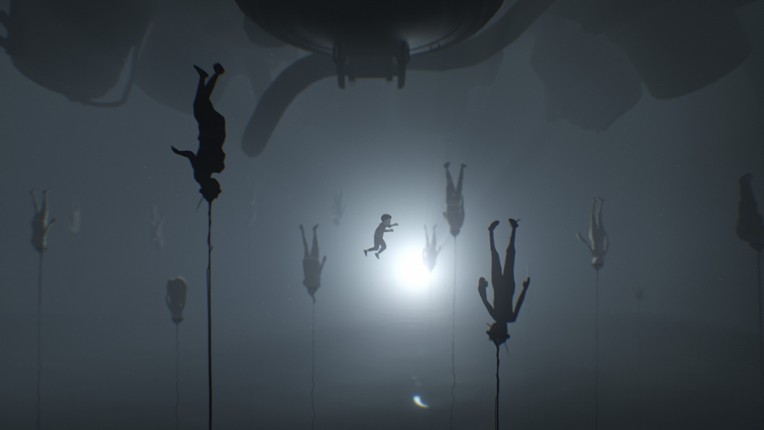
Both games trap you in hand-crafted dread by forcing you through confined spaces where every environmental detail—a distant sound, a shadowed corridor, a mechanical hum—signals danger. This tension comes from atmospheric restraint, not jump scares, making puzzle-solving feel like an act of survival rather than intellectual exercise.
The puzzle-platformer foundation works identically in both: you read the environment, deduce a solution, and execute it under pressure. In Little Nightmares, this loop teaches you to fear pursuit; in INSIDE, it teaches you to fear what's watching. The mechanic stays, but the psychological weight shifts—a crucial distinction that keeps the experience fresh.
INSIDE strips away Little Nightmares' narrative exposition and adopts pure environmental storytelling, leaving interpretation to you. Where Little Nightmares explains its world through cutscenes and character moments, INSIDE trusts silence and implication—a leaner, more unsettling approach that deepens the horror.
If Little Nightmares' brief runtime left you wanting more darkness, INSIDE's 3–5 hours delivers density over length, with zero filler and a narrative that resists easy answers.
Best for: Players who value atmosphere and dread over spectacle, and who embrace ambiguity as part of the experience.
If you enjoyed this game, see our list of games similar to INSIDE.View Game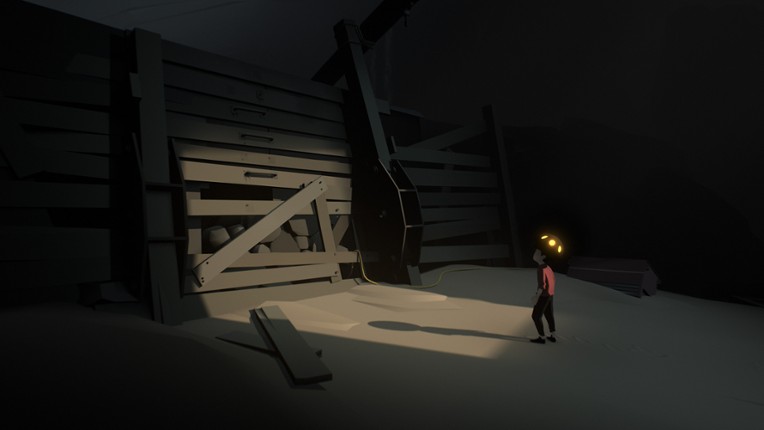
- 86%Game Brain ScoreMost mentioned positive aspects:story, graphicsMost mentioned negative aspects:grinding, replayability94% User Score 3,841 reviewsCritic Score 77%11 reviews
In both titles, you inhabit the perspective of a vulnerable protagonist dwarfed by a world of grotesque, towering entities. This powerlessness drives the core loop, forcing you to rely on environmental stealth to survive unsettling encounters. Escaping a massive pursuer creates the specific high-stakes tension found in the Maw.
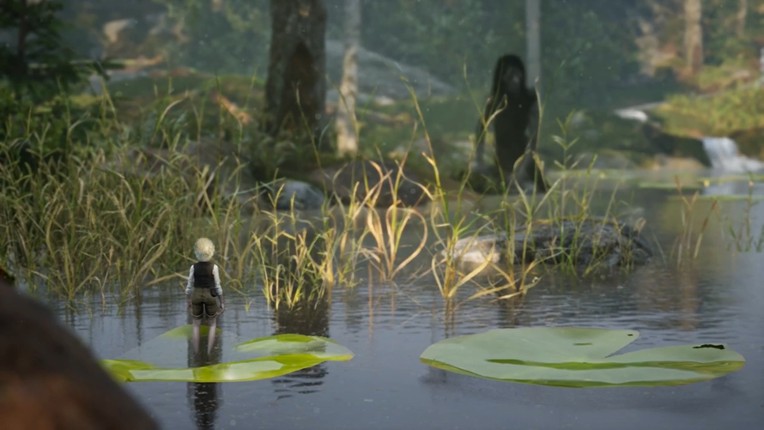
Bramble: The Mountain King utilizes cinematic platforming, using fixed camera angles to frame terrifying boss spectacles. This directorial choice ensures every frame feels like a dark storybook illustration, deepening the visual storytelling without needing dialogue. By grounding its horror in Nordic folklore, the game provides a lore-rich context for its platform-based survival.
While Little Nightmares occasionally struggles with technical bugs, Bramble offers a more stable and visually polished experience. It trades abstract surrealism for explicit dark fantasy, giving the horror a more visceral, mythology-driven weight.
Best for players who value thematic atmosphere and dark mythology over mechanical precision.
If you enjoyed this game, see our list of games similar to Bramble: The Mountain King.View Game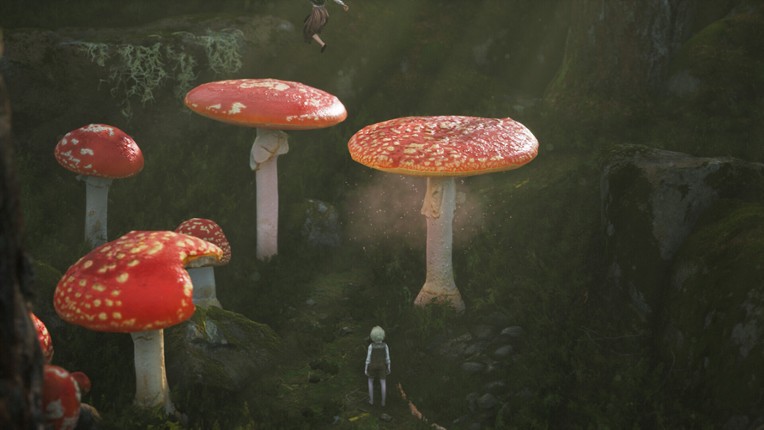
- 85%Game Brain ScoreMost mentioned positive aspects:atmosphere, storyMost mentioned negative aspects:replayability, grinding92% User Score 20,194 reviewsCritic Score 75%7 reviews
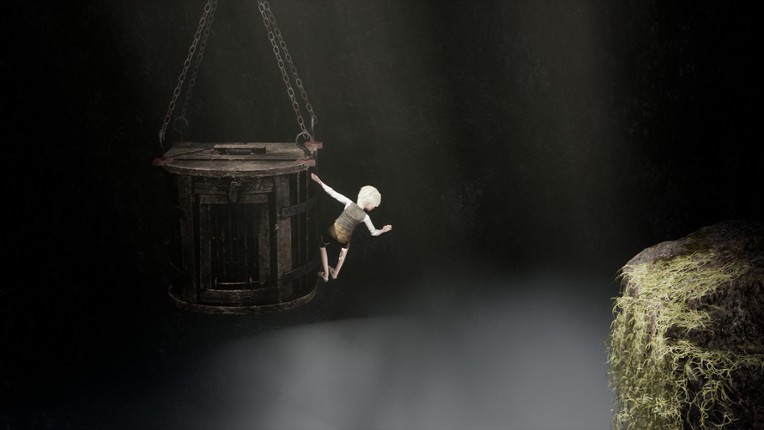
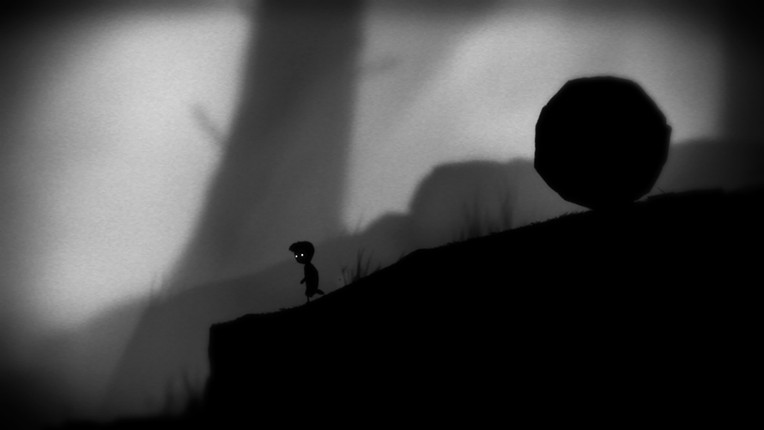
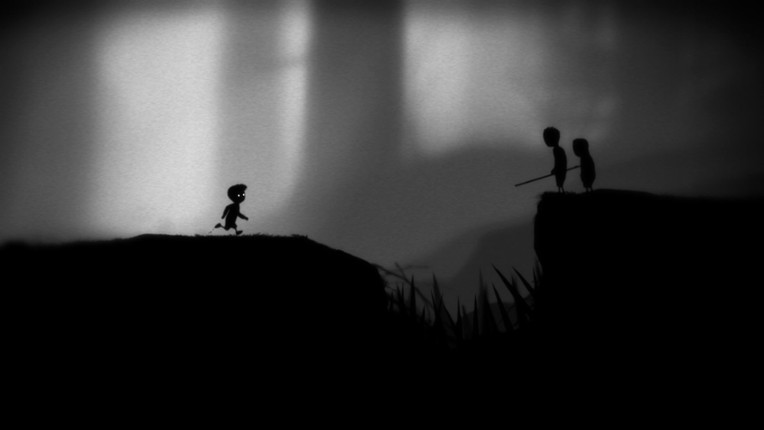
Both games push you through hostile spaces where every step feels risky, forcing you to read the environment, time movement carefully, and survive by solving danger as much as puzzles. That constant mix of stealthy hesitation and split-second reaction is what gives Little Nightmares fans the same knot-in-the-stomach tension here.
Limbo shares the environmental puzzle-platforming and dark, oppressive tone, but it strips everything down to pure motion, traps, and physics. Because the game communicates so much with silence and silhouette, each mistake feels earned rather than random, which creates the same uneasy sense of being small and vulnerable in a world that wants you gone.
The big tradeoff is style: Little Nightmares leans on storybook horror and character presence, while Limbo goes for a colder, minimalist approach. That difference gives it a fresh angle for players who want the fear and puzzle pressure without the cinematic framing.
Best for players who want tight puzzle survival and bleak atmosphere over lore-heavy spectacle.
If you enjoyed this game, see our list of games similar to Limbo.View Game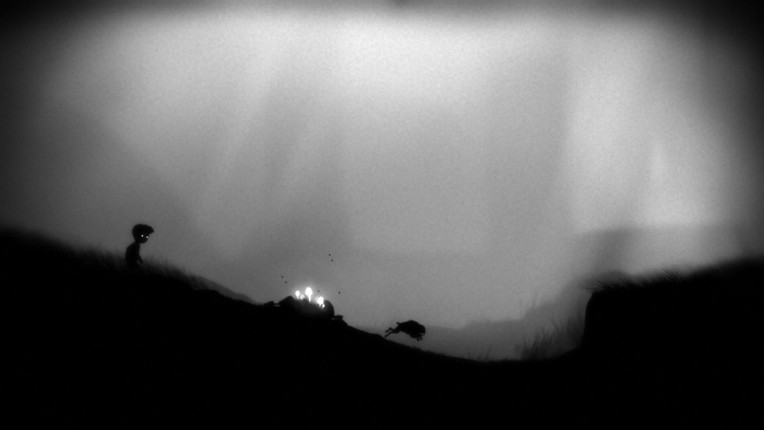
- 83%Game Brain ScoreMost mentioned positive aspects:gameplay, atmosphereMost mentioned negative aspects:grinding, replayability94% User Score 1,981 reviewsCritic Score 69%8 reviews
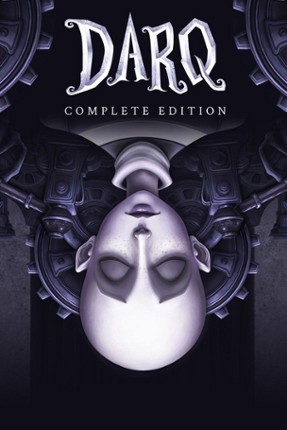
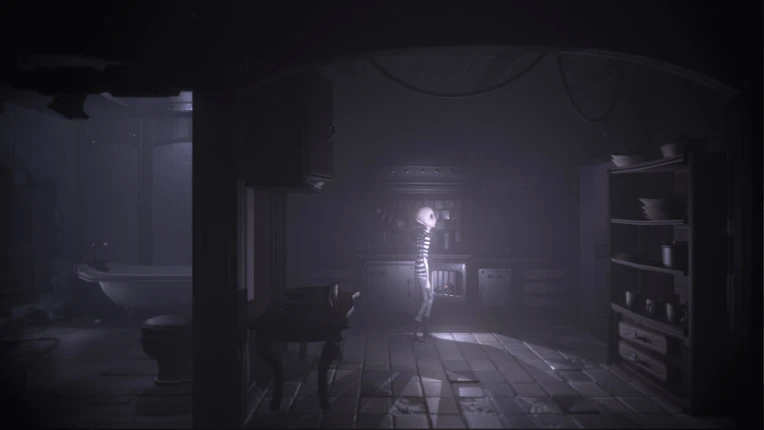
Both games excel at claustrophobic puzzle-platforming, forcing you to navigate twisted, surreal environments where your only defense is clever positioning. You will find the same oppressive, dark atmosphere that defines Little Nightmares, which matters because it keeps the constant sense of vulnerability intact throughout your traversal.
The primary tradeoff is narrative density; while Little Nightmares weaves a cryptic, environmental story, DARQ prioritizes mechanical experimentation over deep lore or character growth. You get fewer emotional stakes in exchange for more experimental, physics-based dream logic.
Pick this up if you crave macabre aesthetic coherence but can live without the nuanced, wordless storytelling found in Mono and Six’s journey.
If you enjoyed this game, see our list of games similar to Darq.View Game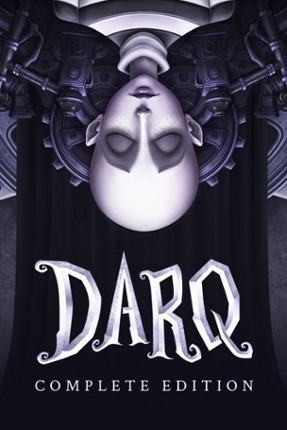
- 76%Game Brain ScoreMost mentioned positive aspects:story, atmosphereMost mentioned negative aspects:replayability, stability87% User Score 4,157 reviewsCritic Score 65%18 reviews
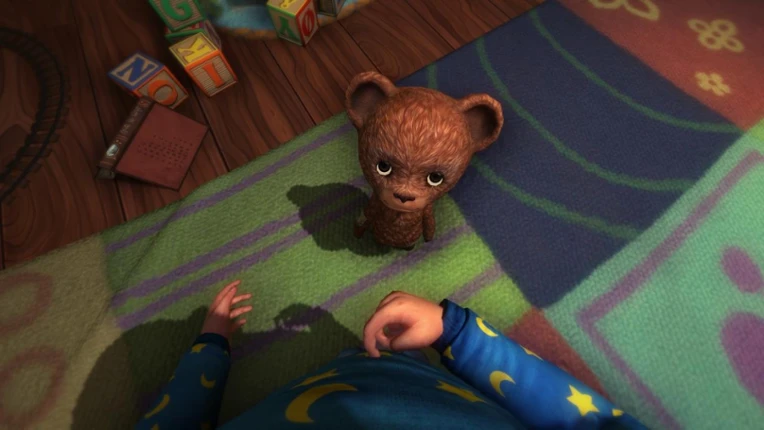
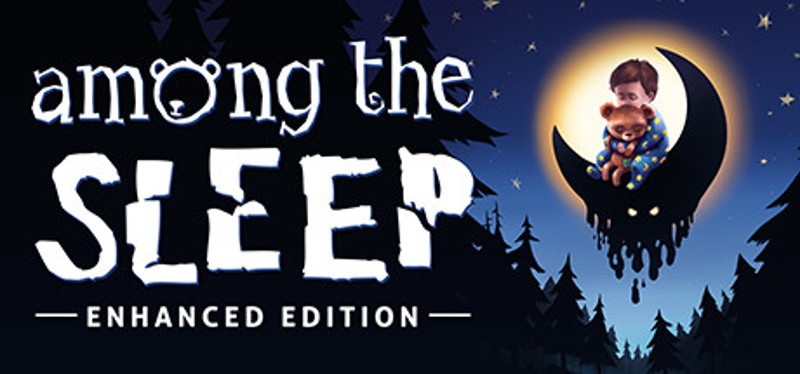
Both games weaponize psychological horror through a child's perspective, forcing you through nightmarish spaces where vulnerability is the entire point. This perspective matters because it justifies the slow pacing and emotional vulnerability that traditional horror rejects.
Among the Sleep trades Little Nightmares' puzzle-platforming for pure first-person exploration—you're solving environment and narrative, not mechanical challenges. Expect a notably shorter runtime with harsher technical rough edges.
Pick this up if you want atmospheric dread and story-driven horror over tangible gameplay, and you're willing to tolerate clunky controls for narrative payoff.
If you enjoyed this game, see our list of games similar to Among the Sleep.View Game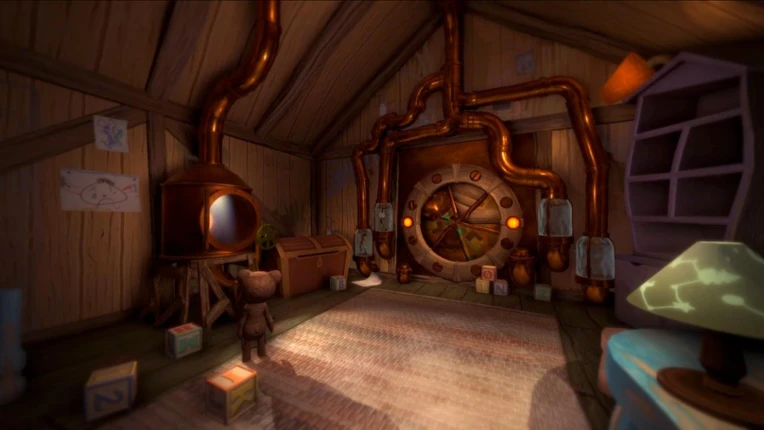
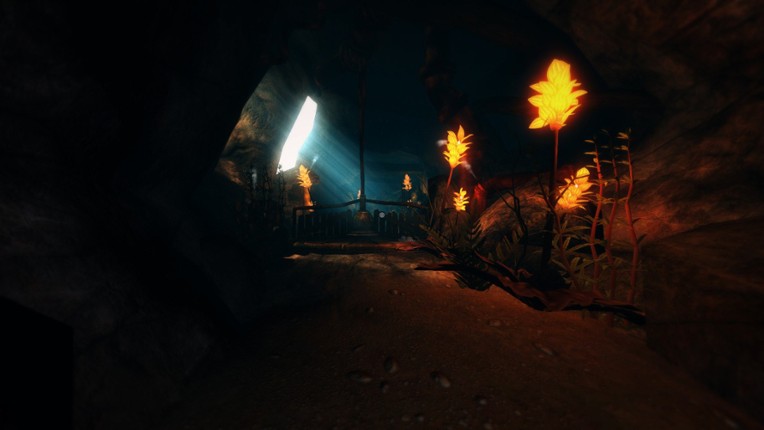
- 81%Game Brain ScoreMost mentioned positive aspects:story, gameplayMost mentioned negative aspects:optimization, stability88% User Score 4,880 reviewsCritic Score 74%65 reviews
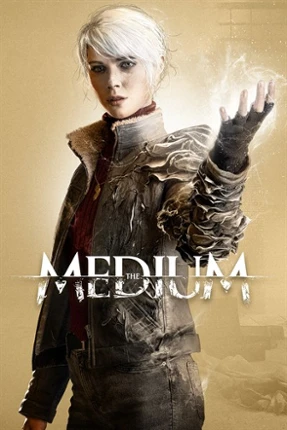
The moment you first sense the unseen presence in Little Nightmares, a similar dread greets you in The Medium—both games weaponize silence, letting dread build through what you cannot see rather than what you can. Marianne's ability to shift between the spirit and real worlds creates an equally oppressive atmosphere where every shadow might hide something worse. The shared reliance on psychological tension over jump scares means your heart pounds because of what you imagine, not because of cheap startles.
Both titles also share a puzzle structure that feels inseparable from their narratives—solving a room in Little Nightmares or aligning realities in The Medium never feels like busywork, but rather like uncovering the story itself. The outstanding soundtrack by Akira Yamaoka and Arkadiusz Reikowski plays an identical role here: it doesn't accompany the horror, it is the horror. Finally, each game places a female protagonist in a world that wants to consume her, making vulnerability a core mechanic rather than a theme.
The key tradeoff is pacing. While Little Nightmares constantly pushes you forward with chase sequences, The Medium asks you to linger in its dual worlds, soaking in the Polish surrealist-inspired visuals and layered narrative. This deliberate speed rewards players who want story depth over spectacle, though those craving constant tension may find the slower stretches testing their patience.
Best for players who treasured Little Nightmares' emotional weight and want another atmospheric, mature horror experience—even if it asks more patience in return.
If you enjoyed this game, see our list of games similar to The Medium.View Game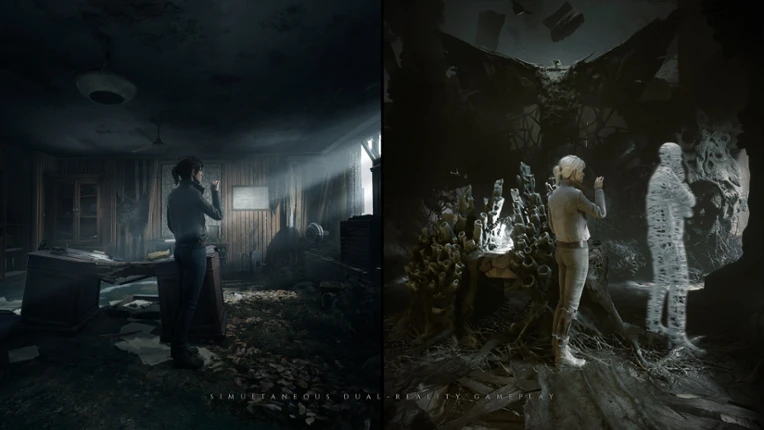
- 87%Game Brain ScoreMost mentioned positive aspects:story, musicMost mentioned negative aspects:grinding, stability94% User Score 3,772 reviewsCritic Score 79%31 reviews
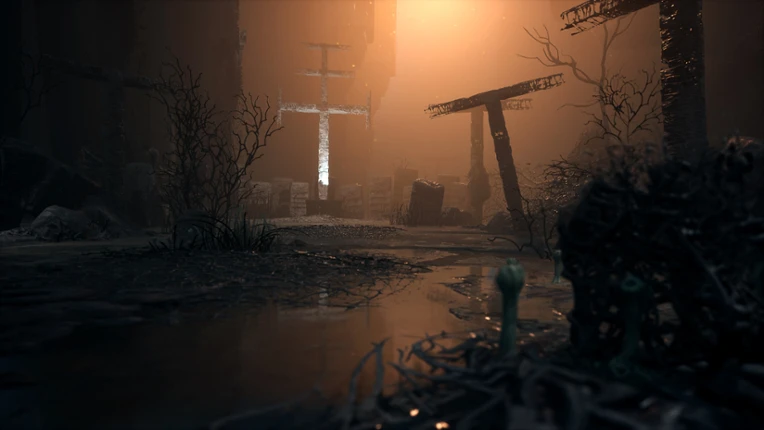
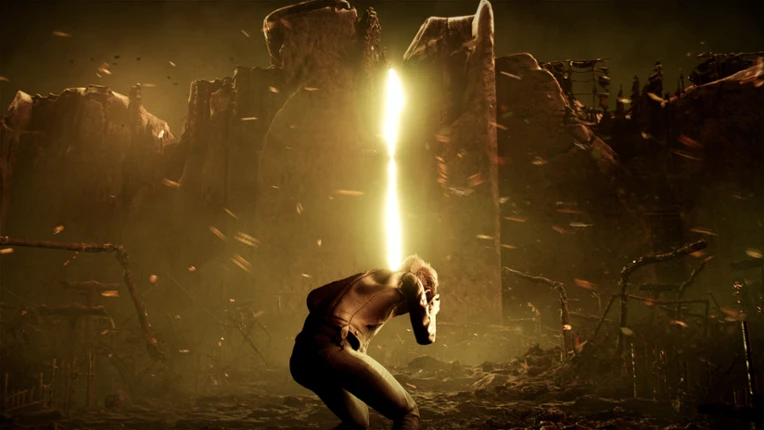
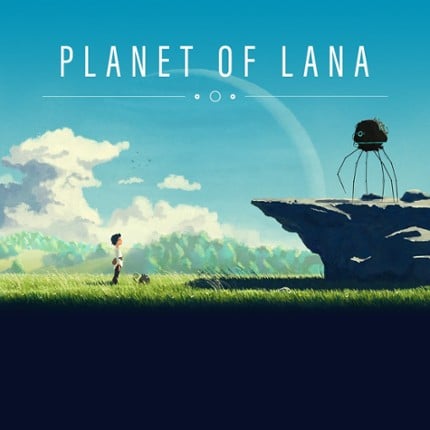
Planet of Lana mirrors Little Nightmares' signature approach of environmental storytelling, revealing its narrative through stunning hand-painted worlds rather than dialogue. Both games use silence and atmosphere as narrative tools, letting players piece together the plot through exploration alone.
Both titles also deliver haunting soundtracks that elevate emotional stakes without relying on horror—Planet of Lana opts for wistful orchestration where Little Nightmares chose dread.
The tradeoff is tone: Planet of Lana trades psychological horror for anime-inspired whimsy, and replaces Little Nightmares' punishing stealth sequences with straightforward puzzles that can feel repetitive.
Pick this up if you want the atmospheric puzzle-platformer structure and wordless narrative, but can live without horror intensity and puzzle challenge.
If you enjoyed this game, see our list of games similar to Planet of Lana.View Game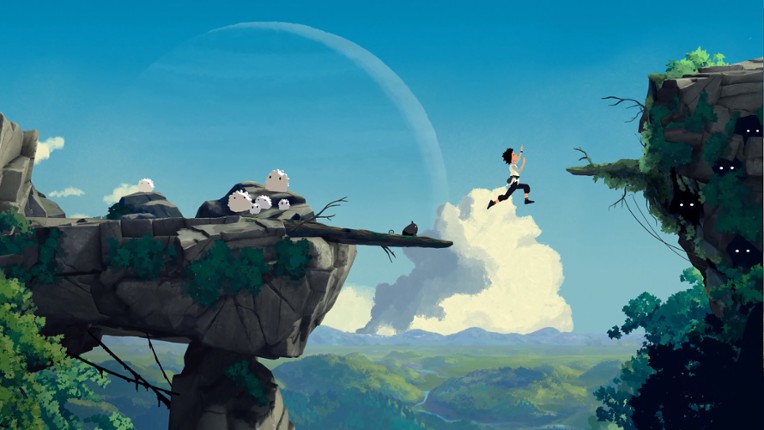
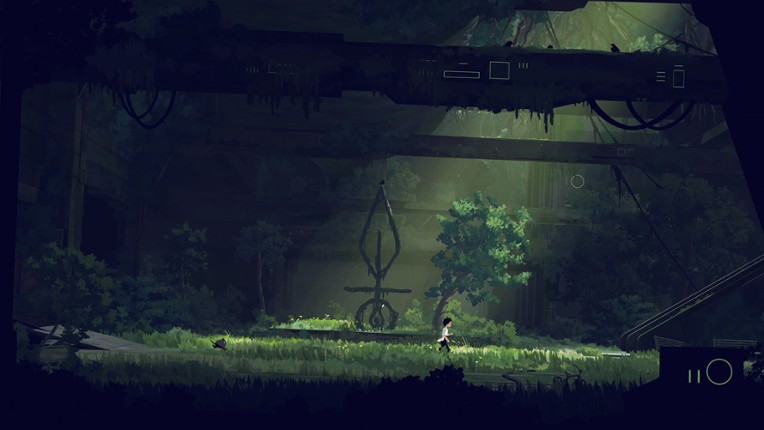
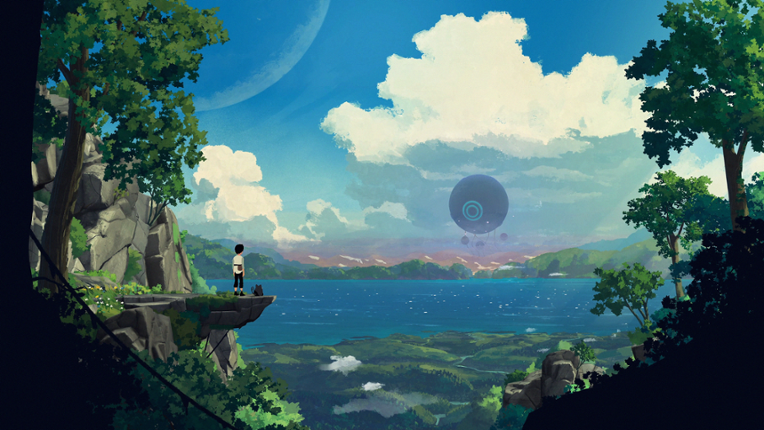
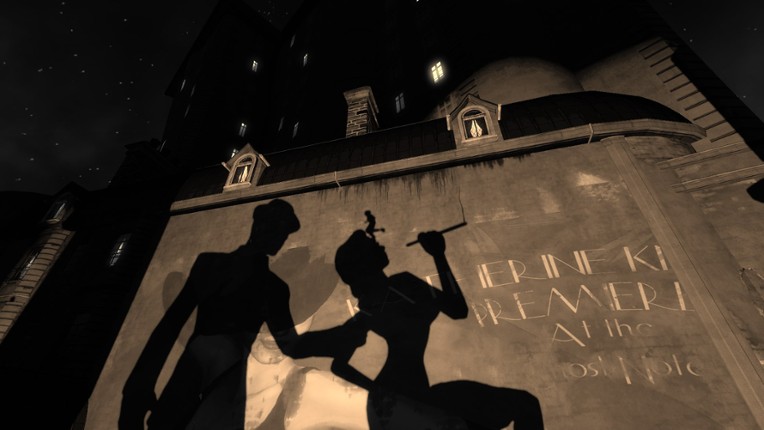
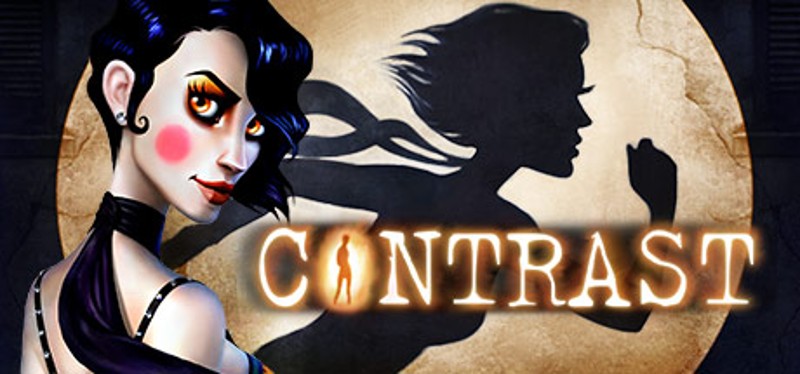
- 87%Game Brain ScoreMost mentioned positive aspects:story, gameplayMost mentioned negative aspects:stability, replayability90% User Score 3,141 reviewsCritic Score 80%3 reviewsNoir detective puzzler that swaps psychological horror for steampunk mystery, maintaining the atmospheric 2.5D platforming and melancholic soundtrack. If you enjoyed this game, see our list of games similar to Contrast.View Game
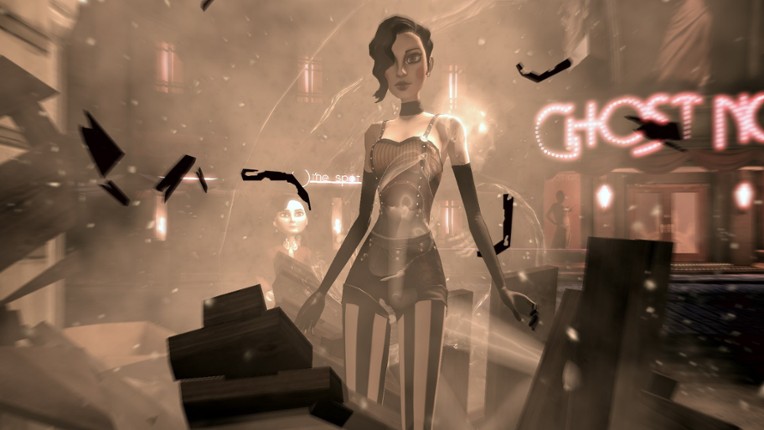
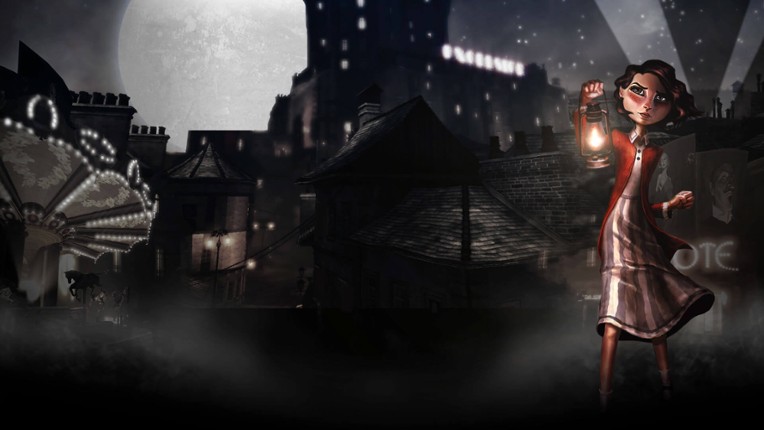
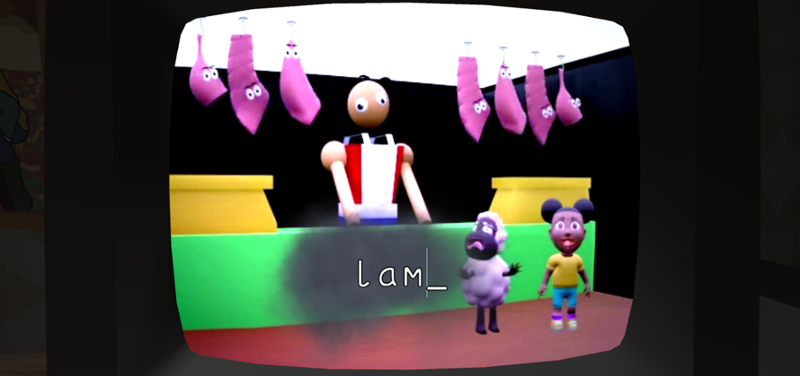
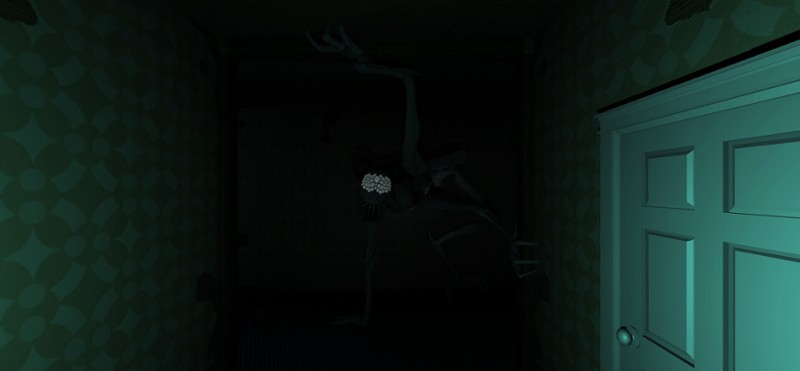
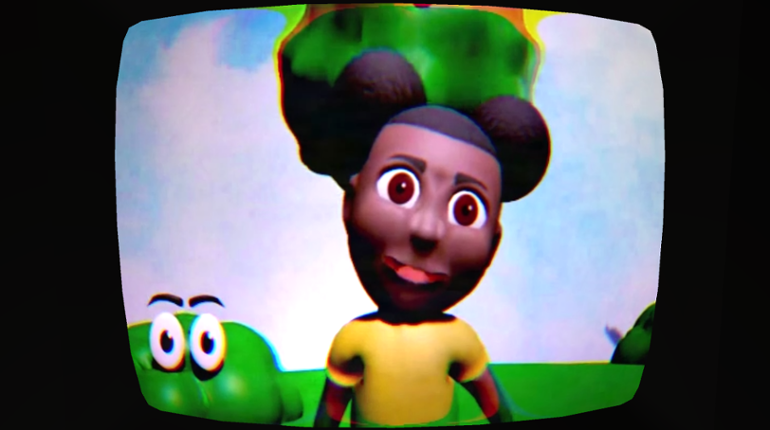
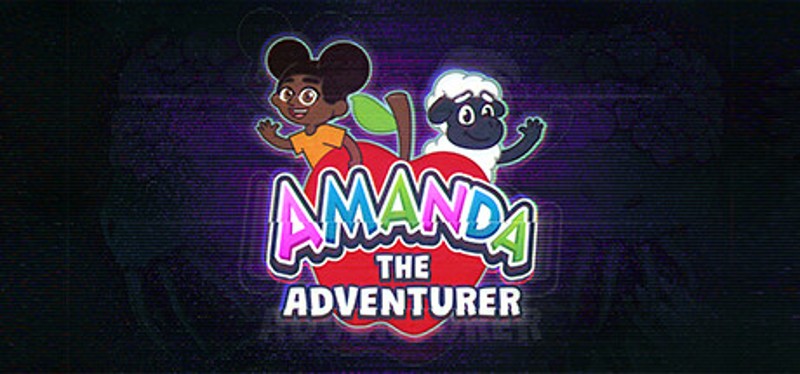
- 96%Game Brain ScoreMost mentioned positive aspects:story, gameplayMost mentioned negative aspects:grinding, stability96% User Score 6,680 reviewsFirst-person supernatural mystery rooted in 1990s nostalgia rather than contemporary darkness, trading platforming for exploratory puzzle-solving. If you enjoyed this game, see our list of games similar to Amanda the Adventurer.View Game
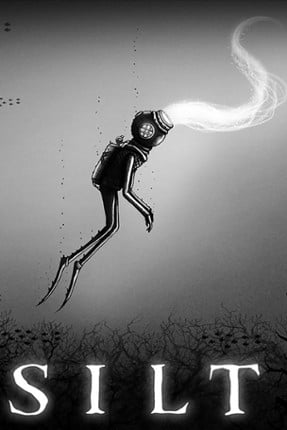
- 76%Game Brain ScoreMost mentioned positive aspects:gameplay, atmosphereMost mentioned negative aspects:grinding, replayability78% User Score 406 reviewsCritic Score 75%17 reviews
An underwater exploration game: Explore the depths of a surreal, hand-drawn abyss. Possess sea creatures and make use of their unique abilities to solve environmental puzzles, traveling ever deeper into the void… If you enjoyed this game, see our list of games similar to SILT.
View Game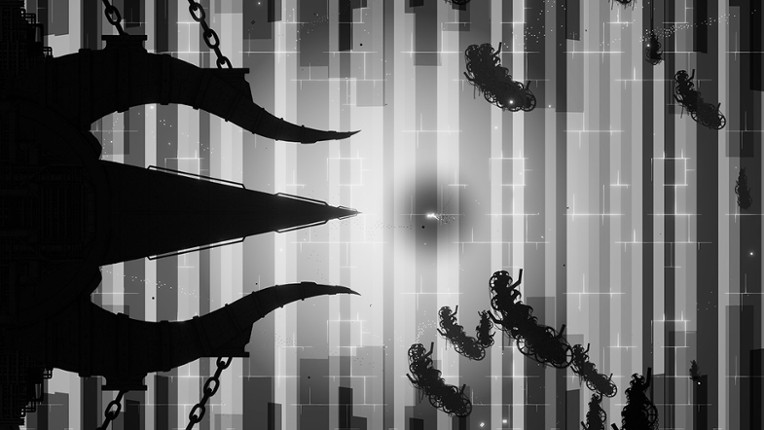
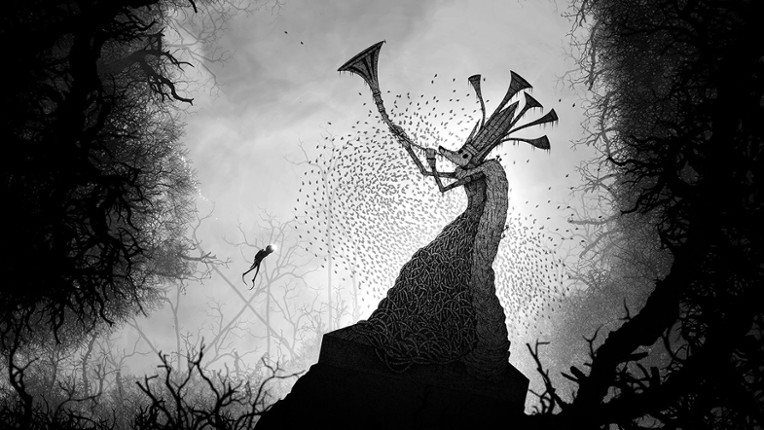
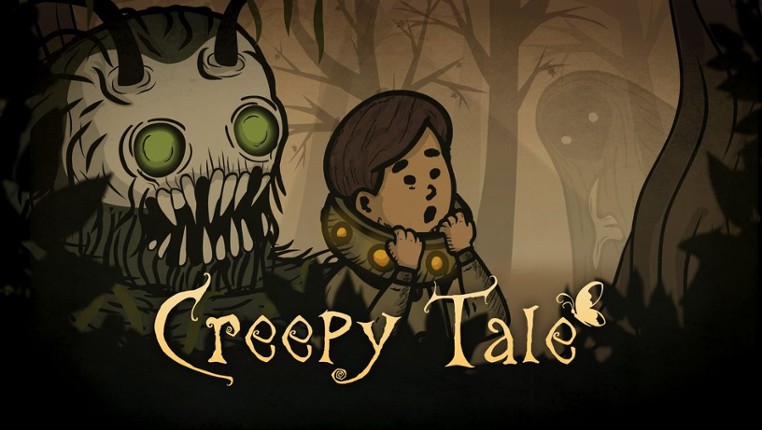
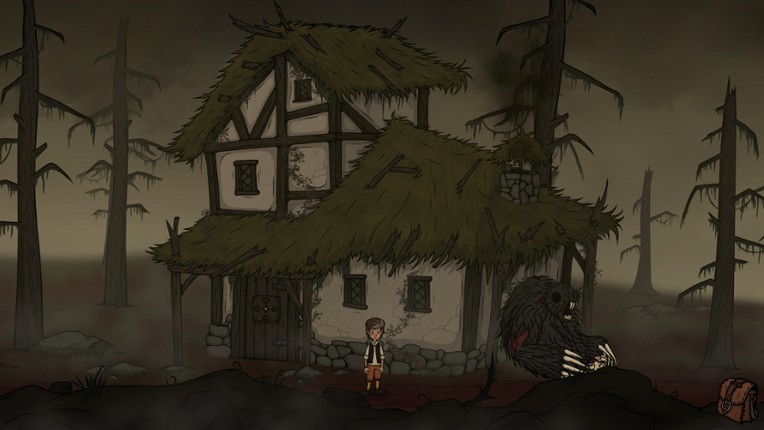
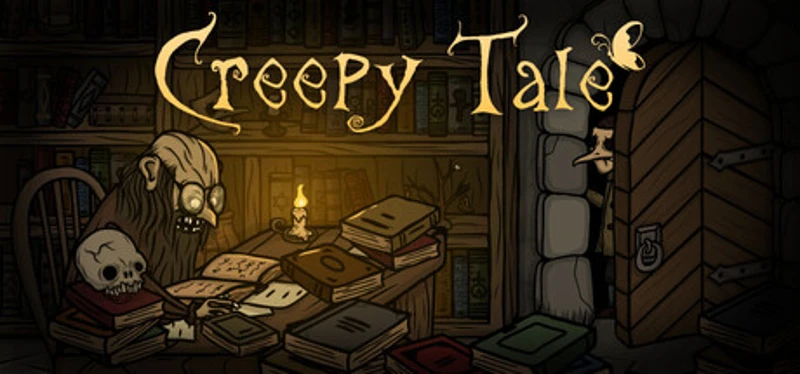
- 71%Game Brain ScoreMost mentioned positive aspects:story, graphicsMost mentioned negative aspects:gameplay, stability80% User Score 846 reviewsCritic Score 55%6 reviewsOffers a cartoony, hand-drawn puzzle platformer with hidden object mechanics and a shorter, more linear dark story experience. If you enjoyed this game, see our list of games similar to Creepy Tale.View Game
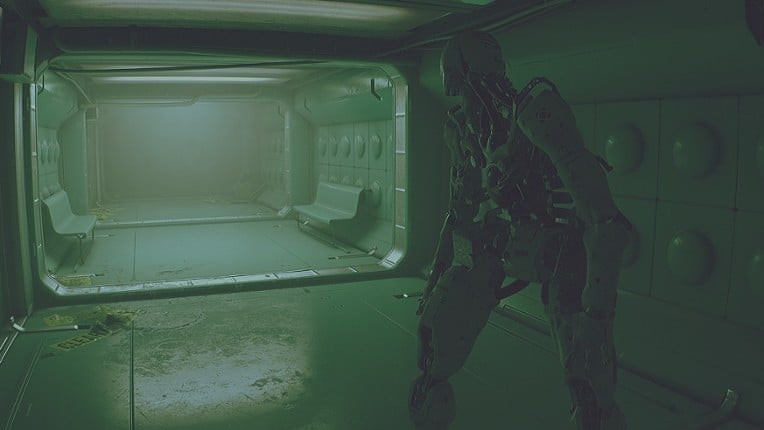
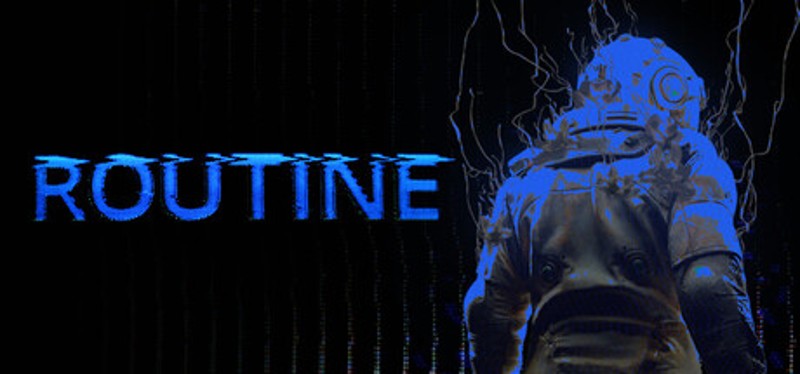
- 90%Game Brain ScoreMost mentioned positive aspects:story, atmosphereMost mentioned negative aspects:grinding, replayability93% User Score 5,279 reviewsCritic Score 85%5 reviewsExplores sci-fi psychological horror through a space-based first-person thriller combining atmospheric dread with cinematic storytelling. If you enjoyed this game, see our list of games similar to ROUTINE.View Game
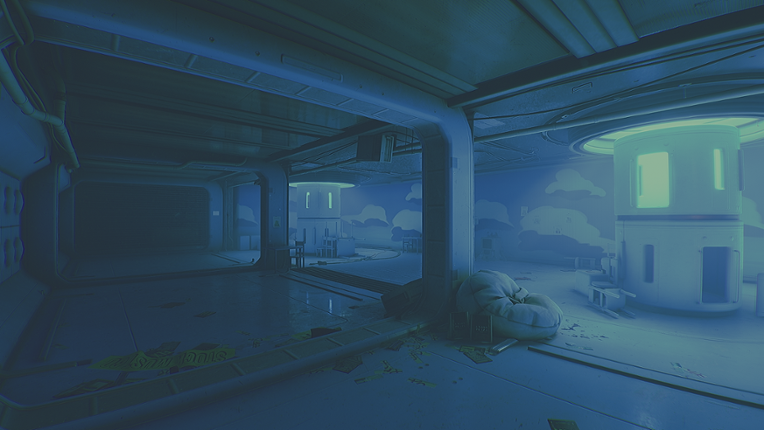
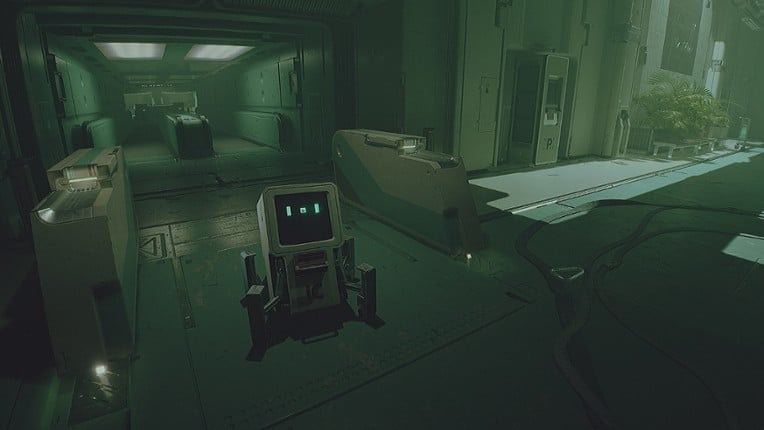
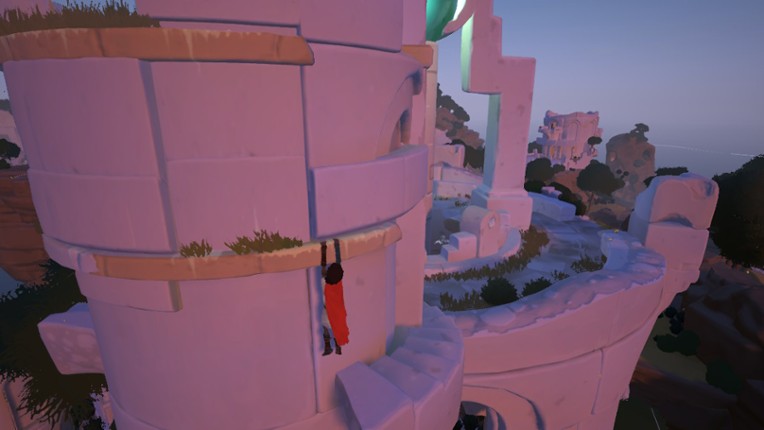
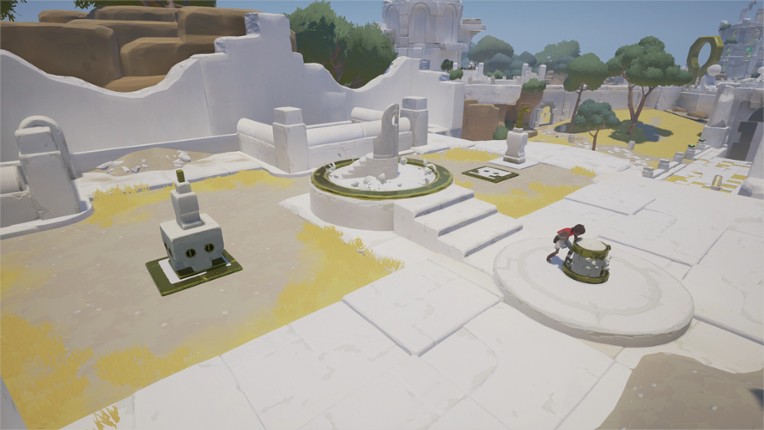
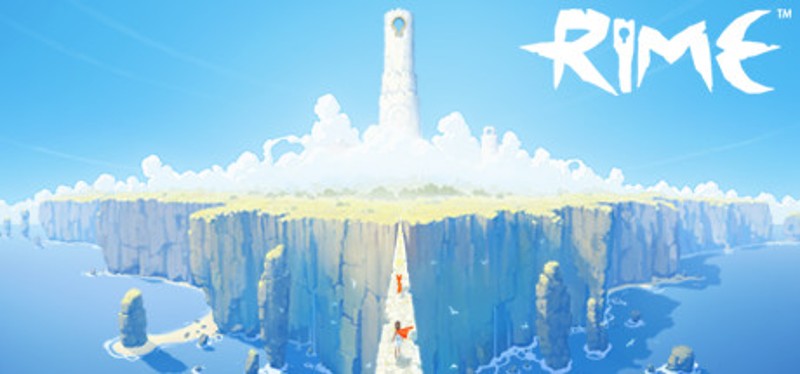
- 76%Game Brain ScoreMost mentioned positive aspects:story, musicMost mentioned negative aspects:optimization, replayability88% User Score 2,285 reviewsCritic Score 63%17 reviewsWordless puzzle-platformer that captures Little Nightmares' atmospheric isolation but strips away horror for family-friendly wonder and colorful environments. If you enjoyed this game, see our list of games similar to RiME.View Game
- 78%Game Brain ScoreMost mentioned positive aspects:story, atmosphereMost mentioned negative aspects:optimization, grinding84% User Score 9,550 reviewsCritic Score 73%81 reviews
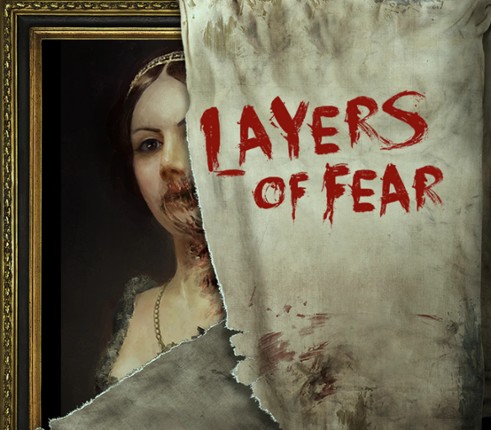
Both games excel at environmental storytelling, forcing you to piece together a tragic history through decaying, surreal surroundings rather than explicit dialogue.
The shared psychological dread creates an oppressive atmosphere, which is essential for grounding their otherwise bizarre, supernatural narratives.
The core difference is perspective: Little Nightmares uses a 2.5D platforming lens to emphasize vulnerability, while Layers of Fear shifts to a claustrophobic first-person view to manipulate your immediate field of vision.
Pick this up if you crave dread-soaked exploration but can live without the precise movement mechanics and platforming challenges of a side-scroller.
If you enjoyed this game, see our list of games similar to Layers of Fear.View Game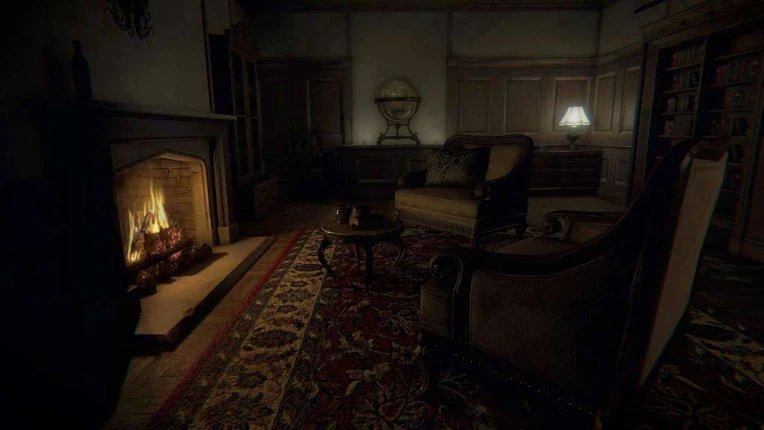
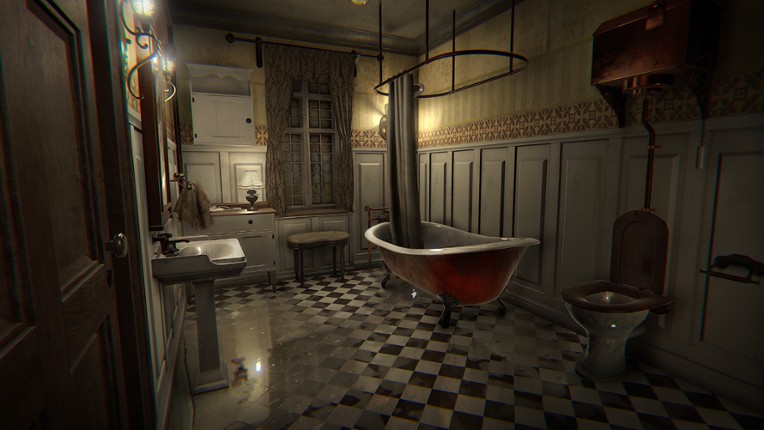
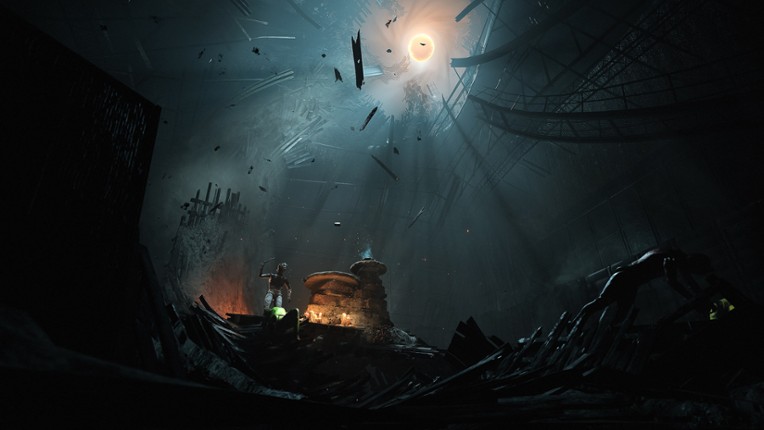
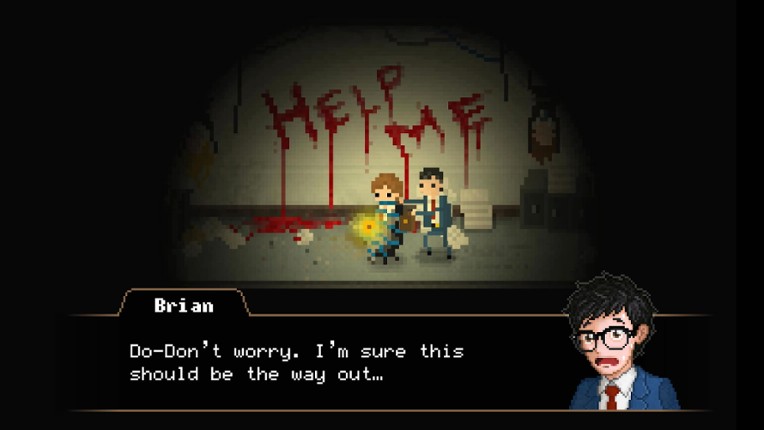
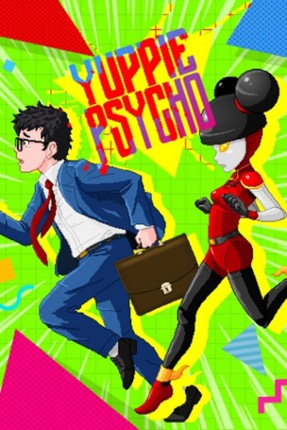
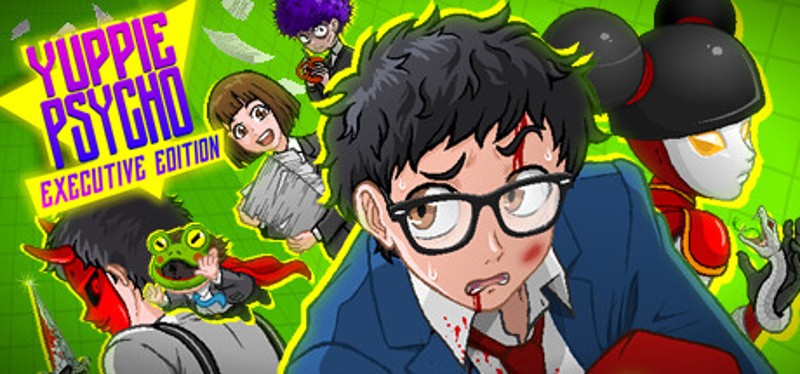
- 88%Game Brain ScoreMost mentioned positive aspects:story, gameplayMost mentioned negative aspects:grinding, stability94% User Score 2,729 reviewsCritic Score 82%9 reviewsPixel-art survival horror that replaces cinematic dread with dark comedy and cyberpunk absurdity, keeping the psychological unease and multiple endings. If you enjoyed this game, see our list of games similar to Yuppie Psycho.View Game
- 95%Game Brain ScoreMost mentioned positive aspects:story, graphicsMost mentioned negative aspects:stability, grinding97% User Score 135,040 reviewsCritic Score 85%1 reviews
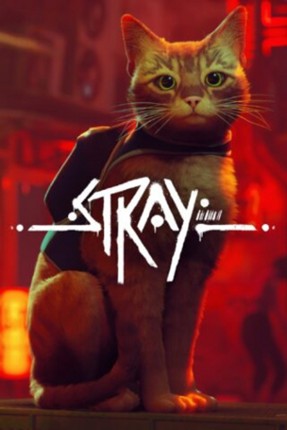
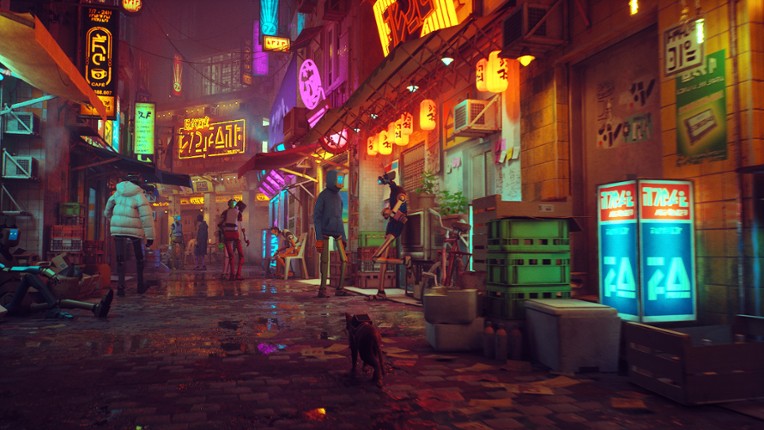
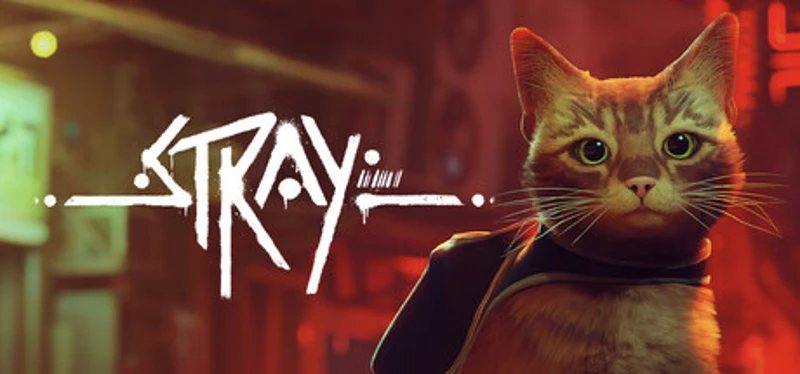
Stray shares the same atmospheric focus and third-person perspective that define Little Nightmares, delivering a strong sense of place and mood through detailed environments and sound design.
Both games emphasize exploration and stealth mechanics, which drive their suspenseful pacing and deepen player immersion in their distinct worlds.
The key difference lies in setting and tone: Stray swaps dark fantasy horror for a vibrant cyberpunk city inhabited by robots and a cat protagonist, softening the experience but shifting narrative weight.
Pick Stray if you want a visually striking, emotionally rich adventure with stealth and mystery, but can live without Little Nightmares’s heavier horror elements and intense psychological tension.
If you enjoyed this game, see our list of games similar to Stray.View Game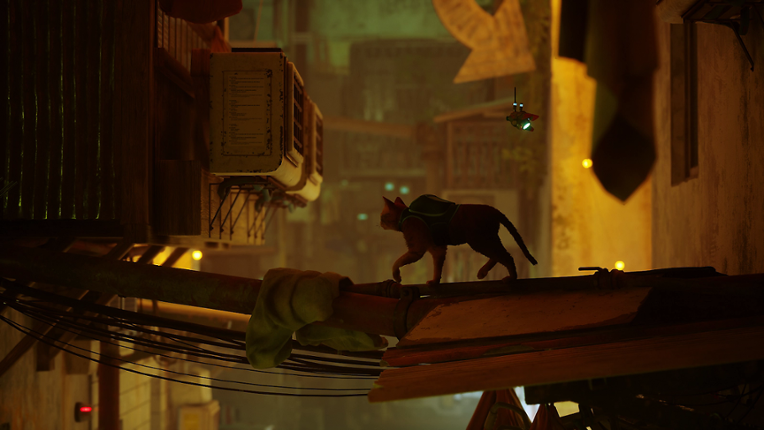
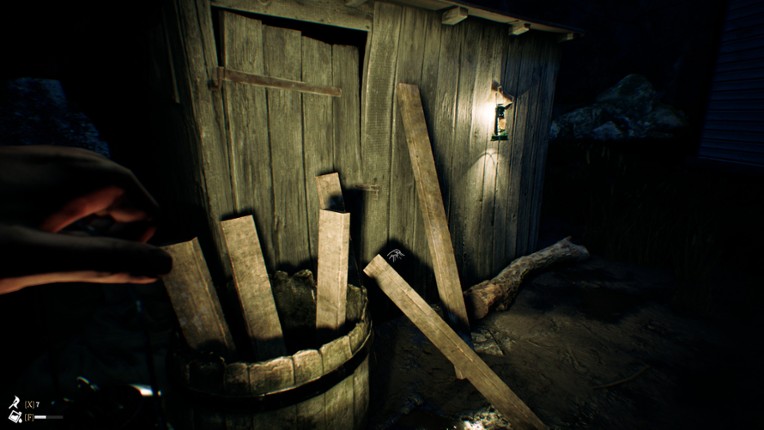
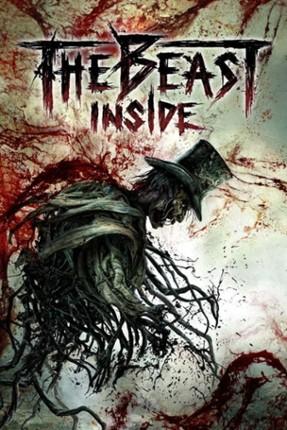
- 77%Game Brain ScoreMost mentioned positive aspects:story, gameplayMost mentioned negative aspects:optimization, stability77% User Score 4,232 reviewsCo-op psychological thriller that extends Little Nightmares' first-person potential into shared survival horror, adding multiplayer collaboration to the atmospheric dread. If you enjoyed this game, see our list of games similar to The Beast Inside.View Game
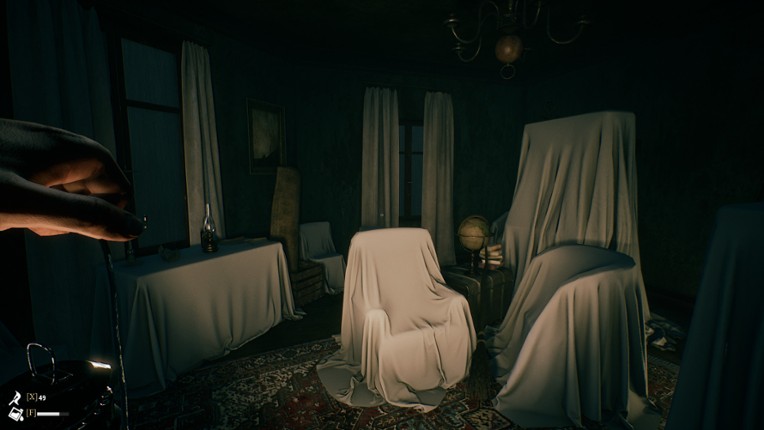
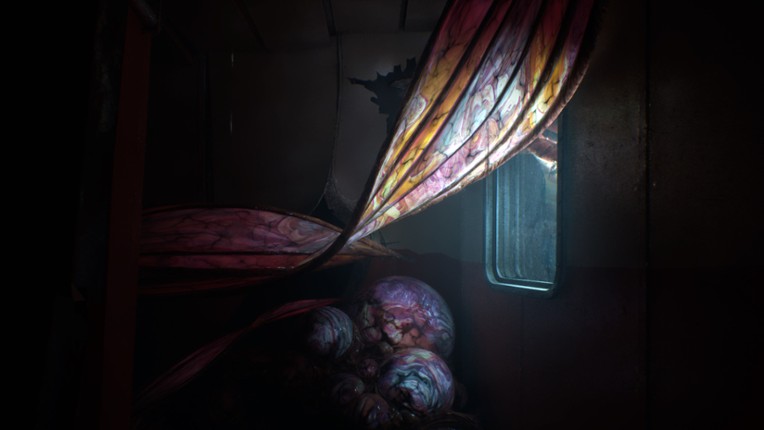
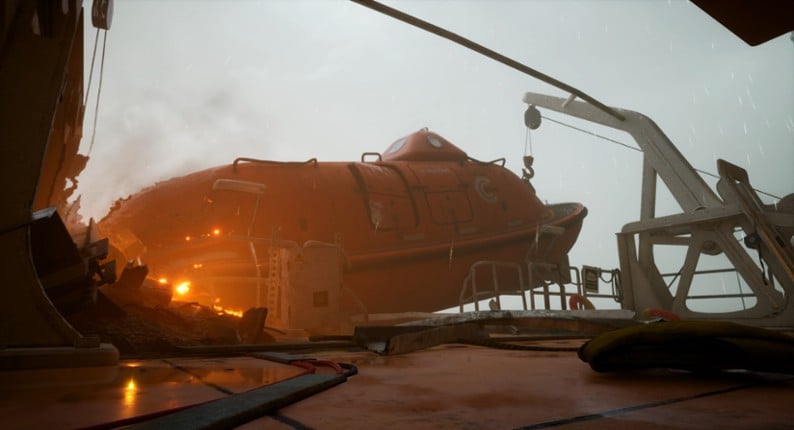
- 86%Game Brain ScoreMost mentioned positive aspects:story, gameplayMost mentioned negative aspects:replayability, stability89% User Score 8,138 reviewsCritic Score 80%3 reviewsLovecraftian underwater nightmare that intensifies existential horror through cinematic first-person immersion, sacrificing platforming for pure atmospheric exploration. If you enjoyed this game, see our list of games similar to Still Wakes the Deep.View Game

- 80%Game Brain ScoreMost mentioned positive aspects:story, gameplayMost mentioned negative aspects:stability, optimization80% User Score 7,979 reviews
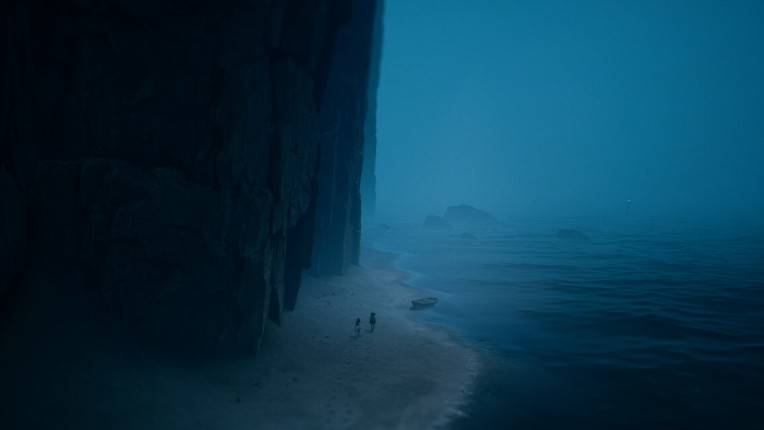
Unlock the exclusive Foxhead and Muttonhead masks with this DLC. Friendship can be hell and sometimes a disguise is the only protection! If you enjoyed this game, see our list of games similar to REANIMAL.
View Game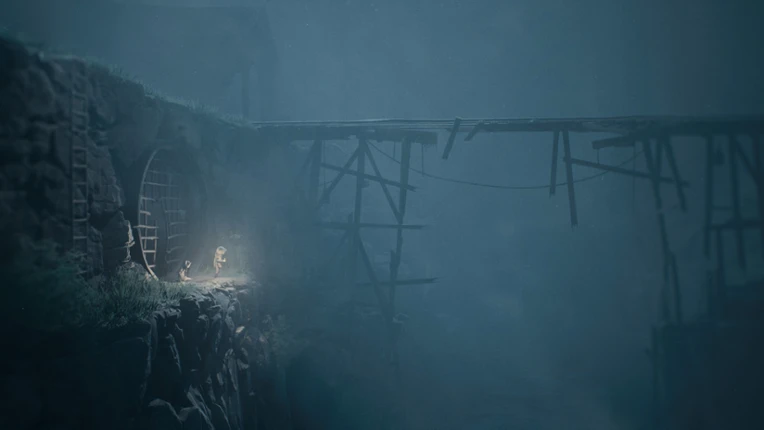
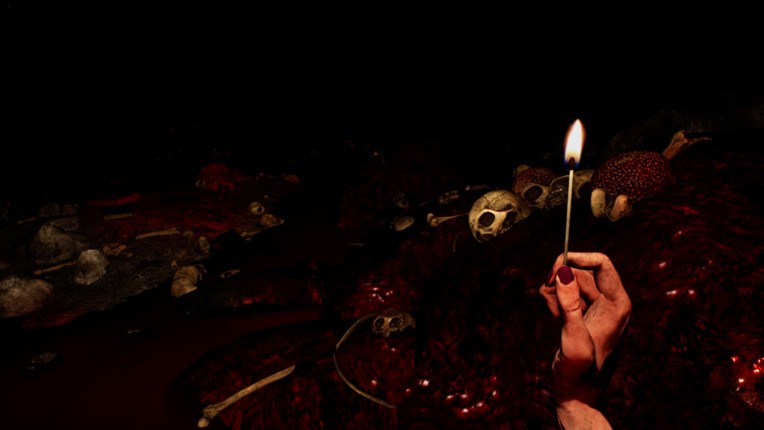
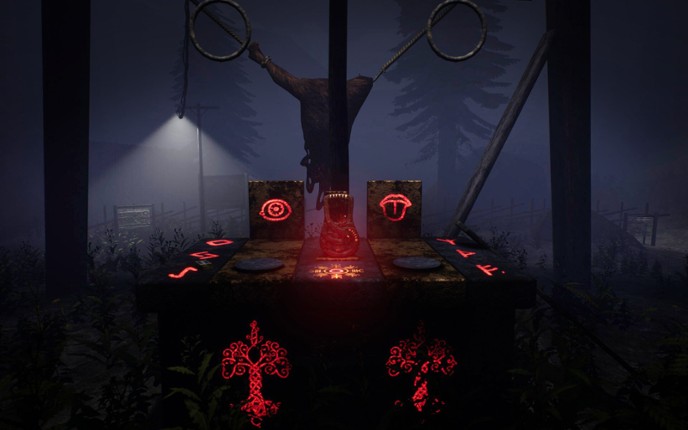
- 83%Game Brain ScoreMost mentioned positive aspects:story, gameplayMost mentioned negative aspects:grinding, replayability83% User Score 1,018 reviewsContrasts with mythological and realistic themes enriched by an evocative soundtrack and a northern folklore atmosphere from a first-person view. If you enjoyed this game, see our list of games similar to Unforgiving - A Northern Hymn.View Game
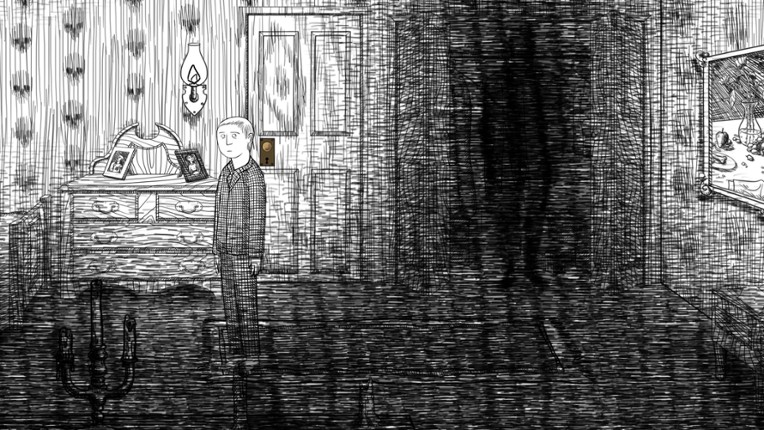
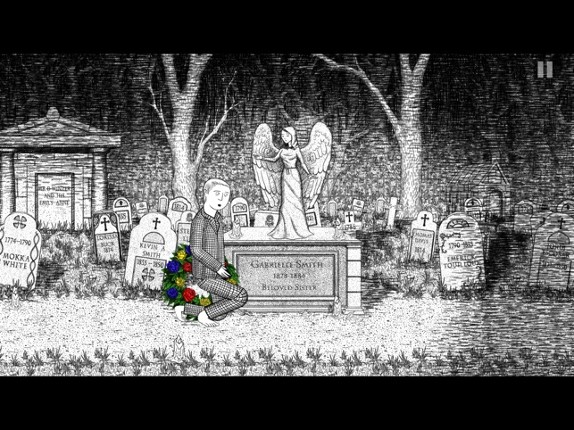
21 View Game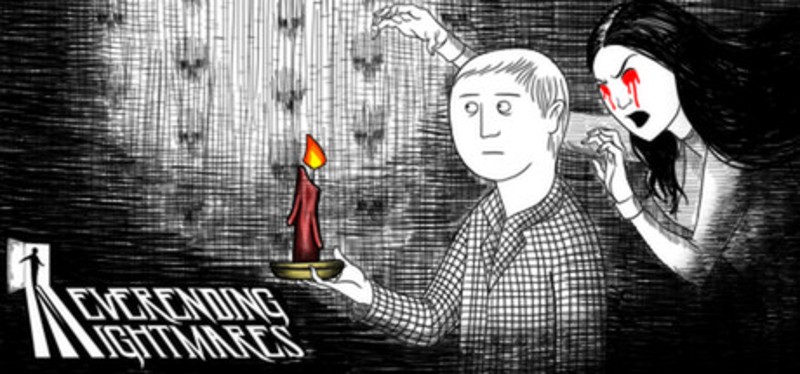 71%Game Brain ScoreMost mentioned positive aspects:graphics, storyMost mentioned negative aspects:gameplay, grinding71% User Score 1,371 reviewsFocuses on hand-drawn 2D psychological horror with multiple endings and an emphasis on haunting blood and zombie themes. If you enjoyed this game, see our list of games similar to Neverending Nightmares.View Game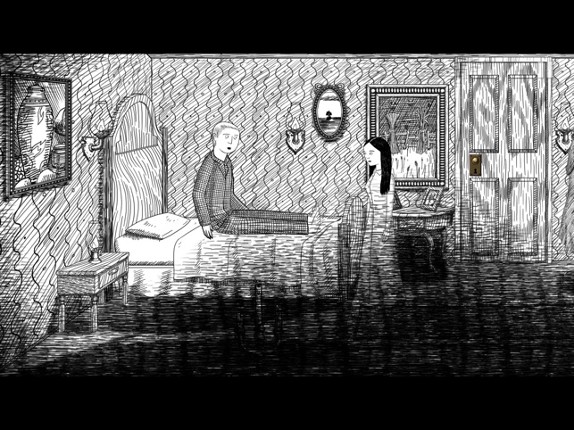
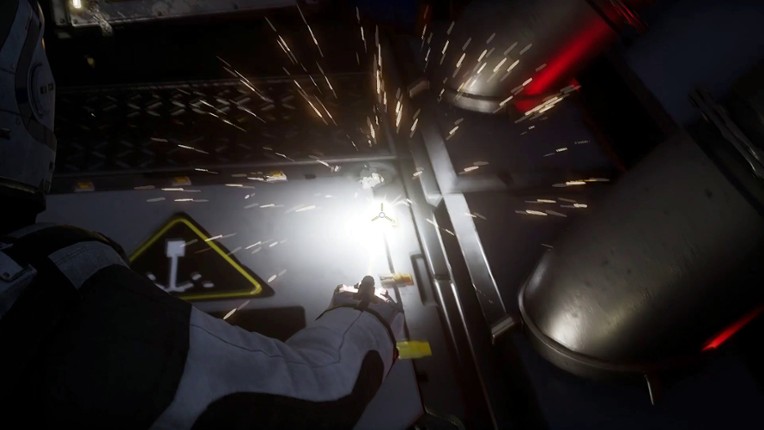
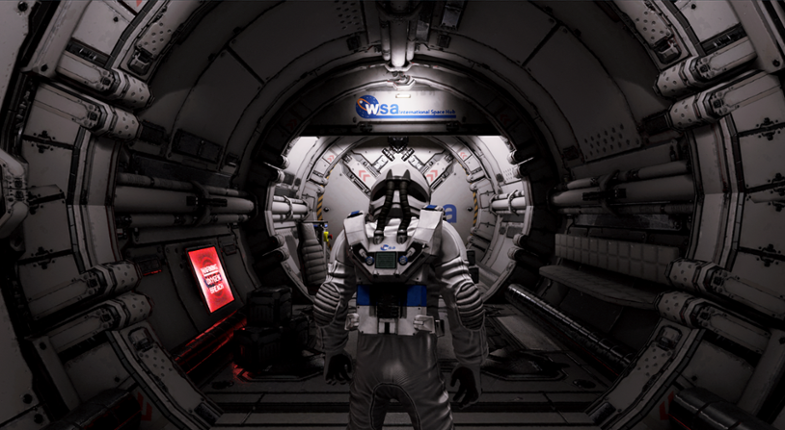
- 85%Game Brain ScoreMost mentioned positive aspects:story, graphicsMost mentioned negative aspects:optimization, replayability87% User Score 5,680 reviewsCritic Score 80%1 reviewsDeliver Us The Moon swaps nightmarish fantasy for a grounded science-fiction aesthetic, emphasizing atmospheric exploration and technical problem-solving over psychological dread. If you enjoyed this game, see our list of games similar to Deliver Us The Moon.View Game

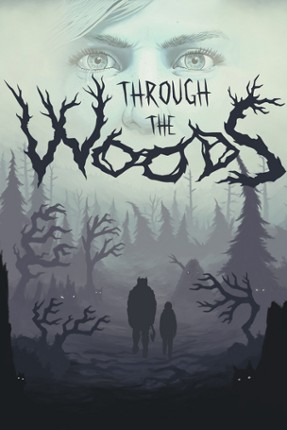
- 69%Game Brain ScoreMost mentioned positive aspects:story, graphicsMost mentioned negative aspects:stability, optimization69% User Score 790 reviewsThrough the Woods abandons the confined interior spaces for expansive, mythological Norwegian wilderness, leaning heavily on third-person narrative and intense environmental exploration. If you enjoyed this game, see our list of games similar to Through the Woods.View Game


- 80%Game Brain ScoreMost mentioned positive aspects:story, graphicsMost mentioned negative aspects:optimization, stability83% User Score 714 reviewsCritic Score 73%2 reviewsWhite Shadows emphasizes monochromatic dystopian visuals and cinematic platforming, focusing on a clear societal allegory rather than the raw, personal psychological terror of Six. If you enjoyed this game, see our list of games similar to White Shadows.View Game
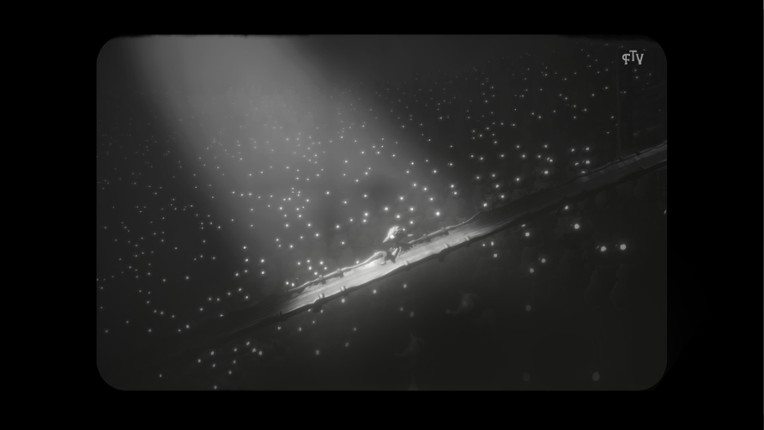
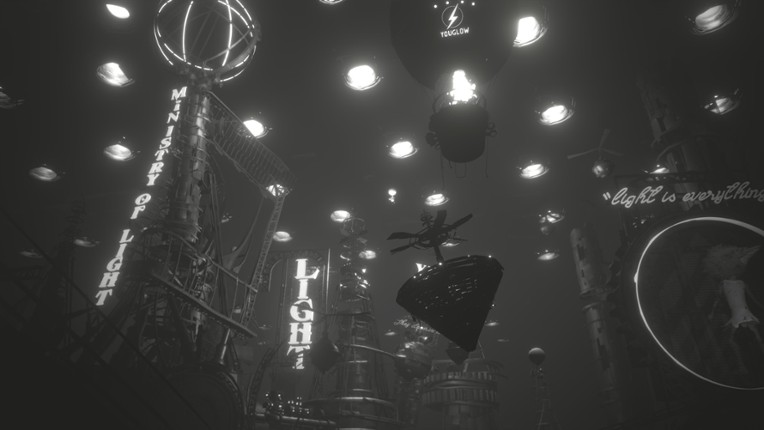
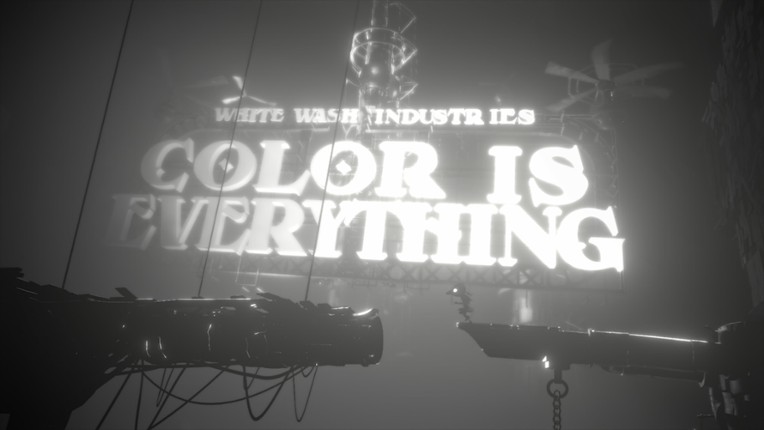
- 83%Game Brain ScoreMost mentioned positive aspects:graphics, storyMost mentioned negative aspects:replayability, grinding89% User Score 1,321 reviewsCritic Score 75%8 reviews
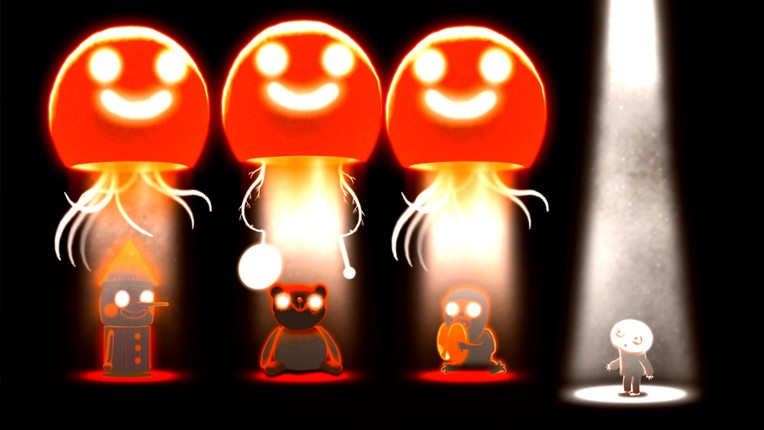
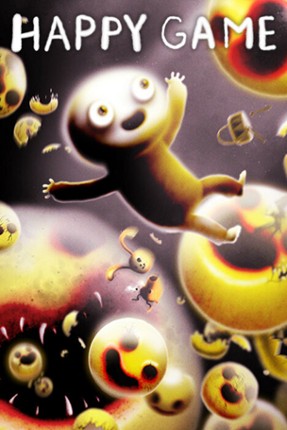
Sweet Dreams Await If you enjoyed this game, see our list of games similar to Happy Game.
View Game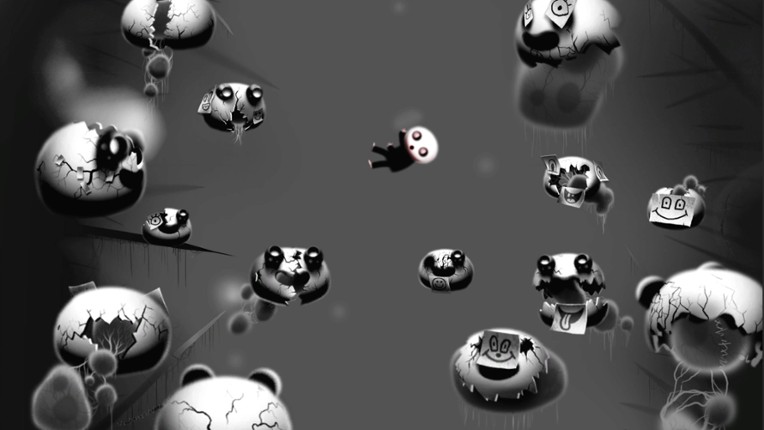
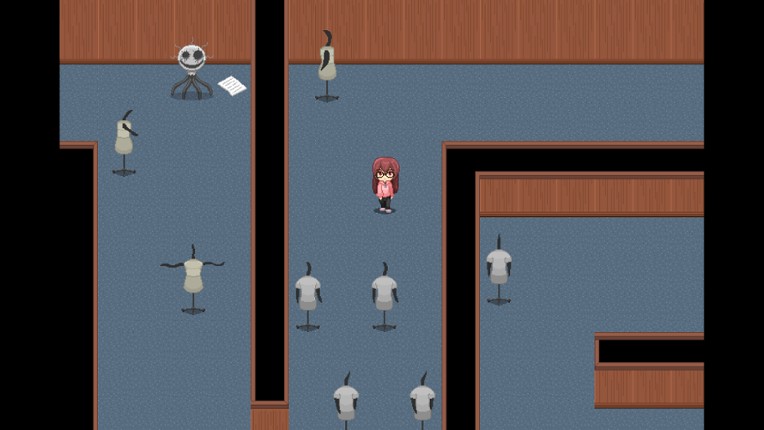
- 94%Game Brain ScoreMost mentioned positive aspects:story, gameplayMost mentioned negative aspects:grinding, stability94% User Score 1,617 reviews2D pixel-art horror with a female protagonist that embraces anime-style jump scares and multiple endings, intensifying the difficulty and psychological terror. If you enjoyed this game, see our list of games similar to Ann.View Game
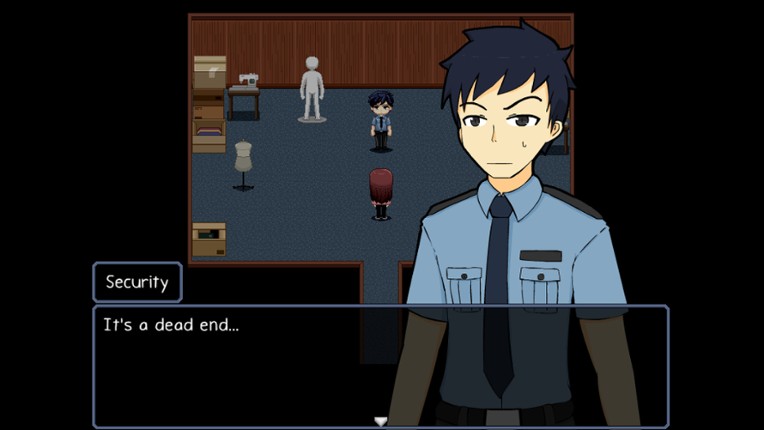
- 69%Game Brain ScoreMost mentioned positive aspects:story, gameplayMost mentioned negative aspects:optimization, stability82% User Score 1,384 reviewsCritic Score 54%9 reviewsMinimalist horror venture into erotic mystery that strips back mechanical complexity; loosely connected through shared indie sensibility and genre. If you enjoyed this game, see our list of games similar to Lust from Beyond.View Game
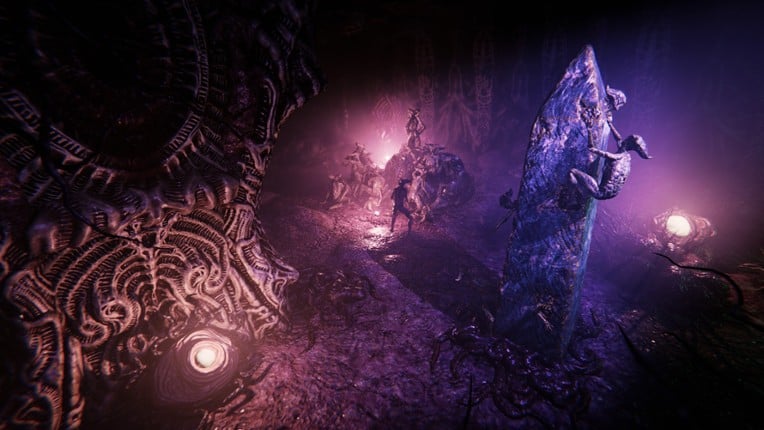
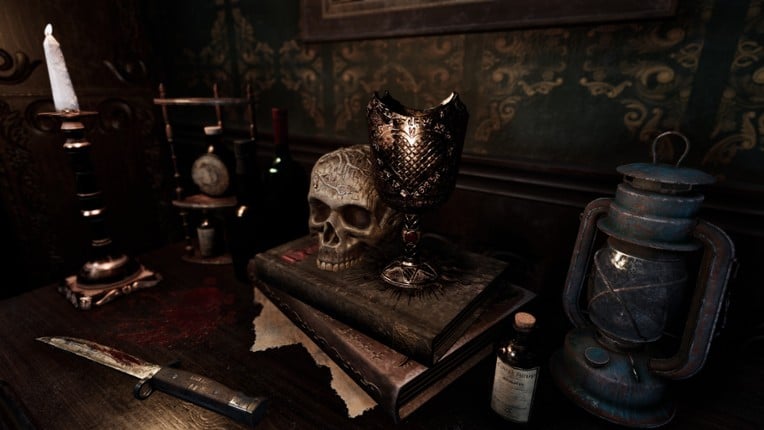
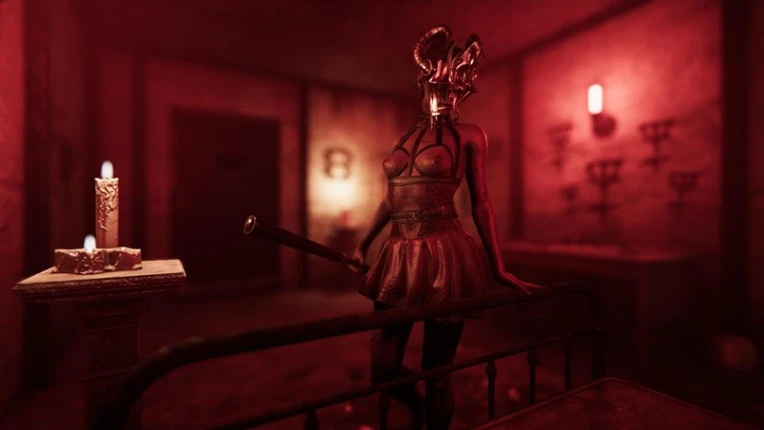
- 91%Game Brain ScoreMost mentioned positive aspects:gameplay, storyMost mentioned negative aspects:grinding, replayability97% User Score 425 reviewsCritic Score 78%5 reviews
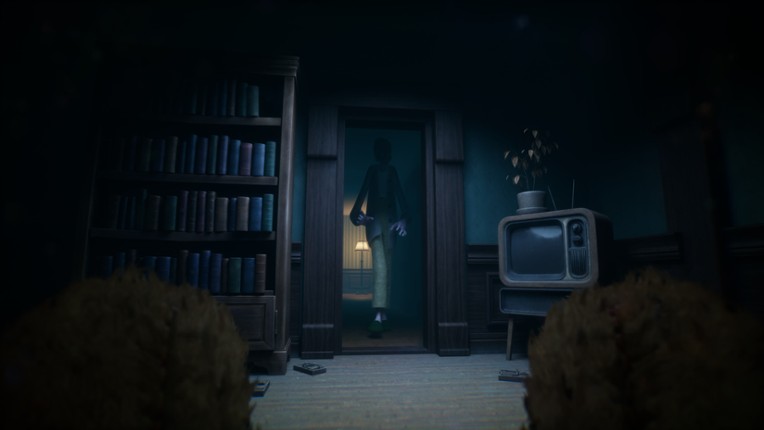
Out of Sight is a deeply atmospheric horror game that blends first and second-person perspectives with riveting voice-acting to immerse you in a chilling and emotional journey. The world from a new perspective Having regained sight through her beloved Teddy, Sophie knows she must find a way out before it’s too late. Danger lurks around every corner—one misplaced step, a creaking floorboard, or un… If you enjoyed this game, see our list of games similar to Out of Sight.
View Game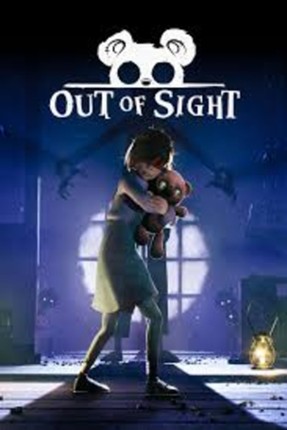
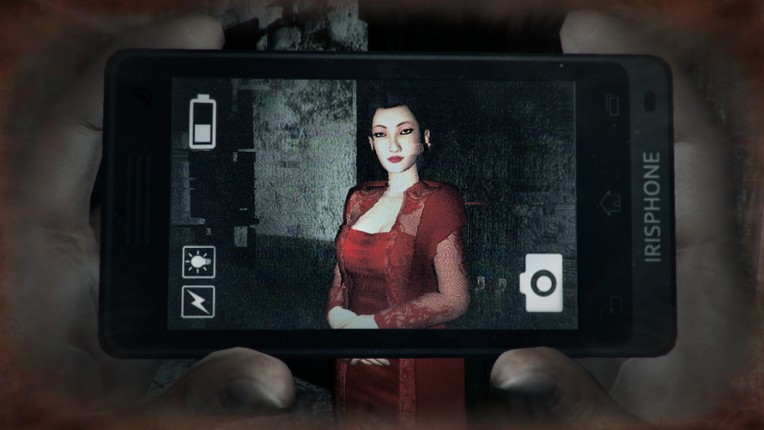
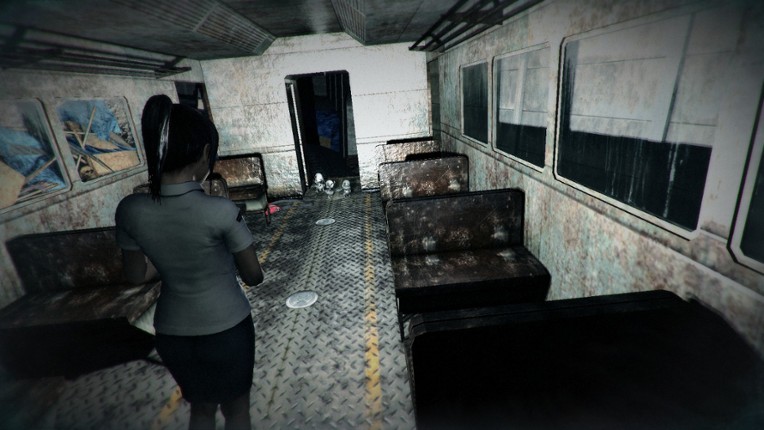
- 68%Game Brain ScoreMost mentioned positive aspects:story, graphicsMost mentioned negative aspects:gameplay, stability78% User Score 3,366 reviewsCritic Score 43%3 reviewsKeeps LN’s female lead and third‑person view but adds Indonesian folklore, zombies, and a side‑trading system for a broader horror mix. If you enjoyed this game, see our list of games similar to DreadOut.View Game

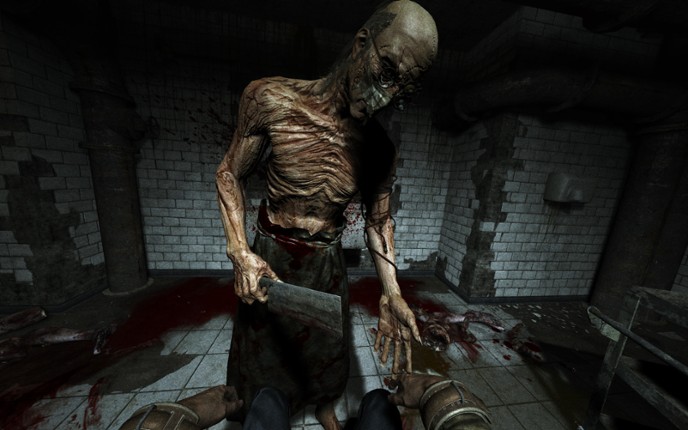
- 87%Game Brain ScoreMost mentioned positive aspects:story, gameplayMost mentioned negative aspects:grinding, stability96% User Score 37,540 reviewsCritic Score 78%16 reviewsOutlast shifts the perspective to first-person immersion, replacing puzzle-solving with frantic, defenseless flight through a decaying asylum filled with visceral threats. If you enjoyed this game, see our list of games similar to Outlast.View Game
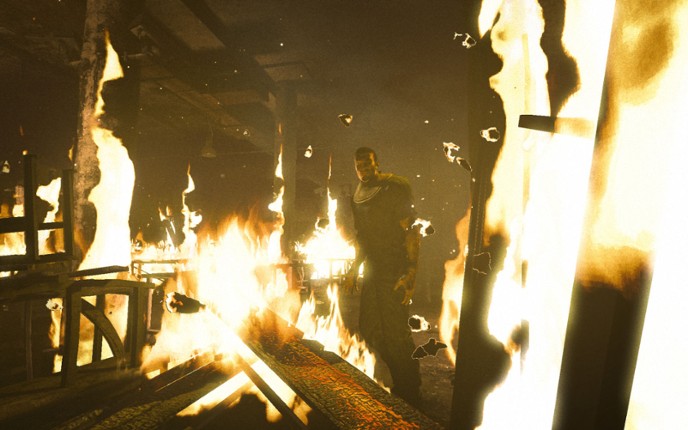
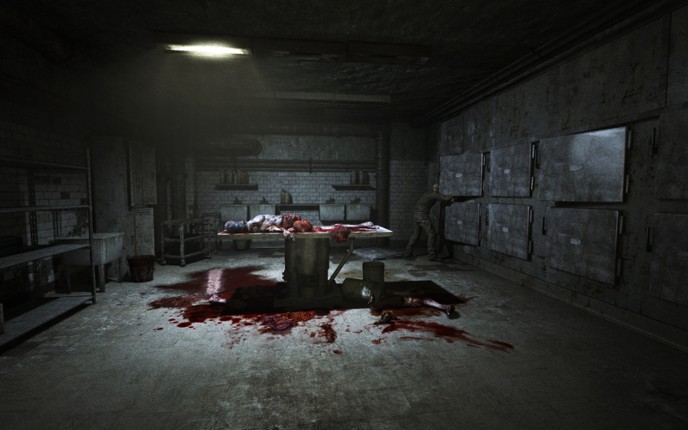
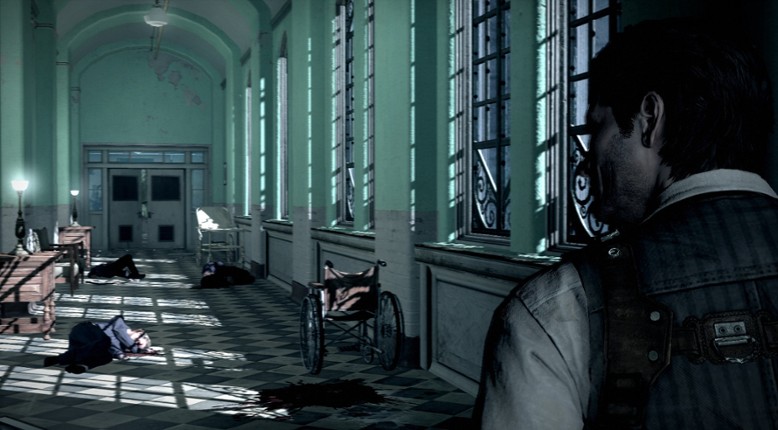
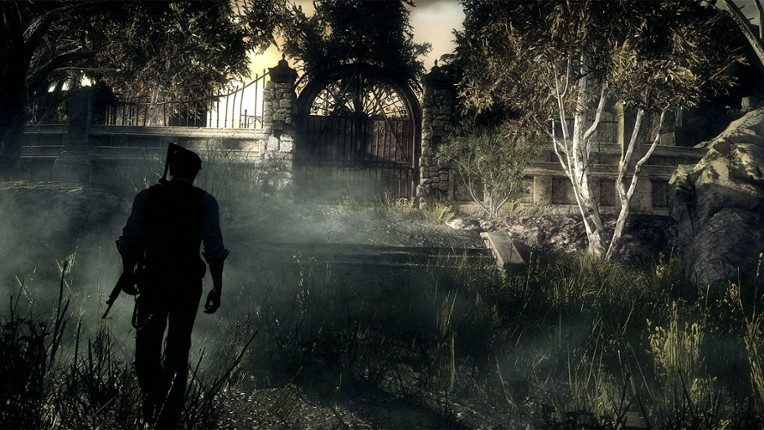
- 79%Game Brain ScoreMost mentioned positive aspects:story, gameplayMost mentioned negative aspects:optimization, stability79% User Score 10,815 reviewsThe Evil Within trades the compact, platforming-centric puzzles for a third-person survival horror experience centered on strategic combat and resource management. If you enjoyed this game, see our list of games similar to The Evil Within.View Game

- 97%Game Brain ScoreMost mentioned positive aspects:story, musicMost mentioned negative aspects:grinding, stability97% User Score 1,426 reviews
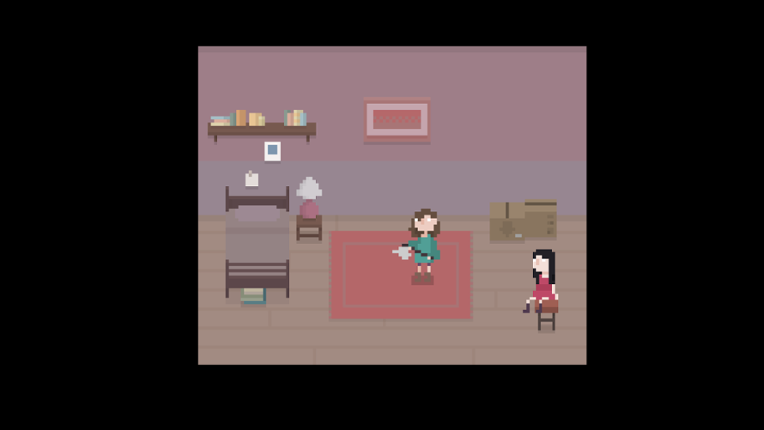
House is a survival-horror game where you play as a young girl exploring an ever-changing House. If you enjoyed this game, see our list of games similar to House.
View Game
- 95%Game Brain ScoreMost mentioned positive aspects:story, musicMost mentioned negative aspects:optimization, grinding95% User Score 3,854 reviews
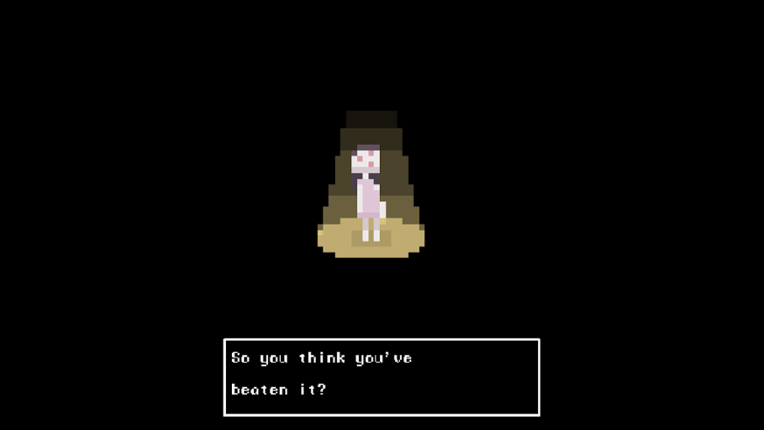
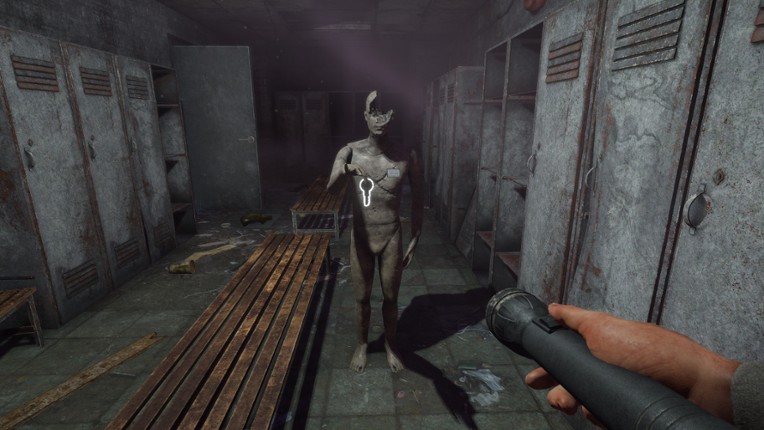
In Sound Mind is an imaginative first-person psychological horror with frenetic puzzles, unique boss fights, and original music. Journey within the inner workings of the one place you can’t seem to escape - your own mind. If you enjoyed this game, see our list of games similar to In Sound Mind.
View Game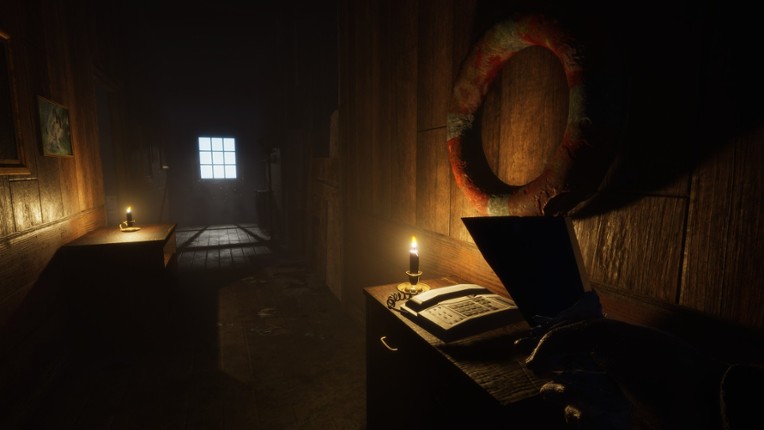
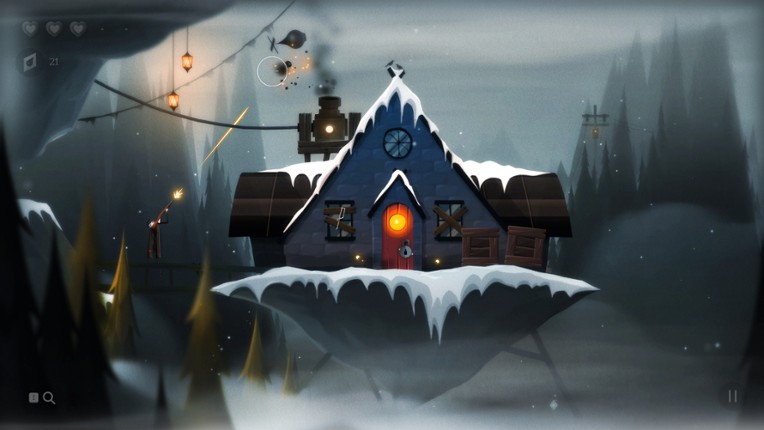
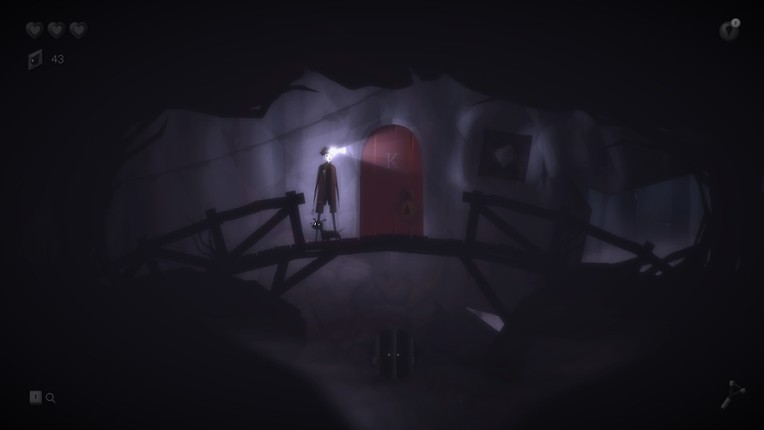
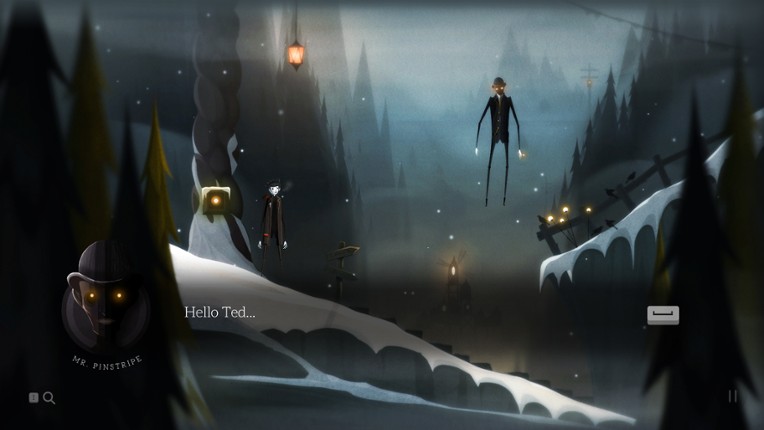
- 88%Game Brain ScoreMost mentioned positive aspects:story, graphicsMost mentioned negative aspects:grinding, stability90% User Score 1,490 reviewsCritic Score 83%2 reviewsInjects dark humor and cartoonish charm into a 2D puzzle platformer with a strong emphasis on a memorable soundtrack and quirky story. If you enjoyed this game, see our list of games similar to Pinstripe.View Game
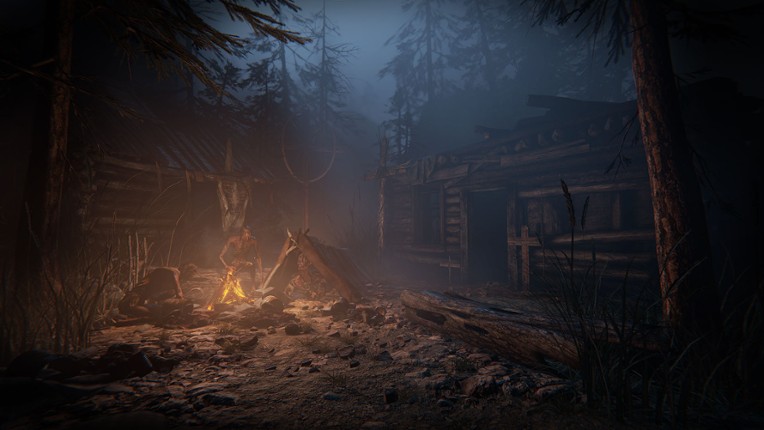
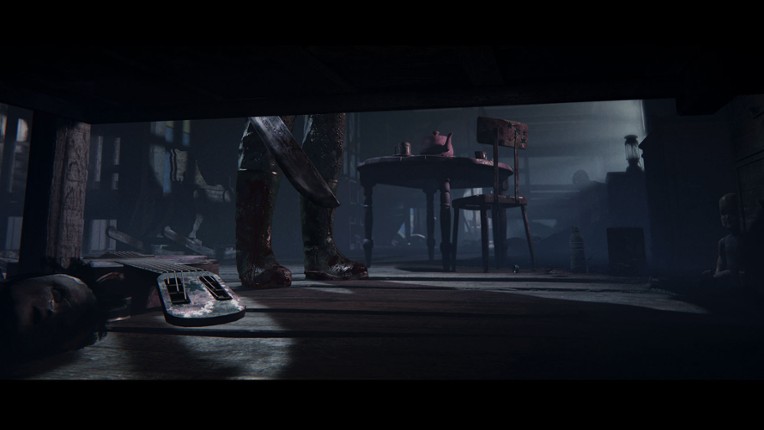
- 80%Game Brain ScoreMost mentioned positive aspects:story, gameplayMost mentioned negative aspects:grinding, replayability85% User Score 17,190 reviewsCritic Score 75%14 reviewsIntroduces co‑op scares and first‑person parkour to LN’s puzzle‑heavy horror, appealing to players who want shared, high‑tension action. If you enjoyed this game, see our list of games similar to Outlast 2.View Game
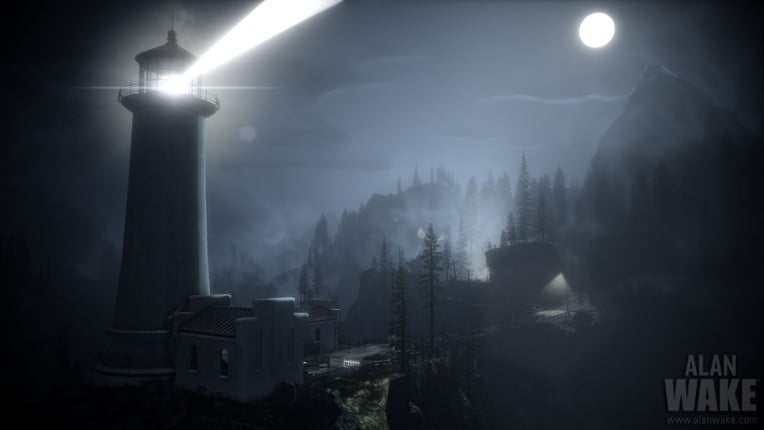
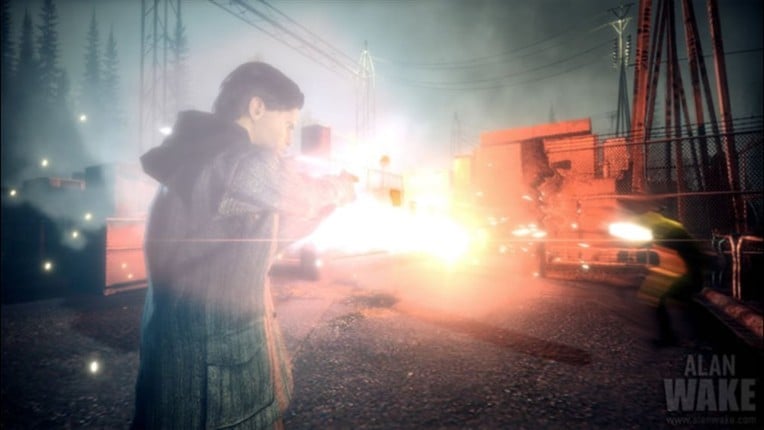
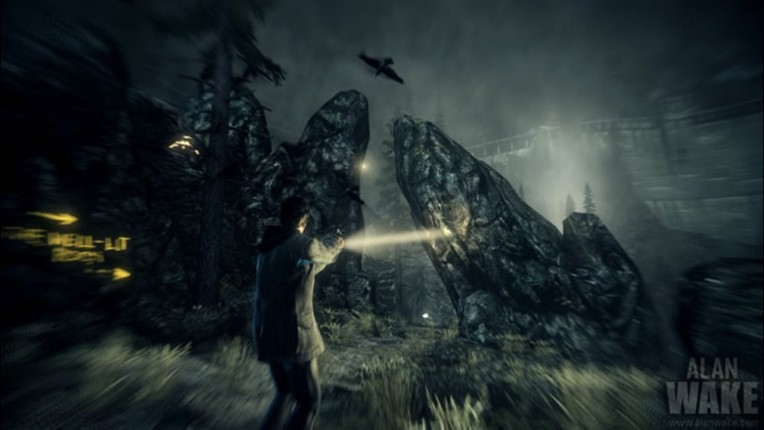
- 88%Game Brain ScoreMost mentioned positive aspects:story, gameplayMost mentioned negative aspects:grinding, stability89% User Score 10,452 reviewsCritic Score 86%7 reviewsAlan Wake leans into an action-heavy thriller narrative, replacing silent, environmental storytelling with a vocal, episodic structure centered on light-based combat mechanics. If you enjoyed this game, see our list of games similar to Alan Wake.View Game
- 71%Game Brain ScoreMost mentioned positive aspects:story, gameplayMost mentioned negative aspects:grinding, stability71% User Score 367 reviewsCritic Score 70%1 reviews
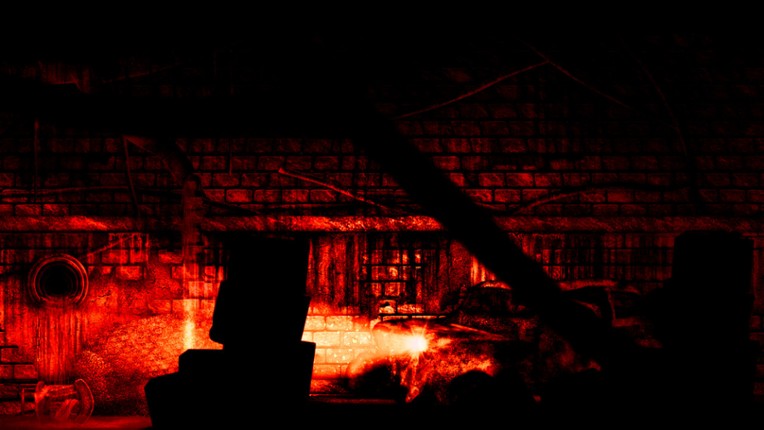
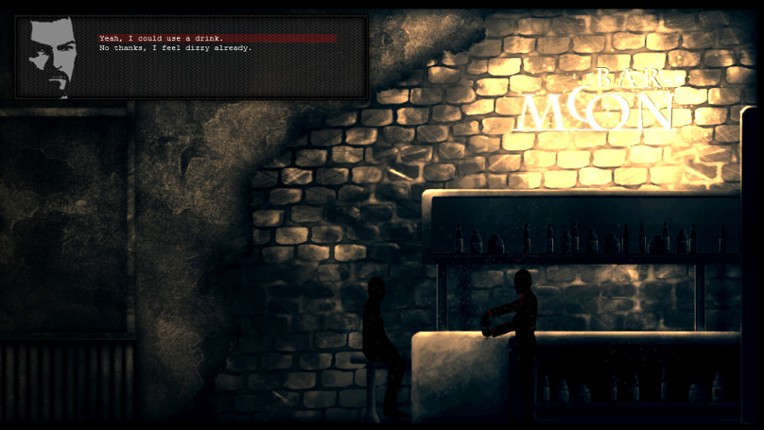
Silence of the Sleep is psychological horror adventure game for PC. You play as a man called Jacob Reeves. A man who has lost his reason to live. He throws himself into a blackness to end his misery, but instead of it being the end he wakes up without a memory of his life before. You will travel through the abstract world of Silence of the Sleep to find the very reason for your journey... If you enjoyed this game, see our list of games similar to Silence of the Sleep.
View Game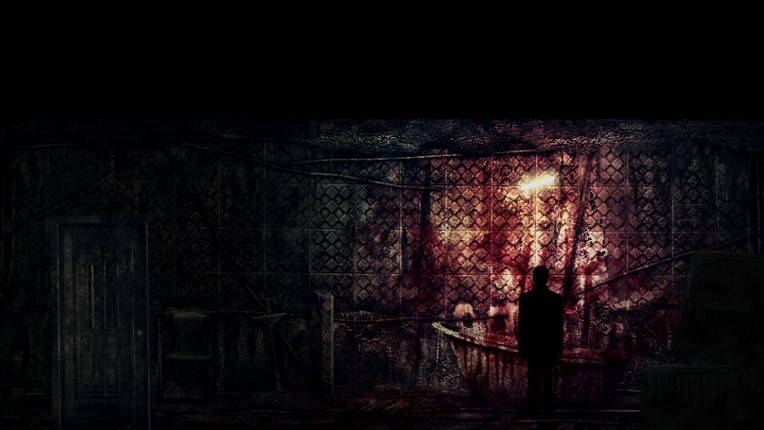
- 68%Game Brain ScoreMost mentioned positive aspects:graphics, gameplayMost mentioned negative aspects:optimization, stability64% User Score 556 reviewsCritic Score 73%17 reviews
PLANET ALPHA, a beautiful alien world filled with mystery and danger. Pursued by relentless enemies, you must harness the power of night and day as you struggle to survive. If you enjoyed this game, see our list of games similar to PLANET ALPHA.
View Game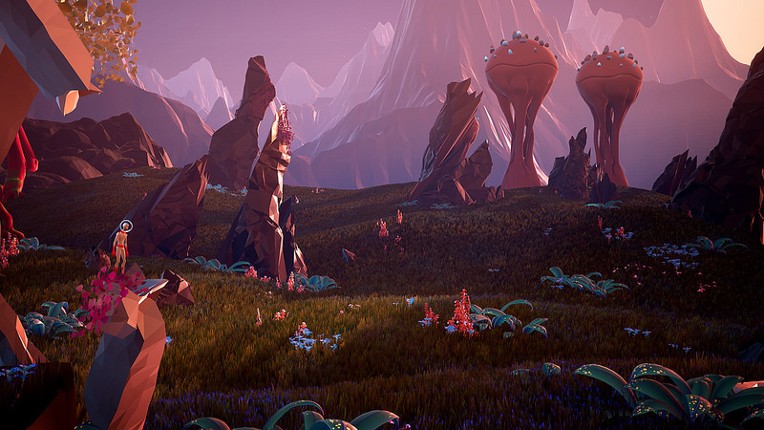
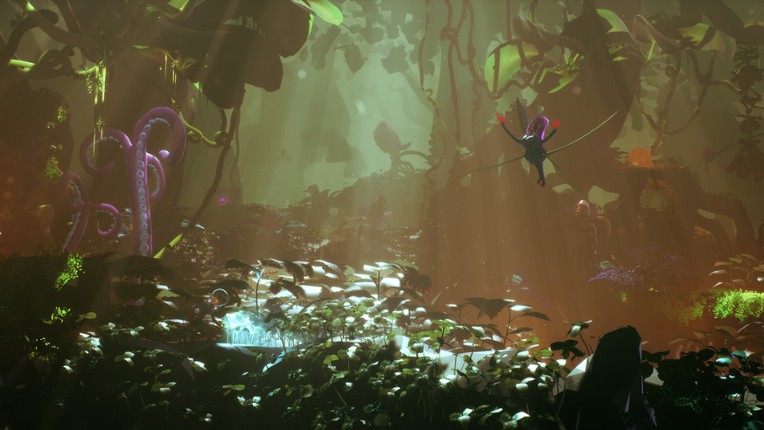
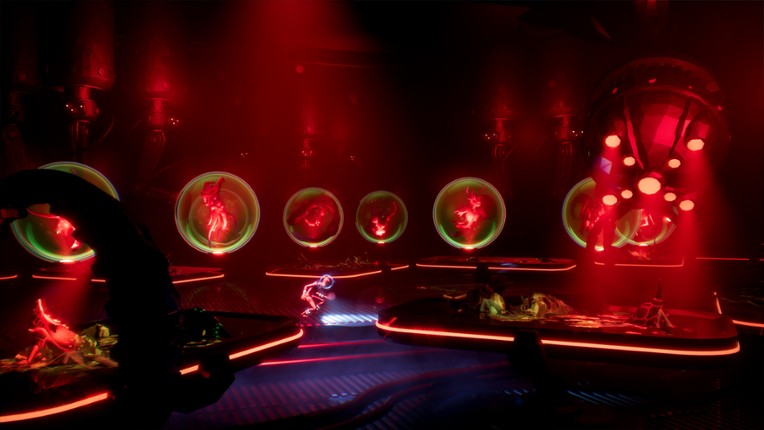
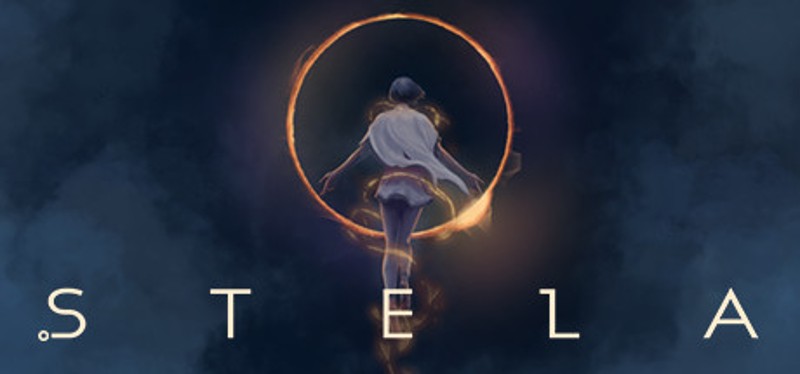
- 76%Game Brain ScoreMost mentioned positive aspects:story, musicMost mentioned negative aspects:grinding, monetization77% User Score 261 reviewsCritic Score 73%2 reviewsStela ditches the overt horror for a silent, cinematic journey through crumbling landscapes, focusing on rhythmic traversal rather than stealthy creature evasion. If you enjoyed this game, see our list of games similar to Stela.View Game
- 72%Game Brain ScoreMost mentioned positive aspects:story, graphicsMost mentioned negative aspects:grinding, replayability75% User Score 10,416 reviewsCritic Score 65%5 reviews
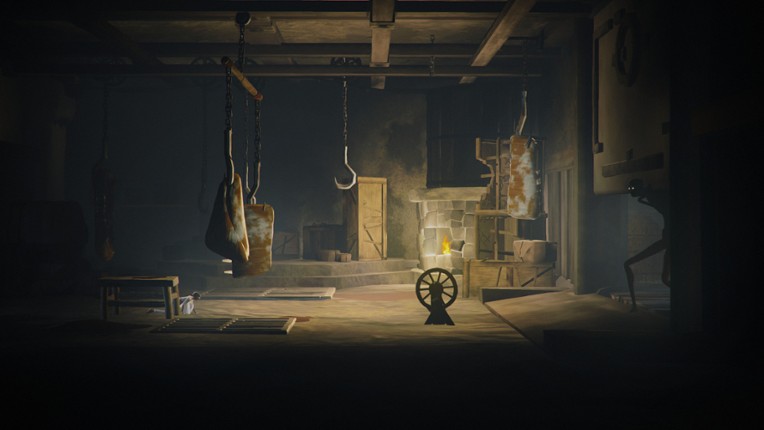
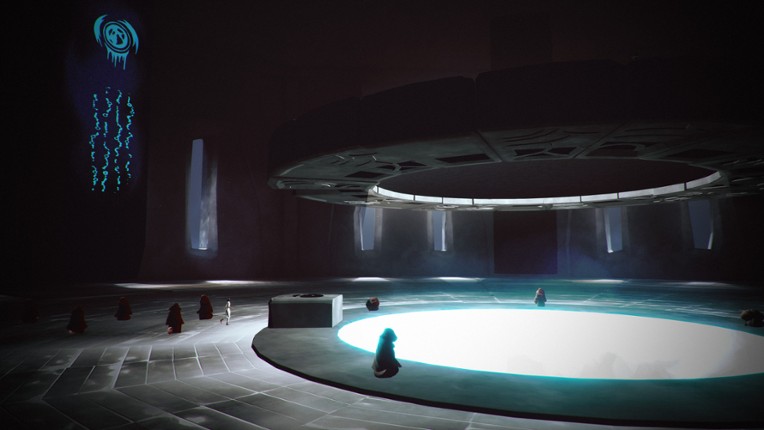
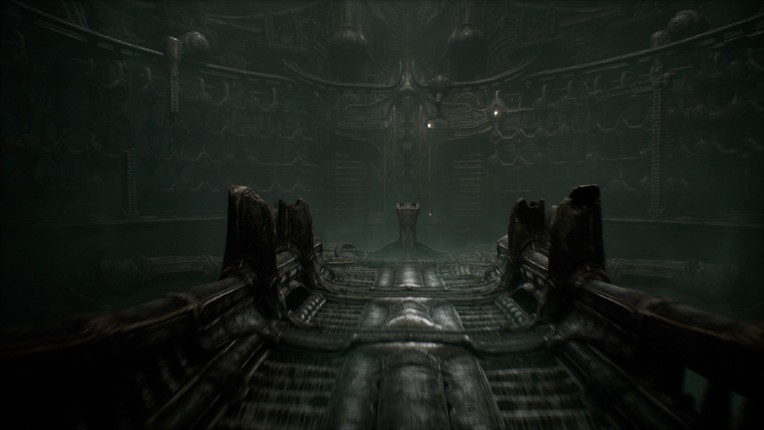
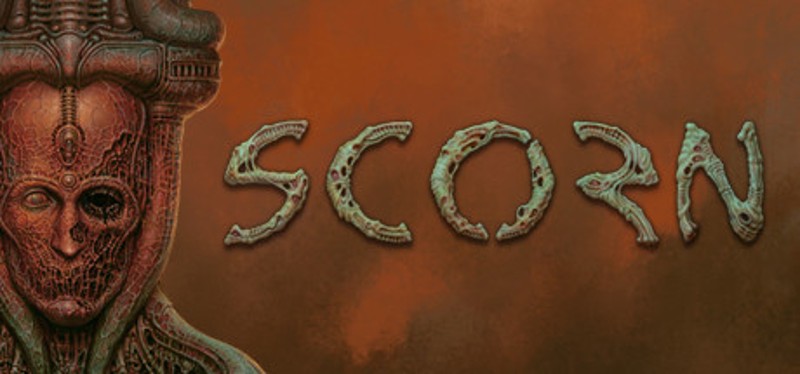
Scorn is an atmospheric first person horror adventure game set in a nightmarish universe of odd forms and somber tapestry. It is designed around an idea of "being thrown into the world". Isolated and lost inside this dream-like world you will explore different interconnected regions in a non-linear fashion. The unsettling environment is a character itself. Every location contains its own theme (st… If you enjoyed this game, see our list of games similar to Scorn.
View Game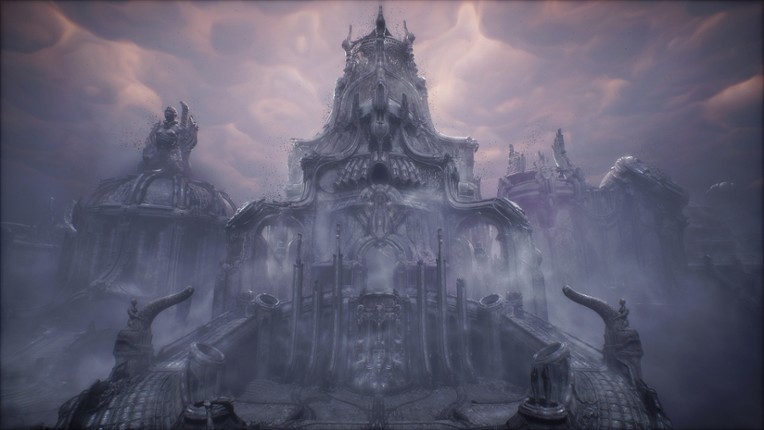
- 86%Game Brain ScoreMost mentioned positive aspects:story, gameplayMost mentioned negative aspects:grinding, replayability87% User Score 2,906 reviewsCritic Score 82%3 reviews
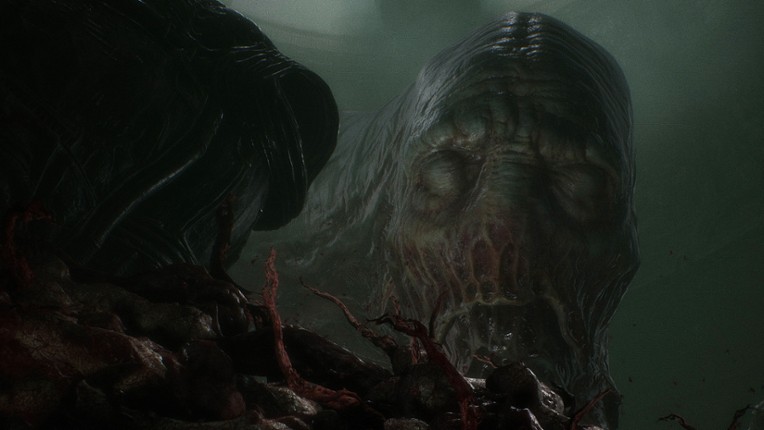
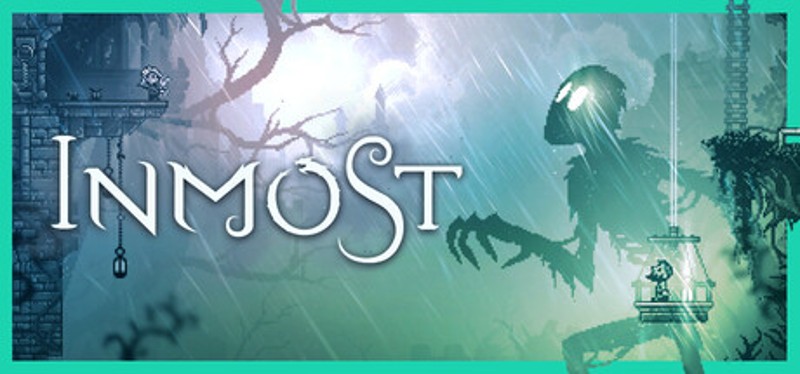
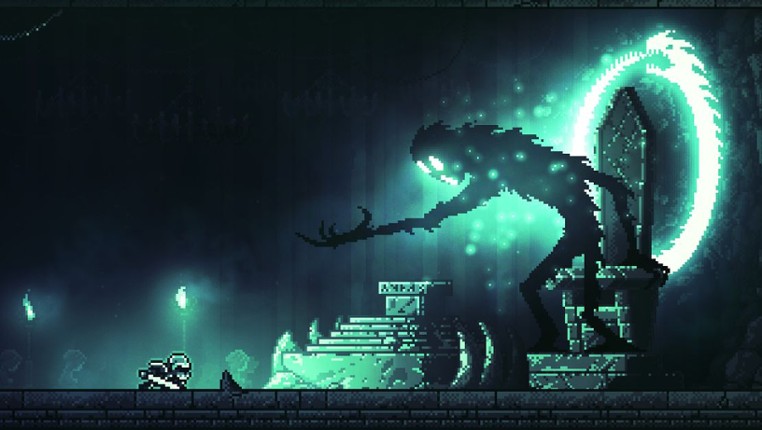
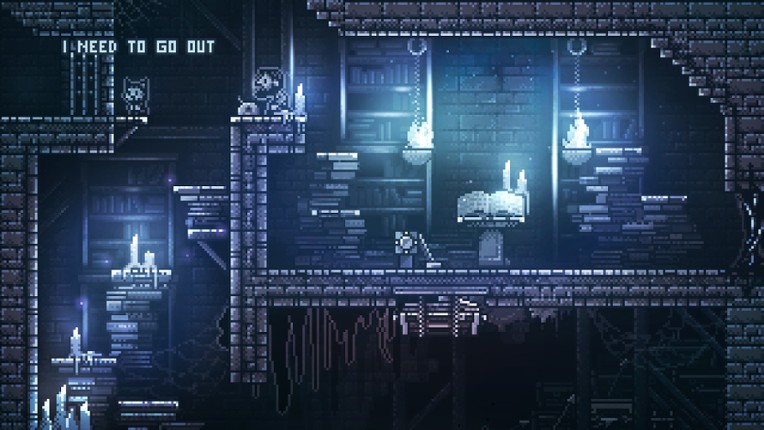
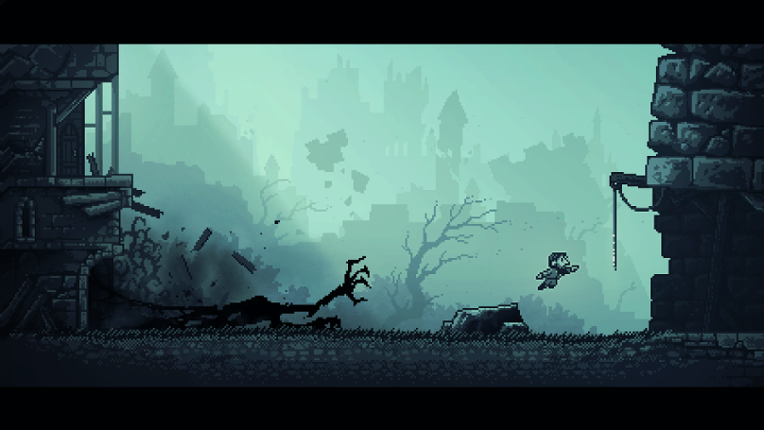
Inmost is an atmospheric, story-driven puzzle platformer, following three playable characters within one dark, interconnecting story. In an old abandoned castle, you’ll need to explore every nook and cranny, avoid detection, slice your way through enemies and spring deadly traps in order to escape the evil that lurks within… If you enjoyed this game, see our list of games similar to INMOST.
View Game - 70%Game Brain ScoreMost mentioned positive aspects:story, gameplayMost mentioned negative aspects:stability, replayability70% User Score 7,940 reviewsCritic Score 71%5 reviews
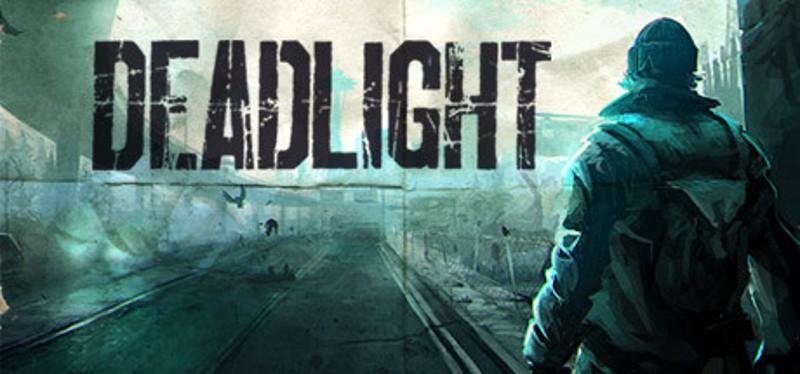
A zombie outbreak eradicated all hope of returning life back to normal, now only survival lives on. Run, hide and fight your way through the undead as Randall searches for his family in this gorgeous, gritty, destroyed world. If you enjoyed this game, see our list of games similar to Deadlight.
View Game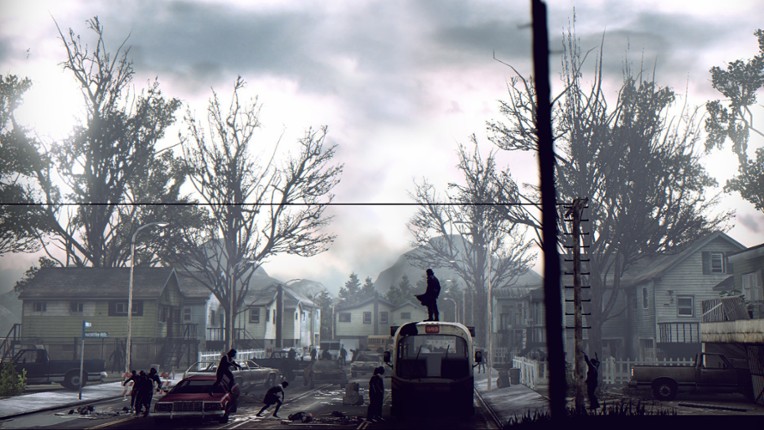
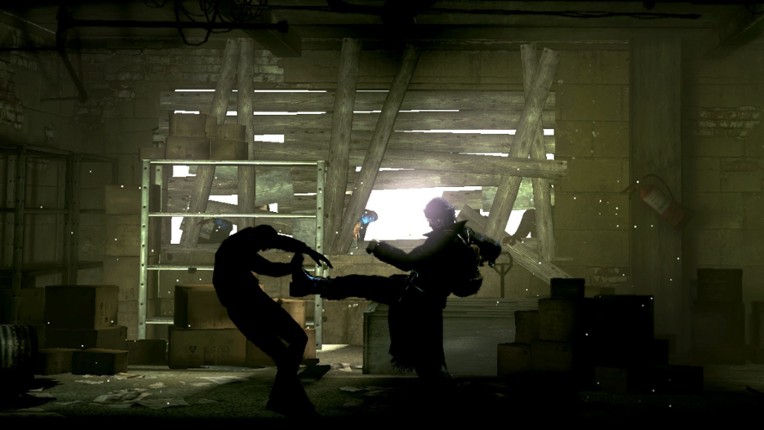

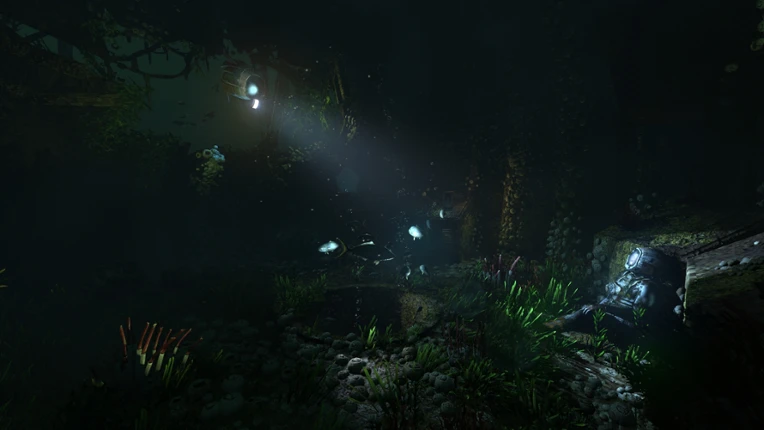
- 88%Game Brain ScoreMost mentioned positive aspects:story, atmosphereMost mentioned negative aspects:grinding, replayability96% User Score 38,078 reviewsCritic Score 81%35 reviewsDives into Lovecraftian first-person psychological horror with philosophical themes and sci-fi exploration in a mature, narrative-driven experience. If you enjoyed this game, see our list of games similar to SOMA.View Game
- 90%Game Brain ScoreMost mentioned positive aspects:story, gameplayMost mentioned negative aspects:grinding, stability93% User Score 14,206 reviewsCritic Score 80%1 reviews
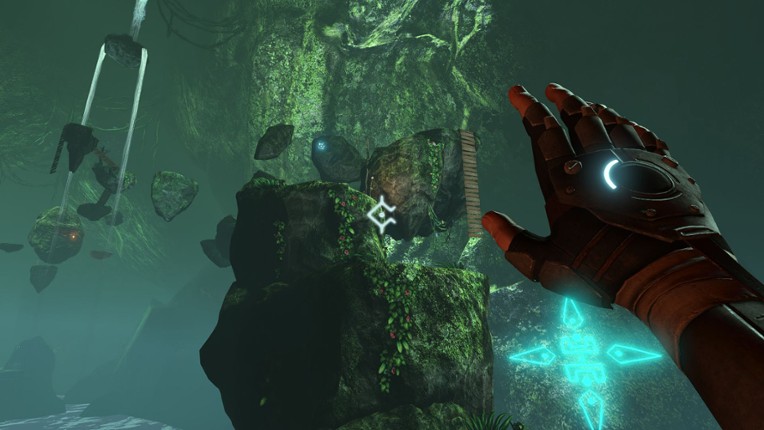
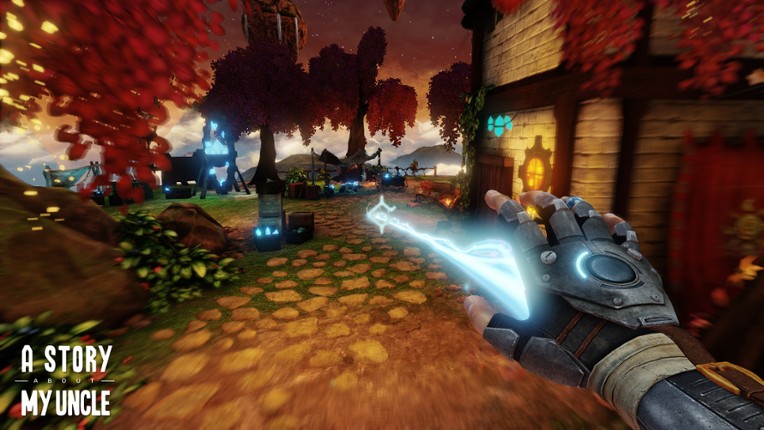
A Story About My Uncle is a non-violent First-Person platform adventure game built in the Unreal Engine. It is a story about a boy who searches for his lost uncle and ends up in a world he couldn’t imagine existed. The movement through the world in A Story About My Uncle is a crucial part of its core gameplay, focusing on swinging yourself through caverns with a grappling hook mechanic that gives… If you enjoyed this game, see our list of games similar to A Story About My Uncle.
View Game
- 80%Game Brain ScoreMost mentioned positive aspects:story, graphicsMost mentioned negative aspects:optimization, stability80% User Score 1,221 reviewsAdds cooperative play and alien‑themed dread to LN’s solo puzzle‑platforming, inviting horror fans who enjoy shared scares underground. If you enjoyed this game, see our list of games similar to Amenti.View Game
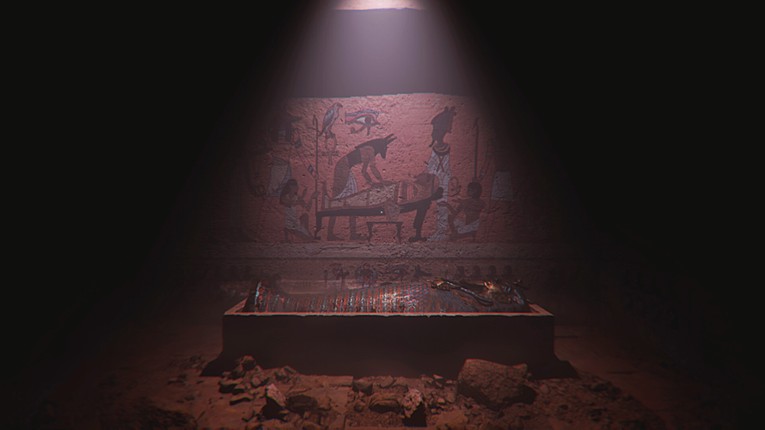
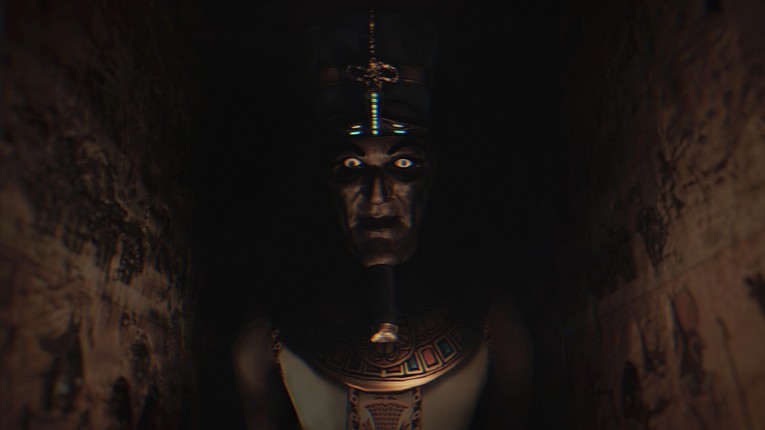
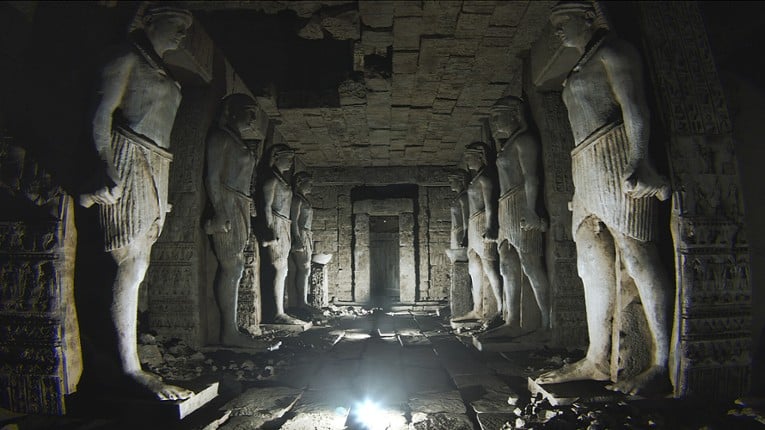
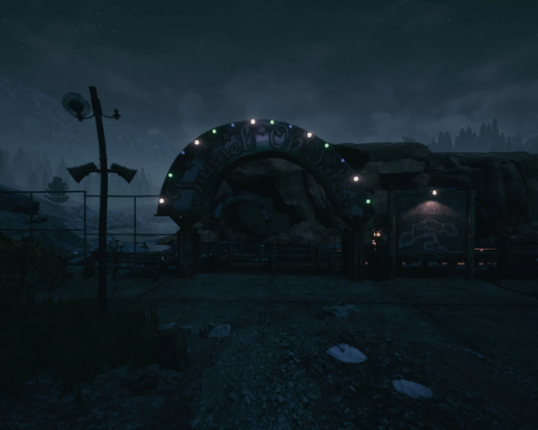
- 71%Game Brain ScoreMost mentioned positive aspects:story, atmosphereMost mentioned negative aspects:replayability, optimization71% User Score 2,152 reviewsShort theme-park horror confined to first-person exploration and puzzle-solving, ditching platforming while amplifying occult mystery and sonic atmosphere. If you enjoyed this game, see our list of games similar to The Park.View Game
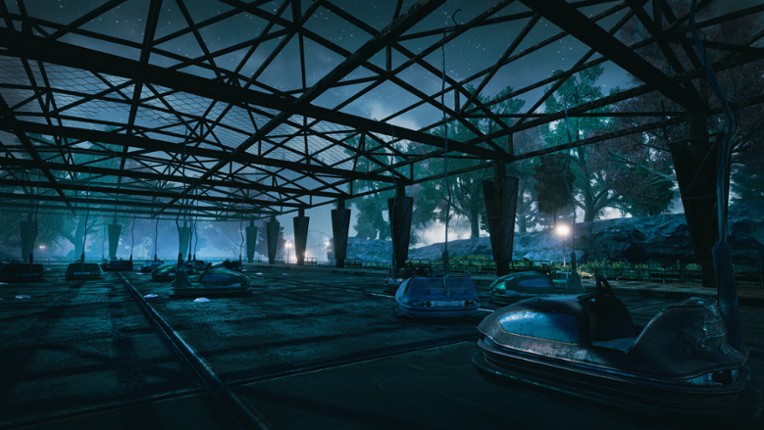
- 94%Game Brain ScoreMost mentioned positive aspects:atmosphere, storyMost mentioned negative aspects:stability, optimization93% User Score 5,030 reviewsCritic Score 95%1 reviews
A horror game about claustrophobia. During a storm your service dog is forced down a broken sewer drain. You find the nearest sewer entrance and run in after it. Along the way you will meet others that are also stricken by abnormal or psychological fear. If you enjoyed this game, see our list of games similar to Lost in Vivo.
View Game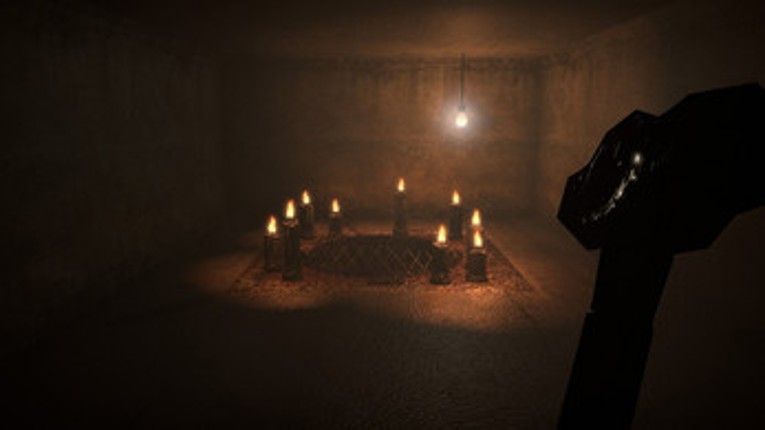
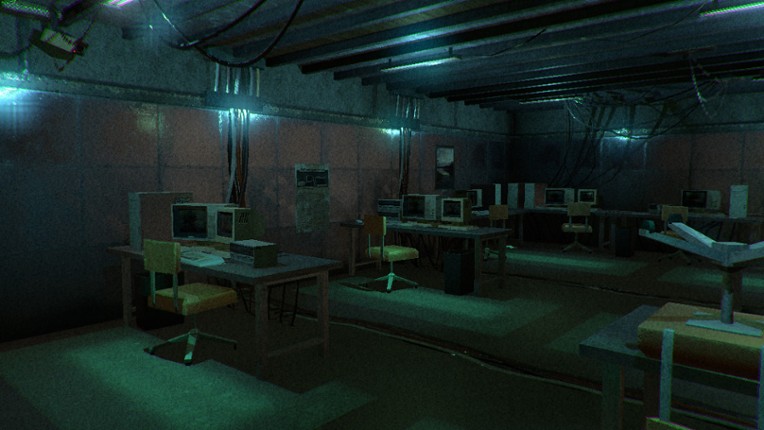
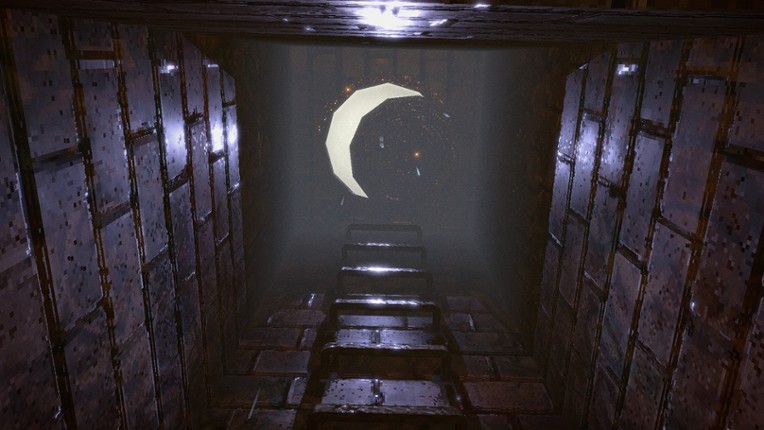
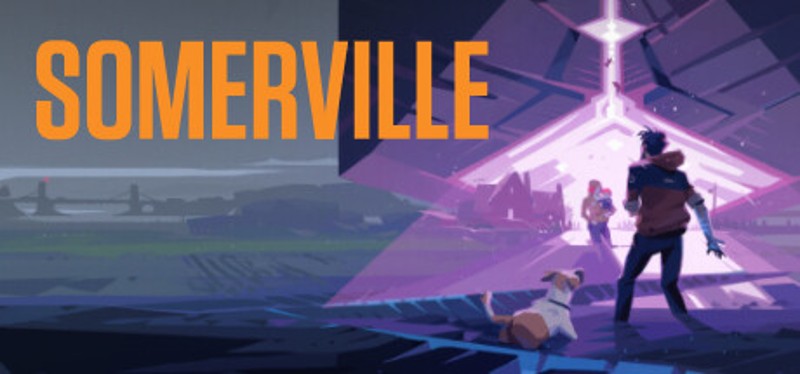
- 76%Game Brain ScoreMost mentioned positive aspects:story, gameplayMost mentioned negative aspects:optimization, stability72% User Score 1,160 reviewsCritic Score 100%1 reviewsBlends atmospheric 2.5D and 3D platforming with emotional narrative and science fiction mystery, offering a more ambient, cinematic journey. If you enjoyed this game, see our list of games similar to Somerville.View Game


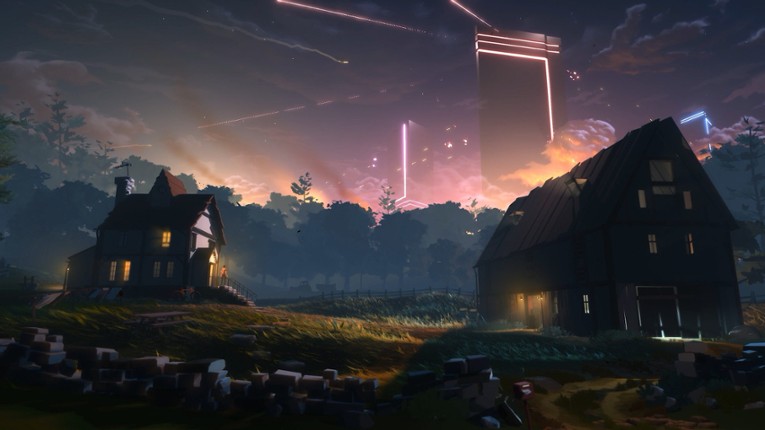
- 72%Game Brain ScoreMost mentioned positive aspects:story, gameplayMost mentioned negative aspects:optimization, grinding77% User Score 2,164 reviewsCritic Score 67%25 reviews
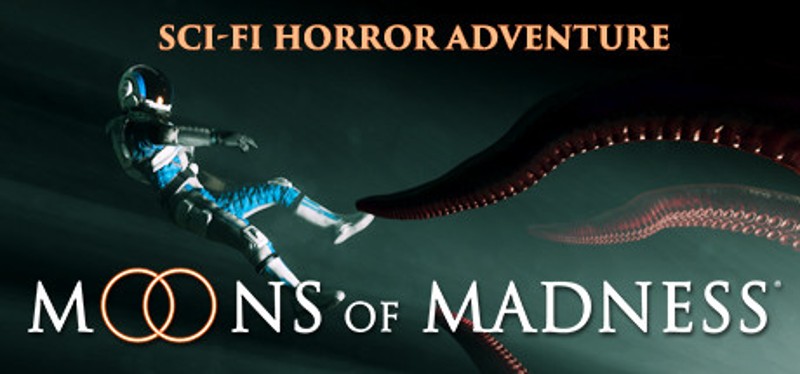
Moons of Madness throws the player into a unique, first person, psychological horror game, combining Lovecraft influence with hard sci-fi. If you enjoyed this game, see our list of games similar to Moons of Madness.
View Game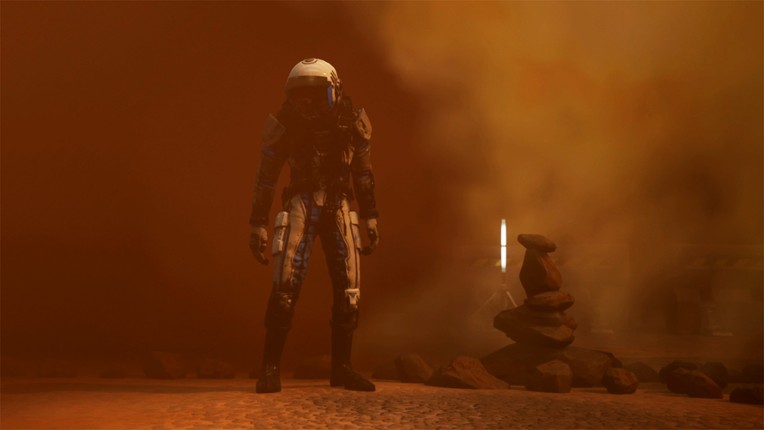
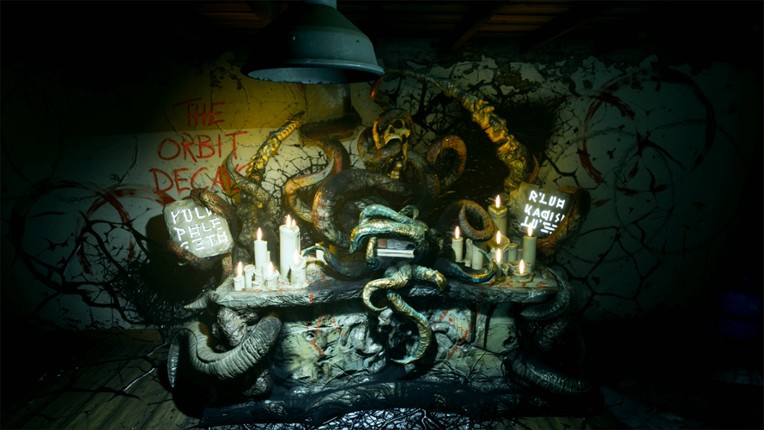

- 81%Game Brain ScoreMost mentioned positive aspects:story, musicMost mentioned negative aspects:grinding, stability87% User Score 2,684 reviewsCritic Score 74%34 reviews
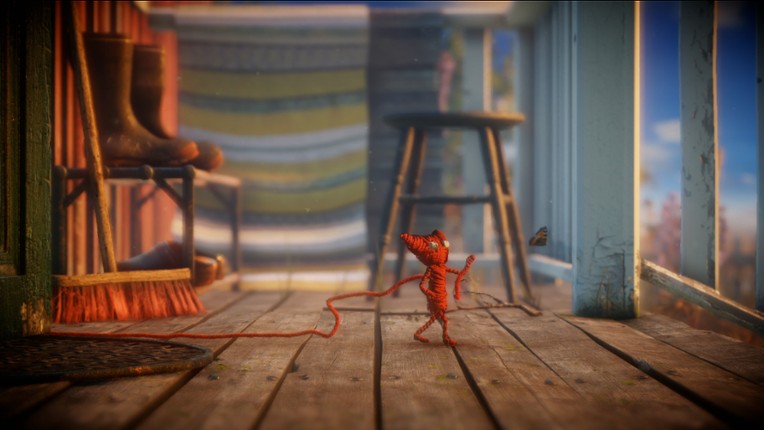
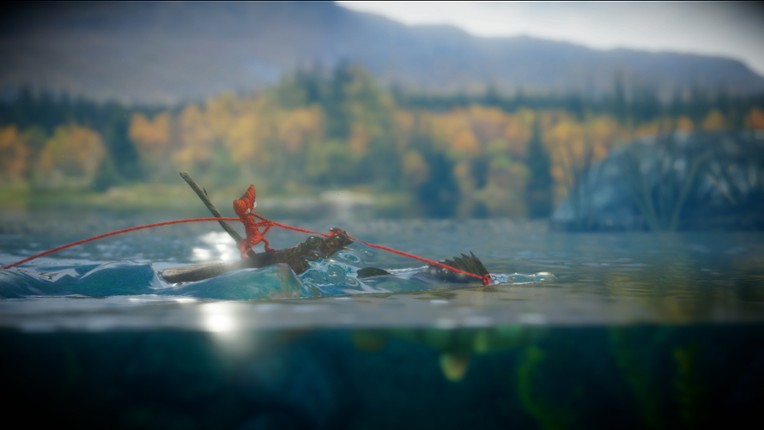
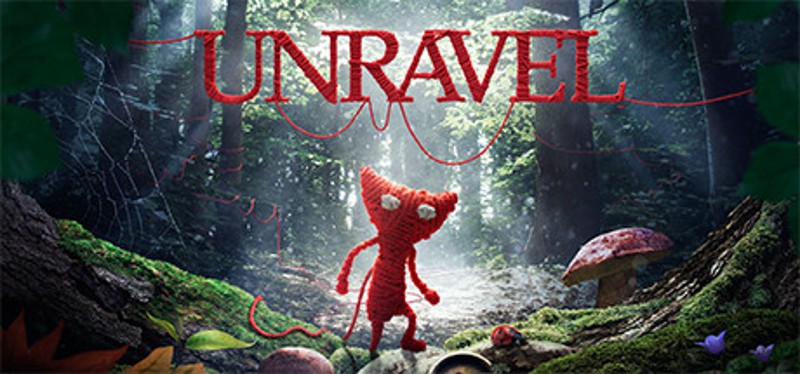
Unravel is a game about Yarny, a tiny character born from a single thread. Yarny embarks on a big adventure into the nature, inspired by the beauty of Northern Scandinavia. Without any spoken words, the character will have to solve puzzles and use tools to overcome tough challenges. All this, in order to find memories of his lost family. Only Yarny can be the bond that ties everything together in … If you enjoyed this game, see our list of games similar to Unravel.
View Game


 View Game





















Frequently Asked Questions
Little Nightmares 2 is the direct sequel with enhanced co-op gameplay and atmospheric horror. INSIDE offers a minimalist puzzle-platformer with haunting visuals and environmental storytelling. Limbo delivers monochrome surrealism with clever physics puzzles. All three share Little Nightmares' dark tone, psychological depth, and cinematic presentation that resonates long after playing.
Little Nightmares 2 is your best match, featuring two-player co-op where Mono and Six interact dynamically throughout the story. The partnership enhances emotional storytelling while maintaining the atmospheric horror and puzzle-platforming of the original. It's specifically designed around cooperative play without losing the dark, immersive experience that made Little Nightmares compelling.
Darq combines surreal puzzle-platforming with stealth mechanics and a Tim Burton-esque art style. Planet of Lana features hand-drawn visuals with emotional storytelling through environmental puzzles. INSIDE seamlessly integrates clever puzzles with atmospheric gameplay. Each game prioritizes intelligent puzzle design that feels integral to the story rather than artificially tacked on.
All recommended games including Little Nightmares 2, INSIDE, Limbo, Bramble: The Mountain King, and The Medium are available on PC, PlayStation, and Xbox platforms. Most are also on Nintendo Switch. Stray and Planet of Lana offer broad platform support. Check individual storefronts for current availability on your preferred system.
Most similar games are paid indie titles priced affordably ($15–$30). Darq offers excellent value with free DLC expansion. Sales frequently occur on Steam, PlayStation Store, and Xbox Game Pass, where several titles appear regularly. If budget is tight, Game Pass subscriptions provide access to multiple similar games like Stray and The Medium.
The Medium stands out with dual-reality psychological horror and a mature, haunting narrative. Bramble: The Mountain King blends Scandinavian folklore with dark creature designs and atmospheric dread. INSIDE uses minimalist storytelling to create pervasive unease. All three prioritize psychological tension and mature themes over jump scares, delivering sustained dread throughout.