

Games like The Forest
If games like The Forest are what you're after, you already know the feeling — stranded in a hostile wilderness, scavenging for materials by day and dreading what hunts you at night. The Forest earns its reputation through a rare combination of open-world survival crafting, first-person horror atmosphere, and a genuinely unsettling story that unfolds through exploration. The good news: there are other games that hit that same nerve, and several of them hit it hard.
What makes The Forest so hard to put down is the tension between its systems. You're building a base, managing resources, and crafting weapons — but the jungle pushes back with intelligent, disturbing enemies that feel genuinely threatening rather than just mechanically hostile. Layer in a co-op mode that makes everything both easier and more chaotic, a story told through environmental discovery, and an atmosphere that earns its survival horror label, and you have something players keep returning to long after the credits roll.
What Makes a Good Alternative to The Forest?
- First-person open world survival crafting — The Forest's core loop lives in that hands-on, grounded perspective where every resource gathered and shelter built feels personal. The best alternatives share this same tactile crafting and base-building rhythm.
- Atmosphere with real threat — Not just danger meters, but a world that feels genuinely hostile and unsettling. The Forest's cannibal-haunted peninsula works because the environment itself feels alive and menacing.
- Story delivered through exploration — Rather than cutscenes, The Forest trusts players to piece together its narrative. Alternatives that reward curiosity with lore and discovery scratch the same itch.
- Co-op that enhances rather than trivializes — Playing The Forest with a friend changes the experience without breaking it. Games that offer the same meaningful co-op survival tension belong on this list.
- Replayable survival systems with depth — Players praise The Forest for its replayability precisely because the systems interact in interesting ways. Good alternatives offer that same sense that no two runs feel identical.
Top Picks If You Enjoyed The Forest
Sons Of The Forest is the direct spiritual successor with expanded building and AI. Green Hell trades cannibals for a brutal Amazon jungle with deeply realistic survival systems. Subnautica delivers that same story-through-exploration tension in a breathtaking underwater setting. 7 Days to Die layers zombie horde defense onto open-world crafting for a grittier, more chaotic take. Grounded and Dying Light round things out with co-op survival depth and plenty of atmosphere.
Every recommendation below is ranked by similarity using real player data, so the closest matches appear first. Browse the full list to find exactly the experience you're looking for in games like The Forest.
- 86%Game Brain ScoreMost mentioned positive aspects:story, gameplayMost mentioned negative aspects:stability, optimization87% User Score 176,320 reviewsCritic Score 83%6 reviews
Both games hinge on the tension between survival and construction—you'll spend hours gathering resources in hostile territory, then retreat to your base to fortify and expand it while the world grows darker around you. This cycle creates the same rhythmic pressure: scavenging feels purposeful because every log and stone directly feeds your shelter's growth.
The co-op foundation reinforces this experience in identical ways. Playing with a partner transforms base-building from a solitary task into negotiation and role-specialization, where one player scouts while the other fortifies, amplifying both the atmosphere and the stakes of each venture into the wilderness.
Where Sons Of The Forest pivots is tone: the horror elements cut deeper and more consistently, leaning into dread rather than the occasional shock. If grinding felt like a slog in The Forest, Sons rewards exploration more generously, reducing the drag of resource hunting without eliminating its weight.
Best for players who loved the building-and-survival loop but wanted the world itself to feel more oppressive, and who appreciate a co-op partner to share both the burden and the discovery.
If you enjoyed this game, see our list of games similar to Sons Of The Forest.View Game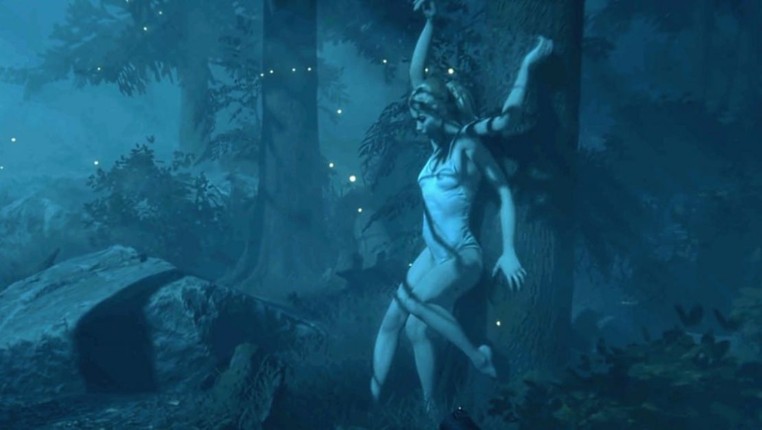

- 87%Game Brain ScoreMost mentioned positive aspects:story, gameplayMost mentioned negative aspects:stability, grinding94% User Score 132,525 reviewsCritic Score 80%33 reviews
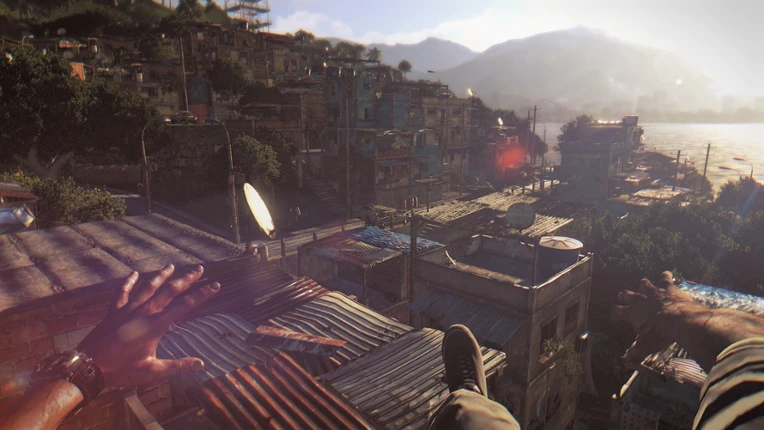
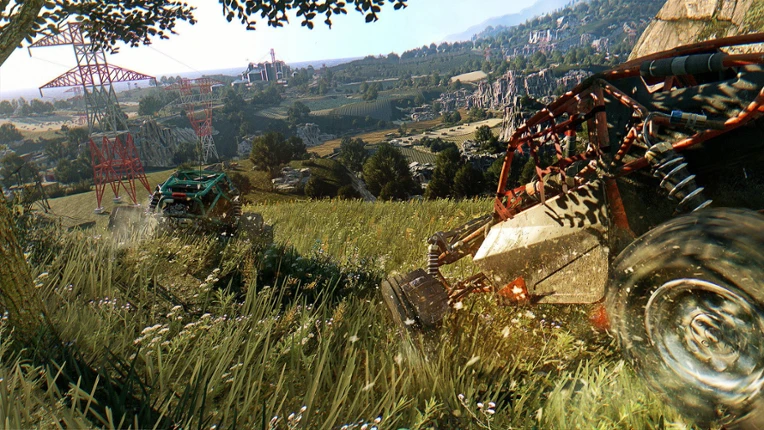
Both games thrive on the constant pressure of an impending sunset that shifts the power balance from hunter to hunted. You will find yourself frantically gathering supplies before the light fades, mirroring the dash back to a safe house when the cannibals begin their patrol.
This scavenge-to-survive loop demands that you treat the world as a giant toolkit. Because every weapon blueprint requires specific components found in dangerous interiors, looting becomes a tactical puzzle that rewards the same environmental awareness needed to survive the peninsula.
While the horror elements share a pulse, Dying Light trades static base-building for high-velocity parkour. This offers a fresh alternative to the resource grinding often found in traditional survival sims by making traversal through the world a rewarding, skill-based experience.
Best for players who value kinetic momentum over permanent fortifications.
If you enjoyed this game, see our list of games similar to Dying Light.View Game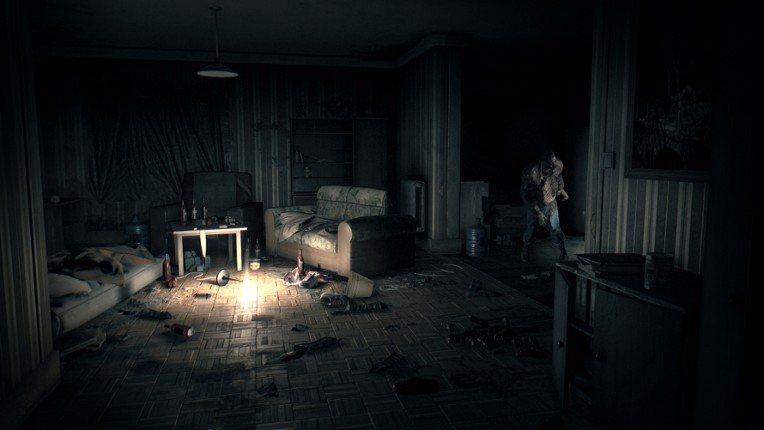
- 90%Game Brain ScoreMost mentioned positive aspects:story, gameplayMost mentioned negative aspects:grinding, stability94% User Score 228,886 reviewsCritic Score 80%3 reviews
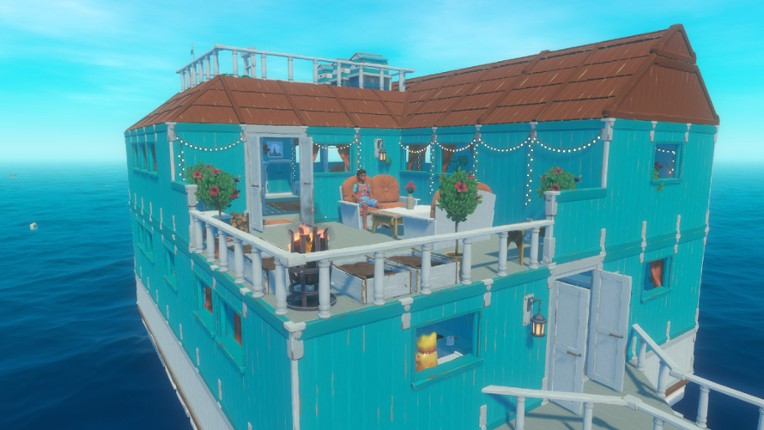
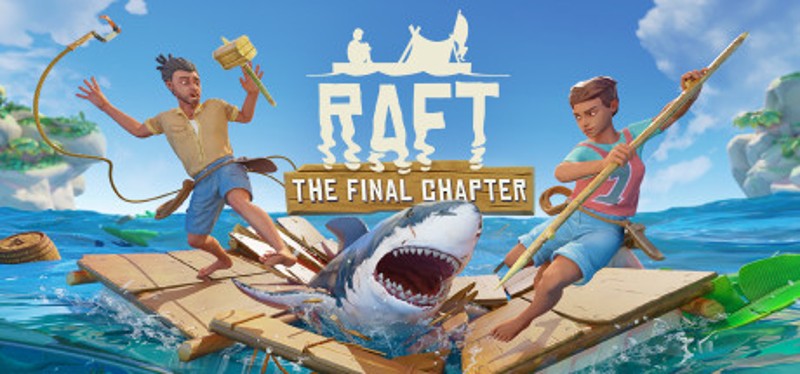
That compulsive loop of scavenging, building, and bracing for the next threat that drives The Forest is alive and well in Raft — just relocated from dense woodland to an endless, shark-patrolled ocean.
Both games demand first-person crafting and base construction as survival lifelines, not optional side systems. In Raft, expanding your floating platform creates the same escalating stakes as fortifying your treehouse camp — every new structure opens new needs, and the world pushes back harder the more you grow. The co-op framework also carries over cleanly, with coordinated building and resource runs rewarding the same kind of two-player synergy The Forest does well.
The meaningful shift is tone: Raft trades horror and predatory AI for a brighter, more puzzle-driven survival experience. Players who found The Forest's cannibal encounters more stressful than fun may actually appreciate the change.
The grinding criticism that follows The Forest applies here too, so go in with patience — but the resource loop is tighter and less padded. Best for co-op players who want survival crafting without the dread.
If you enjoyed this game, see our list of games similar to Raft.View Game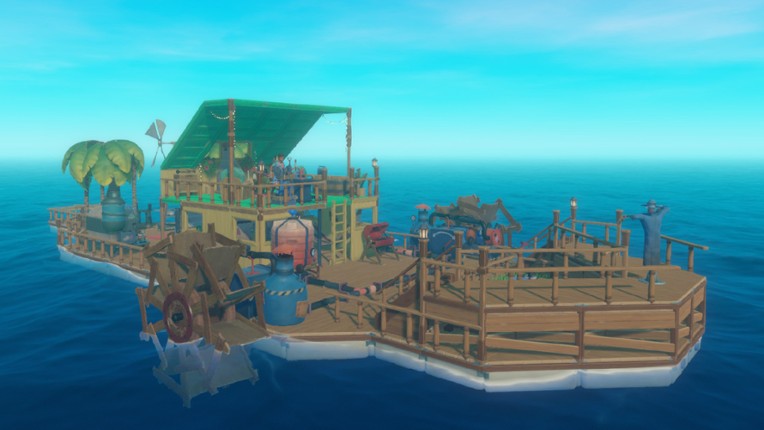

- 90%Game Brain ScoreMost mentioned positive aspects:graphics, gameplayMost mentioned negative aspects:grinding, stability90% User Score 13,375 reviews
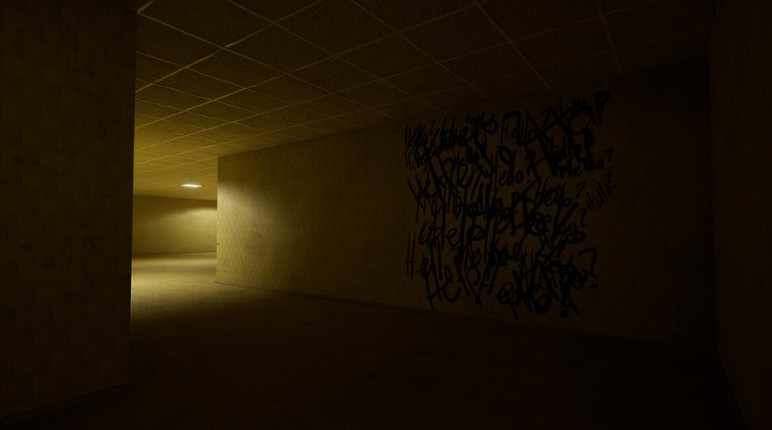
The shared backbone of Backrooms: Escape Together and The Forest is the claustrophobic co-op survival loop, where coordinating with a partner is the only way to avoid total annihilation. This reliance on teamwork matters because it turns simple exploration into a high-stakes test of communication.
While The Forest focuses on terrestrial base-building and crafting against tribal threats, this title traps you in disorienting, procedurally generated labyrinths where sanity and environmental navigation take priority. You trade the freedom of an open island for the relentless, surreal tension of endless liminal spaces.
Pick this up if you want intense, shared survival horror but can live without the complex logistical grind of constructing a permanent shelter.
If you enjoyed this game, see our list of games similar to Backrooms: Escape Together.View Game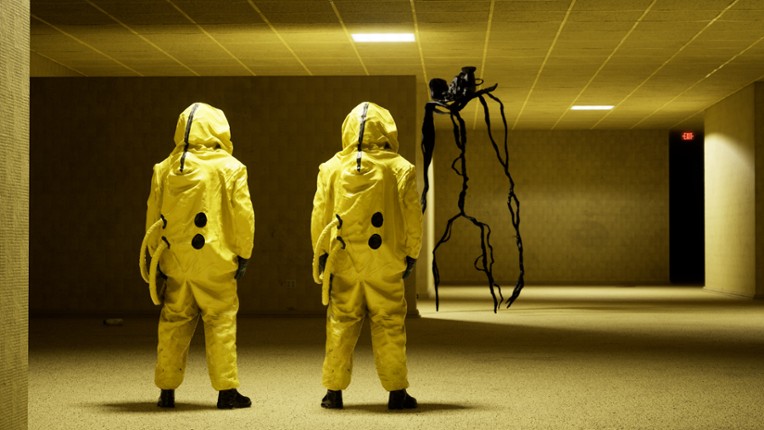
- 87%Game Brain ScoreMost mentioned positive aspects:story, graphicsMost mentioned negative aspects:stability, grinding97% User Score 188,796 reviewsCritic Score 77%12 reviews
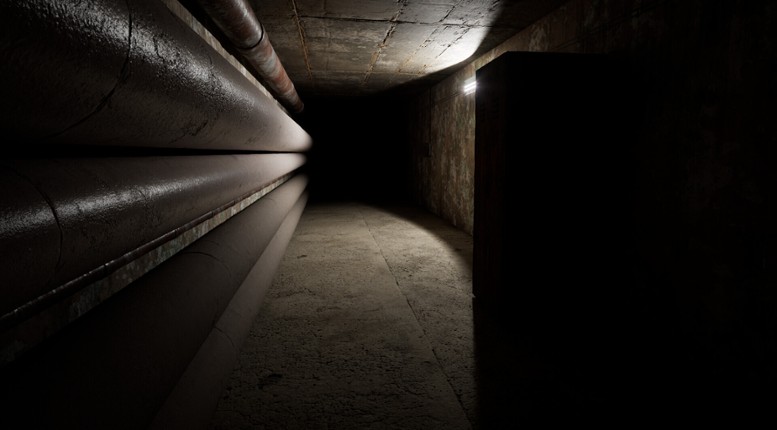
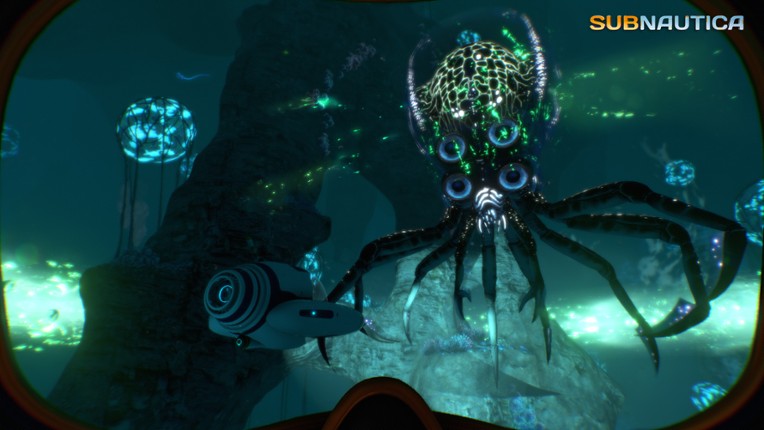
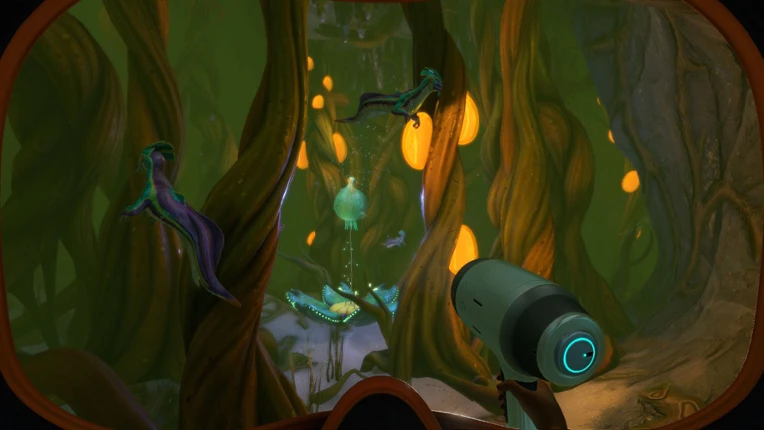
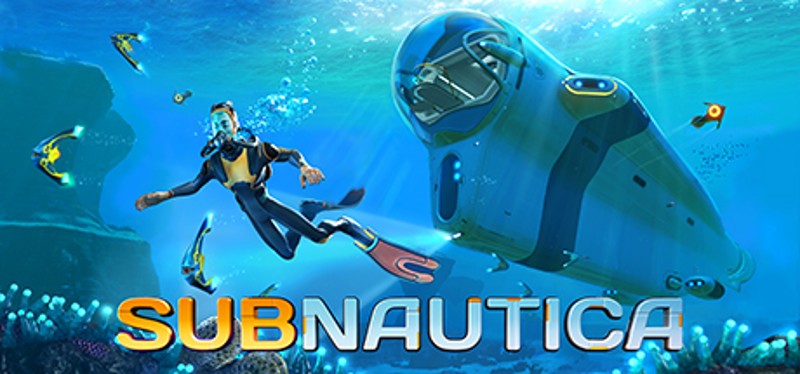
Both games thrive on that solo scramble for survival where every new tool changes how you move through a hostile world. In Subnautica, the same loop of scavenging, crafting, and pushing deeper into danger keeps the pressure on while rewarding careful preparation and bold exploration.
Like The Forest, it blends open-world survival crafting, base-building, and first-person exploration into a constant cycle of risk and reward. The underwater setting gives every journey a clear purpose: you dive for resources, return to improve your shelter, then venture farther because your upgrades finally make the unknown survivable.
The big tradeoff is tone: instead of horror rooted in mutants and combat, Subnautica turns tension into isolation, depth, and limited oxygen. That change freshens the formula while also addressing one common complaint from The Forest fans — it offers a more focused, story-driven progression with less of the messy grind and instability that can drag survival games down.
Best for players who want exploration and crafting to feel dangerous, not cozy.
If you enjoyed this game, see our list of games similar to Subnautica.View Game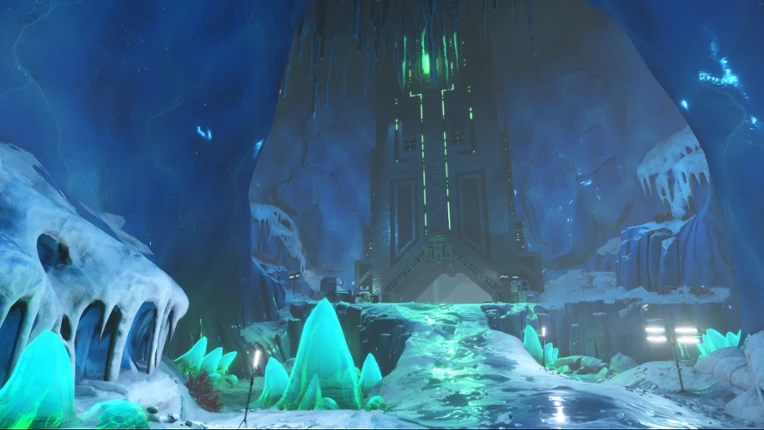
- 78%Game Brain ScoreMost mentioned positive aspects:story, gameplayMost mentioned negative aspects:grinding, stability85% User Score 33,418 reviewsCritic Score 66%6 reviews
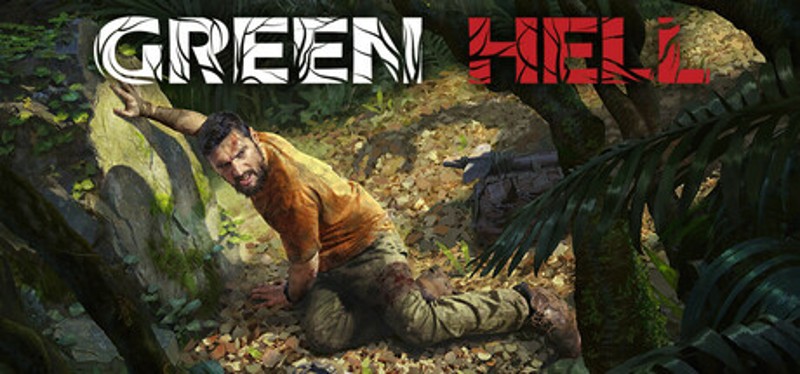
Both games trap you in hostile wilderness where resource scarcity forces constant decision-making—every crafted tool and built shelter represents a calculated bet against hunger, injury, and environment. This creates the same psychological tension: you're never truly safe, only temporarily prepared.
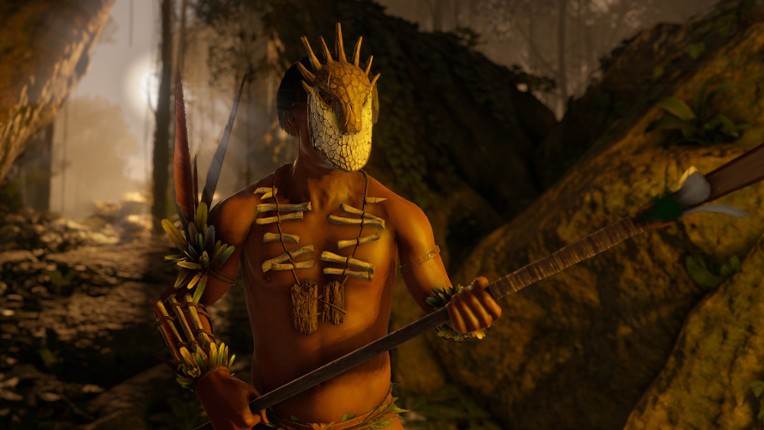
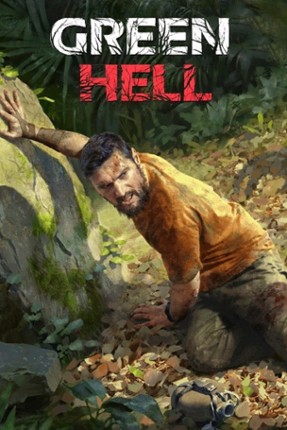
The co-op survival loop works identically in both: scavenge, craft, build defenses, survive the night. Green Hell mirrors The Forest's base-building depth, but strips away combat encounters to focus purely on managing your body's needs (hunger, sanity, illness). This makes survival feel less about fighting threats and more about outsmarting the jungle itself.
Where they diverge: Green Hell trades The Forest's horror-action pacing for a slower, more methodical grind. This isn't a weakness—it's a longer endurance test that rewards patience over reflexes, offering substantially more playtime for those who didn't feel The Forest pushed their survival skills hard enough.
Best for players who crave mastery through trial-and-error, who want co-op survival without combat, and who can tolerate a steeper learning curve for deeper mechanical systems.
If you enjoyed this game, see our list of games similar to Green Hell.View Game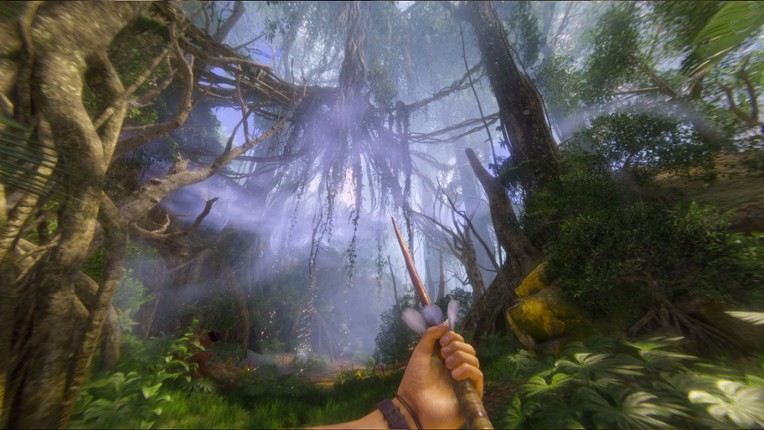
- 86%Game Brain ScoreMost mentioned positive aspects:story, gameplayMost mentioned negative aspects:stability, grinding92% User Score 65,944 reviewsCritic Score 79%27 reviews
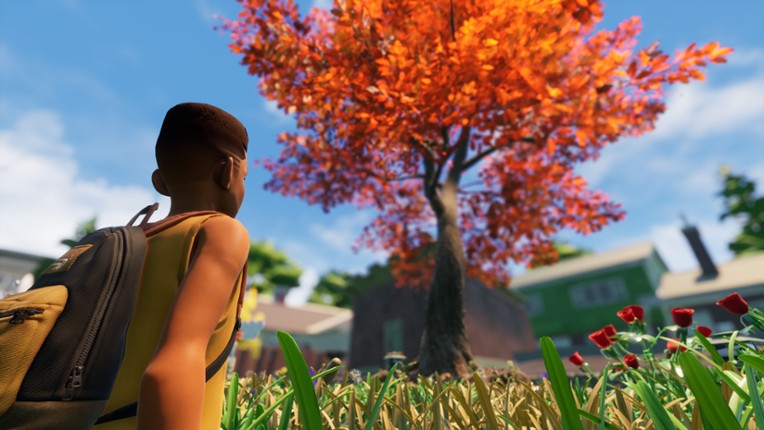
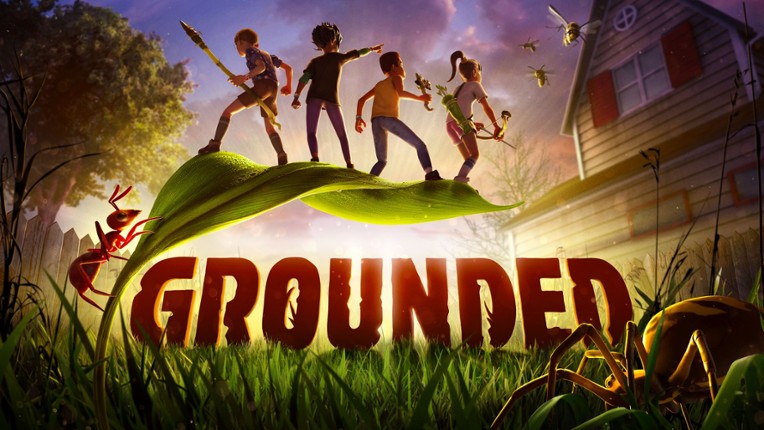
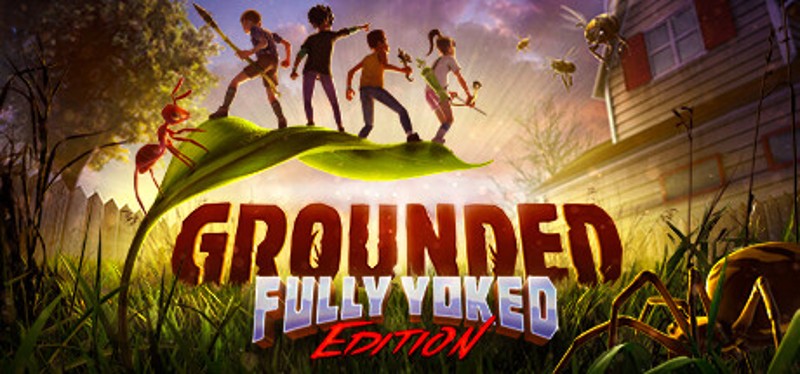
The primary link is the meticulous base-building loop, where gathering resources to fortify a defensive perimeter against incoming waves is the essential path to survival. Both titles emphasize this frantic cycle of construction followed by desperate combat, which keeps the tension levels consistently high.
You lose the gritty, claustrophobic body horror of The Forest for a suburban, insect-sized perspective that feels far less grounded in visceral fear. While The Forest leans into cannibalistic dread, Grounded replaces it with the unpredictable, high-stakes threat of nature’s deadliest predators.
Pick this up if you crave complex engineering and co-op cooperation but can live without the unsettling, mature imagery of a stranded plane crash survivor.
If you enjoyed this game, see our list of games similar to Grounded.View Game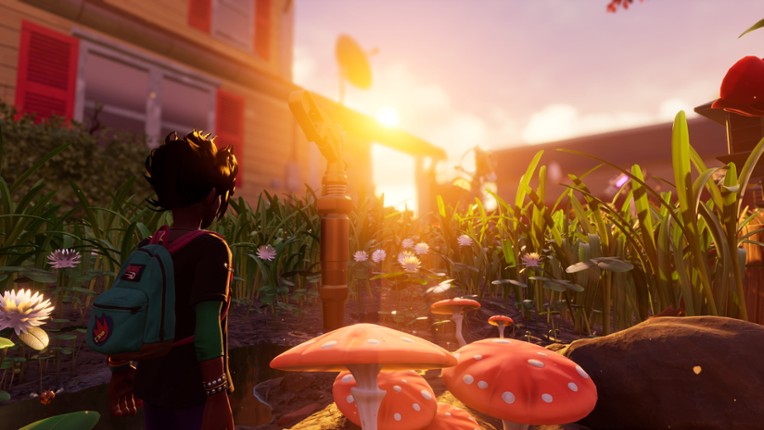
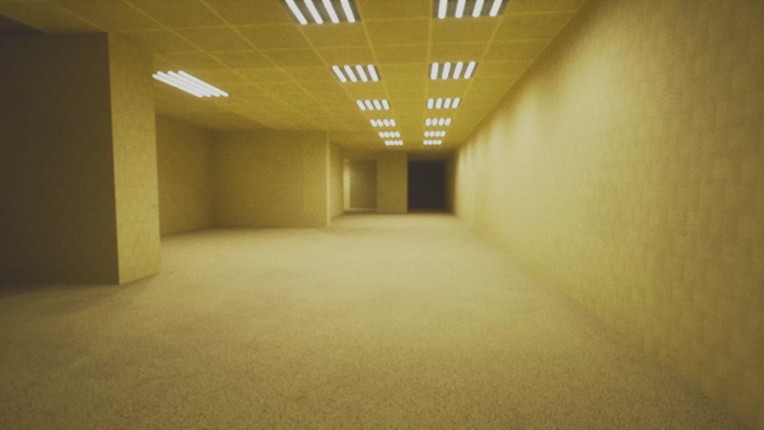
- 90%Game Brain ScoreMost mentioned positive aspects:gameplay, graphicsMost mentioned negative aspects:stability, grinding90% User Score 51,622 reviewsReplaces The Forest's island exploration with claustrophobic procedural dungeons, keeping co-op horror tension but abandoning crafting and building entirely. If you enjoyed this game, see our list of games similar to Escape the Backrooms.View Game
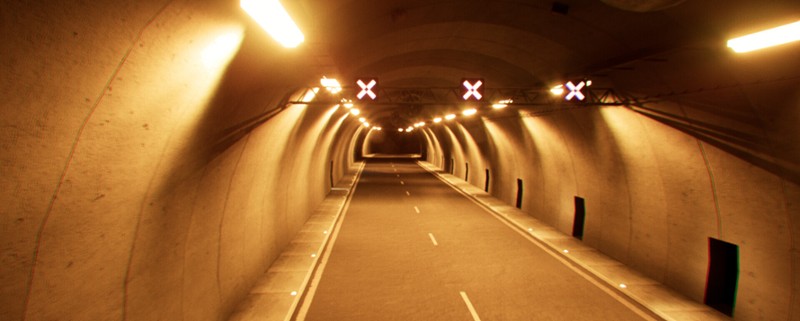
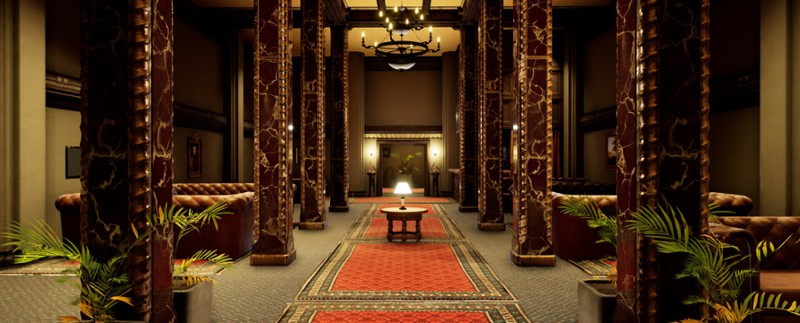
- 87%Game Brain ScoreMost mentioned positive aspects:humor, gameplayMost mentioned negative aspects:stability, grinding87% User Score 5,680 reviewsLoosely connected multiplayer survival that shares The Forest's first-person exploration but pivots toward absurdist comedy and military sandbox chaos. If you enjoyed this game, see our list of games similar to Hand Simulator Survival.View Game
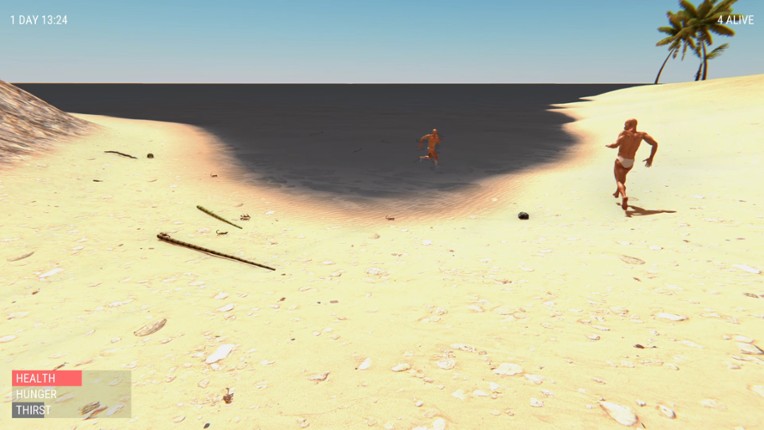
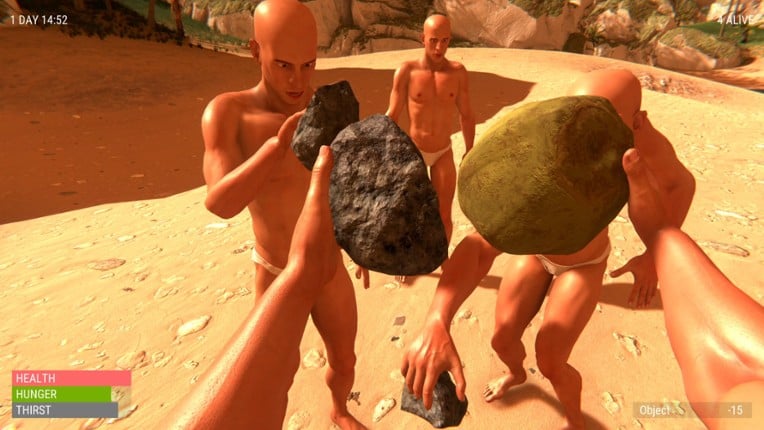
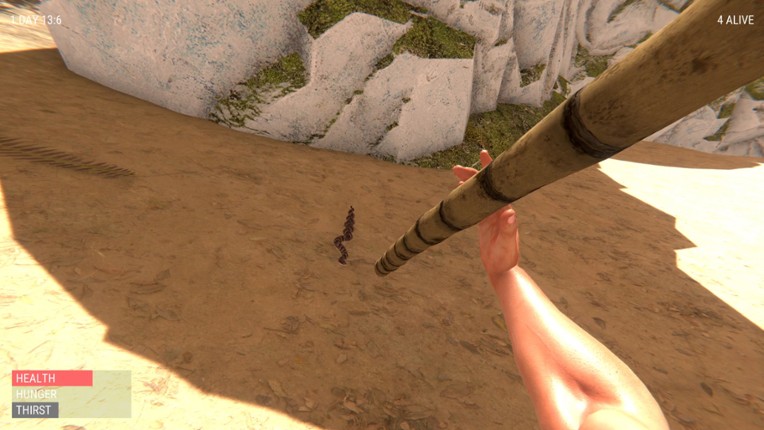
- 84%Game Brain ScoreMost mentioned positive aspects:gameplay, storyMost mentioned negative aspects:optimization, stability84% User Score 1,126 reviews
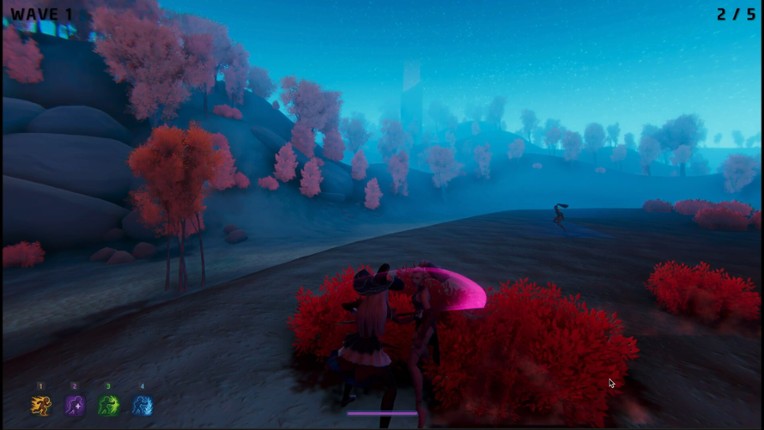
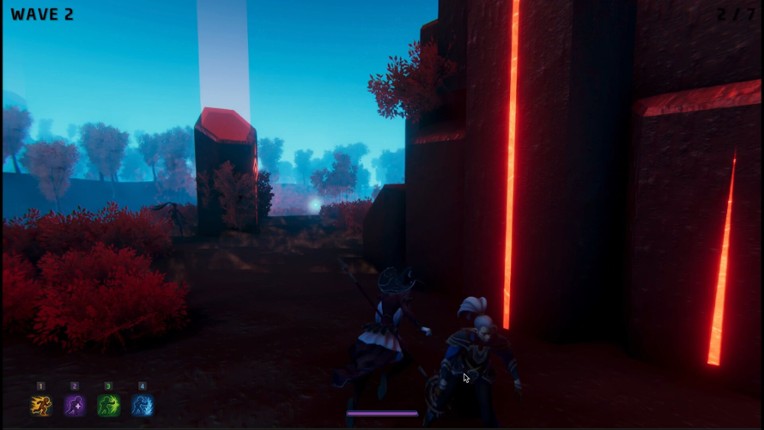
Cinderwake is an immersive action survival game where you play as a witch battling in the depths of a magical forest. A wave system with ever-increasing challenge will push your precision and mastery to the limit. You command four distinct abilities. The forest breathes in stylized darkness — twisted roots, glowing sparks, and beings emerging from the essence of magic. Game Features: Progressiv… If you enjoyed this game, see our list of games similar to Cinderwake.
View Game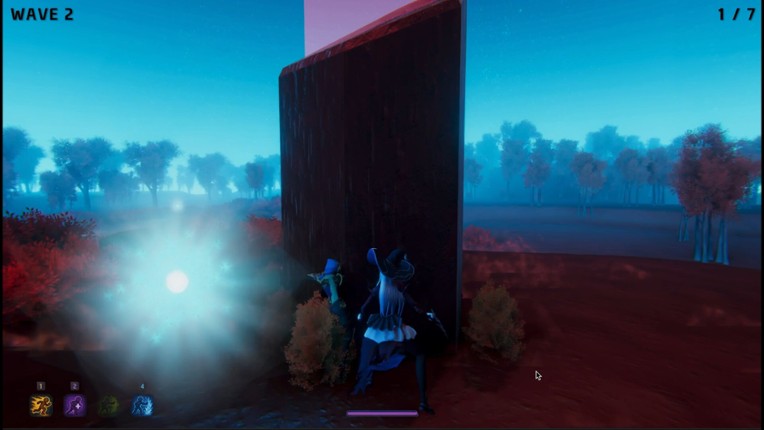
- 84%Game Brain ScoreMost mentioned positive aspects:gameplay, graphicsMost mentioned negative aspects:stability, optimization84% User Score 22,164 reviews
Both The Forest and BIGFOOT emphasize tense 2-player online co-op survival with a first-person atmospheric approach. This shared dynamic fuels intense teamwork amid hostile wilderness, ramping up player immersion.
BIGFOOT leans further into psychological horror and multiple endings, adding narrative complexity that deepens replayable strategies.
The tradeoff is that BIGFOOT’s focus on supernatural elements and PvP shifts the tone from The Forest’s grounded violence to a more stylized horror experience.
Pick BIGFOOT if you want co-op survival with eerie psychological twists but can live without The Forest’s raw survival brutality and realism.
If you enjoyed this game, see our list of games similar to BIGFOOT.View Game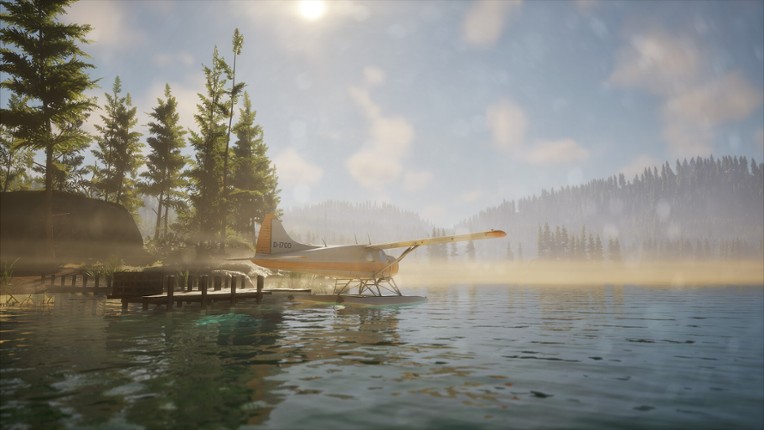
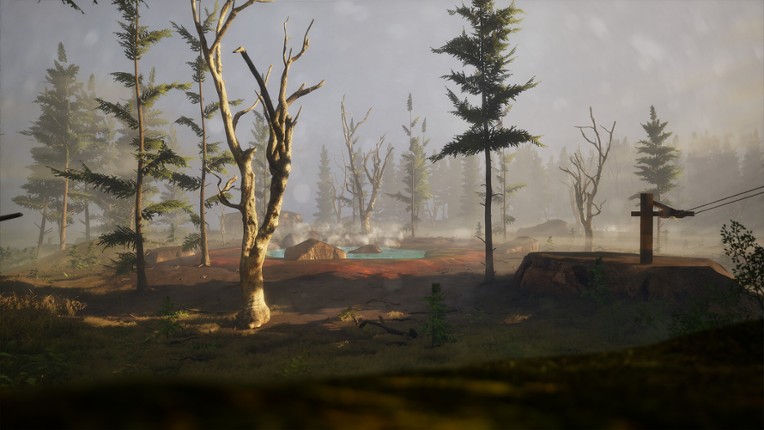
- 62%Game Brain ScoreMost mentioned positive aspects:gameplay, graphicsMost mentioned negative aspects:story, optimization85% User Score 183,471 reviewsCritic Score 40%18 reviews
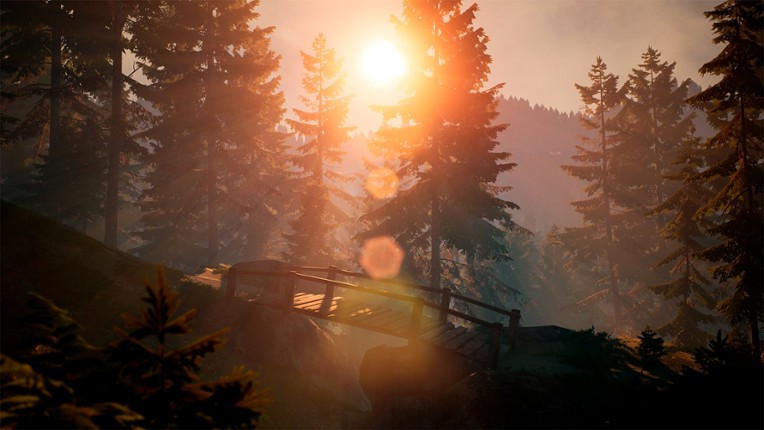
Both games drop you into hostile first-person worlds where crafting, base-building, and zombie hordes demand cooperation in online co-op.
7 Days to Die layers on tower defense mechanics—the undead assault your base on a timed cycle, making every structure a tactical choice rather than optional shelter.
Visually rougher and plagued by optimization issues, 7 Days to Die trades The Forest's atmospheric polish for deeper procedural survival systems.
Pick this up if you want aggressive base-defense survival with near-infinite replayability but can live without polished atmosphere.
If you enjoyed this game, see our list of games similar to 7 Days to Die.View Game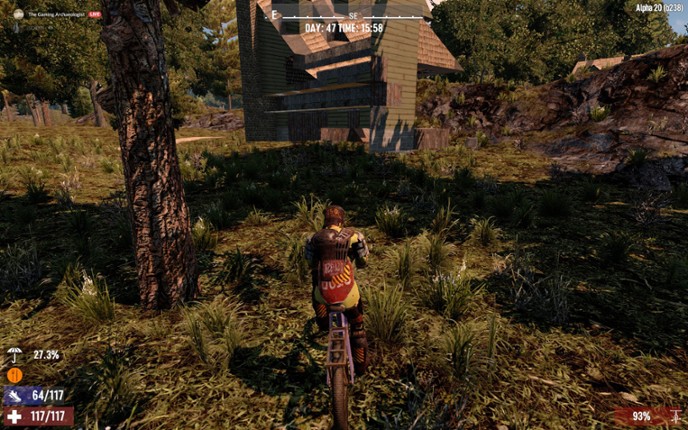
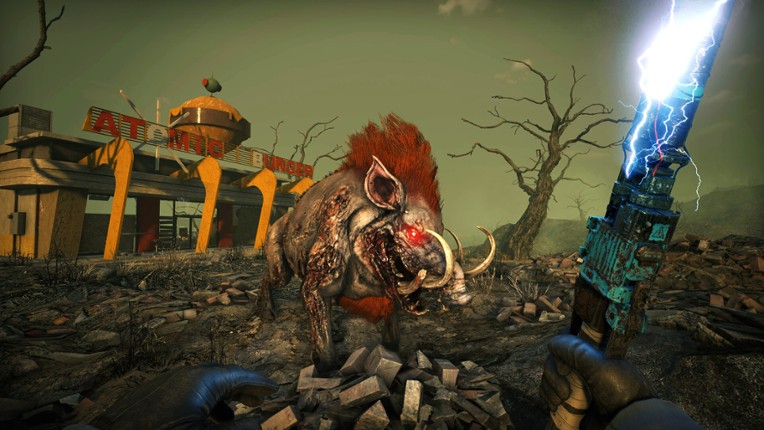
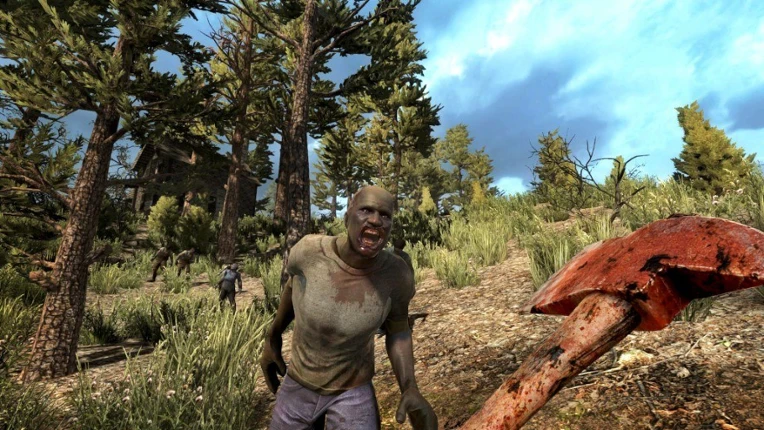
- 77%Game Brain ScoreMost mentioned positive aspects:graphics, gameplayMost mentioned negative aspects:stability, grinding91% User Score 219,904 reviewsCritic Score 10%1 reviews
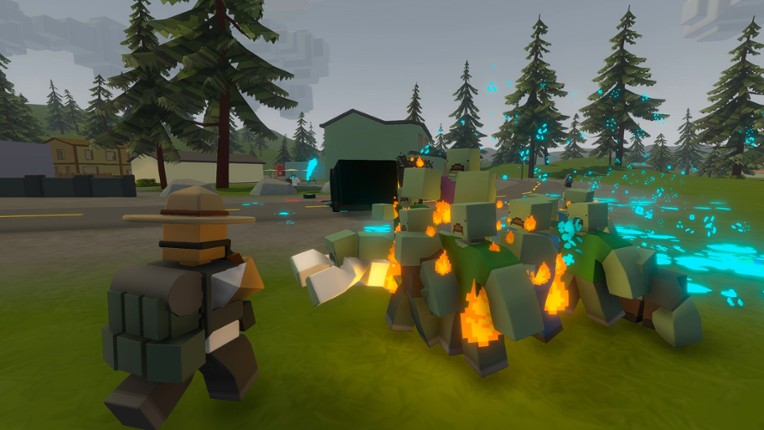
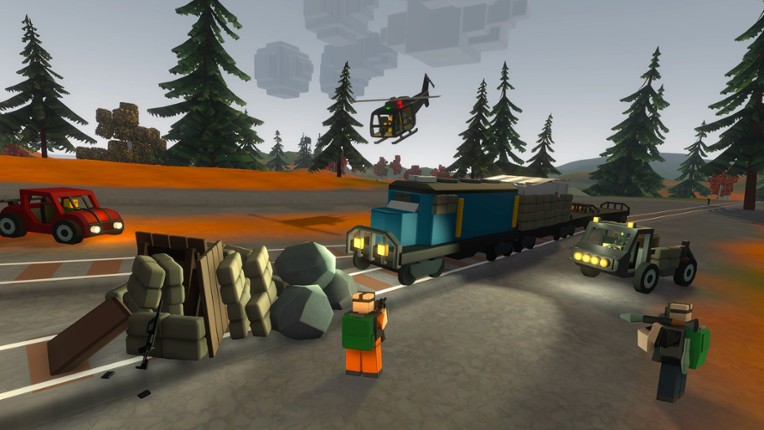
Both games center on zombie survival in first-person open worlds with cooperative multiplayer — you're scavenging, crafting, and staying alive alongside friends.
Unturned layers in PvP and trading mechanics, which deepens player interaction beyond pure co-op survival.
The tradeoff: The Forest prioritizes narrative and atmospheric tension, while Unturned is sandbox-focused with minimal story and relies heavily on community-driven play.
Pick Unturned if you want a free, grind-heavy survival experience but can accept weaker storytelling and a less polished technical foundation than The Forest.
If you enjoyed this game, see our list of games similar to Unturned.View Game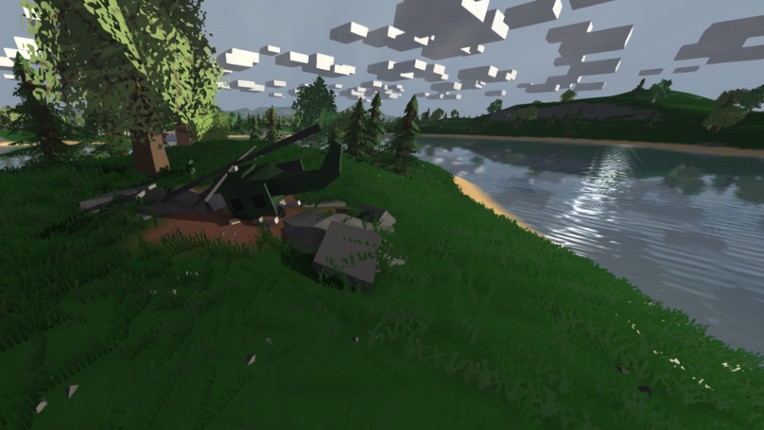
- 88%Game Brain ScoreMost mentioned positive aspects:story, gameplayMost mentioned negative aspects:stability, grinding88% User Score 21,290 reviewsInverts The Forest's exploration into a haunted-house escort mission, keeping co-op horror and atmospheric tension but replacing survival with time-pressure ghost-hunting. If you enjoyed this game, see our list of games similar to Pacify.View Game

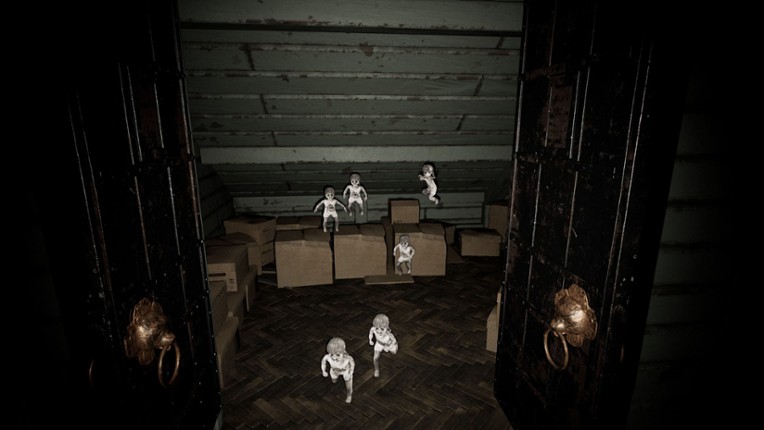
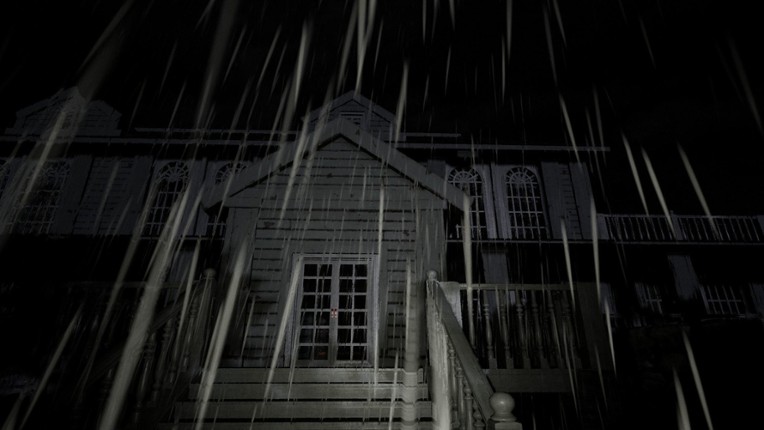
- 85%Game Brain ScoreMost mentioned positive aspects:story, gameplayMost mentioned negative aspects:grinding, stability85% User Score 1,131 reviewsLoosely shares The Forest's adventure DNA but strips away co-op, survival mechanics, and most core gameplay loops for an unclear singleplayer experience. If you enjoyed this game, see our list of games similar to Infinite Veil.View Game
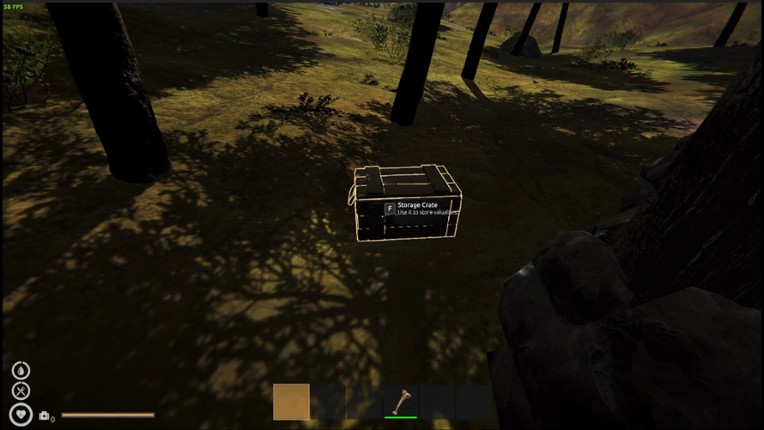
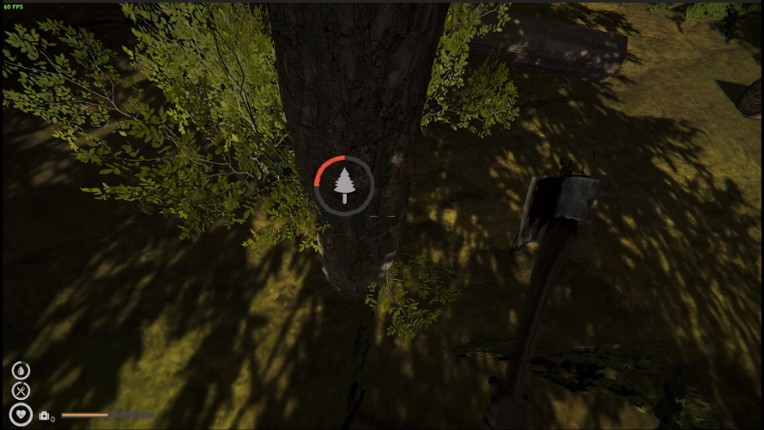
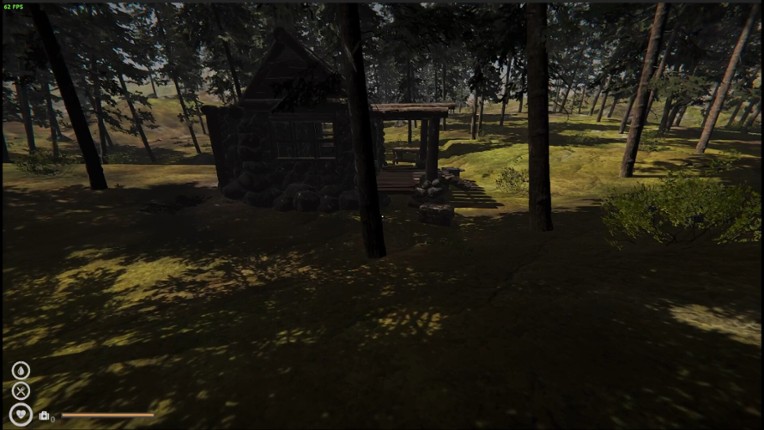
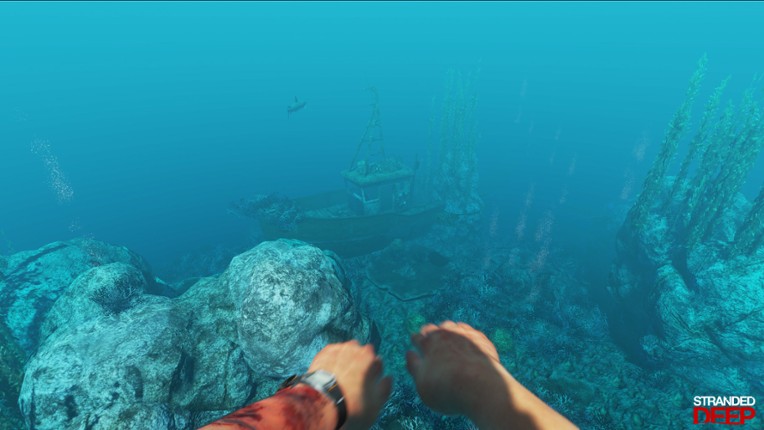
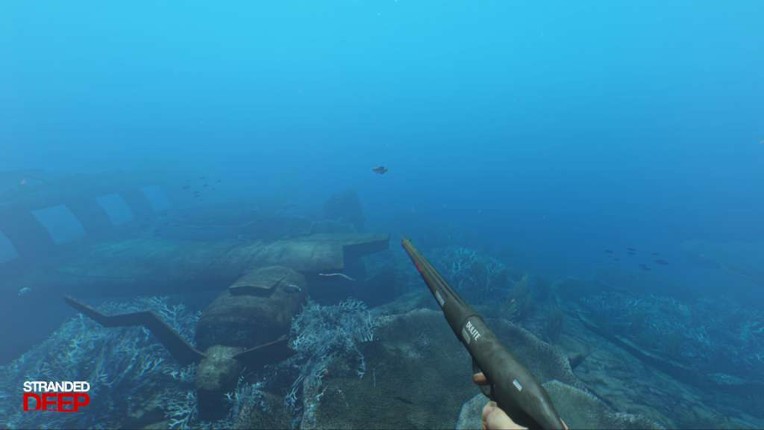
- 70%Game Brain ScoreMost mentioned positive aspects:graphics, gameplayMost mentioned negative aspects:stability, grinding75% User Score 44,756 reviewsCritic Score 64%9 reviewsMirrors The Forest's survival crafting and atmospheric building but transplants you to a stranded ocean setting with split-screen couch co-op options. If you enjoyed this game, see our list of games similar to Stranded Deep.View Game
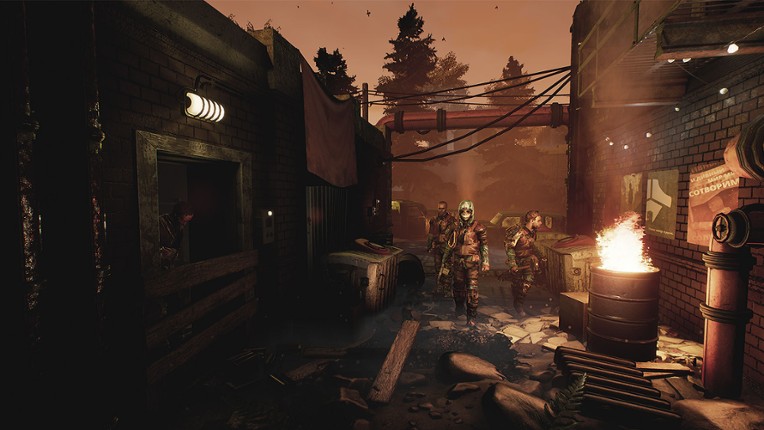
- 67%Game Brain ScoreMost mentioned positive aspects:story, gameplayMost mentioned negative aspects:optimization, stability67% User Score 4,434 reviewsDarkens The Forest's survival formula with heavier psychological horror and third-person perspective, maintaining zombies and crafting but amplifying dread and isolation. If you enjoyed this game, see our list of games similar to DESOLATE.View Game
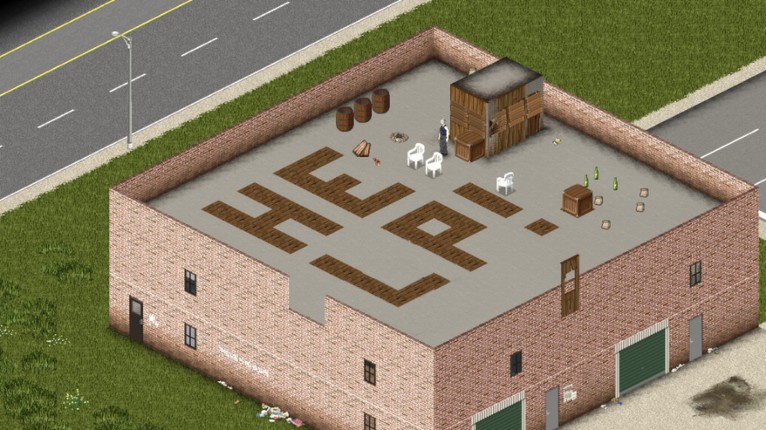
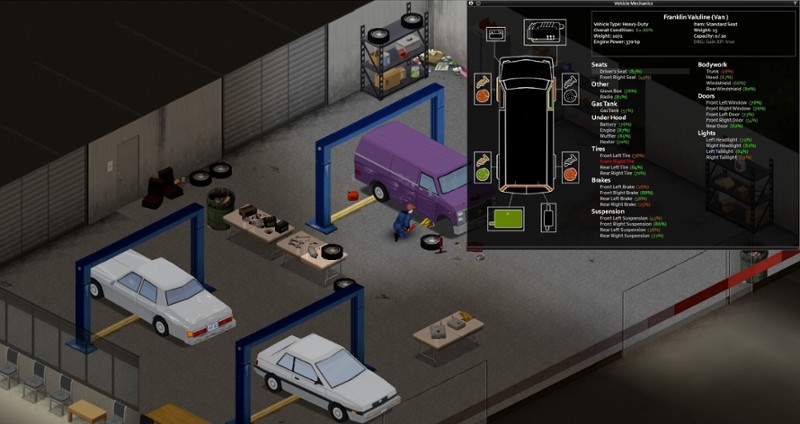
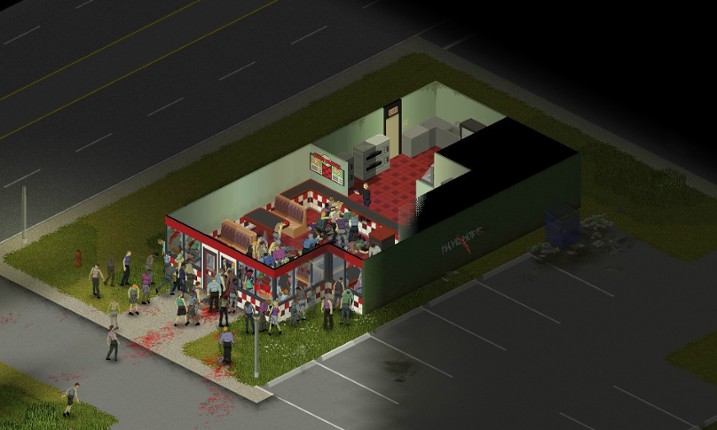
- 84%Game Brain ScoreMost mentioned positive aspects:gameplay, graphicsMost mentioned negative aspects:grinding, stability94% User Score 221,570 reviewsCritic Score 30%1 reviewsIsometric survival crafting that matches The Forest's depth but trades first-person tension for top-down strategic planning and deeper character systems. If you enjoyed this game, see our list of games similar to Project Zomboid.View Game
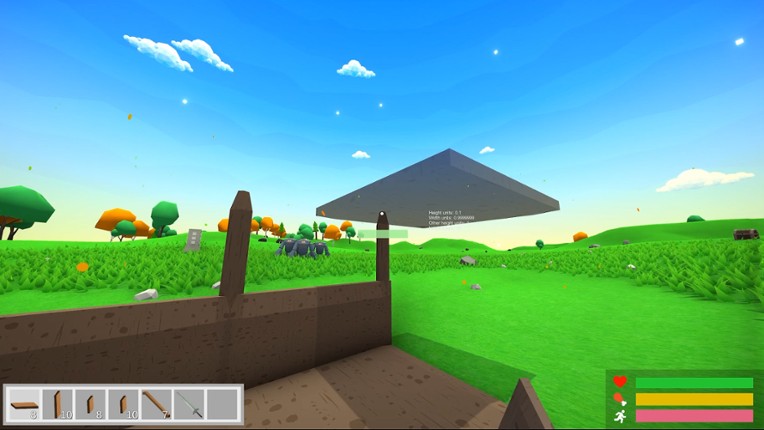
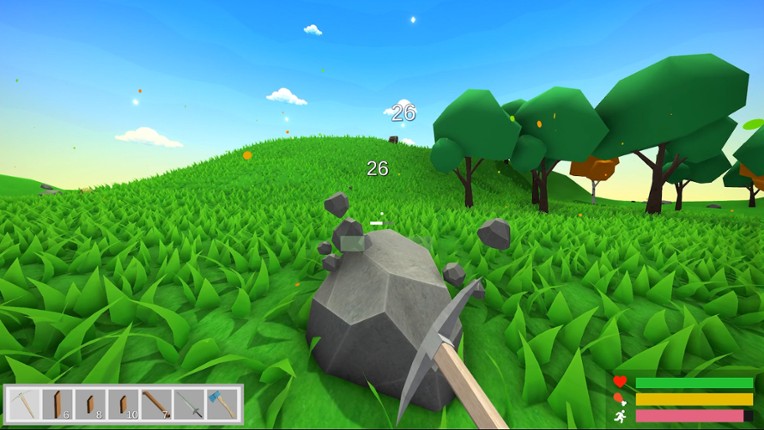
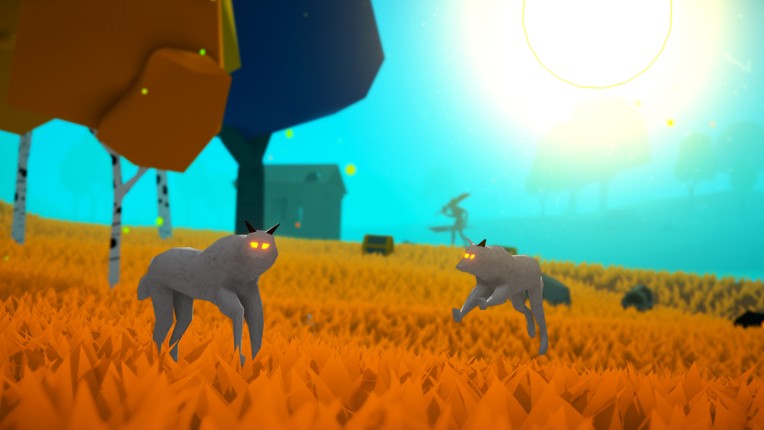
- 94%Game Brain ScoreMost mentioned positive aspects:humor, gameplayMost mentioned negative aspects:grinding, stability94% User Score 101,306 reviewsCondensed survival roguelike that keeps The Forest's crafting and co-op loop but trades open-world exploration for combat-heavy procedural runs and fantasy theming. If you enjoyed this game, see our list of games similar to Muck.View Game
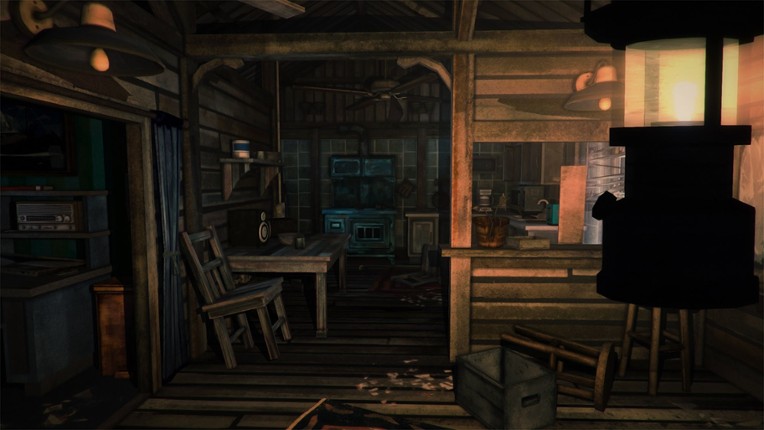
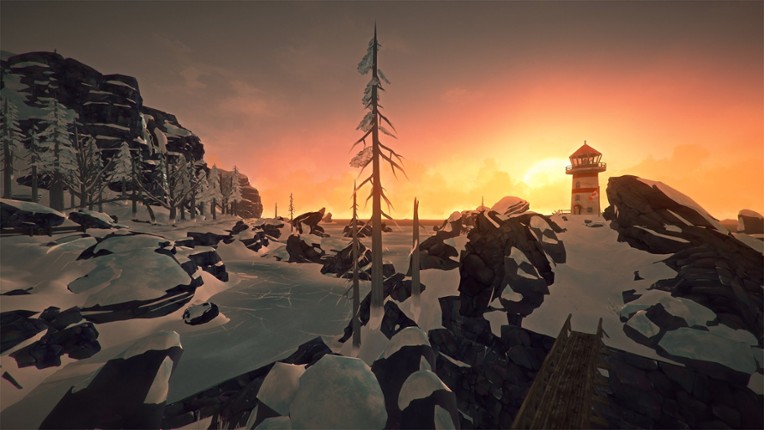
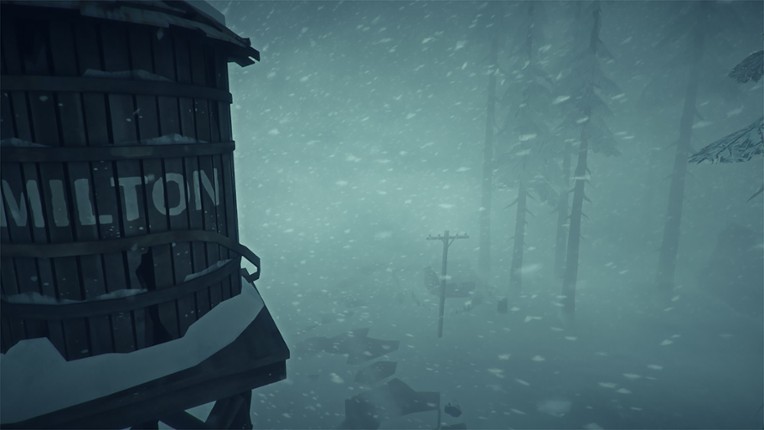
- 84%Game Brain ScoreMost mentioned positive aspects:story, gameplayMost mentioned negative aspects:grinding, stability89% User Score 43,788 reviewsCritic Score 79%22 reviewsStrips The Forest of combat and zombies for a brutal survival-focused experience, keeping crafting and atmosphere but emphasizing resource scarcity and natural hazards. If you enjoyed this game, see our list of games similar to null.View Game
21 View Game 94%Game Brain ScoreMost mentioned positive aspects:humor, gameplayMost mentioned negative aspects:stability, story94% User Score 73,151 reviews
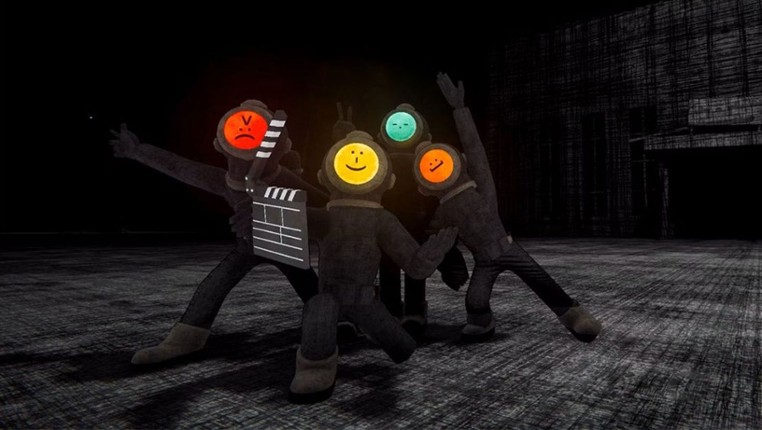
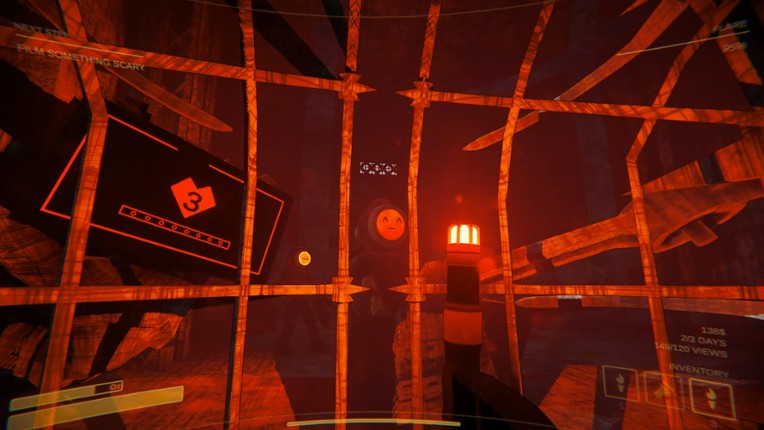
HERE’S THE PLAN! Get famous or die trying! Content Warning is a co-op horror game where you film spooky stuff with your friends to try and go viral. Step One: Go Down to the Old World Squad up, customize your face with the ASCII face customizer, buy some gear and use the diving bell to go down to the Old World! Down there you’ll encounter scary physics-animated monsters, cursed relics and other … If you enjoyed this game, see our list of games similar to Content Warning.
View Game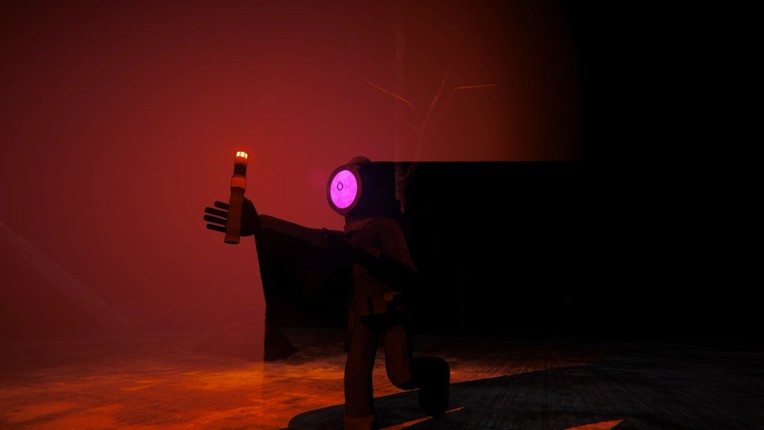
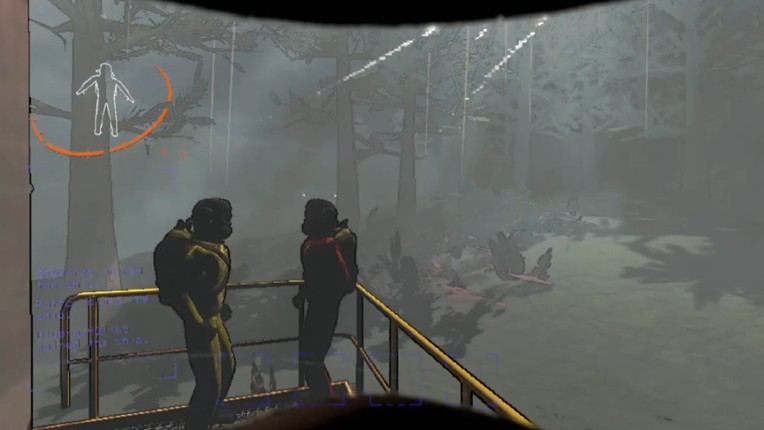
- 97%Game Brain ScoreMost mentioned positive aspects:humor, gameplayMost mentioned negative aspects:stability, grinding97% User Score 336,648 reviewsCompresses The Forest's co-op horror into time-limited dungeon runs with perma-death, trading open-world crafting for comedic high-pressure alien monster encounters. If you enjoyed this game, see our list of games similar to Lethal Company.View Game
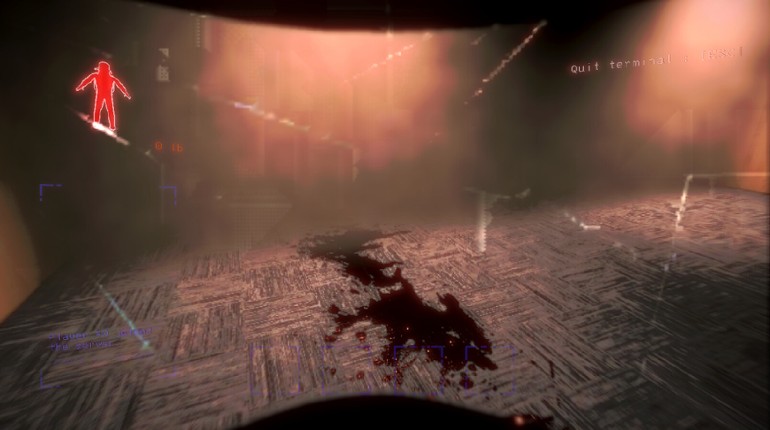
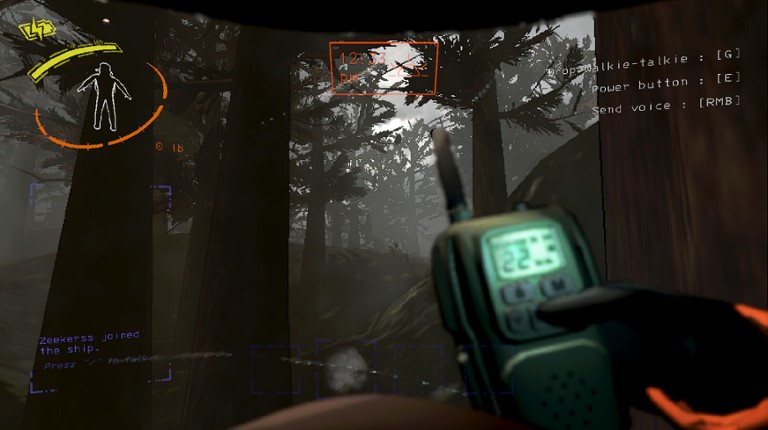
- 90%Game Brain ScoreMost mentioned positive aspects:gameplay, humorMost mentioned negative aspects:grinding, stability91% User Score 38,616 reviewsCritic Score 85%1 reviewsIf you crave the tension of being hunted, this offers a more supernatural, objective-based multiplayer experience that lacks the sandbox crafting of your island trek. If you enjoyed this game, see our list of games similar to DEVOUR.View Game
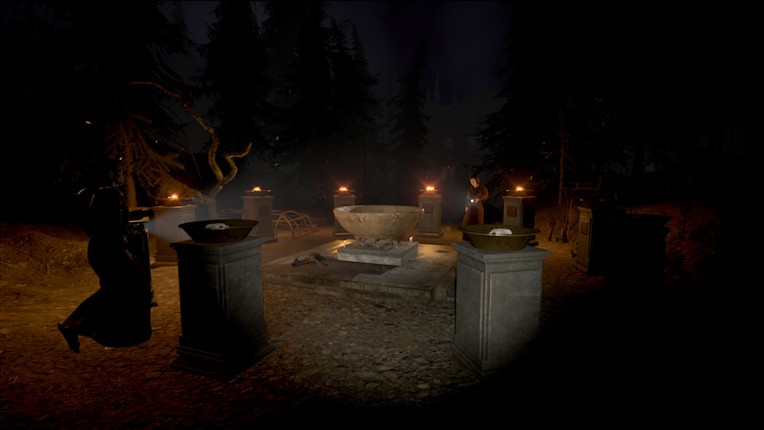
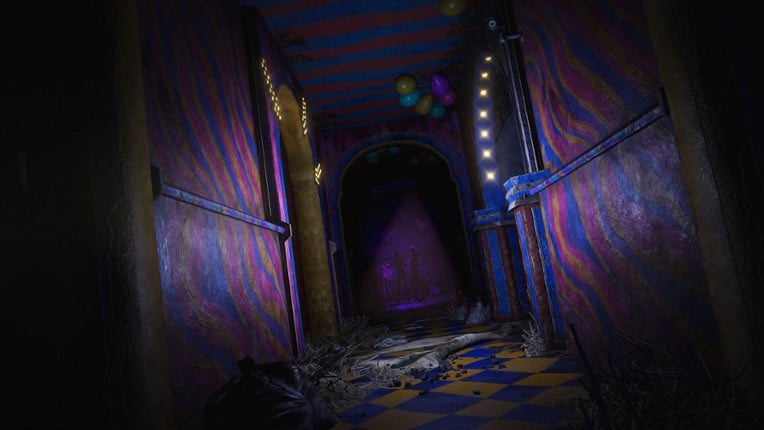
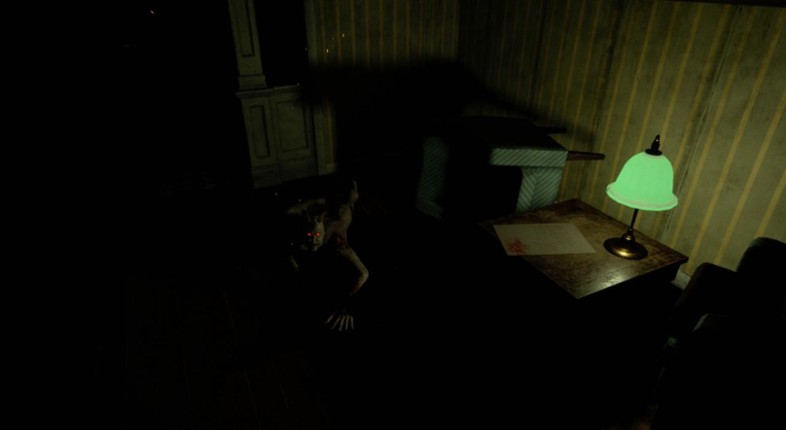
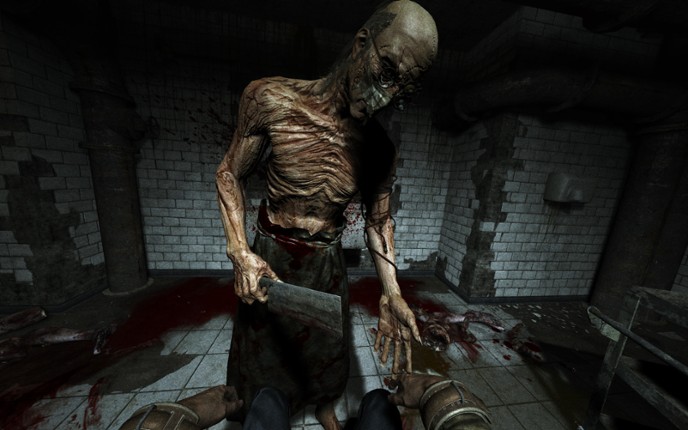
- 87%Game Brain ScoreMost mentioned positive aspects:story, gameplayMost mentioned negative aspects:grinding, stability96% User Score 37,540 reviewsCritic Score 78%16 reviewsStripping away the building and crafting elements entirely, this provides a pure, powerless stalker-horror experience in a tighter, more linear psychiatric facility. If you enjoyed this game, see our list of games similar to Outlast.View Game
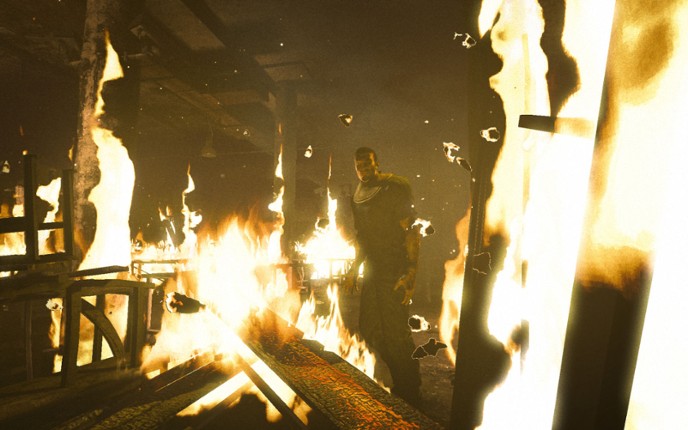
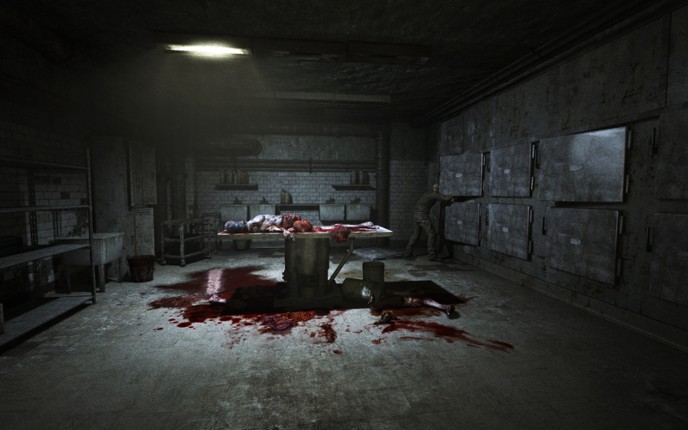
- 88%Game Brain ScoreMost mentioned positive aspects:story, humorMost mentioned negative aspects:stability, optimization88% User Score 1,348 reviewsThough the link is loose, this offers a more claustrophobic, puzzle-focused horror experience compared to the open-world freedom of your forest adventure. If you enjoyed this game, see our list of games similar to Emissary Zero.View Game
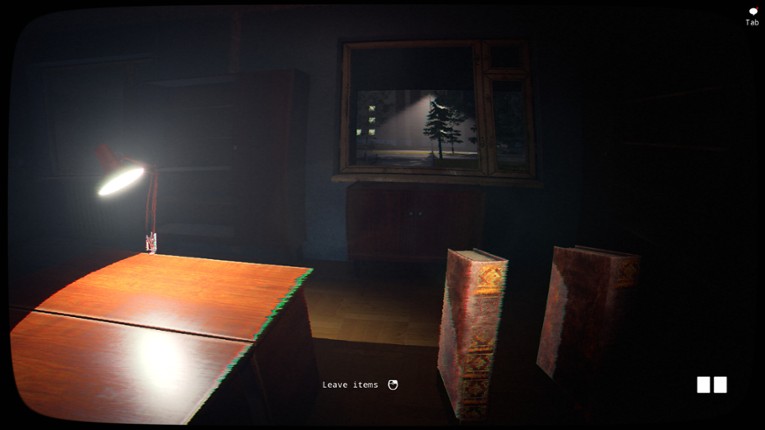
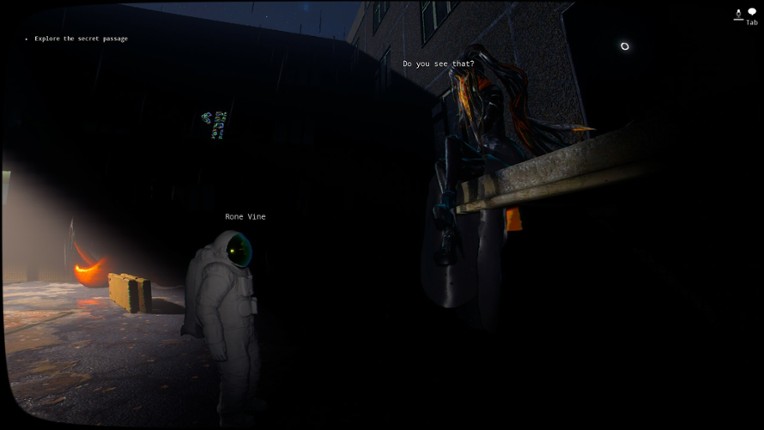
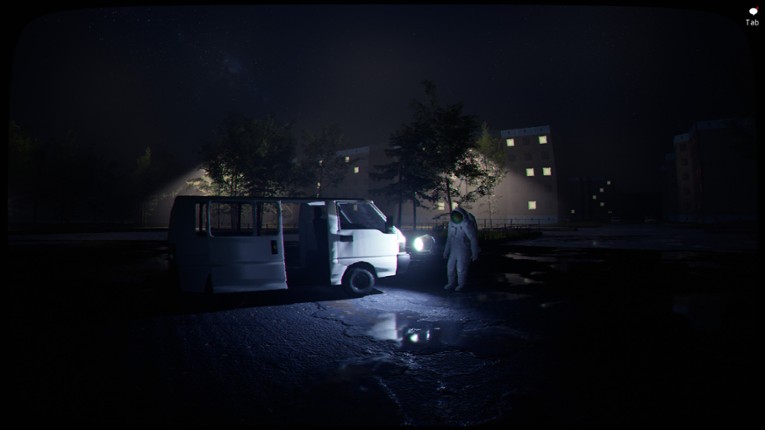
- 77%Game Brain ScoreMost mentioned positive aspects:gameplay, storyMost mentioned negative aspects:optimization, grinding77% User Score 3,601 reviewsWhile sharing the core survival-building loop, this title leans into tower defense mechanics to manage relentless nightly waves of undead threats. If you enjoyed this game, see our list of games similar to Night of the Dead.View Game
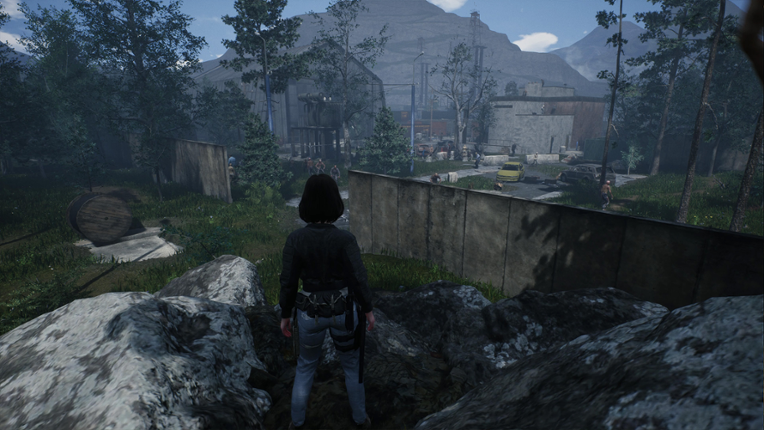
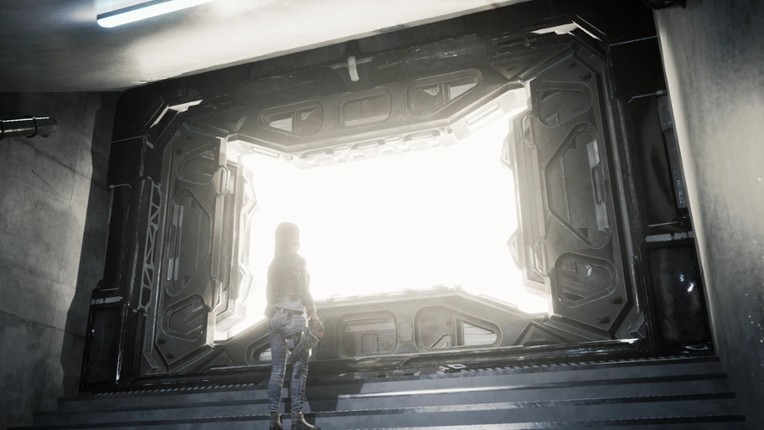
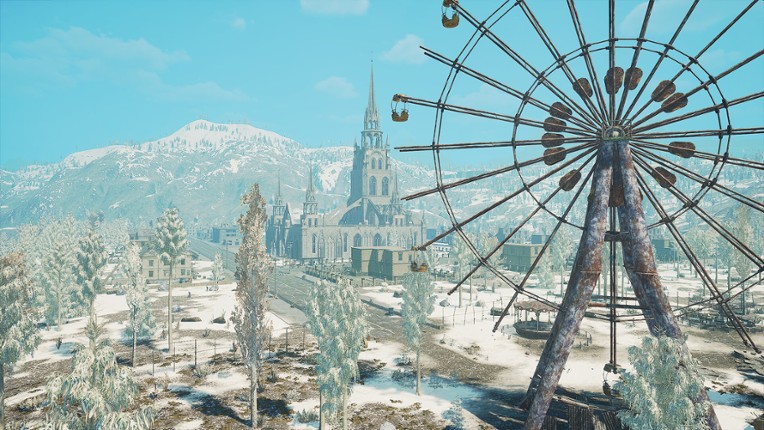
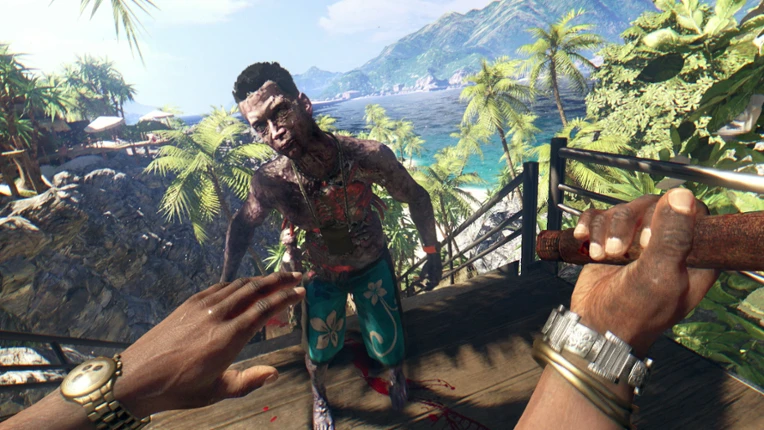
- 76%Game Brain ScoreMost mentioned positive aspects:story, gameplayMost mentioned negative aspects:stability, grinding81% User Score 5,616 reviewsCritic Score 71%8 reviewsPlayers who enjoy the visceral combat of cannibal encounters will find this a more arcade-focused, loot-driven romp through a zombie-infested tropical resort. If you enjoyed this game, see our list of games similar to Dead Island.View Game
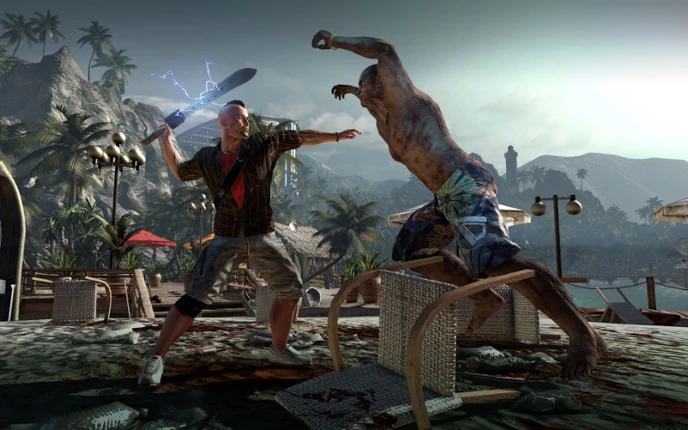
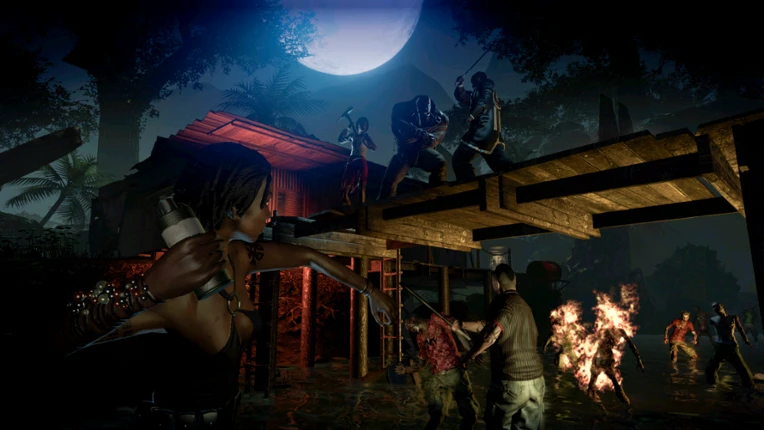
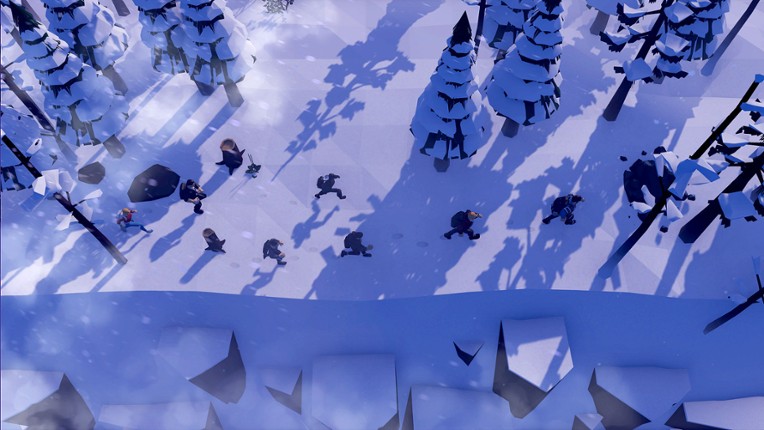
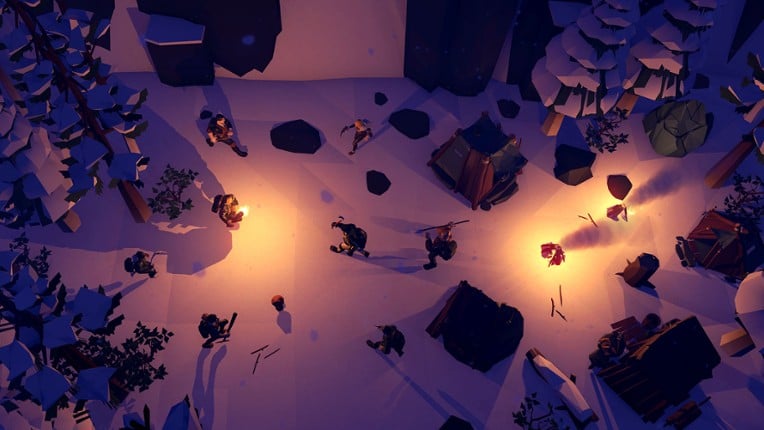
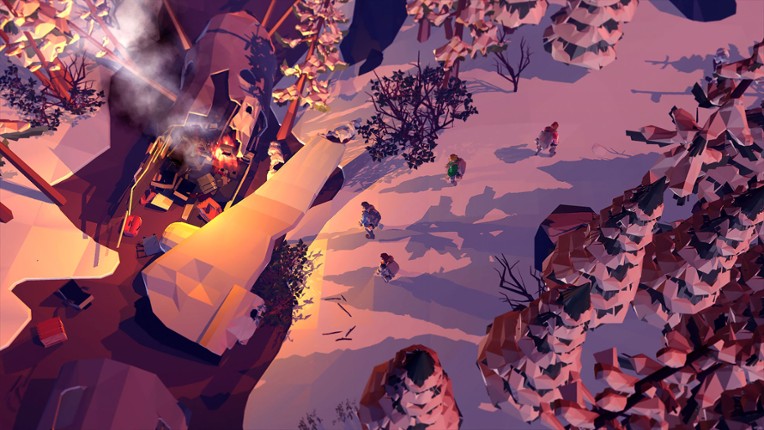
- 67%Game Brain ScoreMost mentioned positive aspects:story, gameplayMost mentioned negative aspects:stability, grinding66% User Score 2,287 reviewsCritic Score 70%1 reviewsAdds mystery and science fiction elements to co-op survival, blending The Forest’s crafting with a colder, more challenging wilderness environment. If you enjoyed this game, see our list of games similar to The Wild Eight.View Game
- 86%Game Brain ScoreMost mentioned positive aspects:gameplay, humorMost mentioned negative aspects:stability, grinding86% User Score 7,781 reviewsFirst-person psychological horror that strips away multiplayer cooperation for solo dread and procedural variety over narrative coherence. If you enjoyed this game, see our list of games similar to Lunch Lady.View Game
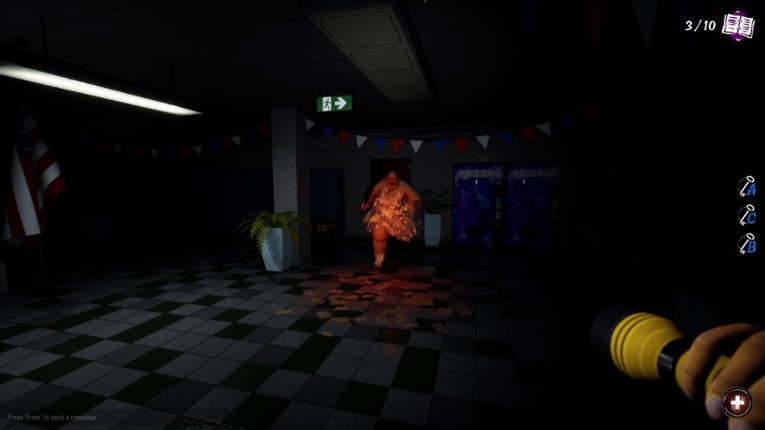
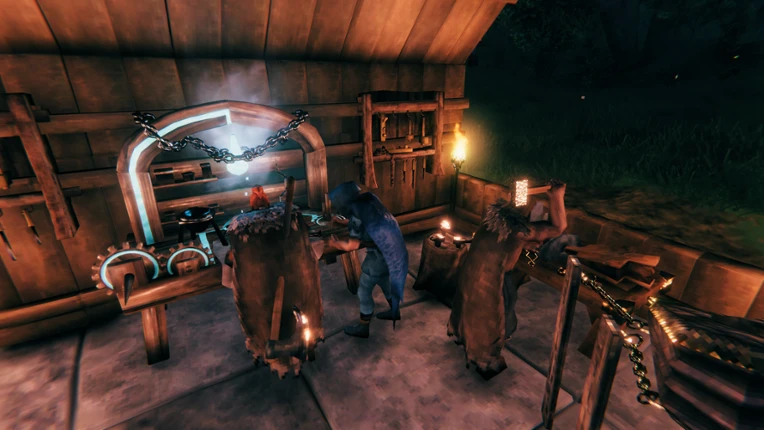
- 92%Game Brain ScoreMost mentioned positive aspects:gameplay, graphicsMost mentioned negative aspects:grinding, optimization95% User Score 291,882 reviewsCritic Score 90%11 reviewsSwapping tropical isolation for brutal Norse wilderness, this emphasizes group coordination and tiered progression over the tense, stalker-horror vibe of your forest trek. If you enjoyed this game, see our list of games similar to Valheim.View Game
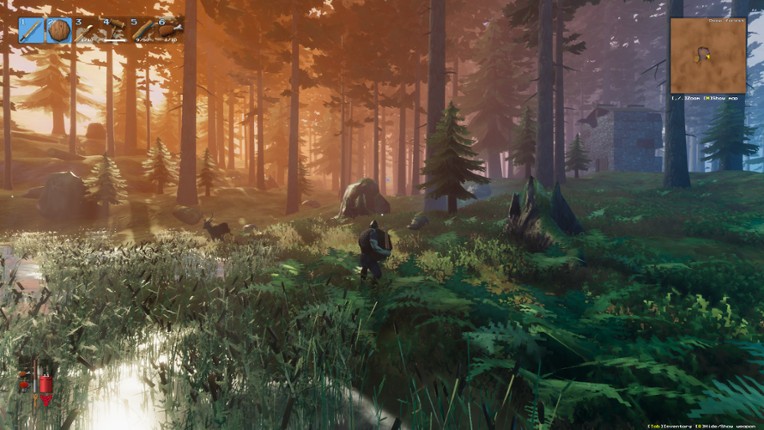
- 86%Game Brain ScoreMost mentioned positive aspects:story, gameplayMost mentioned negative aspects:stability, grinding89% User Score 34,738 reviewsCritic Score 84%9 reviews
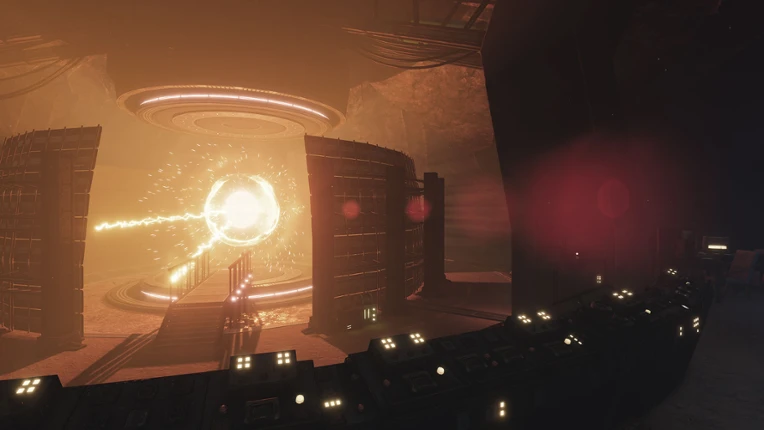
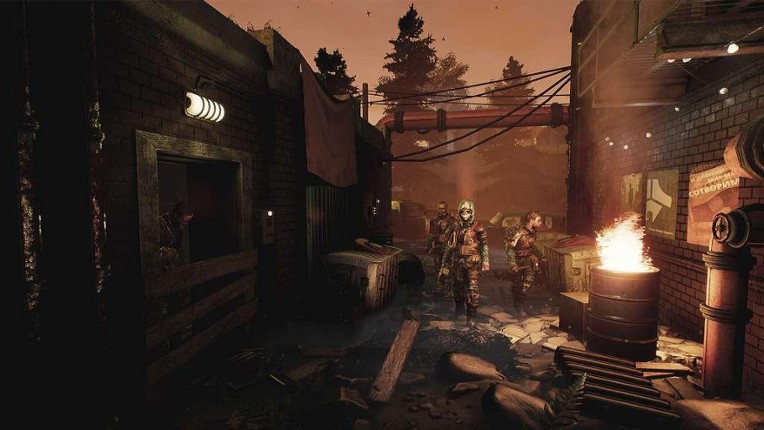
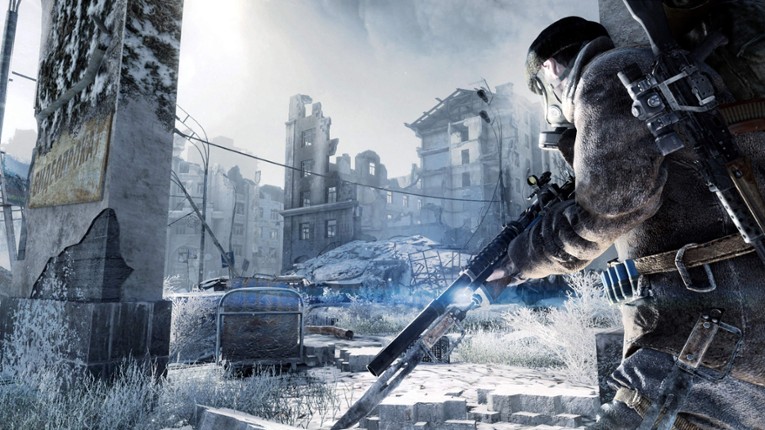
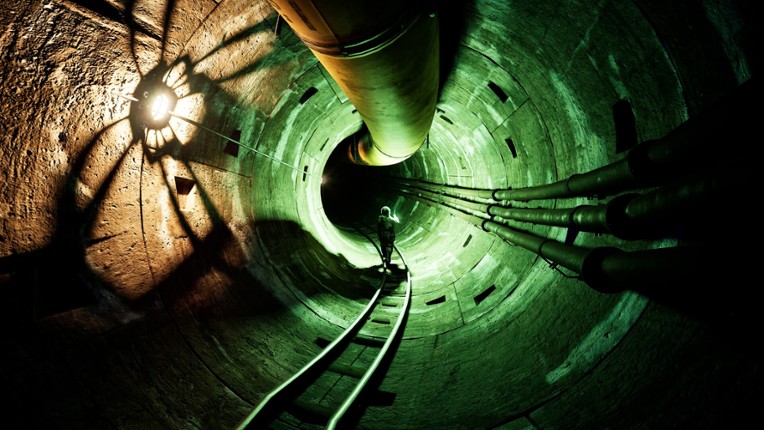
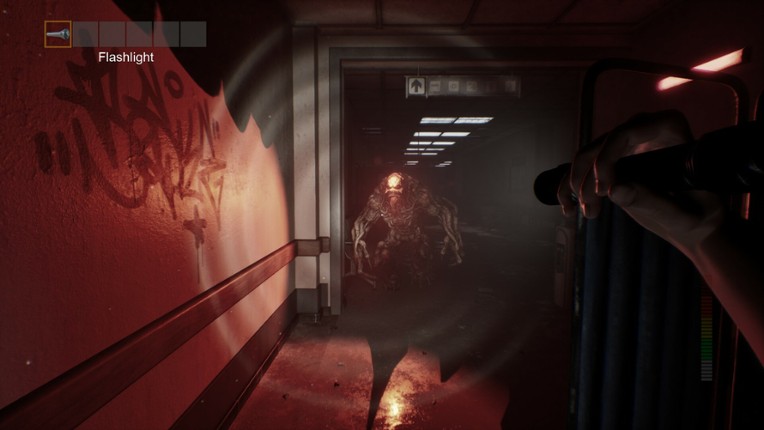
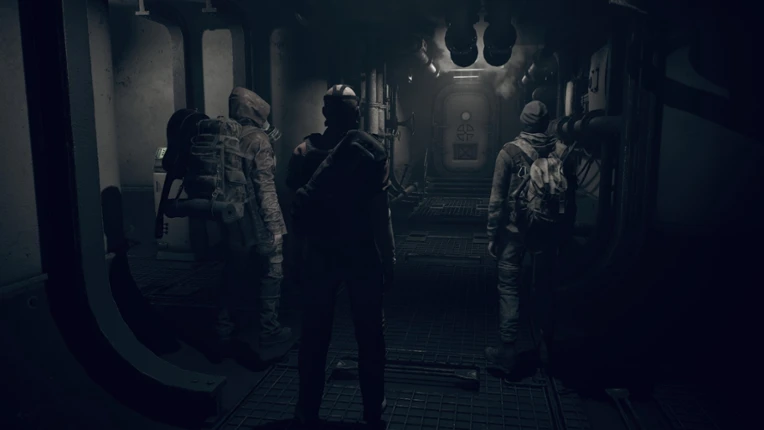
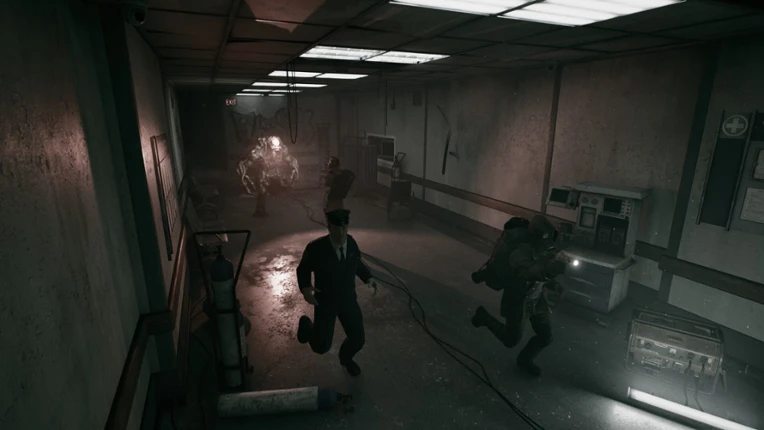
In 2013, the world was devastated by an apocalyptic event, annihilating almost all mankind and turning the earth’s surface into a poisonous wasteland. A handful of survivors took refuge in the depths of the Moscow underground, and human civilization entered a new Dark Age. The year is 2033. An entire generation has been born and raised underground, and their besieged Metro Station Cities struggle… If you enjoyed this game, see our list of games similar to Metro 2033 Redux.
View Game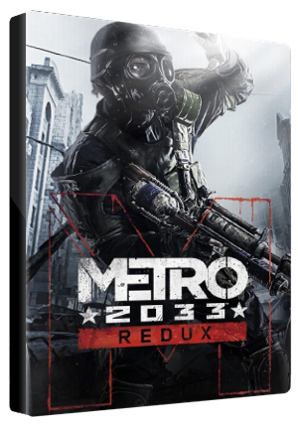
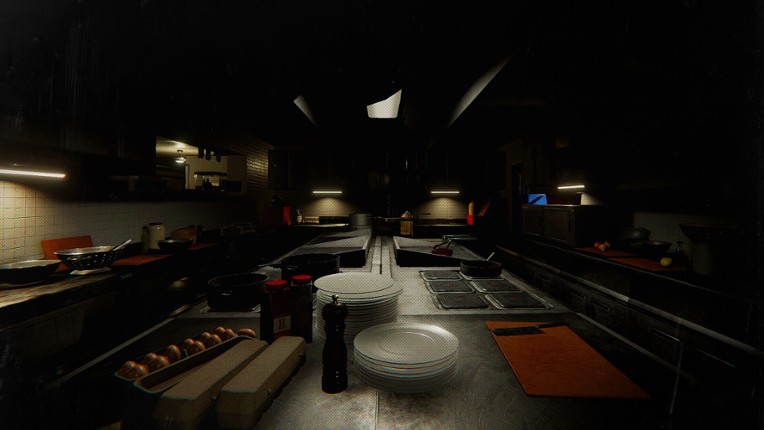
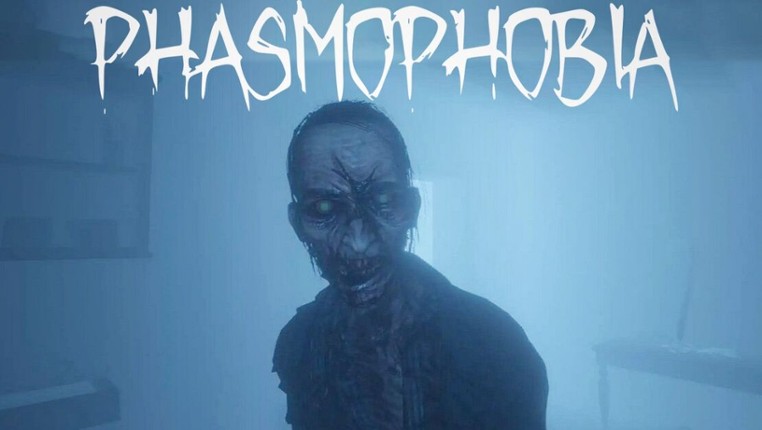
- 96%Game Brain ScoreMost mentioned positive aspects:gameplay, humorMost mentioned negative aspects:story, stability96% User Score 412,763 reviewsFour-player co-op horror in early access emphasizing investigation and ghost detection over survival—think detective work instead of resource management. If you enjoyed this game, see our list of games similar to Phasmophobia.View Game
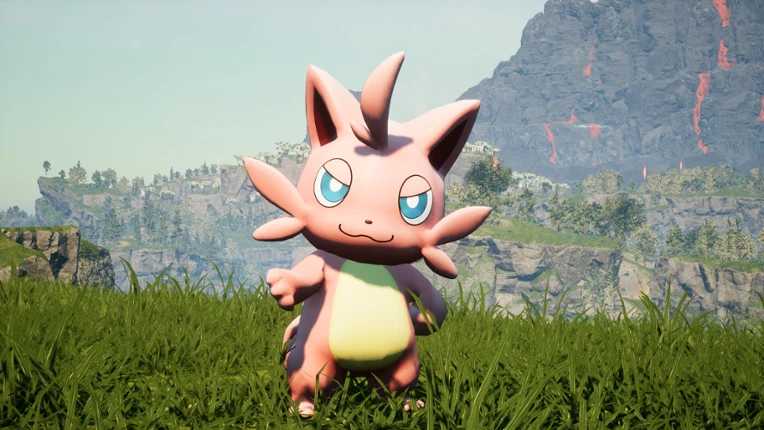
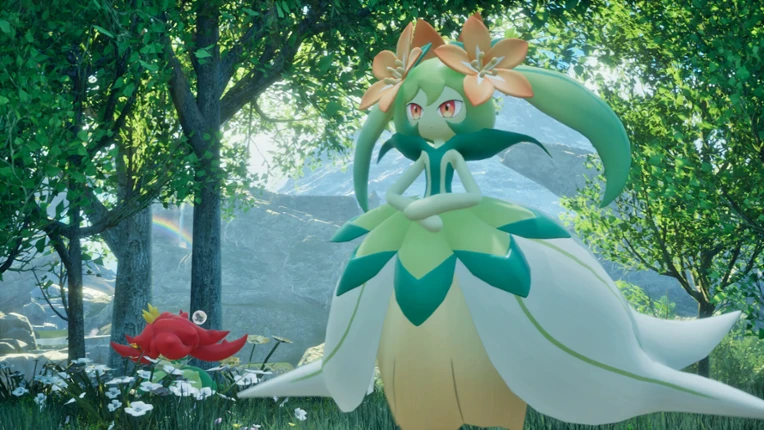
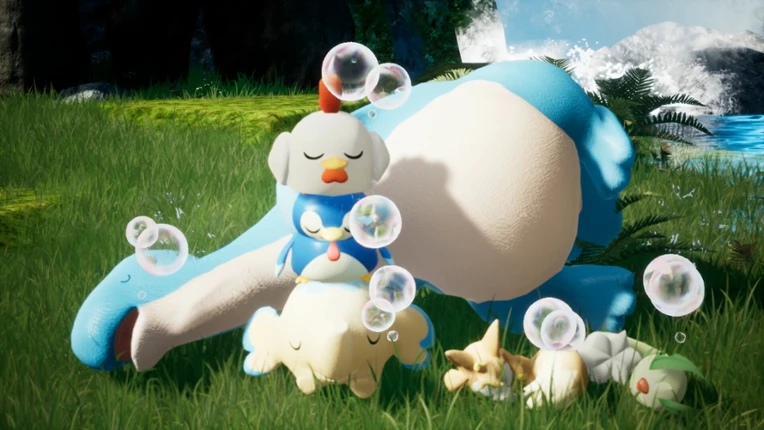
- 87%Game Brain ScoreMost mentioned positive aspects:gameplay, graphicsMost mentioned negative aspects:stability, grinding95% User Score 241,630 reviewsCritic Score 78%9 reviewsThe connection remains thin, yet this delivers a grittier, low-budget psychological journey that prioritizes raw, linear fear over the sprawling, building-heavy island survival loop. If you enjoyed this game, see our list of games similar to Palworld.View Game
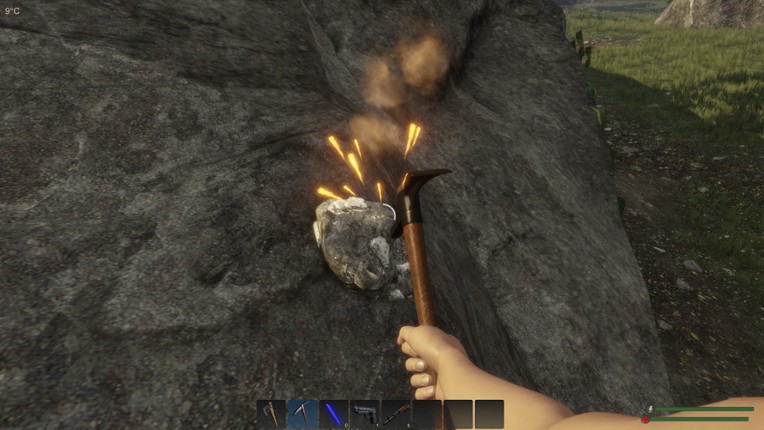
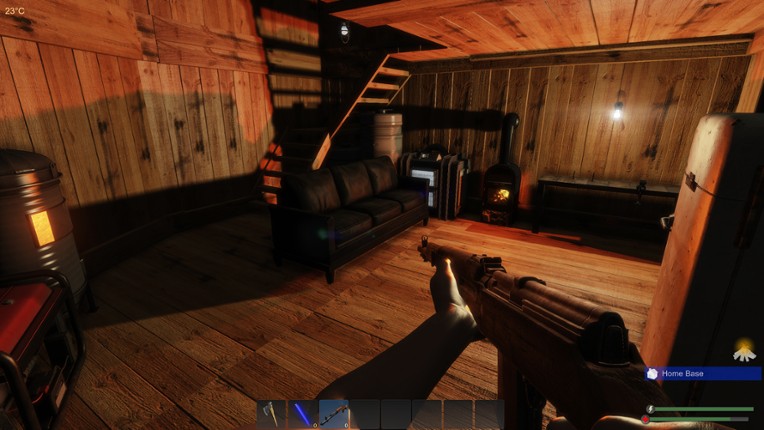
- 70%Game Brain ScoreMost mentioned positive aspects:gameplay, graphicsMost mentioned negative aspects:grinding, story70% User Score 7,408 reviewsLeans heavily into base building and tough survival challenges, but contrasts The Forest’s mature tone with an oddly erotic atmosphere. If you enjoyed this game, see our list of games similar to Subsistence.View Game
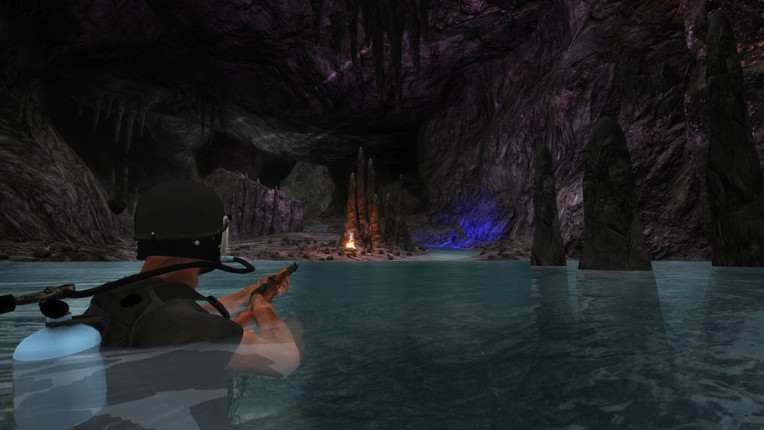
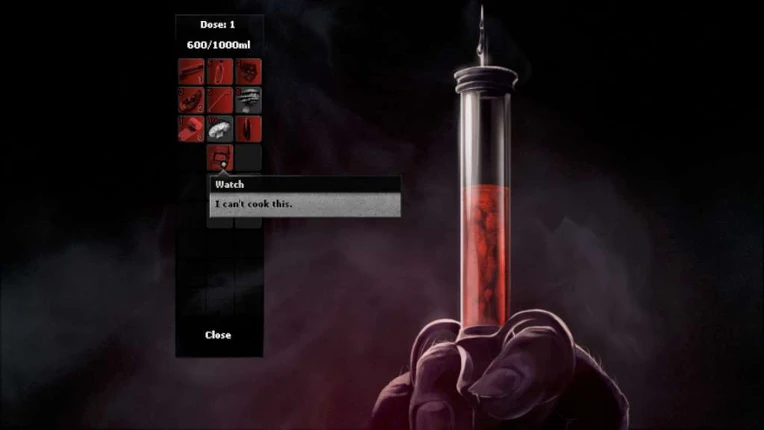
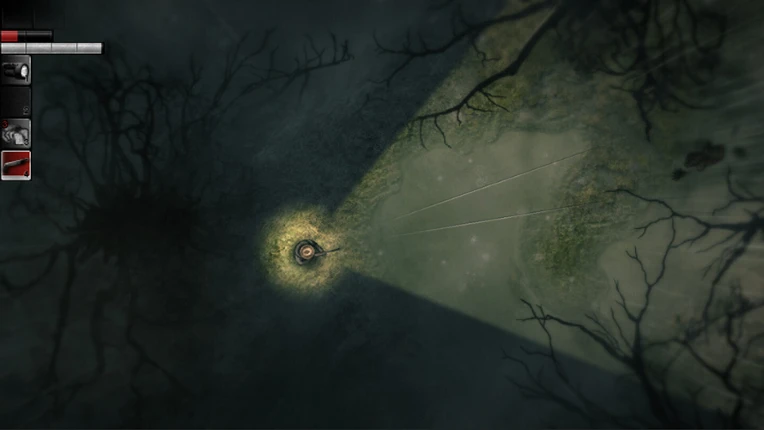
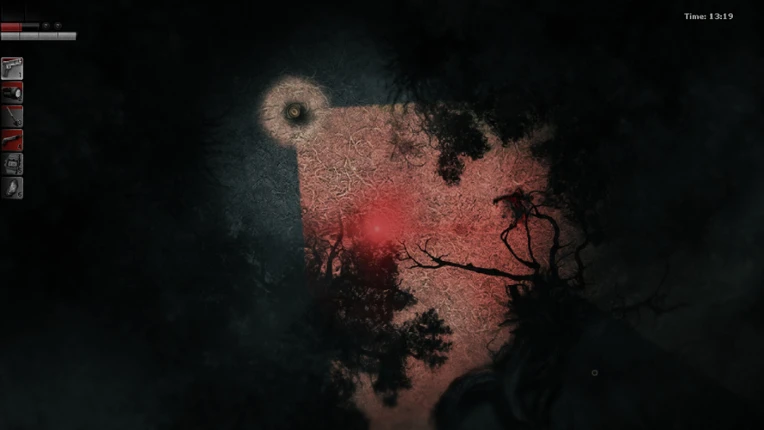
- 94%Game Brain ScoreMost mentioned positive aspects:story, atmosphereMost mentioned negative aspects:grinding, stability94% User Score 10,983 reviewsTransforms survival horror into a dark fantasy with rich narrative choices and multiple endings, shifting away from The Forest’s open-world crafting. If you enjoyed this game, see our list of games similar to Darkwood.View Game
- 89%Game Brain ScoreMost mentioned positive aspects:story, graphicsMost mentioned negative aspects:grinding, stability95% User Score 117,610 reviewsCritic Score 83%24 reviews
Prepare the perfect heist in this simulated and fully destructible voxel world. Tear down walls with vehicles or explosives to create shortcuts. Stack objects to reach higher. Use the environment to your advantage in the most creative way you can think of. If you enjoyed this game, see our list of games similar to Teardown.
View Game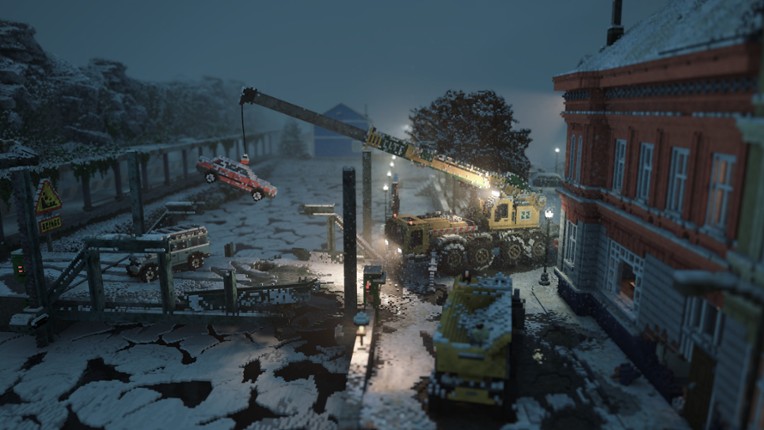
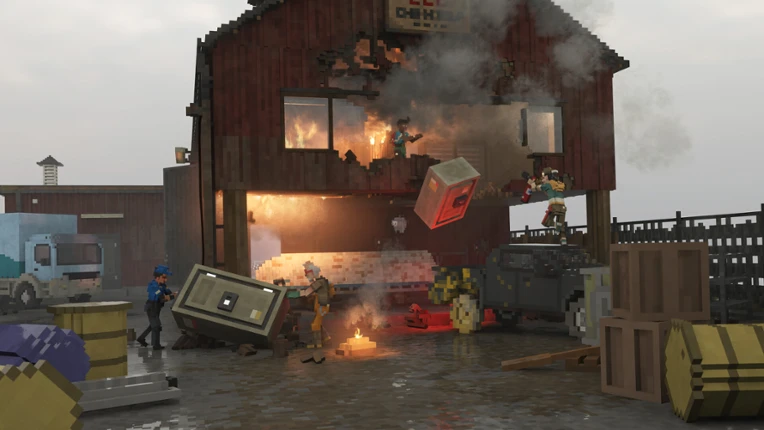
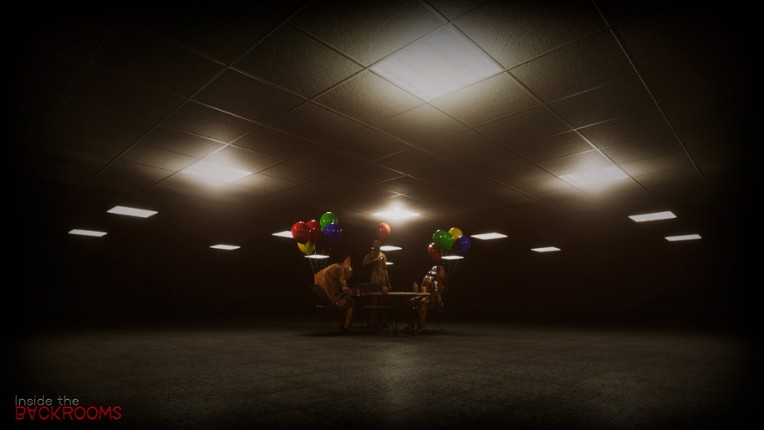
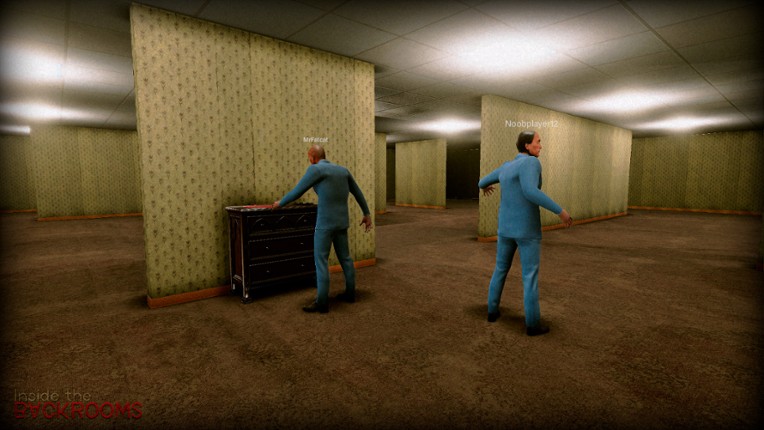
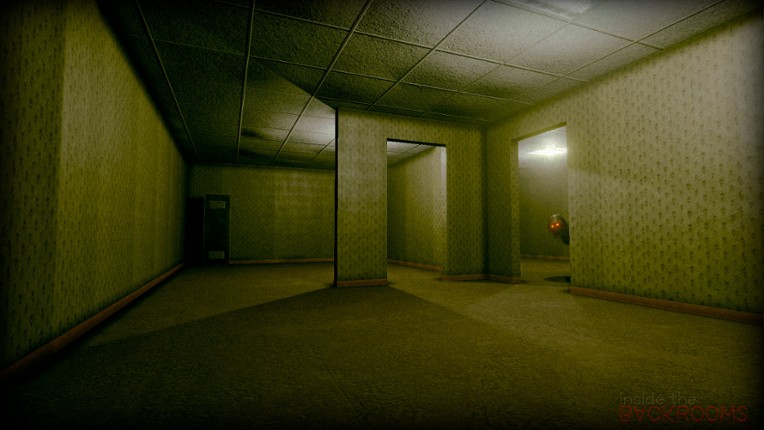
- 82%Game Brain ScoreMost mentioned positive aspects:gameplay, humorMost mentioned negative aspects:stability, grinding82% User Score 19,420 reviewsLoosely connected by the survival genre, this entry focuses on psychological exploration and surreal mystery-solving rather than resource management or base construction. If you enjoyed this game, see our list of games similar to Inside the Backrooms.View Game
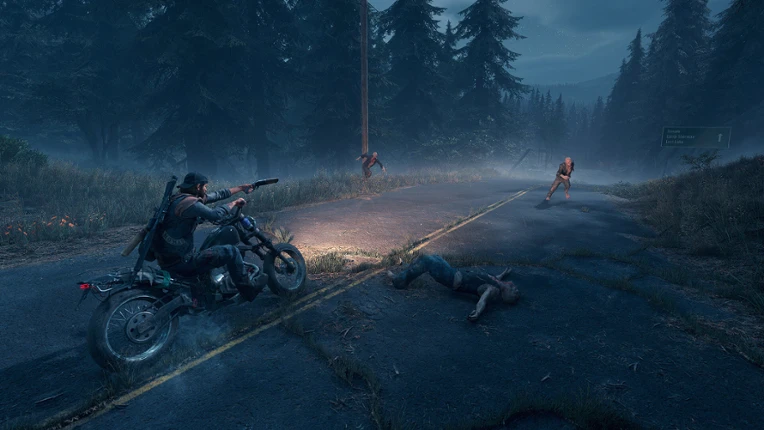
- 83%Game Brain ScoreMost mentioned positive aspects:story, gameplayMost mentioned negative aspects:stability, grinding92% User Score 48,987 reviewsCritic Score 73%12 reviews
Buy Days Gone, an action game for PS4 from the official PlayStation website. Explore Days gone game detail, images, videos, reviews and more. Buy now. If you enjoyed this game, see our list of games similar to Days Gone.
View Game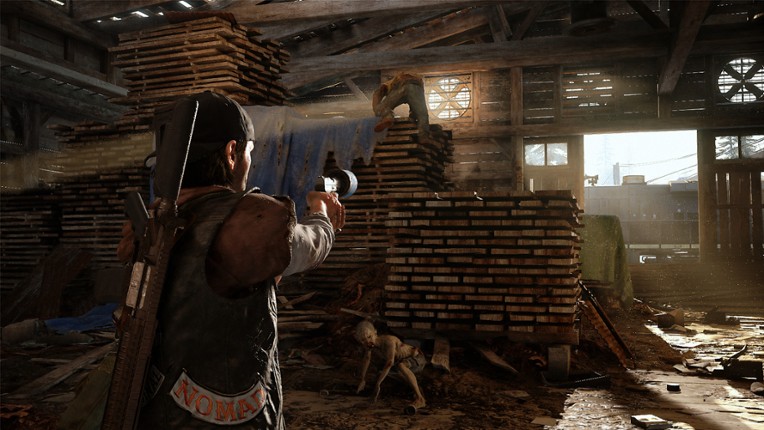
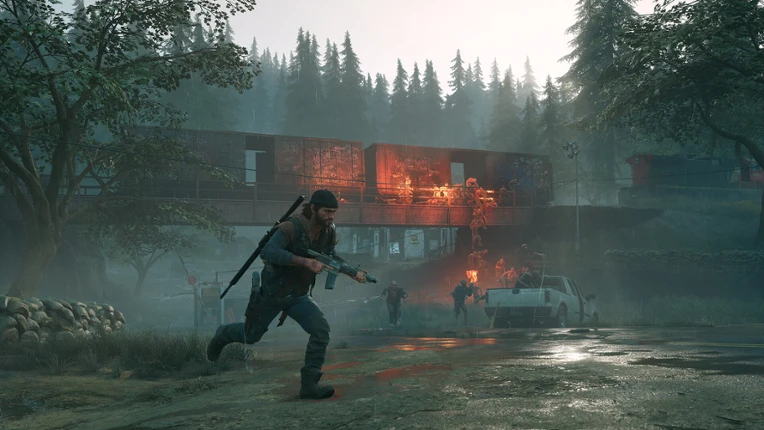
- 65%Game Brain ScoreMost mentioned positive aspects:gameplay, graphicsMost mentioned negative aspects:stability, optimization74% User Score 205,833 reviewsCritic Score 20%1 reviews
How long can you survive a post-apocalyptic world? A land overrun with an infected "zombie" population, where you compete with other survivors for limited resources. Will you team up with strangers and stay strong together? Or play as a lone wolf to avoid betrayal? This is DayZ – this is your story. If you enjoyed this game, see our list of games similar to DayZ.
View Game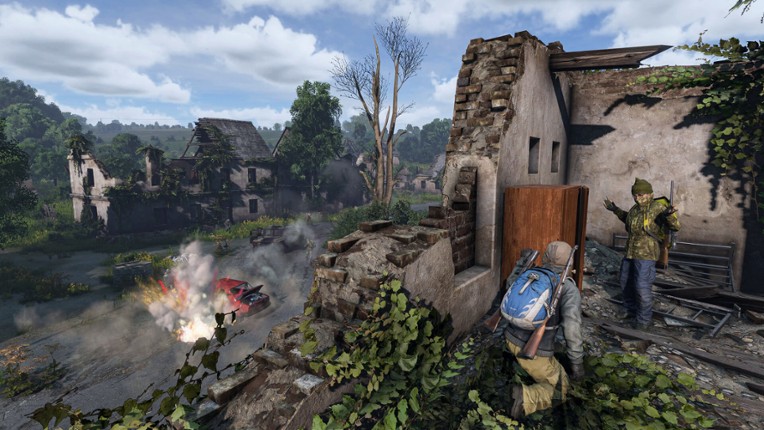
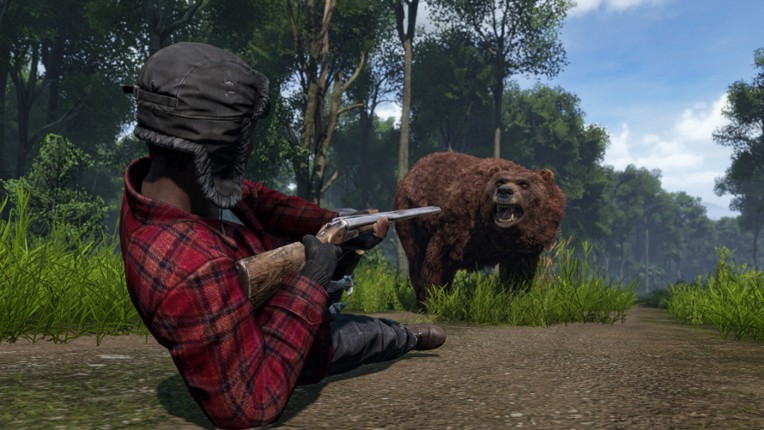
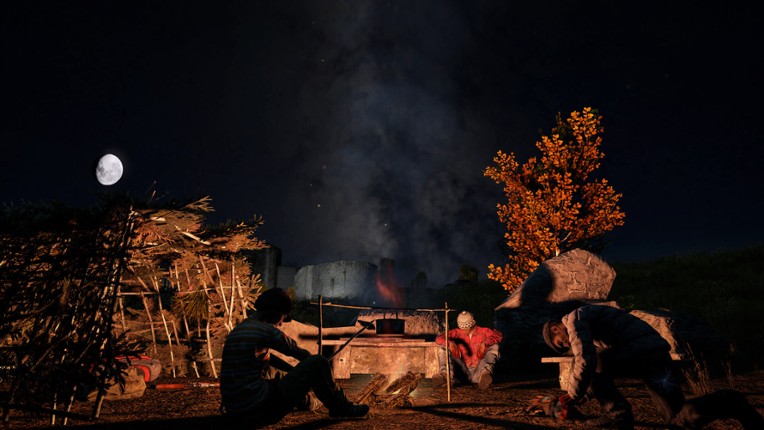
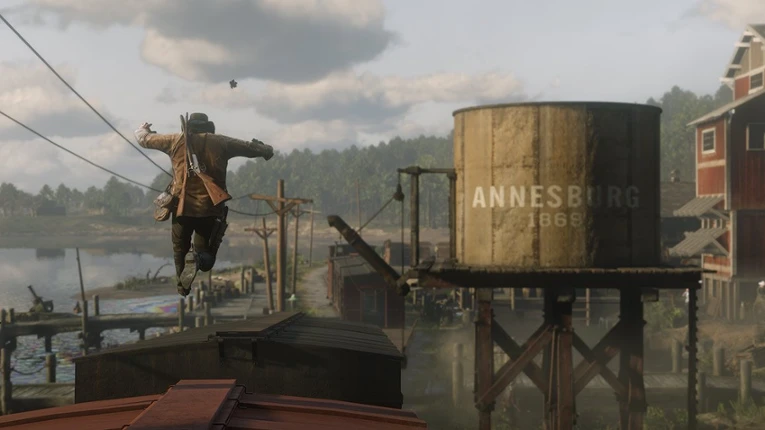
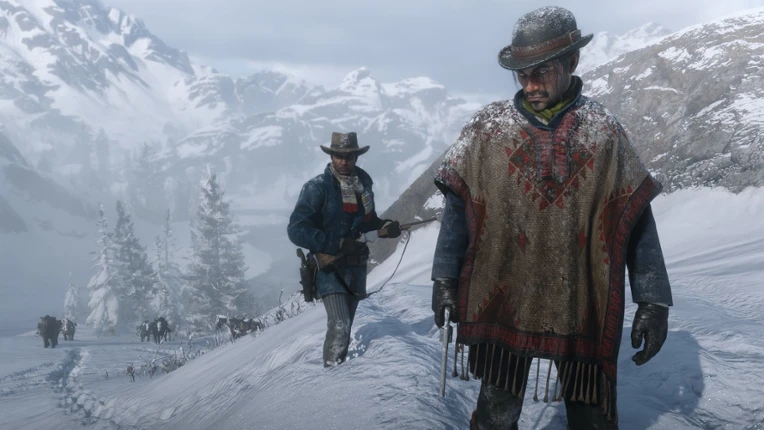
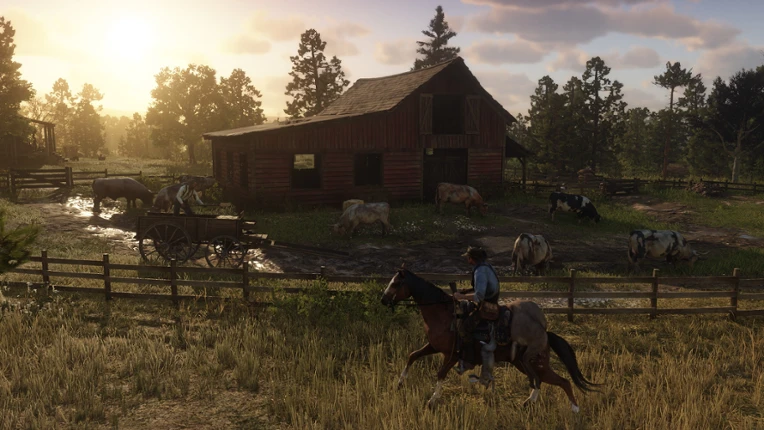
- 92%Game Brain ScoreMost mentioned positive aspects:story, graphicsMost mentioned negative aspects:stability, grinding92% User Score 284,640 reviewsCritic Score 93%66 reviewsMoving away from survival horror, this Western epic replaces claustrophobic caves with a vast, narrative-driven simulation of outlaw life in the American frontier. If you enjoyed this game, see our list of games similar to null.View Game
- View Game88%Game Brain ScoreMost mentioned positive aspects:story, gameplayMost mentioned negative aspects:stability, grinding88% User Score 35,072 reviews
Cry of Fear is a single-player, horror modification for Half-Life 1 that brings you all the horrors you have always been afraid of. This is a free total converstion of Half-Life 1, which means none of the assets from Half-Life 1 have been used in this mod or any files from other people, it is a totally unique experience. Everything is made exclusively by Team Psykskallar, the Cry of Fear developer… If you enjoyed this game, see our list of games similar to Cry of Fear.
- 85%Game Brain ScoreMost mentioned positive aspects:graphics, gameplayMost mentioned negative aspects:stability, grinding85% User Score 10,594 reviews
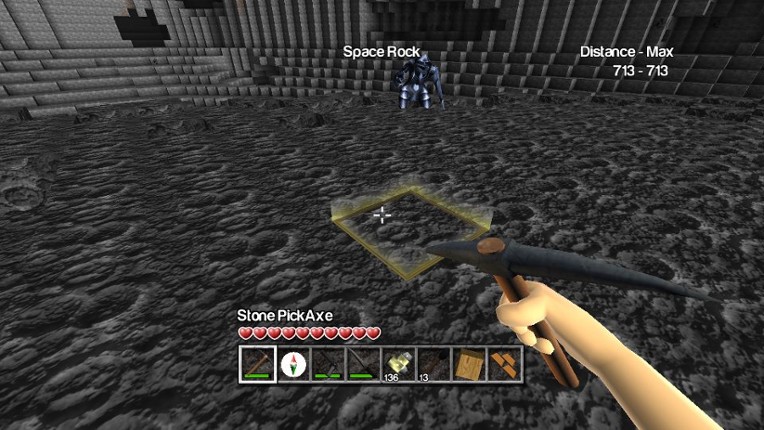
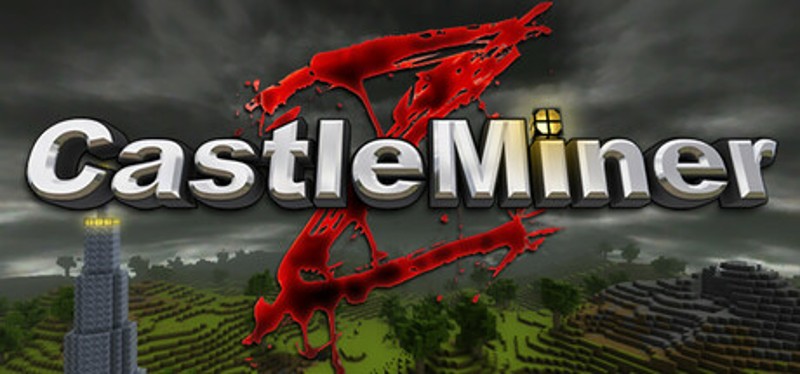
CastleMiner Z is an infinite world filled with deep places to explore, and horrifying monsters to slay. Build structures out of blocks, craft weapons and tools from raw materials, and explore the vast and frightening world around you. If you enjoyed this game, see our list of games similar to CastleMiner Z.
View Game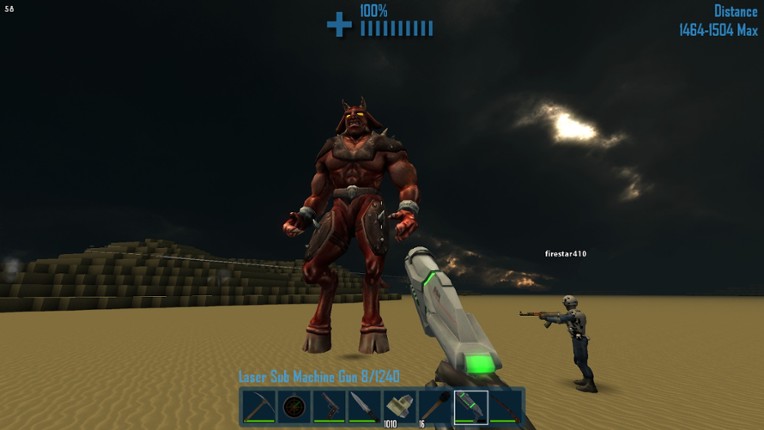
- 91%Game Brain ScoreMost mentioned positive aspects:gameplay, graphicsMost mentioned negative aspects:grinding, stability91% User Score 13,802 reviews
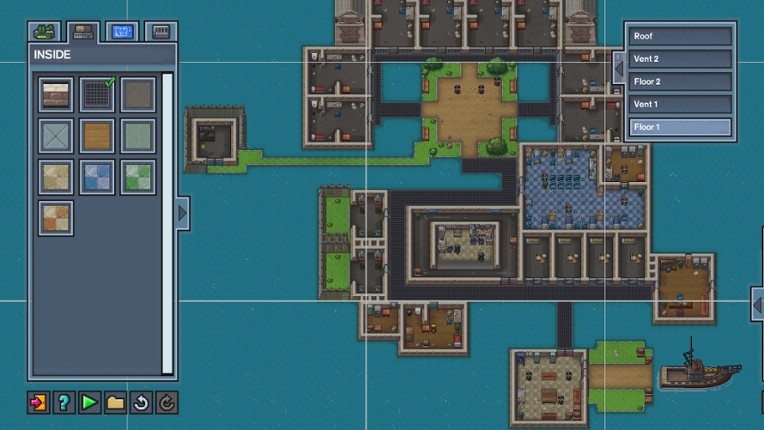
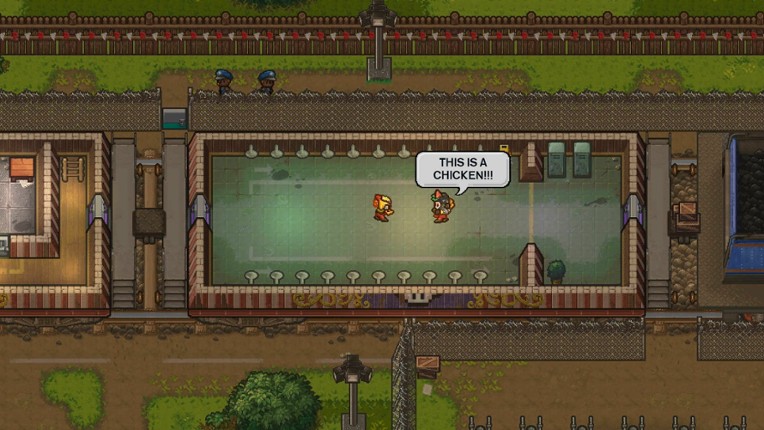
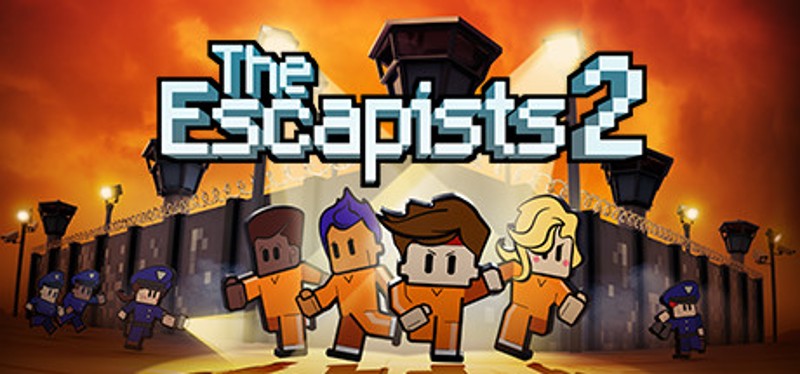
The Escapists 2 is the forthcoming sequel to the sandbox prison-escape game which will include, in a first for the series, drop in/drop out play for up to four players in both local and online play. If you enjoyed this game, see our list of games similar to The Escapists 2.
View Game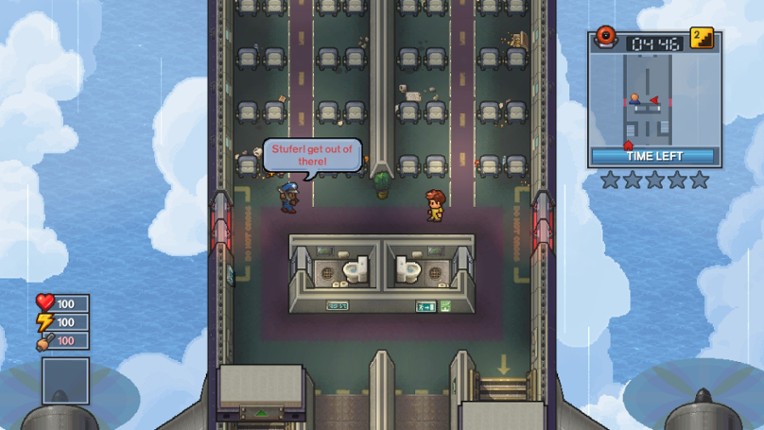
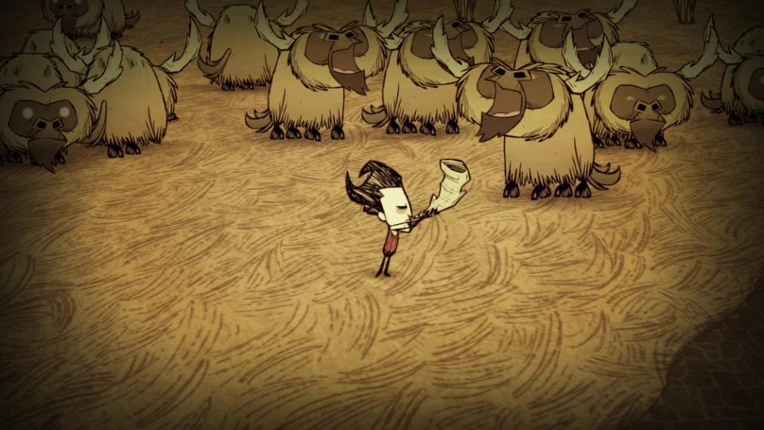
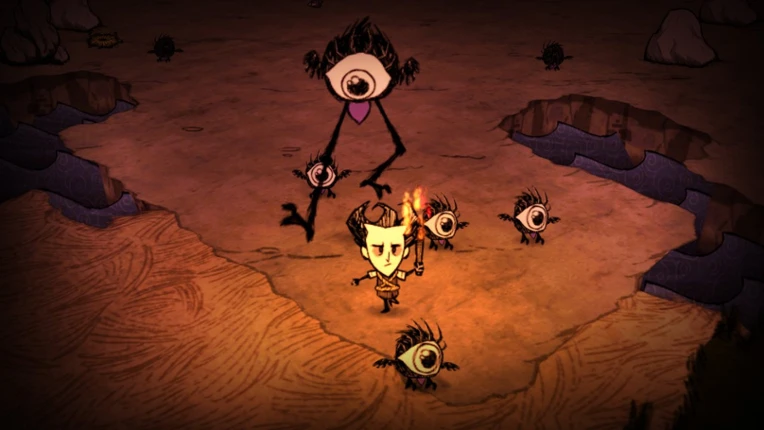
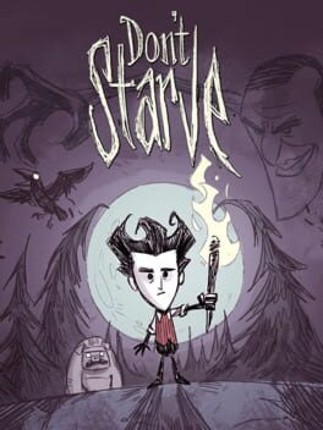
- 91%Game Brain ScoreMost mentioned positive aspects:graphics, gameplayMost mentioned negative aspects:grinding, stability96% User Score 63,685 reviewsCritic Score 81%5 reviewsCombines crafting and survival in a stylized 2D world with permadeath, shifting The Forest’s realism to a darker, roguelike fantasy setting. If you enjoyed this game, see our list of games similar to Don't Starve.View Game
45 View Game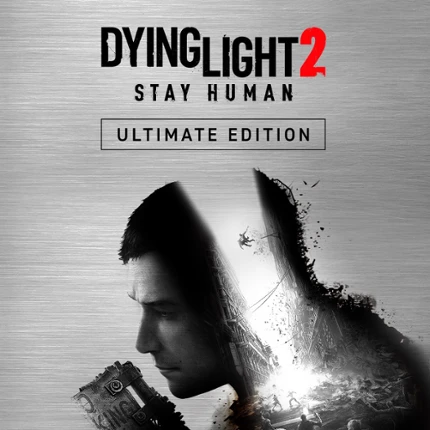 78%Game Brain ScoreMost mentioned positive aspects:story, gameplayMost mentioned negative aspects:stability, optimization78% User Score 82,755 reviewsCritic Score 80%3 reviewsExpands zombie action with extensive RPG choices and parkour mechanics, deepening The Forest’s survival into a vast post-apocalyptic narrative world. If you enjoyed this game, see our list of games similar to Dying Light 2 Stay Human.View Game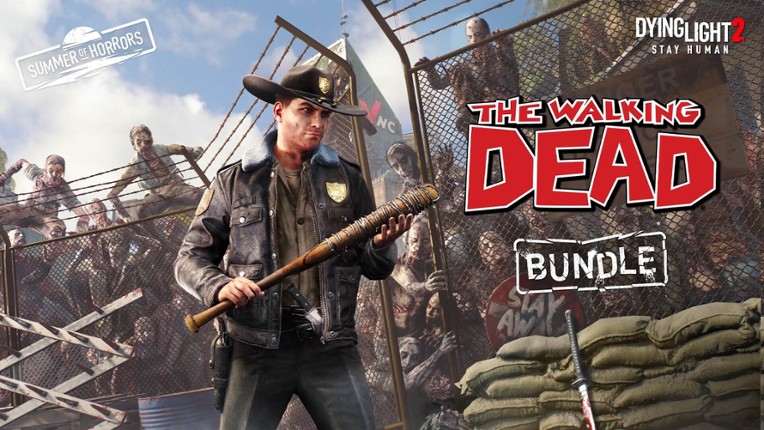
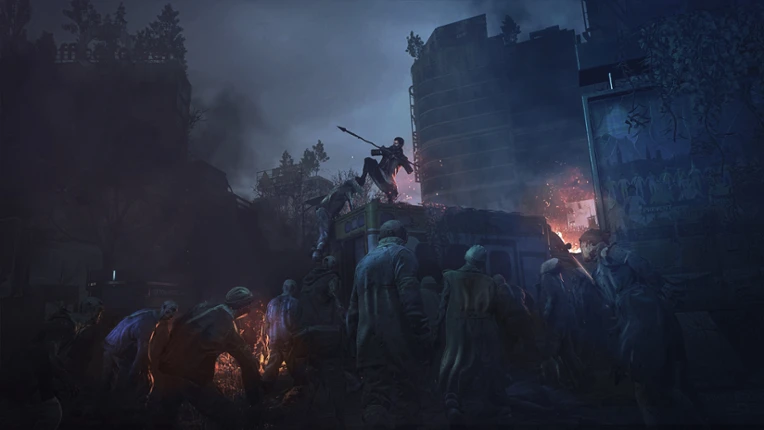
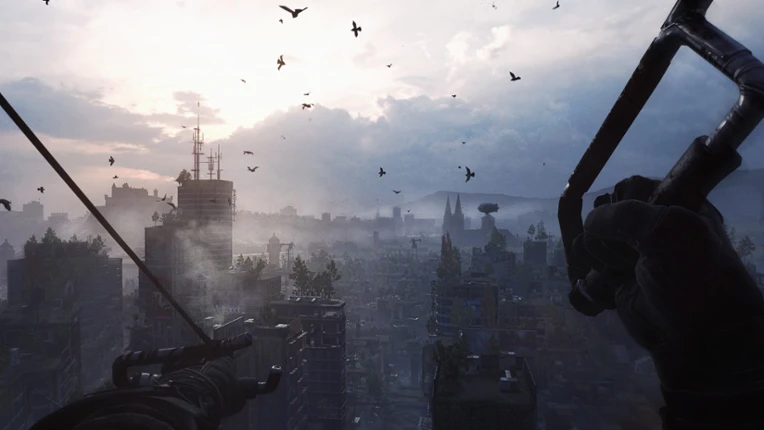
- 89%Game Brain ScoreMost mentioned positive aspects:story, gameplayMost mentioned negative aspects:optimization, stability92% User Score 206,752 reviewsCritic Score 81%3 reviews
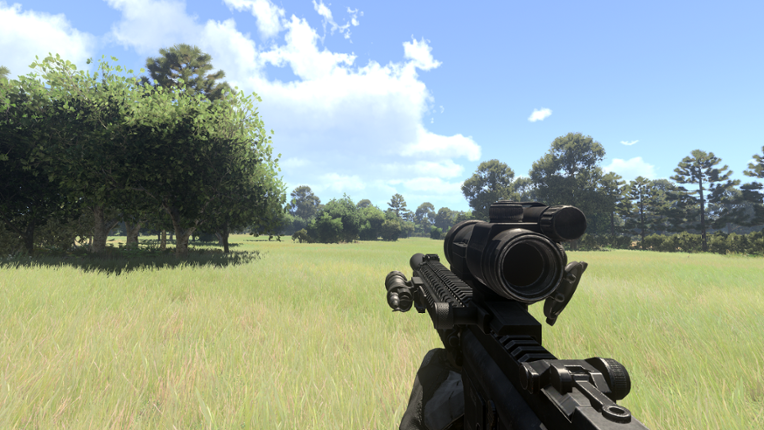
Arma 3 is a truly massive military simulation sandbox game. It offers a wide variety of true/sci-fi combat situations in both singleplayer and multiplayer modes. It also comes out of the box with a very powerful editor that allows players to create their own scenarios, campaigns and mapmodes both for single- and multiplayer use. If you enjoyed this game, see our list of games similar to Arma 3.
View Game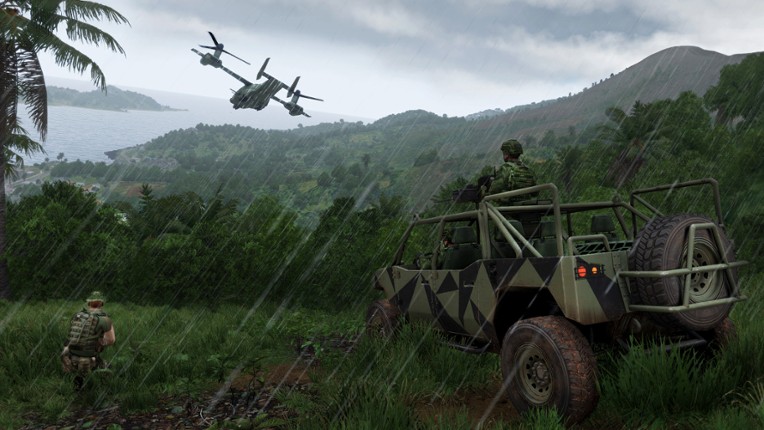
- 83%Game Brain ScoreMost mentioned positive aspects:gameplay, atmosphereMost mentioned negative aspects:stability, optimization83% User Score 10,902 reviews
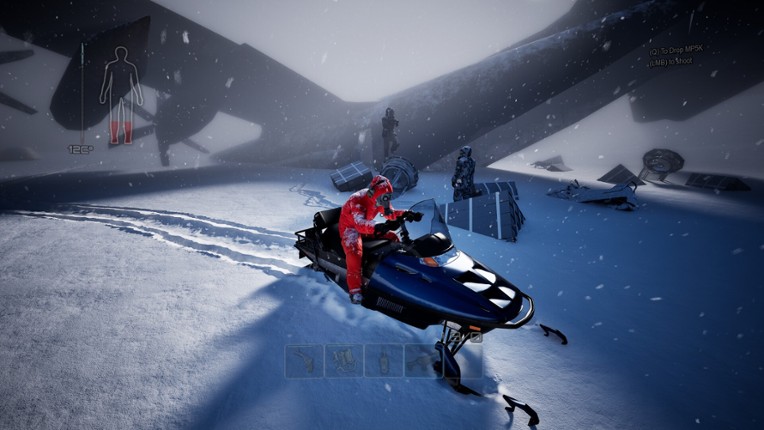
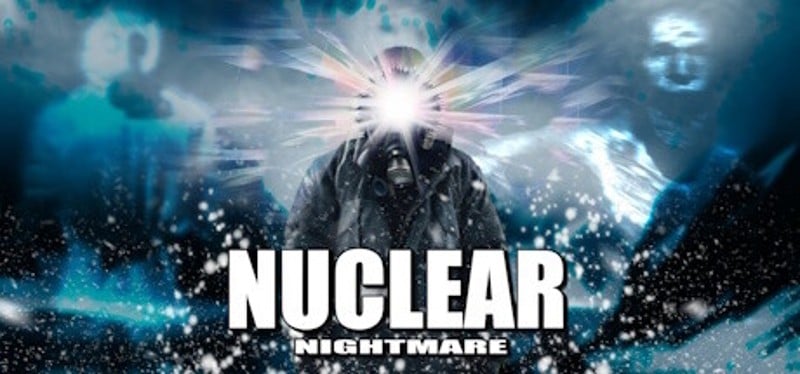
Join your fellow players in assembling an elite extraction team for a thrilling mission to recover classified materials hidden in the harsh Arctic landscape. Gather the necessary supplies to call in an evacuation chopper and make your escape back to civilization. Will you succeed? Explore a vast open world with a variety of vehicles and trusty huskies to help you navigate the expansive terrain. Ea… If you enjoyed this game, see our list of games similar to Nuclear Nightmare.
View Game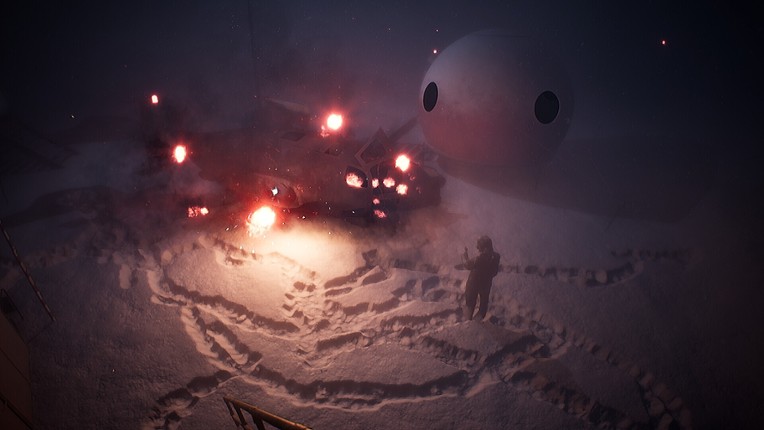
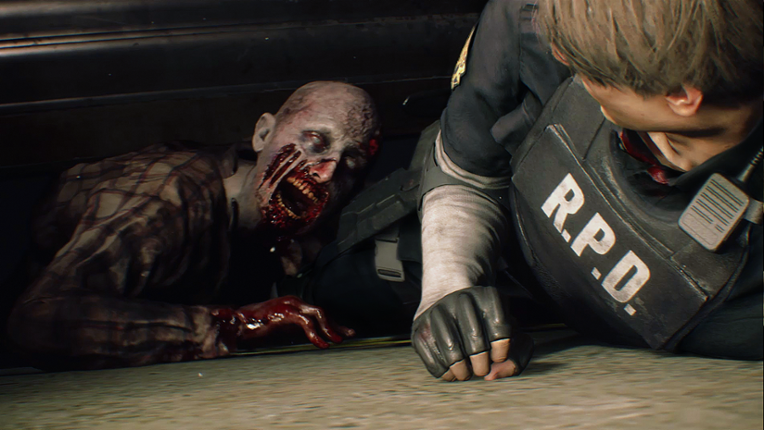
- 96%Game Brain ScoreMost mentioned positive aspects:story, graphicsMost mentioned negative aspects:grinding, stability97% User Score 67,617 reviewsCritic Score 95%1 reviews
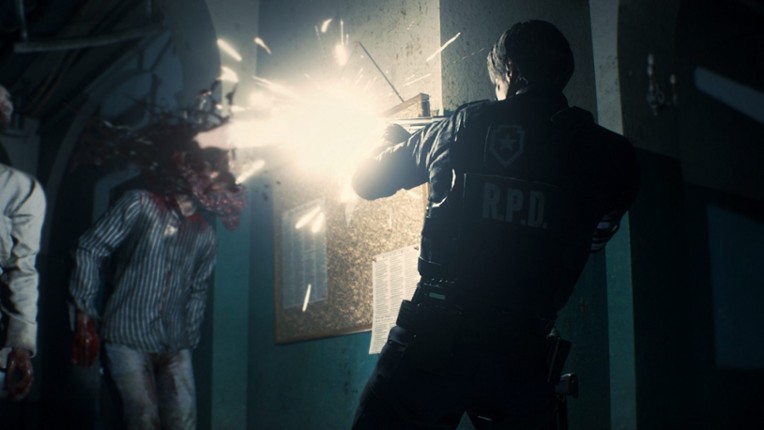
Resident Evil 2: Steelbook Edition came with a DLC code for Claire's Elza Walker outfit and was exclusive to Europe. If you enjoyed this game, see our list of games similar to Resident Evil 2.
View Game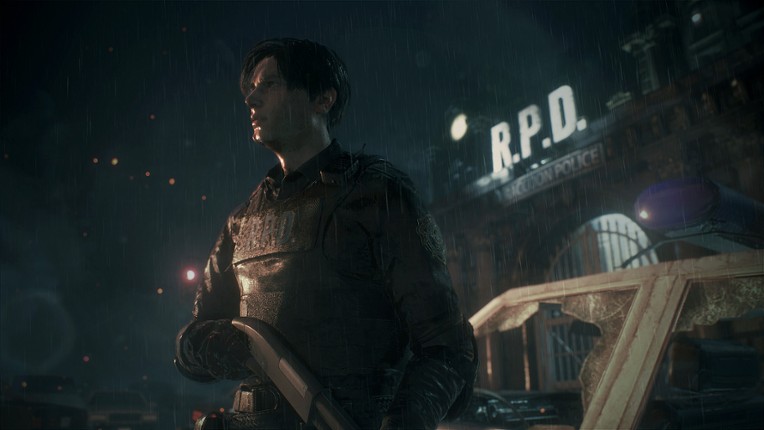
- 73%Game Brain ScoreMost mentioned positive aspects:gameplay, graphicsMost mentioned negative aspects:optimization, stability73% User Score 46,927 reviews
Unreal Drone Racing is an arcade style racing game with drones... and lasers! If you enjoyed this game, see our list of games similar to SCUM.
View Game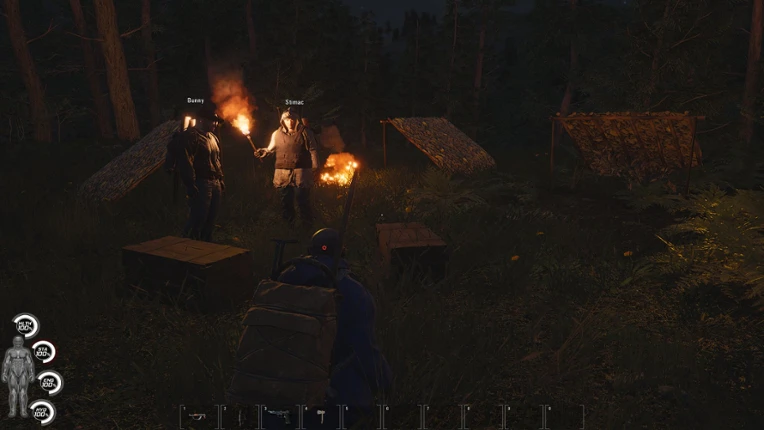
- 76%Game Brain ScoreMost mentioned positive aspects:gameplay, humorMost mentioned negative aspects:stability, story76% User Score 4,981 reviewsOffers fast-paced roguelite action with intense psychological horror layers, contrasting The Forest’s methodical pacing and grounded survival. If you enjoyed this game, see our list of games similar to PANICORE.View Game


 View Game
























Frequently Asked Questions
The closest match is Sons Of The Forest, which features nearly identical survival mechanics, co-op gameplay, and atmospheric horror elements. Green Hell offers realistic jungle survival with deep crafting systems, while Subnautica delivers the same exploration-driven narrative and base-building in an alien underwater world. All three excel at atmosphere and replayability.
Sons Of The Forest supports up to four-player online co-op, making it the ideal choice for multiplayer survival. Dying Light and 7 Days to Die also feature robust online co-op modes for 2–4 players. Green Hell includes cooperative play, though player count varies. All maintain The Forest's atmospheric tension even with friends.
Raft focuses heavily on crafting and base construction on a floating island, with satisfying progression systems. Grounded combines intricate base-building with crafting in a survival sandbox. 7 Days to Die offers extensive building mechanics alongside crafting and resource management. Each game rewards preparation and creativity differently than The Forest.
Most games like The Forest are premium titles, but Grounded offers a free trial period to test the experience. 7 Days to Die occasionally goes free during promotions. Your best budget option is starting with one of these before investing in full titles like Sons Of The Forest or Green Hell.
Dying Light delivers intense zombie action with darker tone and brutal survival mechanics. BIGFOOT features psychological horror and supernatural elements with atmospheric dread. 7 Days to Die includes grotesque zombie hordes and survival desperation. These games escalate The Forest's horror while maintaining engaging gameplay loops.
Subnautica excels with an organic narrative uncovered through exploration, revealing an alien planet's mysteries. Green Hell weaves an emotionally resonant story with unexpected twists into jungle survival. Sons Of The Forest builds intrigue through environmental storytelling and discovery. All prioritize narrative depth alongside survival mechanics.