

Games like Sons Of The Forest
There's a particular thrill to crash-landing on a mysterious island with nothing but a machete and your wits, and if that's what hooked you, you're probably hunting for games like Sons Of The Forest that scratch the same itch. This survival horror hit built its reputation on a razor-sharp blend of first-person crafting, base building, and mutant-infested exploration, all wrapped in an atmosphere that keeps you tense even during quiet moments. Good news — plenty of worthy alternatives exist.
What makes Sons Of The Forest click is how it layers systems on top of each other: deep crafting and base building sit alongside genuine survival horror tension, co-op play that turns panic into shared chaos, and an open world dense enough to reward real exploration. It's not just about killing cannibals — it's the moment-to-moment loop of scavenging, building, and surviving that players praise, paired with atmosphere and a soundtrack that make the island feel alive and dangerous in equal measure.
What Makes a Good Alternative to Sons Of The Forest?
- First-person survival crafting — The core loop of gathering resources and crafting tools up close is what makes Sons Of The Forest's world feel tactile and immersive, so alternatives need that same hands-on system.
- Base building with purpose — Constructing shelter isn't cosmetic; it's your lifeline against threats, and the best substitutes give building the same weight and strategic depth.
- Co-op survival horror — Facing mutants or monsters with friends turns fear into a shared, often funny experience, mirroring the humor and emotional highs players love in Sons Of The Forest.
- Atmospheric open-world exploration — Dense, unpredictable environments that reward curiosity and punish carelessness are essential to recreating that sense of dread and discovery.
- Sandbox freedom with survival stakes — Games that let you approach hunger, shelter, and combat your own way, without heavy hand-holding, capture the same immersive-sim feel.
Top Picks If You Enjoyed Sons Of The Forest
The Forest delivers the exact same island, tone, and building systems as its predecessor. Green Hell trades mutants for a brutally realistic Amazon survival simulation. Grounded shrinks you down for a lighter, funnier take on crafting and base defense. Raft moves the survival loop onto the open ocean with co-op building at its core. Night of the Dead adds tower-defense-style base building against nightly zombie hordes for fans who want more combat pressure.
Every recommendation below is ranked by similarity using real player data, so you can trust the order reflects genuine overlap in mechanics, tone, and appeal. Scroll down to explore the full list and find your next survival obsession.
- 94%Game Brain ScoreMost mentioned positive aspects:story, gameplayMost mentioned negative aspects:stability, grinding95% User Score 315,218 reviewsCritic Score 90%1 reviews
Fans of Sons Of The Forest will recognize the satisfying loop of scavenging by daylight, throwing together a defensible base, and deciding whether to risk the caves before nightfall. That pressure makes every plank and crafted weapon matter: building is not decoration, but preparation for the next unpredictable attack.
The Forest carries over first-person exploration, crafting, open-world survival, and online co-op, so a partner can divide chores, reinforce a camp, or turn a terrifying discovery into a shared story. Its hostile cannibals, stark soundscape, and sprawling underground spaces deliver the same survival-horror tension, while the story and dark humor reward players who keep investigating.
The tradeoff is a more focused, older-feeling survival sandbox: it offers fewer modern systems than Sons Of The Forest, but that simplicity makes resource decisions and base defense easier to read. It also shares the series’ potential for grinding and technical hiccups rather than solving those complaints, so approach it as a rough-edged companion rather than a straight upgrade. Best for players who want co-op experimentation, persistent tension, and discovery to matter more than spectacle.
If you enjoyed this game, see our list of games similar to The Forest.View Game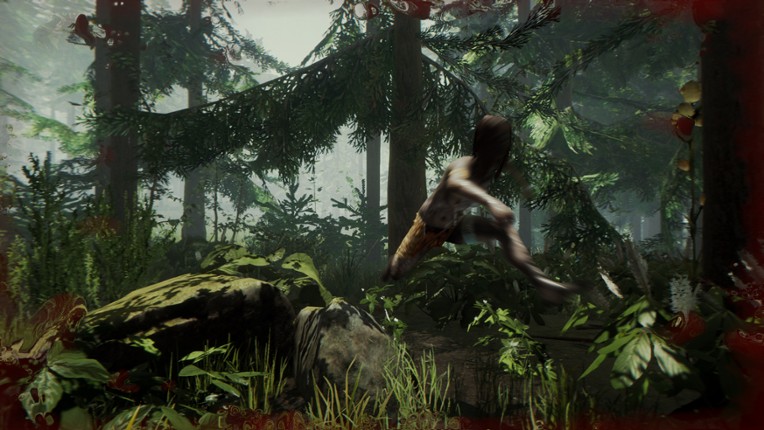
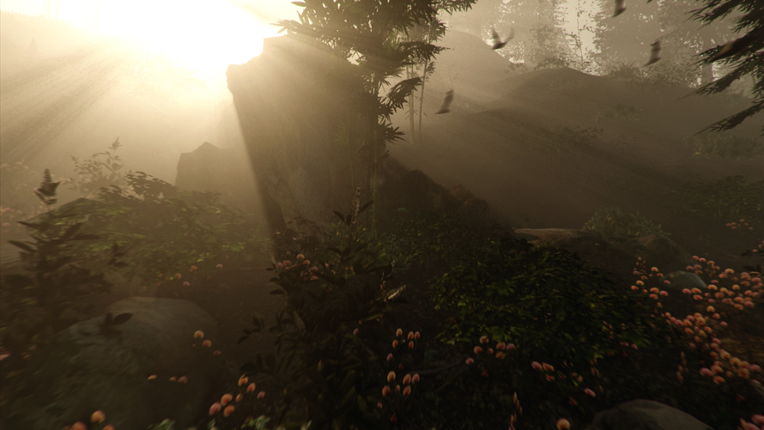
- 78%Game Brain ScoreMost mentioned positive aspects:story, gameplayMost mentioned negative aspects:grinding, stability85% User Score 33,418 reviewsCritic Score 66%6 reviews
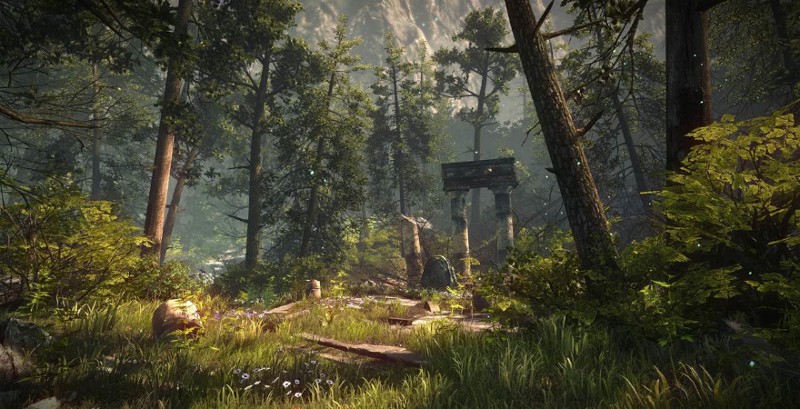
Surviving the claustrophobic dread of a hostile canopy while managing physical trauma and building fortified camps captures a highly specific, high-tension thrill. Both titles force you to constantly look over your shoulder, translating environmental paranoia into a rewarding loop of resource gathering and defensive construction.
The detailed first-person building requires you to physically construct shelters piece-by-piece, which deepens your connection to your makeshift base and raises the stakes when danger strikes. While you will find familiar joy in the co-op exploration, this ecosystem swaps out mutant cannibals for a realistic, agonizing gauntlet of parasites, infections, and sanity management. This shift trades supernatural horror for a grueling test of human endurance.
Additionally, while Sons Of The Forest faces criticism for aggressive monetization, this adventure offers a complete, buy-to-play experience with zero microtransactions. Best for players who chase punishing, realistic survival over supernatural spectacle.
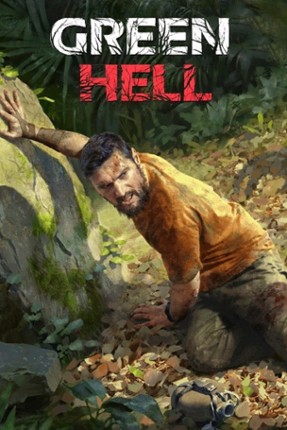
If you enjoyed this game, see our list of games similar to Green Hell.View Game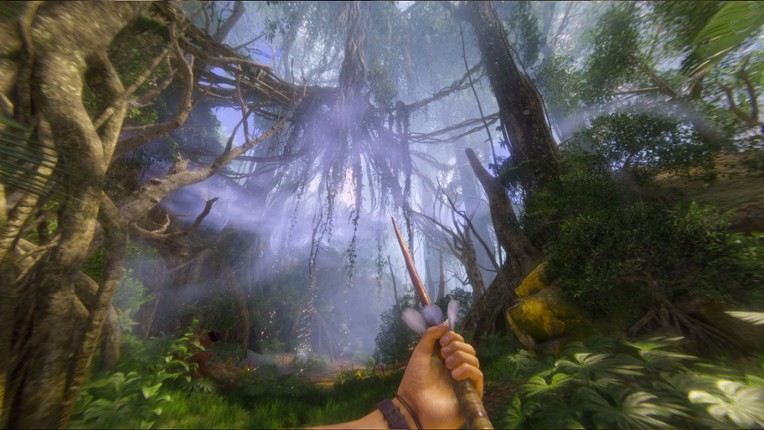
- 86%Game Brain ScoreMost mentioned positive aspects:story, gameplayMost mentioned negative aspects:stability, grinding92% User Score 65,944 reviewsCritic Score 79%27 reviews
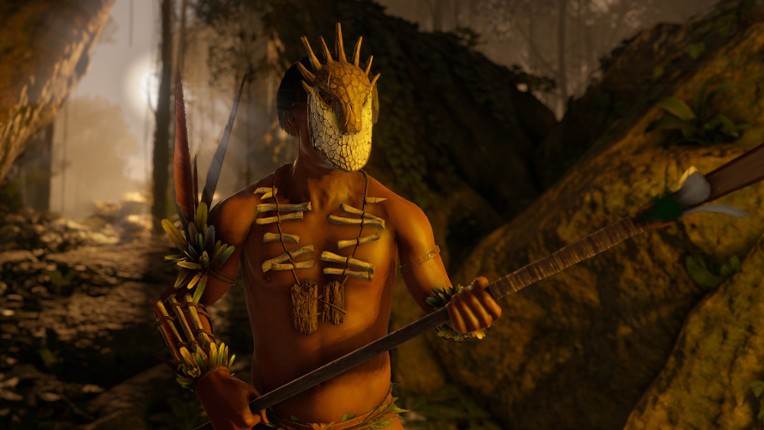
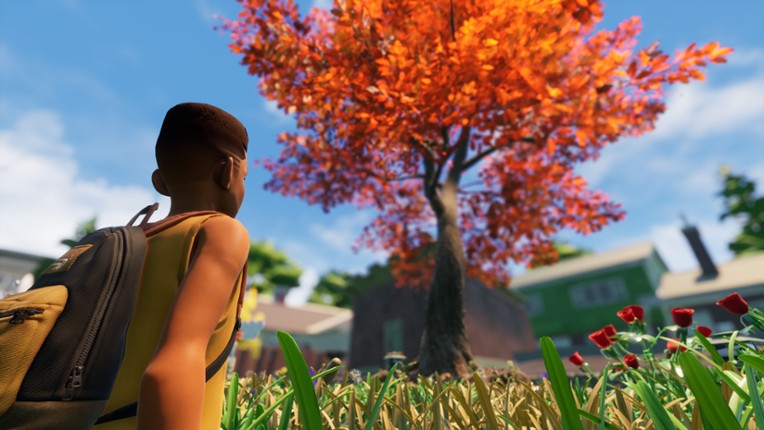
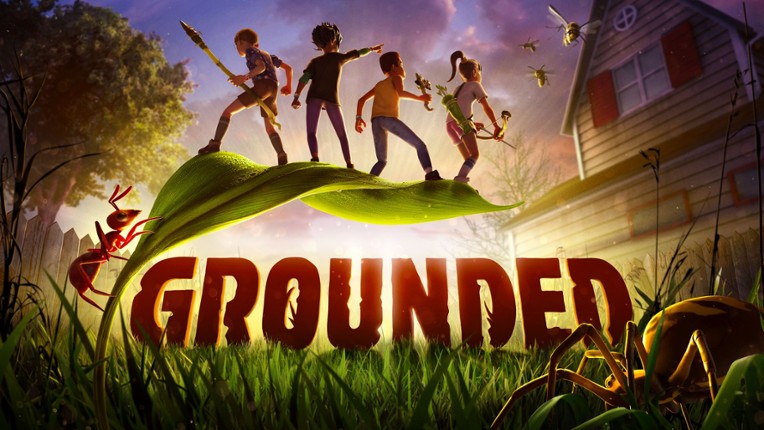
Both games trap you in a hostile environment where survival depends on scavenging, crafting, and defending a home base—but Grounded shrinks the world to backyard scale, making every resource feel precious and every threat tactile. This shift transforms the survival loop: instead of exploring vast forests, you're learning the ecosystem of a single lawn, which creates deeper familiarity and higher stakes for each venture outside.
The co-op foundation runs identically deep. Sons of the Forest fans already know the rhythm of coordinating with a partner to gather materials, fortify bases, and survive horrors together—Grounded preserves that exact social tension and teamwork dependency, just with ants and spiders instead of cannibals.
Base building and crafting progression follow the same reward curve in both: watching your shelter grow from scraps into a functional compound is the core satisfaction. Grounded stretches this further with more granular tier unlocks and persistent world decay, addressing the grinding criticism some leveled at Sons of the Forest.
The tonal pivot matters: Grounded laces horror with absurdist humor, trading relentless dread for moments of levity. This works as a palate cleanser rather than a departure.
Best for players who value exploration and base building over atmospheric tension, and who want their survival experience seasoned with wit.
If you enjoyed this game, see our list of games similar to Grounded.View Game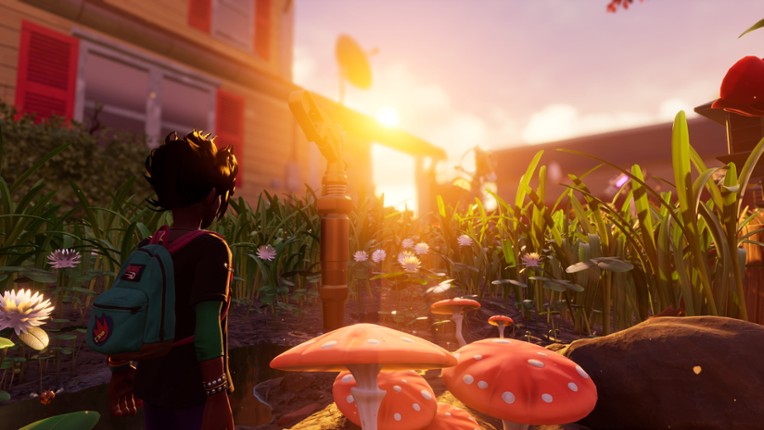
- 90%Game Brain ScoreMost mentioned positive aspects:story, gameplayMost mentioned negative aspects:grinding, stability94% User Score 228,886 reviewsCritic Score 80%3 reviews
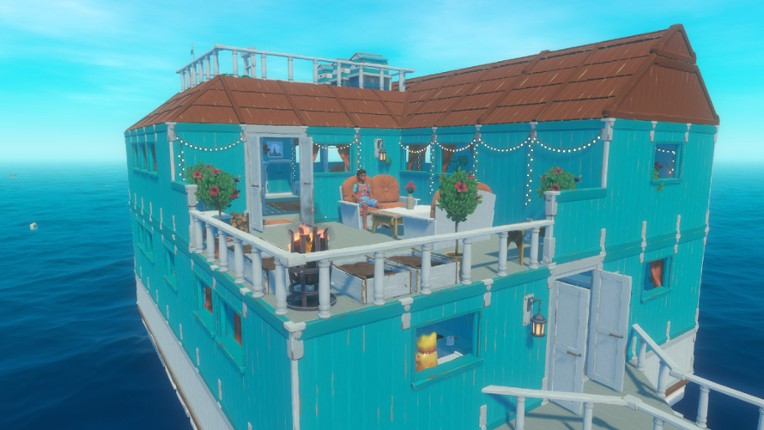
Fans who sank hours into building sprawling bases in Sons Of The Forest will find that same addictive "just one more foundation" loop driving them in Raft, but relocated to the open ocean.
The crafting and base expansion systems mirror each other closely—both games demand resource gathering, planning, and iterative building that makes your shelter feel earned. First-person exploration hits the same immersive notes, whether you're mapping a dense forest or charting a raft's path through endless waters. Co-op play amplifies both experiences similarly, turning survival into a shared creative project.
Raft swaps the forest's horror atmosphere for a tense but fundamentally different challenge: surviving on a tiny platform surrounded by sharks, with the ocean as both your resource pool and your ever-present threat. This trade removes jump scares but adds a unique spatial constraint that demands constant vigilance.
Players frustrated by Sons Of The Forest's occasional stability issues will find Raft's engine more reliable, even if its own grinding reputation persists. Best for survival enthusiasts who love the building more than the dread.
If you enjoyed this game, see our list of games similar to Raft.View Game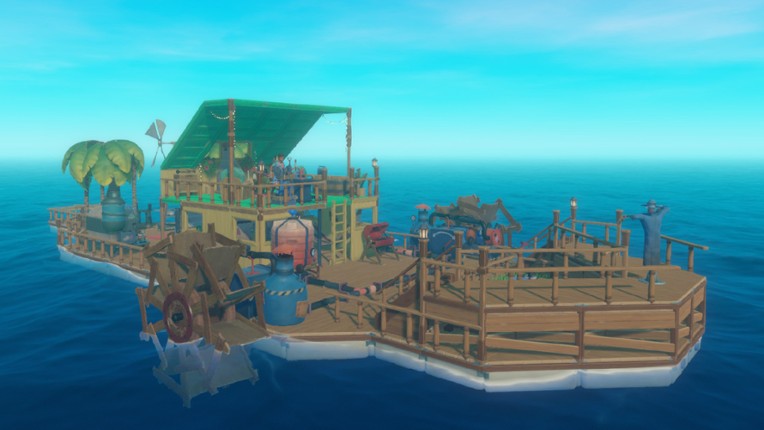

- 85%Game Brain ScoreMost mentioned positive aspects:story, gameplayMost mentioned negative aspects:grinding, optimization85% User Score 2,252 reviews
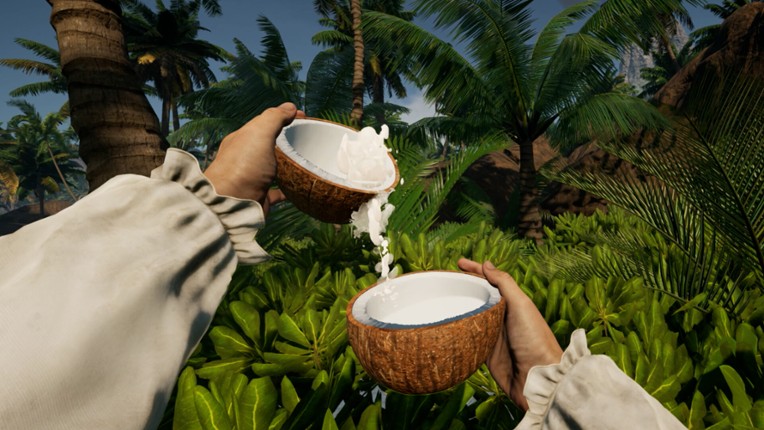
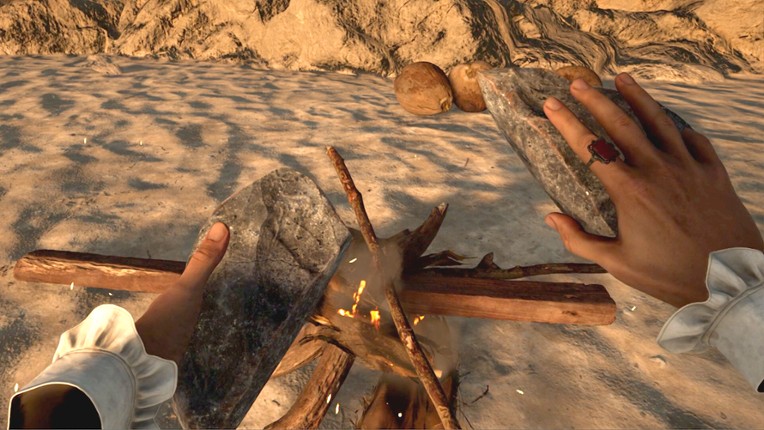
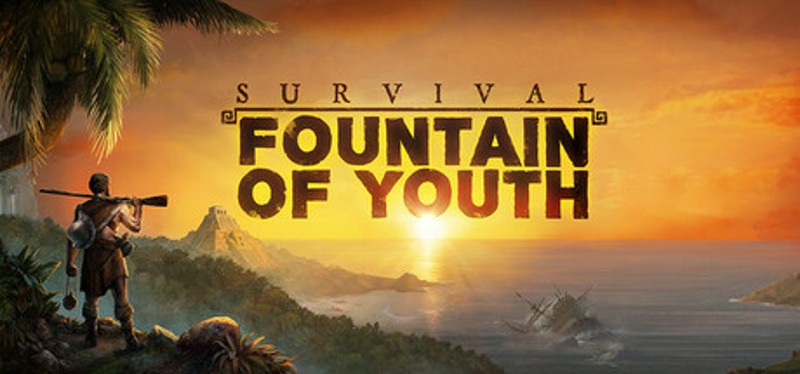
That constant mental math of "do I have enough materials to build this shelter before dark" carries straight over here. Fountain of Youth leans hard into the same first-person survival loop — scavenge, craft, build a base, push into unknown territory — but swaps Sons Of The Forest's horror tension for a shipwrecked-sailor-on-a-mysterious-island vibe that still keeps you on edge.
The base building and crafting systems will feel immediately familiar, right down to needing to scout materials before committing to a build site. Both games also demand real exploration discipline — dying to exposure or starvation because you wandered too far without a plan is a shared punishment, and it's what makes each supply run feel tense rather than routine.
Where it diverges is pacing: this is a slower, more methodical survival sim, with underwater exploration and puzzle-solving layered into the mix rather than constant combat threat.
If grinding wore you down in Sons Of The Forest, know going in that resource gathering here leans even more on menu-driven crafting — a tradeoff for its deeper systemic depth.
Best for players who enjoyed the building and survival loop more than the horror chase, and who don't mind a rougher, early-access edge in exchange for a meatier crafting sandbox.
If you enjoyed this game, see our list of games similar to Survival: Fountain of Youth.View Game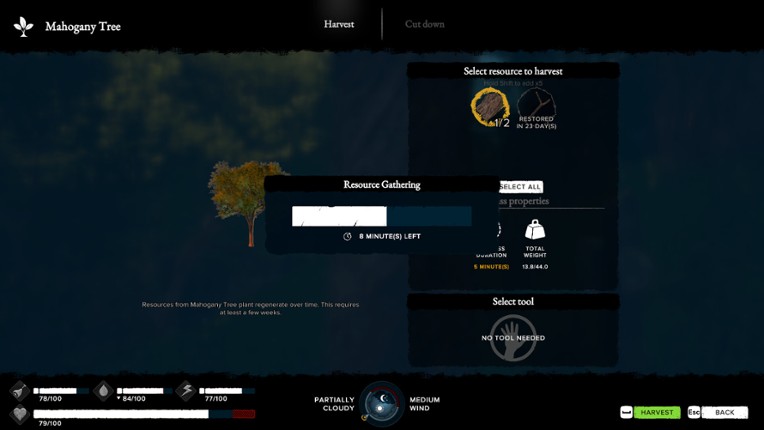
- 78%Game Brain ScoreMost mentioned positive aspects:story, gameplayMost mentioned negative aspects:stability, optimization78% User Score 82,755 reviewsCritic Score 80%3 reviews
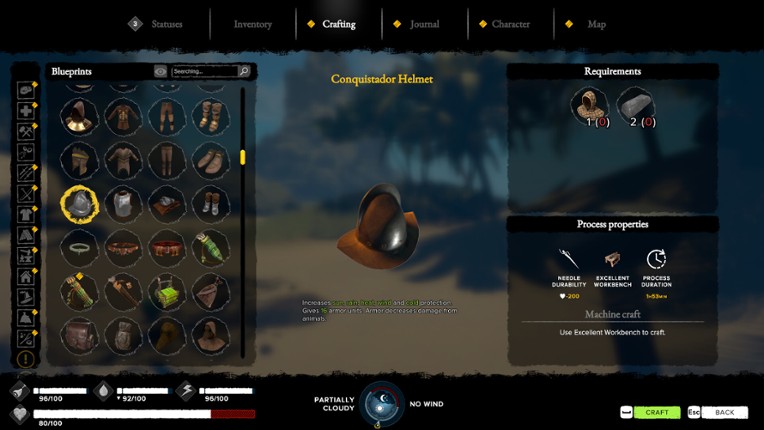
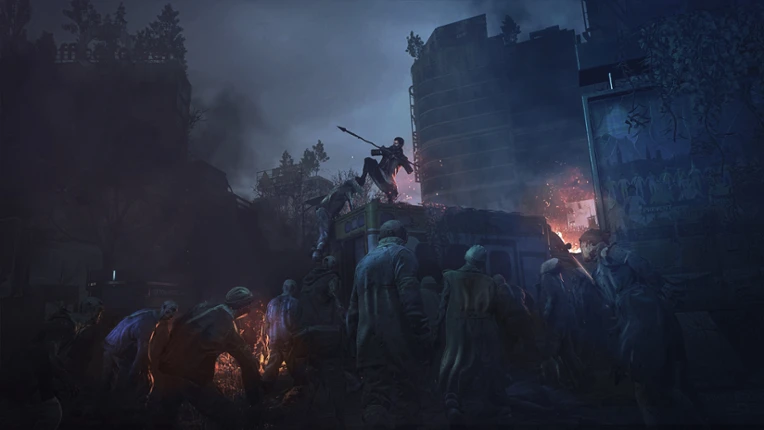
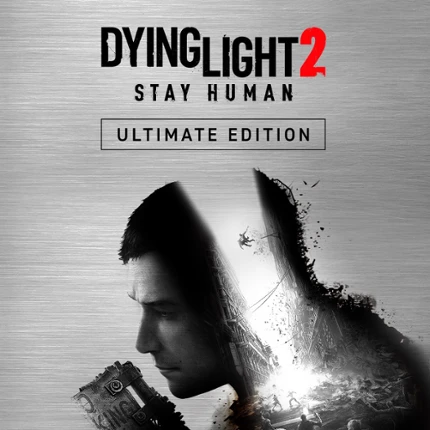
Both games excel at first-person survival against overwhelming odds, forcing you to constantly scavenge and manage resources while navigating a hostile, decaying world. This shared tension is amplified by dynamic exploration, which keeps traversal feeling dangerous rather than merely routine.
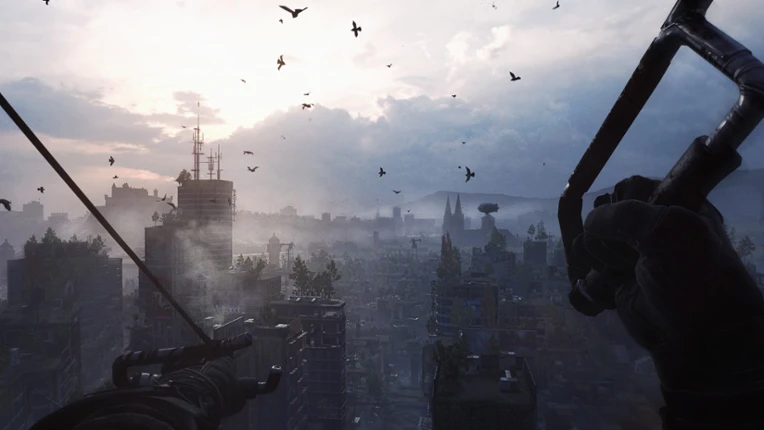
The primary shift here is focus: while Sons of the Forest centers on complex base building and environmental crafting, Dying Light 2 prioritizes fluid parkour movement and narrative-driven combat. You are trading static fortification for kinetic agility.
Pick this up if you want the visceral horror of fighting off mutant threats but can live without the granular demands of building a home from scratch.
If you enjoyed this game, see our list of games similar to Dying Light 2 Stay Human.View Game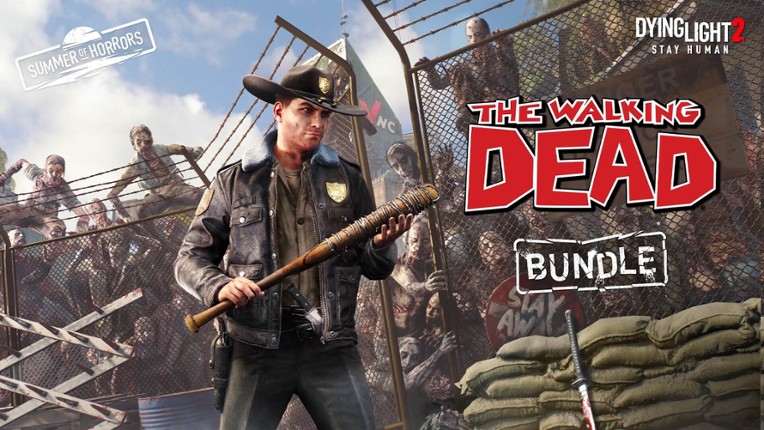
- 84%Game Brain ScoreMost mentioned positive aspects:gameplay, storyMost mentioned negative aspects:optimization, stability84% User Score 1,126 reviews
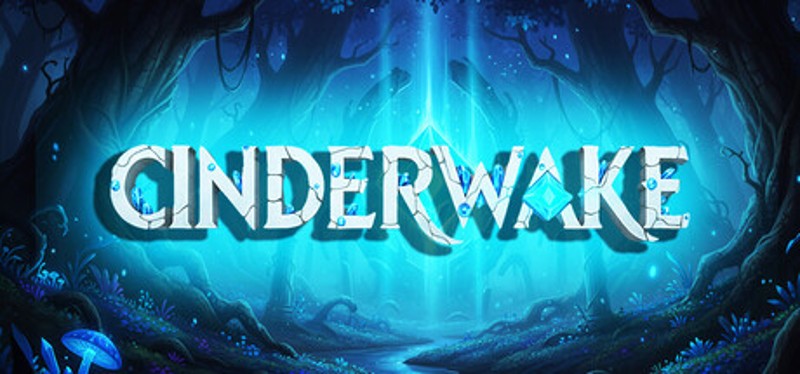
Base building is the clearest overlap: Cinderwake gives you the same loop of gathering, crafting, and fortifying a home under pressure.
It also leans into survival exploration with boss fights, which matters because it keeps the push-and-tear rhythm that Sons of the Forest players usually want. The difference is that Cinderwake is more RPG-leaning and less focused on horror tension.
Pick this up if you want creative base construction and survival progression, but can live without the constant dread and the polished multiplayer chaos of Sons of the Forest.
If you enjoyed this game, see our list of games similar to Cinderwake.View Game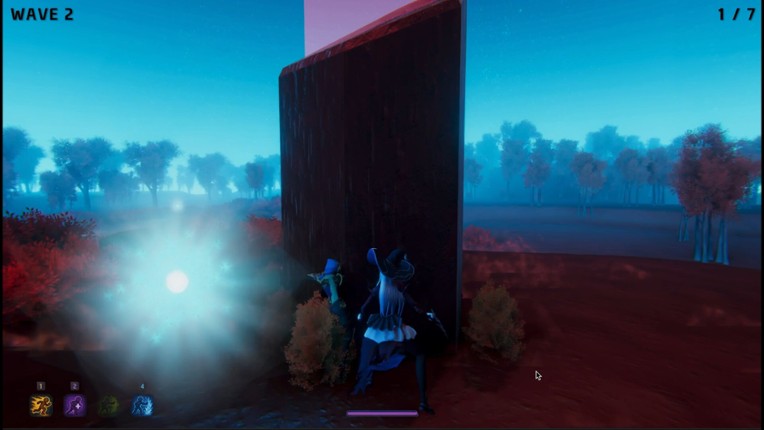
- 77%Game Brain ScoreMost mentioned positive aspects:gameplay, storyMost mentioned negative aspects:optimization, grinding77% User Score 3,601 reviews
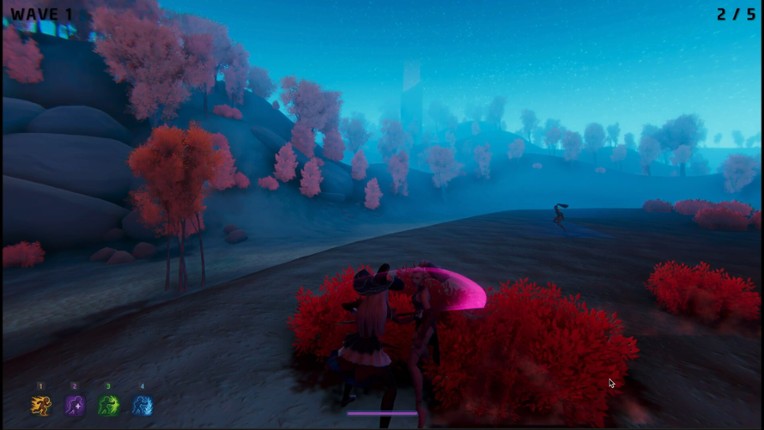
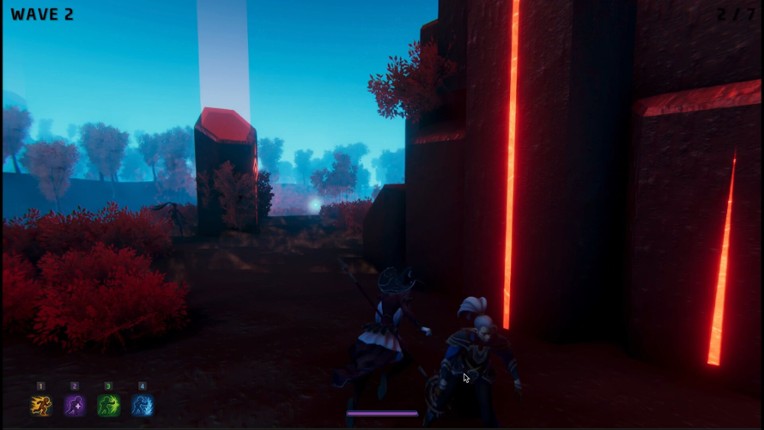
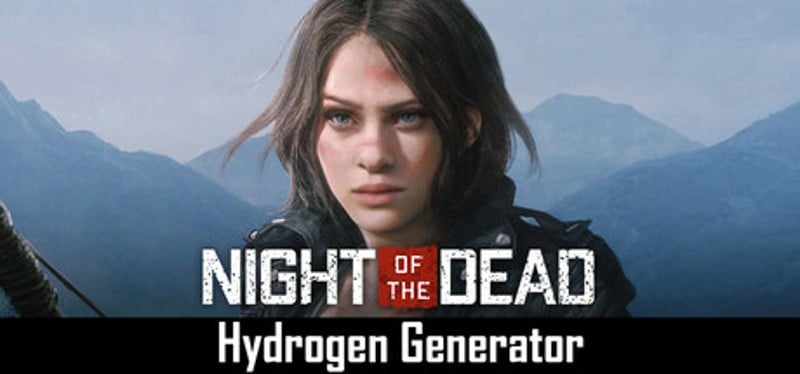
If you loved Sons Of The Forest's base-building survival horror, Night of the Dead delivers the same addictive loop of fortifying your position against relentless foes.
Both games anchor their experience in resource management and defensive construction, creating that signature tension of whether your shelter will hold when night falls.
The critical difference lies in scope: Night of the Dead layers in zombie hordes and tower-defense mechanics, but trades Sons Of The Forest's polished stability for frequent crashes and a clunkier interface.
Grab this if you crave aggressive zombie survival with base defense and can overlook technical rough edges.
If you enjoyed this game, see our list of games similar to Night of the Dead.View Game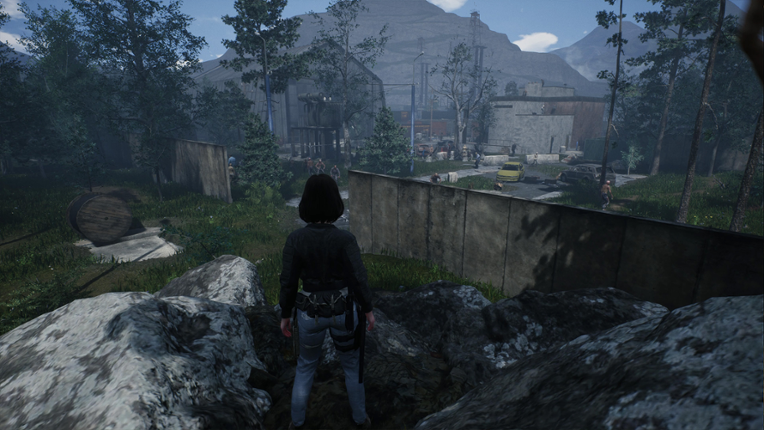
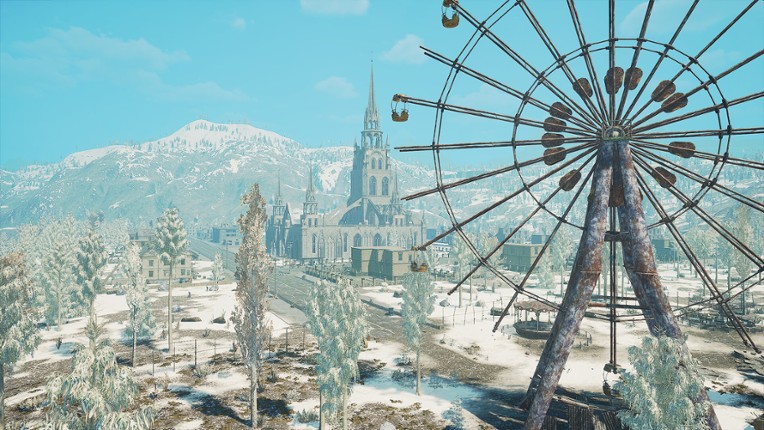
- 85%Game Brain ScoreMost mentioned positive aspects:story, gameplayMost mentioned negative aspects:grinding, stability85% User Score 1,131 reviews
Base-building and survival crafting anchor both games—you'll spend significant time gathering, constructing, and defending your space. This foundation gives each game its long-term hook.
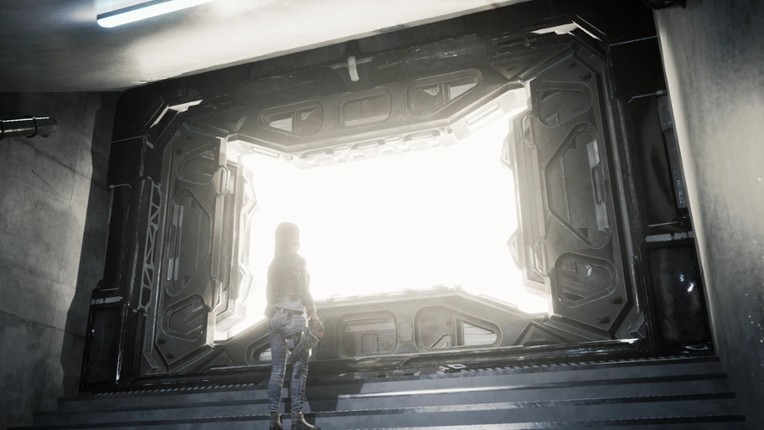
Infinite Veil matches Sons of the Forest's atmospheric world-building through sound design and visual polish, which elevates exploration beyond mere task completion.
The critical difference: Infinite Veil leans harder into difficulty and punishment, with unbalanced combat and a steeper solo learning curve that Sons of the Forest doesn't impose as aggressively.
Pick this up if you want survival crafting with co-op potential but can tolerate rougher technical execution and more brutal difficulty spikes than your reference point.
If you enjoyed this game, see our list of games similar to Infinite Veil.View Game
- 92%Game Brain ScoreMost mentioned positive aspects:gameplay, graphicsMost mentioned negative aspects:grinding, optimization95% User Score 291,882 reviewsCritic Score 90%11 reviews
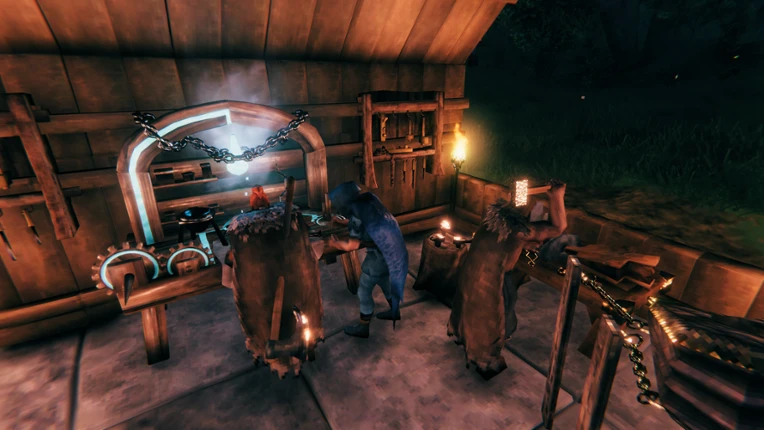
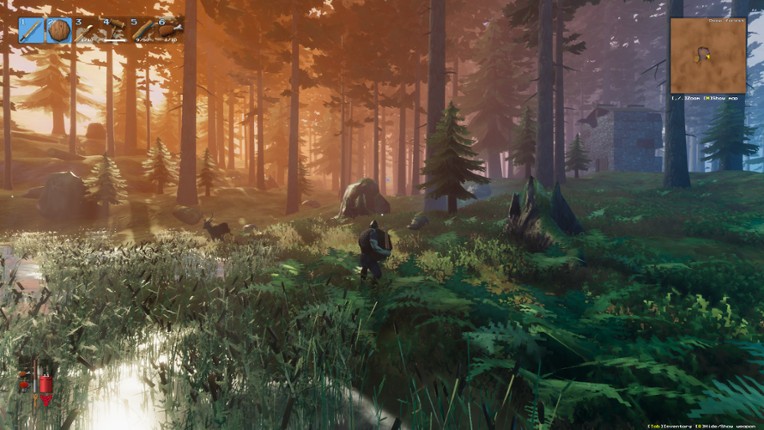
Valheim shares Sons of the Forest's obsession with brutal, physics-based base building. You will spend hours constructing defensible shelters to survive the elements, a core loop that mirrors the isolationist tension found in your island stay.
The primary difference is the aesthetic and perspective. While you trade the claustrophobic horror of a mutant-infested forest for expansive, procedurally generated Norse mythology, you lose the visceral intensity of first-person combat.
Pick this up if you crave complex engineering projects and satisfying sandbox progression, but can live without the constant threat of cannibalistic gore.
If you enjoyed this game, see our list of games similar to Valheim.View Game
- 76%Game Brain ScoreMost mentioned positive aspects:story, gameplayMost mentioned negative aspects:stability, grinding81% User Score 5,616 reviewsCritic Score 71%8 reviews
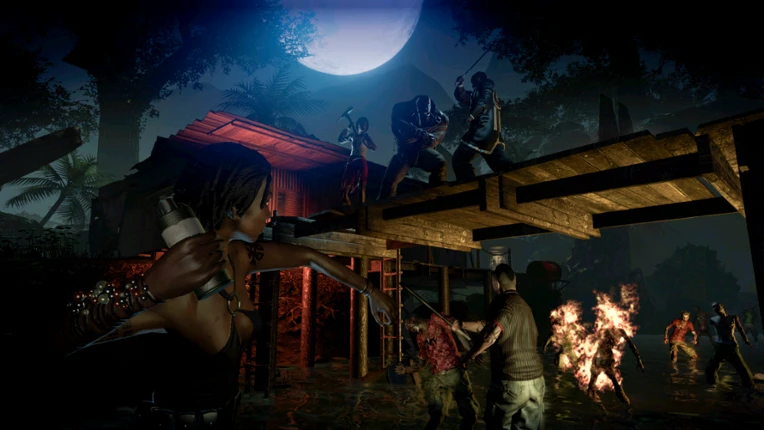
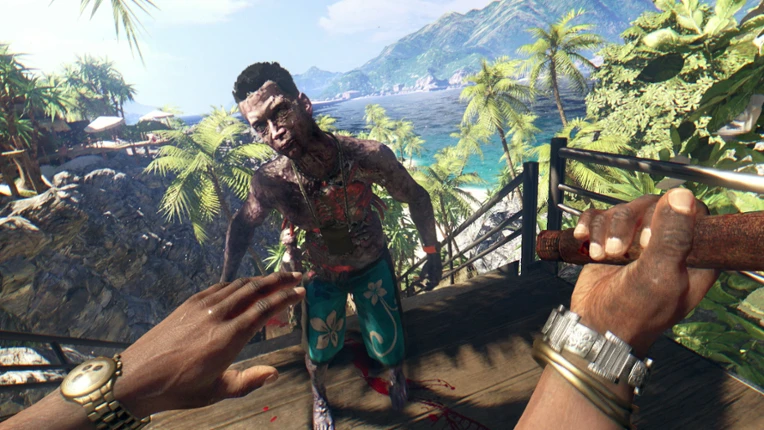
Dead Island swaps Sons Of The Forest's dense woodland for a sun‑drenched tropical island, delivering fast‑paced zombie carnage with a lighter survival focus.
If you enjoyed this game, see our list of games similar to Dead Island.View Game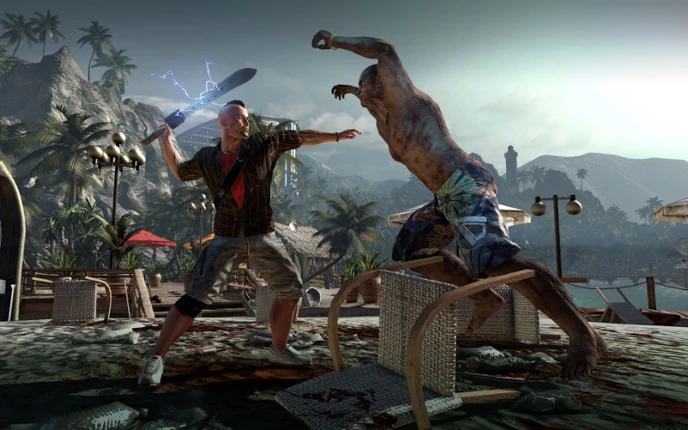
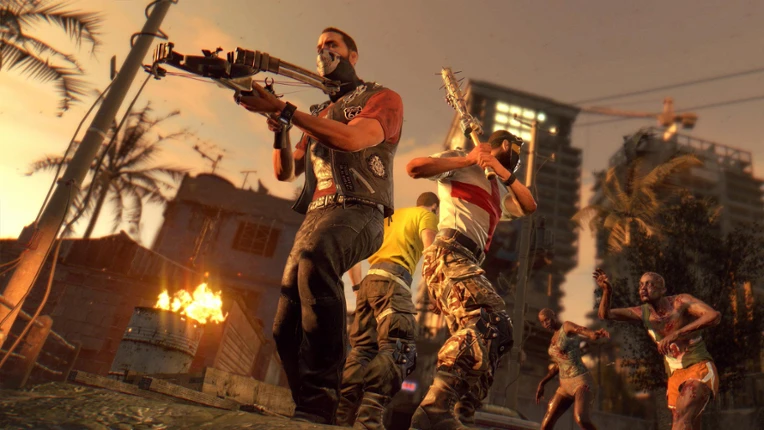
Includes: Dying Light (base game) Dying Light - Ultimate Survivor Bundle DLC Dying Light: The Following DLC Dying Light - Cuisine & Cargo DLC Dying Light - The Bozak Horde DLC Dying Light - 10th Anniversary Bundle The game whose uncompromising approach to gameplay set new standards for first-person zombie games. Dying Light: Enhanced Edition is all you need to start your adventure in the post-apoc… If you enjoyed this game, see our list of games similar to Dying Light.
View Game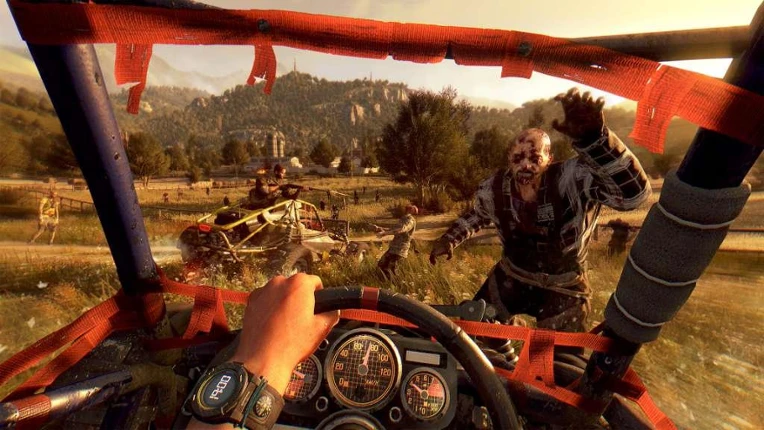
- 67%Game Brain ScoreMost mentioned positive aspects:story, gameplayMost mentioned negative aspects:stability, grinding66% User Score 2,287 reviewsCritic Score 70%1 reviews
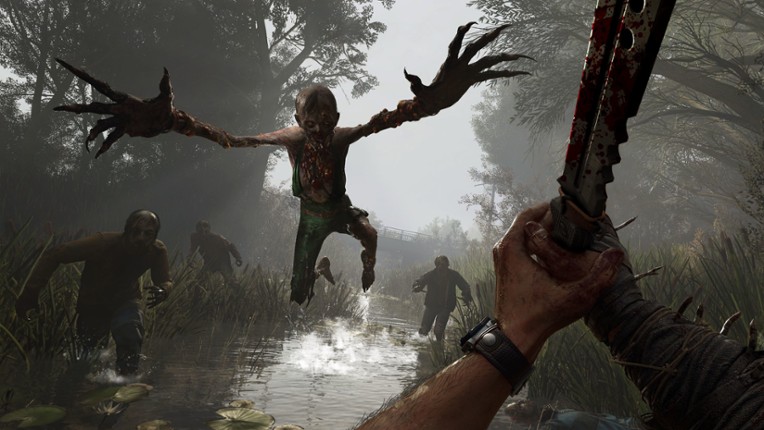
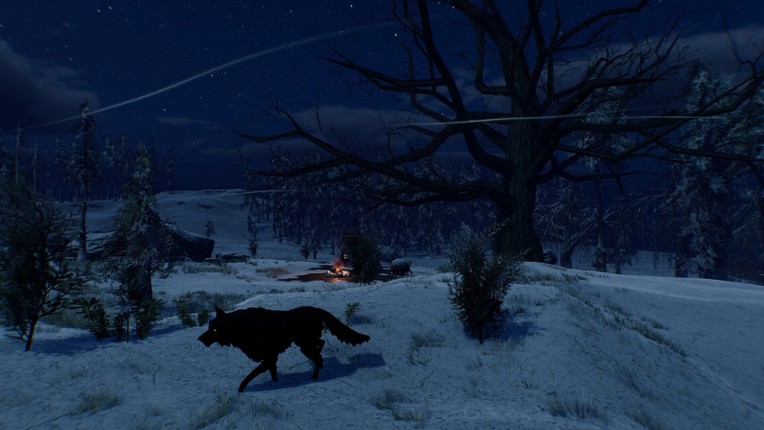
The Wild Eight pits you against the frozen tundra in an eight‑player co‑op survival grind, replacing forest isolation with relentless cold and teamwork.
If you enjoyed this game, see our list of games similar to The Wild Eight.View Game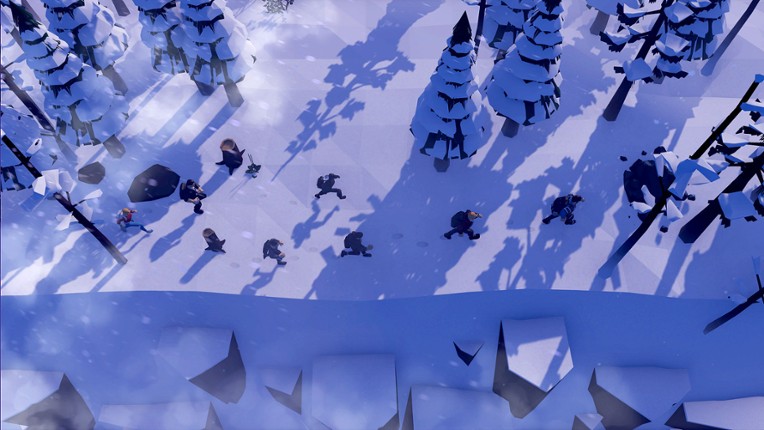
- 67%Game Brain ScoreMost mentioned positive aspects:story, gameplayMost mentioned negative aspects:optimization, stability67% User Score 4,434 reviews
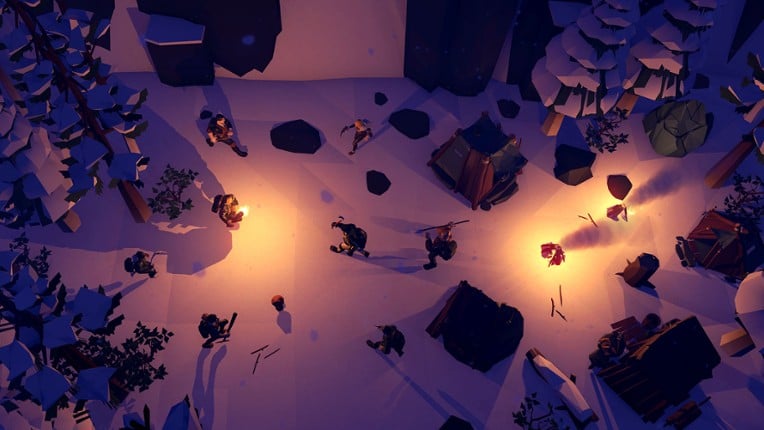
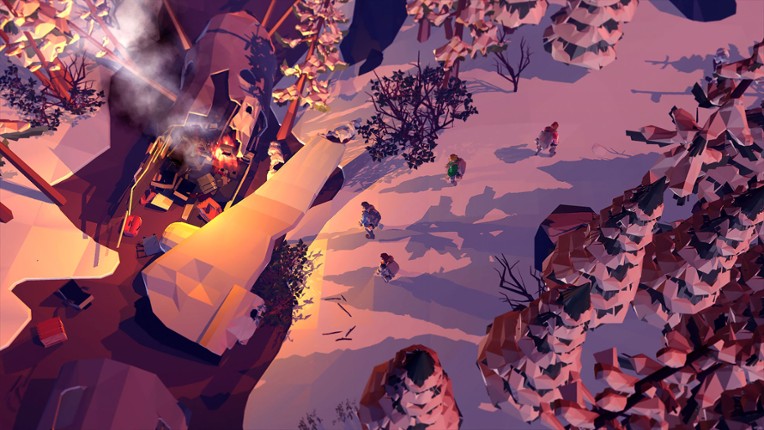
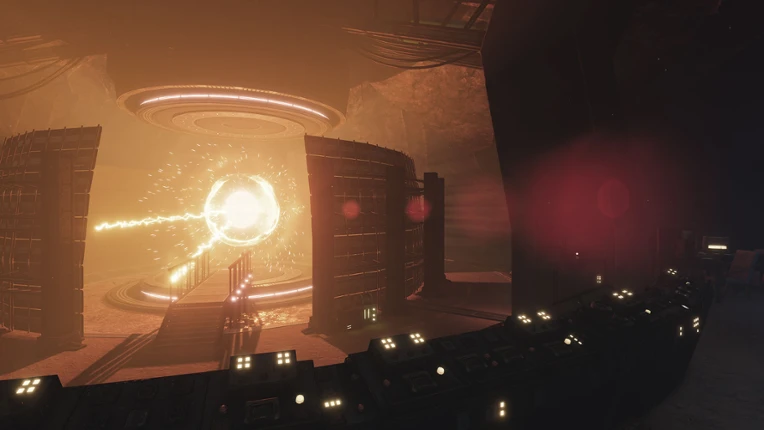
DESOLATE drops the forest for an abandoned, snow‑capped wasteland, delivering a slower, psychologically‑charged horror that leans heavily on atmospheric dread rather than crafting.
If you enjoyed this game, see our list of games similar to DESOLATE.View Game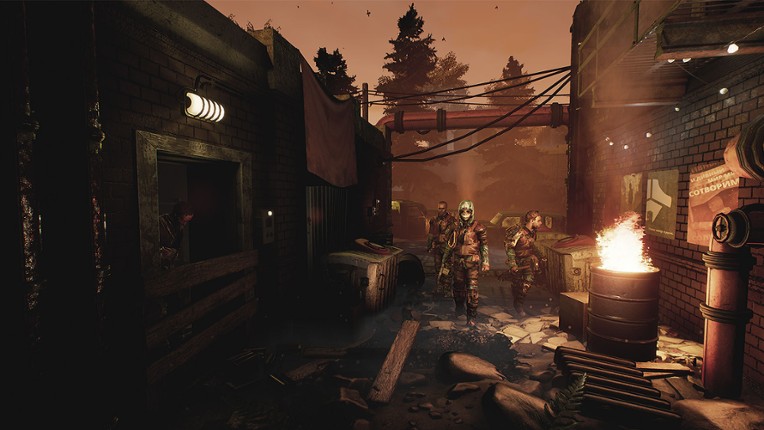
- 93%Game Brain ScoreMost mentioned positive aspects:story, graphicsMost mentioned negative aspects:stability, grinding93% User Score 72,685 reviews
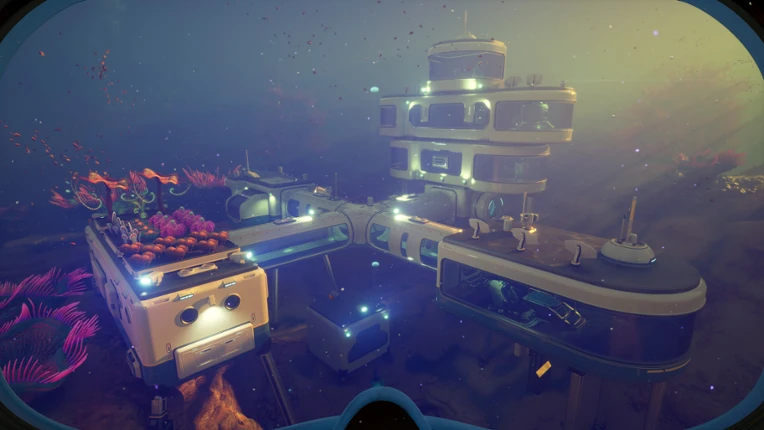
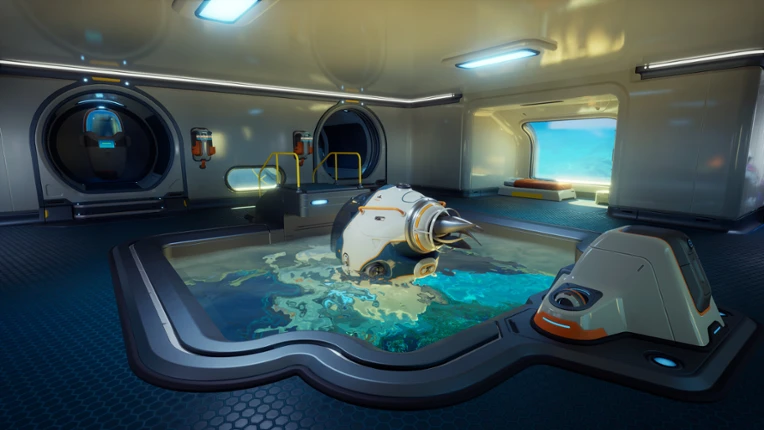
Subnautica 2 plunges you into an alien ocean, swapping forest treetops for underwater vistas and replacing base‑building with submarine construction and deep‑sea survival.
If you enjoyed this game, see our list of games similar to Subnautica 2.View Game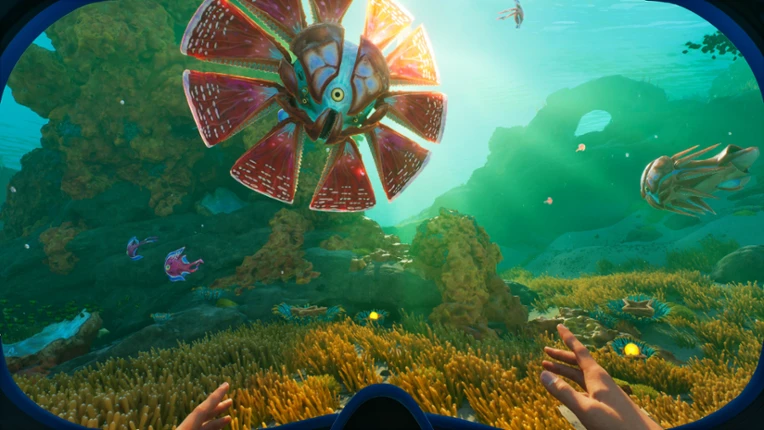
- 87%Game Brain ScoreMost mentioned positive aspects:story, gameplayMost mentioned negative aspects:stability, grinding94% User Score 132,525 reviewsCritic Score 80%33 reviews
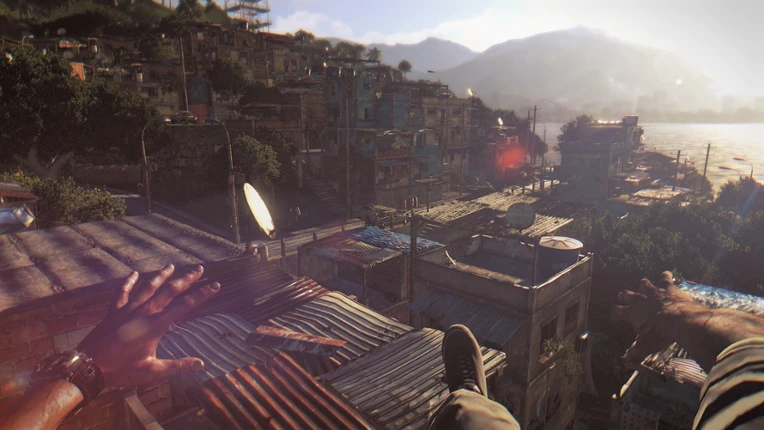
Dying Light’s expanded PvP and parkour‑heavy combat turn the survival formula into a competitive arena where players can raid each other’s bases.
If you enjoyed this game, see our list of games similar to Dying Light.View Game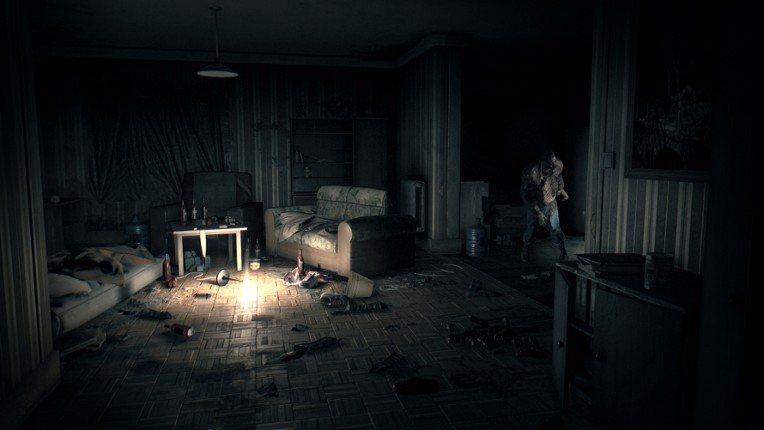
17 View Game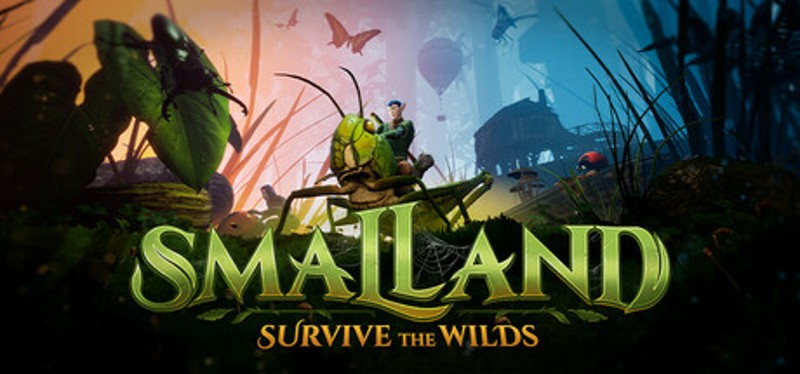 80%Game Brain ScoreMost mentioned positive aspects:gameplay, storyMost mentioned negative aspects:grinding, stability83% User Score 6,848 reviewsCritic Score 75%6 reviews
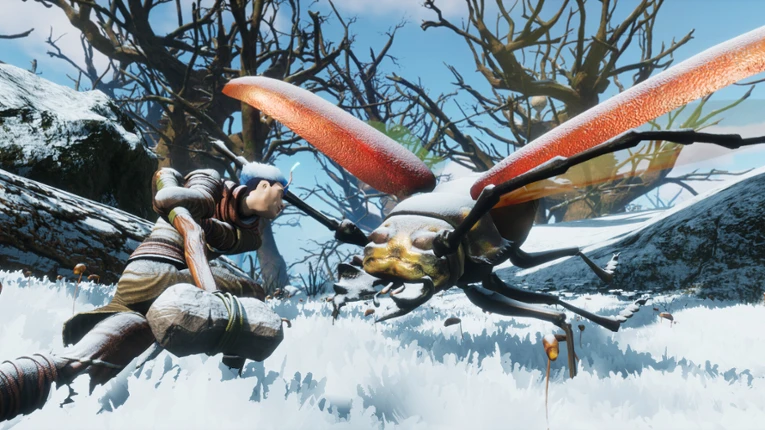
Smalland shrinks you to insect size, letting a vast open world feel colossal while emphasizing exploration over horror‑driven survival.
If you enjoyed this game, see our list of games similar to Smalland: Survive the Wilds.View Game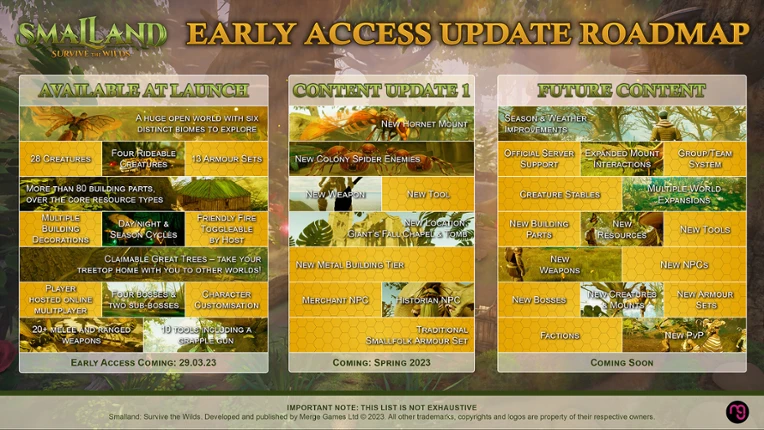
18 View Game 86%Game Brain ScoreMost mentioned positive aspects:story, gameplayMost mentioned negative aspects:stability, grinding93% User Score 12,310 reviewsCritic Score 76%6 reviews
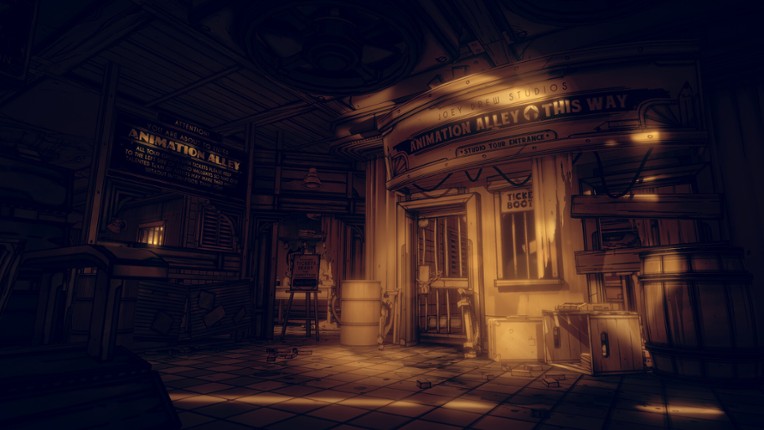
Bendy and the Dark Revival swaps survival mechanics for a cartoon horror adventure, delivering hand‑drawn visuals that turn the forest terror into a stylized nightmare.
If you enjoyed this game, see our list of games similar to Bendy and the Dark Revival.View Game
19 View Game 90%Game Brain ScoreMost mentioned positive aspects:graphics, gameplayMost mentioned negative aspects:grinding, stability90% User Score 13,375 reviews
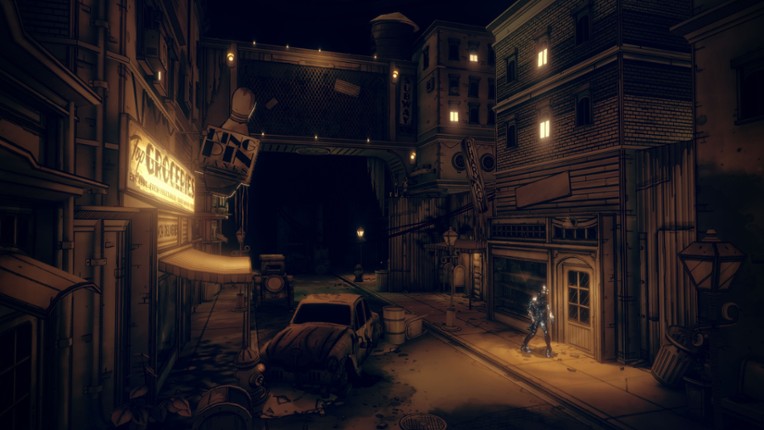
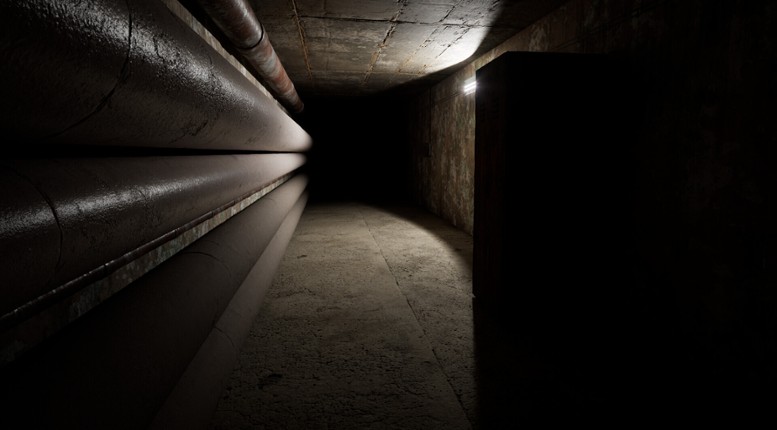
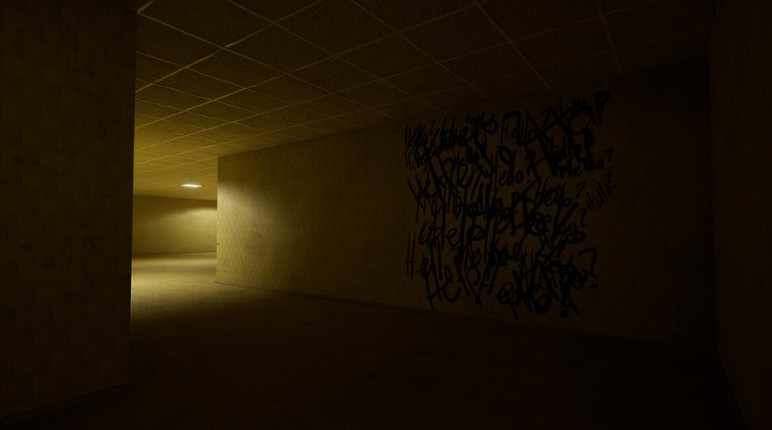
Backrooms: Escape Together drops you into endless, procedurally generated corridors, replacing forest exploration with an unsettling maze where teamwork is the only escape.
If you enjoyed this game, see our list of games similar to Backrooms: Escape Together.View Game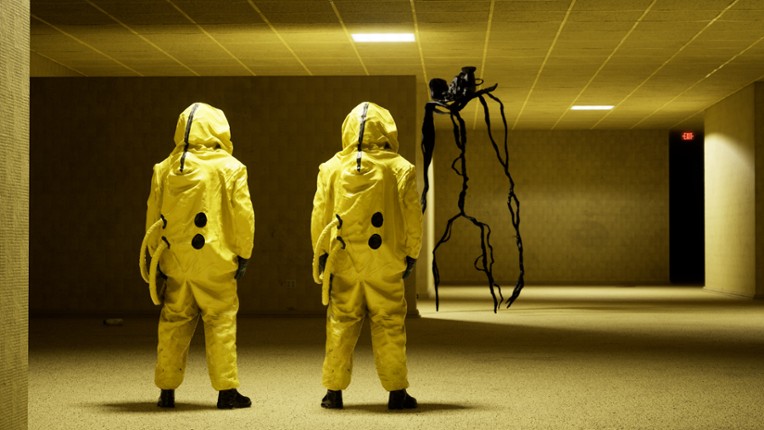
- 62%Game Brain ScoreMost mentioned positive aspects:gameplay, graphicsMost mentioned negative aspects:story, optimization85% User Score 183,471 reviewsCritic Score 40%18 reviews
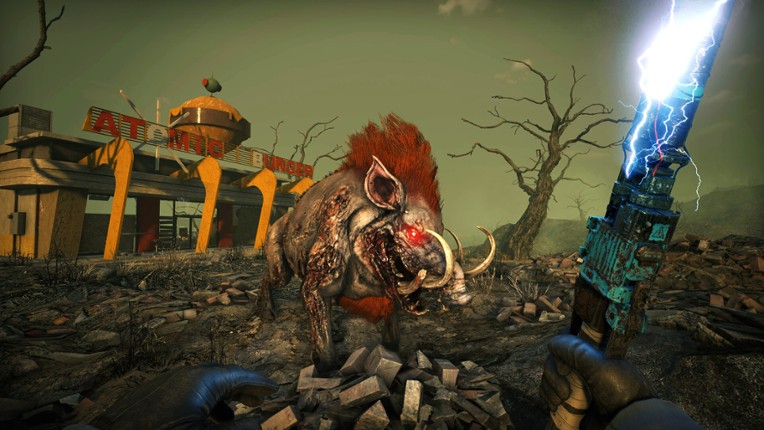
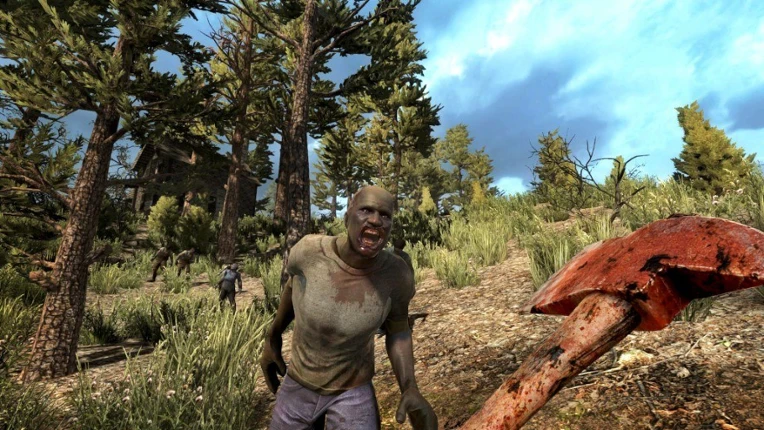
7 Days to Die mixes voxel building with zombie waves, delivering a sandbox survival grind that throws relentless hordes instead of a forest narrative.
If you enjoyed this game, see our list of games similar to 7 Days to Die.View Game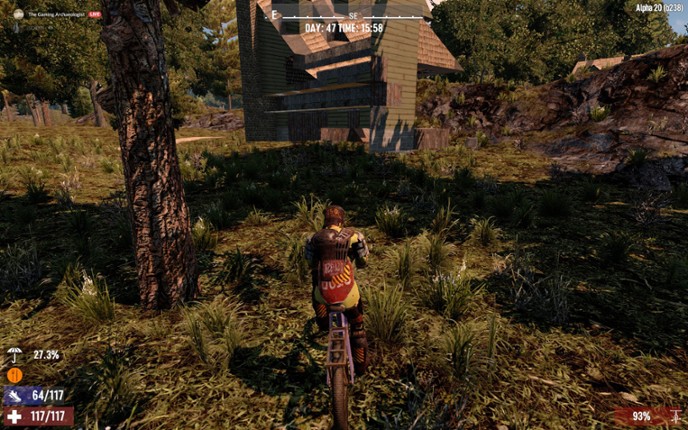
- 84%Game Brain ScoreMost mentioned positive aspects:gameplay, graphicsMost mentioned negative aspects:grinding, stability94% User Score 221,570 reviewsCritic Score 30%1 reviews
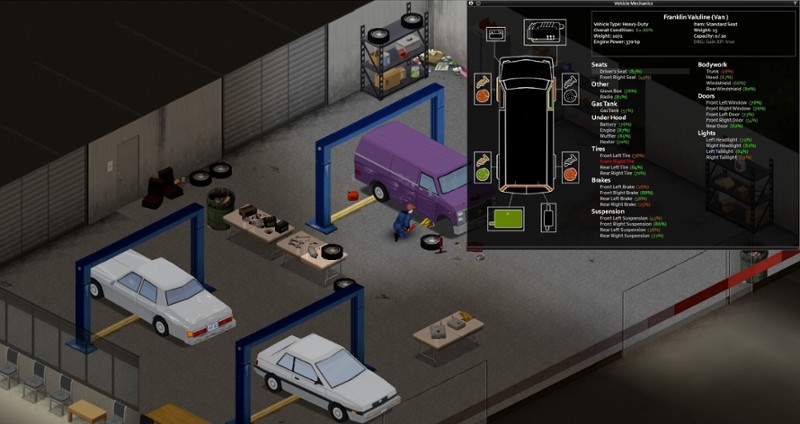
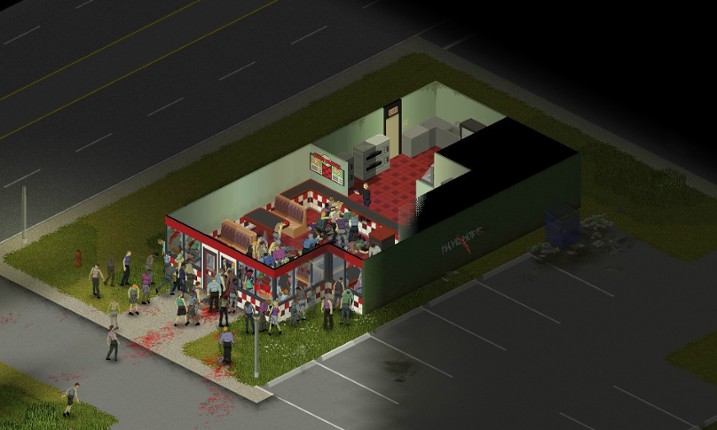
Replaces first-person immersion with top-down isometric survival, keeping co-op crafting and base-building but emphasizing zombie simulation depth.
If you enjoyed this game, see our list of games similar to Project Zomboid.View Game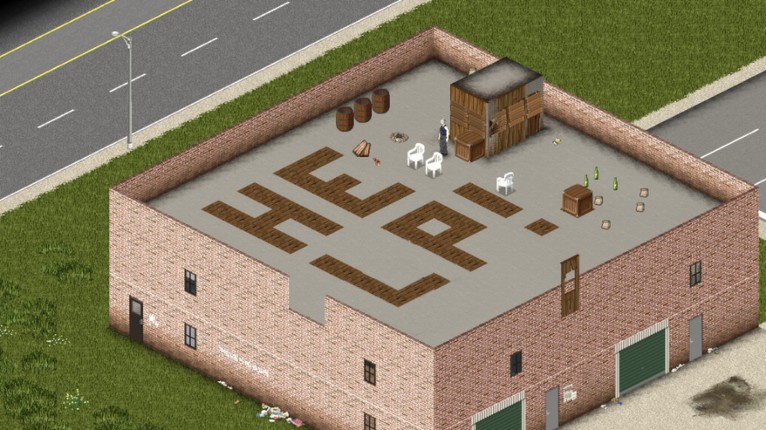
22 View Game 81%Game Brain ScoreMost mentioned positive aspects:story, gameplayMost mentioned negative aspects:grinding, stability81% User Score 7,554 reviewsCritic Score 80%1 reviews
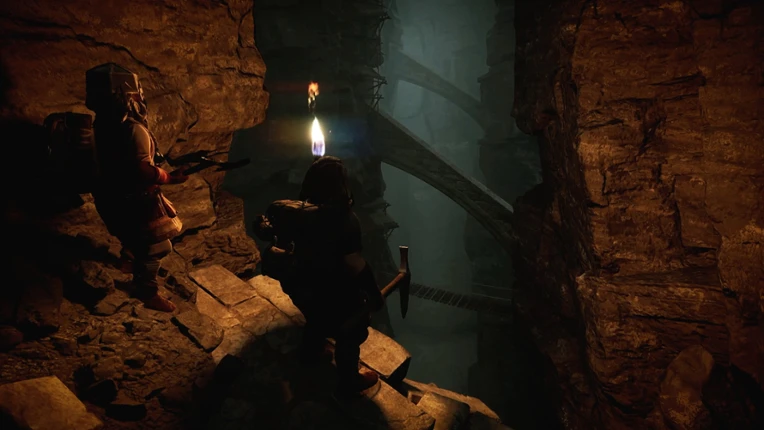
Swaps forest horror for Middle-earth adventure, trading atmospheric dread for epic fantasy exploration while preserving co-op base-building and mining crafting loops.
If you enjoyed this game, see our list of games similar to The Lord of the Rings: Return to Moria.View Game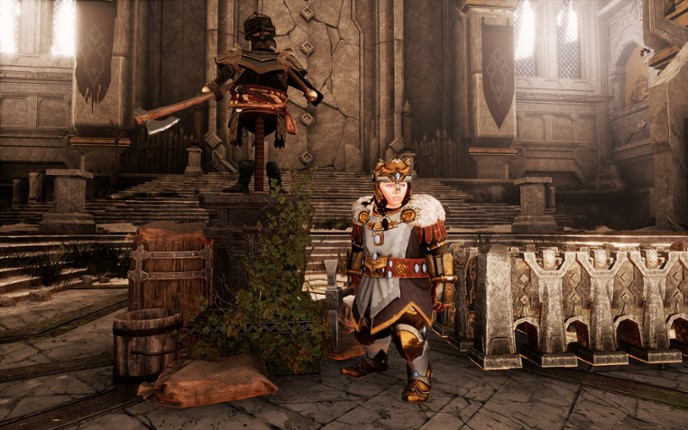
- 70%Game Brain ScoreMost mentioned positive aspects:graphics, gameplayMost mentioned negative aspects:stability, grinding75% User Score 44,756 reviewsCritic Score 64%9 reviews
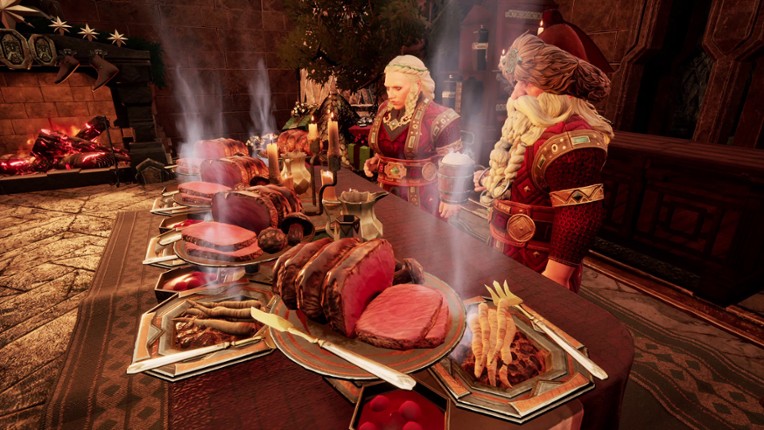
Shrinks the survival scope to isolated islands and underwater environments, maintaining co-op crafting and building but trading forest exploration for ocean isolation.
If you enjoyed this game, see our list of games similar to Stranded Deep.View Game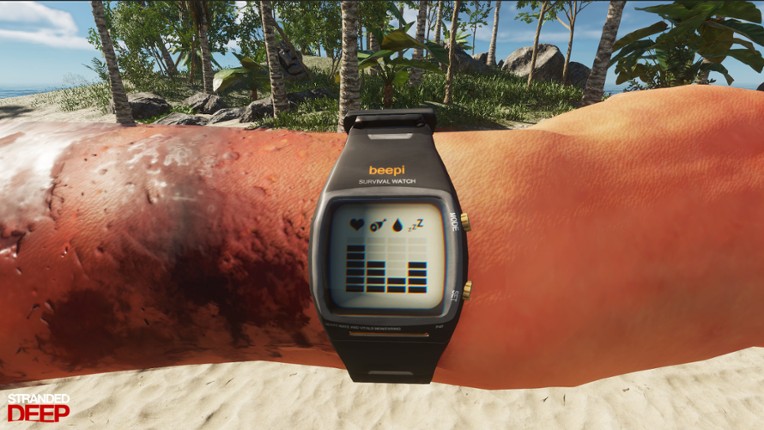

- 90%Game Brain ScoreMost mentioned positive aspects:gameplay, graphicsMost mentioned negative aspects:stability, grinding90% User Score 51,622 reviews
Distills multiplayer survival into claustrophobic procedural escape rooms, ditching base-building for psychological horror and dungeon-crawler progression in smaller cooperative sessions.
If you enjoyed this game, see our list of games similar to Escape the Backrooms.View Game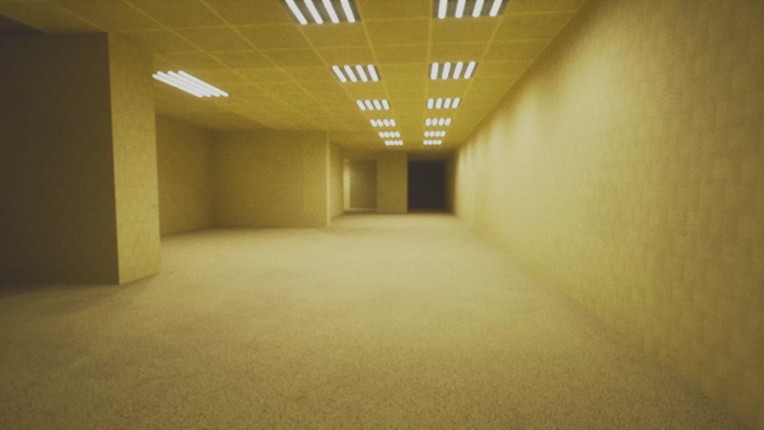
- 84%Game Brain ScoreMost mentioned positive aspects:story, gameplayMost mentioned negative aspects:grinding, stability89% User Score 43,788 reviewsCritic Score 79%22 reviews
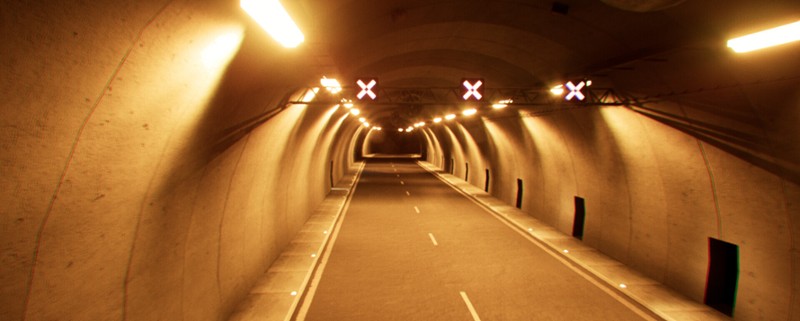
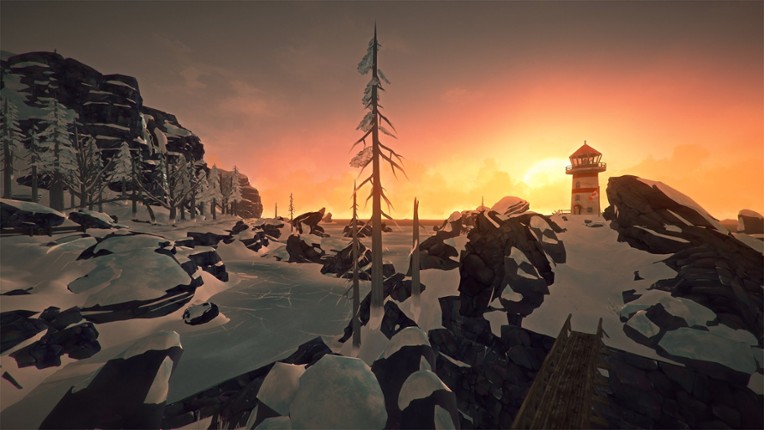
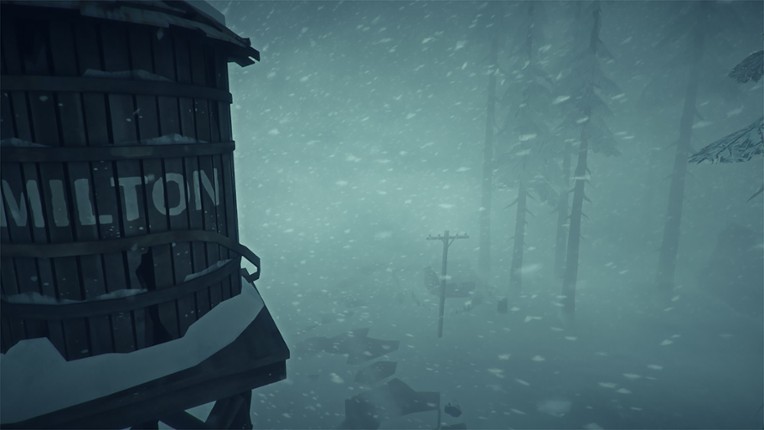
Strips away base construction for pure survival wilderness management, keeping first-person perspective and crafting but emphasizing resource scarcity and permadeath stakes.
If you enjoyed this game, see our list of games similar to The Long Dark.View Game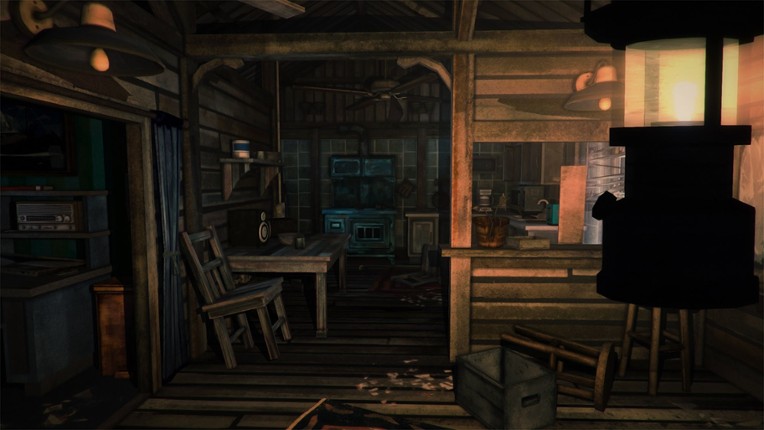
- 86%Game Brain ScoreMost mentioned positive aspects:story, gameplayMost mentioned negative aspects:optimization, grinding86% User Score 1,125 reviews
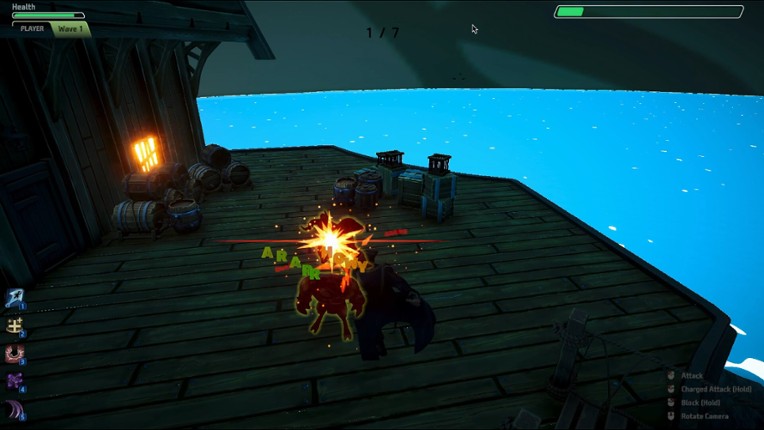
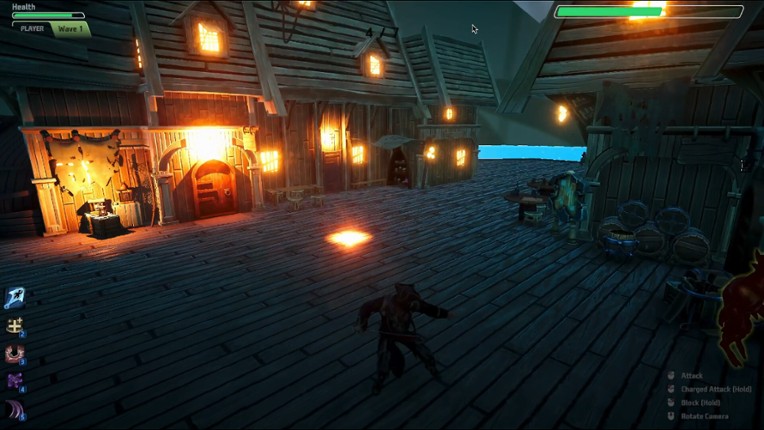
Loosely connected indie title that shares only core action and indie pedigree; similarity drops significantly beyond surface-level classification.
If you enjoyed this game, see our list of games similar to Leviaclaw.View Game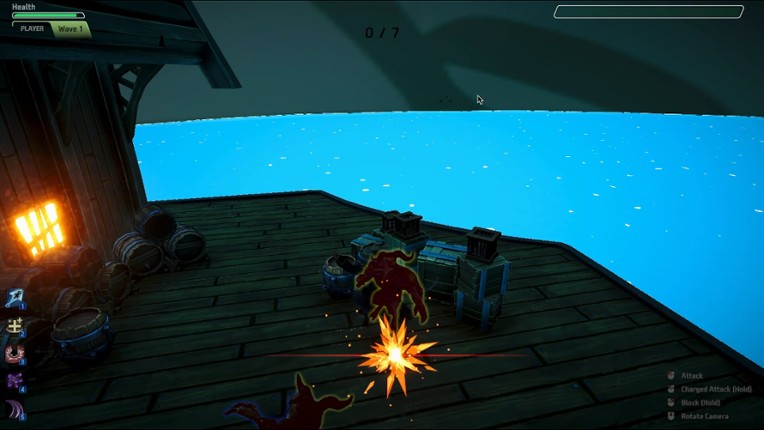
- 81%Game Brain ScoreMost mentioned positive aspects:story, gameplayMost mentioned negative aspects:grinding, stability85% User Score 14,003 reviewsCritic Score 76%45 reviews
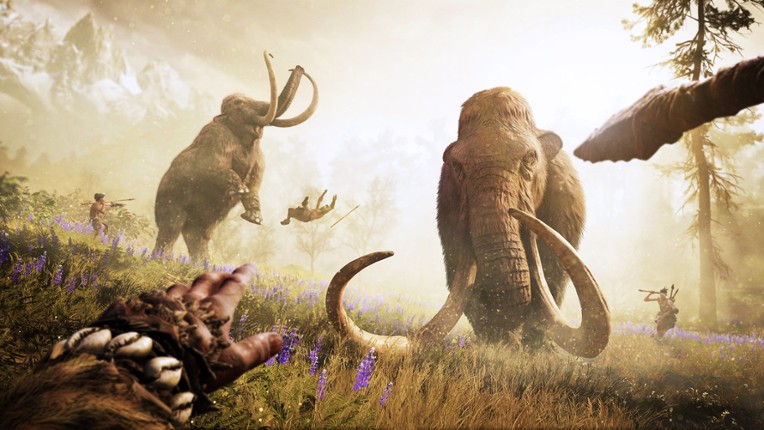
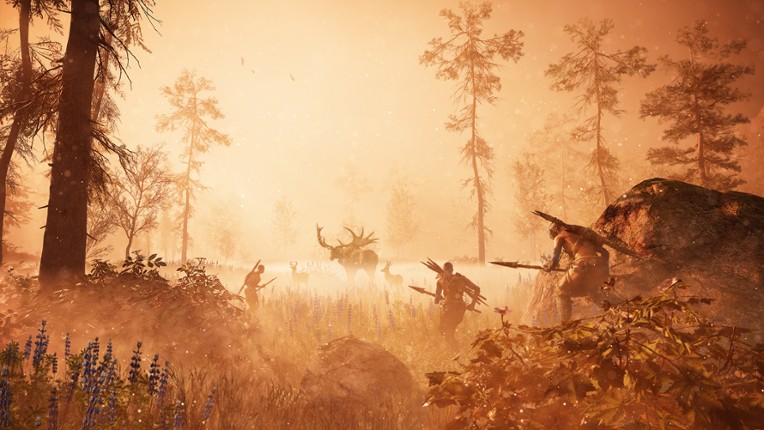
Prehistoric action game with first-person exploration that abandons survival mechanics and co-op entirely in favor of historical open-world combat.
If you enjoyed this game, see our list of games similar to Far Cry Primal.View Game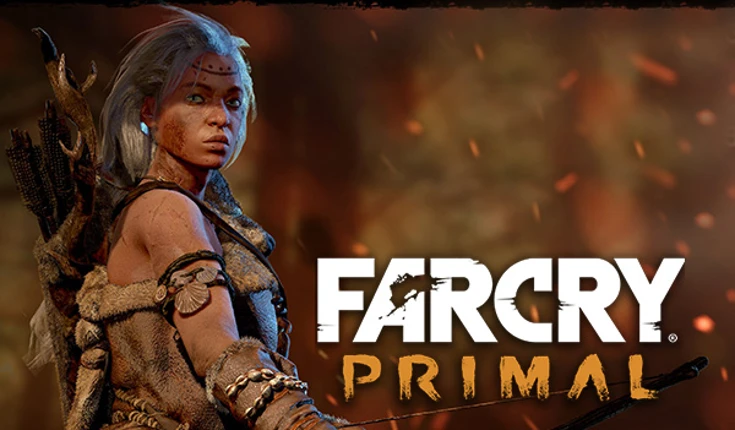
- 81%Game Brain ScoreMost mentioned positive aspects:gameplay, graphicsMost mentioned negative aspects:optimization, story81% User Score 9,415 reviews
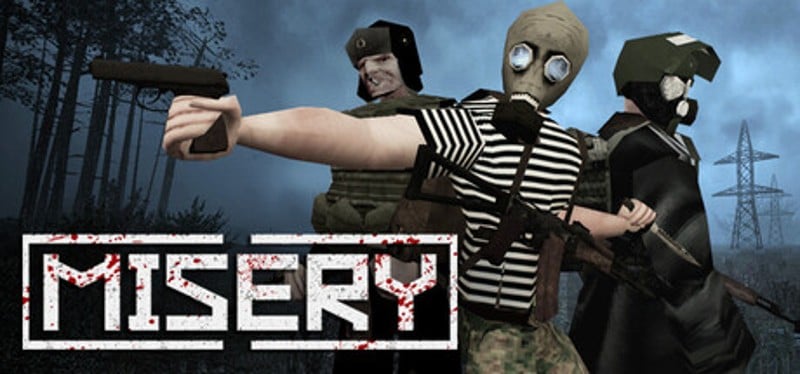
Amplifies post-apocalyptic horror with roguelike procedural generation and base-building while maintaining co-op atmosphere, adding permadeath loops and denser monster encounters.
If you enjoyed this game, see our list of games similar to MISERY.View Game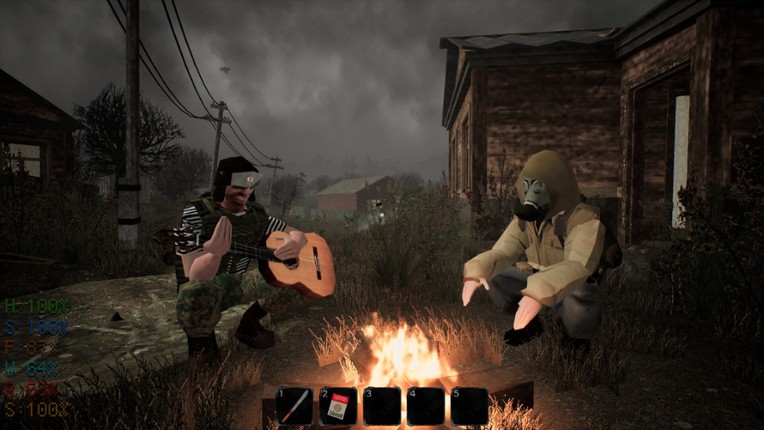
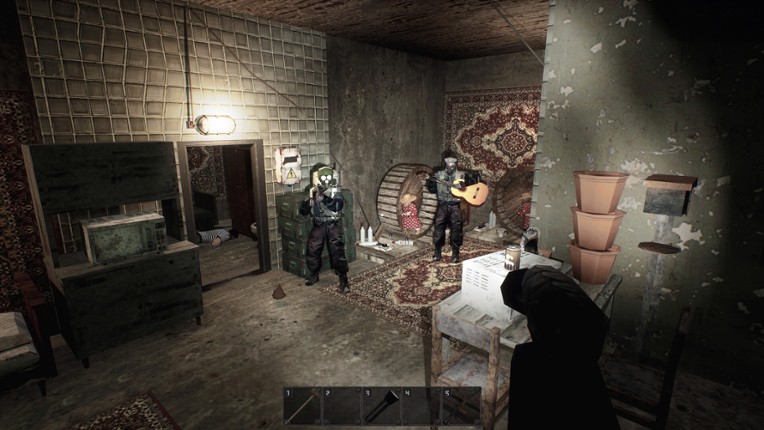
- 70%Game Brain ScoreMost mentioned positive aspects:gameplay, graphicsMost mentioned negative aspects:grinding, story70% User Score 7,408 reviews
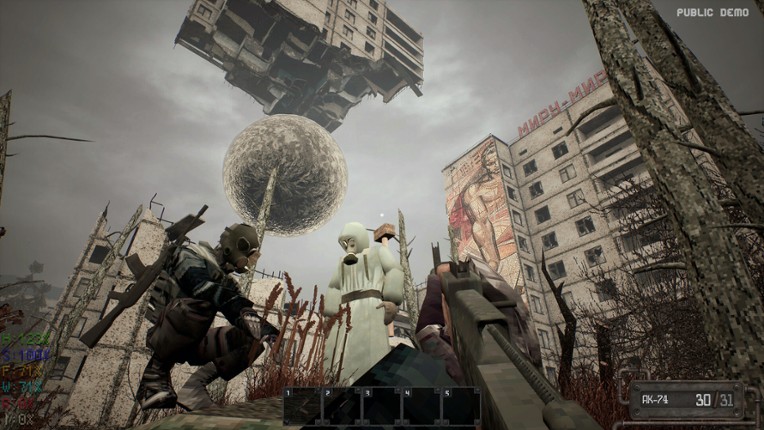
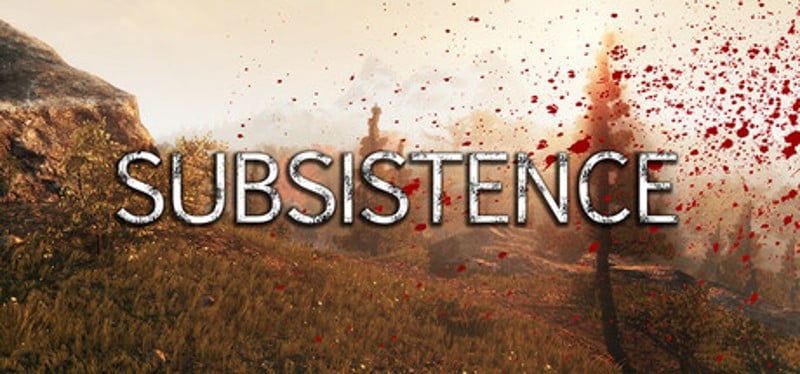
Offers sandbox survival building comparable to Sons Of The Forest but balances first and third-person perspectives and adds PvP competition to co-op.
If you enjoyed this game, see our list of games similar to Subsistence.View Game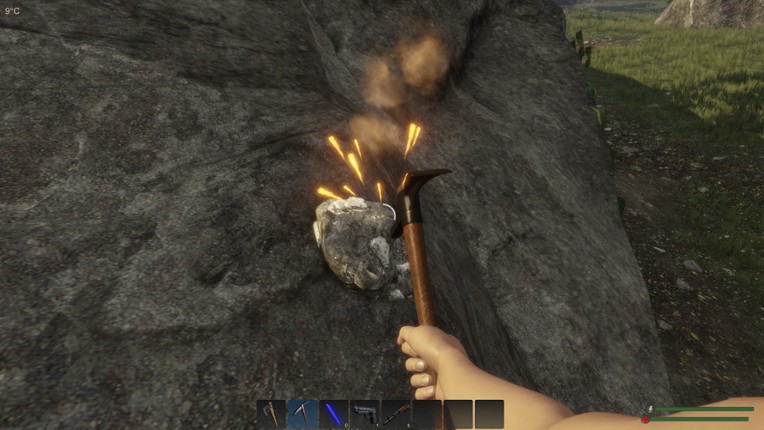
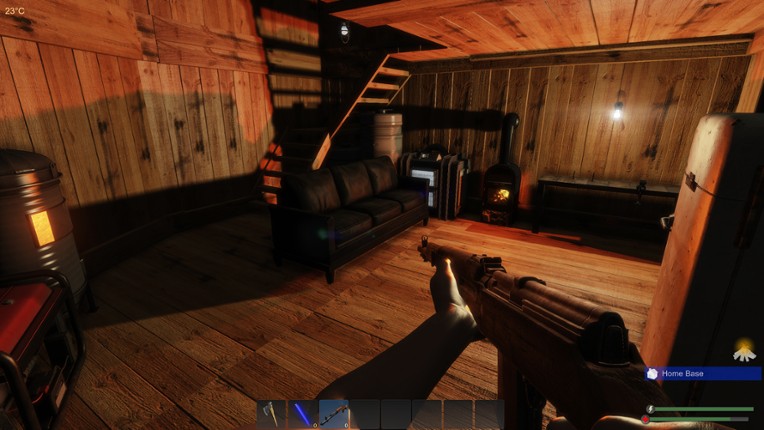
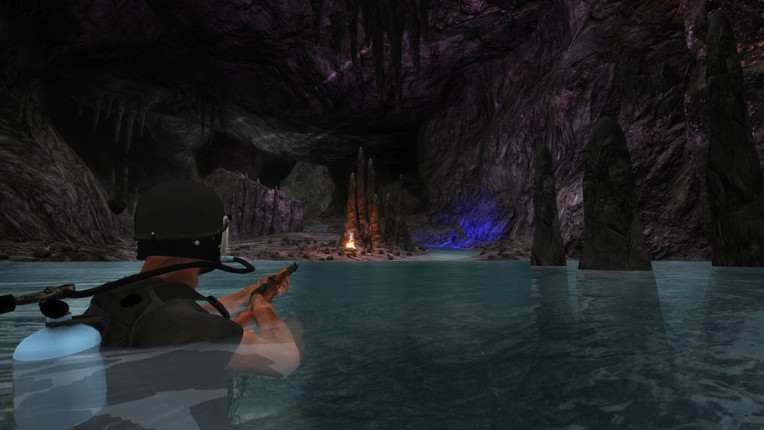
- 87%Game Brain ScoreMost mentioned positive aspects:story, graphicsMost mentioned negative aspects:stability, grinding97% User Score 188,796 reviewsCritic Score 77%12 reviews
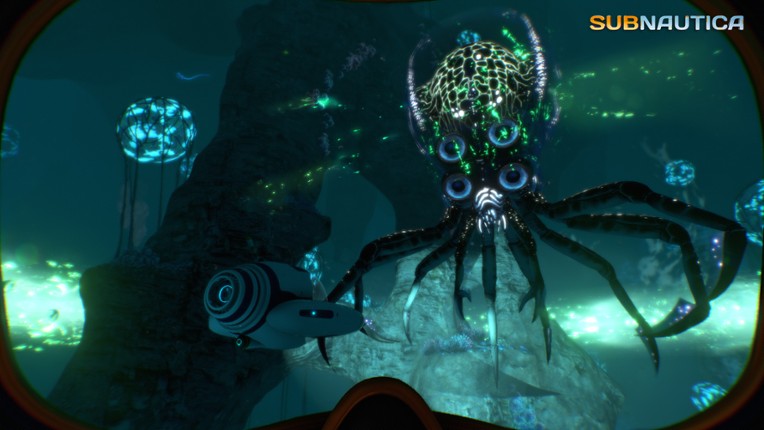
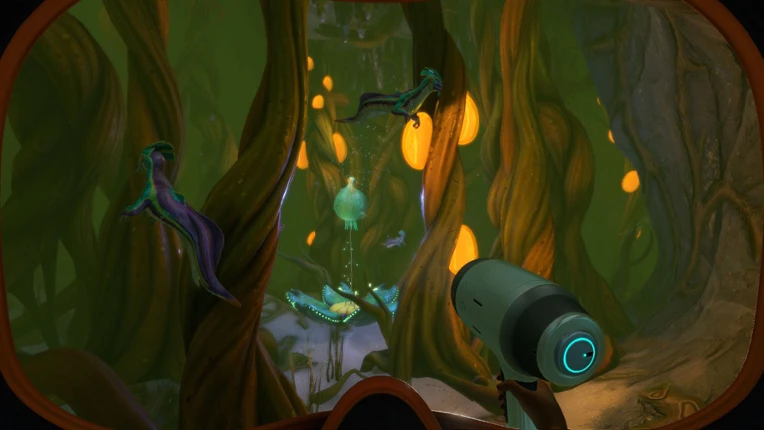
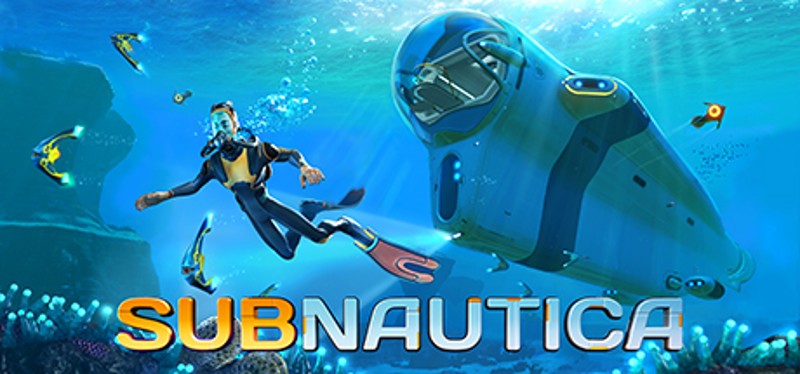
Reimagines survival base-building in an alien ocean with sci-fi wonder replacing forest horror, keeping crafting and exploration while adding story-rich narrative depth.
If you enjoyed this game, see our list of games similar to Subnautica.View Game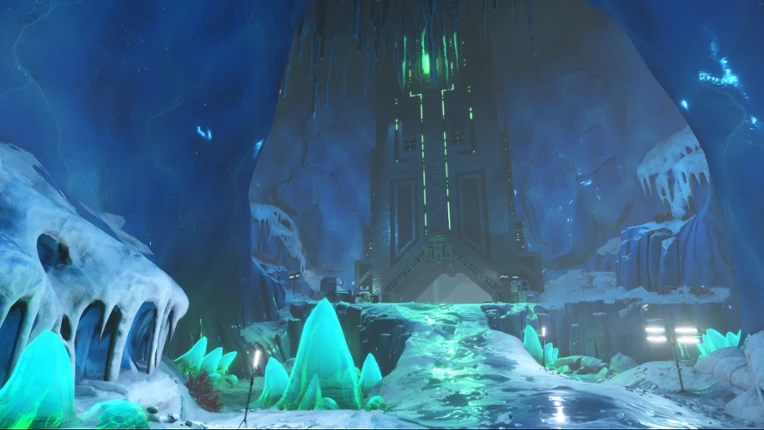
- 85%Game Brain ScoreMost mentioned positive aspects:story, gameplayMost mentioned negative aspects:stability, grinding85% User Score 1,110 reviews
Stripping away the complex base building, this minimalist indie title focuses entirely on haunting, solitary environmental navigation and psychological discovery.
If you enjoyed this game, see our list of games similar to Memoness.View Game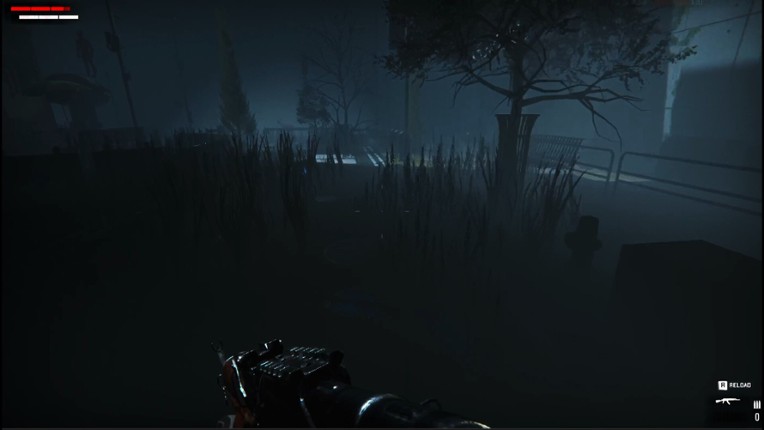
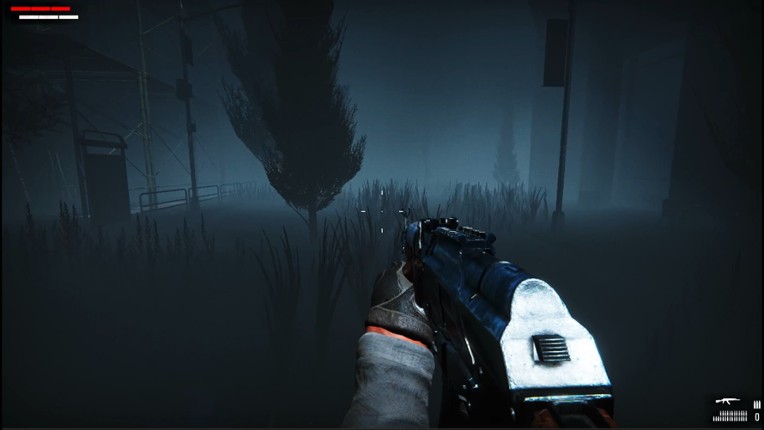
- 86%Game Brain ScoreMost mentioned positive aspects:gameplay, graphicsMost mentioned negative aspects:grinding, optimization86% User Score 4,114 reviews
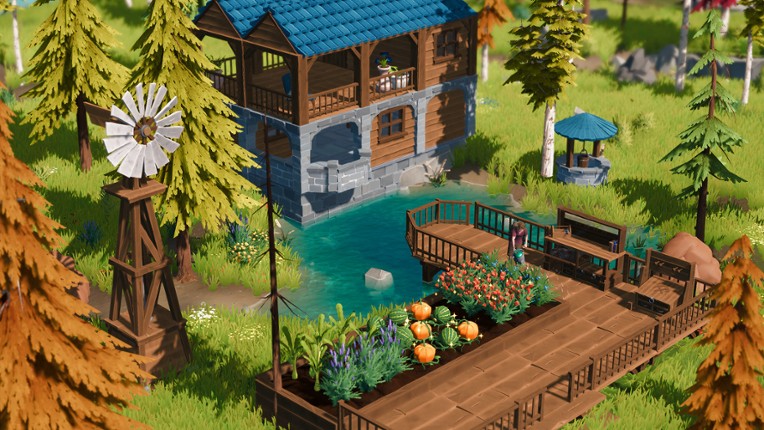
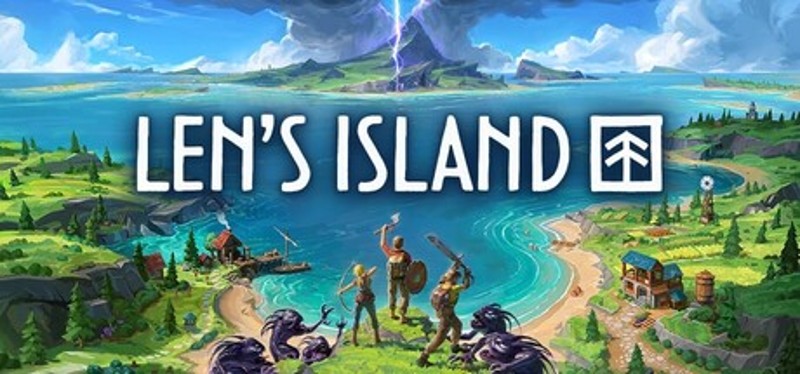
Prioritizing colorful island farming and dungeon crawling over survival tension, this provides a lighter, sandbox-oriented alternative for co-op explorers.
If you enjoyed this game, see our list of games similar to Len's Island.View Game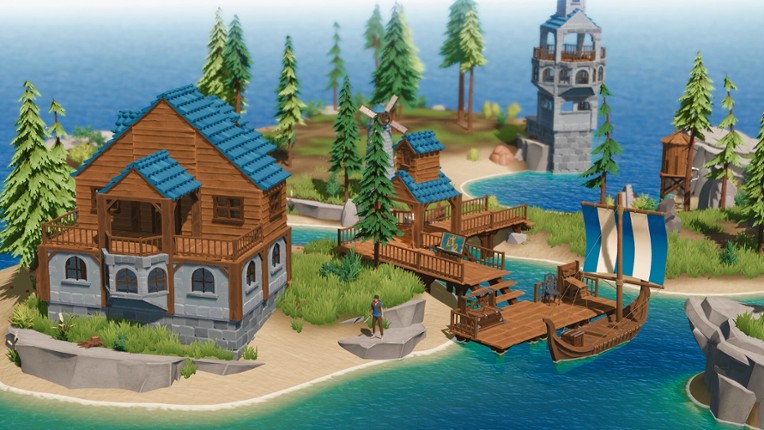
- 86%Game Brain ScoreMost mentioned positive aspects:story, gameplayMost mentioned negative aspects:grinding, stability86% User Score 13,514 reviews
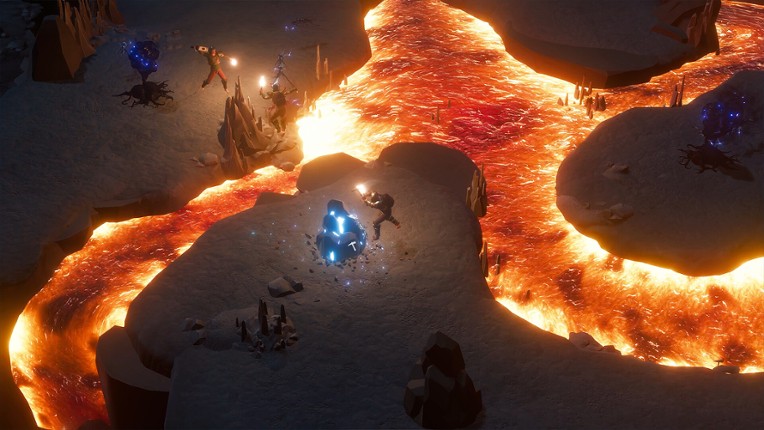
Replacing open-world survival with structured, terrifying procedural investigations, this demands tight-knit teamwork to survive supernatural entities in claustrophobic settings.
If you enjoyed this game, see our list of games similar to Labyrinthine.View Game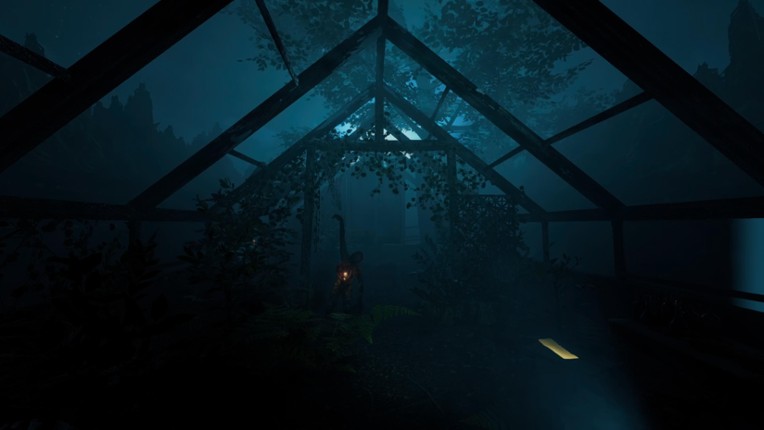
- 83%Game Brain ScoreMost mentioned positive aspects:gameplay, graphicsMost mentioned negative aspects:stability, grinding83% User Score 1,126 reviews
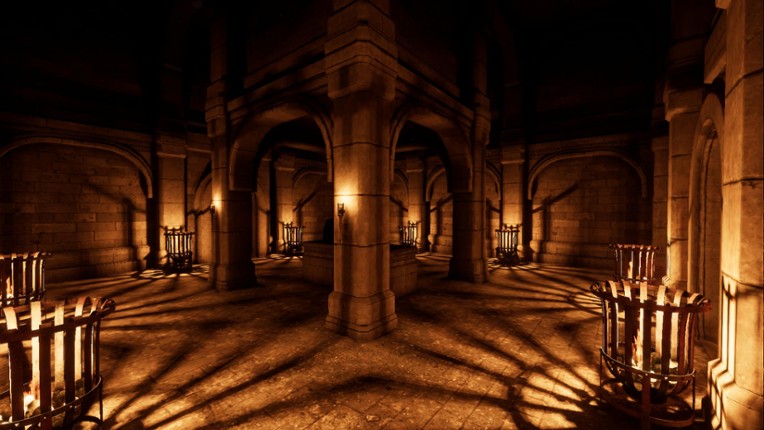
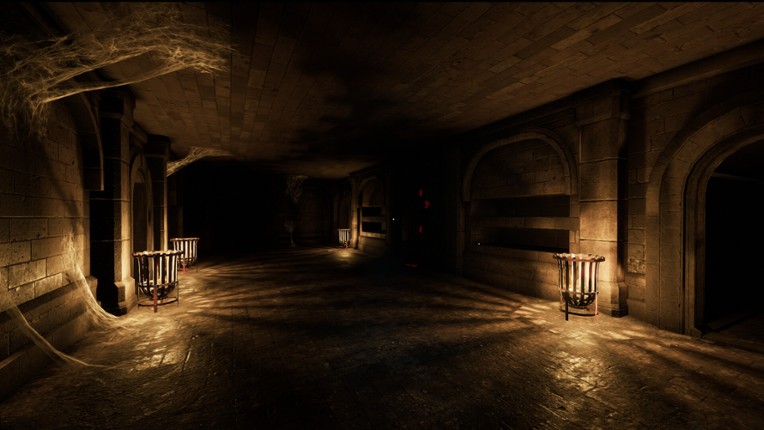
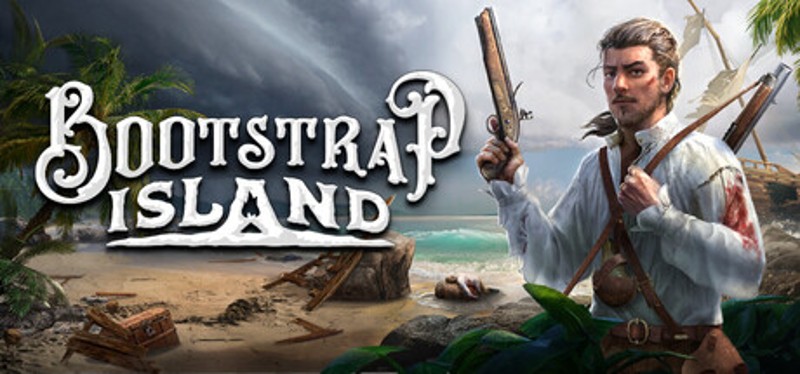
Emphasizing extreme physics-based realism and permadeath, this VR-focused experience trades fast-paced action for slow, methodical isolation on a hostile beach.
If you enjoyed this game, see our list of games similar to Bootstrap Island.View Game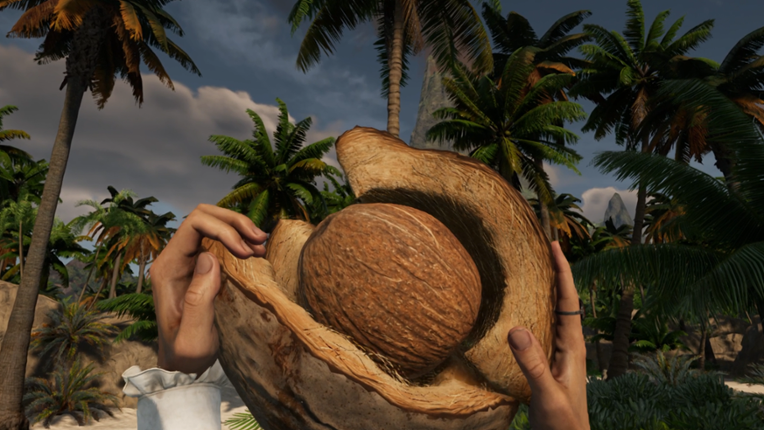
- 75%Game Brain ScoreMost mentioned positive aspects:story, gameplayMost mentioned negative aspects:stability, grinding76% User Score 11,983 reviewsCritic Score 73%66 reviews
Swapping desperate woodland survival for over-the-top gore and comedy, this focuses on visceral, arcade-style zombie combat in a dense urban sprawl.
If you enjoyed this game, see our list of games similar to Dead Island 2.View Game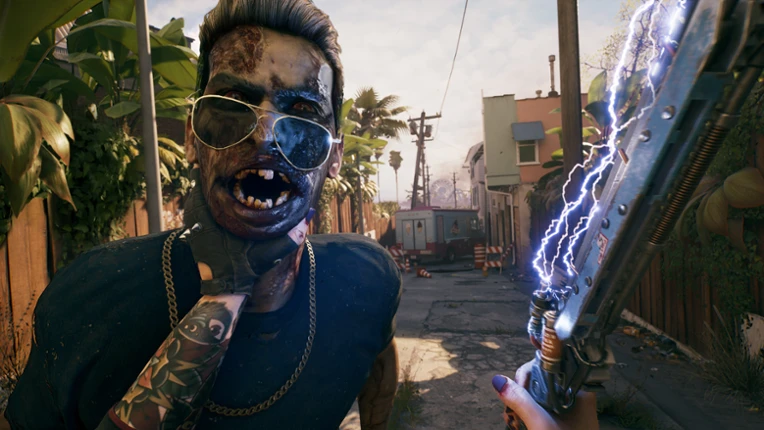
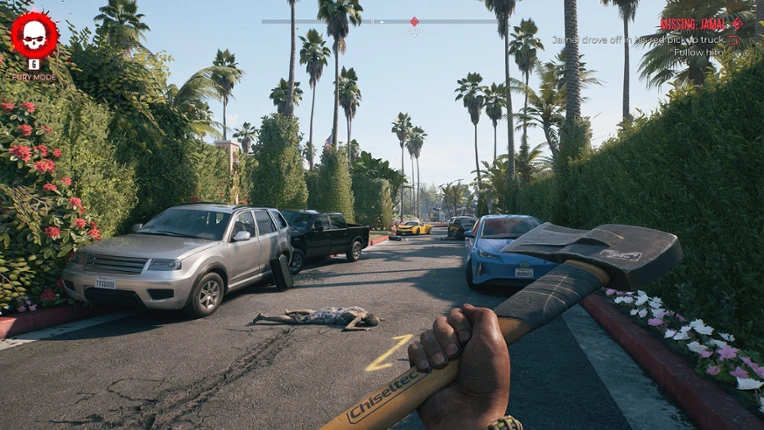
- 86%Game Brain ScoreMost mentioned positive aspects:story, gameplayMost mentioned negative aspects:optimization, grinding87% User Score 51,928 reviewsCritic Score 85%10 reviews
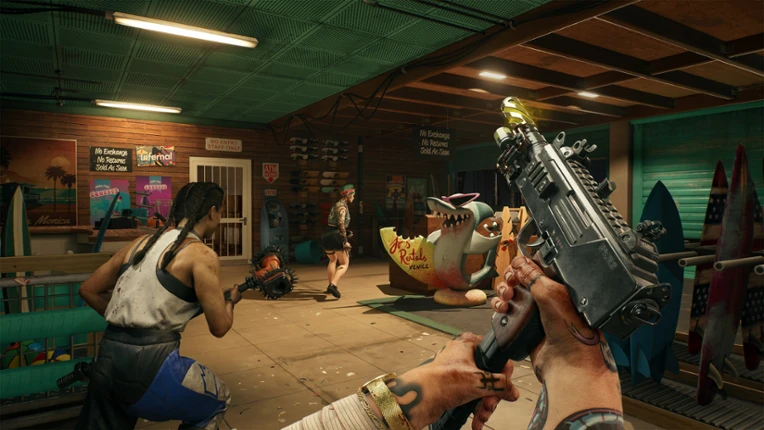
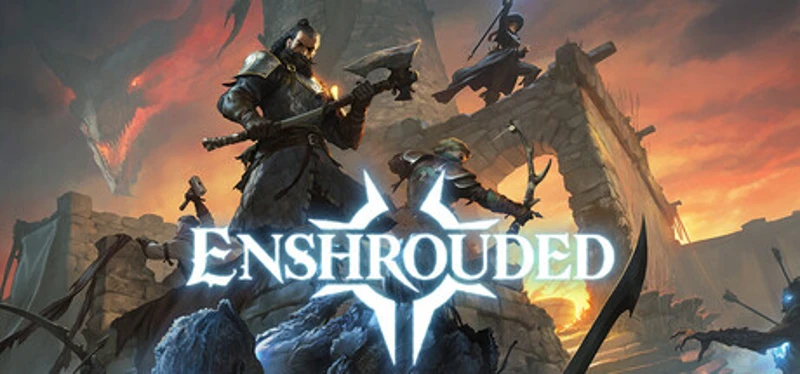
Offering a vast fantasy continent with deeper character progression, this title leans into voxel-based construction and traditional RPG exploration systems.
If you enjoyed this game, see our list of games similar to Enshrouded.View Game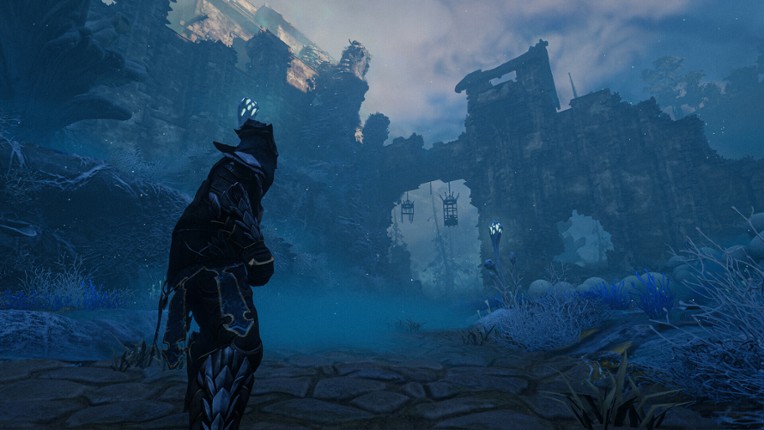
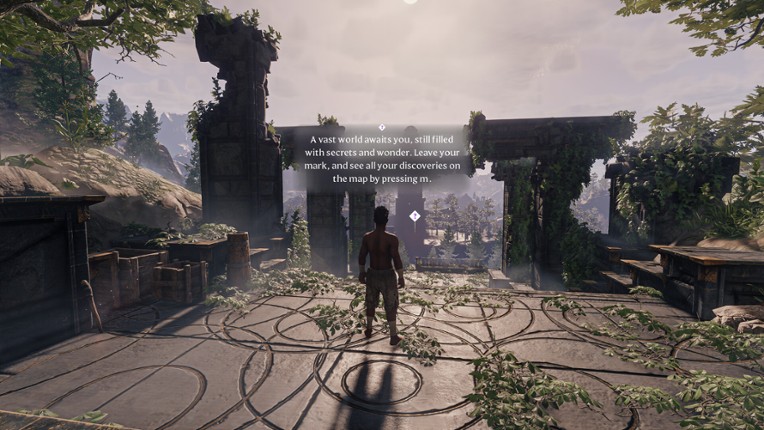
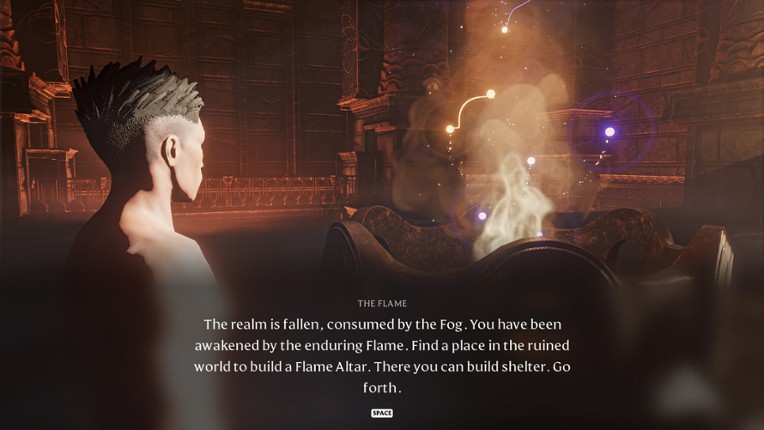
- 86%Game Brain ScoreMost mentioned positive aspects:story, gameplayMost mentioned negative aspects:optimization, grinding86% User Score 45,791 reviews
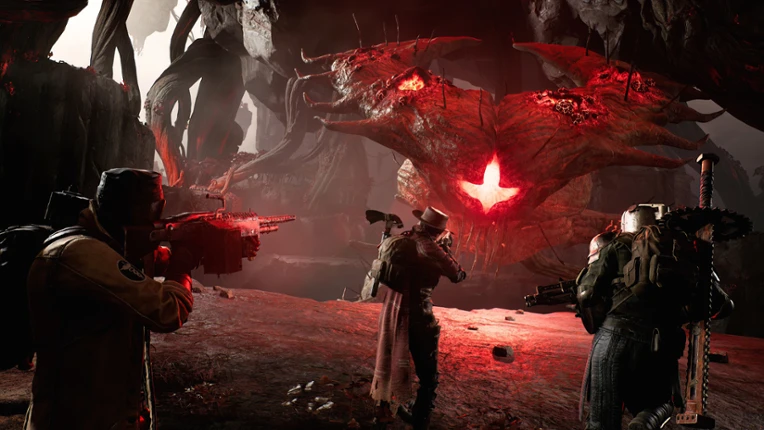
Shifting the focus from wilderness survival to challenging, boss-heavy combat loops, this provides a polished cooperative shooter experience with distinct realms.
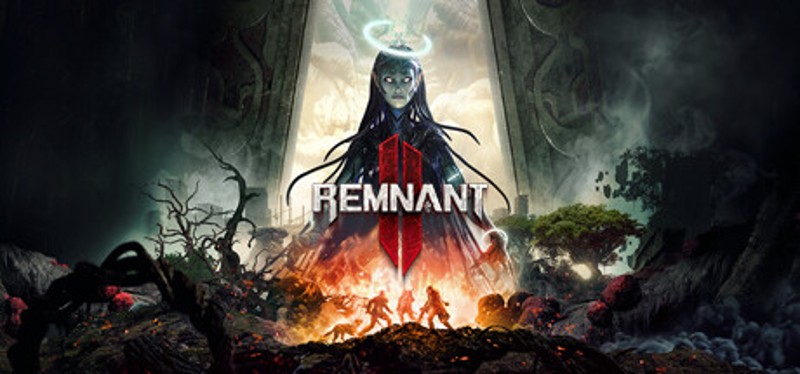
If you enjoyed this game, see our list of games similar to Remnant 2.View Game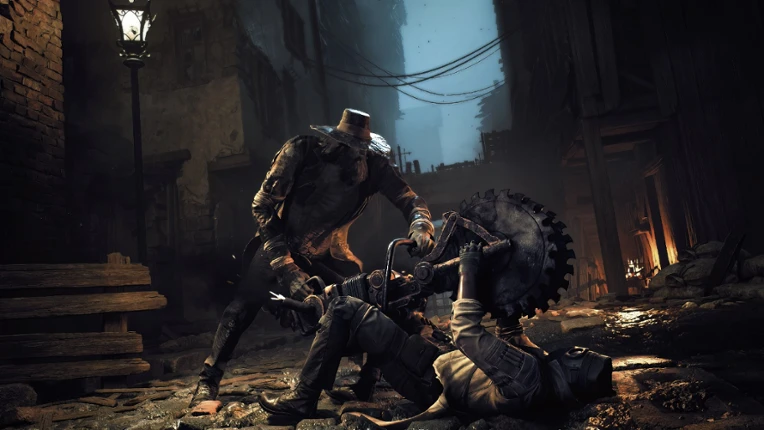

- 87%Game Brain ScoreMost mentioned positive aspects:story, gameplayMost mentioned negative aspects:stability, optimization87% User Score 1,344 reviews
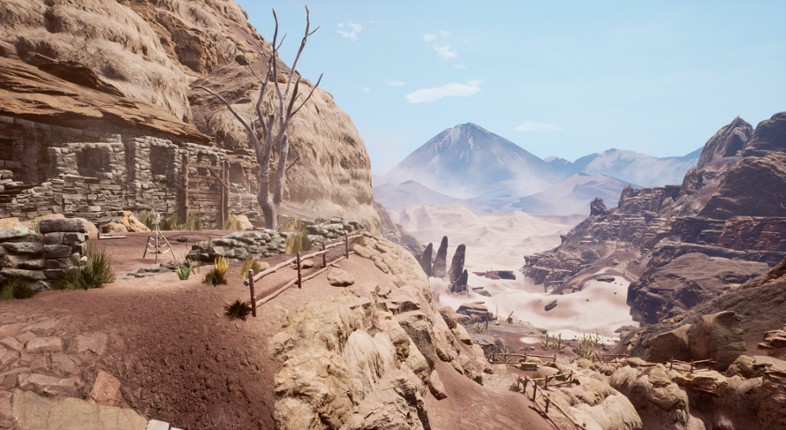
Focusing heavily on intricate resource management and thirst survival, this desert-bound experience presents a much harsher test of planning and inventory logistics.
If you enjoyed this game, see our list of games similar to Arid.View Game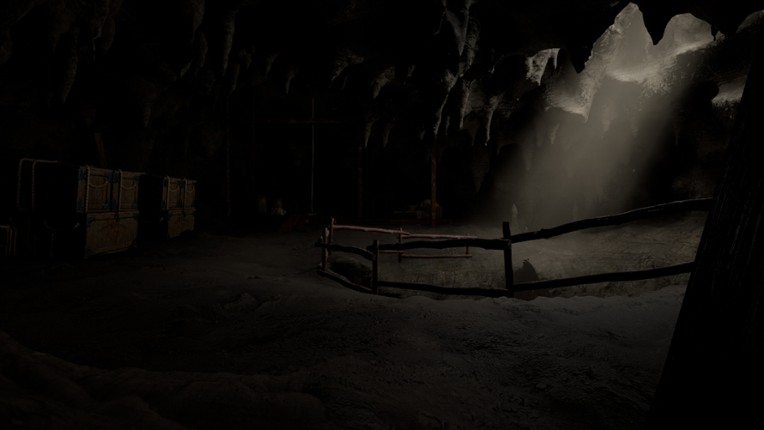
- 93%Game Brain ScoreMost mentioned positive aspects:gameplay, graphicsMost mentioned negative aspects:grinding, optimization95% User Score 31,361 reviewsCritic Score 90%3 reviews
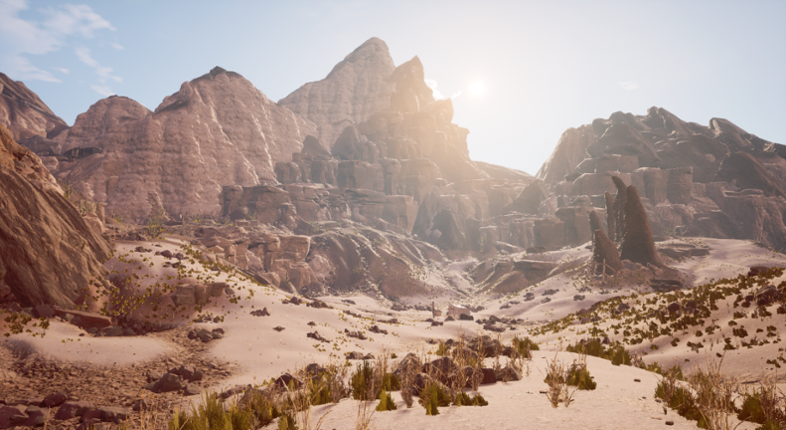
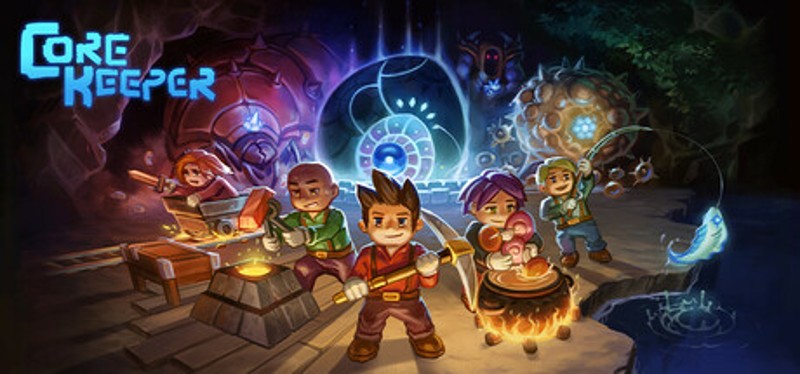
Featuring a top-down, 2D perspective, this charming underground adventure offers accessible procedural exploration rather than the intense, first-person horror of the forest.
If you enjoyed this game, see our list of games similar to Core Keeper.View Game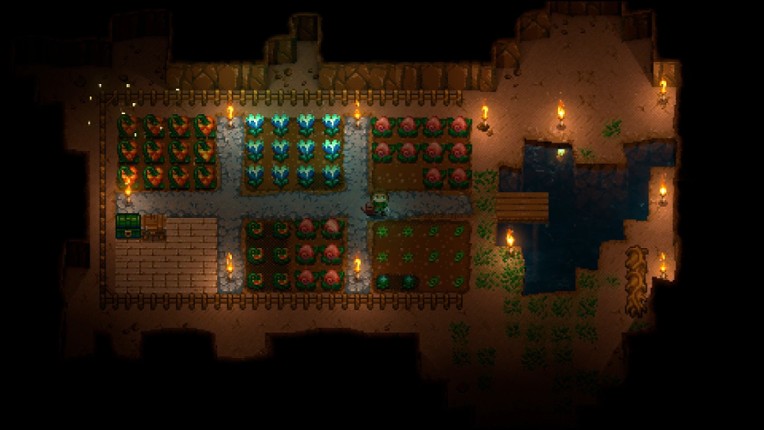
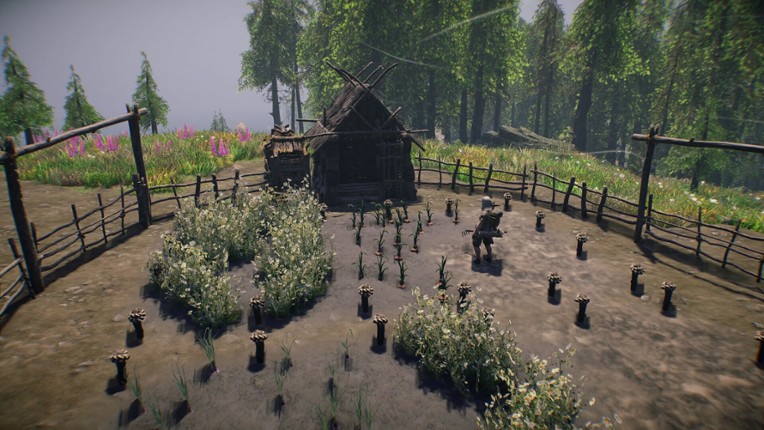
- 78%Game Brain ScoreMost mentioned positive aspects:gameplay, graphicsMost mentioned negative aspects:grinding, stability80% User Score 6,376 reviewsCritic Score 70%1 reviews
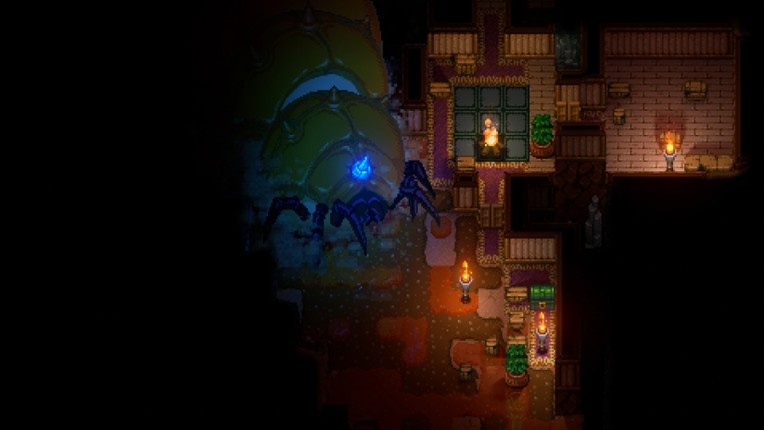
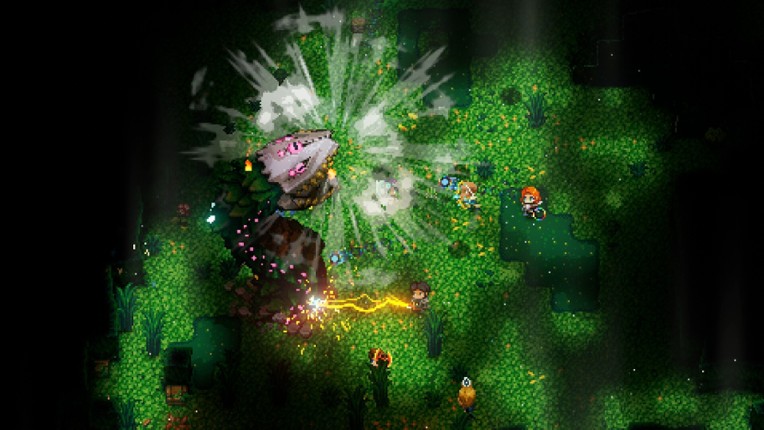
Adding a layer of tribe automation and colony management, this provides the satisfaction of building a village alongside AI companions rather than purely surviving.
If you enjoyed this game, see our list of games similar to Aska.View Game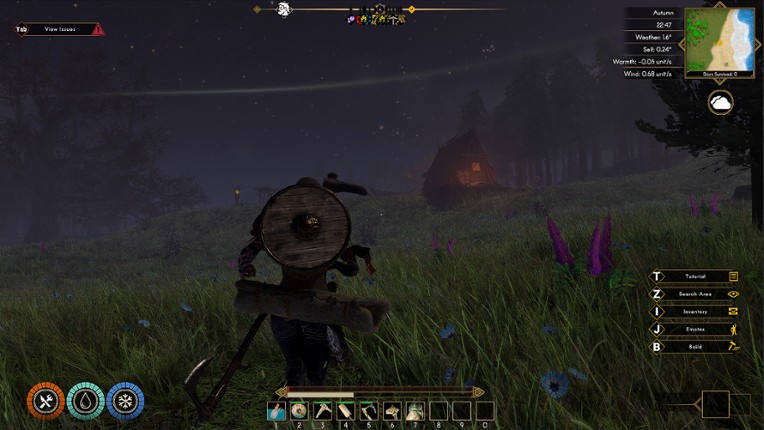
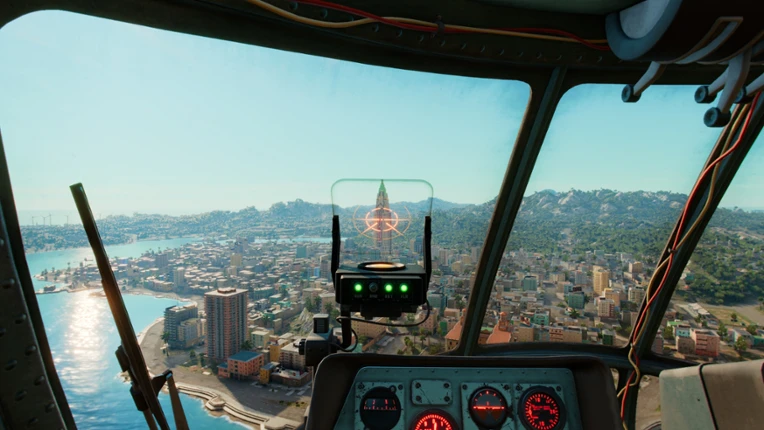
- 74%Game Brain ScoreMost mentioned positive aspects:story, gameplayMost mentioned negative aspects:stability, grinding67% User Score 12,829 reviewsCritic Score 81%10 reviews
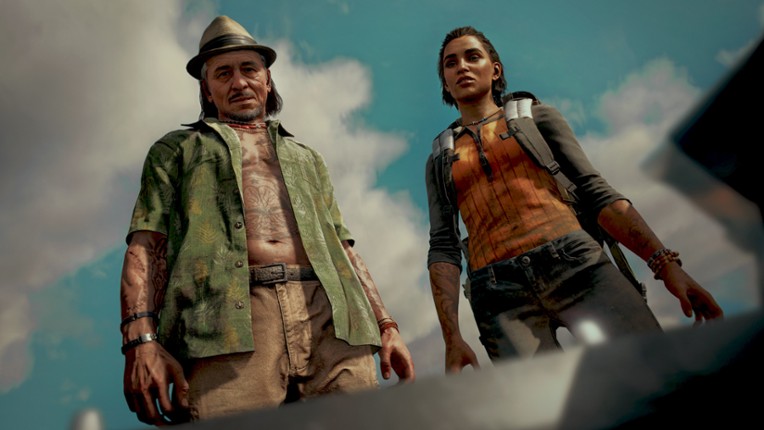
Swaps woodland survival for a loud, mission-driven open world, best for players who want co-op chaos and a heavier blockbuster story.
If you enjoyed this game, see our list of games similar to Far Cry 6.View Game
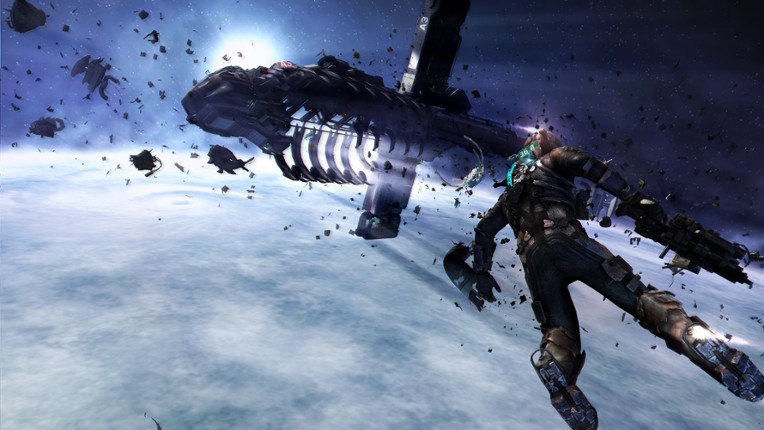
- 73%Game Brain ScoreMost mentioned positive aspects:story, gameplayMost mentioned negative aspects:monetization, stability70% User Score 7,918 reviewsCritic Score 76%9 reviews
Keeps the co-op survival pressure but shifts into a scripted sci-fi horror corridor crawl with weapon crafting and set-piece scares.
If you enjoyed this game, see our list of games similar to Dead Space 3.View Game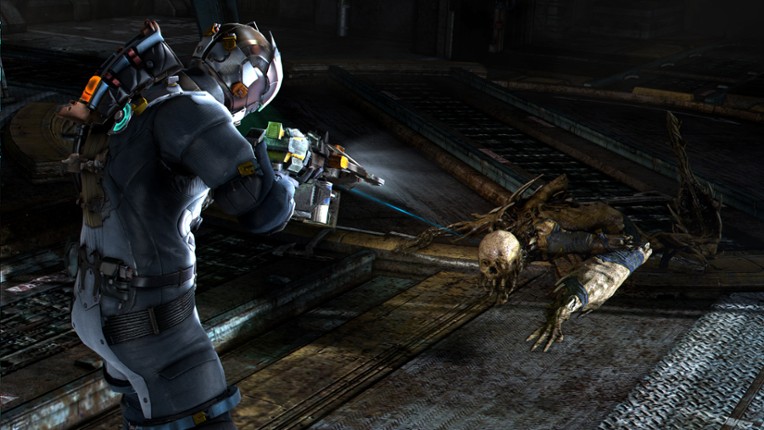

- 86%Game Brain ScoreMost mentioned positive aspects:story, gameplayMost mentioned negative aspects:stability, grinding89% User Score 34,738 reviewsCritic Score 84%9 reviews
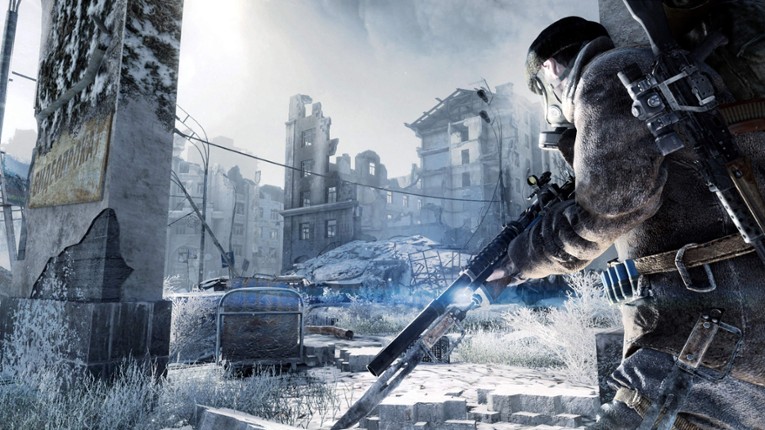
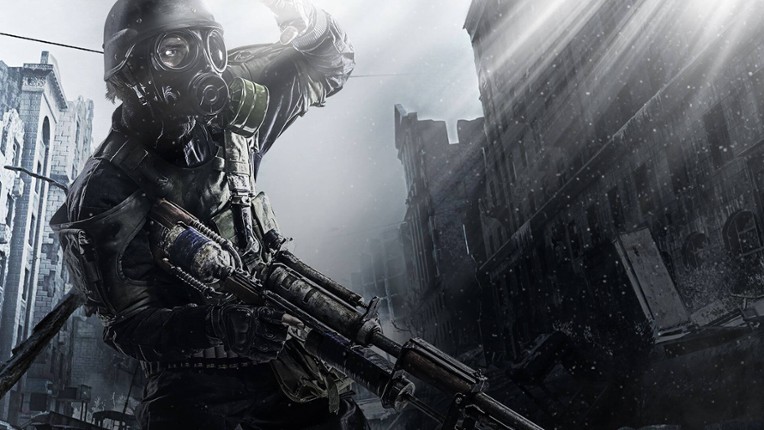
For players who want the survival horror mood without the crafting sandbox, this is a bleak, story-led underground trek.
If you enjoyed this game, see our list of games similar to Metro 2033 Redux.View Game
- 82%Game Brain ScoreMost mentioned positive aspects:story, gameplayMost mentioned negative aspects:optimization, stability85% User Score 9,562 reviewsCritic Score 77%3 reviews
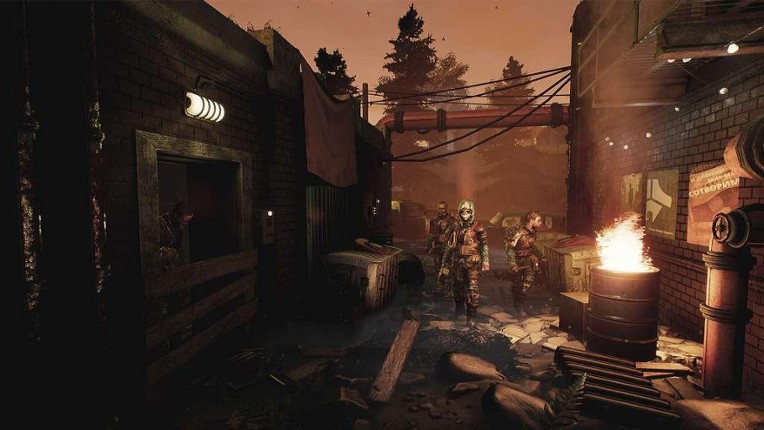
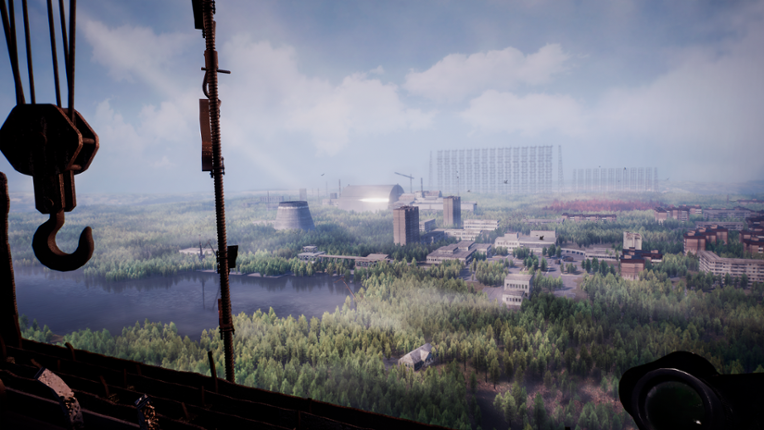
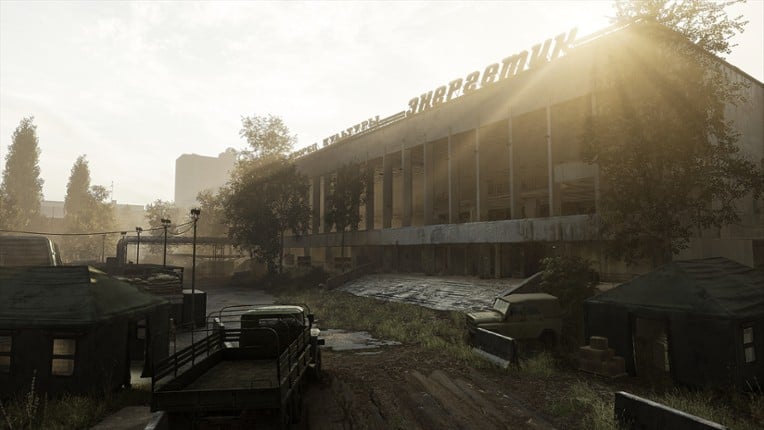
This keeps the scavenging-and-survival loop, but turns it into a smaller indie experiment wrapped in paranormal Chernobyl mystery.
If you enjoyed this game, see our list of games similar to Chernobylite.View Game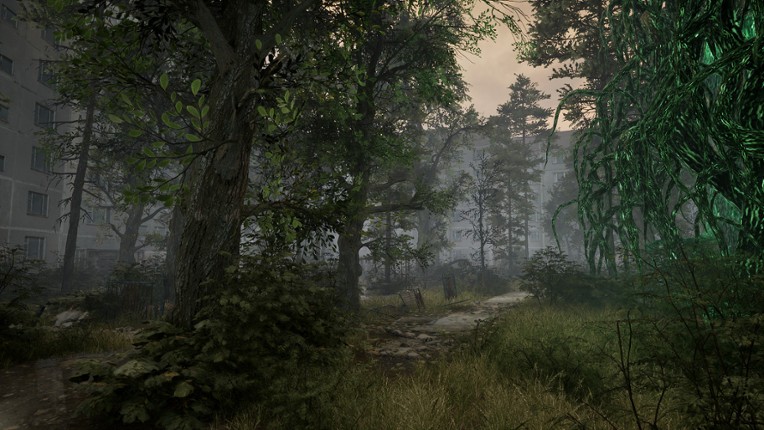
- 96%Game Brain ScoreMost mentioned positive aspects:story, gameplayMost mentioned negative aspects:grinding, optimization96% User Score 37,234 reviews
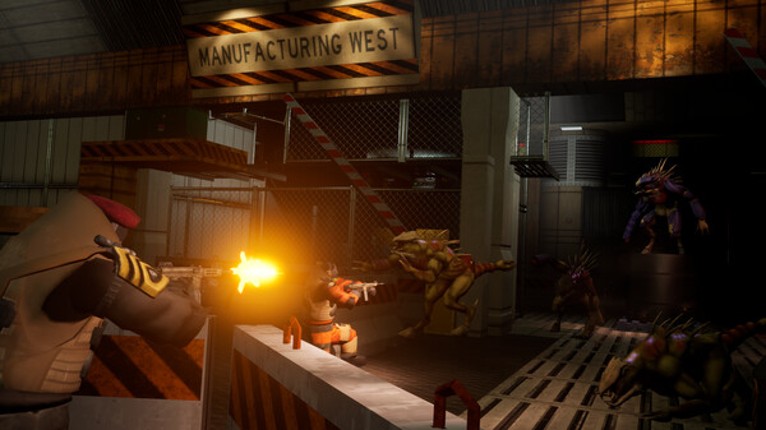
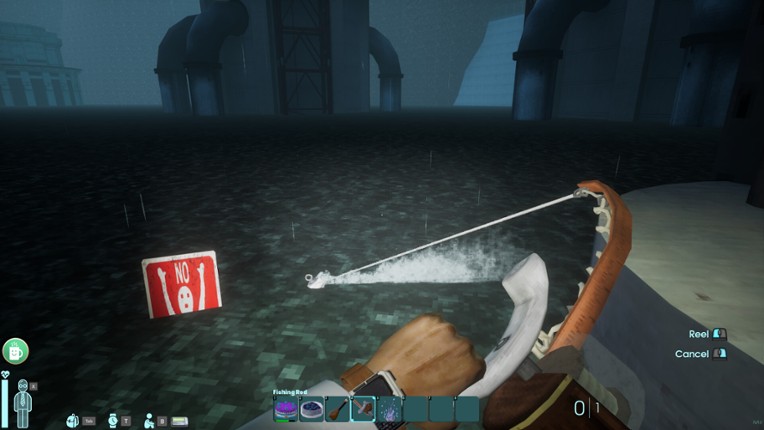
Trades forest horror for a co-op science-lab survival sandbox, aimed at groups who enjoy base-building and systems-heavy teamwork.
If you enjoyed this game, see our list of games similar to Abiotic Factor.View Game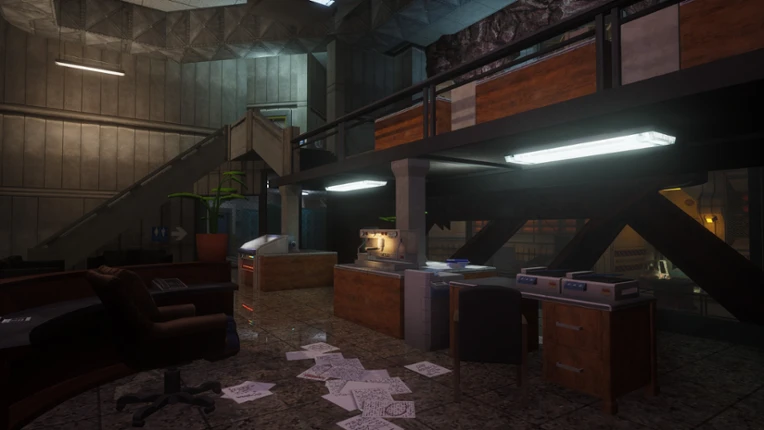
- 83%Game Brain ScoreMost mentioned positive aspects:story, gameplayMost mentioned negative aspects:stability, grinding92% User Score 48,987 reviewsCritic Score 73%12 reviews
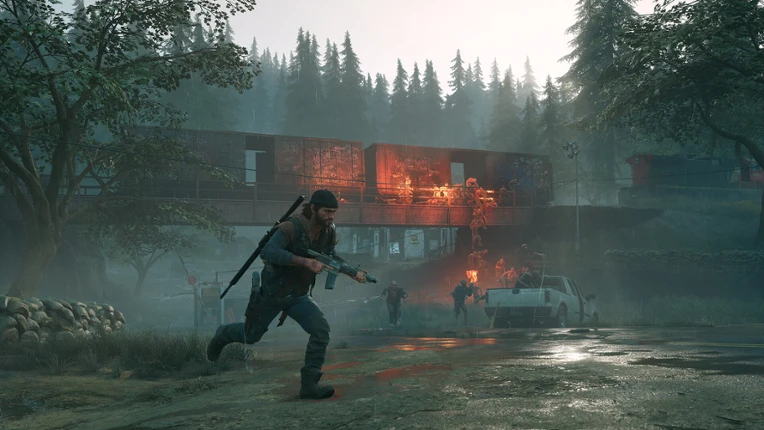
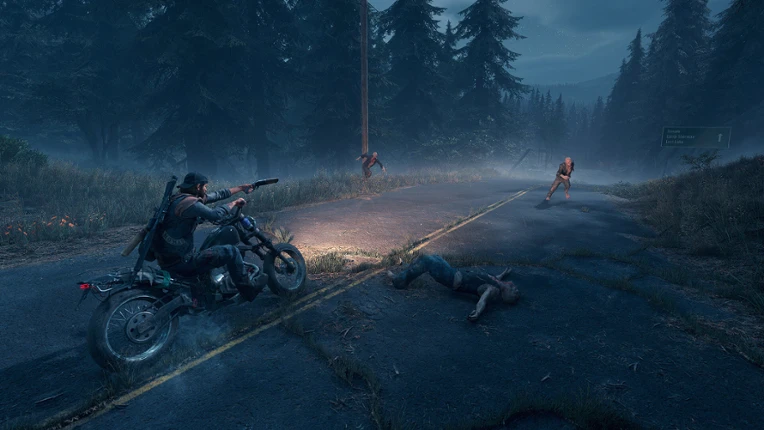
This is the solitary, open-road counterpart: less crafting and co-op, more cinematic story, hordes, and motorcycle survival.
If you enjoyed this game, see our list of games similar to Days Gone.View Game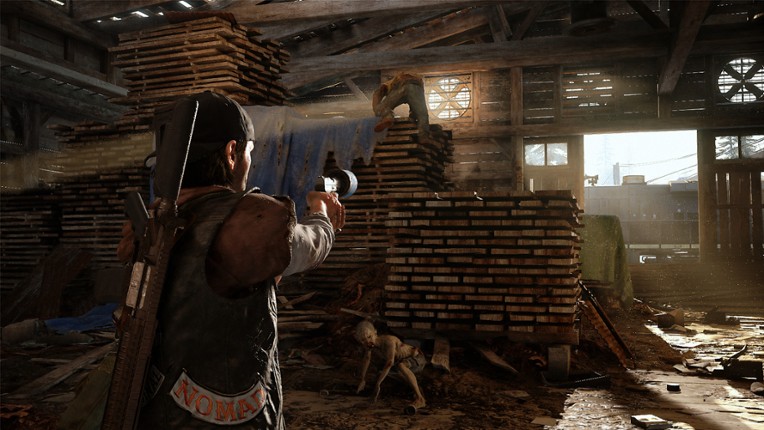
- 94%Game Brain ScoreMost mentioned positive aspects:story, gameplayMost mentioned negative aspects:optimization, stability94% User Score 8,811 reviews
A much looser fit, but it scratches the hostile-environment itch with VR immersion, eerie trading, and psychological isolation.
If you enjoyed this game, see our list of games similar to Into the Radius VR.View Game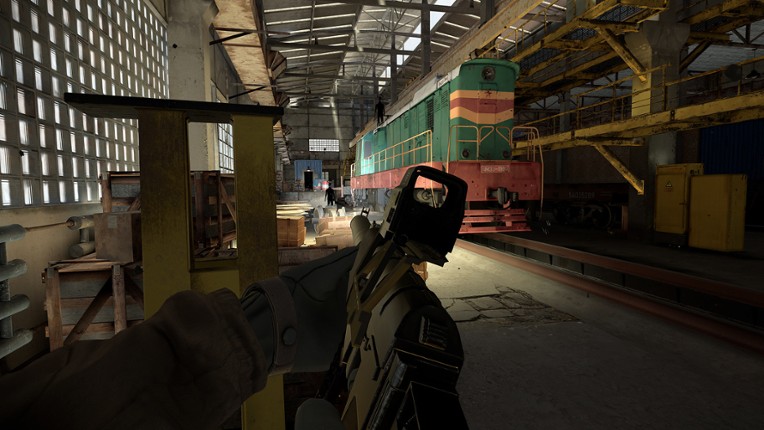
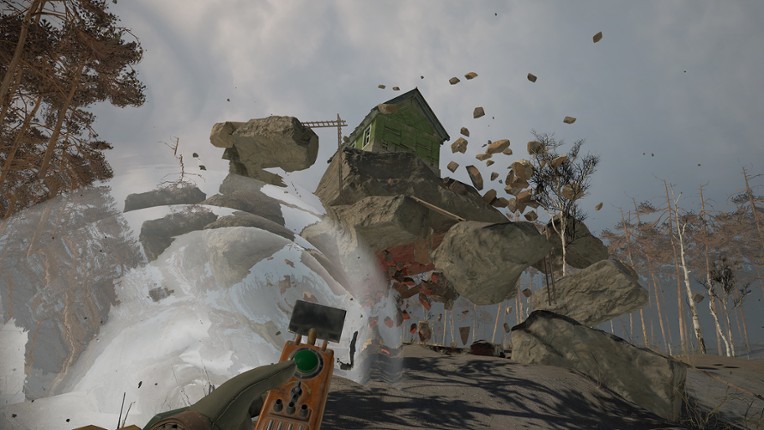
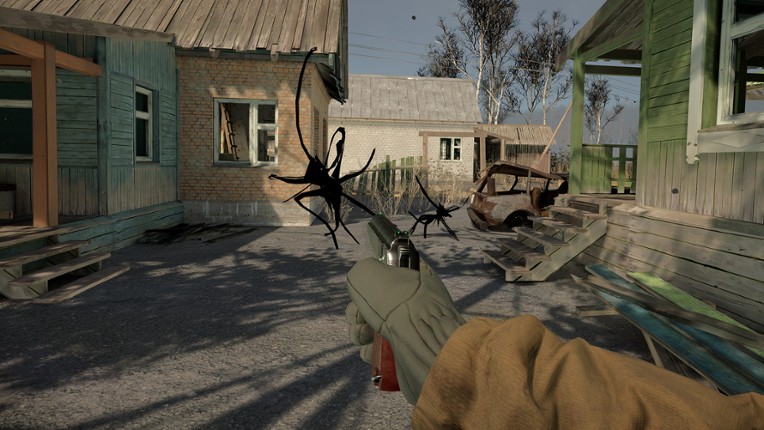
- 92%Game Brain ScoreMost mentioned positive aspects:gameplay, atmosphereMost mentioned negative aspects:replayability, music92% User Score 501 reviews
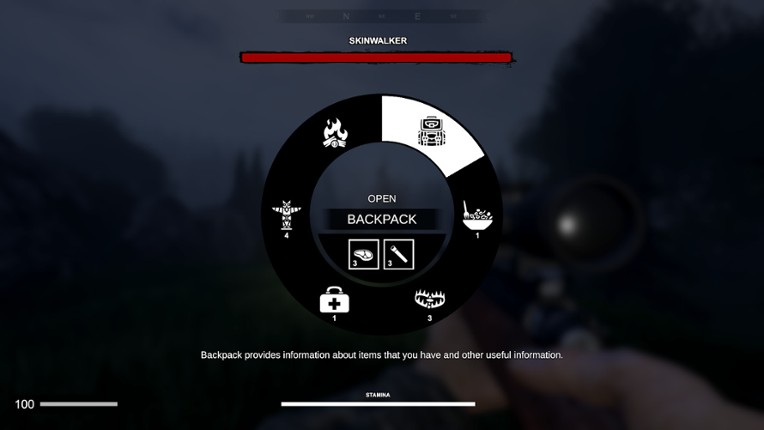
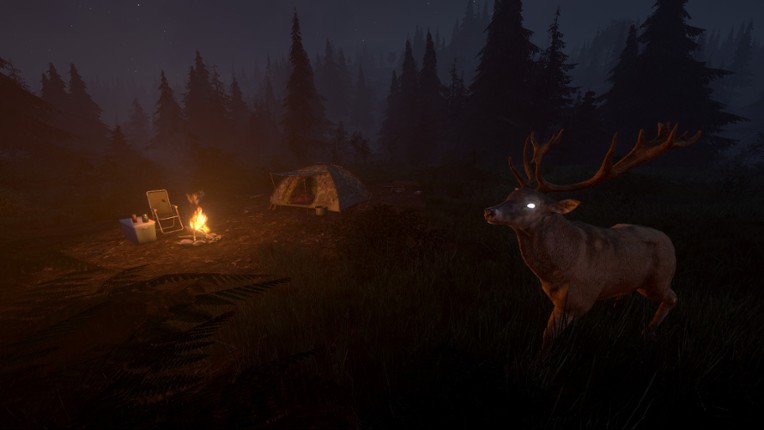
Instead of base building and big co-op sessions, this focuses on lone-wolf hunting, supernatural stalking, and slower rural dread.
If you enjoyed this game, see our list of games similar to Skinwalker Hunt.View Game
- 73%Game Brain ScoreMost mentioned positive aspects:story, gameplayMost mentioned negative aspects:optimization, grinding75% User Score 39,742 reviewsCritic Score 70%5 reviews
Shifts the survival fantasy into a hostile planet expedition, where co-op building and exploration matter more than horror.
If you enjoyed this game, see our list of games similar to ICARUS.View Game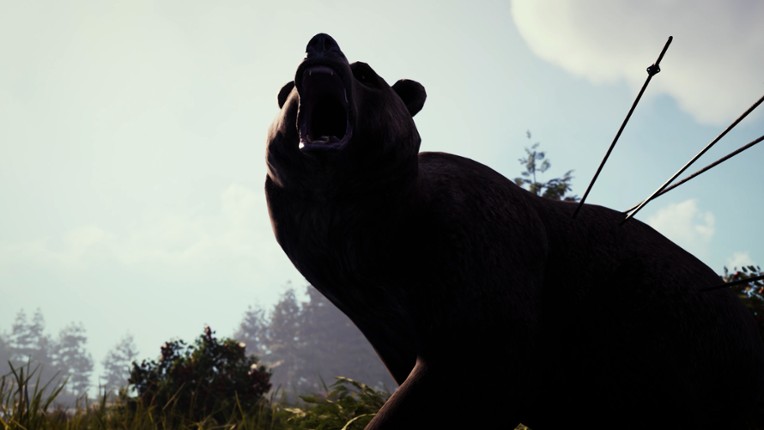

- 76%Game Brain ScoreMost mentioned positive aspects:gameplay, storyMost mentioned negative aspects:grinding, stability75% User Score 5,242 reviewsCritic Score 80%2 reviews
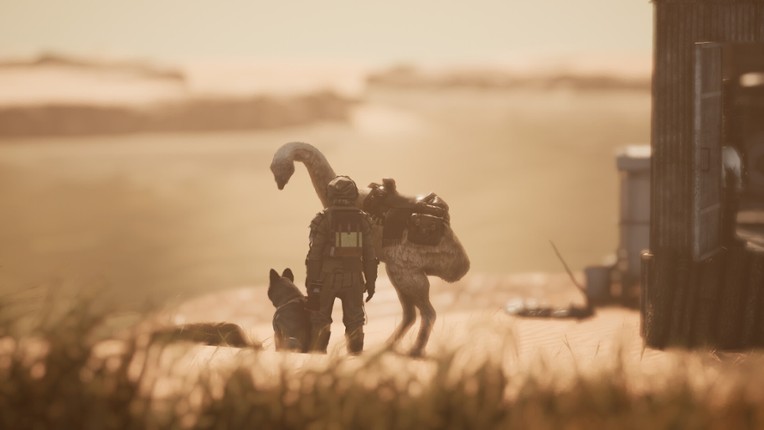
Keeps the crafting-and-building spirit, but sends it onto a surreal train journey through an ever-changing world instead of a forest.
If you enjoyed this game, see our list of games similar to Voidtrain.View Game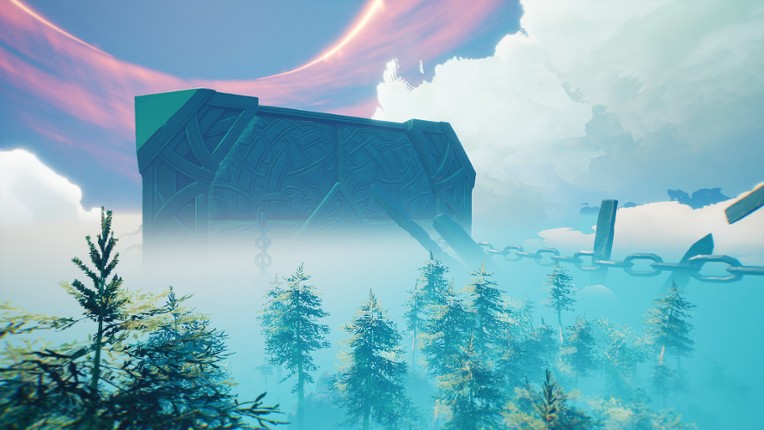


 View Game
























Frequently Asked Questions
The Forest is the closest match, featuring nearly identical survival horror gameplay with co-op, crafting, and base building in a hostile open world. Green Hell offers psychological depth with realistic survival mechanics and multiple endings. Grounded provides similar exploration and crafting but with a lighter, humorous tone. All three deliver comparable atmosphere and replayability.
Raft and Night of the Dead both support up to four-player online co-op with shared base building and resource management. Dying Light 2 Stay Human offers co-op exploration with parkour mechanics and narrative depth. Grounded rounds out the options with flexible multiplayer crafting and combat. All maintain engaging gameplay across solo and group sessions.
The Forest and Green Hell both deliver psychological horror alongside survival mechanics—managing health, sanity, and deadly threats. Night of the Dead focuses on zombie horrors with tower-defense base protection. Dying Light 2 Stay Human combines parkour exploration with infected enemies and dark atmosphere. Each balances dread with authentic survival challenge.
Green Hell, Grounded, and Raft all feature extensive base-building systems where shelter directly impacts survival success. Night of the Dead emphasizes defensive architecture with trap-building against nightly hordes. Cinderwake prioritizes creative base customization with flexible construction mechanics. All reward strategic placement and incremental expansion as you progress.
Yes, every recommendation supports single-player: The Forest, Green Hell, Grounded, and Raft all feature robust solo campaigns. Survival: Fountain of Youth is exclusively single-player with immersive first-person exploration and puzzle-solving. Dying Light 2 offers full story campaigns solo or co-op. Solo play remains the primary experience across all titles.
Survival: Fountain of Youth emphasizes exploration-driven crafting on a mysterious island with puzzle discovery. Green Hell requires learning jungle resources through careful environmental interaction. Grounded offers treasure hunting and bug-based crafting in a detailed backyard. Raft delivers ocean exploration with floating resource collection. Each rewards curiosity over combat.