

Games like null
If Outer Wilds left you staring at the ceiling at 2 a.m., piecing together cosmic mysteries and feeling genuinely small in the universe, you already know why people search for games like Outer Wilds the moment the credits roll. It's a rare combination — first-person exploration, science-fiction mystery, a story that rewards curiosity over combat — and finding something that scratches the same itch takes some digging. The good news: great alternatives absolutely exist.
What makes Outer Wilds so hard to replicate is its specific cocktail of systems: a handcrafted open world built entirely around knowledge progression rather than gear or levels, an atmosphere that blends wonder with psychological unease, and a narrative delivered almost entirely through environmental storytelling and exploration. Players love it for its soundtrack, its emotional depth, and the way it makes discovery feel genuinely earned. Anyone searching for games like Outer Wilds is really chasing that feeling of figuring something out — not being told a story, but uncovering one.
What Makes a Good Alternative to Outer Wilds?
- Exploration-driven discovery — Outer Wilds never points you to the answer; the best alternatives reward curiosity the same way, letting the world itself be the tutorial and the narrative.
- Mystery and layered storytelling — The science-fiction mystery at Outer Wilds's core demands alternatives that build intrigue through environmental detail and withhold answers long enough to make them land hard.
- Atmospheric, story-rich worlds — The game's tone — eerie, philosophical, beautiful — means hollow or purely action-focused worlds won't satisfy. The setting needs to carry emotional and narrative weight.
- Knowledge as the core progression loop — In Outer Wilds, you don't get stronger; you get smarter. The best alternatives use information, not stats, as the primary currency of progress.
- Exceptional soundtrack and audio design — The music in Outer Wilds is inseparable from its emotional impact. Alternatives that take sound as seriously tend to deliver the same full-body atmosphere.
Top Picks If You Enjoyed Outer Wilds
The Forgotten City uses a time loop to unravel a Roman mystery with real consequence. Return of the Obra Dinn turns deductive reasoning into a haunting, beautifully designed detective puzzle. The Witness drops you into an open world where observation is everything. What Remains of Edith Finch delivers emotional storytelling through inventive first-person vignettes. TUNIC hides its secrets inside an in-game manual you slowly piece together. Void Stranger layers a surprisingly deep narrative beneath its retro puzzle mechanics.
Every recommendation below is ranked by similarity using real player data, so the closest matches to Outer Wilds appear first. Browse the full list to find your next obsession.
- 91%Game Brain ScoreMost mentioned positive aspects:story, gameplayMost mentioned negative aspects:grinding, replayability91% User Score 3,002 reviews
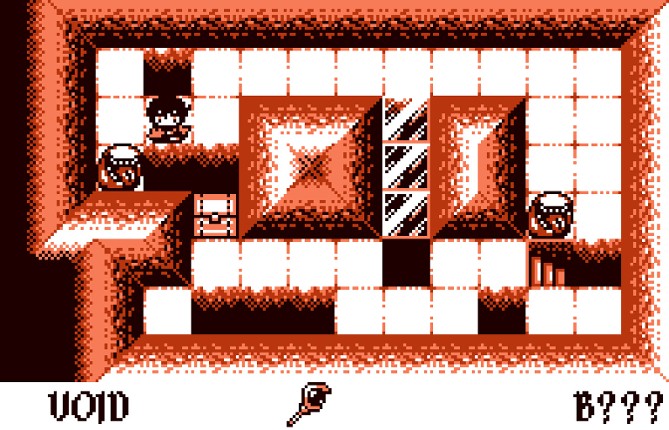
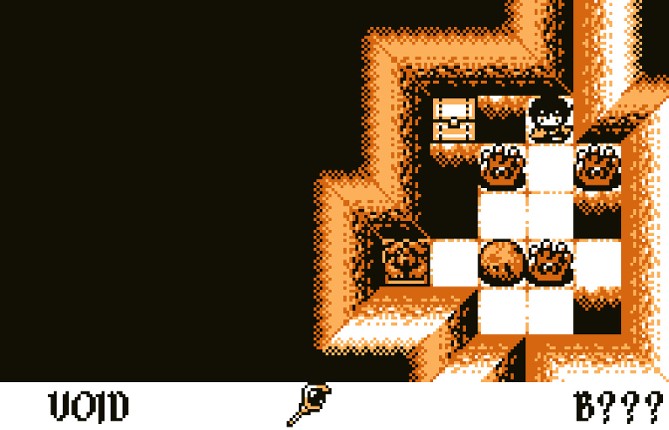
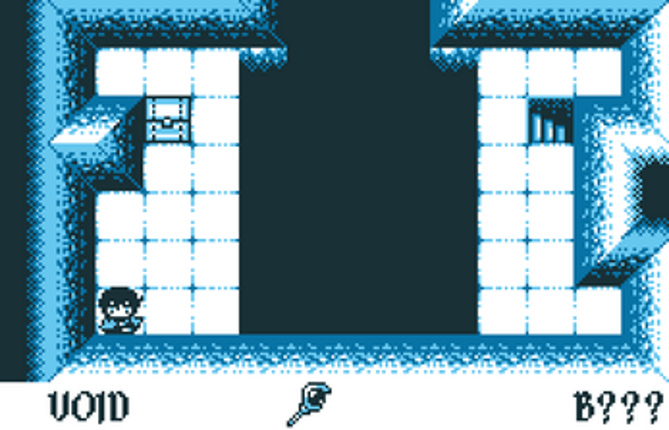
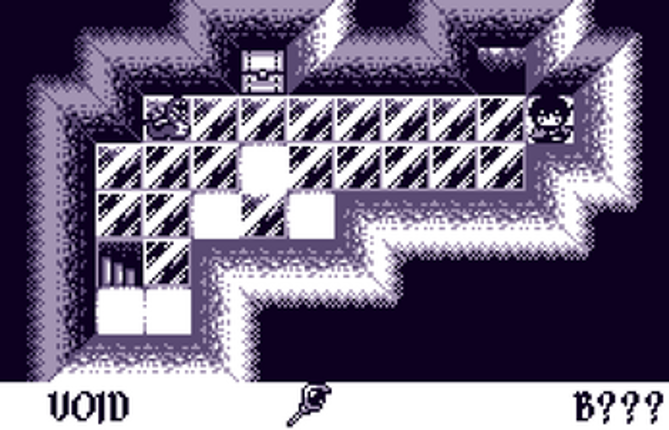
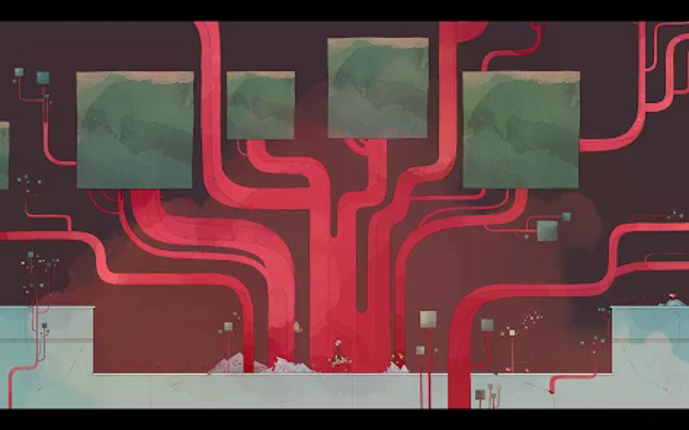
Void Stranger is a 2D sokoban-style puzzle game where every step counts. Descend into the forgotten labyrinth teeming with fiendish foes and traps that defy reason. A swift defeat lurks at every corner for those who neither study their surroundings nor think their moves through with care. Trust you wits and slowly, surely, you will conquer the mysteries before you. You do remember why you are h… If you enjoyed this game, see our list of games similar to Void Stranger.
View Game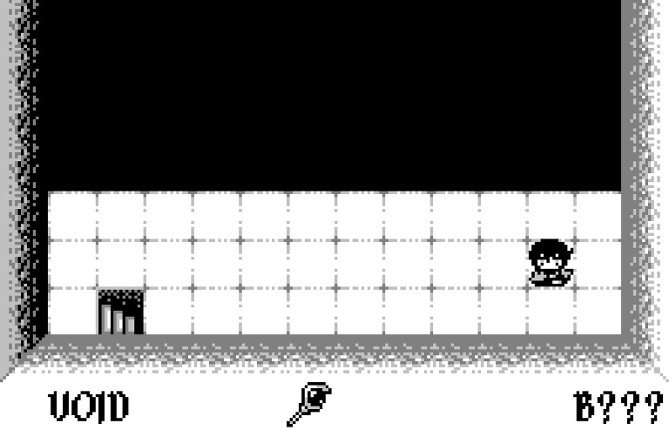
- 83%Game Brain ScoreMost mentioned positive aspects:gameplay, graphicsMost mentioned negative aspects:story, grinding83% User Score 15,440 reviews
Both games turn careful observation into progress: you roam an unfamiliar world, notice odd patterns, and slowly convert confusion into knowledge. That loop feels close to Outer Wilds, where discovery is the real reward, because every new clue changes how you read the entire space around you.
The Witness also shares the joy of nonlinear exploration and self-directed problem solving. You are constantly deciding where to go next and what puzzle language the environment is teaching you, which creates the same satisfying “aha” momentum that Outer Wilds players chase when everything clicks at once.
The big difference is tone and structure: The Witness strips away the spacefaring narrative and replaces it with a pure, concentrated puzzle pilgrimage. That makes it a great tradeoff for players who liked Outer Wilds’ mysteries but wished the logic-bending discovery loop lasted longer and focused even more on deduction.
Best for players who enjoy exploration as investigation and want mastery to come from paying attention.
If you enjoyed this game, see our list of games similar to The Witness.View Game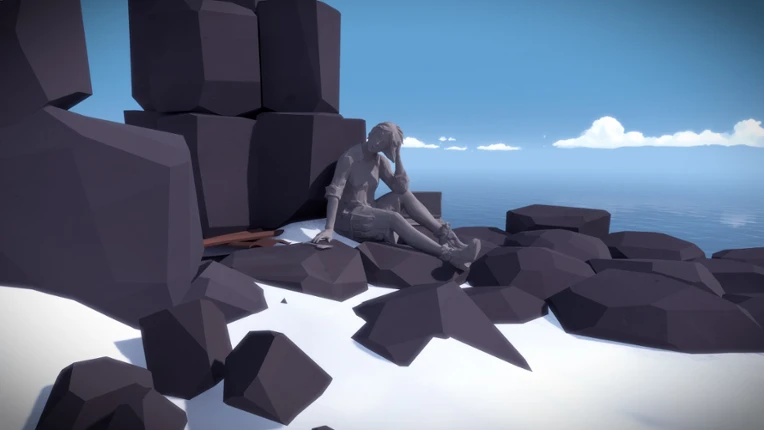
- 90%Game Brain ScoreMost mentioned positive aspects:story, gameplayMost mentioned negative aspects:optimization, grinding96% User Score 8,462 reviewsCritic Score 84%40 reviews
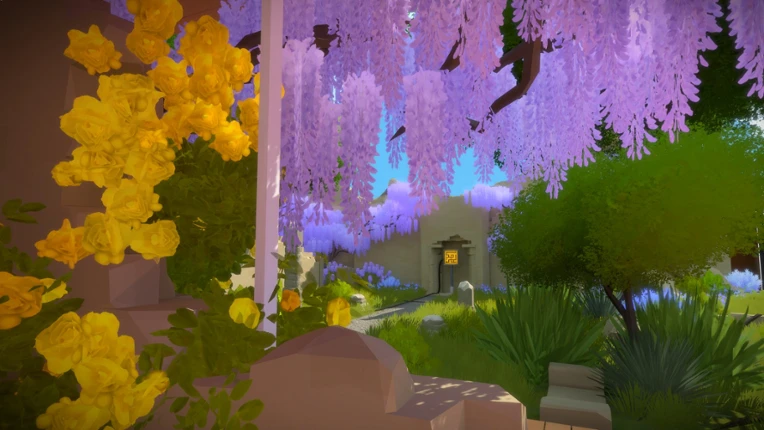
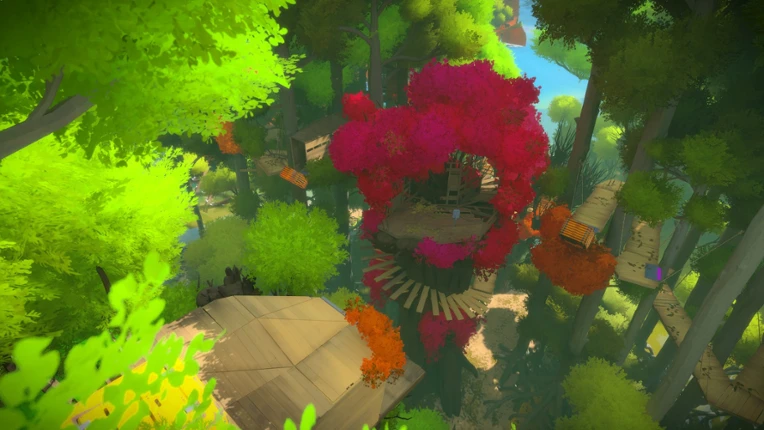
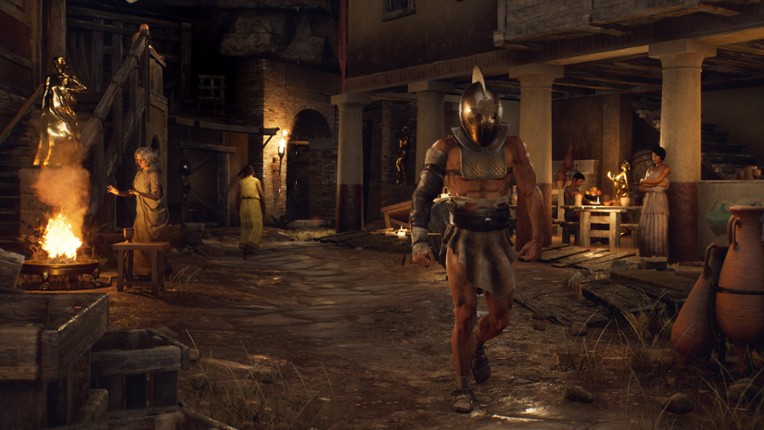
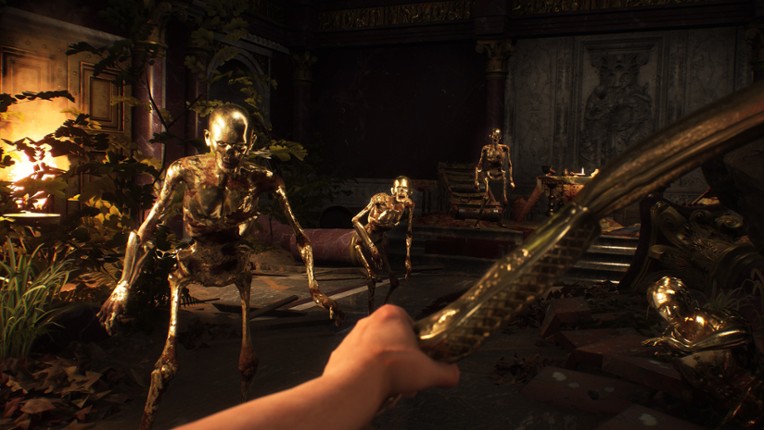
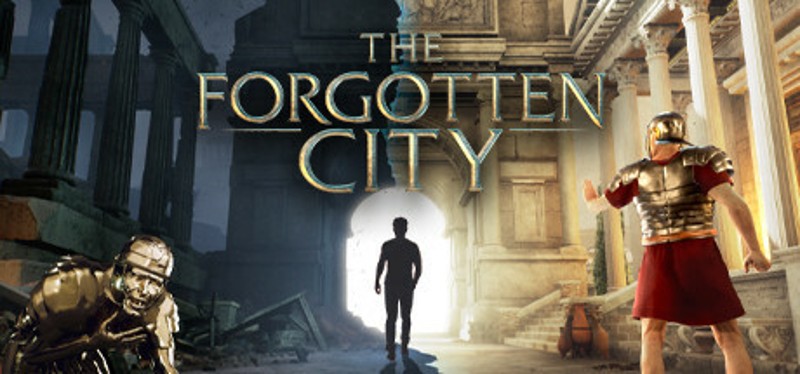
The strongest link between these two titles is their use of a time loop that resets progress, forcing players to explore, experiment, and piece together mysteries in each cycle.
Both are story-driven adventures that reward curiosity, with atmospheric worlds and mysteries that unfold through player discovery rather than hand-holding.
The Forgotten City trades Outer Wilds' vast open-world exploration for a tighter, more linear narrative set in ancient Rome, resulting in a shorter but more focused experience.
Pick this up if you want a compelling time loop mystery with rich storytelling but can live without the expansive exploration and gameplay complexity of Outer Wilds.
If you enjoyed this game, see our list of games similar to The Forgotten City.View Game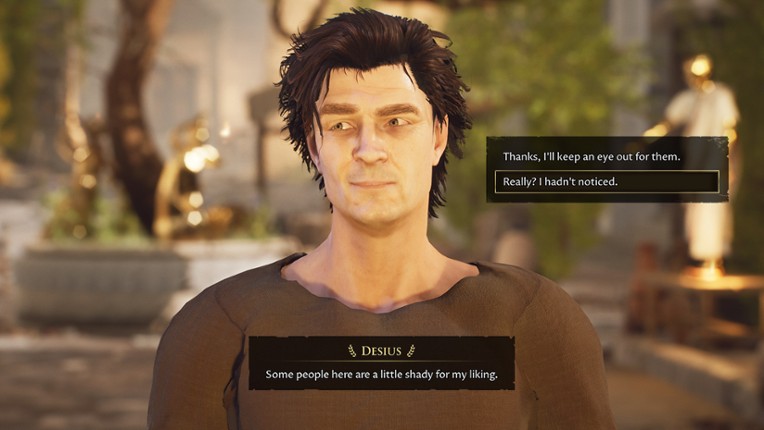
- 91%Game Brain ScoreMost mentioned positive aspects:story, gameplayMost mentioned negative aspects:grinding91% User Score 2,794 reviews
Both games reward obsessive exploration and curiosity as a primary mechanic—you're not following a breadcrumb trail, but rather uncovering deeper layers by poking at the world and paying attention to what it tells you. In Outer Wilds, this manifests as spatial puzzle-solving across a solar system; in Void Stranger, it's embedded in narrative secrets and hidden sokoban solutions that demand you revisit familiar spaces with new understanding.
The psychological weight of atmosphere ties these experiences together. Both games use great soundtracks and visual restraint—whether through space isolation or pixel-art minimalism—to create a sense of creeping dread beneath their mystery-box narratives. This restraint forces you to lean into the story and sound design rather than spectacle.
Void Stranger trades Outer Wilds' first-person scale and freedom for intimate, punishing puzzle design with no undo button. Where one game lets you explore at your pace, the other demands precision and patience—a meaningful shift, not a weakness.
If you've felt the sting of Outer Wilds' low replayability, Void Stranger offers genuine secrets worth multiple playthroughs to fully unlock.
Best for: Players who crave mystery and narrative depth over scale, and who see failure as part of discovery.
If you enjoyed this game, see our list of games similar to Void Stranger.View Game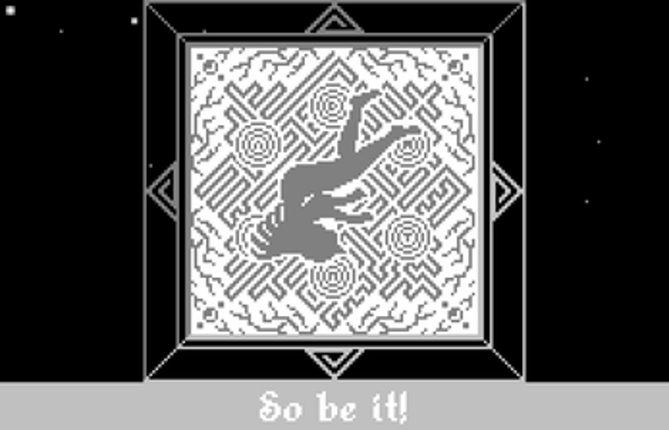
- 94%Game Brain ScoreMost mentioned positive aspects:story, gameplayMost mentioned negative aspects:replayability, grinding94% User Score 18,415 reviews
Piecing together the fragmented history of a lost lineage through environmental investigation captures the exact investigative drive found in Outer Wilds. You navigate a dense, physical space where every object serves as a narrative anchor, much like deciphering Nomai ruins. This loop transforms the player into a detective, where uncovering how a person lived is just as vital as knowing how they died.
Both titles utilize a first-person, narration-heavy structure to bridge the gap between you and characters who are long gone. By focusing on psychological exploration, the game rewards your curiosity rather than forcing explicit objectives. This creates a profound sense of presence, making silent rooms feel populated by the ghosts of the past.
While Outer Wilds demands mastery of physics and spaceflight, Edith Finch offers a curated, vignette-driven approach that avoids any potential for grinding. It trades an entire solar system for an impossibly intricate house, delivering a concentrated emotional arc. Best for players who value narrative depth and atmospheric storytelling over mechanical complexity.
If you enjoyed this game, see our list of games similar to What Remains of Edith Finch.View Game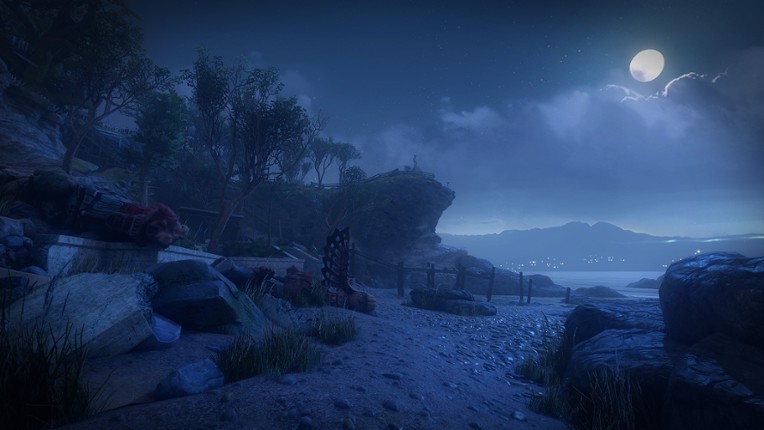
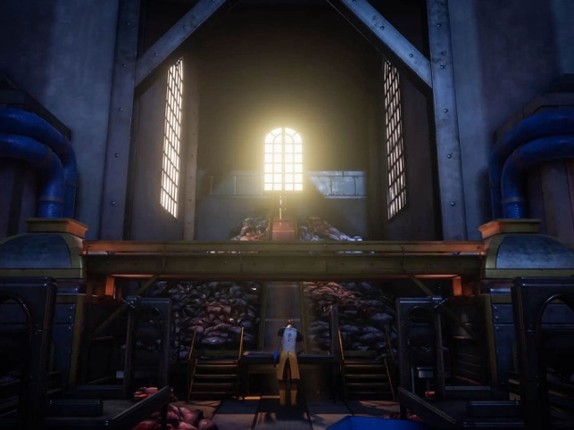
- 96%Game Brain ScoreMost mentioned positive aspects:story, gameplayMost mentioned negative aspects:grinding, stability96% User Score 2,118 reviewsWho's Lila? delivers a surreal psychological horror with branching choices, targeting players who want a narrative‑driven, mind‑twisting experience over open exploration. If you enjoyed this game, see our list of games similar to Who's Lila?.View Game
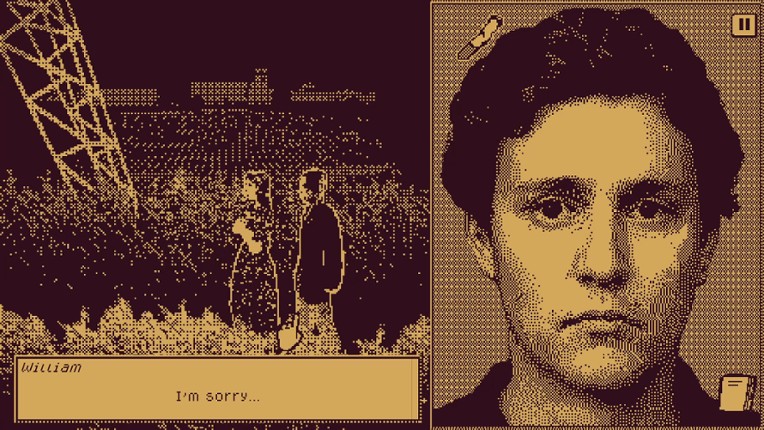

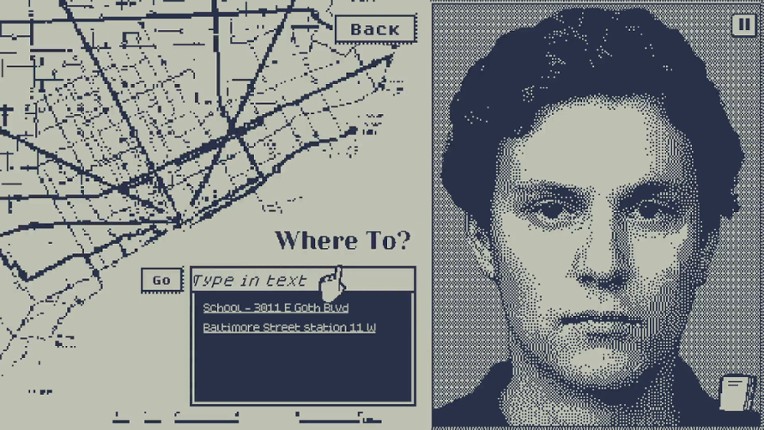
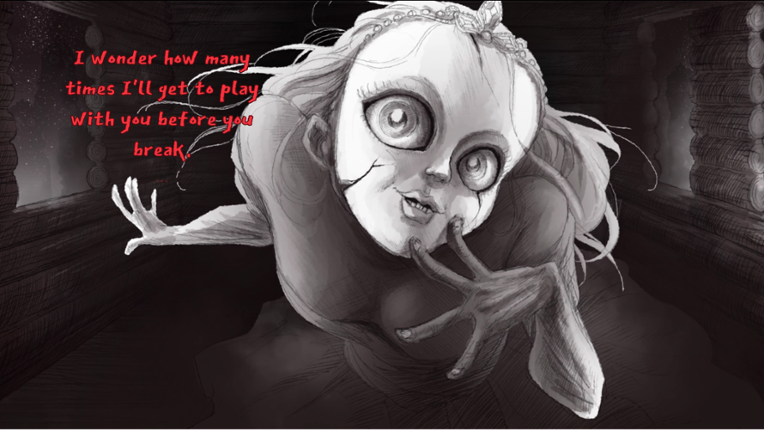
- 93%Game Brain ScoreMost mentioned positive aspects:story, musicMost mentioned negative aspects:grinding, stability97% User Score 24,873 reviewsCritic Score 89%8 reviewsSlay the Princess blends dark humor with horror in a dialogue‑rich, choose‑your‑own‑adventure format, perfect for players who prefer narrative choices over exploration. If you enjoyed this game, see our list of games similar to Slay the Princess.View Game
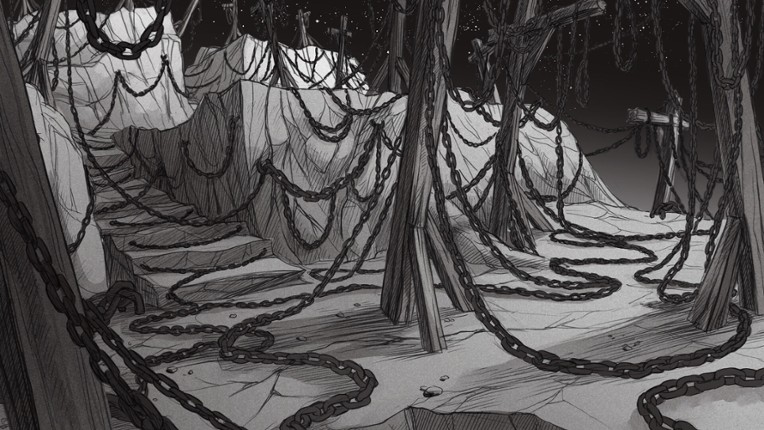

- 91%Game Brain ScoreMost mentioned positive aspects:gameplay, musicMost mentioned negative aspects:grinding, stability91% User Score 11,267 reviewsCritic Score 91%5 reviews
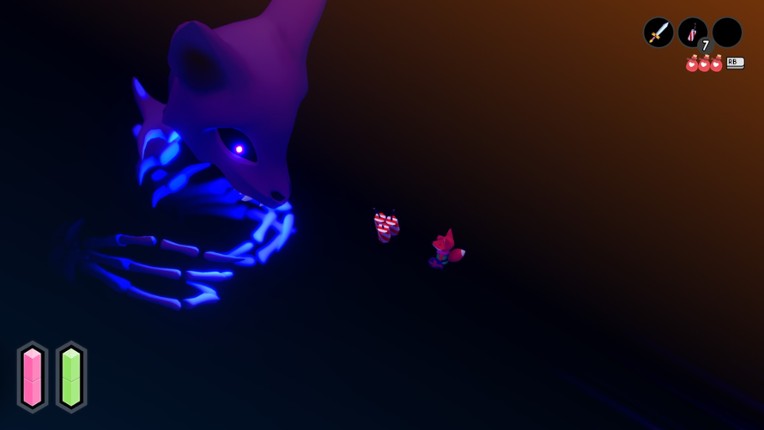
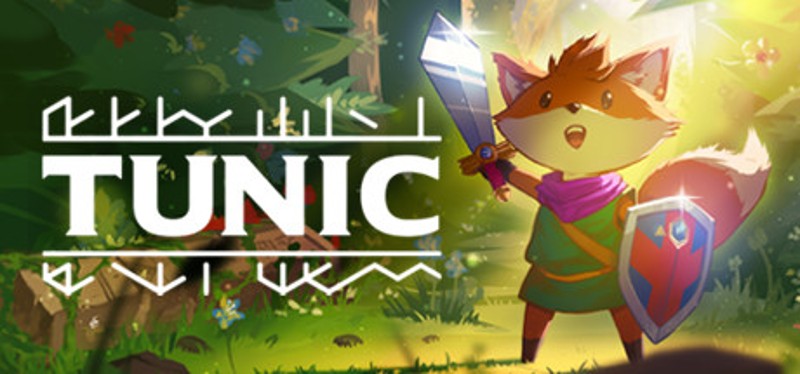
Both games reward you for methodically exploring every corner of their worlds and piecing together understanding from fragmented discovery rather than handed exposition. In Outer Wilds, you chase astronomical secrets across a doomed solar system; in TUNIC, you reconstruct an in-game manual page by page, transforming exploration into a meta-puzzle that mirrors how you actually learn the game itself.
This mechanic—collecting knowledge as loot—mirrors Outer Wilds' log-filling compulsion. The emotional satisfaction comes from the same place: watching your mental map crystallize through your own curiosity, not cutscenes. Both games trust you to want answers badly enough to seek them.
Where they diverge meaningfully: TUNIC swaps cosmic horror and first-person wonder for a top-down, Souls-like fantasy world where combat demands precision and patience. This shift trades Outer Wilds' contemplative spaceflight for grounded, tactical exploration—a different pace of discovery, not a lesser one.
Best for players who craved Outer Wilds' sense of earned revelation but want their next adventure grounded in a hand-crafted world they can map on foot.
If you enjoyed this game, see our list of games similar to TUNIC.View Game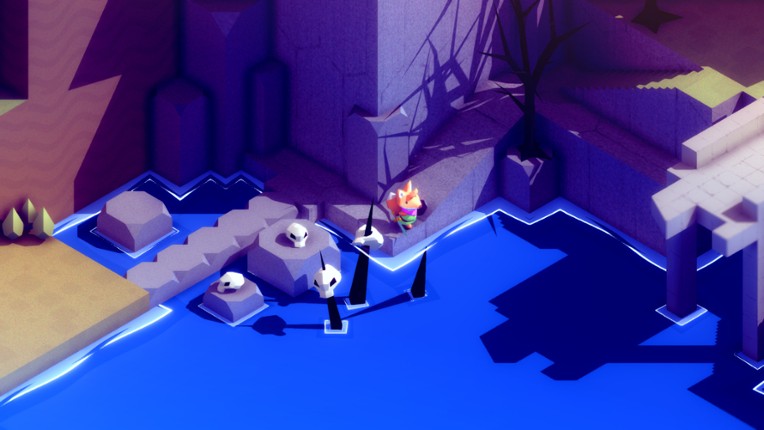

- 88%Game Brain ScoreMost mentioned positive aspects:gameplay, musicMost mentioned negative aspects:grinding, stability91% User Score 9,004 reviewsCritic Score 85%29 reviews
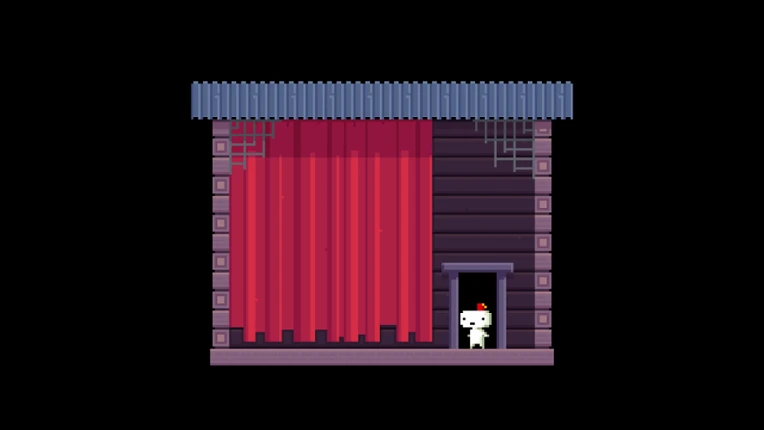
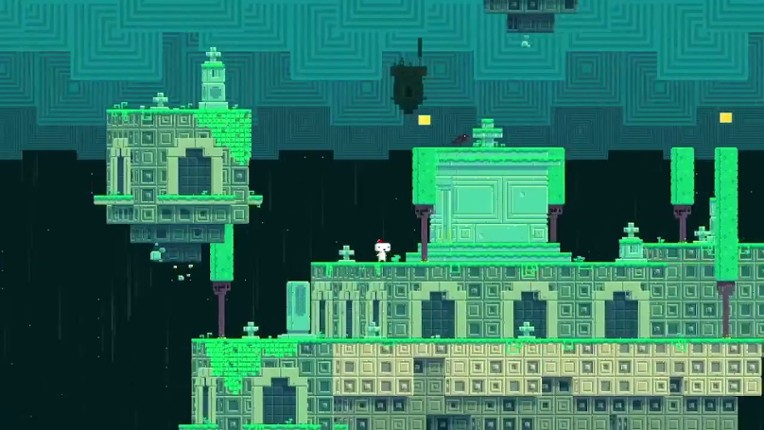
The core link between these titles is knowledge-based progression; you don't unlock abilities, you unlock the understanding required to manipulate your environment. This is supported by an open-ended structure, which forces you to map the world through sheer curiosity rather than quest markers.
While Outer Wilds hides its secrets within the physics of a dying solar system, FEZ buries them in cryptographic ciphers and perspective-shifting geometry. FEZ demands meticulous note-taking rather than flight navigation.
Pick this up if you want the intellectual rush of solving a grand, cryptic puzzle, provided you can live without the fluid, real-time kinetic movement of space travel.
If you enjoyed this game, see our list of games similar to FEZ.View Game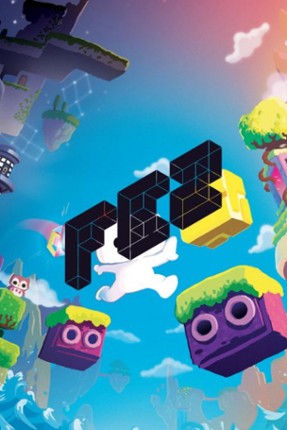
10 View Game 92%Game Brain ScoreMost mentioned positive aspects:story, graphicsMost mentioned negative aspects:replayability, grinding97% User Score 20,418 reviewsCritic Score 88%22 reviews
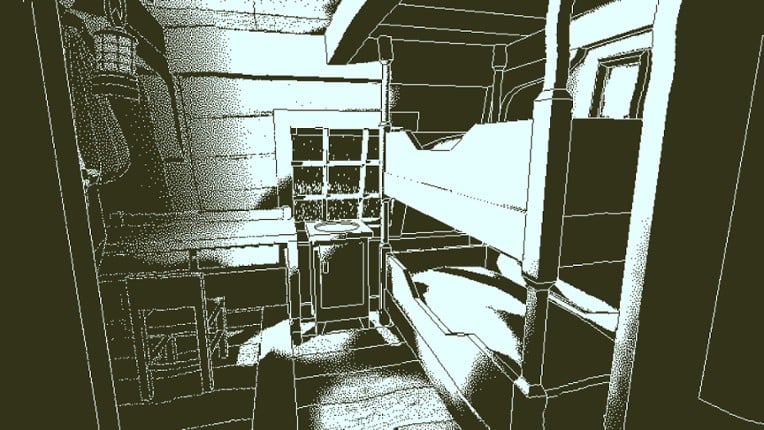
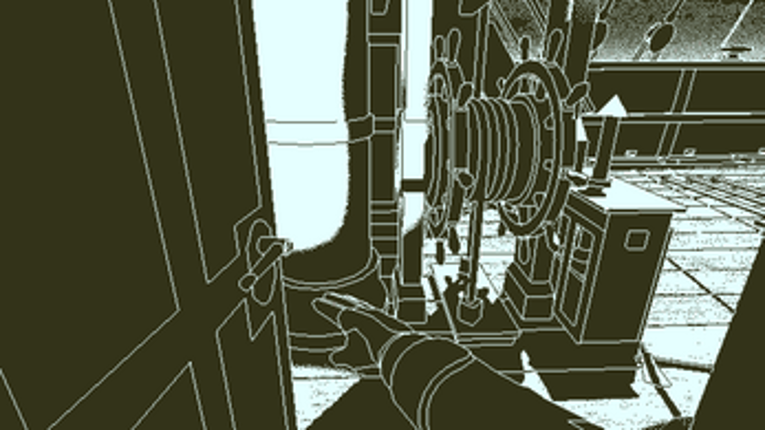
Return of the Obra Dinn shares Outer Wilds' focus on first-person, story-driven mystery that demands sharp observation and deduction. Both games rely on piecing together narrative clues, which deepens player engagement through intellectual challenge. The atmospheric design and acclaimed soundtracks further amplify their immersive storytelling.
Unlike Outer Wilds’ open-space exploration, Obra Dinn confines players to a single ship with a distinctive retro monochrome art style, which sharpens the detective experience but can obscure details. Its gameplay loop leans heavily on repetitive investigation and offers minimal replay value after the story is solved.
Pick this up if you want a tightly woven mystery that rewards methodical thinking and can tolerate occasional visual frustration. Skip it if you crave broad exploratory freedom or high replayability. It’s a solid fit for players who prize narrative complexity over expansive gameplay.
If you enjoyed this game, see our list of games similar to Return of the Obra Dinn.View Game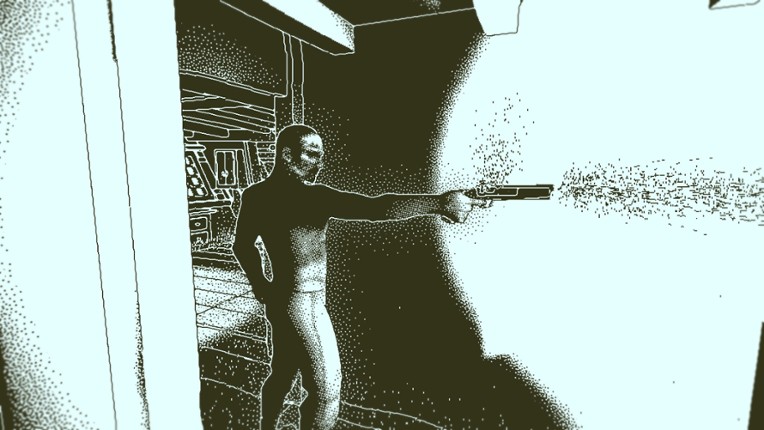
- 95%Game Brain ScoreMost mentioned positive aspects:story, atmosphereMost mentioned negative aspects:replayability, grinding96% User Score 25,819 reviewsCritic Score 90%1 reviews
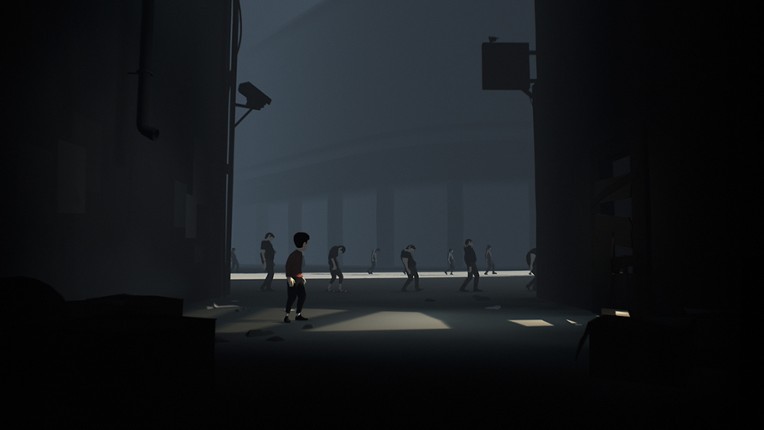
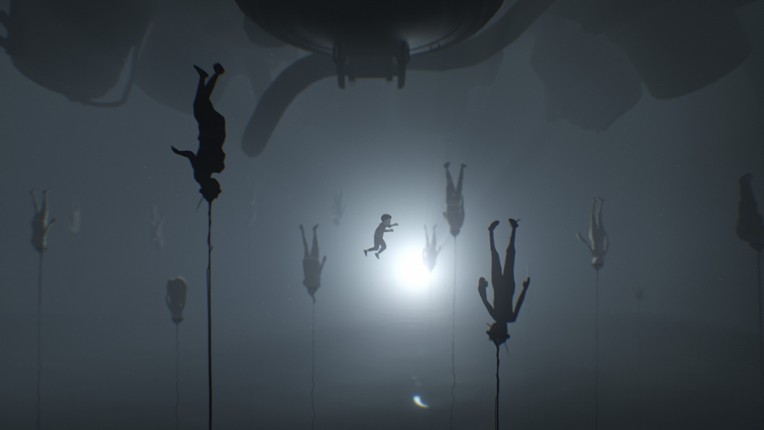
Both games weaponize environmental storytelling over exposition—you piece together narrative and lore through exploration and observation rather than cutscenes or dialogue. This approach forces active engagement with the world itself.
Each excels at moment-to-moment atmosphere, because the puzzle-solving and movement become meditation rather than challenge.
The crucial difference: Outer Wilds demands dozens of hours piecing together cosmic mystery across multiple worlds; Inside delivers a singular, linear descent in 3–5 hours with deliberately vague resolution.
Pick Inside if you loved Outer Wilds' tone and dread but want a concentrated, completable experience without open-ended exploration.
If you enjoyed this game, see our list of games similar to INSIDE.View Game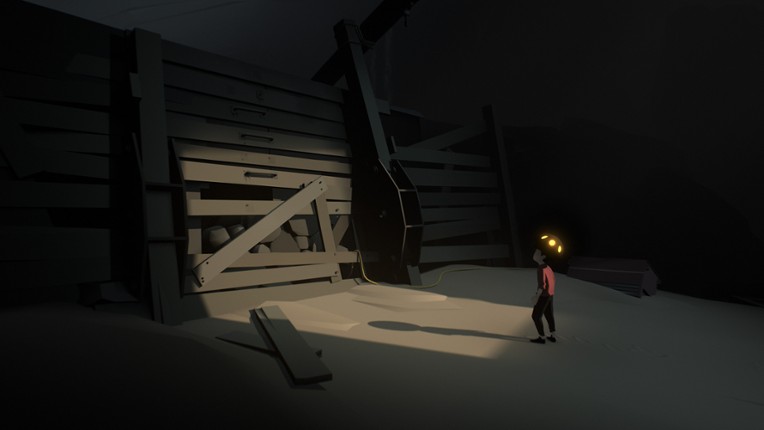
- 92%Game Brain ScoreMost mentioned positive aspects:music, storyMost mentioned negative aspects:optimization, grinding93% User Score 20,916 reviewsCritic Score 92%20 reviews
Both Outer Wilds and Journey thrive on environmental storytelling, forcing you to reconstruct a lost civilization's history through ruins rather than exposition. This hands-off approach creates a profound sense of loneliness that amplifies your personal discovery.
The core difference is scale: where Outer Wilds demands scientific mastery of physics-based puzzles, Journey focuses on emotional momentum through linear, cinematic traversal. You lose the complex systemic loops of space travel, but you gain a meditative, rhythmic pace that rewards intuition over intellect.
Pick this up if you want the existential wonder and masterful soundtrack of Outer Wilds but can live without the punishing time-loop mechanics and navigation hazards.
If you enjoyed this game, see our list of games similar to Journey.View Game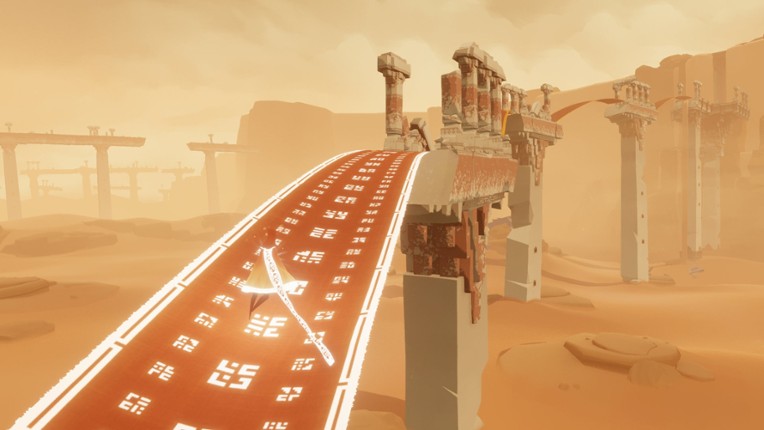

- 84%Game Brain ScoreMost mentioned positive aspects:gameplay, graphicsMost mentioned negative aspects:story, grinding84% User Score 7,282 reviewsWitCup 12 offers a minimalist 2D puzzle experience that replaces Outer Wilds' sprawling space with abstract, self‑contained challenges. If you enjoyed this game, see our list of games similar to WitCup 12.View Game
- 88%Game Brain ScoreMost mentioned positive aspects:gameplay, storyMost mentioned negative aspects:grinding, optimization86% User Score 15,228 reviewsCritic Score 89%28 reviewsBlue Prince shifts to a roguelite escape‑room format inside a shifting house, catering to players who enjoy methodical, repeatable puzzle hunts. If you enjoyed this game, see our list of games similar to Blue Prince.View Game
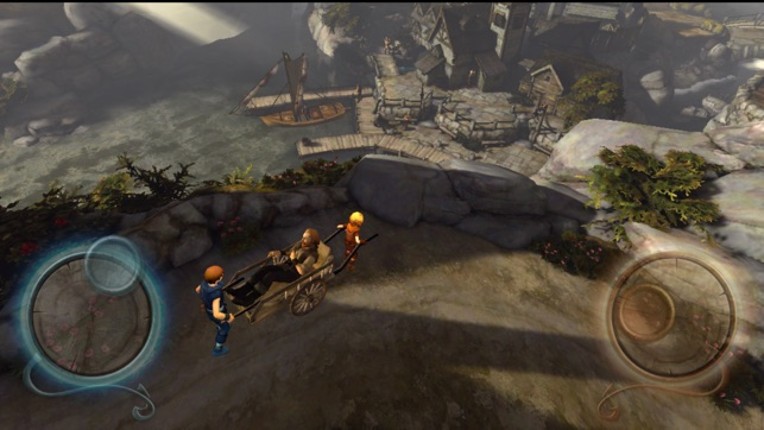
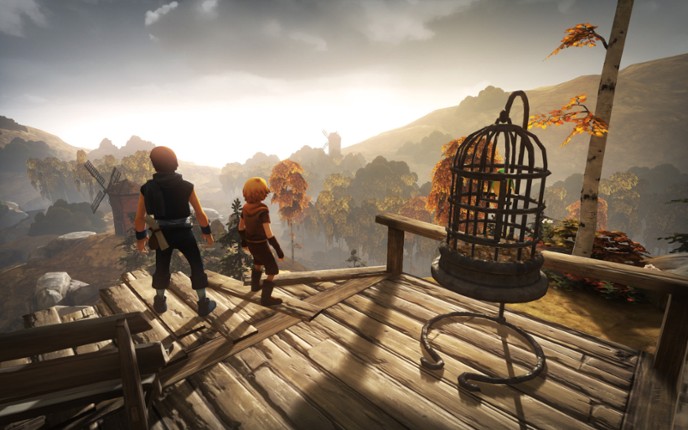
15 View Game 88%Game Brain ScoreMost mentioned positive aspects:story, gameplayMost mentioned negative aspects:replayability, stability94% User Score 16,215 reviewsCritic Score 82%18 reviewsBrothers: A Tale of Two Sons uses a cooperative two‑character control scheme set in a fantasy world, offering an emotional narrative for collaborative players. If you enjoyed this game, see our list of games similar to Brothers: A Tale of Two Sons.View Game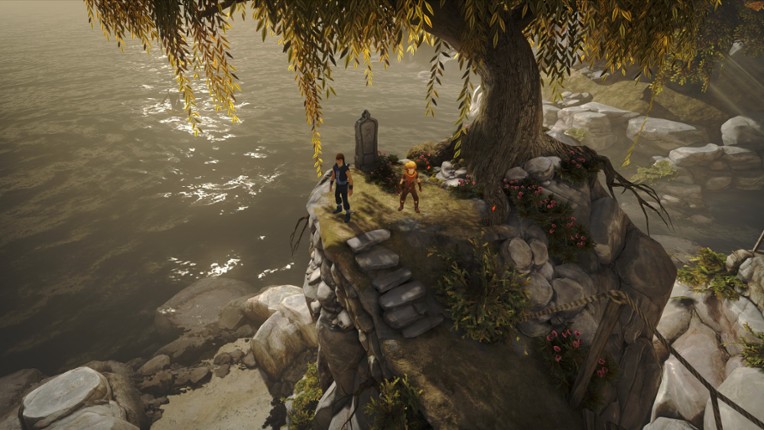
- View Game
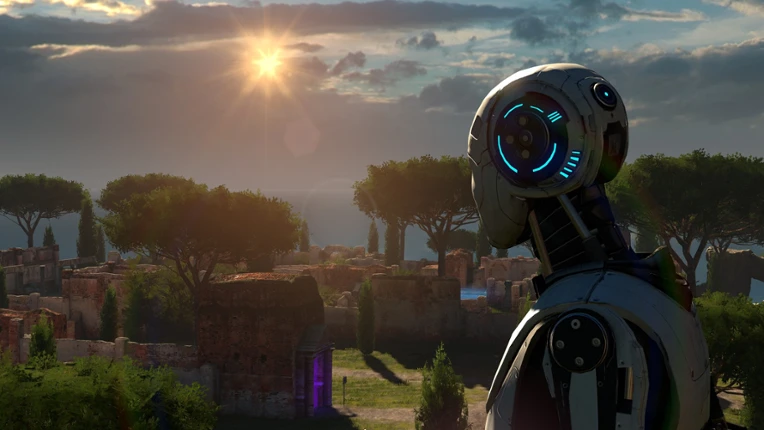
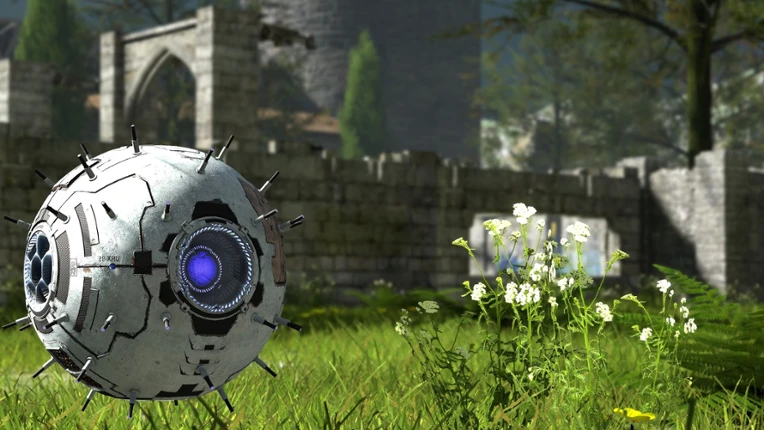
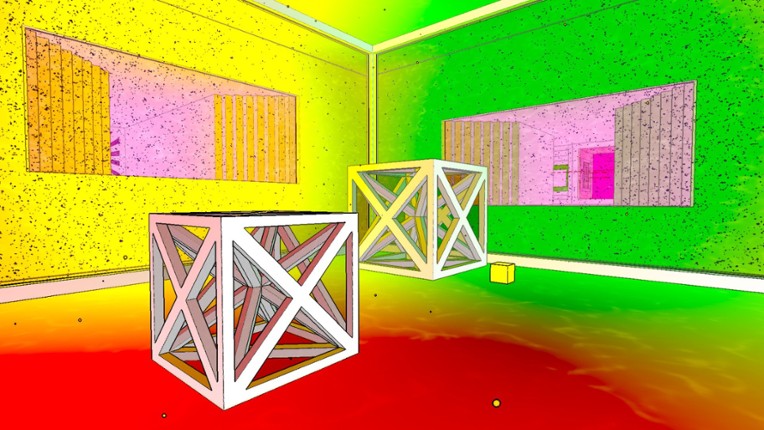
- 90%Game Brain ScoreMost mentioned positive aspects:gameplay, graphicsMost mentioned negative aspects:story, replayability95% User Score 12,972 reviewsCritic Score 81%5 reviewsAntichamber replaces Outer Wilds' cosmic exploration with mind‑bending geometric puzzles, offering a surreal, non‑narrative challenge for puzzle lovers. If you enjoyed this game, see our list of games similar to Antichamber.View Game
- 76%Game Brain ScoreMost mentioned positive aspects:story, musicMost mentioned negative aspects:optimization, replayability88% User Score 2,285 reviewsCritic Score 63%17 reviewsRiME swaps the cold void of space for a warm, colorful island adventure, appealing to families and those seeking gentle, emotional storytelling. If you enjoyed this game, see our list of games similar to RiME.View Game
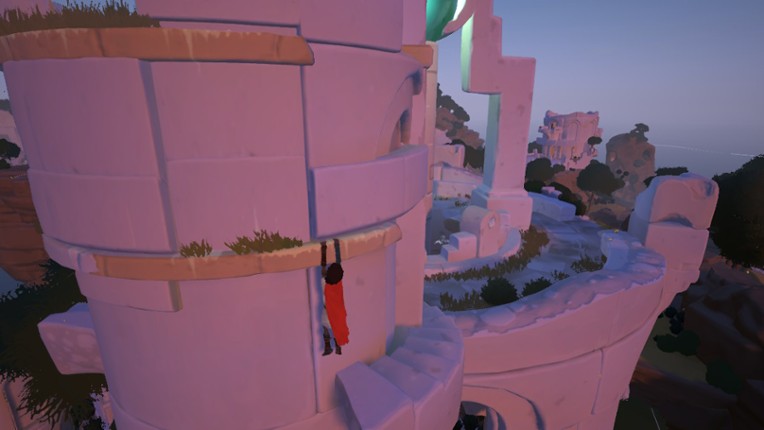
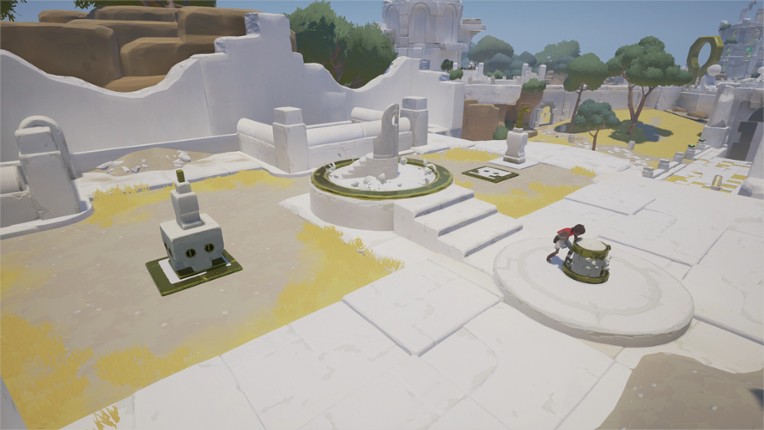
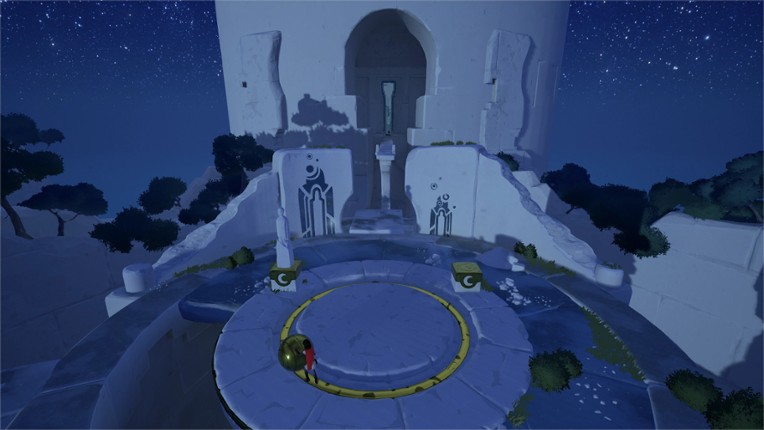
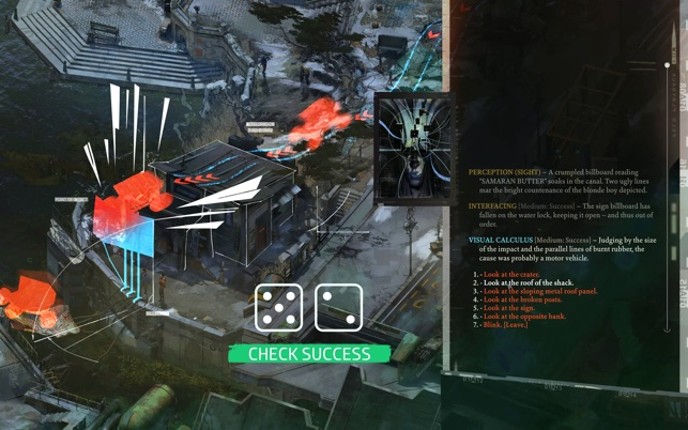
- 93%Game Brain ScoreMost mentioned positive aspects:story, gameplayMost mentioned negative aspects:grinding, stability93% User Score 58,300 reviewsReplaces outer-space wonder with urban noir detective work, emphasizing dialogue choices and character depth over environmental discovery. If you enjoyed this game, see our list of games similar to Disco Elysium: The Final Cut.View Game
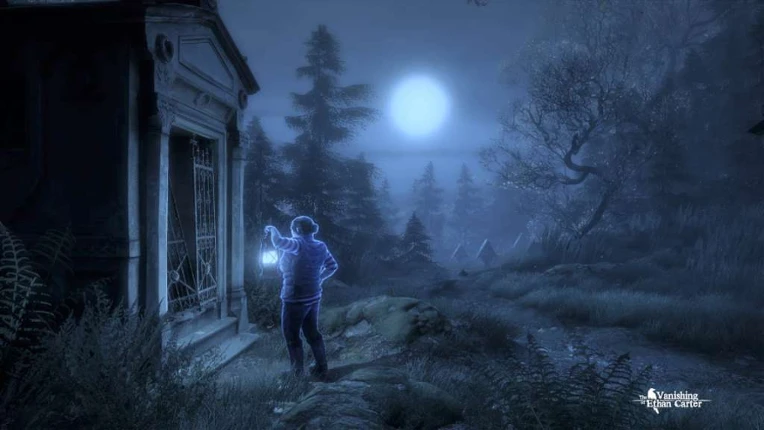
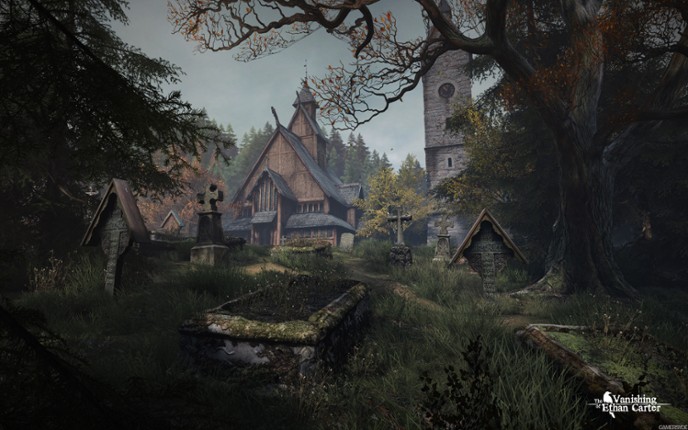
20 View Game 87%Game Brain ScoreMost mentioned positive aspects:story, graphicsMost mentioned negative aspects:replayability, stability87% User Score 5,138 reviewsThe Vanishing of Ethan Carter delivers a first‑person supernatural mystery that trades Outer Wilds' time‑loop for a narrative‑driven detective hunt. If you enjoyed this game, see our list of games similar to The Vanishing of Ethan Carter.View Game
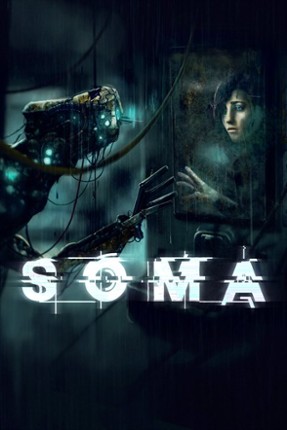
- View Game96%Game Brain ScoreMost mentioned positive aspects:story, atmosphereMost mentioned negative aspects:grinding, replayability96% User Score 17,927 reviews
SOMA is a sci-fi horror game from Frictional Games, creators of the groundbreaking Amnesia and Penumbra series. The radio is dead, food is running out, and the machines have started to think they are people. Underwater facility PATHOS-II has suffered an intolerable isolation and we’re going to have to make some tough decisions. What can be done? What makes sense? What is left to fight for? SOMA i… If you enjoyed this game, see our list of games similar to SOMA.
- 78%Game Brain ScoreMost mentioned positive aspects:story, graphicsMost mentioned negative aspects:grinding, stability74% User Score 336 reviewsCritic Score 90%3 reviewsGrounds sci-fi psychological horror in first-person exploration of human memory rather than celestial environments, emphasizing emotional archaeology over cosmic discovery. If you enjoyed this game, see our list of games similar to Ether One.View Game
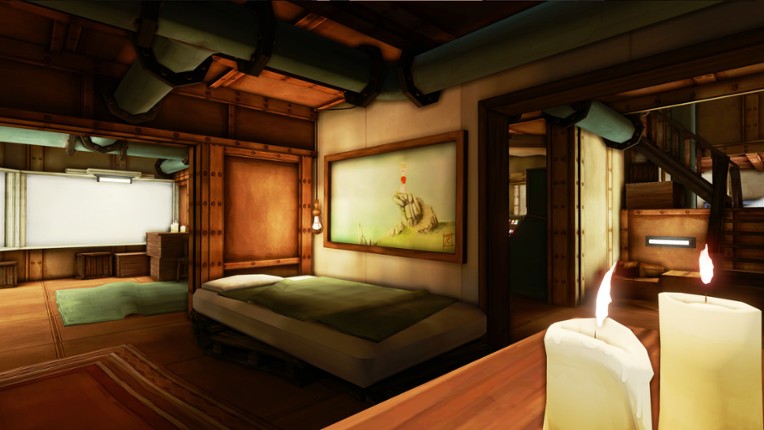
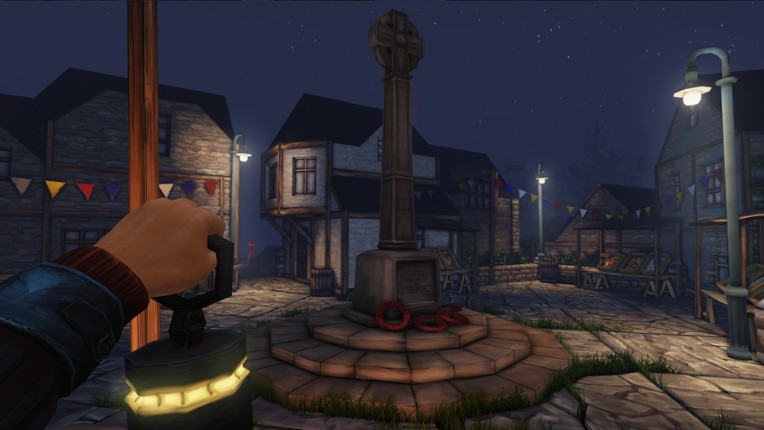
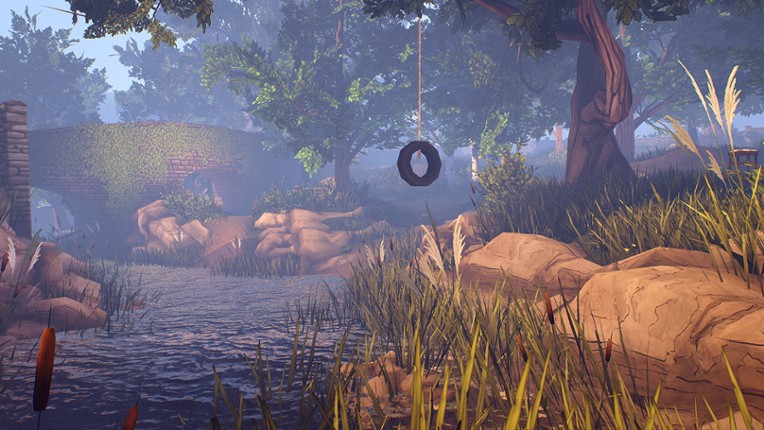
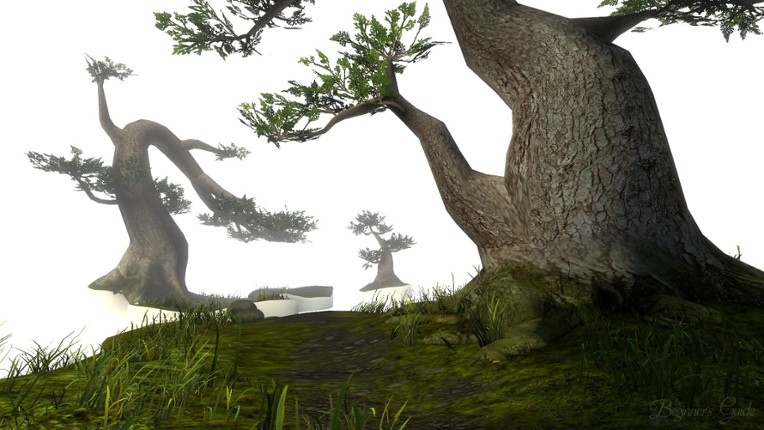
- 87%Game Brain ScoreMost mentioned positive aspects:story, emotionalMost mentioned negative aspects:replayability, grinding88% User Score 18,116 reviewsCritic Score 80%1 reviewsDeconstructs story and player agency through a brief first-person experience about game design itself, replacing cosmic wonder with philosophical introspection. If you enjoyed this game, see our list of games similar to The Beginner's Guide.View Game
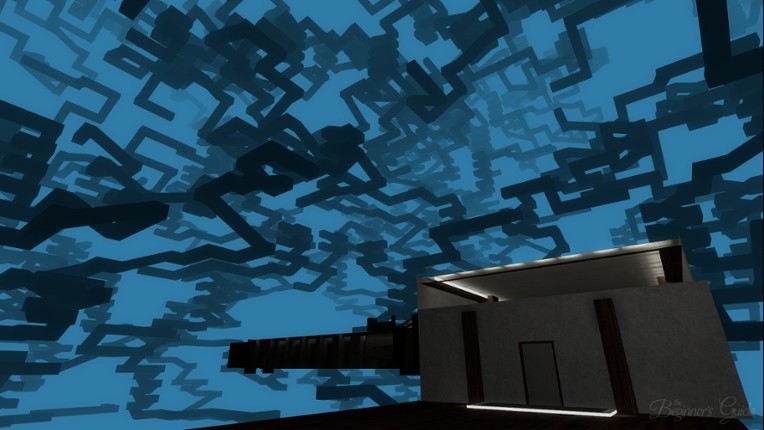
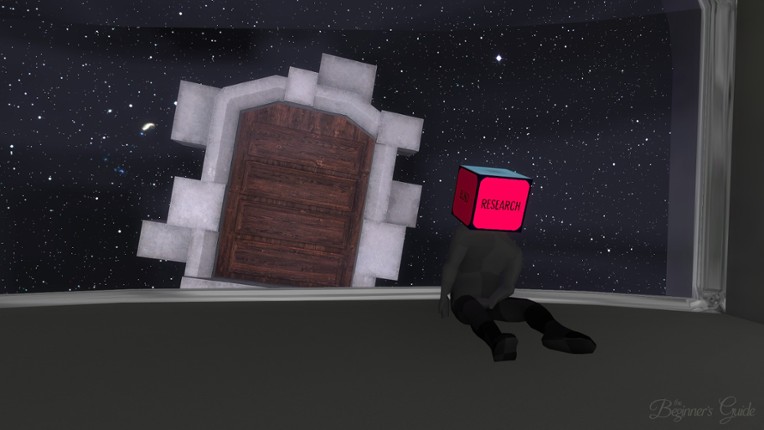
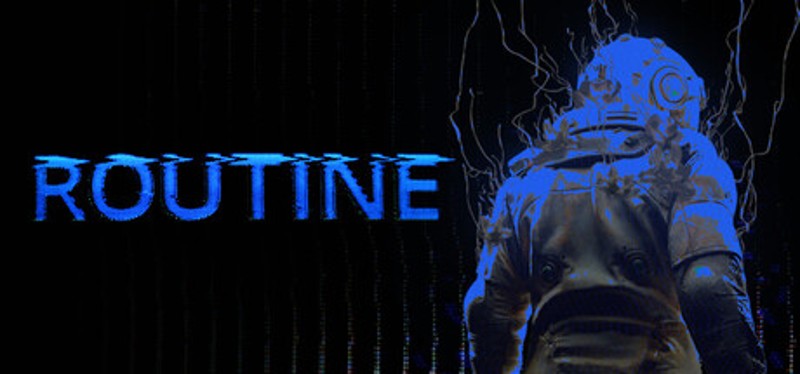
- 90%Game Brain ScoreMost mentioned positive aspects:story, atmosphereMost mentioned negative aspects:grinding, replayability93% User Score 5,279 reviewsCritic Score 85%5 reviewsFocuses on claustrophobic space horror and cinematic storytelling with alien themes, trading Outer Wilds' open wonder for tense psychological thriller moments. If you enjoyed this game, see our list of games similar to ROUTINE.View Game
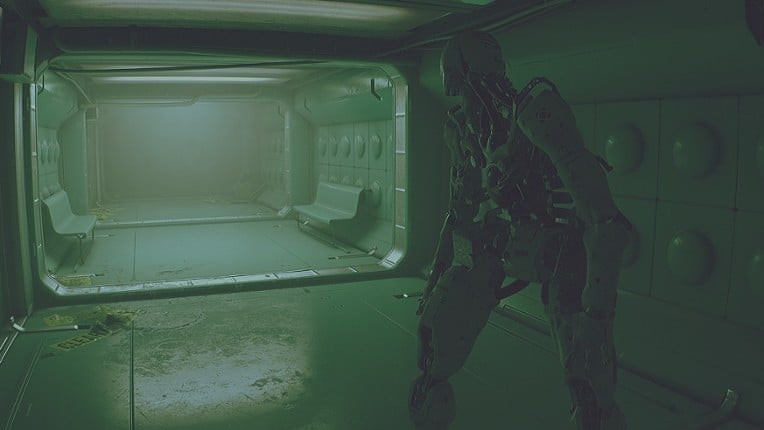
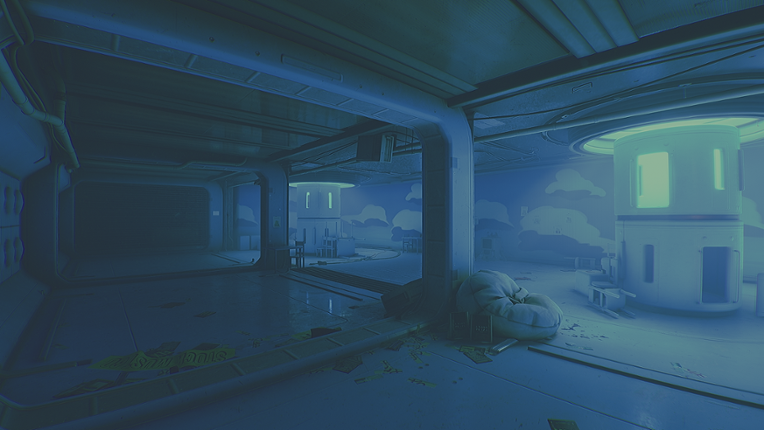
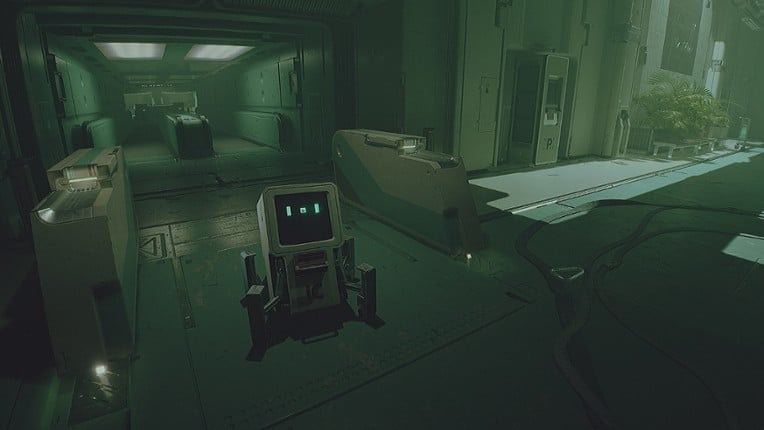
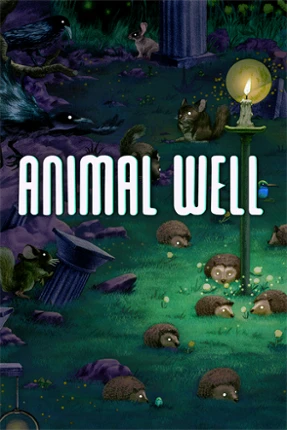
- 96%Game Brain ScoreMost mentioned positive aspects:gameplay, graphicsMost mentioned negative aspects:grinding, monetization96% User Score 17,548 reviews
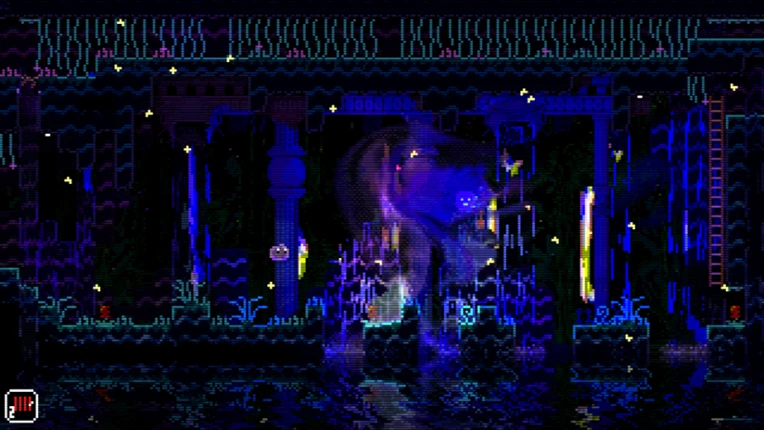
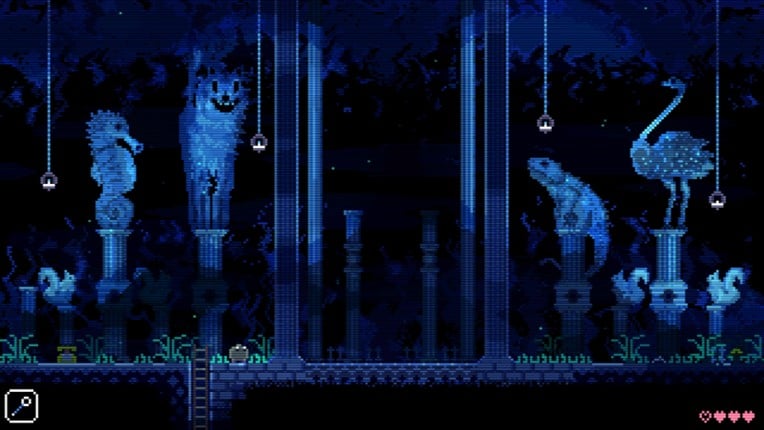
Hatch from your flower and spelunk through the beautiful and sometimes haunting world of Animal Well, a pixelated wonder rendered in intricate audio and visual detail. Encounter lively creatures small and large, helpful and ominous as you discover unconventional upgrades and unravel the well’s secrets. This is a truly unique experience that can make you laugh in fear, surprise, or delight If you enjoyed this game, see our list of games similar to ANIMAL WELL.
View Game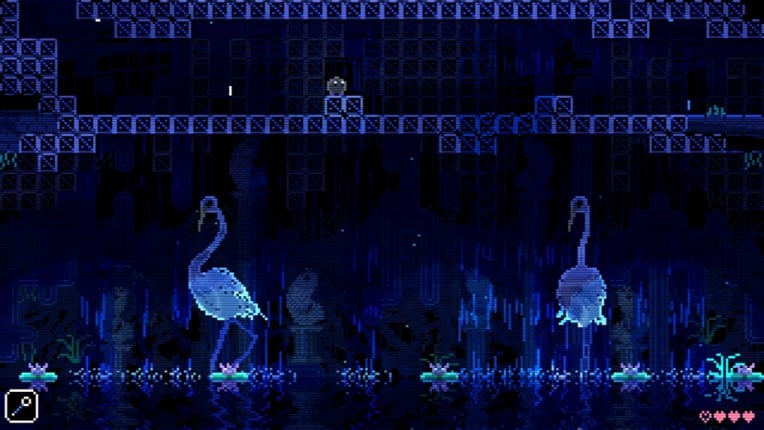
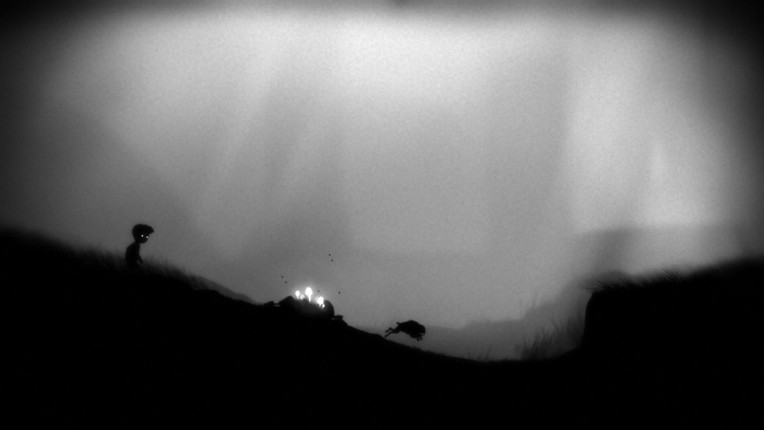
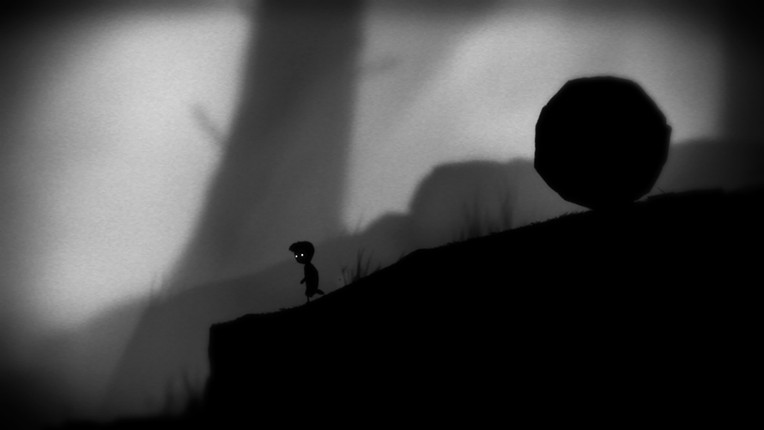
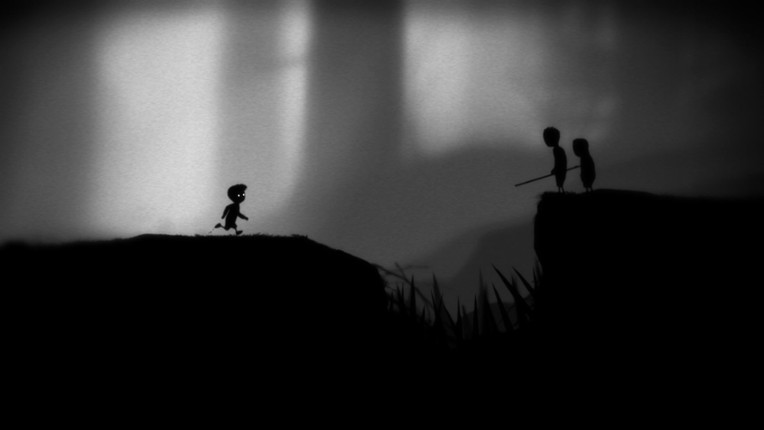
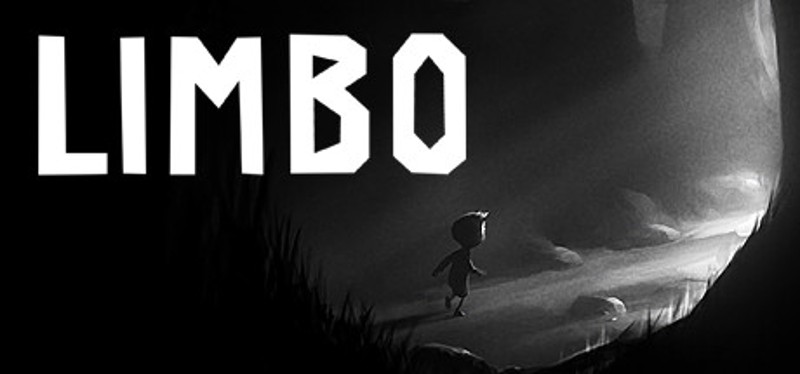
- 85%Game Brain ScoreMost mentioned positive aspects:atmosphere, storyMost mentioned negative aspects:replayability, grinding92% User Score 20,194 reviewsCritic Score 75%7 reviewsSwaps cosmic mystery for minimalist dread, delivering puzzle-platforming through a haunting monochrome world instead of first-person exploration. If you enjoyed this game, see our list of games similar to Limbo.View Game
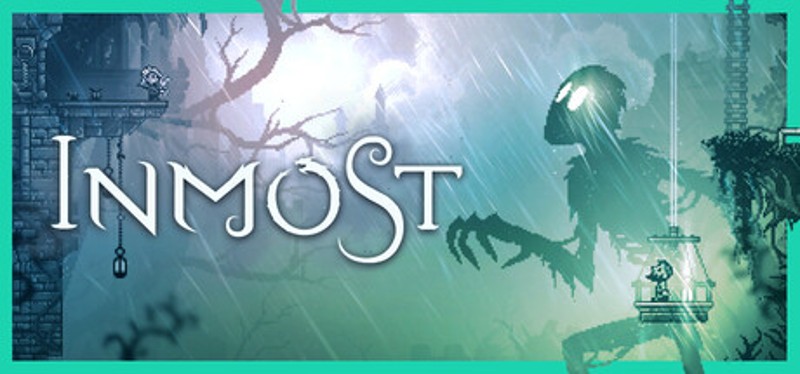
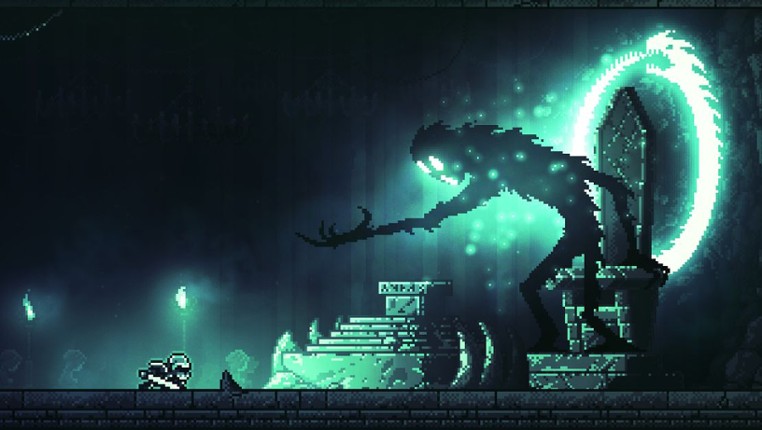
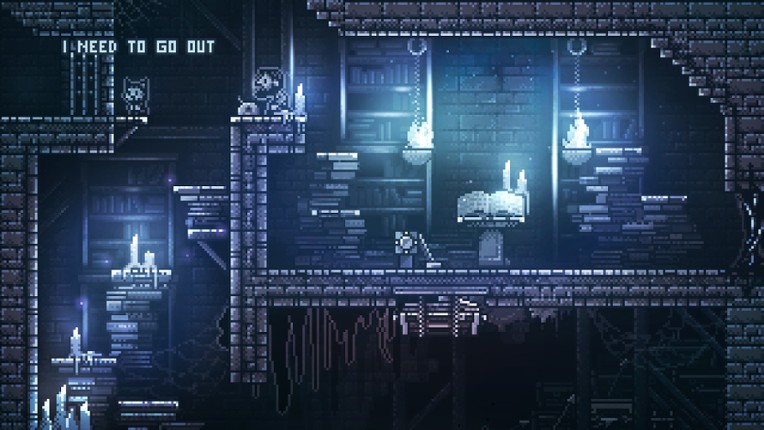
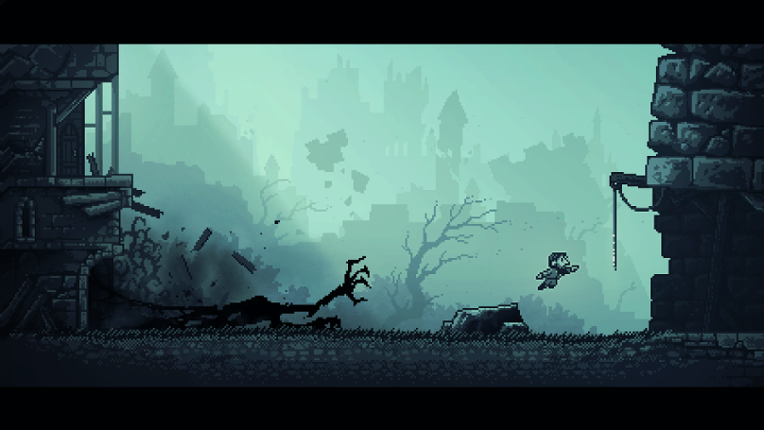
- 86%Game Brain ScoreMost mentioned positive aspects:story, gameplayMost mentioned negative aspects:grinding, replayability87% User Score 2,906 reviewsCritic Score 82%3 reviewsConveys mystery and psychological horror through pixel-art puzzle-platforming with cinematic storytelling, trading spacefaring scope for intimate personal trauma. If you enjoyed this game, see our list of games similar to INMOST.View Game
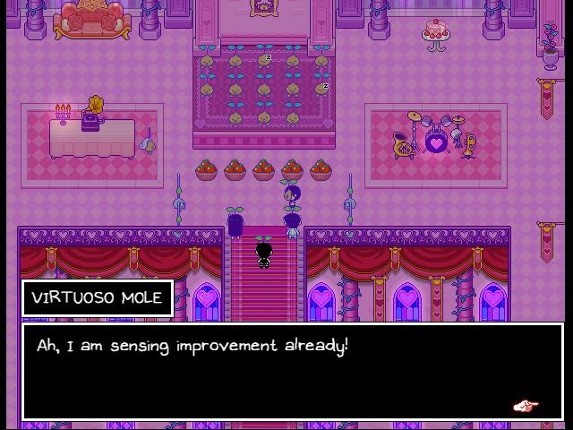
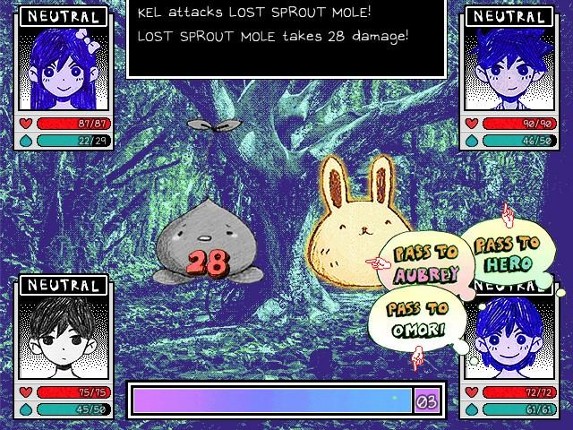
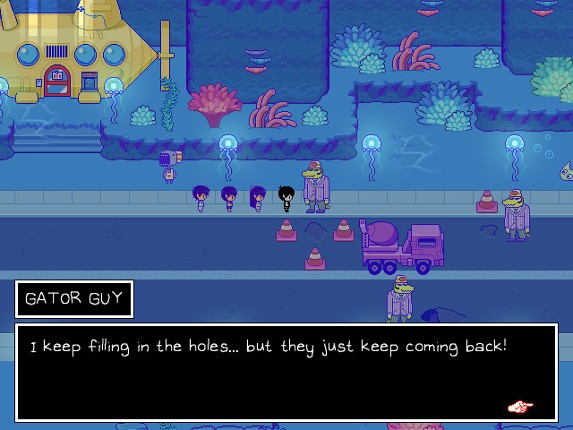
- 94%Game Brain ScoreMost mentioned positive aspects:story, emotionalMost mentioned negative aspects:grinding, stability98% User Score 94,700 reviewsCritic Score 83%2 reviewsCaptures psychological unease through pixel-art RPG combat and multiple endings rather than environmental puzzles, prioritizing emotional narrative over exploration. If you enjoyed this game, see our list of games similar to Omori.View Game
- 88%Game Brain ScoreMost mentioned positive aspects:story, emotionalMost mentioned negative aspects:stability, grinding98% User Score 10,186 reviewsCritic Score 79%15 reviews
A fateful meeting sets off a chain reaction, upending Mark's life. People disappear and memories prove unreliable. Uncover a hidden truth with Mark and his friends in this narrative adventure and race to unravel the mystery before it's too late. If you enjoyed this game, see our list of games similar to Until Then.
View Game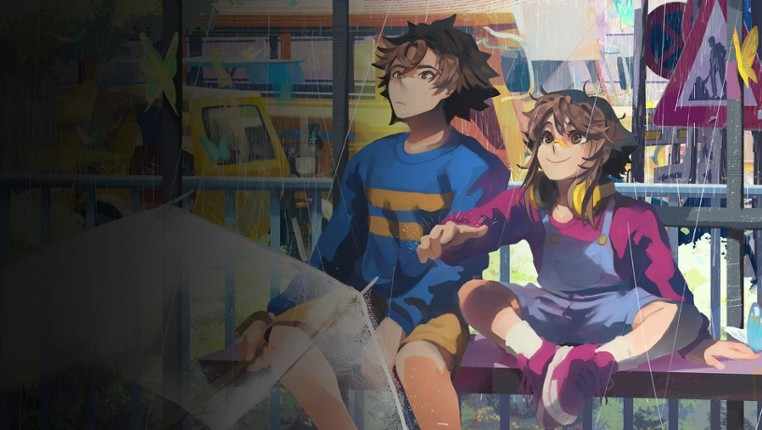

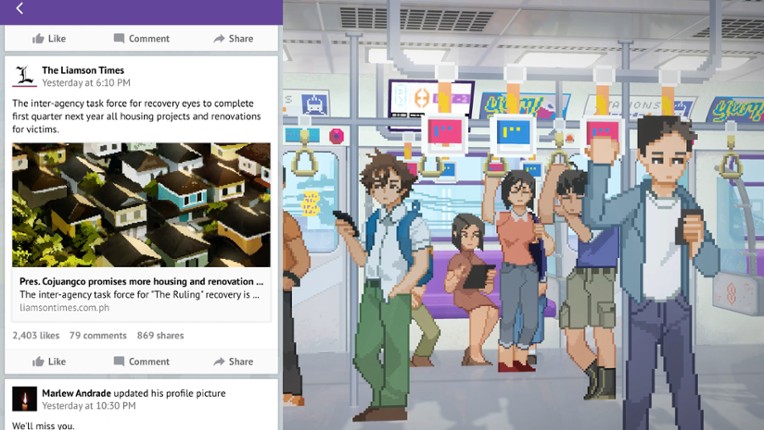
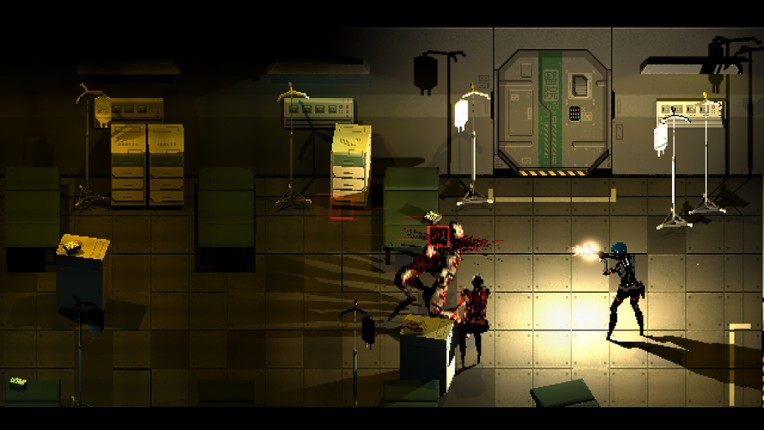
- 97%Game Brain ScoreMost mentioned positive aspects:story, gameplayMost mentioned negative aspects:grinding, stability97% User Score 27,696 reviewsSIGNALIS drops the open solar system for a claustrophobic cyberpunk horror, catering to fans of atmospheric survival scares over cosmic discovery. If you enjoyed this game, see our list of games similar to SIGNALIS.View Game
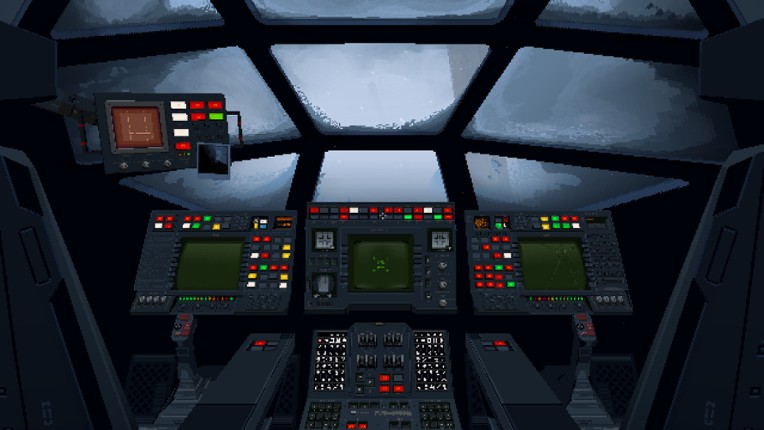
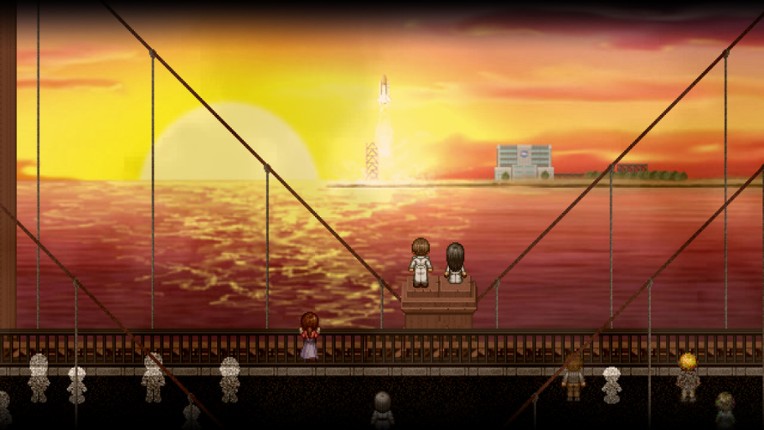
- 92%Game Brain ScoreMost mentioned positive aspects:story, musicMost mentioned negative aspects:replayability, grinding96% User Score 35,756 reviewsCritic Score 83%4 reviewsThough lacking open exploration, this heart-wrenching tale prioritizes intimate character memories and emotional catharsis over the mechanical puzzle-solving found in deep space. If you enjoyed this game, see our list of games similar to To the Moon.View Game


32 View Game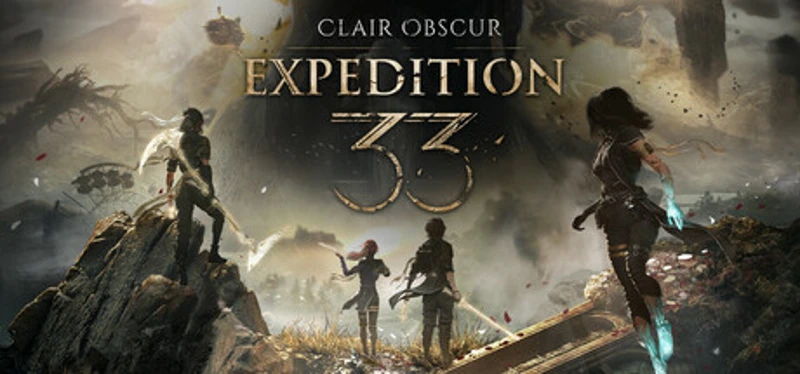 View Game97%Game Brain ScoreMost mentioned positive aspects:story, musicMost mentioned negative aspects:grinding, stability97% User Score 124,463 reviews
Lead the members of Expedition 33 on their quest to destroy the Paintress so that she can never paint death again. Explore a world of wonders inspired by Belle Époque France and battle unique enemies in this turn-based RPG with real-time mechanics. If you enjoyed this game, see our list of games similar to Clair Obscur: Expedition 33.
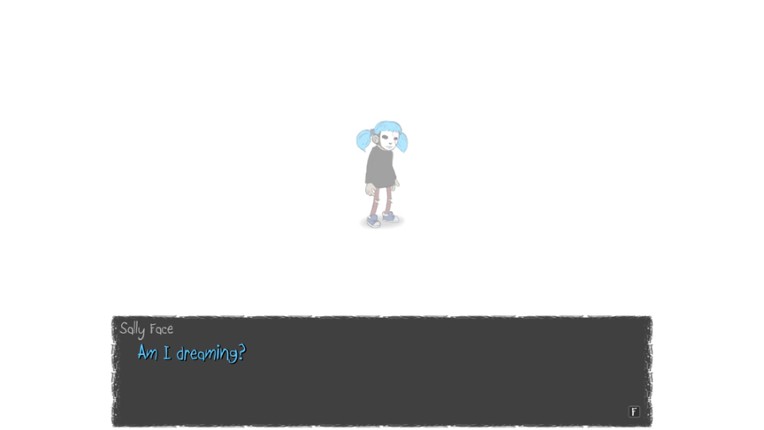
- 97%Game Brain ScoreMost mentioned positive aspects:story, graphicsMost mentioned negative aspects:grinding, stability97% User Score 14,426 reviewsIn place of grand scientific discovery, examine the fractured, haunting memories of a troubled individual through a dark, emotionally intense 2D narrative lens. If you enjoyed this game, see our list of games similar to Sally Face.View Game
- 67%Game Brain ScoreMost mentioned positive aspects:music, graphicsMost mentioned negative aspects:grinding, stability95% User Score 31,608 reviewsCritic Score 7%4 reviews
Gris is a hopeful young girl lost in her own world. If you enjoyed this game, see our list of games similar to GRIS.
View Game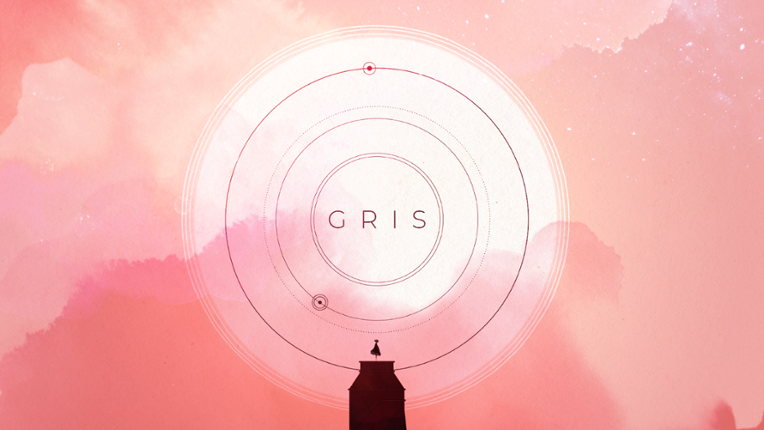
- 83%Game Brain ScoreMost mentioned positive aspects:gameplay, storyMost mentioned negative aspects:stability, grinding94% User Score 16,880 reviewsCritic Score 61%4 reviews
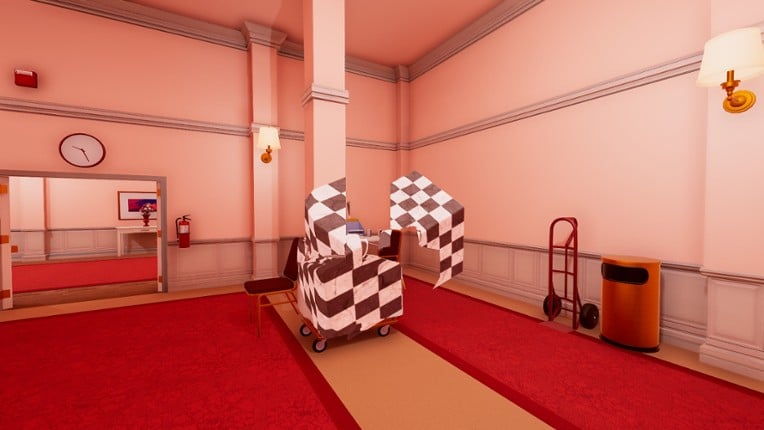
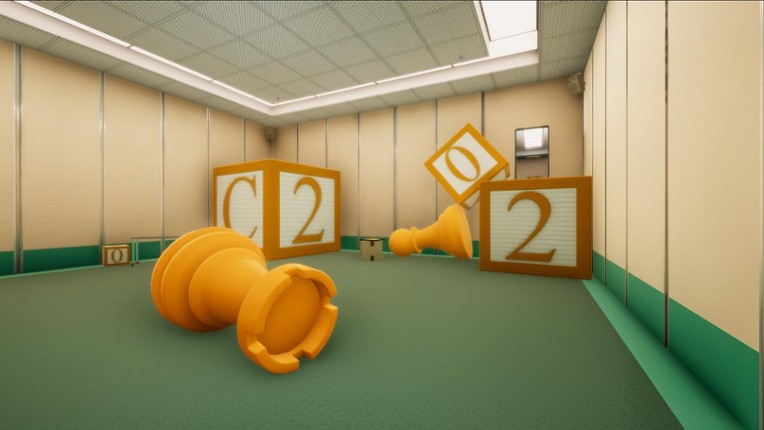
Mind-bending Optical Puzzles If you enjoyed this game, see our list of games similar to Superliminal.
View Game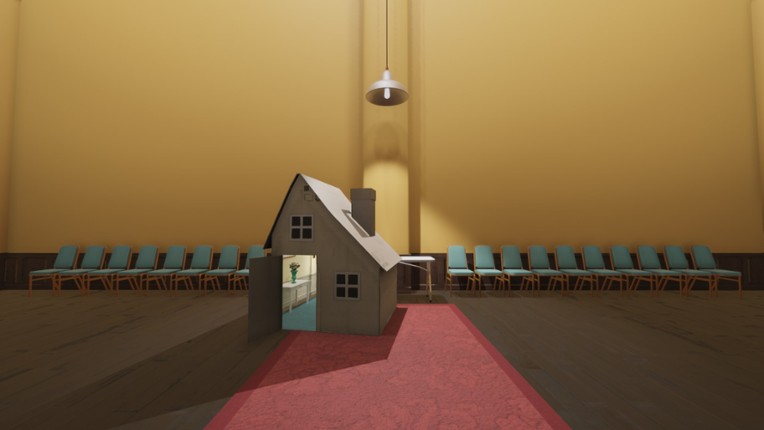
36 View Game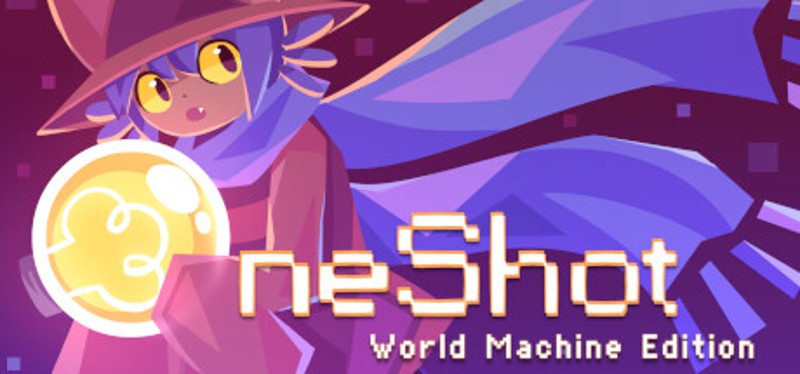 99%Game Brain ScoreMost mentioned positive aspects:story, emotionalMost mentioned negative aspects:grinding, replayability99% User Score 2,438 reviews
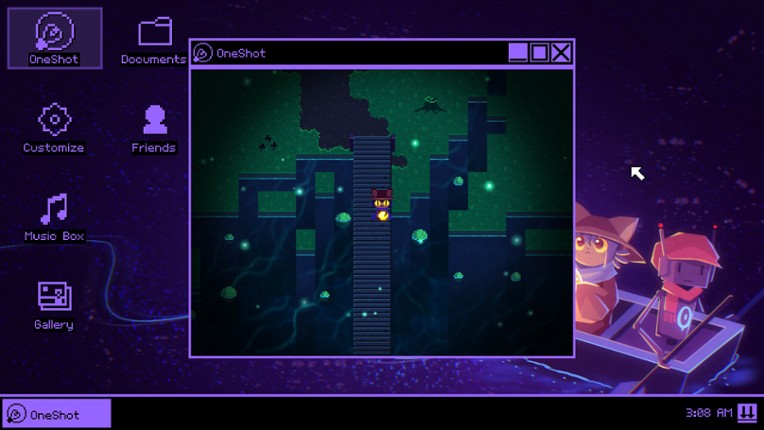
A rebuilt version of the acclaimed puzzle adventure game, now playable on Steam Deck and Windows! OneShot, one of the highest user-rated titles on Steam, has been completely rebuilt for modern portable consoles. With an entirely new engine, new UI, new hidden collectibles, support for more platforms, and more, OneShot WME features world-bending puzzles, intriguing denizens, surreal environments… If you enjoyed this game, see our list of games similar to OneShot: World Machine Edition.
View Game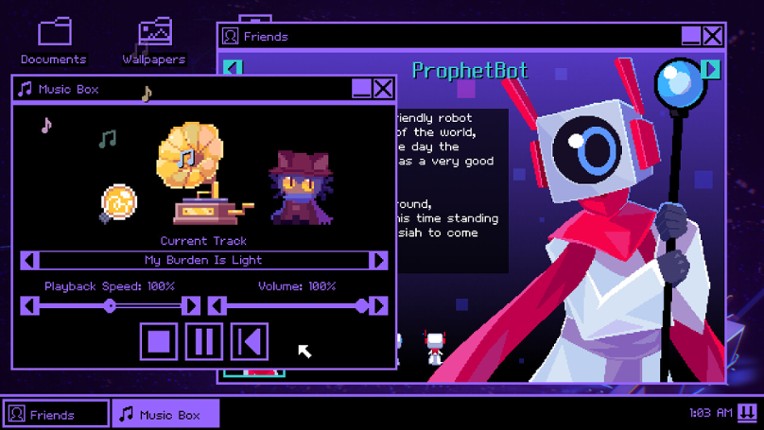
- 95%Game Brain ScoreMost mentioned positive aspects:story, musicMost mentioned negative aspects:stability, grinding95% User Score 75,297 reviews
PURCHASE LIFE IS STRANGE 2 NOW Play Free Reviews and Accolades5/5 "A must-have." - The Examiner 5/5 "Something truly special." - International Business Times "One of the best games I've played in years." - Forbes 10/10 "An impressive coming of age story." - Darkzero 8/10 "Rare and precious." - Edge 8.5/10 "OUTSTANDING." - GameInf… If you enjoyed this game, see our list of games similar to Life is Strange - Episode 1.
View Game
- 94%Game Brain ScoreMost mentioned positive aspects:story, gameplayMost mentioned negative aspects:grinding, stability94% User Score 3,144 reviews
"I need a Heart in order to open it" Imscared is a metahorror game that protagonizes the player, putting him in a surreal first-person experience. Find keys, open doors and search for the exit to this nightmare. But I need to let you know, it will try to deceive You as many times as it can. If you enjoyed this game, see our list of games similar to Imscared.
View Game
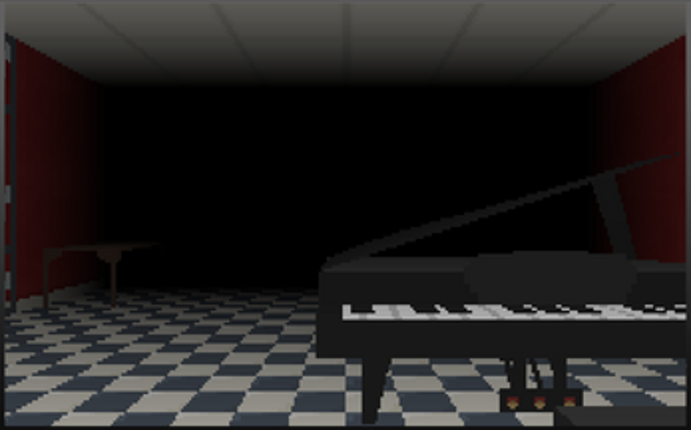
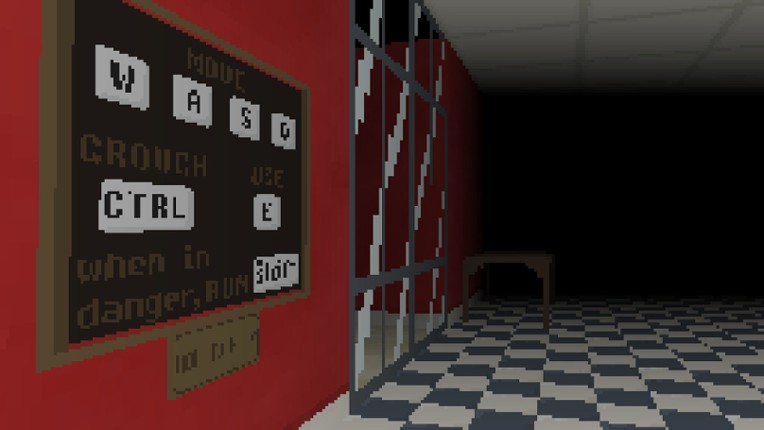
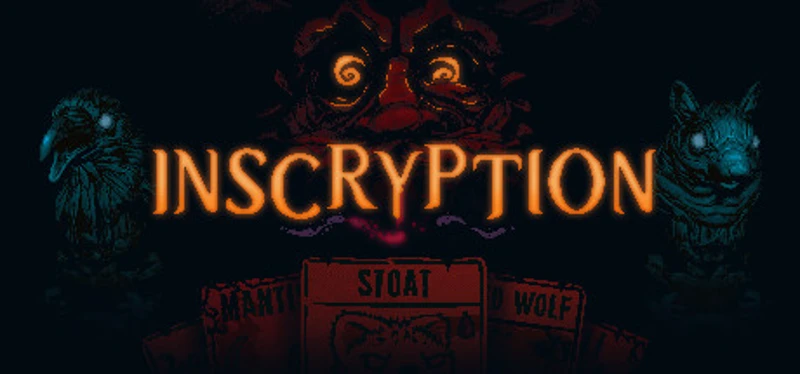
- 92%Game Brain ScoreMost mentioned positive aspects:story, gameplayMost mentioned negative aspects:grinding, monetization97% User Score 131,036 reviewsCritic Score 86%39 reviewsCombines Outer Wilds' mystery and psychological depth with dark horror and deckbuilding, perfect for players seeking unsettling story-rich puzzle action. If you enjoyed this game, see our list of games similar to Inscryption.View Game
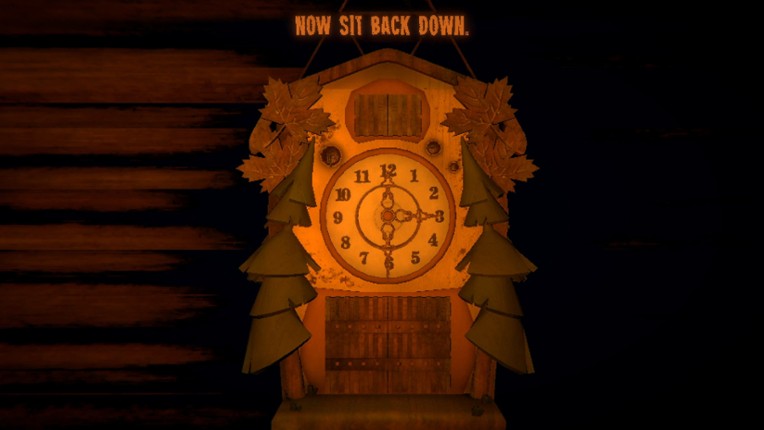
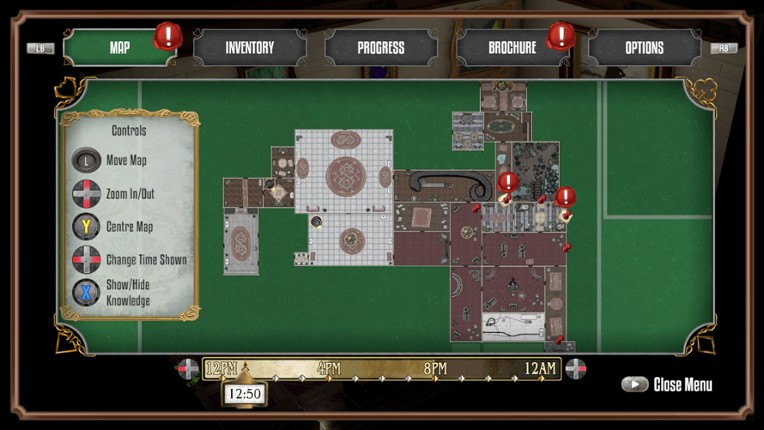
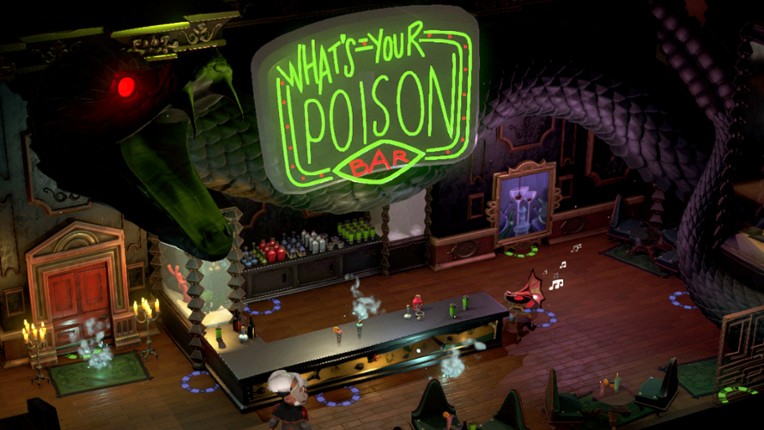
- 91%Game Brain ScoreMost mentioned positive aspects:story, musicMost mentioned negative aspects:replayability, optimization91% User Score 3,600 reviews
The Sexy Brutale — a never-ending masked ball featuring intrigue, murder and the (quite possibly) occult! Relive the same mysterious day where the guests at the casino mansion are being murdered by the staff over and over again. If you enjoyed this game, see our list of games similar to The Sexy Brutale.
View Game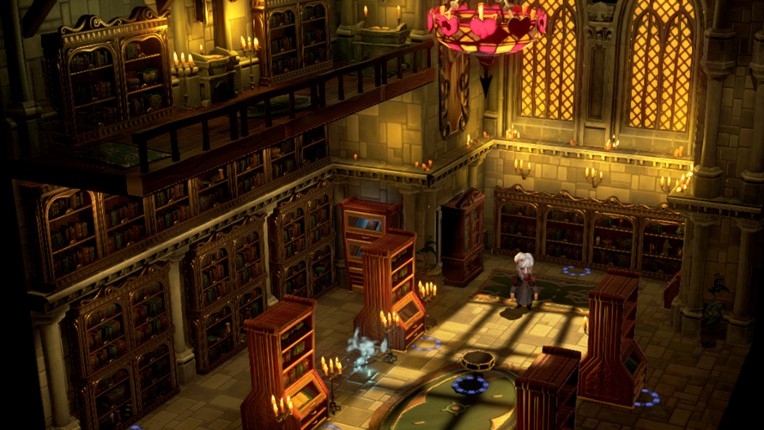
- 75%Game Brain ScoreMost mentioned positive aspects:atmosphere, graphicsMost mentioned negative aspects:story, grinding75% User Score 2,018 reviewsCritic Score 80%1 reviews
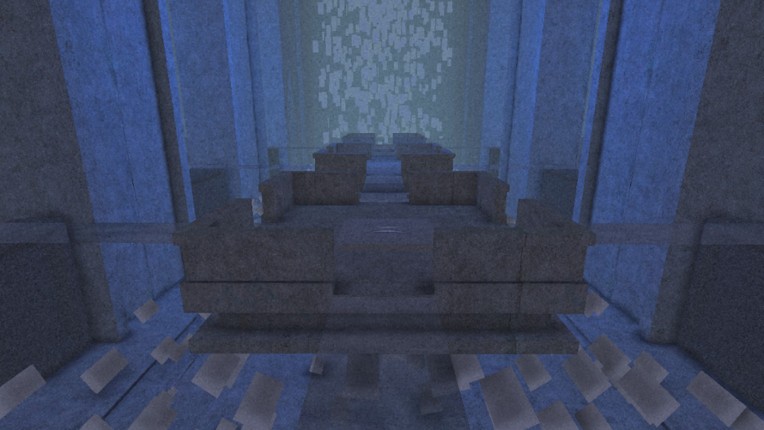
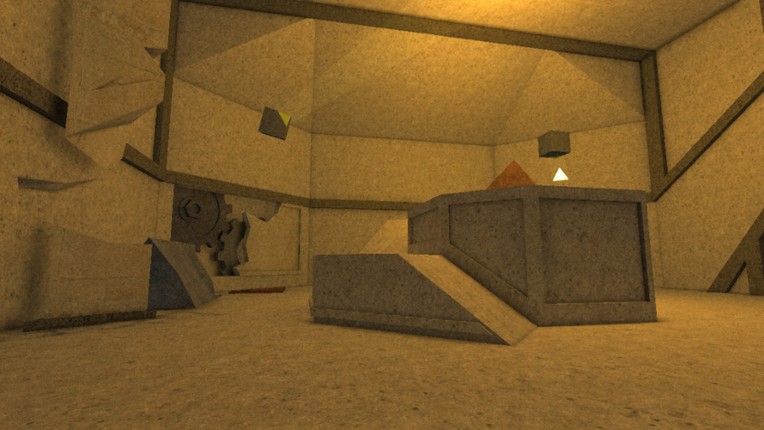
Enter the lost world of Kairo. Explore vast abandoned monuments. Bring strange and ancient machinery back to life. Slowly uncover the true purpose of Kairo and fulfil a great destiny. Kairo is an atmospheric 3D exploration and puzzle solving game. Developed by Richard Perrin the creator of the white chamber with music by Wounds (Bartosz Szturgiewicz). If you enjoyed this game, see our list of games similar to Kairo.
View Game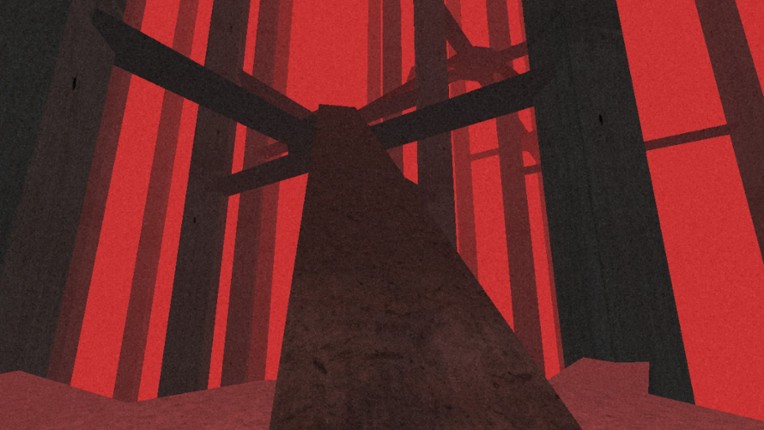
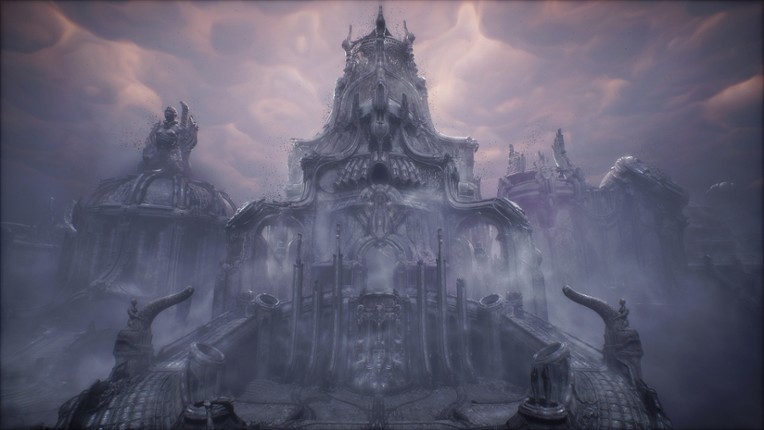
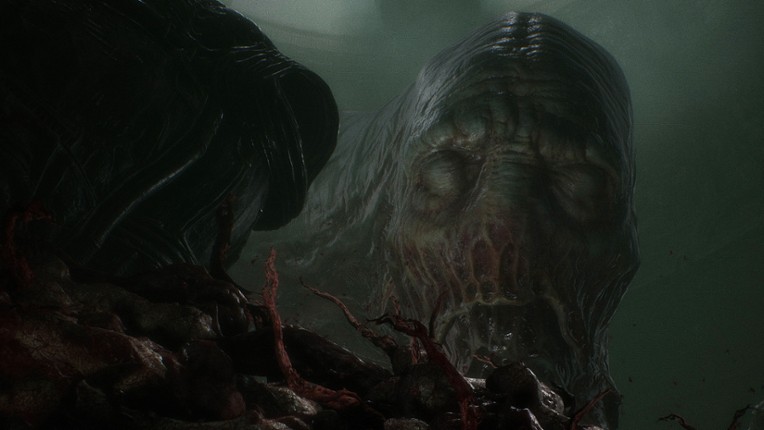
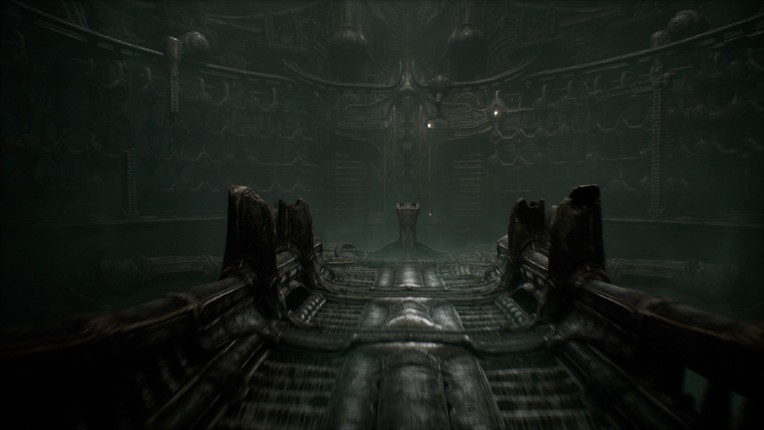
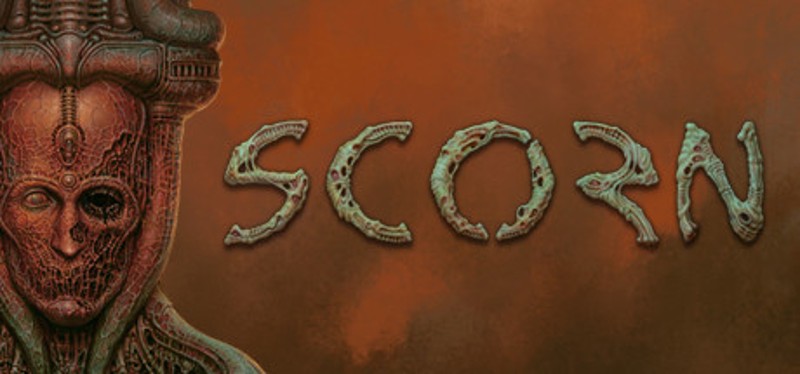
- 72%Game Brain ScoreMost mentioned positive aspects:story, graphicsMost mentioned negative aspects:grinding, replayability75% User Score 10,416 reviewsCritic Score 65%5 reviewsDives deeper into disturbing Lovecraftian horror with dark, surreal environments and a greater emphasis on psychological terror than Outer Wilds' space wonder. If you enjoyed this game, see our list of games similar to Scorn.View Game
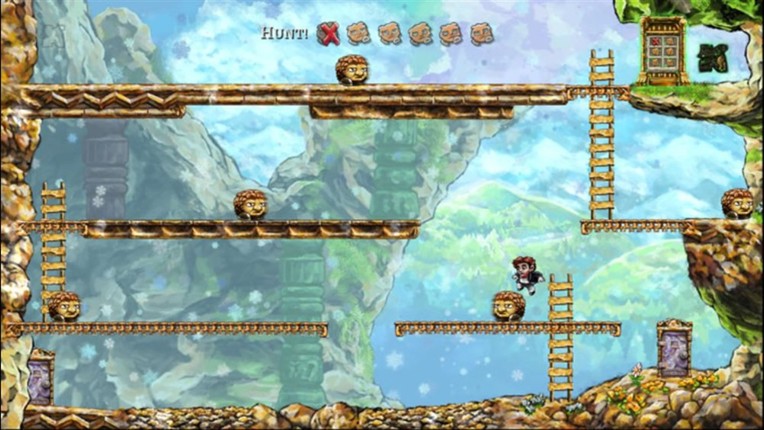
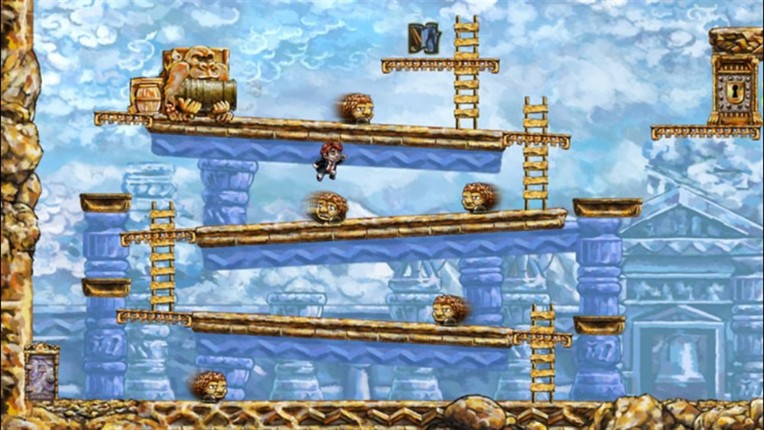
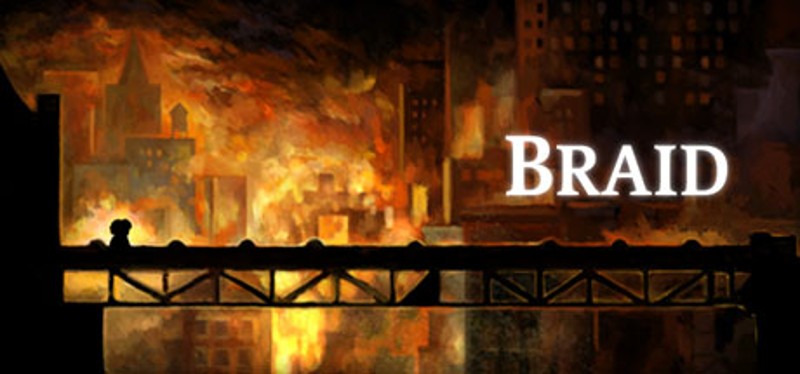
- 92%Game Brain ScoreMost mentioned positive aspects:gameplay, storyMost mentioned negative aspects:grinding, stability92% User Score 5,517 reviewsCritic Score 95%2 reviewsChannels intellectual wonder into time-manipulation puzzle-platforming with beautiful 2D design, condensing Outer Wilds' cosmic philosophy into bite-sized challenges. If you enjoyed this game, see our list of games similar to Braid.View Game
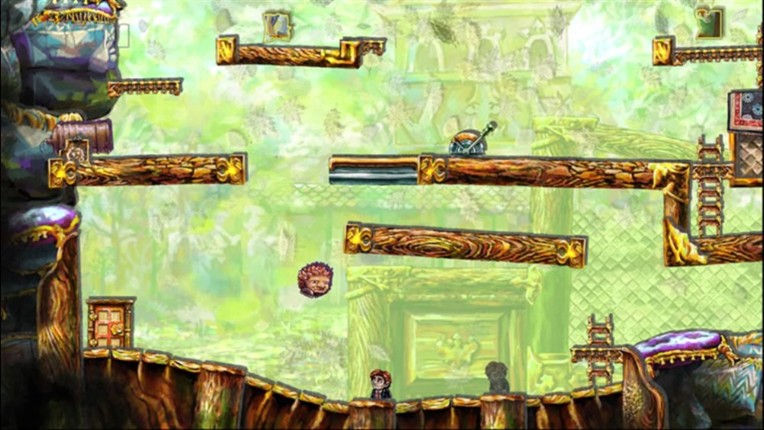
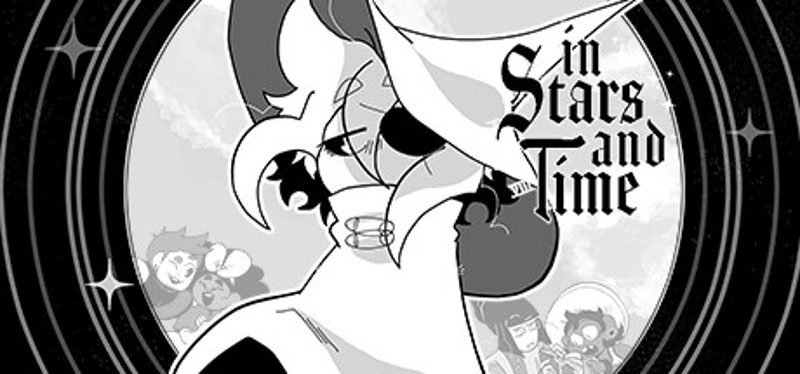
- 89%Game Brain ScoreMost mentioned positive aspects:story, emotionalMost mentioned negative aspects:grinding, stability97% User Score 7,929 reviewsCritic Score 81%15 reviewsInjects time travel and turn-based combat into atmospheric storytelling, blending psychology and fantasy with pixel art, diverging from Outer Wilds' real-time space exploration. If you enjoyed this game, see our list of games similar to In Stars And Time.View Game
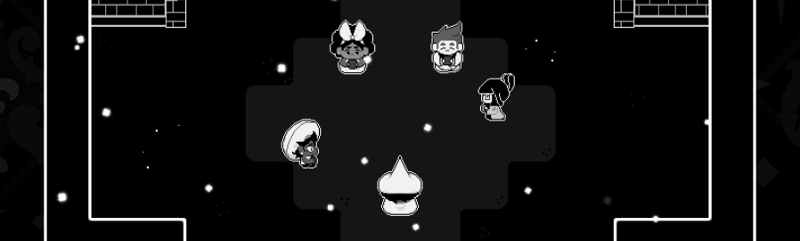
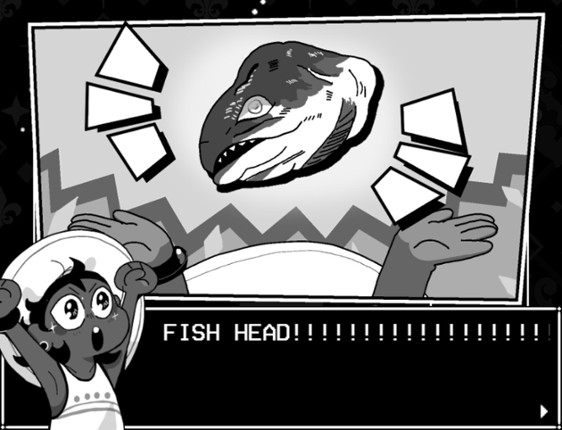
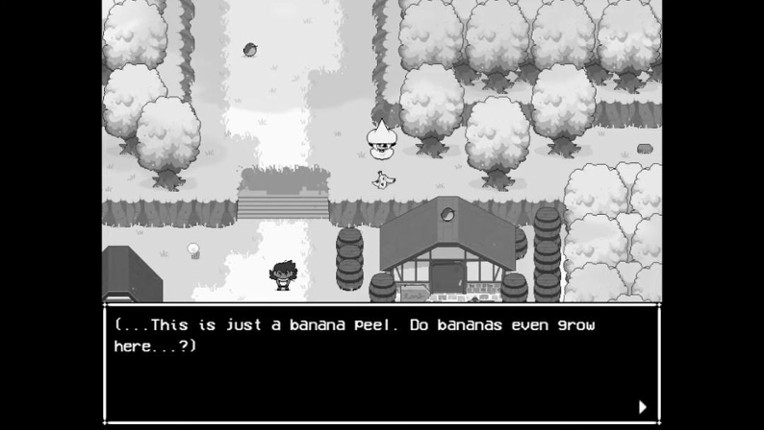
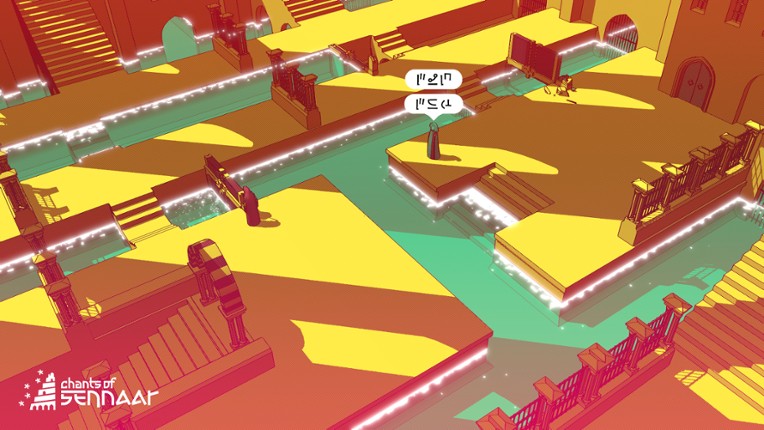
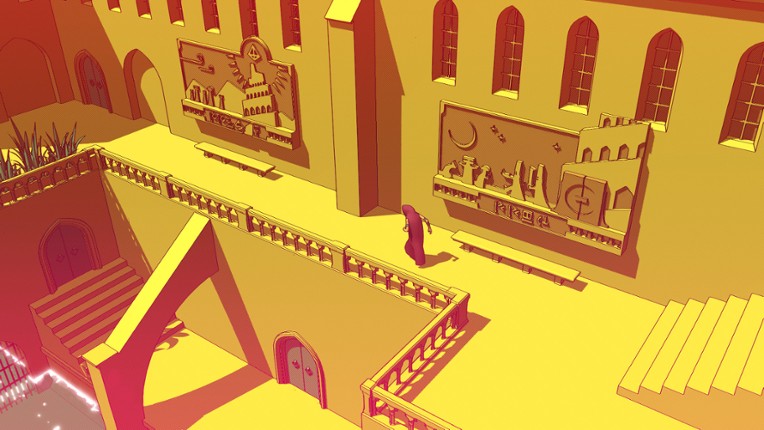
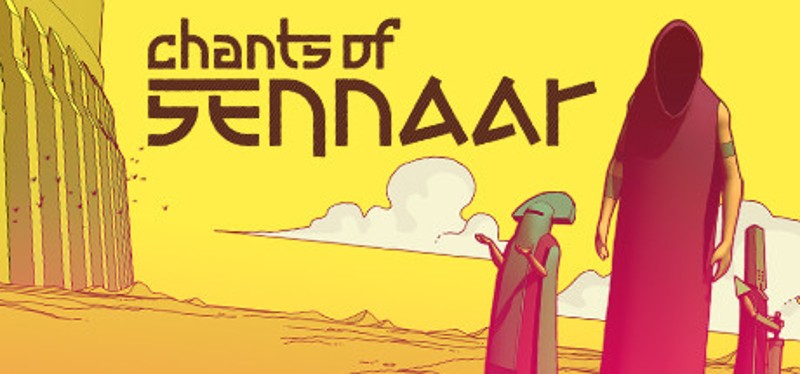
- 95%Game Brain ScoreMost mentioned positive aspects:story, gameplayMost mentioned negative aspects:grinding, replayability98% User Score 14,631 reviewsCritic Score 80%1 reviewsSwap the space-faring exploration for a linguistic mystery where decoding an ancient, silent language replaces the focus on physical navigation and physics. If you enjoyed this game, see our list of games similar to Chants of Sennaar.View Game

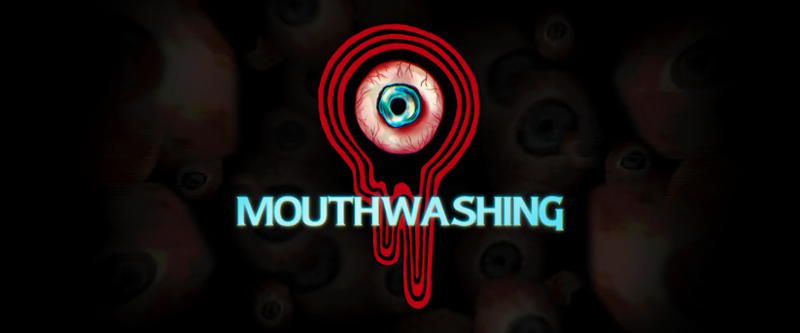
- 96%Game Brain ScoreMost mentioned positive aspects:story, graphicsMost mentioned negative aspects:grinding, replayability96% User Score 24,134 reviewsFocus on the claustrophobia of a doomed vessel instead of cosmic wonder, centering the experience on psychological trauma rather than open-ended environmental exploration. If you enjoyed this game, see our list of games similar to Mouthwashing.View Game

- 95%Game Brain ScoreMost mentioned positive aspects:atmosphere, gameplayMost mentioned negative aspects:grinding, stability95% User Score 1,765 reviews
Dead Letter Dept. is a short horror game mystery experience, where you use your computer keyboard to type in various prompts, and attempt to decipher damaged images as oddities begin to appear. If you enjoyed this game, see our list of games similar to DEAD LETTER DEPT..
View Game
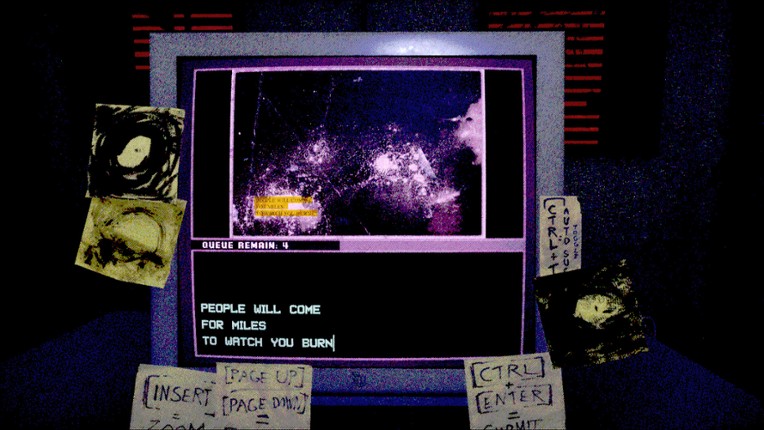
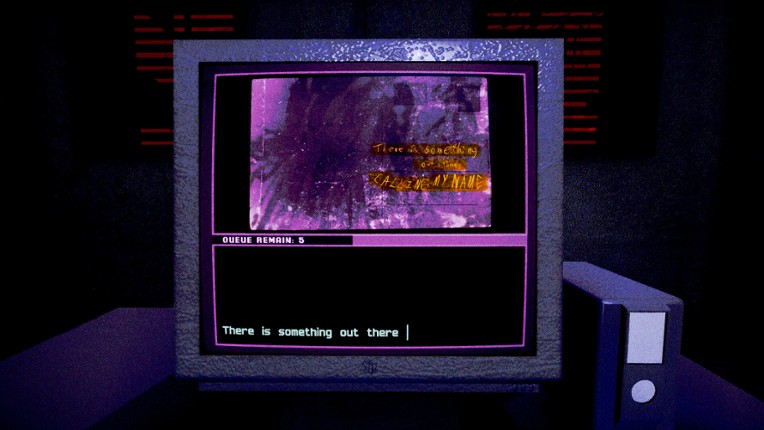
- 94%Game Brain ScoreMost mentioned positive aspects:gameplay, storyMost mentioned negative aspects:stability, grinding94% User Score 11,345 reviewsWhile the connection is looser, this brief, surreal vignette strips away the extensive lore to prioritize a singular, atmospheric dream-like puzzle experience. If you enjoyed this game, see our list of games similar to The Escape Artist.View Game
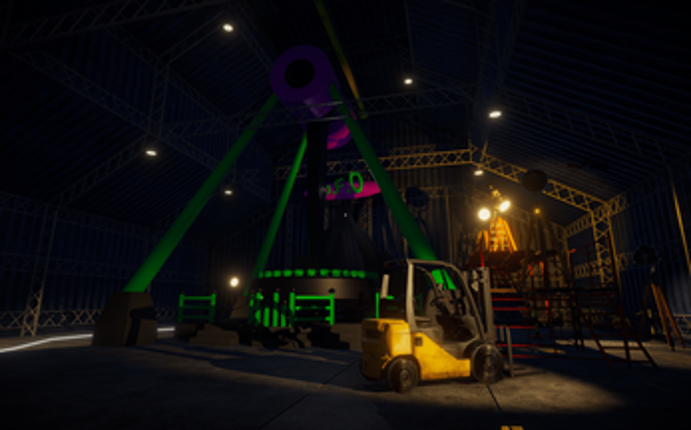
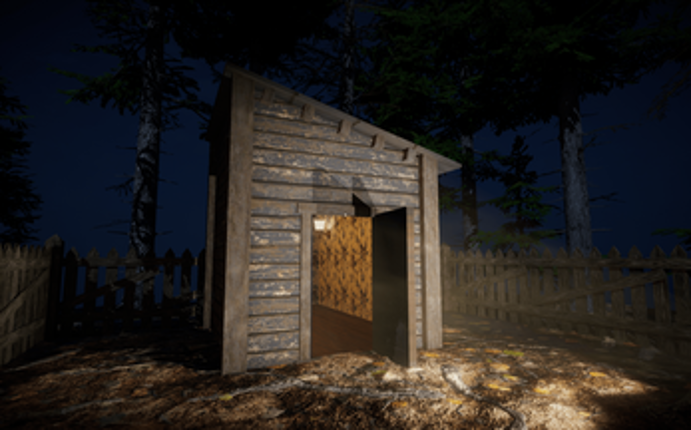
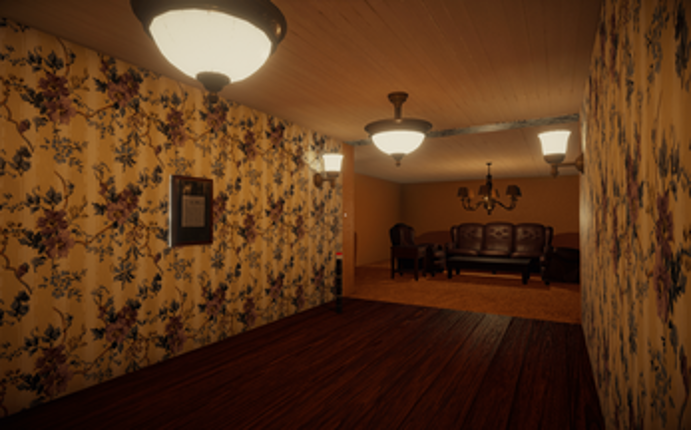
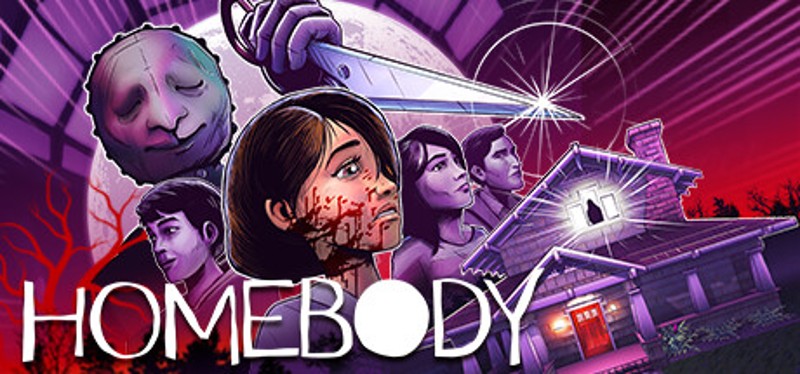
- 94%Game Brain ScoreMost mentioned positive aspects:story, gameplayMost mentioned negative aspects:grinding, music94% User Score 1,048 reviewsShift from celestial time loops to a localized, looping domestic nightmare where escape room mechanics dictate survival against an unseen, persistent threat. If you enjoyed this game, see our list of games similar to Homebody.View Game
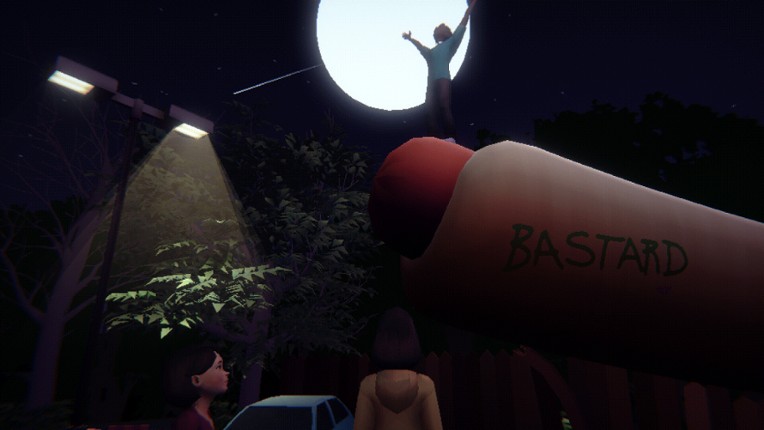
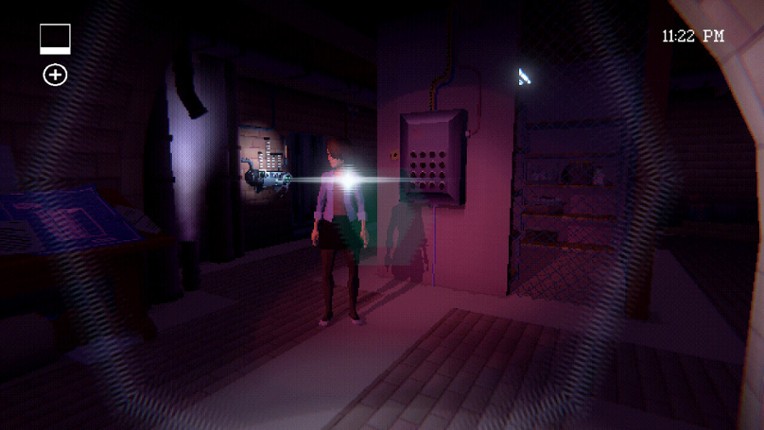
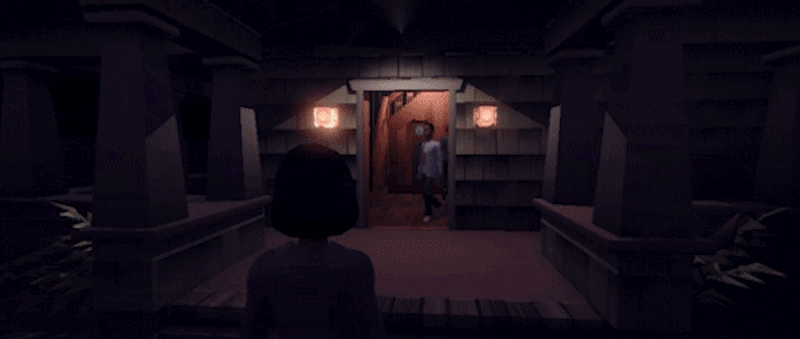
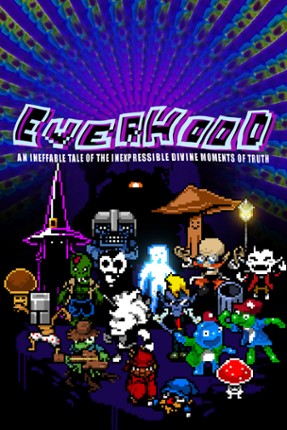
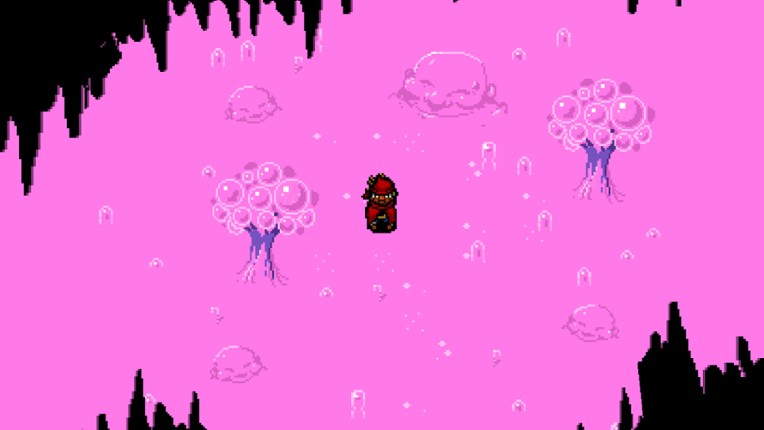
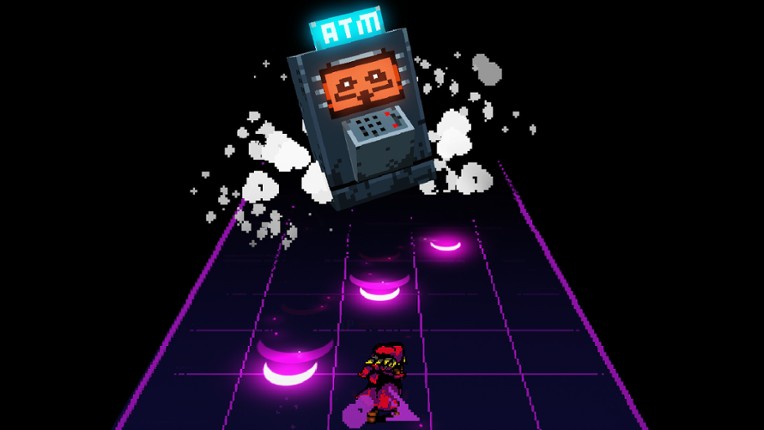
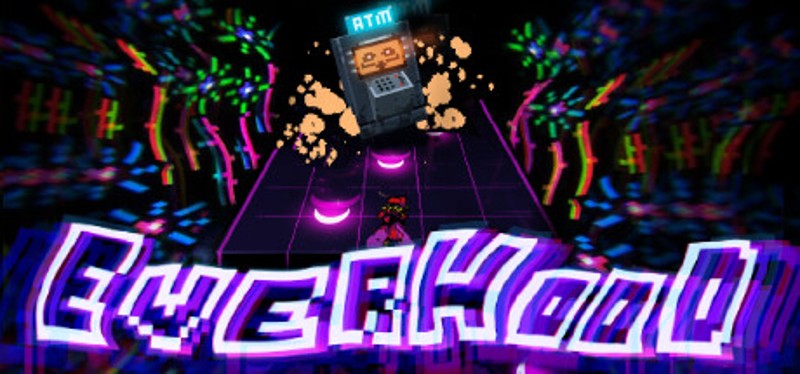
- 89%Game Brain ScoreMost mentioned positive aspects:music, storyMost mentioned negative aspects:grinding, stability96% User Score 14,960 reviewsCritic Score 82%11 reviewsCondenses mystery and sci-fi into a short, surreal action experience that trades methodical exploration for rhythmic gameplay and cryptic storytelling. If you enjoyed this game, see our list of games similar to Everhood.View Game


 View Game




































Frequently Asked Questions
The Witness mirrors Outer Wilds' open-world exploration with environmental puzzles across a gorgeous island. FEZ rewards curiosity with a 2D world hiding 3D secrets, while TUNIC combines exploration with discovery-based progression. All three share that sense of unraveling mysteries through patient observation and lateral thinking.
The Talos Principle features escalating first-person puzzles with philosophical depth. Void Stranger combines sokoban mechanics with cryptic storytelling, rewarding those who explore every corner. FEZ uses perspective rotation and cryptography to create multi-layered puzzles. Each demands creative problem-solving over reflexes.
What Remains of Edith Finch delivers narrative innovation through vignettes exploring loss and memory. The Forgotten City weaves a compelling time-loop mystery set in ancient Rome with meaningful character choices. Return of the Obra Dinn combines detective work with an intricate, twist-filled narrative. All prioritize story as richly as Outer Wilds does.
Void Stranger blends puzzle gameplay with psychological horror and LGBTQ+ narrative depth. Return of the Obra Dinn uses noir atmosphere and a haunting monochrome art style to create mystery. The Forgotten City explores darker themes within its time-loop framework. Each maintains an eerie, contemplative tone throughout.
All top recommendations—The Witness, TUNIC, FEZ, and The Talos Principle—are available on PC with exceptional soundtracks. Each features composers who enhance immersion: FEZ's Disasterpeace creates atmospheric bliss, while The Witness and The Talos Principle deliver thought-provoking scores. Soundtrack quality rivals Outer Wilds across the board.
FEZ, TUNIC, and Void Stranger are all indie titles priced under $20, offering dozens of hours of exploration and puzzles. The Forgotten City started as a free mod before becoming a full indie game. These deliver Outer Wilds-level depth and atmosphere without premium pricing or aggressive monetization.