

Games like Raft
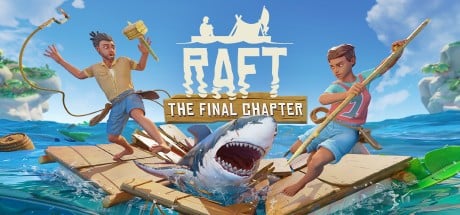
If Raft has you hooked on the loop of scavenging floating debris, expanding your base, and fending off shark attacks while the ocean stretches endlessly around you, you already know the feeling you're chasing. The search for games like Raft is really a search for that same blend of open-world survival, first-person crafting, and creative building — ideally with co-op friends alongside you. The good news: there are some genuinely excellent alternatives worth your time.
What makes Raft special is how tightly it weaves its core systems together. Resource gathering feeds into crafting, crafting feeds into base building, and base building unlocks new ways to survive and explore — all wrapped in a distinct aquatic setting with underwater diving and a surprising amount of story. It rewards both the methodical builder and the curious explorer, works beautifully solo or in co-op, and delivers real atmosphere through its visuals and soundtrack. That's a specific combination players want to find again.
What Makes a Good Alternative to Raft?
- Open-world survival crafting — The heart of Raft's loop is gathering, crafting, and surviving in a hostile open world. The best alternatives share this structure, giving players agency over how they progress rather than funneling them through rigid missions.
- Base building with creative freedom — Raft's expanding platform is as much a creative project as a survival tool. Strong alternatives let you design and upgrade a home base that reflects your playstyle and investment of time.
- Co-op multiplayer support — Much of Raft's appeal lives in playing alongside friends. The closest alternatives offer robust co-op modes where collaboration actually changes how you play, not just how many people are on screen.
- Atmosphere built through environment and soundtrack — Players consistently praise Raft's mood. The best alternatives use lighting, sound design, and world-building to create a sense of place that makes survival feel meaningful rather than mechanical.
- Exploration rewarded with story and discovery — Raft's islands and narrative breadcrumbs keep curiosity alive. Good alternatives balance survival pressure with genuine reasons to venture out and see what's over the horizon.
Top Picks If You Enjoyed Raft
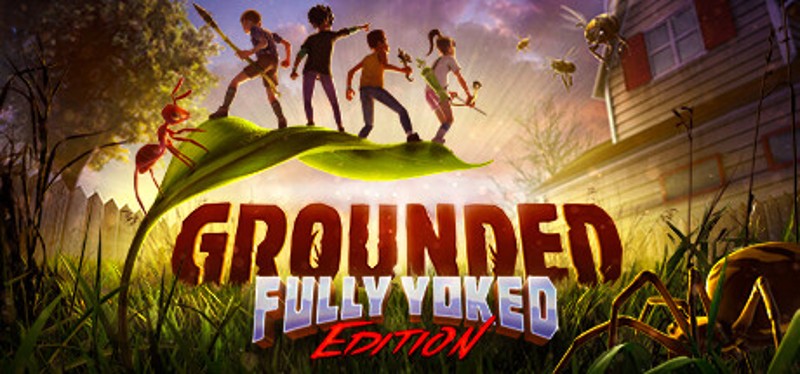
Sons of the Forest delivers tense forest survival with stunning atmosphere and strong co-op. Valheim offers deep crafting and building wrapped in Norse mythology with excellent multiplayer. Grounded nails the co-op survival loop in a brilliantly scaled backyard world. Green Hell pushes realistic jungle survival mechanics as far as they'll go. Core Keeper brings a more relaxed crafting and exploration rhythm perfect for co-op sessions.
Every game below has been ranked by similarity to Raft using player data, so the closest matches appear first. Browse the full list to find exactly the experience you're after.
- 86%Game Brain ScoreMost mentioned positive aspects:story, gameplayMost mentioned negative aspects:stability, grinding92% User Score 65,944 reviewsCritic Score 79%27 reviews
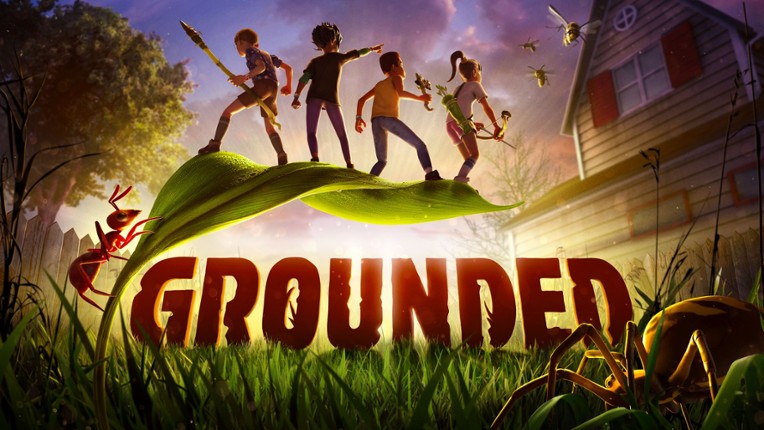
Both games force you to expand a tiny, fragile home base using recycled debris while navigating a world where you are drastically outmatched by the local fauna. This desperate scavenging loop requires the same constant vigilance needed when snatching floating junk from the ocean, only here the sea is replaced by a dense forest of grass.
You will find the same intricate base-building and resource-management systems where humble scrap eventually becomes a high-tech fortress. This progression creates a familiar satisfaction because it rewards your spatial planning with tangible safety, turning a lethal landscape into a manageable resource farm.
While both titles involve a significant grind, Grounded offers a more structured RPG progression to focus your efforts. Instead of drifting toward distant signals, you navigate a vertically dense world filled with tiered combat and meaningful gear upgrades.
Best for survivalists who want to trade the open horizon for deep, narrative-driven exploration.
If you enjoyed this game, see our list of games similar to Grounded.View Game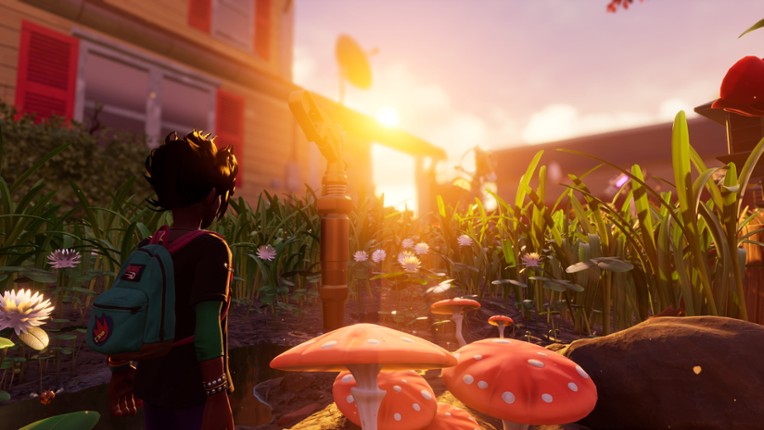
- 86%Game Brain ScoreMost mentioned positive aspects:gameplay, graphicsMost mentioned negative aspects:grinding, optimization86% User Score 2,120 reviews
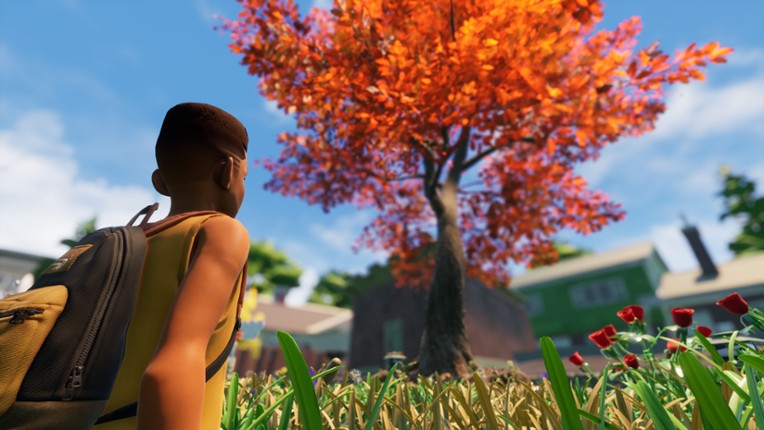
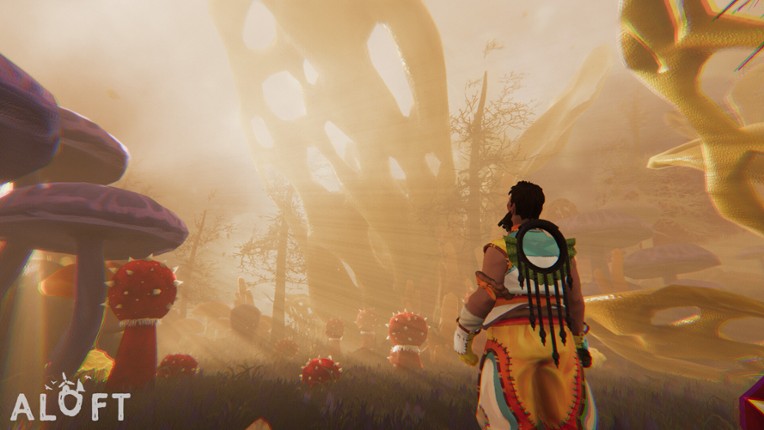
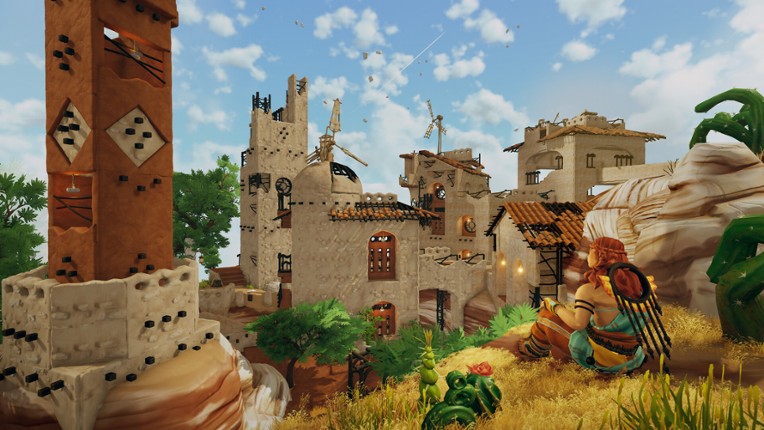
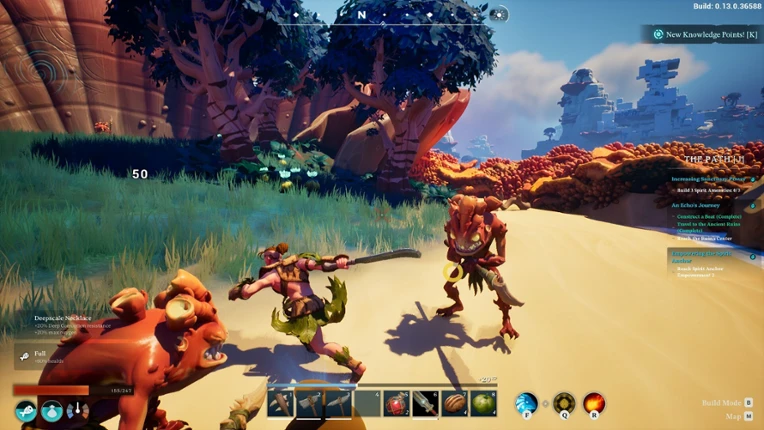
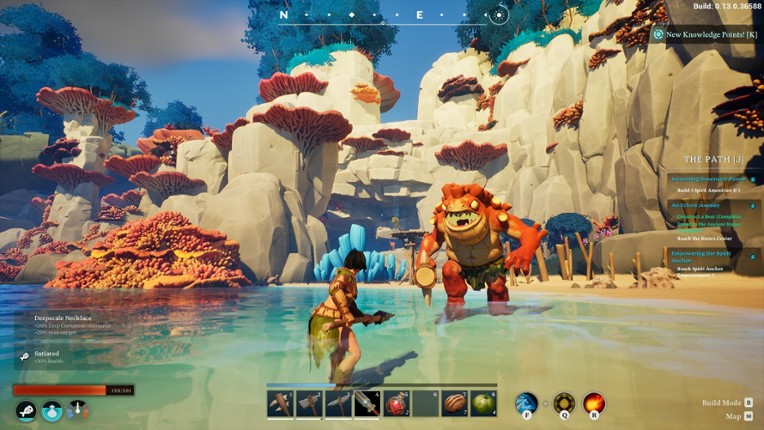
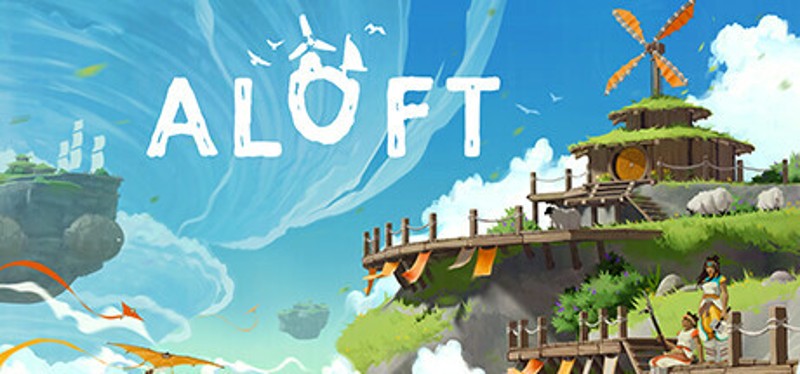
Soar the skies in Aloft, the co-op sandbox survival game set in a world of floating islands. Build any island into a skyship, your home in the clouds. Find lost knowledge, cure the fungal corruption, and brave the hurricane to restore the ecosystem. If you enjoyed this game, see our list of games similar to Aloft.
View Game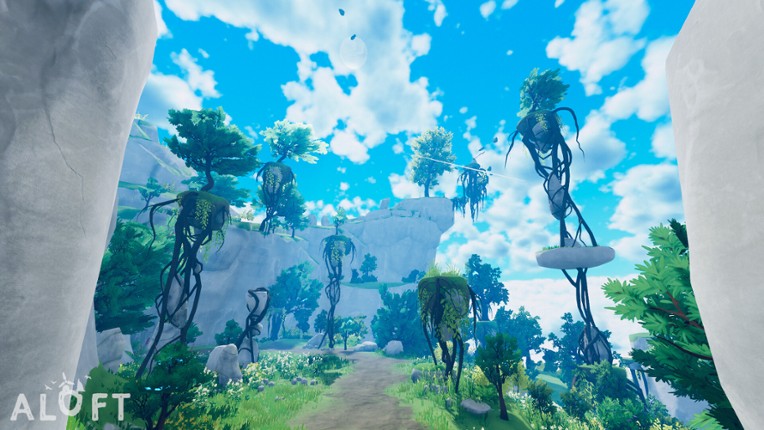
- 92%Game Brain ScoreMost mentioned positive aspects:gameplay, graphicsMost mentioned negative aspects:grinding, optimization95% User Score 291,882 reviewsCritic Score 90%11 reviews
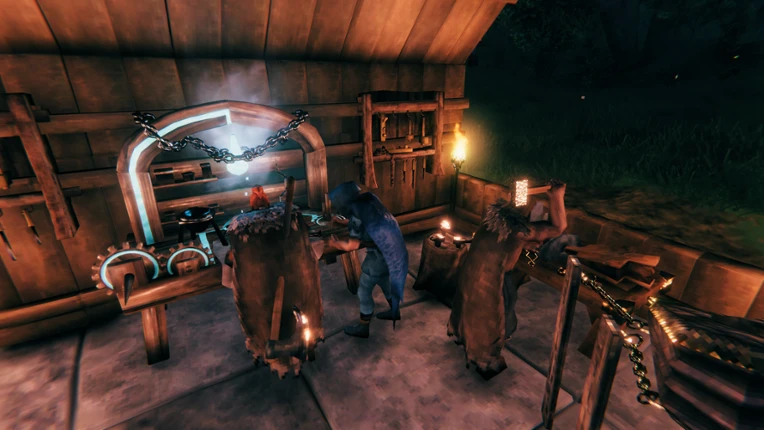
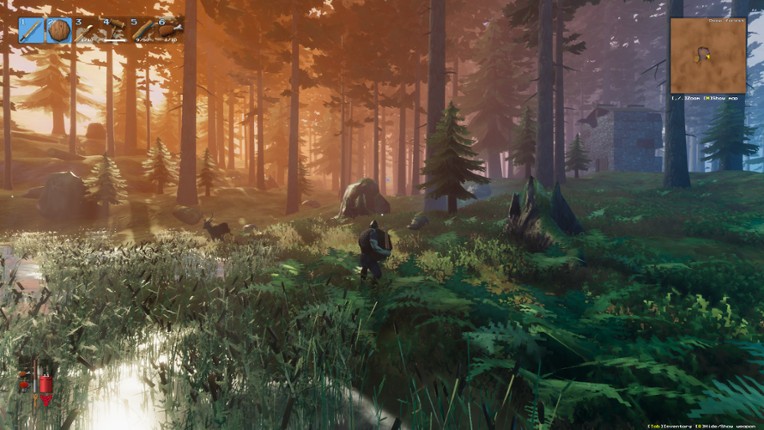
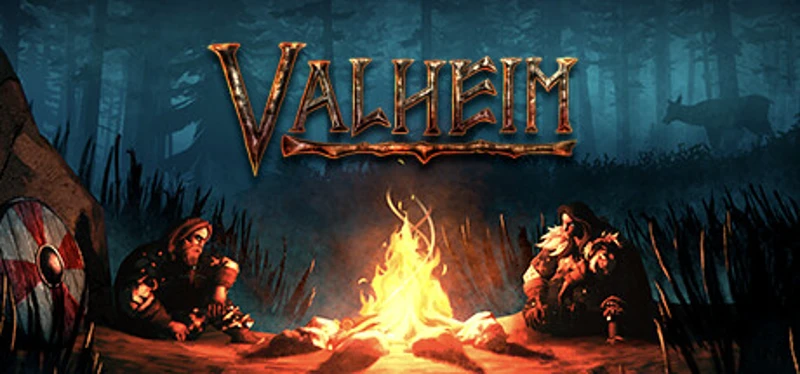
Scavenging scraps, managing limited resources, and slowly turning a rough shelter into a safe home are at the heart of both games. Valheim captures that same loop of gathering, crafting, and base building, but shifts it onto land, where every new tool and structure changes how you survive the world around you.
Like Raft, it shines in co-op, where players divide tasks, plan upgrades, and laugh through messy survival moments. The building system also rewards experimentation, so the satisfaction comes from solving problems with your own setup rather than following a fixed path. That sense of making progress through shared effort will feel instantly familiar.
The big tradeoff is scale: Valheim trades ocean drift for mythic exploration, tougher combat, and a longer progression arc. That makes it a strong pick for players who wanted Raft’s crafting survival loop but hoped for more structure, more challenge, and less of the grind feeling thin. Best for players who want co-op survival with real long-term progression.
If you enjoyed this game, see our list of games similar to Valheim.View Game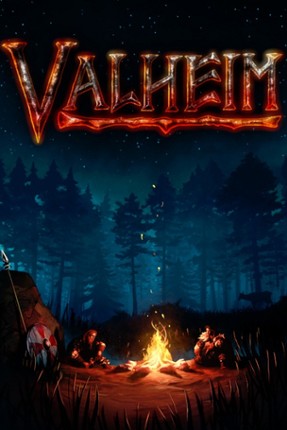
- 86%Game Brain ScoreMost mentioned positive aspects:story, gameplayMost mentioned negative aspects:stability, optimization87% User Score 176,320 reviewsCritic Score 83%6 reviews
Both games anchor themselves around the same core loop: scavenging resources, building shelter, and defending it against threats—except Sons Of The Forest escalates the danger. Where Raft lets you manage hunger and thirst in relative isolation, Sons forces you to fortify against hostile inhabitants, turning base-building from a creative sandbox into tactical survival.
The crafting and construction systems overlap directly, but with different pacing. You'll recognize the material gathering rhythm and building placement mechanics instantly, yet Sons compresses progression into denser, more consequence-heavy decisions. This tighter feedback loop often addresses Raft's grinding criticisms by making each resource feel more purposeful.
Where the games diverge is tone. Raft's atmospheric mystery unfolds as discovery; Sons Of The Forest weaponizes atmosphere as dread. If you craved more psychological tension beneath Raft's exploration, this shift feels like a natural evolution rather than a departure.
Both share Raft's stability and monetization issues, so expect similar rough edges. Best for players who want the building satisfaction of Raft but prefer tension and combat stakes over peaceful progression.
If you enjoyed this game, see our list of games similar to Sons Of The Forest.View Game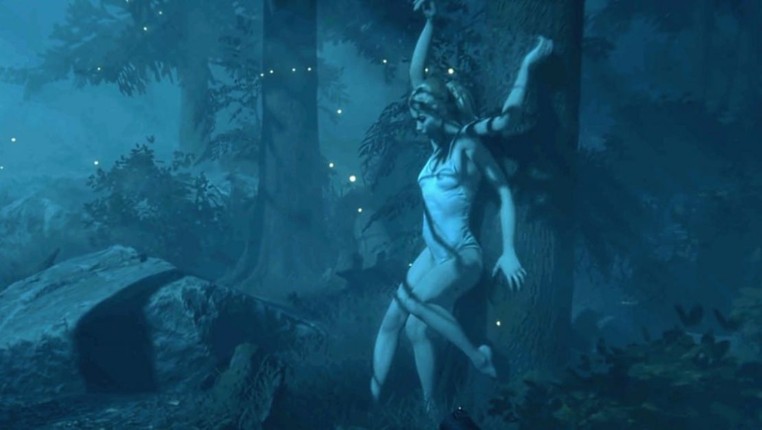


- 85%Game Brain ScoreMost mentioned positive aspects:gameplay, graphicsMost mentioned negative aspects:grinding, stability89% User Score 24,920 reviewsCritic Score 75%4 reviews
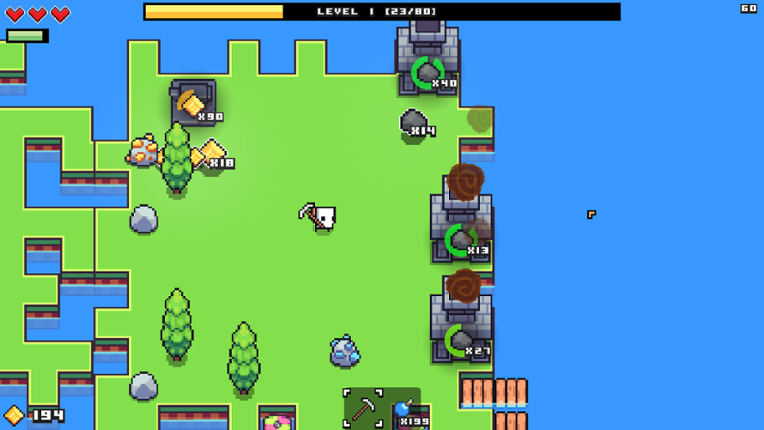
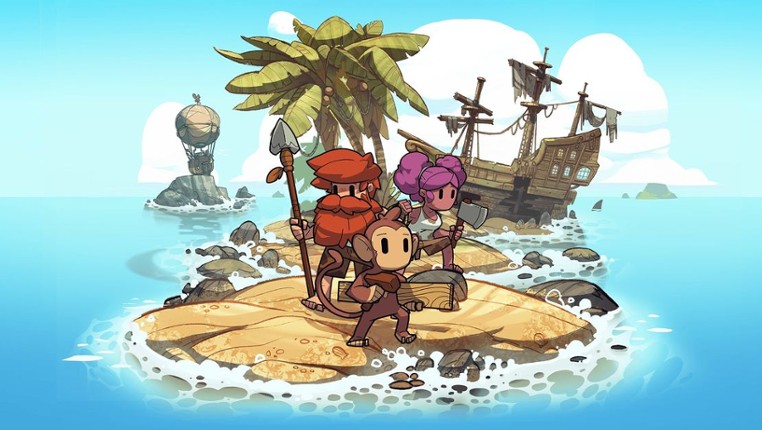
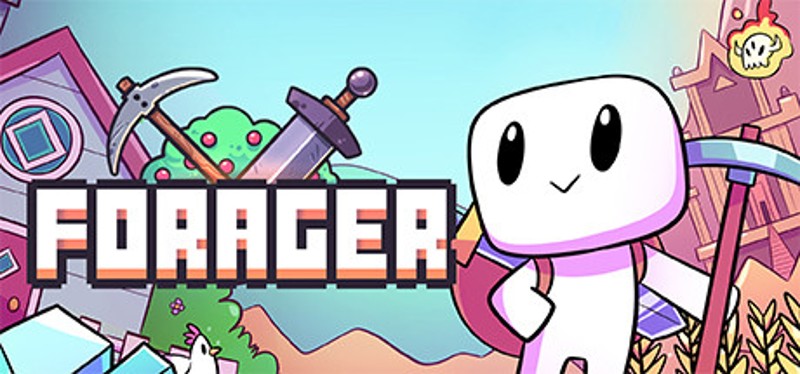
That compulsive loop of gathering, building, and expanding your foothold — the one that keeps Raft players hooked for hours — runs just as deep in Forager. Both games are built around resource chains where every crafted item unlocks the next tier of tools, pulling you forward through a satisfying cycle of incremental progress.
Forager shares Raft's open-world survival crafting DNA, with base building and resource management at the core. The reason it feels so familiar is structural: land tiles are purchased and unlocked outward from your starting point, mirroring the way a Raft expands plank by plank — your world literally grows as you do. Crafting and exploration feed each other in the same self-reinforcing way.
The meaningful shift is perspective and tone — Forager swaps first-person ocean survival for a top-down fantasy world with pixel art and lighthearted humor, which gives the experience a breezier, more casual rhythm. If grinding in Raft ever felt punishing, Forager's progression is notably smoother and more forgiving.
Best for players who love the builder's mindset — always optimizing, always expanding — and want that same satisfaction in a more relaxed, whimsical package.
If you enjoyed this game, see our list of games similar to Forager.View Game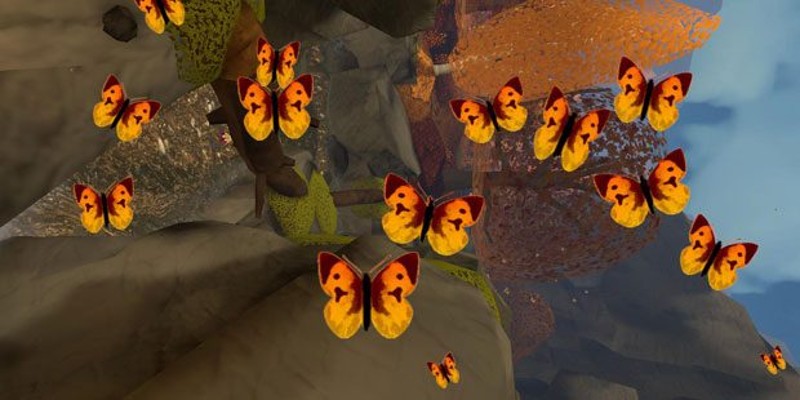
- 86%Game Brain ScoreMost mentioned positive aspects:gameplay, graphicsMost mentioned negative aspects:grinding, optimization86% User Score 4,114 reviews
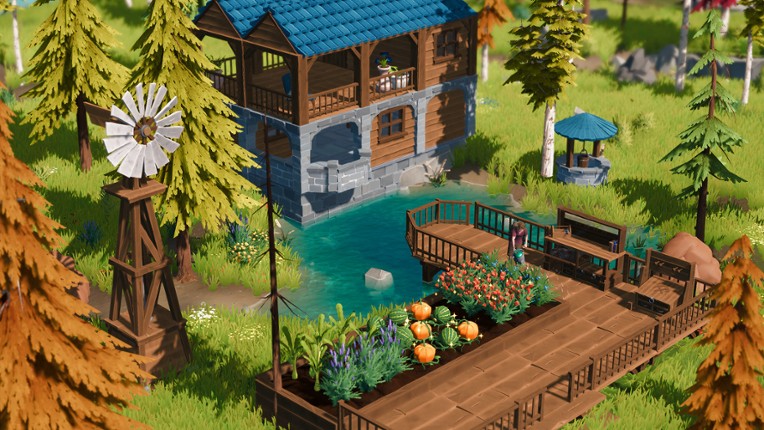
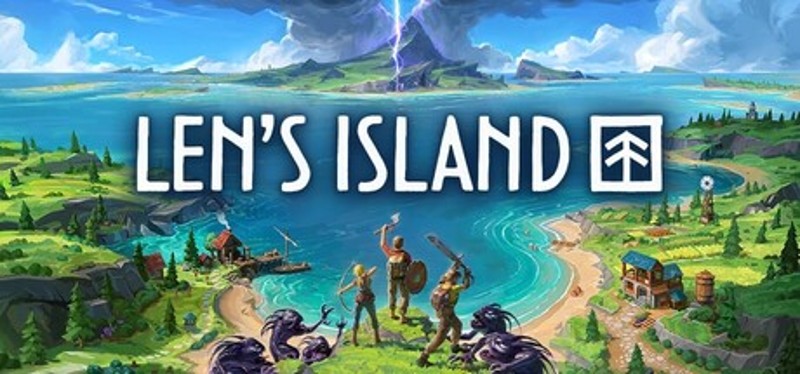
Both games loop you through the same rhythm: scavenge, build, upgrade, repeat. In Raft, you're gathering driftwood and debris to expand your floating base; in Len's Island, you're farming crops and mining ore to fortify your homestead. What makes this feel identical is the compulsion cycle—each completed structure or tool unlocks new gathering possibilities, creating momentum that justifies the grind.
Co-op multiplayer anchors both experiences, letting you share that progression loop with a friend. The base-building systems feel equally purposeful: you're not decorating for aesthetics alone, but unlocking functionality that matters to survival and exploration.
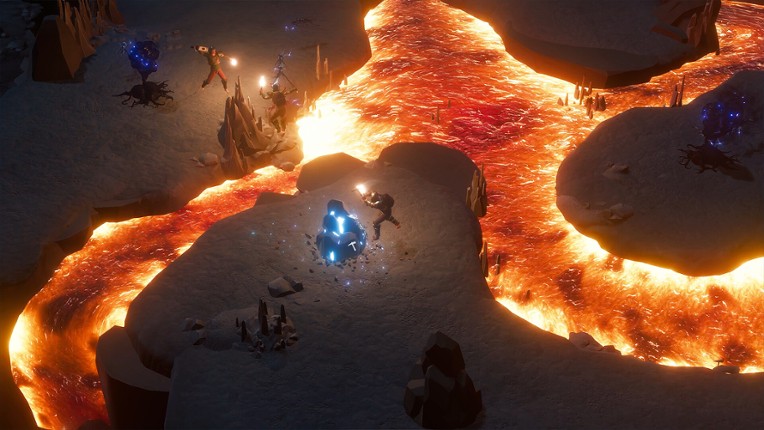
Where Len's Island pivots is toward active combat and dungeon crawling, shifting you from pure survival crafting into action-adventure territory. This trades Raft's methodical pacing for moments of intensity, though it brings the grinding critique both games share into sharper focus.
Best for players who loved Raft's peaceful resource loops but crave a reason to use those upgraded tools beyond collection—and who won't mind swapping water-based exploration for underground raids.
If you enjoyed this game, see our list of games similar to Len's Island.View Game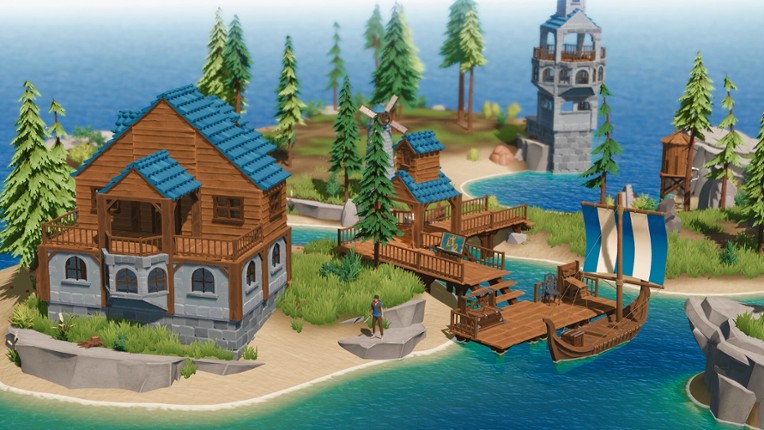
- 85%Game Brain ScoreMost mentioned positive aspects:story, gameplayMost mentioned negative aspects:grinding, optimization85% User Score 2,252 reviews
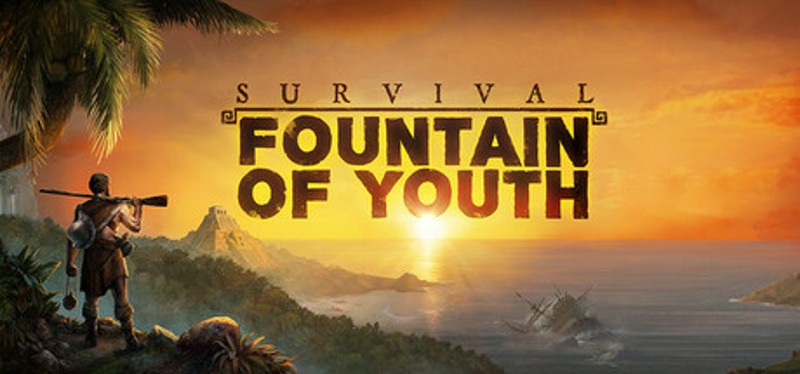
Survival: Fountain of Youth shares Raft’s first-person underwater base building and crafting, delivering a similarly tense survival experience under the sea. Its focus on careful resource management sharpens the challenge, demanding thoughtful planning rather than swift gathering. This overlap intensifies the survival aspect, making every decision count.
The key difference lies in Survival’s historical tone and clunky combat, which contrast Raft’s lighter, more humorous vibe and smoother multiplayer action. Expect slower progression and more grind in Survival, with a heavier emphasis on realism and narrative depth.
Pick Survival: Fountain of Youth if you want a tougher solo survival test with a story-driven setting but can tolerate frustrating menus and combat mechanics. It suits players who crave meticulous strategy over multiplayer fun. If you enjoyed this game, see our list of games similar to Survival: Fountain of Youth.
View Game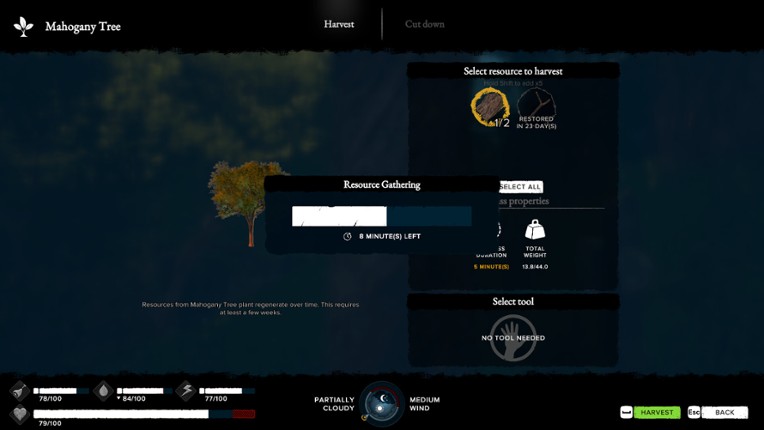
- 78%Game Brain ScoreMost mentioned positive aspects:story, gameplayMost mentioned negative aspects:grinding, stability85% User Score 33,418 reviewsCritic Score 66%6 reviews
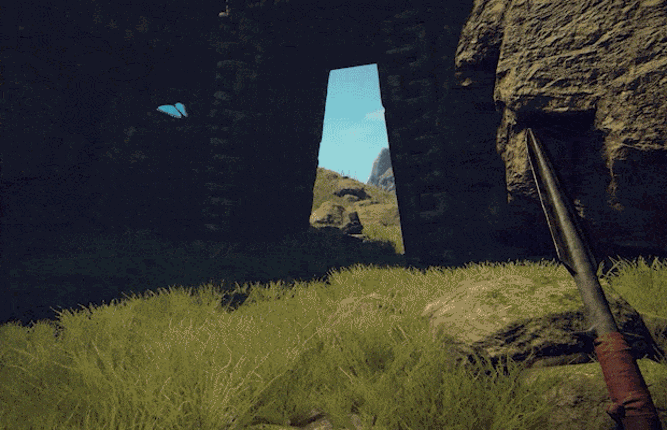
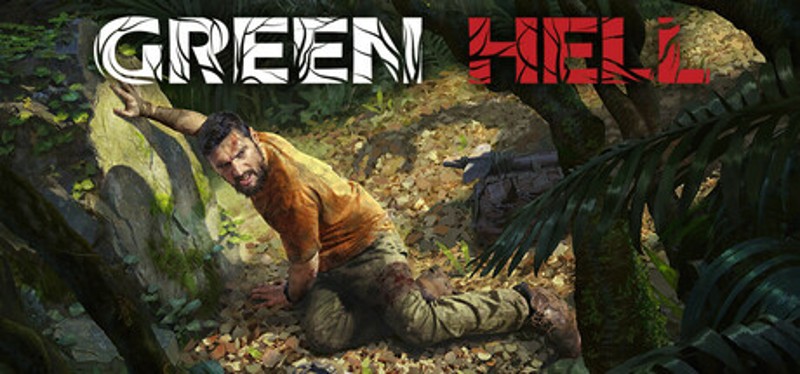
Both games share an obsessive focus on resource-dependent survival, forcing players to transform a hostile environment into a functional, self-sustaining base. This management loop is vital because it anchors your progression against the constant threat of starvation or environmental decay.
The primary shift is tonal intensity: while Raft is a breezy, ocean-bound scavenger hunt, Green Hell is a punishing, claustrophobic psychological horror simulation. You are moving from a relaxing oceanic sandbox to a relentless, systems-heavy gauntlet where every infected wound or stray spider bite could end your run.
Pick this up if you want deeper, more complex survival mechanics but can live without the lighthearted, colorful atmosphere of the high seas.
If you enjoyed this game, see our list of games similar to Green Hell.View Game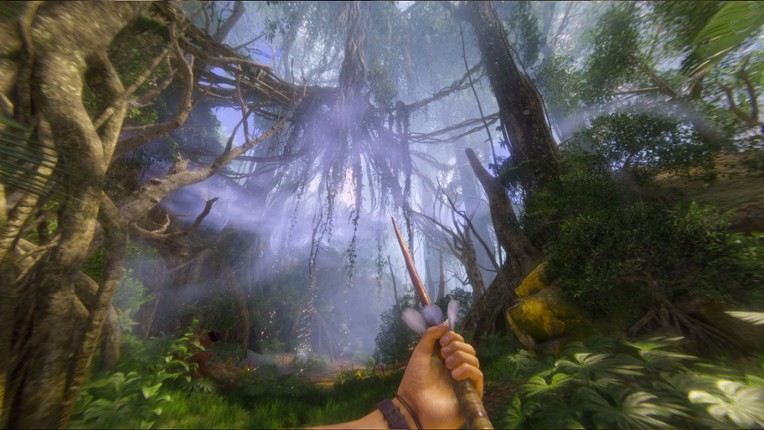
- 79%Game Brain ScoreMost mentioned positive aspects:gameplay, graphicsMost mentioned negative aspects:grinding, story81% User Score 2,217 reviewsCritic Score 74%4 reviews
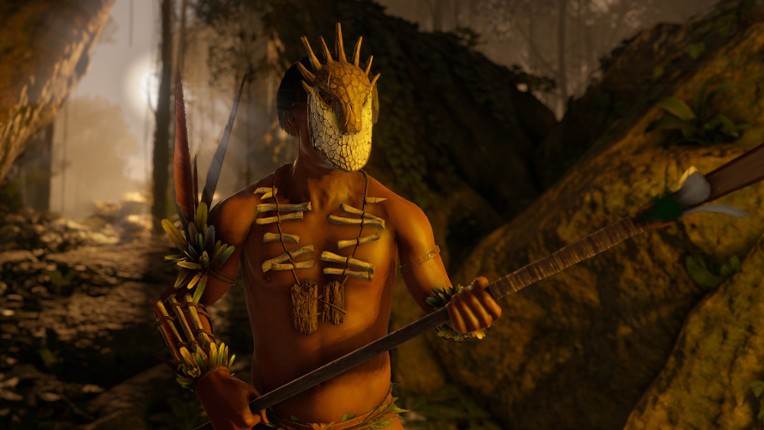
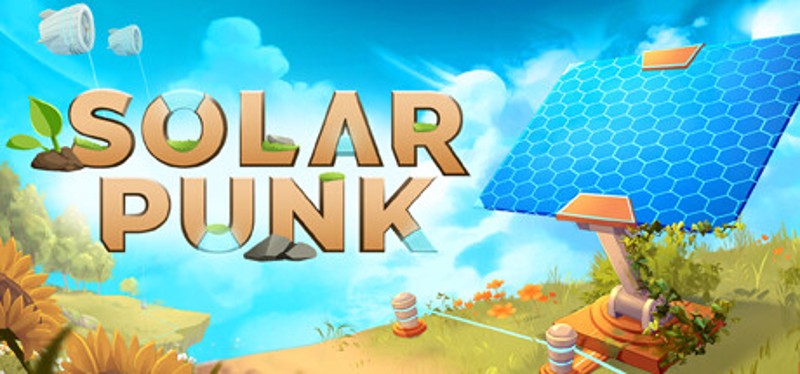
Solarpunk is a survival game set in a technically advanced world of floating islands! Alone or together with your friends, construct buildings, grow food, create gadgets and guide your airship to new islands hidden in the sky! If you enjoyed this game, see our list of games similar to Solarpunk.
View Game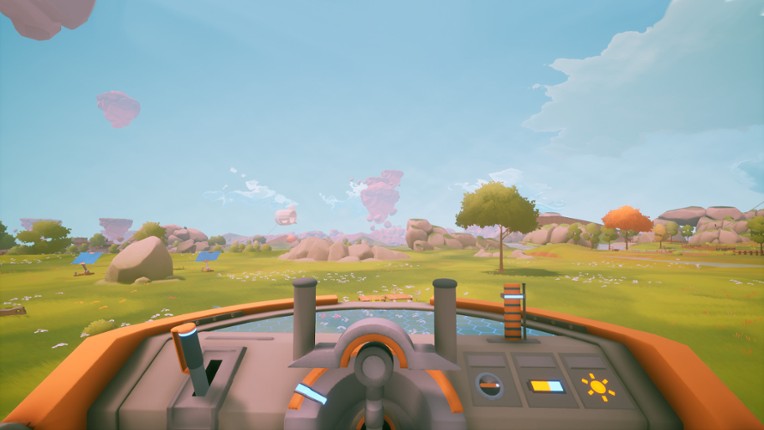
- 93%Game Brain ScoreMost mentioned positive aspects:gameplay, graphicsMost mentioned negative aspects:grinding, optimization95% User Score 31,361 reviewsCritic Score 90%3 reviews
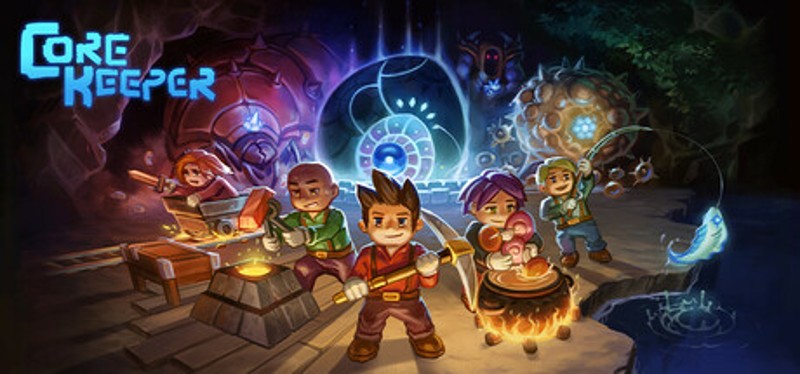
Both games center on base building and survival crafting, dropping you into hostile worlds where gathering, constructing, and upgrading your shelter is the core drive. The progression loop of scrap → base → repeat feels nearly identical.
Cooperative survival multiplayer is the second major overlap — you can tackle both solo or with friends, and the crafting economy scales to support team play.
Core Keeper shifts from Raft's ocean isolation to underground exploration and combat, replacing the water-bound tension with dungeon delving. It also trades Raft's 3D perspective for pixel art visuals.
Pick this up if you want Raft's building and survival loop in a land-based, combat-heavy setting and can live without ocean survival.
If you enjoyed this game, see our list of games similar to Core Keeper.View Game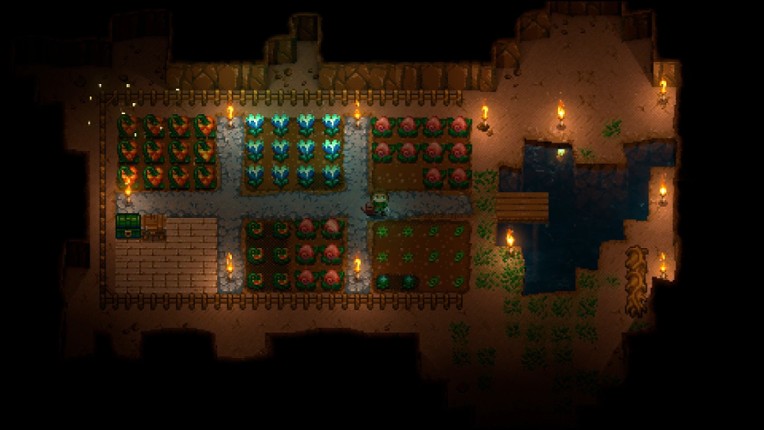
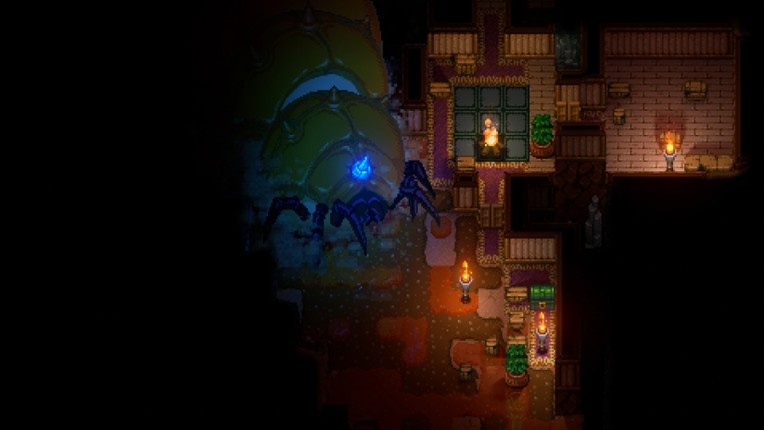
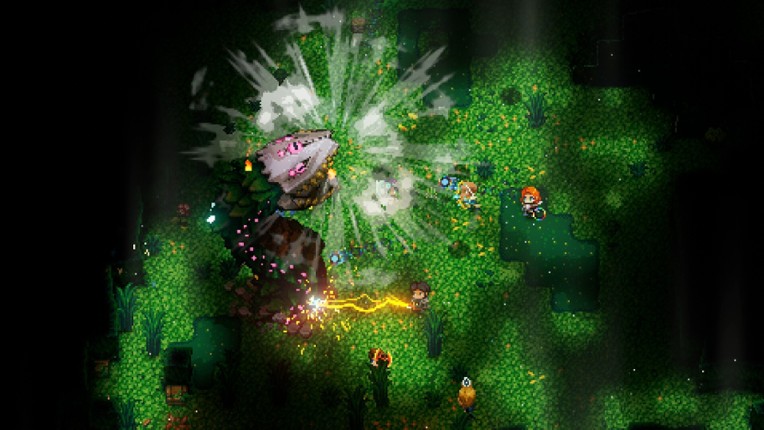
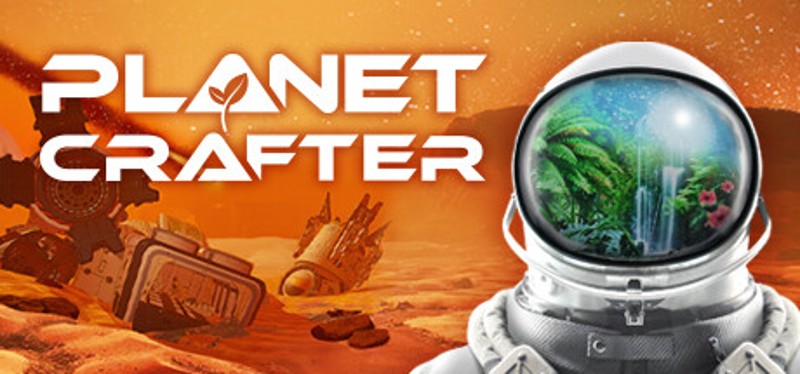
- 88%Game Brain ScoreMost mentioned positive aspects:gameplay, storyMost mentioned negative aspects:grinding, stability96% User Score 43,956 reviewsCritic Score 78%7 reviewsThe Planet Crafter (ID 1014779) trims the complexity to a multiplayer‑only terraforming adventure, skipping base building for quick co‑op sessions. If you enjoyed this game, see our list of games similar to Planet Crafter.View Game
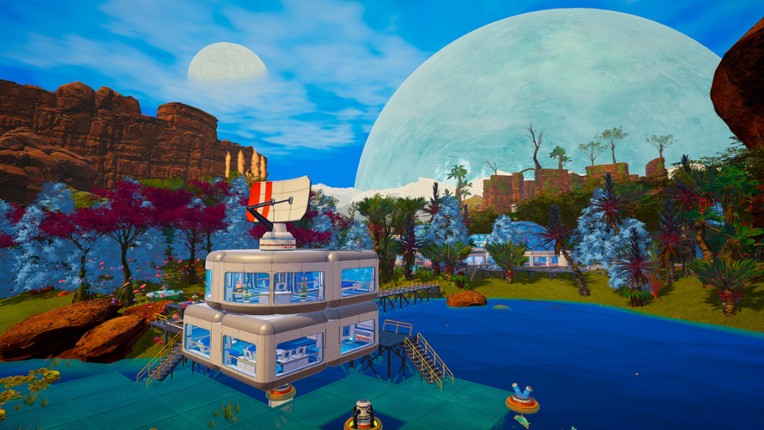
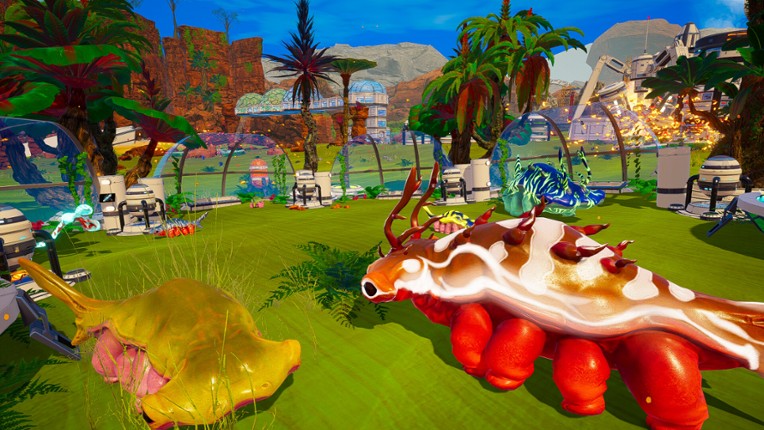
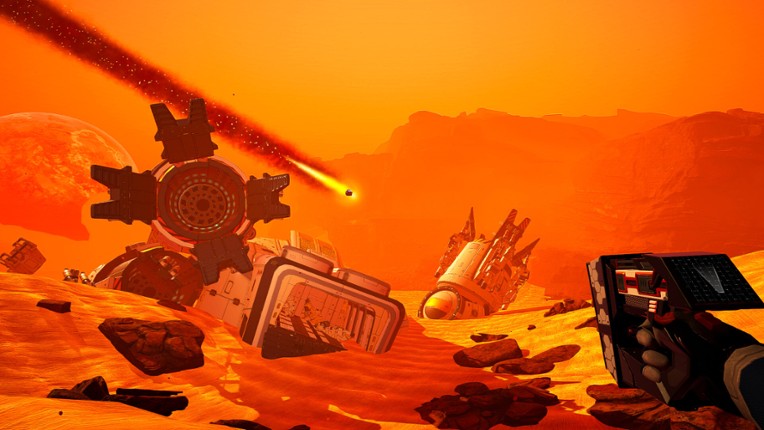
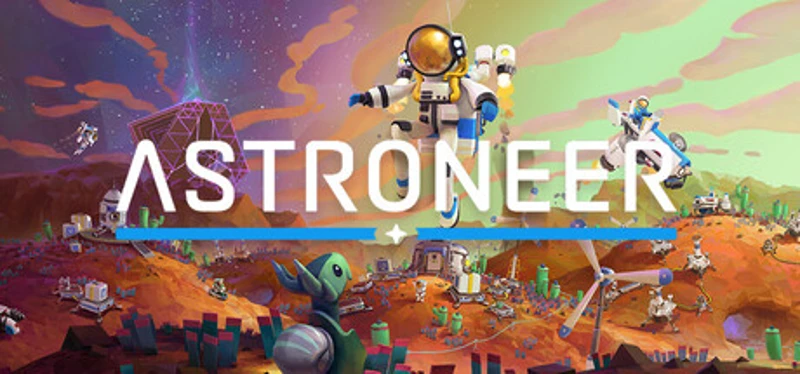
- 92%Game Brain ScoreMost mentioned positive aspects:gameplay, graphicsMost mentioned negative aspects:stability, grinding92% User Score 44,980 reviewsASTRONEER lifts survival to the cosmos, letting players explore and reshape planets in colorful sci‑fi sandbox for kids and casual crews. If you enjoyed this game, see our list of games similar to ASTRONEER.View Game
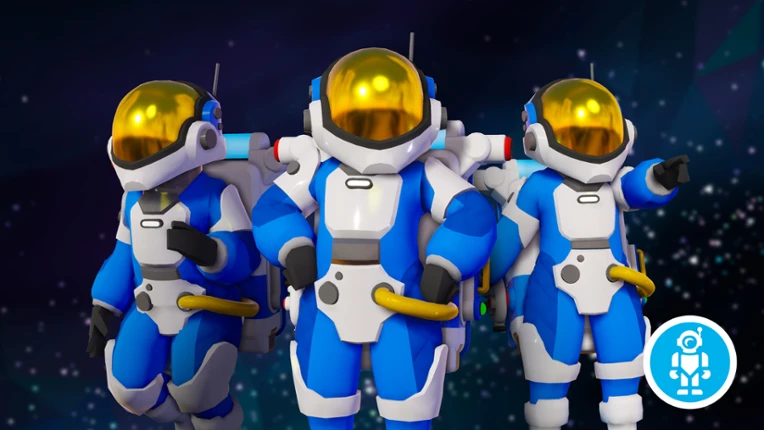
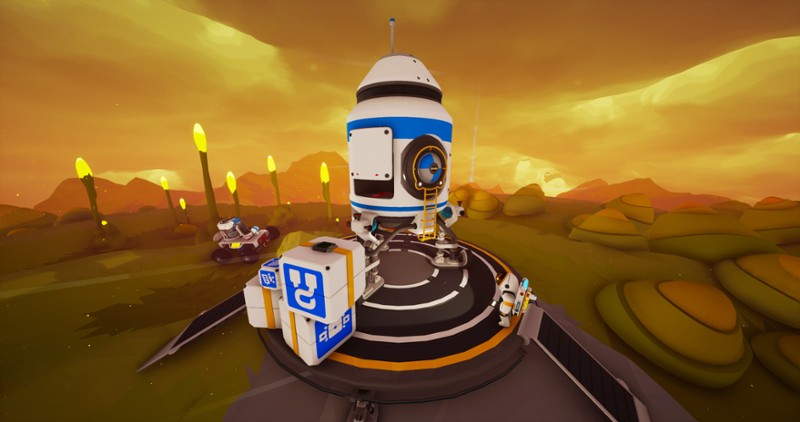
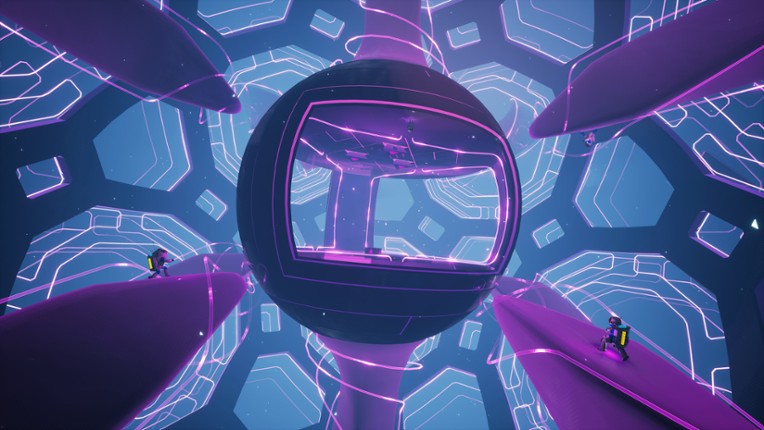
- 70%Game Brain ScoreMost mentioned positive aspects:graphics, gameplayMost mentioned negative aspects:stability, grinding75% User Score 44,756 reviewsCritic Score 64%9 reviews
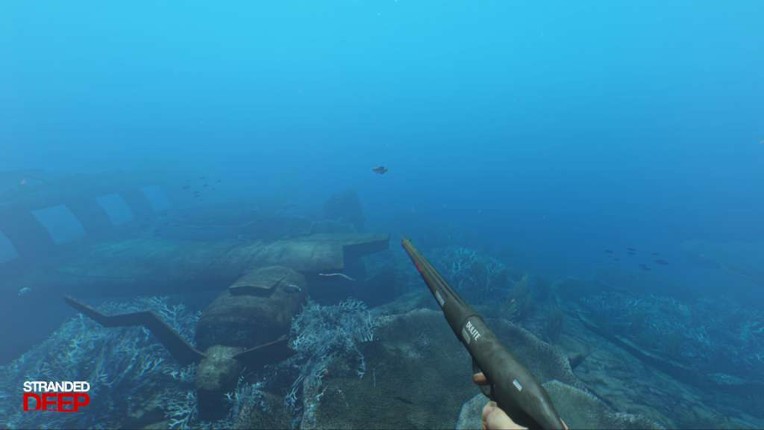
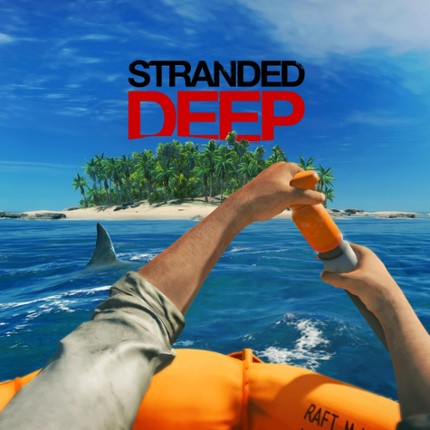
The ocean-bound survival loop is your primary tether here, as both games force you to harvest floating debris and island resources to expand your life-sustaining platform. This shared focus on resource management is vital, as it dictates the constant tension between expansion and starvation.
However, Stranded Deep pivots away from Raft’s whimsical, sprawling raft-building in favor of grounded island-hopping. You are trading modular base-building freedom for a more rigid, realistic struggle against nature and local predators.
Pick this up if you want the isolation of the open sea but can live without Raft’s colorful aesthetic and streamlined construction mechanics.
If you enjoyed this game, see our list of games similar to Stranded Deep.View Game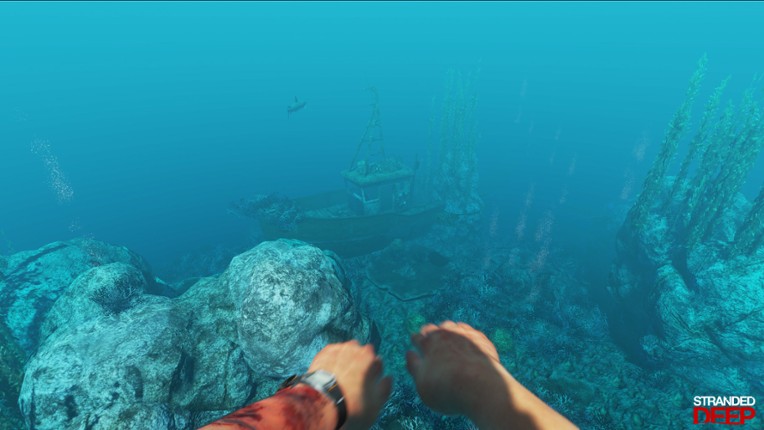
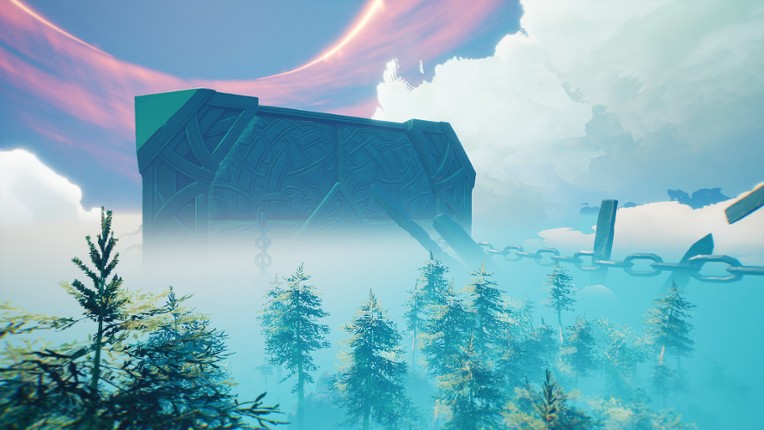
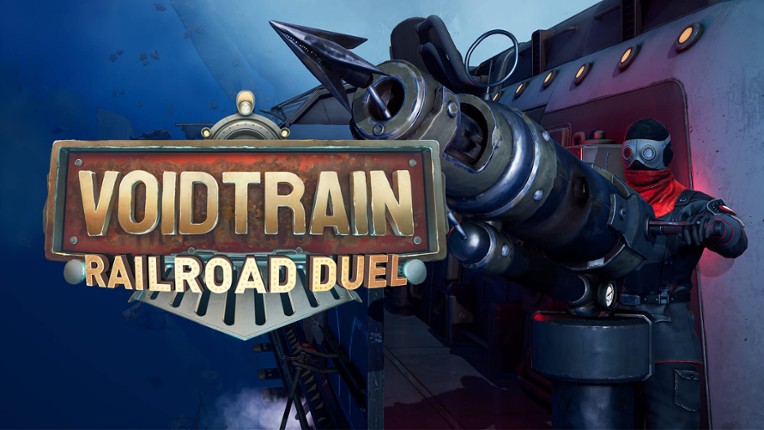
- 76%Game Brain ScoreMost mentioned positive aspects:gameplay, storyMost mentioned negative aspects:grinding, stability75% User Score 5,242 reviewsCritic Score 80%2 reviewsVoidtrain swaps ocean drift for train voyages across surreal realms, offering crafting and trading in a first‑person adventure for coop duos. If you enjoyed this game, see our list of games similar to Voidtrain.View Game
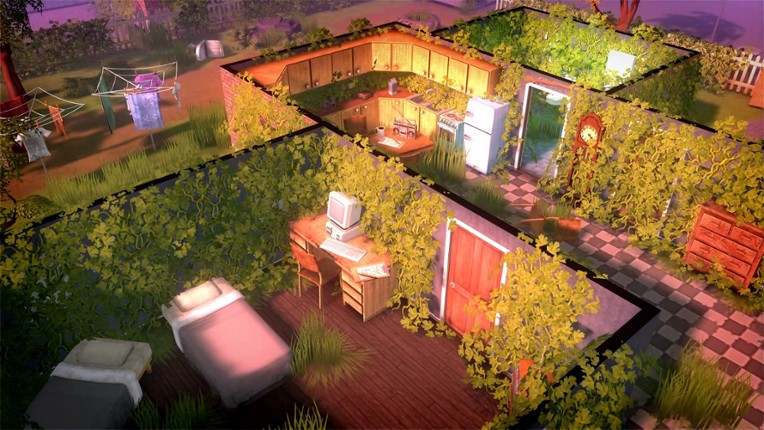
- 90%Game Brain ScoreMost mentioned positive aspects:story, gameplayMost mentioned negative aspects:grinding, stability91% User Score 8,526 reviewsCritic Score 83%1 reviewsDYSMANTLE drops the raft for a top‑down dystopian island where players harvest loot, farm, and battle zombies in a gritty open world. If you enjoyed this game, see our list of games similar to DYSMANTLE.View Game
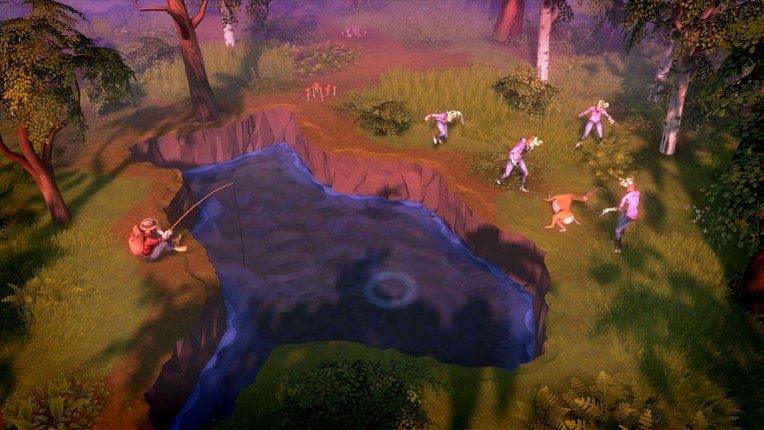
- 94%Game Brain ScoreMost mentioned positive aspects:story, gameplayMost mentioned negative aspects:stability, grinding95% User Score 315,218 reviewsCritic Score 90%1 reviews
As the lone survivor of a passenger jet crash, you find yourself in a mysterious forest battling to stay alive against a society of cannibalistic mutants. Build, explore, survive in this terrifying first person survival horror simulator. If you enjoyed this game, see our list of games similar to The Forest.
View Game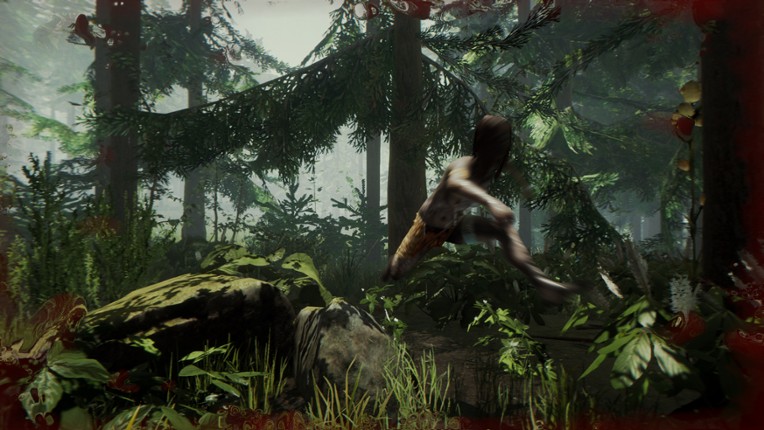
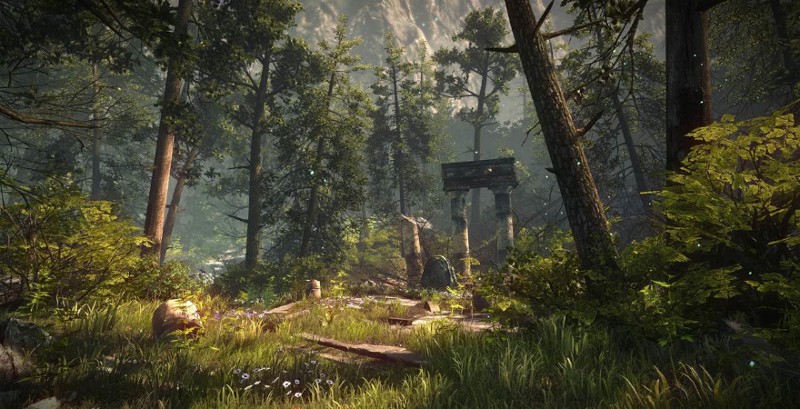
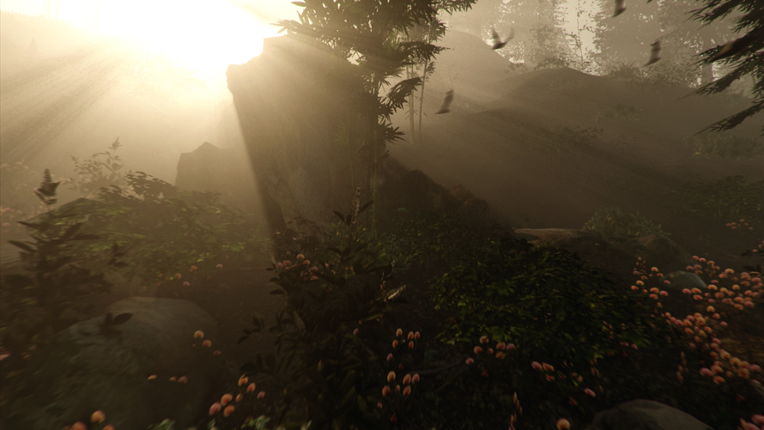
- 86%Game Brain ScoreMost mentioned positive aspects:story, gameplayMost mentioned negative aspects:optimization, grinding87% User Score 51,928 reviewsCritic Score 85%10 reviewsEnshrouded moves survival into a fantasy realm, mixing action RPG combat with base‑building and character customization for cooperative dungeon adventures. If you enjoyed this game, see our list of games similar to null.View Game
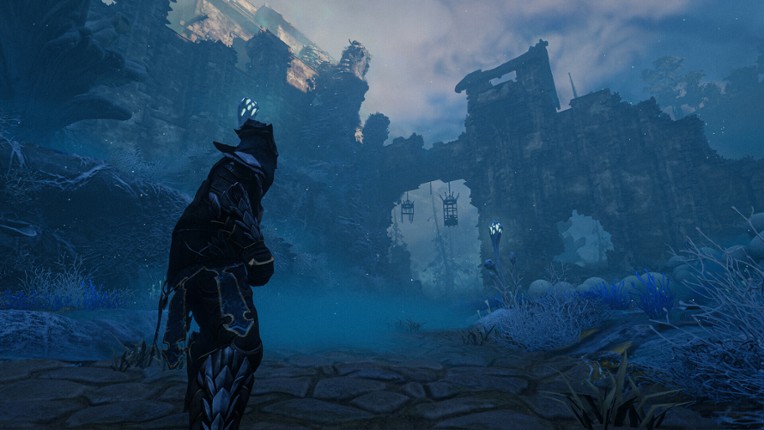
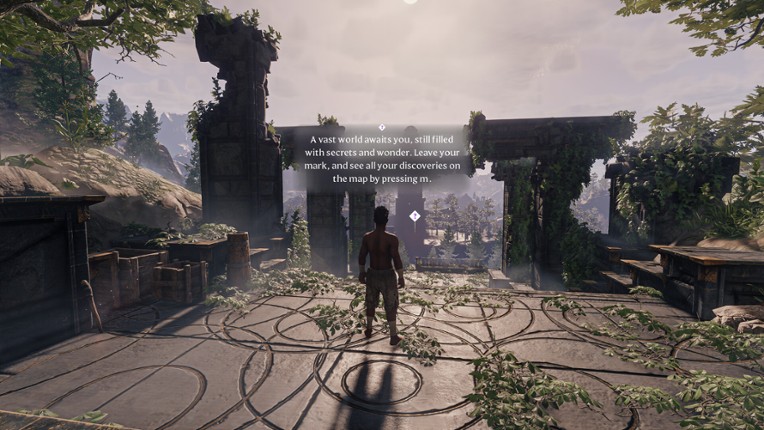
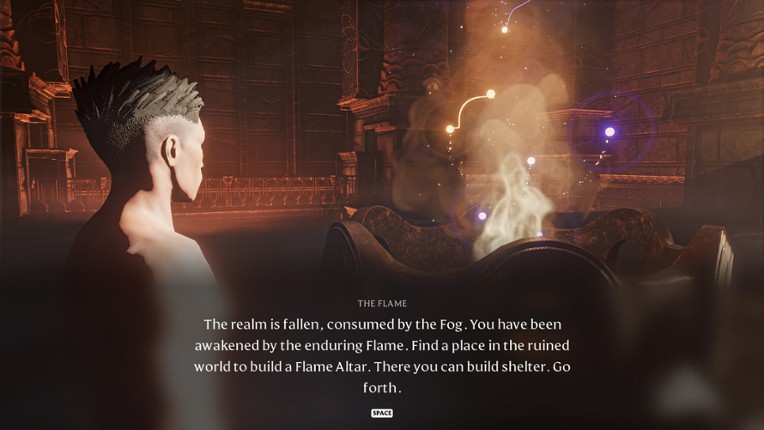
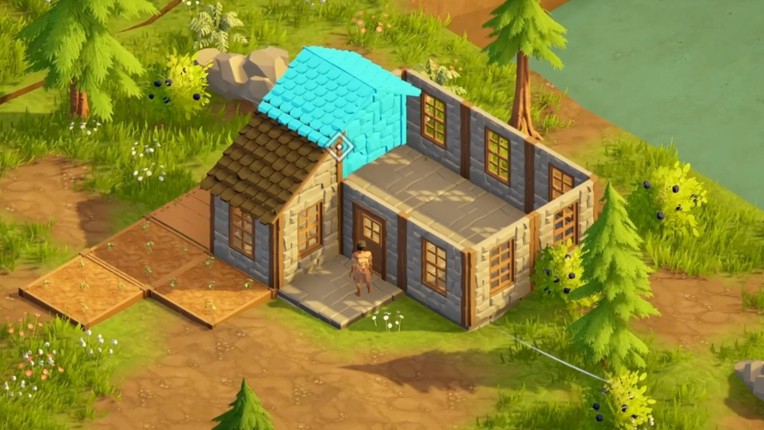
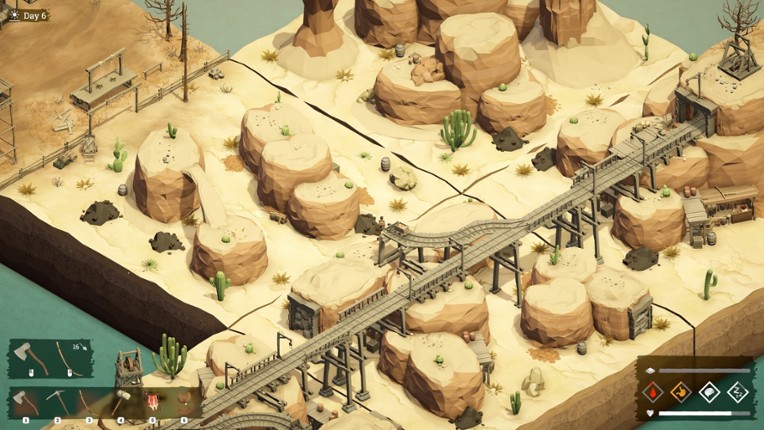
- 78%Game Brain ScoreMost mentioned positive aspects:story, gameplayMost mentioned negative aspects:grinding, optimization78% User Score 757 reviewsAbove Snakes drifts into a sun‑baked western frontier, offering cozy isometric survival with a female lead in a relaxed, stylized world. If you enjoyed this game, see our list of games similar to Above Snakes.View Game
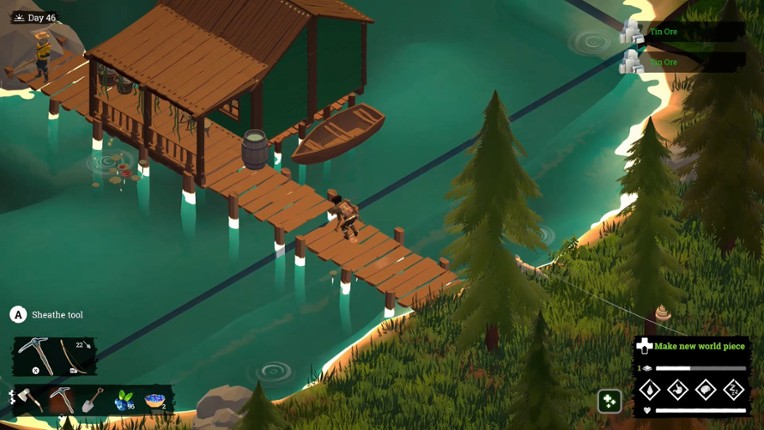
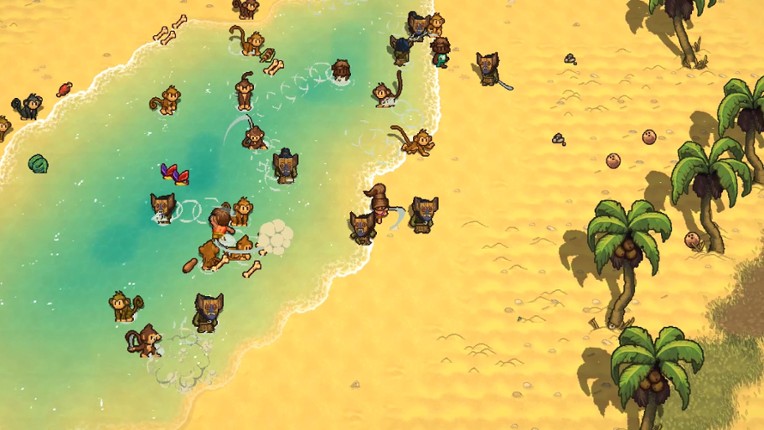
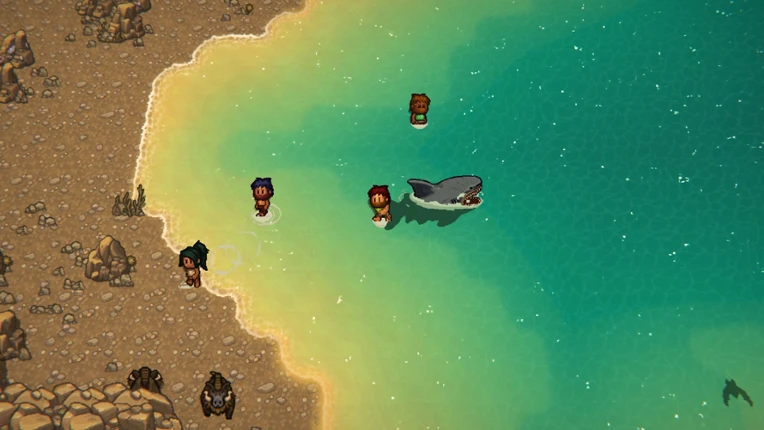
- 78%Game Brain ScoreMost mentioned positive aspects:gameplay, graphicsMost mentioned negative aspects:grinding, story78% User Score 5,050 reviewsThe Survivalists replaces Raft's ocean with a retro 2‑D island, delivering pixel‑art survival where hunting and procedural maps shape the experience. If you enjoyed this game, see our list of games similar to The Survivalists.View Game
- 73%Game Brain ScoreMost mentioned positive aspects:story, gameplayMost mentioned negative aspects:optimization, grinding75% User Score 39,742 reviewsCritic Score 70%5 reviewsStep into a gritty, session-based extraction format where the stakes are higher and the survival mechanics favor realism over oceanic exploration. If you enjoyed this game, see our list of games similar to ICARUS.View Game

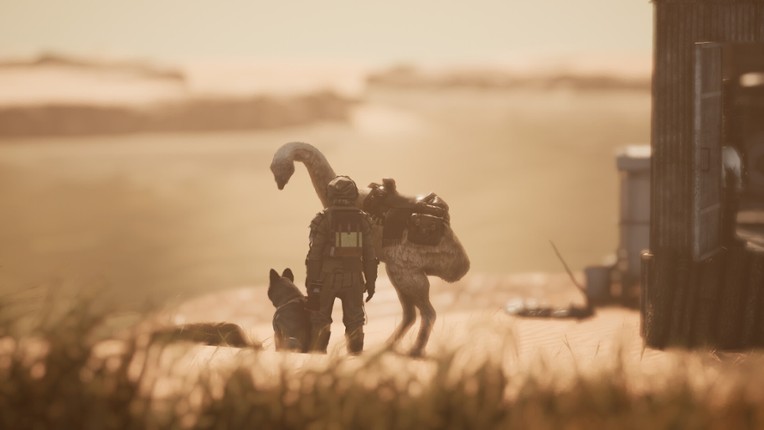

- 67%Game Brain ScoreMost mentioned positive aspects:story, gameplayMost mentioned negative aspects:stability, grinding66% User Score 2,287 reviewsCritic Score 70%1 reviewsMirrors Raft's co-op survival on a mysterious alien frontier instead of endless ocean, layering science fiction mystery and trading mechanics into the crafting loop. If you enjoyed this game, see our list of games similar to The Wild Eight.View Game
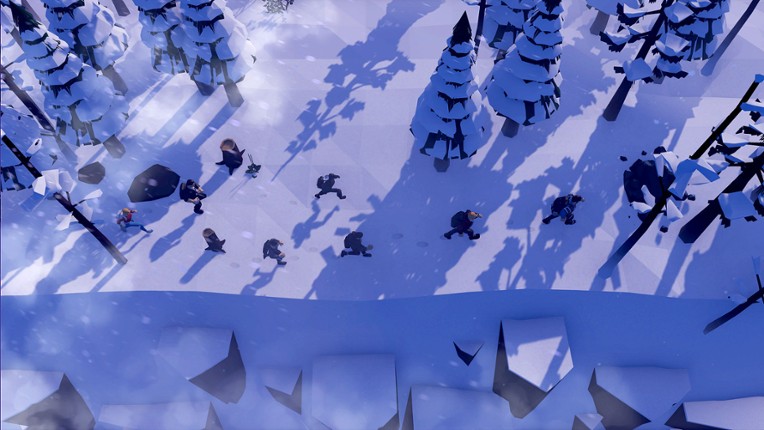
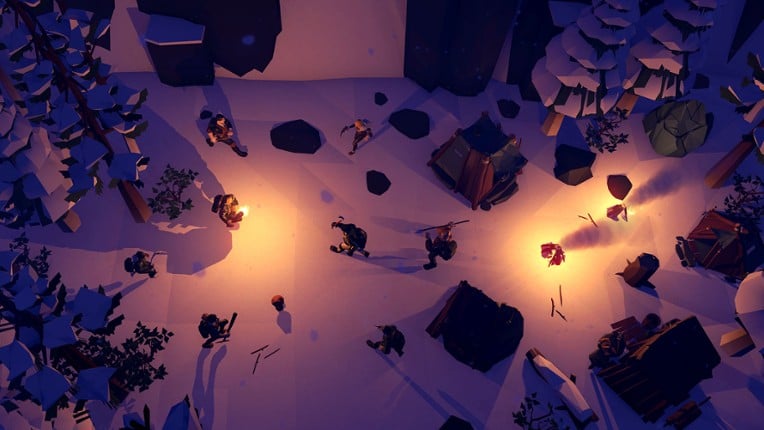
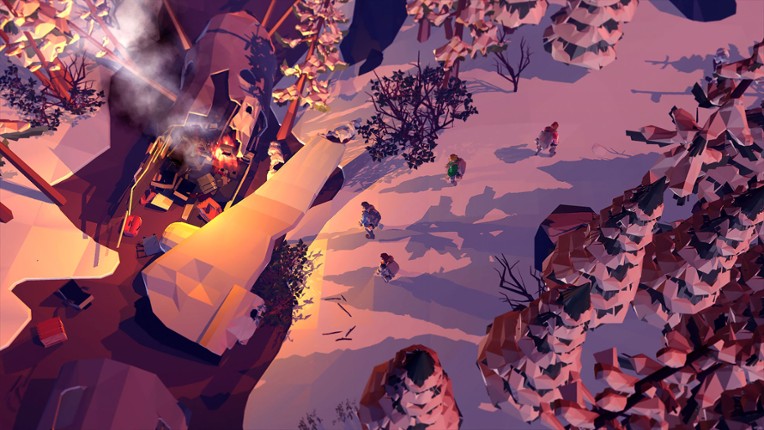
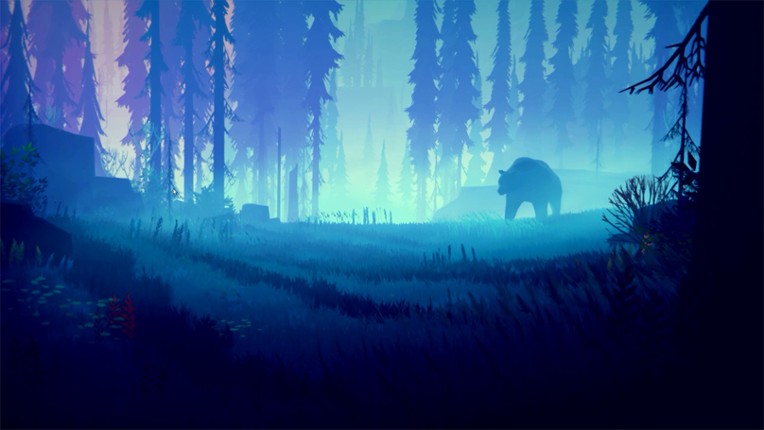
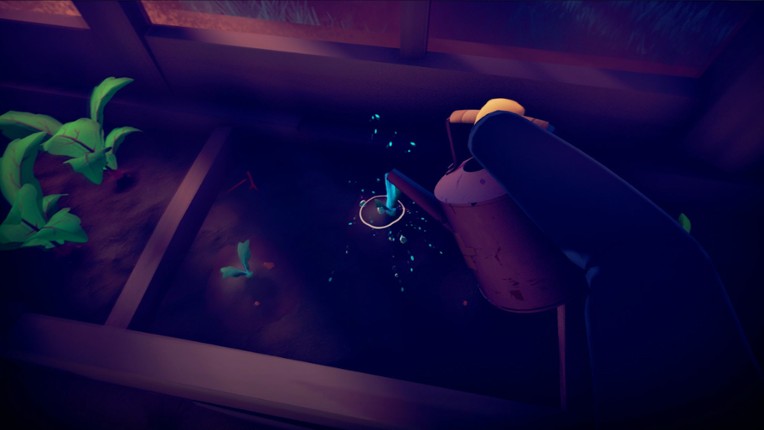
- 71%Game Brain ScoreMost mentioned positive aspects:graphics, gameplayMost mentioned negative aspects:story, grinding67% User Score 2,766 reviewsCritic Score 90%1 reviewsCaptures Raft's building and farming appeal but grounds you in a single relaxing forest sanctuary, replacing exploration urgency with cozy resource management. If you enjoyed this game, see our list of games similar to Among Trees.View Game
- 85%Game Brain ScoreMost mentioned positive aspects:story, gameplayMost mentioned negative aspects:grinding, stability85% User Score 1,131 reviews
Infinite Veil is an atmospheric forest survival experience focused on realism and immersion. You awaken surrounded by untamed nature, with no paths or maps — only silence, cold, and the will to survive. Explore the wilderness, collect materials, and construct your shelter to shield yourself from wind and rain. The dynamic cycle of day, night, and weather brings the world to life: daylight fades i… If you enjoyed this game, see our list of games similar to Infinite Veil.
View Game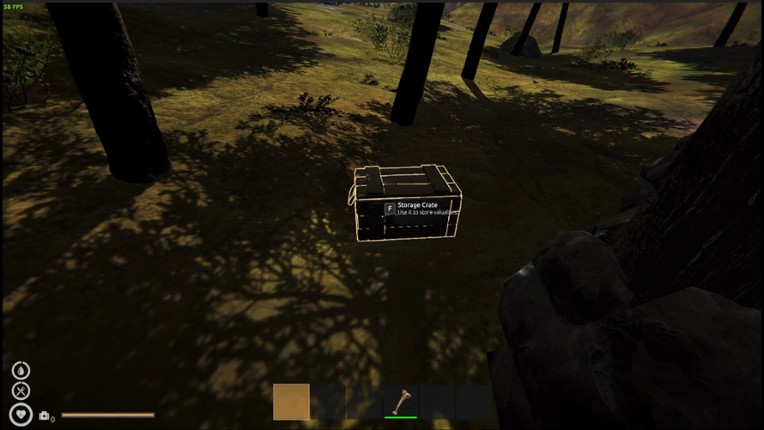
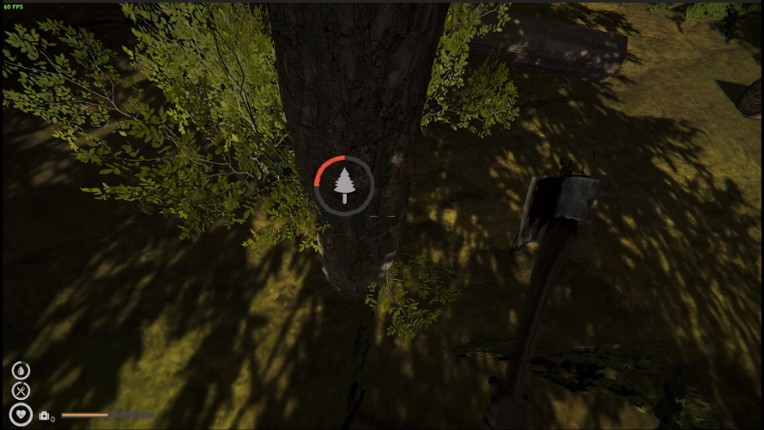
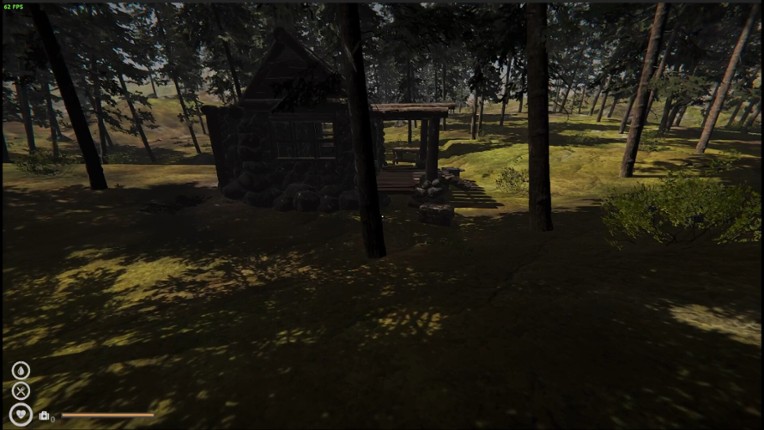
- 76%Game Brain ScoreMost mentioned positive aspects:graphics, storyMost mentioned negative aspects:grinding, stability76% User Score 1,731 reviewsSwaps Raft's tropical island hopping for pirate-infested ocean trading, maintaining co-op survival but adding horror and procedural generation. If you enjoyed this game, see our list of games similar to Salt.View Game
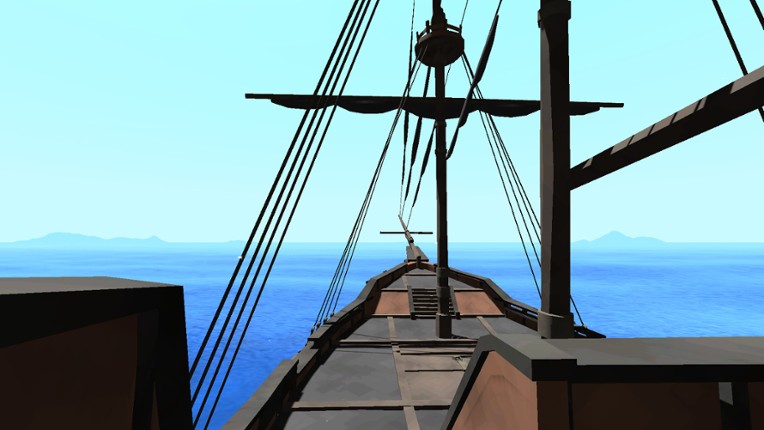
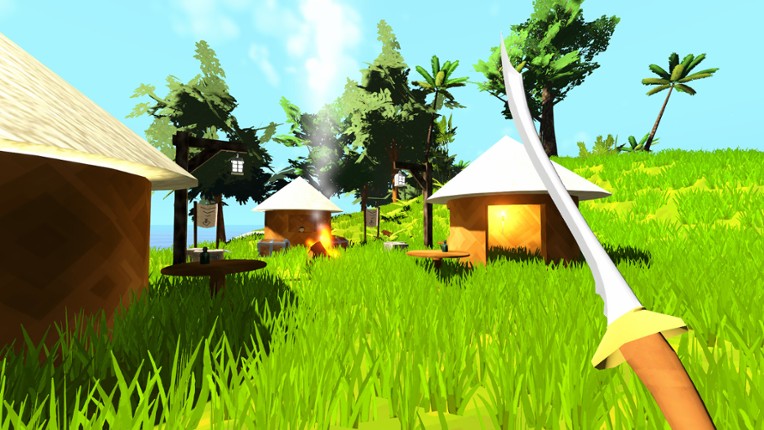
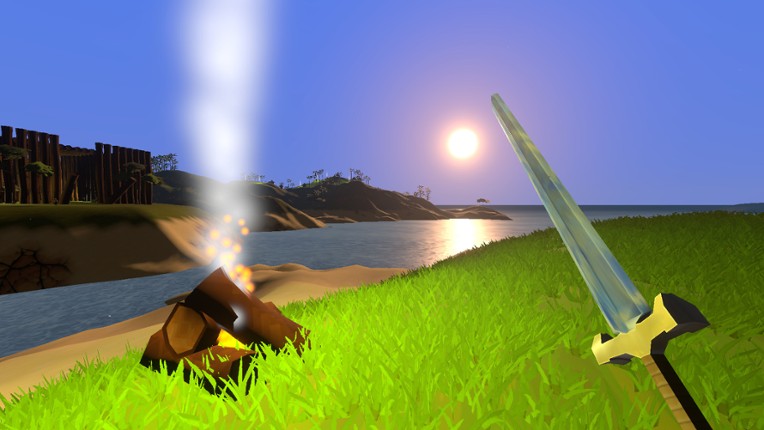
- 91%Game Brain ScoreMost mentioned positive aspects:graphics, storyMost mentioned negative aspects:gameplay, grinding91% User Score 50,535 reviewsKeeps Raft's co-op building and physics-based crafting but removes survival pressure entirely, pivoting toward creative sandbox experimentation and comedic contraptions. If you enjoyed this game, see our list of games similar to Scrap Mechanic.View Game
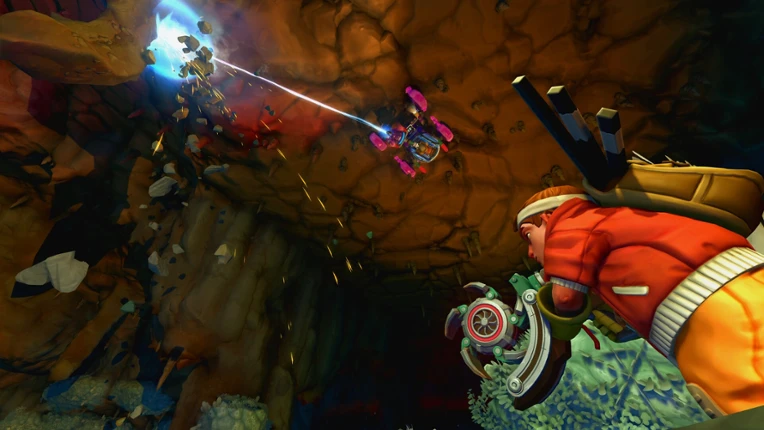
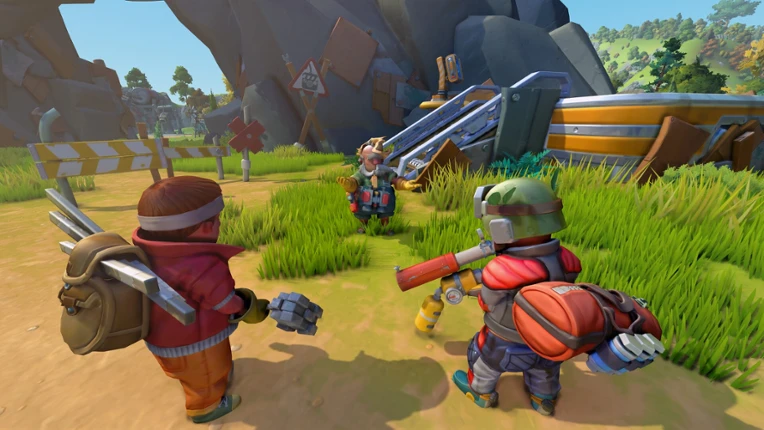
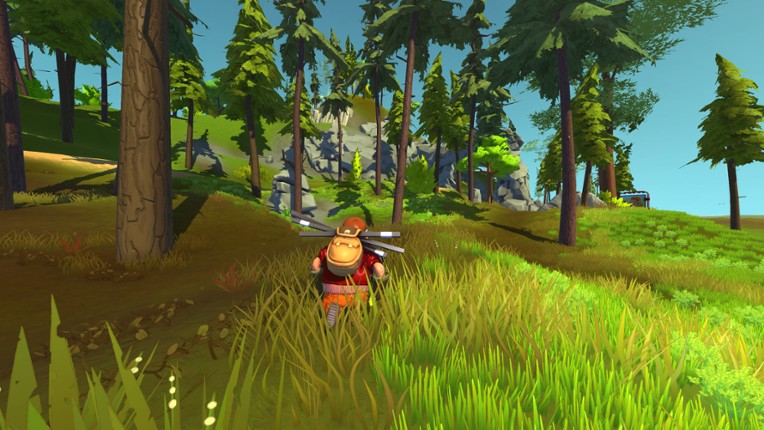
- 90%Game Brain ScoreMost mentioned positive aspects:gameplay, graphicsMost mentioned negative aspects:grinding, optimization90% User Score 89,178 reviewsExpands Raft’s multiplayer base building into a dark fantasy world filled with vampires, with larger PvP and massive online co-op elements. If you enjoyed this game, see our list of games similar to V Rising.View Game
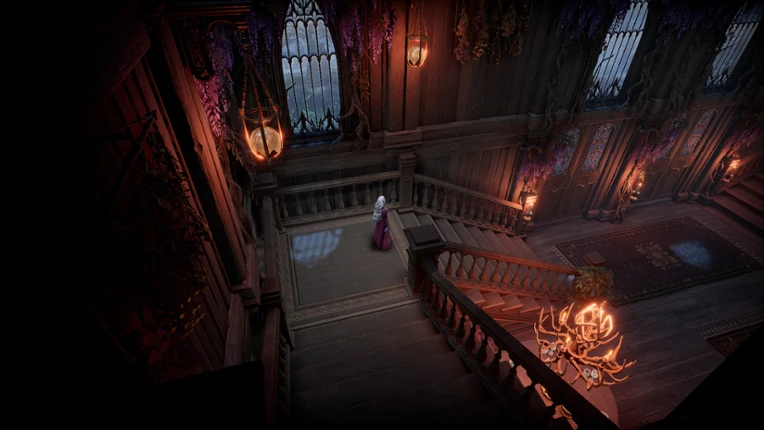
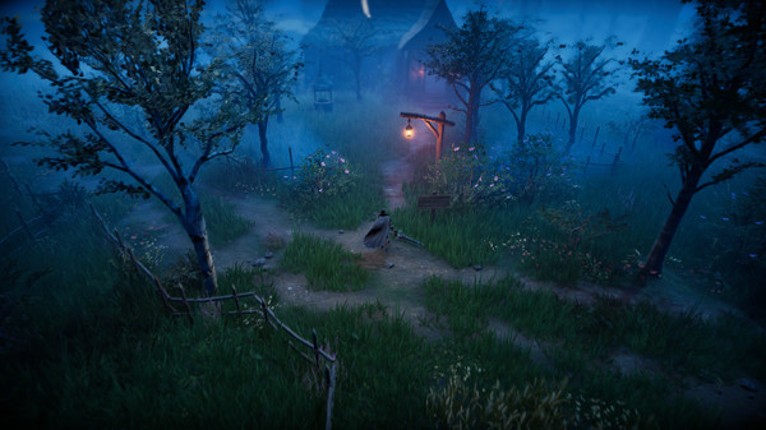
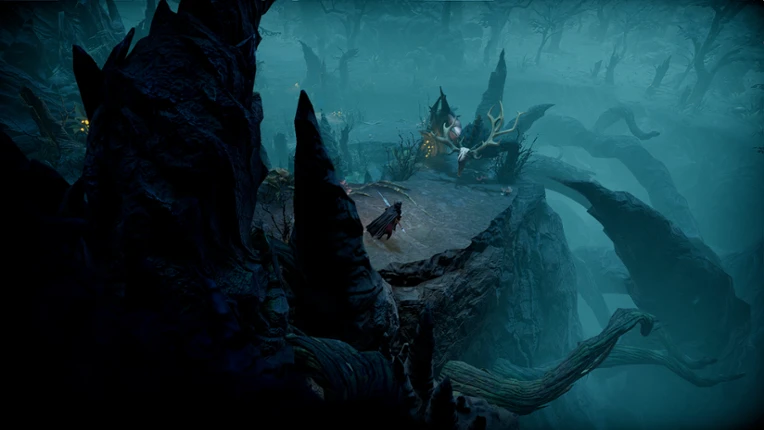
- 78%Game Brain ScoreMost mentioned positive aspects:gameplay, graphicsMost mentioned negative aspects:grinding, stability80% User Score 6,376 reviewsCritic Score 70%1 reviewsFocusing on Viking clan management, this title shifts the solo seafaring loop toward building complex, automated colonies on solid ground. If you enjoyed this game, see our list of games similar to Aska.View Game
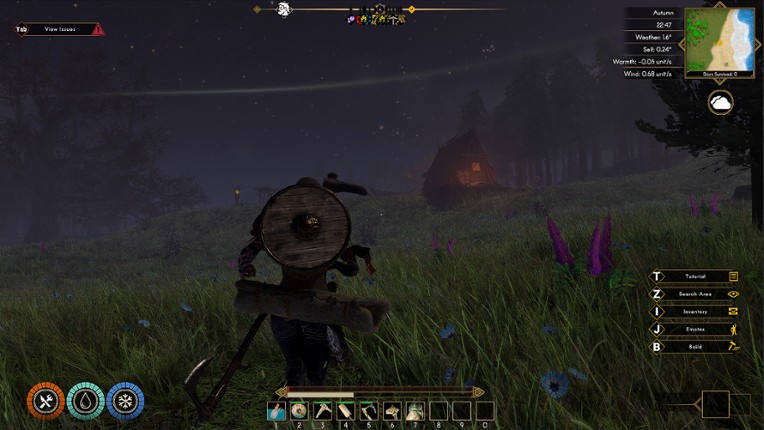
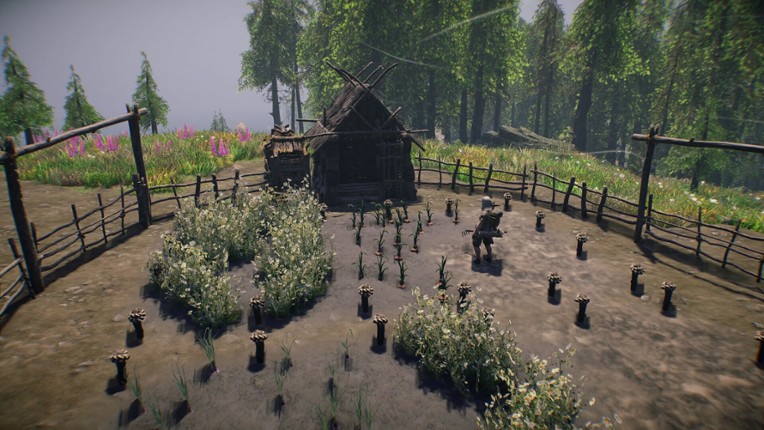
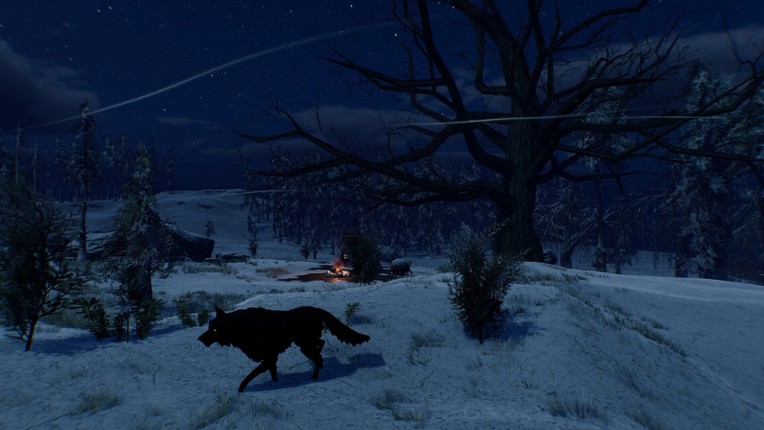
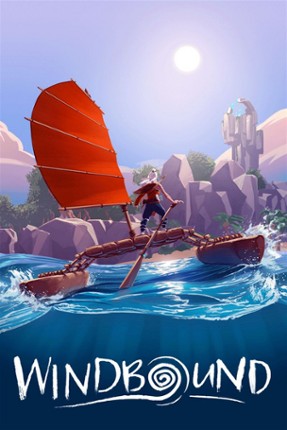
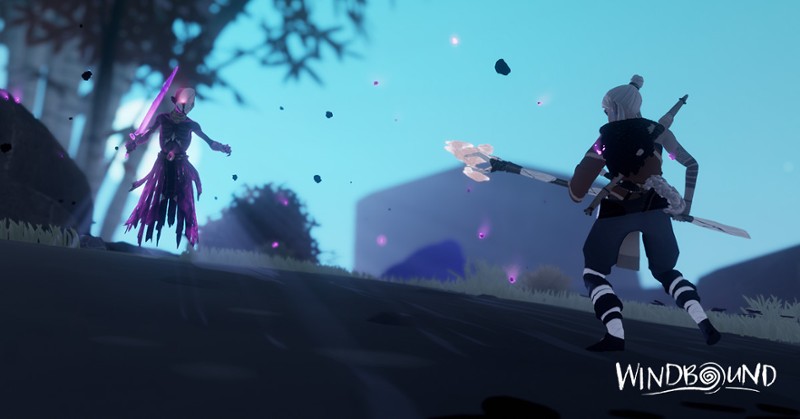
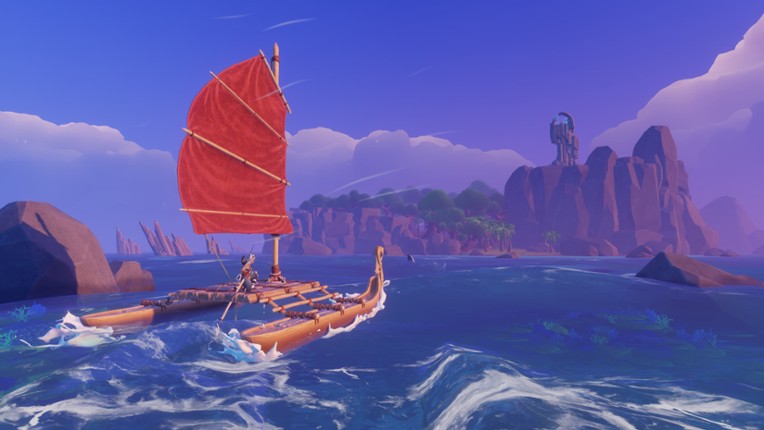
- 63%Game Brain ScoreMost mentioned positive aspects:gameplay, storyMost mentioned negative aspects:stability, grinding62% User Score 1,168 reviewsCritic Score 70%1 reviewsTakes the sailing and crafting of Raft into a roguelike structure with permadeath, ditching multiplayer for a challenging lone-survivor narrative. If you enjoyed this game, see our list of games similar to Windbound.View Game
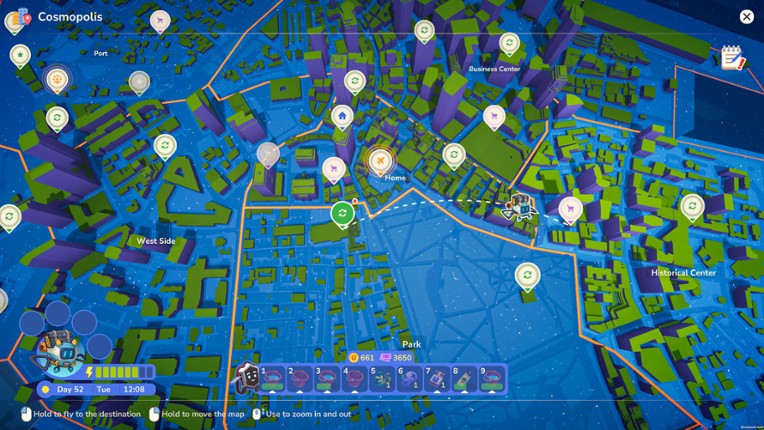
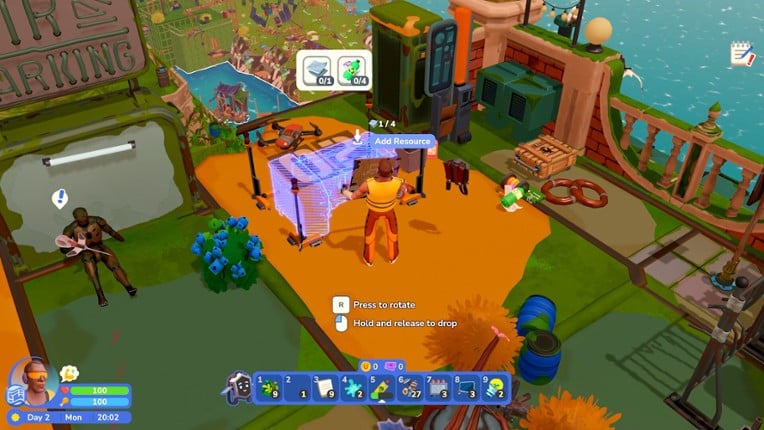
- 89%Game Brain ScoreMost mentioned positive aspects:story, gameplayMost mentioned negative aspects:grinding, stability89% User Score 2,249 reviewsBorrows Raft's farming and base-building but settles you on post-apocalyptic farmland with cozy life-sim rhythms, trading ocean survival for agricultural routines. If you enjoyed this game, see our list of games similar to I am Future.View Game
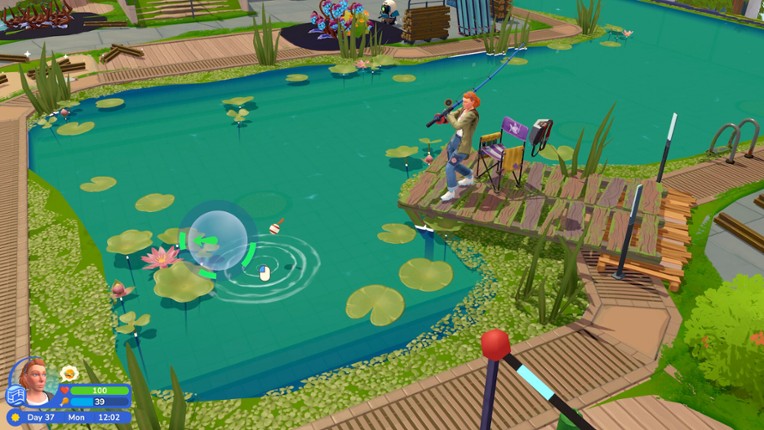
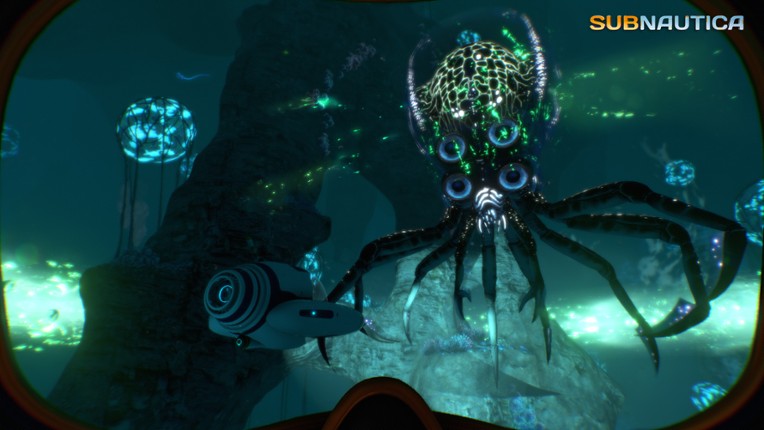
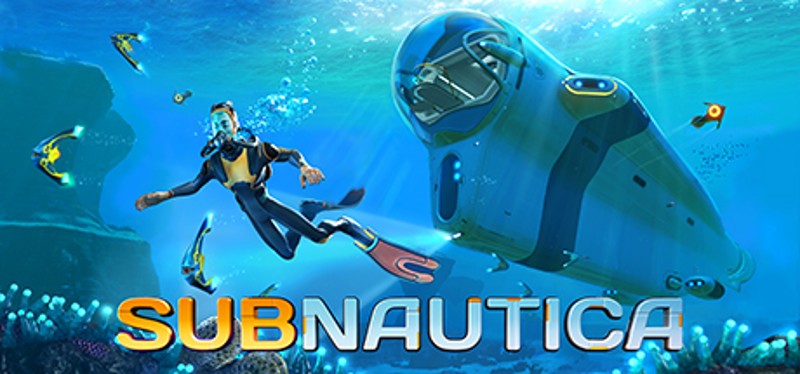
- 87%Game Brain ScoreMost mentioned positive aspects:story, graphicsMost mentioned negative aspects:stability, grinding97% User Score 188,796 reviewsCritic Score 77%12 reviewsExpands Raft's underwater crafting and base-building into a full alien world with story-rich narrative, keeping the atmospheric survival but adding exploration mystery. If you enjoyed this game, see our list of games similar to Subnautica.View Game
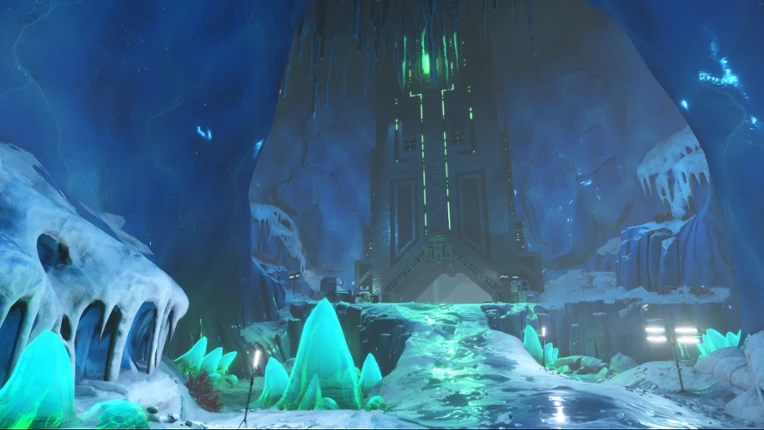
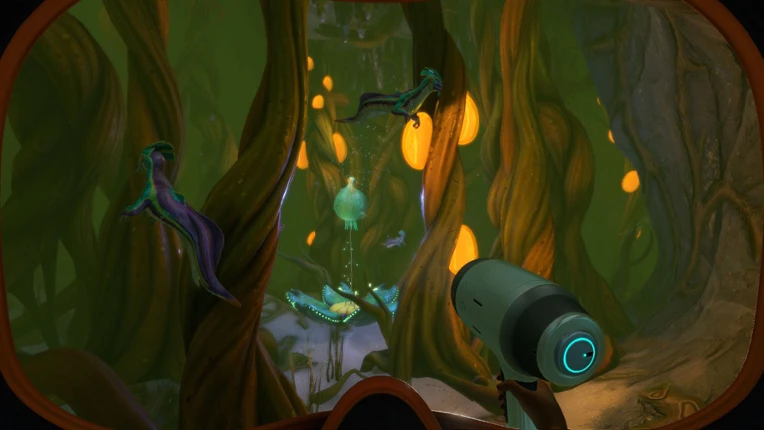
31 View Game 81%Game Brain ScoreMost mentioned positive aspects:story, gameplayMost mentioned negative aspects:grinding, stability81% User Score 7,554 reviewsCritic Score 80%1 reviews
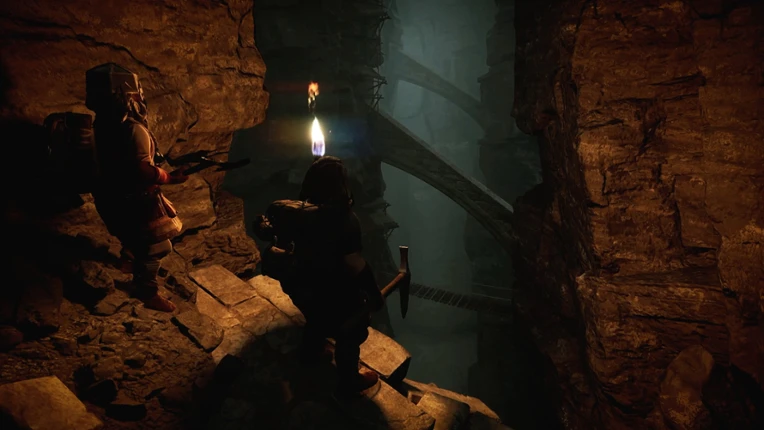
The only survival crafting video game set in the Fourth Age of Middle-earth™ If you enjoyed this game, see our list of games similar to The Lord of the Rings: Return to Moria.
View Game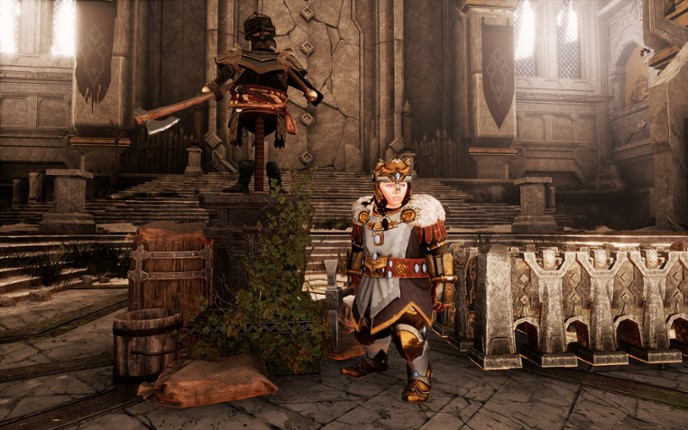
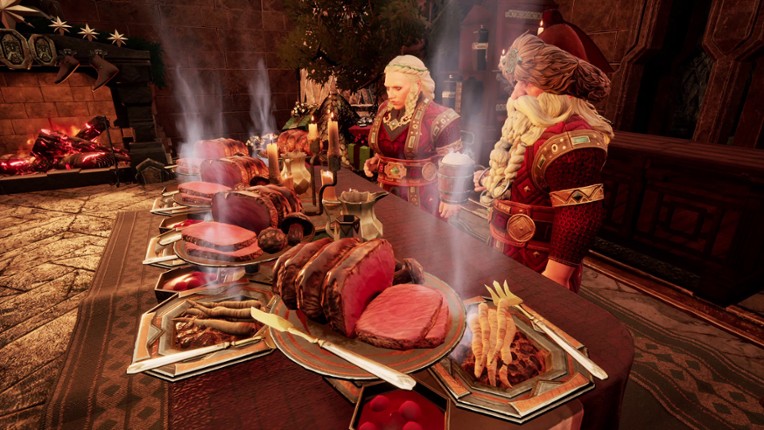
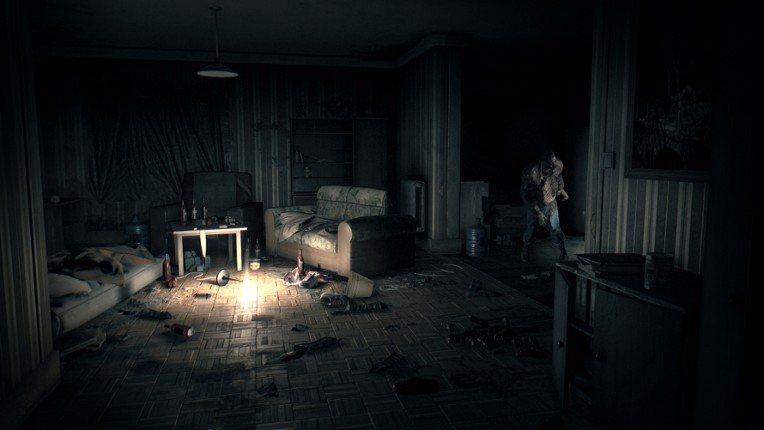
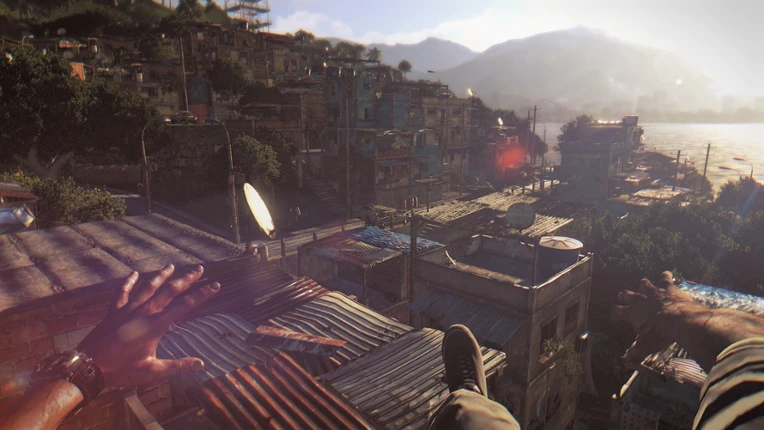
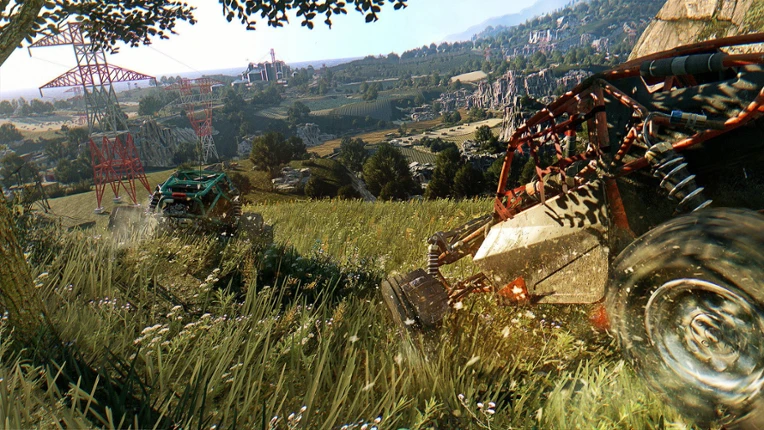
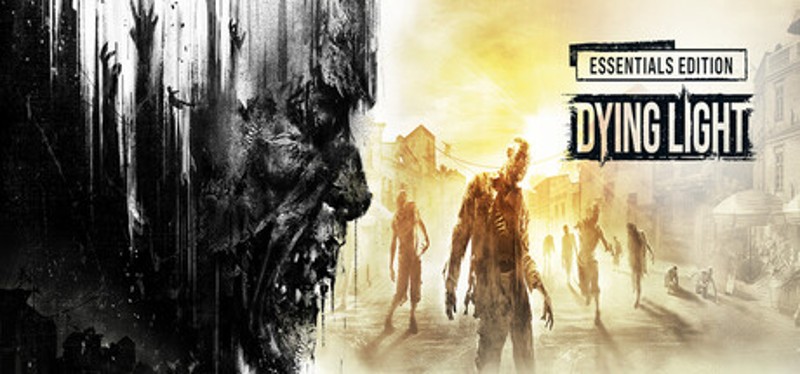
- 87%Game Brain ScoreMost mentioned positive aspects:story, gameplayMost mentioned negative aspects:stability, grinding94% User Score 132,525 reviewsCritic Score 80%33 reviewsShares Raft's co-op survival structure but transplants it into a zombie-infested open world with combat urgency and narrative weight rather than peaceful crafting. If you enjoyed this game, see our list of games similar to Dying Light.View Game
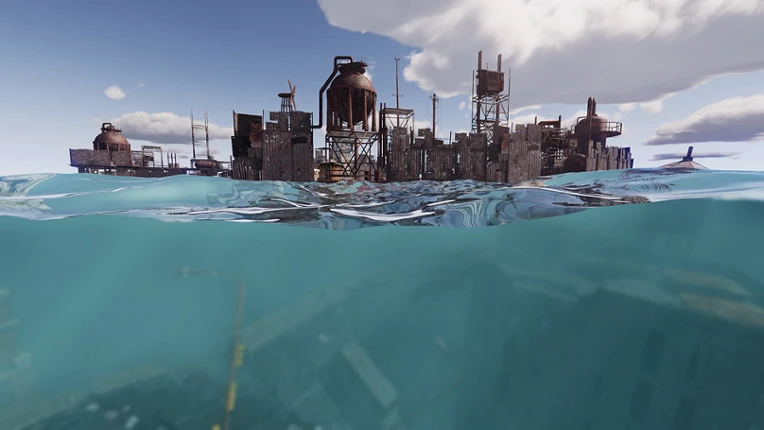
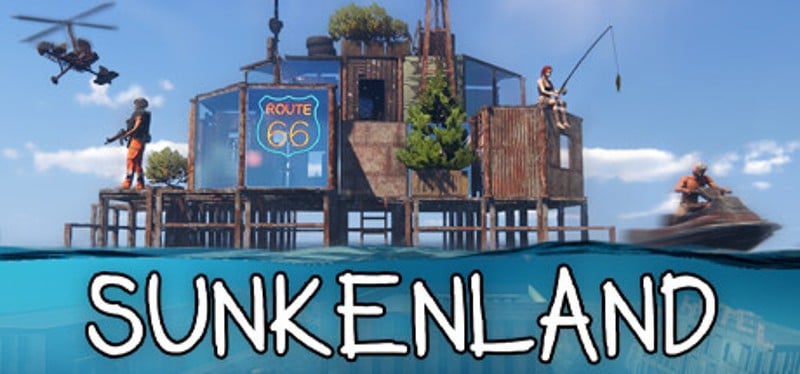
- 86%Game Brain ScoreMost mentioned positive aspects:gameplay, graphicsMost mentioned negative aspects:stability, grinding86% User Score 14,565 reviewsShifts Raft's optimistic survival into a post-apocalyptic underwater world focused on realistic exploration and trading with a small co-op crew. If you enjoyed this game, see our list of games similar to Sunkenland.View Game
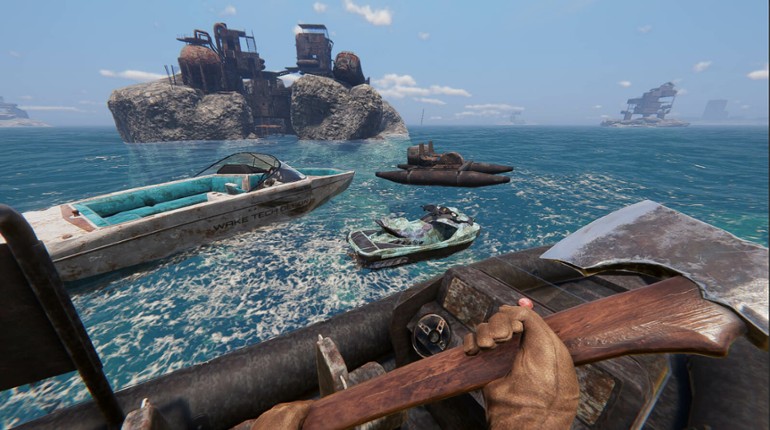
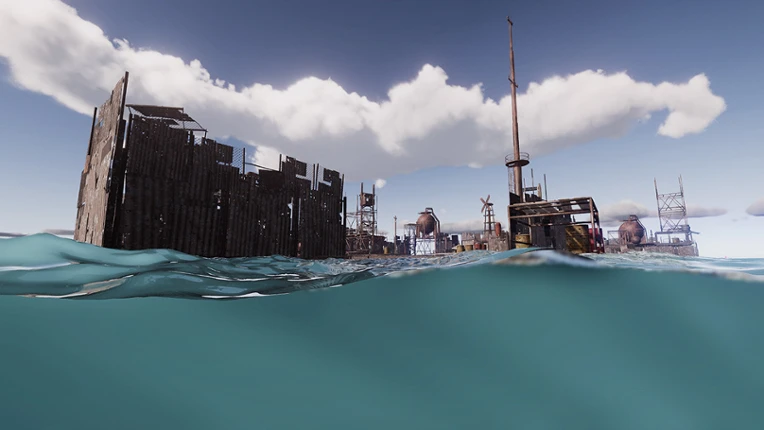
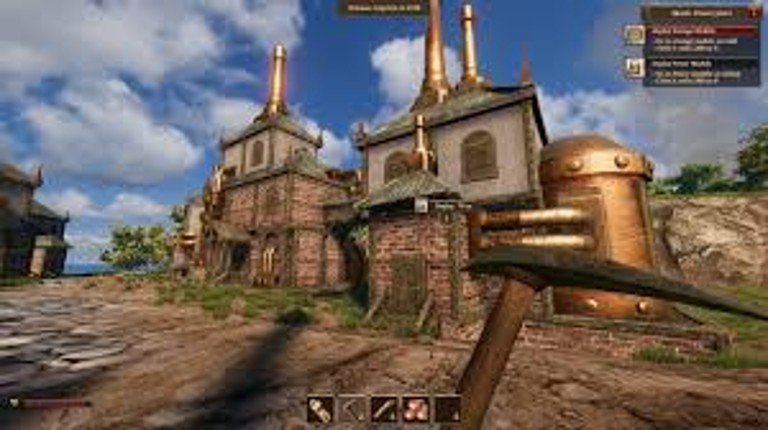
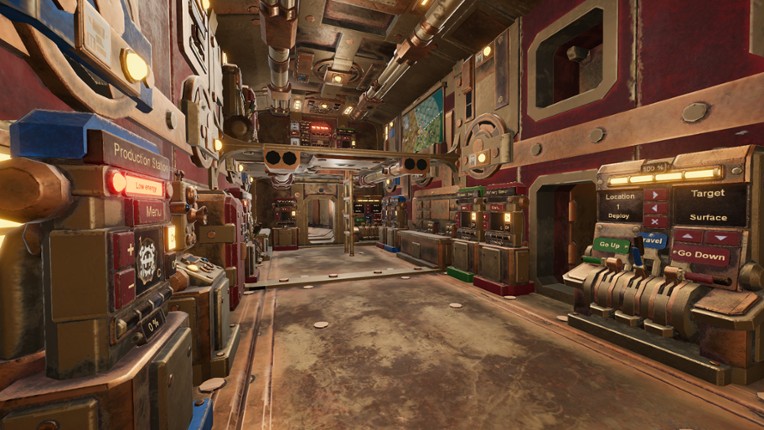
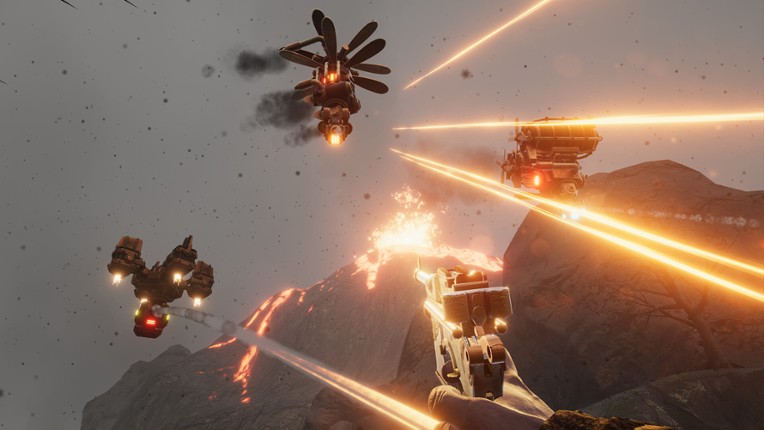
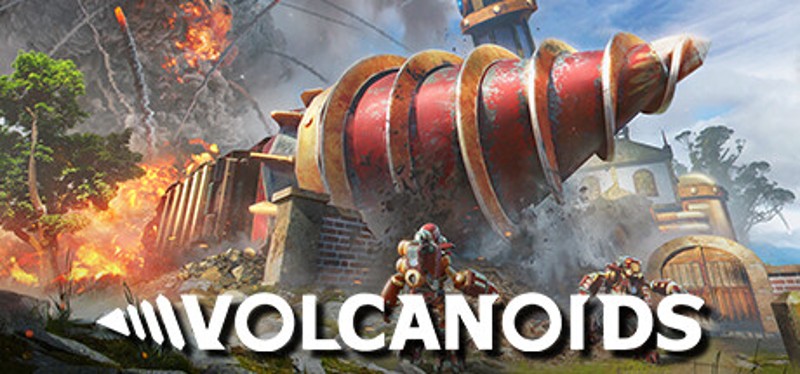
- 85%Game Brain ScoreMost mentioned positive aspects:gameplay, storyMost mentioned negative aspects:grinding, optimization85% User Score 8,985 reviewsCombines Raft’s survival and crafting with steampunk-inspired machinery and first-person base defense in a volcanic open world. If you enjoyed this game, see our list of games similar to Volcanoids.View Game
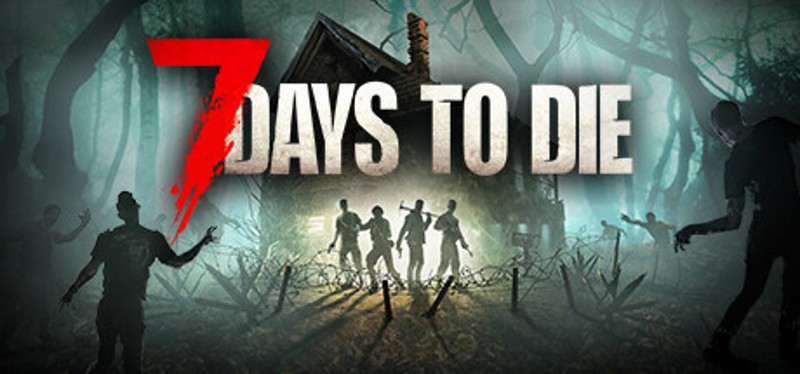
- 62%Game Brain ScoreMost mentioned positive aspects:gameplay, graphicsMost mentioned negative aspects:story, optimization85% User Score 183,471 reviewsCritic Score 40%18 reviews7 Days to Die swaps Raft's calm ocean for voxel horror, blending tower‑defense survival with zombies and split‑screen multiplayer in a grim world. If you enjoyed this game, see our list of games similar to 7 Days to Die.View Game
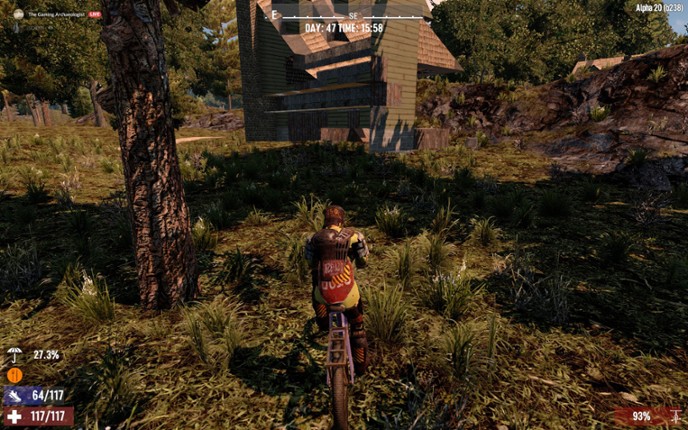
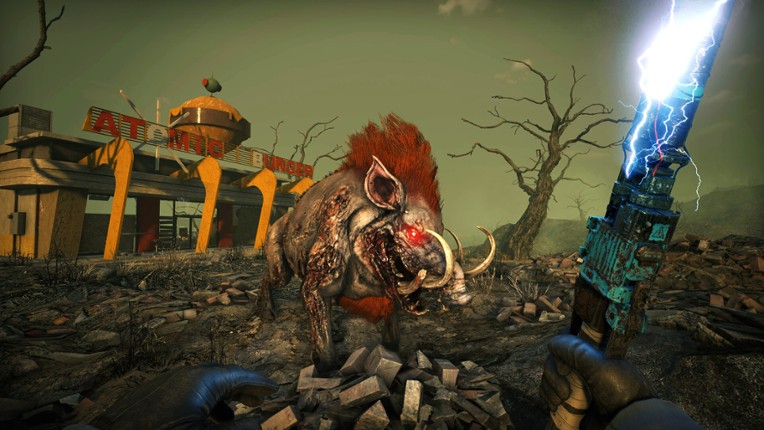
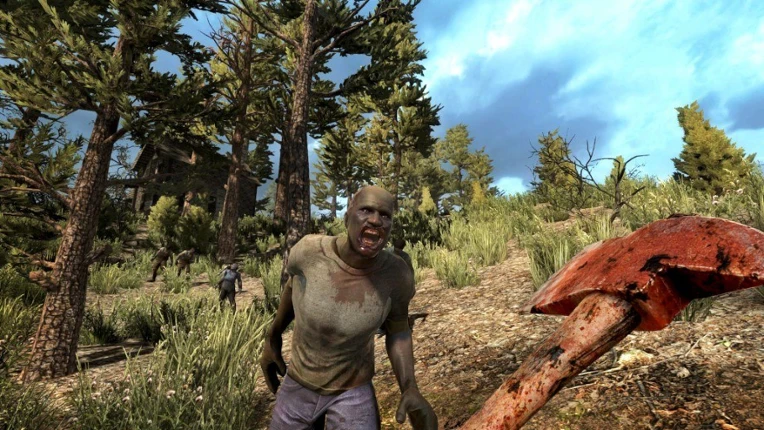
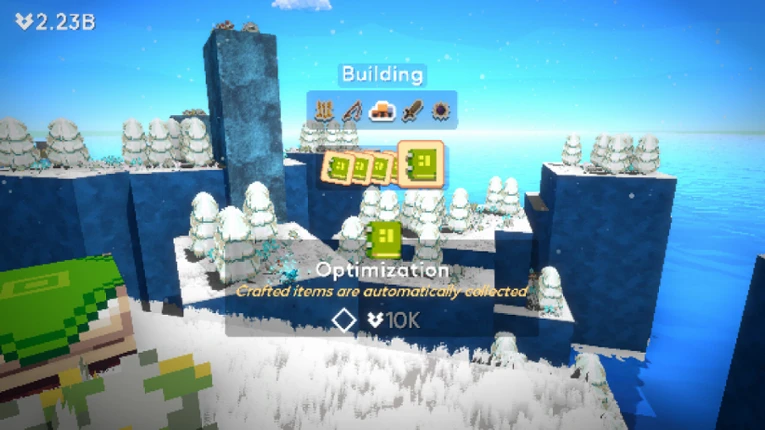
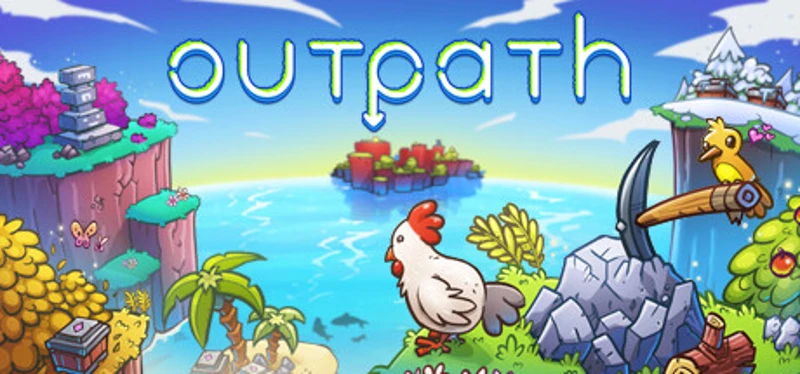
- 93%Game Brain ScoreMost mentioned positive aspects:gameplay, musicMost mentioned negative aspects:grinding, stability95% User Score 2,638 reviewsCritic Score 85%1 reviewsDistills Raft's crafting and farming into a relaxing pixel-art idle game with automation systems, removing exploration and combat for meditative resource growth. If you enjoyed this game, see our list of games similar to Outpath.View Game
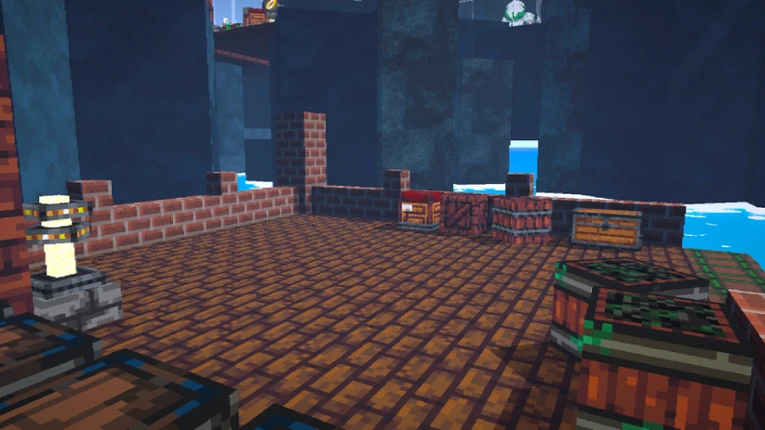
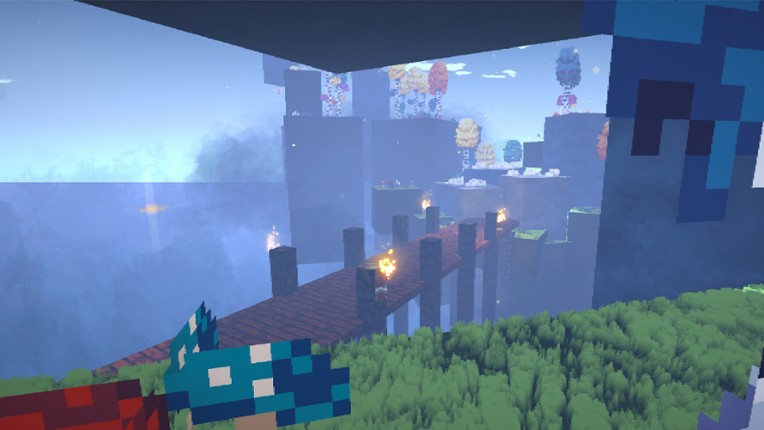
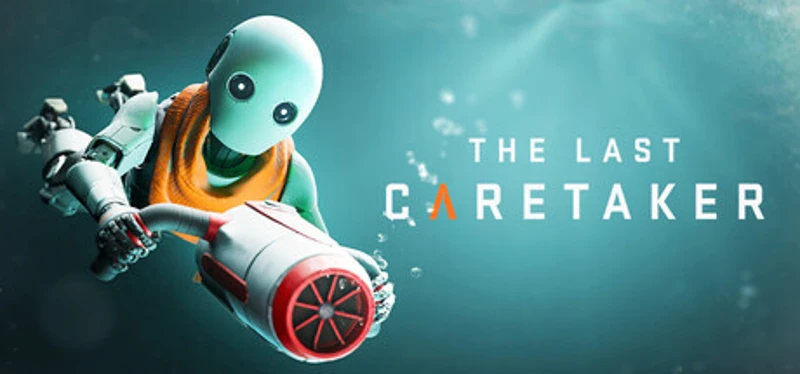
- 86%Game Brain ScoreMost mentioned positive aspects:story, gameplayMost mentioned negative aspects:optimization, stability86% User Score 8,638 reviewsEmphasizing isolated engineering, this title challenges you to maintain a singular, physics-based vessel through complex mechanical repairs and deep-sea exploration. If you enjoyed this game, see our list of games similar to The Last Caretaker.View Game
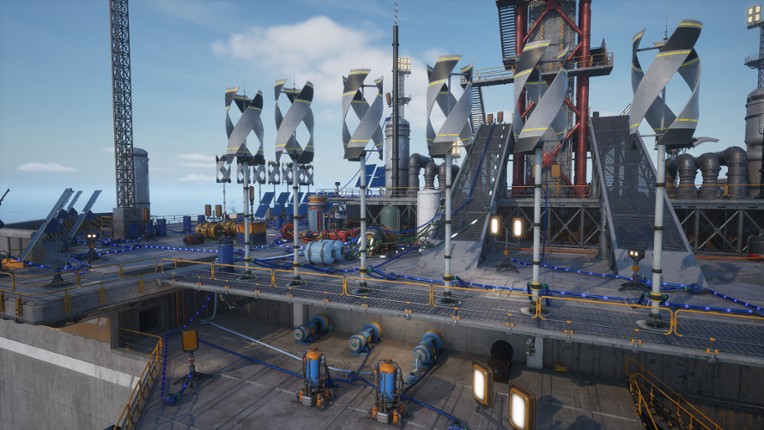
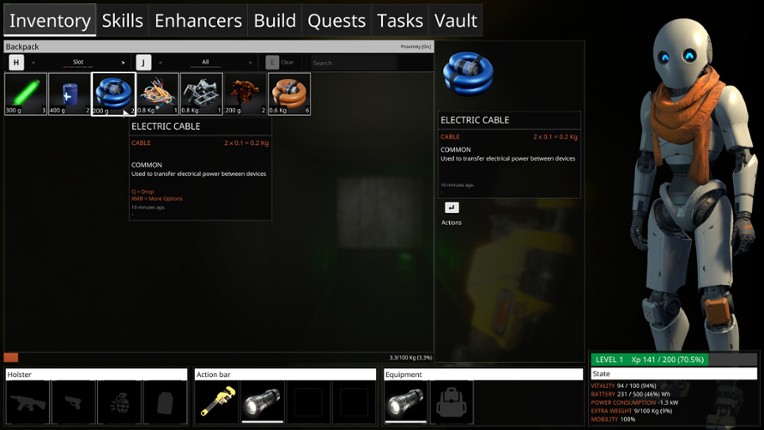
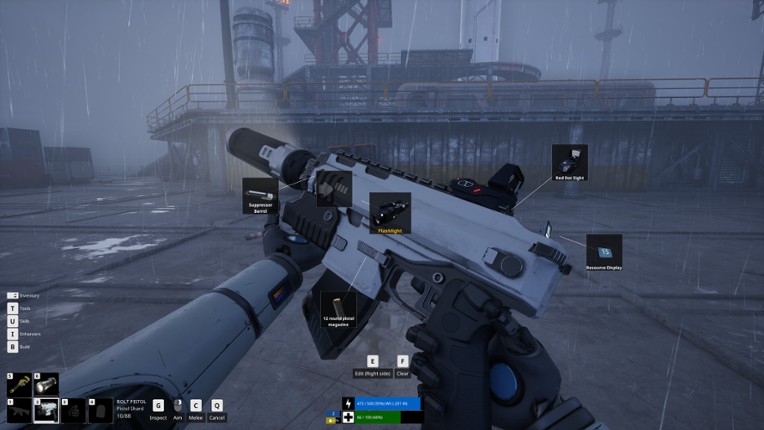
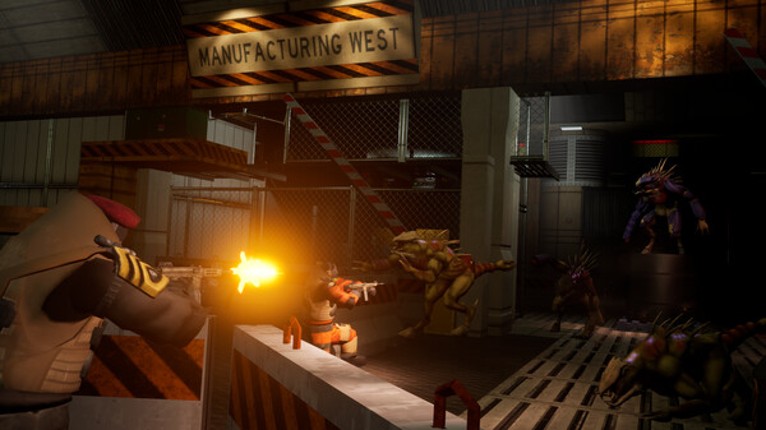
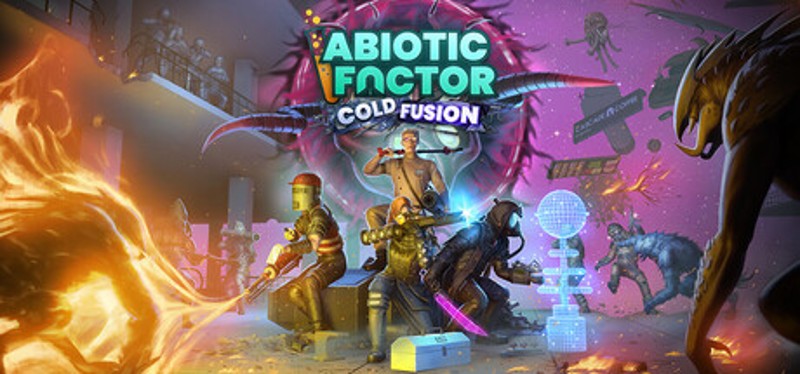
- 96%Game Brain ScoreMost mentioned positive aspects:story, gameplayMost mentioned negative aspects:grinding, optimization96% User Score 37,234 reviews
Survive To See Your Next Day Off If you enjoyed this game, see our list of games similar to Abiotic Factor.
View Game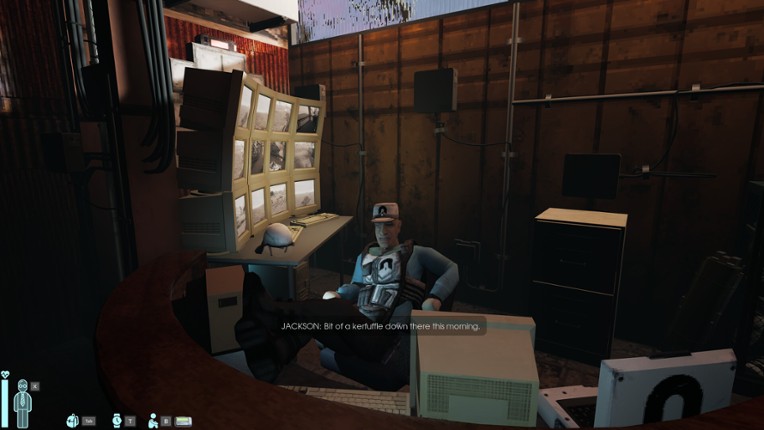
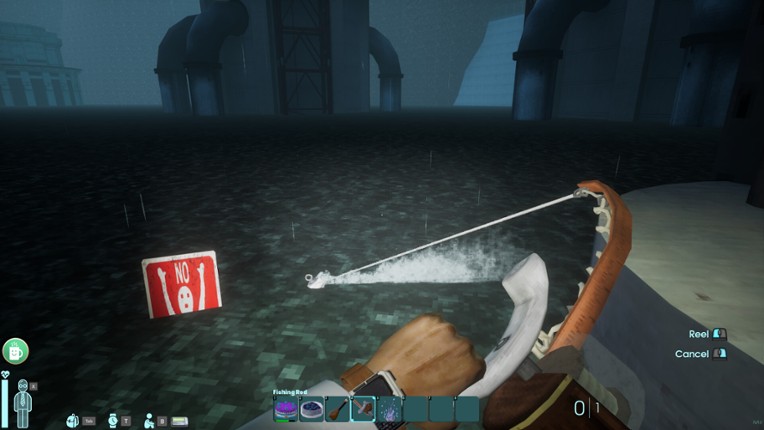
39 View Game 80%Game Brain ScoreMost mentioned positive aspects:gameplay, storyMost mentioned negative aspects:grinding, stability83% User Score 6,848 reviewsCritic Score 75%6 reviews
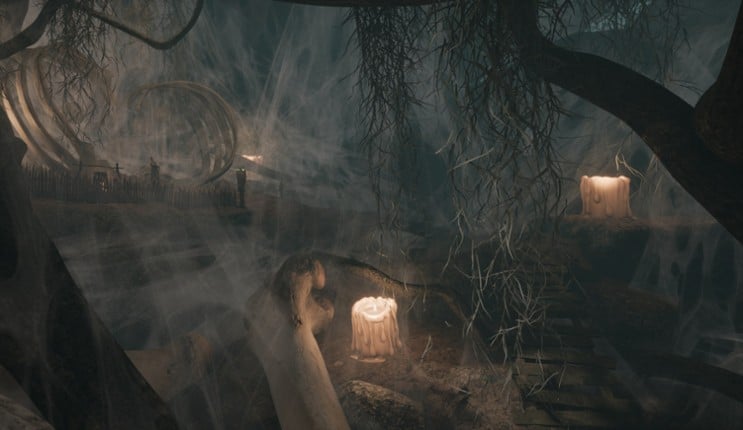
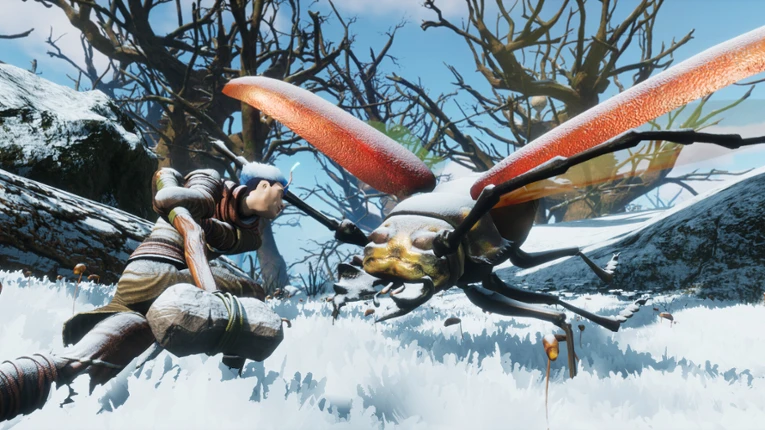
Experience a big adventure on a tiny scale! Enjoy multiplayer survival in a vast, hazardous world. Preparation is key when you're this small & at the bottom of the food chain. Craft weapons & armour, tame & ride creatures, build encampments & explore a strange new land. If you enjoyed this game, see our list of games similar to Smalland: Survive the Wilds.
View Game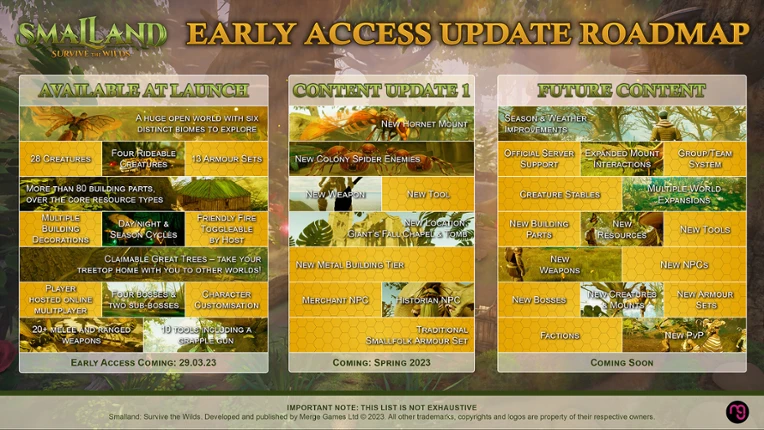
- 73%Game Brain ScoreMost mentioned positive aspects:story, gameplayMost mentioned negative aspects:grinding, stability84% User Score 3,234 reviewsCritic Score 55%5 reviews
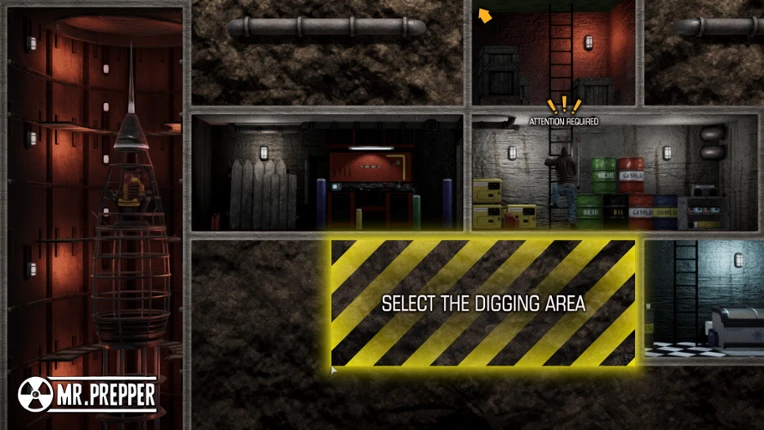
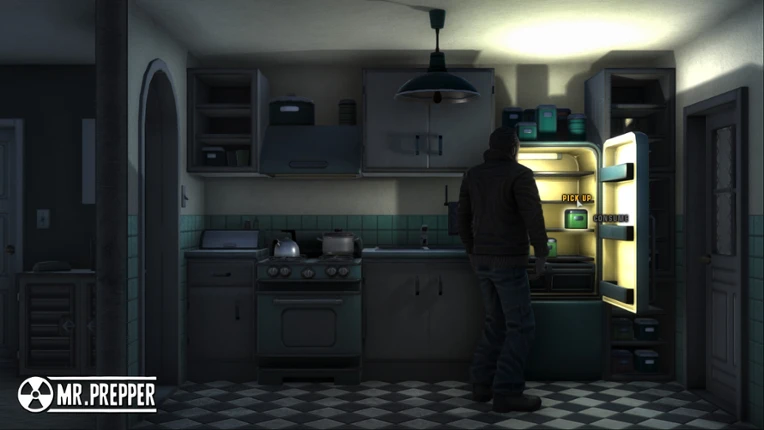
Mr. Prepper is about being prepared. You know something is wrong. The risk of a nuclear war is in the air and you need to get ready for what's coming. Struggle for your freedom and deal with the authoritarian government in this survival crafting game. Mr. Prepper is a guy living in a country that once had been the land of the free, but its new government has changed everything. Obey, stay in your … If you enjoyed this game, see our list of games similar to Mr. Prepper.
View Game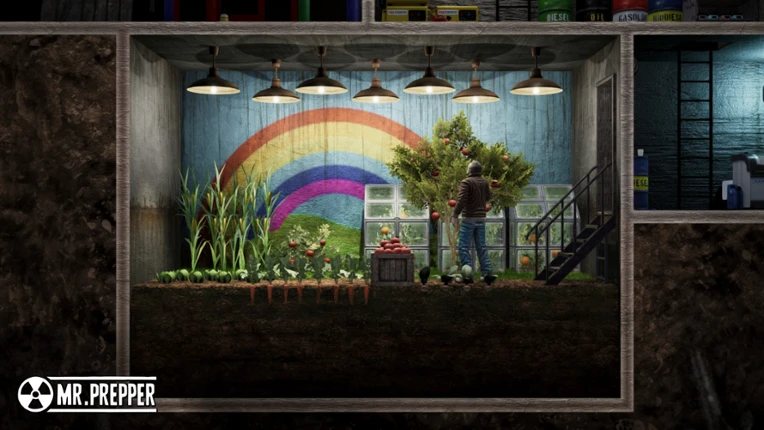
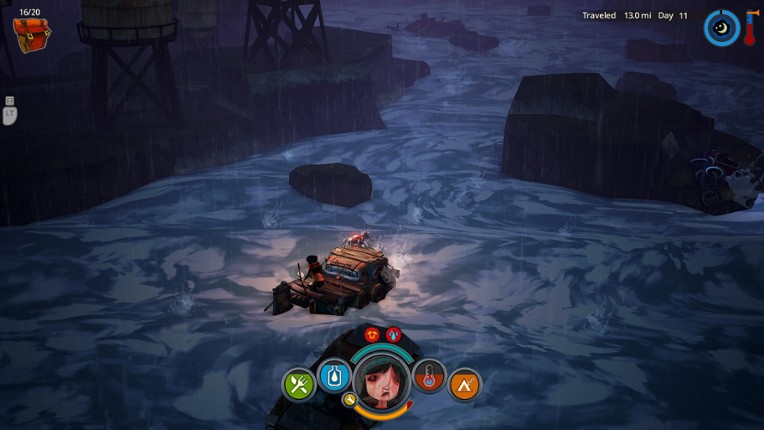
41 View Game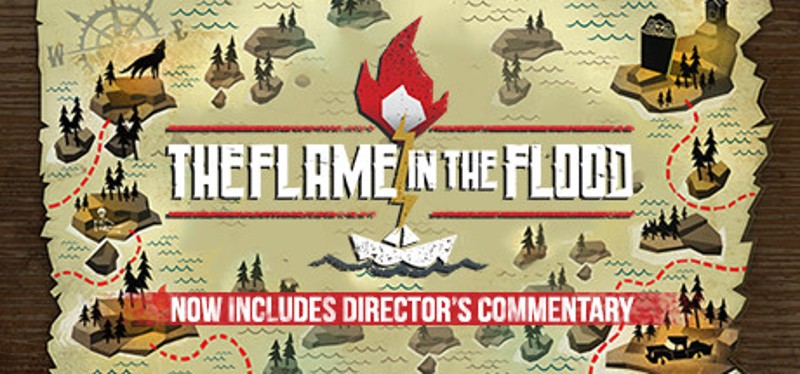 77%Game Brain ScoreMost mentioned positive aspects:music, gameplayMost mentioned negative aspects:stability, grinding76% User Score 3,259 reviewsCritic Score 80%3 reviewsEmbraces Raft’s atmospheric crafting and survival but trades open seas for a post-apocalyptic river journey with roguelike progression. If you enjoyed this game, see our list of games similar to The Flame in the Flood.View Game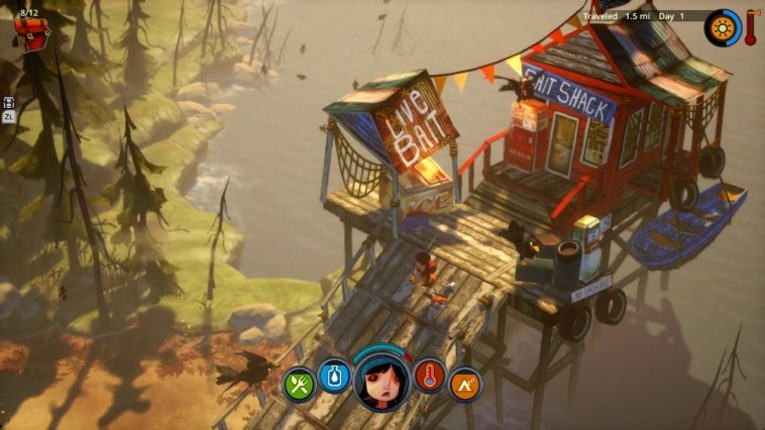
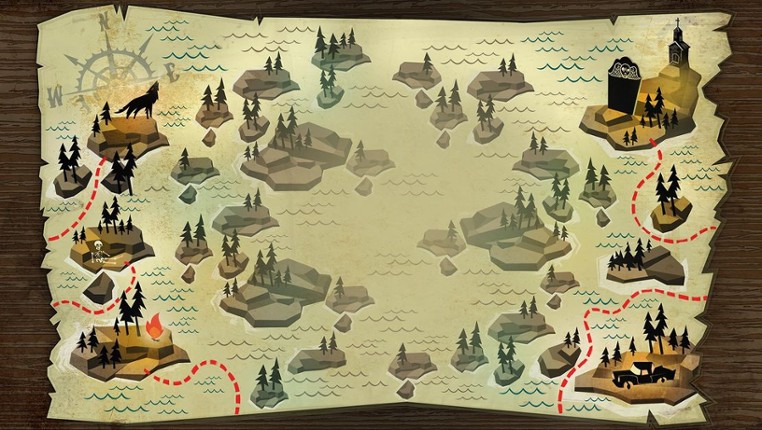
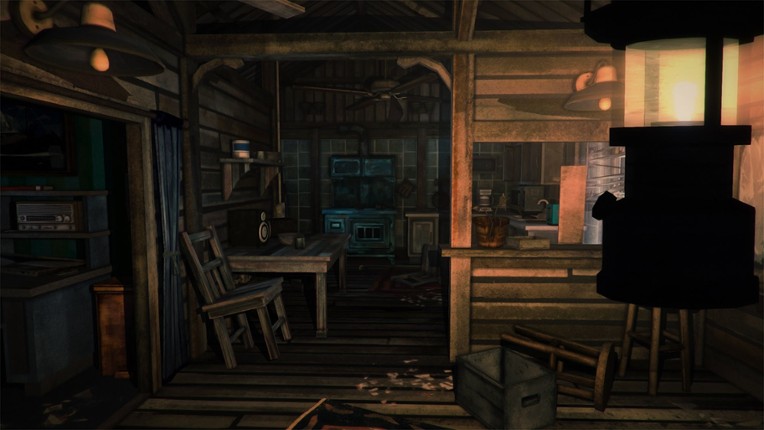
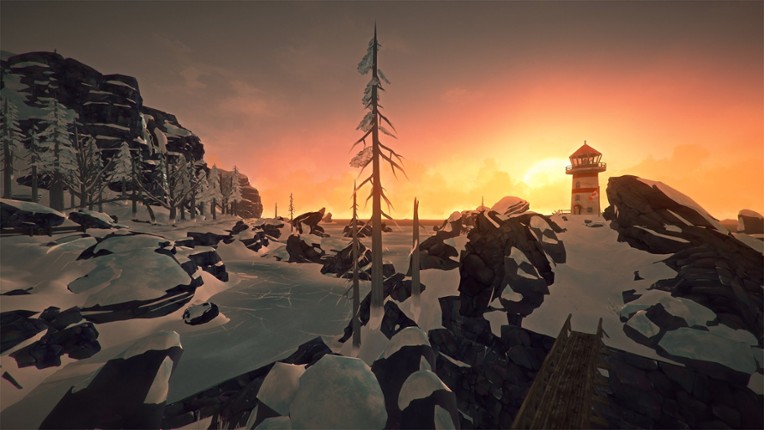
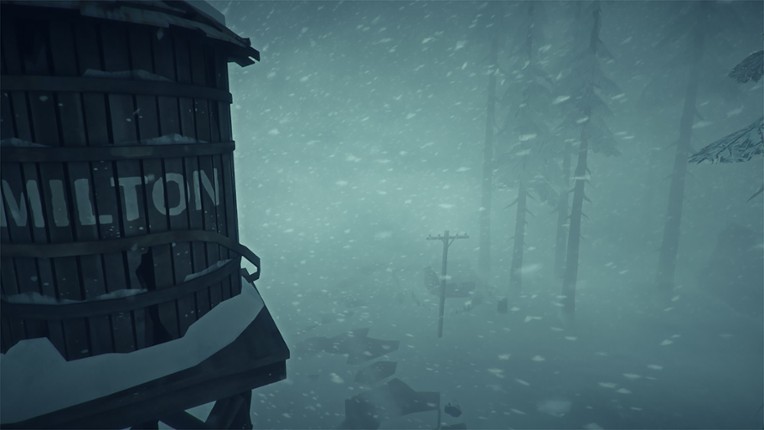
- 84%Game Brain ScoreMost mentioned positive aspects:story, gameplayMost mentioned negative aspects:grinding, stability89% User Score 43,788 reviewsCritic Score 79%22 reviewsMatches Raft's survival crafting and co-op option but abandons the ocean for harsh frozen wilderness, emphasizing resource scarcity and brutal environmental challenge. If you enjoyed this game, see our list of games similar to The Long Dark.View Game
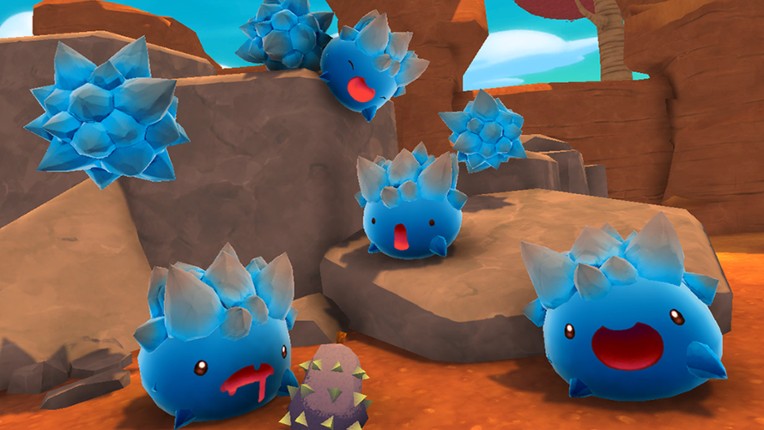
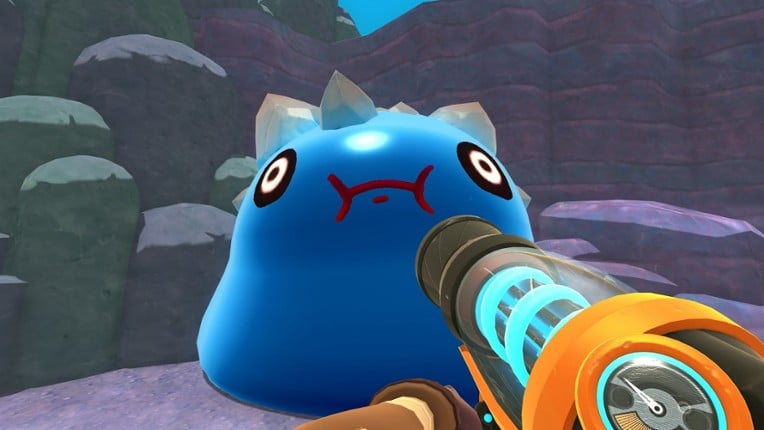
- 93%Game Brain ScoreMost mentioned positive aspects:story, gameplayMost mentioned negative aspects:grinding, stability98% User Score 114,792 reviewsCritic Score 78%3 reviewsSwap the nautical survival intensity for a whimsical ranching experience where you collect colorful creatures rather than fighting off sharks. If you enjoyed this game, see our list of games similar to null.View Game
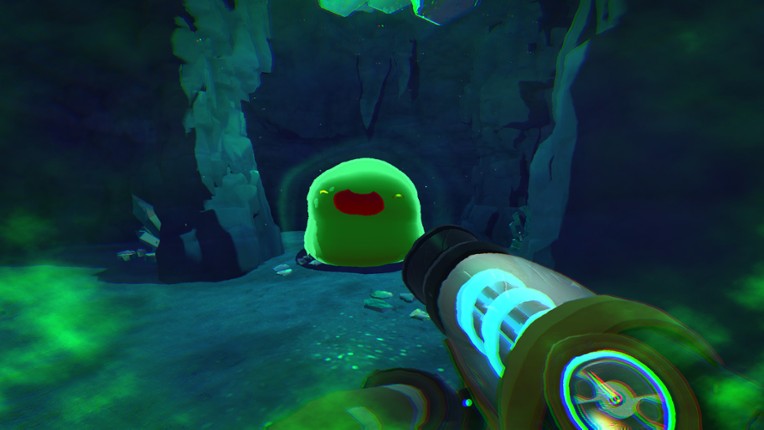
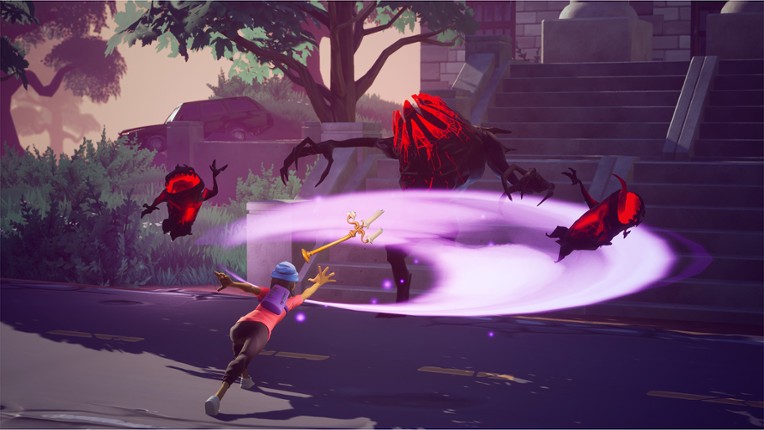
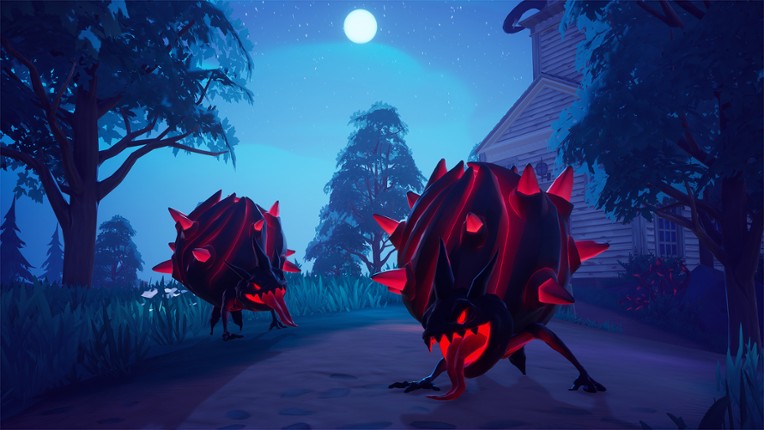
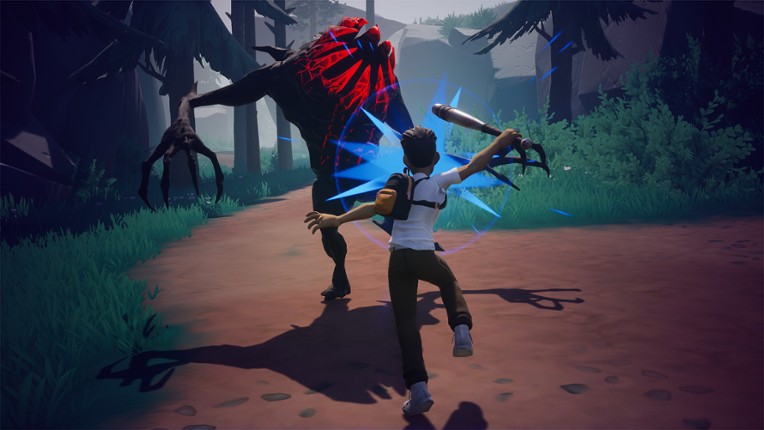
- 76%Game Brain ScoreMost mentioned positive aspects:story, gameplayMost mentioned negative aspects:grinding, replayability76% User Score 940 reviewsWhile lacking the oceanic expanse, this cozy base builder centers on protecting cute, vulnerable forest spirits through strategic defense and exploration. If you enjoyed this game, see our list of games similar to Drake Hollow.View Game
- 76%Game Brain ScoreMost mentioned positive aspects:gameplay, graphicsMost mentioned negative aspects:story, grinding77% User Score 1,070 reviewsCritic Score 71%2 reviews
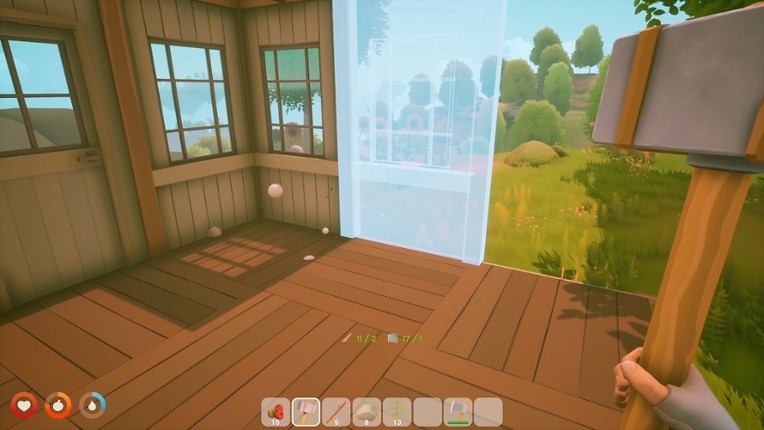
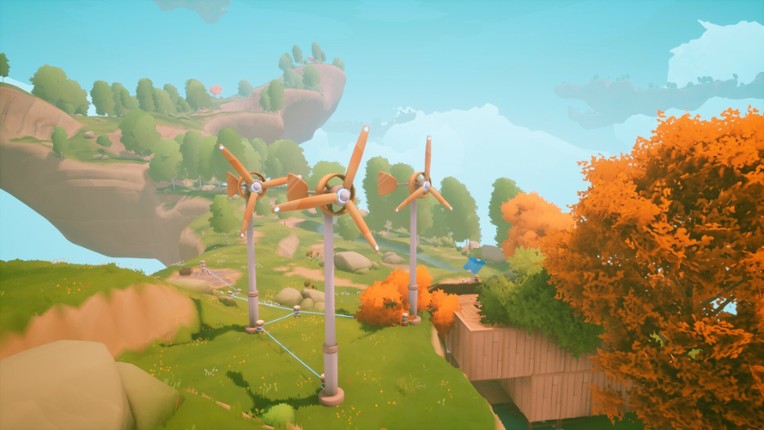
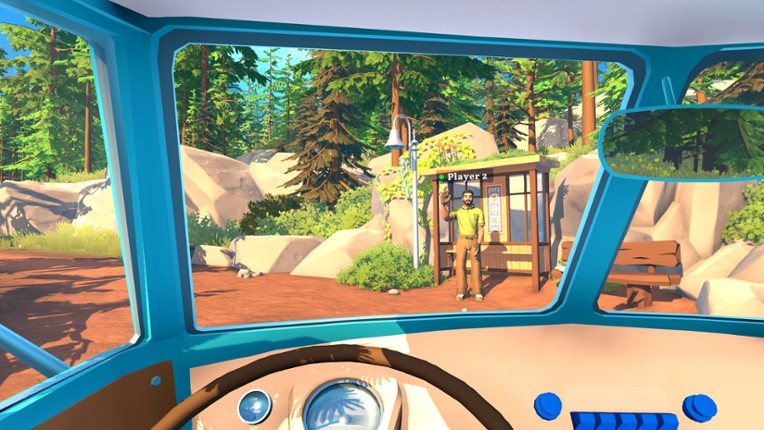
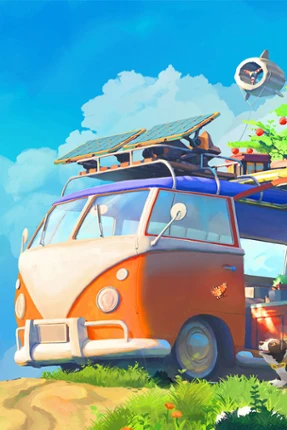
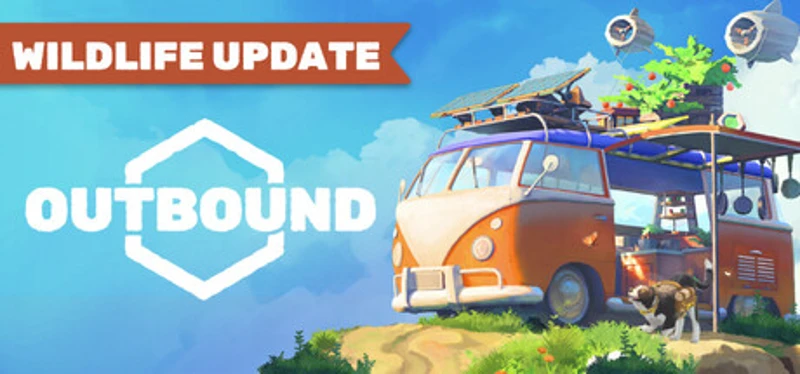
Explore a colorful world and build your own cozy home on wheels. Craft workstations, and source energy from the sun, wind, or water. Upgrade and customize your vehicle, grow crops, and live sustainably off-grid with up to 4 players. If you enjoyed this game, see our list of games similar to Outbound.
View Game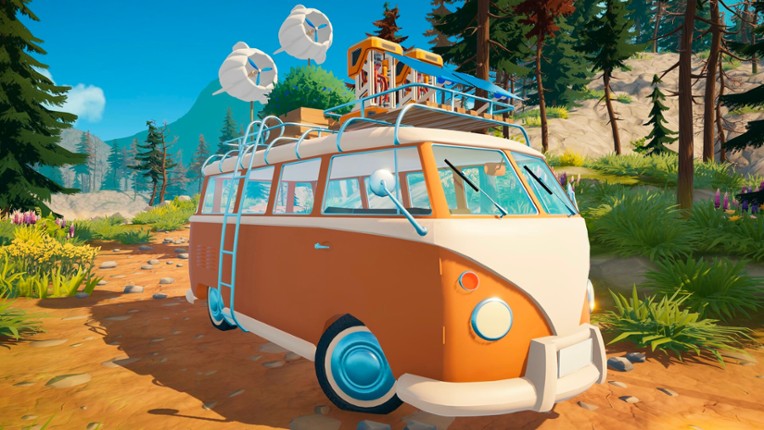
- 87%Game Brain ScoreMost mentioned positive aspects:graphics, storyMost mentioned negative aspects:grinding, character development91% User Score 4,067 reviewsCritic Score 81%5 reviews
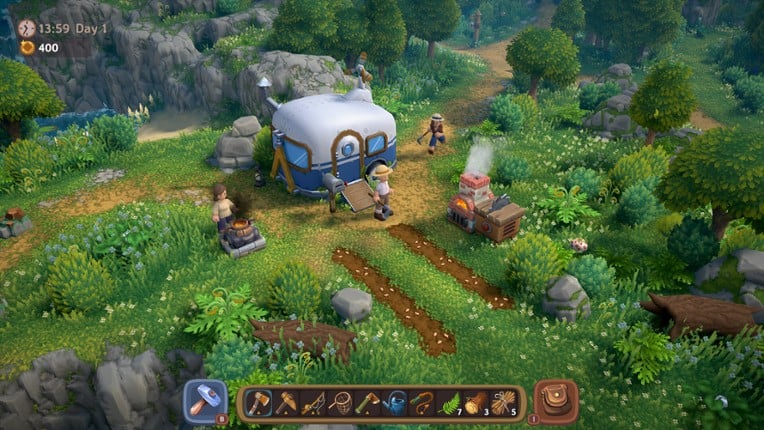
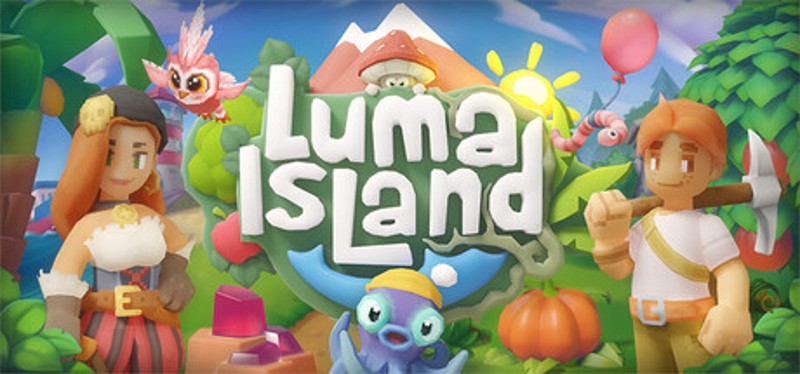
Go solo or play with up to 4 friends and family members, this island is yours to discover!Begin your extraordinary journey in a humble old caravan and rise to the grand achievement of building a majestic manor that you can proudly call your home. Traverse the island solving quests and helping the locals through their struggles. Dangerous spider caves, ancient temples, mind-bending puzzles and hid… If you enjoyed this game, see our list of games similar to Luma Island.
View Game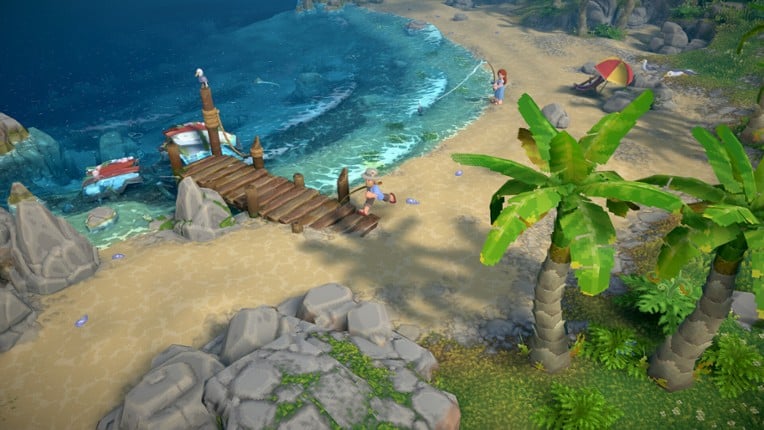
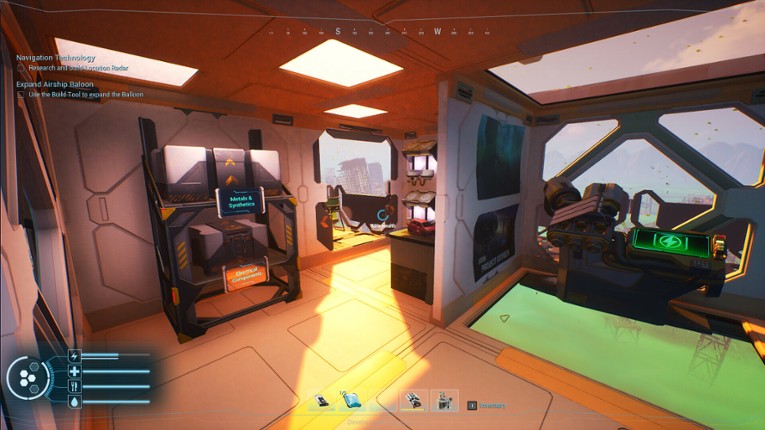
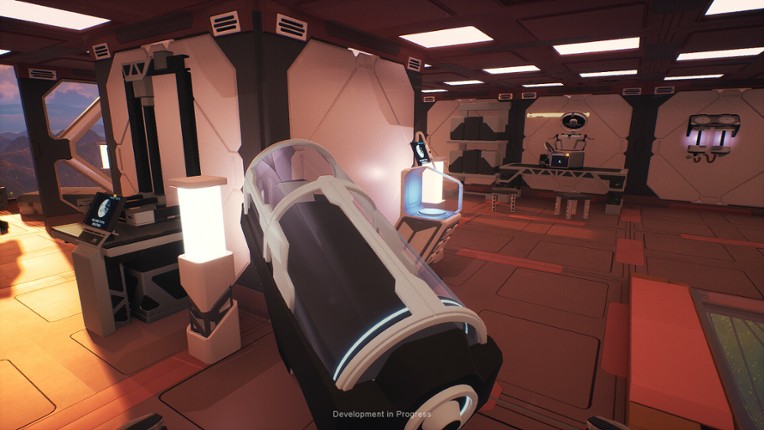
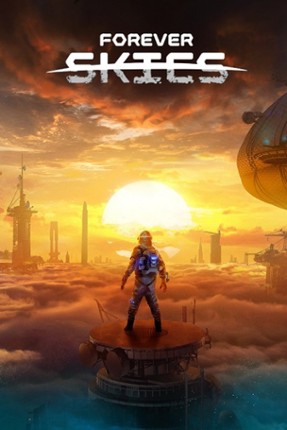
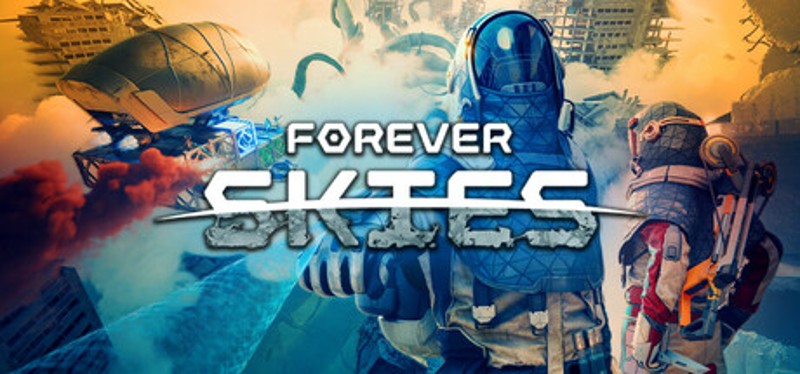
- 81%Game Brain ScoreMost mentioned positive aspects:story, gameplayMost mentioned negative aspects:optimization, grinding88% User Score 4,854 reviewsCritic Score 71%7 reviewsTraverse toxic skies in a customizable airship rather than an ocean raft, perfect for players seeking a more claustrophobic, futuristic mystery. If you enjoyed this game, see our list of games similar to Forever Skies.View Game
- 81%Game Brain ScoreMost mentioned positive aspects:gameplay, graphicsMost mentioned negative aspects:optimization, story81% User Score 9,415 reviews
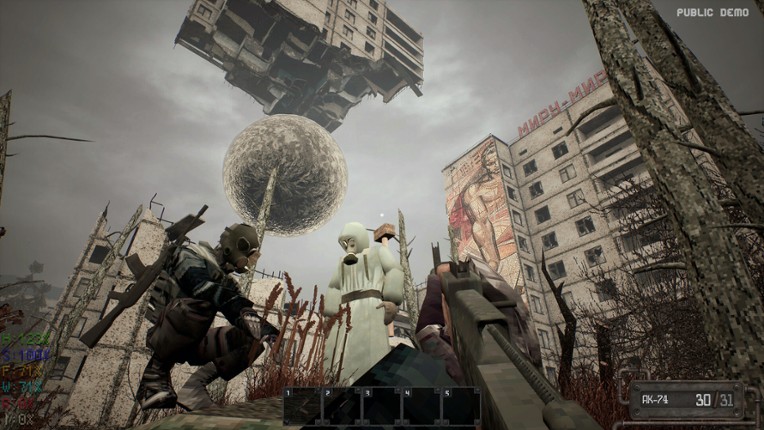
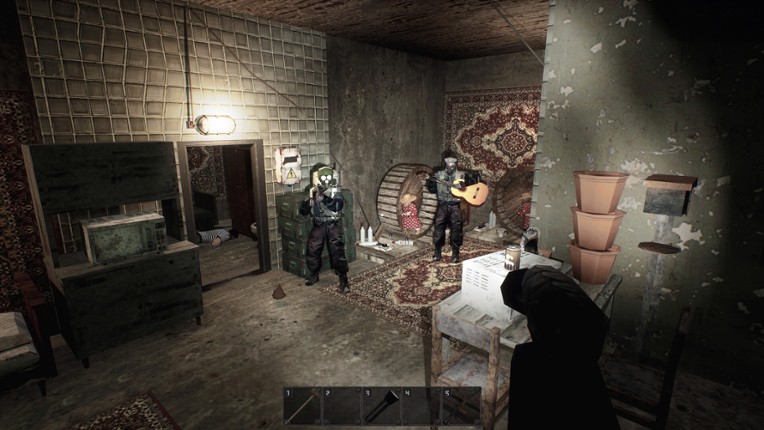
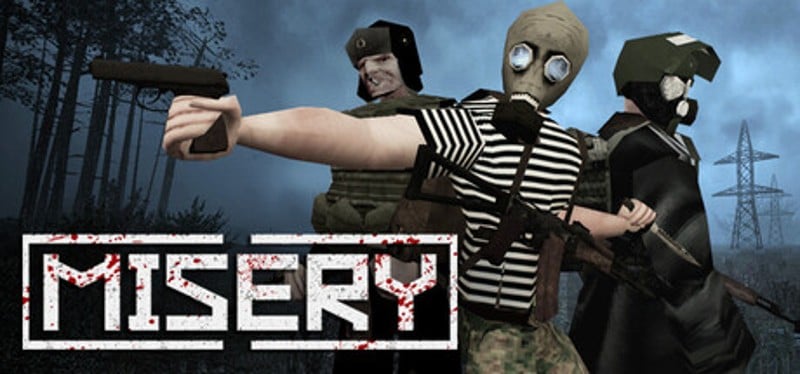
MISERY is a co-op rogue-lite survival game for fans of Lethal Company and Stalker. You play as PMCs guarding a secret research institute in the Republic of Zaslavie.The Scientific Institute for Research of the Zaslavie Exclusion Zone (SIRZEZ) was built before the war to study anomalies and artifacts. Over time, these artifacts became the cause of conflict between international military blocs. Neit… If you enjoyed this game, see our list of games similar to MISERY.
View Game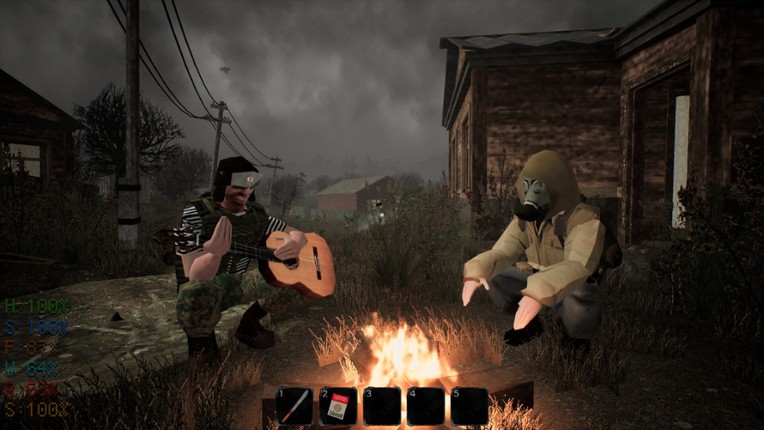
- 81%Game Brain ScoreMost mentioned positive aspects:gameplay, storyMost mentioned negative aspects:grinding, optimization83% User Score 2,653 reviewsCritic Score 76%4 reviews
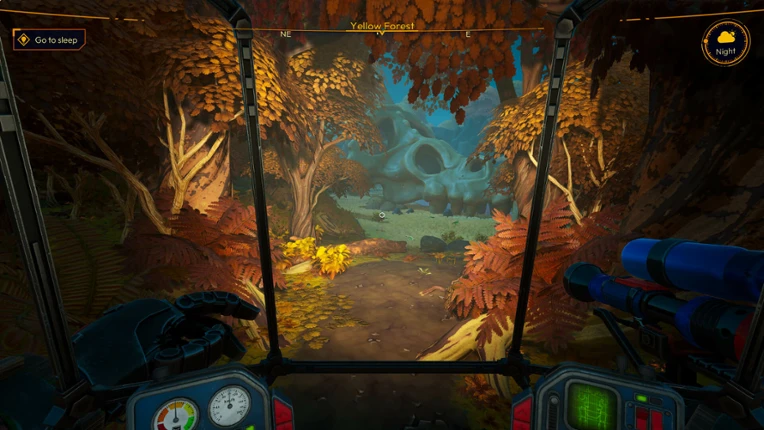
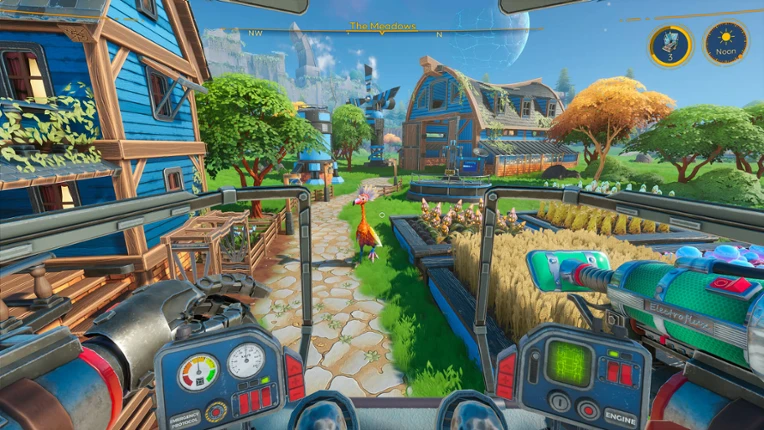
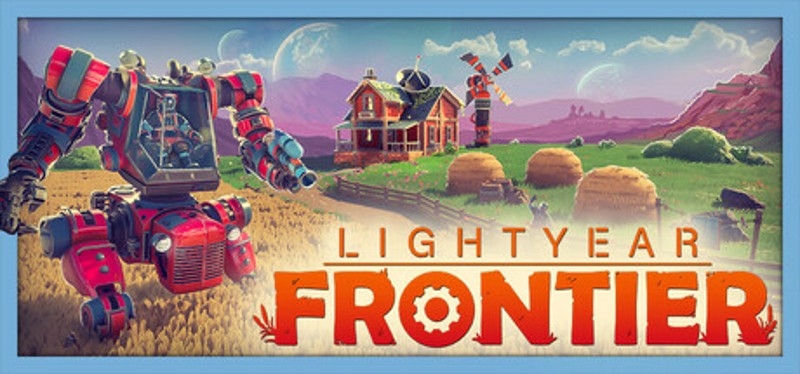
Start your interstellar homestead in this peaceful open-world farming adventure!Build your sustainable exofarm, grow alien crops, customize your mech, and explore a new world full of mystery with up to three friends! Features RELAX ON A PEACEFUL WORLDLive the quiet life as you take in the sights and sounds of your new home. Enjoy a low-stress, combat-free experience without the need to manage thin… If you enjoyed this game, see our list of games similar to Lightyear Frontier.
View Game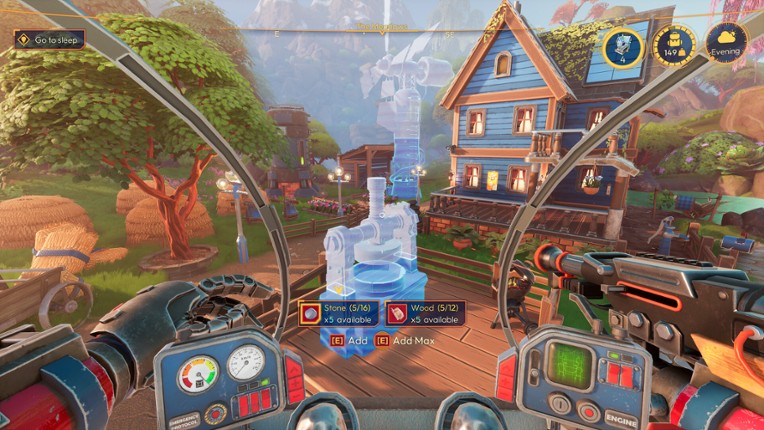
- 87%Game Brain ScoreMost mentioned positive aspects:gameplay, graphicsMost mentioned negative aspects:optimization, grinding87% User Score 1,410 reviews
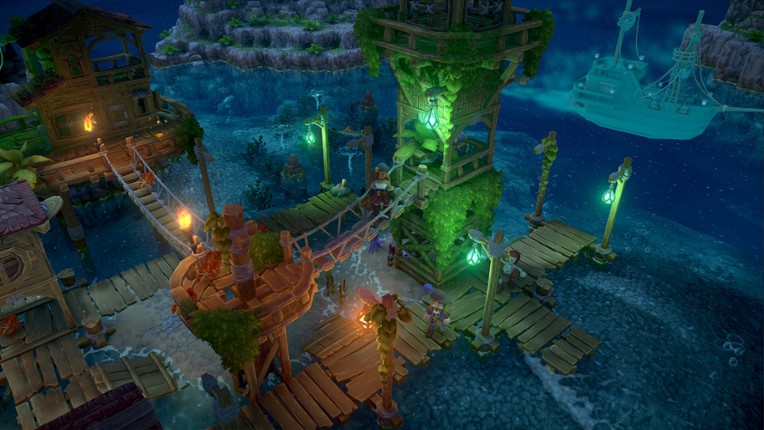
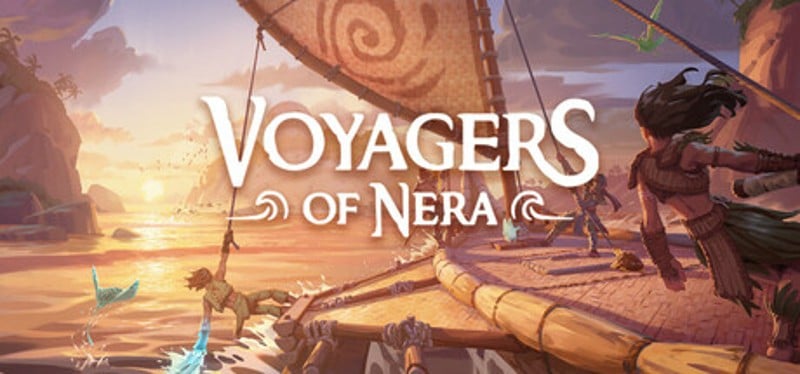
Voyagers of Nera is a cooperative seafaring survival-crafting game for up to 10 players. Sail across a magical ocean world, skim along the waves, and protect lost nature spirits from monsters emerging from the depths. If you enjoyed this game, see our list of games similar to Voyagers of Nera.
View Game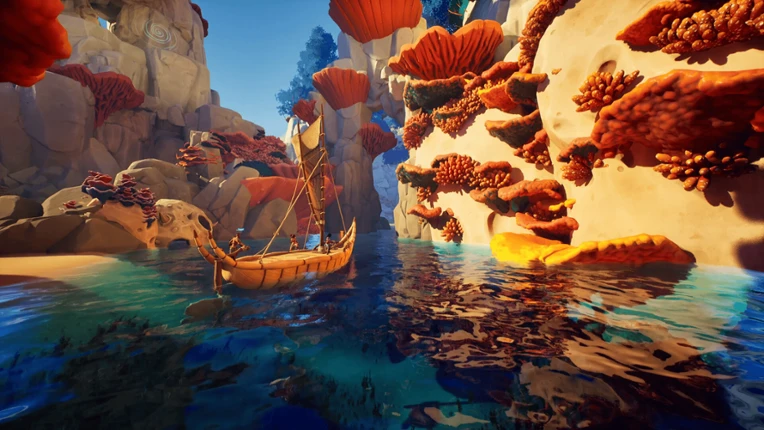


 View Game






















Frequently Asked Questions
Valheim and Sons Of The Forest deliver similar base-building and crafting depth with co-op multiplayer. Grounded offers the same resource management loop in a unique shrunk-down world. All three feature atmospheric exploration, creative building freedom, and strong online co-op support that Raft fans appreciate most.
Yes, Green Hell, Len's Island, and Core Keeper all support 2-4 player online co-op. Valheim is particularly praised for chaotic multiplayer moments and cooperative building. Each game maintains Raft's emphasis on teamwork, crafting, and base construction while adding combat or exploration layers.
Green Hell features deep, realistic jungle survival with resource management and skill-based mechanics. Survival: Fountain of Youth demands careful planning with immersive first-person survival. Both games lean harder into difficulty and environmental threats compared to Raft's more relaxed pace, offering grittier survival experiences.
Core Keeper is a standout indie option with affordable pricing and exceptional value. Forager offers a casual, relaxing take on survival crafting at a low price point. Both deliver hundreds of hours of gameplay with meaningful progression, making them perfect alternatives if you're budget-conscious.
Grounded excels at environmental storytelling and exploration rewards in a mysterious world. Sons Of The Forest combines dense exploration with narrative depth and atmospheric dread. Survival: Fountain of Youth emphasizes beautiful environments and lore-driven discovery alongside survival mechanics.
Forager is ideal—it combines farming, crafting, and base-building in a chill, laid-back experience. Len's Island offers a peaceful farming and building loop mixed with optional combat exploration. Both games capture Raft's zen progression without the intensity, perfect for casual long-term play.