


If BioShock left you craving more first-person worlds where atmosphere does as much heavy lifting as gunplay, you're in exactly the right place. Games like BioShock occupy a rare intersection — part shooter, part RPG, part interactive novel — where plasmid-powered combat, dystopian world-building, and genuinely surprising narrative twists all pull equal weight. The good news is that several games nail this same formula, and a few even push it further.
What sets BioShock apart isn't any single mechanic but the way everything interlocks: a decaying art deco city that tells its story through environmental detail and audio logs, a first-person combat system that rewards creative mixing of weapons and abilities, and a political undercurrent that gives the violence actual weight. Players who love it are chasing that specific feeling — uncovering a fallen world at your own pace while managing a surprisingly deep toolkit of powers and upgrades.
BioShock Infinite swaps underwater dread for sky-city spectacle with equally ambitious storytelling. System Shock 2 is the direct spiritual ancestor — tighter, scarier, and deeply formative. Dishonored delivers the steampunk atmosphere and immersive-sim freedom in a genuinely haunting city. Prey channels BioShock's DNA aboard a space station with exceptional environmental narrative. Deus Ex and Deus Ex: Human Revolution offer the RPG depth and cyberpunk conspiracy that fans of Rapture's political edge will find deeply satisfying.
Every recommendation below is ranked by similarity using real player data, so the closest matches appear first. Browse the full list to find the exact combination of tone, mechanics, and atmosphere that fits what you loved most about BioShock.
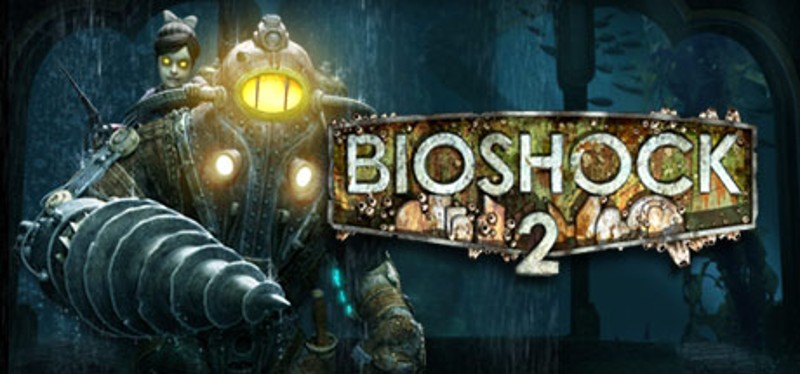
BioShock 2 preserves the core tension of wielding experimental powers in real-time combat while managing limited resources—the same strategic depth that made plasmid-switching feel like genuine tactical problem-solving in the original. You're again balancing offense, defense, and utility abilities mid-firefight, forcing meaningful decisions rather than reflexive button-mashing.
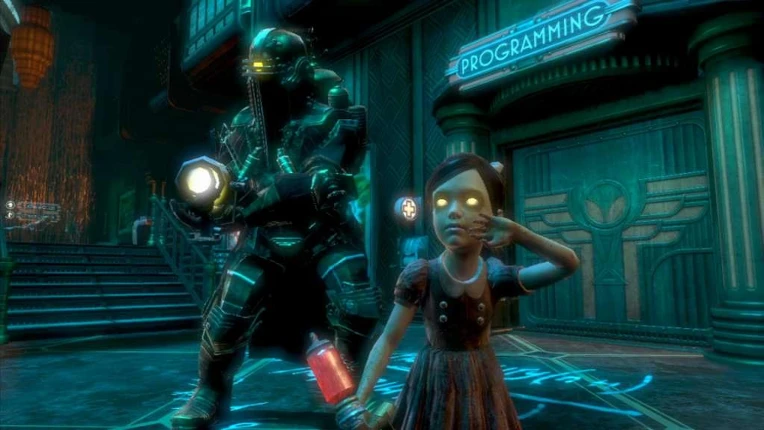
The atmosphere and world-building remain anchored in the same 1950s art deco underwater setting, with Rapture's dystopian politics and environmental storytelling woven directly into level design. However, BioShock 2 shifts perspective: you now play as a Big Daddy, fundamentally changing how you interact with Rapture's inhabitants and moral landscape in ways the original couldn't explore.
Where the first game's late-game grind wore thin, BioShock 2 tightens pacing and mission structure, reducing the fetch-quest fatigue players commonly cited. The remaster concerns from the original have also been addressed with improved stability.
Best for players who valued Rapture's atmospheric grip and plasmid-based combat over spectacle—especially those willing to experience the world from an entirely new vantage point.
If you enjoyed this game, see our list of games similar to BioShock 2.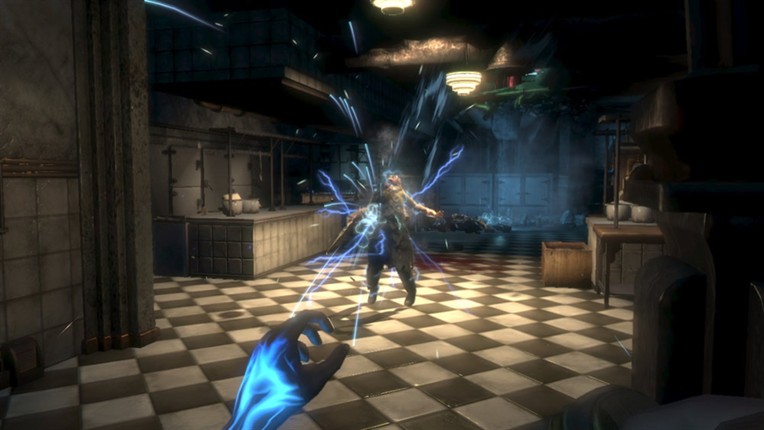
Rounding a corner with limited ammo, swapping between weapon fire and plasmid-like powers, and picking the right moment to strike is where BioShock Infinite clicks for BioShock fans. It keeps that same first-person pressure-cooker feel, where every fight asks you to improvise instead of brute-force your way through.
The overlap goes deeper than combat: both games lean on story-rich worldbuilding, alternate-history weirdness, and a strong sense of place that turns exploration into discovery. Infinite also preserves the series’ trademark mix of firearms, powers, and resource management, so encounters still reward players who juggle tools instead of just aiming better.
The big tradeoff is that Infinite shifts from Rapture’s heavy, methodical pacing to a faster, more mobile rhythm with skyline traversal. That fresh pace gives the game more kinetic flair, and it also helps offset one of BioShock’s common criticisms by making the action feel less repetitive and grindy across the campaign.
Best for players who want BioShock’s atmosphere and combat loop with a quicker, more theatrical twist.
If you enjoyed this game, see our list of games similar to BioShock Infinite.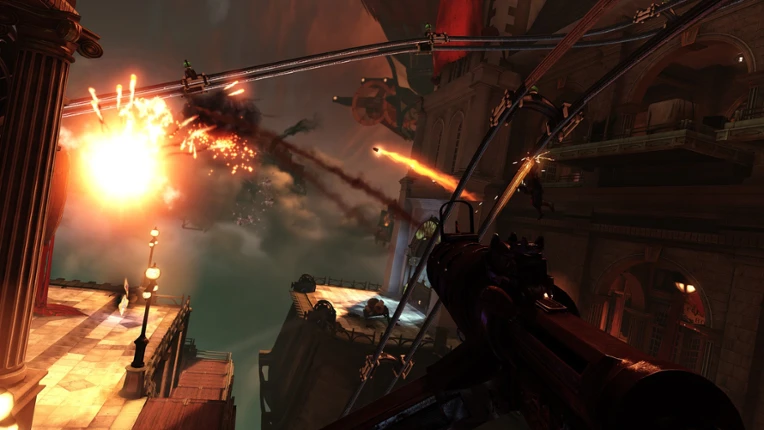
If you loved BioShock's underwater city of Rapture, Prey's Talos I space station delivers that same dread-soaked exploration of a collapsed utopia. Both games reward patience, turning derelict environments into puzzle boxes where every vent and side room hides lore, resources, or alternate routes.
The Neuromod ability system mirrors plasmids, letting you reshape combat and traversal to suit your playstyle rather than forcing one solution.
Prey trades BioShock's infamous twist and ideological bite for deeper player agency and multiple endings—but its pacing drags harder in the middle act.
Pick this up if you want BioShock's atmosphere and world-building with more systemic freedom, but can live without the narrative gut-punch.
If you enjoyed this game, see our list of games similar to null.
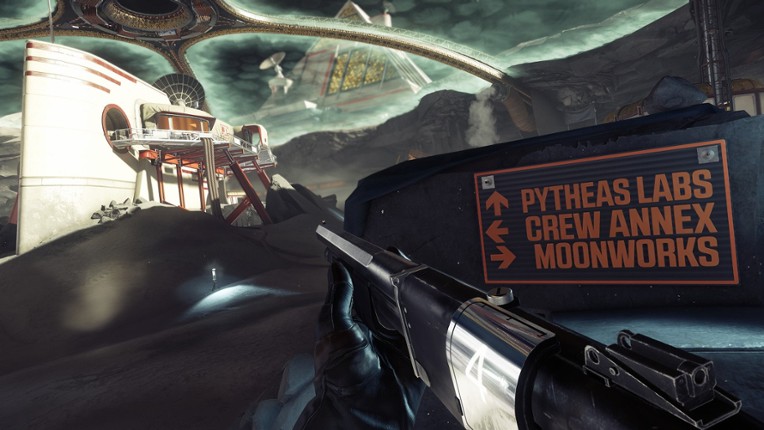
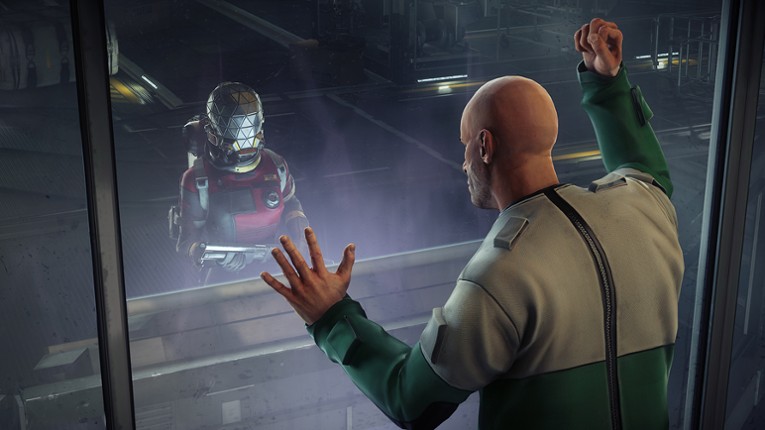
The shared soul of BioShock and Dishonored lies in their player agency, which transforms every corridor into a sandbox of lethal creativity. Both titles favor environmental storytelling, forcing you to reconstruct the history of decaying, dystopian cities through their drenched, atmospheric architecture.
While BioShock anchors itself in linear, narrative-heavy scripted encounters, Dishonored prioritizes emergent systemic freedom through its intricate stealth and vertical traversal mechanics. You are trading Rapture’s rigid, cinematic pacing for Dunwall’s reactive, player-driven mission loops.
Pick this up if you crave steampunk aesthetics and supernatural combat but prefer high-replayability sandboxes over a strictly curated, cinematic plot.
If you enjoyed this game, see our list of games similar to Dishonored.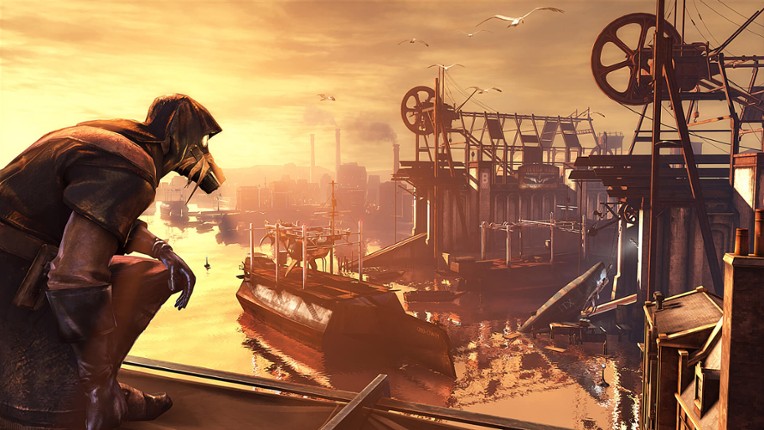
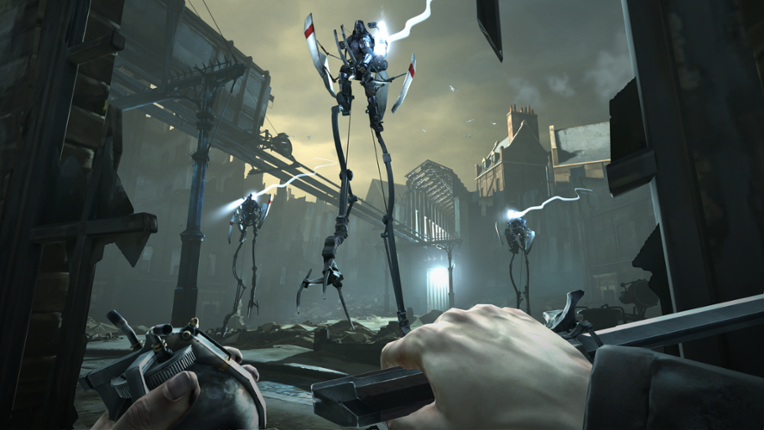
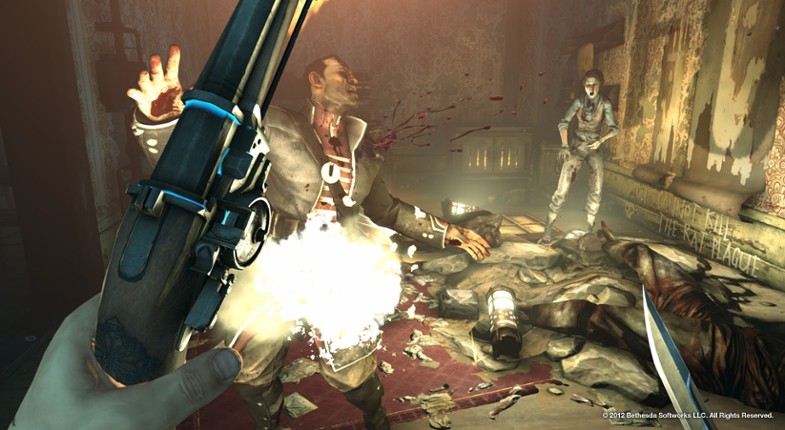
That feeling in BioShock of pausing mid-combat to think through your options — plasmid, weapon, environment — is exactly the decision space Deus Ex: Human Revolution puts you in constantly. Both games reward players who treat every encounter as a puzzle rather than a shooting gallery. The layered choice between lethal force, stealth, and environmental manipulation is central to both experiences.
Where the overlap runs deepest is in world-building you uncover rather than receive — audio logs, environmental storytelling, and faction dynamics that reward careful exploration. This creates the same pull to linger in spaces longer than the mission requires, piecing together a world that existed before you arrived. Both games also wrap their action in morally weighted narratives about power, control, and what humanity costs.
The notable shift is scope: where BioShock's Rapture is a contained, authored corridor, Human Revolution opens into hub cities with branching quest structures — less cinematic grip, more player-directed discovery. If BioShock's fetch quests and repetitive late-game pacing frustrated you, that structural variety offers genuine relief.
Best for players who want BioShock's atmosphere and moral weight carried into a system with more mechanical breathing room.
If you enjoyed this game, see our list of games similar to Deus Ex: Human Revolution.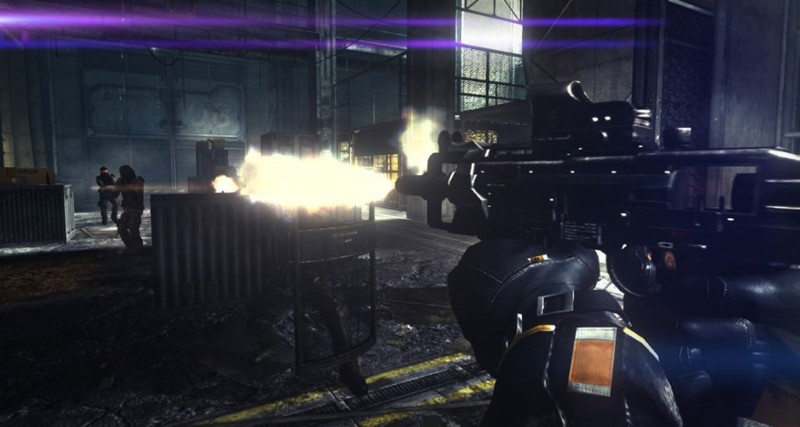
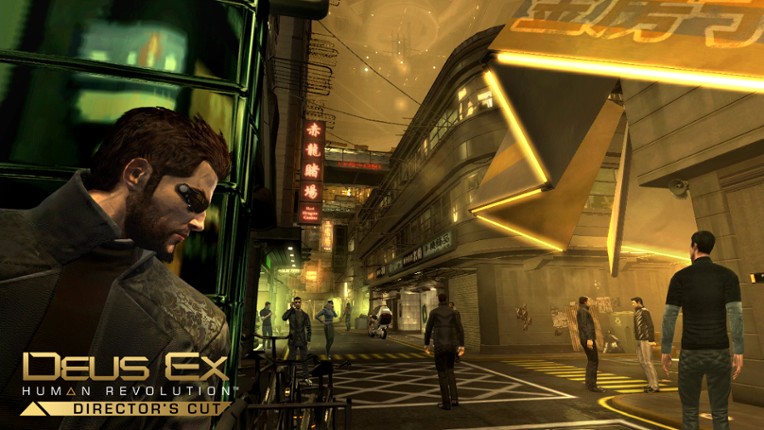
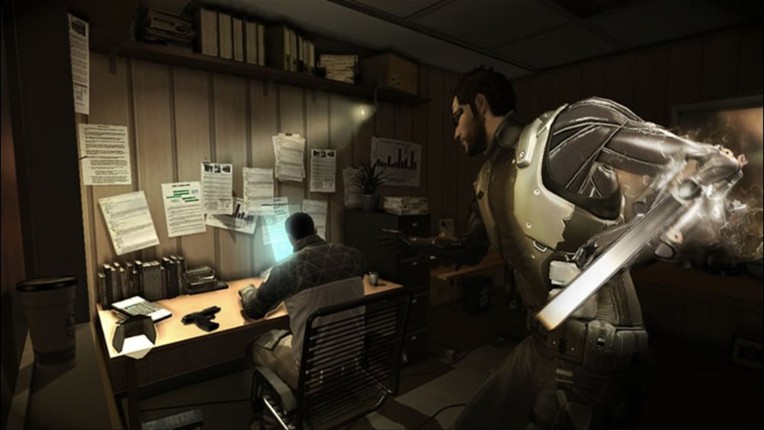
Both titles thrive on the tension of surviving a dystopian nightmare where biological and technological modification is the only path to power. You will find yourself constantly weighing the tactical utility of your augmentations against the crumbling morality of the world’s power structures. This focus on character builds ensures that your specific abilities dictate how you navigate every locked corridor or hostile encounter.
While BioShock can occasionally feel like a repetitive gauntlet of combat-heavy fetch quests, Deus Ex prioritizes emergent problem-solving and creative experimentation. This flexibility addresses the frustration of "bullet-sponge" enemies by allowing you to bypass confrontation entirely through hacking or environmental manipulation. The world responds to your ingenuity, making the environment a versatile tool rather than just a backdrop for firefights.
The experience pivots away from Rapture’s cinematic flair toward a gritty cyberpunk conspiracy that favors complex systems over visual polish. You should expect deeper inventory management and a steeper learning curve in exchange for unprecedented narrative agency.
Best for players who prioritize proactive player agency and philosophical depth over high-octane spectacle.
If you enjoyed this game, see our list of games similar to Deus Ex.
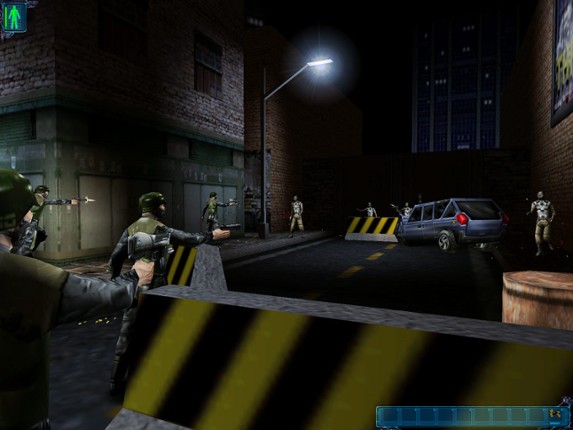
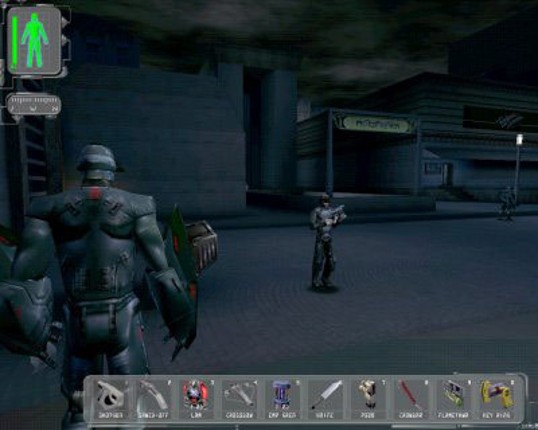
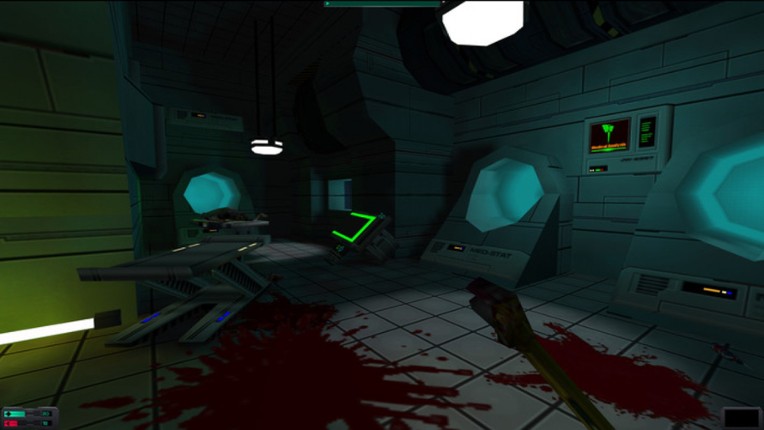
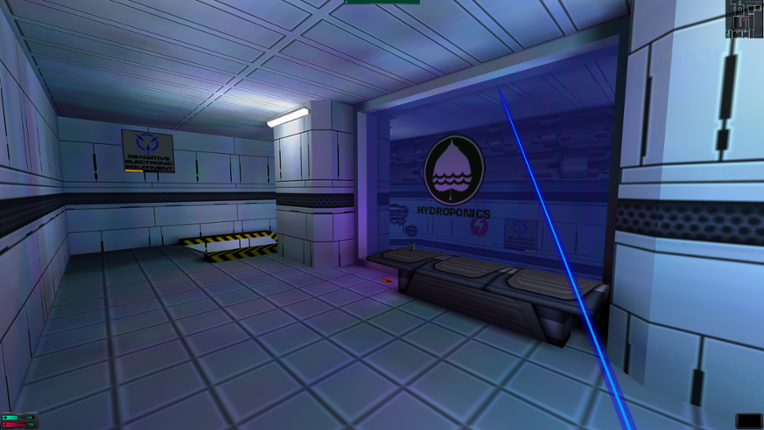
System Shock 2 shares BioShock’s focus on atmospheric sci-fi horror reinforced by memorable audio logs and environmental storytelling, deepening player immersion and narrative engagement.
Both games feature robust RPG mechanics that enable varied character builds, offering players meaningful choices that impact combat and exploration.
However, System Shock 2’s dated visuals and punishing resource management present a steeper learning curve, which contrasts BioShock’s more streamlined shooter experience.
Pick this up if you want a challenging RPG-driven sci-fi thriller that rewards patience but can tolerate older design and friction-filled gameplay. If you enjoyed this game, see our list of games similar to System Shock 2.
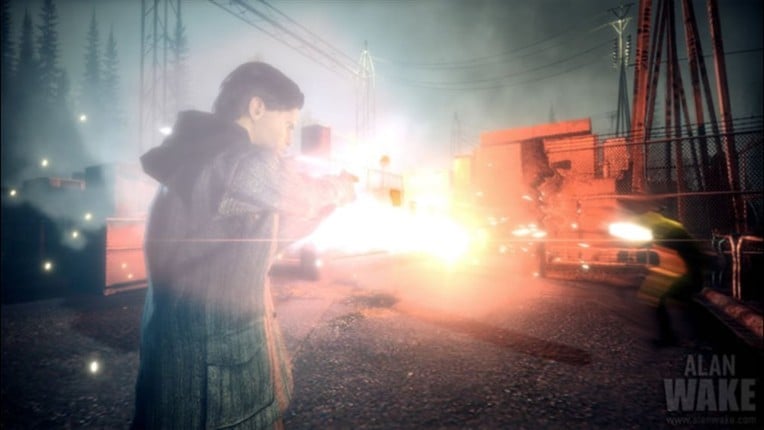
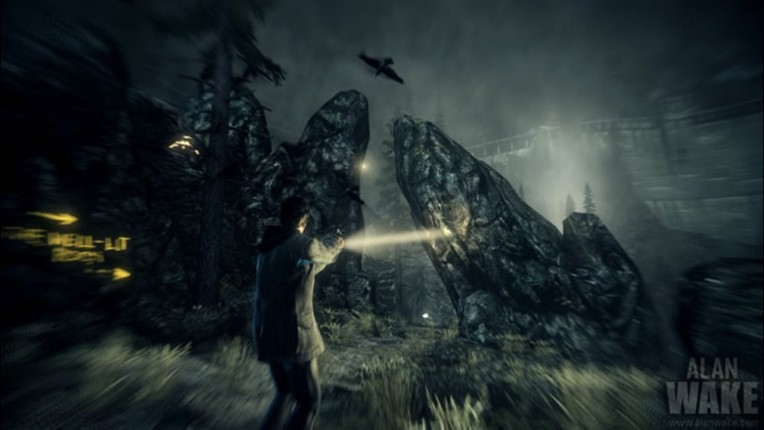
Both games anchor their appeal in atmospheric storytelling that unfolds through environmental narrative and character-driven plot twists, where mood matters as much as mechanics. Strong soundtracks amplify that tension in each.
Alan Wake shares BioShock's hybrid approach—combat paired with supernatural/plasmid-like abilities—because switching between weapons and powers forces tactical thinking rather than reflexive shooting.
The key difference: Alan Wake is linear action-horror with lighter puzzle design, while BioShock sprawls across explorable spaces with deeper RPG progression and resource management.
Pick this up if you want BioShock's narrative weight and combat variety without the underwater exploration and fetch-quest bloat—but expect less environmental freedom and shallower character depth.
If you enjoyed this game, see our list of games similar to Alan Wake.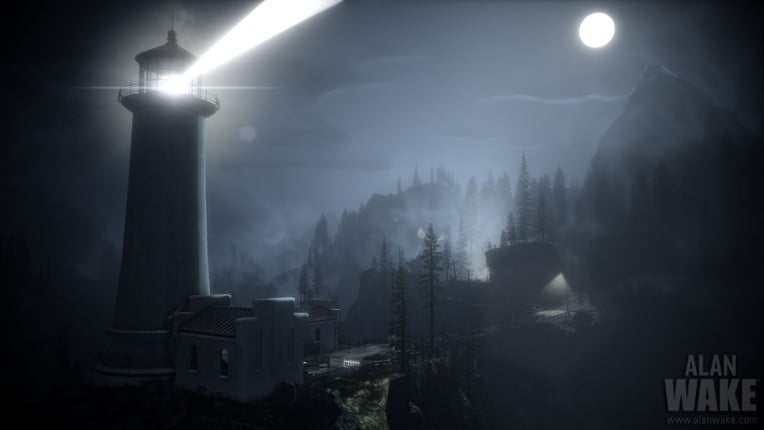
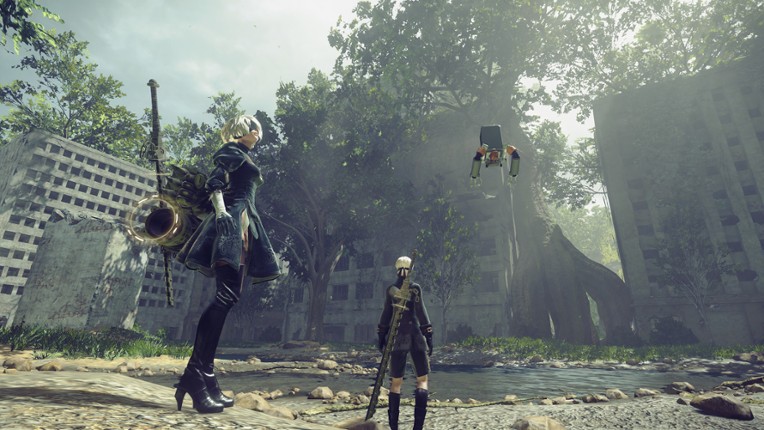
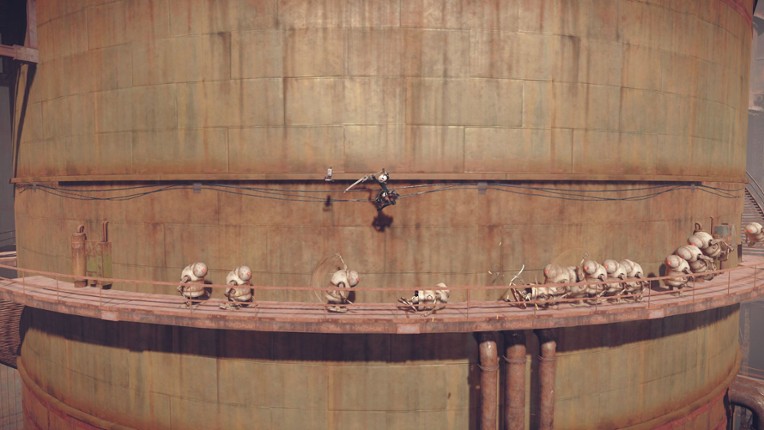
Both BioShock and NieR:Automata anchor their identity in unreliable philosophical inquiry, forcing you to question the morality of your actions within a decaying, post-human world. You get the same haunting, world-class soundtrack that elevates the isolation of your surroundings, making every environmental discovery feel heavy with existential dread.
The core shift here is the move from claustrophobic FPS combat to high-speed, third-person spectacle brawling. You trade Rapture's dark, grounded corridors for the expansive, machine-infested ruins of a distant future.
Pick this up if you want a narrative-heavy experience that challenges your perception of consciousness, but can live without the tight, tactical shooting of a traditional first-person shooter.
If you enjoyed this game, see our list of games similar to NieR:Automata™.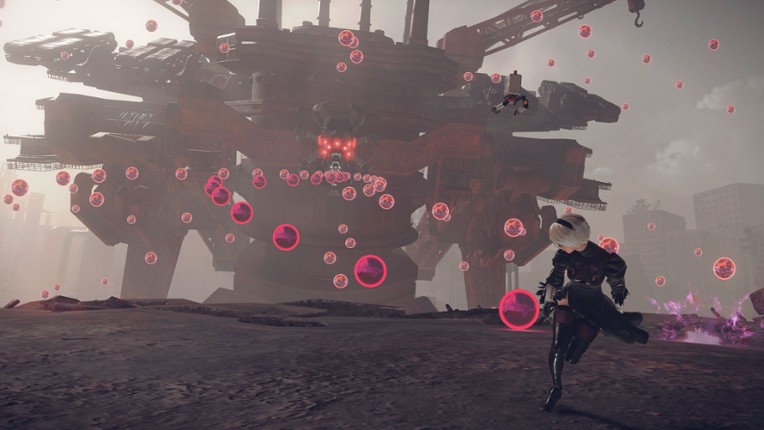
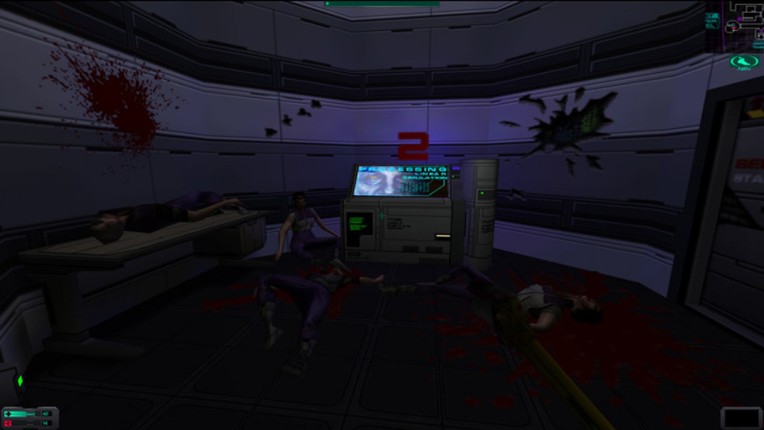
Both games trap you in a hostile, resource-starved environment where combat encounters reward creative problem-solving over reflexes. In BioShock, plasmids let you freeze enemies or ignite oil slicks; in System Shock 2, your hacking and psionic abilities fundamentally reshape how you approach each room. This flexibility reduces the grinding tedium BioShock players often criticize—you're incentivized to experiment rather than repeat the same loadout.
The atmospheric storytelling hit lands identically in both: a decaying, isolated setting populated by audio logs and environmental details that flesh out the world's collapse. System Shock 2's Von Braun starship feels as architecturally dense and narratively layered as Rapture, though its horror tone leans toward cosmic dread rather than 1950s melancholy. SHODAN's relentless AI presence creates tension through voice rather than cutscenes, sustaining immersion without interruption.
The tradeoff: System Shock 2's mechanics feel noticeably older—clunkier melee, less forgiving character builds—but this constraint actually deepens role-playing investment. You can't brute-force your way through poor decisions, making each loadout choice matter.
Best for: players who prioritize atmosphere and build variety over polished mechanical feedback, and who want their choices to carry real weight.
If you enjoyed this game, see our list of games similar to System Shock® 2 (1999).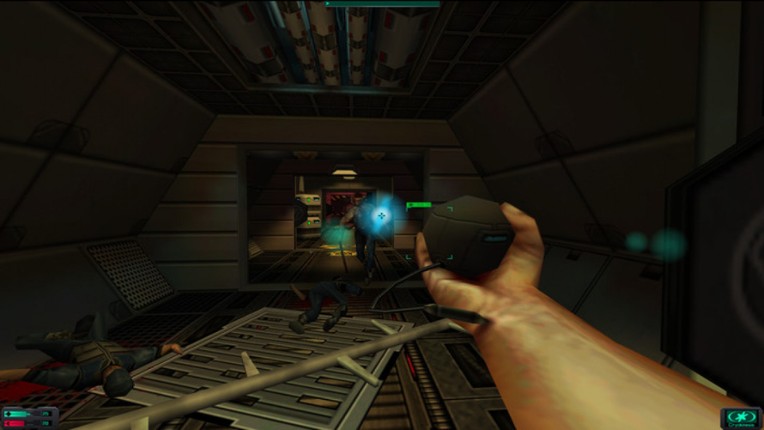
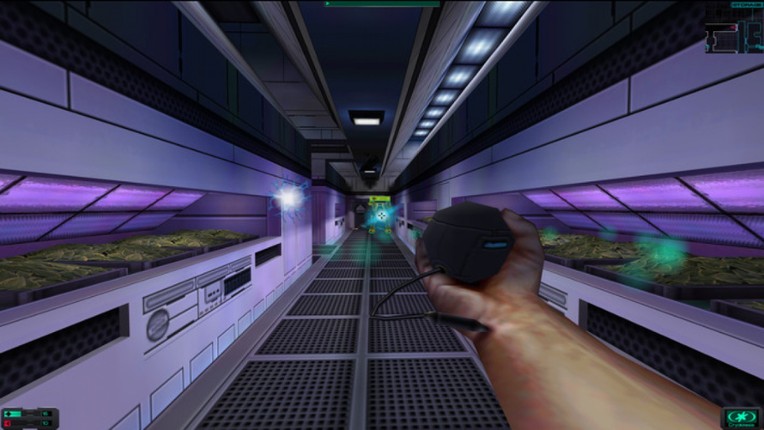
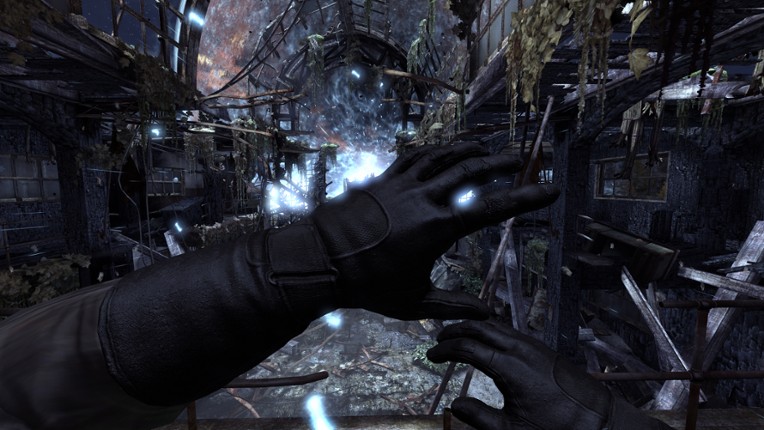
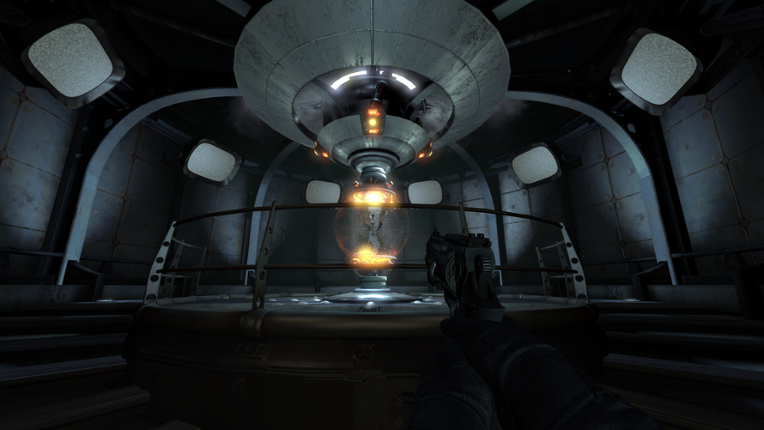
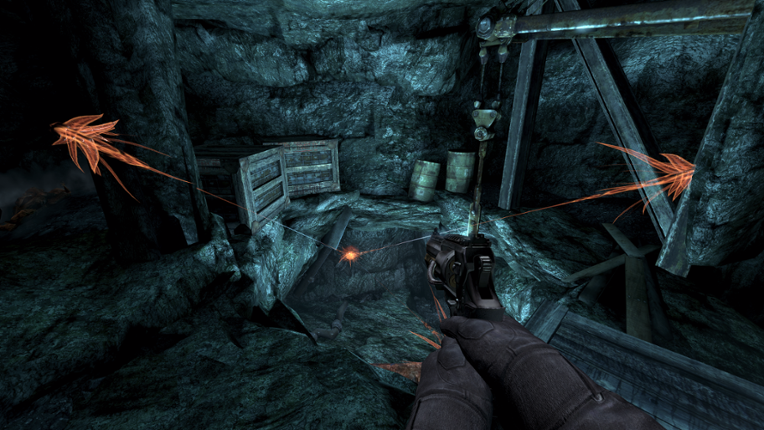


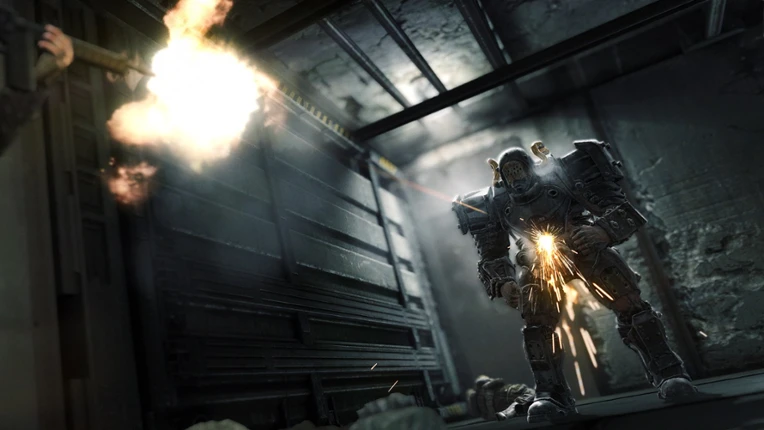

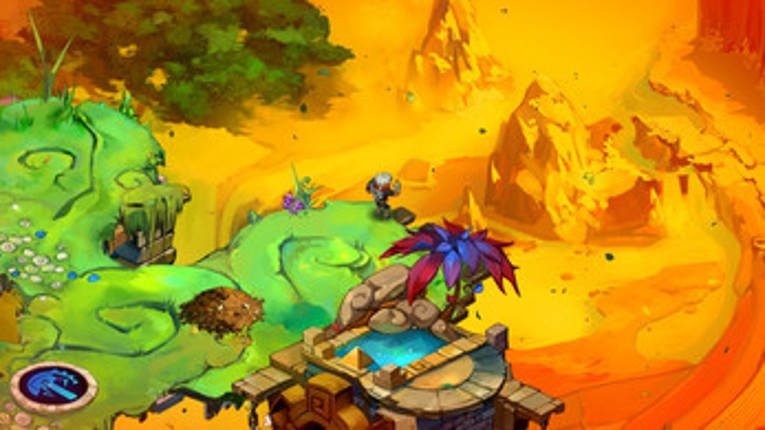
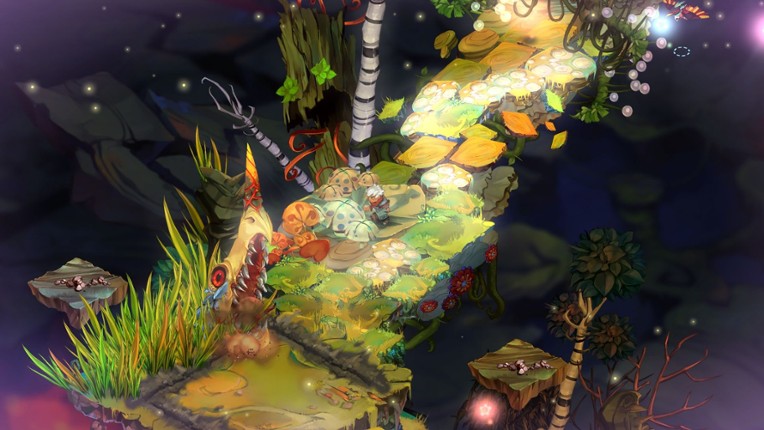
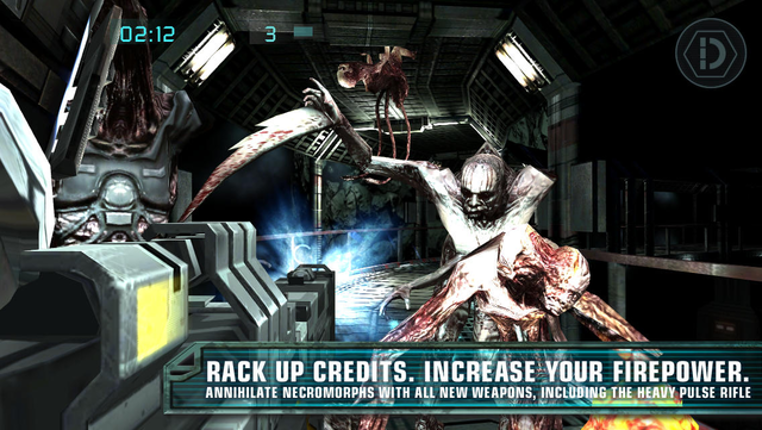
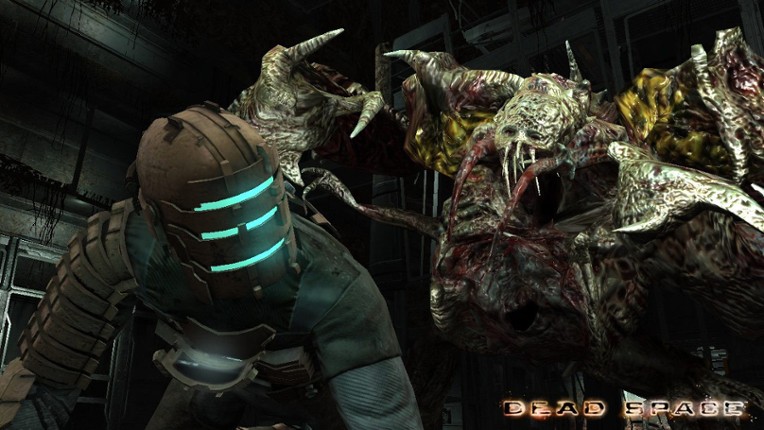
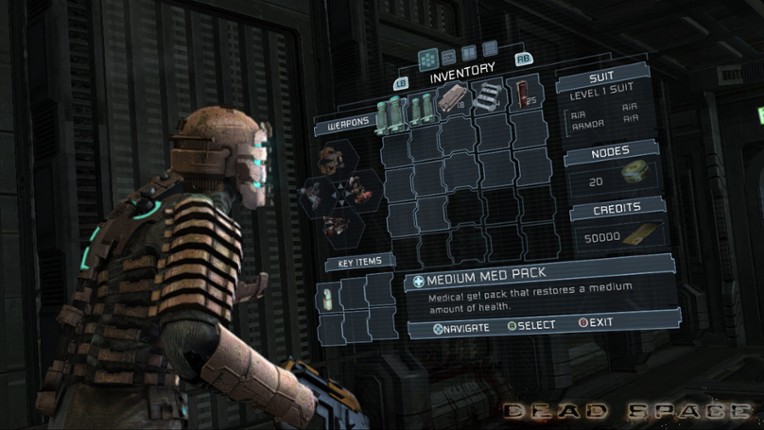
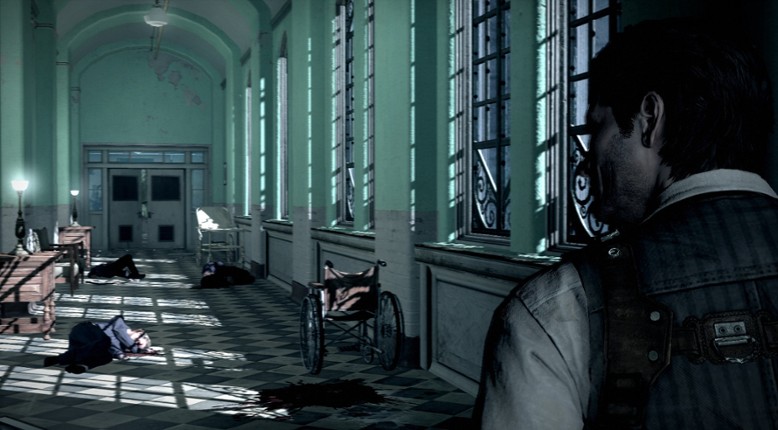
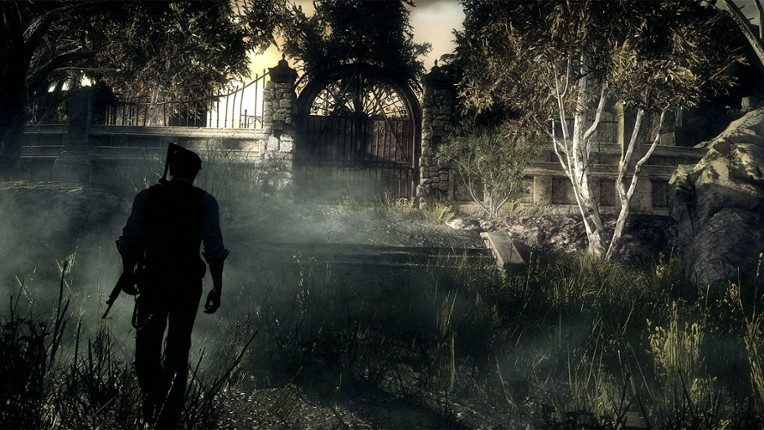



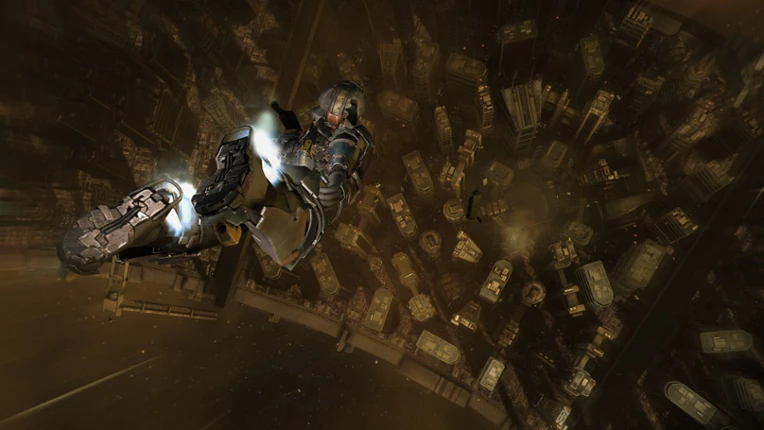
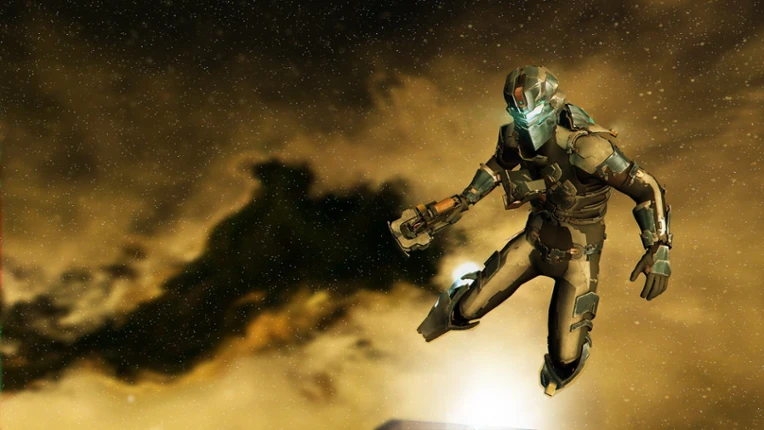
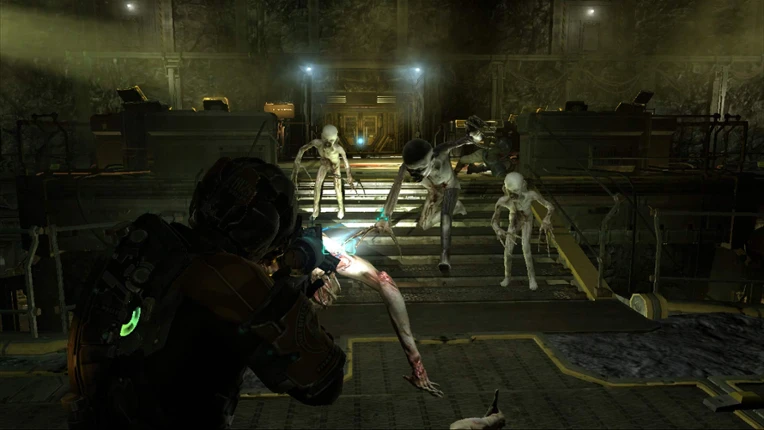



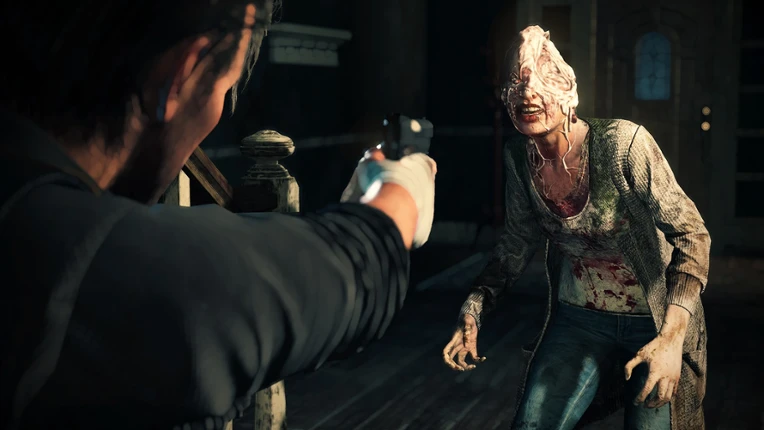
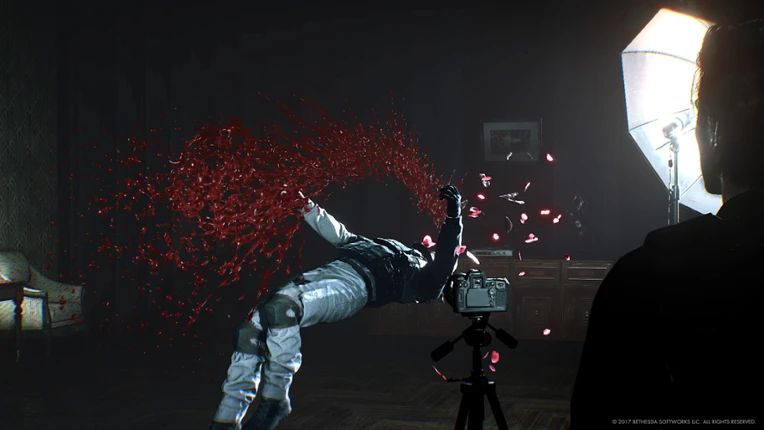


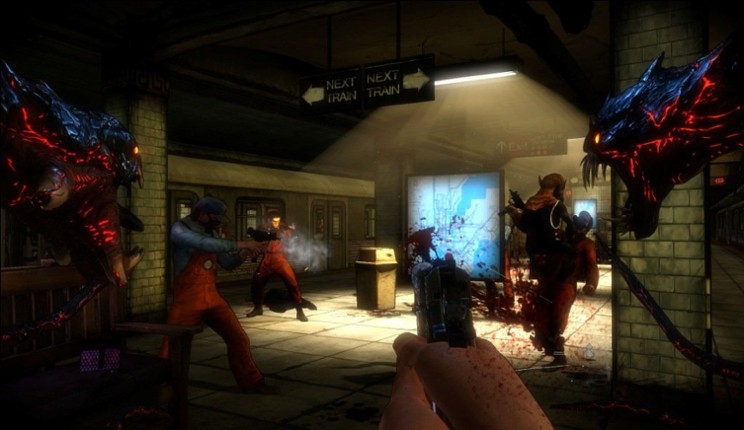
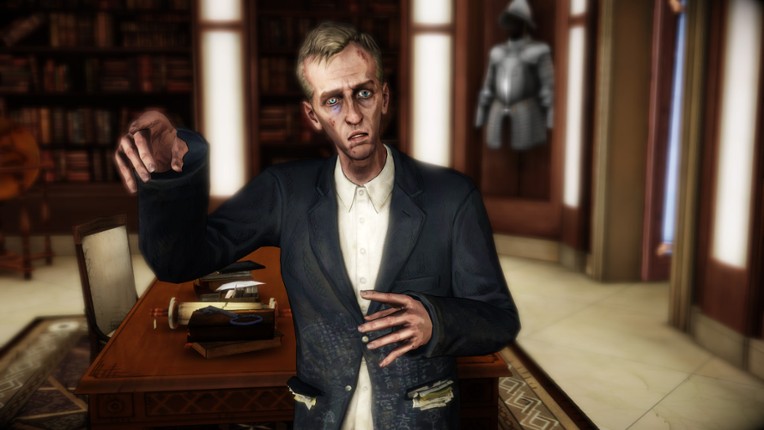
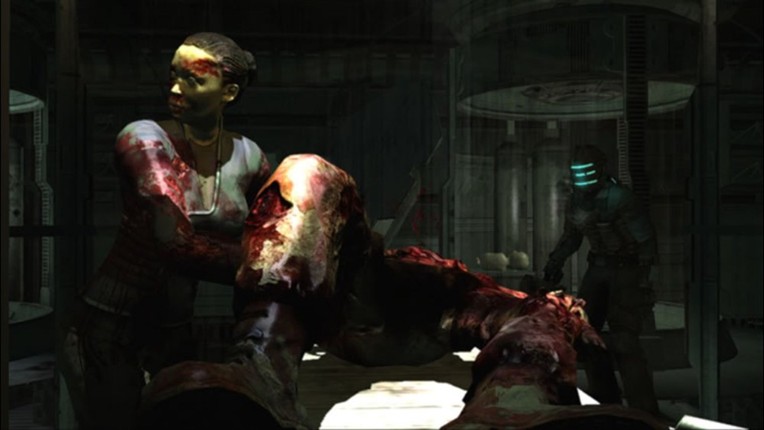
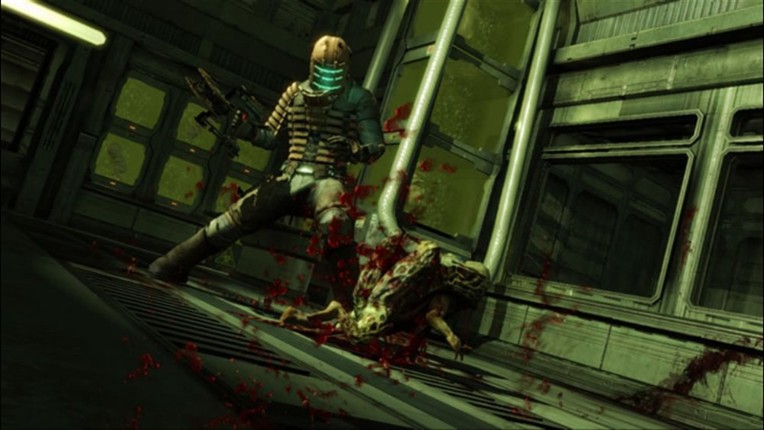
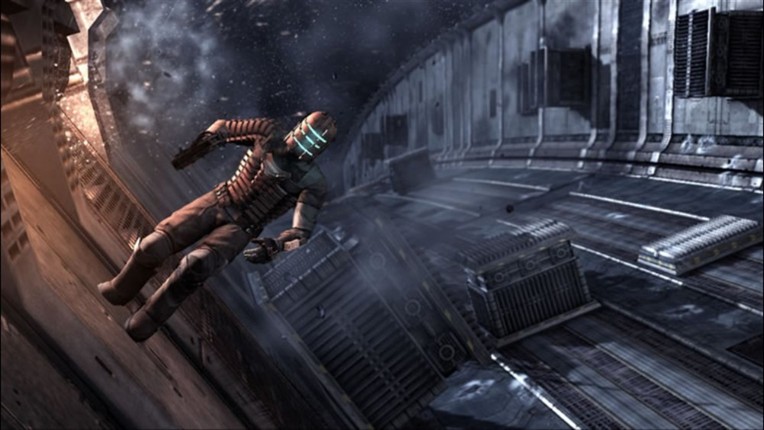
Dead Space is a 2008 science fiction survival horror video game developed by EA Redwood Shores (now Visceral Games) for Microsoft Windows, PlayStation 3 and Xbox 360. The game was released on all platforms through October 2008. The game puts the player in control of an engineer named Isaac Clarke, who battles the Necromorphs, reanimated human corpses, aboard an interstellar mining ship, the USG Is… If you enjoyed this game, see our list of games similar to Dead Space.
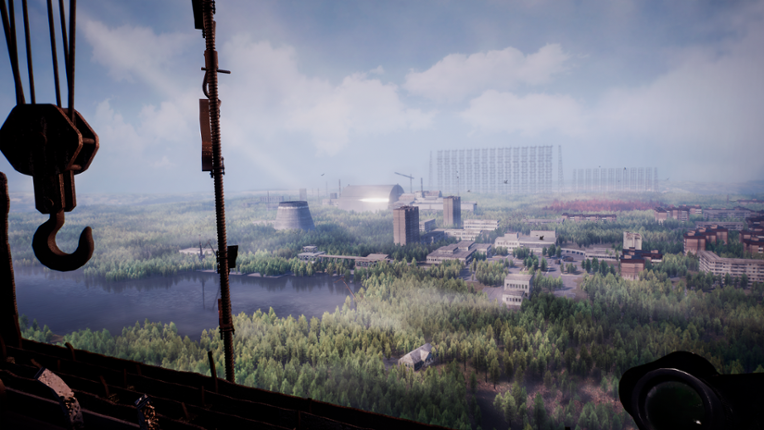
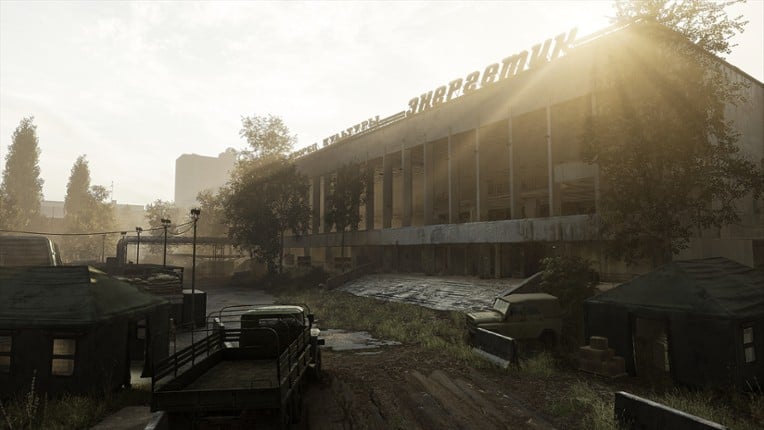




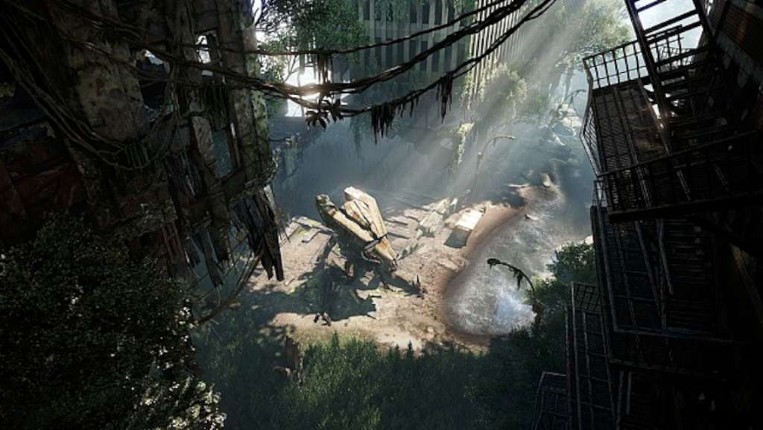
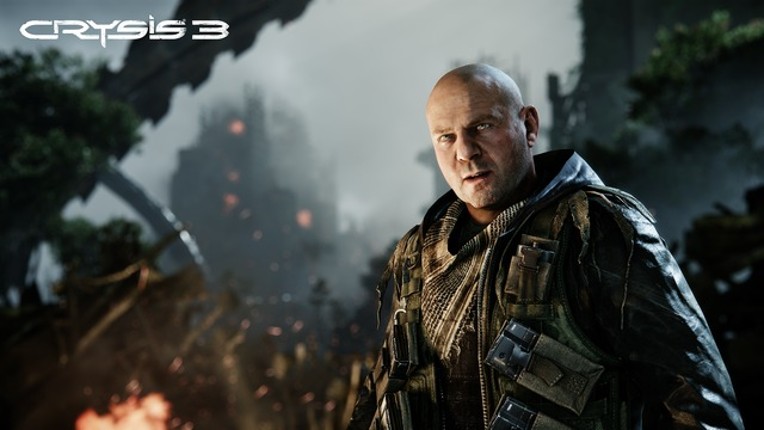
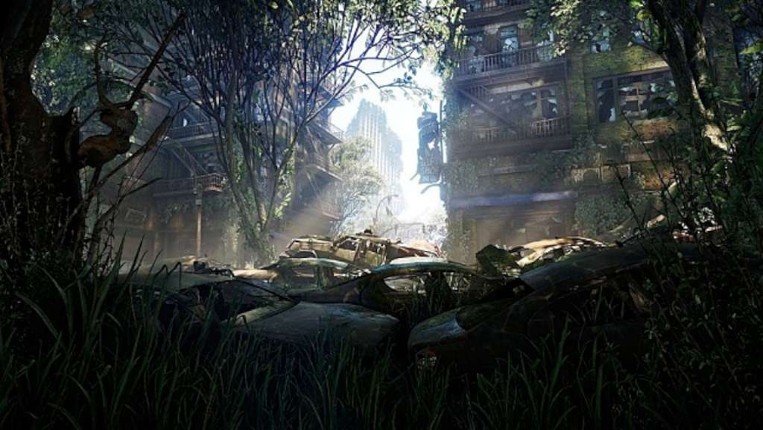
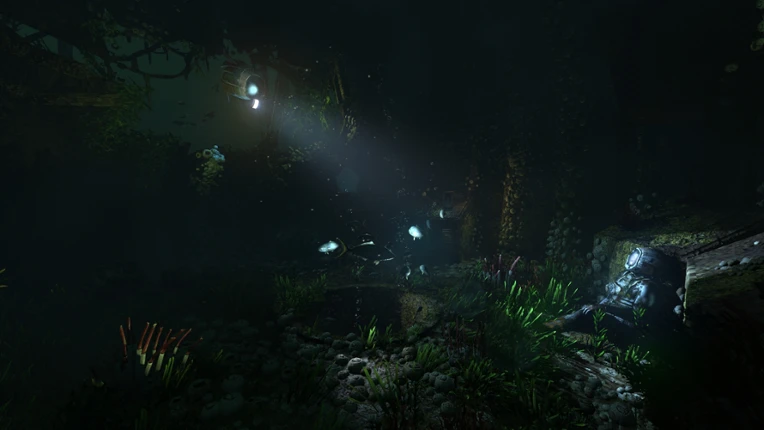

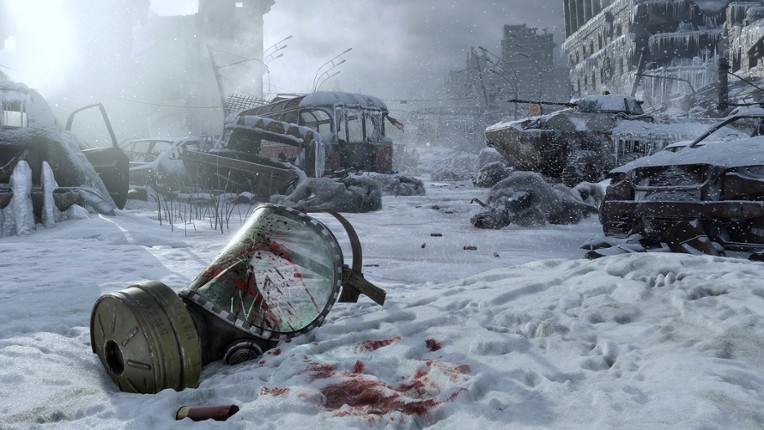
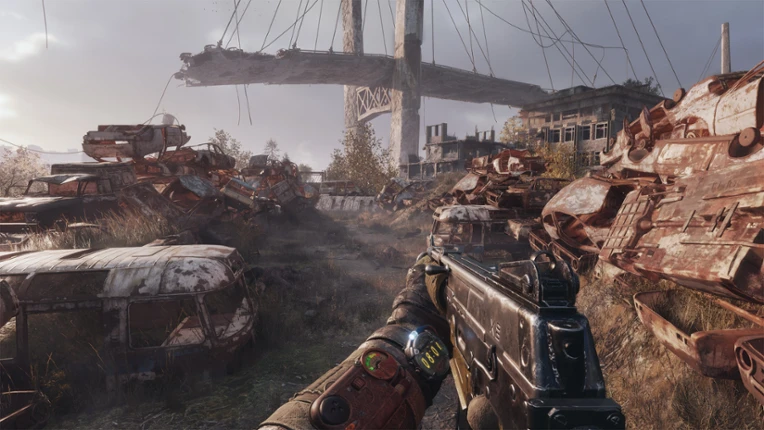
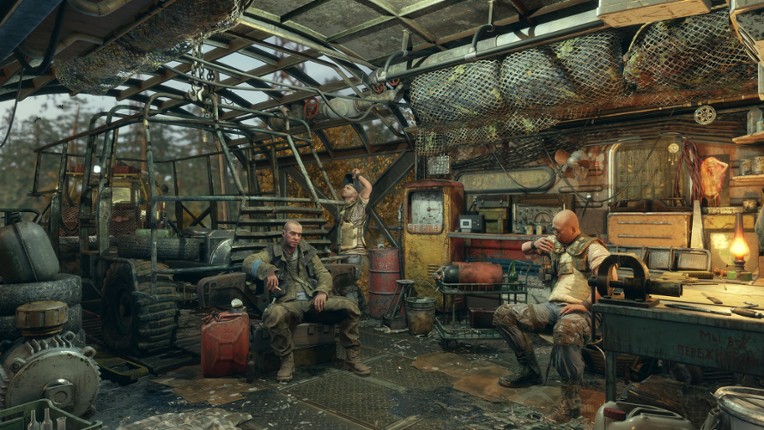
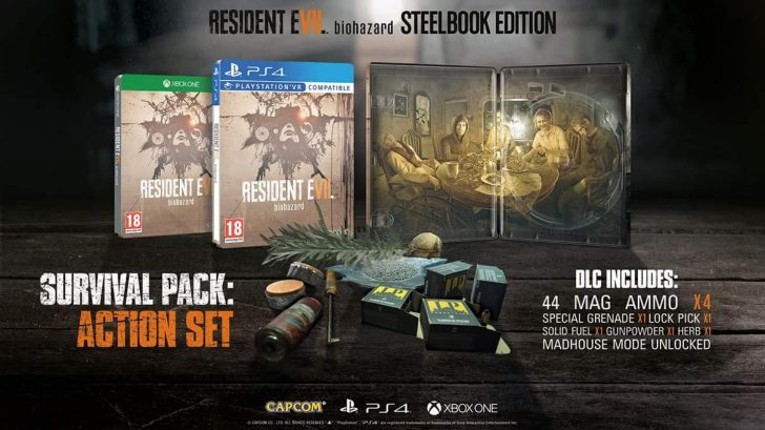
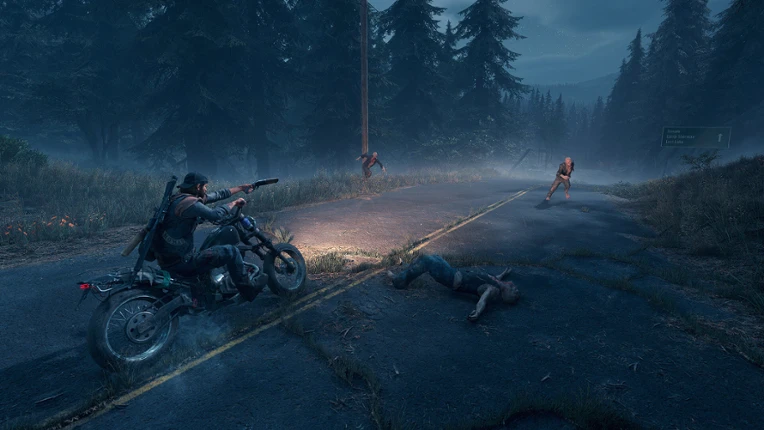
Buy Days Gone, an action game for PS4 from the official PlayStation website. Explore Days gone game detail, images, videos, reviews and more. Buy now. If you enjoyed this game, see our list of games similar to Days Gone.
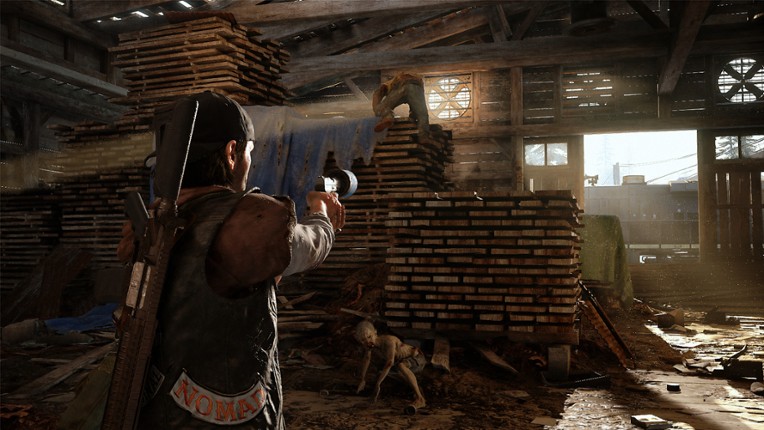
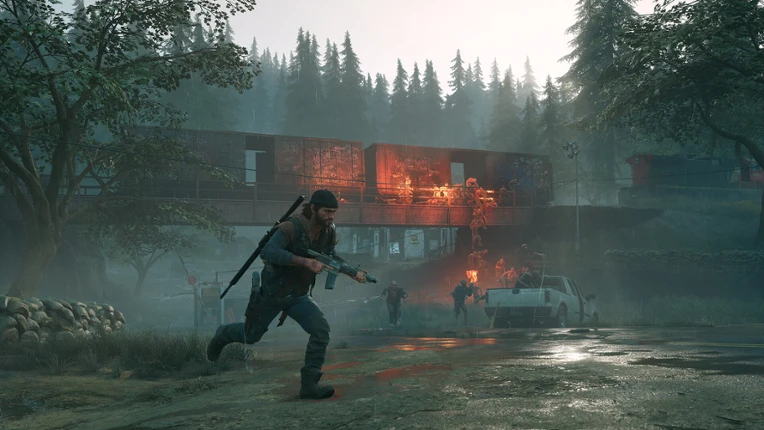
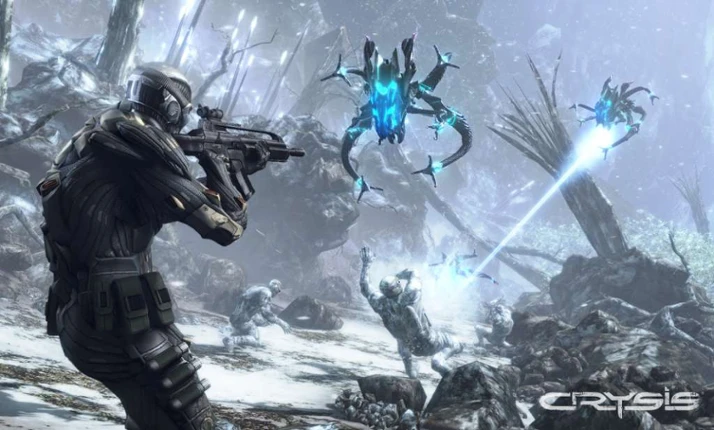
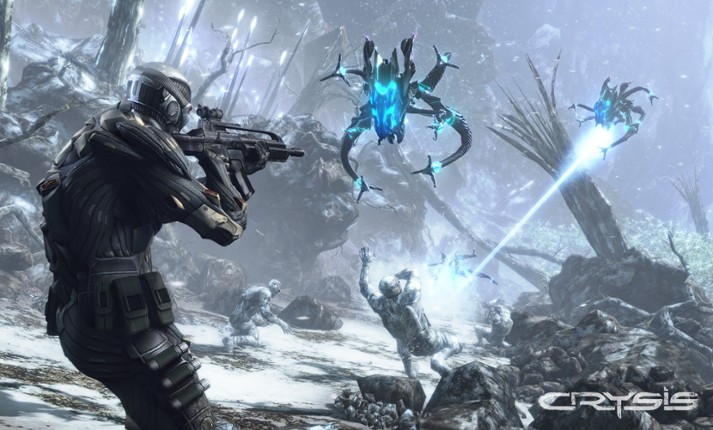
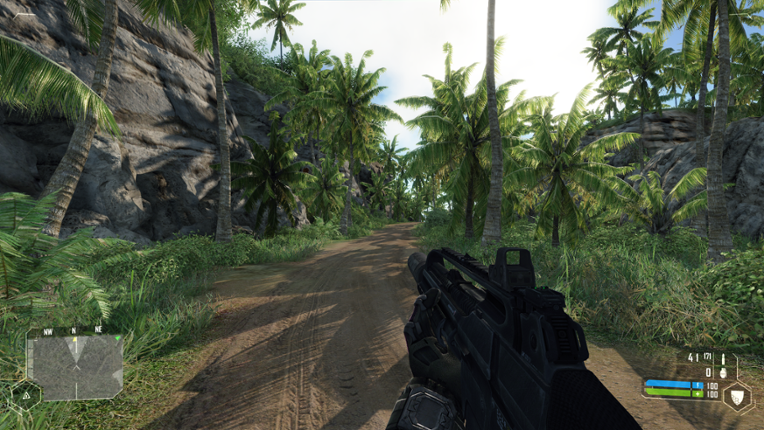
This Special Edition includes: Crysis, a bonus DVD with the "Making of Crysis", trailers and concept art, an art booklet, the official soundtrack by Inon Zur and an exclusive in-game-vehicle for multiplayer matches. If you enjoyed this game, see our list of games similar to Crysis.
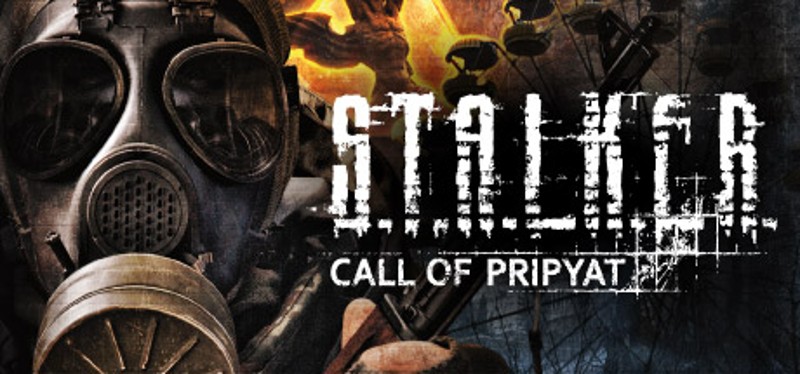
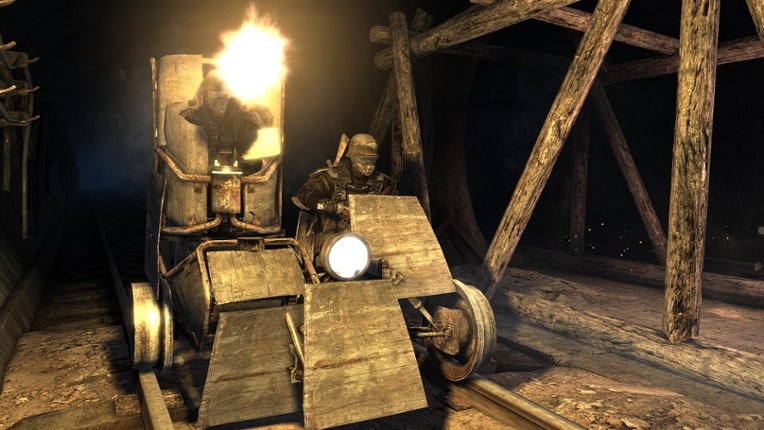
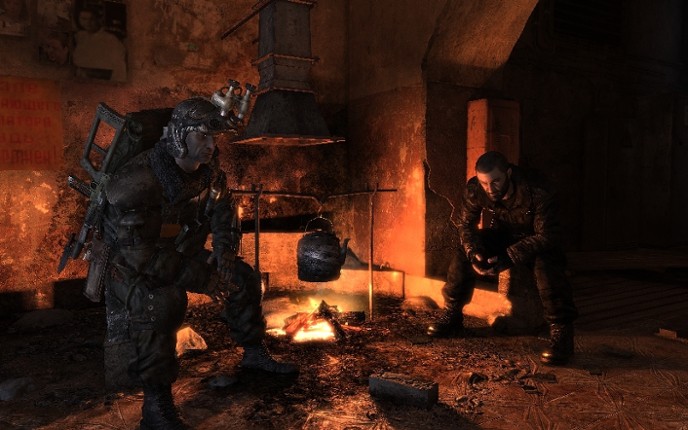
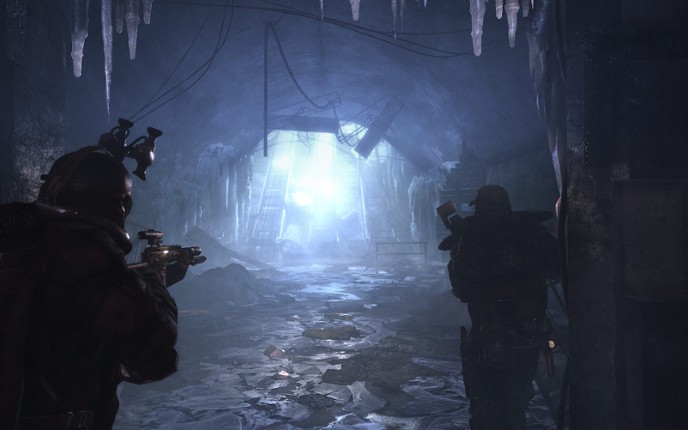
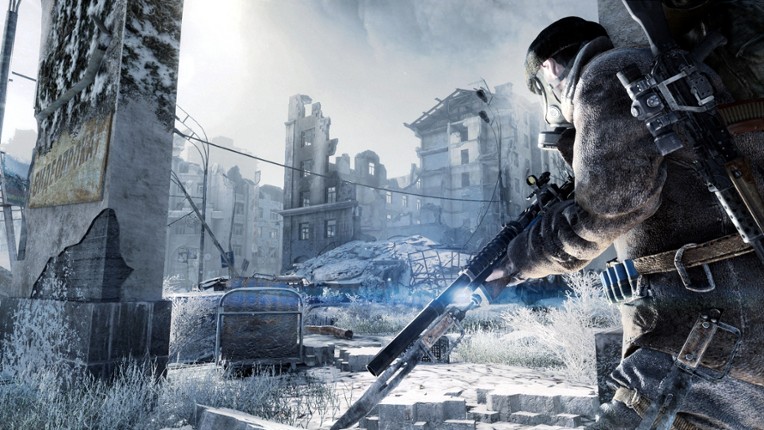
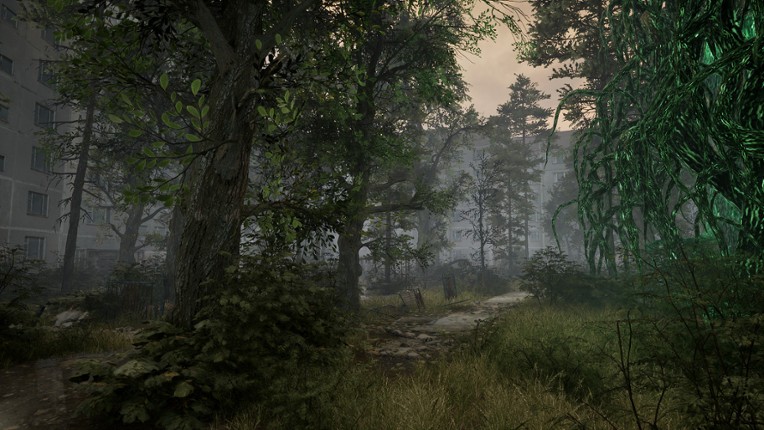
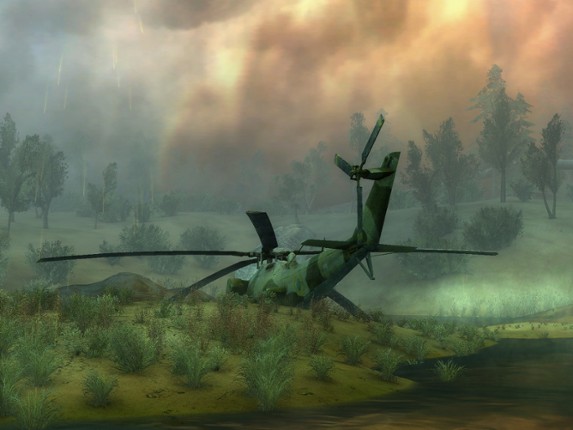
The events of S.T.A.L.K.E.R.: Call of Pripyat unfold shortly after the end of S.T.A.L.K.E.R.: Shadow of Chernobyl. Having discovered about the open path to the Zone center, the government decides to hold a large-scale military "Fairway" operation aimed to take the CNPP under control. According to the operation's plan, the first military group is to conduct an air scouting of the territory to map … If you enjoyed this game, see our list of games similar to S.T.A.L.K.E.R.: Call of Pripyat.


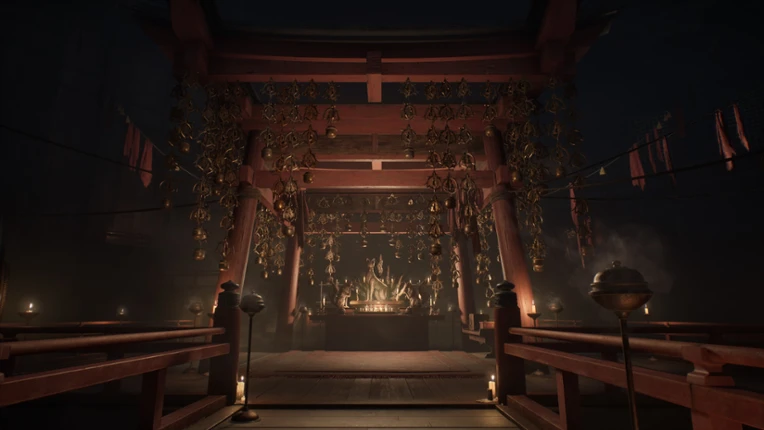
Includes: Pre-Order Bonuses: White Sailor School Uniform Onamori: Peony Item Pack: 1 Shriveled Abura-age 1 Divine Water 1 First Aid Kit White Sailor School UniformThis costume changes Hinako's appearance.To apply this costume, access a Hokora in the game and select Change Costume from the menu. Onamori: PeonyAn equippable item.To receive this item, access a Hokora in the game and select Bonuses fr… If you enjoyed this game, see our list of games similar to SILENT HILL f.


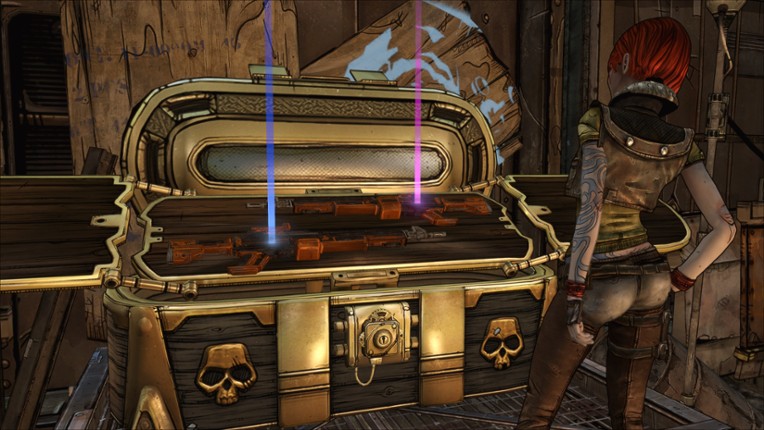
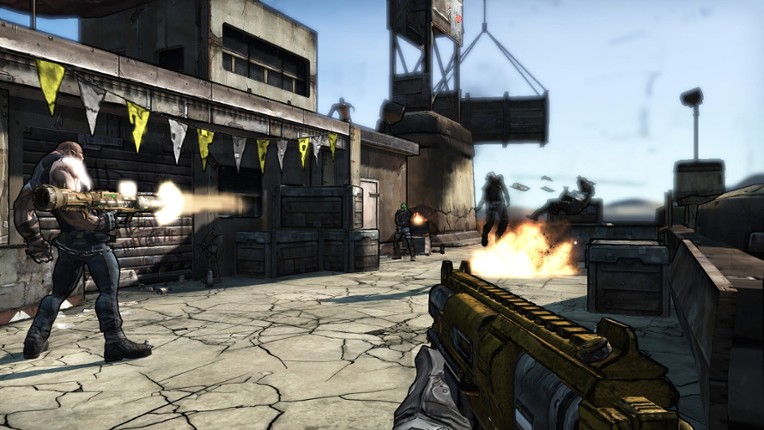
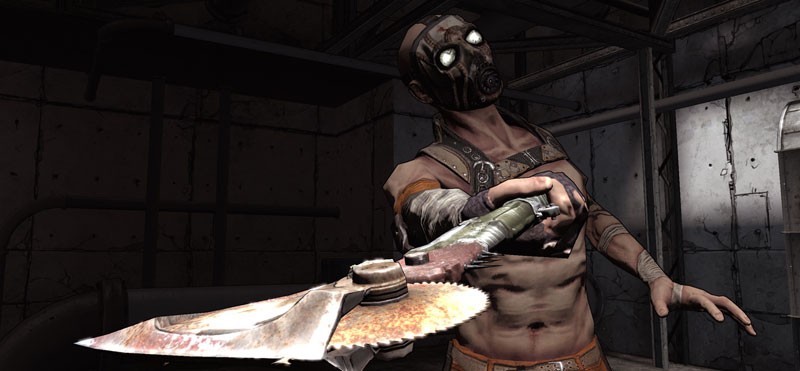
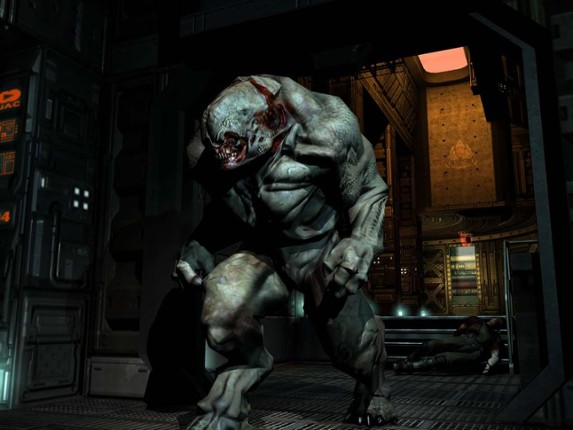
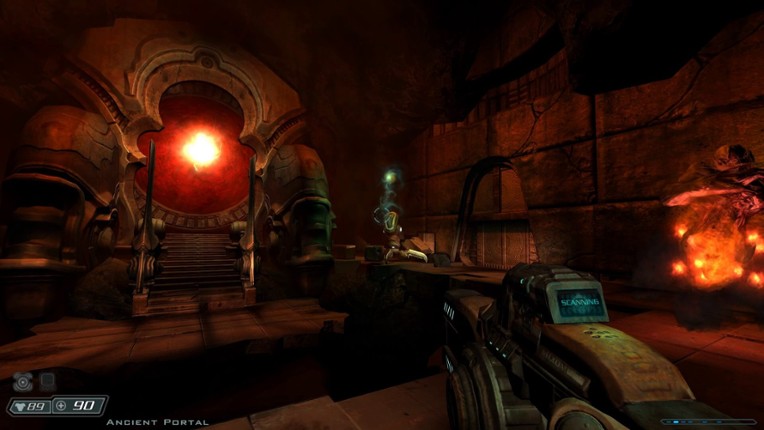
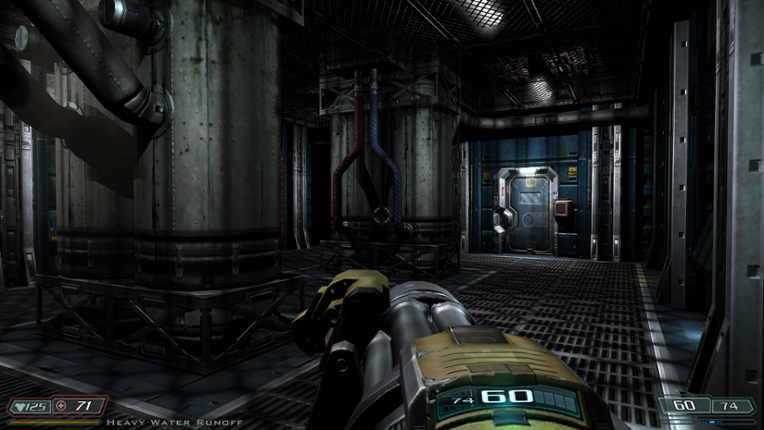
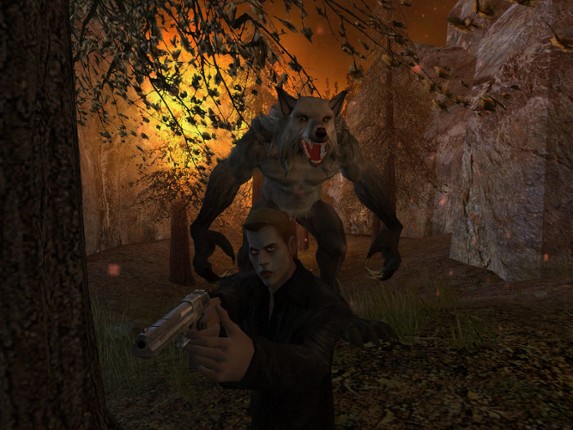

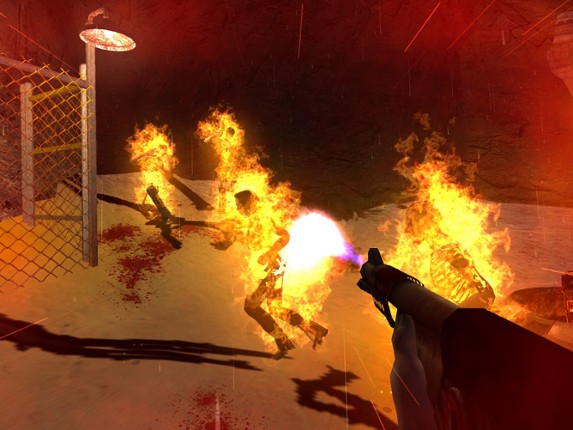
A first- and third-person Western RPG based on the Vampire: The Masquerade tabletop RPG with a heavy emphasis on character building and role-playing, in which the player embodies a fledgling vampire under the guidance of vampire prince Sebastian LaCroix. The player must serve the prince while getting to know the various factions of vampires in Los Angeles and forming their own political views. If you enjoyed this game, see our list of games similar to Vampire: The Masquerade - Bloodlines.
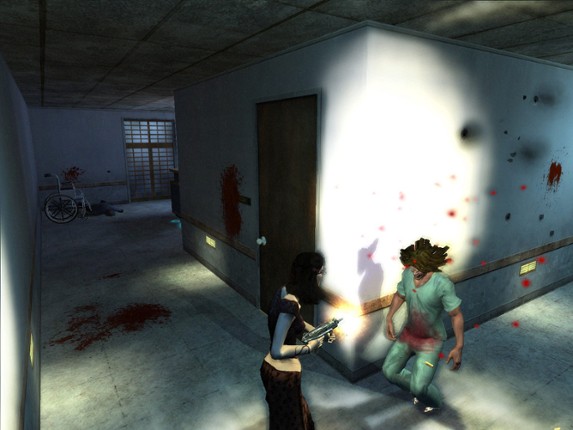
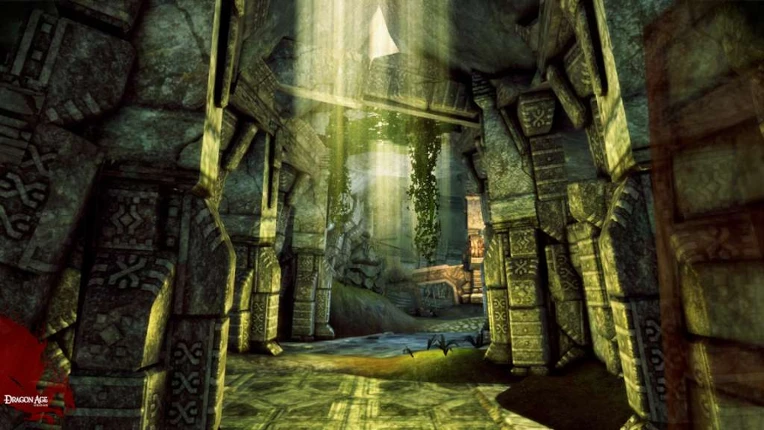
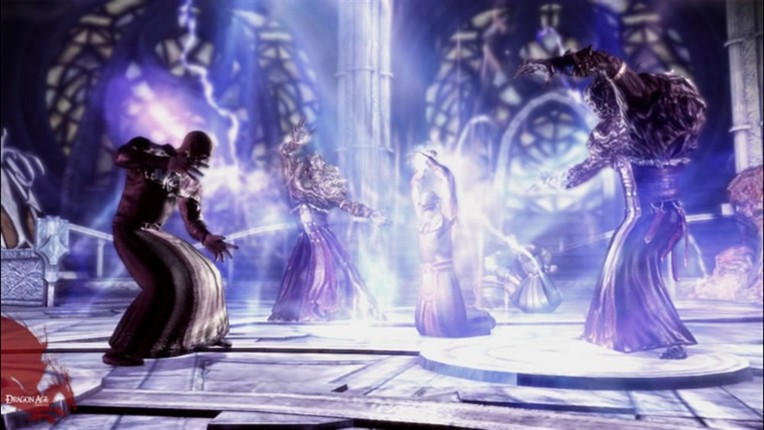
Dragon Age: Origins - Ultimate Edition includes Dragon Age: Origins, Dragon Age: Origins - Awakening and all nine content packs. If you enjoyed this game, see our list of games similar to Dragon Age: Origins.
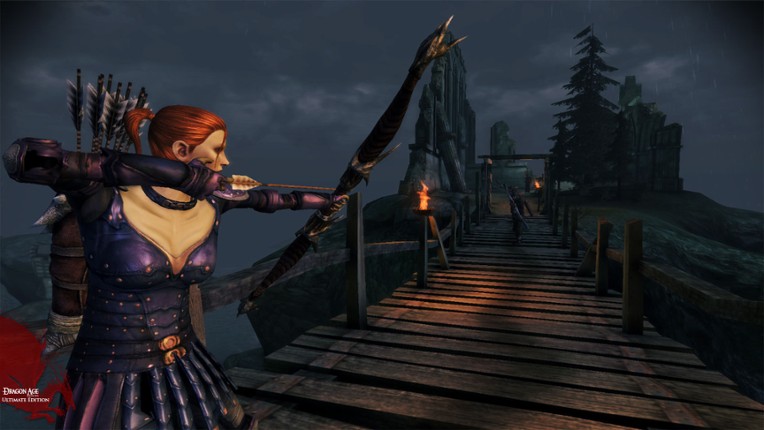
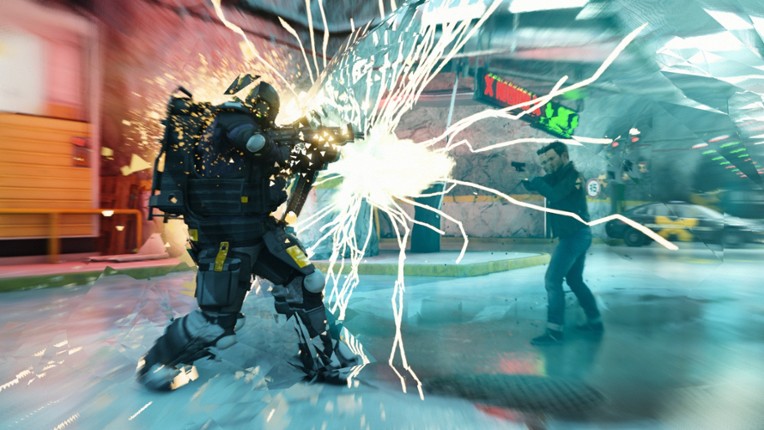
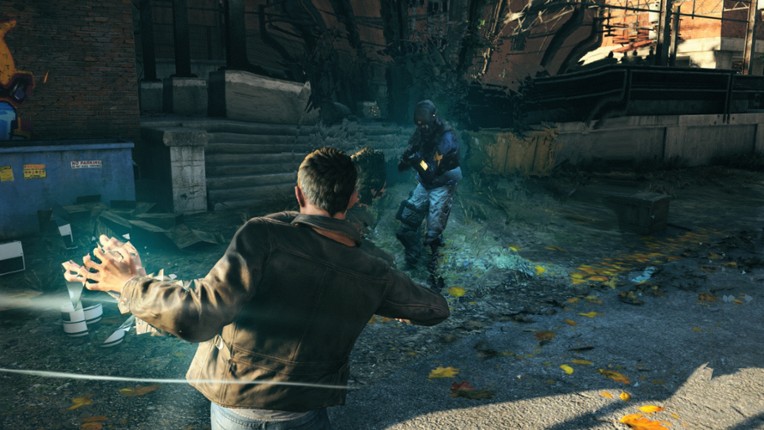

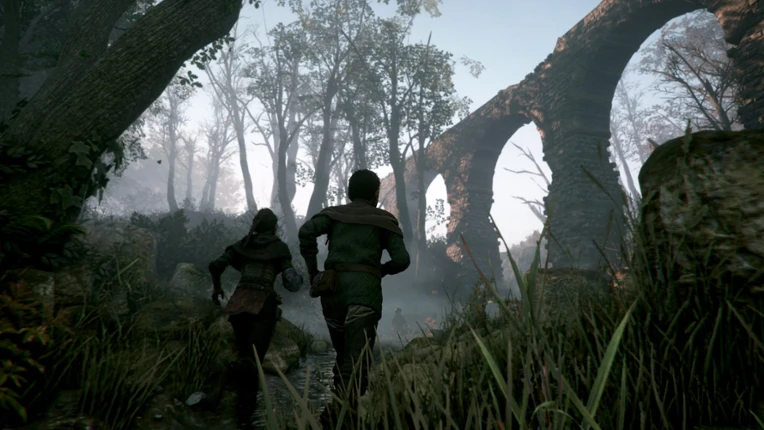
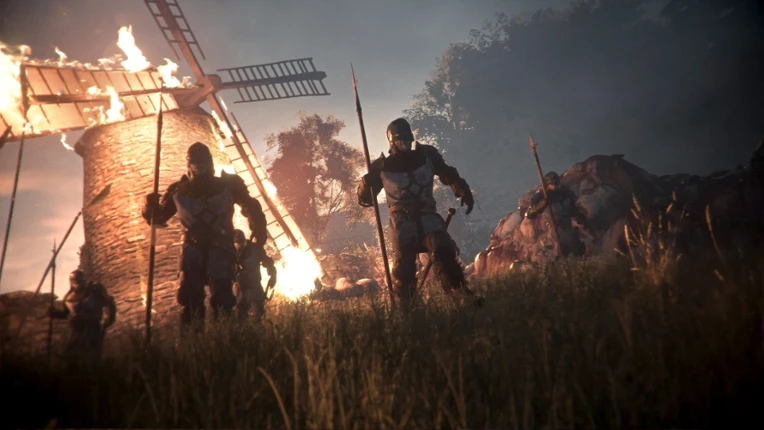
Buy A Plague Tale: Innocence on PS4 & PS5. Follow the grim tale of young Amicia and her little brother Hugo, surviving against overwhelming odds. If you enjoyed this game, see our list of games similar to A Plague Tale: Innocence.

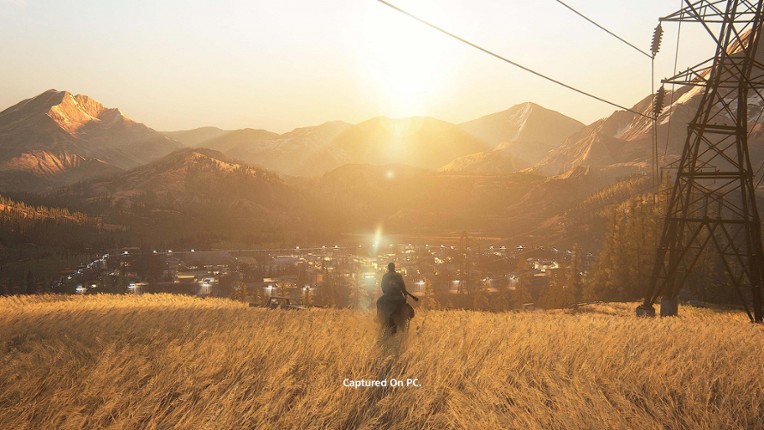
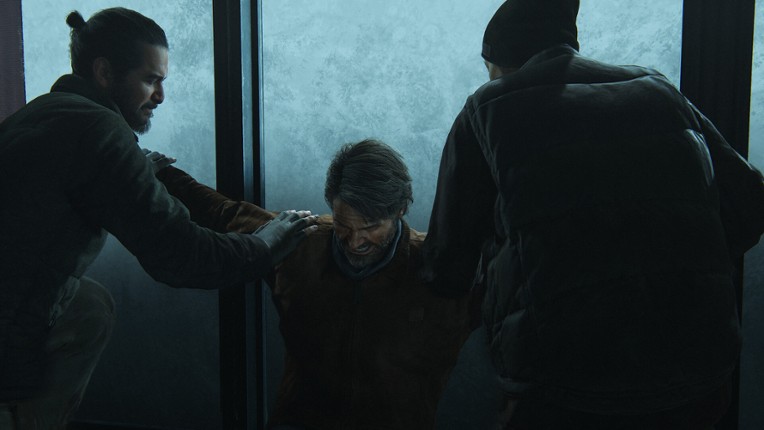
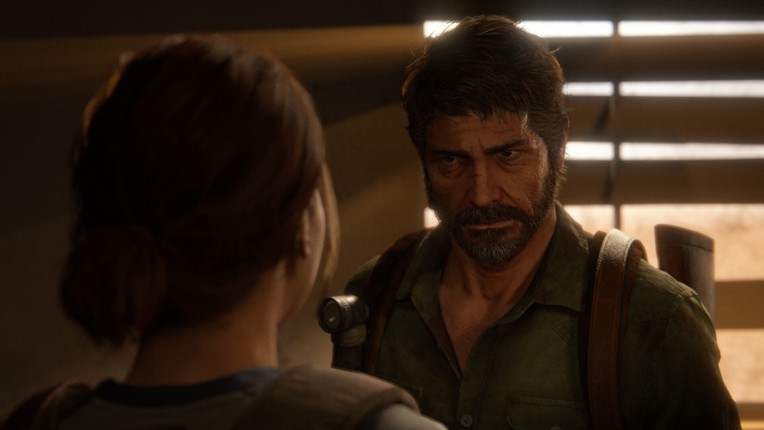
**Edition includes:** - The Last of Us™ Part II Remastered 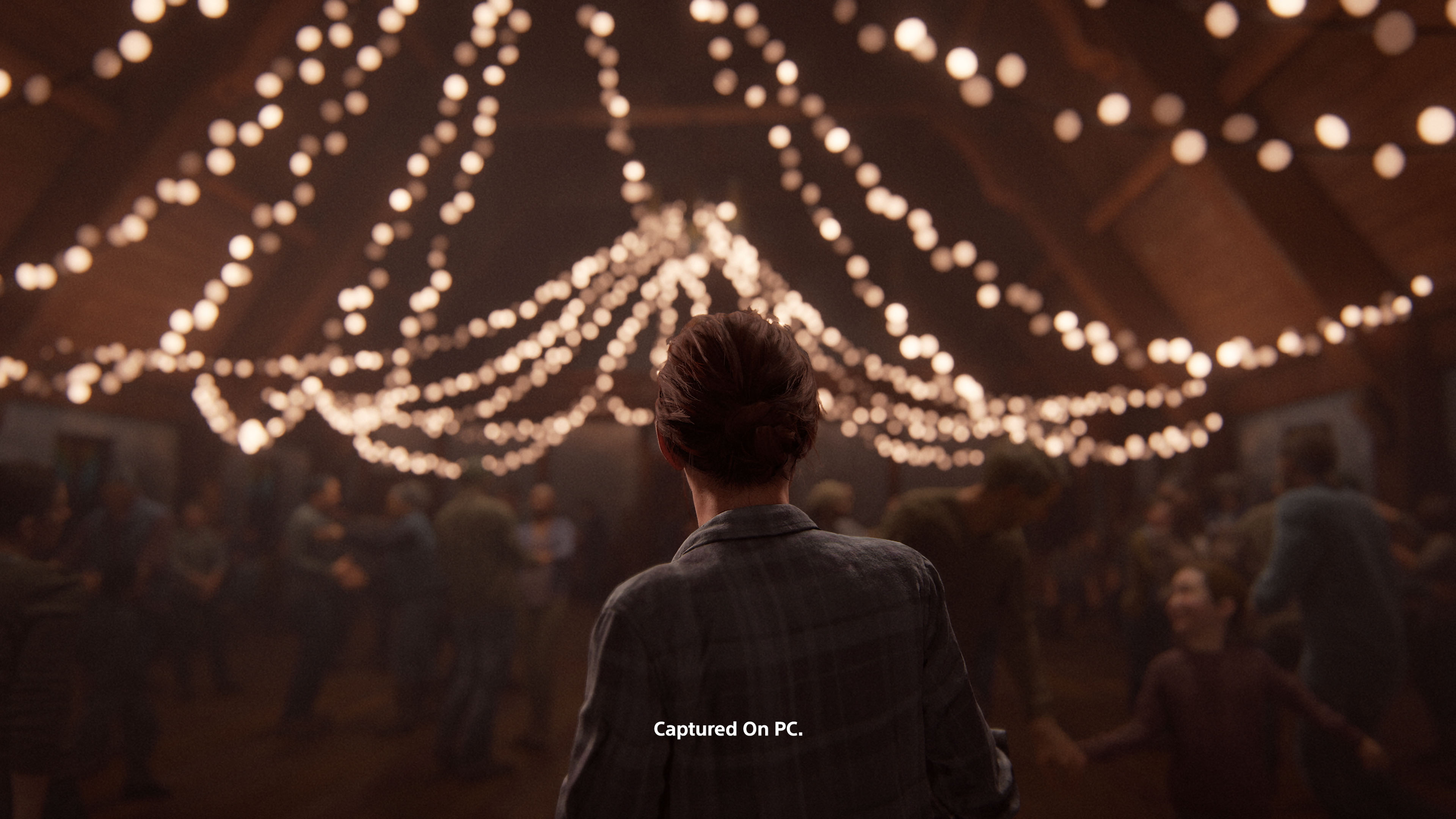 **Added Features** The Last of Us Part II Remastered enhances the original game in ways not possible before, including key PC features: - A host of graphical improvements bring the beautiful-y… If you enjoyed this game, see our list of games similar to The Last of Us™ Part II Remastered.
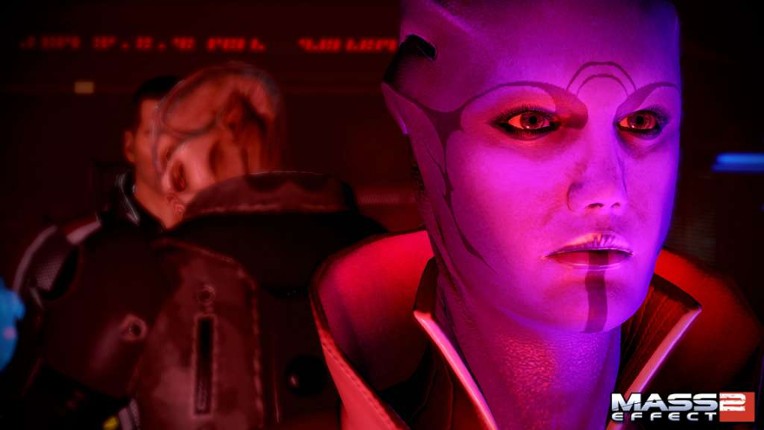
Includes Mass Effect 2 game, digital soundtrack, The Making of Mass Effect 2 videos, digital art book, Cerberus Network code, digital Mass Effect Redemption #1 comic, Collector Armor and Assault Rifle, and Incisor Rifle. If you enjoyed this game, see our list of games similar to Mass Effect 2.

Start with BioShock Infinite, which delivers equally ambitious narrative themes and stunning art direction. Dishonored offers a similarly haunting steampunk world with rich environmental storytelling. For a deeper dive into immersive sci-fi narratives, Deus Ex: Human Revolution provides thought-provoking themes and meaningful choices that rival BioShock's world-building.
BioShock Infinite replaces plasmids with vigors, offering creative combat powers in first-person encounters. Dishonored provides supernatural abilities for tactical combat and stealth approaches. Prey features sci-fi powers that blend exploration and combat, letting you tackle challenges creatively like BioShock's plasmid system.
Yes, all top recommendations are multiplatform. BioShock 2, BioShock Infinite, and Dishonored are available on PlayStation, Xbox, and PC. Deus Ex: Human Revolution and Prey also support major consoles and PC, ensuring accessibility across your preferred gaming platform.
Unfortunately, the top BioShock alternatives like Dishonored, Prey, and Deus Ex: Human Revolution are premium titles. However, System Shock 2 is occasionally discounted during sales and offers classic immersive sim gameplay at reasonable prices if you prioritize atmosphere and deep mechanics.
BioShock 2 uniquely features multiplayer alongside single-player campaigns, making it ideal if you want BioShock gameplay with friends. System Shock 2 offers co-op options for experiencing immersive sci-fi horror together. Most other similar games focus on single-player narratives, so these are your best multiplayer options.
System Shock 2 delivers intense sci-fi horror with one of gaming's most chilling antagonists, SHODAN. Prey combines psychological horror with sci-fi dread aboard a space station. Dishonored maintains a dark, oppressive atmosphere throughout. All three offer the unsettling immersion BioShock fans crave without the underwater setting.


 View Game