

If games like Stray are what you're searching for, you already know the feeling — wandering through a beautifully realized cyberpunk city as a cat, soaking up atmosphere, unraveling a quiet mystery, and feeling genuinely moved by a world told more through visuals and sound than dialogue. That combination is rarer than it should be, but the good news is there are some fantastic alternatives that capture that same magic.
What makes Stray so distinctive is its commitment to atmosphere-first storytelling: a third-person open world built around exploration and curiosity rather than combat, wrapped in a cyberpunk aesthetic that's simultaneously dystopian and gorgeous. Players aren't there to grind or dominate — they're there to inhabit a world, follow a mystery, and let a carefully crafted soundtrack and art direction do the emotional heavy lifting. That's the experience people are chasing when they go looking for games like Stray.
RiME delivers stunning visuals and a wordless emotional gut-punch of a story. GRIS is a hand-painted journey through grief with a breathtaking soundtrack. Firewatch nails atmospheric open-world storytelling and rich character work. Planet of Lana offers hand-drawn beauty and environmental narrative without a single line of dialogue. Jusant trades cats for climbing but keeps the meditative pacing and gorgeous world-building. Brothers: A Tale of Two Sons rounds things out with emotional depth and a story that sticks with you long after the credits roll.
Every recommendation below is ranked by similarity to Stray using real player data and gameplay patterns, so the closest matches appear first. Scroll down to find your next favorite game.
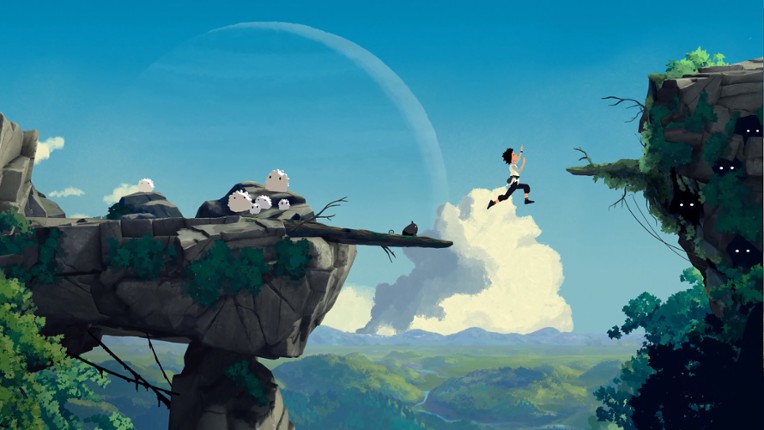
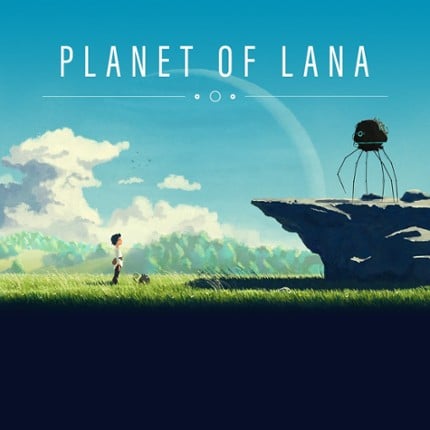
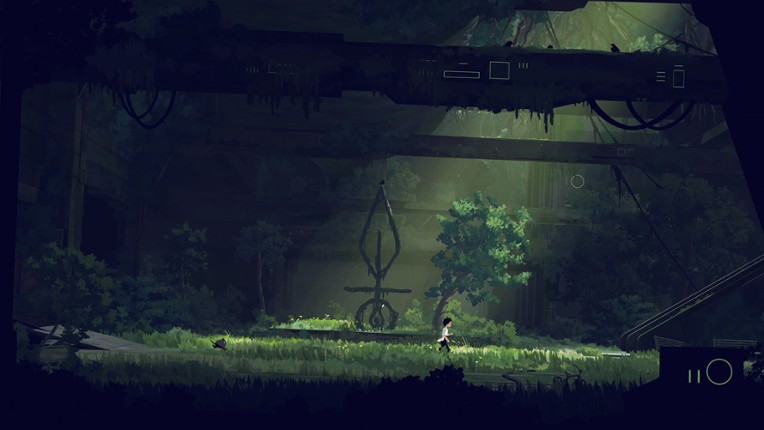
Both games prioritize atmospheric exploration as a vehicle for storytelling, letting you piece together narrative through the world itself rather than exposition dumps. In Stray, you move through a neon-soaked cybercity reading environmental clues; in Planet of Lana, hand-drawn environments and companion interactions reveal the story at your own pace.
The trading and resource interaction systems operate similarly in both—you're not grinding for upgrades, but rather engaging with the world's economy and inhabitants as part of natural progression. This keeps momentum focused on discovery rather than stat-chasing, which is exactly what made Stray's pacing so refreshing.
Where they diverge meaningfully: Planet of Lana trades open-world freedom for tightly choreographed 2D sequences and puzzle-platforming. This actually works in its favor—it eliminates the wandering dead zones some felt in Stray's larger spaces, delivering story beats with more narrative density per minute.
Best for players who connected with Stray's music, atmosphere, and emotional beats over pure mechanical complexity. If you crave that same contemplative, hand-crafted vibe in a more condensed package, this is worth the detour.
If you enjoyed this game, see our list of games similar to Planet of Lana.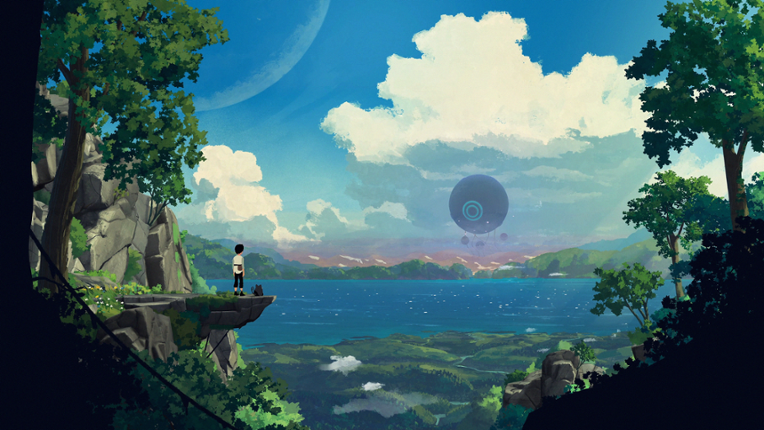
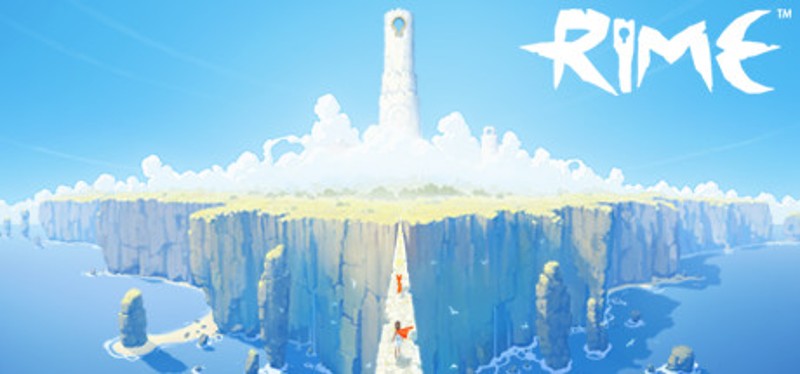
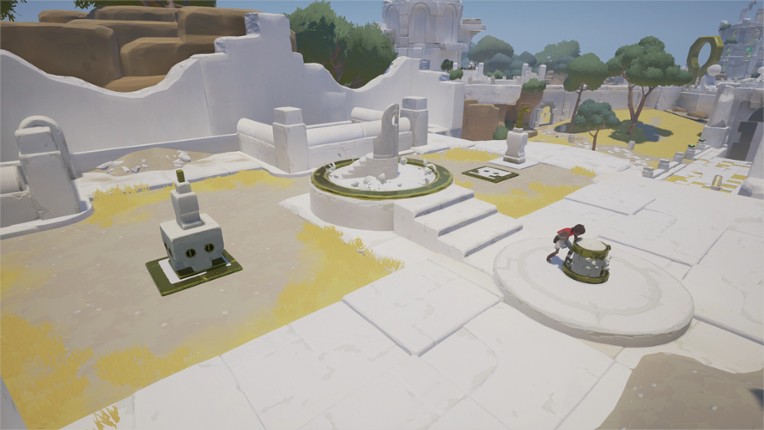
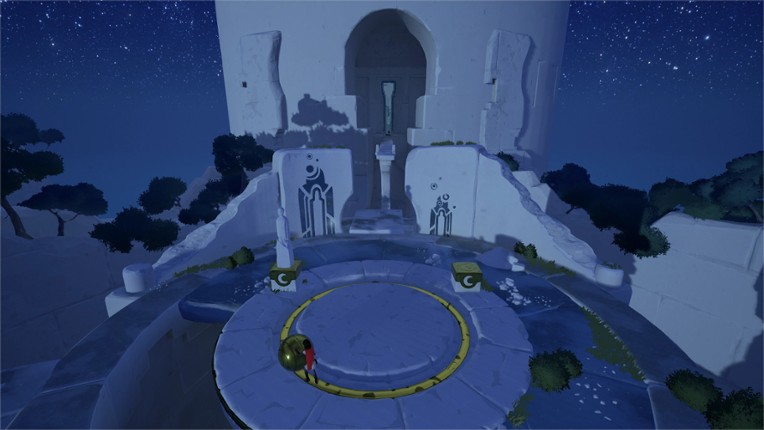
Navigating evocative, wordless environments where architecture and lighting communicate the narrative provides the central thrill in both experiences. Players spend their time deciphering the history of a lost civilization through tactile exploration and subtle environmental cues. This reliance on visual storytelling mirrors the way players piece together the secrets of the Walled City, turning simple movement into a rewarding narrative discovery.
Both titles prioritize a third-person perspective that emphasizes the scale of a vast, lonely world against a solitary protagonist. While Stray can sometimes feel slowed by repetitive grinding or fetch-quests, RiME offers a more streamlined, meditative flow that favors steady momentum through its puzzles. The transition from cyberpunk alleys to sun-drenched ruins provides a fresh aesthetic lens while retaining that signature sense of melancholic wonder.
The primary shift lies in the atmosphere, trading gritty technological decay for a vibrant, Mediterranean-inspired fantasy landscape. This creates a serene experience where the emotional stakes are revealed through a deeply personal journey rather than a survival mission. Best for players who prioritize atmospheric storytelling and a poignant, heart-wrenching finale.
If you enjoyed this game, see our list of games similar to RiME.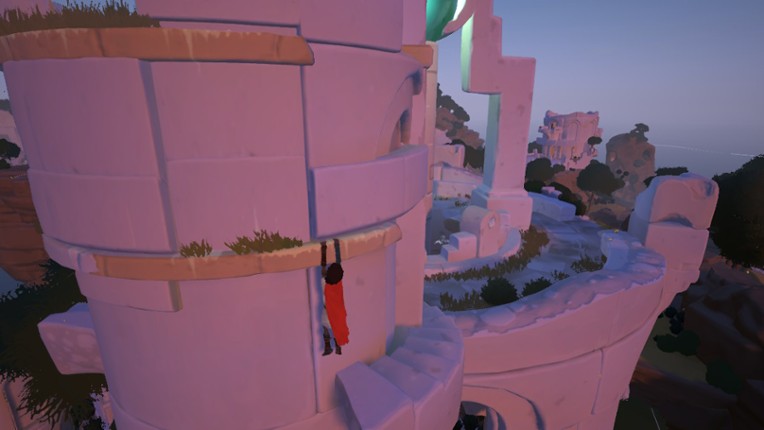
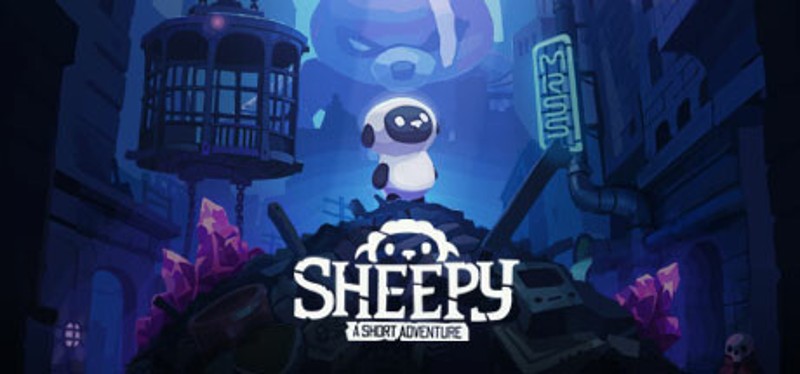
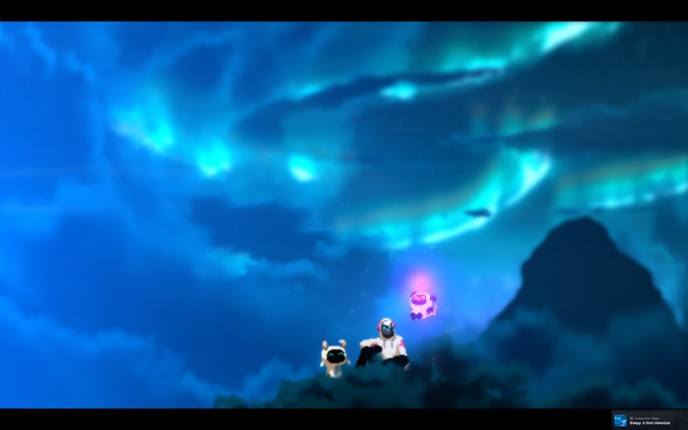
That same feeling of sneaking through a strange, lonely world and learning its rules one small step at a time carries over well here. Sheepy: A Short Adventure gives you compact exploration, environmental storytelling, and a steady sense of discovery that echoes stray’s best moments of curiosity-driven play.
The overlap is strongest in the way both games reward careful movement and reading the space around you rather than rushing forward. Simple controls and atmospheric presentation make every jump, pause, and detour feel deliberate, and the soundtrack does the same emotional heavy lifting that helped stray land so well.
The big tradeoff is scale: Sheepy is much shorter and more linear, but that can work in its favor by trimming the grind and keeping the experience focused. It also leans into a darker, more surreal fantasy tone, giving fans of stray a fresh atmosphere without losing the quiet, melancholic charm.
Best for players who want a brief, mood-heavy adventure with exploration and heart.
If you enjoyed this game, see our list of games similar to Sheepy: A Short Adventure.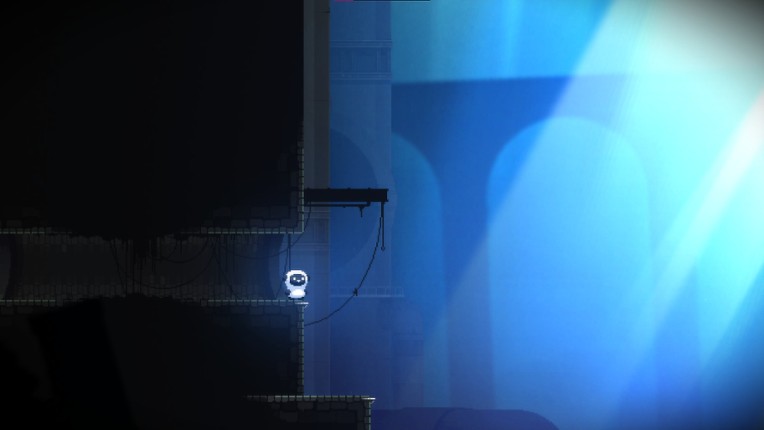
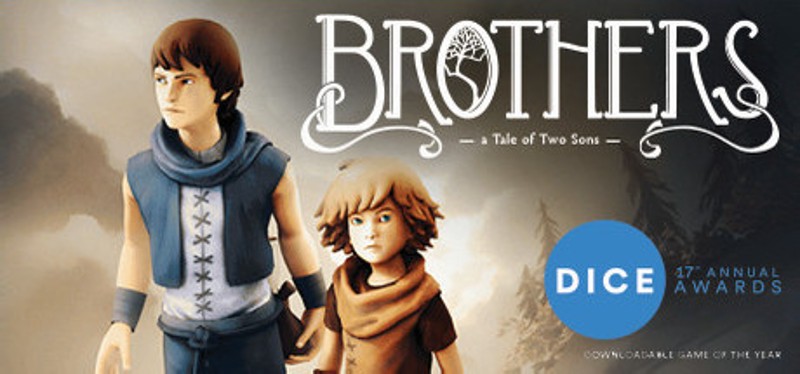
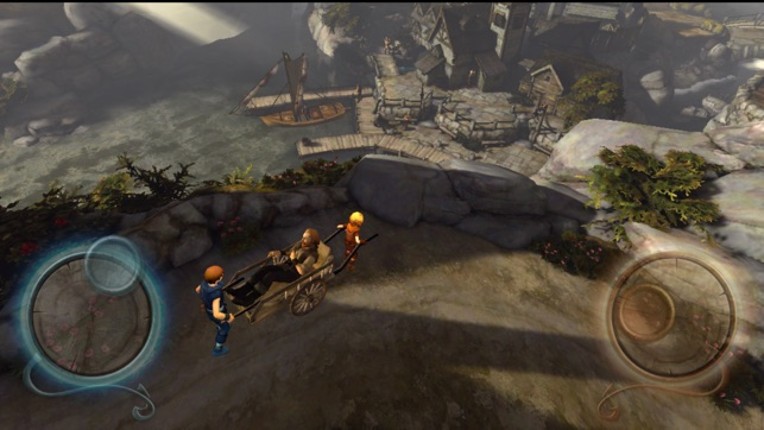
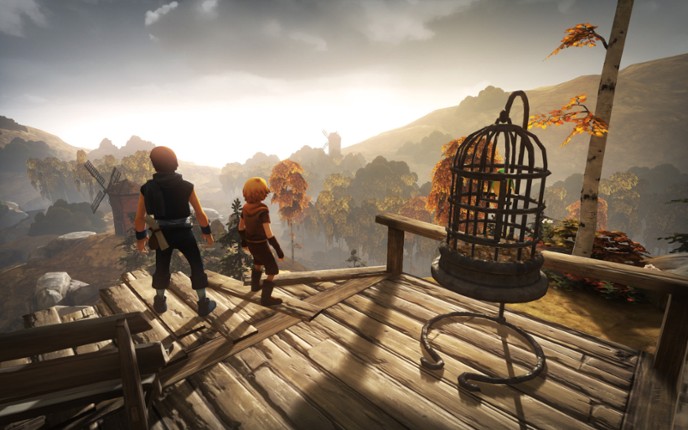
Both games hinge on slipping through hidden passages and reading the environment, whether as a cat in stray or as two siblings in Brothers: A Tale of Two Sons.
Stealth and puzzles dominate each encounter, with enemies following routes you slip past through timing and observation. Discovering a secret route rewards curiosity over combat.
Storytelling leans on visual cues and ambient sound, letting the world convey the emotional weight, creating a shared melancholy that lingers after the credits.
Brothers replaces the solo cat’s agility with dual‑character control, turning puzzles into a dance of two perspectives. Swapping cyber‑punk neon for a mythic fairy‑tale aesthetic keeps the careful, non‑combat feel while offering fresh visuals.
If stray’s grind and occasional bugs frustrated you, Brothers offers a tight, self‑contained adventure with no micro‑transactions, no filler, and stable performance. Best for players who value atmospheric exploration, puzzle‑driven stealth, and emotional storytelling over open‑world repetition.
If you enjoyed this game, see our list of games similar to Brothers: A Tale of Two Sons.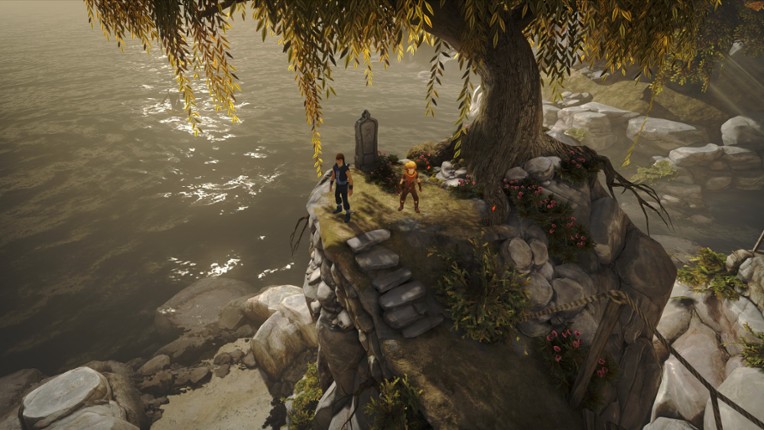
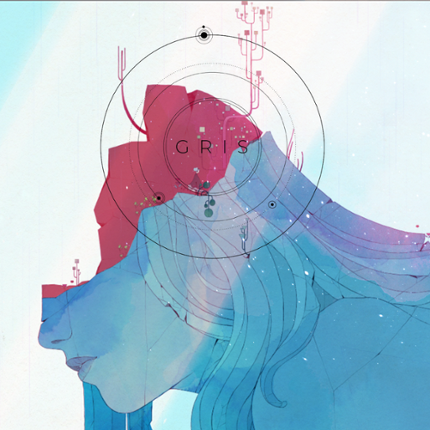
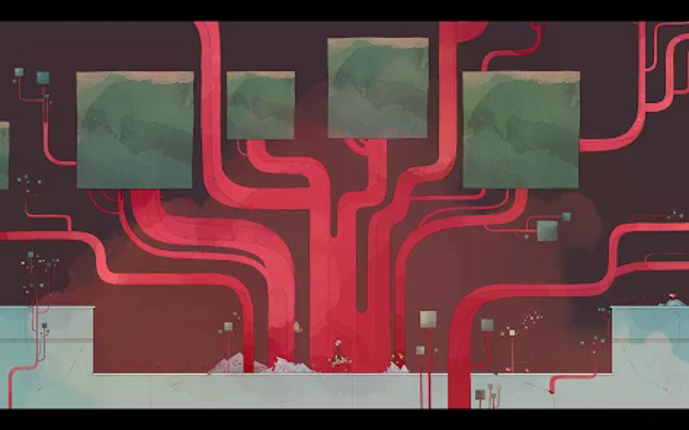
Both GRIS and Stray anchor their appeal in environmental storytelling, where the world itself functions as the primary narrator. This shared focus on wordless discovery ensures that the player's connection to the protagonist is built entirely through traversal and emotional resonance.
While Stray leans into the tactile grit of a dense, interactive cyberpunk city, GRIS opts for a surreal, hand-painted dreamscape. You will sacrifice the kinetic joy of platforming as a nimble cat for a more contemplative, artistic journey focused on personal recovery.
Pick up GRIS if you crave the haunting atmospheric depth of Stray but can live without the direct action and urban exploration elements.
If you enjoyed this game, see our list of games similar to null.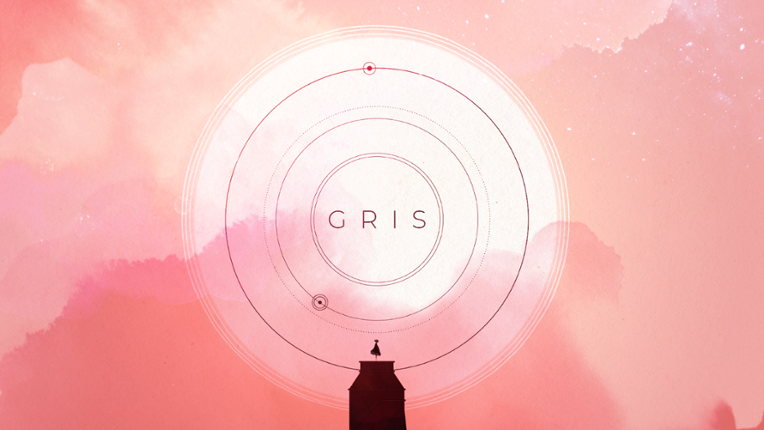
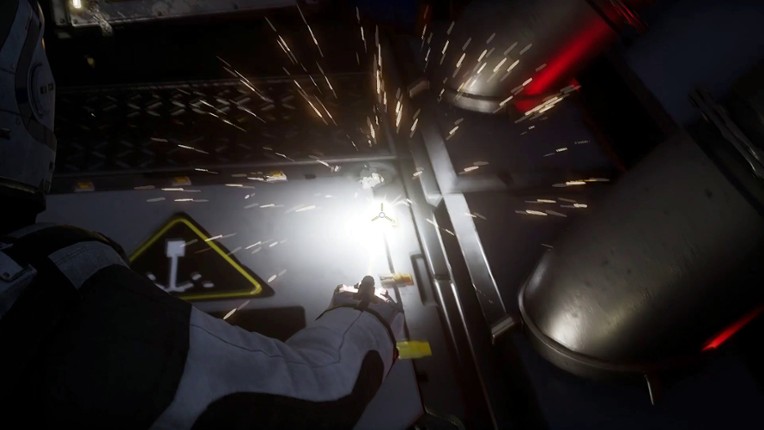
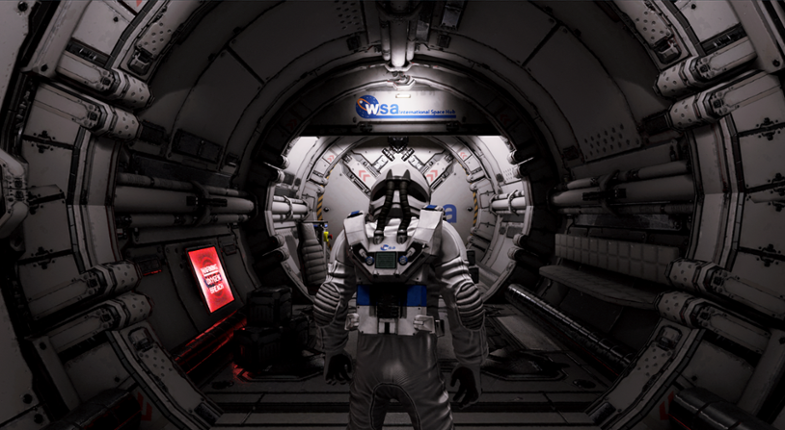
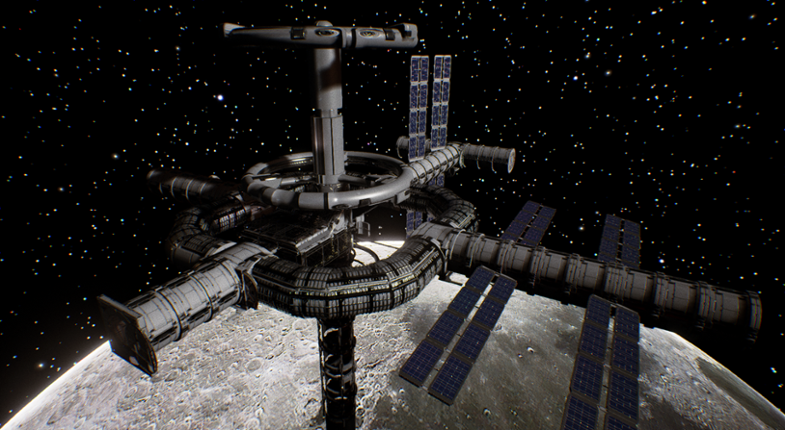
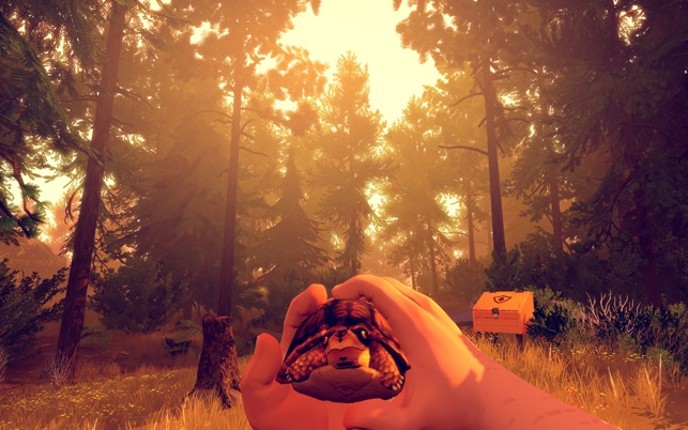
Stray and Firewatch both excel in crafting a rich atmospheric exploration experience where every environment tells part of the story. Their focus on mystery and emotional depth drives player investment beyond typical gameplay loops, highlighting narrative over action. Firewatch’s first-person perspective offers a more intimate but less visually dynamic backdrop compared to Stray’s vibrant third-person lens.
The key tradeoff is that Firewatch leans heavily into dialogue and story at the cost of gameplay variety, often feeling slow or repetitive. In contrast, Stray balances exploration with puzzle-solving and combat, delivering more active engagement. Both suffer from bugs and pacing issues, but Firewatch’s narrative focus can test patience with its slower progression.
Pick Firewatch if you want a mature, story-driven journey rich in atmosphere and emotional nuance but can tolerate minimal gameplay interaction and uneven pacing. Choose Stray if you prefer a more dynamic, visually striking adventure with cat-focused exploration and sharper mechanical variety. If you enjoyed this game, see our list of games similar to Firewatch.
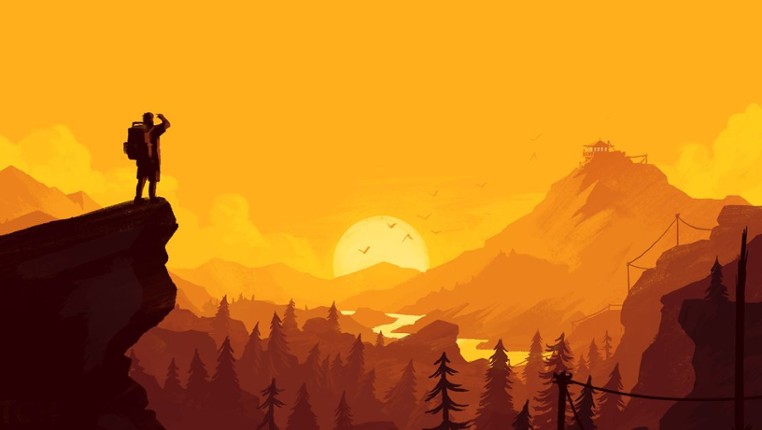
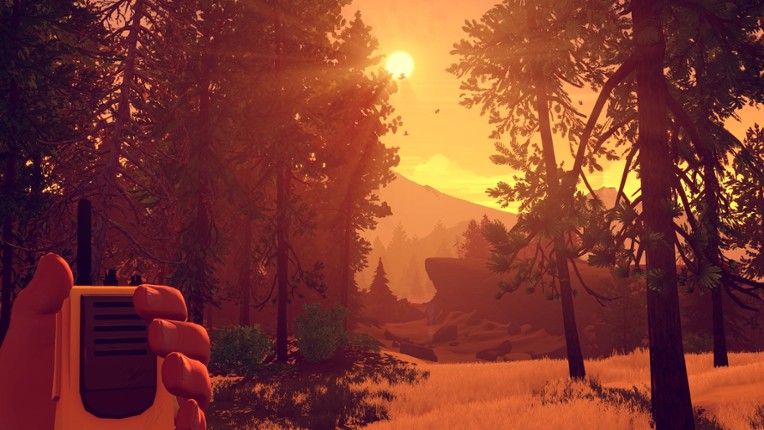
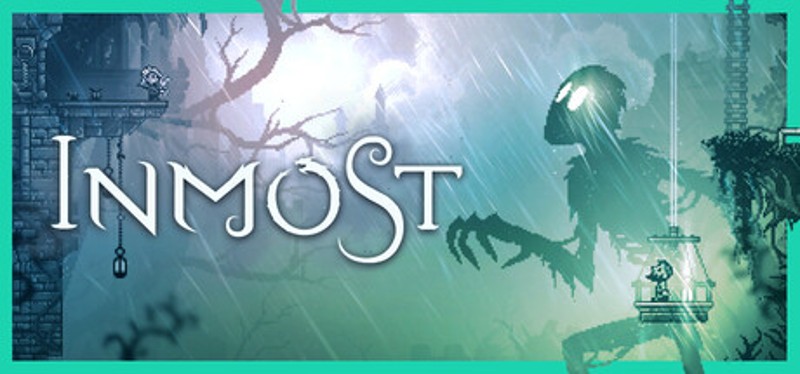
Both games hinge on atmospheric exploration layered with mystery, where environment and story unfold together rather than through cutscenes. This shared foundation means you're uncovering narrative through careful observation, not exposition.
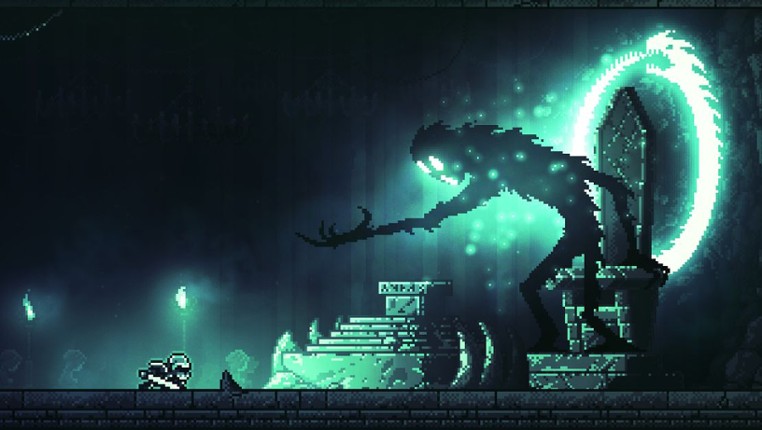
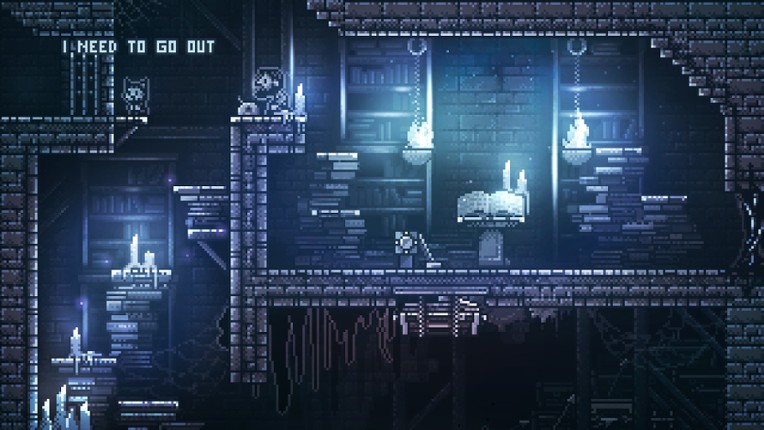
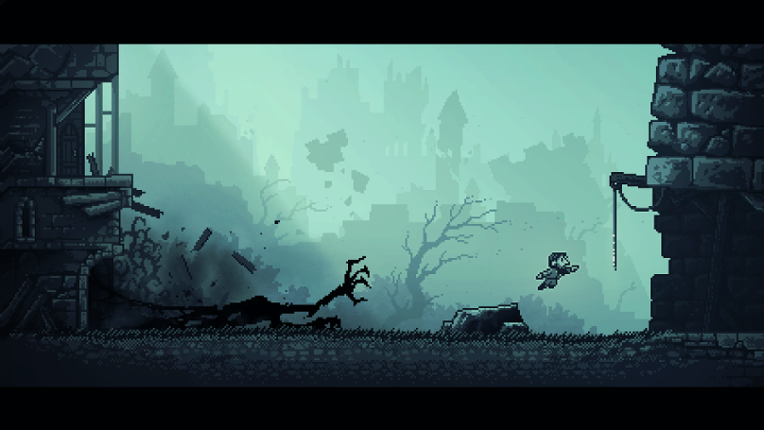
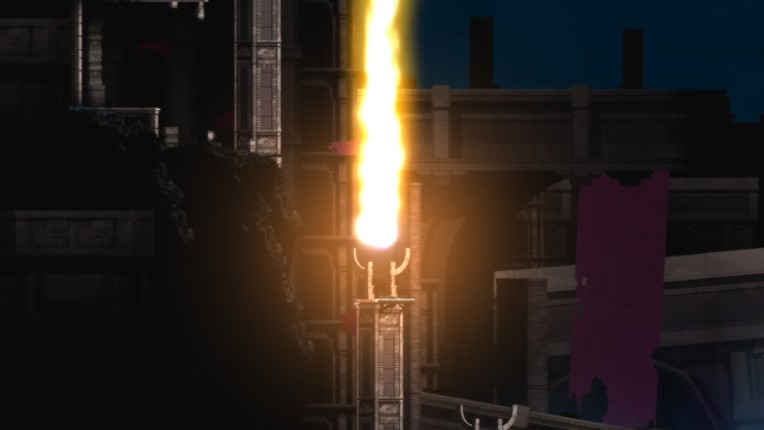
INMOST doubles down on emotional storytelling through visual design—its pixel art carries the weight that Stray's cyberpunk world does, because it matters that much.
The tradeoff: Stray offers a breezy 3-5 hour journey with personality and humor; INMOST is a dense 3-4 hour experience that demands active interpretation and hits harder but feels incomplete for some.
Pick this up if you crave melancholic, story-first indie games but can accept clunkier controls and a shorter runtime in exchange for raw emotional impact.
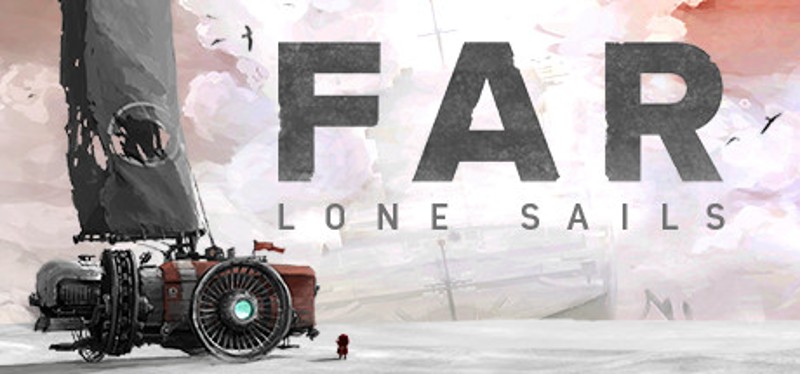
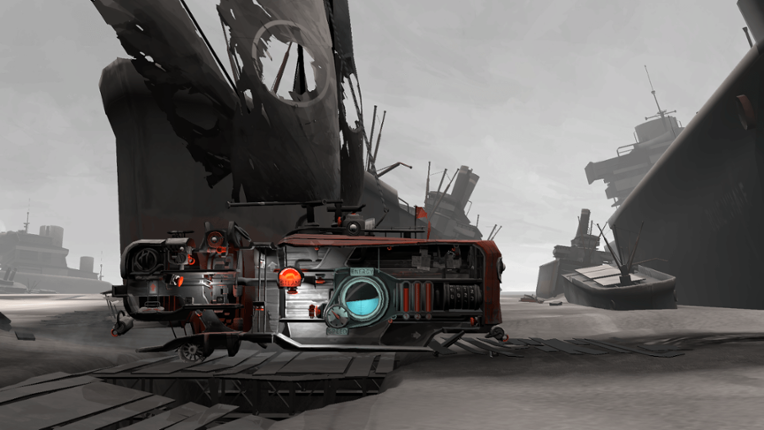
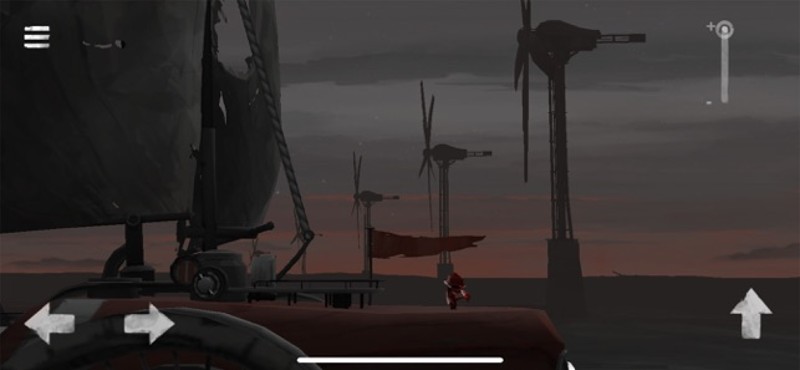
If you enjoyed this game, see our list of games similar to INMOST.Both games weaponize environmental storytelling, letting players piece together their worlds through exploration rather than cutscenes. This approach works because Stray and FAR: Lone Sails trust you to notice details—abandoned tech, cryptic signage—and draw your own conclusions about what happened.
Where Stray drops you into a neon-drenched cyberpunk city navigating robot societies as a nimble cat, FAR: Lone Sails plops you onto a sun-scorched post-apocalyptic plain steering a rusted walking ship. The tradeoff: Stray offers vertical parkour and colorful vistas; FAR offers meditative pacing and sparse, haunting silence.
Pick this up if you want another indie gem that values atmosphere over action but can live without feline gameplay or futuristic settings.
If you enjoyed this game, see our list of games similar to FAR: Lone Sails.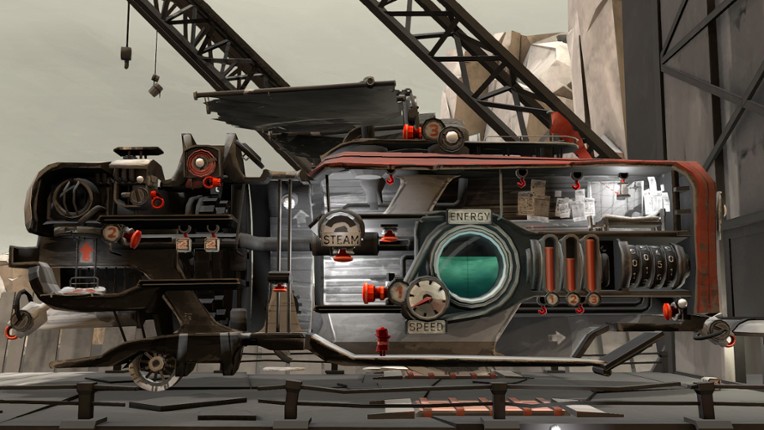
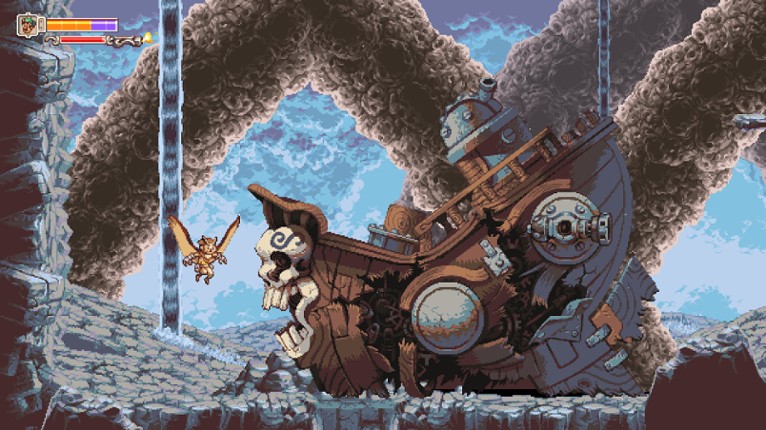
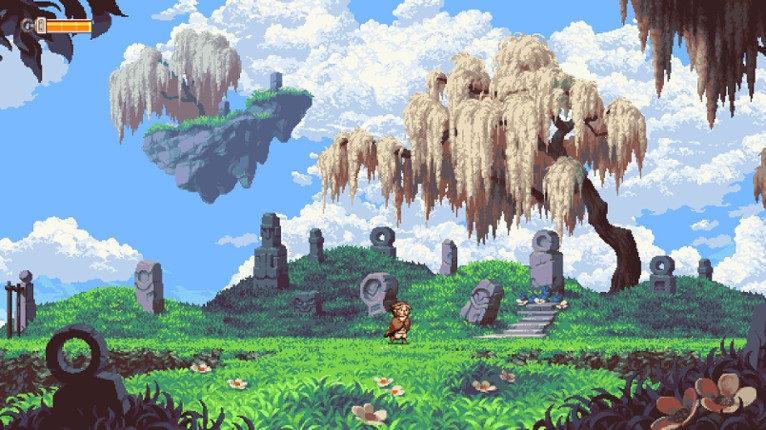
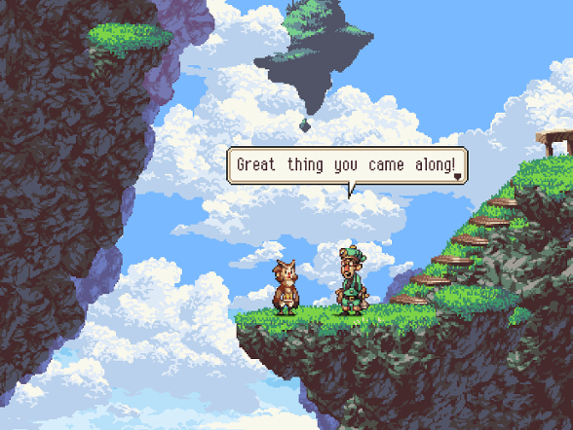
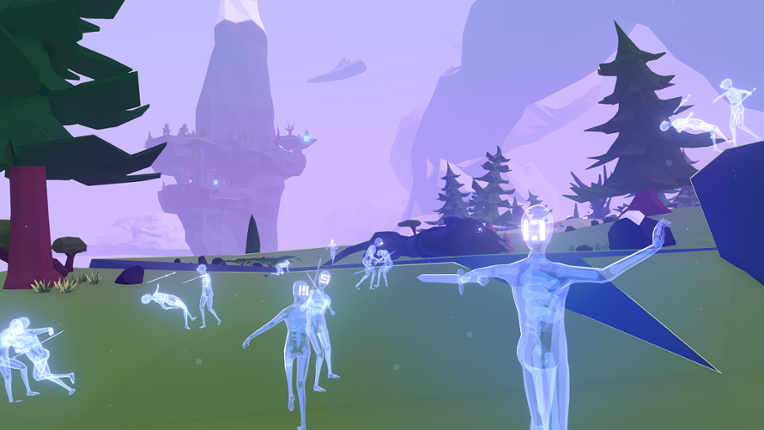
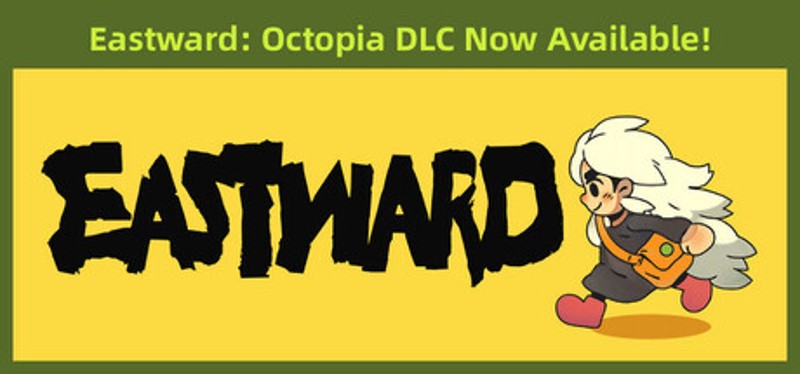
Like Stray, Eastward thrives on the slow, deliberate exploration of a decaying world through the eyes of an outsider. You wander through meticulously crafted environments, uncovering hidden environmental storytelling that makes every scrap of world-building feel earned.
The shared focus on atmospheric traversal ensures that your journey feels personal and lived-in rather than strictly functional. You will find that same sense of wonder while navigating desolate, overgrown ruins teeming with mystery.
However, you trade Stray's fluid, feline agility for a slower, dialogue-heavy action-RPG structure. The narrative density can occasionally drag, interrupting the flow of discovery with lengthy character interactions.
Pick this up if you want Stray’s melancholic, post-apocalyptic charm but can live without the platforming precision.
If you enjoyed this game, see our list of games similar to Eastward.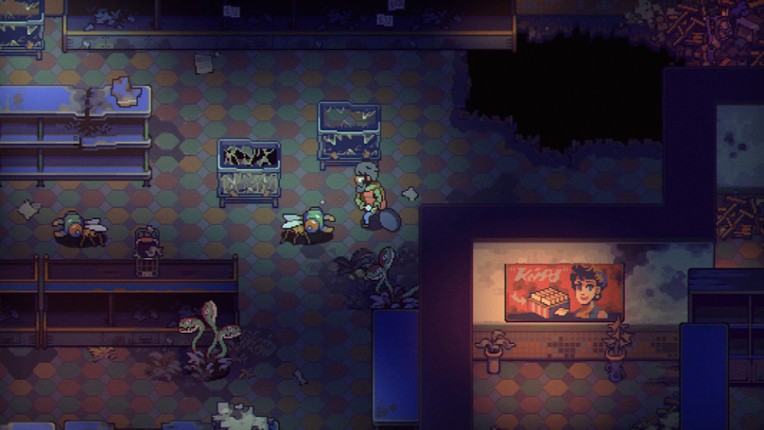
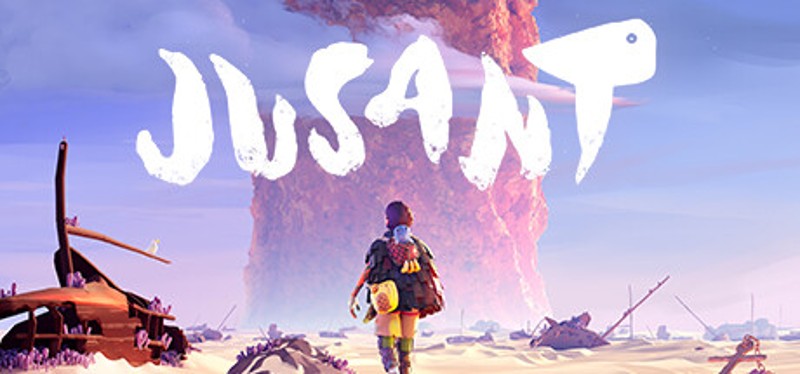
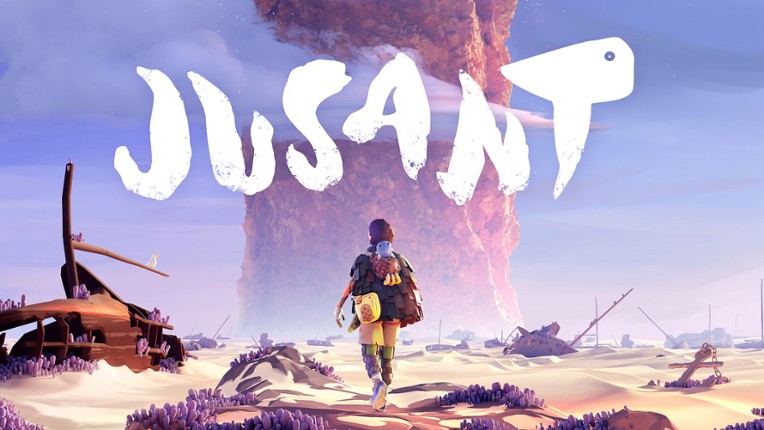
That feeling in Stray of reading a silent world through movement — leaping across rooftops, squeezing through tight spaces, piecing together a civilization through exploration alone — is exactly what drives Jusant. Both games ask you to inhabit a space rather than conquer it, rewarding patience and curiosity over combat reflexes.
Where Stray channels that through a cat's nimble traversal, Jusant builds it around rhythmic, physical climbing. Each handhold requires deliberate input, which creates a slow, meditative intimacy with the environment — you feel the scale of the world because you earn every inch of it. The atmospheric worldbuilding and colorful, melancholic aesthetic will feel immediately familiar to anyone who loved Stray's dystopian beauty.
The key difference: Jusant trades Stray's narrative momentum for something quieter and more contemplative, with its story unfolding through scattered written fragments rather than active scenes. Players who found Stray's runtime too brief will appreciate Jusant's unhurried pacing, even if the letter-based storytelling occasionally drags.
Best for players who find more meaning in atmosphere and traversal than in plot-driven progression.
If you enjoyed this game, see our list of games similar to Jusant.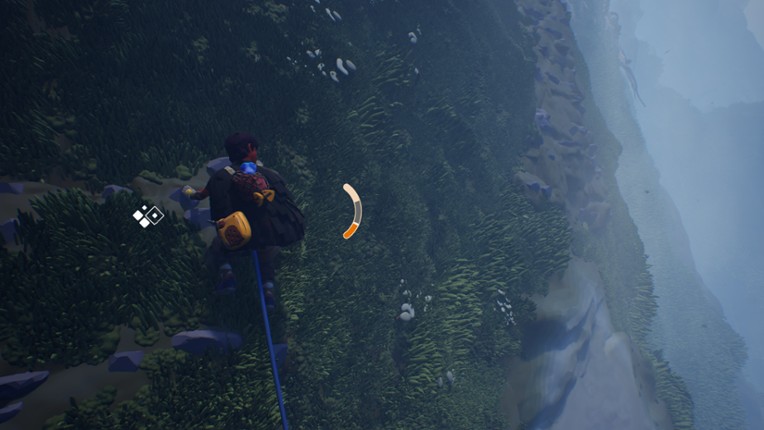
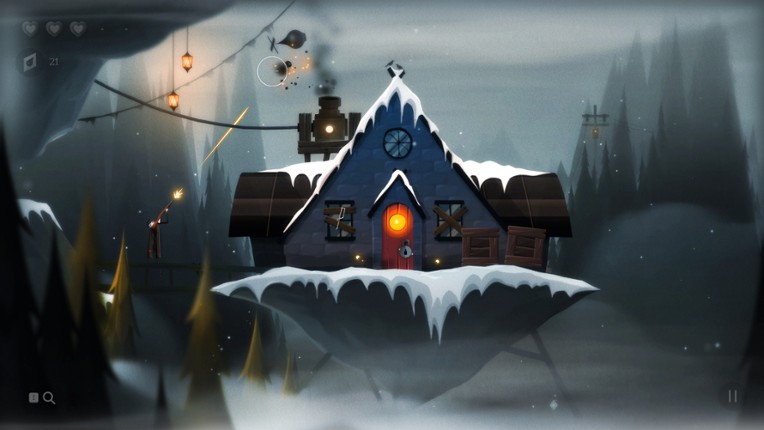
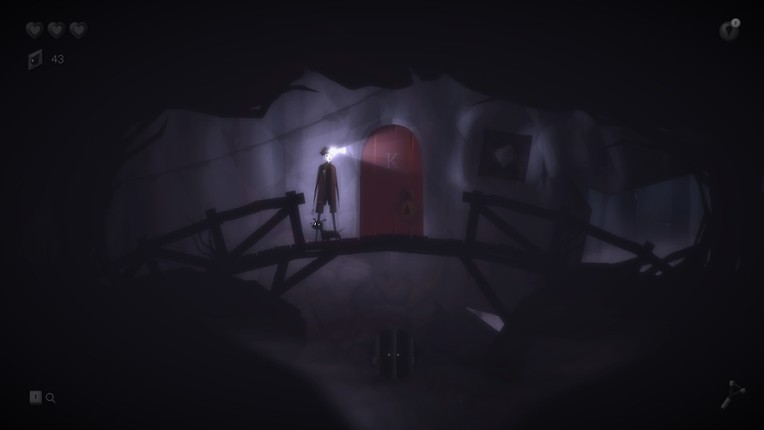
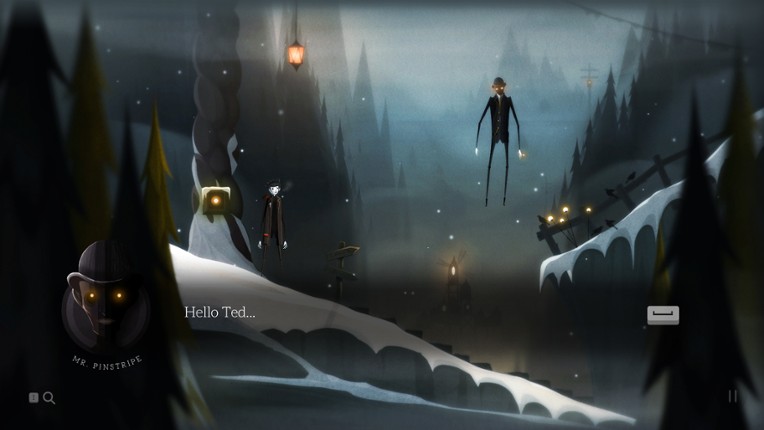
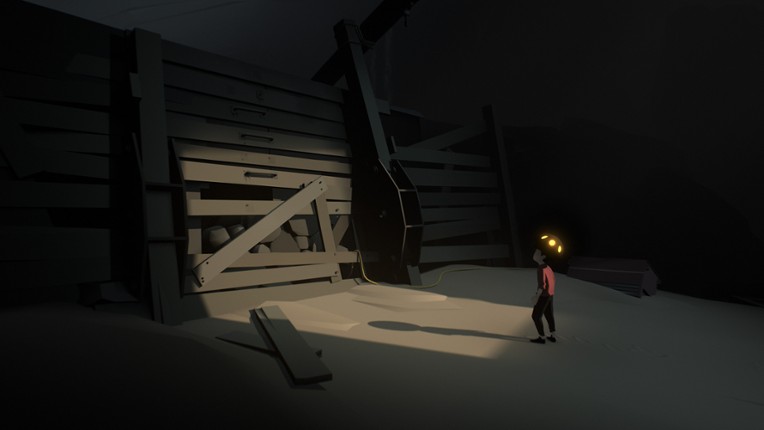
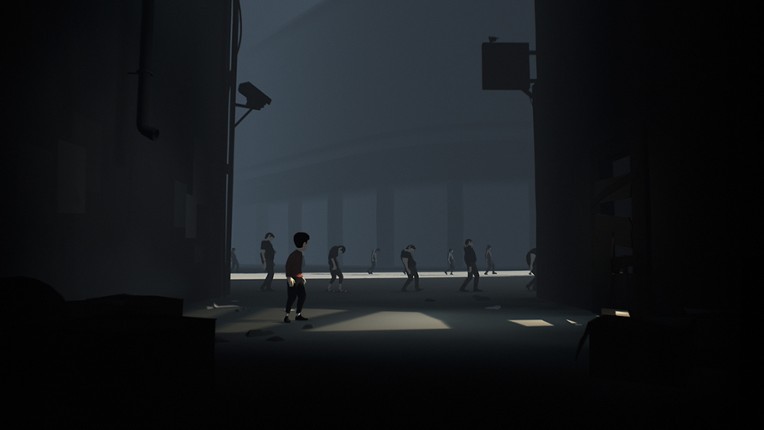
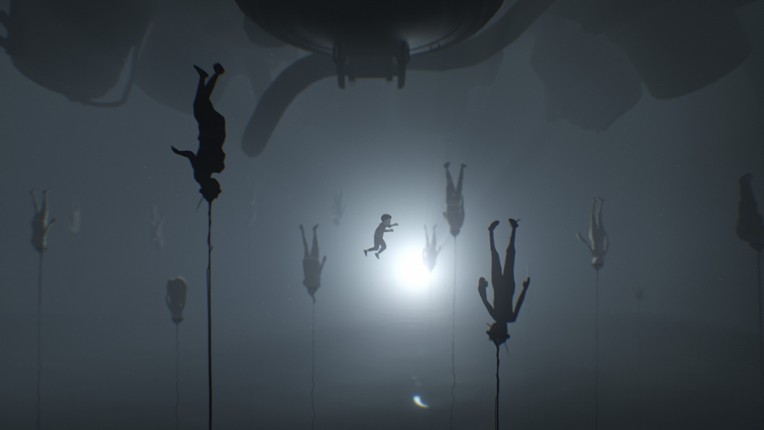

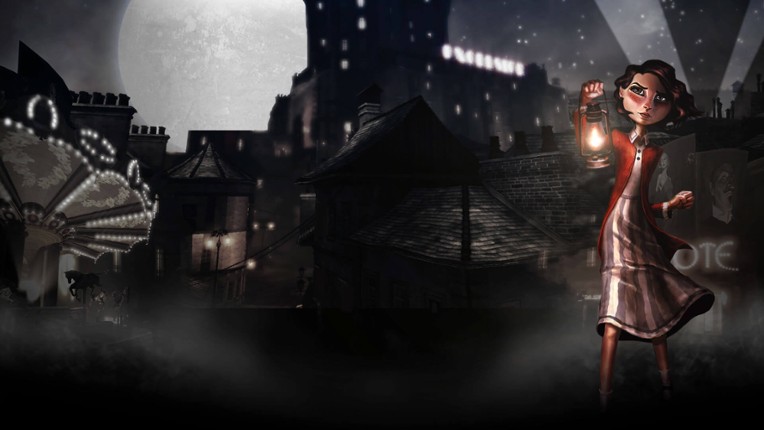
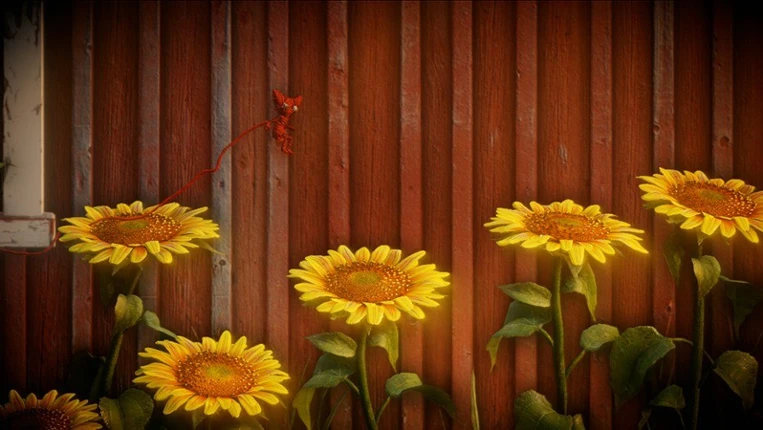
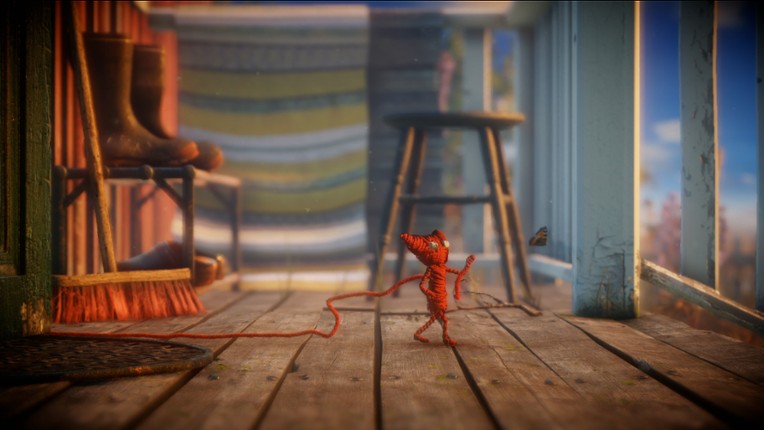
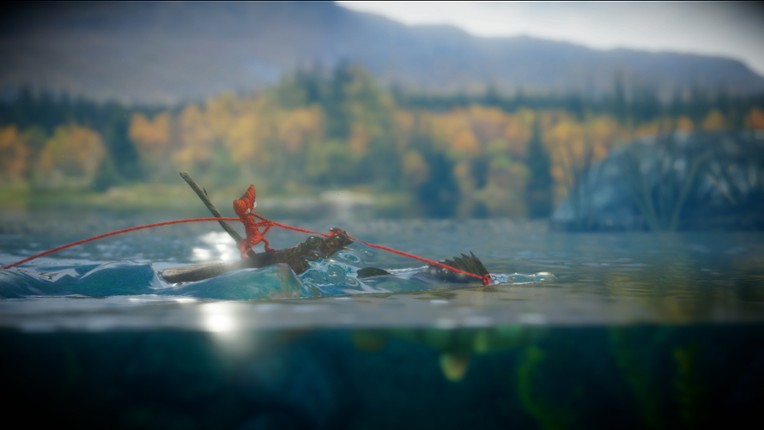
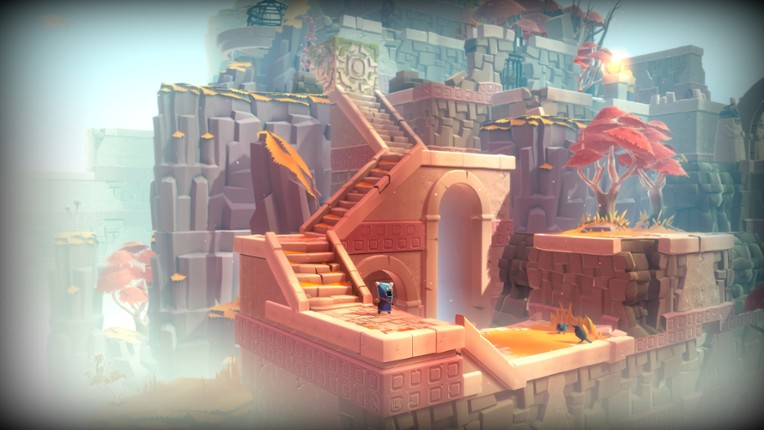
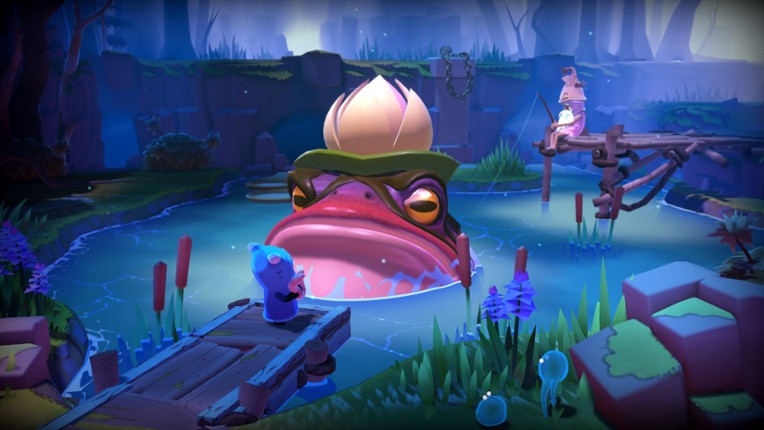
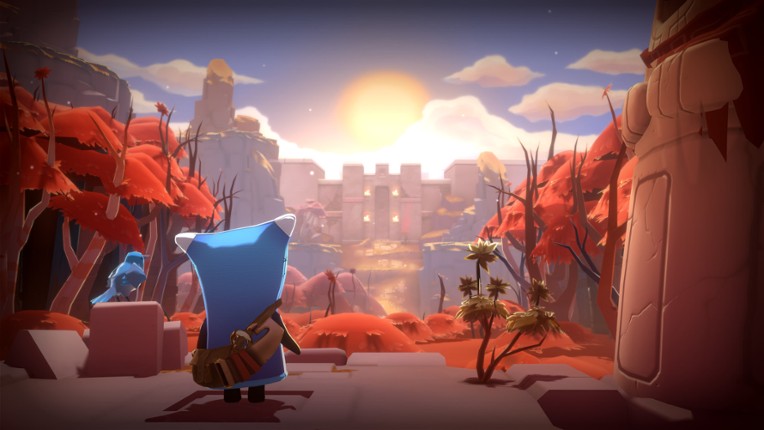
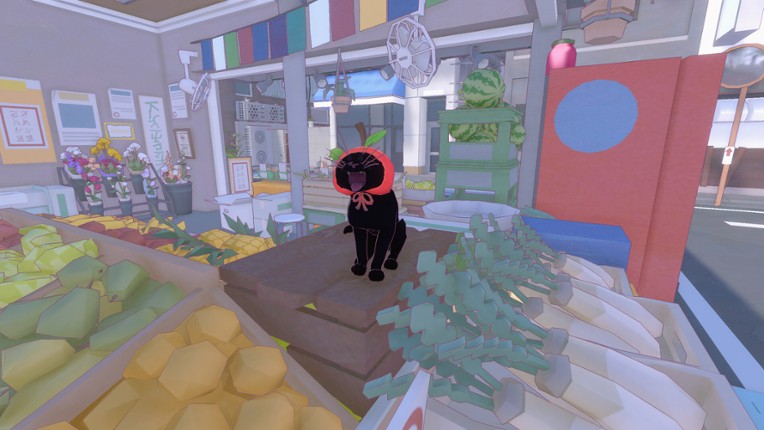
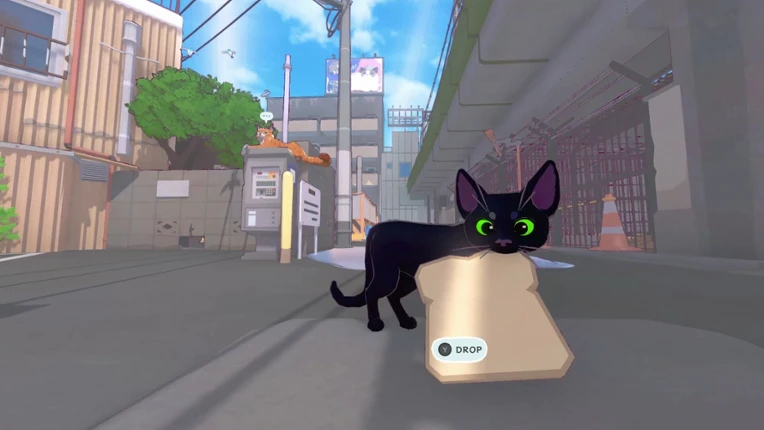
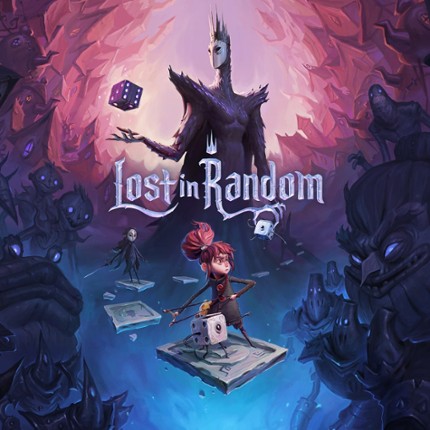
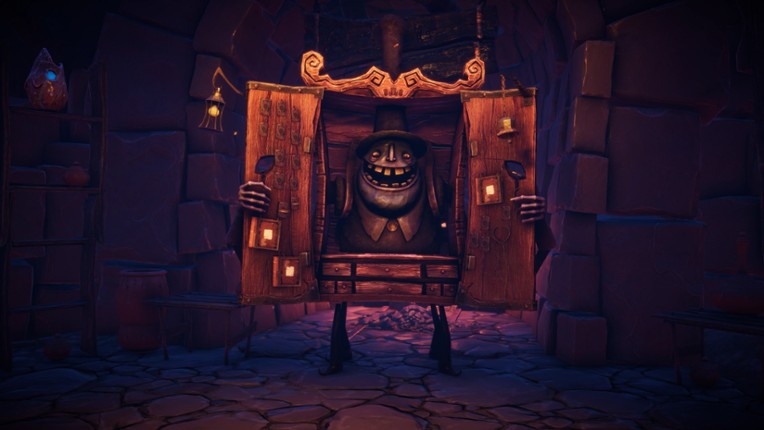
Buy Lost In Random for PS4 and PS5. From Zoink, developers of Fe, dive into a dark wonderland where only the brave survive. If you enjoyed this game, see our list of games similar to Lost in Random.
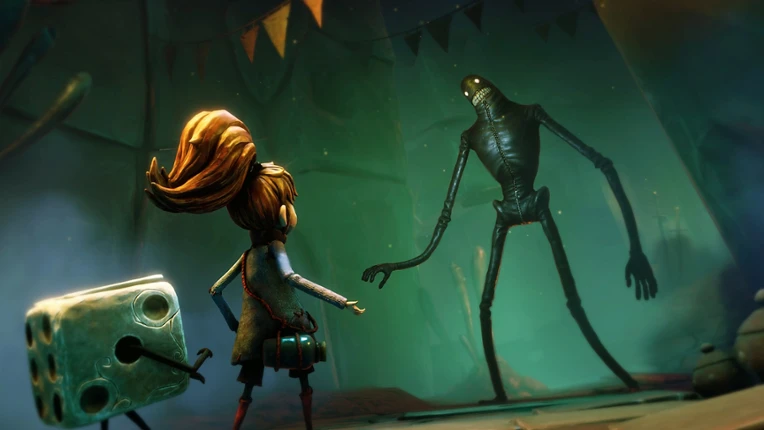
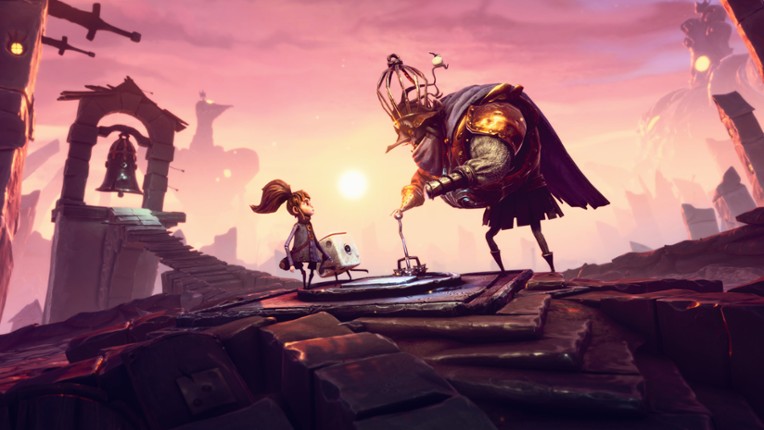
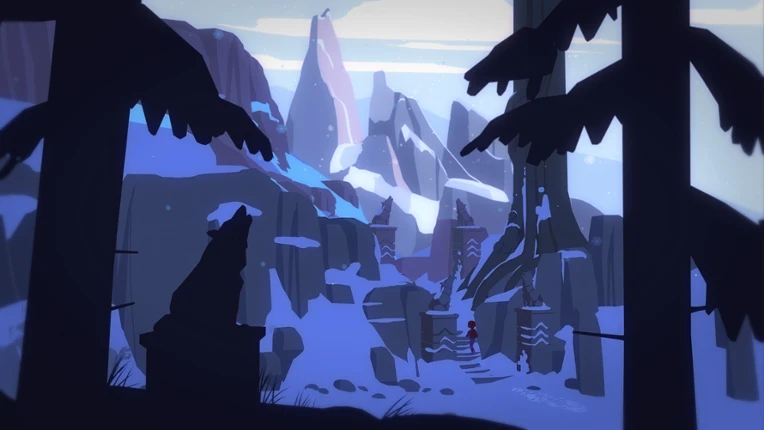
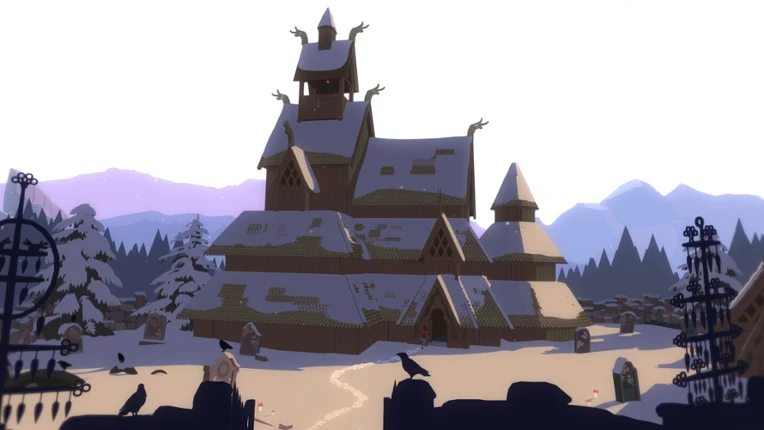
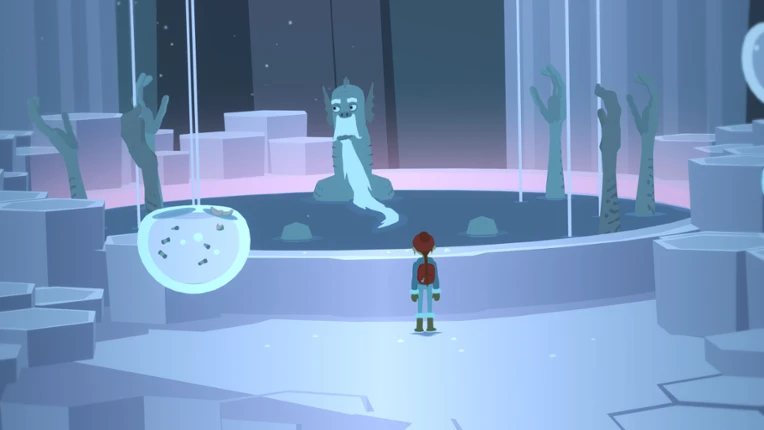
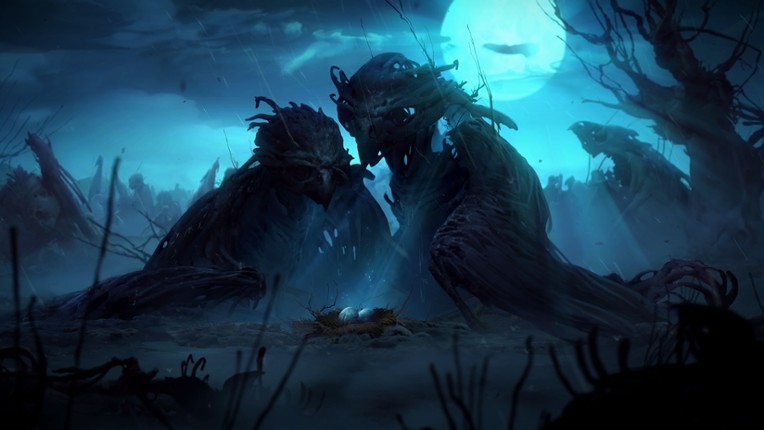
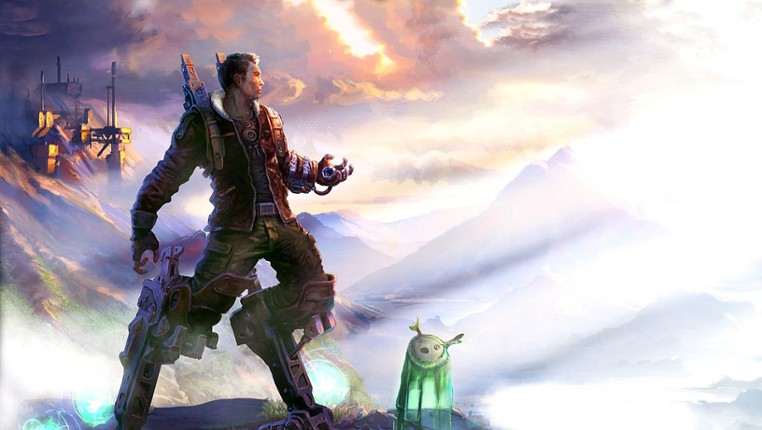
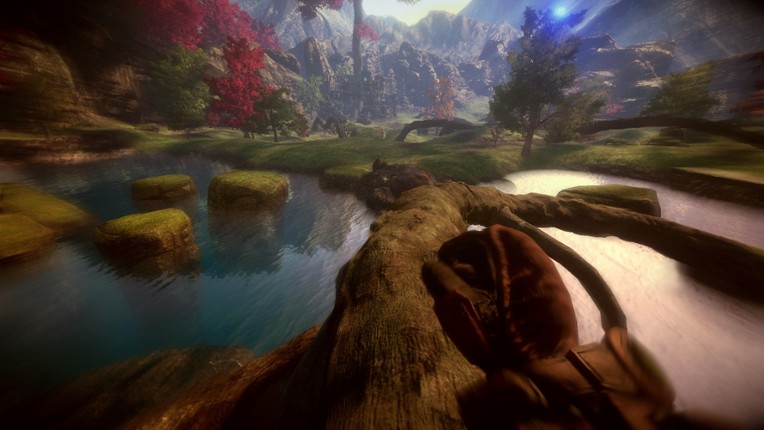
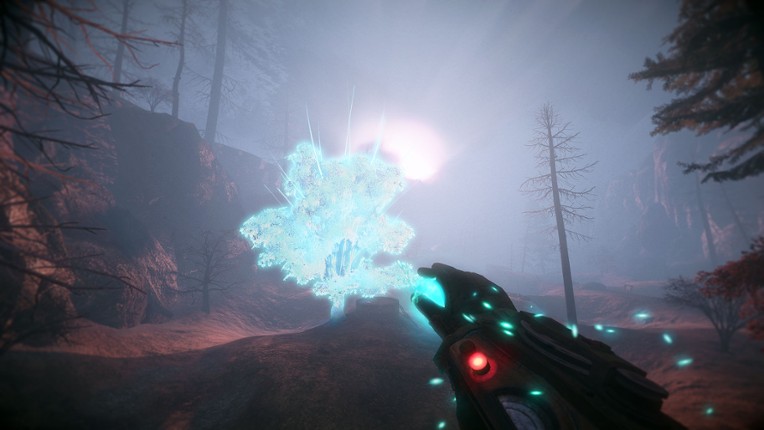
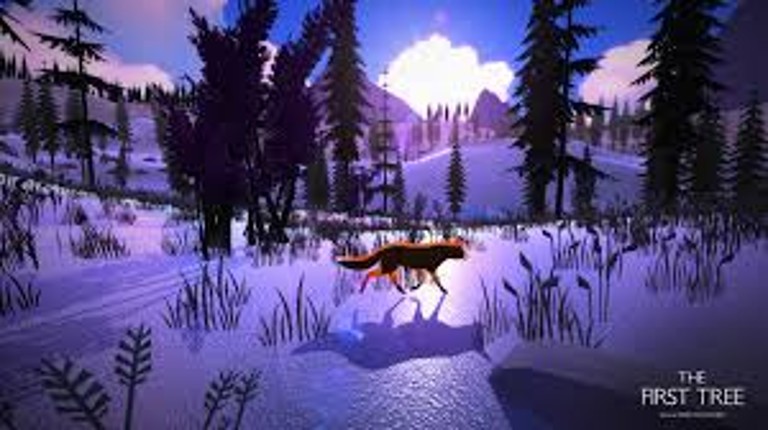
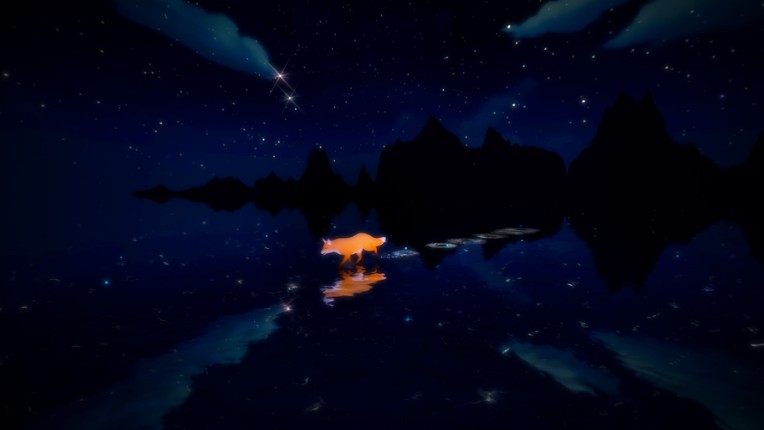
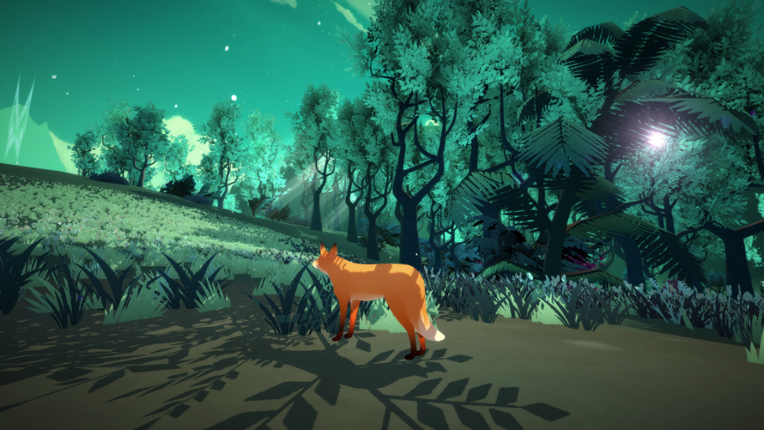
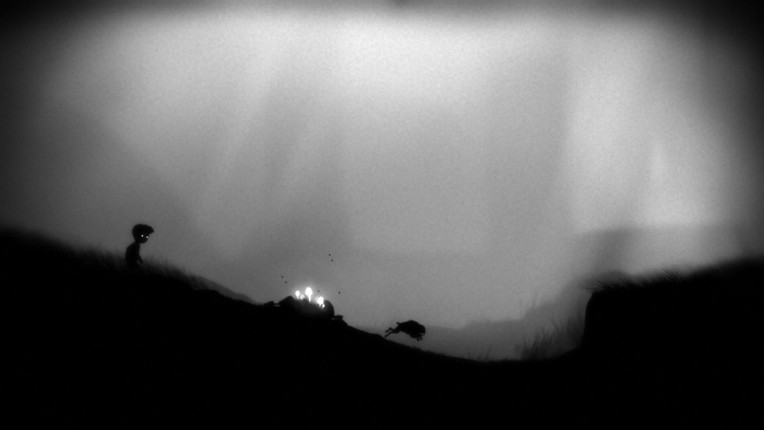
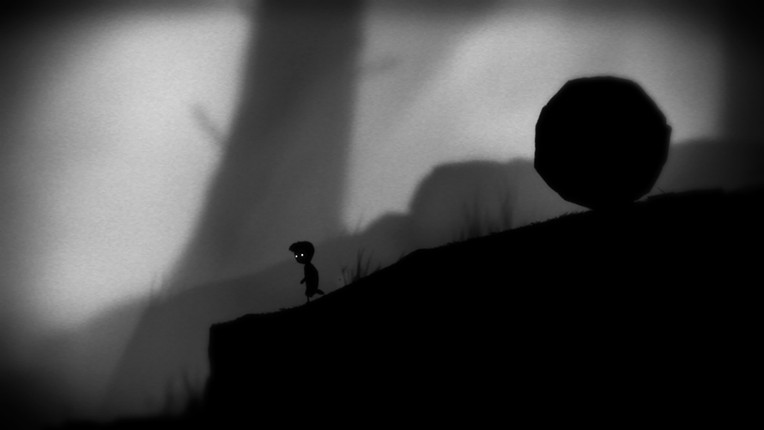
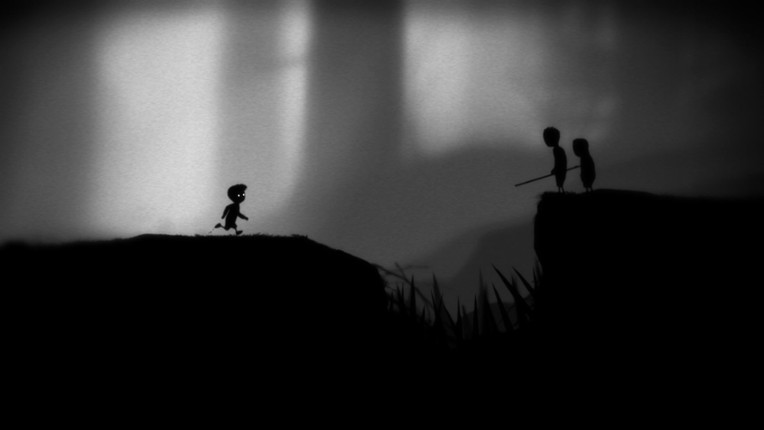
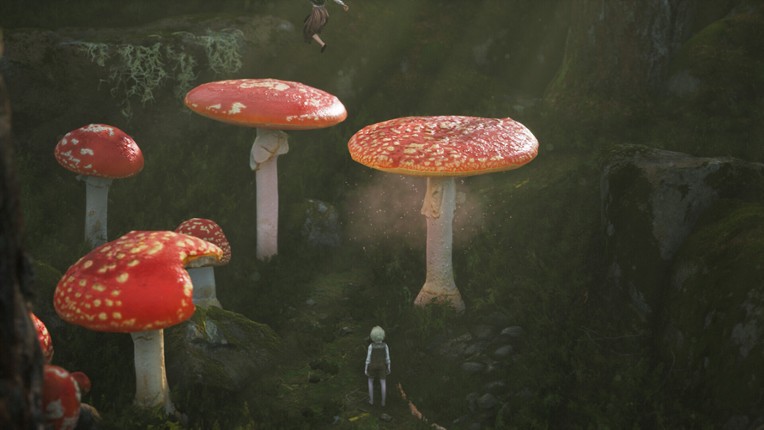
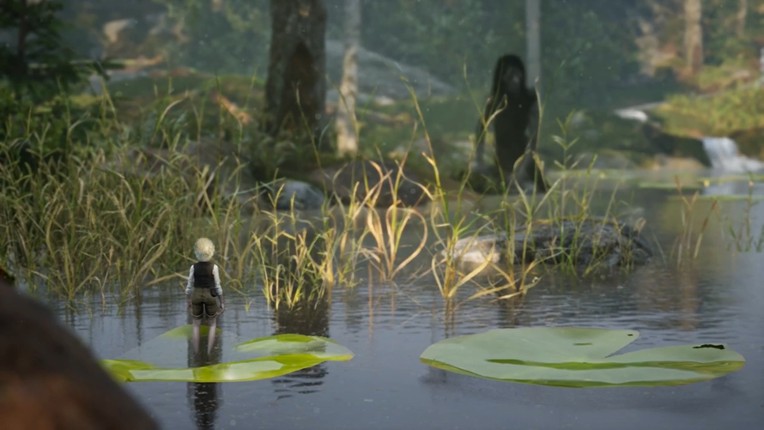
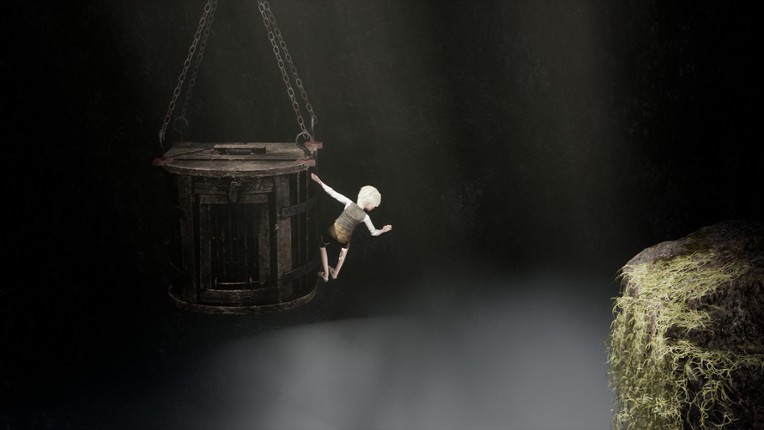
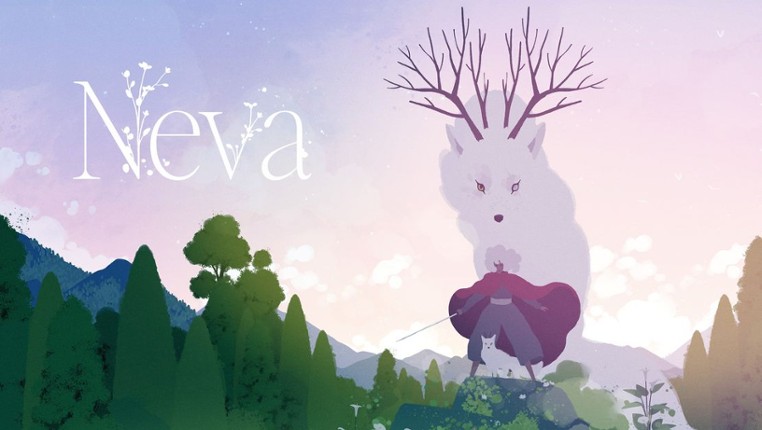
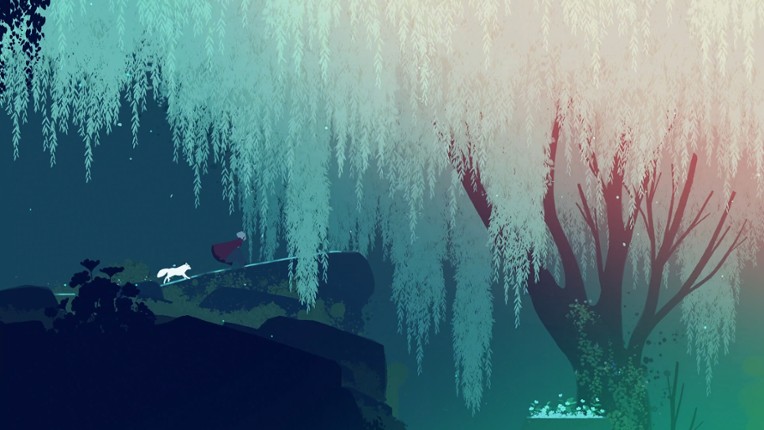
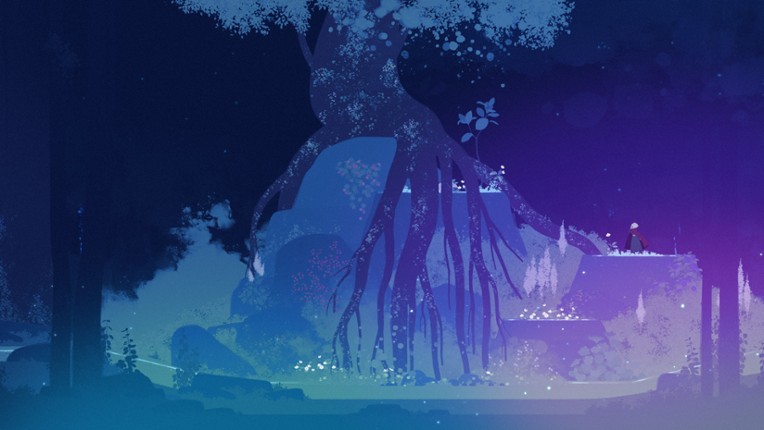
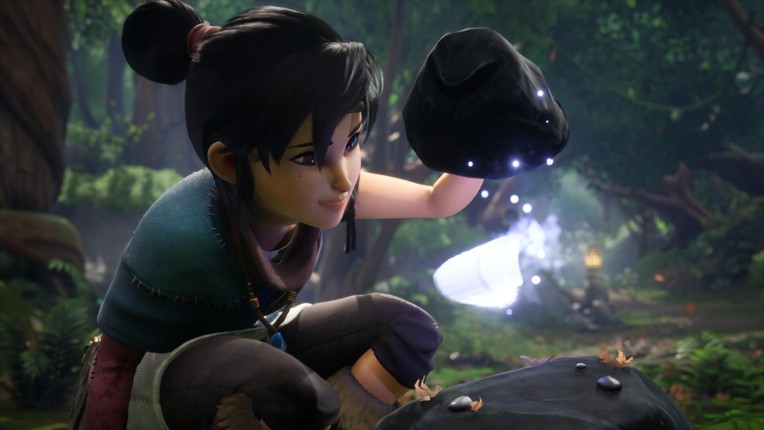
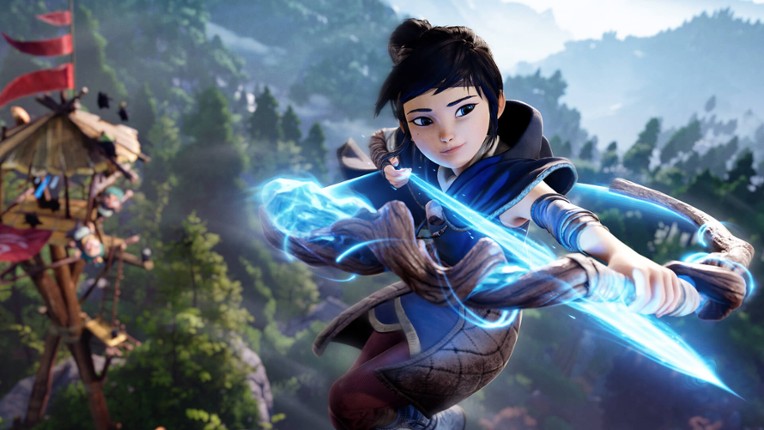
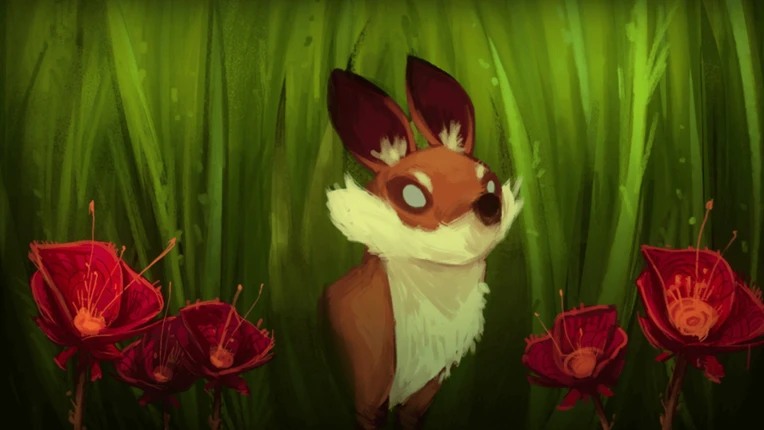
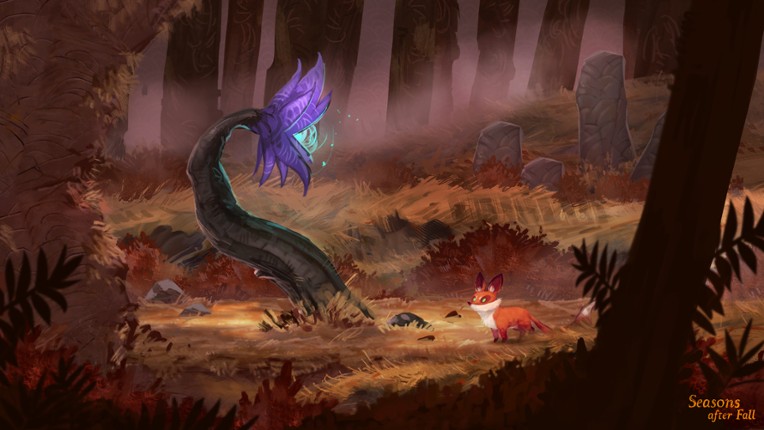
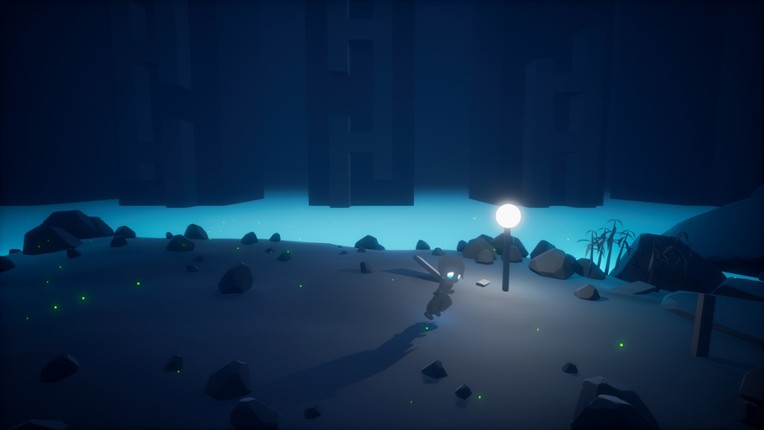
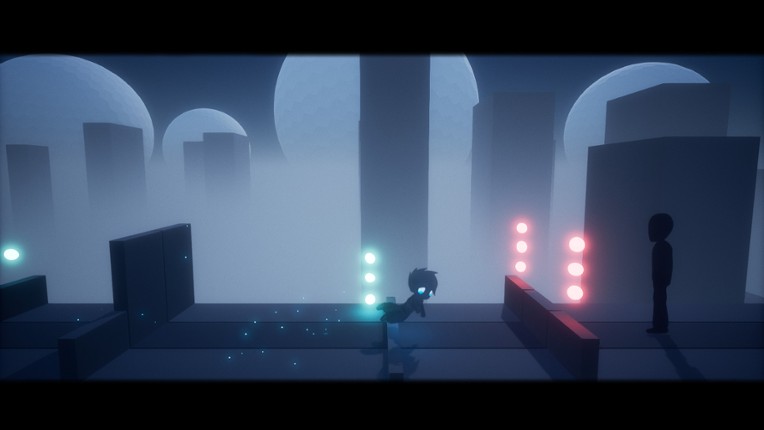
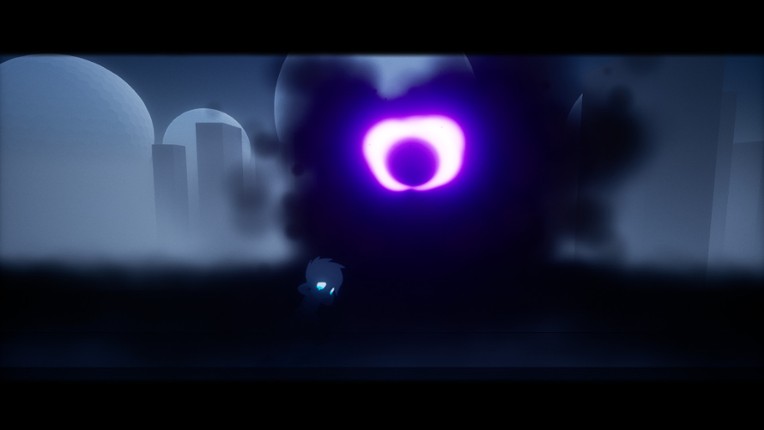
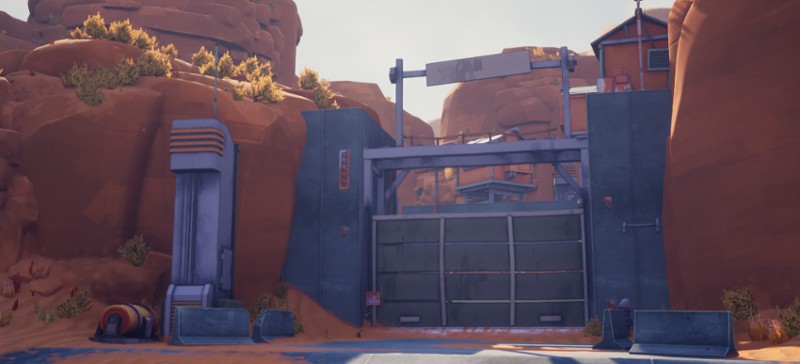
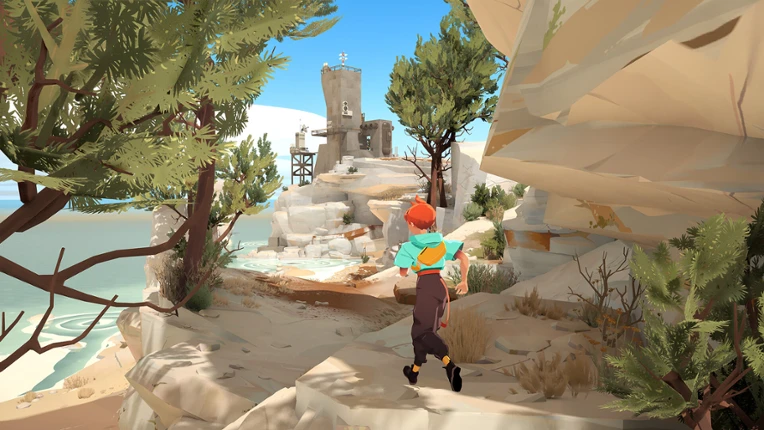
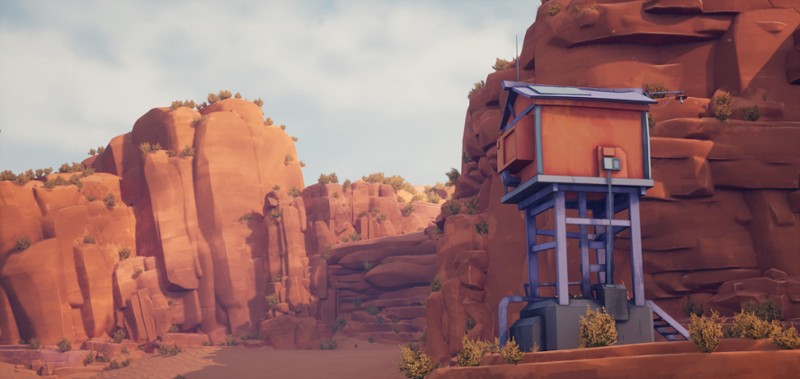
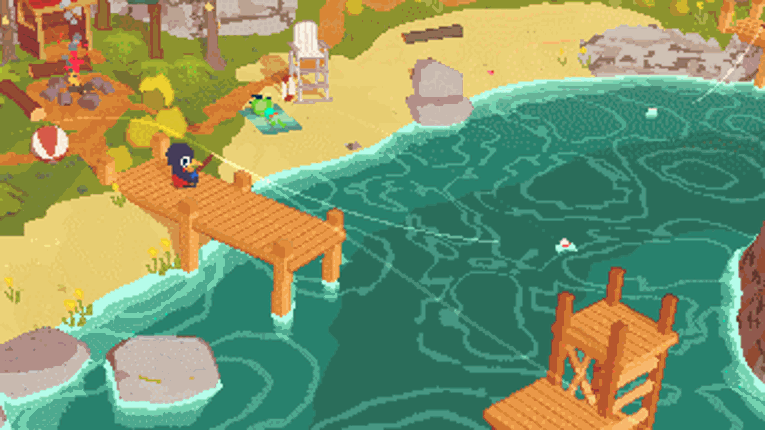
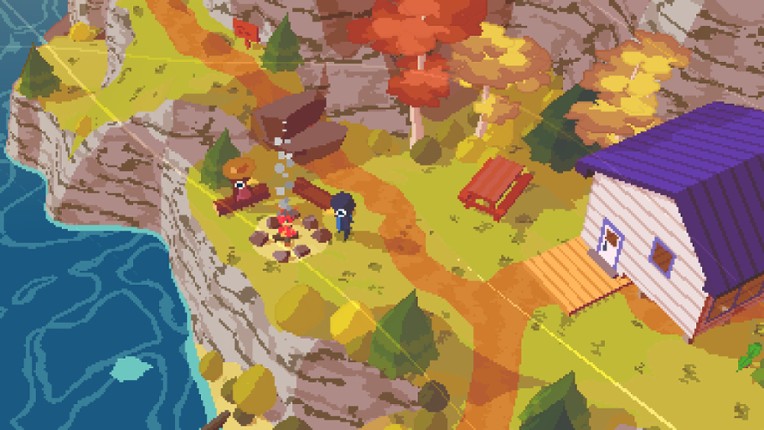
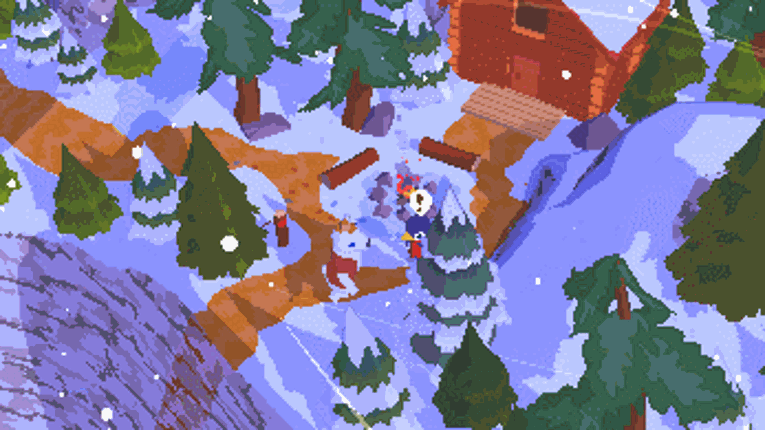
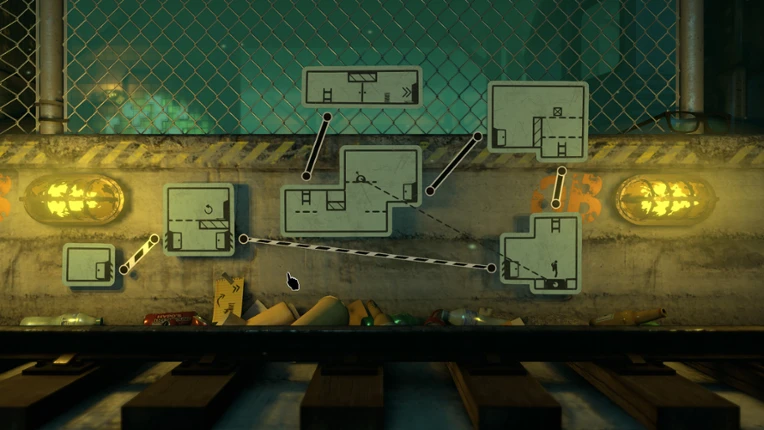
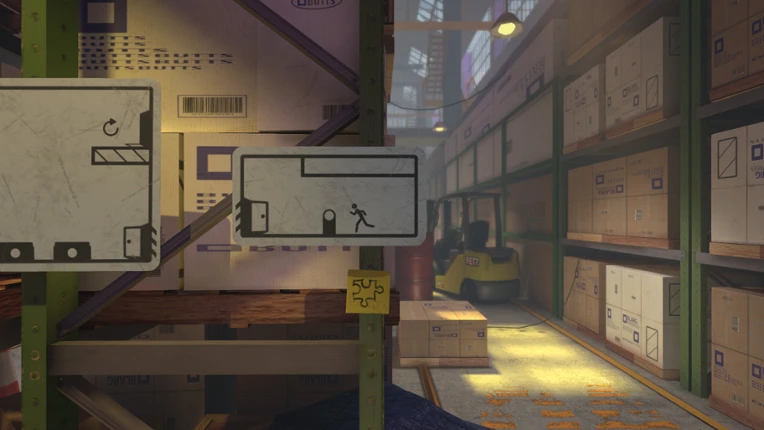
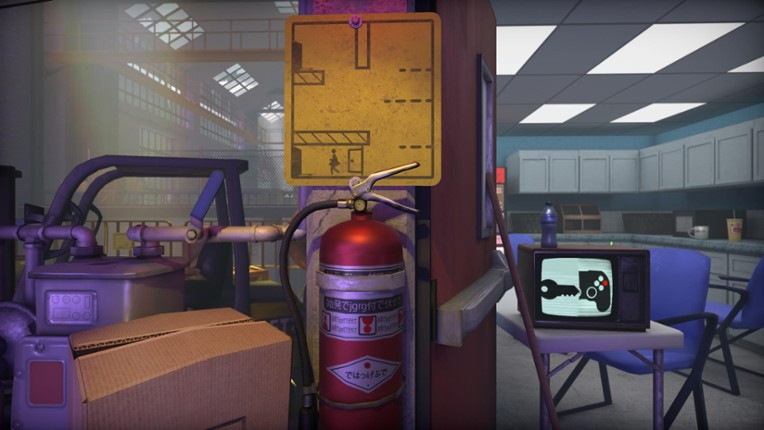
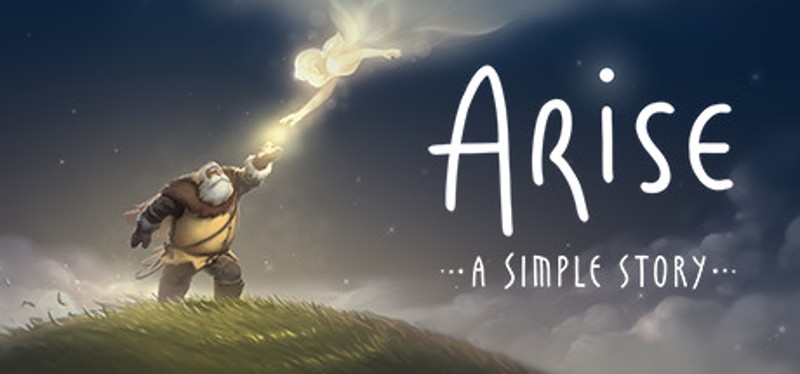
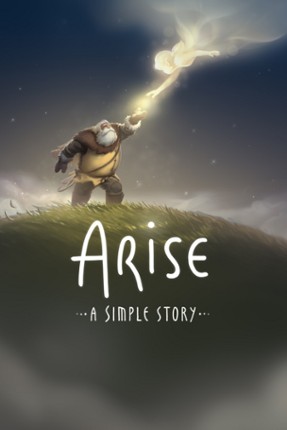
Set out on an emotional journey through the bittersweet lives of two people where memories come alive and time bends to your will. Lose yourself in moments of happiness and overcome every hardship as you relive your life’s story. A story of joy and sorrow. A simple story. If you enjoyed this game, see our list of games similar to Arise: A Simple Story.
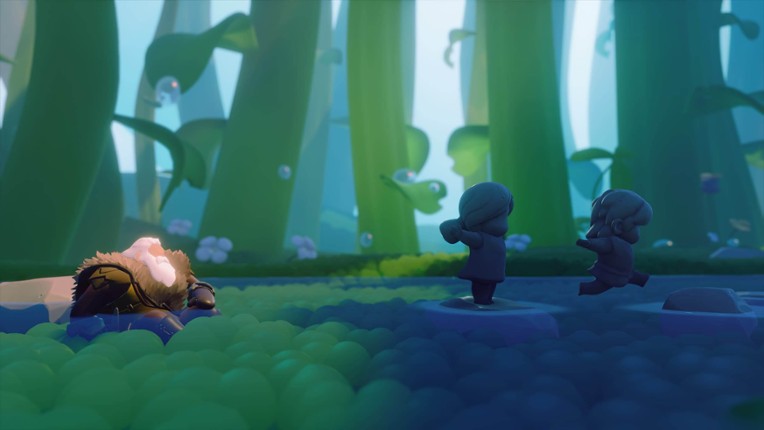
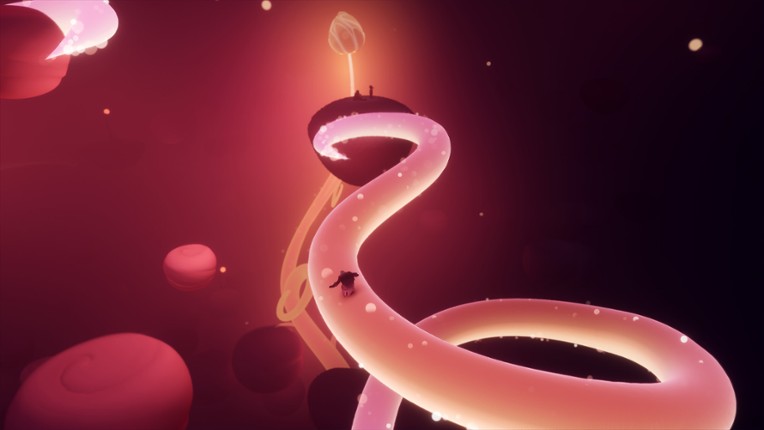
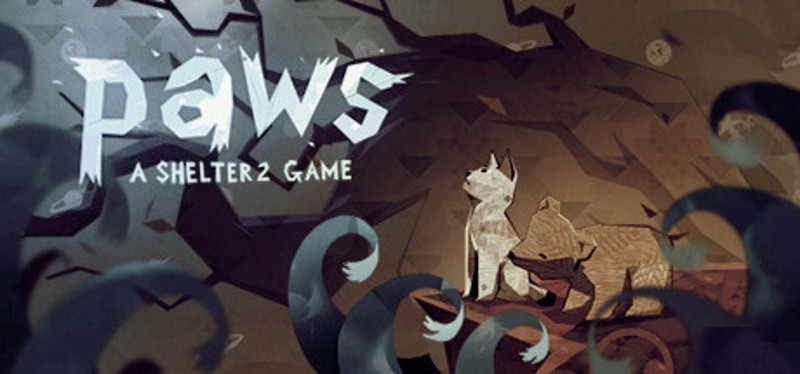
Paws is a standalone, single player, adventure, platformer set in the world of Shelter 2 with loss and friendship as its central themes. If you enjoyed this game, see our list of games similar to Paws.
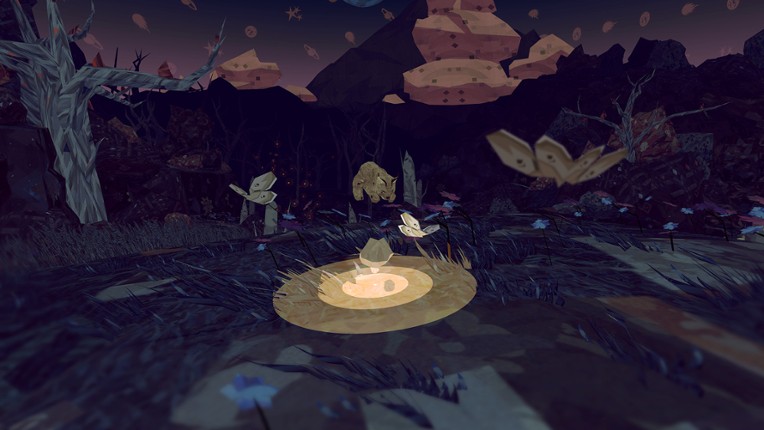
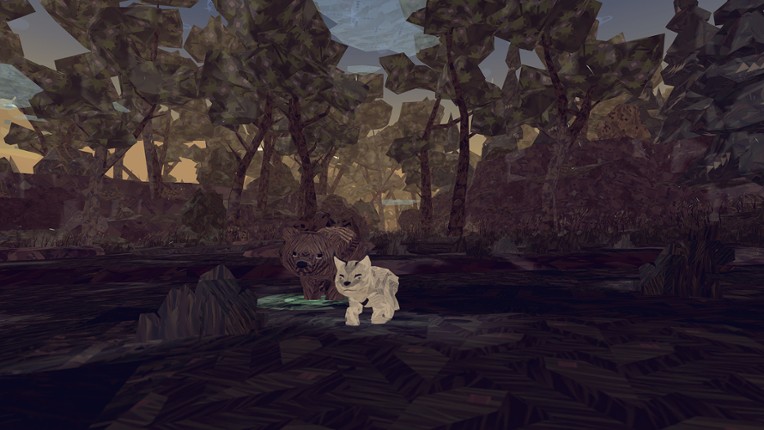
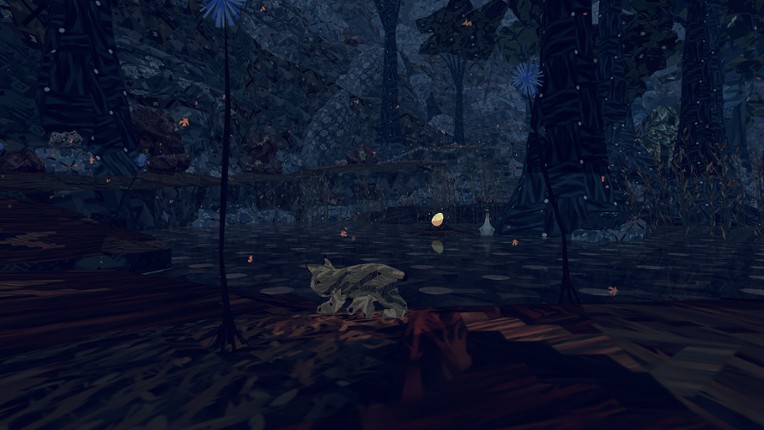
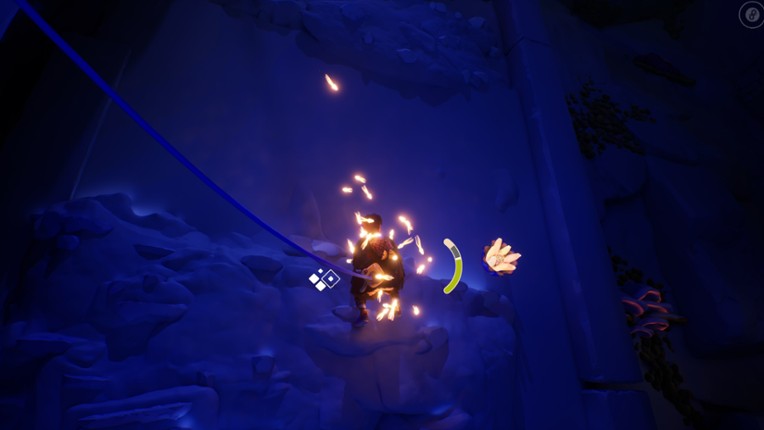
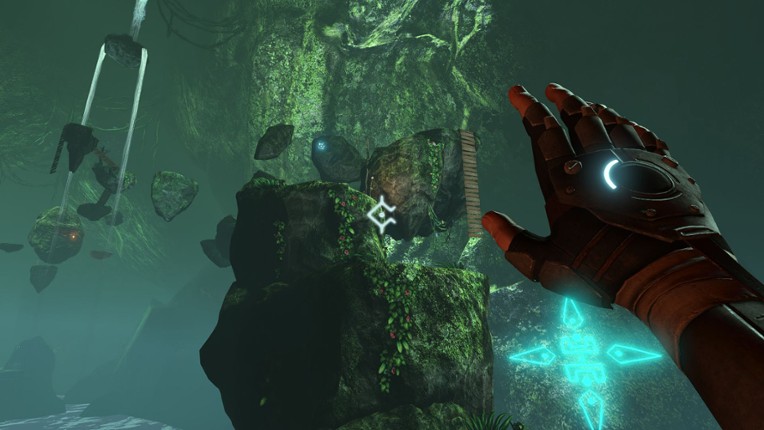
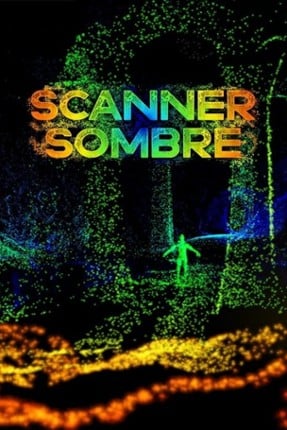
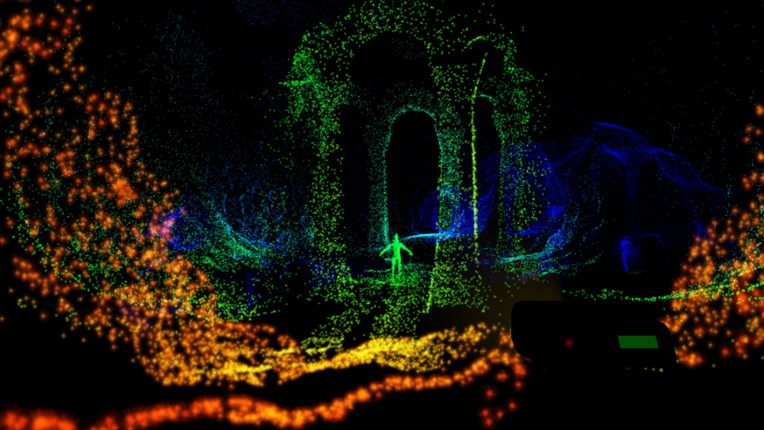
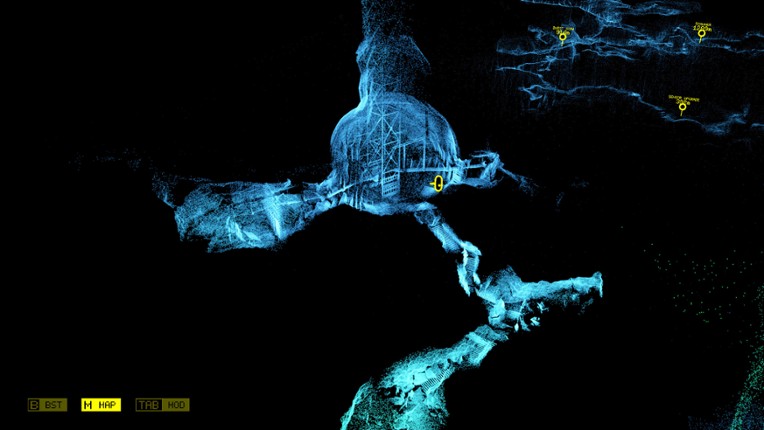
Inspired by Gone Home and Dear Esther, Scanner Sombre is a cave exploration experience. With stunning visuals and a terrifying theme, it is the 6th major video game released by Introversion Software. If you enjoyed this game, see our list of games similar to Scanner Sombre.

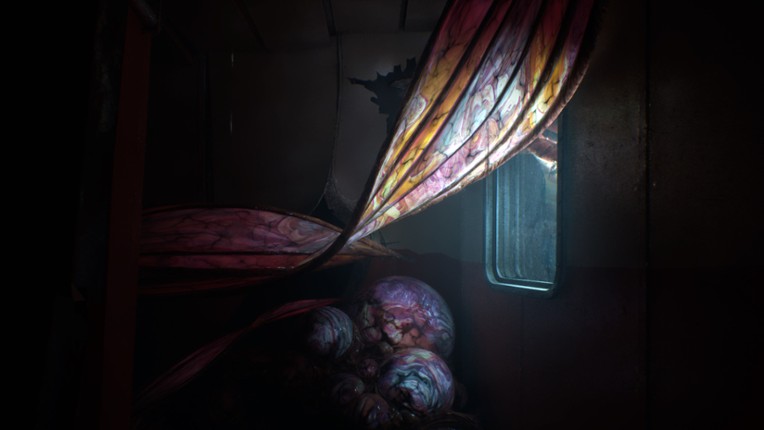
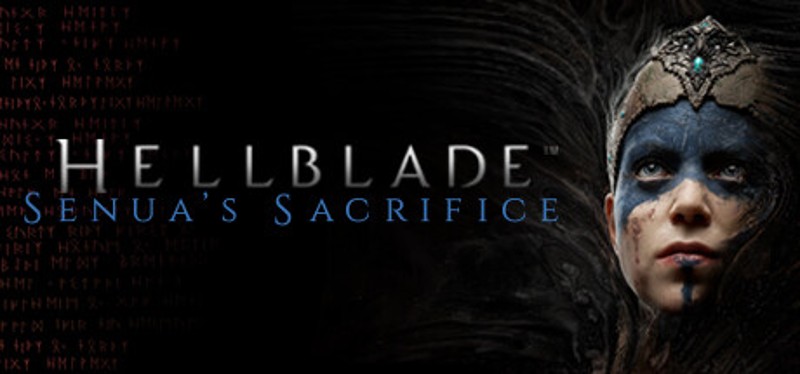
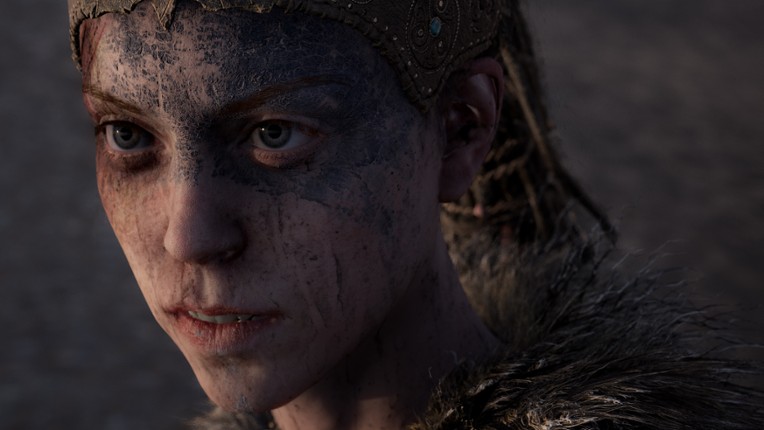
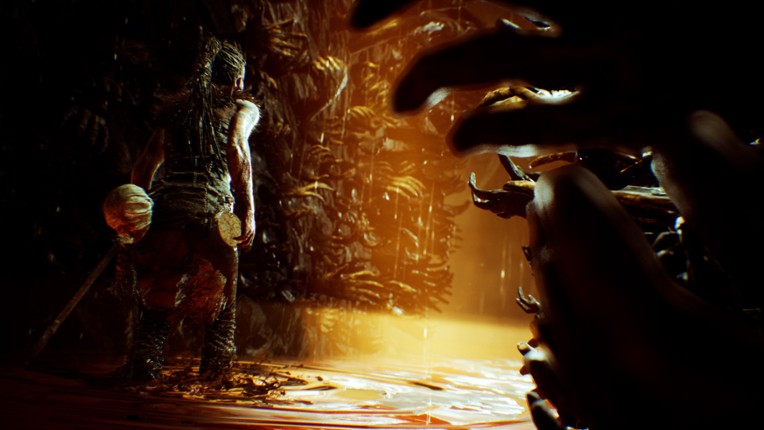
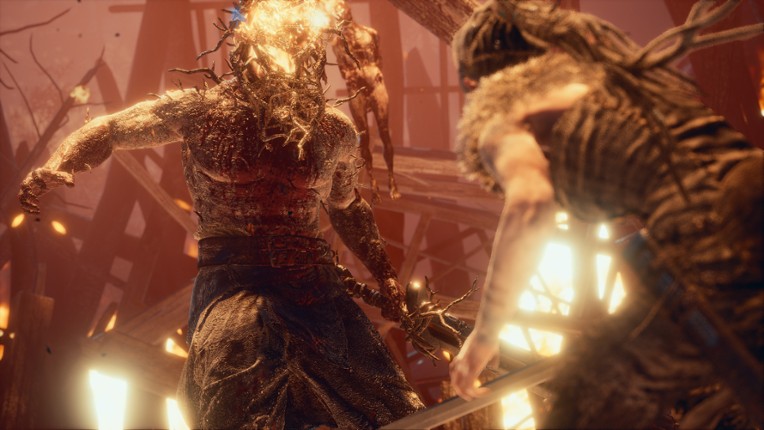
From the makers of Heavenly Sword, Enslaved: Odyssey to the West, and DmC: Devil May Cry, comes a warrior’s brutal journey into myth and madness.Set in the Viking age, a broken Celtic warrior embarks on a haunting vision quest into Viking Hell to fight for the soul of her dead lover. Created in collaboration with neuroscientists and people who experience psychosis, Hellblade: Senua’s Sacrifice wil… If you enjoyed this game, see our list of games similar to Hellblade: Senua's Sacrifice.
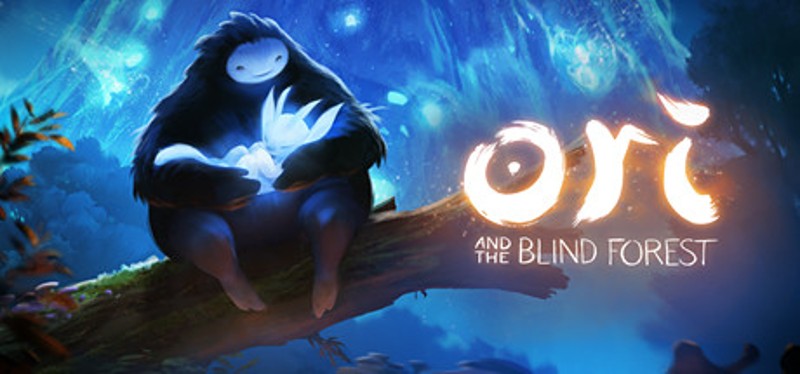
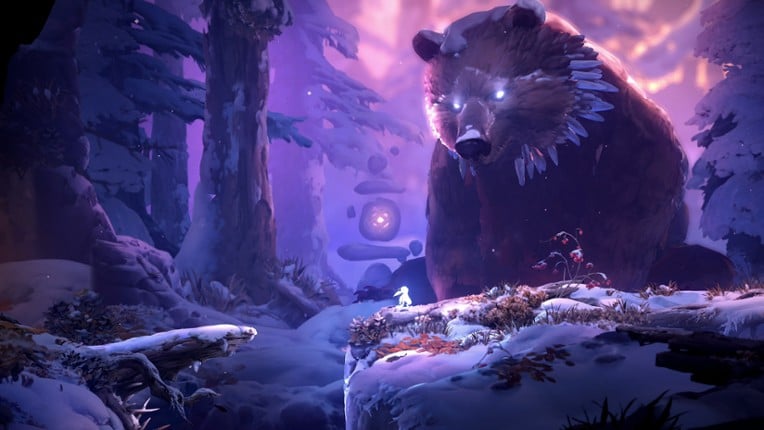
The forest of Nibel is dying. After a powerful storm sets a series of devastating events in motion, an unlikely hero must journey to find his courage and confront a dark nemesis to save his home. “Ori and the Blind Forest” tells the tale of a young orphan destined for heroics, through a visually stunning action-platformer crafted by Moon Studios for PC. Featuring hand-painted artwork, meticulously… If you enjoyed this game, see our list of games similar to Ori and the Blind Forest.
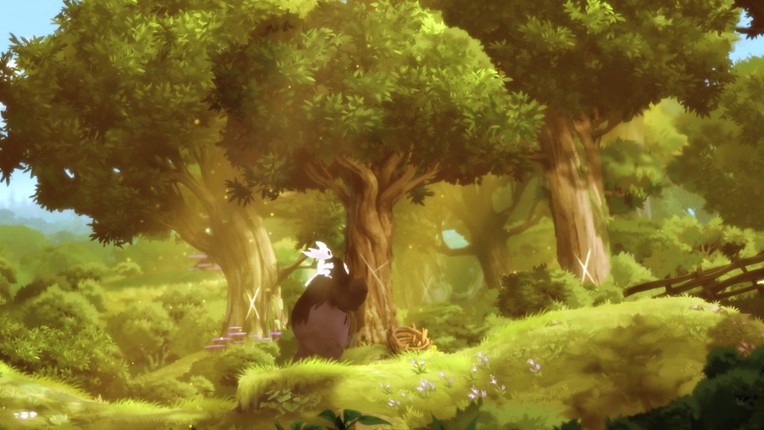
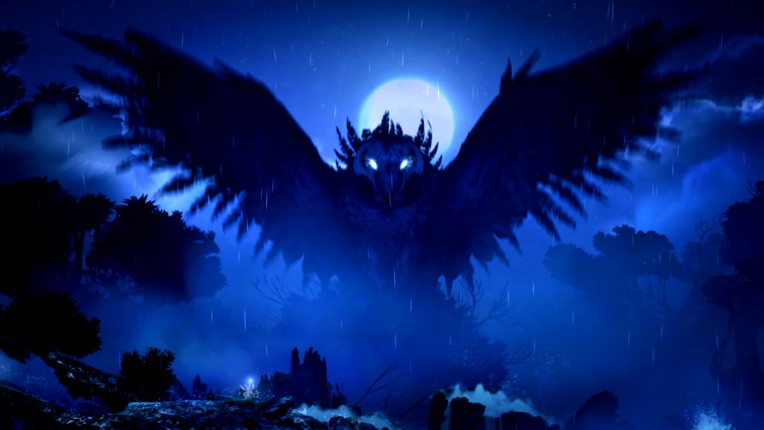
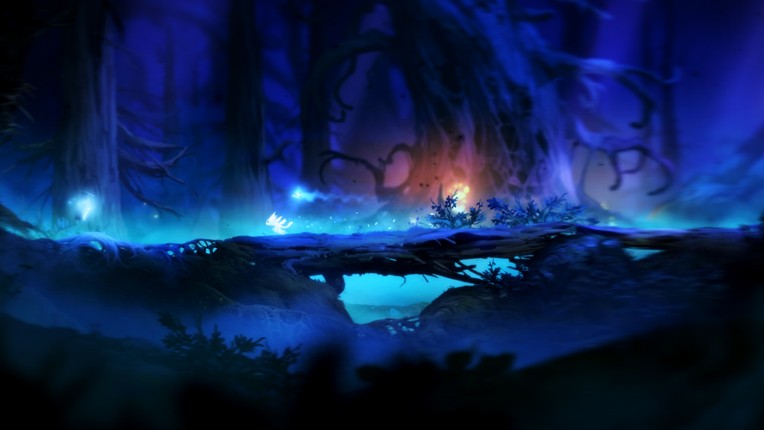
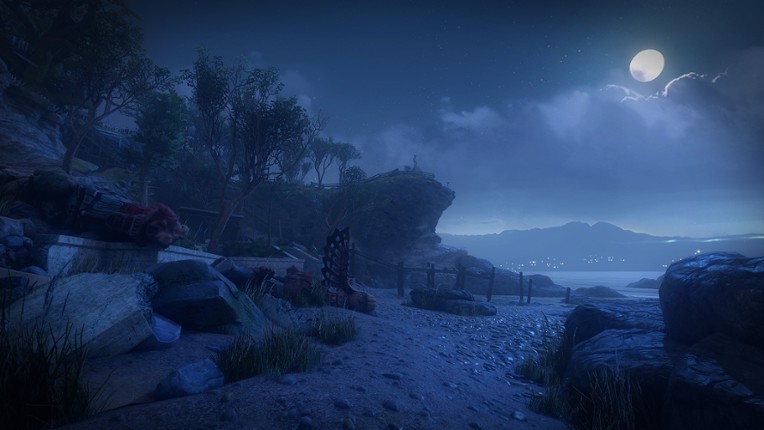
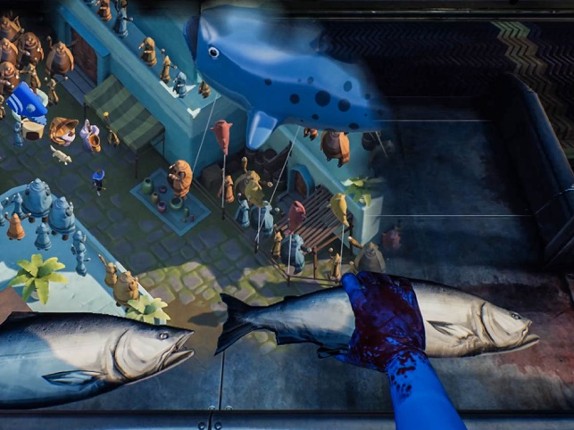
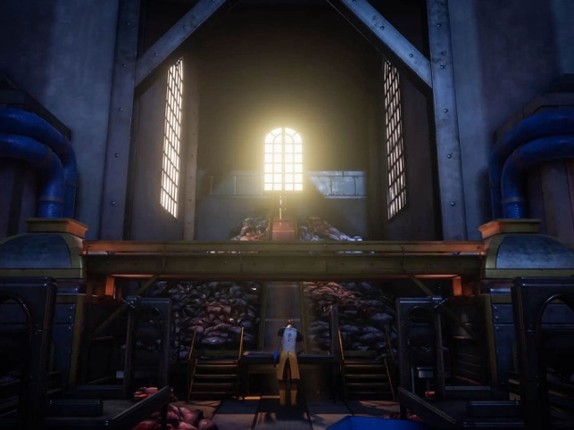
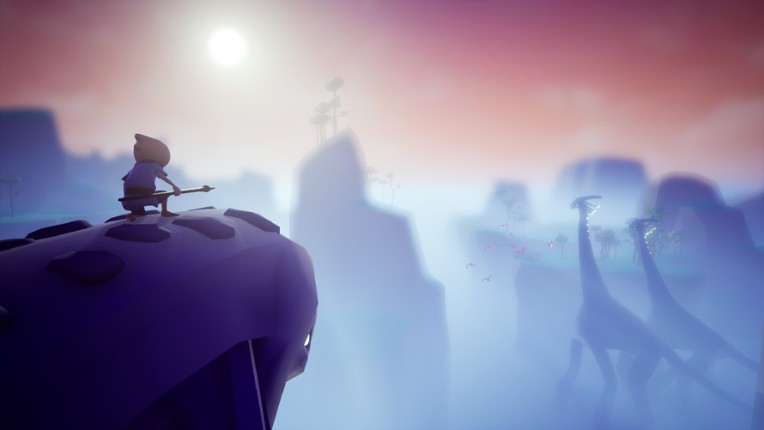
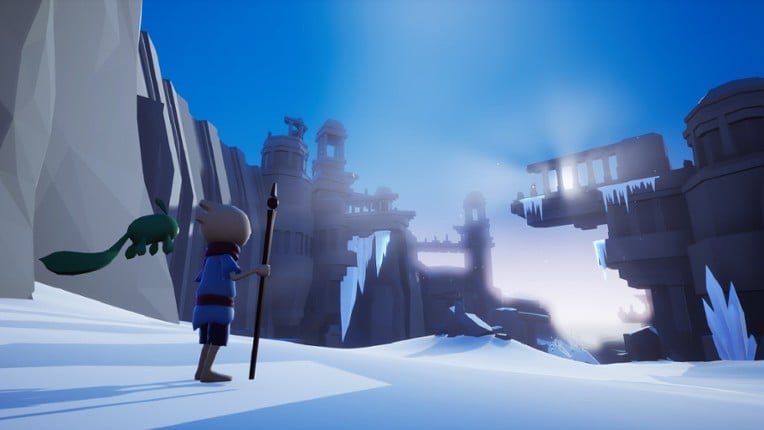
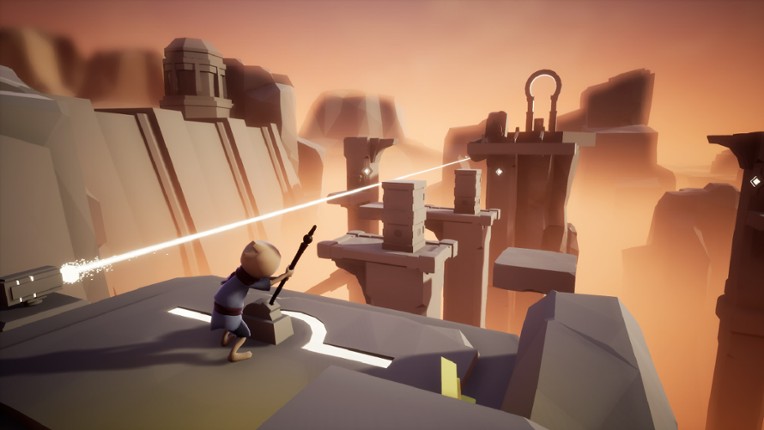
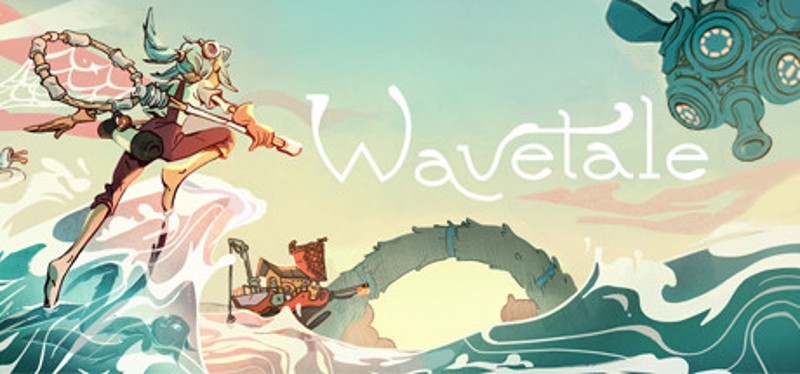
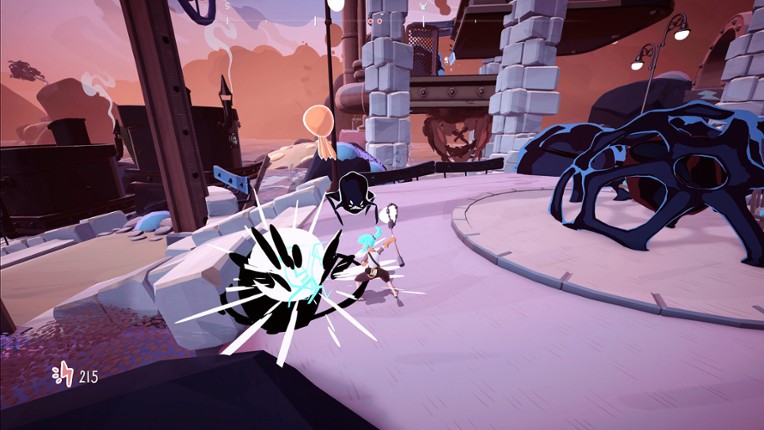
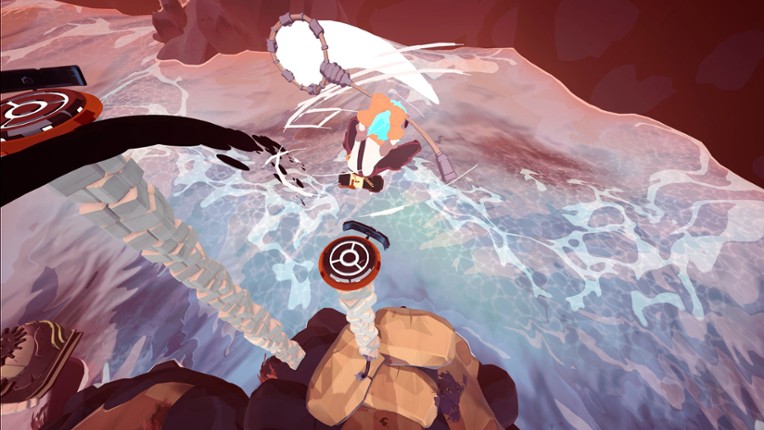
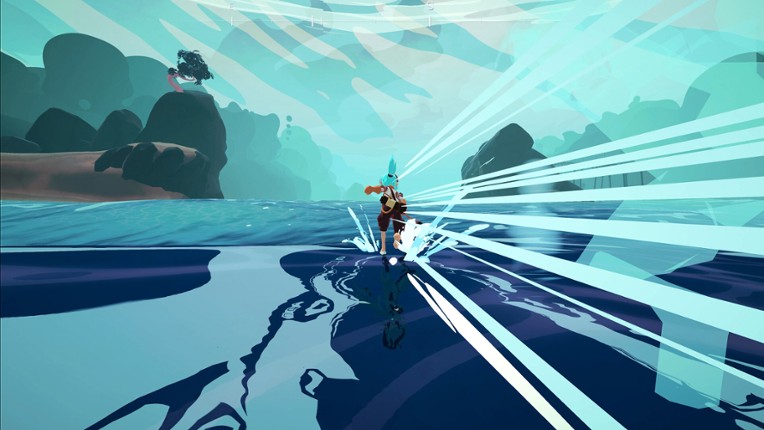
Explore an open sea and the decaying archipelago of Strandville in Wavetale, a story-driven action-adventure game introducing you to fed-up fishermen, secretive hermits – and maybe a pirate or two. Traverse calm waters and surging waves as Sigrid, a young girl who befriends a mysterious shadow that provides her with the power to walk on water. If you enjoyed this game, see our list of games similar to Wavetale.

For atmospheric narratives similar to stray, try Firewatch, which excels at emotional character relationships through dialogue, or RiME, a beautiful exploration game with a touching story told through environmental discovery. Both feature stunning art direction and memorable soundtracks that enhance their emotional depth, much like stray's immersive experience.
Planet of Lana features stunning hand-painted aesthetics with a haunting soundtrack and environmental storytelling. GRIS offers gorgeous 2D hand-drawn art paired with emotional gameplay, while FAR: Lone Sails delivers captivating artwork in a meditative journey. All three prioritize visual artistry as strongly as stray does.
Sheepy: A Short Adventure is free-to-play and delivers immersive atmosphere with beautiful visuals, a haunting soundtrack, and simple yet engaging mechanics. Like stray, it focuses on atmospheric exploration and emotional storytelling, making it an excellent no-cost alternative that doesn't compromise on artistic quality.
RiME combines exploration with puzzle-solving in a beautiful open world, while Jusant offers intuitive climbing mechanics that encourage environmental discovery. FAR: Lone Sails blends puzzle-platforming with atmospheric storytelling. All three emphasize exploration-driven gameplay with engaging mechanical challenges similar to stray's core loop.
Brothers: A Tale of Two Sons stands out as the best multiplayer option, offering local co-op gameplay alongside single-player modes. It shares stray's focus on gameplay excellence, emotional storytelling, and beautiful visuals. The game's co-op mechanics make it perfect for shared emotional experiences with another player.
Jusant provides a meditative climbing journey through colorful, nature-filled environments with a beautiful soundtrack. RiME and GRIS also deliver relaxing exploration-focused experiences with emotional narratives. These games prioritize contemplative gameplay over action, offering peaceful alternatives to stray's stealth mechanics while maintaining artistic depth.


 View Game