


Games like Hollow Knight
If Hollow Knight carved out a permanent home in your heart, you already know the particular ache of finishing it and wondering what fills that void. The search for games like Hollow Knight is really a search for something very specific: tight, responsive combat layered onto deep exploration, wrapped in a hauntingly beautiful world that rewards curiosity and punishes carelessness in equal measure. The good news is that several games genuinely deliver that same rush.
Hollow Knight sits at a rare crossroads — it's a metroidvania built on souls-like philosophy. The core loop asks you to explore a sprawling, interconnected 2D world, unlock movement abilities that open new paths, and master pattern-based combat against brutal bosses, all while absorbing a melancholic dark fantasy atmosphere told more through environmental detail than dialogue. Players who love it aren't just chasing a genre label; they're chasing that specific feeling of hard-won progress in a world that feels genuinely alive and sorrowful.
What Makes a Good Alternative to Hollow Knight?
- Metroidvania exploration — The satisfaction of backtracking to a previously blocked path with a new ability is central to Hollow Knight's appeal; the best alternatives build their worlds around this same sense of gradual, earned discovery.
- Souls-like challenge and death mechanics — Punishing but fair combat, deliberate boss patterns, and meaningful consequences for dying (like recovering lost currency) create the tension that makes victories feel earned rather than given.
- Hand-crafted atmosphere and art direction — Whether pixel art or hand-drawn illustration, the visual and musical identity needs to feel intentional and atmospheric rather than generic, pulling you into the world the way Hallownest does.
- No microtransactions, complete experience — Hollow Knight's players specifically praise its respect for their time and money; the best alternatives share that philosophy, delivering a whole, polished game without paywalls.
- Emotional and lore-rich storytelling — The narrative depth conveyed through item descriptions, NPC fragments, and environmental design rather than cutscenes is a defining quality worth seeking in any recommendation.
Top Picks If You Enjoyed Hollow Knight
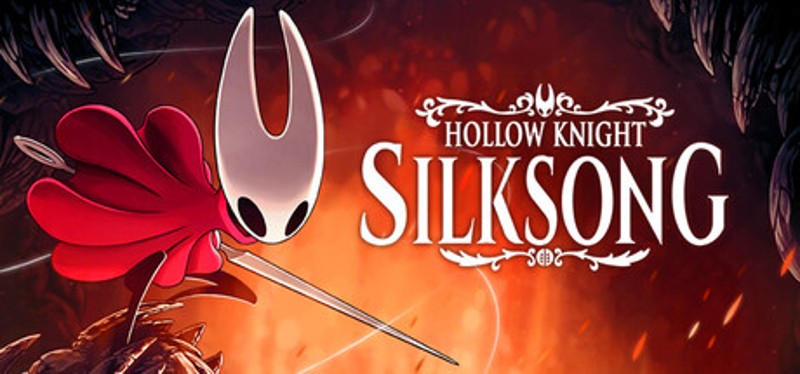
Hollow Knight: Silksong is the obvious first stop — Hornet's fluid moveset evolves the formula beautifully. Blasphemous delivers brutal souls-like combat inside a grotesque, lore-drenched world. ENDER LILIES: Quietus of the Knights matches Hollow Knight's melancholic hand-drawn atmosphere almost beat for beat. Dead Cells swaps the fixed map for procedural runs but keeps the fast, satisfying combat. Ori and the Will of the Wisps offers the metroidvania structure with stunning visual artistry and emotional storytelling.
Every recommendation below is ranked by similarity using real player data, so the closest matches appear first. Browse the full list to find the game that fits exactly what you're craving right now.
- 93%Game Brain ScoreMost mentioned positive aspects:music, gameplayMost mentioned negative aspects:grinding, stability93% User Score 154,237 reviewsCritic Score 93%8 reviews
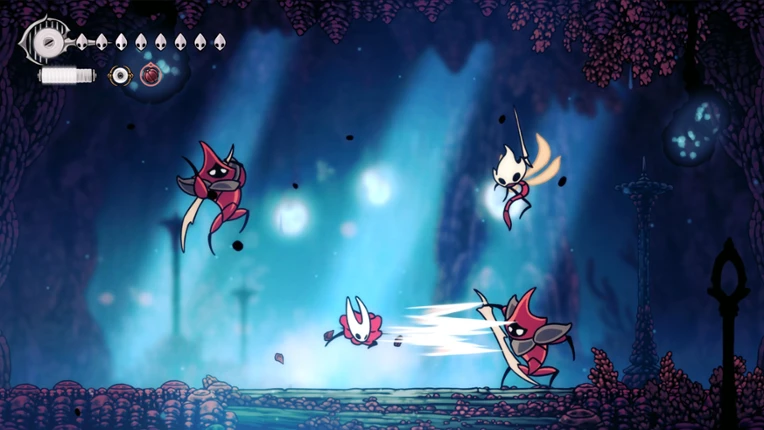
Hollow Knight: Silksong demands the same patient mastery of movement and timing that made the original's combat so rewarding. You'll navigate hostile environments by chaining together jumps, dashes, and attacks with the same precision—except now you're playing as Hornet, whose toolkit shifts the rhythm of encounters in subtle but meaningful ways.
The exploration loop mirrors what drew you to Hollow Knight: acquiring new abilities gates access to previously unreachable areas, and backtracking becomes a natural part of discovery rather than pure punishment. The hand-drawn aesthetic and atmospheric sound design create that same haunting, melancholic tone you loved—though Silksong leans slightly more into character-driven storytelling through Hornet's arc.
One notable shift: Silksong adds quest markers and narrative waypoints that reduce pure navigation friction. This trades some of the original's deliberate obscurity for clearer pacing, which many find more respectful of their time without sacrificing the exploration core.
Best for: players who mastered Hollow Knight's combat and are hungry for a fresh mechanical twist wrapped in the same atmospheric package, rather than those seeking an exact replica of the original's design philosophy.
If you enjoyed this game, see our list of games similar to Hollow Knight: Silksong.View Game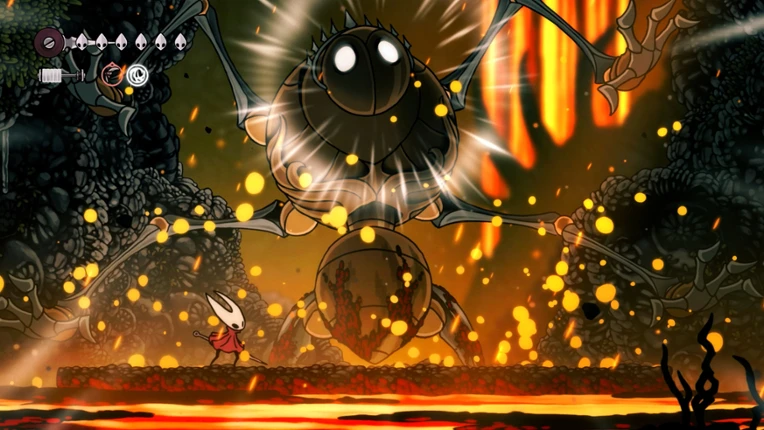
- 94%Game Brain ScoreMost mentioned positive aspects:story, gameplayMost mentioned negative aspects:optimization, grinding94% User Score 553,632 reviewsCritic Score 95%87 reviews
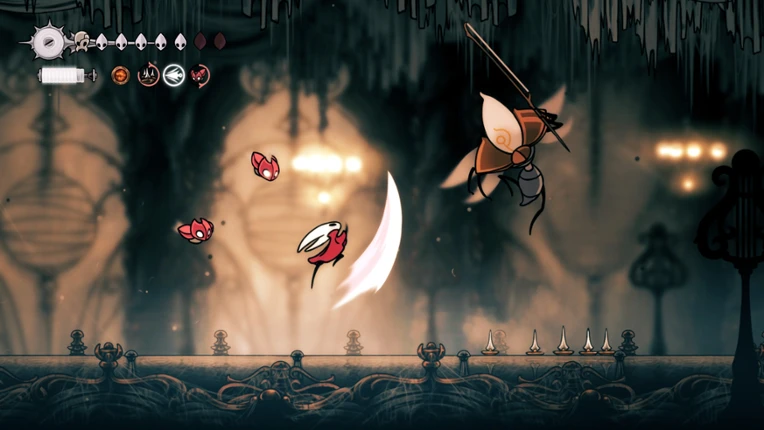
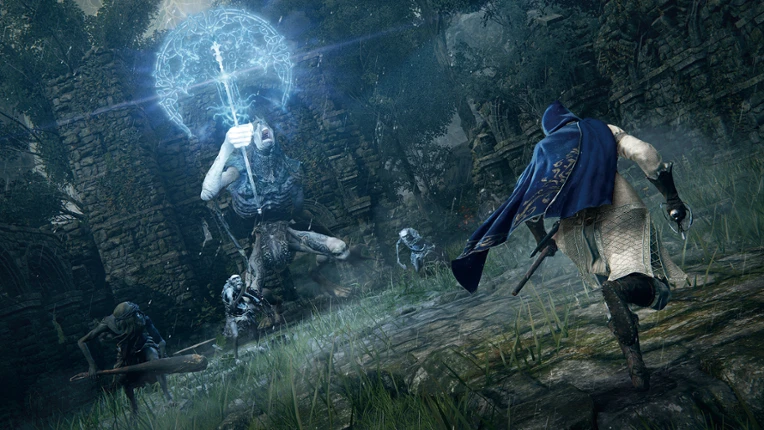
Both games reward the same kind of player who enjoys learning through danger: pushing into hostile spaces, reading enemy patterns, and turning repeated deaths into real progress. In ELDEN RING, that loop feels familiar because every tough encounter teaches timing, spacing, and patience in the same way Hollow Knight’s bosses do.
The overlap goes beyond difficulty. You get Souls-like combat, careful exploration, and the thrill of finding hidden routes, upgrades, and secrets that make the world feel worth probing from every angle. That matters because the game asks you to choose your own challenge instead of following a clear path, which preserves the sense of discovery Hollow Knight fans love.
The biggest difference is scale: ELDEN RING trades Hollow Knight’s tight 2D platforming for a huge 3D world with build variety, co-op, and more ways to approach a fight. It also answers one common Hollow Knight frustration by giving you far more options when you hit a wall, so progress feels less like grinding and more like adapting.
Best for players who want mastery, exploration, and punishing combat with more room to experiment.
If you enjoyed this game, see our list of games similar to Elden Ring.View Game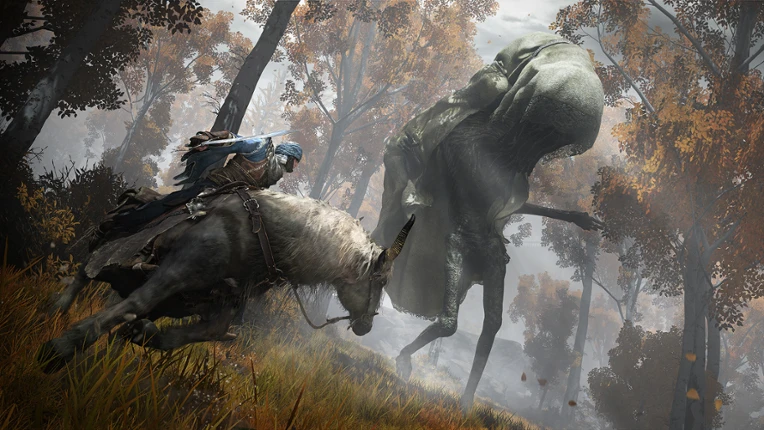
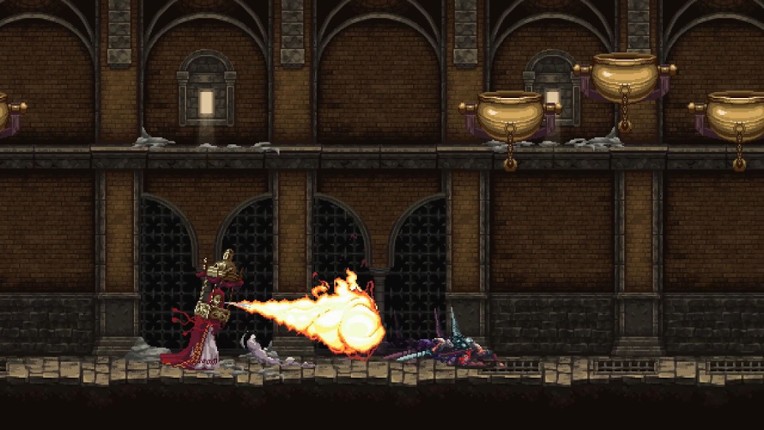
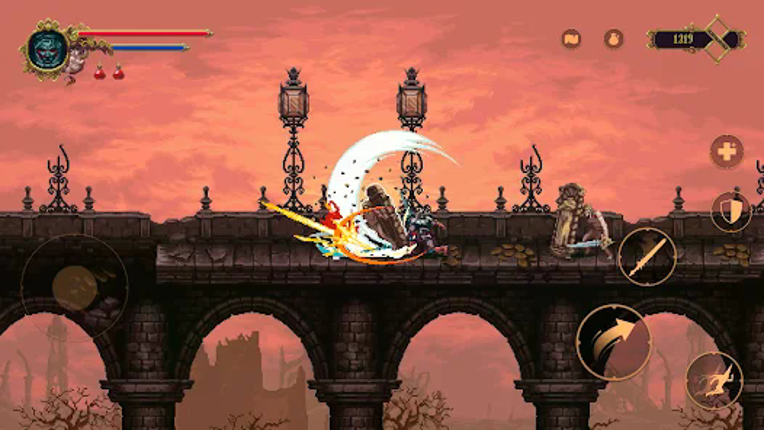
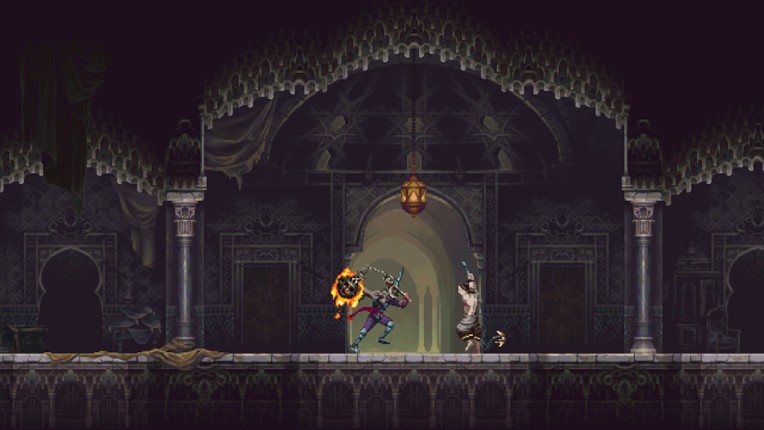
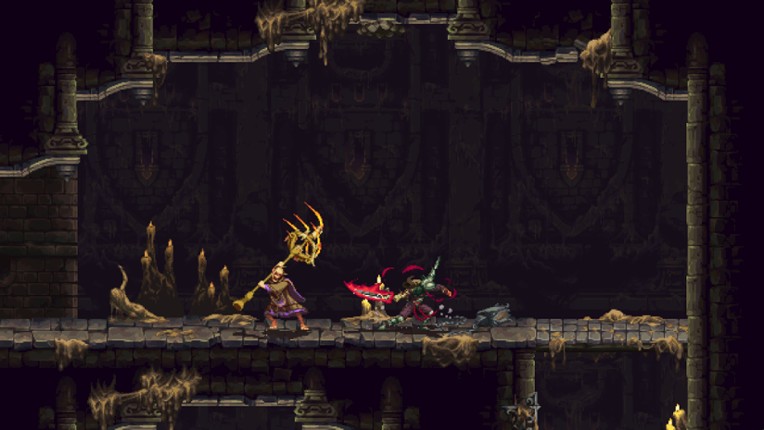
- 84%Game Brain ScoreMost mentioned positive aspects:gameplay, storyMost mentioned negative aspects:grinding, stability91% User Score 27,205 reviewsCritic Score 78%30 reviews
Both games trap players in interconnected labyrinths where mastering movement and combat becomes a personal journey rather than a tutorial checklist. Hollow Knight's Hornet encounters train you to read attack patterns and strike at precise windows—a skill that translates directly to Blasphemous's monastery corridors, where every enemy patrol demands the same read-react-reward loop. The satisfaction in both comes from internalizing their movement systems until navigation feels instinctive rather than calculated.
The death-and-retrieval mechanic creates identical emotional stakes: drop your Currency, sprint back through hostile territory, either recover your investment or lose it entirely. This loop transforms failure into tension rather than frustration—each run becomes a gamble where nerves heighten awareness. Similarly, both titles gate progress behind exploration-earning upgrades (double jump, dash, wall-cling), turning obtuse map knowledge into tangible power.
Where Blasphemous diverges is its liturgical brutality: grotesque pixel art replaces Hollow Knight's elegant insect kingdom, and punishment comes bundled with baroque lore dumps rather than cryptic silence. The tone trades cute-dread for existential dread—a worthwhile tradeoff if you prefer your darkness explicitly narrative-driven.
Both share Hollow Knight's grinding criticism, though Blasphemous packages it into prayer bead collection rather than Geo farming. Performance stability remains imperfect on both.
Best for players who savor mastery over spectacle—those who found Hornet's fight exhilarating because it demanded growth, not because it was pretty.
If you enjoyed this game, see our list of games similar to Blasphemous.View Game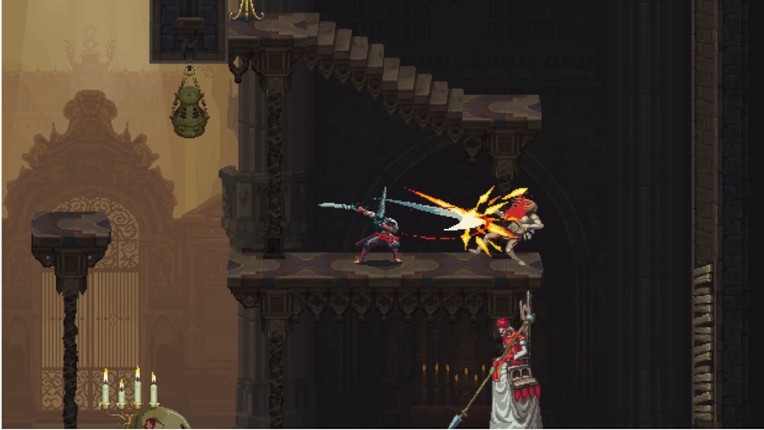
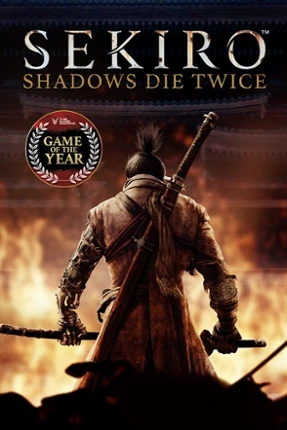
- 87%Game Brain ScoreMost mentioned positive aspects:gameplay, storyMost mentioned negative aspects:grinding, stability94% User Score 144,510 reviewsCritic Score 80%74 reviews
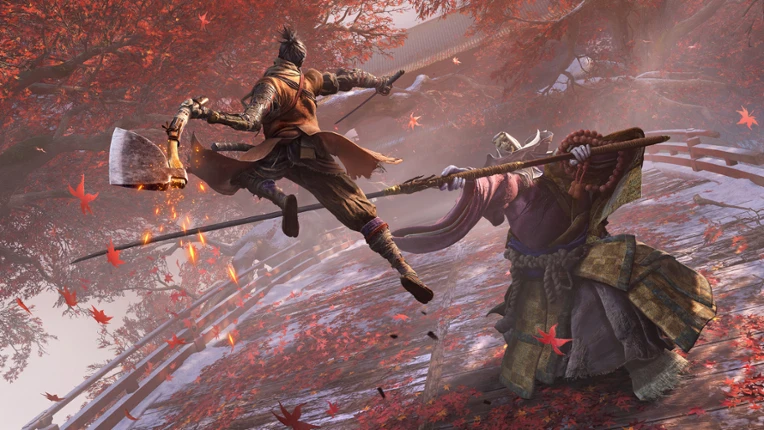
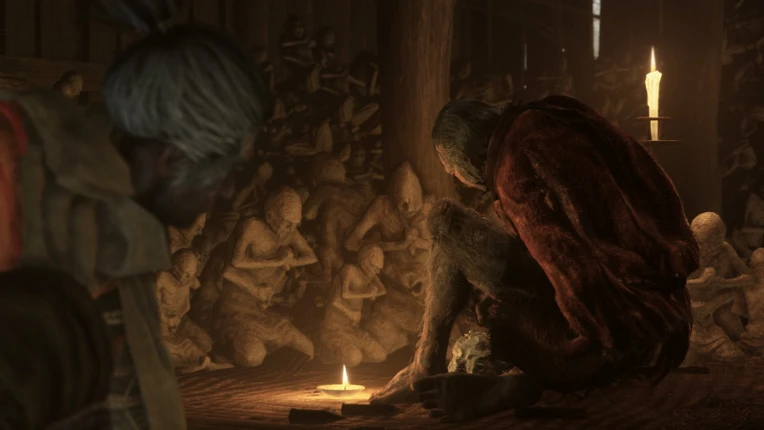
Both games demand absolute precision and a rhythmic approach to combat where hesitation results in immediate failure. Players must internalize intricate boss patterns, treating every encounter like a high-stakes dance of blades and timing.
The shared experience manifests through environmental storytelling and a punishing difficulty that rewards extreme perseverance. Sekiro replaces charm builds with prosthetic tools to provide a strategic depth that forces you to analyze enemy weaknesses before engaging. This creates a familiar loop where your own mechanical growth becomes the primary path to victory rather than simple stat increases.
While Hollow Knight players often find backtracking to recover lost currency frustrating, Sekiro introduces dynamic verticality via a grappling hook that streamlines world navigation. This shift to a 3D perspective offers a fresh angle on exploration, keeping the focus squarely on the thrill of the hunt.
Best for players who prioritize the tactile satisfaction of mechanical mastery over pure spectacle.
If you enjoyed this game, see our list of games similar to Sekiro: Shadows Die Twice.View Game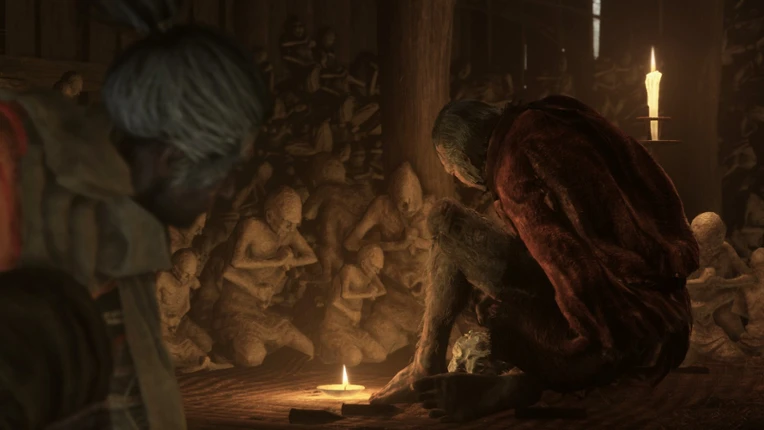
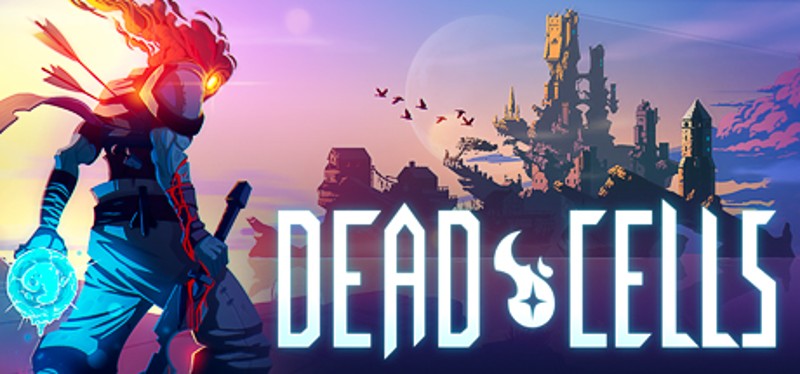
- 94%Game Brain ScoreMost mentioned positive aspects:gameplay, graphicsMost mentioned negative aspects:grinding, stability96% User Score 49,882 reviewsCritic Score 91%6 reviews
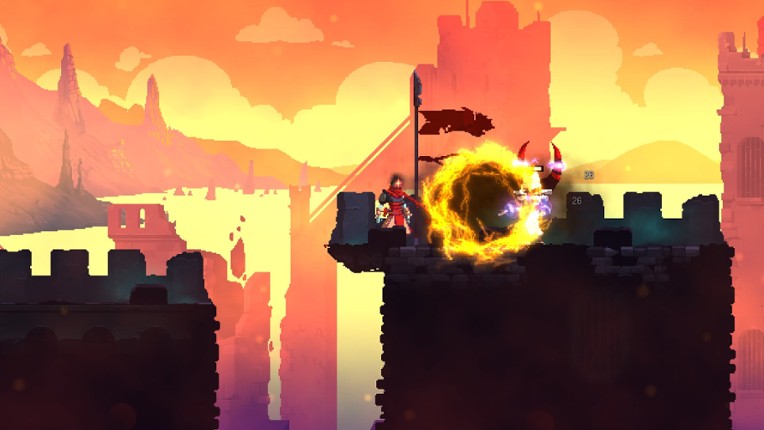
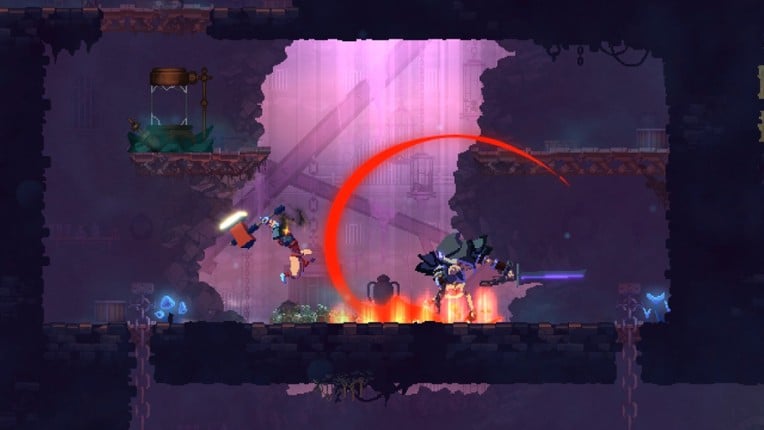
That feeling of learning a boss's rhythm until a once-impossible fight becomes second nature? Dead Cells is built entirely around that loop. Its fluid, fast combat demands the same kind of muscle-memory investment that makes Hollow Knight's toughest encounters so satisfying to crack.
Both games share a souls-like approach to death — currency is lost, and you have to earn it back — but Dead Cells layers a roguelite structure on top, so each run reshuffles weapons and paths. This means the tension of recovering lost progress never fades, because the route back is never quite the same. That procedural design also directly counters one of Hollow Knight's most cited frustrations: the punishing slog of backtracking the same corridors to reach a boss repeatedly.
The trade-off is meaningful: where Hollow Knight delivers a hand-crafted, story-rich world, Dead Cells offers breadth over narrative depth. The atmosphere is striking, but the storytelling is sparse.
Best for players who love mastering combat systems and want that challenge to stay unpredictable across dozens of hours.
If you enjoyed this game, see our list of games similar to Dead Cells.View Game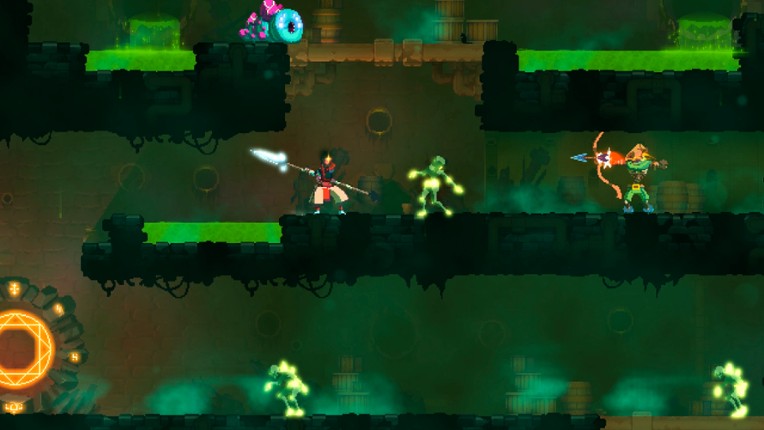
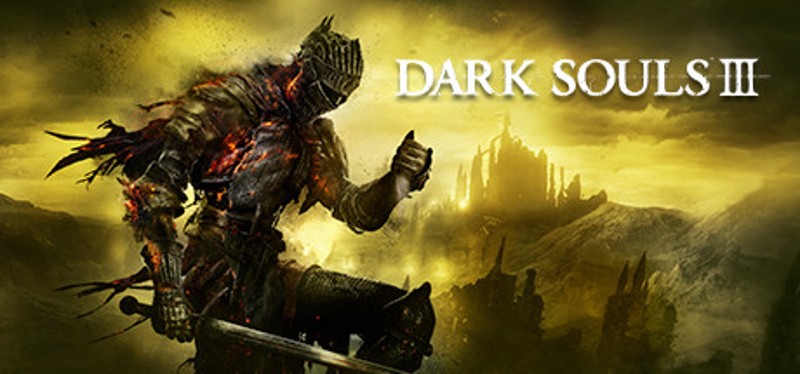
- 90%Game Brain ScoreMost mentioned positive aspects:gameplay, storyMost mentioned negative aspects:grinding, optimization94% User Score 161,869 reviewsCritic Score 86%45 reviews
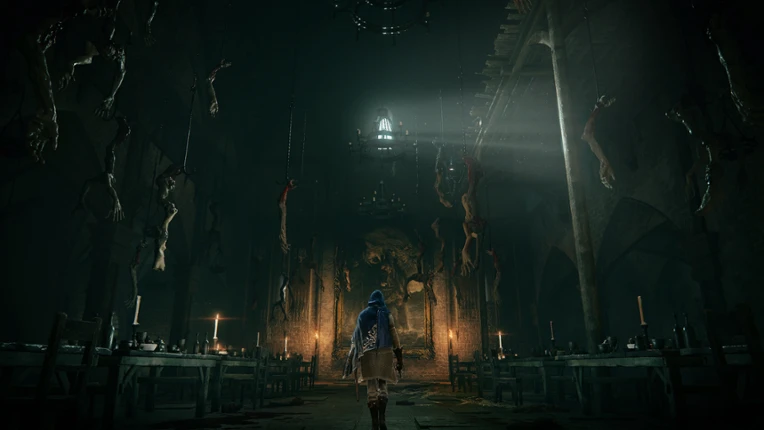
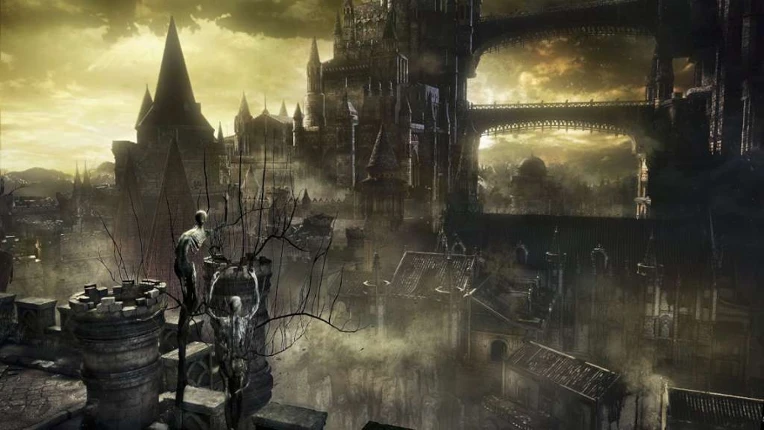
Both games share an unforgiving combat loop where losing currency upon death forces you to reclaim it or lose it forever. This pressure heightens the stakes of exploration, making every unfamiliar corridor a calculated risk rather than a casual stroll.
The primary shift is perspective and pace; you move from Hollow Knight’s lightning-fast, 2D platforming precision to the deliberate, methodical positioning of Dark Souls III’s third-person combat. You lose the tight air-dash mobility, but gain a massive arsenal of weapons and gear customization.
Pick this up if you crave the punishing atmosphere and cryptic lore of Hallownest but want to trade platforming challenges for complex, high-stakes boss duels.
If you enjoyed this game, see our list of games similar to DARK SOULS III.View Game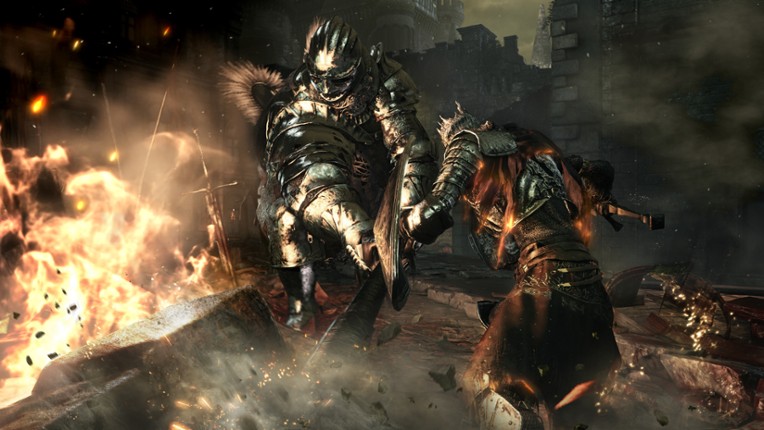
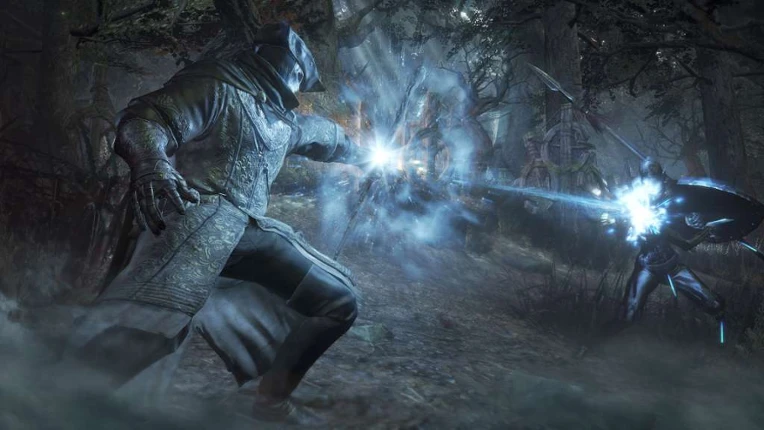
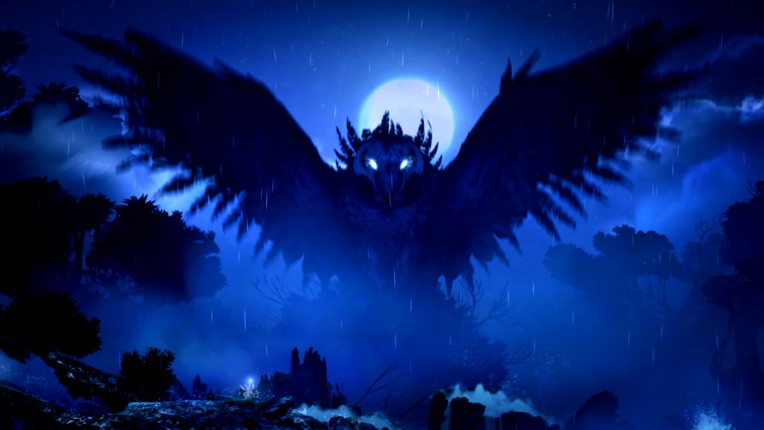
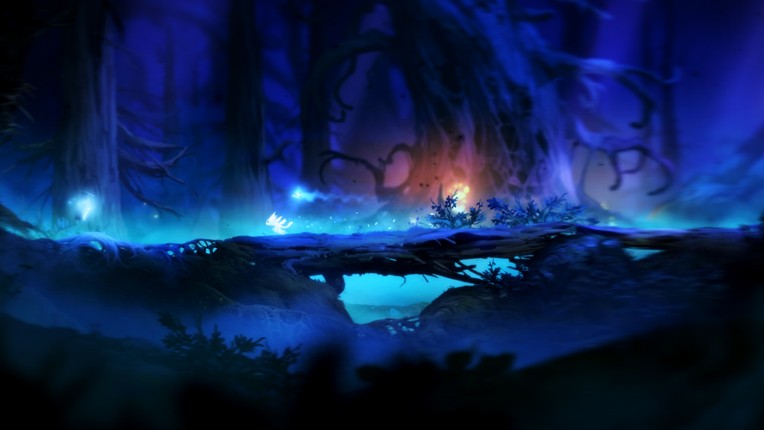
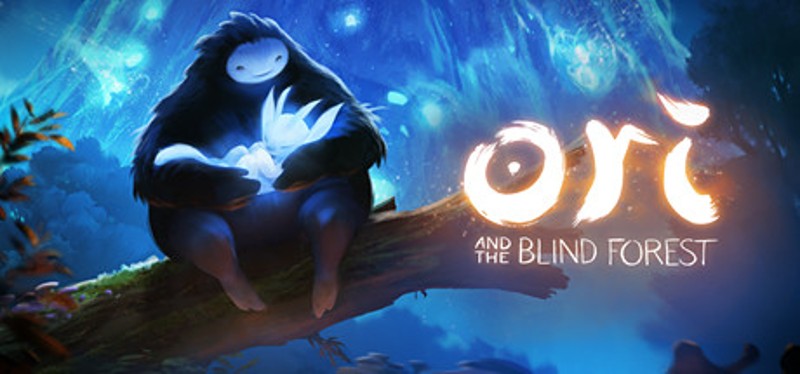
- 96%Game Brain ScoreMost mentioned positive aspects:story, musicMost mentioned negative aspects:grinding, stability96% User Score 26,368 reviewsOri and the Blind Forest swaps Hollow Knight’s stark darkness for a luminous, emotionally rich adventure, offering gentler difficulty and heartfelt storytelling. If you enjoyed this game, see our list of games similar to Ori and the Blind Forest.View Game
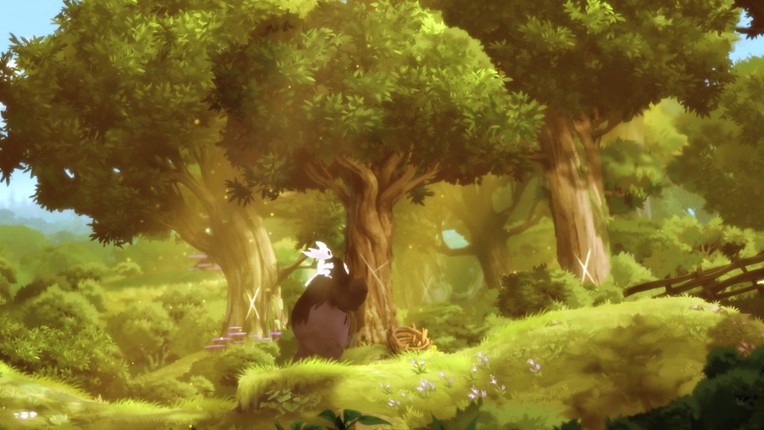
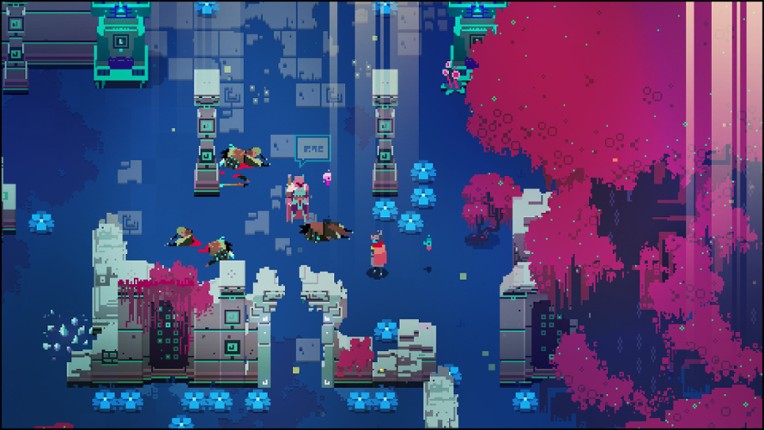
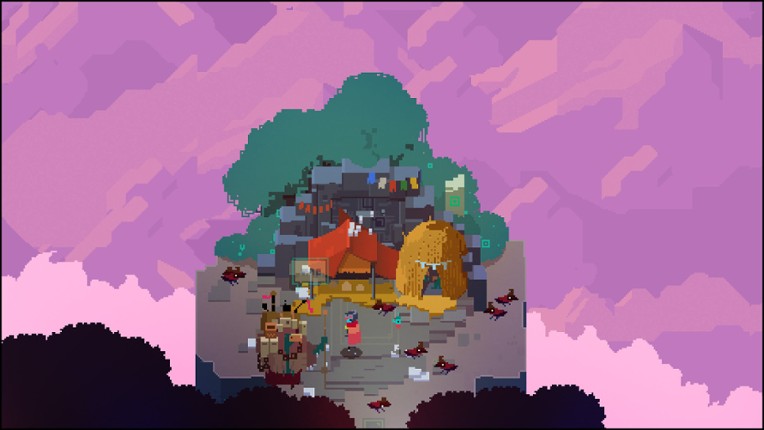
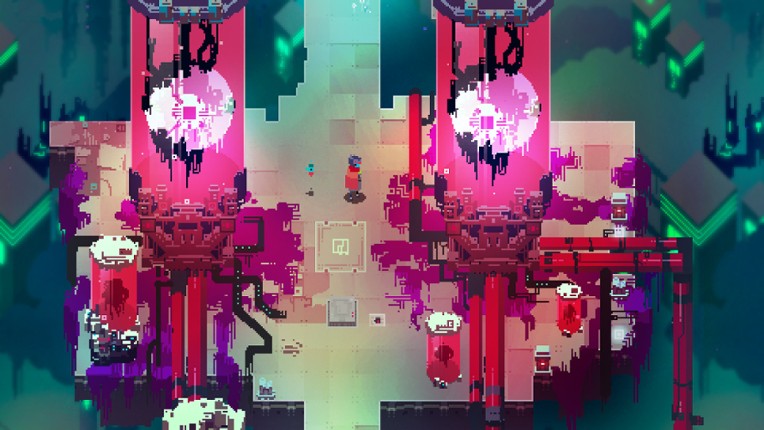
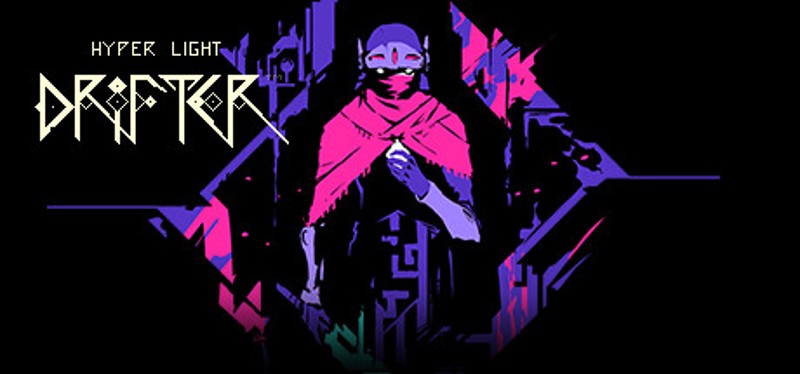
- 88%Game Brain ScoreMost mentioned positive aspects:story, musicMost mentioned negative aspects:grinding, stability93% User Score 13,089 reviewsCritic Score 84%26 reviewsHyper Light Drifter swaps Hollow Knight’s methodical melee for top‑down, fast hack‑and‑slash combat and a vibrant synth soundtrack, appealing to fans of speedier action. If you enjoyed this game, see our list of games similar to Hyper Light Drifter.View Game
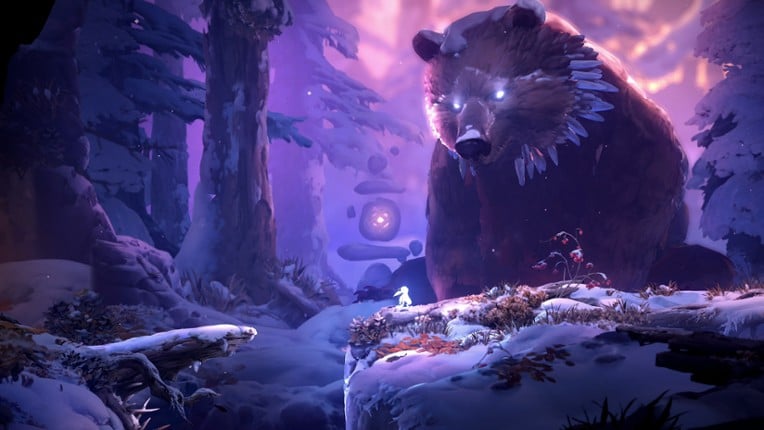
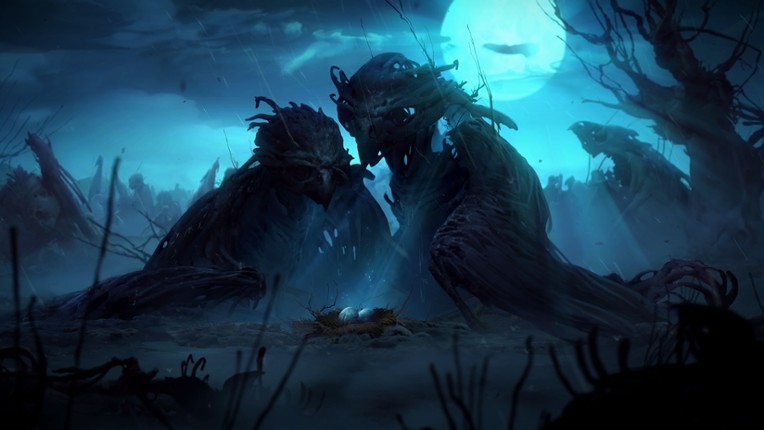
- 95%Game Brain ScoreMost mentioned positive aspects:story, musicMost mentioned negative aspects:stability, optimization97% User Score 54,976 reviewsCritic Score 92%11 reviews
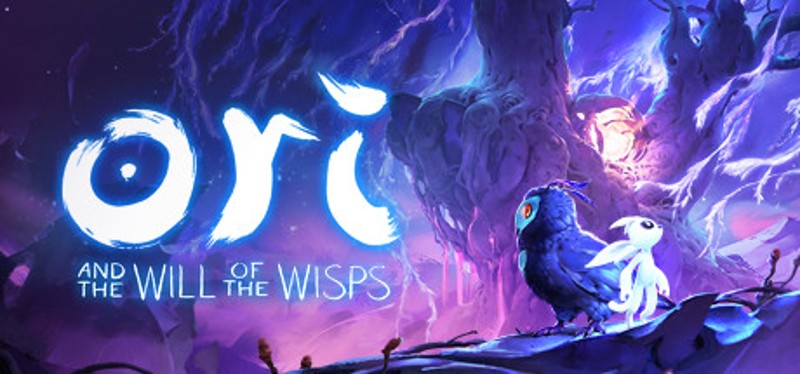
Ori and the Will of the Wisps matches Hollow Knight’s precise, challenging platforming and combat, delivering the same satisfying Souls-like mechanics that demand skill and timing.
Both games excel in crafting a deep emotional narrative paired with a stunning 2D art style, which significantly enhances player investment and world-building.
Unlike Hollow Knight, Ori leans into a more polished and accessible experience but struggles with occasional optimization issues and a hint of aggressive monetization.
Pick Ori if you want a beautiful, emotionally charged metroidvania with tight gameplay but can tolerate some technical flaws and a less punishing difficulty curve.
If you enjoyed this game, see our list of games similar to Ori and the Will of the Wisps.View Game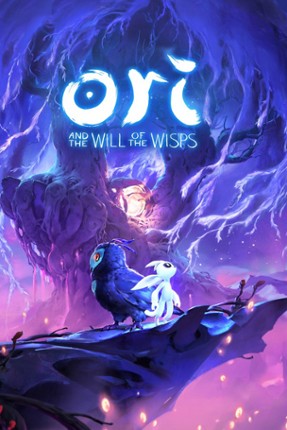
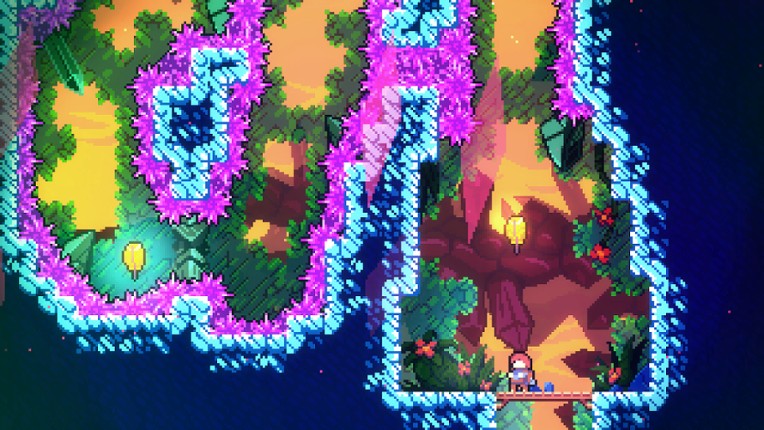
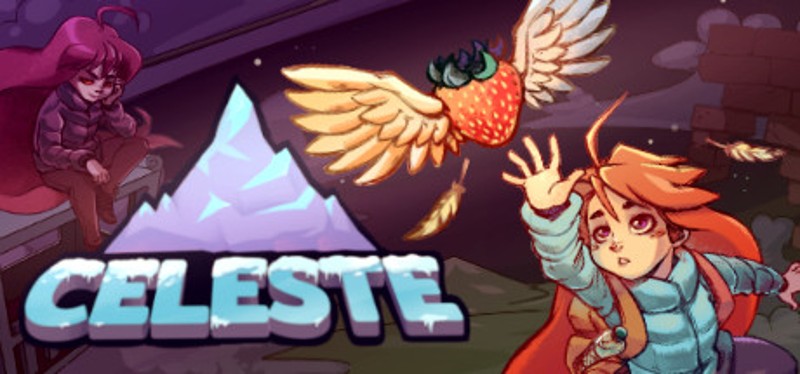
- 94%Game Brain ScoreMost mentioned positive aspects:story, musicMost mentioned negative aspects:grinding, stability97% User Score 92,552 reviewsCritic Score 90%9 reviewsCeleste offers a heartfelt, female‑led precision platforming experience that trades Hollow Knight’s sprawling caverns for a single mountain’s punishing climbs. If you enjoyed this game, see our list of games similar to Celeste.View Game
11 View Game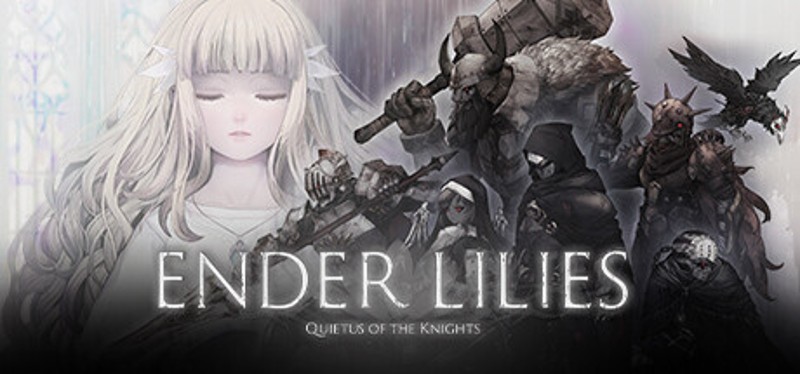 91%Game Brain ScoreMost mentioned positive aspects:music, storyMost mentioned negative aspects:grinding, stability95% User Score 11,395 reviewsCritic Score 84%5 reviews
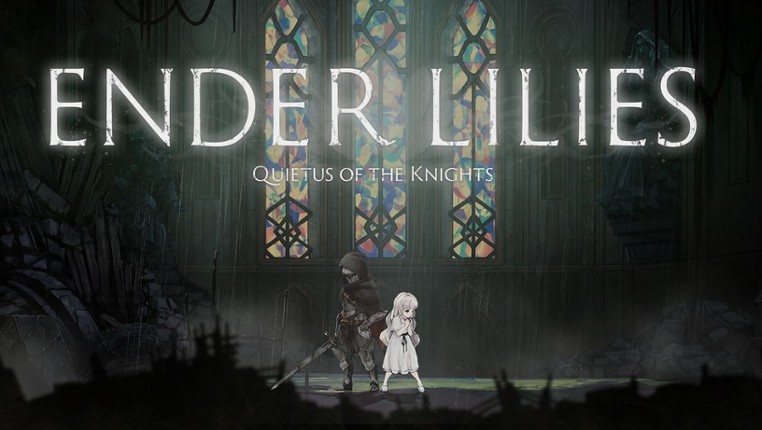
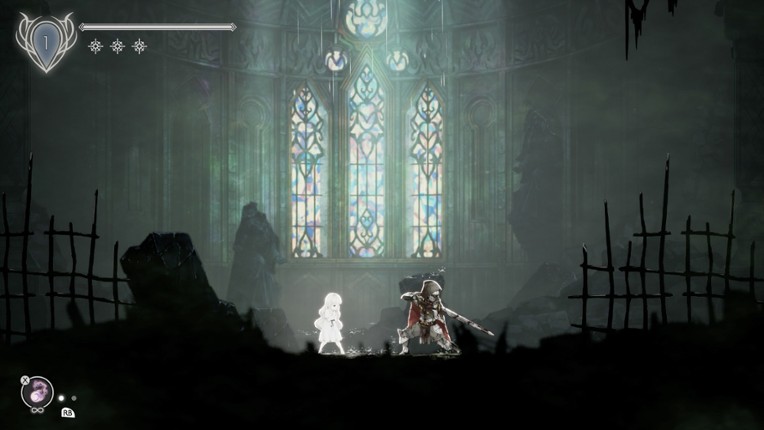
Both games deliver tight, souls-influenced combat wrapped in hauntingly hand-drawn worlds — Hollow Knight's nail swings and ENDER LILIES' spear thrusts share that same satisfying weight and timing window that makes every dodge feel earned.
The oppressive atmosphere and orchestral soundtrack hit the same emotional notes, making exploration feel consequential rather than routine.
However, ENDER LILIES stumbles with hit detection and interconnected world design, feeling more linear and occasionally frustrating compared to Hollow Knight's precision.
Pick this up if you want Hollow Knight's combat feel and art direction but can overlook occasional jank and a less cohesive map structure.
If you enjoyed this game, see our list of games similar to ENDER LILIES: Quietus of the Knights.View Game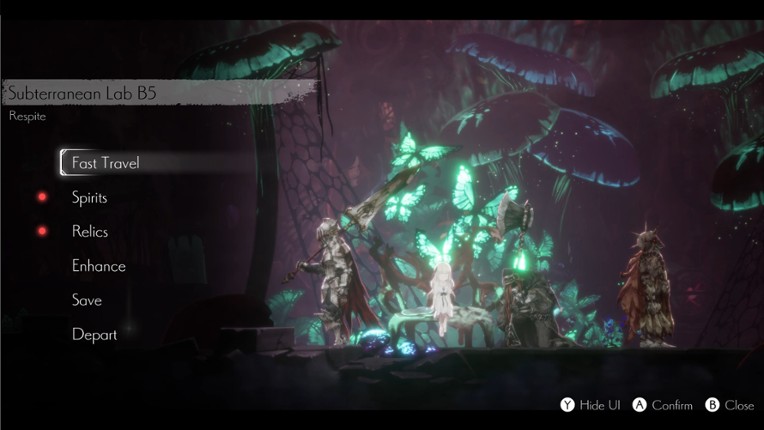
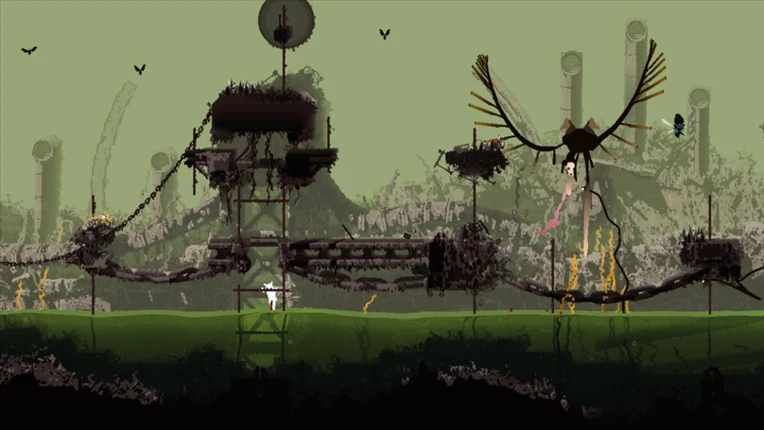
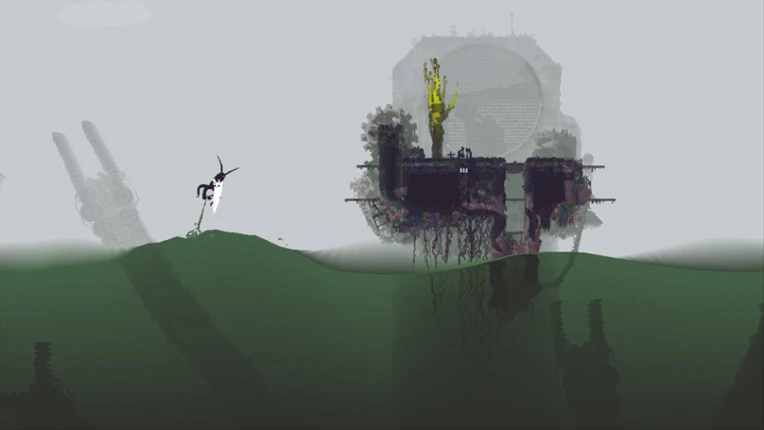
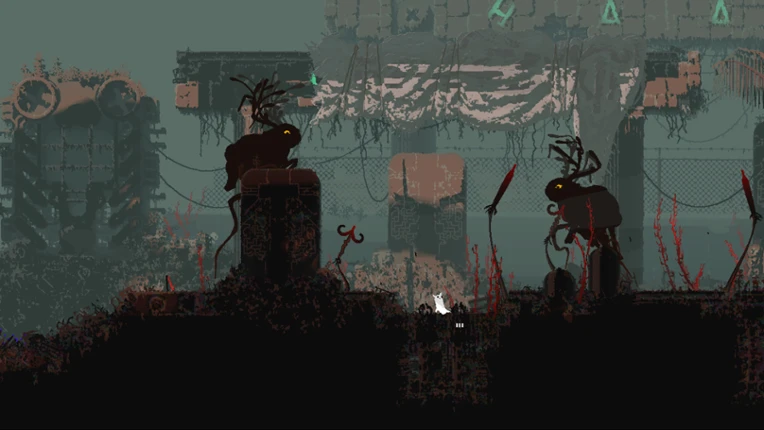
- 95%Game Brain ScoreMost mentioned positive aspects:gameplay, storyMost mentioned negative aspects:grinding, stability95% User Score 38,902 reviewsRain World replaces Hollow Knight’s tight combat with a sluggish, physics‑driven ecosystem where survival and observation trump direct confrontation. If you enjoyed this game, see our list of games similar to Rain World.View Game
- 96%Game Brain ScoreMost mentioned positive aspects:gameplay, graphicsMost mentioned negative aspects:grinding, monetization96% User Score 17,548 reviews
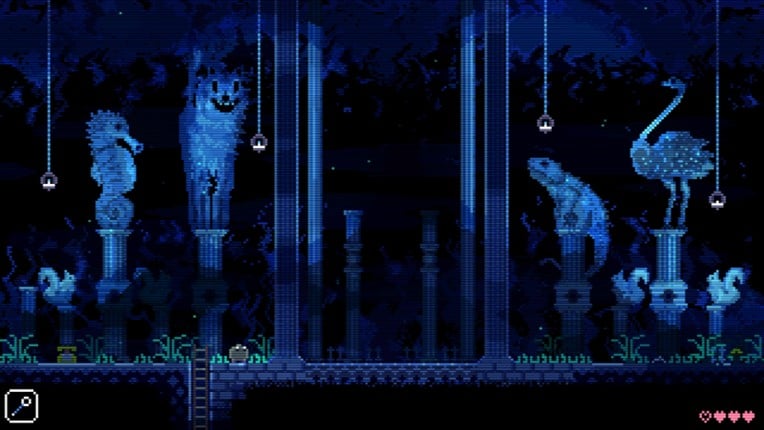
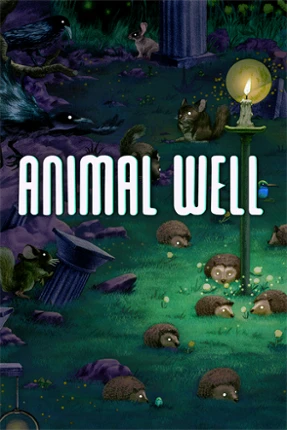
Hatch from your flower and spelunk through the beautiful and sometimes haunting world of Animal Well, a pixelated wonder rendered in intricate audio and visual detail. Encounter lively creatures small and large, helpful and ominous as you discover unconventional upgrades and unravel the well’s secrets. This is a truly unique experience that can make you laugh in fear, surprise, or delight If you enjoyed this game, see our list of games similar to ANIMAL WELL.
View Game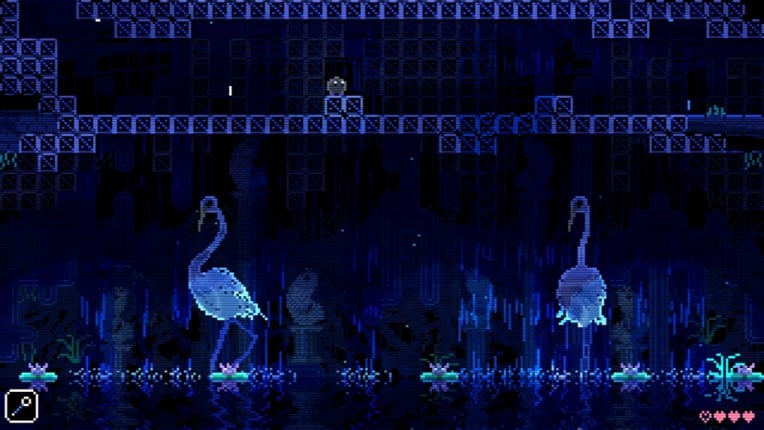
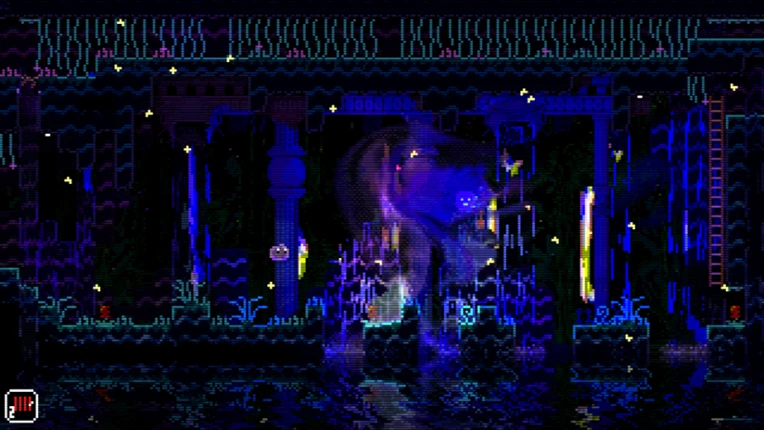
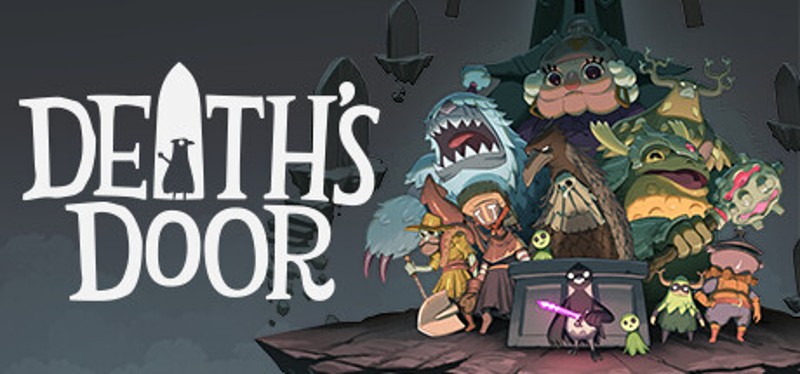
- 94%Game Brain ScoreMost mentioned positive aspects:music, storyMost mentioned negative aspects:grinding, optimization94% User Score 17,746 reviewsCritic Score 95%4 reviewsDeath's Door mixes colorful, cartoony visuals with isometric Souls‑like combat, offering a compact, whimsical dungeon‑crawl that contrasts Hollow Knight’s stark, hand‑drawn world. If you enjoyed this game, see our list of games similar to Death's Door.View Game
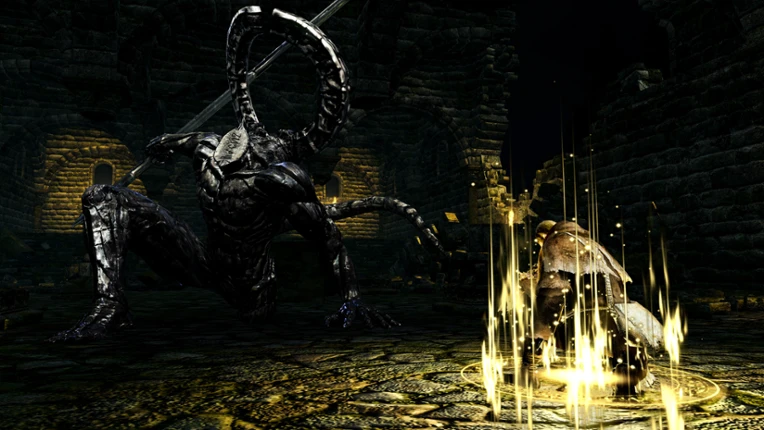
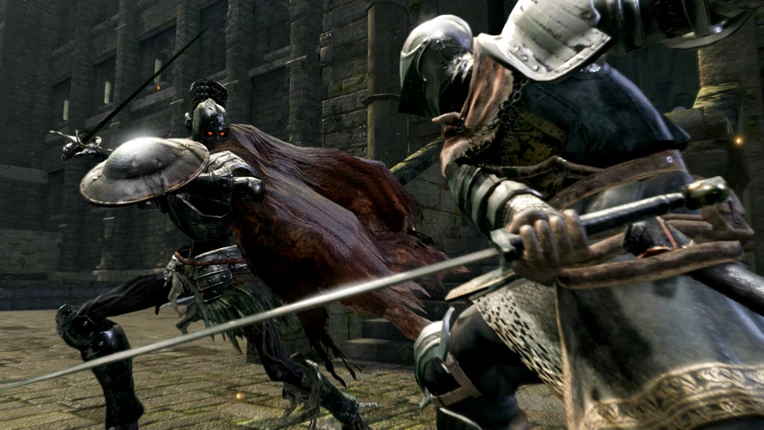
15 View Game 86%Game Brain ScoreMost mentioned positive aspects:gameplay, graphicsMost mentioned negative aspects:stability, grinding91% User Score 74,500 reviewsCritic Score 81%56 reviewsThe spiritual ancestor that pioneered the souls-like formula Hollow Knight perfected, favoring 3D third-person combat over 2D exploration. If you enjoyed this game, see our list of games similar to Dark Souls: Remastered.View Game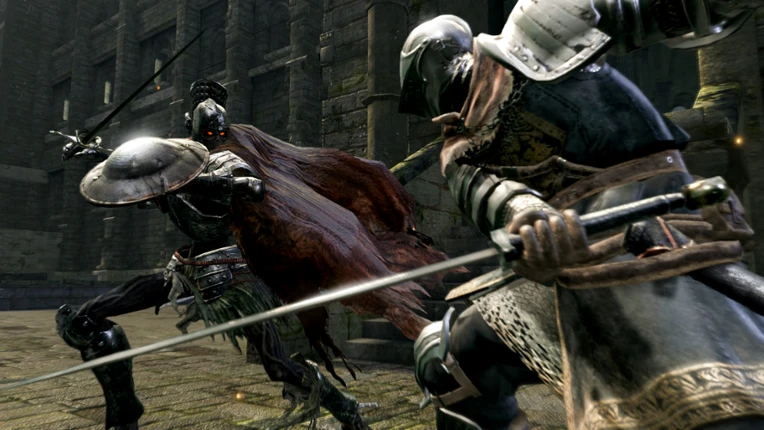
- 91%Game Brain ScoreMost mentioned positive aspects:story, gameplayMost mentioned negative aspects:grinding, stability96% User Score 20,378 reviewsCritic Score 87%10 reviews
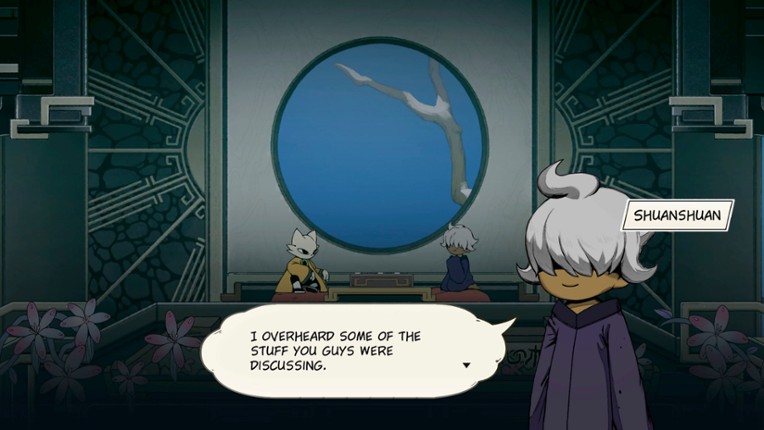
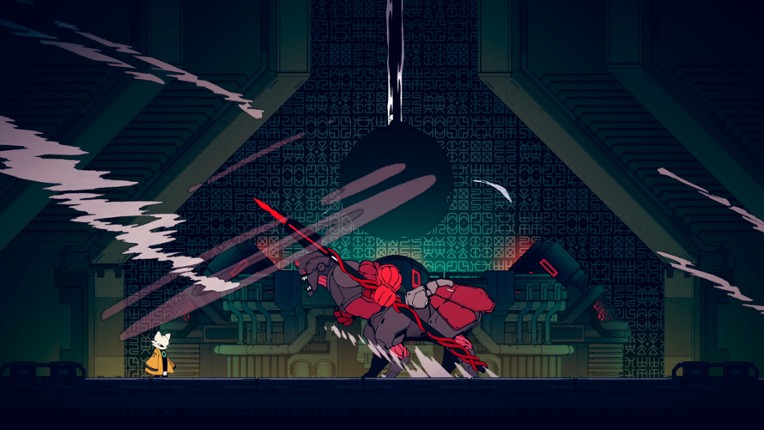
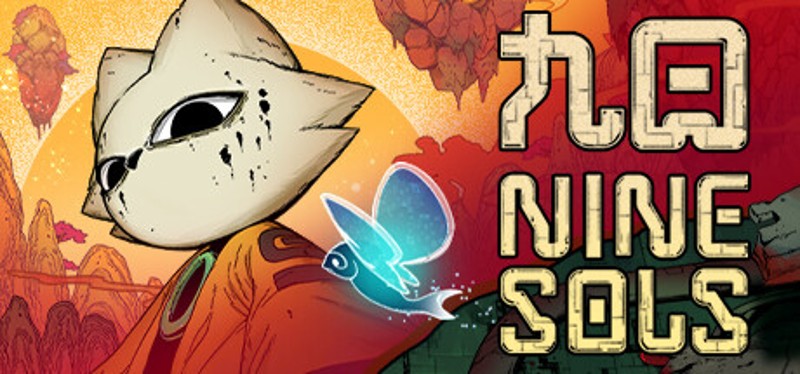
Nine Sols demands the same unforgiving precision as Hollow Knight, centering its entire identity on master-level boss encounters and tight, rhythmic combat. This shared focus on souls-like mechanical rigor ensures that every victory feels earned through pure skill rather than stat grinding.
While Hollow Knight emphasizes expansive, non-linear exploration, Nine Sols shifts the focus toward deflection-heavy martial arts combat inspired by Sekiro. You trade the melancholic, interconnected world-map design for a more structured, narrative-driven experience rooted in "Tao-punk" science fiction.
Pick this up if you want the punishing challenge of high-tier boss battles but can live without the aimless roaming of a sprawling, traditional interconnected map.
If you enjoyed this game, see our list of games similar to Nine Sols.View Game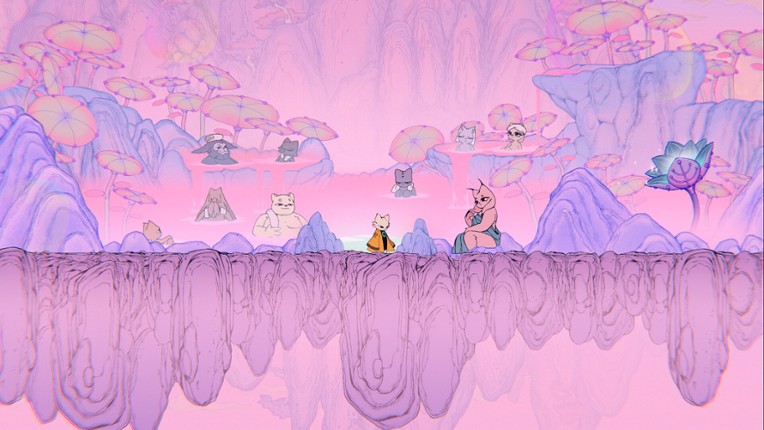
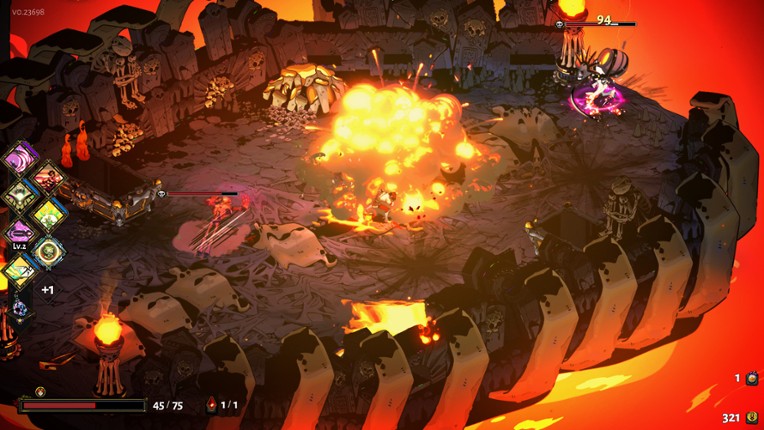
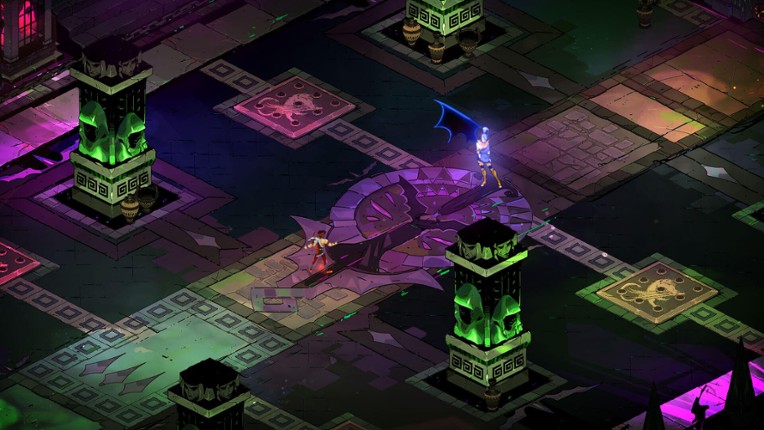
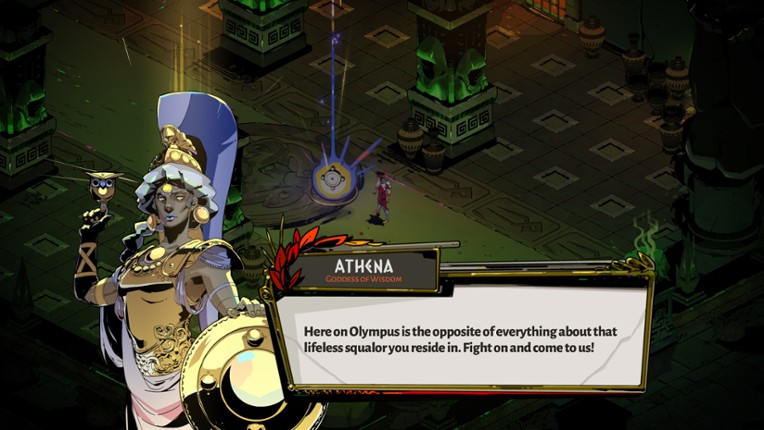
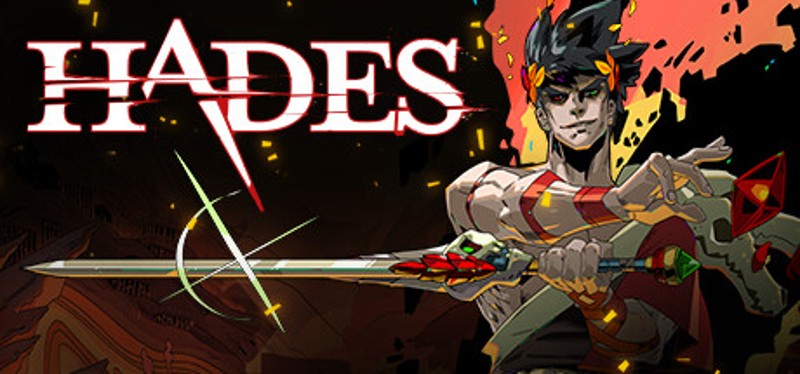
- 95%Game Brain ScoreMost mentioned positive aspects:story, gameplayMost mentioned negative aspects:grinding, stability98% User Score 148,764 reviewsCritic Score 92%14 reviewsHades offers a roguelite, myth‑infused dungeon crawler with a deep, hand‑drawn narrative and permadeath loops, catering to players who enjoy repeated runs over static exploration. If you enjoyed this game, see our list of games similar to Hades.View Game
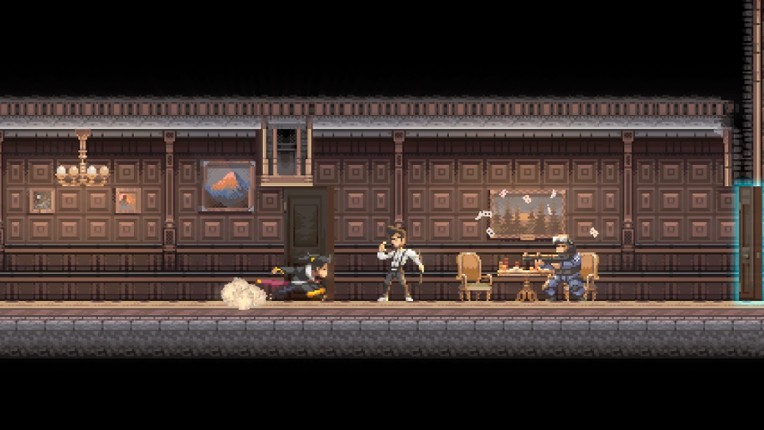
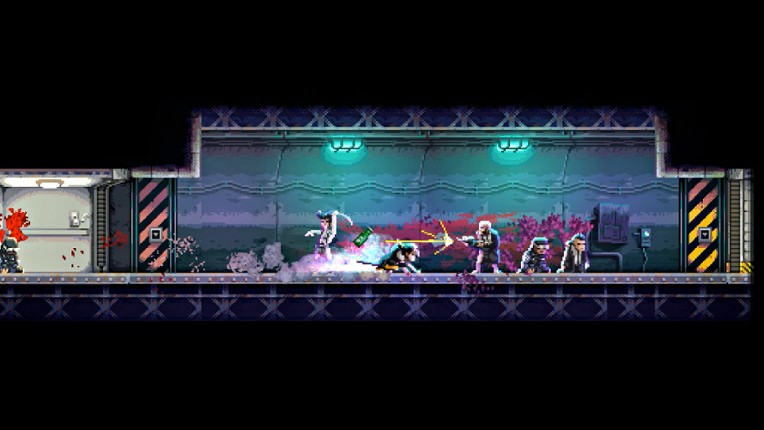
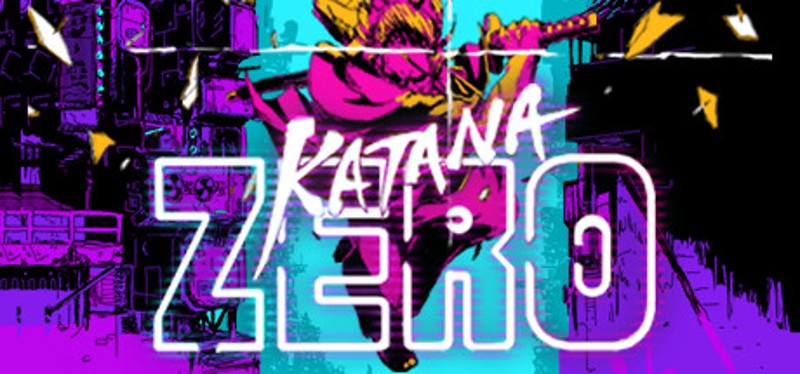
- 91%Game Brain ScoreMost mentioned positive aspects:story, gameplayMost mentioned negative aspects:grinding, stability98% User Score 25,547 reviewsCritic Score 84%28 reviewsKatana ZERO fuses cyberpunk noir with one‑hit, time‑rewind combat, delivering a snappy, story‑driven sprint that diverges from Hollow Knight’s sprawling, atmospheric exploration. If you enjoyed this game, see our list of games similar to Katana ZERO.View Game
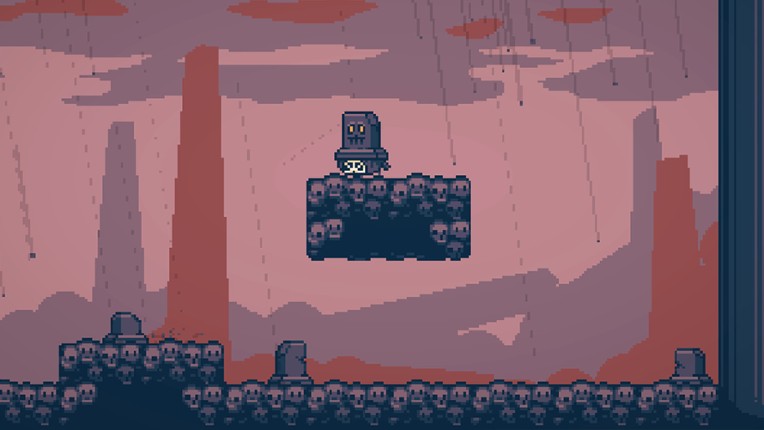
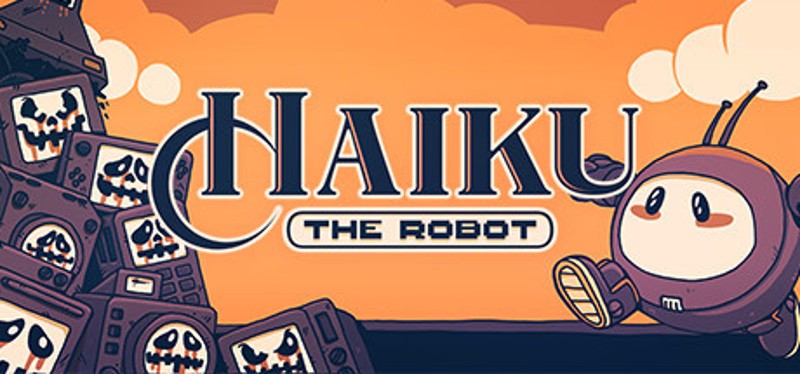
- 88%Game Brain ScoreMost mentioned positive aspects:gameplay, storyMost mentioned negative aspects:grinding, stability92% User Score 2,452 reviewsCritic Score 70%1 reviewsCaptures the essence of bug-themed exploration but trades the dark, hand-drawn aesthetic for a clean, retro-robotic design and simplified combat. If you enjoyed this game, see our list of games similar to Haiku, the Robot.View Game
20 View Game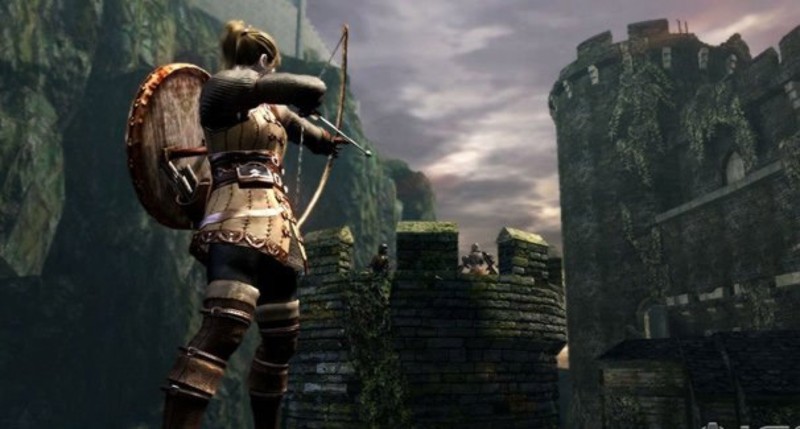
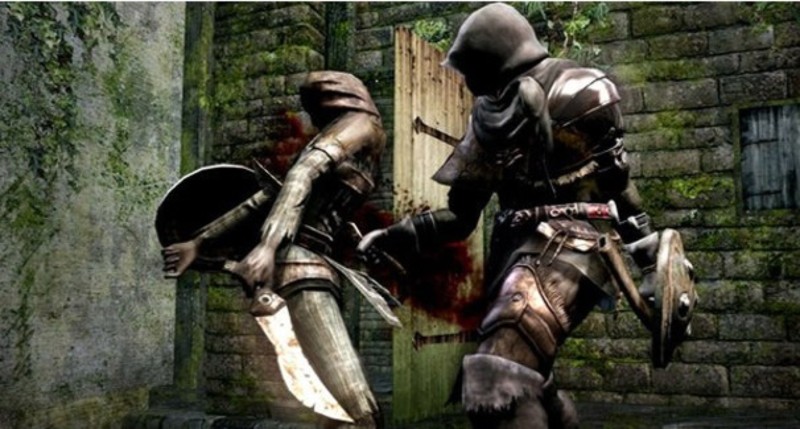 87%Game Brain ScoreMost mentioned positive aspects:story, gameplayMost mentioned negative aspects:optimization, grinding89% User Score 32,279 reviewsCritic Score 82%2 reviewsShares the punishing souls-like foundations and dark fantasy setting but demands mastery of 3D melee combat with cooperative multiplayer layers. If you enjoyed this game, see our list of games similar to Dark Souls: Prepare to Die Edition.View Game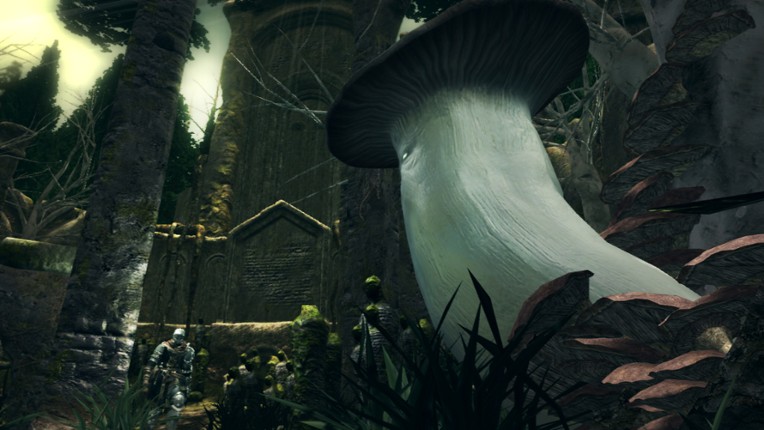
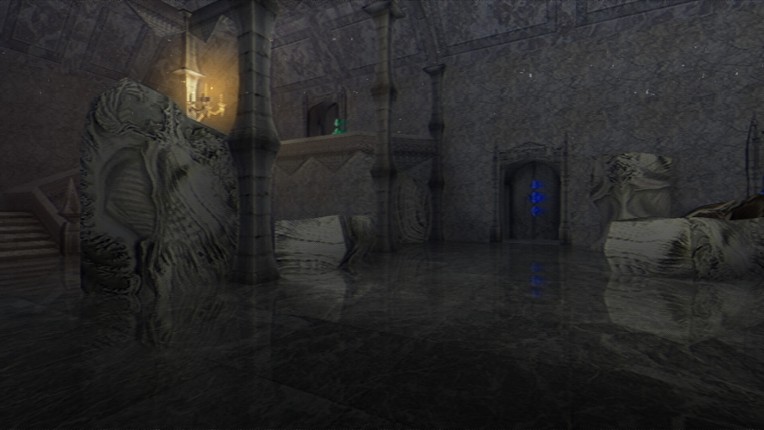
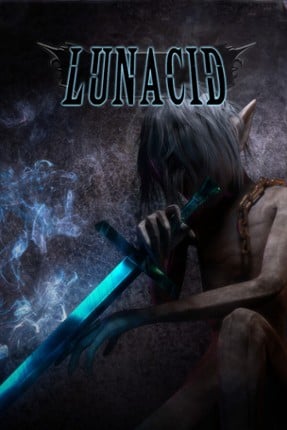
- 90%Game Brain ScoreMost mentioned positive aspects:music, atmosphereMost mentioned negative aspects:grinding, stability91% User Score 11,674 reviewsCritic Score 85%2 reviewsKeeps the souls-like atmosphere and metroidvania structure but shifts to first-person dungeon crawling with early access polish. If you enjoyed this game, see our list of games similar to Lunacid.View Game
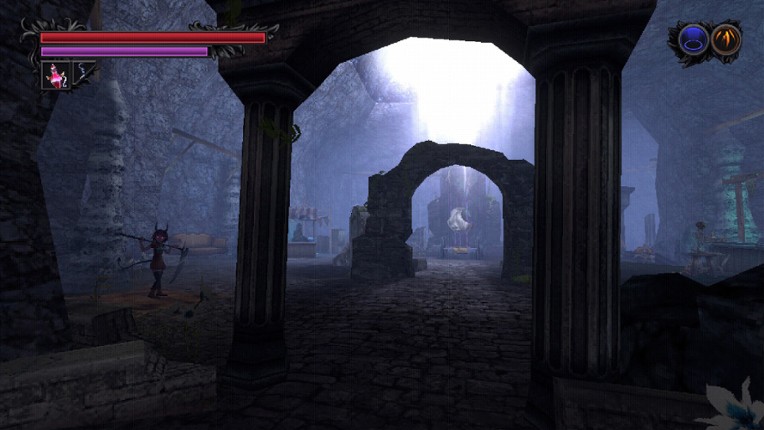
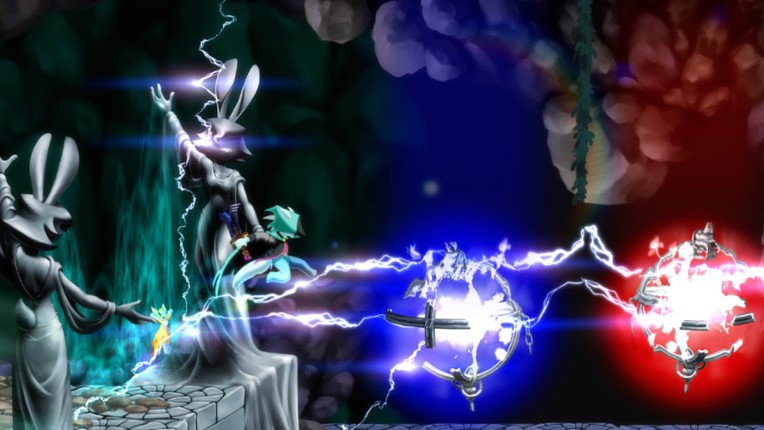
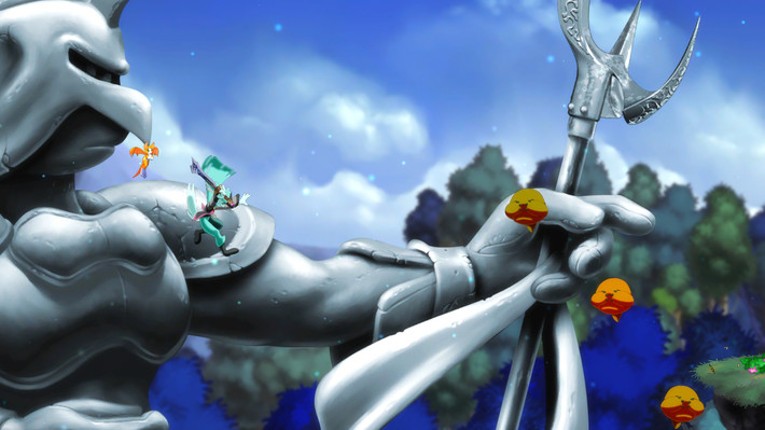
22 View Game 90%Game Brain ScoreMost mentioned positive aspects:story, gameplayMost mentioned negative aspects:grinding, stability95% User Score 12,363 reviewsCritic Score 83%6 reviewsDust: An Elysian Tail blends anime‑styled visuals with fast, fluid combat and a lush world, offering a brighter, less punishing Metroidvania. If you enjoyed this game, see our list of games similar to Dust: An Elysian Tail.View Game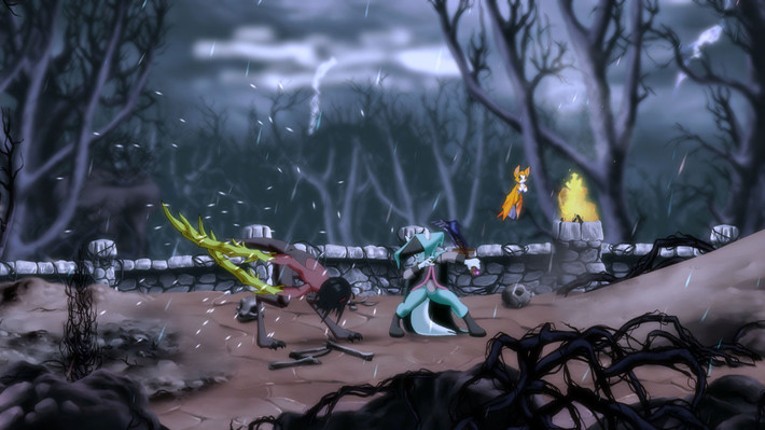
- 87%Game Brain ScoreMost mentioned positive aspects:gameplay, graphicsMost mentioned negative aspects:grinding, stability88% User Score 2,915 reviewsCritic Score 80%1 reviews
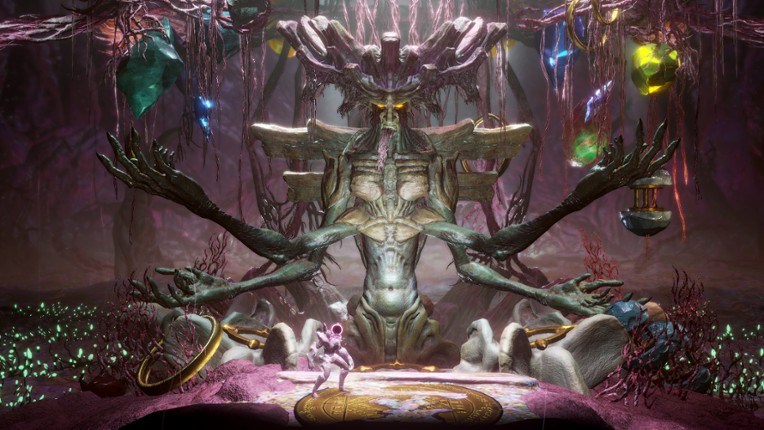
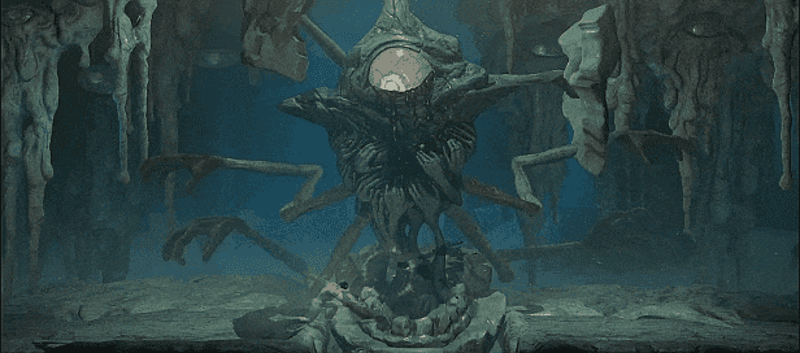
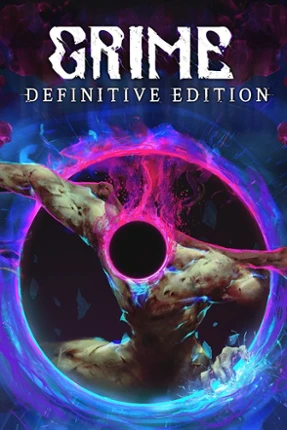
Destroy... Absorb... Grow... GRIME is a methodical and unforgiving 2.5D soulslike metroidvania in which you crush your foes with living weapons that mutate form and function. Parry attacks to absorb prey, acquire their skills and empower your vessel in a world of anatomical horror and intrigue. If you enjoyed this game, see our list of games similar to GRIME.
View Game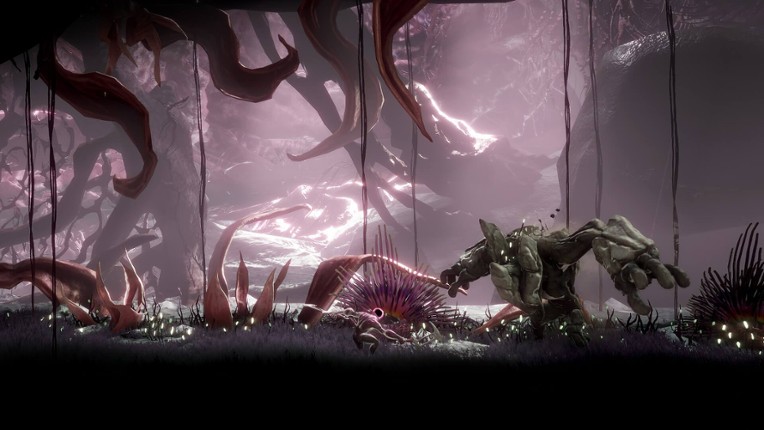
- 92%Game Brain ScoreMost mentioned positive aspects:gameplay, musicMost mentioned negative aspects:grinding, stability89% User Score 6,106 reviewsCritic Score 95%29 reviews
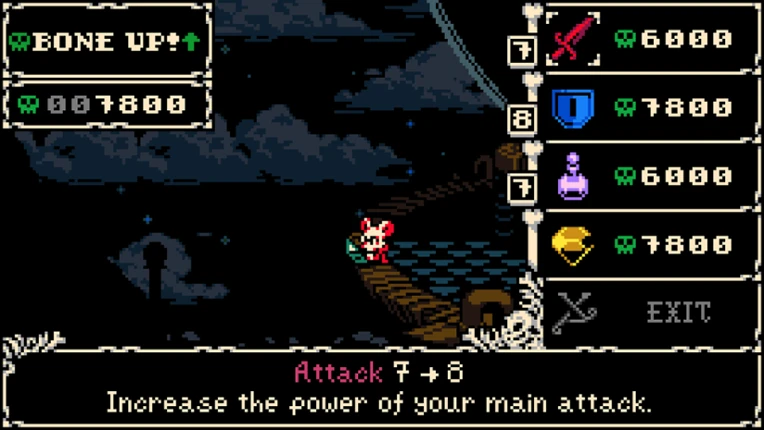
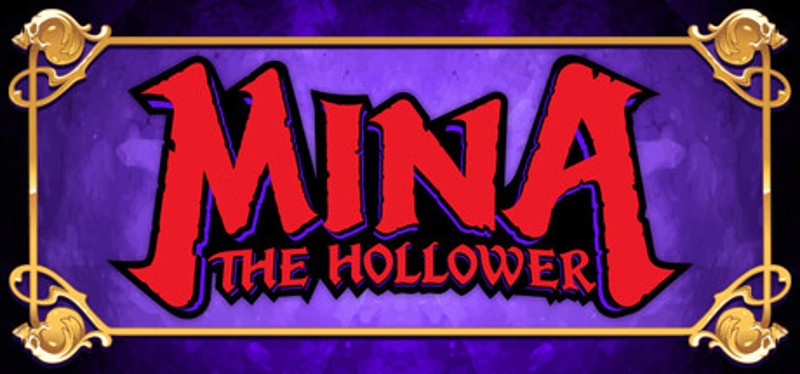
Take control of Mina, a renowned Hollower hurtled into a desperate mission to rescue a cursed island. Whip foes, burrow through the ground, and explore a pixel-perfect world in Mina the Hollower, a brand new game from the developers who brought you Shovel Knight! If you enjoyed this game, see our list of games similar to Mina the Hollower.
View Game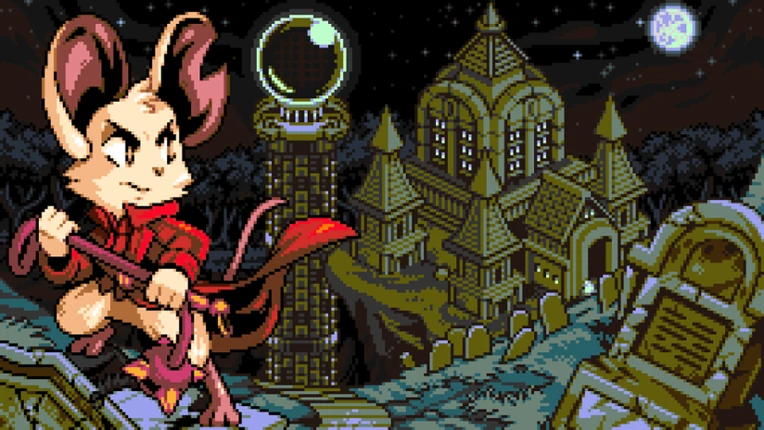
25 View Game 84%Game Brain ScoreMost mentioned positive aspects:story, musicMost mentioned negative aspects:grinding, stability86% User Score 1,850 reviewsCritic Score 82%23 reviews
Discover MIO: Memories in Orbit at PlayStation Store. Awaken MIO, a nimble robot with extraordinary abilities, and unravel the mysteries of the Vessel. If you enjoyed this game, see our list of games similar to MIO: Memories in Orbit.
View Game
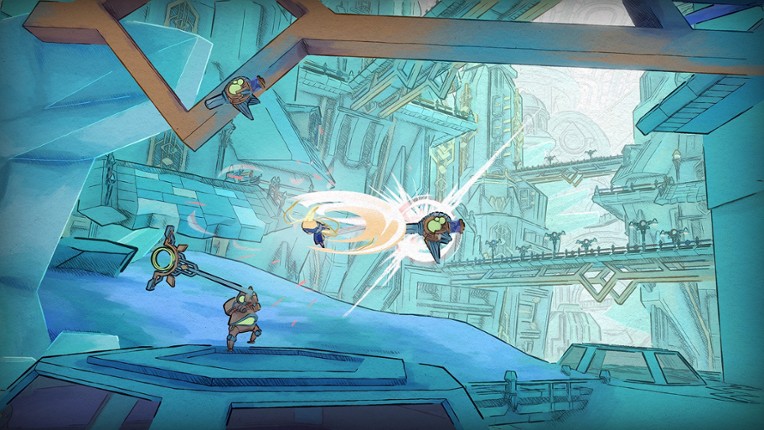
- 94%Game Brain ScoreMost mentioned positive aspects:graphics, gameplayMost mentioned negative aspects:grinding, replayability95% User Score 1,099 reviewsCritic Score 85%1 reviews
Worldless is a stylised 2D Adventure Platformer with turn-based combat and a mind-bending, interpretative narrative. Players will walk the line between physical and astral planes within a shapeless world, embarking on a journey of self-growth and understanding. If you enjoyed this game, see our list of games similar to Worldless.
View Game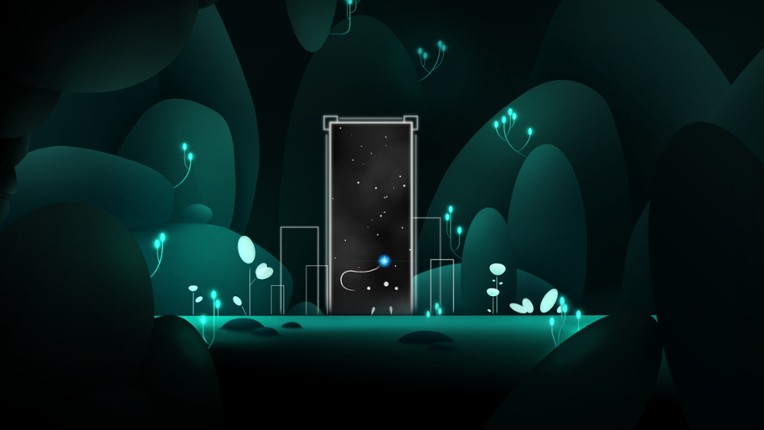
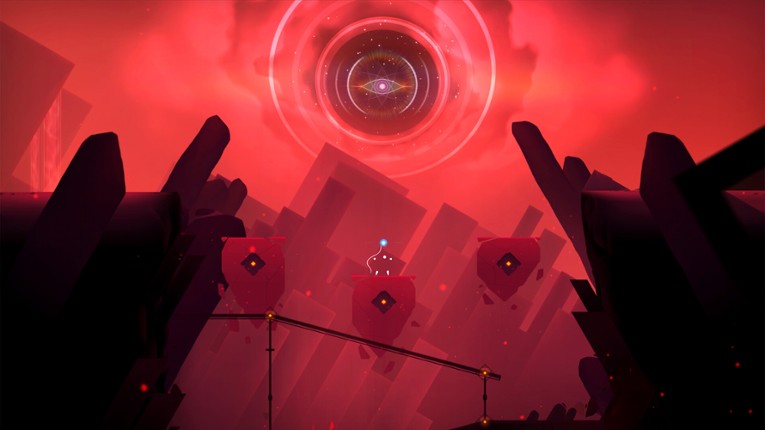
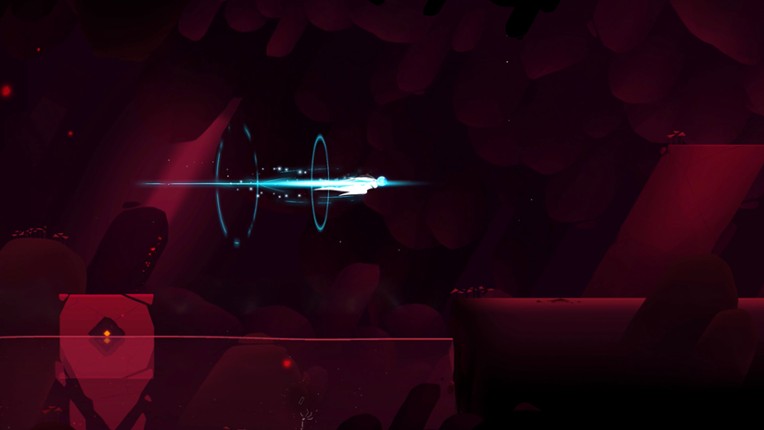
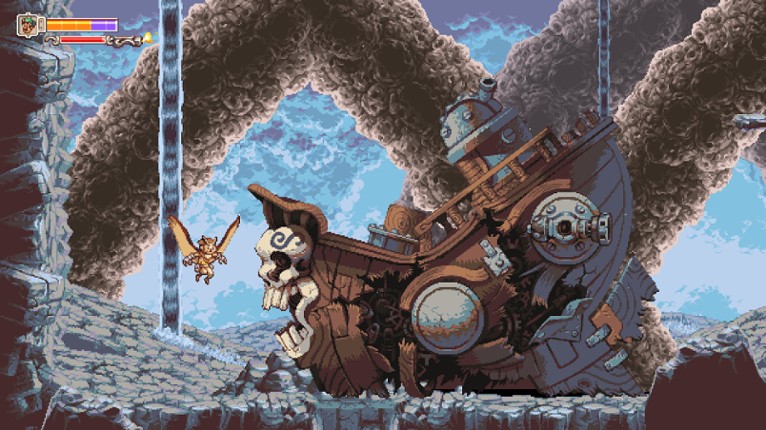
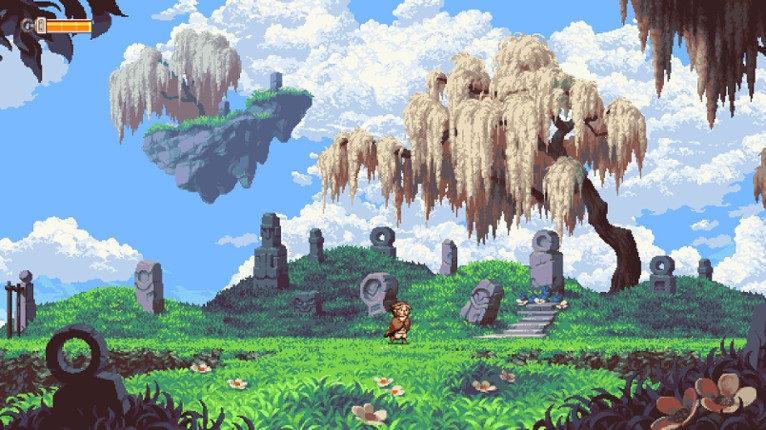
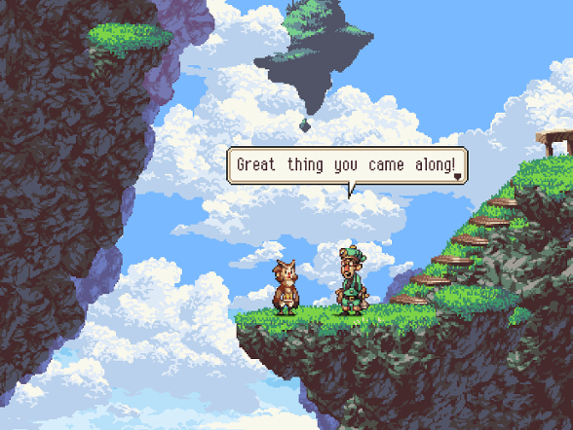
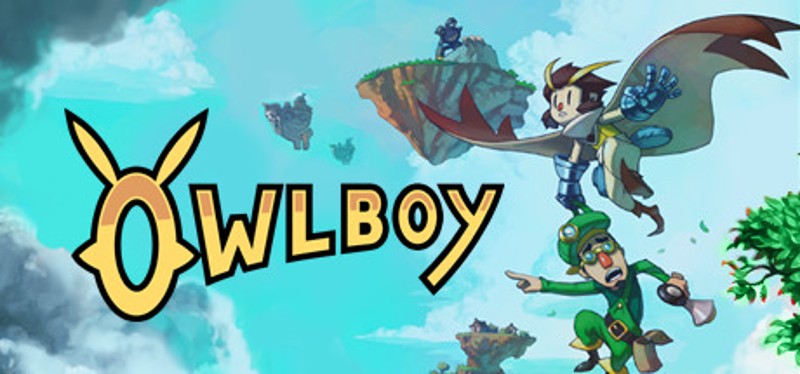
- 83%Game Brain ScoreMost mentioned positive aspects:story, gameplayMost mentioned negative aspects:grinding, replayability83% User Score 4,036 reviewsEchoes Hollow Knight's pixel charm and metroidvania pacing but centers on airborne platforming puzzles and charming pirate adventure instead. If you enjoyed this game, see our list of games similar to Owlboy.View Game
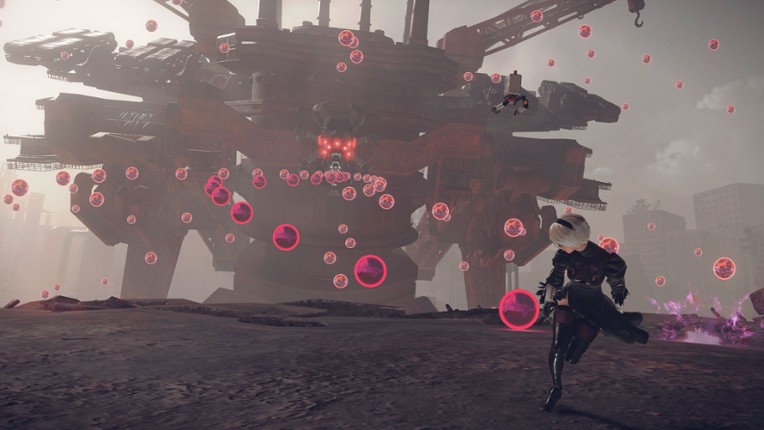
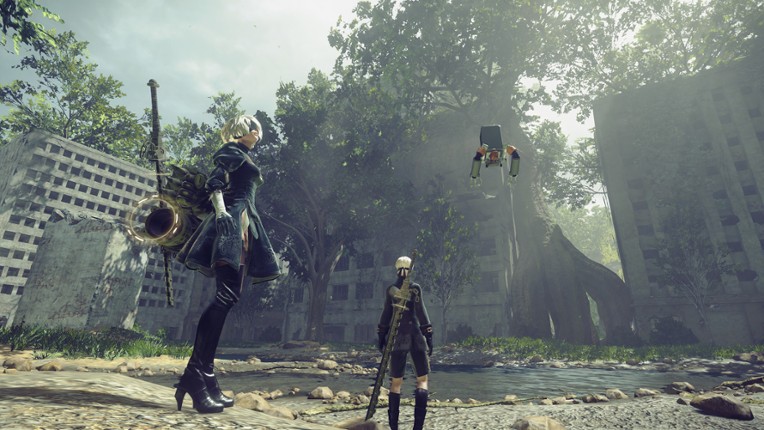
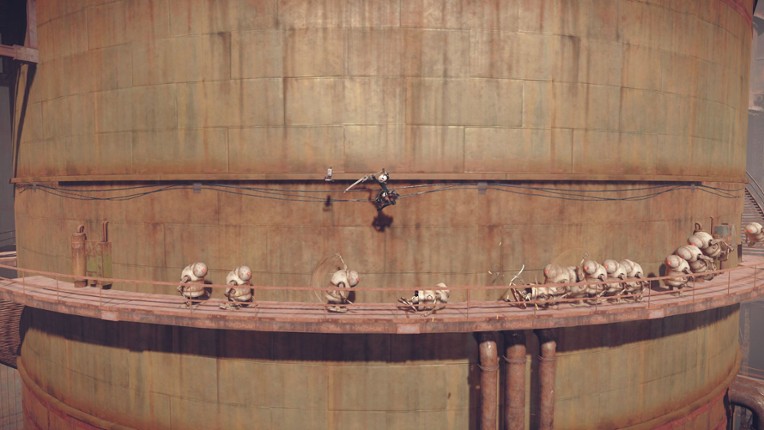
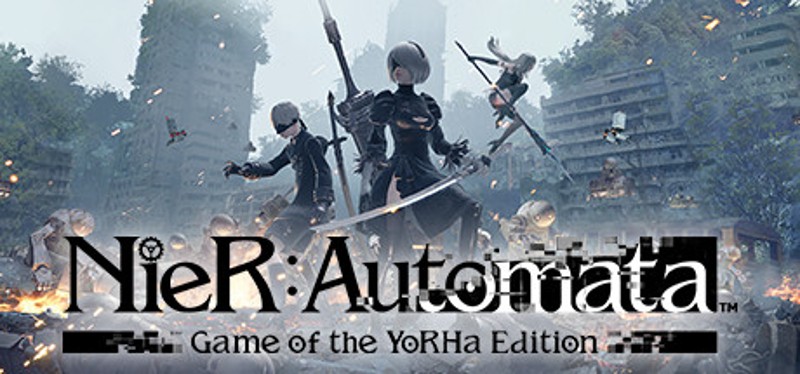
- 88%Game Brain ScoreMost mentioned positive aspects:story, musicMost mentioned negative aspects:optimization, grinding90% User Score 63,228 reviewsCritic Score 87%34 reviewsDitch the silent fantasy void for a fast-paced, philosophical science fiction narrative featuring bullet-hell sequences and multiple character-driven endings. If you enjoyed this game, see our list of games similar to NieR:Automata™.View Game
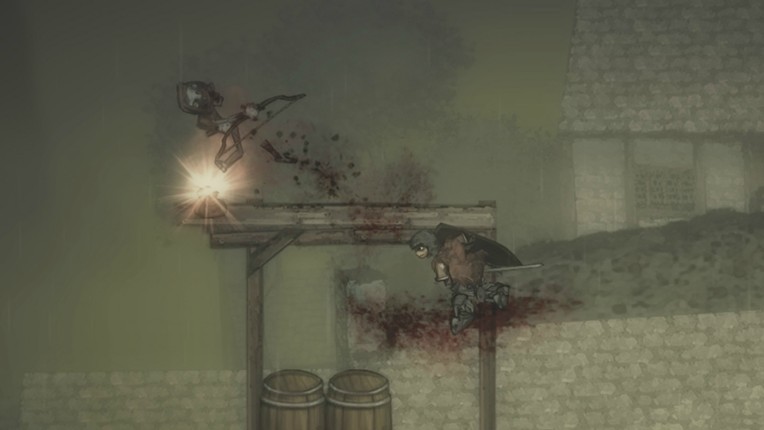
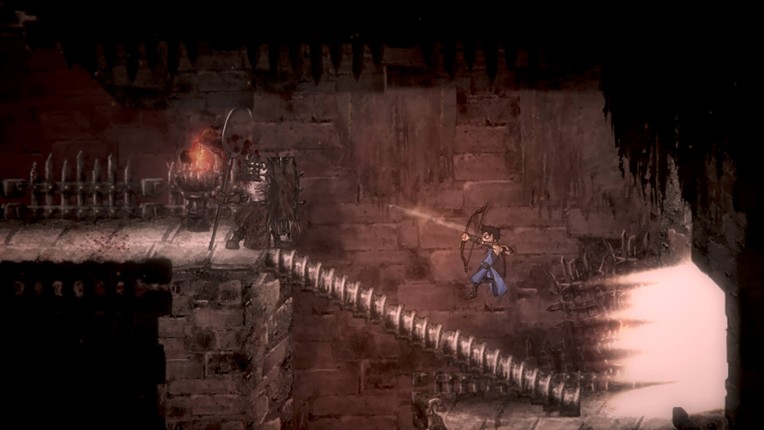
29 View Game 87%Game Brain ScoreMost mentioned positive aspects:gameplay, graphicsMost mentioned negative aspects:grinding, stability88% User Score 13,190 reviewsCritic Score 85%4 reviewsSalt and Sanctuary adapts Hollow Knight’s punishing combat to a 2D side‑scroller with local co‑op, letting players share the grind in a gothic dark fantasy. If you enjoyed this game, see our list of games similar to Salt and Sanctuary.View Game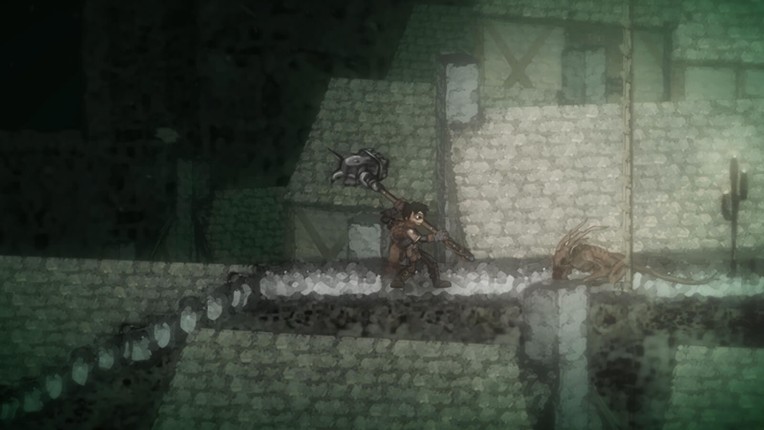
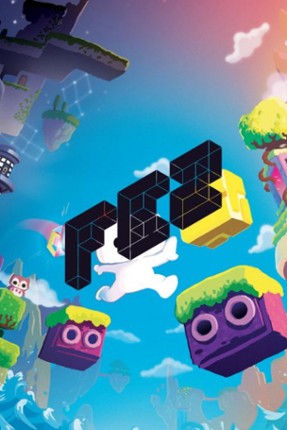
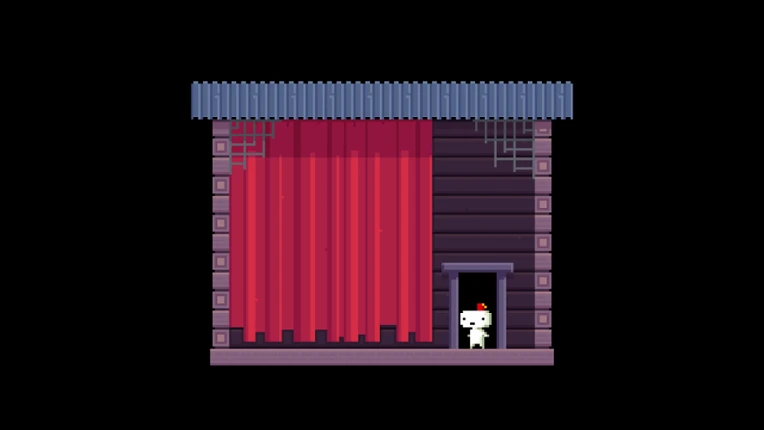
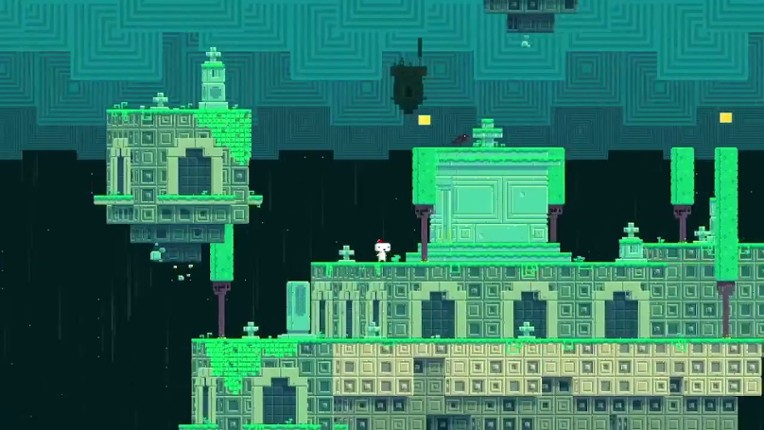
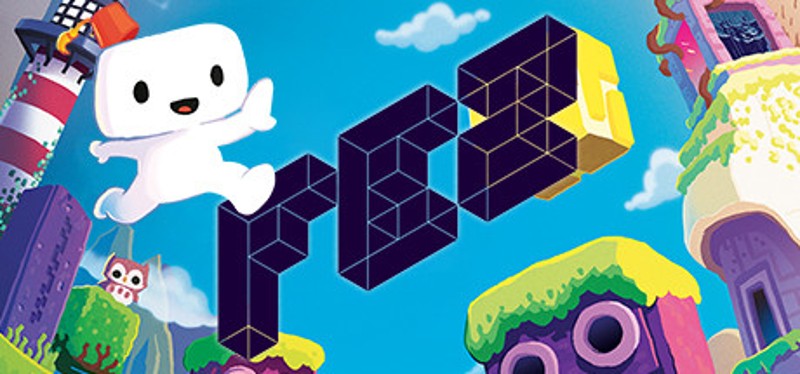
- 88%Game Brain ScoreMost mentioned positive aspects:gameplay, musicMost mentioned negative aspects:grinding, stability91% User Score 9,004 reviewsCritic Score 85%29 reviewsThough only tangentially connected via exploration, this game removes combat entirely to focus on shifting 2D/3D perspective-based platforming puzzles. If you enjoyed this game, see our list of games similar to FEZ.View Game
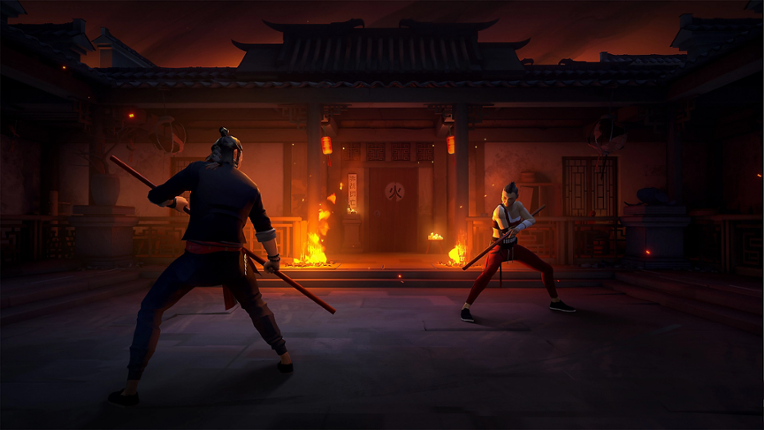
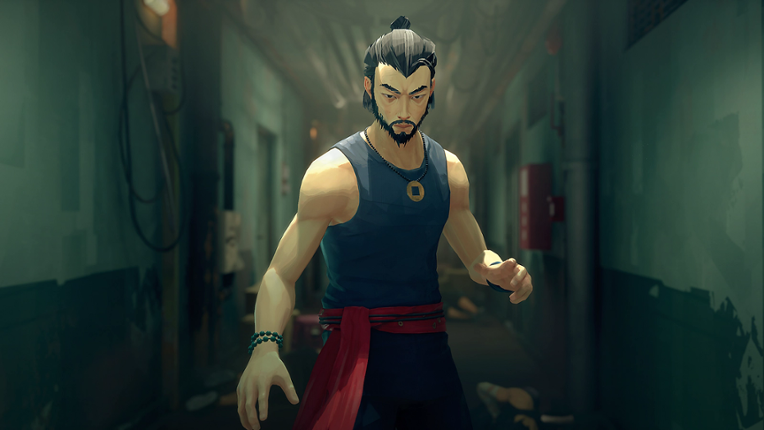
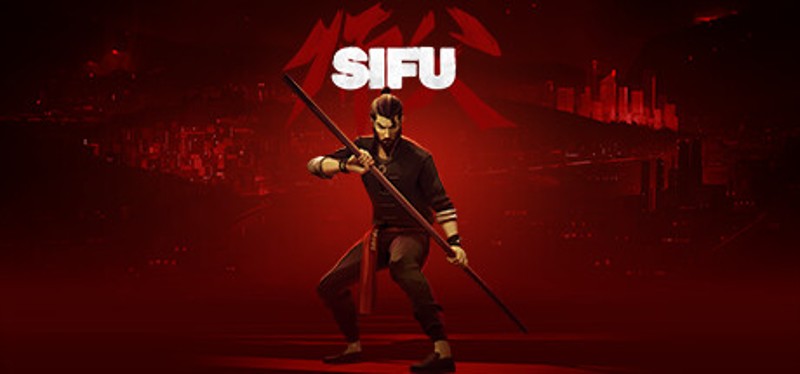
- 87%Game Brain ScoreMost mentioned positive aspects:gameplay, storyMost mentioned negative aspects:optimization, grinding91% User Score 10,240 reviewsCritic Score 82%8 reviewsShift your focus from supernatural exploration to grounded martial arts mastery, emphasizing rhythmic, unforgiving parry combat over traditional platforming skills. If you enjoyed this game, see our list of games similar to Sifu.View Game
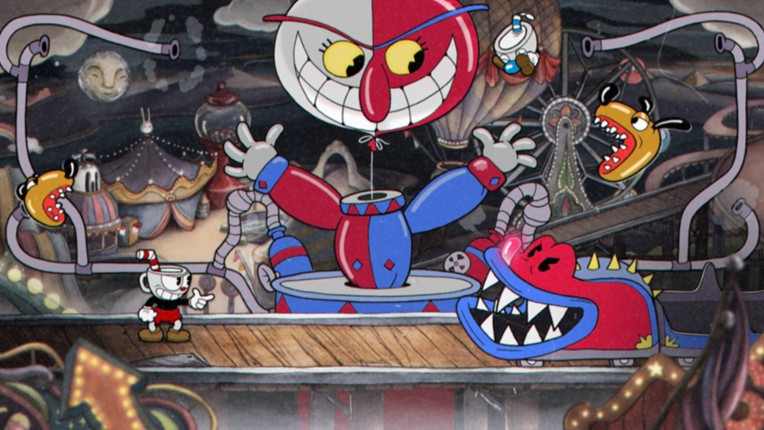
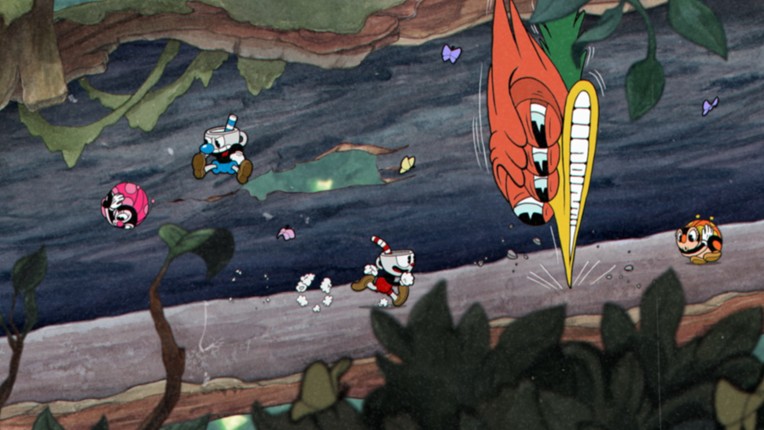
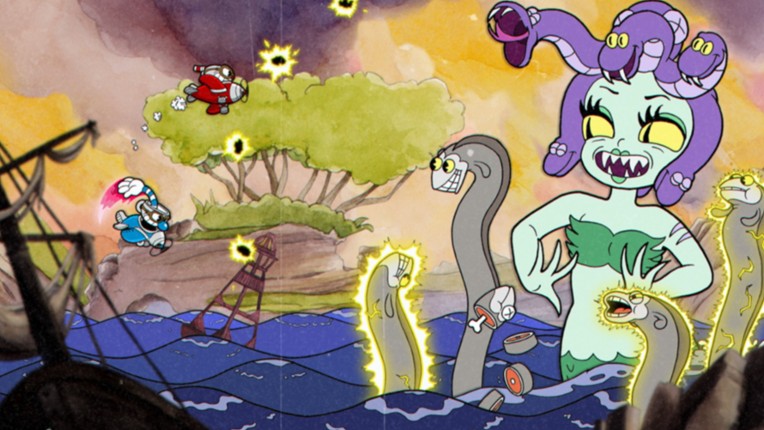
- 93%Game Brain ScoreMost mentioned positive aspects:graphics, musicMost mentioned negative aspects:grinding, stability96% User Score 70,643 reviewsCritic Score 80%1 reviewsMatches the hand-drawn artistry and souls-like difficulty but swaps exploration for relentless boss gauntlets and cartoonish comedy. If you enjoyed this game, see our list of games similar to Cuphead.View Game
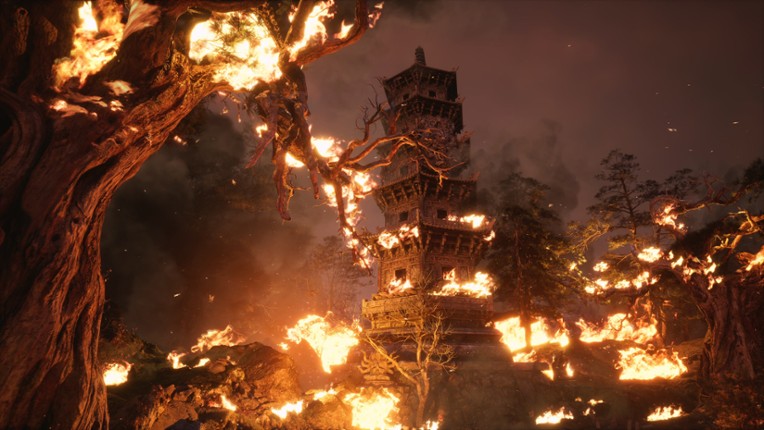
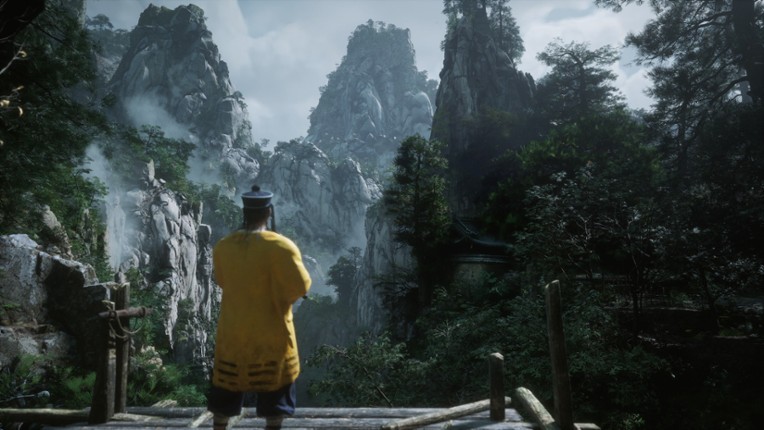
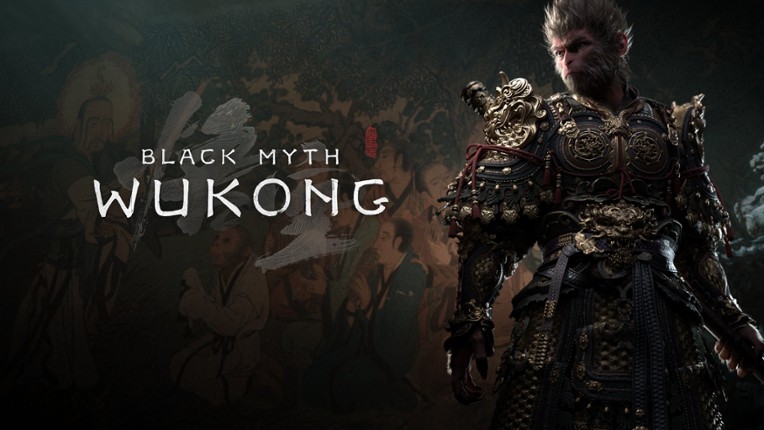
- 89%Game Brain ScoreMost mentioned positive aspects:story, graphicsMost mentioned negative aspects:grinding, stability93% User Score 101,073 reviewsCritic Score 85%17 reviewsSwap the interconnected 2D map for expansive 3D vistas, focusing on intense mythological boss duels rather than platforming exploration. If you enjoyed this game, see our list of games similar to Black Myth: Wukong.View Game
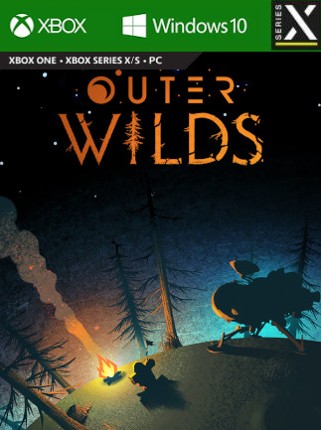
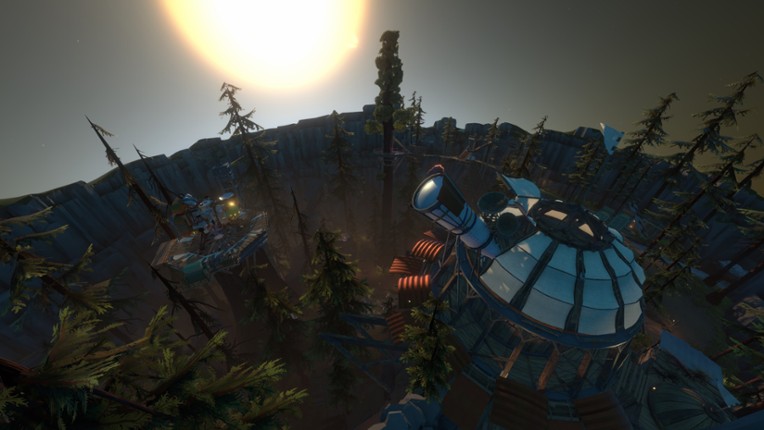
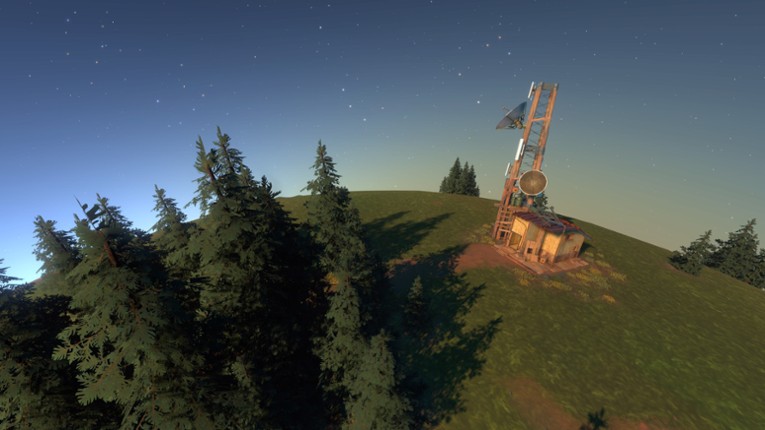
- 89%Game Brain ScoreMost mentioned positive aspects:story, gameplayMost mentioned negative aspects:grinding, replayability95% User Score 72,832 reviewsCritic Score 82%30 reviewsReplaces combat and metroidvania structure with contemplative first-person space exploration where discovery and atmosphere matter far more than reflexes. If you enjoyed this game, see our list of games similar to Outer Wilds.View Game
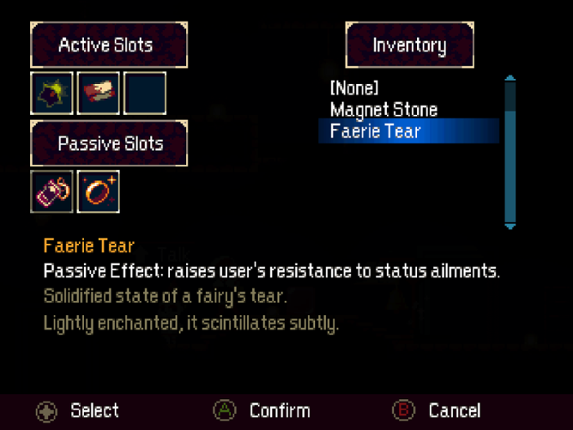
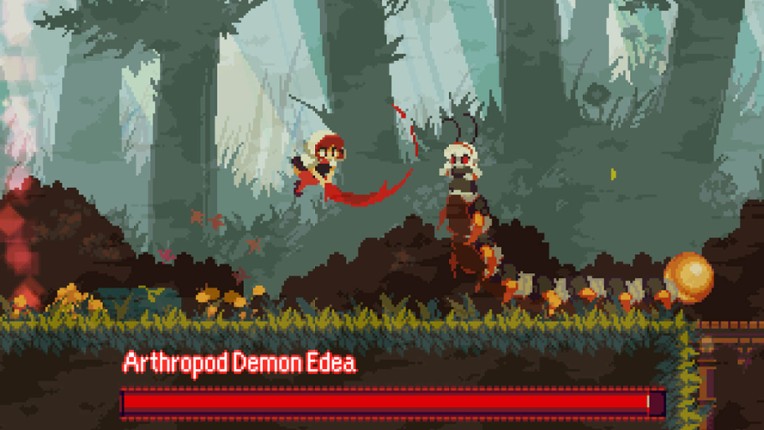
35 View Game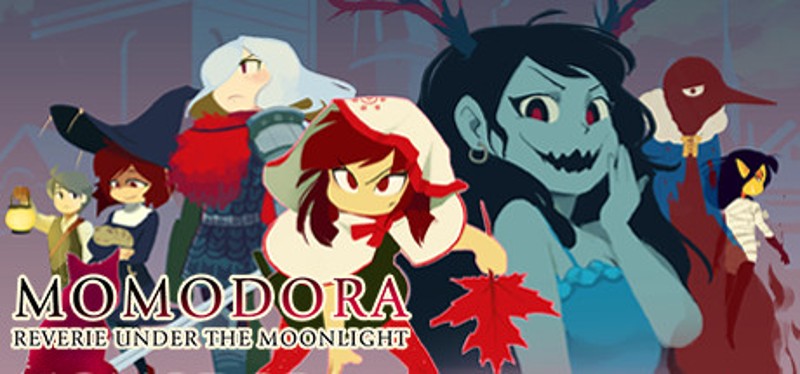 85%Game Brain ScoreMost mentioned positive aspects:gameplay, musicMost mentioned negative aspects:grinding, stability93% User Score 7,806 reviewsCritic Score 77%21 reviewsA tighter, cuter mirror of Hollow Knight's formula featuring a female protagonist, rapid combat spectacle, and darker anime-influenced fantasy aesthetics. If you enjoyed this game, see our list of games similar to Momodora: Reverie Under The Moonlight.View Game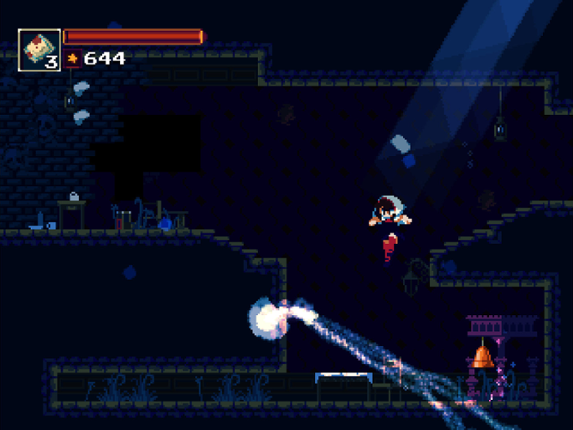
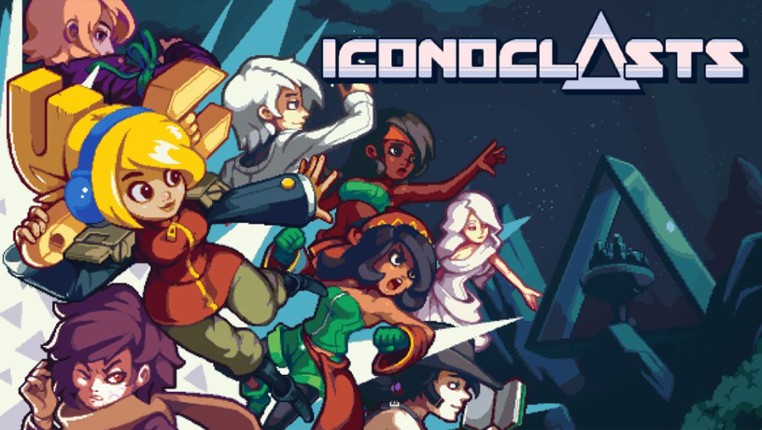
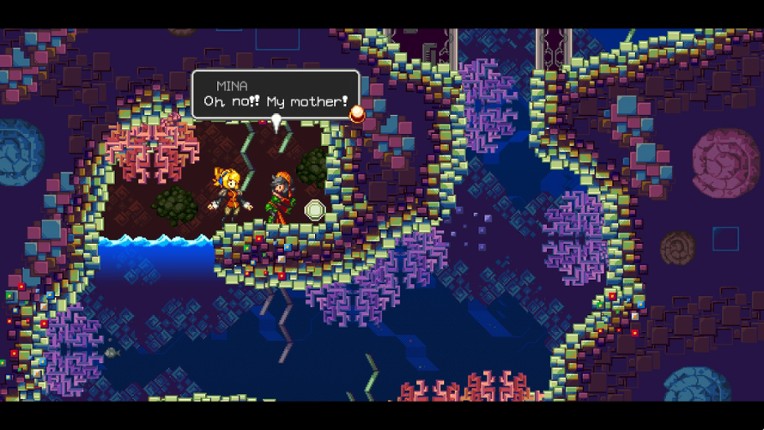
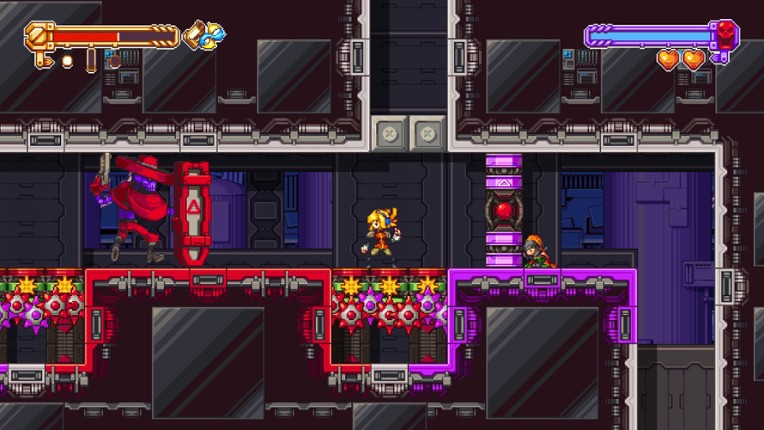
- 83%Game Brain ScoreMost mentioned positive aspects:story, gameplayMost mentioned negative aspects:grinding, optimization83% User Score 2,478 reviewsExpect a more linear, narrative-heavy journey that replaces the cryptic atmosphere with colorful pixel art and a punchy, platforming-focused combat style. If you enjoyed this game, see our list of games similar to Iconoclasts.View Game
- 95%Game Brain ScoreMost mentioned positive aspects:story, gameplayMost mentioned negative aspects:grinding, stability97% User Score 79,242 reviewsCritic Score 93%79 reviews
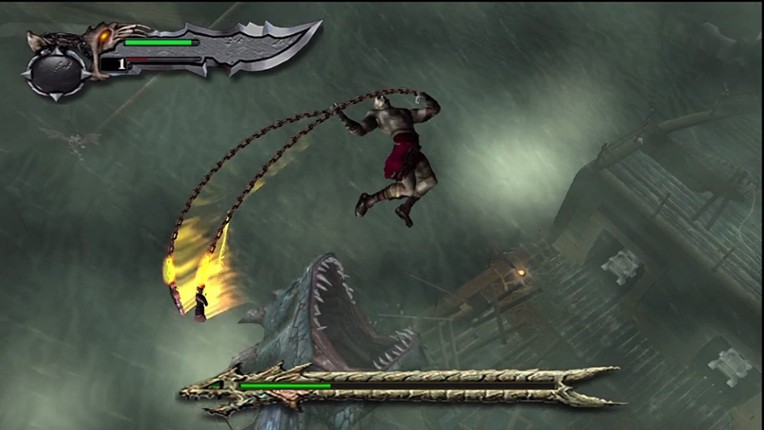
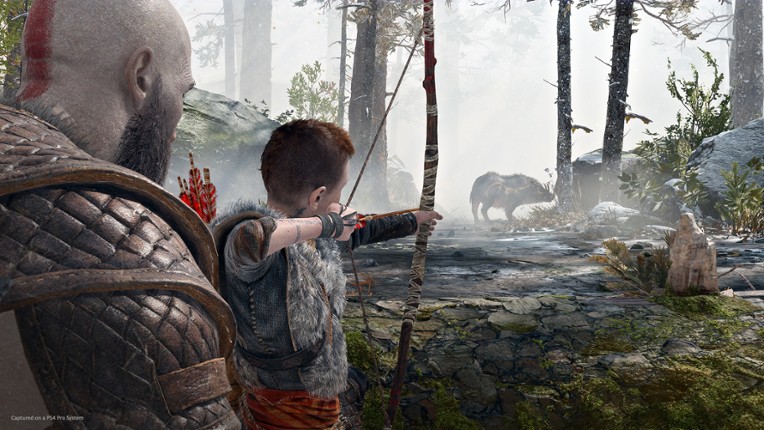
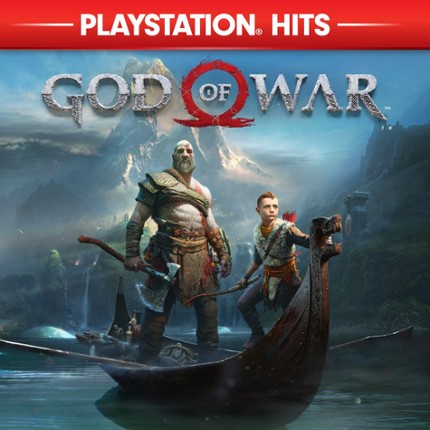
Get God of War, action game for PS4 console from the official PlayStation website. Explore God of War game detail, images, videos, reviews and more. Buy now. If you enjoyed this game, see our list of games similar to null.
View Game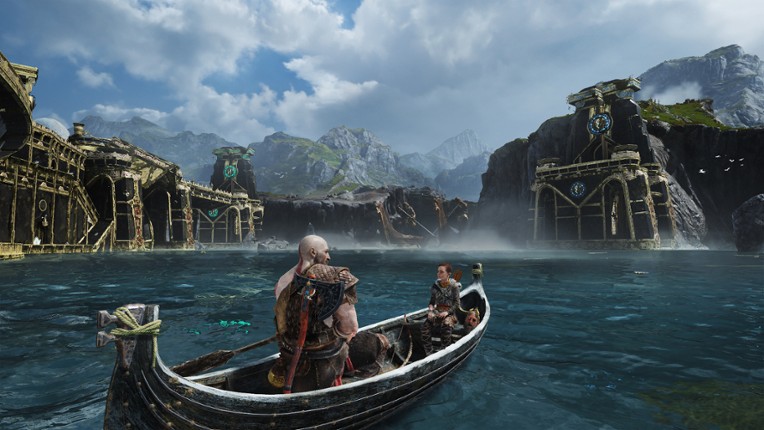
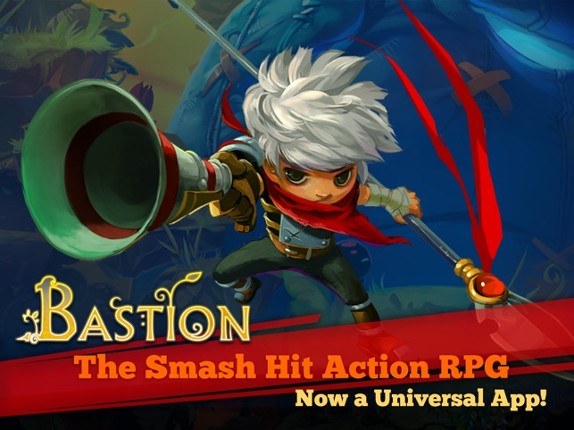
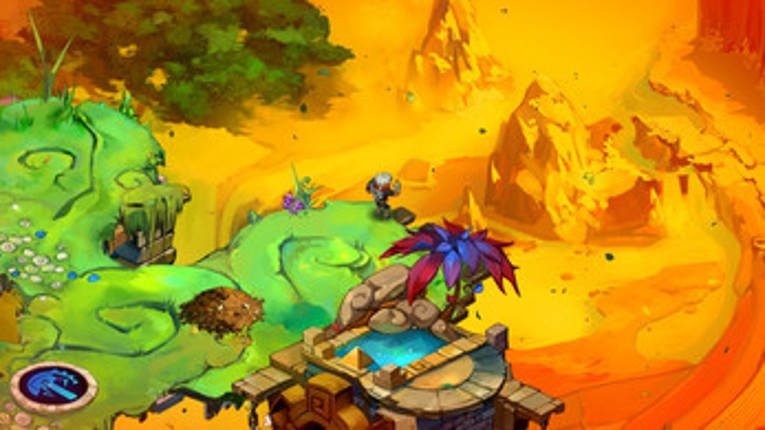
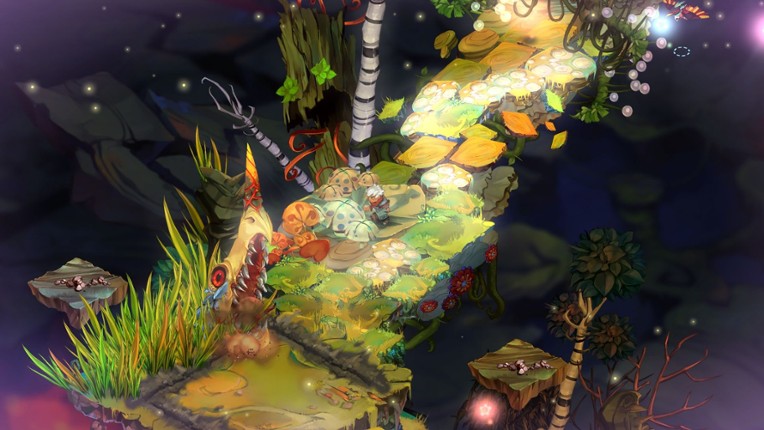
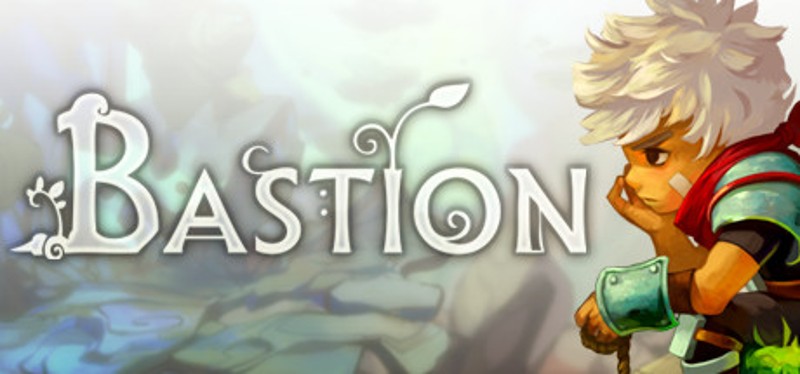
- 96%Game Brain ScoreMost mentioned positive aspects:story, musicMost mentioned negative aspects:grinding, stability96% User Score 34,090 reviewsWhile lacking the expansive metroidvania scope, this title mirrors the haunting atmosphere through its reactive, dynamic narration and isometric combat. If you enjoyed this game, see our list of games similar to Bastion.View Game
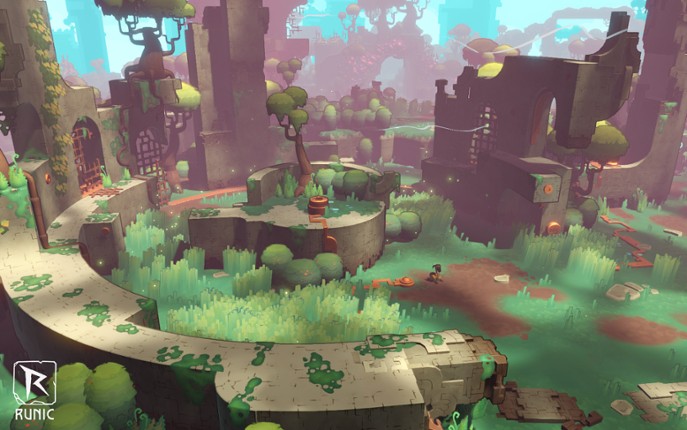
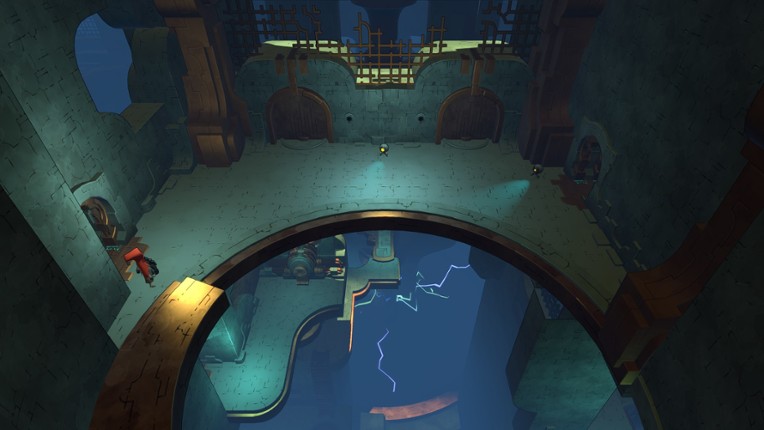
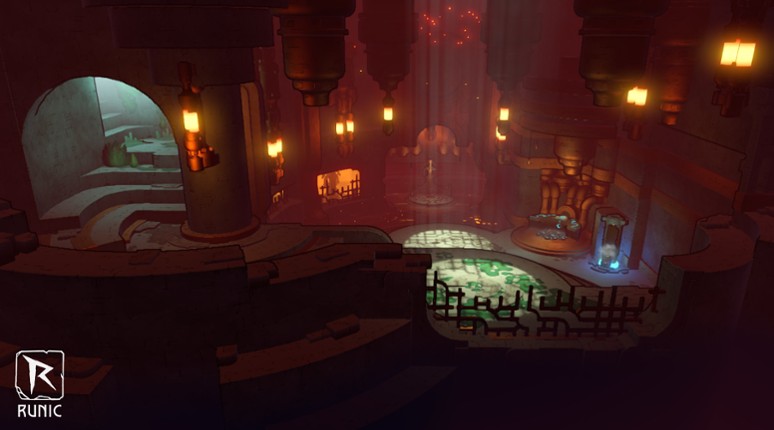
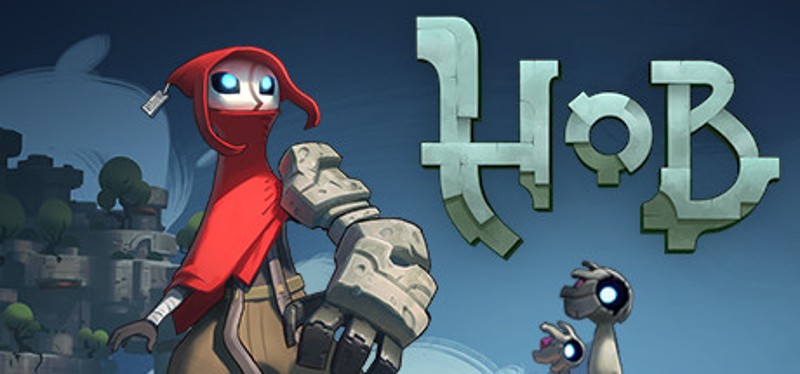
- 80%Game Brain ScoreMost mentioned positive aspects:story, graphicsMost mentioned negative aspects:stability, optimization89% User Score 3,530 reviewsCritic Score 71%34 reviewsFocuses on the quiet sense of discovery and environmental storytelling, swapping challenging combat for tactile, puzzle-filled traversal through ancient, decaying ruins. If you enjoyed this game, see our list of games similar to Hob.View Game
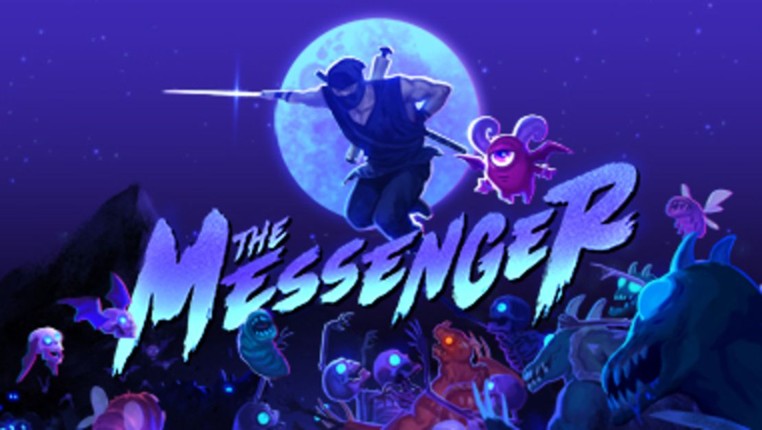
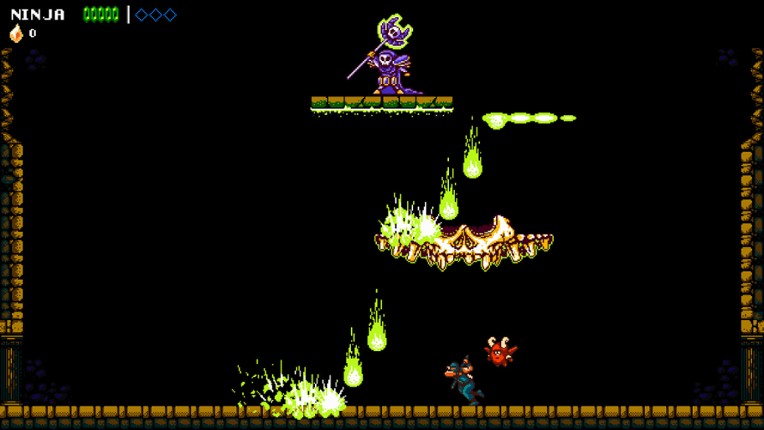
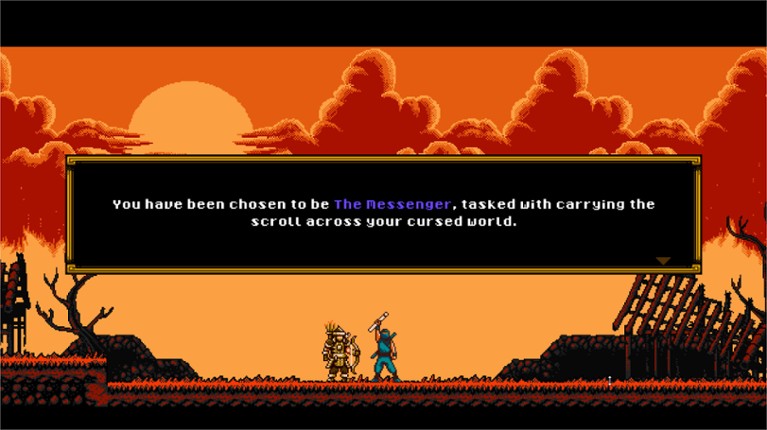
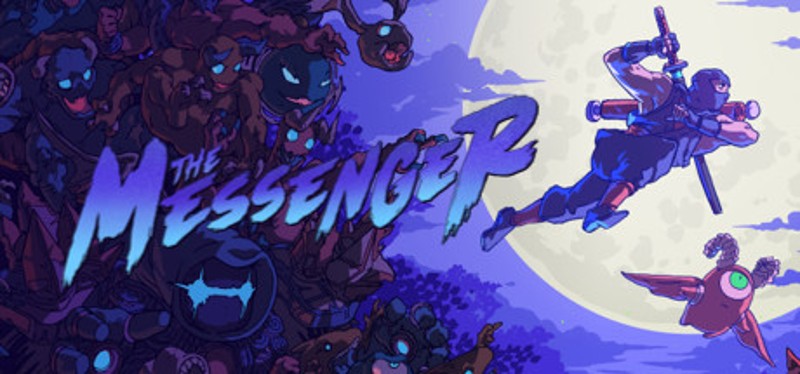
- 93%Game Brain ScoreMost mentioned positive aspects:music, gameplayMost mentioned negative aspects:grinding, optimization93% User Score 8,102 reviewsThe Messenger swaps Hollow Knight’s solemn tone for comedic, time‑shifting platforming, where a chatty ninja’s epic quest unfolds with witty dialogue and retro charm. If you enjoyed this game, see our list of games similar to The Messenger.View Game
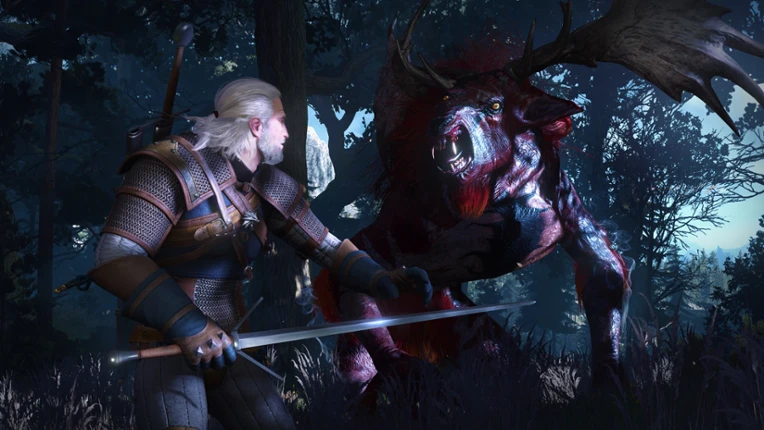
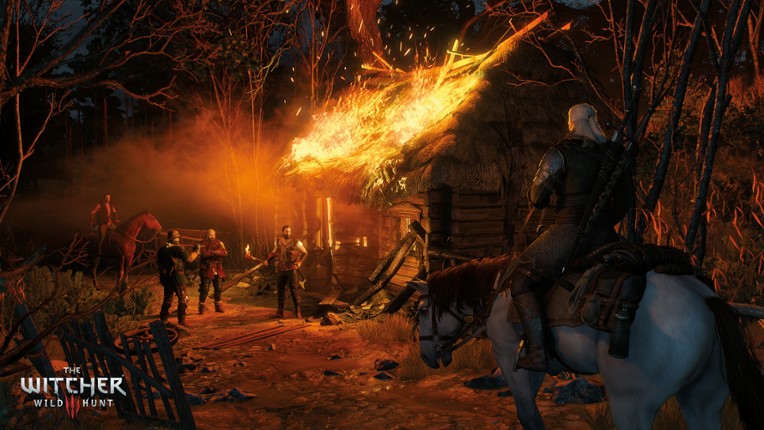
41 View Game 95%Game Brain ScoreMost mentioned positive aspects:story, graphicsMost mentioned negative aspects:stability, grinding97% User Score 245,794 reviewsCritic Score 92%8 reviewsShifts from tight 2D exploration to a sprawling open-world RPG rich in mature storytelling and complex moral choices. If you enjoyed this game, see our list of games similar to The Witcher 3: Wild Hunt.View Game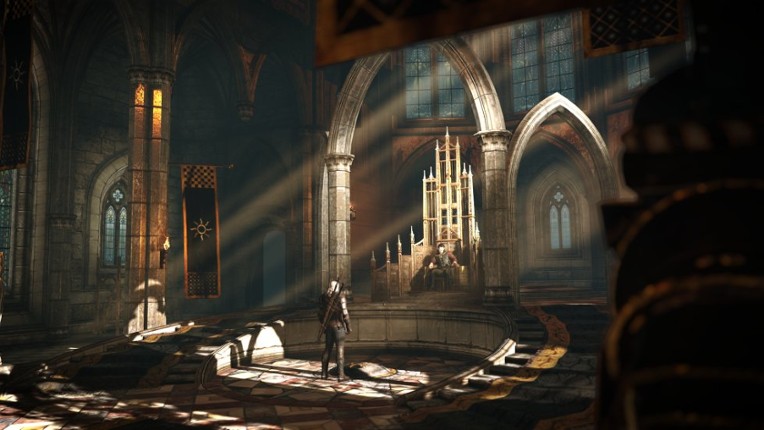
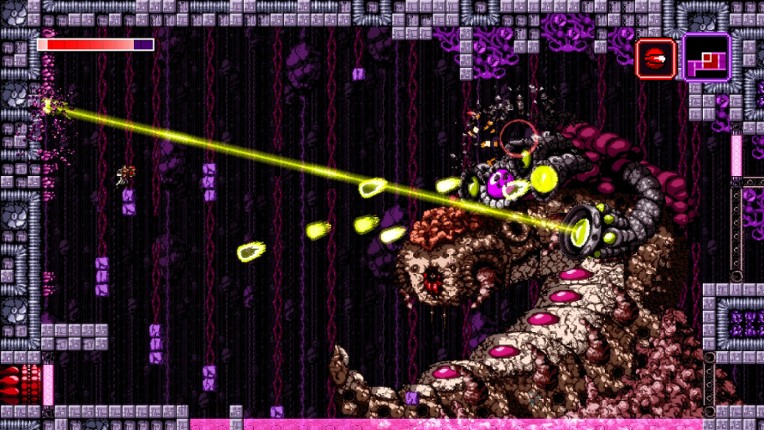
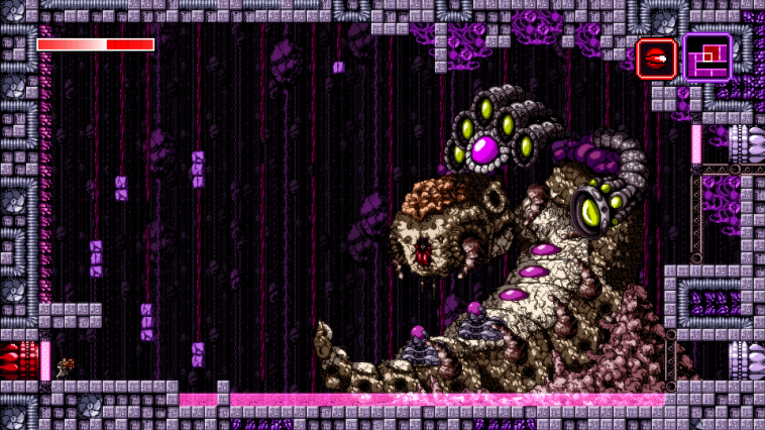
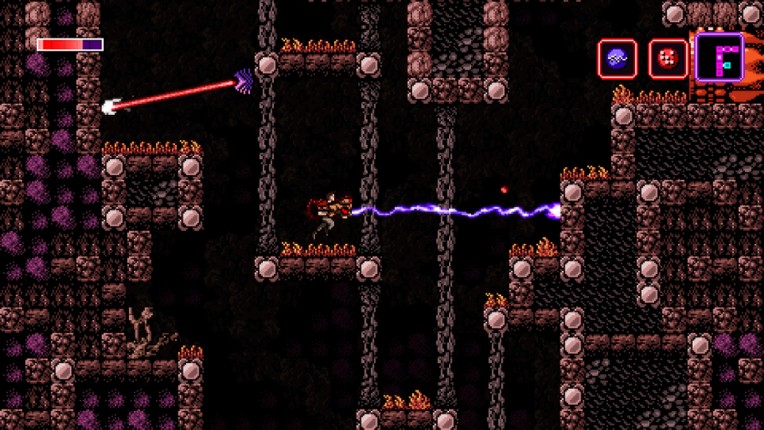
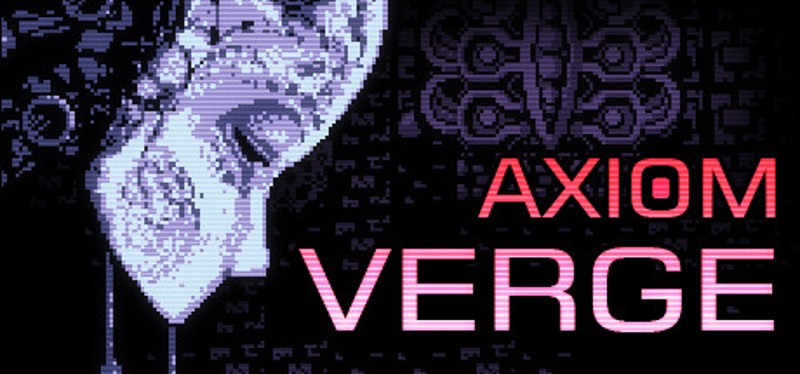
- 87%Game Brain ScoreMost mentioned positive aspects:story, musicMost mentioned negative aspects:grinding, stability91% User Score 7,404 reviewsCritic Score 83%32 reviewsSwaps Hollow Knight’s organic art for pixelated cyberpunk visuals while maintaining metroidvania exploration with a sci-fi twist. If you enjoyed this game, see our list of games similar to Axiom Verge.View Game
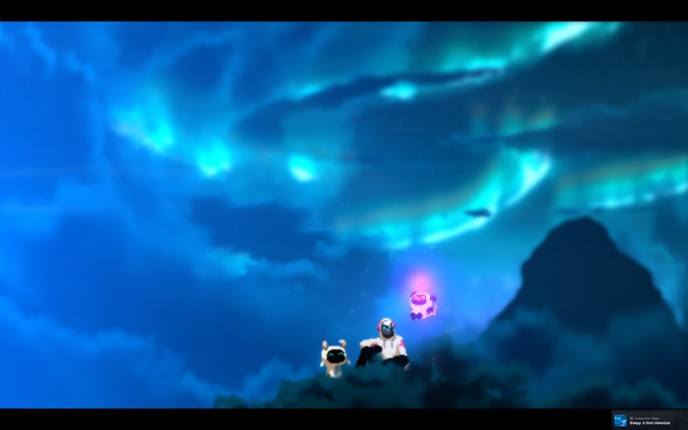
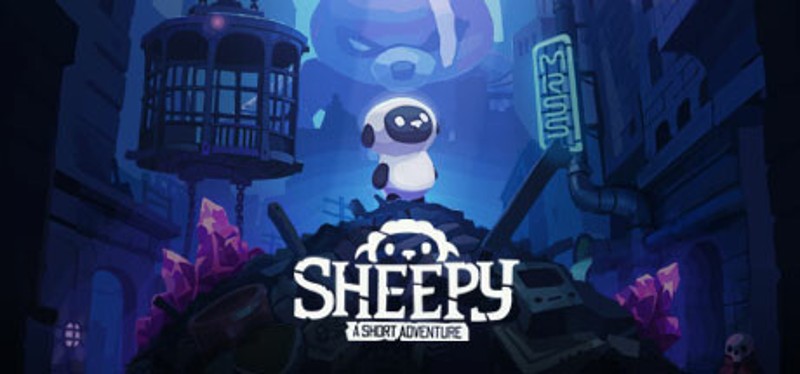
- 99%Game Brain ScoreMost mentioned positive aspects:music, storyMost mentioned negative aspects:optimization, grinding99% User Score 11,429 reviews
Sheepy: A Short Adventure is a short handcrafted pixel art platformer that follows Sheepy, an abandoned plushy brought to life. If you enjoyed this game, see our list of games similar to Sheepy: A Short Adventure.
View Game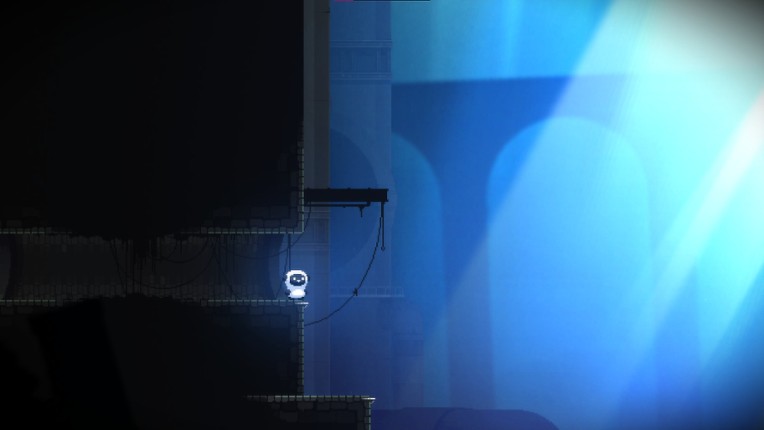
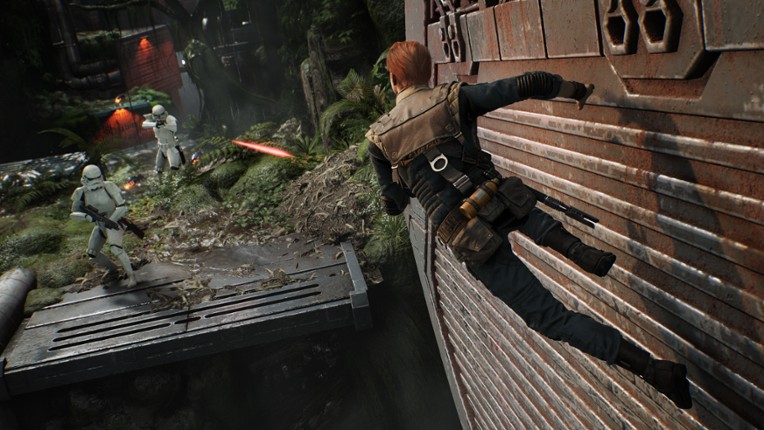
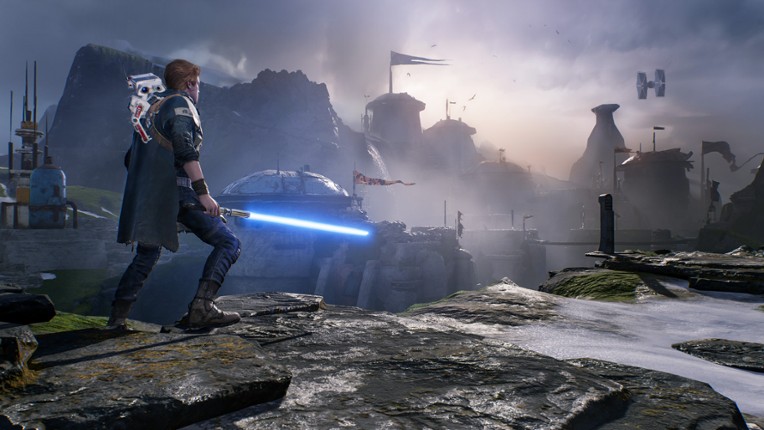
44 View Game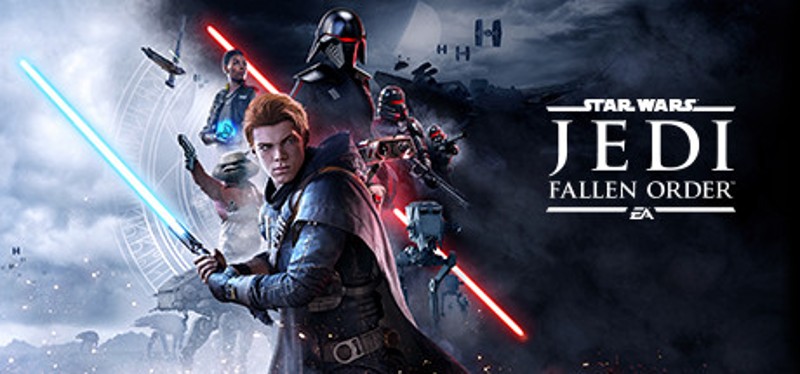 86%Game Brain ScoreMost mentioned positive aspects:story, gameplayMost mentioned negative aspects:optimization, stability89% User Score 146,030 reviewsCritic Score 82%10 reviewsBorrows Hollow Knight's metroidvania bones and souls-like difficulty but translates them into third-person lightsaber combat across cinematic Star Wars locations. If you enjoyed this game, see our list of games similar to Star Wars Jedi Fallen Order.View Game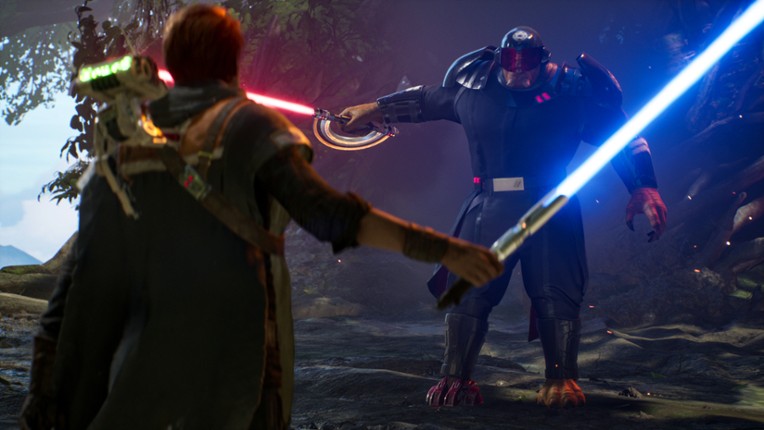
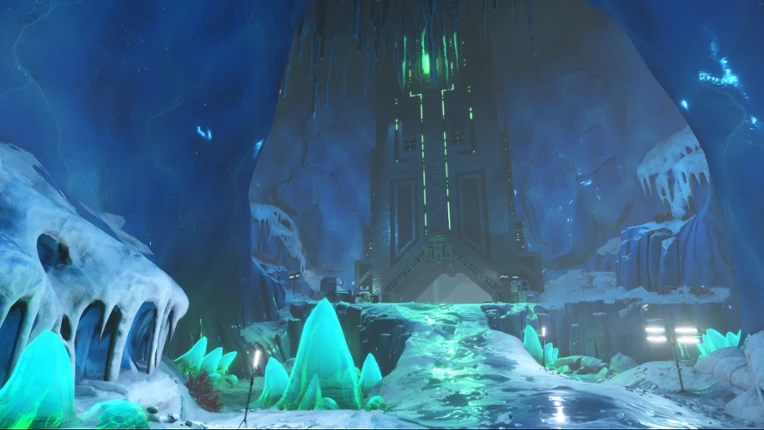
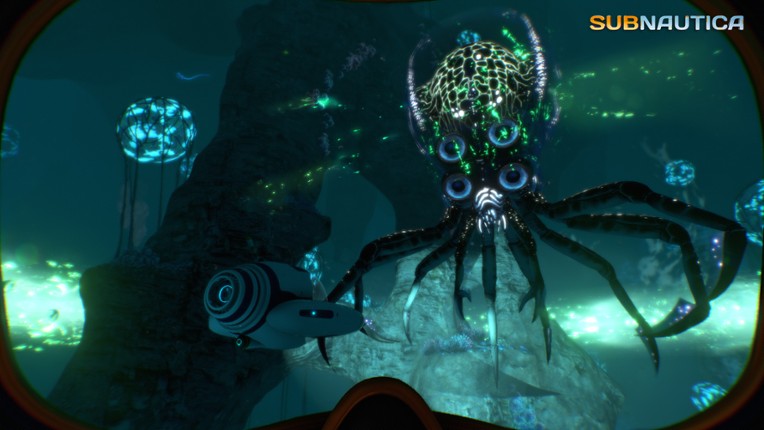
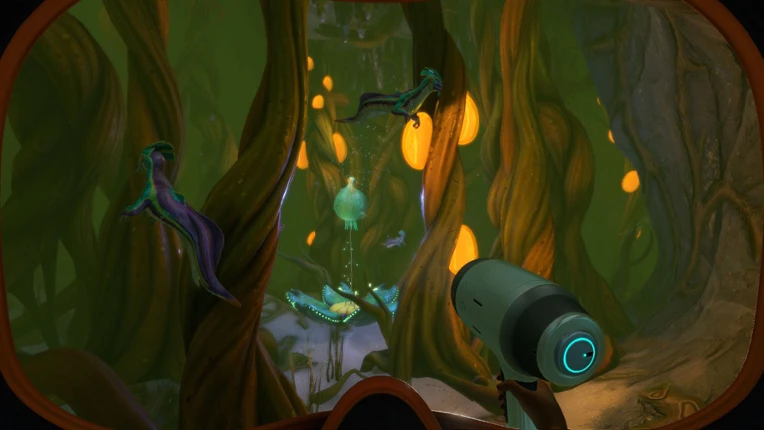
- 87%Game Brain ScoreMost mentioned positive aspects:story, graphicsMost mentioned negative aspects:stability, grinding97% User Score 188,796 reviewsCritic Score 77%12 reviewsThough sharing the focus on deep, atmospheric discovery, this experience prioritizes survival and base-building over the combat-centric loop of Hallownest. If you enjoyed this game, see our list of games similar to Subnautica.View Game
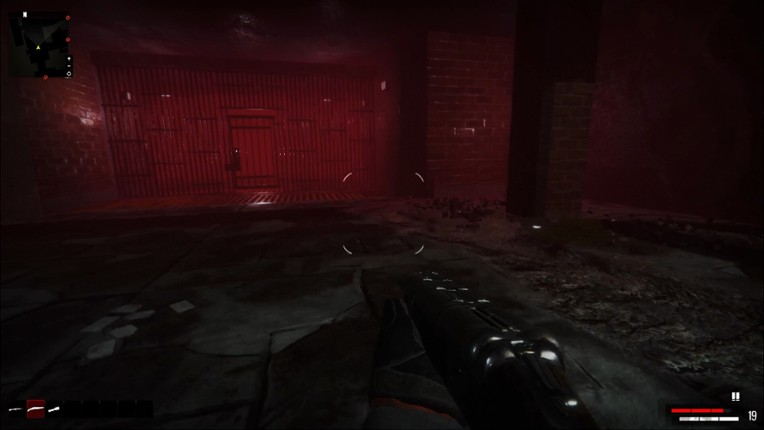
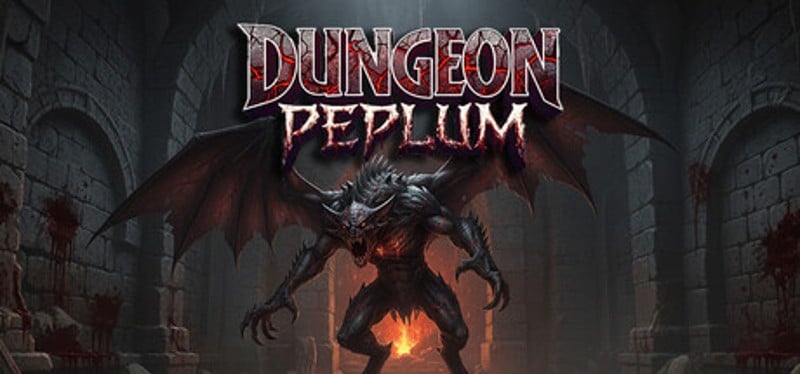
- 85%Game Brain ScoreMost mentioned positive aspects:gameplay, musicMost mentioned negative aspects:stability, grinding85% User Score 1,145 reviewsOffering only a loose, distilled connection to the genre, this minimalist indie experience focuses purely on brief, arcade-style dungeon traversal. If you enjoyed this game, see our list of games similar to Dungeon Peplum.View Game
47 View Game
 97%Game Brain ScoreMost mentioned positive aspects:story, musicMost mentioned negative aspects:grinding, stability97% User Score 124,463 reviewsLoosely connected through fantasy and challenging combat, this turn-based tactical game abandons real-time action for strategic party-based battles. If you enjoyed this game, see our list of games similar to Clair Obscur: Expedition 33.View Game
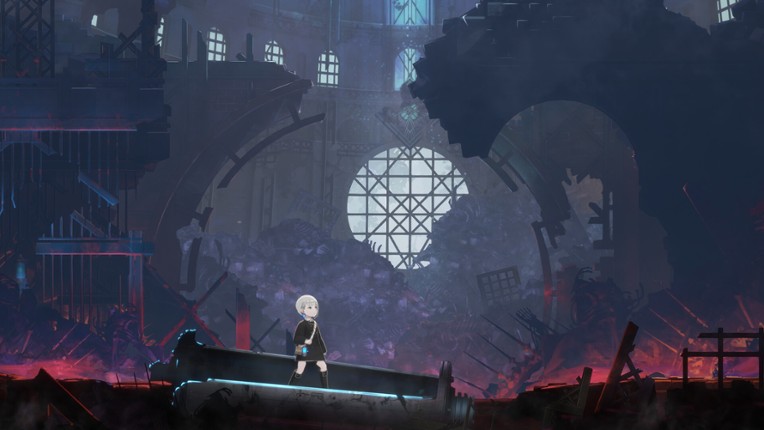
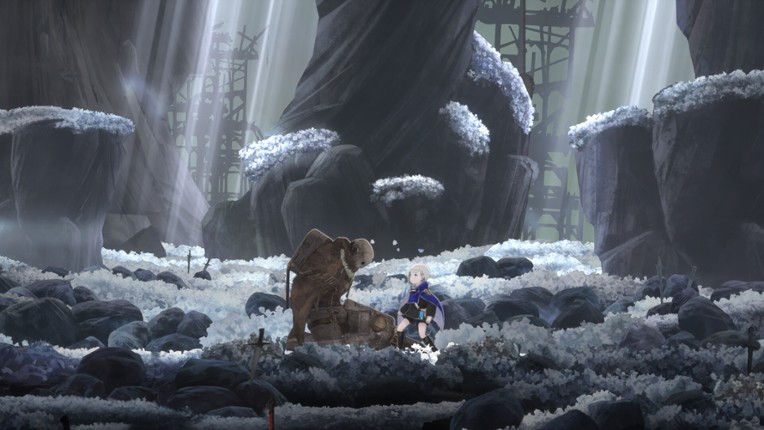
48 View Game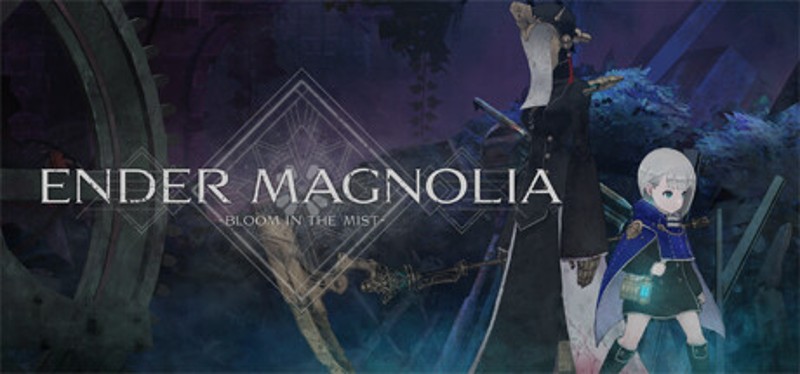 97%Game Brain ScoreMost mentioned positive aspects:music, storyMost mentioned negative aspects:grinding, replayability97% User Score 4,578 reviewsCritic Score 92%1 reviewsMixes Hollow Knight’s souls-like action and dark fantasy with a female protagonist and a pronounced anime aesthetic. If you enjoyed this game, see our list of games similar to ENDER MAGNOLIA: Bloom in the Mist.View Game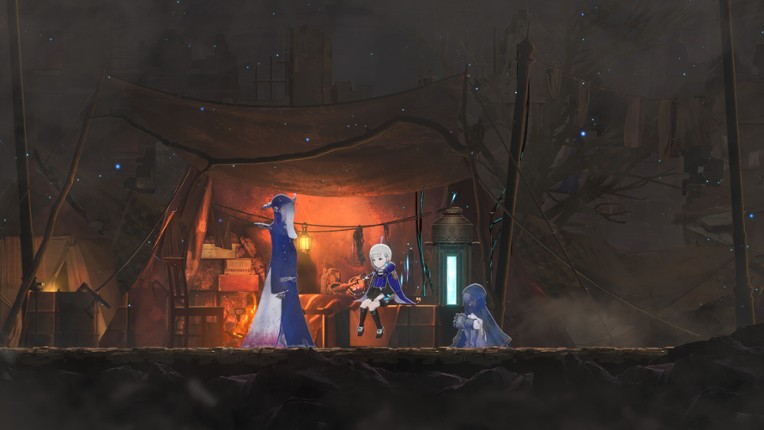
49 View Game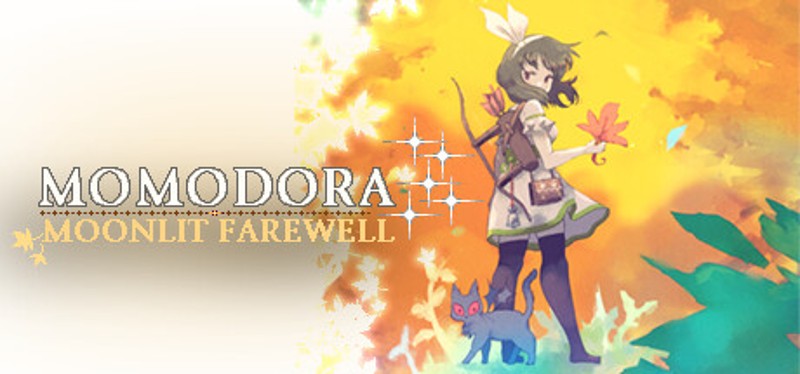 88%Game Brain ScoreMost mentioned positive aspects:story, musicMost mentioned negative aspects:grinding94% User Score 1,814 reviewsCritic Score 82%8 reviews
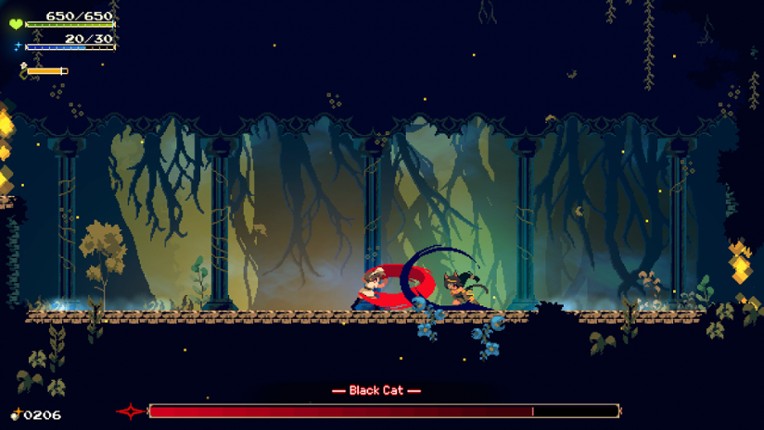
Join Momo, High Priestess of the village of Koho, as she embarks on a divine mission to save her people from imminent destruction at the hands of the demon hordes summoned by a malevolent bellringer. If you enjoyed this game, see our list of games similar to Momodora: Moonlit Farewell.
View Game
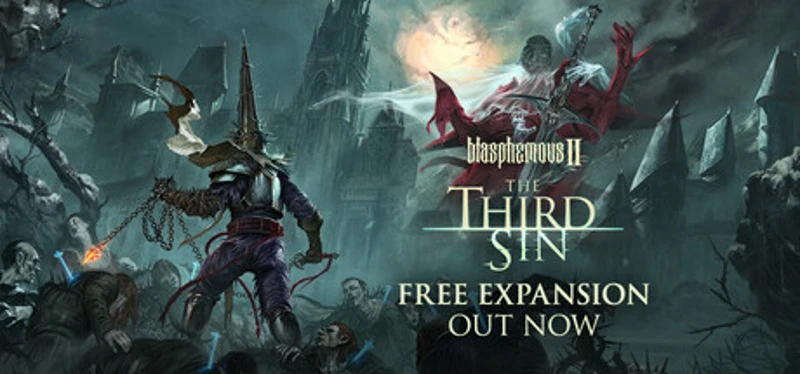
- 88%Game Brain ScoreMost mentioned positive aspects:gameplay, storyMost mentioned negative aspects:grinding, stability91% User Score 6,699 reviewsCritic Score 85%48 reviews
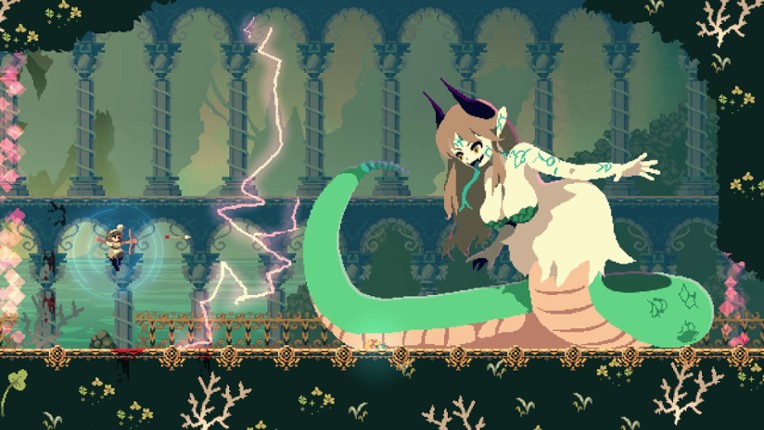
Penance Never Ends If you enjoyed this game, see our list of games similar to Blasphemous 2.
View Game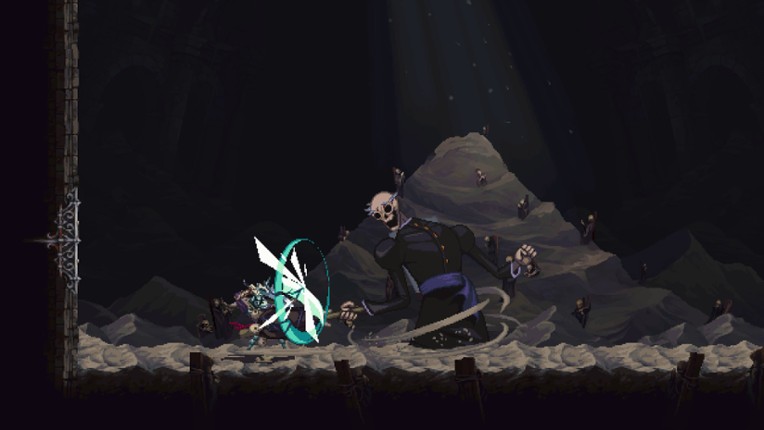


 View Game

















Frequently Asked Questions
Hollow Knight: Silksong is the direct sequel with identical fluid mechanics and hand-drawn art. Ori and the Will of the Wisps offers stunning 2D platforming with emotional storytelling. Blasphemous delivers gothic metroidvania action with pixel-perfect combat. All three maintain the atmospheric exploration and tight controls that define Hollow Knight.
ELDEN RING and Sekiro: Shadows Die Twice provide punishing, rewarding combat in larger worlds. Dark Souls III offers similar difficulty with multiplayer options. Blasphemous gives you souls-like 2D combat with religious gothic theming. Each demands mastery of timing and patterns like Hollow Knight.
Dead Cells eliminates tedious backtracking through procedurally generated levels and roguelite structure. Each run feels fresh with new weapon combinations. Ori and the Will of the Wisps streamlines exploration with faster traversal abilities. ELDEN RING provides multiple paths forward, reducing forced grinding compared to traditional souls-likes.
Hollow Knight: Silksong uses the same gorgeous hand-drawn aesthetic. Blasphemous showcases stunning pixel graphics with gothic detail. Ender Lilies: Quietus of the Knights features captivating hand-drawn visuals with melancholic atmosphere. Ori and the Will of the Wisps combines watercolor art with fluid animation for breathtaking beauty.
Sekiro: Shadows Die Twice and Dark Souls III deliver haunting scores with dark, mature storytelling. Ender Lilies: Quietus of the Knights pairs a melancholic soundtrack with somber hand-drawn visuals and emotional depth. Blasphemous complements its gothic horror with a memorable, unsettling score throughout exploration.
Dead Cells is an affordable indie metroidvania with excellent replay value. Ender Lilies: Quietus of the Knights is a budget-friendly indie title with souls-like mechanics. Ori and the Will of the Wisps offers exceptional value for its stunning presentation. All three avoid Hollow Knight's criticism by providing complete experiences without grinding-focused design.