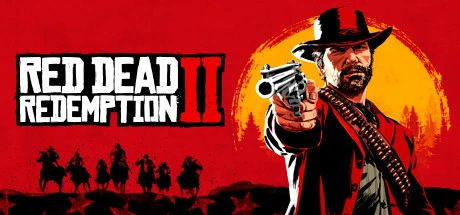


Games like Red Dead Redemption 2
If Red Dead Redemption 2 has left a permanent mark on you — the kind where you still think about Arthur Morgan's arc months later — you're not alone, and you're in the right place. The search for games like Red Dead Redemption 2 is really a search for something very specific: a sprawling open world that takes storytelling seriously, wraps it in a rich atmosphere, and trusts you to slow down and live inside it. The good news is that several games come remarkably close.
What sets Red Dead Redemption 2 apart is its rare combination of cinematic, story-driven open-world design with grounded, realistic systems — horseback travel, hunting, dynamic weather, and a cast of characters who feel genuinely alive. It's a third-person sandbox that rewards patience and presence over raw action. Players aren't just completing missions; they're inhabiting a world with emotional weight, a haunting soundtrack, and a narrative about loyalty and mortality that earns every one of its hours.
What Makes a Good Alternative to Red Dead Redemption 2?
- Story-rich narrative with strong character development — RDR2's greatest achievement is Arthur Morgan's journey. The best alternatives offer protagonists and casts who evolve meaningfully, where the story feels personal rather than incidental to the gameplay.
- Atmospheric open worlds with deliberate pacing — RDR2 rewards slowing down and absorbing the environment. Good alternatives build worlds that feel alive through dynamic details, weather, and ambient storytelling rather than just checklist content.
- Mature themes and emotional depth — Violence, drama, and moral complexity are central to RDR2's tone. Alternatives that handle these themes with seriousness rather than spectacle tend to resonate with the same audience.
- Third-person or first-person perspective with grounded traversal — Whether on horseback, motorbike, or foot, RDR2 keeps you physically connected to its world. Games that maintain that tactile sense of movement through their environments share a similar feel.
- Sandbox freedom within a structured narrative — RDR2 balances a tightly written story with the freedom to hunt, explore, and interact organically. The best alternatives don't force a choice between story and open-world freedom.
Top Picks If You Enjoyed Red Dead Redemption 2
The Witcher 3: Wild Hunt matches RDR2's depth of storytelling and world-building beat for beat. Cyberpunk 2077 delivers a similarly cinematic RPG with powerful character work in a neon-soaked open world. Kingdom Come: Deliverance II shares RDR2's commitment to realism and mature narrative without a single microtransaction in sight. Ghost of Tsushima captures that same atmospheric beauty and emotional samurai storytelling. Red Dead Redemption is the obvious companion piece — John Marston's story is essential.
Every recommendation below is ranked by similarity using real player data, so the closest matches appear first. Browse the full list to find your next obsession.
- 84%Game Brain ScoreMost mentioned positive aspects:story, gameplayMost mentioned negative aspects:stability, grinding92% User Score 11,530 reviewsCritic Score 77%13 reviews
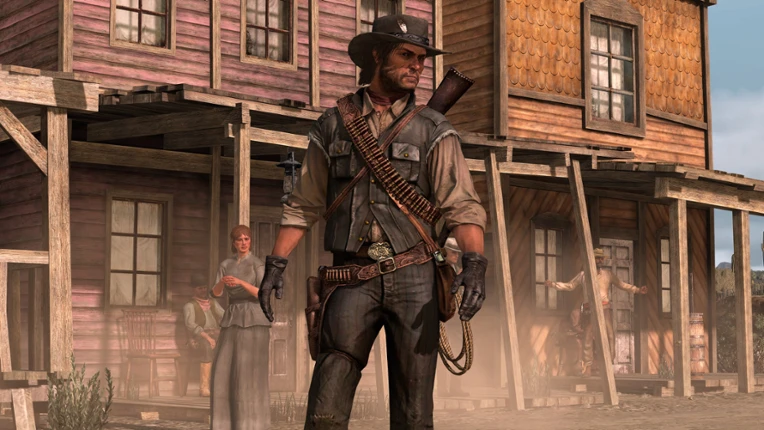
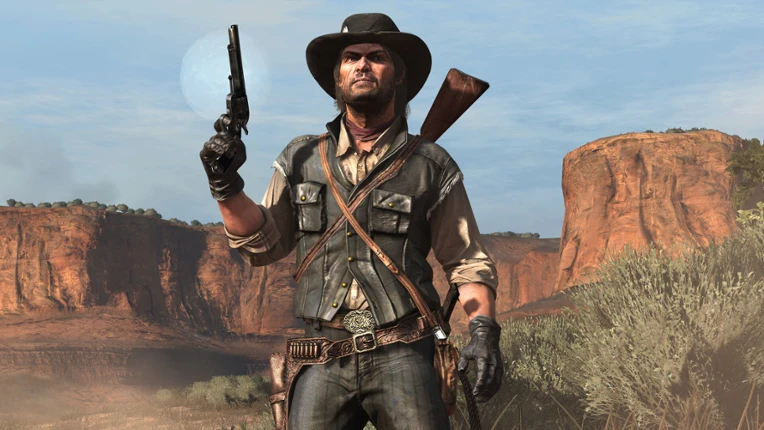
Riding across the frontier, pausing for strangers, hunting, gambling, and then stumbling into a gunfight is the core loop that makes Red Dead Redemption click for fans of Red Dead Redemption 2. It keeps that same slow-burn Western rhythm, where the world feels alive because your own choices between travel, side activities, and sudden chaos shape the pace.
The shared third-person shooting, atmospheric soundtrack, and story-rich narration carry the same Rockstar identity, but the older game trims the weight and gives you a leaner, more immediate version of the frontier. That tradeoff is refreshing: instead of RDR2’s deliberate pacing, every mission here moves with a sharper focus, so the momentum stays high while still leaving room for quiet exploration.
It also addresses one of RDR2’s common criticisms directly: where the sequel can feel drawn out, this game is tighter and less repetitive in its overall flow. Best for players who want classic Western storytelling with faster payoff and less friction.
If you enjoyed this game, see our list of games similar to Red Dead Redemption.View Game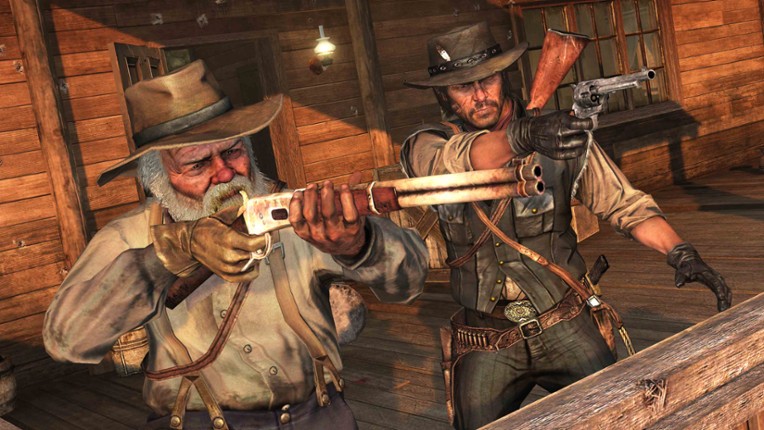
- 80%Game Brain ScoreMost mentioned positive aspects:story, gameplayMost mentioned negative aspects:stability, optimization88% User Score 381,061 reviewsCritic Score 72%51 reviews
Both games trap you in richly realized worlds where character-driven narratives unfold through extended roleplay rather than cutscene spectacle. You're not watching stories happen—you're inhabiting them across dozens of hours, making your protagonist feel like a person with stakes in the world.
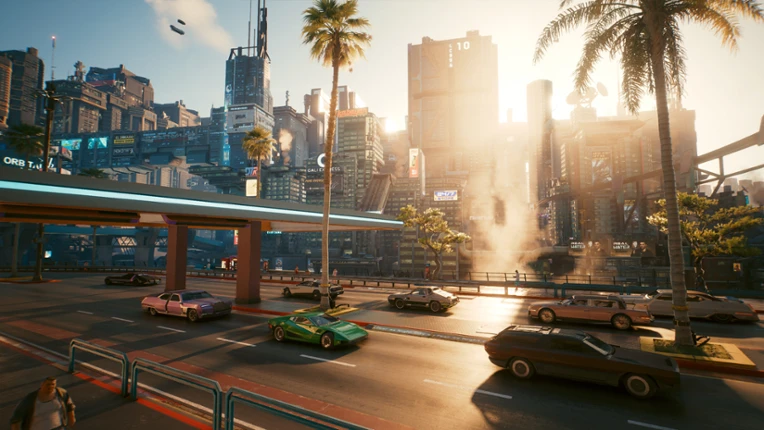
The atmospheric soundtrack and visual design anchor this immersion in fundamentally similar ways: Red Dead's haunting score and dusty vistas create dread and isolation, while Cyberpunk's neon-soaked Night City and industrial soundscape generate tension through sensory overload. Both deliberately pace their worlds to let you absorb environments rather than rush through them.
Where Red Dead stumbles with slow, deliberate mission pacing, Cyberpunk pivots toward player agency—multiple approaches to objectives and varied playstyles mean repetition feels less inevitable. This addresses Red Dead fans' frustration with linear, on-rails mission design.
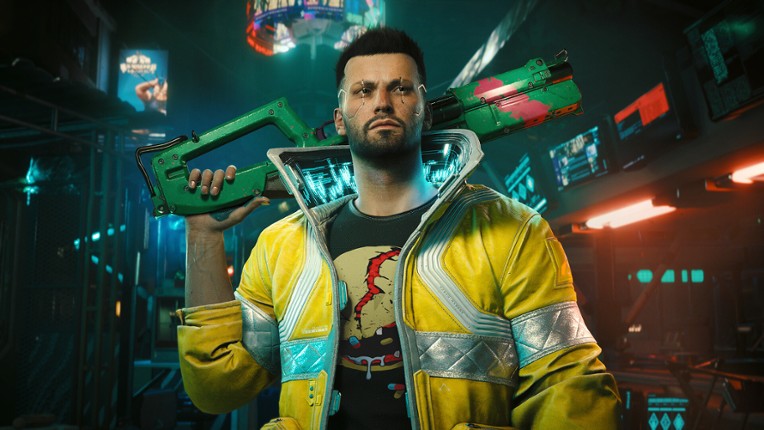
The trade-off: Cyberpunk emphasizes choice-driven replayability over Arthur Morgan's singular, character-arc focus. You customize your V rather than inhabit a predetermined legend—a shift from narrative inevitability to personal agency.
Best for Red Dead players who crave the atmospheric, character-heavy foundation but felt constrained by predetermined outcomes and want their decisions to reshape the story's direction.
If you enjoyed this game, see our list of games similar to 赛博朋克 2077.View Game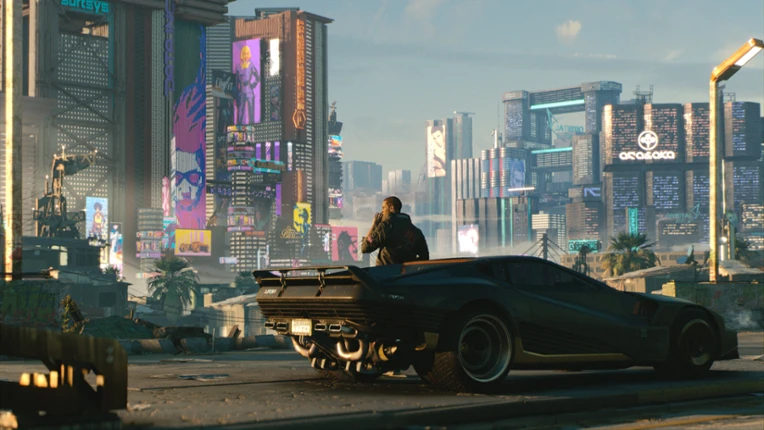
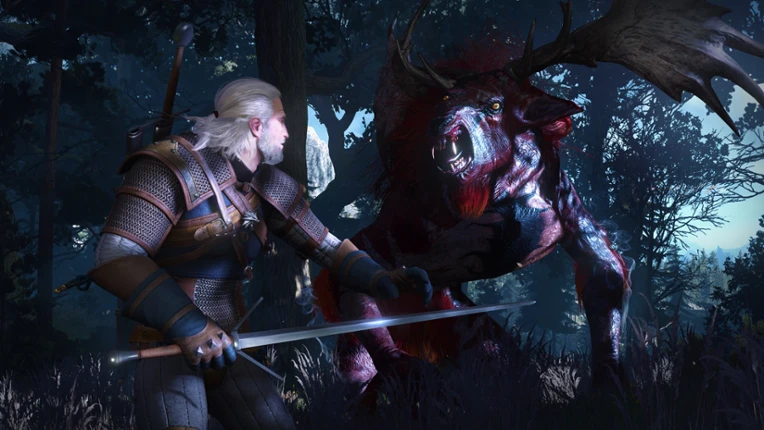
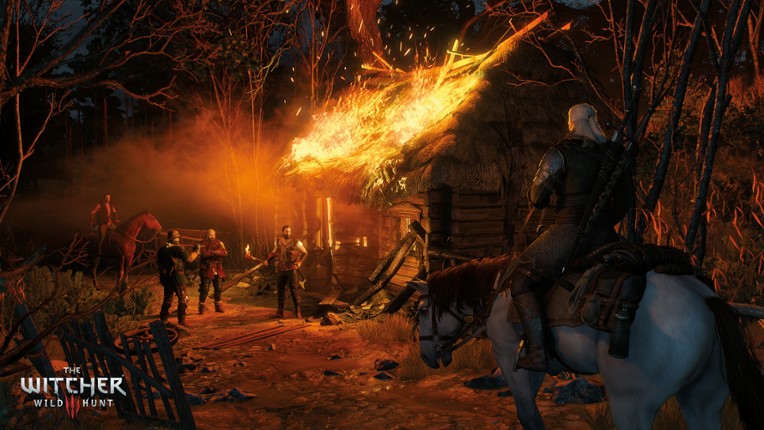
- 95%Game Brain ScoreMost mentioned positive aspects:story, graphicsMost mentioned negative aspects:stability, grinding97% User Score 245,794 reviewsCritic Score 92%8 reviews
Navigating a vast wilderness as a weary, seasoned protagonist whose way of life is fading provides a tangible connection between these two titles. Whether tracking prey or managing your mount, the deliberate physical presence of the main character anchors you firmly within the environment.
The mature, character-driven scripts ensure that small interactions carry the weight of personal history, mirroring the ensemble depth of the Van der Linde gang. This creates a shared feeling of consequence because the writing treats every stranger as a person with distinct motivations. Both experiences rely on haunting, atmospheric music to define lonely stretches of travel.
While RDR2 is often critiqued for its rigid, linear mission designs, this journey offers a fresh angle through branching narrative agency. You can finally escape the restrictive mission paths that punish player creativity, as this world adapts its plot to accommodate your specific choices.
Best for players who value narrative reactivity and moral ambiguity over simulation-heavy realism.
If you enjoyed this game, see our list of games similar to The Witcher 3: Wild Hunt.View Game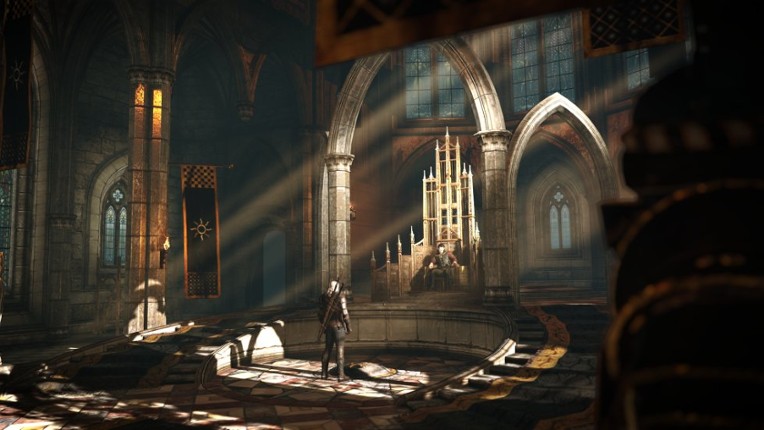
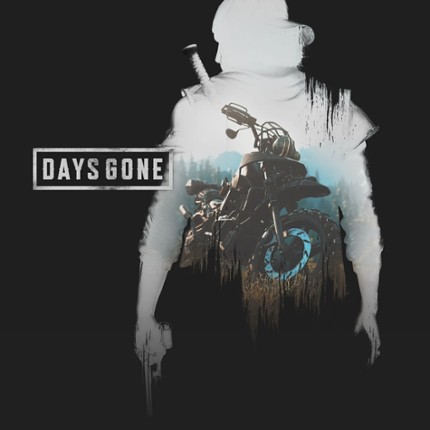
- 83%Game Brain ScoreMost mentioned positive aspects:story, gameplayMost mentioned negative aspects:stability, grinding92% User Score 48,987 reviewsCritic Score 73%12 reviews
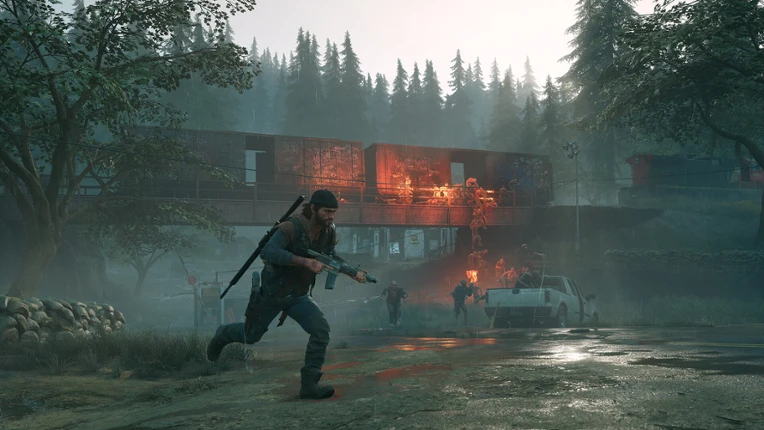
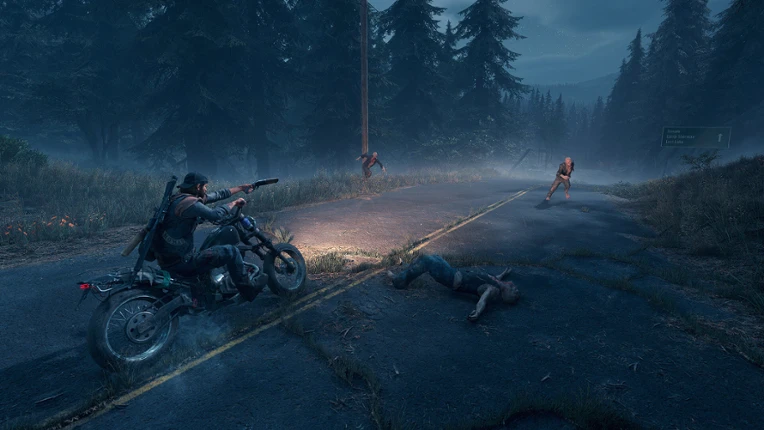
The strongest bond between these titles is the deep emotional weight attached to your primary method of traversal. Whether you are bonding with your horse or upgrading your motorcycle, both games force you to treat your vehicle as a persistent partner rather than a disposable tool.
This connection is bolstered by a lived-in open world, which grounds the narrative in a tangible, decaying landscape. It transforms simple travel from a transition state into a core component of the character study.
The primary trade-off is the shift from a methodical Western drama to a frantic, systemic survival loop against hordes. You lose Arthur Morgan’s slow-burn pacing for the adrenaline-fueled tension of zombie-infested exploration.
Pick this up if you want a high-stakes character journey but can live without a polished, bug-free experience.
If you enjoyed this game, see our list of games similar to Days Gone.View Game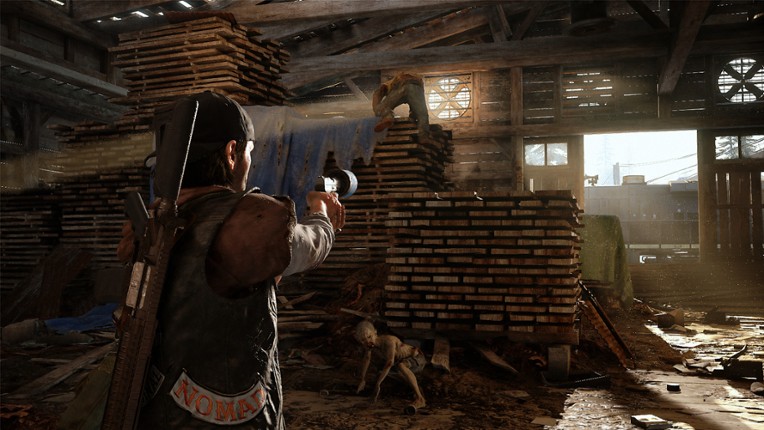
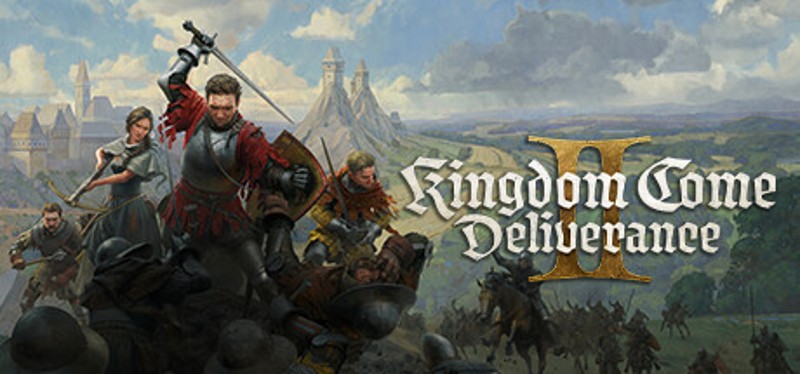
- 94%Game Brain ScoreMost mentioned positive aspects:story, gameplayMost mentioned negative aspects:stability, grinding94% User Score 73,949 reviews
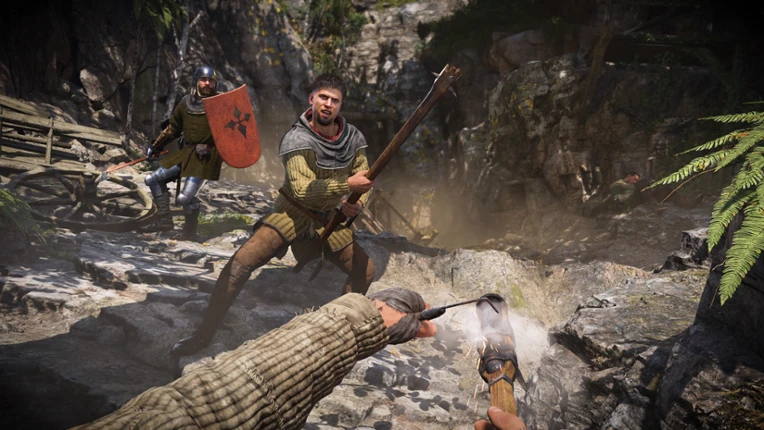
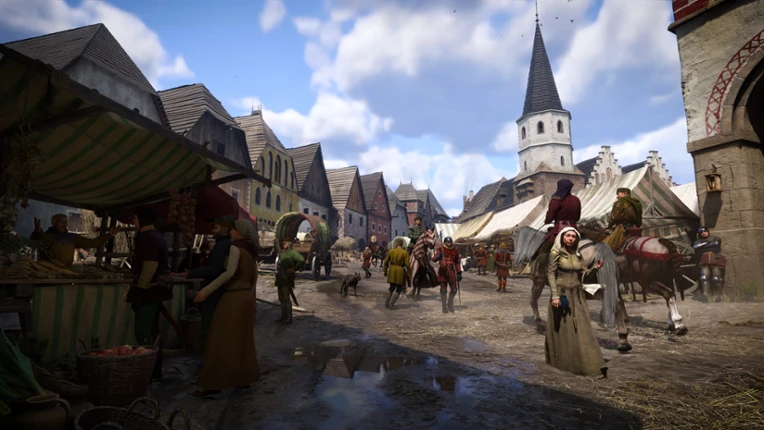
Kingdom Come: Deliverance II shares Red Dead Redemption 2's commitment to a realistic, story-rich first-person experience, grounding players in a meticulously crafted world. Both emphasize mature narratives and atmospheric settings that demand player attention and investment.
Its detailed RPG mechanics and absence of microtransactions deliver a pure gameplay experience, free from the grind and monetization issues that burden Red Dead Online. However, Kingdom Come’s medieval combat feels clunky and the slower pacing may frustrate players seeking more fluid action.
Pick this up if you want a deep, historically grounded adventure with complex RPG systems but can live without Red Dead’s cinematic gameplay polish and tight control.
If you enjoyed this game, see our list of games similar to Kingdom Come: Deliverance II.View Game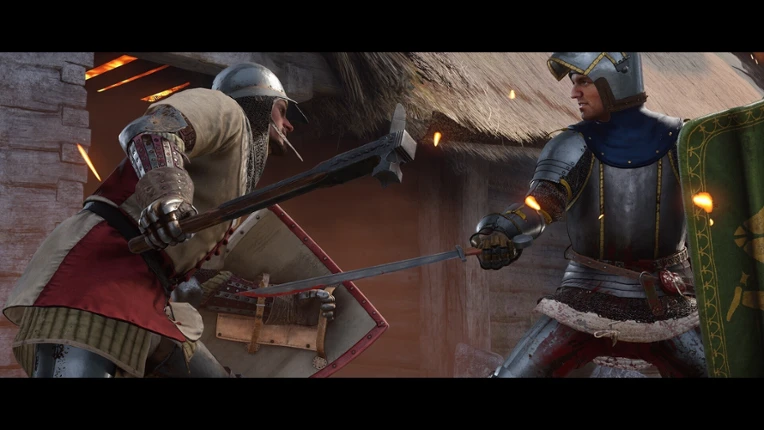
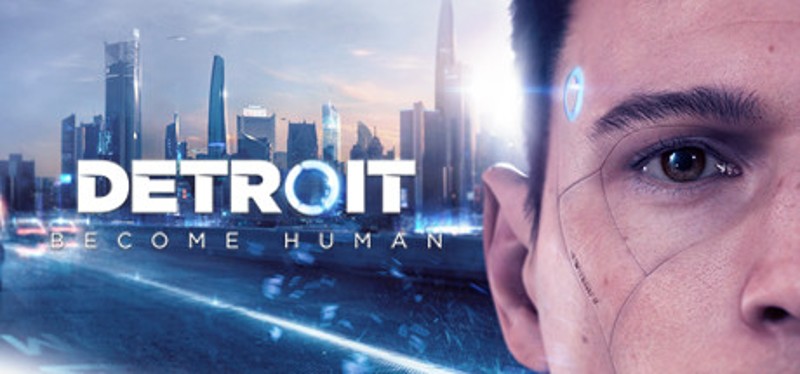
- 87%Game Brain ScoreMost mentioned positive aspects:story, graphicsMost mentioned negative aspects:grinding, stability95% User Score 66,027 reviewsCritic Score 79%49 reviews
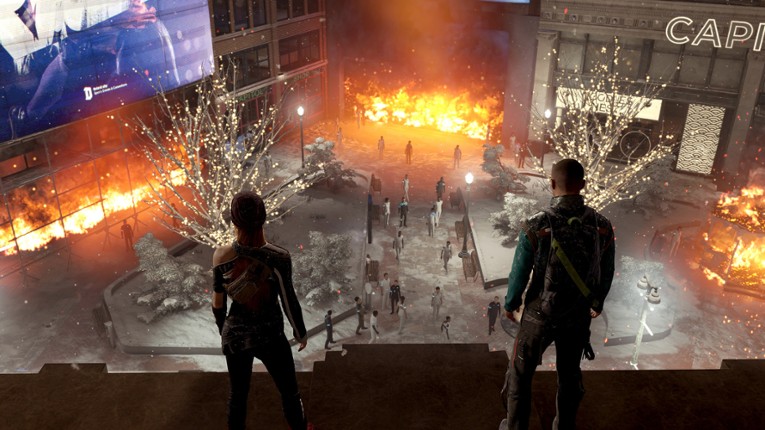
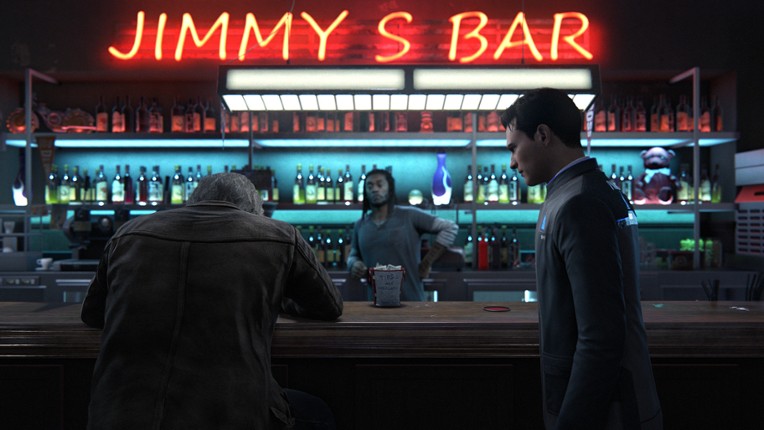
Both games share an unrelenting commitment to heavy, character-driven narratives where your choices carry immense emotional weight. You are consistently placed in the shoes of protagonists navigating profound moral dilemmas, which turns every mission into a high-stakes turning point for the story.
While Red Dead Redemption 2 relies on sandbox exploration and tactical shooting, Detroit: Become Human pivots to cinematic, choice-based decision trees. You trade the open-range freedom of the Wild West for the tight, branching consequences of a futuristic android revolution.
Pick this up if you crave top-tier, mature storytelling that prioritizes character arcs over complex mechanics, but be prepared to trade your gun for quick-time events and branching dialogue paths.
If you enjoyed this game, see our list of games similar to Detroit: Become Human.View Game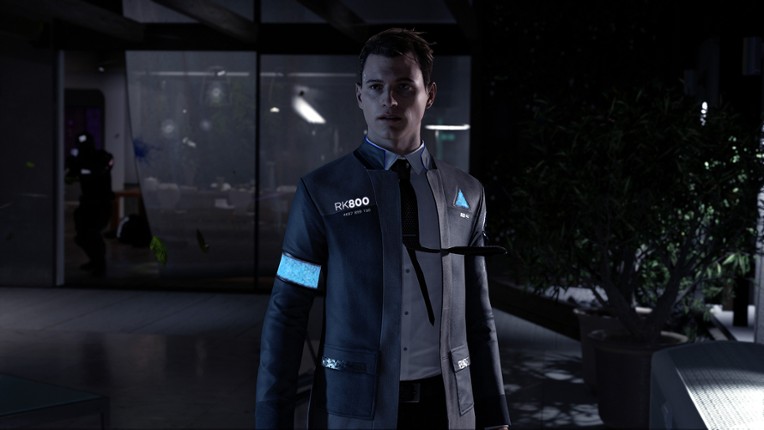
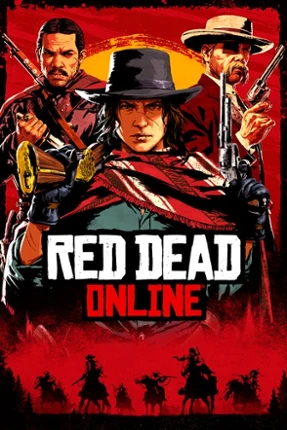
- 82%Game Brain ScoreMost mentioned positive aspects:story, graphicsMost mentioned negative aspects:grinding, stability82% User Score 26,075 reviews
Step into the vibrant, ever-evolving world of Red Dead Online and experience life across frontier America.Forge your own path as you battle lawmen, outlaw gangs and ferocious wild animals to build a life on the American frontier. Build a camp, ride solo or form a posse and explore everything from the snowy mountains in the North to the swamps of the South, from remote outposts to busy farms and bu… If you enjoyed this game, see our list of games similar to Red Dead Online.
View Game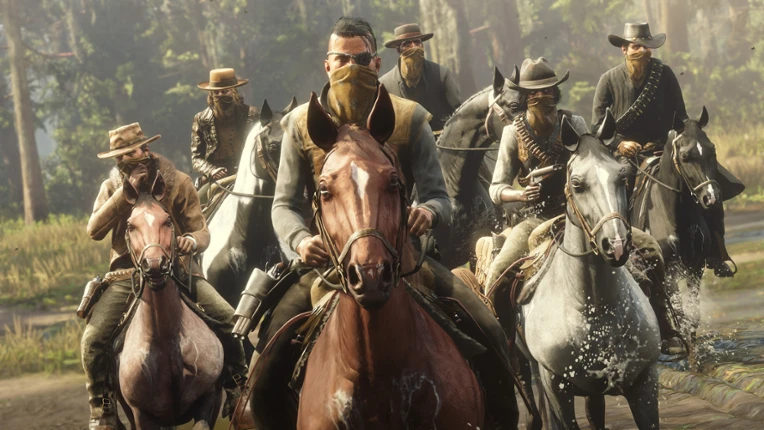
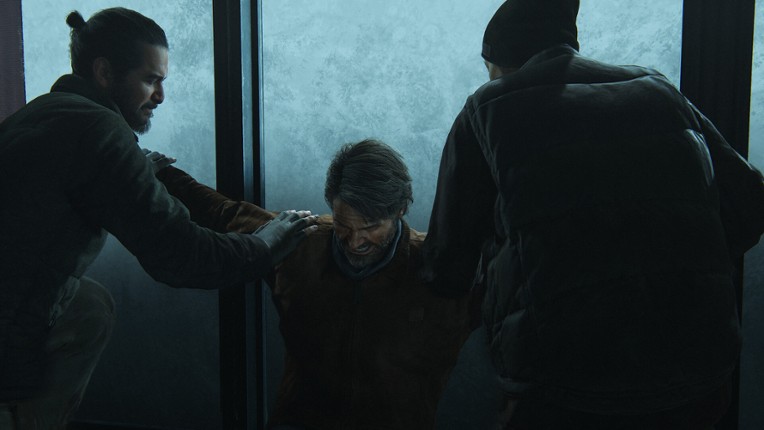
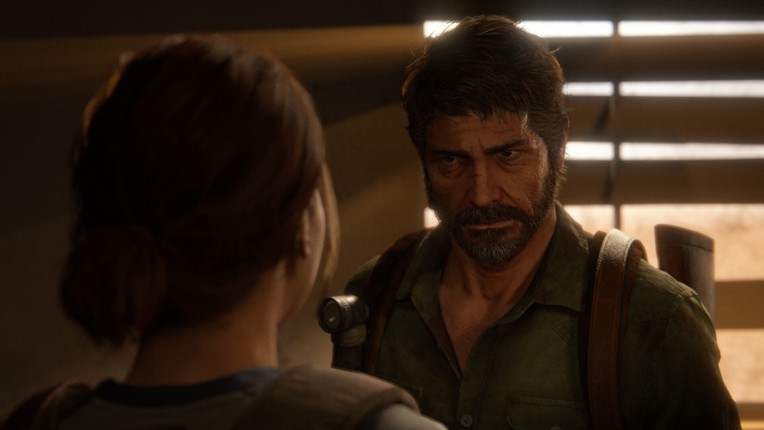
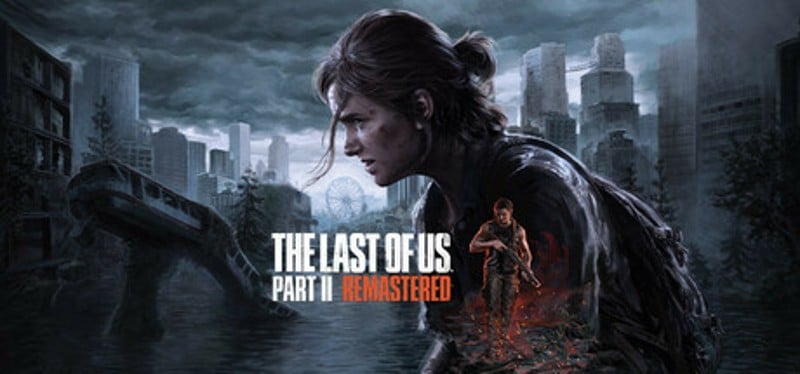
- 91%Game Brain ScoreMost mentioned positive aspects:story, gameplayMost mentioned negative aspects:stability, grinding91% User Score 20,190 reviewsThis narrative-focused experience shares the emotional weight of Arthur Morgan's journey but trades the vast, liberating plains for a linear, claustrophobic survival story. If you enjoyed this game, see our list of games similar to The Last of Us™ Part II Remastered.View Game
- 91%Game Brain ScoreMost mentioned positive aspects:story, graphicsMost mentioned negative aspects:stability, grinding94% User Score 51,832 reviewsCritic Score 88%35 reviews
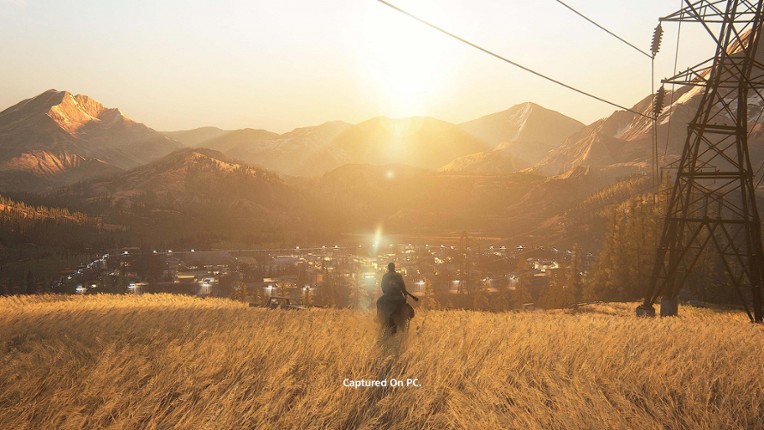
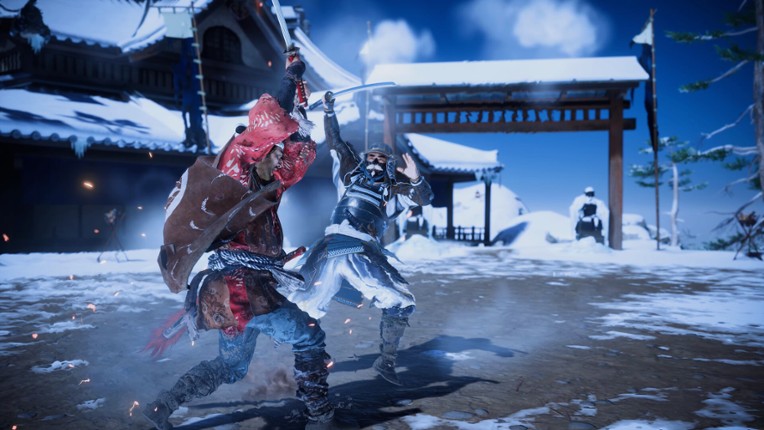
That feeling of riding across a vast, living landscape — stopping not because a waypoint demands it, but because the world itself earns your attention — is something Ghost of Tsushima understands deeply. Both games reward players who slow down, observe, and let atmosphere do the heavy lifting.
The most meaningful overlap is how both games use environmental storytelling and third-person presence to make you feel genuinely inhabiting a world rather than navigating a map. Ghost of Tsushima's wind mechanic replaces the minimap entirely, nudging you toward discovery the same way RDR2's ambient world details pull you off the main path. Both games also share emotionally grounded narratives built around a protagonist wrestling with identity and loyalty under pressure.
Where RDR2 can feel deliberately heavy — slow controls, deliberate pacing — Ghost of Tsushima trades that weight for fluid, responsive combat that rewards stylistic mastery. It's a meaningful shift, not a compromise.
If RDR2's sluggish moment-to-moment controls ever tested your patience, Ghost of Tsushima largely resolves that without sacrificing dramatic depth. Best for players who prioritize atmosphere and story but want sharper mechanical feedback.
If you enjoyed this game, see our list of games similar to Ghost of Tsushima.View Game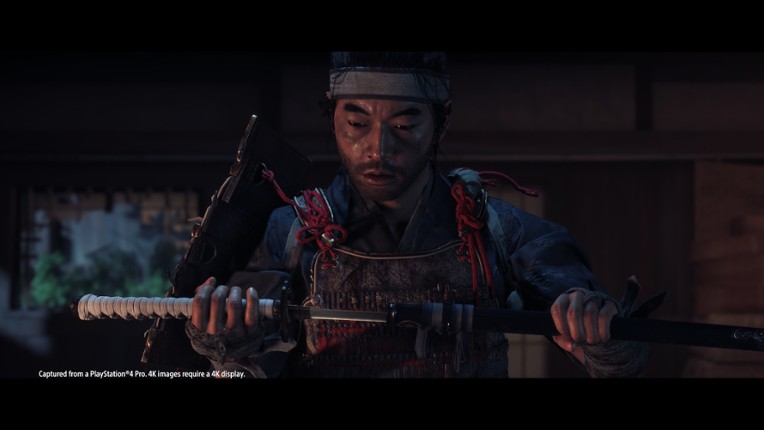

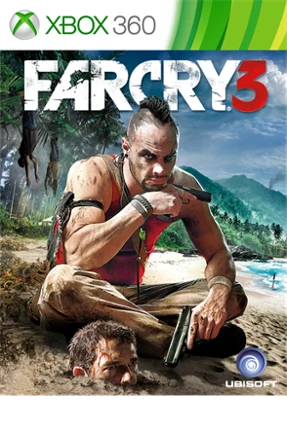
- 87%Game Brain ScoreMost mentioned positive aspects:story, gameplayMost mentioned negative aspects:optimization, stability85% User Score 43,609 reviewsCritic Score 89%8 reviews
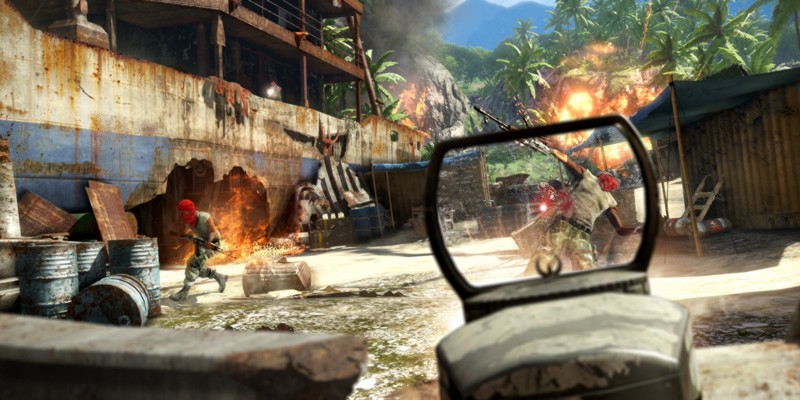
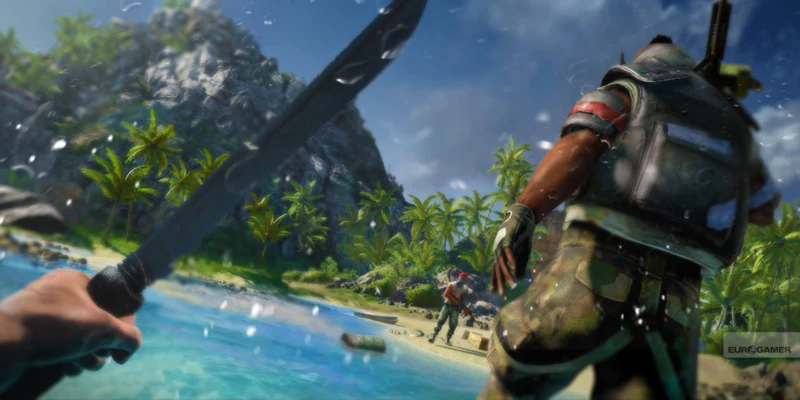
Both games share a player-driven exploration loop where the map itself becomes the main attraction. In RDR2, you're compelled to hunt legendary animals and discover random encounters; Far Cry 3 mirrors this with its radio towers and outpost liberation, rewarding curiosity with tangible progression. The difference is that Far Cry 3 delivers that dopamine hit faster—missions often wrap up in under ten minutes rather than dragging across a wide stretch of wilderness.
The narrative structure also overlaps more than you'd expect. Like Arthur Morgan's moral reckoning, Jason Brody undergoes a transformation arc that questions what survival costs a person's humanity. Both games let the story unfold through exploration rather than constant cutscenes, making discoveries feel earned. However, Far Cry 3 frames its storytelling through first-person immediacy—your hands, your weapons always in frame—creating a sense of personal stakes RDR2 achieves through cinematic third-person shots.
If RDR2's glacial pacing frustrated you, Far Cry 3 addresses that directly: missions are punchy and responsive, with fast travel and streamlined inventory management. The tradeoff is that depth suffers—characters outside the main cast feel less developed, and the world lacks RDR2's living, breathing detail. Still, for players craving that open-world fix without the methodical weight, it's a satisfying detour.
Best for: RDR2 fans who want to trade Western atmosphere for tropical chaos while keeping that sandbox freedom and character-driven story intact.
If you enjoyed this game, see our list of games similar to Far Cry 3.View Game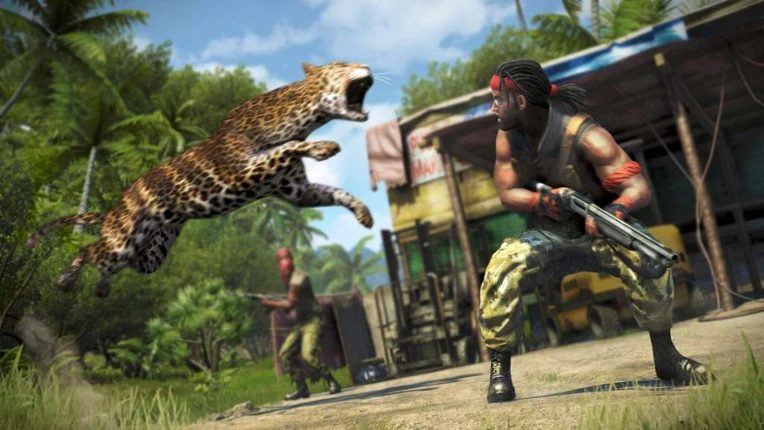
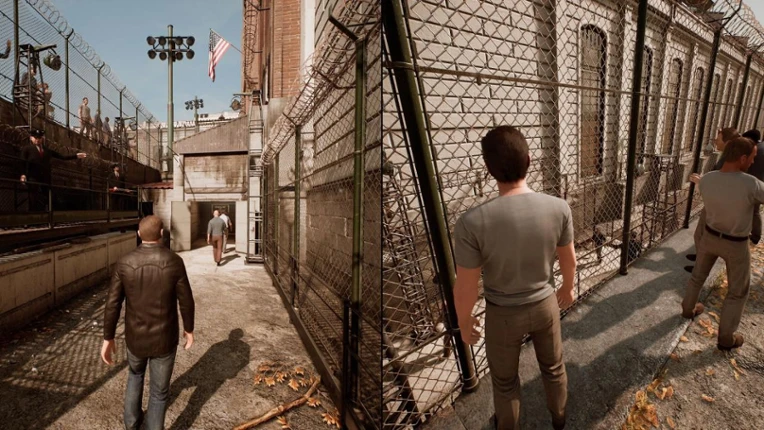
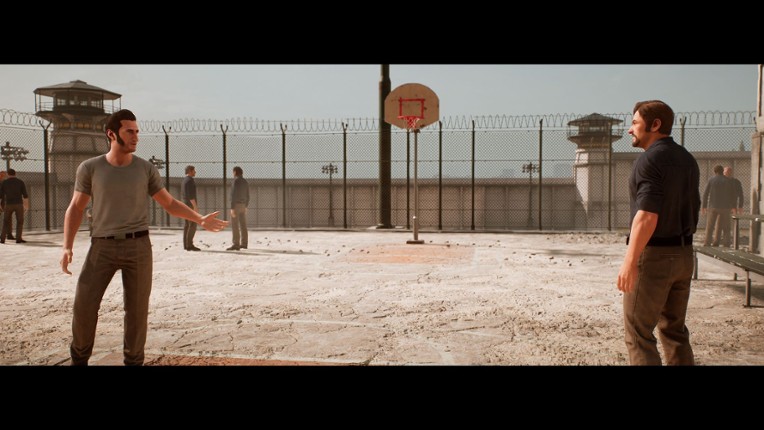
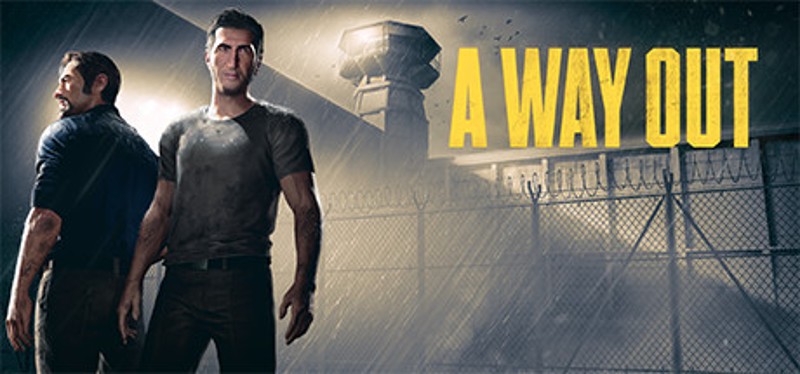
- 81%Game Brain ScoreMost mentioned positive aspects:story, gameplayMost mentioned negative aspects:replayability, stability88% User Score 32,902 reviewsCritic Score 75%13 reviewsFocusing strictly on a cooperative, cinematic prison break, this title distills the bonding elements of the gang into a shared, two-player escape narrative. If you enjoyed this game, see our list of games similar to A Way Out.View Game
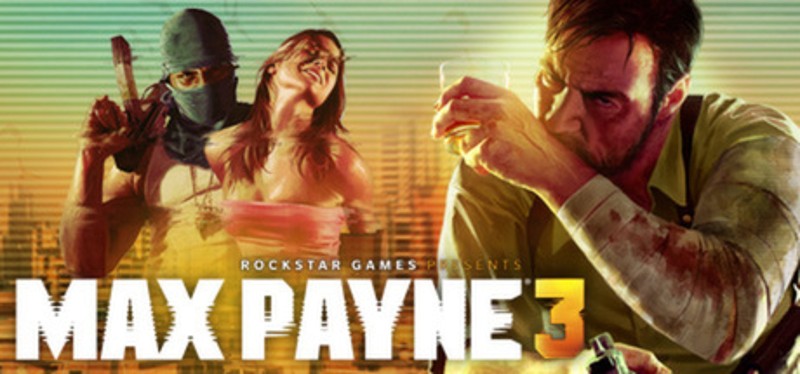
- 84%Game Brain ScoreMost mentioned positive aspects:story, gameplayMost mentioned negative aspects:stability, grinding85% User Score 27,855 reviewsCritic Score 83%10 reviews
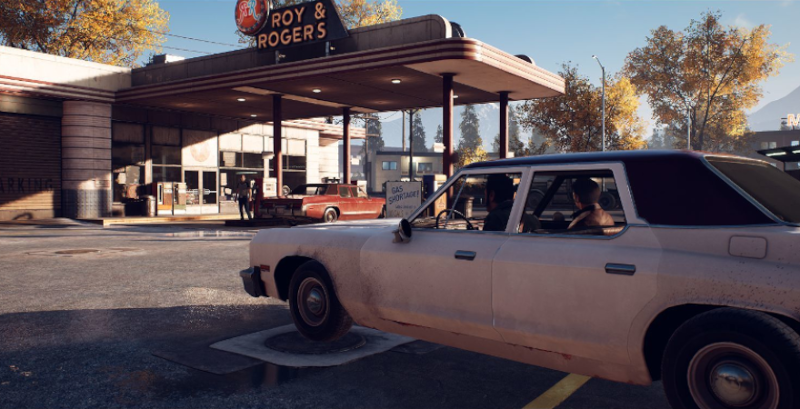
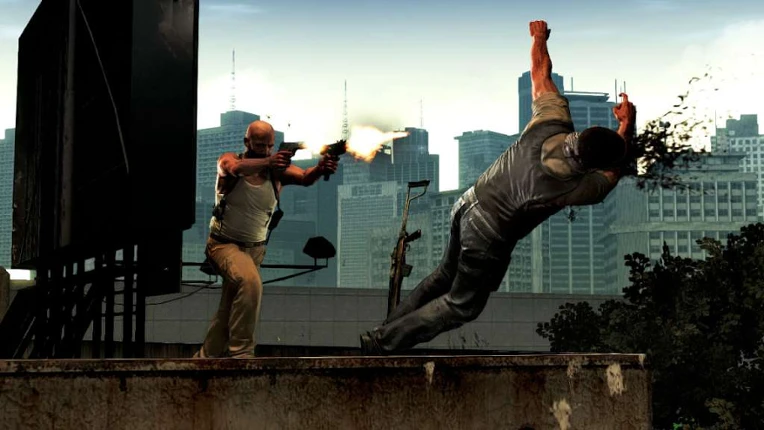
Both games deliver a story-rich, third-person experience with a heavy emphasis on drama and violence. Max Payne 3’s cinematic narrative and atmospheric soundtrack match Red Dead Redemption 2’s focus on deep character development and mood-setting audio. This shared storytelling depth anchors the player emotionally in both titles.
They also embrace co-op and multiplayer modes, offering shared player engagement beyond the single-player campaign, which expands replayability and social interaction. However, Max Payne 3’s linear, fast-paced shooter gameplay contrasts with Red Dead Redemption 2’s slower, sprawling open-world exploration and realism. This tradeoff affects how players experience narrative and action intensity.
Pick Max Payne 3 if you want tight, polished gunplay and a dark, noir thriller but can live without Red Dead’s expansive sandbox and Western setting. It suits players craving dynamic combat over leisurely immersion.
If you enjoyed this game, see our list of games similar to Max Payne 3.View Game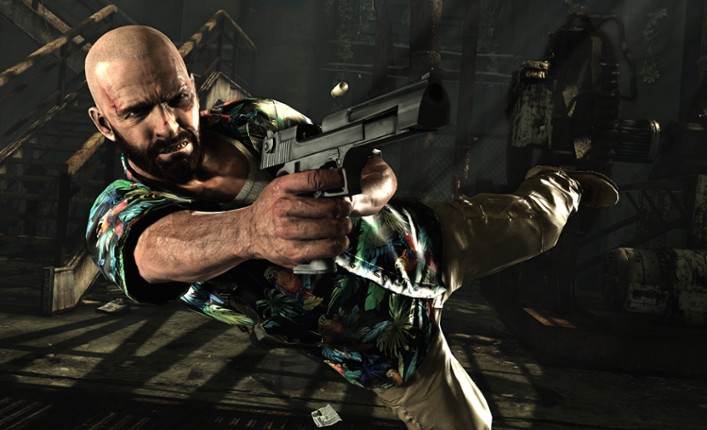
- 82%Game Brain ScoreMost mentioned positive aspects:story, gameplayMost mentioned negative aspects:stability, grinding80% User Score 120,746 reviewsCritic Score 85%17 reviews
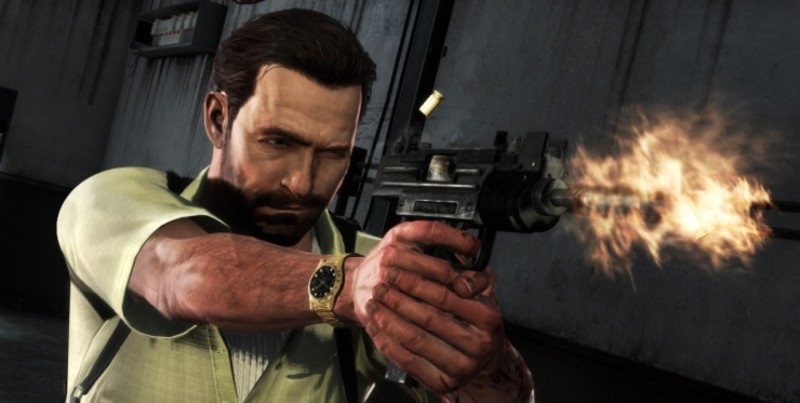
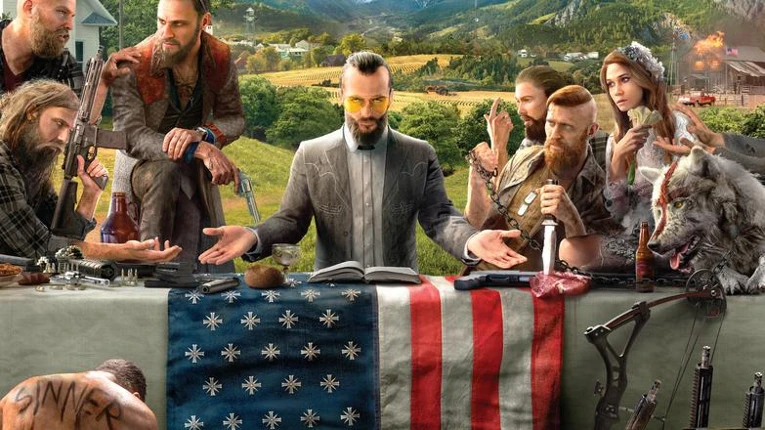
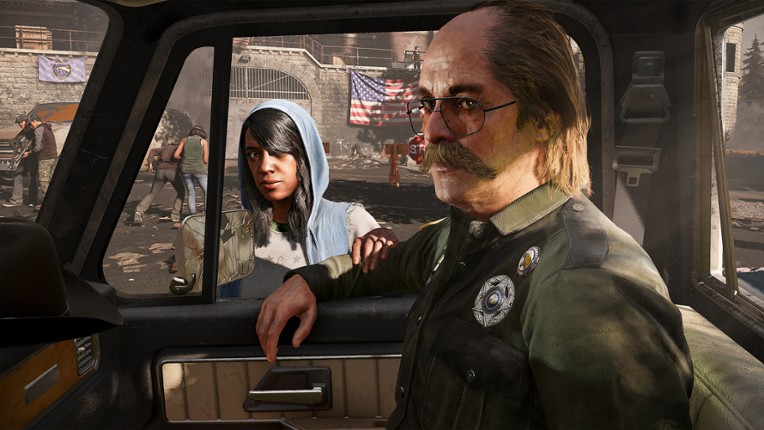
Both games excel at atmospheric open-world storytelling with seamless co-op, letting you experience sprawling narratives alongside a partner—whether that's the Van der Linde gang or Hope County's resistance.
Far Cry 5 matches RDR2's mature tone and character-driven drama, since the cult conflict carries genuine emotional weight beneath the action.
The critical difference: Far Cry 5 prioritizes snappy gunplay and moment-to-moment freedom, while RDR2 chains you to deliberate animations and scripted sequences.
Pick Far Cry 5 if you want RDR2's narrative scope and co-op depth but refuse to tolerate slow animations and rigid mission design.
If you enjoyed this game, see our list of games similar to Far Cry 5.View Game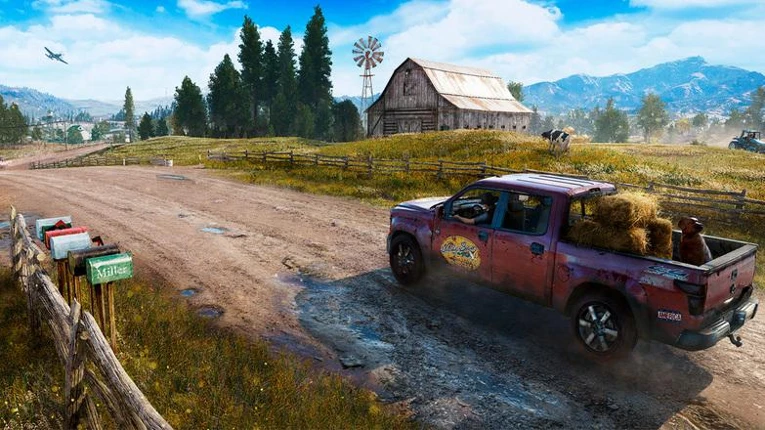
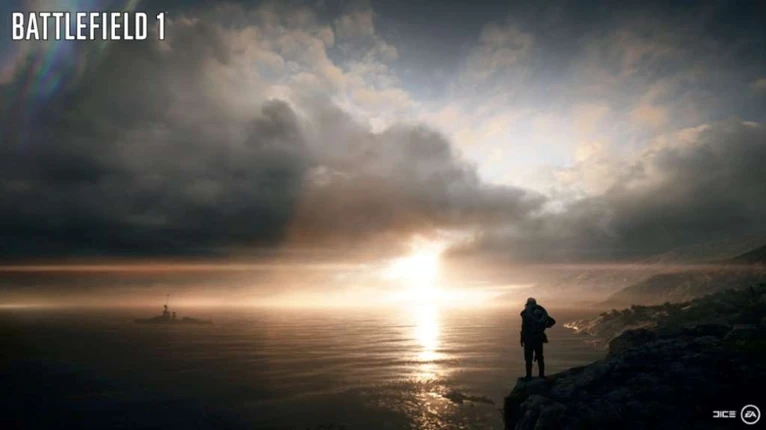
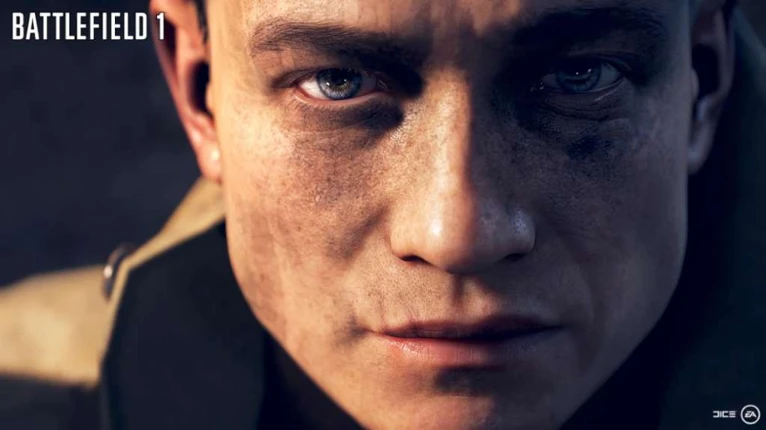
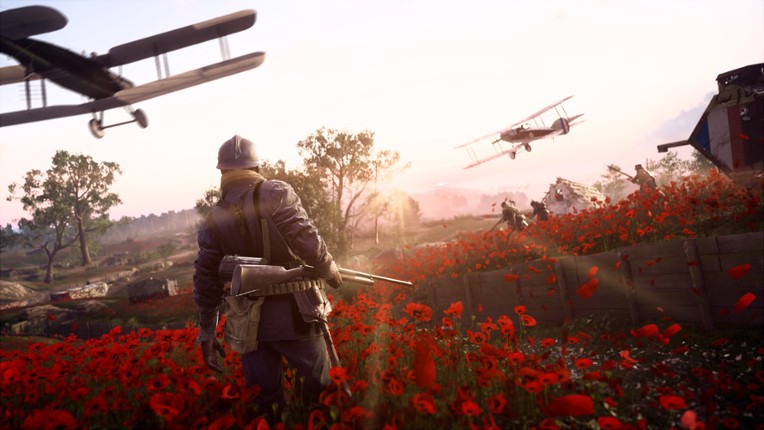
- 86%Game Brain ScoreMost mentioned positive aspects:graphics, storyMost mentioned negative aspects:grinding, stability86% User Score 48,085 reviewsWhile thematically distant, this historic shooter captures the gritty, mud-soaked reality of warfare through a massive multiplayer lens rather than a personal character study. If you enjoyed this game, see our list of games similar to Battlefield 1.View Game
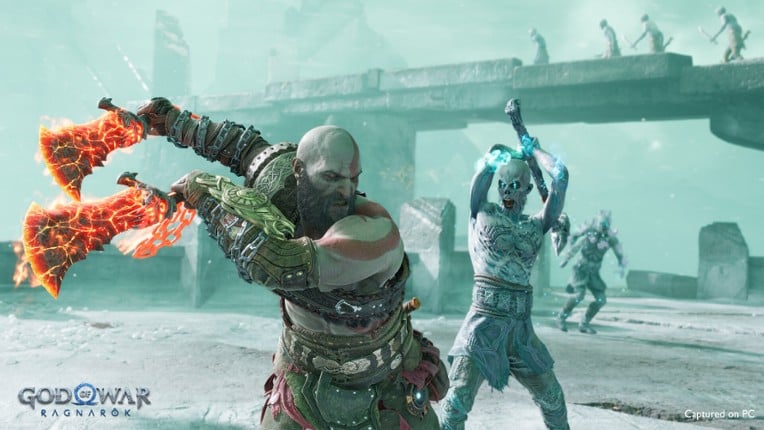
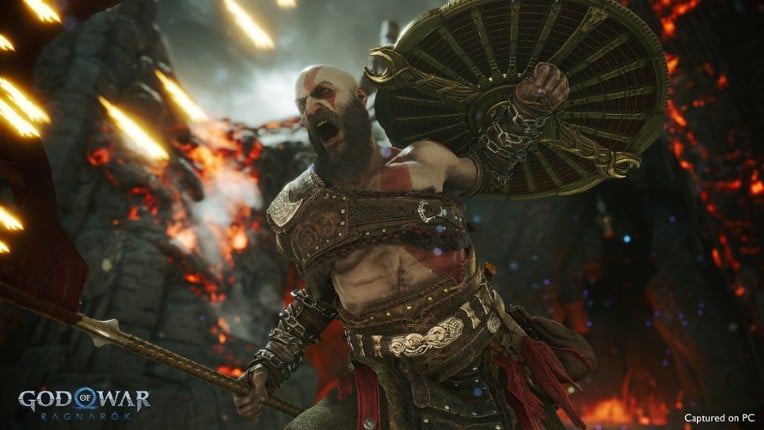
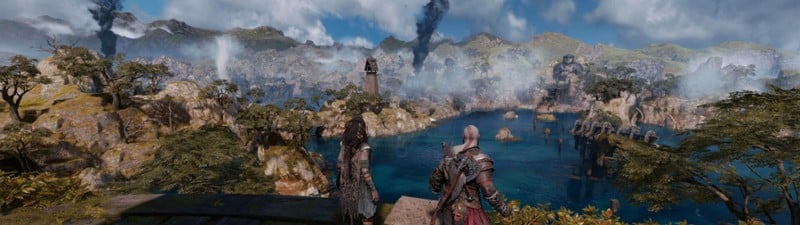
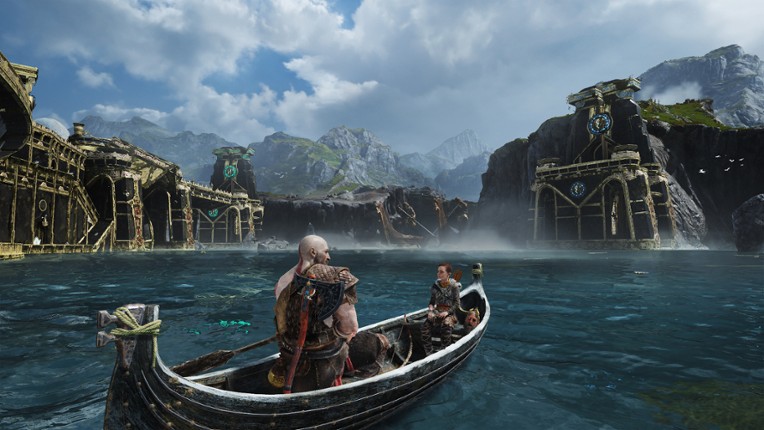
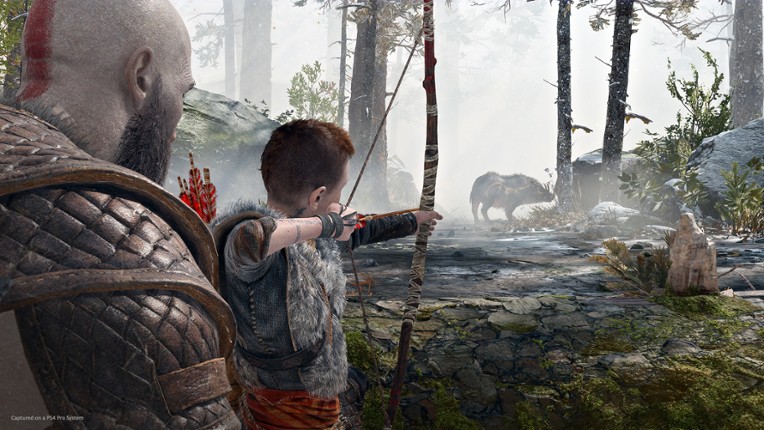
- 89%Game Brain ScoreMost mentioned positive aspects:story, gameplayMost mentioned negative aspects:stability, grinding89% User Score 19,851 reviewsJourney through a mythological landscape that emphasizes deep combat mechanics and fatherhood, offering a tighter, more intimate character arc than the wandering frontier life. If you enjoyed this game, see our list of games similar to God of War Ragnarök.View Game
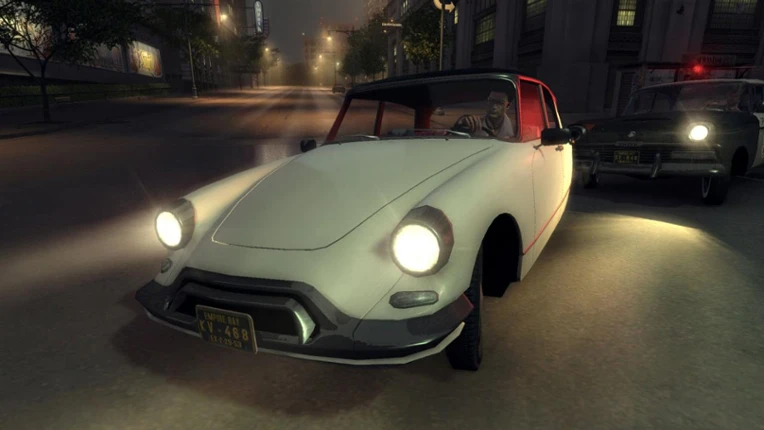
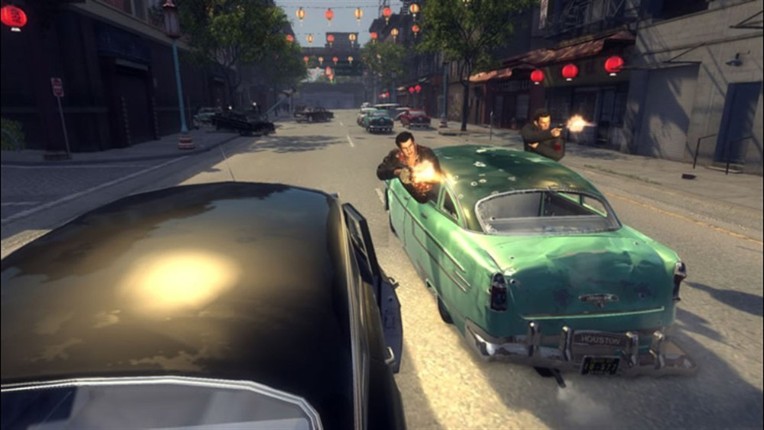
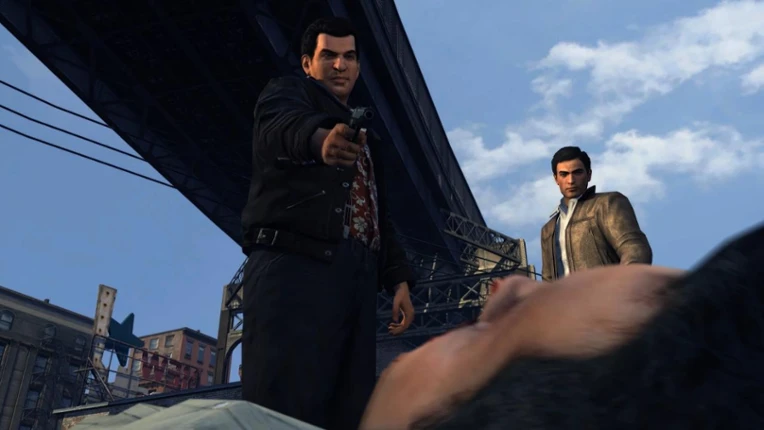
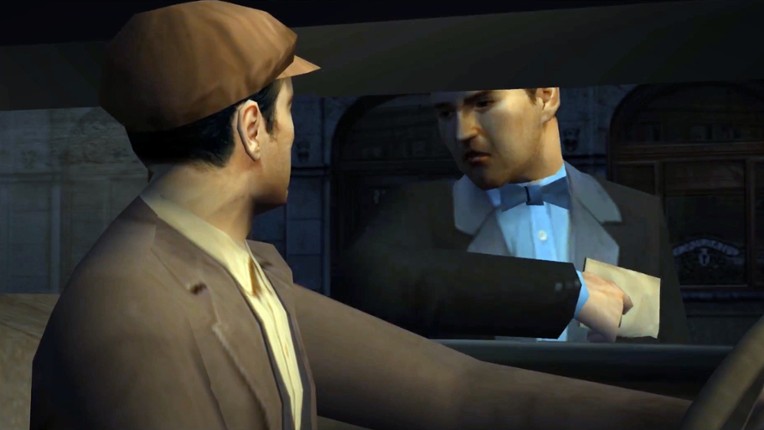
- 79%Game Brain ScoreMost mentioned positive aspects:story, gameplayMost mentioned negative aspects:stability, grinding92% User Score 16,647 reviewsCritic Score 64%8 reviewsOffers a tense, gritty neo-noir crime saga rooted in 1940s America, focusing on linear storytelling over open-world freedom or cooperative play. If you enjoyed this game, see our list of games similar to Mafia II.View Game
- 86%Game Brain ScoreMost mentioned positive aspects:story, gameplayMost mentioned negative aspects:stability, grinding89% User Score 34,738 reviewsCritic Score 84%9 reviews
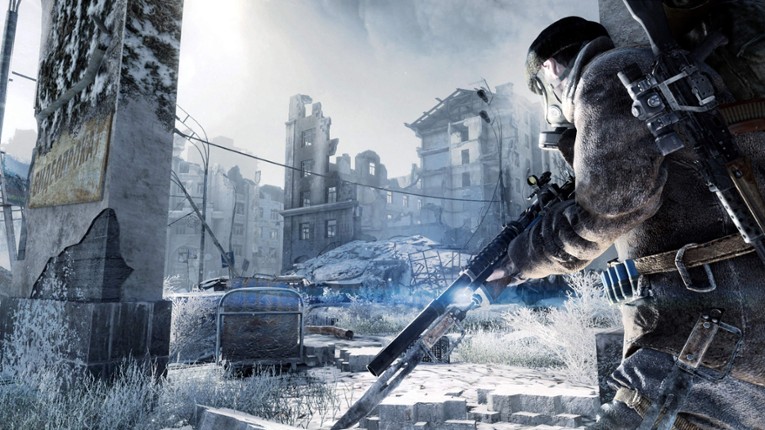
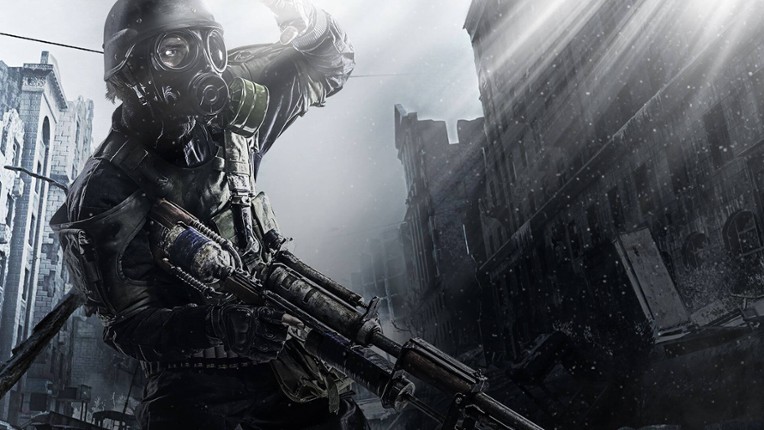
In 2013, the world was devastated by an apocalyptic event, annihilating almost all mankind and turning the earth’s surface into a poisonous wasteland. A handful of survivors took refuge in the depths of the Moscow underground, and human civilization entered a new Dark Age. The year is 2033. An entire generation has been born and raised underground, and their besieged Metro Station Cities struggle… If you enjoyed this game, see our list of games similar to Metro 2033 Redux.
View Game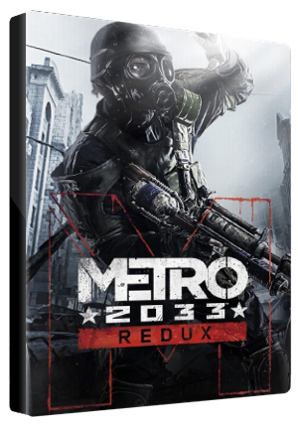
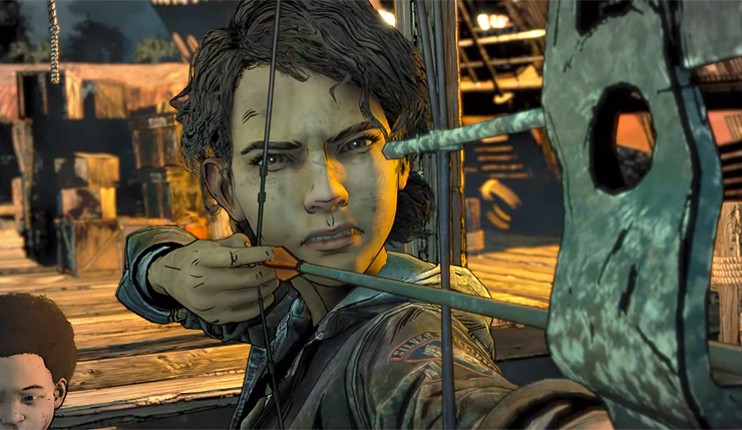
18 View Game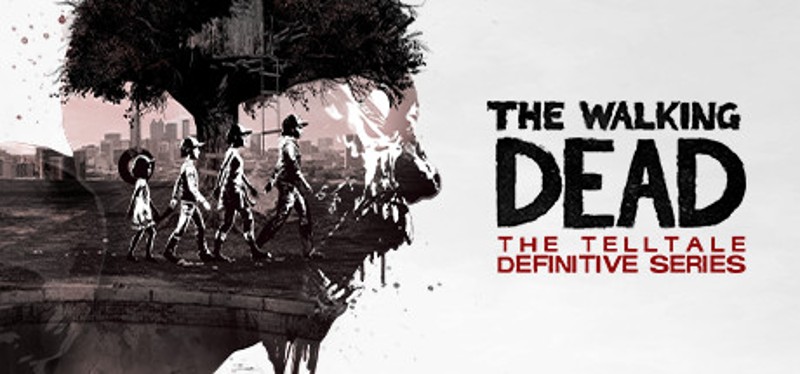 92%Game Brain ScoreMost mentioned positive aspects:story, emotionalMost mentioned negative aspects:stability, grinding97% User Score 16,423 reviewsCritic Score 85%8 reviewsLeans heavily into choice-driven emotional storytelling in a dystopian world, trading open environments and realism for episodic chapters and zombies. If you enjoyed this game, see our list of games similar to The Walking Dead: The Telltale Definitive Series.View Game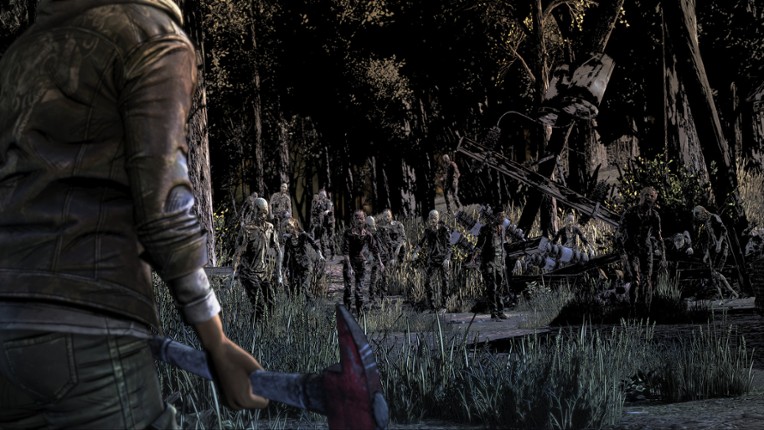
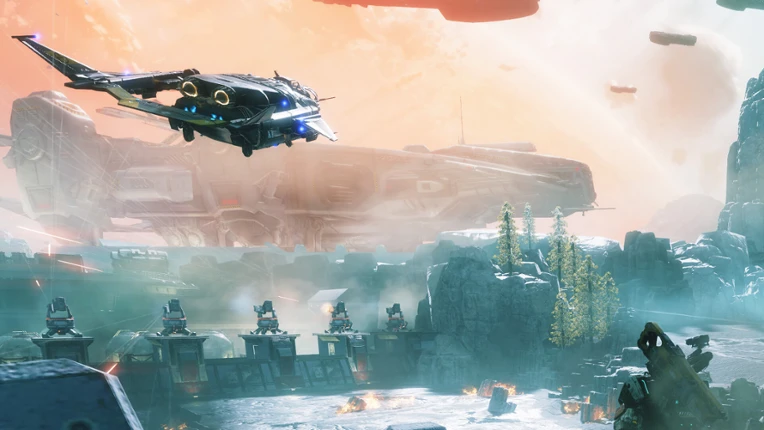
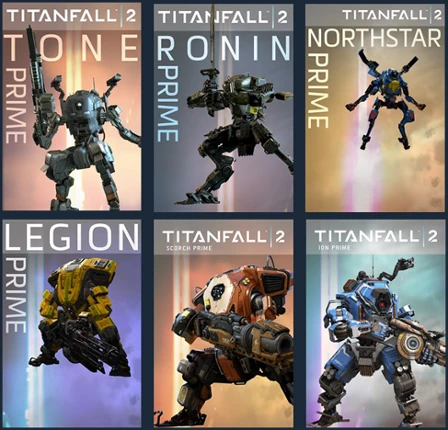
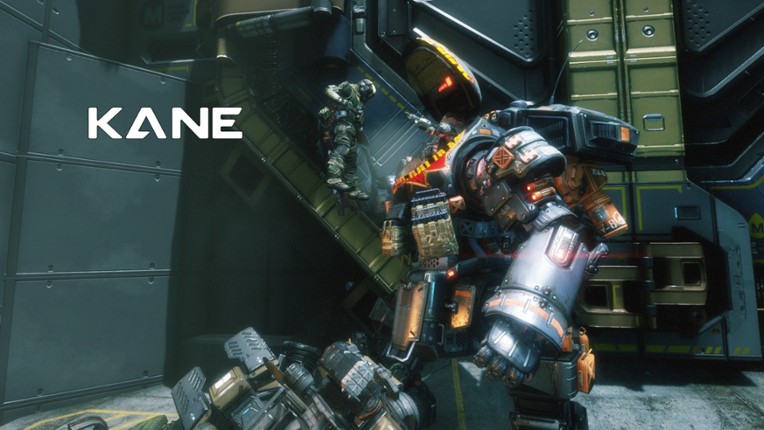
- 91%Game Brain ScoreMost mentioned positive aspects:story, gameplayMost mentioned negative aspects:grinding, stability95% User Score 156,436 reviewsCritic Score 86%41 reviewsOffering a much looser connection, this sci-fi shooter prioritizes kinetic parkour and pilot-mech movement over the slow, deliberate pace of life in the West. If you enjoyed this game, see our list of games similar to Titanfall 2.View Game
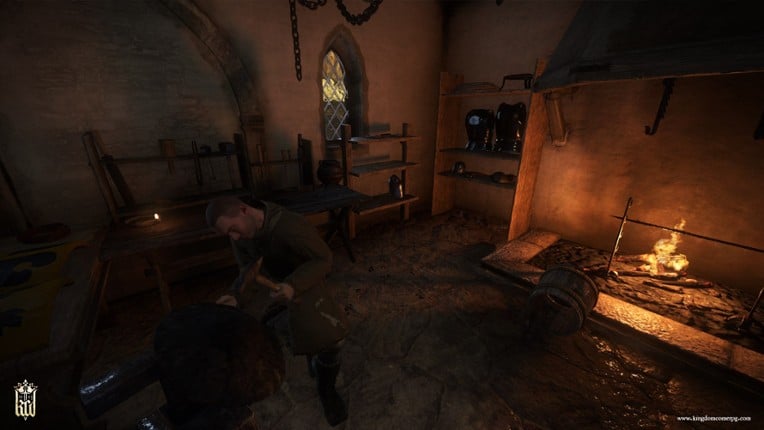
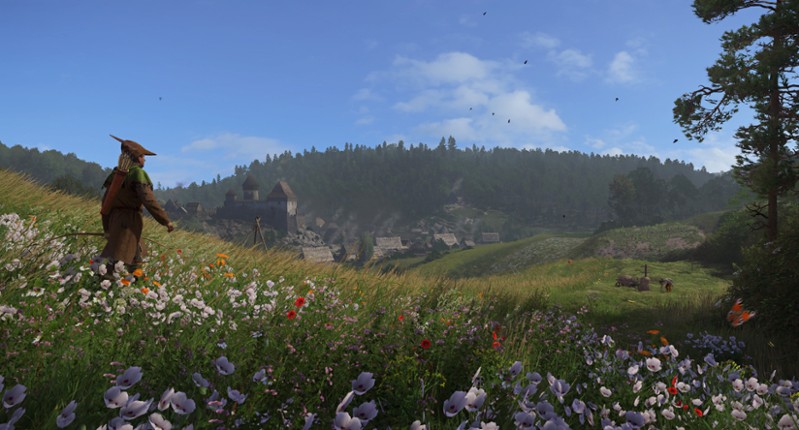
20 View Game 74%Game Brain ScoreMost mentioned positive aspects:story, gameplayMost mentioned negative aspects:stability, optimization84% User Score 79,776 reviewsCritic Score 53%4 reviewsChases Red Dead's immersive open-world realism and historical grounding but strips away modern UI conveniences and gunplay for medieval authenticity and survival. If you enjoyed this game, see our list of games similar to Kingdom Come: Deliverance.View Game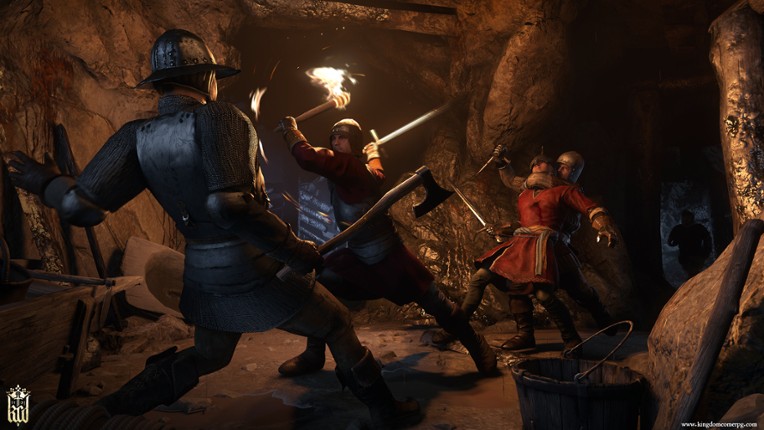
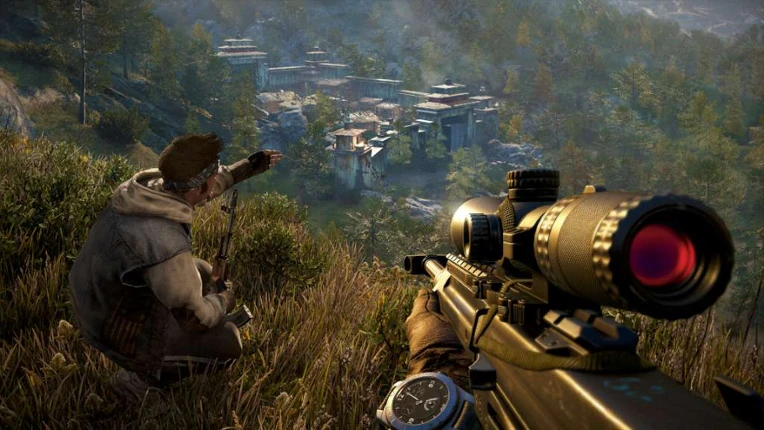
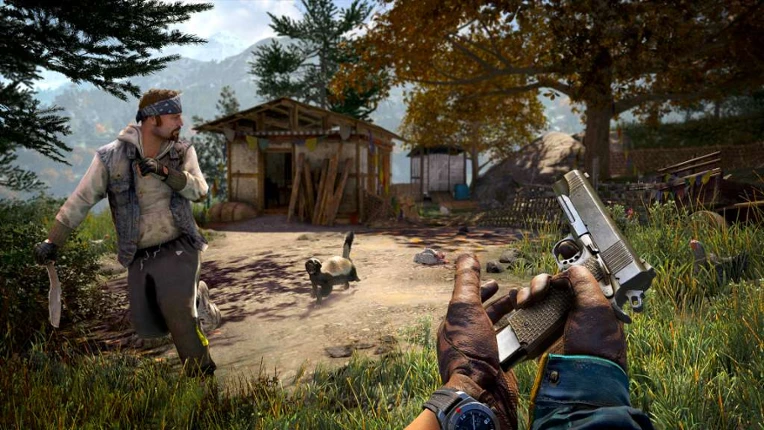
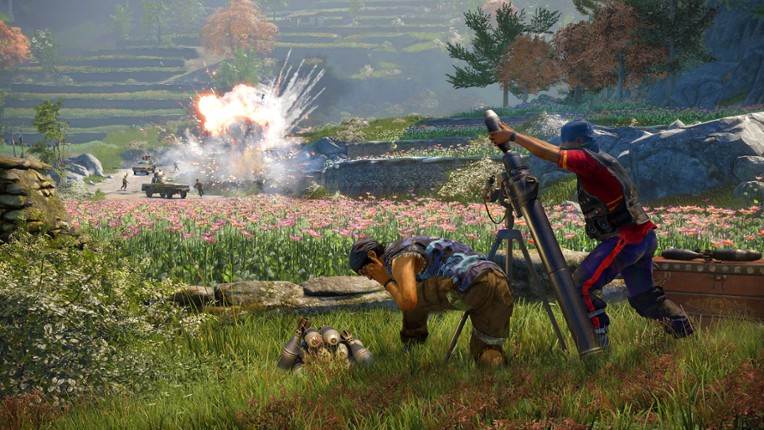
- 81%Game Brain ScoreMost mentioned positive aspects:story, gameplayMost mentioned negative aspects:stability, optimization81% User Score 39,964 reviewsCritic Score 81%40 reviewsExperience a tropical sandbox that mirrors the open-world hunting and crafting systems of the frontier, though it leans heavily into chaotic, first-person guerrilla warfare. If you enjoyed this game, see our list of games similar to Far Cry 4.View Game
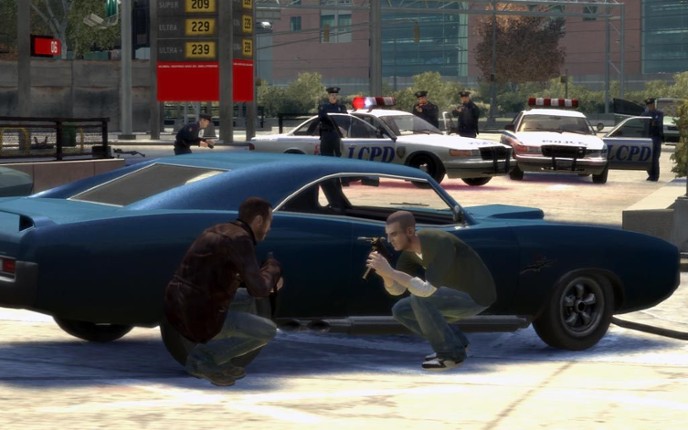
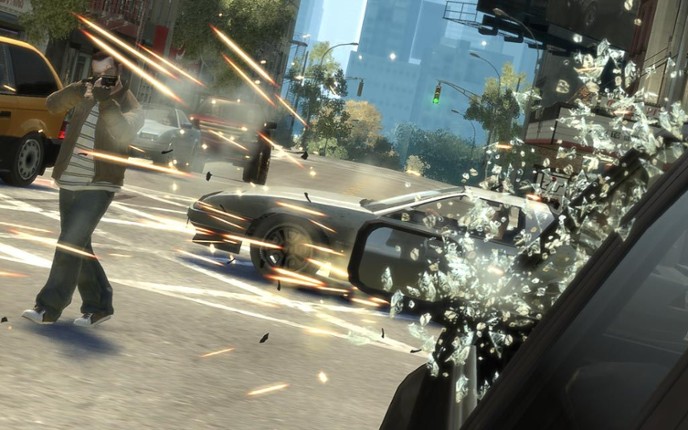
22 View Game 80%Game Brain ScoreMost mentioned positive aspects:story, graphicsMost mentioned negative aspects:optimization, stability80% User Score 112,342 reviewsThis urban precursor delivers the same level of gritty, character-driven storytelling as the frontier, swapping horses and outlaws for Liberty City's cynical immigrant struggle. If you enjoyed this game, see our list of games similar to Grand Theft Auto IV: The Complete Edition.View Game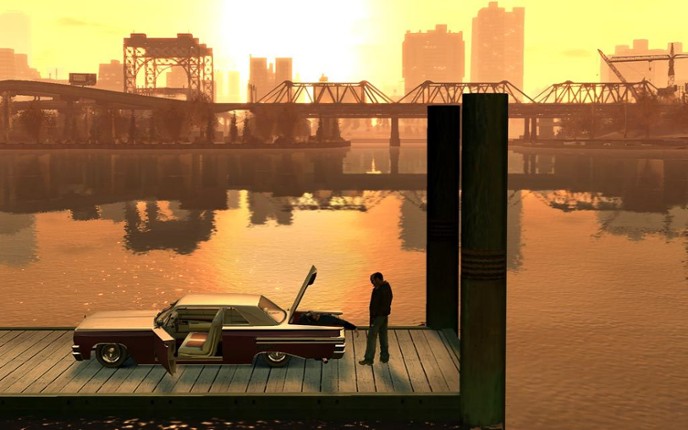
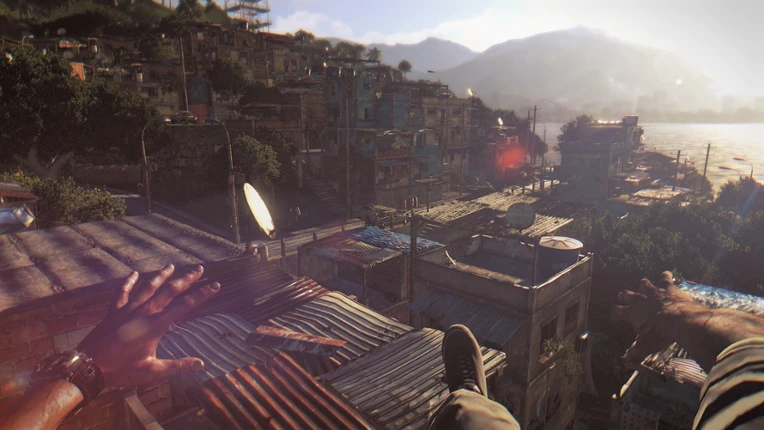
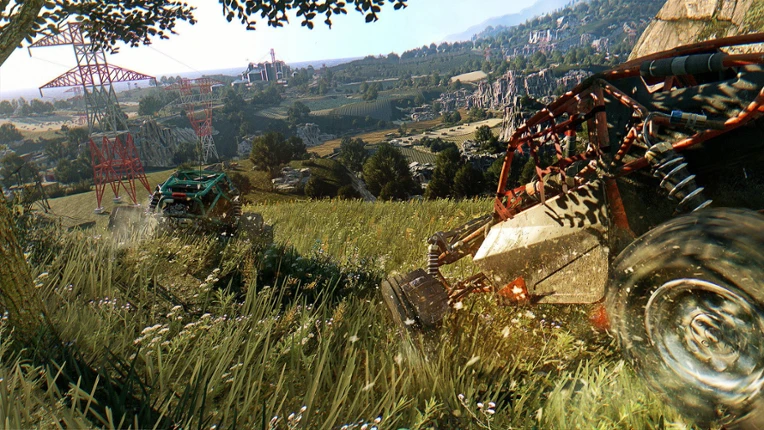
- 87%Game Brain ScoreMost mentioned positive aspects:story, gameplayMost mentioned negative aspects:stability, grinding94% User Score 132,525 reviewsCritic Score 80%33 reviewsInjects horror and parkour in a sprawling multiplayer survival setting, emphasizing cooperative zombie combat and online play over narrative-driven Western drama. If you enjoyed this game, see our list of games similar to Dying Light.View Game
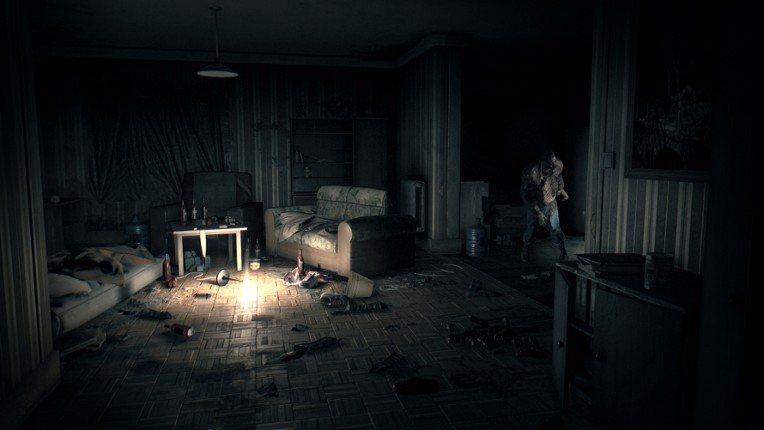
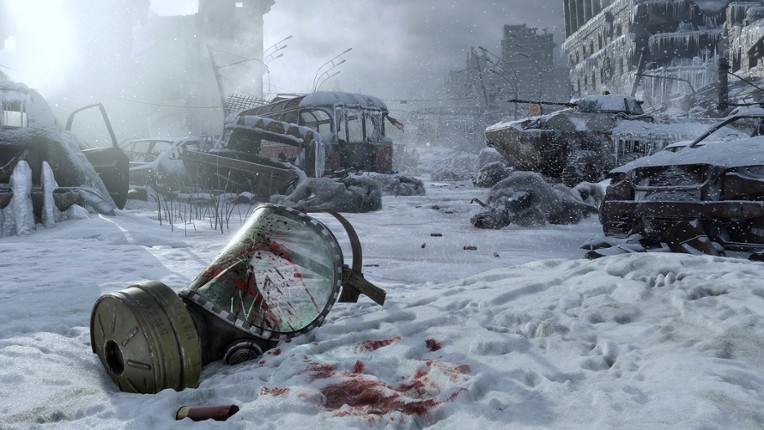
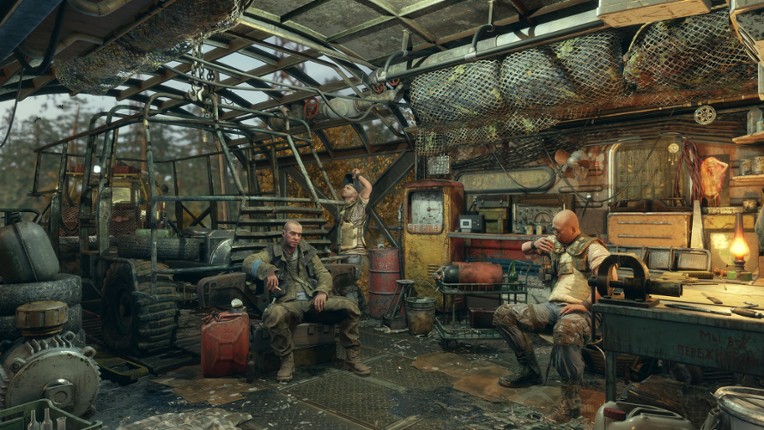
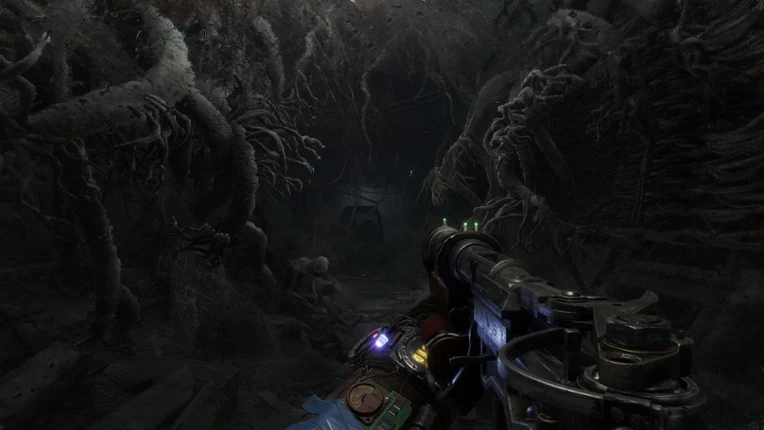
- 80%Game Brain ScoreMost mentioned positive aspects:story, gameplayMost mentioned negative aspects:stability, optimization87% User Score 38,385 reviewsCritic Score 72%73 reviewsNavigate a haunting, post-apocalyptic Russia that emphasizes atmospheric exploration and survival horror in a way that feels distinctly more isolating than the western plains. If you enjoyed this game, see our list of games similar to Metro Exodus.View Game
- 95%Game Brain ScoreMost mentioned positive aspects:story, gameplayMost mentioned negative aspects:grinding, stability97% User Score 79,242 reviewsCritic Score 93%79 reviewsPivots to mythological epic storytelling with intense combat and action RPG mechanics, favoring linear progression over sprawling open-world exploration. If you enjoyed this game, see our list of games similar to God of War.View Game
26 View Game 78%Game Brain ScoreMost mentioned positive aspects:story, graphicsMost mentioned negative aspects:optimization, stability78% User Score 8,987 reviews
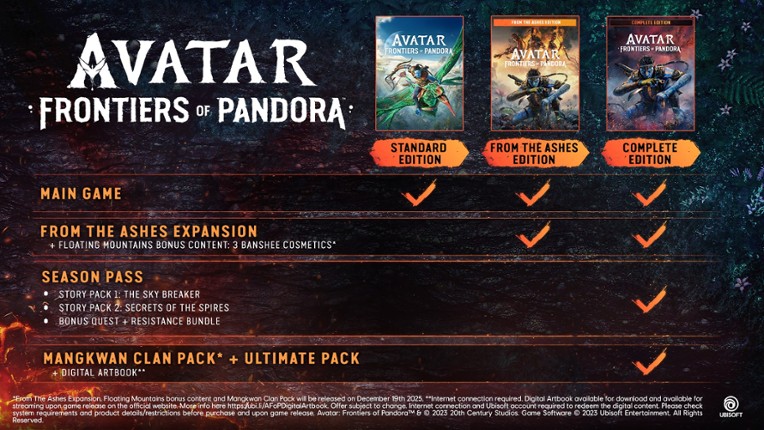
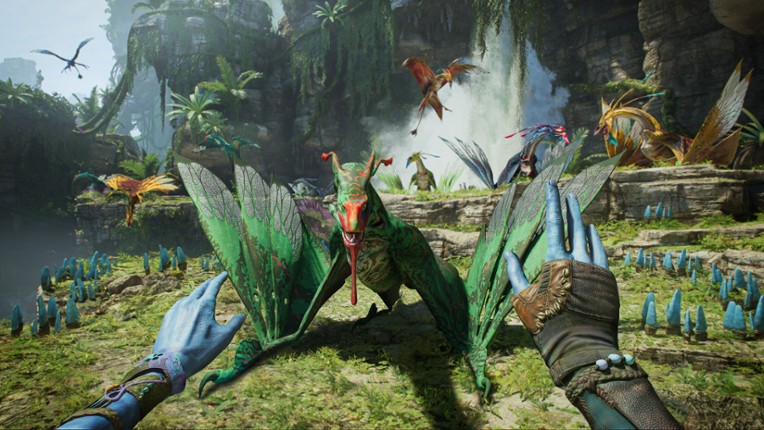
Includes the main game, the season pass, cosmetics, bonus content, the digital artbook, and the From the Ashes expansion. If you enjoyed this game, see our list of games similar to Avatar: Frontiers of Pandora.
View Game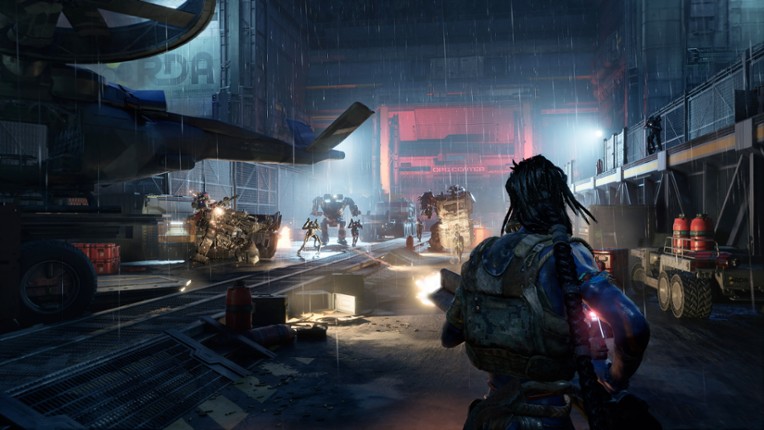
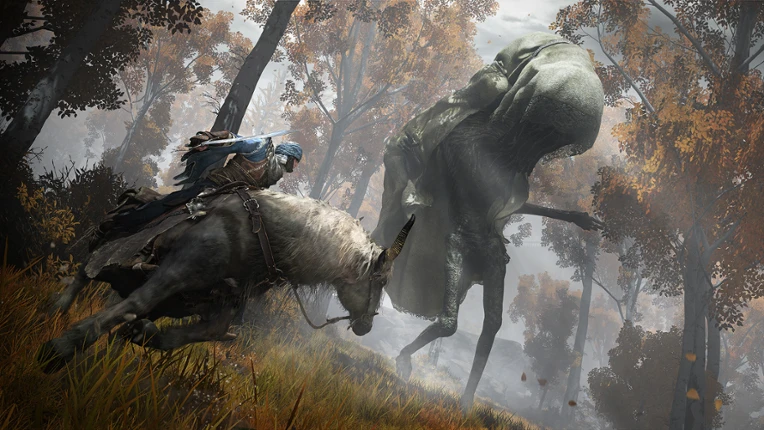
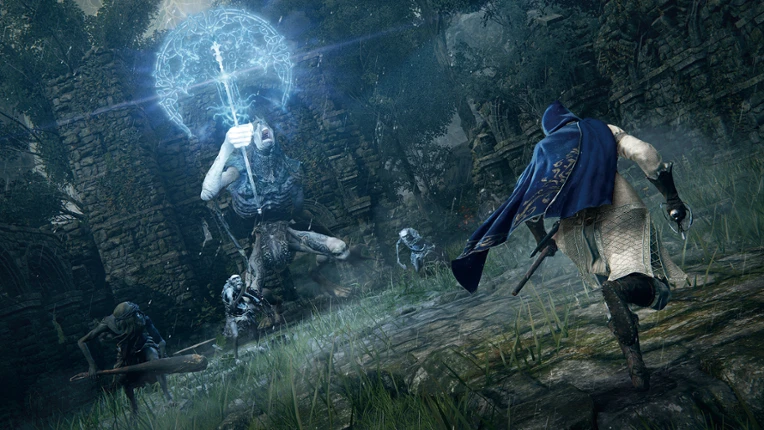
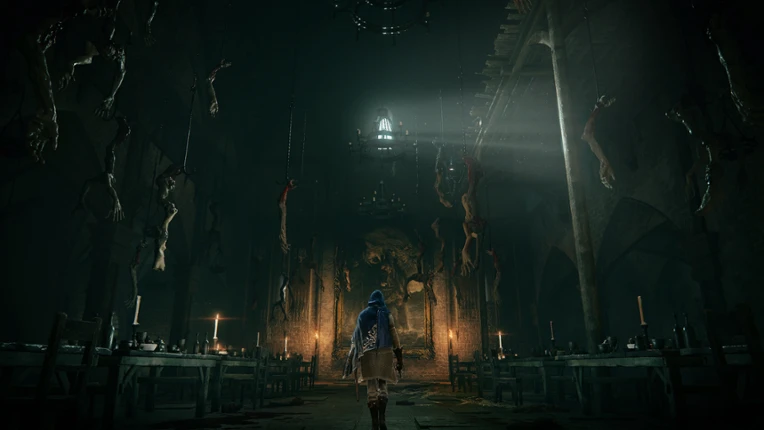
- 94%Game Brain ScoreMost mentioned positive aspects:story, gameplayMost mentioned negative aspects:optimization, grinding94% User Score 553,632 reviewsCritic Score 95%87 reviewsShift from the grounded realism of the West to an unforgiving fantasy world that rewards cryptic discovery and intense difficulty over narrative-driven cowboy simulations. If you enjoyed this game, see our list of games similar to ELDEN RING.View Game
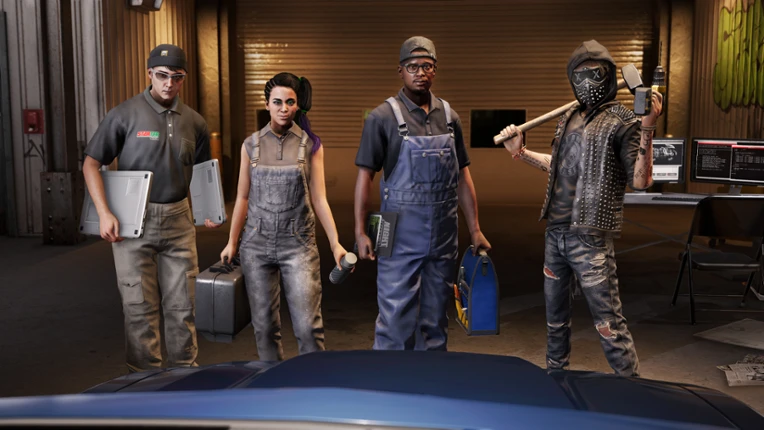
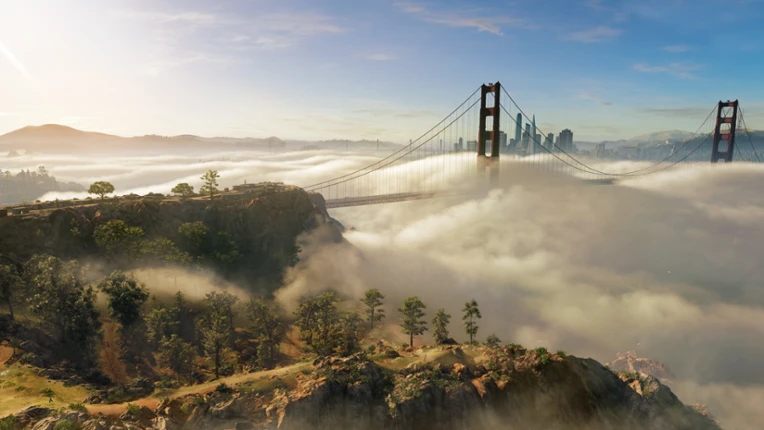
- 81%Game Brain ScoreMost mentioned positive aspects:story, gameplayMost mentioned negative aspects:optimization, stability82% User Score 26,346 reviewsCritic Score 81%55 reviewsBlends hacking and futuristic humor into a modern California sandbox, emphasizing cooperative multiplayer and fast-paced urban exploration instead of Western drama. If you enjoyed this game, see our list of games similar to Watch Dogs 2.View Game

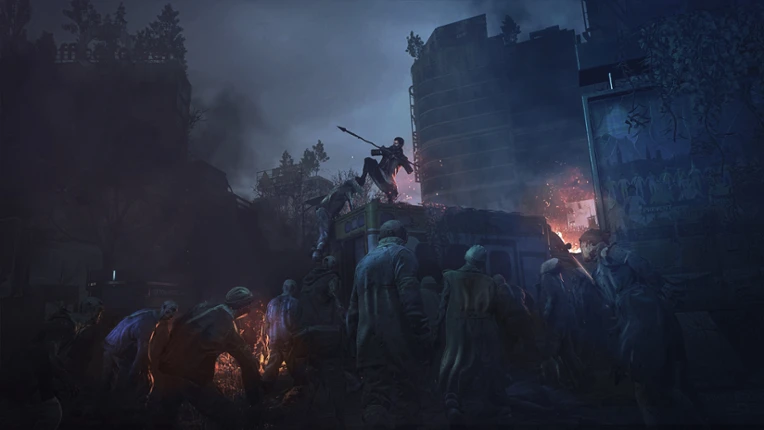
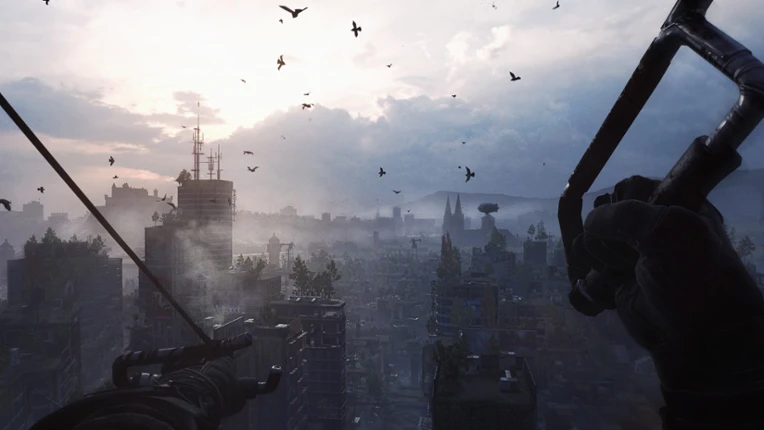
29 View Game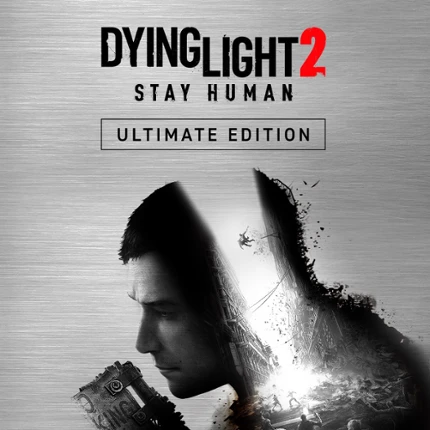 78%Game Brain ScoreMost mentioned positive aspects:story, gameplayMost mentioned negative aspects:stability, optimization78% User Score 82,755 reviewsCritic Score 80%3 reviewsCaptures the atmospheric exploration and co-op camaraderie but trades horses and gunplay for parkour traversal across a zombie-infested open world. If you enjoyed this game, see our list of games similar to Dying Light 2 Stay Human.View Game
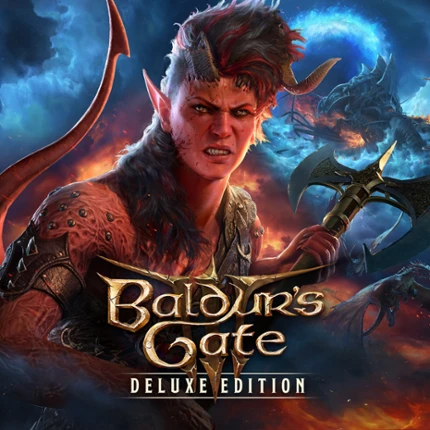
- 96%Game Brain ScoreMost mentioned positive aspects:story, gameplayMost mentioned negative aspects:stability, monetization97% User Score 708,180 reviewsCritic Score 95%69 reviews
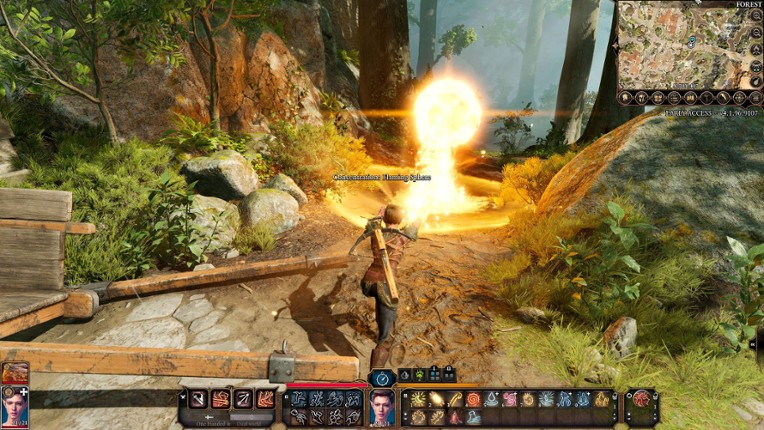
An ancient evil has returned to Baldur's Gate, intent on devouring it from the inside out. The fate of Faerun lies in your hands. Alone, you may resist. But together, you can overcome. If you enjoyed this game, see our list of games similar to Baldur's Gate 3.
View Game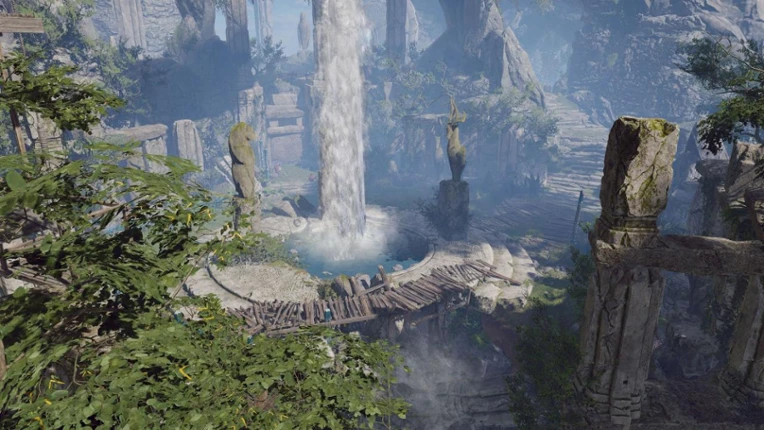
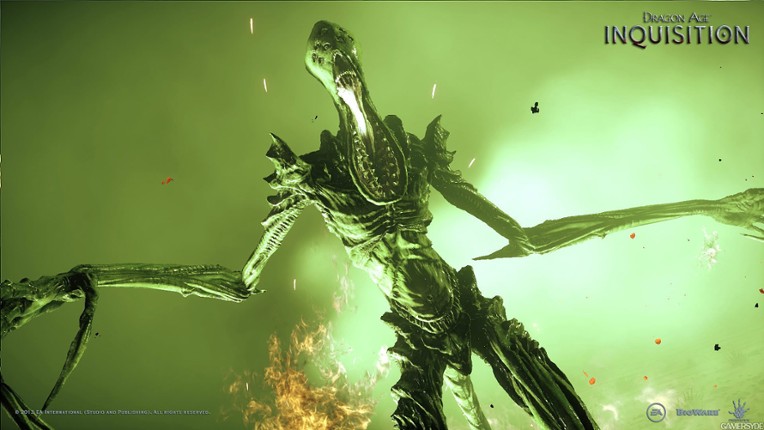
31 View Game 78%Game Brain ScoreMost mentioned positive aspects:story, gameplayMost mentioned negative aspects:grinding, stability75% User Score 18,314 reviewsCritic Score 80%32 reviewsSwaps the Old West for a fantasy realm while maintaining rich character bonds and co-op storytelling, but layers in tactical combat and moral choice systems. If you enjoyed this game, see our list of games similar to Dragon Age: Inquisition.View Game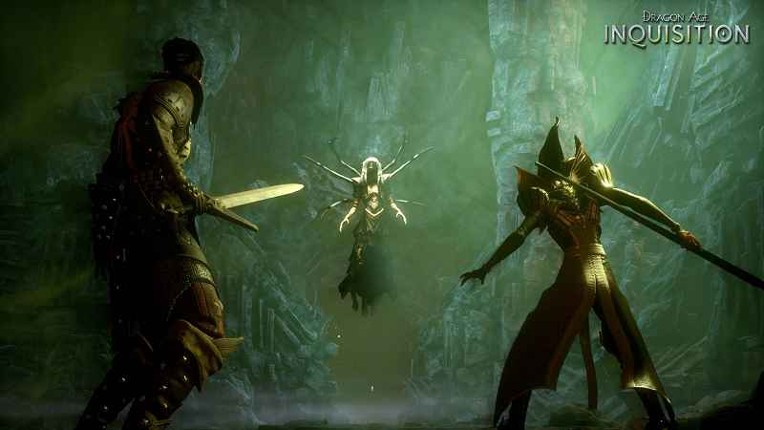
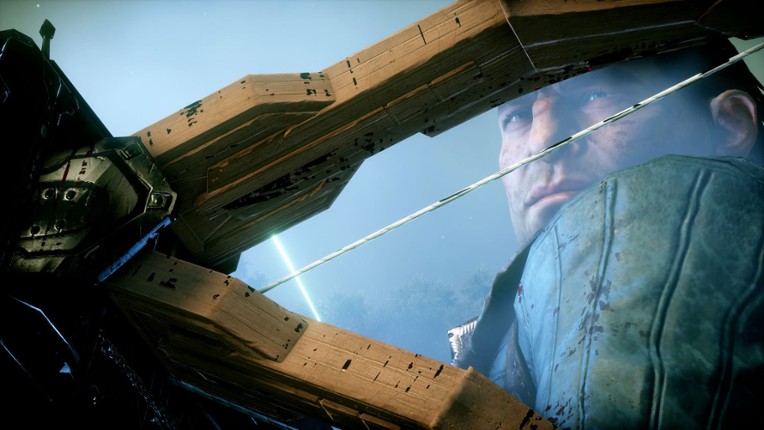
32 View Game 72%Game Brain ScoreMost mentioned positive aspects:story, gameplayMost mentioned negative aspects:optimization, stability72% User Score 11,149 reviewsDelivers a focused, historically grounded crime drama with cinematic pacing and realistic characters, opting for a more linear and intense experience than an open-world epic. If you enjoyed this game, see our list of games similar to Mafia: The Old Country.View Game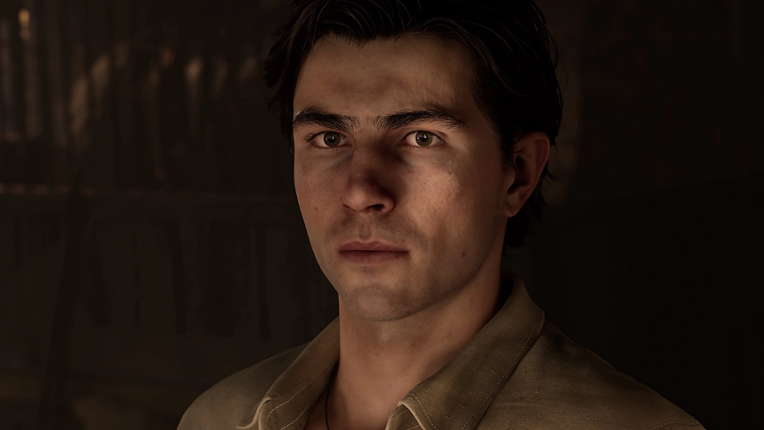
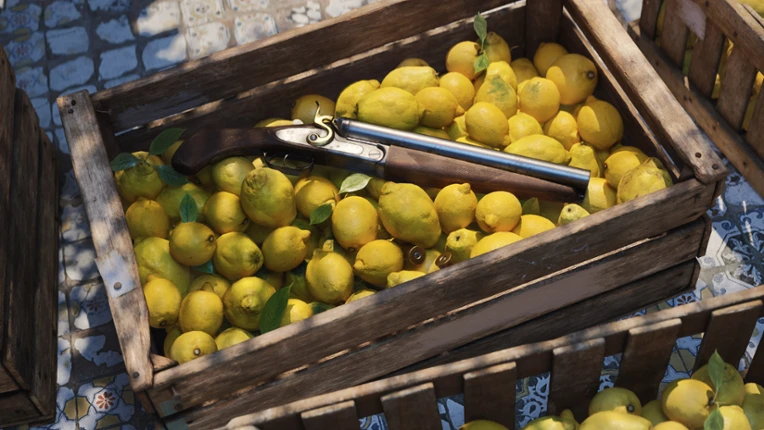
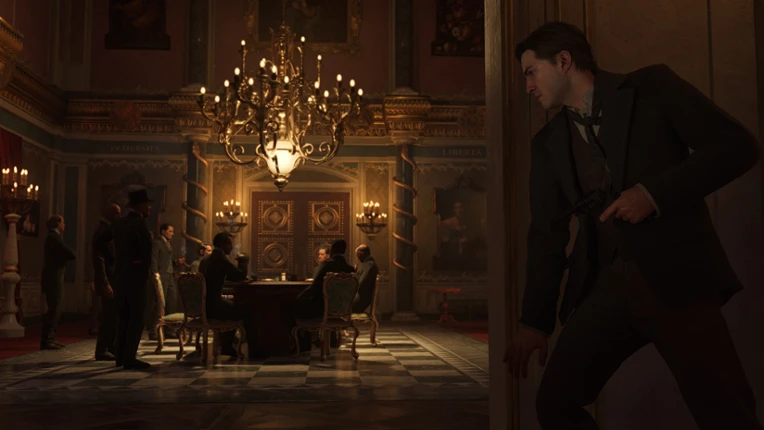
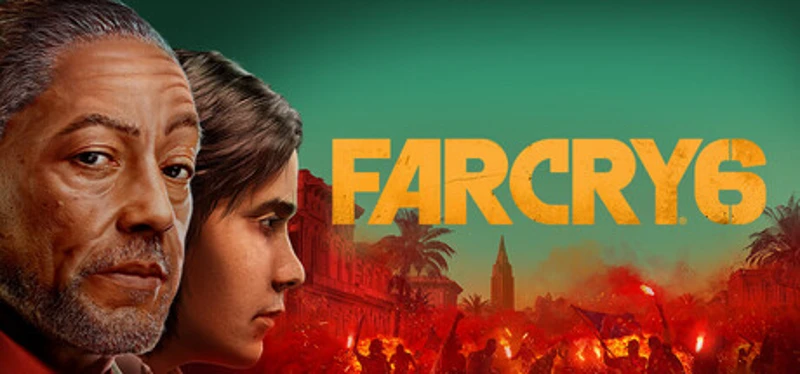
- 74%Game Brain ScoreMost mentioned positive aspects:story, gameplayMost mentioned negative aspects:stability, grinding67% User Score 12,829 reviewsCritic Score 81%10 reviews
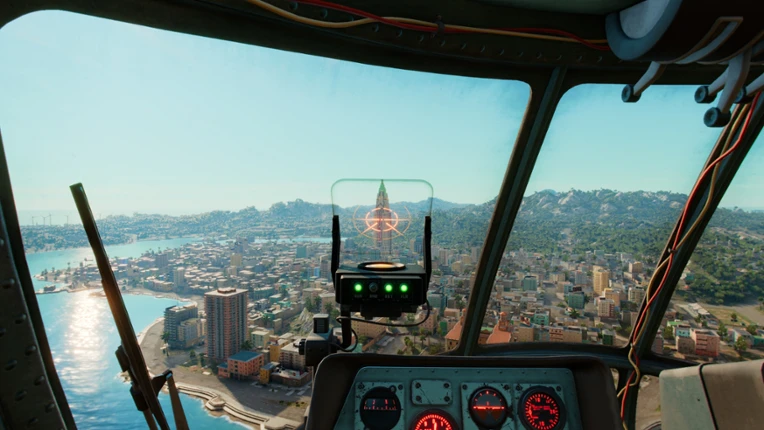
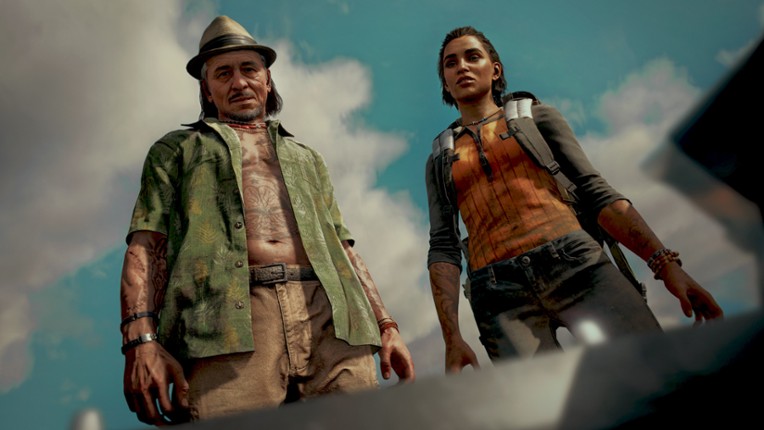
Buy Far Cry 6 on PlayStation Store. Play as Dani Rojas, a local Yaran, and become a guerrilla fighter to liberate the nation. If you enjoyed this game, see our list of games similar to Far Cry 6.
View Game
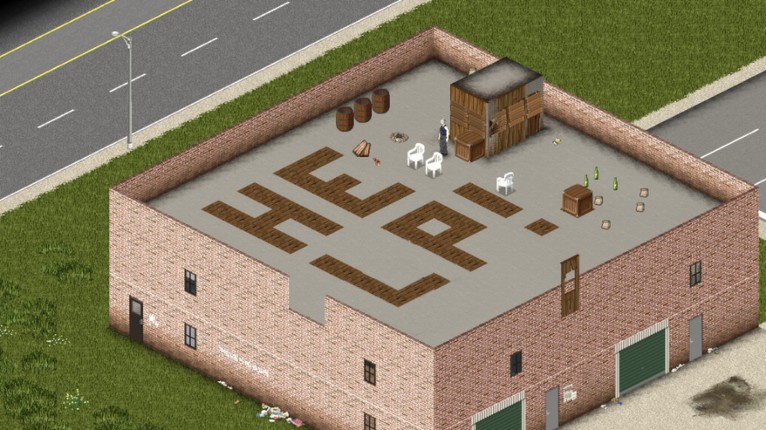
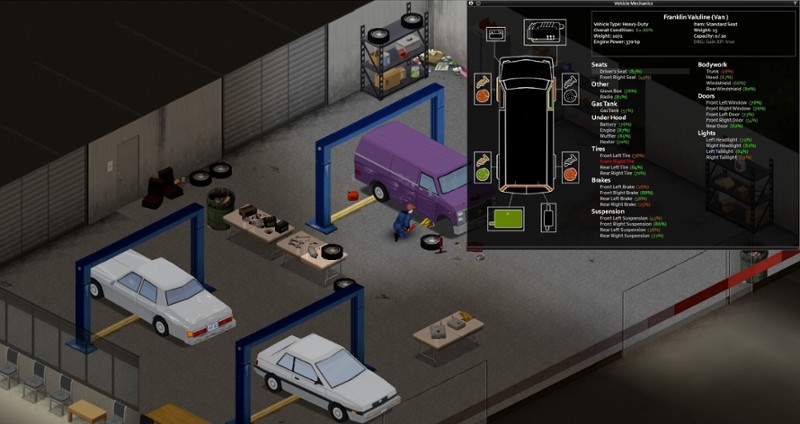
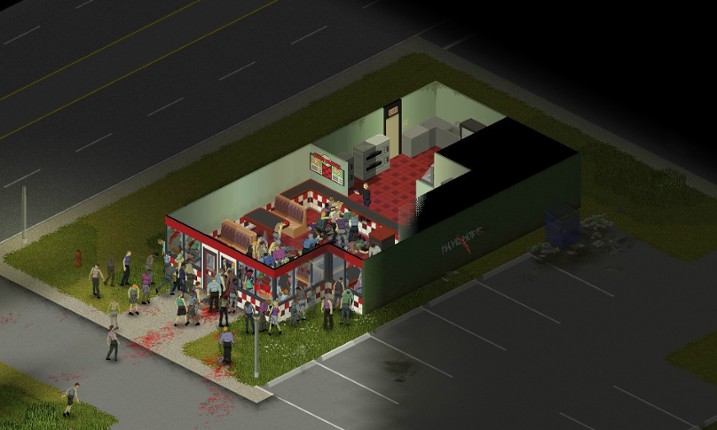
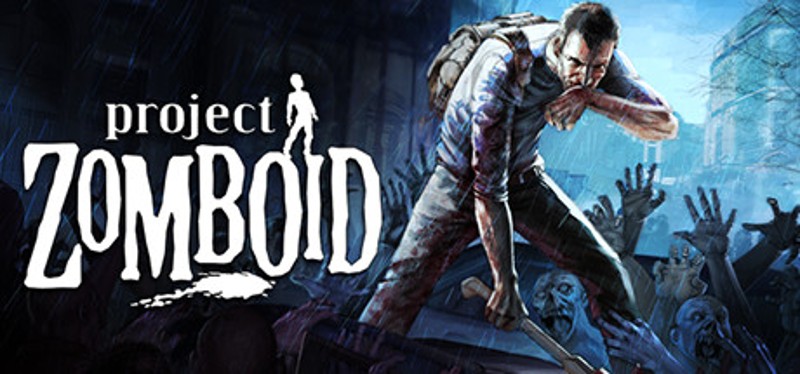
- 84%Game Brain ScoreMost mentioned positive aspects:gameplay, graphicsMost mentioned negative aspects:grinding, stability94% User Score 221,570 reviewsCritic Score 30%1 reviewsFocuses on hardcore survival crafting in an isometric post-apocalyptic world, replacing cinematic storytelling with emergent player-driven sandbox gameplay. If you enjoyed this game, see our list of games similar to Project Zomboid.View Game
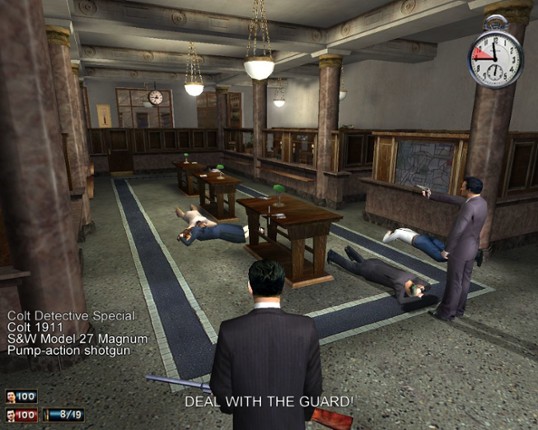
- 78%Game Brain ScoreMost mentioned positive aspects:story, gameplayMost mentioned negative aspects:stability, grinding82% User Score 4,368 reviewsCritic Score 65%2 reviewsDelivers comparable gangster drama and period-crime atmosphere in a tighter, story-first package that prioritizes narrative over exploration and sandbox freedom. If you enjoyed this game, see our list of games similar to Mafia.View Game

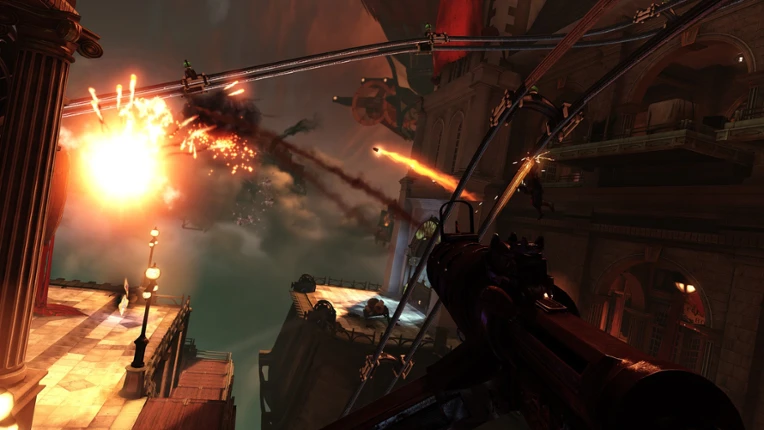
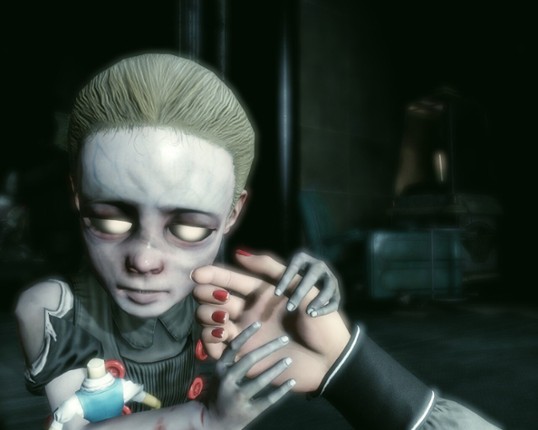
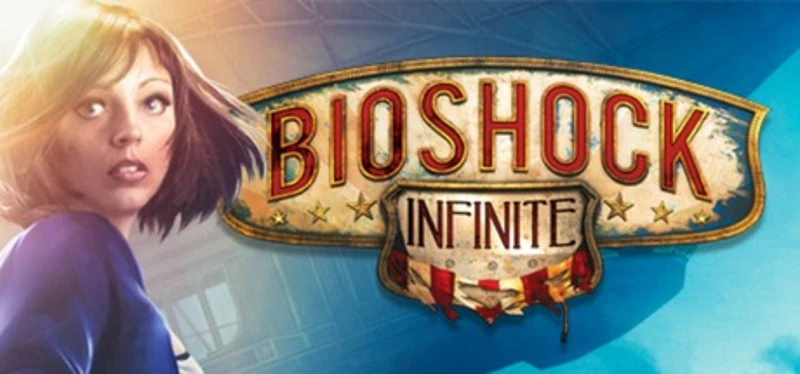
- 87%Game Brain ScoreMost mentioned positive aspects:story, gameplayMost mentioned negative aspects:grinding, stability91% User Score 63,802 reviewsCritic Score 82%8 reviewsCaptures atmospheric storytelling and moral weight but pivots to a contained first-person narrative with time-travel metaphysics replacing the gang's earthly struggles. If you enjoyed this game, see our list of games similar to BioShock Infinite.View Game
- 84%Game Brain ScoreMost mentioned positive aspects:story, gameplayMost mentioned negative aspects:grinding, stability87% User Score 69,482 reviewsCritic Score 75%3 reviews
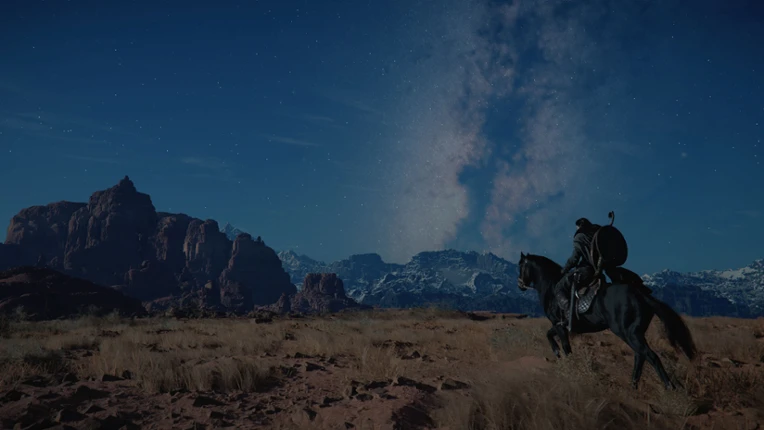
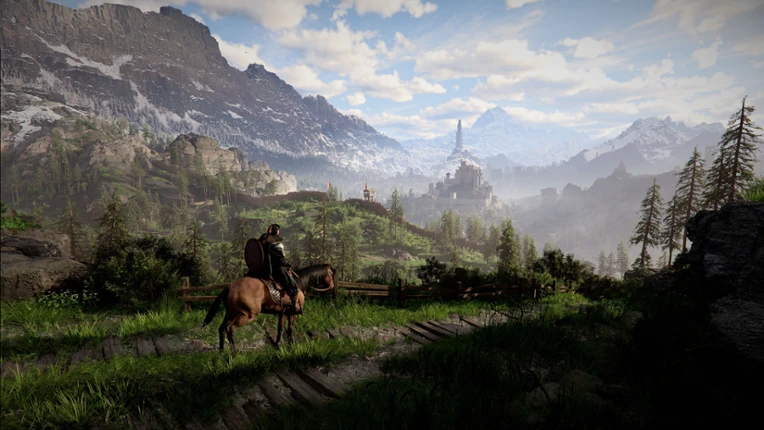
Includes: Crimson Desert - Pre-Order Bonus Crimson Desert - Khaled Shield If you enjoyed this game, see our list of games similar to null.
View Game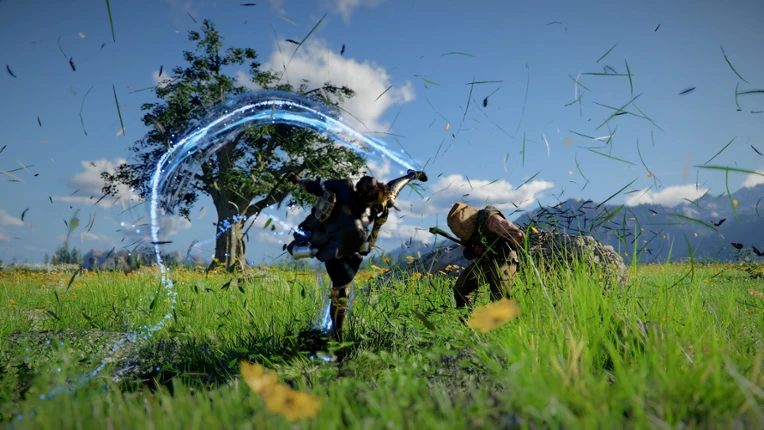
- 94%Game Brain ScoreMost mentioned positive aspects:story, graphicsMost mentioned negative aspects:stability, grinding96% User Score 97,182 reviewsCritic Score 80%1 reviews
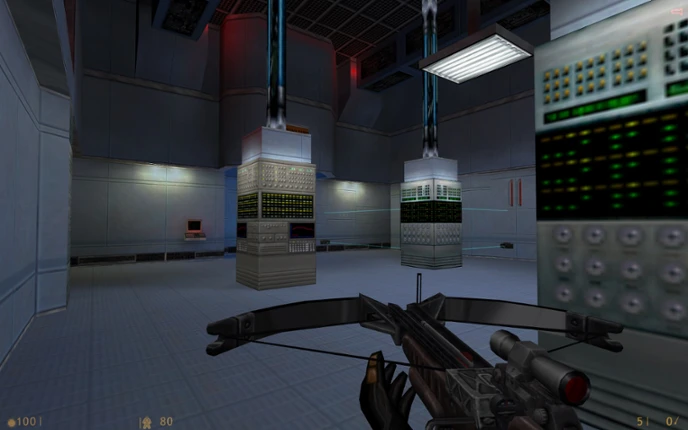
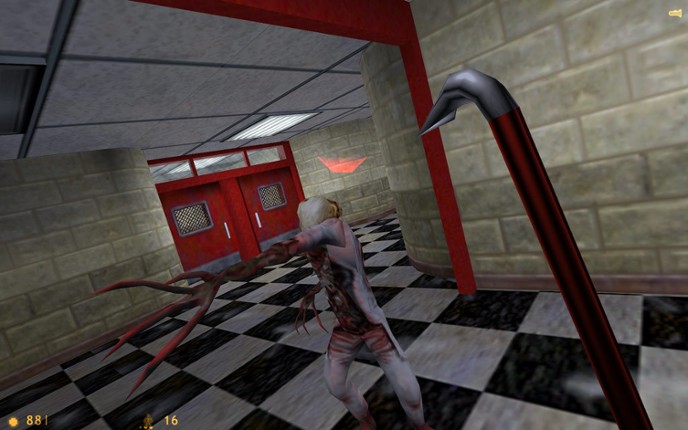
Awarded "Game of the Year" by nearly 50 publications, Valve's debut title combines action and adventure with award-winning technology to create a frighteningly realistic world where players must think to survive. Also includes an exciting multiplayer mode! If you enjoyed this game, see our list of games similar to Half-Life.
View Game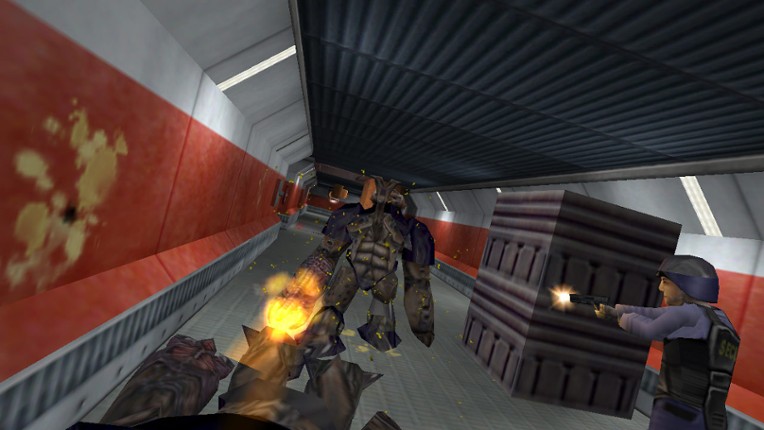
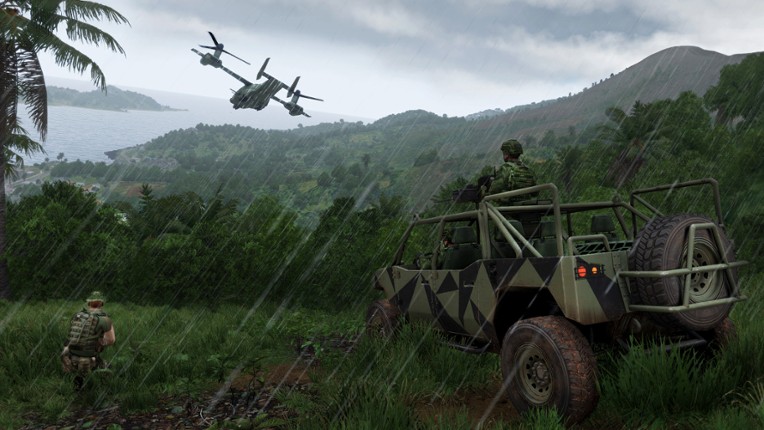
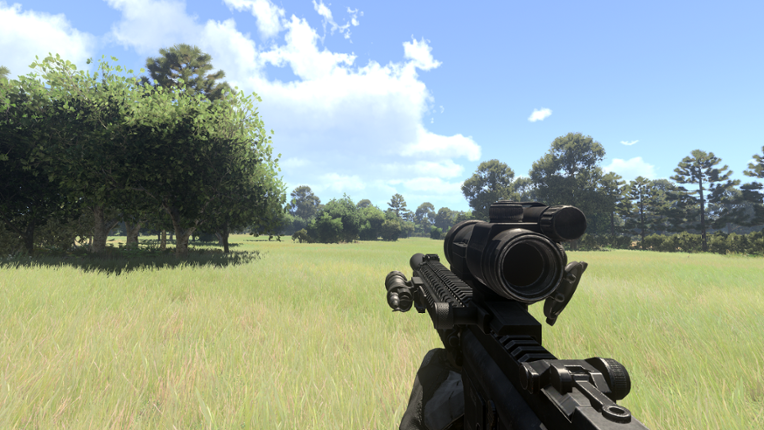
- 89%Game Brain ScoreMost mentioned positive aspects:story, gameplayMost mentioned negative aspects:optimization, stability92% User Score 206,752 reviewsCritic Score 81%3 reviewsTargets tactical military realism with large-scale cooperative first-person combat, shifting away from narrative depth and atmospheric Western themes. If you enjoyed this game, see our list of games similar to Arma 3.View Game
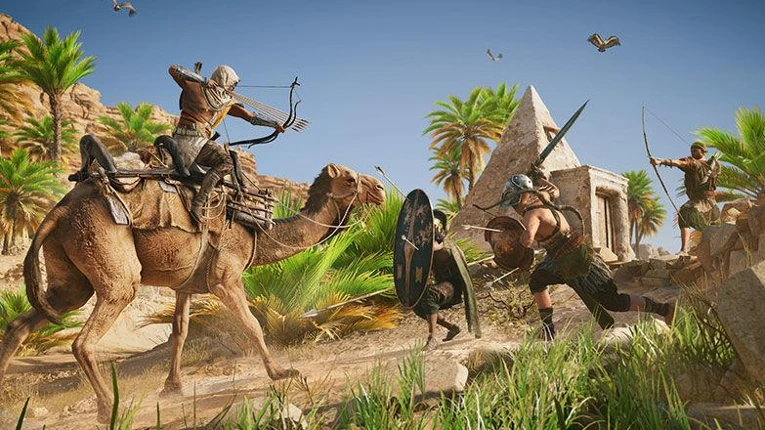
40 View Game 84%Game Brain ScoreMost mentioned positive aspects:story, gameplayMost mentioned negative aspects:optimization, grinding85% User Score 59,064 reviewsCritic Score 84%12 reviewsMirrors Red Dead's historical setting and atmospheric third-person combat but emphasizes stealth assassination and parkour over gunslinging and gang dynamics. If you enjoyed this game, see our list of games similar to Assassin's Creed Origins.View Game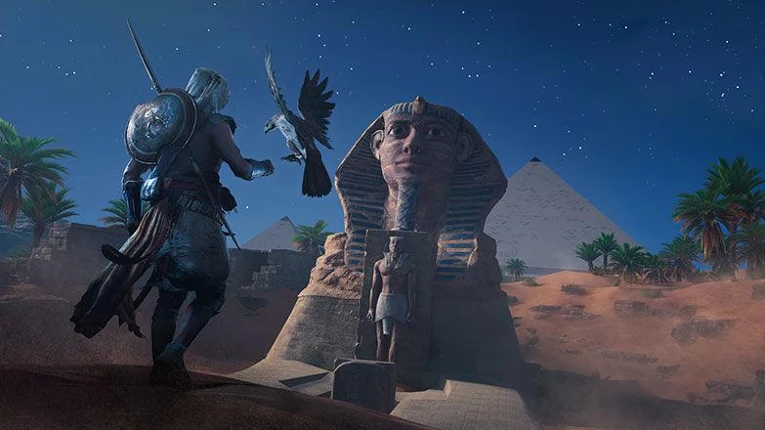
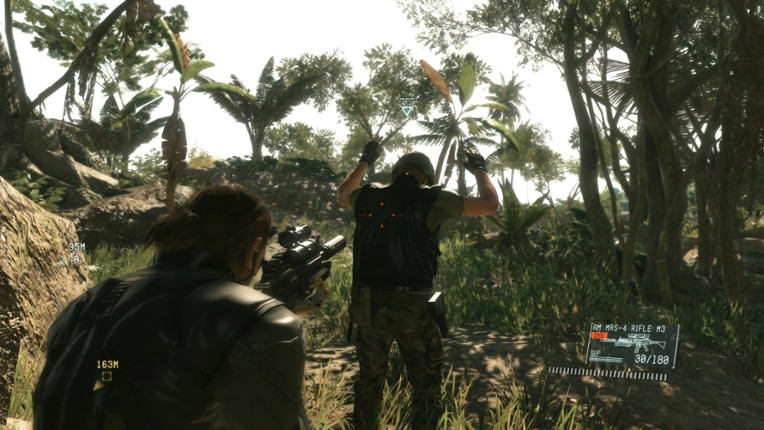
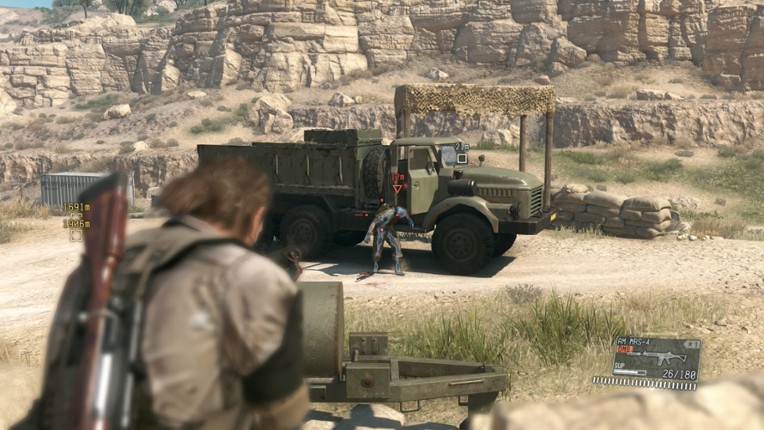
41 View Game 91%Game Brain ScoreMost mentioned positive aspects:story, gameplayMost mentioned negative aspects:grinding, monetization92% User Score 74,338 reviewsCritic Score 91%7 reviewsCombines stealth, open-world espionage, and cinematic heist storytelling with scientific elements and horse riding, blending fantasy with a darker tone than Red Dead’s realism. If you enjoyed this game, see our list of games similar to METAL GEAR SOLID V: THE PHANTOM PAIN.View Game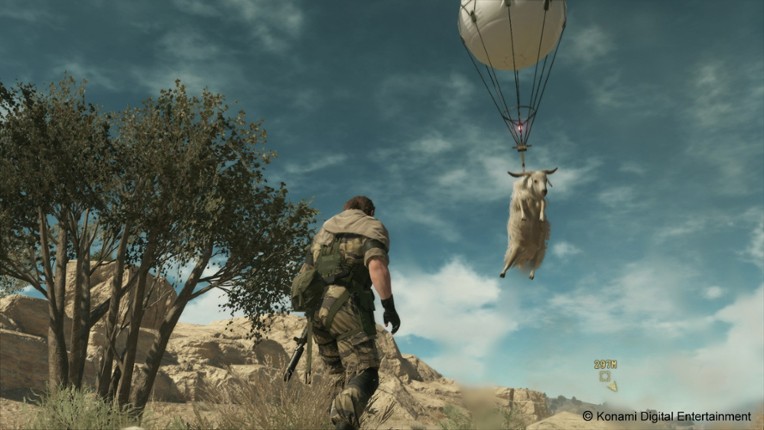
- 72%Game Brain ScoreMost mentioned positive aspects:story, gameplayMost mentioned negative aspects:optimization, stability72% User Score 31,985 reviewsCritic Score 70%3 reviews
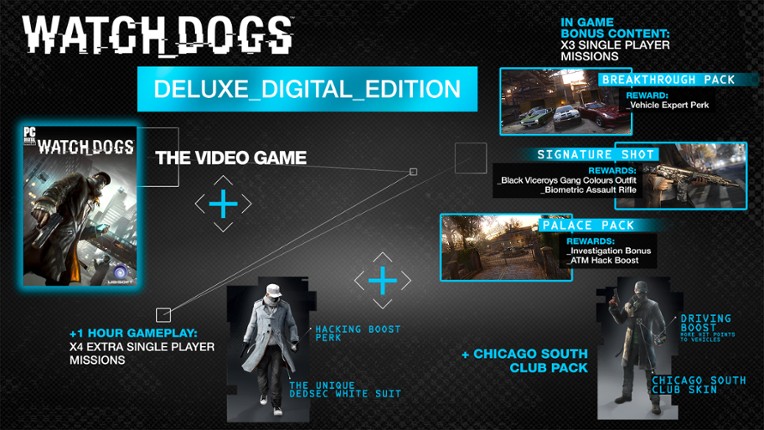
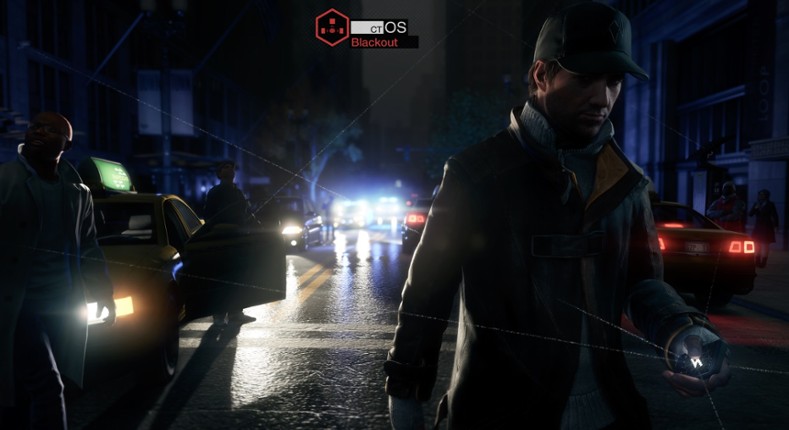
Become Aiden Pearce, a brilliant hacker whose criminal past lead to a violent family tragedy. While on the hunt for those responsible, you will be able to tap into the city’s omnipresent security cameras, download personal information, control systems such as traffic lights and the electrical grid to stop a chase, and more. If you enjoyed this game, see our list of games similar to Watch Dogs.
View Game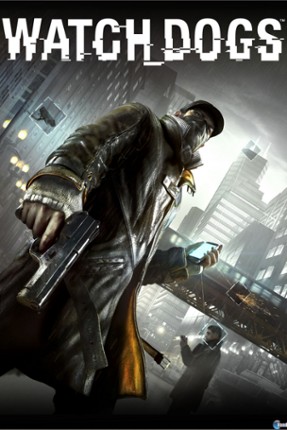
43 View Game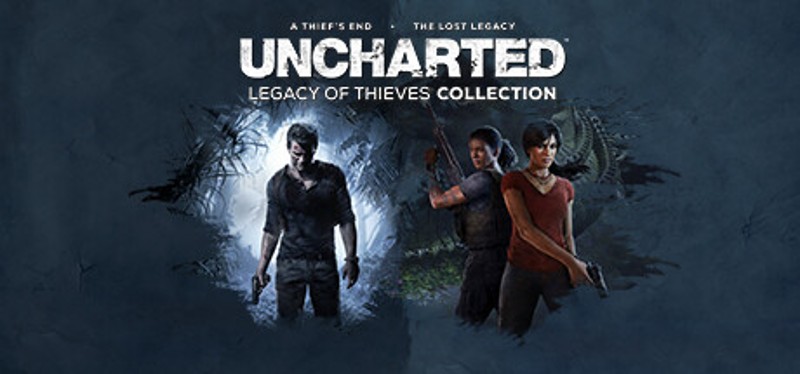 89%Game Brain ScoreMost mentioned positive aspects:story, graphicsMost mentioned negative aspects:stability, grinding89% User Score 11,634 reviews
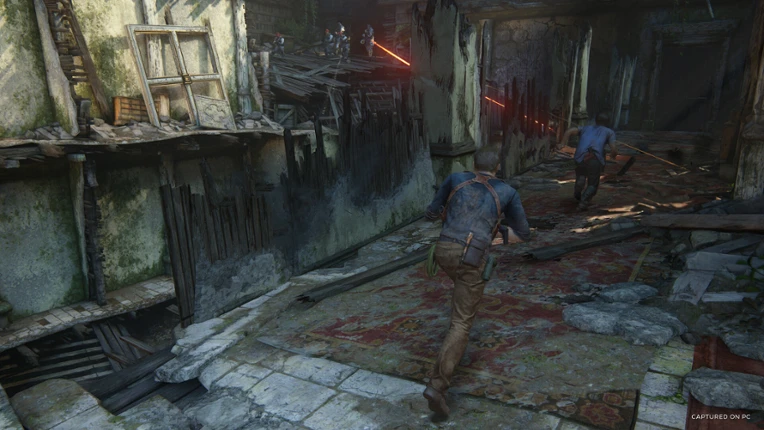
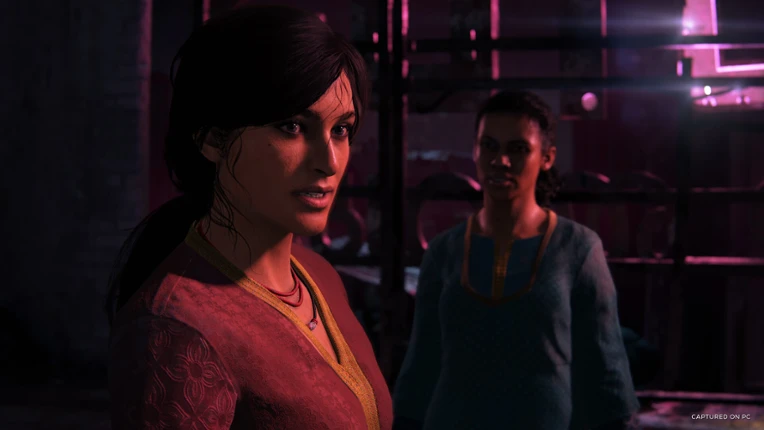
Includes: UNCHARTED 4: A Thief’s End UNCHARTED: The Lost Legacy Are You Ready To Seek Your Fortune? Seek your fortune and leave your mark on the map in the UNCHARTED: Legacy of Thieves Collection. Uncover the thrilling cinematic storytelling and the largest blockbuster action set pieces in the UNCHARTED franchise, packed with all the wit, cunning, and over the top moments of the beloved thieves – … If you enjoyed this game, see our list of games similar to Uncharted: Legacy of Thieves Collection.
View Game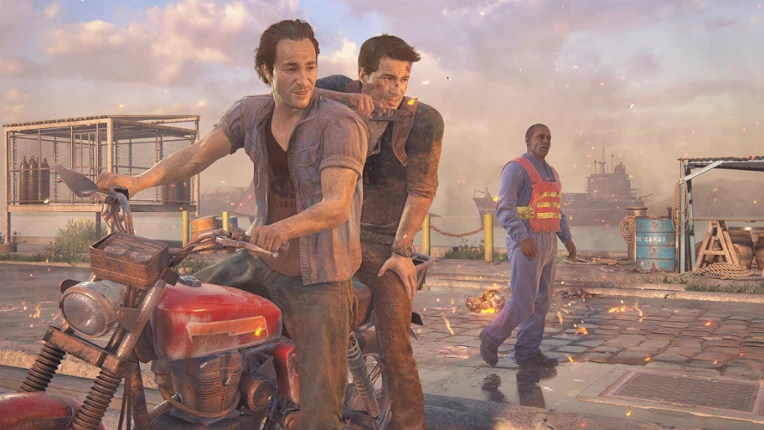
44 View Game View Game97%Game Brain ScoreMost mentioned positive aspects:story, musicMost mentioned negative aspects:grinding, stability97% User Score 124,463 reviews
Lead the members of Expedition 33 on their quest to destroy the Paintress so that she can never paint death again. Explore a world of wonders inspired by Belle Époque France and battle unique enemies in this turn-based RPG with real-time mechanics. If you enjoyed this game, see our list of games similar to Clair Obscur: Expedition 33.
- 86%Game Brain ScoreMost mentioned positive aspects:story, gameplayMost mentioned negative aspects:stability, optimization87% User Score 176,320 reviewsCritic Score 83%6 reviewsLeaves the cowboy saga behind for a chilling survival horror on a haunted island, with crafting and coop in a grim setting. If you enjoyed this game, see our list of games similar to Sons Of The Forest.View Game

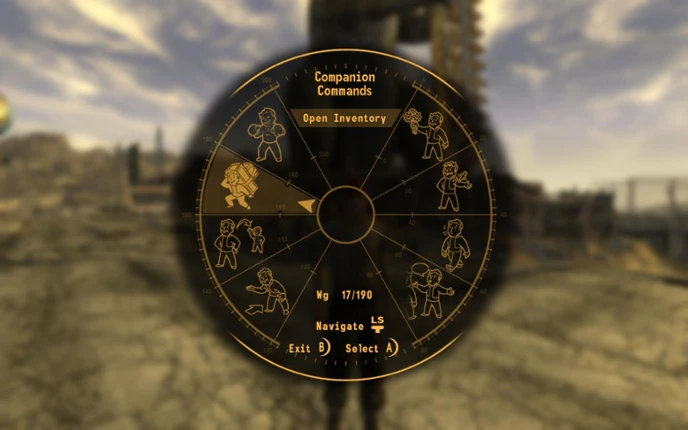
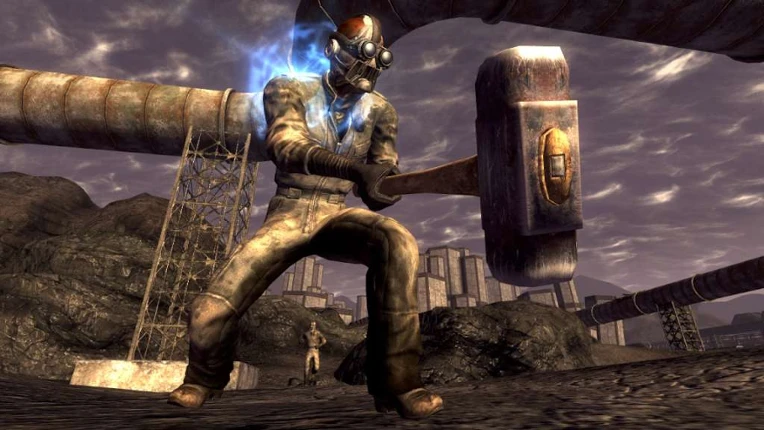
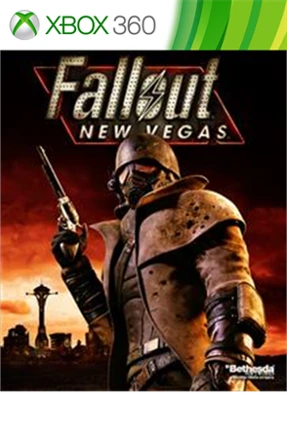
- 89%Game Brain ScoreMost mentioned positive aspects:story, gameplayMost mentioned negative aspects:stability, optimization96% User Score 186,367 reviewsCritic Score 81%9 reviewsTransposes the western spirit into a post‑apocalyptic wasteland, emphasizing player choice, branching quests, and rugged sci‑fi survival. If you enjoyed this game, see our list of games similar to Fallout: New Vegas.View Game
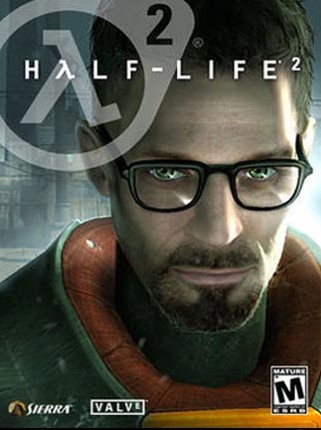
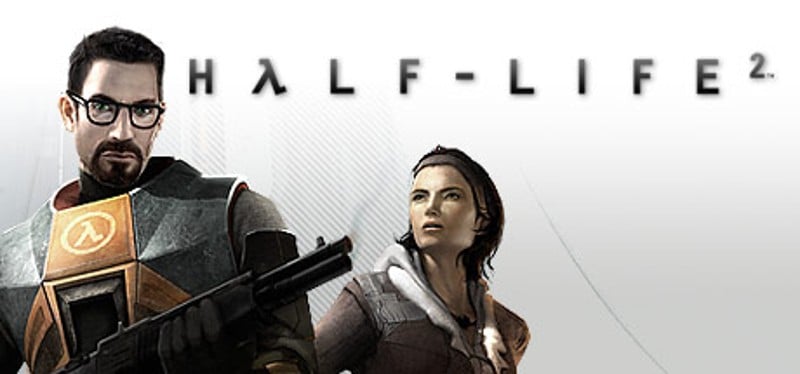
- 94%Game Brain ScoreMost mentioned positive aspects:story, gameplayMost mentioned negative aspects:grinding, stability97% User Score 139,598 reviewsCritic Score 88%5 reviews
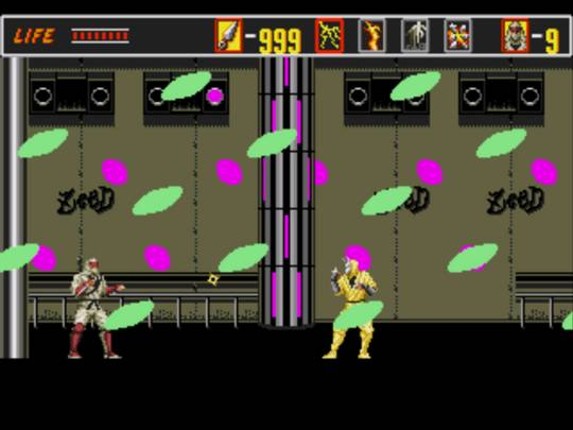
Set in the mythical world of ancient Japan, players take on the role of ninja warrior Shinobi. To free the world from the curse of Goaku, Shinobi must recover 5 elemental swords and defeat the Shoguns who wield them. It will take stealth, strength, and the mastery of the mystic arts for Shinobi to battle his way through the 5 lands. If you enjoyed this game, see our list of games similar to Half-Life 2.
View Game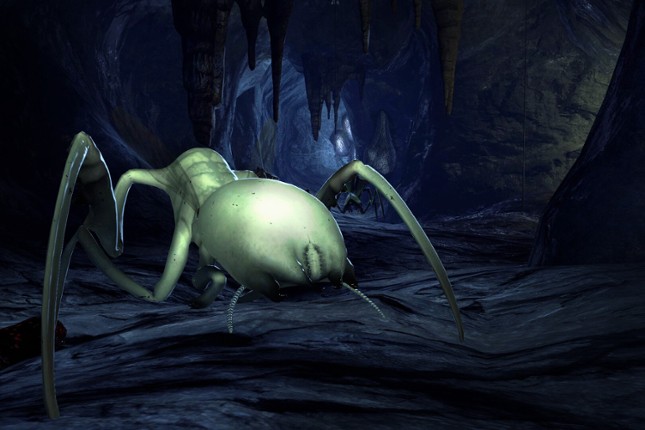
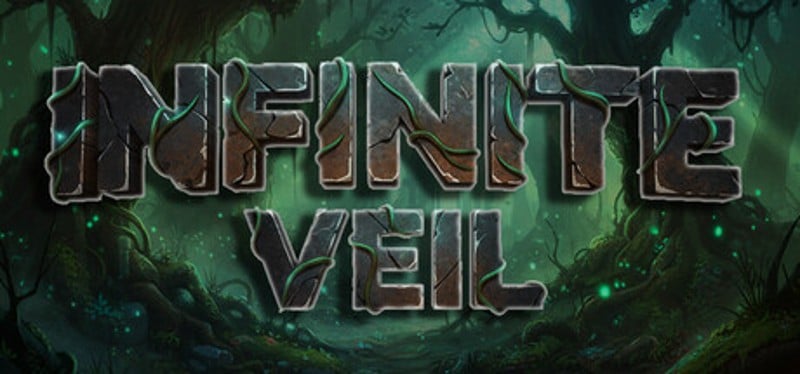
- 85%Game Brain ScoreMost mentioned positive aspects:story, gameplayMost mentioned negative aspects:grinding, stability85% User Score 1,131 reviews
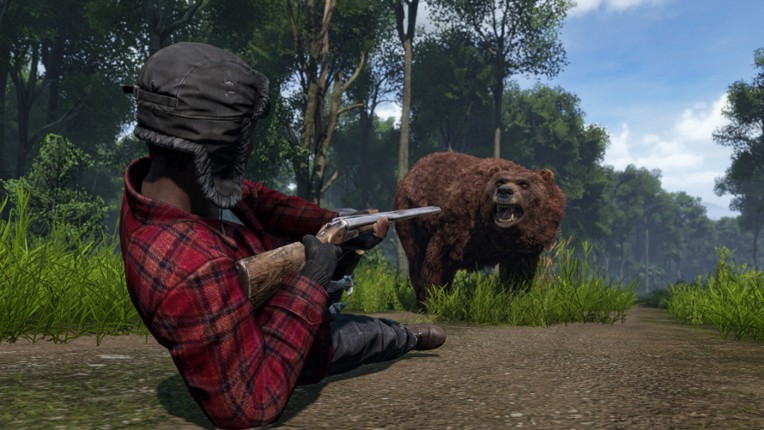
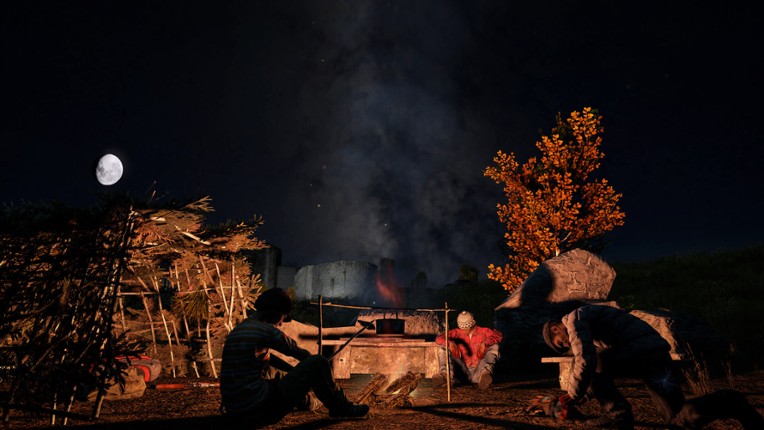
Infinite Veil is an atmospheric forest survival experience focused on realism and immersion. You awaken surrounded by untamed nature, with no paths or maps — only silence, cold, and the will to survive. Explore the wilderness, collect materials, and construct your shelter to shield yourself from wind and rain. The dynamic cycle of day, night, and weather brings the world to life: daylight fades i… If you enjoyed this game, see our list of games similar to Infinite Veil.
View Game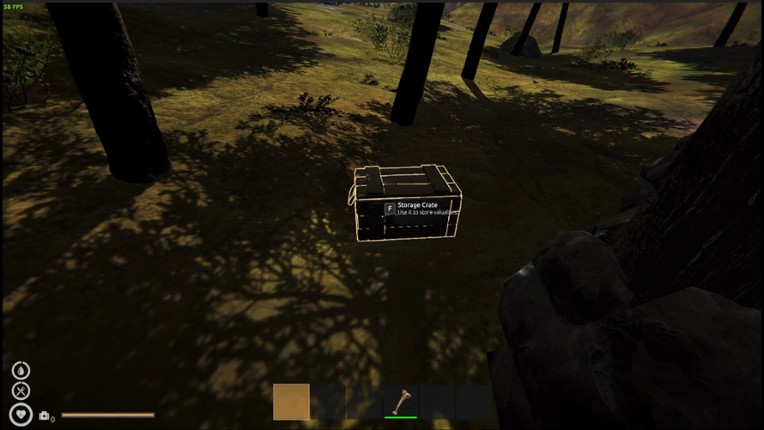
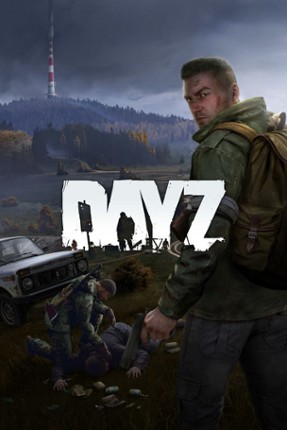
- 65%Game Brain ScoreMost mentioned positive aspects:gameplay, graphicsMost mentioned negative aspects:stability, optimization74% User Score 205,833 reviewsCritic Score 20%1 reviews
How long can you survive a post-apocalyptic world? A land overrun with an infected "zombie" population, where you compete with other survivors for limited resources. Will you team up with strangers and stay strong together? Or play as a lone wolf to avoid betrayal? This is DayZ – this is your story. If you enjoyed this game, see our list of games similar to DayZ.
View Game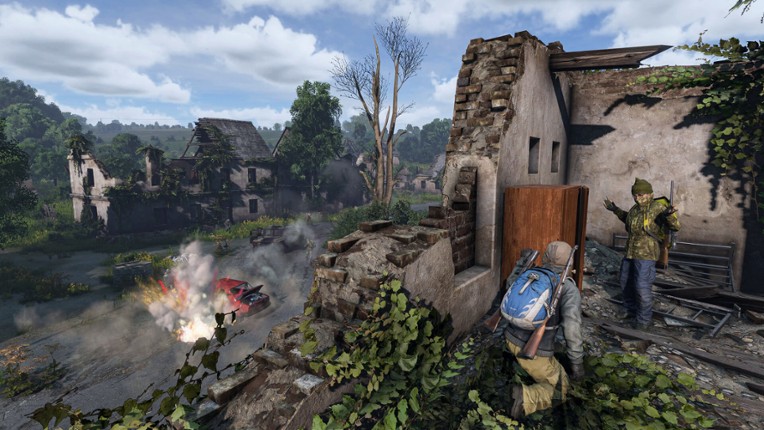
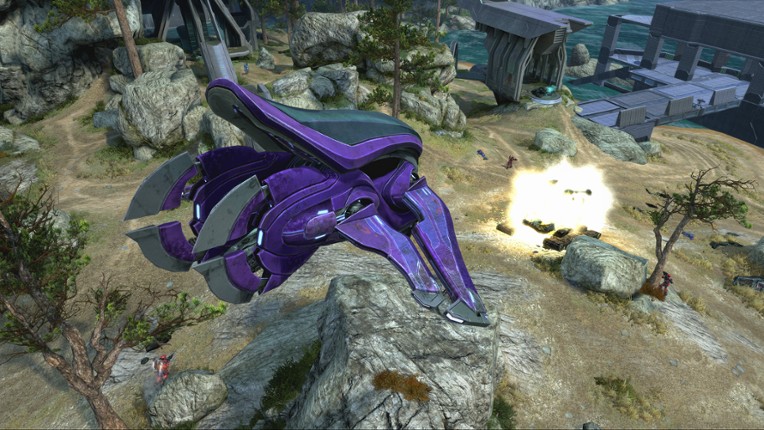
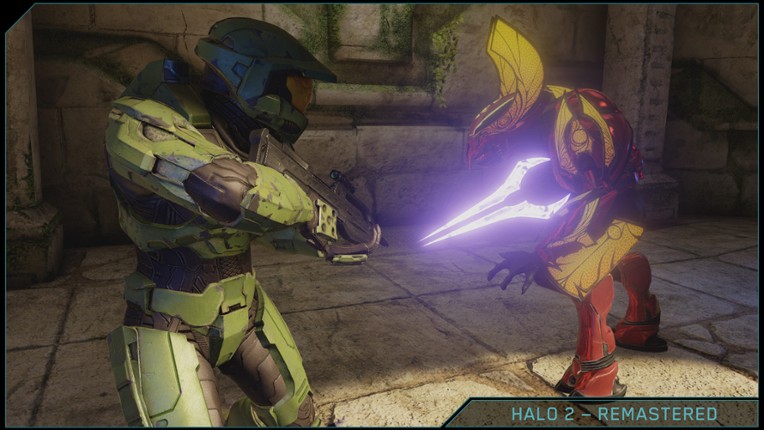
50 View Game 91%Game Brain ScoreMost mentioned positive aspects:story, graphicsMost mentioned negative aspects:stability, grinding92% User Score 173,007 reviewsCritic Score 90%2 reviewsAbandons the dusty west for a galaxy‑spanning sci‑fi saga, featuring iconic heroes, alien foes, and a legendary soundtrack. If you enjoyed this game, see our list of games similar to Halo: The Master Chief Collection.View Game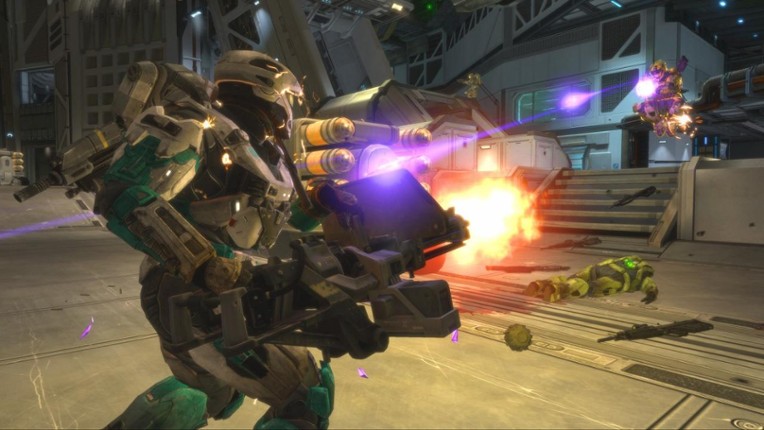


 View Game
























Frequently Asked Questions
For story-driven open worlds, try The Witcher 3: Wild Hunt for its branching narratives and character depth, or Cyberpunk 2077 for immersive world-building with meaningful choices. Ghost of Tsushima offers stunning visuals and atmospheric exploration, while Kingdom Come: Deliverance II delivers realistic, historically-grounded gameplay without microtransactions—perfect if you value complete experiences.
The Witcher 3: Wild Hunt excels with deep character arcs and impactful choices that shape your story. Cyberpunk 2077 features emotionally powerful characters and dialogue-driven missions. Far Cry 3 explores character descent through Jason Brody's arc, while Red Dead Redemption, the original prequel, centers on John Marston's unforgettable emotional journey.
Far Cry 5 and Far Cry 3 both offer robust co-op experiences for up to two players, letting you tackle missions together. Ghost of Tsushima includes multiplayer co-op modes separate from the single-player campaign. These alternatives let you share the open-world exploration with friends while maintaining engaging stories and atmospheric gameplay.
Kingdom Come: Deliverance II stands out for its complete experience with zero microtransactions—just pure medieval immersion. The Witcher 3: Wild Hunt and Ghost of Tsushima are single-player focused with no battle passes or cash shops. These games reward your playtime directly, avoiding the grind-focused monetization that frustrates Red Dead Online players.
Days Gone delivers cinematic survival storytelling with emotional depth and atmospheric exploration on horseback-adjacent vehicles. Ghost of Tsushima presents stunning visuals with feudal-era narrative immersion. Cyberpunk 2077 creates breathtaking neon atmosphere with character-driven missions. All three prioritize narrative atmosphere similar to Red Dead's haunting, narrative-rich design.
Kingdom Come: Deliverance II offers authentic medieval realism with methodical combat and immersive mechanics. Red Dead Redemption, the original, maintains similar pacing with deliberate animations. The Witcher 3: Wild Hunt features measured exploration and tactical combat. If you appreciate Red Dead's cinematic pacing over fast-action gameplay, these deliver comparable deliberate, immersive experiences.