


Games like Satisfactory
If you've lost entire weekends to building conveyor belt empires, optimizing iron smelters, and exploring alien landscapes in first-person, you already know the pull of games like Satisfactory is hard to explain to anyone who hasn't felt it. That perfect blend of open-world exploration, factory automation, base building, and resource management creates something genuinely rare — and the good news is there are other games that hit that same sweet spot.
Satisfactory earns its obsessive fanbase through a specific formula: you're dropped into a lush, vibrant alien world in first-person and tasked with building an industrial empire from scratch. The core loop — gather resources, automate production lines, scale up complexity — rewards both meticulous planners and chaotic builders equally. Ada's sardonic commentary keeps the tone light while the factory systems underneath grow staggeringly deep. Players chasing games like Satisfactory are looking for that same sense of cascading, self-sustaining progress where every optimization unlocks a new layer of possibility.
What Makes a Good Alternative to Satisfactory?
- Factory automation depth — The heart of Satisfactory is designing production chains that run without constant babysitting. The best alternatives offer similarly intricate automation systems where routing, throughput, and efficiency genuinely matter.
- Resource management with meaningful progression — Satisfactory's loop works because raw materials translate into increasingly complex outputs. Good alternatives tie resource gathering directly to tangible, satisfying technological advancement.
- Open-world exploration tied to building — Discovering new biomes and materials fuels the next phase of construction. Alternatives that integrate exploration and base building keep that momentum alive rather than treating them as separate modes.
- First-person or tactile perspective — Being physically present inside your factory makes Satisfactory's scale feel personal and dramatic. Games that put you at ground level of your own creation replicate that sense of ownership.
- Scalable complexity with a relaxed or science-fiction tone — Satisfactory never punishes creativity with overwhelming hostility. The best alternatives balance challenge with a tone that rewards tinkering over survival anxiety.
Top Picks If You Enjoyed Satisfactory
Factorio is the undisputed king of factory optimization with unmatched depth. Dyson Sphere Program takes automation to a breathtaking interstellar scale. Planet Crafter pairs first-person resource management with satisfying terraforming progression. ASTRONEER delivers that same explorer-builder energy with a charming, low-pressure atmosphere. shapez strips automation down to a brilliantly pure, puzzle-like form. Each scratches a specific part of what makes Satisfactory so compelling.
Every recommendation below is ranked by similarity using real player data, so the closest matches appear first. Browse the full list to find your next automation obsession.
- 91%Game Brain ScoreMost mentioned positive aspects:gameplay, graphicsMost mentioned negative aspects:grinding, stability98% User Score 138,322 reviewsCritic Score 82%8 reviews
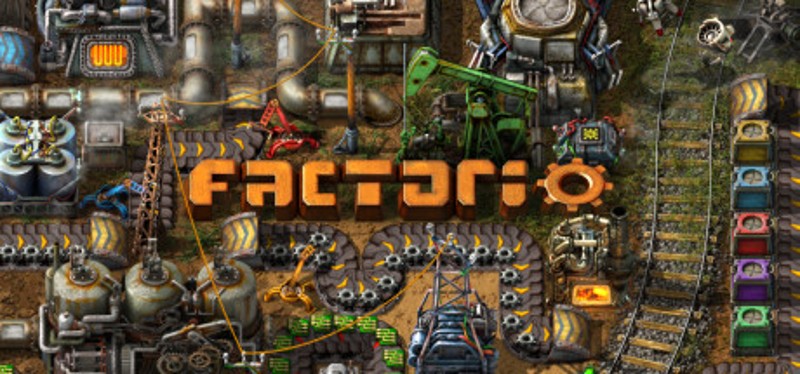
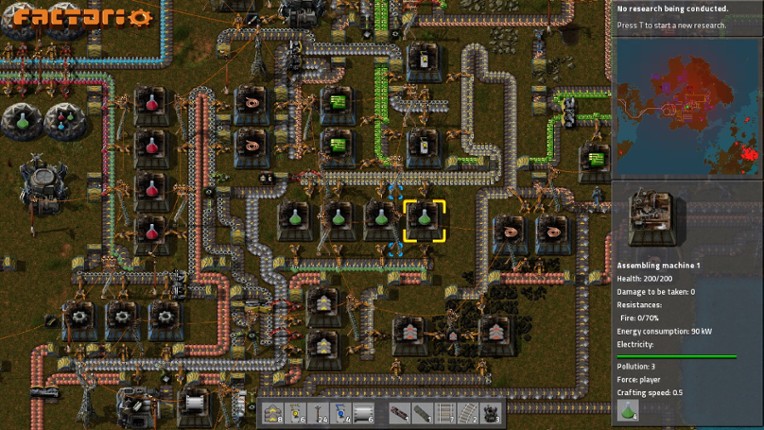
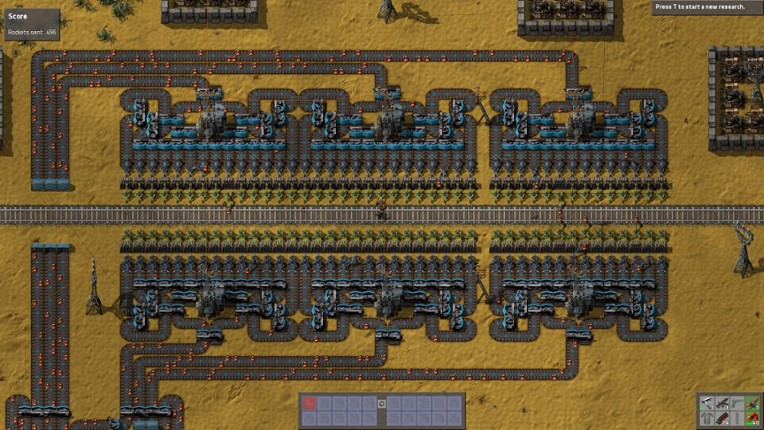
Both games trap you in the same addictive loop: design a production chain, optimize it, hit a resource bottleneck, and redesign again. That cycle of problem-solving and incremental improvement is what keeps players grinding for hours in Satisfactory, and Factorio executes it with relentless precision.
The automation systems are the core parallel—conveyor belts, assembly lines, and resource routing in Satisfactory map directly onto Factorio's production networks. What makes this feel identical rather than derivative is that both games force you to think spatially and systemically; you're not just following a checklist, you're architecting solutions to physical constraints. That's why optimization becomes compulsive in both.
Co-op multiplayer and sandbox building are equally central to both experiences, letting you collaborate on factory expansion without narrative pressure.
The trade-off: Factorio trades Satisfactory's first-person immersion and vibrant 3D world for a top-down 2D perspective and retro pixel aesthetic. It's a step back visually, but it gives you a clearer view of your sprawling industrial empire—many players prefer the bird's-eye clarity for complex optimization.
Critically, Factorio also addresses Satisfactory's performance and stability issues; it runs smoothly even at massive factory scales, eliminating the late-game slowdown that frustrates larger multiplayer sessions.
Best for: Players who crave the factory-building loop over spectacle, and who value rock-solid performance for long-term projects.
If you enjoyed this game, see our list of games similar to Factorio.View Game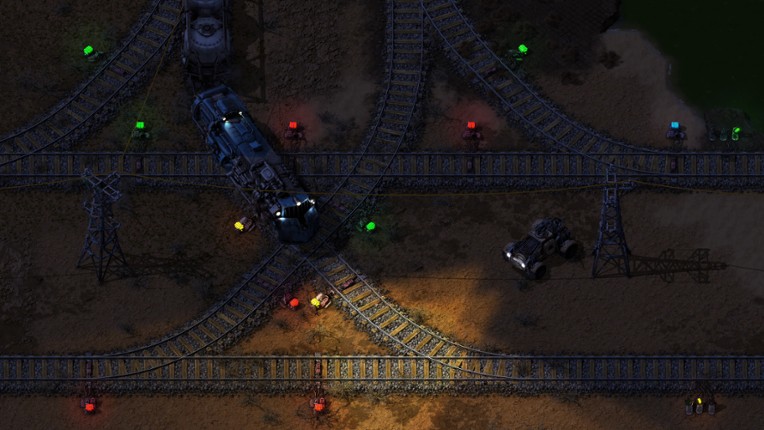
- 97%Game Brain ScoreMost mentioned positive aspects:gameplay, graphicsMost mentioned negative aspects:grinding, stability97% User Score 43,752 reviews
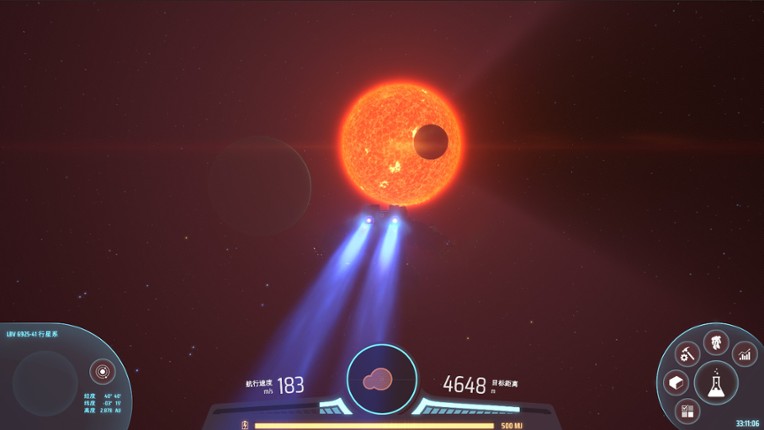
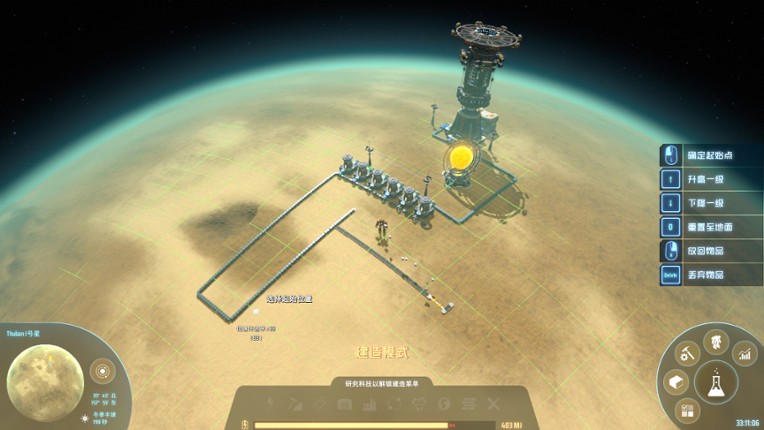
That moment in Satisfactory when you stop hand-crafting and start watching a machine network hum on its own is exactly the itch Dyson Sphere Program scratches. Both games revolve around turning raw terrain into sprawling production chains, and both reward the same habit of constant optimization: reroute a line, rebalance a bottleneck, expand, repeat. Because DSP pushes that loop across an entire star system, the payoff feels even bigger when one clean design decision unlocks the next layer of automation.
It also speaks to the same love of base building, resource management, and science-driven progression, but from a more top-down, spacefaring angle. That perspective is the fresh tradeoff: you lose Satisfactory’s first-person traversal, but gain a broader strategic canvas that makes large-scale factory planning feel more deliberate. For players who found Satisfactory’s late-game grind a little repetitive, DSP’s planetary logistics and interplanetary scaling give that effort a clearer long-term purpose.
Best for players who enjoy mastery, optimization, and watching a huge system click into place.
If you enjoyed this game, see our list of games similar to Dyson Sphere Program.View Game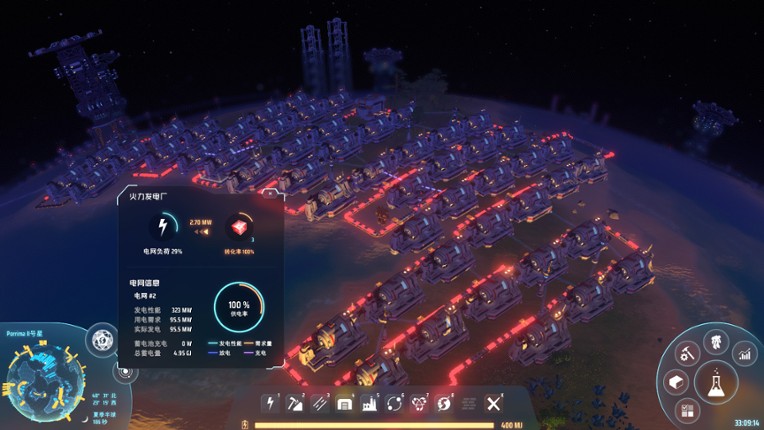
- 88%Game Brain ScoreMost mentioned positive aspects:gameplay, storyMost mentioned negative aspects:grinding, stability96% User Score 43,956 reviewsCritic Score 78%7 reviews
Both titles are first‑person, open‑world builders where you harvest resources, design layouts, and watch your base expand. The loop of planning, crafting, and iterating structures is essentially the same. This shared building‑and‑optimization focus makes The Planet Crafter feel instantly recognizable.
Both support two‑player co‑op and solo play, letting friends share the workload. That matters because it preserves the collaborative vibe Satisfactory players expect.
The Planet Crafter trades Satisfactory's deep automation for terraforming goals and a lighter, narrative‑driven progression.
Pick this up if you want a relaxing, story‑rich building game with co‑op, but can live without intricate logistics and heavy performance demands.
If you enjoyed this game, see our list of games similar to Planet Crafter.View Game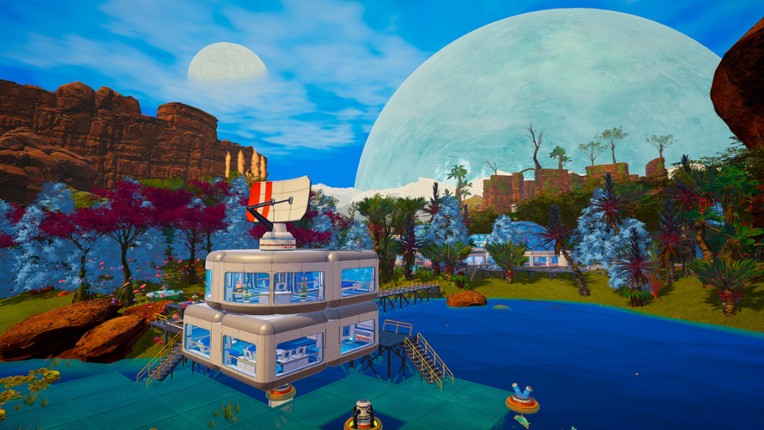
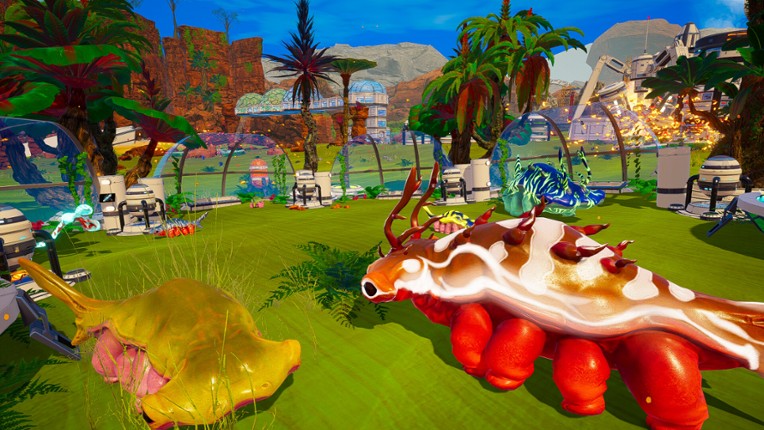
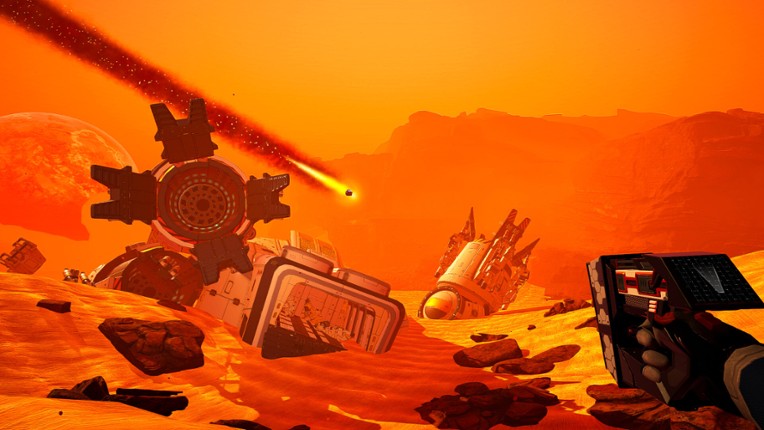
- 92%Game Brain ScoreMost mentioned positive aspects:gameplay, graphicsMost mentioned negative aspects:stability, grinding92% User Score 44,980 reviews
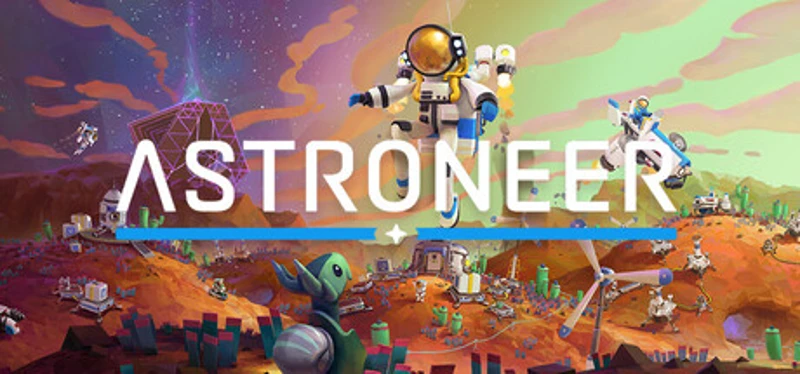
Both titles hook you into a loop of taming alien frontiers through resource extraction and modular construction. You will find yourself obsessing over oxygen tethers and power grids much like you do with conveyor belts and coal generators. This creates a tangible sense of progression as you transform a desolate biome into a functional network of machines.
While Satisfactory players often find the narrative backdrop underdeveloped, ASTRONEER provides a more cohesive experience with emotional depth and atmospheric storytelling. Instead of rigid industrialization, you manipulate the terrain itself, treating the planet's surface as a malleable tool to reach hidden treasures. This terraforming mechanic shifts the gameplay focus from sheer throughput to creative, physics-based exploration.
Best for players who want to trade corporate efficiency for planetary wonder and mystery.
If you enjoyed this game, see our list of games similar to ASTRONEER.View Game
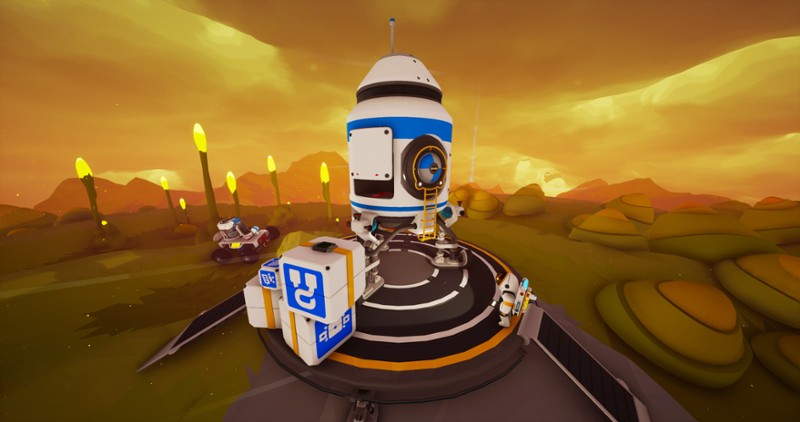
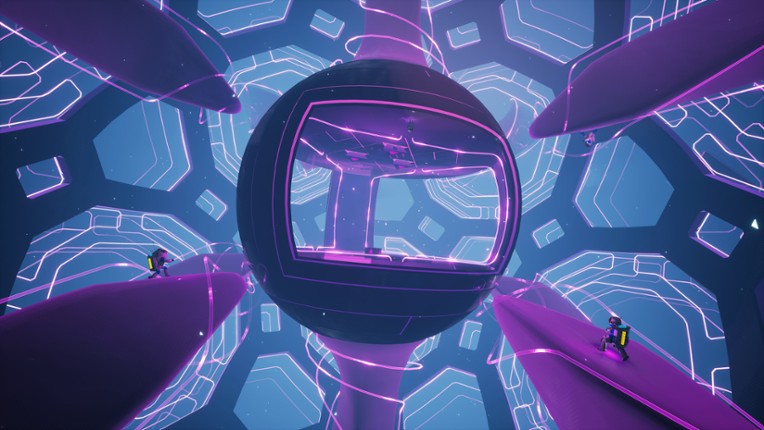
- 90%Game Brain ScoreMost mentioned positive aspects:gameplay, graphicsMost mentioned negative aspects:story, stability90% User Score 2,013 reviews
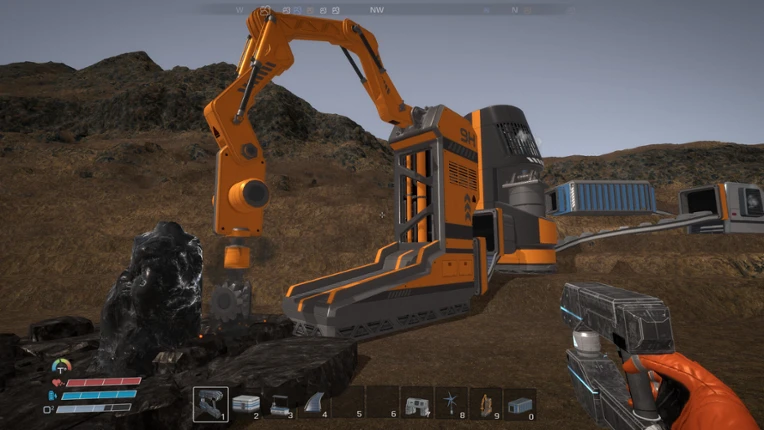
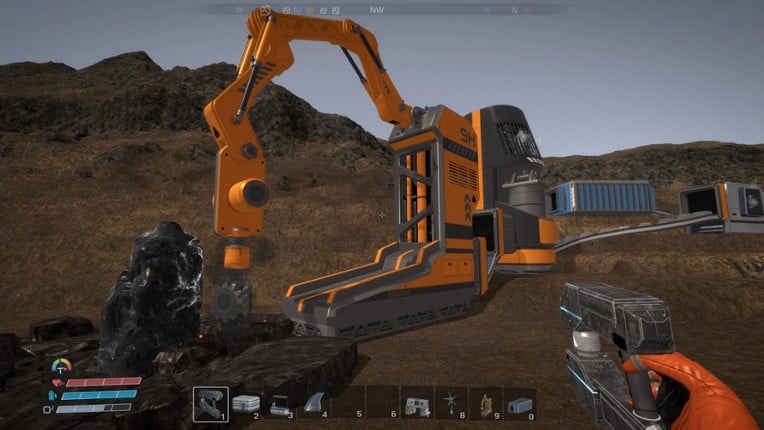
The addictive loop of designing, tweaking, and optimizing production chains is the beating heart of both experiences. In Satisfactory, players spend hours routing conveyor belts and balancing ratios; Ocean World captures that same satisfaction with automated mining rigs and processing arrays that feel rewarding to refine. This shared focus on systemic optimization creates that "one more adjustment" compulsion that keeps engineers glued to their screens.
Both titles ground their science-fiction worlds in tangible, hands-on resource gathering—from drilling ore deposits to constructing elaborate base layouts. The first-person perspective reinforces this physicality, making players feel present as they wire together power grids and build sprawling facilities. The co-op layer amplifies this further: coordinating automation with a partner transforms solitary engineering puzzles into collaborative projects that both games handle elegantly.
Where Ocean World diverges is its marine-sci-fi setting, swapping planetary factories for oceanic bases and spaceship construction. This introduces wave dynamics and ship navigation that demand environmental adaptation rather than pure factory scaling. The tradeoff: players seeking Satisfactory's sprawling landmass may find Ocean World's aquatic scope tighter, but the novel environmental puzzles reward those who enjoy mastering unfamiliar systems.
Best for players who chase mastery over spectacle—optimizers who feel genuine pride watching a perfectly balanced production line hum.
If you enjoyed this game, see our list of games similar to Ocean World: Eden Crafters Prologue.View Game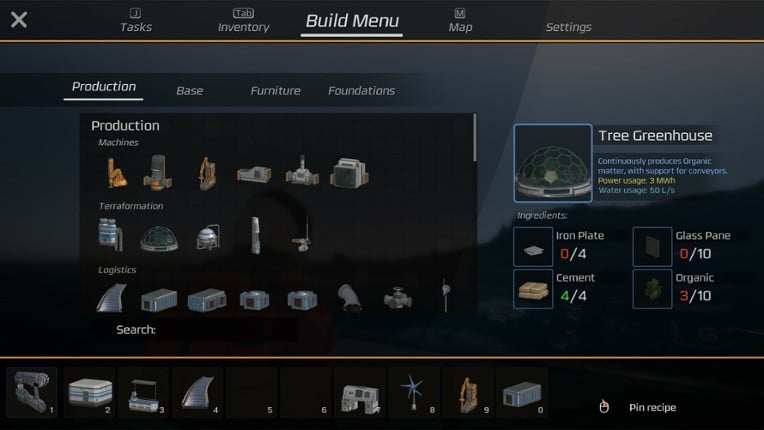
- 96%Game Brain ScoreMost mentioned positive aspects:gameplay, musicMost mentioned negative aspects:grinding, story96% User Score 8,848 reviews
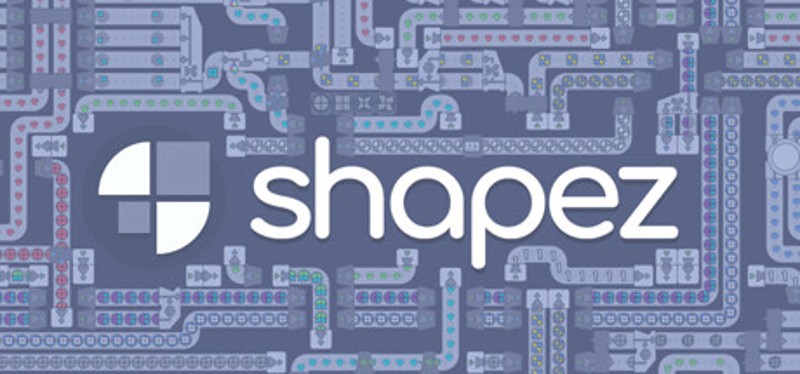
The core of both Satisfactory and shapez is the compulsive drive to refine and scale complex automation chains. This shared obsession with logic-based logistics ensures that your brain remains trapped in a satisfying cycle of optimization.
The progression remains rewarding because you constantly replace manual tasks with automated efficiency, minimizing human intervention. It captures the pure mathematical joy of the genre without the bloat.
However, you trade Satisfactory’s visceral 3D exploration and manual resource gathering for a minimalist, abstract 2D canvas. The game replaces planetary discovery with infinite geometric puzzle-solving.
Pick this up if you crave the raw dopamine hit of factory optimization but are tired of navigating 3D terrain and managing survival mechanics.
If you enjoyed this game, see our list of games similar to shapez.View Game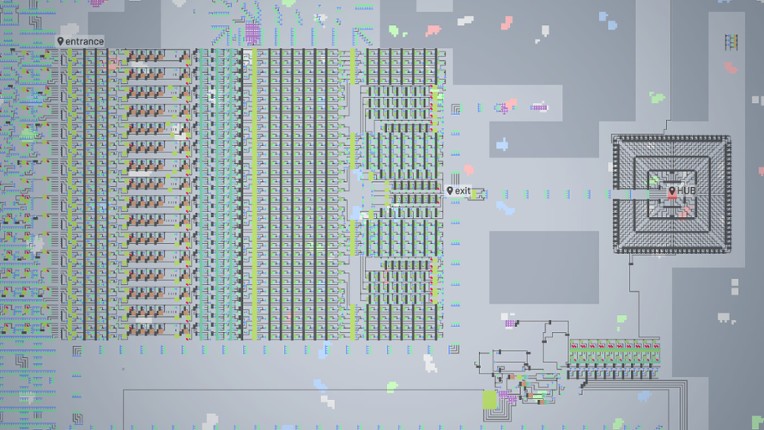
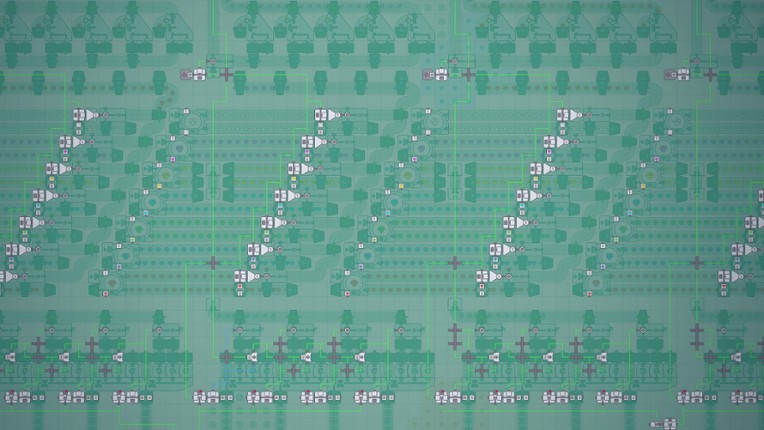
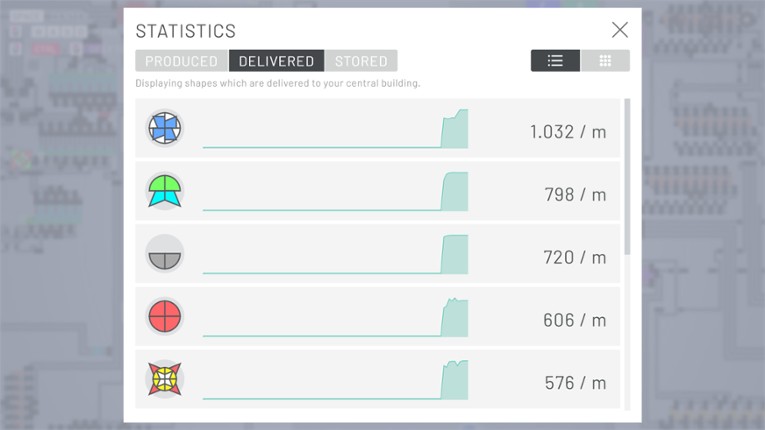
- View Game91%Game Brain ScoreMost mentioned positive aspects:gameplay, graphicsMost mentioned negative aspects:story, music91% User Score 1,260 reviewsAlchemy Factory swaps the high‑tech setting for a medieval alchemist’s workshop, layering logic puzzles into the usual factory‑building loop. If you enjoyed this game, see our list of games similar to Alchemy Factory.
- 94%Game Brain ScoreMost mentioned positive aspects:gameplay, graphicsMost mentioned negative aspects:story, grinding98% User Score 9,399 reviewsCritic Score 80%2 reviews
shapez 2 captures the pure, logical heart of Satisfactory by stripping away the exploration and focusing entirely on complex logistics chains. It distills automation into a minimalist, top-down puzzle where scaling production lines is the only objective, which matters because it removes the time-consuming friction of traversal.
You trade Satisfactory’s immersive, sprawling 3D world for a sleek, abstract environment that prioritizes mathematical efficiency. While you lose the tactical depth of vertical, terrestrial base-building, you gain a frictionless interface that makes architectural redesigns instantaneous.
Pick this up if you want the high of optimizing massive factory systems but can live without the survival elements or the visual overhead of a first-person perspective.
If you enjoyed this game, see our list of games similar to shapez 2.View Game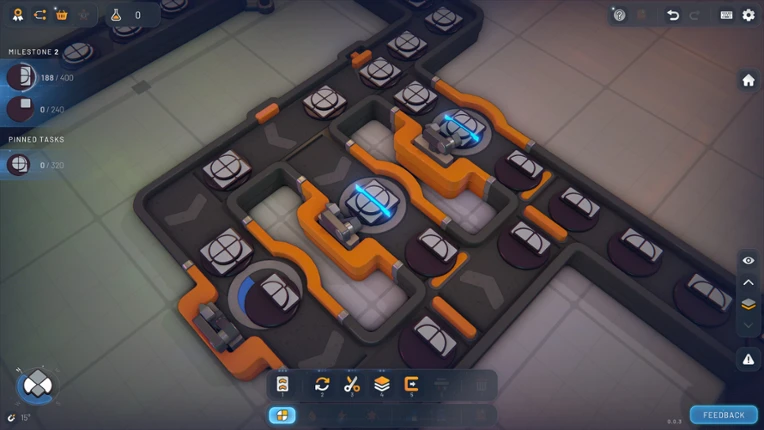
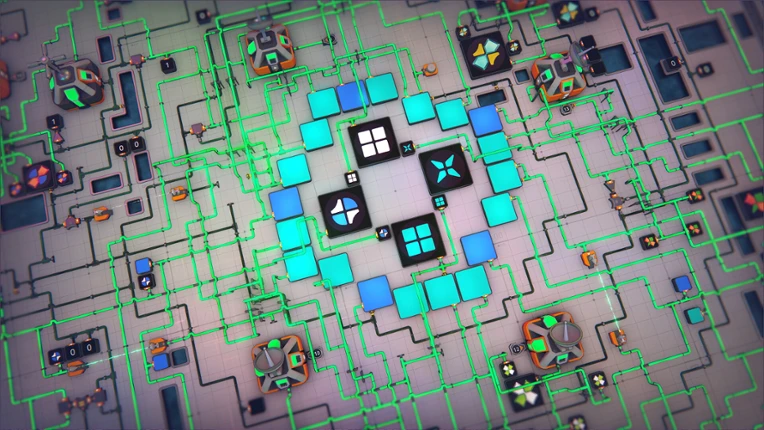
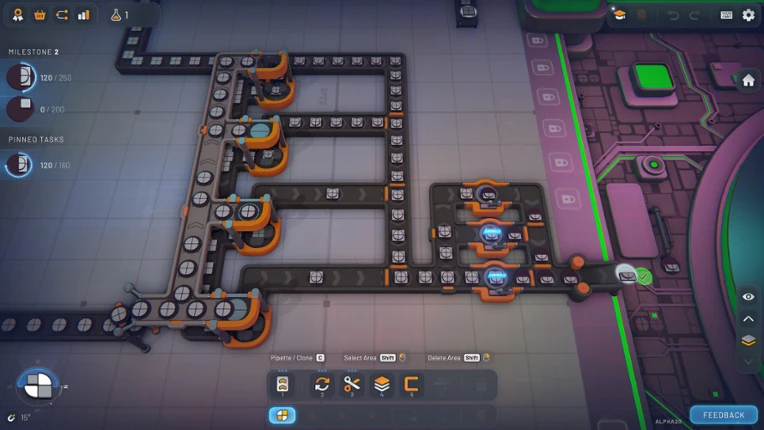
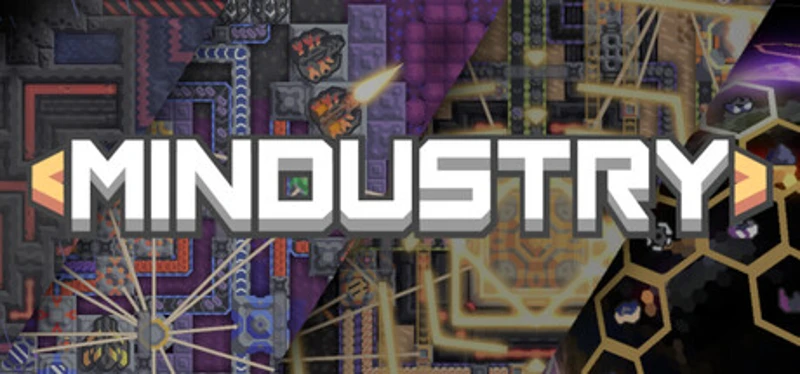
- 95%Game Brain ScoreMost mentioned positive aspects:gameplay, graphicsMost mentioned negative aspects:story, grinding95% User Score 10,183 reviewsMindustry turns the factory into a pixel‑art battlefield where you defend production lines with towers, adding a tactical layer to automation. If you enjoyed this game, see our list of games similar to Mindustry.View Game
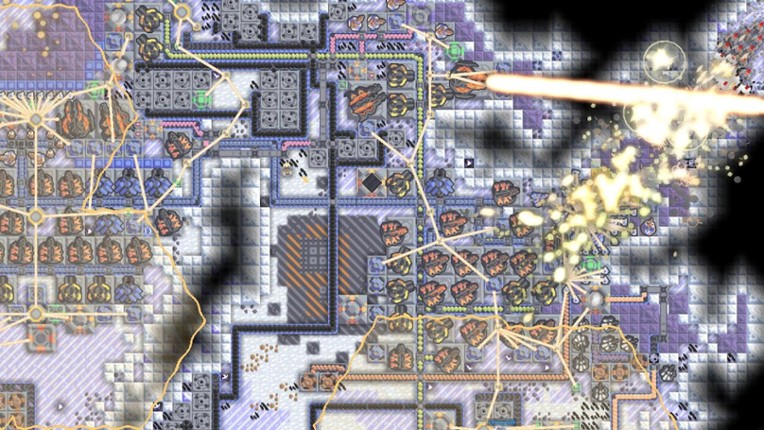
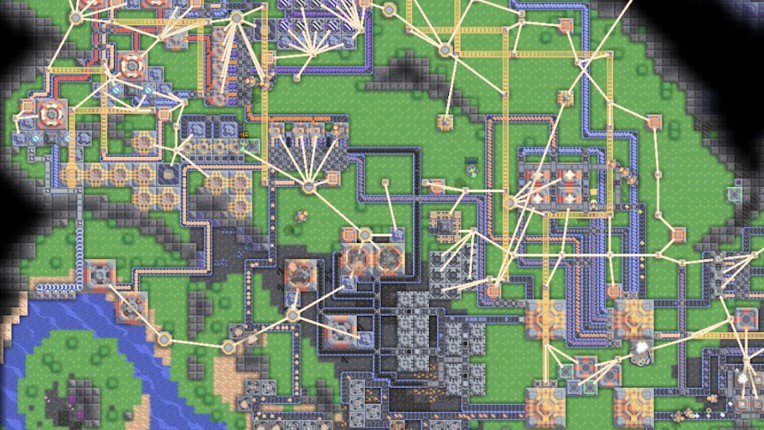
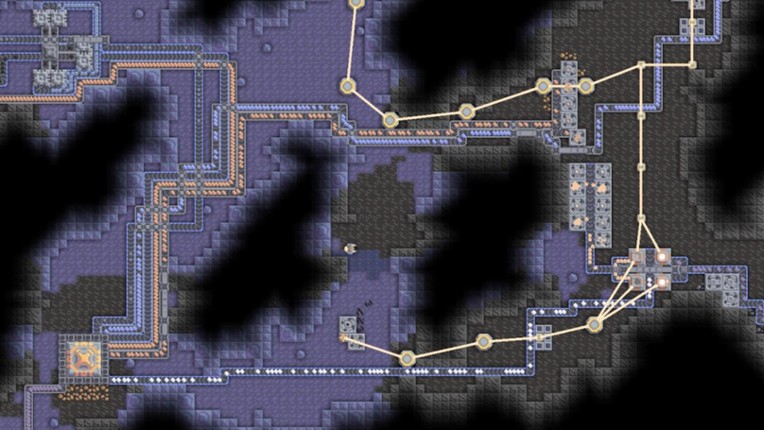
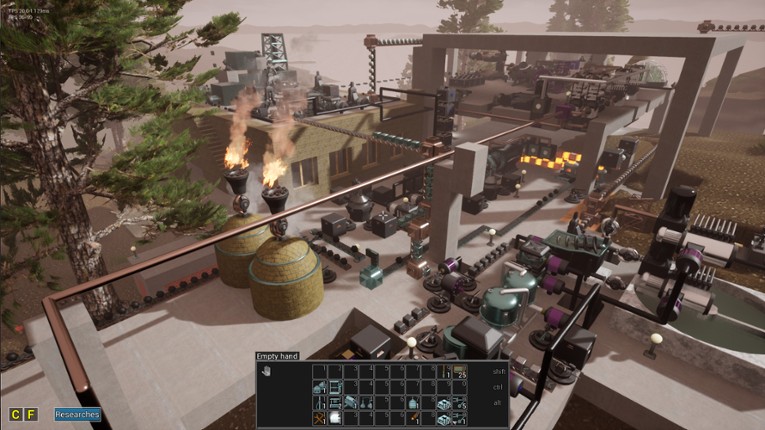
- 72%Game Brain ScoreMost mentioned positive aspects:gameplay, graphicsMost mentioned negative aspects:grinding, stability72% User Score 4,058 reviews
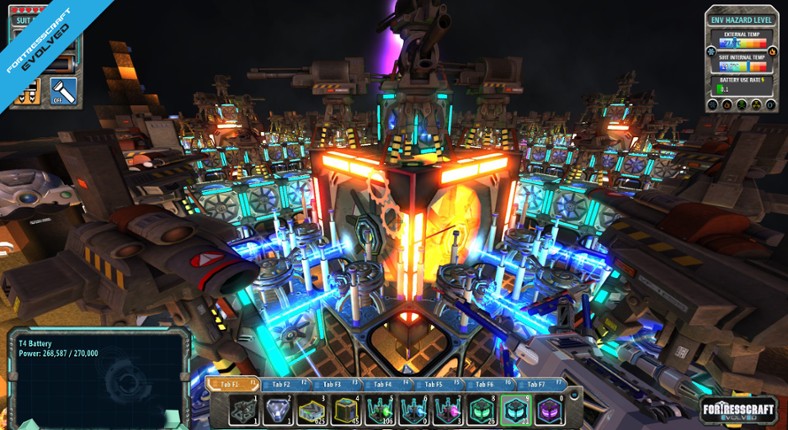
FortressCraft Evolved shares Satisfactory’s core automation and base-building mechanics, delivering a similarly complex and rewarding factory management experience. Both emphasize resource extraction and systematic optimization, which drives continuous gameplay progression.
They also feature open-world exploration with multiplayer co-op, enabling collaborative planning and expansion—key for players who value teamwork and strategic depth. However, FortressCraft introduces tower defense elements that shift focus toward combat and defense, contrasting Satisfactory’s pure factory simulation approach.
Pick FortressCraft if you want layered challenge through defense and mining depth but can tolerate a clunky UI and weaker onboarding compared to Satisfactory’s polished presentation and smoother learning curve.
If you enjoyed this game, see our list of games similar to FortressCraft Evolved.View Game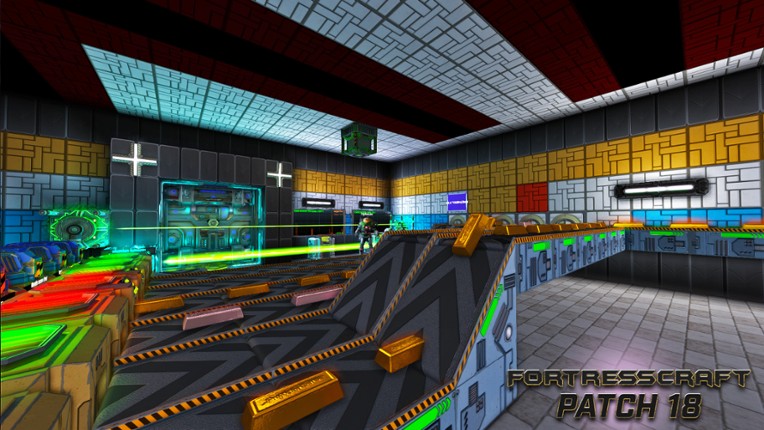
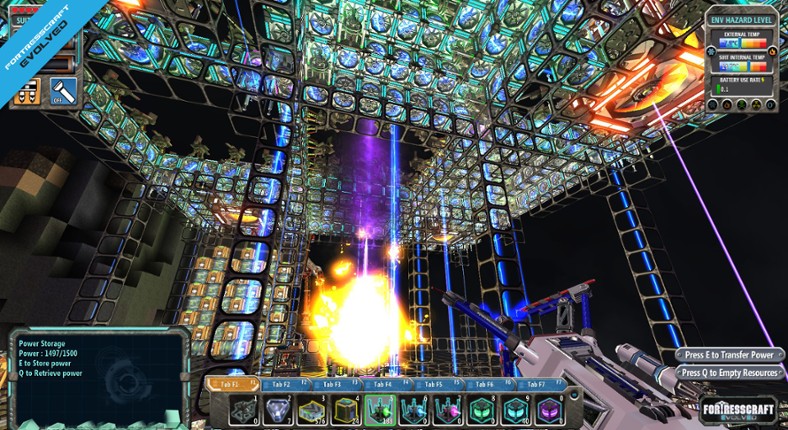
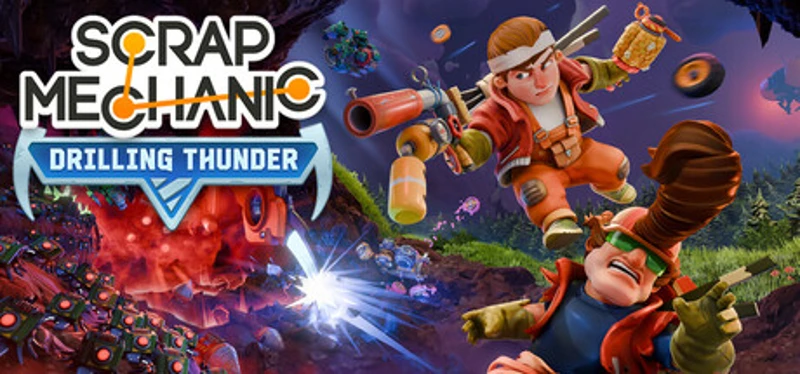
- 91%Game Brain ScoreMost mentioned positive aspects:graphics, storyMost mentioned negative aspects:gameplay, grinding91% User Score 50,535 reviewsScrap Mechanic replaces sleek sci‑fi with a quirky, physics‑heavy sandbox where you build functional machines in a comedic third‑person world. If you enjoyed this game, see our list of games similar to Scrap Mechanic.View Game
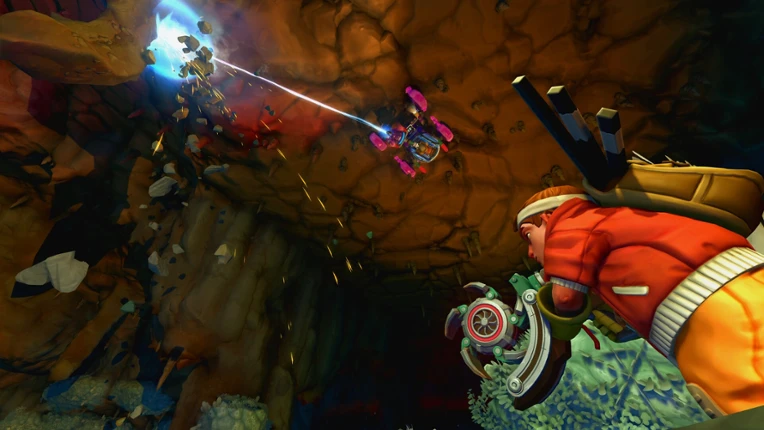
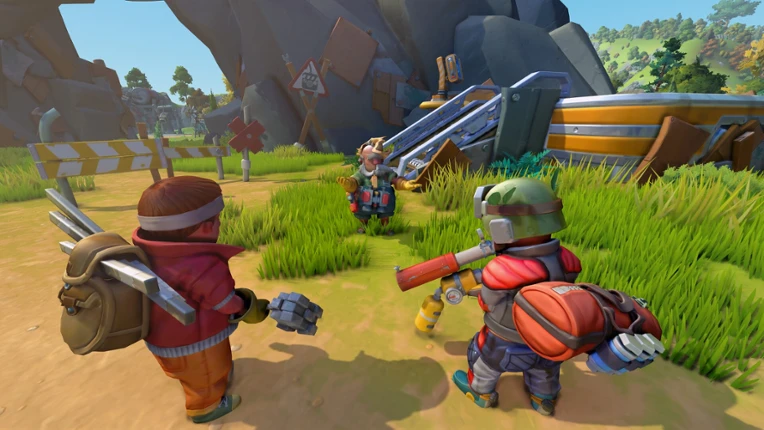
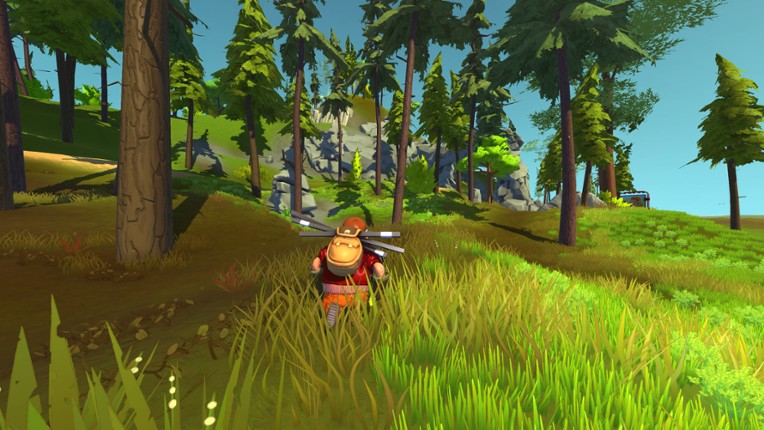
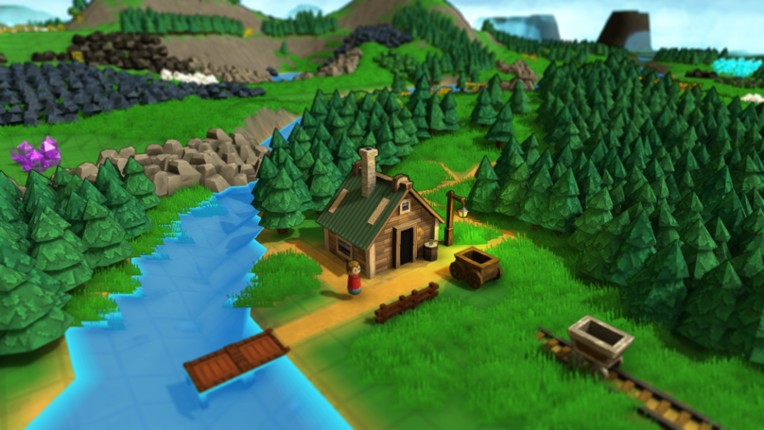
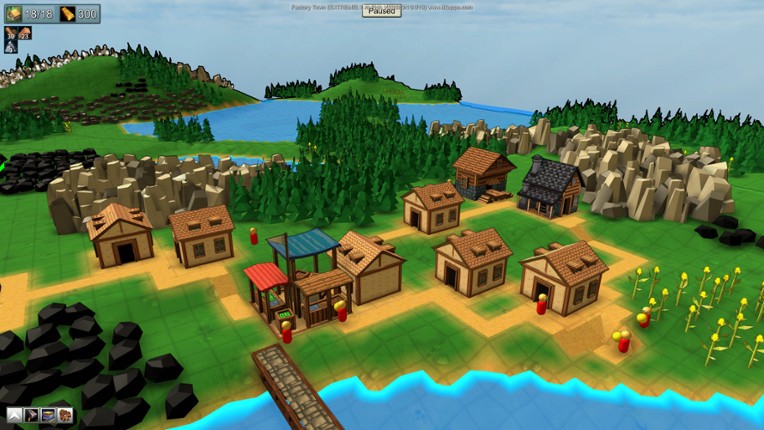
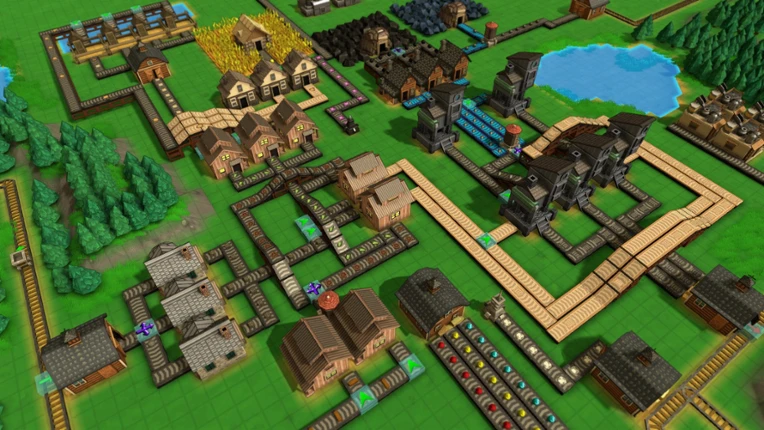
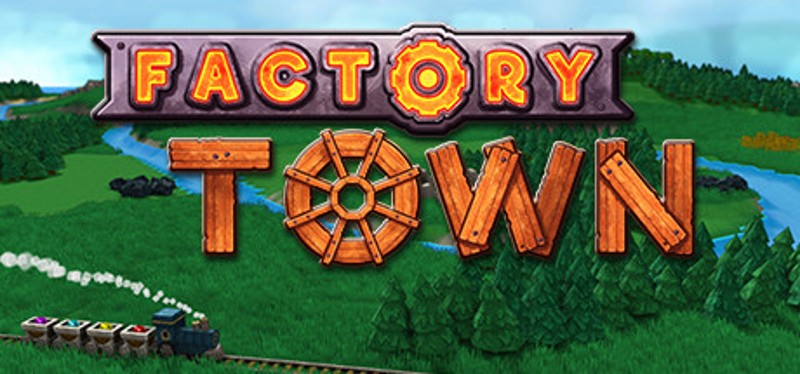
- 91%Game Brain ScoreMost mentioned positive aspects:graphics, gameplayMost mentioned negative aspects:story, grinding91% User Score 2,576 reviewsFactory Town shifts Satisfactory's sci‑fi factories into a cozy, economy‑driven town where trains haul resources across a compact 3D map. If you enjoyed this game, see our list of games similar to Factory Town.View Game
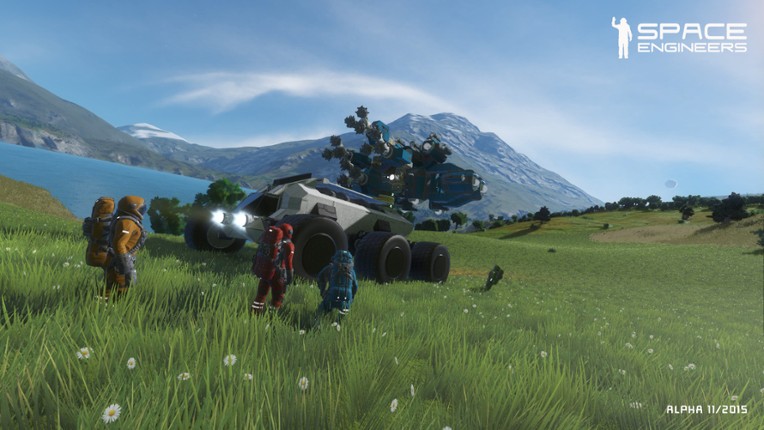
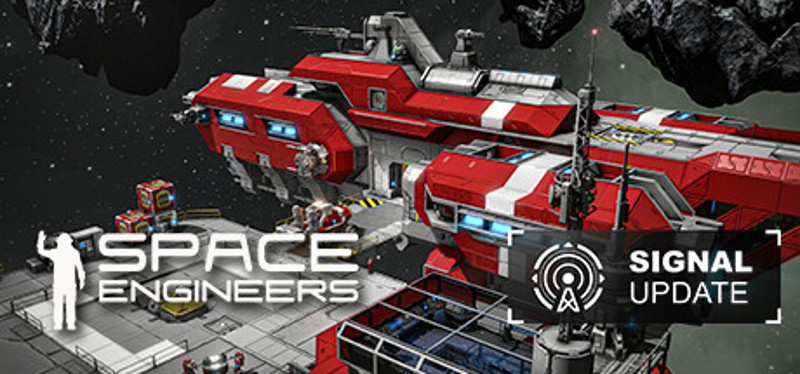
- 89%Game Brain ScoreMost mentioned positive aspects:gameplay, graphicsMost mentioned negative aspects:optimization, stability89% User Score 85,786 reviewsSpace Engineers expands the factory concept into a physics‑driven space sandbox where players construct ships, bases, and wage combat across the void. If you enjoyed this game, see our list of games similar to Space Engineers.View Game

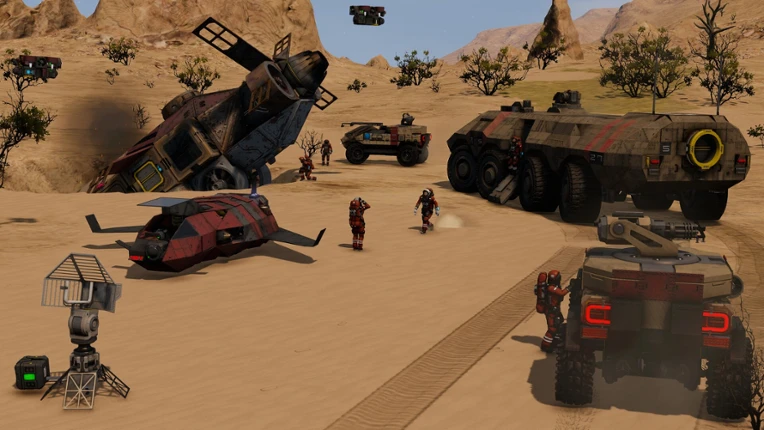
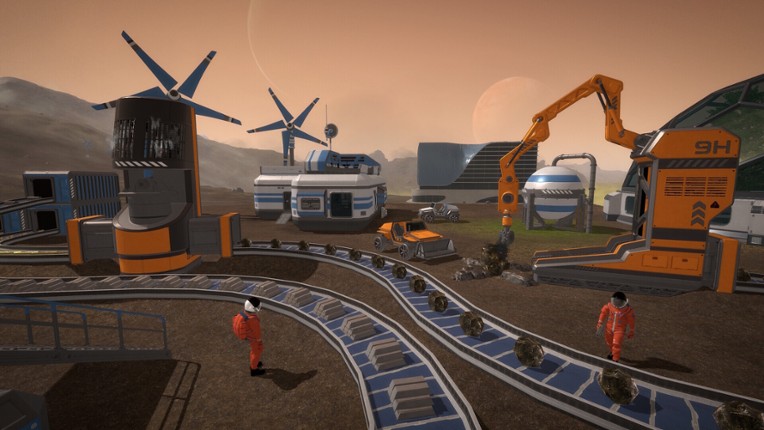
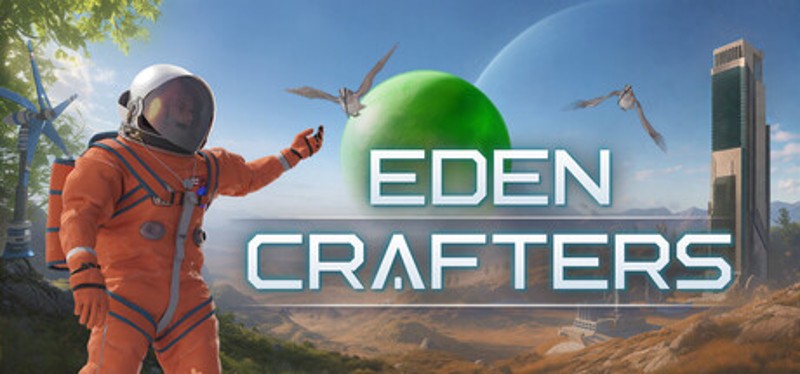
- 85%Game Brain ScoreMost mentioned positive aspects:gameplay, graphicsMost mentioned negative aspects:stability, grinding85% User Score 1,207 reviewsPlants factory-building in alien space colonies with cooperative focus and early-access iteration, maintaining sci-fi automation without the single-player depth. If you enjoyed this game, see our list of games similar to Eden Crafters.View Game
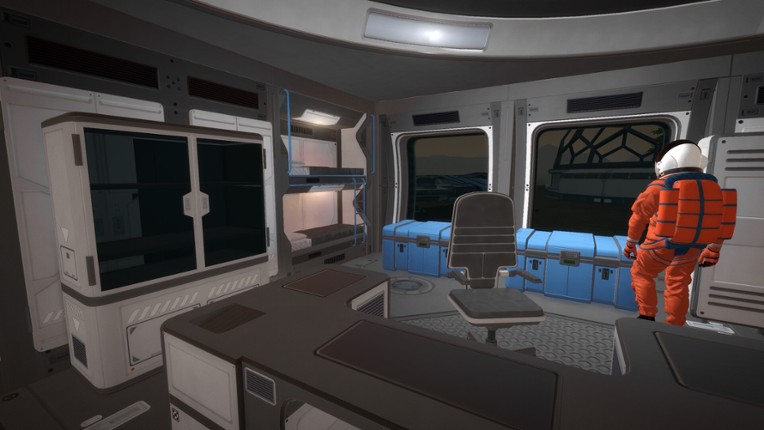
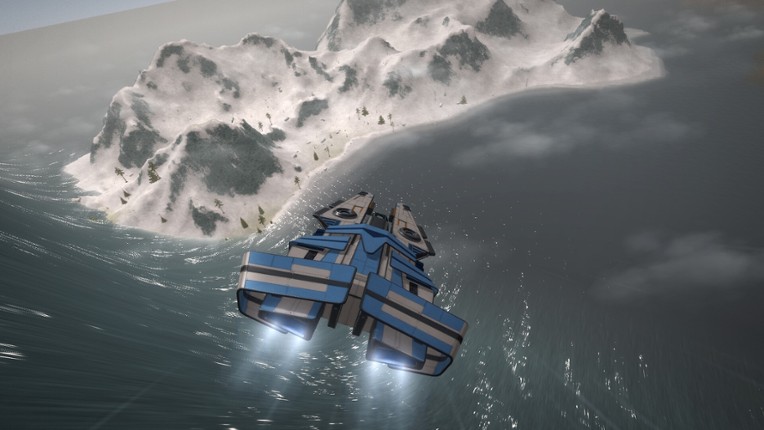
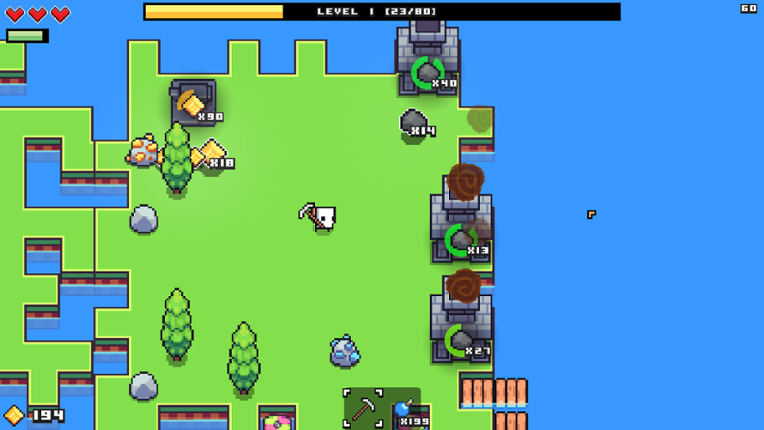
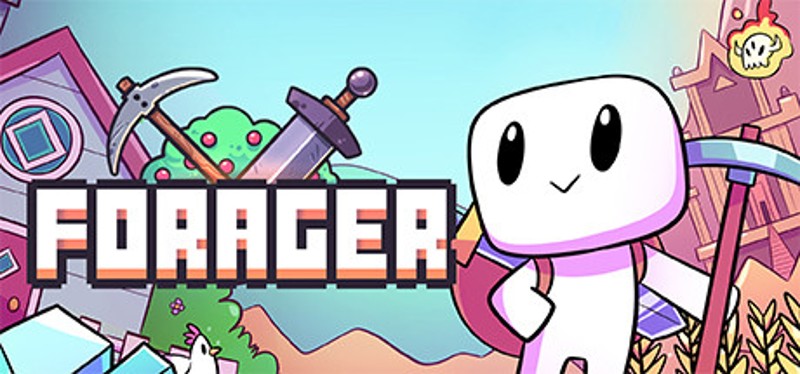
- 85%Game Brain ScoreMost mentioned positive aspects:gameplay, graphicsMost mentioned negative aspects:grinding, stability89% User Score 24,920 reviewsCritic Score 75%4 reviewsCondenses factory optimization into bite-sized top-down loops with farming and trading, prioritizing relaxation over sprawling automation chains. If you enjoyed this game, see our list of games similar to Forager.View Game


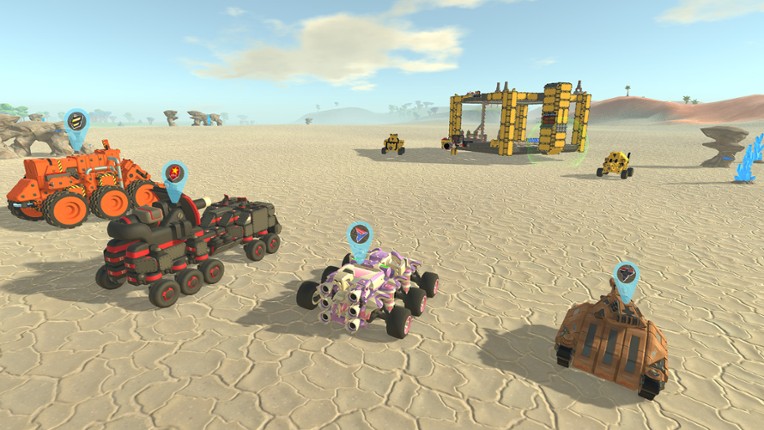
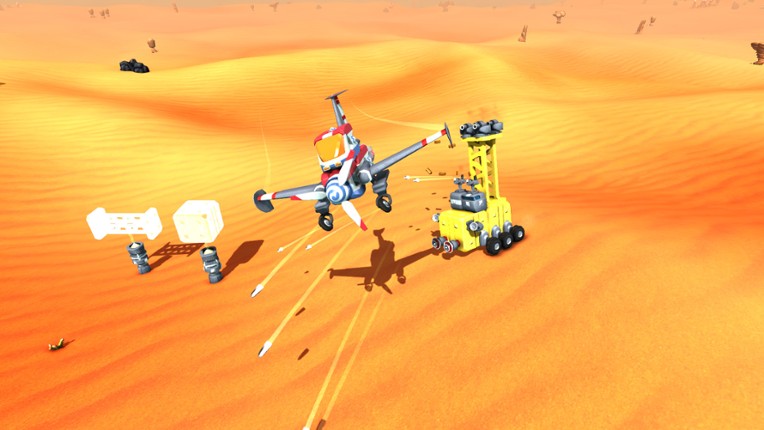
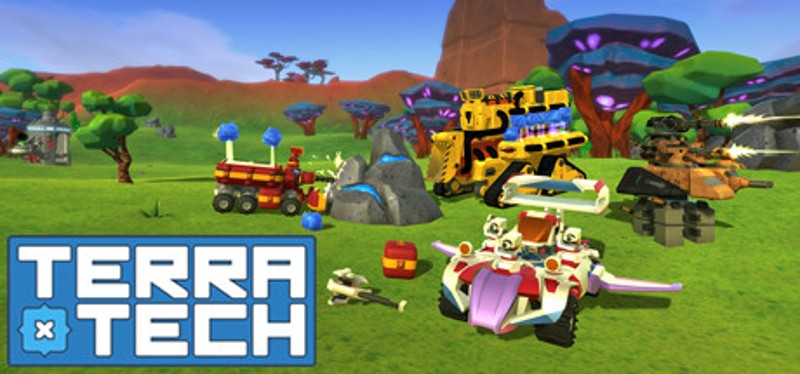
- 82%Game Brain ScoreMost mentioned positive aspects:story, gameplayMost mentioned negative aspects:grinding, stability93% User Score 24,206 reviewsCritic Score 62%5 reviewsTerraTech flips the factory focus into vehicular combat, letting you assemble rovers and battle them across an open‑world sandbox with robots. If you enjoyed this game, see our list of games similar to TerraTech.View Game
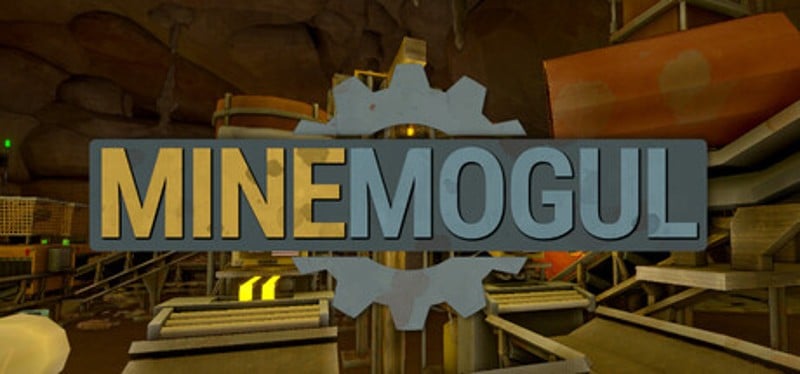
- View Game96%Game Brain ScoreMost mentioned positive aspects:gameplay, optimizationMost mentioned negative aspects:story, grinding96% User Score 2,864 reviewsConfines factory-building to underground mining operations with first-person perspective, emphasizing nonlinear exploration over expansive production networks. If you enjoyed this game, see our list of games similar to MineMogul.
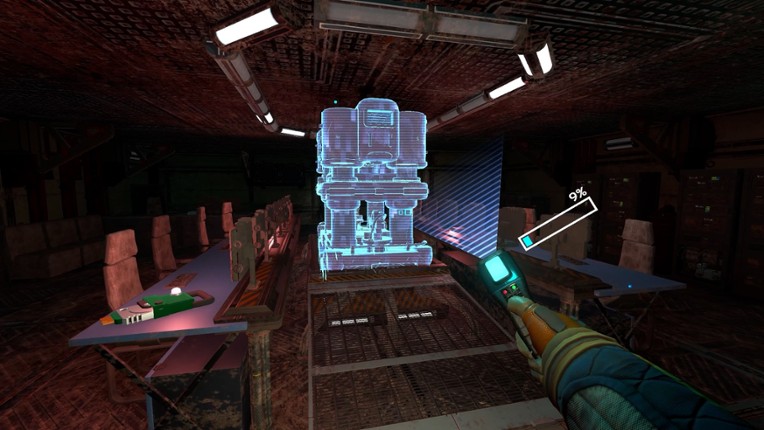
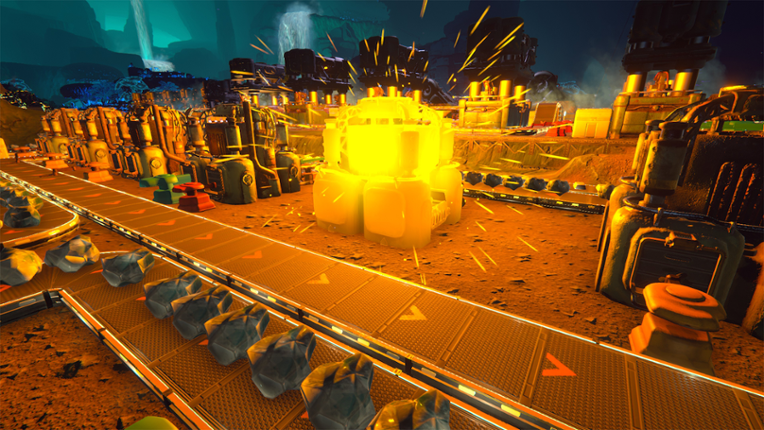
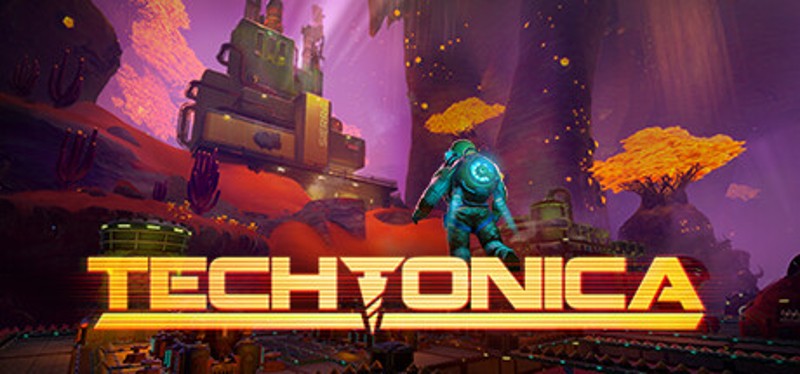
- 83%Game Brain ScoreMost mentioned positive aspects:story, gameplayMost mentioned negative aspects:optimization, grinding83% User Score 2,380 reviewsTechtonica brings first‑person sci‑fi automation to a co‑op setting with a richer narrative focus and vibrant, colorful environments that feel more like an adventure. If you enjoyed this game, see our list of games similar to Techtonica.View Game
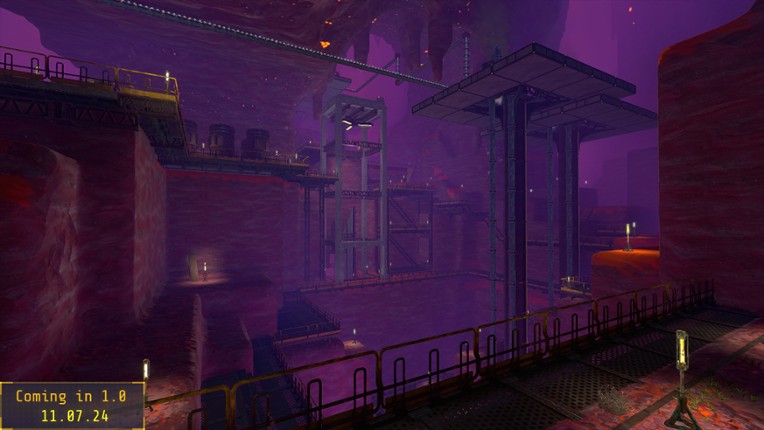
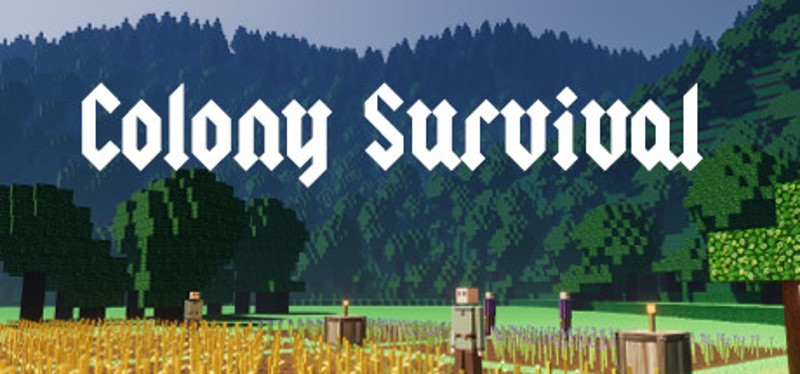
- 92%Game Brain ScoreMost mentioned positive aspects:gameplay, graphicsMost mentioned negative aspects:grinding, story92% User Score 6,355 reviewsColony Survival drops the sci‑fi veneer for a voxel world besieged by zombies, focusing on base‑building against waves rather than pure automation. If you enjoyed this game, see our list of games similar to Colony Survival.View Game
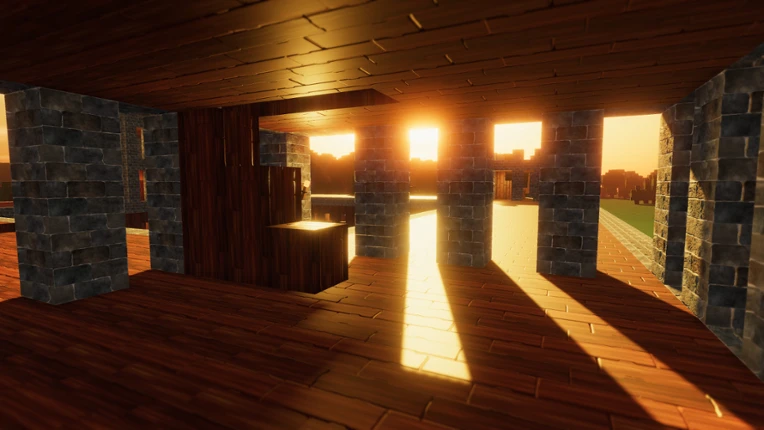
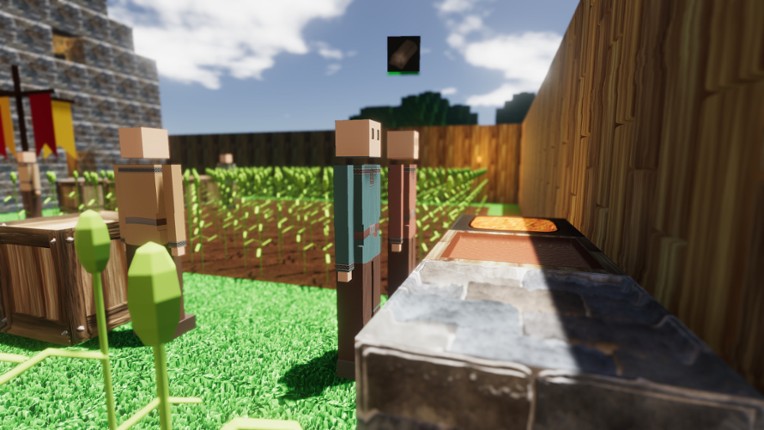
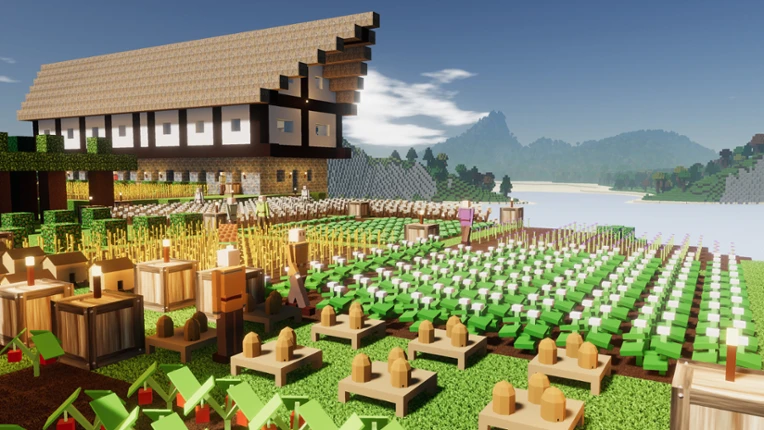
- 83%Game Brain ScoreMost mentioned positive aspects:gameplay, graphicsMost mentioned negative aspects:grinding, stability83% User Score 2,070 reviewsReimagines automation on alien asteroids through first-person survival, blending factory chains with procedural exploration and colony management. If you enjoyed this game, see our list of games similar to Astro Colony.View Game
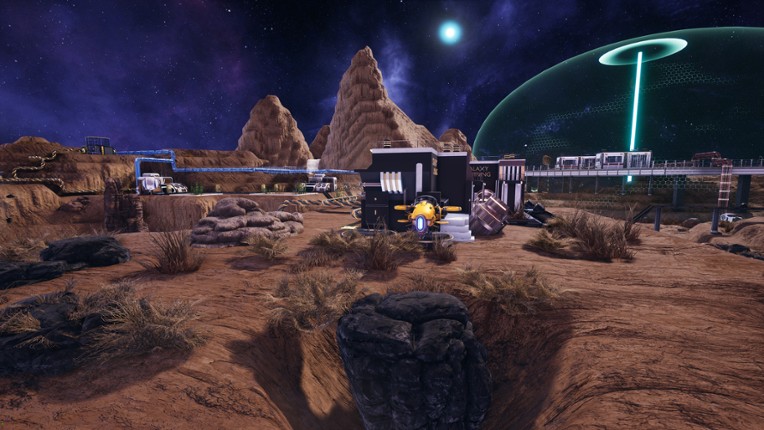
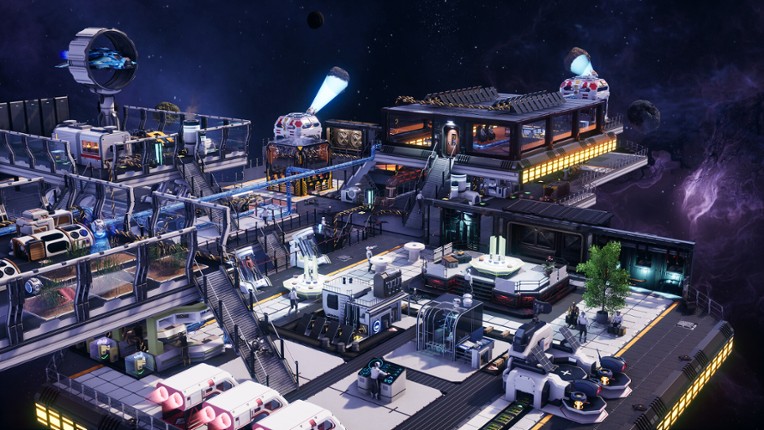
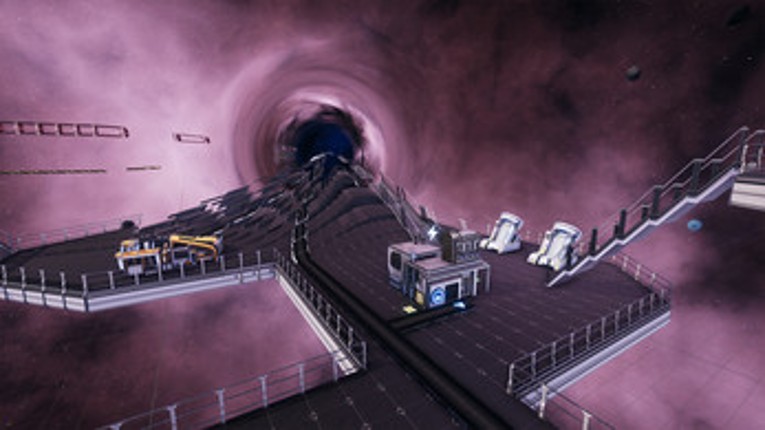
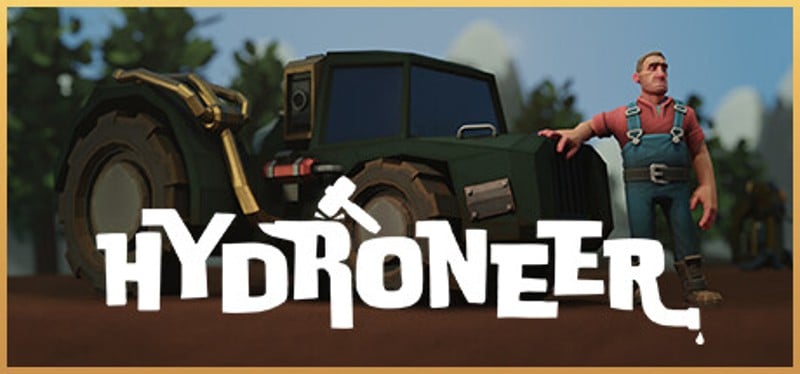
- 88%Game Brain ScoreMost mentioned positive aspects:gameplay, graphicsMost mentioned negative aspects:grinding, stability88% User Score 31,858 reviewsHydroneer narrows the scope to first‑person mining and fluid automation, delivering a lighter, humorous take on resource gathering without the sprawling factory scale. If you enjoyed this game, see our list of games similar to Hydroneer.View Game
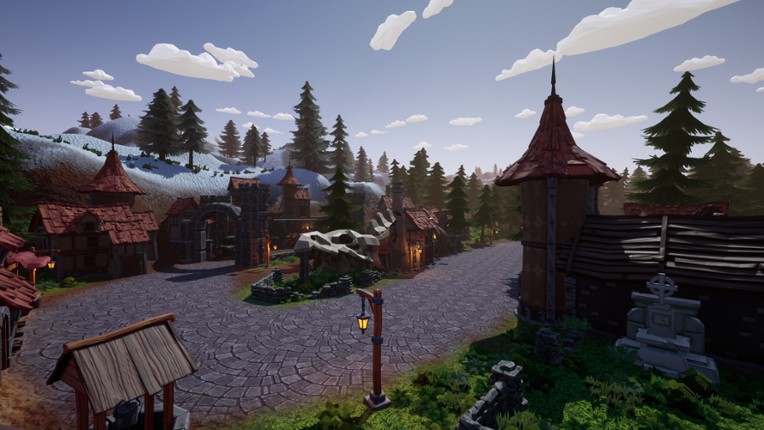

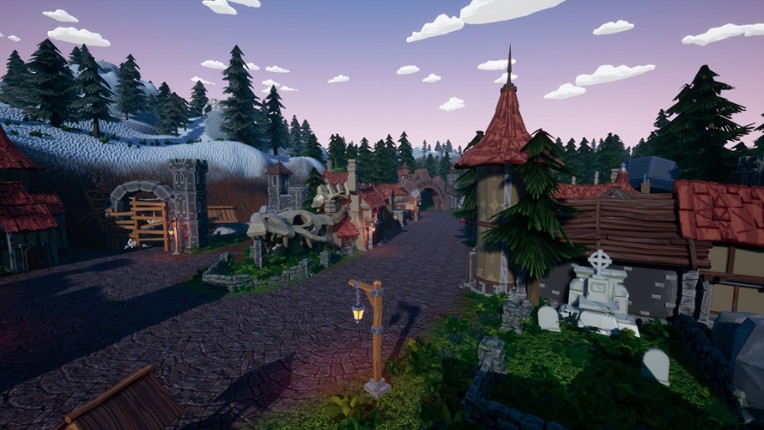
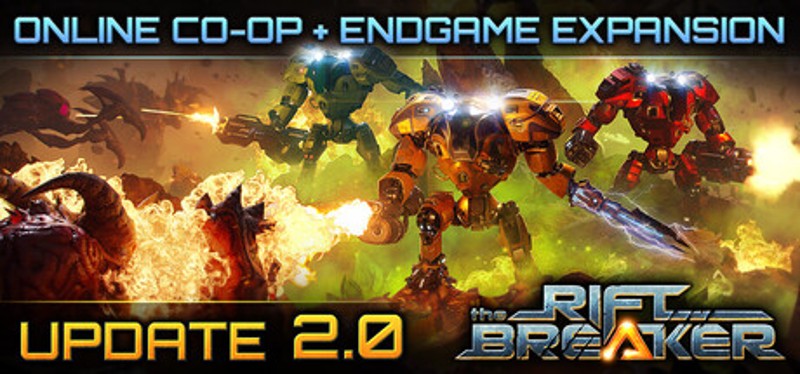
- 90%Game Brain ScoreMost mentioned positive aspects:gameplay, storyMost mentioned negative aspects:grinding, stability91% User Score 9,743 reviewsCritic Score 88%1 reviewsFuses automation with isometric strategy-RPG combat and tower defense, replacing optimization puzzles with action-driven base protection. If you enjoyed this game, see our list of games similar to The Riftbreaker.View Game
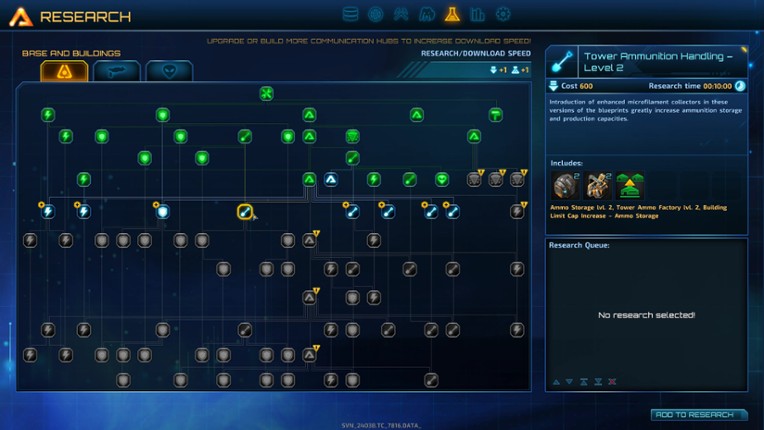
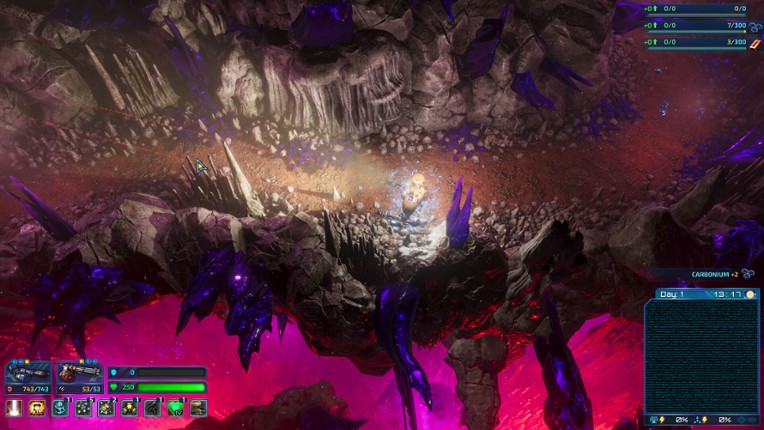

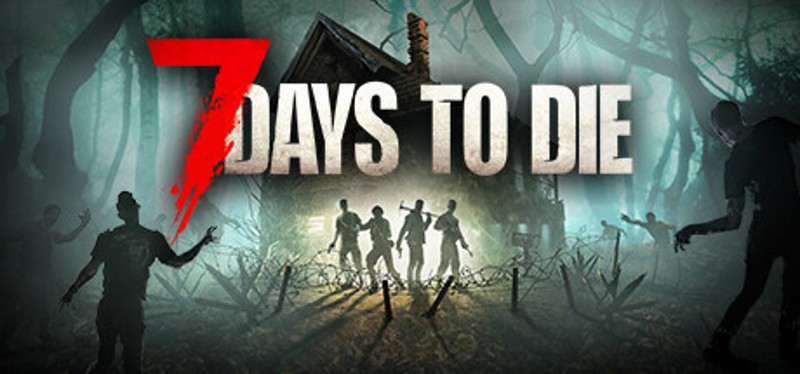
- 62%Game Brain ScoreMost mentioned positive aspects:gameplay, graphicsMost mentioned negative aspects:story, optimization85% User Score 183,471 reviewsCritic Score 40%18 reviewsGrafts tower defense and zombie survival onto base-building, replacing sci-fi productivity with constant resource scarcity and combat pressure. If you enjoyed this game, see our list of games similar to 7 Days to Die.View Game
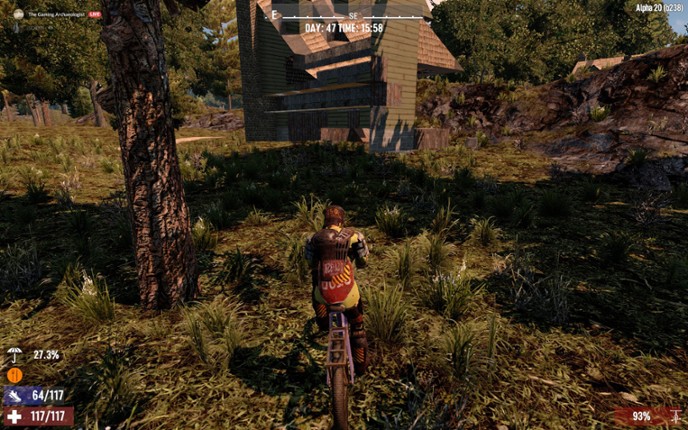
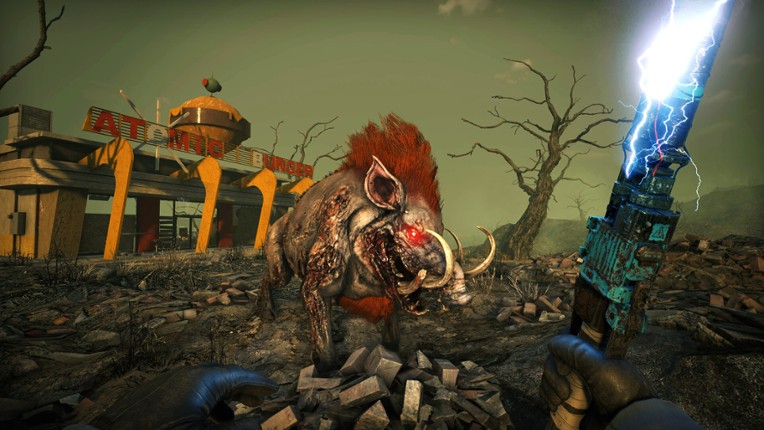

- 81%Game Brain ScoreMost mentioned positive aspects:gameplay, graphicsMost mentioned negative aspects:grinding, stability81% User Score 1,962 reviewsDistills Satisfactory's core automation concept into minimalist co-op sandbox with science fiction framing but sparse mechanical depth. If you enjoyed this game, see our list of games similar to Foundry.View Game
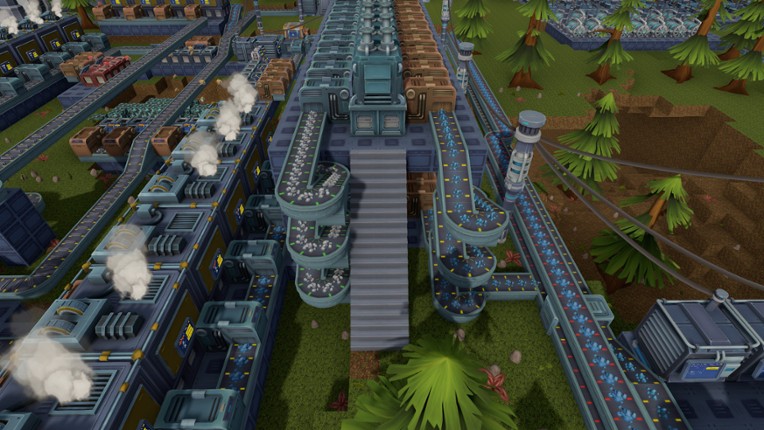
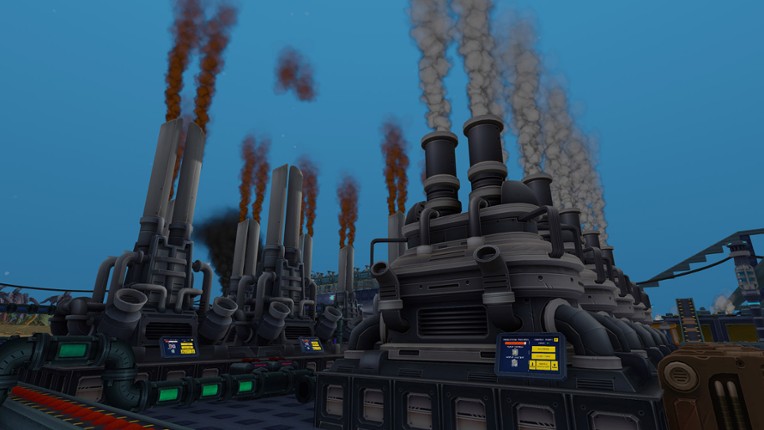
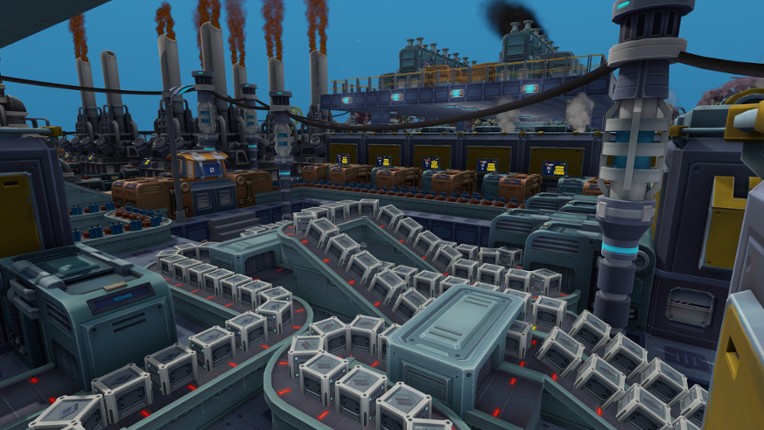
- 79%Game Brain ScoreMost mentioned positive aspects:gameplay, graphicsMost mentioned negative aspects:grinding, story81% User Score 2,217 reviewsCritic Score 74%4 reviews
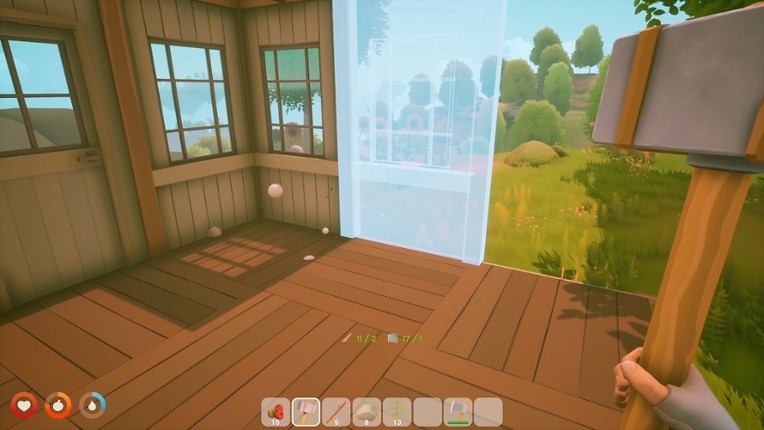
Solarpunk is a survival game set in a technically advanced world of floating islands! Alone or together with your friends, construct buildings, grow food, create gadgets and guide your airship to new islands hidden in the sky! If you enjoyed this game, see our list of games similar to Solarpunk.
View Game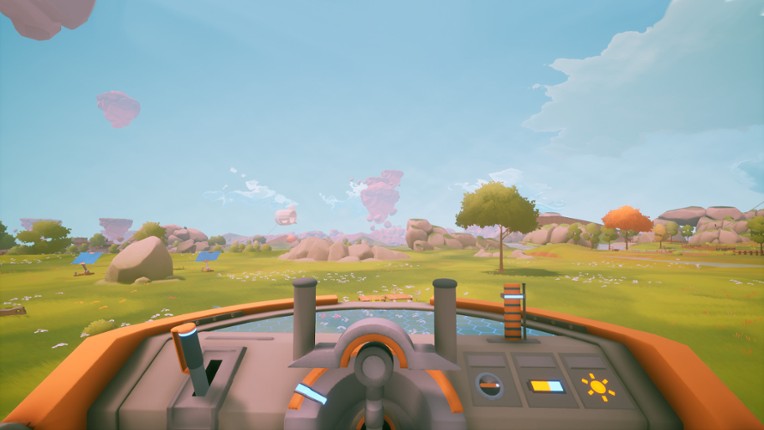
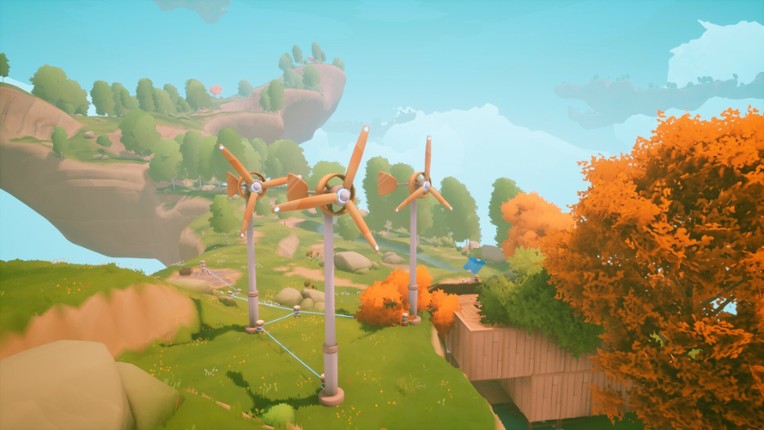
- 93%Game Brain ScoreMost mentioned positive aspects:gameplay, graphicsMost mentioned negative aspects:grinding, optimization95% User Score 31,361 reviewsCritic Score 90%3 reviewsSwap the vertical factories of your dreams for a subterranean adventure focusing on relic-hunting and tactical combat in mysterious procedurally generated caverns. If you enjoyed this game, see our list of games similar to Core Keeper.View Game
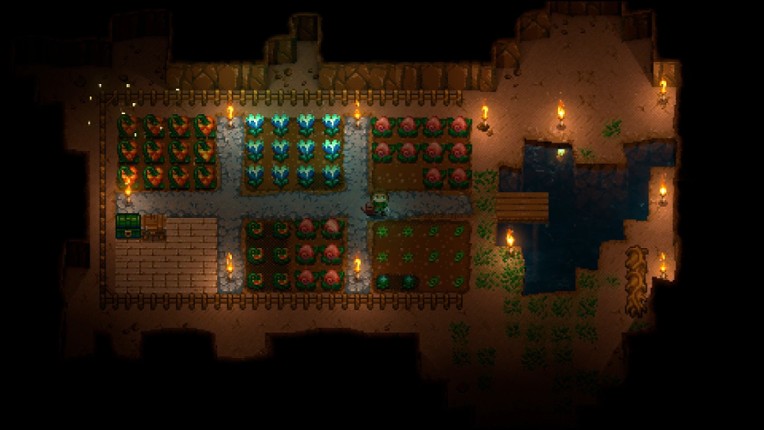

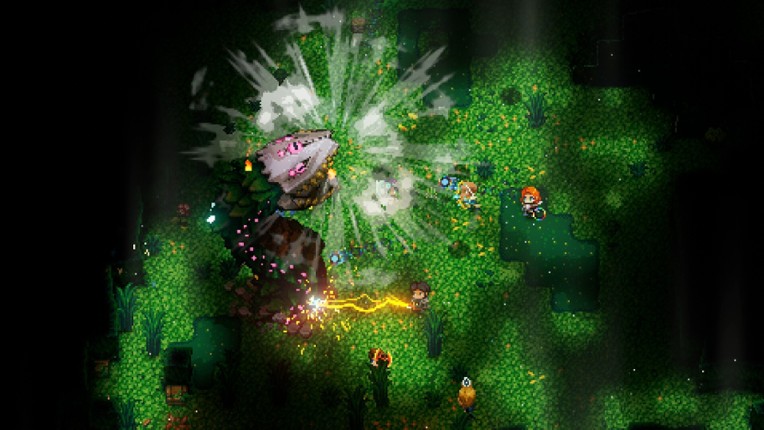
27 View Game 84%Game Brain ScoreMost mentioned positive aspects:gameplay, storyMost mentioned negative aspects:grinding, stability84% User Score 1,211 reviewsLayers trains and procedural generation into co-op automation, swapping first-person immersion for cozy third-person exploration and logic puzzles. If you enjoyed this game, see our list of games similar to Oddsparks: An Automation Adventure.View Game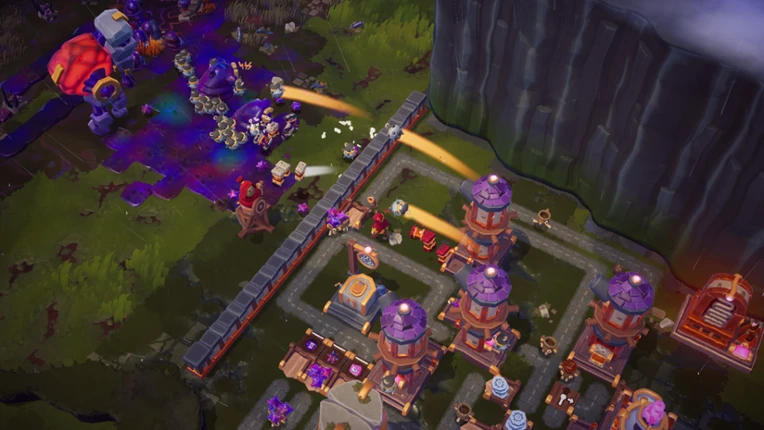
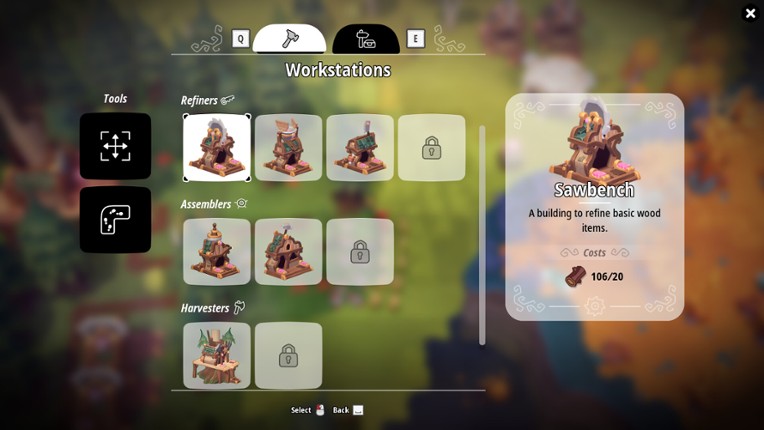

- 93%Game Brain ScoreMost mentioned positive aspects:gameplay, graphicsMost mentioned negative aspects:grinding, stability96% User Score 51,372 reviewsCritic Score 80%1 reviewsOxygen Not Included shifts the scale down to a 2‑D space colony where survival hinges on resource loops and morale, not conveyor‑driven factories. If you enjoyed this game, see our list of games similar to Oxygen Not Included.View Game

- 83%Game Brain ScoreMost mentioned positive aspects:gameplay, graphicsMost mentioned negative aspects:optimization, story83% User Score 334 reviews
Evospace is sandbox game with fully dynamic, procedurally generated world. Game about digging, exploring, building and technologies. If you enjoyed this game, see our list of games similar to Evospace.
View Game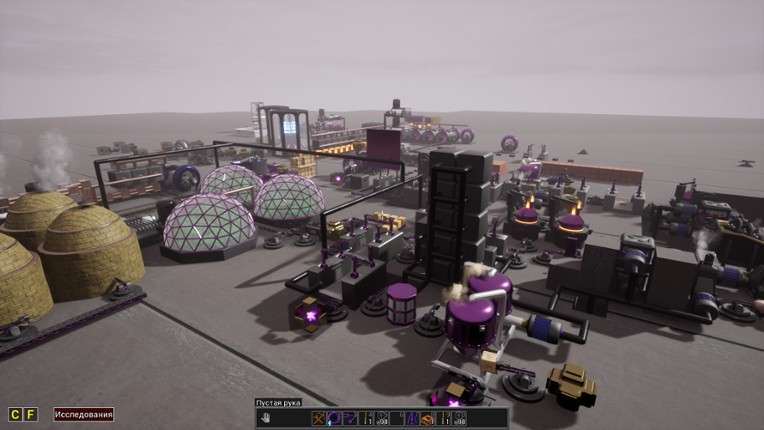
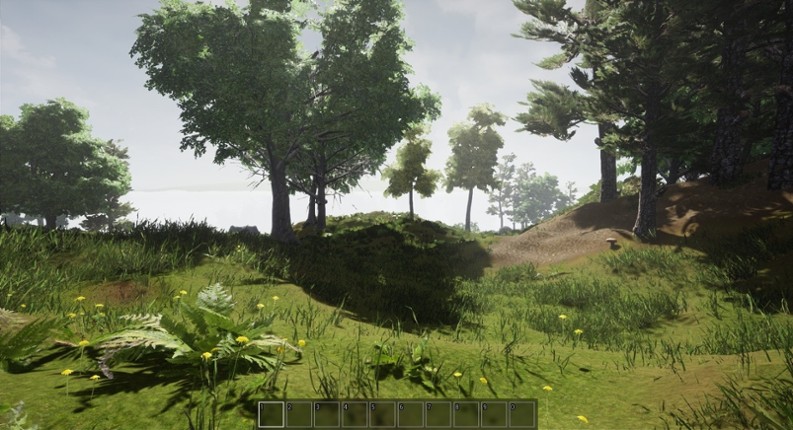
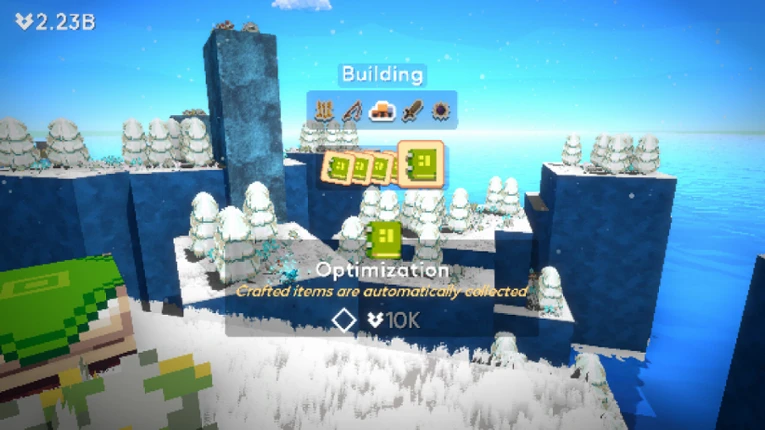
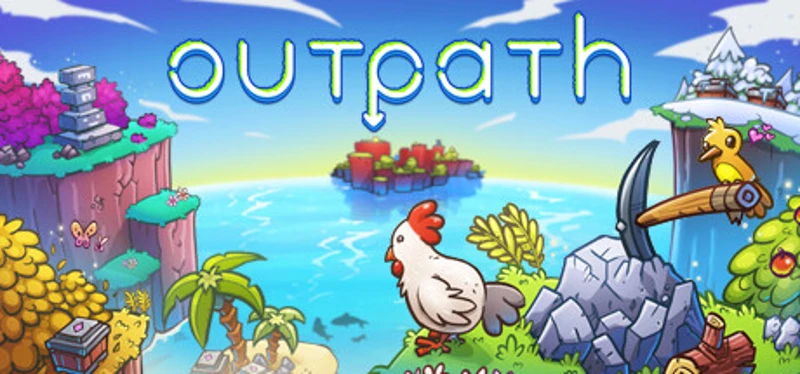
- 93%Game Brain ScoreMost mentioned positive aspects:gameplay, musicMost mentioned negative aspects:grinding, stability95% User Score 2,638 reviewsCritic Score 85%1 reviewsDistill the factory-building loop into a bite-sized, low-pressure experience that emphasizes rapid scaling and idle progression over complex logistical networks. If you enjoyed this game, see our list of games similar to Outpath.View Game
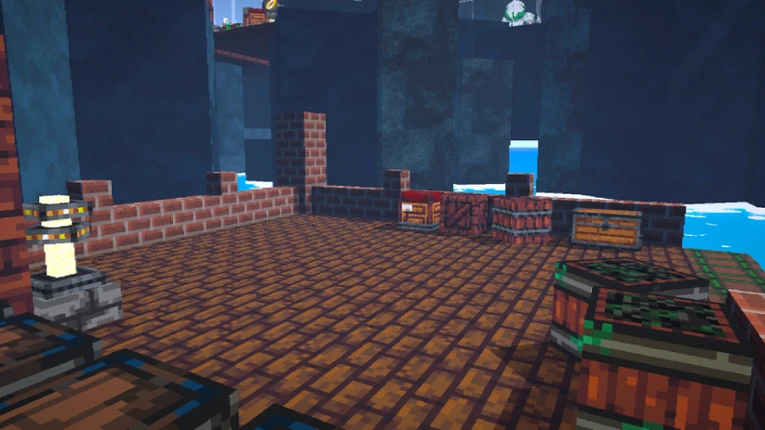
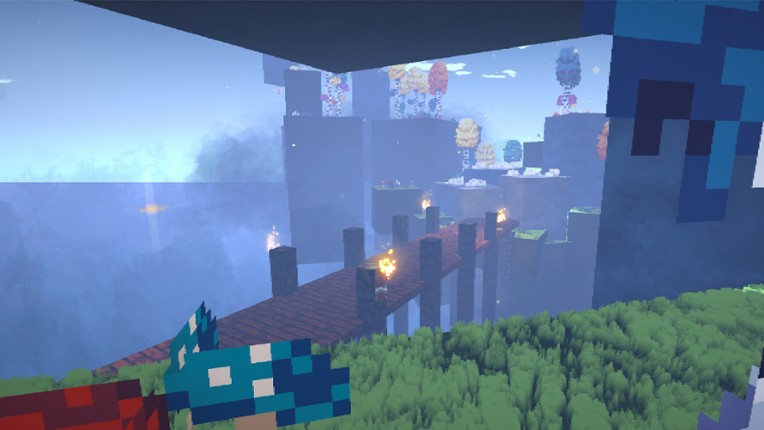
- 81%Game Brain ScoreMost mentioned positive aspects:gameplay, storyMost mentioned negative aspects:grinding, optimization83% User Score 2,653 reviewsCritic Score 76%4 reviews
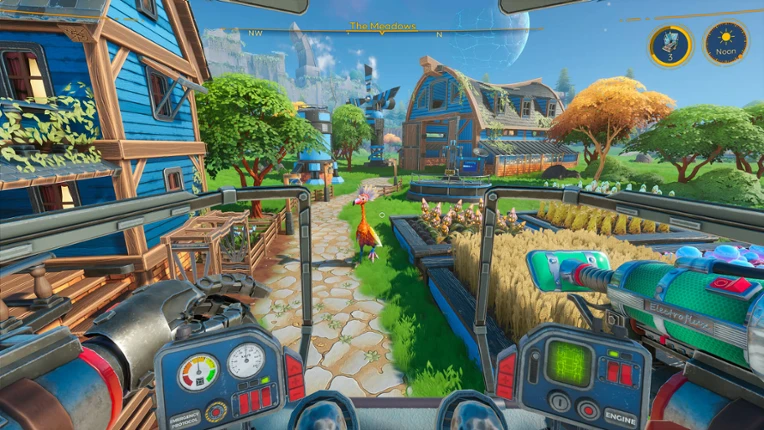
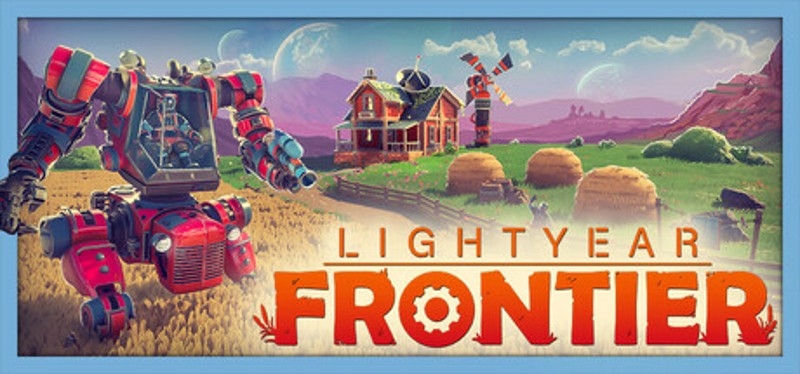
Start your interstellar homestead in this peaceful open-world farming adventure!Build your sustainable exofarm, grow alien crops, customize your mech, and explore a new world full of mystery with up to three friends! Features RELAX ON A PEACEFUL WORLDLive the quiet life as you take in the sights and sounds of your new home. Enjoy a low-stress, combat-free experience without the need to manage thin… If you enjoyed this game, see our list of games similar to Lightyear Frontier.
View Game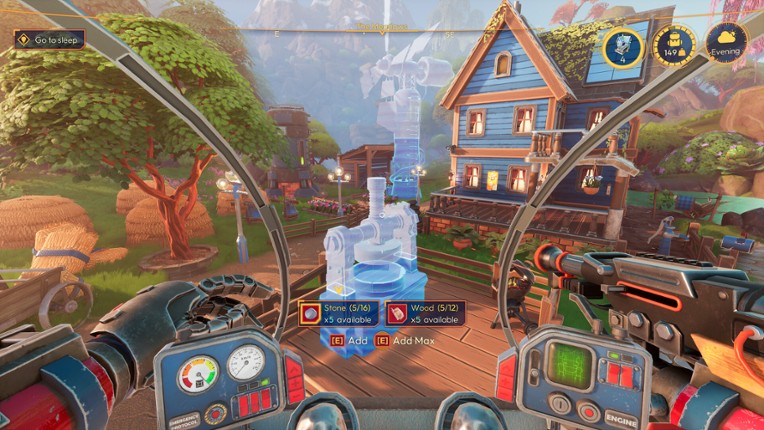
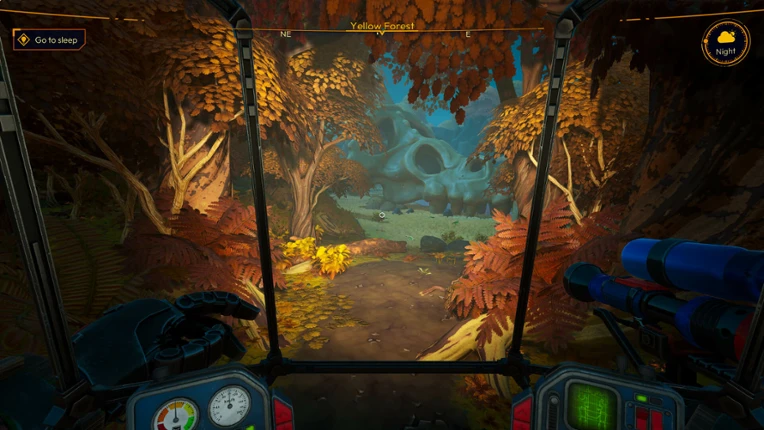
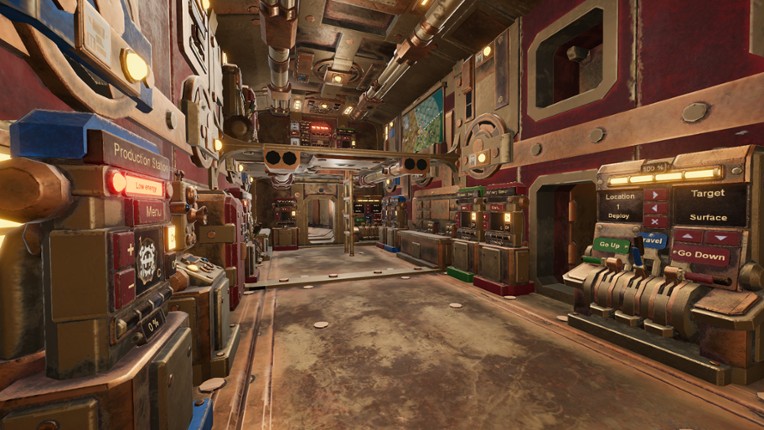
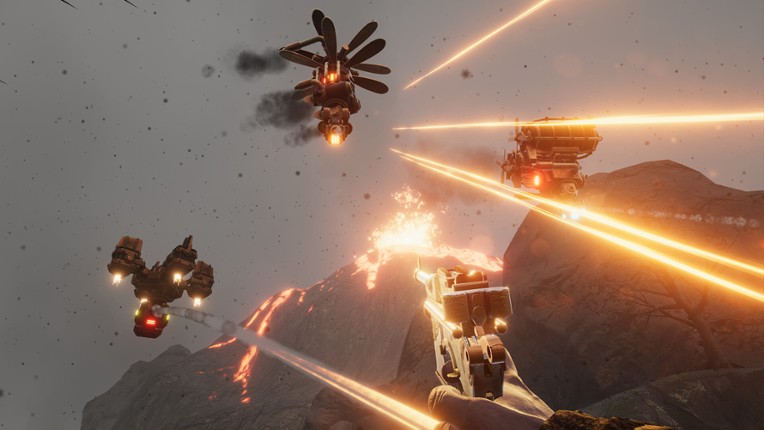
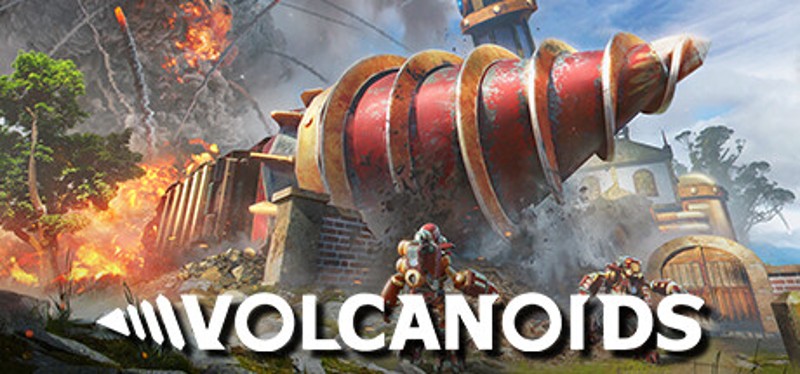
- 85%Game Brain ScoreMost mentioned positive aspects:gameplay, storyMost mentioned negative aspects:grinding, optimization85% User Score 8,985 reviewsMerges first-person steampunk exploration with base building and survival, emphasizing cooperative vehicle combat in a volatile volcanic world. If you enjoyed this game, see our list of games similar to Volcanoids.View Game
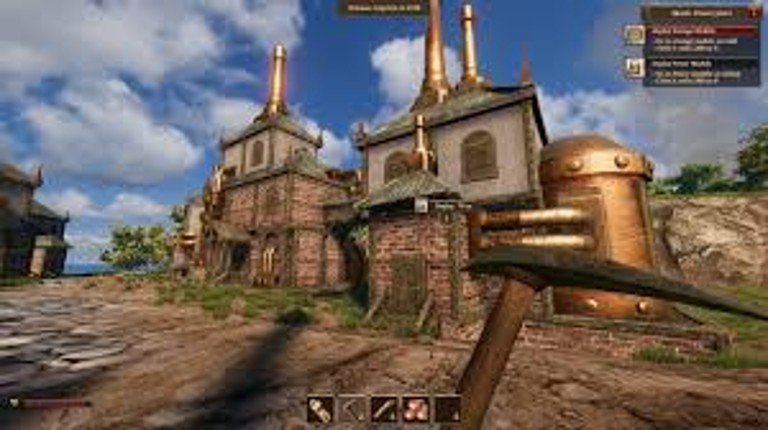
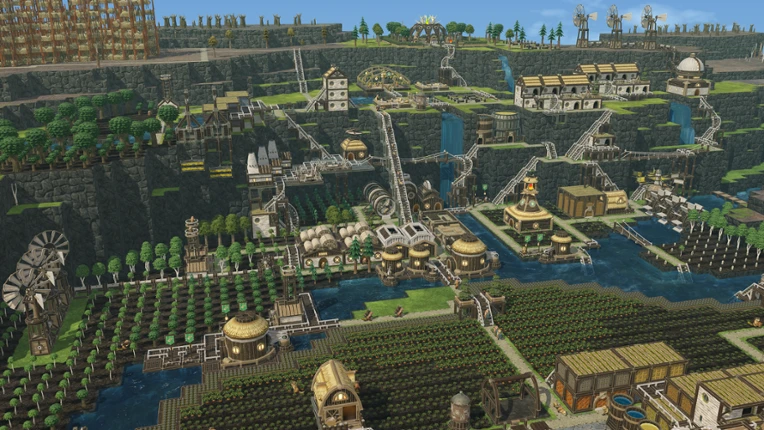
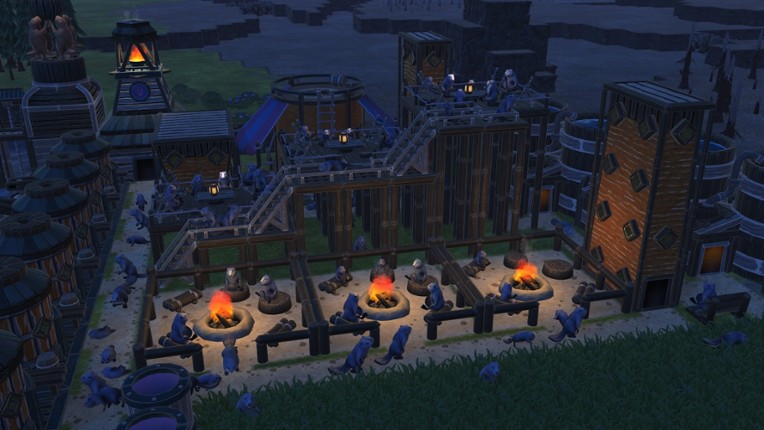
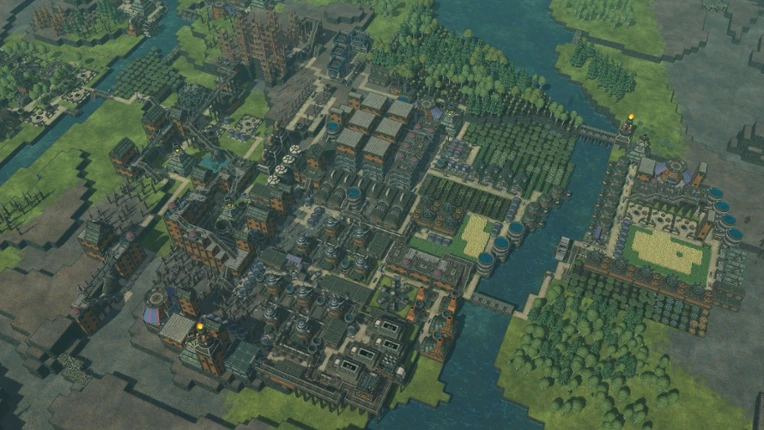
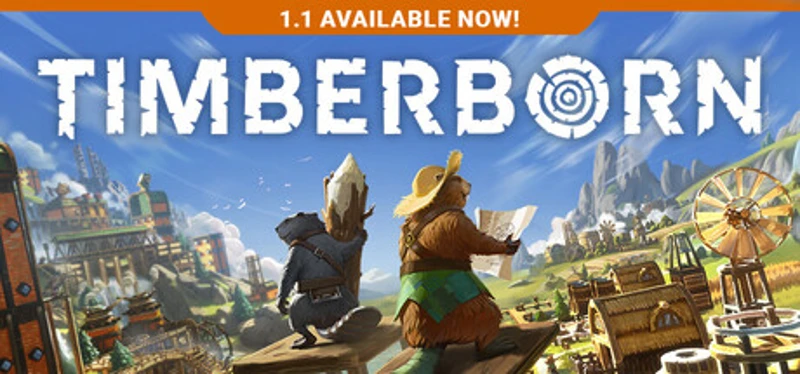
- 93%Game Brain ScoreMost mentioned positive aspects:gameplay, graphicsMost mentioned negative aspects:story, grinding95% User Score 32,120 reviewsCritic Score 87%4 reviewsSimplifies production loops into building-focused city planning with voxel physics and farming, ditching automation chains for placement strategy. If you enjoyed this game, see our list of games similar to Timberborn.View Game
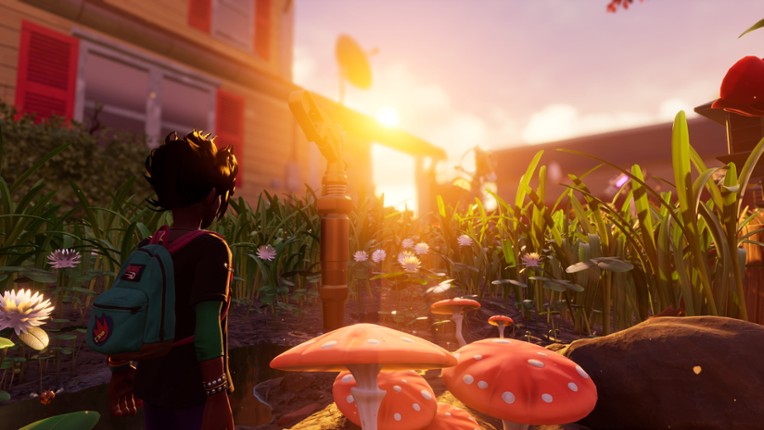
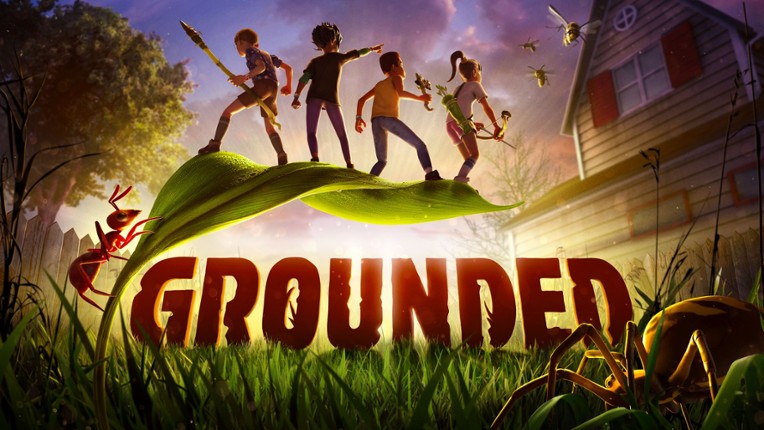
- 86%Game Brain ScoreMost mentioned positive aspects:story, gameplayMost mentioned negative aspects:stability, grinding92% User Score 65,944 reviewsCritic Score 79%27 reviewsExperience the struggle of miniaturized survival where base building serves as a desperate defense against oversized insects rather than industrial expansion. If you enjoyed this game, see our list of games similar to Grounded.View Game

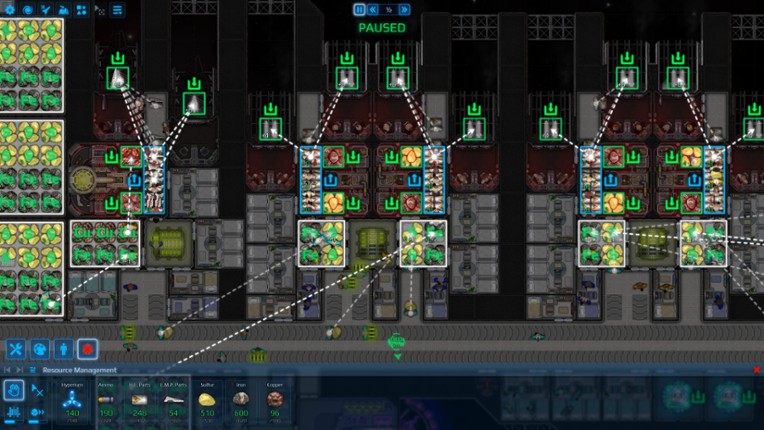
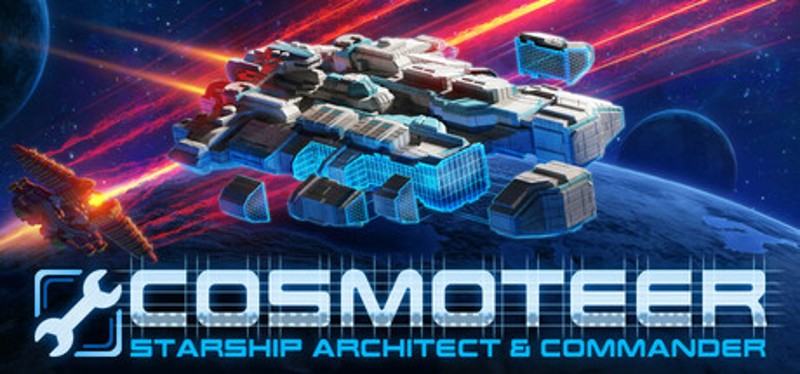
- 95%Game Brain ScoreMost mentioned positive aspects:gameplay, musicMost mentioned negative aspects:story, grinding95% User Score 11,528 reviewsFocus on ship-to-ship engineering where you must design modular spacecraft to survive hostile tactical encounters in a dangerous, physics-driven space frontier. If you enjoyed this game, see our list of games similar to Cosmoteer.View Game

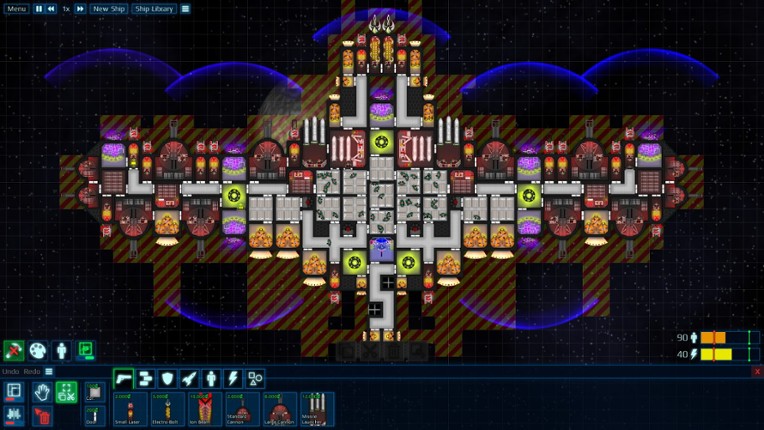
- 75%Game Brain ScoreMost mentioned positive aspects:story, gameplayMost mentioned negative aspects:grinding, optimization78% User Score 149,300 reviewsCritic Score 71%47 reviews
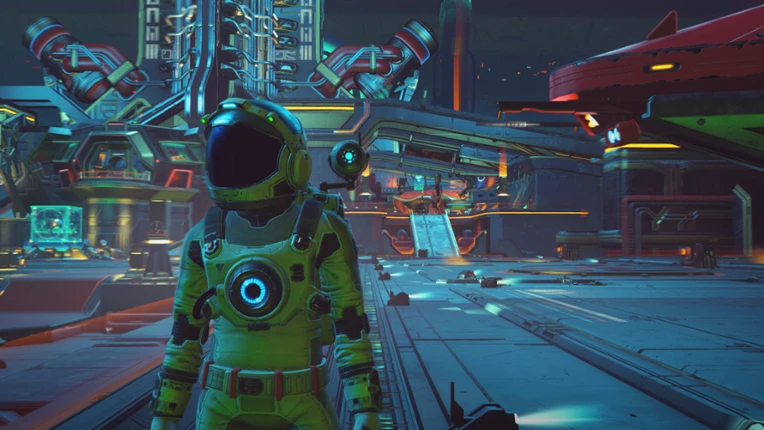
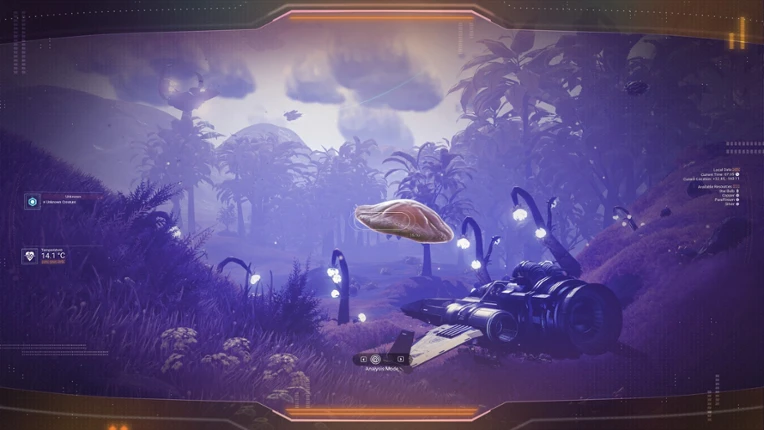
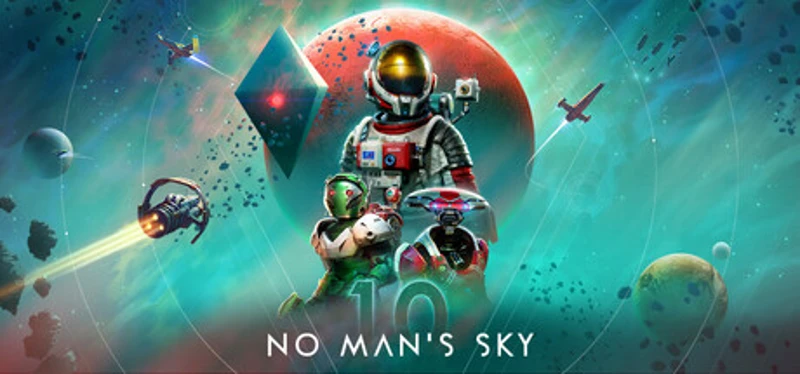
Buy No Man's Sky on PlayStation Store. Lose yourself in a vast sci-fi odyssey as you explore a near-infinite, procedurally generated universe. If you enjoyed this game, see our list of games similar to No Man's Sky.
View Game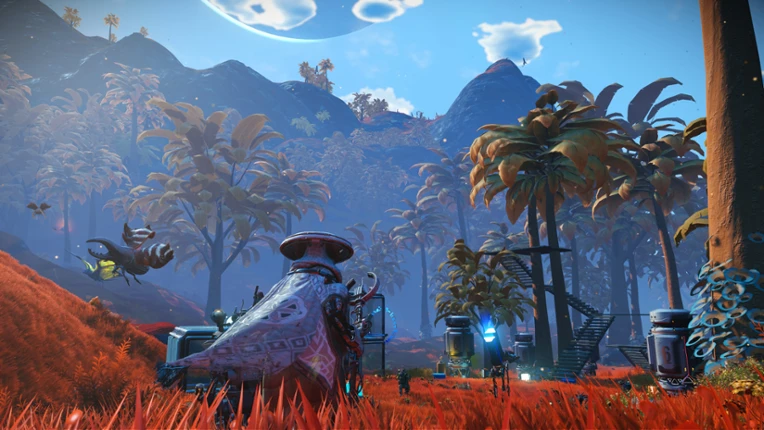
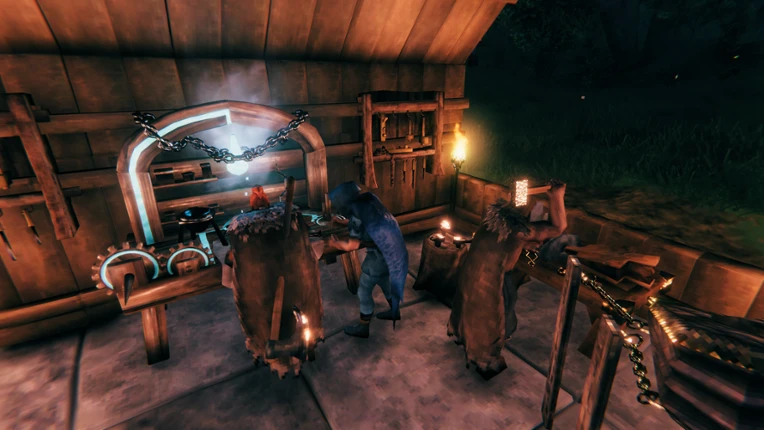
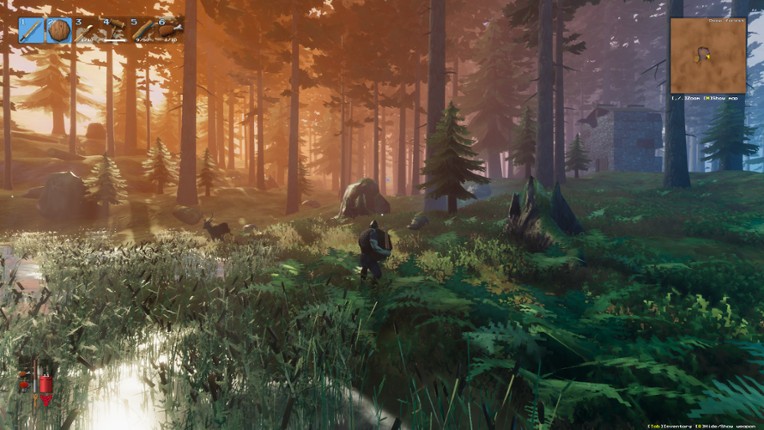
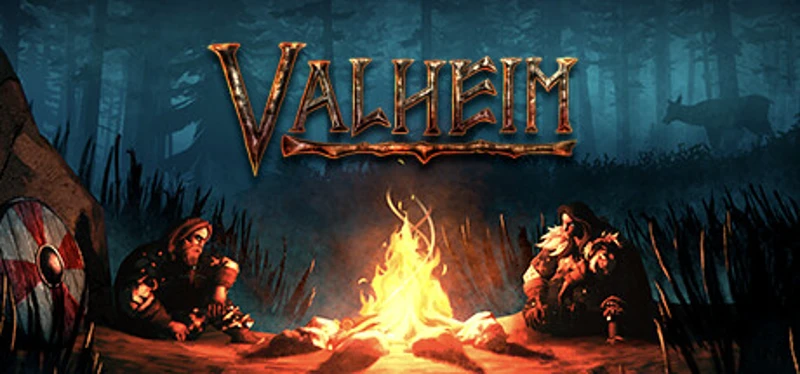
- 92%Game Brain ScoreMost mentioned positive aspects:gameplay, graphicsMost mentioned negative aspects:grinding, optimization95% User Score 291,882 reviewsCritic Score 90%11 reviewsShift your perspective toward mythology and visceral combat, where the construction of wooden longhouses is secondary to surviving a brutal, procedural wilderness. If you enjoyed this game, see our list of games similar to Valheim.View Game

38 View Game 79%Game Brain ScoreMost mentioned positive aspects:gameplay, storyMost mentioned negative aspects:stability, optimization79% User Score 20,953 reviewsExpand your reach across an entire solar system, trading fixed base sites for modular ship design and planetary exploration in a sandbox. If you enjoyed this game, see our list of games similar to Empyrion: Galactic Survival.View Game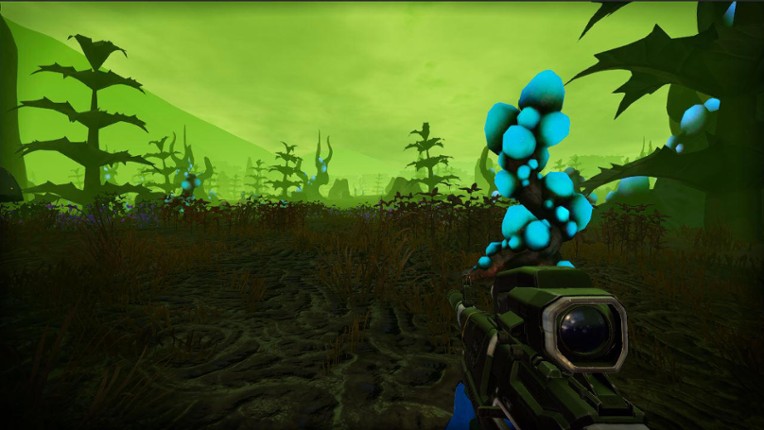
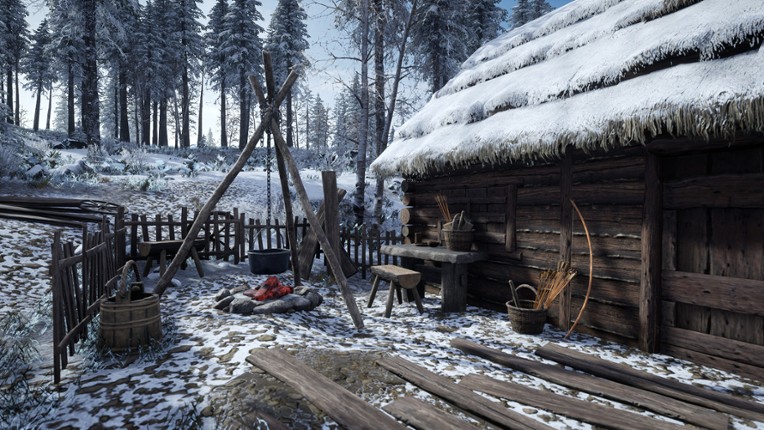
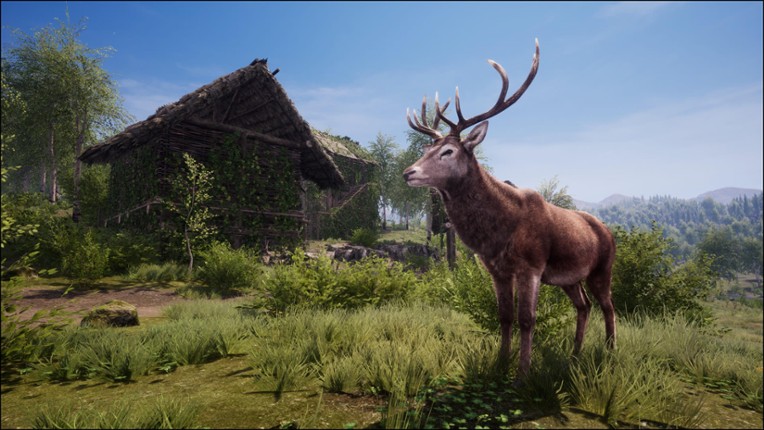
- 81%Game Brain ScoreMost mentioned positive aspects:story, gameplayMost mentioned negative aspects:grinding, stability89% User Score 21,371 reviewsCritic Score 74%10 reviewsShifts to a medieval setting blending survival, crafting, and realistic farming with first-person immersive sim elements and cooperative play. If you enjoyed this game, see our list of games similar to Medieval Dynasty.View Game
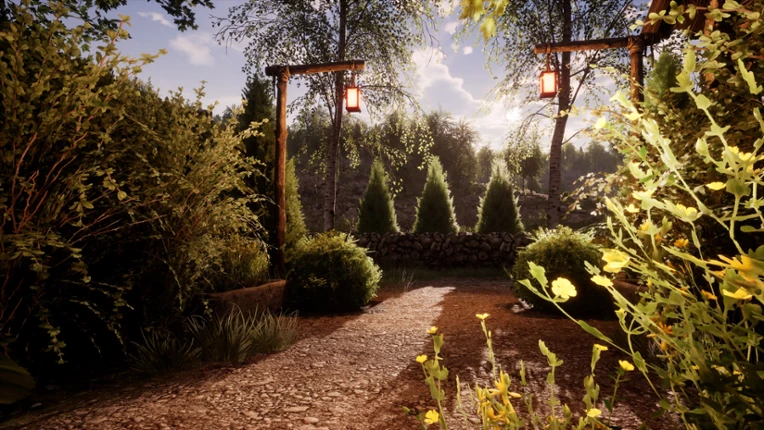
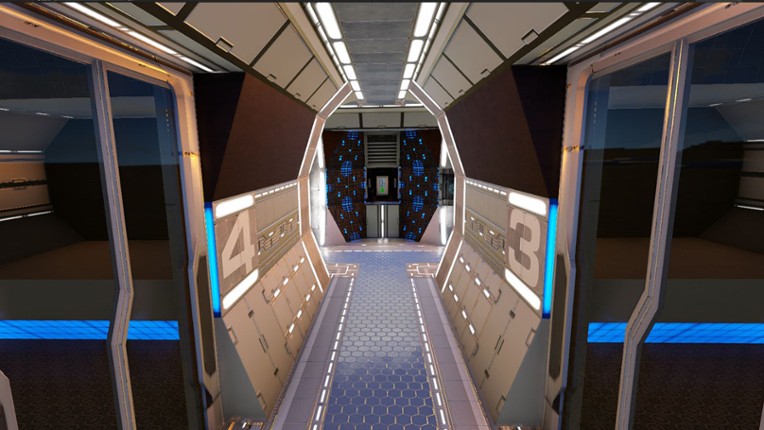
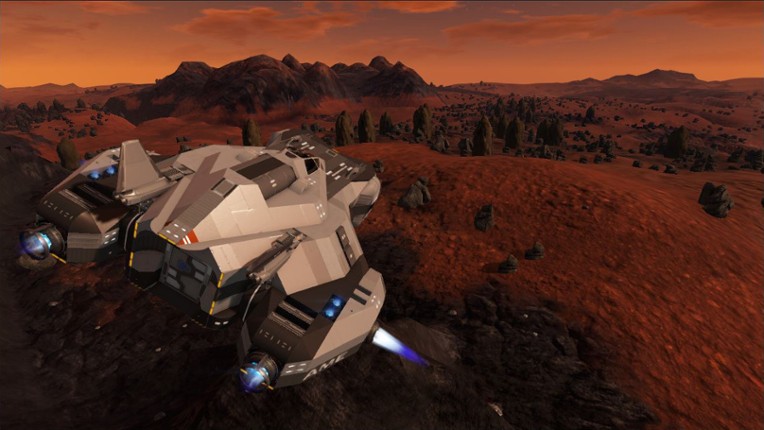
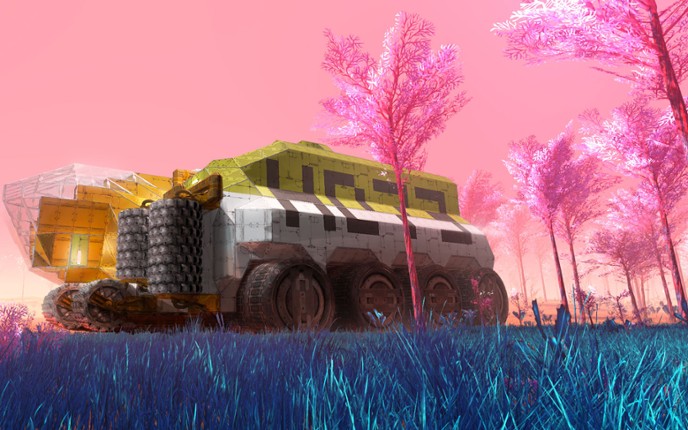
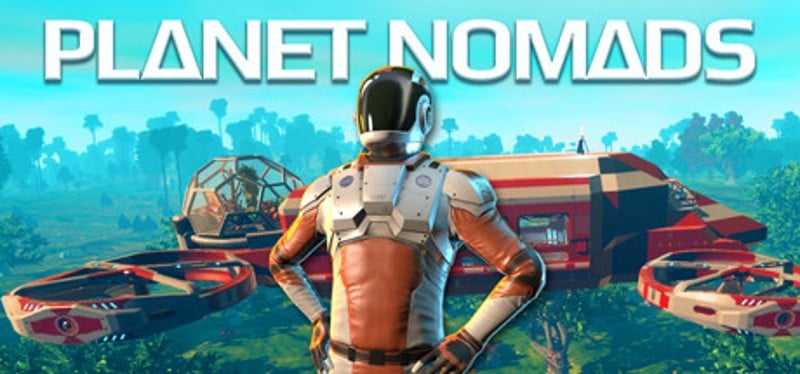
- 66%Game Brain ScoreMost mentioned positive aspects:story, graphicsMost mentioned negative aspects:optimization, stability66% User Score 1,802 reviewsChallenge your engineering skills with physics-based vehicle construction as you navigate dangerous, alien environments filled with hazardous, destructible terrain. If you enjoyed this game, see our list of games similar to Planet Nomads.View Game


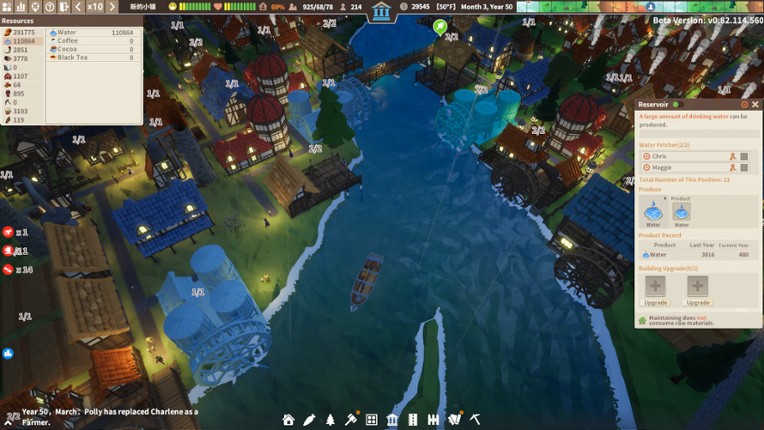
- 87%Game Brain ScoreMost mentioned positive aspects:graphics, gameplayMost mentioned negative aspects:grinding, story87% User Score 5,222 reviewsCenters on colorful colony management and resource gathering with hand-drawn visuals and historical economy instead of futuristic factory automation. If you enjoyed this game, see our list of games similar to Settlement Survival.View Game
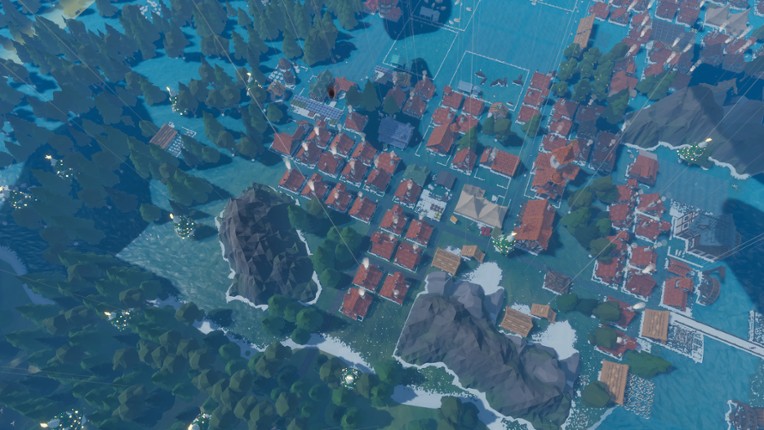
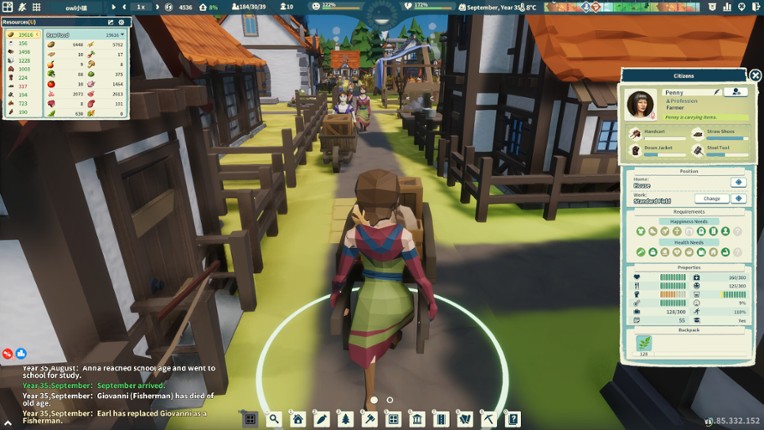
- 93%Game Brain ScoreMost mentioned positive aspects:gameplay, graphicsMost mentioned negative aspects:story, replayability93% User Score 1,122 reviewsOffer a cute, top-down alternative for solo players, scaling back the industrial scope to focus on maintaining a small lunar outpost for cats. If you enjoyed this game, see our list of games similar to MewnBase.View Game

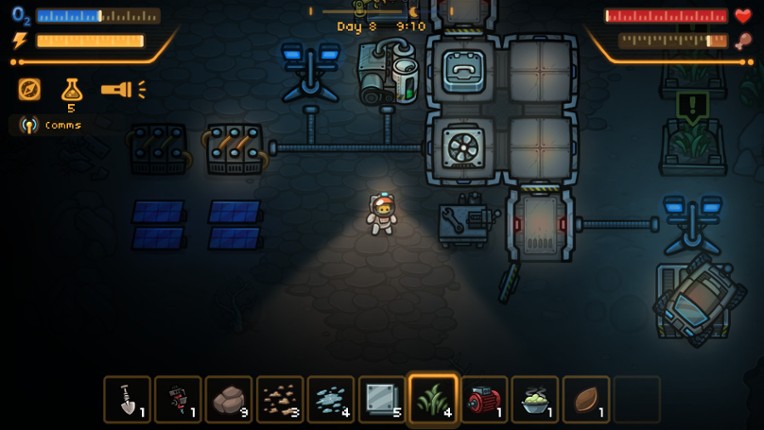
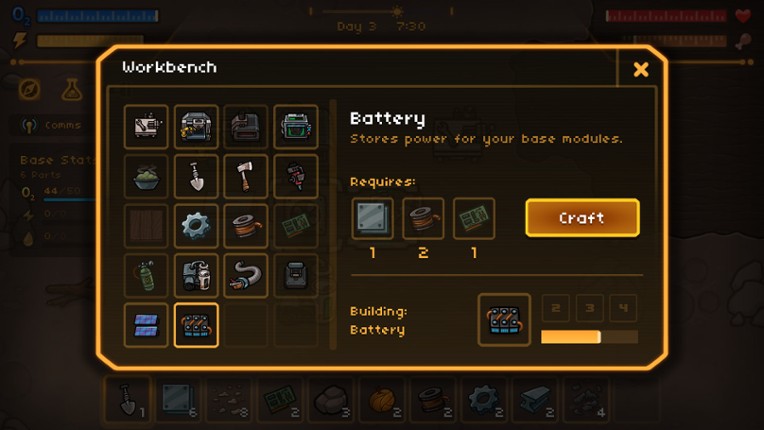
- 95%Game Brain ScoreMost mentioned positive aspects:gameplay, graphicsMost mentioned negative aspects:grinding, stability95% User Score 2,937 reviewsPrioritize atmospheric environmental restoration as you terraform a desolate, frozen planet, focusing on gradual climate transformation rather than massive industrial infrastructure. If you enjoyed this game, see our list of games similar to The Planet Crafter: Prologue.View Game
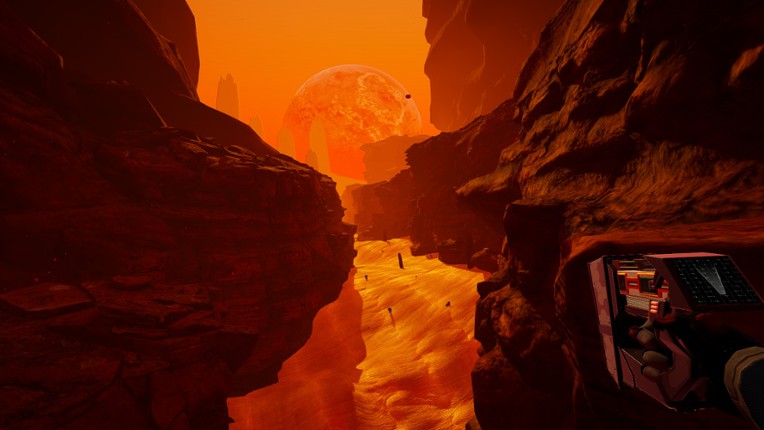
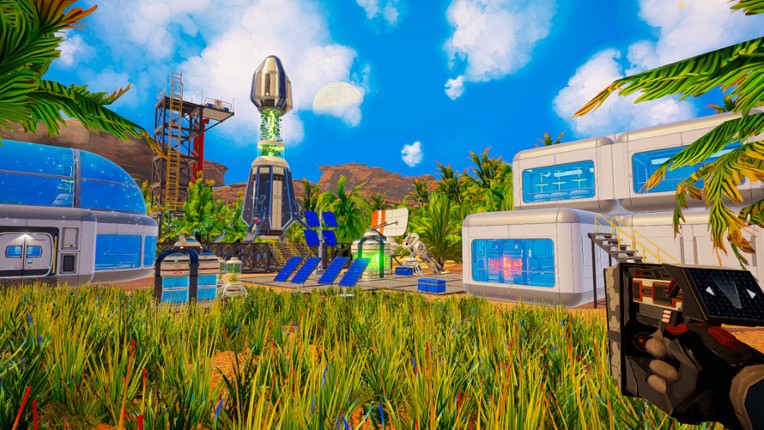
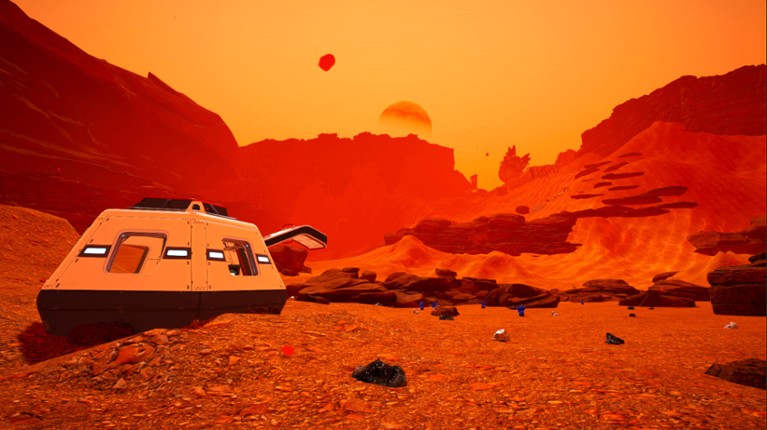
- 86%Game Brain ScoreMost mentioned positive aspects:story, gameplayMost mentioned negative aspects:optimization, stability86% User Score 8,638 reviews
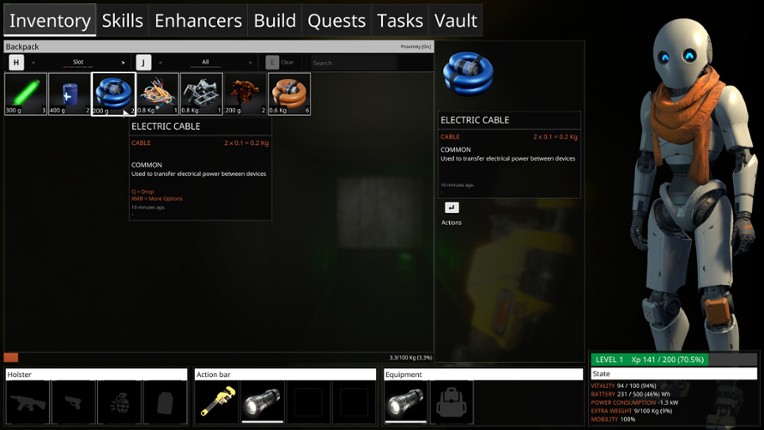
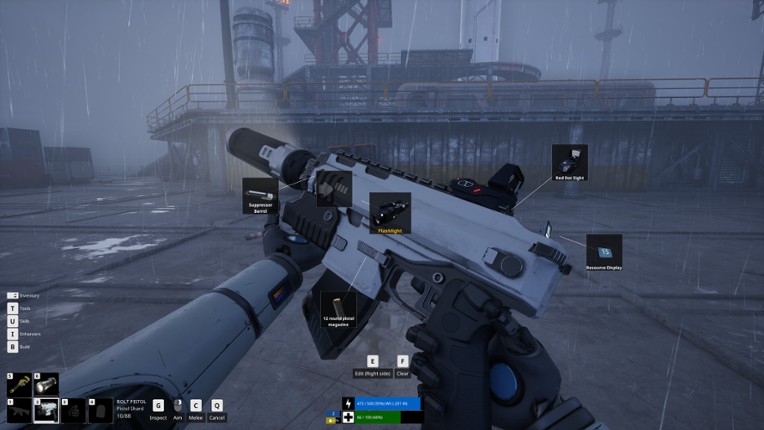
In The Last Caretaker, you play a reawakened machine with a mission to secure humanity's future. Craft tools and weapons from salvaged technology, navigate a treacherous ocean world, and explore forgotten facilities that hold the key to humanity's survival. The Earth has been swallowed by the ocean as towering megastructures rust under a yawning sky. The Last Caretaker isn't just about survival, i… If you enjoyed this game, see our list of games similar to The Last Caretaker.
View Game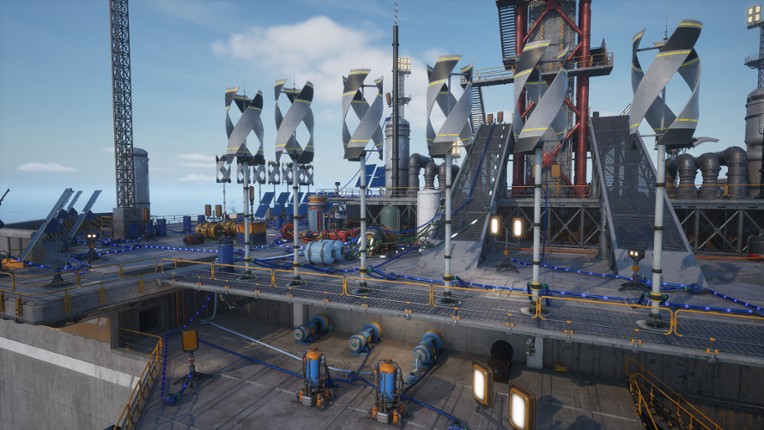
- 86%Game Brain ScoreMost mentioned positive aspects:gameplay, graphicsMost mentioned negative aspects:grinding, optimization86% User Score 2,120 reviews
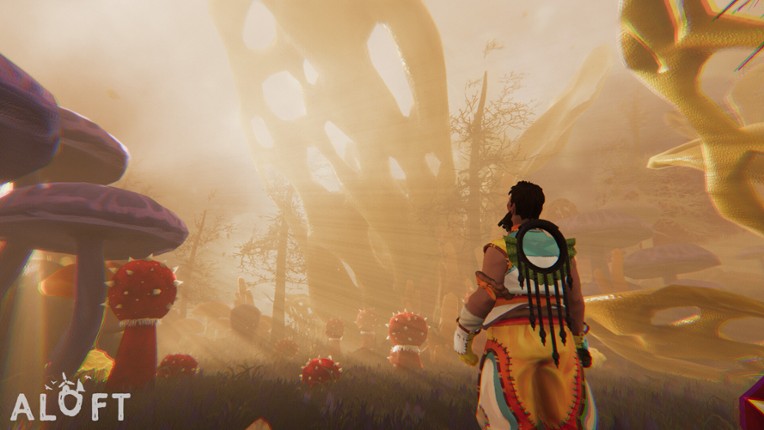
Soar the skies in Aloft, the co-op sandbox survival game set in a world of floating islands. Build any island into a skyship, your home in the clouds. Find lost knowledge, cure the fungal corruption, and brave the hurricane to restore the ecosystem. If you enjoyed this game, see our list of games similar to ALOFT.
View Game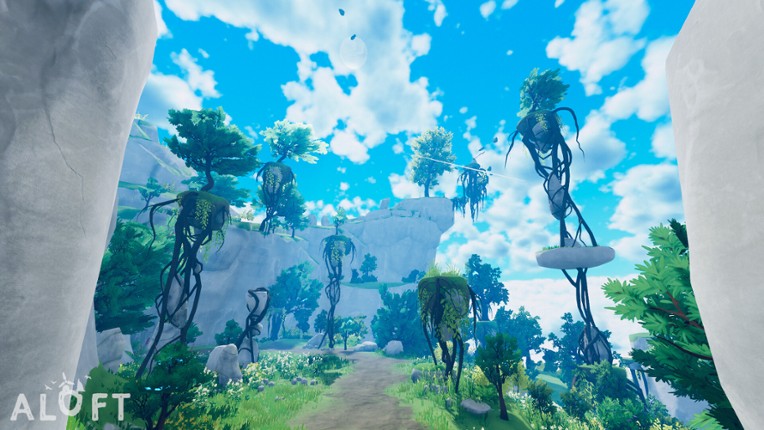
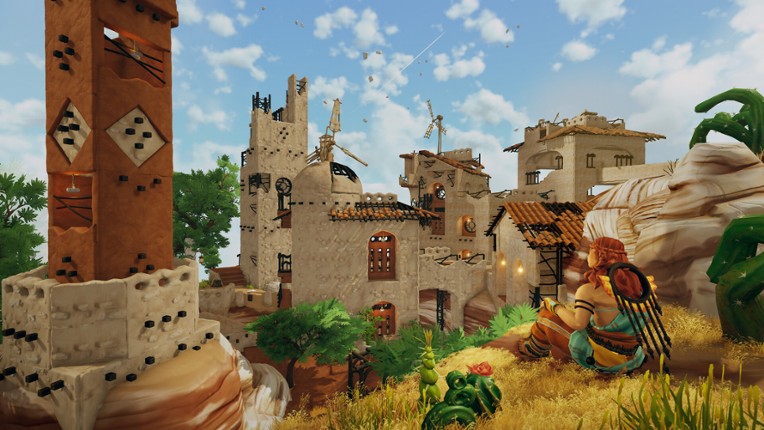
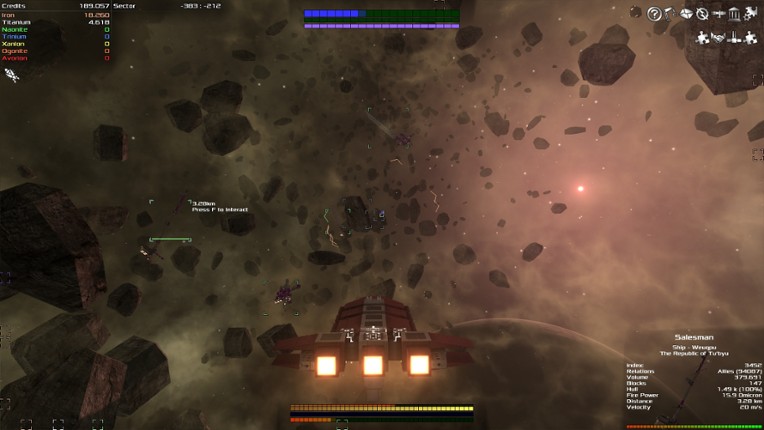
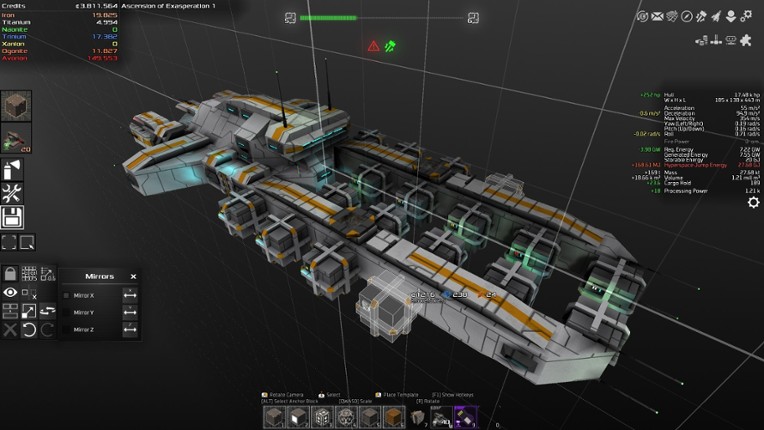
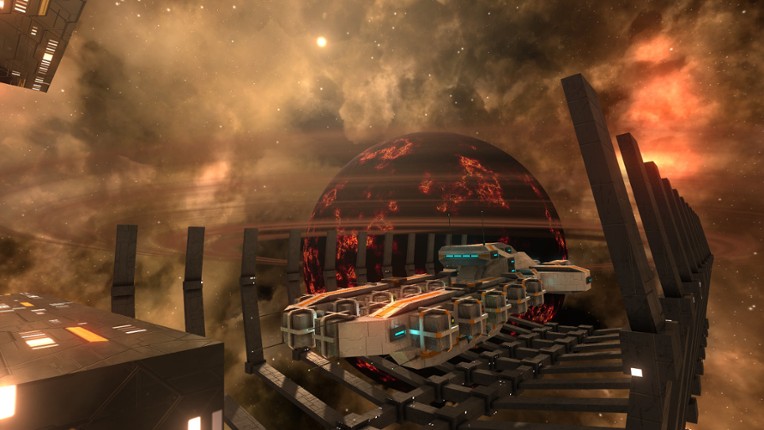
- 90%Game Brain ScoreMost mentioned positive aspects:gameplay, storyMost mentioned negative aspects:grinding, stability90% User Score 14,354 reviewsAdds spaceflight and vehicular combat to sandbox building and exploration, blending resource economy with sci-fi space adventure rather than ground-based automation. If you enjoyed this game, see our list of games similar to Avorion.View Game
- 85%Game Brain ScoreMost mentioned positive aspects:gameplay, graphicsMost mentioned negative aspects:story, grinding85% User Score 492 reviewsPresents a top-down space station builder with strong automation and inventory management but a more strategic and less immersive combat focus. If you enjoyed this game, see our list of games similar to Outworld Station.View Game
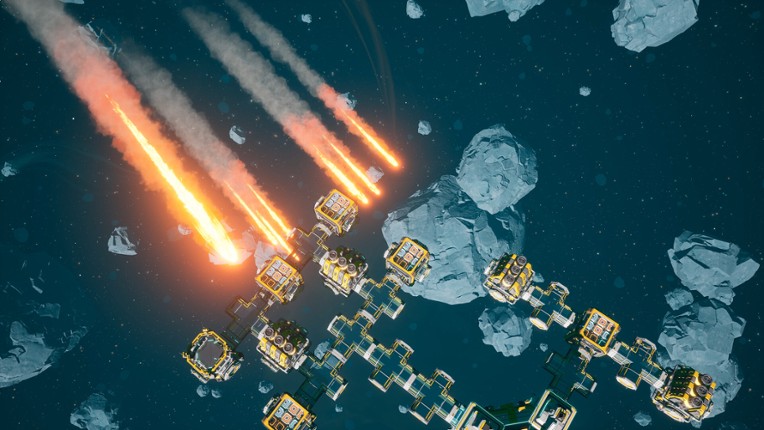
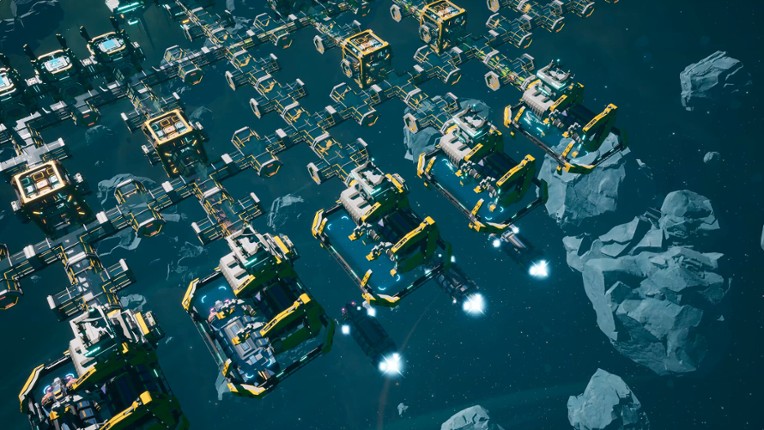
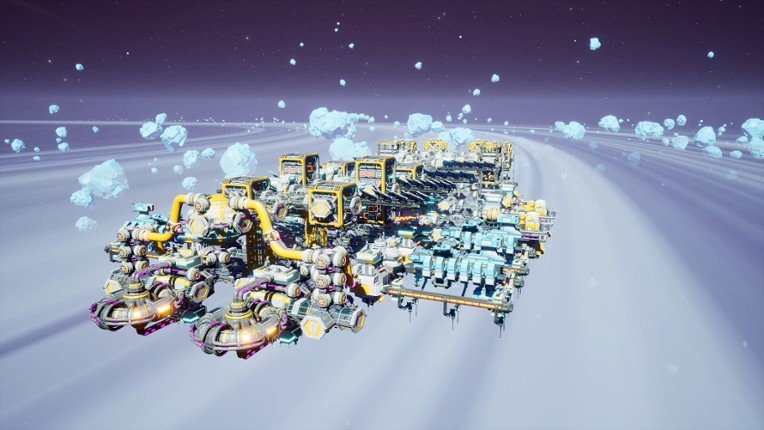
- 86%Game Brain ScoreMost mentioned positive aspects:gameplay, graphicsMost mentioned negative aspects:grinding, stability91% User Score 1,854 reviewsCritic Score 78%6 reviewsOffers a 2D pixel-art factory building and automation experience driven by farming and trading mechanics set in a more stylized open world. If you enjoyed this game, see our list of games similar to Nova Lands.View Game
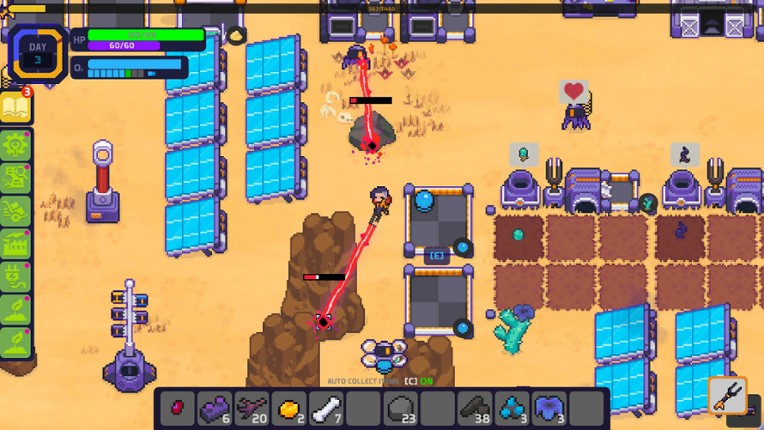
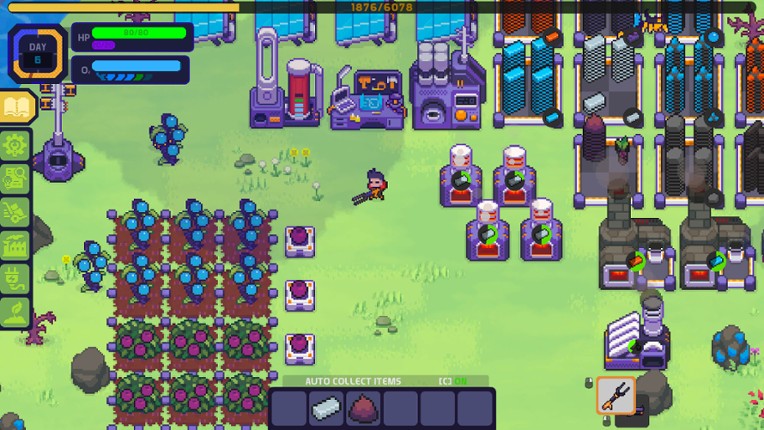

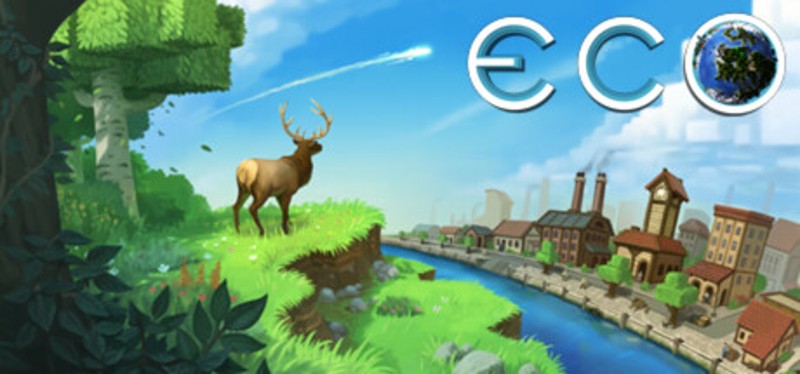
- 80%Game Brain ScoreMost mentioned positive aspects:gameplay, graphicsMost mentioned negative aspects:grinding, optimization80% User Score 11,782 reviewsIntroduce complex societal and political consequences to your industrial activities, forcing you to balance planetary ecology with the demands of a cooperative economy. If you enjoyed this game, see our list of games similar to Eco.View Game
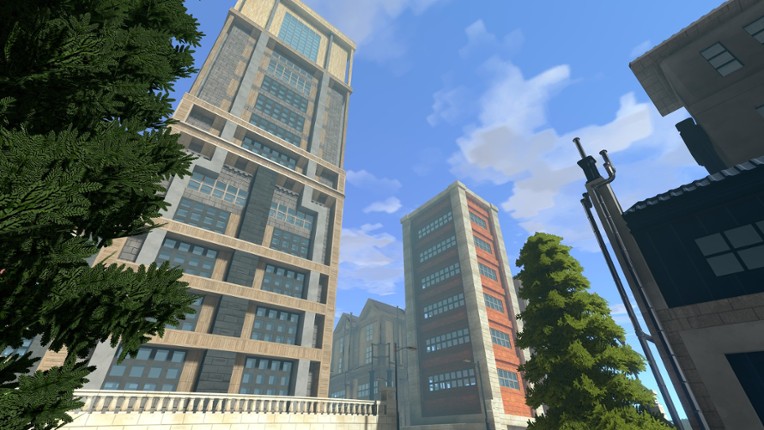
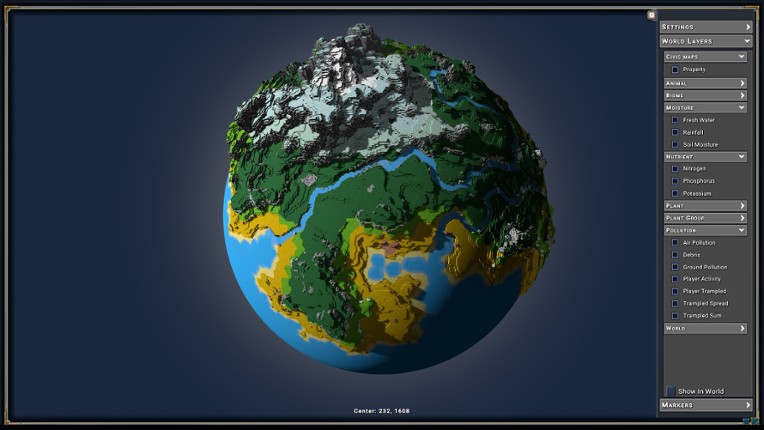

- 73%Game Brain ScoreMost mentioned positive aspects:story, gameplayMost mentioned negative aspects:optimization, grinding75% User Score 39,742 reviewsCritic Score 70%5 reviewsCombines harsh survival and mining with science-driven base building and cooperative first-person gameplay in a realistic, open-world sci-fi setting. If you enjoyed this game, see our list of games similar to ICARUS.View Game



 View Game





























Frequently Asked Questions
Factorio is the closest match, offering addictive factory optimization with exceptional stability on all hardware. Dyson Sphere Program scales the concept to a cosmic level with stunning visuals, while shapez provides a more relaxed, puzzle-like take on automation without combat or resource pressure.
Factorio, Planet Crafter, and ASTRONEER all support online co-op gameplay. Planet Crafter and ASTRONEER offer the first-person exploration experience similar to Satisfactory, while Factorio delivers pure factory-building without combat mechanics.
Ocean World: Eden Crafters Prologue is available free-to-play and combines terraforming with automation gameplay inspired by Satisfactory. It features base building, resource management, and a relaxing atmosphere with beautiful space exploration elements.
Planet Crafter excels with immersive terraforming that creates compelling narrative progression as you transform a barren world. ASTRONEER offers deeper emotional storytelling alongside exploration. Both maintain the satisfying automation loop while delivering richer atmospheric experiences than Satisfactory's underdeveloped narrative.
Factorio is unmatched for pure automation depth and modding community support. shapez strips automation to its elegant core with infinite optimization potential. FortressCraft Evolved blends automation with exploration and tower defense, offering unique strategic depth beyond simple factory building.
Factorio is specifically praised for smooth performance and stability even with massive factories on lower-end hardware. shapez runs efficiently with its 2D design. Dyson Sphere Program handles complex systems well, addressing Satisfactory's multiplayer desync and performance problems that plague large-scale builds.