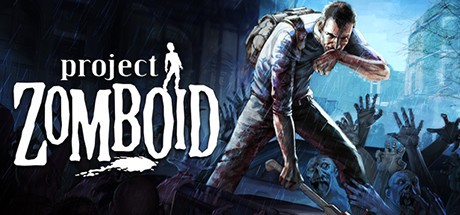



Games like Project Zomboid
If Project Zomboid has swallowed hundreds of your hours and you're hunting for what comes next, you're in exactly the right place. Games like Project Zomboid occupy a very specific niche — isometric or first-person open-world survival with real consequences, deep crafting systems, zombie threats, and a post-apocalyptic atmosphere that never lets you feel truly safe. The good news: there are some excellent alternatives that scratch that same itch in meaningful ways.
What sets Project Zomboid apart is the collision of systems that all demand your attention at once — base building, resource management, character skill progression, co-op tension, and a sandbox world that doesn't hold your hand or soften the blow when you die. Its tone is bleak and realistic, its replayability comes from procedural unpredictability rather than scripted content, and the isometric perspective gives it a distinctly tactical feel. Players who love it are chasing that same loop of fragile survival built slowly into something resembling control.
What Makes a Good Alternative to Project Zomboid?
- Meaningful survival systems — The best alternatives track hunger, thirst, injury, and fatigue as interconnected pressures, not just resource bars to top up. Project Zomboid's depth comes from how these systems compound, and that's what fans want more of.
- Open-world sandbox freedom — Alternatives should let players define their own goals rather than funneling them through linear missions. The appeal of Project Zomboid is writing your own story in a collapsing world.
- Base building and crafting with stakes — Fortifying a location and gathering materials needs to feel consequential. The threat of losing everything you've built is central to the tension Project Zomboid delivers so well.
- Post-apocalyptic atmosphere with real weight — Not just zombies as obstacles, but a world that communicates decay, isolation, and dread through its sound design, visuals, and pacing.
- Co-op that enhances rather than trivializes the challenge — Playing with friends should raise the stakes and the fun simultaneously, as it does in Project Zomboid's online co-op mode, not dissolve the difficulty entirely.
Top Picks If You Enjoyed Project Zomboid
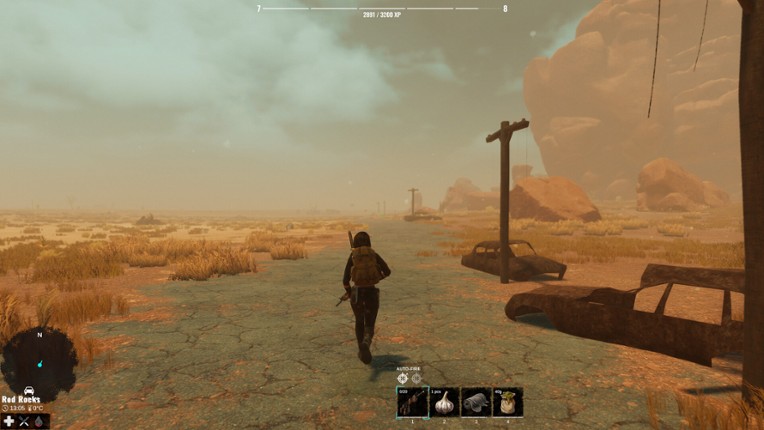
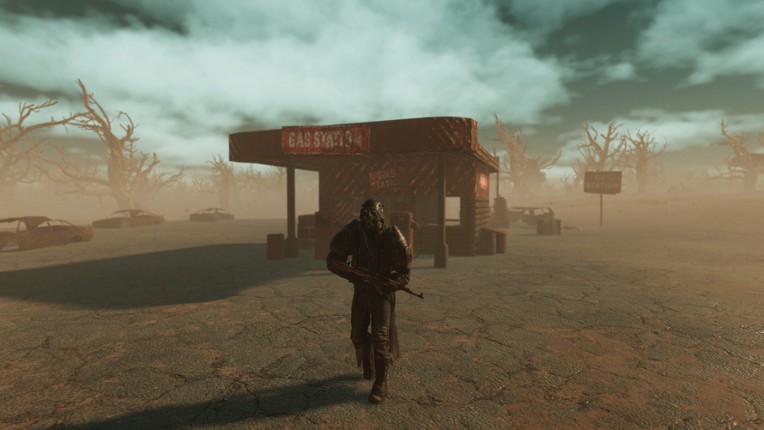
VEIN brings a first-person Project Zomboid feel with deeply layered survival mechanics. 7 Days to Die adds voxel base-building and horde defense to the zombie survival formula. DayZ delivers brutal, emergent multiplayer survival in a bleak open world. Green Hell swaps zombies for a punishing jungle environment with equally demanding realism. Sons Of The Forest pairs atmospheric horror with satisfying base construction. HumanitZ is the closest isometric sibling, with crafting, base-building, and dynamic zombie threats at its core.
Every recommendation below is ranked by similarity to Project Zomboid using real player data, so the closest matches appear first. Browse the full list to find your next survival obsession.
- 90%Game Brain ScoreMost mentioned positive aspects:gameplay, graphicsMost mentioned negative aspects:stability, optimization90% User Score 8,667 reviews
Both games trap you in the same survival loop: scavenge, craft, fortify, repeat—but VEIN shifts the camera to first-person, forcing you to experience resource scarcity and zombie encounters with immediate, visceral tension rather than the strategic distance of isometric view.
You'll recognize the building and base-crafting systems that make Project Zomboid rewarding; VEIN doubles down on this, giving your shelter genuine tactical importance. The zombie threat carries the same weight in both—they're not just obstacles, they're a persistent environmental pressure that shapes every decision.
Where Project Zomboid rewards long-term planning and character attachment, VEIN strips that back for moment-to-moment survival. This isn't a weakness—it's a shift toward pure resource management intensity, cutting out some grinding friction in exchange for less narrative depth.
The developers are actively patching stability issues, addressing one of Project Zomboid's lingering pain points. Early Access roadmaps show genuine commitment to refinement.
Best for players who crave the survival-craft core but want to experience it through a predator's eyes rather than a bird's eye—those hungry for the familiar loop in an entirely new spatial perspective.
If you enjoyed this game, see our list of games similar to VEIN.View Game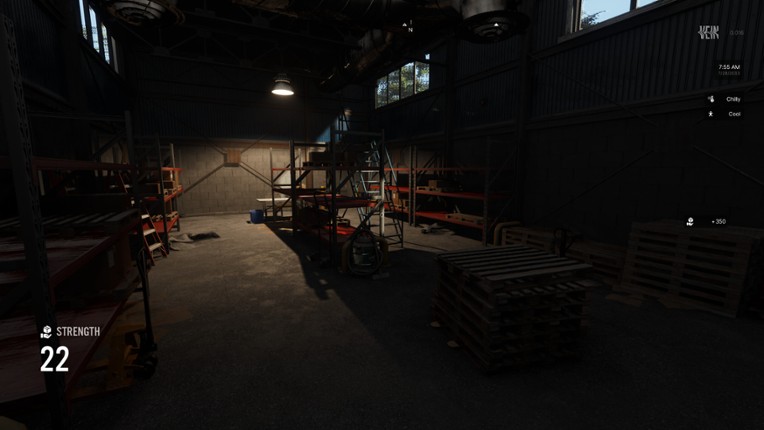
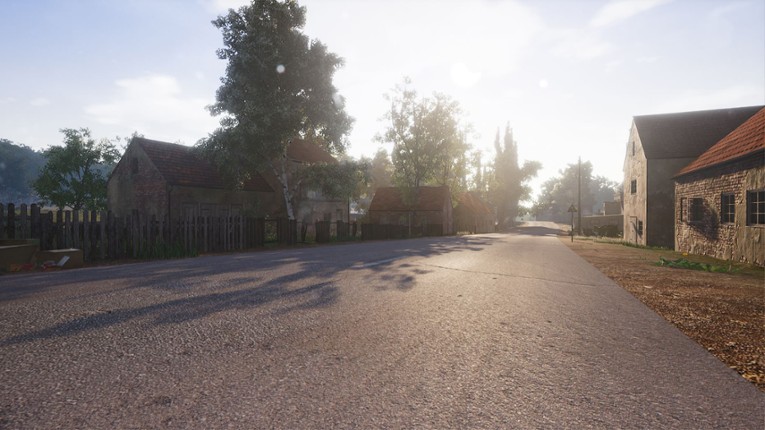
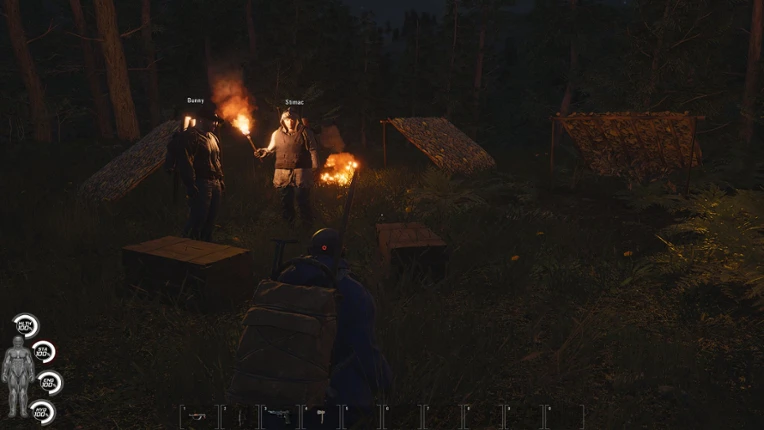
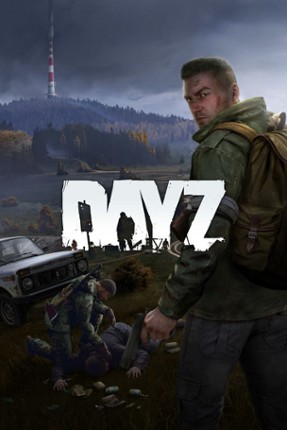
- 65%Game Brain ScoreMost mentioned positive aspects:gameplay, graphicsMost mentioned negative aspects:stability, optimization74% User Score 205,833 reviewsCritic Score 20%1 reviews
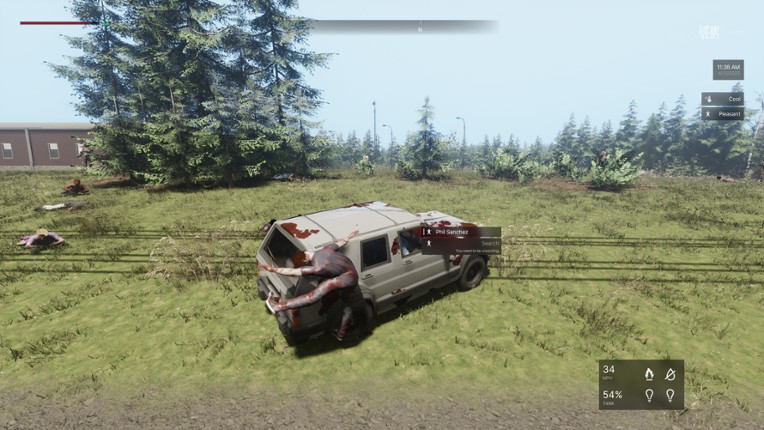
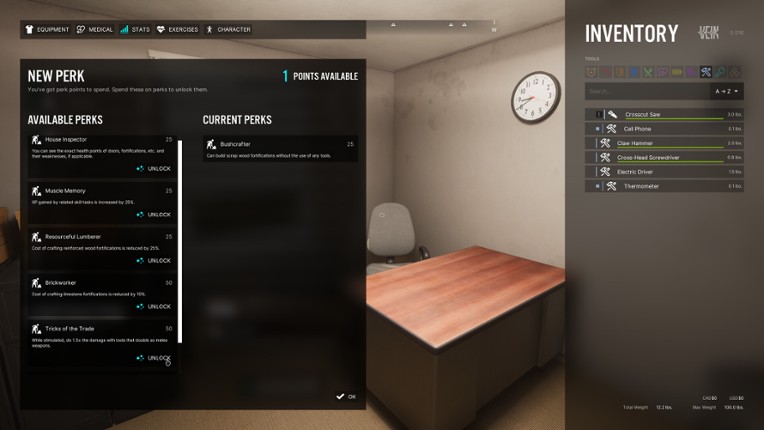
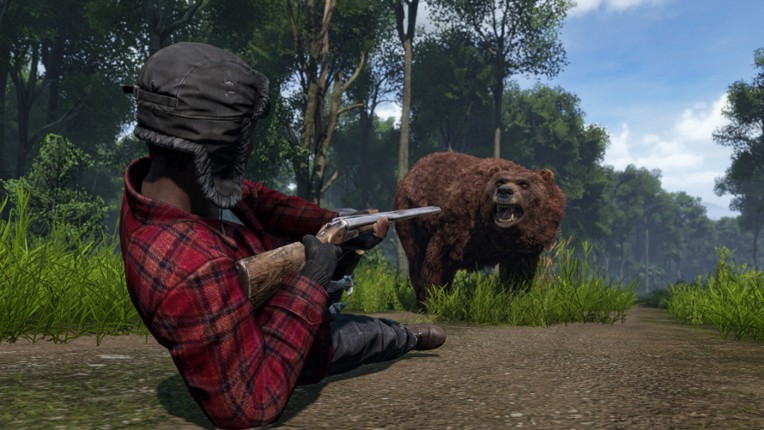
For Project Zomboid fans, the moment of deciding whether to trust a stranger holding a fire axe feels universal — that heartbeat-quick calculation of risk versus reward. DayZ amplifies this by placing you face-to-face with other survivors, where the gun in your hands and the supplies on your back create genuine moral stakes rather than scripted drama. This human unpredictability transforms every server into a new story.
Both games reward meticulous survival planning over combat prowess. DayZ's detailed hunger, thirst, and disease systems work the same way Project Zomboid's do: mastering inventory management and resource scarcity creates a satisfying loop of tension and relief. When you finally secure a hunting rifle and enough ammunition to last a week, the accomplishment feels earned rather than handed out.
The tradeoff: DayZ trades Project Zomboid's isometric view for first-person perspective that makes every alleyway feel dangerous and every distant figure a potential threat. This shift from strategic overview to visceral presence won't suit everyone, but it offers a fresh way to experience survival horror without abandoning the hardcore systems you already love.
Best for players who want multiplayer consequences and emergent storytelling alongside unforgiving survival mechanics — a natural next step when solo survival starts feeling too predictable.
If you enjoyed this game, see our list of games similar to DayZ.View Game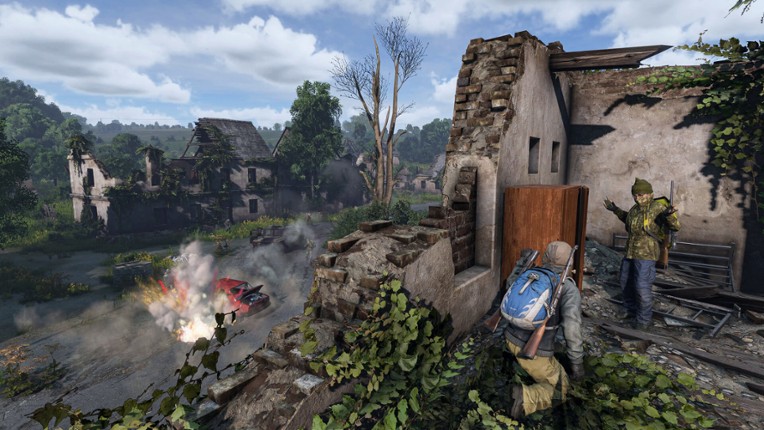
- 73%Game Brain ScoreMost mentioned positive aspects:gameplay, graphicsMost mentioned negative aspects:optimization, stability73% User Score 46,927 reviews
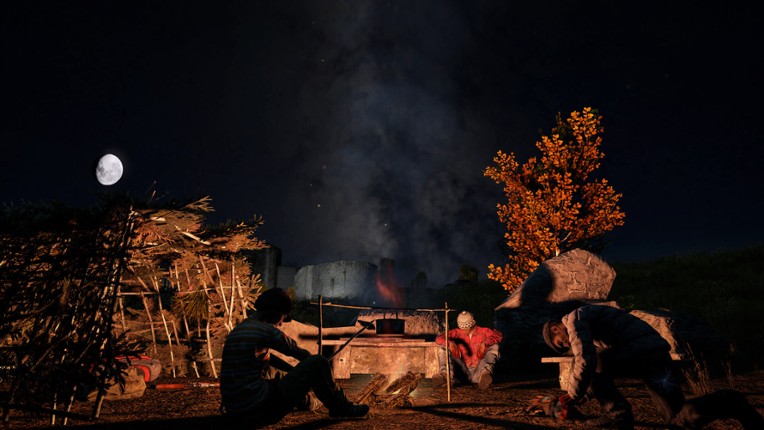
Both games share an obsessive commitment to physiological realism, forcing you to manage complex metabolism, injury, and health stats to survive. This granular depth matters because it transforms simple survival tasks into high-stakes, tactical decisions that define your longevity.
The primary shift is perspective and scope; while Project Zomboid keeps you locked in an isometric view focused on environmental scavenging, SCUM throws you into a large-scale 3D open world dominated by cutthroat PvP encounters.
Pick this up if you crave Project Zomboid's punishing survival mechanics but want to trade the static top-down view for visceral third-person action and the unpredictability of a multiplayer social sandbox.
If you enjoyed this game, see our list of games similar to SCUM.View Game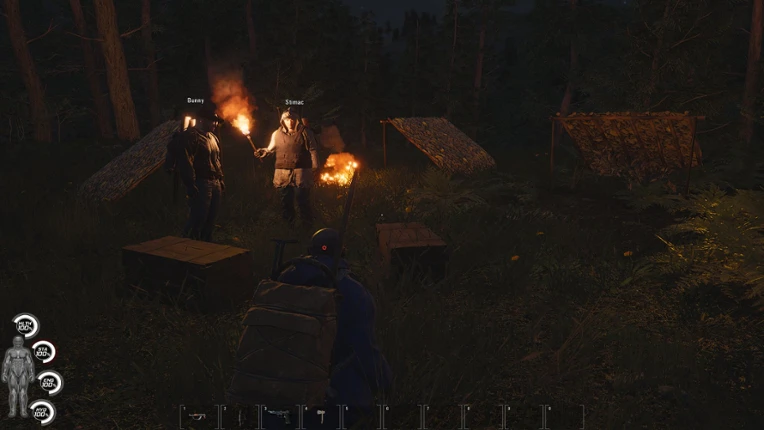
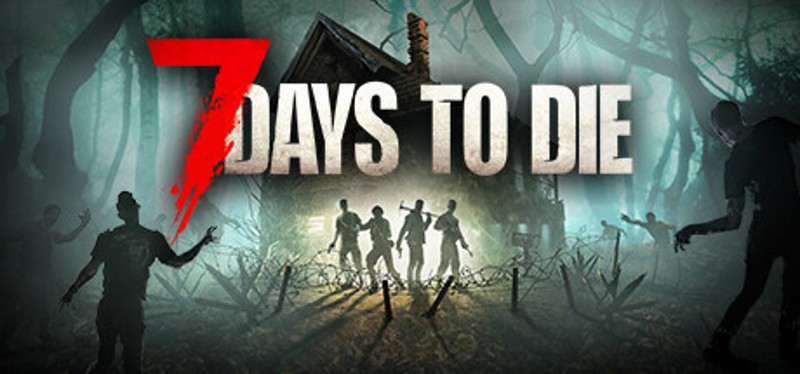
- 62%Game Brain ScoreMost mentioned positive aspects:gameplay, graphicsMost mentioned negative aspects:story, optimization85% User Score 183,471 reviewsCritic Score 40%18 reviews
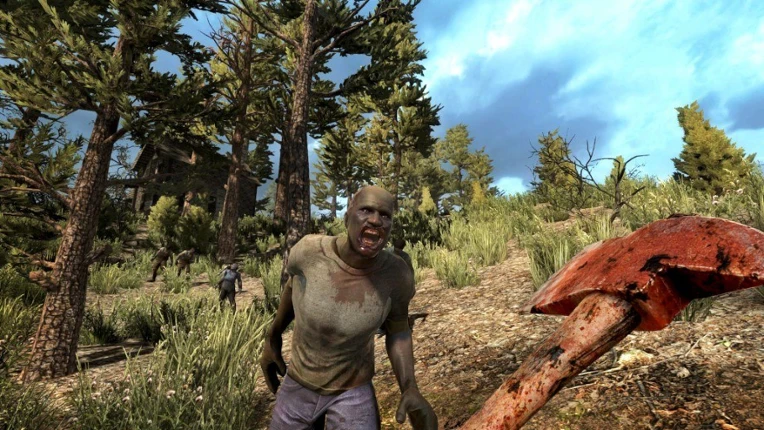
Every horde night in 7 Days to Die feels like the same anxious ritual Project Zomboid players love: scavenge during the day, fortify at dusk, then test whether your planning was actually enough when the dead start pounding on the walls. That loop of tense preparation and messy improvisation creates the same “one more day” pull that makes Zomboid so hard to put down.
Both games reward crafting, base building, trading, and long-term survival planning, but 7 Days to Die adds a bigger emphasis on first-person combat and fortress defense. That changes the experience from careful isometric survival into something more physical and immediate, while still keeping resource scarcity and escalation at the center.
It also directly answers one of Zomboid’s biggest pain points: grinding. Procedural worlds, character progression, and shifting hordes give each run more momentum and a stronger sense of forward pressure, so progress feels earned without becoming as static.
Best for players who want survival mastery with more action and bigger defensive payoffs.
If you enjoyed this game, see our list of games similar to 7 Days to Die.View Game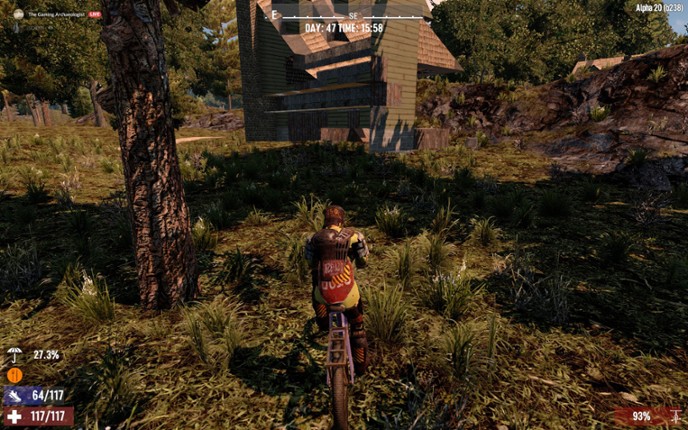
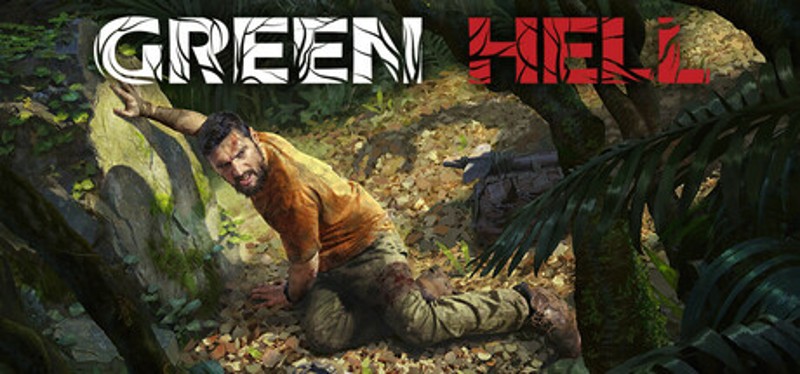
- 78%Game Brain ScoreMost mentioned positive aspects:story, gameplayMost mentioned negative aspects:grinding, stability85% User Score 33,418 reviewsCritic Score 66%6 reviews
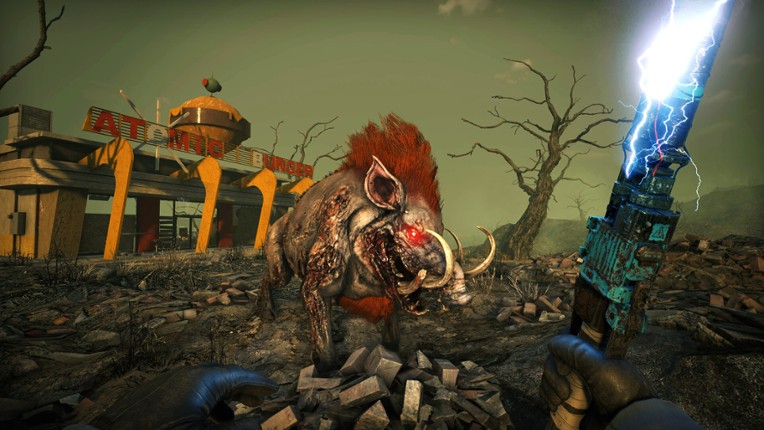
That slow-burn tension of managing hunger, illness, and dwindling supplies while the world tries to kill you? Green Hell runs on the same fuel. Both games demand that you treat survival as a discipline — tracking systems, rationing resources, and making hard calls under pressure rather than just fighting your way through problems.
The crafting and base-building loops feel structurally familiar: you're always sourcing materials, improvising tools, and reinforcing your foothold against constant environmental threat. More importantly, both games reward learned competence over gear progression — the more you understand the systems, the less the world punishes you, which creates that same satisfying mastery curve Project Zomboid players chase across long runs.
The shift worth noting is perspective: Green Hell is first-person and jungle-bound, replacing undead hordes with parasites, infected wounds, and psychological deterioration. It's a tighter, more intimate kind of dread.
If Project Zomboid's occasional stability issues have frustrated you, Green Hell's single-player experience is notably more polished — though multiplayer carries its own bugs, so solo runs are the safer bet.
Best for players who find the most satisfaction in solving survival as a system rather than seeking action-first thrills.
If you enjoyed this game, see our list of games similar to Green Hell.View Game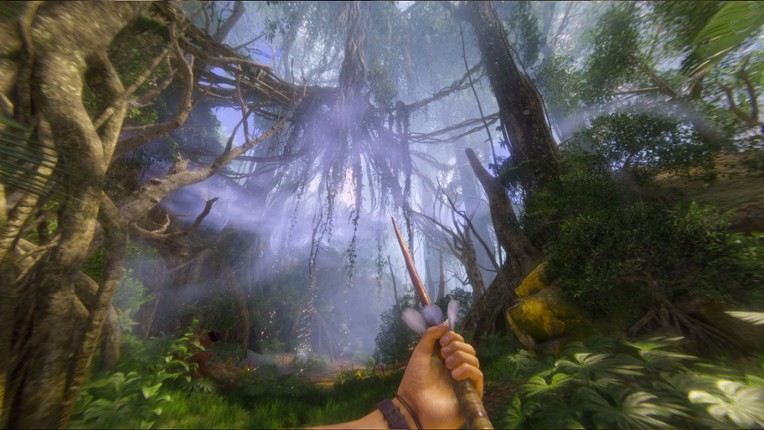
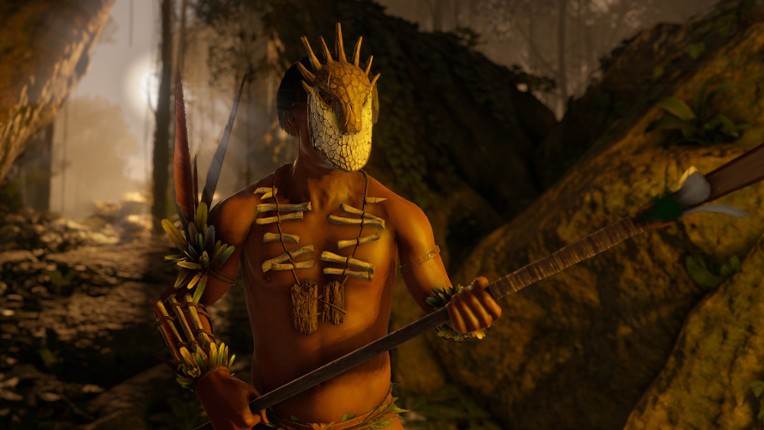
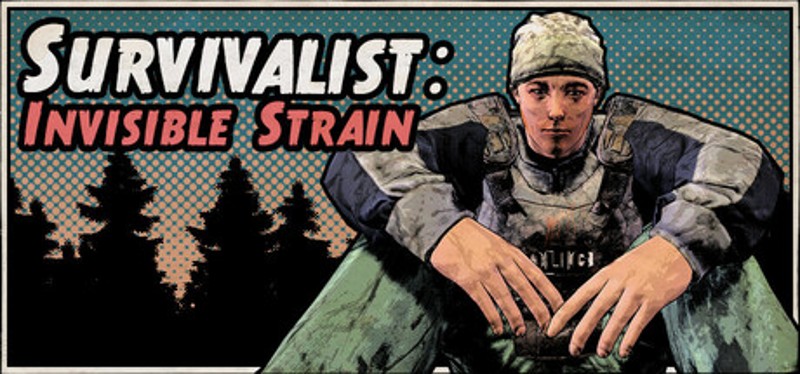
- 87%Game Brain ScoreMost mentioned positive aspects:gameplay, storyMost mentioned negative aspects:grinding, optimization87% User Score 1,851 reviewsProcedural generation and branching dialogue systems deepen roleplay beyond Zomboid's mechanics-focused survival, maintaining the co-op building focus. If you enjoyed this game, see our list of games similar to Survivalist: Invisible Strain.View Game
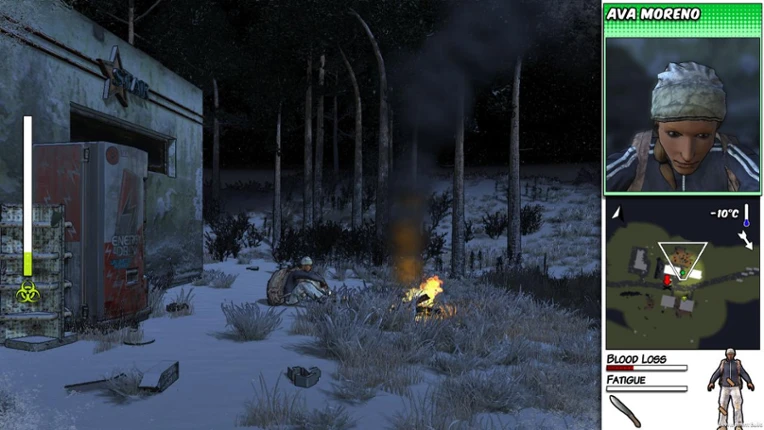
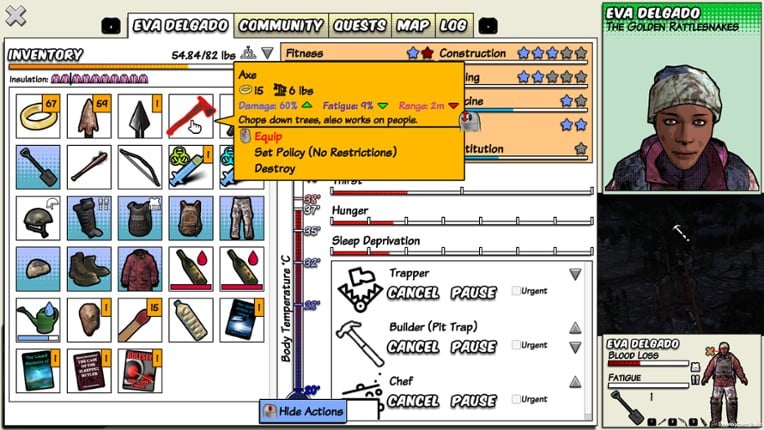
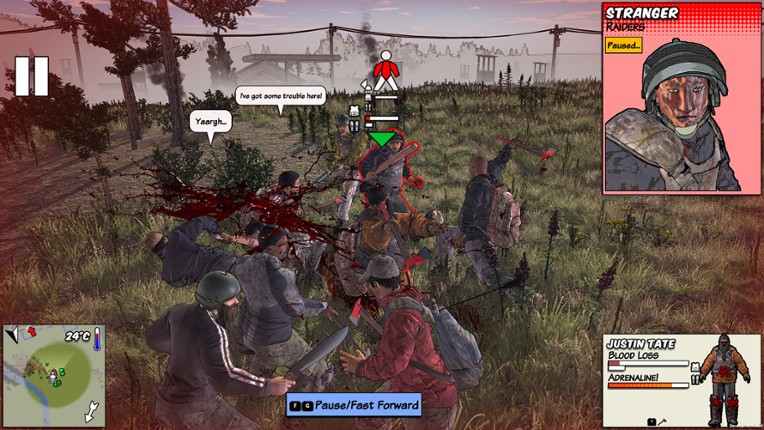
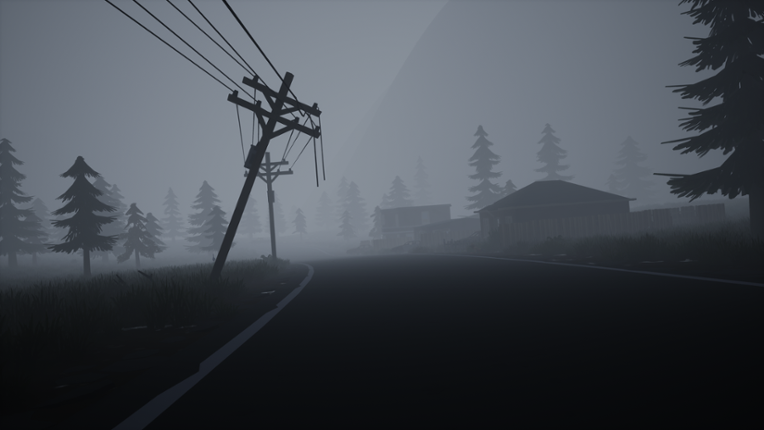
- 76%Game Brain ScoreMost mentioned positive aspects:gameplay, graphicsMost mentioned negative aspects:stability, grinding76% User Score 7,478 reviewsMist Survival offers a tighter, single-player perspective on infection, shifting the focus toward managing a fortified safehouse amidst dynamic weather events. If you enjoyed this game, see our list of games similar to Mist Survival.View Game
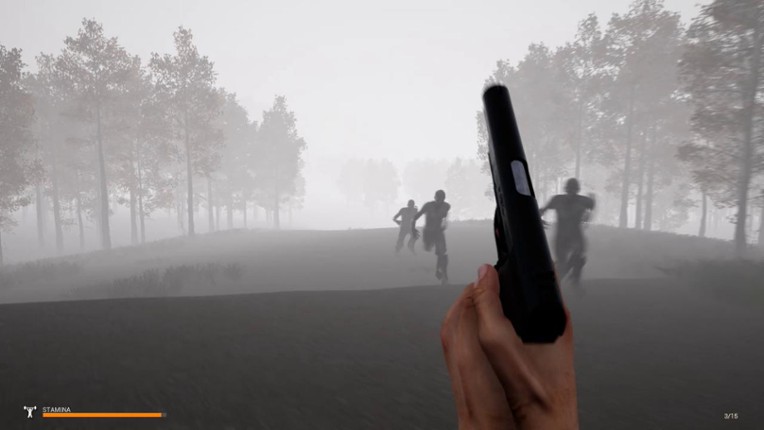
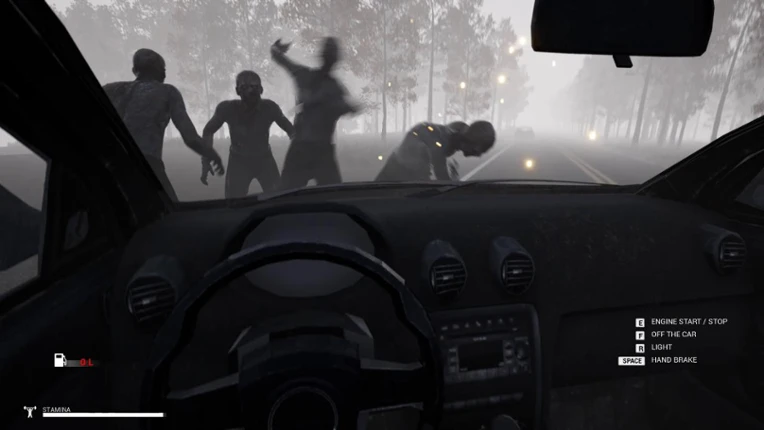
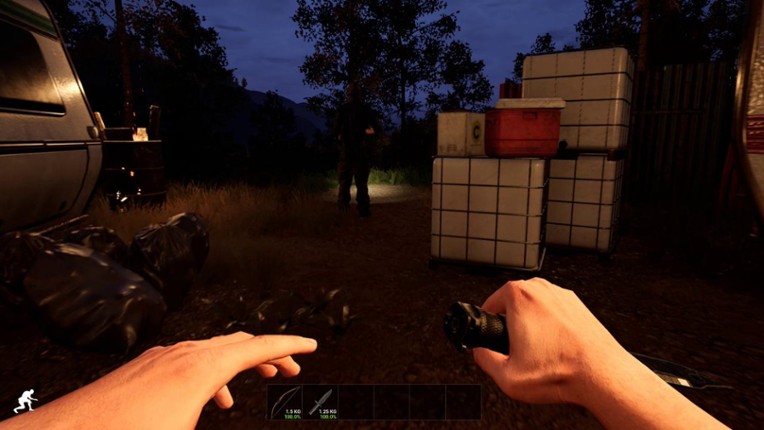
- 64%Game Brain ScoreMost mentioned positive aspects:gameplay, graphicsMost mentioned negative aspects:stability, story64% User Score 3,423 reviewsFirst-person perspective and heavier horror atmosphere replace isometric survival, but co-op zombie exploration remains core. If you enjoyed this game, see our list of games similar to Survive the Nights.View Game
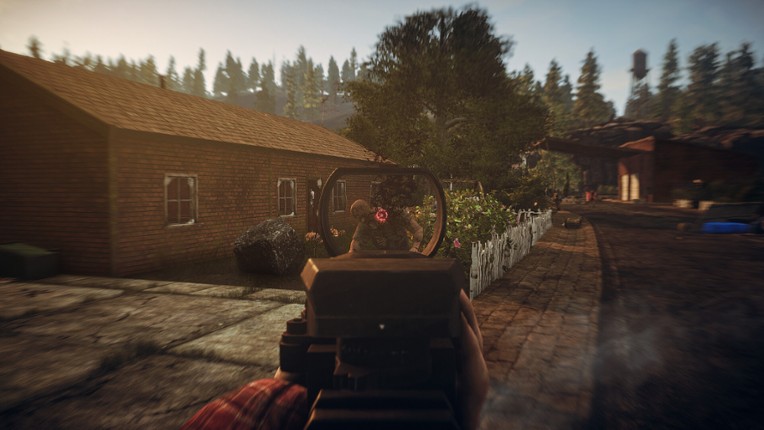
- 74%Game Brain ScoreMost mentioned positive aspects:gameplay, graphicsMost mentioned negative aspects:stability, optimization74% User Score 4,496 reviews
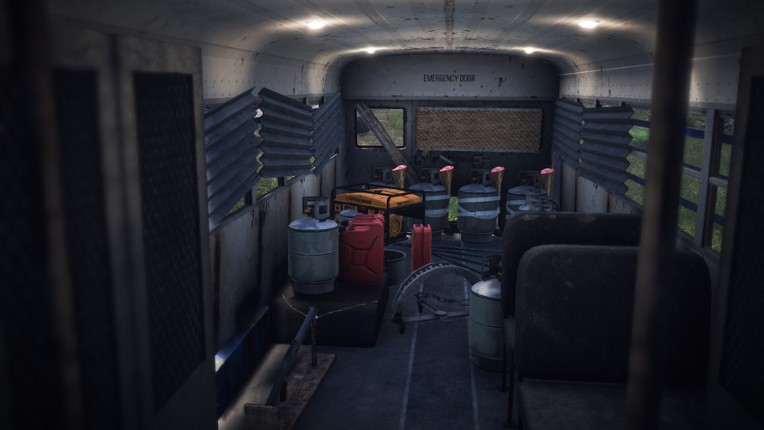
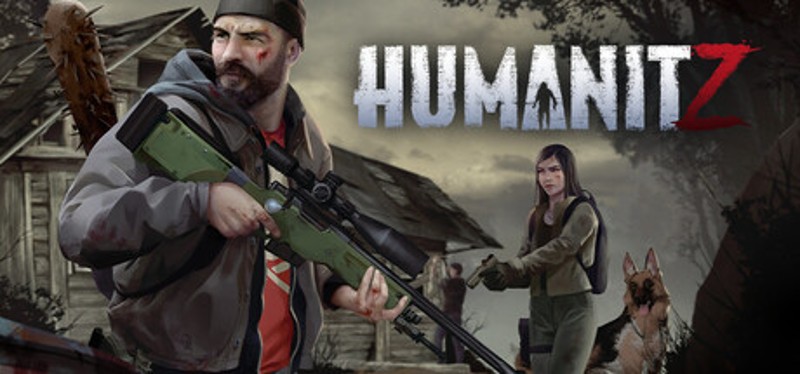
Both deliver isometric open-world zombie survival with deep crafting and base-building that rewards methodical preparation over reflexes.
Both offer 2-player online co-op, letting you divide survival tasks between partners.
HumanitZ's active development cycle delivers fresher content more often, but its clunky camera and persistent bugs create friction that Project Zomboid has largely smoothed out.
Pick this up if you want that survival-crafting formula with a teammate and can tolerate rough execution in exchange for a game still receiving regular updates.
If you enjoyed this game, see our list of games similar to HumanitZ.View Game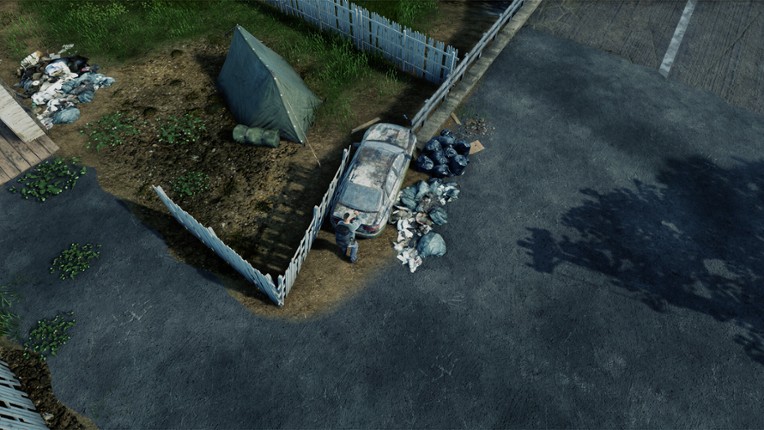
- 86%Game Brain ScoreMost mentioned positive aspects:story, gameplayMost mentioned negative aspects:stability, optimization87% User Score 176,320 reviewsCritic Score 83%6 reviews
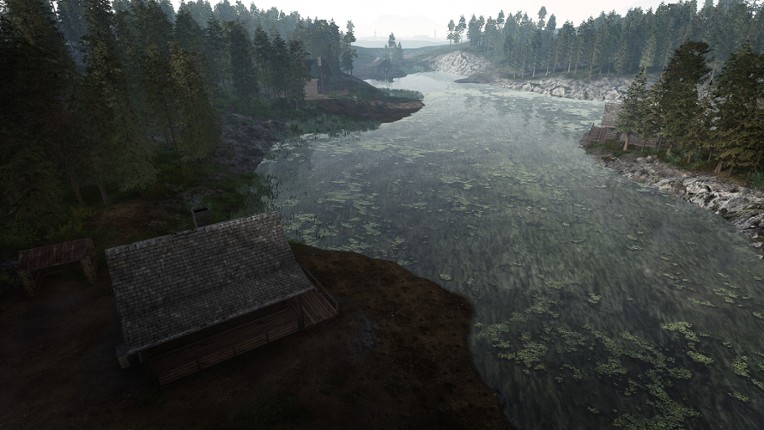
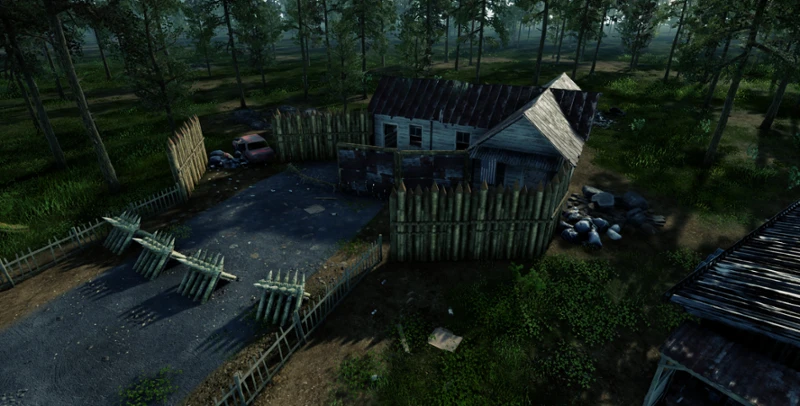
Sons of the Forest nails the cooperative survival crafting experience that defines Project Zomboid, delivering tense teamwork against threats in an open world. Both emphasize base building and resource management, crucial for sustained survival under pressure. This shared design fuels replayability and emergent player stories.
The key difference is perspective and tone: Sons of the Forest plunges you into a first-person horror narrative with more polished visuals, while Project Zomboid relies on isometric realism and emotional depth. This shift changes how you engage with danger and environment, trading subtle dread for visceral fear.
Pick Sons of the Forest if you want intense co-op horror survival with modern graphics but can accept a less grounded, more action-driven approach than Project Zomboid. It’s ideal for players craving cooperative scares over slow-burn simulation.
If you enjoyed this game, see our list of games similar to Sons Of The Forest.View Game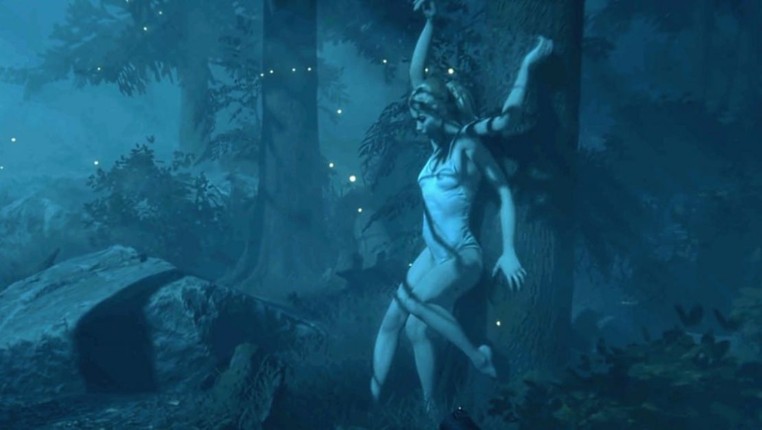


- 64%Game Brain ScoreMost mentioned positive aspects:graphics, gameplayMost mentioned negative aspects:stability, story64% User Score 23,198 reviews
Miscreated is a multiplayer online hardcore survival game set in a post-apocalyptic future. You will need to survive against mutants, players, and even mother nature herself. If you enjoyed this game, see our list of games similar to Miscreated.
View Game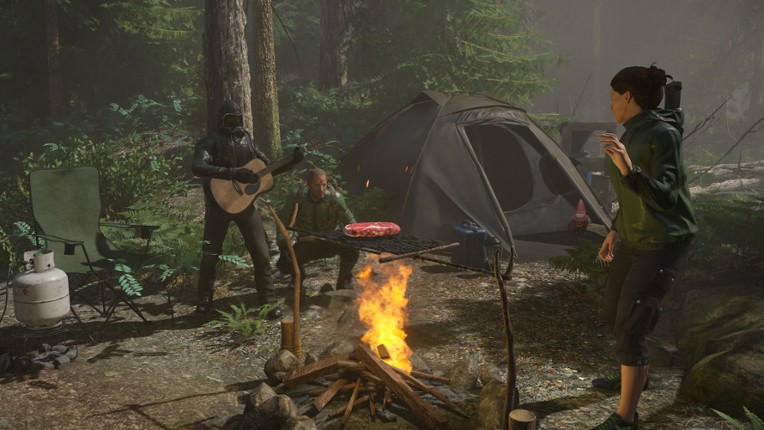
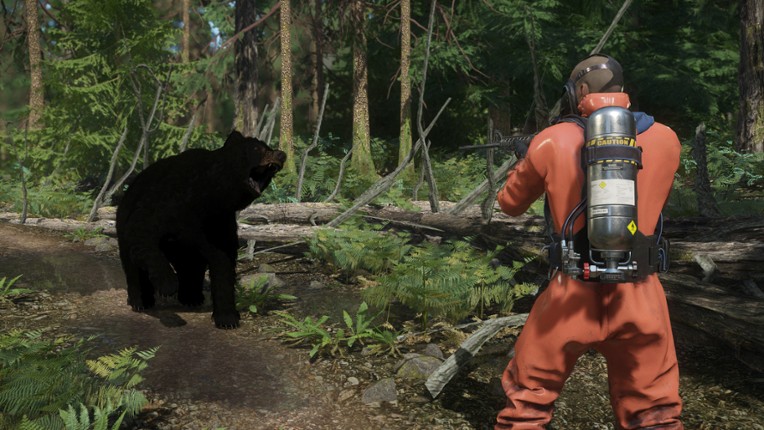
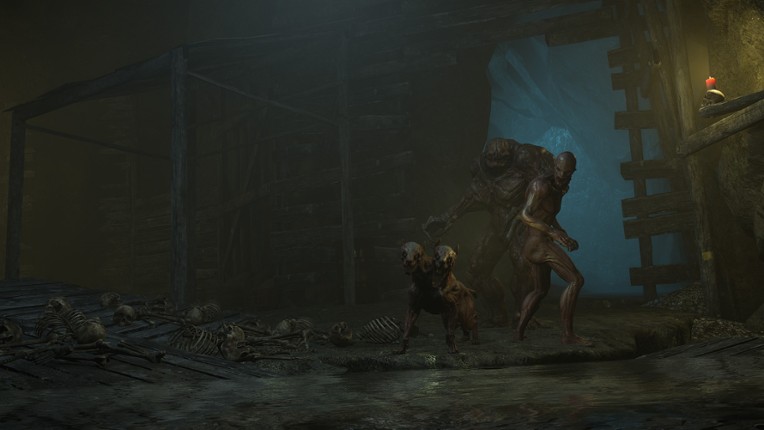
- 77%Game Brain ScoreMost mentioned positive aspects:gameplay, storyMost mentioned negative aspects:optimization, grinding77% User Score 3,601 reviewsPvP multiplayer and tower defense mechanics add competitive tension to the zombie crafting formula, intensifying multiplayer stakes. If you enjoyed this game, see our list of games similar to Night of the Dead.View Game
- 91%Game Brain ScoreMost mentioned positive aspects:gameplay, graphicsMost mentioned negative aspects:stability, grinding91% User Score 14,064 reviews
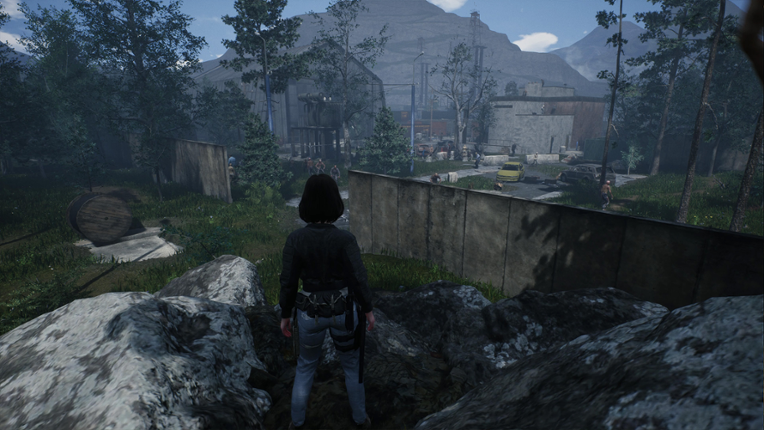
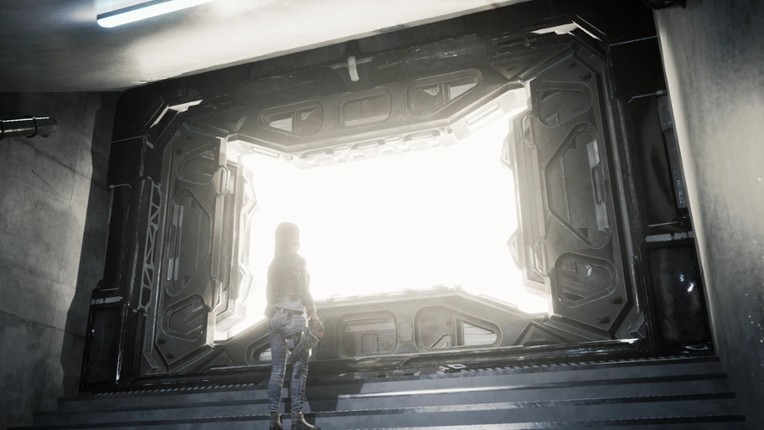
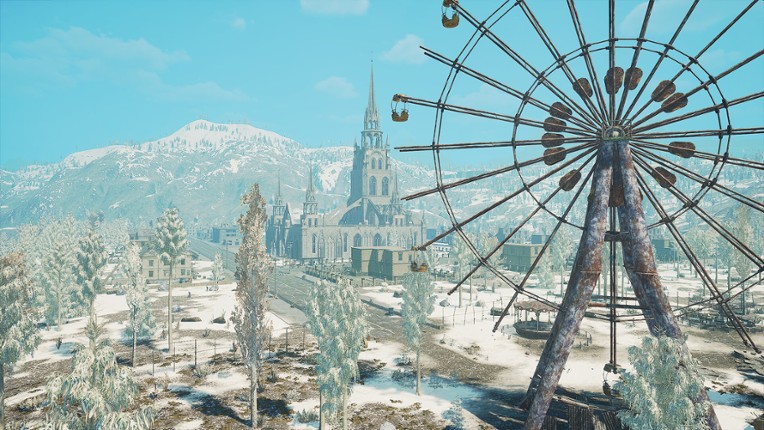
SurrounDead mirrors Project Zomboid’s relentless focus on looting and inventory management in a decaying, zombie-infested landscape. Both titles prioritize the struggle for basic supplies, which forces players to constantly weigh the risk of exploration against the need for survival.
The primary trade-off is perspective: you are trading Zomboid’s complex isometric simulation for a third-person, low-poly action experience. While it lacks the brutal depth of Zomboid’s health and mechanics systems, it offers a more immediate, arcade-style survival loop.
Pick this up if you want the tension of open-world scavenging but can live without the punishing realism and steep learning curve of Zomboid.
If you enjoyed this game, see our list of games similar to SurrounDead.View Game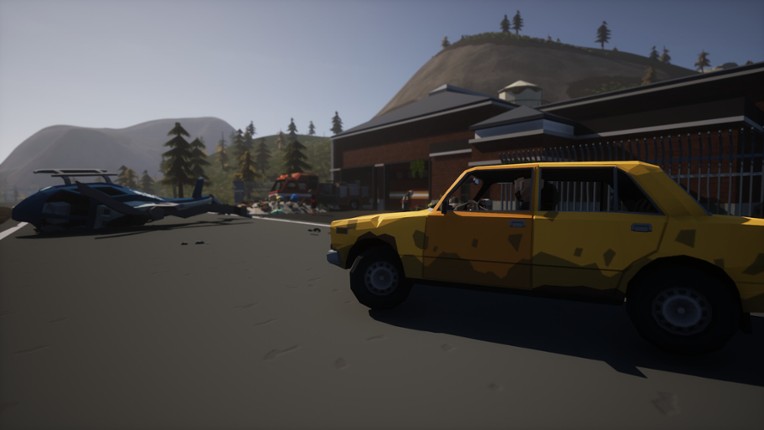
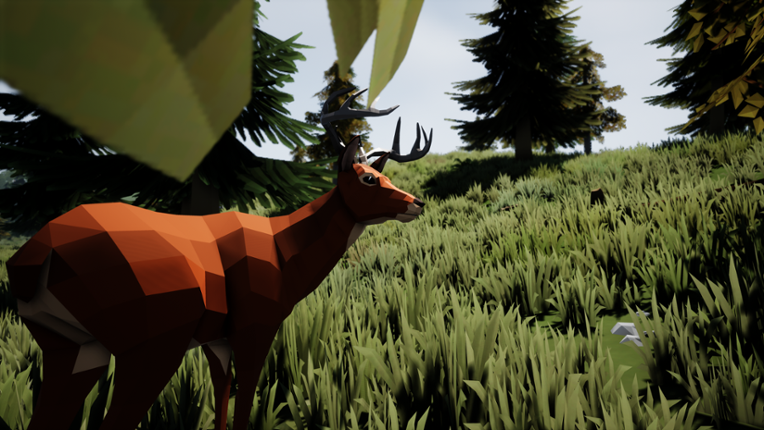
- 85%Game Brain ScoreMost mentioned positive aspects:story, gameplayMost mentioned negative aspects:grinding, stability85% User Score 1,131 reviews
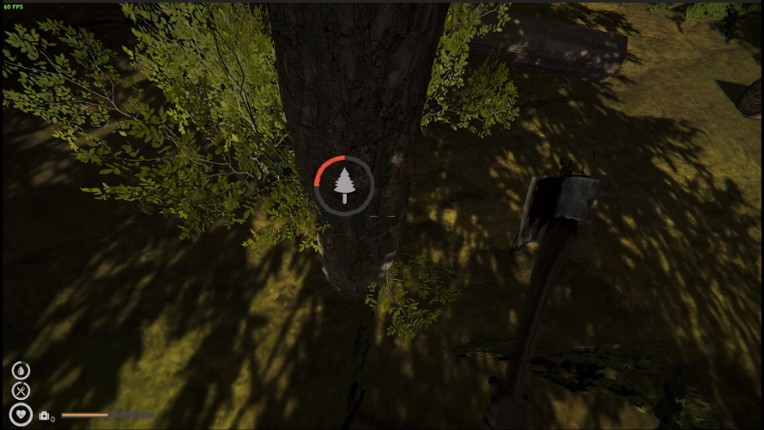
Infinite Veil is an atmospheric forest survival experience focused on realism and immersion. You awaken surrounded by untamed nature, with no paths or maps — only silence, cold, and the will to survive. Explore the wilderness, collect materials, and construct your shelter to shield yourself from wind and rain. The dynamic cycle of day, night, and weather brings the world to life: daylight fades i… If you enjoyed this game, see our list of games similar to Infinite Veil.
View Game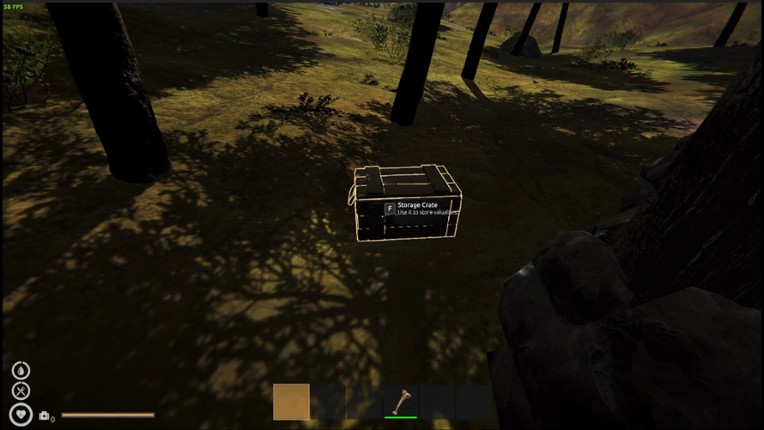
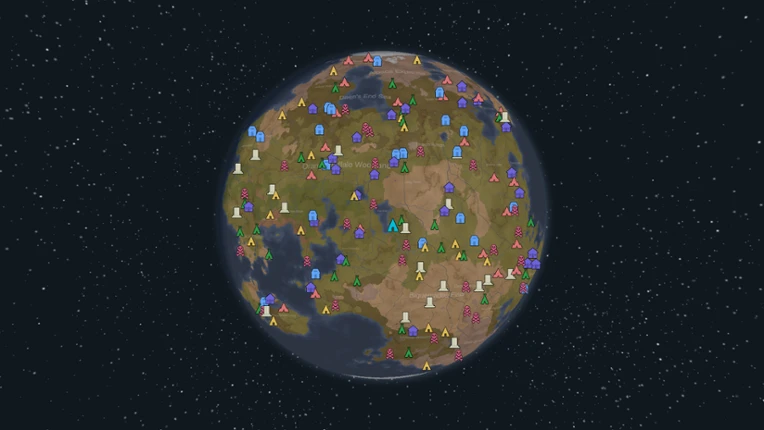
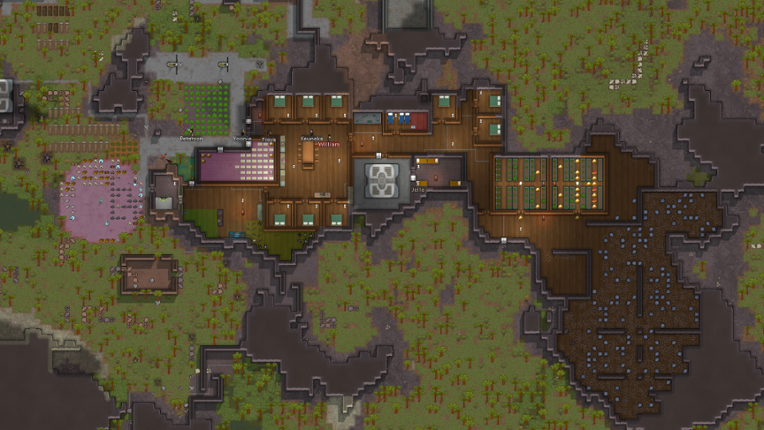
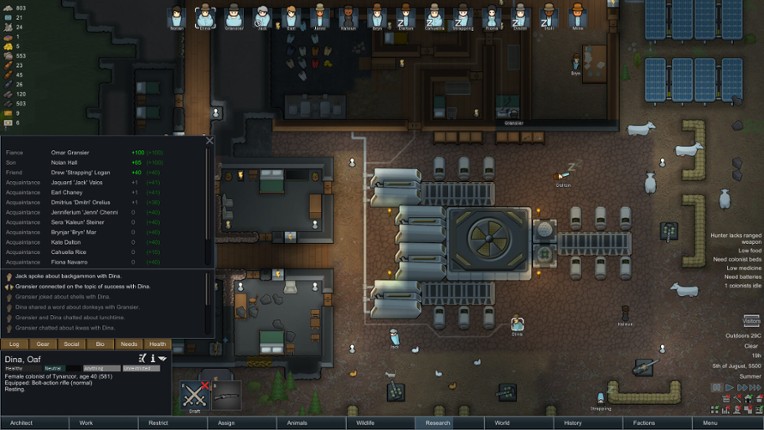
- 91%Game Brain ScoreMost mentioned positive aspects:story, gameplayMost mentioned negative aspects:grinding, stability98% User Score 132,230 reviewsCritic Score 80%5 reviewsRimWorld moves away from direct character control, tasking you with managing a colony's psychological needs and infrastructure via a complex top-down simulation. If you enjoyed this game, see our list of games similar to RimWorld.View Game
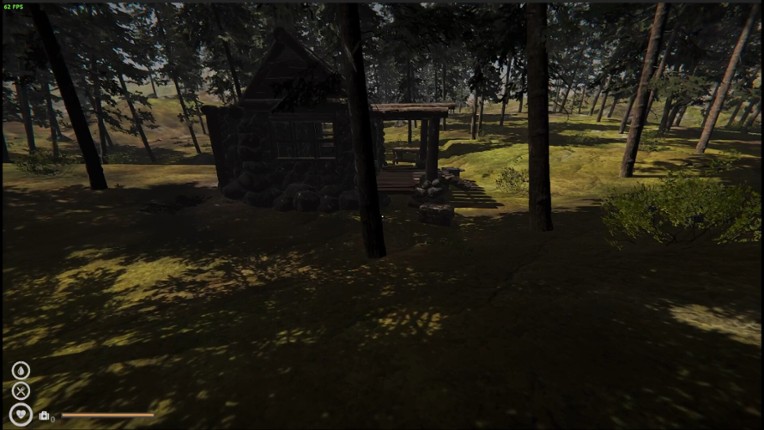
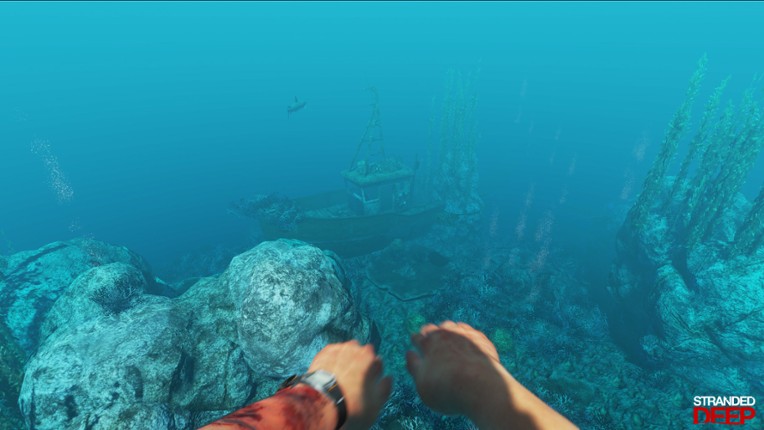
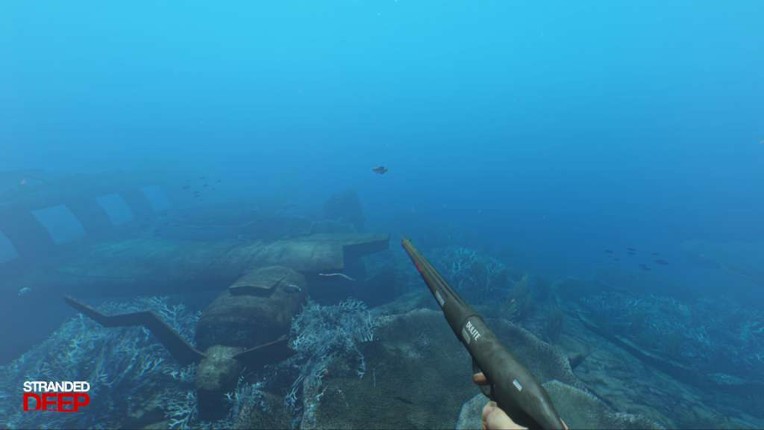
- 70%Game Brain ScoreMost mentioned positive aspects:graphics, gameplayMost mentioned negative aspects:stability, grinding75% User Score 44,756 reviewsCritic Score 64%9 reviewsIsland survival and underwater exploration replace urban zombie navigation, but crafting, building, and co-op persistence remain central to progression. If you enjoyed this game, see our list of games similar to Stranded Deep.View Game
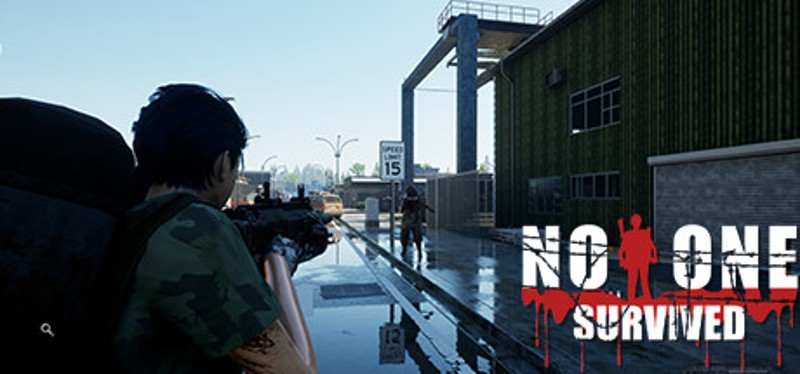
- 69%Game Brain ScoreMost mentioned positive aspects:graphics, gameplayMost mentioned negative aspects:optimization, stability69% User Score 3,890 reviewsEarly access 3D perspective and violence-heavy tone reshape Zomboid's measured survival into grittier co-op horror action. If you enjoyed this game, see our list of games similar to No One Survived.View Game
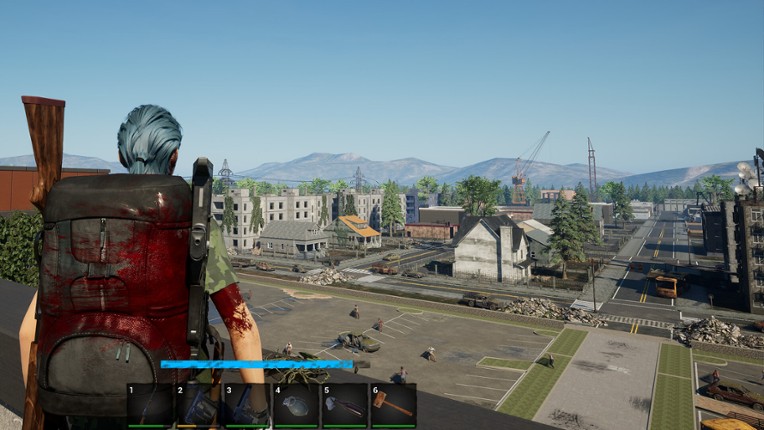
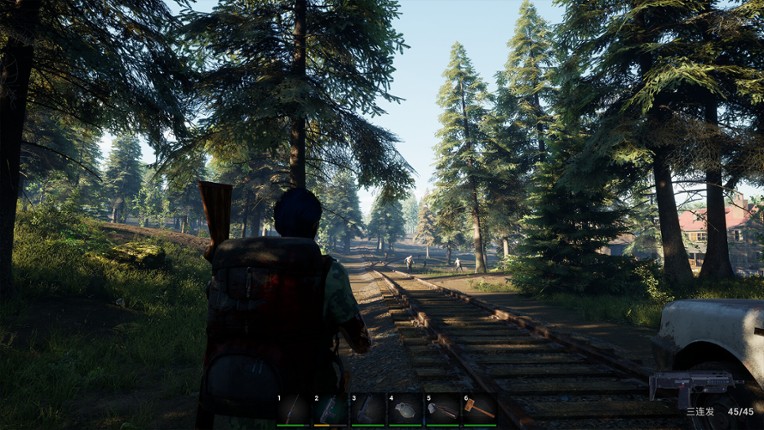
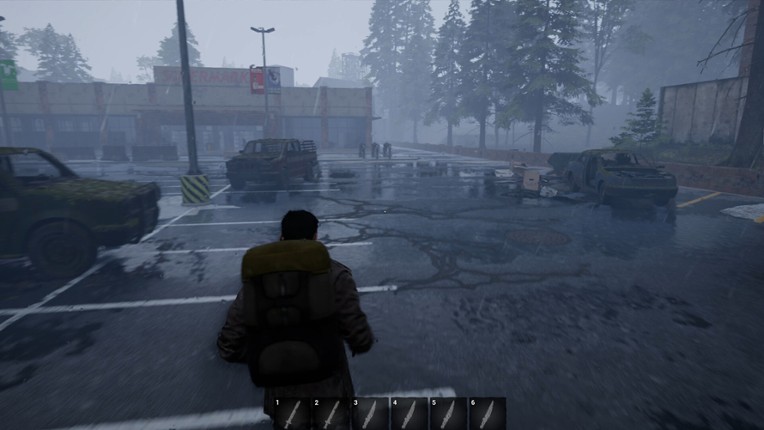
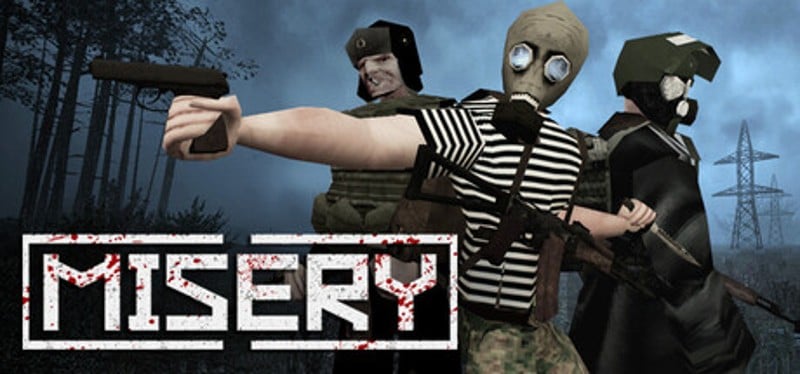
- 81%Game Brain ScoreMost mentioned positive aspects:gameplay, graphicsMost mentioned negative aspects:optimization, story81% User Score 9,415 reviewsRoguelike action loops and procedural procedural generation add replayable run structure to the post-apocalyptic co-op survival, intensifying moment-to-moment tension. If you enjoyed this game, see our list of games similar to MISERY.View Game
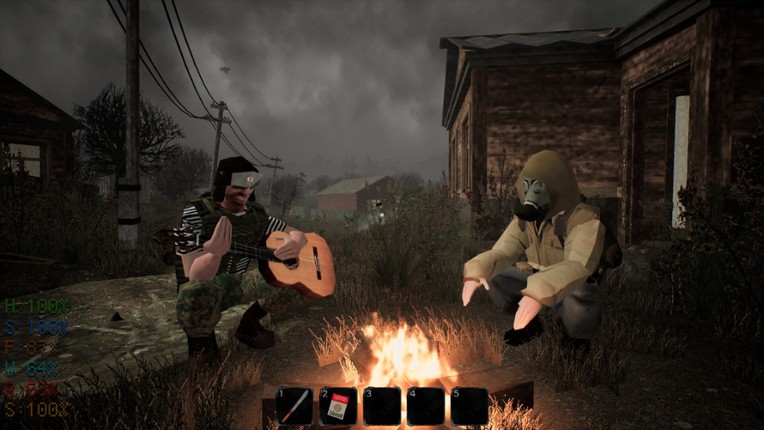
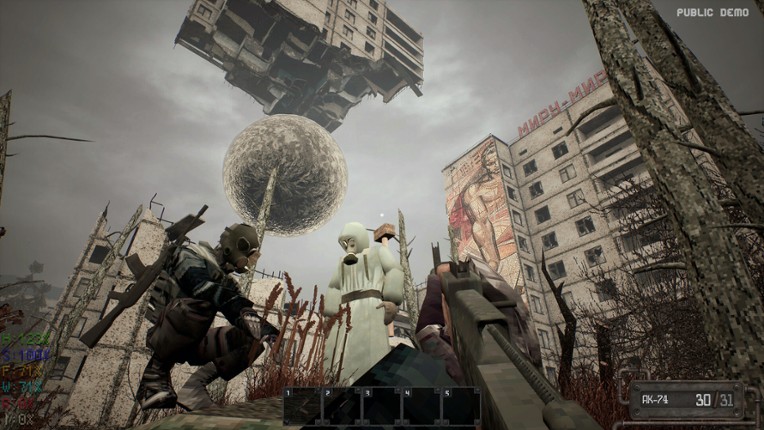
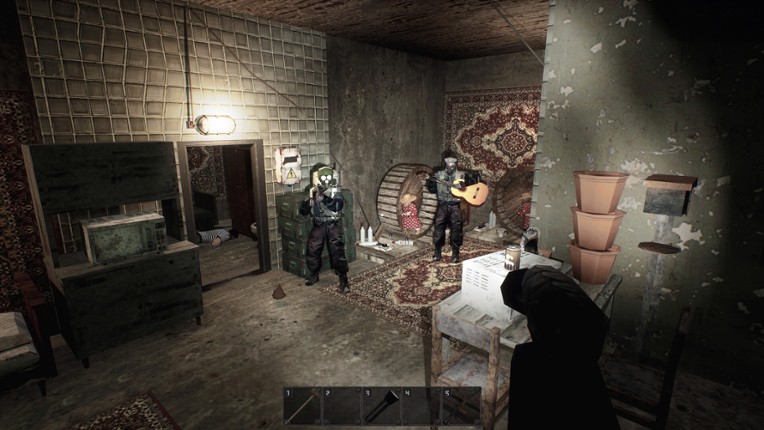
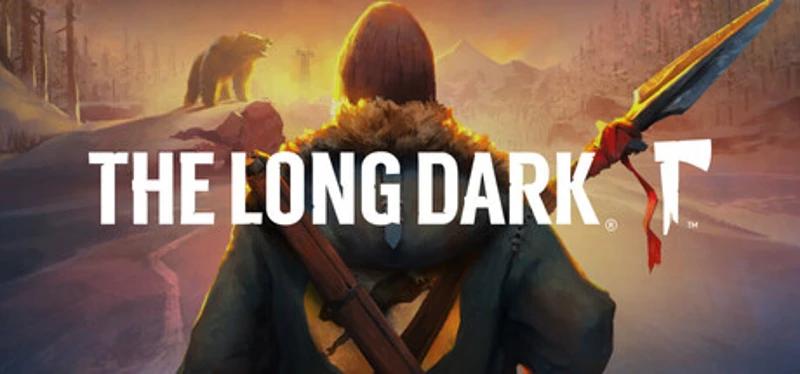
- 84%Game Brain ScoreMost mentioned positive aspects:story, gameplayMost mentioned negative aspects:grinding, stability89% User Score 43,788 reviewsCritic Score 79%22 reviewsHarsh environmental survival and first-person immersion replace zombie threat as primary danger, keeping crafting and post-apocalyptic dread intact. If you enjoyed this game, see our list of games similar to The Long Dark.View Game
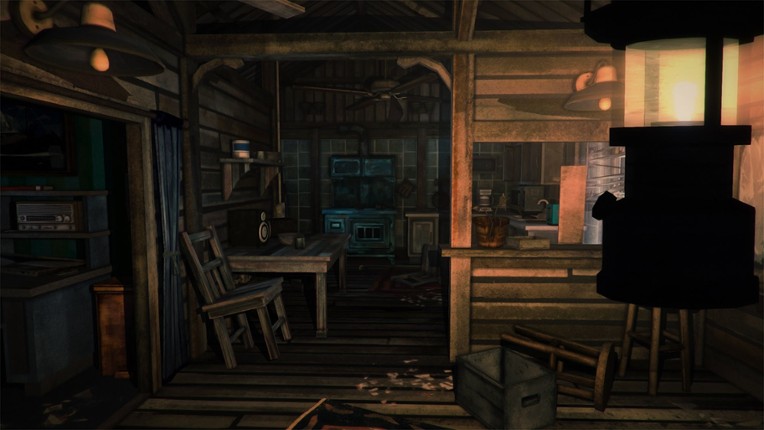
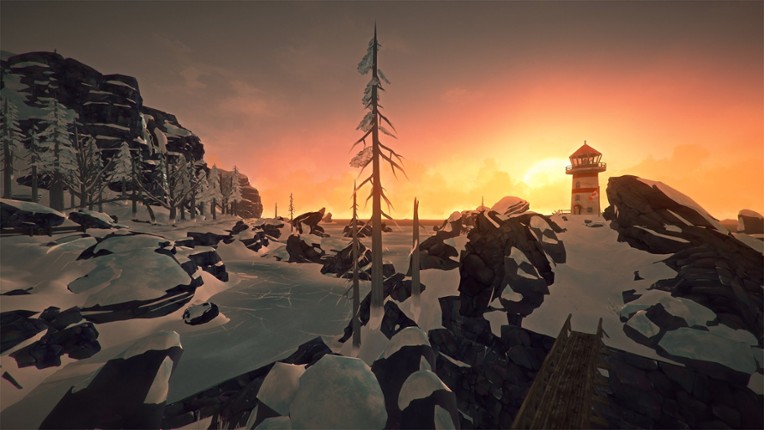
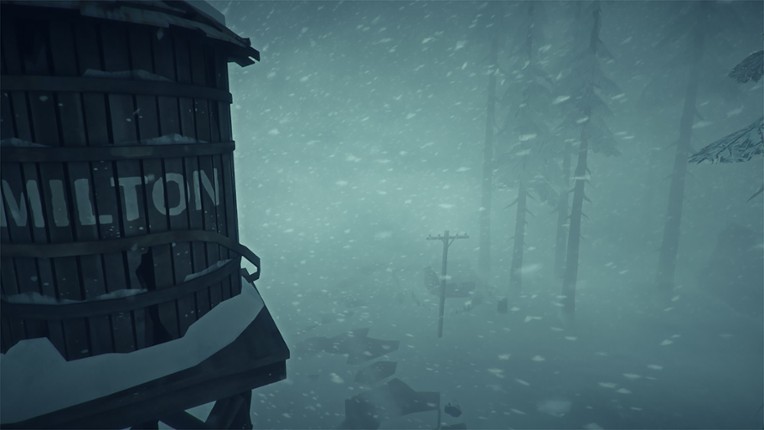
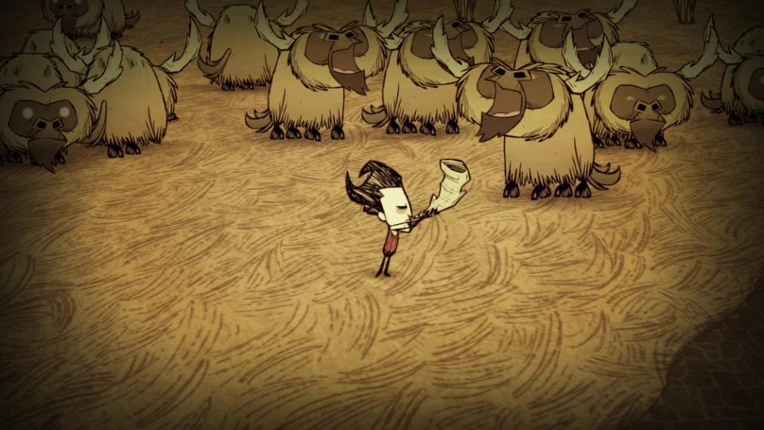
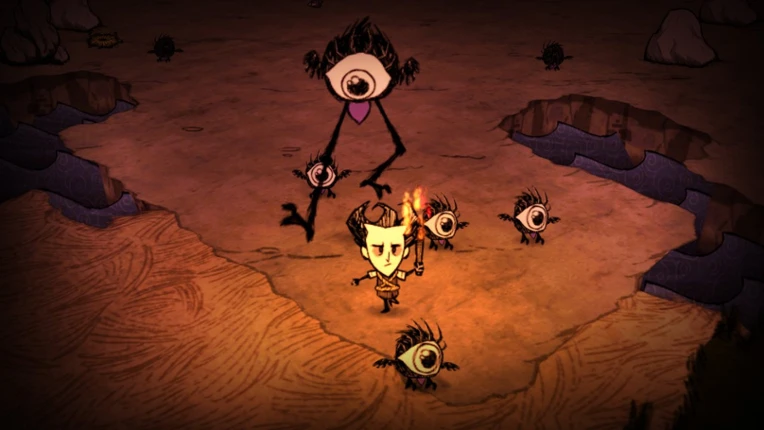
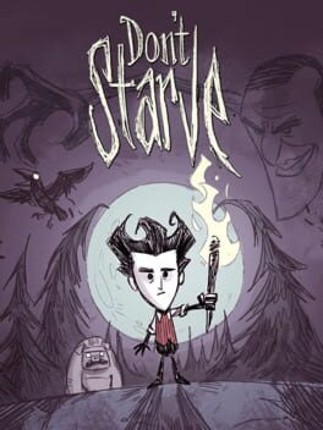
- 91%Game Brain ScoreMost mentioned positive aspects:graphics, gameplayMost mentioned negative aspects:grinding, stability96% User Score 63,685 reviewsCritic Score 81%5 reviewsFantasy whimsy and permanent death roguelike loops swap the realistic post-apocalypse, though survival crafting and co-op remain. If you enjoyed this game, see our list of games similar to Don't Starve.View Game
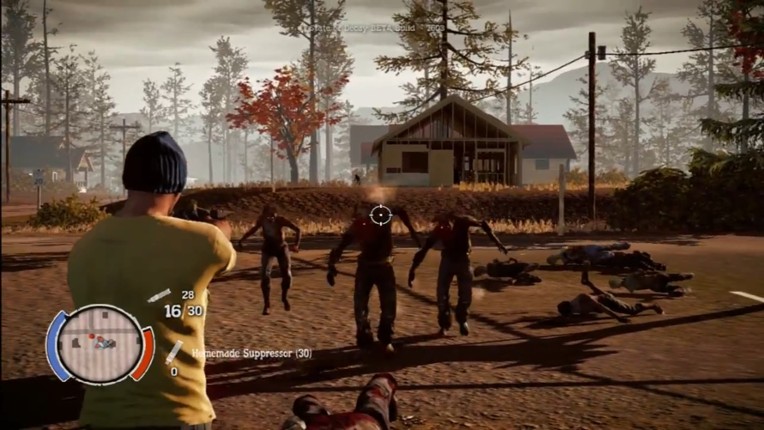
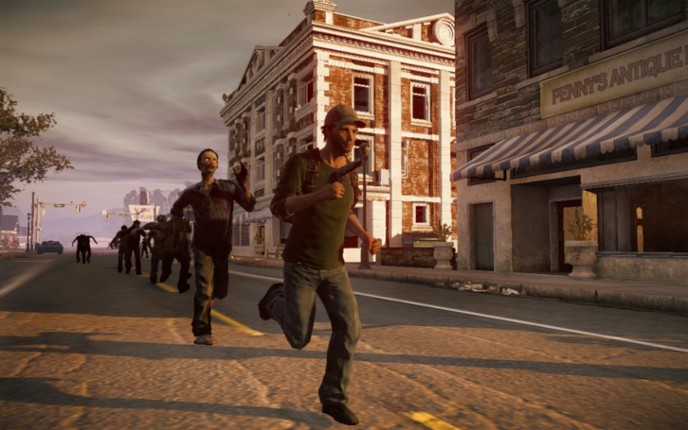
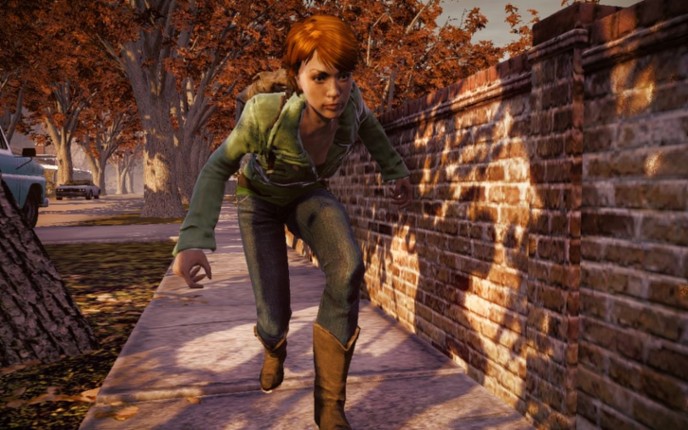
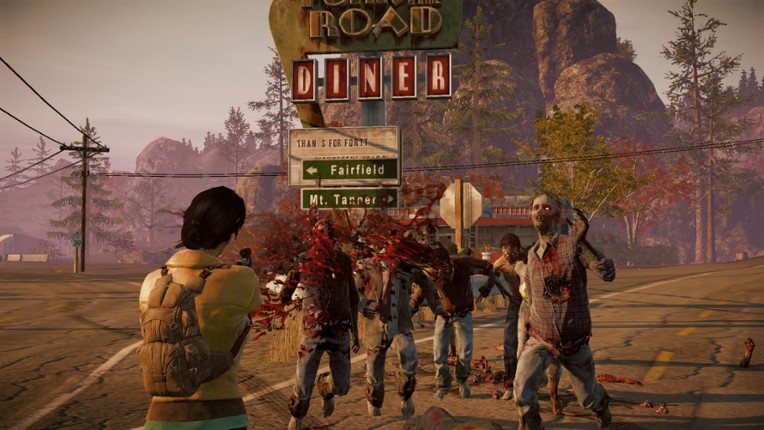
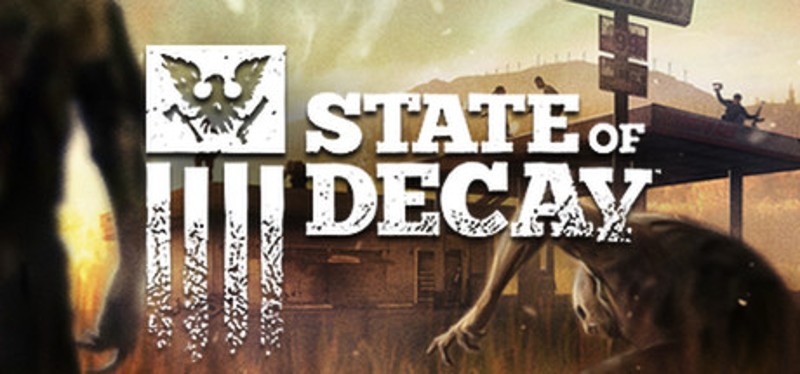
- 77%Game Brain ScoreMost mentioned positive aspects:story, gameplayMost mentioned negative aspects:stability, optimization82% User Score 17,686 reviewsCritic Score 68%5 reviewsThird-person action and base-building strategy center the zombie apocalypse, ditching isometric crafting granularity for streamlined horror sandbox. If you enjoyed this game, see our list of games similar to State of Decay.View Game
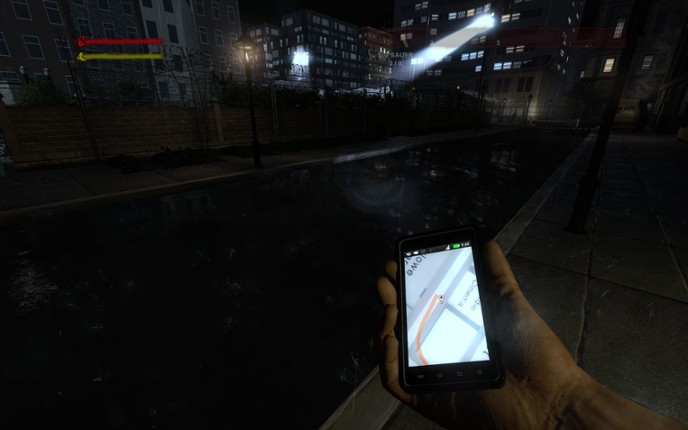
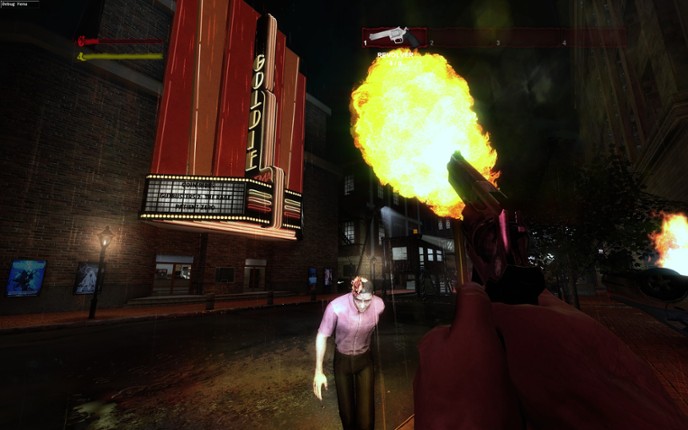
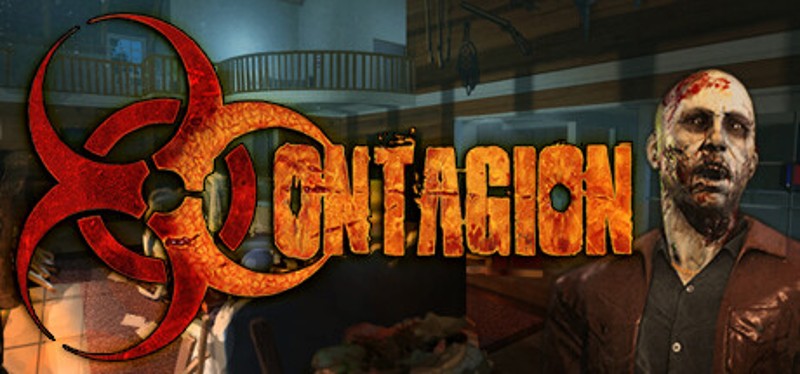
- 74%Game Brain ScoreMost mentioned positive aspects:gameplay, graphicsMost mentioned negative aspects:stability, grinding73% User Score 10,844 reviewsCritic Score 75%2 reviewsMaintains co-op zombie survival but shifts to first-person action with local multiplayer and a faster, more competitive edge to tense encounters. If you enjoyed this game, see our list of games similar to Contagion.View Game
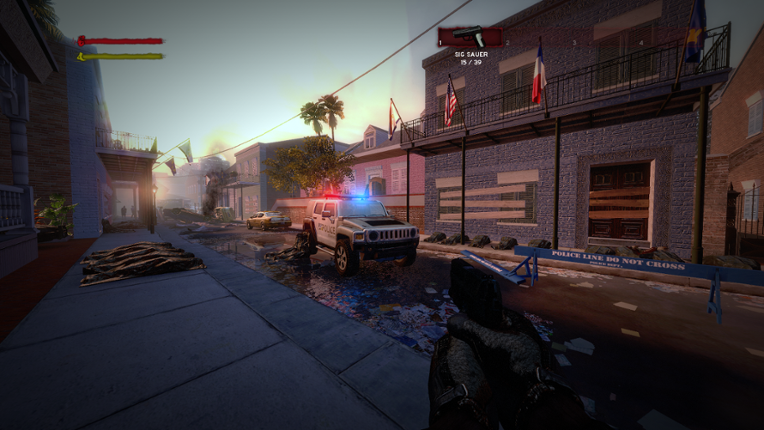
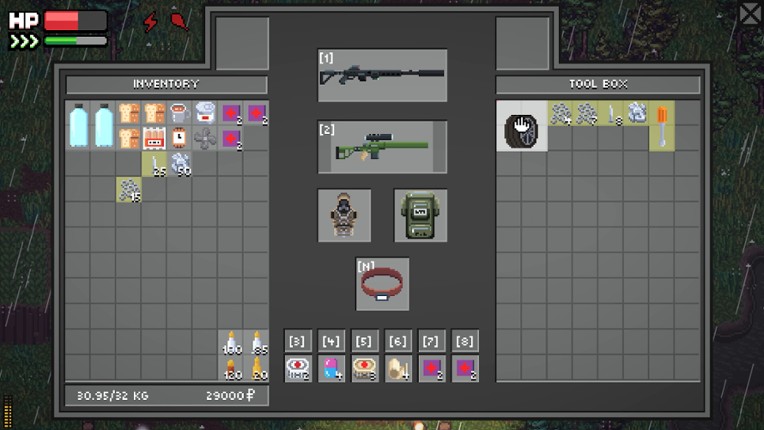
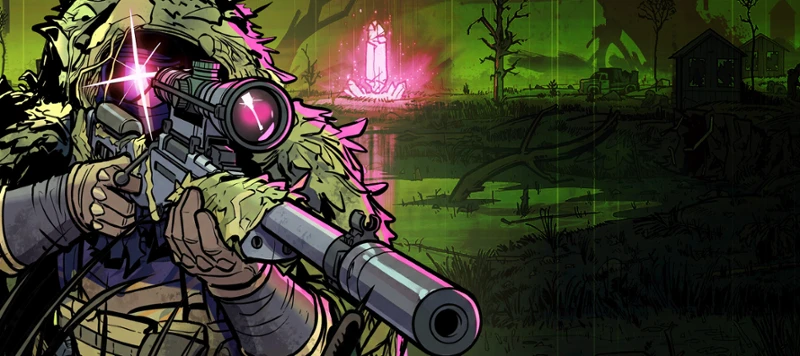
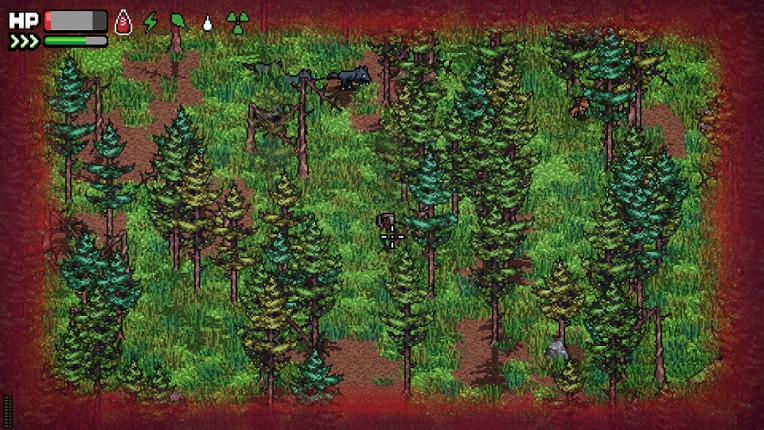
- 86%Game Brain ScoreMost mentioned positive aspects:gameplay, storyMost mentioned negative aspects:grinding, stability86% User Score 8,632 reviewsOffers a solo post-apocalyptic survival experience with pixel graphics and exploration focus that leans into atmospheric storytelling over multiplayer. If you enjoyed this game, see our list of games similar to ZERO Sievert.View Game
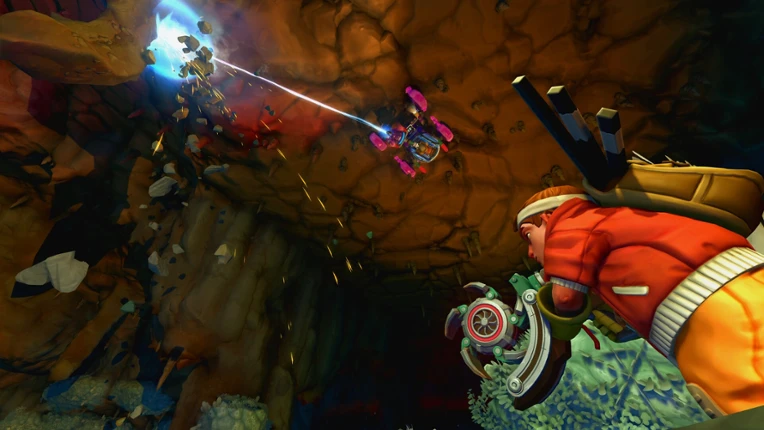
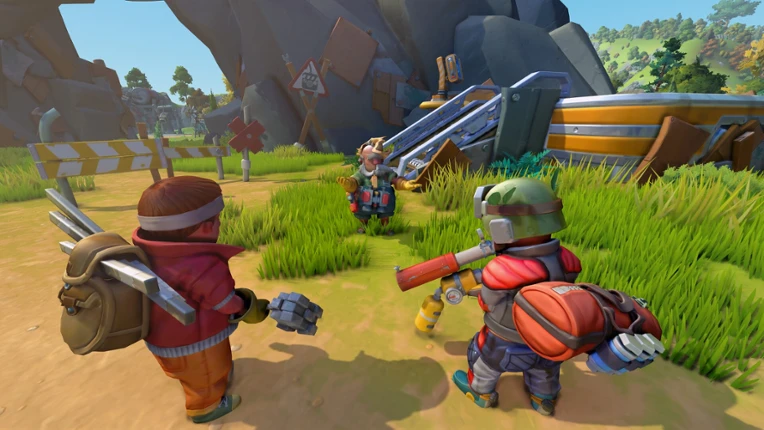
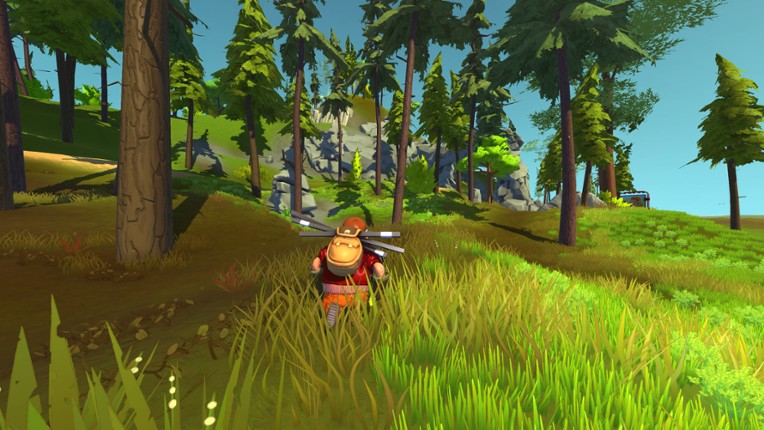
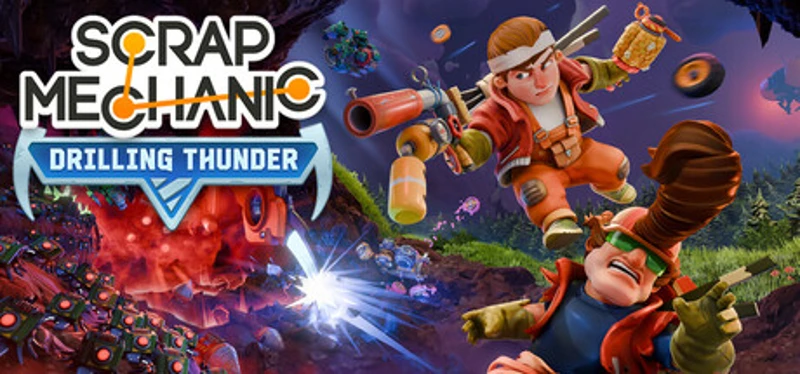
- 91%Game Brain ScoreMost mentioned positive aspects:graphics, storyMost mentioned negative aspects:gameplay, grinding91% User Score 50,535 reviewsExchanges the somber mood for lighthearted, physics-driven building and creativity within a cooperative sandbox emphasizing invention over survival dread. If you enjoyed this game, see our list of games similar to Scrap Mechanic.View Game
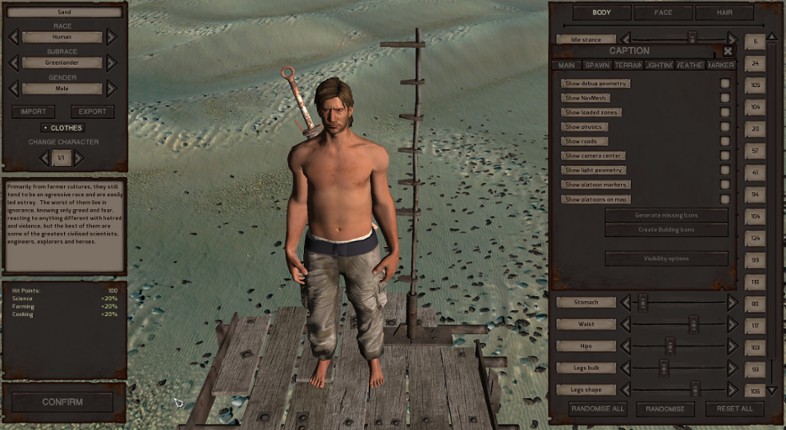
- 88%Game Brain ScoreMost mentioned positive aspects:story, gameplayMost mentioned negative aspects:graphics, grinding95% User Score 78,462 reviewsCritic Score 75%5 reviewsSteampunk sci-fi setting and single-player sandbox trading sideline the multiplayer and zombie horror, emphasizing faction-building over survival pressure. If you enjoyed this game, see our list of games similar to Kenshi.View Game
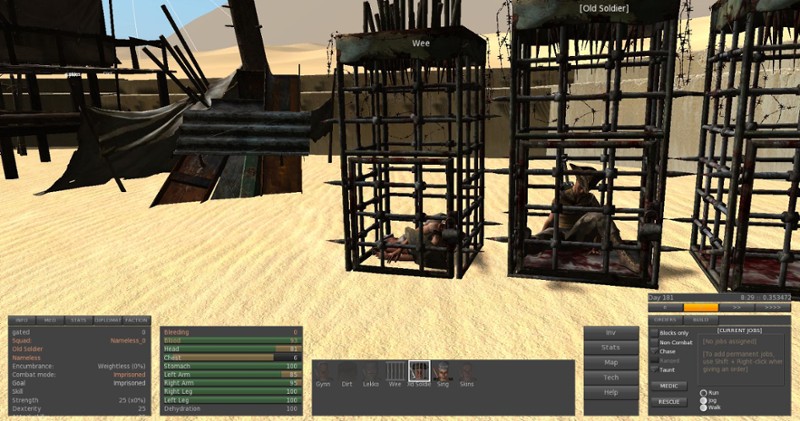
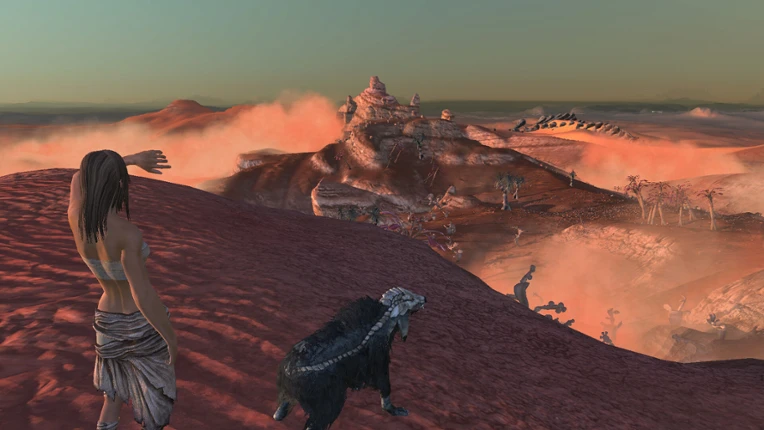
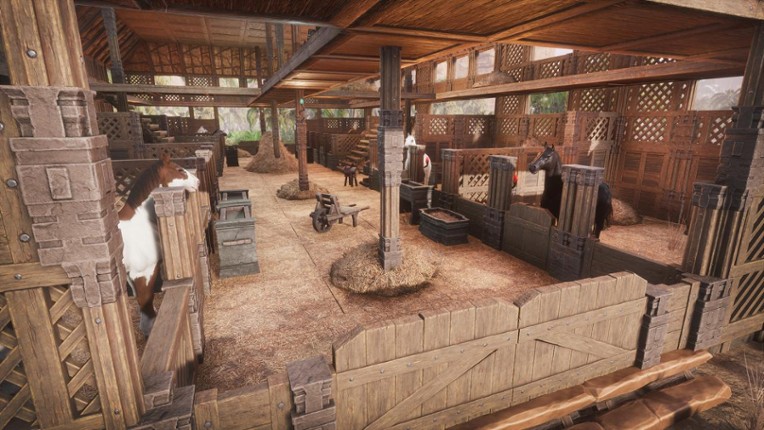
- 79%Game Brain ScoreMost mentioned positive aspects:gameplay, graphicsMost mentioned negative aspects:stability, grinding79% User Score 69,198 reviewsExpands the survival building formula into a massive multiplayer world with brutal PvP and naked barbarian aesthetics, trading pacing for persistent conflict. If you enjoyed this game, see our list of games similar to Conan Exiles.View Game
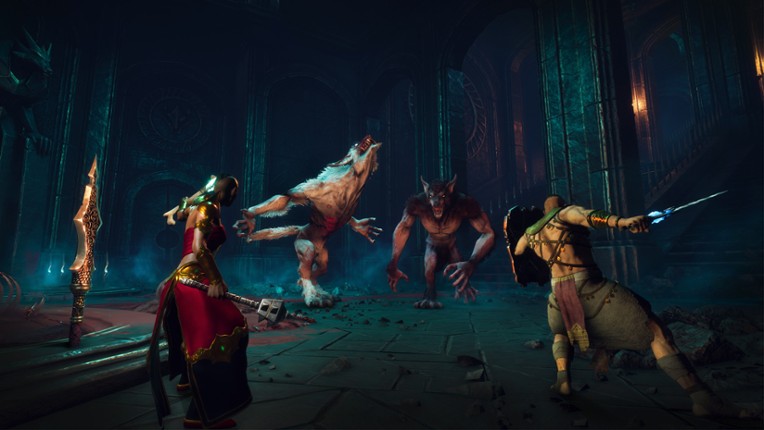
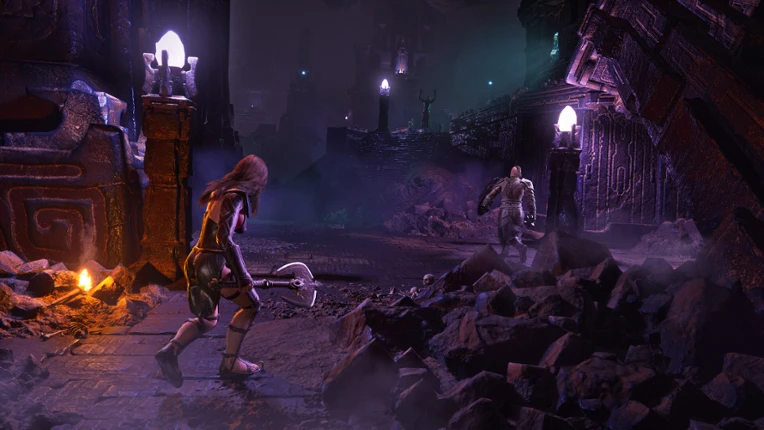
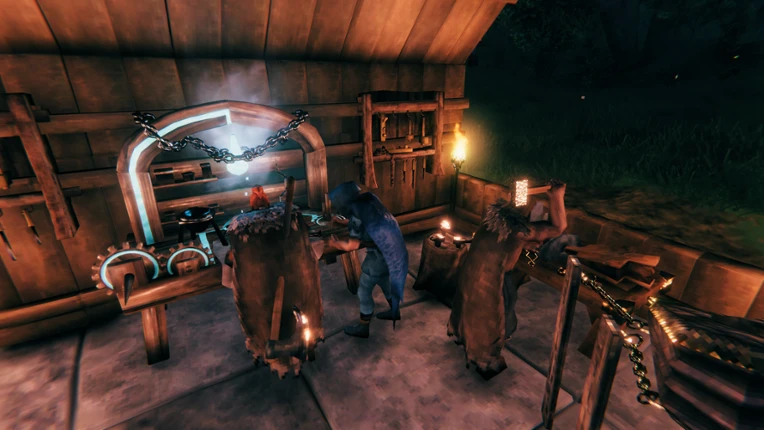
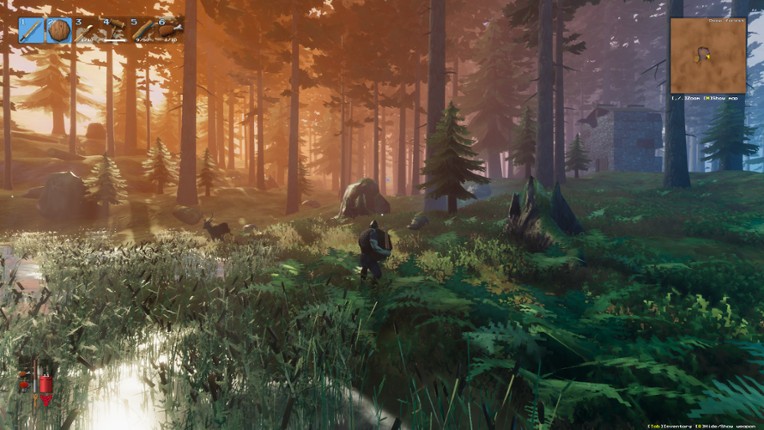
- 92%Game Brain ScoreMost mentioned positive aspects:gameplay, graphicsMost mentioned negative aspects:grinding, optimization95% User Score 291,882 reviewsCritic Score 90%11 reviewsValheim replaces the urban decay of the apocalypse with procedurally generated Norse wilderness, emphasizing epic boss battles over mundane zombie management. If you enjoyed this game, see our list of games similar to Valheim.View Game
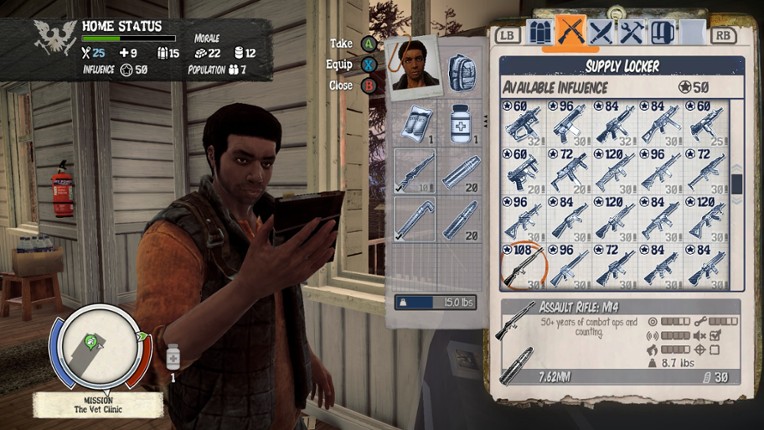
- 78%Game Brain ScoreMost mentioned positive aspects:story, gameplayMost mentioned negative aspects:stability, optimization78% User Score 8,408 reviewsNarrows its scope to focused single-player survival and base trading, trading away co-op and open-world complexity for streamlined character progression. If you enjoyed this game, see our list of games similar to State of Decay: YOSE.View Game
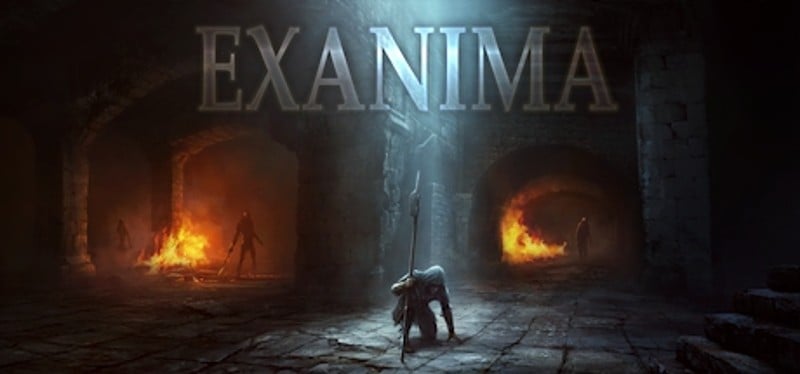
- 82%Game Brain ScoreMost mentioned positive aspects:gameplay, storyMost mentioned negative aspects:grinding, stability82% User Score 15,952 reviews
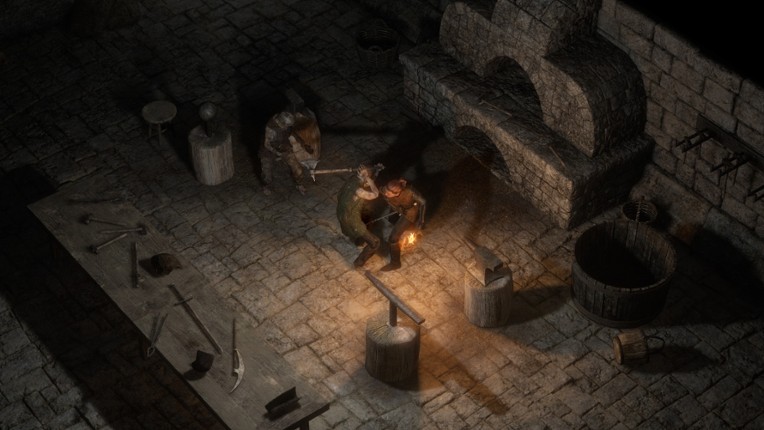
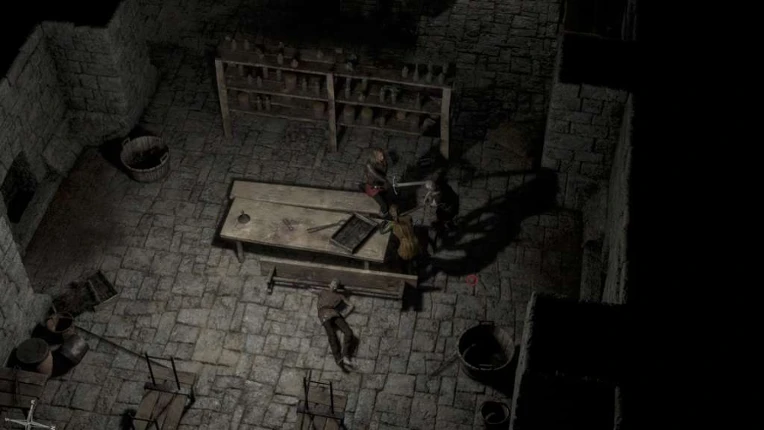
Exanima is a prelude to, and standalone dungeon crawler set in the underworld of, Sui Generis. It is a RPG with a realistic physics-based combat system that makes you consider every action. Explore, fight, survive and unravel mysteries in this unique and unforgiving 3D isometric RPG set in an original dark, low fantasy world. Exanima's exceptional attention to detail and realistic simulation of a… If you enjoyed this game, see our list of games similar to Exanima.
View Game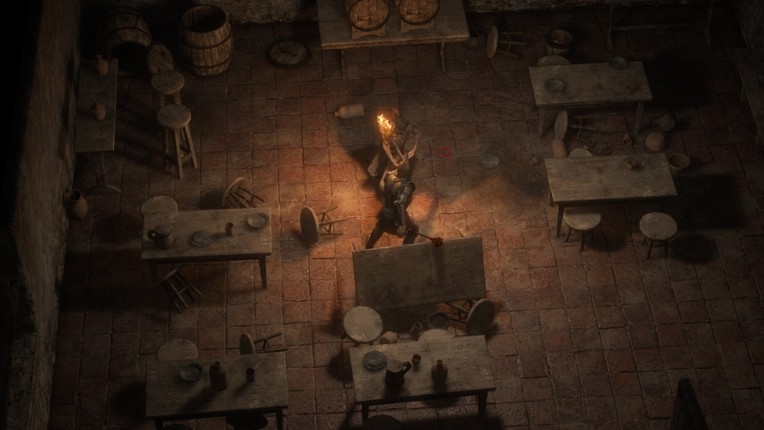
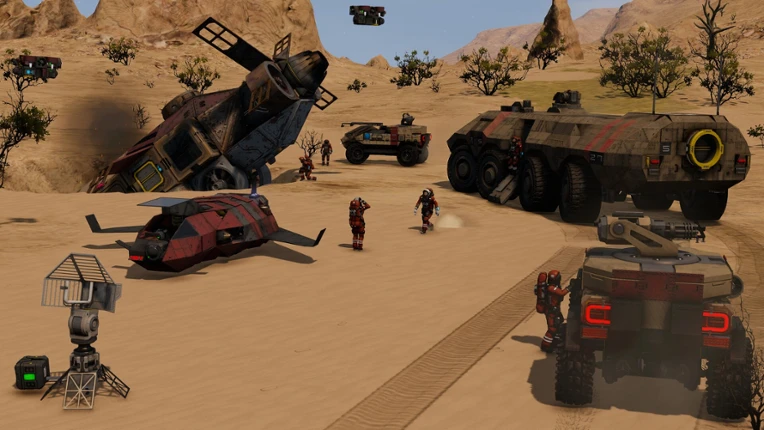
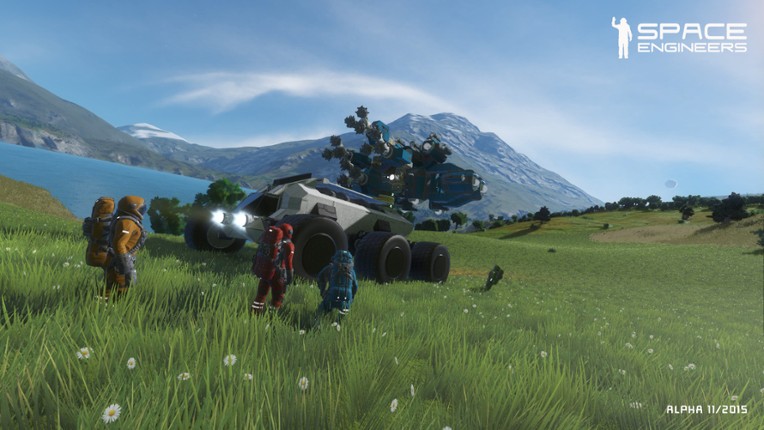
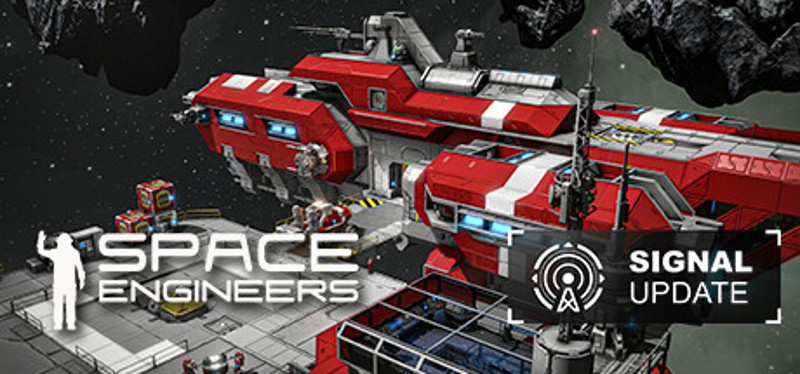
- 89%Game Brain ScoreMost mentioned positive aspects:gameplay, graphicsMost mentioned negative aspects:optimization, stability89% User Score 85,786 reviewsSpace Engineers pivots from biological threats to engineering challenges, where your survival depends on complex physics and building functional, space-faring machines. If you enjoyed this game, see our list of games similar to Space Engineers.View Game

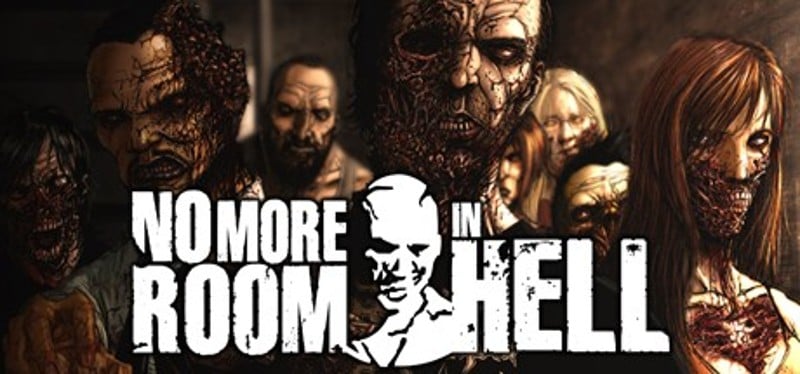
- 89%Game Brain ScoreMost mentioned positive aspects:gameplay, graphicsMost mentioned negative aspects:stability, monetization89% User Score 30,279 reviews
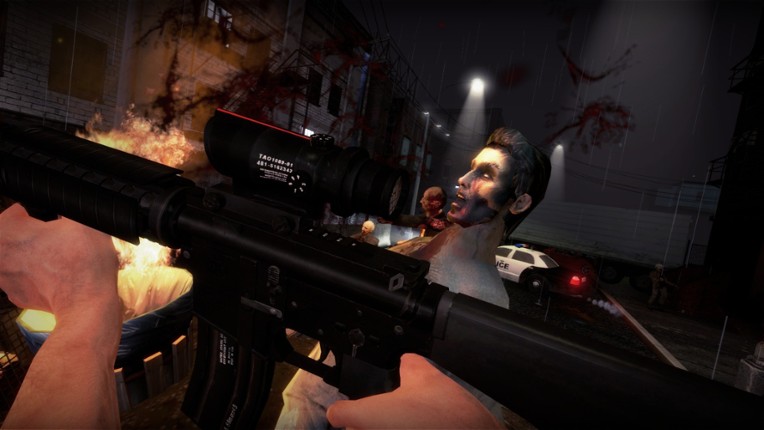
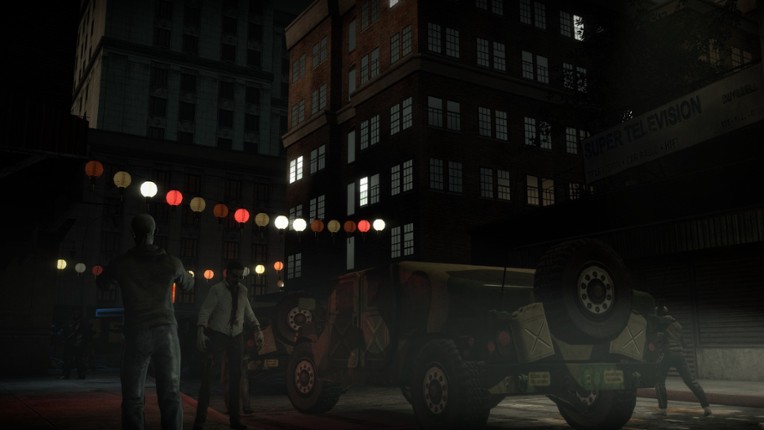
"When there's no more room in hell, the dead will walk the earth." A tribute to the highly acclaimed film series in which the above quote originated from, No More Room in Hell (PC Gamer's Mod of the Year 2011, ModDB's Editor Choice Multiplayer Mod of the Year 2011), is a co-operative realistic first person survival horror modification for the Source Engine. Taking inspiration from George Romero's… If you enjoyed this game, see our list of games similar to No More Room in Hell.
View Game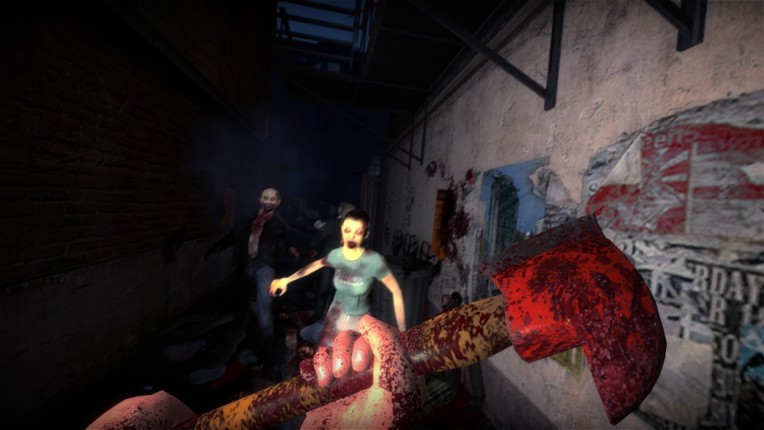
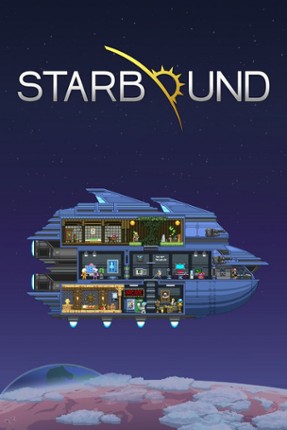
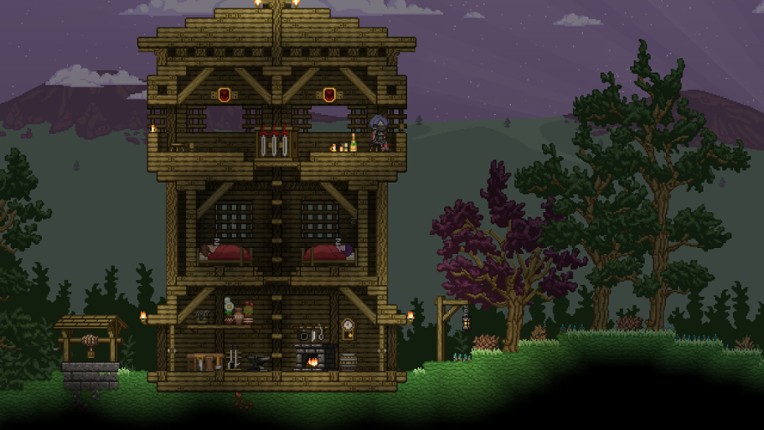
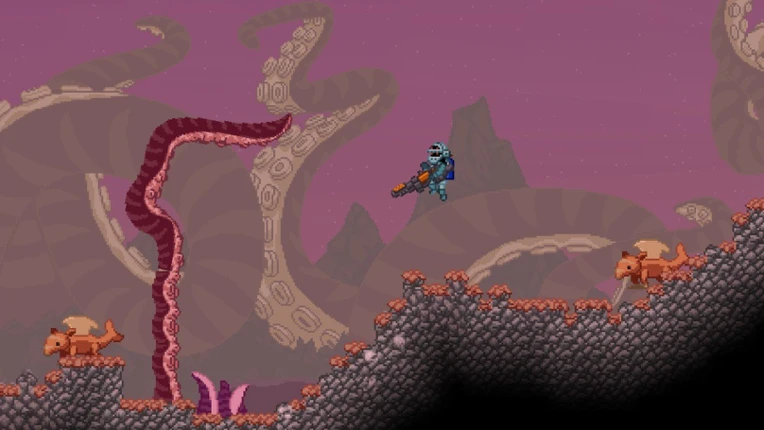
- 86%Game Brain ScoreMost mentioned positive aspects:story, gameplayMost mentioned negative aspects:grinding, optimization89% User Score 101,534 reviewsCritic Score 83%10 reviewsStarbound takes the scavenging and crafting loop into space, trading the realistic isometric grit for a colorful, 2D galactic exploration adventure. If you enjoyed this game, see our list of games similar to Starbound.View Game
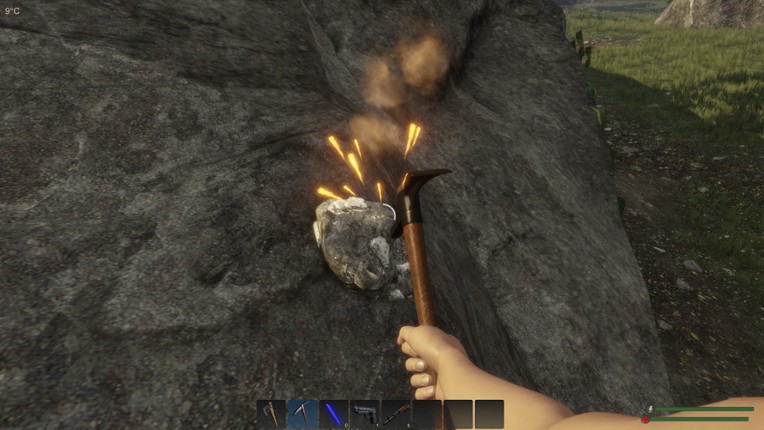
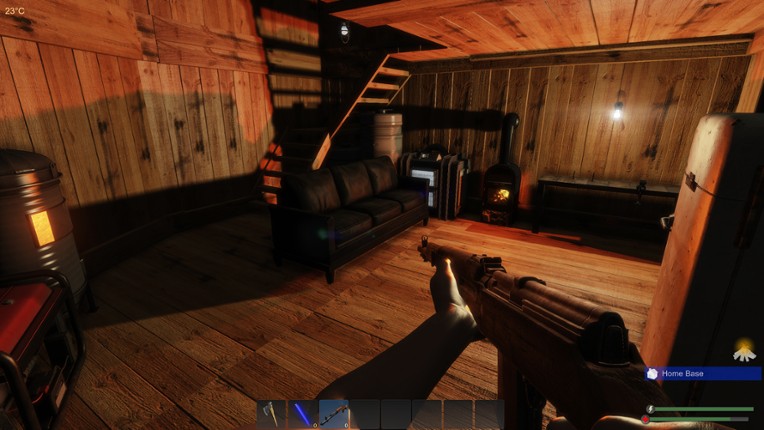
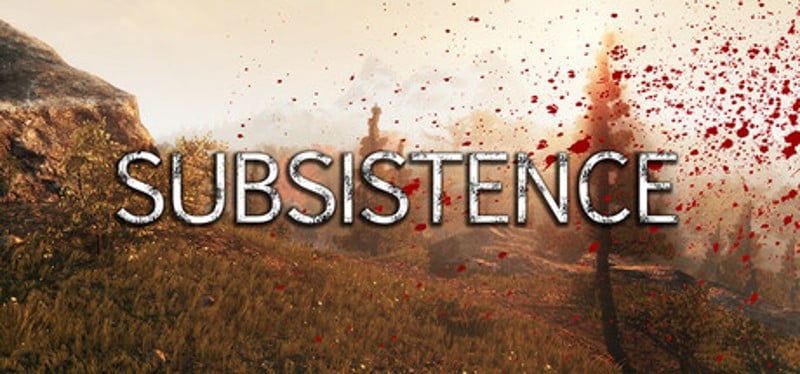
- 70%Game Brain ScoreMost mentioned positive aspects:gameplay, graphicsMost mentioned negative aspects:grinding, story70% User Score 7,408 reviewsSubsistence keeps the realistic survival mechanics of the apocalypse but prioritizes a harsh, unforgiving loop of hunting and predator management in the woods. If you enjoyed this game, see our list of games similar to Subsistence.View Game
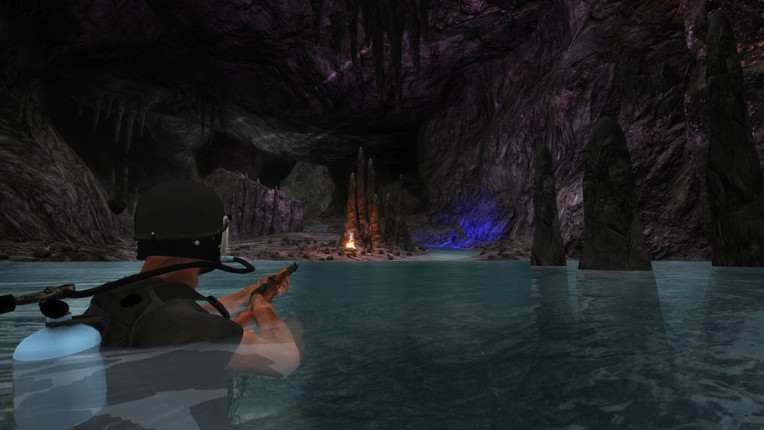
- 74%Game Brain ScoreMost mentioned positive aspects:graphics, gameplayMost mentioned negative aspects:stability, grinding74% User Score 4,170 reviewsContracts the survival formula into turn-based dungeon management with fantasy dwarves, trading real-time tension for strategic depth. If you enjoyed this game, see our list of games similar to Gnomoria.View Game
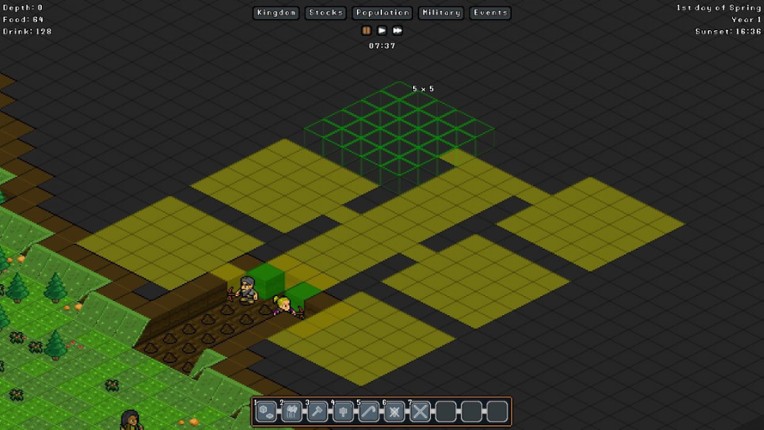
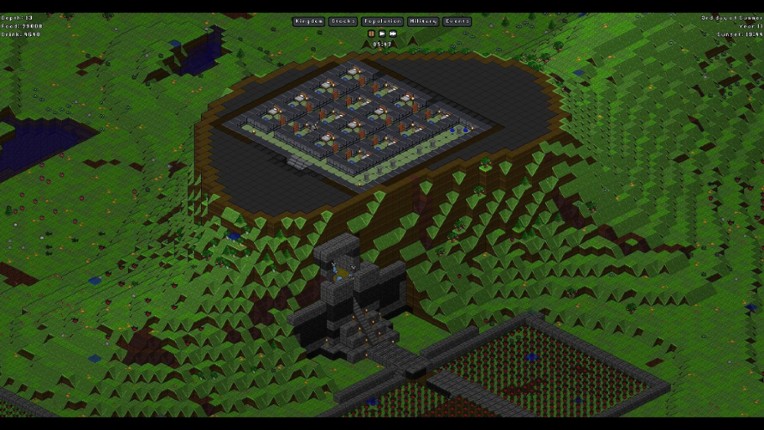
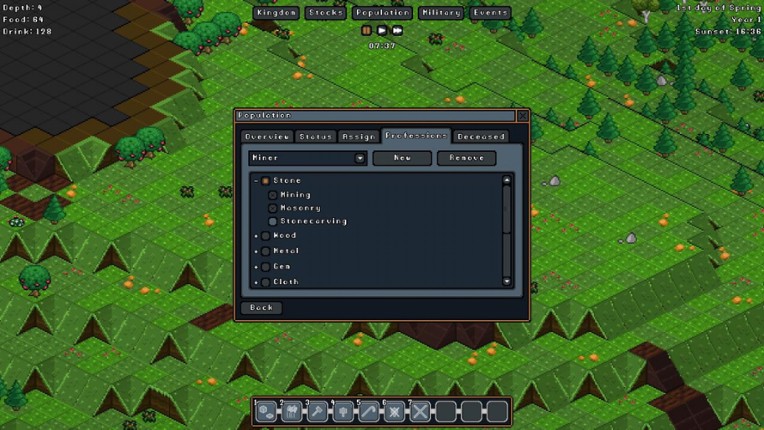
- 65%Game Brain ScoreMost mentioned positive aspects:gameplay, graphicsMost mentioned negative aspects:grinding, story65% User Score 826 reviews
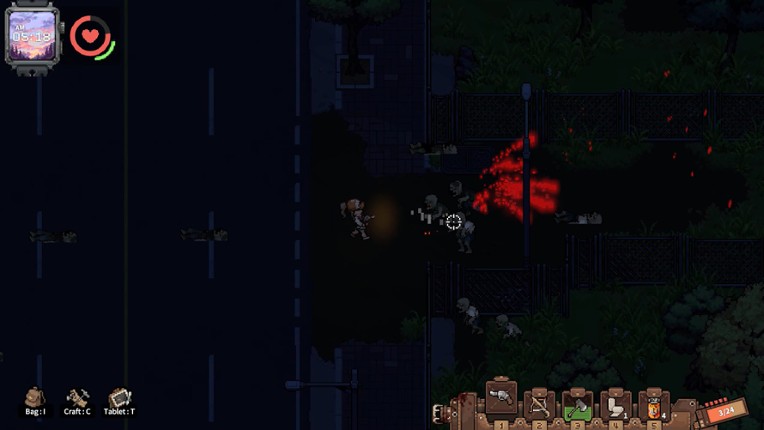
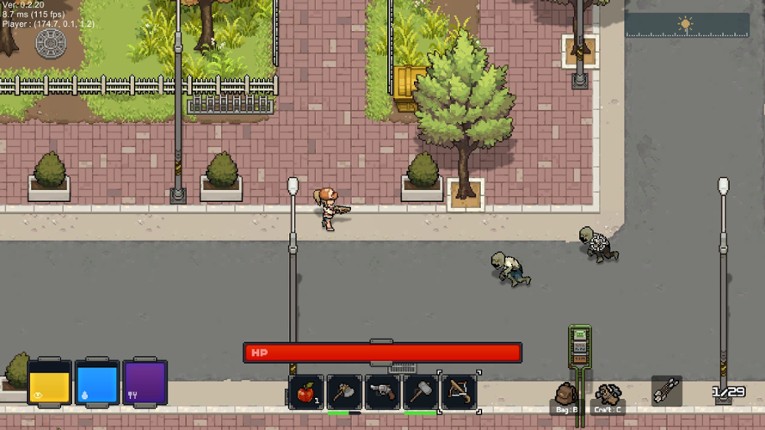
The zombie apocalypse is a tough situation to overcome, even if it takes place in a cute pixelated universe! Try to defend your home and save people from the hordes of zombies in this new crafting survival game. If you enjoyed this game, see our list of games similar to Zelter.
View Game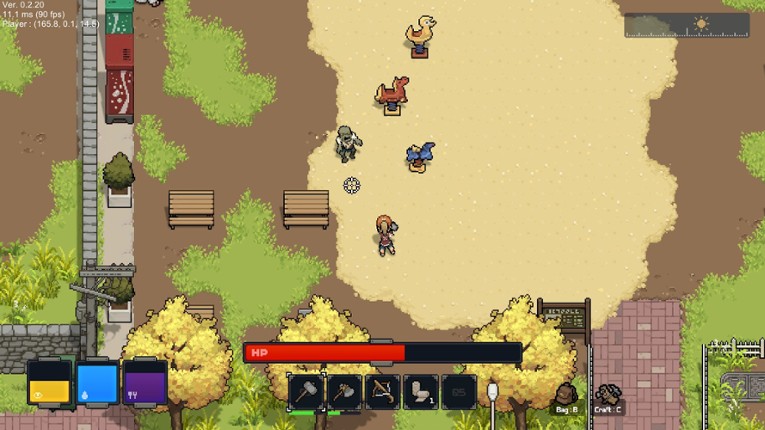
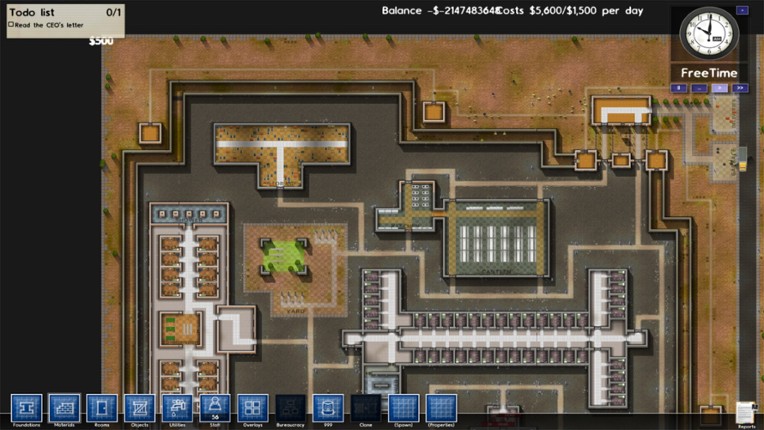
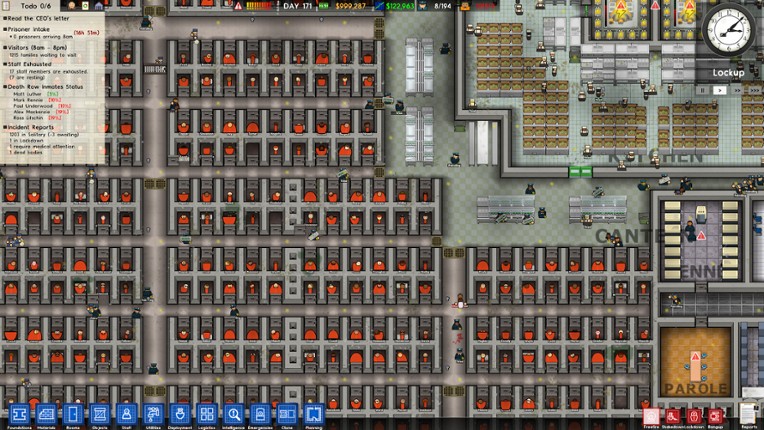
- 84%Game Brain ScoreMost mentioned positive aspects:gameplay, storyMost mentioned negative aspects:stability, grinding89% User Score 32,482 reviewsCritic Score 79%30 reviewsShifts survival crafting to top-down prison management where humor and economic simulation replace zombie threat and open world exploration. If you enjoyed this game, see our list of games similar to Prison Architect.View Game

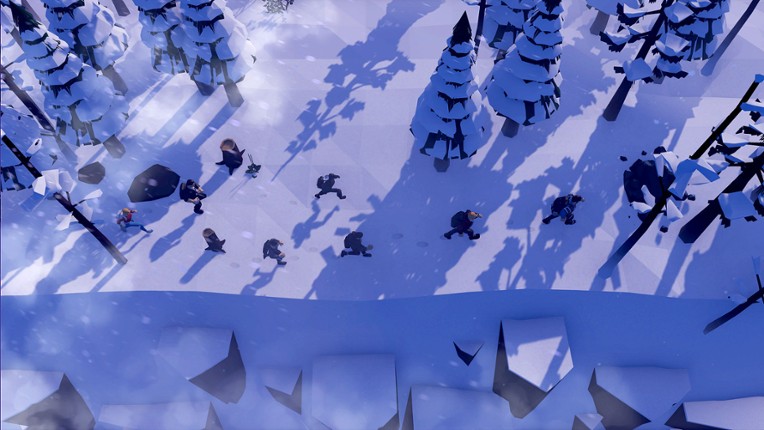
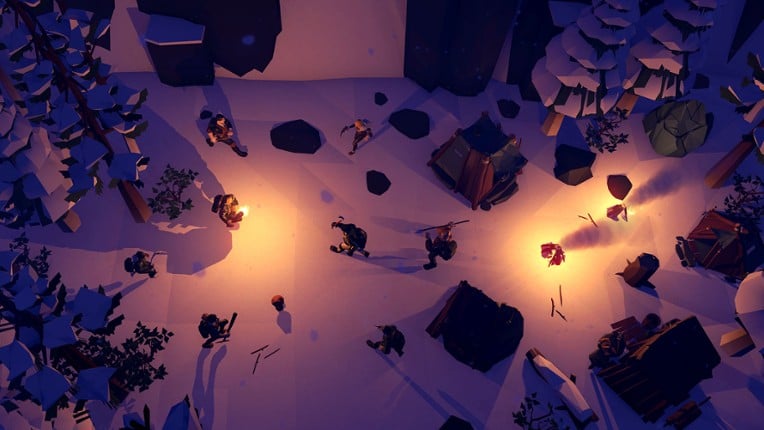
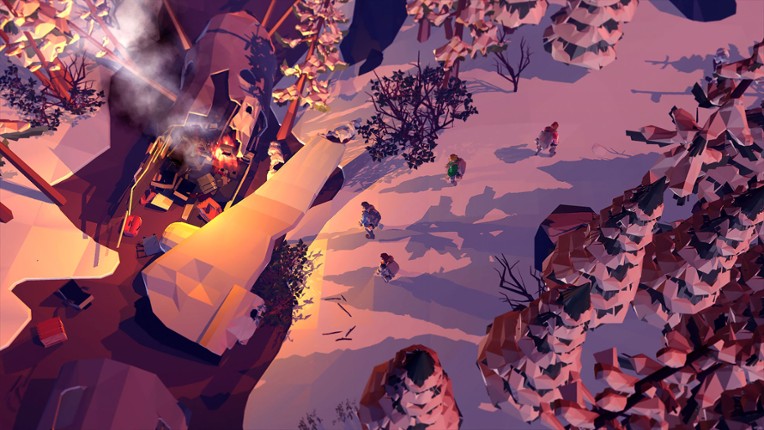
- 67%Game Brain ScoreMost mentioned positive aspects:story, gameplayMost mentioned negative aspects:stability, grinding66% User Score 2,287 reviewsCritic Score 70%1 reviewsSwaps zombie survival for cosmic horror and mystery, but keeps the brutal co-op crafting and atmospheric dread in a frozen wilderness. If you enjoyed this game, see our list of games similar to The Wild Eight.View Game
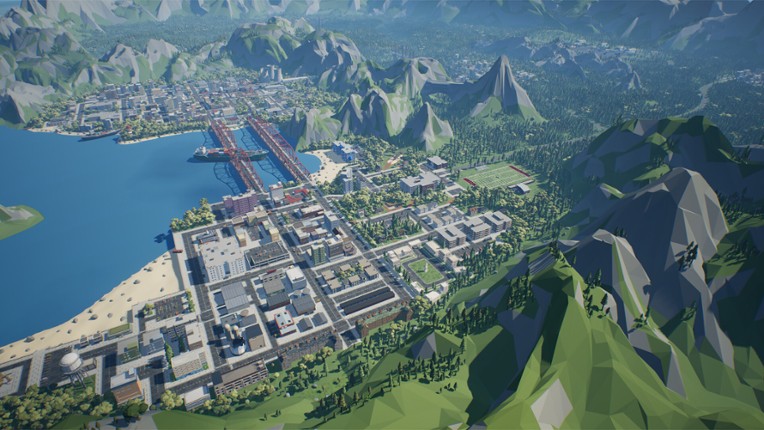
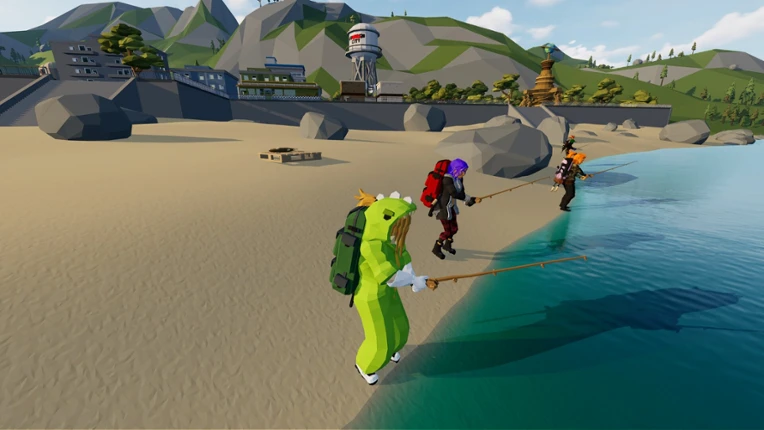
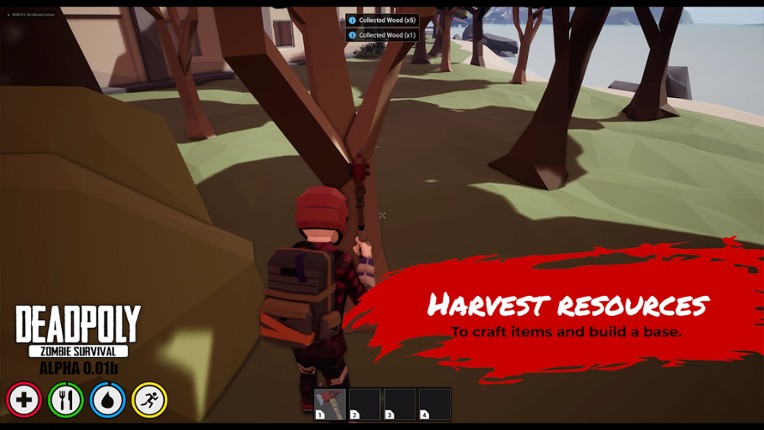
- 78%Game Brain ScoreMost mentioned positive aspects:gameplay, graphicsMost mentioned negative aspects:stability, grinding78% User Score 4,351 reviewsBlends open world zombie survival with massively multiplayer combat emphasizing 3D graphics and extensive crafting in a persistent online world. If you enjoyed this game, see our list of games similar to DeadPoly.View Game
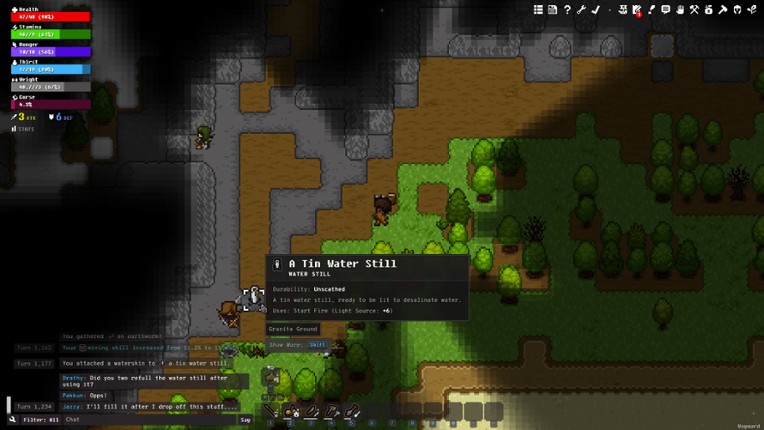
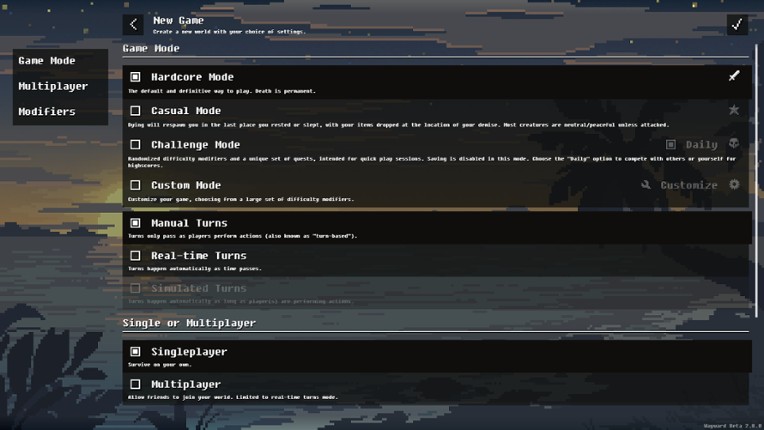
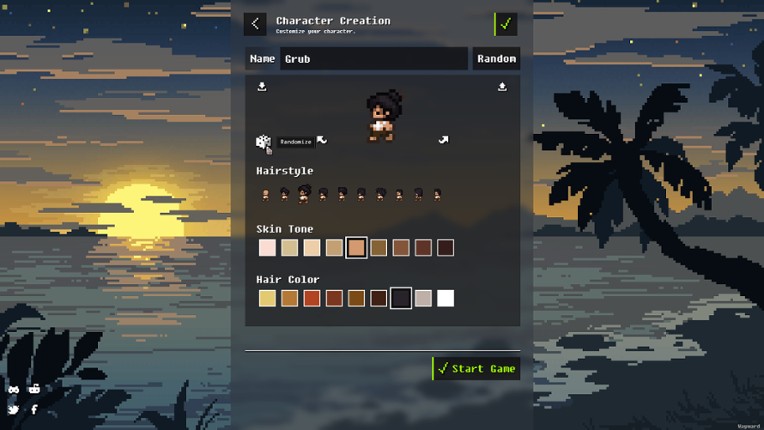
- 87%Game Brain ScoreMost mentioned positive aspects:gameplay, graphicsMost mentioned negative aspects:grinding, atmosphere87% User Score 984 reviewsTrades real-time survival for grid-based, turn-based roguelike challenge with pixel art and fantasy themes replacing the post-apocalyptic setting. If you enjoyed this game, see our list of games similar to Wayward.View Game
- 80%Game Brain ScoreMost mentioned positive aspects:story, gameplayMost mentioned negative aspects:stability, optimization80% User Score 10,079 reviews
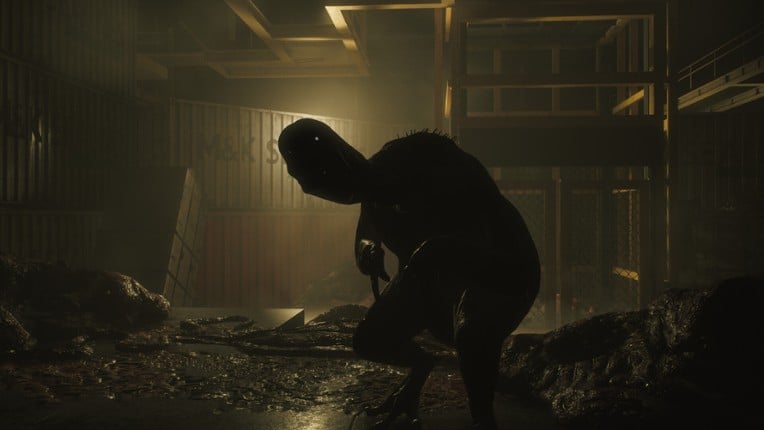
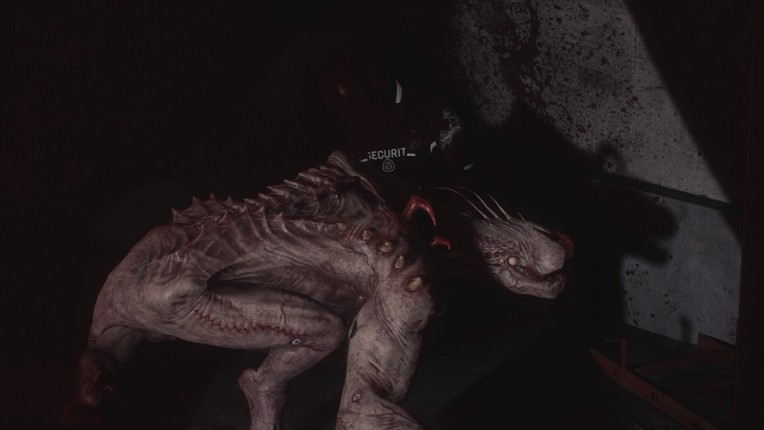
EARLY DEVELOPMENT (ALPHA)We still have a long road ahead and more exciting content planned! Subscribe to our Socials, visit our website, or join our Discord community for more info and updates about the development of the project. WHAT IS SCP?SCP originates from the SCP wiki, a community-run collaborative writing project that has been running since 2008. the acronym SCP refers to Special Contain… If you enjoyed this game, see our list of games similar to SCP: 5K.
View Game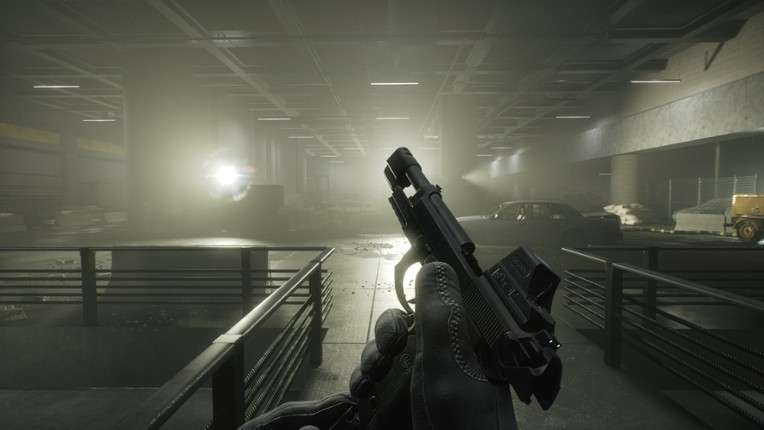
- 75%Game Brain ScoreMost mentioned positive aspects:story, gameplayMost mentioned negative aspects:stability, grinding75% User Score 18,591 reviews
Includes: Deadside Base Game Supporter Pack DLC Flags Set Hooligan Skin Set Tribal Skin Set - DragonSkin Skin set Buns on Fire Skin Set Ghost From The Deep Skin Set Beehive Skin Set Bushranger Skin Set Salamander Skin Set Jungle Skin Set Guerilla Skin Set - Dragonfly Skin Set Sandstorm Skin Set Royal flush Skin Set The skins are unlocked through purchase and then become available in painting menu … If you enjoyed this game, see our list of games similar to Deadside.
View Game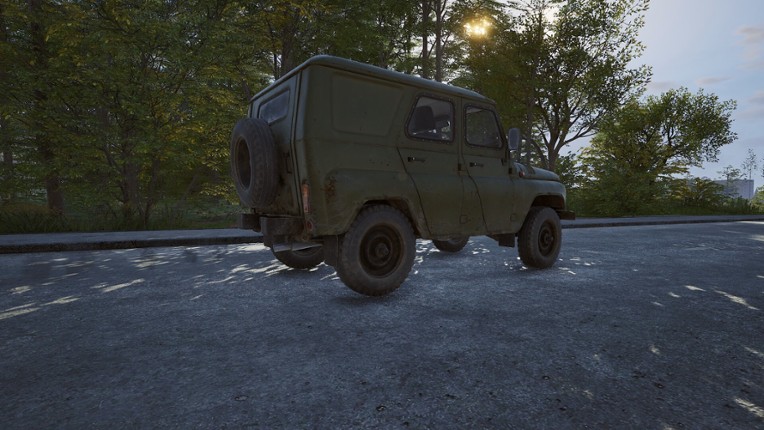
- 85%Game Brain ScoreMost mentioned positive aspects:gameplay, graphicsMost mentioned negative aspects:grinding, story85% User Score 6,330 reviews
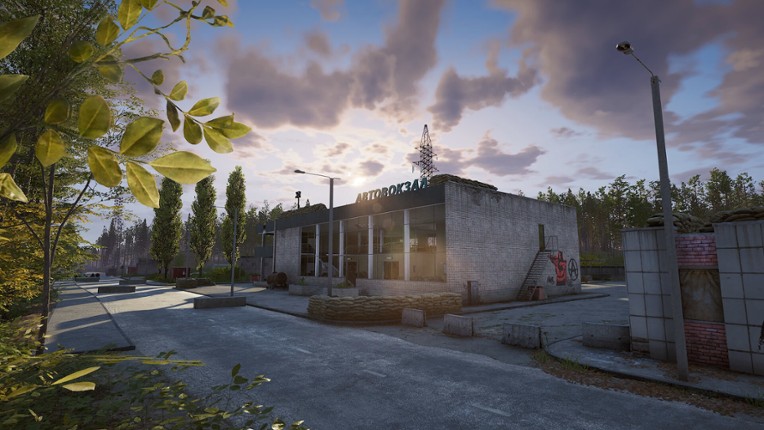
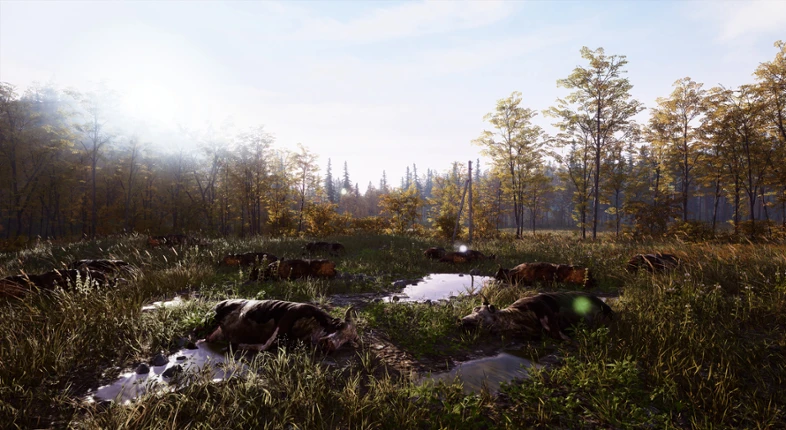
The Infected is a sandbox, first-person, open-world survival game. Build bases, craft, farm, hunt, and survive changing seasons. Choose whether to face the hybrid “Vambies” or turn them off for a pure survival experience. If you enjoyed this game, see our list of games similar to The Infected.
View Game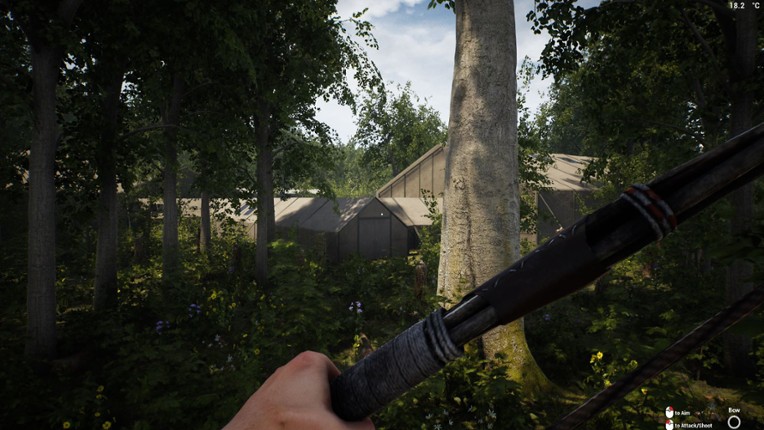

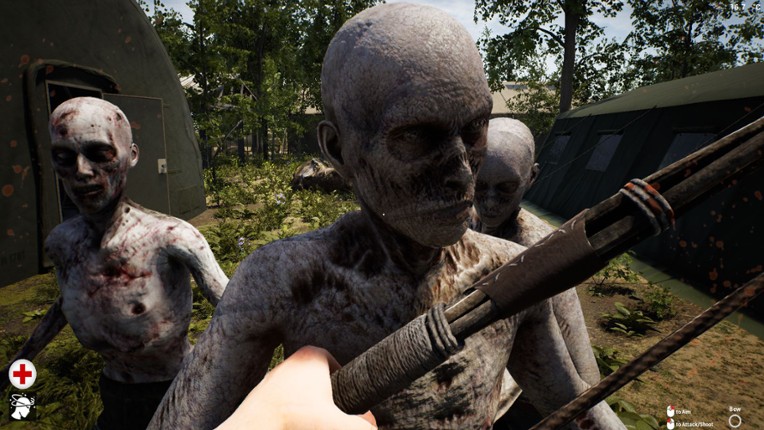
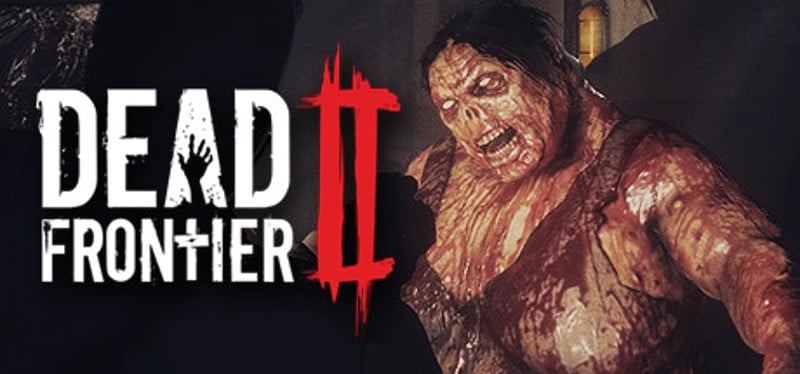
- 71%Game Brain ScoreMost mentioned positive aspects:gameplay, graphicsMost mentioned negative aspects:story, grinding71% User Score 10,893 reviewsAmplifies zombie survival into a highly multiplayer online shooter emphasizing tension, PvP, and co-op action in a brutal post-apocalyptic world. If you enjoyed this game, see our list of games similar to Dead Frontier 2.View Game
- 63%Game Brain ScoreMost mentioned positive aspects:gameplay, graphicsMost mentioned negative aspects:stability, grinding63% User Score 9,516 reviews
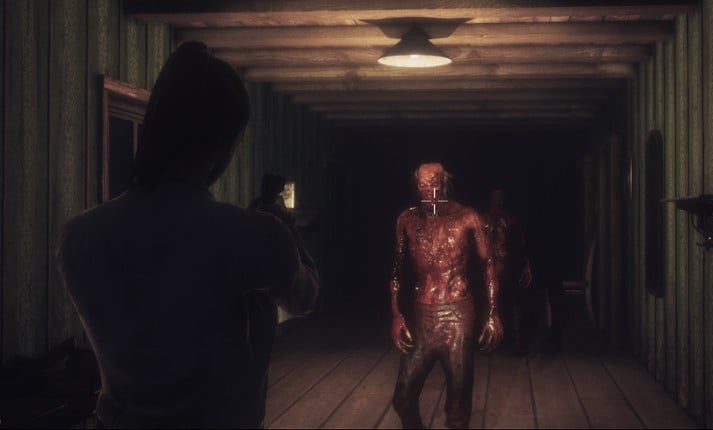
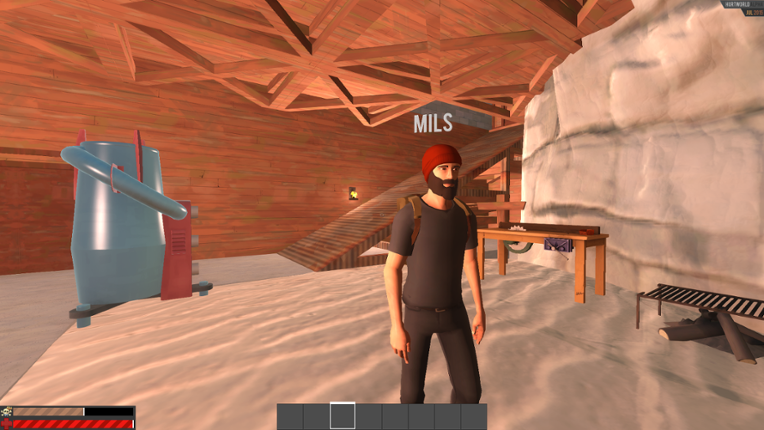
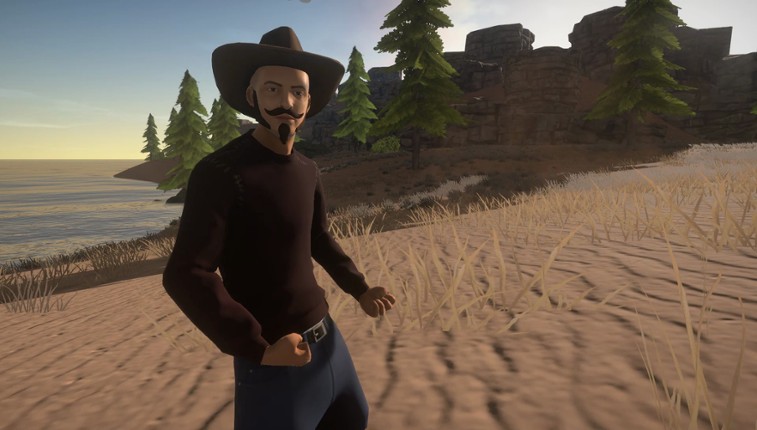
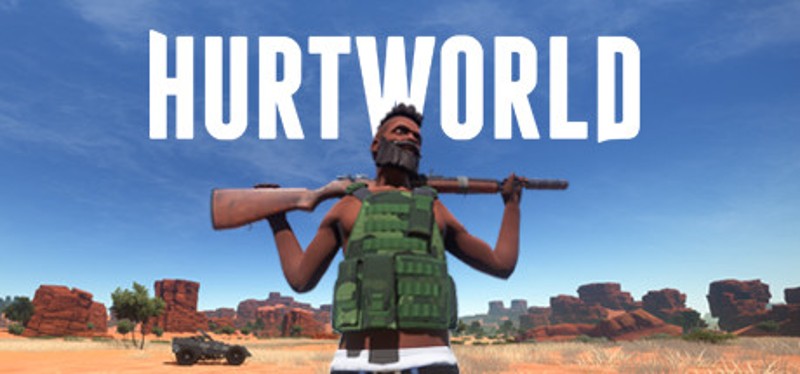
Hurtworld is a hardcore multiplayer survival FPS with a focus on deep survival progression that doesn't become trivial once you establish some basic needs. Built for hardcore gamers, Hurtworld aims to punish. If you enjoyed this game, see our list of games similar to Hurtworld.
View Game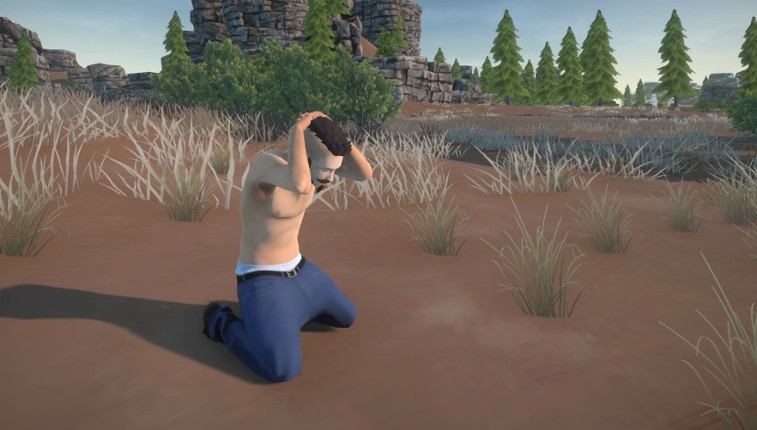
- 60%Game Brain ScoreMost mentioned positive aspects:gameplay, graphicsMost mentioned negative aspects:grinding, stability59% User Score 8,514 reviewsCritic Score 61%4 reviews
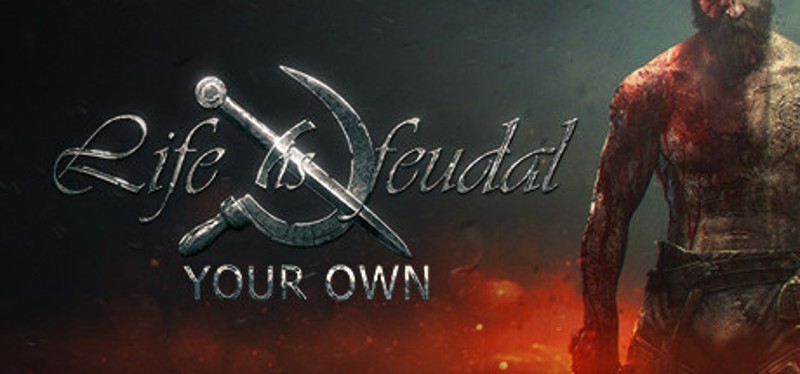
Hardcore medieval multiplayer sandbox with terraforming, free preset and modular building construction, rich crafting (smelting, forging, farming, animal breeding etc.), survival, no target physics based combat, original combat formation system and numerous other features. Taking place in the fictional medieval world, game imposes a realistic system of global politics, economy, and socialization. If you enjoyed this game, see our list of games similar to Life is Feudal: Your Own.
View Game
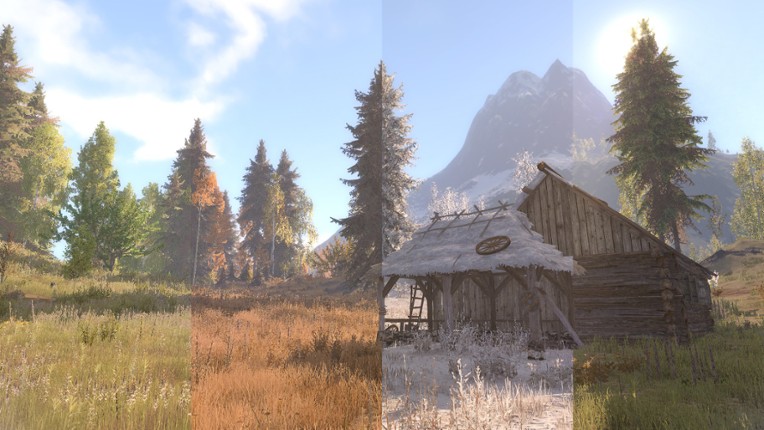
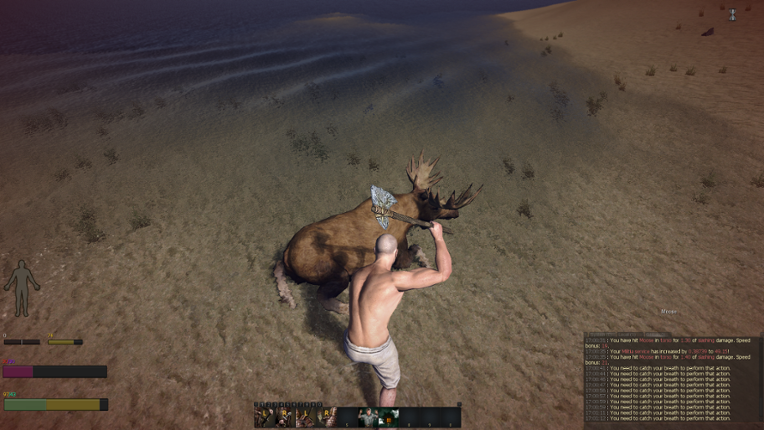
- 78%Game Brain ScoreMost mentioned positive aspects:gameplay, storyMost mentioned negative aspects:grinding, optimization79% User Score 79,363 reviewsCritic Score 77%6 reviews
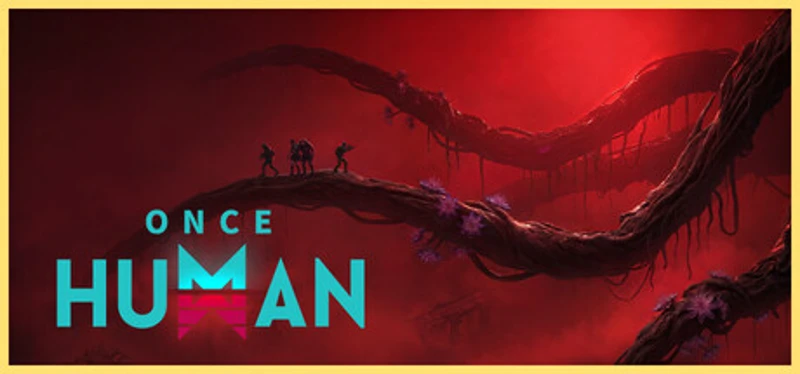
Once Human is a Strange Worlds Survival Game set in a strange, post-apocalyptic future. Unite with friends to fight monstrous enemies, uncover secret plots, compete for resources, and build your own territory. Once, you were merely human. Now, you have the power to remake the world. If you enjoyed this game, see our list of games similar to Once Human.
View Game
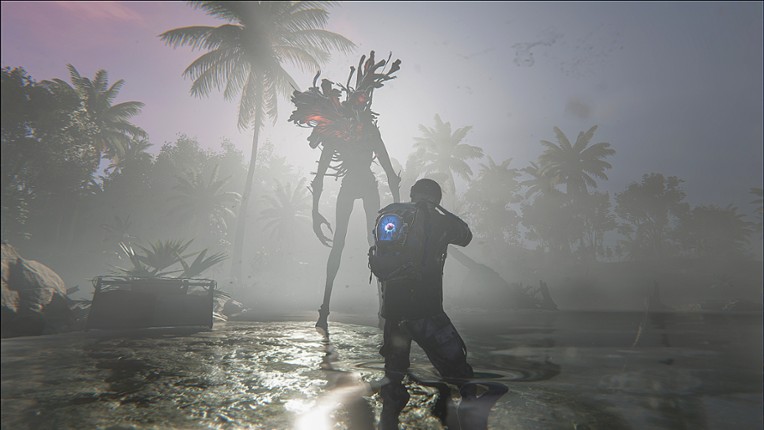
- 51%Game Brain ScoreMost mentioned positive aspects:gameplay, graphicsMost mentioned negative aspects:stability, story51% User Score 1,403 reviews
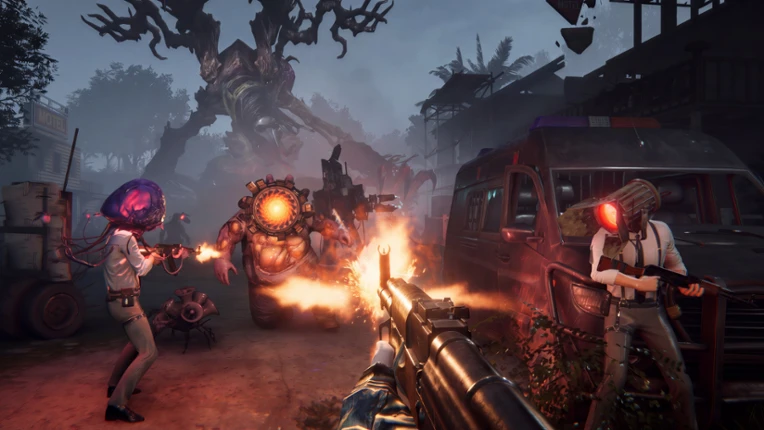
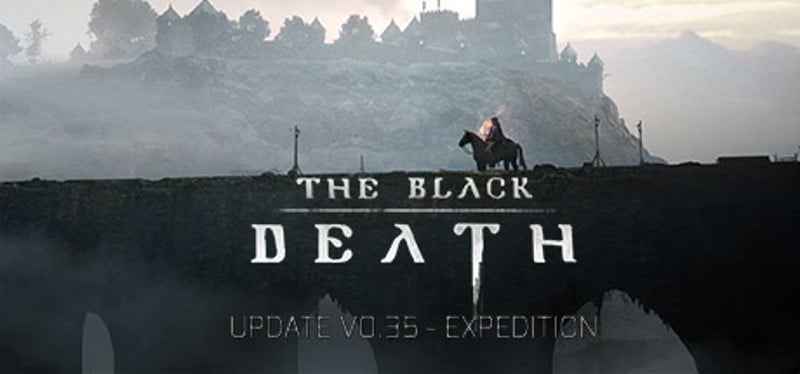
The Black Death is a dark multiplayer survival game set during a plague-ridden medieval era. If you enjoyed this game, see our list of games similar to The Black Death.
View Game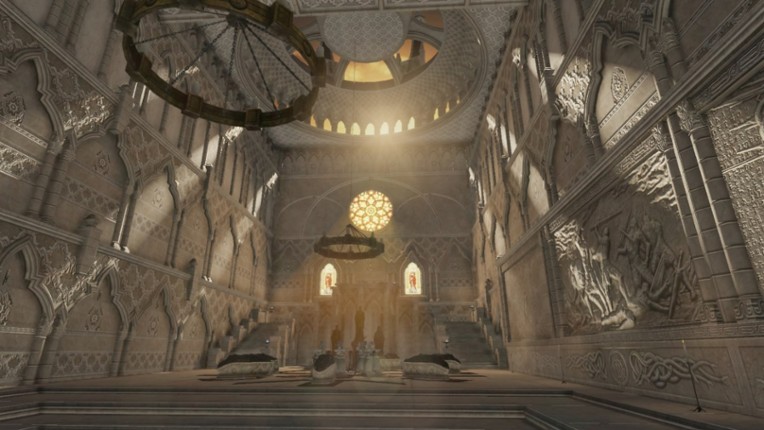
- 53%Game Brain ScoreMost mentioned positive aspects:graphics, gameplayMost mentioned negative aspects:optimization, stability53% User Score 4,408 reviews
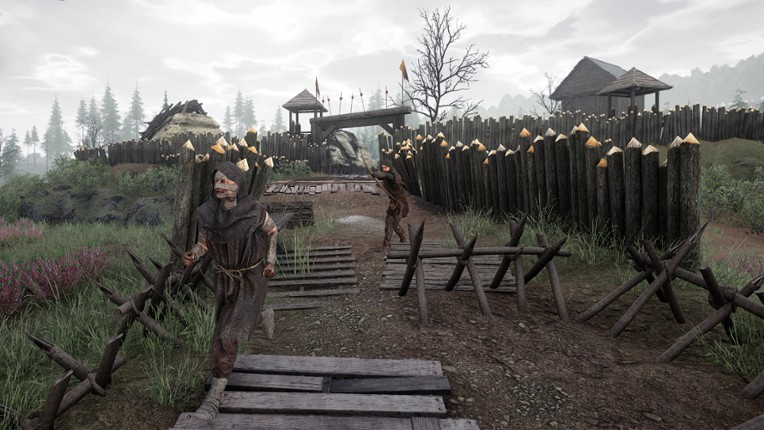
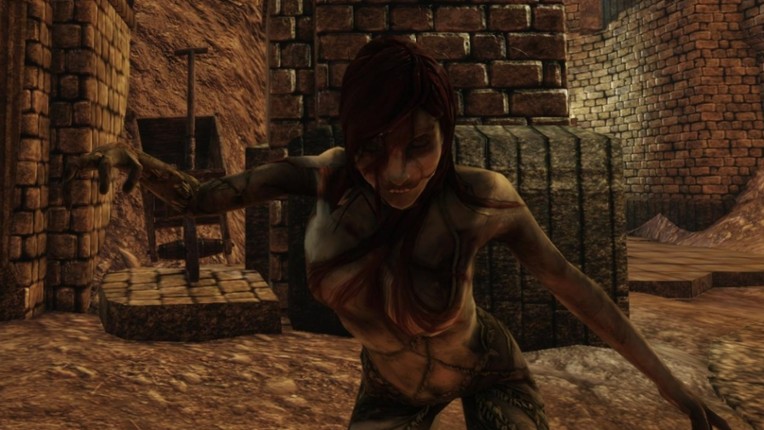
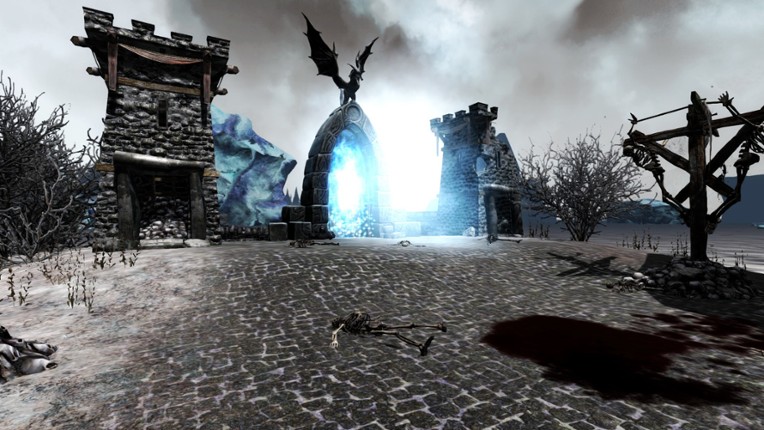
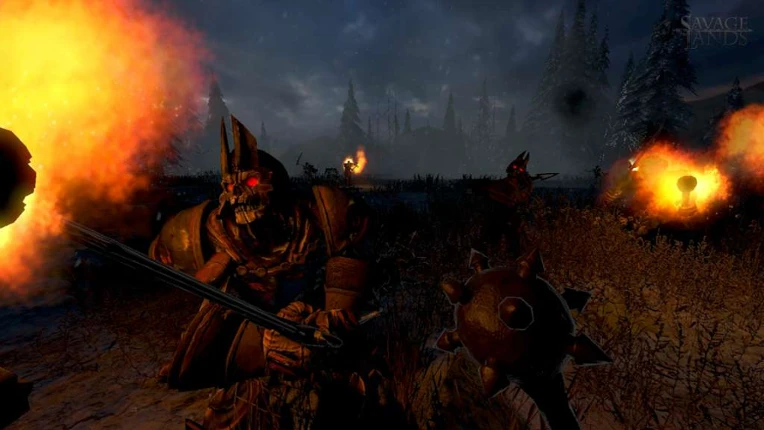
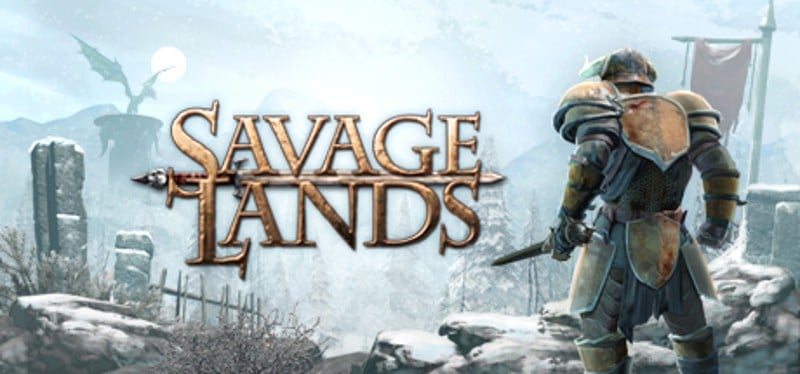
Savage Lands is a challenging Indie based fantasy survival sandbox experience that takes players on an adventure across a world ravaged by years of war between man and Dragon kind. Players must conquer an ominous and vast open world where every decision counts: craft/loot powerful weapons and armor, explore hostile landscapes and dark dungeons, fight fiendish creatures, gather resources, and build… If you enjoyed this game, see our list of games similar to Savage Lands.
View Game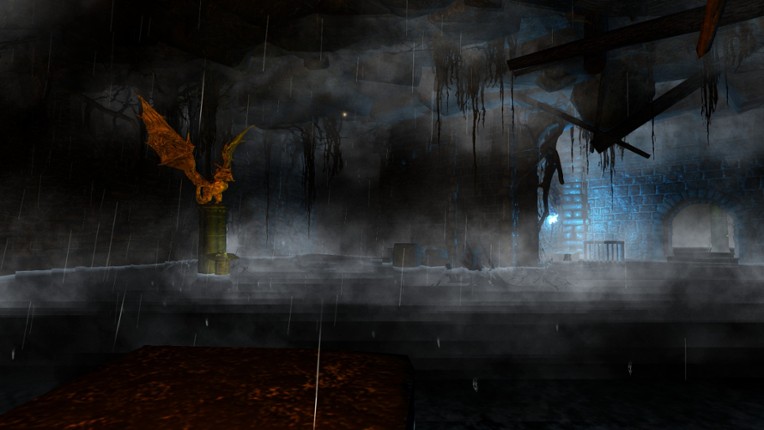
- 84%Game Brain ScoreMost mentioned positive aspects:gameplay, storyMost mentioned negative aspects:grinding, stability84% User Score 457 reviews
Survive a brutal open world alone or with friends. Explore a procedural wasteland scorched by chaos. Build and defend your base, trade for what you need, complete deadly quests, and fight to claim faction outposts before someone else does. If you enjoyed this game, see our list of games similar to Plains of Pain.
View Game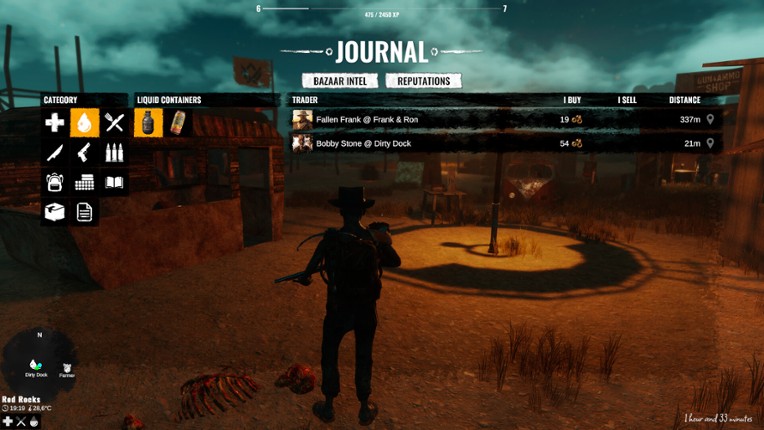
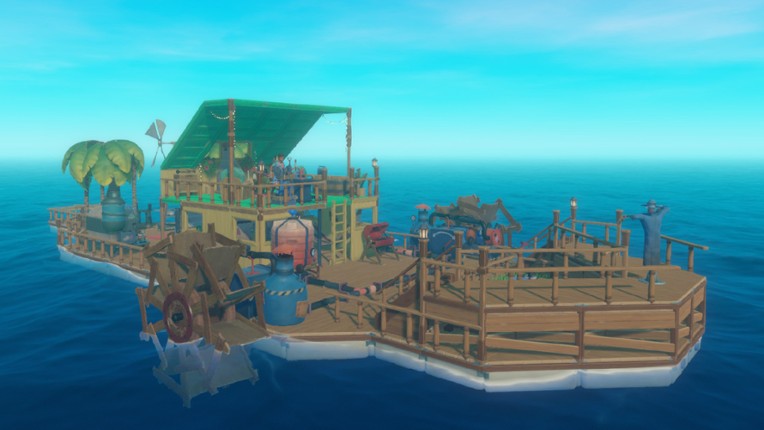
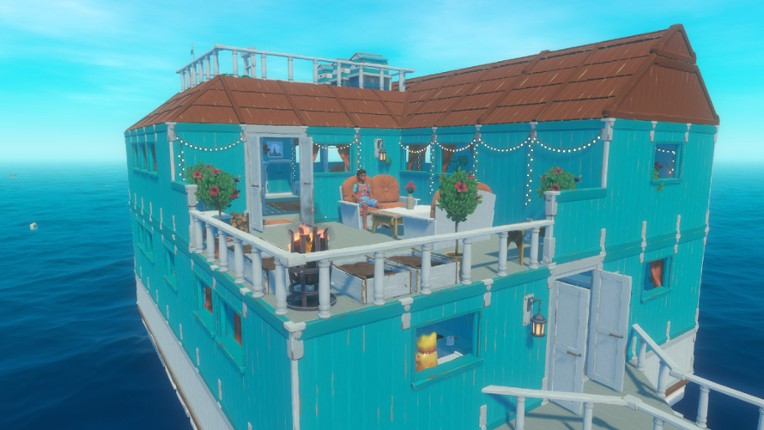
- 90%Game Brain ScoreMost mentioned positive aspects:story, gameplayMost mentioned negative aspects:grinding, stability94% User Score 228,886 reviewsCritic Score 80%3 reviewsSwap the claustrophobic zombie-filled streets for an endless ocean, where your survival relies on building a raft against relentless aquatic threats. If you enjoyed this game, see our list of games similar to Raft.View Game


 View Game


























Frequently Asked Questions
7 Days to Die mirrors Zomboid's crafting and base-building in a voxel world with multiplayer. DayZ delivers hardcore survival with realistic mechanics like hunger and sickness. Green Hell offers deep survival simulation in a jungle setting. All three excel at atmosphere and replayability like Zomboid does.
Yes. 7 Days to Die, DayZ, and Sons of the Forest all support online co-op for multiple players. HumanitZ also features online co-op gameplay. These games let you survive together with friends just like Project Zomboid's cooperative experience.
HumanitZ uses the same isometric top-down view as Project Zomboid, offering familiar camera angles with zombie survival. It features crafting, base-building, and combat in an open-world setting. If you love Zomboid's perspective and mechanics, HumanitZ delivers a comparable experience.
DayZ and 7 Days to Die are affordable indie titles that offer exceptional value. VEIN and HumanitZ are budget-friendly early access games with active development. These alternatives won't drain your wallet while delivering complex survival gameplay comparable to Zomboid.
DayZ excels with bleak, realistic environments and unpredictable player encounters creating genuine tension. Green Hell combines survival horror with a captivating, emotionally resonant story. VEIN offers immersive first-person horror with dark exploration. All three match Zomboid's atmospheric post-apocalyptic tone.
7 Days to Die emphasizes base-building and crafting with procedural generation. Sons of the Forest features deep crafting systems and creative building possibilities. Green Hell requires resourceful crafting for survival. Each combines Zomboid's construction and crafting loops with unique environmental challenges.