The Lord of the Rings: Return to Moria

Return to Moria doesn't challenge the genre, and instead of just tries to be a good game, and in that it suceeds.
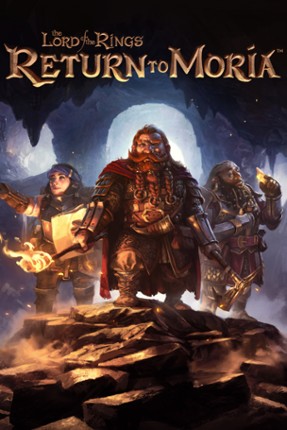
The Lord of the Rings: Return to Moria Game Cover
71%Game Brain Score
story, gameplay
grinding, stability
81% User Score Based on 7,554 reviews
Critic Score 60%Based on 18 reviews

Platforms

Xbox Series X|SPCEpic GamesPlaystation 5CloudXbox Cloud GamingXboxWindowsPlayStation
The Lord of the Rings: Return to Moria Game Cover

About

The Lord of the Rings: Return to Moria is a single player and multiplayer open world role playing game with a fantasy theme. It was developed by Free Range Games and was released on August 27, 2024. It received neutral reviews from critics and positive reviews from players.

The only survival crafting video game set in the Fourth Age of Middle-earth™
Skip User Reviews

81%
Audience ScoreBased on 7,554 reviews
story351 positive mentions
grinding325 negative mentions

  • Excellent immersion and atmosphere with authentic lore and rich storytelling true to Tolkien's universe.
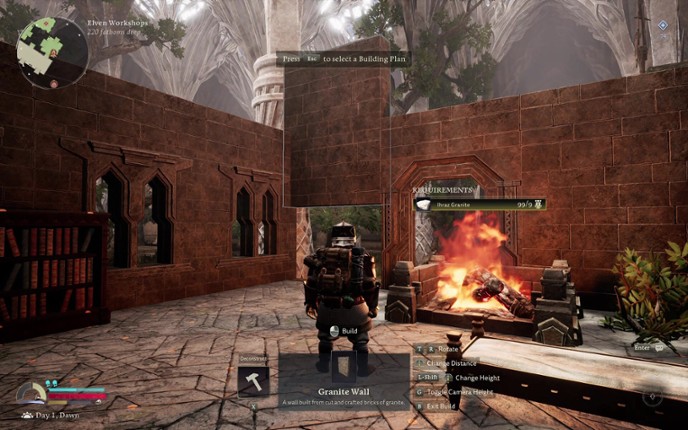
  • Unique and satisfying gameplay loop combining survival, exploration, crafting, combat, and base building themed around reclaiming Moria.
  • Multiplayer co-op experience enhances enjoyment with singing, shared adventures, and coordinated defense against hordes of enemies.
  • Repetitive level design and procedurally generated maps cause navigation difficulties and loss of sense of place.
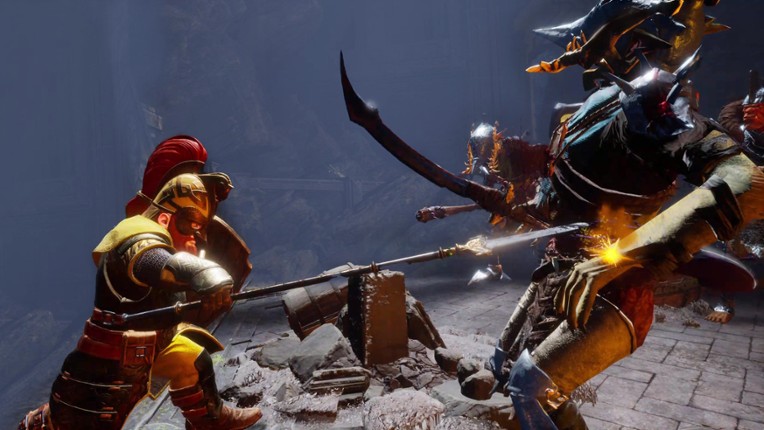
  • Combat feels clunky, simple, and unbalanced with poor AI causing repetitive and unengaging fights.
  • Numerous bugs, technical issues, poor optimization, and frustrating mechanics like rapid armor degradation and inconvenient stamina/hunger systems hinder overall playability.
  • story
    1,181 mentions Positive Neutral Negative

    The story in "Return to Moria" is a notable highlight, offering an engaging, lore-rich continuation of the dwarven saga in Middle-earth's Fourth Age with strong ties to Tolkien’s works and the Lord of the Rings universe. While some praise the immersive narrative, voice acting (notably Gimli’s), and thoughtful integration of lore, others find it simplistic, poorly paced, or hampered by procedural map generation, quest glitches, and limited character interaction. Overall, it provides a solid, if sometimes uneven, story-driven experience that complements the survival and crafting gameplay, especially appealing to Tolkien fans.

    • “This is a brilliant story-based crafting and survival game that is a must play for any Lord of the Rings fan. Not only is it engaging as a game, but it delves deeply into existing lore while blending in new elements that, though not truly canon to the original tale, keep the player hooked.”
    • “The story they've written here kept me exploring and delving and discovering, and thoroughly enjoying every second of it. The art design, visuals, music, and songs are top tier, and the story slots in beautifully with what we know of what happens after the trilogy in the fourth age. If you're a fan of Tolkien's works, you really won't be disappointed with the story you can piece together in this game if you pay attention and look.”
    • “At its core, it’s a classic survival game with a twist: a loose story thread that keeps you moving forward while you mine, craft, and defend your way through Middle-earth’s most famous cave system. The story is simple and loose but entertaining with clear passion from the developers, making it a new, creative, and faithful addition to Tolkien's universe.”
    • “The story is thin and poorly executed, and the procedural generation works against the setting.”
    • “The story has a very crude presentation with the majority of information being added in a poorly organized quest log with lots of segments and subsegments but without chronological order.”
    • “The final boss was T-posing and just fell over dead with nothing really to say about it; the story is empty and lifeless. I cannot recommend this as a gamer or as a lover of the Lord of the Rings.”
  • gameplay
    1,068 mentions Positive Neutral Negative

    The gameplay offers a solid survival crafting experience with an engaging core loop of exploration, mining, base building, and combat, enriched by Tolkien-themed mechanics like singing and food buffs. However, it suffers from clunky and repetitive mechanics, particularly in combat, building, and survival systems, alongside frustrating design choices such as cumbersome inventory management and punitive hunger/tiredness mechanics. While the multiplayer/co-op mode enhances enjoyment, solo play and endgame content may feel grindy and lacking in depth, with technical issues and lack of polish detracting from overall satisfaction.

    • “The core gameplay loop is incredibly satisfying: gathering resources, expanding your base, and slowly reclaiming the underground world piece by piece.”
    • “The mechanics are smooth and satisfying—gathering resources, building bases, and delving deeper into the mines is incredibly rewarding. I’ve also really enjoyed how the story and lore are woven into the gameplay—it feels like a genuine part of middle-earth.”
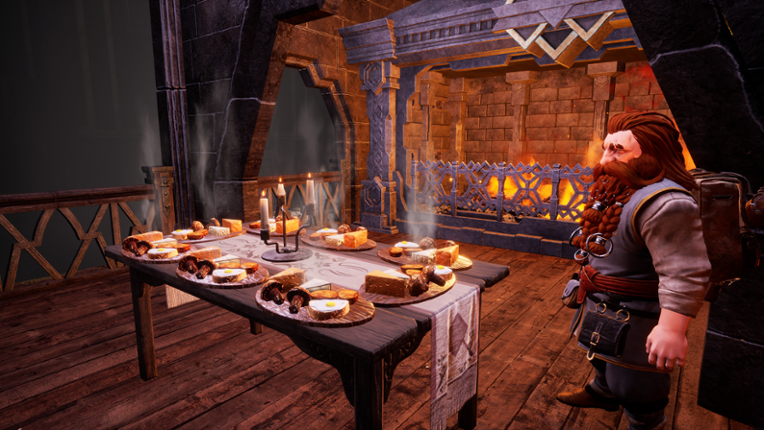
    • “The gameplay is awesome, from mining ores, to cooking lembas, drinking ale, building your camps, forging weapons, and fighting orcs.”
    • “The building is very frustrating, grinding for materials can feel tedious, and some of the mechanics are unintuitive or annoying.”
    • “Avoid this game at all costs, there are way better games that offer a similar experience without the accompanying soul destroying gameplay.”
    • “This game was genuinely a torture to play, total bug festival with really boring mechanics and gameplay.”
  • music
    436 mentions Positive Neutral Negative

    The music in this game is widely praised for its atmospheric and immersive quality, especially the authentic and lore-rich dwarven songs sung during mining, drinking, and special moments, which add depth and charm to the experience. While some find the repetition of songs and occasional audio bugs detract from enjoyment, the soundtrack and vocal performances notably enhance the game's Tolkien-inspired ambiance and cooperative play. Overall, the music is considered a standout feature that deeply enriches immersion and player engagement.

    • “The music deserves special mention as well — it’s incredibly enjoyable and adds a lot to the overall atmosphere, making both calm moments and tense encounters even more immersive.”
    • “The dwarves hum work songs as you dig, the sound of pickaxes echoes grandly through ruined stone corridors, and glimpses of ancient architecture make it easy to feel you’re uncovering a lost kingdom.”
    • “For a game set in Middle-earth, the dwarves in Return to Moria appropriately break into song every so often: either to give a buff while mining by singing a work song, belting out a drinking song before downing your beer, or chanting to venerate a statue of Durin.”
    • “The dwarf singing is mildly cringe... they couldn't afford to hire someone to make some mining music that sounded decent?”
    • “There are just long silent segments in the tunnels where there's no background music, and the map is hard to follow.”
    • “The music cuts out for seemingly no reason a lot, very annoying.”
  • graphics
    390 mentions Positive Neutral Negative

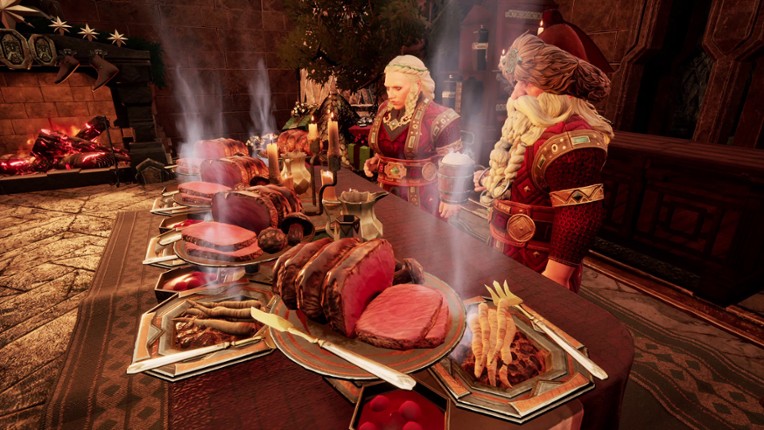
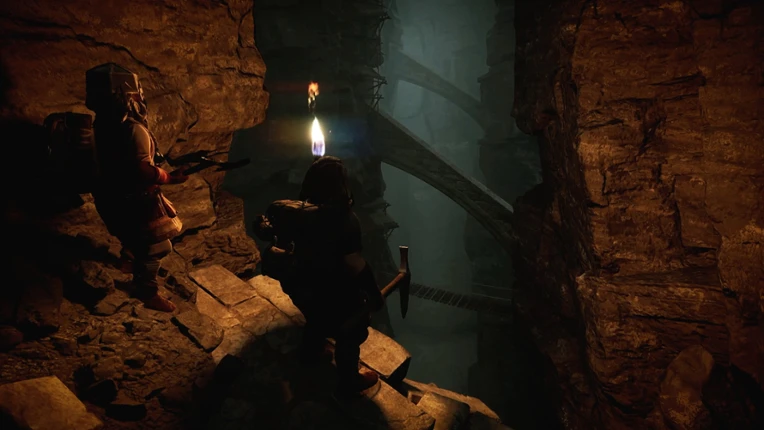
    The graphics of the game are widely praised for their solid art style, atmospheric lighting, and faithful representation of the Lord of the Rings dwarven aesthetic, delivering beautiful and immersive visuals. However, some users note performance issues, limited graphics settings, occasional glitches, and a somewhat dated or cartoonish style that may not appeal to everyone. Overall, the graphics are considered one of the game's strongest points, complementing the lore and atmosphere despite some technical shortcomings.

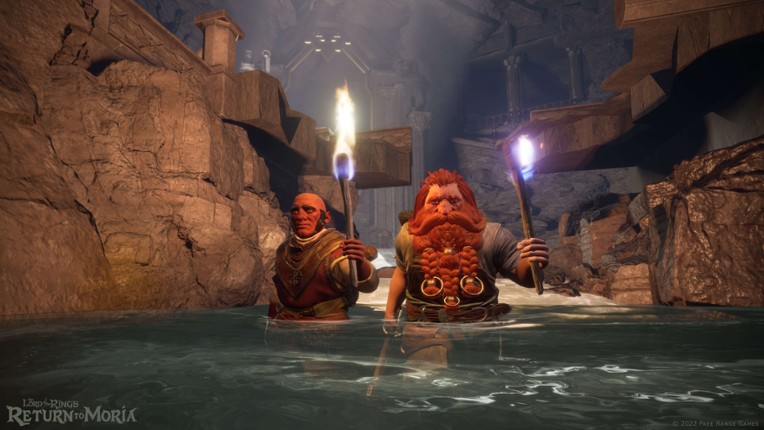
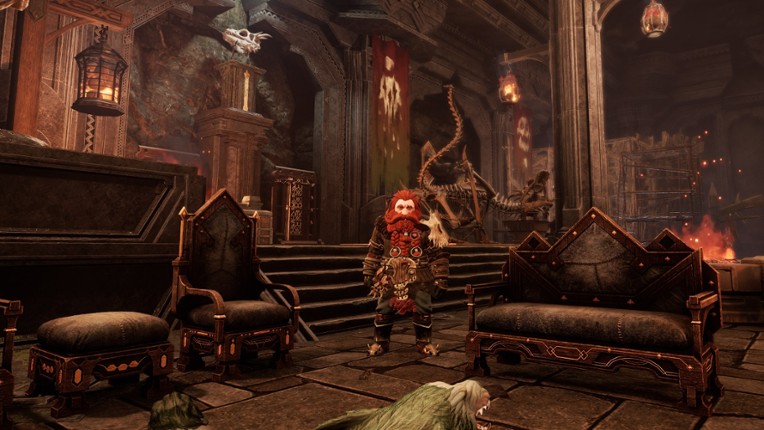
    • “The graphics are genuinely beautiful, bringing the dark caverns and ancient halls of Moria to life with impressive detail.”
    • “The graphics are stunning, and the gameplay is engaging.”
    • “Overall it's a great story, and the graphics are beyond beautiful, I explored every inch of every room I encountered due to the immaculate detail and love that the devs have put into this.”
    • “FPS is far too low on max settings given that the graphics are meh.”
    • “Performance is lackluster with plenty of lag spikes, graphics are meh and the bots are just bad.”
    • “I can't even properly choose my own graphics settings, and I clearly can't turn them low enough to make the thing run smoothly.”
  • grinding
    337 mentions Positive Neutral Negative

    Grinding in the game is a significant and divisive aspect; while some players enjoy the extensive mining, crafting, and resource gathering as fitting for a dwarf-themed survival experience, many find it tedious, repetitive, and frustrating, especially in single-player mode or the mid-to-late game. The progression often involves back-and-forth travel, scarce resource farming, and slow pacing, which can feel like a chore, though multiplayer sessions tend to mitigate the grind and enhance enjoyment. Improvements to farming and quality-of-life features have alleviated some issues, but overall the game leans toward grind-heavy gameplay that may appeal mostly to fans of grindy survival and building games.

    • “Progression is fun, not too grindy but not easy either.”
    • “Not too grindy, just the right amount with plenty of resources to find, mine, harvest, etc. Unlocking the build tree by rebuilding statues is something new and encourages one to explore the map to find them.”
    • “The grind is appropriate, not too grindy, not too absent.”
    • “There's a lot of grinding and constant back-and-forth travel: going from point A to point B to point C, only to end up returning to point A because something is always blocking your progress and interrupting what should be a chill journey.”
    • “Unfortunately, the implementation of these systems is horribly balanced and requires far, far, far too much grinding to progress.”
    • “The entire sense of progress in Return to Moria is tedious and feels like a chore.”
  • atmosphere
    233 mentions Positive Neutral Negative

    The game excels at creating a rich, immersive atmosphere that captures the dark, mysterious, and majestic essence of Moria, enhanced by evocative music, sound design, and detailed dwarven architecture. While the gameplay may face criticism for repetitiveness or technical issues, the setting’s eerie tension, cozy moments, and strong lore consistently engage players, making atmosphere its standout strength. Fans of Tolkien’s world and atmospheric exploration games will find the experience particularly compelling.

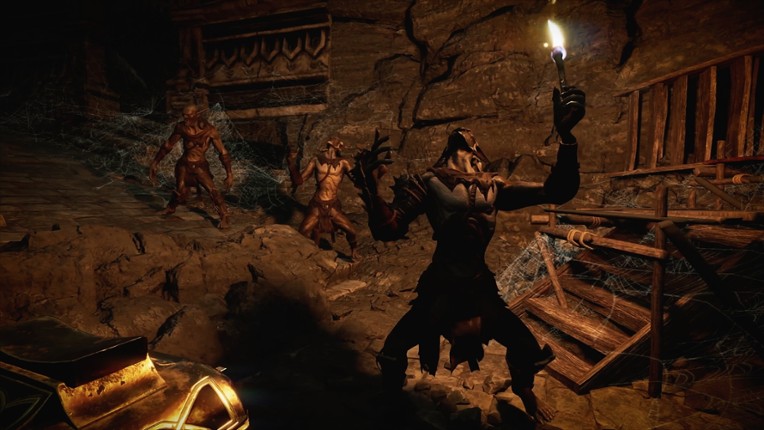
    • “The underground setting creates a unique atmosphere—sometimes calm and beautiful, other times tense and dangerous.”
    • “The atmosphere and lore is great, but to be the game it says it is, it needs to be better in the other areas.”
    • “This game absolutely nails the atmosphere of the dwarves' deep halls, from the echo of your footsteps in long-abandoned tunnels to the slow rebuilding of a lost kingdom beneath the mountains.”
    • “Yet the atmosphere is really stressful and oppressive.”
    • “The game leans heavily on atmosphere but fails to sustain it due to weak gameplay and repetitive design.”
    • “It also dampens the atmosphere making things feel a bit more boring/bland when you discover the same room/path over and over again.”
  • stability
    177 mentions Positive Neutral Negative

    The game suffers from frequent bugs, glitches, crashes, and freezing issues that significantly impact stability and gameplay, with many players finding it sometimes unplayable. Building mechanics and combat are particularly buggy, and poor optimization leads to lag and long load times. While some consider these problems manageable or minor, overall the game is widely regarded as unstable and in need of major fixes.

    • “Smooth, mostly bug free, great resources albeit a bit unbalanced.”
    • “Game was bug free and played great.”
    • “Runs great even on older hardware.”
    • “Game is literally unplayable. Shortly after unlocking the weapon rack, the game freezes and won't close, requiring a force reboot. Reloading causes it to freeze again when trying to dismantle the weapon rack. The game frequently freezes over many actions, and the developers have neglected to fix this.”
    • “Complete game freezes, Unreal Engine crashes, and other critical stability issues make the game unplayable at times.”
    • “As soon as I put the last building piece in place, the game freezes and crashes, halting any progress.”
  • optimization
    167 mentions Positive Neutral Negative

    The game suffers from widespread and severe optimization issues, including frequent frame rate drops, stuttering, long loading times, and poor performance even on high-end PCs. These problems significantly impact gameplay experience, making the game frequently frustrating or unplayable, especially in multiplayer and graphically dense areas. While some updates have improved stability, overall performance remains inconsistent and in need of substantial refinement.

    • “Very well optimized game in terms of exploring new territory, mining ores, fighting evil things, building and forging weapons or armor.”
    • “Graphics are pretty good and despite being Unreal Engine, I've had no performance issues on Linux and don't even need to enable FSR.”
    • “Used to have awful performance but decided to try it again and it's great.”
    • “Simply, this game is painful to even want to play, the performance is terrible and I'm on a gen 14 i9, 64 GB RAM, M.2 HD, 5090 video and this game plays like garbage.”
    • “Durin's Folk arrived half-baked, bringing with it a major hit to the game's performance, rendering it unplayable.”
    • “I meet or exceed all of the recommended requirements for this game, but even on the most optimized visual settings there are long stretches of the game that have randomly and suddenly become entirely unplayable because swinging an axe or other weapon visually freezes the entire game for around 15 seconds, despite having no issues with my GPU, RAM, or CPU.”
  • replayability
    52 mentions Positive Neutral Negative

    Replayability is mixed, with procedural generation and a sandbox mode adding variety and extending playtime, especially in multiplayer or with DLC like Durin's Folk. However, many find the main story mode limited in replay value once completed, citing shallow content and lack of engaging post-game features. Improvements such as deeper RPG elements, enhanced NPC interaction, and creative modes could further enhance the game's long-term appeal.

    • “Very fun and hugely replayable with friends.”
    • “The gameplay is enjoyable, the attention to detail and respect of Tolkien's lore to be commended, and the variety of crafting, cooking, and building options add to the replayability of the game.”
    • “Replayability is boosted by sandbox mode, which features an even greater variety of biomes and craftable items to help breathe new life into subsequent playthroughs, with some of those biomes and items being exclusive to the mode.”
    • “Zero replayability though.”
    • “Until they add actual replayable content and make it worth continuing after you beat the game, save your cash for the vanilla gameplay.”
    • “Extremely poor controls and needlessly difficult navigation (especially going up and down) makes this a frustrating game with no replay value once you have finished it, not a great trait for a multiplayer game.”
  • humor
    51 mentions Positive Neutral Negative

    The humor in the game is widely praised for its charming dwarven spirit, witty songs, and amusing character interactions, making the world feel lively and enjoyable, especially in co-op play. Players appreciate the mix of lighthearted moments, such as clumsy enemy AI, funny voice acting, and humorous in-game mishaps, which add a relaxed, entertaining atmosphere. However, some comedic elements stem from glitches or awkward mechanics, leading to mixed feelings about polish but enhancing the overall fun and laughter among friends.

    • “When you first encounter one, the game tells you that you need to craft a bow to hunt them... but in reality, they are blind and deaf, and they have the brain of a gnat - if they spot you, the speed at which they run away is hilariously slow. Their running animations are silly and pathfinding atrocious, often running into walls, corners, or cliffs with nowhere else to go.”
    • “The dwarf humor is spot on, between the singing, the random comments, and the general grumpy charm; it really makes the world feel alive.”
    • “Solo is fine, but co-op turns it into a chaotic, hilarious adventure you’ll talk about for weeks.”
  • monetization
    33 mentions Positive Neutral Negative

    The game's monetization is widely criticized as aggressive and cash grab-like, with frequent DLC and cosmetic sales heavily pushed within the game. Many players feel the product exploits the LOTR IP with minimal effort and rushed development, prioritizing monetization over quality or meaningful content. However, a few note that, despite this, some aspects feel crafted and gameplay can be worth it for fans.

    • “No in-game purchases”
    • “Management: feels like a "minimum effort" cash grab on the LOTR IP.”
    • “Also: charging for DLC levels/lore/gameplay is one thing, but charging for cosmetic items in game is just a blatant cash grab and comes off just as cringey as when big name companies do it.”
    • “For 25 dollars you can buy Minecraft and listen to the LOTR soundtrack on Spotify, which would probably be a better use of your money anyways... poorly optimized cash grab with "procedurally generated environments" that repeat after you first see them, every single NPC in the game is probably bought off some cheap Chinese store or public domain, the enemies are obviously copy-pasted from some other project, the only thing 'LOTR' about this is how badly I want to cast it into the fire.”
  • emotional
    30 mentions Positive Neutral Negative

    The game's emotional impact is highlighted by its ability to immerse players deeply in the dwarf experience through heartfelt moments like singing and rebuilding, evoking nostalgia especially for LOTR fans. While some find it wholesome and motivating exploration, others feel mixed due to frustrating gameplay elements. Overall, emotional engagement is seen as key to fully enjoying its unique, camaraderie-driven atmosphere.

    • “Rather than feeling like an afterthought, it motivates exploration and adds emotional weight to your actions.”
    • “From the very beginning, the game constantly made me feel as if I was truly inside Khazad-dûm, slowly reclaiming and rebuilding it step by step, level by level.”
    • “It's been heartwarming to see her embrace teamwork and strategy, whether we're devising plans to outsmart a goblin horde or engineering intricate mining operations to unearth rare minerals.”
  • character development
    3 mentions Positive Neutral Negative

    Character development in the game is minimal, with little progression or growth. However, character designs are authentic and true to Tolkien's world, featuring unique elements like bearded female dwarfs and culturally immersive details. This faithful representation may appeal to fans of Tolkien’s lore but might not satisfy those seeking deeper character narratives.

    • “Decent character design and creation (Tolkien had female dwarves with beards in his world building. Might be or might not be for you, but it's true to his world.)”
    • “Character development: there isn't any.”
    • “Everything in this game feels like it was made by a true Tolkien fan, from the character designs (female dwarfs with beards!) down to dwarfs singing when mining.”
Skip Critic Reviews
Skip Game Offers

Buy The Lord of the Rings: Return to Moria

34h Median play time
79h Average play time
8-68h Spent by most gamers
*Based on 76 analyzed playthroughs
Skip Videos

Videos

Skip Games Like The Lord of the Rings: Return to Moria
Skip FAQs

Frequently Asked Questions

The Lord of the Rings: Return to Moria is a open world role playing game with fantasy theme.

The Lord of the Rings: Return to Moria is available on Xbox Series X|S, PC, PlayStation 5, Windows and others.

On average players spend around 79 hours playing The Lord of the Rings: Return to Moria.

The Lord of the Rings: Return to Moria was released on August 27, 2024.

The Lord of the Rings: Return to Moria was developed by Free Range Games.

The Lord of the Rings: Return to Moria has received positive reviews from players. Most players liked The Lord of the Rings: Return to Moria for its story but disliked it for its grinding.

The Lord of the Rings: Return to Moria is a single player game with multiplayer and local co-op support.

Similar games include Enshrouded, Smalland: Survive the Wilds, Valheim, Grounded, RuneScape: Dragonwilds and others.