

Games like 7 Days to Die
If you love games like 7 Days to Die, you already know the appeal: a brutal blend of first-person survival, base building, and zombie hordes that demands both tactical thinking and creative defense strategies. Games like 7 Days to Die share that same high-stakes atmosphere where resource management, crafting, and preparation directly determine whether you survive the next wave. The good news is there are excellent alternatives that capture different angles of what makes 7 Days to Die so compelling.
7 Days to Die succeeds because it forces you into a constant cycle of scavenging, building, and defending. You're not just surviving—you're architecting your own fortress while managing hunger, fatigue, and the ever-present threat of coordinated zombie attacks. The voxel-based destruction, day-night cycle tension, and the way your base becomes both a sanctuary and a potential deathtrap create emergent, high-stakes moments. Whether you're playing solo or with friends online, the game's open-world sandbox rewards both careful planning and improvisation, backed by an atmospheric post-apocalyptic tone that never lets you forget how precarious everything is.
What Makes a Good Alternative to 7 Days to Die?
- Base building with defensive purpose — The best alternatives let you construct and fortify shelters that meaningfully impact survival, not just serve as storage.
- Zombie threats with escalating difficulty — Regular, intense waves or spawns that force you to prepare defenses and manage resources strategically over time.
- First-person perspective and voxel destruction — Immersive view and destructible environments that create tactile, visceral combat and building experiences.
- Co-op multiplayer and solo viability — Deep single-player campaigns with the option to invite friends for shared survival without forcing it.
- Crafting and scavenging loops — Gathering materials from exploration directly feeds into progression, equipment upgrades, and base expansion.
Top Picks If You Enjoyed 7 Days to Die
Night of the Dead blends tower defense with survival base building seamlessly. VEIN delivers first-person immersion with deep survival mechanics. State of Decay 2 excels at atmosphere, humor, and replayability across a dangerous open world. Project Zomboid offers hardcore survival simulation with strong co-op options. DayZ provides the most intense, realistic zombie survival with dynamic multiplayer tension. Grounded captures the cooperative base-building loop in a completely fresh survival setting.
Each recommendation below is ranked by how closely it mirrors 7 Days to Die's core mechanics, themes, and player experience. Browse the full list to find your next survival obsession.
- 77%Game Brain ScoreMost mentioned positive aspects:gameplay, storyMost mentioned negative aspects:optimization, grinding77% User Score 3,601 reviews
Night of the Dead scratches the same itch as 7 Days to Die when you’re scrambling to fortify a base before the horde hits, then testing whether your planning actually holds under pressure. That loop of scavenging by day, building at dusk, and surviving a brutal night creates the same tense “one more trip for supplies” rhythm.
The overlap goes beyond zombies and crafting: both games lean on base building, tower defense, co-op, and open-world scavenging. What makes that feel familiar is the way every resource decision matters twice—first for immediate survival, then for whether your defenses can withstand the next attack.
Night of the Dead adds a fresh angle with its heavier tower-defense focus and a more deliberate third-person option, so defense layout and battlefield control matter a little more than in 7 Days to Die. It also gives fans a worthwhile tradeoff by leaning into a wider resource hunt and stronger base-crafting emphasis, which can feel more structured than 7DTD’s looser sandbox chaos.
Best for players who enjoy planning defenses, co-op survival, and night-by-night escalation.
If you enjoyed this game, see our list of games similar to Night of the Dead.View Game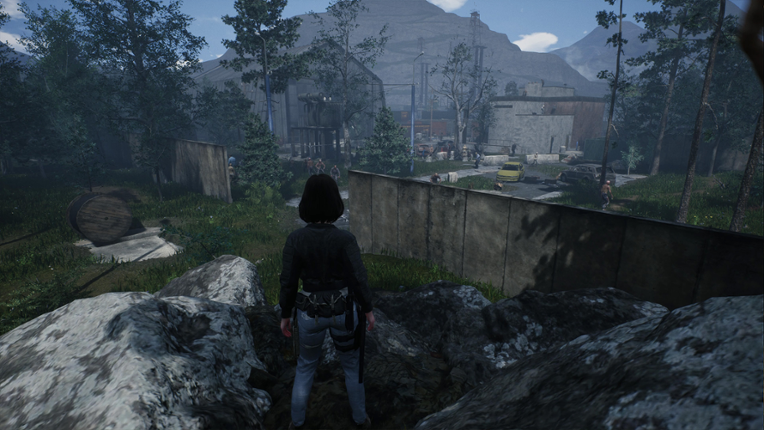
- 90%Game Brain ScoreMost mentioned positive aspects:gameplay, graphicsMost mentioned negative aspects:stability, optimization90% User Score 8,667 reviews
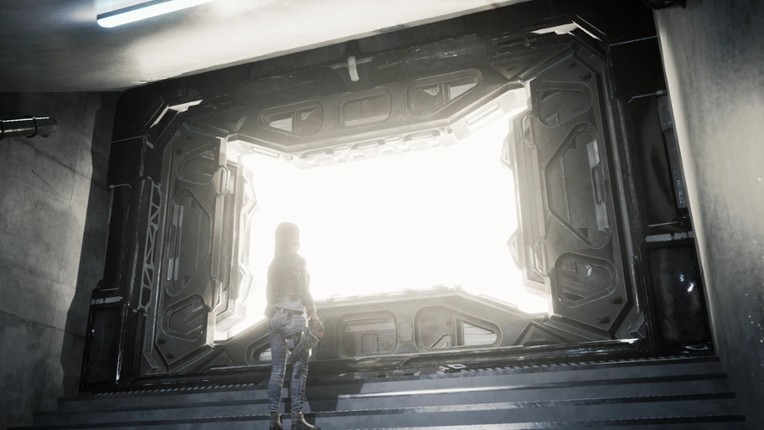
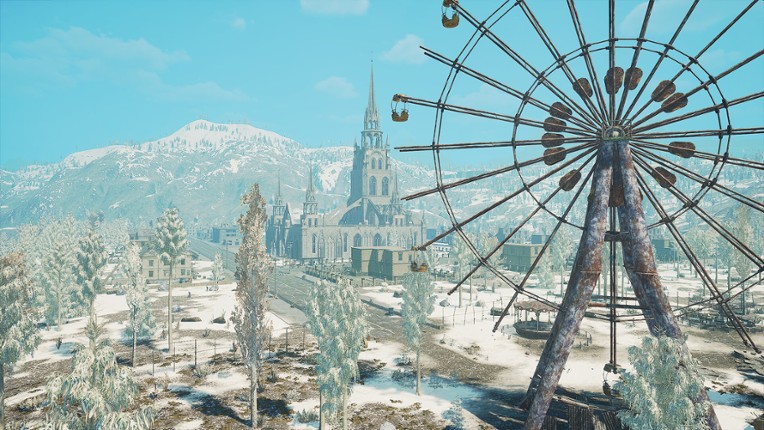
Scouring abandoned houses for scrap to fortify a crumbling shelter against a relentless undead threat captures the exact survival loop 7 Days to Die veterans crave. This shared focus on tactical scavenging and resource-heavy base building creates a familiar sense of desperation and progression.
The intricate crafting systems in VEIN echo the structural freedom of voxel-based defense, allowing you to manipulate the environment to suit your survival strategy. This creates a high-stakes tension where your architectural choices directly determine whether you survive the night or lose everything to a breach.
VEIN trades total world destruction for a first-person simulation depth reminiscent of Project Zomboid, offering more granular control over your character's physical state and world interactions. While the game remains in an unpolished state, its committed indie development offers a refreshing alternative to the aggressive monetization and bloat found in older genre giants.
Best for players who prioritize mechanical density and evolving systems over polished, cinematic presentation.
If you enjoyed this game, see our list of games similar to VEIN.View Game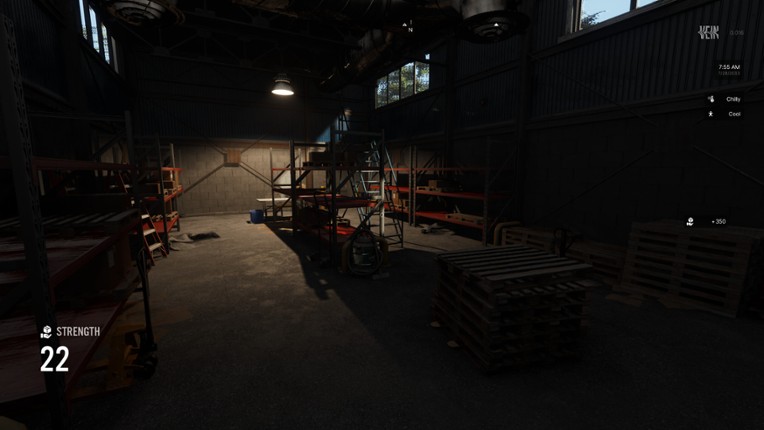
- 86%Game Brain ScoreMost mentioned positive aspects:story, gameplayMost mentioned negative aspects:stability, grinding92% User Score 65,944 reviewsCritic Score 79%27 reviews
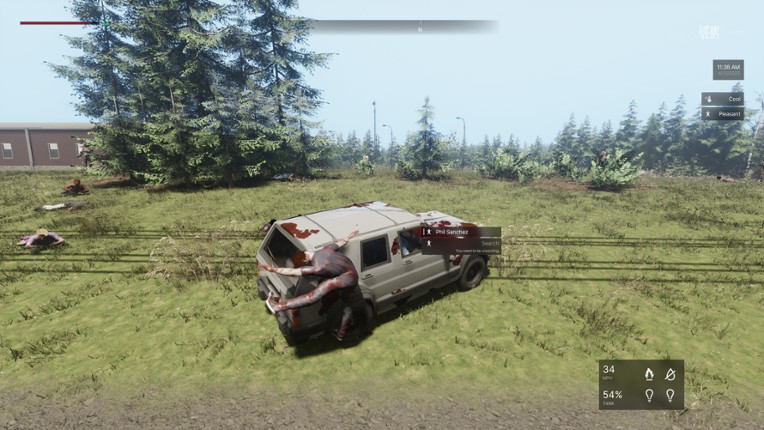
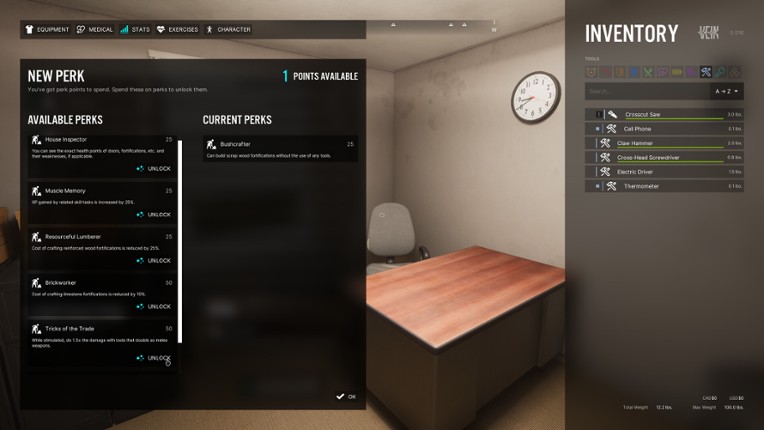
The shared backbone of these titles is fortification-based survival, where your primary loop involves gathering resources by day to engineer a defensible base against incoming waves.
This matters because the stress-to-reward ratio of building against a ticking clock remains identical, forcing you to constantly optimize your perimeter for incoming threats.
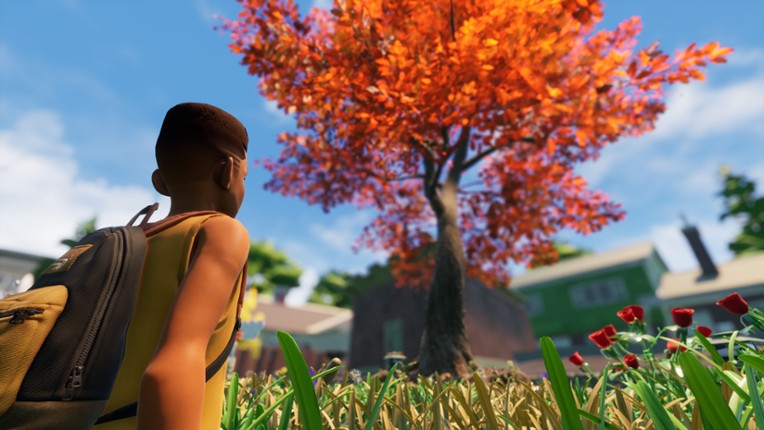
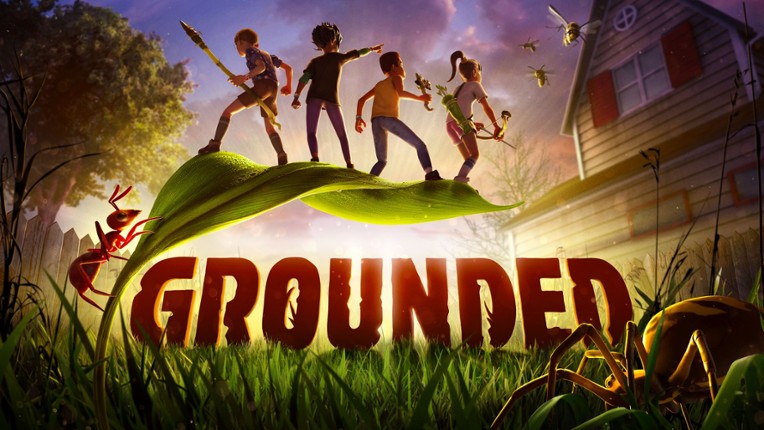
The primary departure is scale and tone: you trade the gritty, post-apocalyptic zombie apocalypse of 7 Days to Die for a stylized, insect-infested backyard that emphasizes verticality and intricate creature AI over gunplay.
Pick this up if you crave complex base-building loops but can live without the bleak, decaying atmosphere of a zombie-ravaged wasteland.
If you enjoyed this game, see our list of games similar to Grounded.View Game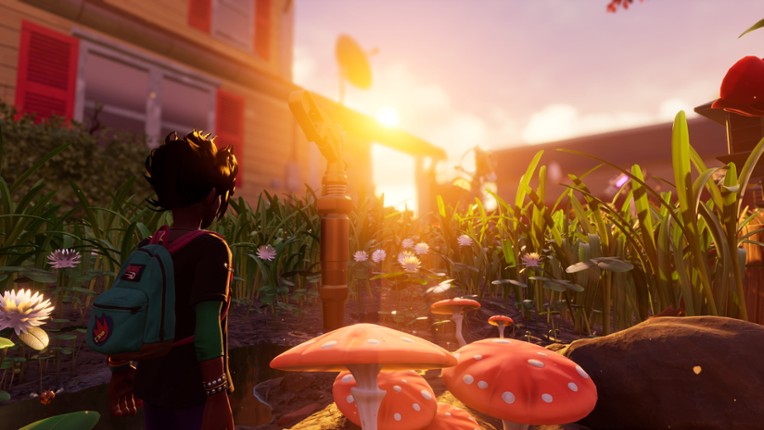
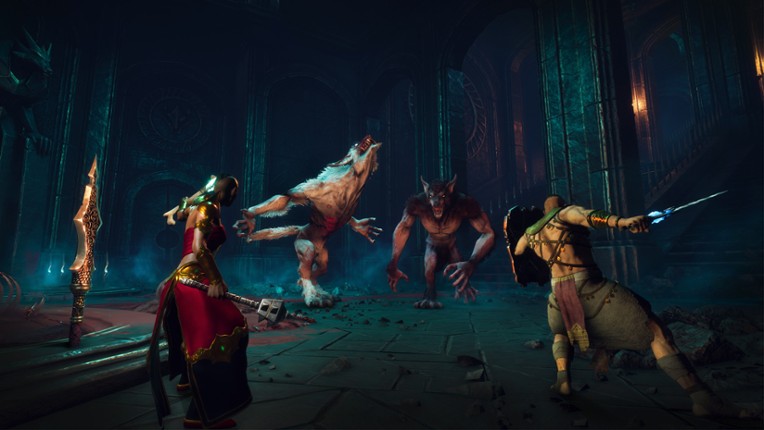
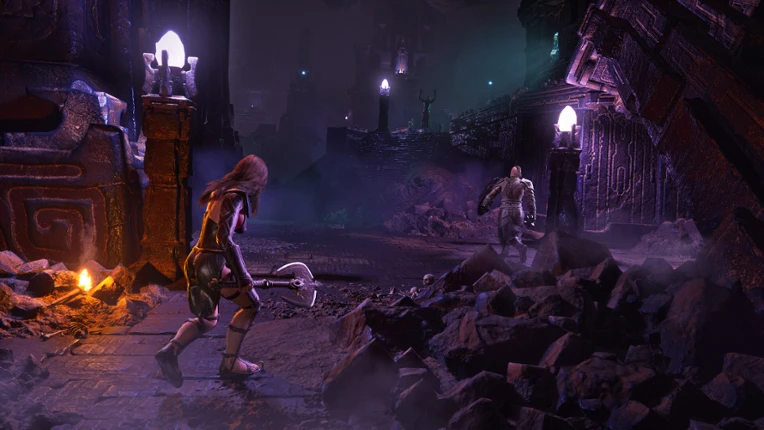
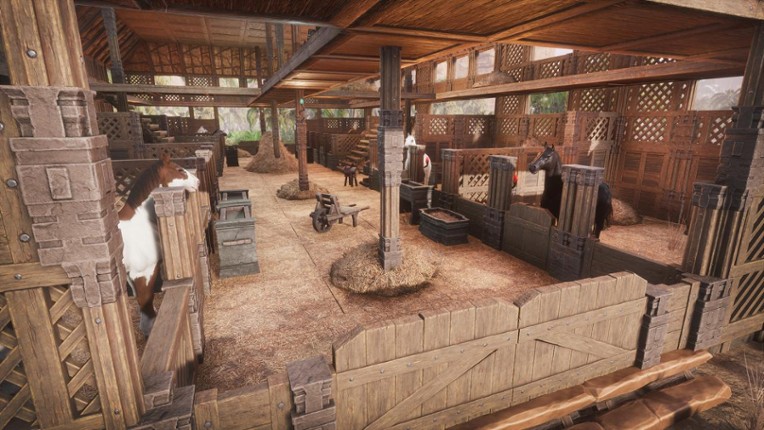
- 79%Game Brain ScoreMost mentioned positive aspects:gameplay, graphicsMost mentioned negative aspects:stability, grinding79% User Score 69,198 reviewsConan Exiles swaps 7 Days' zombie apocalypse for a dark fantasy realm where PvP and kingdom-building dominate, ideal for players wanting MMO survival without horror. If you enjoyed this game, see our list of games similar to Conan Exiles.View Game
- 73%Game Brain ScoreMost mentioned positive aspects:gameplay, graphicsMost mentioned negative aspects:optimization, stability73% User Score 46,927 reviews
Both games anchor their survival experience on open-world multiplayer scavenging with base-building stakes—you gather, fortify, and defend against threats alongside or against other players. This shared loop keeps tension high and progression meaningful.
SCUM layers in deeper character survival simulation (nutrition, metabolism, injury states), which deepens tactical decision-making during raids.
7 Days to Die focuses on horde defense and crafting breadth; SCUM emphasizes PvP tension and bodily systems. Pick SCUM if you crave harder survival mechanics and player-driven conflict, but expect rougher polish and less forgiving pacing.
If you enjoyed this game, see our list of games similar to SCUM.View Game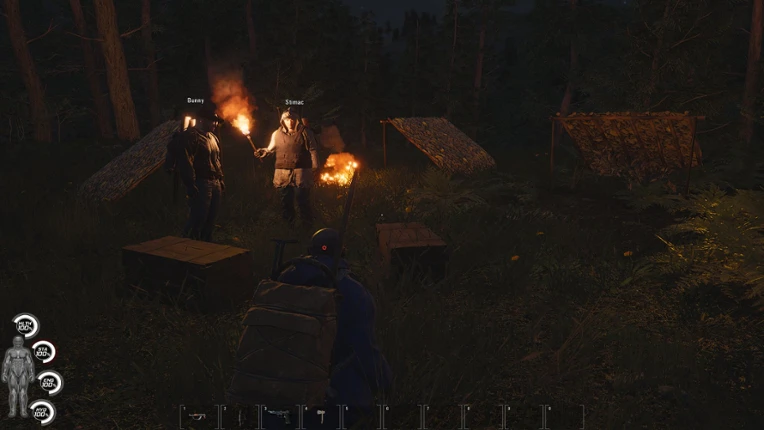
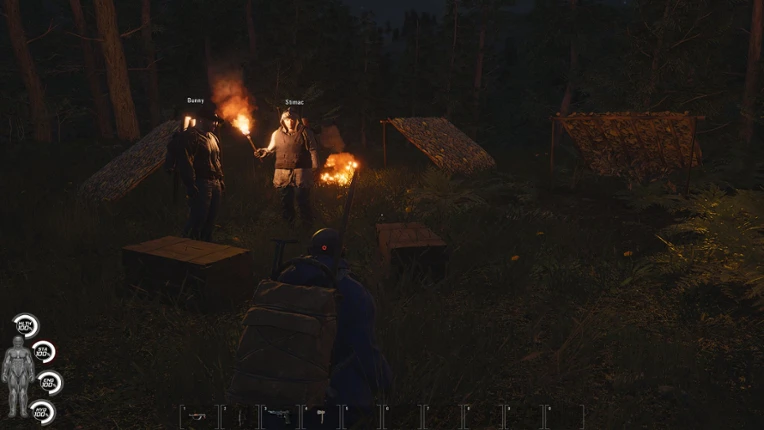
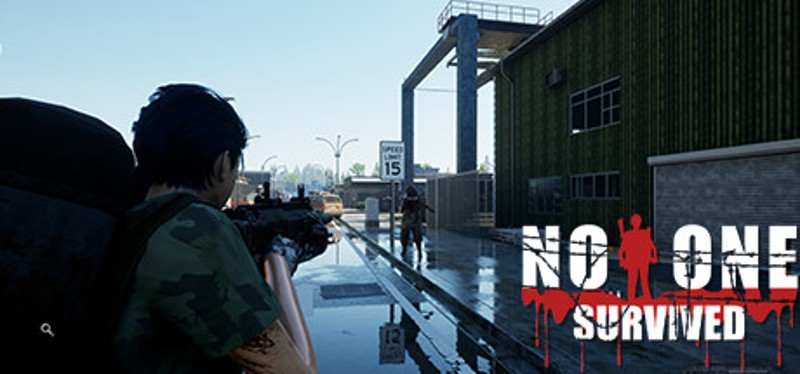
- 69%Game Brain ScoreMost mentioned positive aspects:graphics, gameplayMost mentioned negative aspects:optimization, stability69% User Score 3,890 reviews
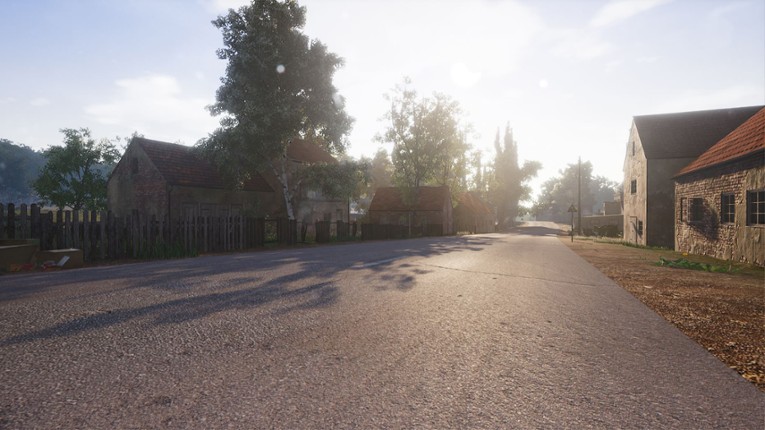
Both games trap players in a relentless cycle of scavenging by day and fortifying against nightfall hordes, where every plank hammered into a wall and every bullet conserved feeds directly into survival. The open-world sandbox structure means you’re never just progressing a story—you’re building a personal narrative of survival through choice and improvisation.
Where 7 Days to Die leans on voxel-based tower defense and deep crafting trees, No One Survived delivers a more atmospheric take on the same formula: co-op expeditions into hostile territory, base improvements that genuinely change how you approach threats, and that signature post-apocalyptic dread that makes stepping outside feel like a calculated risk. The shared focus on multiplayer survival transforms routine resource runs into tense social experiences where cooperation and communication determine who walks back through the gate.
No One Survived trades 7 Days to Die’s humor and base-building complexity for tighter environmental horror—fewer systems to manage, but a more immersive atmosphere that rewards careful exploration over grinding. The developers actively incorporate community feedback, addressing stability issues that plagued the source game.
Best for survival fans who want a polished, atmospheric co-op experience with 7 Days' core tension stripped down to its most visceral essence.
If you enjoyed this game, see our list of games similar to No One Survived.View Game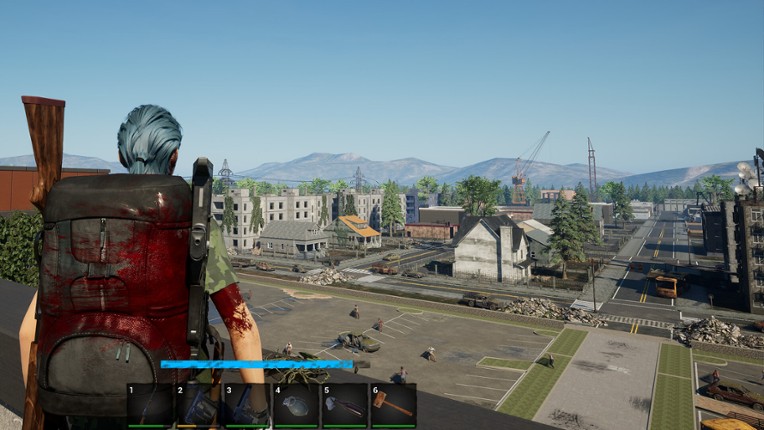
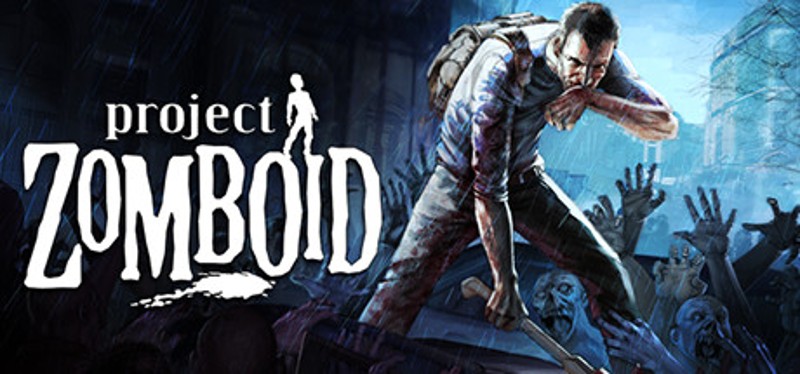
- 84%Game Brain ScoreMost mentioned positive aspects:gameplay, graphicsMost mentioned negative aspects:grinding, stability94% User Score 221,570 reviewsCritic Score 30%1 reviews
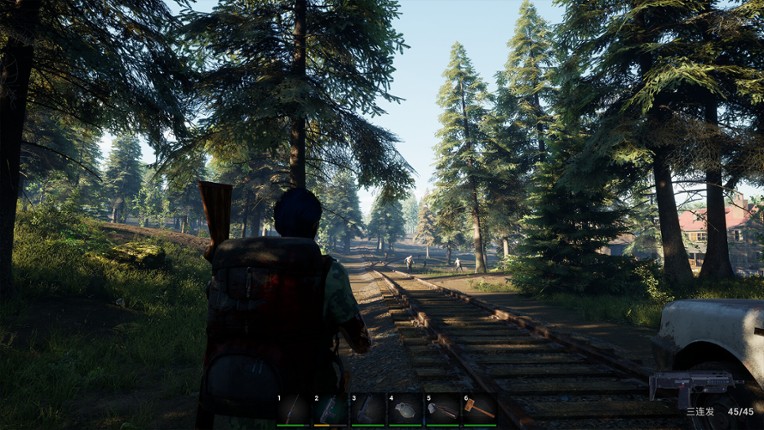
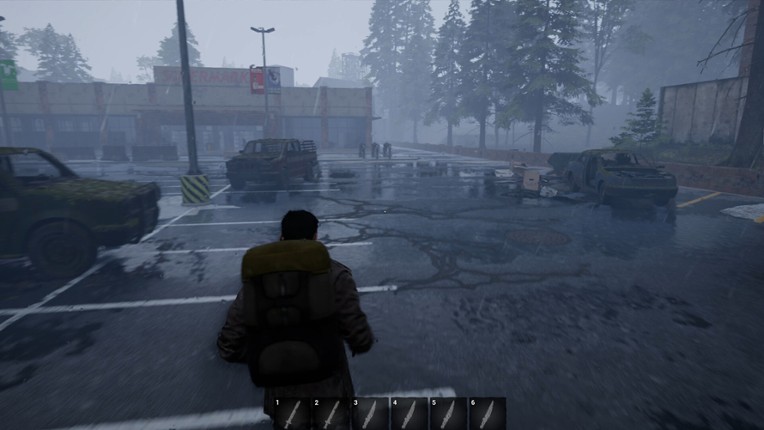
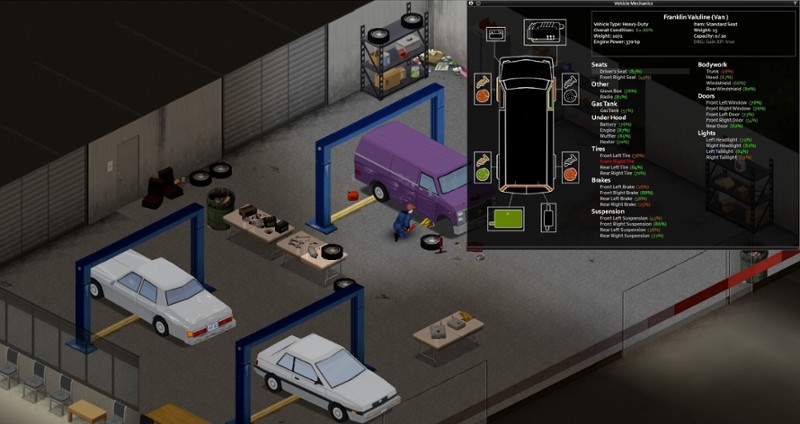
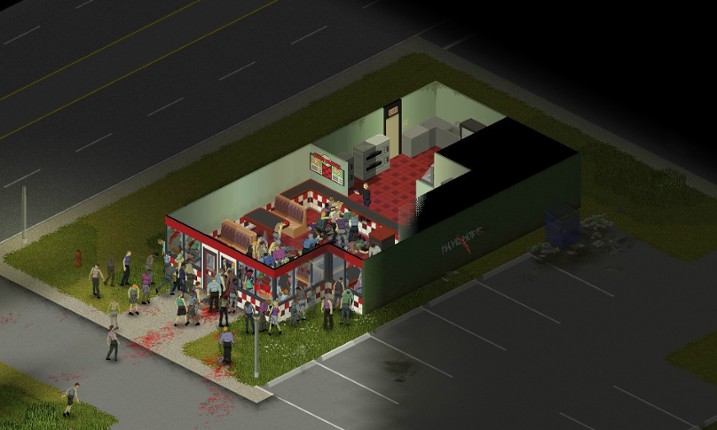
Scraping together a safe room before nightfall, then watching the barricades matter when the dead finally press in—that loop feels right at home here. Both games turn scavenging, crafting, and base-building into survival decisions instead of busywork, so every nail, plank, and food can is part of a bigger plan. That pressure to prepare makes the apocalypse feel earned rather than decorative.
Project Zomboid also gives you the same multiplayer survival chaos, with co-op, PvP, and open-world looting that reward teamwork and paranoia in equal measure. Because its systems lean more realistic, the tension comes from managing injuries, hunger, noise, and exhaustion, which creates the same “one mistake can unravel everything” feeling 7 Days to Die fans know well. It also answers one common complaint head-on: the grind is still there, but the deeper simulation makes each day feel more consequential.
The big tradeoff is perspective: instead of voxel shooting and horde-defense spectacle, you get a slower, harsher, isometric survival sim that foregrounds planning over firepower. Best for players who want brutal survival depth and enjoy mastering systems under pressure.
If you enjoyed this game, see our list of games similar to Project Zomboid.View Game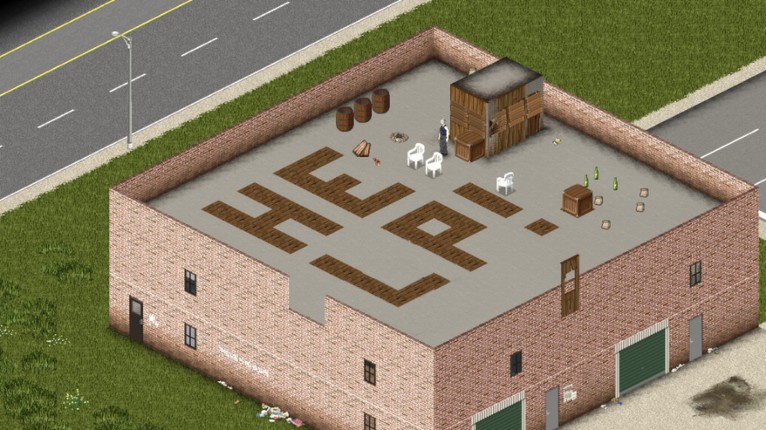
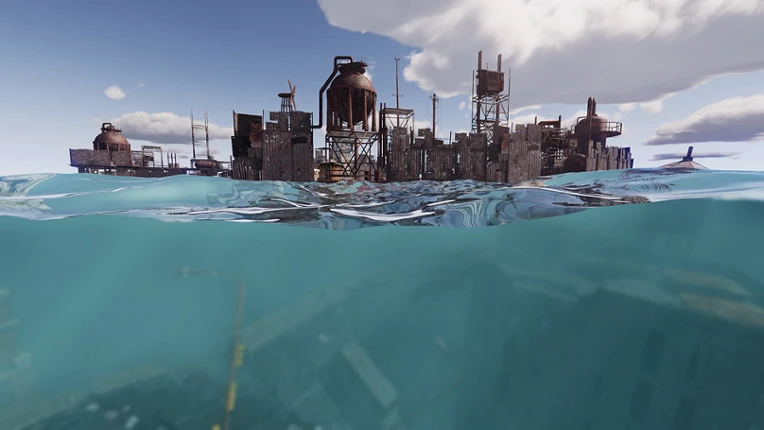
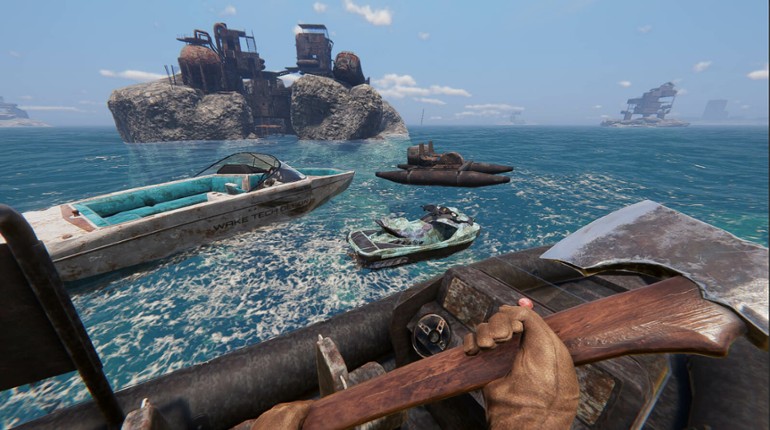
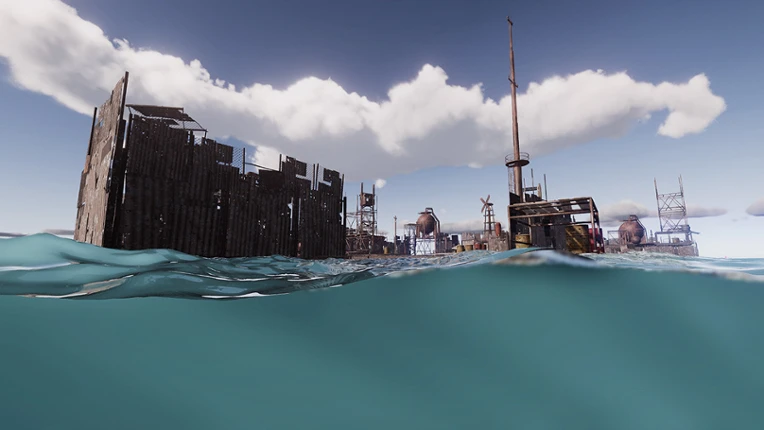
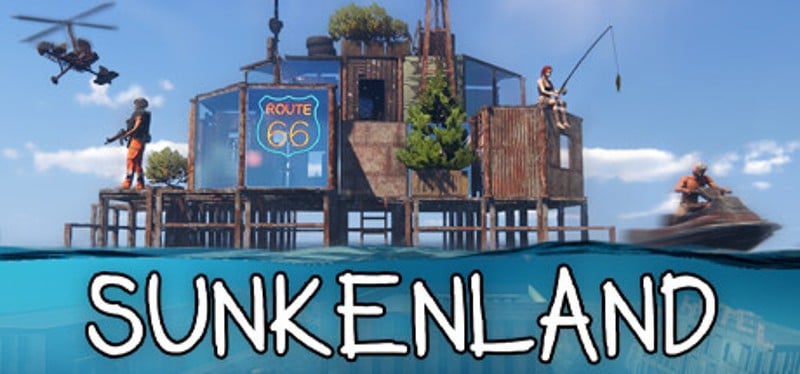
- 86%Game Brain ScoreMost mentioned positive aspects:gameplay, graphicsMost mentioned negative aspects:stability, grinding86% User Score 14,565 reviewsSunkenland replaces 7 Days' desert wasteland with flooded, underwater cities, offering early-access survival where exploration and base-building happen beneath the surface. If you enjoyed this game, see our list of games similar to Sunkenland.View Game
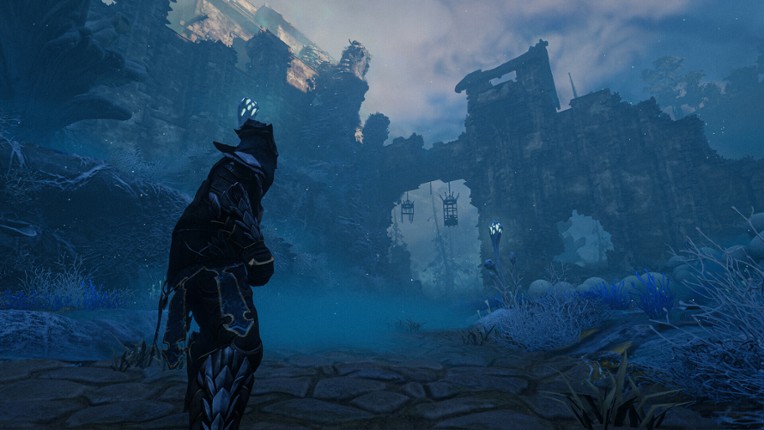
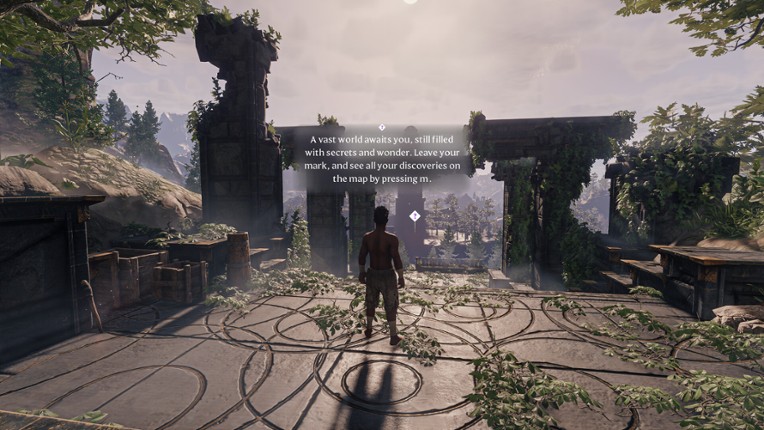
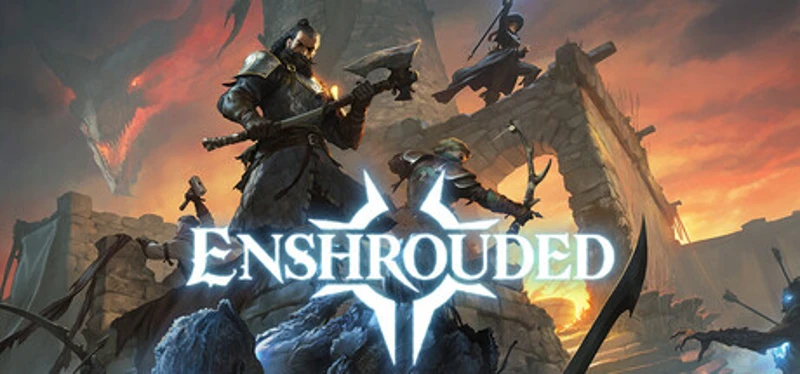
- 86%Game Brain ScoreMost mentioned positive aspects:story, gameplayMost mentioned negative aspects:optimization, grinding87% User Score 51,928 reviewsCritic Score 85%10 reviewsEnshrouded blends survival crafting with RPG progression in a lush fantasy world, targeting players who want deeper character customization and quest-driven content. If you enjoyed this game, see our list of games similar to Enshrouded.View Game
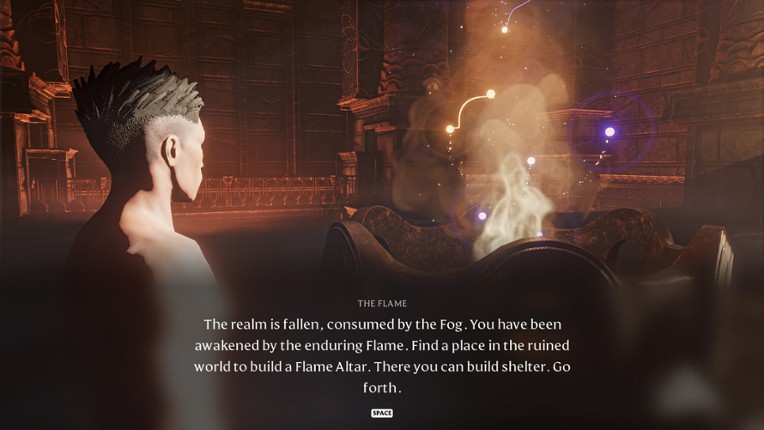
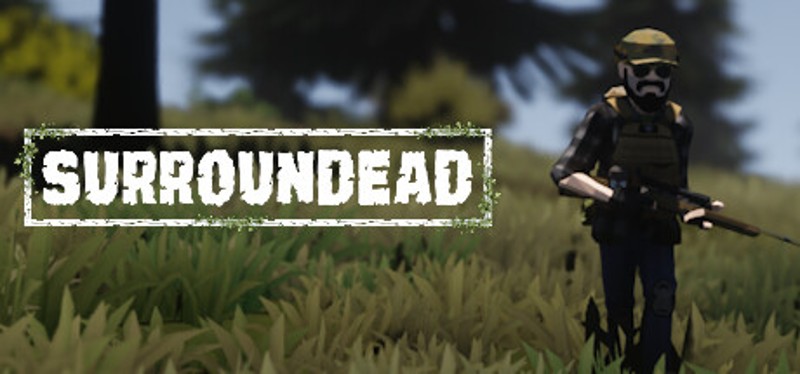
- 91%Game Brain ScoreMost mentioned positive aspects:gameplay, graphicsMost mentioned negative aspects:stability, grinding91% User Score 14,064 reviewsMaintains the crafting loop and base defense but splits perspective between first and third person, lightening the horror for tactical exploration. If you enjoyed this game, see our list of games similar to SurrounDead.View Game
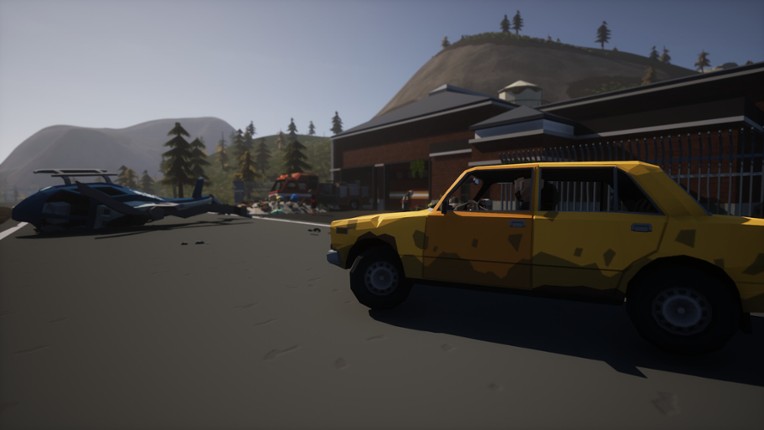
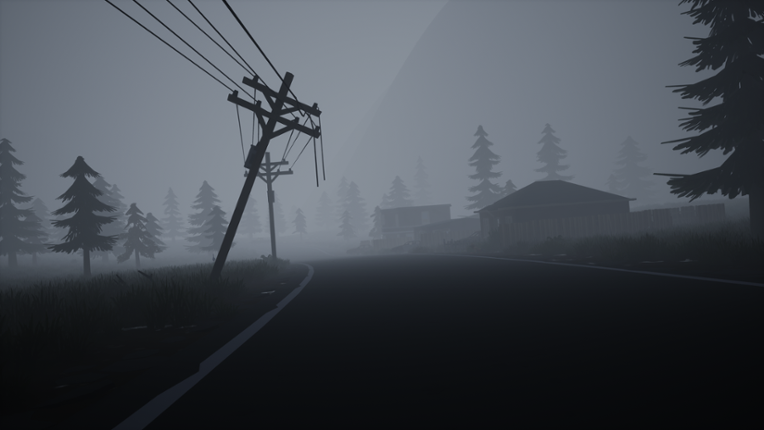
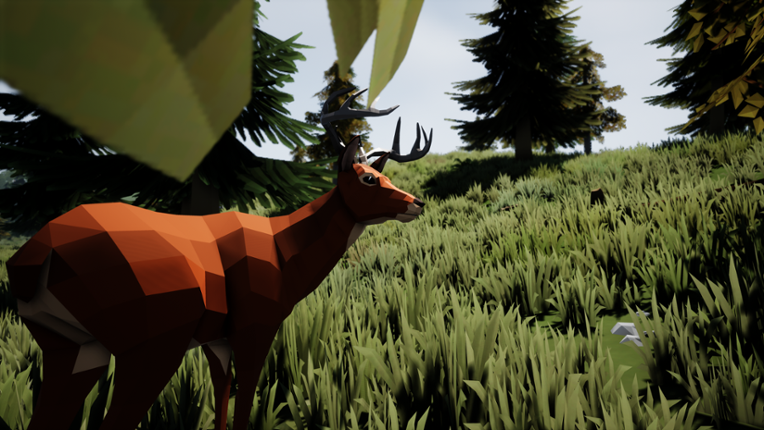
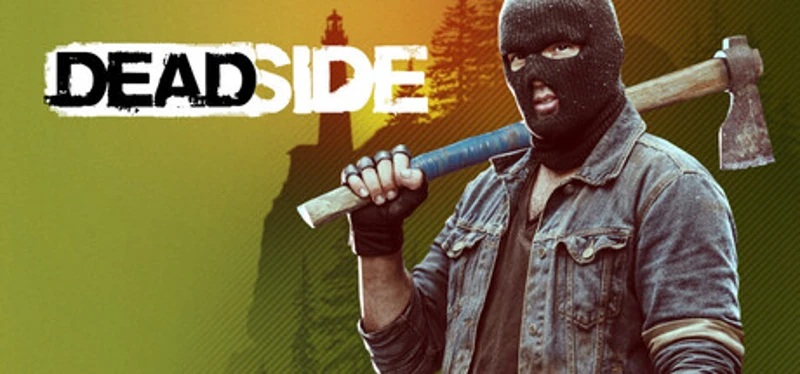
- 75%Game Brain ScoreMost mentioned positive aspects:story, gameplayMost mentioned negative aspects:stability, grinding75% User Score 18,591 reviewsDeadside delivers a realistic, military‑themed post‑apocalyptic world with large‑scale MMO battles, contrasting 7 Days' survival horror with third‑person combat and minimal zombies. If you enjoyed this game, see our list of games similar to Deadside.View Game
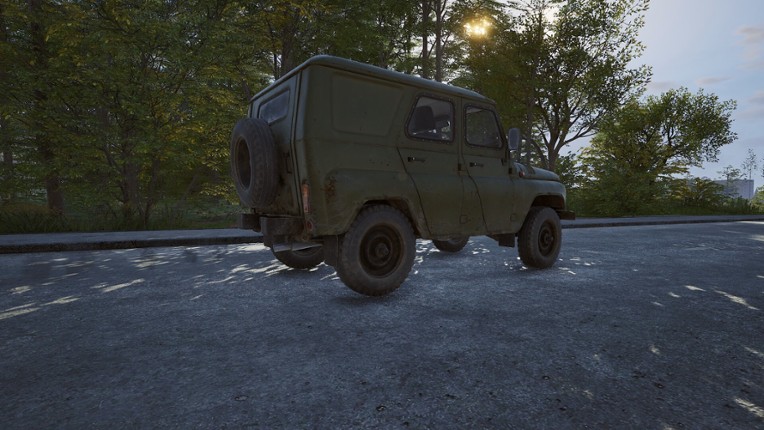
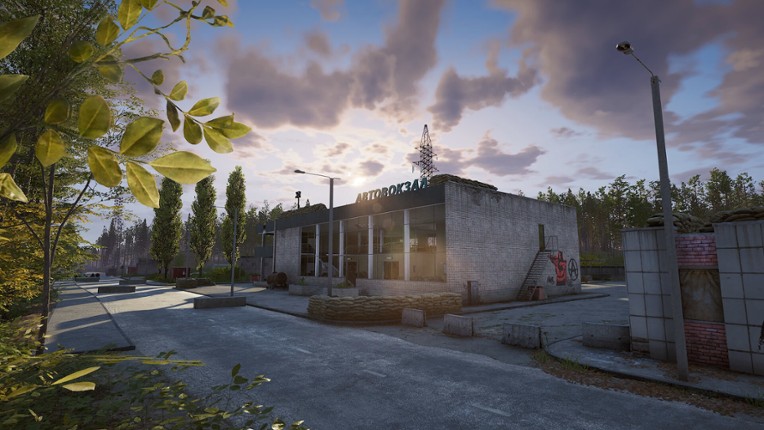
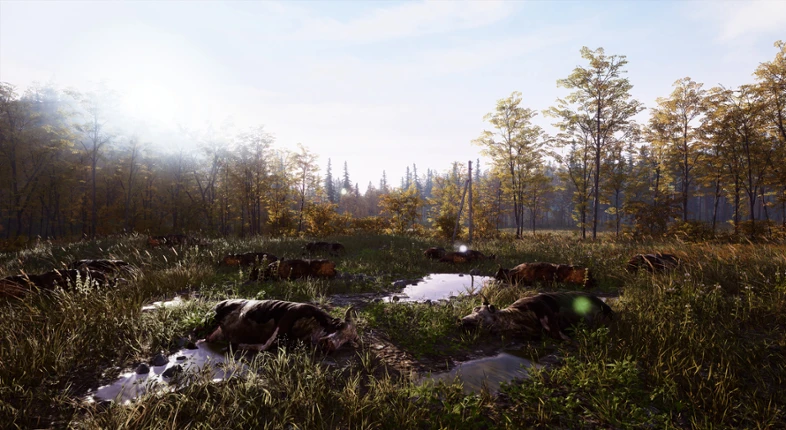
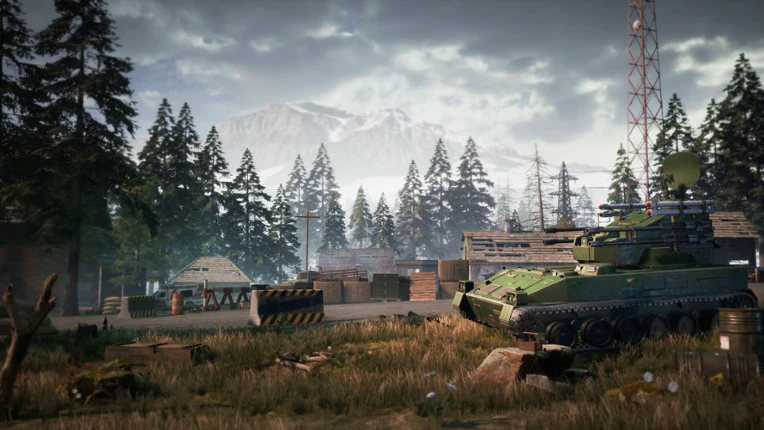
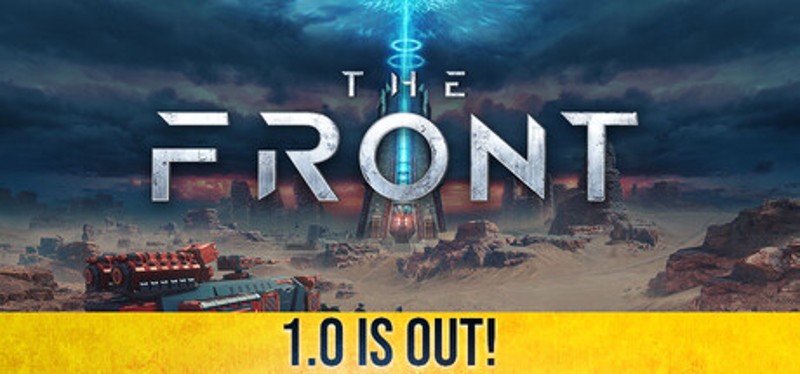
- 69%Game Brain ScoreMost mentioned positive aspects:gameplay, graphicsMost mentioned negative aspects:optimization, grinding69% User Score 4,139 reviewsThe Front adds large-scale tower defense and tank warfare to survival crafting, appealing to players who want MMO-style battles alongside base building. If you enjoyed this game, see our list of games similar to The Front.View Game
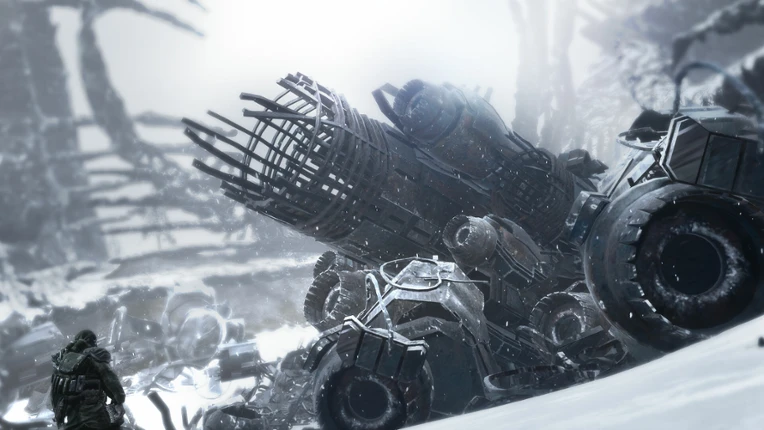
- 68%Game Brain ScoreMost mentioned positive aspects:gameplay, graphicsMost mentioned negative aspects:stability, optimization68% User Score 3,939 reviews
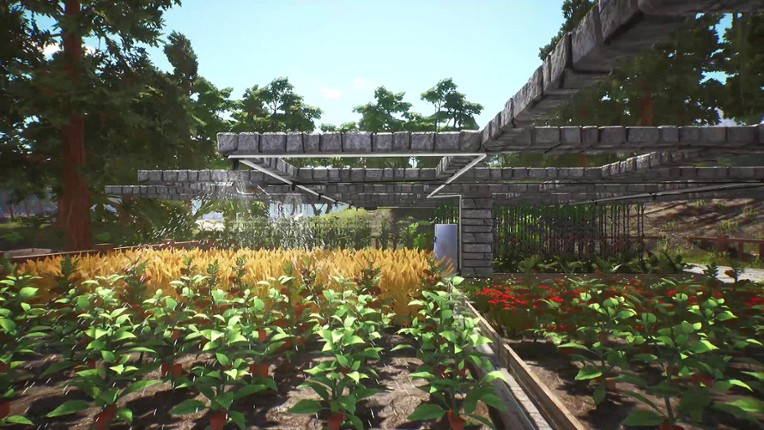
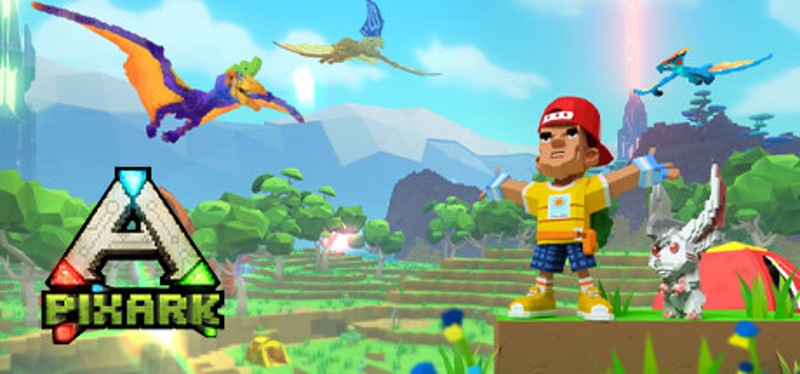
Voxel survival building defines both games—first-person worlds where base construction is the primary path to longevity.
They also share a multiplayer survival loop with co-op progression, trading, and shared stakes, giving friends a reason to stay invested.
PixARK trades horror zombies for dinosaurs and magic, swapping tension for spectacle in a noticeably buggier package.
Pick this up if you want the voxel-building survival formula with creature collection, but can live without zombie dread and tolerate frequent crashes.
If you enjoyed this game, see our list of games similar to PixARK.View Game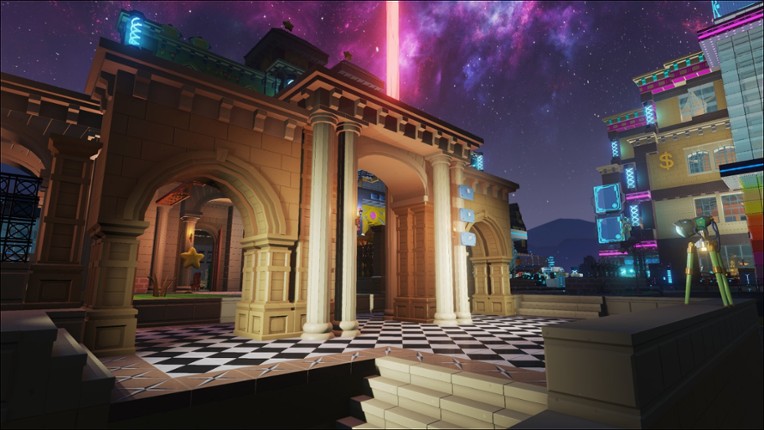
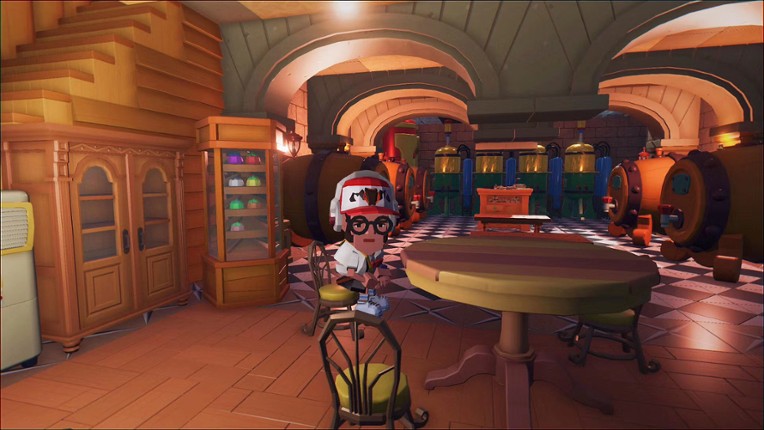
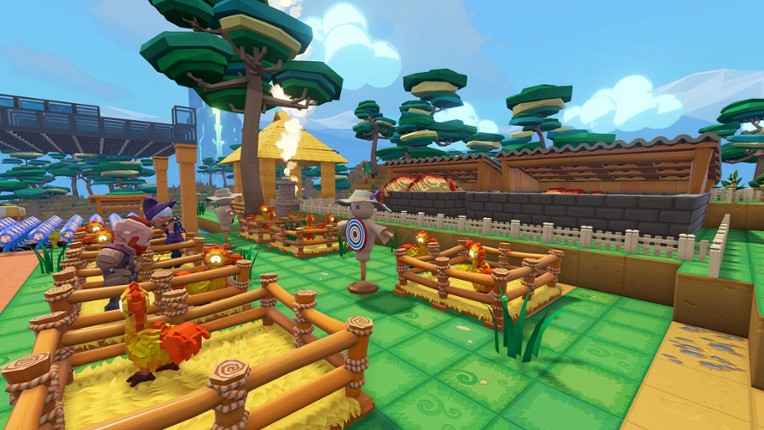
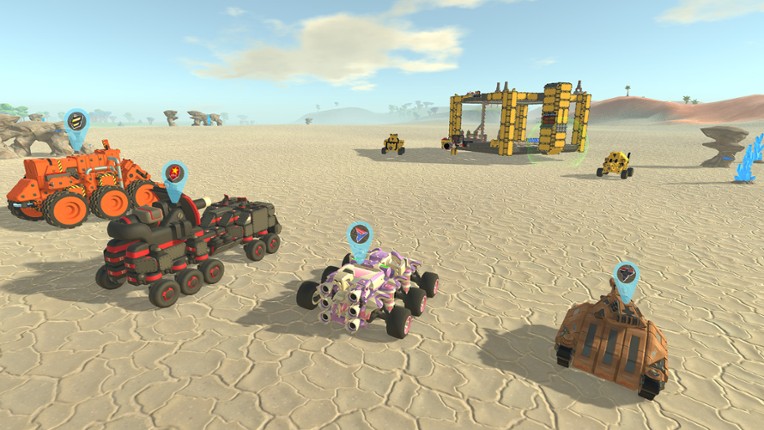
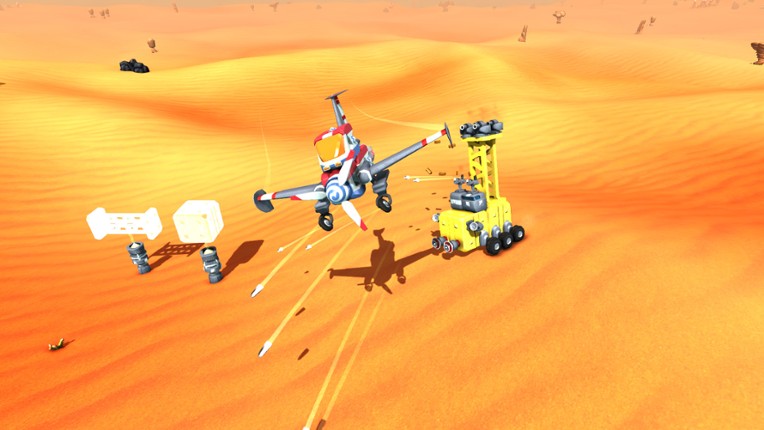
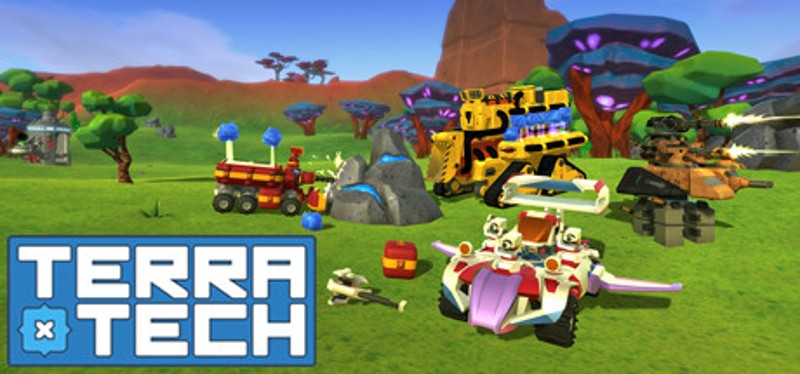
- 82%Game Brain ScoreMost mentioned positive aspects:story, gameplayMost mentioned negative aspects:grinding, stability93% User Score 24,206 reviewsCritic Score 62%5 reviewsTerraTech replaces zombie threats with robot‑building and vehicular combat, appealing to players who want a physics‑driven sandbox where vehicles dominate survival. If you enjoyed this game, see our list of games similar to TerraTech.View Game
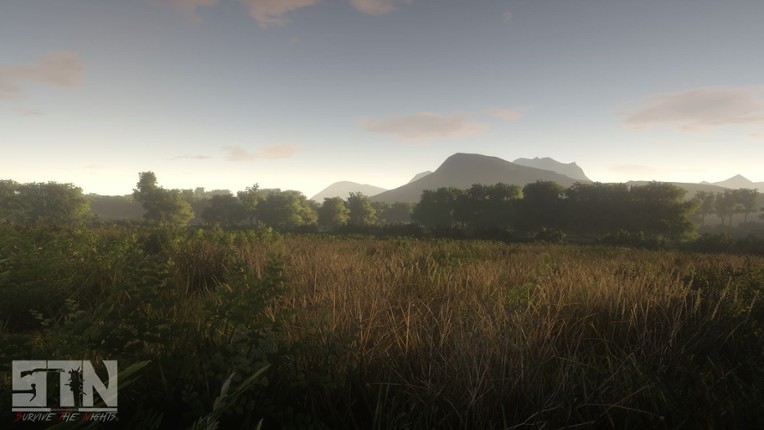
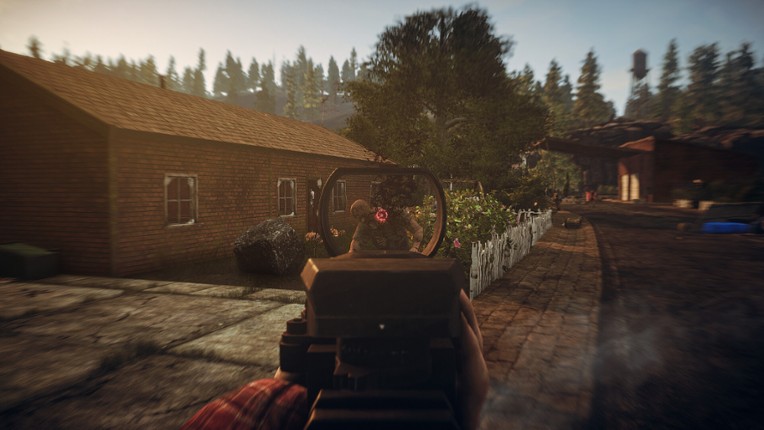
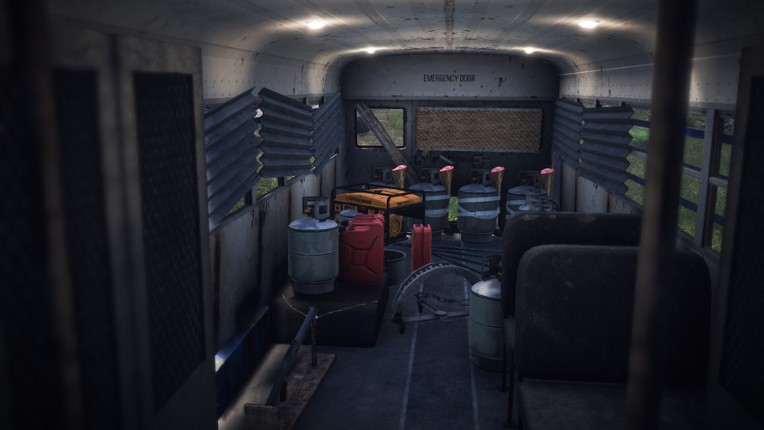
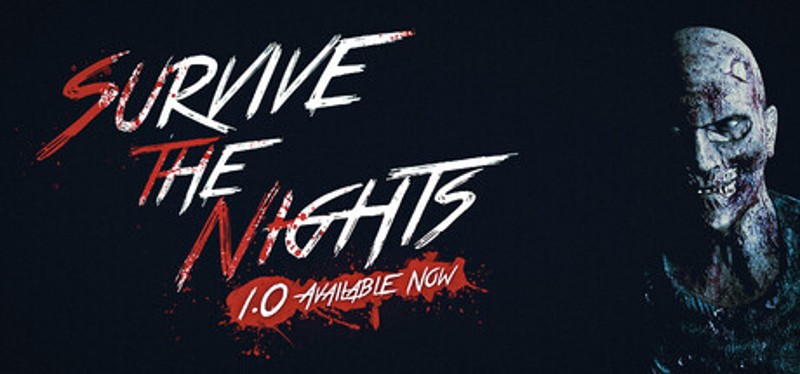
- 64%Game Brain ScoreMost mentioned positive aspects:gameplay, graphicsMost mentioned negative aspects:stability, story64% User Score 3,423 reviewsStrips away building and focuses on intense PvP zombie survival with realistic ballistics and inventory tension across shared online worlds. If you enjoyed this game, see our list of games similar to Survive the Nights.View Game
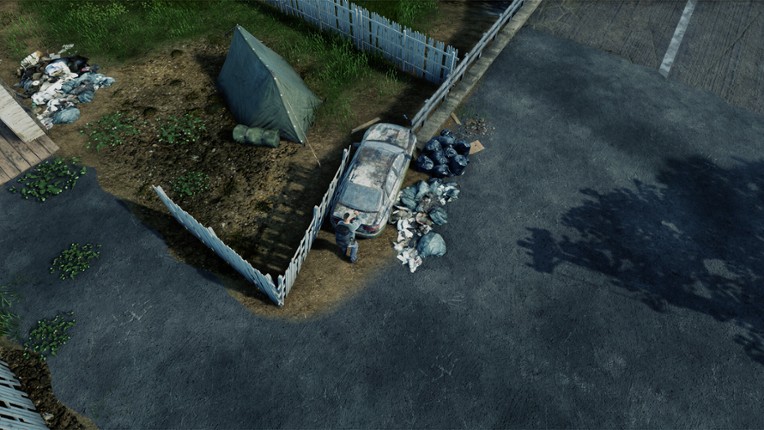
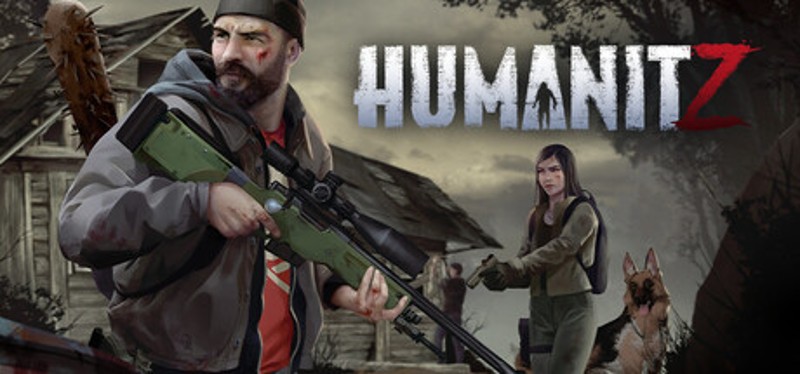
- 74%Game Brain ScoreMost mentioned positive aspects:gameplay, graphicsMost mentioned negative aspects:stability, optimization74% User Score 4,496 reviewsInjects classic isometric zombie survival with PvP and crafting, offering a top-down perspective and tighter multiplayer focus within a post-apocalyptic world. If you enjoyed this game, see our list of games similar to HumanitZ.View Game
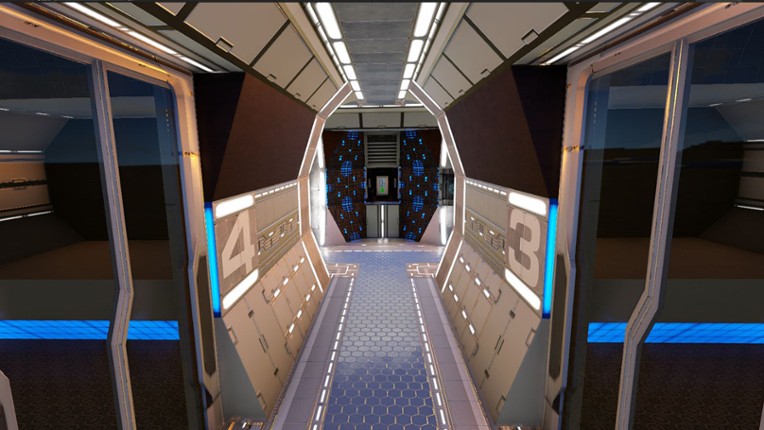
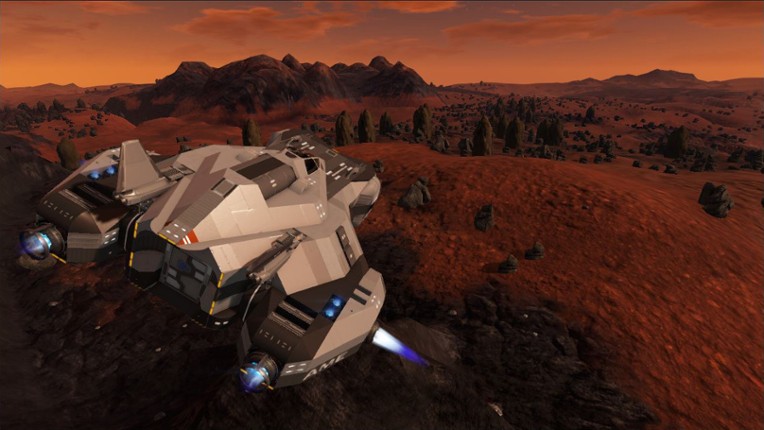
17 View Game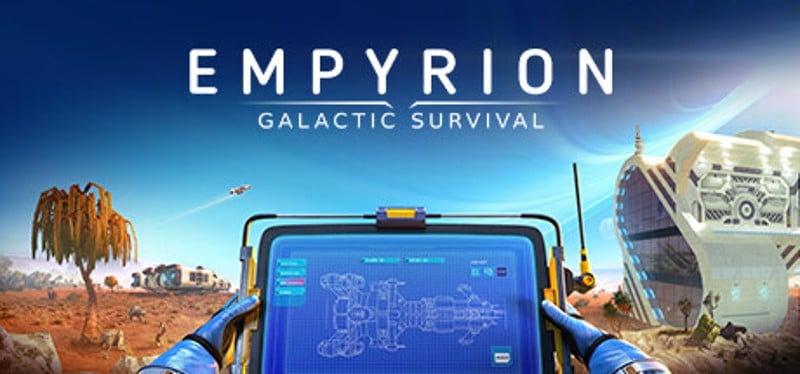 79%Game Brain ScoreMost mentioned positive aspects:gameplay, storyMost mentioned negative aspects:stability, optimization79% User Score 20,953 reviewsEmpyrion shifts 7 Days' zombie terror to space exploration, letting players construct voxel spacecraft and bases across planets for a sci‑fi survival sandbox. If you enjoyed this game, see our list of games similar to Empyrion: Galactic Survival.View Game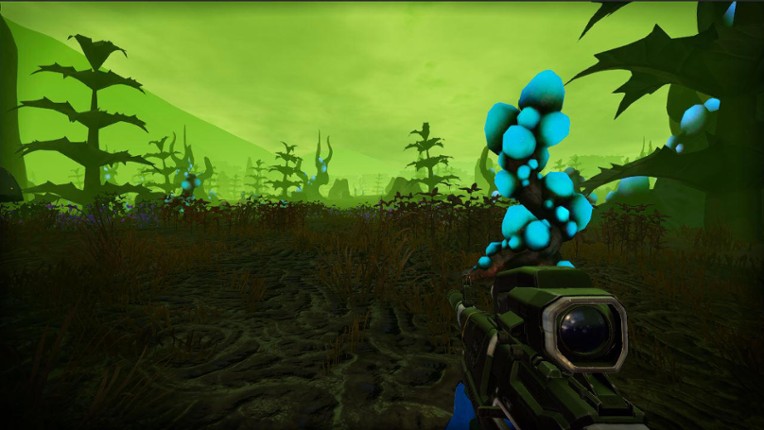
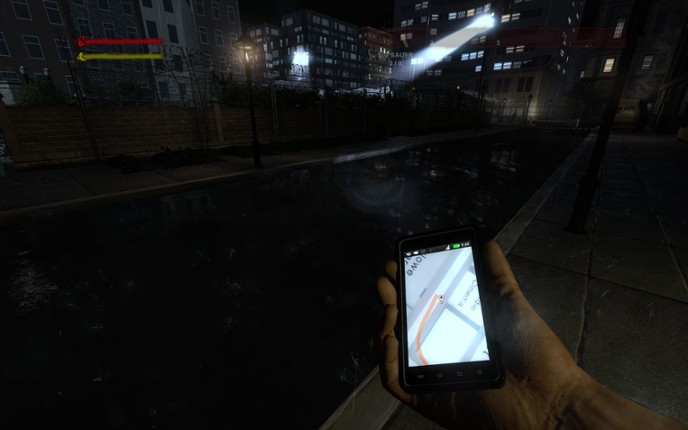
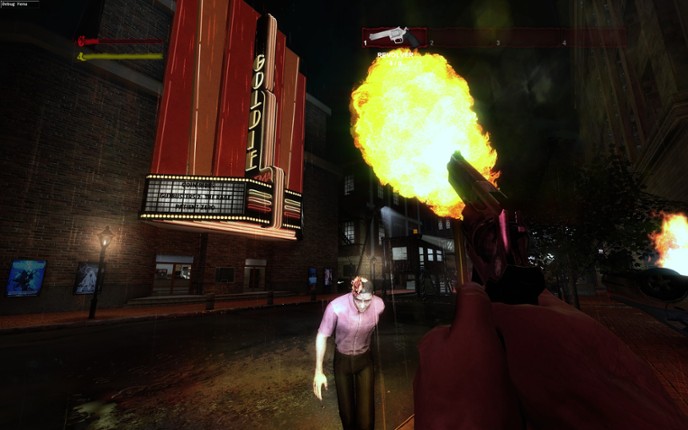
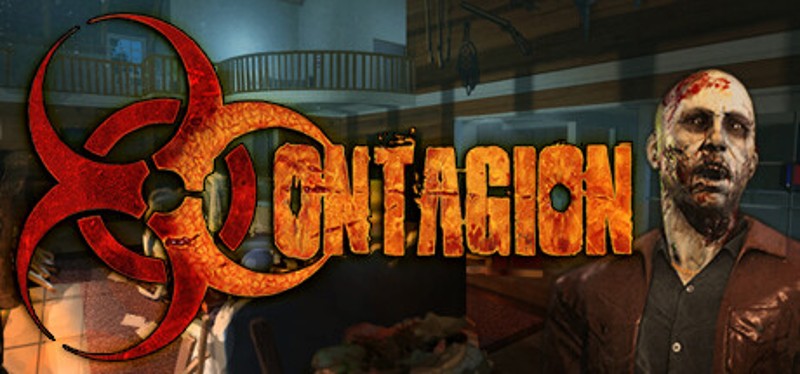
- 74%Game Brain ScoreMost mentioned positive aspects:gameplay, graphicsMost mentioned negative aspects:stability, grinding73% User Score 10,844 reviewsCritic Score 75%2 reviewsContagion emphasizes intense horror and competitive PvP over base building, offering local co‑op and a focus on atmospheric survival for horror fans. If you enjoyed this game, see our list of games similar to Contagion.View Game
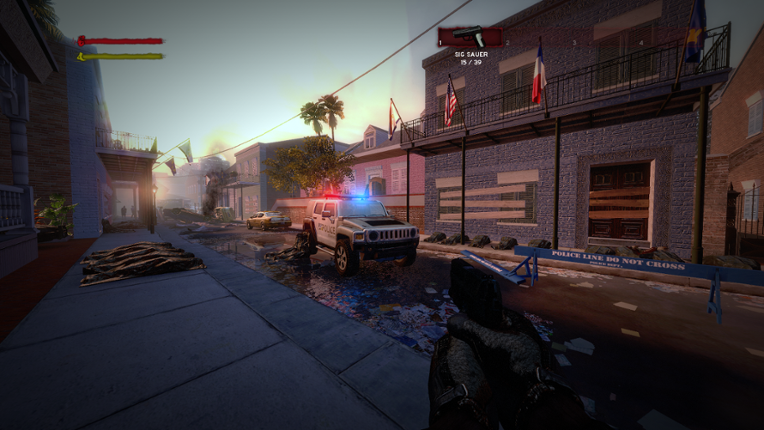
- 73%Game Brain ScoreMost mentioned positive aspects:story, gameplayMost mentioned negative aspects:optimization, grinding75% User Score 39,742 reviewsCritic Score 70%5 reviews
Both games share an obsessive focus on base building, forcing you to constantly fortify against a hostile, unforgiving environment. You will spend hours gathering resources to craft the perfect defensive structure, which matters because survival is impossible without a fortified foothold.
The primary shift is the setting: you trade 7 Days to Die’s urban zombie hordes for Icarus’s high-stakes, session-based extraction missions on a lethal alien planet. You lose the persistent voxel world but gain significantly sharper graphics and a more tactical, science-fiction aesthetic.
Pick up Icarus if you crave the loop of frantic resource gathering and construction but prefer polished, session-driven mission structures over an endless sandbox crawl.
If you enjoyed this game, see our list of games similar to ICARUS.View Game
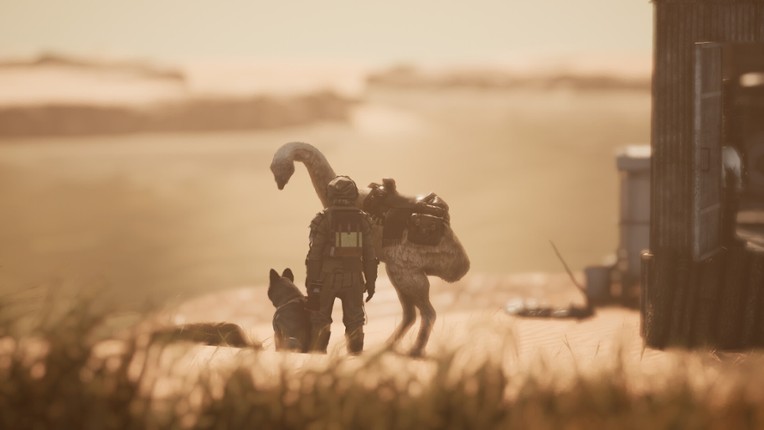

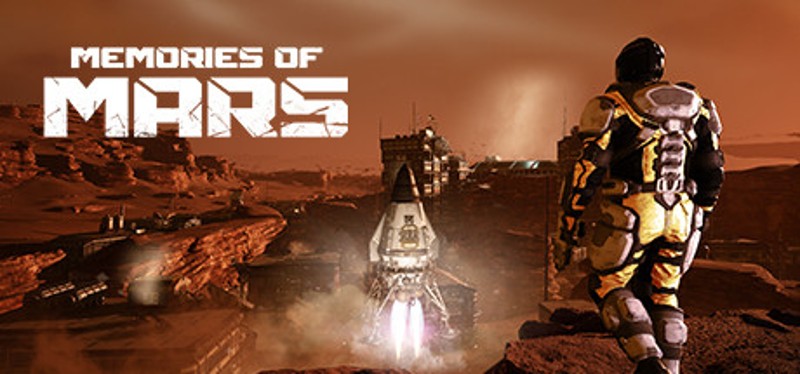
- 59%Game Brain ScoreMost mentioned positive aspects:gameplay, storyMost mentioned negative aspects:grinding, stability62% User Score 1,040 reviewsCritic Score 50%2 reviewsRelocates the survival sandbox to Mars with first-person base building and scientific resource management, trading zombies for environmental hazards and extraterrestrial isolation. If you enjoyed this game, see our list of games similar to MEMORIES OF MARS.View Game
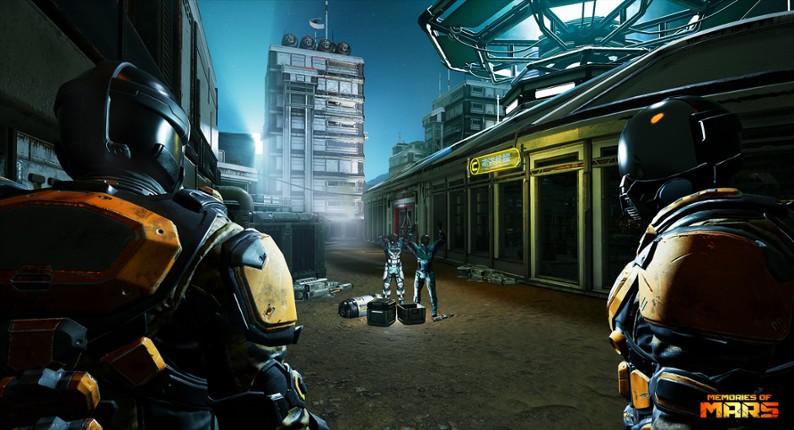
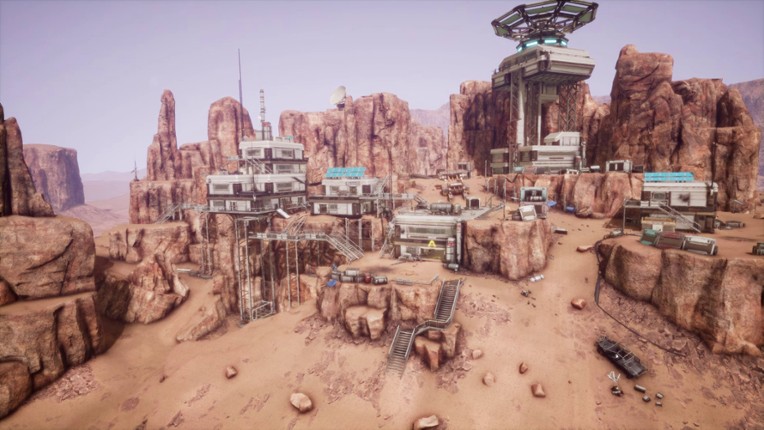
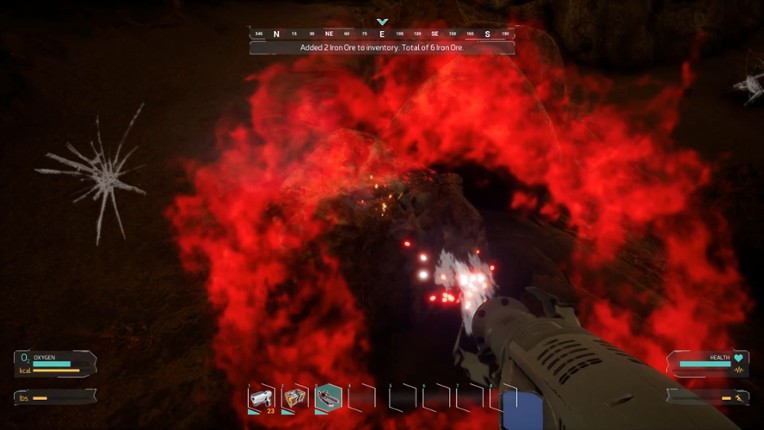
- 84%Game Brain ScoreMost mentioned positive aspects:gameplay, storyMost mentioned negative aspects:optimization, stability84% User Score 1,126 reviews
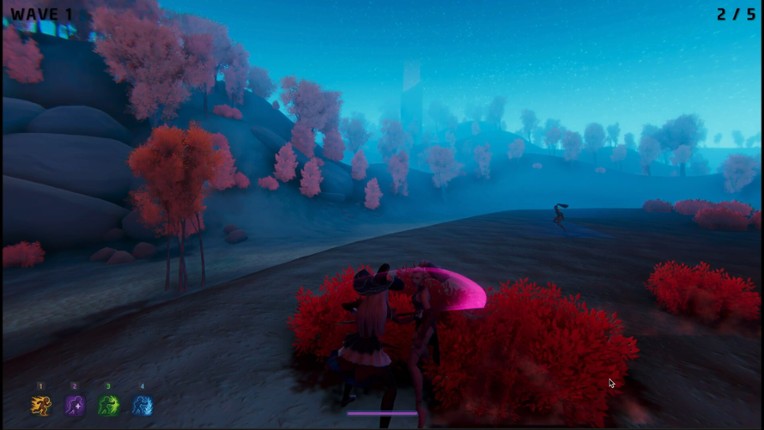
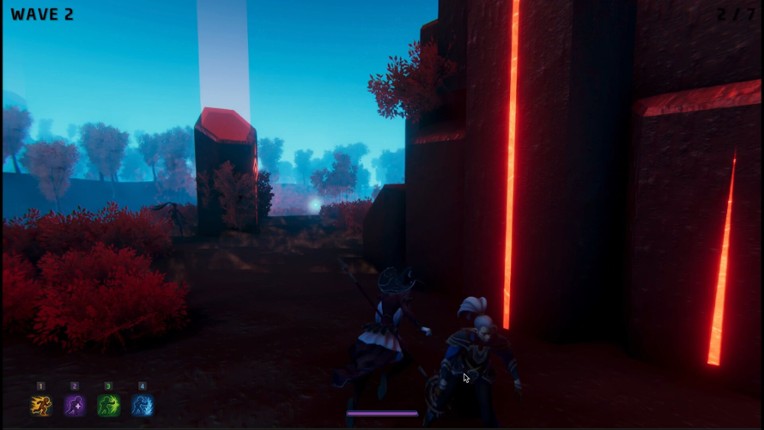
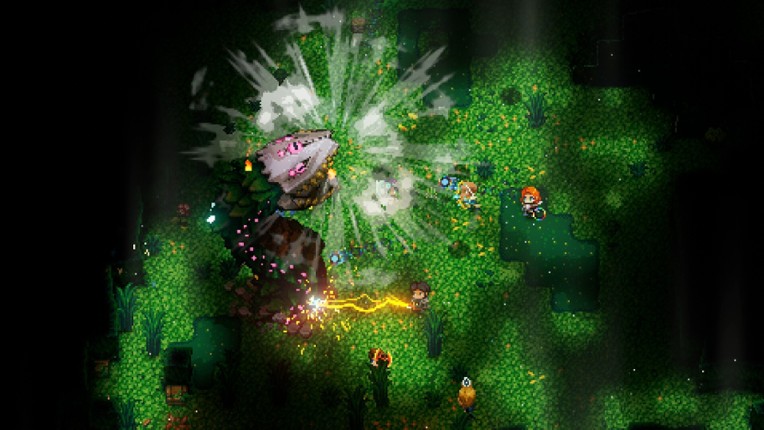
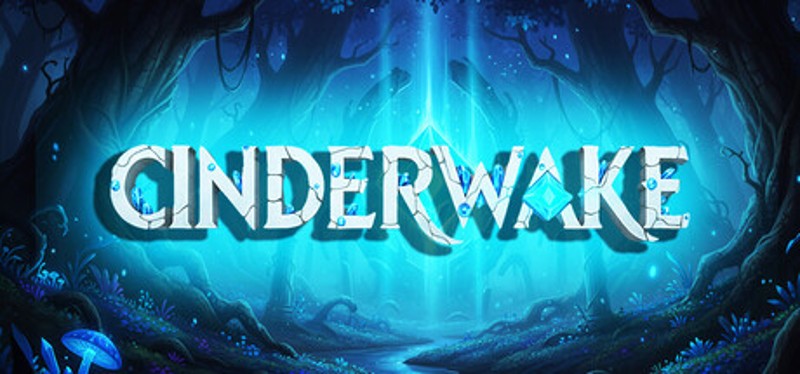
Cinderwake is an immersive action survival game where you play as a witch battling in the depths of a magical forest. A wave system with ever-increasing challenge will push your precision and mastery to the limit. You command four distinct abilities. The forest breathes in stylized darkness — twisted roots, glowing sparks, and beings emerging from the essence of magic. Game Features: Progressiv… If you enjoyed this game, see our list of games similar to Cinderwake.
View Game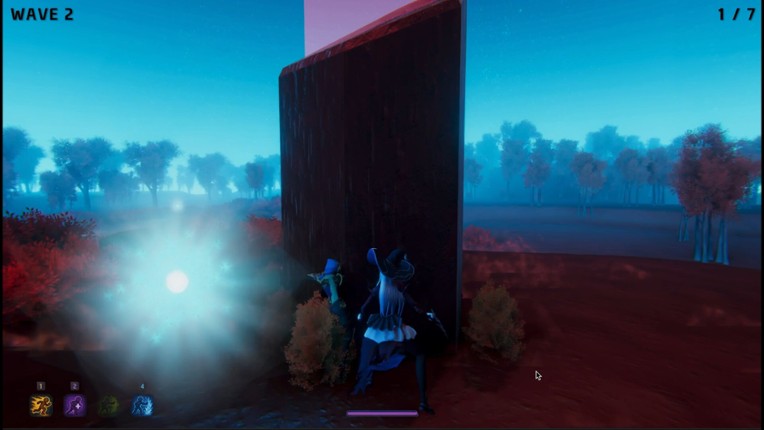
22 View Game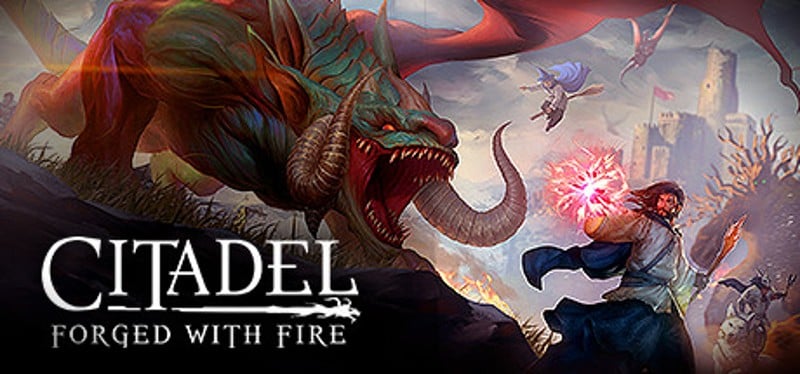 63%Game Brain ScoreMost mentioned positive aspects:gameplay, graphicsMost mentioned negative aspects:optimization, grinding65% User Score 6,018 reviewsCritic Score 50%1 reviews
Citadel: Forged With Fire is a massive online sandbox RPG with elements of magic, spellcasting and inner-kingdom conflict. You have complete freedom to pursue your own destiny; hatch plots of trickery and deceit to ascend the ranks among allies and enemies, become an infamous hunter of other players, build massive and unique castles, tame mighty beasts to do your bidding, and visit uncharted terri… If you enjoyed this game, see our list of games similar to Citadel: Forged with Fire.
View Game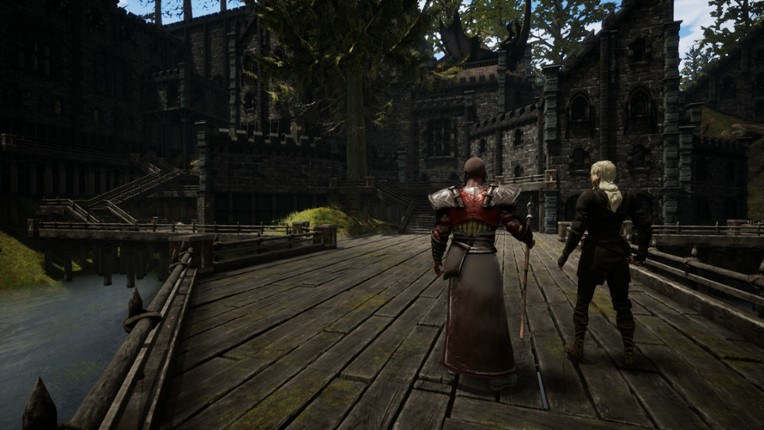
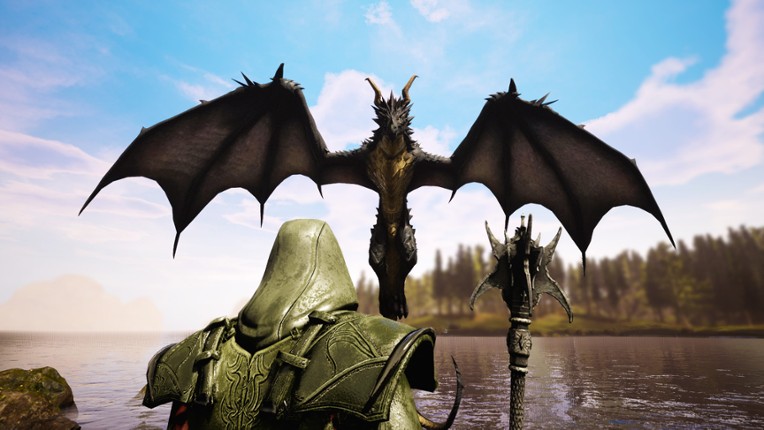
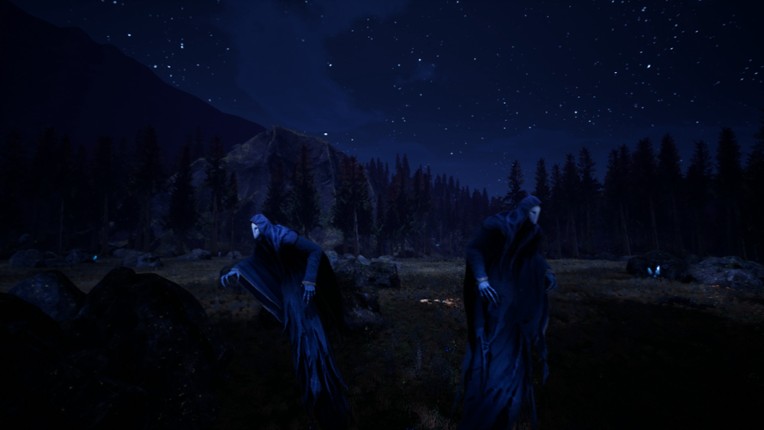
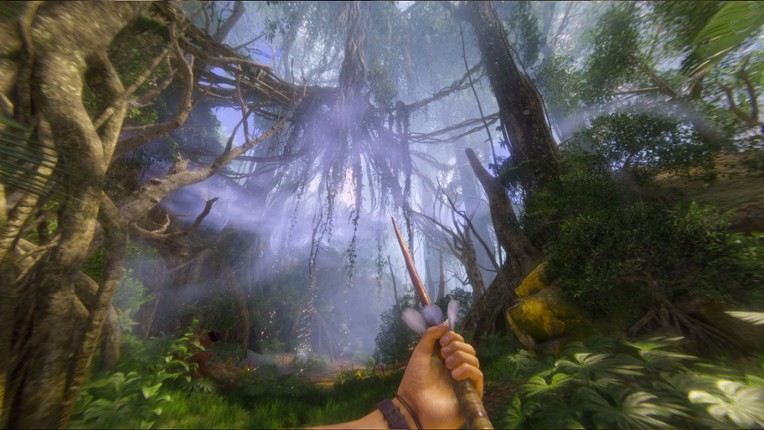
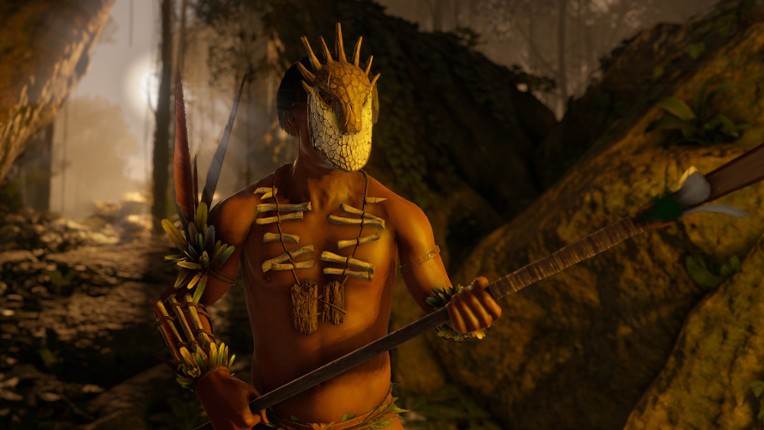
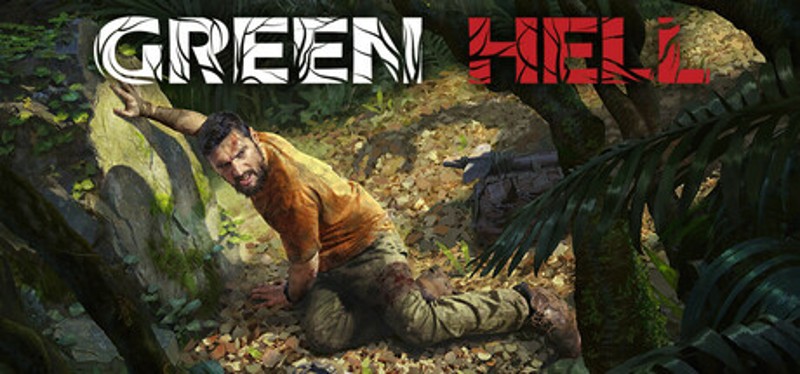
- 78%Game Brain ScoreMost mentioned positive aspects:story, gameplayMost mentioned negative aspects:grinding, stability85% User Score 33,418 reviewsCritic Score 66%6 reviewsDelivers intense atmospheric horror with a grounded jungle survival focus, contrasting the voxel world with realistic environments and deeper single-player immersion. If you enjoyed this game, see our list of games similar to Green Hell.View Game
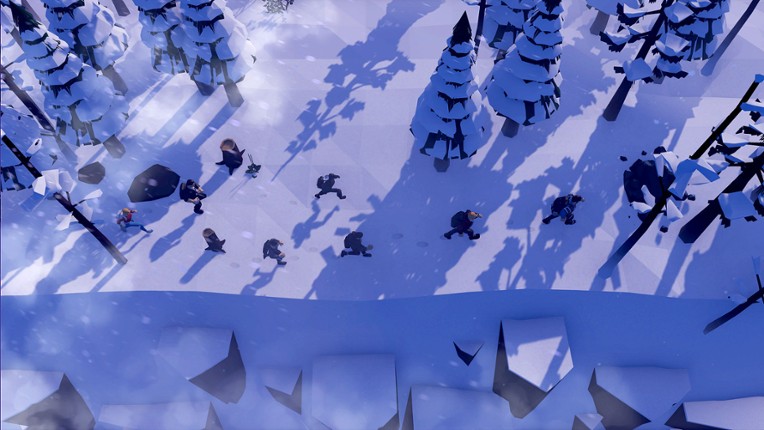
- 67%Game Brain ScoreMost mentioned positive aspects:story, gameplayMost mentioned negative aspects:stability, grinding66% User Score 2,287 reviewsCritic Score 70%1 reviewsFeatures a harsh, frozen atmosphere where survival centers on managing body temperature and mystery, replacing urban exploration with lonely, sci-fi arctic isolation. If you enjoyed this game, see our list of games similar to The Wild Eight.View Game
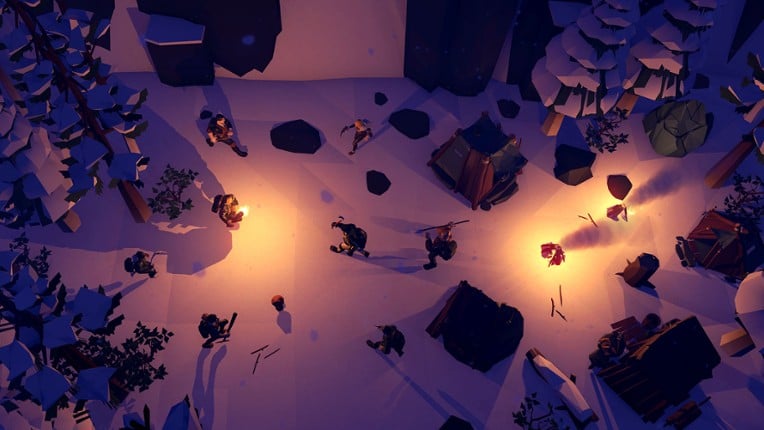
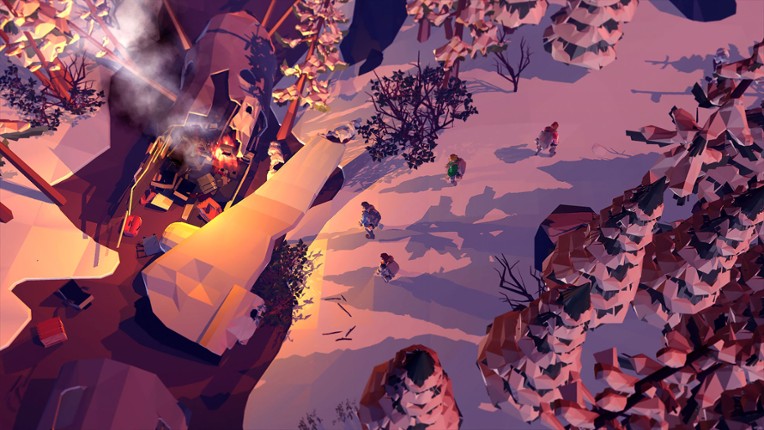
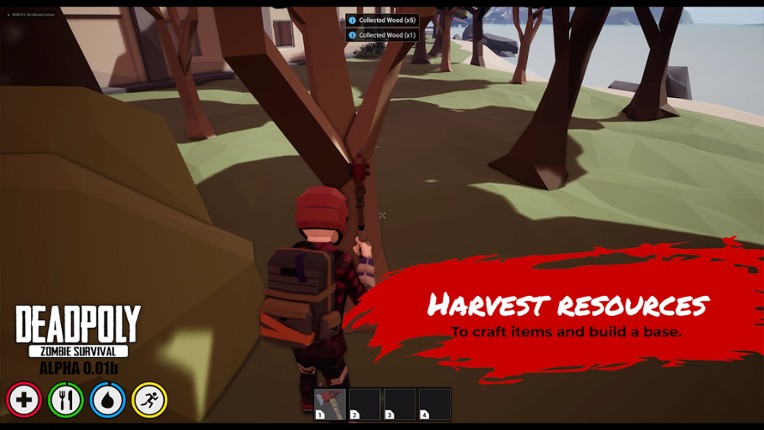
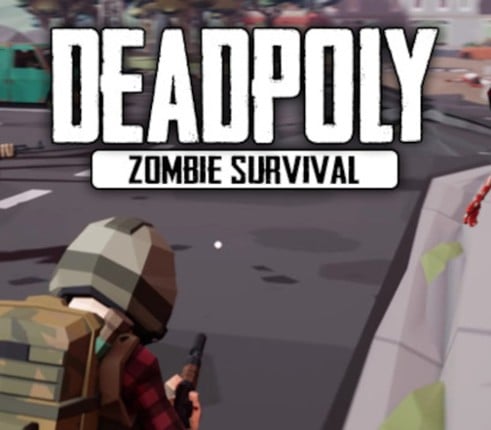
- 78%Game Brain ScoreMost mentioned positive aspects:gameplay, graphicsMost mentioned negative aspects:stability, grinding78% User Score 4,351 reviewsProvides a low-poly, arcade-style take on the zombie horde survival loop, streamlining the base building mechanics for faster, more casual multiplayer combat. If you enjoyed this game, see our list of games similar to DeadPoly.View Game
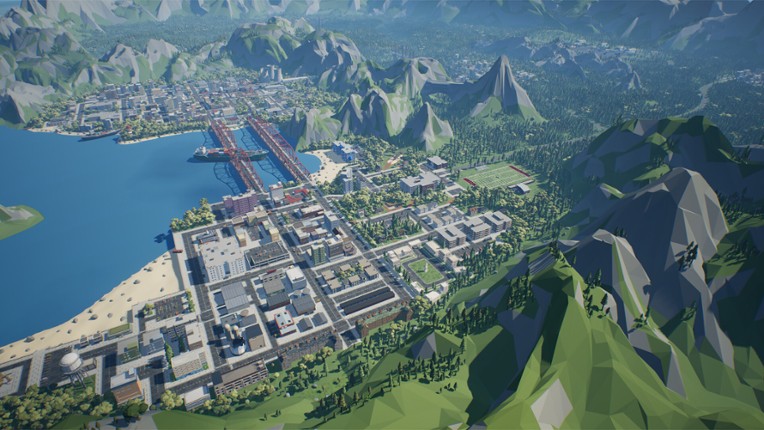
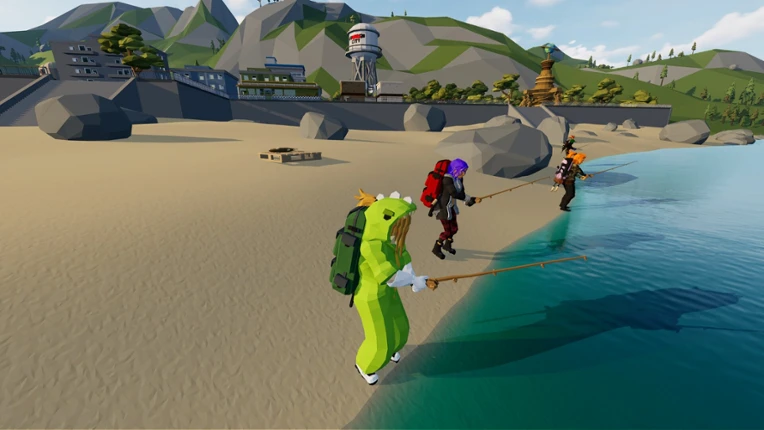
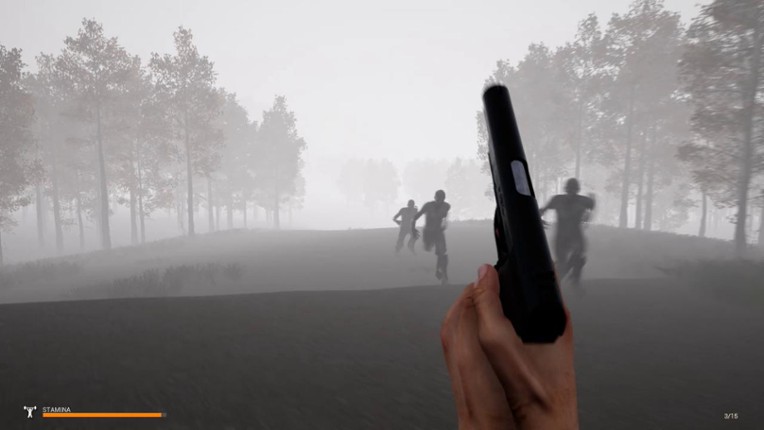
- 76%Game Brain ScoreMost mentioned positive aspects:gameplay, graphicsMost mentioned negative aspects:stability, grinding76% User Score 7,478 reviewsCondenses the survival formula into a solo-only experience with minimal multiplayer, emphasizing base construction over exploration and PvP conflict. If you enjoyed this game, see our list of games similar to Mist Survival.View Game
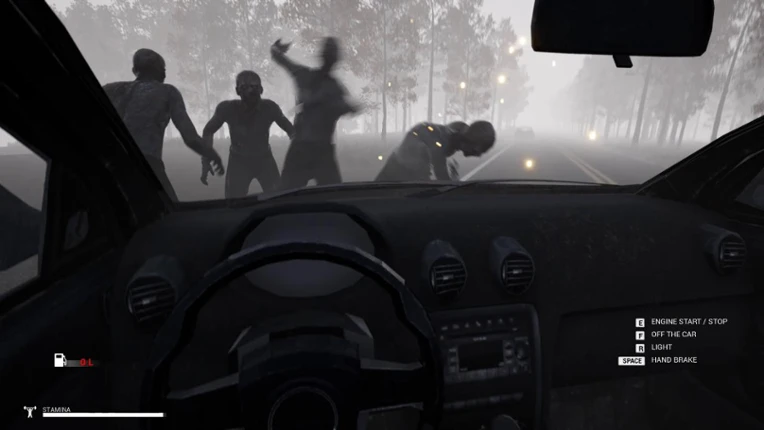
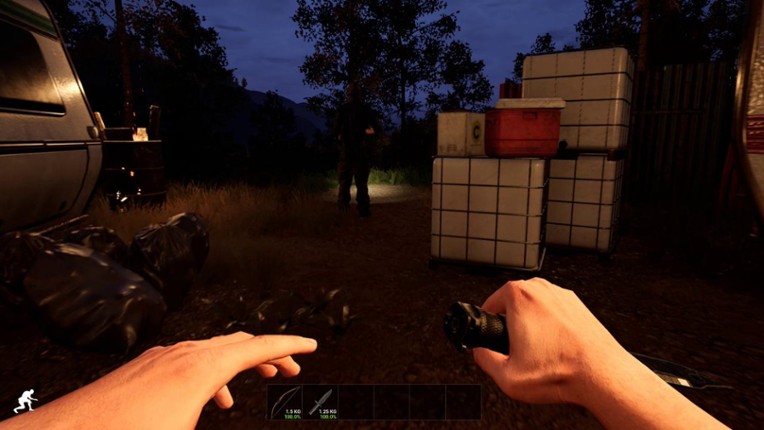
- 91%Game Brain ScoreMost mentioned positive aspects:graphics, storyMost mentioned negative aspects:gameplay, grinding91% User Score 50,535 reviewsSwaps horror and zombies for physics-driven sandbox construction and co-op creativity, keeping the building but ditching survival tension entirely. If you enjoyed this game, see our list of games similar to Scrap Mechanic.View Game
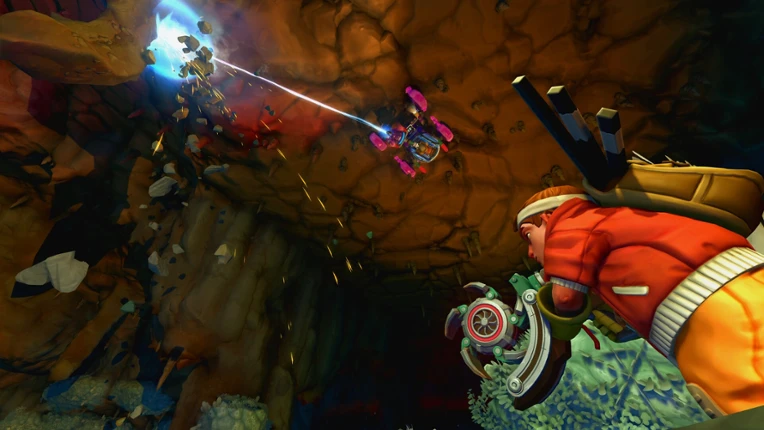
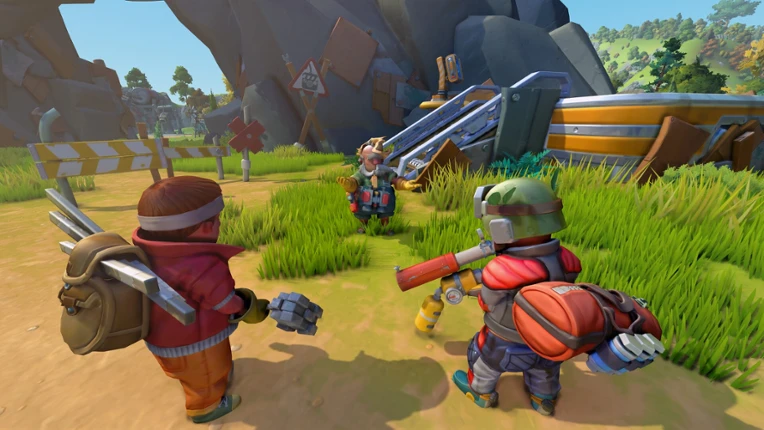
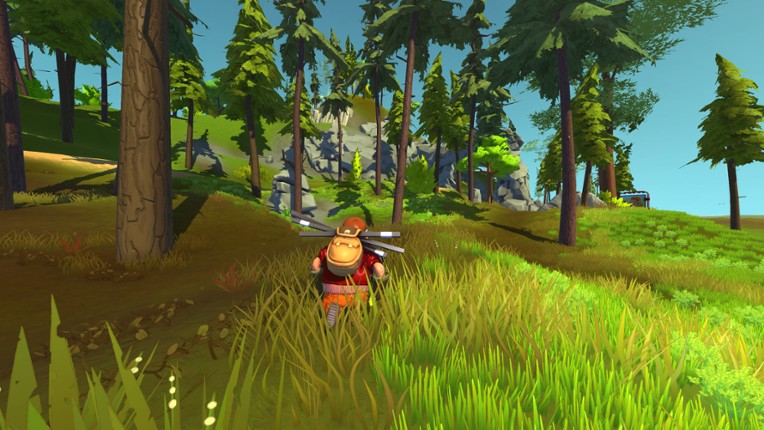
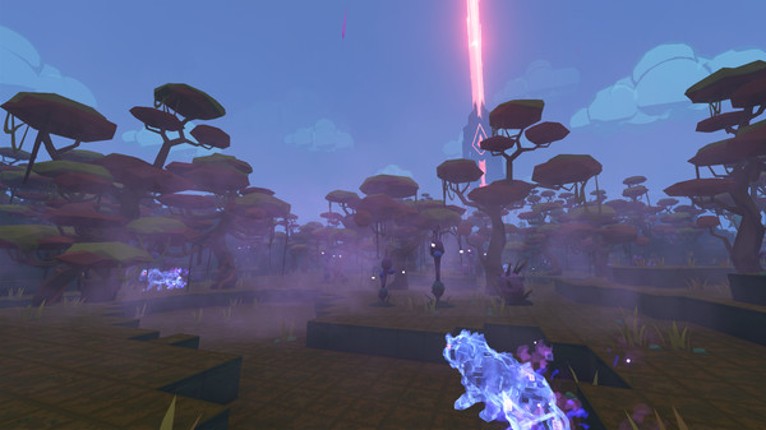
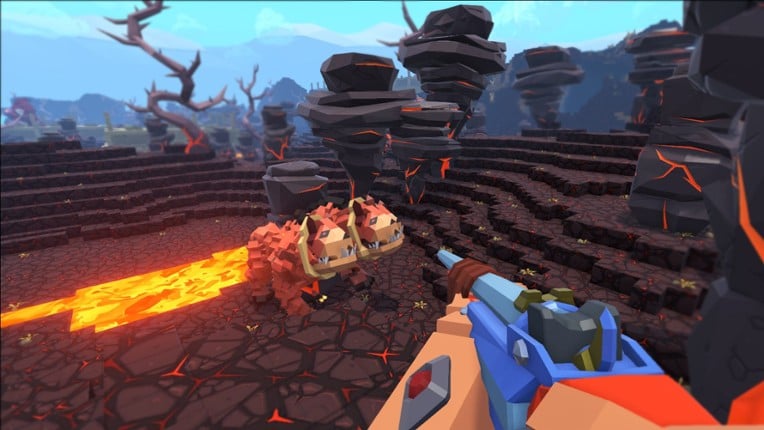
- 61%Game Brain ScoreMost mentioned positive aspects:gameplay, graphicsMost mentioned negative aspects:stability, optimization70% User Score 2,818 reviewsCritic Score 50%7 reviewsSimplifies the survival mechanics into a colorful, child-friendly creature-taming adventure with casual co-op rather than zombie defense pressure. If you enjoyed this game, see our list of games similar to PixArk.View Game
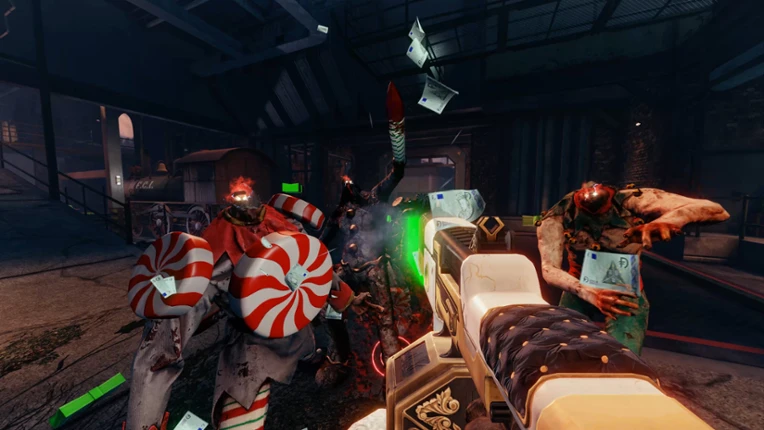
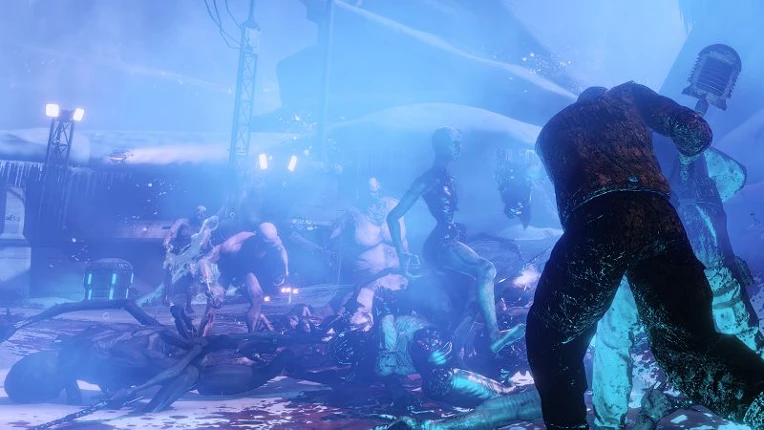
- 86%Game Brain ScoreMost mentioned positive aspects:gameplay, graphicsMost mentioned negative aspects:monetization, story88% User Score 79,784 reviewsCritic Score 84%10 reviewsTransforms survival into a wave-based arena shooter with class specialization and team composition strategy, eliminating exploration and base construction entirely. If you enjoyed this game, see our list of games similar to Killing Floor 2.View Game
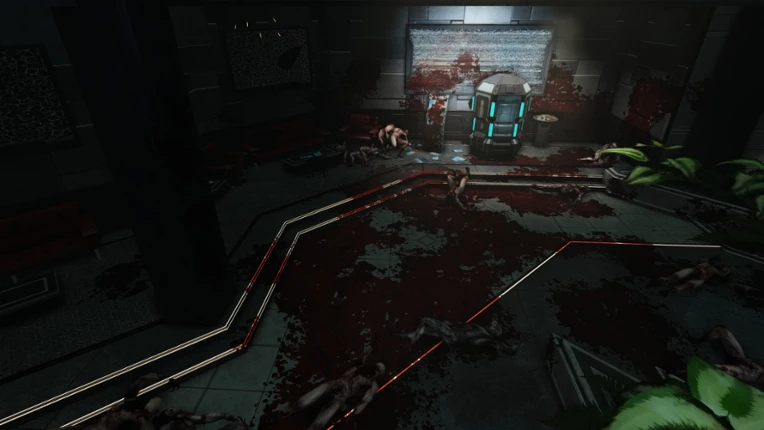
- 86%Game Brain ScoreMost mentioned positive aspects:graphics, gameplayMost mentioned negative aspects:grinding, stability86% User Score 3,425 reviewsExpands-base building with voxel landscapes and a relaxing exploration vibe, shifting away from horror intensity to a calm procedural world. If you enjoyed this game, see our list of games similar to Rising World.View Game
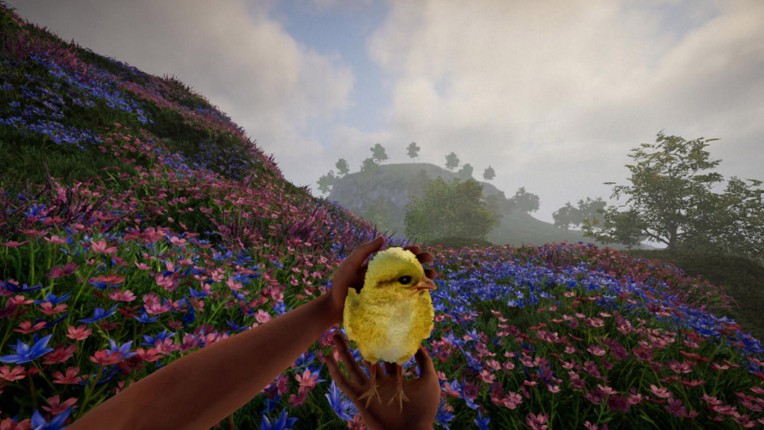
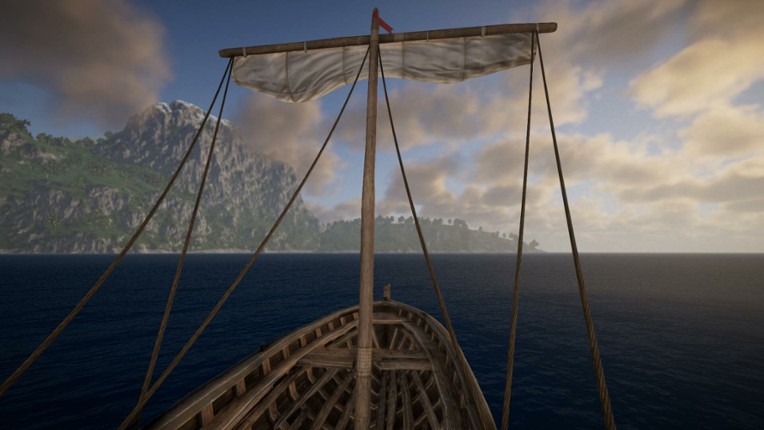
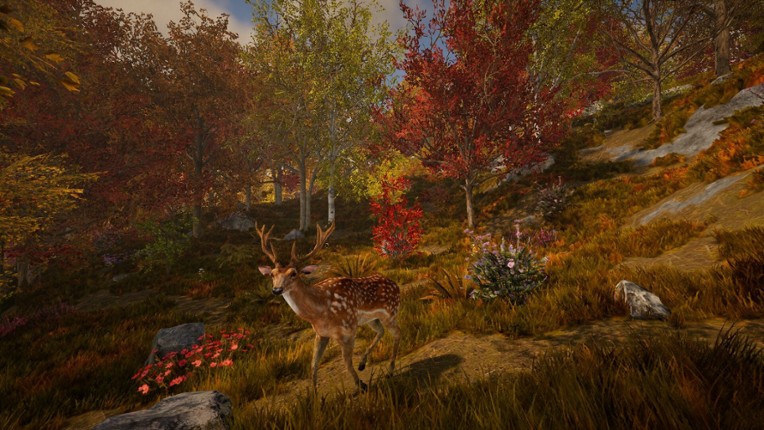
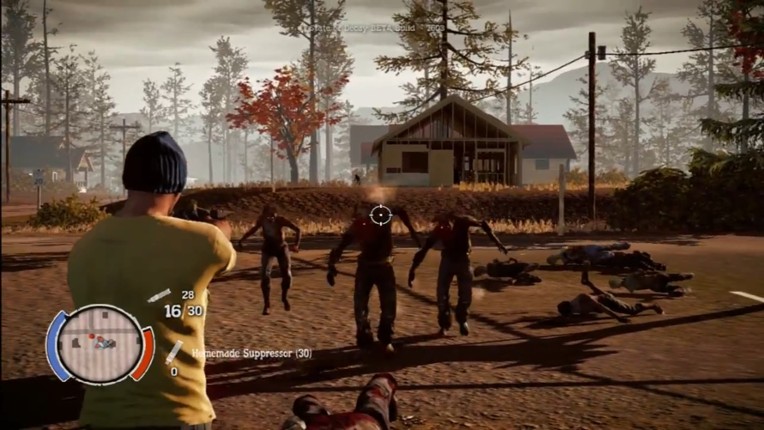
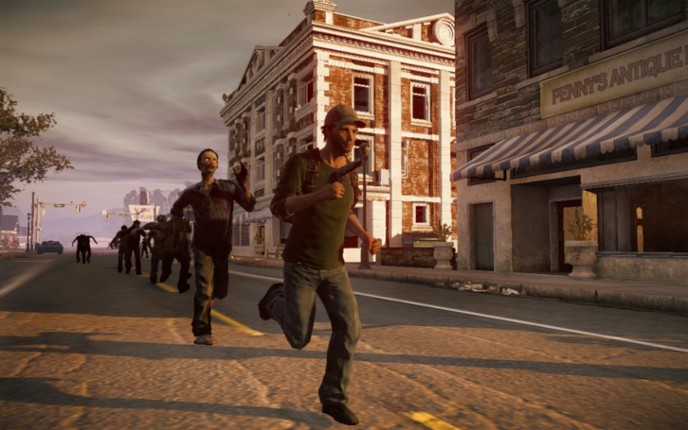
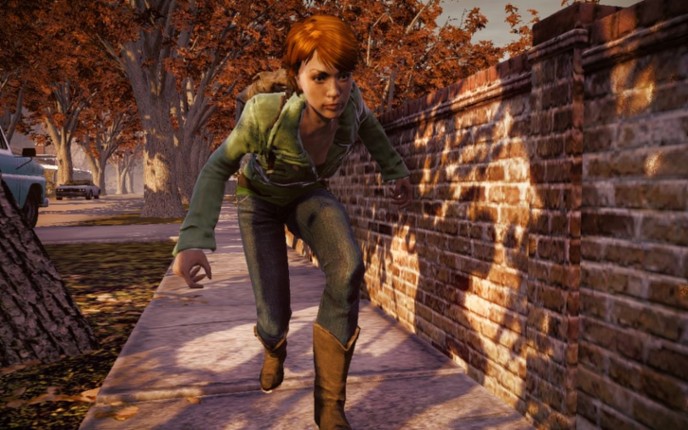
- 77%Game Brain ScoreMost mentioned positive aspects:story, gameplayMost mentioned negative aspects:stability, optimization82% User Score 17,686 reviewsCritic Score 68%5 reviewsState of Decay adds co‑op building and a third‑person view to zombie survival, delivering a more community‑focused experience than 7 Days' solo sandbox. If you enjoyed this game, see our list of games similar to State of Decay.View Game
- 86%Game Brain ScoreMost mentioned positive aspects:story, gameplayMost mentioned negative aspects:stability, grinding86% User Score 1,121 reviews
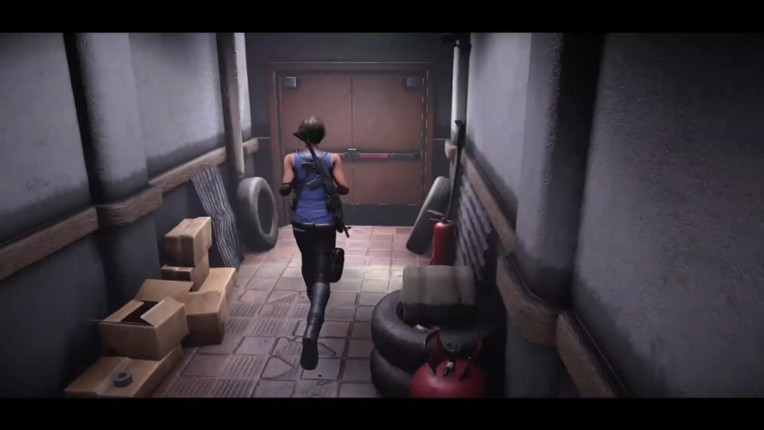
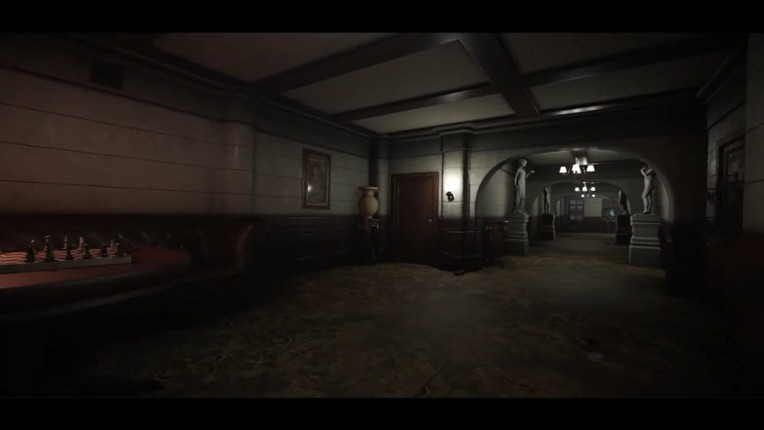
Novarith is an atmospheric third-person survival horror game. Gloomy corridors and lifelike visuals build tension, keeping you on edge with every step. You awaken in an unfamiliar room, realizing that the only way out is to explore the mysterious building filled with secrets and hidden mechanisms. Interactive objects are crucial for survival — from locked doors to concealed devices. Game Features… If you enjoyed this game, see our list of games similar to Novarith.
View Game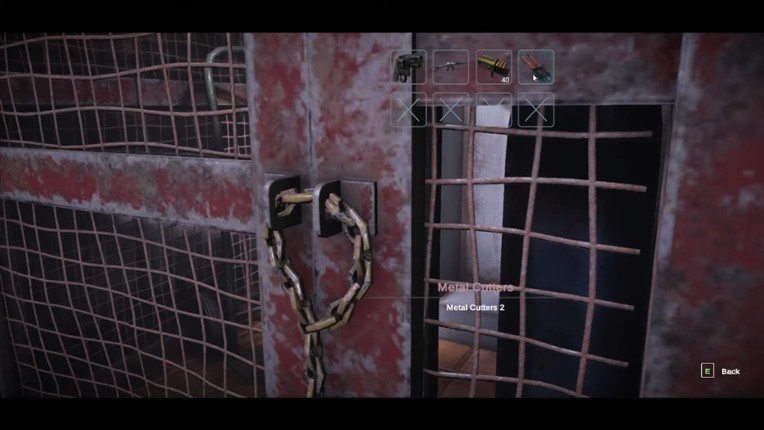
- 64%Game Brain ScoreMost mentioned positive aspects:graphics, gameplayMost mentioned negative aspects:stability, story64% User Score 23,198 reviews
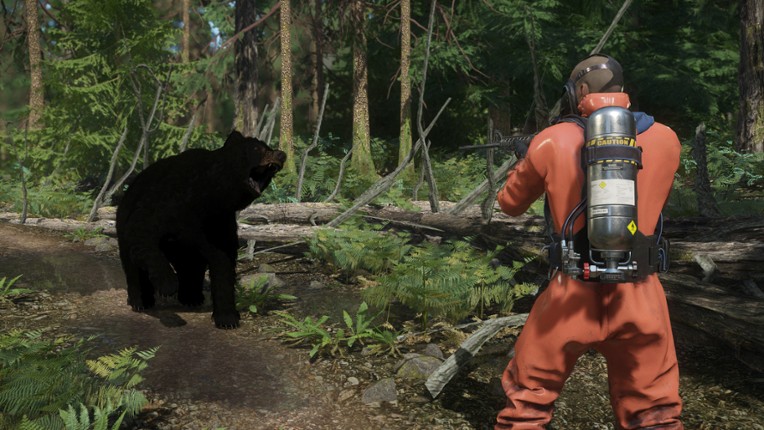
Miscreated is a multiplayer online hardcore survival game set in a post-apocalyptic future. You will need to survive against mutants, players, and even mother nature herself. If you enjoyed this game, see our list of games similar to Miscreated.
View Game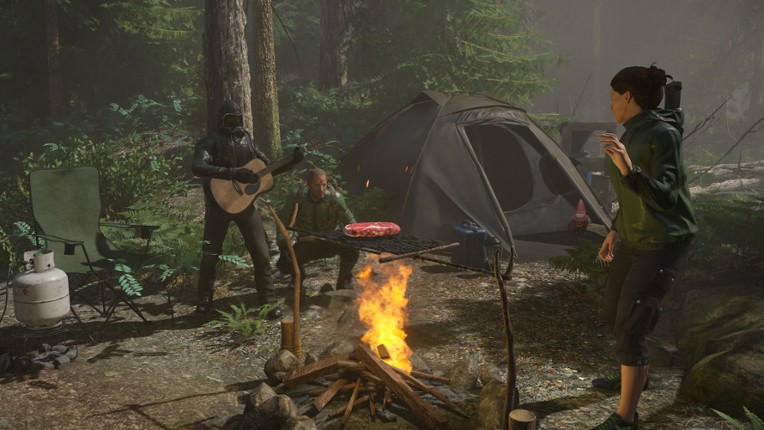
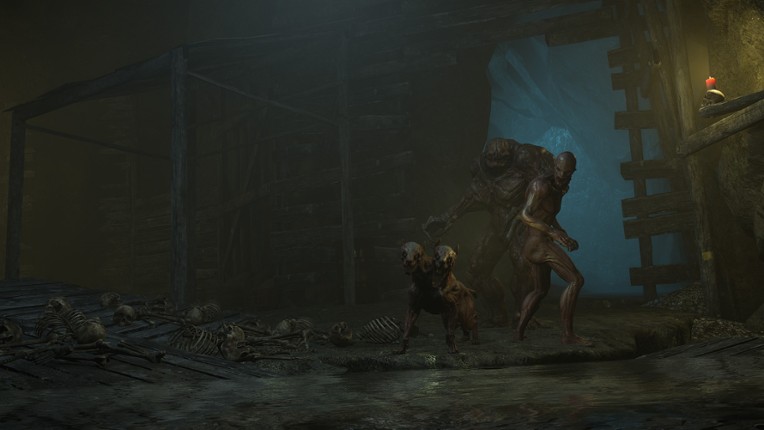
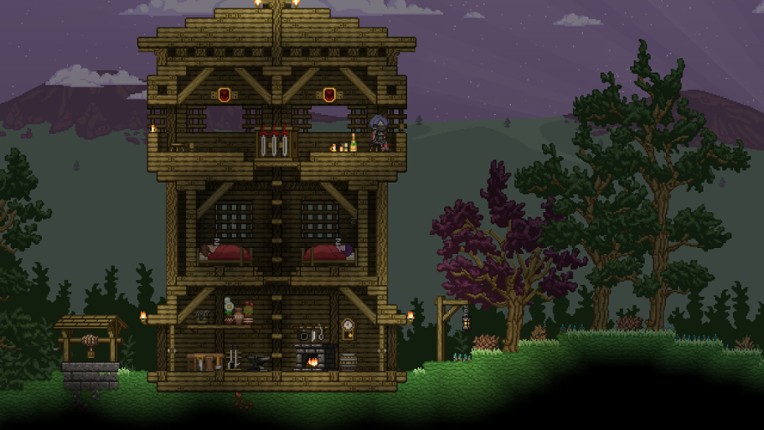
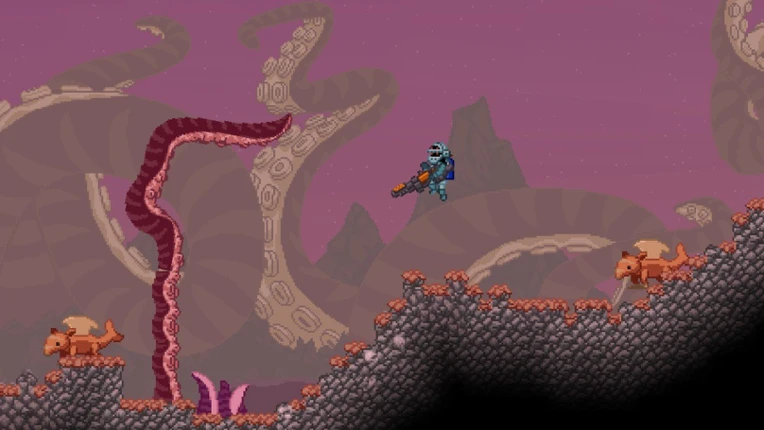
- 86%Game Brain ScoreMost mentioned positive aspects:story, gameplayMost mentioned negative aspects:grinding, optimization89% User Score 101,534 reviewsCritic Score 83%10 reviewsTransplants survival crafting to a 2D pixel space exploration setting with planetary hopping and relaxation-focused progression, muting horror for cosmic wonder. If you enjoyed this game, see our list of games similar to Starbound.View Game
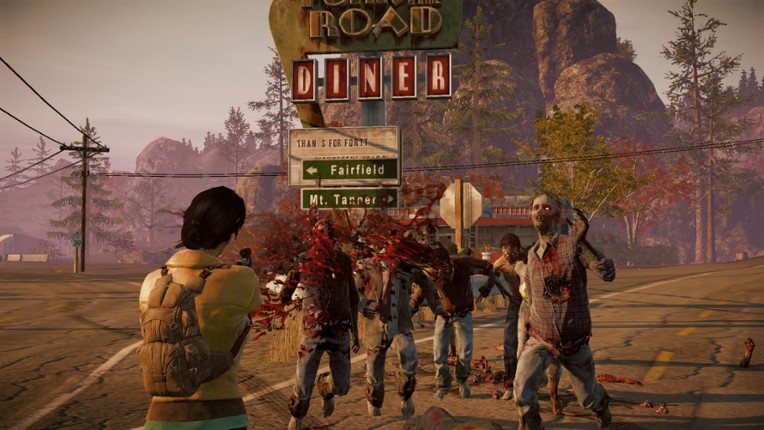
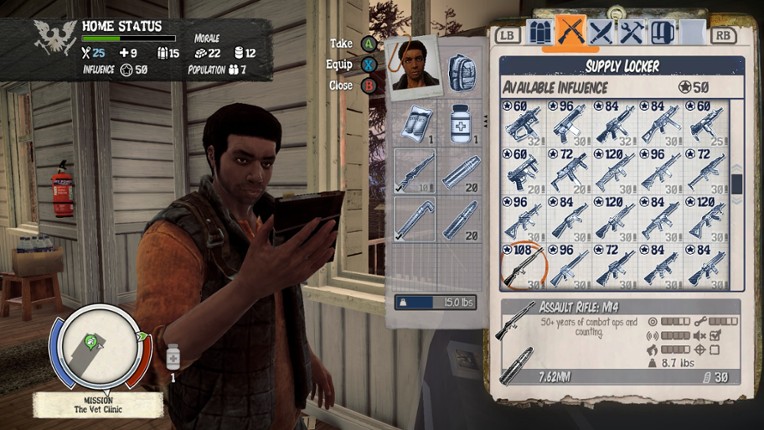
- 78%Game Brain ScoreMost mentioned positive aspects:story, gameplayMost mentioned negative aspects:stability, optimization78% User Score 8,408 reviewsState of Decay: YOSE strips away multiplayer, focusing on solo community management and trading, catering to players who prefer narrative survival over co‑op building. If you enjoyed this game, see our list of games similar to State of Decay: YOSE.View Game
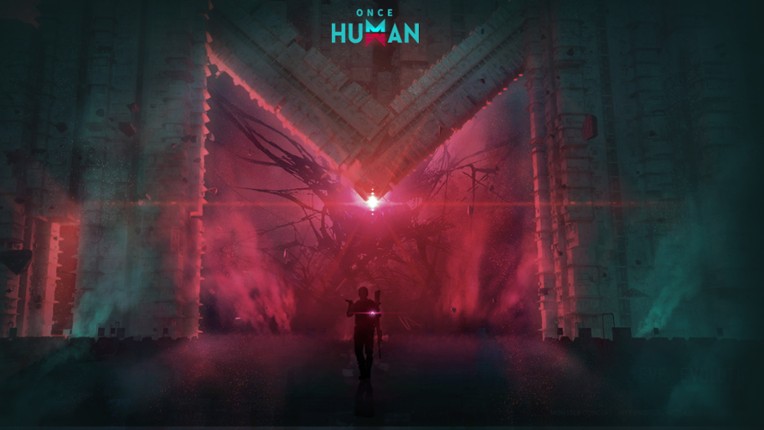
- 78%Game Brain ScoreMost mentioned positive aspects:gameplay, storyMost mentioned negative aspects:grinding, optimization79% User Score 79,363 reviewsCritic Score 77%6 reviewsCenters on free-to-play base building with extensive multiplayer and trading in a grim post-apocalyptic horror realm without voxel graphics. If you enjoyed this game, see our list of games similar to Once Human.View Game
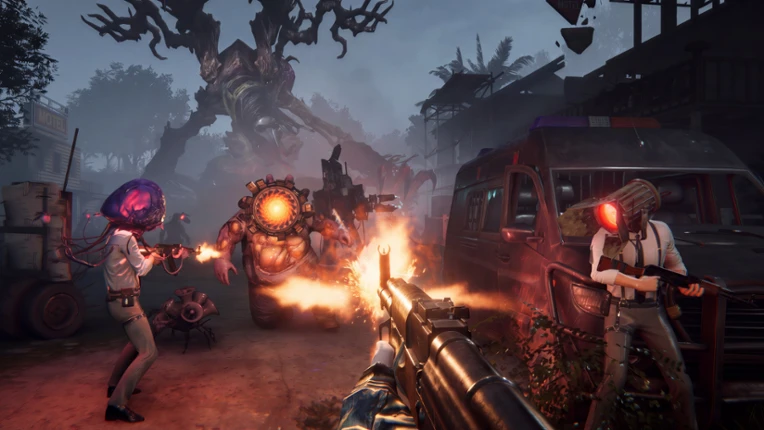
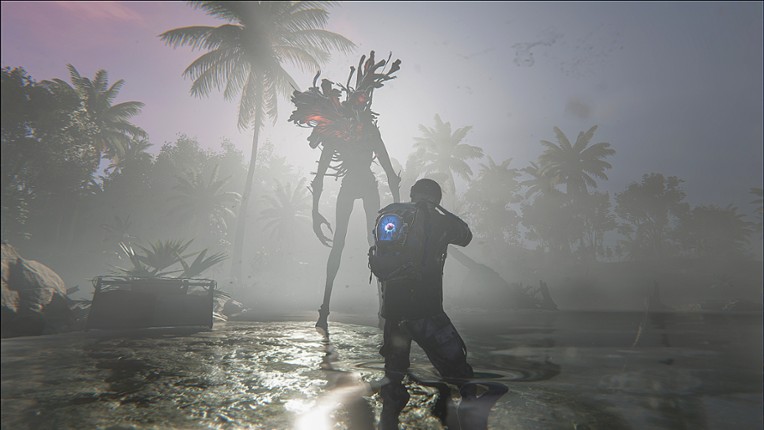
- 80%Game Brain ScoreMost mentioned positive aspects:gameplay, graphicsMost mentioned negative aspects:stability, story80% User Score 8,416 reviewsIntroduces factory-like automation and creature collecting into the sandbox, offering a significantly more colorful and lighthearted loop than the grim zombie apocalypse. If you enjoyed this game, see our list of games similar to Craftopia.View Game
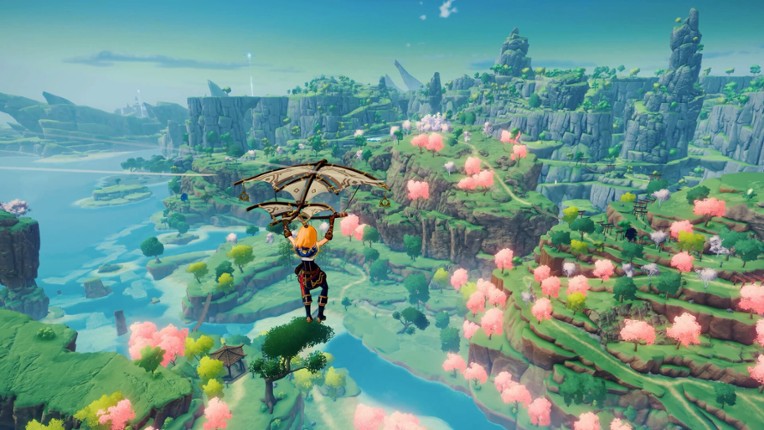
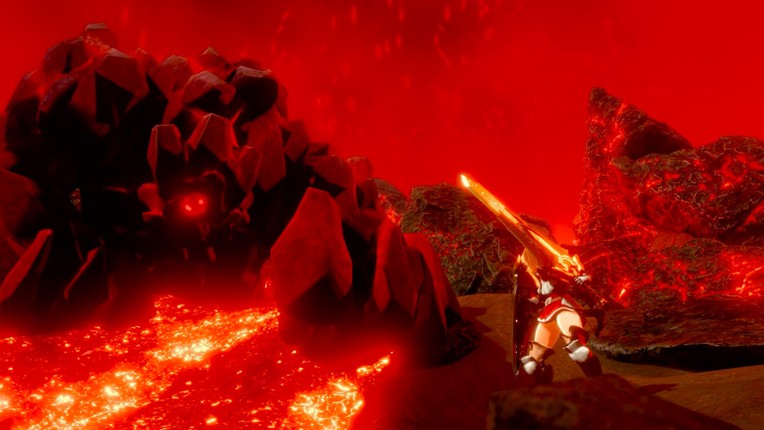
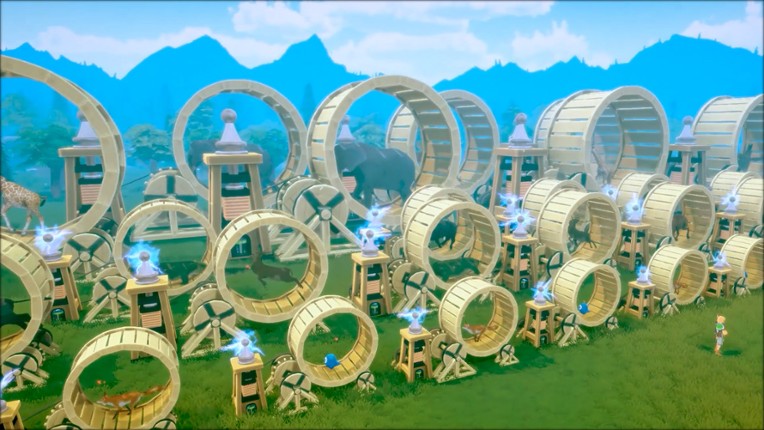
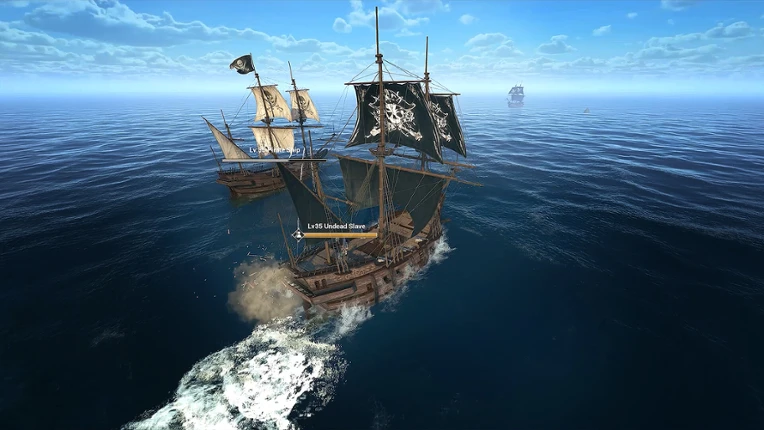
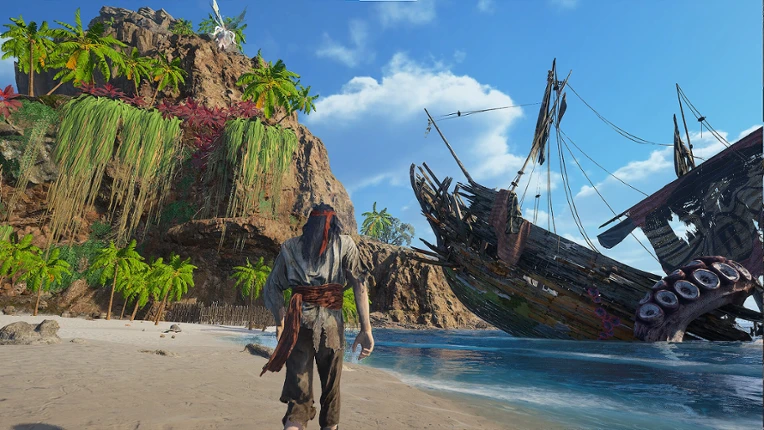
- 83%Game Brain ScoreMost mentioned positive aspects:gameplay, storyMost mentioned negative aspects:grinding, optimization83% User Score 755 reviewsBlends pirate-themed exploration with zombie survival, requiring players to manage naval travel and island defenses rather than sticking solely to a single base. If you enjoyed this game, see our list of games similar to IfSunSets.View Game
- 92%Game Brain ScoreMost mentioned positive aspects:gameplay, graphicsMost mentioned negative aspects:stability, grinding92% User Score 44,980 reviews
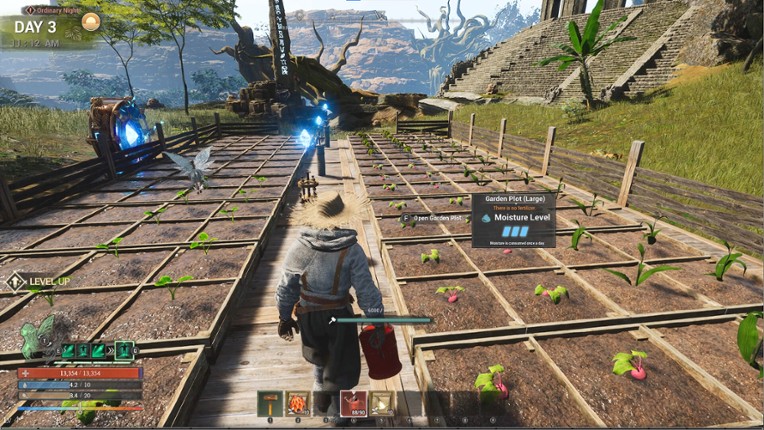
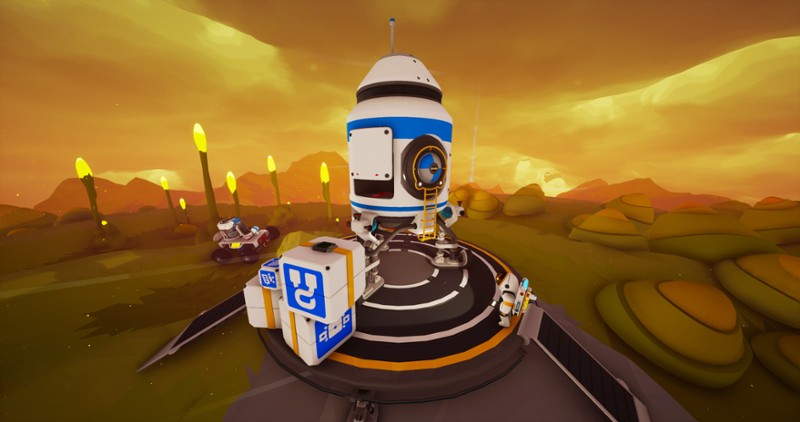
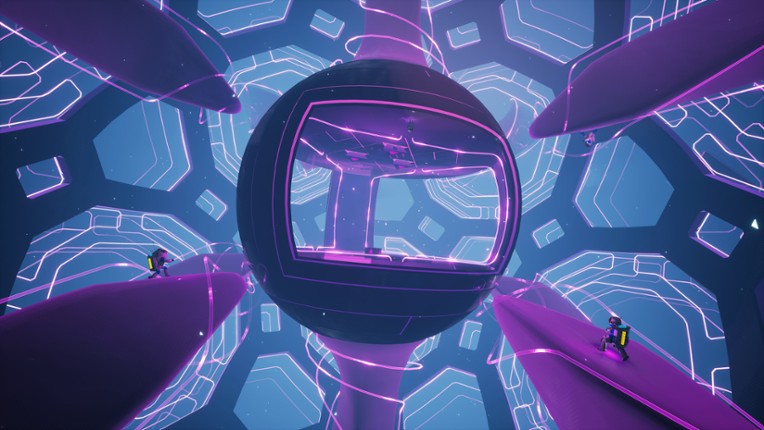
Interact with strange new worlds in a unique and tactile way, molding the environment itself as if it were clay in your hands. Build your base, master resource management, automate your production lines, and more as you unravel the mysteries of the universe, alone or with friends. If you enjoyed this game, see our list of games similar to ASTRONEER.
View Game
- 92%Game Brain ScoreMost mentioned positive aspects:gameplay, graphicsMost mentioned negative aspects:grinding, story92% User Score 6,355 reviews
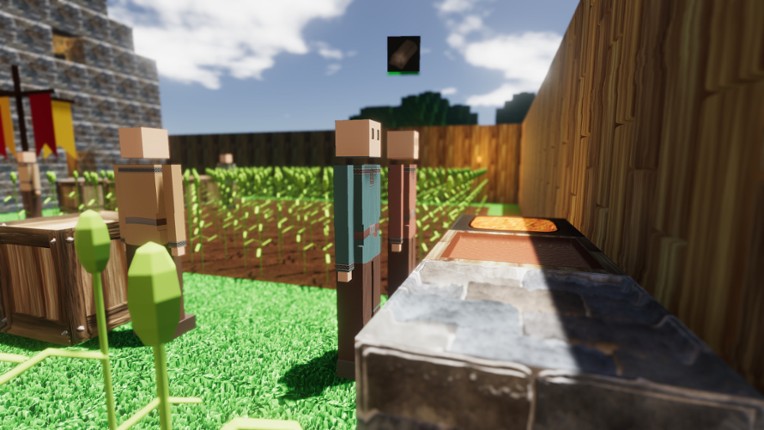
Colony Survival is a voxel RTS developed by a two-man team. Build your own colony in a voxel world. Command guards, farmers, miners and other colonists. Defend your colony against the monsters that attack every night. If you enjoyed this game, see our list of games similar to Colony Survival.
View Game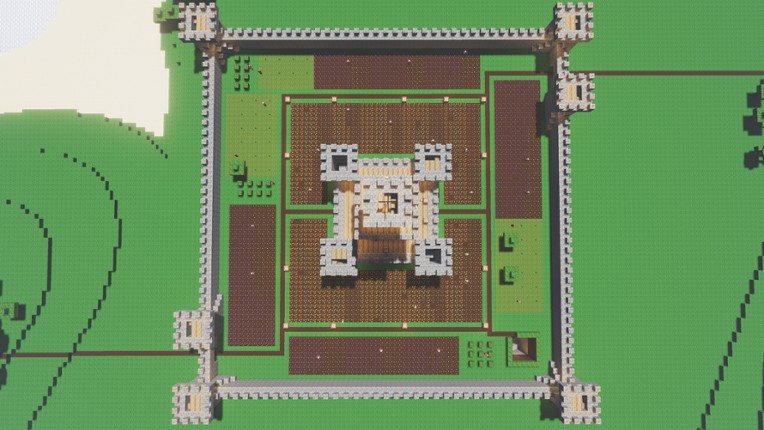
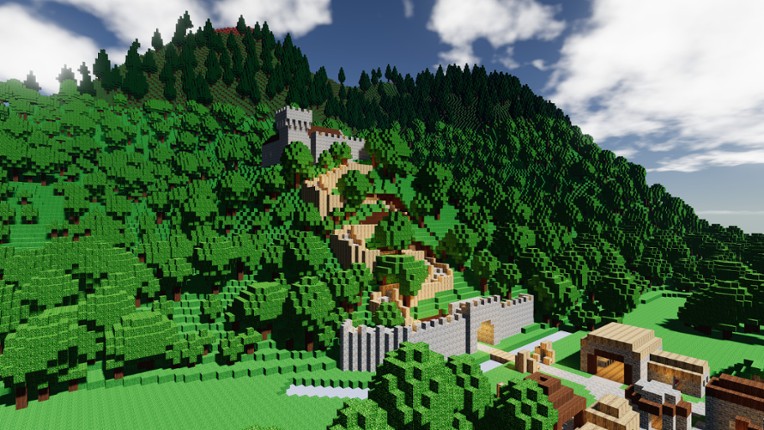
- 52%Game Brain ScoreMost mentioned positive aspects:gameplay, graphicsMost mentioned negative aspects:stability, optimization52% User Score 5,524 reviewsIntegrates high-fantasy magic and dragon taming into the survival formula, offering a more whimsical, spell-focused alternative to gritty, realistic zombie survival. If you enjoyed this game, see our list of games similar to Dark and Light.View Game
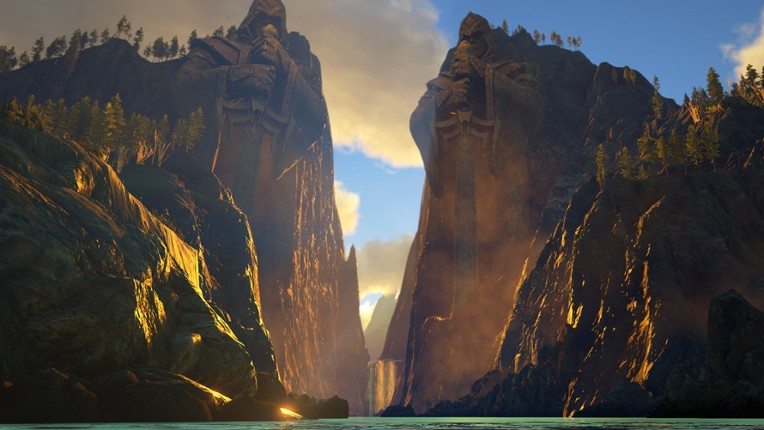
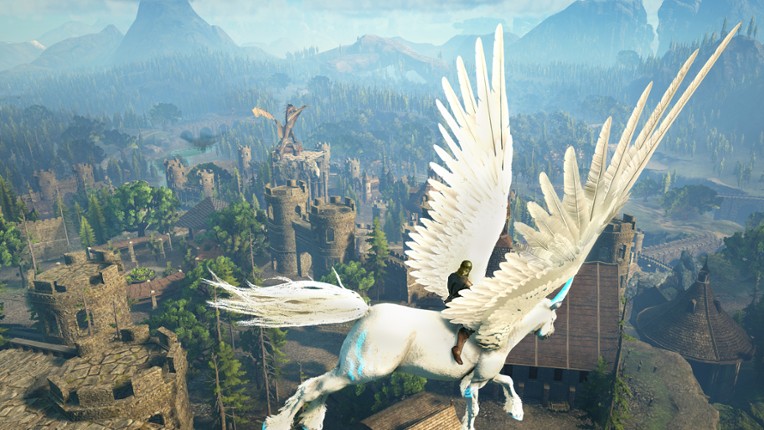
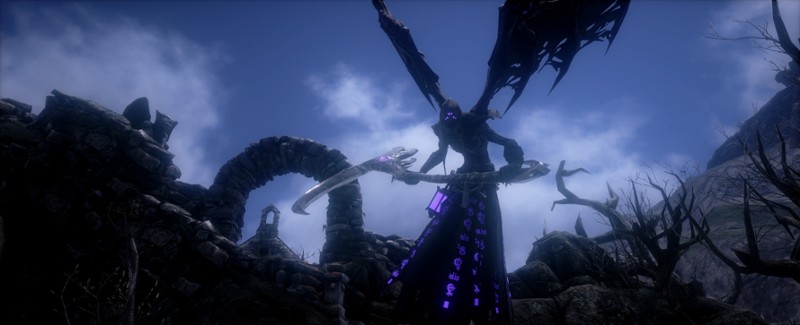
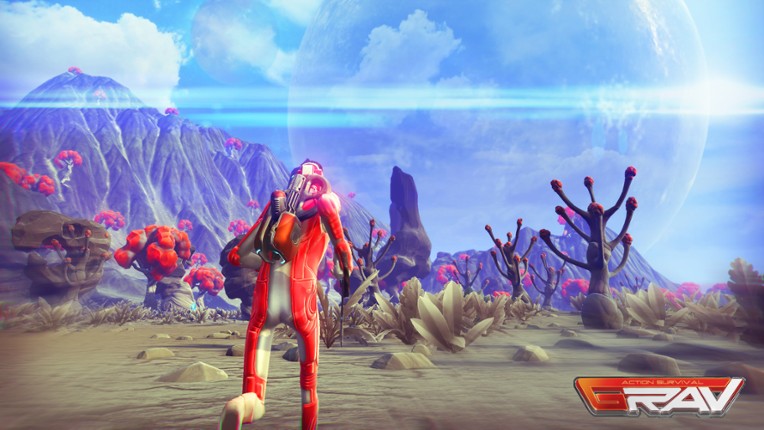
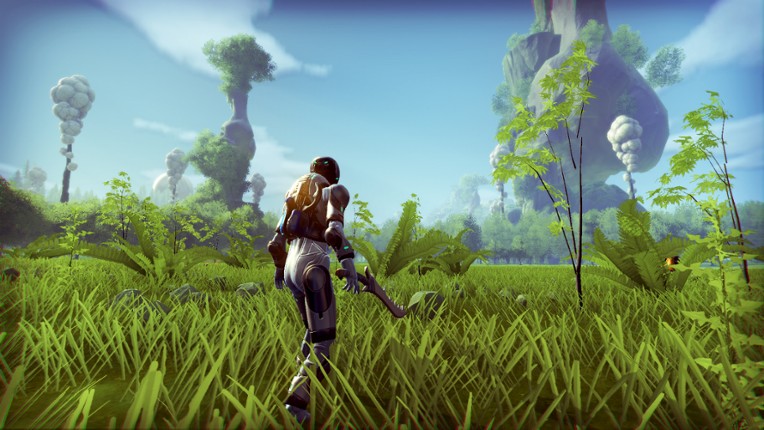
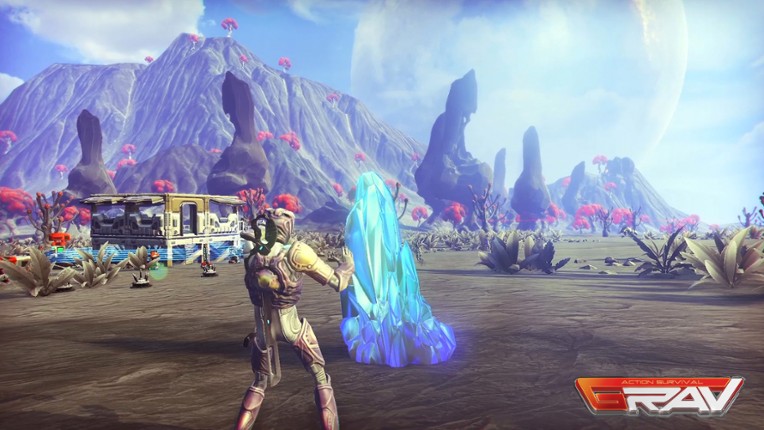
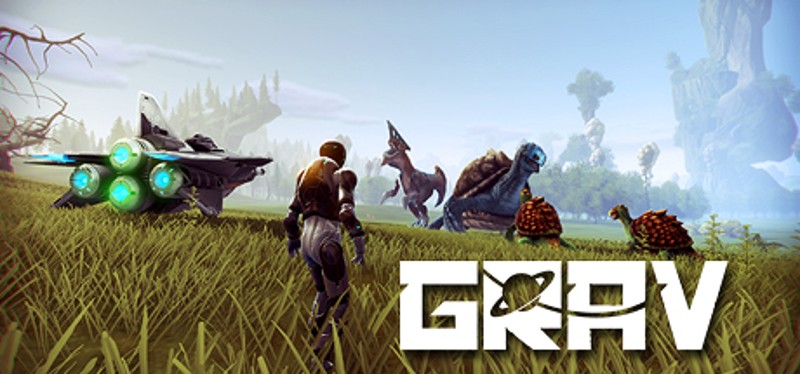
- 46%Game Brain ScoreMost mentioned positive aspects:graphics, gameplayMost mentioned negative aspects:grinding, optimization46% User Score 5,449 reviewsMoves into a futuristic, space-age frontier, prioritizing sci-fi exploration and vehicular travel over the grounded, static base defense found in the original game. If you enjoyed this game, see our list of games similar to GRAV.View Game
- 76%Game Brain ScoreMost mentioned positive aspects:graphics, gameplayMost mentioned negative aspects:monetization, grinding75% User Score 14,503 reviewsCritic Score 80%1 reviews
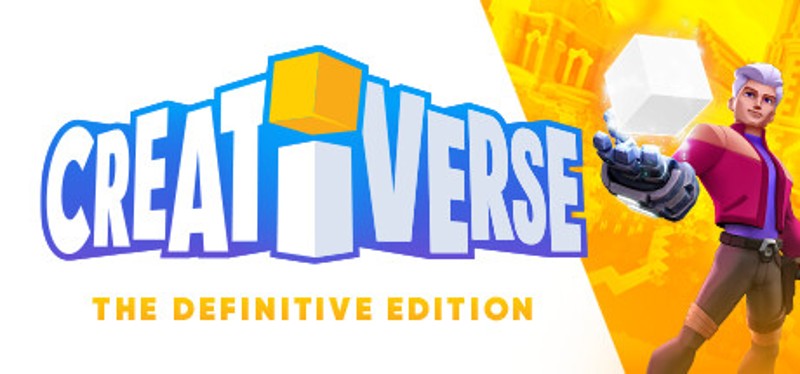
Stranded in a vast, mysterious world. Surrounded by ferocious beasts and remnants of ancient technology. Awash in treasure, treacherous catacombs and breathtaking vistas... Adventure awaits — From the highest peaks to the furthest depths, through jungles, deserts, and swamps, over pools of acid and lakes of lava, there’s something to discover around every corner, whether it’s rare materials, curi… If you enjoyed this game, see our list of games similar to Creativerse.
View Game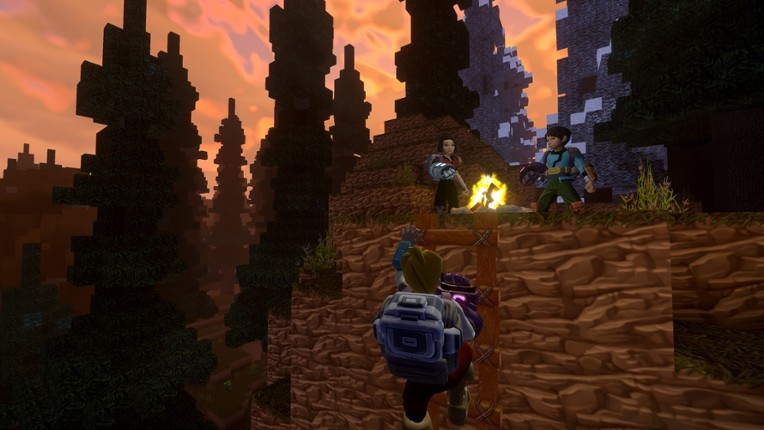
- 81%Game Brain ScoreMost mentioned positive aspects:gameplay, graphicsMost mentioned negative aspects:optimization, story81% User Score 9,415 reviews
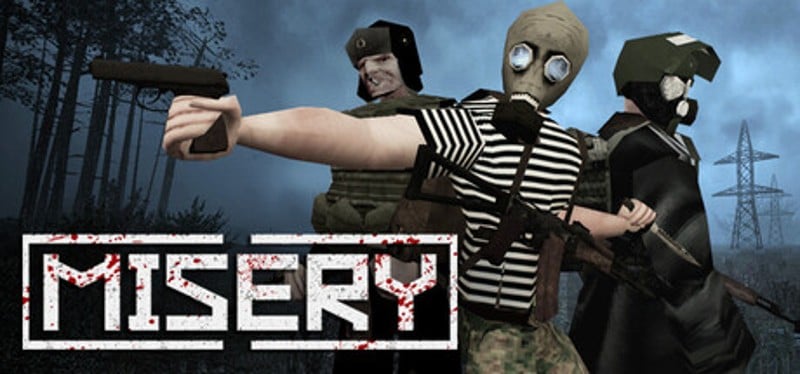
MISERY is a co-op rogue-lite survival game for fans of Lethal Company and Stalker. You play as PMCs guarding a secret research institute in the Republic of Zaslavie.The Scientific Institute for Research of the Zaslavie Exclusion Zone (SIRZEZ) was built before the war to study anomalies and artifacts. Over time, these artifacts became the cause of conflict between international military blocs. Neit… If you enjoyed this game, see our list of games similar to MISERY.
View Game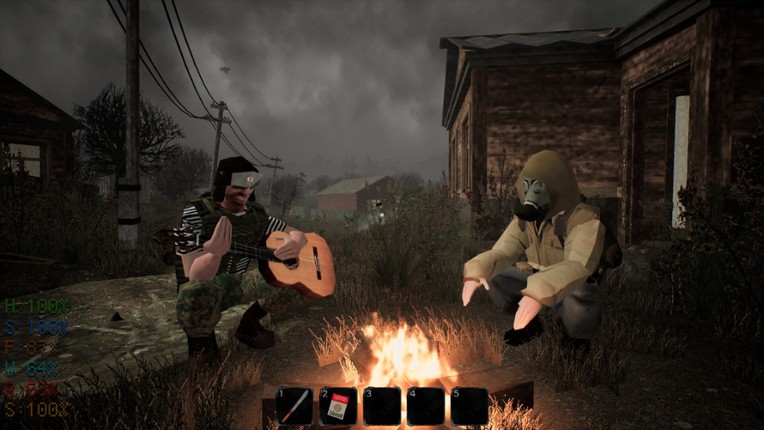
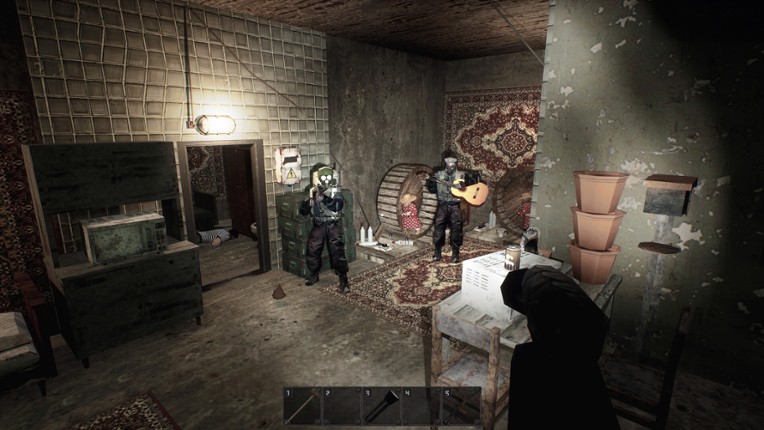
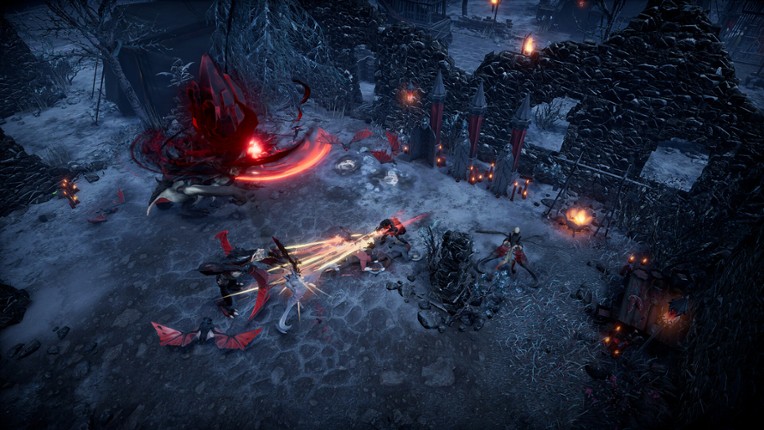
- 90%Game Brain ScoreMost mentioned positive aspects:gameplay, graphicsMost mentioned negative aspects:grinding, optimization90% User Score 89,178 reviewsSwaps the post-apocalyptic zombie setting for a dark gothic vampire fantasy, emphasizing top-down base building and intense action-heavy combat instead of first-person gunplay. If you enjoyed this game, see our list of games similar to V Rising.View Game
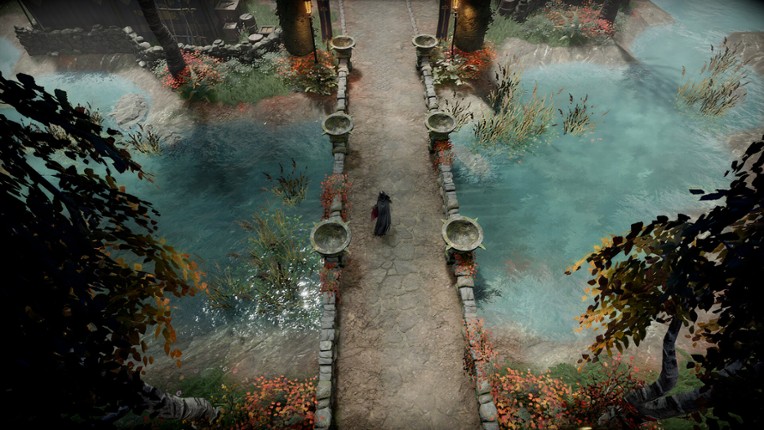
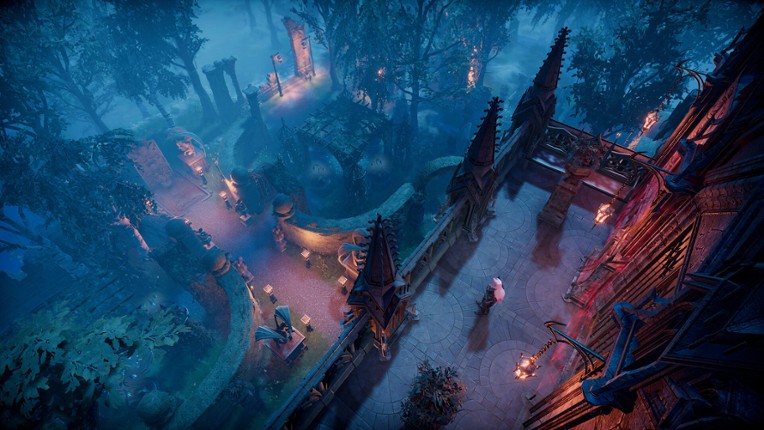
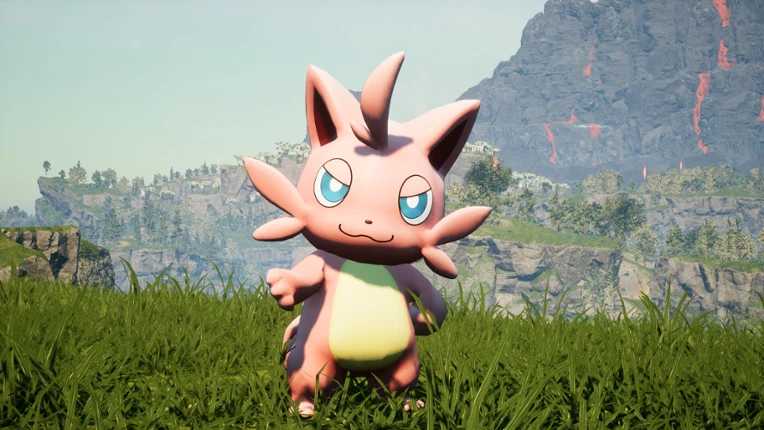
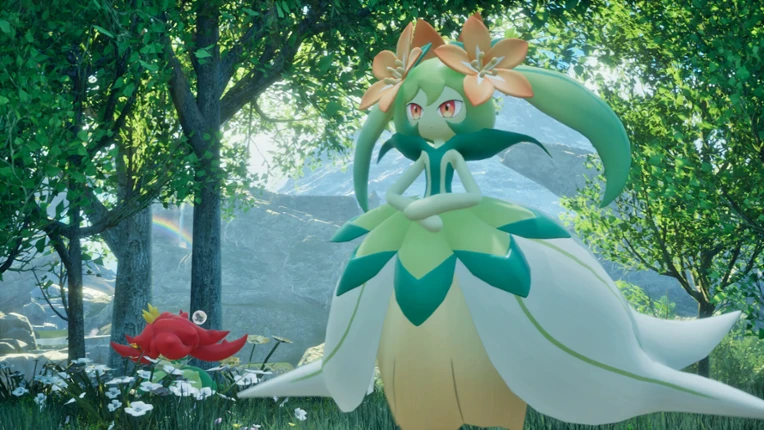
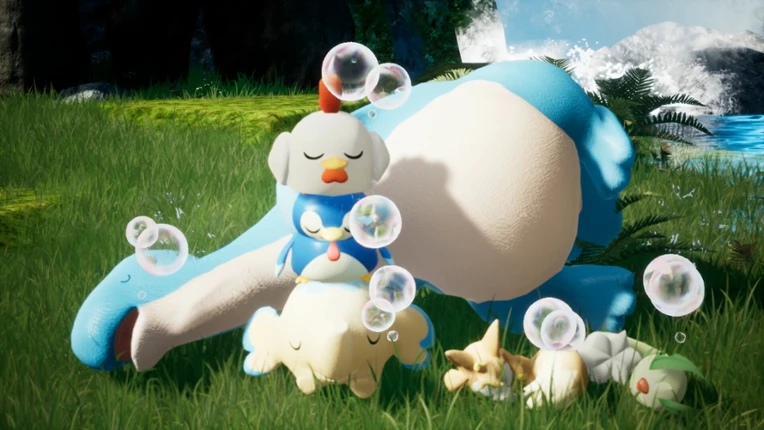
- 87%Game Brain ScoreMost mentioned positive aspects:gameplay, graphicsMost mentioned negative aspects:stability, grinding95% User Score 241,630 reviewsCritic Score 78%9 reviewsMixes creature collection with survival crafting, adding automation and trading layers that broaden gameplay beyond pure horror sandbox mechanics. If you enjoyed this game, see our list of games similar to Palworld.View Game
- 70%Game Brain ScoreMost mentioned positive aspects:gameplay, graphicsMost mentioned negative aspects:grinding, story70% User Score 7,408 reviews
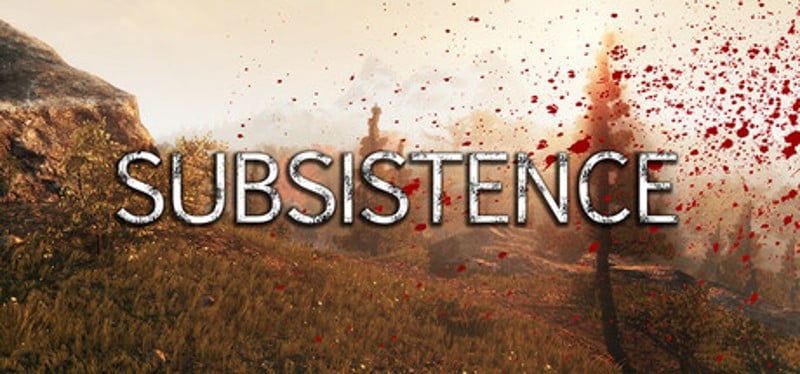
Subsistence is a sandbox, first person, solo or co-op, PvE open-world survival game. Struggle through changing seasons to build a base, develop technology and gear-up in the hostile environment. Defend yourself from wildlife, the elements and AI hunters (who also build bases in the world). If you enjoyed this game, see our list of games similar to Subsistence.
View Game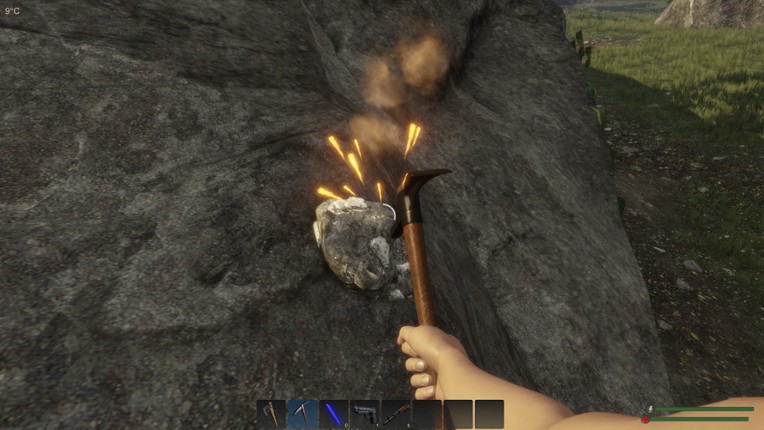
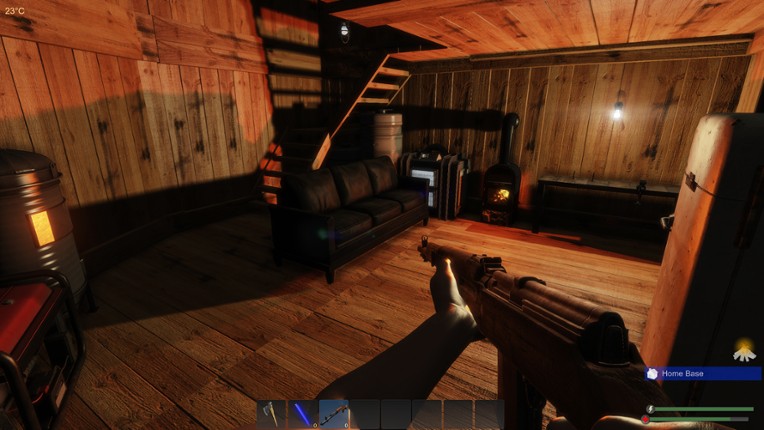
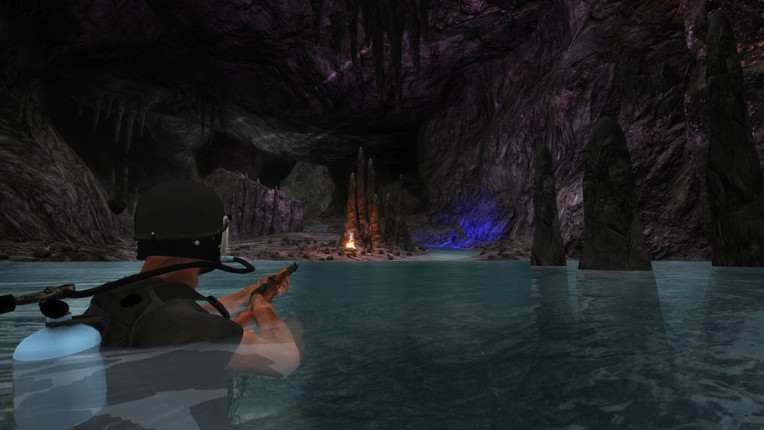
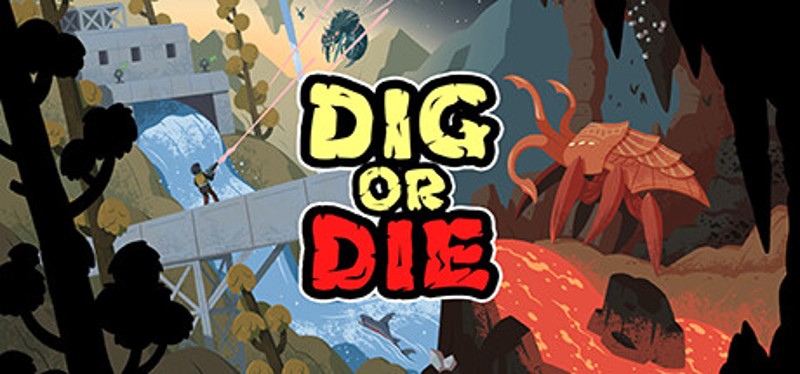
- 87%Game Brain ScoreMost mentioned positive aspects:gameplay, graphicsMost mentioned negative aspects:grinding, stability91% User Score 2,206 reviewsCritic Score 79%4 reviewsCombines 2D physics-based destruction with tower defense, requiring players to build smarter defenses against waves while managing complex environmental hazards. If you enjoyed this game, see our list of games similar to Dig or Die.View Game
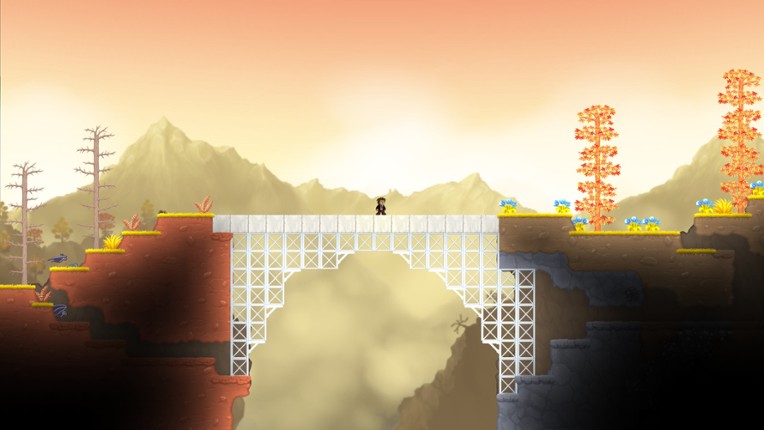
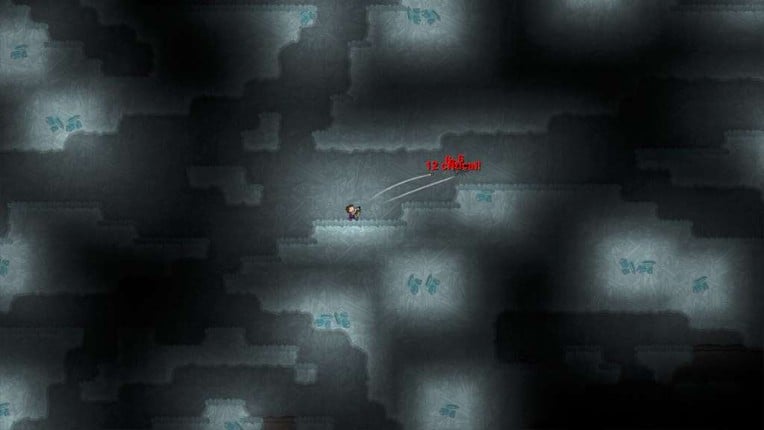
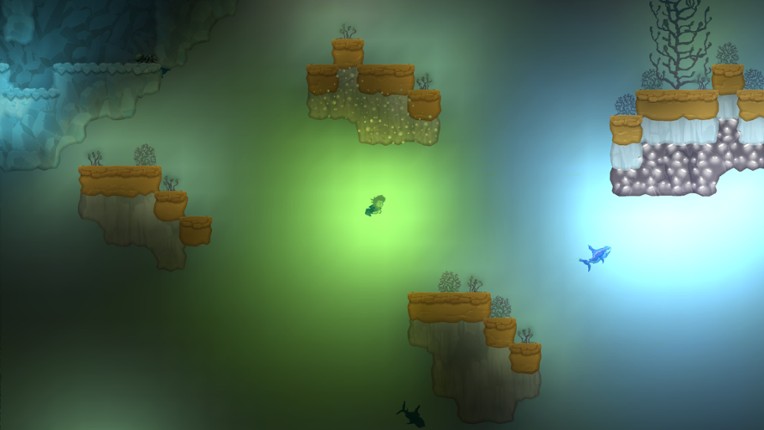
- 85%Game Brain ScoreMost mentioned positive aspects:story, gameplayMost mentioned negative aspects:grinding, stability85% User Score 1,131 reviews
Infinite Veil is an atmospheric forest survival experience focused on realism and immersion. You awaken surrounded by untamed nature, with no paths or maps — only silence, cold, and the will to survive. Explore the wilderness, collect materials, and construct your shelter to shield yourself from wind and rain. The dynamic cycle of day, night, and weather brings the world to life: daylight fades i… If you enjoyed this game, see our list of games similar to Infinite Veil.
View Game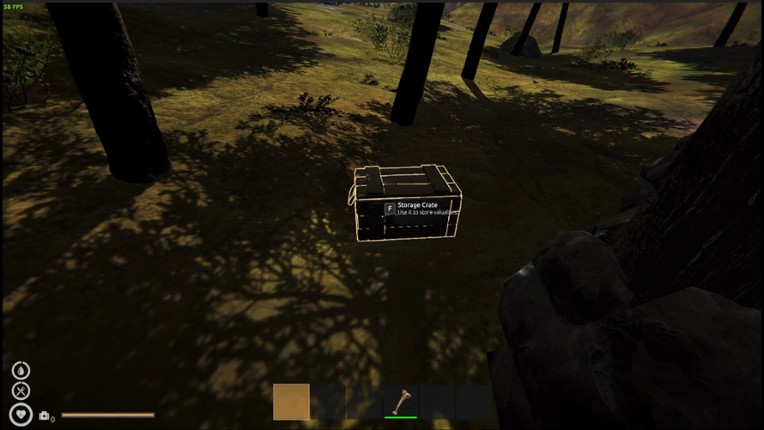
- 93%Game Brain ScoreMost mentioned positive aspects:gameplay, graphicsMost mentioned negative aspects:grinding, optimization95% User Score 31,361 reviewsCritic Score 90%3 reviews
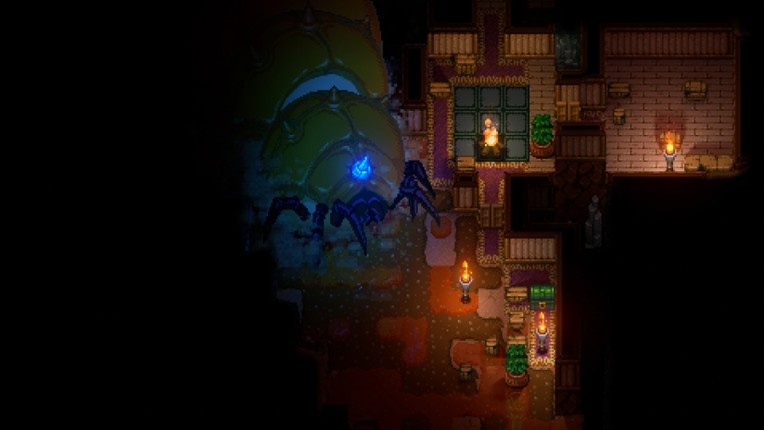
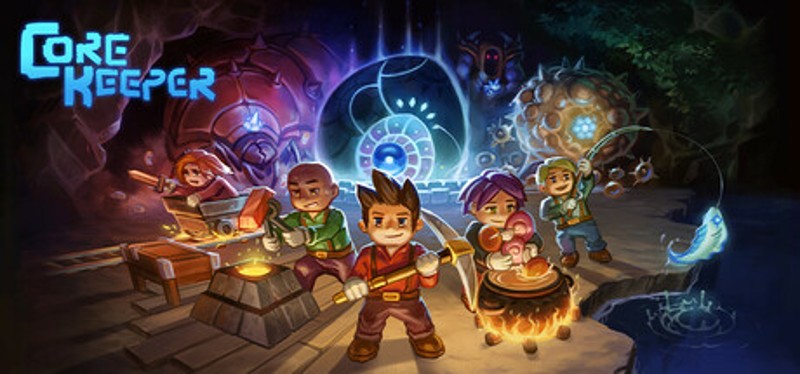
Can you uncover the secrets of the core and return to the world above If you enjoyed this game, see our list of games similar to Core Keeper.
View Game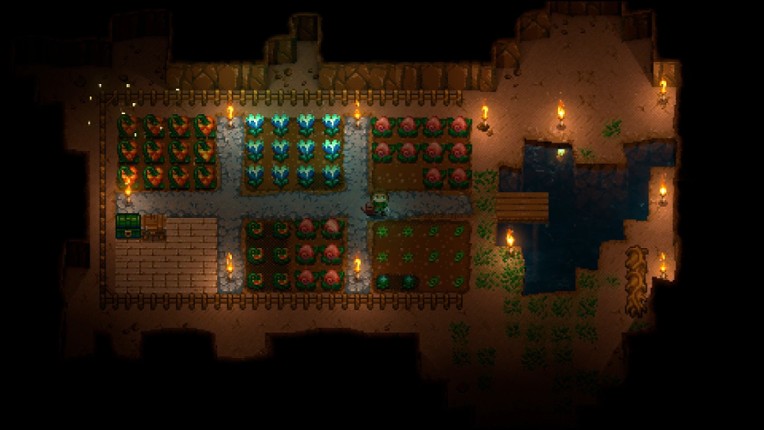


 View Game





























Frequently Asked Questions
State of Decay 2 and Project Zomboid both deliver intense zombie survival with base building and resource management. DayZ offers a hardcore alternative with realistic survival mechanics like hunger and sickness. Each features strong replayability and community-driven gameplay that mirrors 7 Days to Die's core loop.
DayZ has a free-to-play version on some platforms, though the full experience requires purchase. Most similar survival games like Project Zomboid and Grounded require upfront payment. Check Steam and Epic Games regularly for sales and free weekend promotions on these titles.
Night of the Dead uniquely combines tower defense with survival crafting, letting you design elaborate zombie defenses. No One Survived and VEIN also emphasize creative base construction with multiplayer co-op support. All three offer the defensive building satisfaction 7 Days to Die fans crave.
State of Decay 2, Grounded, and Project Zomboid all feature robust co-op experiences with online play for 2–4 players. Night of the Dead supports up to four-player co-op with full base-building cooperation. These are ideal for playing with friends remotely or on the same couch.
DayZ delivers the bleakest post-apocalyptic atmosphere with haunting visuals and unpredictable player encounters. Project Zomboid combines grim survival with excellent soundtrack design. VEIN and No One Survived also maintain dark, immersive tones perfect for horror-loving survival fans.
State of Decay 2 and Grounded are available on Xbox, PlayStation, and PC. Project Zomboid and DayZ are primarily PC but some titles support cross-platform play. Check individual platform stores for current availability, as console ports continue expanding for popular survival games.