

Games like Days Gone
Deacon St. John's motorcycle roaring across a zombie-infested Pacific Northwest left a mark that's hard to shake, and if you're hunting for games like Days Gone, you already know exactly what you're chasing: that specific blend of open-world survival, horde-based combat, and a story that actually makes you care. The good news is that hunt doesn't have to end here — plenty of games out there capture that same freedom-and-fear formula.
Days Gone works because it never lets you settle into one mode — you're tinkering with your bike's fuel and parts one moment, sneaking past a horde the next, then gunning it before hundreds of Freakers swarm you. Layer in dynamic weather, a soundtrack that lands exactly when it should, and a slow-burn story about grief and loyalty, and you get a survival-action hybrid built for players who want stakes, not just checklists.
What Makes a Good Alternative to Days Gone?
- Massive horde encounters — Days Gone's signature moments come from swarms of hundreds of enemies at once, so the best alternatives need combat that scales into genuine chaos, not just small skirmishes.
- Survival-crafting loop — Managing fuel, weapons, and supplies gave every ride tension; alternatives should make resource scarcity feel like a real decision, not busywork.
- A vehicle or mobility system with weight — the bike wasn't just transport, it was practically a character; games that treat movement as part of the survival stakes hit the same nerve.
- Character-driven, emotionally grounded story — Deacon's arc worked because the writing and voice acting made loss and loyalty feel real, so alternatives need that same narrative backbone.
- Atmospheric, weather-reactive world — dynamic weather and sound design turned exploration into dread or relief; the best picks use environment to shape mood, not just serve as backdrop.
Top Picks If You Enjoyed Days Gone
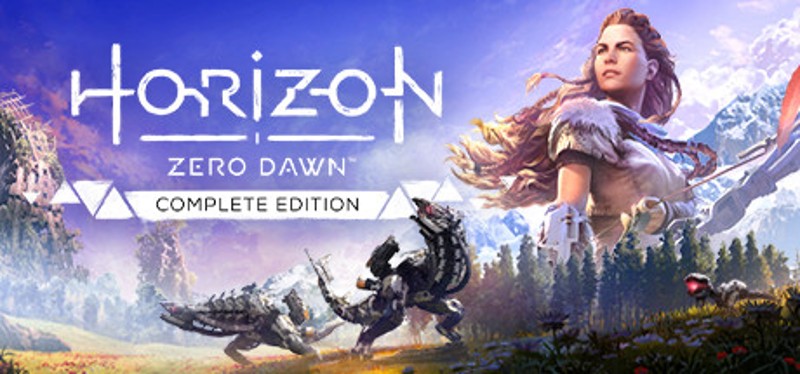
Horizon Zero Dawn swaps Freakers for mechanical beasts while keeping the emotional world-building and strategic combat. Metro Exodus brings survival-horror tension, weapon customization, and a story-rich trek across a ravaged Russia. Far Cry 3 delivers the same stealth-action sandbox freedom with a memorable descent into madness. Chernobylite mixes base-building and survival with a haunting, choice-driven story. Dying Light 2 Stay Human trades the bike for parkour but keeps the horde intensity and branching consequences.
Every game below is ranked by actual similarity to Days Gone, based on shared genres, mechanics, and what players praised most about each one. Browse the full list to find your next obsession among these games like Days Gone.
- 87%Game Brain ScoreMost mentioned positive aspects:story, gameplayMost mentioned negative aspects:optimization, stability89% User Score 65,483 reviewsCritic Score 85%23 reviews
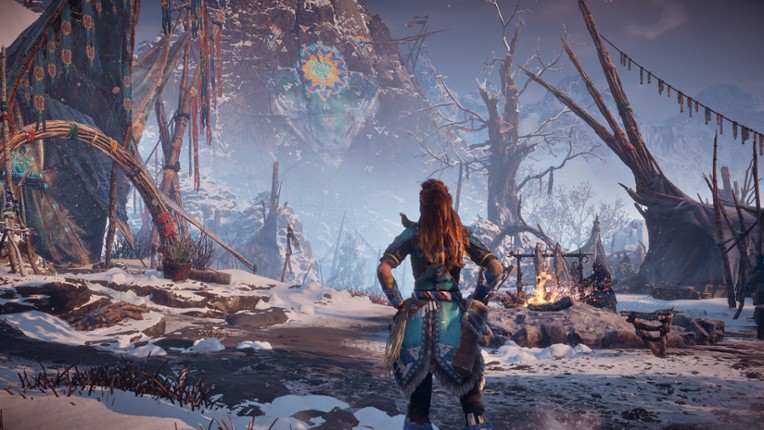
When a fight turns chaotic, both games reward scouting the terrain, choosing an approach, and switching from stealth to direct fire when plans collapse. Horizon Zero Dawn delivers that same pressure through machine patrols: stripping armor, targeting components, and exploiting elemental weaknesses makes every encounter feel like a problem to solve rather than a shooting gallery.
Like Days Gone, it combines a broad open world with exploration, crafting, resource gathering, and single-player combat that keeps you making practical decisions. Its machines can create the same rush as a Freaker swarm, while careful preparation and well-placed shots provide a satisfying counterbalance to panic.
The fresh angle is its science-fiction arsenal and bow-focused precision, trading Deacon’s motorcycle mobility and brutal horde-clearing for deliberate hunts against powerful mechanical wildlife. That shift also gives exploration a stronger discovery loop, with a richly built post-apocalyptic world and an emotionally weighty central story, though repetitive side activities and uneven pacing remain familiar caveats.
Best for players who want Days Gone’s survival-minded combat with more tactical depth and less horror.
If you enjoyed this game, see our list of games similar to Horizon Zero Dawn.View Game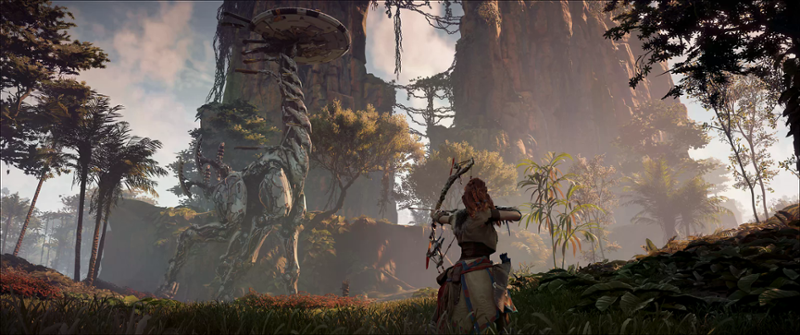
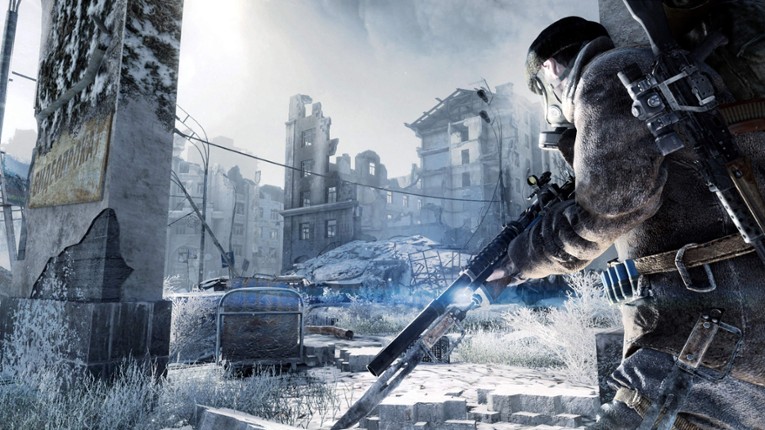
- 80%Game Brain ScoreMost mentioned positive aspects:story, gameplayMost mentioned negative aspects:stability, optimization87% User Score 38,385 reviewsCritic Score 72%73 reviews
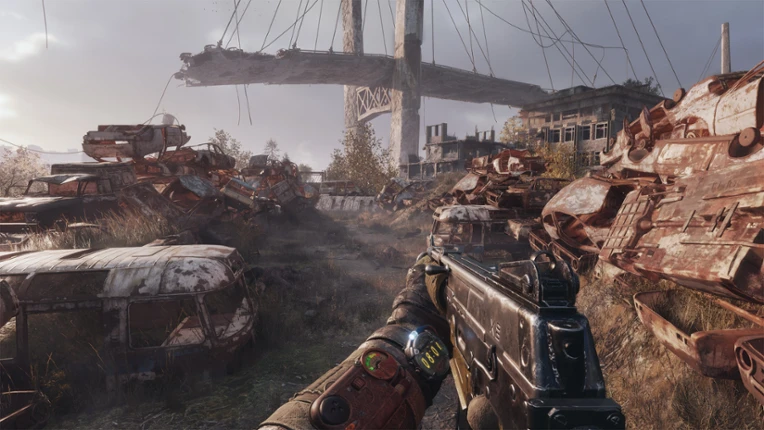
Both games thrive on the constant tension of traversing a hostile wasteland where your survival depends on maintaining your gear. In Metro Exodus, managing gas mask filters and cleaning dirty weapons mirrors the desperate search for scrap and fuel to keep Deacon’s bike running. This hands-on upkeep transforms simple exploration into a high-stakes resource puzzle, making every safehouse a hard-won relief.
While Days Gone drops you into a vast, singular map, this adventure trades that sprawl for a series of dense, hand-crafted sandbox regions. This shift to a semi-open structure directly cures the repetitive open-world fatigue and endless grinding of the Oregon wilderness. You trade the freedom of a motorcycle for a train-based journey, offering a constantly shifting variety of environmental hazards and stealth scenarios.
This is a solid match for players who crave a gritty, narrative-driven survival experience but want more focused pacing and varied tactical encounters. Best for players who value desperate, scrap-by-scrap survival over endless open-world checklists.
If you enjoyed this game, see our list of games similar to Metro Exodus.View Game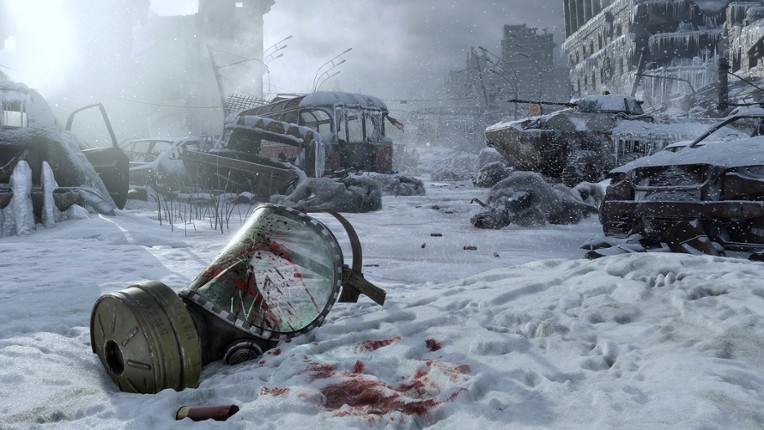
- 82%Game Brain ScoreMost mentioned positive aspects:story, gameplayMost mentioned negative aspects:optimization, stability85% User Score 9,562 reviewsCritic Score 77%3 reviews
Both games drop you into hostile worlds where every bullet and scrap counts. You constantly weigh risk versus reward, turning routine runs into high‑stakes decisions.
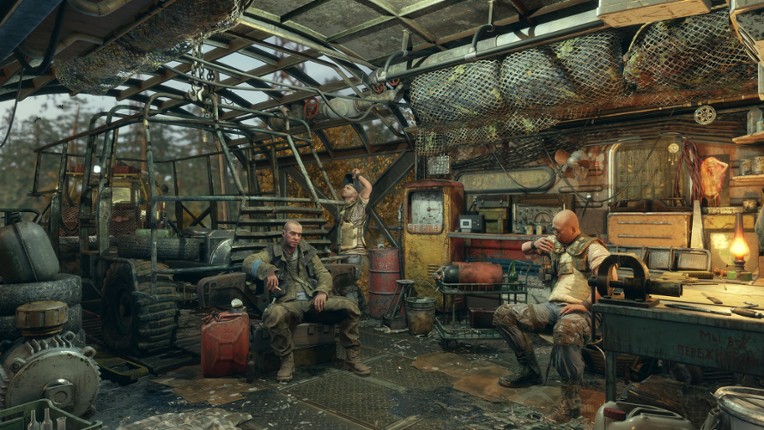
Crafting loops tie directly to survival, turning every scavenging run into a strategic gamble that fuels tension in both titles. In Days Gone the bike needs fuel and repairs; Chernobylite’s base needs power and defenses.
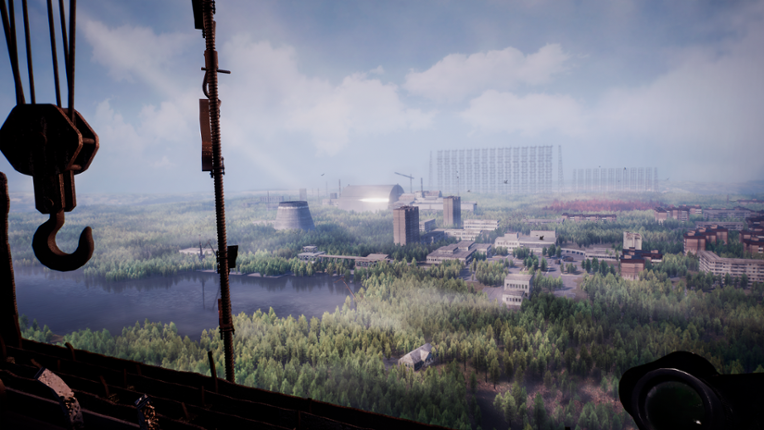
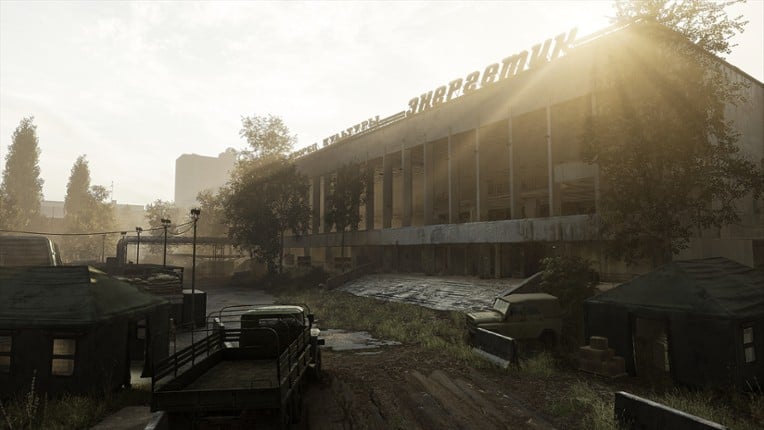
Both games render decayed environments with reactive weather that amplifies dread. Days Gone throws Freaker hordes in fog; Chernobylite fills the Exclusion Zone with anomalies and mutants stalking ruins.
Chernobylite swaps the motorcycle for a customizable base and optional co‑op, shifting focus from lone speed to strategic outpost building. This trade‑off replaces frantic bike chases with deliberate planning and teamwork, offering a fresh angle on survival.
Chernobylite runs more smoothly on most PCs than Days Gone, reducing stutters and letting horror flow uninterrupted. Best for fans of atmospheric survival, crafting depth, and responsive storytelling.
If you enjoyed this game, see our list of games similar to Chernobylite.View Game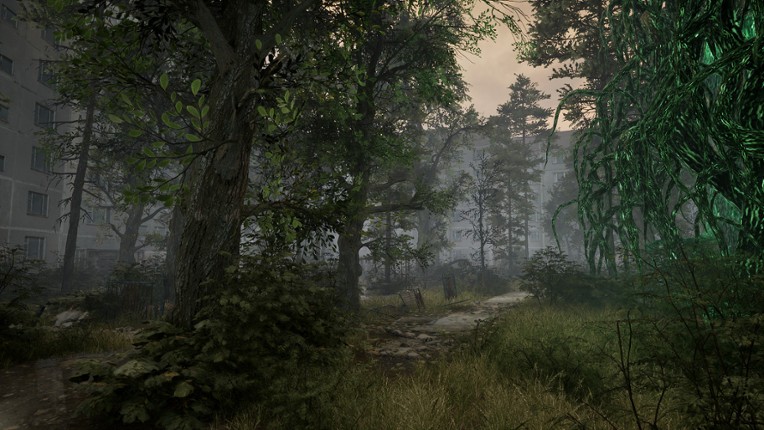
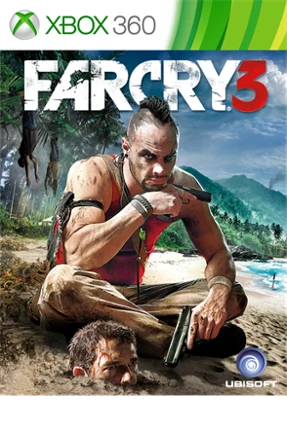
- 87%Game Brain ScoreMost mentioned positive aspects:story, gameplayMost mentioned negative aspects:optimization, stability85% User Score 43,609 reviewsCritic Score 89%8 reviews
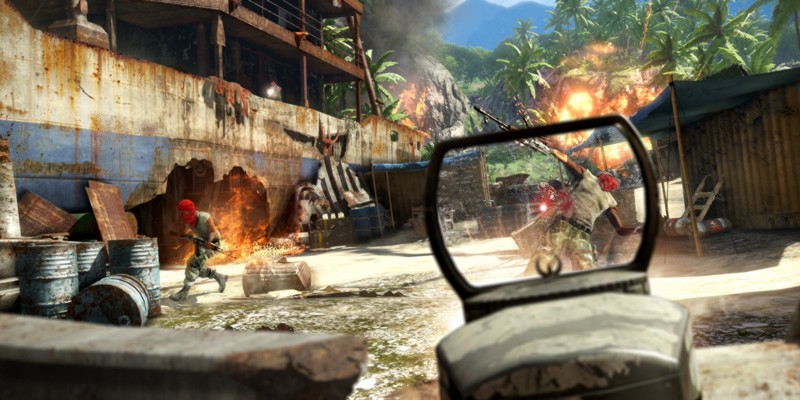
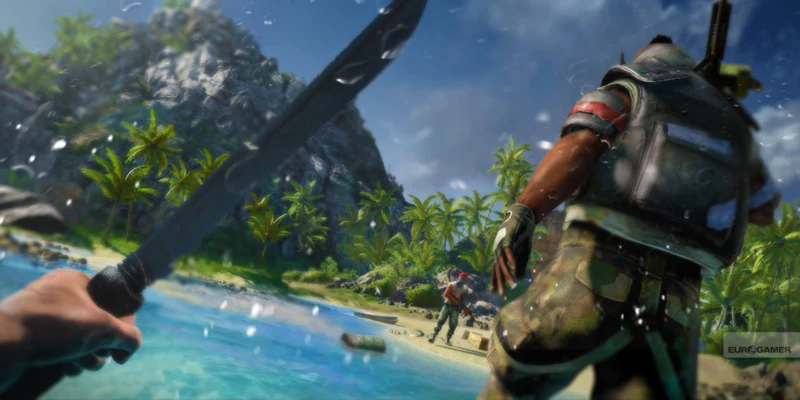
Both games let you orchestrate your own approach to combat encounters—stealth, guns blazing, or a hybrid—and that freedom shapes how you tackle each mission. In Days Gone, horde encounters force tactical decision-making; Far Cry 3 delivers the same empowerment through outpost liberations, where you can tag enemies, plan your route, and execute without a single alarm.
The crafting and progression systems feel equally rewarding in both games. Scavenging for materials fuels your survival tools and upgrades, creating that satisfying loop of looting, building, and becoming deadlier—a core reason Days Gone players sink hundreds of hours into the world.
Where Far Cry 3 diverges is its first-person perspective and tropical setting, which strips away Days Gone's grounded, gritty motorcycle noir for a more bombastic, Jason Brody-centric power fantasy. It's a tonal shift, but one that refreshes the formula.
If Days Gone's narrative pacing felt sluggish, Far Cry 3 moves faster, with shorter mission chains and snappier story beats—though character development suffers as a tradeoff.
Best for: Stealth-action players who want to reclaim that sandbox control without the open-world fatigue.
If you enjoyed this game, see our list of games similar to Far Cry 3.View Game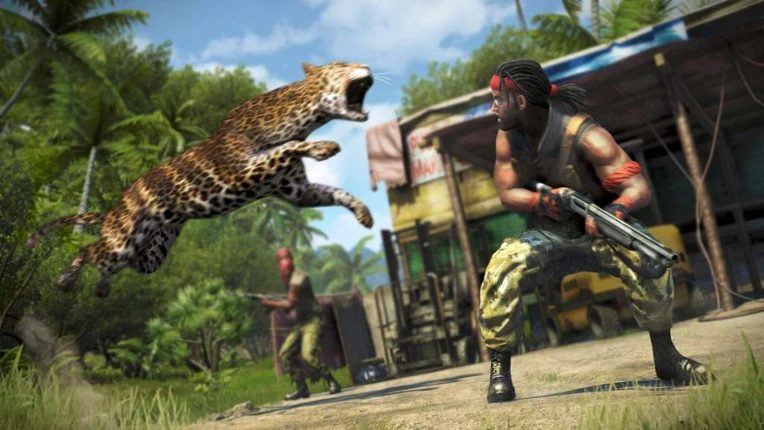
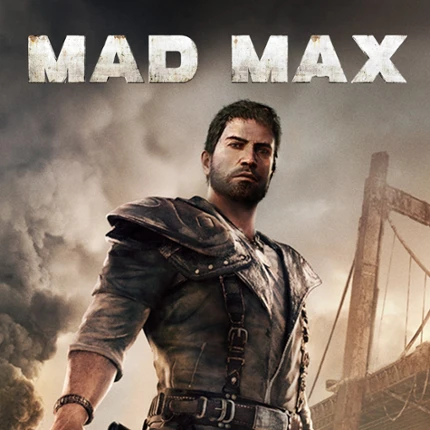
- 80%Game Brain ScoreMost mentioned positive aspects:story, gameplayMost mentioned negative aspects:grinding, stability91% User Score 44,416 reviewsCritic Score 70%38 reviews
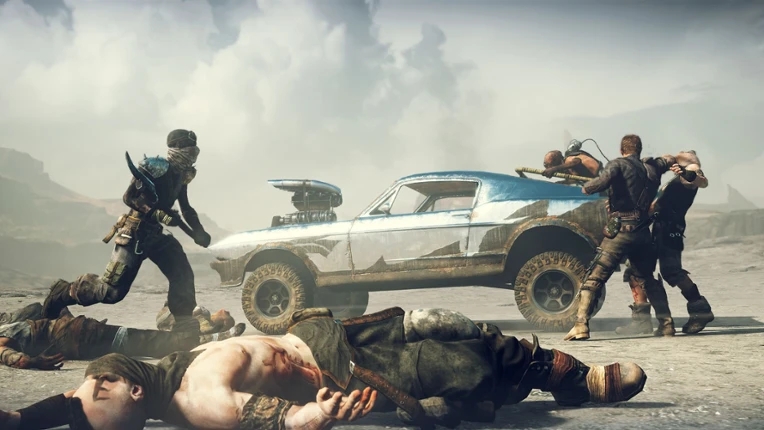
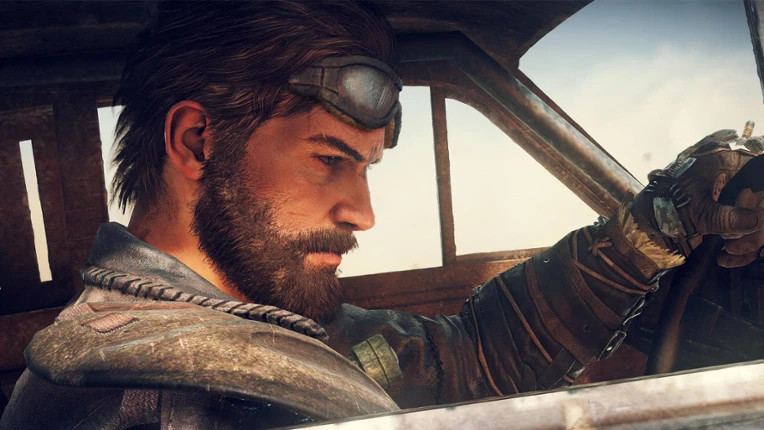
That feeling of scavenging a hostile wasteland for scrap while your vehicle becomes a lifeline rather than just transport? Mad Max nails it. Deacon's bike and Max's car, the Magnum Opus, both demand constant upgrading and fuel management, turning every road trip into a resource-gathering gamble that raises the stakes of exploration.
Combat here leans into brutal, weighty melee and improvised weapons rather than Days Gone's horde-focused shooting, but the survival tension carries over — you're still scraping by against overwhelming odds in a world that wants you dead. Base-building and territory control add a layer of strategic progression that Days Gone only gestures at through camps.
Where Days Gone sometimes drags with repetitive fetch-and-craft loops, Mad Max's vehicle combat and Fury Road-style chases inject more variety into the moment-to-moment grind, even if its own side content leans repetitive too.
The wasteland aesthetic swaps Oregon's forests for scorched dunes, but the atmosphere is just as committed to its tone.
Best for players who loved the survival-and-scavenge loop of Days Gone and want that itch scratched with more vehicular mayhem, even if the story hits softer.
If you enjoyed this game, see our list of games similar to Mad Max.View Game
- 72%Game Brain ScoreMost mentioned positive aspects:story, gameplayMost mentioned negative aspects:optimization, stability72% User Score 11,149 reviews
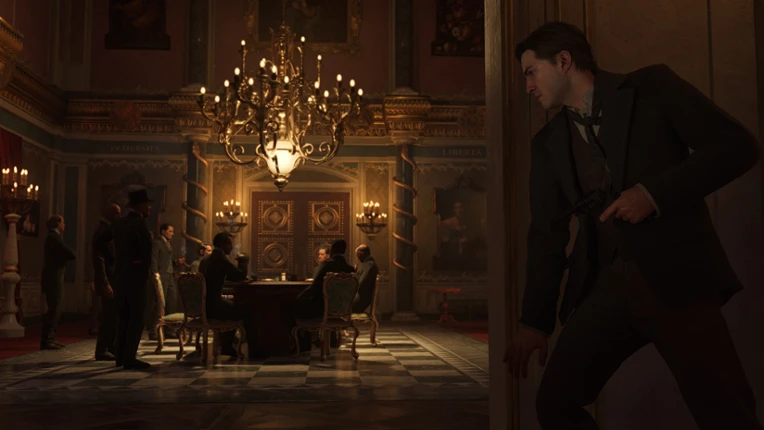
Both games anchor their experience in cinematic, character-driven storytelling that prioritizes slow-burn emotional beats over rapid-fire action. This focus on heavy narrative weight ensures that every gritty, mature confrontation feels like a meaningful consequence of the protagonist's personal history.
Where Days Gone relies on open-world survival mechanics and motorcycle traversal, Mafia: The Old Country pivots to a strictly linear, atmospheric crime drama. You are trading the constant tension of horde combat for a polished, historical period piece that favors spectacle over systemic freedom.
Pick this up if you want the same hard-boiled narrative intensity found in Deacon’s journey but can live without the grinding resource management of the Pacific Northwest wilderness.
If you enjoyed this game, see our list of games similar to Mafia: The Old Country.View Game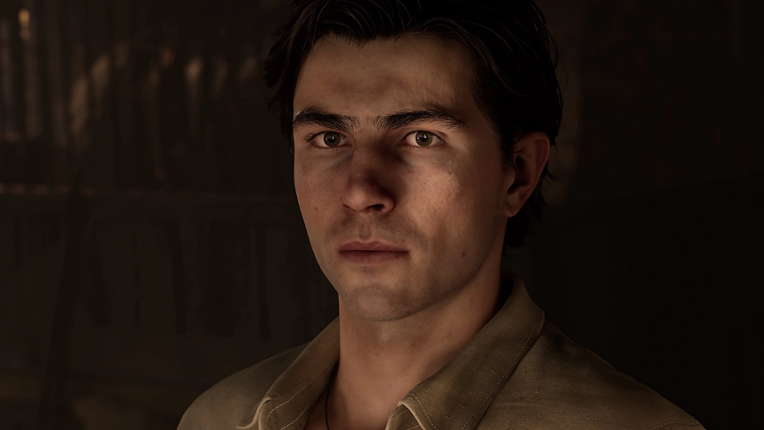

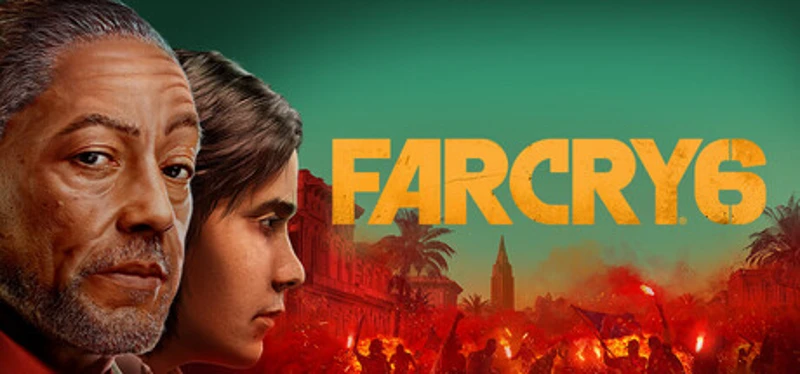
- 74%Game Brain ScoreMost mentioned positive aspects:story, gameplayMost mentioned negative aspects:stability, grinding67% User Score 12,829 reviewsCritic Score 81%10 reviews
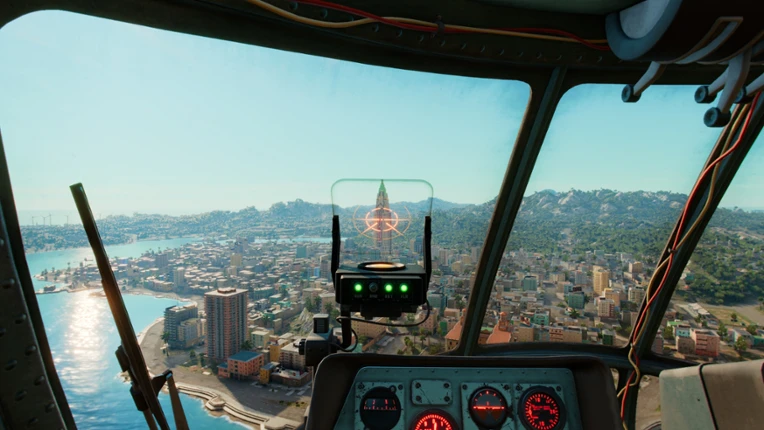
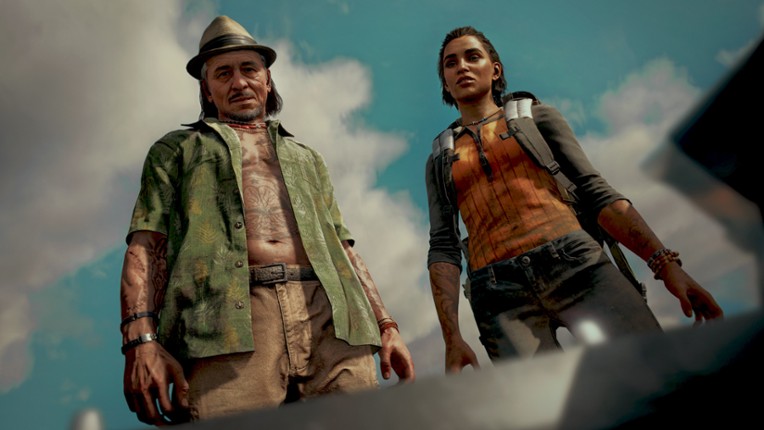
Far Cry 6 is the closest match here in open-world third-person shooting with scavenging, crafting, and upgrade grind. That matters because both games lean on constant route planning, resource management, and map-clearing momentum.
The overlap in survival-style busywork and vehicle-based traversal gives it the same “push forward, patch up, keep moving” feel, but Far Cry 6 swaps Days Gone’s heavy emotional arc and horde tension for a louder, more explosive sandbox.
Pick this up if you want a similar open-world loop and can live without Days Gone’s stronger story, mood, and signature undead pressure.
If you enjoyed this game, see our list of games similar to Far Cry 6.View Game
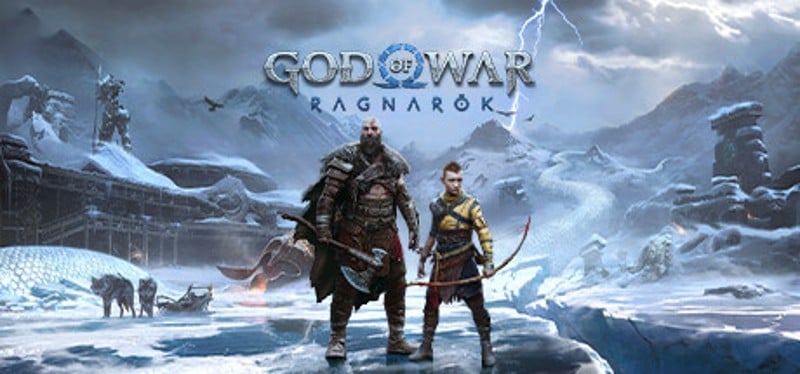
- 89%Game Brain ScoreMost mentioned positive aspects:story, gameplayMost mentioned negative aspects:stability, grinding89% User Score 19,851 reviews
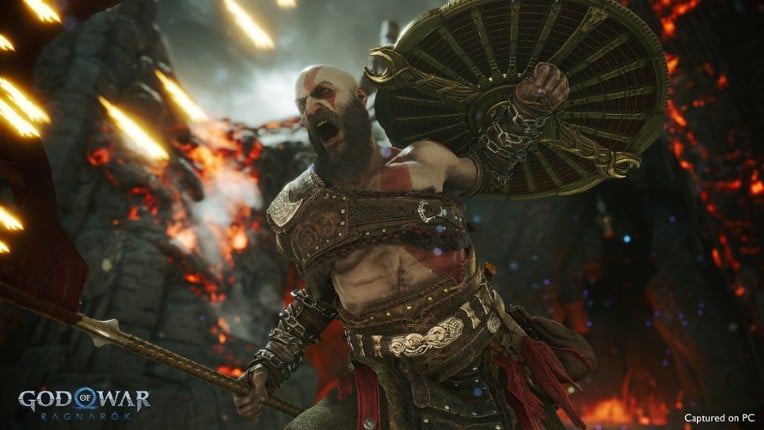
Both games anchor their experiences in a visceral, character-driven fatherhood narrative that prioritizes long-term emotional payoff over simple spectacle. This shared DNA matters because it transforms standard combat loops into meaningful character development as you navigate hostile worlds.
The core tradeoff is scale; while Days Gone emphasizes rugged, motorcycle-based survival in a post-apocalyptic wasteland, God of War Ragnarök trades open-world resource management for tight, polished cinematic action and divine-tier combat set pieces. You lose the grit of scavenging for fuel, but gain a superior, highly refined mechanical depth.
Pick this up if you want a high-stakes, emotionally heavy journey but can live without the constant tension of survival crafting and zombie-horde traversal.
If you enjoyed this game, see our list of games similar to God of War Ragnarök.View Game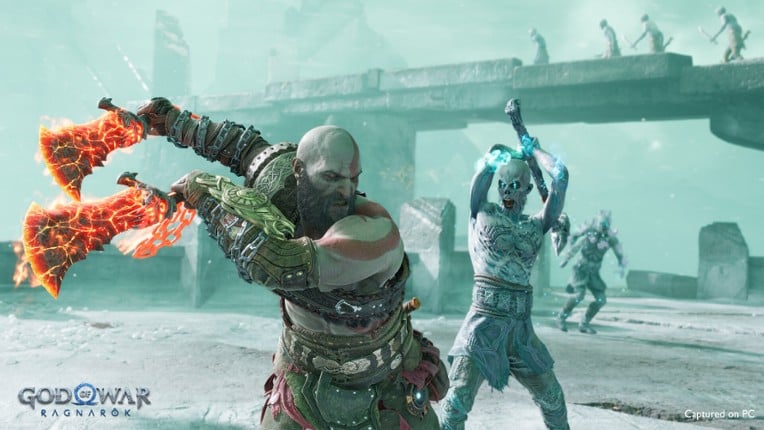
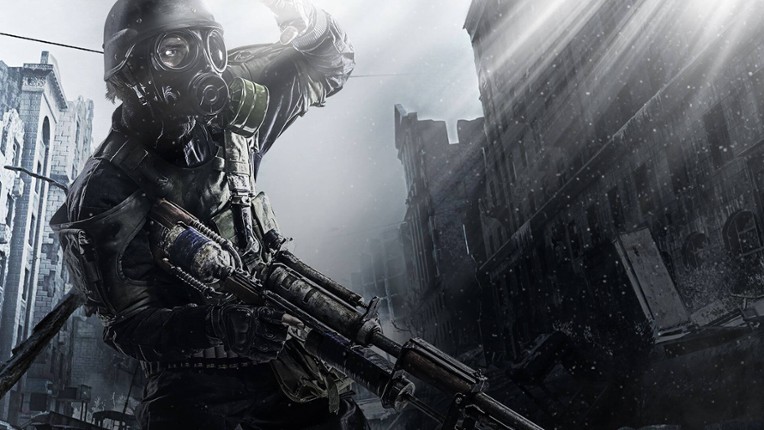
- 86%Game Brain ScoreMost mentioned positive aspects:story, gameplayMost mentioned negative aspects:stability, grinding89% User Score 34,738 reviewsCritic Score 84%9 reviews
Those who loved Days Gone's post‑apocalyptic atmosphere but want a claustrophobic, narrative‑driven shooter instead of open‑world riding will find it appealing.
If you enjoyed this game, see our list of games similar to Metro 2033 Redux.View Game
10 View Game 78%Game Brain ScoreMost mentioned positive aspects:story, gameplayMost mentioned negative aspects:stability, optimization78% User Score 82,755 reviewsCritic Score 80%3 reviews
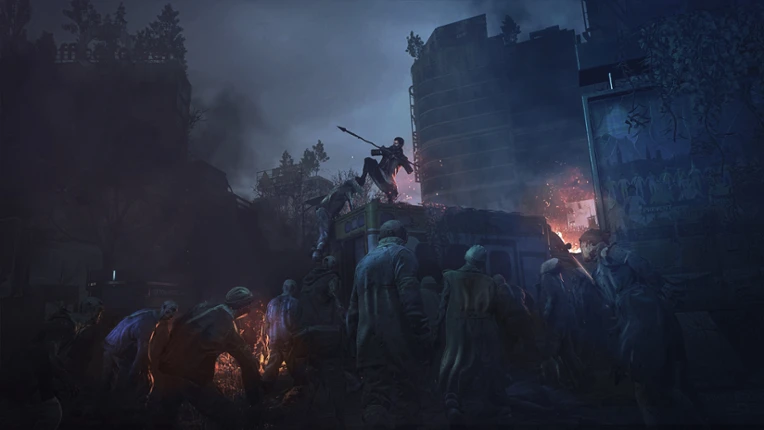
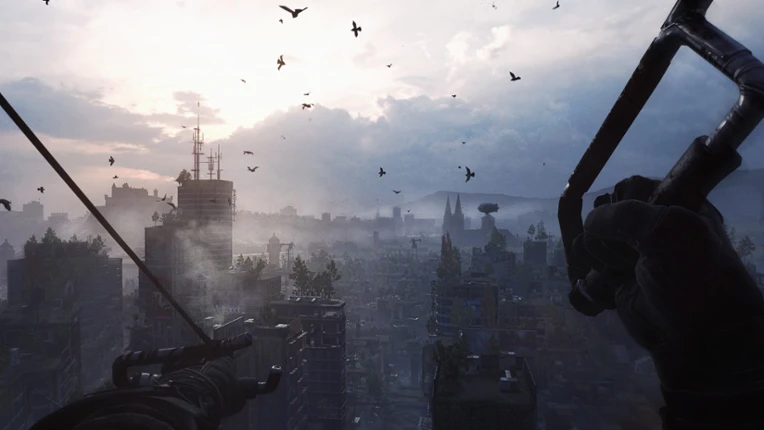
Both games anchor their experiences in post-apocalyptic survival horror, dropping players into devastated open worlds crawling with dangerous hordes and demanding constant resource management.
The crafting and survival systems matter because they force tactical decisions during exploration, keeping tension high throughout the runtime.
Days Gone delivers a character-driven narrative with emotional weight, while Dying Light 2 prioritizes systemic gameplay, first-person parkour mobility, and co-op over storytelling.
Pick this up if you want the same survival horror framework and atmospheric dread but can trade Deacon's emotional journey for parkour freedom and multiplayer.
If you enjoyed this game, see our list of games similar to Dying Light 2 Stay Human.View Game
- 90%Game Brain ScoreMost mentioned positive aspects:story, gameplayMost mentioned negative aspects:stability, grinding94% User Score 89,742 reviewsCritic Score 80%4 reviews
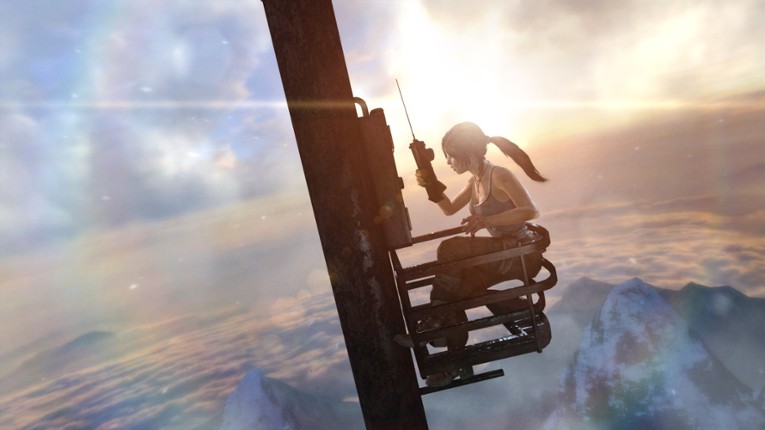
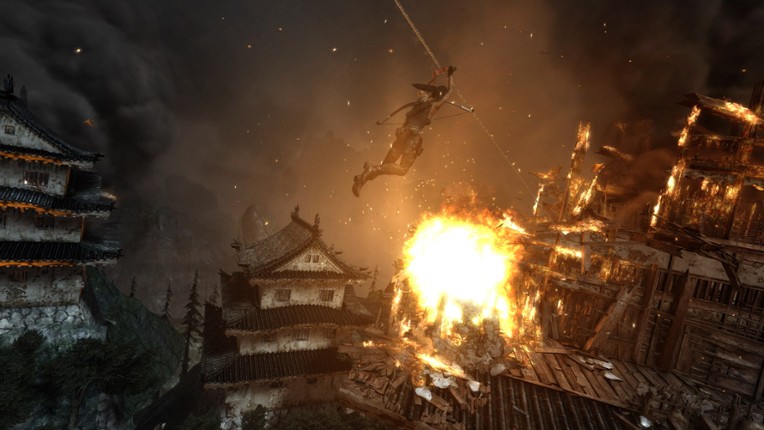
For those who enjoyed Days Gone's solo survival storytelling but crave intricate tomb puzzles and a female lead, Tomb Raider delivers a concise, cinematic adventure.
If you enjoyed this game, see our list of games similar to Tomb Raider.View Game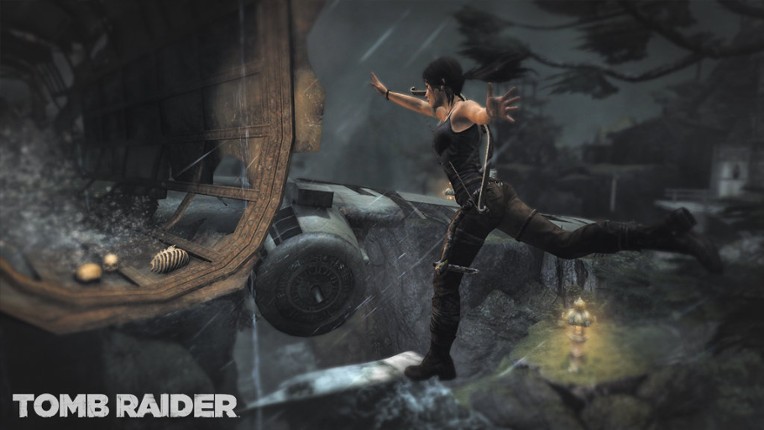
- 66%Game Brain ScoreMost mentioned positive aspects:story, gameplayMost mentioned negative aspects:optimization, stability65% User Score 4,571 reviewsCritic Score 66%71 reviews
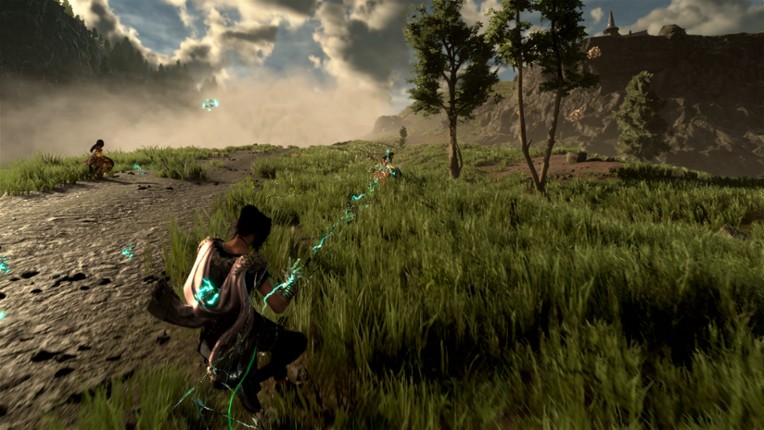
When Days Gone's open‑world survival appealed to you but you prefer magical parkour over motorbike combat, Forspoken offers a vibrant, spell‑casting adventure.
If you enjoyed this game, see our list of games similar to Forspoken.View Game
13 View Game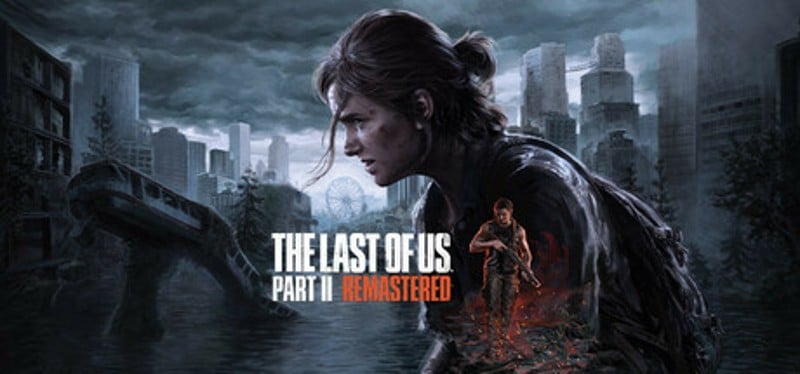 91%Game Brain ScoreMost mentioned positive aspects:story, gameplayMost mentioned negative aspects:stability, grinding91% User Score 20,190 reviews
Fans craving Days Gone's gritty survival mood will appreciate The Last of Us Part II's intense, character‑driven horror without any vehicle mechanics.
If you enjoyed this game, see our list of games similar to The Last of Us™ Part II Remastered.View Game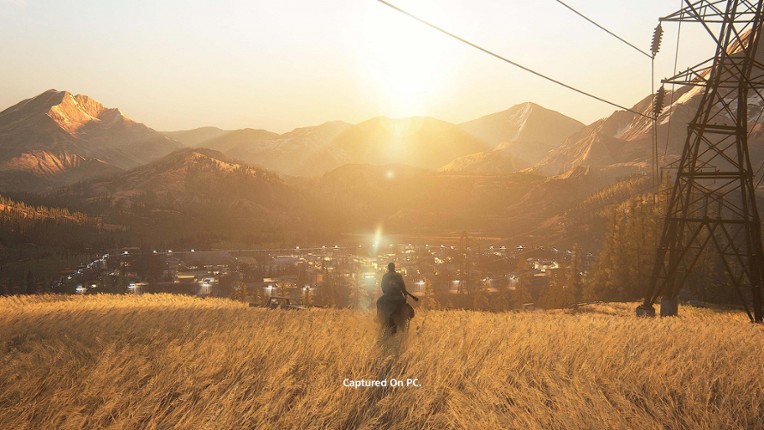
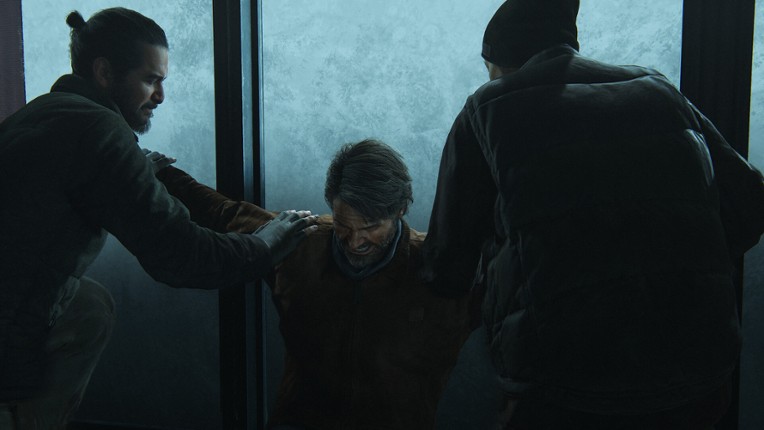
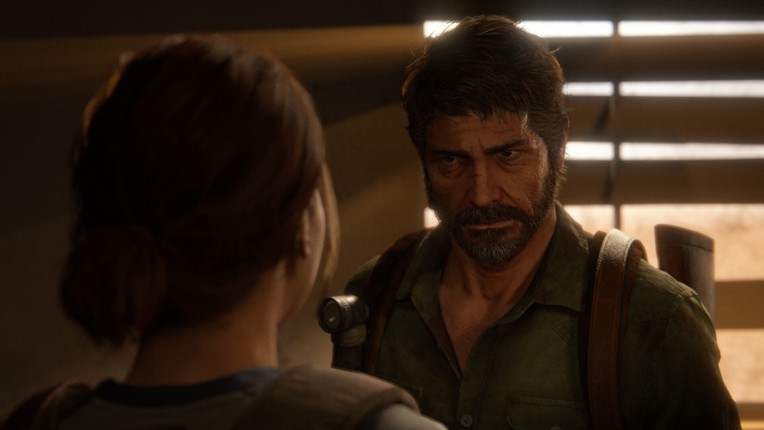
- 89%Game Brain ScoreMost mentioned positive aspects:story, gameplayMost mentioned negative aspects:grinding, stability89% User Score 13,313 reviewsCritic Score 89%72 reviews
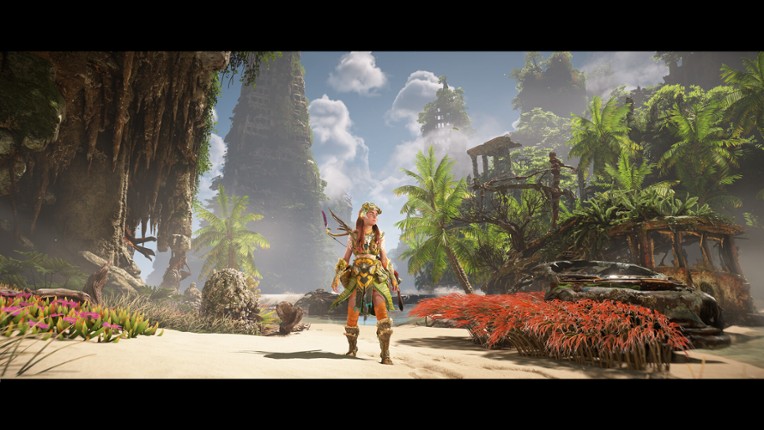
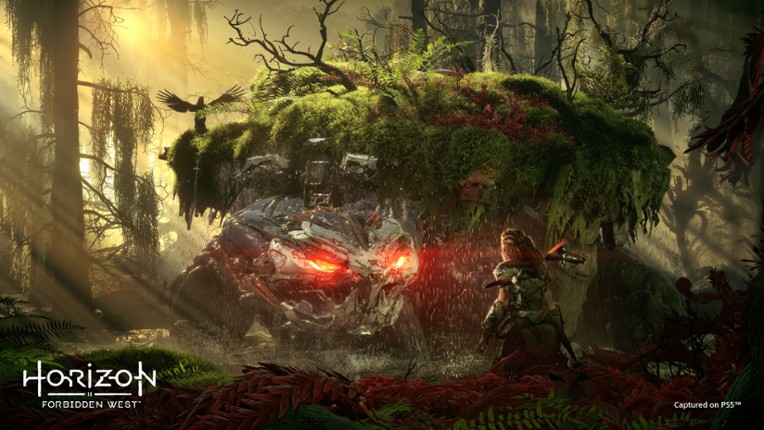
While Days Gone's open‑world survival excites you, Horizon Forbidden West delivers a bright sci‑fi world with robotic beasts instead of undead hordes.
If you enjoyed this game, see our list of games similar to Horizon Forbidden West.View Game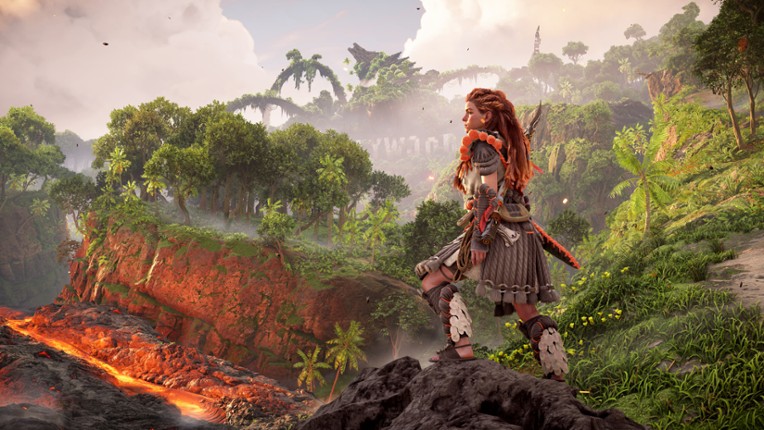
- 81%Game Brain ScoreMost mentioned positive aspects:story, gameplayMost mentioned negative aspects:stability, grinding81% User Score 18,138 reviewsCritic Score 80%2 reviews
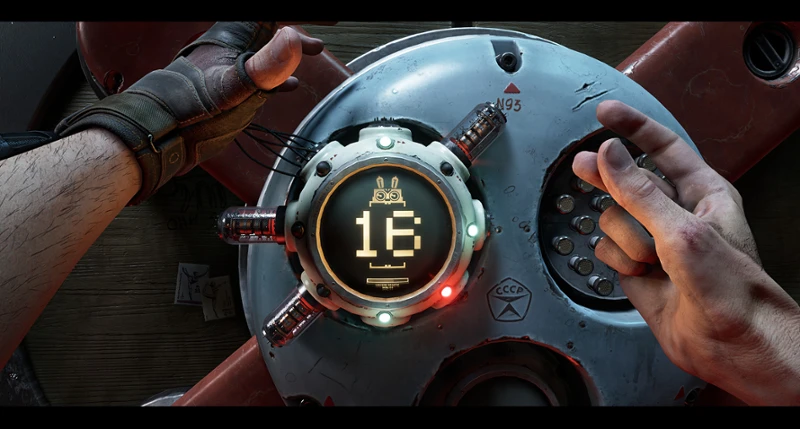
Atomic Heart swaps Days Gone's post‑apocalyptic motorcycle grit for a flamboyant Soviet‑era sci‑fi shooter, catering to players who love open‑world gunplay with less horror.
If you enjoyed this game, see our list of games similar to Atomic Heart.View Game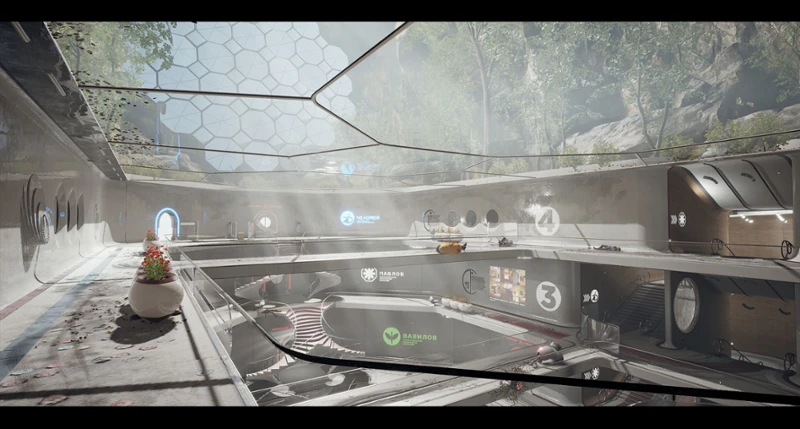

- 77%Game Brain ScoreMost mentioned positive aspects:story, graphicsMost mentioned negative aspects:stability, optimization75% User Score 9,452 reviewsCritic Score 79%8 reviews
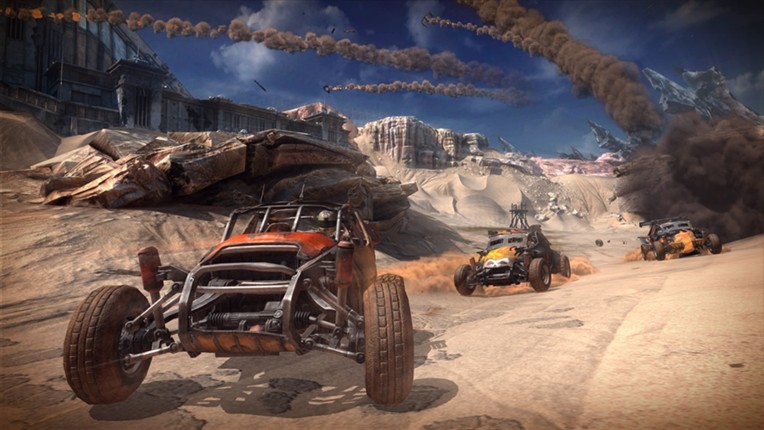
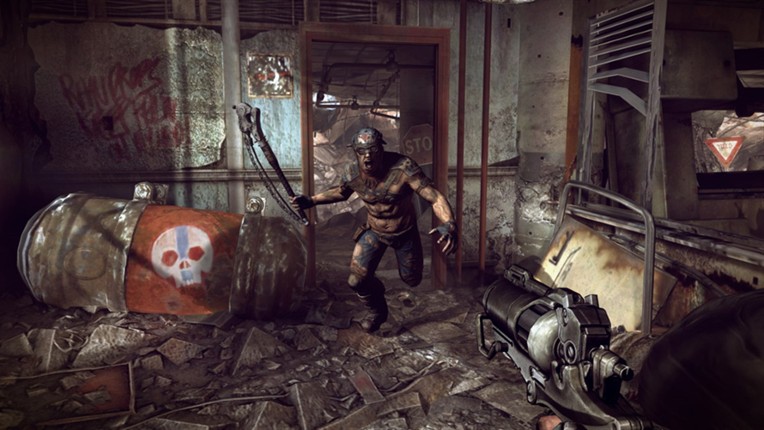
Rage offers a fast‑paced, vehicle‑heavy shooter that replaces Days Gone's atmospheric horror with chaotic sci‑fi action, perfect for fans craving arcade‑style combat.
If you enjoyed this game, see our list of games similar to Rage.View Game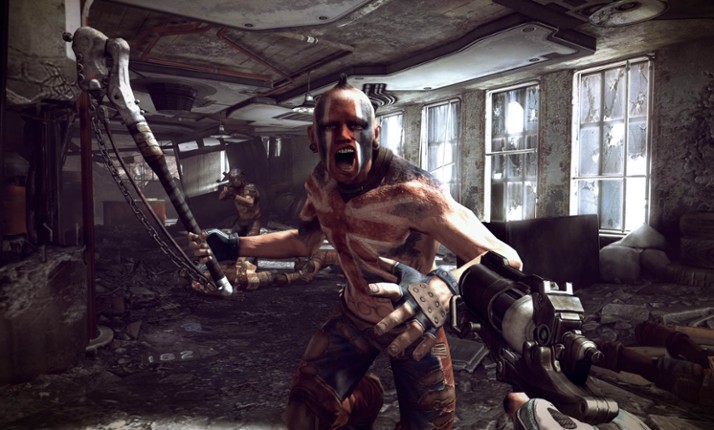
17 View Game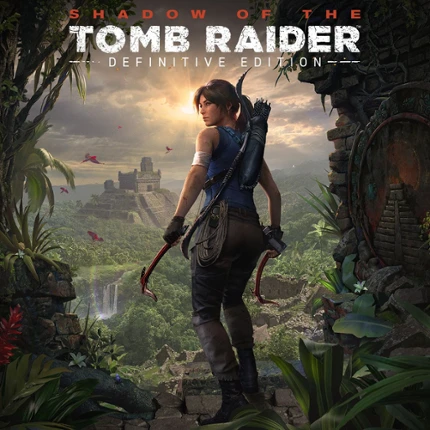 87%Game Brain ScoreMost mentioned positive aspects:story, graphicsMost mentioned negative aspects:stability, grinding85% User Score 39,982 reviewsCritic Score 91%4 reviews
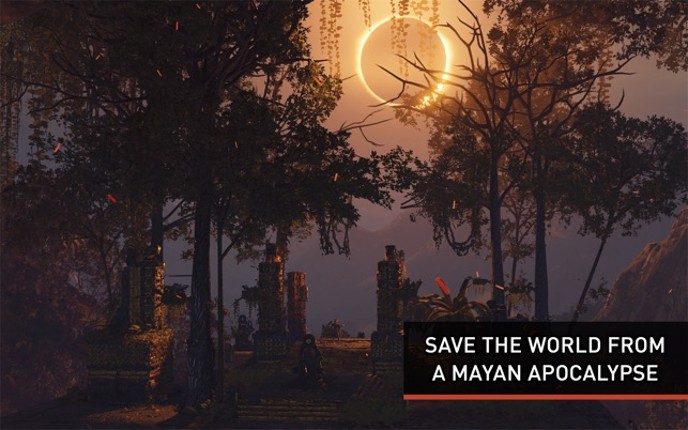
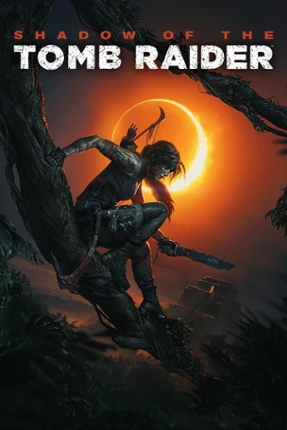
Players who liked Days Gone's solo survival vibe but want a puzzle‑rich, stealth‑focused adventure without hordes will find Shadow of the Tomb Raider's elegant exploration.
If you enjoyed this game, see our list of games similar to Shadow of the Tomb Raider.View Game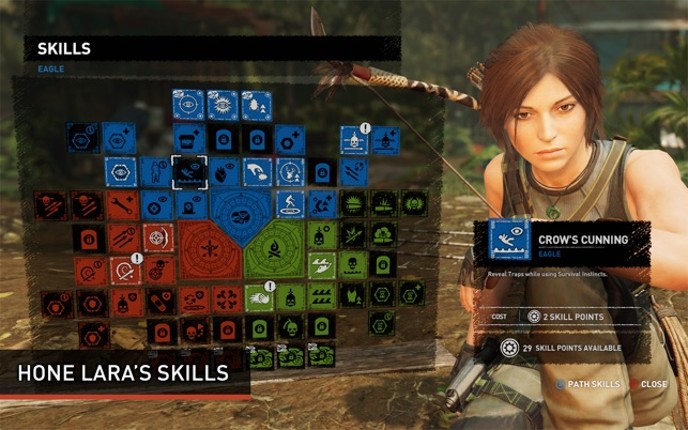
- 95%Game Brain ScoreMost mentioned positive aspects:story, gameplayMost mentioned negative aspects:grinding, stability97% User Score 79,242 reviewsCritic Score 93%79 reviews
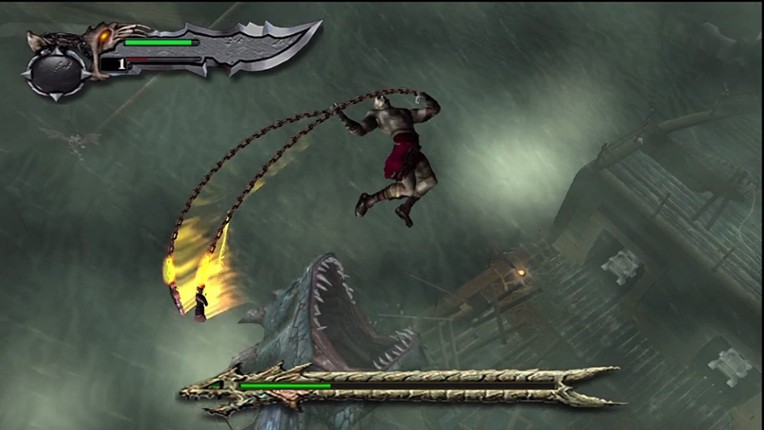
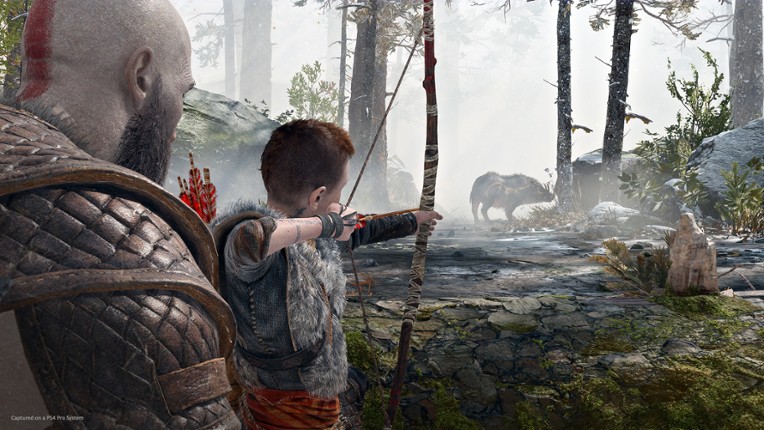
God of War trades Days Gone's open‑world bike‑filled survival for a tightly crafted, mythological revenge tale, ideal for players who love deep narrative combat.
If you enjoyed this game, see our list of games similar to God of War.View Game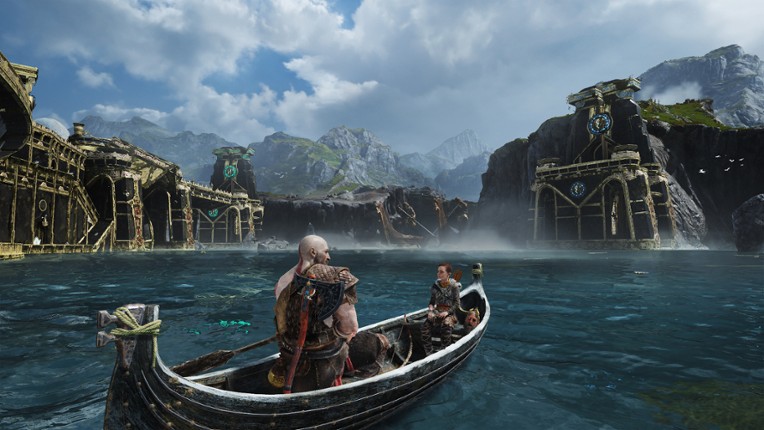
19 View Game 82%Game Brain ScoreMost mentioned positive aspects:story, gameplayMost mentioned negative aspects:grinding, stability85% User Score 3,850 reviewsCritic Score 78%66 reviews
Shifts from biker drama to supernatural ghost-hunting fantasy with relationship-based choices replacing motorcycle combat and horde encounters.
If you enjoyed this game, see our list of games similar to Banishers: Ghosts of New Eden.View Game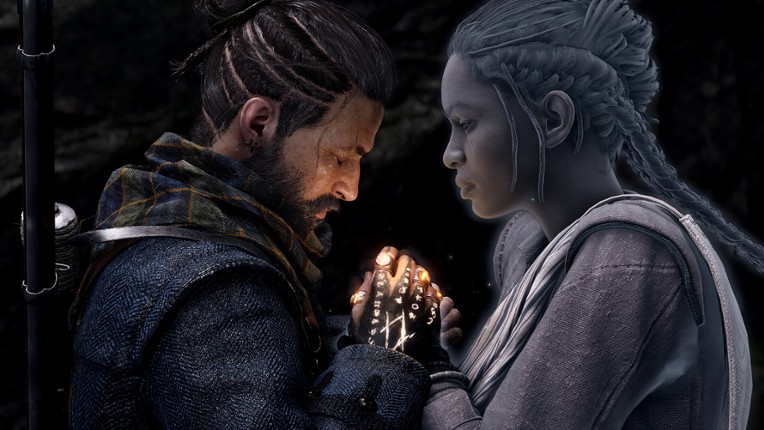
20 View Game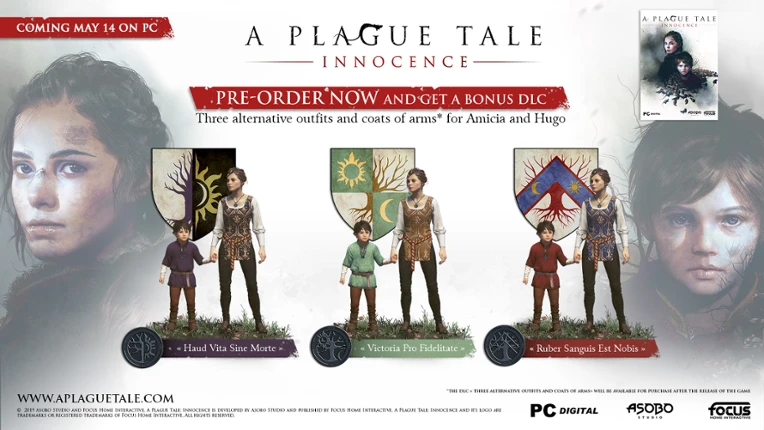
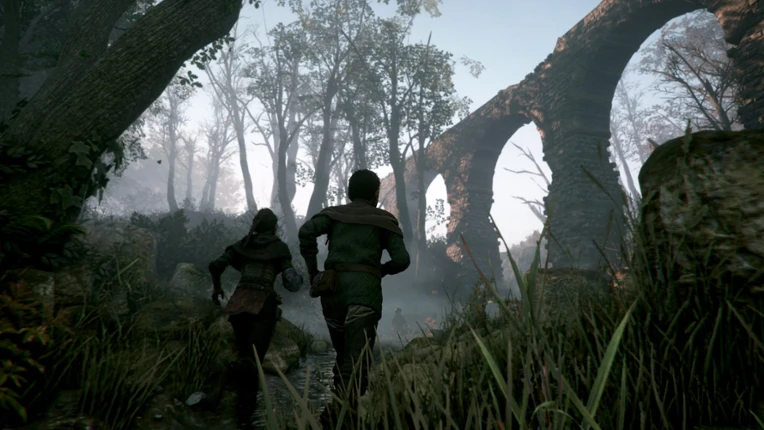 92%Game Brain ScoreMost mentioned positive aspects:story, gameplayMost mentioned negative aspects:replayability, grinding93% User Score 23,415 reviewsCritic Score 91%2 reviews
A Plague Tale swaps Days Gone's motorcycle hordes for plague‑ridden medieval stealth, catering to players seeking a dark, puzzle‑heavy narrative without open‑world combat.
If you enjoyed this game, see our list of games similar to A Plague Tale: Innocence.View Game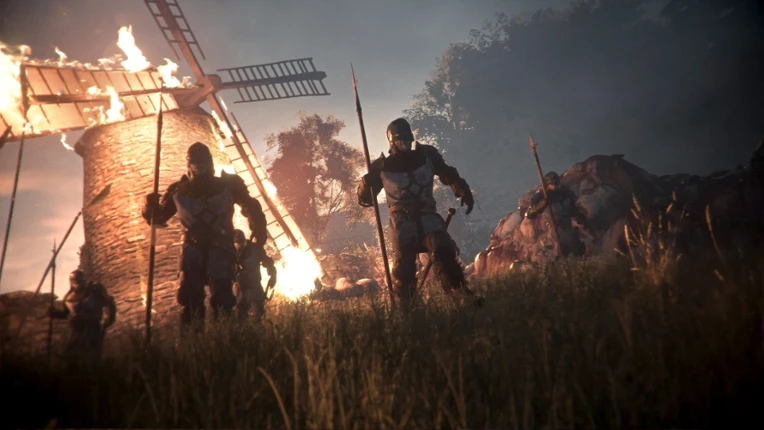
- 82%Game Brain ScoreMost mentioned positive aspects:story, gameplayMost mentioned negative aspects:optimization, stability91% User Score 10,698 reviewsCritic Score 50%2 reviews
Swaps open-world freedom for claustrophobic supernatural corridors, maintaining psychological horror and intense action combat.
If you enjoyed this game, see our list of games similar to The Evil Within 2.View Game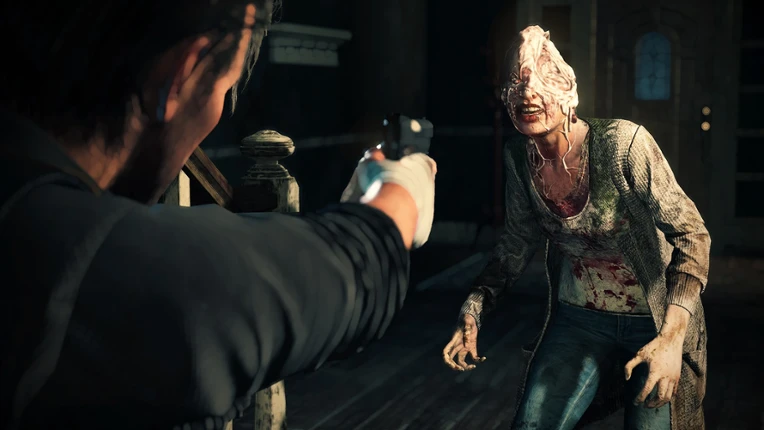

22 View Game
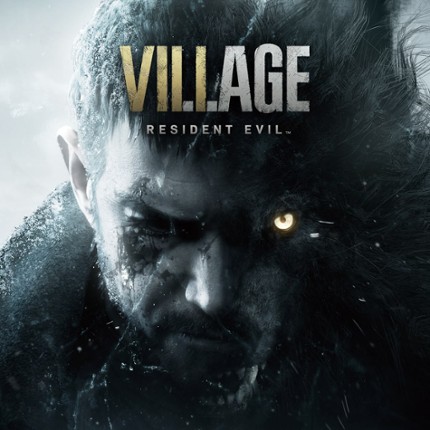
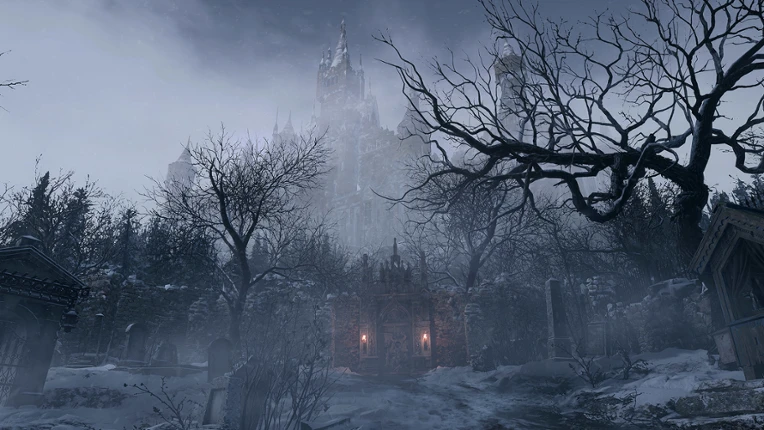 88%Game Brain ScoreMost mentioned positive aspects:story, gameplayMost mentioned negative aspects:stability, grinding95% User Score 71,410 reviewsCritic Score 81%88 reviews
Replaces motorcycle exploration with first-person survival horror and trading mechanics, keeping resource management and horrific atmosphere intact.
If you enjoyed this game, see our list of games similar to Resident Evil Village.View Game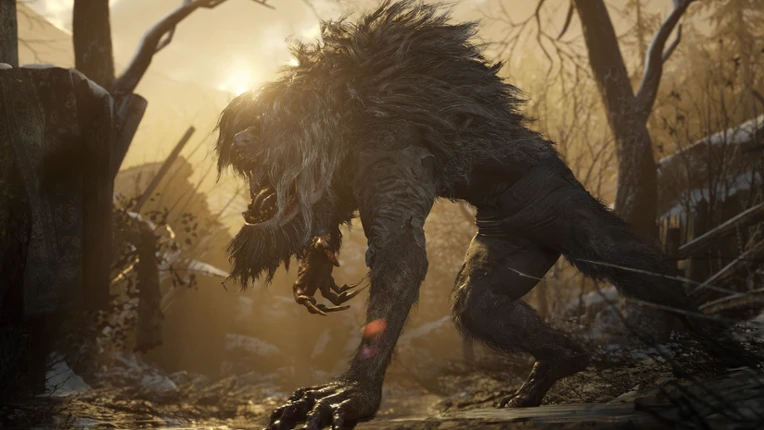
- 74%Game Brain ScoreMost mentioned positive aspects:story, gameplayMost mentioned negative aspects:stability, grinding76% User Score 1,571 reviewsCritic Score 65%2 reviews
Strips the bike and horde combat for sci-fi souls-like difficulty and alien horror, but preserves exploration and action-driven storytelling.
If you enjoyed this game, see our list of games similar to Scars Above.View Game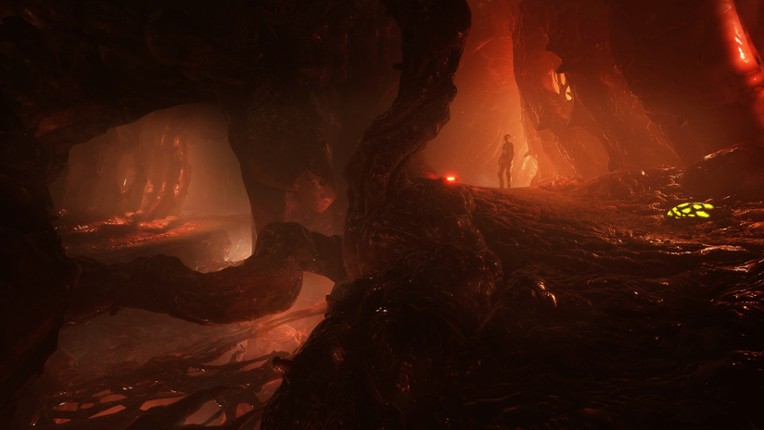
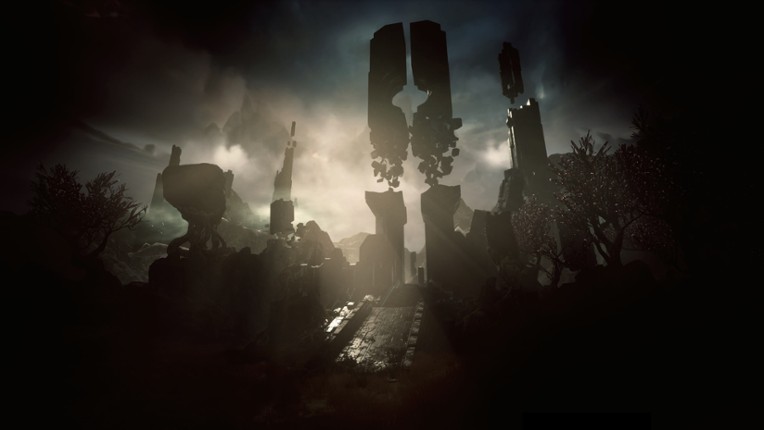
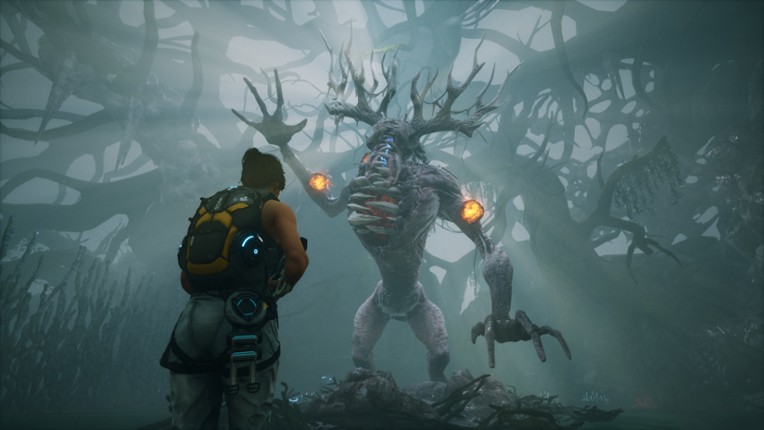
- 65%Game Brain ScoreMost mentioned positive aspects:story, gameplayMost mentioned negative aspects:optimization, stability65% User Score 19,779 reviewsCritic Score 66%68 reviews
Channels Days Gone's survival horror into a linear space-prison setting with reduced exploration but sharper narrative focus.
If you enjoyed this game, see our list of games similar to The Callisto Protocol.View Game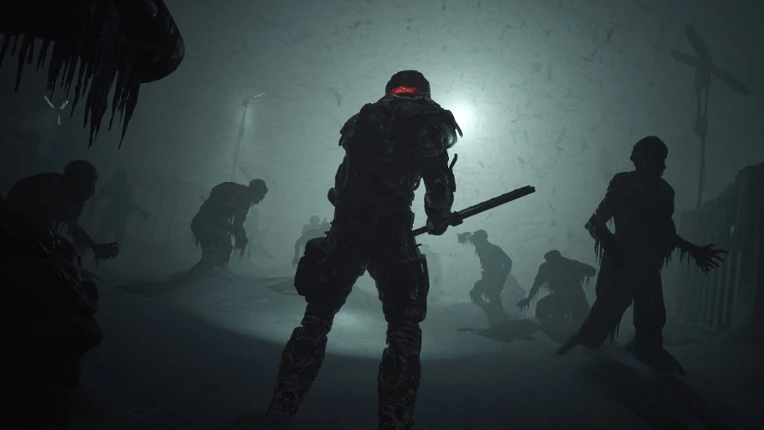


- 85%Game Brain ScoreMost mentioned positive aspects:story, gameplayMost mentioned negative aspects:stability, grinding85% User Score 18,743 reviews
Trades open-world riding for first-person post-apocalyptic survival with stronger narrative weight but narrower environmental freedom.
If you enjoyed this game, see our list of games similar to Metro Redux.View Game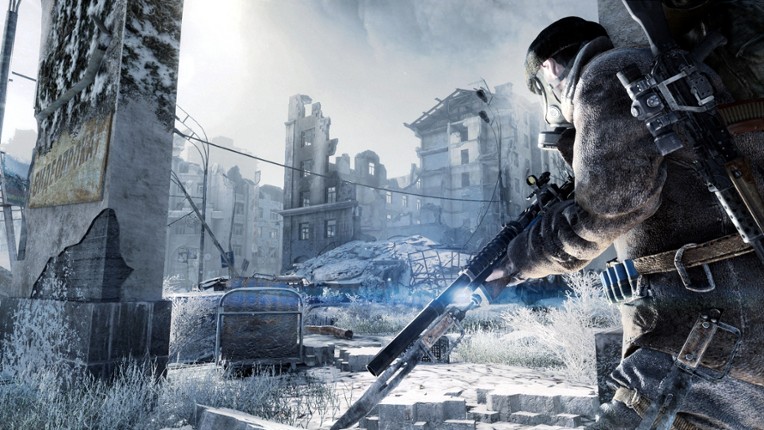
- 91%Game Brain ScoreMost mentioned positive aspects:story, gameplayMost mentioned negative aspects:stability, grinding91% User Score 23,752 reviewsCritic Score 91%7 reviews
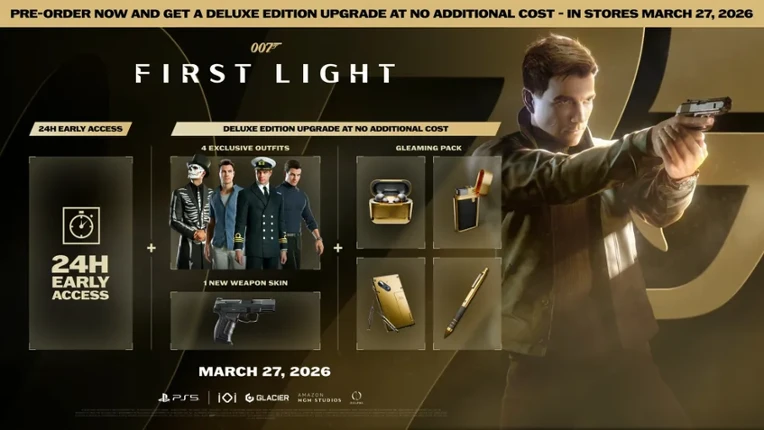
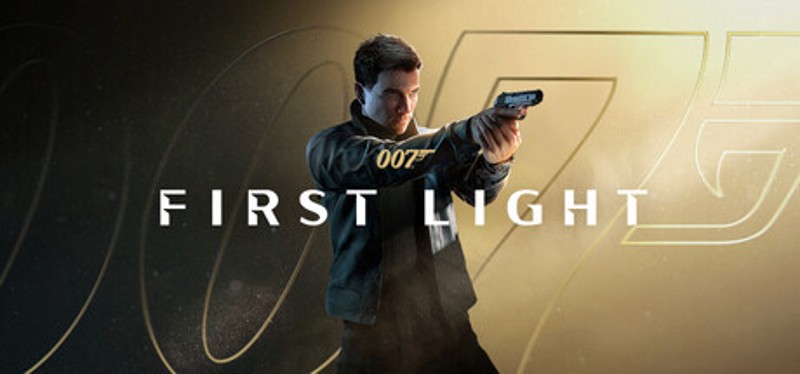
Applies spy-thriller structure to Days Gone's action template, emphasizing stealth and gadgetry over horde survival and emotional narrative.
If you enjoyed this game, see our list of games similar to 007 First Light.View Game

- 87%Game Brain ScoreMost mentioned positive aspects:story, gameplayMost mentioned negative aspects:stability, grinding94% User Score 132,525 reviewsCritic Score 80%33 reviews
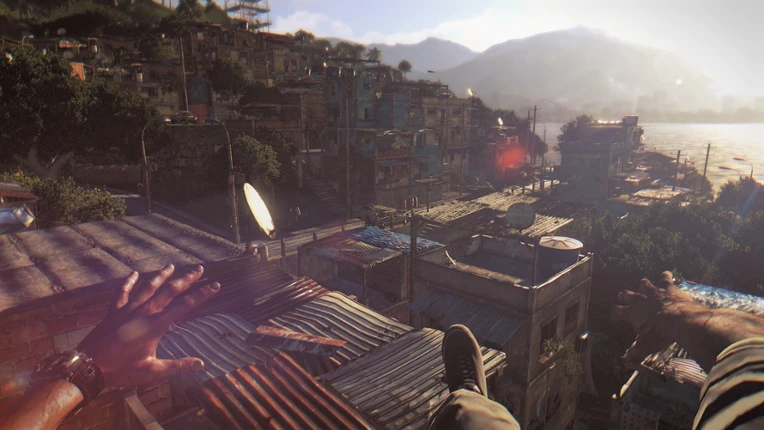
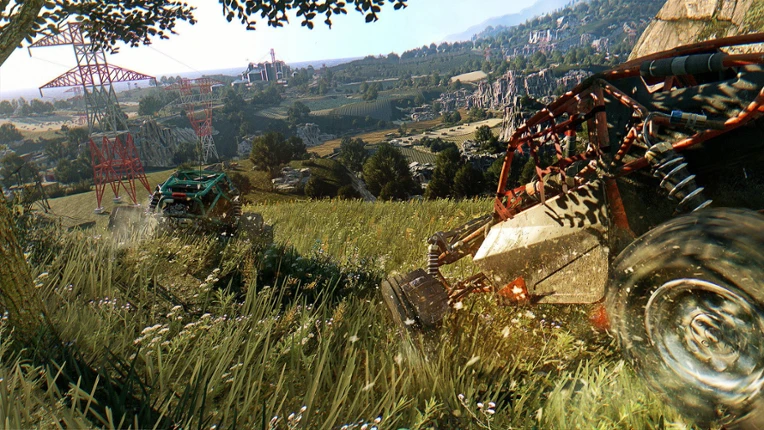
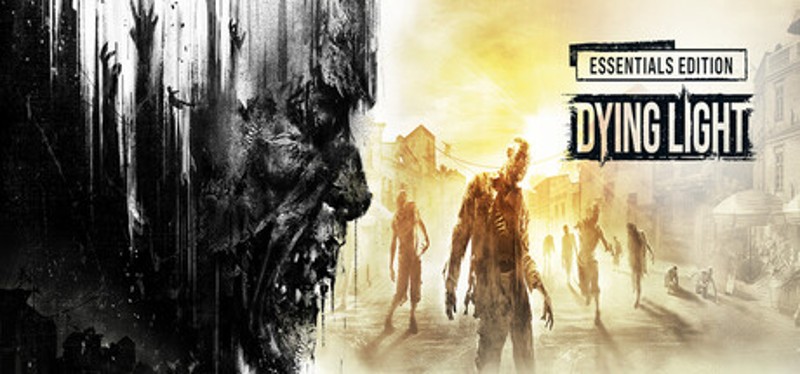
Keeps open-world survival horror and parkour mobility while adding cooperative multiplayer, zombie combat, and deeper RPG progression systems.
If you enjoyed this game, see our list of games similar to Dying Light.View Game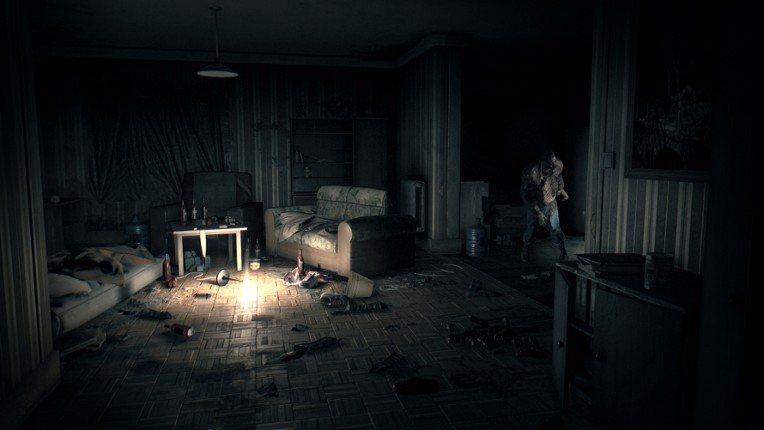
- 91%Game Brain ScoreMost mentioned positive aspects:story, graphicsMost mentioned negative aspects:stability, grinding94% User Score 51,832 reviewsCritic Score 88%35 reviews
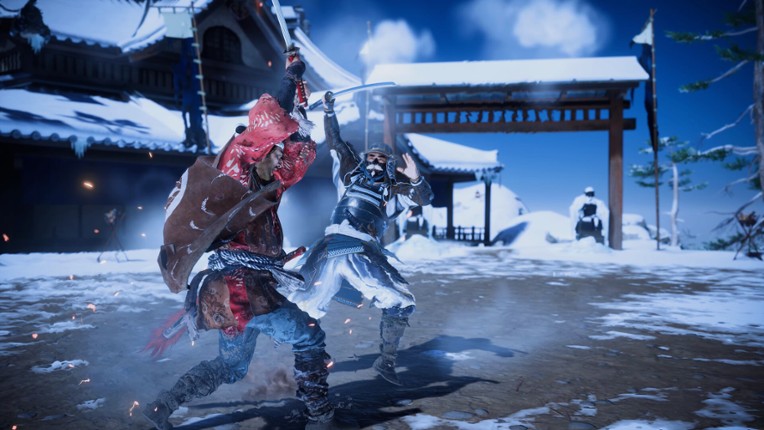
Maintains open-world exploration and satisfying melee combat but shifts from horror survival to samurai honor themes with co-op raids.
If you enjoyed this game, see our list of games similar to Ghost of Tsushima.View Game

- 75%Game Brain ScoreMost mentioned positive aspects:story, gameplayMost mentioned negative aspects:stability, optimization75% User Score 13,234 reviews
Swap the motorcycle exploration for a drug-fueled, procedurally generated dystopia where your social performance is just as vital as your survival skills.
If you enjoyed this game, see our list of games similar to We Happy Few.View Game
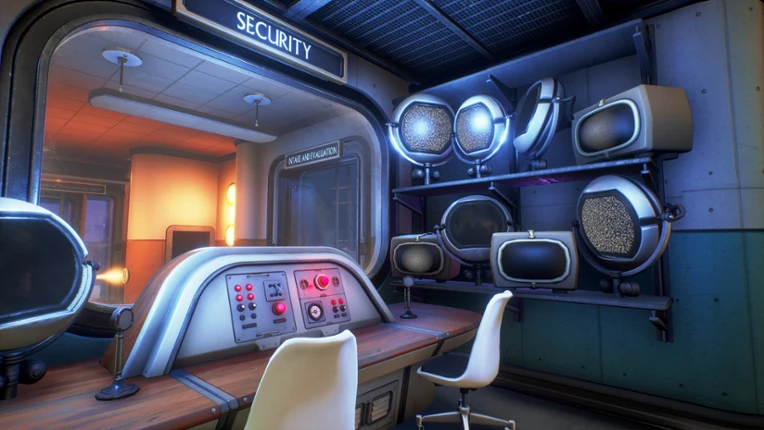
- 78%Game Brain ScoreMost mentioned positive aspects:humor, storyMost mentioned negative aspects:stability, optimization89% User Score 20,338 reviewsCritic Score 66%42 reviews
Replace the gritty, grounded tone of the Pacific Northwest with a neon-drenched, irreverent shooter featuring a constantly talking alien arsenal.
If you enjoyed this game, see our list of games similar to High On Life.View Game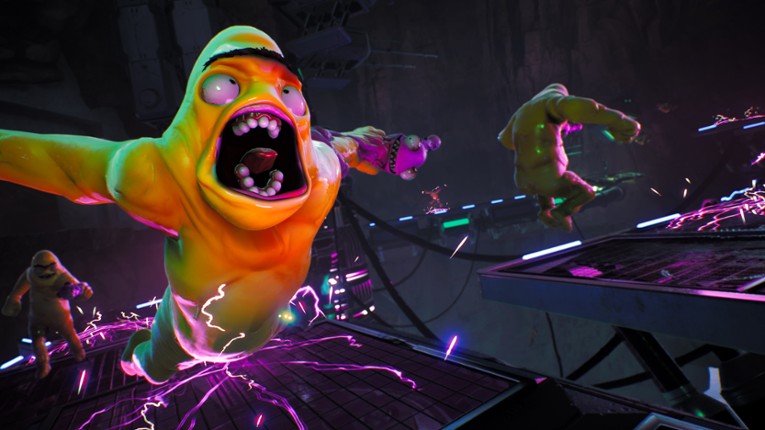
- 66%Game Brain ScoreMost mentioned positive aspects:gameplay, graphicsMost mentioned negative aspects:story, stability65% User Score 7,866 reviewsCritic Score 67%10 reviews
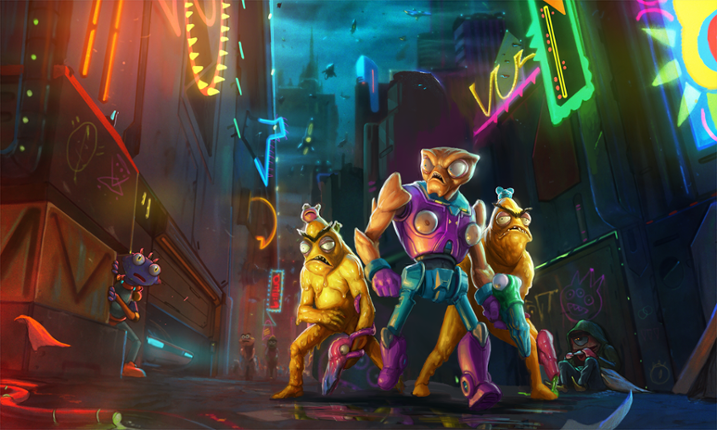
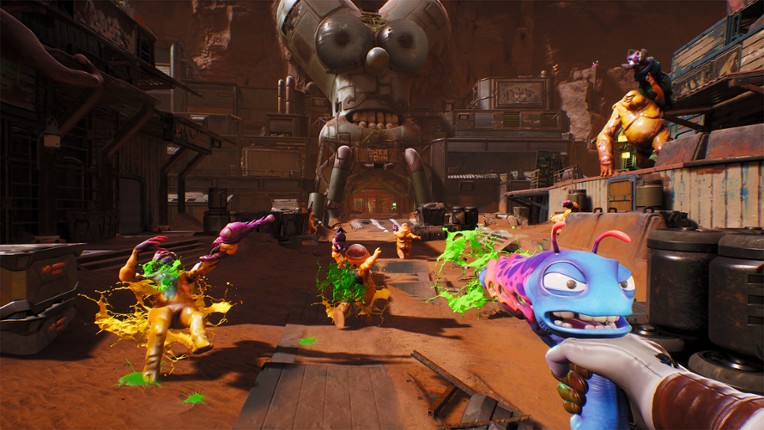
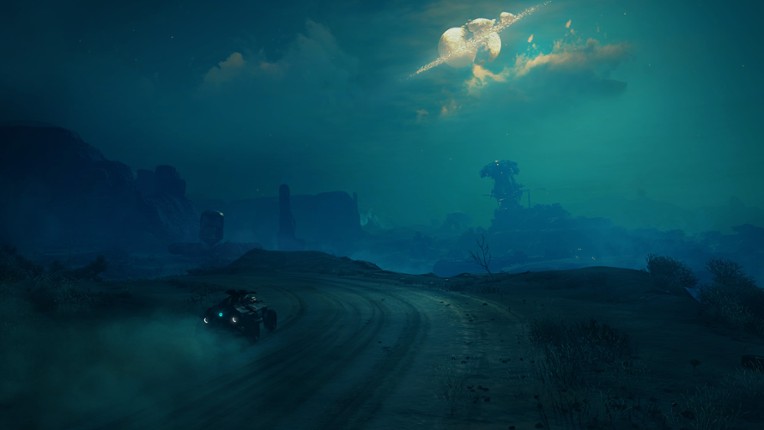
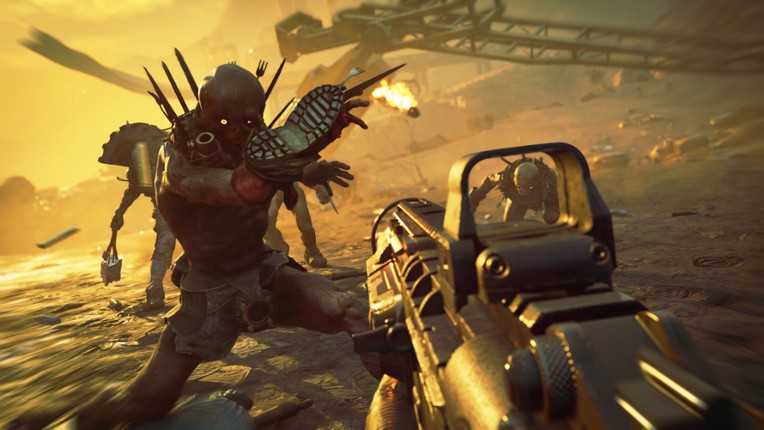
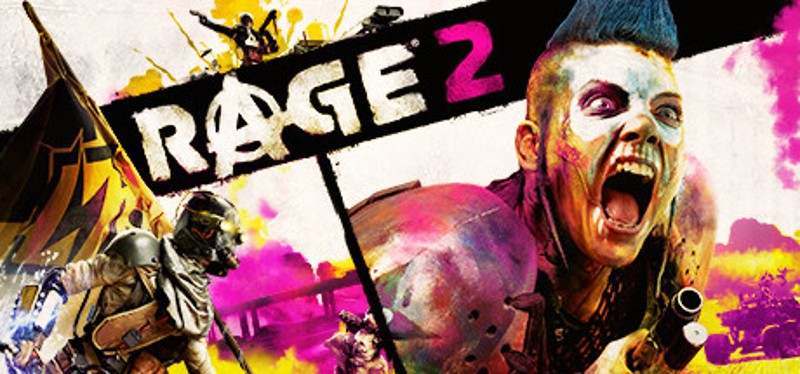
Ditch the stealthy tension for high-octane, chaotic vehicular combat across a vibrant wasteland, prioritizing explosive over-the-top action above all else.
If you enjoyed this game, see our list of games similar to RAGE 2.View Game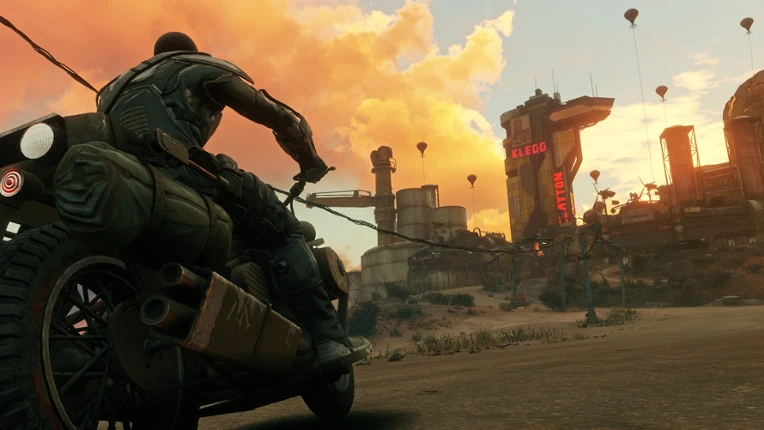
32 View Game 89%Game Brain ScoreMost mentioned positive aspects:story, graphicsMost mentioned negative aspects:stability, grinding89% User Score 11,634 reviews
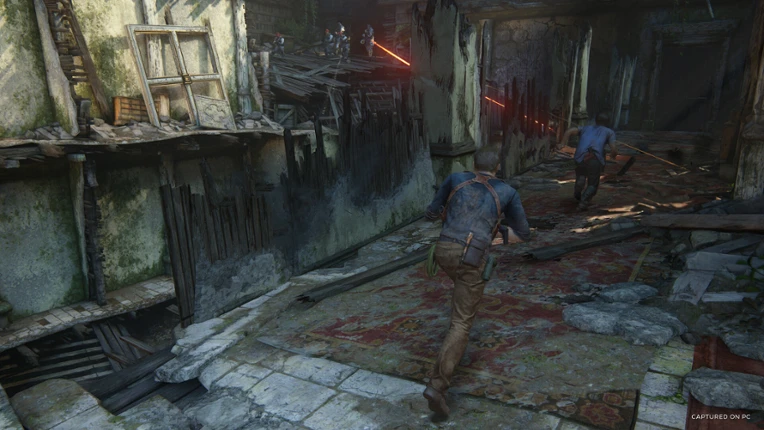
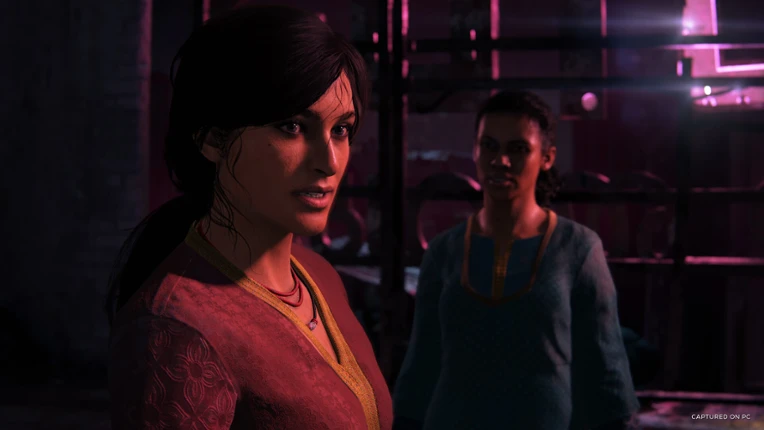
Exchanges zombie hordes and survival crafting for cinematic action-adventure spectacle with parkour mobility and treasure-hunting stakes.
If you enjoyed this game, see our list of games similar to Uncharted: Legacy of Thieves Collection.View Game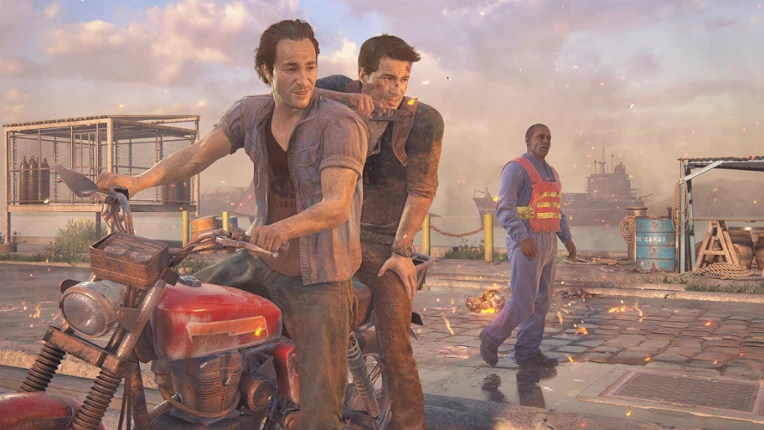
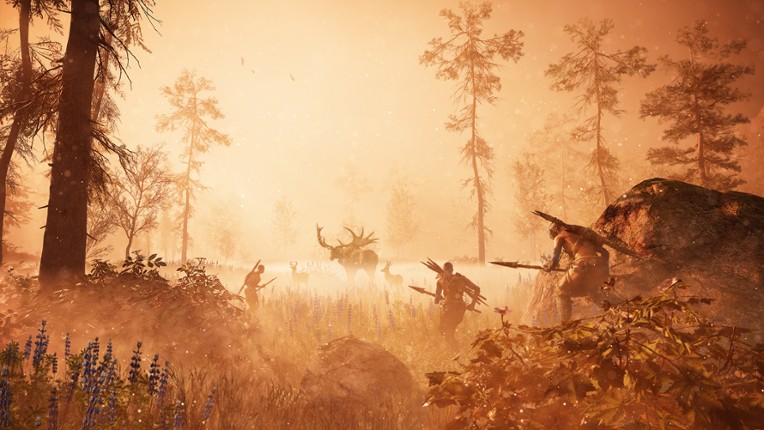
- 81%Game Brain ScoreMost mentioned positive aspects:story, gameplayMost mentioned negative aspects:grinding, stability85% User Score 14,003 reviewsCritic Score 76%45 reviews
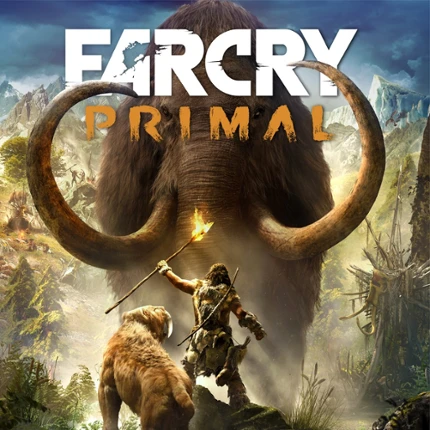
Trade modern firearms for primitive prehistoric tools while shifting your focus from biker gangs to managing tribal warfare and wildlife survival.
If you enjoyed this game, see our list of games similar to Far Cry Primal.View Game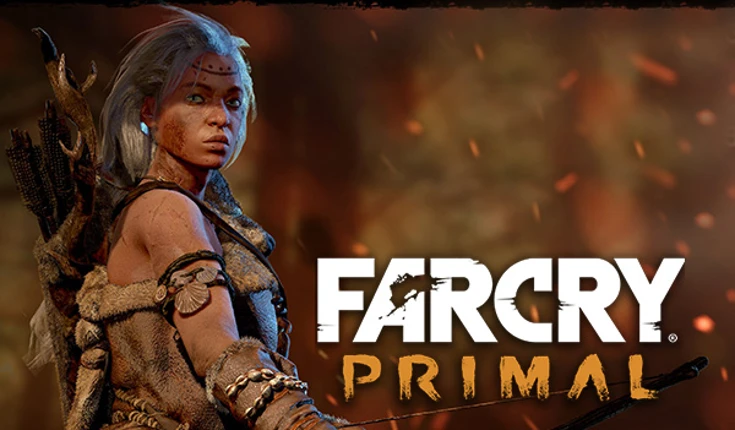

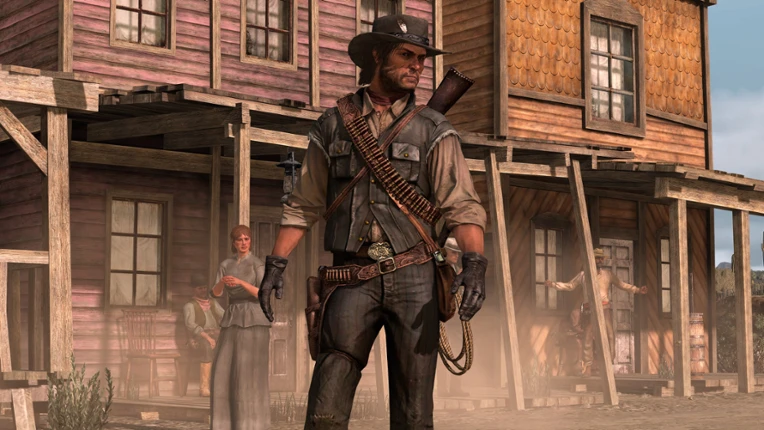
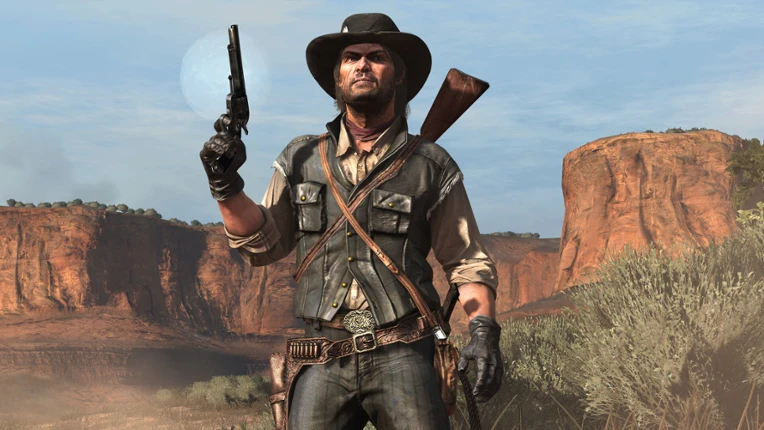
- 84%Game Brain ScoreMost mentioned positive aspects:story, gameplayMost mentioned negative aspects:stability, grinding92% User Score 11,530 reviewsCritic Score 77%13 reviews
Exchange the zombie hordes for the slow-burning moral evolution of a gunslinger navigating the end of the American frontier in an open western.
If you enjoyed this game, see our list of games similar to Red Dead Redemption.View Game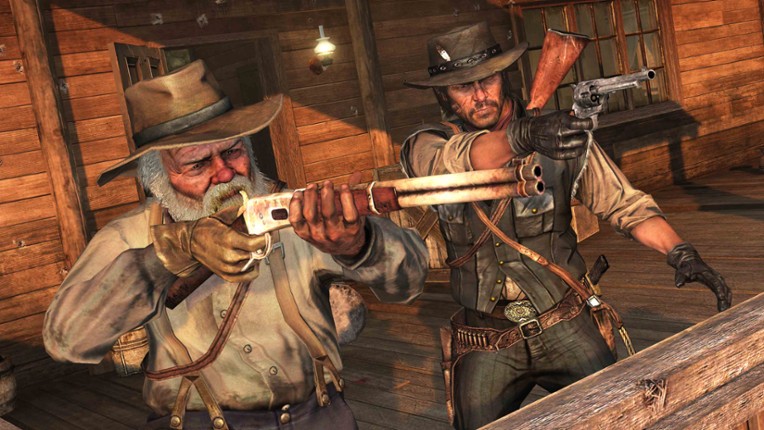
- 75%Game Brain ScoreMost mentioned positive aspects:story, gameplayMost mentioned negative aspects:stability, grinding76% User Score 11,983 reviewsCritic Score 73%66 reviews
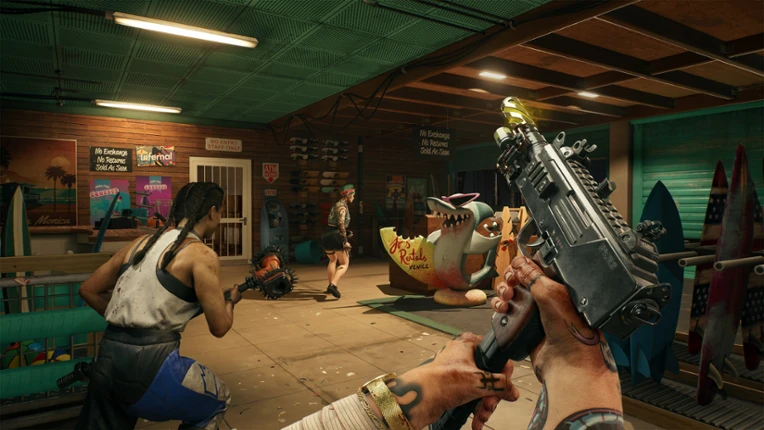
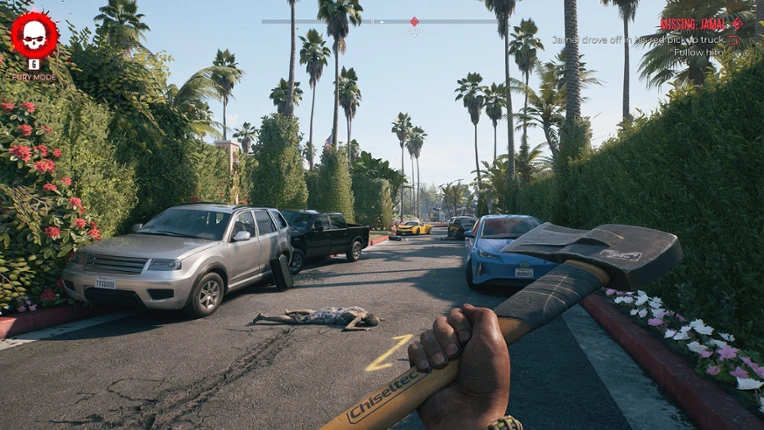
Prioritize visceral, melee-centric gore and environmental traps over tactical motorcycle maintenance when facing off against colorful, mutated undead swarms.
If you enjoyed this game, see our list of games similar to Dead Island 2.View Game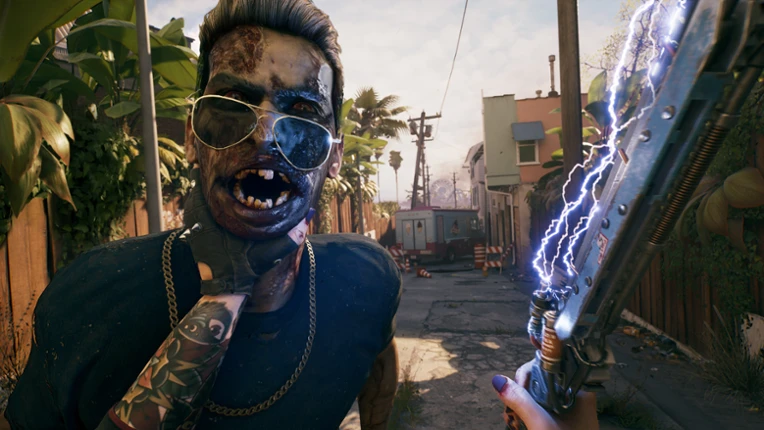
36 View Game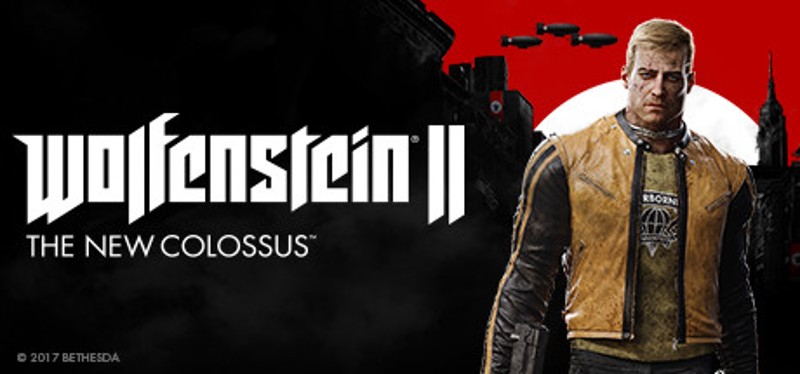 78%Game Brain ScoreMost mentioned positive aspects:story, gameplayMost mentioned negative aspects:stability, grinding77% User Score 29,500 reviewsCritic Score 80%38 reviews
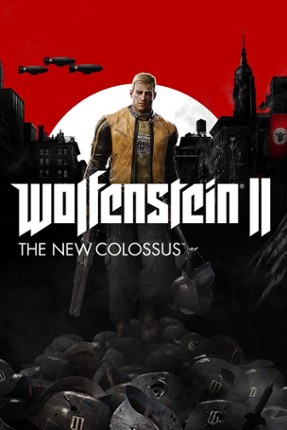
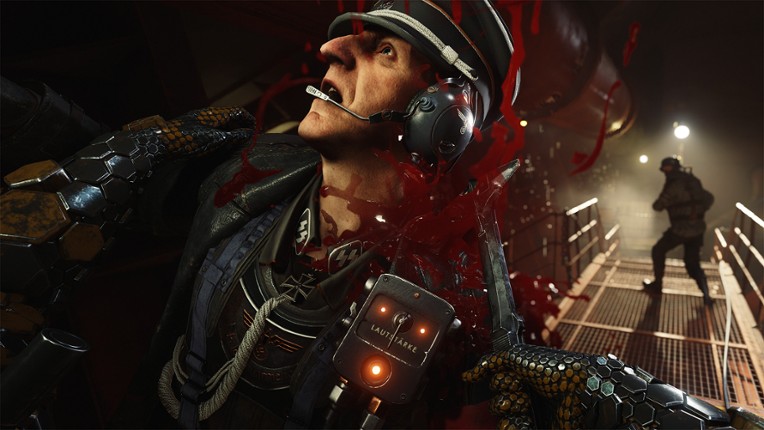
Shift from survival-horror to an intense, cinematic alternate-history campaign that replaces nomadic exploration with relentless guerrilla warfare against a Nazi regime.
If you enjoyed this game, see our list of games similar to Wolfenstein 2: The New Colossus.View Game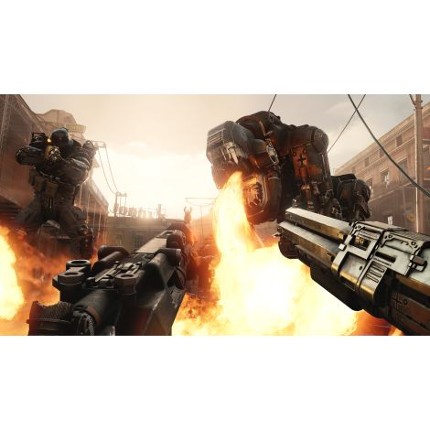
- 79%Game Brain ScoreMost mentioned positive aspects:story, gameplayMost mentioned negative aspects:optimization, stability79% User Score 10,815 reviews
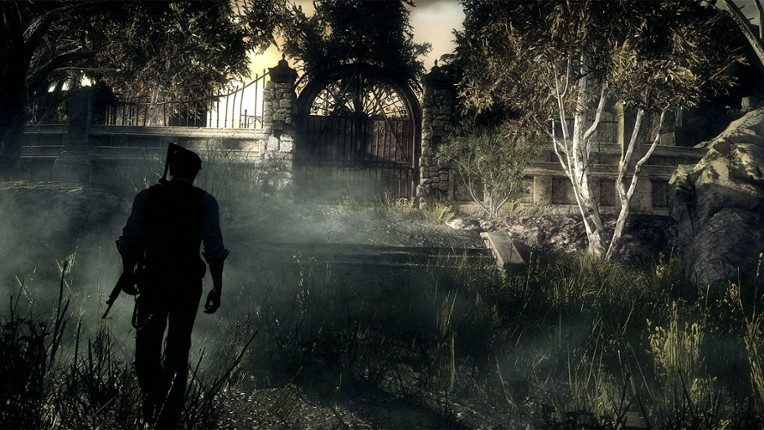
Focus on the oppressive, claustrophobic psychological horror of a broken mind rather than the open-world freedom of a sprawling, infected wilderness.
If you enjoyed this game, see our list of games similar to The Evil Within.View Game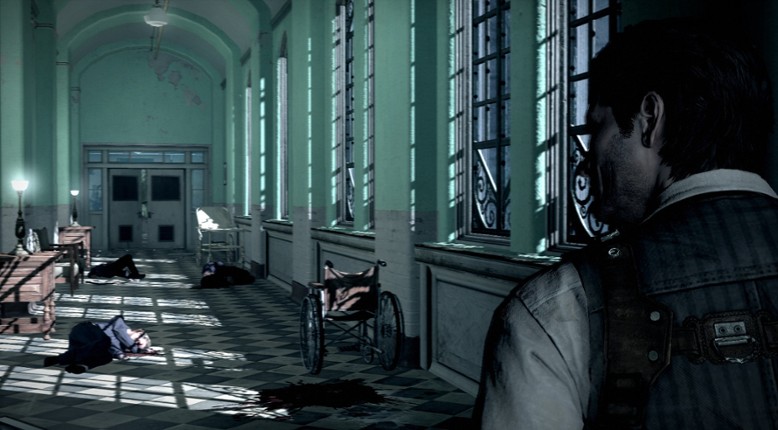

- 80%Game Brain ScoreMost mentioned positive aspects:story, gameplayMost mentioned negative aspects:stability, optimization88% User Score 381,061 reviewsCritic Score 72%51 reviews
Replace the rural, biker-themed isolation with a densely packed, futuristic metropolis where cybernetic augmentation dictates your survival and interaction style.
If you enjoyed this game, see our list of games similar to 赛博朋克 2077.View Game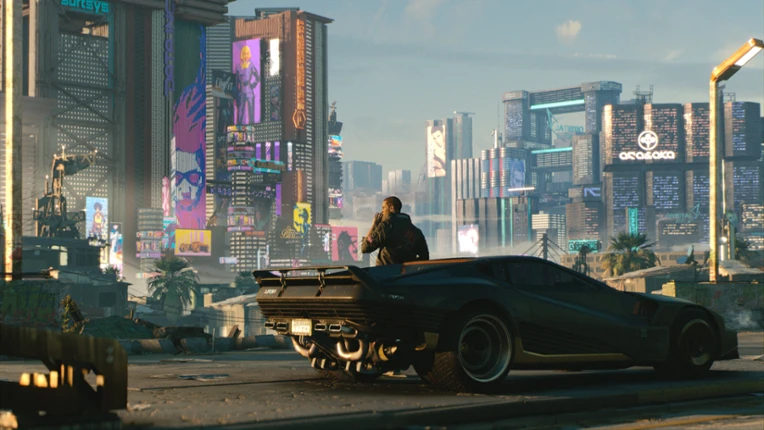
- 69%Game Brain ScoreMost mentioned positive aspects:story, gameplayMost mentioned negative aspects:stability, grinding69% User Score 11,445 reviewsCritic Score 69%2 reviews
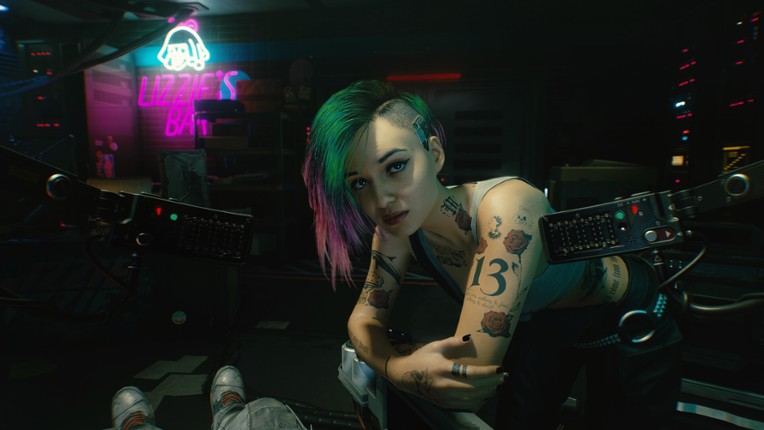
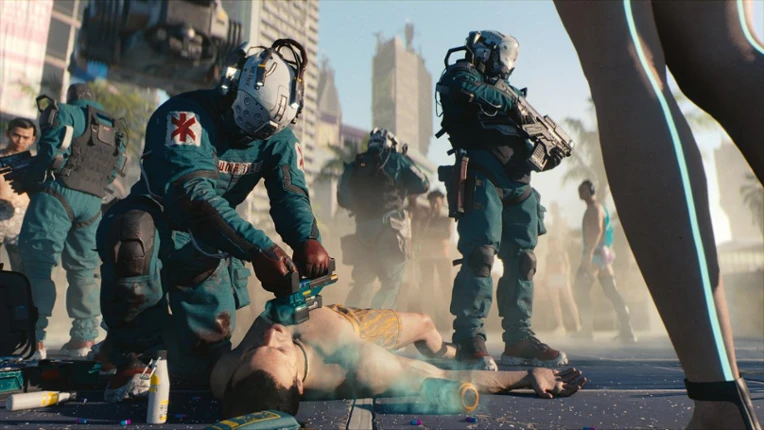
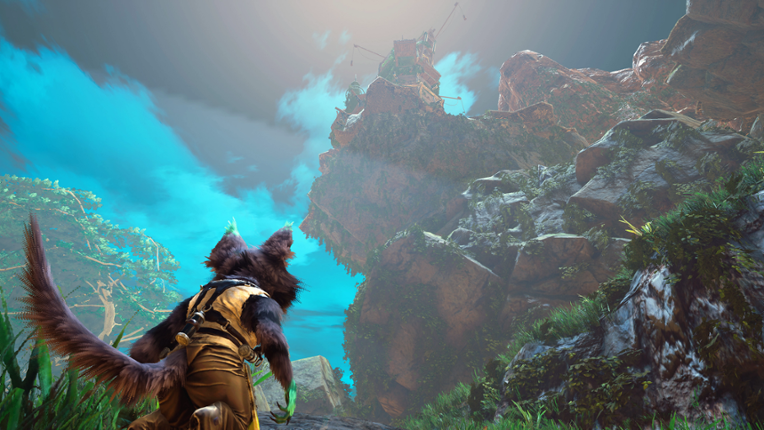
Trade realistic human drama for a colorful, fable-like journey through a post-apocalyptic world populated by mutant animals and unique martial arts combat.
If you enjoyed this game, see our list of games similar to Biomutant.View Game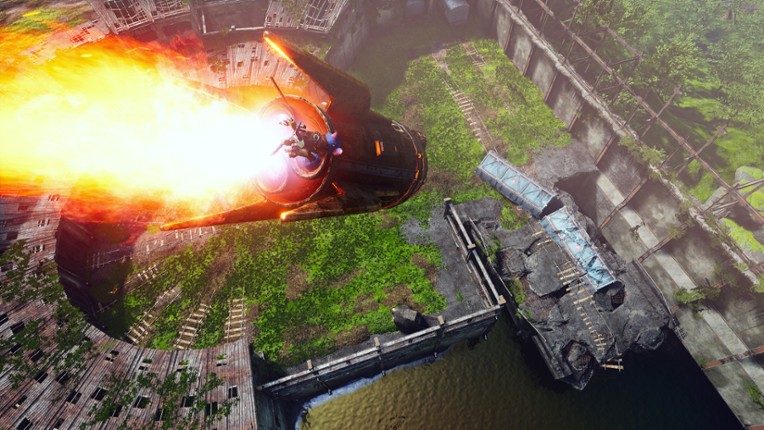
- 91%Game Brain ScoreMost mentioned positive aspects:story, atmosphereMost mentioned negative aspects:optimization, stability93% User Score 3,079 reviewsCritic Score 84%3 reviews
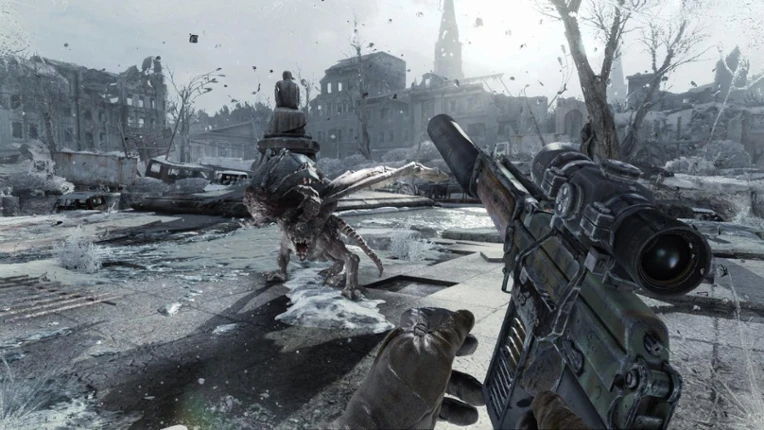
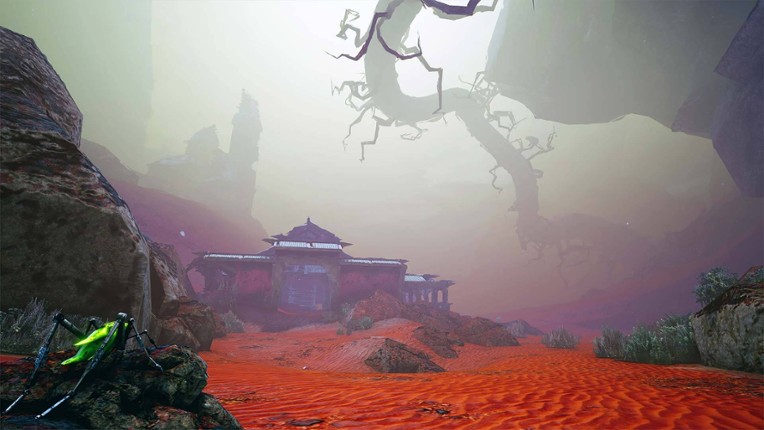
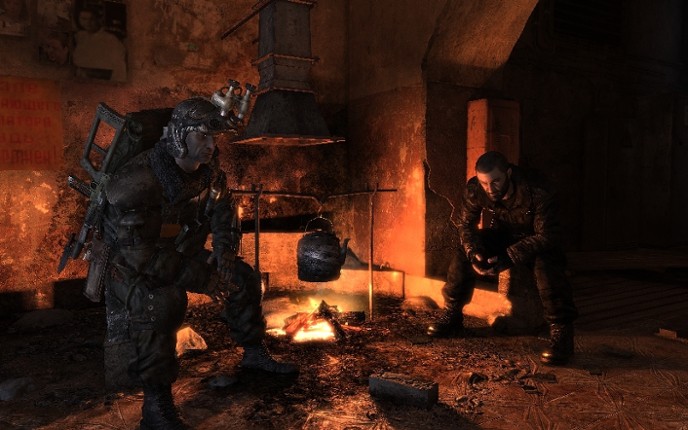
Swaps Days Gone's open-road survival for claustrophobic underground dread, ideal for players who want harsher shooting and bleak Soviet atmosphere.
If you enjoyed this game, see our list of games similar to Metro 2033.View Game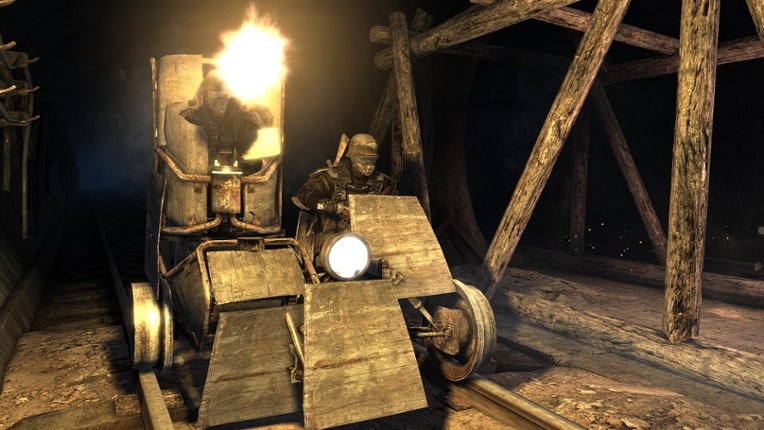
41 View Game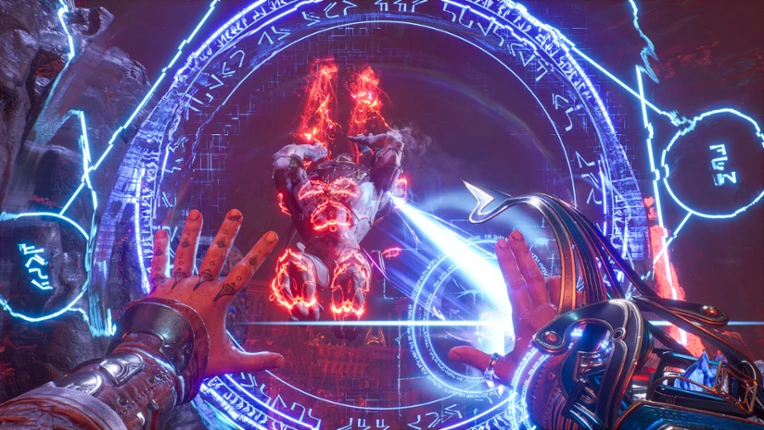
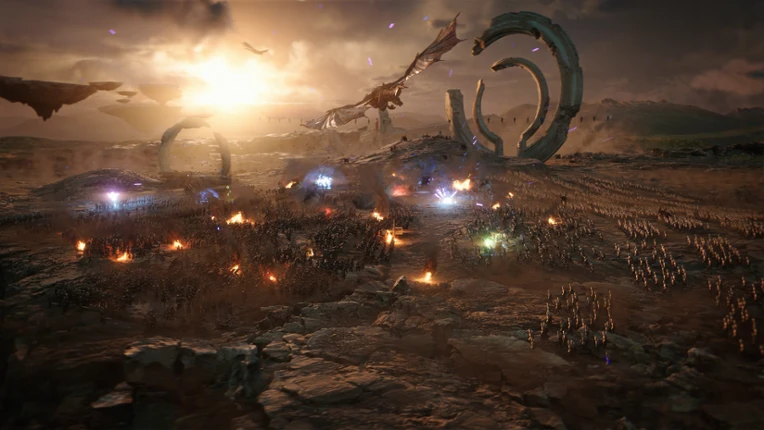 72%Game Brain ScoreMost mentioned positive aspects:story, graphicsMost mentioned negative aspects:optimization, stability75% User Score 2,240 reviewsCritic Score 69%56 reviews
Replaces Deacon's grounded fight for survival with flashy magic warfare, best for Days Gone fans wanting bigger spectacle and a fantasy edge.
If you enjoyed this game, see our list of games similar to Immortals of Aveum.View Game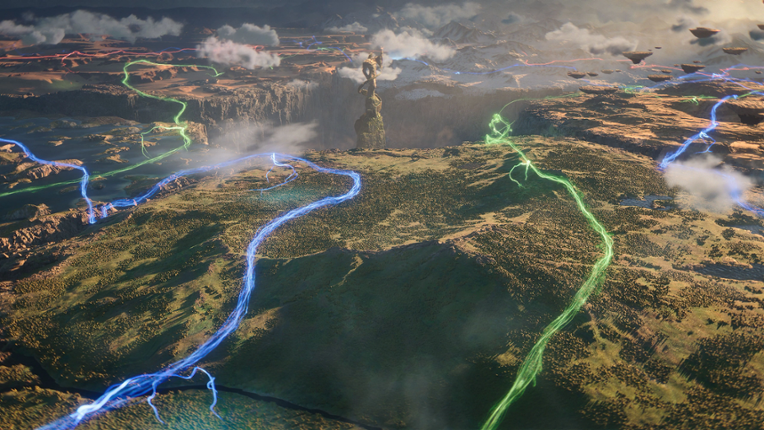
42 View Game 58%Game Brain ScoreMost mentioned positive aspects:story, gameplayMost mentioned negative aspects:stability, optimization68% User Score 9,276 reviewsCritic Score 47%40 reviews
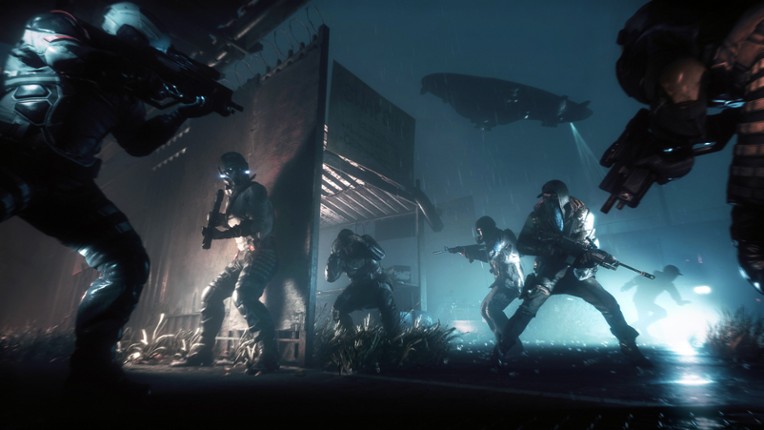
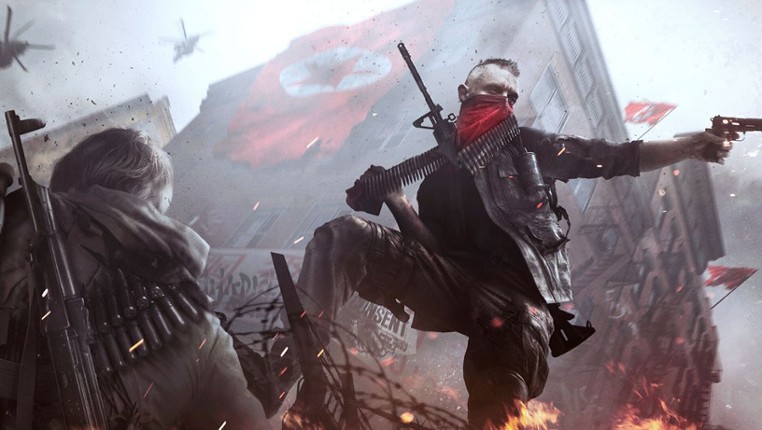
Keeps the occupied-open-world rebellion angle, but trades motorcycle wanderings for heavier first-person gunfights and a more militant resistance story.
If you enjoyed this game, see our list of games similar to Homefront: The Revolution.View Game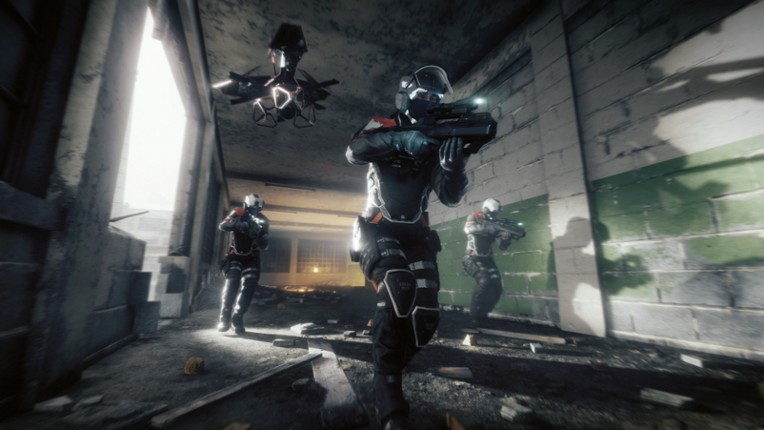
- 62%Game Brain ScoreMost mentioned positive aspects:story, gameplayMost mentioned negative aspects:stability, optimization61% User Score 25,781 reviewsCritic Score 63%18 reviews
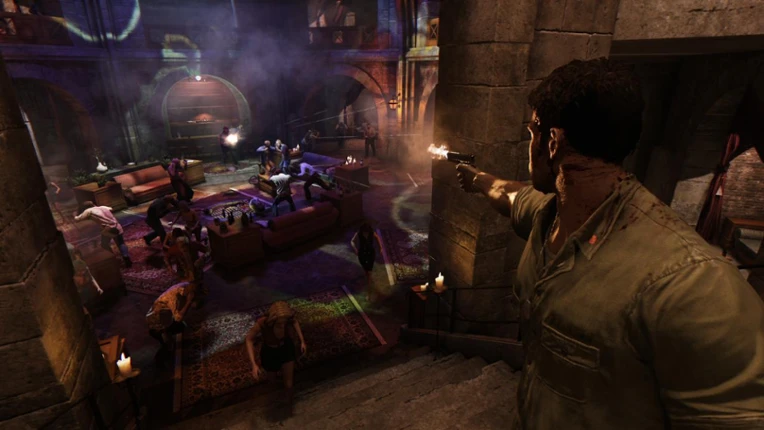
Leans into a revenge-driven crime saga instead of a wilderness survival odyssey, for players who want story and brutality over hordes.
If you enjoyed this game, see our list of games similar to Mafia 3.View Game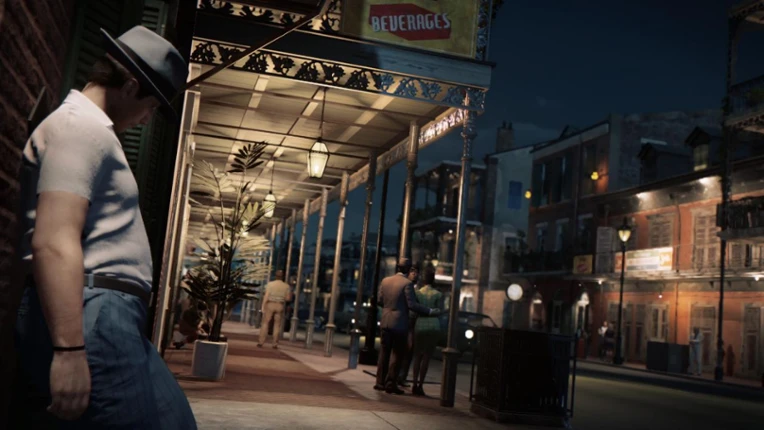
44 View Game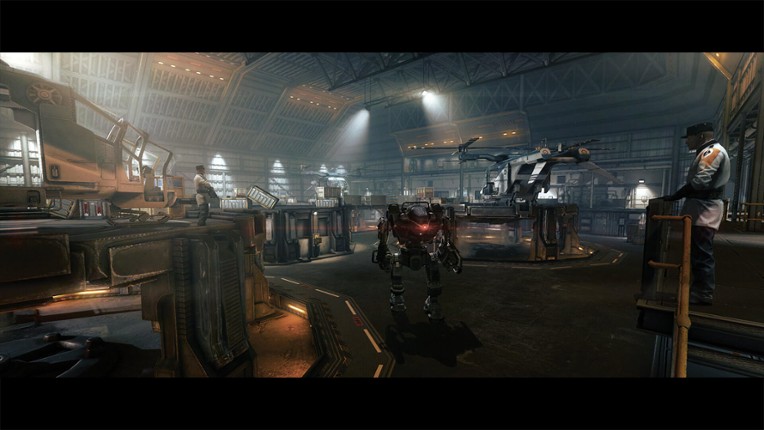
 83%Game Brain ScoreMost mentioned positive aspects:story, gameplayMost mentioned negative aspects:optimization, stability90% User Score 32,597 reviewsCritic Score 77%36 reviews
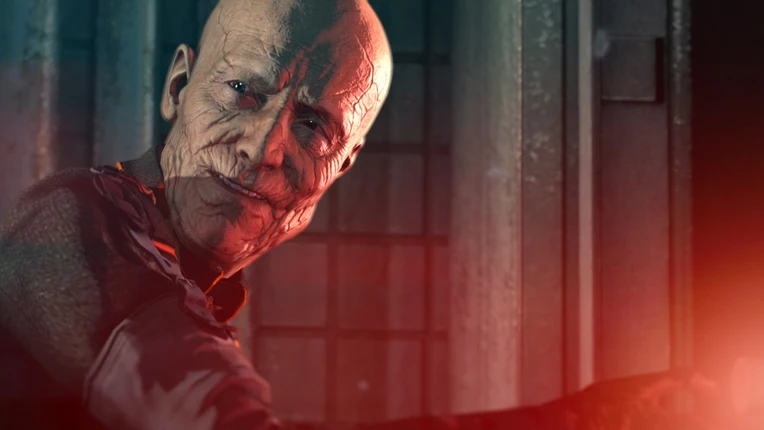
Channels Days Gone's grim storytelling into a faster alternate-history shooter, suited for players who want Nazis, robots, and over-the-top firepower.
If you enjoyed this game, see our list of games similar to Wolfenstein: The New Order.View Game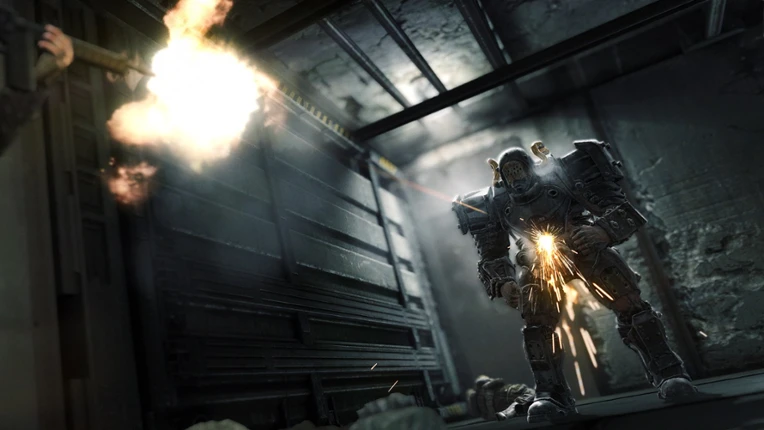
- 82%Game Brain ScoreMost mentioned positive aspects:story, gameplayMost mentioned negative aspects:optimization, grinding80% User Score 15,355 reviewsCritic Score 84%14 reviews
Moves far from Deacon's bike-and-bullets survival into a cinematic fantasy RPG, for anyone prioritizing emotional boss fights and spectacle.
If you enjoyed this game, see our list of games similar to Final Fantasy XVI.View Game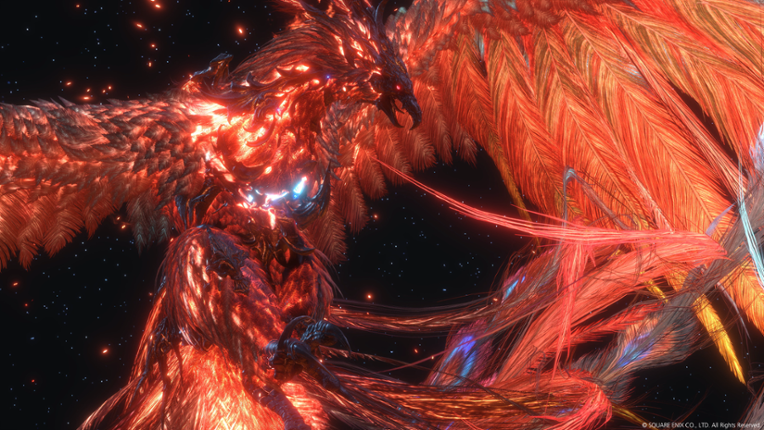
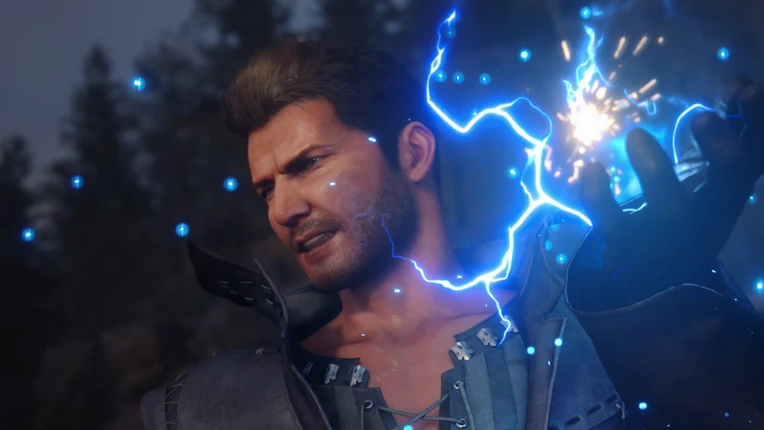
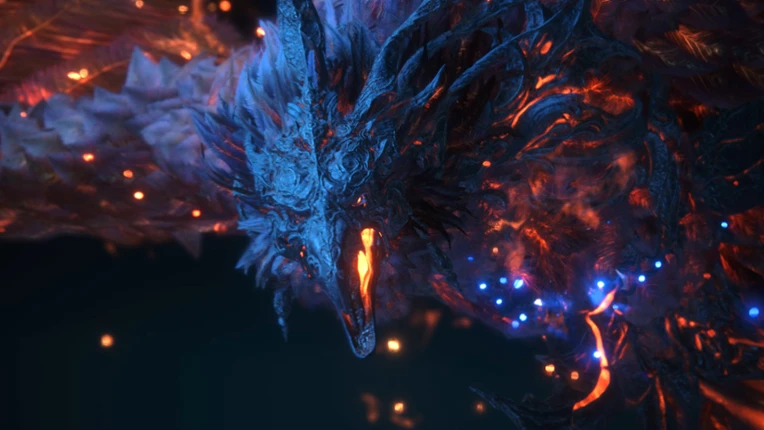
- 86%Game Brain ScoreMost mentioned positive aspects:story, gameplayMost mentioned negative aspects:stability, grinding90% User Score 8,952 reviewsCritic Score 78%5 reviews
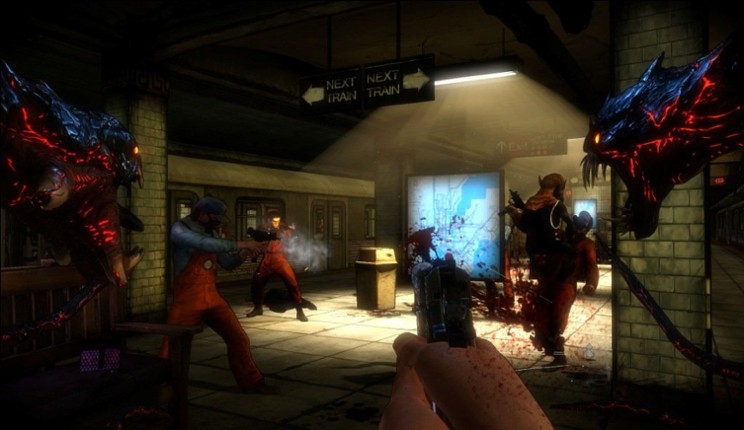
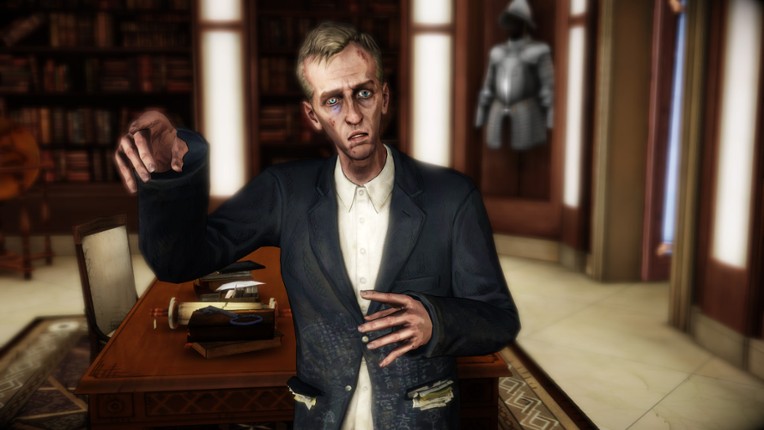
Shares the brooding mood and violent combat, but pushes harder into supernatural powers and comic-book excess for players who want a darker pulp twist.
If you enjoyed this game, see our list of games similar to The Darkness II.View Game
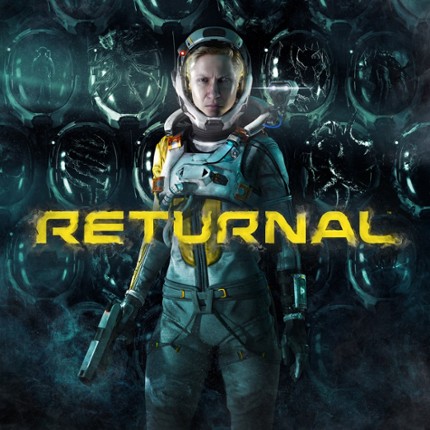
- 78%Game Brain ScoreMost mentioned positive aspects:story, gameplayMost mentioned negative aspects:optimization, stability81% User Score 7,400 reviewsCritic Score 68%3 reviews
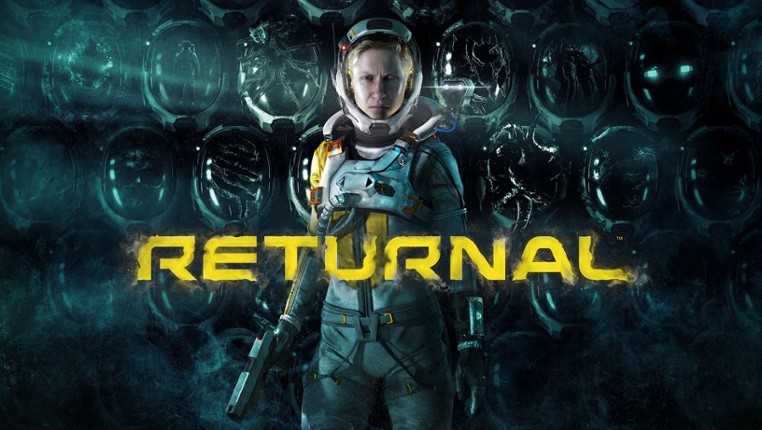
Keeps the desperate single-player shooter energy, yet turns it into a roguelike cycle of runs, suited for players who enjoy challenge over narrative comfort.
If you enjoyed this game, see our list of games similar to Returnal.View Game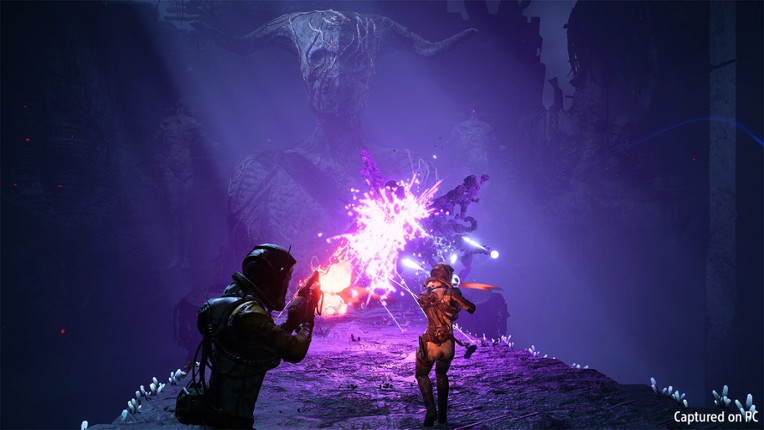
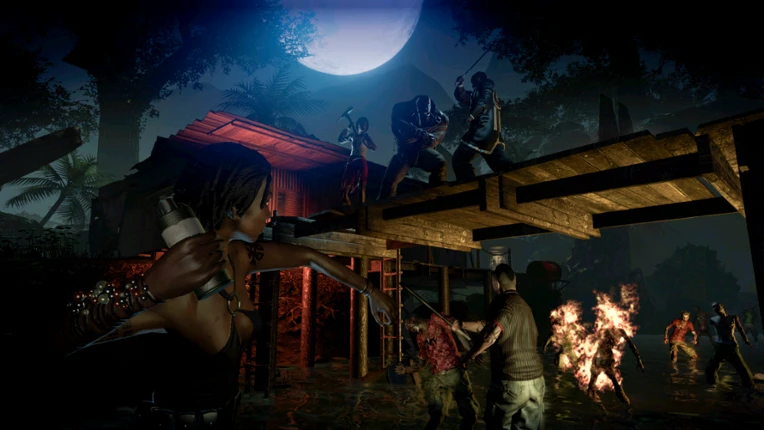
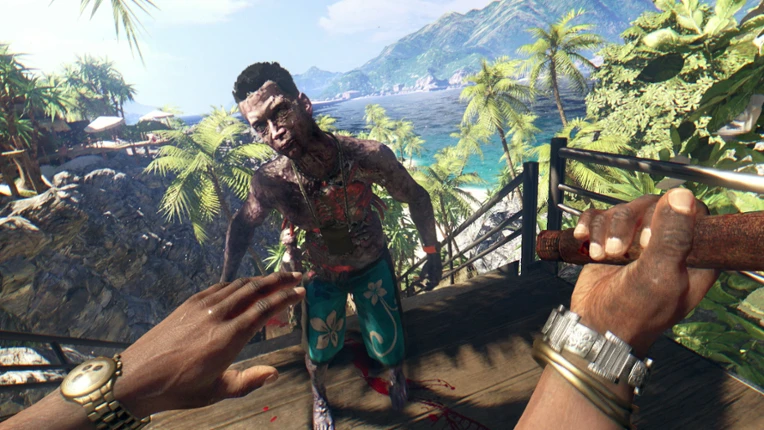
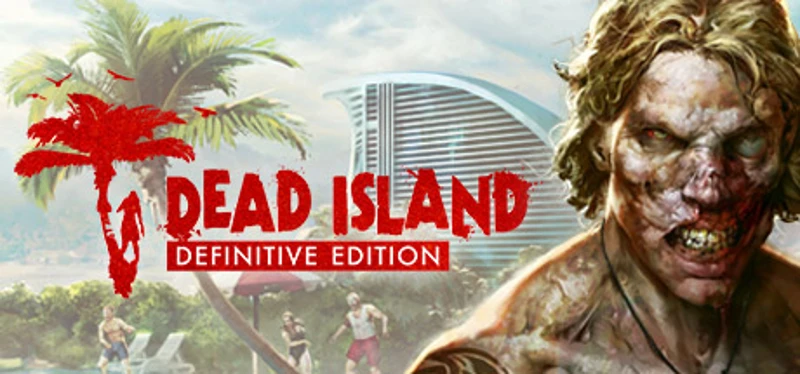
- 76%Game Brain ScoreMost mentioned positive aspects:story, gameplayMost mentioned negative aspects:stability, grinding81% User Score 5,616 reviewsCritic Score 71%8 reviews
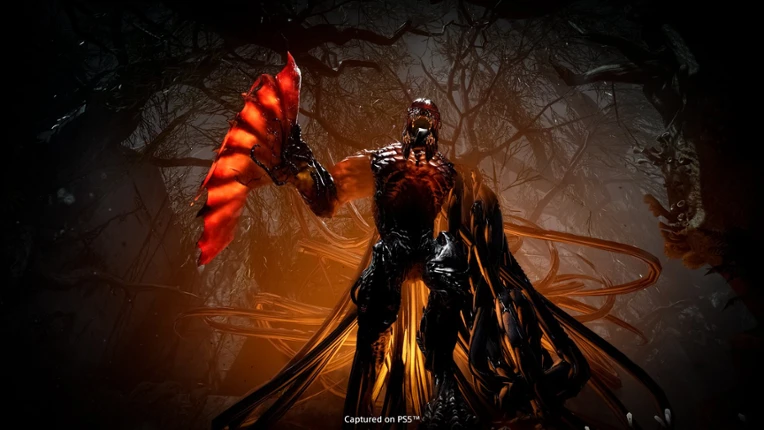
Trades Days Gone's solo wandering for co-op zombie chaos and loot-hunting, ideal if you want messy teamwork instead of emotional road-trip storytelling.
If you enjoyed this game, see our list of games similar to Dead Island.View Game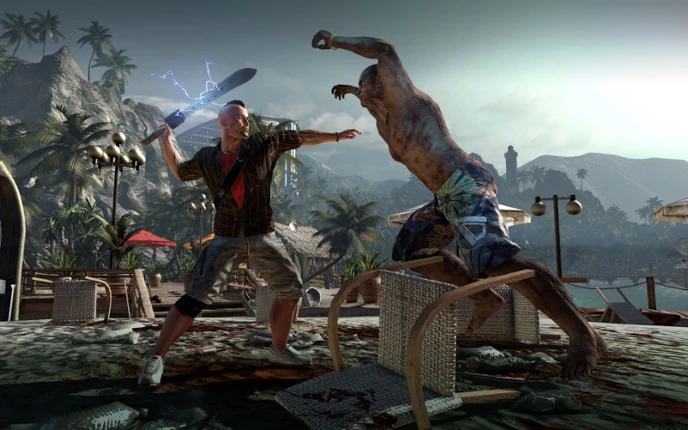
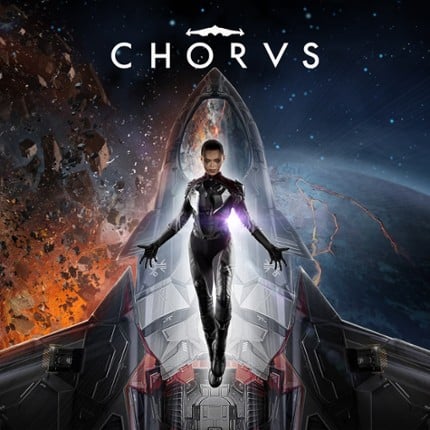
- 78%Game Brain ScoreMost mentioned positive aspects:story, gameplayMost mentioned negative aspects:grinding, stability83% User Score 3,480 reviewsCritic Score 73%39 reviews
A much lighter detour from Days Gone, swapping biker survival for atmospheric space combat and music-driven sci-fi exploration.
If you enjoyed this game, see our list of games similar to Chorus.View Game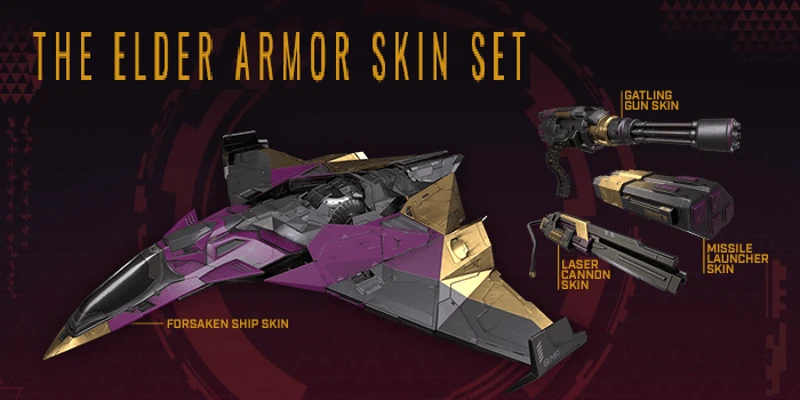
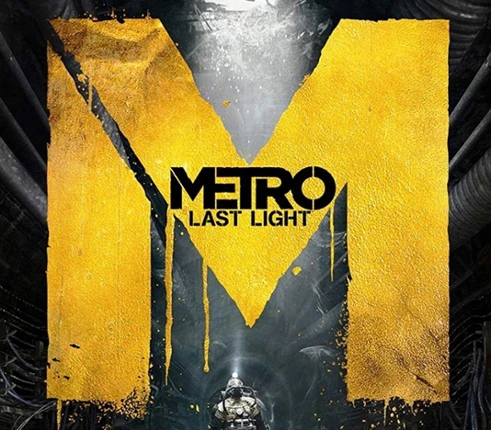
- 85%Game Brain ScoreMost mentioned positive aspects:story, gameplayMost mentioned negative aspects:stability, grinding86% User Score 14,443 reviewsCritic Score 84%4 reviews
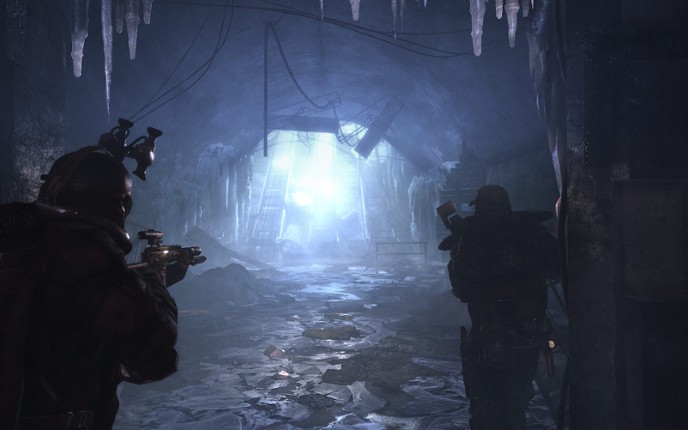
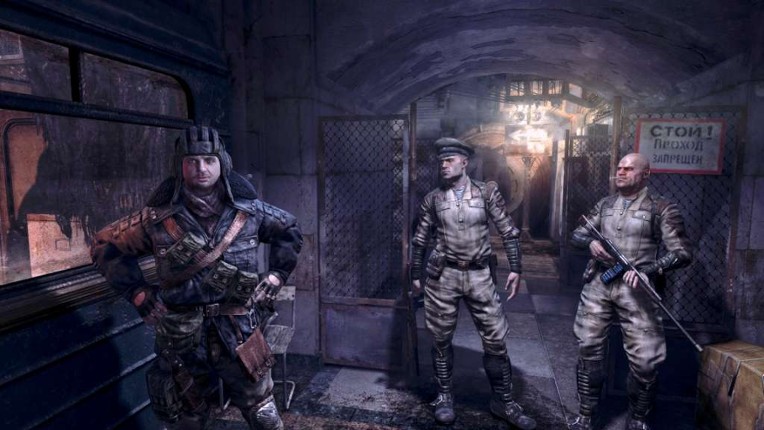
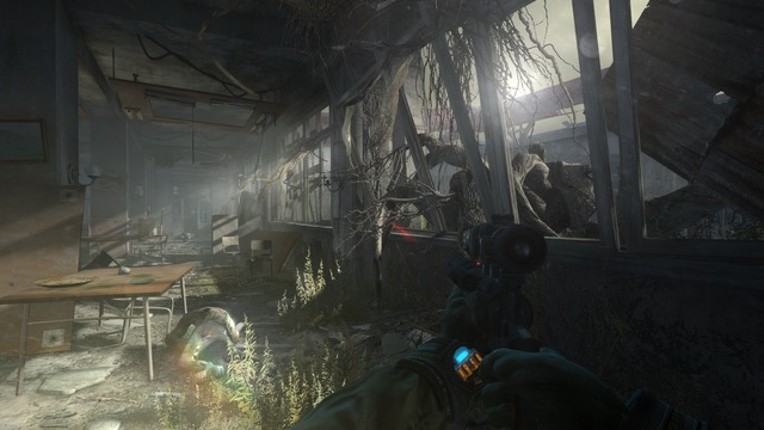
It Is the Year 2034. Beneath the ruins of post-apocalyptic Moscow, in the tunnels of the Metro, the remnants of mankind are besieged by deadly threats from outside – and within. Mutants stalk the catacombs beneath the desolate surface, and hunt amidst the poisoned skies above. If you enjoyed this game, see our list of games similar to Metro: Last Light.
View Game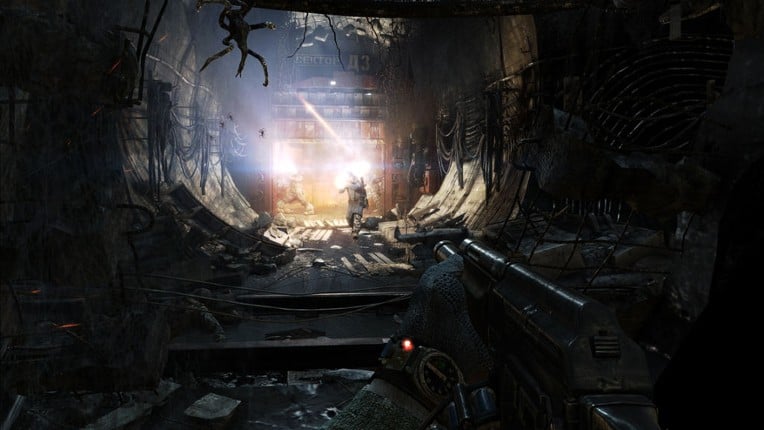


 View Game


























Frequently Asked Questions
Horizon Zero Dawn shares Days Gone's post-apocalyptic setting with compelling storytelling and stunning visuals. Metro Exodus delivers similar emotional depth with survival mechanics and atmospheric environments. Far Cry 6 offers expansive open-world exploration with satisfying combat and weapon customization that rivals Days Gone's engaging gameplay loop.
Metro Exodus excels with deeply emotional narratives and well-developed characters similar to Deacon's journey. Mafia: The Old Country provides cinematic storytelling with strong voice acting and character arcs. Horizon Zero Dawn features rich world-building and emotional depth that matches Days Gone's narrative strengths.
Chernobylite combines survival, stealth, and base building in a richly detailed open world. Metro Exodus emphasizes refined survival mechanics with weapon customization and resource management. Dying Light 2 offers substantial survival elements alongside parkour and exploration in a zombie-infested open world.
Chernobylite is an indie title offering compelling gameplay at a lower price point than AAA alternatives. While not free, it provides excellent value with meaningful choices and immersive Chernobyl recreation. Most other similar games like Metro Exodus and Horizon Zero Dawn frequently go on sale during Steam and console promotions.
Mad Max centers heavily on vehicle customization and combat, delivering satisfying driving mechanics in an open-world survival setting. Far Cry 6 includes vehicle gameplay alongside stealth and gunplay. Both games emphasize vehicle-based exploration similarly to Days Gone's signature motorcycle focus.
Far Cry 6 features full co-op support for up to four players throughout the campaign. Dying Light 2 offers online co-op for up to four players with branching narratives that change based on player choices. Far Cry 3 includes co-op modes, though Days Gone itself remains single-player focused.