

If you've finished games like Portal and found yourself standing in the wreckage of a test chamber, craving that same rush of physics-based puzzle-solving wrapped in dark humor and a genuinely surprising story, you're not alone. Games like Portal occupy a very specific sweet spot — first-person puzzle platformers with sharp wit, atmospheric world-building, and a science-fiction edge that makes the whole thing feel smarter than it has any right to be. The good news: there are some excellent alternatives waiting for you.
What Portal does better than almost anything else is layer comedy over dread. The core loop — use a portal gun to manipulate physics, navigate increasingly devious chambers, uncover a story that rewards curiosity — sounds simple but delivers something rare: puzzles that feel genuinely clever rather than arbitrary. Players praise its atmosphere, its humor, its emotional depth, and how a short runtime still manages to feel complete. That's the benchmark any similar game has to meet.
Half-Life 2 shares Valve's DNA — first-person physics puzzles woven into a rich sci-fi world. LIMBO delivers haunting atmosphere and precise, physics-based puzzle platforming in a minimalist package. Braid takes clever time-manipulation mechanics and wraps them in a gorgeous, emotionally layered story. Psychonauts earns its cult status with surreal humor and inventive level design. There Is No Game: Wrong Dimension brings the meta-wit and out-of-the-box puzzle thinking Portal fans love.
Every recommendation below is ranked by similarity using real player data, matching Portal's genre blend, mechanics, and tone. Browse the full list to find your next favorite.
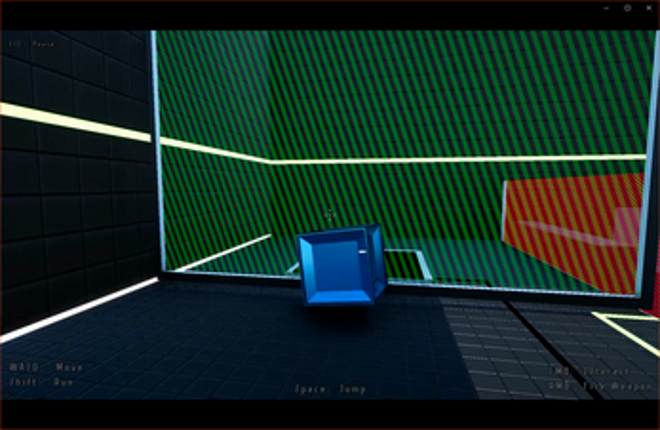
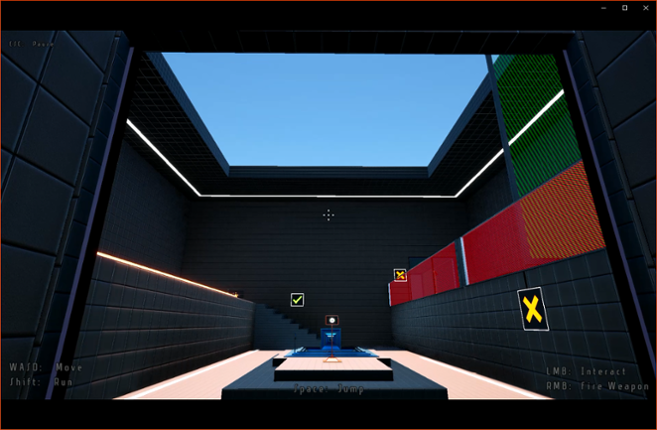
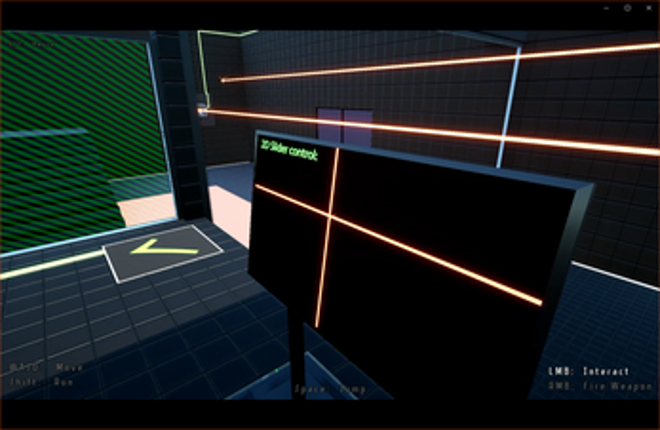
Both games lock you into tight puzzle-platforming loops where spatial reasoning and physics intuition are your only tools—no combat, no leveling, just you and the environment's logic. That restraint creates the same meditative problem-solving rhythm Portal nails, where mastering a single mechanic across escalating challenges feels like genuine intellectual progress.
The indie production values and classic 3D aesthetic give a Place of Much Learning the same stripped-down clarity Portal uses to make puzzle architecture readable at a glance. Where Portal's dark humor keeps tension from calcifying, a Place of Much Learning opts for quieter atmospheric storytelling—still delivering emotional beats, just through different pacing.
If Portal's brevity left you wanting more puzzles to crack, a Place of Much Learning provides extended engagement without padding or grinding. Both remain free-to-play with clean monetization, respecting your time and attention.
Best for players who value mechanical purity and environmental storytelling over spectacle—those who replay Portal for the geometry rather than the jokes.
If you enjoyed this game, see our list of games similar to a Place of Much Learning.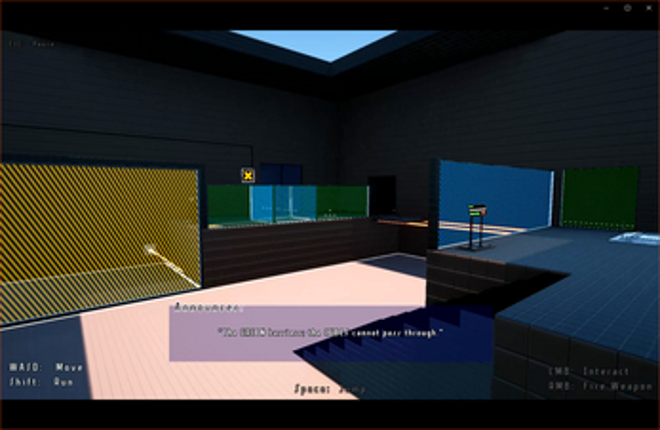
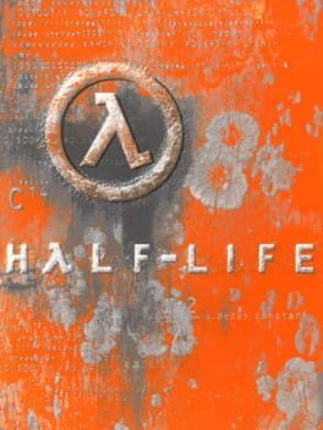
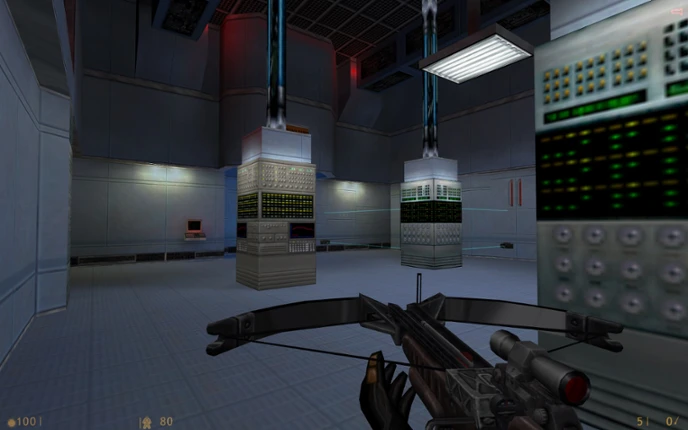
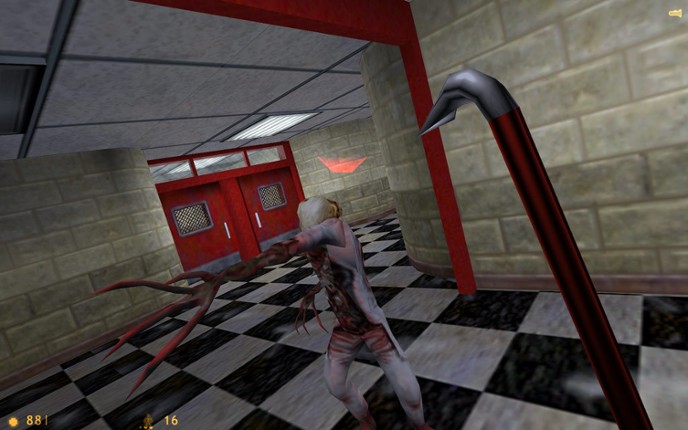
Portal fans will recognize the same joy of reading a space, testing it, and reacting on the fly. Half-Life keeps that first-person tension intact, but swaps portal logic for fast, physical combat and environmental problem-solving.
Both games are built around atmosphere, story-rich pacing, and smart use of first-person perspective, so every room feels like part of a larger system rather than a disconnected level. Half-Life also shares Portal’s knack for making you feel clever, because enemies, hazards, and level geometry force you to improvise instead of just shooting straight ahead.
The big tradeoff is tone: where Portal leans into clean puzzle-box comedy, Half-Life pushes into horror and thriller tension, giving the same technical precision a harsher edge. That makes it a great next step for players who want Portal’s tight design and strong pacing, but in a longer campaign that gives its world more room to breathe.
Best for players who like solving problems under pressure and want their puzzle instincts tested in a more dangerous setting.
If you enjoyed this game, see our list of games similar to Half-Life.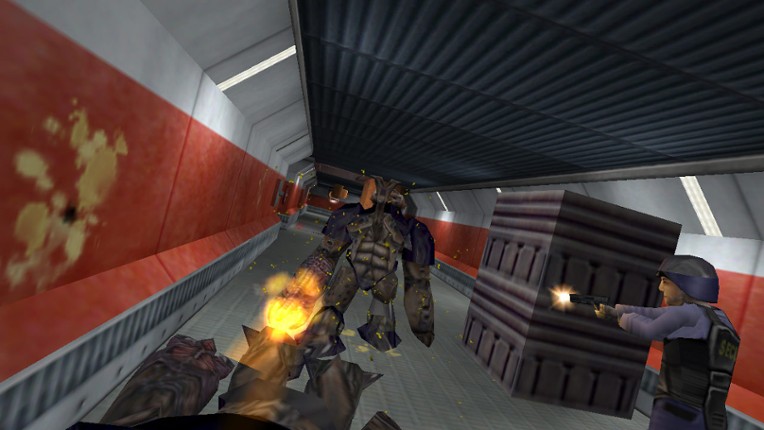
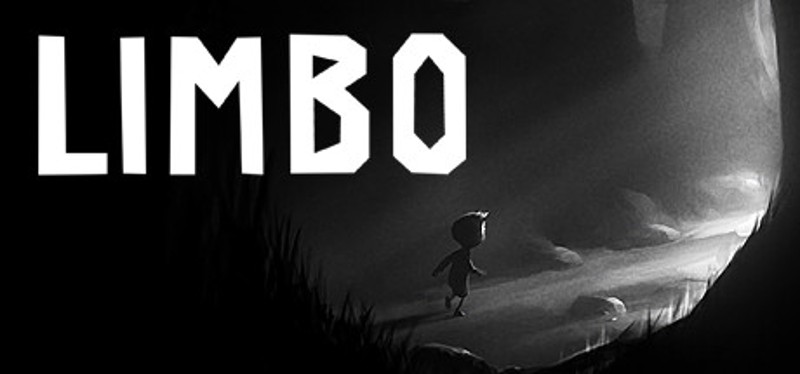
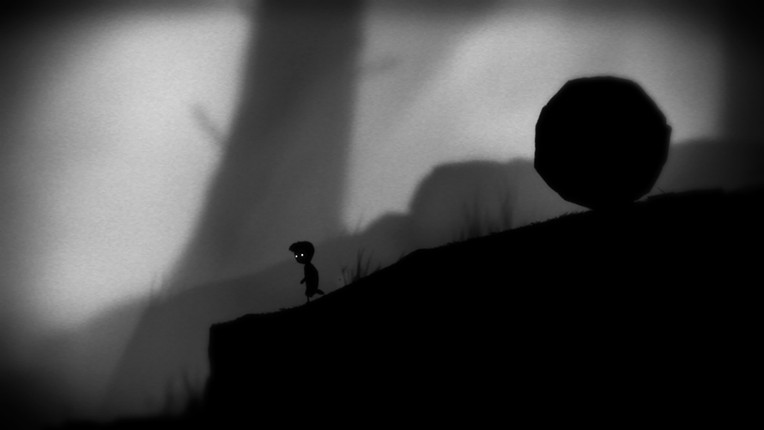
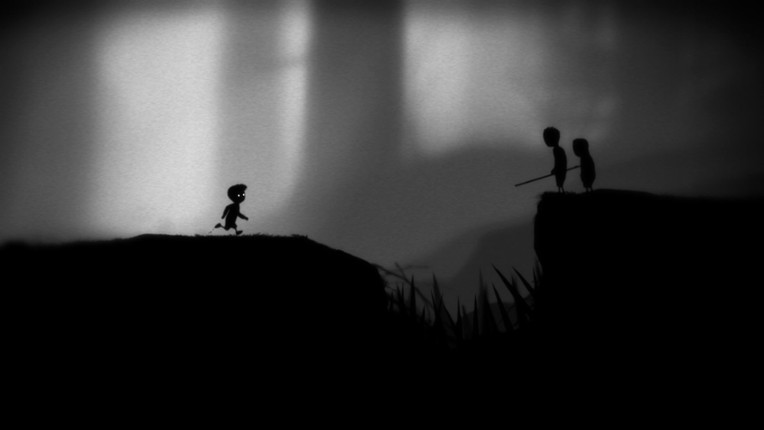
Both Portal and LIMBO master physics-based problem solving, forcing you to manipulate the environment to survive hostile chambers. Their shared reliance on minimalist environmental storytelling ensures you stay focused on the mechanical loop rather than dense, exposition-heavy scripts.
The primary shift is tone and perspective; you trade Portal’s witty, three-dimensional spatial manipulation for LIMBO’s claustrophobic, side-scrolling dread. While GLaDOS delivers sharp comedy, LIMBO replaces humor with a bleak, oppressive silence.
Pick this up if you crave tight, clever puzzle design but can live without the talkative, satirical narrative that defined your experience with Aperture Science.
If you enjoyed this game, see our list of games similar to LIMBO.
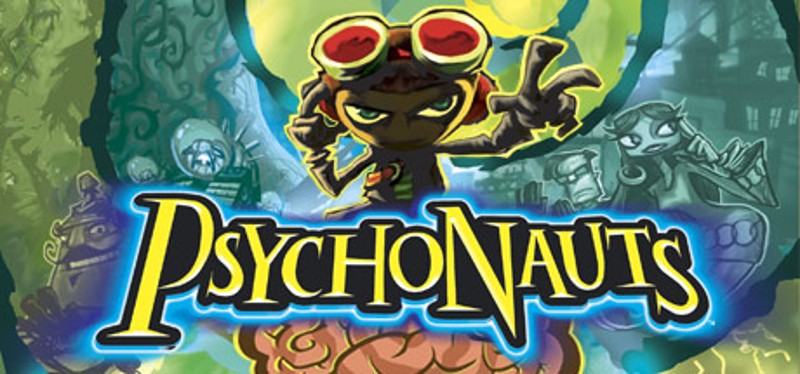
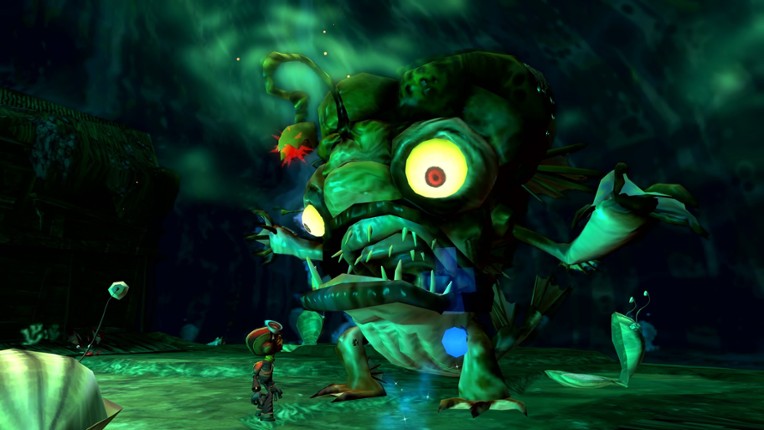
That satisfaction of pushing through a strange, logic-bending space and feeling the designer's hand guiding every "aha" moment? Psychonauts delivers that same current, just routed through a third-person platformer built around diving into fractured human minds rather than test chambers.
Both games weaponize dark humor as a design layer — not just tone. In Portal, GLaDOS's deadpan cruelty reframes every puzzle as psychological theater. Psychonauts does something structurally alike: each mind you enter warps the rules of the world around a character's specific trauma, so the comedy and the challenge are inseparable. Story and mechanics speak the same language in both games.
The meaningful tradeoff: where Portal is lean and tightly edited, Psychonauts sprawls — it's a collectathon with real runtime, which directly answers Portal's most common complaint about brevity.
One caveat worth naming: the platforming controls feel noticeably clunkier than Portal's precise movement, so some friction is baked in.
Best for players who care more about wit and world-building than mechanical polish.
If you enjoyed this game, see our list of games similar to Psychonauts.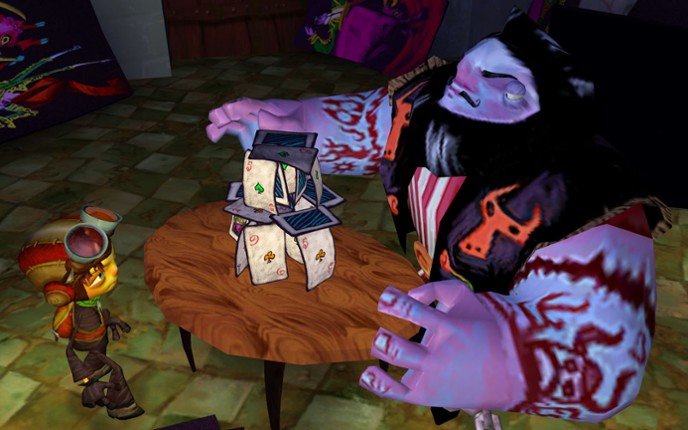
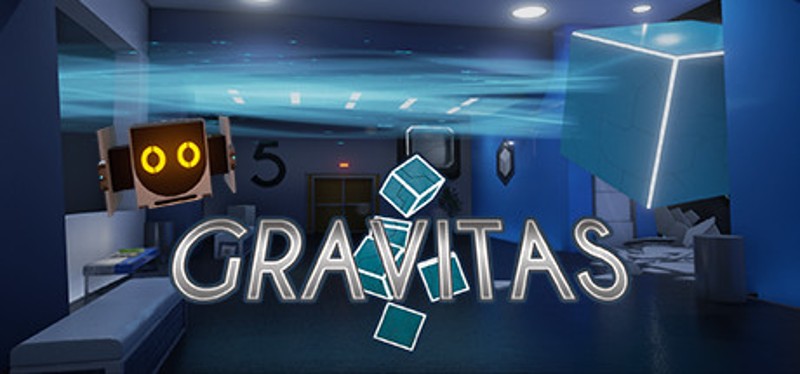
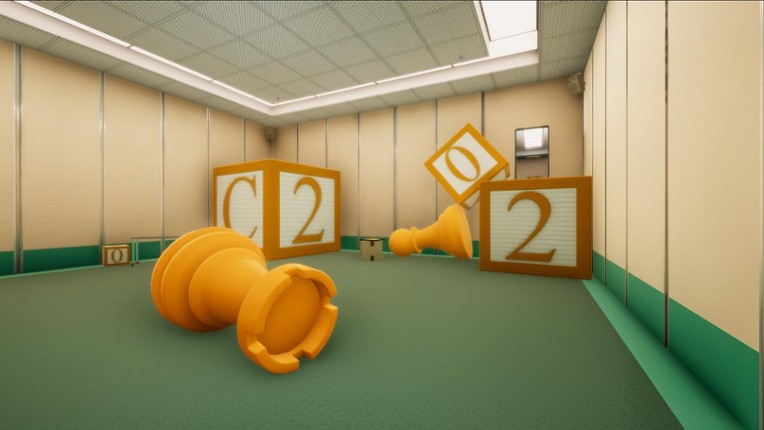
Gravitas is a short first-person puzzle platforming game that transports you to the Gallery of Refined Gravity. Manipulate gravity and the gallery itself to prove yourself a pupil worthy of the Curator’s masterwork. If you enjoyed this game, see our list of games similar to Gravitas.
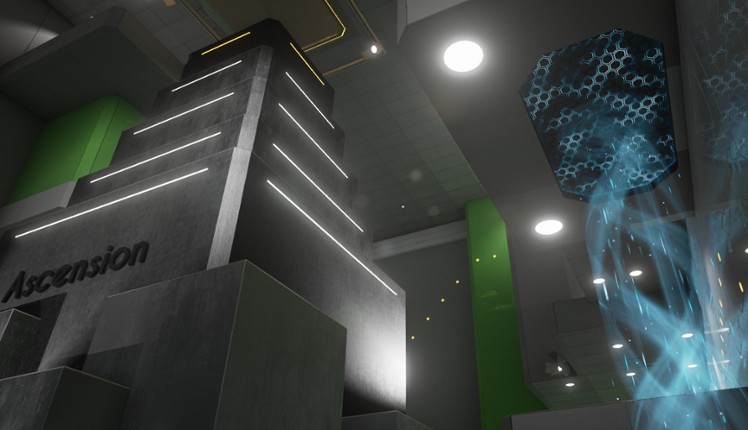
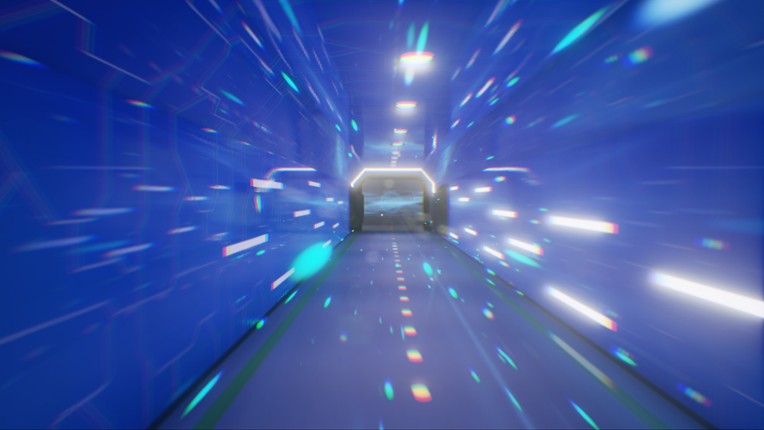
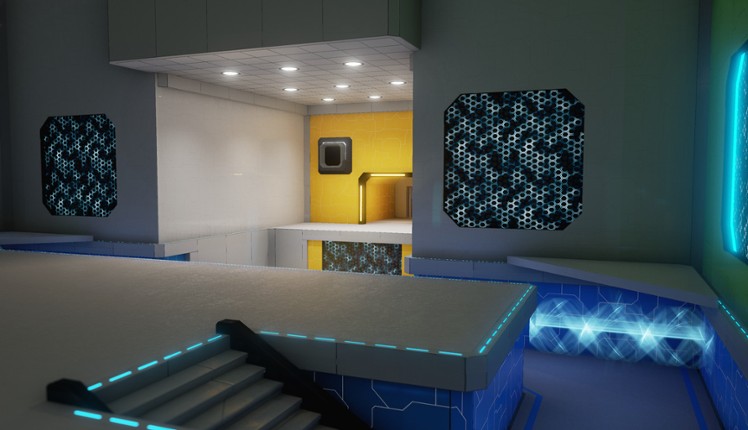
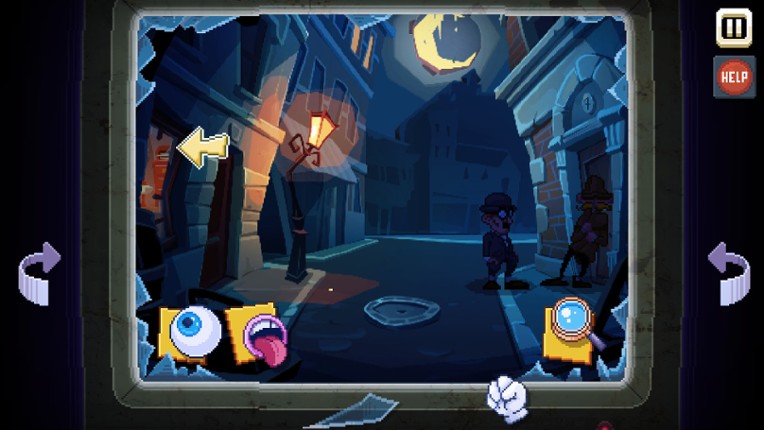
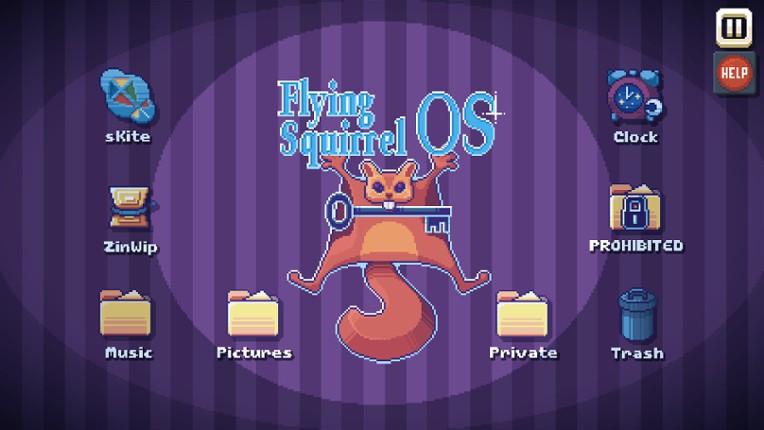
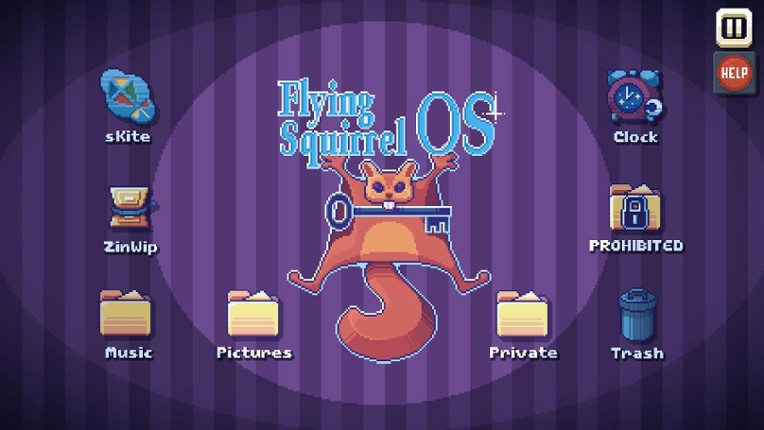
Fans of Portal's mind-bending puzzles will find familiar territory in There Is No Game: Wrong Dimension, where solving one riddle often requires deliberately breaking the game's own rules. Both titles reward players who experiment, fail, and try again with new approaches, turning logical deduction into an art form. The satisfaction comes not from following instructions, but from outsmarting the design itself.
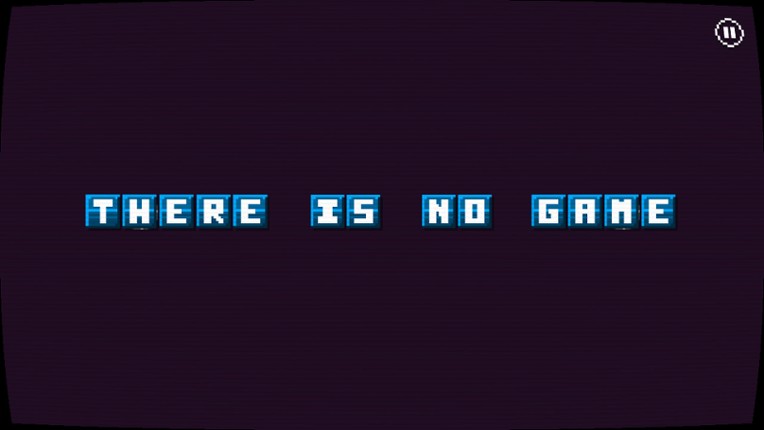
The comedy operates on the same principle: a sarcastic narrator comments on the absurdity of the gameplay, much like GLaDOS weaponizes her wit against the player. This meta-humor creates an emotional rhythm—tension, release, surprise—that Portal perfected, giving both games an unexpected emotional depth beneath their playful facades. The difference lies in presentation: Portal uses sterile test chambers and physics, while There Is No Game disguises itself as a broken interface.
Visually, players trade Portal's sleek 3D environments for hand-crafted pixel art and inventive 2D interactions, trading spatial reasoning for lateral thinking. Where Portal challenges your understanding of physics, There Is No Game challenges your assumptions about what a game even is. This trade-off makes it a worthy detour for players who appreciated Portal's willingness to break conventions, though those expecting another first-person shooter will need to adjust expectations.
If you enjoyed this game, see our list of games similar to There Is No Game: Wrong Dimension.
Both titles center on the tactile manipulation of your surroundings to overcome environmental barriers. You aren't just moving through a world; you are dissecting its physical properties using high-concept scientific tools.
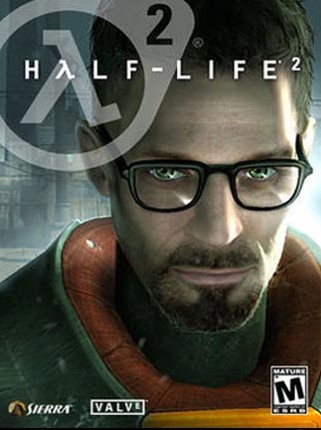
The Gravity Gun serves as a spiritual sibling to the Portal Gun, demanding that you view every crate or saw blade as a potential solution to a physics-based obstacle. This reliance on physics-driven logic creates a familiar sense of intellectual satisfaction as you use the engine’s weight and momentum to outsmart threats. Both games lean heavily into a cold, decaying scientific atmosphere where the narrative is embedded directly into the architecture.
While the Aperture labs focus on pure logic, Half-Life 2 introduces high-stakes combat and wide-scale exploration across an entire city. This shift provides a significantly longer experience, satisfying those who found the original puzzle chambers a bit too brief.
Best for players who want to apply their spatial reasoning to a larger, more perilous world.
If you enjoyed this game, see our list of games similar to Half-Life 2.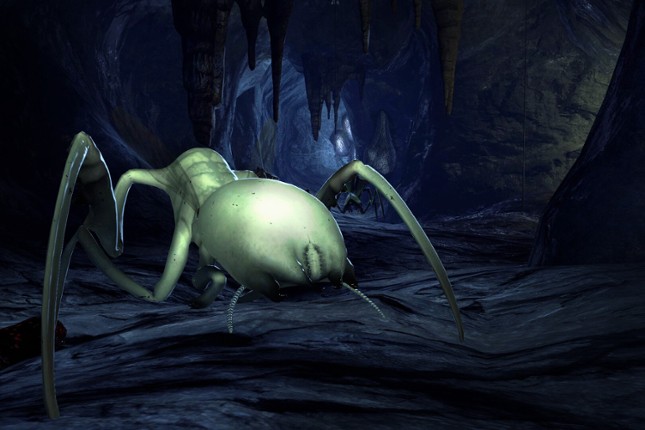
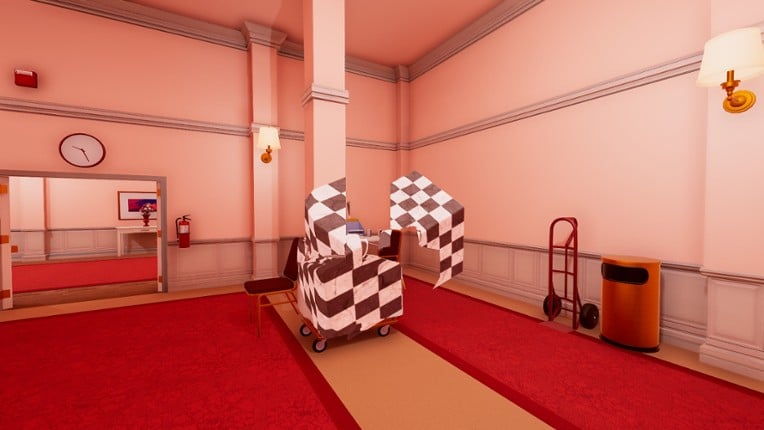
Both games weaponize perspective manipulation as their core puzzle mechanic—Portal through portals, Superliminal through impossible geometry and scale shifts. This shared foundation means the satisfying "aha" moment of spatial problem-solving translates directly.
They also match on dark comedic narration, which keeps puzzle fatigue at bay during longer sessions.
The tradeoff: Superliminal adds surreal psychological horror and co-op flexibility, but trades Portal's laser-focused design focus for a wider, messier scope.
Pick this up if you crave Portal's twisted logic puzzles but want visual disorientation and multiplayer options over pure mechanical elegance.
If you enjoyed this game, see our list of games similar to Superliminal.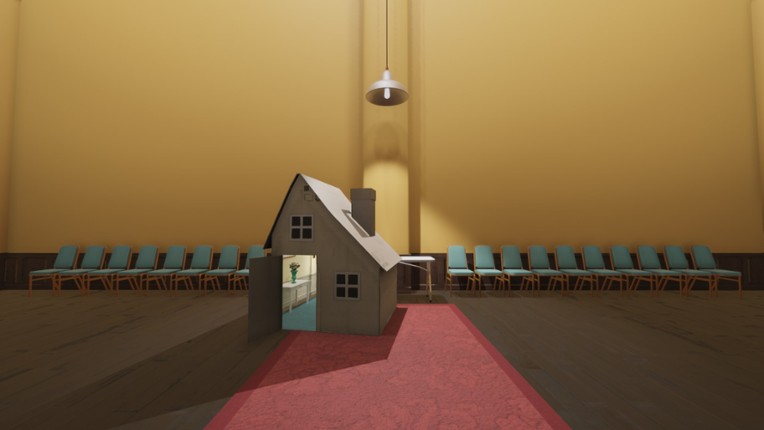
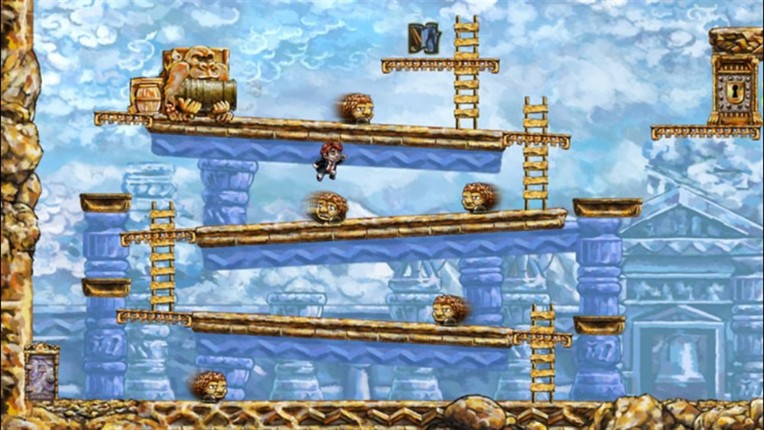
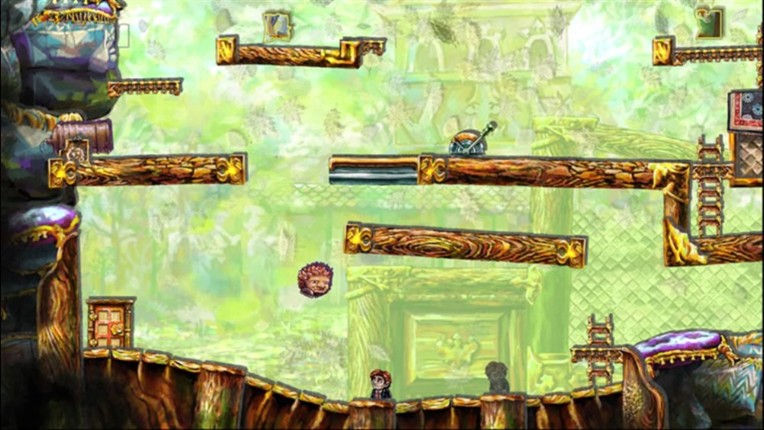
Both Portal and Braid build their entire puzzle design around a single, world‑altering mechanic—portals versus time manipulation—that reshapes how you think about space and causality.
Both are short, indie puzzle platformers that value atmosphere over padding, and both feature a story that lingers just beneath the surface. This gives each title a focused, tightly crafted experience that stays with you after the credits roll.
Braid swaps Portal's dark‑comic, first‑person perspective for hand‑painted 2D fantasy art and a cryptic narrative that demands more interpretive effort.
Pick this up if you crave an innovative, mechanically driven puzzle platformer but can live without Portal's humor and 3D spectacle.
If you enjoyed this game, see our list of games similar to Braid.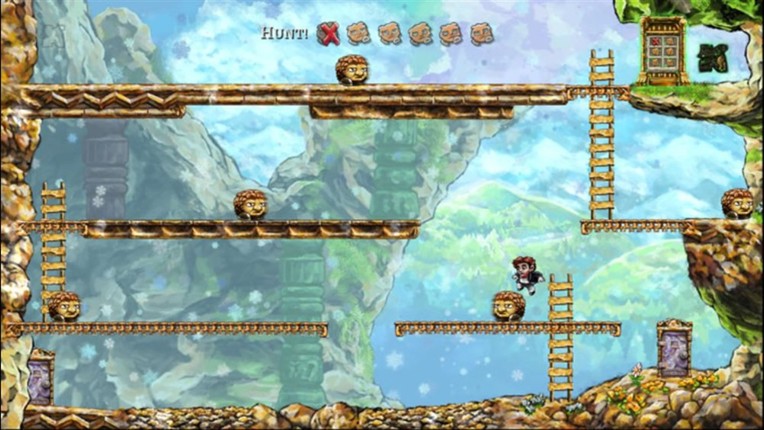
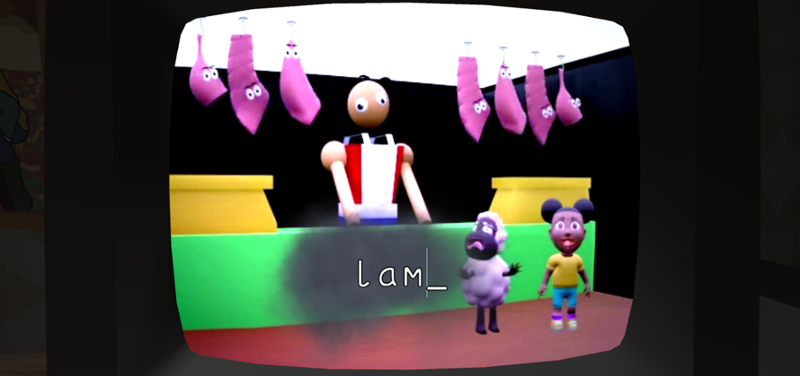
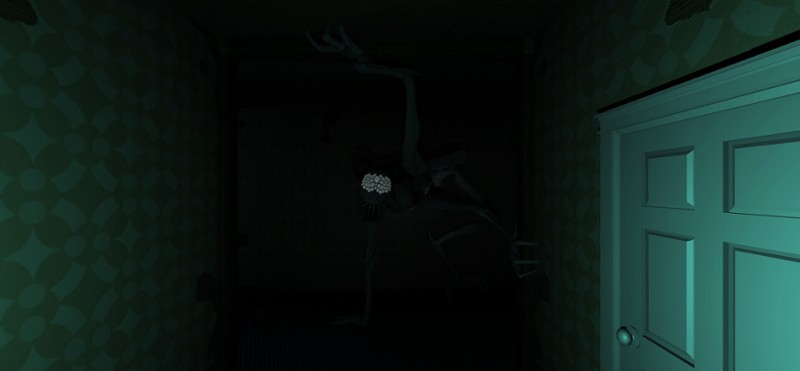

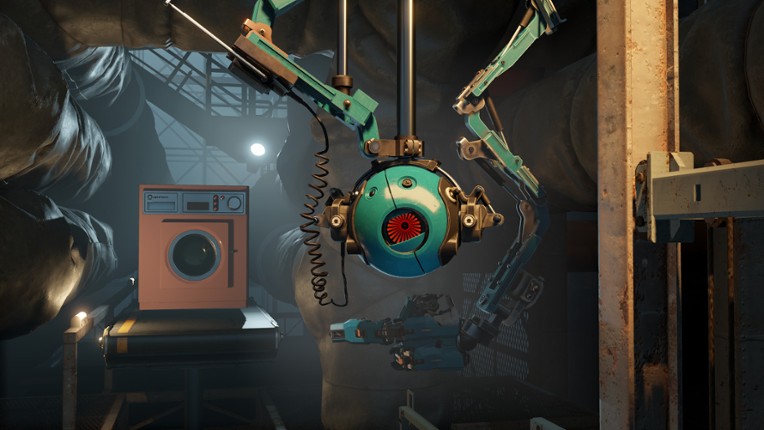
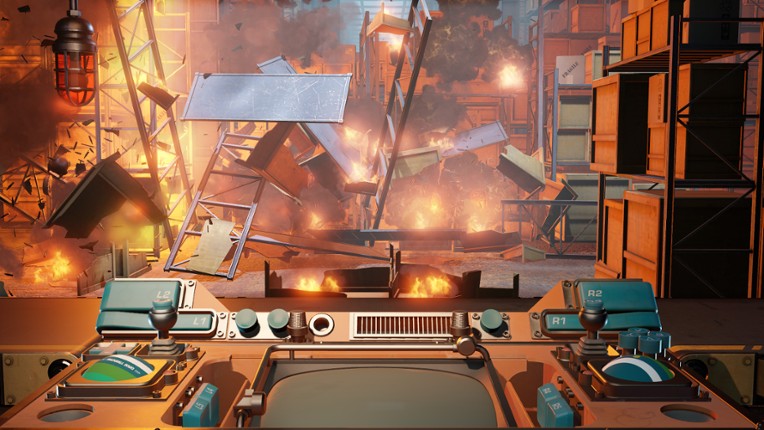
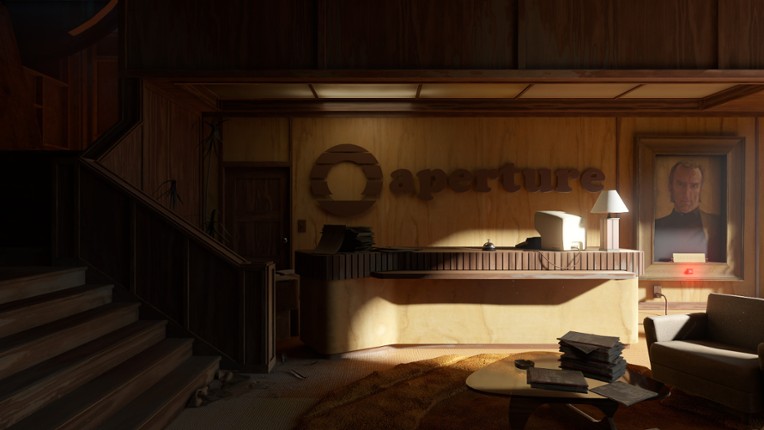
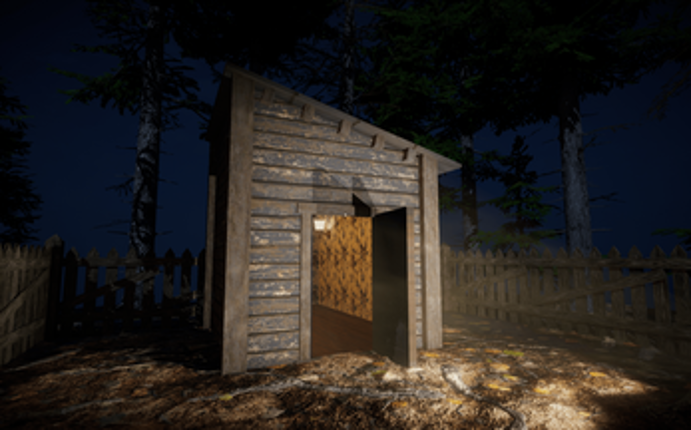
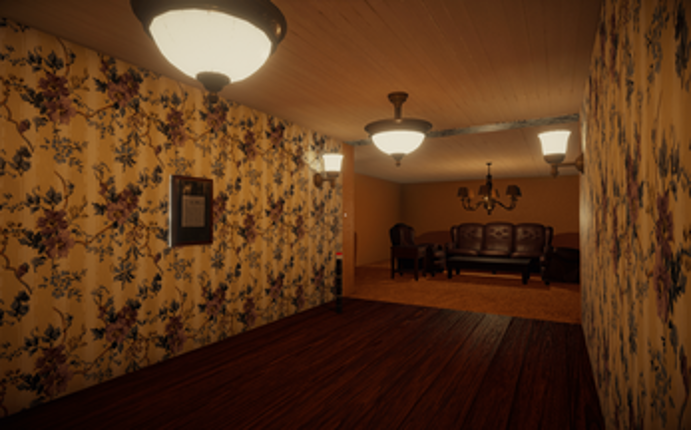
A little game that's not a game, winner of an old game jam that nobody's ever heard of. If you enjoyed this game, see our list of games similar to There Is No Game.
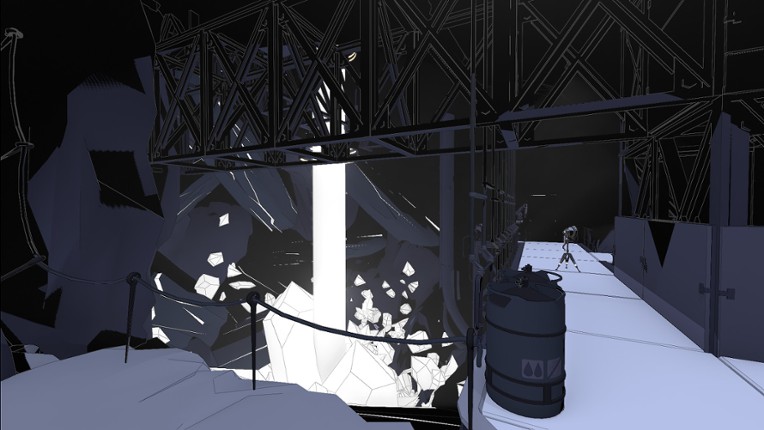
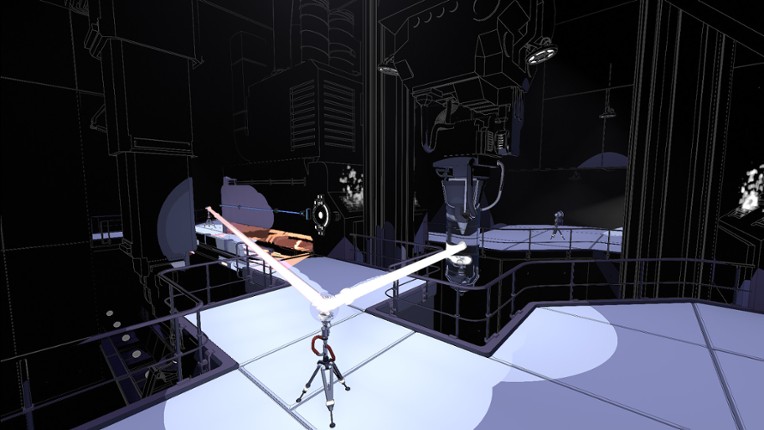
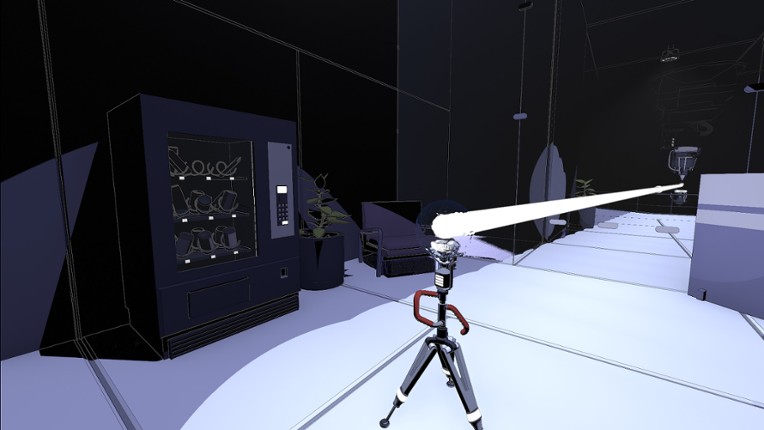
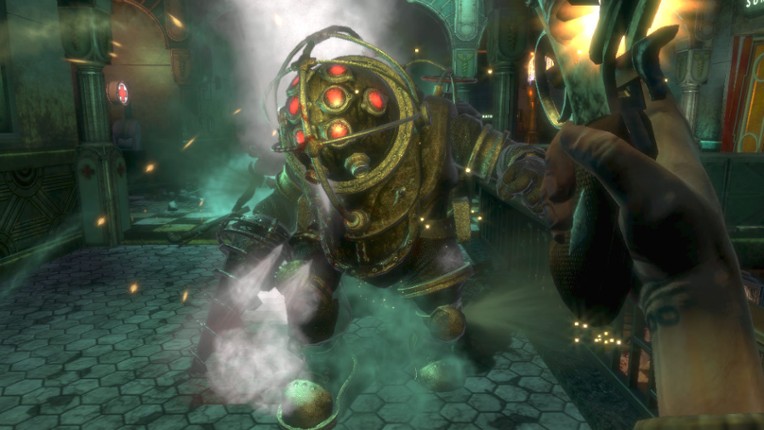
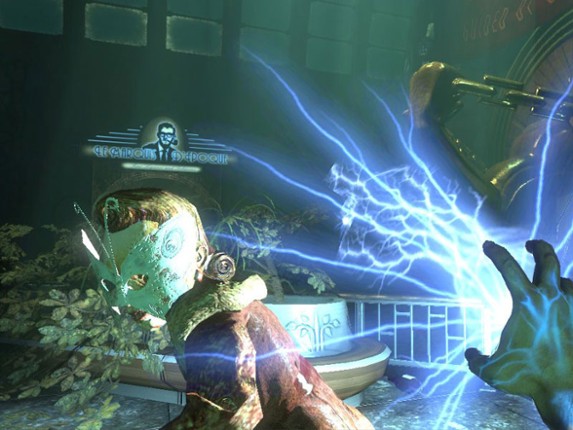
Both games excel at environmental storytelling, locking you within a hostile facility where the architecture itself reveals the horrors of a collapsed scientific dream. This shared sense of isolation is vital because it turns every room into a narrative discovery rather than just a challenge to overcome.
While Portal relies on mechanical ingenuity and physics-based logic, BioShock pivots toward kinetic combat and resource management. You are trading GLaDOS’s clinical, biting wit for the decaying, philosophical dread of a fallen underwater utopia.
Pick this up if you want the disturbing narrative depth of a contained, decaying world but can live without the clean, non-violent elegance of portal-based puzzles.
If you enjoyed this game, see our list of games similar to BioShock.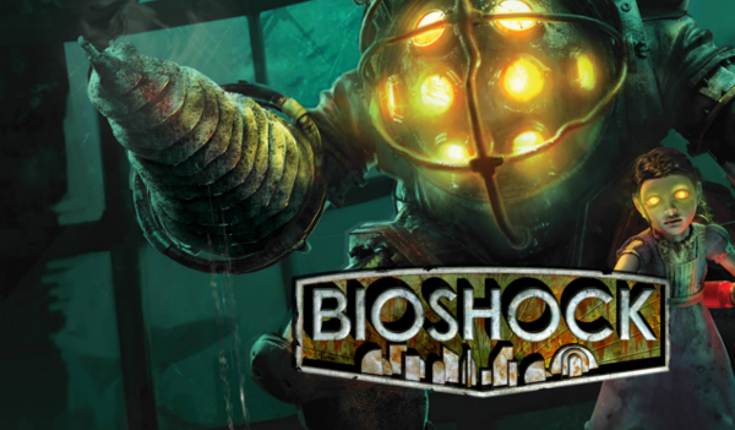
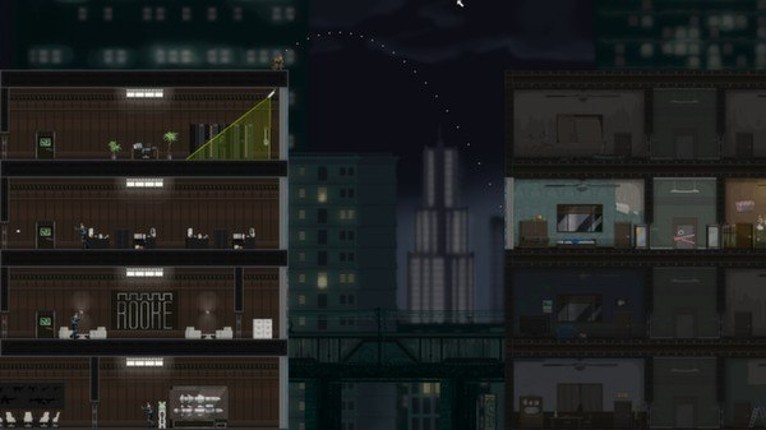
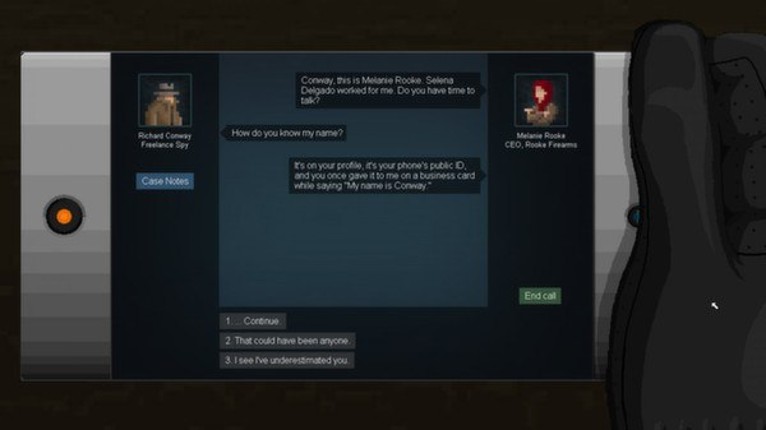
Both Portal and Thomas Was Alone center on puzzle platforming that challenges your spatial reasoning, creating tightly designed levels that require thoughtful navigation.
Thomas Was Alone shares Portal’s focus on story-rich experiences, using minimalist graphics and narration to build unexpected emotional depth—which matters for players who value narrative alongside gameplay.
However, Thomas Was Alone lacks Portal’s signature first-person mechanics and dark humor, offering a slower, more contemplative 2D journey with simpler puzzles and less challenge.
Pick Thomas Was Alone if you want a thoughtful narrative-driven platformer with physics puzzles but can live without Portal’s iconic portal gun mechanics and sci-fi comedy.
If you enjoyed this game, see our list of games similar to Thomas Was Alone.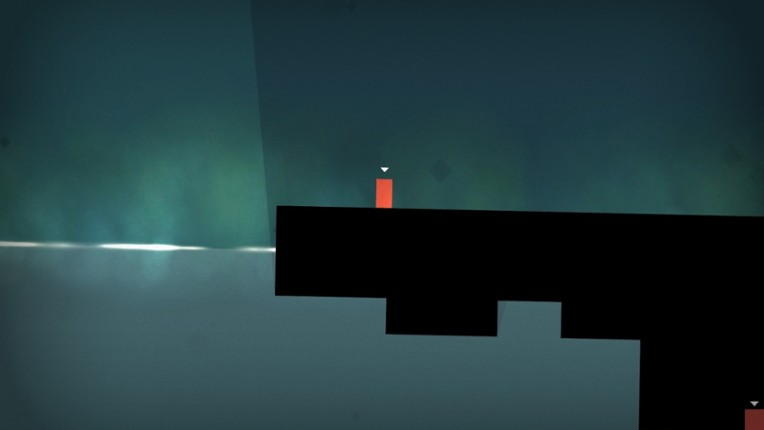
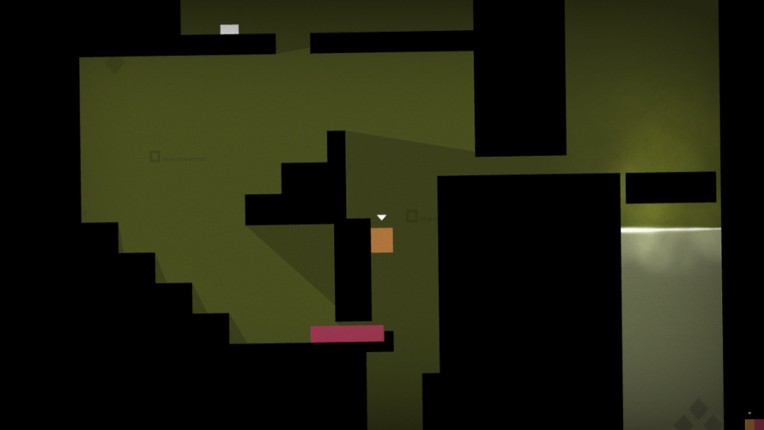
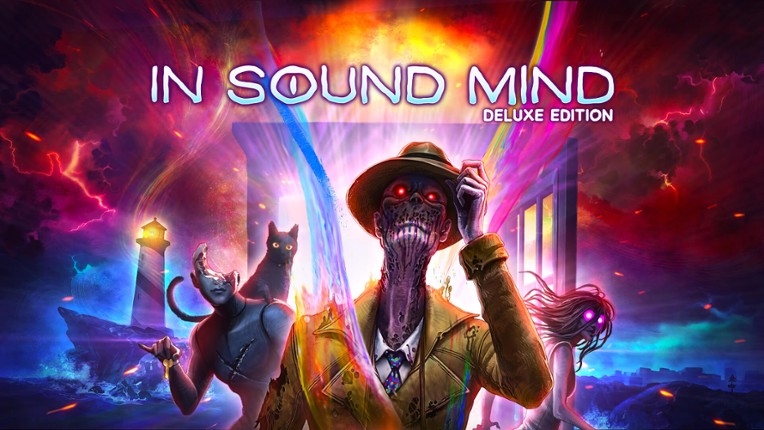
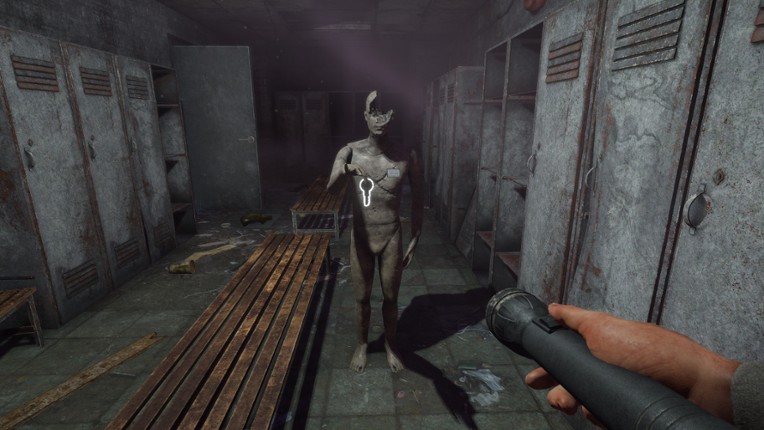
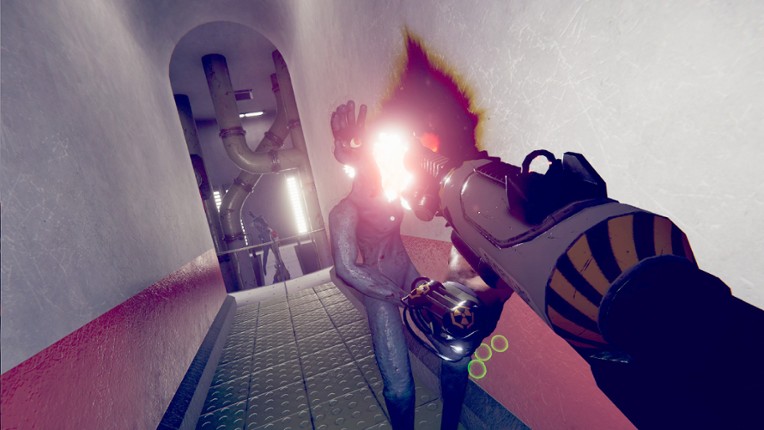
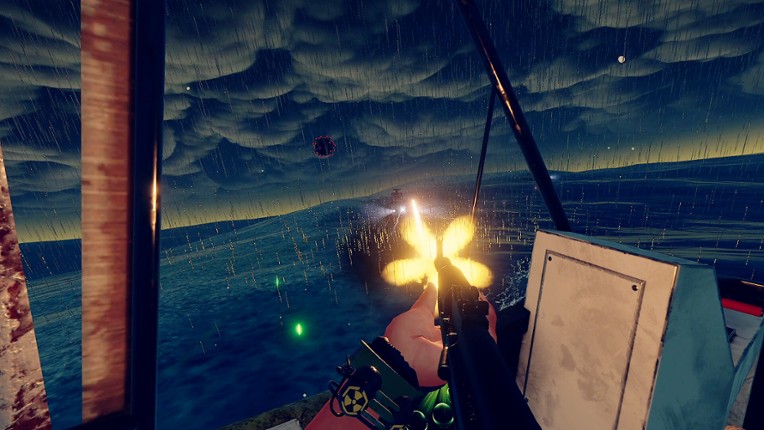
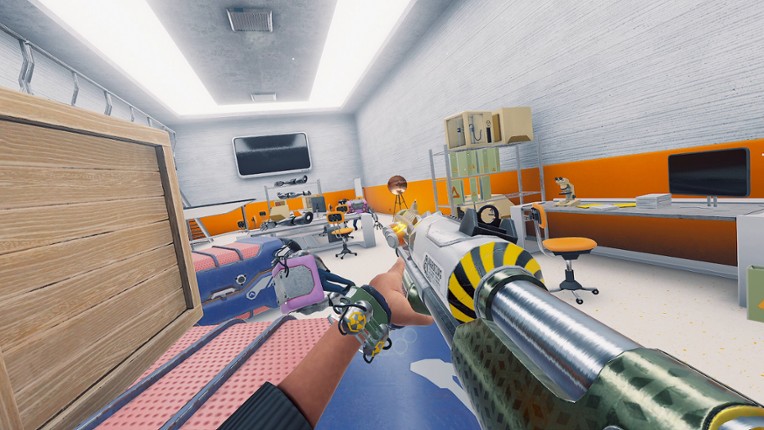
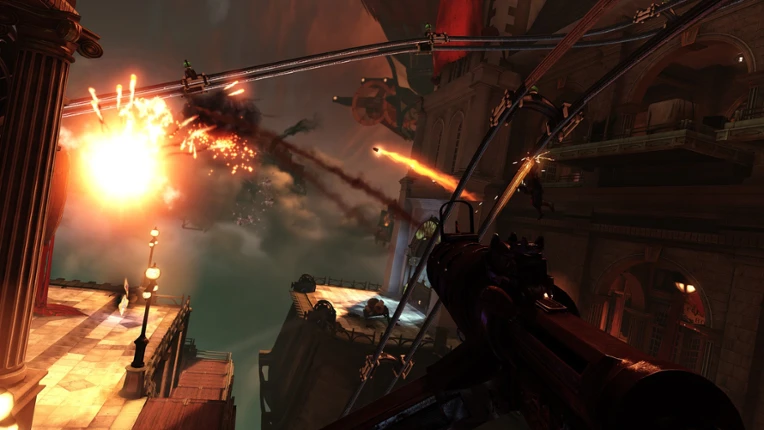
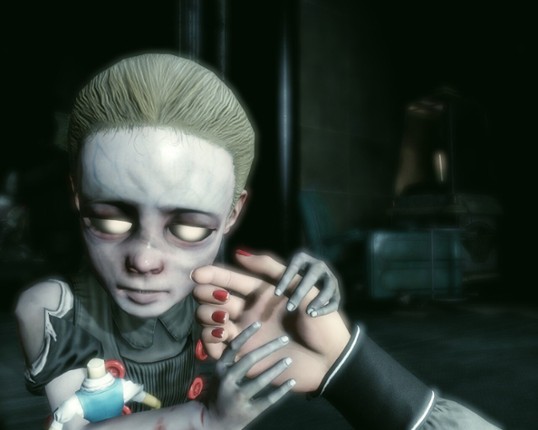

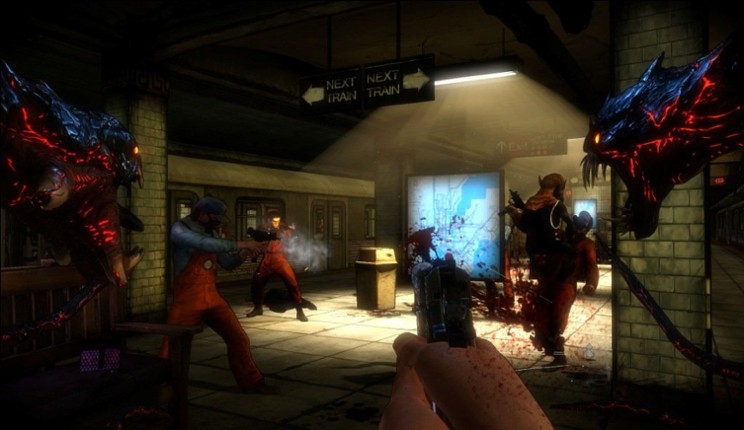
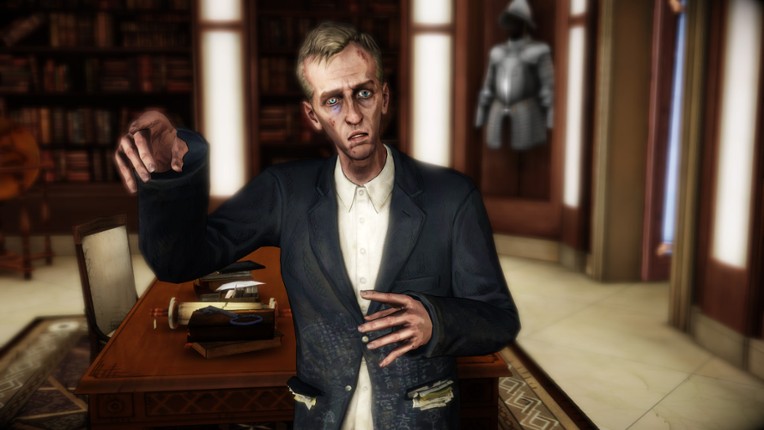
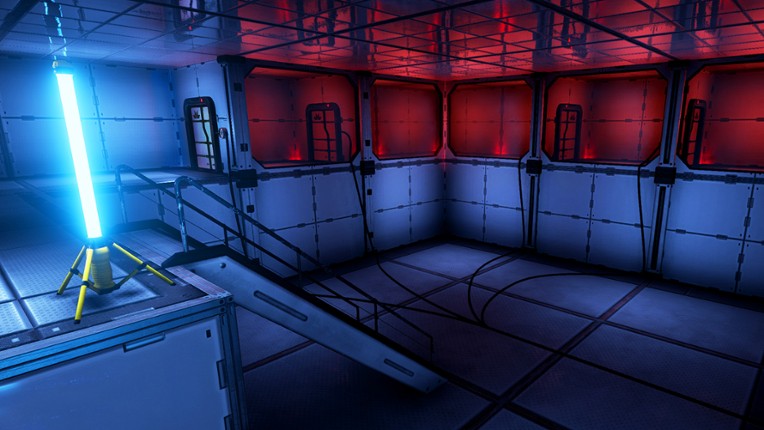
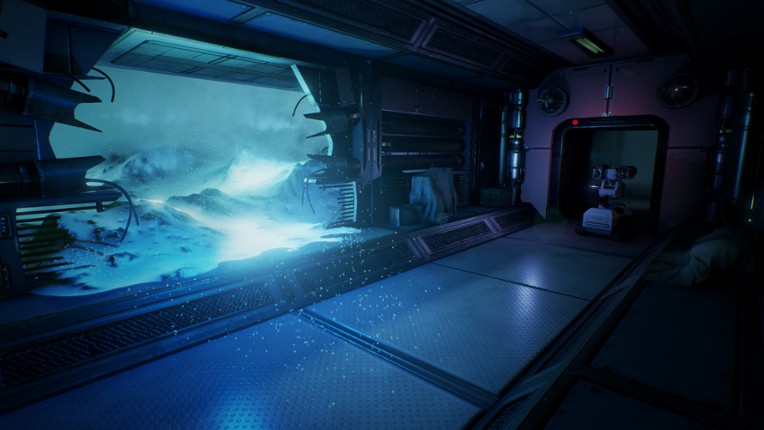
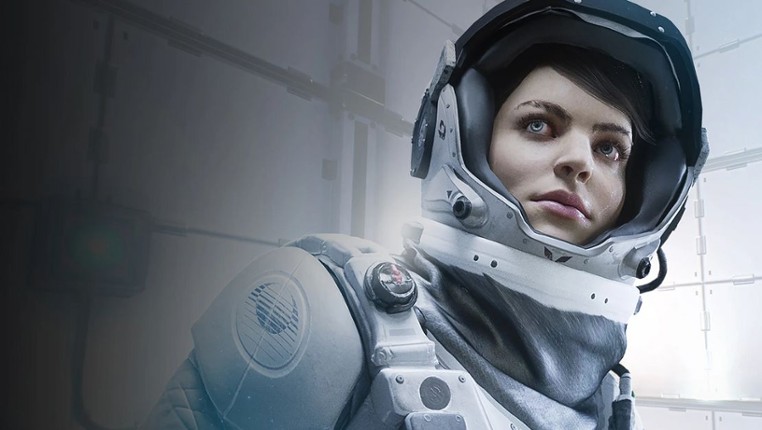
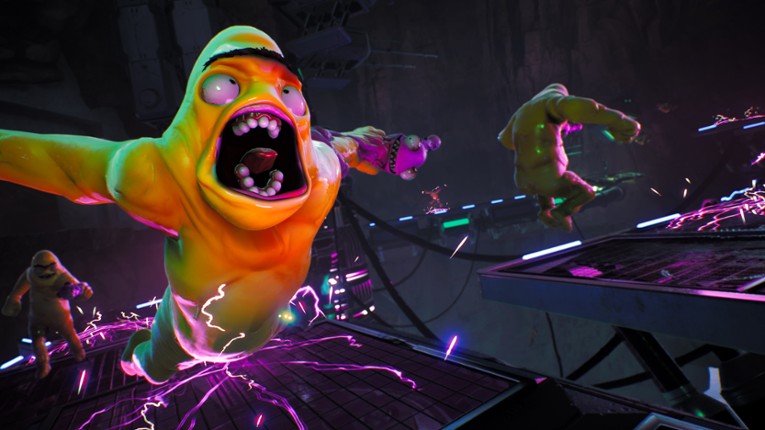
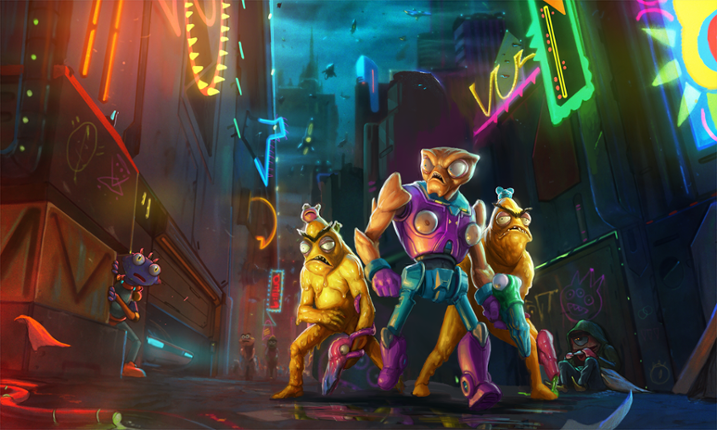
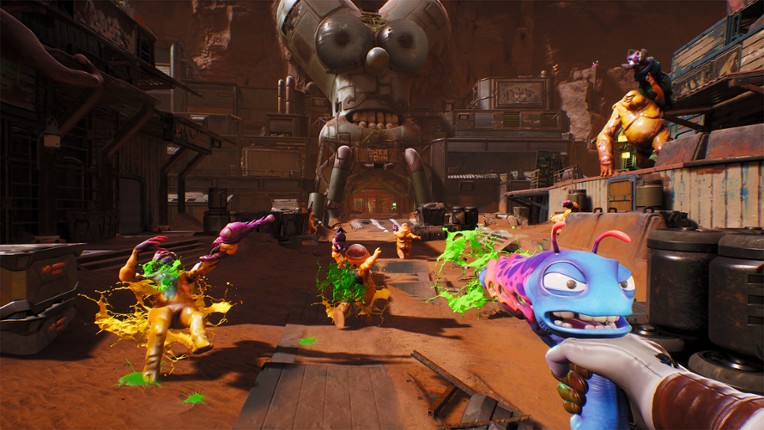
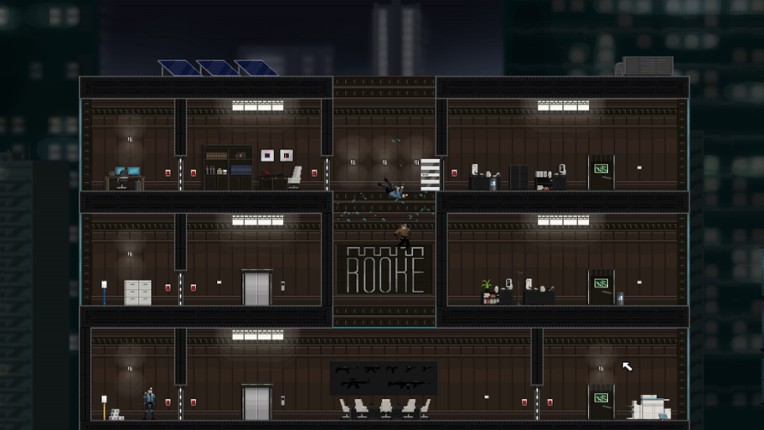
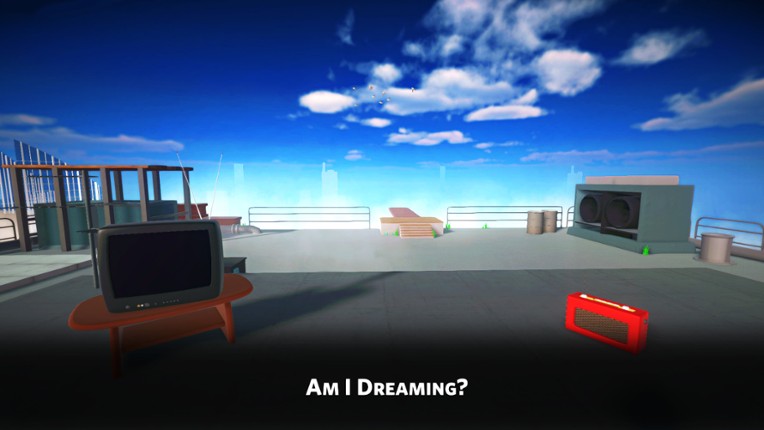
Suicide Guy full Soundtrack and original music! If you enjoyed this game, see our list of games similar to Suicide Guy.
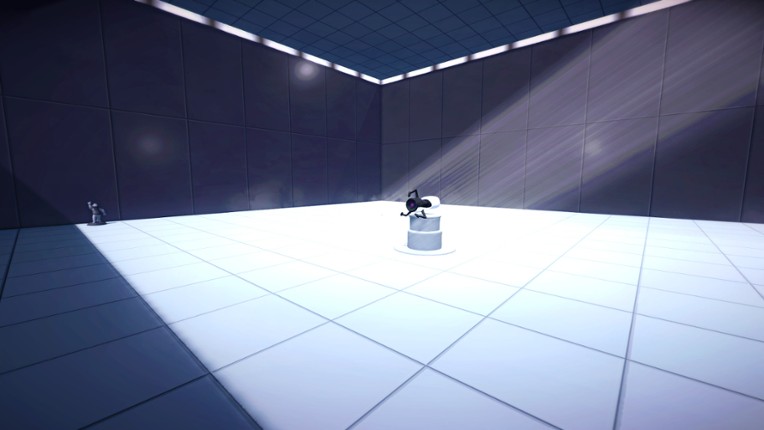

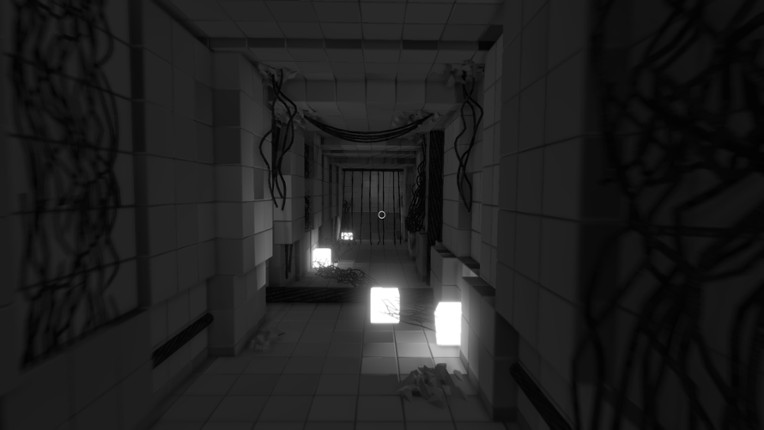
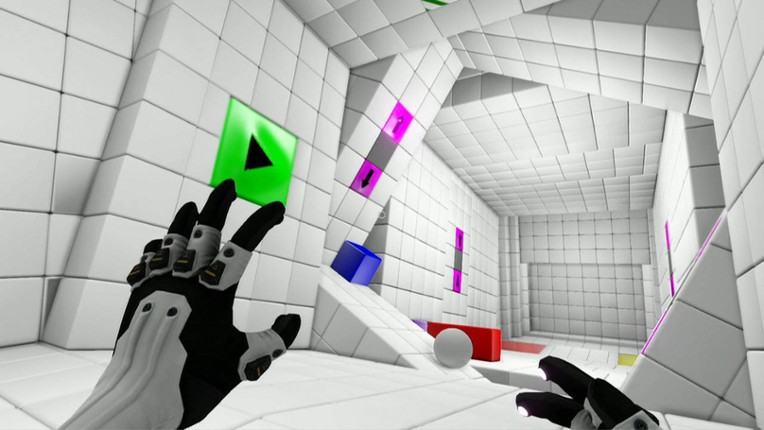
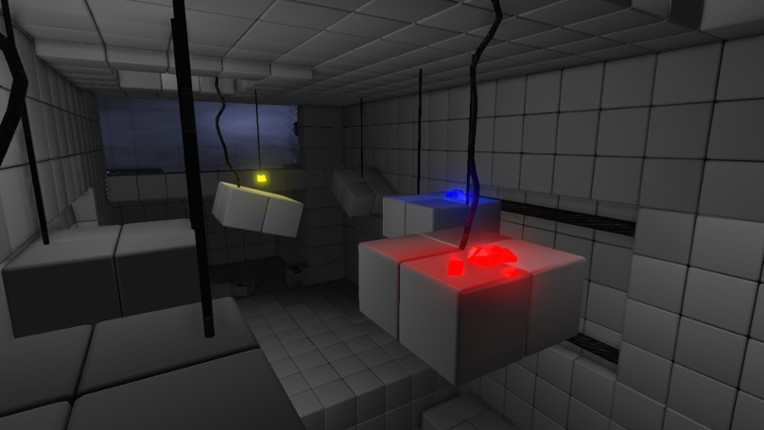
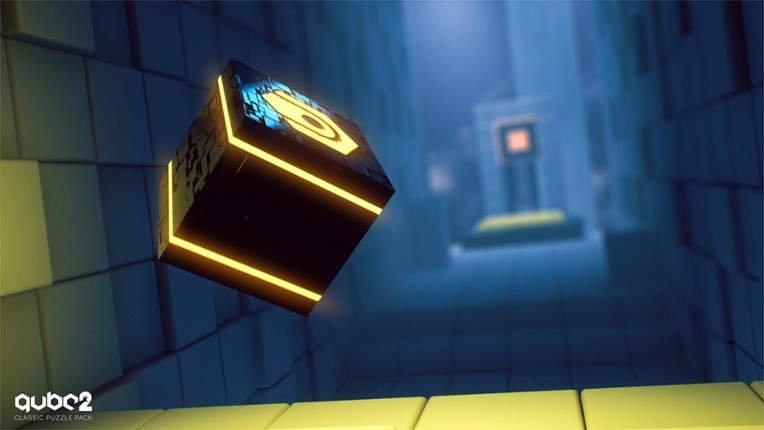
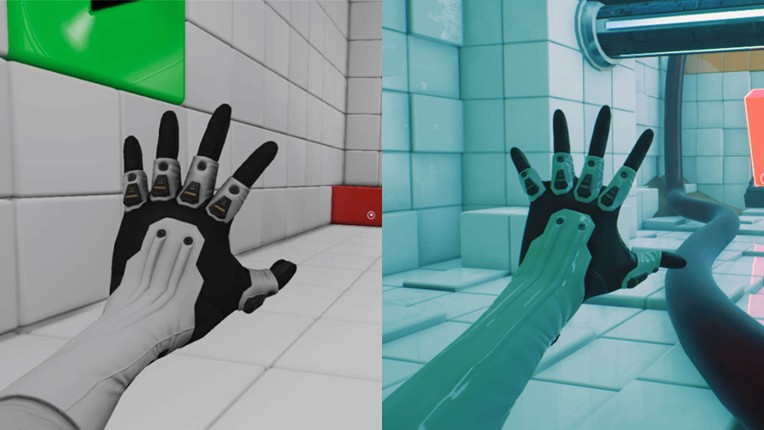
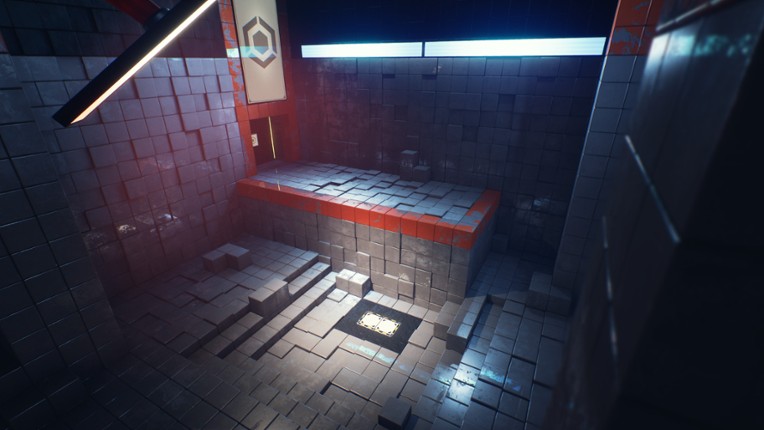
The Deluxe Edition gives players access to all released content including Q.U.B.E. 2 Main Game and the Season Pass (Two Puzzles Pack, Original Soundtrack and Glove Skin). If you enjoyed this game, see our list of games similar to Q.U.B.E. 2.
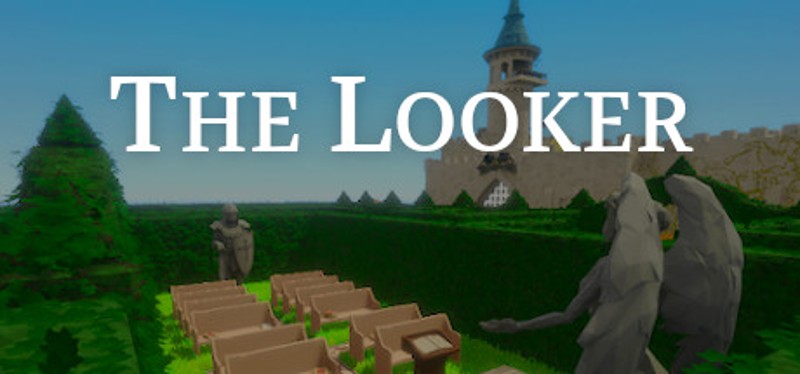
You wake up, alone, on a strangely familiar island full of puzzles that will frustrate and annoy you. A parody of Jonathan Blow's The Witness. If you enjoyed this game, see our list of games similar to The Looker.
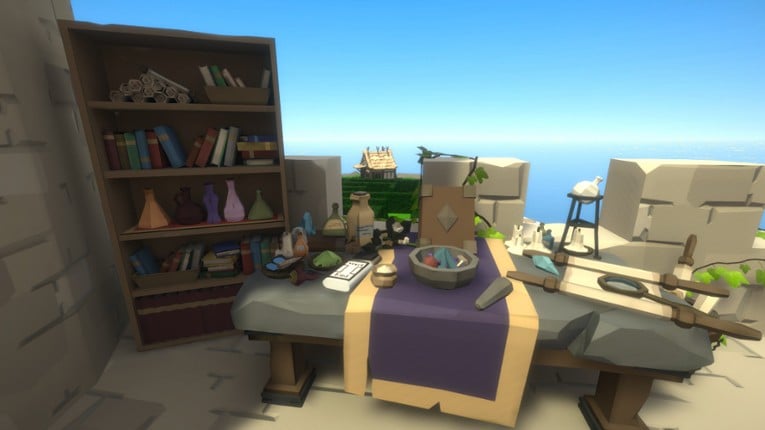
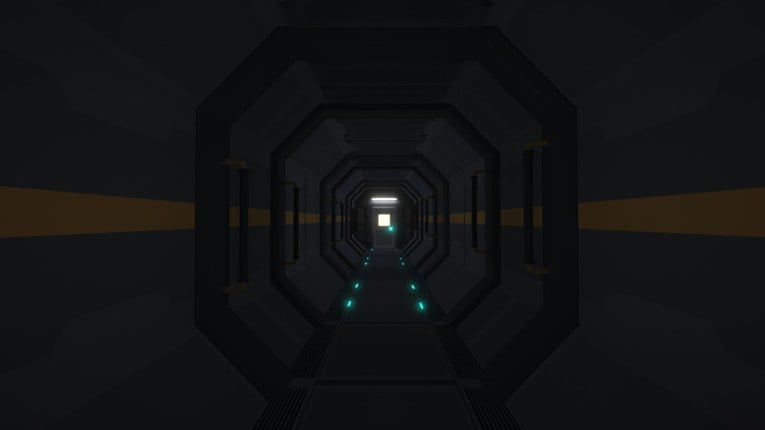
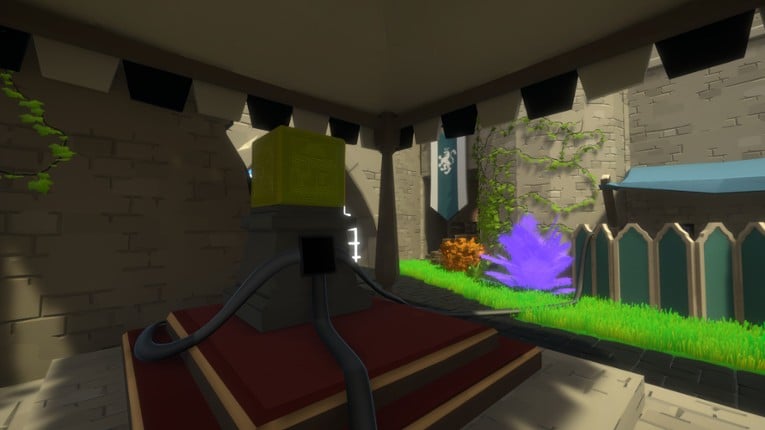
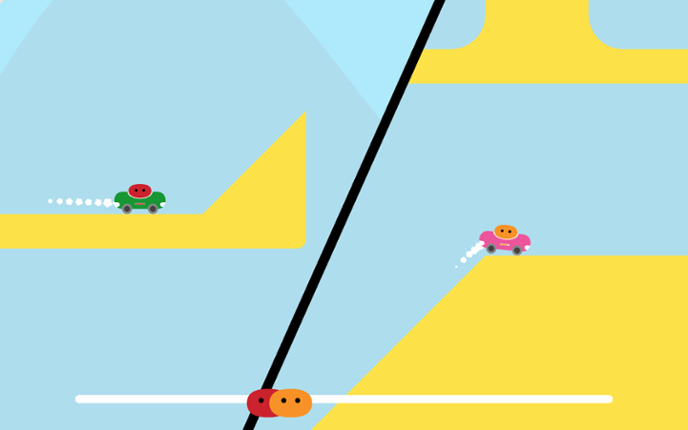
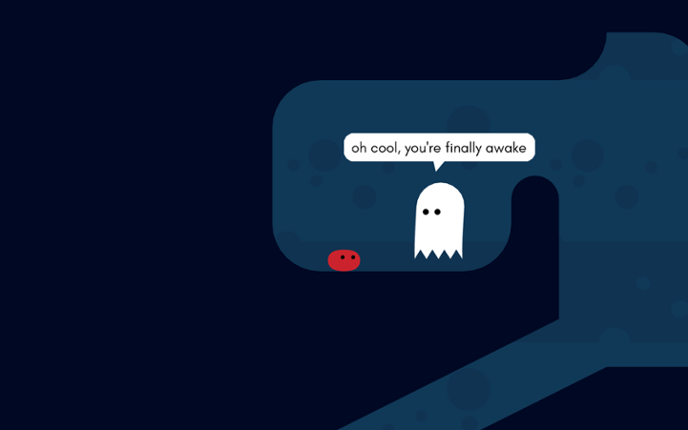
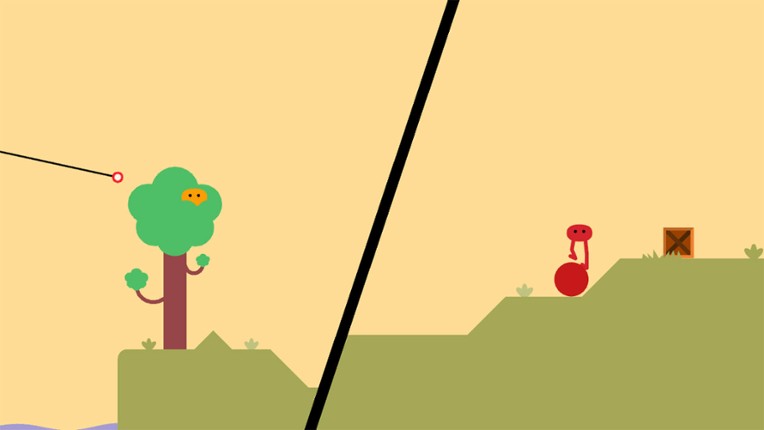
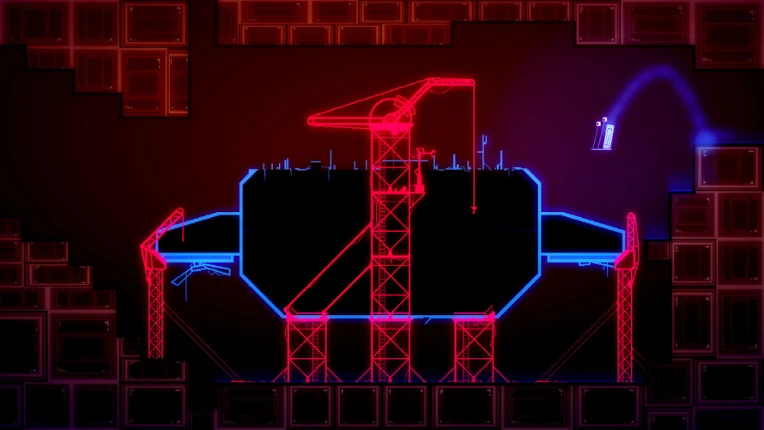
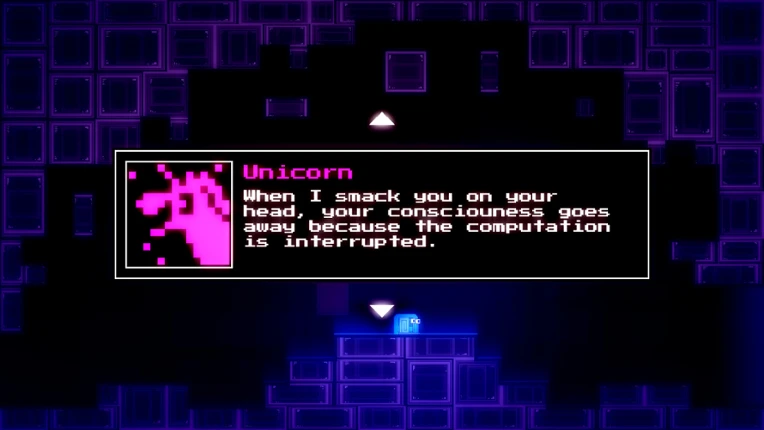
Fast paced precision platforming. AI spawned traps. Cocky voice lines. Combat. Puzzles. Snails. Unicorns. A story about artificial intelligence and a dark secret to uncover.The evil AI Squid tries to predict your movement a few seconds ahead of time and uses that information in an attempt to stop you from reaching the end of the level. Will you win that intellectual battle or will Squid find yet a… If you enjoyed this game, see our list of games similar to Will You Snail.
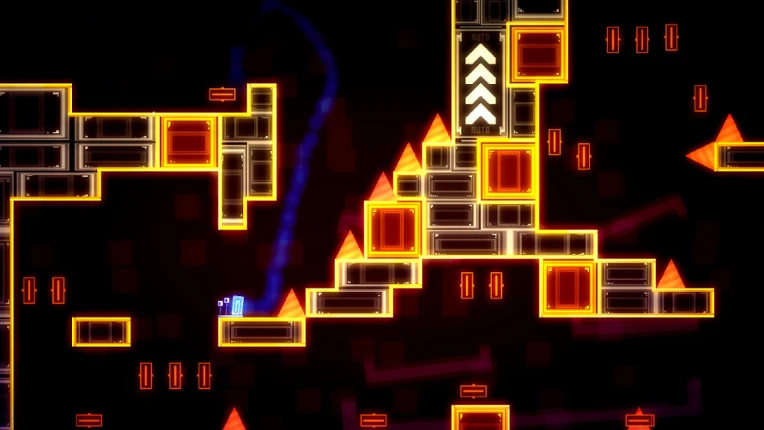
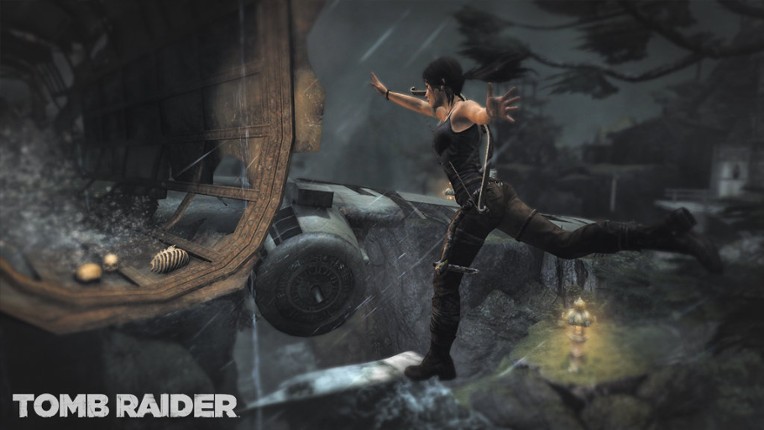
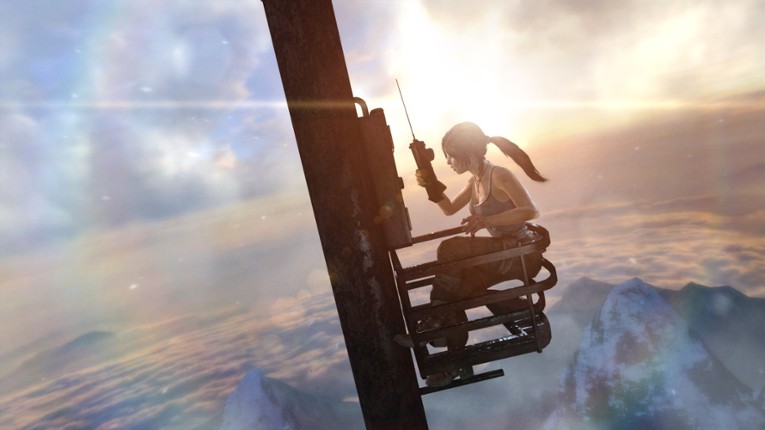
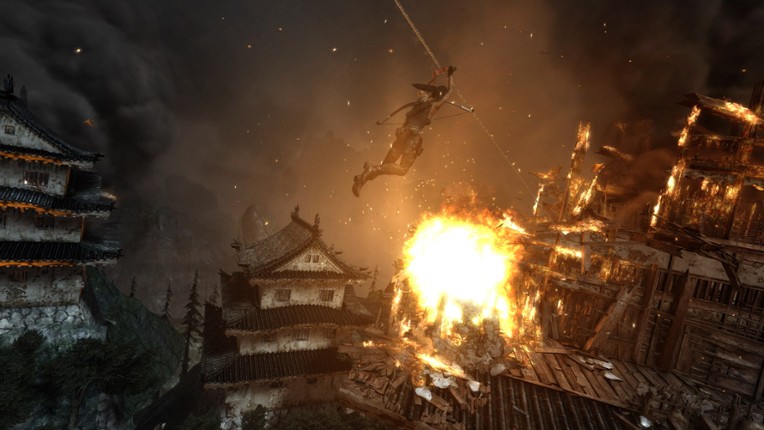
Perspective is a platforming title in which players must utilize two incarnations of the protagonist - switching back and forth between them - to progress. If you enjoyed this game, see our list of games similar to Perspective.
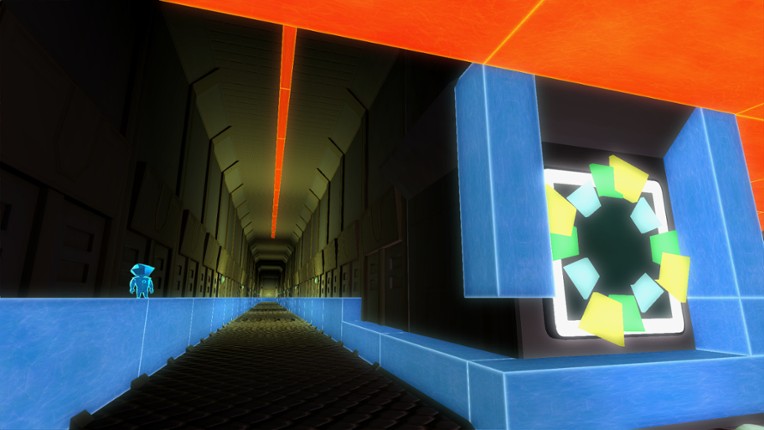
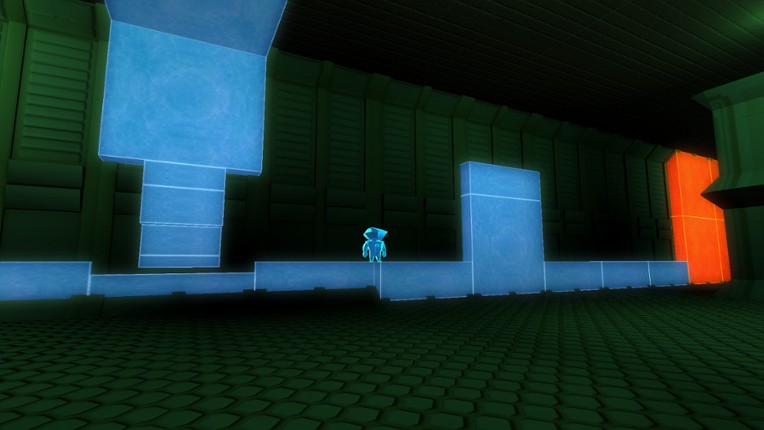
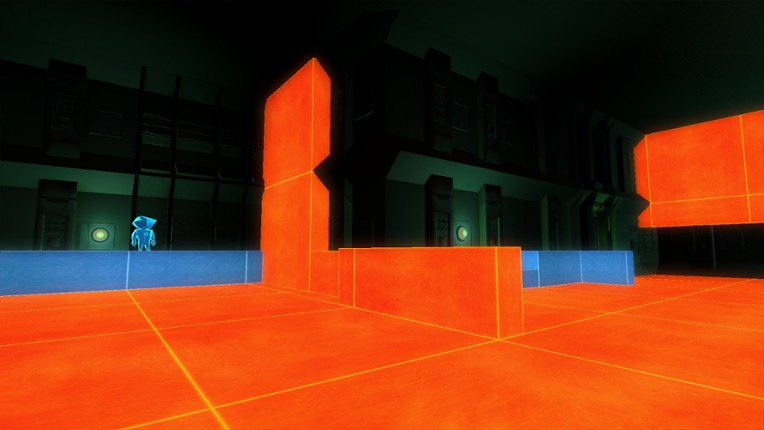

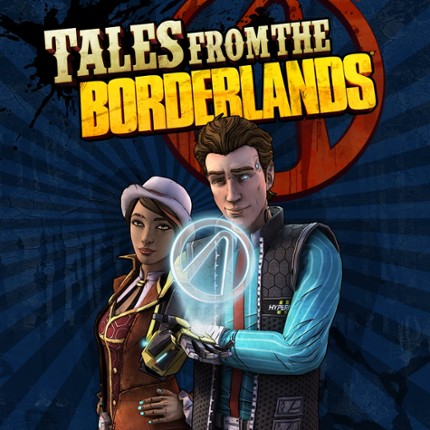



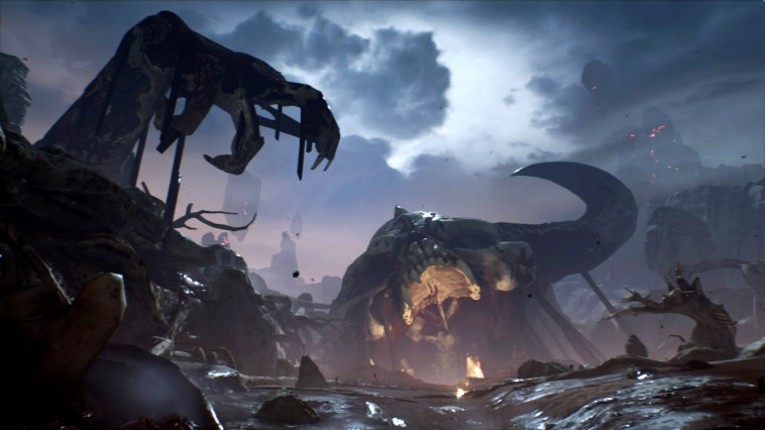
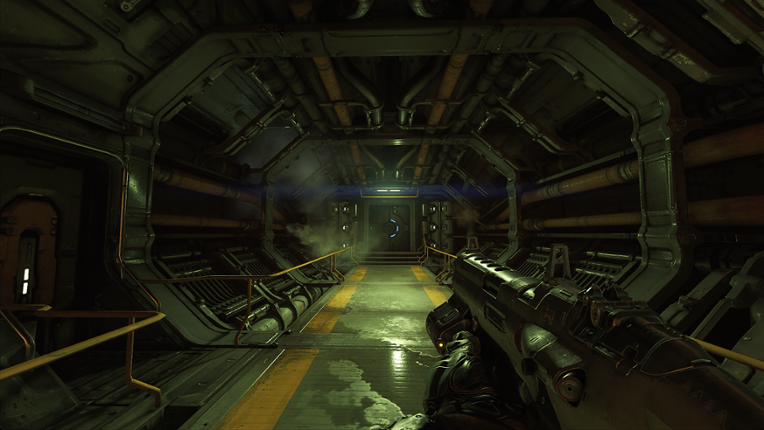
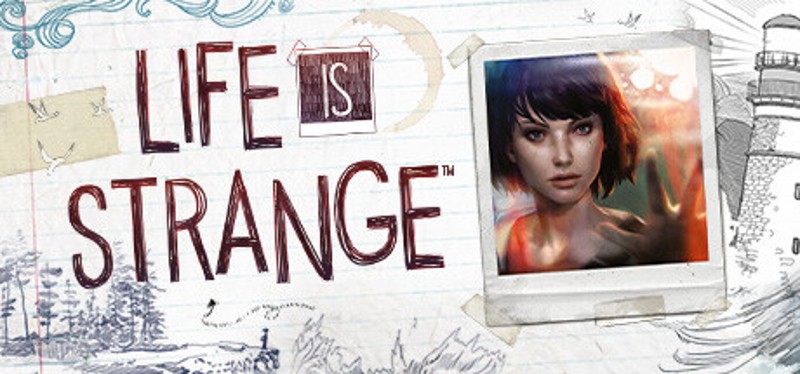
Life Is Strange is an award-winning game where your choices impact the story If you enjoyed this game, see our list of games similar to Life is Strange.

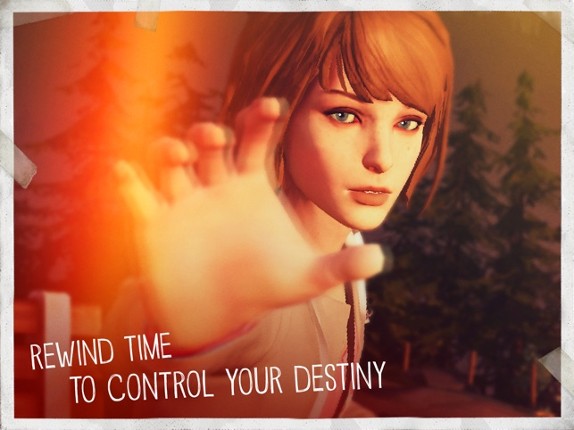
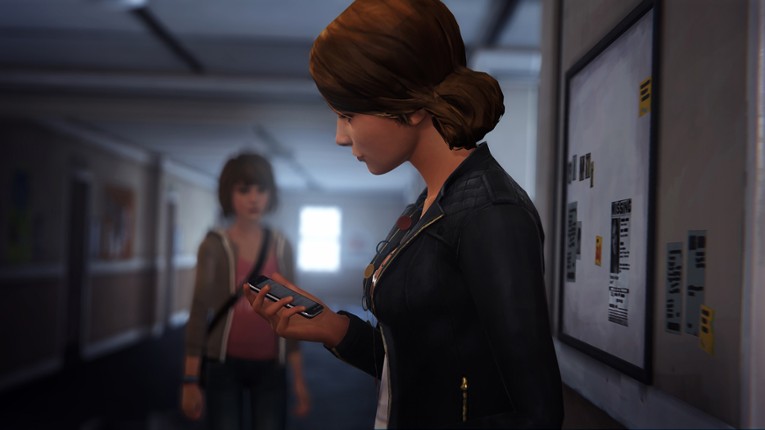



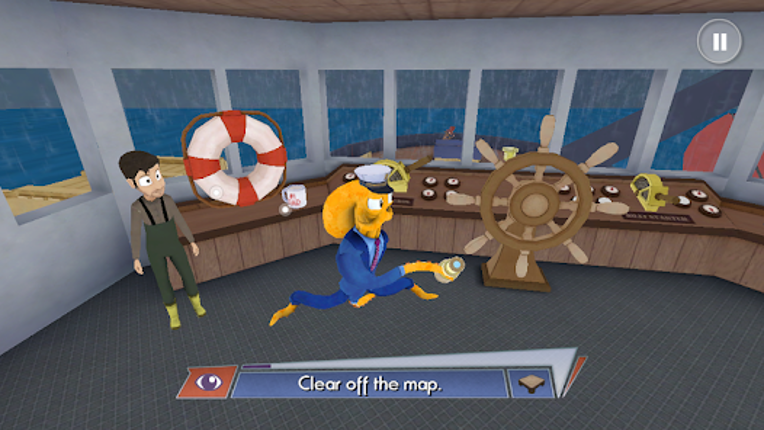
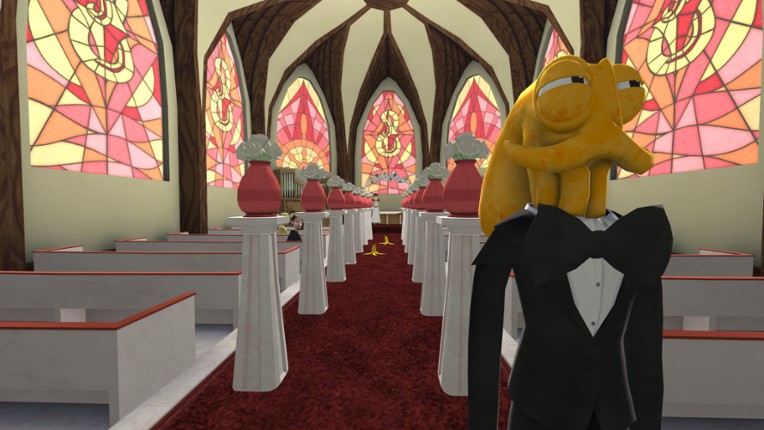
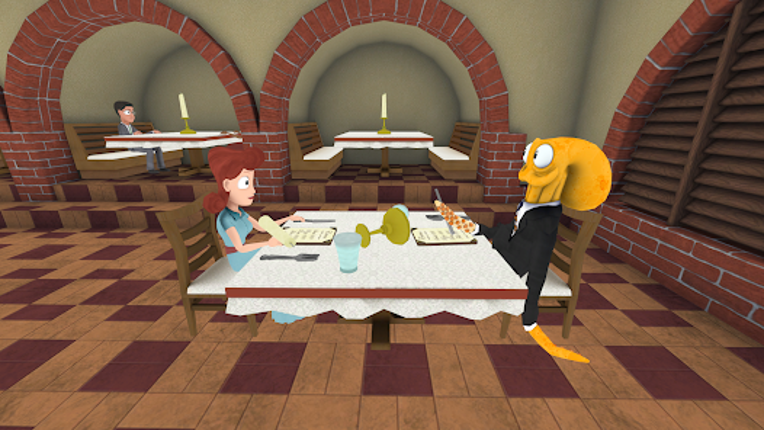
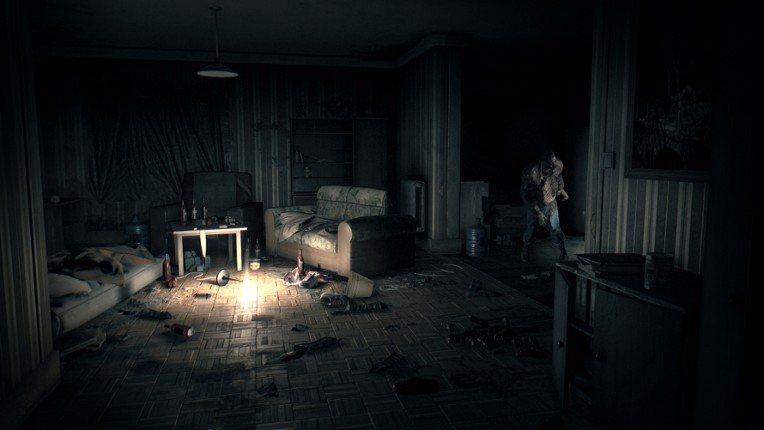

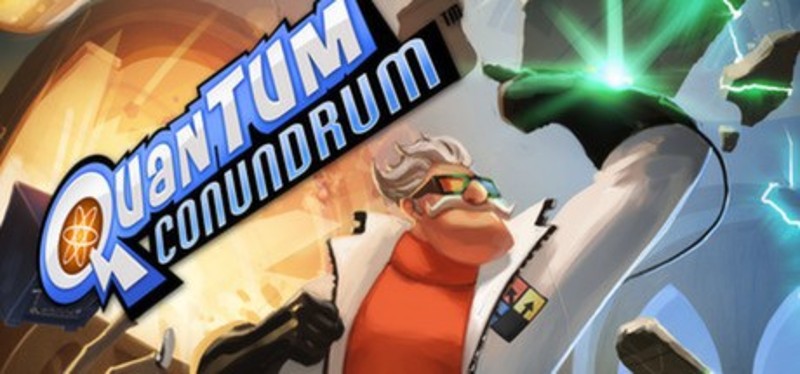
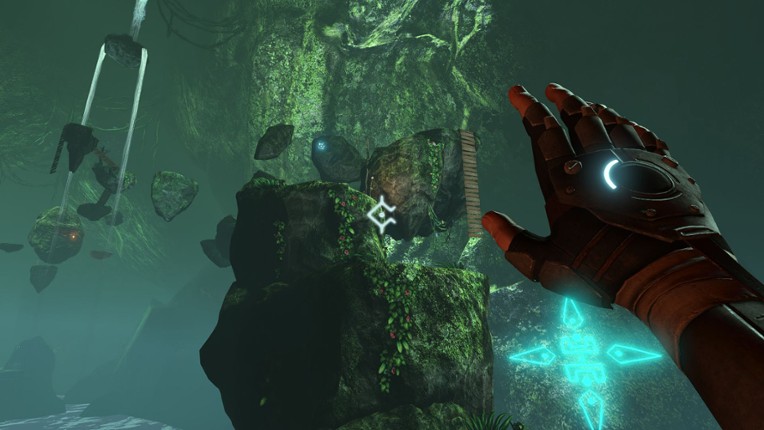
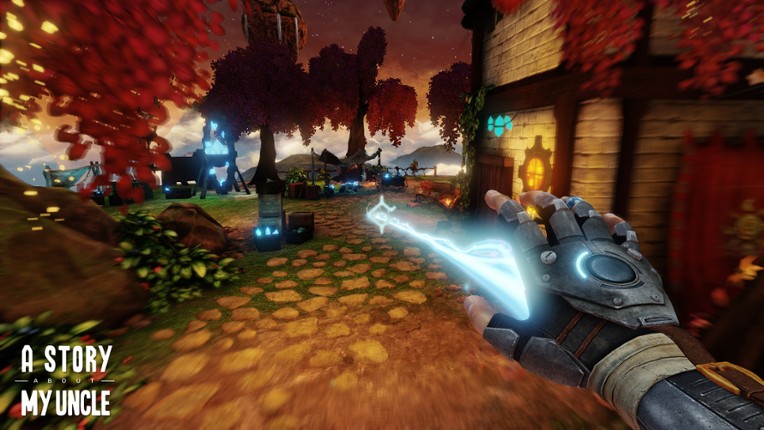
When you arrive to visit your uncle, you notice something’s wrong. He’s not there to greet you and there was an explosion just as you arrived. Rescue your uncle using his newest invention, the Interdimensional Shift Device. Shift between five different dimensions in real time and work your way through his crazy complex mansion If you enjoyed this game, see our list of games similar to Quantum Conundrum.
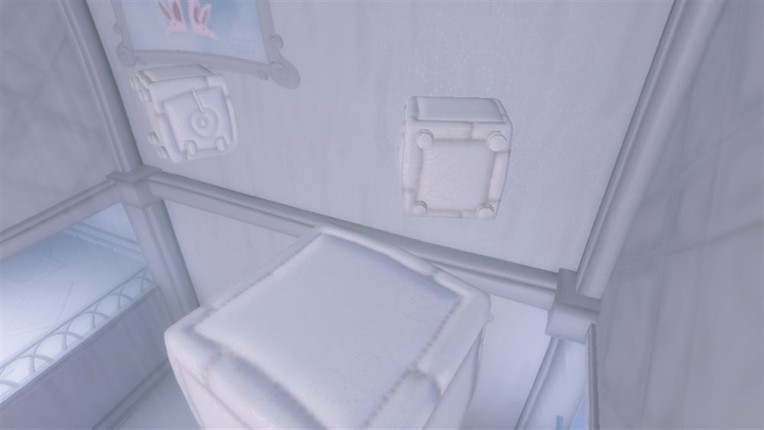
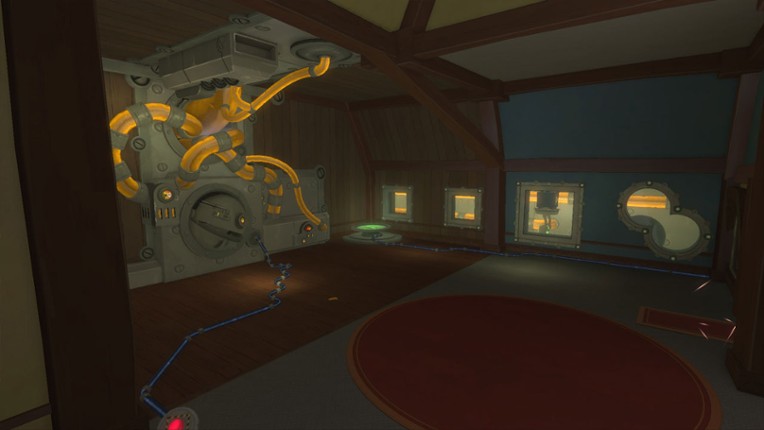
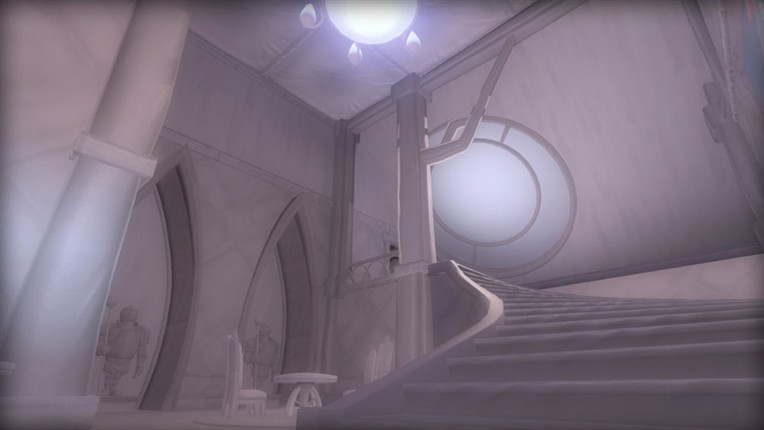
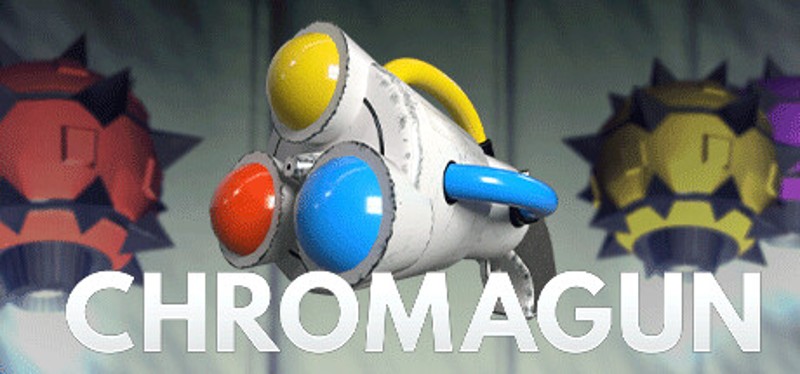
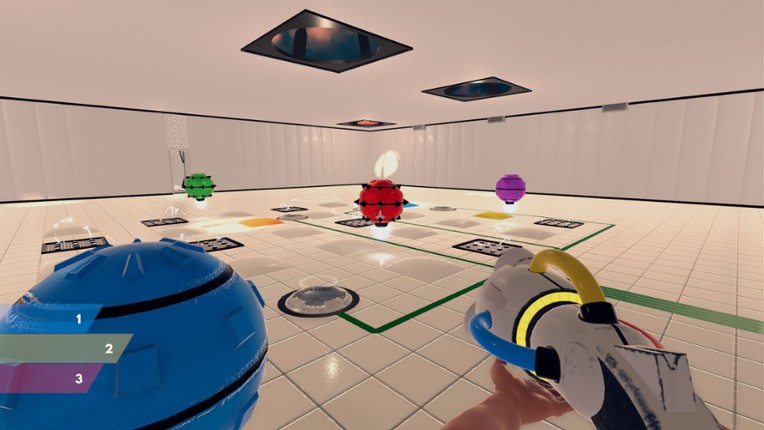
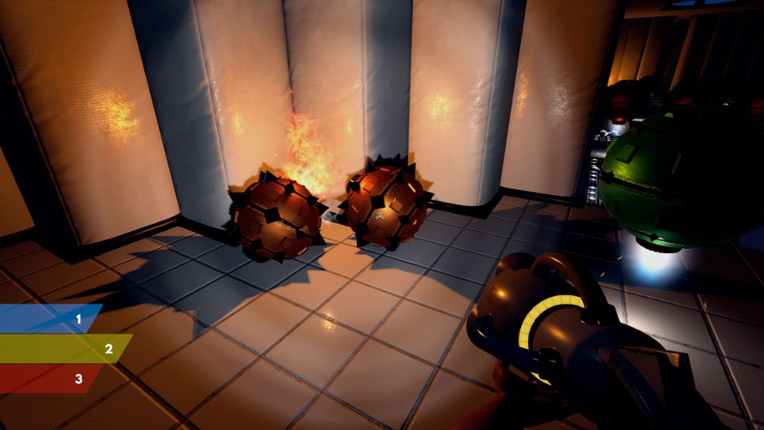
ChromaGun is a first person puzzler about colors. The basic principle is as easy as applying it is complex: exit the chambers via the exit doors. Use the ChromaGun to colorize walls and WorkerDroids to progress in the chambers. WorkerDroids (the players' main cause of headaches in ChromaGun) are attracted to walls of the same color and can be used for a variety of tasks like opening doors, activat… If you enjoyed this game, see our list of games similar to ChromaGun.
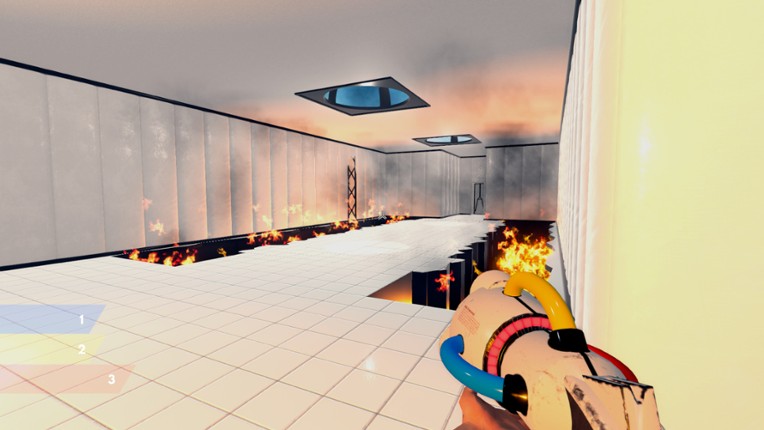
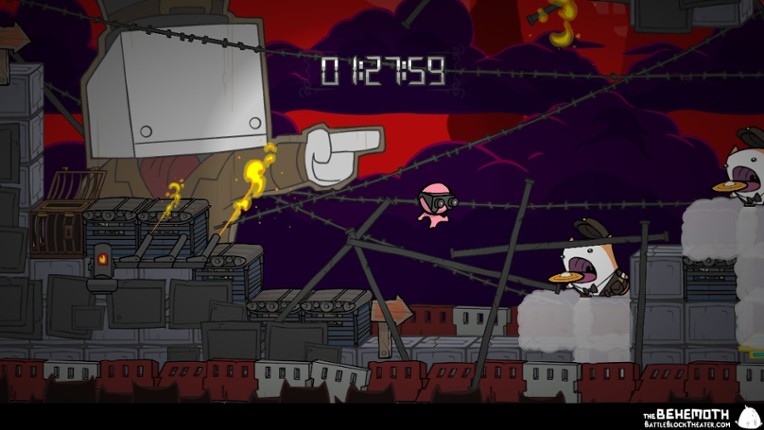
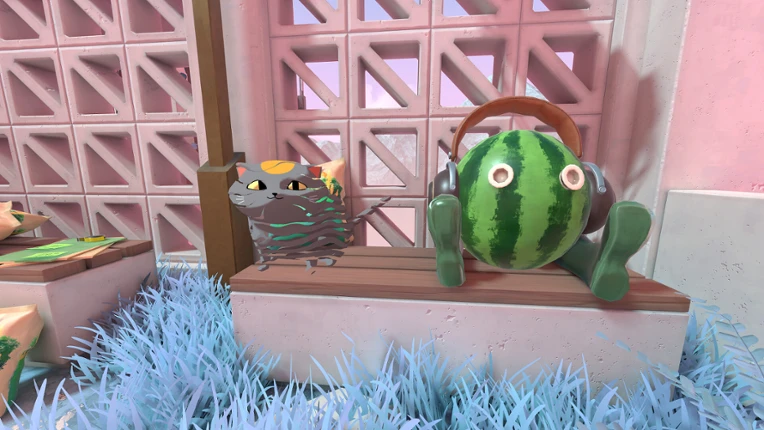
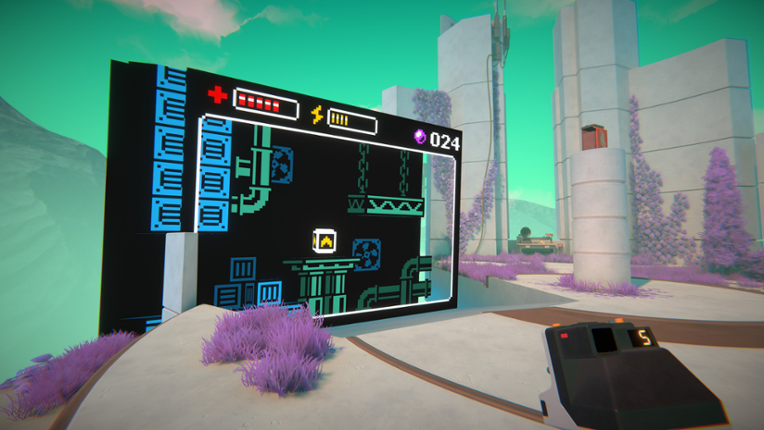
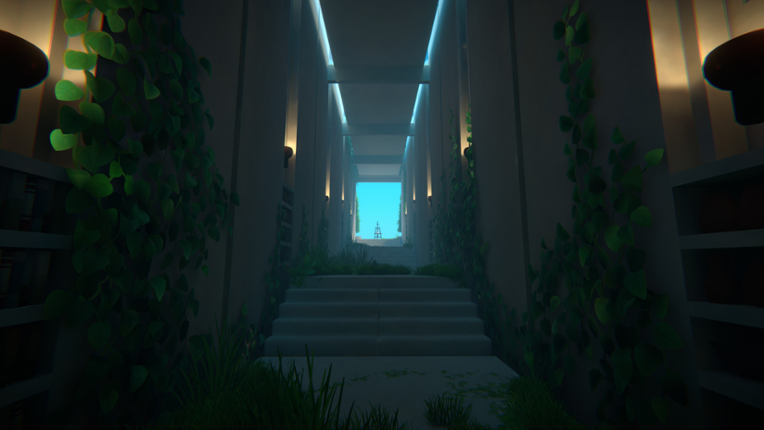

For puzzle-focused experiences similar to Portal, try Braid, which combines clever platforming with time-manipulation puzzles and a beautiful art style. LIMBO offers atmospheric puzzle-platforming with minimalist design and physics-based challenges. Both deliver the same brain-teasing satisfaction Portal provides, with strong emotional storytelling woven throughout their campaigns.
A Place of Much Learning is a free indie puzzle-platformer that captures Portal's spirit with creative gameplay and atmospheric design. It's fully playable without monetization and praised for its story, humor, and replayability. This is an excellent choice if you want Portal's puzzle-platforming experience without spending money.
Half-Life 2 delivers sci-fi storytelling with dark, witty atmosphere and immersive first-person gameplay. Psychonauts blends surreal platforming with hilarious writing and surprisingly emotional narrative depth. Both share Portal's ability to balance comedy with meaningful storytelling while maintaining engaging mechanics throughout.
LIMBO excels with its haunting minimalist aesthetic and dread-filled atmosphere through sound design and visual storytelling. Thomas Was Alone creates emotional connection through narration and minimalist visuals. Both use atmosphere as a storytelling tool, similar to how Portal builds tension and mood throughout its campaign.
There Is No Game: Wrong Dimension features out-of-the-box puzzle thinking with top-notch writing and clever humor. Psychonauts combines imaginative level design with witty dialogue and original comedic sensibility. Both games reward creative problem-solving while keeping players entertained through smart, character-driven humor.
Braid revolutionizes puzzle design through time manipulation mechanics and hand-painted visuals. Thomas Was Alone uses physics and minimalist geometry to create surprisingly engaging puzzles. Both focus on innovative mechanics that make you think differently, matching Portal's philosophy of teaching through creative problem-solving.


 View Game