

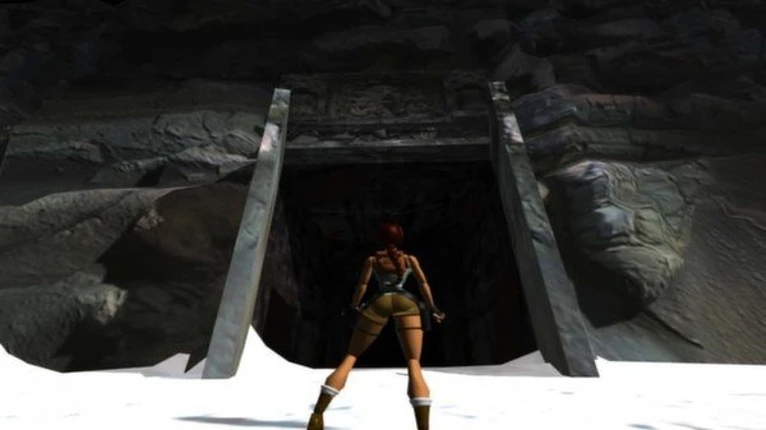
Looking for games like Tomb Raider? Here are top survival shooter recommendations with a science fiction focus, selected from player-similarity data — start with Tomb Raider, Tomb Raider: The Last Revelation or Cosmos: Stella Returns.
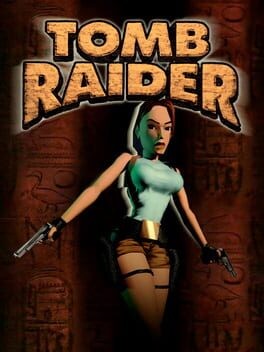
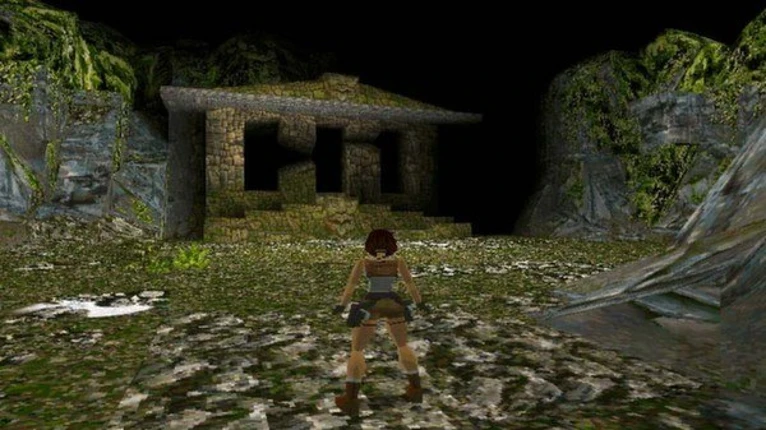
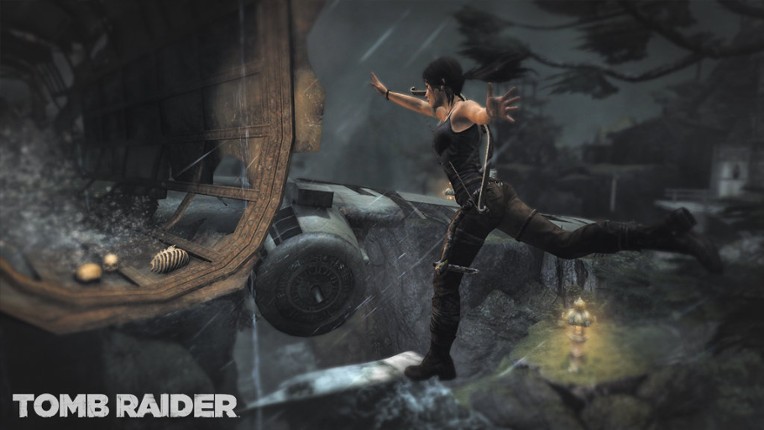
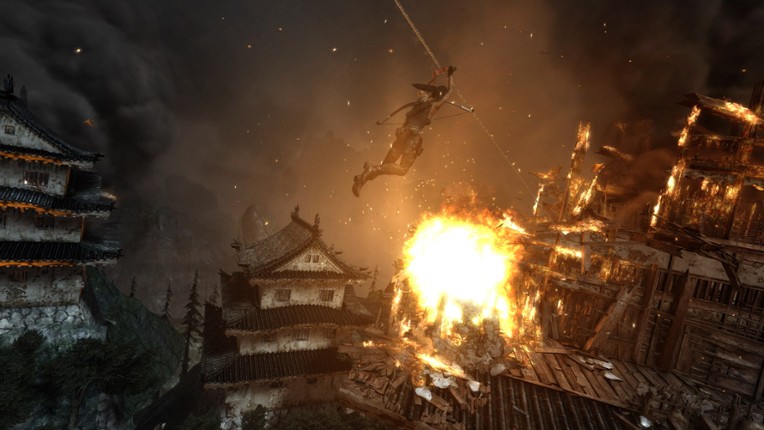
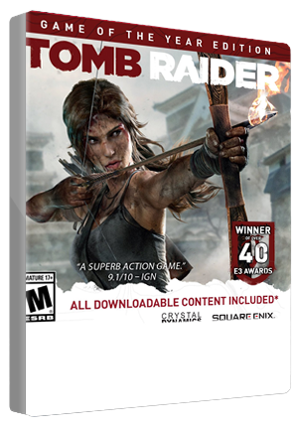
Adventurer Lara Croft has been hired to recover the pieces of an ancient artifact known as the Scion. With her fearless acrobatic style she runs, jumps, swims and climbs her way towards the truth of its origin and powers - leaving only a trail of empty tombs and gun-cartridges in her wake. On this trail are breath-taking 3D worlds where exploration, puzzle and platform elements blend in a seamless… If you enjoyed this game, see our list of games similar to Tomb Raider.
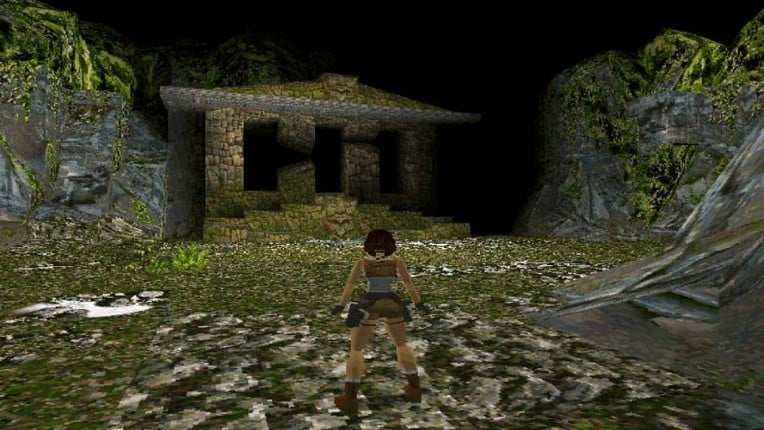
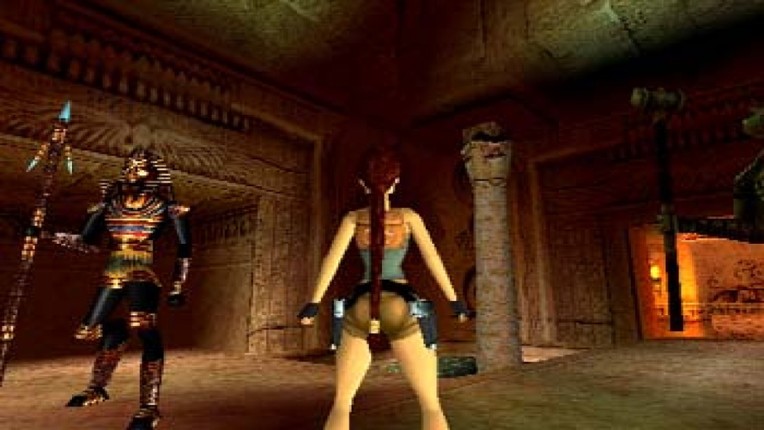
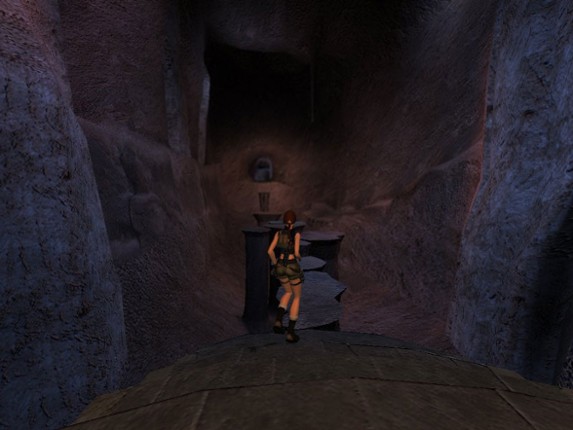
Tomb Raider IV: The Last Revelation is the fourth game of the Tomb Raider games series, it plays very similar to the previous games in the series but some new things have been added to the game. The biggest addition is that now rather large parts of the game consist of several interconnected levels sometimes explored in any order, with puzzles in one level often requiring that some actions are don… If you enjoyed this game, see our list of games similar to Tomb Raider: The Last Revelation.


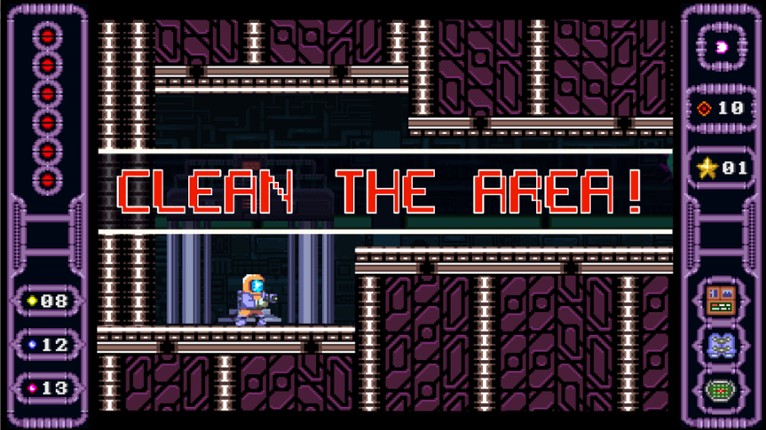
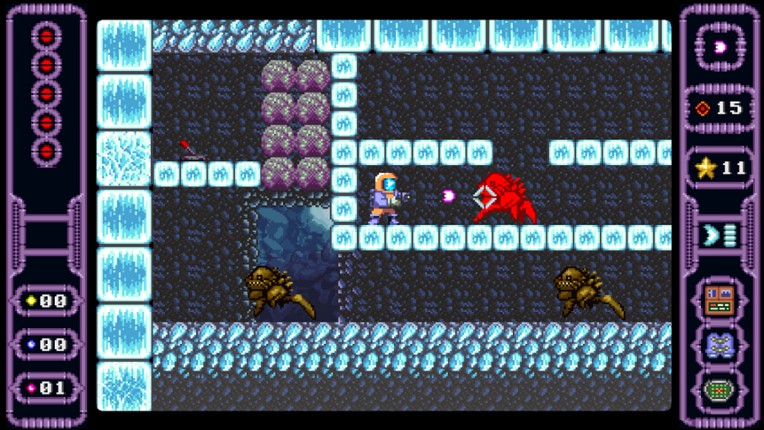
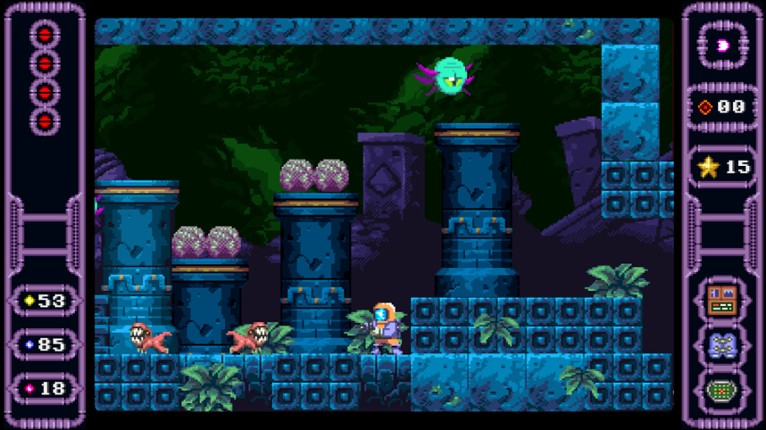
Cosmos: Stella Returns is a metroidvania that will bring you to the mysterious planet of Memoria. Shoot, jump, collect materials and new items in this action-platform with a vintage flavor! If you enjoyed this game, see our list of games similar to Cosmos: Stella Returns.
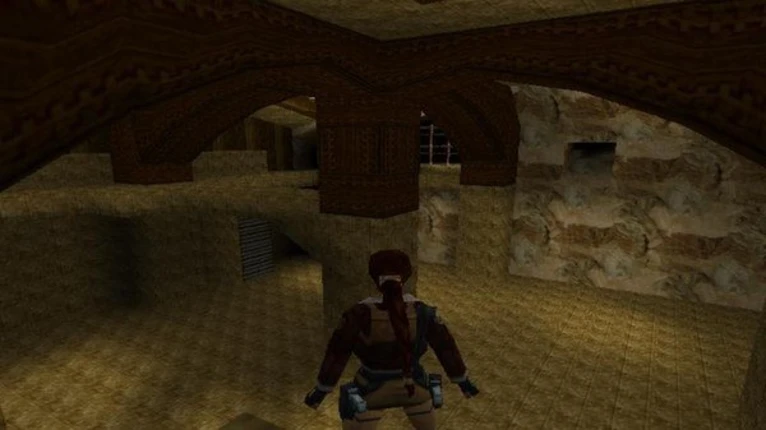
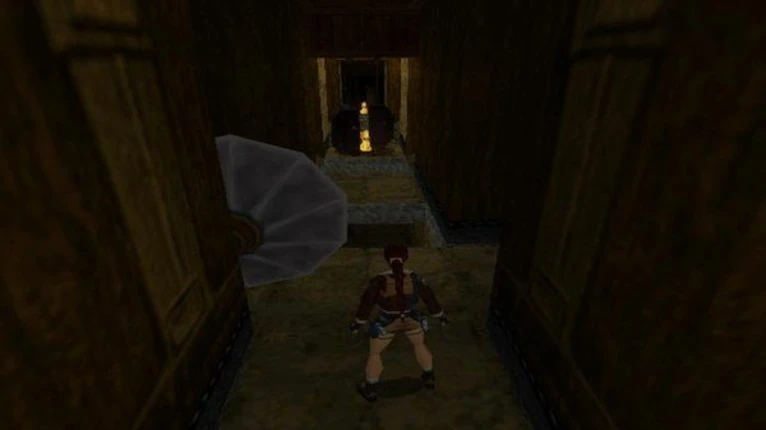
The second instalment in the Tomb Raider series invites you to join Lara as she travels around the globe to retrieve a precious artefact before it falls into the wrong hands. The legendary artefact, the Dagger of Xian, is said to give its possessor the power of a fire breathing dragon. If you enjoyed this game, see our list of games similar to Tomb Raider II.
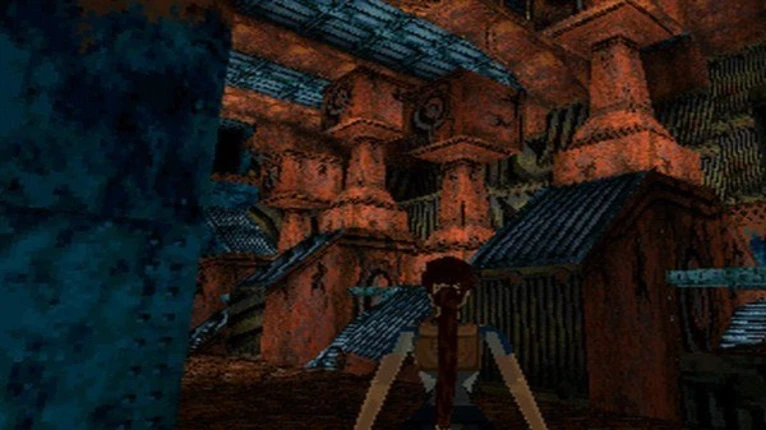
Resonant Blade is a 2d sci-fi action adventure set in a dystopian world where sound is your greatest weapon. Battle the Dark Synths across a shattered planet using the power of Resonant Tones. Manipulate sound to solve puzzles, unleash devastating Triad abilities, and shape your own combat rhythm with customizable mods. With pixel art and fast paced gameplay, Resonant Blade challenges you to liste… If you enjoyed this game, see our list of games similar to Resonant Blade.
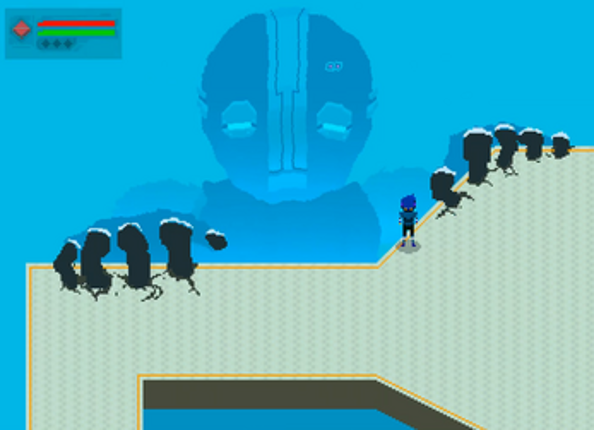
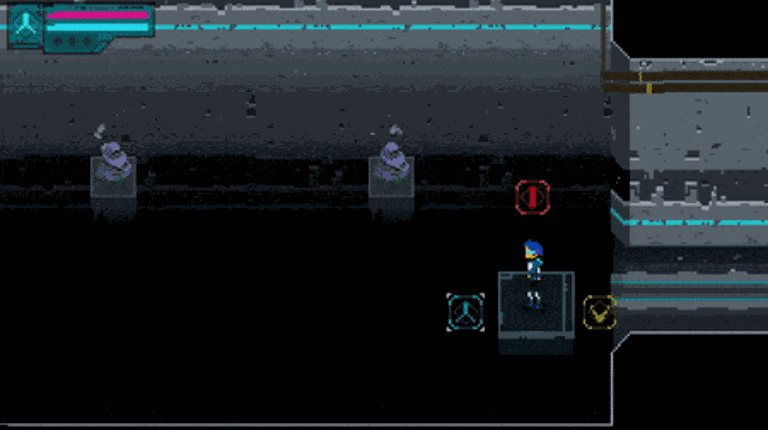
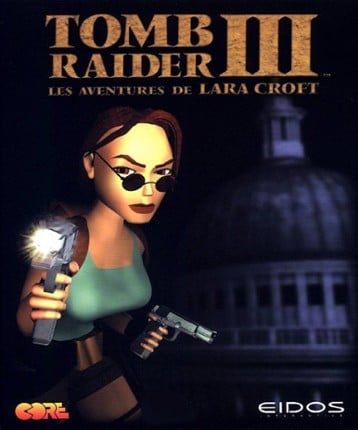
Thousands of years ago a meteor crashed into Antarctica and the shockwaves of its impact are being felt in the modern age. Lara Croft will follow clues leading to a deadly secret, boldly leaping chasms and blasting monsters that no one has leaped or blasted before. If you enjoyed this game, see our list of games similar to Tomb Raider III.
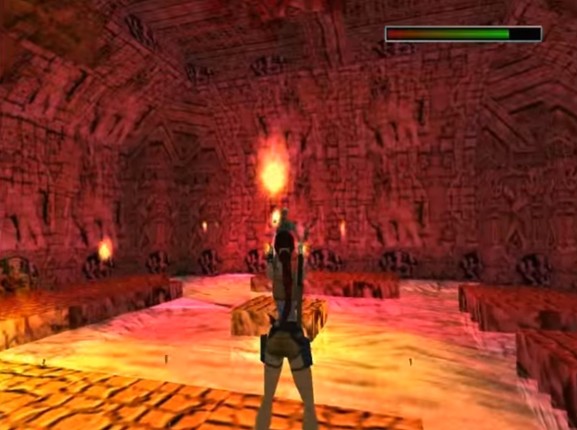
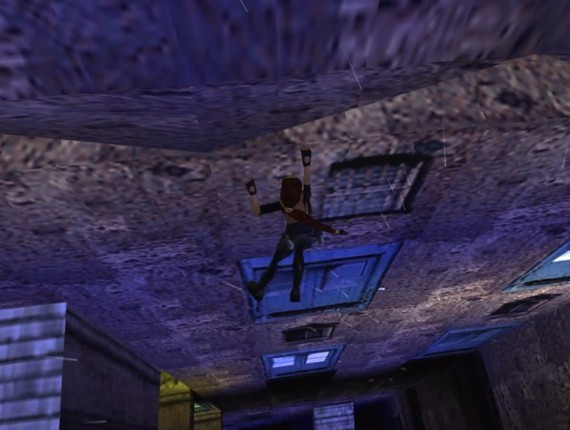
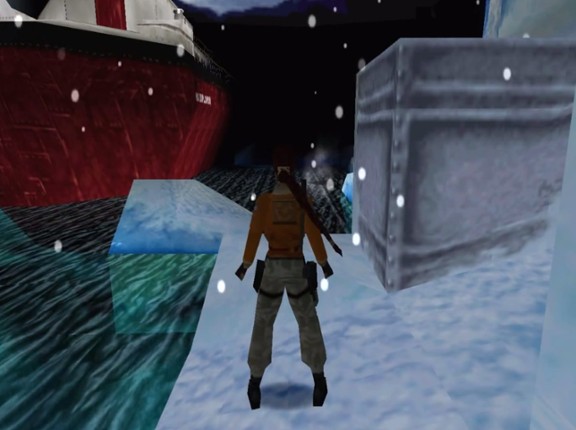
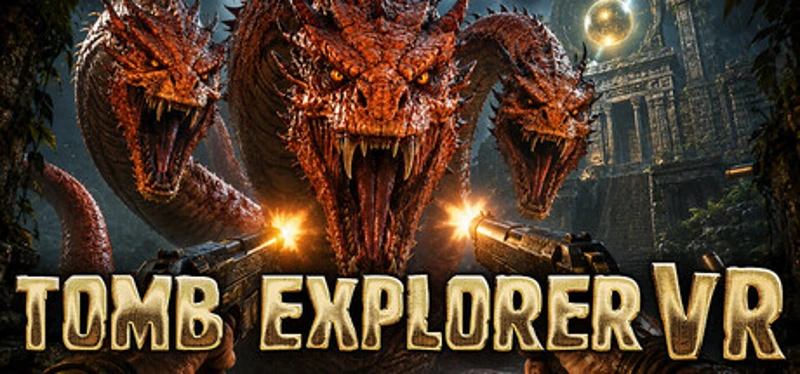
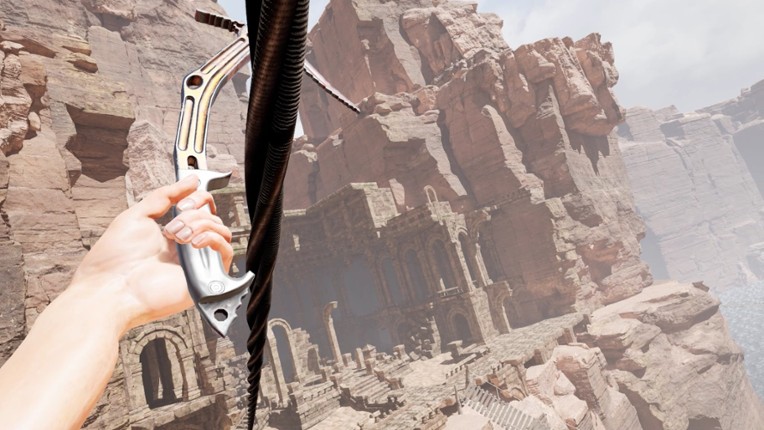
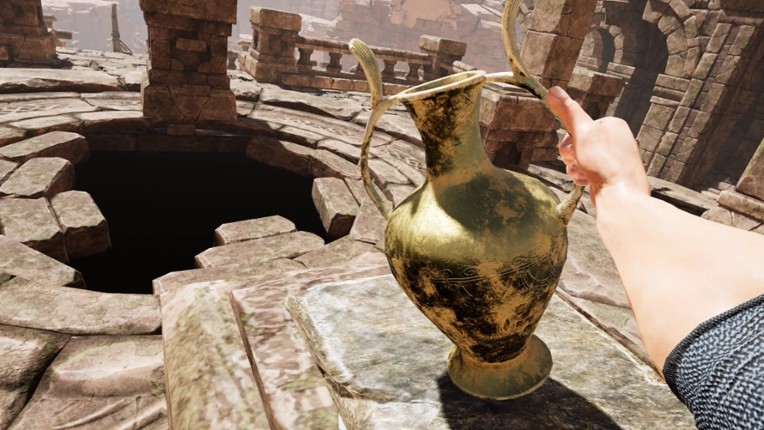
Tomb Explorer VR is an Experimental Physics VR Adventure where you explore ancient ruins, solve intricate puzzles, and embark on a quest for historical treasures, relics, and artifacts. In a fully immersive physical virtual reality experience, you will need to utilize various physical movements such as walking, crouching, jumping, climbing, dodging, sliding, rope zip lining, and even usi… If you enjoyed this game, see our list of games similar to Tomb Explorer VR.
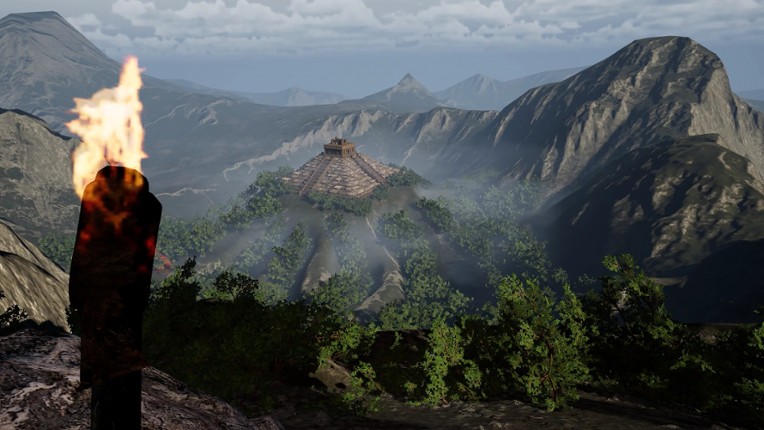
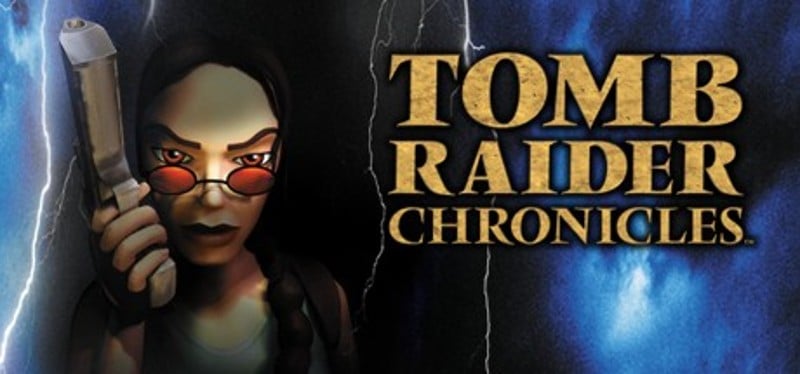
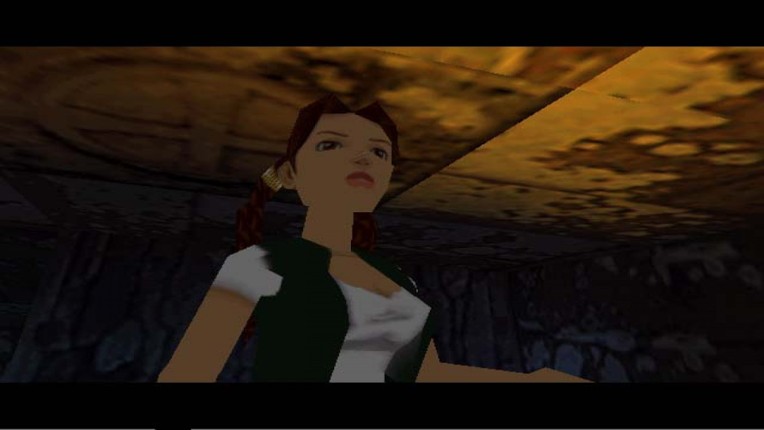
Lara Croft is missing in Egypt - presumed dead. Those closest to her gather together at the Croft Estate on a grey, rainy day for a memorial service in her honour. Afterwards, the friends sit quietly together in the study of the Croft Mansion and reminisce about Lara's past exploits; exploits that have until now remained a secret.. If you enjoyed this game, see our list of games similar to Tomb Raider: Chronicles.
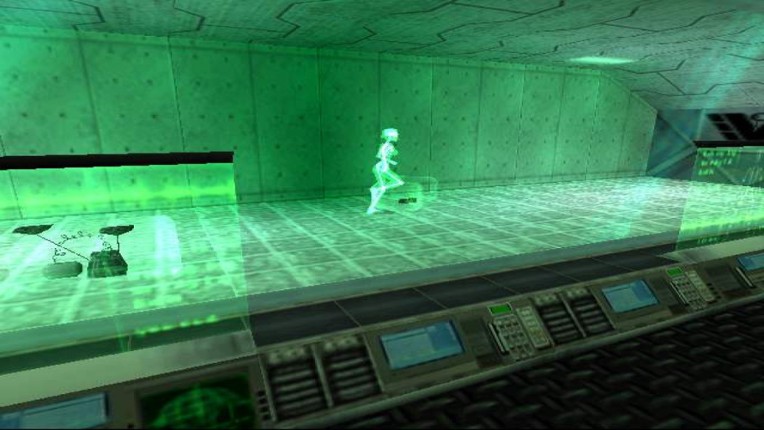
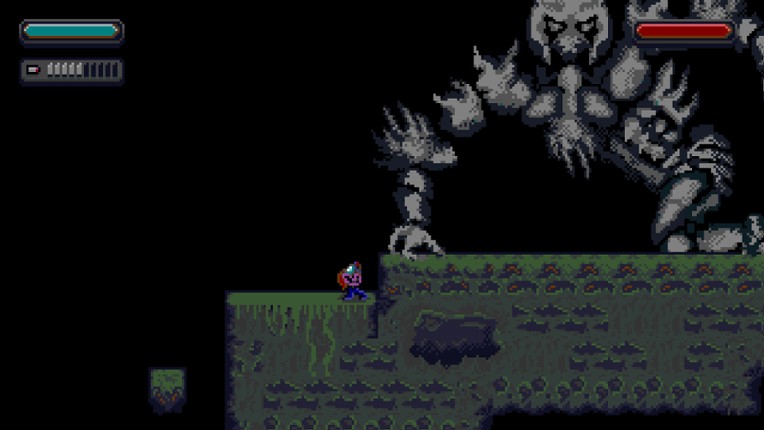
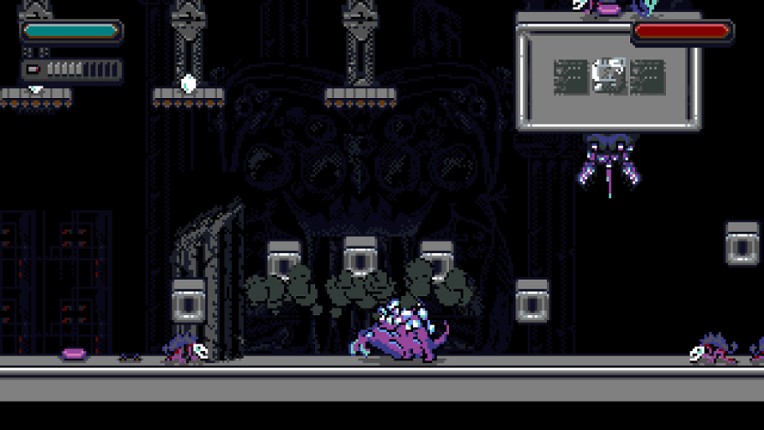
Haxor is an old-school action platformer inspired by the greatest hits of the 80s and 90s. Take the role of Kla, a member of a research expedition, and the only survivor of their vessel’s encounter with a black hole. Face hostile beasts and rediscover your true identity! If you enjoyed this game, see our list of games similar to Haxor.
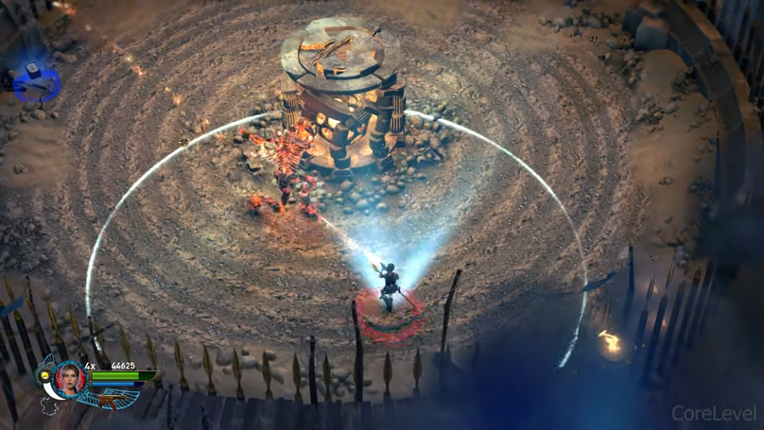
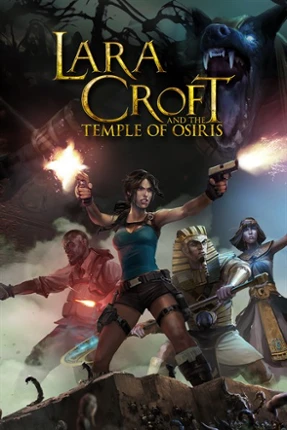
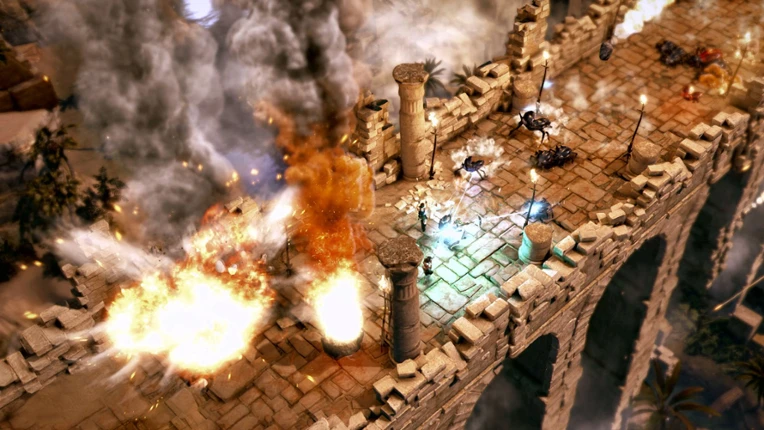
Lara Croft and the Temple of Osiris is the sequel to Lara Croft and the Guardian of Light. In her new adventure, Lara Croft travels to Egypt and realized she must join forces with rival treasure hunter Carter Bell and imprisoned gods Horus and Isis to defeat the evil god Set. Featuring a 4-player co-op story, players must work together to explore the temple, defeat hordes of enemies from the Egypt… If you enjoyed this game, see our list of games similar to Lara Croft and the Temple of Osiris.
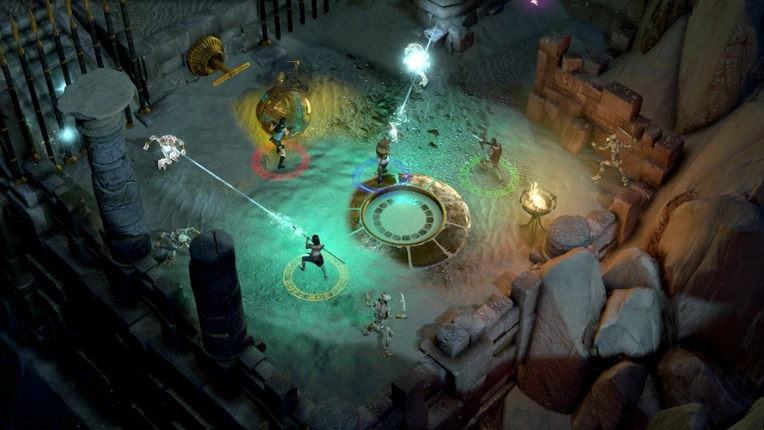
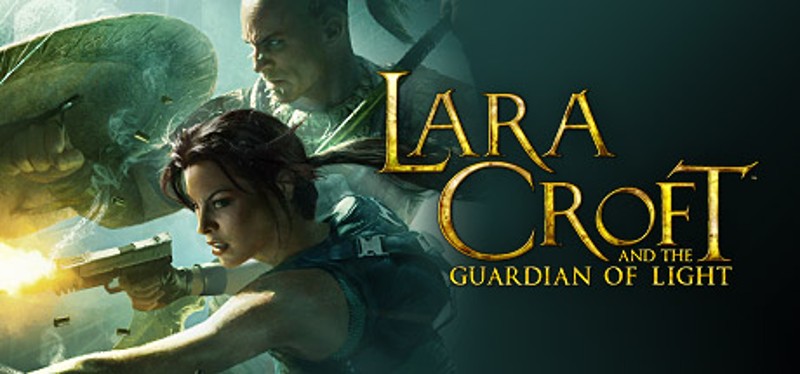
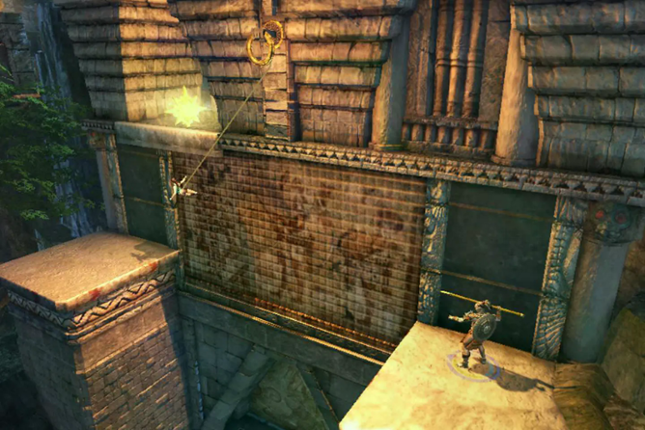
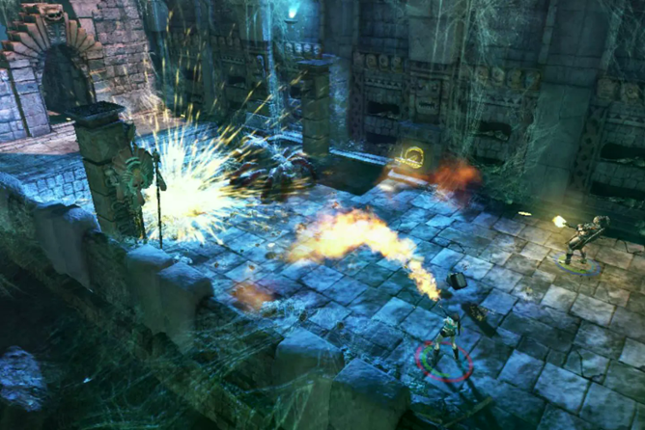
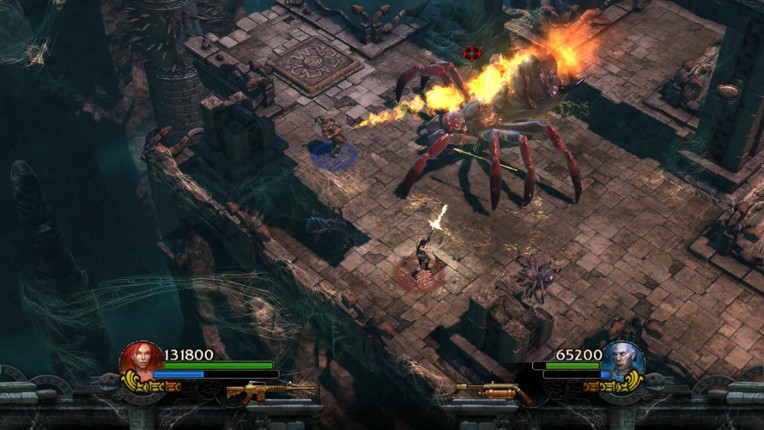
Take control of Lara and her new partner Totec, a Mayan tribesman, and uncover the ancient artifact known as the "Mirror of Smoke" in this all new action adventure game. If you enjoyed this game, see our list of games similar to Lara Croft and the Guardian of Light.
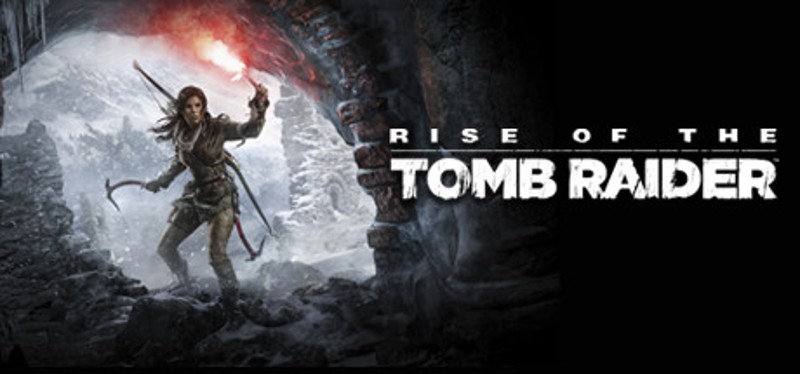
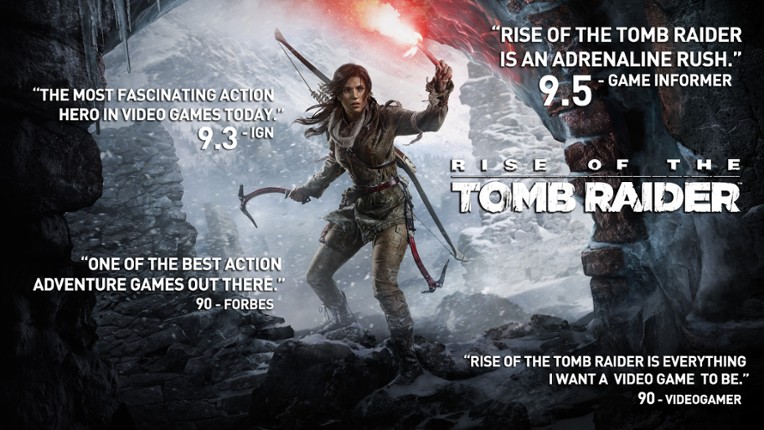
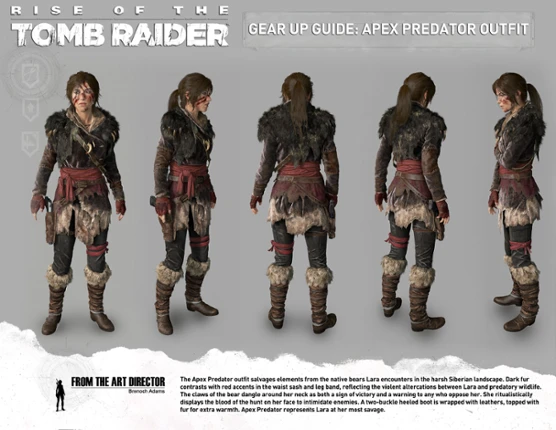
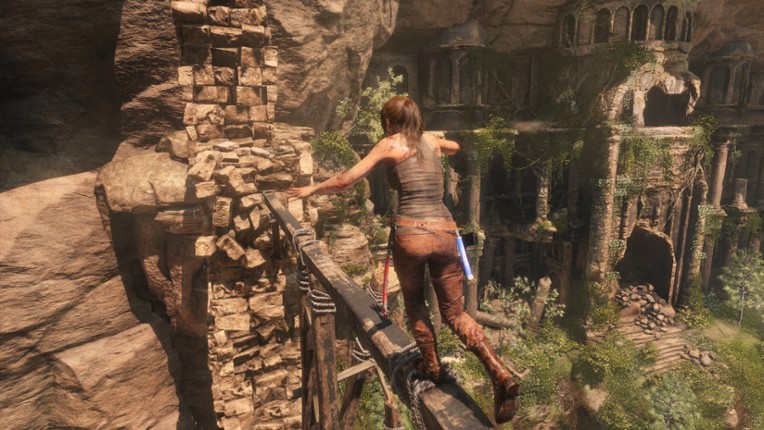
Includes the “Sparrowhawk” outfit that boosts Lara’s hunting ability, the “White Wood" Recurve bow skin, and the rare “Master Hunter” foil card which deals double damage to animals and gives Lara double the resources from them. If you enjoyed this game, see our list of games similar to Rise of the Tomb Raider.
Be an independent space pilot, exploring the mysteries of the galaxy! Inspired by both classic and modern science fiction, visit dozens of unique star systems while exploring the future of humanity... and help protect civilization from those who would destroy it! If you enjoyed this game, see our list of games similar to BlazeSky.
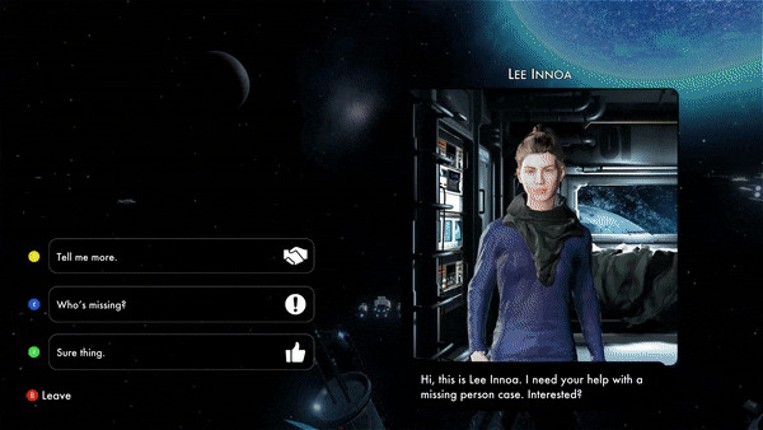
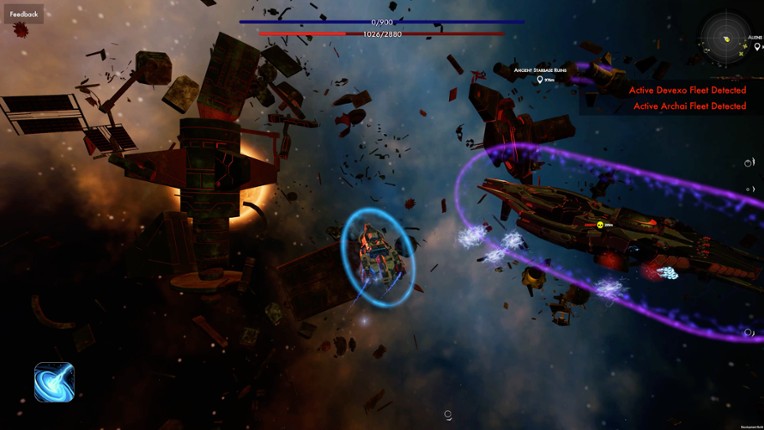
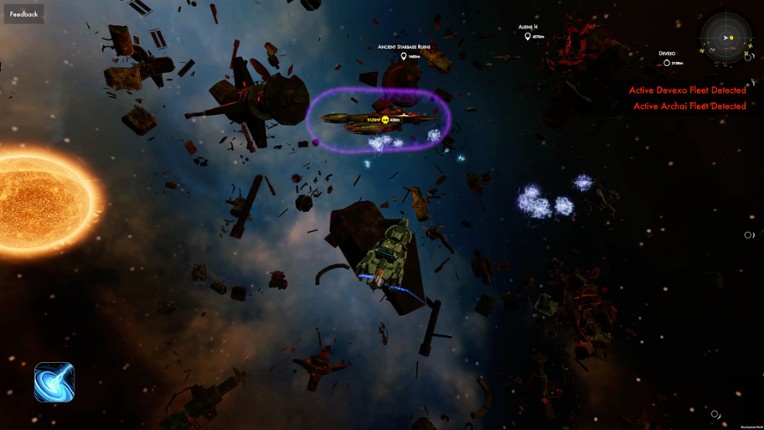
Last Planet is a science fiction survival experience blending exploration, constant tension, and intense combat on a hostile planet overrun by an extraterrestrial threat. You play as an isolated survivor sent to a distant world to investigate an abandoned base, uncover the origin of the invasion, and find a way to escape alive. Every area you explore deepens the mystery, and every encounter tests… If you enjoyed this game, see our list of games similar to Last Planet.
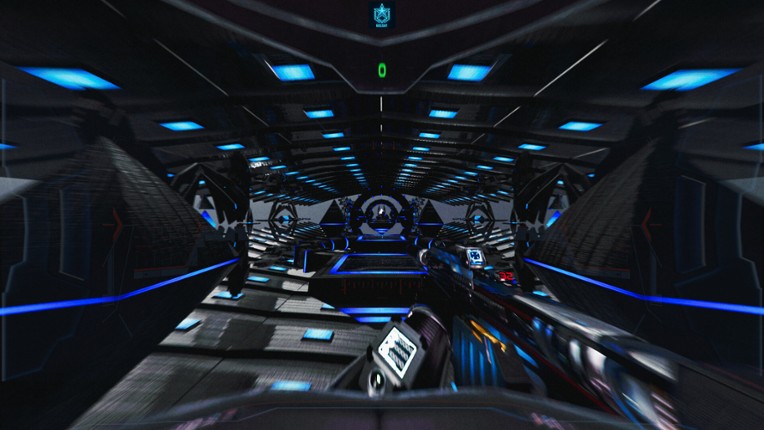
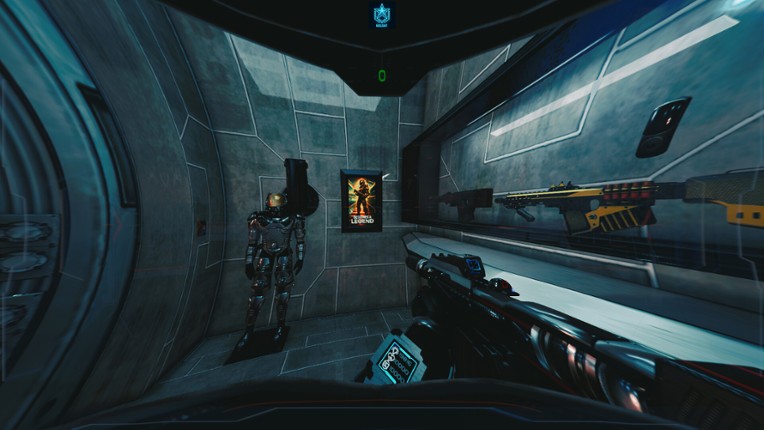
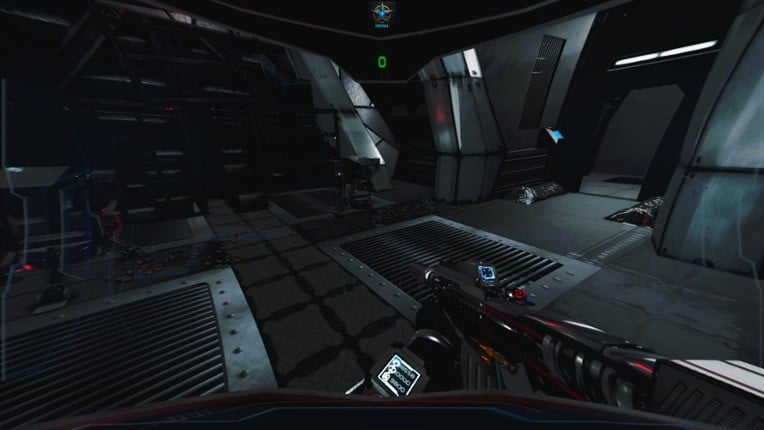
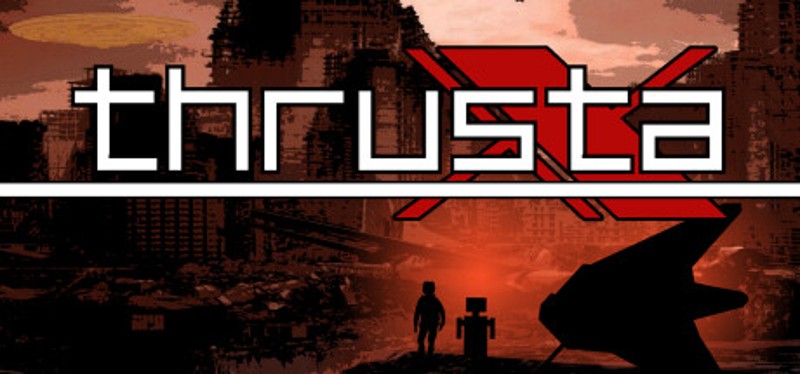
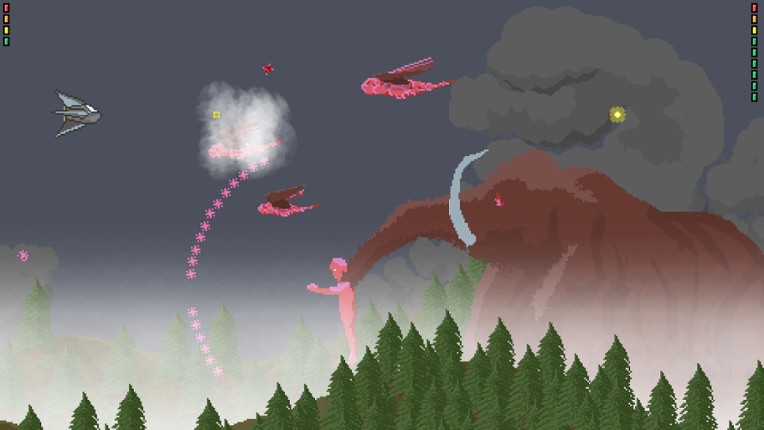
Thrusta X is a 2D retro-style shoot'em-up where the goal is to convey an experience rather than acquiring a high score or the best upgrades. It isn't only about flying from left to right and blasting enemies. Stages throw a variety of surprises at you. Story, puzzle, and battle elements are combined into one flowing adventure. The late Professor designed & built a craft to free the world of t… If you enjoyed this game, see our list of games similar to Thrusta X.
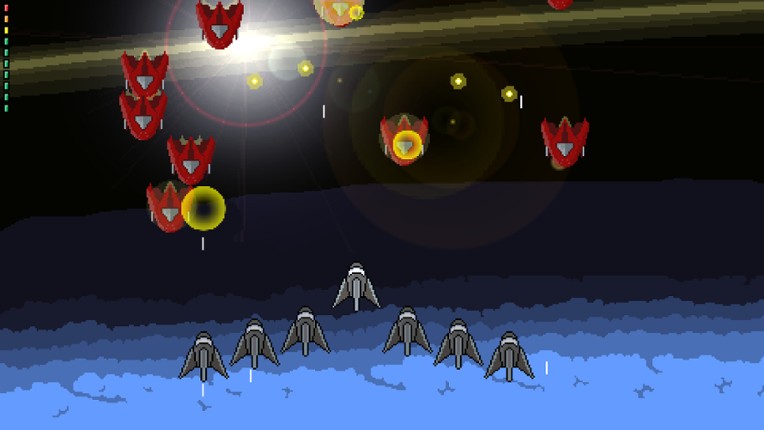
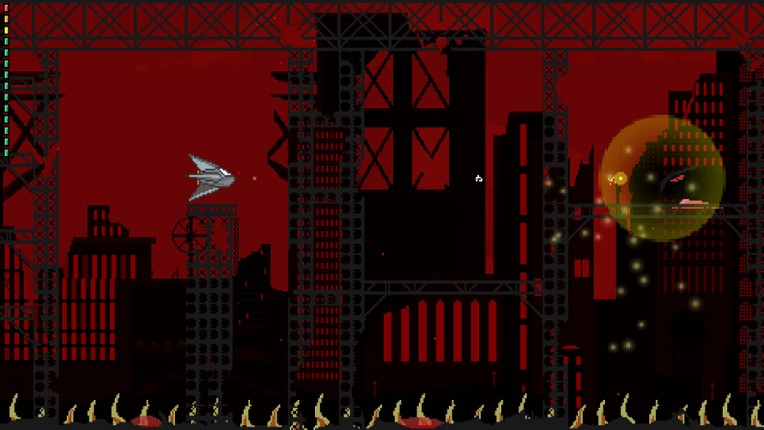
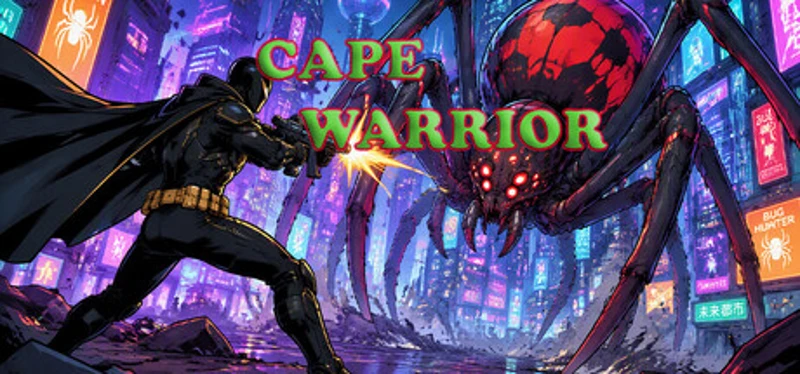
Top down shooter where you control cape warrior. Mission to kill different enemies and main boss spider and collect star to finish level If you enjoyed this game, see our list of games similar to Cape Warrior.
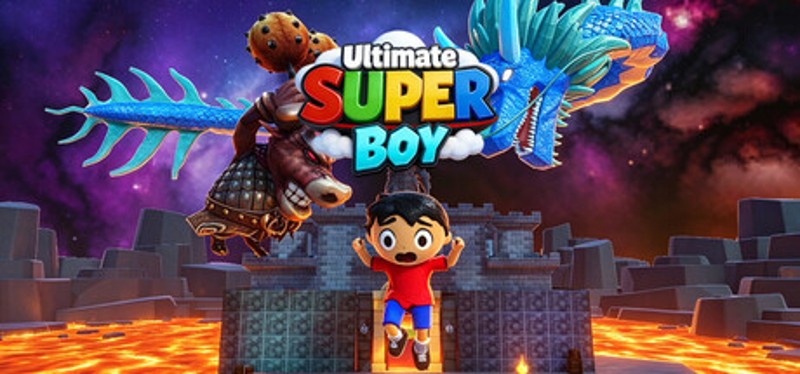
This is a third-person action-adventure game with puzzle-solving and meta elements, where you play as a boy trapped in a dream world. Through persistent efforts, you'll navigate through one level after another, telling a story about escaping the dream. If you enjoyed this game, see our list of games similar to Ultimate super boy.
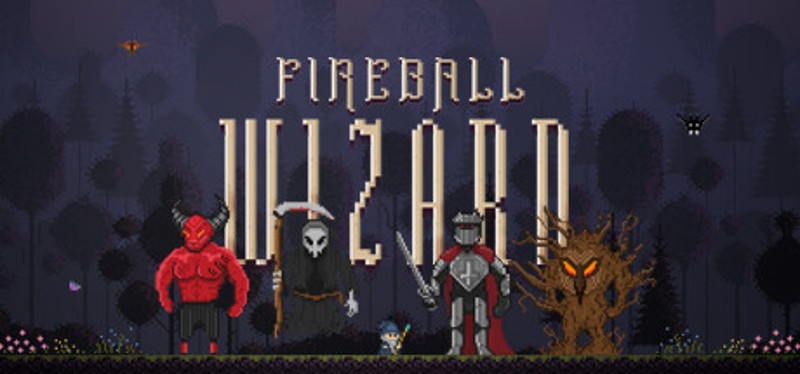
Explore Wizardonia, a magical world filled with danger and wonder in Fireball Wizard! As a powerful wizard, you'll explore a pixelated landscape filled with treacherous enemies and obstacles. Use your unique abilities to launch deadly fireballs, defeat fearsome bosses, and uncover secrets hidden in mysterious forests, caves, and castles.Fireball Wizard offers a unique blend of action, adventure, a… If you enjoyed this game, see our list of games similar to Fireball Wizard.
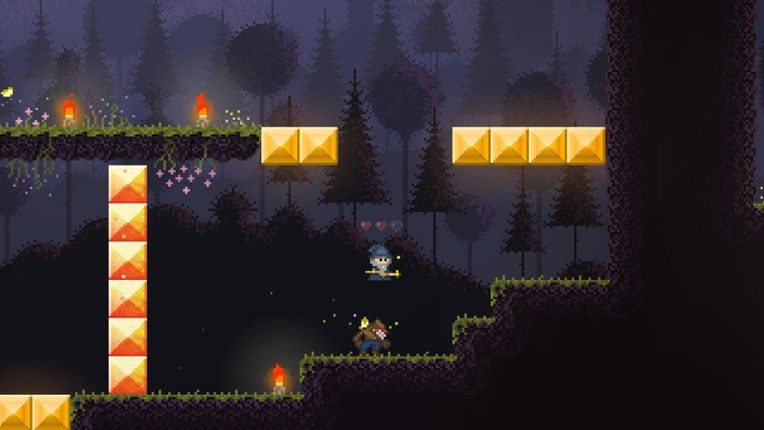
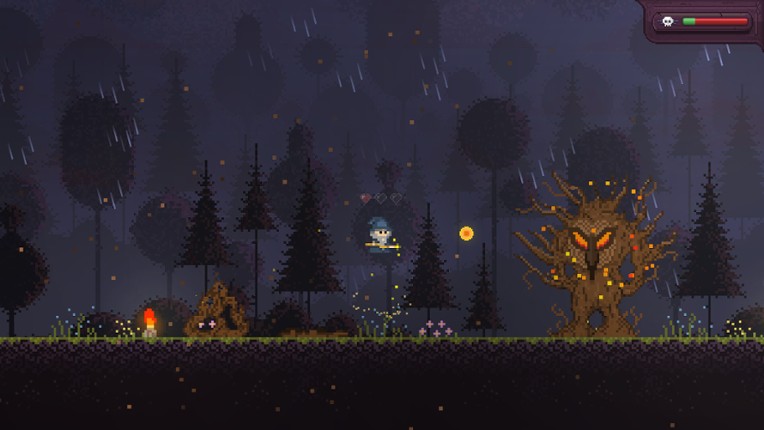
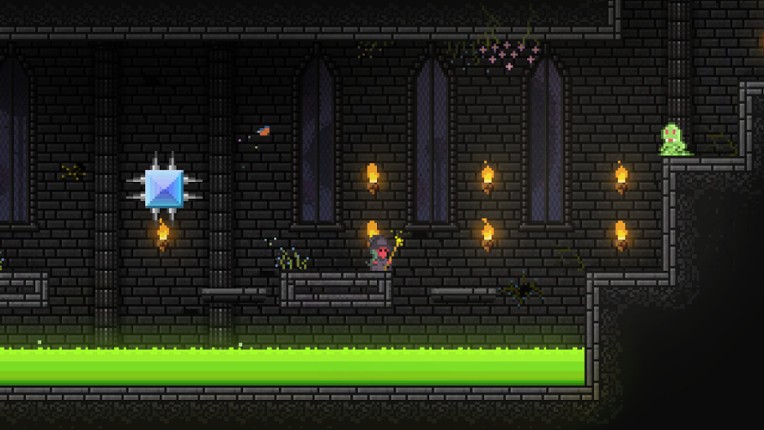
Go to catch the bad thief! Just explore in the awesome world! If you enjoyed this game, see our list of games similar to Wimp: Who Stole My Pants?.
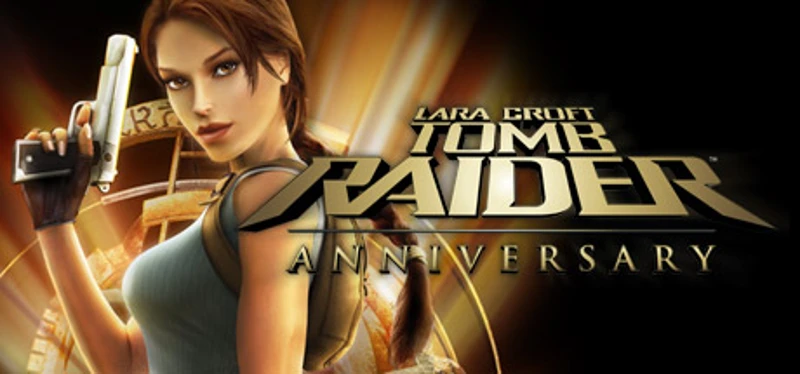
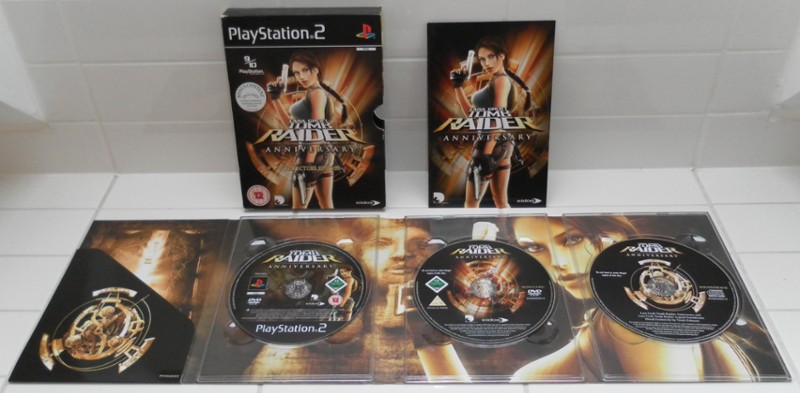
Tomb Raider: Anniversary is a remake of the original Tomb Raider with a technically more advanced graphics engine. It has the same basic storyline, though some cutscenes and much of the dialogue within have been expanded or modified in other ways. Two disc collectors edition - Bonus materials include : - The Tomb Raider Story: A Ten Year Retrospective Documentary - Tomb Raider: Anniversary and To… If you enjoyed this game, see our list of games similar to Tomb Raider: Anniversary.
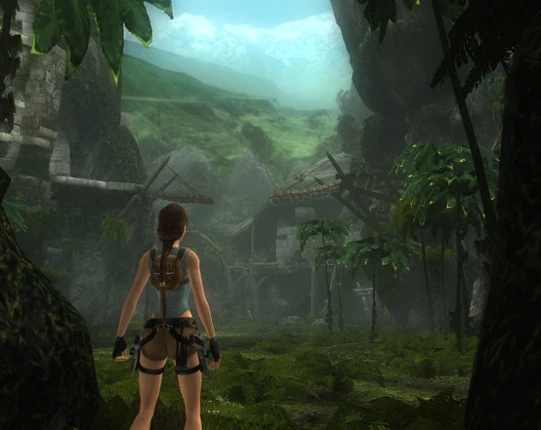
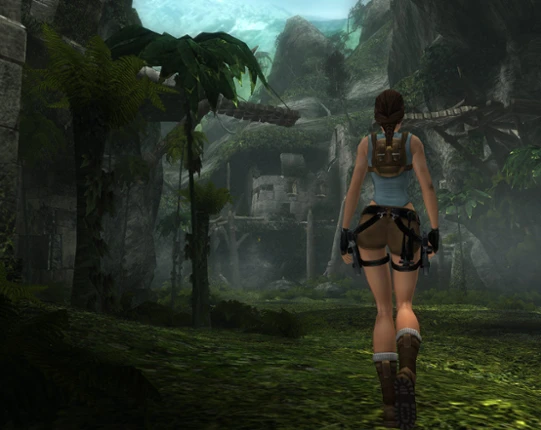
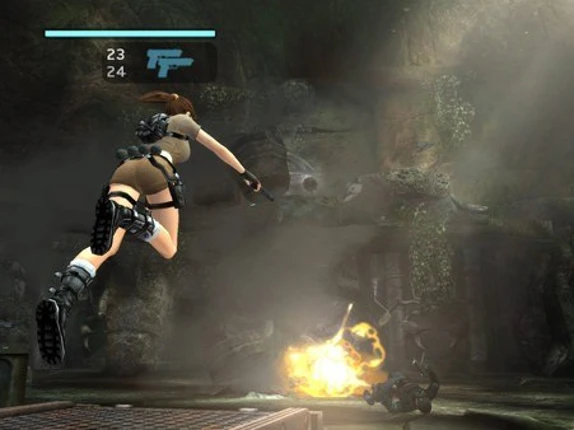
The Games on Demand version supports English, French, Italian, German, Spanish.Download the manual for this game by locating the game on http://marketplace.xbox.com and selecting “See Game Manual". Lara Croft, one of the greatest explorers of our time, is on the path of one of History’s greatest legends, a weapon with the power to command peace or destroy.In hostile locations around the globe, dia… If you enjoyed this game, see our list of games similar to Tomb Raider:Legend.
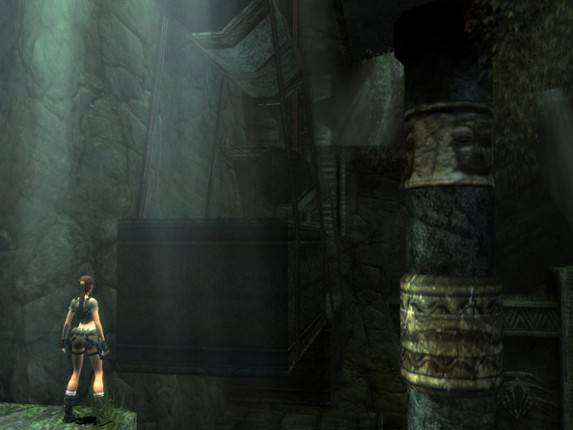
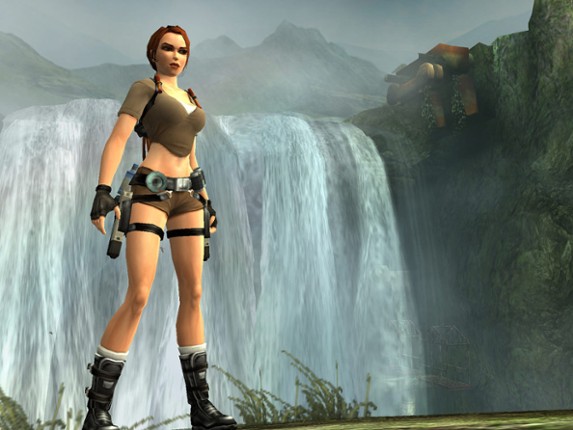
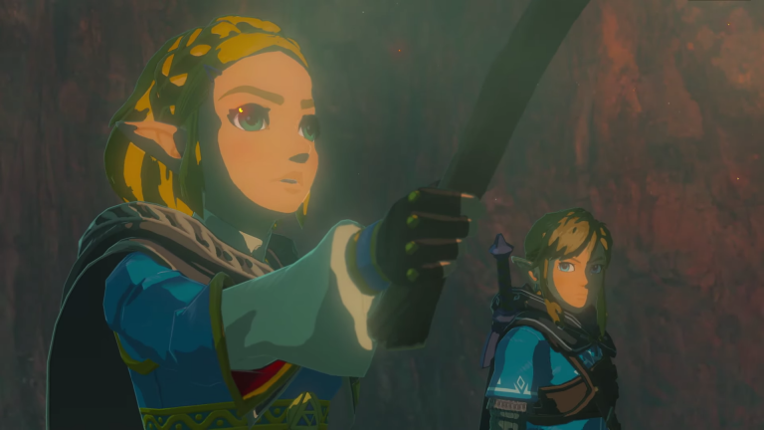
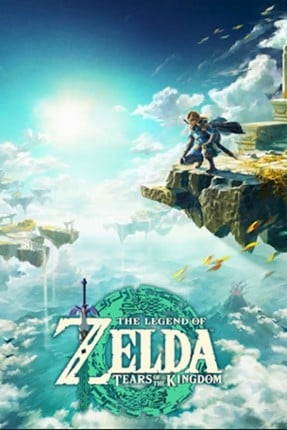
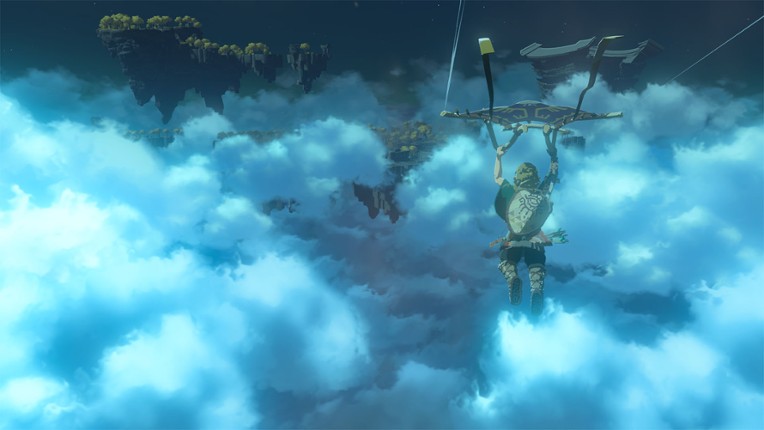
An epic adventure across the land and skies of Hyrule awaits in The Legend of Zelda: Tears of the Kingdom for Nintendo Switch. The adventure is yours to create in a world fueled by your imagination.In this sequel to The Legend of Zelda: Breath of the Wild, you’ll decide your own path through the sprawling landscapes of Hyrule and the mysterious islands floating in the vast skies above. Can you har… If you enjoyed this game, see our list of games similar to The Legend of Zelda: Tears of the Kingdom.
Lara Croft’s complete origin adventure, expertly adapted for Android. If you enjoyed this game, see our list of games similar to Tomb Raider.
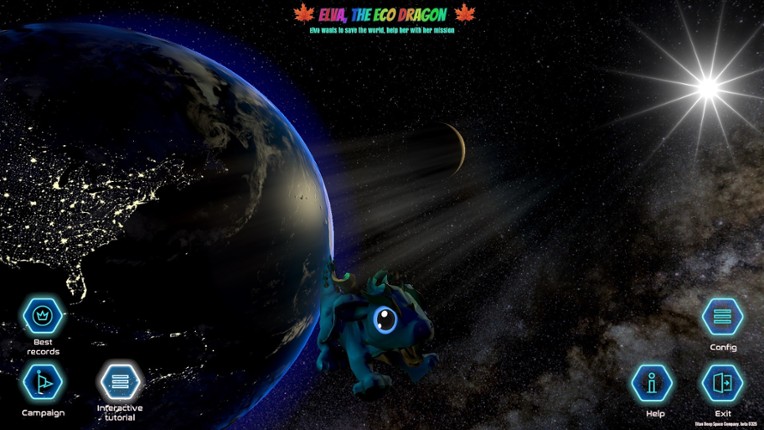
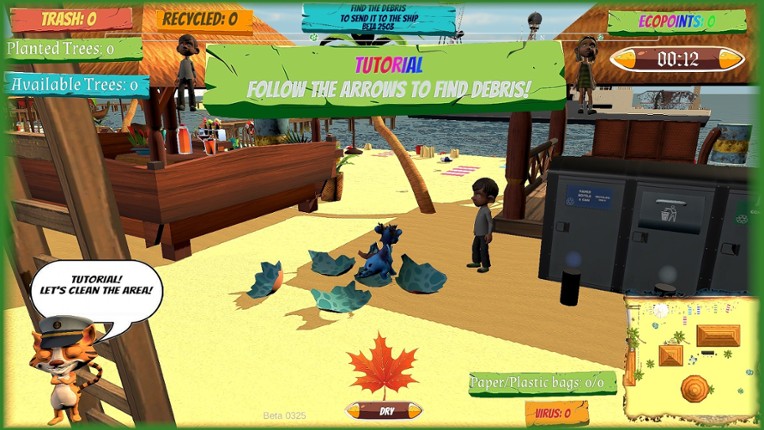
Elva has arrived at our planet with one mission: show us how to save Earth, how to clean cities, mountains, the sea, and how to save animals and forests. Ready to save Earth? If you enjoyed this game, see our list of games similar to Elva the Eco Dragon.

ARC Continuum is a third person action adventure set on Taraan, a desert planet with a mystical energy at its core that powers the ARC - a device that allows you to control and manipulate the fabric of time. Take the role of our hero, Hadrian who is thrust into the midst of a revolution on the rise, where he must master the powers of time to free his people from the bondages of oppression from the… If you enjoyed this game, see our list of games similar to ARC Continuum.
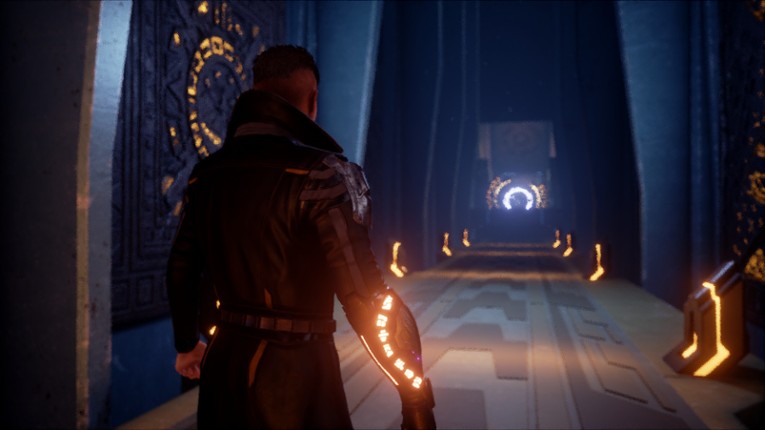
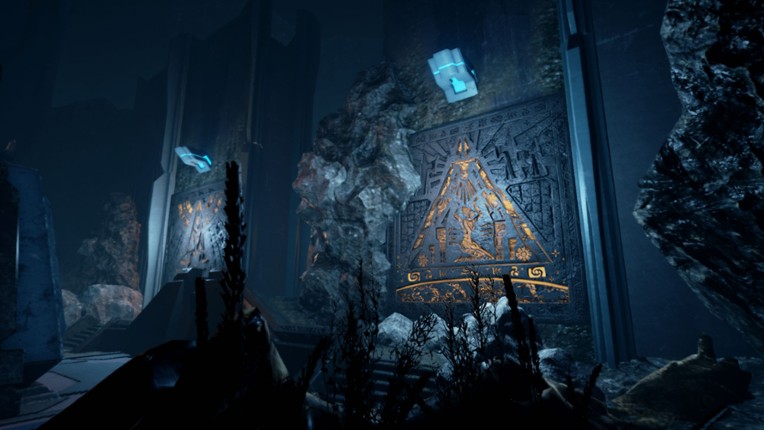

YKick is a first person platforming game. Complete levels and escape from this planet. If you enjoyed this game, see our list of games similar to YKick.
Idrscape is a first-person solo game, search and analyze the clues to find the codes and keys that will allow you to get out of the building as quickly as possible. If you enjoyed this game, see our list of games similar to Idrscape.
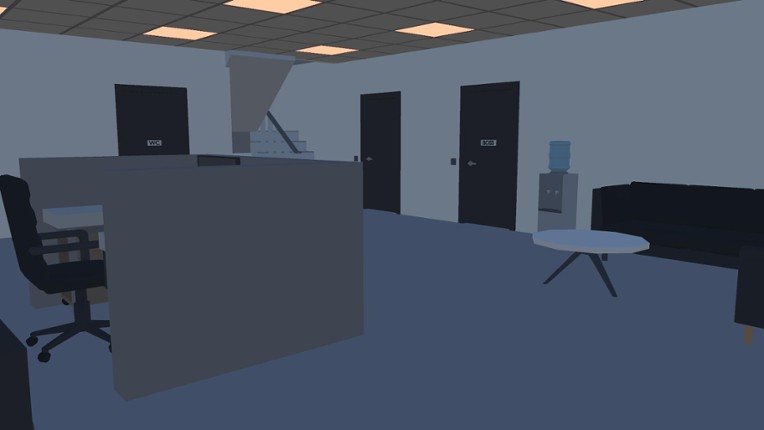

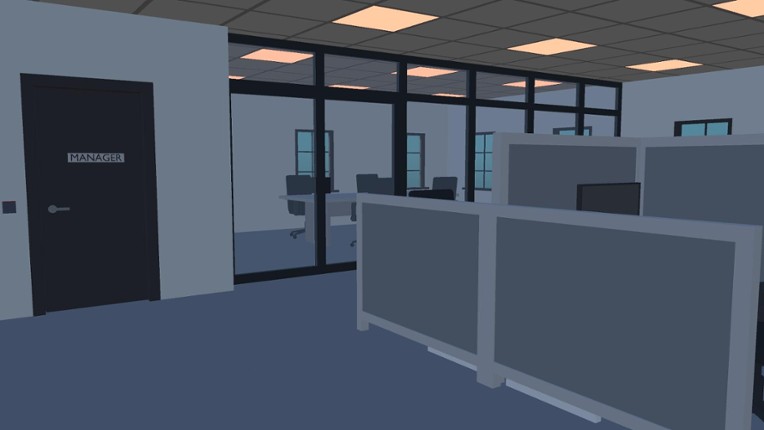
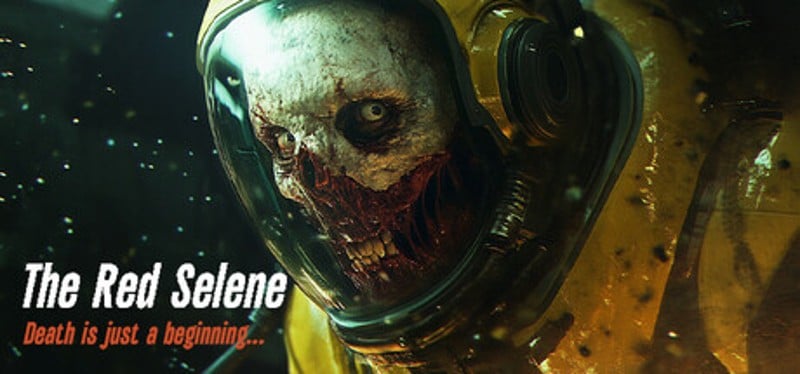
Inspired by the admired Dead Space Series, Discover the massive horrifying world of The Red Selene, Survive through the connected worlds of Colony EC-21 Janus, and travel to the Red Selene itself and back to uncover the story of yourself and the horrors that happened in the colony. Enjoy the technical and artistic achievements of indie classic gaming! Jump into the new genre of the ultimate sci… If you enjoyed this game, see our list of games similar to The Red Selene.
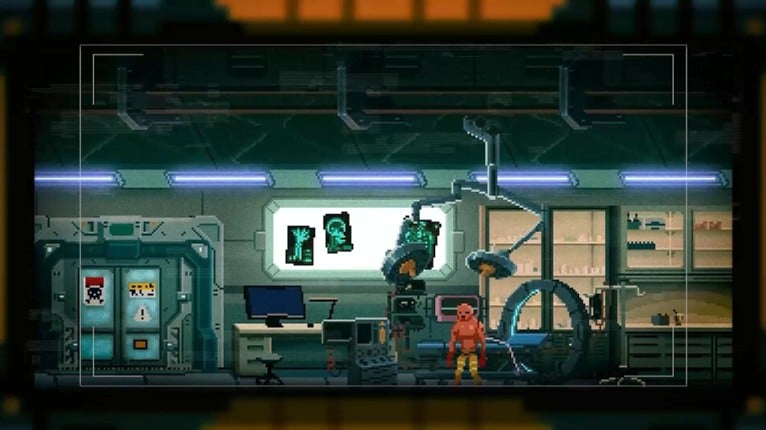
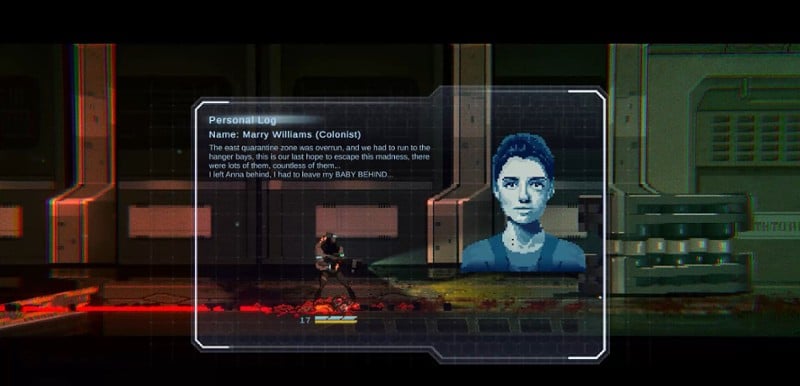

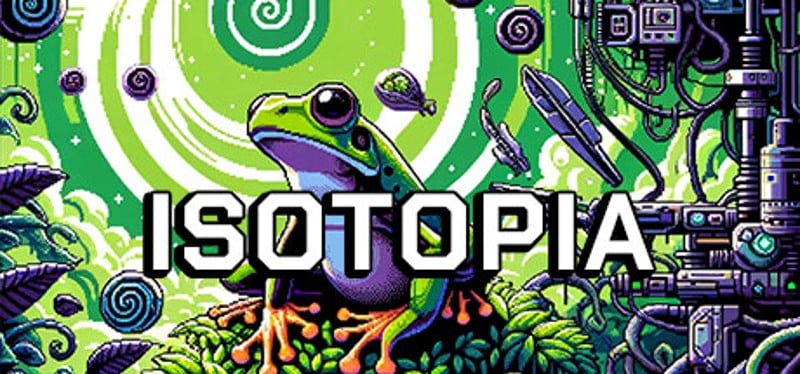
A fast-paced first-person action game where you explore, fight, and destruct in a fully destructible voxel world, developing skills and uncovering the secrets of forgotten civilizations. If you enjoyed this game, see our list of games similar to Isotopia.
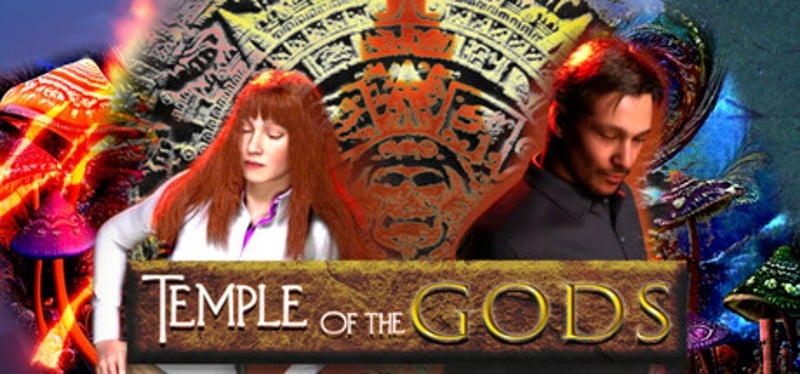
In 1920s Mexico, married archaeologists Jon and Jess embark on a daring expedition to uncover a lost temple deep in the jungle, built for gods to live and worship in. At the base of a towering volcano, where they rendezvous with a second team—unaware of the dangers lurking ahead. If you enjoyed this game, see our list of games similar to Temple of the Gods.
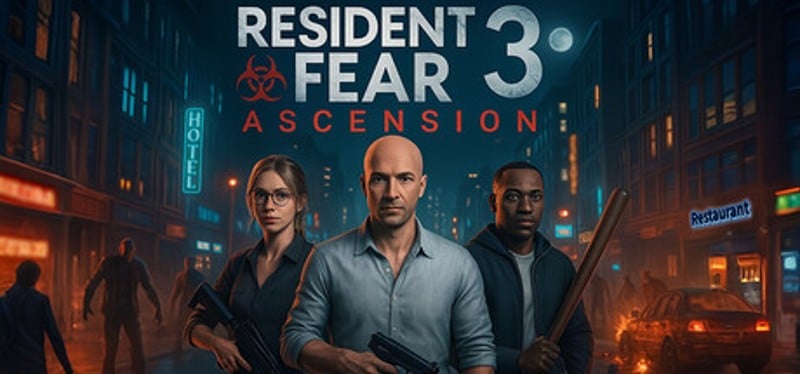
Resident Fear 3 : Ascension is a thrilling story-driven horror adventure where three survivors fight through a world of infected chaos to stop the man behind it all. Dark secrets, intense action, and emotional twists await in this cinematic journey. If you enjoyed this game, see our list of games similar to Resident Fear 3: Ascension.

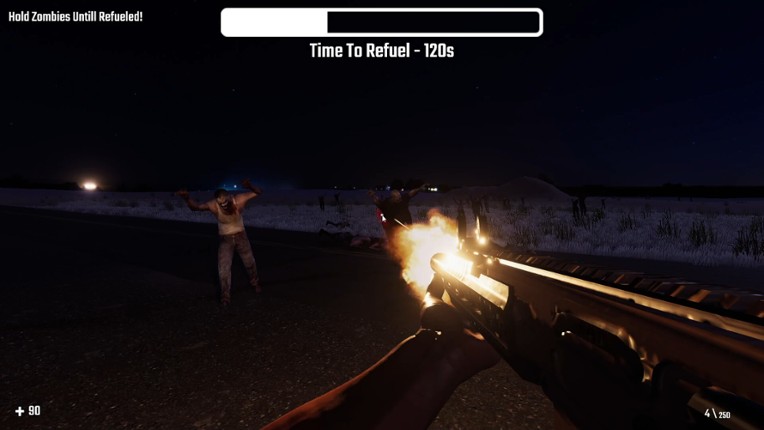
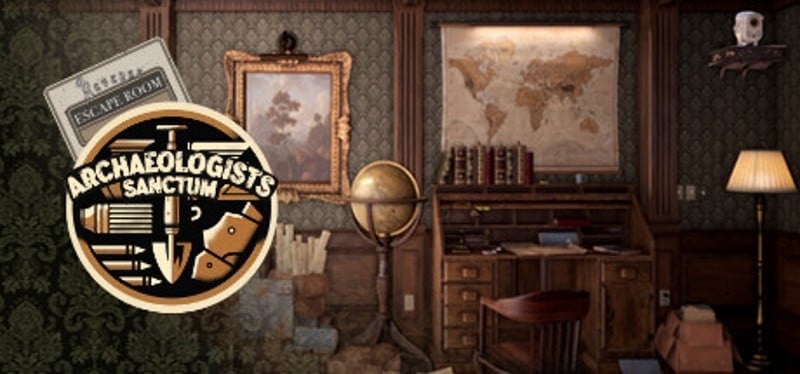
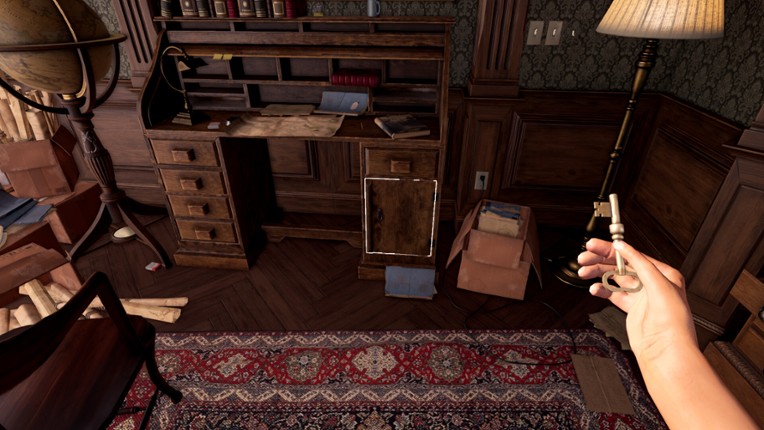
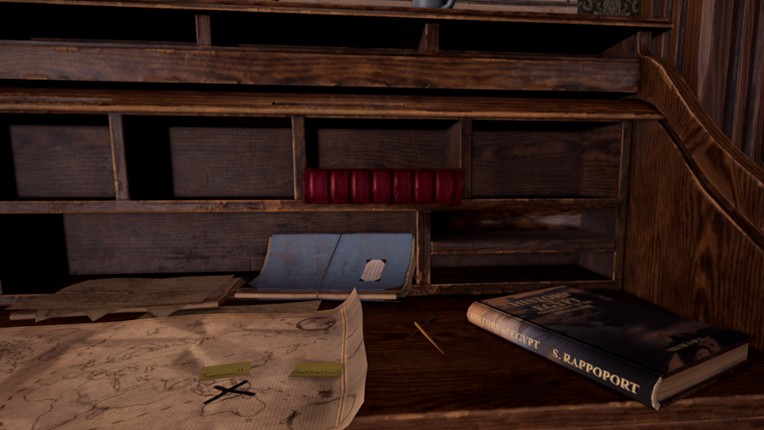
Biff Snodgrass is a smarmy tomb raidin’ archaeologist and your bitter rival. He hoards the ancient treasures from his adventures in a secret man cave behind a reverse escape room - a series of fiendish puzzles designed to keep you out, not in. Those ancient treasures should be in a museum! Break into Biff’s hideout and steal the ancient treasures he's hiding to get them back where they belong! … If you enjoyed this game, see our list of games similar to Reverse Escape Room: Archaeologists Sanctum.

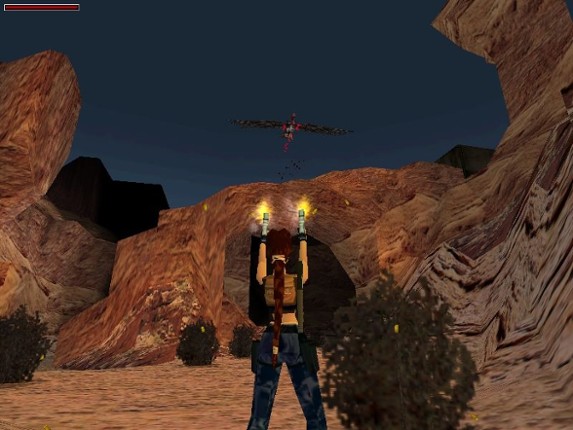
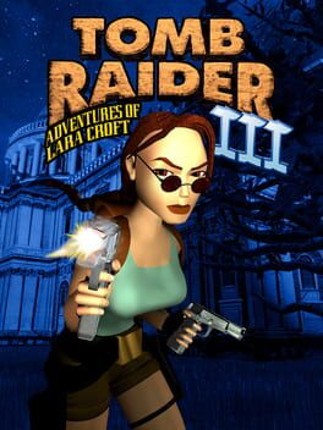
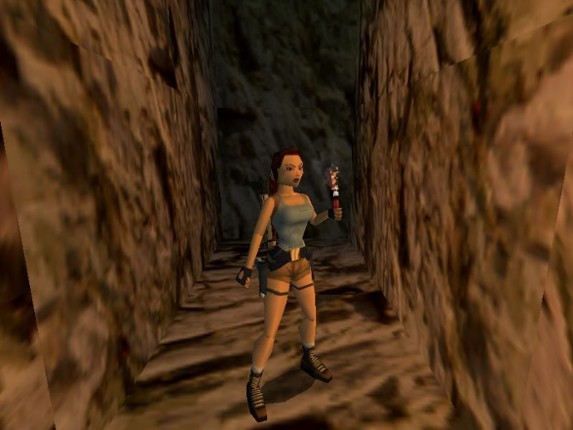
Tomb Raider III: Adventures of Lara Croft is a platform and third-person shooter game developed by Core Design and published by Eidos Interactive. It is the third installment in the Tomb Raider series and the sequel to Tomb Raider II. The gameplay system is similar to the one implemented in the previous game. Lara's abilities include running, jumping, climbing, swimming, rolling, crouching, crawli… If you enjoyed this game, see our list of games similar to Tomb Raider III: Adventures of Lara Croft.

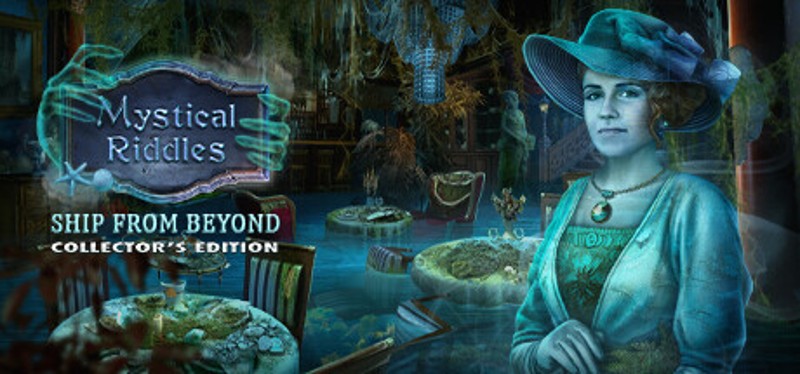
A gripping detective series filled with mystery and riddles awaits you! The sea harbors many mysteries not meant for human eyes. At the call of the people of a seaside town, we investigate an ancient ship that does not show up on any radar, only to have the captain's ghost possess the local lighthouse keeper. To save the ignorant townsfolk from the impending doom of becoming fuel for the ship, we … If you enjoyed this game, see our list of games similar to Mystical Riddles: Ship From Beyond Collector's Edition.
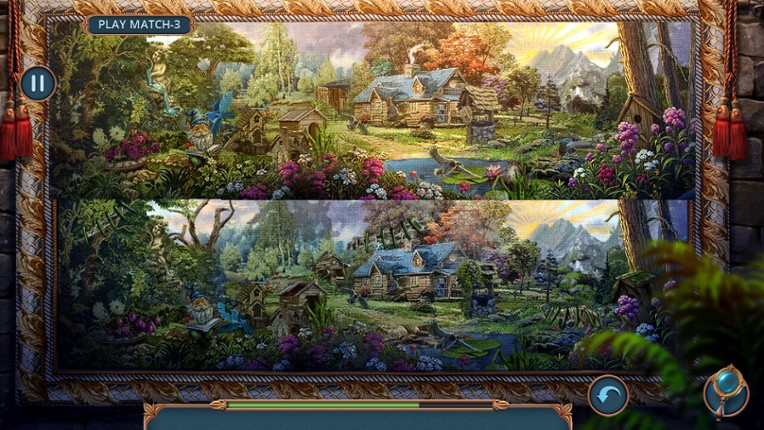
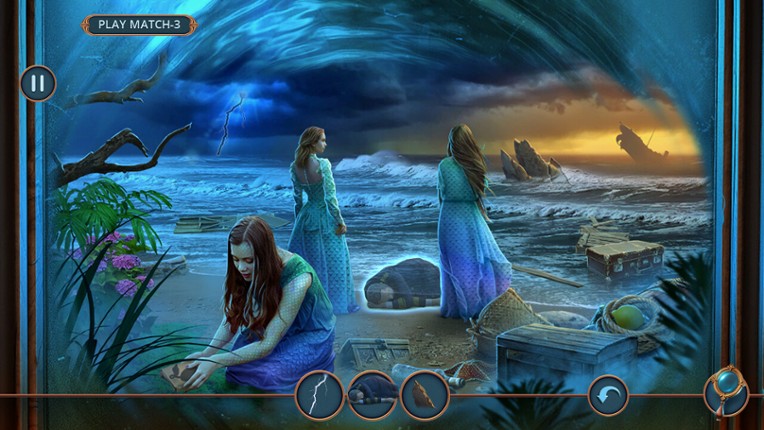
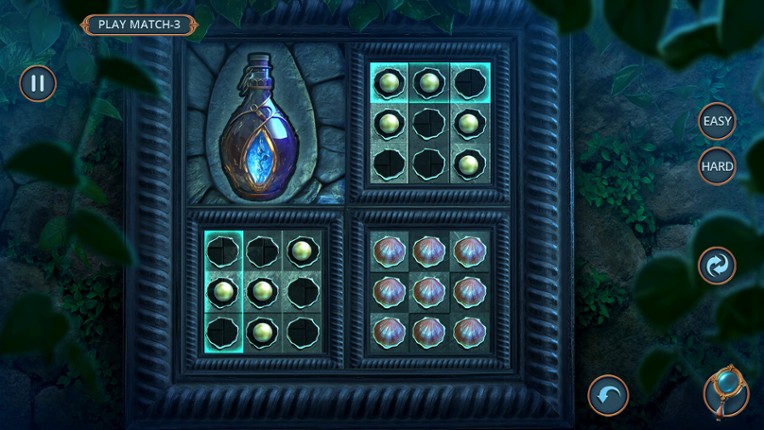
Explore the vastness of a ship lost in time, what mysteries will you uncover amidst its Mayan idols, menacing sea creatures, and exotic treasures? Find out in this exciting new Hidden Object Puzzle Adventure game on the open seas! If you enjoyed this game, see our list of games similar to Mayan Prophecies: Ship of Spirits Collector's Edition.
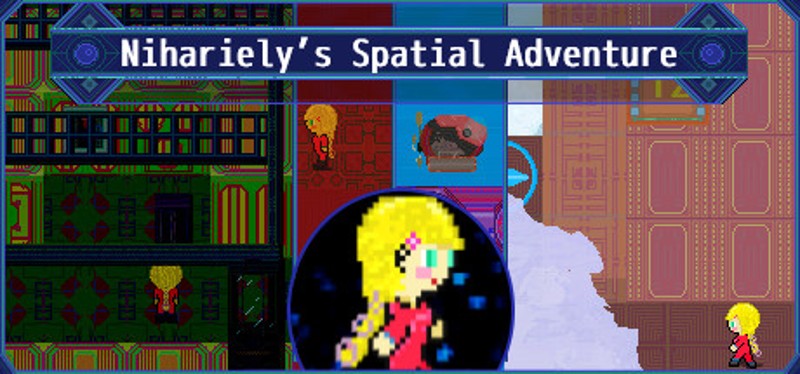
Nihariely’s Spatial Adventure is a pixelart game mixing arcade gameplay, exploration, resource management and puzzles, it is all about the rescue of a civilization collecting master processors. If you enjoyed this game, see our list of games similar to Nihariely’s Spatial Adventure.
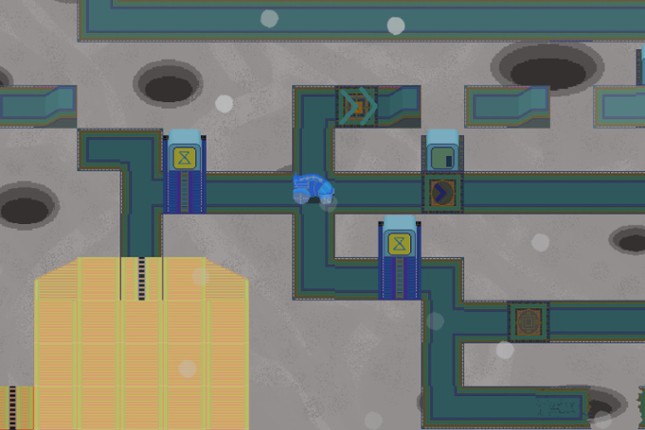
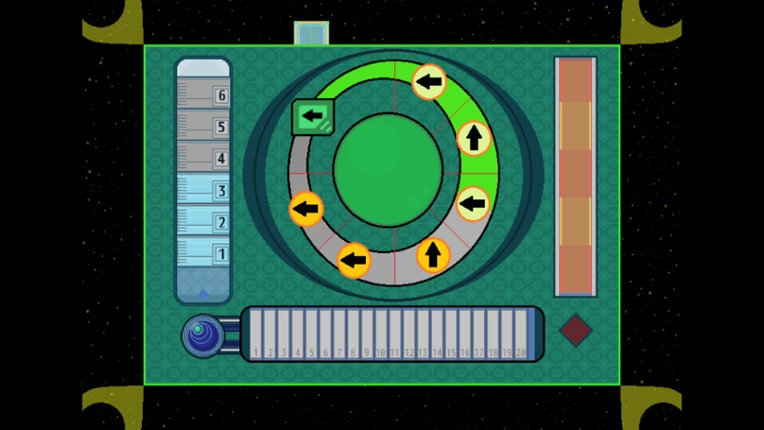
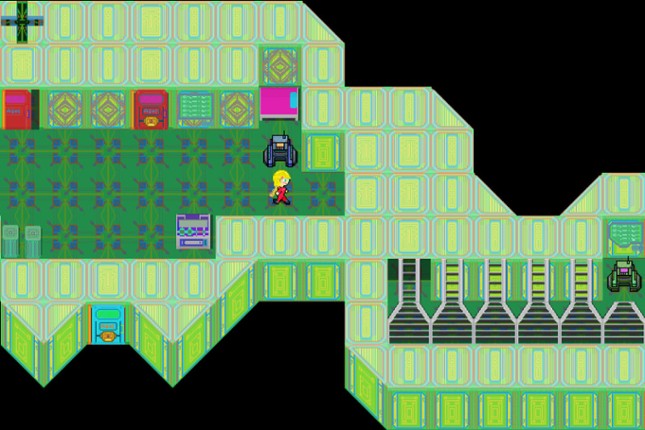
You wander into a mysterious mansion in the woods. A haunted house where sexy monsters roam... If you enjoyed this game, see our list of games similar to House of Lust.
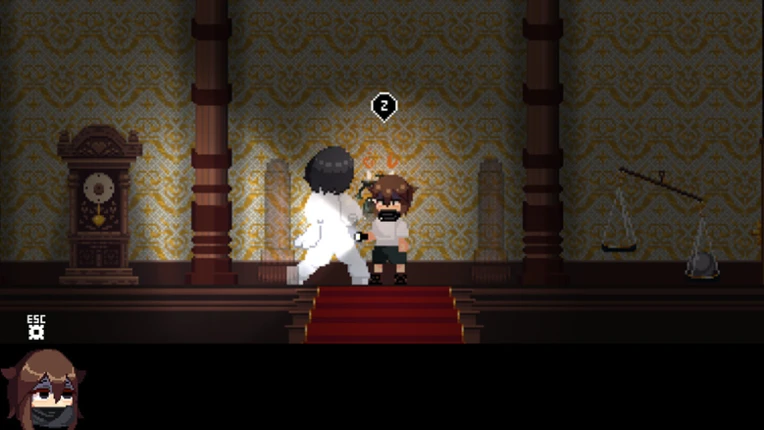
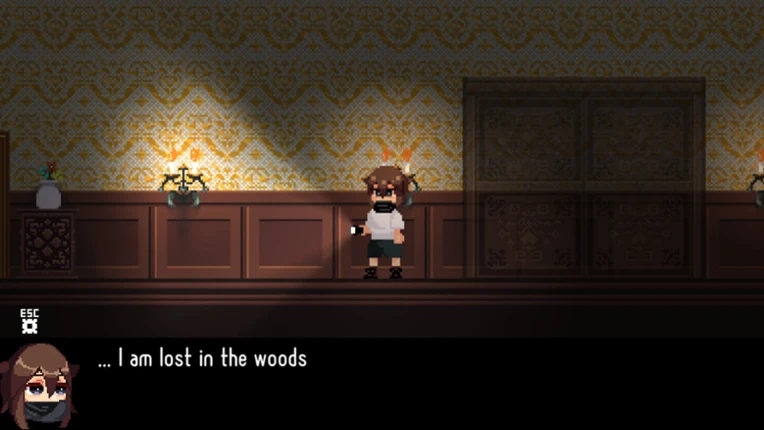
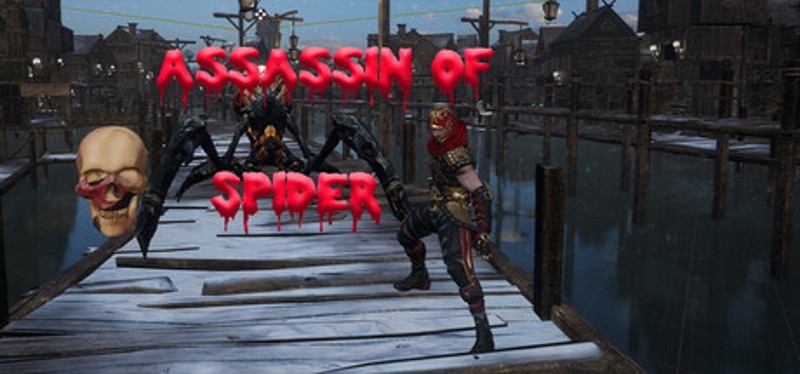
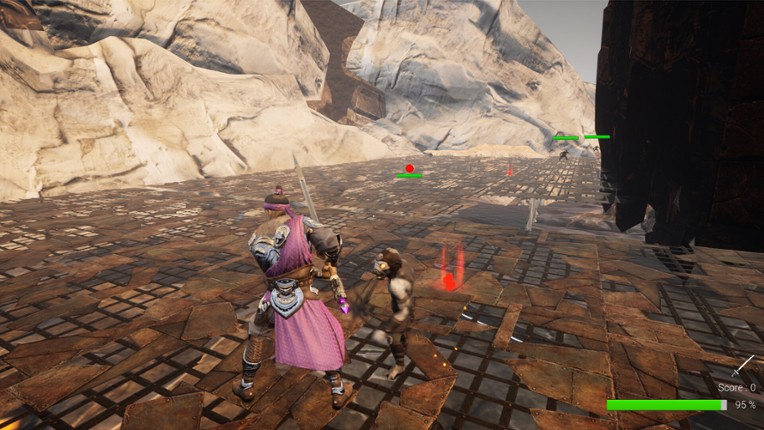
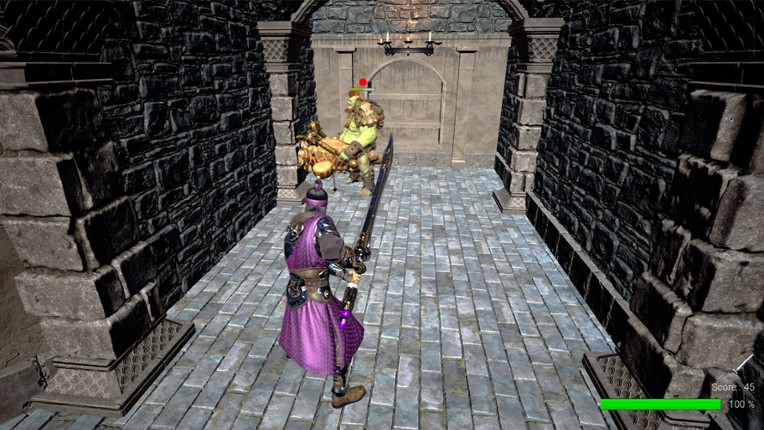
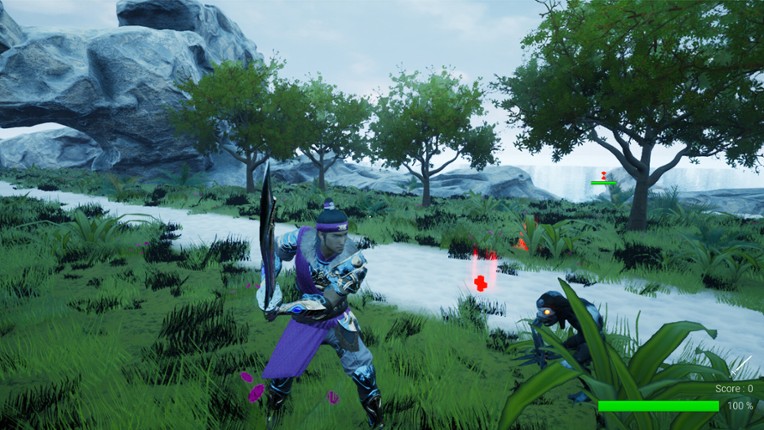
STORY:Start journey in this medieval third person rpg game and be the hero and beat evil spider boss Giant spider and his army has captured valuable skulls and hidden them. Player warrior mission is to beat spider boss and his difficult army in this medieval rpg game. Player fight against different small creatures which have different attacks like punch attack, magic attack, bomb attack etc and a… If you enjoyed this game, see our list of games similar to Assassin Of Spider.
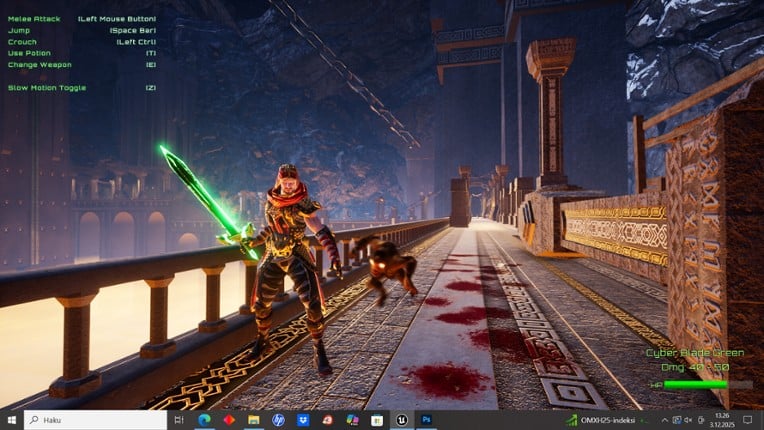
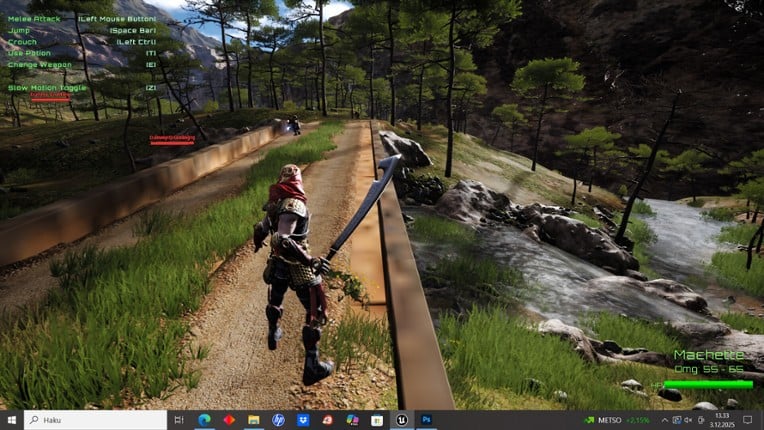
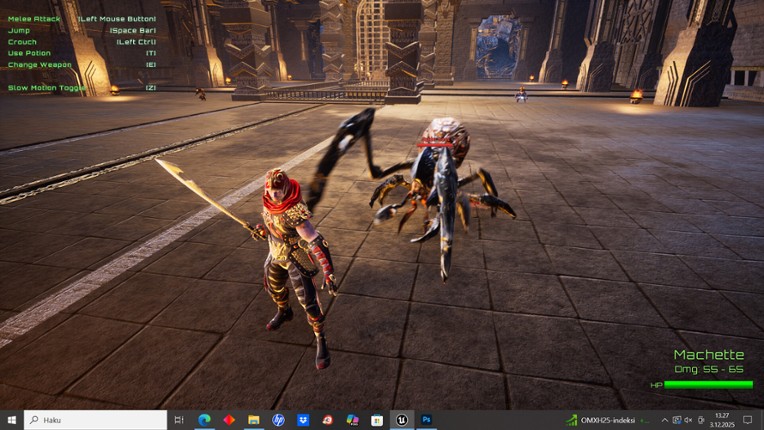
EXOTERRA: A Space Journey is a first-person science fiction puzzle game set aboard a stranded ship in the vast, dark expanse of outer space. Explore the HOPE-03 and uncover the mysteries it holds as you solve fully interactive escape-room-style chambers powered by a physics-based system. If you enjoyed this game, see our list of games similar to EXOTERRA: A Space Journey.
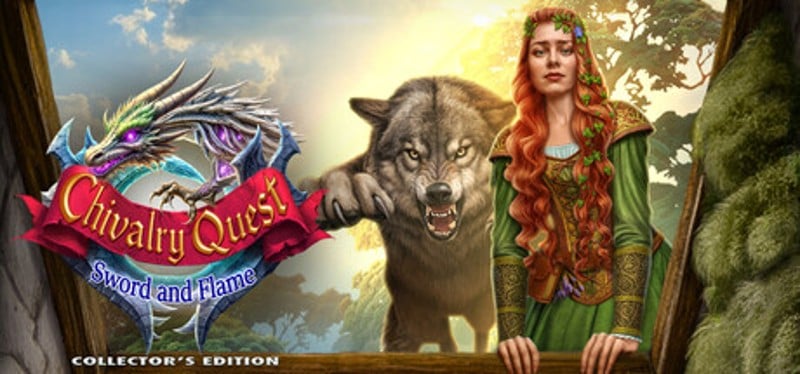
Uncover secrets, solve puzzles, and reclaim a fallen kingdom in this epic hidden object adventure of knights, dragons, and destiny! If you enjoyed this game, see our list of games similar to Chivalry Quest: Sword and Flame Collector's Edition.
Black Submarine is a thrilling underwater adventure that puts you in control of a powerful, ultra-technological submarine. In 2086, the Pacific Ocean harbors profound secrets and unimaginable dangers. Navigate treacherous waters, face deadly enemies, and discover deep secrets beneath the sea. This game combines intense action, exploration, and strategy, offering a unique and immersive experience. … If you enjoyed this game, see our list of games similar to Black Submarine: deep seek.
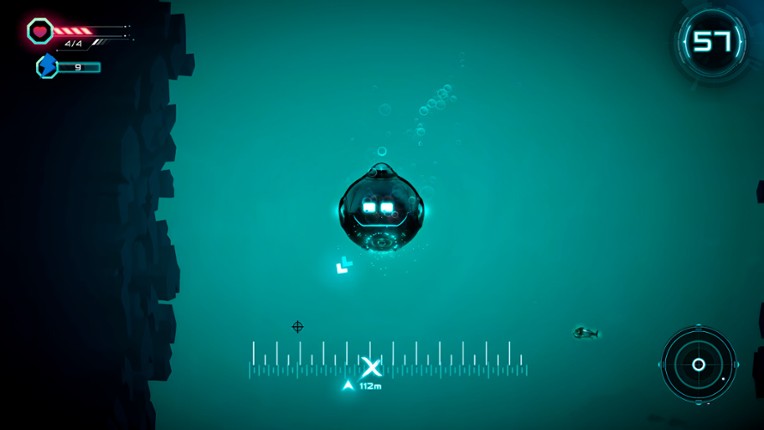
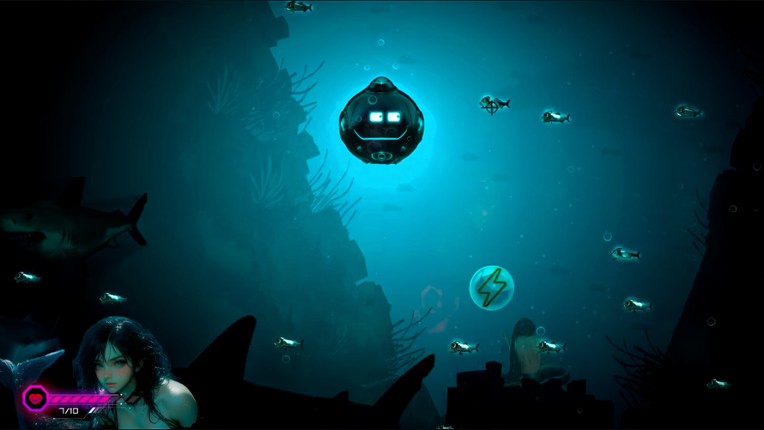
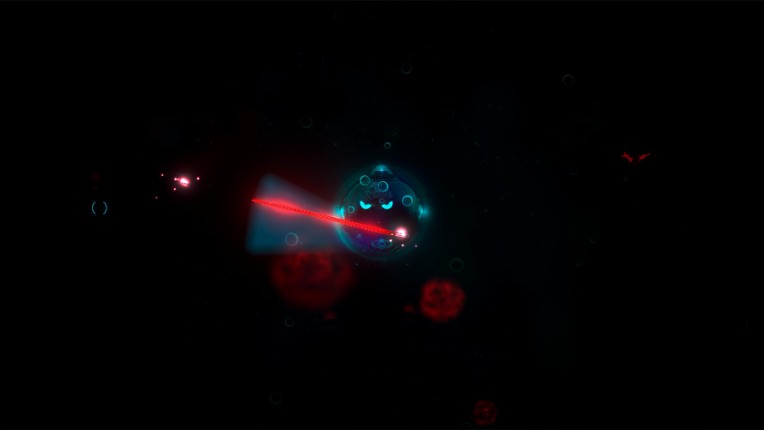
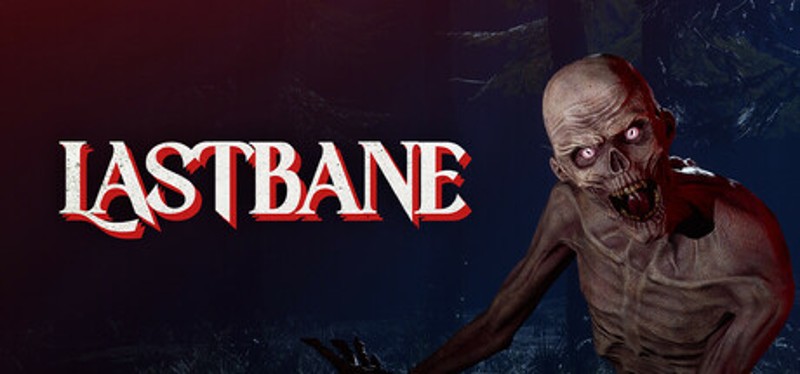
New ExperienceLastbane is developed to offer you a different kind of online horror experience. Even while communicating with your friends using 3D voice, you must stay quiet. Every step you take can be heard by the creatures around you. CO-OP MultiplayerUnlike traditional horror games, this 1-4 player game requires you to work with your teammates to find all possible items on the map, complet… If you enjoyed this game, see our list of games similar to Lastbane.
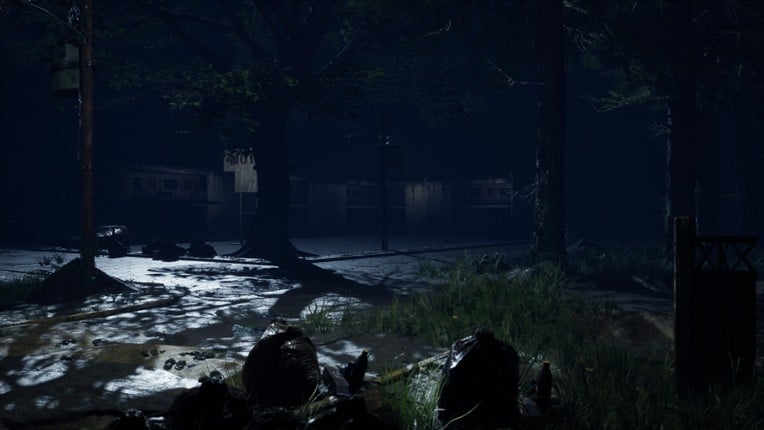
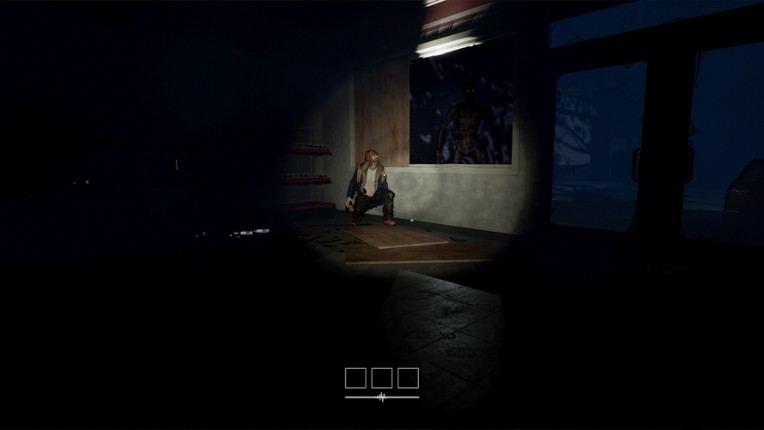
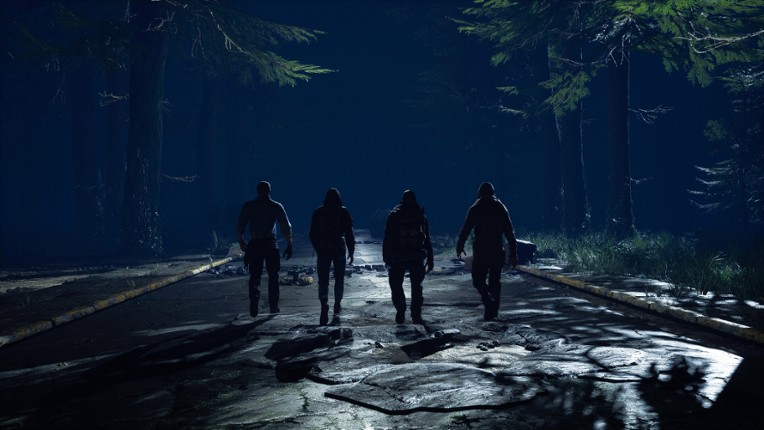
STORY:Start journey in this medieval third person rpg game and be the hero and beat evil goblins Green goblin and his army has captured valuable skulls and hidden them. Player warrior mission is to beat goblin and his army. Player fight against different small creatures which have different attacks like punch attack, magic attack, bomb attack etc. End of level player meet big green goblin who are… If you enjoyed this game, see our list of games similar to Assassin Of Goblin.
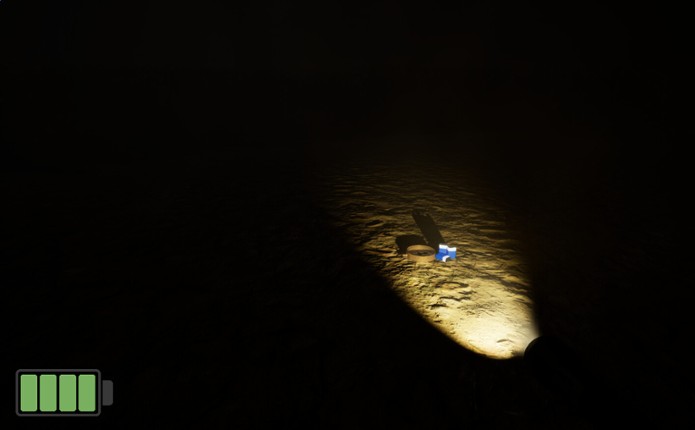
Navigate a haunting corn maze in this atmospheric exploration game. Manage your flashlight battery, search for compasses, and uncover eerie secrets while avoiding what lurks in the shadows. Simple mechanics, immersive tension—can you find your way out? If you enjoyed this game, see our list of games similar to The Corn Maze.
You are responsible for the salvation of humankind - destroy Utopia City or suffer indefinite virtual slavery. Fight for the future of the real world as you become involved in massive combat scenes against a host of powerful opponents. You are the last hope for the survival of your race! If you enjoyed this game, see our list of games similar to Utopia City.

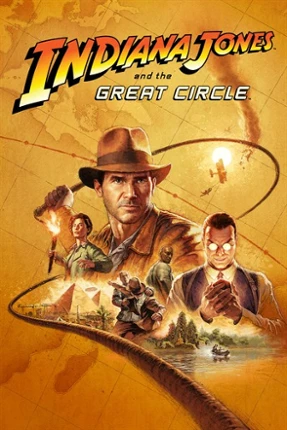
Uncover one of history’s greatest mysteries in a first-person, single-player adventure set between the events of Raiders of the Lost Ark™ and The Last Crusade™. If you enjoyed this game, see our list of games similar to Indiana Jones and the Great Circle.

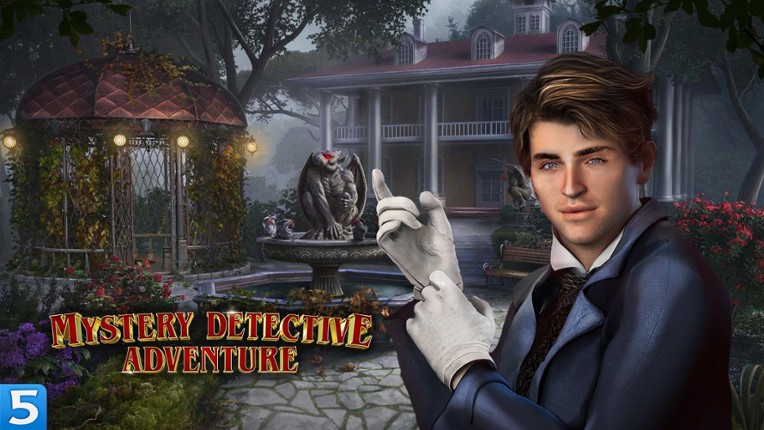
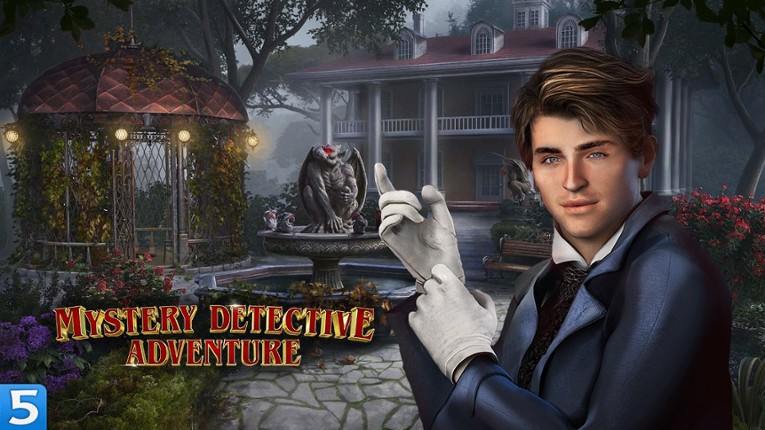
Mystical events haunt locals. Conduct your own investigation to uncover the truth. “Mystery Detective Adventure” is an adventure game in the genre of Hidden Objects, with plenty of mini-games and puzzles, unforgettable characters and complicated quests. If you enjoyed this game, see our list of games similar to Mystery Detective Adventure.
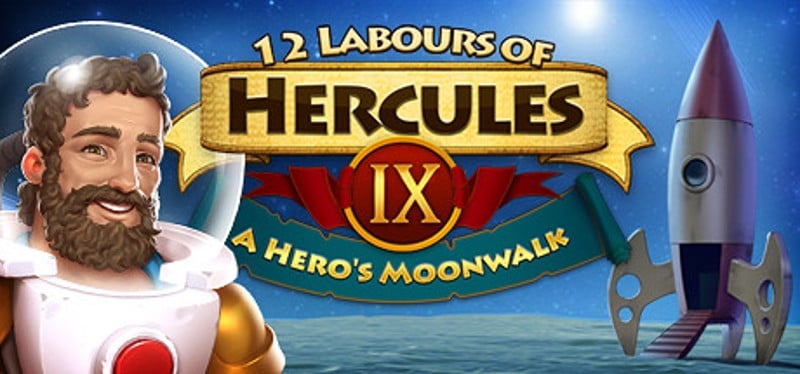
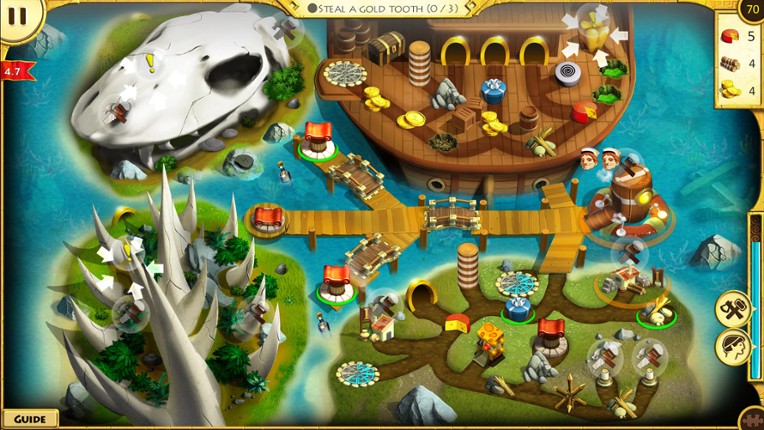
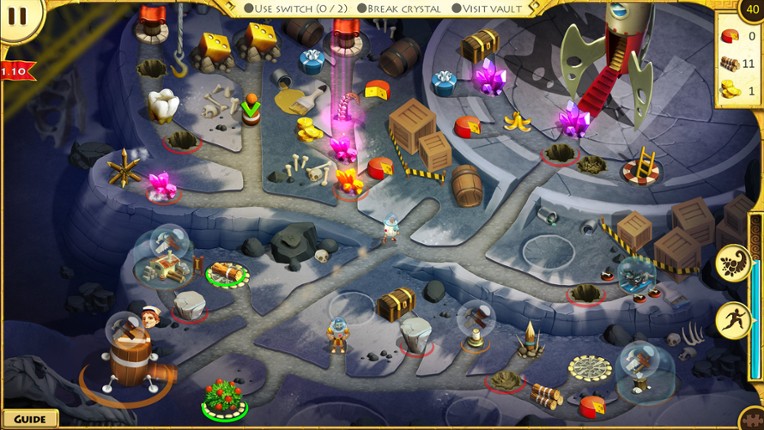
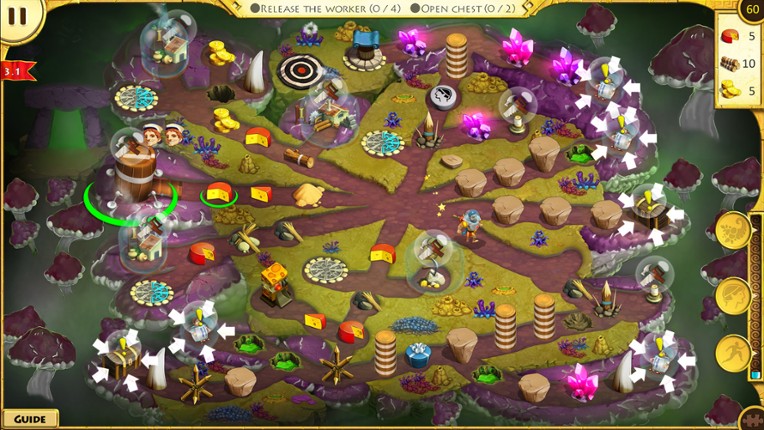
An astronomical threat in space! Get on board the spaceship with Hercules: explore distant planets, find extraterrestrial life and save the galaxy from the dangerous monster! If you enjoyed this game, see our list of games similar to 12 Labours of Hercules IX: A Hero's Moonwalk.
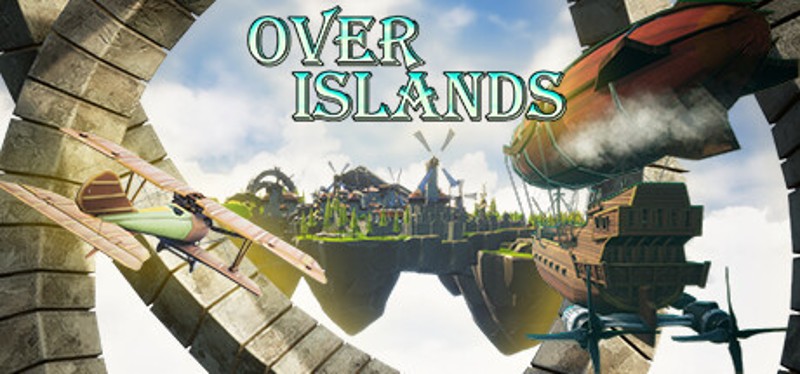
Travel from island to island, build a flying city, battle air pirates aboard your zeppelin and defeat the goddess.Immerse yourself in a single-player, first-person adventure that combines frenetic action, city management and thrilling quests in an immersive universe. You will develop your flying island and explore the unknown lands of Azordian. Reconnect the islands together and rally their inhabi… If you enjoyed this game, see our list of games similar to Over Islands.
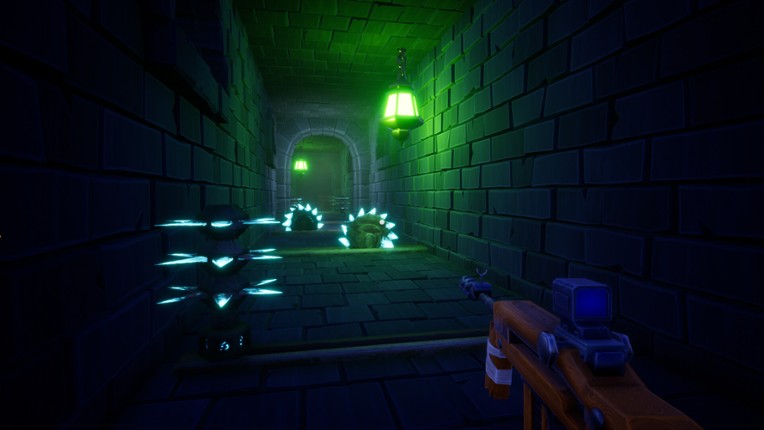
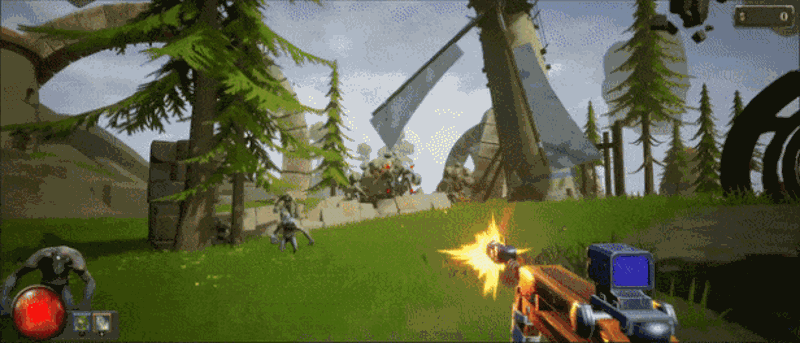
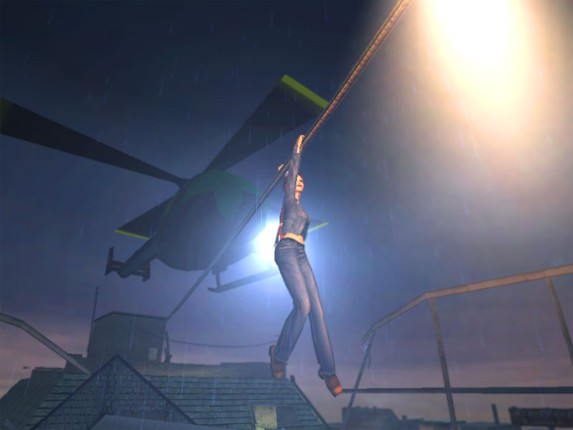
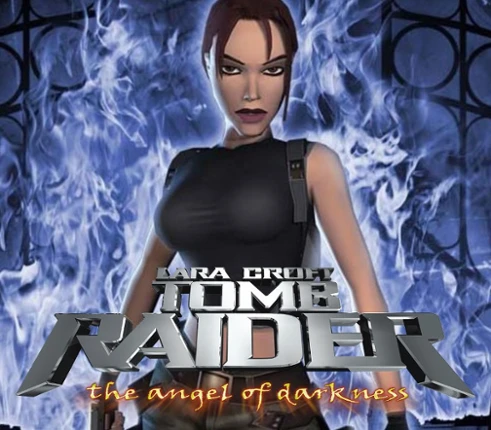
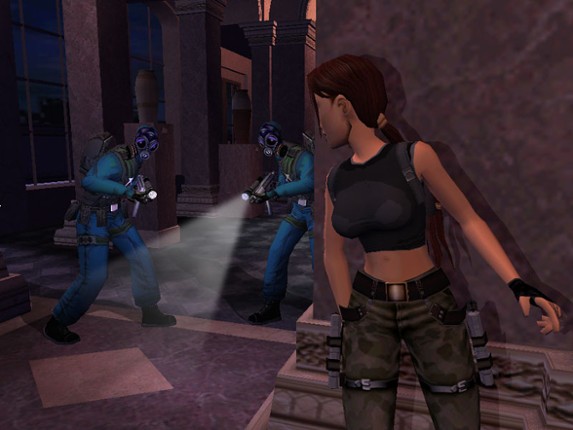
A series of grisly murders brings Lara into conflict with a sinister Alchemist from the past, and a secret alliance of powerful individuals shrouded in mystery. Accused of the murder of her one time mentor, Werner Von Croy, Lara becomes a fugitive on the run. Pursued by the police, she follows the Alchemist into a dark world of blood, betrayal and vengeance where it is up to her to defeat this unh… If you enjoyed this game, see our list of games similar to Tomb Raider: The Angel of Darkness.


 View Game