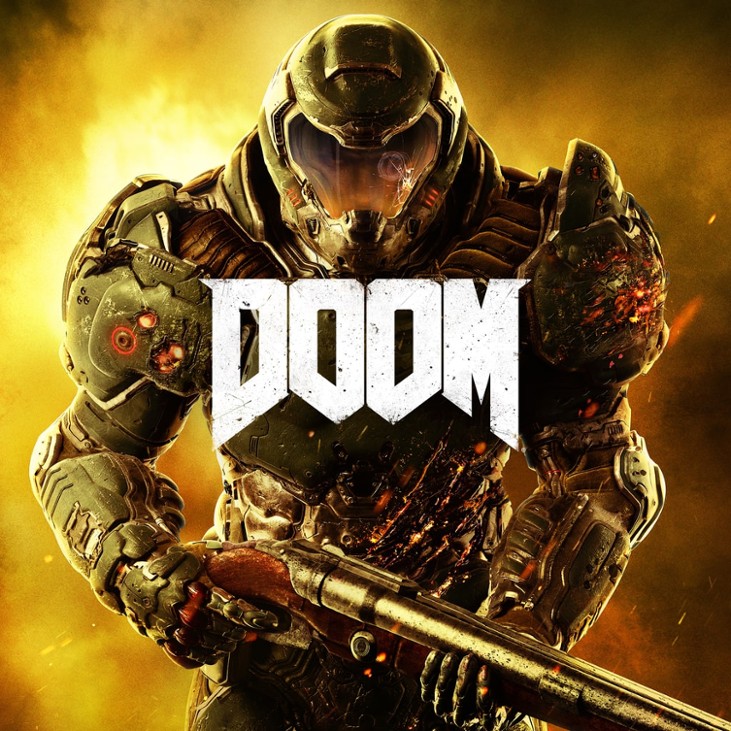


Games like DOOM
If DOOM's relentless, forward-pushing combat loop has you craving more, you're in exactly the right place. Games like DOOM share a very specific DNA: blistering first-person action, a heavy metal attitude, and a design philosophy that rewards aggression over caution. From the iconic 2016 reboot's satisfying glory kills to its thunderous soundtrack, DOOM set a benchmark — and there are some outstanding titles that hit that same nerve.
What makes DOOM genuinely special isn't just that it's a shooter — it's the way every system conspires to keep you moving. The fast-paced combat demands constant momentum, positioning, and weapon-switching, all wrapped in a sci-fi horror atmosphere thick with demons, blood, and industrial dread. Players aren't here for deep storytelling or complex character arcs; they're here for gunplay that feels like a percussion instrument and levels that escalate relentlessly. That's the experience any worthy alternative needs to replicate.
What Makes a Good Alternative to DOOM?
- Fast-paced, momentum-driven combat — DOOM punishes players who stand still, rewarding aggression with health and resources. The best alternatives share this offensive design philosophy rather than hiding-and-healing.
- Satisfying, weighty gunplay — Every weapon in DOOM has heft and purpose. Alternatives worth your time offer a similarly tactile arsenal where each shot and reload feels deliberate and powerful.
- Demonic or horror-tinged sci-fi atmosphere — The blend of science fiction settings with horror imagery and Violence gives DOOM its distinctive tone. Strong alternatives match that mood even if the aesthetic shifts slightly.
- A killer soundtrack that amplifies the action — Mick Gordon's score isn't incidental; it's a gameplay mechanic in spirit. Look for games where music and action are locked in the same rhythm.
- Difficulty that respects skill — DOOM is genuinely challenging and rewards mastery. The best alternatives offer that same sense of hard-earned flow state rather than cheap difficulty spikes.
Top Picks If You Enjoyed DOOM
Doom Eternal raises the mechanical complexity with an addictive combat loop and stunning visuals. DOOM: The Dark Ages introduces a bold shield-and-parry system with a stunning dark medieval aesthetic. Prodeus is a love letter to classic boomer shooters with phenomenal weapon feel and a robust level editor. Serious Sam 3: BFE delivers relentless horde-based action with old-school charm. Trepang2 blends fast gunplay with bullet-time mechanics and a surprisingly atmospheric horror edge. Wolfenstein: The New Order rounds things out with polished first-person action and a rare story worth caring about.
Every recommendation below is ranked by similarity to DOOM using real player data, so the closest matches appear first. Browse the full list to find your next favorite first-person shooter.
- 88%Game Brain ScoreMost mentioned positive aspects:gameplay, storyMost mentioned negative aspects:grinding, stability91% User Score 131,275 reviewsCritic Score 86%11 reviews
If DOOM's relentless combat loop—where weapon switching, resource management, and forward momentum create a rhythm you can't break—kept you locked in, Doom Eternal doubles down on that exact flow. The chainsaw refuels ammo, the flame belch triggers armor drops, and every tool serves a tactical purpose that forces you to stay mobile and engaged.
Both games share that heavy metal soundtrack amplifying pure adrenaline, but Eternal weaponizes it differently: the music pulses with your combat intensity, making environmental destruction and demon dismemberment feel like percussion hits rather than afterthoughts. The graphics push further too—vibrant, layered arenas replace DOOM's darker corridors, giving you more visual feedback for the chaos you're creating.
Where Eternal pivots is deliberate complexity. DOOM's elegance came from simplicity; Eternal demands you master more systems simultaneously. This trades accessibility for depth—some find it overwhelming, but completionists and strategy-minded players discover significantly higher replayability across difficulty tiers.
Where the original stumbled with thin narrative, Eternal actually weaves story into your moment-to-moment choices, though critics debate whether that serves or clutters the core experience. Best for players hungry for mastery-driven combat that rewards learning every tool at your disposal.
If you enjoyed this game, see our list of games similar to Doom Eternal.View Game

- 83%Game Brain ScoreMost mentioned positive aspects:gameplay, storyMost mentioned negative aspects:stability, grinding86% User Score 23,657 reviewsCritic Score 81%17 reviews
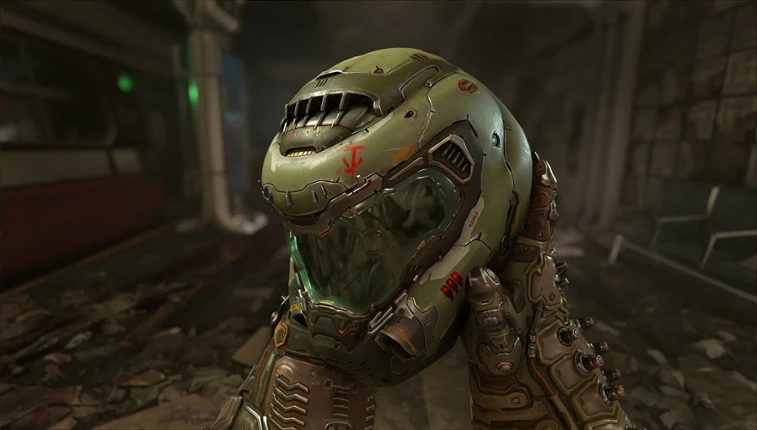
Ripping through demons at close range, then instantly chaining the next kill, is the kind of pressure DOOM fans know by heart, and DOOM: The Dark Ages keeps that ruthless rhythm alive. The first-person combat still centers on speed, blood, and aggressive positioning, so every fight pushes you to keep moving instead of hiding.
What carries over especially well is the fast-paced weapon loop and the constant demand to read enemy patterns on the fly. The new shield and parry mechanics add a fresh layer because they reward timing and forward momentum, which preserves that “never stop attacking” feel while giving you more ways to control the arena.
It also answers one common complaint about the 2016 DOOM: the story feeling thin. The Dark Ages leans harder into story-rich and lore-rich presentation, so the action has more context without abandoning the core loop that made the series work.
Best for players who want mastery, heavy combat, and a darker twist on DOOM’s signature pace.
If you enjoyed this game, see our list of games similar to null.View Game


- 81%Game Brain ScoreMost mentioned positive aspects:graphics, gameplayMost mentioned negative aspects:grinding, stability86% User Score 8,378 reviewsCritic Score 67%3 reviews
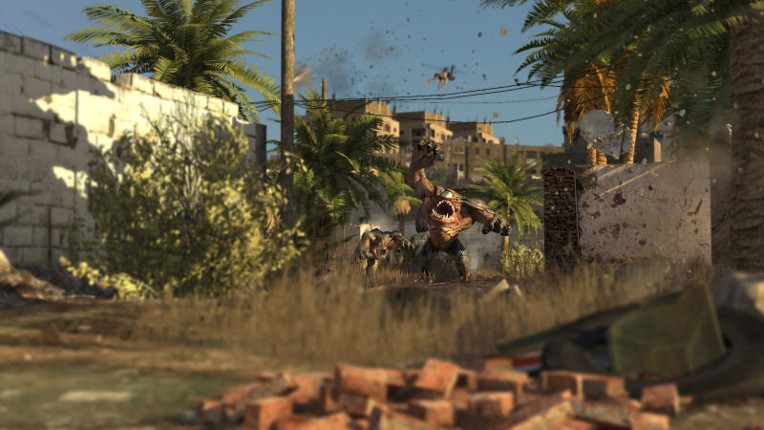
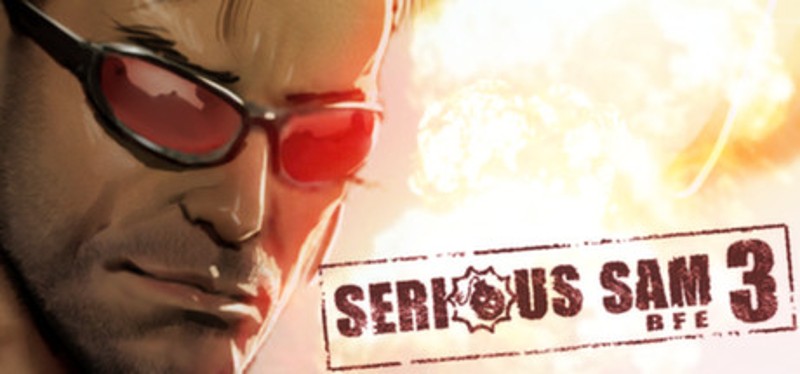
Both titles thrive on the raw adrenaline of backpedaling through a corridor while unloading heavy ordnance into a relentless wall of monsters. Serious Sam 3: BFE captures that specific flow where survival depends on constant movement and prioritizing the most lethal threats in a crowded room. This creates a mechanical loop where your pulse stays high as you navigate arenas designed for maximum carnage.
The game emphasizes a diverse arsenal, requiring rapid swaps between shotguns and launchers to exploit specific enemy weaknesses. Much like the intense resourcefulness required in DOOM, the sheer volume of foes in Serious Sam will overwhelm anyone who relies on a single weapon. The inclusion of robust co-operative modes further expands the chaos, allowing you to tackle these punishing waves with a team.
Serious Sam 3 swaps grim horror for a campy, humorous tone. This shift addresses common complaints regarding DOOM’s thin narrative by embracing a self-aware "B-movie" vibe that prioritizes absurdity over cryptic lore.
Best for players who prioritize arcade-style mastery and total battlefield saturation.
If you enjoyed this game, see our list of games similar to Serious Sam 3: BFE.View Game

- 87%Game Brain ScoreMost mentioned positive aspects:story, gameplayMost mentioned negative aspects:stability, grinding94% User Score 132,525 reviewsCritic Score 80%33 reviews
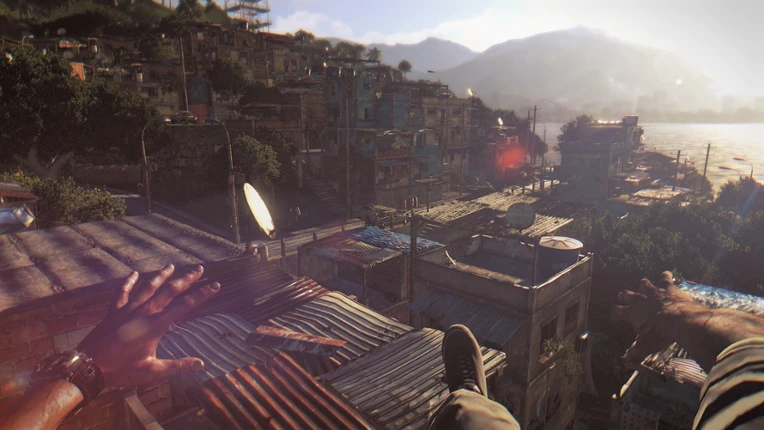
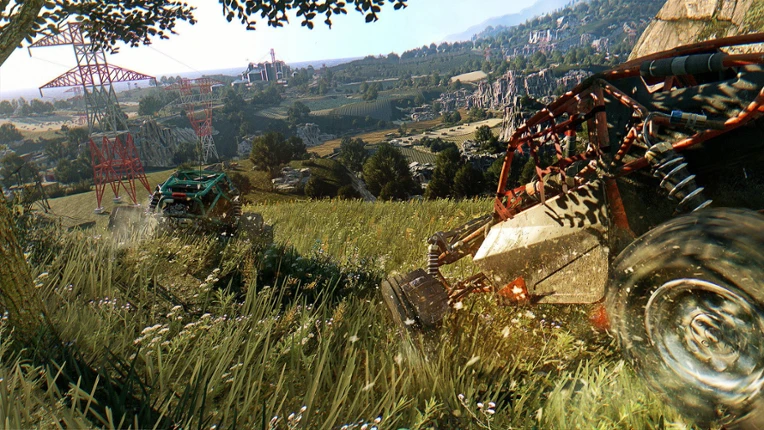
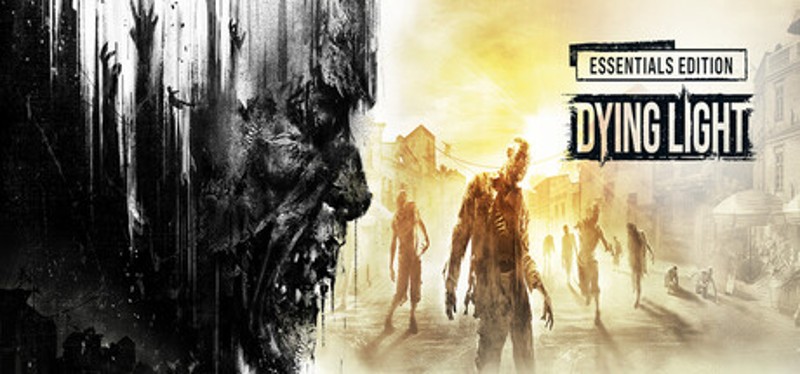
Both DOOM and Dying Light deliver fast, punchy first‑person combat, and both let you tear through enemies with a friend in co‑op.
The shared horror tone adds stakes to the firefights, making each bullet feel weightier even when the pace is frantic.
Dying Light swaps DOOM’s breakneck speed for a sprawling open world with parkour and a richer story, but the slower survival mechanics and grind can dull the immediacy.
Grab Dying Light if you crave DOOM’s aggressive shooter loop in a co‑op setting but can deal with a more methodical pace and occasional monetization.
If you enjoyed this game, see our list of games similar to Dying Light.View Game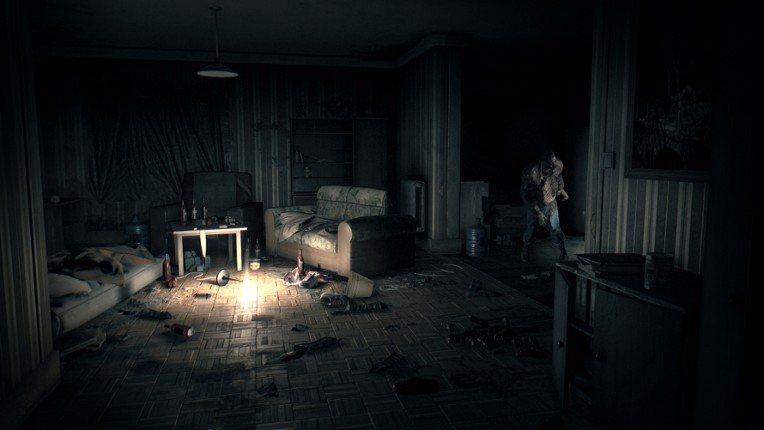
- 87%Game Brain ScoreMost mentioned positive aspects:music, graphicsMost mentioned negative aspects:story, grinding93% User Score 7,570 reviewsCritic Score 81%16 reviews
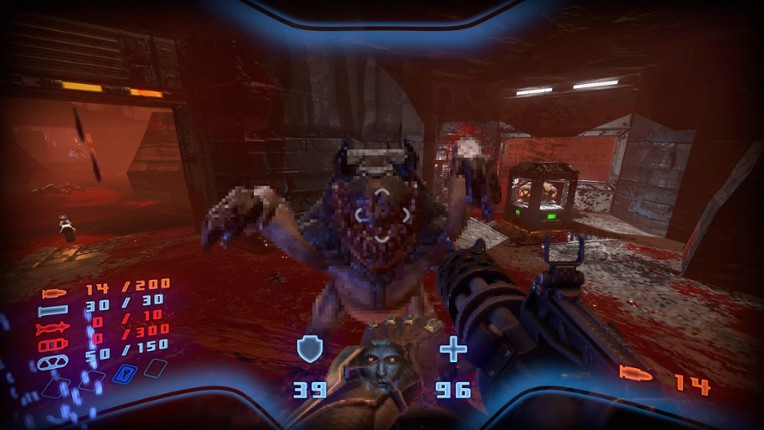
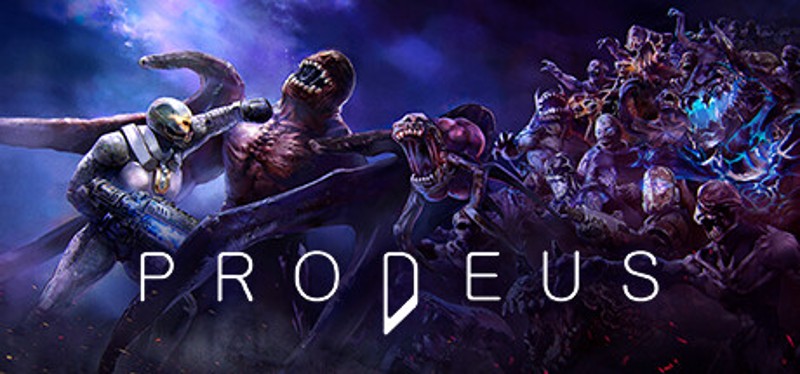
DOOM fans know that feeling: you round a corner, demons flood the arena, and your shotgun barks loud enough to rattle your teeth. Prodeus nails that same visceral rhythm—each weapon has punch, every kill feeds the adrenaline loop, and the pace never lets you catch your breath.
The weapon design deserves special credit. Just like DOOM's arsenal, Prodeus weapons feel weighty and distinct; the chaingun rattles, the rocket launcher explodes with screen-shaking authority. That satisfying gunplay stems from tight feedback systems: muzzle flash, recoil, sound design, and enemy reaction all sync to make shooting feel consequential rather than sterile. Additionally, both games embrace the classic arena-shooter loop of clearing rooms, grabbing keys, and unlocking paths—spatial puzzle-solving through pure firepower.
Where Prodeus diverges is its retro pixel aesthetic and built-in level editor. The chunky sprites and limited enemy roster sacrifice DOOM's monster design polish for nostalgic charm, but the editor compensates by turning players into creators with thousands of community-built maps to explore.
Best for players who prioritize pure combat mastery over narrative depth and want endless content beyond the campaign.
If you enjoyed this game, see our list of games similar to Prodeus.View Game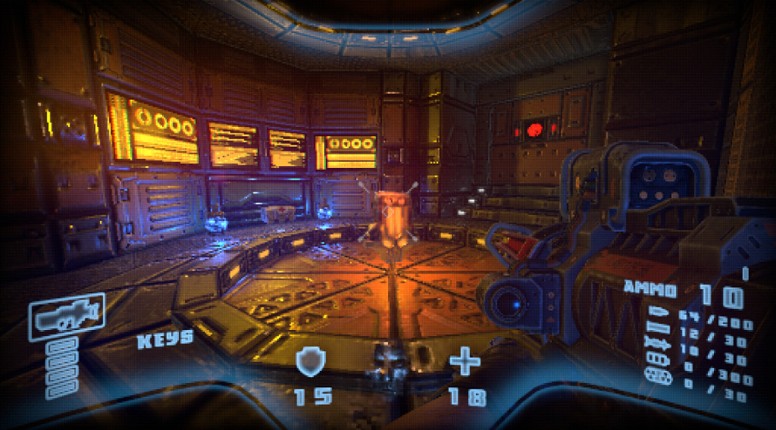
- 87%Game Brain ScoreMost mentioned positive aspects:story, gameplayMost mentioned negative aspects:monetization, grinding94% User Score 14,216 reviewsCritic Score 80%19 reviews
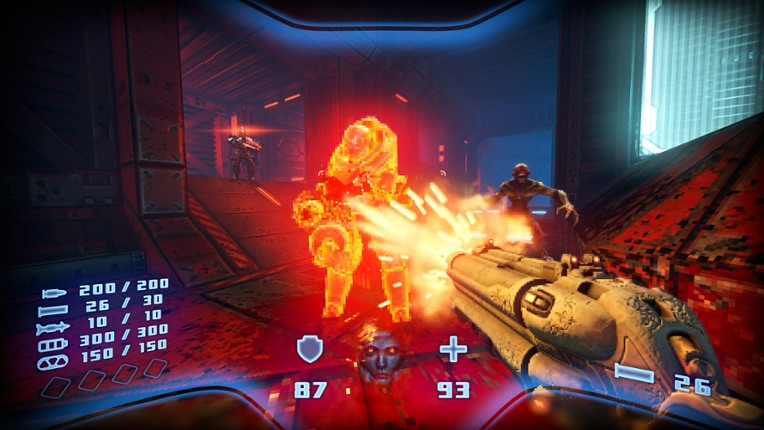
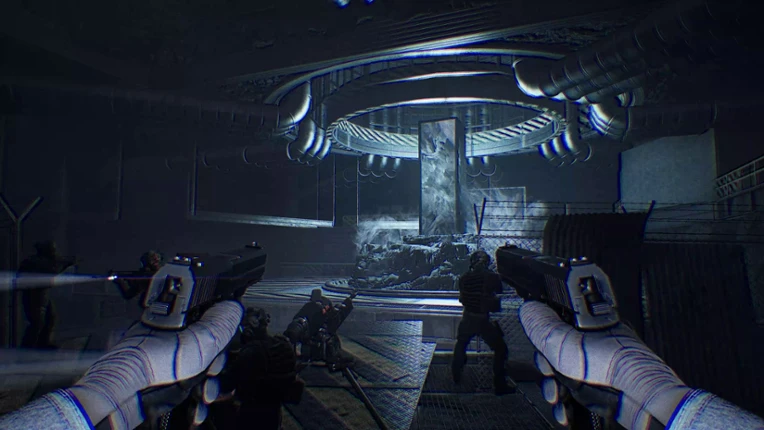
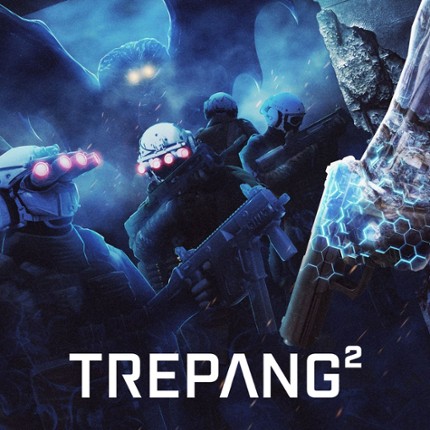
That same pulse of relentless forward pressure — where stopping moving means dying — runs through Trepang2 just as it does through DOOM's combat arenas. Both games demand you stay aggressive, punishing passive play and rewarding players who push into danger rather than retreating from it.
The first-person gunplay is fast, weighty, and bloody, and Trepang2 layers in a bullet-time mechanic that gives combat a similar feeling of controlled chaos — you're not slowing things down to be careful, you're slowing them down to be more destructive. The destructible environments add a physical feedback to firefights that DOOM players, already conditioned to feel every kill, will immediately appreciate.
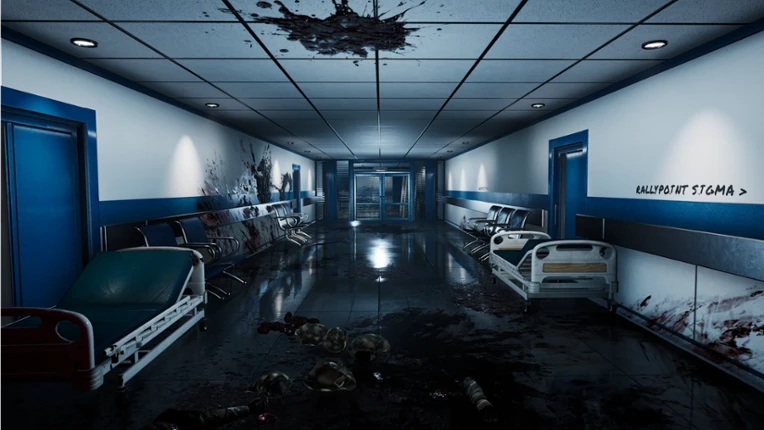
Where DOOM keeps its story thin, Trepang2 actually builds a psychological horror narrative with more texture — a meaningful tradeoff for players who've wanted the kinetic action without the shallow plot.
Best for DOOM players who want that same high-speed lethality but are ready for a campaign that gives them something to chew on between the carnage.
If you enjoyed this game, see our list of games similar to Trepang2.View Game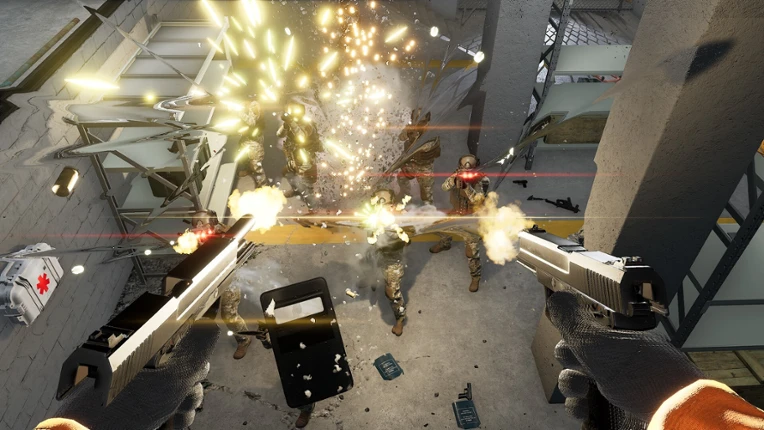
- 83%Game Brain ScoreMost mentioned positive aspects:story, gameplayMost mentioned negative aspects:optimization, stability90% User Score 32,597 reviewsCritic Score 77%36 reviews
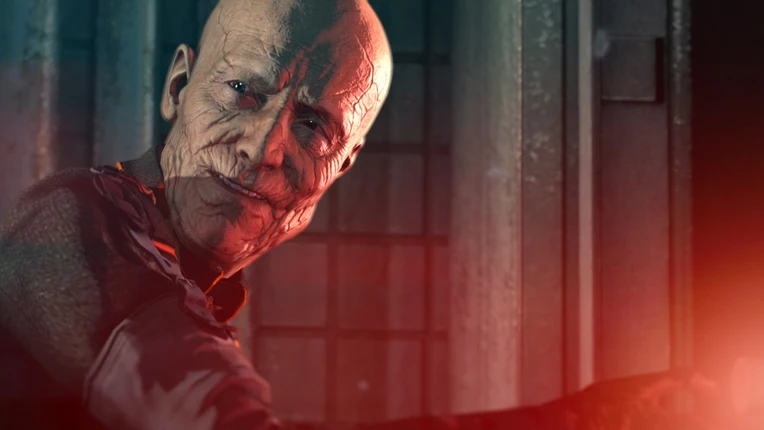
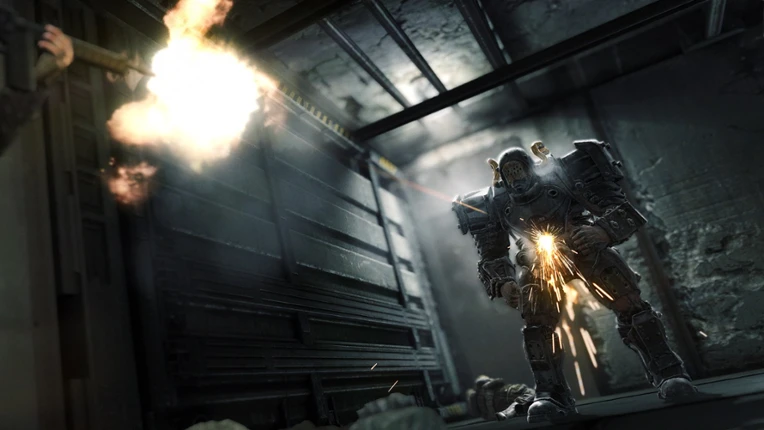
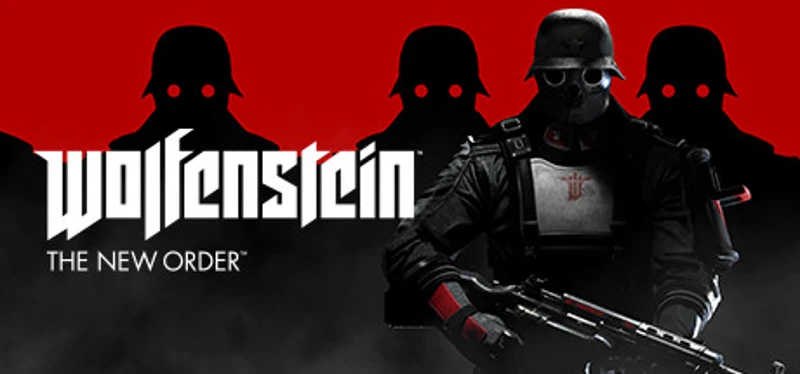
Both DOOM and Wolfenstein: The New Order deliver intense first-person shooter action, emphasizing fast-paced combat that keeps players constantly engaged. Their shared science fiction themes add depth, enriching the core gunplay with a memorable setting. This connection anchors the gameplay experience despite different narrative approaches.
Wolfenstein's strong character development and story contrast with DOOM’s minimal narrative, providing emotional stakes that influence player investment beyond raw action. This matters for players who value story-driven shooters without sacrificing combat intensity. The tradeoff lies in Wolfenstein’s more constrained level design and stealth elements, which can disrupt momentum.
Pick Wolfenstein: The New Order if you want a deep narrative and tactical variety but can tolerate occasional pacing issues. Choose DOOM if your priority is relentless, reflex-driven combat with a straightforward, adrenaline-fueled experience.
If you enjoyed this game, see our list of games similar to Wolfenstein: The New Order.View Game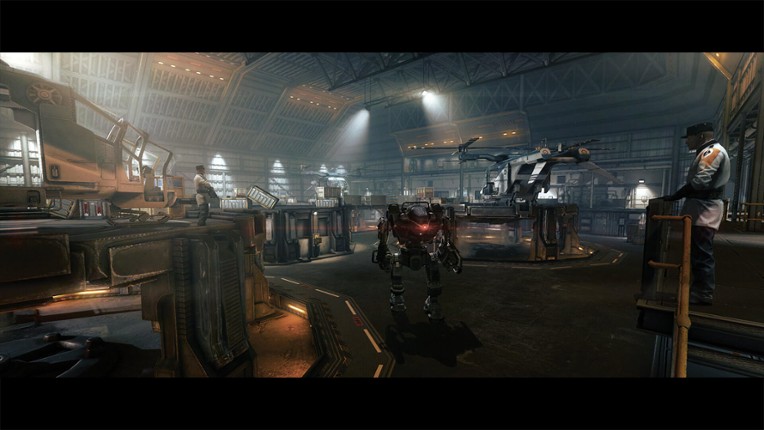
- 85%Game Brain ScoreMost mentioned positive aspects:story, graphicsMost mentioned negative aspects:stability, grinding84% User Score 9,056 reviewsCritic Score 85%5 reviews
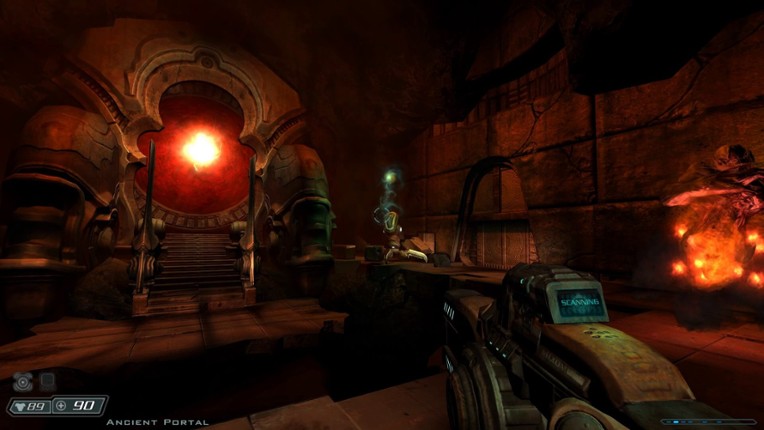
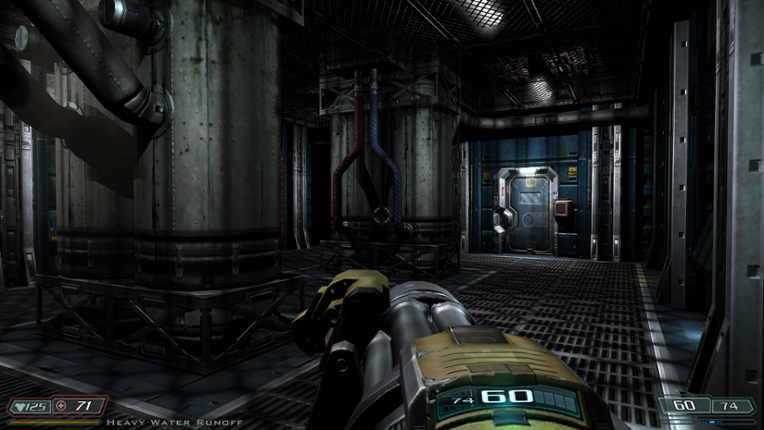
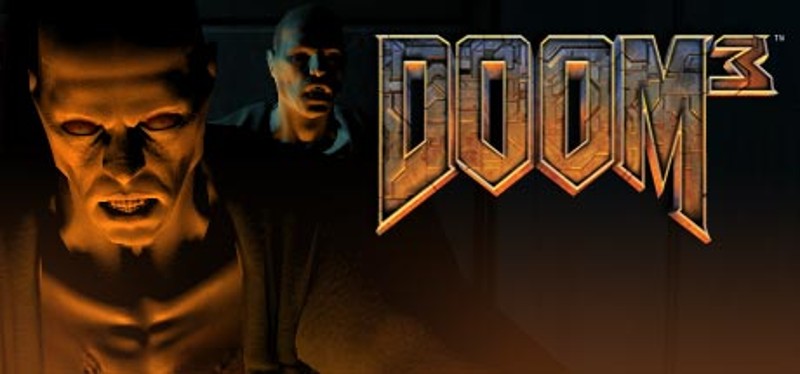
The shared DNA of Doom 3 and DOOM lies in their relentless first-person combat against waves of hellish demonic hordes. This high-octane violence is amplified by a pounding, industrial soundtrack that keeps the adrenaline surging through every claustrophobic corridor.
The primary tradeoff is a shift in pacing: DOOM thrives on hyper-kinetic movement, while Doom 3 anchors itself in visceral survival horror and slow-burn tension. Where the former favors fluid gunplay, the latter prioritizes atmosphere and shadow-heavy, methodical exploration.
Pick this up if you want the satisfying visceral gunplay of the franchise but can live without the constant, breakneck speed of modern arena-shooters.
If you enjoyed this game, see our list of games similar to Doom 3.View Game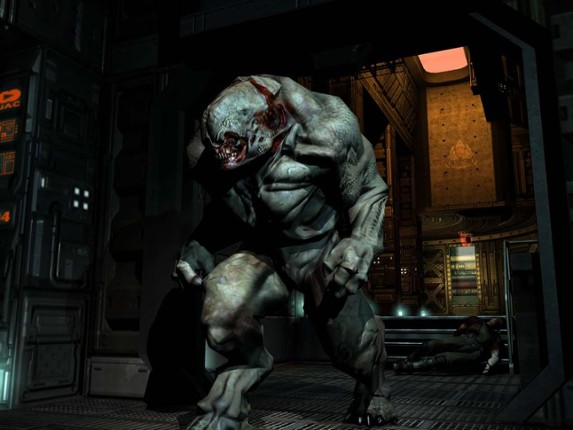
- 93%Game Brain ScoreMost mentioned positive aspects:gameplay, graphicsMost mentioned negative aspects:story, grinding95% User Score 10,634 reviewsCritic Score 85%1 reviews
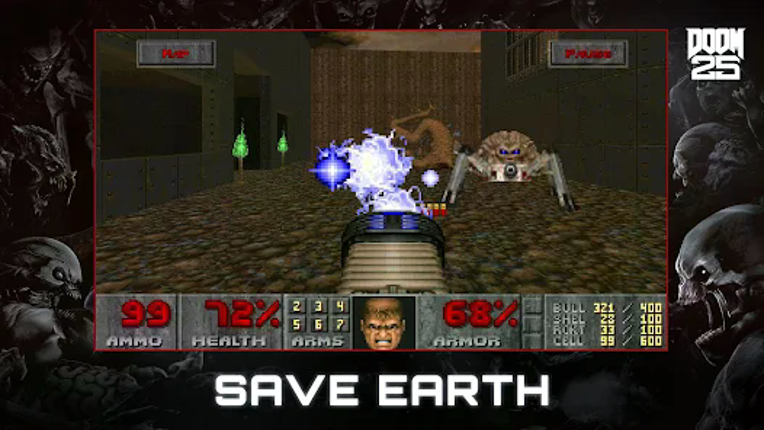
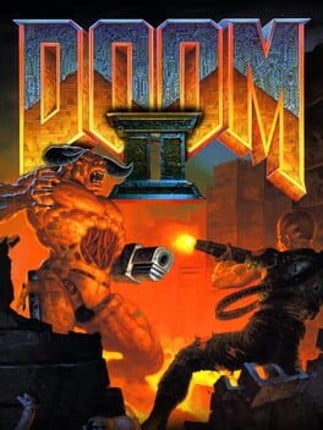
Both games nail the same core appeal: relentless first-person combat with a killer metal soundtrack that makes violence feel like a rhythm game. The soundtrack isn't window dressing—it's the glue binding action to atmosphere.
DOOM II trades modern polish for raw replayability through split-screen multiplayer and mod support that the newer game lacks. You're choosing between 2024 spectacle and 1994 staying power.
Pick DOOM II if you want the original recipe and don't mind pixel art, but need multiplayer flexibility modern DOOM reserves for online modes.
If you enjoyed this game, see our list of games similar to DOOM II.View Game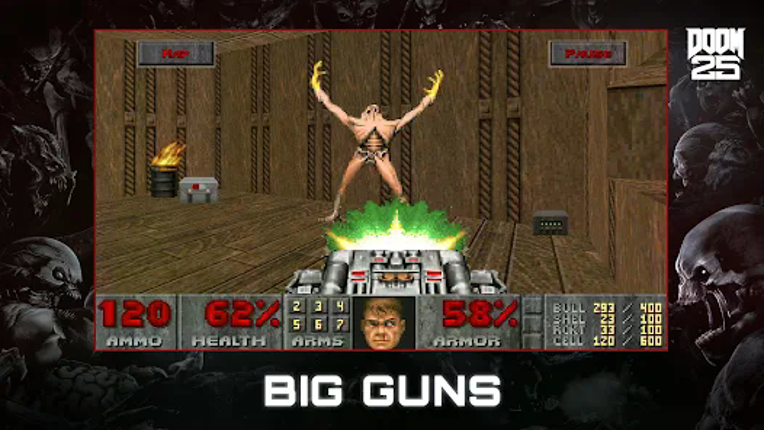
10 View Game

 90%Game Brain ScoreMost mentioned positive aspects:story, gameplayMost mentioned negative aspects:stability, grinding92% User Score 3,191 reviewsCritic Score 81%2 reviews
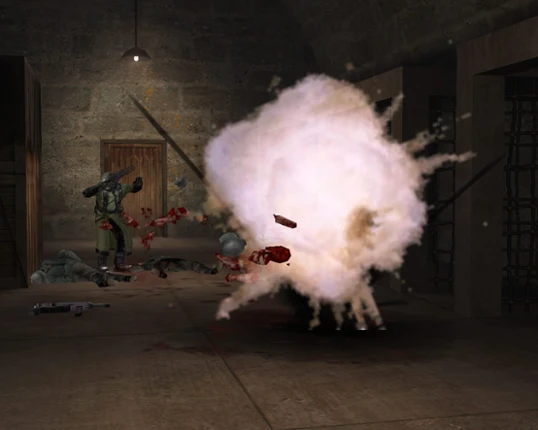
Return to Castle Wolfenstein captures the same kinetic, punchy combat rhythm that defines DOOM. You will spend your time navigating tight corridors and mowing down relentless waves of enemies using an arsenal of high-impact weaponry.
The shared reliance on supernatural horror grounds the gunplay in a satisfying, visceral context that elevates standard combat encounters. While DOOM prioritizes relentless forward momentum, this title forces occasional tactical restraint through clunky stealth sequences.
Pick this up if you crave old-school, high-octane FPS mechanics but can live with archaic AI and the technical friction of running a legacy engine on modern hardware.
If you enjoyed this game, see our list of games similar to Return to Castle Wolfenstein.View Game
- 95%Game Brain ScoreMost mentioned positive aspects:gameplay, graphicsMost mentioned negative aspects:story, grinding95% User Score 4,743 reviewsThe direct predecessor that pioneered DOOM's multiplayer formula but with cruder graphics and split-screen focus. If you enjoyed this game, see our list of games similar to DOOM II.View Game
- 98%Game Brain ScoreMost mentioned positive aspects:music, gameplayMost mentioned negative aspects:stability, grinding98% User Score 14,581 reviewsLoosely connected indie shooter that strips away DOOM's polish and scope for deliberately retro 3D minimalism. If you enjoyed this game, see our list of games similar to Killer Clowns (2016).View Game
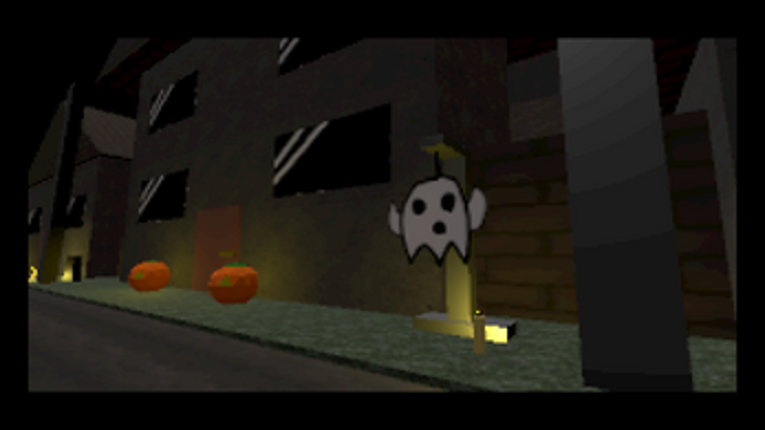
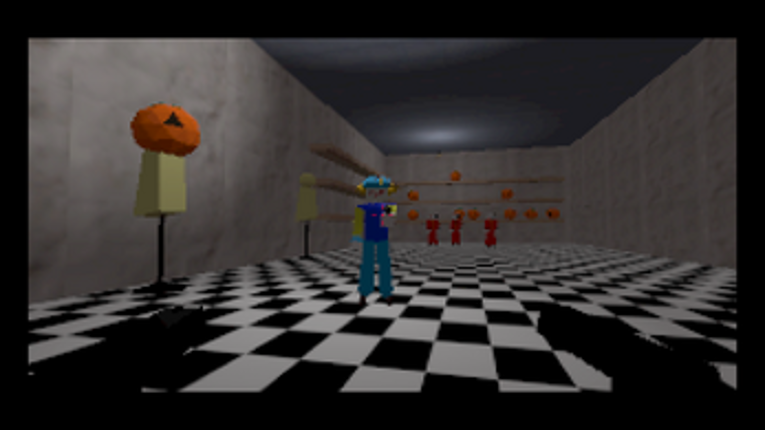
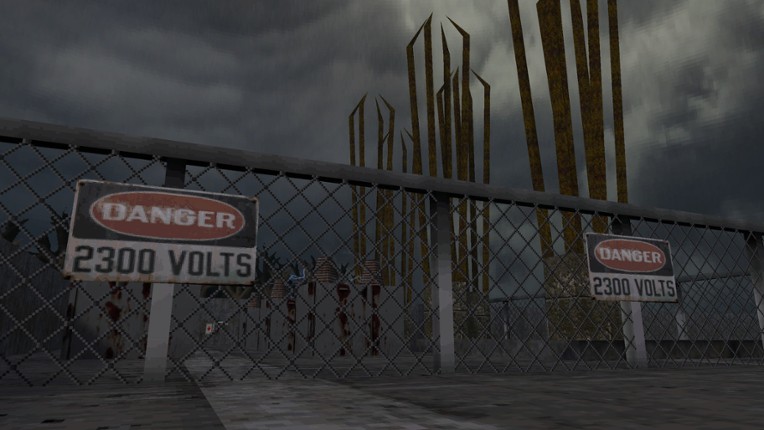
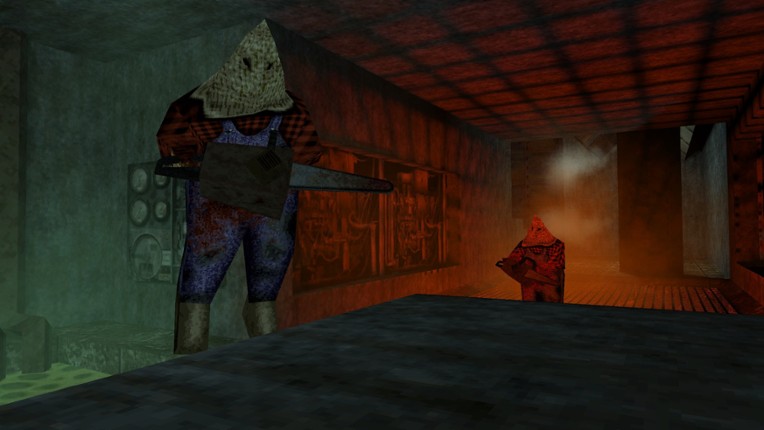
- 94%Game Brain ScoreMost mentioned positive aspects:music, gameplayMost mentioned negative aspects:grinding, stability97% User Score 19,303 reviewsCritic Score 91%20 reviewsStrips DOOM down to 90s basics with Lovecraftian dread and dark humor replacing modern spectacle and demons. If you enjoyed this game, see our list of games similar to DUSK.View Game
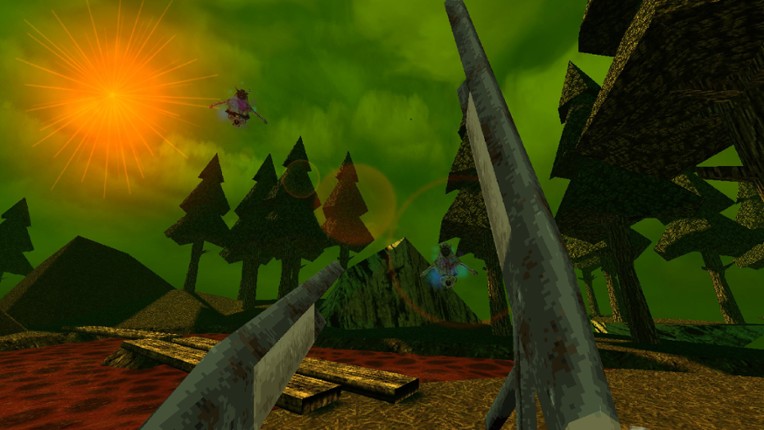
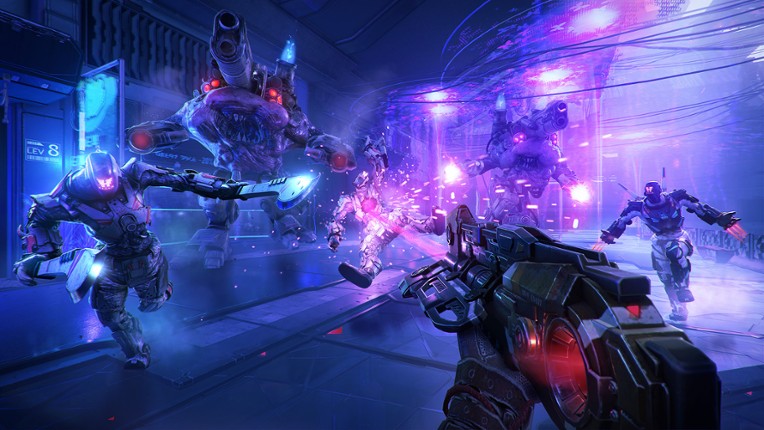
- 81%Game Brain ScoreMost mentioned positive aspects:story, gameplayMost mentioned negative aspects:grinding, stability87% User Score 16,660 reviewsCritic Score 75%31 reviewsBuilds on Shadow Warrior's melee identity with co-op parkour movement and loot-driven progression DOOM lacks. If you enjoyed this game, see our list of games similar to Shadow Warrior 2.View Game


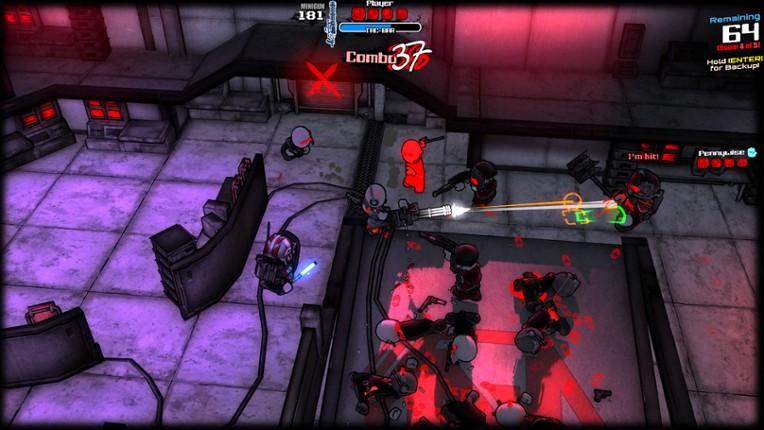
- 97%Game Brain ScoreMost mentioned positive aspects:story, gameplayMost mentioned negative aspects:grinding, stability97% User Score 7,259 reviewsTrades DOOM's gunplay horror for over-the-top cartoon violence and comedic timing within the same multiplayer framework. If you enjoyed this game, see our list of games similar to MADNESS: Project Nexus.View Game
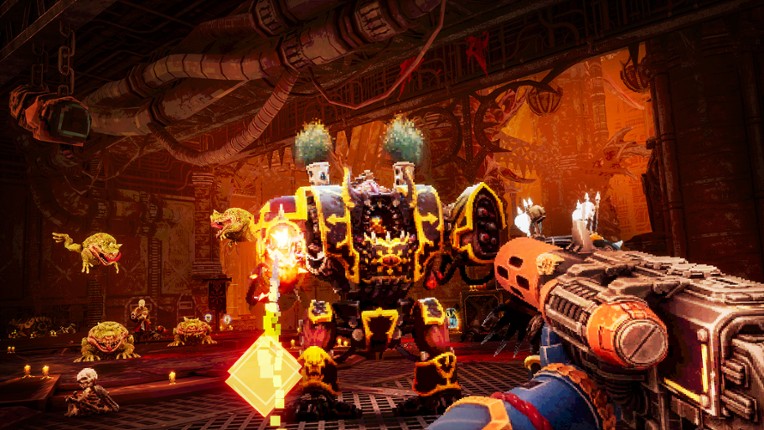
16 View Game 84%Game Brain ScoreMost mentioned positive aspects:gameplay, graphicsMost mentioned negative aspects:optimization, grinding91% User Score 11,735 reviewsCritic Score 77%30 reviewsCaptures DOOM's boomer-shooter DNA through a 40K lens with pixel art instead of modern 3D rendering. If you enjoyed this game, see our list of games similar to Warhammer 40,000: Boltgun.View Game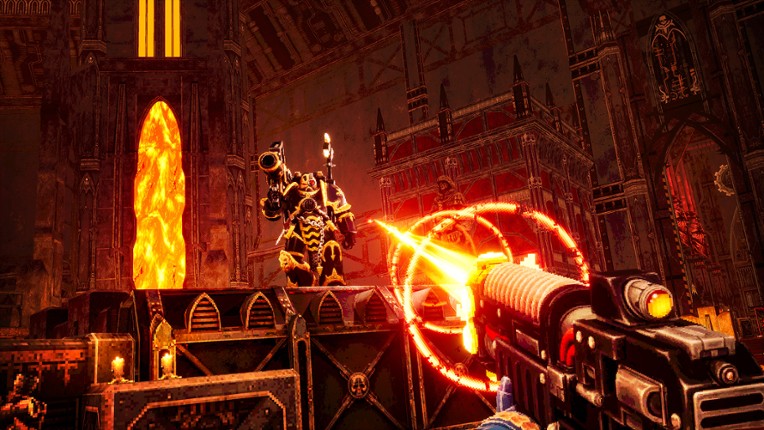

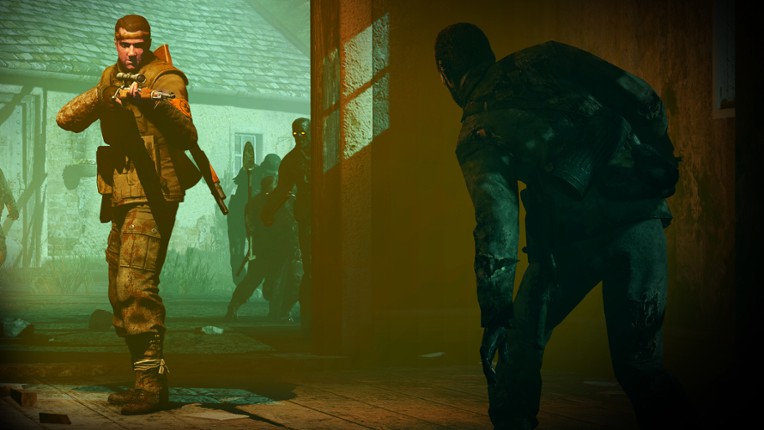
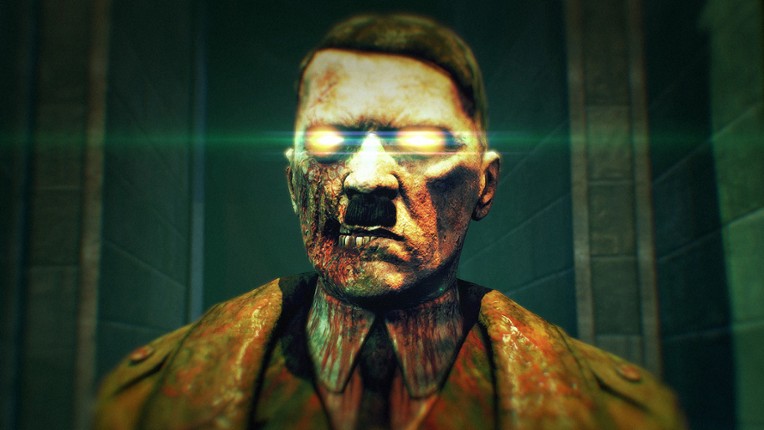
- 76%Game Brain ScoreMost mentioned positive aspects:story, gameplayMost mentioned negative aspects:stability, grinding85% User Score 6,699 reviewsCritic Score 66%8 reviewsSwaps DOOM's demons for WW2 zombies and adds sniper gameplay plus co-op squad mechanics for slower-paced tactics. If you enjoyed this game, see our list of games similar to Zombie Army Trilogy.View Game
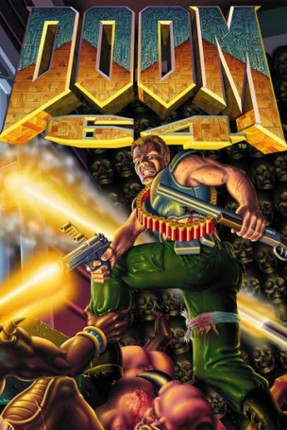
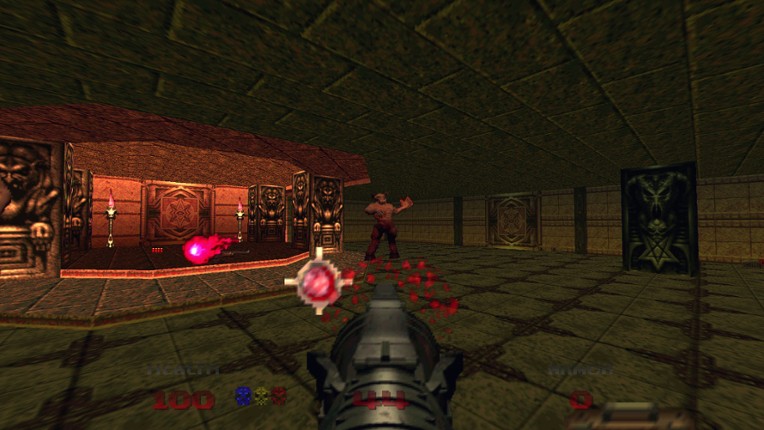
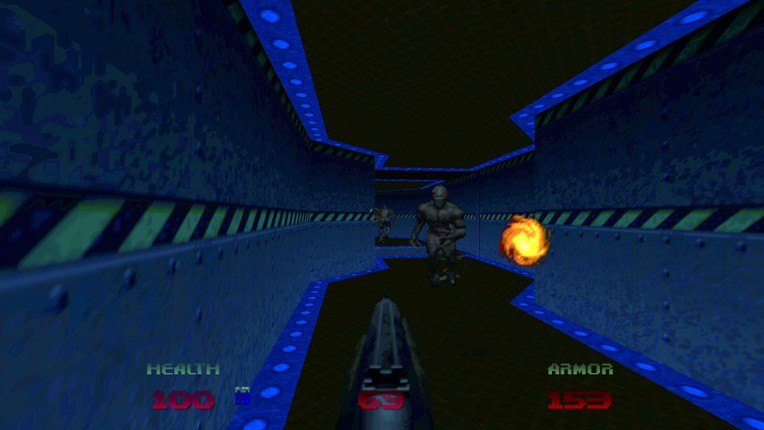
- 90%Game Brain ScoreMost mentioned positive aspects:music, atmosphereMost mentioned negative aspects:optimization, stability94% User Score 8,232 reviewsCritic Score 81%3 reviewsReturn to the roots of the series with a stripped-down, atmospheric experience that forces you to navigate treacherous, maze-like geometry on a smaller scale. If you enjoyed this game, see our list of games similar to Doom 64.View Game
19 View Game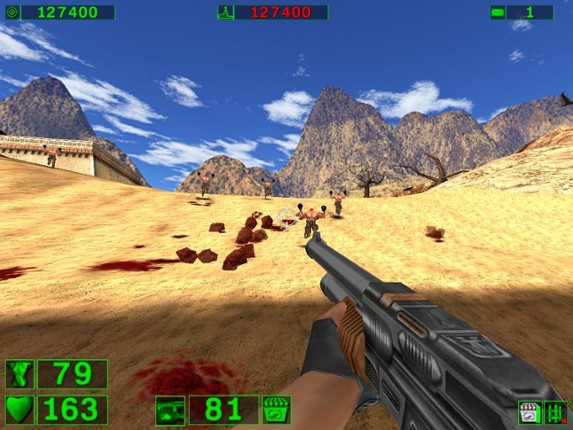
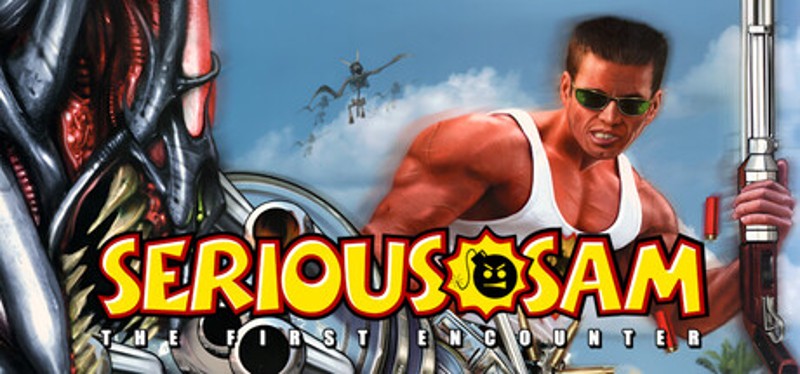
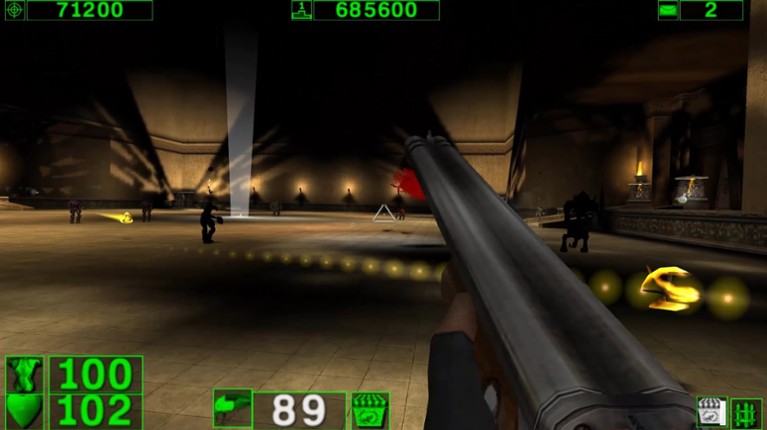 93%Game Brain ScoreMost mentioned positive aspects:graphics, gameplayMost mentioned negative aspects:grinding, stability95% User Score 2,054 reviewsCritic Score 85%2 reviewsMultiply the enemy counts until your screen is overflowing with alien hordes, replacing grim intensity with arcade-style camp and absurdity. If you enjoyed this game, see our list of games similar to Serious Sam: The First Encounter.View Game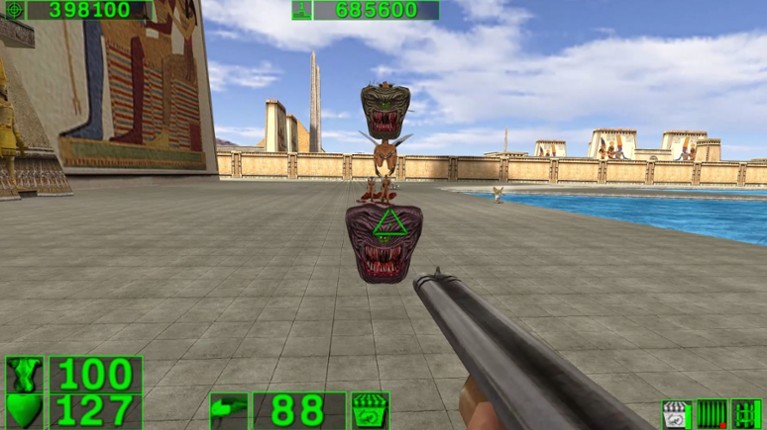
- 90%Game Brain ScoreMost mentioned positive aspects:story, humorMost mentioned negative aspects:grinding, stability94% User Score 15,704 reviewsCritic Score 80%3 reviewsReplaces DOOM's gunplay with katana-focused melee combat while keeping the atmospheric intensity and demonic enemies. If you enjoyed this game, see our list of games similar to Shadow Warrior.View Game
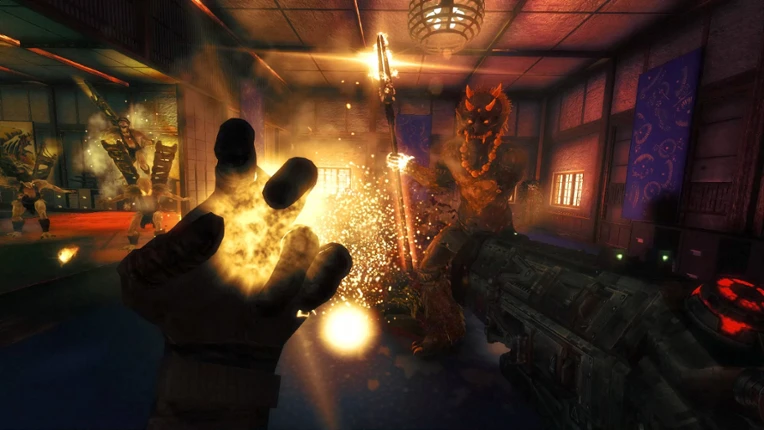

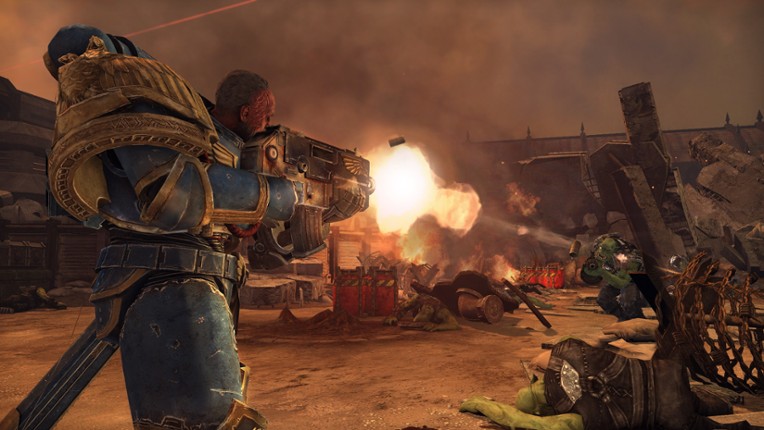
21 View Game 85%Game Brain ScoreMost mentioned positive aspects:story, gameplayMost mentioned negative aspects:stability, grinding91% User Score 19,421 reviewsCritic Score 71%4 reviewsStep away from the first-person perspective into a third-person armor-clad brawler, focusing on heavy, visceral melee combat against endless swarms of greenskins. If you enjoyed this game, see our list of games similar to Warhammer 40,000: Space Marine.View Game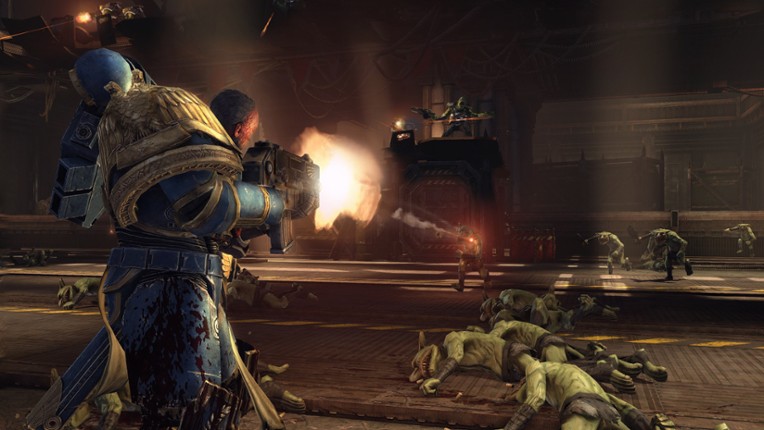
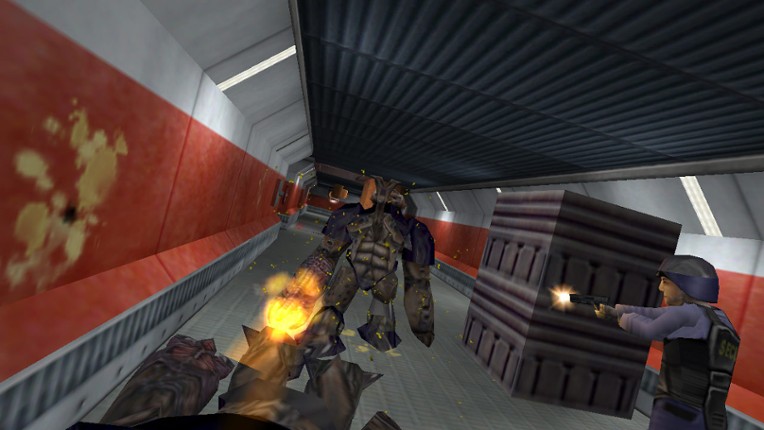
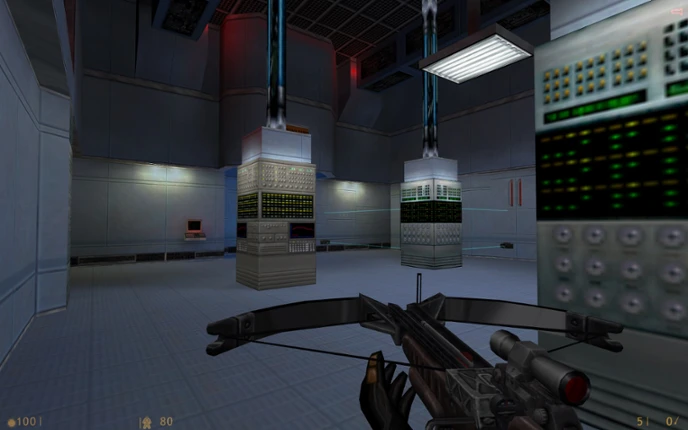
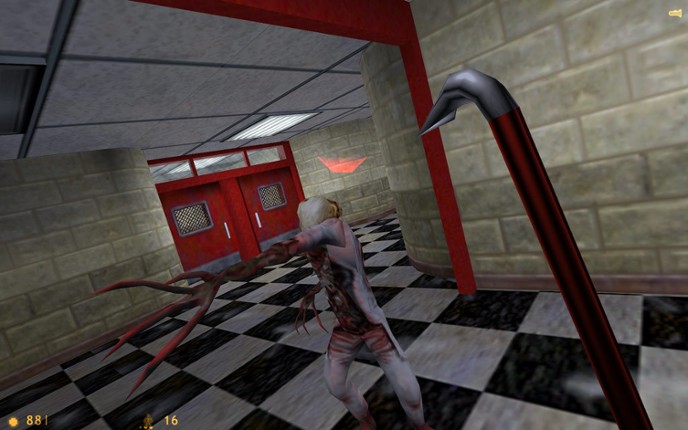
- 94%Game Brain ScoreMost mentioned positive aspects:story, graphicsMost mentioned negative aspects:stability, grinding96% User Score 97,182 reviewsCritic Score 80%1 reviewsMatches DOOM's sci-fi FPS foundation but deepens story and atmosphere at the cost of raw action pacing. If you enjoyed this game, see our list of games similar to null.View Game
- 92%Game Brain ScoreMost mentioned positive aspects:story, gameplayMost mentioned negative aspects:grinding, monetization95% User Score 59,452 reviewsCritic Score 88%22 reviews
DEVIL MAY CRY IS BACK, BABY If you enjoyed this game, see our list of games similar to Devil May Cry 5.
View Game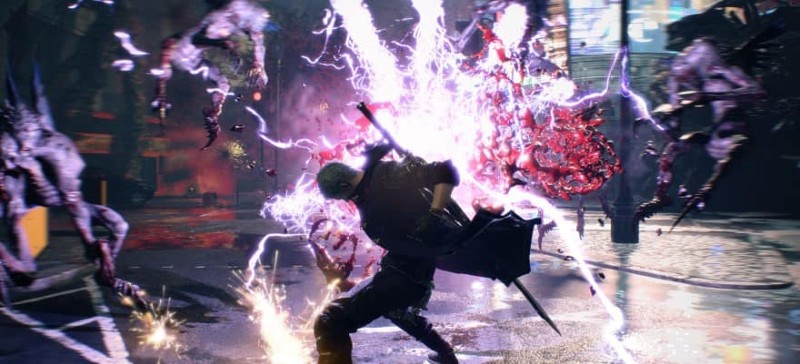

- 75%Game Brain ScoreMost mentioned positive aspects:story, gameplayMost mentioned negative aspects:stability, grinding76% User Score 11,983 reviewsCritic Score 73%66 reviews
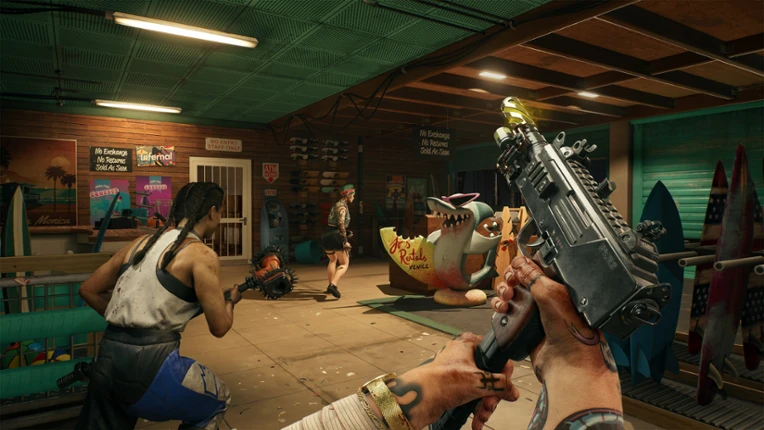
Buy Dead Island 2 on PlayStation Store. The open-world zombie-slaying action RPG makes its long-awaited return. If you enjoyed this game, see our list of games similar to Dead Island 2.
View Game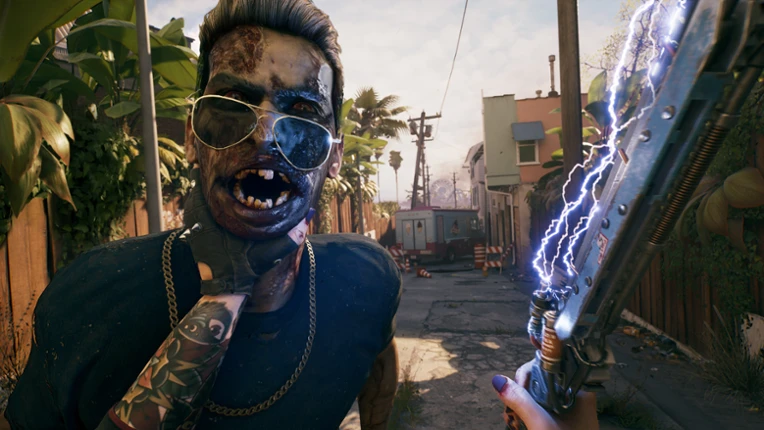
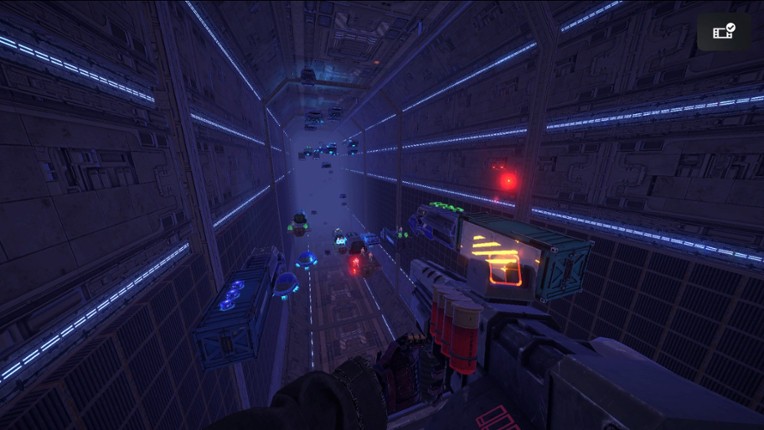
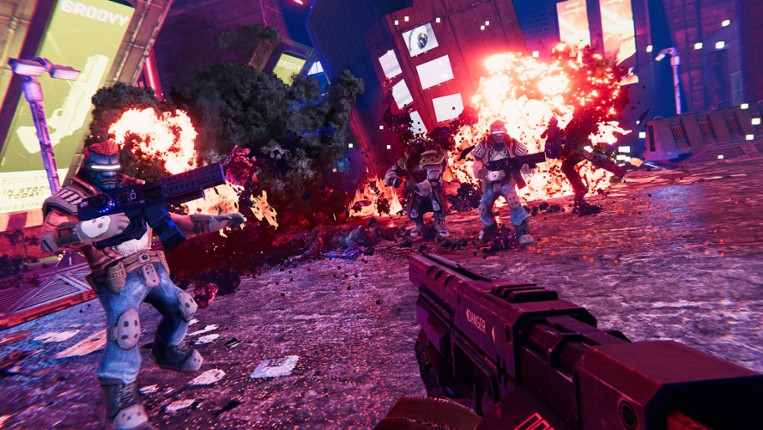
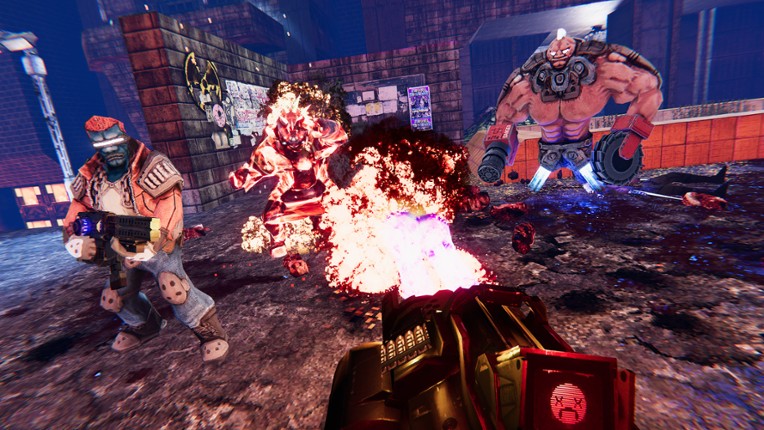
- 95%Game Brain ScoreMost mentioned positive aspects:gameplay, musicMost mentioned negative aspects:stability, grinding96% User Score 7,582 reviewsCritic Score 90%2 reviewsAmp up the mobility of classic demon-slaying by trading steady movement for high-octane chainsaw dashes and frantic cyberpunk combat mechanics. If you enjoyed this game, see our list of games similar to Turbo Overkill.View Game
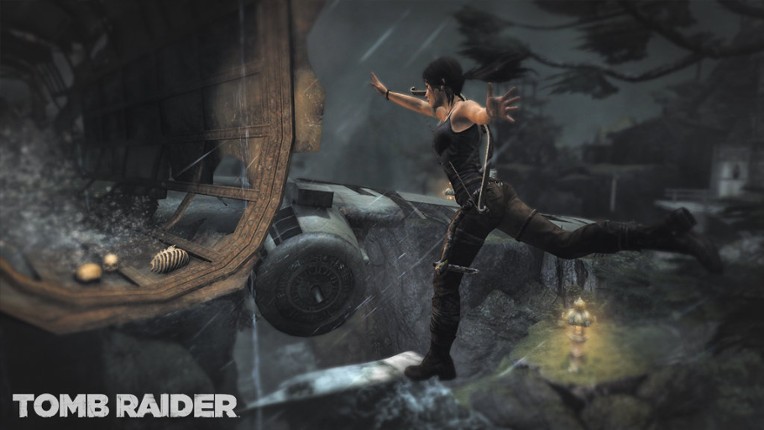
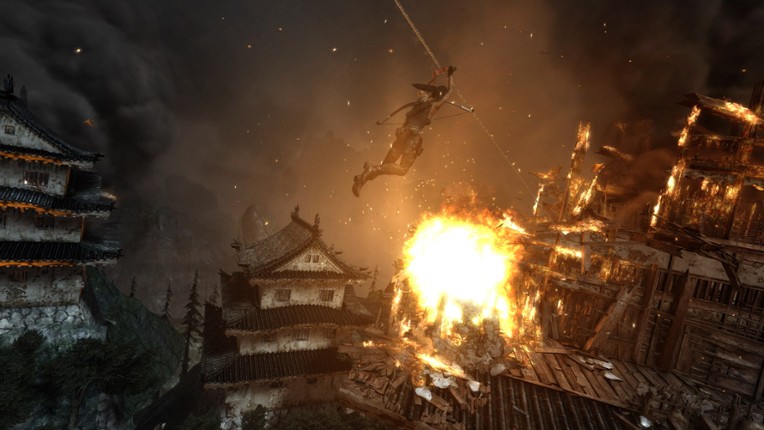
- 90%Game Brain ScoreMost mentioned positive aspects:story, gameplayMost mentioned negative aspects:stability, grinding94% User Score 89,742 reviewsCritic Score 80%4 reviewsShifts DOOM’s intense violence into a story-driven atmospheric adventure featuring a cinematic third-person perspective and exploration. If you enjoyed this game, see our list of games similar to Tomb Raider.View Game

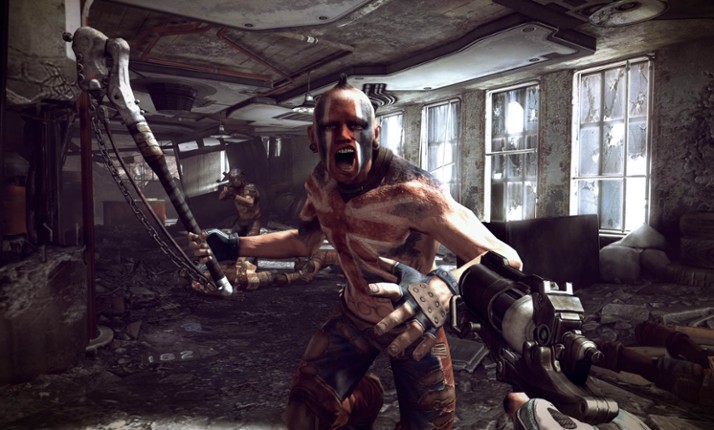
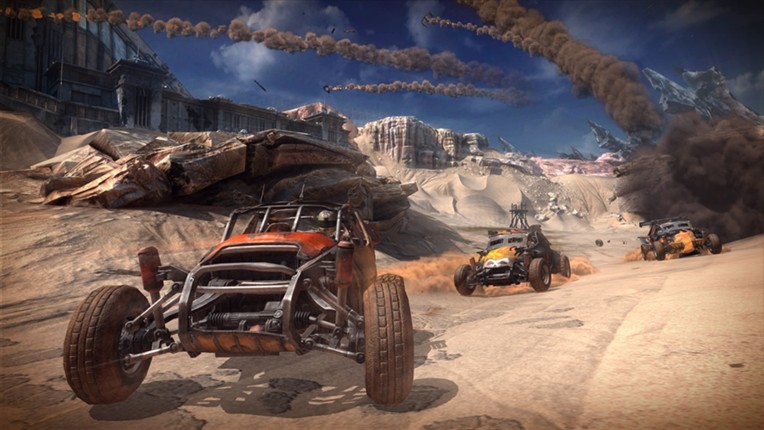
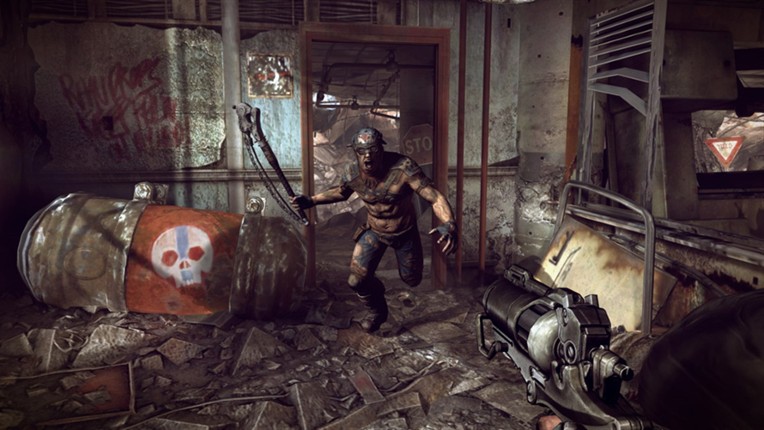
- 77%Game Brain ScoreMost mentioned positive aspects:story, graphicsMost mentioned negative aspects:stability, optimization75% User Score 9,452 reviewsCritic Score 79%8 reviewsShift from frantic arena combat toward a slower, vehicle-heavy, post-apocalyptic wasteland that prioritizes environmental exploration over sheer, non-stop movement. If you enjoyed this game, see our list of games similar to Rage.View Game
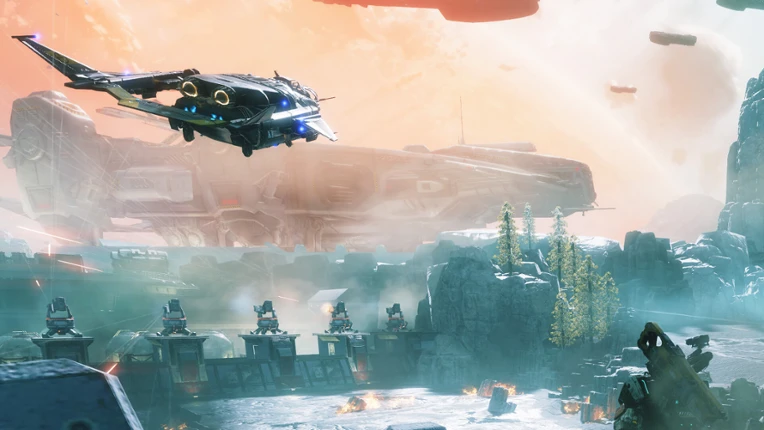
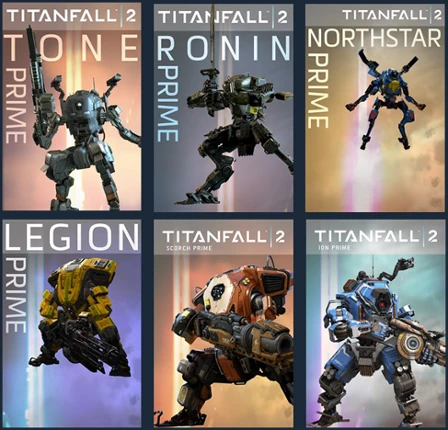
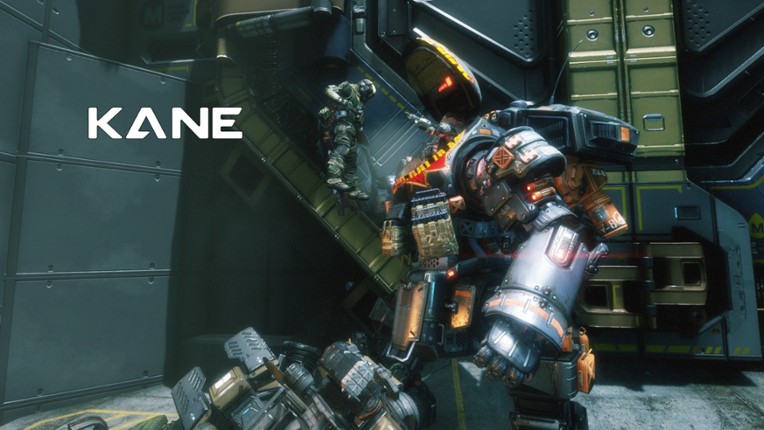
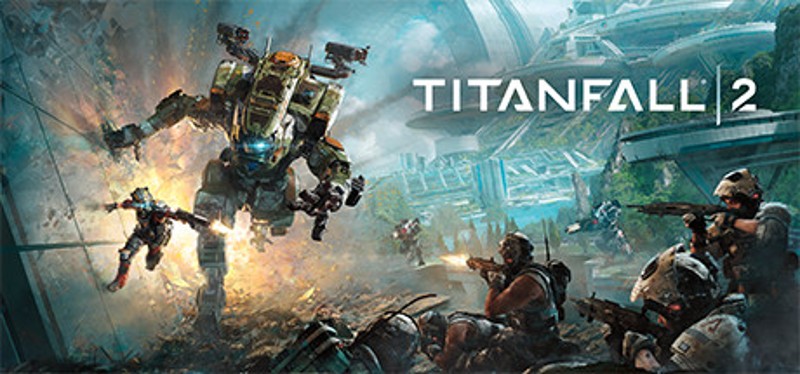
- 91%Game Brain ScoreMost mentioned positive aspects:story, gameplayMost mentioned negative aspects:grinding, stability95% User Score 156,436 reviewsCritic Score 86%41 reviewsMaintains DOOM's sci-fi gunplay but prioritizes team-based multiplayer, mechs, and parkour over single-player intensity. If you enjoyed this game, see our list of games similar to Titanfall 2.View Game
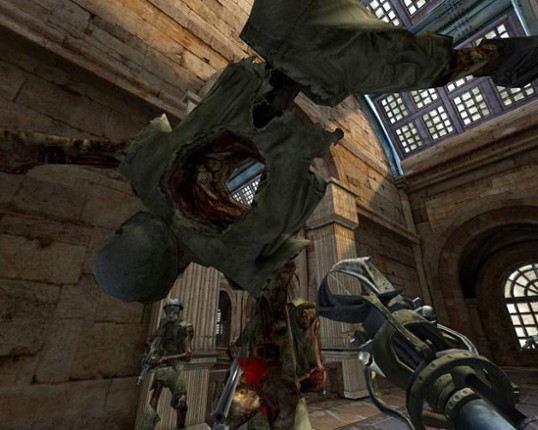
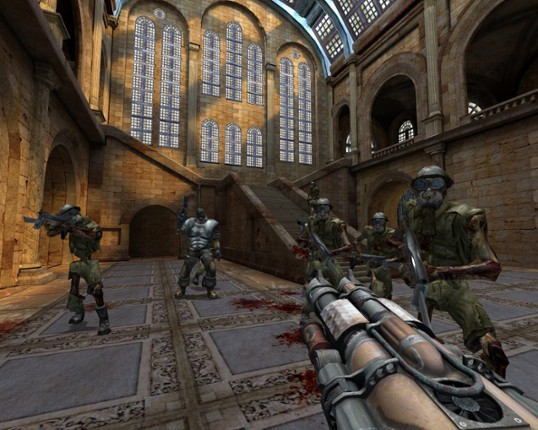
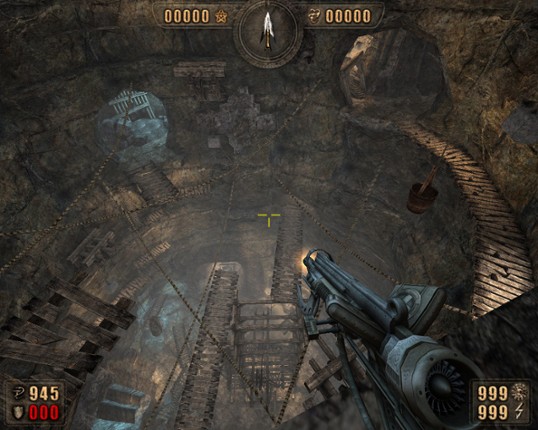
- 84%Game Brain ScoreMost mentioned positive aspects:gameplay, storyMost mentioned negative aspects:grinding, stability85% User Score 897 reviewsCritic Score 80%1 reviewsLean into a darker, gothic aesthetic where you trade the high-tech sci-fi arsenal for souls and purgatory-themed weapons to shred through legions of the damned. If you enjoyed this game, see our list of games similar to Painkiller: Black Edition.View Game
30 View Game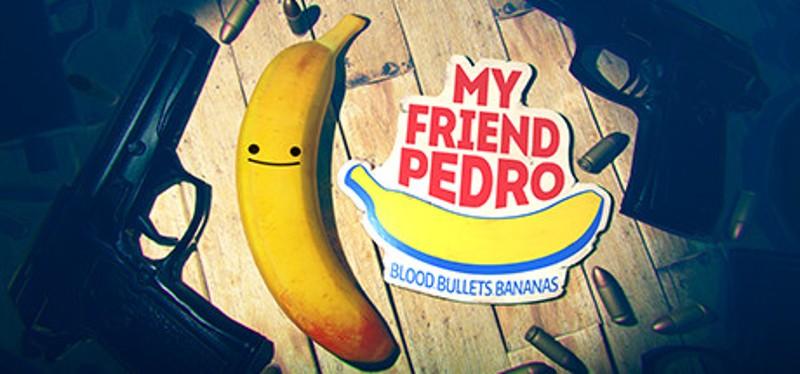 95%Game Brain ScoreMost mentioned positive aspects:gameplay, storyMost mentioned negative aspects:grinding, optimization95% User Score 21,497 reviewsTrades DOOM’s first-person brutality for a stylish 2.5D shooter with bullet time, physics-driven gunplay, and a dark comedic tone. If you enjoyed this game, see our list of games similar to My Friend Pedro.View Game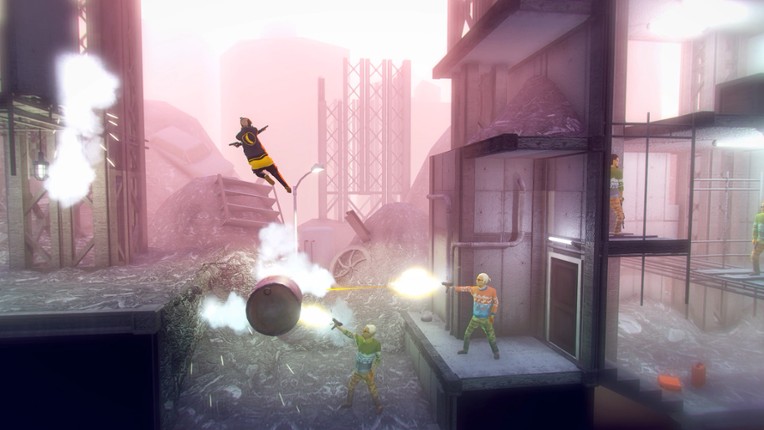
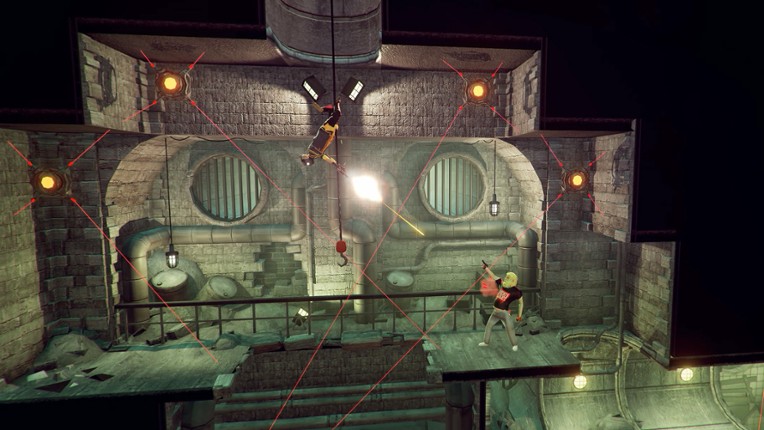

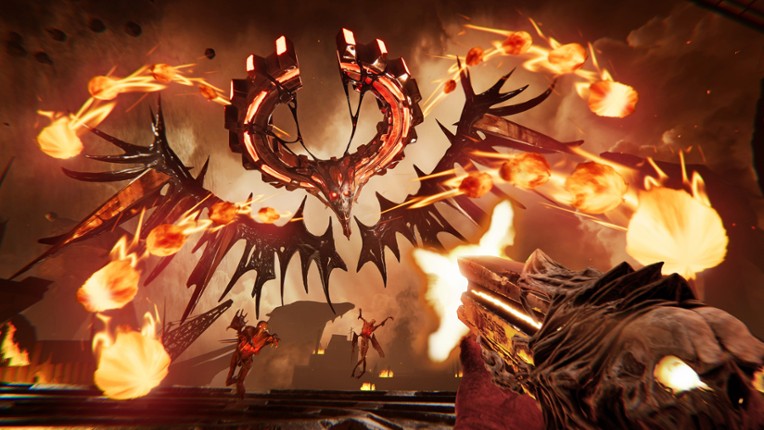
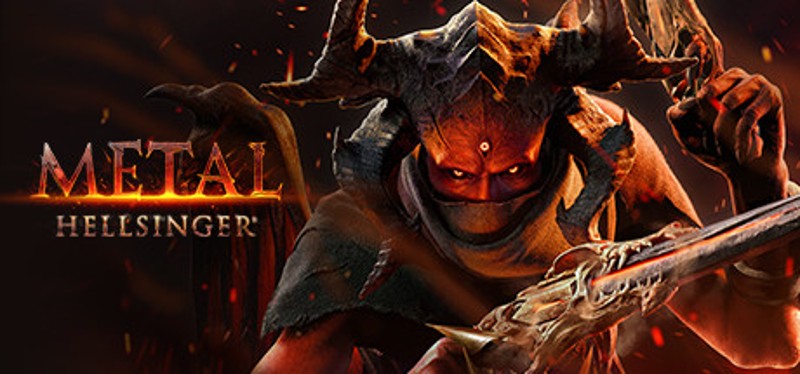
- 86%Game Brain ScoreMost mentioned positive aspects:music, gameplayMost mentioned negative aspects:grinding, stability97% User Score 13,996 reviewsCritic Score 76%47 reviewsInjects rhythmic score attack elements and stylized visuals into DOOM’s first-person demon combat, adding narration and dark fantasy flair. If you enjoyed this game, see our list of games similar to Metal: Hellsinger.View Game
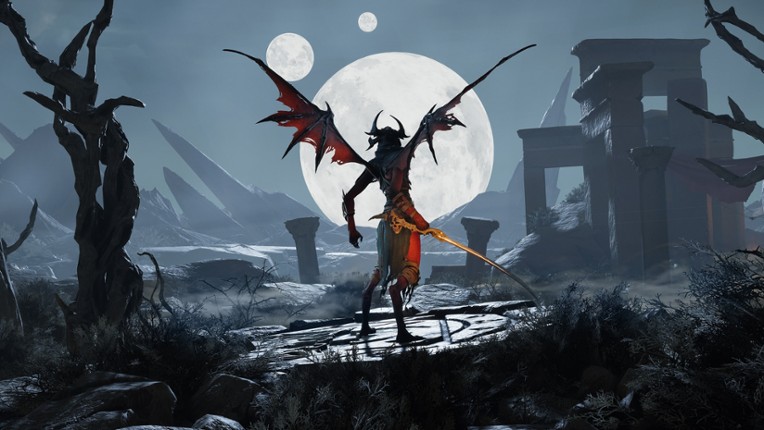
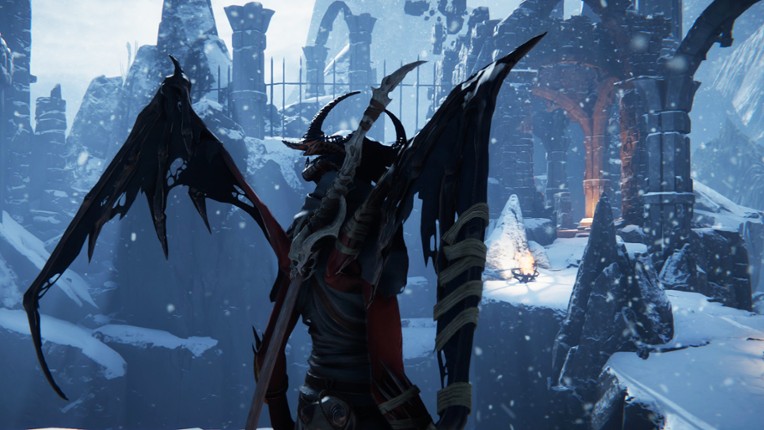
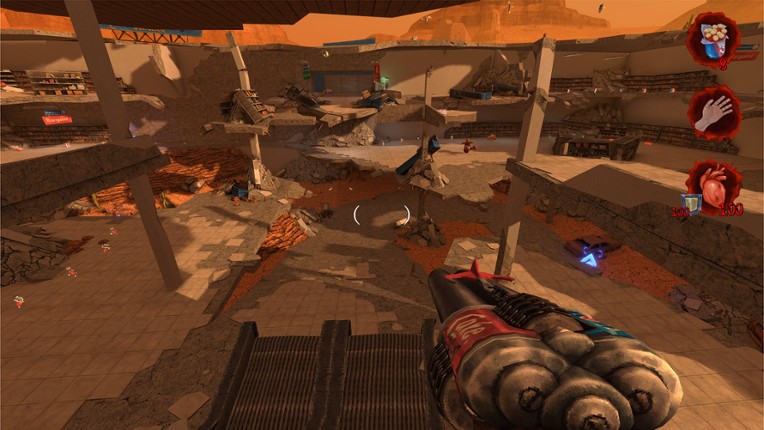
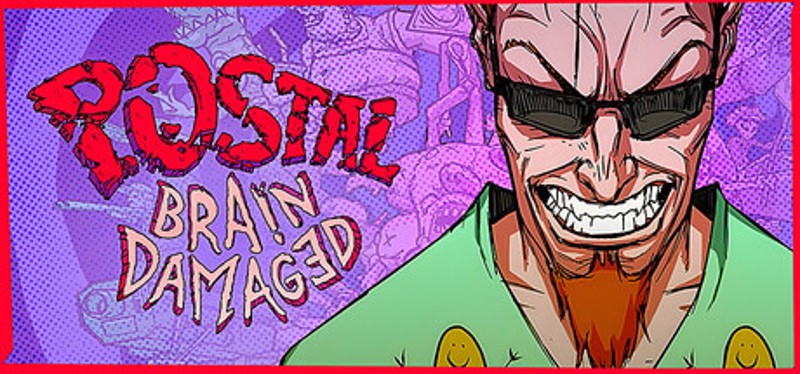
- 87%Game Brain ScoreMost mentioned positive aspects:humor, gameplayMost mentioned negative aspects:stability, grinding95% User Score 5,678 reviewsCritic Score 75%6 reviewsBlends DOOM’s fast first-person shooting with pixelated retro style and politically charged, absurd humor for a bizarre twist. If you enjoyed this game, see our list of games similar to POSTAL: Brain Damaged.View Game
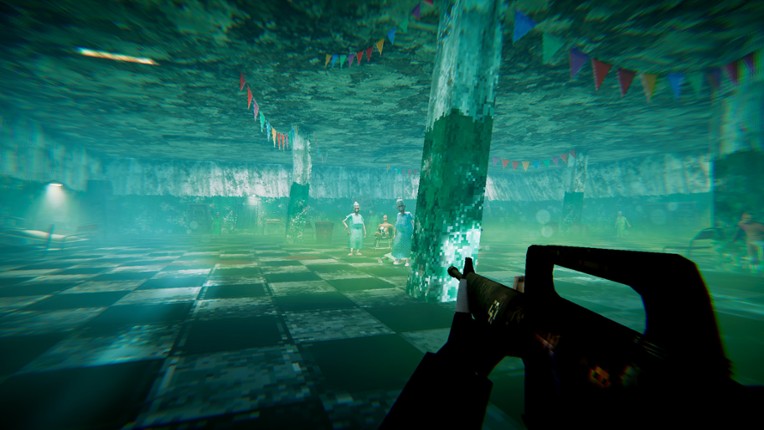
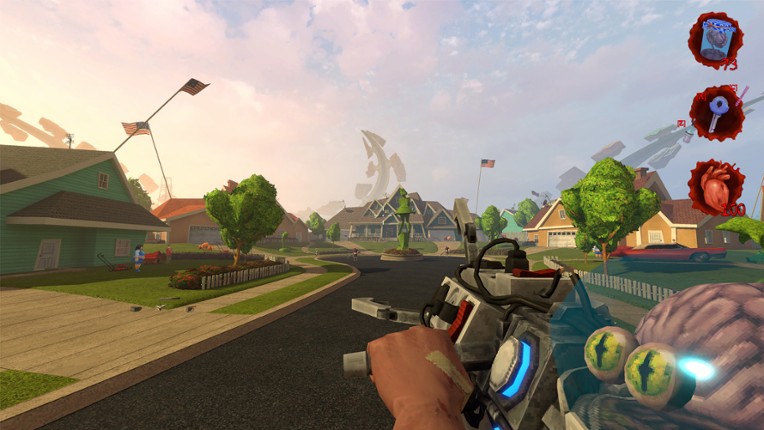
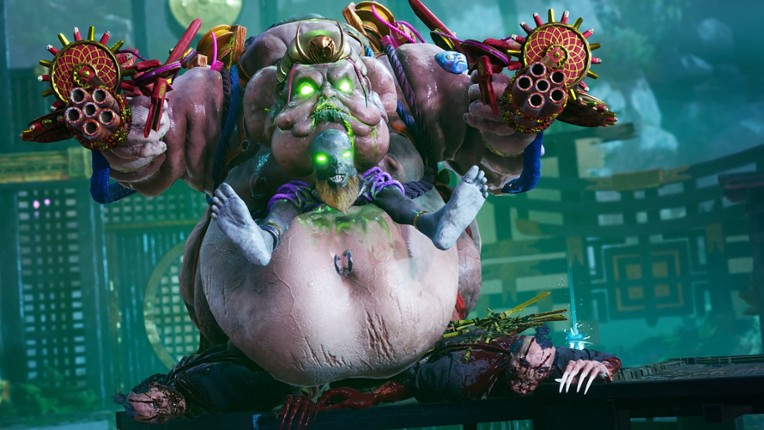
- 74%Game Brain ScoreMost mentioned positive aspects:story, gameplayMost mentioned negative aspects:replayability, optimization67% User Score 3,715 reviewsCritic Score 96%2 reviewsFuses DOOM’s fast first-person combat with ninja-themed, stylized fantasy and an often comedic, cinematic storytelling approach. If you enjoyed this game, see our list of games similar to Shadow Warrior 3.View Game
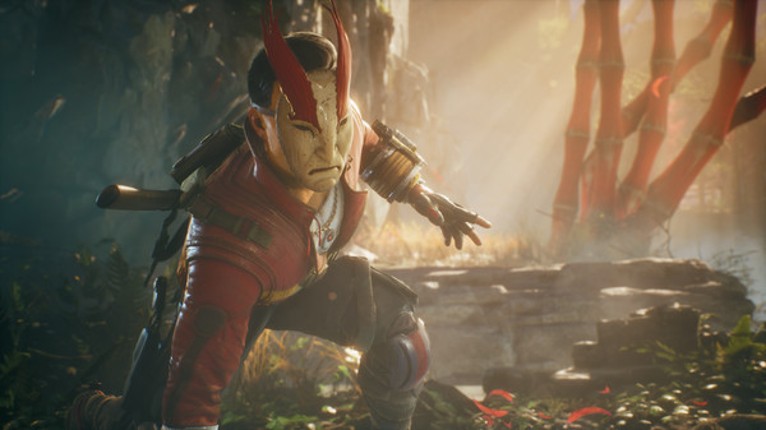
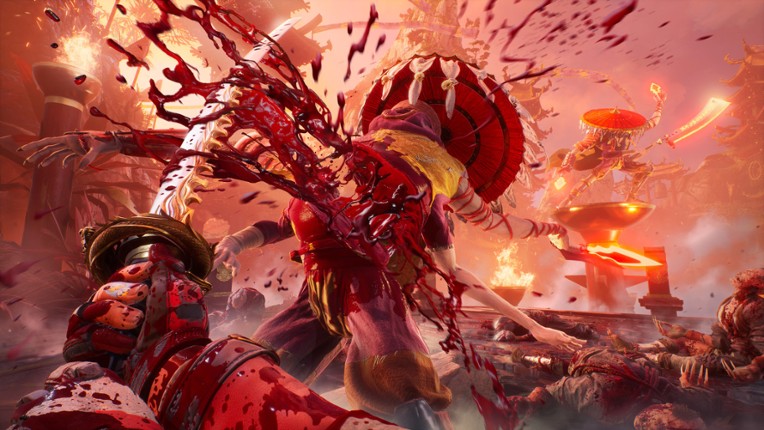
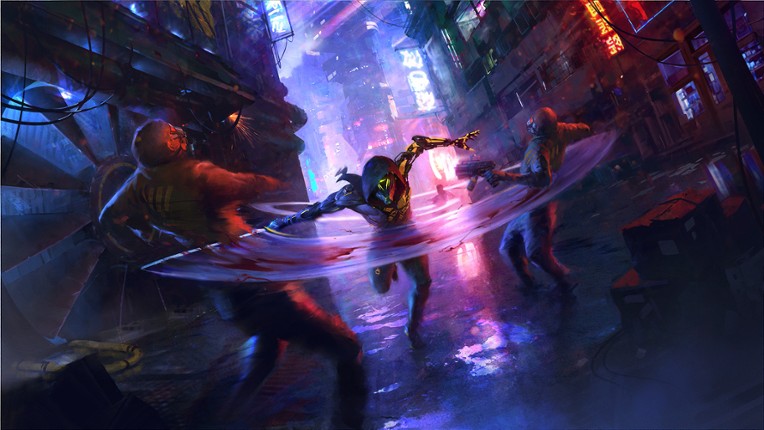
- 87%Game Brain ScoreMost mentioned positive aspects:gameplay, storyMost mentioned negative aspects:grinding, stability91% User Score 24,066 reviewsCritic Score 82%9 reviewsCyberpunk melee combat that mirrors DOOM's speed and difficulty but replaces guns with first-person swordplay and parkour momentum. If you enjoyed this game, see our list of games similar to Ghostrunner.View Game
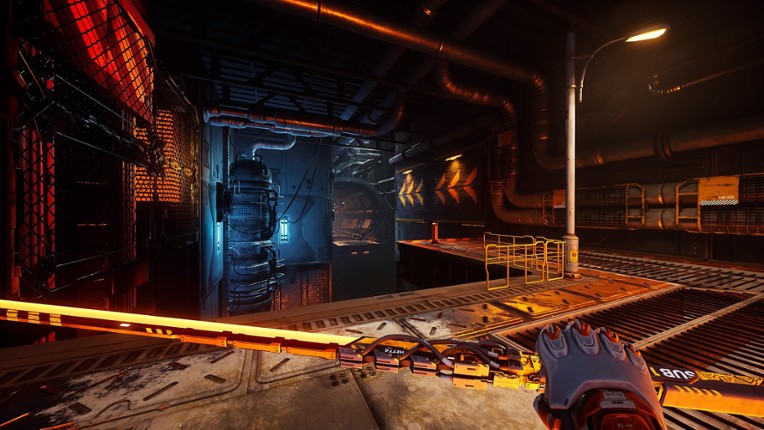
35 View Game 94%Game Brain ScoreMost mentioned positive aspects:story, gameplayMost mentioned negative aspects:grinding, stability94% User Score 44,780 reviews
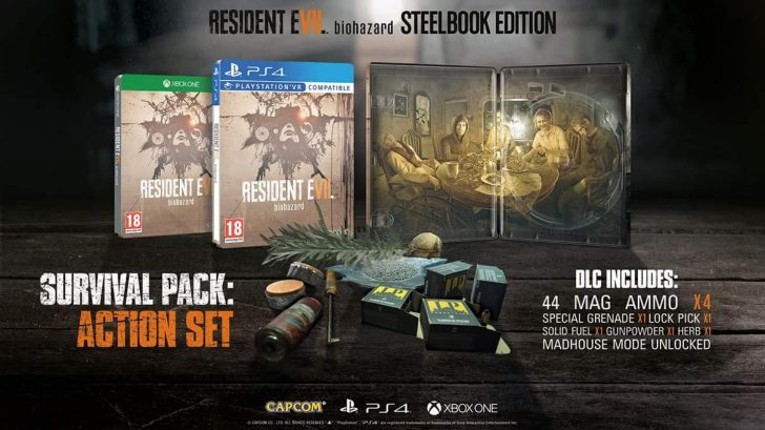
Buy Resident Evil 7: Biohazard on PS4. '7' marks a new beginning for survival horror and brings a frightening and immersive first-person perspective. If you enjoyed this game, see our list of games similar to Resident Evil 7 Biohazard.
View Game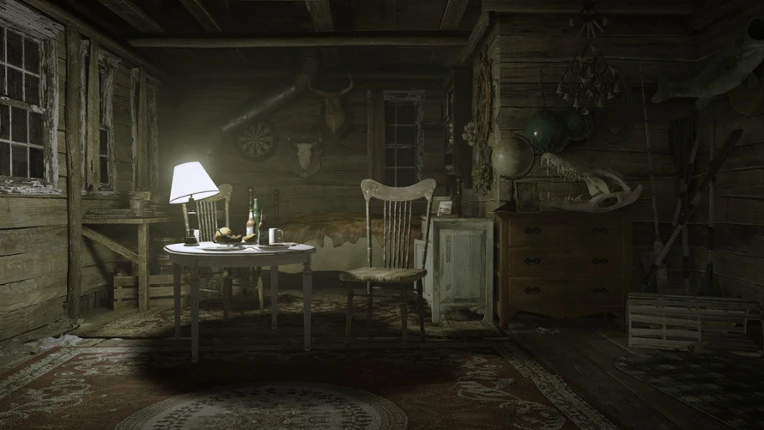
- 86%Game Brain ScoreMost mentioned positive aspects:story, gameplayMost mentioned negative aspects:stability, monetization86% User Score 4,111 reviews
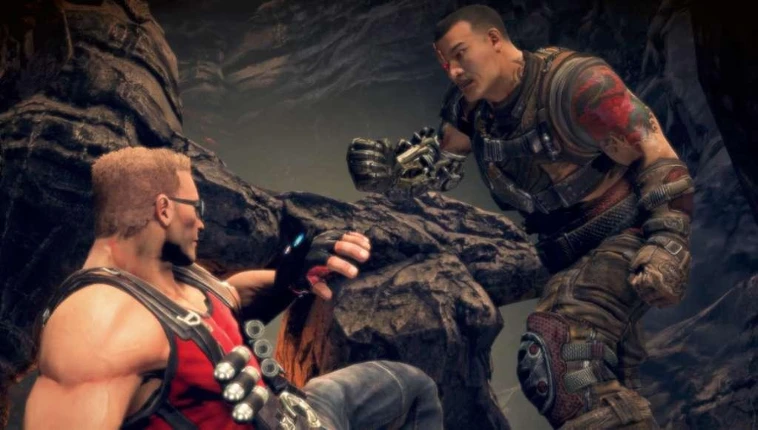
Duke Nukem’s Bulletstorm Tour brings the Mighty Foot to Stygia! Play through the entire Bulletstorm: Full Clip Edition campaign as Duke Nukem, the original FPS action hero, featuring a fully rerecorded script and brand-new lines from the original voice of Duke! If you enjoyed this game, see our list of games similar to Bulletstorm.
View Game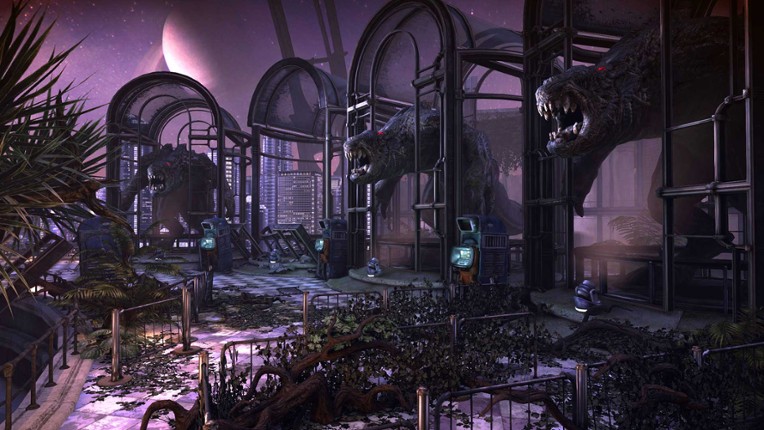
37 View Game 80%Game Brain ScoreMost mentioned positive aspects:story, gameplayMost mentioned negative aspects:monetization, grinding86% User Score 4,190 reviewsCritic Score 74%10 reviews
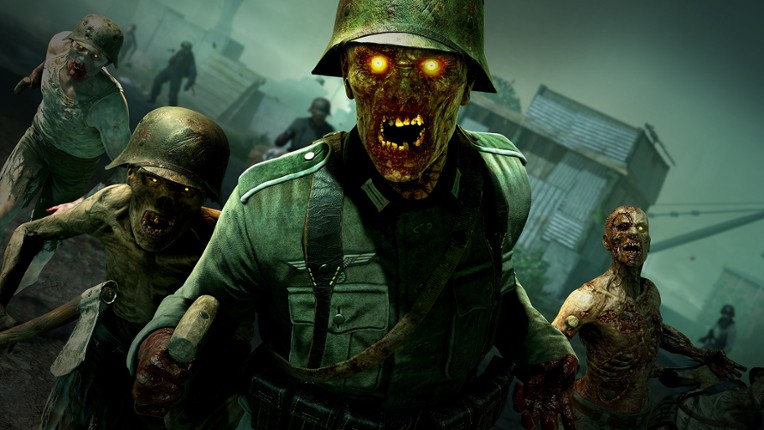
Hitler’s hordes are back for more in this spine-chilling shooter from the makers of Sniper Elite 4! Abominable occult enemies, epic weapons and a harrowing new campaign for 1-4 players await in 1940s Europe, as you fight to save humankind from undead Armageddon. If you enjoyed this game, see our list of games similar to Zombie Army 4: Dead War.
View Game
- 86%Game Brain ScoreMost mentioned positive aspects:gameplay, storyMost mentioned negative aspects:grinding, stability86% User Score 1,097 reviews
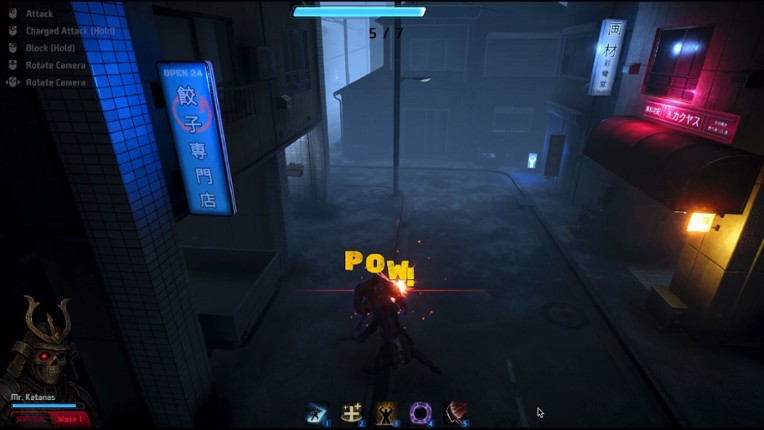
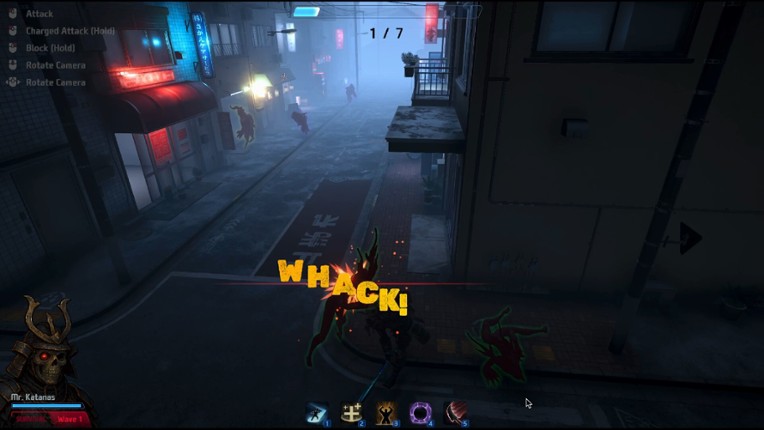
Shiro Enkai is a high-intensity top-down action experience where you become Mr. Katanas — a cyberpunk-era dark samurai. His world blends ancient Japanese aesthetics with the neon glow of the future. Face five distinct monster types, each demanding a unique combat approach. Your arsenal holds only five abilities. Every move counts — a single mistake can end you. Battles are rapid, brutal, and fill… If you enjoyed this game, see our list of games similar to Shiro Enkai.
View Game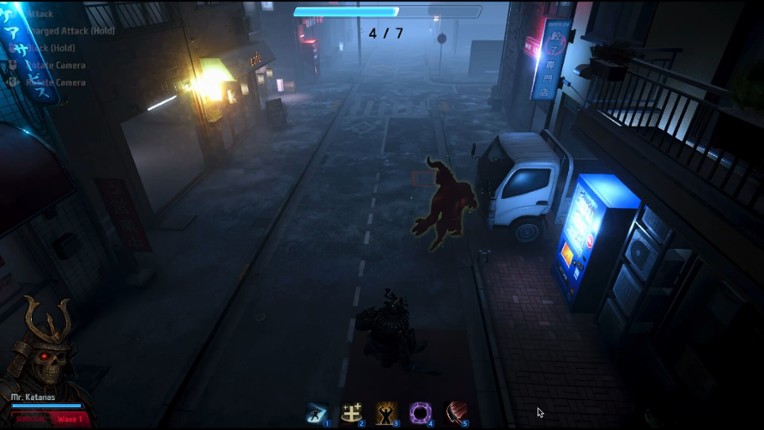
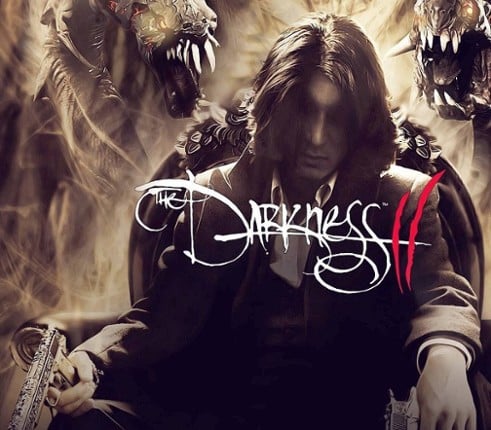
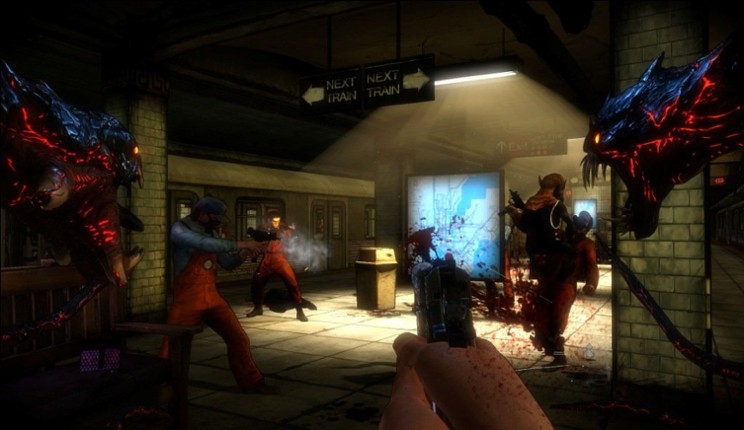
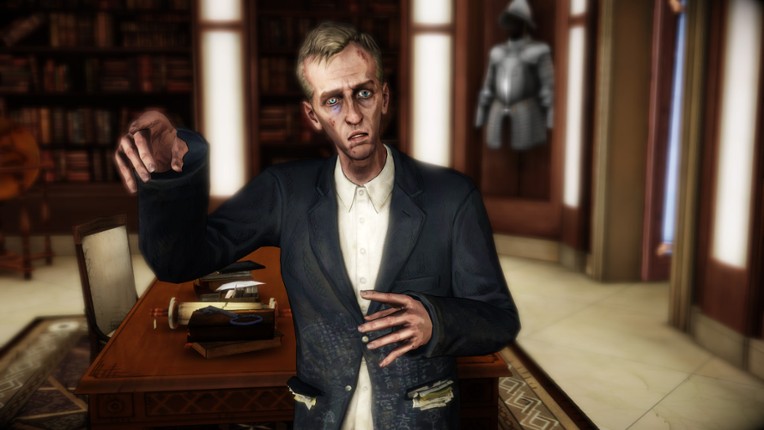
- 86%Game Brain ScoreMost mentioned positive aspects:story, gameplayMost mentioned negative aspects:stability, grinding90% User Score 8,952 reviewsCritic Score 78%5 reviewsInfuse the traditional first-person shooter loop with supernatural tentacle-based combat and a comic-book narrative that feels far more intimate than planetary demon-slaying. If you enjoyed this game, see our list of games similar to The Darkness II.View Game
- 75%Game Brain ScoreMost mentioned positive aspects:story, graphicsMost mentioned negative aspects:optimization, replayability85% User Score 16,143 reviewsCritic Score 64%9 reviews
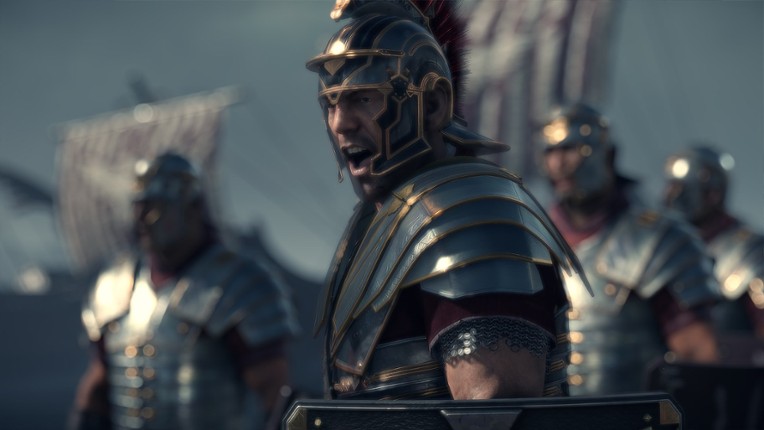
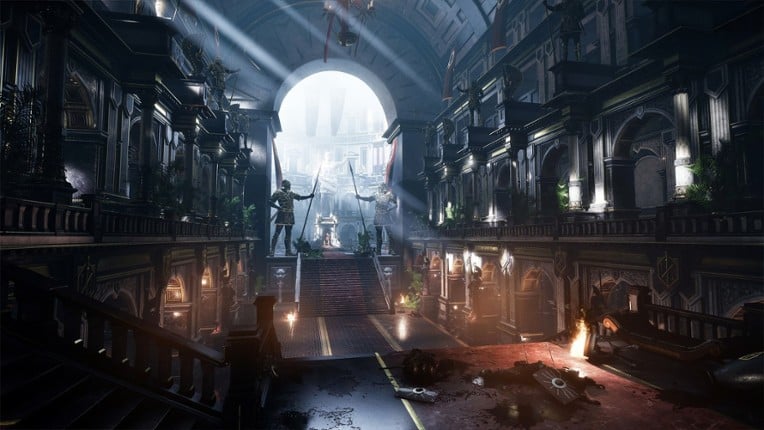
Ryse: Son of Rome is a stunning action-adventure that follows Marius Titus on a heroic quest to avenge the death of his family, and preserve the honor of Rome, at all costs. If you enjoyed this game, see our list of games similar to Ryse: Son of Rome.
View Game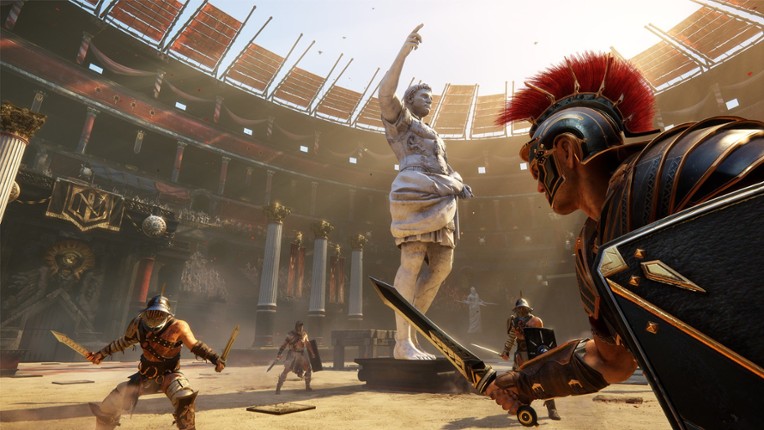
- 86%Game Brain ScoreMost mentioned positive aspects:story, gameplayMost mentioned negative aspects:stability, grinding89% User Score 34,738 reviewsCritic Score 84%9 reviews
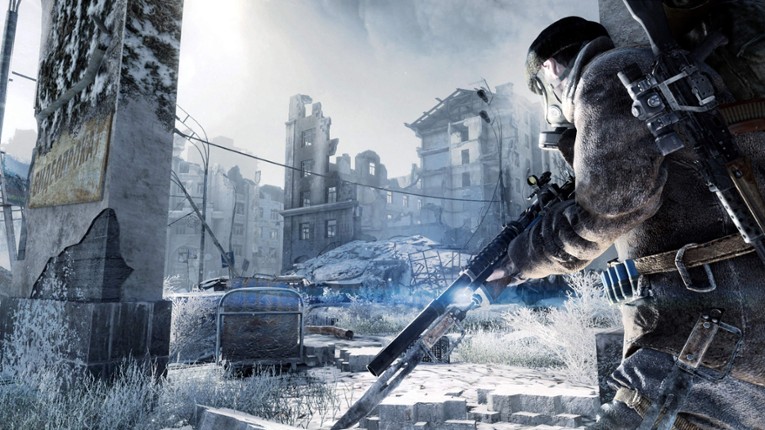
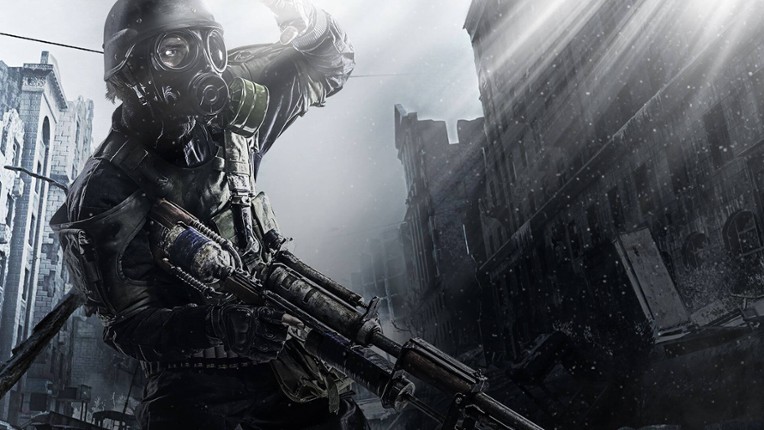
In 2013, the world was devastated by an apocalyptic event, annihilating almost all mankind and turning the earth’s surface into a poisonous wasteland. A handful of survivors took refuge in the depths of the Moscow underground, and human civilization entered a new Dark Age. The year is 2033. An entire generation has been born and raised underground, and their besieged Metro Station Cities struggle… If you enjoyed this game, see our list of games similar to Metro 2033 Redux.
View Game
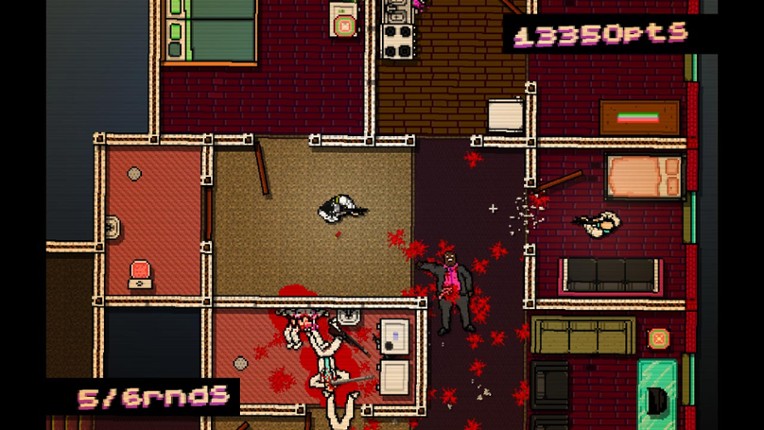
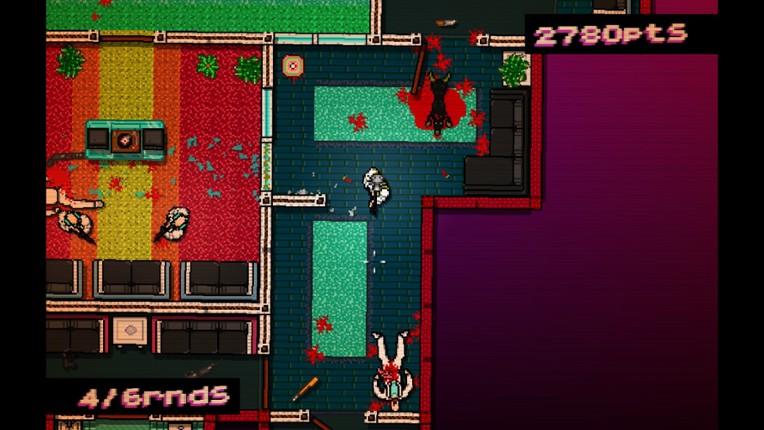
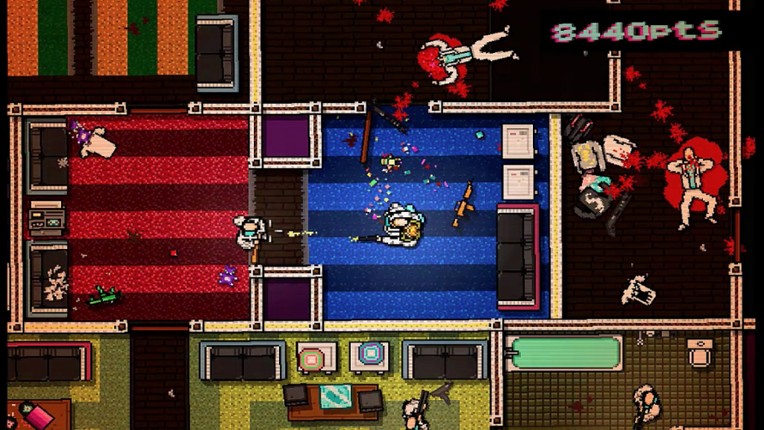
- 92%Game Brain ScoreMost mentioned positive aspects:music, storyMost mentioned negative aspects:stability, grinding97% User Score 70,504 reviewsCritic Score 87%8 reviewsChannels DOOM’s fast-paced action into retro pixel art with surreal, psychedelic visuals and a synth-heavy soundtrack. If you enjoyed this game, see our list of games similar to Hotline Miami.View Game
- 94%Game Brain ScoreMost mentioned positive aspects:graphics, gameplayMost mentioned negative aspects:story, grinding94% User Score 1,400 reviews
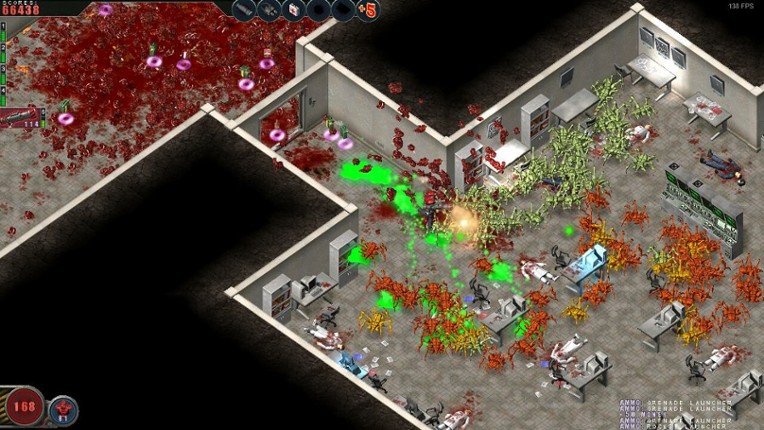
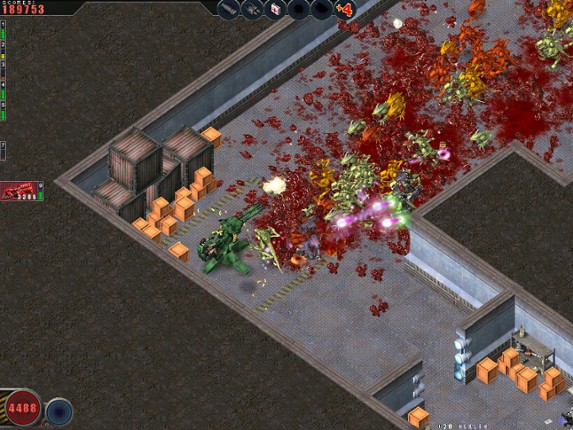
Legendary PC Alien Shooter is now available on your Android device! If you enjoyed this game, see our list of games similar to Alien Shooter.
View Game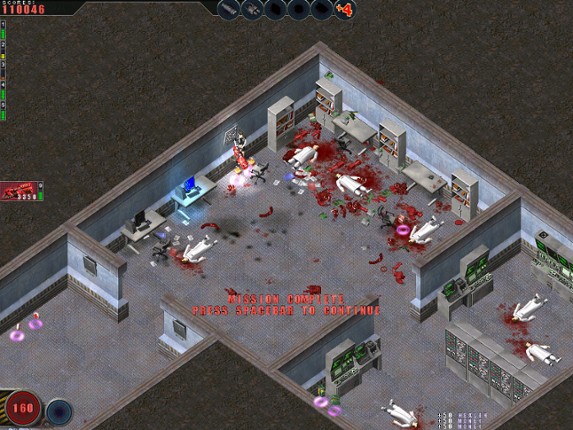
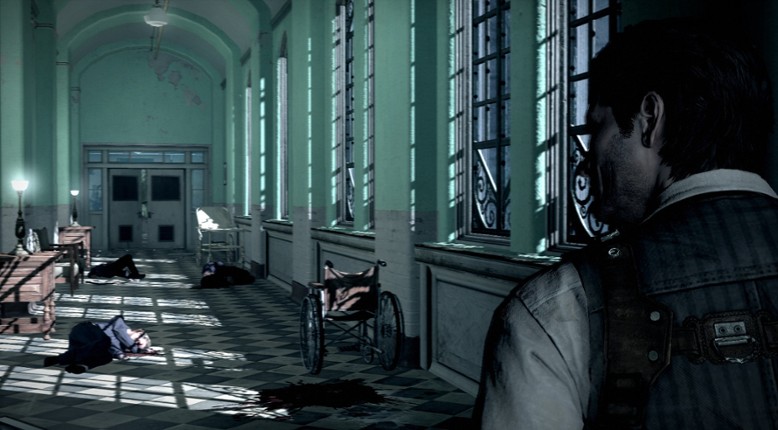
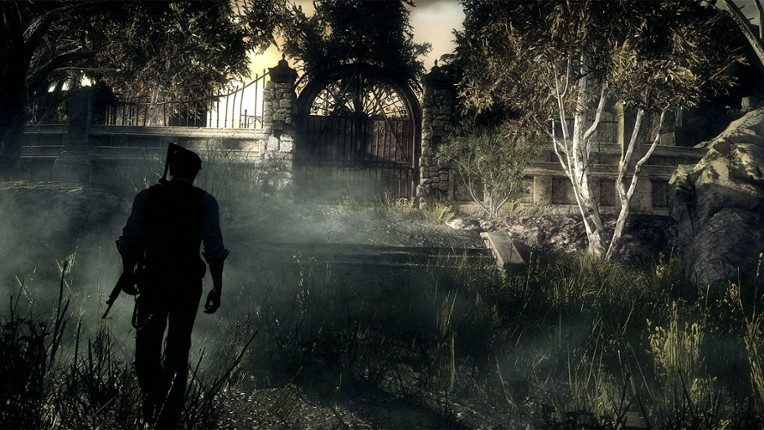
- 79%Game Brain ScoreMost mentioned positive aspects:story, gameplayMost mentioned negative aspects:optimization, stability79% User Score 10,815 reviewsPsychological horror from a third-person vantage point, trading DOOM's adrenaline rush for dread-soaked survival and cinematic storytelling. If you enjoyed this game, see our list of games similar to The Evil Within.View Game

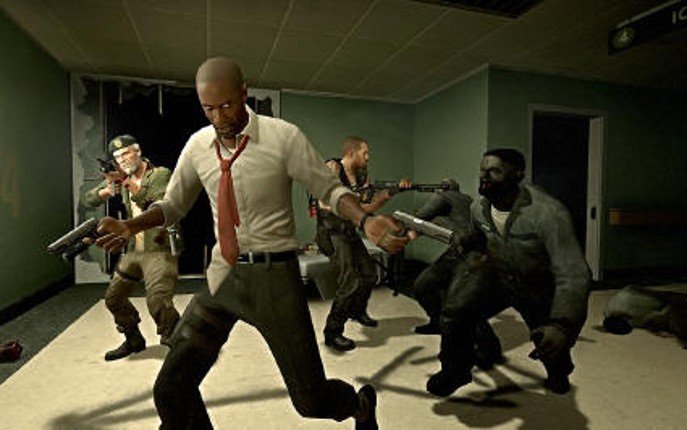
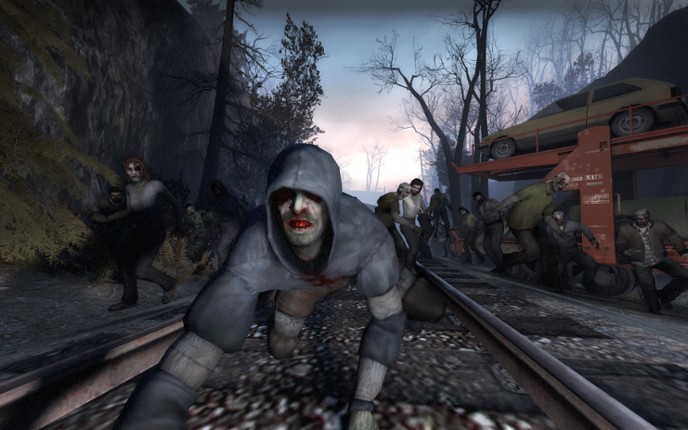
- 93%Game Brain ScoreMost mentioned positive aspects:gameplay, storyMost mentioned negative aspects:stability, grinding95% User Score 34,114 reviewsCritic Score 88%4 reviewsDelivers tense, co-op focused zombie survival that slows DOOM's pace to emphasize teamwork and replayable multiplayer campaigns. If you enjoyed this game, see our list of games similar to Left 4 Dead.View Game
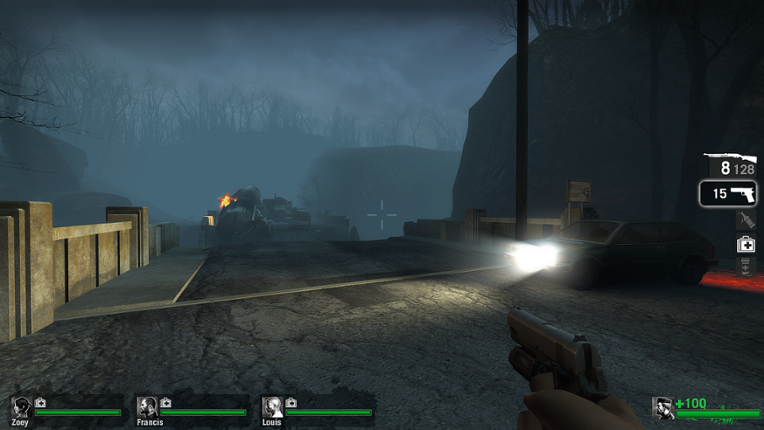
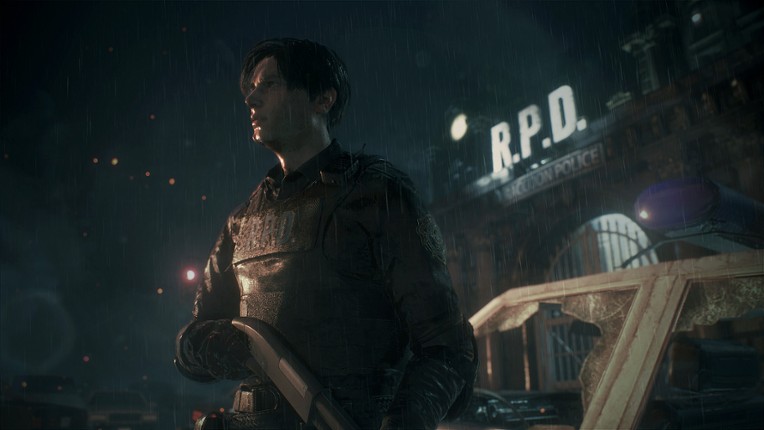
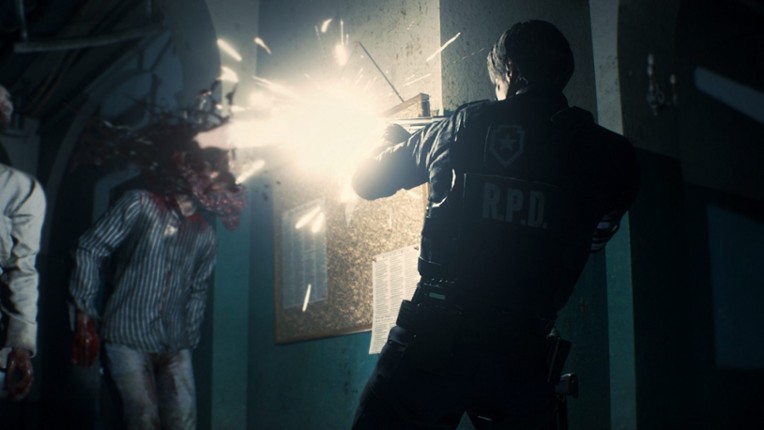
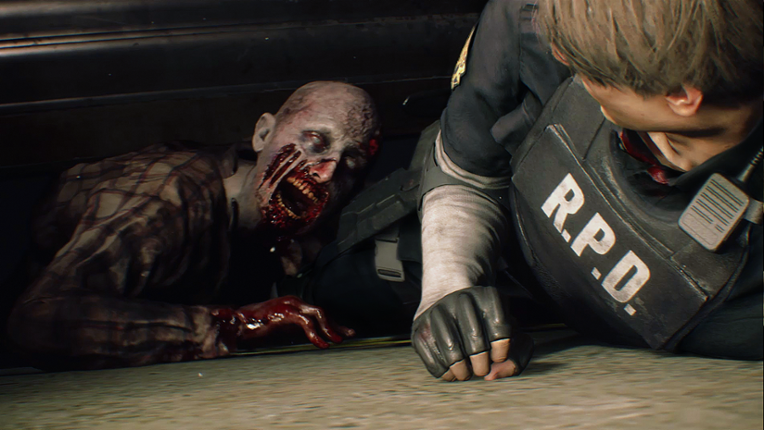
- 96%Game Brain ScoreMost mentioned positive aspects:story, graphicsMost mentioned negative aspects:grinding, stability97% User Score 67,617 reviewsCritic Score 95%1 reviewsWhile the fast-paced combat is replaced by a tense, survival-oriented experience, you will find a similar reliance on resource management and claustrophobia. If you enjoyed this game, see our list of games similar to Resident Evil 2.View Game
- 85%Game Brain ScoreMost mentioned positive aspects:gameplay, musicMost mentioned negative aspects:stability, grinding85% User Score 1,145 reviews
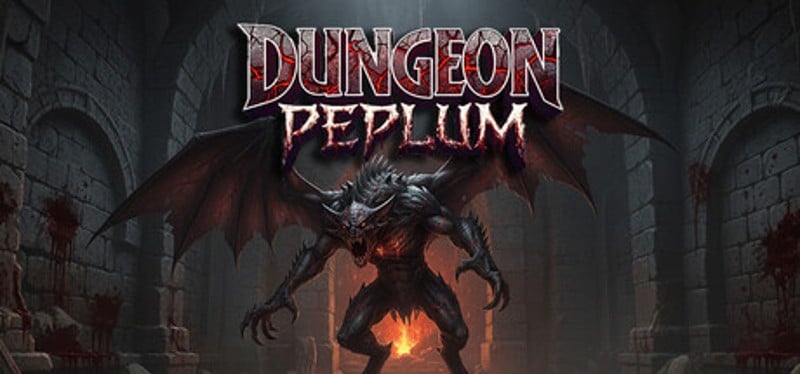
Dungeon Peplum is a grim horror shooter where each step through the catacombs might be your last. The once scientific lab has become a nightmare filled with red-eyed beasts — failed experiments gone wild. Your single objective: survive and find your way out. The story is told through discovered notes, keys, and environmental clues. Over eight types of weapons — from a trusty double-barreled shotg… If you enjoyed this game, see our list of games similar to Dungeon Peplum.
View Game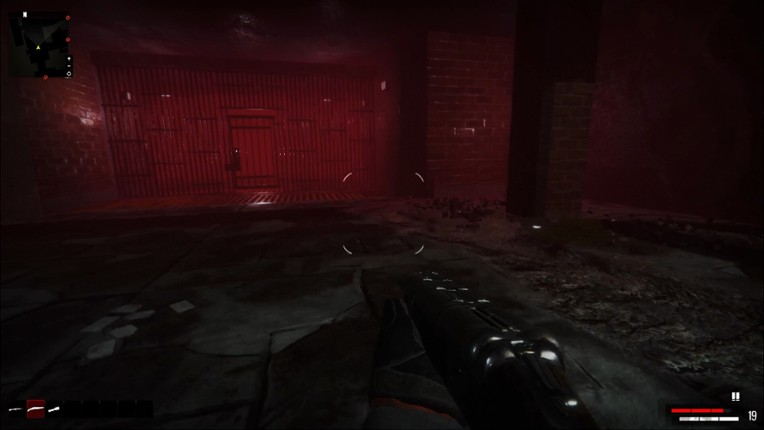
- 88%Game Brain ScoreMost mentioned positive aspects:story, graphicsMost mentioned negative aspects:grinding, stability93% User Score 10,980 reviewsCritic Score 81%9 reviews
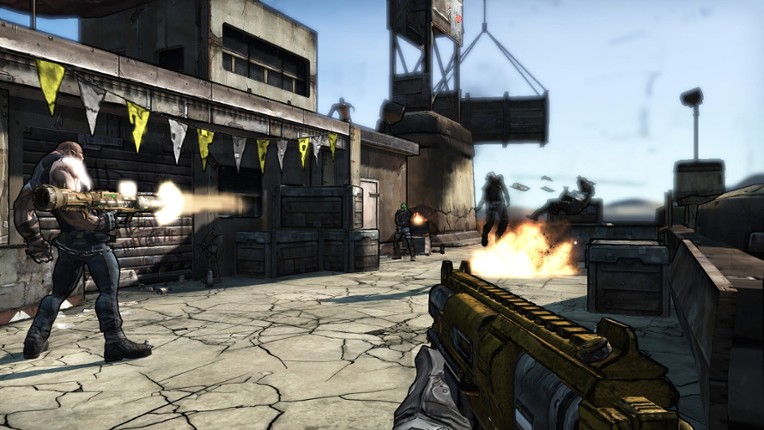
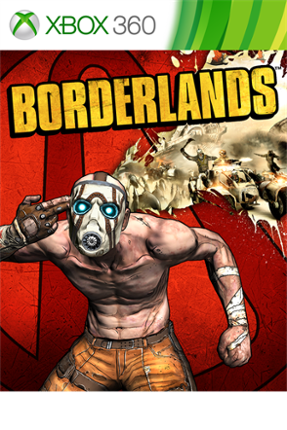
Borderlands is the breakthrough experience that challenges all the conventions of modern shooters. Borderlands places you in the role of a mercenary on the lawless and desolate planet of Pandora, hell-bent on finding a legendary stockpile of powerful alien technology known as The Vault. If you enjoyed this game, see our list of games similar to Borderlands.
View Game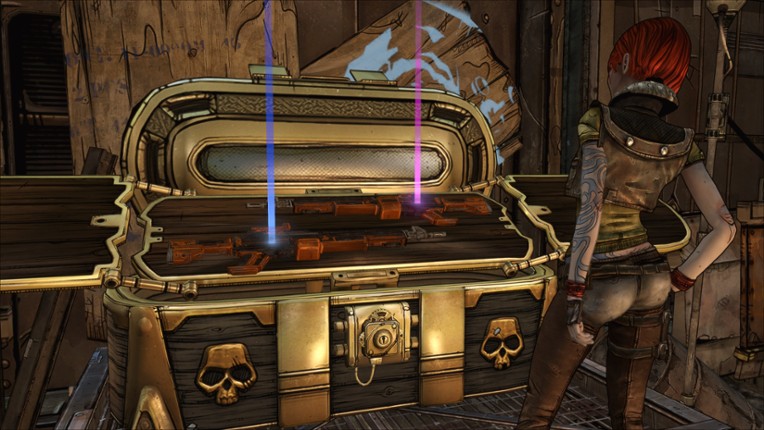
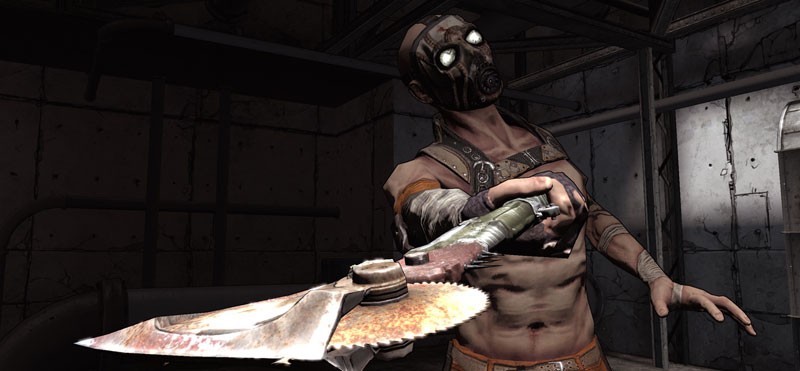
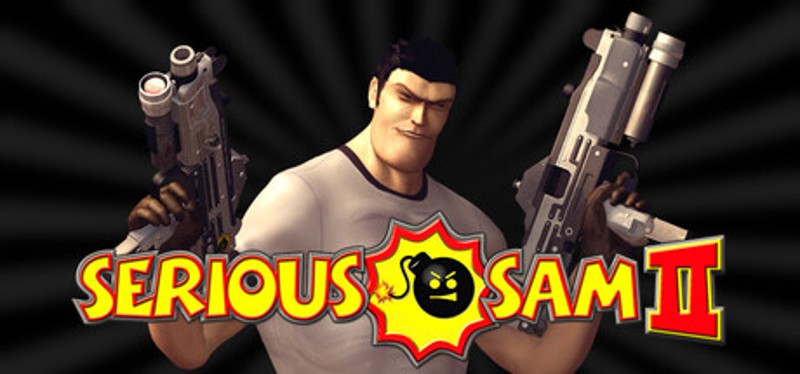
- 85%Game Brain ScoreMost mentioned positive aspects:humor, gameplayMost mentioned negative aspects:stability, grinding87% User Score 3,843 reviewsCritic Score 78%3 reviewsElevates DOOM’s boomer shooter roots by delivering colorful chaos with split-screen multiplayer and a dose of over-the-top humor. If you enjoyed this game, see our list of games similar to Serious Sam 2.View Game
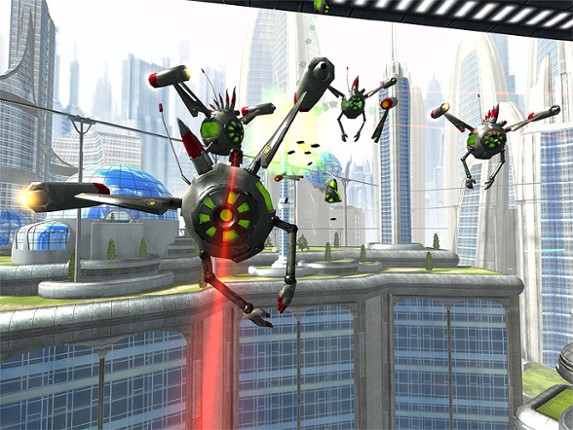
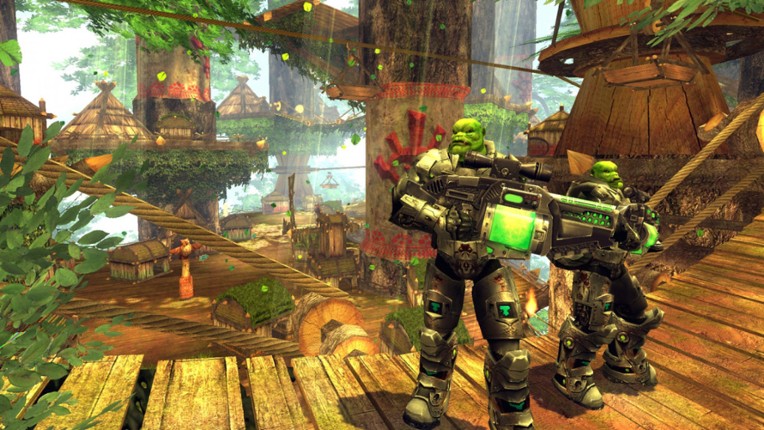
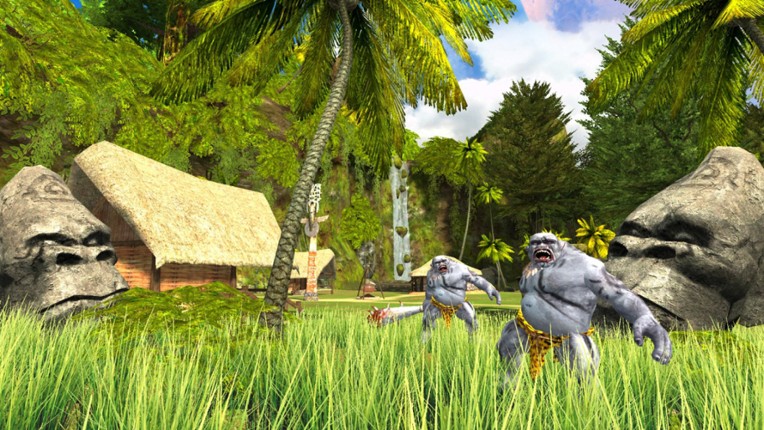
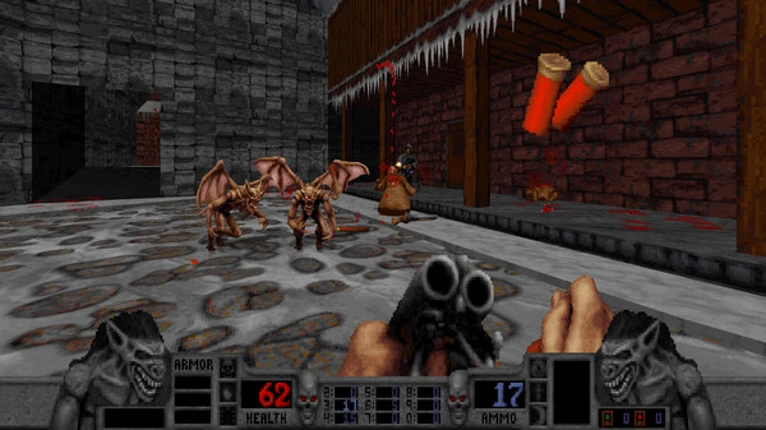
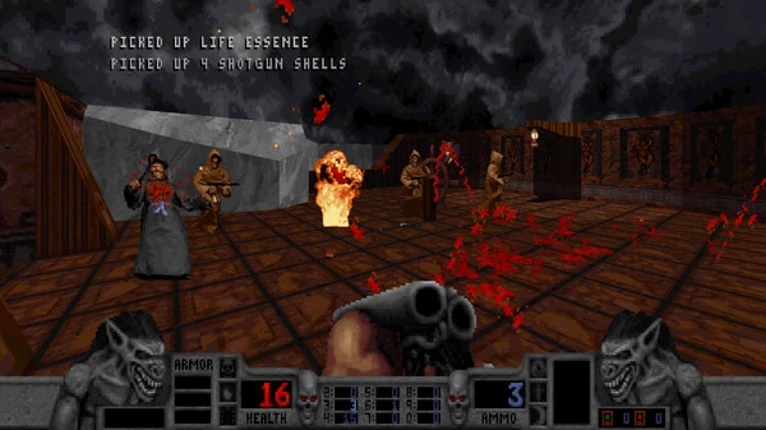
- 91%Game Brain ScoreMost mentioned positive aspects:gameplay, graphicsMost mentioned negative aspects:stability, grinding96% User Score 8,418 reviewsCritic Score 81%4 reviewsRetro boomer shooter capturing DOOM's DNA through pixel art and local co-op chaos, replacing modern polish with 90s arcade authenticity. If you enjoyed this game, see our list of games similar to Blood™ Fresh Supply.View Game
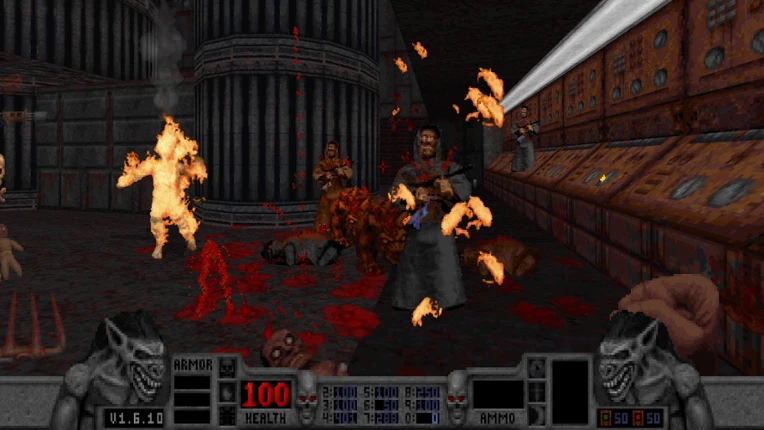


 View Game





















Frequently Asked Questions
For intense first-person shooting, try Doom Eternal, which features strategic combat with multiple weapon types and a killer heavy metal soundtrack. Serious Sam 3: BFE delivers relentless action against hordes of enemies with satisfying gunplay. Prodeus is a modern homage to classic shooters like DOOM, blending retro pixel aesthetics with contemporary mechanics and excellent level design.
Doom 3 is available as free-to-play on certain platforms and offers atmospheric survival horror gameplay on Mars. Trepang2 is an indie title that captures DOOM's spirit with fast-paced combat, bullet-time mechanics, and psychological horror elements. Check Steam and itch.io for free or affordable indie alternatives that match DOOM's core shooting mechanics.
Serious Sam 3: BFE excels at co-op with local and online options supporting multiple players through intense campaigns. Dying Light offers 2-4 player co-op in an open-world setting with combat and exploration. Doom 3 includes multiplayer and co-op modes for cooperative demon-slaying alongside its single-player campaign.
Wolfenstein: The New Order stands out with engaging narrative, strong character arcs, and emotional depth in its campaign. Doom Eternal expands the DOOM universe with richer storytelling compared to the original. Dying Light combines action with narrative-driven gameplay and character relationships throughout its open-world survival experience.
Doom: The Dark Ages introduces medieval darkness with demons and Lore-Rich storytelling, featuring new mechanics like shield and parry systems. Doom 3 emphasizes survival horror on Mars with atmospheric tension and demonic encounters. Both games maintain DOOM's horror tone while adding their own unique visual and mechanical twists.
Doom Eternal encourages aggressive strategies with high difficulty levels and multiple playstyles to master. Trepang2 delivers challenging combat with destructible environments and psychological intensity. Prodeus provides classic arena-shooter difficulty with demanding enemy encounters and level design that rewards skilled, fast-paced combat.