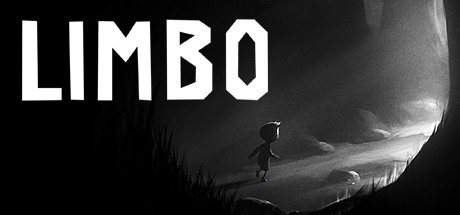


Games like LIMBO
That haunting monochrome forest, the silent boy, the bear trap you never saw coming — Limbo has a way of sticking with you long after the credits roll. If you're hunting for games like Limbo, it's probably because you crave that specific blend of puzzle-platforming and dread that few games manage to replicate. The good news: a handful of titles capture that same eerie magic, and we've tracked down the best of them.
Limbo works because it fuses trial-and-error puzzle platforming with an atmosphere so minimalist it becomes suffocating — black-and-white visuals, sparse sound design, and zero dialogue forcing you to read danger through silhouette and shadow alone. It's short, brutally difficult in places, and tells its story entirely through physics-based environmental puzzles rather than cutscenes. Players searching for something similar usually want that same quiet tension: a game that trusts you to feel your way through darkness instead of explaining it.
What Makes a Good Alternative to Limbo?
- Atmosphere over exposition — Limbo never explains itself, and the best substitutes use visual and audio mood instead of dialogue to build dread and meaning.
- Physics-based puzzle platforming — Environmental puzzles that hinge on momentum, weight, and timing keep the core loop feeling like Limbo's signature push-pull-jump gameplay.
- Monochrome or muted art direction — A restrained color palette isn't just style; it's how these games create isolation and unease without a single spoken word.
- Short, focused runtimes — Limbo's brevity is part of its punch, so alternatives that resist padding tend to hit just as hard emotionally.
- Dark, ambiguous storytelling — Games that leave room for interpretation instead of spelling things out mirror the unsettling mystery that makes Limbo memorable.
Top Picks If You Enjoyed Limbo
Start with INSIDE, the spiritual successor built by the same studio with even tighter puzzle design. Little Nightmares trades black-and-white for grim, oversized dollhouse horror. DARQ leans into Tim Burton-esque visuals and gravity-bending puzzles. Nihilumbra adds a color-painting mechanic to its dark, narrated world, while Somerville delivers cinematic, physics-driven storytelling on a grander scale.
Every game below is ranked using real player data and similarity to what makes Limbo special — genre, mechanics, tone, and atmosphere. Scroll down to explore the full list of games like Limbo and find your next obsession.
- 95%Game Brain ScoreMost mentioned positive aspects:story, atmosphereMost mentioned negative aspects:replayability, grinding96% User Score 25,819 reviewsCritic Score 90%1 reviews
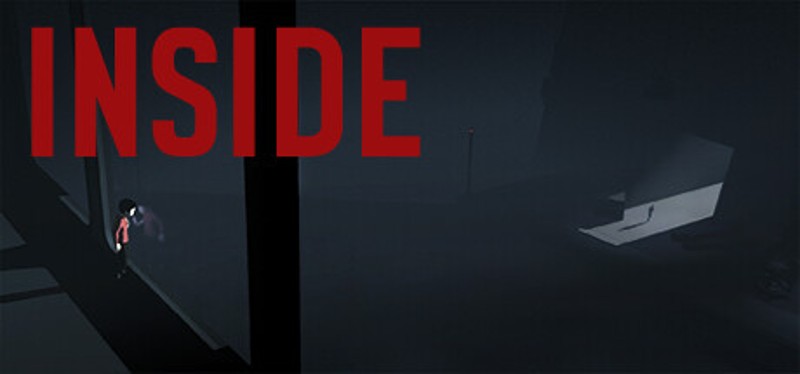
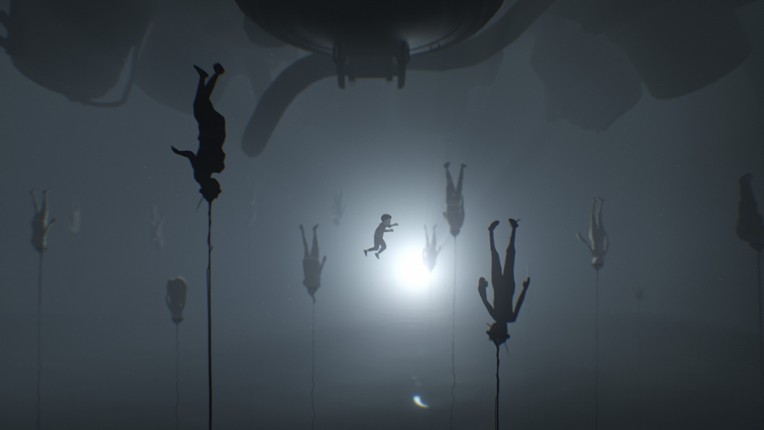
You’ll inch through hazards, watch a setup unfold, and deliberately risk failure until the environment reveals the solution. Limbo and INSIDE both make timing, physics, and restrained platforming carry the tension, so each successful attempt feels earned rather than merely navigated. Their silent protagonists and sparse sound design also make every mechanical cue feel ominous.
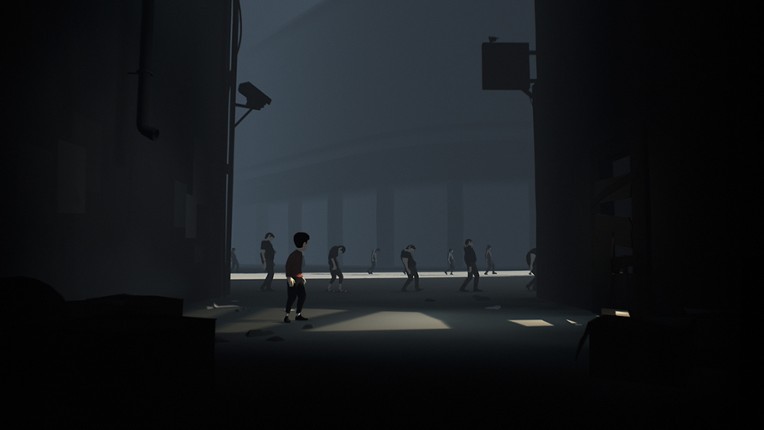
INSIDE adds stealth-like movement, crowds, and more elaborate 2.5D spaces, giving that oppressive trek a broader, more cinematic rhythm. Where Limbo’s minimal story can leave players craving context, INSIDE communicates more through environmental events and visual details—though its ambiguous ending preserves that unanswered-question quality. Its puzzles are generally smoother and more intuitive, trading some of Limbo’s harsher trial-and-error friction for occasional repetition.
At roughly three to five hours, INSIDE is not a cure for Limbo’s brevity, but its denser narrative layering makes the short campaign feel purposeful and worth examining afterward. Best for players who want precise puzzle-platforming wrapped in dread, with story discovered through observation rather than exposition.
If you enjoyed this game, see our list of games similar to INSIDE.View Game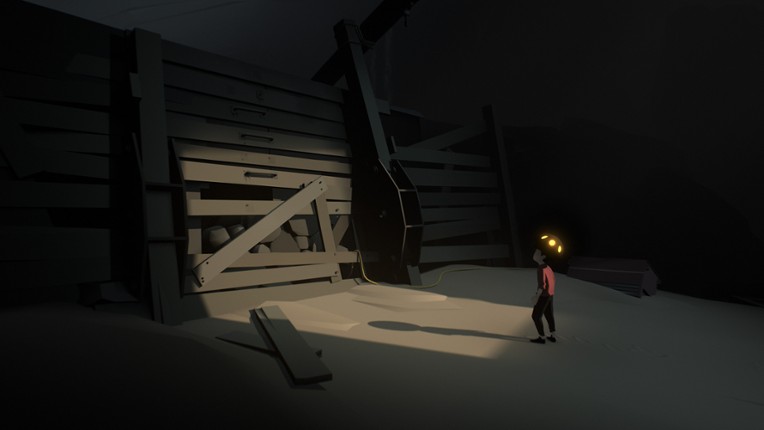
- 87%Game Brain ScoreMost mentioned positive aspects:story, atmosphereMost mentioned negative aspects:replayability, stability94% User Score 33,296 reviewsCritic Score 80%11 reviews
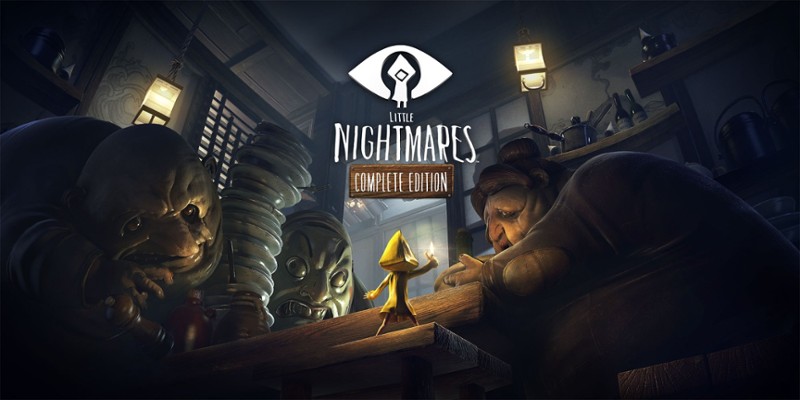
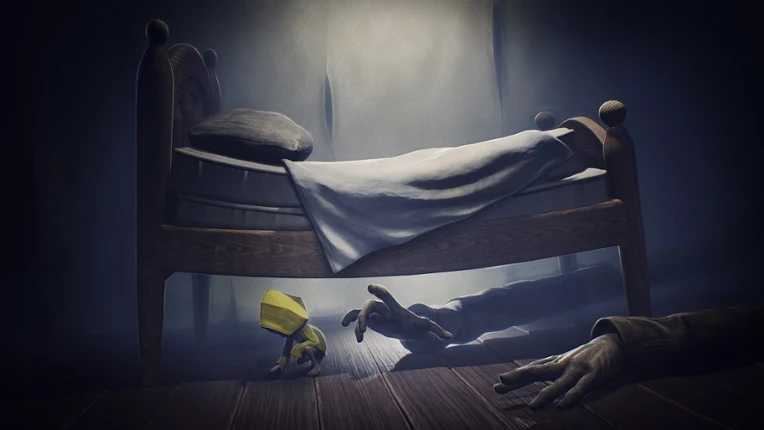
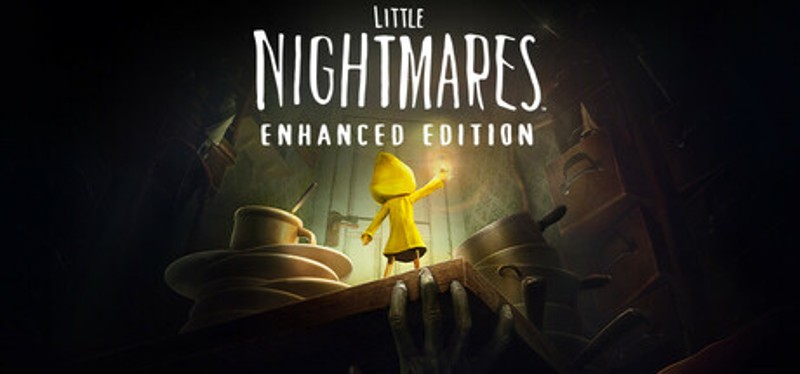
Guiding a defenseless, pint-sized protagonist through a looming, lethal world of oversized terrors triggers a very specific brand of tense, high-stakes exploration. This shared vulnerability turns simple physics-based puzzles into frantic survival scenarios, where dragging a heavy object or climbing a shelf becomes a desperate race against a pursuing monstrosity. The mechanical dread of trial-and-error traps forces you to learn from death, mirroring the exact rhythm of cautious progression.
While Limbo's minimalist silhouettes sometimes left players craving more narrative context, this adventure offers a richer, highly detailed 2.5D environment to dissect. This extra dimension of depth introduces grotesque, tangible set pieces and a haunting soundtrack that deliver the explicit visual storytelling that the stark monochrome world withheld.
Best for players who want to trade abstract shadows for a richly detailed, cinematic descent into childhood dread.
If you enjoyed this game, see our list of games similar to Little Nightmares.View Game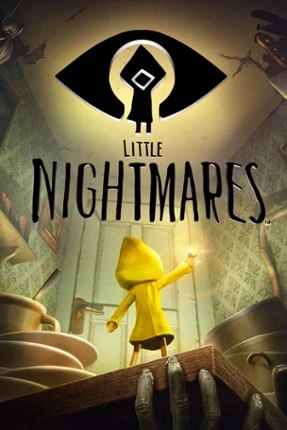
- 83%Game Brain ScoreMost mentioned positive aspects:gameplay, atmosphereMost mentioned negative aspects:grinding, replayability94% User Score 1,981 reviewsCritic Score 69%8 reviews
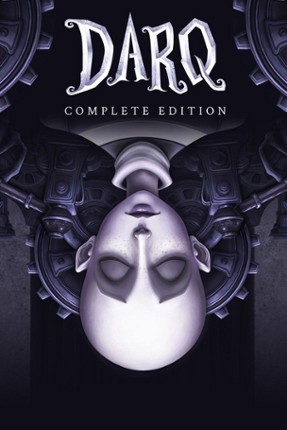
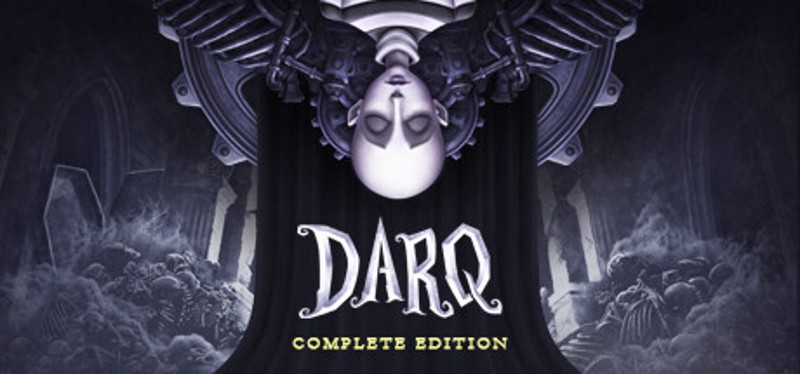
Both games trap you in cycles of failure and incremental discovery, where each death teaches you the precise timing or sequence the designer intended. This trial-and-error loop feels punishing at first, but it's the core of how atmosphere builds—you're not just solving puzzles, you're earning your understanding of a hostile world through repetition and muscle memory.
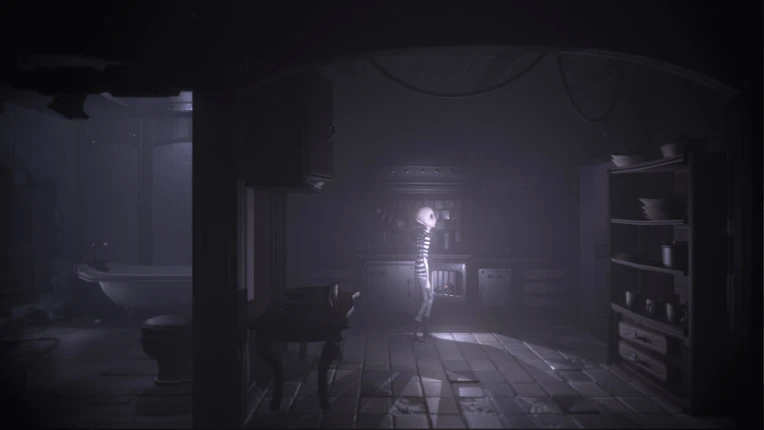
The minimalist visual language carries identical weight in both. Limbo's stark monochrome and DARQ's Tim Burton-inspired surrealism both strip away narrative exposition, forcing you to read the environment itself for clues. That compression of story into pure visual design creates the same emotional resonance without exposition dumps.
Physics-based platforming and spatial puzzle design overlap directly—you're manipulating objects and momentum to progress, not just jumping between platforms. Both games reward understanding how systems interact rather than reflexes alone.
The key difference: DARQ leans into psychological horror and dream logic where Limbo stays grounded in dread. This shifts the tone from isolation toward surreality, offering a fresher flavor of unease rather than pure despair.
Best for players who loved Limbo's brevity and don't need elaborate narrative—you'll find DARQ's 2–3 hour runtime equally respectful of your time, with puzzles that feel just as purposeful.
If you enjoyed this game, see our list of games similar to Darq.View Game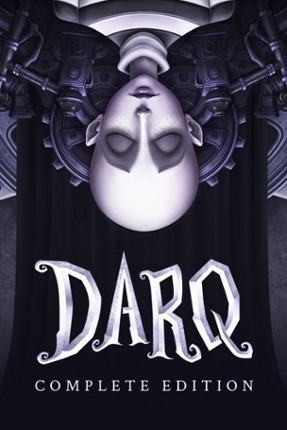
- 92%Game Brain ScoreMost mentioned positive aspects:gameplay, storyMost mentioned negative aspects:grinding, stability92% User Score 5,517 reviewsCritic Score 95%2 reviews
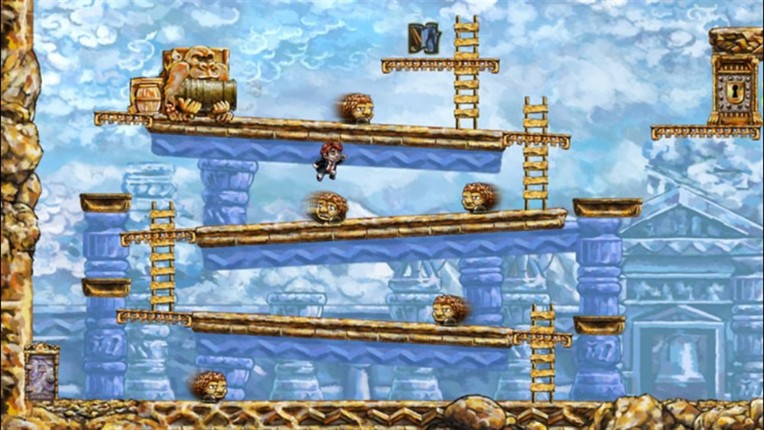
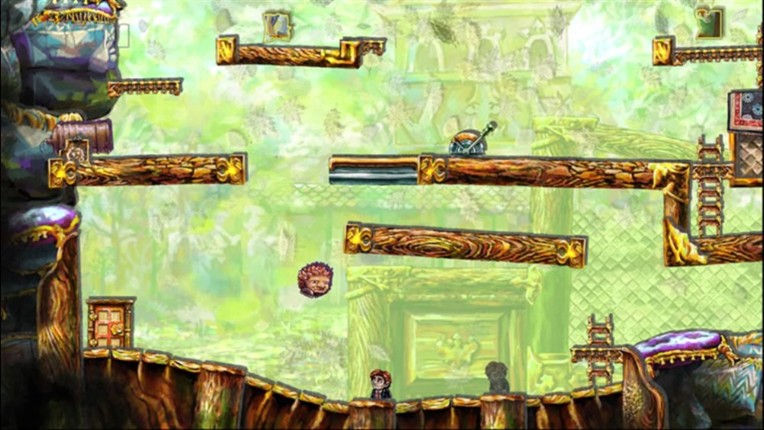
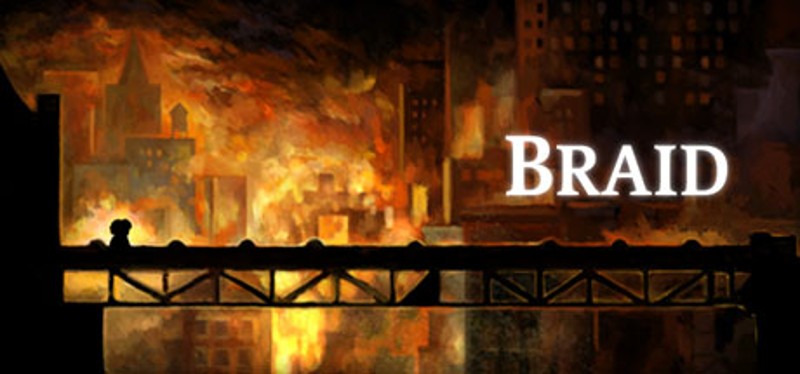
That quiet dread you feel in Limbo when a puzzle's solution isn't obvious until it kills you? Braid channels that same trial-and-error tension, except instead of dying repeatedly, you rewind time and try again. It's the same core loop — observe, fail, adjust — just with a forgiving twist instead of a punishing one.
Both games strip dialogue and hand-holding in favor of environmental storytelling, forcing you to piece together meaning from visuals and mood alone. Where Limbo critics wanted more narrative clarity, Braid doesn't fully solve that — its story is still cryptic — but its puzzle mechanics carry more of the weight, making the ambiguity feel intentional rather than frustrating.
The shift from monochrome horror to hand-painted, dreamlike color is the real departure here — less isolation, more melancholy wonder, backed by a genuinely gorgeous soundtrack.
Best for players who loved Limbo's cerebral puzzle-platforming but want a slightly gentler failure state and a reason to linger in each level.
If you enjoyed this game, see our list of games similar to Braid.View Game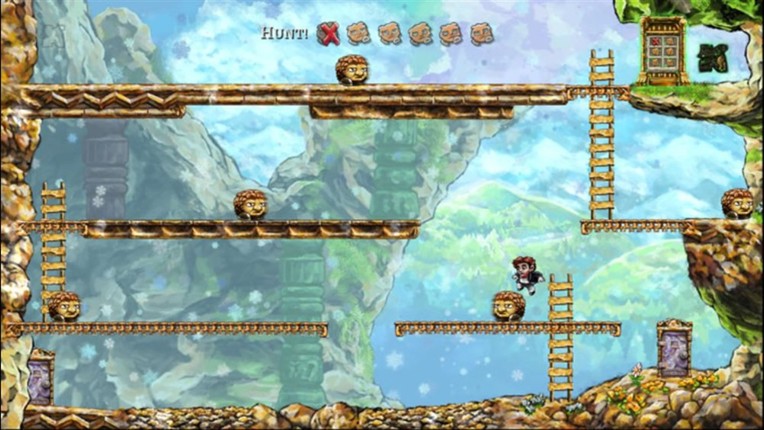
- 77%Game Brain ScoreMost mentioned positive aspects:story, graphicsMost mentioned negative aspects:monetization, stability87% User Score 2,618 reviewsCritic Score 64%7 reviews
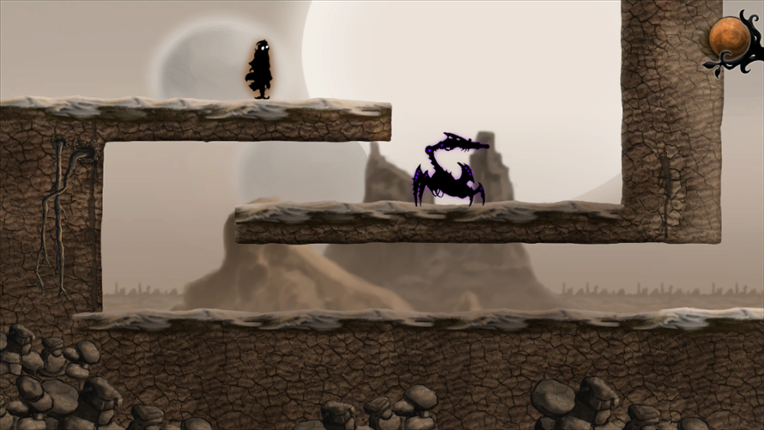
Both Limbo and Nihilumbra treat every death as a learning moment, placing you in stark silhouette worlds where failure is a puzzle cue. The physics‑driven platforming demands precise timing and environmental observation, rewarding patience over reflexes, which mirrors the tension that makes Limbo addictive. A haunting ambient soundtrack and sparse sound cues deepen the isolation, letting the environment speak louder than any UI.
Nihilumbra inherits Limbo’s monochrome palette but adds vivid color splashes that the player literally paints onto the world, turning puzzle‑solving into a visual narrative. Where Limbo leaves story to inference, Nihilumbra supplies a spoken narrative that explains each area, addressing the common complaint of narrative vagueness. The tradeoff is a slightly brighter tone, offering a more expressive atmosphere while still preserving the core puzzle‑platform challenge.
Best for fans who want atmospheric puzzle‑platforming enriched with narrative color and a measured, reflective pace.
If you enjoyed this game, see our list of games similar to Nihilumbra.View Game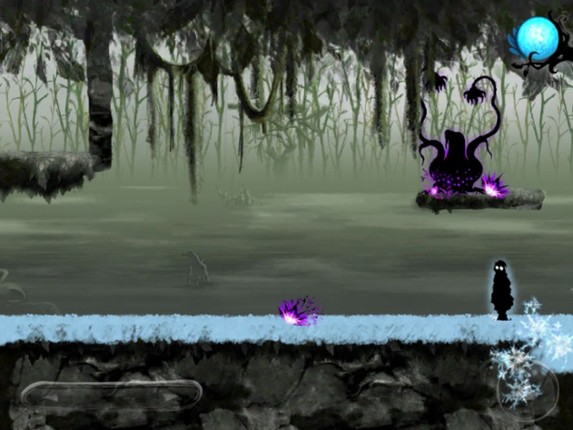
- 80%Game Brain ScoreMost mentioned positive aspects:story, graphicsMost mentioned negative aspects:optimization, stability83% User Score 714 reviewsCritic Score 73%2 reviews
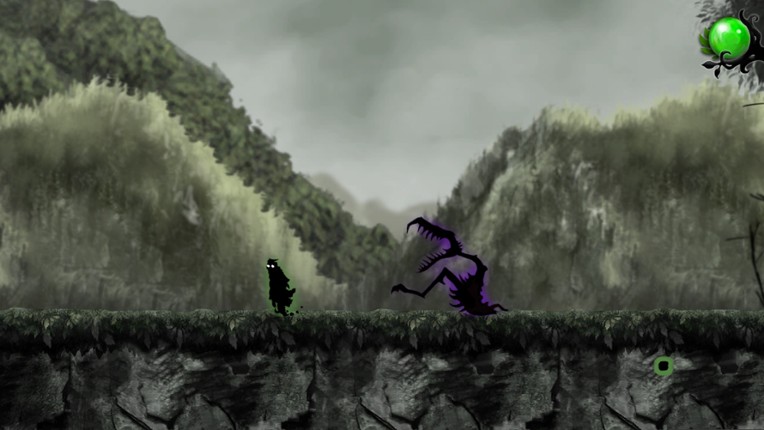
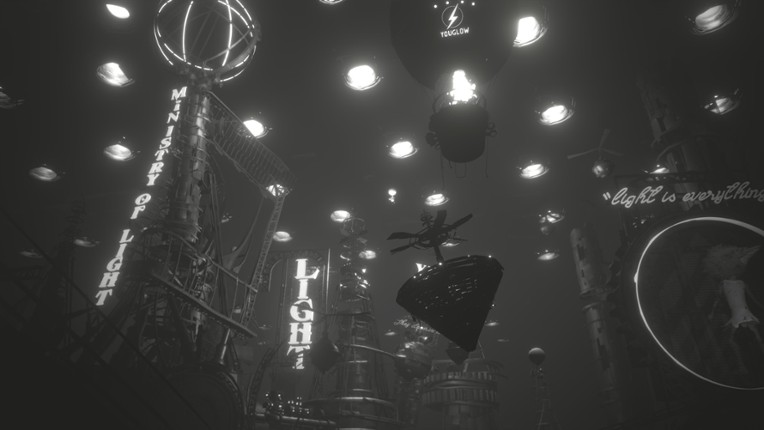
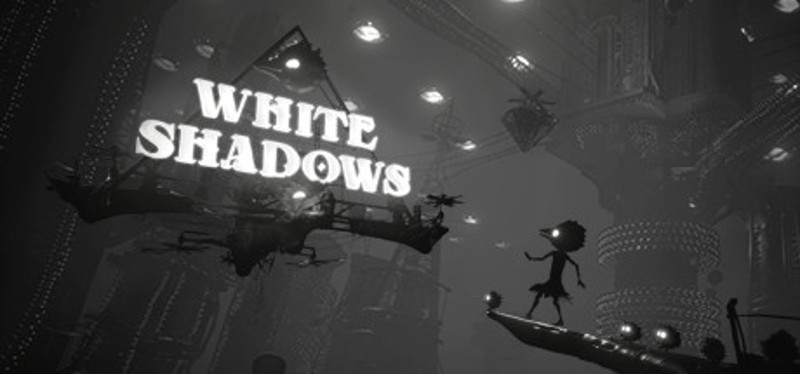
Both Limbo and White Shadows excel at delivering a claustrophobic, monochromatic trek through a hostile, high-contrast world. This visual isolation effectively amplifies the constant sense of dread, forcing you to navigate oppressive environments where danger hides in every shadow.
While Limbo relies on brutal, physics-based trial-and-error, White Shadows prioritizes thematic storytelling over mechanical precision. You are trading complex environmental puzzles for a more overt, Orwellian narrative that demands social reflection rather than lateral thinking.
Pick this up if you crave Limbo’s dystopian aesthetic but can live with less rigorous platforming and occasional technical friction.
If you enjoyed this game, see our list of games similar to White Shadows.View Game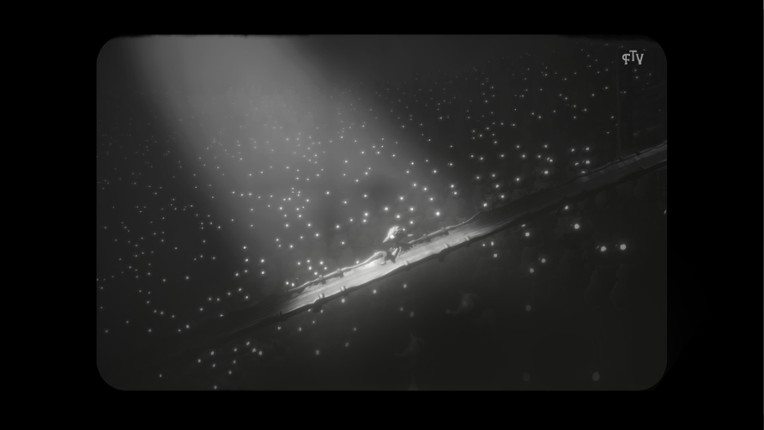

- 87%Game Brain ScoreMost mentioned positive aspects:story, musicMost mentioned negative aspects:grinding, stability94% User Score 3,772 reviewsCritic Score 79%31 reviews
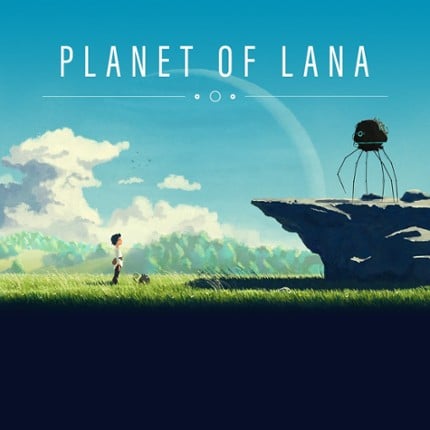
Both Limbo and Planet of Lana rely on environmental storytelling to anchor the player in a silent, high-stakes journey through hostile landscapes. This shared focus on wordless narrative provides a powerful sense of discovery, ensuring every visual cue feels essential to your survival.
The primary divergence lies in tone and mechanical intent. Where Limbo utilizes oppressive, trial-and-error horror to punish mistakes, Planet of Lana prioritizes a lush, hand-painted aesthetic and significantly more forgiving, accessible puzzles.
Pick this up if you crave the haunting isolation of Limbo but prefer a cinematic, wonder-filled odyssey over its punishing, monochromatic cruelty.
If you enjoyed this game, see our list of games similar to Planet of Lana.View Game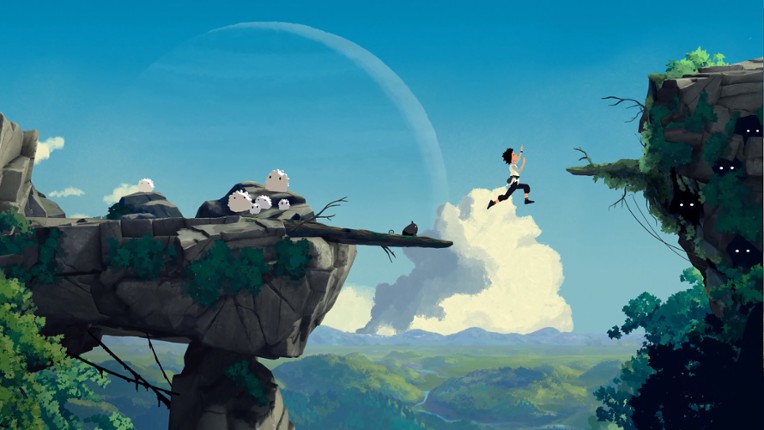
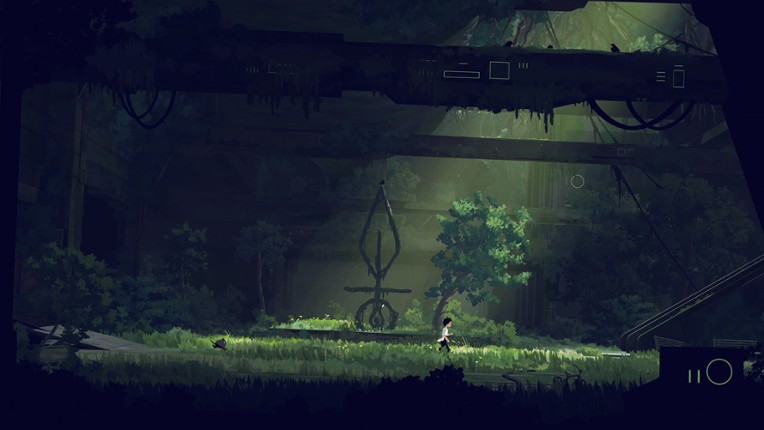

- 91%Game Brain ScoreMost mentioned positive aspects:story, gameplayMost mentioned negative aspects:grinding, replayability91% User Score 3,669 reviews
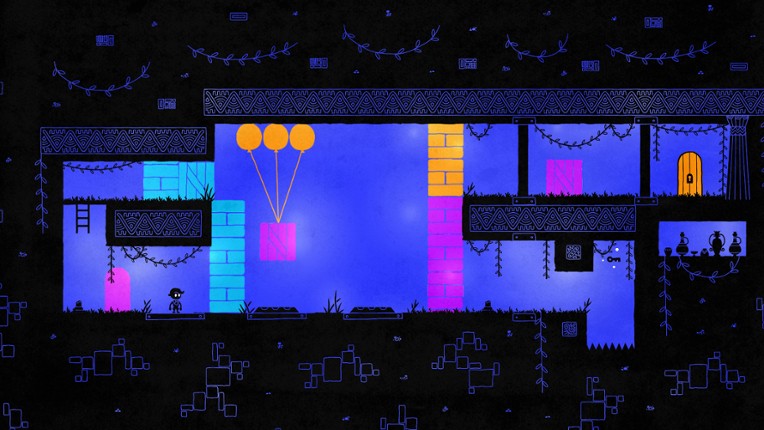
Hue flips Limbo's monochrome gloom with a chromatic puzzle system, letting players manipulate color to reshape the world and uncover a narrative.
If you enjoyed this game, see our list of games similar to Hue.View Game
- 89%Game Brain ScoreMost mentioned positive aspects:story, graphicsMost mentioned negative aspects:stability, grinding91% User Score 1,008 reviewsCritic Score 80%1 reviews
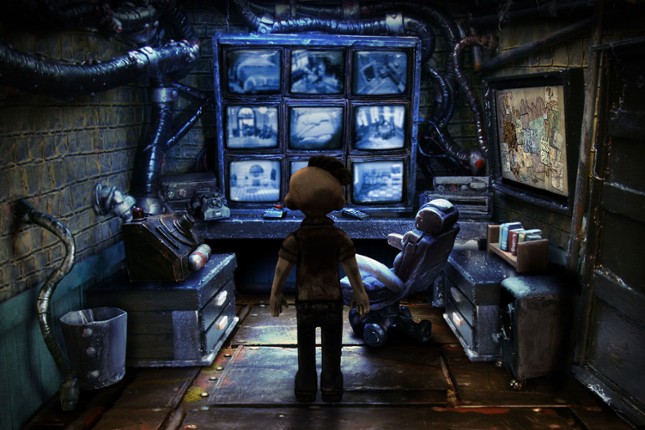
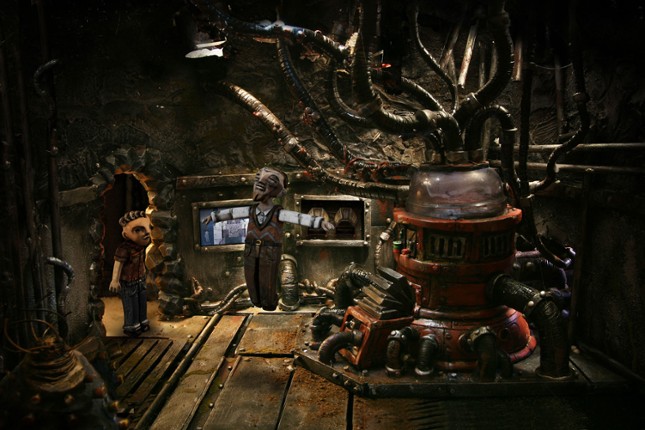
Both games live or die on oblique puzzle-solving: you poke at strange spaces, infer rules, and advance by reading the environment instead of being told what to do.
Their surreal, atmospheric presentation matters because it turns every solution into part of the mood, not just a mechanical hurdle.
The split is blunt: Limbo is lean, hostile, and gameplay-first; The Dream Machine is far more story-driven, slower, and occasionally hides its logic behind frustrating trial and error.
Pick this up if you want haunting puzzle-platformer energy with more narrative weight, but can live without Limbo’s tighter controls and cleaner pacing.
If you enjoyed this game, see our list of games similar to The Dream Machine.View Game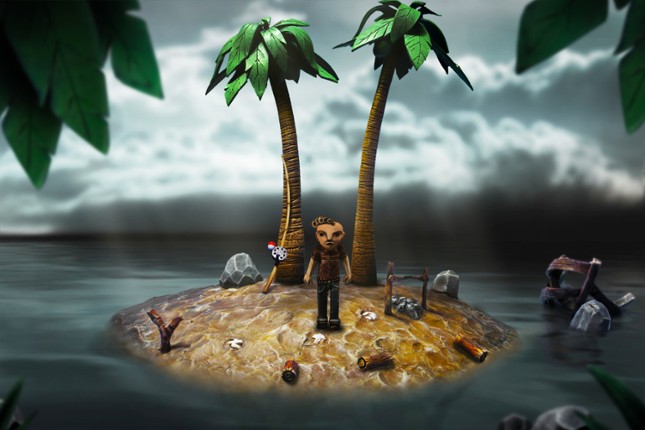
- 67%Game Brain ScoreMost mentioned positive aspects:music, graphicsMost mentioned negative aspects:grinding, stability95% User Score 31,608 reviewsCritic Score 7%4 reviews
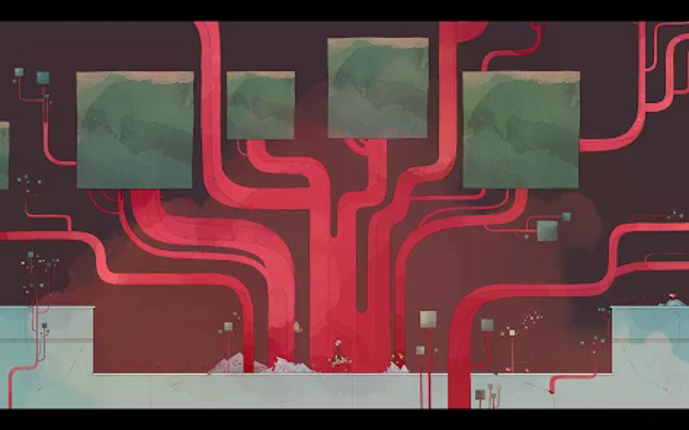
GRIS swaps Limbo's oppressive darkness for a vivid watercolor journey, inviting players who crave emotional, music‑driven platforming.
If you enjoyed this game, see our list of games similar to GRIS.View Game
- 81%Game Brain ScoreMost mentioned positive aspects:story, musicMost mentioned negative aspects:grinding, stability87% User Score 2,684 reviewsCritic Score 74%34 reviews
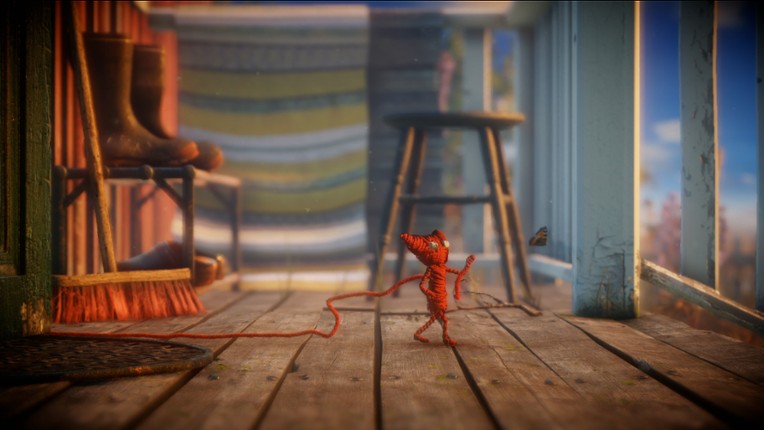
Unravel brings a warm, yarn‑crafted platformer to the list, contrasting Limbo's bleak world with cute characters and physics‑driven puzzles for co‑op fun.
If you enjoyed this game, see our list of games similar to Unravel.View Game

- 86%Game Brain ScoreMost mentioned positive aspects:music, storyMost mentioned negative aspects:replayability, grinding94% User Score 9,141 reviewsCritic Score 78%17 reviews
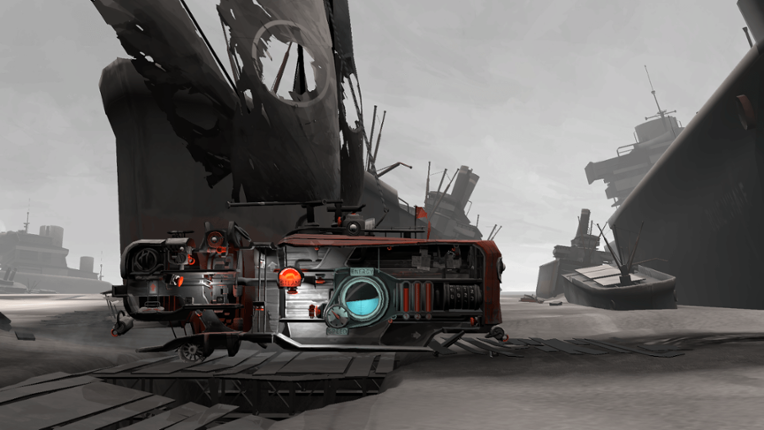
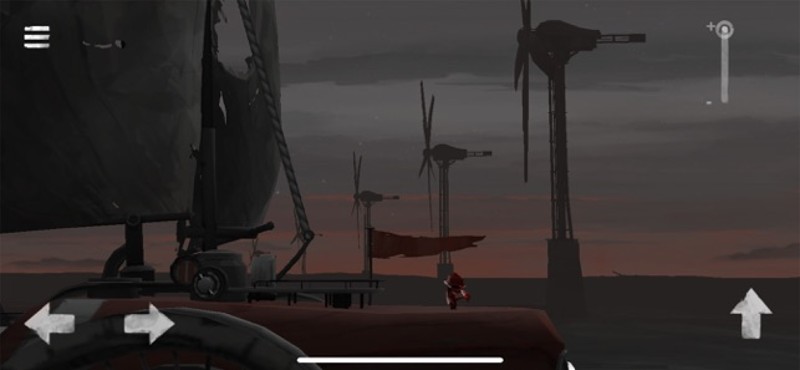
FAR: Lone Sails replaces Limbo's shadowy silhouette with a sun‑bleached, steampunk trek across barren lands, catering to players who prefer serene exploration over dread.
If you enjoyed this game, see our list of games similar to FAR: Lone Sails.View Game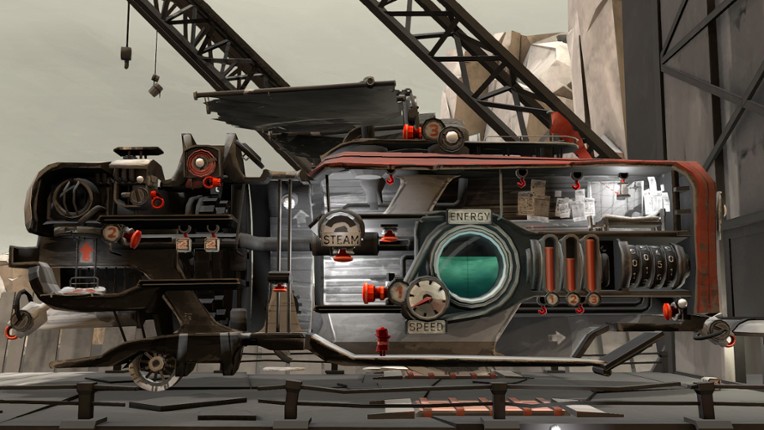
- 76%Game Brain ScoreMost mentioned positive aspects:story, musicMost mentioned negative aspects:optimization, replayability88% User Score 2,285 reviewsCritic Score 63%17 reviews
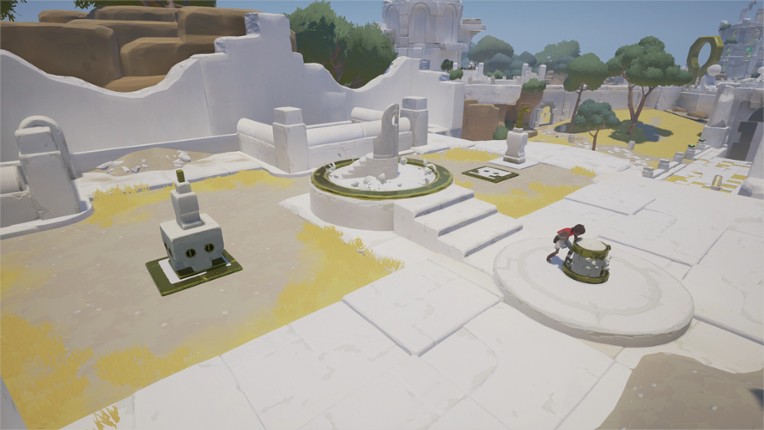
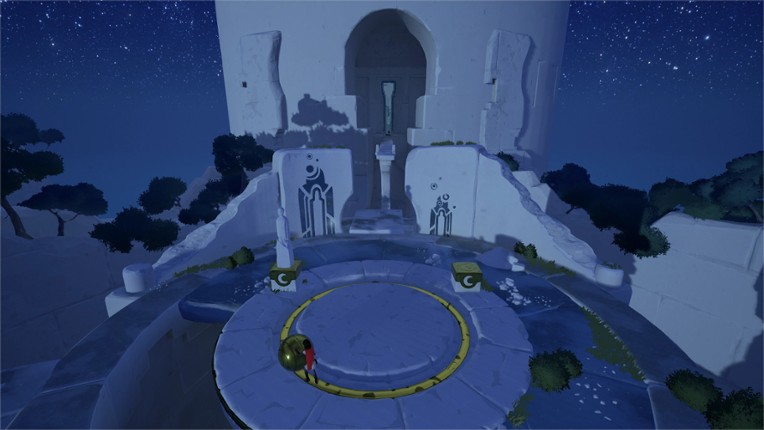
RiME replaces Limbo's stark silhouette with a sun‑lit, third‑person adventure, inviting families and younger players to explore colorful, emotional puzzles.
If you enjoyed this game, see our list of games similar to RiME.View Game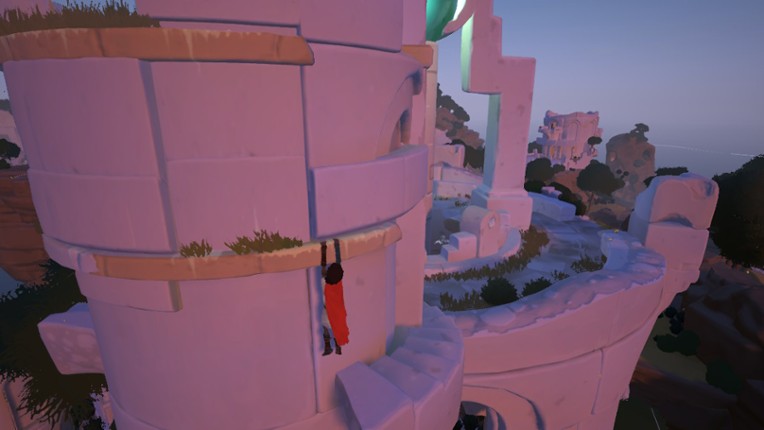
- 76%Game Brain ScoreMost mentioned positive aspects:story, gameplayMost mentioned negative aspects:optimization, stability72% User Score 1,160 reviewsCritic Score 100%1 reviews
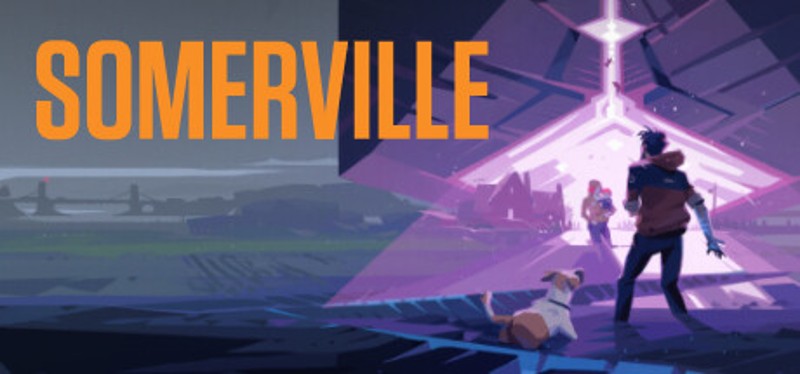
Both games weaponize silence and stark visuals to generate dread — Somerville's muted countryside horror operates in the same frequency as Limbo's shadowed forests, making each moment feel weighted with unspoken threat.
Each uses puzzles as narrative punctuation rather than skill tests, rewarding patience and environmental observation over twitch reflexes.
Somerville trades Limbo's razor-sharp platforming for branching story paths and emotional payoff, though clumsy controls and persistent frame-rate hiccups undermine the experience during key scenes.
Pick this up if you want Limbo's atmospheric tension wrapped in a fuller, more mysterious story but can tolerate frustrating input lag where precise jumping used to live.
If you enjoyed this game, see our list of games similar to Somerville.View Game

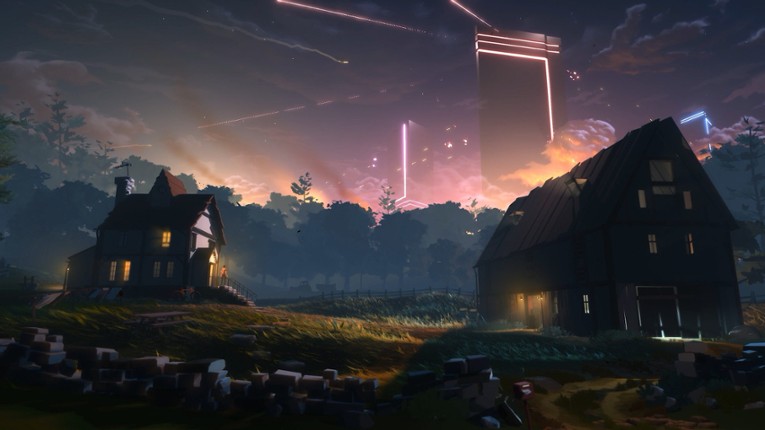
- 84%Game Brain ScoreMost mentioned positive aspects:gameplay, musicMost mentioned negative aspects:replayability, grinding96% User Score 4,349 reviewsCritic Score 72%14 reviews
I can see the signs in my sleep, guiding me closer. Will this really work If you enjoyed this game, see our list of games similar to The Pedestrian.
View Game
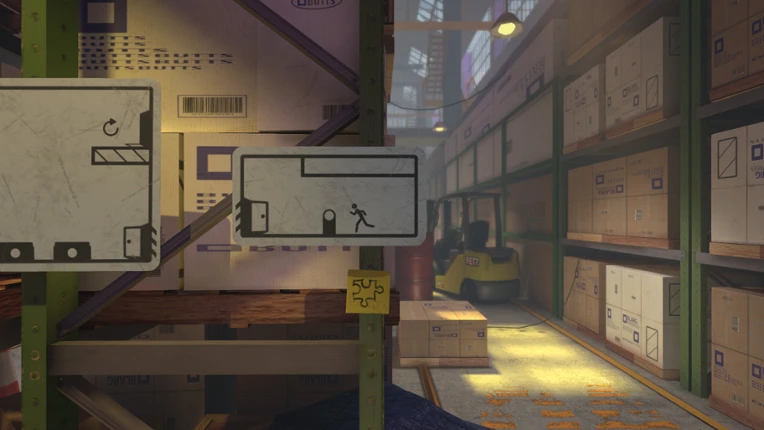
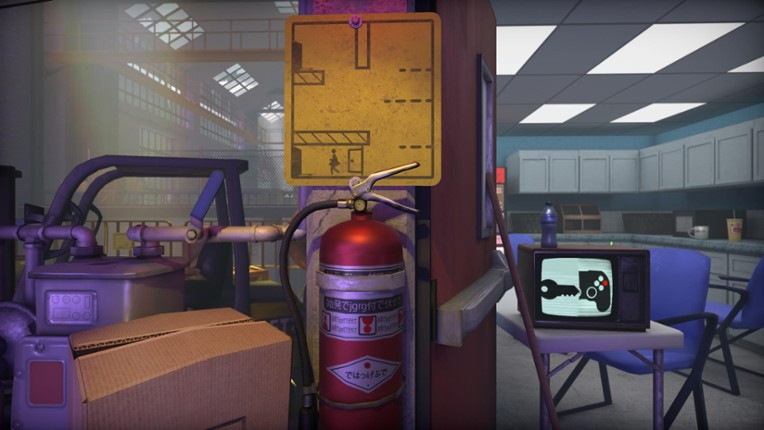
- 64%Game Brain ScoreMost mentioned positive aspects:story, graphicsMost mentioned negative aspects:stability, optimization67% User Score 263 reviewsCritic Score 61%9 reviews
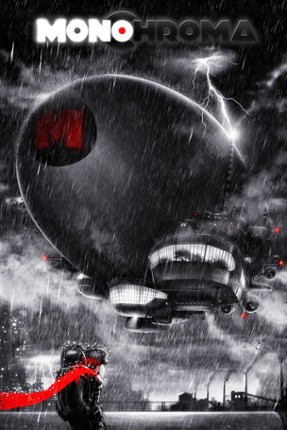
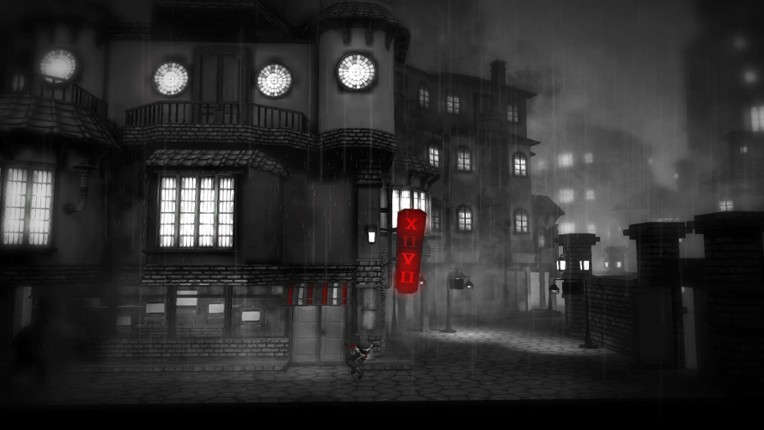
Both games weaponize minimalist visuals and trial-and-error puzzle design to create atmospheric dread. The monochromatic palettes reinforce emotional storytelling without explicit narrative.
Monochroma adds a narrative layer through character relationships, which Limbo deliberately withholds—mattering if you want thematic context rather than pure ambiguity.
The critical difference: Monochroma's controls are notably worse, turning puzzle sequences into friction rather than flow. Limbo's precision platforming keeps frustration purposeful; Monochroma's sluggishness feels like a flaw.
Pick this up if you crave Limbo's dystopian mood and want emotional grounding, but accept that the execution stumbles where Limbo excels.
If you enjoyed this game, see our list of games similar to Monochroma.View Game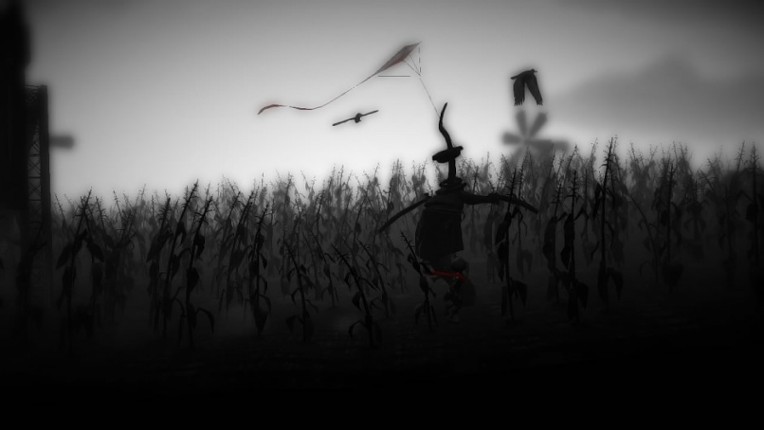
- 91%Game Brain ScoreMost mentioned positive aspects:story, gameplayMost mentioned negative aspects:replayability, grinding95% User Score 5,138 reviewsCritic Score 87%8 reviews
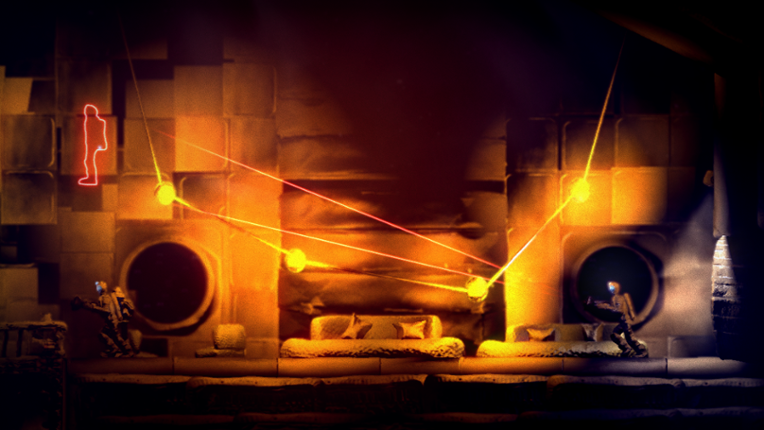
Deepens Limbo's psychological unease with body-horror puzzles and existential questions, wrapped in a gorgeous 2D space setting.
If you enjoyed this game, see our list of games similar to The Swapper.View Game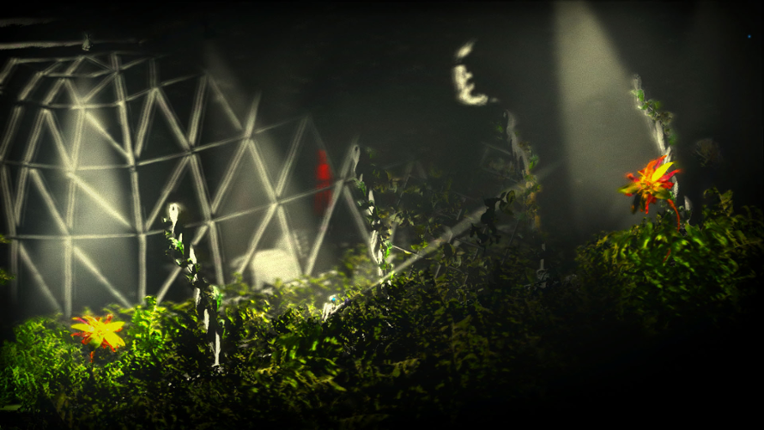
- 76%Game Brain ScoreMost mentioned positive aspects:graphics, gameplayMost mentioned negative aspects:grinding, optimization84% User Score 1,750 reviewsCritic Score 69%10 reviews
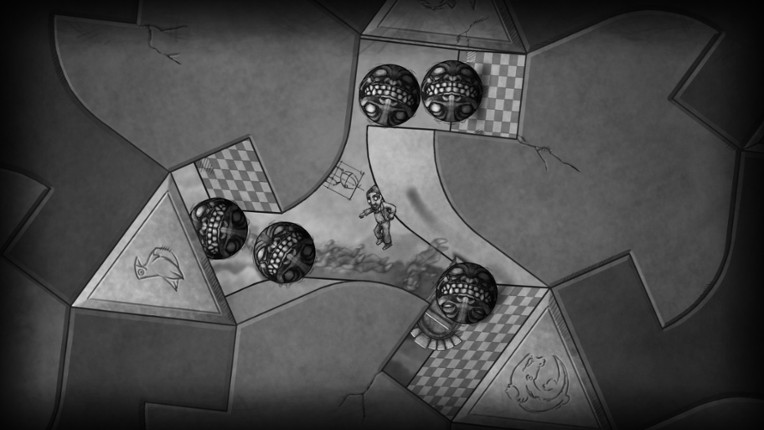
The Bridge swaps Limbo's shadowy platforming for a stark, hand‑drawn physics puzzler, challenging logic over atmosphere and delivering a darker, philosophical tone.
If you enjoyed this game, see our list of games similar to The Bridge.View Game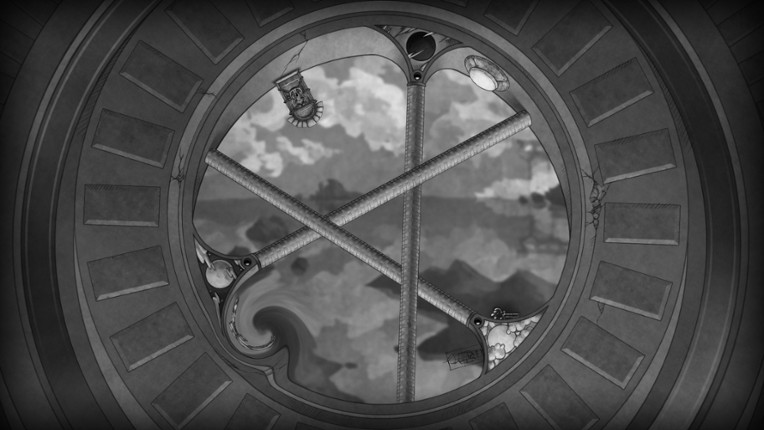
19 View Game 88%Game Brain ScoreMost mentioned positive aspects:story, gameplayMost mentioned negative aspects:replayability, stability94% User Score 16,215 reviewsCritic Score 82%18 reviews
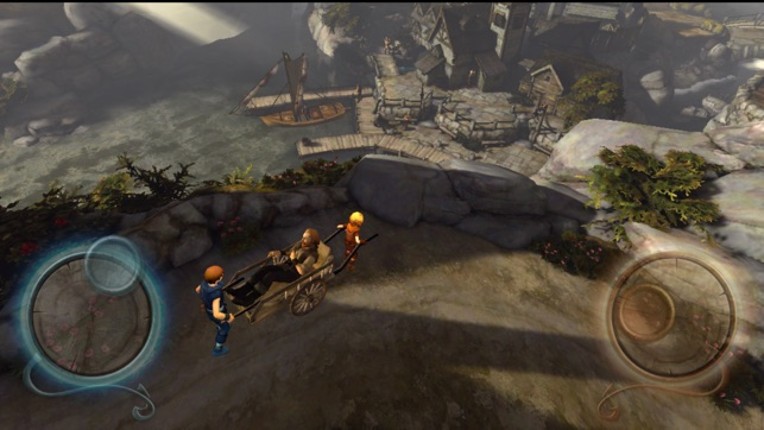
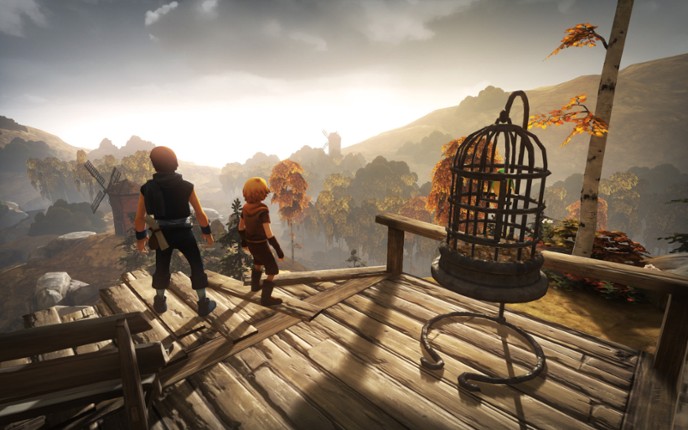
Brothers: A Tale of Two Sons offers a cooperative, dual‑character puzzle adventure, contrasting Limbo's solitary dread with heart‑warming teamwork and 3D visuals.
If you enjoyed this game, see our list of games similar to Brothers: A Tale of Two Sons.View Game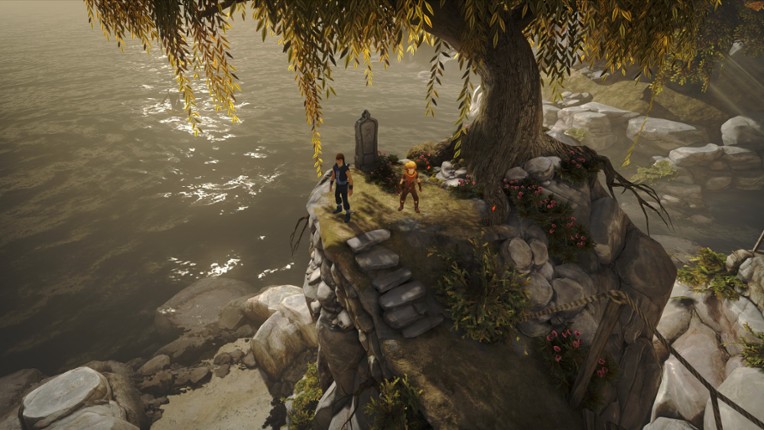
- 79%Game Brain ScoreMost mentioned positive aspects:graphics, storyMost mentioned negative aspects:replayability, grinding97% User Score 24,944 reviewsCritic Score 62%10 reviews
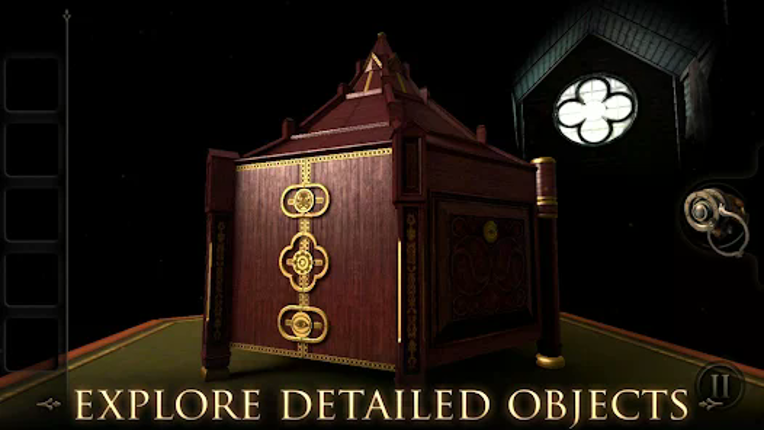
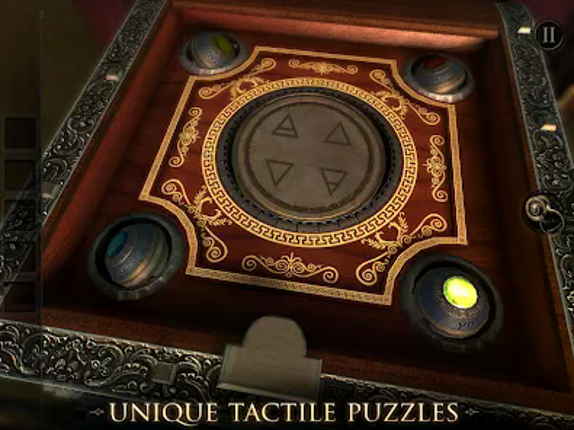
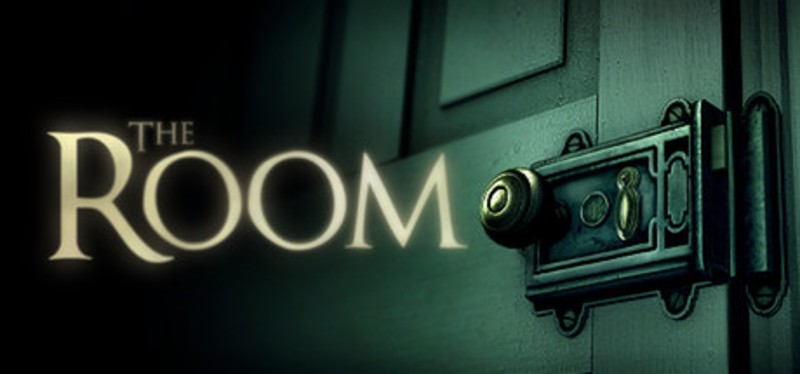
The Room traps players in a first‑person, Lovecraftian puzzle box, replacing platforming with intricate puzzles and a darker, enigmatic atmosphere.
If you enjoyed this game, see our list of games similar to The Room.View Game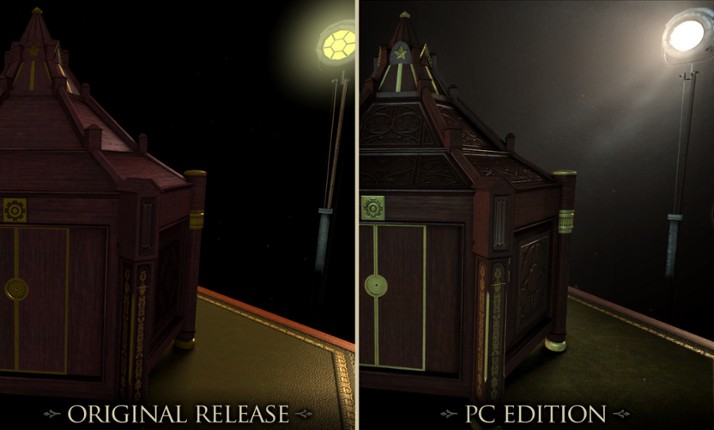
- 71%Game Brain ScoreMost mentioned positive aspects:story, graphicsMost mentioned negative aspects:gameplay, stability80% User Score 846 reviewsCritic Score 55%6 reviews
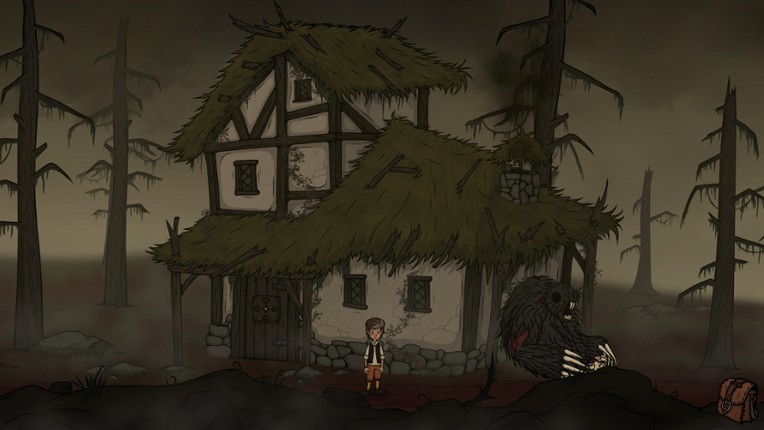
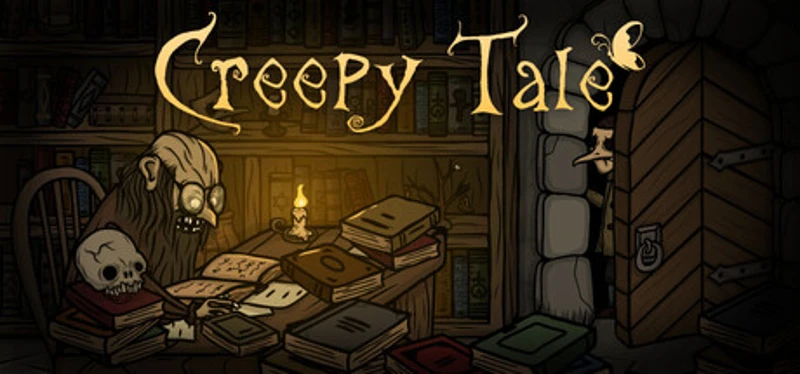
Creepy Tale leans into overtly horrific storytelling with hand‑drawn fairy‑tale visuals, offering a shorter, more jump‑scare heavy experience for horror enthusiasts.
If you enjoyed this game, see our list of games similar to Creepy Tale.View Game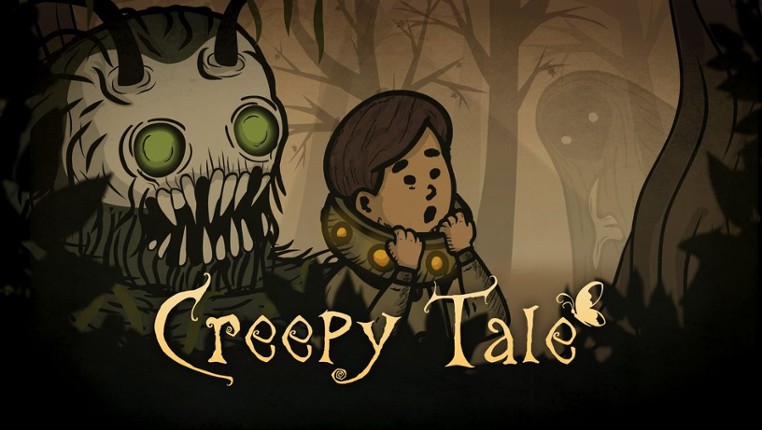
- 90%Game Brain ScoreMost mentioned positive aspects:gameplay, graphicsMost mentioned negative aspects:grinding, replayability94% User Score 5,540 reviewsCritic Score 87%30 reviews
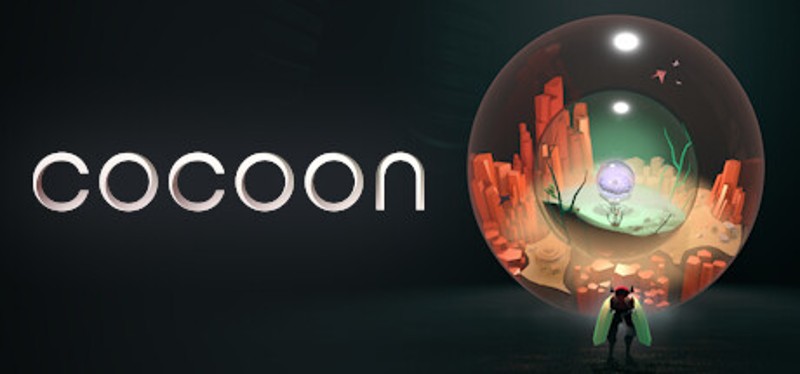
Swaps Limbo's dread for wonder with isometric puzzles set in a luminous alien world, maintaining atmospheric isolation.
If you enjoyed this game, see our list of games similar to COCOON.View Game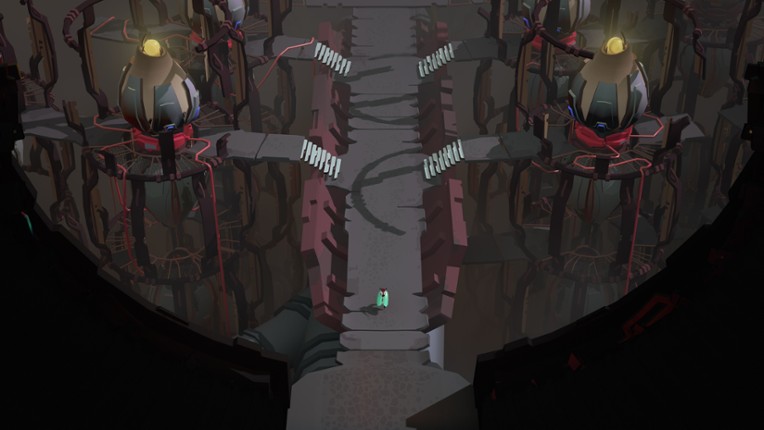
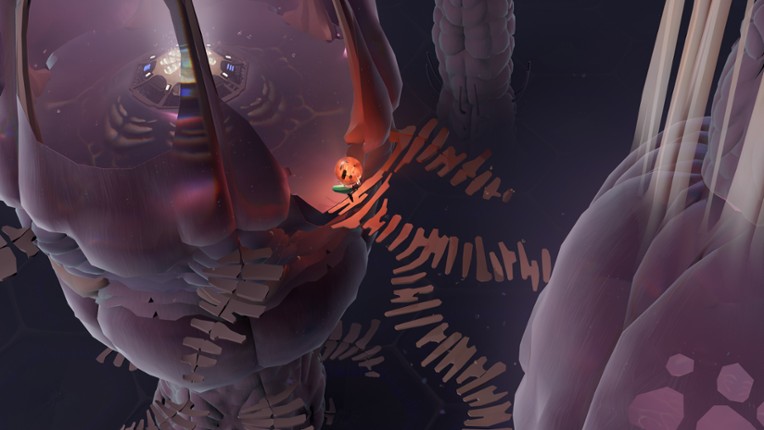
- 81%Game Brain ScoreMost mentioned positive aspects:story, graphicsMost mentioned negative aspects:replayability, grinding81% User Score 408 reviewsCritic Score 80%1 reviews
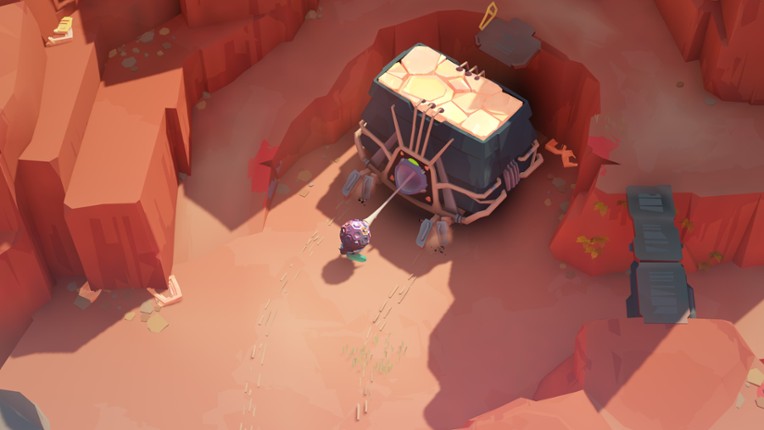
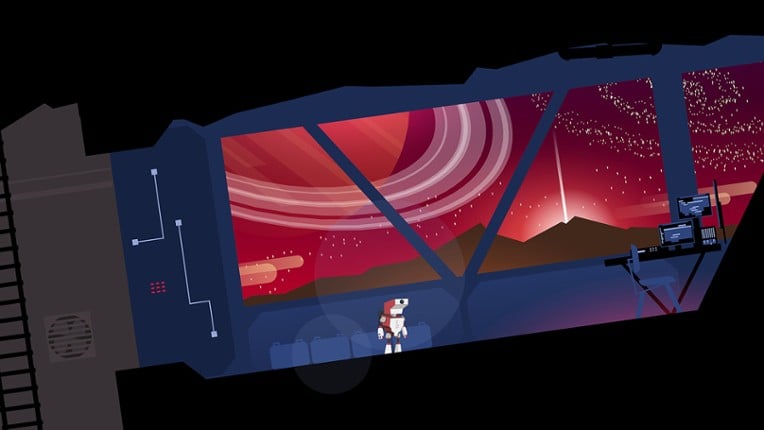
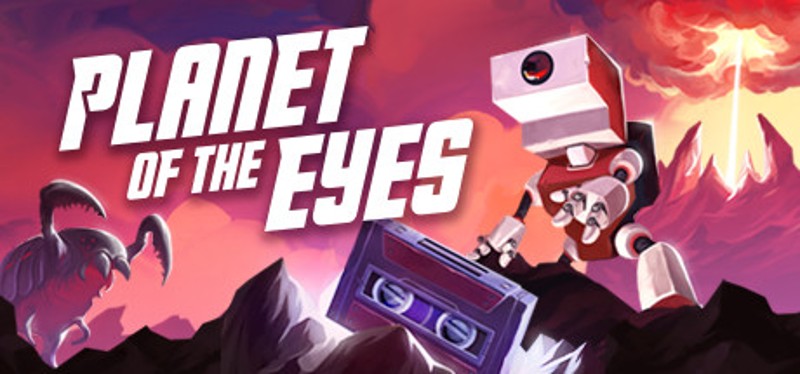
Echoes Limbo's brief atmospheric journey but trades monochrome bleakness for vibrant alien worlds and robot companionship.
If you enjoyed this game, see our list of games similar to Planet of the Eyes.View Game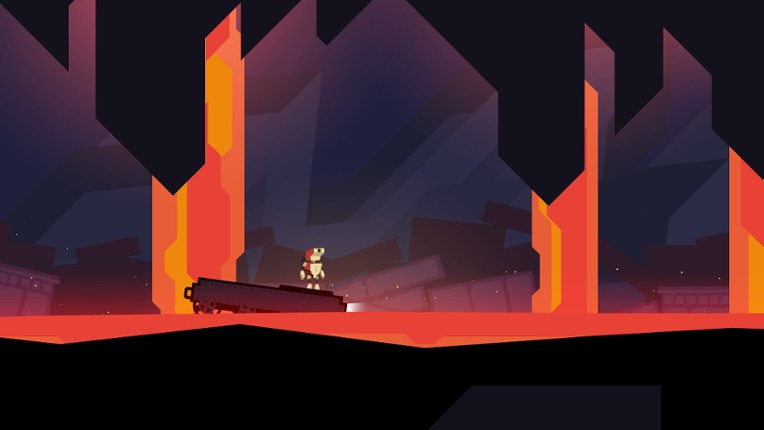
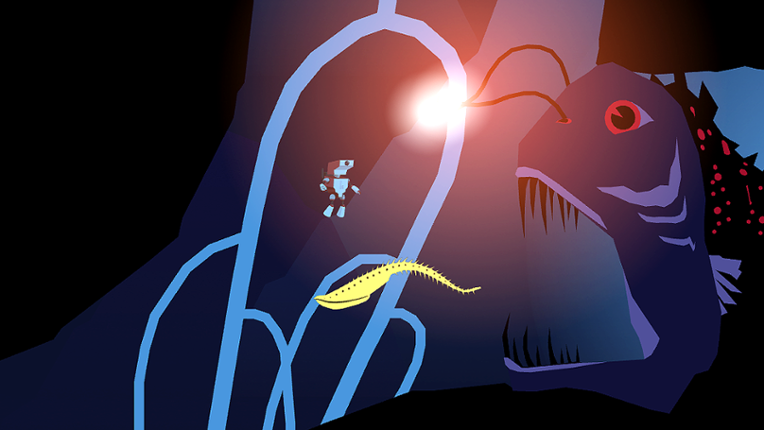
- 86%Game Brain ScoreMost mentioned positive aspects:story, atmosphereMost mentioned negative aspects:replayability, grinding93% User Score 1,785 reviewsCritic Score 76%7 reviews
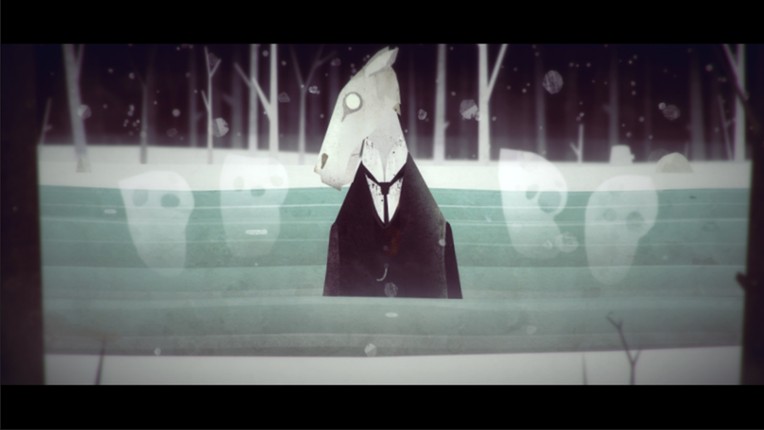
Year Walk plunges players into a short, folklore‑laden horror experience, swapping Limbo's silhouette for hand‑drawn Swedish myths and psychological scares.
If you enjoyed this game, see our list of games similar to Year Walk.View Game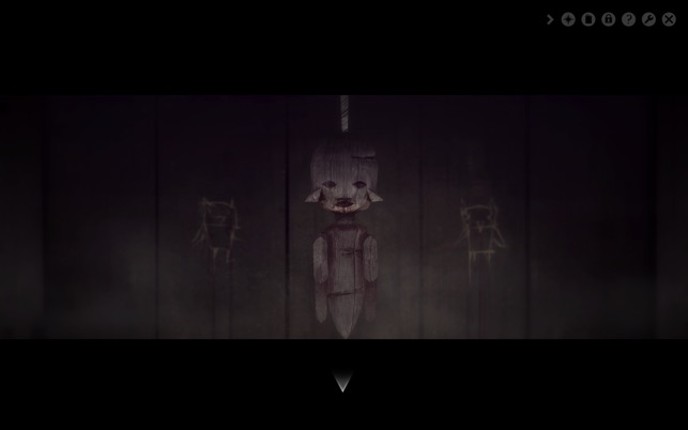

- 78%Game Brain ScoreMost mentioned positive aspects:story, gameplayMost mentioned negative aspects:grinding, stability78% User Score 1,225 reviews
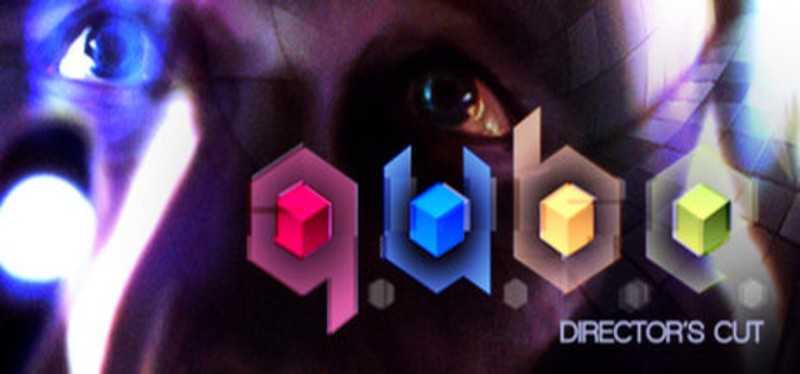
Translates Limbo's minimalist puzzle logic into first-person 3D physics challenges, trading dread for cerebral problem-solving.
If you enjoyed this game, see our list of games similar to Q.U.B.E: Director's Cut.View Game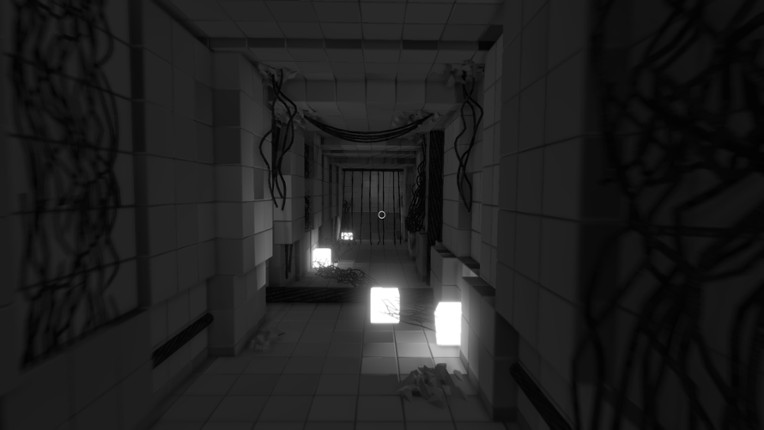
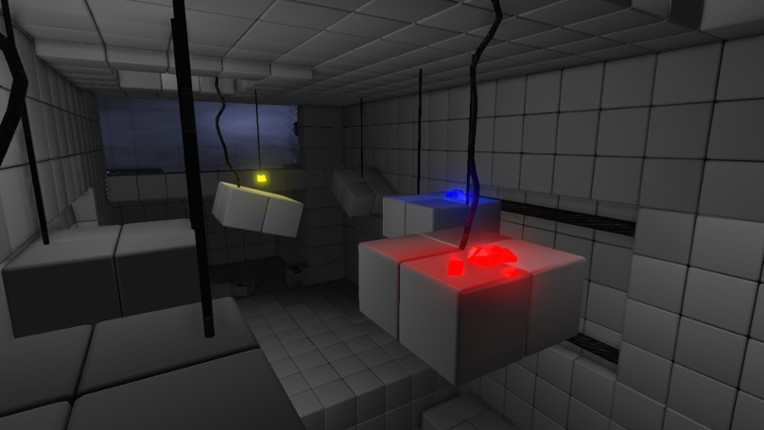
- 76%Game Brain ScoreMost mentioned positive aspects:story, gameplayMost mentioned negative aspects:optimization, replayability91% User Score 3,881 reviewsCritic Score 57%8 reviews
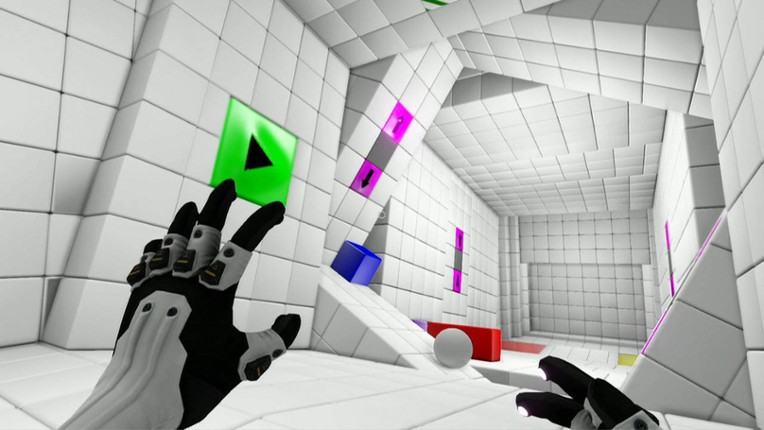
Condenses Limbo's dread into an abstract first-person horror exploration where environment scanning replaces platforming.
If you enjoyed this game, see our list of games similar to Scanner Sombre.View Game
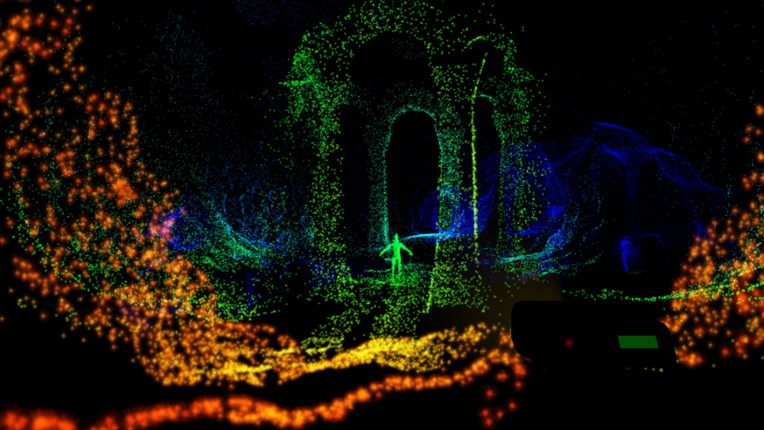

- 85%Game Brain ScoreMost mentioned positive aspects:story, graphicsMost mentioned negative aspects:optimization, replayability87% User Score 5,680 reviewsCritic Score 80%1 reviews
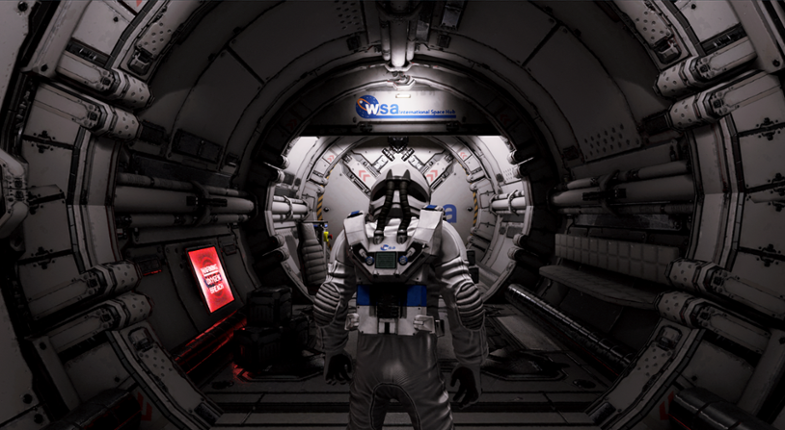
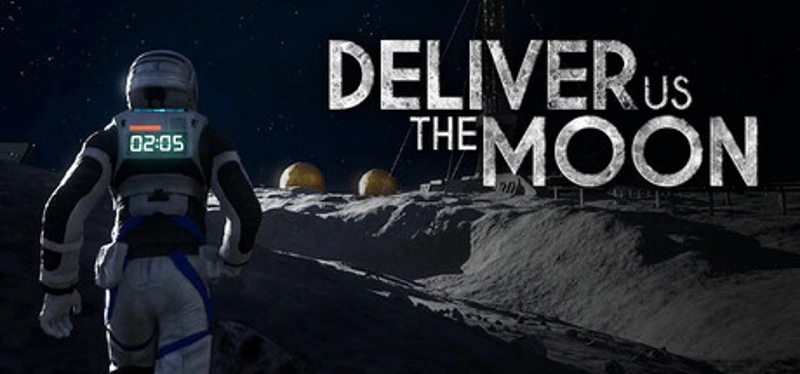
This edition includes the game and the following: • Original Soundtrack Deliver Us The Moon is a Sci-Fi thriller set in an apocalyptic near future, where Earth's natural resources are depleted. If you enjoyed this game, see our list of games similar to Deliver Us The Moon.
View Game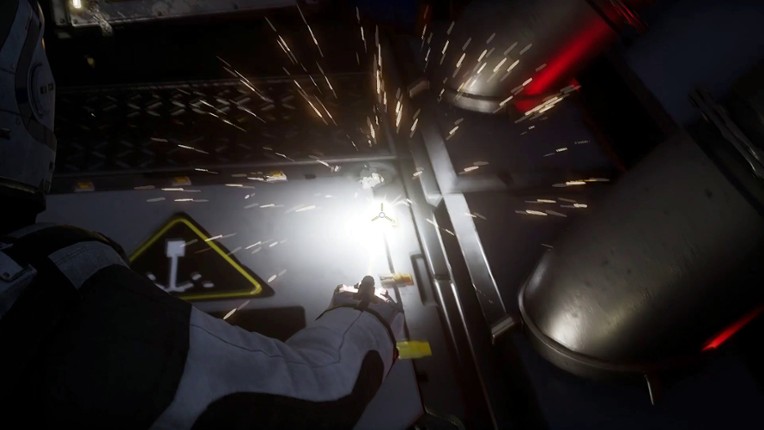

- 90%Game Brain ScoreMost mentioned positive aspects:graphics, musicMost mentioned negative aspects:replayability, grinding95% User Score 2,180 reviewsCritic Score 77%3 reviews
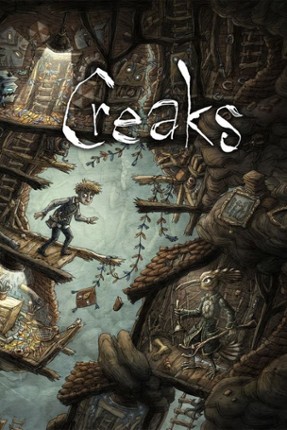
Mirrors Limbo's surreal atmosphere and puzzle platforming but softens the tone with hand-drawn charm and mysterious humor.
If you enjoyed this game, see our list of games similar to Creaks.View Game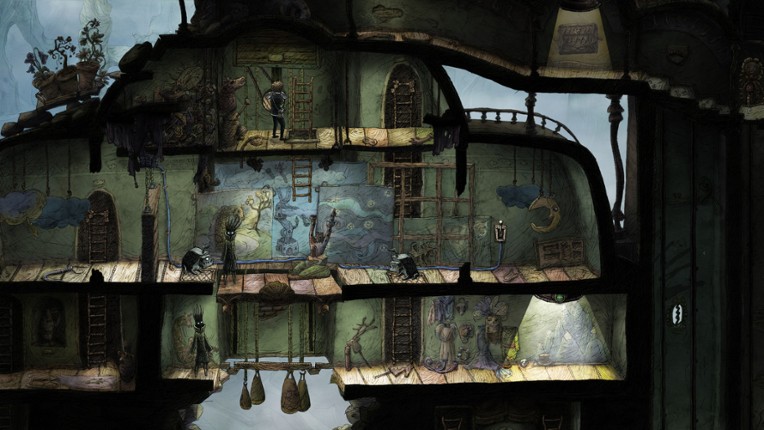
- 83%Game Brain ScoreMost mentioned positive aspects:story, gameplayMost mentioned negative aspects:grinding, replayability83% User Score 4,036 reviews
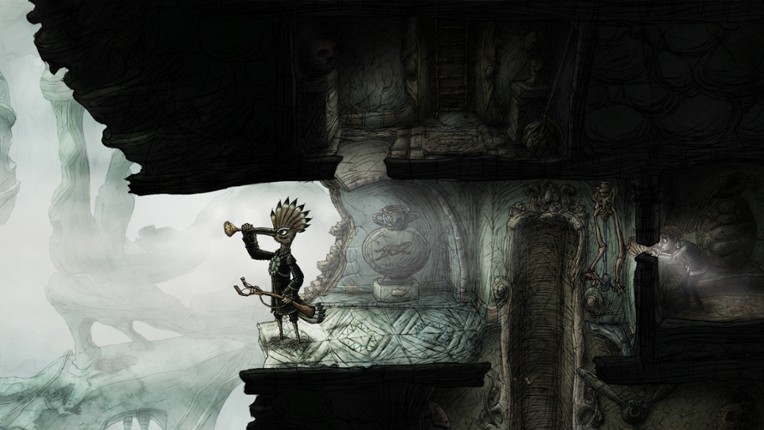
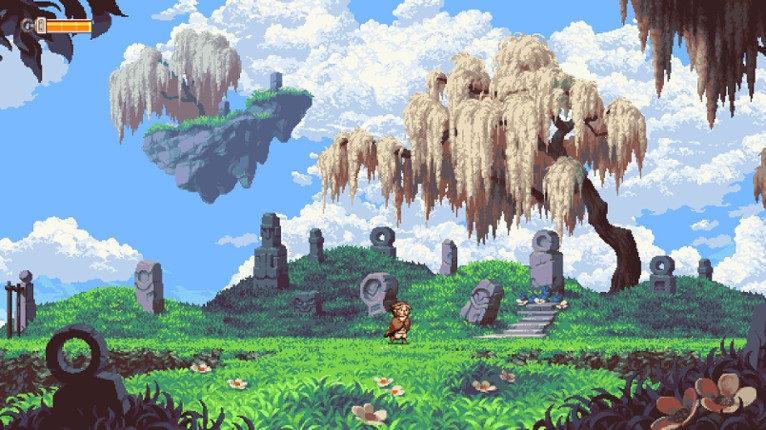
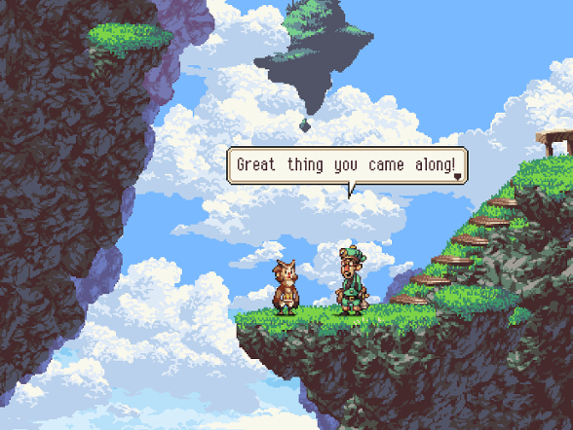
Where Limbo is solitary and bleak, this vibrant adventure pairs complex aerial flight mechanics with a heartfelt, character-driven story about an unlikely hero.
If you enjoyed this game, see our list of games similar to Owlboy.View Game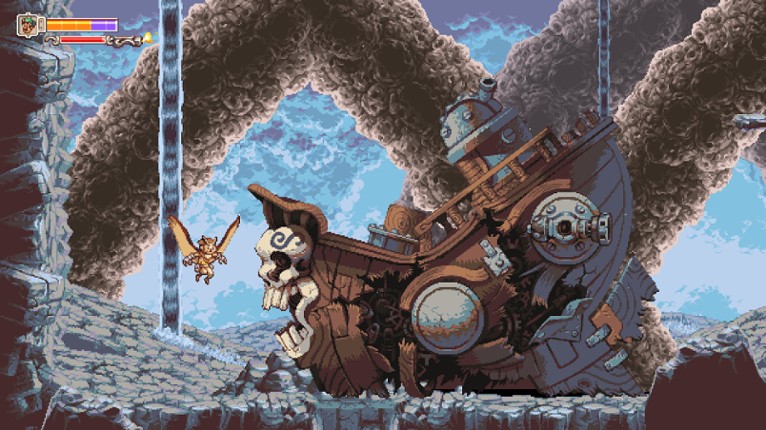
- 88%Game Brain ScoreMost mentioned positive aspects:music, gameplayMost mentioned negative aspects:story, grinding93% User Score 3,055 reviewsCritic Score 71%2 reviews
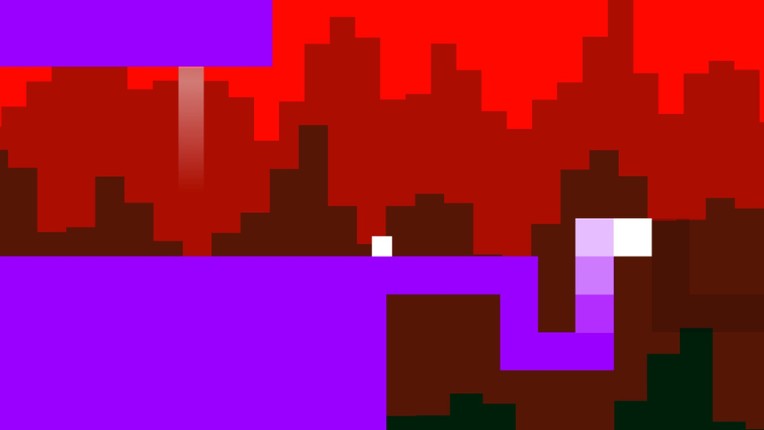
Strips Limbo's storytelling to pure minimalist challenge: brutal precision platforming with abstract visuals and a pulsing soundtrack.
If you enjoyed this game, see our list of games similar to 140.View Game

- 87%Game Brain ScoreMost mentioned positive aspects:story, gameplayMost mentioned negative aspects:stability, replayability90% User Score 3,141 reviewsCritic Score 80%3 reviews
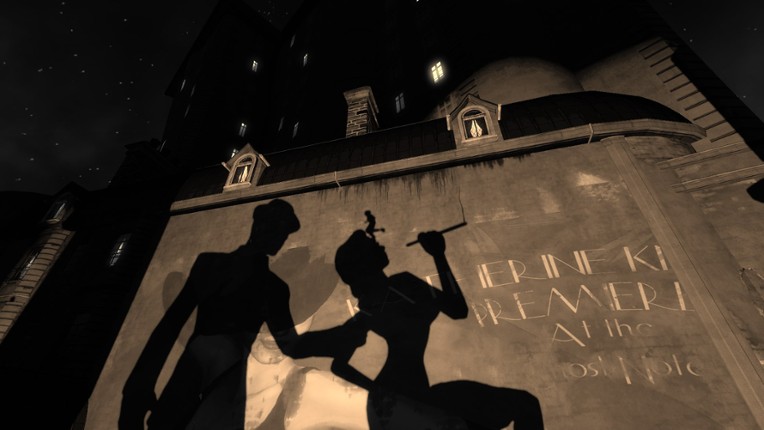
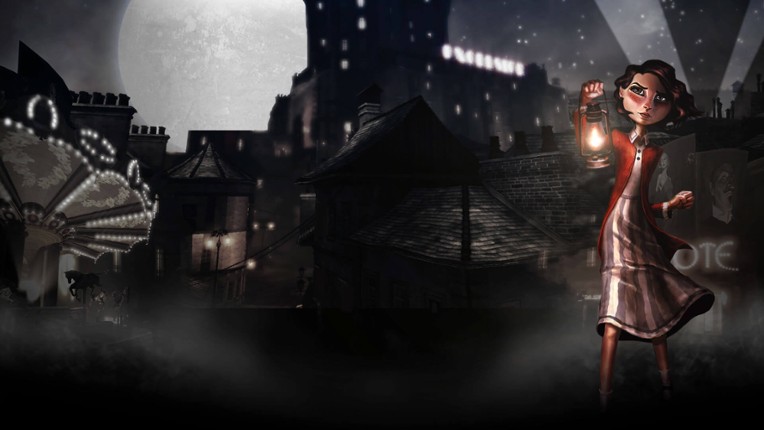
Moving from the forest into a stylized noir cityscape, this experience plays with 2D shadow mechanics as a gateway between physical and projected dimensions.
If you enjoyed this game, see our list of games similar to Contrast.View Game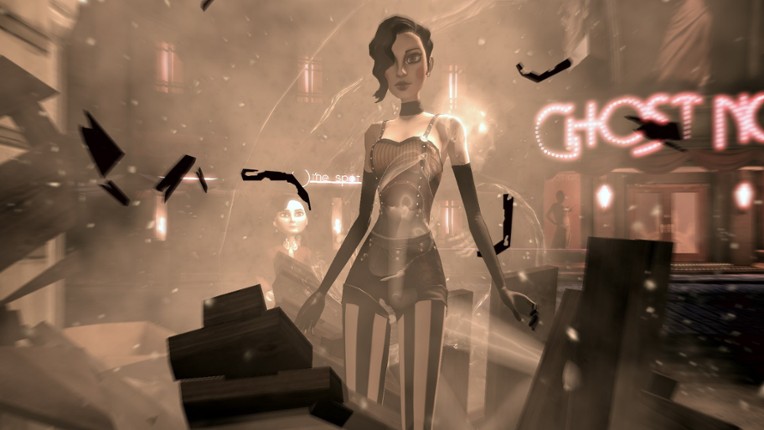
32 View Game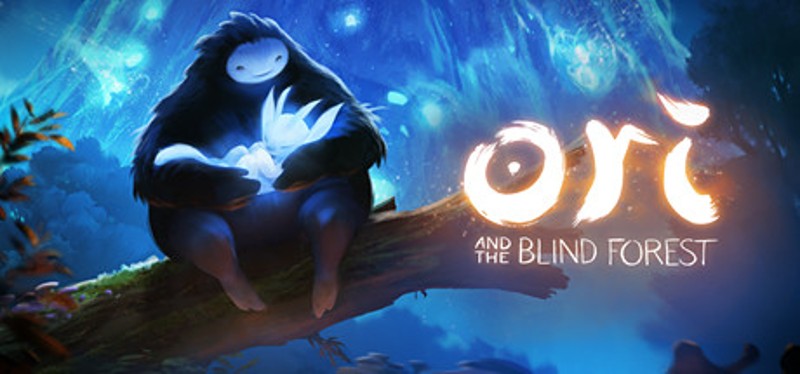 96%Game Brain ScoreMost mentioned positive aspects:story, musicMost mentioned negative aspects:grinding, stability96% User Score 26,368 reviews
Channels Limbo's atmospheric 2D platforming but floods it with beauty, emotion, and metroidvania exploration instead of isolation.
If you enjoyed this game, see our list of games similar to Ori and the Blind Forest.View Game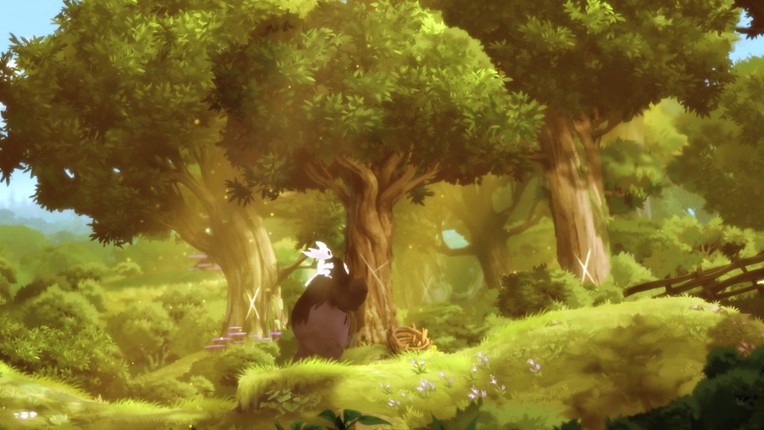


- 76%Game Brain ScoreMost mentioned positive aspects:story, atmosphereMost mentioned negative aspects:replayability, stability87% User Score 4,157 reviewsCritic Score 65%18 reviews
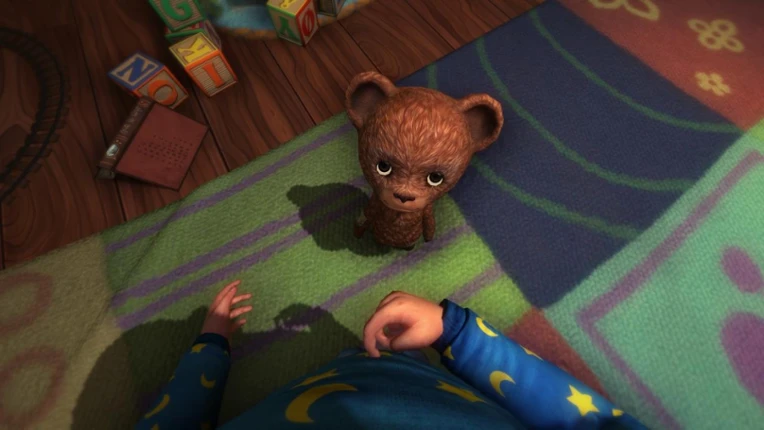
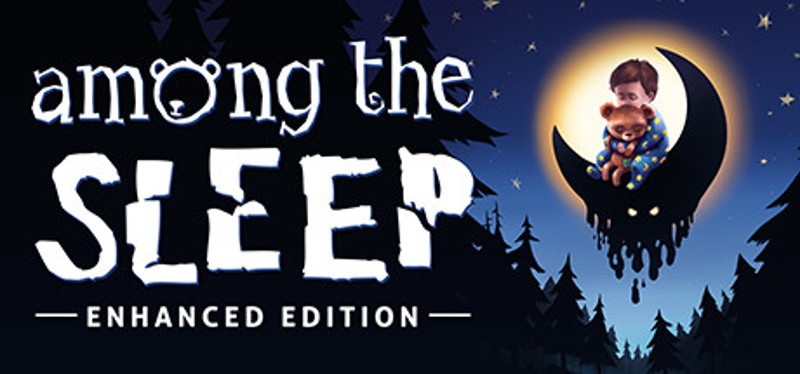
Replacing Limbo's side-scrolling precision with a first-person perspective, this journey through a toddler's surreal nightmares emphasizes vulnerability over environmental problem-solving.
If you enjoyed this game, see our list of games similar to Among the Sleep.View Game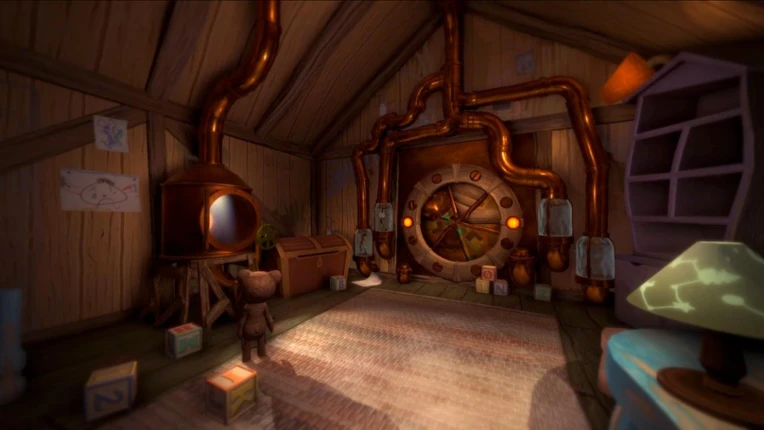
- 83%Game Brain ScoreMost mentioned positive aspects:gameplay, storyMost mentioned negative aspects:stability, grinding94% User Score 16,880 reviewsCritic Score 61%4 reviews
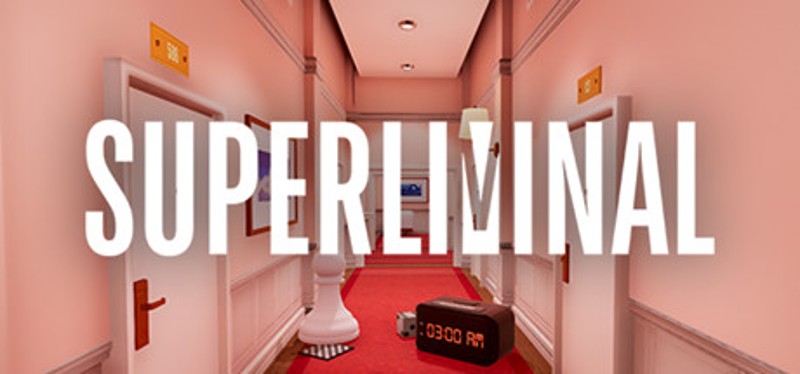
Replaces Limbo's bleak 2D dread with first-person perspective tricks and dark comedy, ideal for players who want playful spatial puzzles.
If you enjoyed this game, see our list of games similar to Superliminal.View Game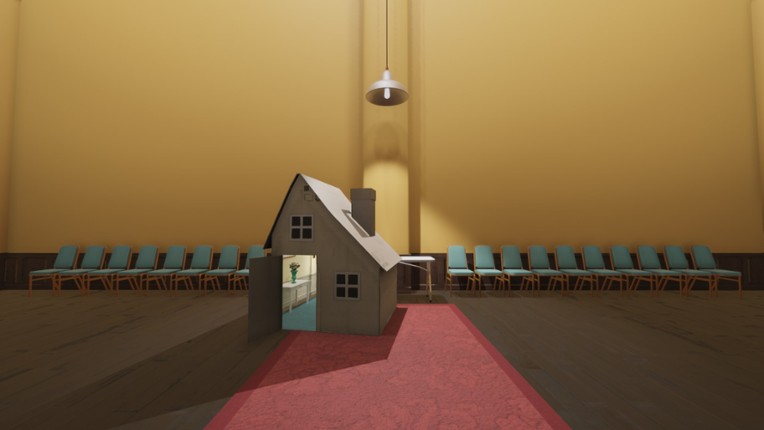
- 86%Game Brain ScoreMost mentioned positive aspects:story, gameplayMost mentioned negative aspects:grinding, replayability91% User Score 2,254 reviewsCritic Score 79%6 reviews
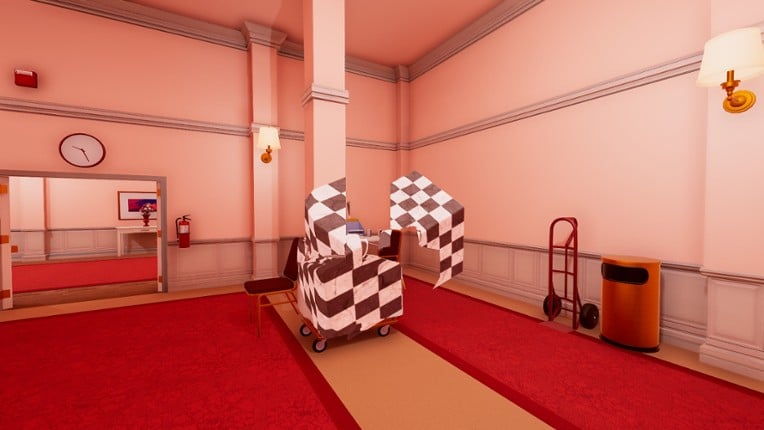
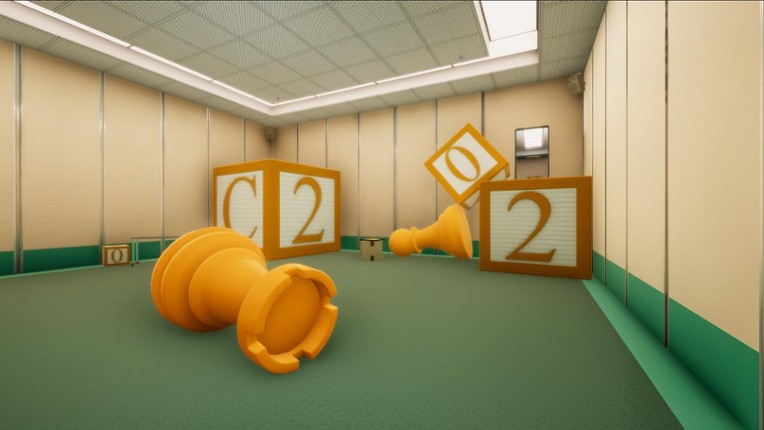
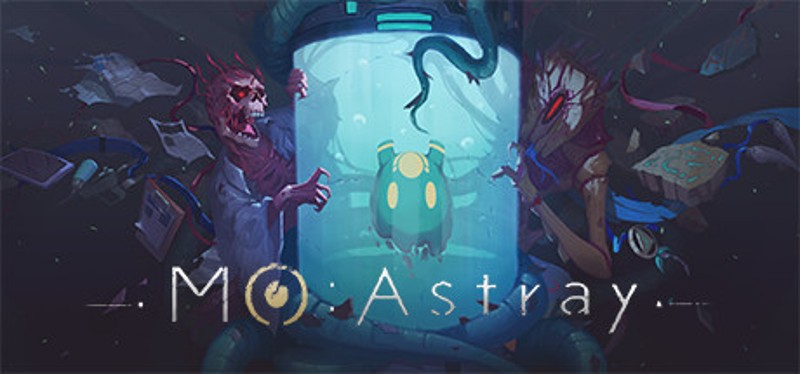
Injecting high-speed action and kinetic movement into a dying world, this challenge focuses on reflexive platforming rather than the slower, methodical puzzles of the genre.
If you enjoyed this game, see our list of games similar to MO:Astray.View Game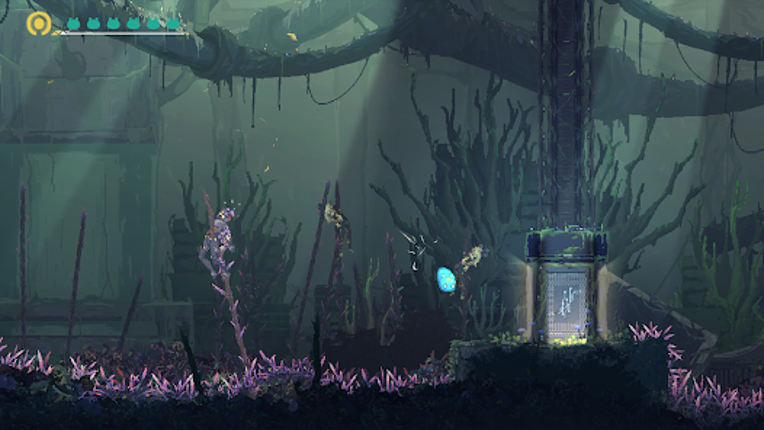
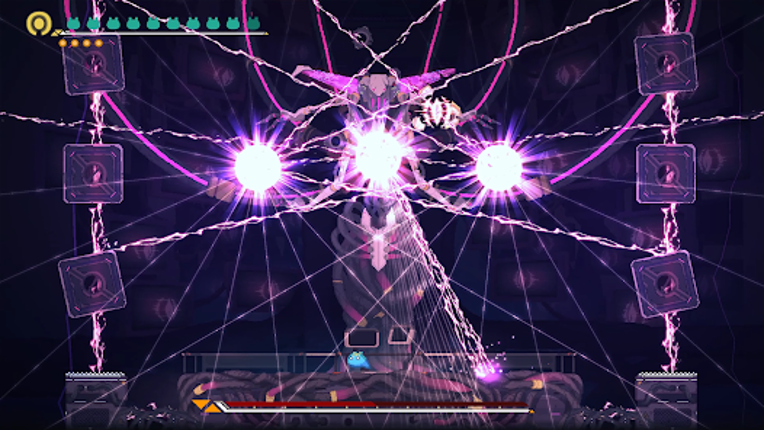
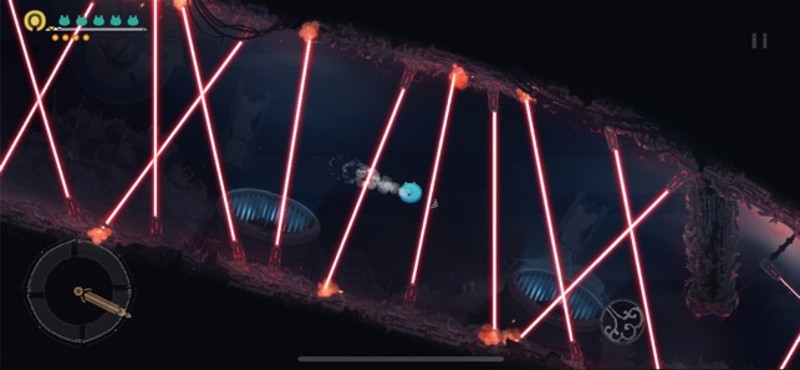
- 93%Game Brain ScoreMost mentioned positive aspects:graphics, storyMost mentioned negative aspects:character development, grinding93% User Score 2,614 reviews
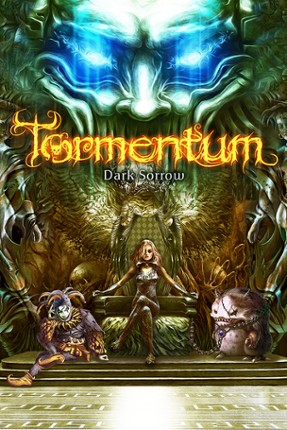
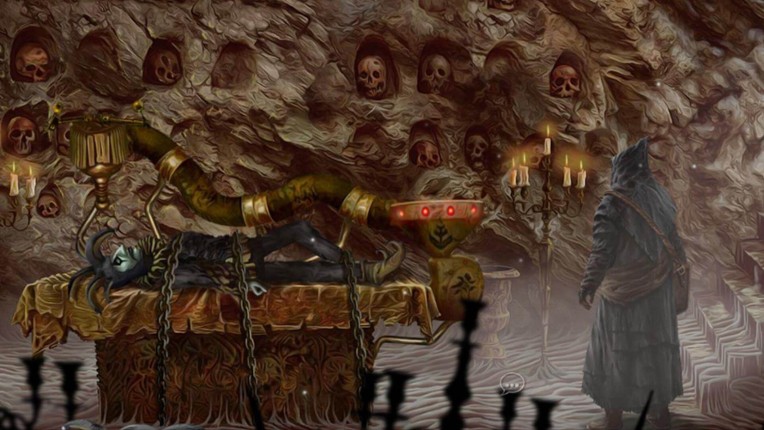
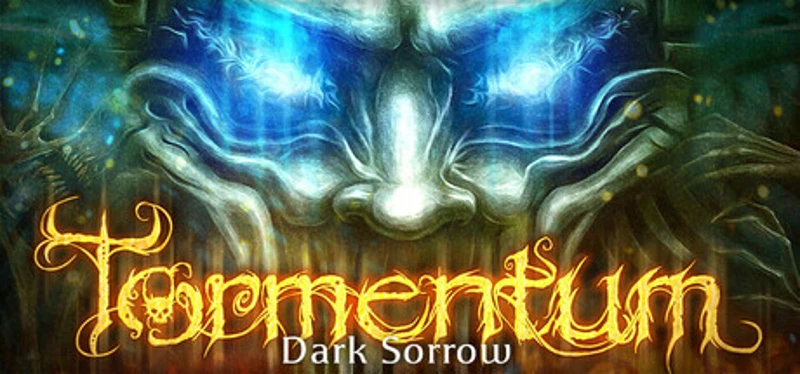
Leans harder into gothic fantasy and psychological horror than Limbo, for players who want gruesome illustration and a story-driven point-and-click edge.
If you enjoyed this game, see our list of games similar to Tormentum: Dark Sorrow.View Game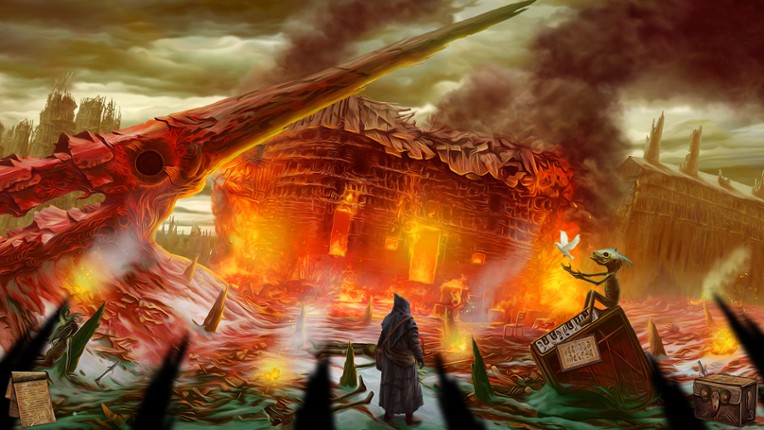
- 90%Game Brain ScoreMost mentioned positive aspects:story, musicMost mentioned negative aspects:grinding, replayability94% User Score 7,808 reviewsCritic Score 78%3 reviews
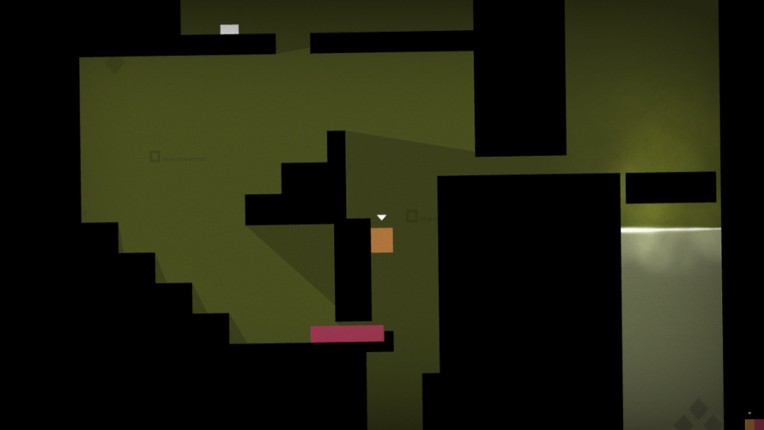
Swapping dark isolation for witty narration, this title turns physics-based platforming into an evolving commentary on companionship and the nature of existence.
If you enjoyed this game, see our list of games similar to Thomas Was Alone.View Game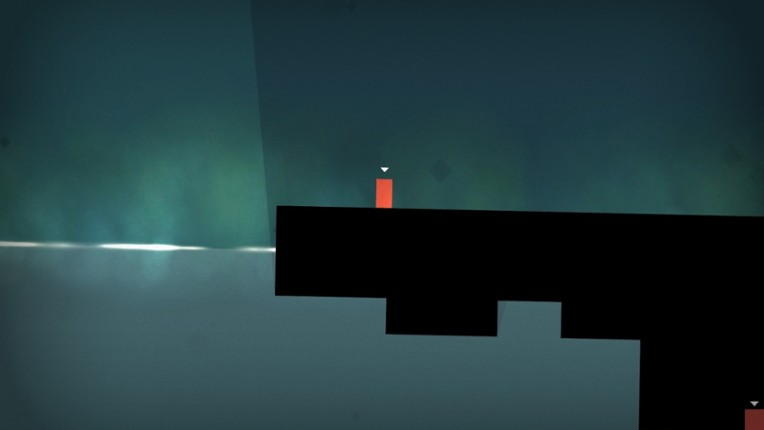
- 89%Game Brain ScoreMost mentioned positive aspects:story, gameplayMost mentioned negative aspects:replayability, grinding96% User Score 8,836 reviewsCritic Score 82%11 reviews
Transcending the platformer mold, this title offers an experimental, non-verbal puzzle experience where rearranging hand-drawn panels replaces the need for traditional movement.
If you enjoyed this game, see our list of games similar to Gorogoa.View Game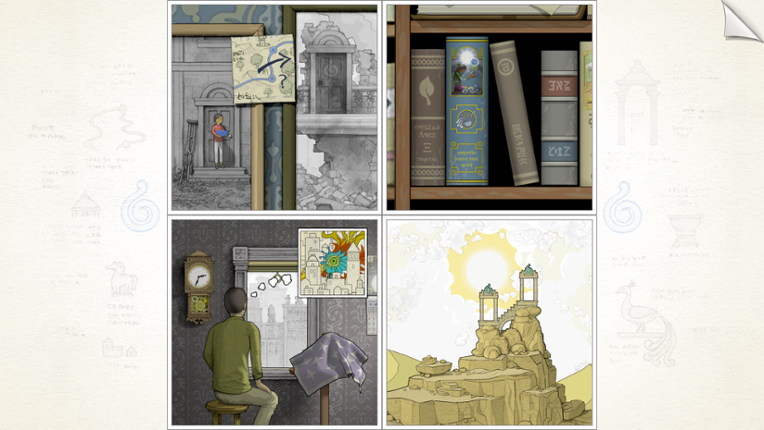
- 77%Game Brain ScoreMost mentioned positive aspects:story, gameplayMost mentioned negative aspects:grinding, replayability80% User Score 626 reviewsCritic Score 72%4 reviews
Borrowing the silent, hostile world concept, this retro-styled journey incorporates light science-fiction survival elements and a more expansive, exploration-heavy structure.
If you enjoyed this game, see our list of games similar to The Way.View Game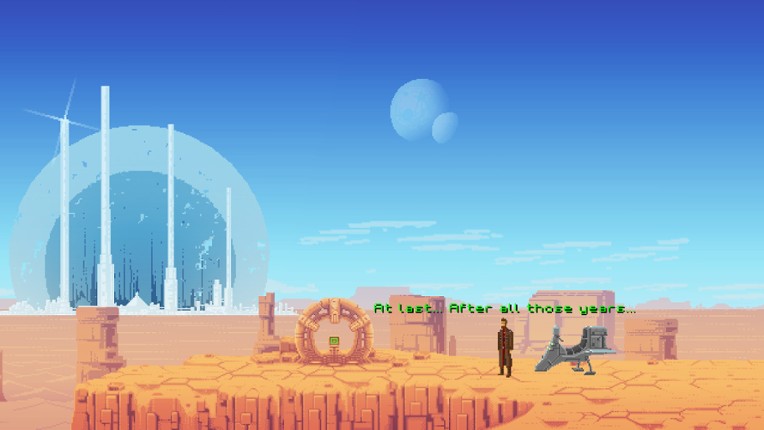

- 86%Game Brain ScoreMost mentioned positive aspects:story, gameplayMost mentioned negative aspects:grinding, replayability87% User Score 2,906 reviewsCritic Score 82%3 reviews
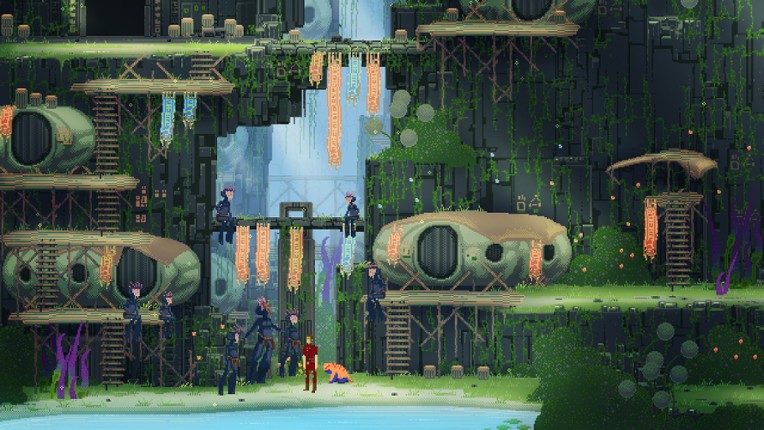
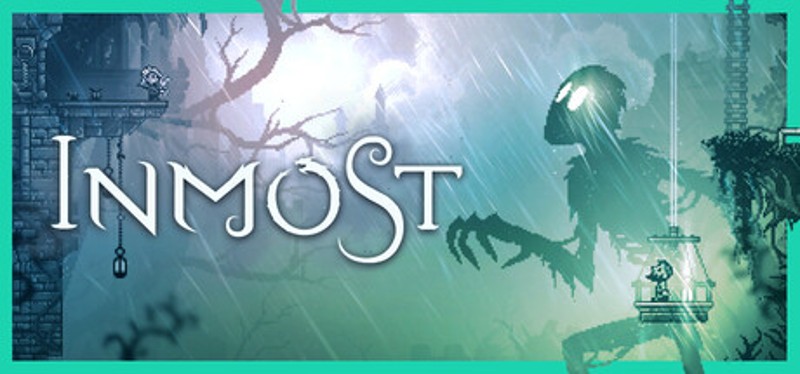
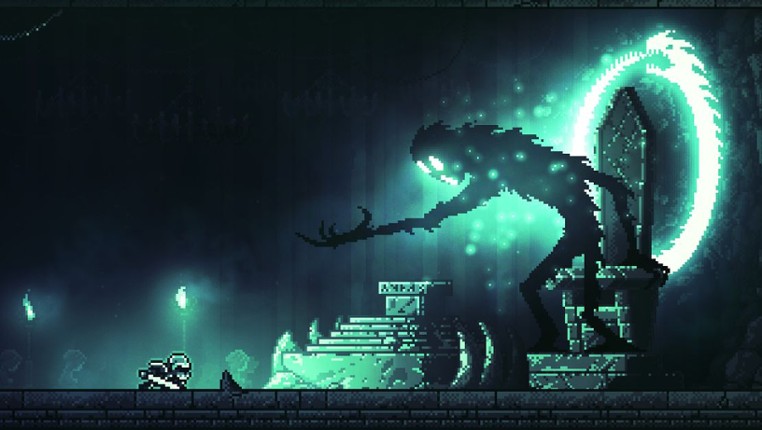
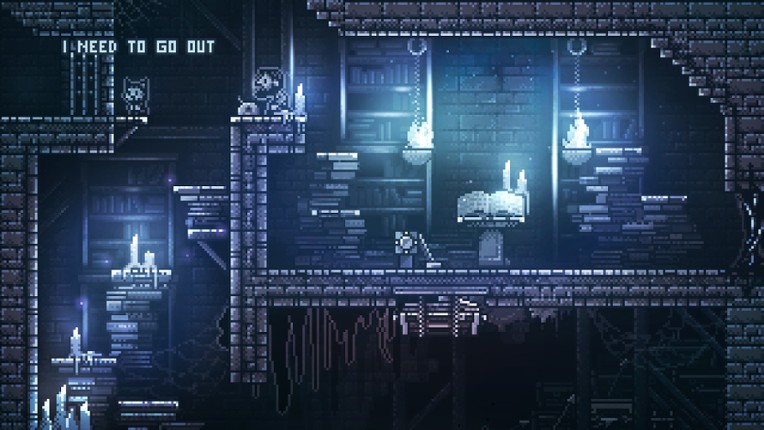
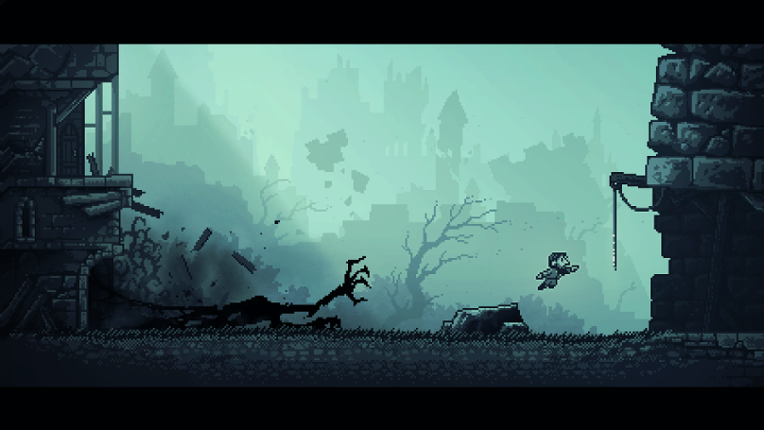
Expanding upon the feeling of profound tragedy, this narrative-driven quest uses pixel art to weave a deeper, more personal tale of grief and mental illness.
If you enjoyed this game, see our list of games similar to INMOST.View Game - 93%Game Brain ScoreMost mentioned positive aspects:story, graphicsMost mentioned negative aspects:optimization, stability93% User Score 4,698 reviews
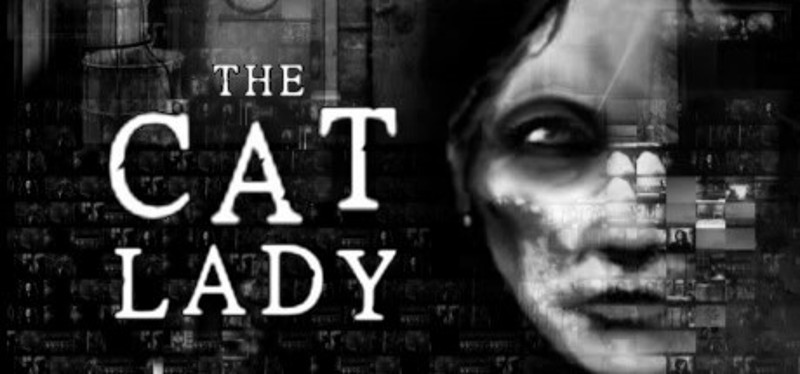
Trading the physical platforming hazards for point-and-click investigative gameplay, this grim story tackles mature psychological themes far more explicitly than the minimalist original.
If you enjoyed this game, see our list of games similar to The Cat Lady.View Game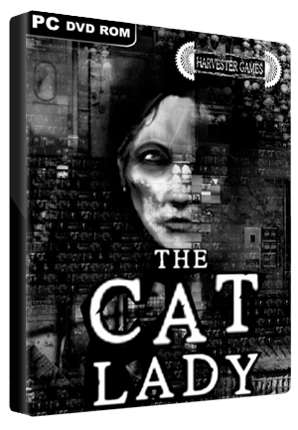
- 87%Game Brain ScoreMost mentioned positive aspects:story, graphicsMost mentioned negative aspects:monetization, grinding91% User Score 9,971 reviewsCritic Score 70%1 reviews
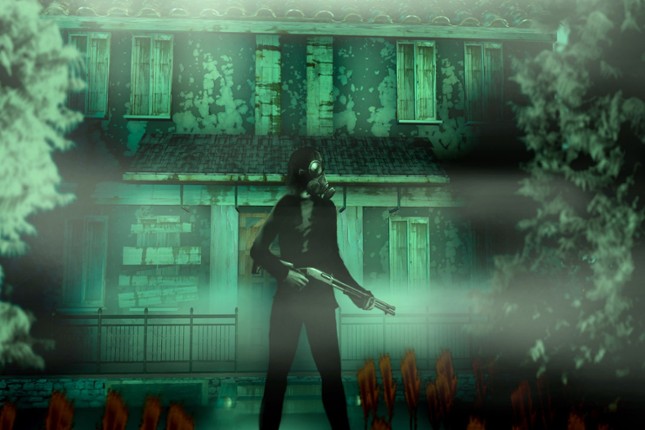
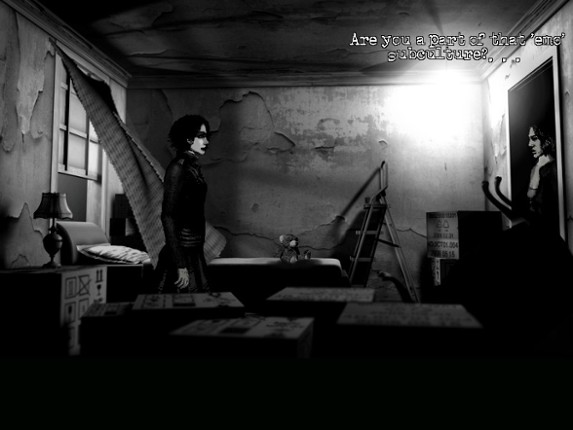
While the connection is distant, this investigative thriller exchanges simple physics-based traversal for complex time-travel mechanics and alternate-history mystery solving.
If you enjoyed this game, see our list of games similar to The Silent Age.View Game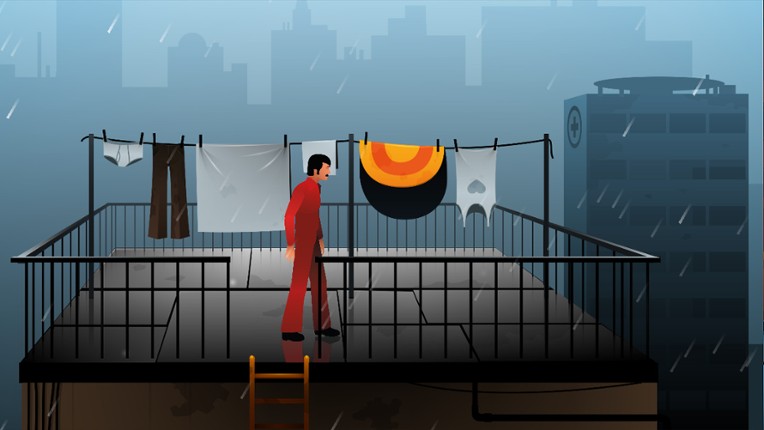
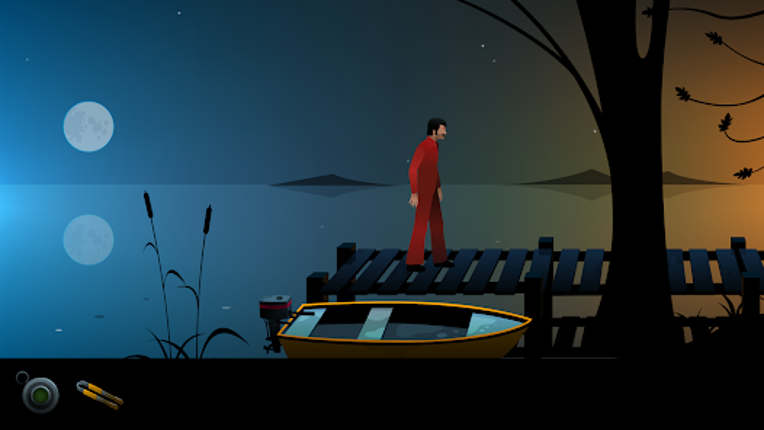

43 View Game 86%Game Brain ScoreMost mentioned positive aspects:story, graphicsMost mentioned negative aspects:grinding, replayability94% User Score 3,841 reviewsCritic Score 77%11 reviews
Takes Limbo's dark fairy-tale unease and stretches it into a bigger, more cinematic folk-horror journey for players who want spectacle.
If you enjoyed this game, see our list of games similar to Bramble: The Mountain King.View Game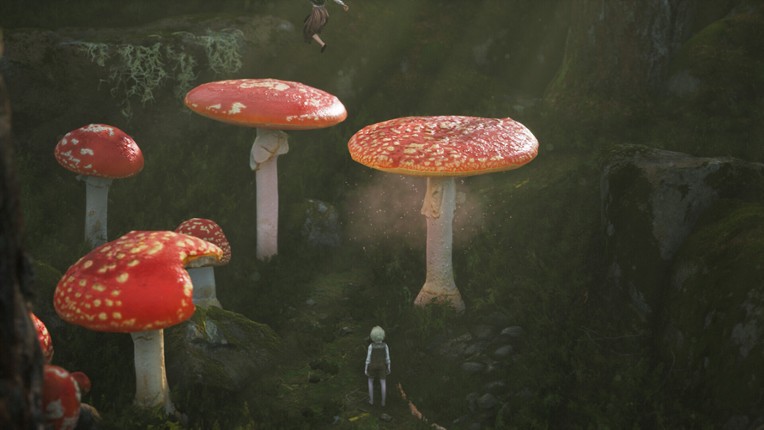
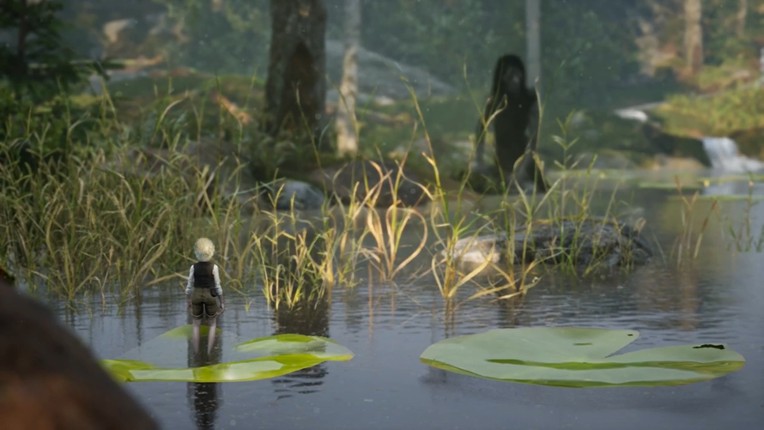

- 69%Game Brain ScoreMost mentioned positive aspects:story, gameplayMost mentioned negative aspects:stability, grinding73% User Score 2,174 reviewsCritic Score 60%4 reviews
Swaps Limbo's cramped platforming for a more expansive sci-fi mystery, suited to players who want lonely exploration over twitchy precision.
If you enjoyed this game, see our list of games similar to Lifeless Planet.View Game
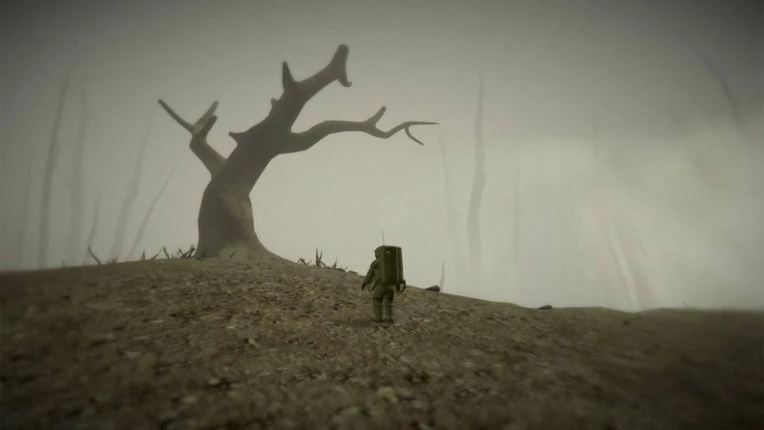

- 76%Game Brain ScoreMost mentioned positive aspects:gameplay, atmosphereMost mentioned negative aspects:grinding, replayability78% User Score 406 reviewsCritic Score 75%17 reviews
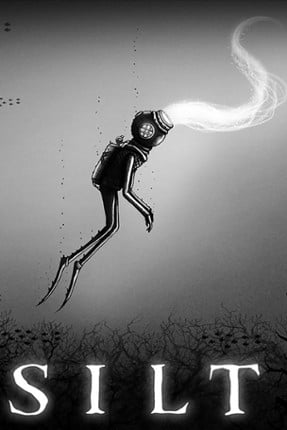
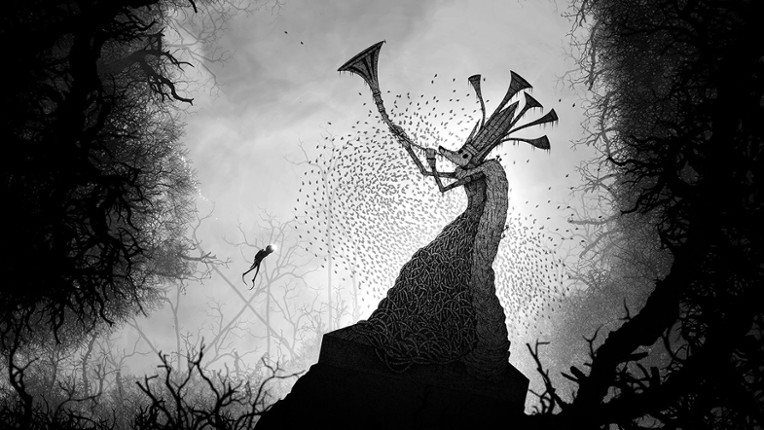
Recaptures Limbo's cinematic surrealism and dark 2D platforming but submerges you in a hand-drawn psychedelic abyss.
If you enjoyed this game, see our list of games similar to SILT.View Game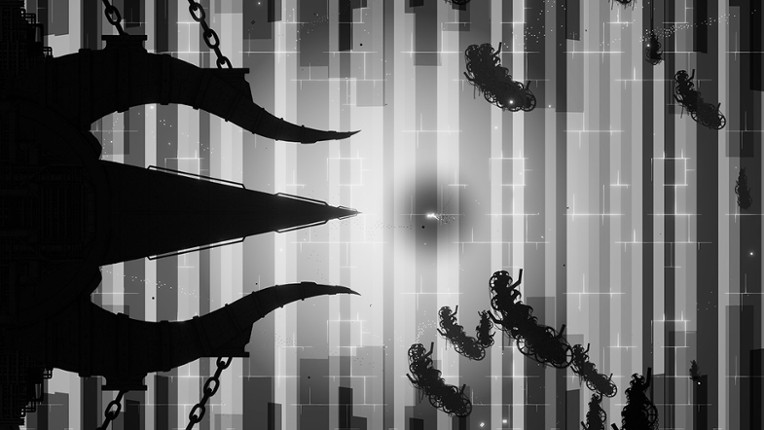
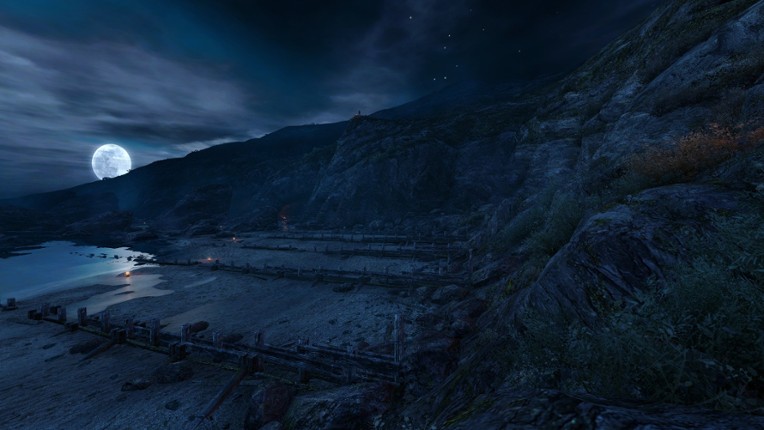
- 75%Game Brain ScoreMost mentioned positive aspects:story, graphicsMost mentioned negative aspects:replayability, grinding78% User Score 3,067 reviewsCritic Score 70%3 reviews
Shares Limbo's quiet, lonely mood only loosely, replacing danger with meditative wandering for players who prefer ambience over puzzles.
If you enjoyed this game, see our list of games similar to Dear Esther.View Game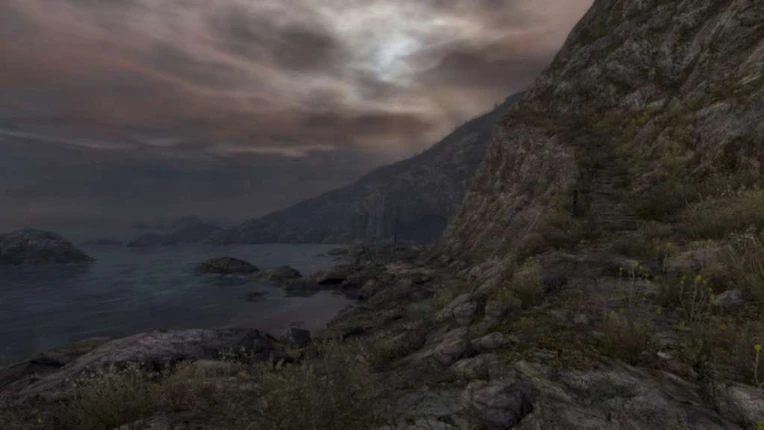
- 89%Game Brain ScoreMost mentioned positive aspects:music, graphicsMost mentioned negative aspects:replayability, grinding95% User Score 6,644 reviewsCritic Score 80%6 reviews
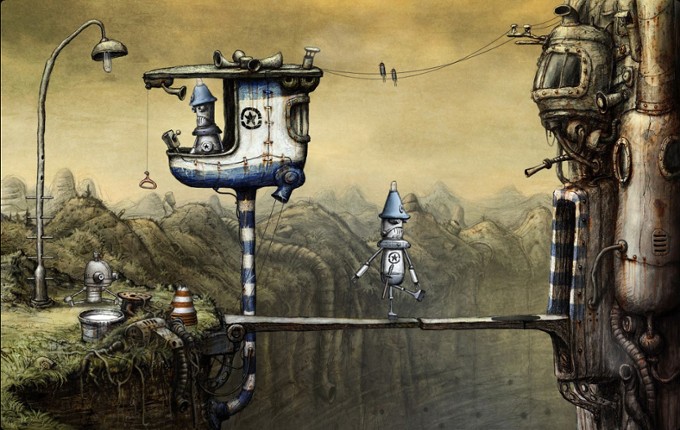
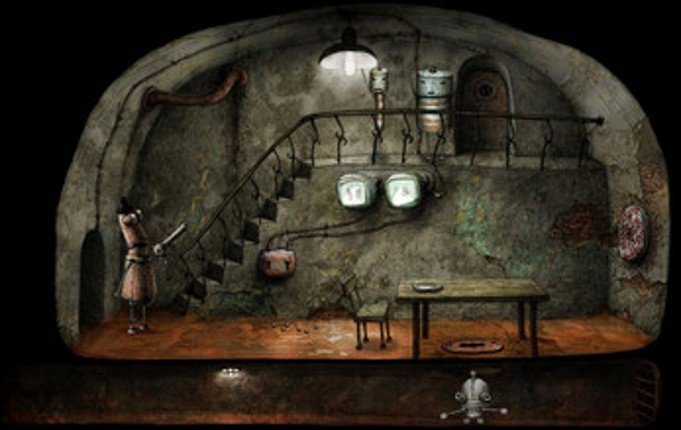
Keeps the eerie surrealism of Limbo but softens it with hand-drawn charm and robot humor, perfect for gentler puzzle adventurers.
If you enjoyed this game, see our list of games similar to Machinarium.View Game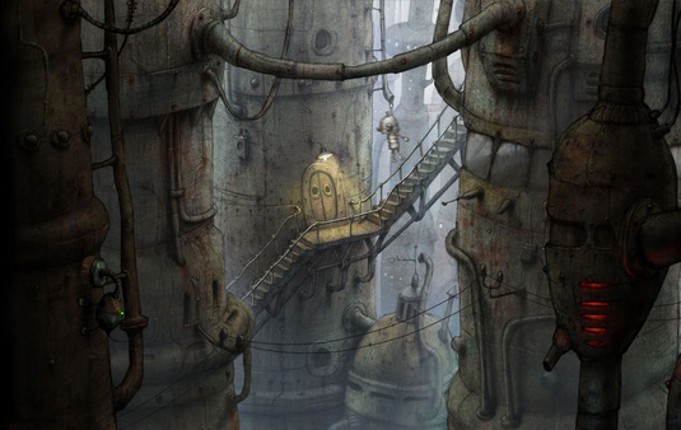
- 95%Game Brain ScoreMost mentioned positive aspects:story, graphicsMost mentioned negative aspects:stability, grinding97% User Score 135,040 reviewsCritic Score 85%1 reviews
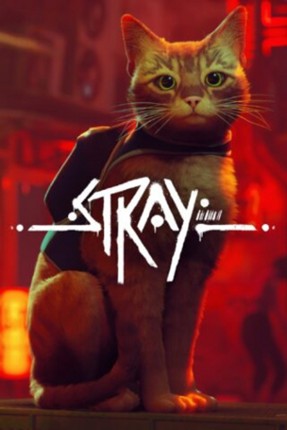
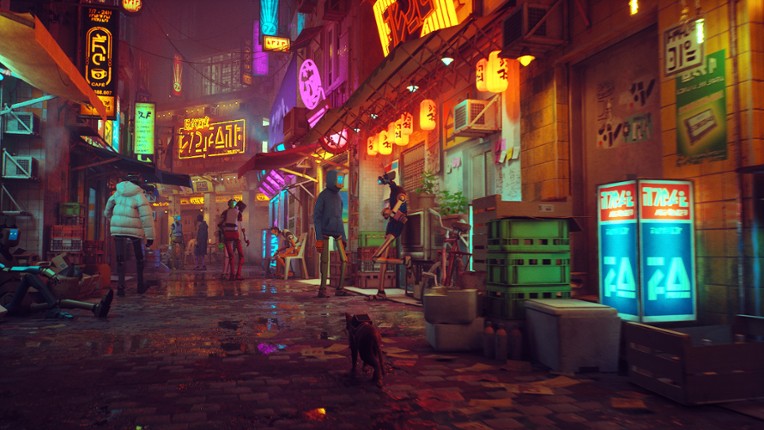
Trades Limbo's grim helplessness for a colorful cat-and-robot mystery, aimed at players who want stealthy exploration with a warmer heart.
If you enjoyed this game, see our list of games similar to stray.View Game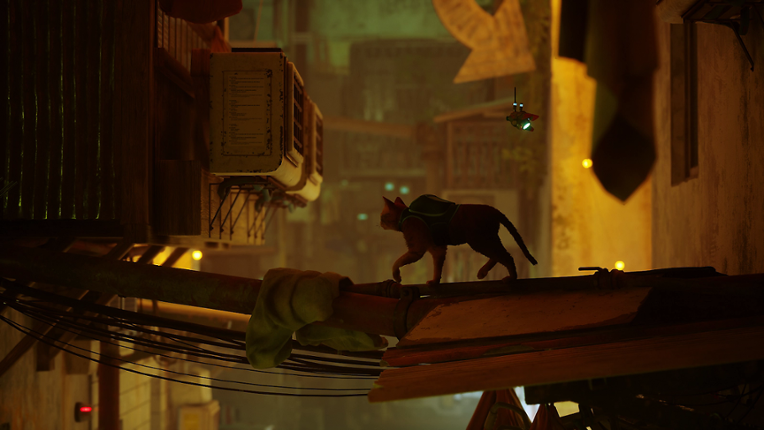
- 88%Game Brain ScoreMost mentioned positive aspects:gameplay, musicMost mentioned negative aspects:grinding, stability91% User Score 9,004 reviewsCritic Score 85%29 reviews
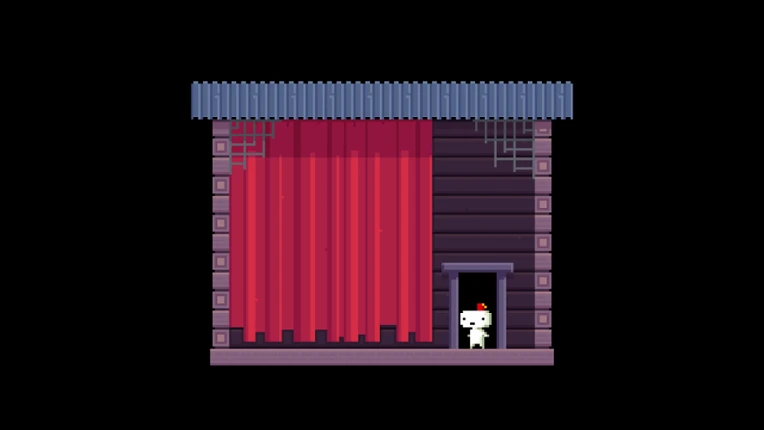
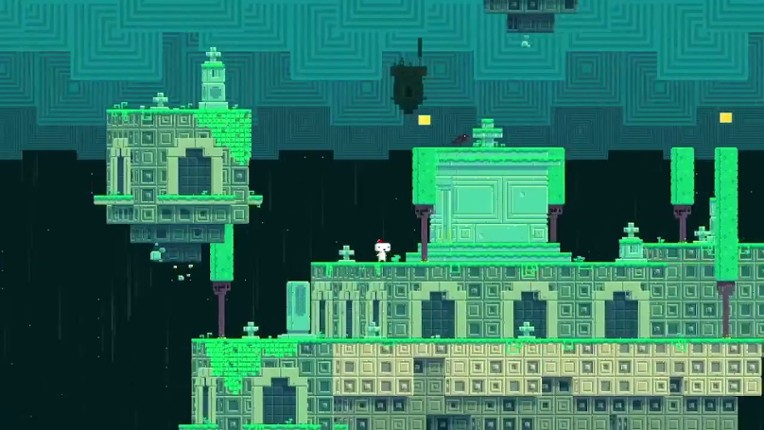
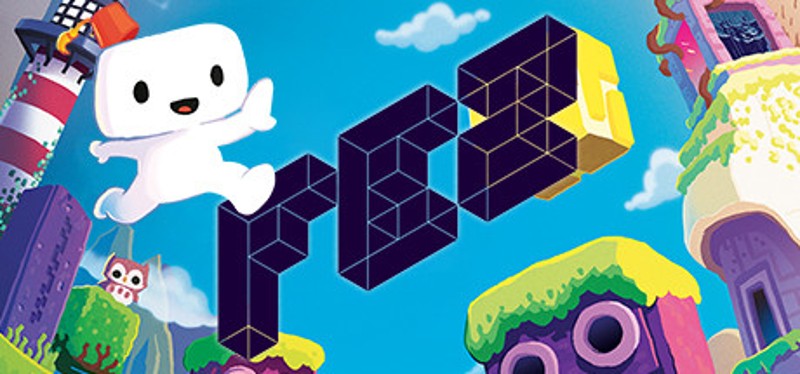
Gomez is a 2D creature living in a 2D world. Or is he? When the existence of a mysterious 3rd dimension is revealed to him, Gomez is sent out on a journey that will take him to the very end of time and space. Use your ability to navigate 3D structures from 4 distinct classic 2D perspectives. If you enjoyed this game, see our list of games similar to FEZ.
View Game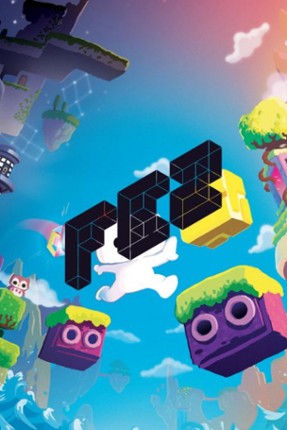
50 View Game
 92%Game Brain ScoreMost mentioned positive aspects:story, gameplayMost mentioned negative aspects:replayability, grinding93% User Score 23,415 reviewsCritic Score 91%2 reviews
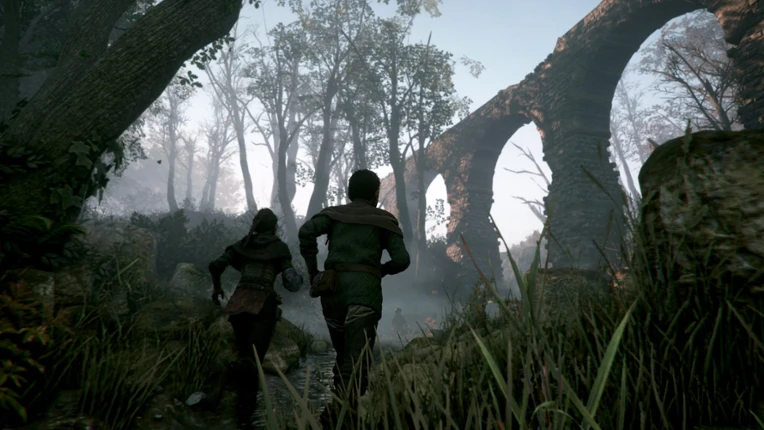
Connects to Limbo only through its grand emotional storytelling, but it favors cinematic historical drama over puzzle-platforming challenge.
If you enjoyed this game, see our list of games similar to A Plague Tale: Innocence.View Game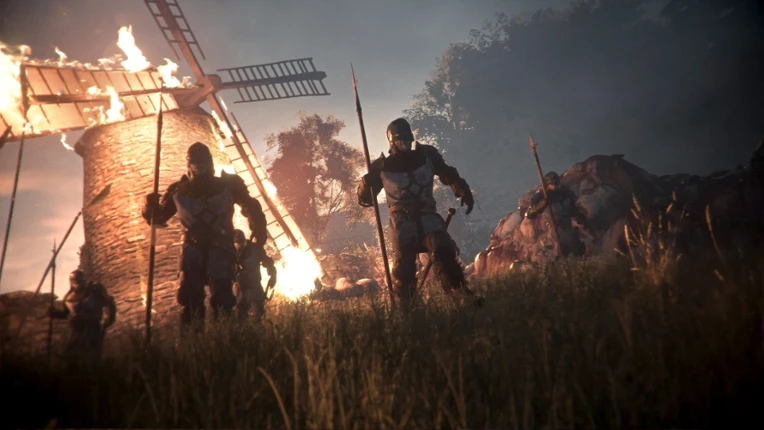


 View Game































Frequently Asked Questions
INSIDE is the closest match, featuring the same haunting atmosphere and minimalist puzzle-platformer design. Little Nightmares delivers psychological horror with stunning visuals and environmental storytelling. DARQ offers surreal puzzles with a Tim Burton-inspired aesthetic, while Braid provides cerebral puzzle-platforming with a beautiful art style and exceptional soundtrack.
Little Nightmares excels at psychological horror with its creeping dread and survival-focused gameplay. DARQ embraces surreal darkness with steampunk visuals and disturbing puzzle mechanics. Somerville creates an ominous sci-fi atmosphere through cinematic storytelling and environmental design, while maintaining the emotional weight Limbo players appreciate.
INSIDE, Little Nightmares, and DARQ are all available on PC, PlayStation, Xbox, and Nintendo Switch. Braid runs on nearly every platform including PC, consoles, and mobile. Planet of Lana launched on Xbox and PC with Game Pass, making it easily accessible for most players seeking Limbo-like experiences.
INSIDE integrates physics into its puzzle design seamlessly, requiring environmental manipulation to progress. Braid adds time-manipulation mechanics that create clever physics-based solutions. Nihilumbra uses color-based physics mechanics to solve environmental puzzles, offering a fresh take on the physics-puzzle formula while maintaining atmospheric storytelling.
DARQ offers exceptional value with free DLC expanding its content. Many similar titles like Nihilumbra and Planet of Lana are affordable indie releases under $20. The Dream Machine provides episodic puzzle-adventure gameplay at budget prices, delivering the atmospheric, story-driven experience Limbo fans crave without breaking the bank.
INSIDE tells a cohesive sci-fi narrative through environmental storytelling without dialogue. Nihilumbra features direct narration exploring philosophical themes. Planet of Lana and Somerville use cinematic presentation and visual storytelling to convey emotional narratives. These games maintain Limbo's minimalist approach while providing more narrative context and character development.