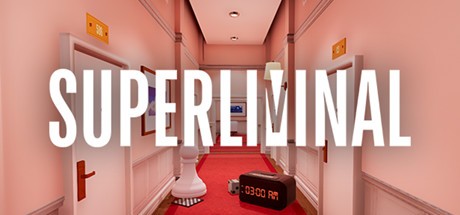



If Superliminal rewired your brain with its forced-perspective trickery, you're probably hunting for games like Superliminal that mess with scale, space, and perception in equally clever ways. This is a game that fuses first-person puzzle design with a surreal, dreamlike narrative about breaking free from your own anxieties — and finding that same blend elsewhere isn't easy. Good news: the alternatives below deliver similar mind-bending thrills.
Superliminal works because it doesn't ask you to shoot, jump, or grind — it asks you to look at things differently, literally. Walking down a hallway and shrinking a chess piece into a real chair to climb onto a table is the entire loop, wrapped in minimalist visuals, a calming soundtrack, and a psychological narrative about self-doubt. It's short, story-rich, and built around one perspective-bending mechanic explored to its logical (and illogical) extremes. Players searching for more of this want that same "aha" feeling — puzzles solved not through reflexes, but through rethinking what's actually in front of them.
Manifold Garden pushes perspective puzzles into impossible, non-Euclidean architecture. Antichamber offers similarly abstract, logic-defying corridors with a minimalist edge. The Talos Principle trades scale-shifting for philosophical puzzle-solving with real depth. Q.U.B.E: Director's Cut delivers tactile, physics-based puzzle rooms with a mystery narrative. COCOON and The Entropy Centre round things out with clever mechanics and striking, atmospheric worlds.
Every game on this page is ranked by similarity using real player data, so the closest matches to Superliminal appear first. Scroll down to browse the full list of games like Superliminal and find your next perspective-bending obsession.
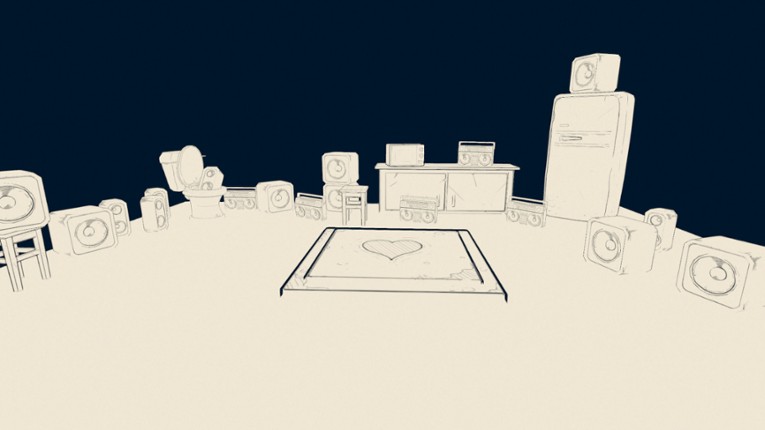
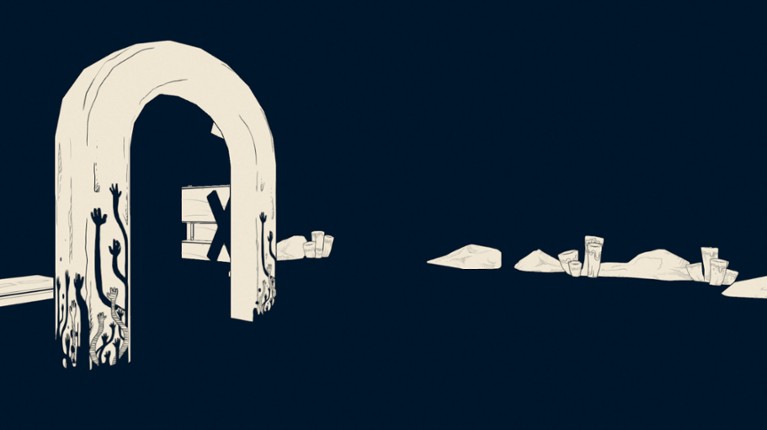
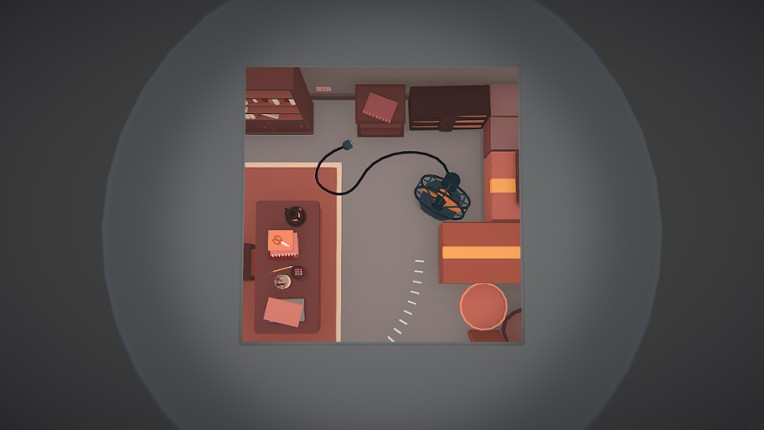
Both games put you in a first-person space where ordinary-looking surroundings demand a second reading: you inspect, test, and reinterpret what the room is asking you to notice. In The Escape Artist, that behavior pairs with surreal presentation, so a visual oddity is not just decoration—it becomes a prompt to question your assumptions and try another solution. That loop of observation, experimentation, and sudden realization is the core pleasure Superliminal fans chase.
Its indie design, atmospheric audiovisual style, and single-player focus reinforce that connection, creating a solitary puzzle experience where mood and discovery matter as much as solving the obstacle. The Escape Artist takes a fresh angle, though: it is a shorter, more tightly authored journey, trading Superliminal’s perspective spectacle for concentrated pacing and a more intimate story-and-atmosphere focus.
That compact structure may appeal to players who felt Superliminal sometimes repeated itself or introduced mechanics it barely explored; a narrower scope can make each idea feel more deliberate. Best for players who prefer surreal first-person puzzles, careful observation, and atmosphere over spectacle.
If you enjoyed this game, see our list of games similar to The Escape Artist.
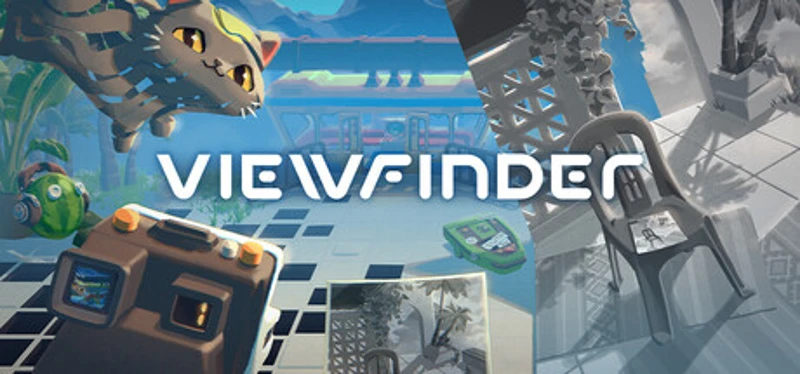
Challenge perception, redefine reality, and reshape the world around you with an instant camera. Viewfinder is a new single player game offering gamers hours of interesting and fun experiences while uncovering the mysteries left behind.Viewfinder is a mind-bending first person adventure game in which you can bring pictures to life by placing them into the world. Features Reshape Reality: Beyond ph… If you enjoyed this game, see our list of games similar to Viewfinder.
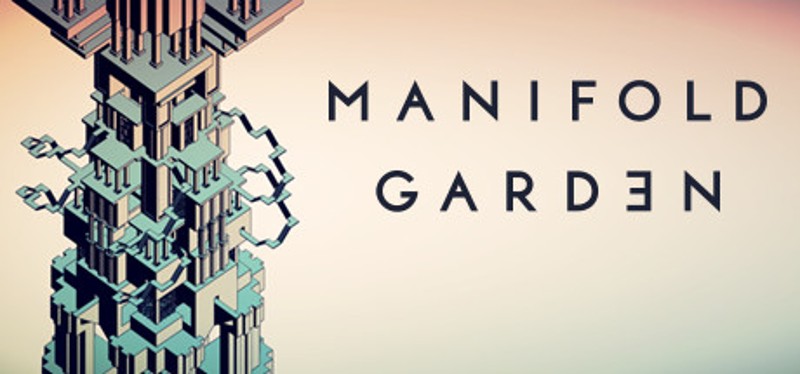
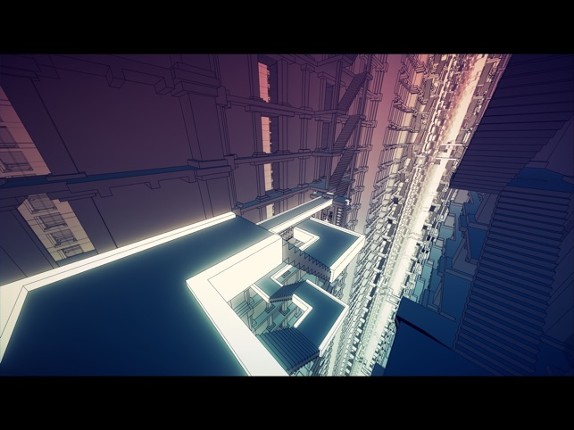
Both experiences instantly challenge your spatial reasoning by forcing you to manipulate the physical laws of your surroundings to progress. While Superliminal relies on forced perspective, Manifold Garden tasks you with shifting gravity to walk on any wall or ceiling. This constant reorientation creates that same mind-bending sensation of re-learning how to move through a space, turning every room into a multi-dimensional puzzle box.
Where Superliminal occasionally feels constrained by its linear, dream-like hallways, this adventure opens up into breathtaking, infinite non-Euclidean architecture. Shifting from tight corridor puzzles to vast, looping worlds addresses the criticism of being funneled along a single path. This structural freedom allows you to experiment with physics-bending mechanics at your own pace across expansive, minimalist structures.
Best for players who crave architectural wonder and want to lose themselves in pure, abstract spatial geometry.
If you enjoyed this game, see our list of games similar to Manifold Garden.
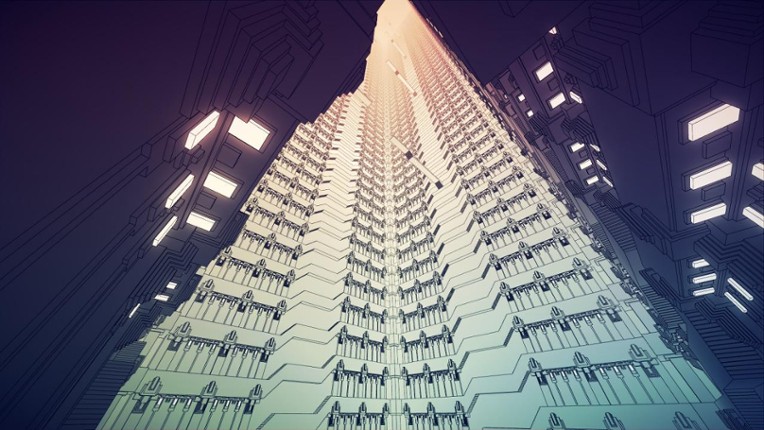
Both games trap you in spaces where your perception is the puzzle. Superliminal's forced perspective mechanic and Antichamber's non-linear, geometry-defying corridors force you to abandon conventional problem-solving—you can't brute-force your way through either game because the rules themselves are warped.
The shared atmospheric weight matters here: each relies on minimalist visuals and ambient soundscapes to create psychological unease rather than jump scares. This design choice makes the puzzle-solving feel less like clicking through objectives and more like navigating your own mental space, which is why both games linger after you stop playing.
Where they diverge meaningfully: Antichamber embraces sprawling, non-linear exploration with genuine replay value, directly addressing Superliminal's brevity and linearity. You'll spend substantially longer unraveling its abstract corridors, and the order you solve things actually matters.
The tradeoff is narrative clarity—Antichamber trades Superliminal's introspective story for pure environmental puzzle design. There's no emotional arc, just abstract challenge.
Best for players who wanted Superliminal's mind-bending design philosophy to stretch across 15+ hours, and who prefer environmental storytelling over explicit narrative.
If you enjoyed this game, see our list of games similar to Antichamber.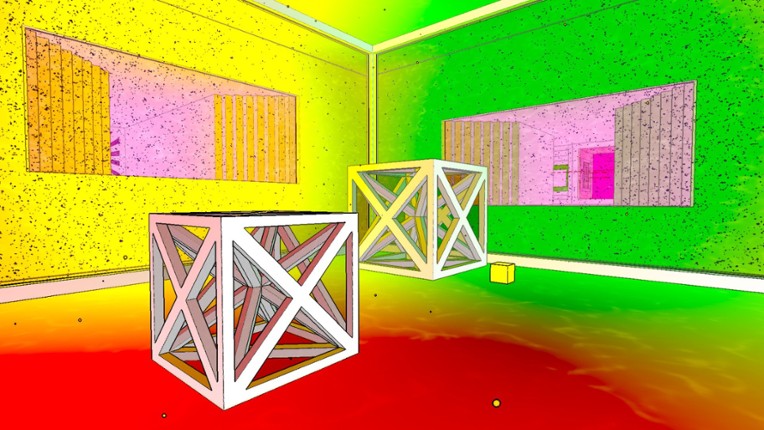
I can see the signs in my sleep, guiding me closer. Will this really work If you enjoyed this game, see our list of games similar to The Pedestrian.
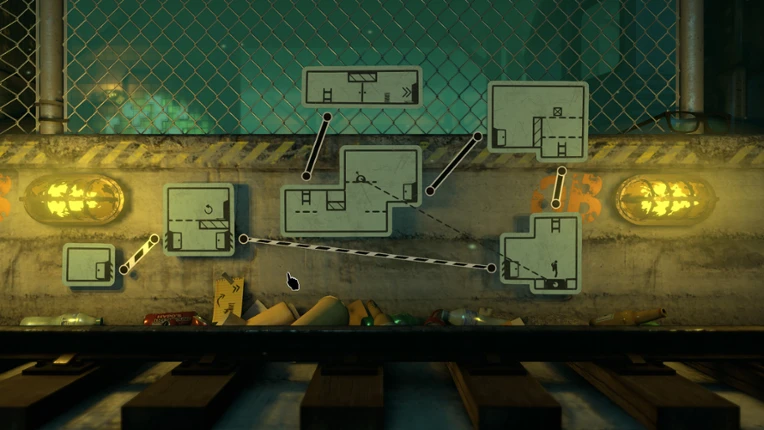
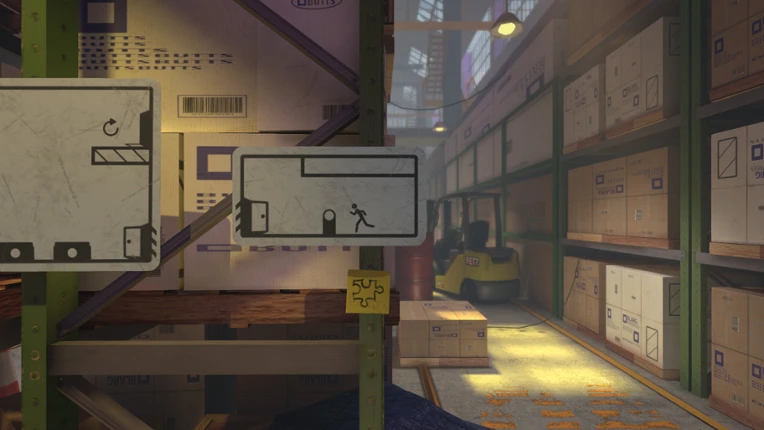
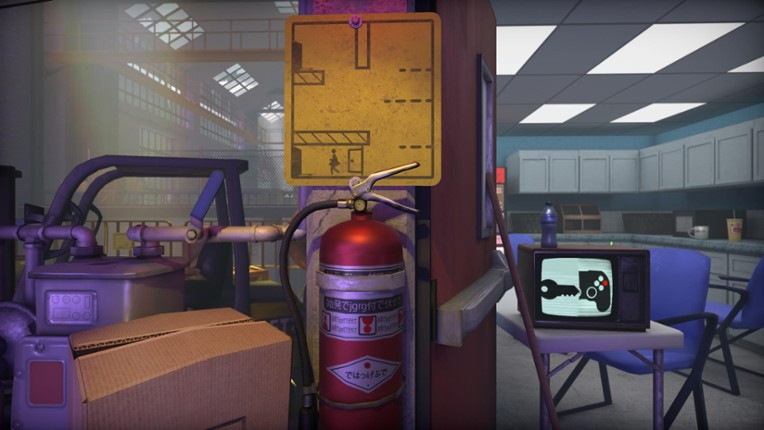
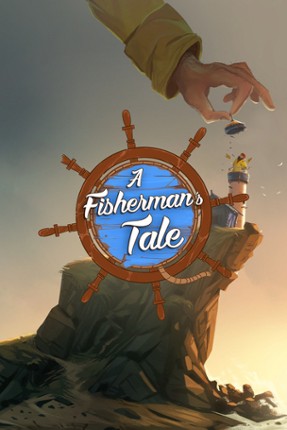
Both games build their puzzles around spatial manipulation and perspective tricks that reward creative thinking over reflexes. This shared foundation makes the puzzle logic feel familiar while each game explores it differently.
A Fisherman's Tale layers its mechanics with stronger voice acting and narrative charm, which compensates where Superliminal sometimes feels procedural.
The crucial difference: A Fisherman's Tale is even shorter and simpler, with puzzles that rarely challenge experienced players.
Pick this if you loved Superliminal's surreal atmosphere and want more VR-native perspective puzzles, but accept that you're trading mechanical depth for a tighter, more story-focused experience.
If you enjoyed this game, see our list of games similar to A Fisherman's Tale.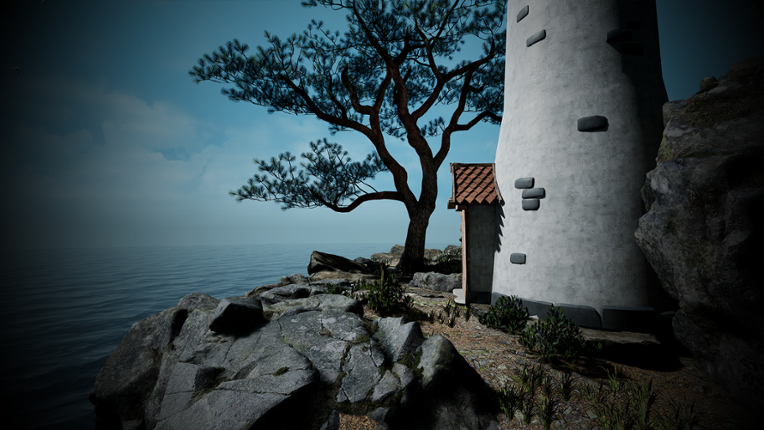

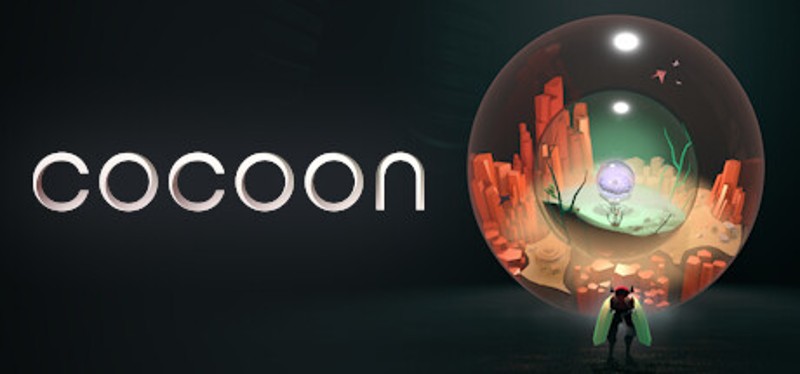
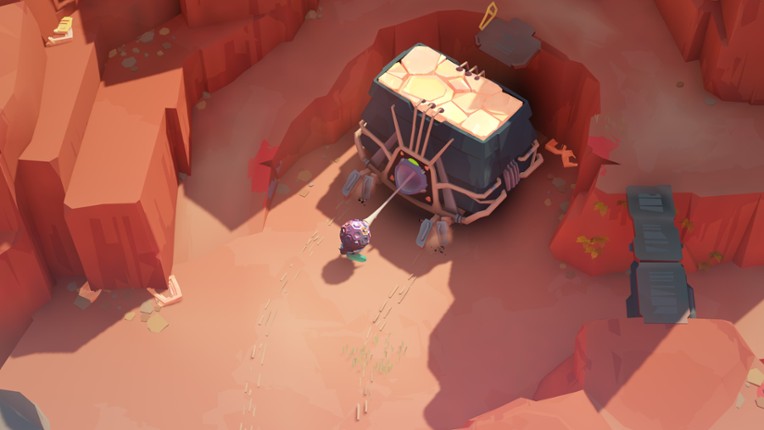
Both Superliminal and COCOON center the act of perceiving the world differently as the primary tool for solving puzzles, creating a shared rhythm of "wait, let me look at this from another angle."
Fans who appreciated Superliminal's forced perspective will find that same intellectual thrill in COCOON's nested dimension mechanics, where worlds fold inside one another and carrying an orb through a portal rewrites the environment itself. Each game uses visual abstraction as a gameplay system, but COCOON takes a more tactile approach—you physically manipulate dimensional constructs rather than simply shifting your viewpoint. The result is that meditative, "figure it out yourself" satisfaction both titles deliver so well, paired with an atmospheric electronic soundtrack that complements the surreal mood.
COCOON strips away Superliminal's narrative framing entirely—no dialogue, no text, no story beats—offering pure puzzle exploration against cosmic backdrops. This trade-off rewards players who prefer experience over exposition.
Best for players who chase elegant puzzle design over narrative depth, and who value focused, introspective gameplay sessions.
If you enjoyed this game, see our list of games similar to COCOON.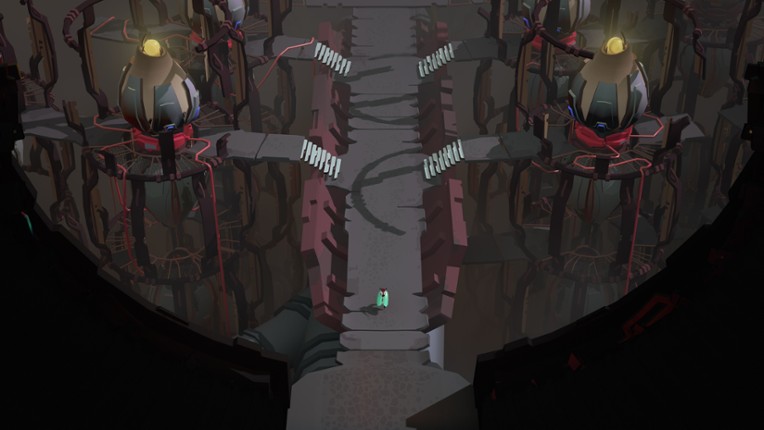

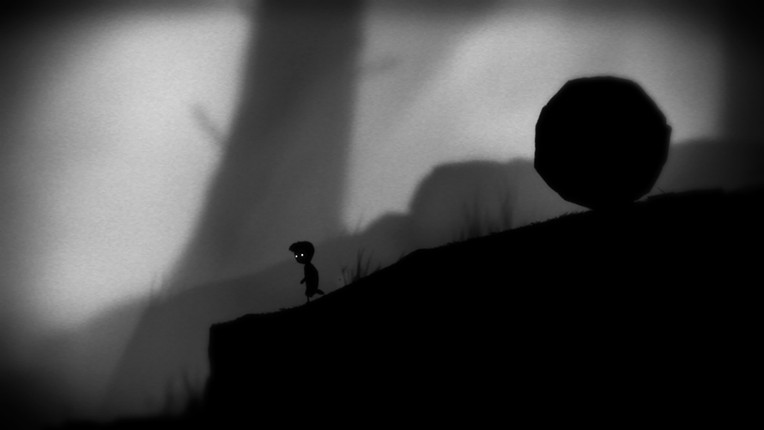
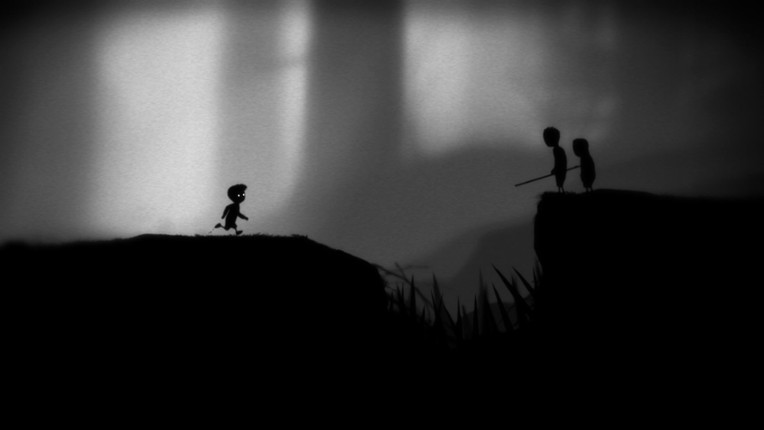
That feeling of solving a room by reading it differently rather than by brute force — that's the throughline here. Limbo trades Superliminal's perspective tricks for environmental logic puzzles, but the core loop of "look again, then act" survives the transition intact.
Both games lean hard on physics-based problem solving and a minimalist, atmosphere-first art direction that does narrative heavy lifting without dialogue. Where Superliminal used scale distortion to unsettle you, Limbo uses shadow, silence, and sudden death — the dread comes from environment instead of geometry, but the "figure out the rule before it kills you" tension feels familiar.
The trade-off: Limbo replaces surreal whimsy with bleak, unrelenting horror, and its puzzles punish trial-and-error more harshly. If you found Superliminal's mechanics underused, Limbo compensates with tighter, more consistently difficult puzzle-platforming throughout its runtime.
It's also a reasonable answer to the "too short" complaint — Limbo isn't long, but it never coasts on walking-simulator stretches. Best for players who want their environmental puzzles paired with mood over mind-bending spectacle.
If you enjoyed this game, see our list of games similar to LIMBO.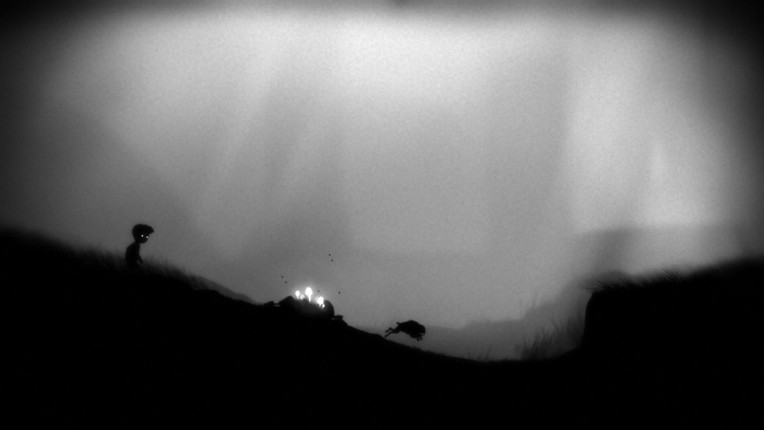
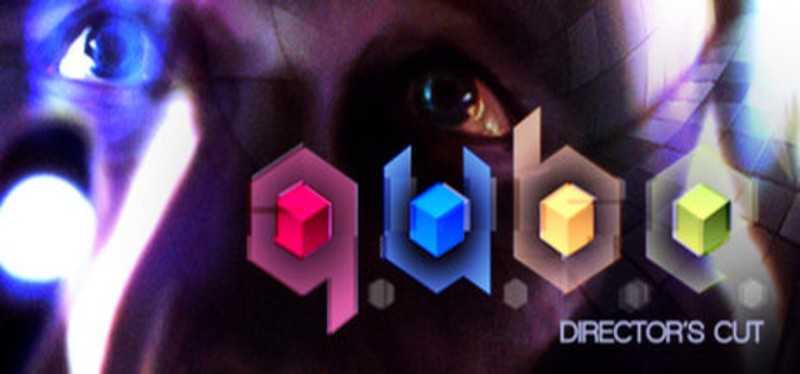
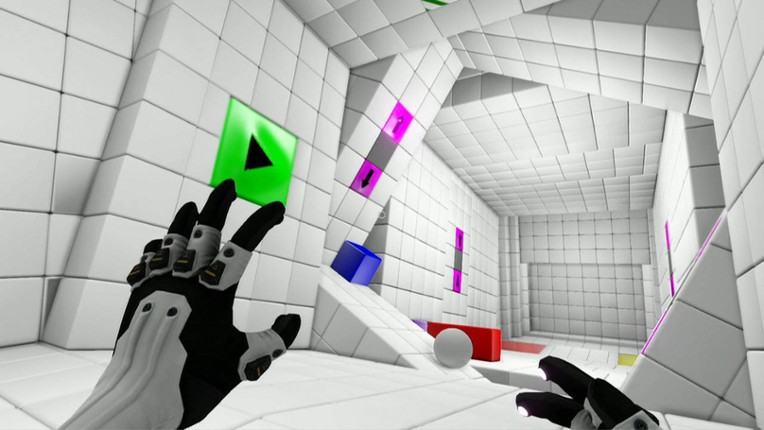
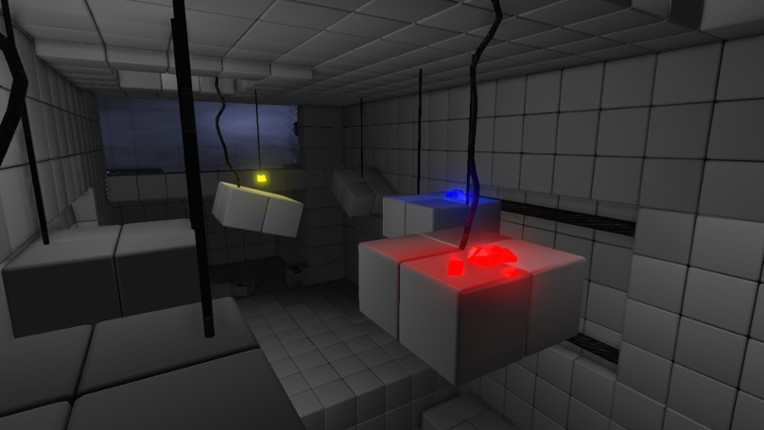
Both games center on manipulating the environment through a first-person lens to overcome spatial obstacles. You’ll find the same satisfying rhythm of solving physics-based brainteasers in isolated, sterile chambers, which anchors the progression in a logical, step-by-step discovery process.
While Superliminal leans into surreal dream logic and perspective shifts, Q.U.B.E. prioritizes rigid mechanical rules and grid-based geometry. You trade the whimsical, reality-bending charm of a nightmare for the focused, clinical challenges of a high-concept laboratory test.
Pick this up if you want that Superliminal-style spatial problem solving but can live without the abstract, trippy visual aesthetic. It is a leaner, more traditional puzzle experience for those who prefer mechanics over atmosphere.
If you enjoyed this game, see our list of games similar to Q.U.B.E: Director's Cut.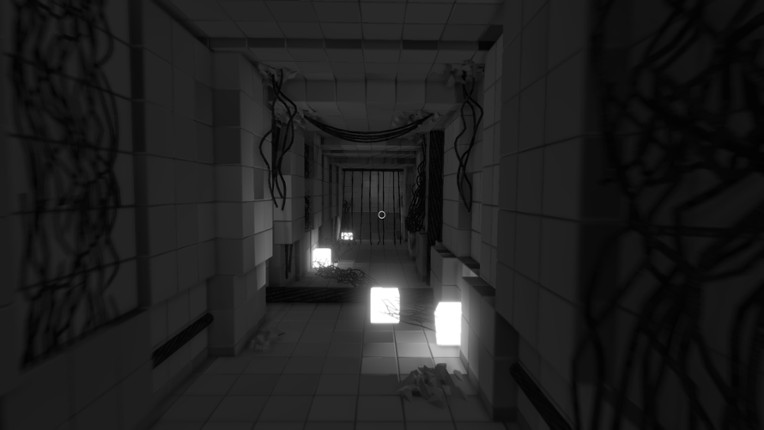
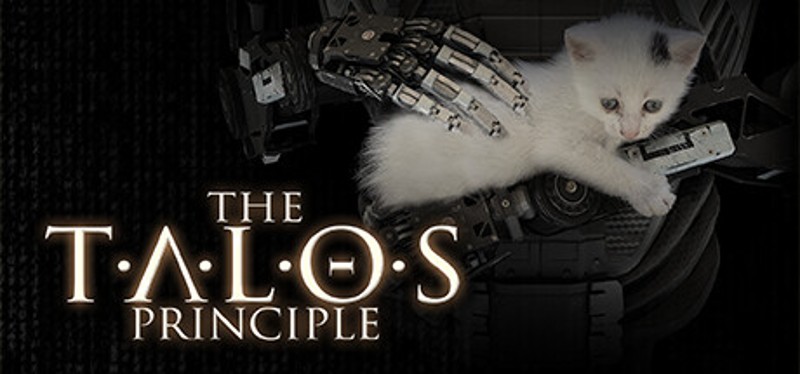
Both games hinge on first-person puzzle-solving that twists perception, so each level makes you rethink space instead of just solving locks and switches.
The philosophical, story-driven structure is another strong overlap, which matters because the puzzles are meant to reinforce the mystery rather than sit beside it.
The tradeoff is tone and scale: The Talos Principle is slower, denser, and more serious, while Superliminal is shorter, stranger, and far more playful.
Pick this up if you want thoughtful first-person puzzles and can live without Superliminal's forced-perspective gimmick and sharper comedic edge.
If you enjoyed this game, see our list of games similar to The Talos Principle.
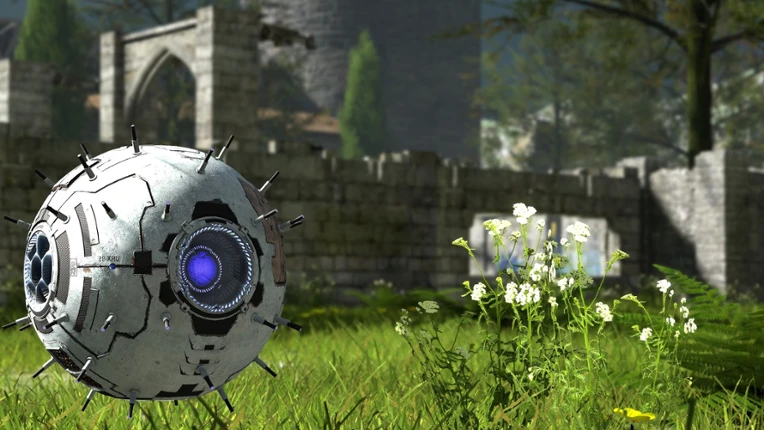
First-person perspective puzzles that break the rules of reality tie these games together. Superliminal warps space through forced perspective; The Entropy Centre twists time by rewinding objects. Both deliver cerebral "aha!" moments through environmental manipulation rather than reflexes.
Superliminal's surreal, tightly paced narrative gives it an edge in storytelling, while The Entropy Centre offers more puzzle variety and a charming AI companion.
Pick this up if you want mind-bending puzzles with strong production values but can live with a less cohesive narrative payoff.
If you enjoyed this game, see our list of games similar to The Entropy Centre.
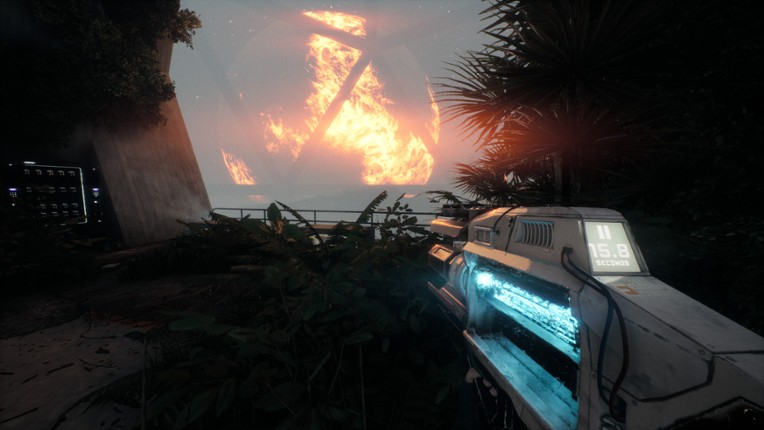
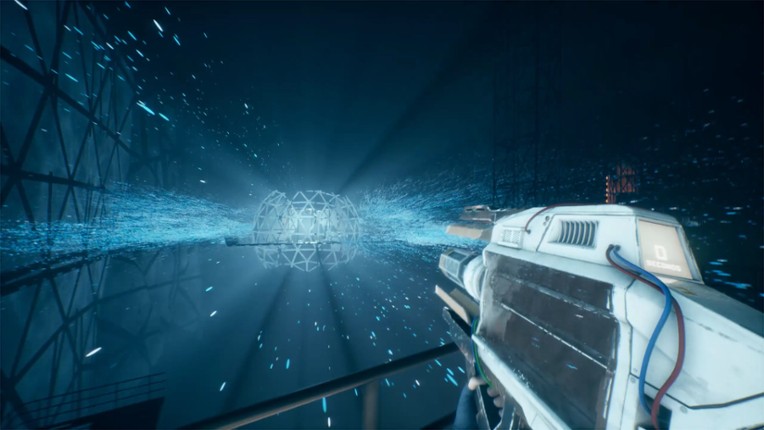
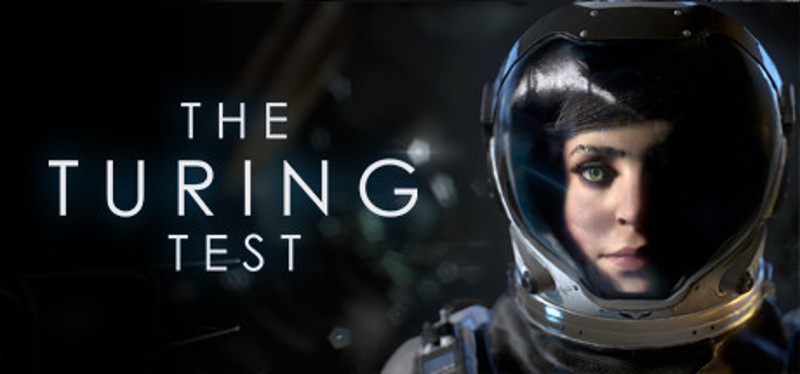
The strongest connection is first-person spatial manipulation within isolated, laboratory-style test chambers. Both titles demand you rewire your logic to bypass physical barriers, which keeps the pacing tight and the focus strictly on environmental problem-solving.
While Superliminal relies on whimsical forced perspective, The Turing Test trades that dreamlike distortion for hard sci-fi gadgetry involving energy transfers and AI-driven narrative stakes. You swap surreal, slapstick puzzles for a colder, more technical mechanical loop.
Pick this up if you crave introspective puzzle design and don't mind sacrificing Superliminal’s surreal humor for a grounded, philosophical space-station mystery.
If you enjoyed this game, see our list of games similar to The Turing Test.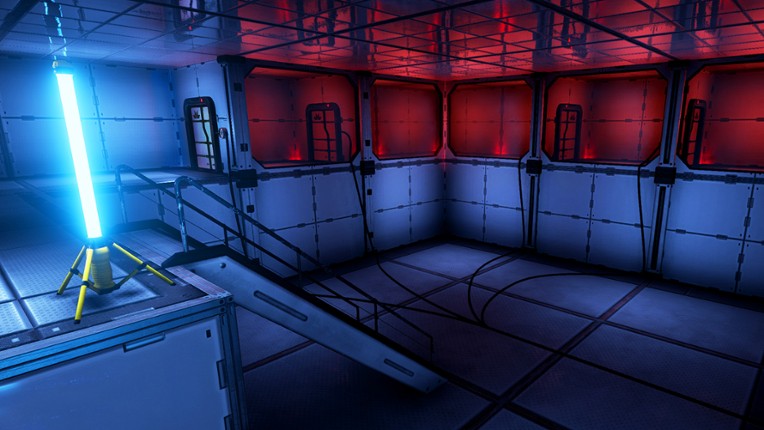
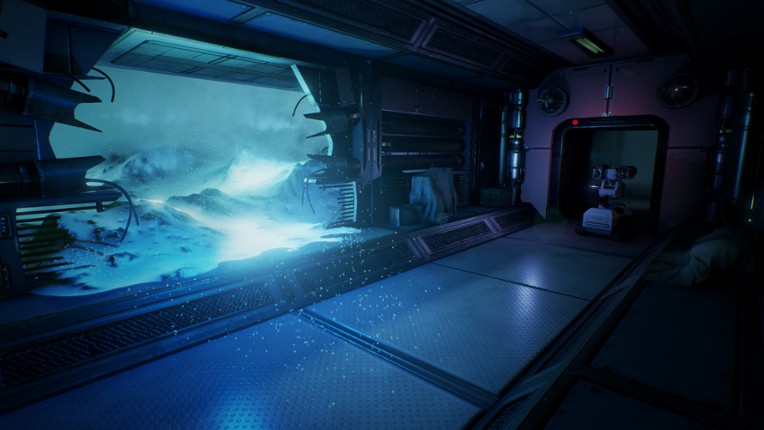

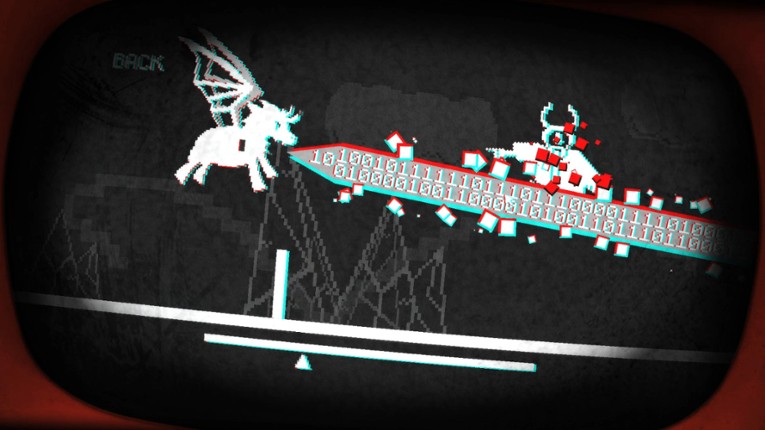
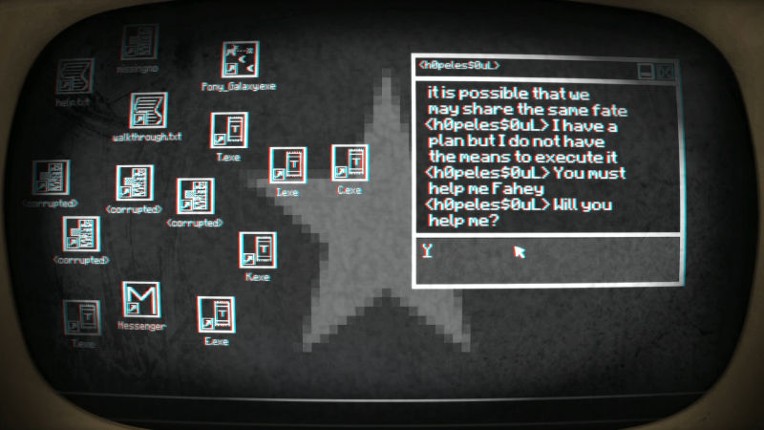
Pony Island flips horror and humor on its head with meta‑glitchy gameplay, delivering chaotic, meme‑filled scares that differ sharply from Superliminal’s calm introspection.
If you enjoyed this game, see our list of games similar to Pony Island.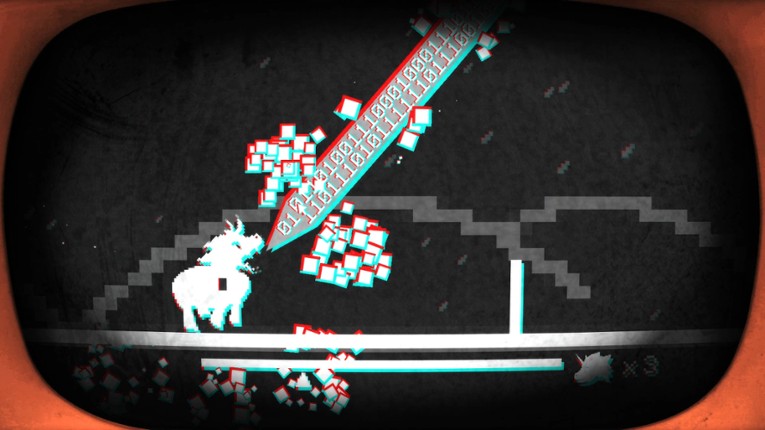
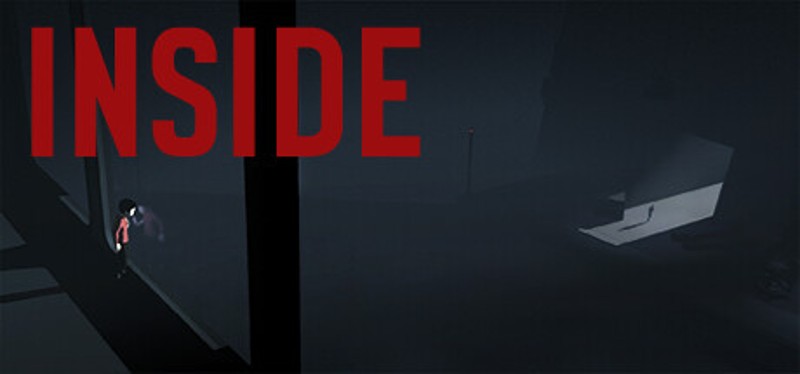
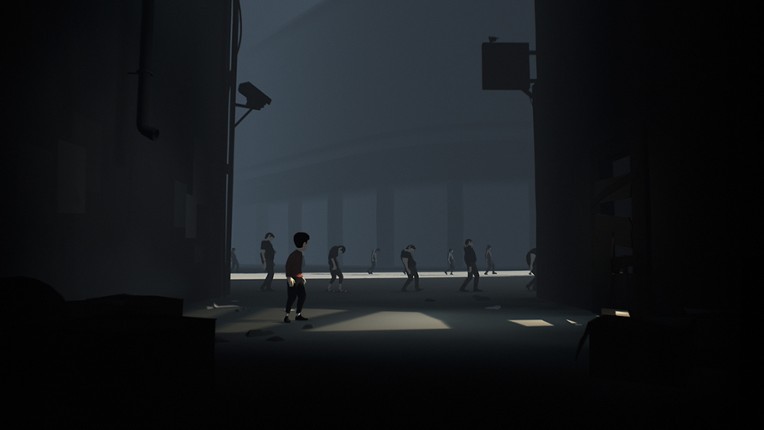
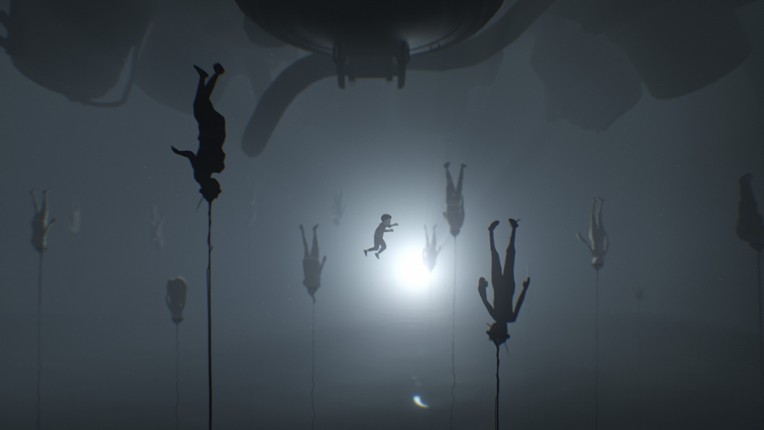
INSIDE drags players through an oppressive dystopian world with cinematic puzzles, offering a stark, silent thriller that trades Superliminal’s bright surrealism for bleak minimalism.
If you enjoyed this game, see our list of games similar to INSIDE.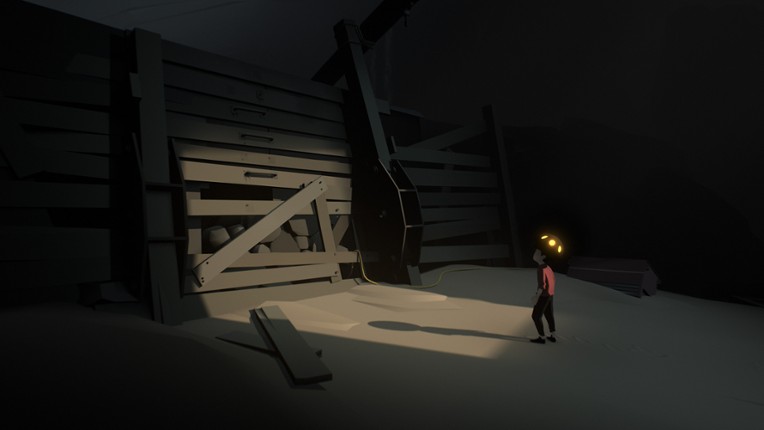
Hand‑drawn static panels replace forced perspective, catering to minimalist art lovers seeking quiet contemplative puzzles in Gorogoa.
If you enjoyed this game, see our list of games similar to Gorogoa.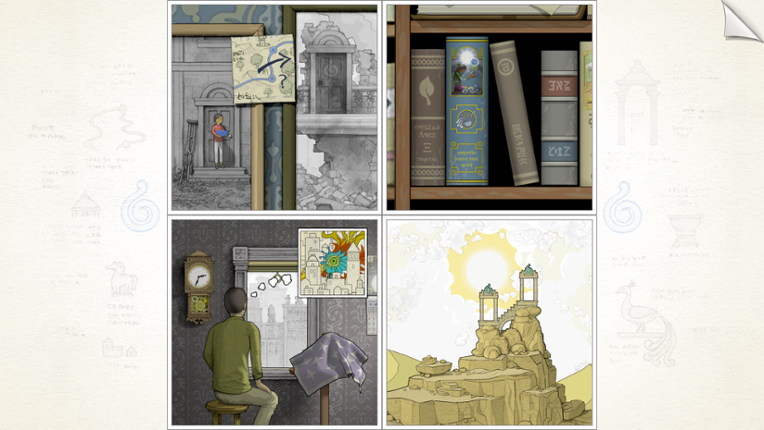
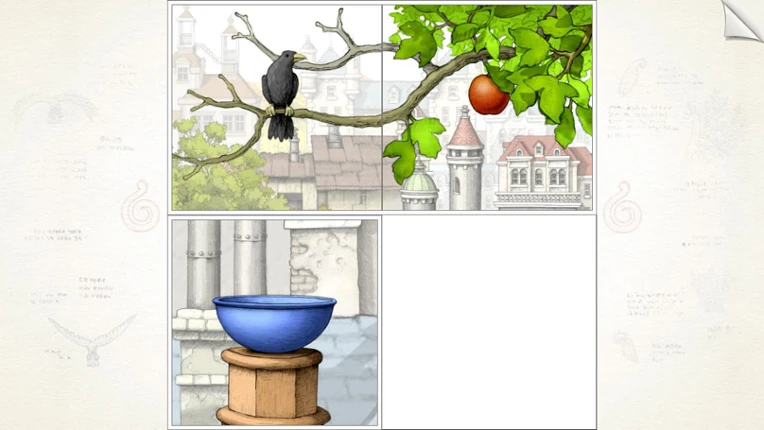
Lightmatter casts players in a dark‑comedy first‑person puzzler where shadows hide solutions, delivering witty satire that contrasts Superliminal’s earnest introspection.
If you enjoyed this game, see our list of games similar to Lightmatter.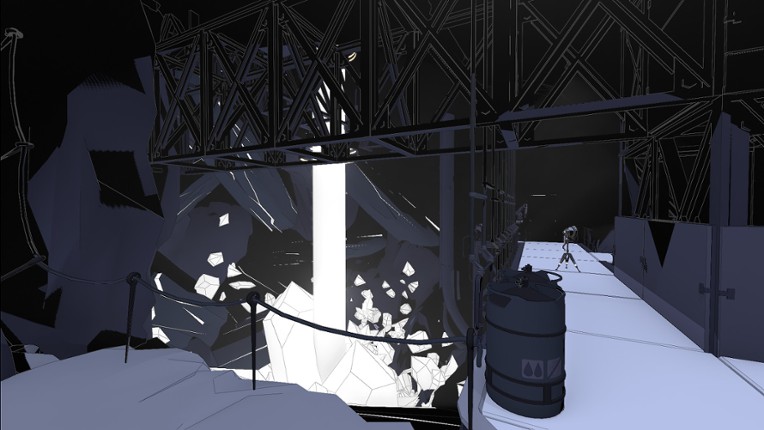
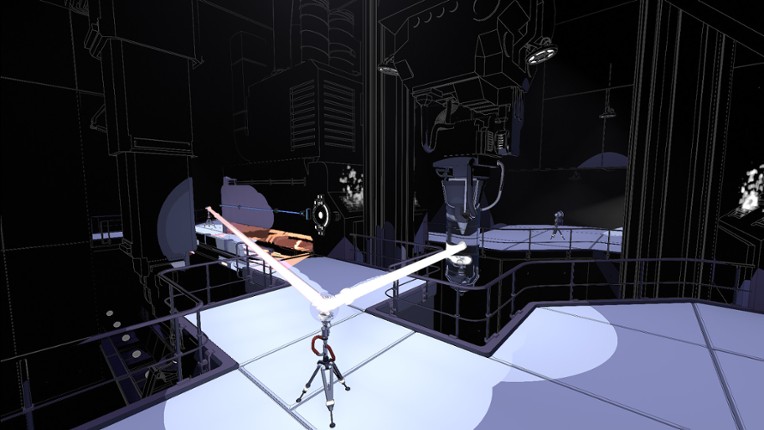
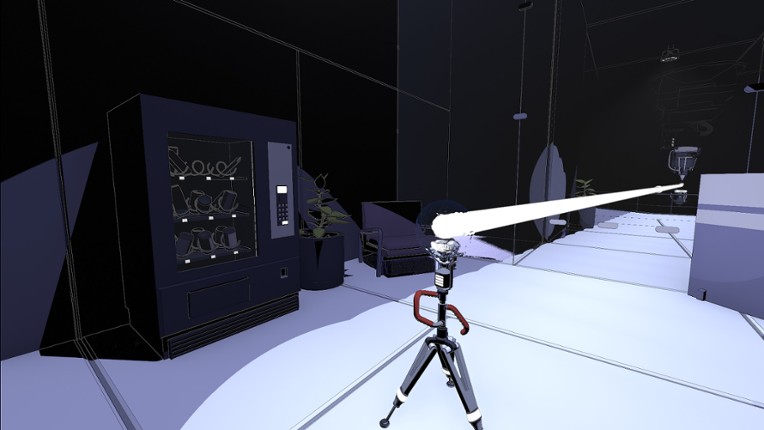
First‑person logic puzzles twist space in a cerebral, abstract way, appealing to players who enjoy Superliminal’s mind‑bending but with a more cerebral, less emotional narrative.
If you enjoyed this game, see our list of games similar to Frame of Mind.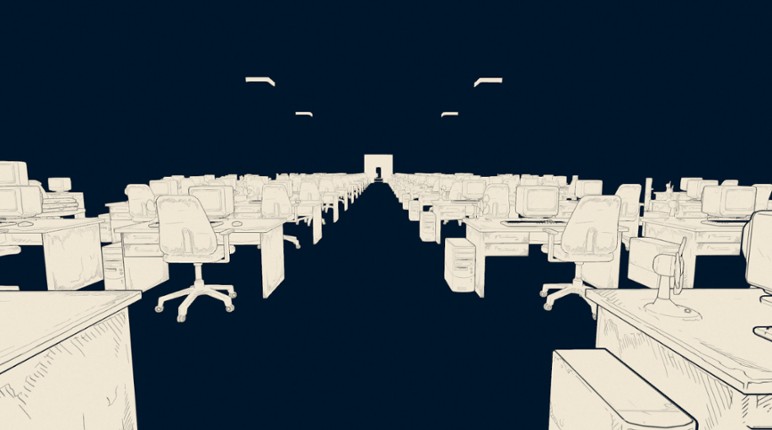
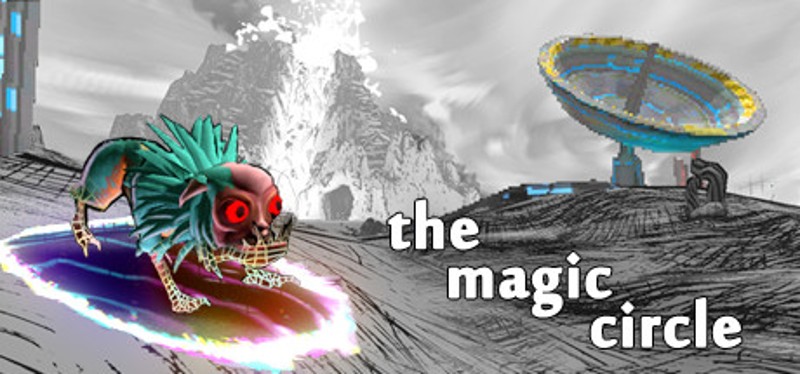
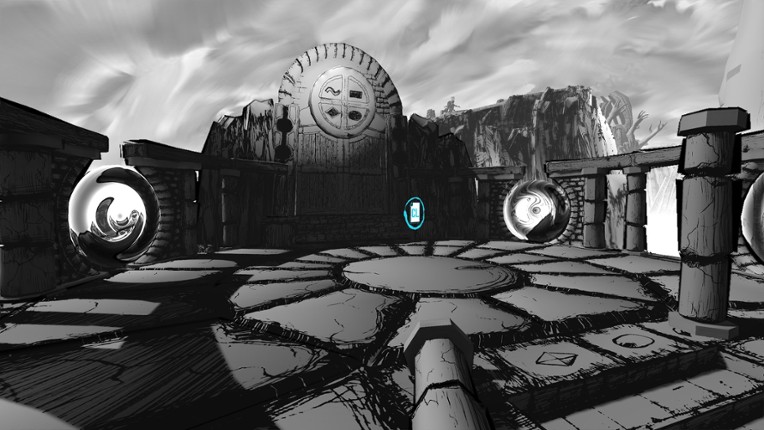
The Magic Circle meta‑satirizes game design with a self‑aware first‑person adventure, inviting players to laugh at the medium itself rather than solve perspective puzzles.
If you enjoyed this game, see our list of games similar to The Magic Circle.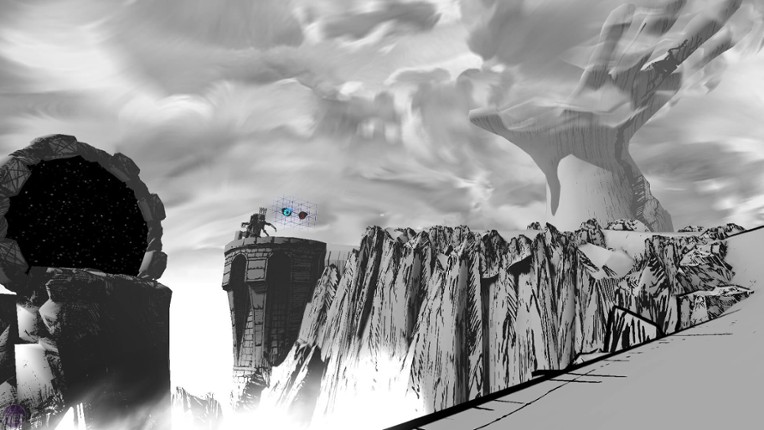
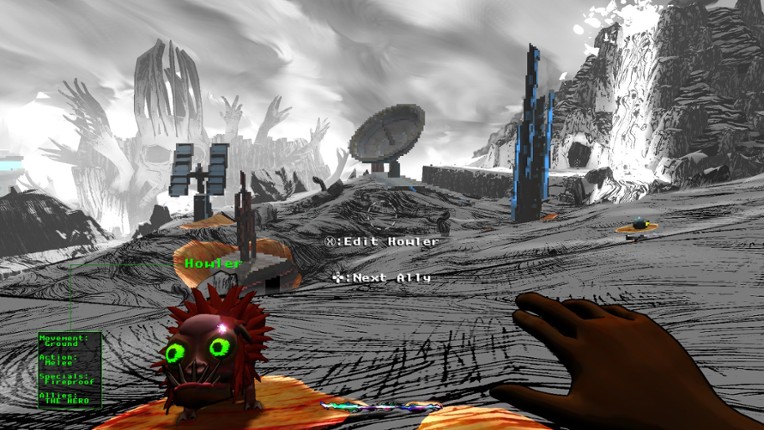
Set in a sci‑fi outpost, Q.U.B.E. 2 offers first‑person glove‑based cube puzzles, catering to fans of Superliminal’s perspective play with a stronger story drive.
If you enjoyed this game, see our list of games similar to Q.U.B.E. 2.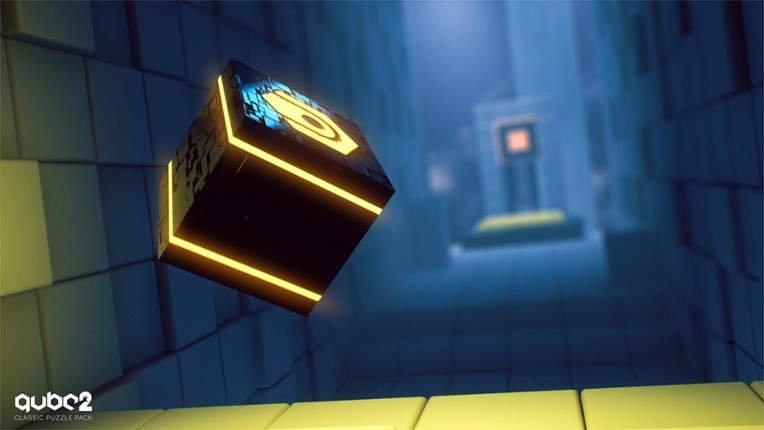
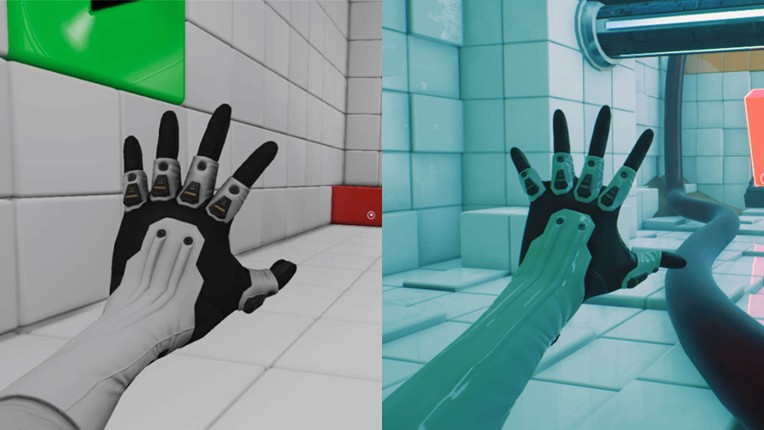
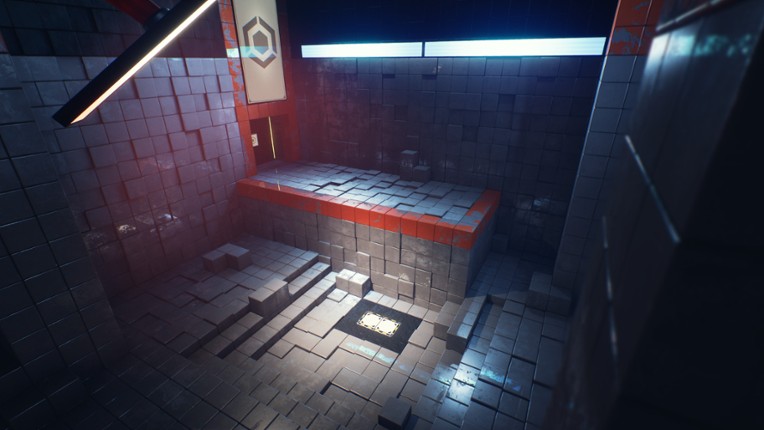
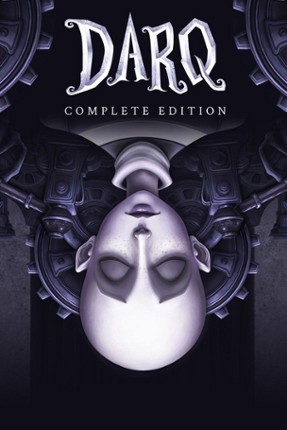
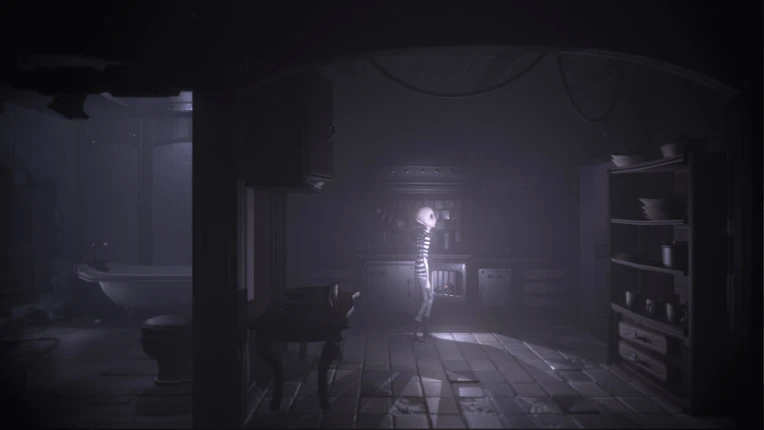
DARQ wraps psychological horror in a surreal 2.5D side‑scrolling package, delivering dread through eerie visuals that twist Superliminal’s perspective play into a nocturnal nightmare.
If you enjoyed this game, see our list of games similar to Darq.
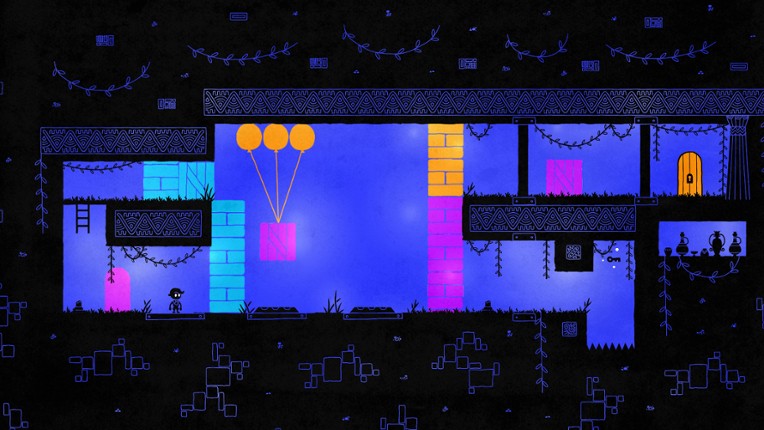
Hue swaps perspective tricks for color‑switching platforming, delivering a vibrant Metroidvania‑style adventure that brightens Superliminal’s muted tones with a bold chromatic focus.
If you enjoyed this game, see our list of games similar to Hue.

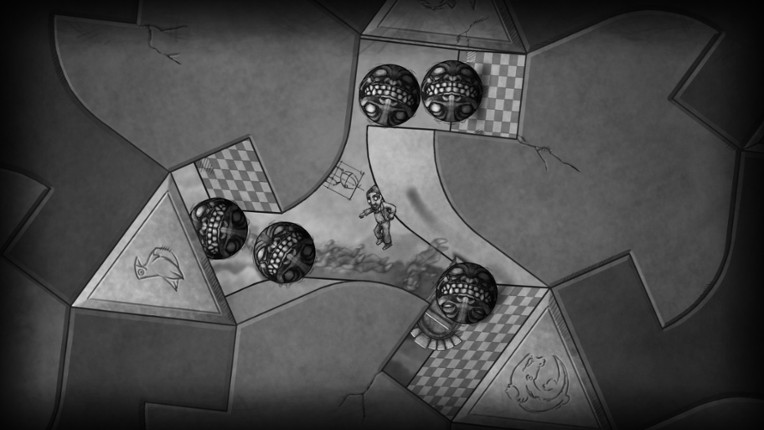
The Bridge presents hand‑drawn physics puzzles in a dark, philosophical vignette, offering a somber, abstract take on perspective that feels like a silent gallery exhibition.
If you enjoyed this game, see our list of games similar to The Bridge.
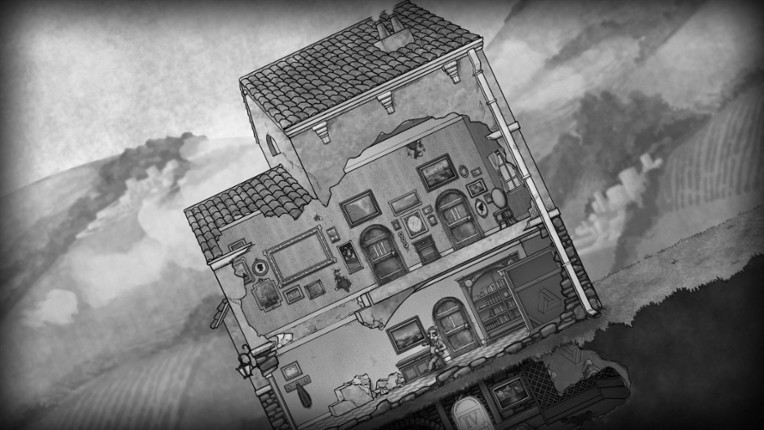
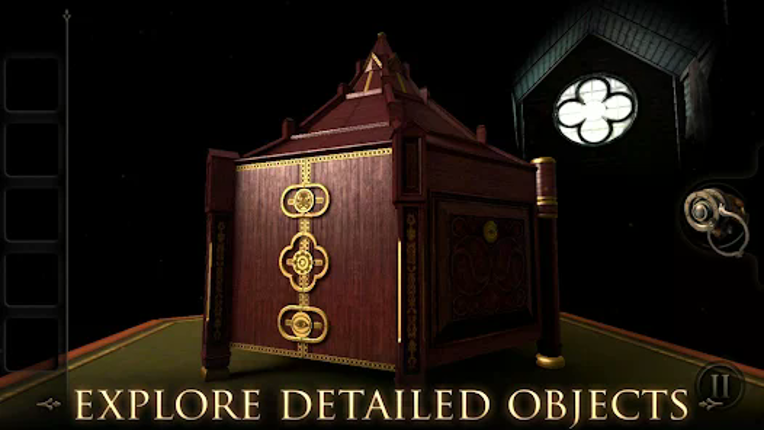
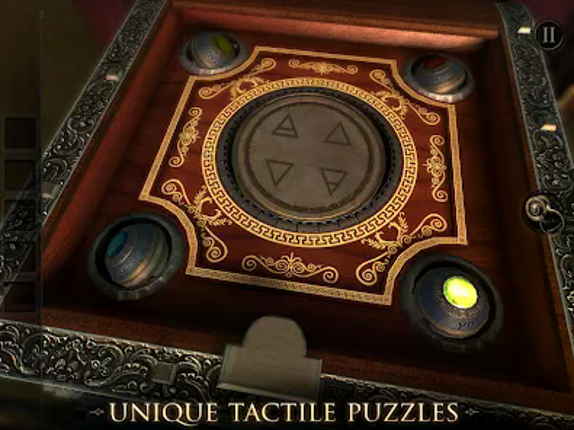
Escape room puzzles replace perspective manipulation, but maintains first-person mystery and that same unsettling, thought-provoking atmosphere.
If you enjoyed this game, see our list of games similar to The Room.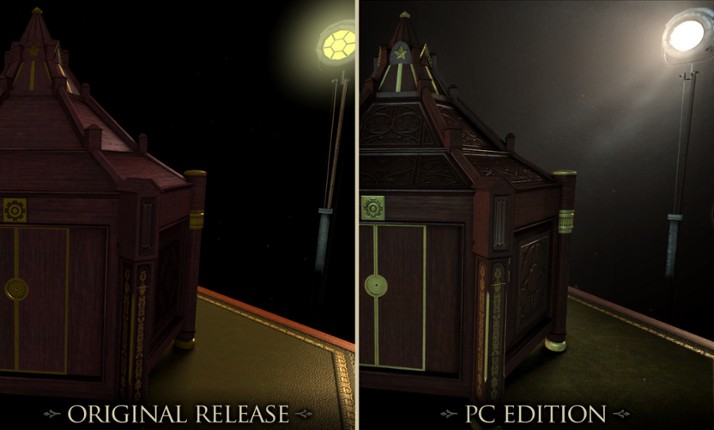
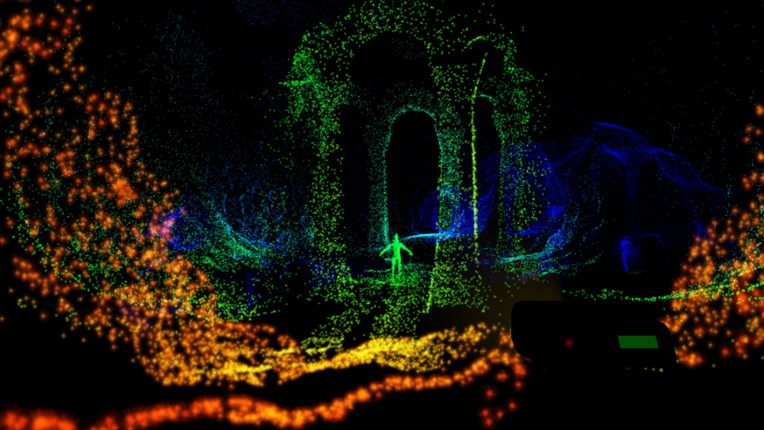
Abstract scanning replaces size manipulation as the core mechanic, diving deeper into cosmic horror and jump scares than Superliminal's contemplative mystery.
If you enjoyed this game, see our list of games similar to Scanner Sombre.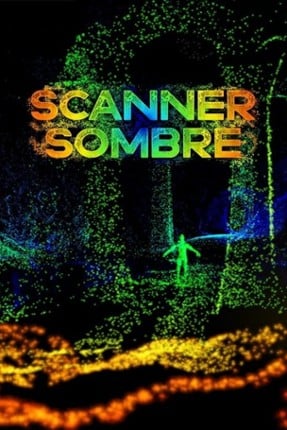
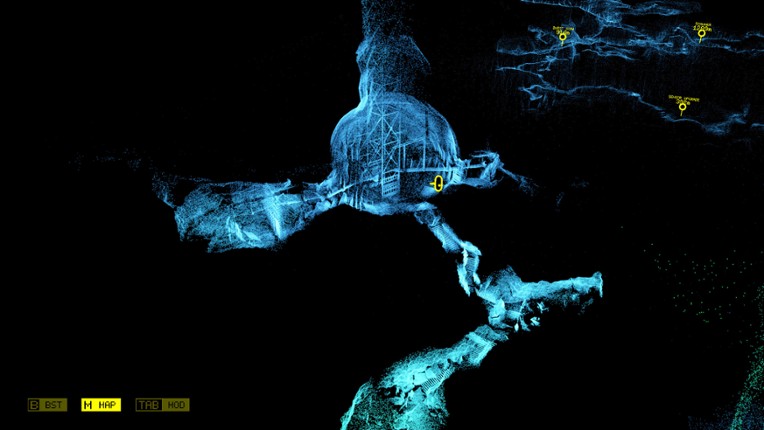
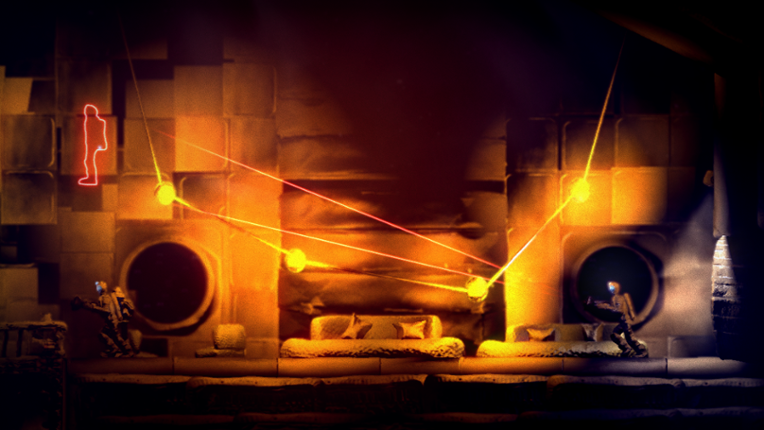
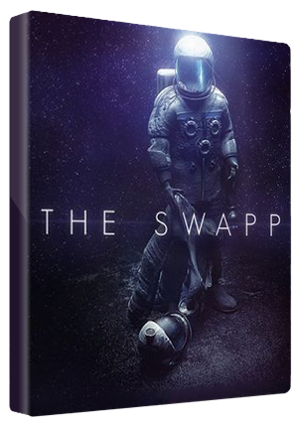
Swaps perspective puzzles for body-cloning platforming, but delivers the same philosophical weight through a cosmic, story-rich Metroidvania.
If you enjoyed this game, see our list of games similar to The Swapper.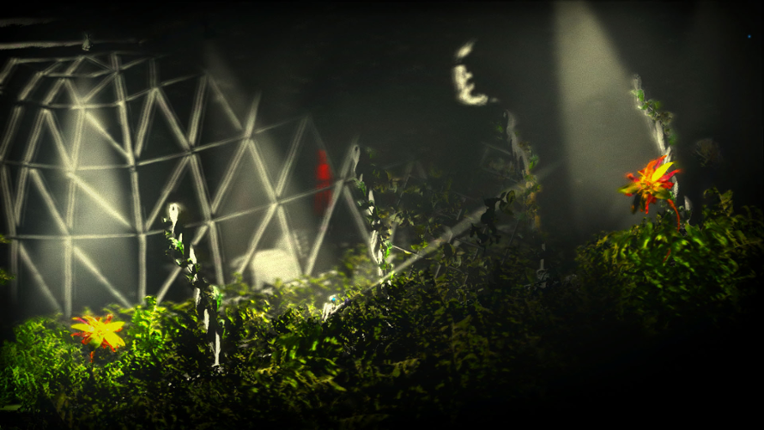
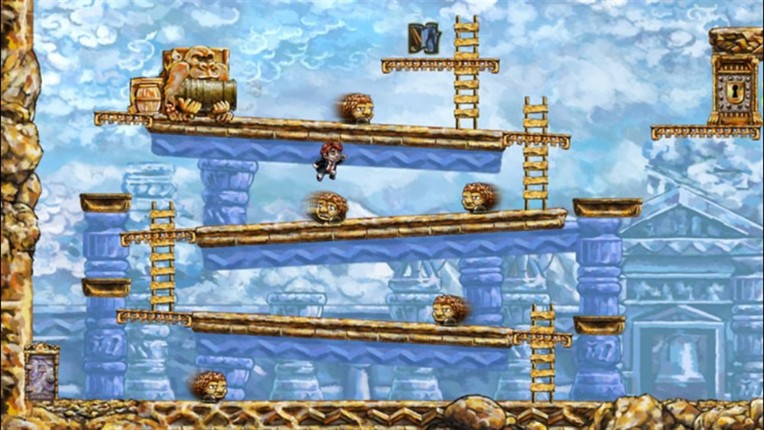
Time manipulation puzzles replace size-based perspective tricks, preserving the ingenious level design but shifting toward wordless, elegant 2D beauty.
If you enjoyed this game, see our list of games similar to Braid.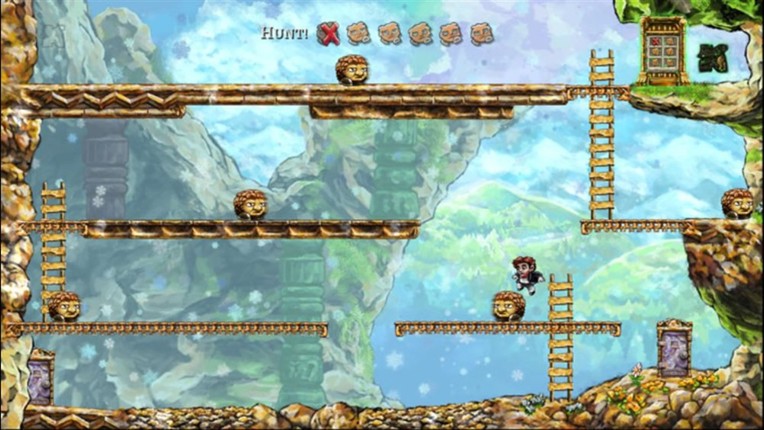
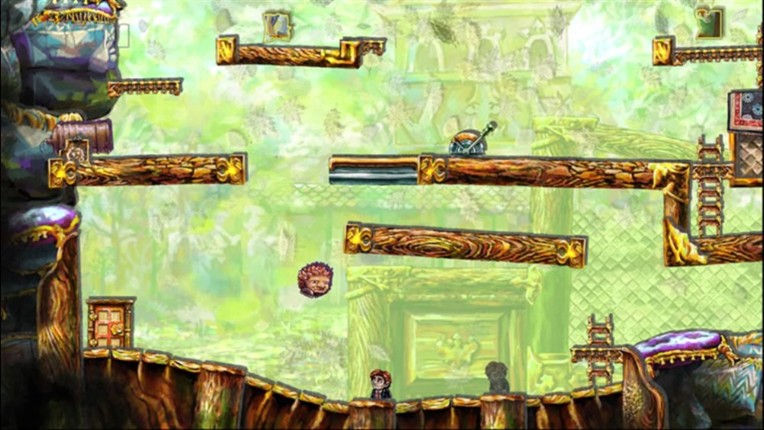
Shape-based platforming replaces perspective puzzles, maintaining minimalist beauty and philosophical storytelling but prioritizes emotional connection over mind-bending mechanics.
If you enjoyed this game, see our list of games similar to Thomas Was Alone.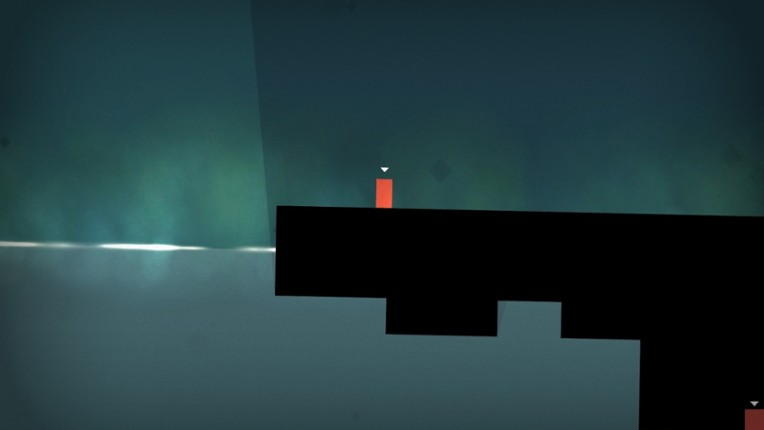
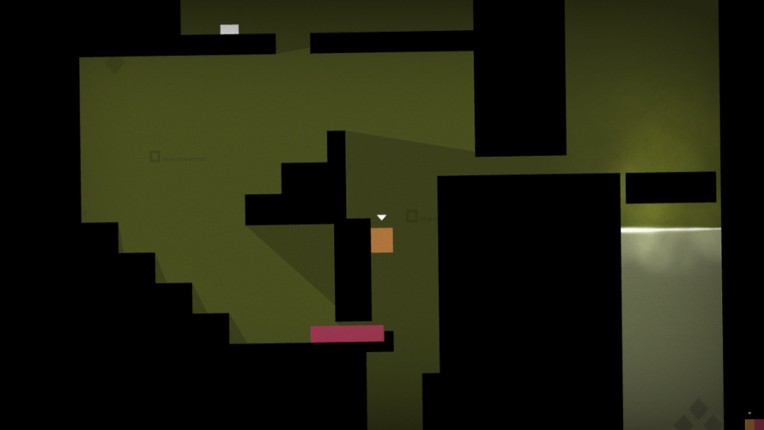
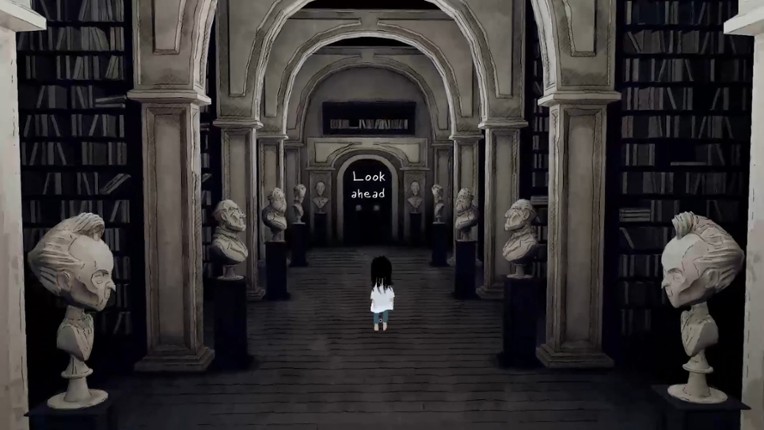
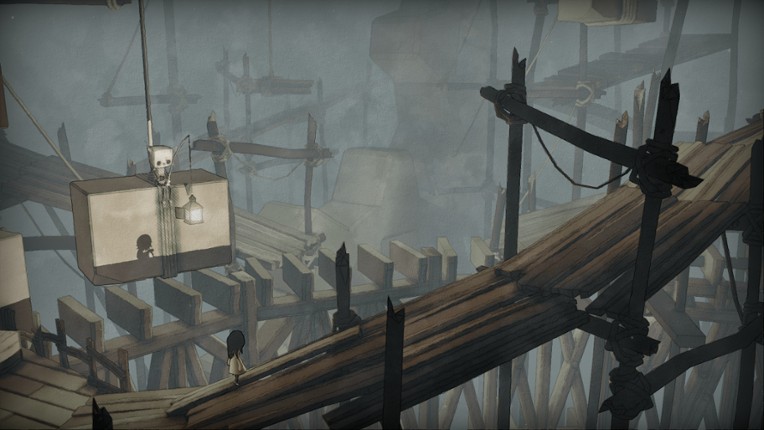
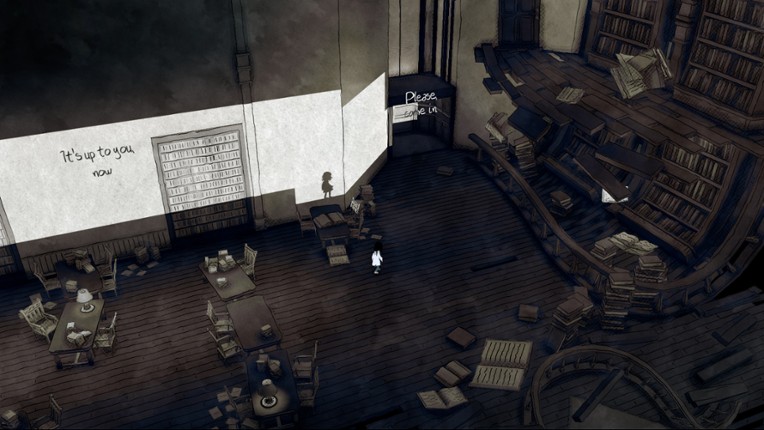
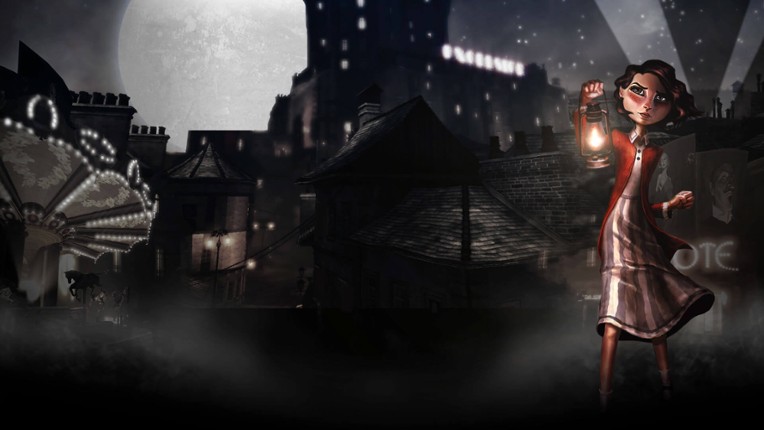
Shady Part of Me is a narrative puzzle game. It tells the story of a little girl, frightened by the light, and her shadow. Together, they try to get out of the dreamlike world in which they are locked. If you enjoyed this game, see our list of games similar to Shady Part of Me.
Map-based navigation replaces perspective manipulation, trading horror and introspection for family-friendly adventure and colorful hand-drawn exploration.
If you enjoyed this game, see our list of games similar to Carto.
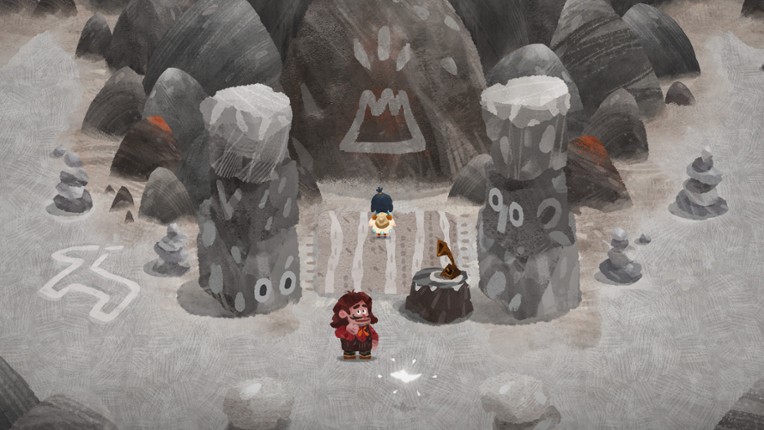

Line-drawing puzzles replace size manipulation as the unifying mechanic, delivering similar contemplative mystery but through a more expansive, nonlinear world.
If you enjoyed this game, see our list of games similar to The Witness.
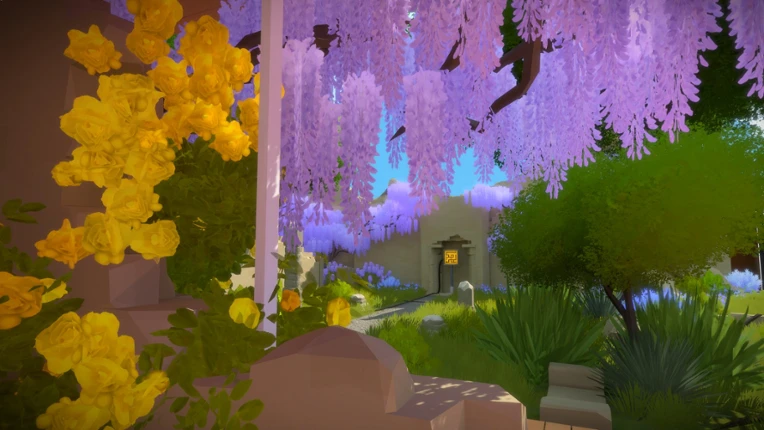
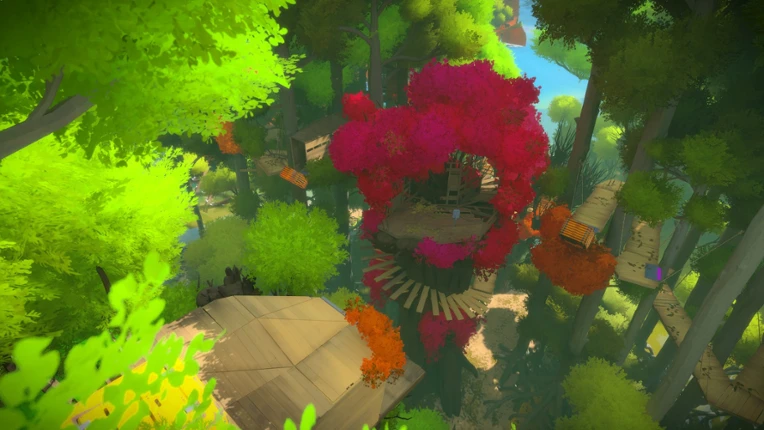
Dimensional rotation puzzles replace perspective scaling, offering a more exploratory, less narrative-driven take on mind-bending 2.5D geometry.
If you enjoyed this game, see our list of games similar to FEZ.
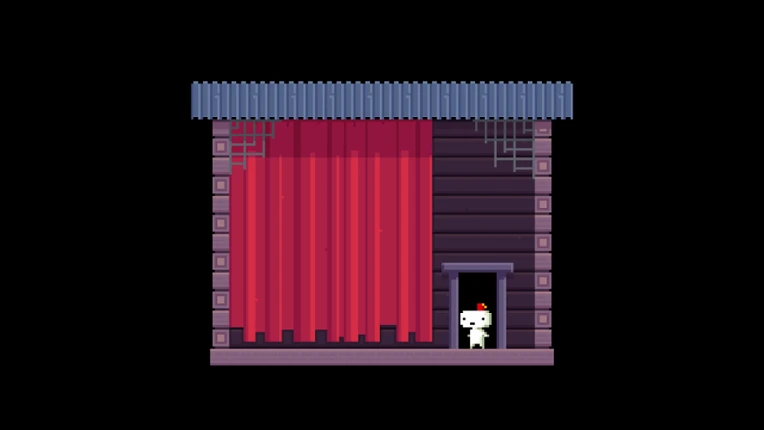
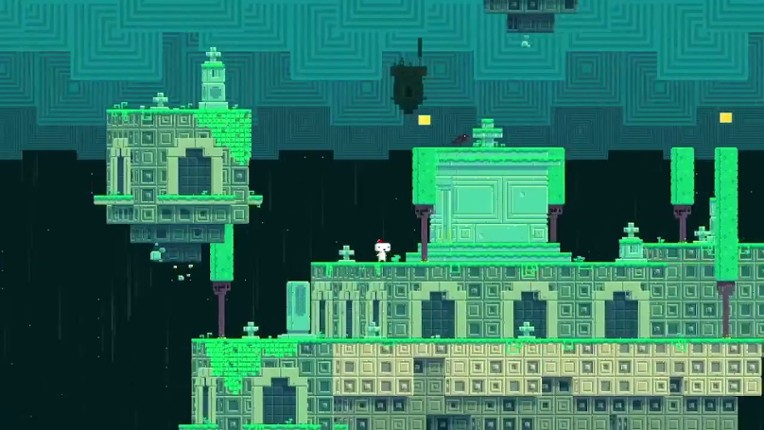
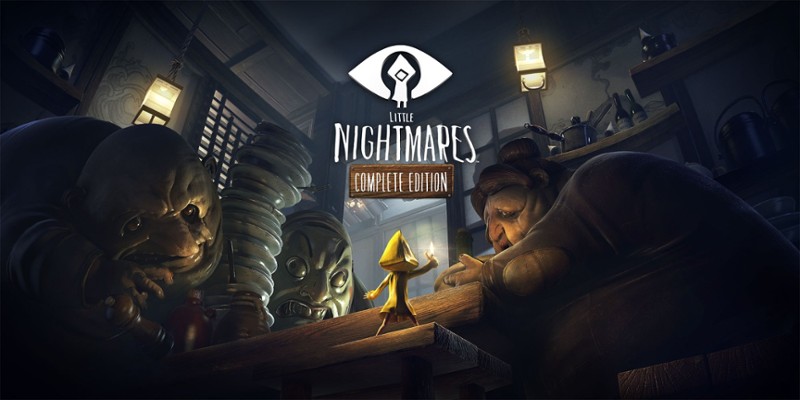
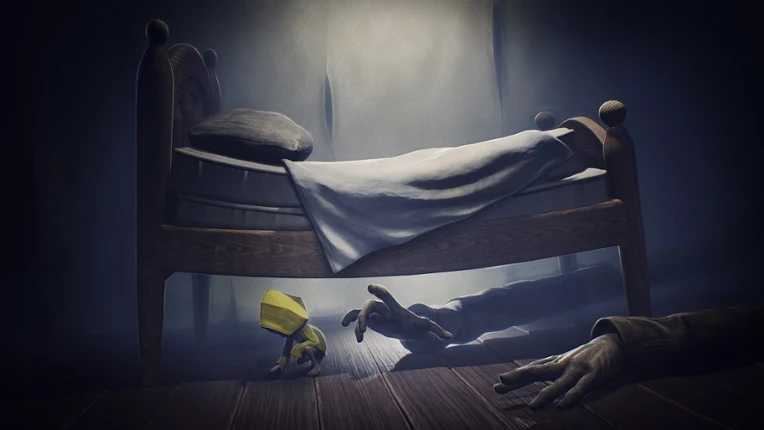
Swap surreal physics manipulation for stealth-heavy tension in this oppressive, side-scrolling nightmare that emphasizes vulnerability over grand, mind-bending environment puzzles.
If you enjoyed this game, see our list of games similar to Little Nightmares.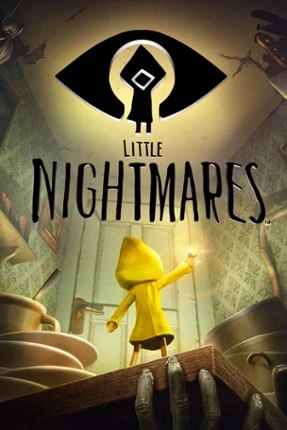

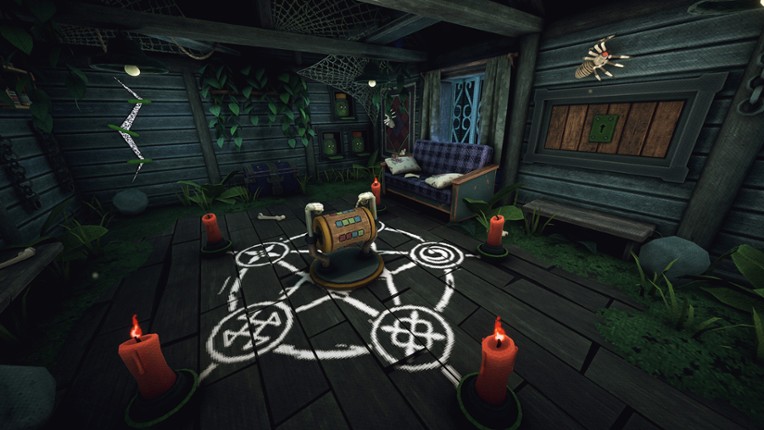
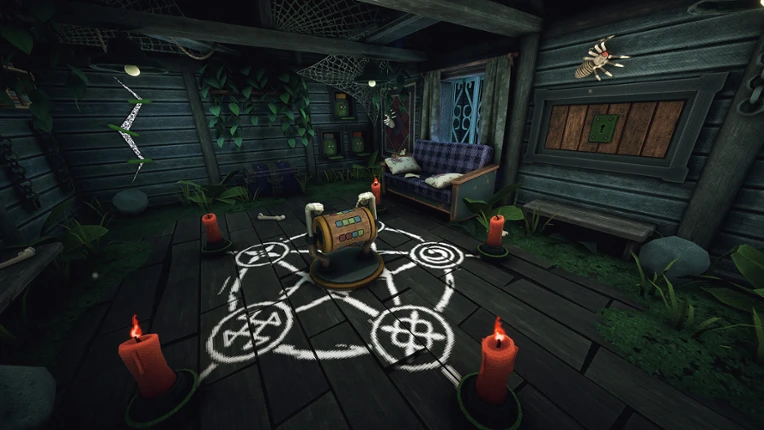
Is this Game Trying to Kill Me? - it is a mix of horror and first-person puzzle. You are trapped inside a cabin deep in the forest, and its owner offers to play a computer game in exchange for freedom. But the cabin and the game are much more connected than you might think. Traps from the game begin to appear in reality, and your actions in the cabin affect the computer game. And very soon you rea… If you enjoyed this game, see our list of games similar to Is this Game Trying to Kill Me?.

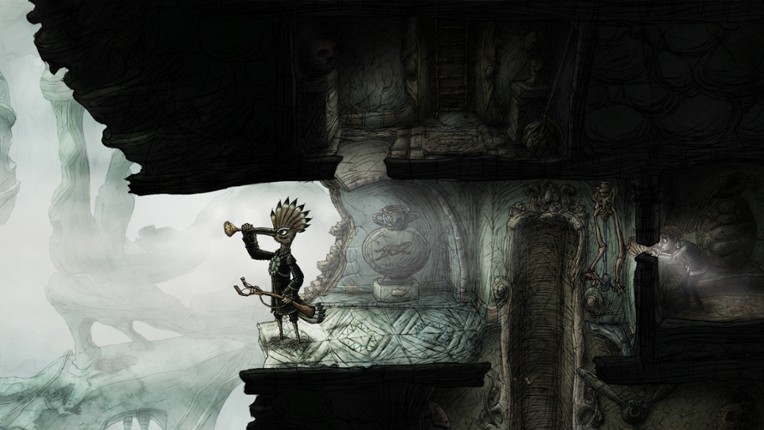
Creature transformation replaces perspective shifting, maintaining surreal puzzle platforming with hand-drawn charm but leaning into whimsy and dark humor.
If you enjoyed this game, see our list of games similar to Creaks.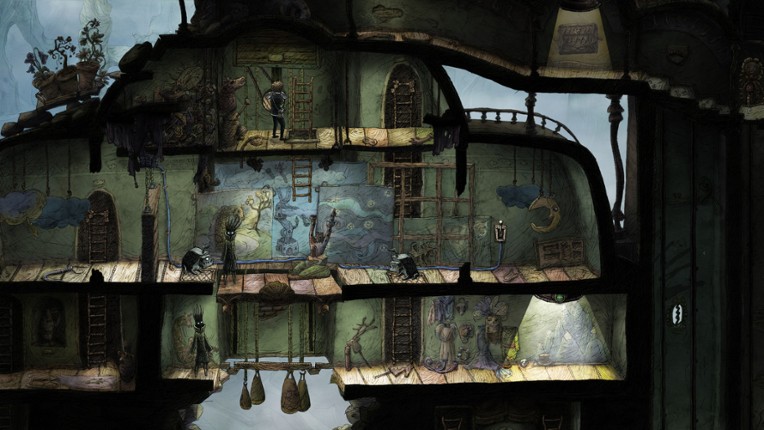
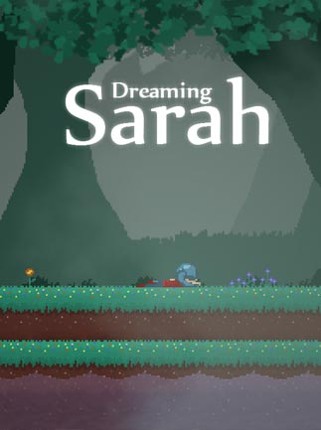
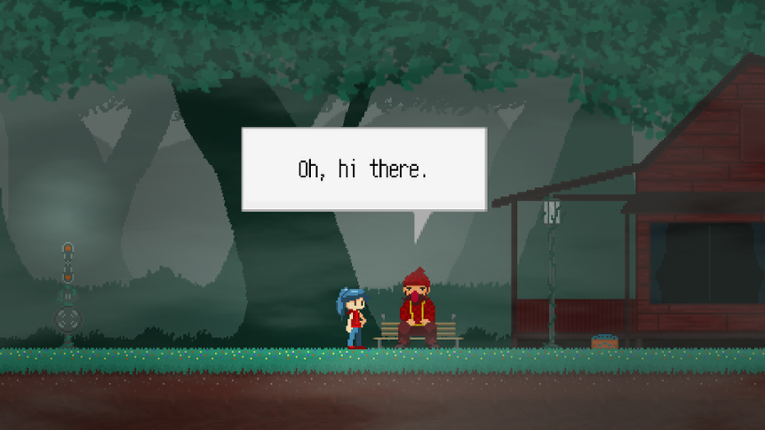
Dream-logic exploration replaces controlled perspective tricks, amplifying the psychedelic and supernatural elements while softening the psychological horror edge.
If you enjoyed this game, see our list of games similar to Dreaming Sarah.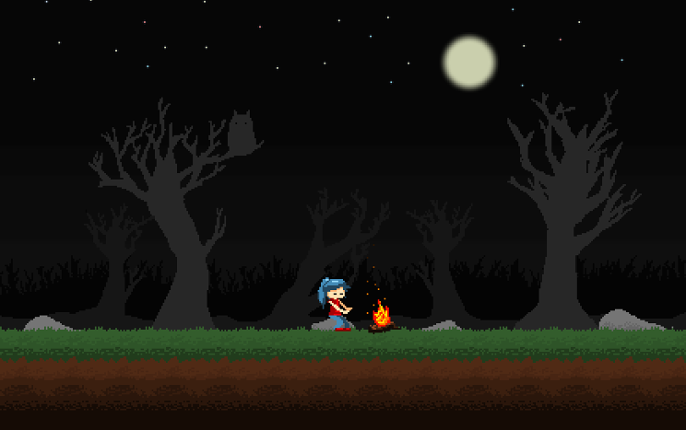
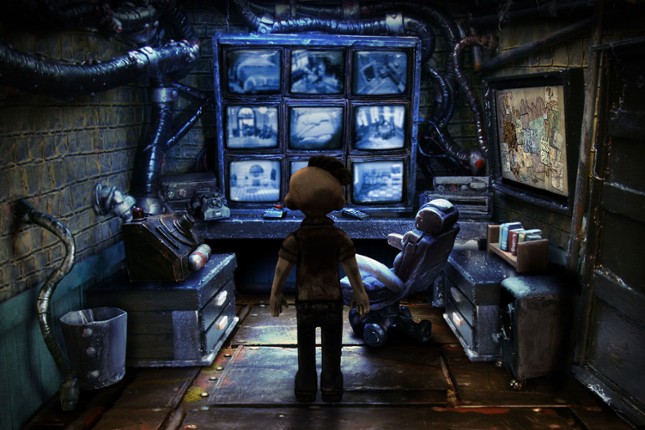
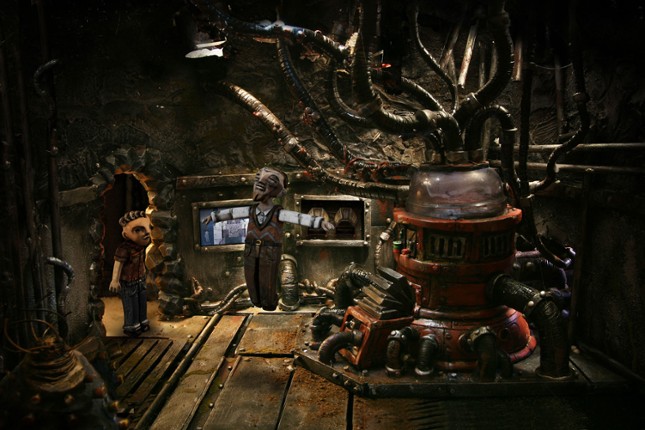
Trading real-time 3D navigation for methodical, point-and-click exploration, this surreal claymation journey offers a slower, more deliberate sense of unsettling discovery.
If you enjoyed this game, see our list of games similar to The Dream Machine.
Abandoning spatial manipulation for narrative-driven, retro-tech simulations, this anthology delivers segmented psychological thrills through tactile interaction rather than gravity-defying geometry.
If you enjoyed this game, see our list of games similar to Stories Untold.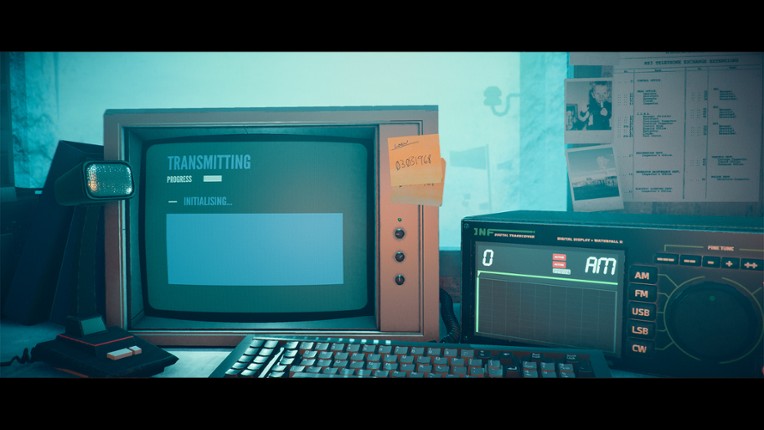
Where shifting perspective defines your path, this chaotic romp prioritizes 90s internet nostalgia and crude humor over the polished, dreamlike logic of traditional puzzles.
If you enjoyed this game, see our list of games similar to Broken Reality.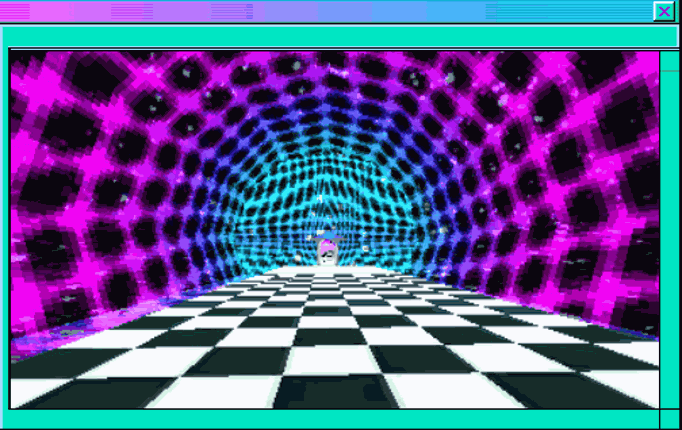
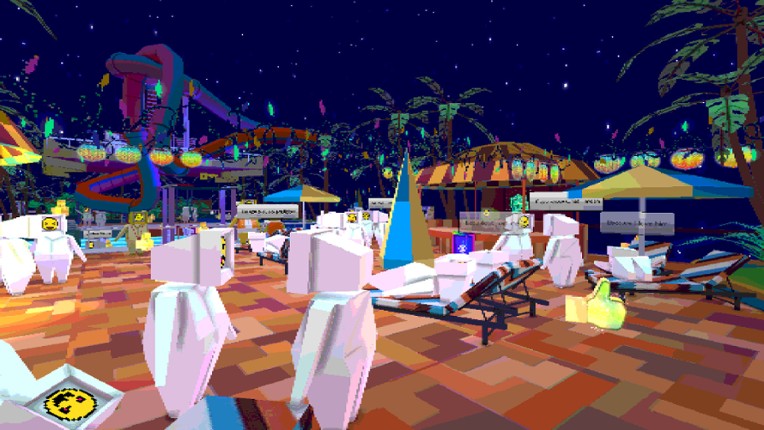
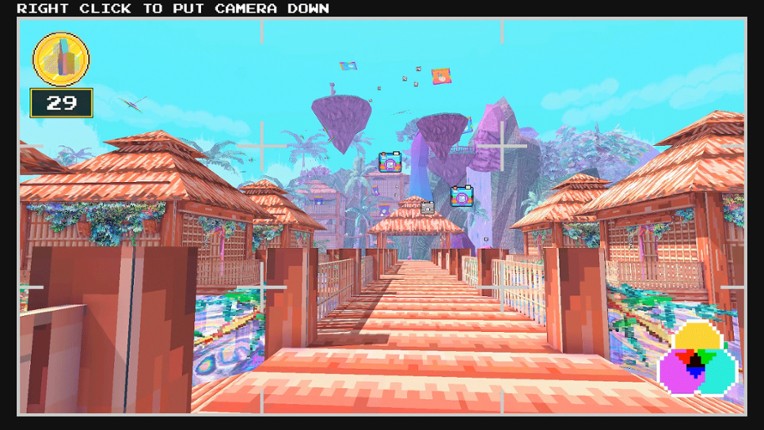
Fusing surreal mental exploration with first-person combat, this entry provides a more hostile, action-oriented spin on the psychological themes found in dream-like interiors.
If you enjoyed this game, see our list of games similar to In Sound Mind.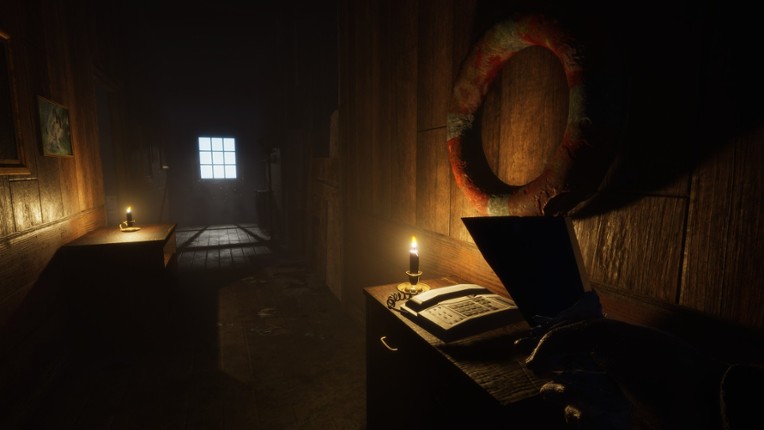

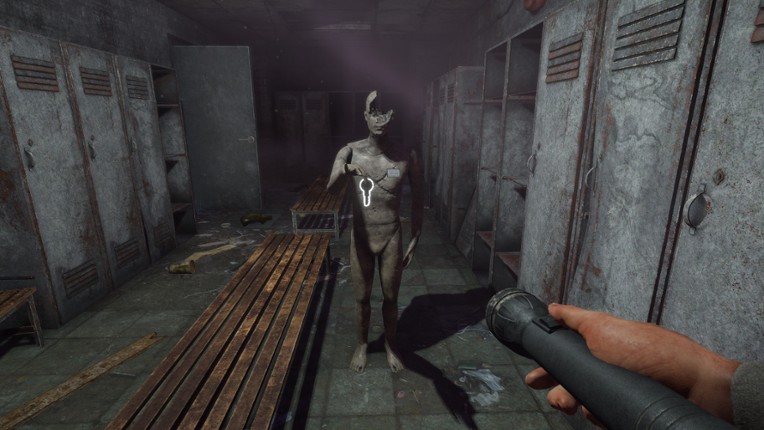
Capturing the sardonic, voice-acted companionship of a mysterious overseer, this free title focuses on pure gravity-defying platforming challenges rather than complex spatial expansion.
If you enjoyed this game, see our list of games similar to Gravitas.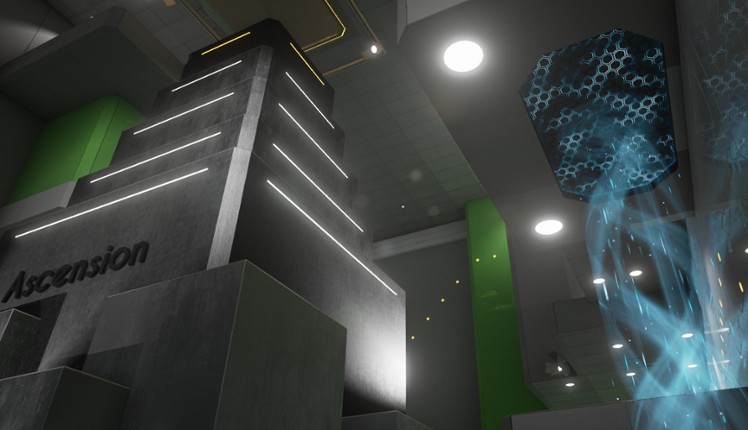
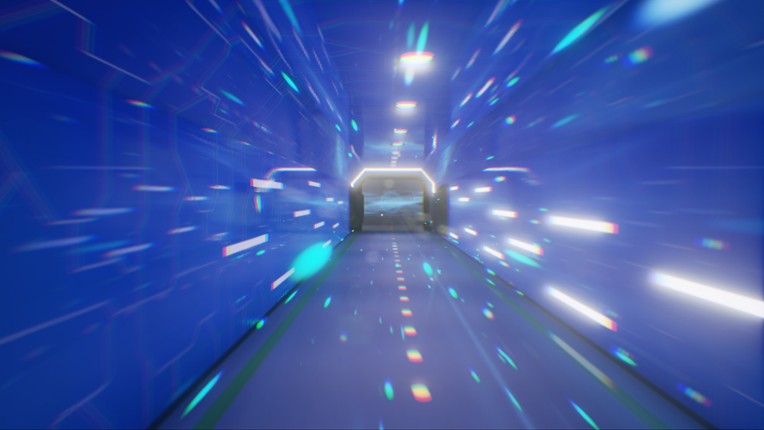
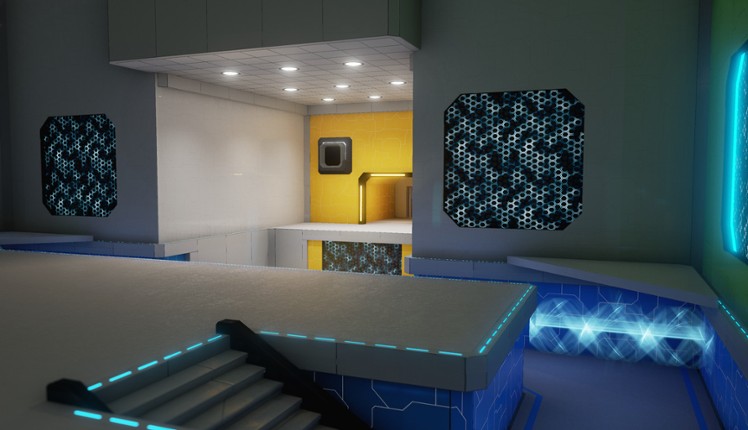
Departing from pure puzzle mechanics, this meta-narrative explores the dark, humorous sides of game development history through a variety of shifting, genre-bending playing styles.
If you enjoyed this game, see our list of games similar to The Hex.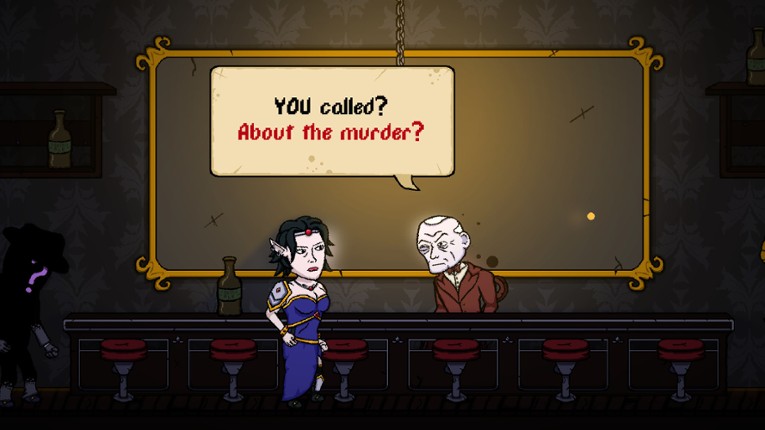
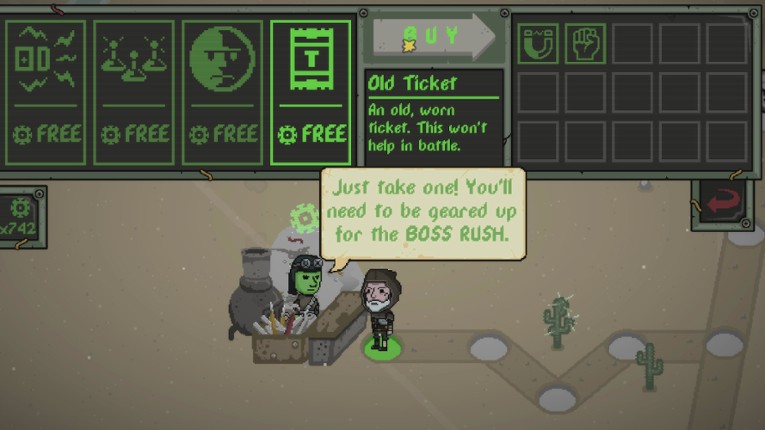
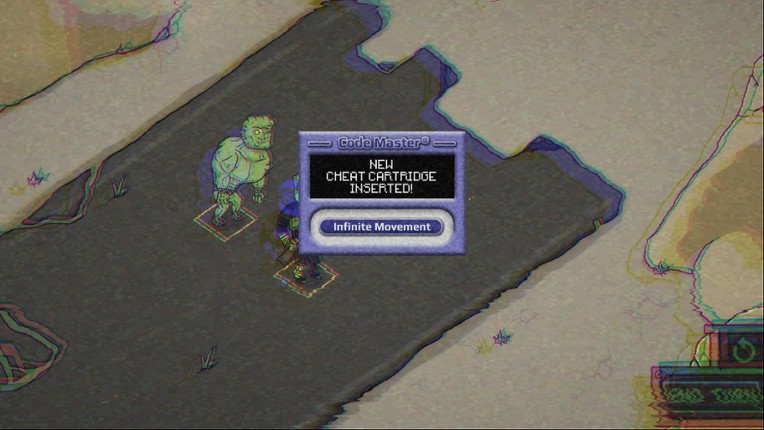
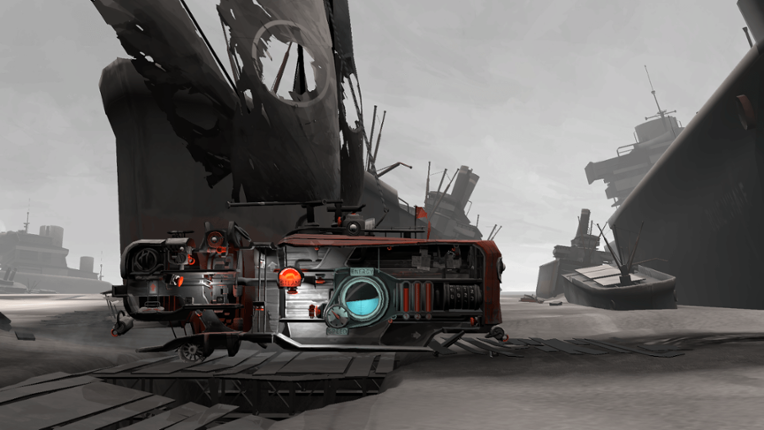
Replacing the introspective, indoor mystery of dream spaces with an epic, linear voyage across a desolate, post-apocalyptic landscape in a single massive machine.
If you enjoyed this game, see our list of games similar to FAR: Lone Sails.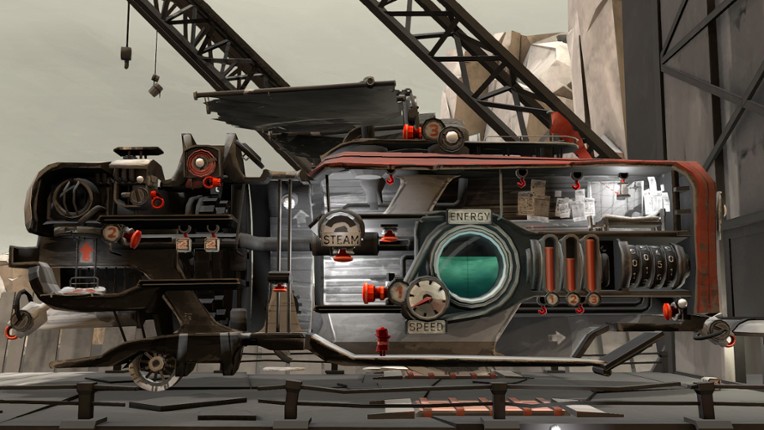

Trading the abstract, shifting rooms for a grounded, decaying cyberpunk city, this experience focuses on vertical traversal and environmental storytelling from a feline perspective.
If you enjoyed this game, see our list of games similar to stray.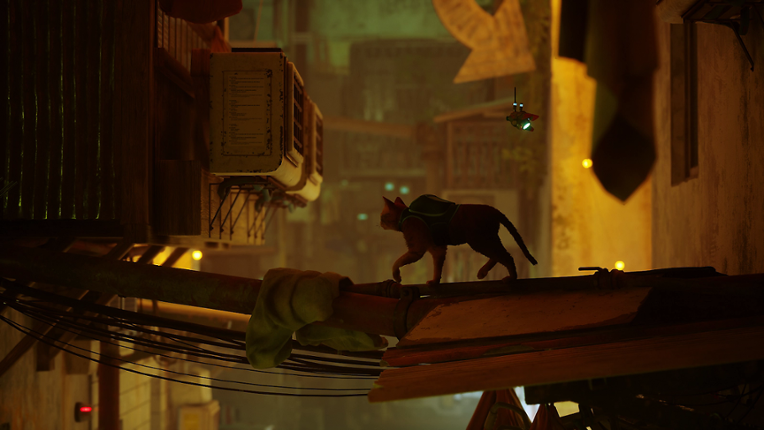


Echoes Superliminal's surreal puzzle feel, but centers on visual illusion-box logic and experimental viewpoint swapping for players who love aha moments.
If you enjoyed this game, see our list of games similar to Moncage.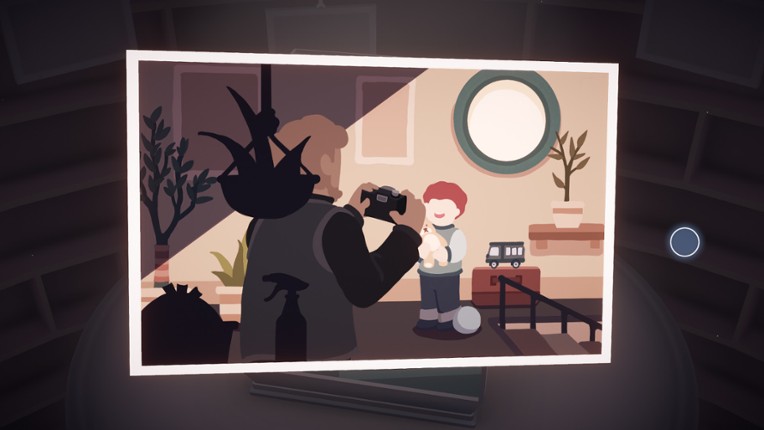
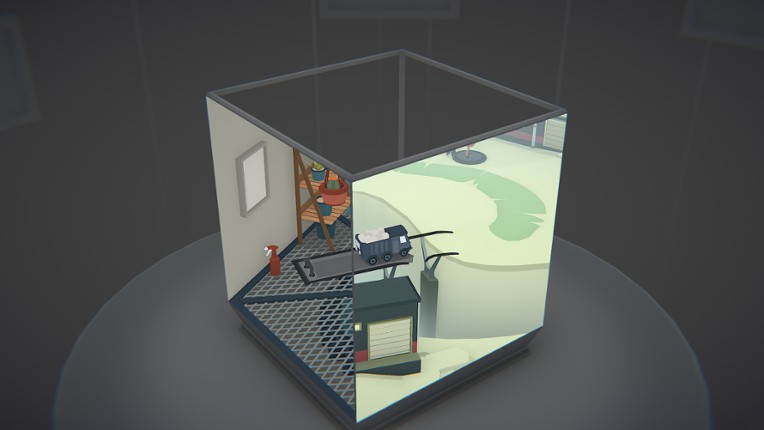
Replaces Superliminal's clean spatial tricks with a denser, moody investigation through a haunted hotel, for players who want mystery over whimsy.
If you enjoyed this game, see our list of games similar to The Norwood Suite.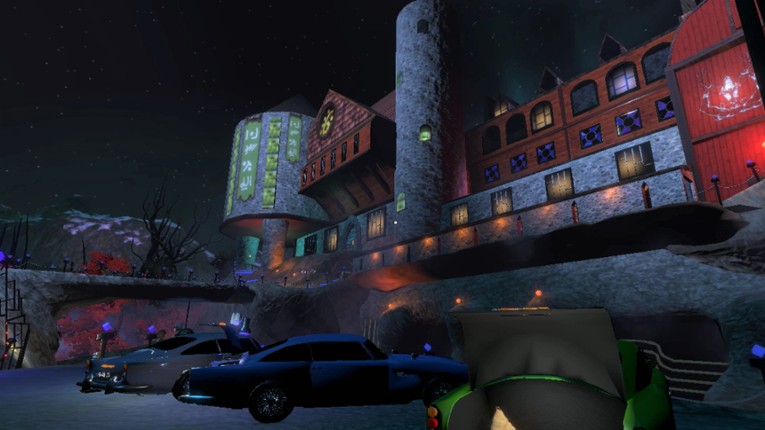
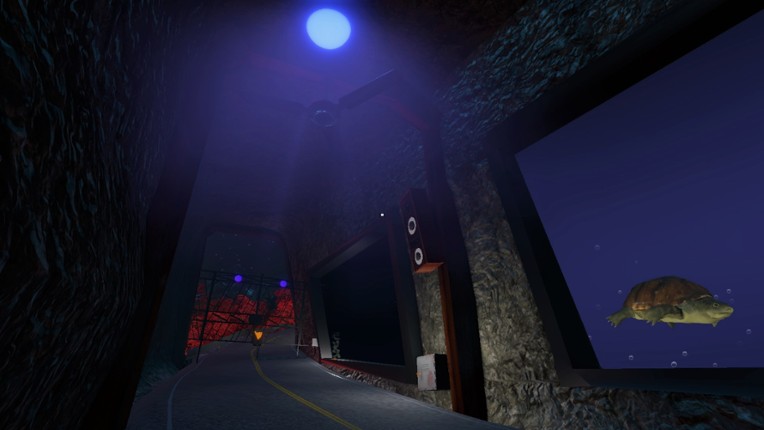

Swaps Superliminal's first-person perspective puzzles for a heartfelt third-person journey about trauma and loss, aimed at story-driven players.
If you enjoyed this game, see our list of games similar to Papo & Yo.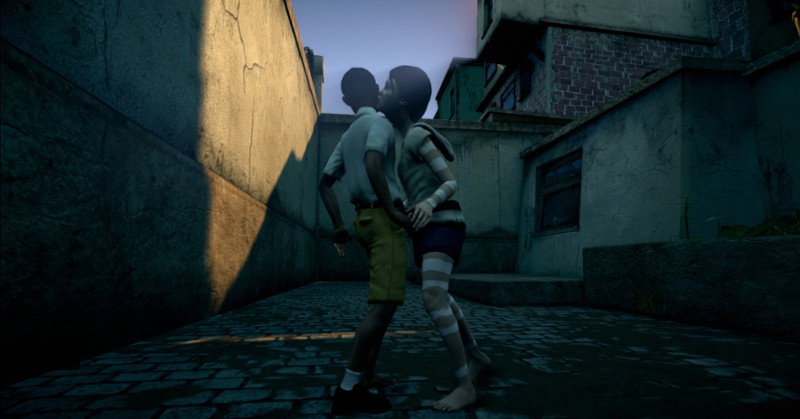
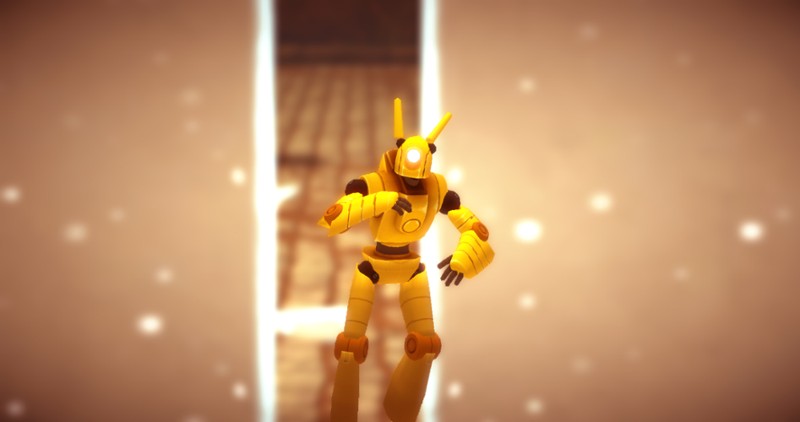
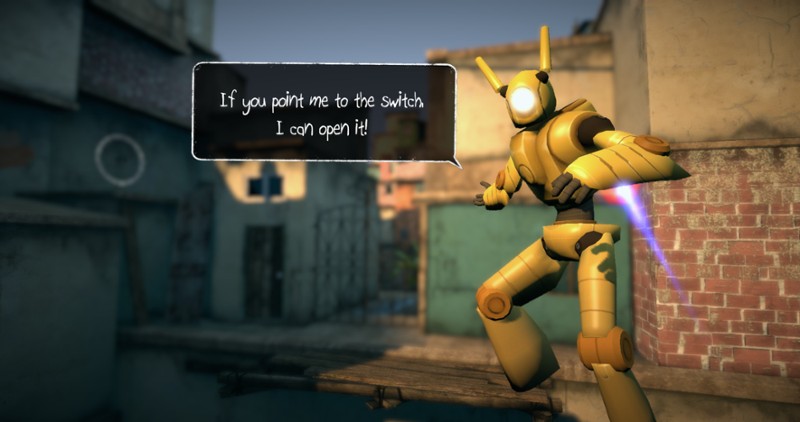
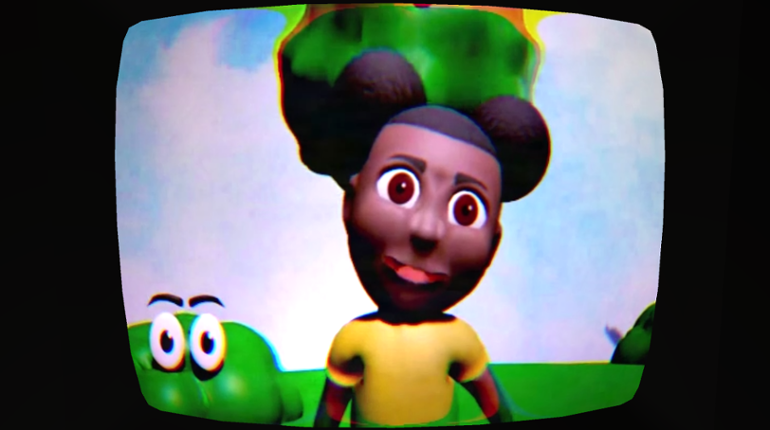
Channels Superliminal's creepy first-person strangeness into a VHS-soaked horror mystery, suited to players who enjoy meta storytelling and childhood dread.
If you enjoyed this game, see our list of games similar to Amanda the Adventurer.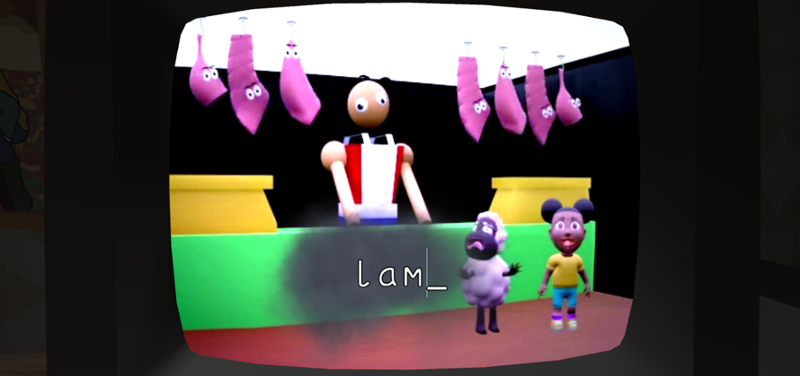
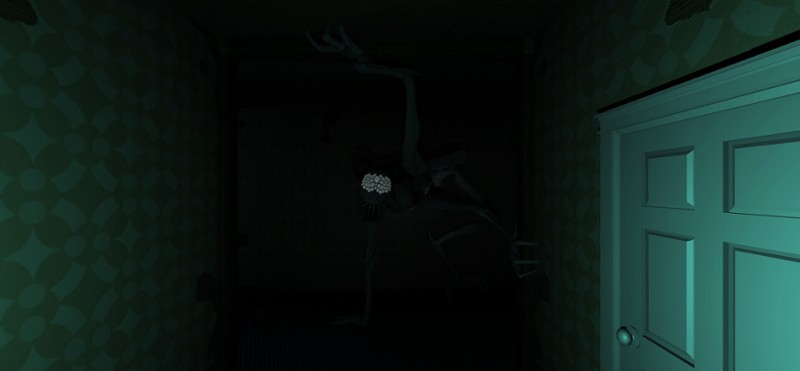
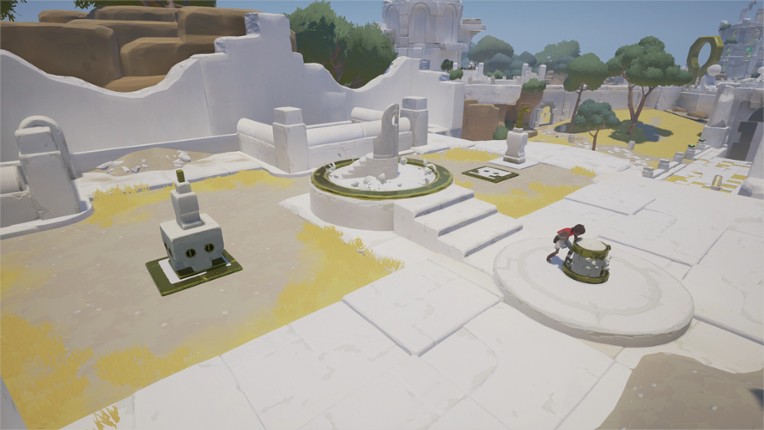
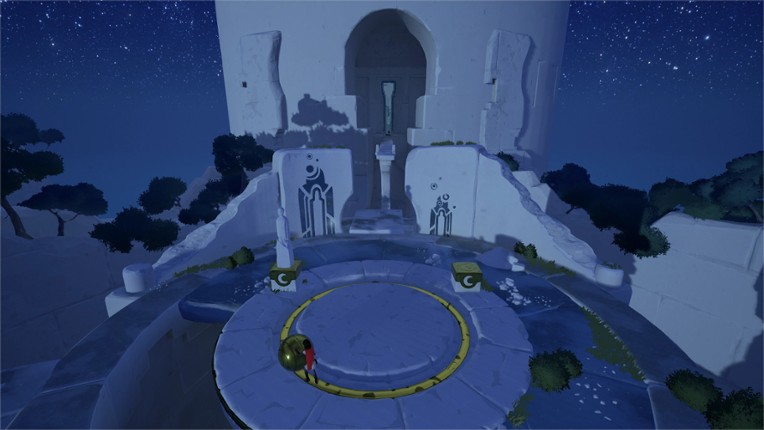
Keeps the reflective, dreamlike pacing but trades brain-bending perspective puzzles for a gentler coming-of-age adventure in a sunlit world.
If you enjoyed this game, see our list of games similar to RiME.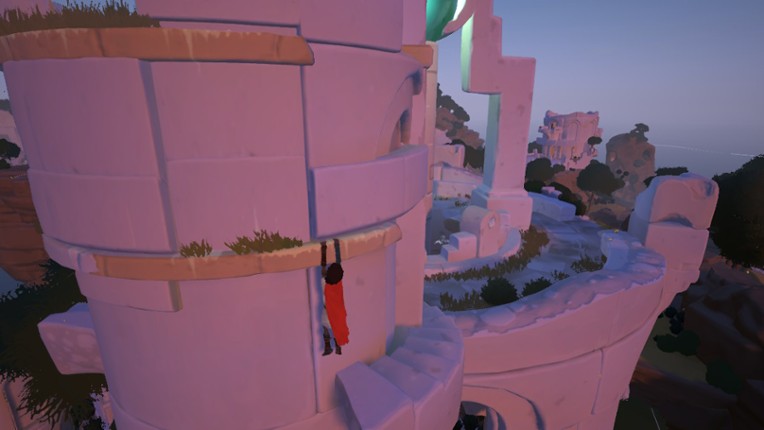
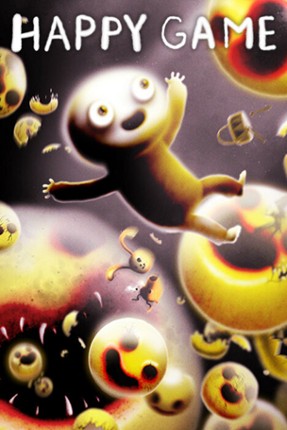
Turns Superliminal's understated surrealism into loud, grotesque nightmare comedy, best for players who want unsettling shock over quiet puzzle elegance.
If you enjoyed this game, see our list of games similar to Happy Game.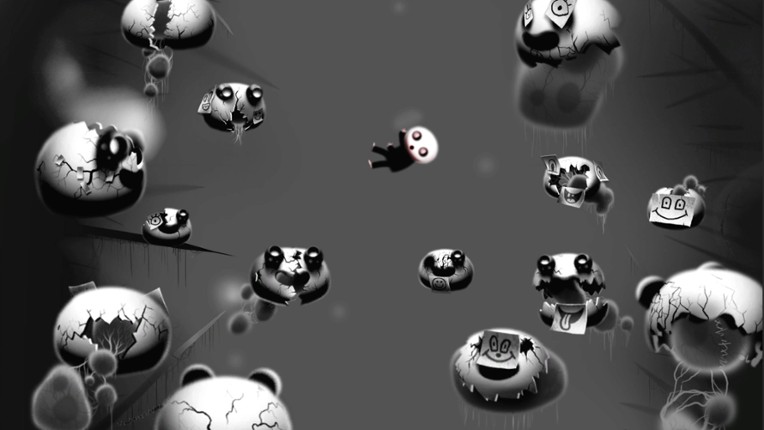

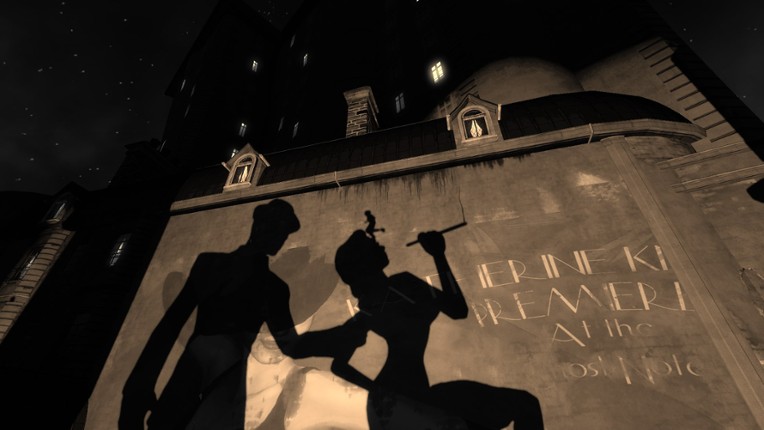
Shares Superliminal's stylized puzzle-platform framing, but shifts into noir steampunk with a sharper narrative edge and a more grounded mystery.
If you enjoyed this game, see our list of games similar to Contrast.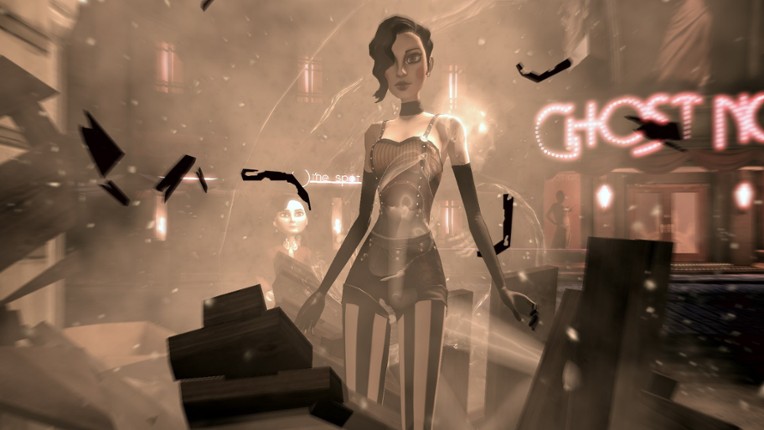

Try Manifold Garden for non-Euclidean puzzle platforming, Antichamber for surreal abstract design, and The Talos Principle for complex, philosophy-driven puzzles. All three share Superliminal's minimalist aesthetic and mind-bending mechanics, though they offer longer campaigns with greater replay value and more challenging difficulty curves.
The Entropy Centre features time-rewind puzzle mechanics in a first-person perspective, while Q.U.B.E: Director's Cut uses color-based physics puzzles. The Escape Artist delivers immersive surreal puzzles with exceptional atmosphere. Each reimagines how perspective and interaction create mind-bending gameplay without relying on forced perspective like Superliminal does.
The Escape Artist is praised for being concise yet emotionally impactful, with rich atmosphere and strong replayability. COCOON offers a brief, visually stunning puzzle platformer with intuitive mechanics and no dialogue. Both avoid Superliminal's repetition complaints while maintaining the surreal, contemplative tone that makes the experience memorable.
Most similar titles are available on multiple platforms. Limbo, Antichamber, and The Talos Principle are on PlayStation, Xbox, and Nintendo Switch. Manifold Garden and COCOON also have console releases. PC remains the primary platform, but excellent ports make these games accessible across major gaming systems.
Limbo delivers haunting minimalist horror with isolation and dread through its black-and-white aesthetic. The Entropy Centre combines sci-fi mystery with psychological tension. Antichamber creates eerie, disorienting environments. These explore psychological themes more intensely than Superliminal, appealing to players who prefer darker, more sinister puzzle experiences.
While the recommended games aren't free, several are indie titles with affordable prices under $20. Antichamber, COCOON, and The Escape Artist offer exceptional value for their length and quality. Steam sales frequently discount these puzzle platformers. Budget-conscious players benefit most from their short playtimes and high artistic merit per dollar spent.


 View Game