

Games like Blue Prince
Blue Prince's mix of roguelike room-drafting and escape-room puzzle logic hooks players hard, and once the credits roll, the hunt for games like Blue Prince begins in earnest. Few titles nail that same blend of first-person exploration, nonlinear mansion-mapping, and mystery-soaked atmosphere. The good news: a handful of indie puzzle games capture that same drafting-and-deduction thrill, and we've tracked down the best of them below.
What sets Blue Prince apart is how it fuses roguelite structure with escape-room puzzle design inside a single, ever-shifting mansion. Every run reshuffles the rooms you draft, so investigation and spatial memory matter as much as pure logic. Layered on top of that loop sits a story told almost entirely through environmental clues, held together by stylized art direction and a contemplative score. Players hunting for something similar want that exact tension between randomized structure and deliberate, intricate puzzle-solving.
What Makes a Good Alternative to Blue Prince?
- Room-drafting or procedural structure — Blue Prince's core appeal comes from redrawing the map each run; alternatives that reshuffle spaces or resources keep that same replay-driven, roguelike tension.
- Escape-room puzzle density — The satisfaction of Blue Prince comes from stacking small deductions into bigger revelations, so alternatives need layered, interconnected puzzles rather than one-off brainteasers.
- Environmental storytelling — Blue Prince rarely explains itself outright; the best companions also trust players to piece narrative together from notes, symbols, and architecture.
- First-person or exploration-driven perspective — Wandering an unfamiliar space and mapping it mentally is central to Blue Prince's mood, so games with strong spatial exploration hit the same nerve.
- Atmospheric, stylized presentation — The haunting soundtrack and moody visuals give Blue Prince its contemplative pull, so tone and art direction matter as much as mechanics when picking a follow-up.
Top Picks If You Enjoyed Blue Prince
Void Stranger delivers sokoban puzzles wrapped in a secret-laden, mysterious pixel world. The Witness offers a sprawling nonlinear island packed with logic puzzles and quiet discovery. TUNIC rewards curiosity with a hidden manual and Zelda-like exploration. Lorelei and the Laser Eyes brings note-taking, fair puzzle logic, and a cryptic noir mystery. Outer Wilds turns exploration itself into the central puzzle, loop after loop.
Every game on this list is ranked using real player data, matching genre, mechanics, and mood as closely as possible to Blue Prince. Browse the full lineup below to find your next obsession among these games like Blue Prince.
- 91%Game Brain ScoreMost mentioned positive aspects:story, gameplayMost mentioned negative aspects:grinding, replayability91% User Score 3,002 reviews
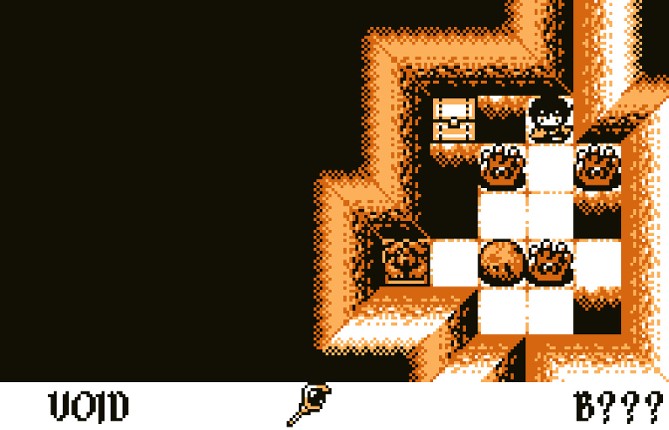
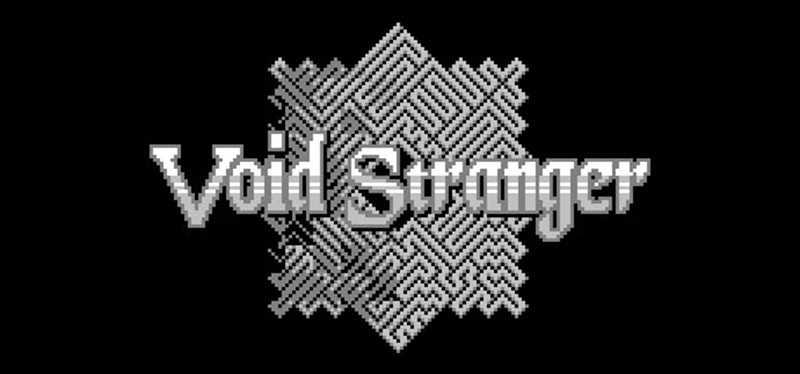
Both games make progress feel like a private investigation: you enter an unfamiliar space, test its rules, and slowly realize that an earlier detail may unlock a later breakthrough. Void Stranger’s Sokoban puzzles reward the same patient experimentation and note-taking that Blue Prince’s room drafting encourages, while its hidden layers turn curiosity into a powerful progression tool rather than mere completion.
The overlap extends beyond puzzles. Both are atmospheric, single-player mysteries where environmental clues, unusual systems, and carefully placed music make exploration feel meaningful; solving a challenge can reveal story context as well as a practical advantage. Void Stranger also offers a useful response to Blue Prince’s reliance on RNG and grinding: its puzzles are more deterministic, so improvement comes primarily from understanding rather than waiting for a favorable run.
The tradeoff is a harsher, more focused experience—2D pixel art, psychological horror, frequent backtracking, and no undo button replace Blue Prince’s room-building freedom. That rigidity can be punishing, but it gives every mistake and solution greater weight. Best for players who chase mastery, secrets, and unsettling atmosphere over convenience.
If you enjoyed this game, see our list of games similar to Void Stranger.View Game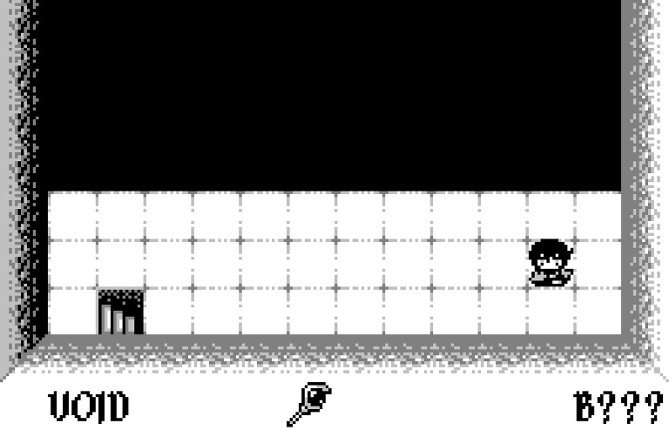
- 91%Game Brain ScoreMost mentioned positive aspects:story, gameplayMost mentioned negative aspects:grinding91% User Score 2,794 reviews
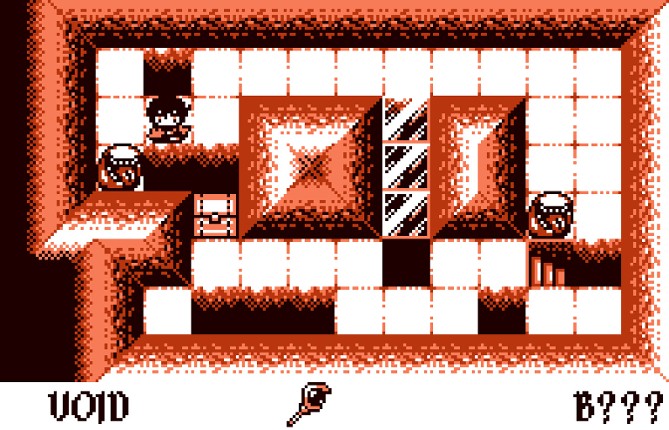
Both games demand that you treat every room as a macro-puzzle where layout and meticulous planning dictate survival. Fans of Blue Prince will find a familiar thrill in peeling back the cryptic layers of Void Stranger's world, where solving grid-based challenges slowly uncovers a massive, hidden meta-narrative. This slow-burn revelation works because both titles respect your intelligence, rewarding spatial logic with paradigm-shifting secrets rather than simple checklist progression.
While Blue Prince can stall due to frustrating RNG and intrusive monetization, Void Stranger offers an uninterrupted experience gated strictly by your own wits. However, instead of 3D exploration, you will navigate this mystery through a punishing, top-down 2D Sokoban framework. This retro aesthetic forces you to master tight, deterministic puzzle design, trading mechanical variety for absolute precision.
Best for players who want to trade randomized drafting for a rigid, uncompromising test of logic and deep-lore observation.
If you enjoyed this game, see our list of games similar to Void Stranger.View Game
- 84%Game Brain ScoreMost mentioned positive aspects:gameplay, graphicsMost mentioned negative aspects:story, grinding84% User Score 7,282 reviews
Both games demand patience and active problem-solving over hand-holding—you'll spend hours decoding systems through trial, observation, and critical thinking rather than following explicit instructions. This shared expectation creates that same meditative, rewarding rhythm Blue Prince players chase: the quiet satisfaction of understanding something complex through your own effort.
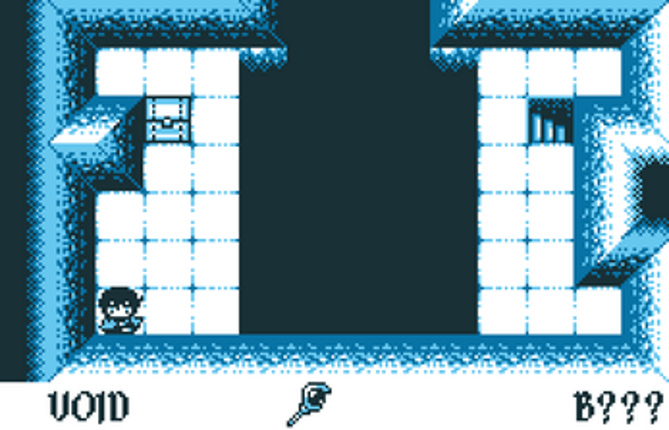
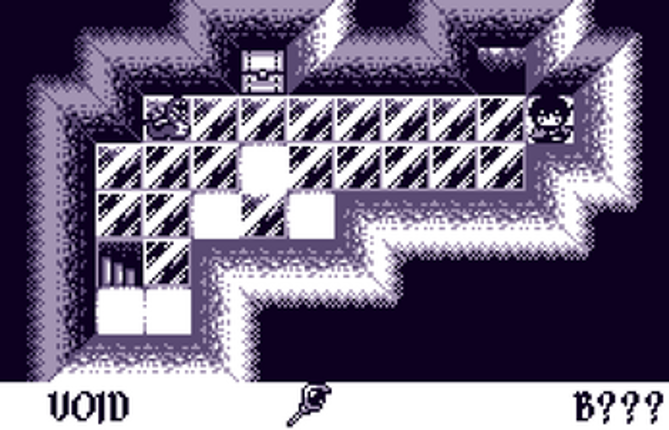
WitCup 12 strips away Blue Prince's roguelike structure and narrative layers to focus on pure puzzle design as the core loop. Where Blue Prince weaves story and atmosphere around its challenges, WitCup 12 lets abstract puzzle mechanics speak for themselves—teaching you through experience rather than exposition. This shifts your mental engagement but preserves the intellectual reward that made Blue Prince's best moments click.
The trade-off here is clarity: WitCup 12's minimalist approach means less guidance than even Blue Prince offers, which can feel frustrating initially. But this directly addresses one of Blue Prince's pain points—grinding and RNG frustration dissolve when progression hinges entirely on solving the puzzle in front of you, not randomized progression gates.
Best for puzzle-first players who loved Blue Prince's cerebral demands but felt bogged down by its systems—those ready to embrace ambiguity in exchange for undiluted puzzle craftsmanship.
If you enjoyed this game, see our list of games similar to WitCup 12.View Game
- 83%Game Brain ScoreMost mentioned positive aspects:gameplay, graphicsMost mentioned negative aspects:story, grinding83% User Score 15,440 reviews
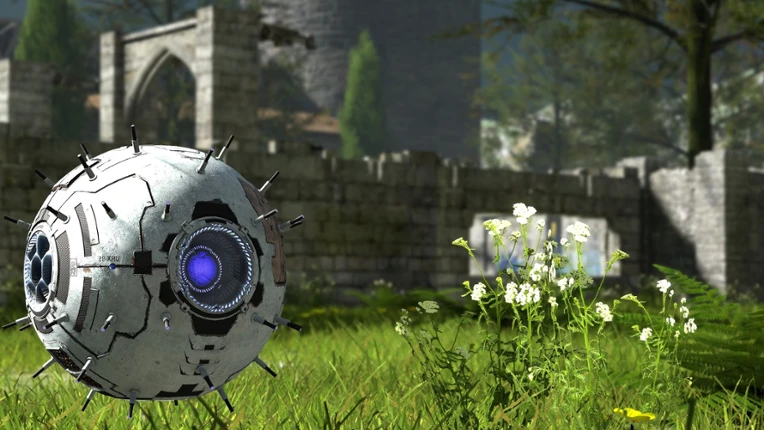
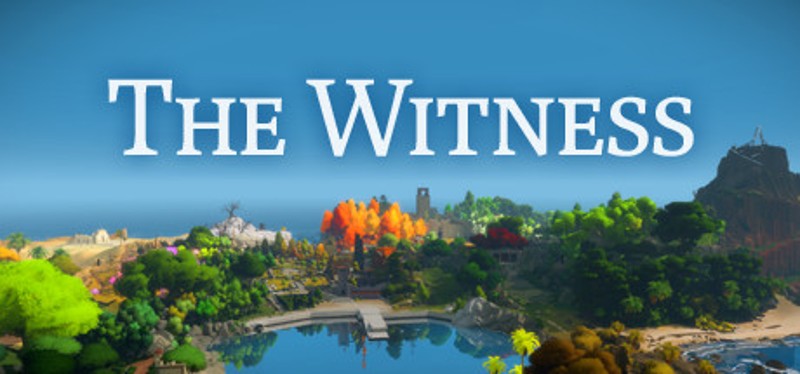
Blue Prince's most devoted fans are those who live for that "aha!" moment after cracking a stubborn puzzle, and The Witness delivers this satisfaction on a massive scale. Both games embed their deepest stories not in dialogue but in the environment itself, rewarding players who linger, experiment, and think sideways. The difference is that The Witness drops you into a single, seamless island where every panel, line, and shadow is a potential puzzle waiting to teach you something new.
Where Blue Prince layers roguelike randomization over its puzzles, The Witness keeps everything deterministic—every solution is fair, every failure is a lesson, and the game never punishes you with bad RNG. This creates a more meditative pacing that veteran Blue Prince players often crave but rarely get in their home game. The puzzles escalate in complexity through elegant visual logic rather than through grinding or repetition, which directly addresses Blue Prince's mid-game fatigue.
Exploration functions similarly in both titles: you're not just moving through space, you're reading it. The Witness's open world invites the same curious, investigative mindset that Blue Prince rewards, but trades draft-and-build mechanics for pure discovery. Best for players who prefer mastering consistent, well-designed challenges over adapting to unpredictable systems.
If you enjoyed this game, see our list of games similar to The Witness.View Game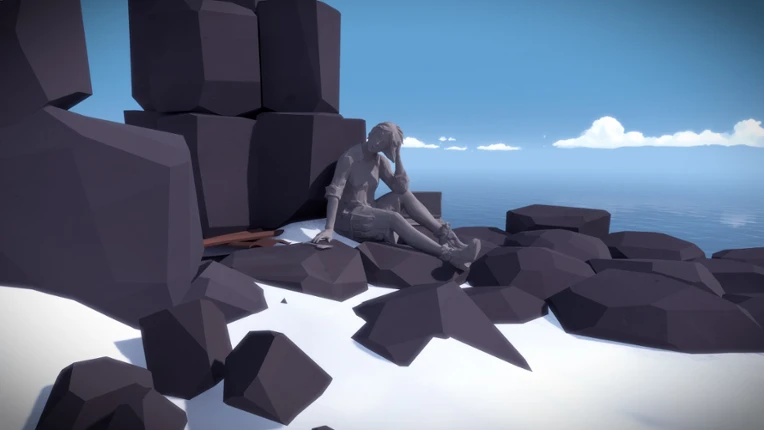
- 91%Game Brain ScoreMost mentioned positive aspects:gameplay, musicMost mentioned negative aspects:grinding, stability91% User Score 11,267 reviewsCritic Score 91%5 reviews
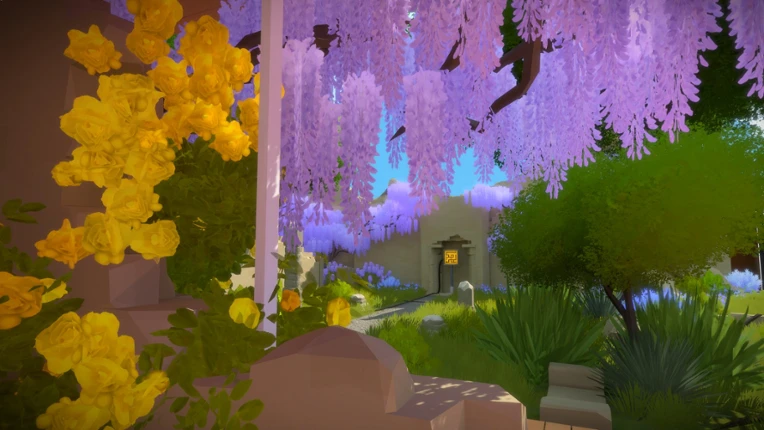
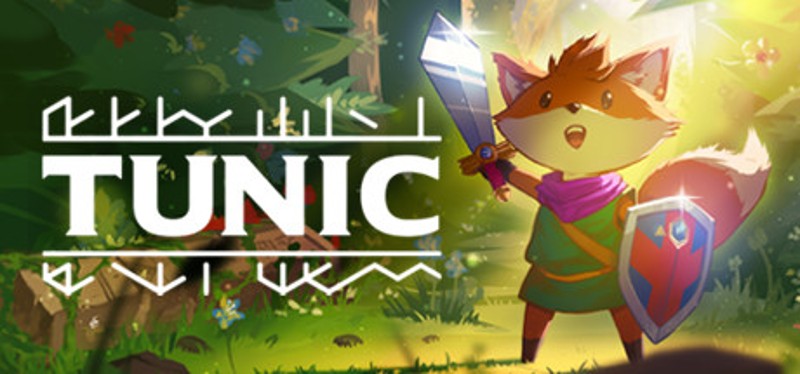
That feeling of scribbling notes on a mental (or physical) map, convinced you've spotted a pattern the game hasn't explicitly told you about yet — TUNIC runs on that exact obsession. Both games trust you to build understanding through observation rather than tutorials, rewarding the kind of player who backtracks a room just to test a theory.
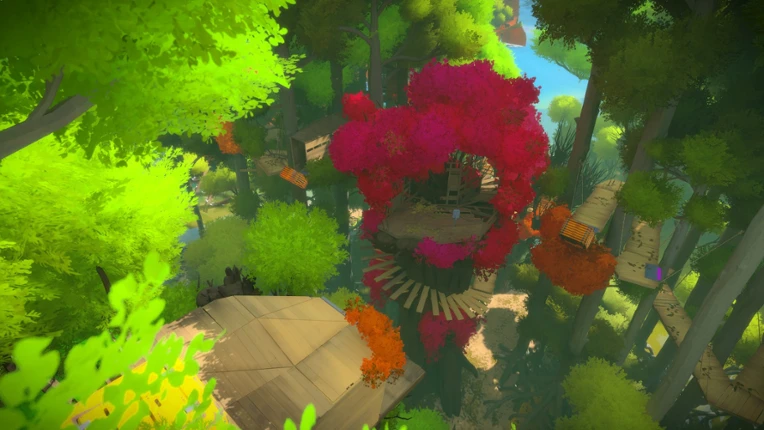
The in-game manual functions like Blue Prince's room-drafting logic: a system you piece together yourself, where each new page (or door) recontextualizes what you thought you already knew. Its isometric exploration and hidden shortcuts create that same "wait, this connects to that?" jolt of discovery.
Where it diverges is combat — TUNIC layers in Souls-like action encounters, giving physical stakes to its mysteries rather than pure puzzle-and-drift pacing. It's also a fixed, complete world rather than a roguelite loop, so the RNG grind some Blue Prince players tire of simply isn't a factor here.
Best for players who enjoyed the investigation more than the dice rolls, and want that same cryptic satisfaction wrapped in a tighter, more deliberately authored world.
If you enjoyed this game, see our list of games similar to TUNIC.View Game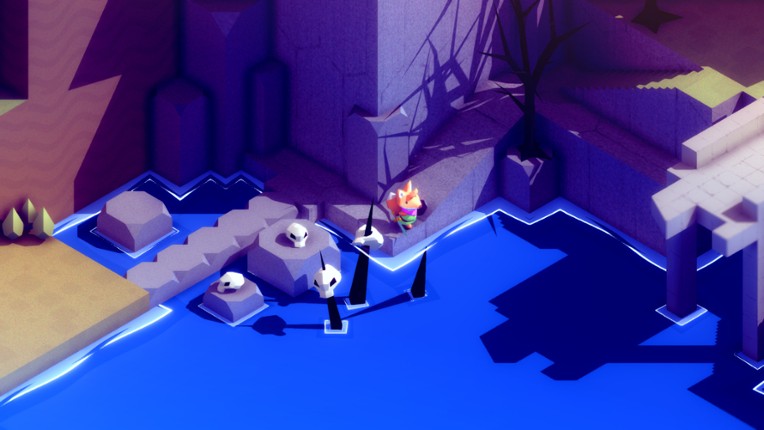
- 88%Game Brain ScoreMost mentioned positive aspects:story, graphicsMost mentioned negative aspects:grinding, replayability94% User Score 2,117 reviewsCritic Score 75%4 reviews
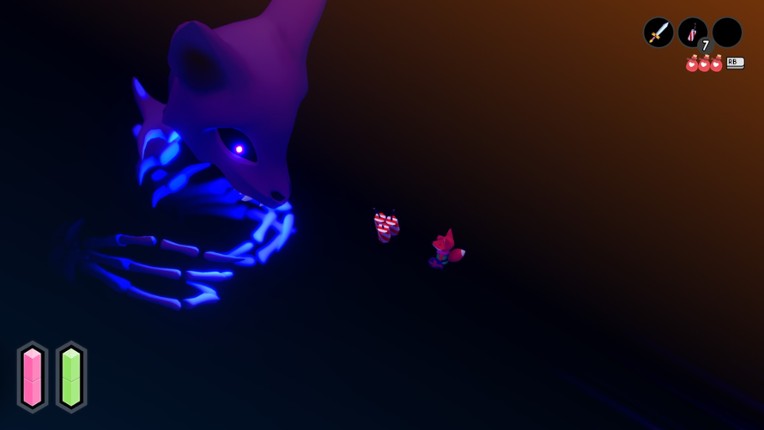
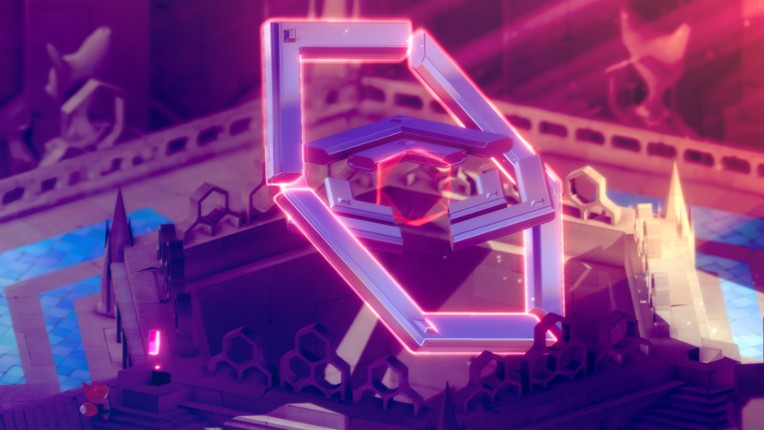
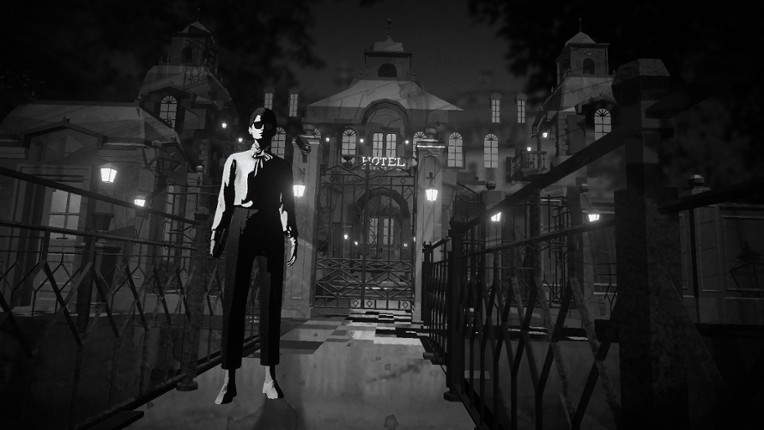
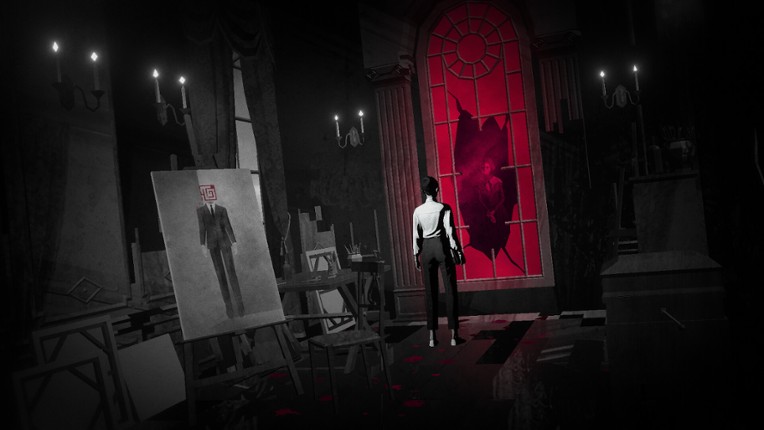
Both games demand obsessive puzzle-solving within a shifting, architecturally complex mansion setting. They turn exploration into an exercise in cartography, forcing you to treat the environment itself as your primary tool.
The shared reliance on environmental deduction makes every discovery feel earned, as both titles effectively punish lack of focus. You aren't just clicking objects; you are decoding a living, hostile architecture.
While Blue Prince leans into procedural roguelite drafting to keep its layout fresh, Lorelei and the Laser Eyes offers a fixed, highly curated surrealist nightmare.
Pick this up if you crave dense, cryptic mysteries but prefer hand-crafted logic over the occasional frustrations of randomized room generation.
If you enjoyed this game, see our list of games similar to Lorelei and the Laser Eyes.View Game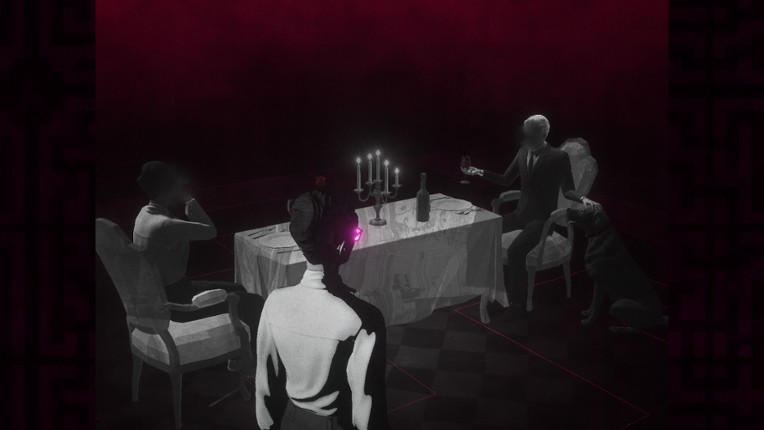
- 79%Game Brain ScoreMost mentioned positive aspects:gameplay, storyMost mentioned negative aspects:grinding, stability79% User Score 9,162 reviews
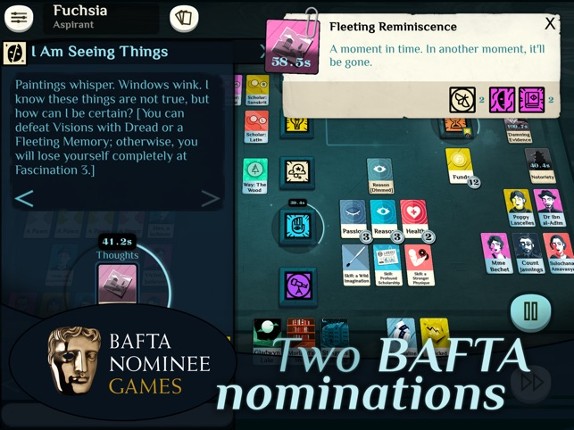
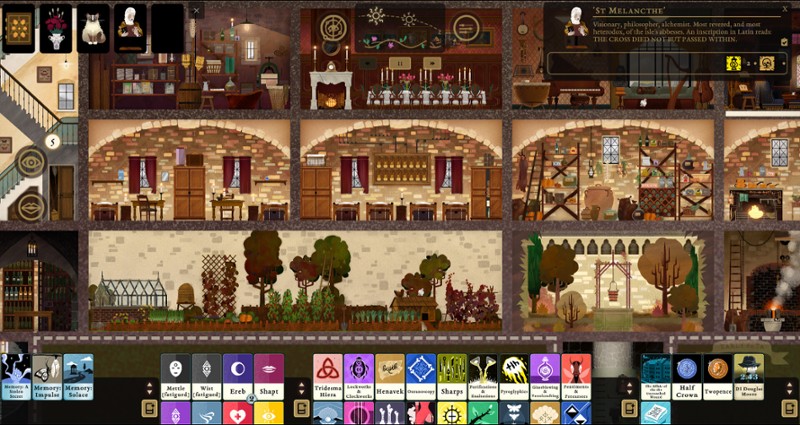
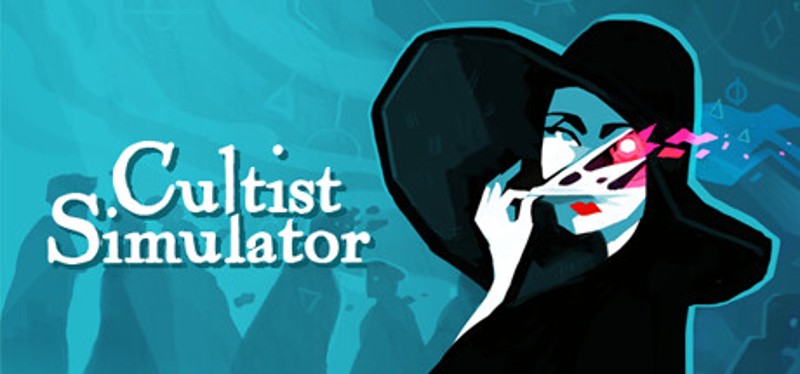
Both games hinge on learning a strange system through repeated runs. Blue Prince gives that through room-drafting and puzzle discovery; Cultist Simulator does it with card-driven occult management, so every mistake teaches you something useful.
They also share story-rich, lore-first progression, which matters because the narrative is uncovered by experimentation instead of cutscenes. But Cultist Simulator is harsher and more abstract, with a steeper early game and less spatial puzzle feel than Blue Prince.
Pick this up if you want a cerebral roguelite that rewards obsession, but can live without first-person exploration and handcrafted room puzzles.
If you enjoyed this game, see our list of games similar to Cultist Simulator.View Game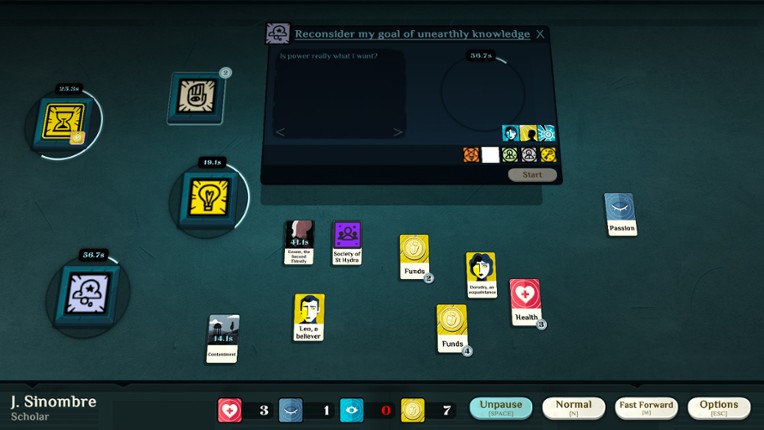
- 96%Game Brain ScoreMost mentioned positive aspects:gameplay, graphicsMost mentioned negative aspects:grinding, monetization96% User Score 17,548 reviews
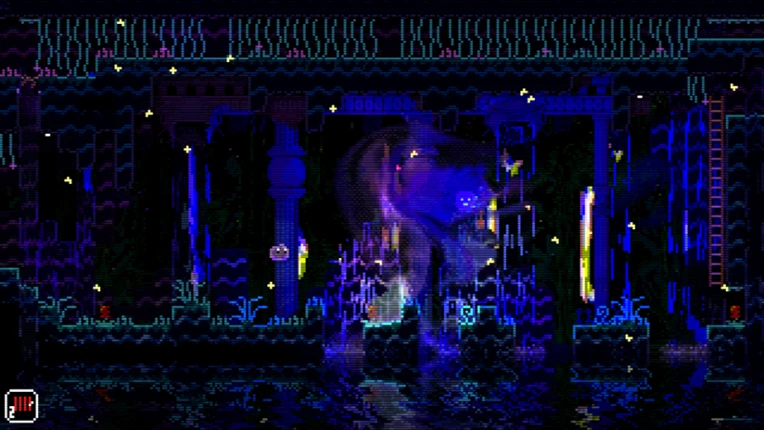
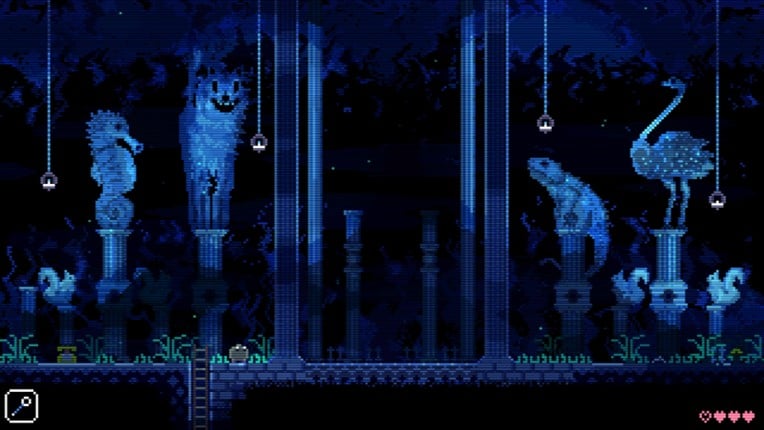
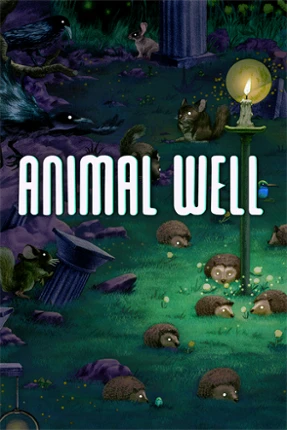
Hatch from your flower and spelunk through the beautiful and sometimes haunting world of Animal Well, a pixelated wonder rendered in intricate audio and visual detail. Encounter lively creatures small and large, helpful and ominous as you discover unconventional upgrades and unravel the well’s secrets. This is a truly unique experience that can make you laugh in fear, surprise, or delight If you enjoyed this game, see our list of games similar to ANIMAL WELL.
View Game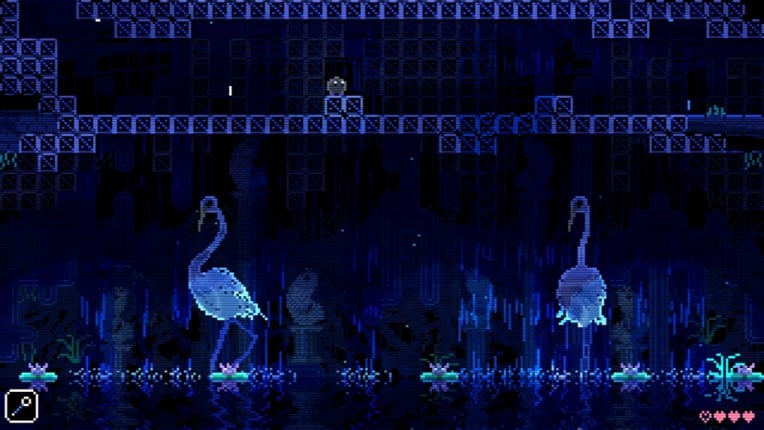
- 89%Game Brain ScoreMost mentioned positive aspects:story, atmosphereMost mentioned negative aspects:grinding, optimization89% User Score 3,274 reviews
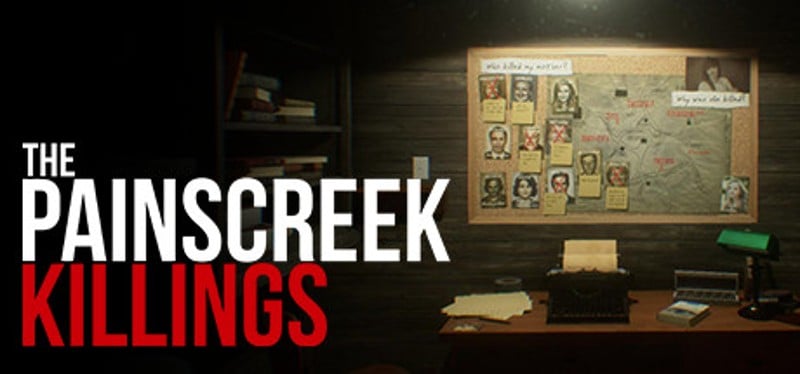
The Painscreek Killings replaces Blue Prince's abstract puzzles with a gritty, true‑crime detective story set in a decaying rural town.
If you enjoyed this game, see our list of games similar to The Painscreek Killings.View Game
- 91%Game Brain ScoreMost mentioned positive aspects:story, gameplayMost mentioned negative aspects:grinding, stability96% User Score 18,971 reviewsCritic Score 86%29 reviews
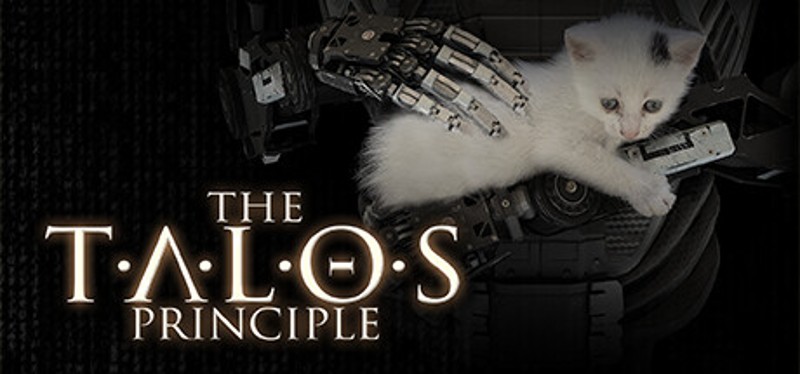
Both games anchor themselves in first-person puzzle exploration with philosophical weight, where environmental storytelling and narrative depth matter as much as mechanics. This shared foundation makes the atmospheric payoff feel earned rather than decorative.
Each also pairs escalating puzzle complexity with roguelike/variable structure—though Talos uses multiple endings instead of room-drafting, the replay incentive remains identical.
The critical difference: Blue Prince wrestles with RNG frustration and monetization friction, while Talos stumbles on puzzle pacing and explanation clarity instead.
Pick Talos if you want Blue Prince's philosophical rigor and puzzle depth without the grinding repetition or microtransaction friction—but expect subtler storytelling and occasionally opaque mechanics.
If you enjoyed this game, see our list of games similar to The Talos Principle.View Game
- 89%Game Brain ScoreMost mentioned positive aspects:gameplay, storyMost mentioned negative aspects:grinding, optimization92% User Score 3,996 reviewsCritic Score 83%5 reviews
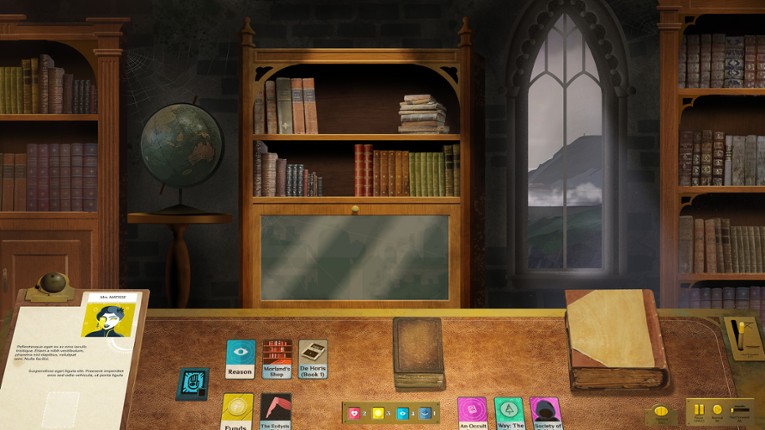
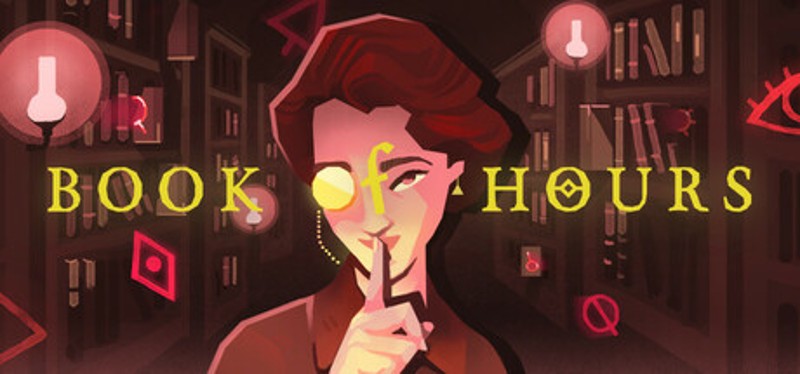
Both Blue Prince and BOOK OF HOURS center on incremental room exploration, tasking you with methodically unlocking a mysterious, architectural puzzle box. This structural discovery creates a rewarding sense of spatial progression, which is vital for maintaining momentum in high-concept, slow-burn narratives.
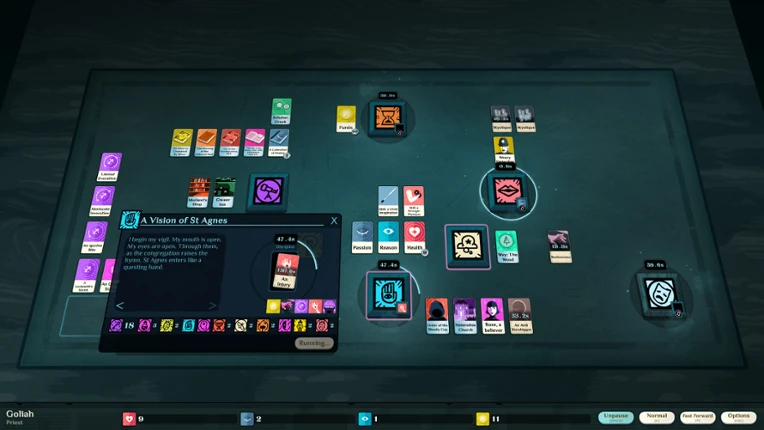
While Blue Prince leans into roguelite room-drafting, BOOK OF HOURS swaps that adrenaline for a deliberate, tabletop-inspired resource management grind. You are trading the tactical chaos of a shifting mansion for the patient, lore-dense curation of an occult library.
Pick this up if you crave meticulous investigation and environmental storytelling but can live without the twitch-reflex demands of procedural room generation.
If you enjoyed this game, see our list of games similar to BOOK OF HOURS.View Game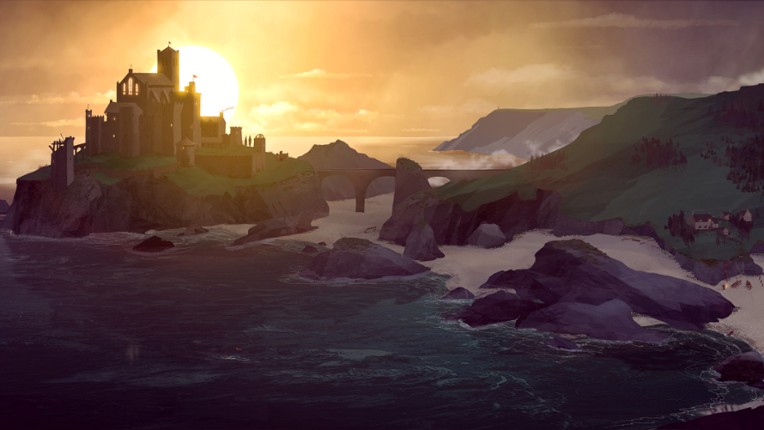
- 89%Game Brain ScoreMost mentioned positive aspects:story, gameplayMost mentioned negative aspects:grinding, replayability95% User Score 72,832 reviewsCritic Score 82%30 reviews
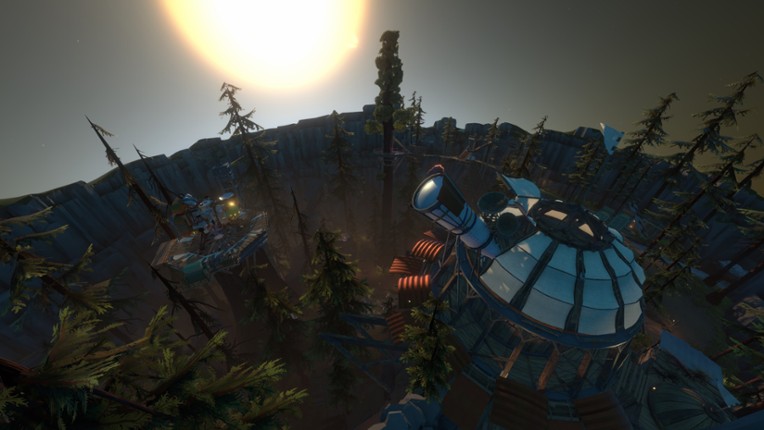
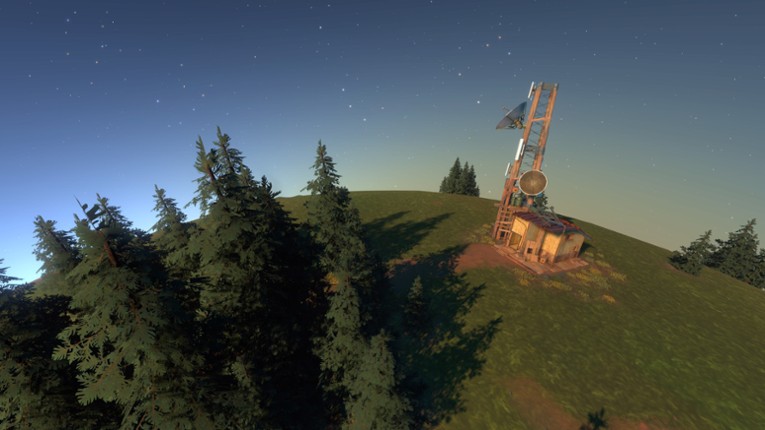
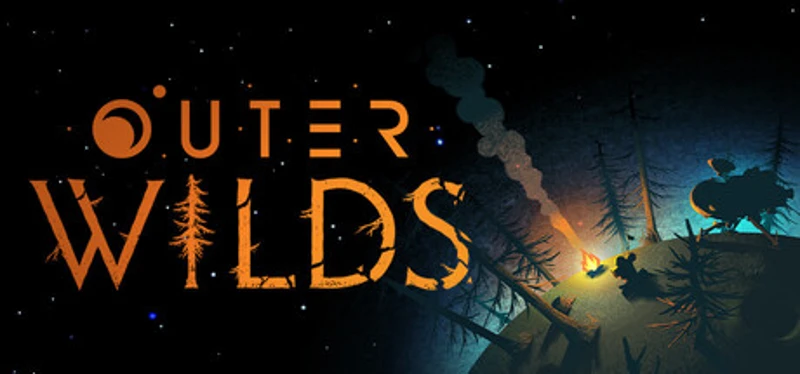
If Blue Prince's investigative pull hooked you, Outer Wilds delivers that same breathless "what's around the next corner?" momentum. Both games reward pure curiosity, unraveling their stories through environmental clues rather than hand-holding exposition. This discovery-first design makes every session feel like cracking open a new layer of the mystery.
Both also anchor their narratives in atmospheric first-person exploration — atmosphere isn't decoration here, it's a gameplay tool that makes you feel present inside the mystery.
The core tradeoff: Outer Wilds discards Blue Prince's roguelite room-drafting entirely, replacing it with a single, fixed world to explore thoroughly.
Pick this up if you want Blue Prince's investigative, discovery-driven loop but can trade roguelite progression for a meticulously crafted sci-fi mystery.
If you enjoyed this game, see our list of games similar to Outer Wilds.View Game
- 88%Game Brain ScoreMost mentioned positive aspects:gameplay, musicMost mentioned negative aspects:grinding, stability91% User Score 9,004 reviewsCritic Score 85%29 reviews
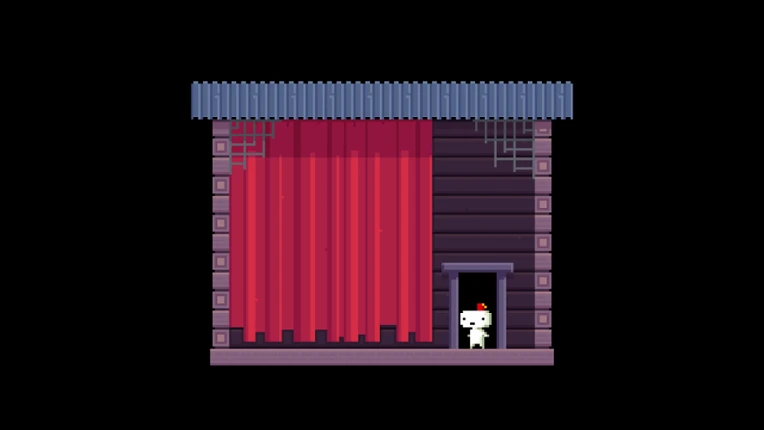
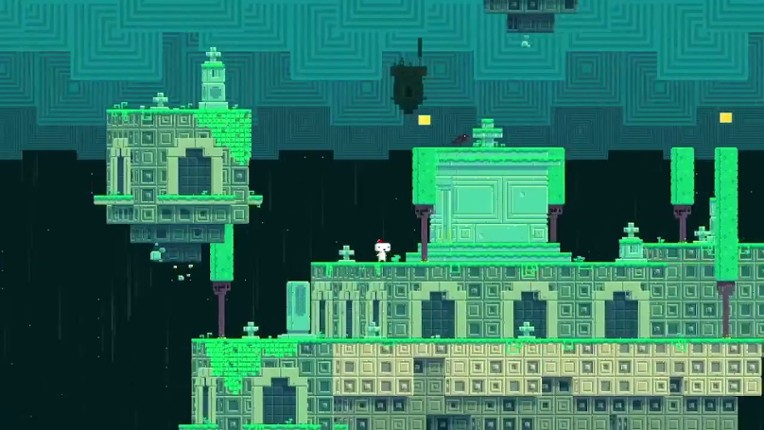
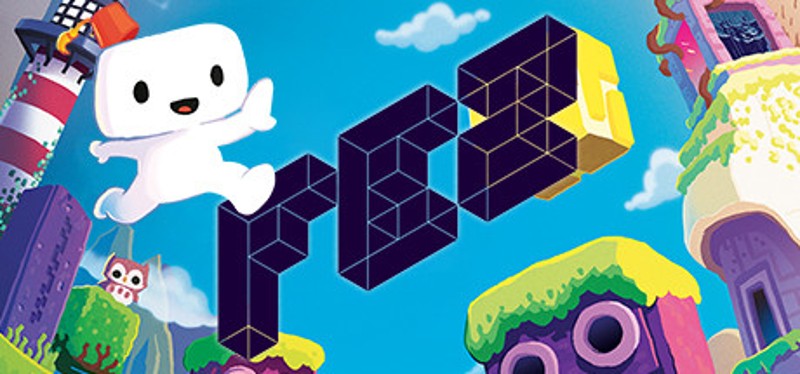
Fez offers a colorful, 2.5‑D platforming twist on Blue Prince's puzzle ethos, swapping gravity‑bending mechanics for a dreamy pixel world.
If you enjoyed this game, see our list of games similar to FEZ.View Game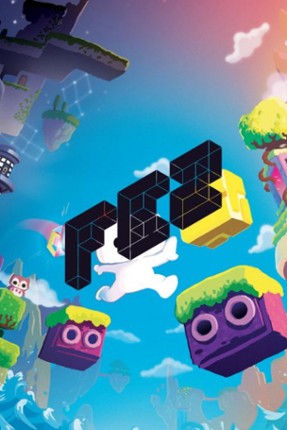
- 91%Game Brain ScoreMost mentioned positive aspects:story, musicMost mentioned negative aspects:replayability, optimization91% User Score 3,600 reviews
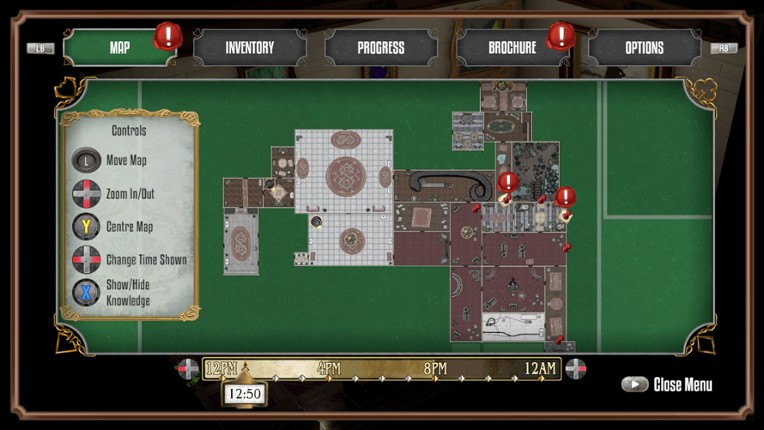
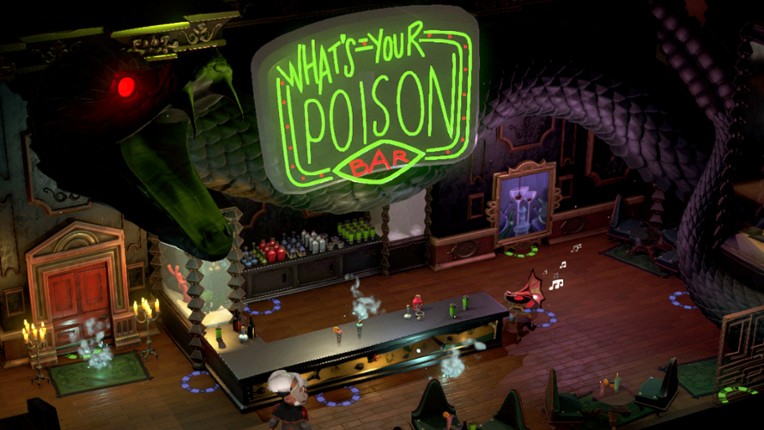
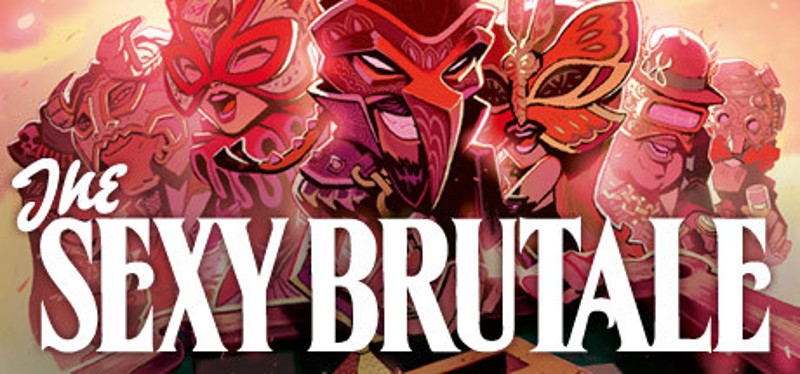
Sexy Brutale flips Blue Prince's static rooms into a looping, time‑manipulating murder mystery with an isometric, music‑rich aesthetic.
If you enjoyed this game, see our list of games similar to The Sexy Brutale.View Game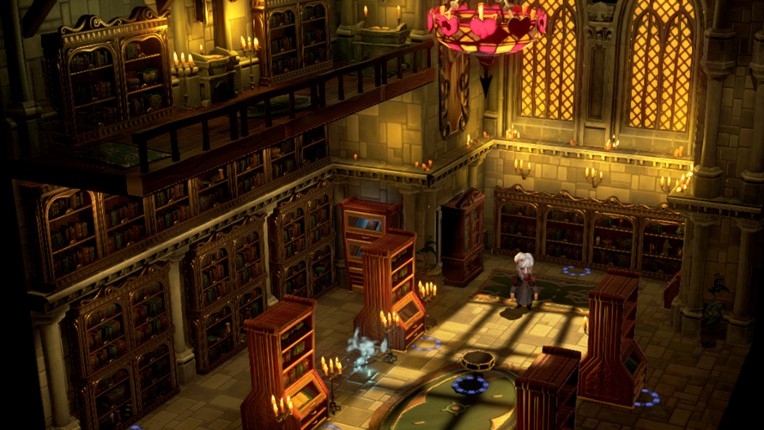
- 89%Game Brain ScoreMost mentioned positive aspects:story, graphicsMost mentioned negative aspects:optimization, grinding91% User Score 2,614 reviewsCritic Score 80%1 reviews
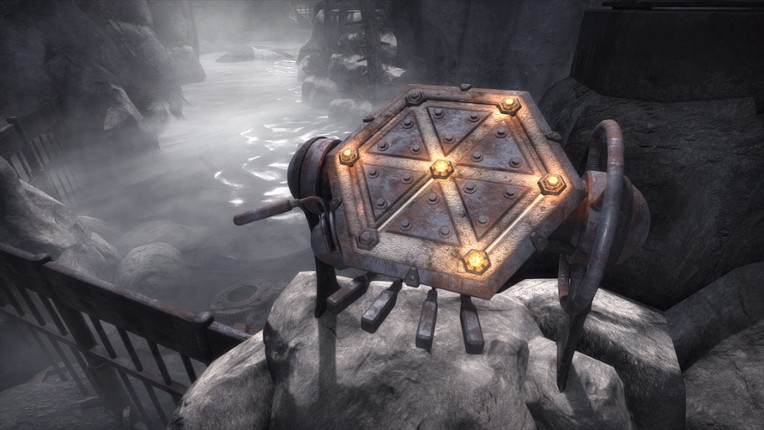
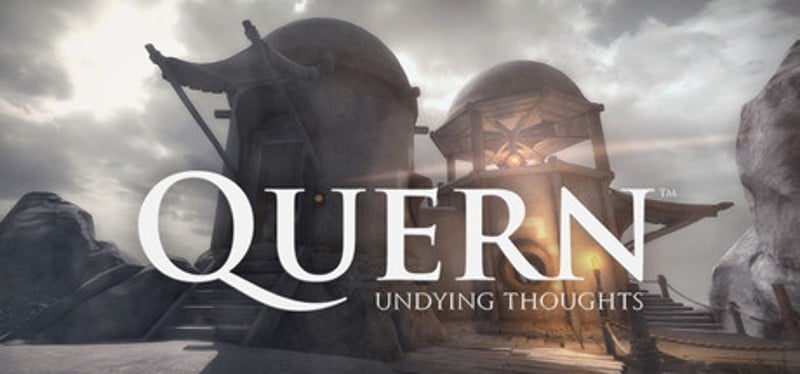
Quern trades Blue Prince's room‑drafting roguelite for a steampunk‑styled, narrative‑driven first‑person journey with a relaxed, cinematic vibe.
If you enjoyed this game, see our list of games similar to Quern: Undying Thoughts.View Game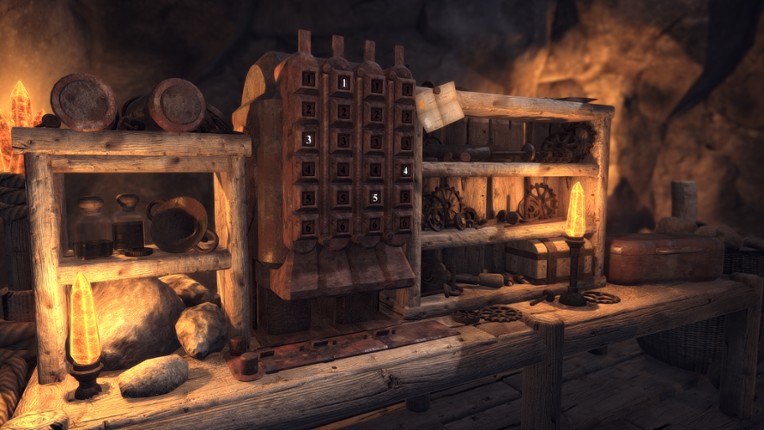

- 77%Game Brain ScoreMost mentioned positive aspects:story, atmosphereMost mentioned negative aspects:grinding, stability79% User Score 638 reviewsCritic Score 74%9 reviews
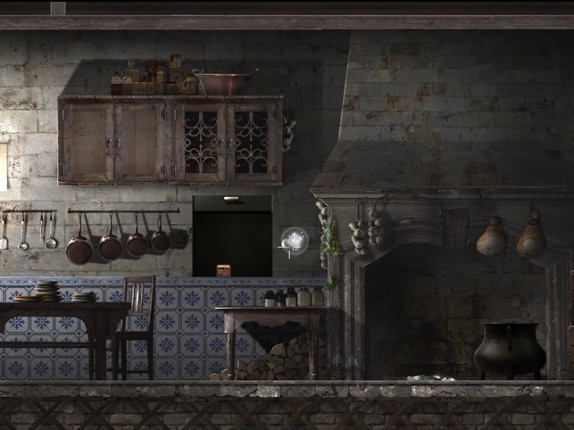
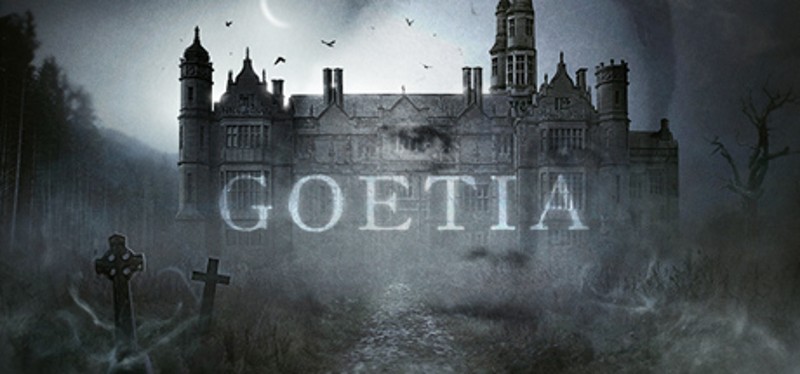
Goetia swaps Blue Prince's modern first‑person setting for a gothic 2D point‑and‑click with a brooding, supernatural storyline.
If you enjoyed this game, see our list of games similar to Goetia.View Game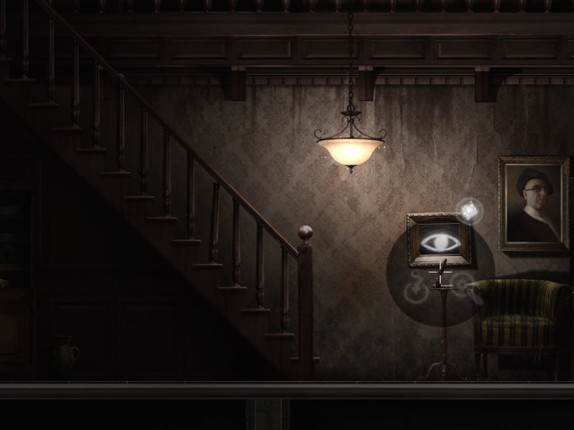
- 95%Game Brain ScoreMost mentioned positive aspects:story, gameplayMost mentioned negative aspects:grinding, replayability98% User Score 14,631 reviewsCritic Score 80%1 reviews
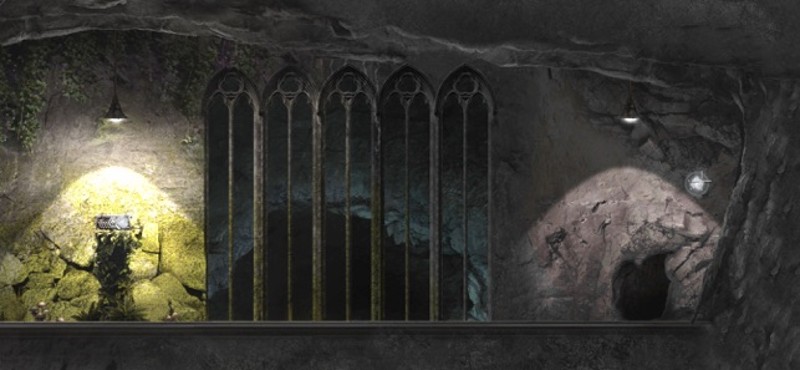
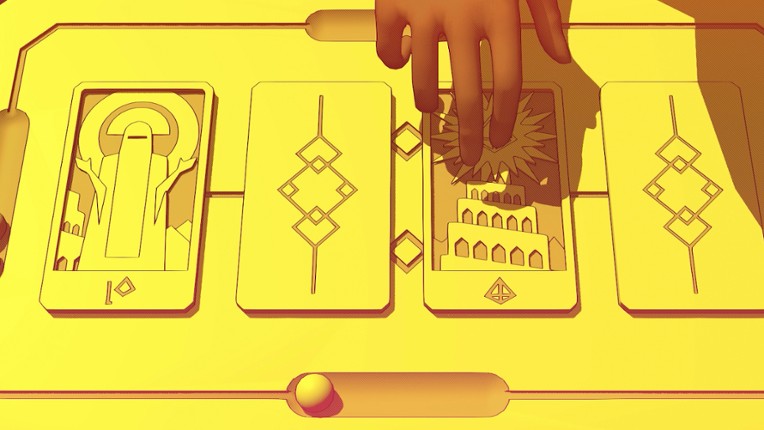
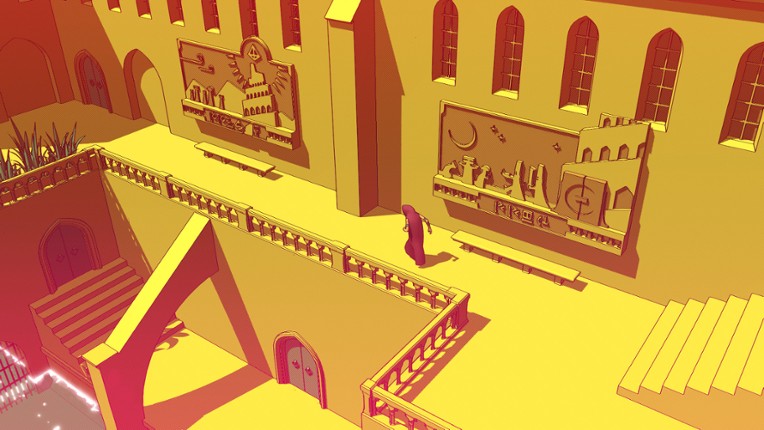
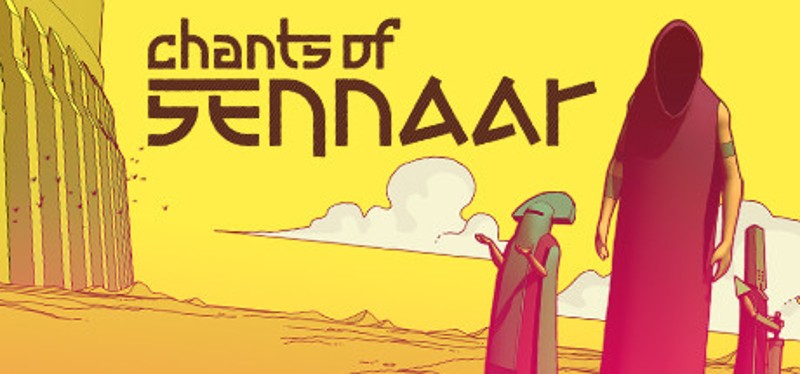
Chants of Sennaar reimagines Blue Prince's investigative puzzles as a colorful, myth‑infused puzzle‑platformer with a soothing soundtrack and relaxed pacing.
If you enjoyed this game, see our list of games similar to Chants of Sennaar.View Game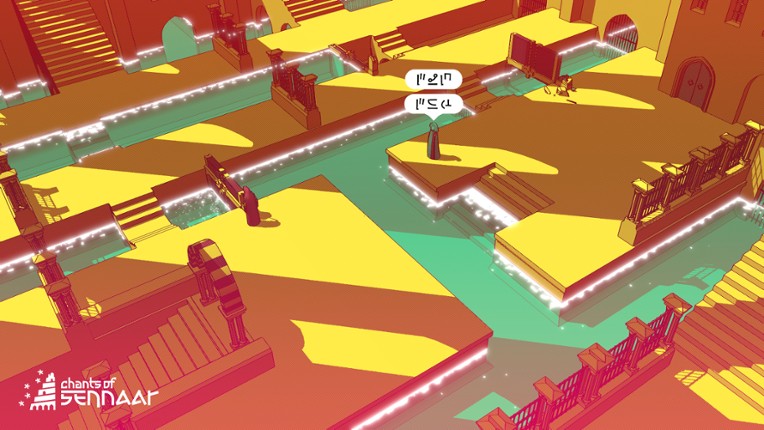
- 93%Game Brain ScoreMost mentioned positive aspects:story, gameplayMost mentioned negative aspects:grinding, stability95% User Score 3,173 reviewsCritic Score 89%2 reviews
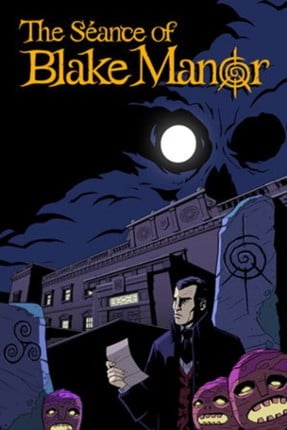
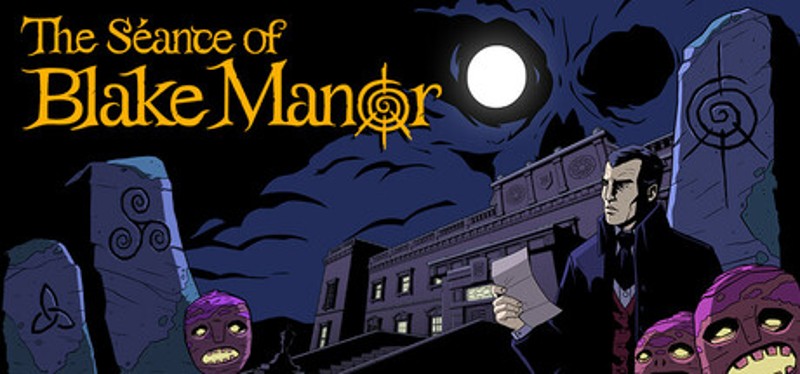
Supernatural detective noir where investigation unfolds through séances and psychological horror instead of roguelike room-drafting and puzzle loops.
If you enjoyed this game, see our list of games similar to The Séance of Blake Manor.View Game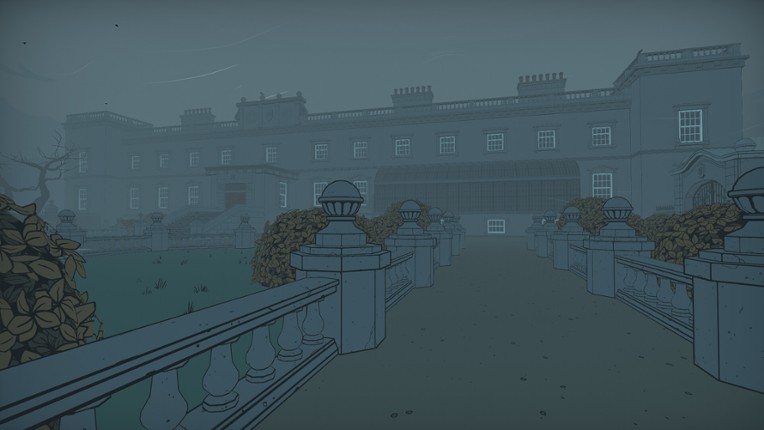
- 79%Game Brain ScoreMost mentioned positive aspects:gameplay, graphicsMost mentioned negative aspects:grinding, stability81% User Score 693 reviewsCritic Score 77%20 reviews
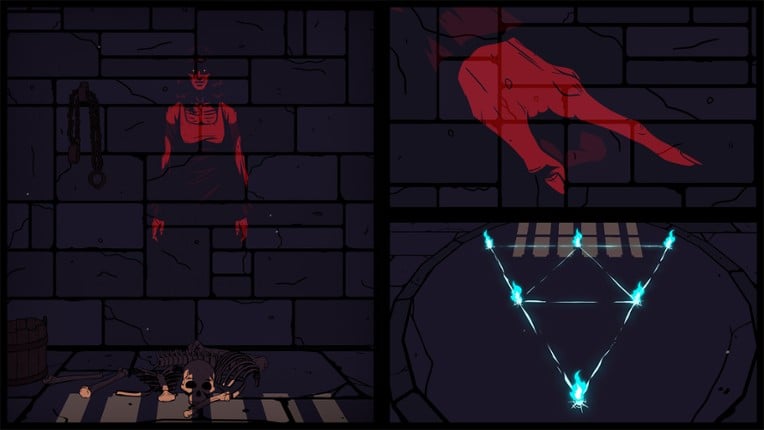
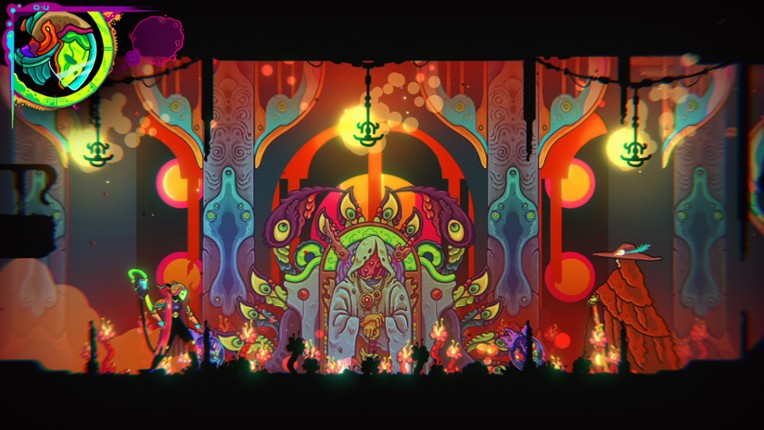
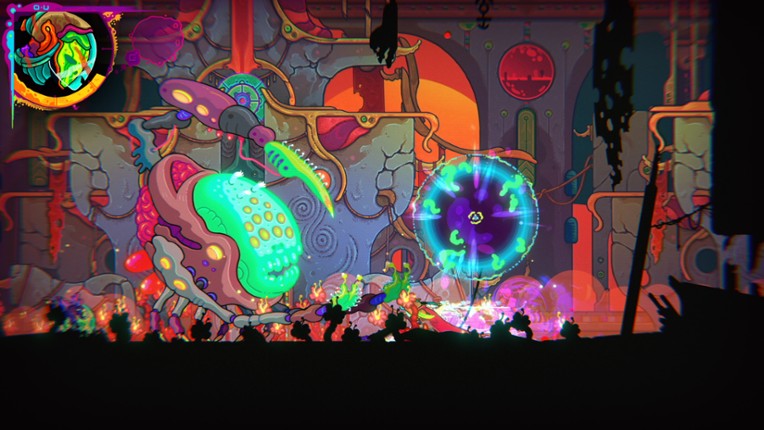
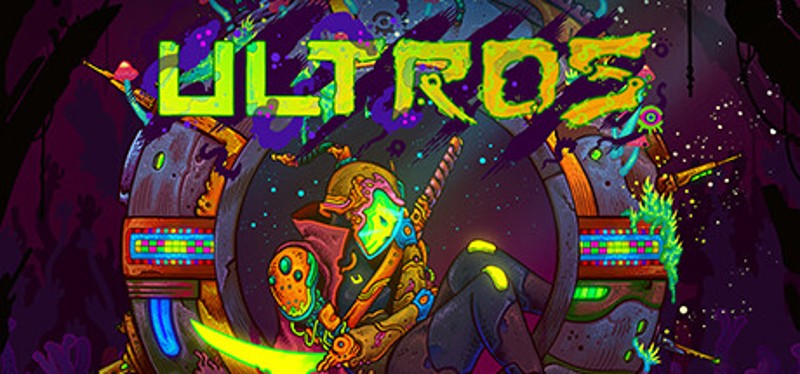
Ultros adds fast combat and a hand‑drawn, psychedelic world to Blue Prince's puzzle‑heavy roguelite, targeting action‑seekers.
If you enjoyed this game, see our list of games similar to Ultros.View Game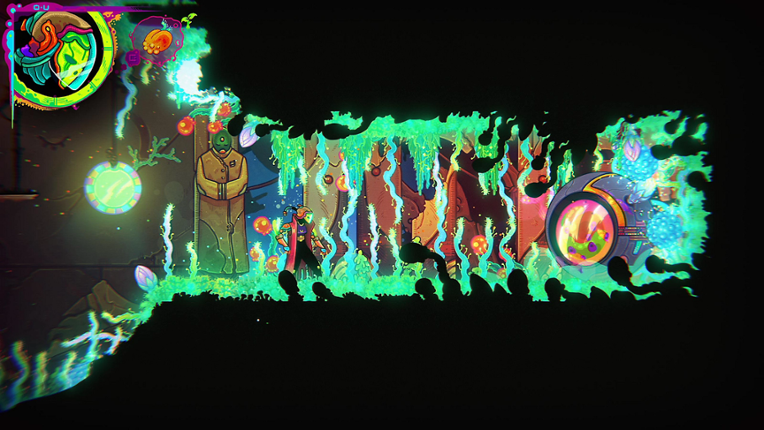
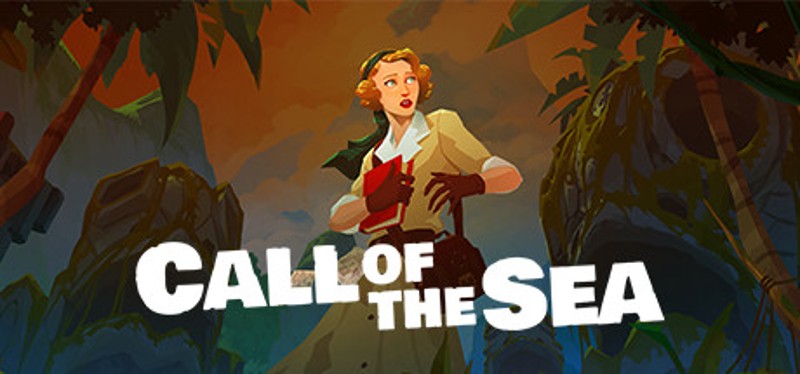
- 83%Game Brain ScoreMost mentioned positive aspects:story, graphicsMost mentioned negative aspects:grinding, replayability87% User Score 3,584 reviewsCritic Score 75%4 reviews
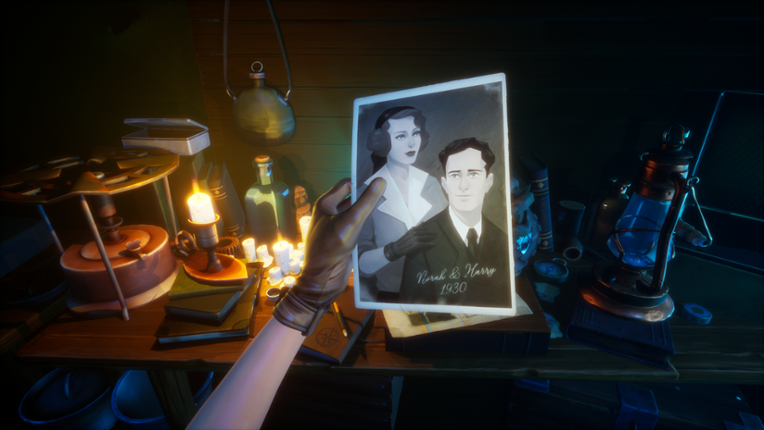
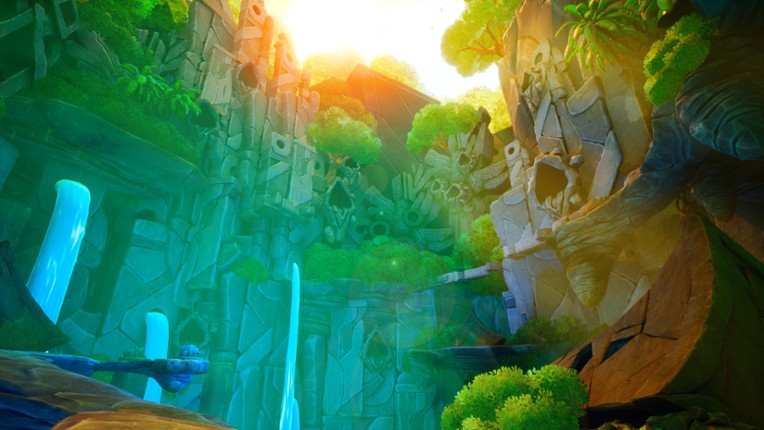
Call of the Sea replaces Blue Prince's cryptic puzzles with an emotionally‑driven, Lovecraftian narrative adventure set on a lush tropical island.
If you enjoyed this game, see our list of games similar to Call of the Sea.View Game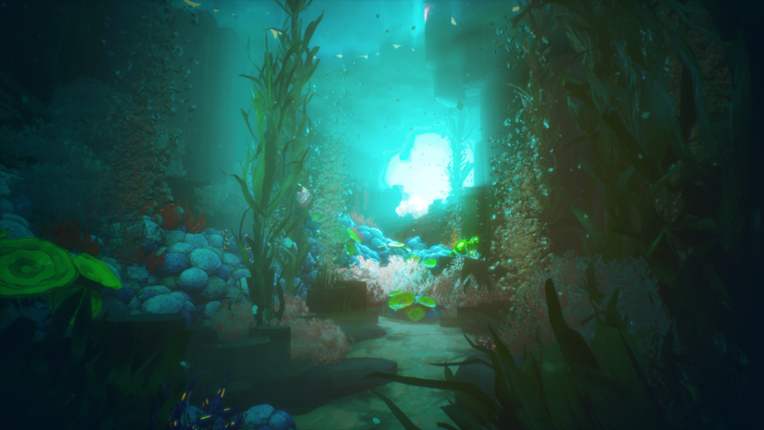
- 91%Game Brain ScoreMost mentioned positive aspects:story, gameplayMost mentioned negative aspects:grinding, optimization94% User Score 1,077 reviewsCritic Score 83%3 reviews
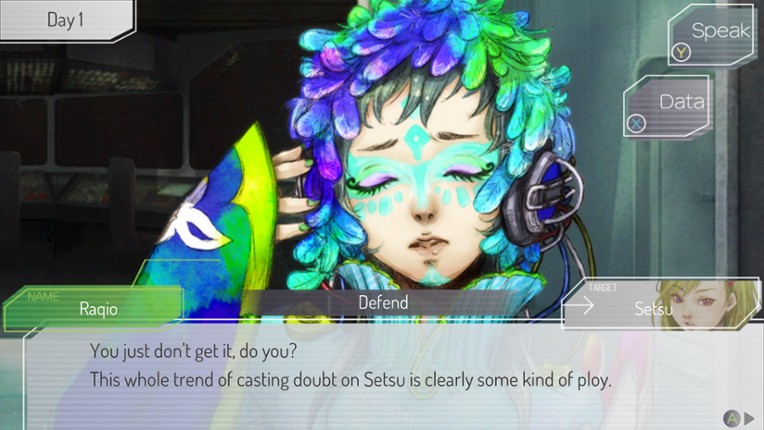
Gnosia shifts Blue Prince's atmospheric puzzles into a sci‑fi social‑deduction roguelite, where players debate crewmates amid alien intrigue.
If you enjoyed this game, see our list of games similar to GNOSIA.View Game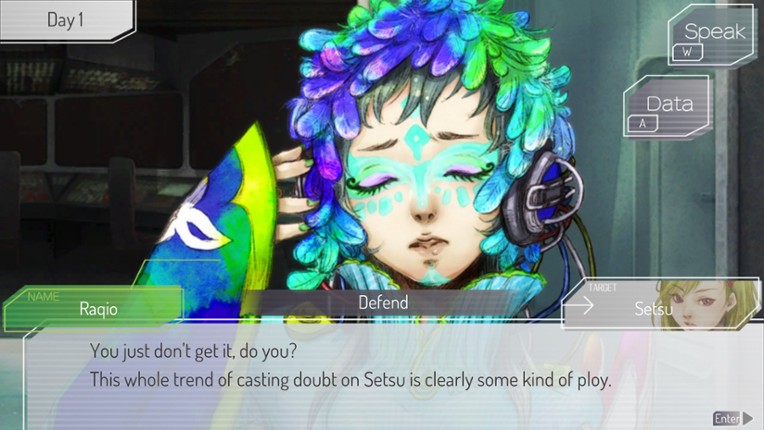

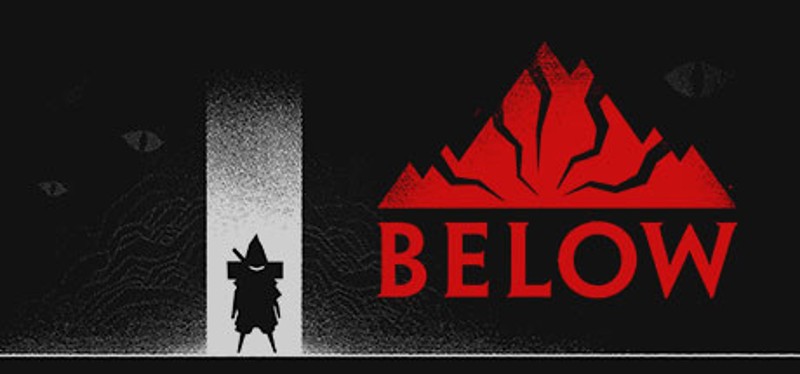
- 69%Game Brain ScoreMost mentioned positive aspects:gameplay, atmosphereMost mentioned negative aspects:grinding, stability69% User Score 1,596 reviews
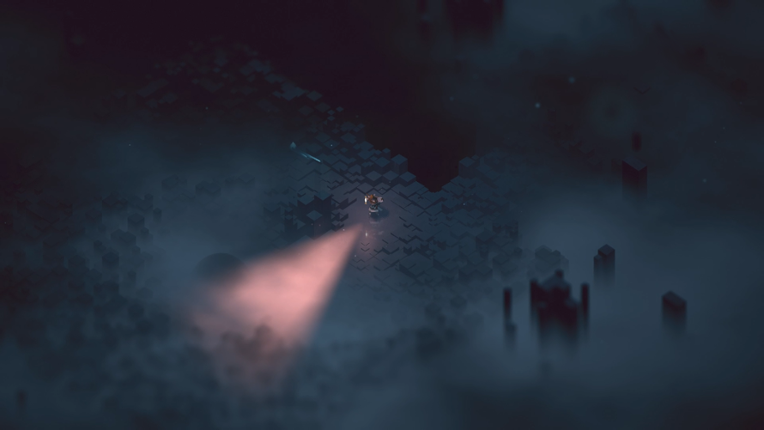
Strips away puzzles for action-focused dungeon crawling with permadeath stakes, preserving only the atmospheric exploration and roguelike structure.
If you enjoyed this game, see our list of games similar to BELOW.View Game
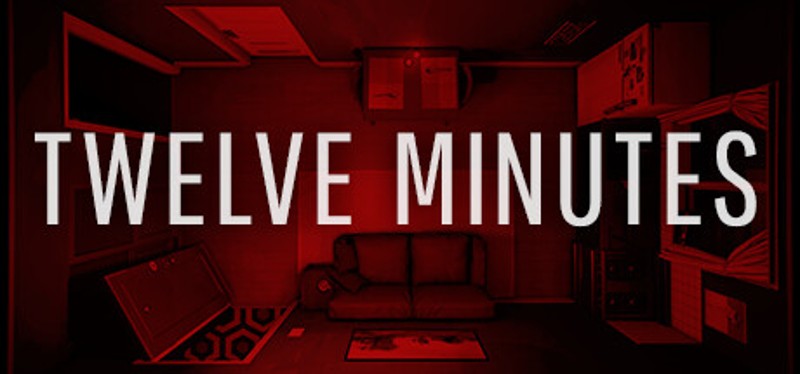
- 71%Game Brain ScoreMost mentioned positive aspects:story, gameplayMost mentioned negative aspects:grinding, replayability69% User Score 6,360 reviewsCritic Score 76%5 reviews
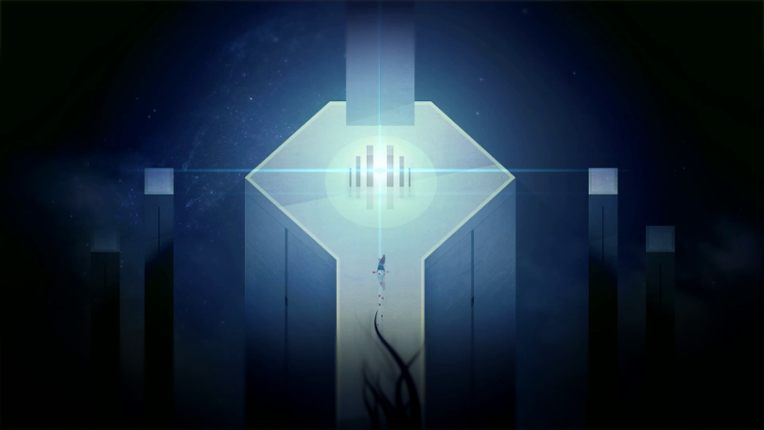
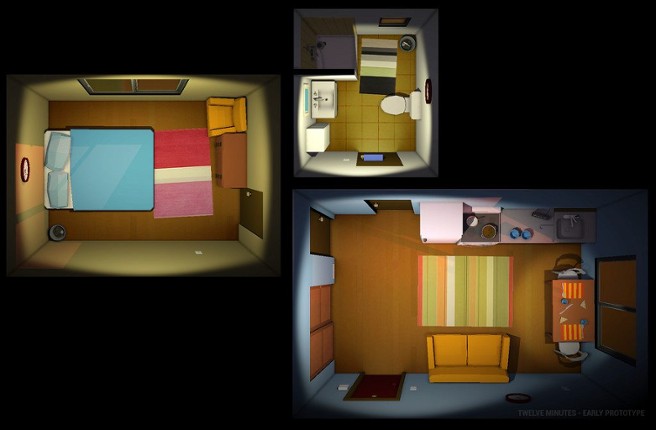
Condenses Blue Prince's layered storytelling into a single looping twelve-minute cycle, trading exploration for branching dialogue and repeated revelation.
If you enjoyed this game, see our list of games similar to Twelve Minutes.View Game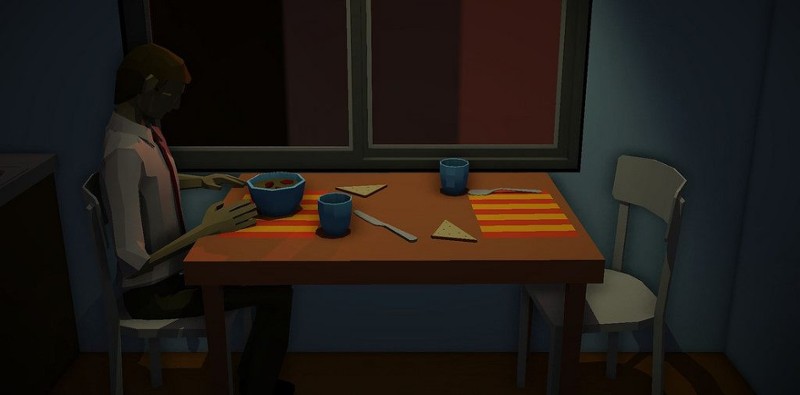
24 View Game 92%Game Brain ScoreMost mentioned positive aspects:story, graphicsMost mentioned negative aspects:replayability, grinding97% User Score 20,418 reviewsCritic Score 88%22 reviews
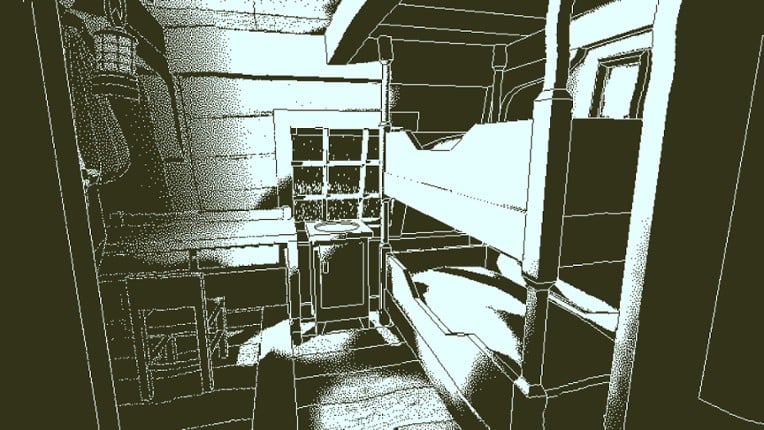
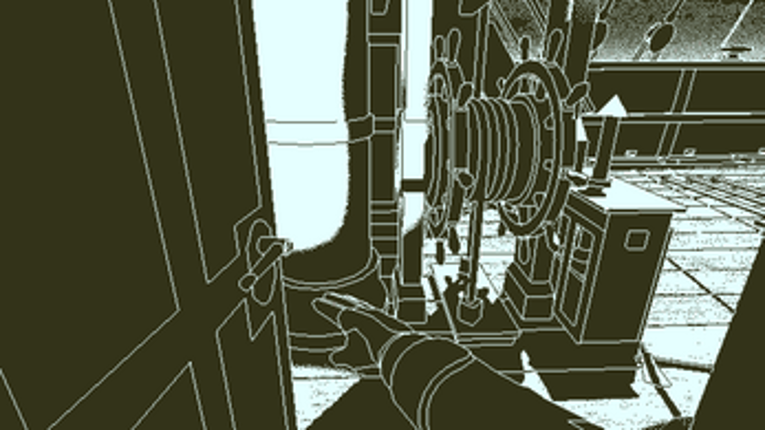
Matches Blue Prince's detective mystery and atmospheric first-person puzzle-solving but anchors everything in historical naval noir rather than abstract roguelike rooms.
If you enjoyed this game, see our list of games similar to Return of the Obra Dinn.View Game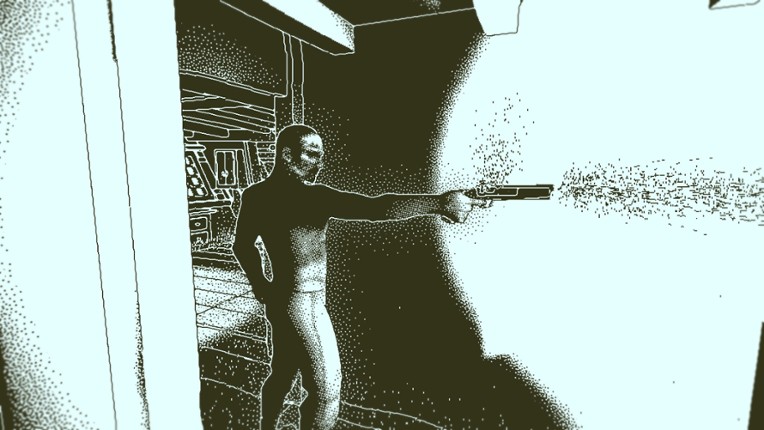
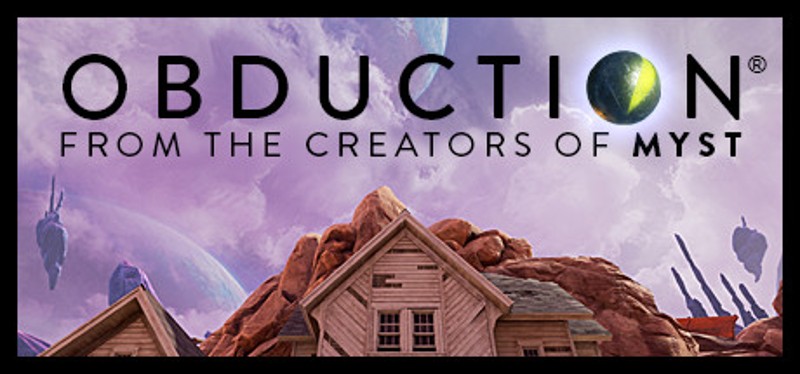
- 75%Game Brain ScoreMost mentioned positive aspects:story, graphicsMost mentioned negative aspects:optimization, grinding78% User Score 4,522 reviewsCritic Score 72%20 reviews
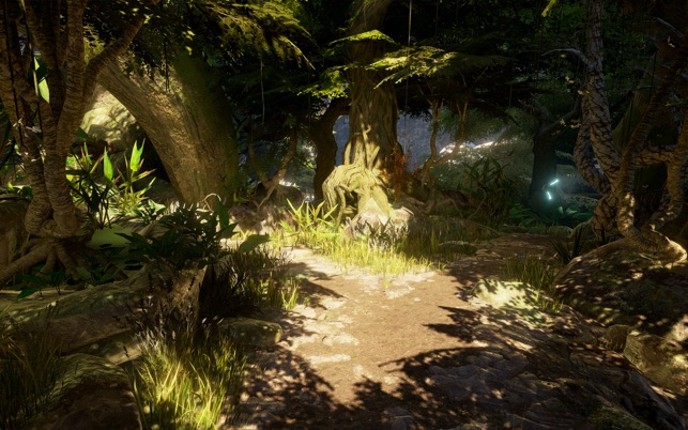
Embraces nonlinear exploration and atmospheric first-person storytelling but replaces puzzle challenge with science-fiction world-building and surreal beauty.
If you enjoyed this game, see our list of games similar to Obduction.View Game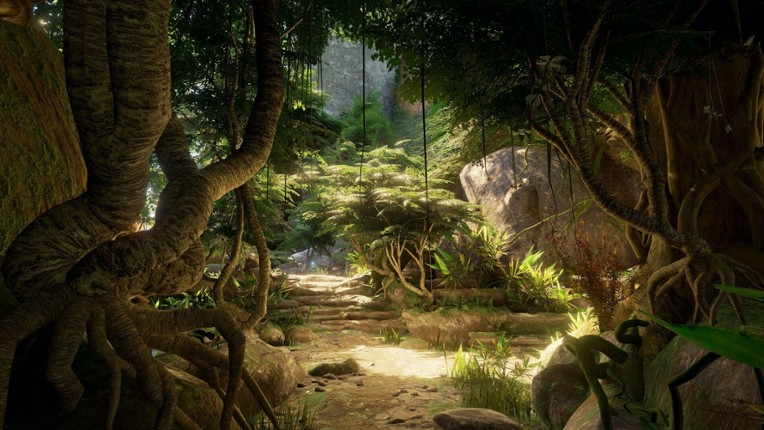
- 96%Game Brain ScoreMost mentioned positive aspects:gameplay, musicMost mentioned negative aspects:grinding, optimization96% User Score 227 reviews
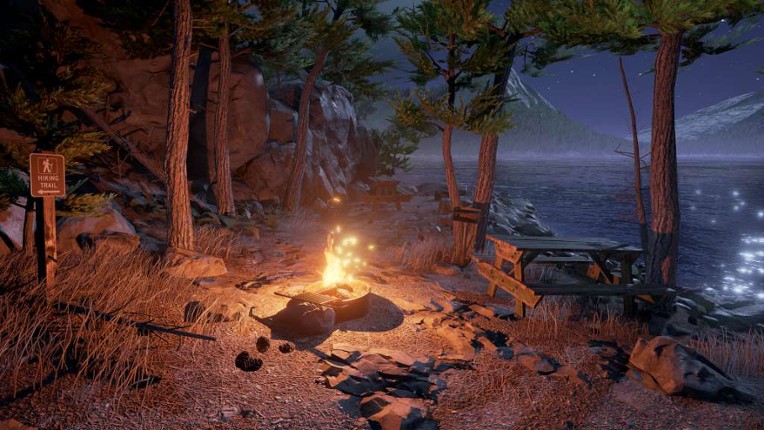
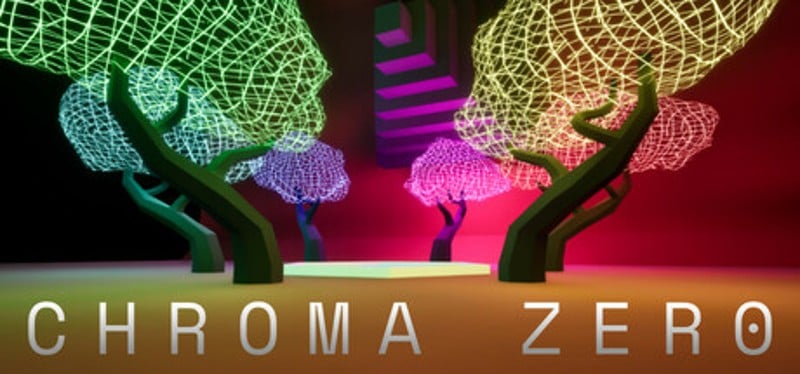
Keeps the minimalist surreal aesthetic and first-person exploration but swaps roguelike structure for logic-based color puzzles with comedic sci-fi flavor.
If you enjoyed this game, see our list of games similar to Chroma Zero.View Game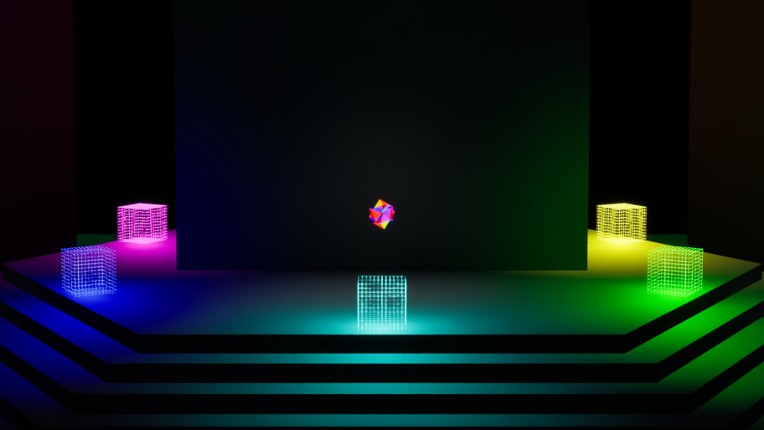
- 79%Game Brain ScoreMost mentioned positive aspects:graphics, storyMost mentioned negative aspects:replayability, grinding97% User Score 24,944 reviewsCritic Score 62%10 reviews
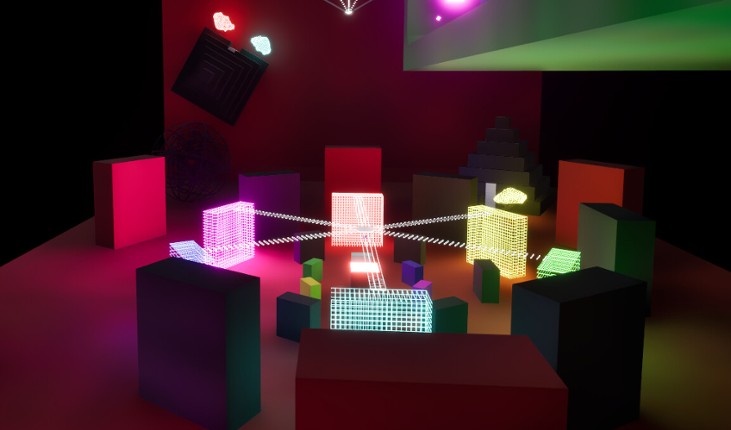
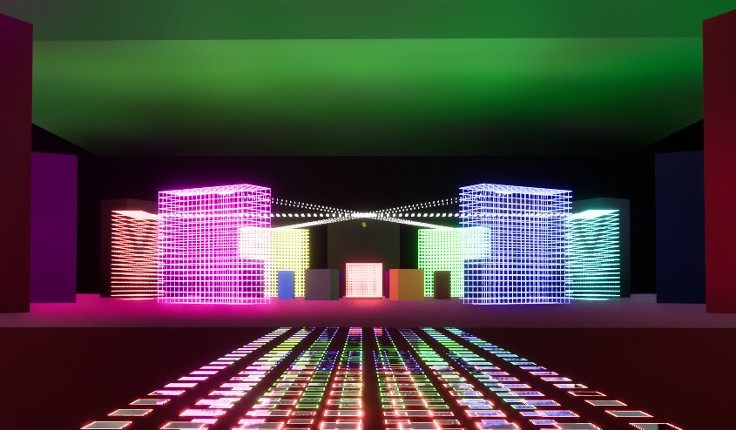
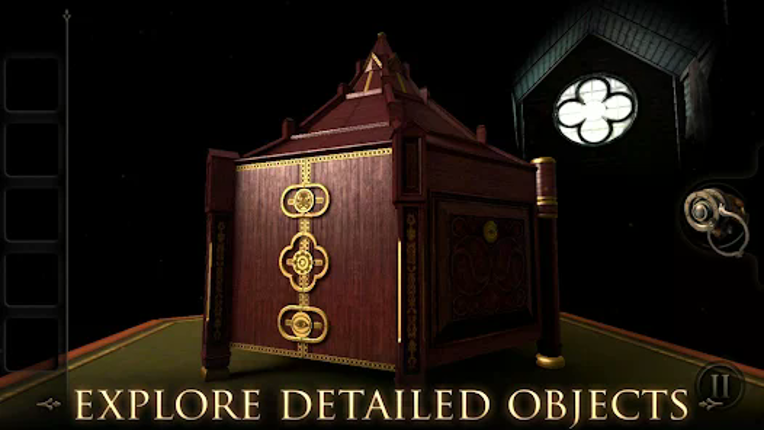
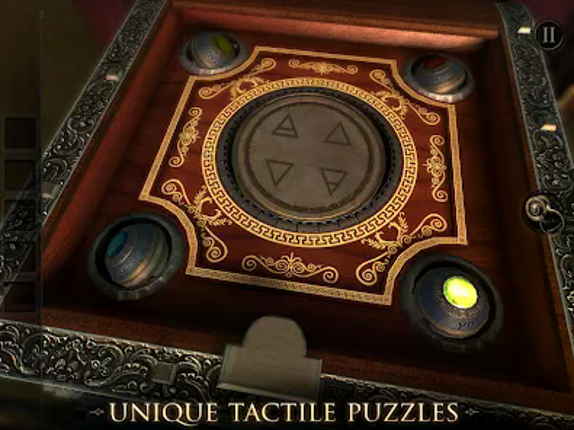
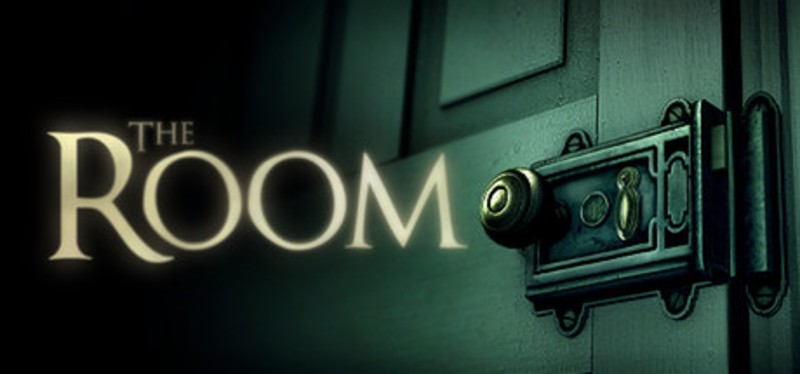
Condenses the escape-room puzzle appeal into intimate Lovecraftian chambers with hidden objects, losing the roguelike structure but doubling down on mystery.
If you enjoyed this game, see our list of games similar to The Room.View Game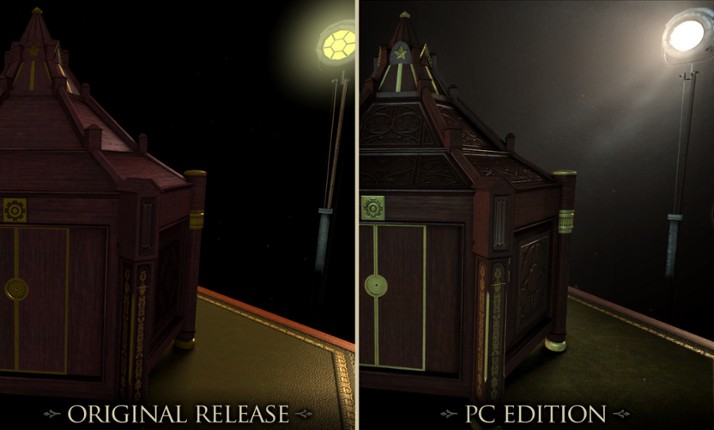
28 View Game 83%Game Brain ScoreMost mentioned positive aspects:story, graphicsMost mentioned negative aspects:grinding, stability84% User Score 4,406 reviewsCritic Score 79%2 reviews
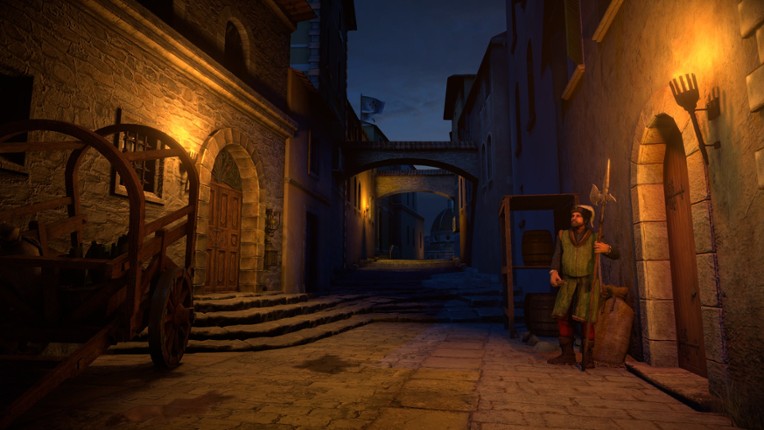
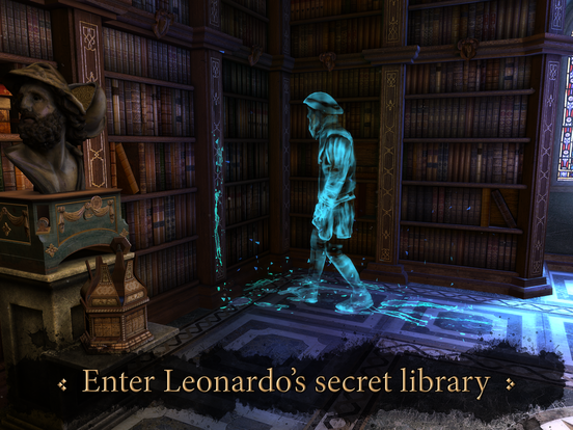
Offers a more linear, grounded historical mystery that substitutes procedural layouts for dense, fixed escape-room mechanisms and intricate mechanical contraptions.
If you enjoyed this game, see our list of games similar to The House of Da Vinci.View Game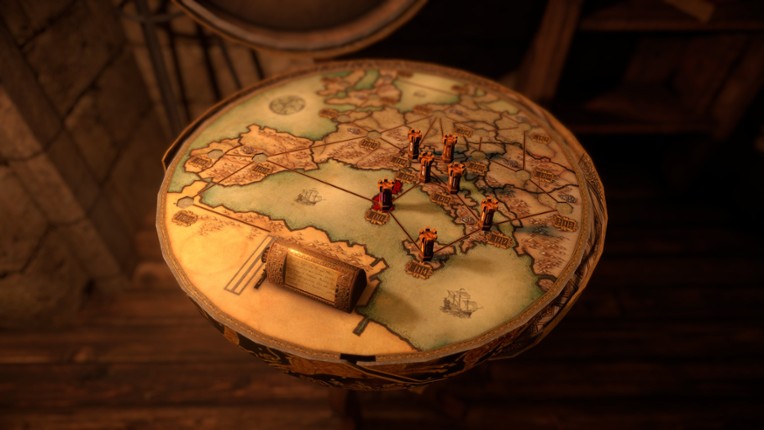
- 94%Game Brain ScoreMost mentioned positive aspects:graphics, gameplayMost mentioned negative aspects:grinding, stability97% User Score 982 reviewsCritic Score 80%1 reviews
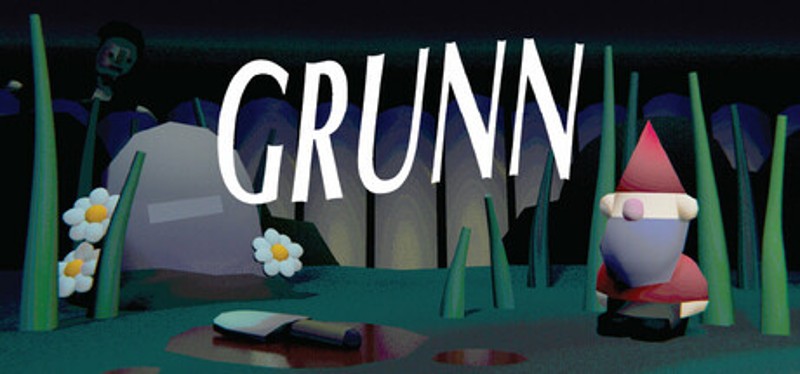
Amplifies the psychological horror and dark atmosphere while grounding the mystery in farm life and cinematic storytelling rather than puzzle mechanics.
If you enjoyed this game, see our list of games similar to Grunn.View Game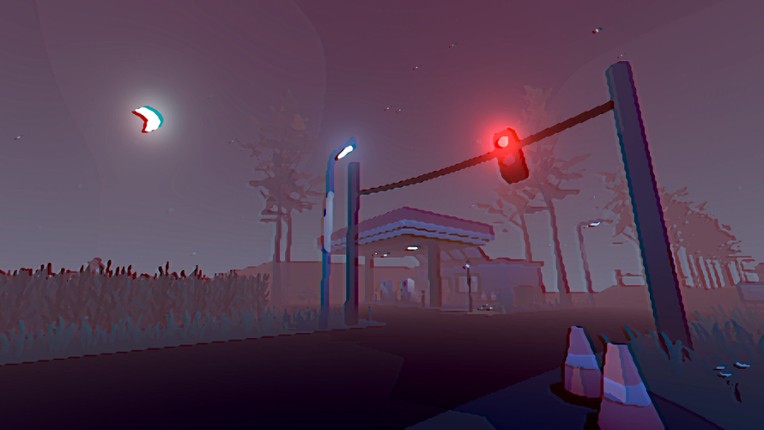

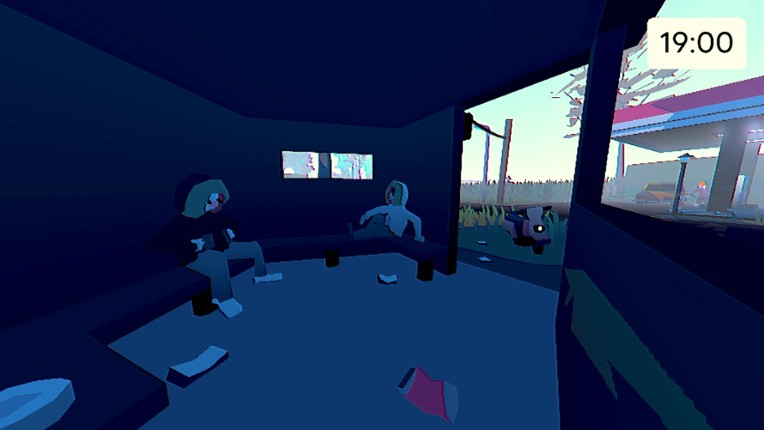
- 78%Game Brain ScoreMost mentioned positive aspects:story, graphicsMost mentioned negative aspects:grinding, stability74% User Score 336 reviewsCritic Score 90%3 reviews
While the room-drafting is absent, you will find a similar focus on uncovering past secrets through fragmented, atmospheric environment-based memory exploration.
If you enjoyed this game, see our list of games similar to Ether One.View Game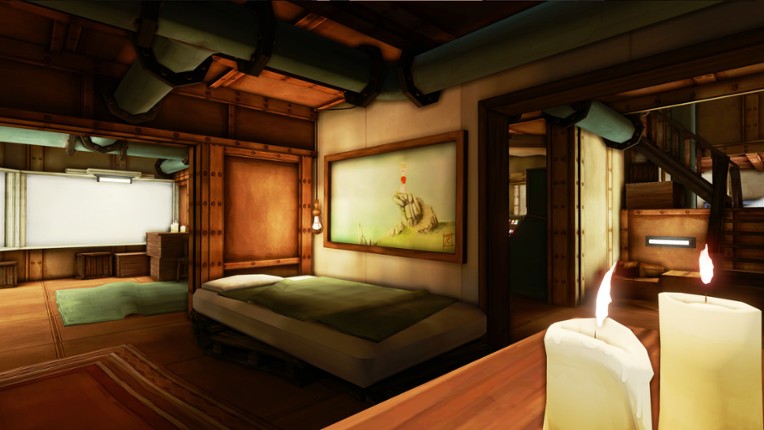
31 View Game 99%Game Brain ScoreMost mentioned positive aspects:story, gameplayMost mentioned negative aspects:grinding, stability99% User Score 2,312 reviews
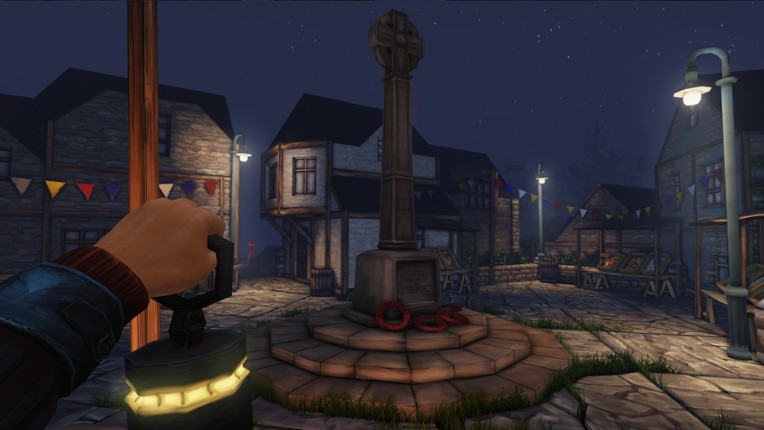
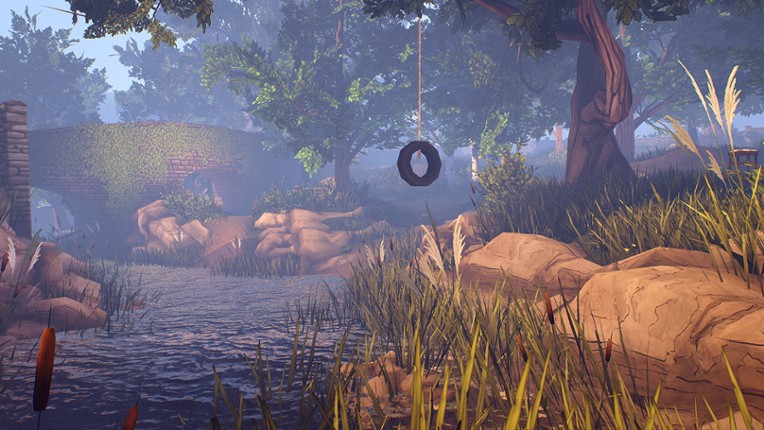
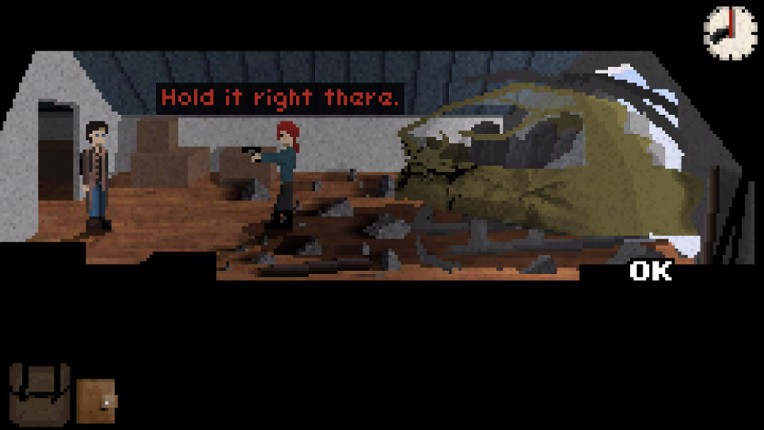
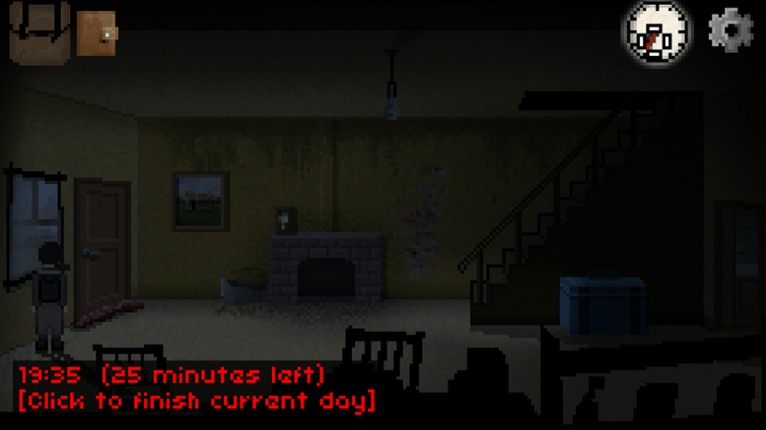
Trading the architectural puzzle loop for a ticking clock, this title forces you to prioritize survival prep within a restricted, isolated setting.
If you enjoyed this game, see our list of games similar to Don't Escape: 4 Days to Survive.View Game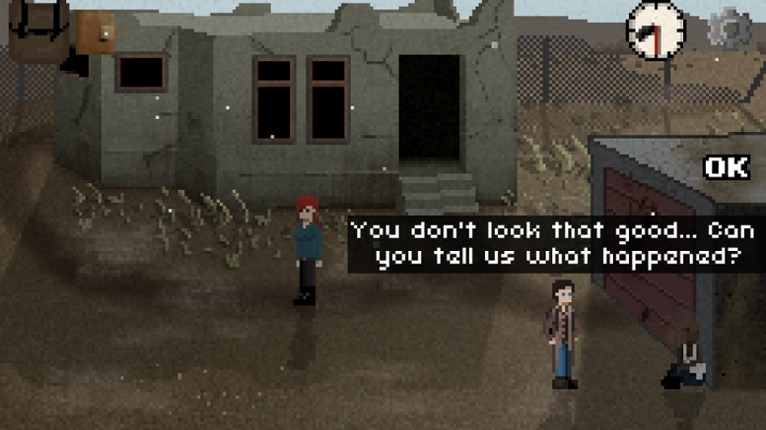
- 79%Game Brain ScoreMost mentioned positive aspects:story, gameplayMost mentioned negative aspects:grinding, stability83% User Score 447 reviewsCritic Score 75%8 reviews
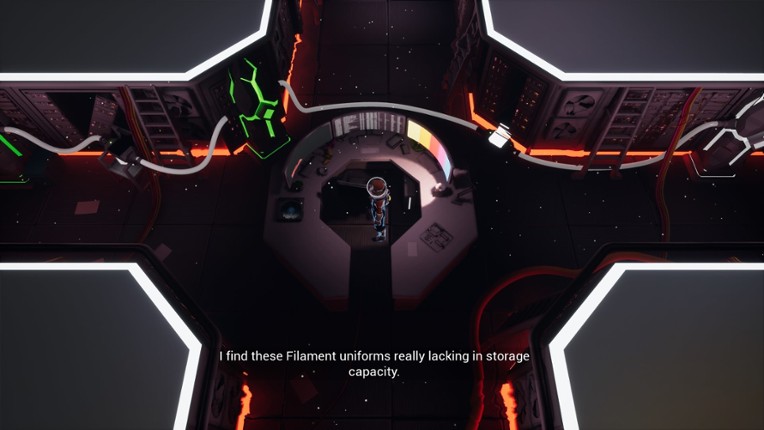
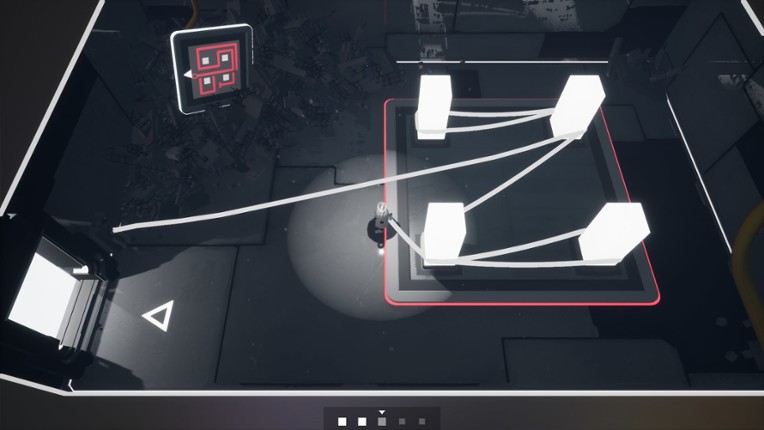
Swap the procedural building mechanics for rigid, logic-based cable puzzles that reward patience and pattern recognition over shifting floor plans.
If you enjoyed this game, see our list of games similar to Filament.View Game
- 67%Game Brain ScoreMost mentioned positive aspects:gameplay, storyMost mentioned negative aspects:music, grinding62% User Score 453 reviewsCritic Score 90%1 reviews
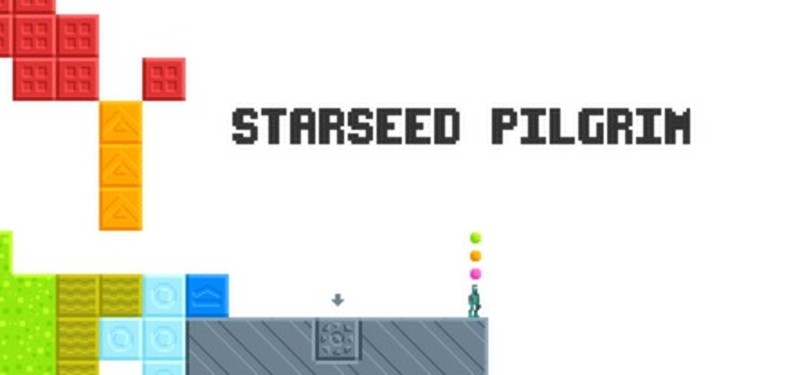
This loosely connected abstract adventure prioritizes cryptic, self-taught platforming rules over the structured room-drafting flow found in your architectural puzzles.
If you enjoyed this game, see our list of games similar to starseed pilgrim.View Game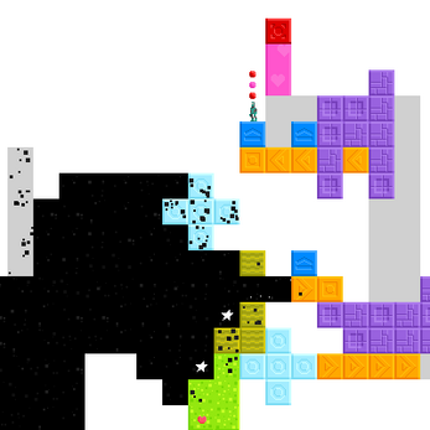
- 88%Game Brain ScoreMost mentioned positive aspects:story, graphicsMost mentioned negative aspects:grinding, optimization88% User Score 811 reviews
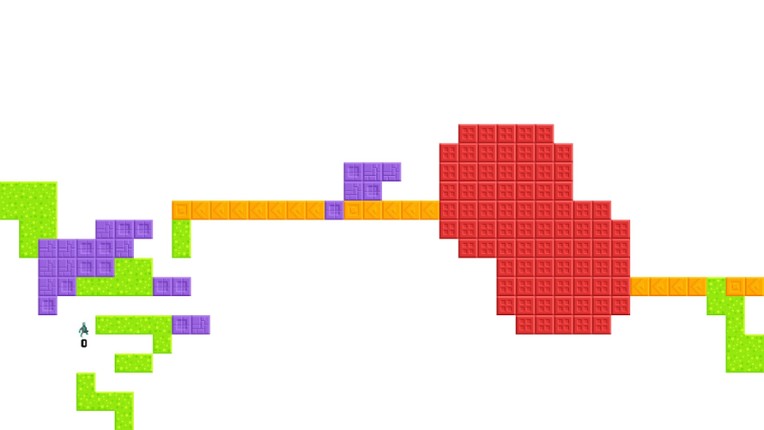
If Blue Prince's puzzles felt too abstract, Dimhaven leans into a darker detective mystery with retro surrealism and a more conventional narrative drive.
If you enjoyed this game, see our list of games similar to Dimhaven: The Lost Source.View Game
- 88%Game Brain ScoreMost mentioned positive aspects:story, gameplayMost mentioned negative aspects:grinding, stability88% User Score 4,080 reviews
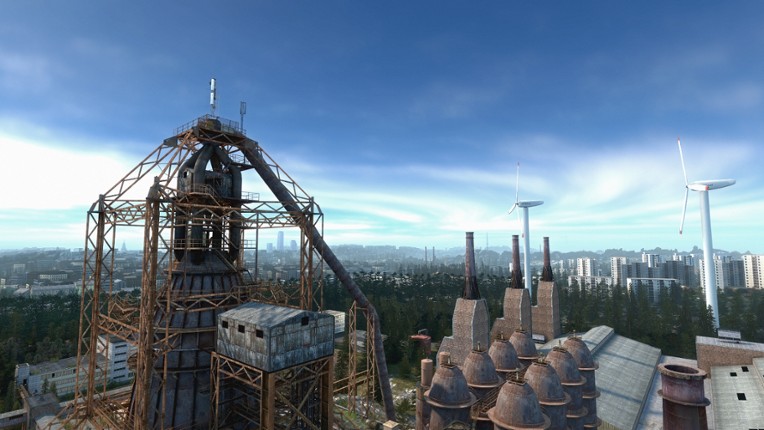
INFRA broadens the appeal with a grounded civil-engineering mystery, trading Blue Prince's compact puzzle loop for a more realistic, investigative exploration story.
If you enjoyed this game, see our list of games similar to INFRA.View Game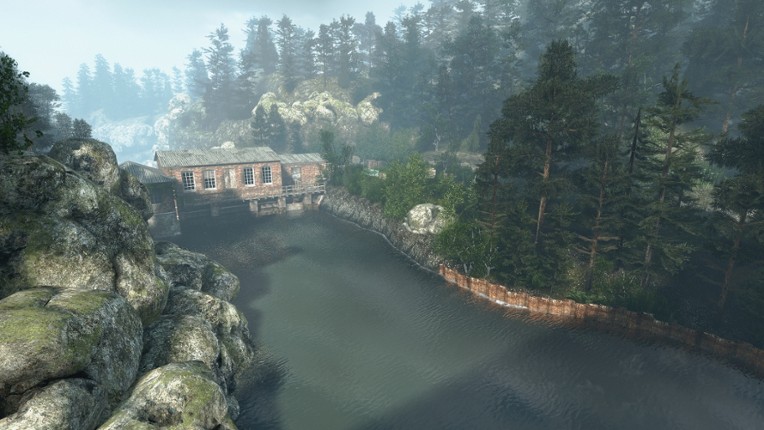
- View Game94%Game Brain ScoreMost mentioned positive aspects:gameplay, graphicsMost mentioned negative aspects:music, story94% User Score 633 reviews
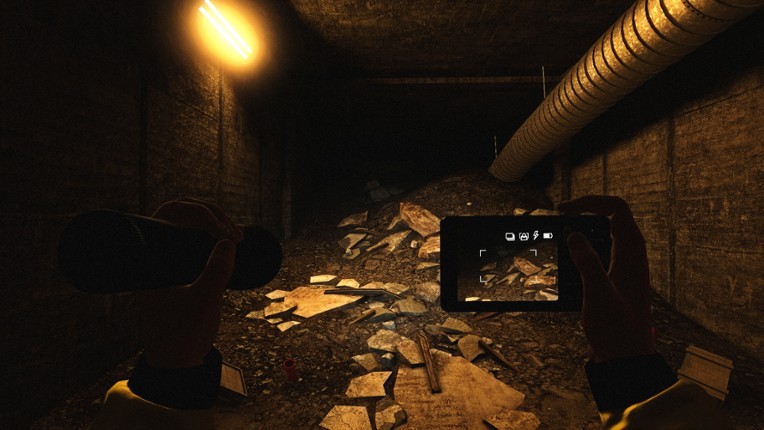
Replaces the strategic construction of a mansion with a surreal first-person investigation where language itself is the primary obstacle to progress.
If you enjoyed this game, see our list of games similar to Lingo. - 89%Game Brain ScoreMost mentioned positive aspects:gameplay, musicMost mentioned negative aspects:story, grinding98% User Score 10,098 reviewsCritic Score 80%11 reviews
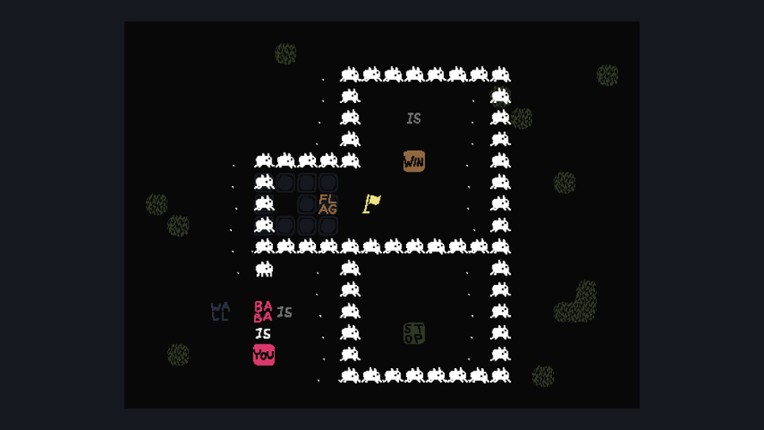
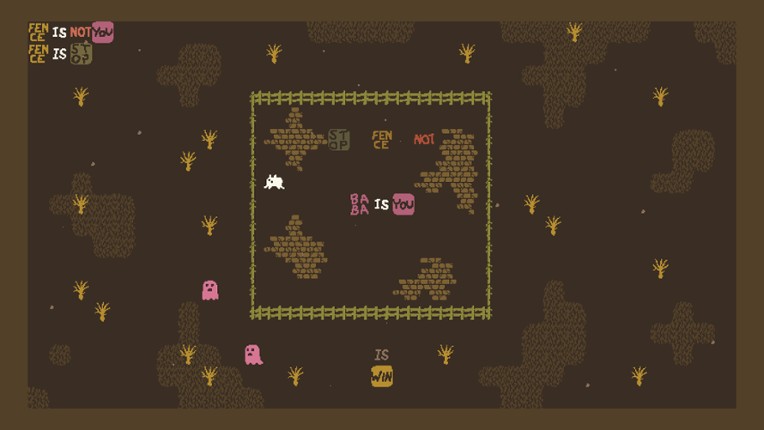
Moving away from room-based exploration, this title focuses purely on self-contained logic puzzles where you manipulate the environment rules directly.
If you enjoyed this game, see our list of games similar to Baba Is You.View Game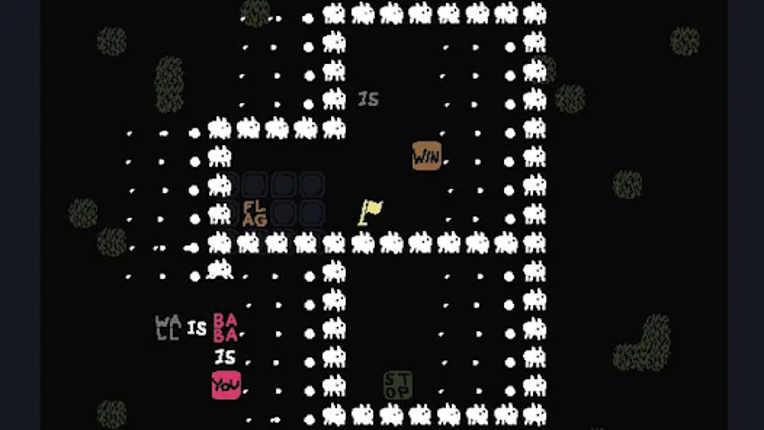
- 96%Game Brain ScoreMost mentioned positive aspects:story, graphicsMost mentioned negative aspects:grinding, replayability99% User Score 8,749 reviewsCritic Score 80%1 reviews
Delivers a more focused escape-room experience than the procedural nature of your primary game, emphasizing tactile, Lovecraftian object manipulation.
If you enjoyed this game, see our list of games similar to The Room: Old Sins.View Game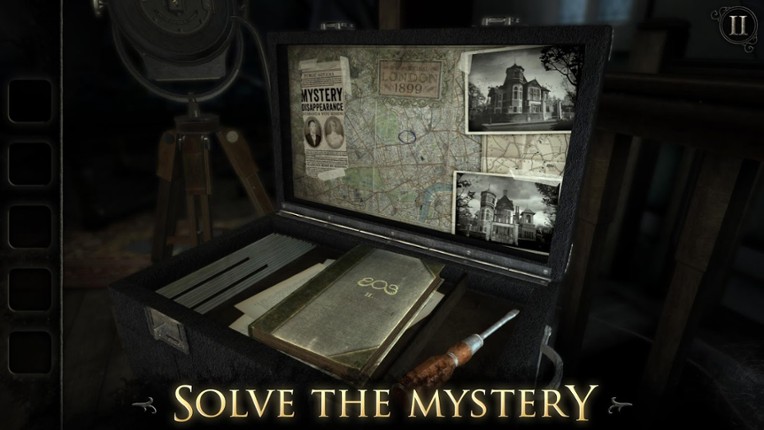
39 View Game 96%Game Brain ScoreMost mentioned positive aspects:gameplay, storyMost mentioned negative aspects:music, grinding96% User Score 234 reviews
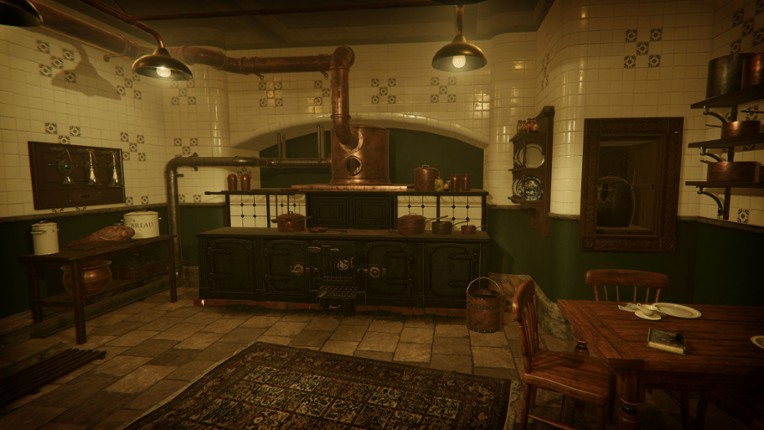
Though loosely connected by its investigative roots, this experience leans into a colorful, action-oriented RPG structure rather than deep architectural deduction.
If you enjoyed this game, see our list of games similar to Rhell: Warped Worlds & Troubled Times.View Game
- 89%Game Brain ScoreMost mentioned positive aspects:gameplay, storyMost mentioned negative aspects:grinding, optimization89% User Score 570 reviews
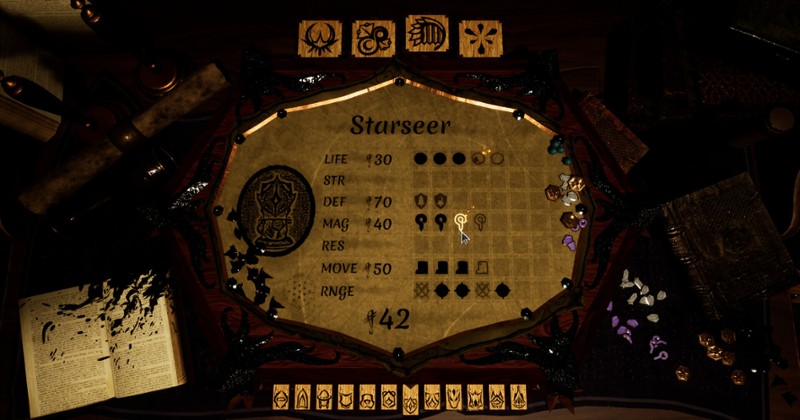
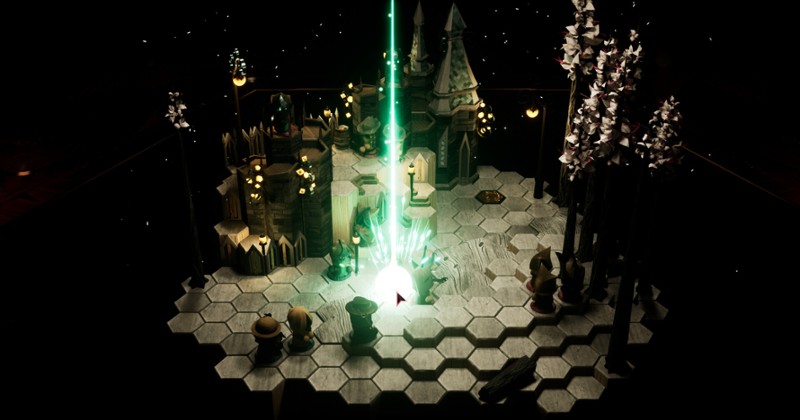
Inkshade is a turn-based tactics game carved out of strange wooden miniatures, wrapped in a web of locked rooms, and orchestrated by an otherworldly game master. Victory is not guaranteed, and the only constant is the cruel black ink that flows within the pieces. If you enjoyed this game, see our list of games similar to Inkshade.
View Game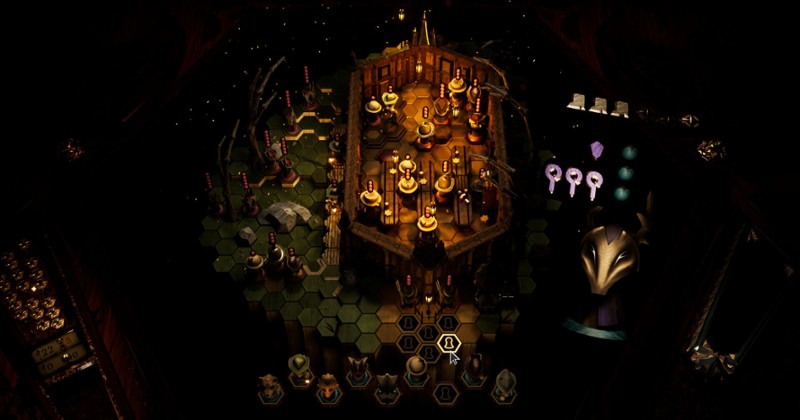
- 65%Game Brain ScoreMost mentioned positive aspects:story, atmosphereMost mentioned negative aspects:replayability, grinding69% User Score 433 reviewsCritic Score 50%2 reviews
The Guest is a much shorter, more claustrophobic detour for Blue Prince fans who want an escape-room mystery with stronger horror pressure.
If you enjoyed this game, see our list of games similar to The Guest.View Game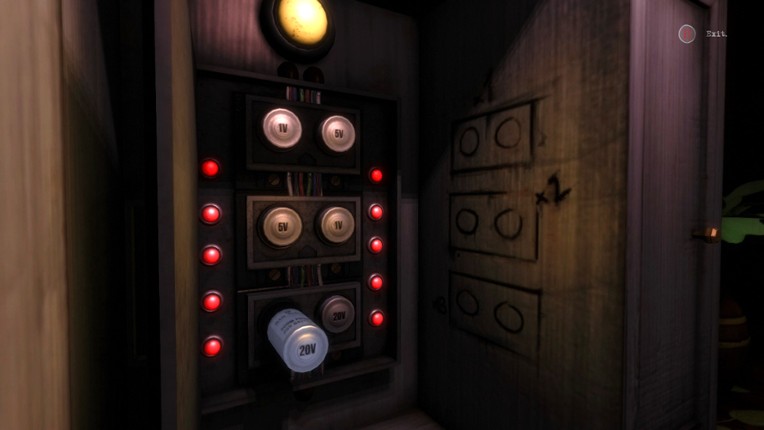
- 88%Game Brain ScoreMost mentioned positive aspects:humor, gameplayMost mentioned negative aspects:grinding, monetization92% User Score 2,925 reviewsCritic Score 81%6 reviews
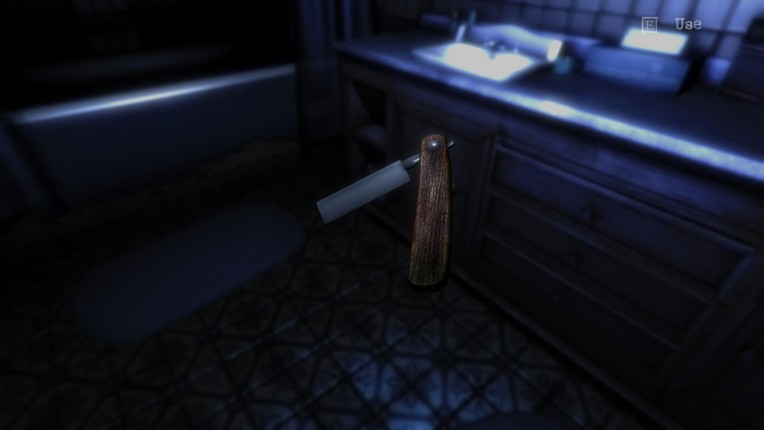
Reventure is the looser fit here, but it should appeal to Blue Prince players who want nonlinear discovery mixed with comedy, branches, and constant resets.
If you enjoyed this game, see our list of games similar to Reventure.View Game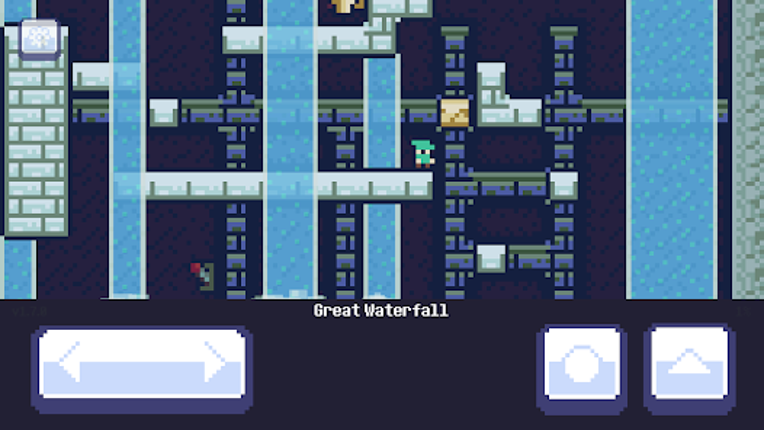
- 91%Game Brain ScoreMost mentioned positive aspects:story, gameplayMost mentioned negative aspects:replayability, grinding95% User Score 1,060 reviewsCritic Score 79%3 reviews
Adapts investigative mystery into a minimalist 2D alternate-history narrative with dynamic narration, abandoning puzzles for philosophical detective introspection.
If you enjoyed this game, see our list of games similar to TR-49.View Game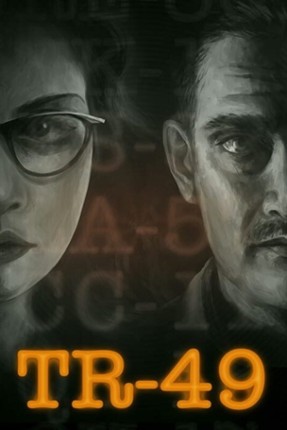
- 95%Game Brain ScoreMost mentioned positive aspects:gameplay, storyMost mentioned negative aspects:grinding, stability95% User Score 1,207 reviews
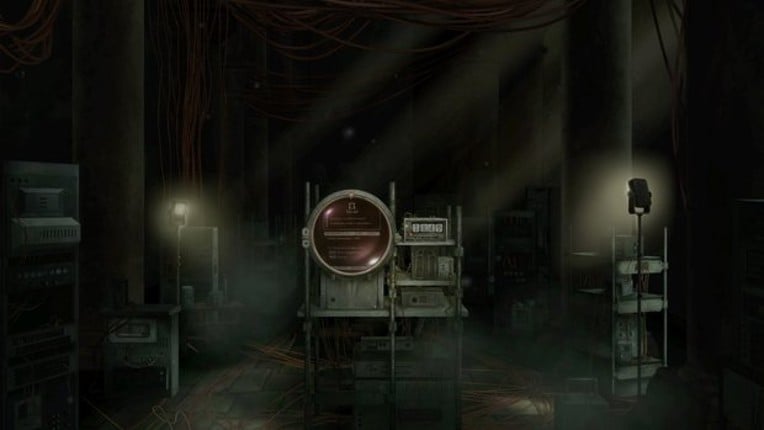
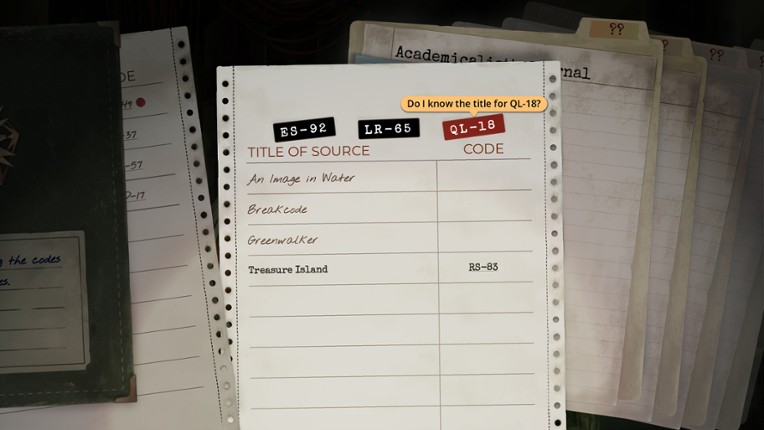
Fuses the roguelike loop with gritty, turn-based survival, shifting the focus from architectural puzzle-solving to resource management and inventory-based horror.
If you enjoyed this game, see our list of games similar to NO-SKIN.View Game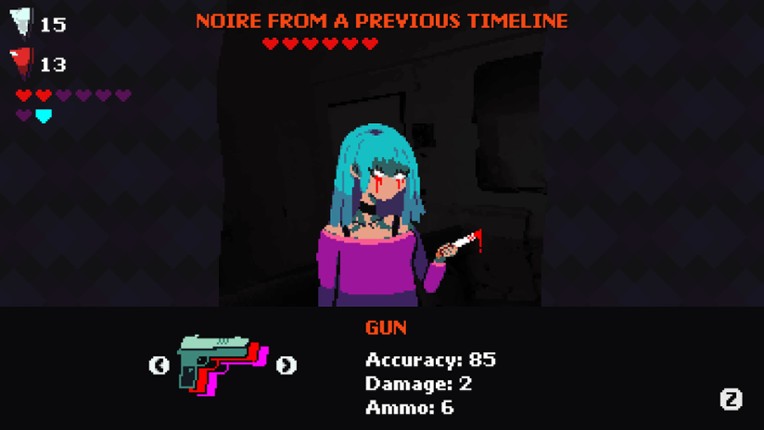
- 99%Game Brain ScoreMost mentioned positive aspects:gameplay, storyMost mentioned negative aspects:grinding99% User Score 267 reviews
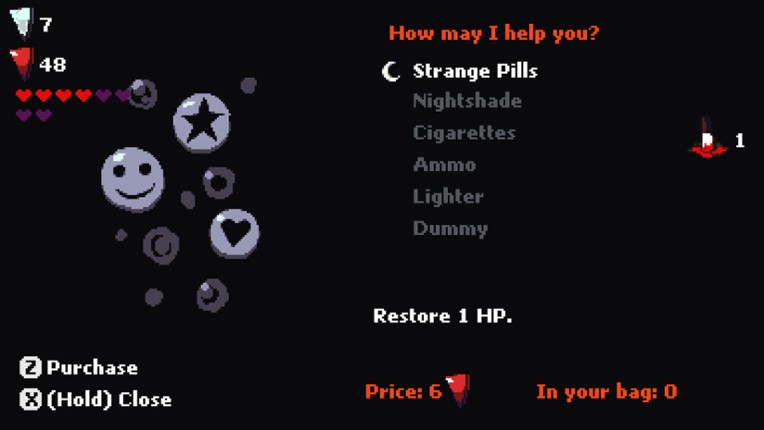
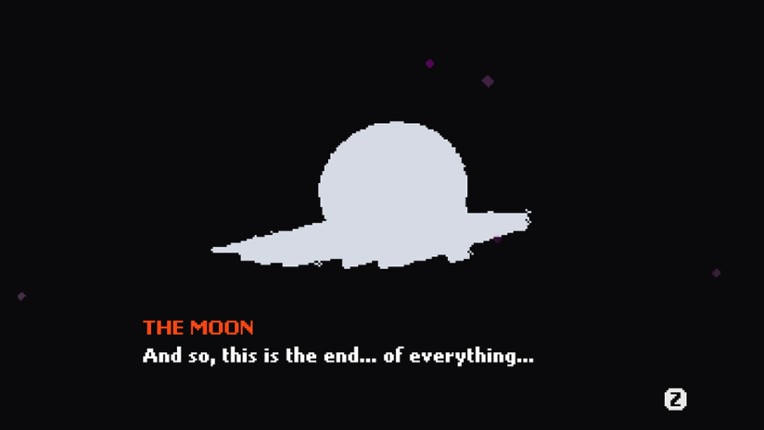
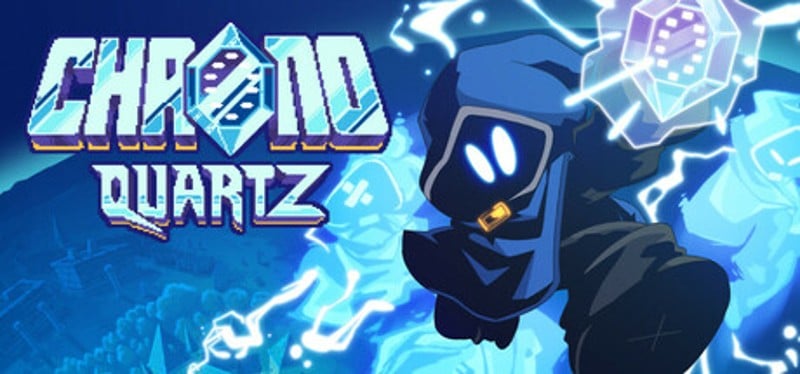
Distills Blue Prince's mystery investigation into a compact pixel-art 2D experience, sacrificing 3D depth and roguelike complexity for time-travel intrigue.
If you enjoyed this game, see our list of games similar to Chronoquartz.View Game
- 92%Game Brain ScoreMost mentioned positive aspects:graphics, storyMost mentioned negative aspects:replayability, grinding92% User Score 2,949 reviews
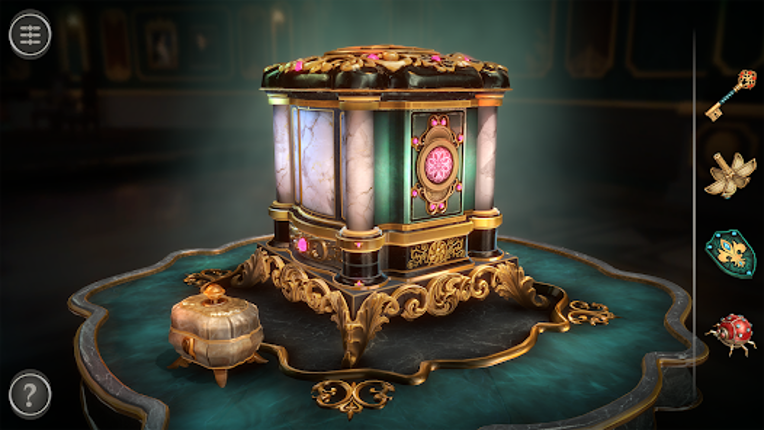
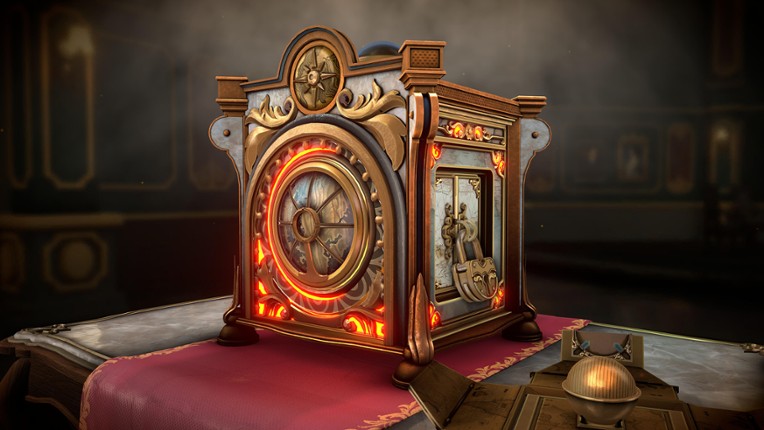
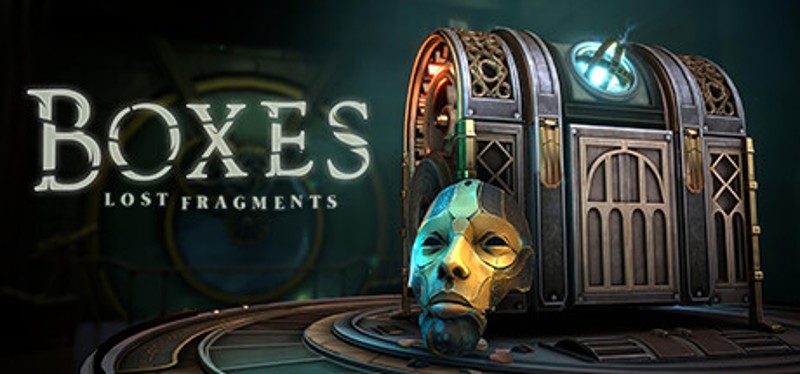
Escape a mystery mansion full of mechanical puzzle boxes and hidden objects If you enjoyed this game, see our list of games similar to Boxes: Lost Fragments.
View Game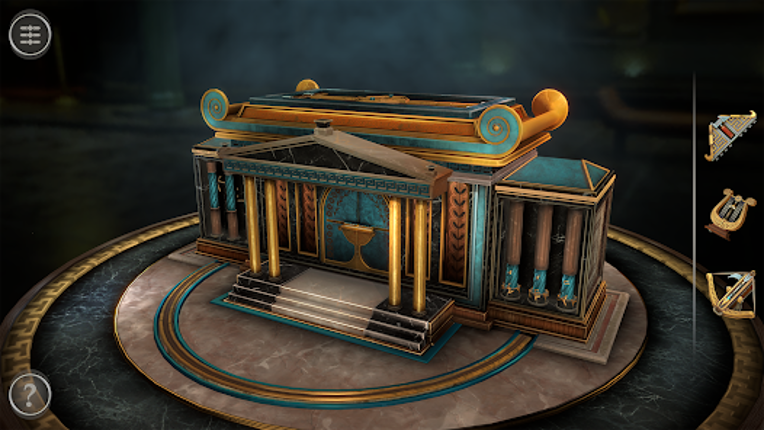
47 View Game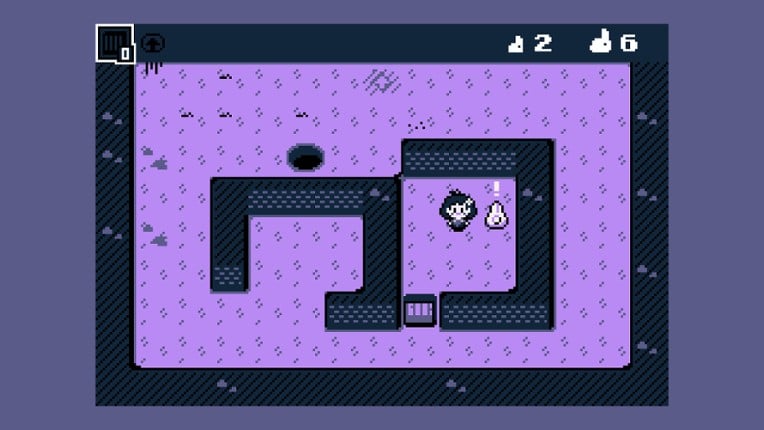 99%Game Brain ScoreMost mentioned positive aspects:gameplay, musicMost mentioned negative aspects:story, grinding99% User Score 876 reviews
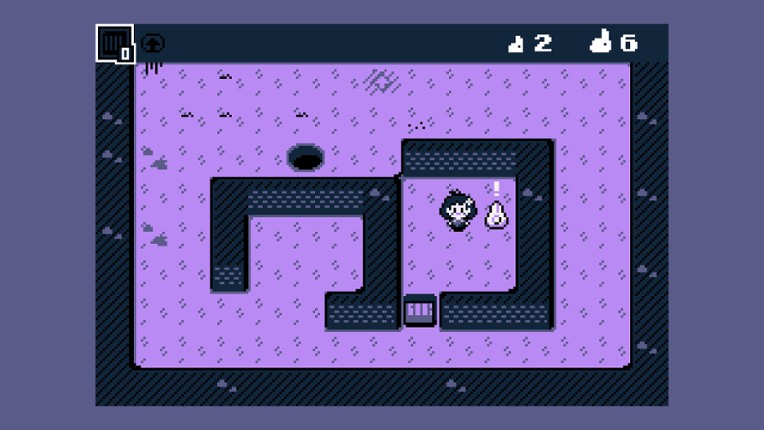
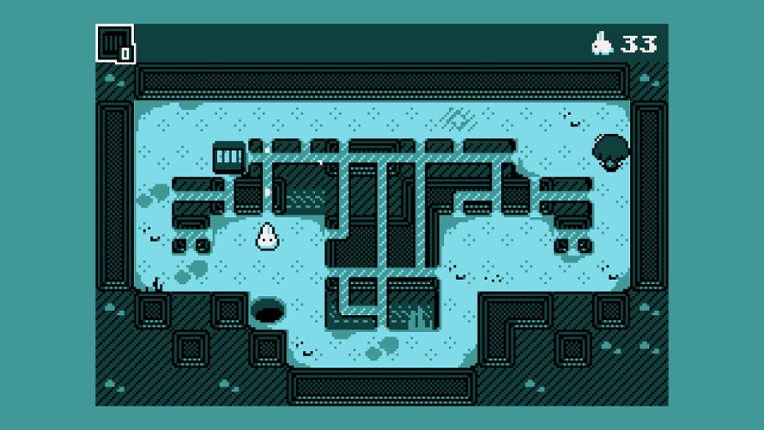
This one only loosely matches Blue Prince, but puzzle fans who enjoy careful spatial reasoning will find a much cuter, sokoban-style creature herding twist.
If you enjoyed this game, see our list of games similar to Paquerette Down the Bunburrows.View Game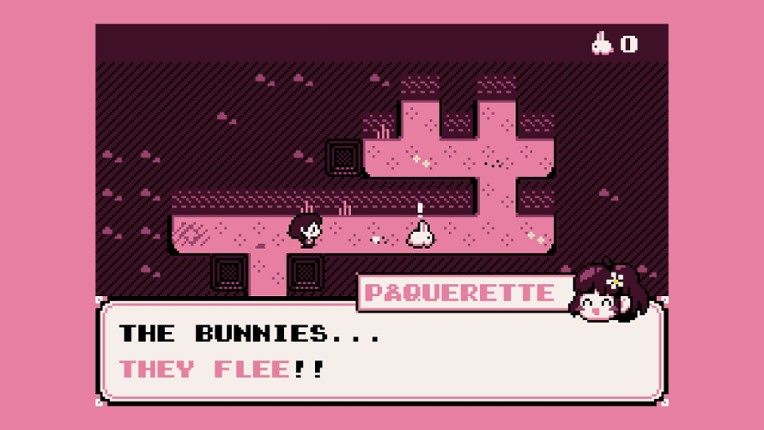
- 96%Game Brain ScoreMost mentioned positive aspects:story, gameplayMost mentioned negative aspects:grinding, stability96% User Score 2,118 reviews
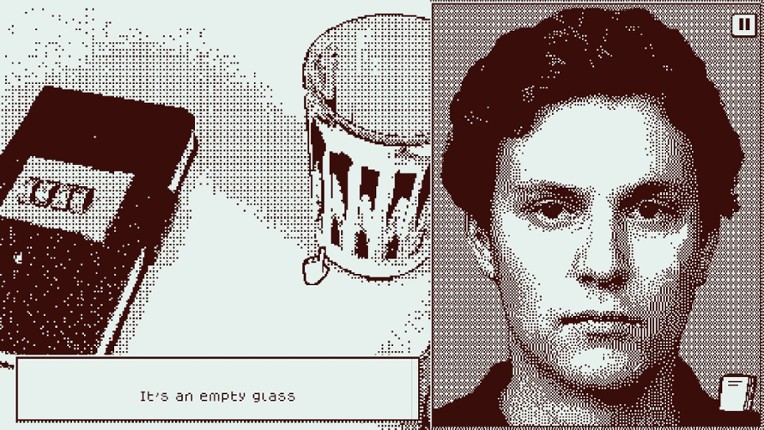
Who's Lila? is the offbeat pick here, replacing Blue Prince's clean puzzle logic with unsettling detective ambiguity and multiple unsettling endings.
If you enjoyed this game, see our list of games similar to Who's Lila?.View Game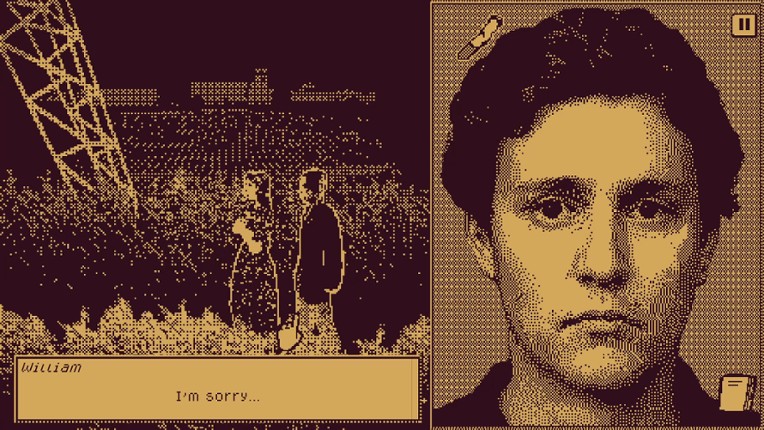
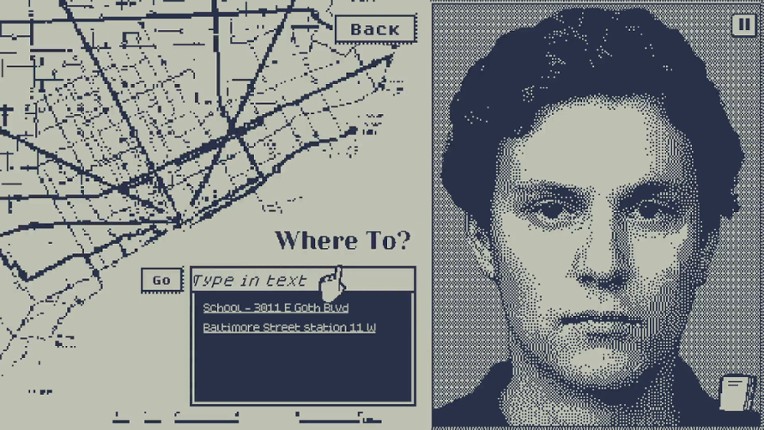
- 85%Game Brain ScoreMost mentioned positive aspects:gameplay, storyMost mentioned negative aspects:grinding, stability94% User Score 6,565 reviewsCritic Score 75%11 reviews
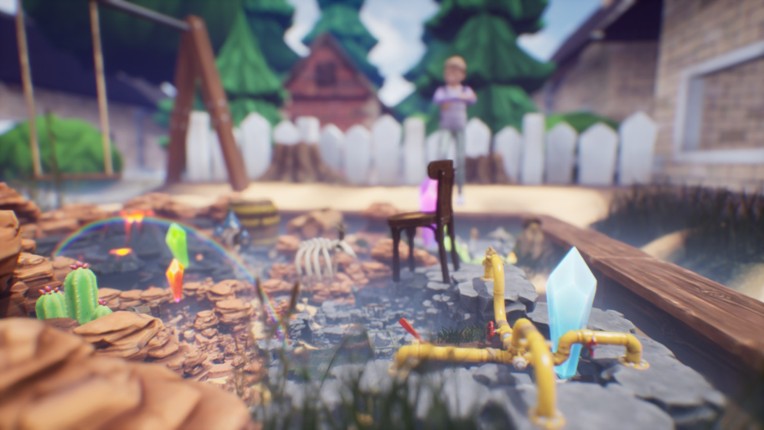
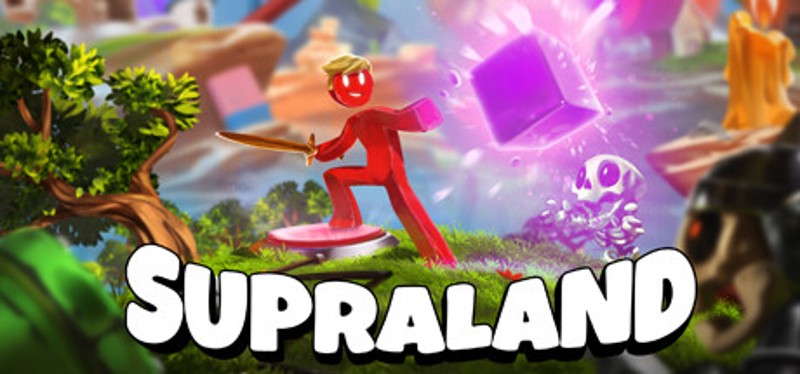
Supraland is a first-person metroidvania puzzle game. Explore, solve puzzles, beat up monsters, find secret upgrades and new abilities that help you reach new places. If you enjoyed this game, see our list of games similar to Supraland.
View Game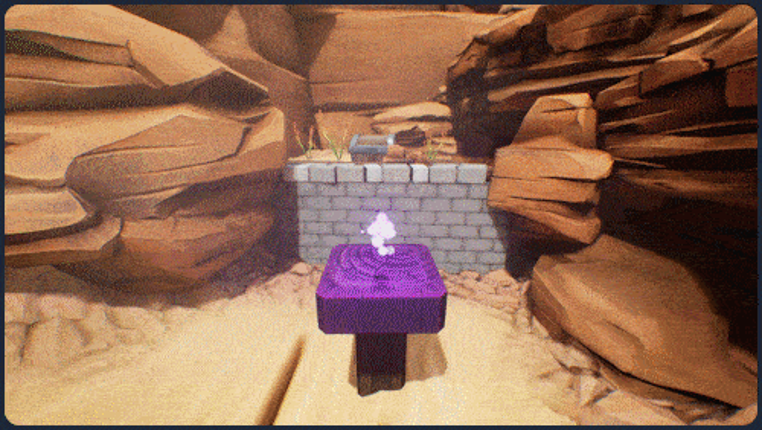
- 64%Game Brain ScoreMost mentioned positive aspects:story, graphicsMost mentioned negative aspects:optimization, grinding63% User Score 1,786 reviewsCritic Score 70%1 reviews
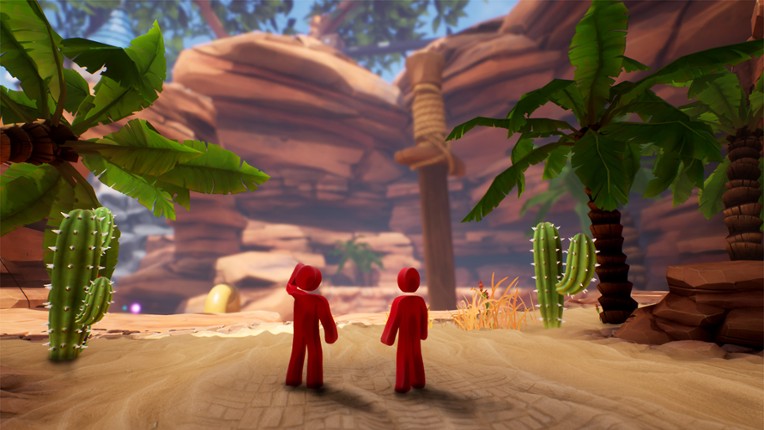
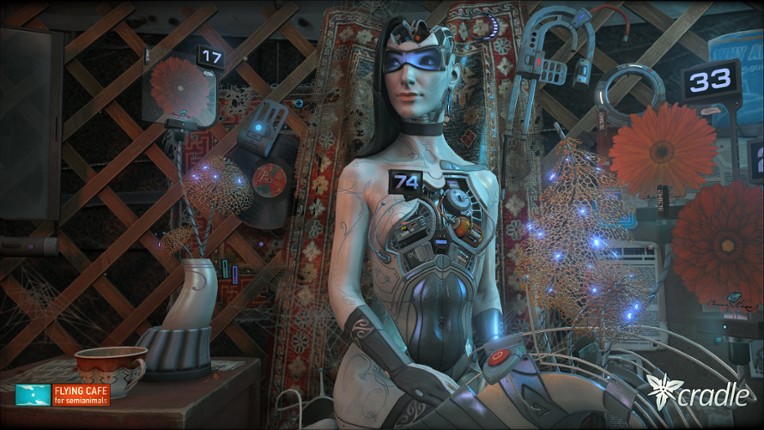
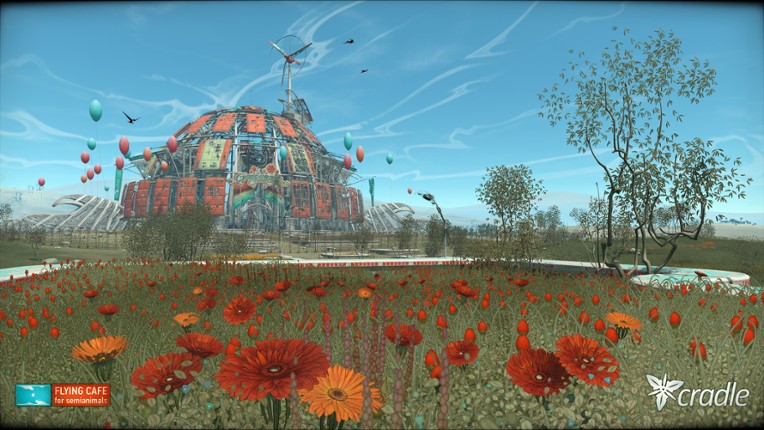
Cradle is a sci-fi first-person-view quest designed for the player to explore the surrounding world. The story is built around the relations of the protagonist and a mechanical girl who by quirk of fate found themselves amidst the desert. The player’s task is to repair the mechanical body of his companion and solve the mystery of the neglected entertainment park located not far from the yurt toget… If you enjoyed this game, see our list of games similar to Cradle.
View Game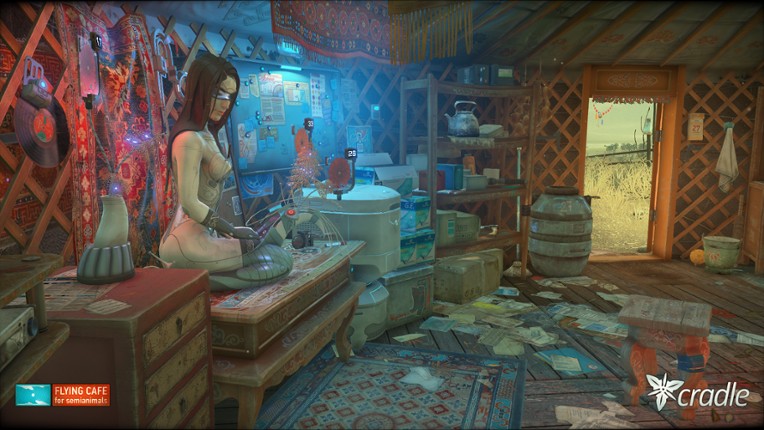


 View Game





























Frequently Asked Questions
Void Stranger delivers innovative puzzle design with deep layers that reward curiosity, similar to Blue Prince's intellectual challenge. Lorelei and the Laser Eyes features logical, satisfying puzzles interwoven with cryptic narrative. The Witness offers nonlinear exploration with atmospheric puzzle-solving in a beautiful open world that encourages discovery and investigation.
Cultist Simulator combines roguelike progression with card-based mechanics and strategic resource management, offering that same replayability and experimental depth. While different in presentation, it shares Blue Prince's focus on complex systems that reward mastery and multiple playthroughs with emergent storytelling and psychological engagement.
TUNIC and Outer Wilds are both excellent PC experiences with stunning atmospheres and exploration-focused gameplay. Void Stranger uses retro pixel art with an exceptional soundtrack to create an immersive mood. All three prioritize environmental storytelling and atmospheric soundscapes that complement their puzzle-solving and investigation mechanics.
WitCup 12 is an indie puzzle game offering clever, challenging mechanics at a low price point. While smaller in scope than Blue Prince, it shares the philosophy of teaching players through experience and rewarding curiosity. For budget-conscious players, these indie titles provide substantial puzzle content without requiring expensive monetization systems.
Lorelei and the Laser Eyes weaves cryptic narrative directly into puzzle-solving with a striking noir aesthetic. Outer Wilds creates profound emotional depth through environmental storytelling and exploration. TUNIC evokes nostalgia and joy through its charming presentation and discovery mechanics, matching Blue Prince's emphasis on emotionally engaging narratives.
Lorelei and the Laser Eyes features fair, logical puzzles solvable with in-game information and note-taking rather than RNG. The Witness offers a pure puzzle experience without roguelike randomness. Outer Wilds emphasizes exploration and deduction over grinding, providing a more streamlined progression system focused on discovery and understanding.