Lorelei and the Laser Eyes

Lorelei and the Laser Eyes is filled with tricky puzzles that require patience, pens and plenty of paper, but can be hugely satisfying.
Lorelei and the Laser Eyes Game Cover
88%Game Brain Score
story, graphics
grinding, replayability
94% User Score Based on 2,117 reviews
Critic Score 65%Based on 4 reviews

Platforms

Nintendo SwitchPCPlaystation 5Playstation 4Steam DeckWindowsPlayStationNintendo Switch 2
Lorelei and the Laser Eyes Game Cover

About

Lorelei and the Laser Eyes is a single player action adventure game with horror, fantasy, mystery and dark fantasy themes. It was developed by Simogo and was released on May 16, 2024. It received mostly positive reviews from critics and very positive reviews from players.

A puzzle box manor hidden in a maze of deceptions and memories.
Skip User Reviews

94%
Audience ScoreBased on 2,117 reviews
story324 positive mentions
grinding68 negative mentions

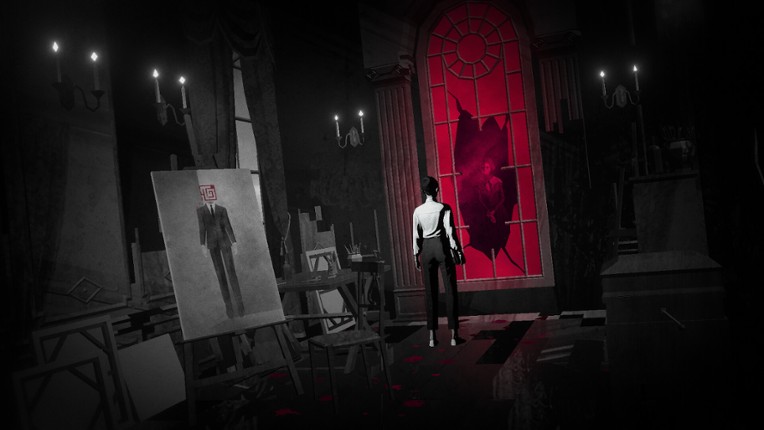
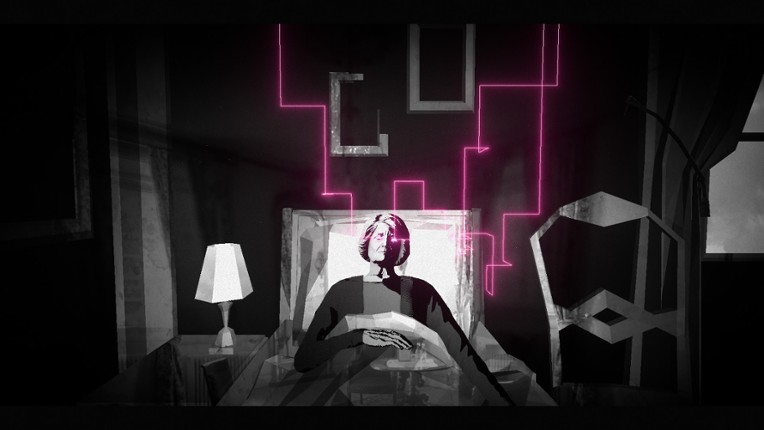
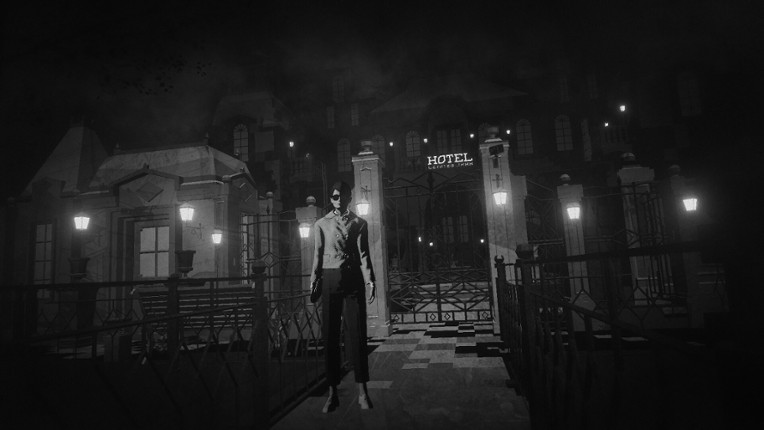
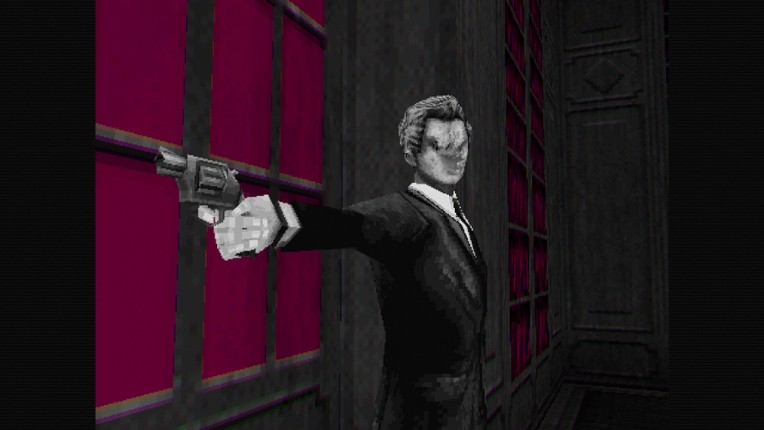
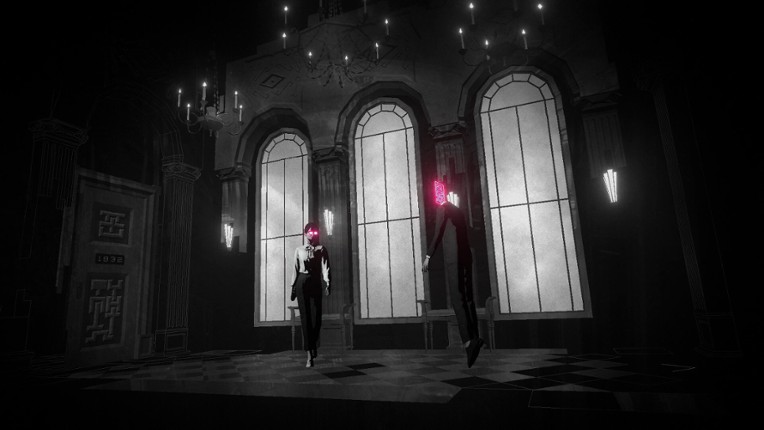
  • Unique, stylish, and immersive noir atmosphere with striking black, white, and red visuals.
  • Wide variety of fair, logical, and satisfying puzzles that reward note-taking and critical thinking, avoiding frustrating moon logic.
  • Engaging, cryptic narrative interwoven with puzzles that gradually unfolds into a compelling story; encourages exploration and revisiting puzzles.
  • Thoughtful design with useful in-game photographic memory and checklist systems to aid puzzle solving and tracking.
  • Challenging but accessible difficulty curve; puzzles generally solvable with in-game information and occasional external knowledge guides.
  • Memorable soundtrack and sound design that complements the eerie and mysterious tone.
  • Non-linear world design with interconnected puzzles allowing multiple concurrent objectives and paths to progress.
  • Small but meaningful quality-of-life features like shortcut puzzles and partial randomization increase replayability.
  • The single button control scheme causes cumbersome menu navigation and puzzle interactions, lacking dedicated back or cancel buttons, which frustrates players.
  • Manual saving only at limited locations and possibility of forced reloads after failure introduces tedious repetition and loss of progress.
  • Some puzzles require extensive backtracking over a slow and sometimes awkwardly navigated mansion, increasing tedium especially late game.
  • Early-game confusion due to numerous puzzles without immediate solvability and insufficient direction if you lack required clues.
  • Occasional puzzle obtuseness and difficulty spikes, particularly near the end, sometimes requiring external hints to complete.
  • Mixed reception to cryptic story and abstract narrative style; some players find it pretentious, confusing, or underwhelming.
  • Certain gameplay mechanics like stamina-based running and forced puzzle attempts to exit screens add unnecessary friction.
  • Lack of accessibility options such as back button, map hotkey, or reduction of strobing effects potentially limits player comfort and enjoyment.
  • story
    812 mentions Positive Neutral Negative

    The story in "Lorelei and the Laser Eyes" is a complex, cryptic, and surreal narrative that unfolds non-linearly through puzzles, documents, and environmental clues, requiring active player engagement to piece together its layered mystery. While many find the story intriguing, atmospheric, and well-integrated with the gameplay, others note it can be confusing or abstract, with a somewhat vague or underwhelming conclusion that leans heavily on interpretation. Overall, the narrative is highly praised for its artistic presentation and emotional impact, making it a compelling experience for those who appreciate deep, enigmatic storytelling woven into puzzle-solving.

    • “This is a game that doesn't just give you its story; you have to figure it out.”
    • “Lorelei and the laser eyes is an exclusive member of the prestigious indie-puzzler club that’s currently occupied by games like The Outer Wilds, Return of the Obra Dinn, and Tunic, in that it beautifully blends complex puzzles, knowledge-based progression, curiosity driven exploration, stylistic panache, and a non-linear mysterious plot to make an incredibly immersive and memorable experience.”
    • “The story is mind bending, thoughtful, and weird, and told in a way that requires you to fill in the blanks yourself with the story clues given to you in the form of short cutscenes, books, scraps of paper, or PS1 style games.”
    • “There's not a lot of payoff to the story either, there's not really an exciting truth at the heart of the mystery, it ends vaguely, barely a step above "it was all a dream."”
    • “The story is nonsensical and attempts to be artsy without actually doing anything interesting, and the game is a pain to navigate.”
    • “Currently story, puzzles and data are mostly unrelated and smeared all over the place in very chaotic and indigestible way.”
  • graphics
    298 mentions Positive Neutral Negative

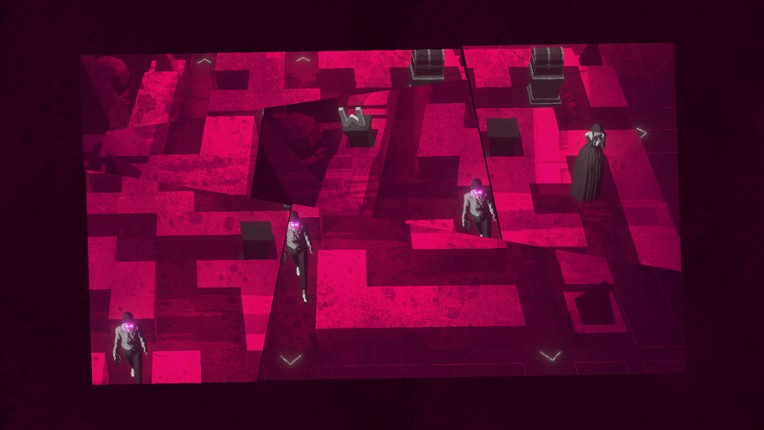
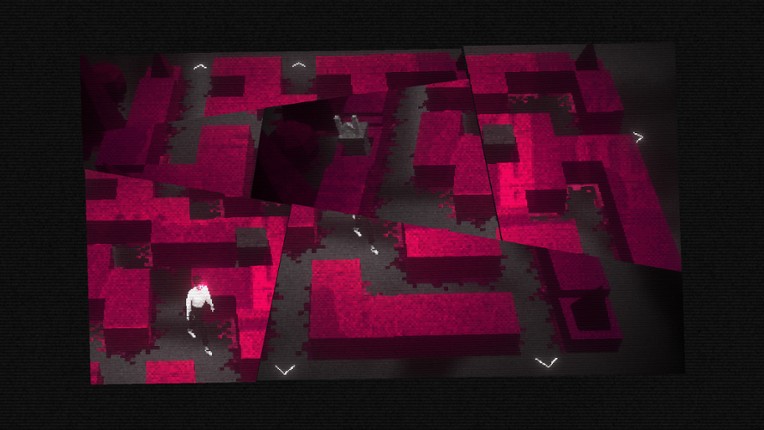
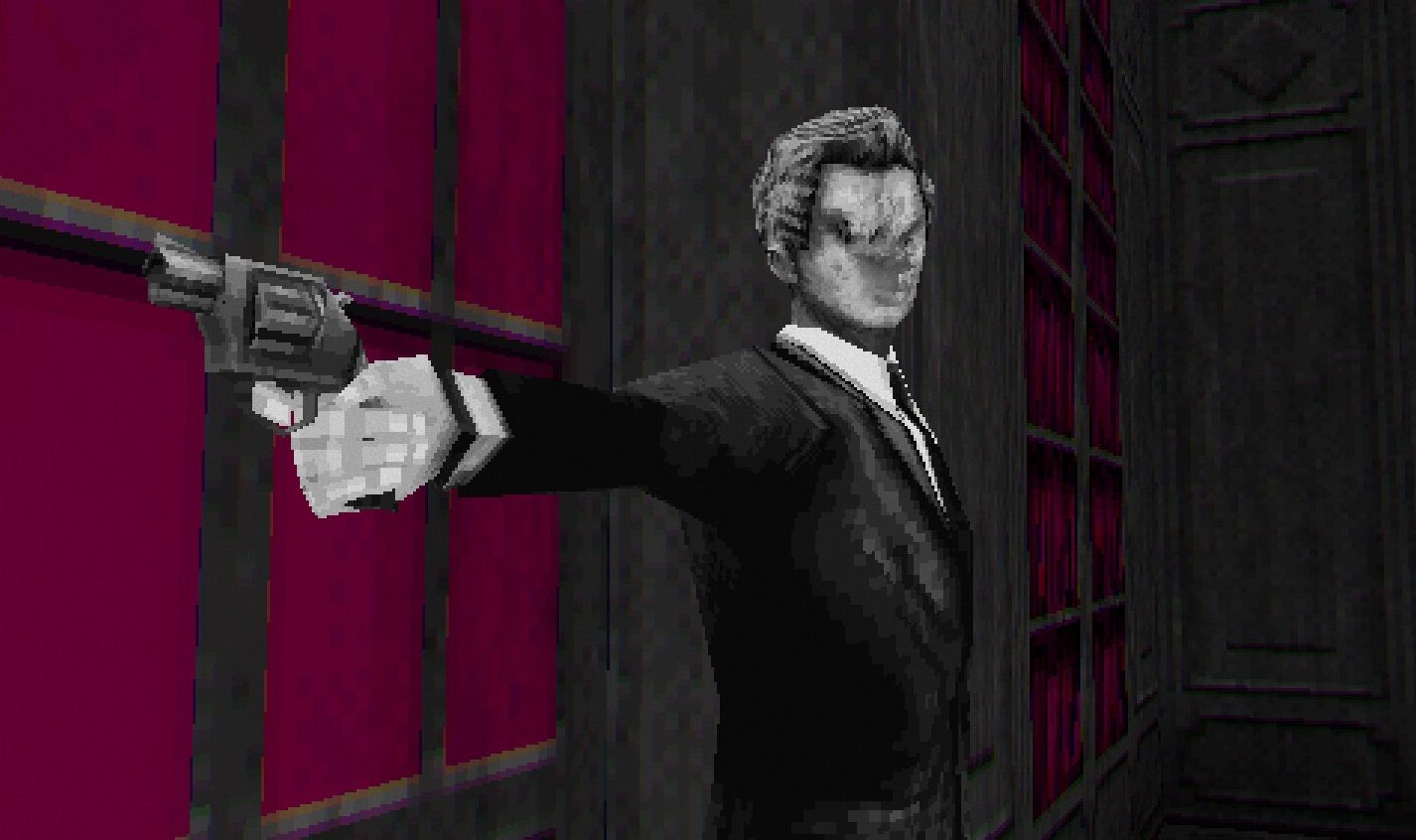
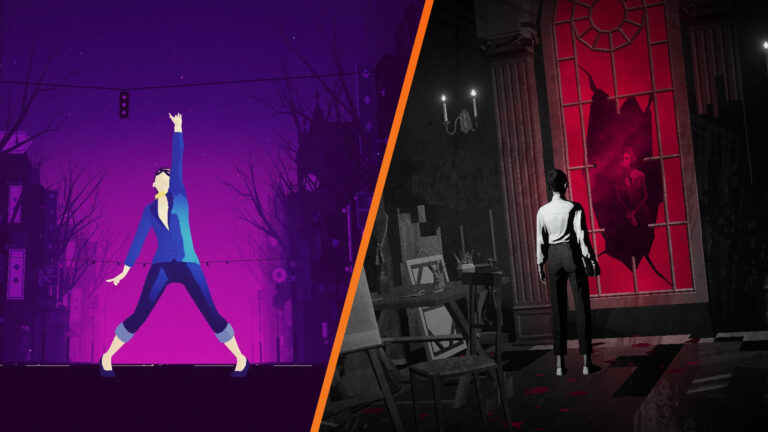
    The game is widely praised for its distinctive and stylish black-and-white noir-inspired art style, punctuated with striking red accents that create a surreal, eerie atmosphere reminiscent of classics like Resident Evil and Twin Peaks. The visuals, combined with carefully crafted sound design and a unique "photographic memory" system, form an immersive and captivating aesthetic experience that deeply enhances the puzzle-solving and narrative. While some find the minimalist graphics occasionally cumbersome or confusing for puzzle navigation, the overall artistic direction is consistently lauded as a standout feature that elevates the game's mysterious and psychological themes.

    • “The visuals are quite surreal and deliver something that can only really exist in a video game.”
    • “The game’s visual style—evoking film noir aesthetics with its stark contrasts and striking use of red—adds to the tension and gives a sense of timelessness to the experience.”
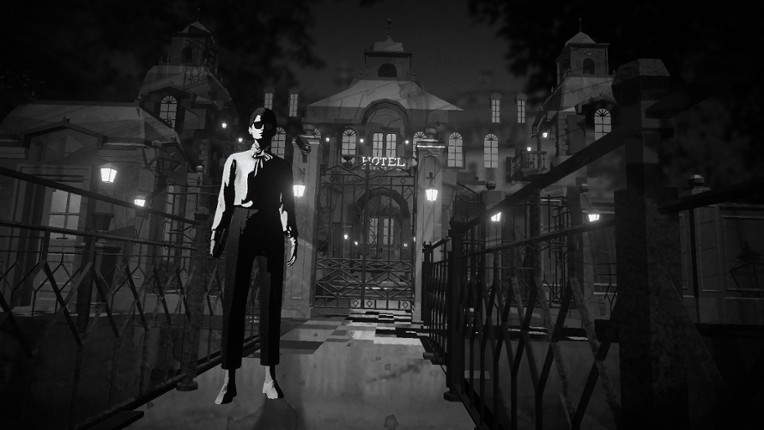
    • “Everything in this game has a synergy that not only connects its unknown time and setting of this hidden haunted hotel alongside its awesome puzzles, but also with its excellent thick, black and white with select color, filmic look.”
    • “By this point the awful UI and ugly, glitchy graphics were starting to wear on me, so I had no desire to continue.”
    • “There were a few moments where the visuals made me misunderstand puzzles, like unrelated puzzles looking aesthetically similar (and in my head; connected in some way), and unrelated textures looking like a part of a puzzle.”
    • “Even cool features like your character's photographic memory can't be accessed while you're looking at a puzzle, which means you have a painful number of button presses to get to the cool stuff... and then get back to the puzzle.”
  • atmosphere
    276 mentions Positive Neutral Negative

    The atmosphere of "Lorelei and the Laser Eyes" is widely praised as richly immersive, haunting, and stylistically unique, blending noir, surrealism, and subtle horror elements without relying on cheap scares. Its evocative art design, carefully crafted soundscape, and mysterious narrative create a compelling mood that deeply engages players, often compared favorably to classic fixed-camera horror games but focused on cerebral, puzzle-driven exploration. Overall, the game's atmosphere is a standout feature that elevates the experience, captivating players with its eerie, enigmatic, and artful environment.

    • “Lorelei and the laser eyes is one of the most stylish, atmospheric, and engaging puzzle games I’ve ever played.”
    • “The atmosphere is hauntingly eerie, visually stunning, and full of intrigue.”
    • “From the stunning visuals and beautifully haunting soundtrack, to its thought-provoking storyline, every detail of this game feels intentional, creating an immersive atmosphere that completely draws you in.”
    • “People have compared this to Blue Prince and this pales in comparison in almost every way - puzzles, gameplay, narrative, atmosphere.”
    • “It's interesting at first owing to the art style and atmosphere, but the combo of a slow walking speed and complicated design meant backtracking and jumping between puzzles was a far more tedious process than it needed to be.”
    • “A rambling story, a nonsensical atmosphere, a never-ending mystery and a monochromatic fever dream - with hours of puzzles carefully placed throughout a labyrinthine manor that overwhelm you with intrigue, contemplation, frustration, then epiphany.”
  • music
    187 mentions Positive Neutral Negative

    The music in the game is widely praised for its quality, atmosphere, and integration into the overall experience, often described as beautiful, haunting, and memorable. Although it is sometimes minimal and selectively used, the soundtrack effectively enhances the mood, suspense, and narrative, with several standout tracks leaving a lasting impression. Some players wished for more consistent music presence, as its sparing use occasionally lessened its impact, but overall the soundtrack is considered a vital and exceptional component of the game's artistic design.

    • “This game was a solid experience from start to finish: the atmosphere is well crafted, the plot is captivating and well sewn into the game progress, and the music was unexpectedly not a background prop but an integral part of the game.”
    • “From the stunning visuals and beautifully haunting soundtrack, to its thought-provoking storyline, every detail of this game feels intentional, creating an immersive atmosphere that completely draws you in.”
    • “The soundtrack is mesmerizing, adding an extra layer of mystery and tension that keeps the player's interest at its peak.”
    • “The music was largely unremarkable, the side content was shallow and going the extra mile to complete it didn't have a substantial payoff, the art was a bit too simple repetitive, and the story was simple and not really that interesting in hindsight (the big dopamine hit came from solving puzzles and revisiting complex puzzles later).”
    • “Only the soundtrack at the end of the game, where you have to solve some additional puzzles, is really annoying.”
    • “The smaller nitpick I have is how the music coming from the phonographs gets muted upon trying a puzzle.”
  • gameplay
    181 mentions Positive Neutral Negative

    The gameplay of this title centers heavily on puzzle-solving within an atmospheric, narrative-driven framework, drawing inspiration from classic adventure and survival horror games but focusing on mind-bending, varied puzzles rather than complex mechanics. While its aesthetics, story integration, and unique systems like photographic memory are widely praised, some players find the controls clunky, UI navigation tedious, and puzzle interactions occasionally mechanically frustrating or repetitive. Ultimately, the gameplay appeals most to dedicated puzzle enthusiasts who appreciate slow, thoughtful exploration and narrative immersion, but it may challenge newcomers due to limited guidance and unconventional interface design.

    • “They utilized so many different little gameplay types and styles at times.”
    • “Solid puzzles that walk the tightrope of challenging without being frustrating or requiring a guide to complete (in all but a couple of cases, at least) with a compelling and mind-bending story that compliments the game's mechanics beautifully.”
    • “Lorelei follows in the footsteps of games like Myst, The Witness, Fez and the like, while also forging its own identity and unique puzzle mechanics, it's a stellar game that I feel will hold up quite well over time, and will earn its place as one of the better puzzle games to come out this decade.”
    • “This game has intentionally poor UI that causes endless tedious menu navigation, no back button, no ability to exit puzzles without inputting a solution, and gameplay segments with even worse navigation controls.”
    • “Unfortunately, the core gameplay is a series of extremely primitive and disappointing puzzles.”
    • “The biggest problem though is control mechanics with all this slow walking, stiff 3D navigation, and the absolutely annoying decision to use only one action button for everything.”
  • grinding
    68 mentions Positive Neutral Negative

    Players widely describe the game's grinding as tedious and repetitive, largely due to poor UI design, clunky one-button controls, and excessive menu navigation without a back function. While some find the tediousness adds to the atmosphere or appreciate the challenge, many cite frequent backtracking, slow movement, and filler puzzles as draining engagement, especially in mid to late game stages. Overall, grinding feels like an unavoidable, sometimes frustrating chore that detracts from the experience.

    • “The use of a single button to do all actions results in really tedious menu navigation - which you'll be doing a lot.”
    • “No auto-save and the game can kill you which means redoing things you already solved, it's just tedious padding for content.”
    • “The atmosphere is stellar, but several factors made this game more tedious than fun for me: the extremely frustrating single button controls, too mazelike design, and the puzzles - where (in my opinion) the ones that felt actually interesting were heavily dragged down by many uninspired ones that boiled down to matching a randomly found cipher, or just a math question.”
  • emotional
    35 mentions Positive Neutral Negative

    The game delivers a deeply emotional and mentally stimulating experience, blending rewarding puzzles with a poignant, introspective story that evokes feelings ranging from cleverness and immersion to heartfelt sadness and joy. Many players describe moments of emotional impact comparable to renowned narrative-driven games, highlighting its power to connect through both gameplay and storytelling. Overall, it is praised as a memorable, emotionally resonant journey that challenges players intellectually while touching them deeply.

    • “And again, when it came to the art and themes, from moment to moment, I was in love, and I cried at the end.”
    • “Lorelei and the Laser Eyes is a heartwarming and melancholy love letter to the practice of creating, to interactive art, and to the artists that pour their passion and energy into such things.”
    • “There is a surprising amount of emotional power to it as well, and the ending gave me a good gut punch as it revealed the true nature of everything.”
  • humor
    11 mentions Positive Neutral Negative

    The game's humor is quirky and clever, often poking fun at the player's problem-solving approach and featuring amusing puzzle elements and Easter eggs. It balances creepy and mysterious tones with unexpectedly funny moments, resulting in a stylish and entertaining experience that many players find genuinely laugh-out-loud enjoyable.

    • “Some of the puzzles mock the player's attention to detail, which had me laughing at my own investigation skills a couple of times.”
    • “The mystery, atmosphere, puzzles, and funny moments are all top notch.”
    • “Lorelei and the laser eyes is half Resident Evil style fixed-camera puzzle horror, and half brilliantly funny and intricate mystery.”
  • replayability
    10 mentions Positive Neutral Negative

    Replayability in the game is enhanced by randomized puzzles and unique playthrough elements, encouraging multiple sessions to fully grasp the story and experience tense moments. While some puzzles may feel challenging or less enjoyable for certain players, the dynamic nature ensures each playthrough is distinct, boosting overall replay value despite typical puzzle game limitations.

    • “Some puzzles were not my bag (a whole lot of math, for one) and a few were so obtuse they ceased being fun, but overall I found it an enjoyable game with high replayability and lots of tense, suspenseful environmental moments.”
    • “I also love the addition of randomized puzzles for each playthrough; it adds some replayability and supports the theme of jumbled, fading memories.”
    • “It's one of those games that you can never really experience twice, which may turn away people who thrive on replay value - but not all games need to be replayed to be great.”
    • “The price is good for this quality of a game but puzzle games are often not considered replayable.”
    • “Best of all, the answers to puzzles are completely random and unique to a save file, meaning that every playthrough is going to be different, as well as locations and other aspects of other puzzles, which was a brilliant move that makes using guides next to impossible and adds to the replay value.”
  • optimization
    2 mentions Positive Neutral Negative

    Users find the game's optimization lacking, with performance issues detracting from the overall experience. Despite some artistic elements, the technical performance needs improvement.

  • monetization
    2 mentions Positive Neutral Negative

    The game stands out by avoiding the typical microtransaction-driven model, instead offering a carefully crafted and immersive experience that feels like a labor of love. Players appreciate the focus on storytelling and gameplay rather than monetization, making it a refreshing departure from common cash-grab practices.

    • “Instead of intriguing adventures, utilizing characteristics of such a handheld device, companies have focused on delivering extremely simple yet addictive experiences, designed to get the user to purchase as many microtransactions as possible.”
  • character development
    1 mentions Positive Neutral Negative

    Character development in Lorelei and the Laser Eyes is effectively conveyed through its cohesive visuals and design elements, creating a unique and immersive atmosphere that blends minimalist modernity with an eerie, mysterious vibe.

  • stability
    1 mentions Positive Neutral Negative

    Users report significant stability issues, highlighting frequent glitches and a problematic design element that triggers migraines and epilepsy, with no option to disable it.

    • “It's bad enough to have glitches in single-player mode, but the inability to remove what is a serious migraine and epilepsy trigger is really bad design.”
Skip Critic Reviews
Skip Game Offers

Buy Lorelei and the Laser Eyes

16h Median play time
16h Average play time
14-20h Spent by most gamers
*Based on 10 analyzed playthroughs
Skip Videos

Videos

Skip Games Like Lorelei and the Laser Eyes
Skip Game News
Skip FAQs

Frequently Asked Questions

Lorelei and the Laser Eyes is a action adventure game with horror, fantasy, mystery and dark fantasy themes.

Lorelei and the Laser Eyes is available on Nintendo Switch, PC, PlayStation 5, PlayStation 4 and others.

On average players spend around 16 hours playing Lorelei and the Laser Eyes.

Lorelei and the Laser Eyes was released on May 16, 2024.

Lorelei and the Laser Eyes was developed by Simogo.

Lorelei and the Laser Eyes has received mostly positive reviews from players and mostly positive reviews from critics. Most players liked Lorelei and the Laser Eyes for its story but disliked it for its grinding.

Lorelei and the Laser Eyes is a single player game.

Similar games include Blue Prince, Quern: Undying Thoughts, The Painscreek Killings, Goetia, TUNIC and others.