



Games like RimWorld
If RimWorld has claimed hundreds of your hours and you're hunting for games like RimWorld that deliver the same blend of colony survival, emergent storytelling, and brutally unpredictable systems, you're in exactly the right place. RimWorld sits at a rare crossroads — part colony sim, part survival strategy, part science-fiction soap opera — and finding something that scratches that same itch takes more than just picking another base-builder. The good news: there are some genuinely excellent alternatives worth your time.
What makes RimWorld so hard to put down is its AI storyteller system, which turns procedural generation into something that feels almost authored. You're not just managing resources — you're watching colonists develop quirks, form relationships, suffer breakdowns, and occasionally eat each other. The sci-fi setting, atmospheric soundtrack, and deep character simulation combine to make every run feel like a novel you didn't expect to write. Players searching for games like RimWorld are really chasing that loop: systemic chaos, meaningful decisions, and stories that emerge from mechanics rather than scripts.
What Makes a Good Alternative to RimWorld?
- Emergent narrative through systems — RimWorld's greatest trick is generating stories without a writer. The best alternatives let complex systems interact until something surprising and memorable happens on its own.
- Deep colony or base management — Managing individual characters, resources, and priorities under pressure is central to RimWorld's loop. Strong alternatives share that satisfying tension between planning and crisis response.
- Procedural generation and replayability — No two runs should feel identical. Procedurally generated maps, factions, or events give each playthrough its own personality and keep the experience fresh across dozens of sessions.
- Meaningful character or faction development — Whether it's colonists with backstories, custom civilizations, or persistent squad members, the best alternatives make you care about what you're building and who's doing the building.
- Atmosphere reinforced by science-fiction or survival themes — RimWorld's tone — bleak, darkly funny, occasionally heartbreaking — is as important as its mechanics. Good alternatives carry a strong sense of place and mood.
Top Picks If You Enjoyed RimWorld
Stellaris delivers grand-scale sci-fi empire building with stunning procedural storytelling. Kenshi offers a brutal open world where your squad writes its own survival epic. Oxygen Not Included captures that frantic colony micromanagement in a wonderfully weird space setting. Caves of Qud brings deep character customization and rich procedural lore to a post-apocalyptic world. Factorio trades colonists for automation systems but rewards the same obsessive optimization mindset. Project Zomboid grounds the survival tension in a gritty, punishing zombie apocalypse.
Every recommendation below is ranked by similarity using real player data, so the closest matches appear first. Browse the full list to find your next colony to mismanage.
- 81%Game Brain ScoreMost mentioned positive aspects:gameplay, storyMost mentioned negative aspects:optimization, grinding88% User Score 133,145 reviewsCritic Score 73%32 reviews
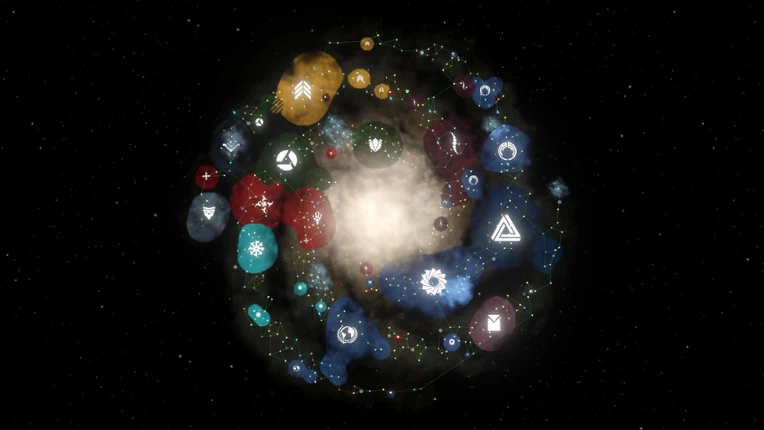
Both games hand you emergent storytelling through systems that refuse to follow a script. RimWorld's AI Storyteller generates colony crises that force impossible choices; Stellaris does the same at galactic scale, where rival empires, resource scarcity, and diplomatic betrayals create narratives you'll still be discussing months later.
The deep character investment you prize in RimWorld translates here as faction roleplay and long-term empire building. Because Stellaris unfolds across centuries of real-time simulation, your strategic decisions compound into a living history—each choice reshapes your civilization's identity and relationships in ways that feel genuinely consequential, not just mechanically important.
Where RimWorld demands constant micromanagement, Stellaris offers a cleaner pace through its real-time-with-pause system. You'll still manage complex systems (trade, diplomacy, fleet logistics), but the overhead feels purposeful rather than tedious, preserving the strategic depth you love without the burnout.
Stellaris' aggressive DLC approach mirrors RimWorld's monetization concerns, but the base game alone delivers 50+ hours of replayability—enough to evaluate whether you value the expansion content before committing further.
Best for players who want RimWorld's narrative chaos and emotional investment scaled up to empire-wide consequence, without sacrificing their sanity to UI management.
If you enjoyed this game, see our list of games similar to Stellaris.View Game

- 84%Game Brain ScoreMost mentioned positive aspects:gameplay, graphicsMost mentioned negative aspects:grinding, stability94% User Score 221,570 reviewsCritic Score 30%1 reviews
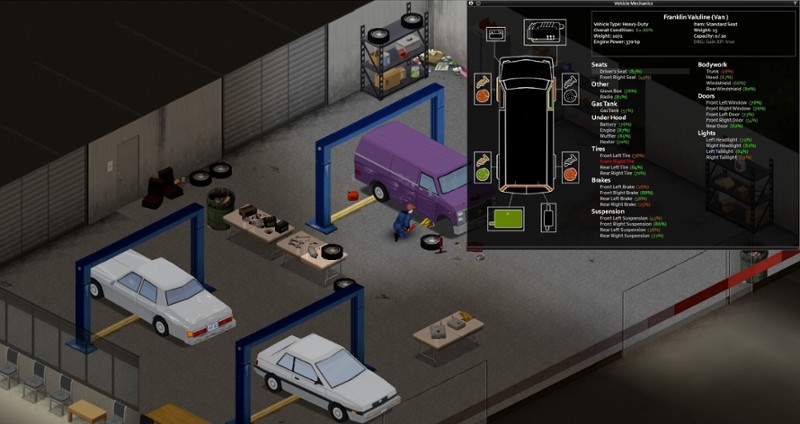
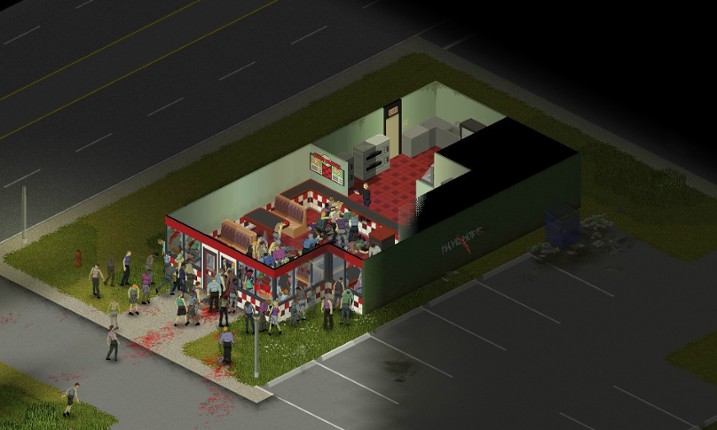
That moment in RimWorld when a colonist you've spent hours nurturing suddenly dies to a cascade of bad decisions — Project Zomboid runs on exactly that same brutal feedback loop, where every survival choice compounds and consequences arrive without mercy.
Both games reward careful resource management and base-building under pressure, but Project Zomboid ties these systems to a single persistent character whose slow skill progression makes every session feel earned. That investment in one survivor — watching them go from panicked scavenger to competent homesteader — mirrors the colonist attachment RimWorld players know well, just distilled into a more personal, ground-level lens.
RimWorld's notorious micromanagement grind has a counterpart here, but Project Zomboid redistributes that cognitive load into real-time physical navigation and inventory decisions rather than colony-wide logistics queues — a meaningful shift in how that tension is delivered.
Where RimWorld tells stories from above, Project Zomboid puts you inside the story, trading the god-view narrator for a first-person sense of dread and vulnerability.
Best for RimWorld players who want the same slow-burn survival stakes, but craved a more tactile, street-level version of them.
If you enjoyed this game, see our list of games similar to Project Zomboid.View Game
- 88%Game Brain ScoreMost mentioned positive aspects:story, gameplayMost mentioned negative aspects:graphics, grinding95% User Score 78,462 reviewsCritic Score 75%5 reviews
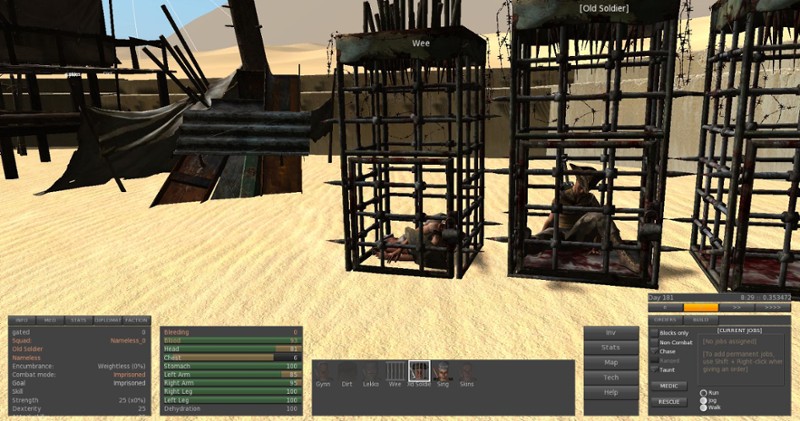
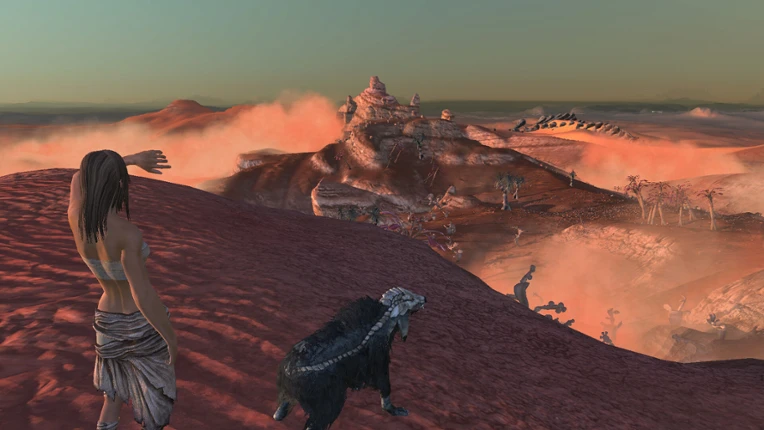
Both titles revolve around the desperate struggle of a fragile group against a world that remains entirely indifferent to their survival. The core appeal lies in emergent storytelling, where a random encounter or a lost limb becomes a legendary tale of perseverance rather than a scripted event.
Kenshi features deep squad-based management and base-building mechanics that demand constant tactical pivoting. This creates a familiar loop of managing individual needs and injuries, ensuring that your survivors feel like unique characters with history rather than expendable units.
Kenshi swaps RimWorld's simplistic 2D icons for a sprawling 3D landscape, offering the visual scale and "physicality" that some players find lacking in the colony simulation genre. This transition shifts the gameplay focus from defending a fixed homestead toward a nomadic journey across a massive, hand-crafted continent.
Best for players who prioritize organic world-building and the satisfaction of carving a legacy out of a harsh, uncaring wasteland.
If you enjoyed this game, see our list of games similar to Kenshi.View Game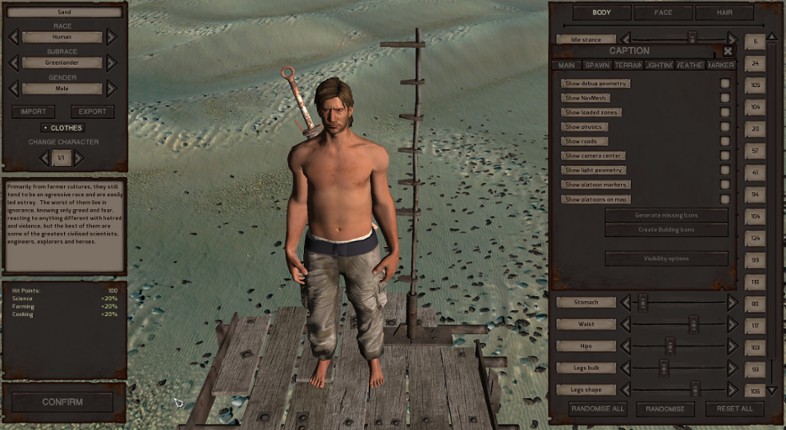
- 91%Game Brain ScoreMost mentioned positive aspects:gameplay, graphicsMost mentioned negative aspects:grinding, stability98% User Score 138,322 reviewsCritic Score 82%8 reviews
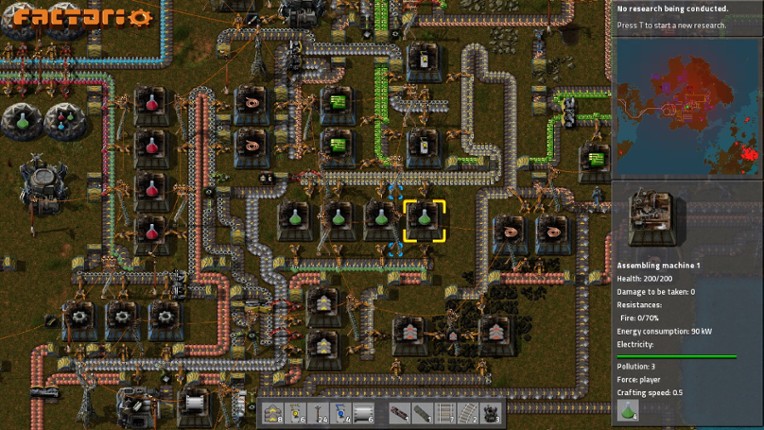
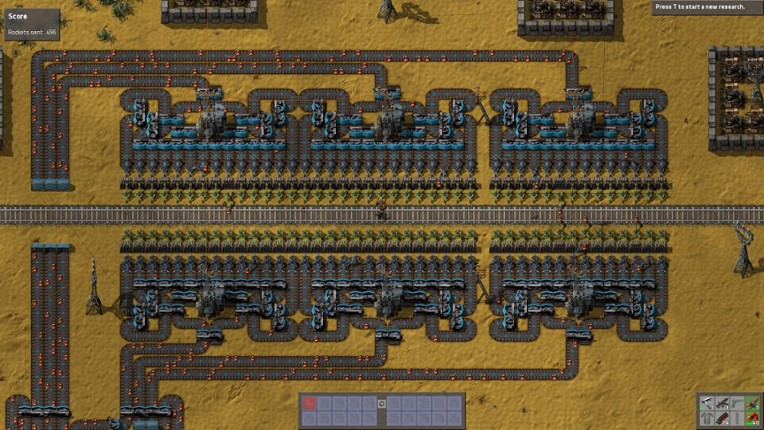
Both titles thrive on the obsessive optimization of survival systems within harsh, resource-starved environments. This shared focus on logistical engineering ensures that every decision directly impacts your colony or factory’s ultimate efficiency.
While RimWorld prioritizes emergent character-driven drama, Factorio focuses strictly on the cold, mechanical mastery of automation. You trade away the emotional weight of individual colonists for the sheer satisfaction of scaling complex industrial networks.
Pick this up if you crave the crunchy complexity of resource management but prefer mathematical perfection over social storytelling.
If you enjoyed this game, see our list of games similar to Factorio.View Game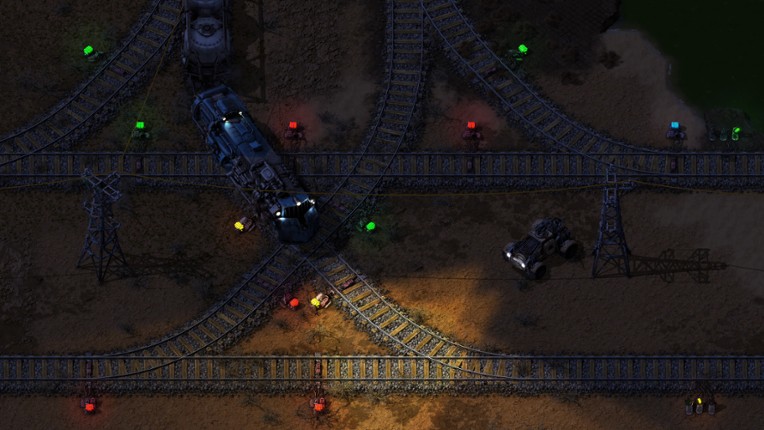
- 84%Game Brain ScoreMost mentioned positive aspects:gameplay, storyMost mentioned negative aspects:stability, grinding89% User Score 32,482 reviewsCritic Score 79%30 reviews
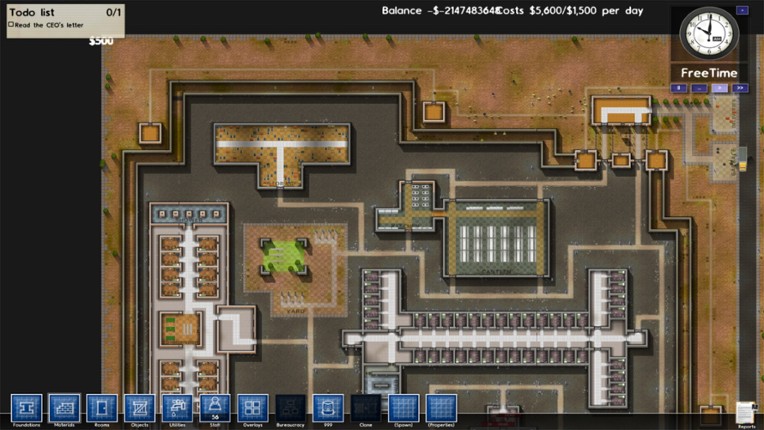
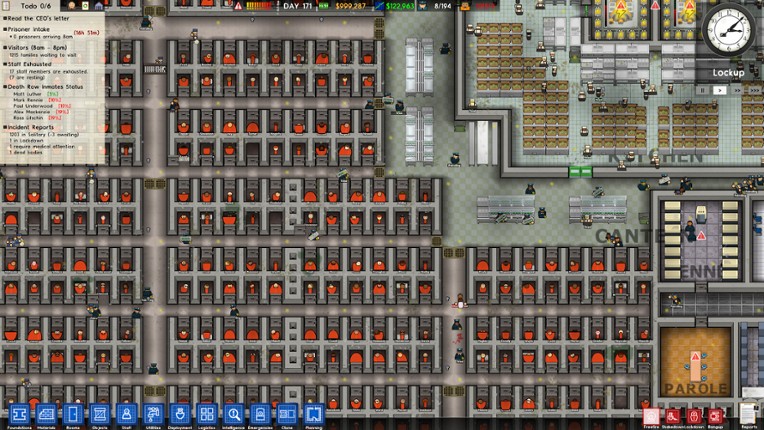
RimWorld veterans know the anxiety of juggling a dozen colonists' moods, injuries, and relationships while disaster looms—and Prison Architect delivers that same head-spinning satisfaction with a completely different cast. Your prisoners have needs, grudges, and routines; your guards have morale, training levels, and loyalty; even the janitors matter. Managing these overlapping human variables creates the same "everything is on fire" tension that makes RimWorld sessions unforgettable.
Both games share a procedural crisis engine that punishes rigid planning. In RimWorld, a raid or plague forces improvisation; in Prison Architect, a riot or inspector's visit demands you rethink your entire layout in real time. The overlap isn't just that random events happen—it's that both games treat those events as narrative beats, forcing you to write a survival story through your decisions rather than following a script.
The key tradeoff: Prison Architect trades RimWorld's sci-fi wonder and AI storytellers for a grounded business sim where your creativity is constrained by budgets, zoning laws, and the cold logic of capitalism. It's less poetic, but the 2D top-down perspective makes your facility's inefficiencies viscerally clear in ways RimWorld's isometric view sometimes obscures.
Best for players who want RimWorld's systems-thinking fix but are ready to swap colony survival for prison logistics.
If you enjoyed this game, see our list of games similar to Prison Architect.View Game
- 93%Game Brain ScoreMost mentioned positive aspects:gameplay, graphicsMost mentioned negative aspects:grinding, stability96% User Score 51,372 reviewsCritic Score 80%1 reviews
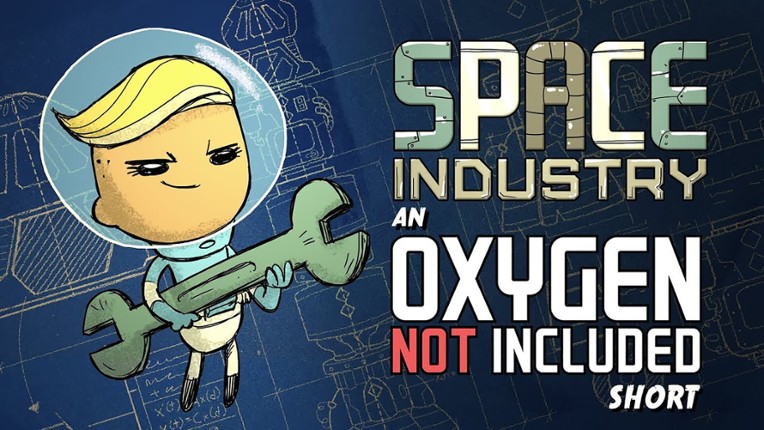
Oxygen Not Included shares RimWorld’s complex base-building and survival mechanics, demanding careful resource management under pressure. Both games emphasize emergent storytelling driven by player decisions, which creates unpredictable and memorable scenarios. This dynamic fuels deep engagement and lasting replay value.
Both titles leverage a sci-fi setting with a distinctive indie flair, enhancing atmosphere and thematic consistency without flashy graphics. However, Oxygen Not Included leans more heavily on intricate, layered systems and 2D management, which can overwhelm players seeking RimWorld’s more organic pacing. It also faces notable grind and stability issues that can hamper progression.
Choose Oxygen Not Included if you want a tougher, system-rich colony sim with dark humor and don’t mind a steeper learning curve or occasional bugs. If you prefer a balance between narrative-driven survival and manageable micromanagement, RimWorld remains the stronger choice.
If you enjoyed this game, see our list of games similar to Oxygen Not Included.View Game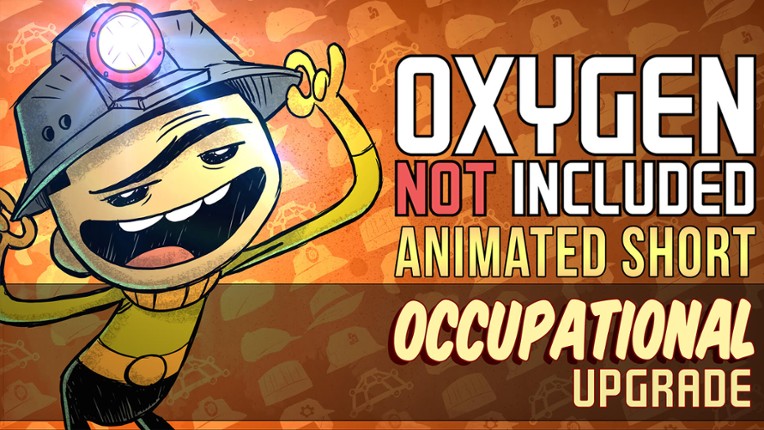

- 90%Game Brain ScoreMost mentioned positive aspects:gameplay, storyMost mentioned negative aspects:stability, grinding90% User Score 63,369 reviewsCritic Score 90%36 reviews
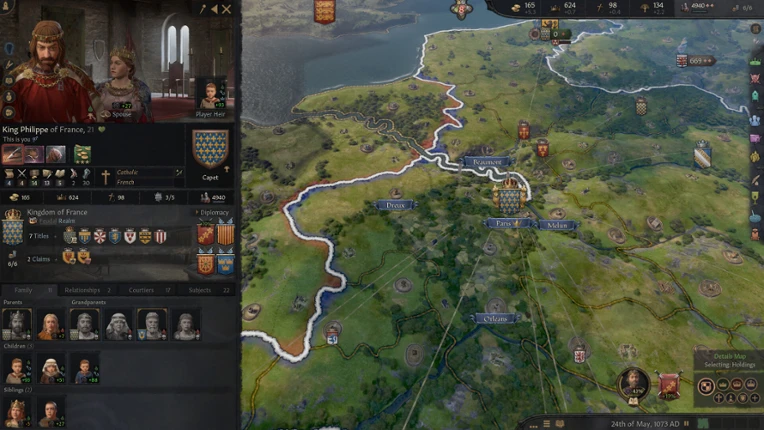
Both games function as emergent narrative engines where the player acts as an architect of chaotic, character-driven soap operas. You aren't just managing resources; you are curating the complex social dynamics and betrayals of your subjects, which keeps every session unpredictable.
The primary shift lies in the setting and scope: you move from micro-managing a colony's survival on a fringe world to navigating the macro-political maneuvering of a medieval dynasty. While RimWorld demands focus on immediate physical threats, Crusader Kings III forces you to master the long-term volatility of heredity and royal lineage.
Pick this up if you want unrivaled storytelling potential but can live without the direct, granular control of individual base-building and crafting.
If you enjoyed this game, see our list of games similar to Crusader Kings III.View Game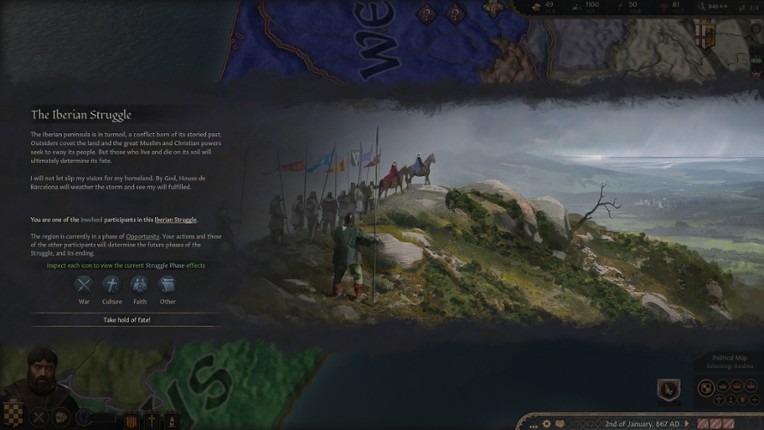

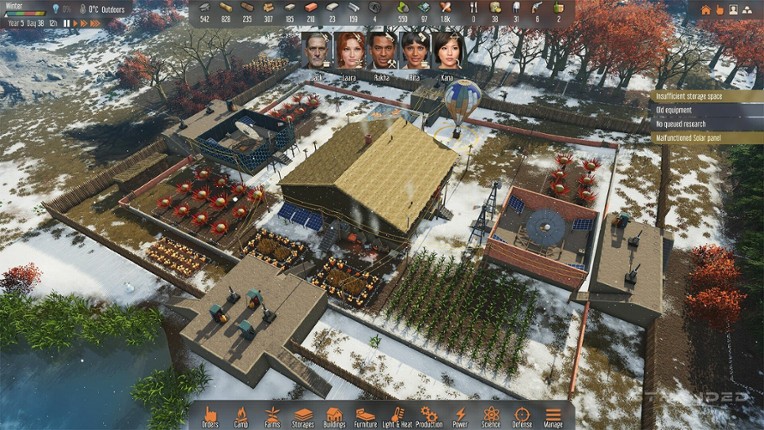
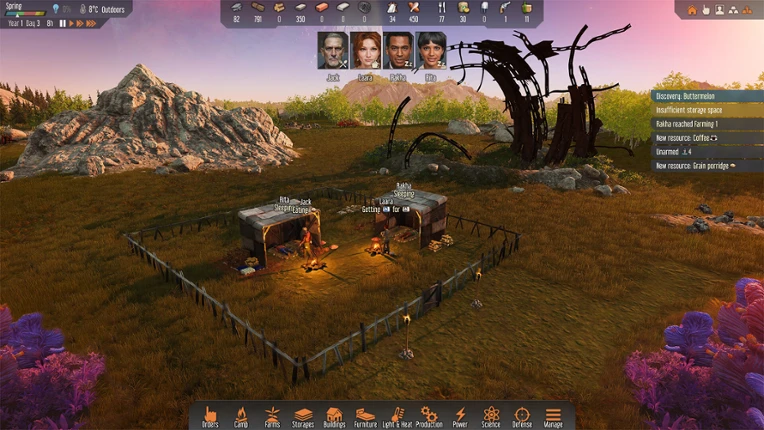
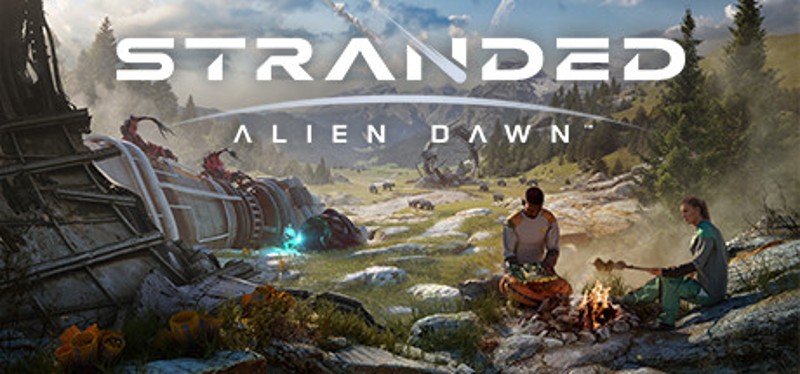
- 82%Game Brain ScoreMost mentioned positive aspects:gameplay, graphicsMost mentioned negative aspects:grinding, stability82% User Score 6,304 reviewsStranded: Alien Dawn loosens RimWorld's narrative focus, offering a survival-first planetary outpost with a guided tutorial and simpler storytelling. If you enjoyed this game, see our list of games similar to Stranded: Alien Dawn.View Game

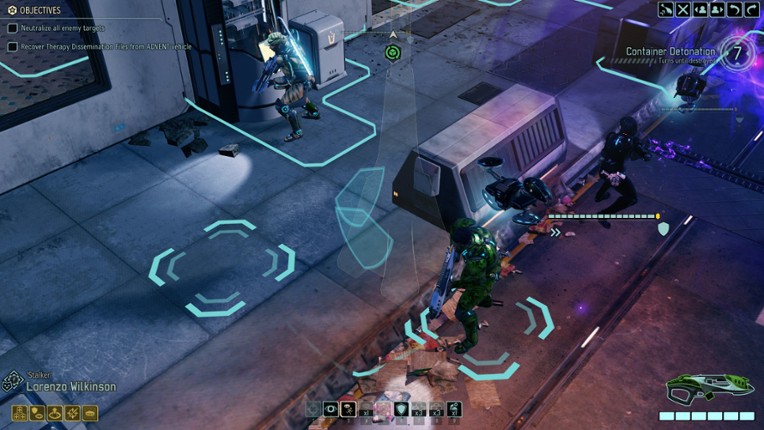
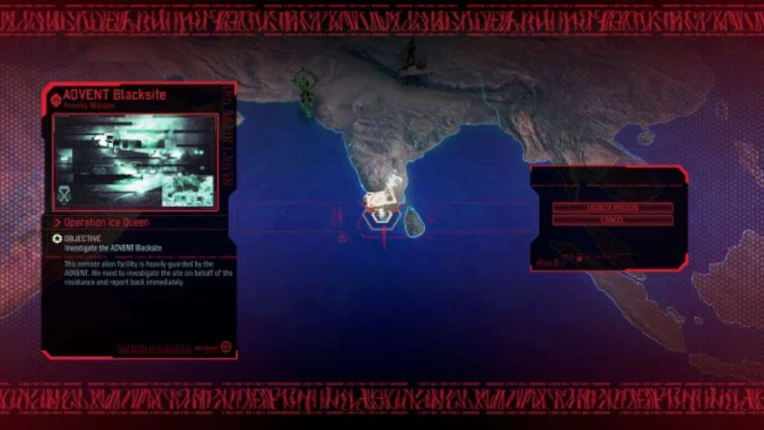
- 85%Game Brain ScoreMost mentioned positive aspects:story, gameplayMost mentioned negative aspects:optimization, stability85% User Score 59,932 reviewsXCOM 2 trades colony building for turn‑based tactical missions, placing you in a guerrilla war against alien occupation with minimal base management. If you enjoyed this game, see our list of games similar to XCOM 2.View Game

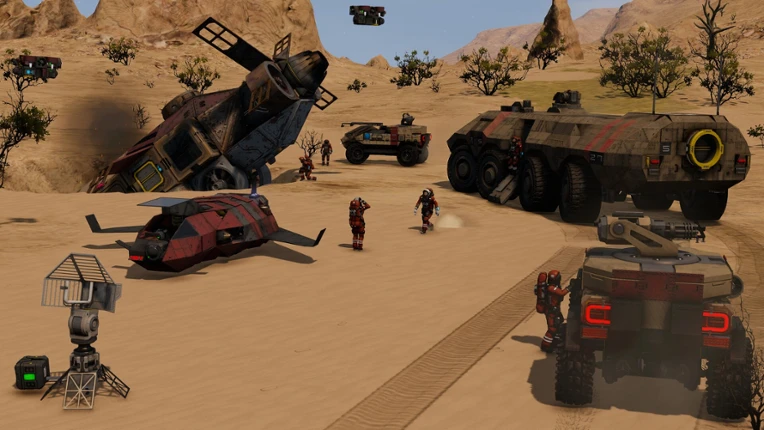
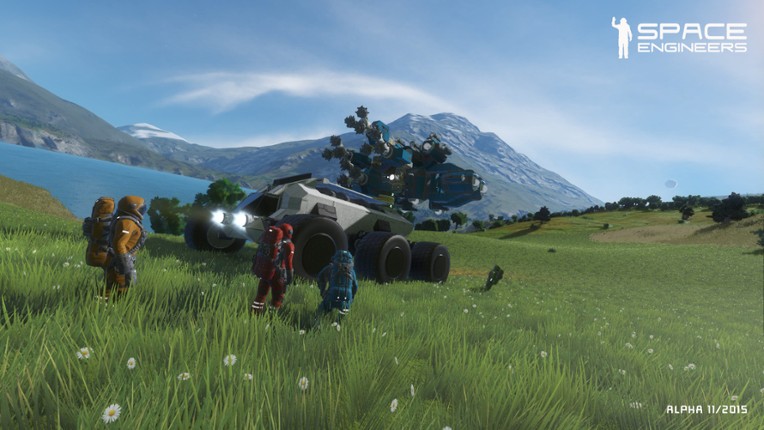
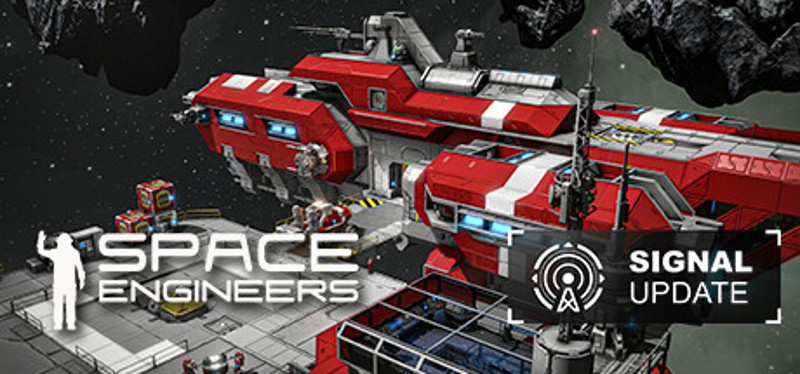
- 89%Game Brain ScoreMost mentioned positive aspects:gameplay, graphicsMost mentioned negative aspects:optimization, stability89% User Score 85,786 reviewsSpace Engineers shifts the colony sim focus to massive engineering projects in a realistic physics sandbox, inviting players who love building and teamwork. If you enjoyed this game, see our list of games similar to Space Engineers.View Game

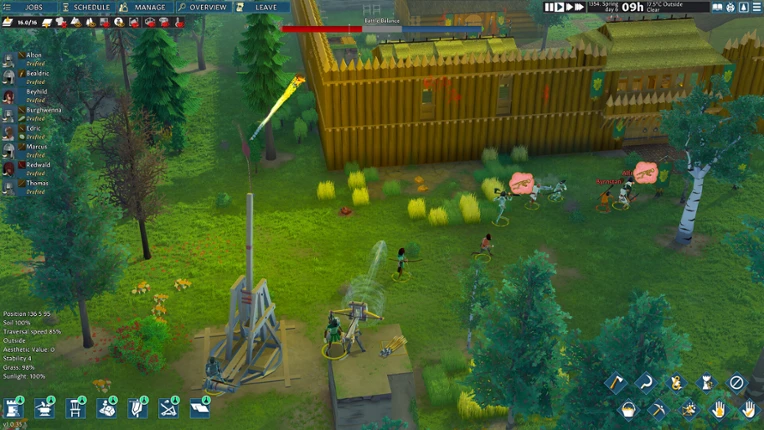
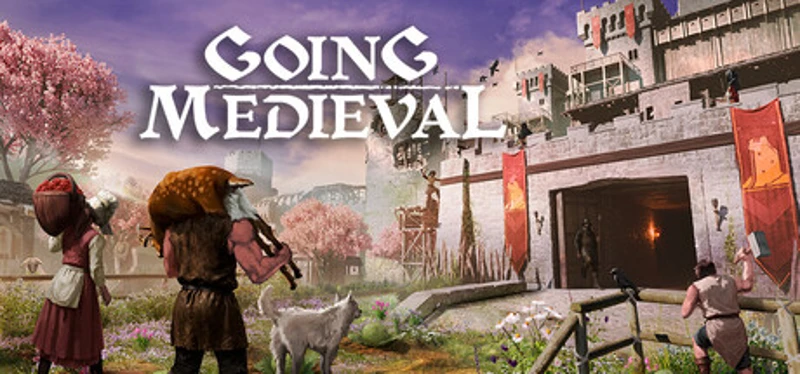
- 85%Game Brain ScoreMost mentioned positive aspects:gameplay, graphicsMost mentioned negative aspects:optimization, grinding89% User Score 10,003 reviewsCritic Score 74%2 reviewsTrades sci-fi for medieval aesthetics while doubling down on the colony-building and base-management loop that makes RimWorld compelling. If you enjoyed this game, see our list of games similar to Going Medieval.View Game
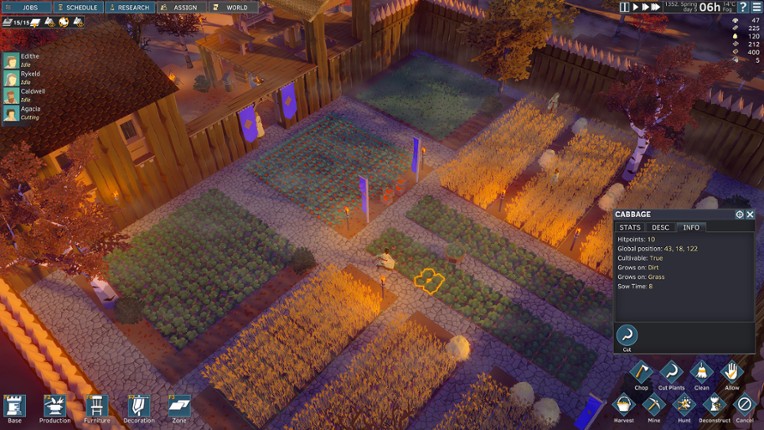
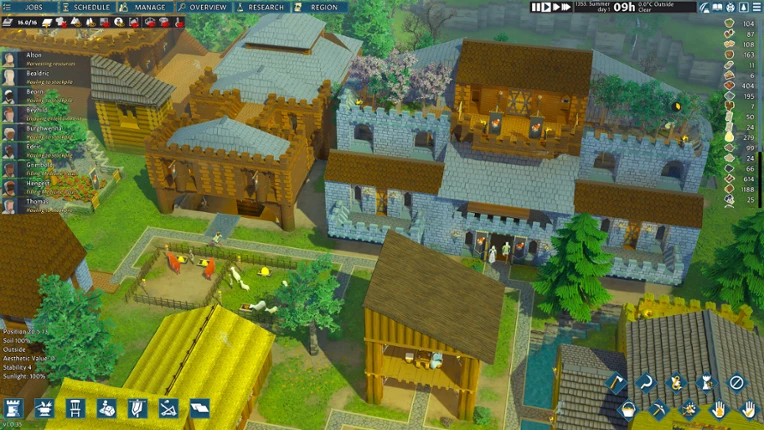
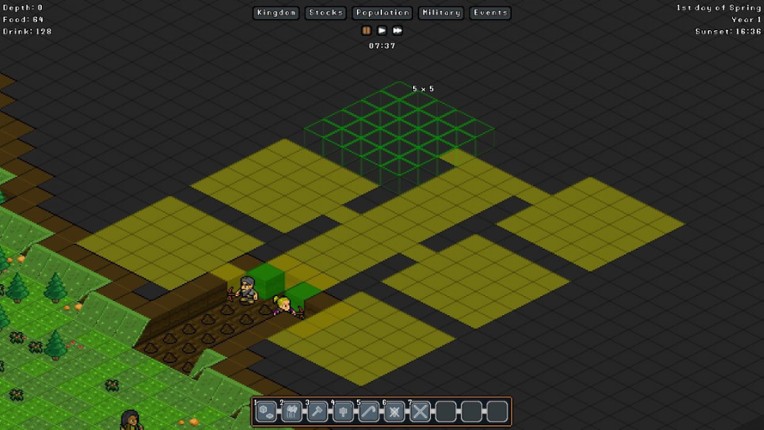
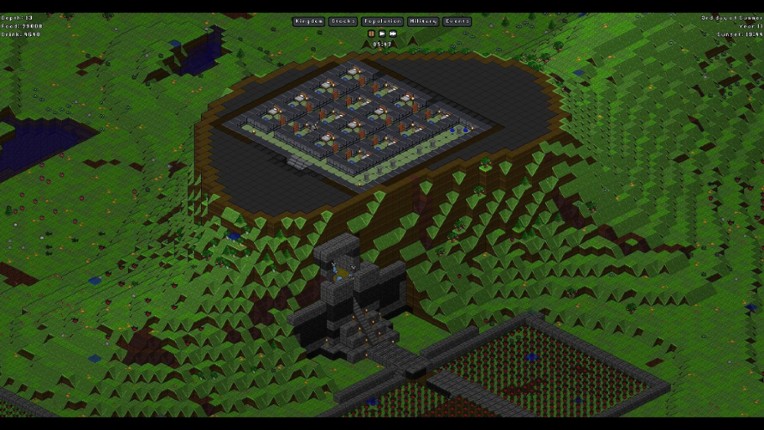
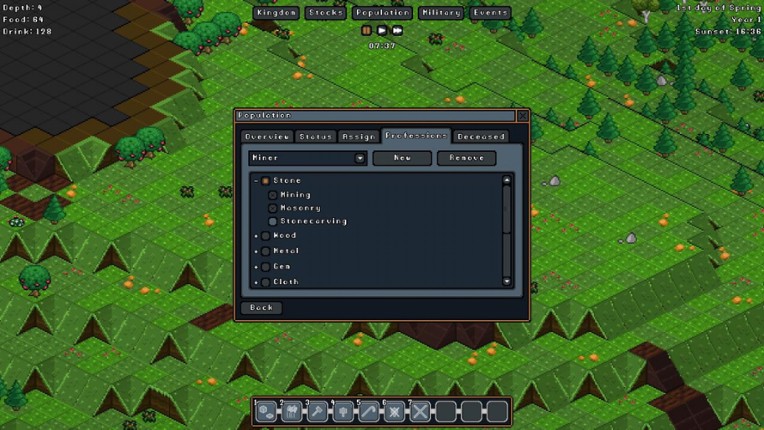
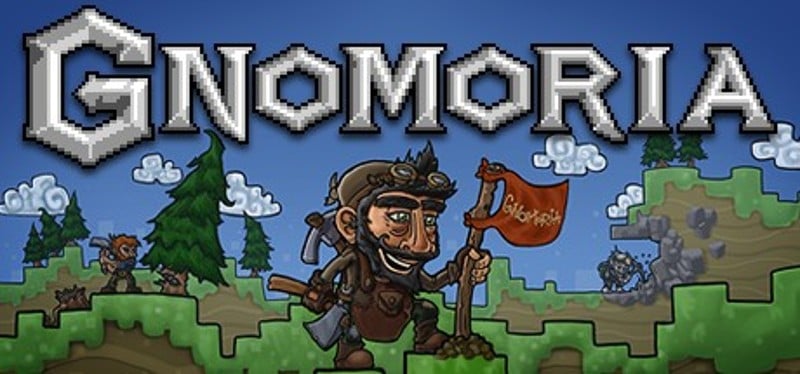
- 74%Game Brain ScoreMost mentioned positive aspects:graphics, gameplayMost mentioned negative aspects:stability, grinding74% User Score 4,170 reviewsGnomoria brings a medieval fantasy twist to colony management, letting players guide a dwarf settlement without the unpredictable AI storyteller. If you enjoyed this game, see our list of games similar to Gnomoria.View Game
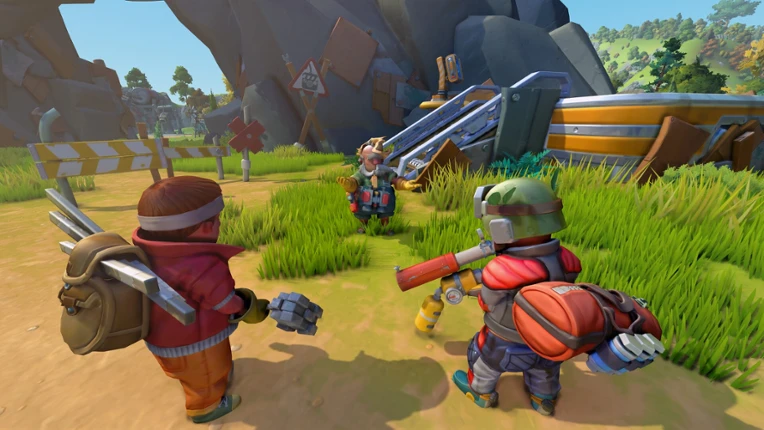
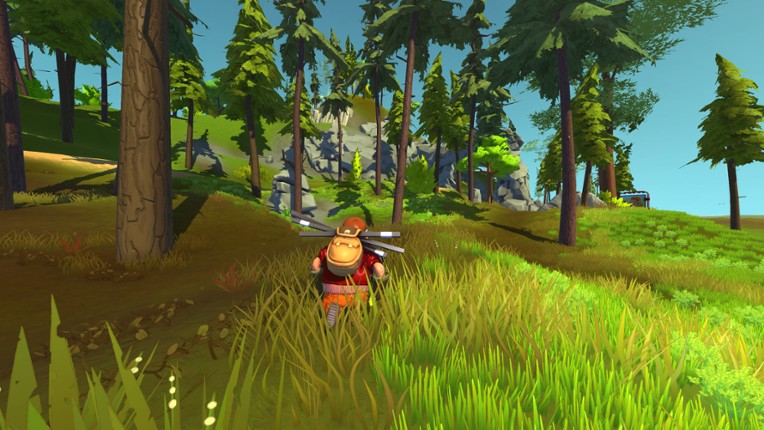
- 91%Game Brain ScoreMost mentioned positive aspects:graphics, storyMost mentioned negative aspects:gameplay, grinding91% User Score 50,535 reviewsLoosely connected through base-building and survival, but pivots hard toward co-op creativity and physics-based engineering over narrative emergentism. If you enjoyed this game, see our list of games similar to Scrap Mechanic.View Game

- 87%Game Brain ScoreMost mentioned positive aspects:gameplay, replayabilityMost mentioned negative aspects:stability, grinding87% User Score 68,455 reviewsCritic Score 88%2 reviews
Four centuries of detailed history come alive in Paradox’s classic grand strategy game. Lead any nation from Renaissance to Revolution in a complex simulation of the early modern world. Master the art of war, diplomacy and trade to shape and change your nation’s history! If you enjoyed this game, see our list of games similar to Europa Universalis IV.
View Game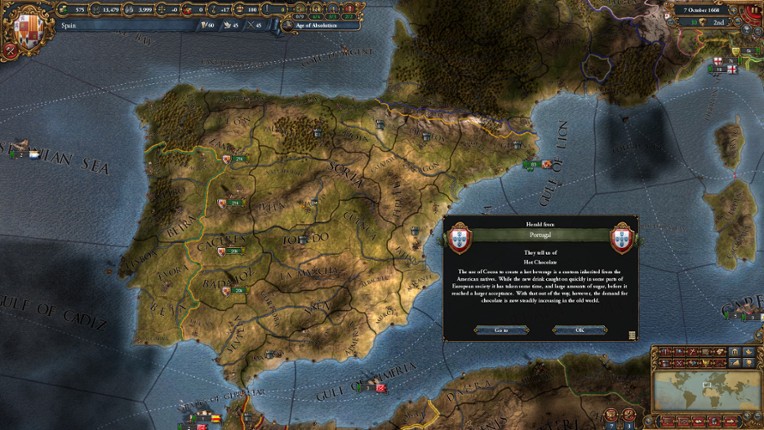


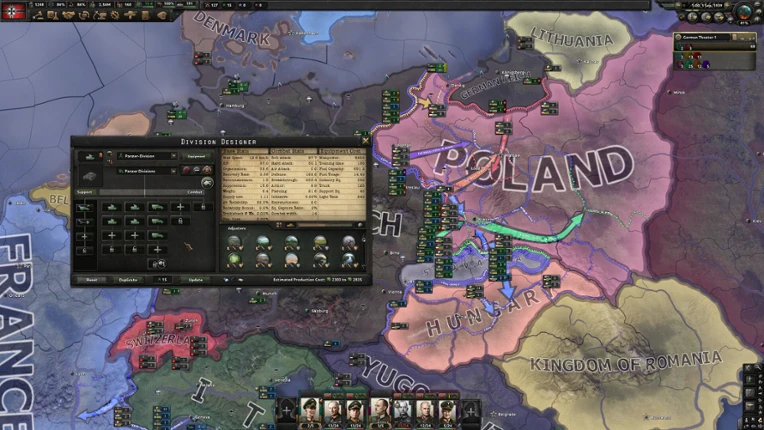
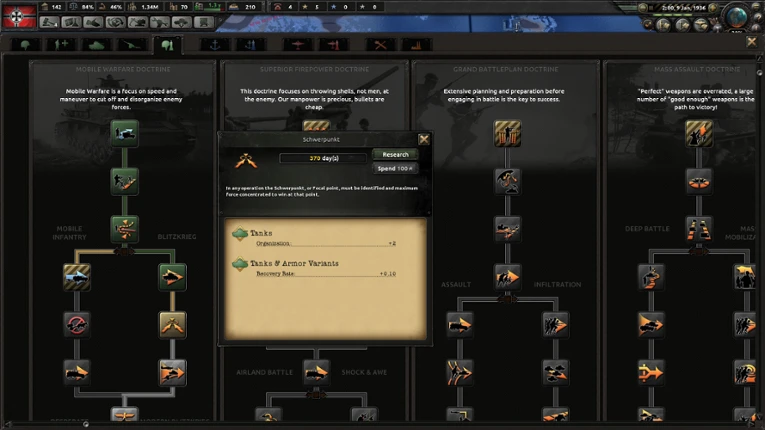
- 87%Game Brain ScoreMost mentioned positive aspects:gameplay, replayabilityMost mentioned negative aspects:optimization, grinding91% User Score 157,635 reviewsCritic Score 83%8 reviewsFocuses on grand strategy and historical World War II scenarios with competitive and multiplayer options absent from RimWorld's solo sci-fi colony management. If you enjoyed this game, see our list of games similar to Hearts of Iron IV.View Game
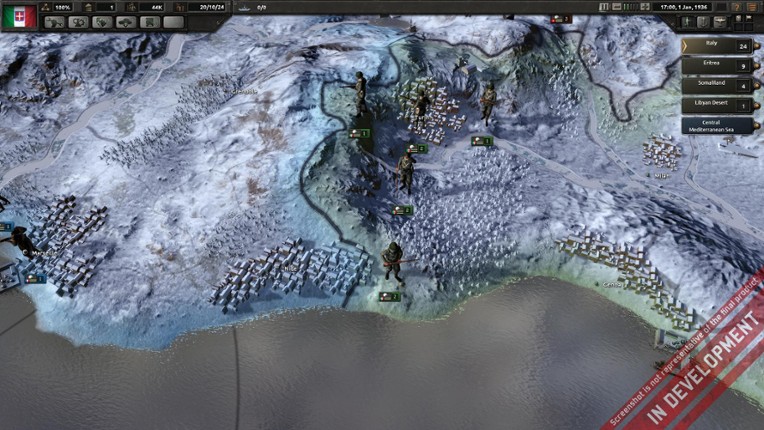
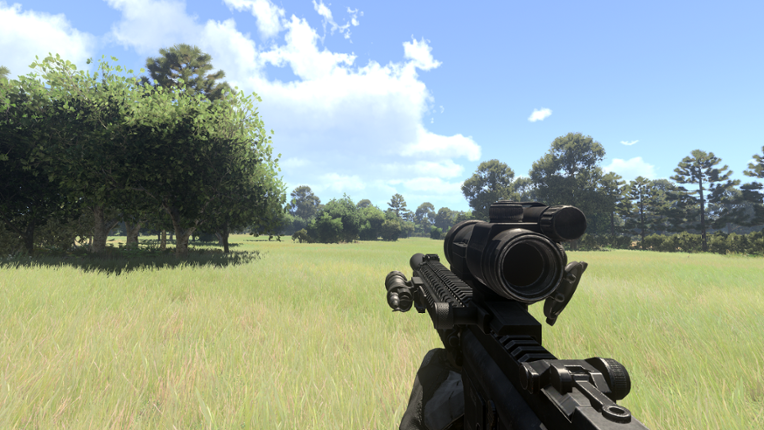
- 89%Game Brain ScoreMost mentioned positive aspects:story, gameplayMost mentioned negative aspects:optimization, stability92% User Score 206,752 reviewsCritic Score 81%3 reviewsArma 3 moves away from colony survival into military realism, offering first‑person shooter combat and large‑scale vehicular warfare. If you enjoyed this game, see our list of games similar to Arma 3.View Game


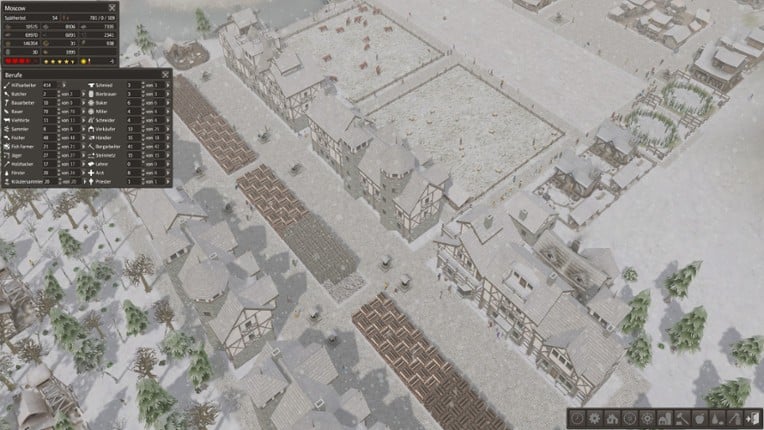
- 82%Game Brain ScoreMost mentioned positive aspects:gameplay, graphicsMost mentioned negative aspects:story, grinding90% User Score 49,448 reviewsCritic Score 68%5 reviewsBanished strips away sci‑fi tech and AI storytellers, challenging players to sustain a medieval settlement through harsh resource management alone. If you enjoyed this game, see our list of games similar to Banished.View Game
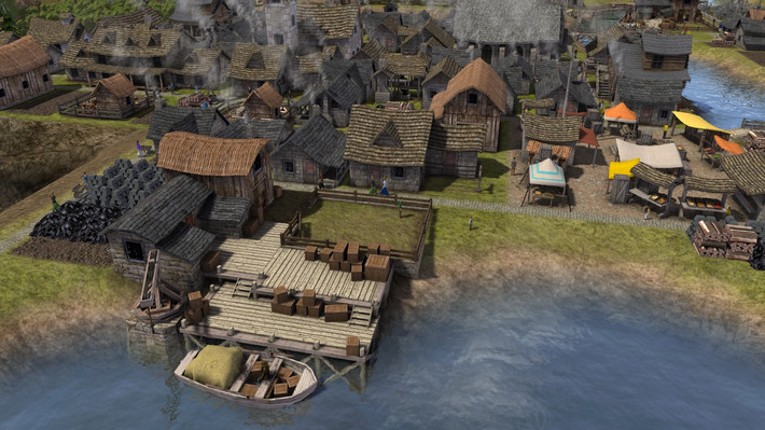
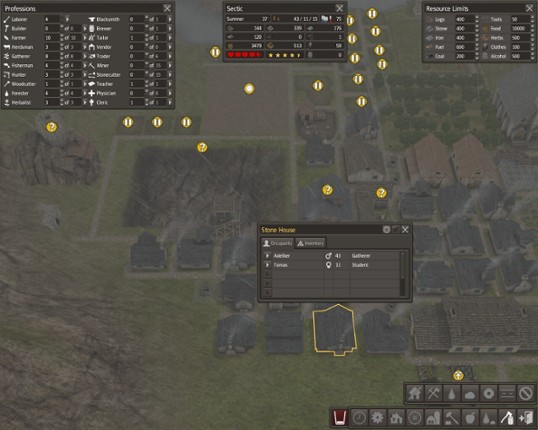
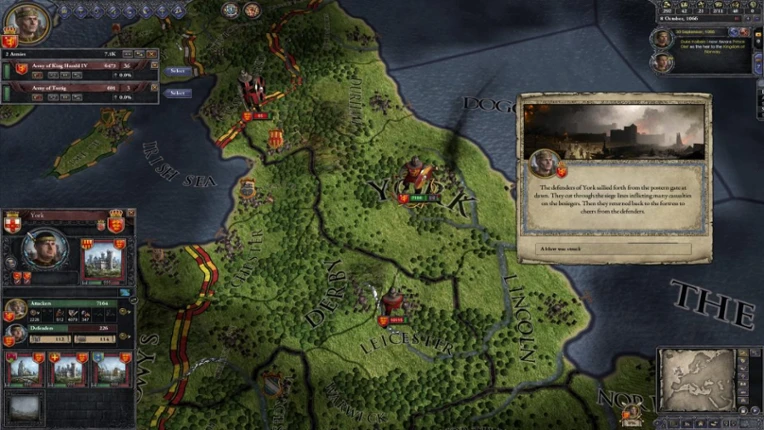
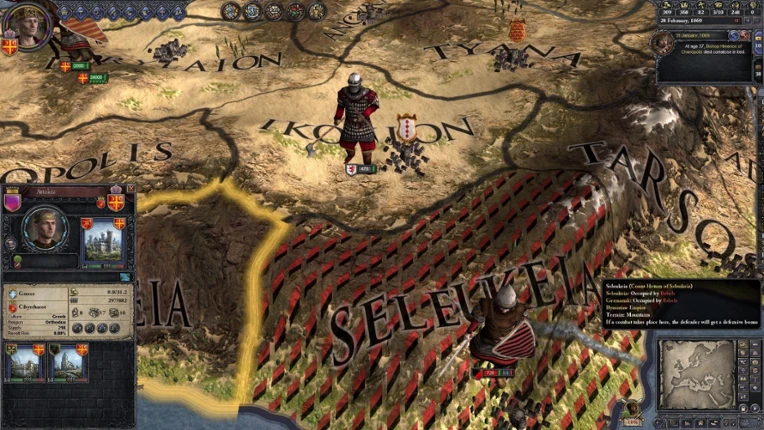
- 89%Game Brain ScoreMost mentioned positive aspects:gameplay, storyMost mentioned negative aspects:grinding, stability91% User Score 47,371 reviewsCritic Score 84%2 reviewsCrusader Kings II shifts focus to dynastic intrigue and grand strategy, replacing colony building with political maneuvering across centuries of medieval history. If you enjoyed this game, see our list of games similar to Crusader Kings II.View Game

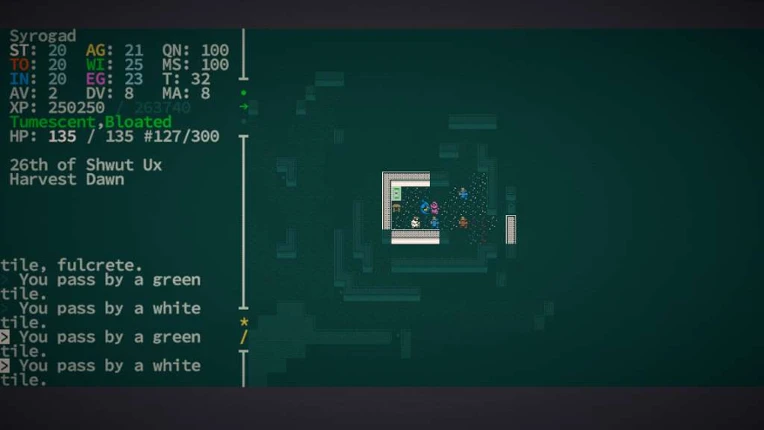
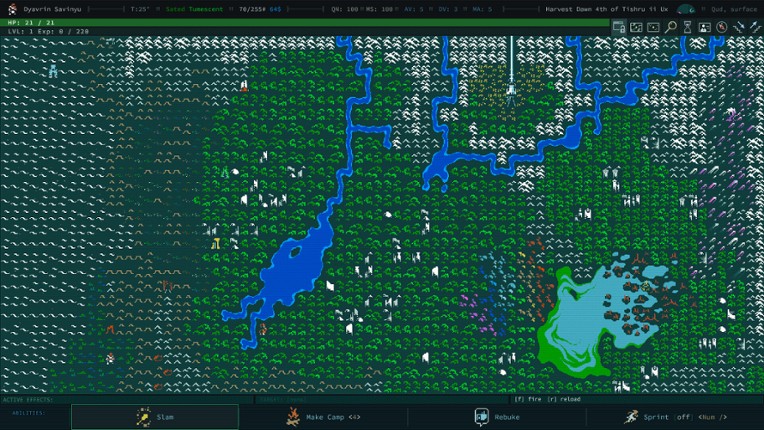
- 87%Game Brain ScoreMost mentioned positive aspects:gameplay, storyMost mentioned negative aspects:grinding, stability95% User Score 11,271 reviewsCritic Score 74%6 reviews
Both RimWorld and Caves of Qud generate stories from simulation mechanics, letting player decisions and random events collide to produce emergent narratives that feel personal.
Their worlds are built on procedural generation and persistent consequences, so each playthrough diverges sharply, rewarding players who love replay value.
RimWorld runs in real‑time with pause, whereas Qud is a turn‑based roguelike with a punishing difficulty curve and a UI that can overwhelm newcomers.
Pick this up if you crave deep sci‑fi simulation with emergent storytelling but can live without RimWorld’s pause‑and‑plan cadence and polished UI.
If you enjoyed this game, see our list of games similar to Caves of Qud.View Game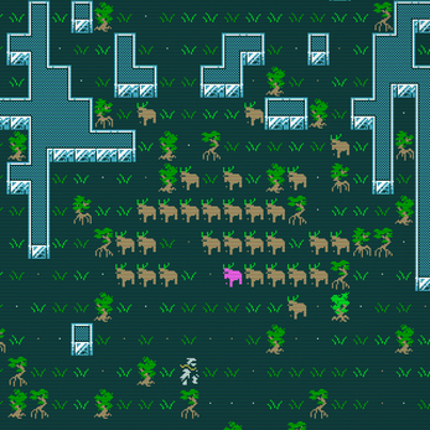
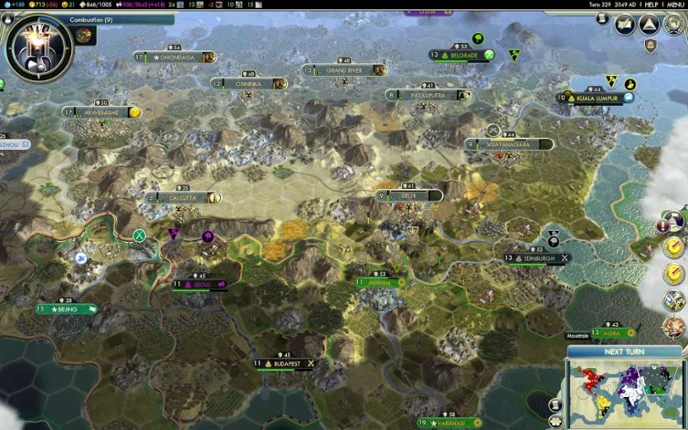
- 91%Game Brain ScoreMost mentioned positive aspects:gameplay, graphicsMost mentioned negative aspects:stability, grinding96% User Score 148,426 reviewsCritic Score 81%4 reviews
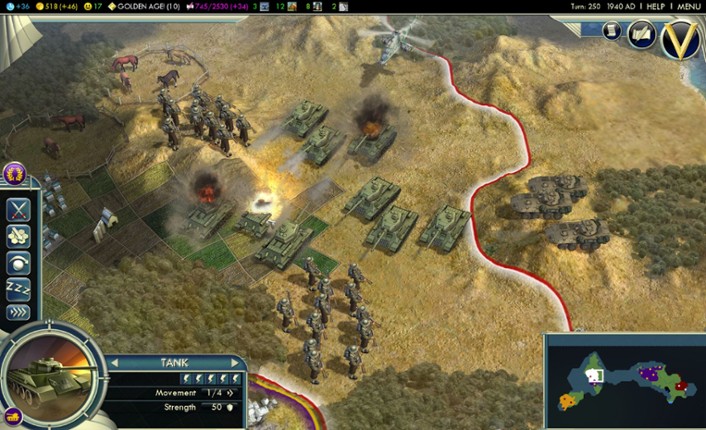
Both games build emergent narratives through systems-driven gameplay — your decisions ripple across simulations that respond dynamically, creating stories you'll replay endlessly to see different outcomes.
Civ V matches RimWorld's exceptional replayability, since procedural map generation and wildly different civilization paths ensure no two campaigns feel identical.
The crucial difference: Civ V trades RimWorld's intimate character drama for sweeping historical scope and turn-based pacing — you're shepherding civilizations across millennia, not managing individual colonists' relationships and breakdowns.
Pick Civ V if you want RimWorld's strategic depth and narrative emergence but prefer slower, grander scope over personal stakes and don't mind turn-based gameplay over real-time chaos.
If you enjoyed this game, see our list of games similar to Sid Meier's Civilization V.View Game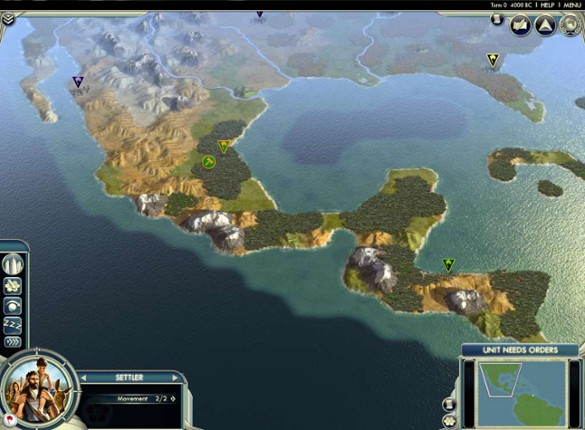
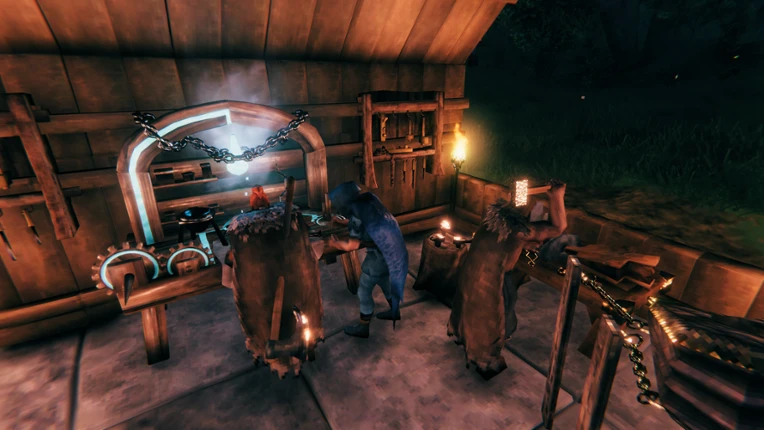
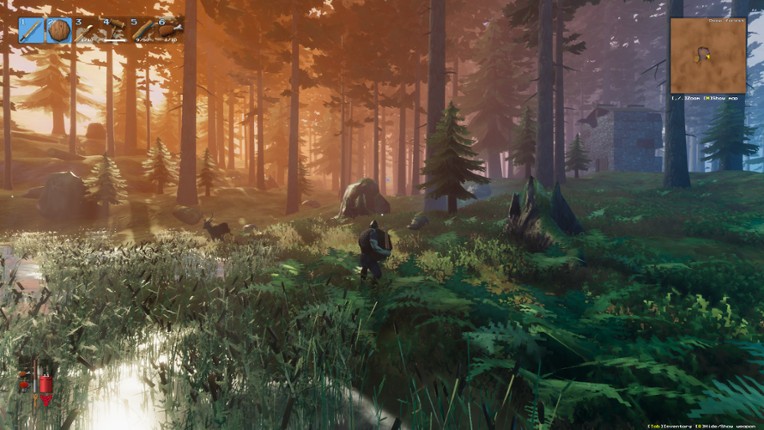
- 92%Game Brain ScoreMost mentioned positive aspects:gameplay, graphicsMost mentioned negative aspects:grinding, optimization95% User Score 291,882 reviewsCritic Score 90%11 reviewsShares the brutal survivalist loop but shifts focus toward visceral, third-person action and cooperative exploration in a Norse-inspired open world. If you enjoyed this game, see our list of games similar to Valheim.View Game

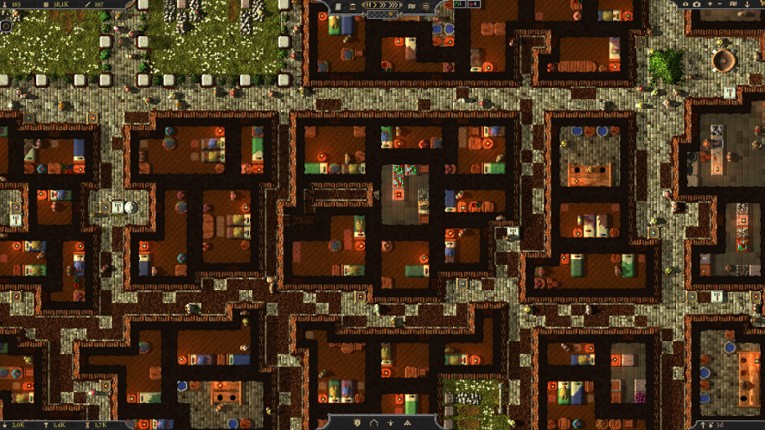
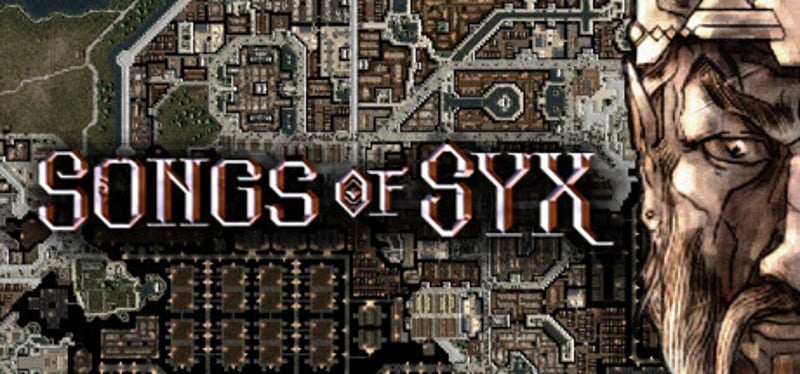
- 95%Game Brain ScoreMost mentioned positive aspects:gameplay, graphicsMost mentioned negative aspects:grinding, stability95% User Score 6,007 reviewsCombines colony simulation with grand strategy and a medieval fantasy backdrop, adding complex economy and warfare layers unlike RimWorld’s primarily sci-fi isolated stories. If you enjoyed this game, see our list of games similar to Songs of Syx.View Game
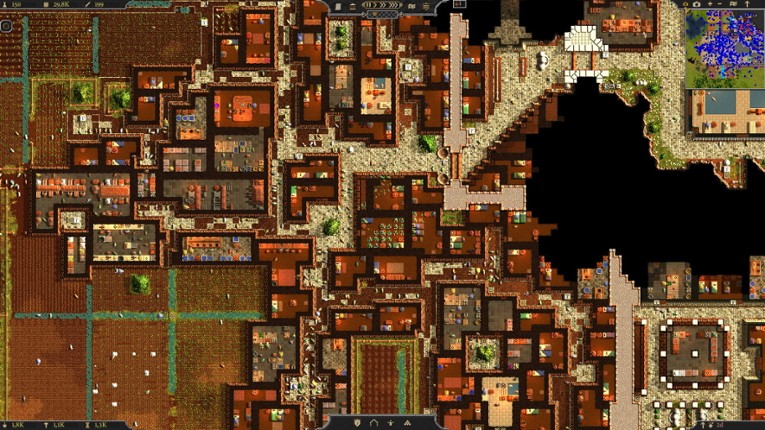
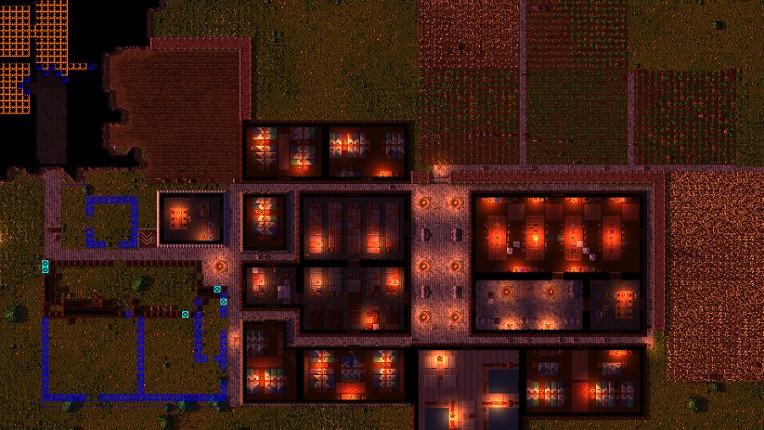
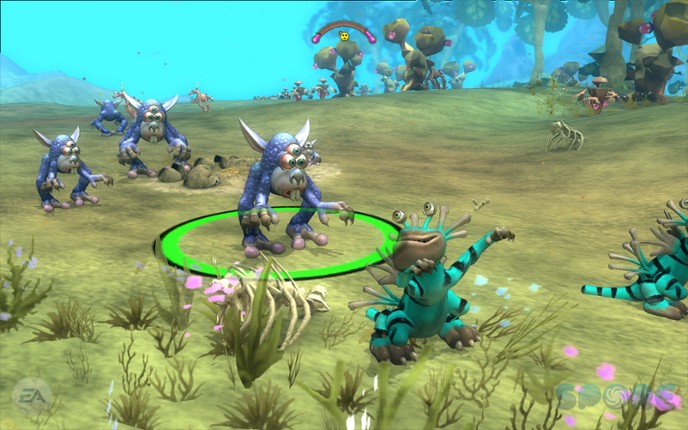
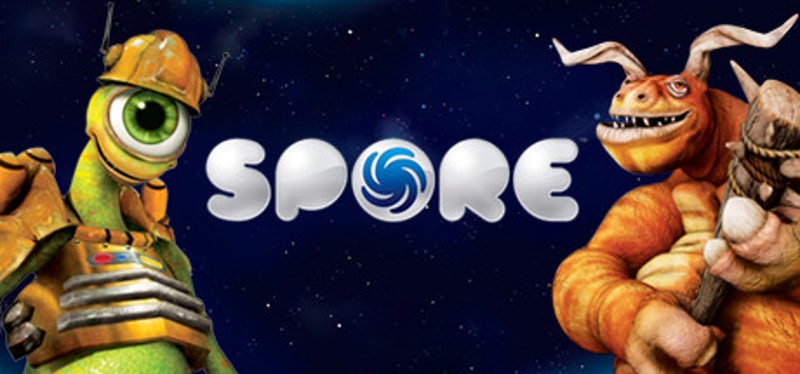
- 88%Game Brain ScoreMost mentioned positive aspects:gameplay, graphicsMost mentioned negative aspects:stability, grinding92% User Score 65,302 reviewsCritic Score 79%5 reviewsCaptures procedural narrative variety and replay value but expands outward into god-game cosmic evolution rather than intimate colony crisis management. If you enjoyed this game, see our list of games similar to Spore.View Game
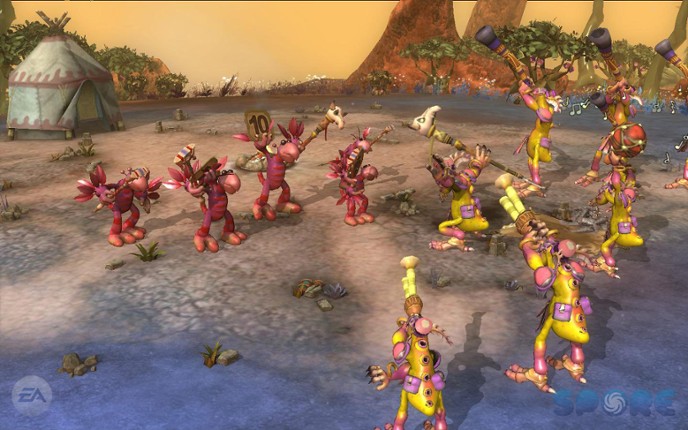
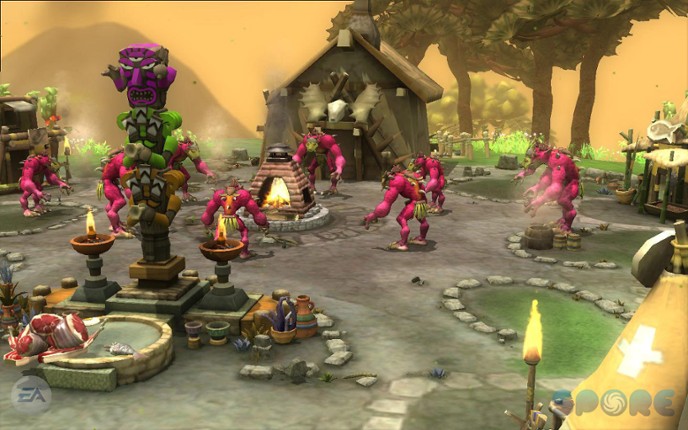
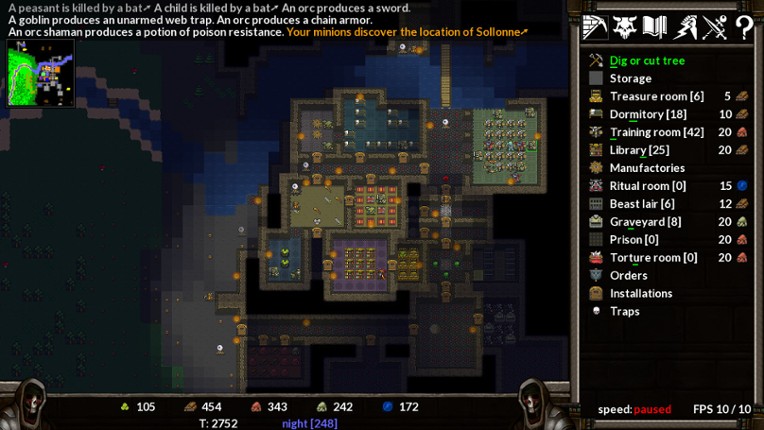
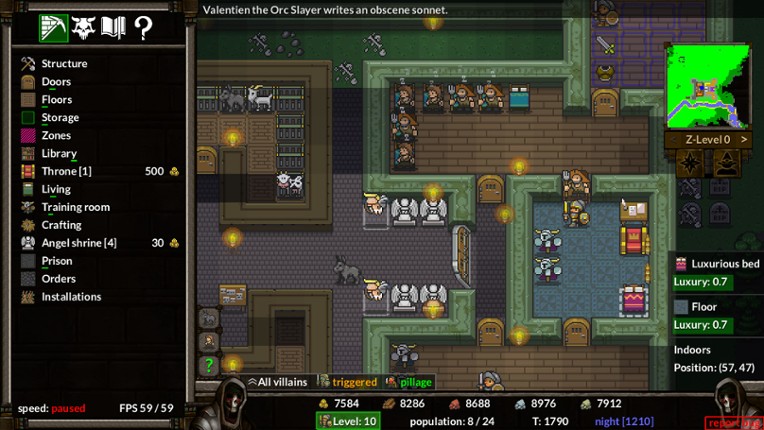
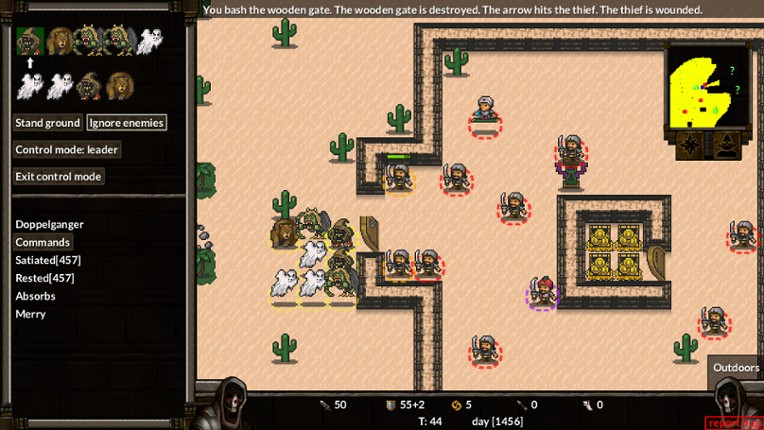
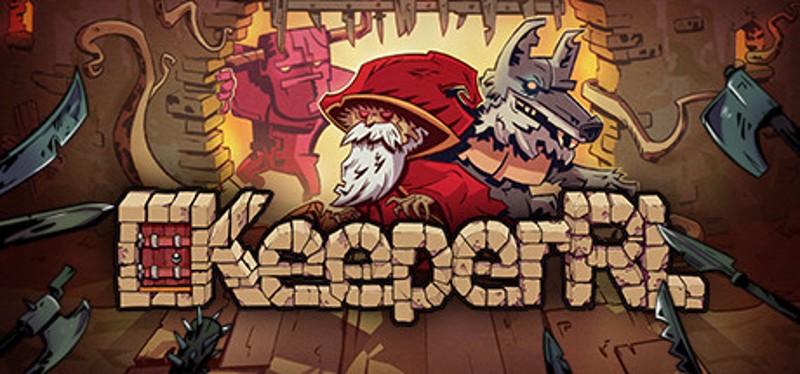
- 84%Game Brain ScoreMost mentioned positive aspects:gameplay, graphicsMost mentioned negative aspects:grinding, story84% User Score 2,352 reviewsKeeperRL flips the script, letting you command a dungeon rather than a colony, with roguelike runs and villain‑centric objectives. If you enjoyed this game, see our list of games similar to KeeperRL.View Game
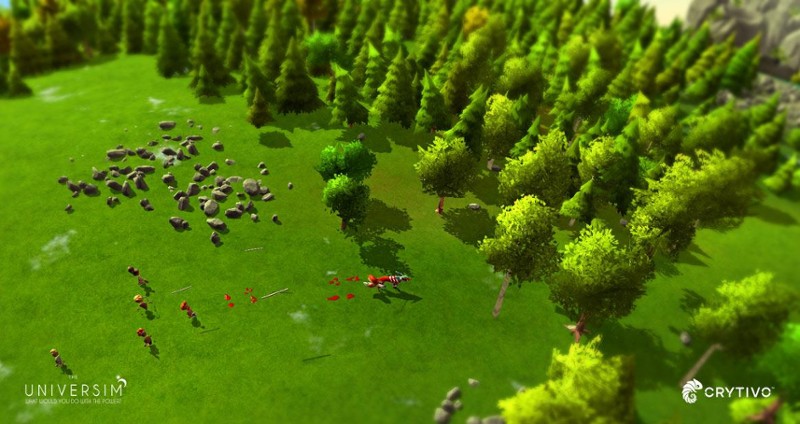
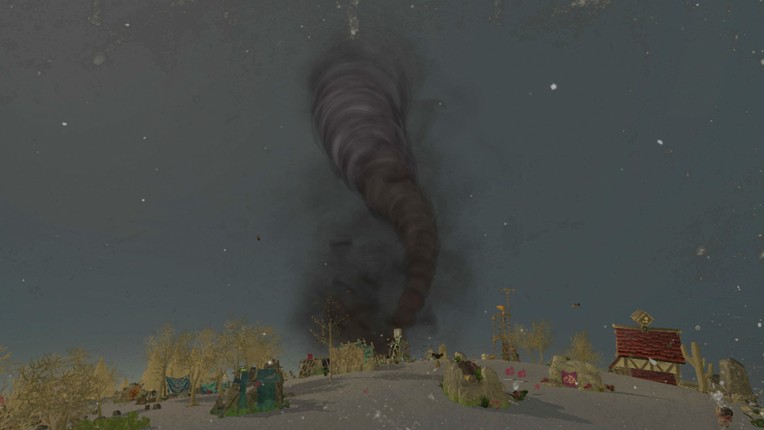
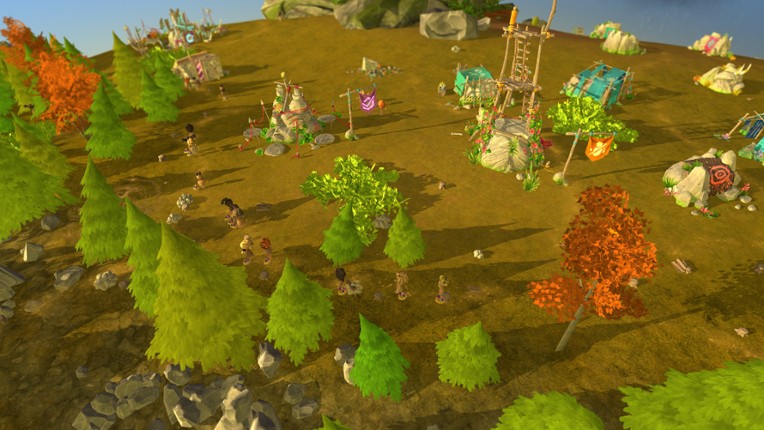
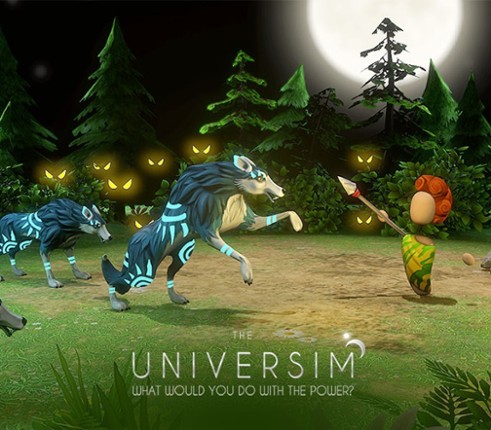
- 72%Game Brain ScoreMost mentioned positive aspects:gameplay, graphicsMost mentioned negative aspects:stability, grinding81% User Score 9,076 reviewsCritic Score 42%2 reviewsMirrors RimWorld's real-time colony sim with procedural worlds, but emphasizes god-like oversight and long-form planetary development over character depth. If you enjoyed this game, see our list of games similar to The Universim.View Game
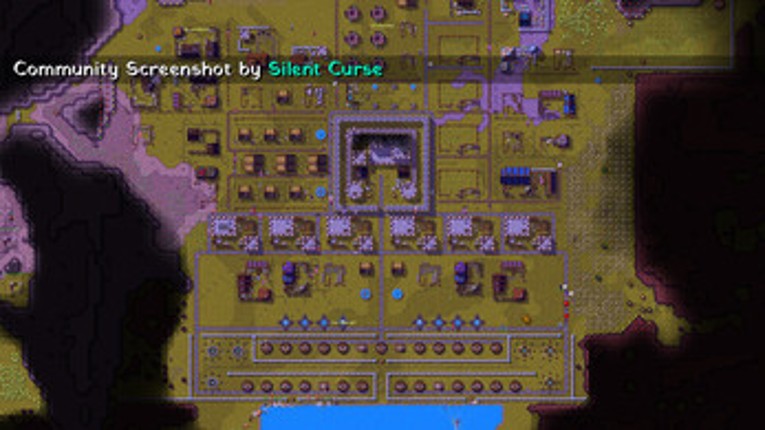
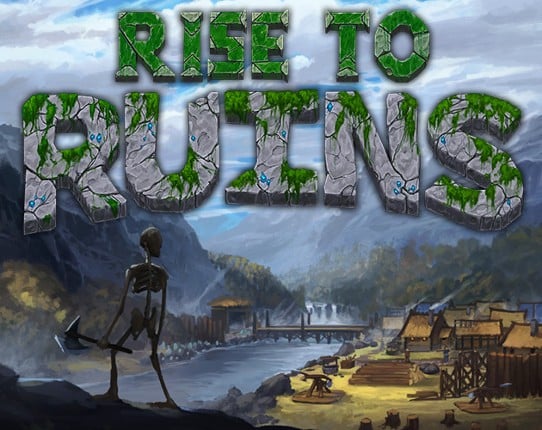
- 88%Game Brain ScoreMost mentioned positive aspects:gameplay, graphicsMost mentioned negative aspects:grinding, stability88% User Score 5,433 reviewsDistills RimWorld's survival tension into retro-pixelated tower defense bursts, sacrificing narrative storytelling for roguelike replayability and strategic combat. If you enjoyed this game, see our list of games similar to Rise to Ruins.View Game
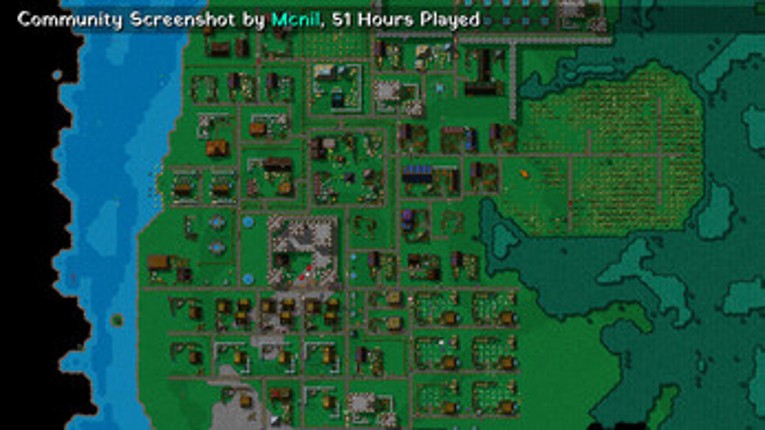
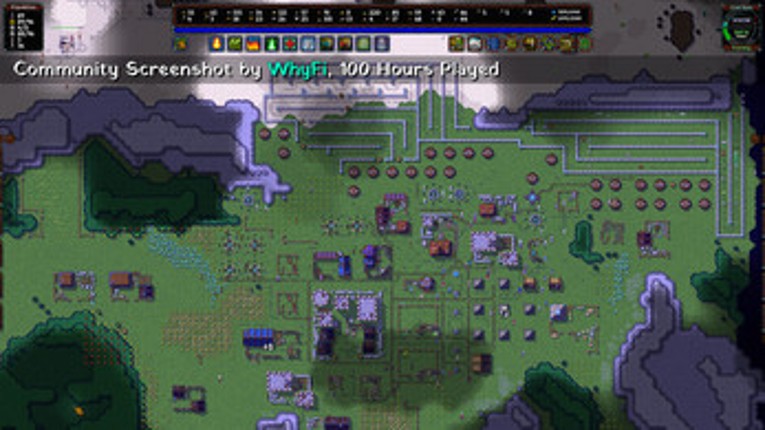
- 95%Game Brain ScoreMost mentioned positive aspects:story, gameplayMost mentioned negative aspects:grinding, stability95% User Score 15,922 reviewsReplaces RimWorld's personal colonist bonds with ant-colony epidemiology and grand-strategy scale, maintaining real-time resource management depth. If you enjoyed this game, see our list of games similar to Empires of the Undergrowth.View Game
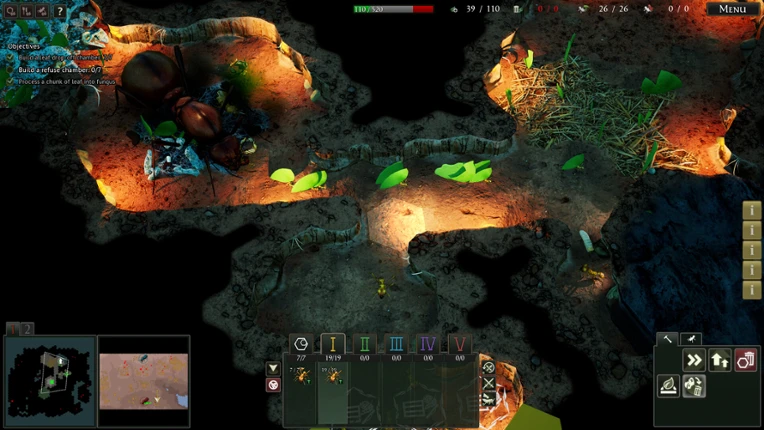
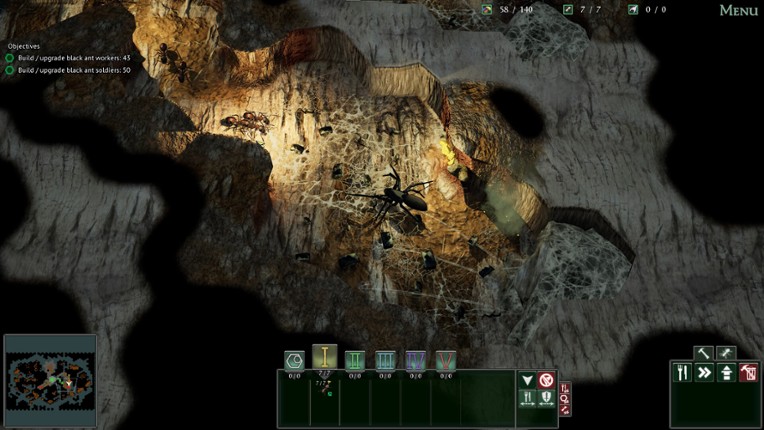
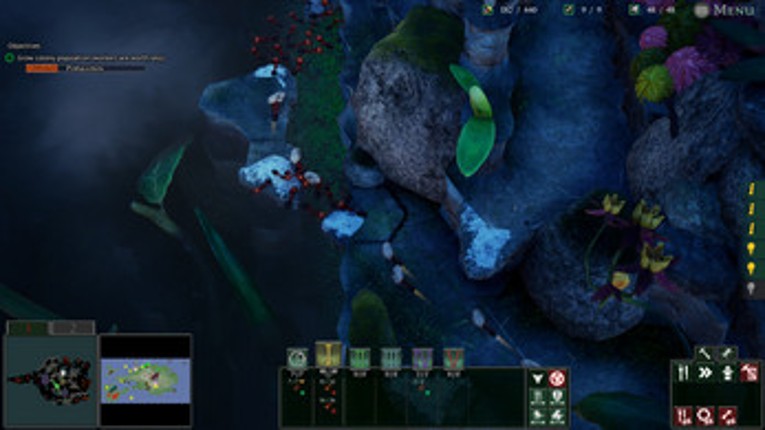
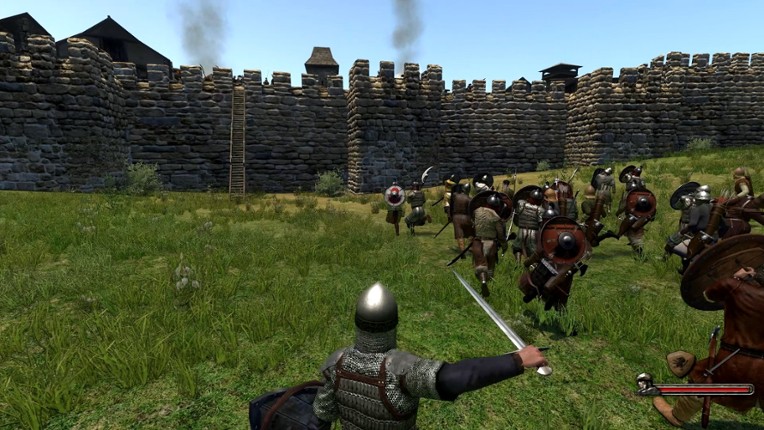
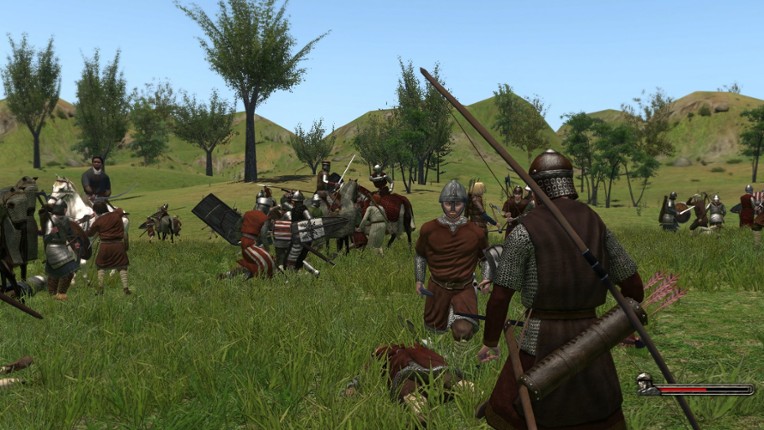
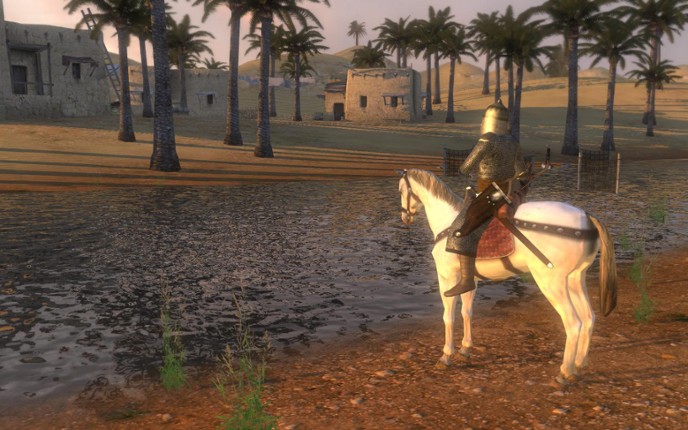
- 92%Game Brain ScoreMost mentioned positive aspects:gameplay, storyMost mentioned negative aspects:graphics, grinding98% User Score 106,132 reviewsCritic Score 78%4 reviewsPrioritizes large-scale tactical army management and kingdom politics over the intricate personal needs and psychological health of individual settlers. If you enjoyed this game, see our list of games similar to Mount & Blade: Warband.View Game
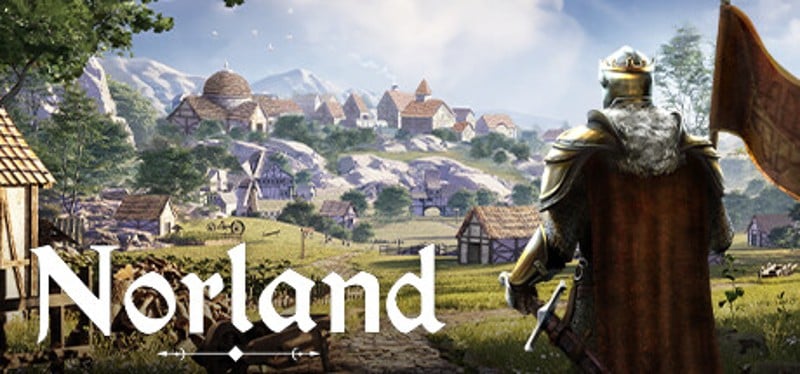
- 83%Game Brain ScoreMost mentioned positive aspects:gameplay, storyMost mentioned negative aspects:grinding, stability83% User Score 2,876 reviews
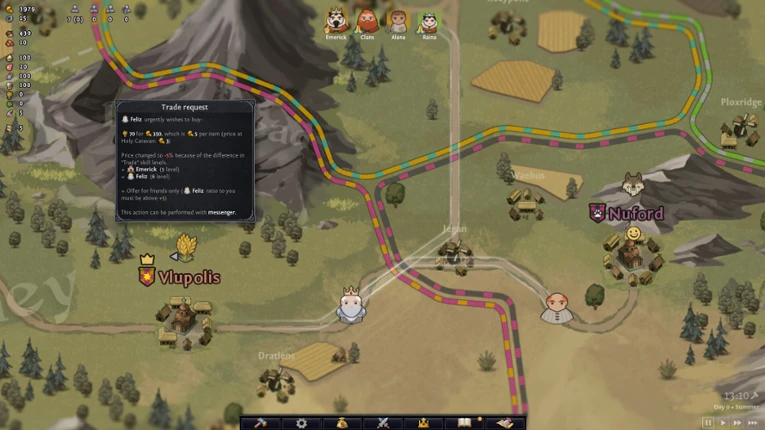
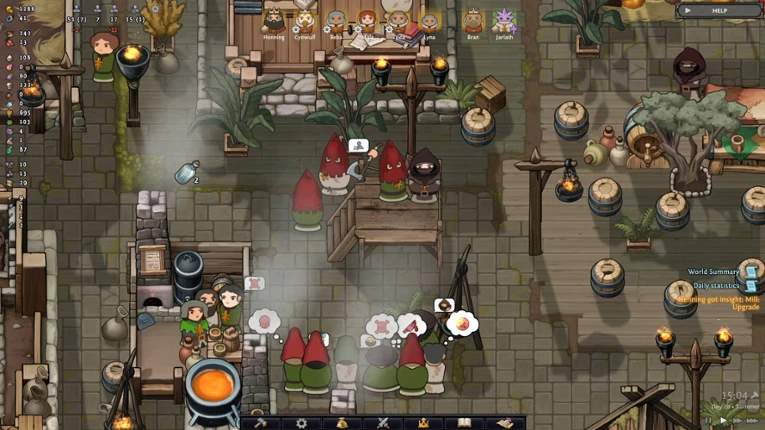
Lead your noble family in this medieval colony sim, facing off against class conflict, religious struggle, and political treachery. Tend to your people’s needs, uncover the lost knowledge of a fallen empire, and engage in nefarious plots against your enemies. If you enjoyed this game, see our list of games similar to Norland.
View Game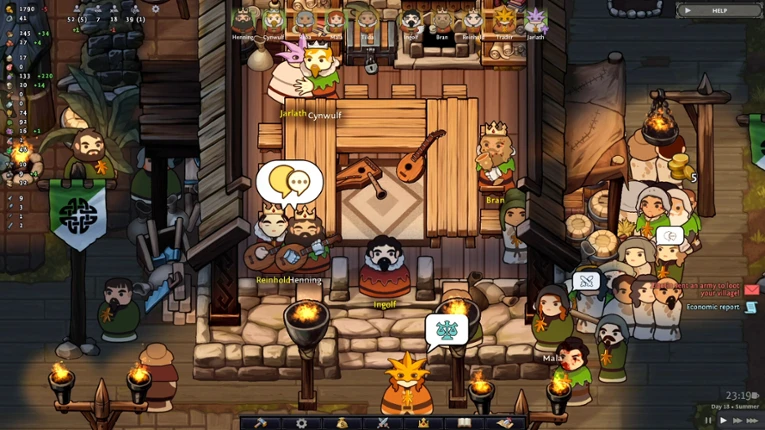
- 75%Game Brain ScoreMost mentioned positive aspects:story, gameplayMost mentioned negative aspects:grinding, optimization78% User Score 149,300 reviewsCritic Score 71%47 reviews
Buy No Man's Sky on PlayStation Store. Lose yourself in a vast sci-fi odyssey as you explore a near-infinite, procedurally generated universe. If you enjoyed this game, see our list of games similar to No Man's Sky.
View Game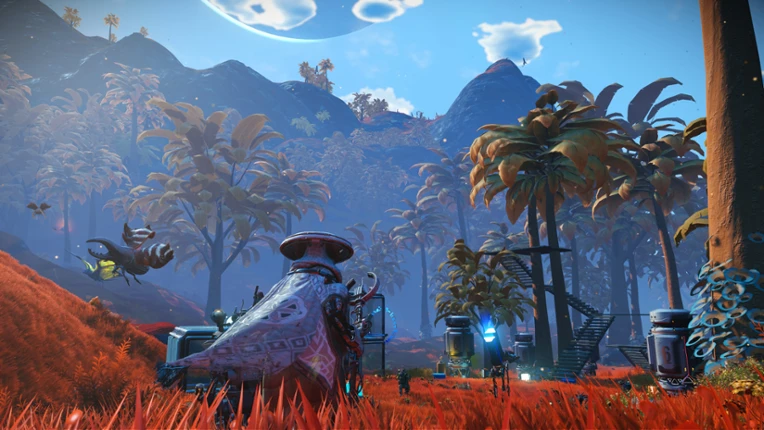

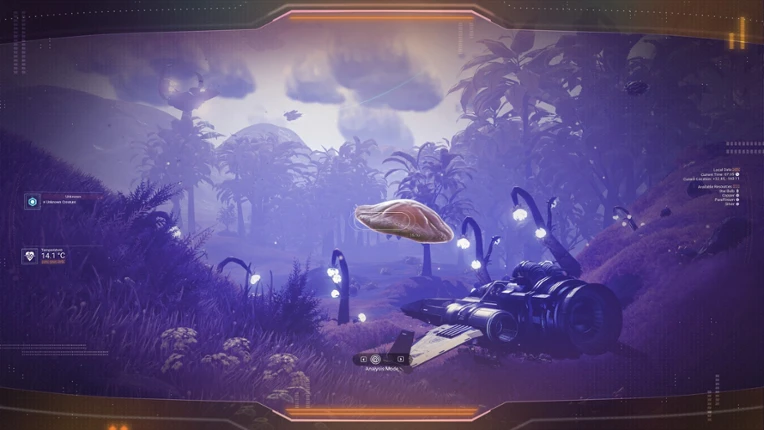
- 88%Game Brain ScoreMost mentioned positive aspects:gameplay, graphicsMost mentioned negative aspects:grinding, stability88% User Score 4,956 reviewsRise to Ruins blends real‑time colony sim with fantasy defense, emphasizing resource management and base fortification over narrative drama. If you enjoyed this game, see our list of games similar to Rise to Ruins.View Game
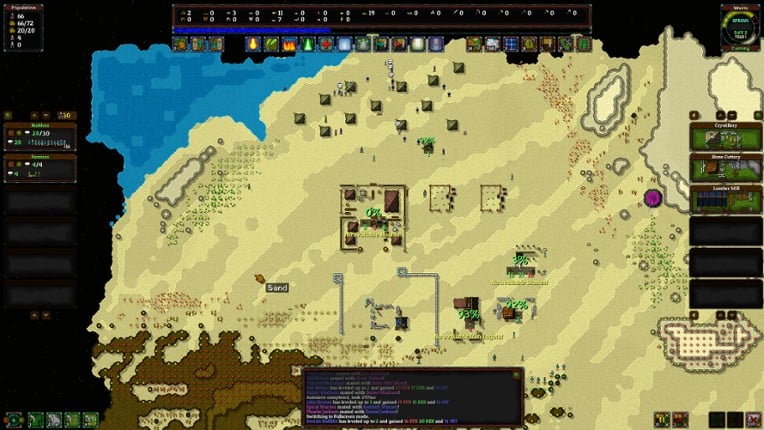
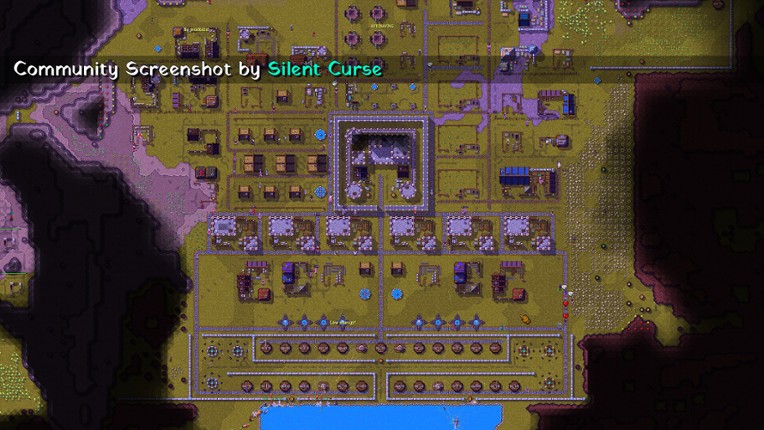
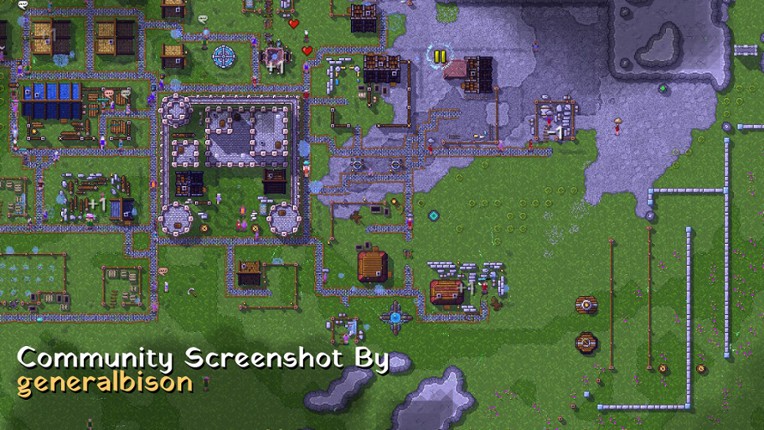
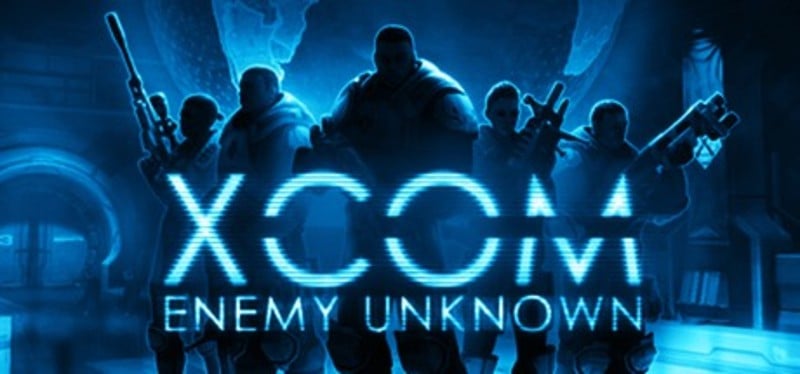
- 92%Game Brain ScoreMost mentioned positive aspects:story, gameplayMost mentioned negative aspects:stability, grinding94% User Score 46,499 reviewsCritic Score 90%7 reviews
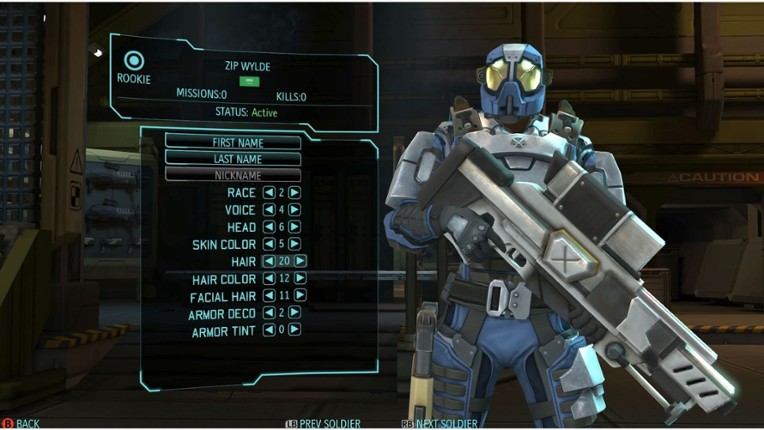
The complete edition of XCOM: Enemy Unknown contains the games: - XCOM: Enemy Unknown - XCOM: Enemy Within - XCOM: Enemy Unknown - Slingshot - XCOM: Enemy Unknown - Elite Soldier Pack If you enjoyed this game, see our list of games similar to XCOM Enemy Unknown.
View Game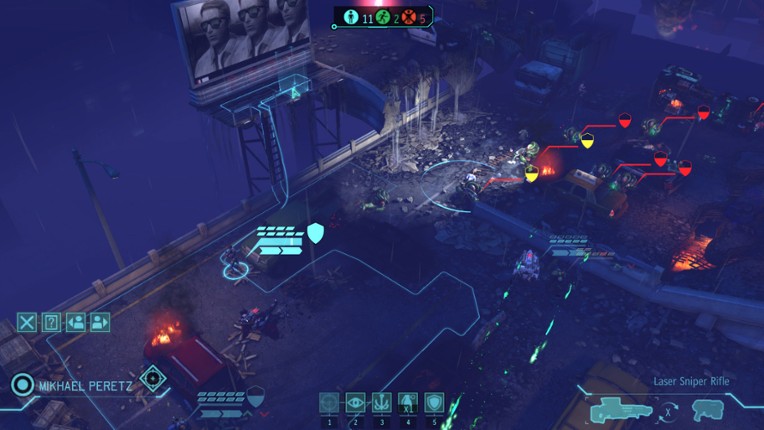

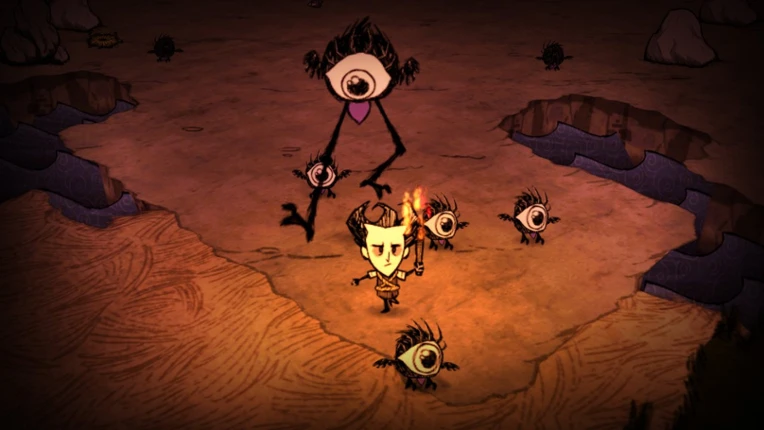
- 91%Game Brain ScoreMost mentioned positive aspects:graphics, gameplayMost mentioned negative aspects:grinding, stability96% User Score 63,685 reviewsCritic Score 81%5 reviewsIf you want RimWorld's survival intensity distilled into a punishing 2D roguelike with a quirky art style and no persistent colonies. If you enjoyed this game, see our list of games similar to Don't Starve.View Game


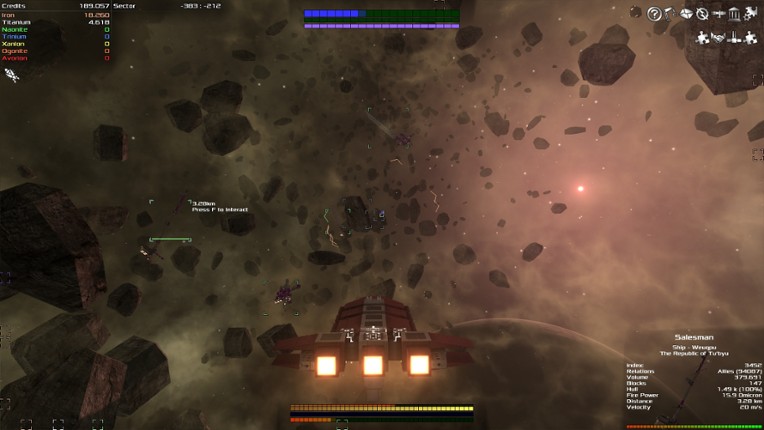
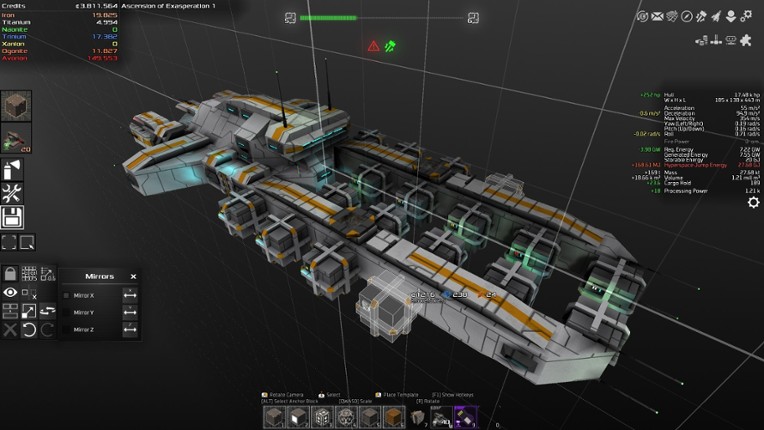
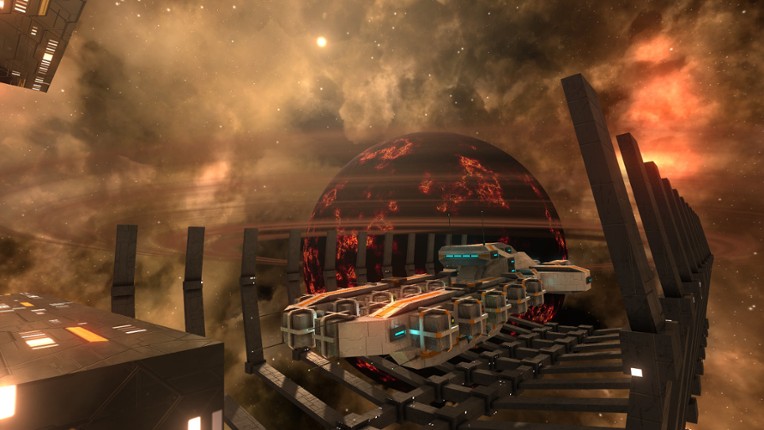
- 90%Game Brain ScoreMost mentioned positive aspects:gameplay, storyMost mentioned negative aspects:grinding, stability90% User Score 14,354 reviewsShifts RimWorld’s colony focus into a spaceflight sandbox emphasizing co-op exploration and vehicular combat over narrative colonist drama. If you enjoyed this game, see our list of games similar to Avorion.View Game
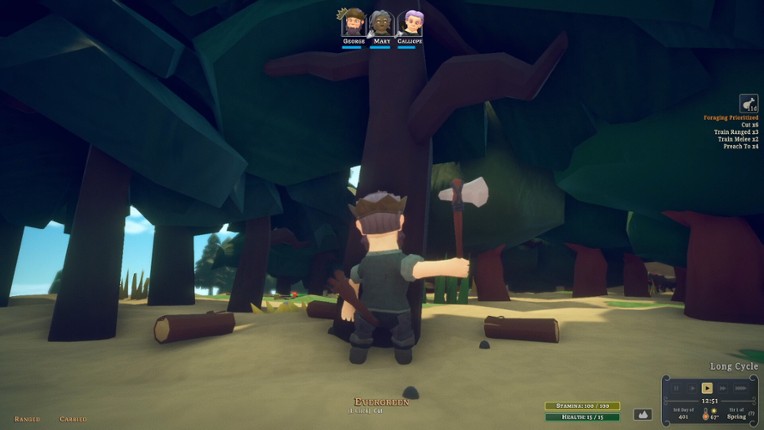
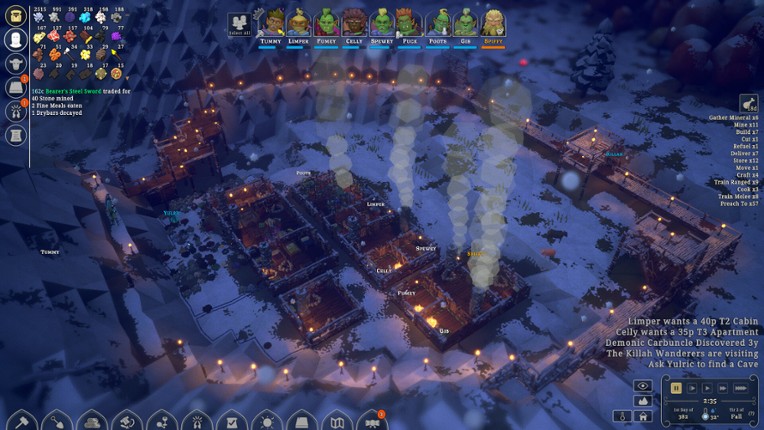
- 84%Game Brain ScoreMost mentioned positive aspects:gameplay, graphicsMost mentioned negative aspects:grinding, stability84% User Score 1,088 reviewsProvides a more direct perspective by putting you in control of a noble leader managing subjects through a first-person interface. If you enjoyed this game, see our list of games similar to Noble Fates.View Game
- 79%Game Brain ScoreMost mentioned positive aspects:gameplay, graphicsMost mentioned negative aspects:stability, grinding79% User Score 69,198 reviews
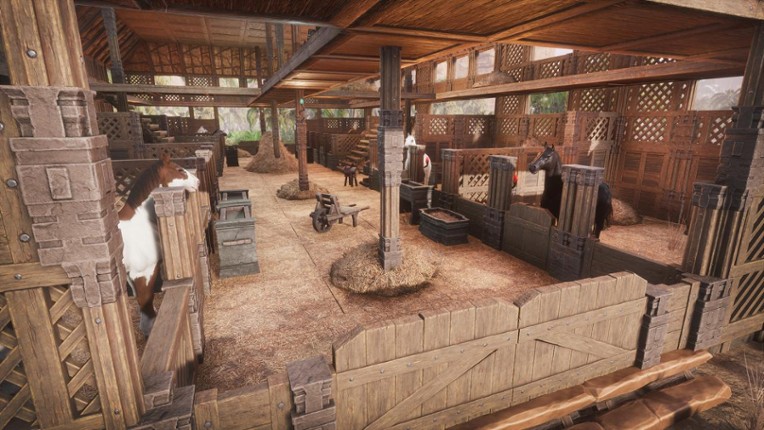
Includes: Conan Exiles - Conan’s Atlantean Sword Conan Exiles - Conan’s Royal Armor An online multiplayer survival game, now with sorcery, set in the lands of Conan the Barbarian. Survive in a vast open world sandbox, build your home into a kingdom, and dominate your enemies in single or multiplayer. If you enjoyed this game, see our list of games similar to Conan Exiles.
View Game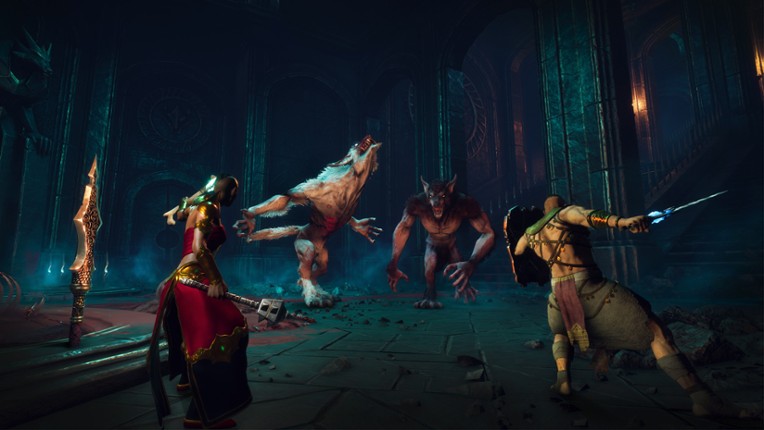
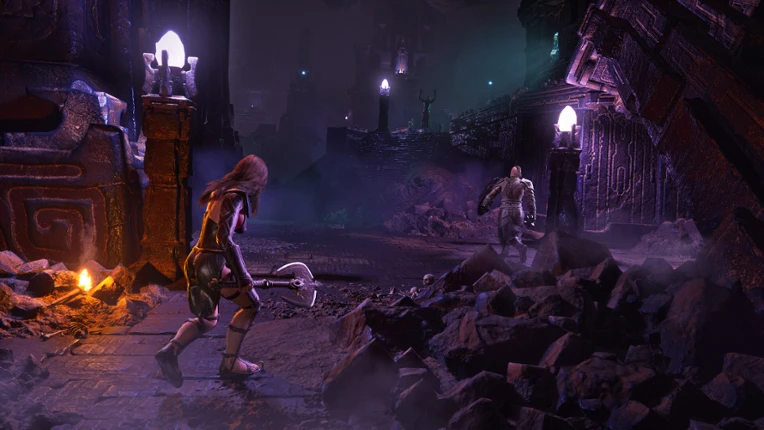
- 95%Game Brain ScoreMost mentioned positive aspects:gameplay, graphicsMost mentioned negative aspects:grinding, stability97% User Score 153,748 reviewsCritic Score 91%7 reviewsMaintains base-building obsession and automation puzzles but replaces emergent human drama with factory-optimization zen and multiplayer cooperation. If you enjoyed this game, see our list of games similar to Satisfactory.View Game
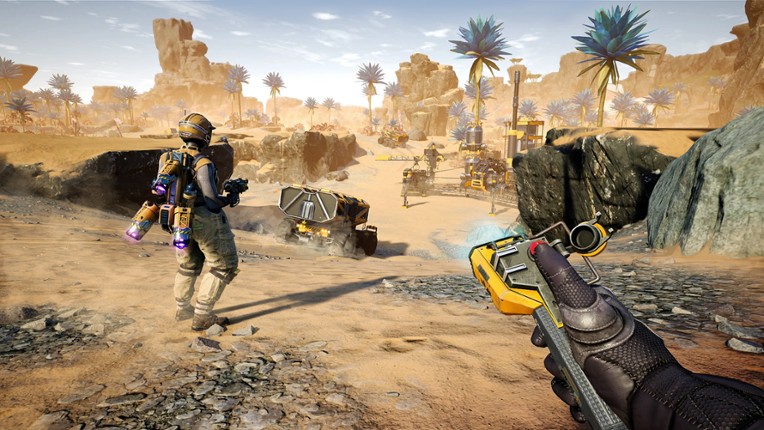
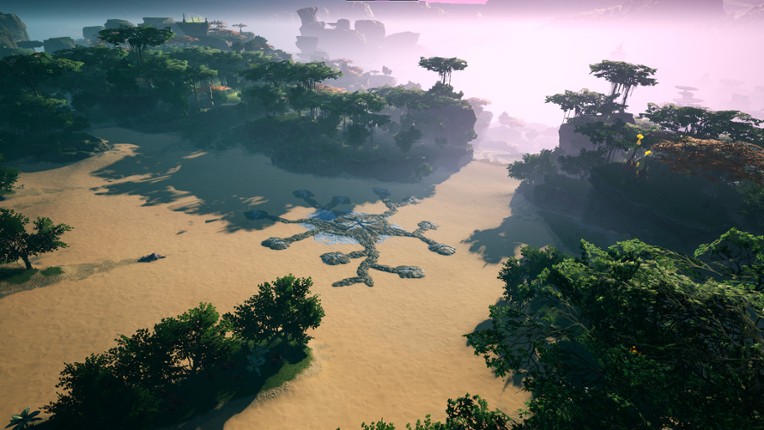
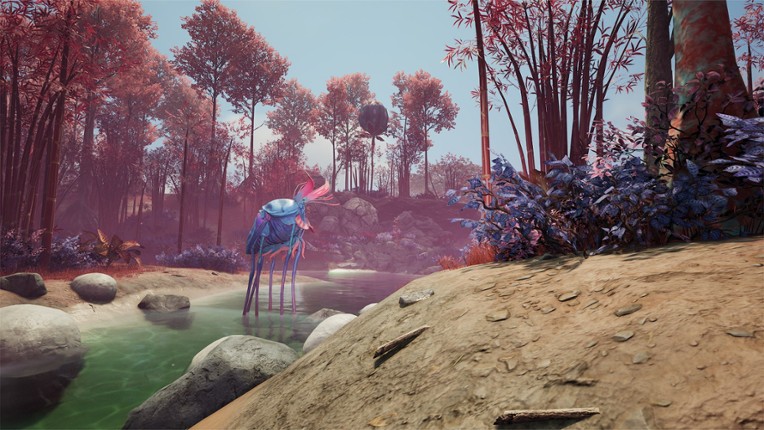
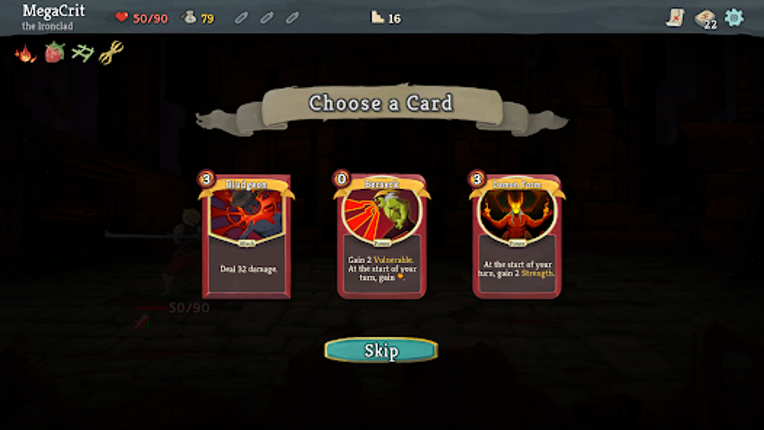
- 96%Game Brain ScoreMost mentioned positive aspects:gameplay, replayabilityMost mentioned negative aspects:grinding, monetization98% User Score 121,526 reviewsCritic Score 88%2 reviewsWhile lacking colony management, this roguelike deckbuilder offers a similarly high-stakes approach to emergent storytelling through carefully curated strategic card encounters. If you enjoyed this game, see our list of games similar to Slay the Spire.View Game

39 View Game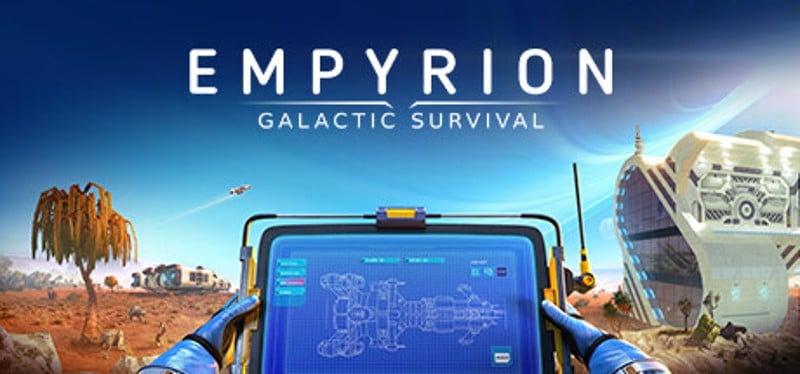 79%Game Brain ScoreMost mentioned positive aspects:gameplay, storyMost mentioned negative aspects:stability, optimization79% User Score 20,953 reviewsLoosely echoes RimWorld's survival and base-building through a sci-fi lens, but prioritizes multiplayer exploration and voxel engineering over emergent storytelling. If you enjoyed this game, see our list of games similar to Empyrion: Galactic Survival.View Game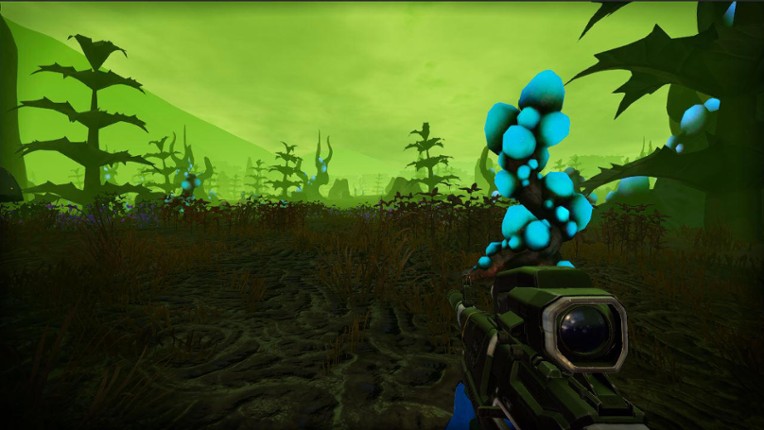

- 89%Game Brain ScoreMost mentioned positive aspects:gameplay, storyMost mentioned negative aspects:stability, grinding89% User Score 10,699 reviews
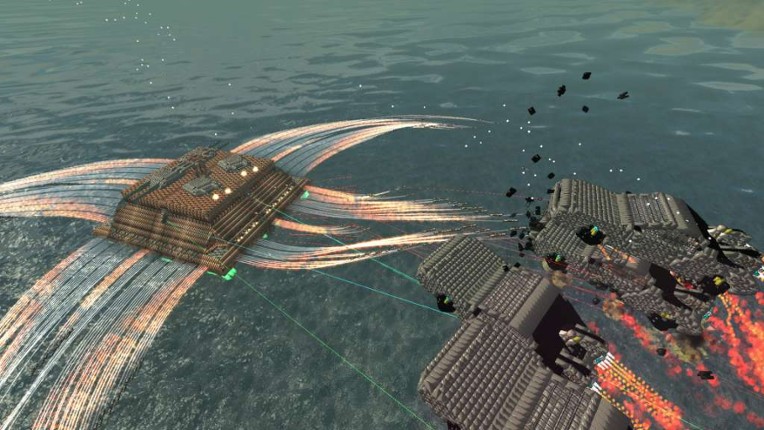
Over 1000 unique components allow you to build and command voxel vehicles from the deep ocean to outer space! Forge strategies, allegiances and fleets strong enough to destroy eight deadly factions of the planet and reign supreme. A genre-defying mashup of simulation, building, RTS and RPG. If you enjoyed this game, see our list of games similar to From the Depths.
View Game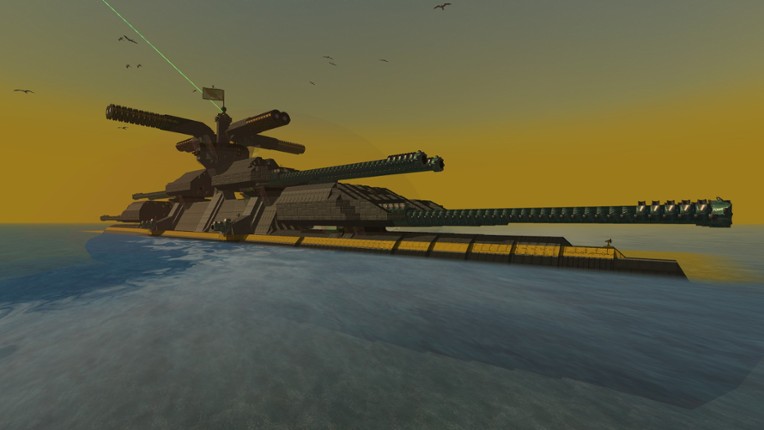

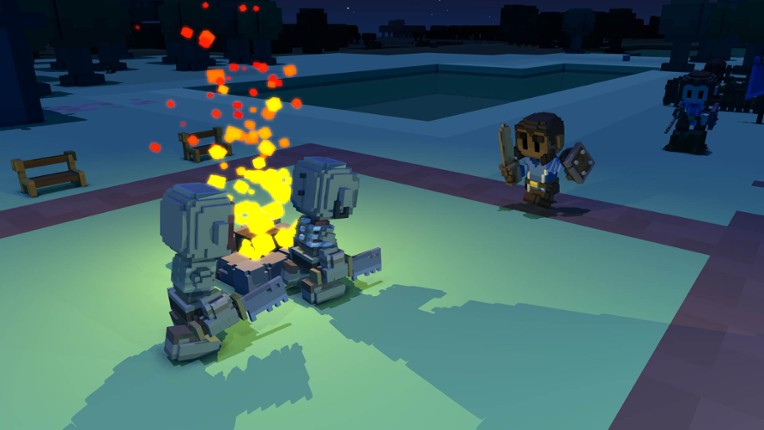
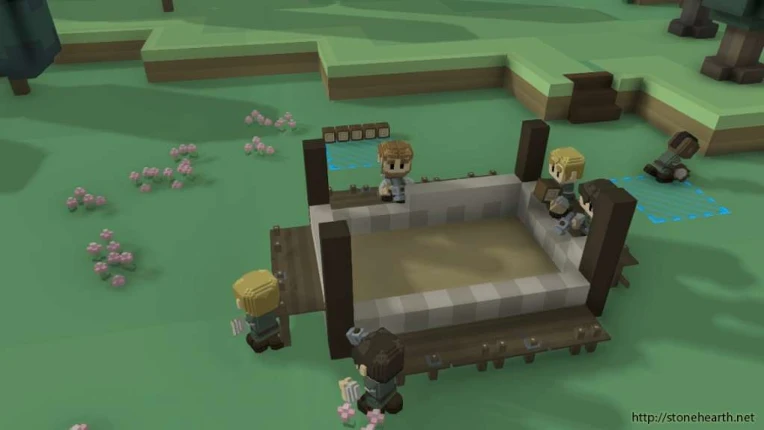
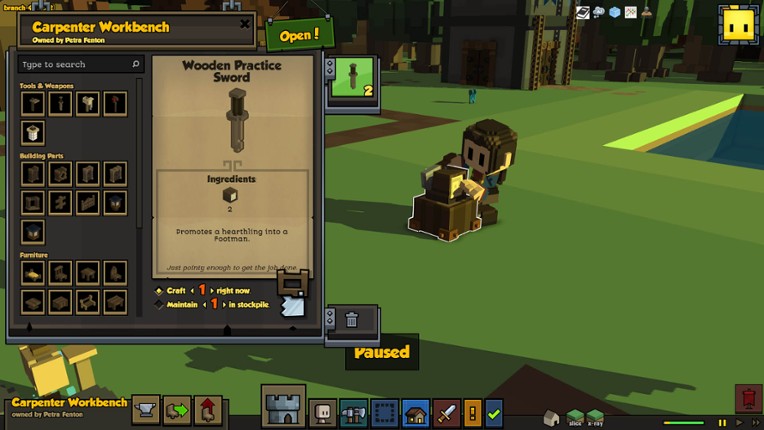
- 73%Game Brain ScoreMost mentioned positive aspects:gameplay, graphicsMost mentioned negative aspects:stability, optimization73% User Score 11,254 reviewsOffers a softer, voxel-based approach to town building that favors architectural creativity over the gritty, unforgiving survival trials found in RimWorld. If you enjoyed this game, see our list of games similar to Stonehearth.View Game
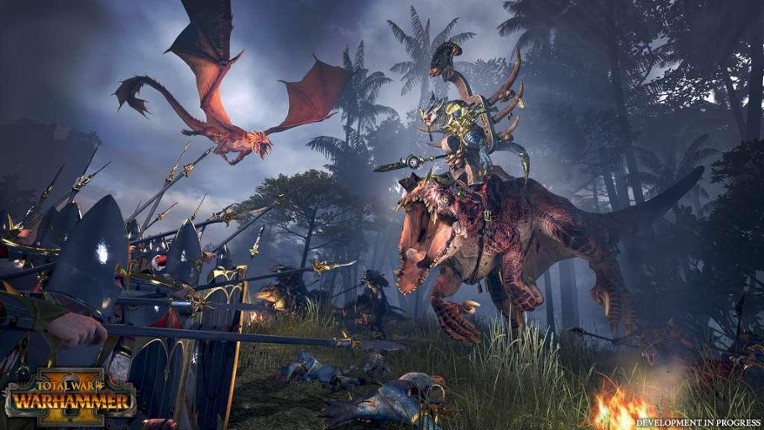
- 89%Game Brain ScoreMost mentioned positive aspects:gameplay, replayabilityMost mentioned negative aspects:stability, grinding94% User Score 48,035 reviewsCritic Score 84%27 reviewsShares strategy-layer depth with RimWorld but abandons colony intimacy for massive-scale tactical warfare and faction diplomacy across fantasy empires. If you enjoyed this game, see our list of games similar to Total War: WARHAMMER II.View Game


43 View Game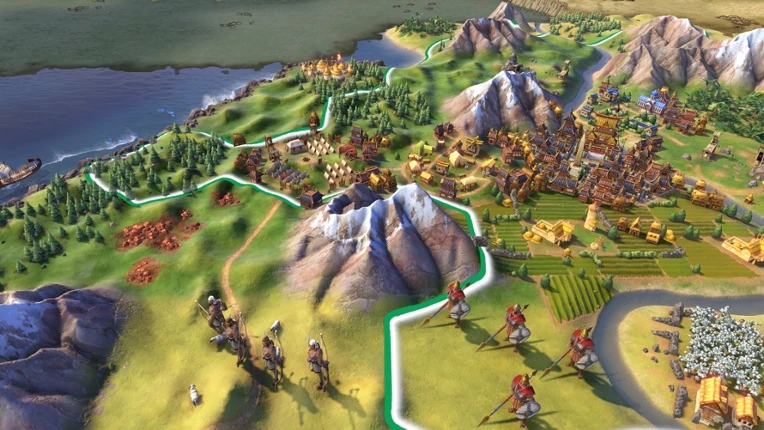

 85%Game Brain ScoreMost mentioned positive aspects:gameplay, graphicsMost mentioned negative aspects:stability, story85% User Score 147,680 reviews
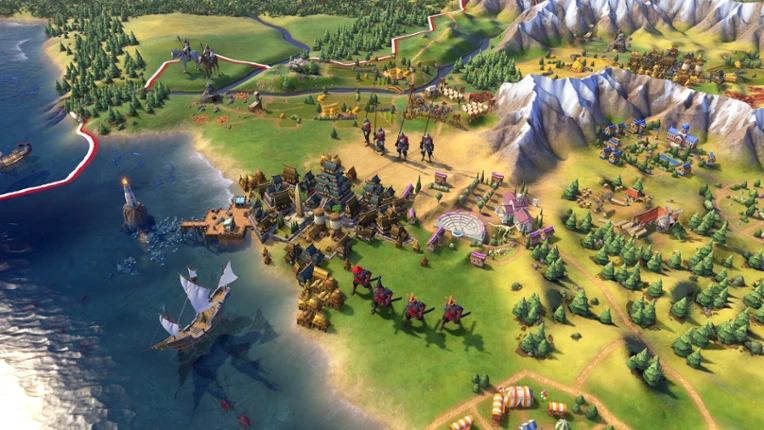
Sid Meier’s Civilization VI: Platinum Edition is the perfect entry point for PC gamers who have yet to experience the addictive gameplay that has made Civilization one of the greatest game series of all time. The package includes Sid Meier's Civilization VI, six DLC packs as well as the Rise and Fall and Gathering Storm expansions. If you enjoyed this game, see our list of games similar to Sid Meier's Civilization VI.
View Game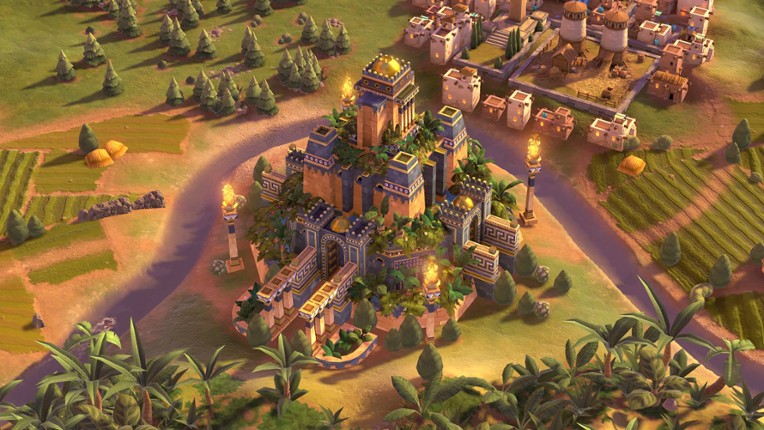
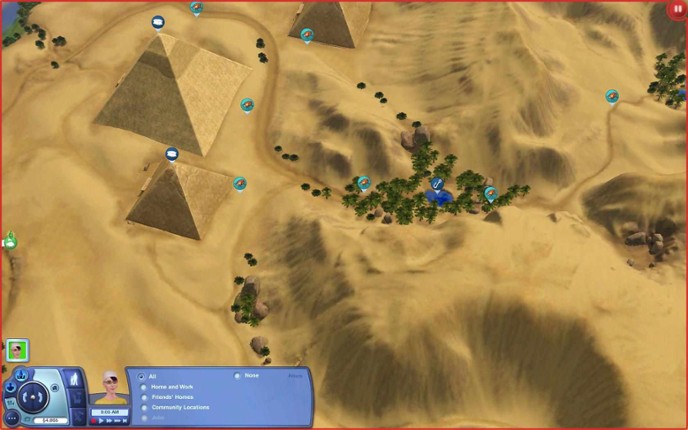
- 85%Game Brain ScoreMost mentioned positive aspects:graphics, gameplayMost mentioned negative aspects:stability, optimization87% User Score 17,110 reviewsCritic Score 82%6 reviewsSwaps RimWorld's sci-fi colony drama for domestic life simulation, but preserves deep character storytelling and mod-driven replayability. If you enjoyed this game, see our list of games similar to The Sims 3.View Game


- 79%Game Brain ScoreMost mentioned positive aspects:gameplay, graphicsMost mentioned negative aspects:grinding, stability79% User Score 15,549 reviews
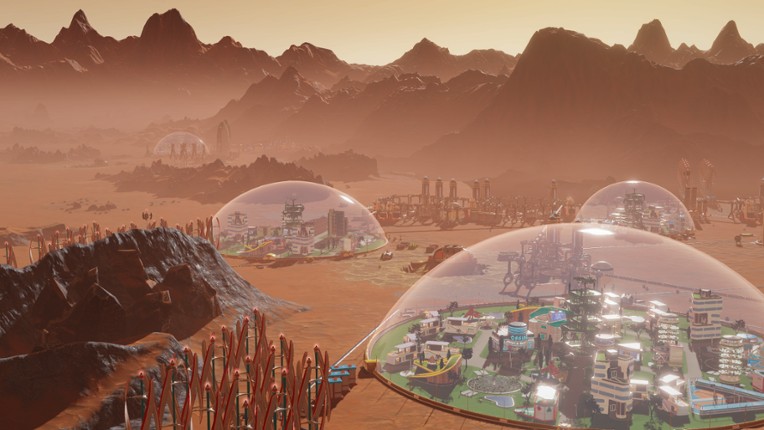
Deck out your dome with 25 new buildings to give a fresh look to your living, working, and playing quarters. Whether it’s a Stirling Generator or a Spacebar, make sure you spruce up your space to be out of this world. If you enjoyed this game, see our list of games similar to Surviving Mars.
View Game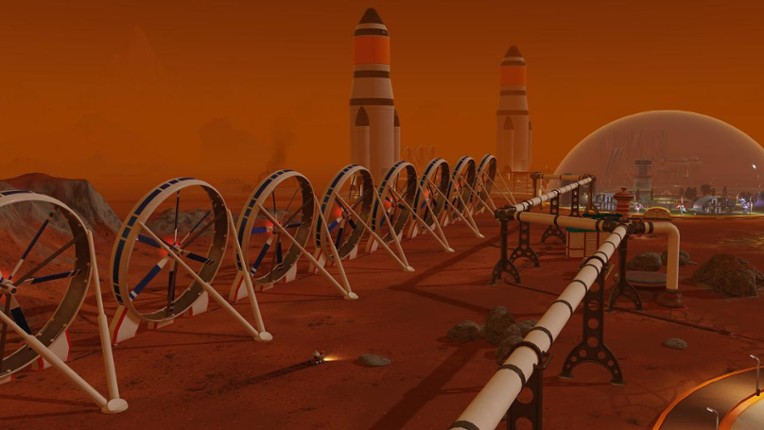

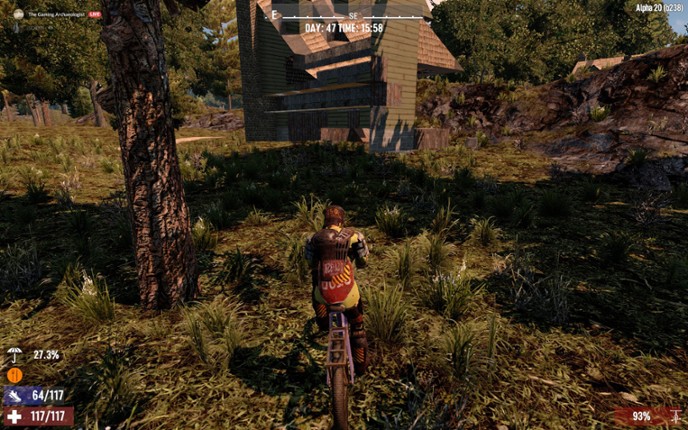
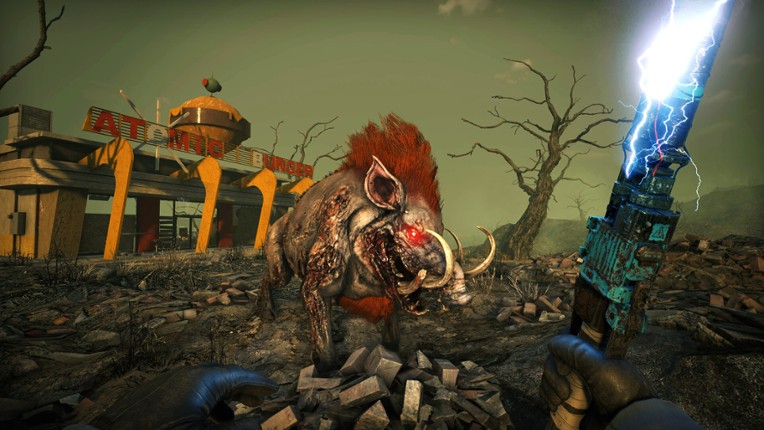
- 62%Game Brain ScoreMost mentioned positive aspects:gameplay, graphicsMost mentioned negative aspects:story, optimization85% User Score 183,471 reviewsCritic Score 40%18 reviewsReplaces the tactical top-down view with first-person perspective, emphasizing constant zombie defense and granular base fortification over long-term social simulation. If you enjoyed this game, see our list of games similar to 7 Days to Die.View Game

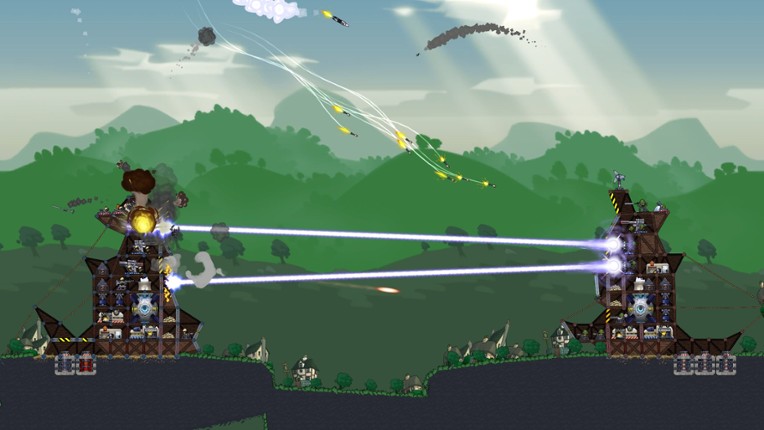
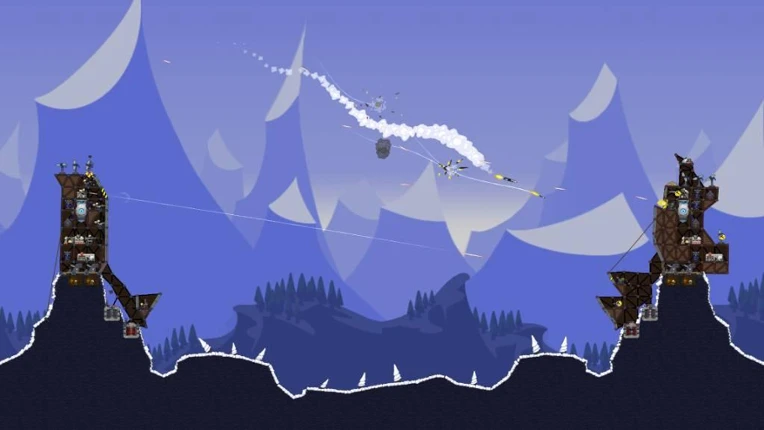
- 93%Game Brain ScoreMost mentioned positive aspects:gameplay, storyMost mentioned negative aspects:grinding, stability93% User Score 14,626 reviews
Forts is a physics-based RTS where foes design and build custom bases, arm them to the teeth and blast their opponent's creations to rubble. If you enjoyed this game, see our list of games similar to Forts.
View Game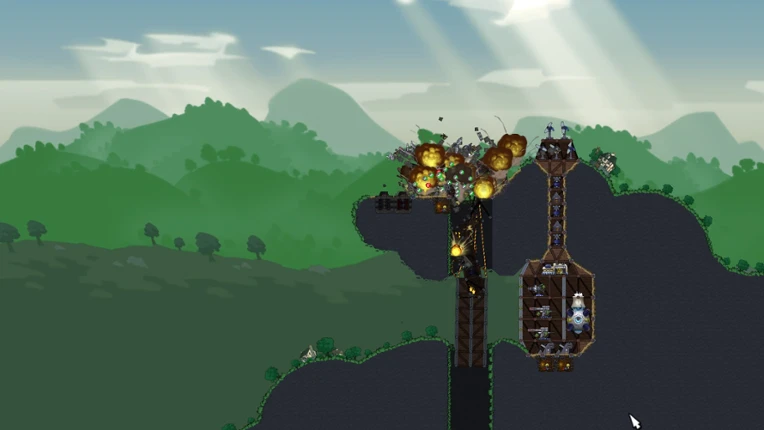
48 View Game 81%Game Brain ScoreMost mentioned positive aspects:gameplay, graphicsMost mentioned negative aspects:story, stability88% User Score 173,462 reviewsCritic Score 75%17 reviews
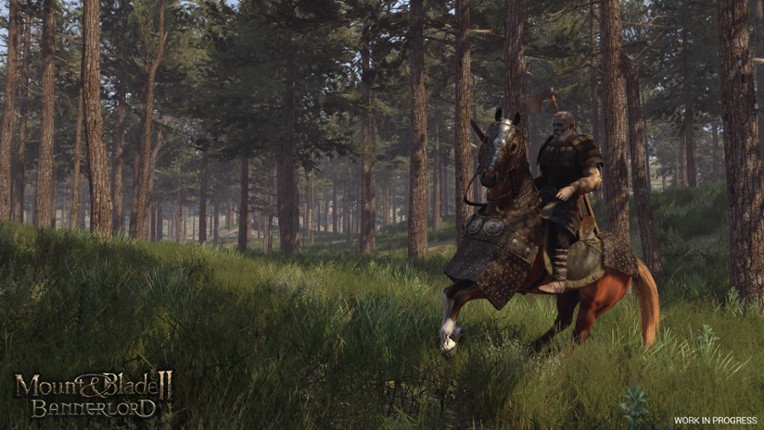
A strategy/action RPG. Create a character, engage in diplomacy, craft, trade and conquer new lands in a vast medieval sandbox. Raise armies to lead into battle and command and fight alongside your troops in massive real-time battles using a deep but intuitive skill-based combat system. If you enjoyed this game, see our list of games similar to Mount & Blade II.
View Game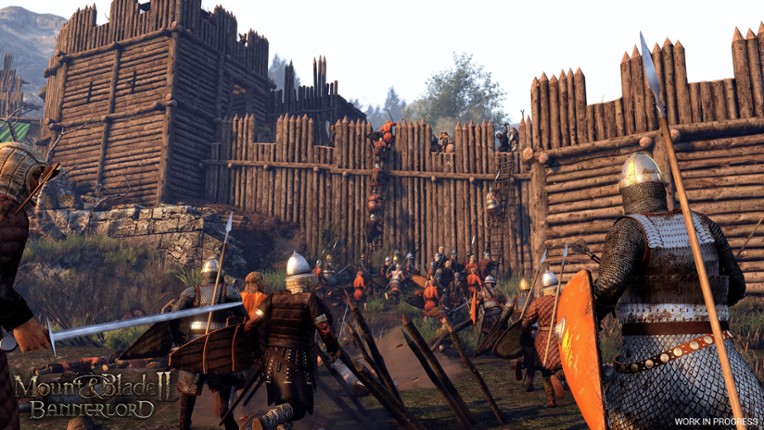

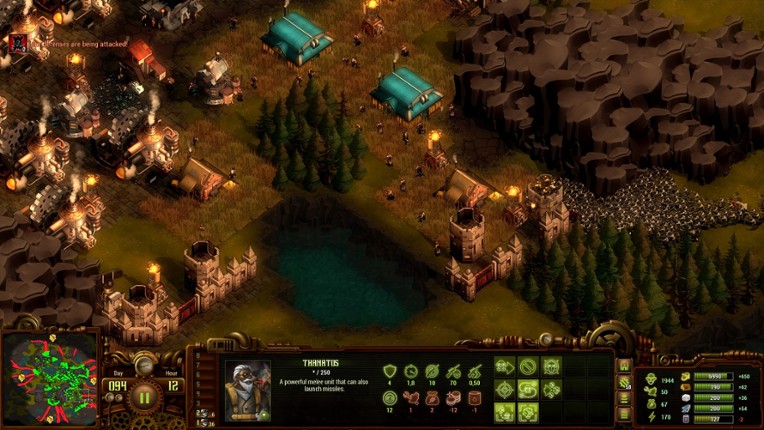
- 78%Game Brain ScoreMost mentioned positive aspects:gameplay, graphicsMost mentioned negative aspects:story, grinding80% User Score 35,214 reviewsCritic Score 75%21 reviews
They Are Billions is a strategy game in a distant future about building and managing human colonies after a zombie apocalypse destroyed almost all of human kind. Now there are only a few thousand humans left alive that must struggle to survive under the threat of the infection. Billions of infected roam around the world in massive swarms seeking the last living human colonies. CAMPAIGN: THE NEW E… If you enjoyed this game, see our list of games similar to They Are Billions.
View Game
- 92%Game Brain ScoreMost mentioned positive aspects:gameplay, graphicsMost mentioned negative aspects:grinding, story92% User Score 6,355 reviews
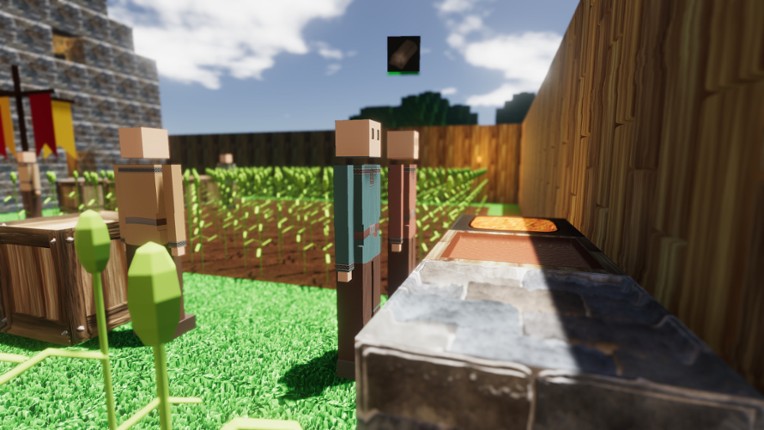
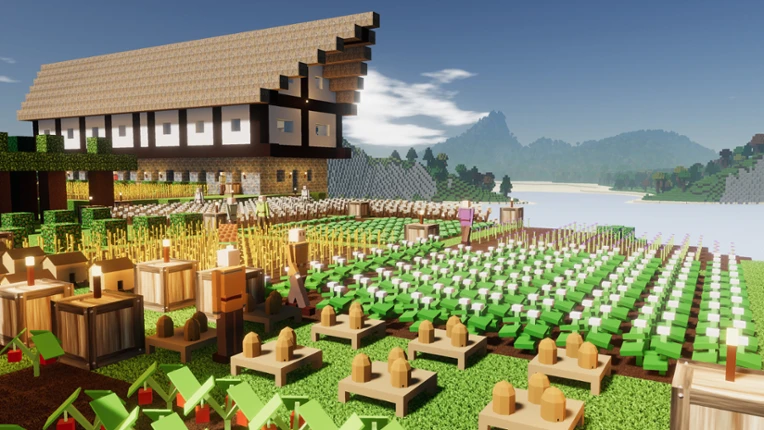
Colony Survival is a voxel RTS developed by a two-man team. Build your own colony in a voxel world. Command guards, farmers, miners and other colonists. Defend your colony against the monsters that attack every night. If you enjoyed this game, see our list of games similar to Colony Survival.
View Game


 View Game


































Frequently Asked Questions
Stellaris offers similar grand-scale management with procedural generation and deep replayability, while Kenshi delivers a sandbox survival experience with base building and character development. Factorio provides that satisfying optimization loop, and Oxygen Not Included combines colony management with resource constraints and emergent storytelling that rivals RimWorld's narrative depth.
Cities Skylines and Stellaris both offer significantly improved visuals compared to RimWorld's simplistic art style while maintaining deep strategy gameplay. Cities Skylines excels at city building with modern aesthetics, while Stellaris features stunning space visuals and a galactic scale. Both are available on PC and provide the management complexity RimWorld fans crave with modern graphics.
Prison Architect focuses on constructing and managing complex systems similar to RimWorld's colony building, while Oxygen Not Included emphasizes base expansion with intricate resource management and space constraints. Factorio takes automation further with sprawling factory construction and supply-chain optimization. All three reward creative problem-solving and strategic planning.
Caves of Qud is free and offers roguelike depth with character customization and emergent narratives. While turn-based rather than real-time, it shares RimWorld's replayability and atmospheric storytelling. For a more direct experience, Project Zomboid is in early access with a reasonable price point and features similar survival mechanics and colony elements.
Project Zomboid supports online co-op survival gameplay where players build bases and survive together against threats. Factorio offers multiplayer factory construction with shared goals, while Stellaris includes multiplayer modes for grand-strategy collaboration. These maintain the strategic depth RimWorld fans enjoy while adding social elements.
Caves of Qud excels with rich lore, character customization, and narrative-driven gameplay that rewards experimentation. Prison Architect weaves emergent stories through prisoner interactions and management decisions. Kenshi creates personal narratives through character relationships and survival struggles. All three prioritize emotional connection like RimWorld's most beloved feature.