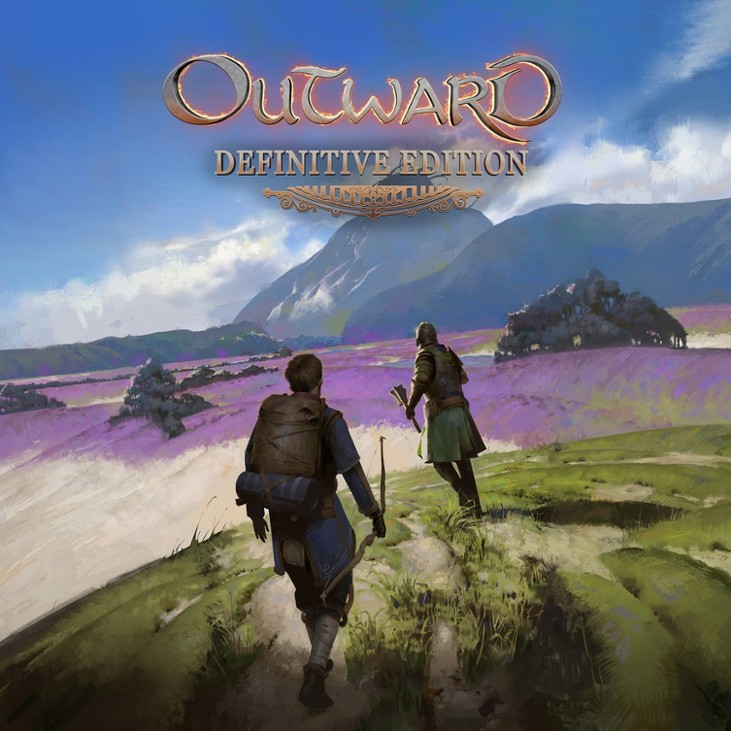



Games like Outward
If you loved Outward, you've experienced something rare: a co-op fantasy RPG that balances atmospheric world-building with punishing survival mechanics and genuine player agency. The good news? Games like Outward exist—and we've found them. Whether you're drawn to the resource management, the local and online co-op flexibility, or the uncompromising difficulty that refuses to hold your hand, there are excellent alternatives waiting to scratch that same itch. Let's find your next obsession.
Outward succeeds by refusing easy answers. It's a third-person open-world RPG where every journey demands preparation: managing inventory, rationing resources, planning routes, and coordinating with your co-op partner. The game layers survival systems over a dark fantasy setting, wraps it all in moody atmosphere, and trusts players to figure things out. There's no quest marker pointing you toward victory—only exploration, consequence, and the satisfaction of overcoming genuine hardship. Games like Outward share this philosophy: they prioritize player agency and atmosphere over hand-holding, blend multiple genres into something fresh, and deliver meaningful co-op experiences.
What Makes a Good Alternative to Outward?
- Cooperative gameplay (local and/or online) — Outward's local split-screen and online co-op are core to its identity. The best alternatives offer flexible multiplayer that lets you adventure with friends on your own terms.
- Resource and inventory management — Outward makes you think tactically about what you carry and consume. Alternatives that demand similar planning create tension and stakes.
- Atmospheric, dark fantasy worlds — Outward's visuals and soundtrack build immersion. Great alternatives match that commitment to mood and tone.
- Souls-like or difficult combat — Outward doesn't coddle you in combat. Alternatives with challenging, timing-based encounters deliver the same sense of earned victory.
- Exploration and non-linear progression — Outward rewards wandering and experimentation. The best games like it respect player curiosity and avoid rigid quest structures.
Top Picks If You Enjoyed Outward
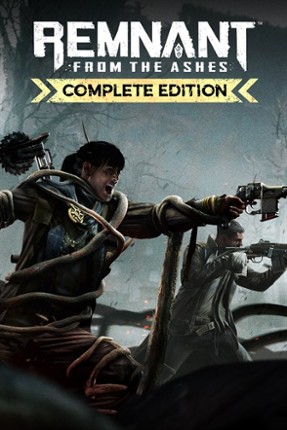
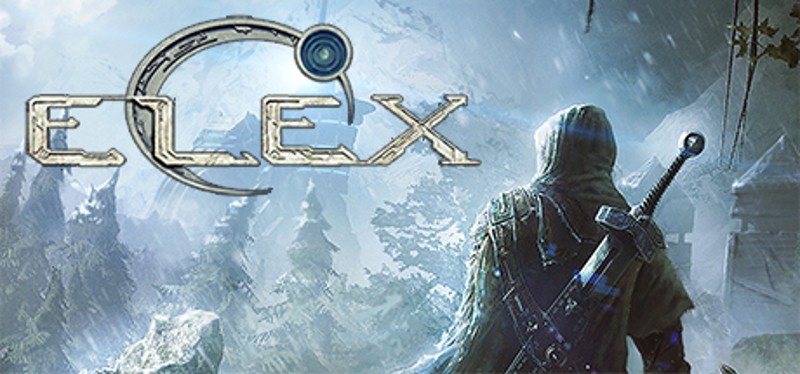
Ashen mirrors Outward's co-op soul-like design with a stunning art style and evolving hub town. Mortal Shell delivers punishing combat wrapped in dark atmosphere and indie charm. Kingdom Come: Deliverance offers immersive medieval realism with deep role-playing and story. Remnant: From the Ashes blends survival mechanics with procedurally generated worlds and strong replay value. Stoneshard combines turn-based tactical depth with roguelike replayability and dark fantasy tone. ELEX provides a sprawling open world with base-building and trading systems that reward exploration.
All recommendations below are ranked by similarity using player data and shared mechanics. Scroll down to explore the full list and find your next adventure.
- 72%Game Brain ScoreMost mentioned positive aspects:gameplay, storyMost mentioned negative aspects:grinding, stability72% User Score 17,308 reviews
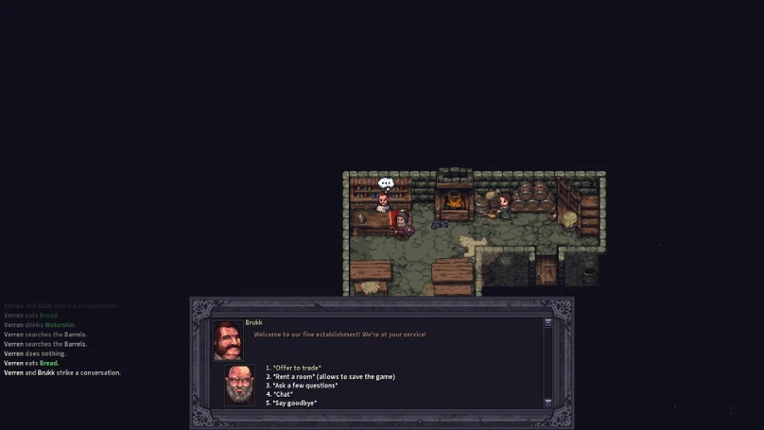
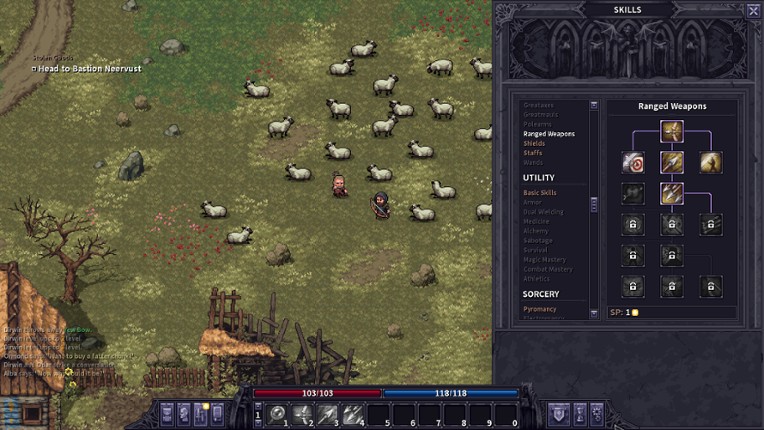
Outward fans who love scraping by on limited resources, planning every expedition, and recovering from brutal fights will feel at home in Stoneshard. Both games make survival and decision-making matter, so every trip away from safety has real weight.
Like Outward, it leans hard on difficult combat, open-world exploration, and resource management, but the turn-based system changes the rhythm rather than the goal. That slower pace gives each mistake time to matter, which creates the same tense “one bad move can ruin the run” feeling that Outward players chase.
The biggest shift is the presentation: Stoneshard trades third-person co-op adventuring for a solo, tactical, top-down approach. That is a fresh angle, not a downgrade—it makes the journey feel more methodical and punishing, while its procedural dungeons and replay value help ease the grind that Outward players sometimes criticize.
Best for players who enjoy hard-won progress, careful preparation, and mastery over spectacle.
If you enjoyed this game, see our list of games similar to Stoneshard.View Game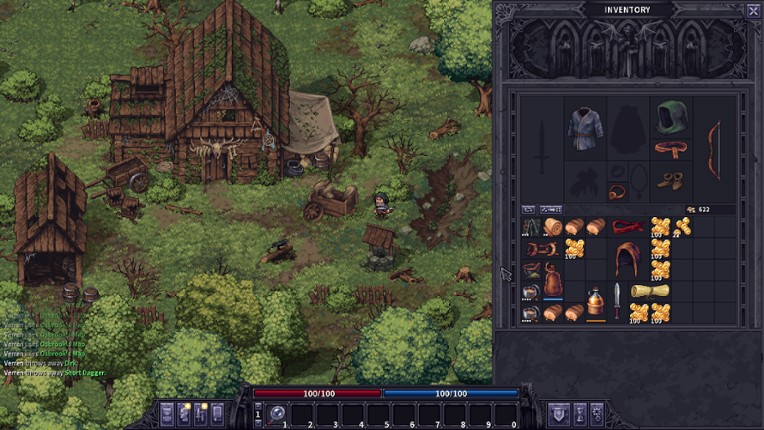
- 72%Game Brain ScoreMost mentioned positive aspects:story, graphicsMost mentioned negative aspects:grinding, stability66% User Score 1,899 reviewsCritic Score 78%24 reviews
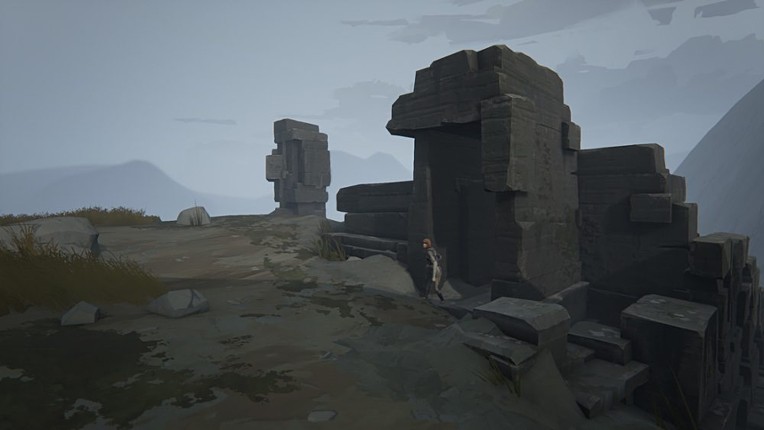
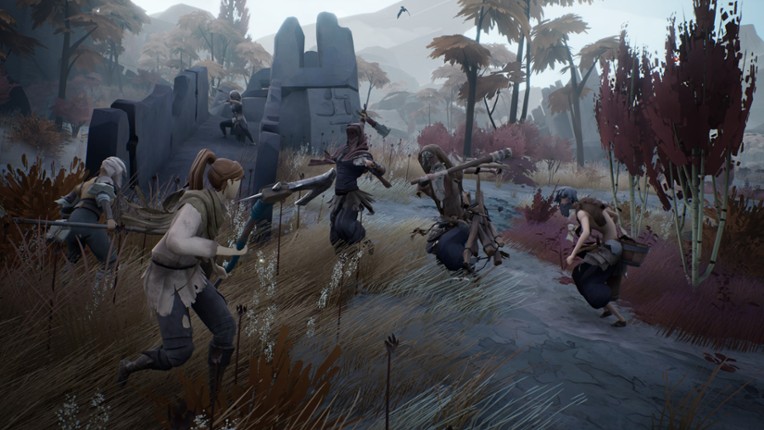
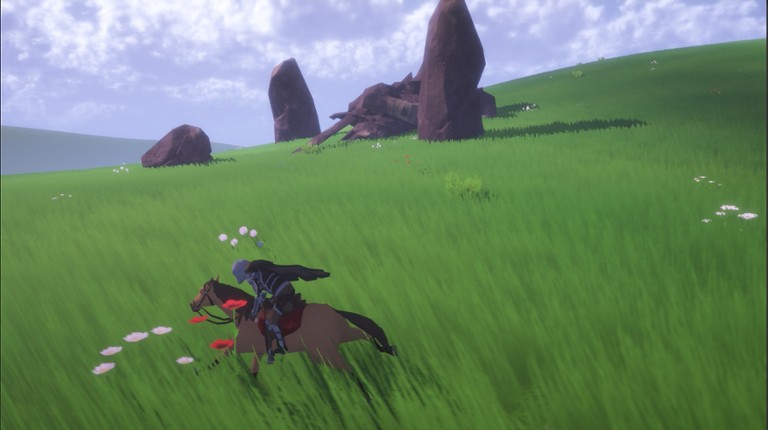
Both games build their world around cooperative exploration that feels optional rather than mandatory—you can adventure solo or drop a companion in at any moment, and the world doesn't punish either choice. This flexibility shapes how you approach resource management and risk-taking in ways a purely single-player game cannot.
Where Outward demands careful planning around supplies and travel logistics, Ashen mirrors that tension through its sparse checkpoints and evolving hub town. Long stretches between save points force you to weigh whether pushing forward or retreating is worth the consequence—the same psychological weight that makes Outward's survival systems feel consequential rather than busywork.
The trade-off: Ashen leans harder into Souls-like combat and stylized art direction rather than Outward's atmospheric grind. If you valued Outward's music and emotional pacing over its mechanical difficulty, Ashen's darker, faster-paced combat loop may demand adjustment.
Best for players who thrived on Outward's co-op expeditions and resource scarcity, especially those willing to embrace a tighter action-RPG framework to experience similar exploration tension in a fresh setting.
If you enjoyed this game, see our list of games similar to Ashen.View Game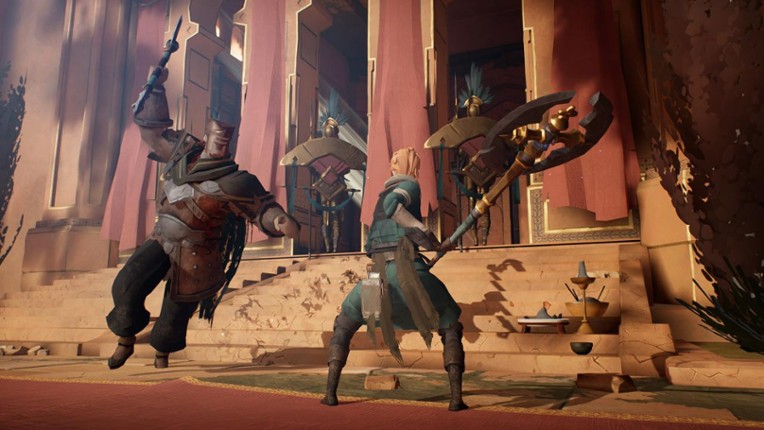
- 86%Game Brain ScoreMost mentioned positive aspects:gameplay, storyMost mentioned negative aspects:grinding, stability87% User Score 45,980 reviewsCritic Score 80%1 reviews
Every expedition in Remnant: From the Ashes feels like a tense survival run with your crew, where timing, positioning, and limited resources decide whether you limp back to safety or wipe and try again. Like Outward, it rewards preparation over raw power: you scout, manage supplies, and learn enemy patterns because mistakes carry real weight.
The overlap that matters most is the co-op-driven difficulty. In both games, a second player changes the rhythm of every encounter, turning danger into coordination and making victories feel earned rather than scripted. Souls-like combat also keeps every fight deliberate, which gives Remnant the same “respect the world or get punished” energy fans of Outward tend to enjoy.
The fresh angle is the procedural structure and shooter focus: instead of memorizing a fixed route, you adapt on the fly to new enemy layouts, bosses, and loot paths. That makes it a great follow-up for players who liked Outward’s challenge but wanted less grind and a more varied replay loop, with stronger consistency than Outward’s rougher optimization and bug-prone moments.
Best for players who want hard-fought co-op, resource tension, and mastery through repetition.
If you enjoyed this game, see our list of games similar to Remnant: From the Ashes.View Game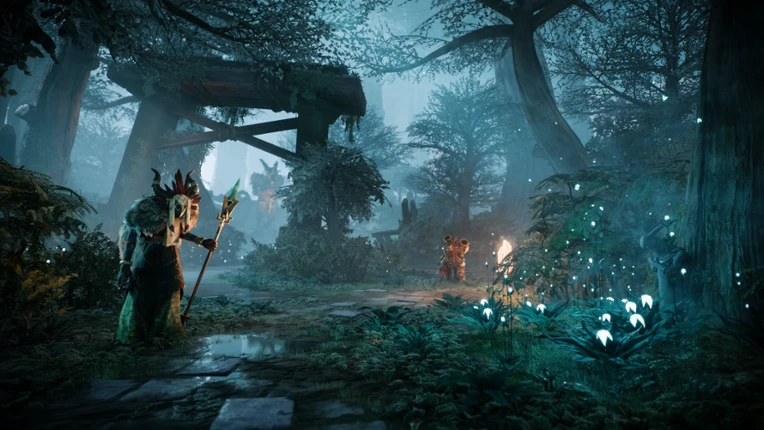
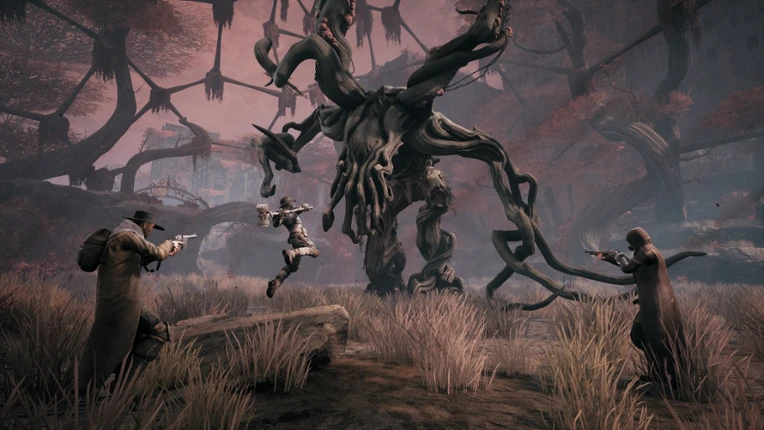
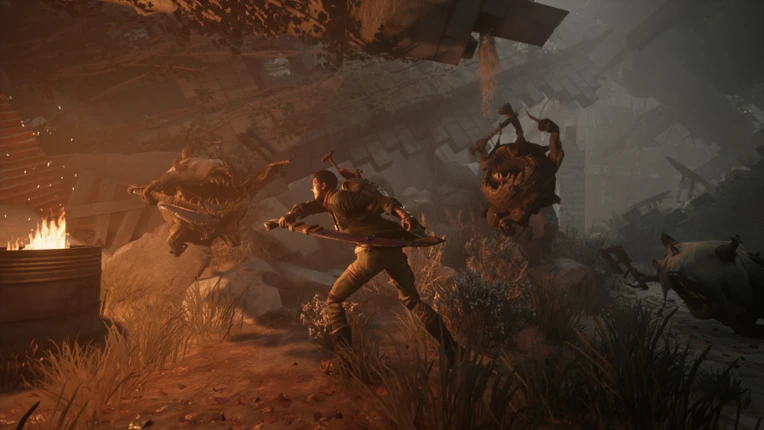
- 85%Game Brain ScoreMost mentioned positive aspects:story, gameplayMost mentioned negative aspects:grinding, stability89% User Score 18,237 reviewsCritic Score 80%46 reviews
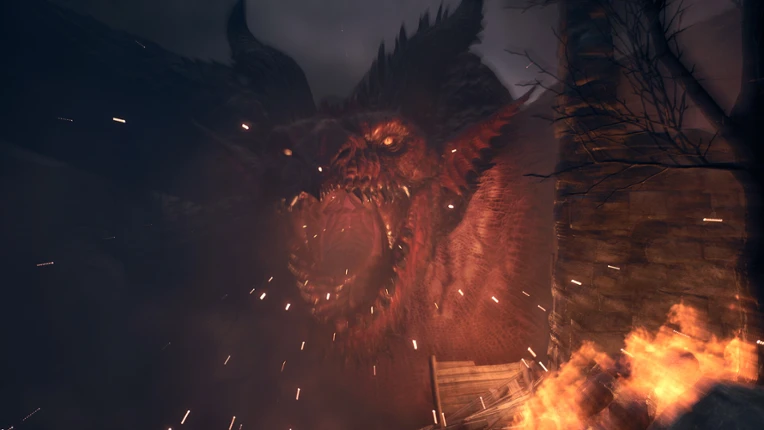
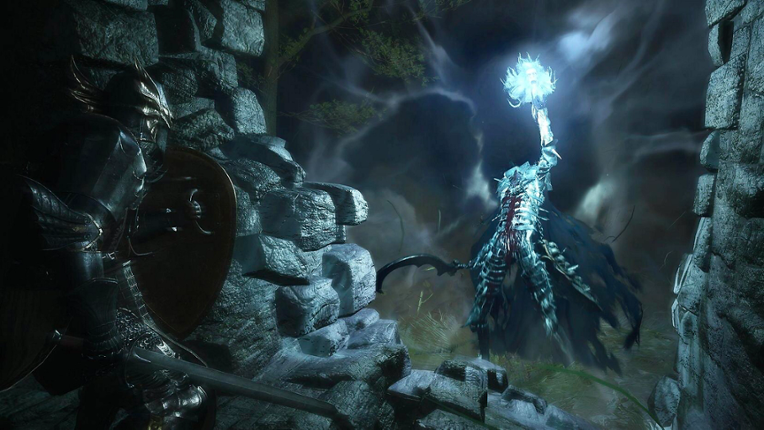
Set forth in a timeless adventure to reclaim your heart from the mighty Dragon. If you enjoyed this game, see our list of games similar to Dragon's Dogma: Dark Arisen.
View Game
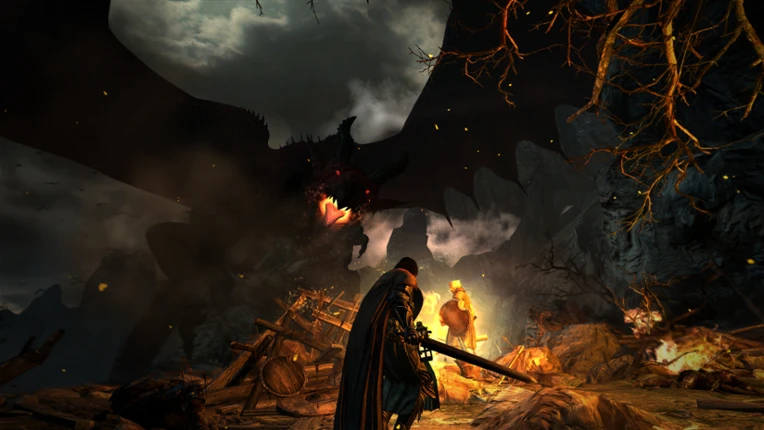
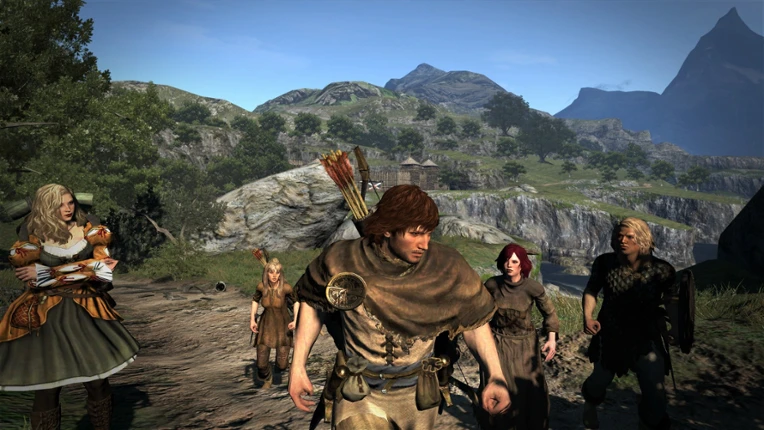
- 68%Game Brain ScoreMost mentioned positive aspects:story, gameplayMost mentioned negative aspects:stability, grinding68% User Score 9,918 reviews
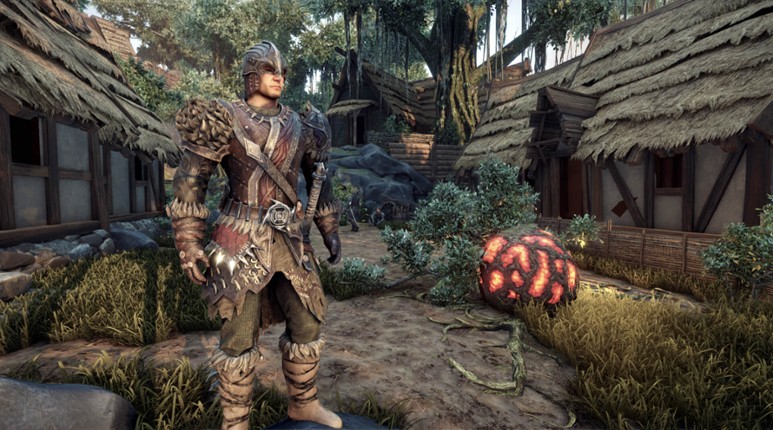
Both titles drop you into a world that is aggressively indifferent to your survival, demanding you master complex systems before you can even hope to thrive. You will find that meticulous preparation and resource management are the only things standing between a successful expedition and a quick death.
The punishing difficulty curve ensures that every piece of better equipment feels hard-won rather than guaranteed. This creates a shared loop of meaningful progression where your personal knowledge of the world’s lethality is just as valuable as your character's stats. You must navigate hostile terrain through trial and error, making the eventual mastery of your environment feel truly monumental.
Where *Outward* can sometimes feel like a repetitive grind, *ELEX* provides a deeper narrative framework where faction alliances and moral choices fundamentally shift the world state. It trades pure survivalist fantasy for a fresh, post-apocalyptic blend of high-tech weaponry and traditional magic.
Best for players who chase hard-earned mastery and a gritty, unguided path to power.
If you enjoyed this game, see our list of games similar to ELEX.View Game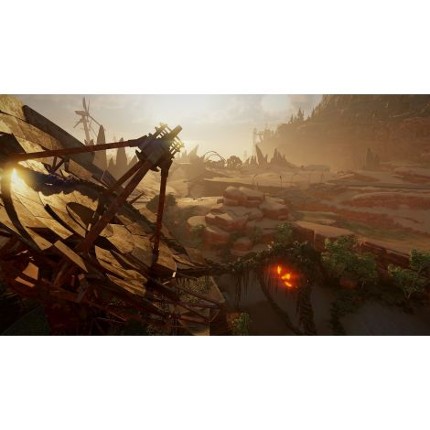
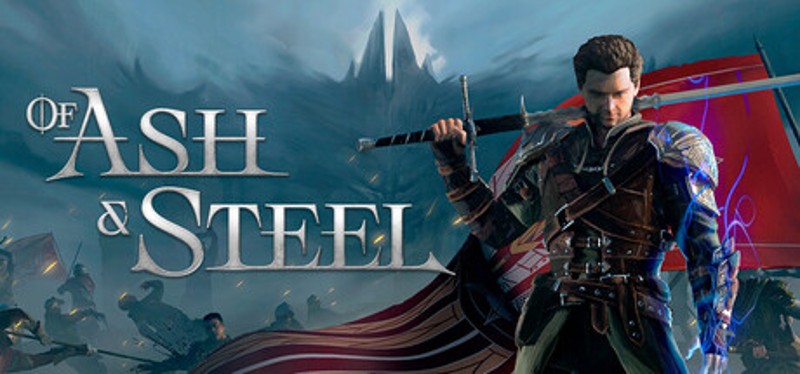
- 57%Game Brain ScoreMost mentioned positive aspects:story, gameplayMost mentioned negative aspects:stability, optimization57% User Score 1,468 reviews
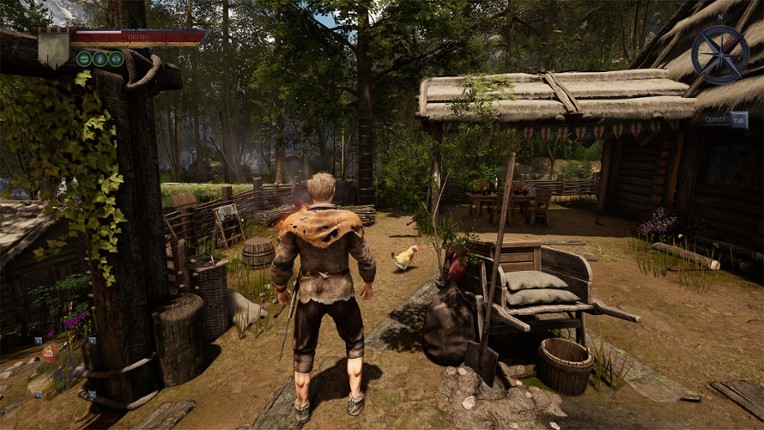
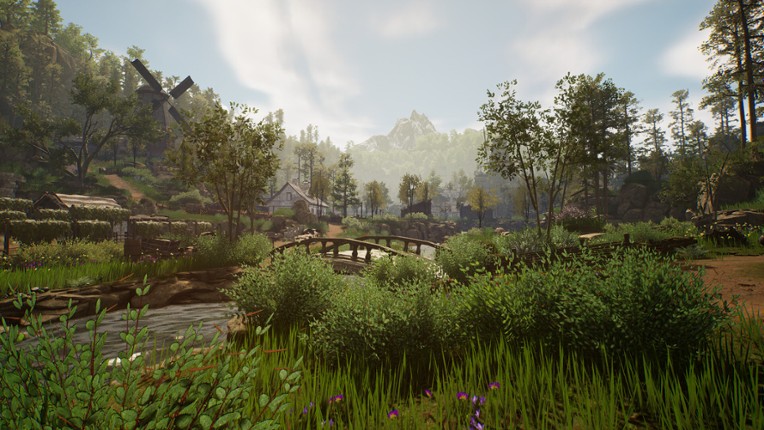
Both games anchor themselves in atmospheric third-person exploration with trading and crafting systems that prioritize survival and resource management over power fantasy.
Each emphasizes Gothic/medieval world design, which creates narrative cohesion through environmental storytelling rather than quest markers.
The critical difference: Outward has co-op (local and online), while Of Ash and Steel is strictly single-player—a major shift if multiplayer was your draw.
Pick this up if you want Outward's deliberate, grounded RPG pacing but can accept rougher combat and a smaller scope, and don't mind playing alone.
If you enjoyed this game, see our list of games similar to Of Ash and Steel.View Game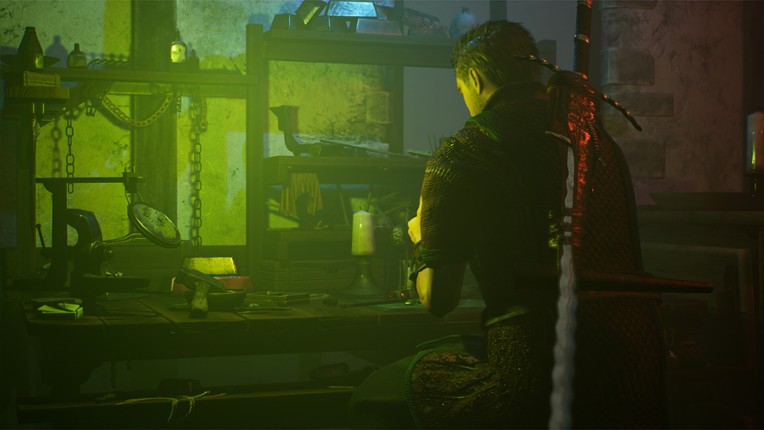
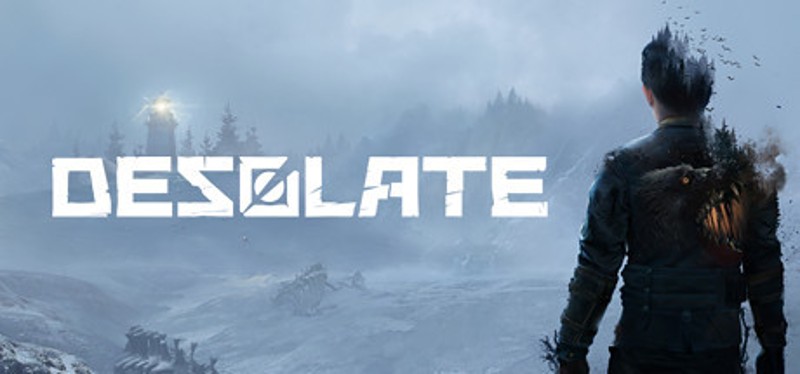
- 67%Game Brain ScoreMost mentioned positive aspects:story, gameplayMost mentioned negative aspects:optimization, stability67% User Score 4,434 reviews
DESOLATE shares Outward’s emphasis on cooperative multiplayer, delivering a similar tension-filled partnership in a hostile open world. Both games balance survival and exploration, which keeps teamwork vital and rewarding. This connection defines their core gameplay loop and player dynamic.
Both titles also thrive on atmosphere and difficulty, enhancing immersion through rich sound design and punishing combat challenges. This matters because it demands patience and strategic thinking, not just reflexes. However, DESOLATE leans heavily into psychological horror and first-person combat, trading Outward’s fantasy setting and more polished RPG systems.
Pick DESOLATE if you want co-op survival with a horror edge and can accept clunky combat and bugs, but stick to Outward for smoother RPG mechanics and fantasy adventure without the relentless tension of zombies and psychological dread.
If you enjoyed this game, see our list of games similar to DESOLATE.View Game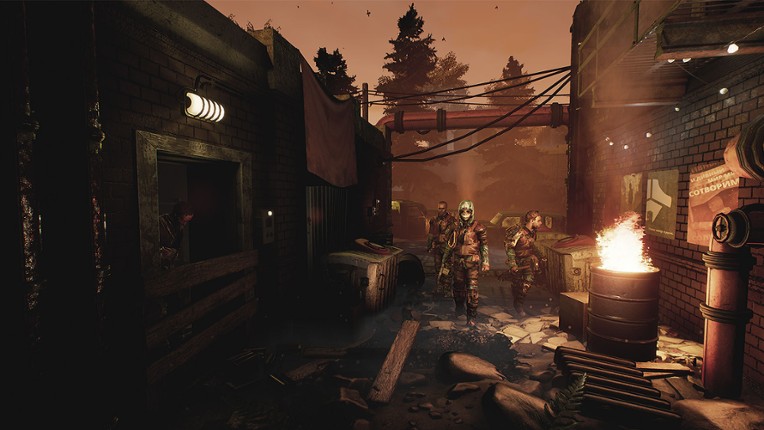
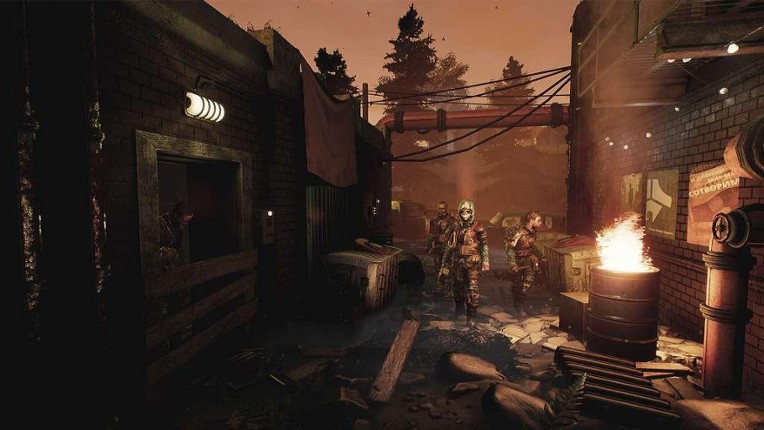
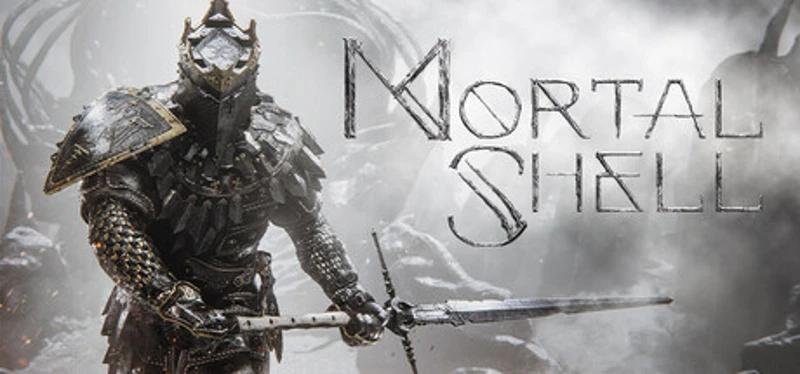
- 67%Game Brain ScoreMost mentioned positive aspects:gameplay, graphicsMost mentioned negative aspects:grinding, stability68% User Score 4,717 reviewsCritic Score 65%2 reviews
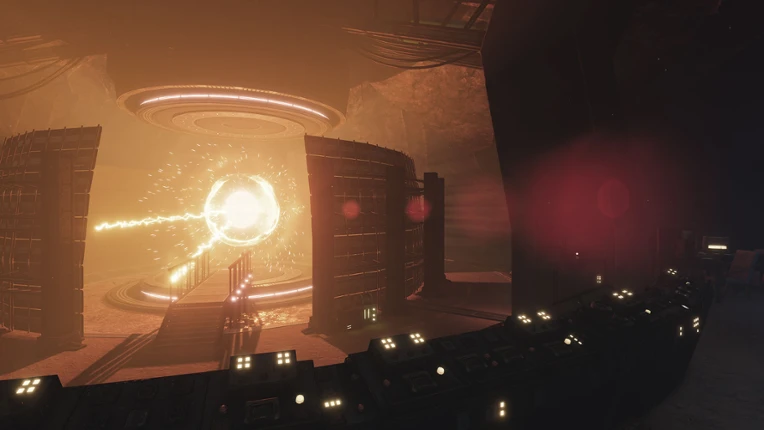
Both games treat death as a teacher, forcing you to learn enemy patterns before each encounter. Punishing difficulty creates a rhythm where caution feels rewarding.
Stamina‑driven combat demands precise timing, turning every swing into a calculated risk. You feel the same vulnerability when your stamina runs out, whether in Outward’s wilds or Mortal Shell’s ruins.
Exploration yields tradeable loot, making scavenging purposeful across both worlds. Finding hidden merchants in ruins mirrors Outward’s habit of stumbling onto camps that reshape your inventory.
Mortal Shell’s shell‑switching lets you swap combat styles on the fly, a fresh tactical layer Outward lacks. The tradeoff is a leaner survival system, cutting resource grinding so you can focus on mastering combat.
If Outward’s resource grind frustrated you, Mortal Shell’s tighter progression removes busywork. It also runs more stable, sidestepping the optimization issues that plagued Outward.
Best for players who value mastery over spectacle, preferring thoughtful combat and atmospheric exploration.
If you enjoyed this game, see our list of games similar to Mortal Shell.View Game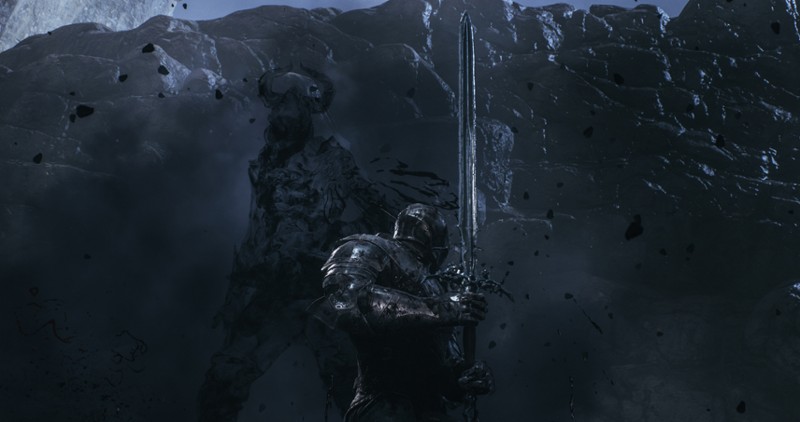
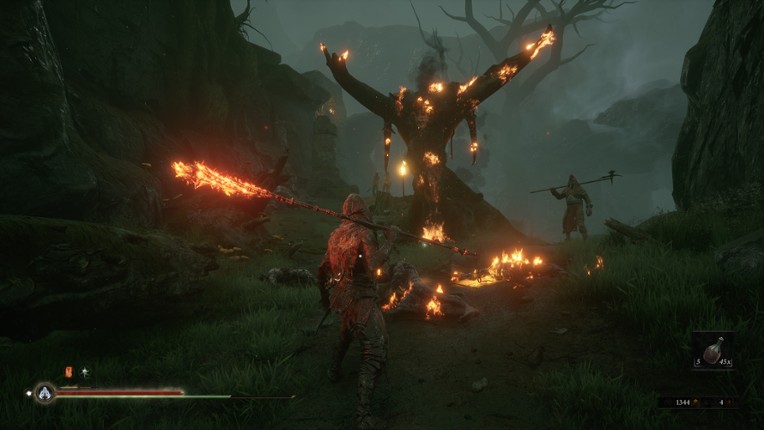
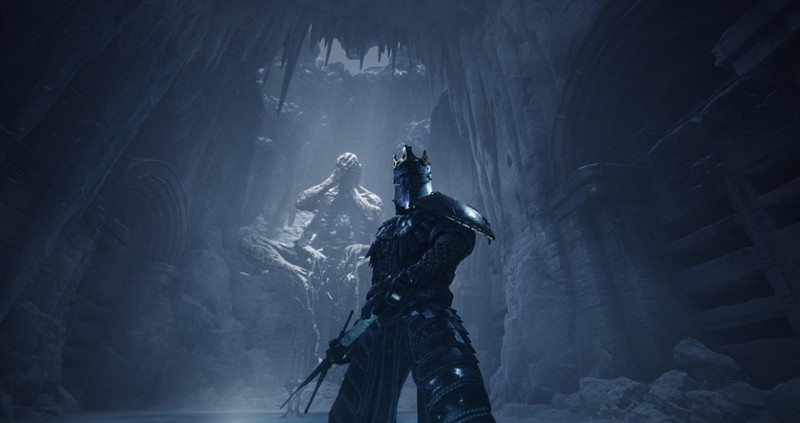
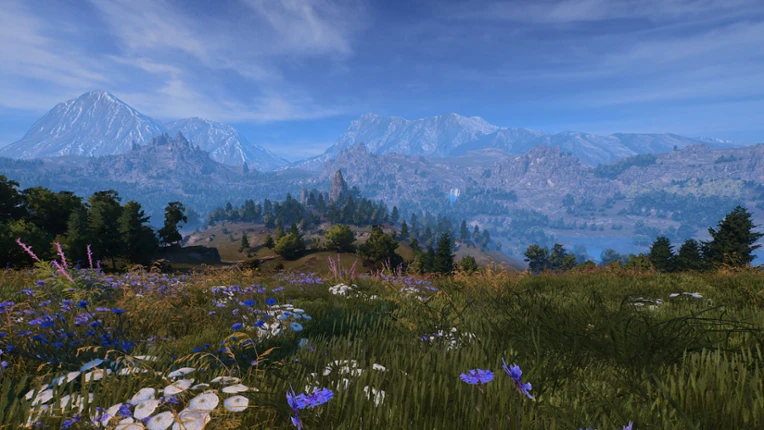
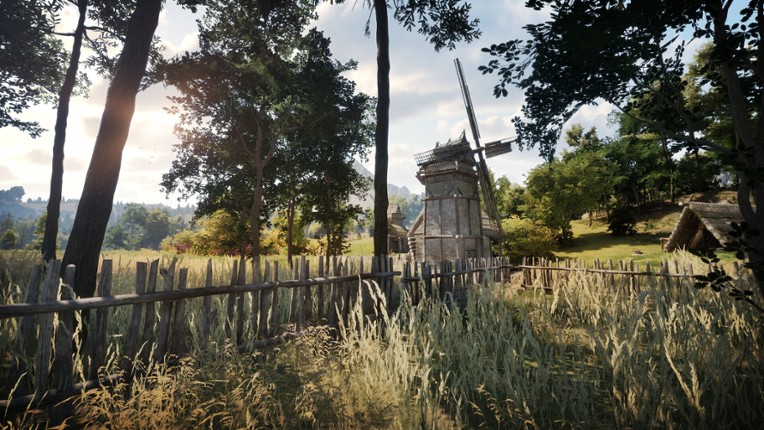
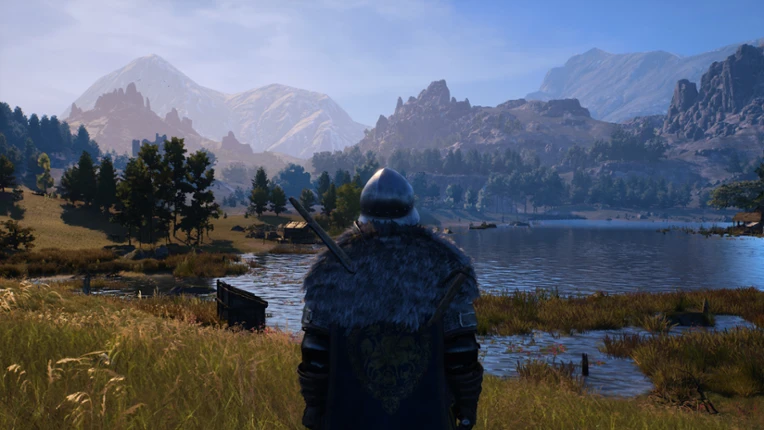
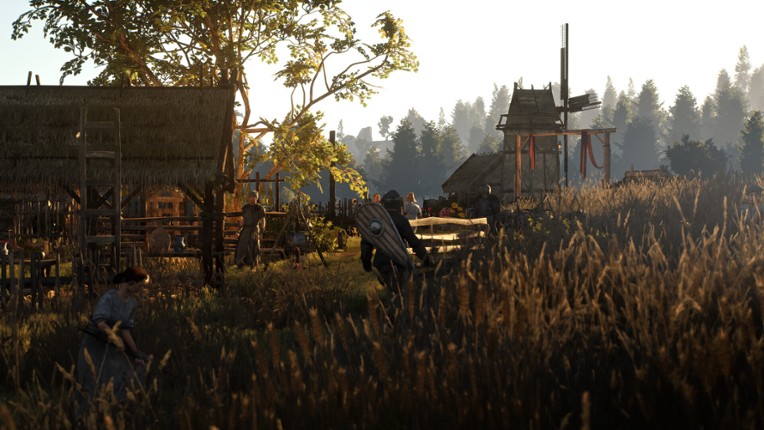
- 80%Game Brain ScoreMost mentioned positive aspects:gameplay, storyMost mentioned negative aspects:grinding, optimization80% User Score 10,263 reviewsBellwright blends medieval life‑sim with co‑op building and war, appealing to Outward fans who want a calmer, societal survival experience. If you enjoyed this game, see our list of games similar to Bellwright.View Game
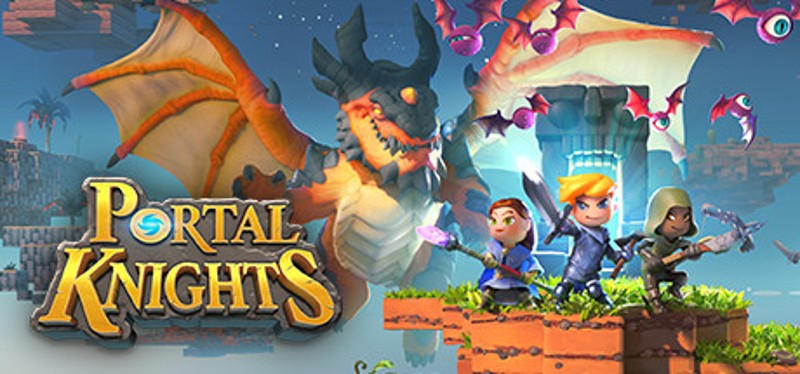
- 77%Game Brain ScoreMost mentioned positive aspects:graphics, storyMost mentioned negative aspects:grinding, stability83% User Score 6,273 reviewsCritic Score 71%27 reviews
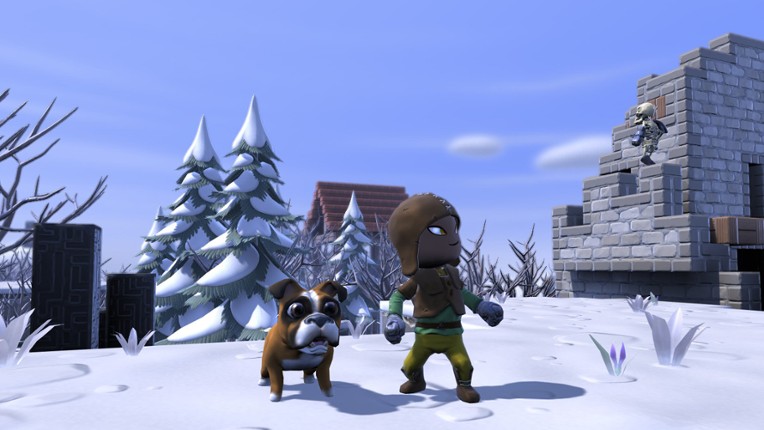
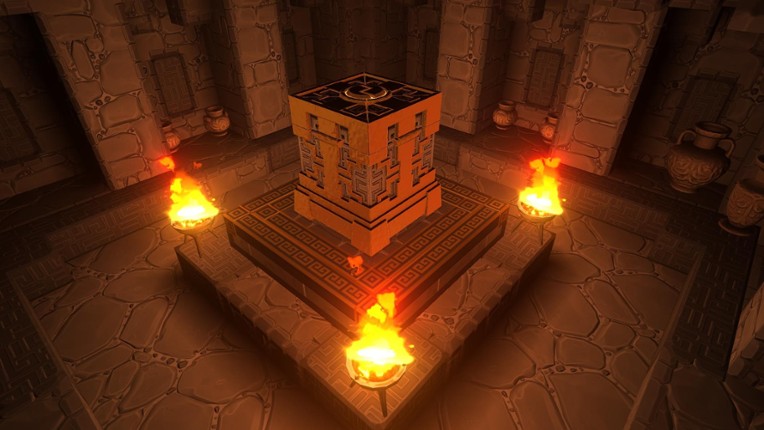
The shared backbone of both Outward and Portal Knights is the robust split-screen co-op, allowing you to traverse dangerous fantasy worlds side-by-side on one machine. This local connectivity remains the definitive way to experience their respective adventure loops, turning solo survival into a shared tactical challenge.
While Outward demands punishing preparation and resource management, Portal Knights pivots toward accessible voxel building. You sacrifice the harsh, simulation-heavy survival mechanics for a more lighthearted, creative progression system.
Pick this up if you crave cooperative dungeon crawling and island exploration but prefer a simplified, less punishing approach to combat and inventory management.
If you enjoyed this game, see our list of games similar to Portal Knights.View Game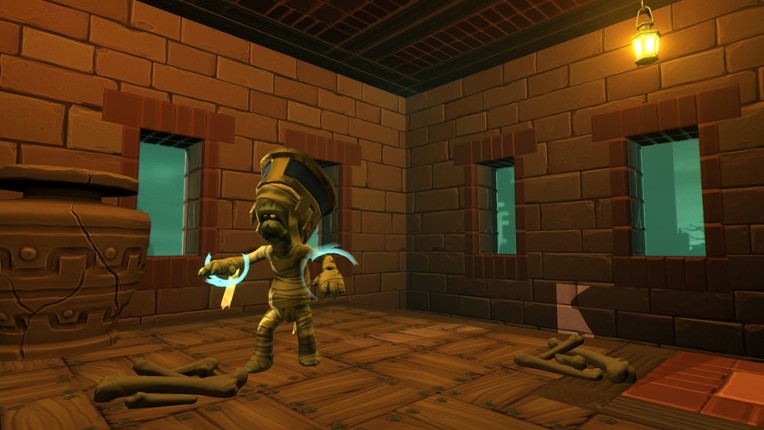
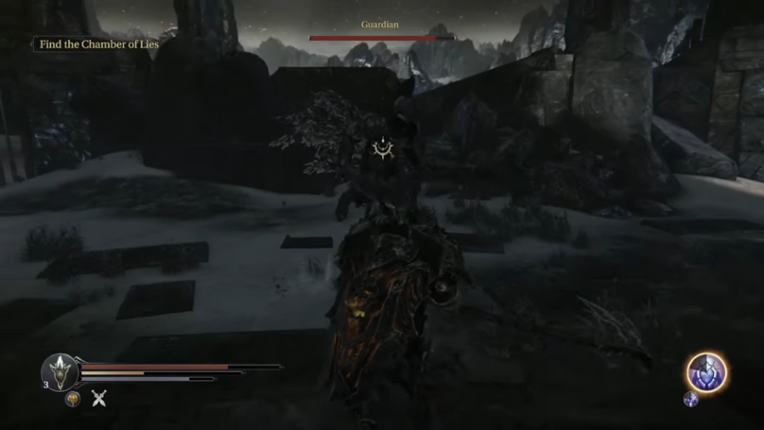
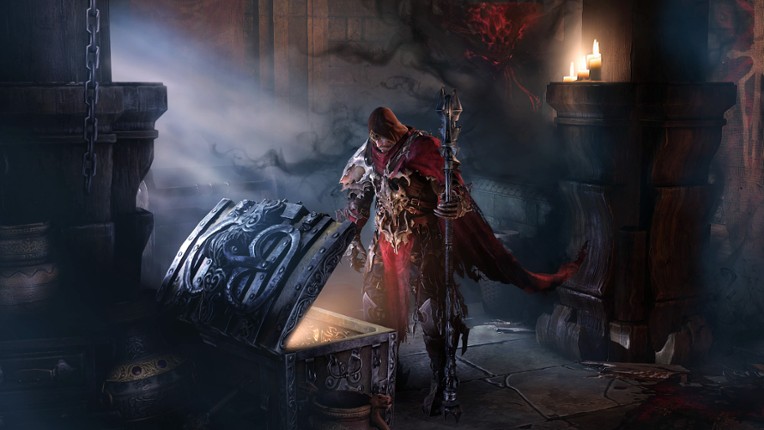
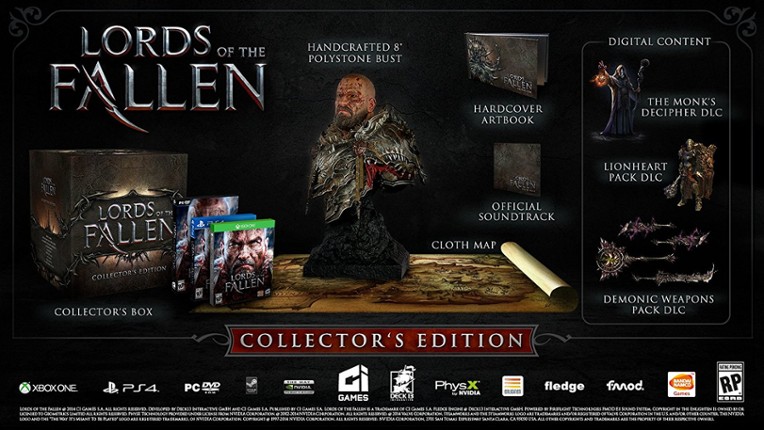
- 60%Game Brain ScoreMost mentioned positive aspects:story, gameplayMost mentioned negative aspects:optimization, stability53% User Score 7,474 reviewsCritic Score 69%8 reviewsLords of the Fallen trades Outward's co‑op for a solo, lore‑heavy dark fantasy where magic and story take center stage. If you enjoyed this game, see our list of games similar to Lords of the Fallen.View Game
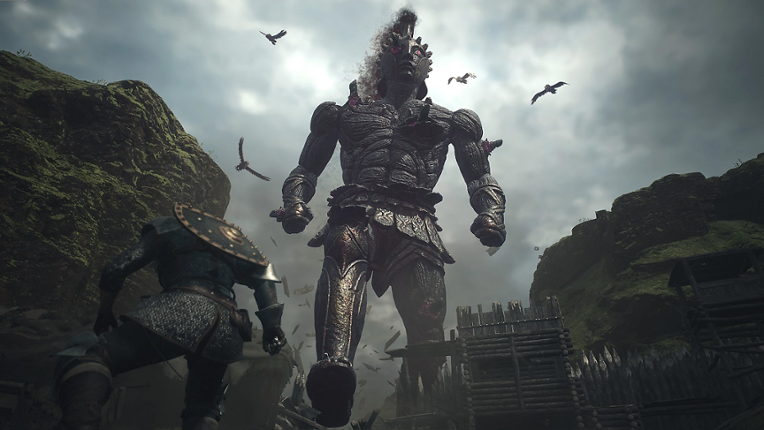
- 75%Game Brain ScoreMost mentioned positive aspects:story, gameplayMost mentioned negative aspects:optimization, monetization66% User Score 78,860 reviewsCritic Score 84%68 reviewsAmplifies the sense of scale through a dynamic party of AI-controlled companions that replace the necessity for human co-op partners. If you enjoyed this game, see our list of games similar to Dragon's Dogma 2.View Game
13 View Game 73%Game Brain ScoreMost mentioned positive aspects:story, gameplayMost mentioned negative aspects:grinding, stability73% User Score 1,416 reviews
Both Outward and Alaloth: Champions of The Four Kingdoms thrive on punishing, skill-based melee combat that demands methodical pacing rather than button-mashing. This shared Souls-like DNA forces you to treat every encounter as a potential death sentence, elevating the stakes of your exploration.
While Outward leans into deep, survival-heavy logistics, Alaloth shifts the perspective to a top-down, isometric plane. You trade the third-person trekking simulation for a faster-paced, classic CRPG aesthetic.
Pick this up if you crave high-consequence dark fantasy combat but can live without the demanding hunger and thirst management systems found in Outward.
If you enjoyed this game, see our list of games similar to Alaloth: Champions of The Four Kingdoms.View Game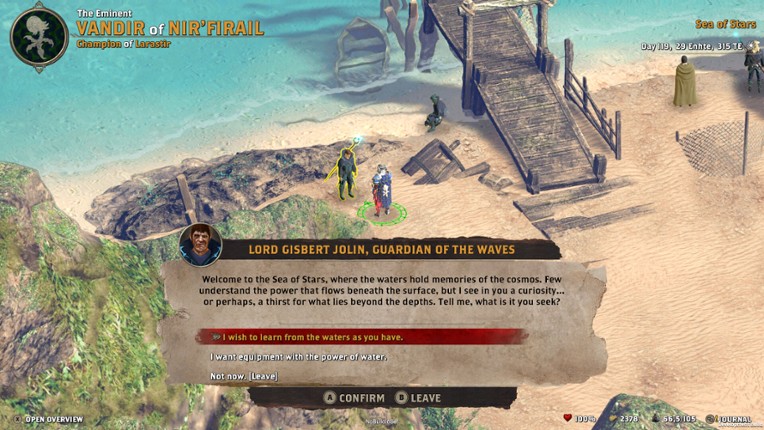

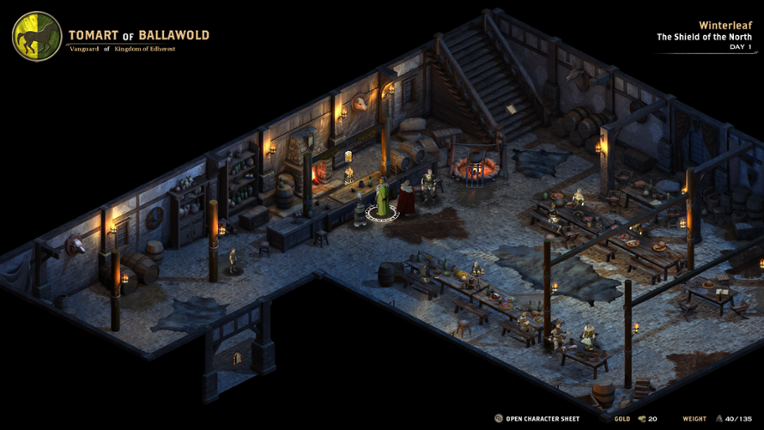
- 89%Game Brain ScoreMost mentioned positive aspects:story, gameplayMost mentioned negative aspects:stability, grinding89% User Score 3,954 reviewsGedonia offers a colorful, third‑person RPG with dragons and a relaxed vibe, ideal for players craving Outward's exploration without the harsh difficulty. If you enjoyed this game, see our list of games similar to Gedonia.View Game
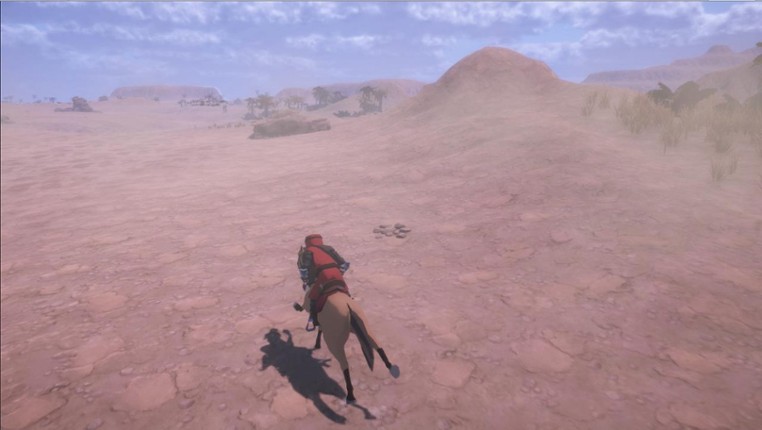
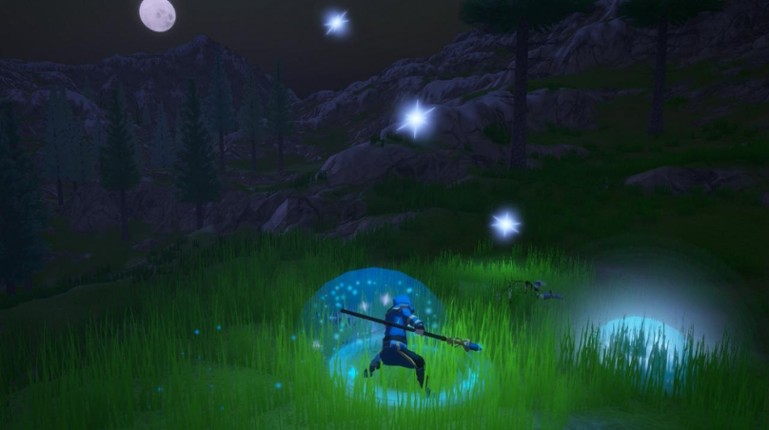
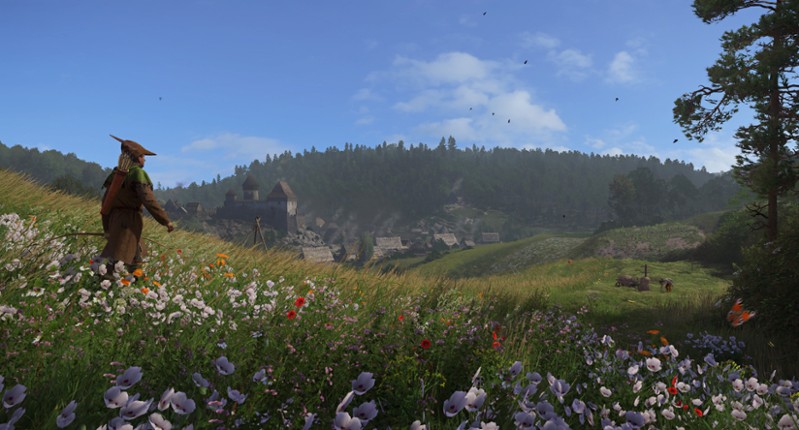
15 View Game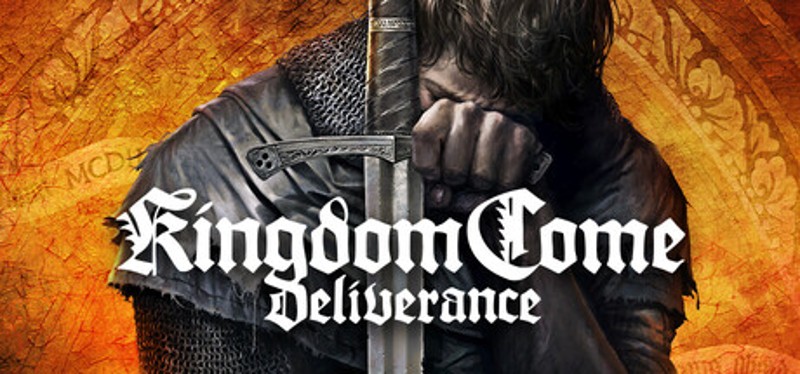 74%Game Brain ScoreMost mentioned positive aspects:story, gameplayMost mentioned negative aspects:stability, optimization84% User Score 79,776 reviewsCritic Score 53%4 reviews
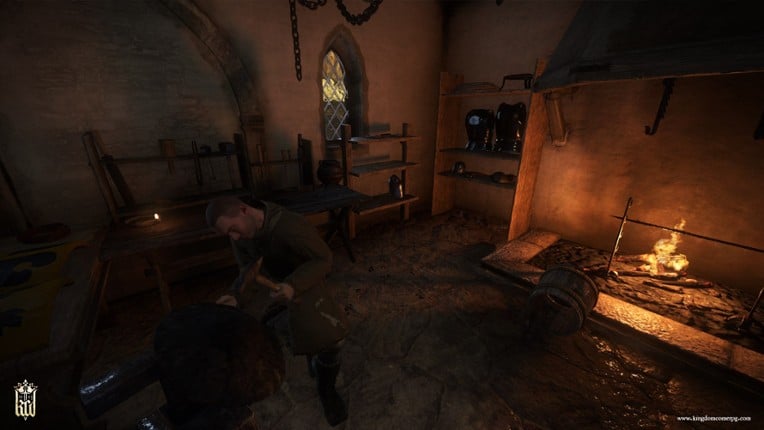
If Outward's punishing survival loop hooked you, Kingdom Come: Deliverance delivers that same relentless resource pressure — every herb gathered and coin hoarded matters against a hostile medieval world.
The historically authentic setting isn't just window dressing; it grounds every mechanically meaningful decision in a believable world, something Outward's fantasy approach only hints at.
The critical trade-off is multiplayer: Kingdom Come offers no co-op, trading Outward's shared struggle for a deeply personal, character-driven story.
Grab this if you want Outward's demanding gameplay married to a richer narrative, but only if single-player RPGs satisfy your cravings.
If you enjoyed this game, see our list of games similar to Kingdom Come: Deliverance.View Game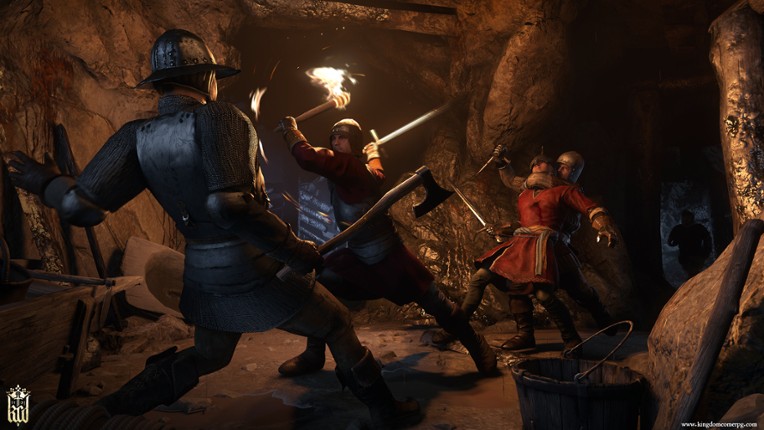
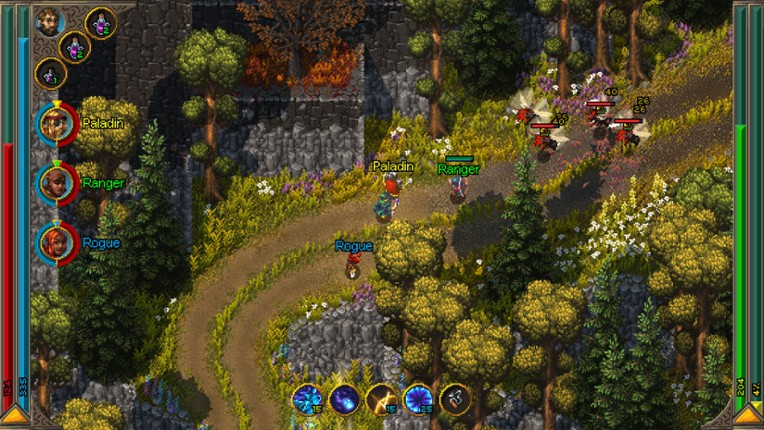
- 64%Game Brain ScoreMost mentioned positive aspects:story, gameplayMost mentioned negative aspects:grinding, stability65% User Score 1,183 reviewsCritic Score 63%9 reviewsHammerwatch 2 swaps Outward's 3D world for a 2D pixel dungeon crawler with tight co‑op and arcade‑style combat. If you enjoyed this game, see our list of games similar to Hammerwatch 2.View Game
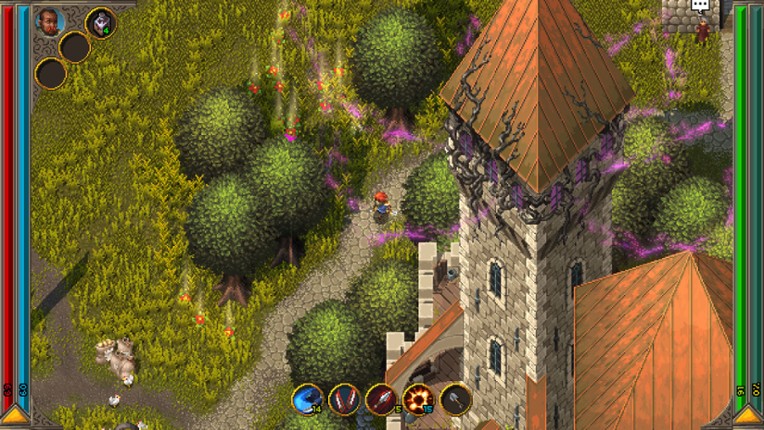
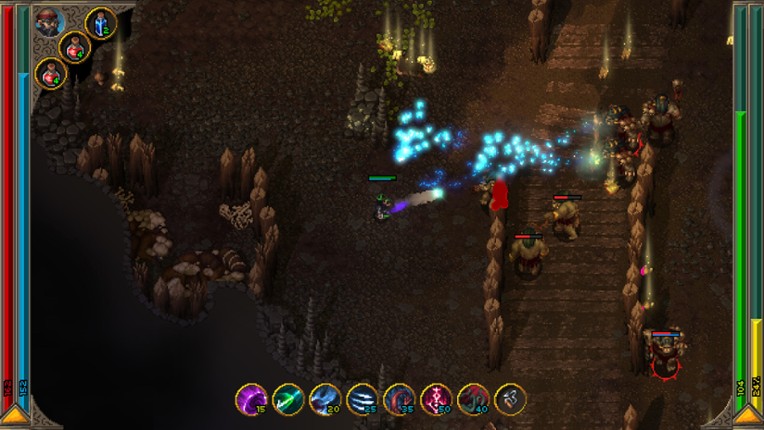
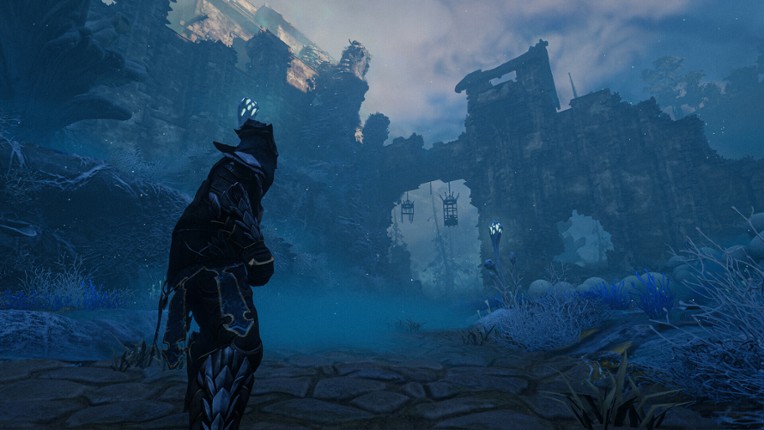
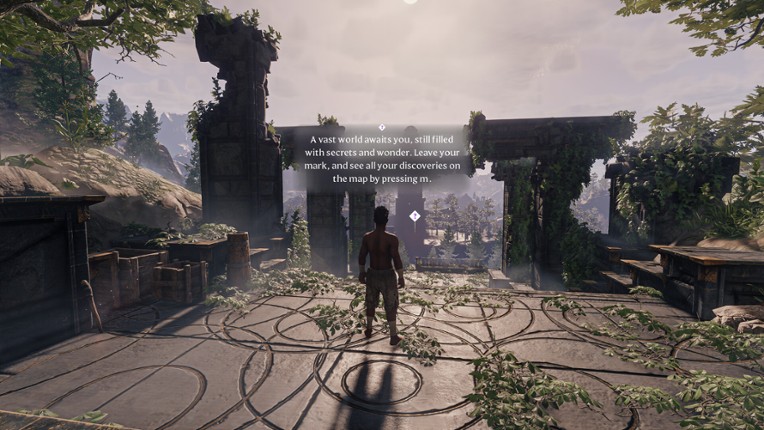
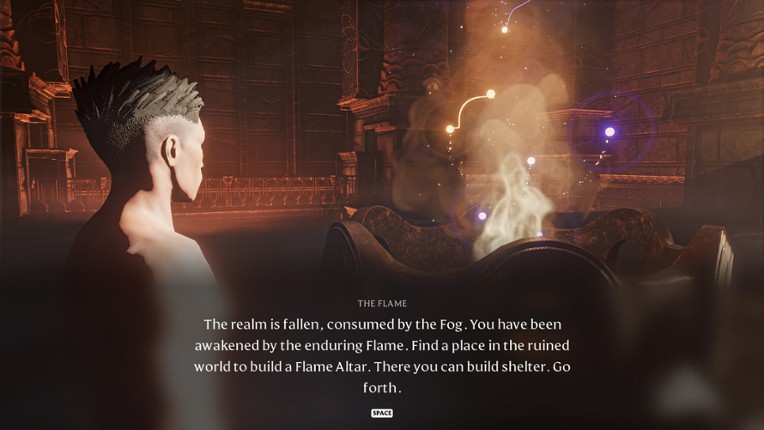
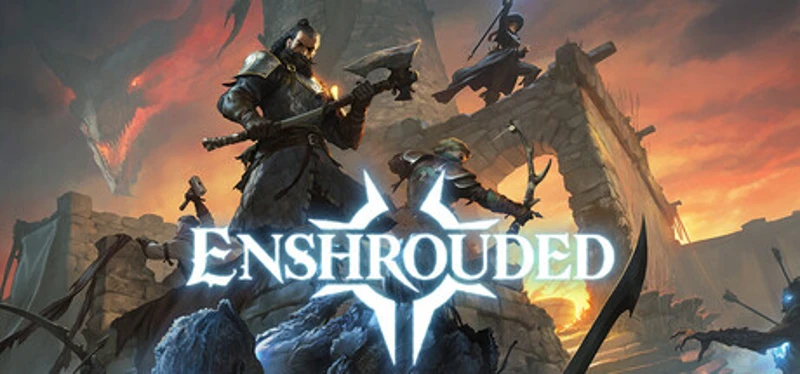
- 86%Game Brain ScoreMost mentioned positive aspects:story, gameplayMost mentioned negative aspects:optimization, grinding87% User Score 51,928 reviewsCritic Score 85%10 reviewsEnshrouded adds robust base building and crafting to Outward's formula, perfect for players who enjoy constructing forts while exploring fantasy realms. If you enjoyed this game, see our list of games similar to Enshrouded.View Game
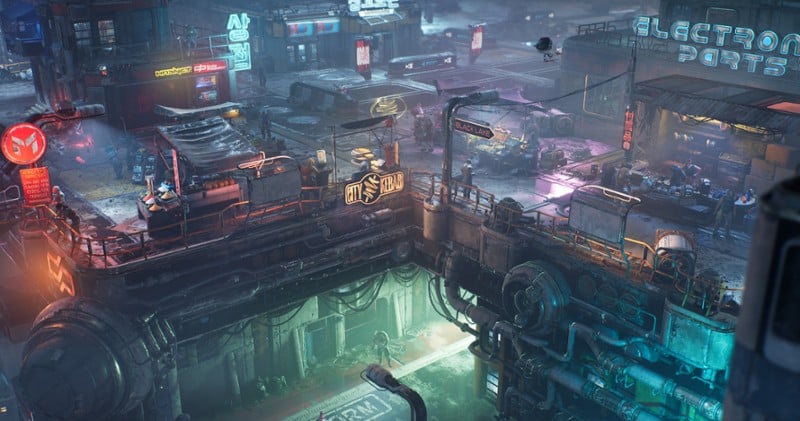
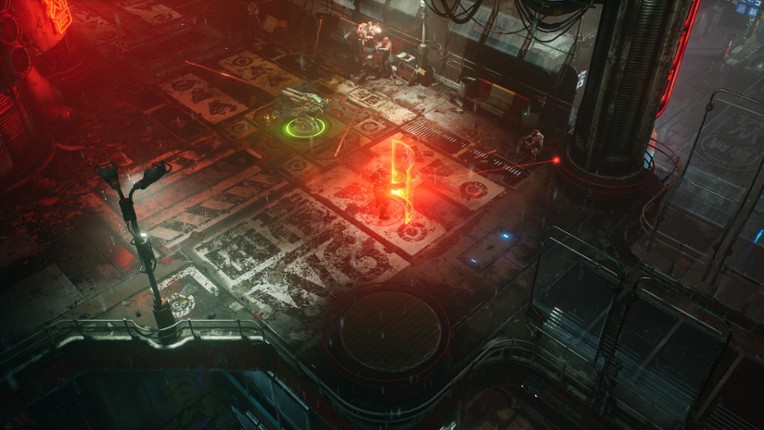
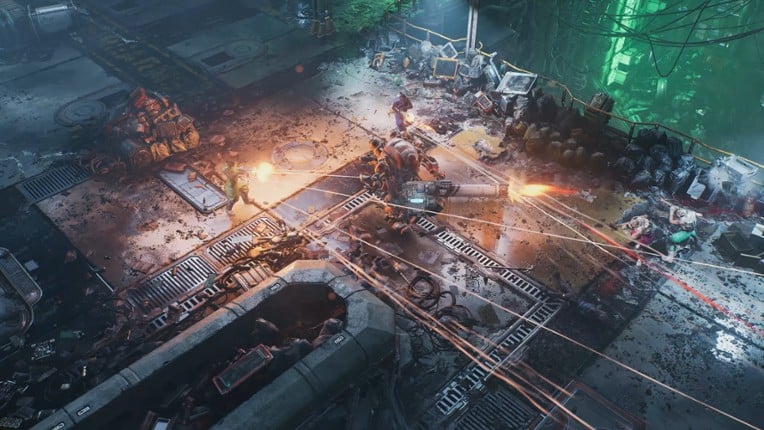
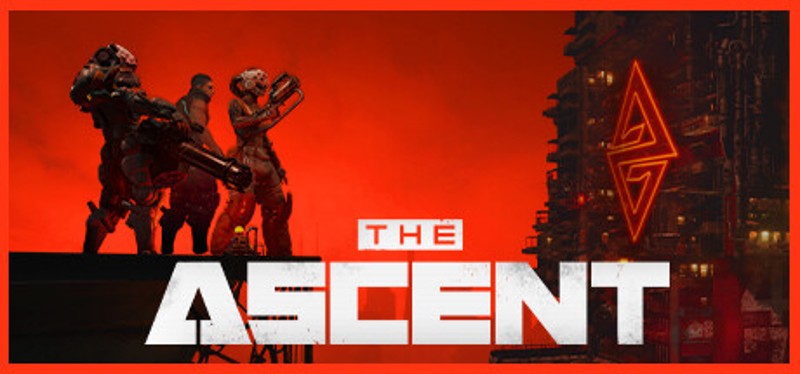
- 75%Game Brain ScoreMost mentioned positive aspects:story, gameplayMost mentioned negative aspects:stability, optimization76% User Score 14,984 reviewsCritic Score 75%49 reviewsThe Ascent shifts Outward's fantasy to a cyberpunk twin‑stick shooter with isometric co‑op, targeting fans who want high‑octane violence in a dystopian world. If you enjoyed this game, see our list of games similar to The Ascent.View Game
19 View Game 87%Game Brain ScoreMost mentioned positive aspects:gameplay, graphicsMost mentioned negative aspects:grinding, stability88% User Score 13,190 reviewsCritic Score 85%4 reviewsSalt and Sanctuary replicates Outward's co‑op spirit in a side‑scrolling, gothic 2D world, catering to fans who love dark, punishing combat. If you enjoyed this game, see our list of games similar to Salt and Sanctuary.View Game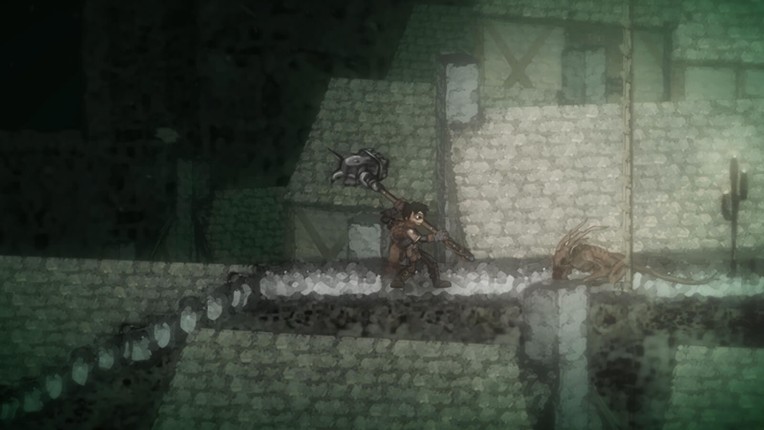
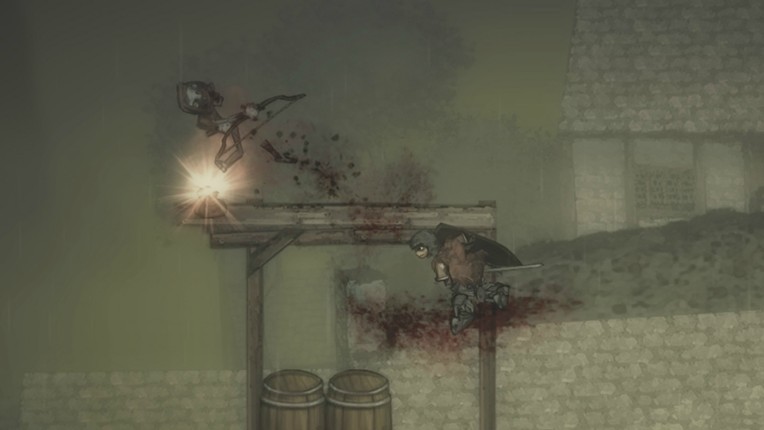
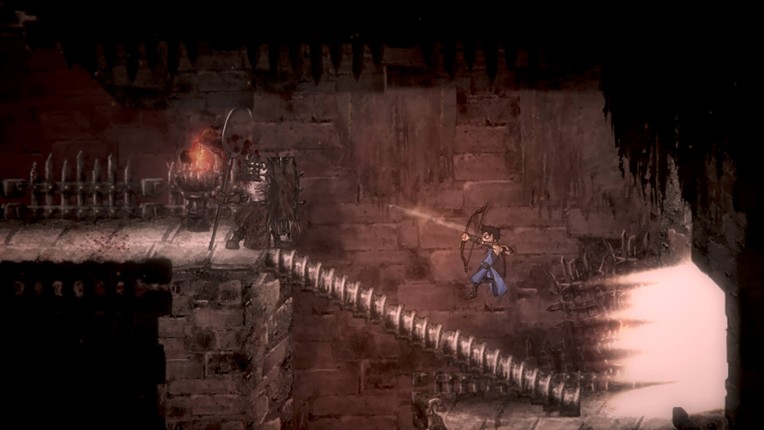
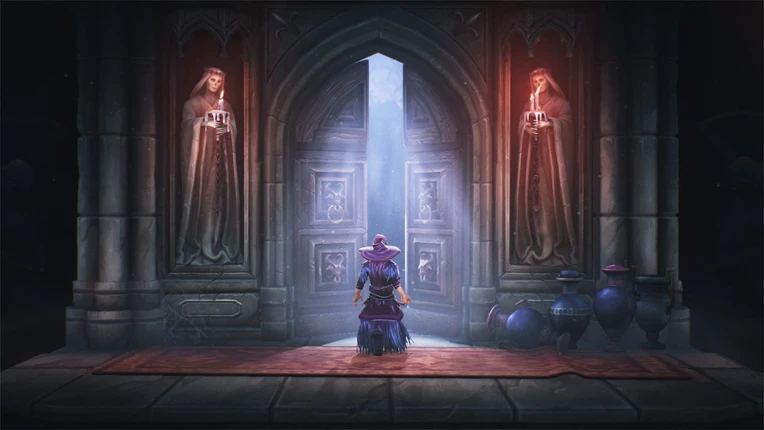
20 View Game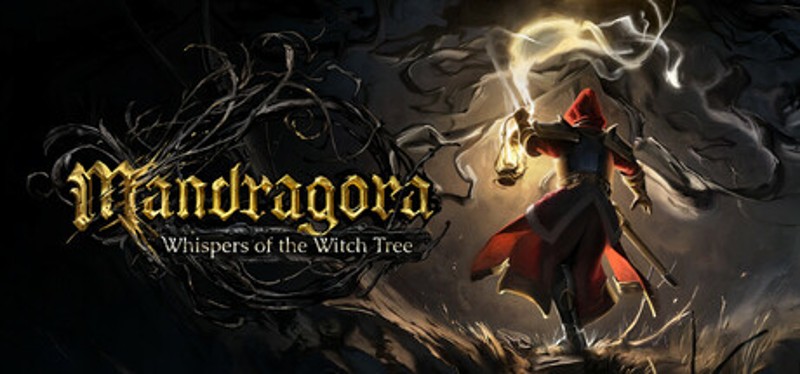 78%Game Brain ScoreMost mentioned positive aspects:story, gameplayMost mentioned negative aspects:grinding, stability79% User Score 1,419 reviewsCritic Score 77%9 reviewsDistills Outward's souls-like difficulty and atmospheric exploration into a compact 2.5D metroidvania without co-op or survival systems, emphasizing gothic horror and blood. If you enjoyed this game, see our list of games similar to Mandragora: Whispers of the Witch Tree.View Game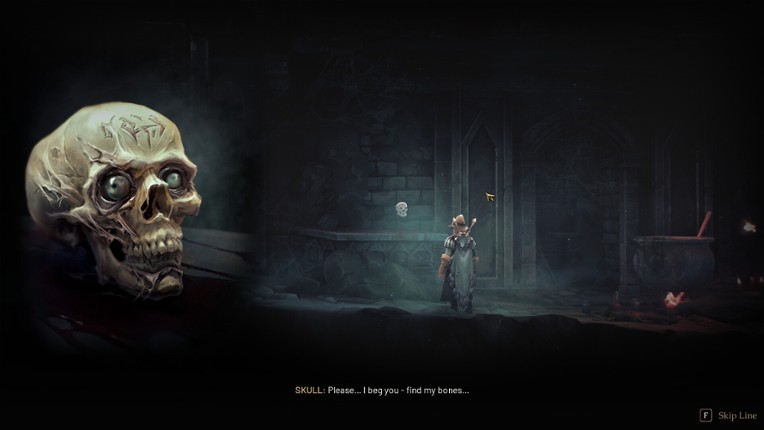
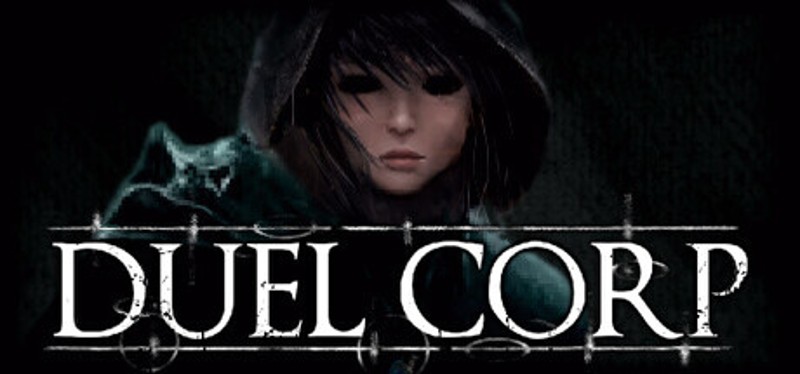
- 72%Game Brain ScoreMost mentioned positive aspects:gameplay, graphicsMost mentioned negative aspects:story, grinding72% User Score 695 reviews
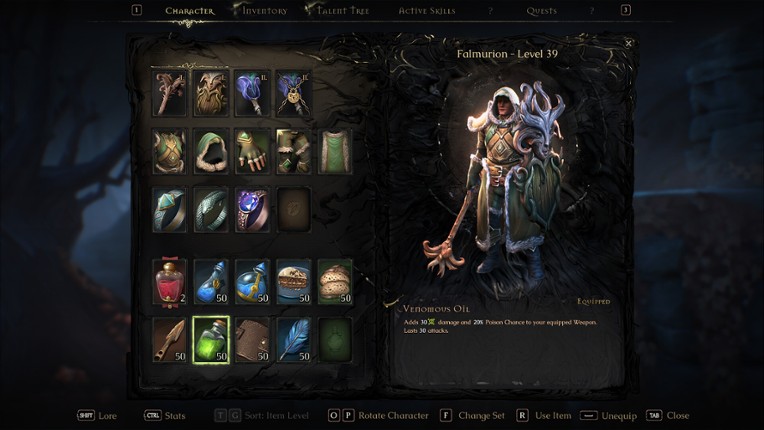
A Souls-inspired action RPG set in a sandbox open world with an MMO feel and challenging directional combat. Play solo or with up to 3 friends in co-op. Build friendships, master an unrestricted class system, and uncover the cause that darkened all eyes. If you enjoyed this game, see our list of games similar to Duel Corp..
View Game
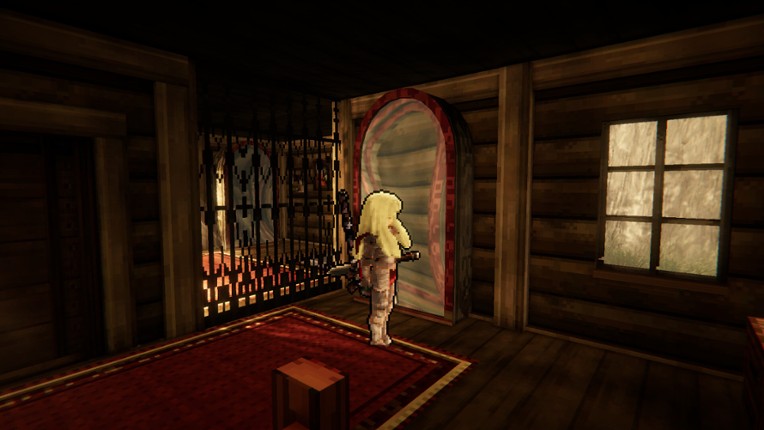
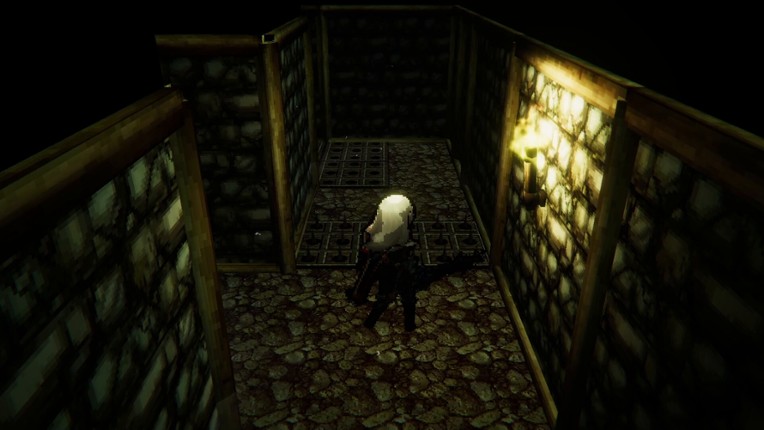
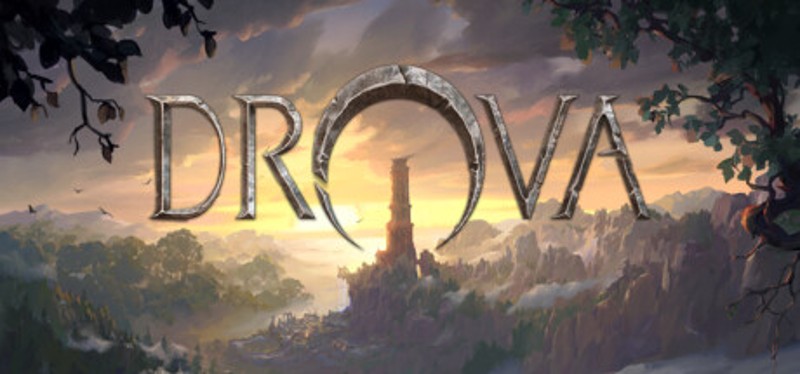
- 84%Game Brain ScoreMost mentioned positive aspects:story, gameplayMost mentioned negative aspects:grinding, stability94% User Score 4,813 reviewsCritic Score 70%6 reviewsDrova swaps Outward's co‑op for a solo, story‑rich pixel‑RPG where choices shape the dark, mystery‑kissed world. If you enjoyed this game, see our list of games similar to Drova: Forsaken Kin.View Game
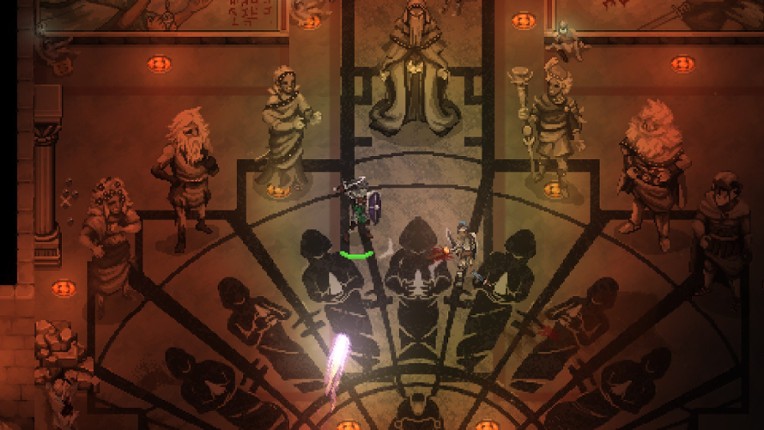
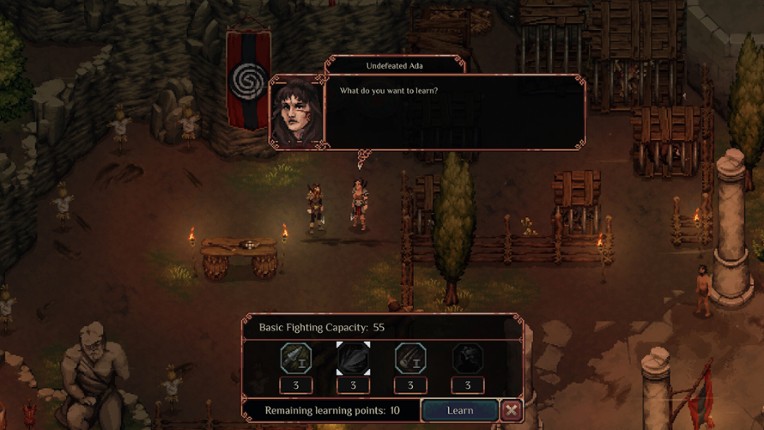
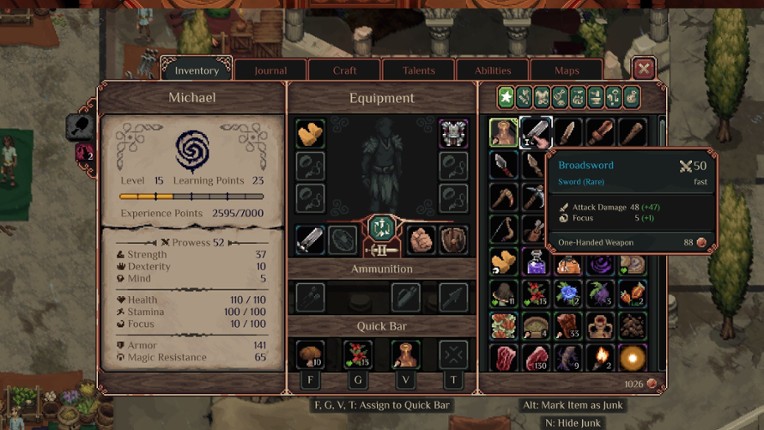
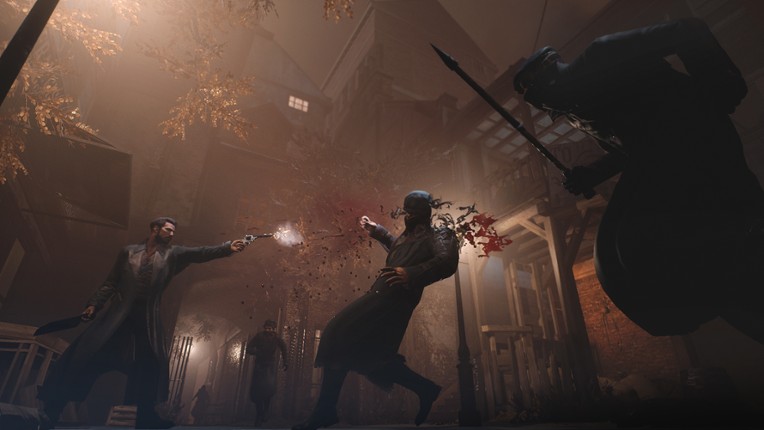
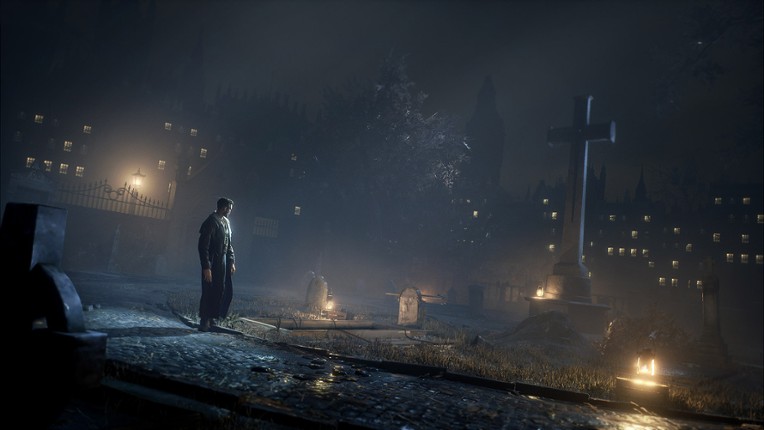
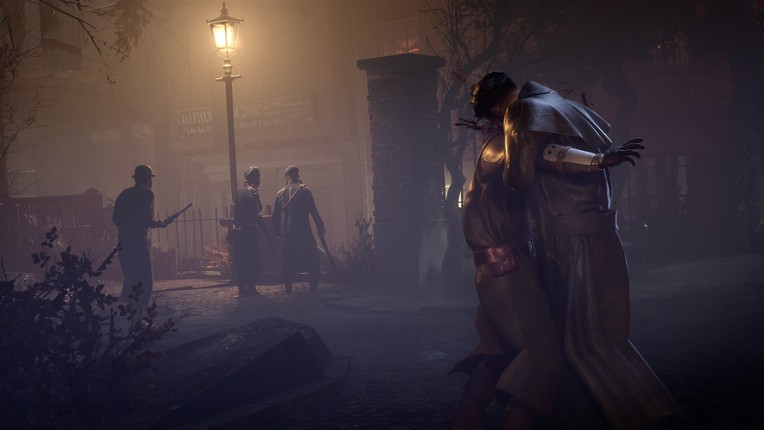
- 63%Game Brain ScoreMost mentioned positive aspects:story, gameplayMost mentioned negative aspects:grinding, optimization76% User Score 10,932 reviewsCritic Score 39%5 reviewsVampyr plunges you into a gothic vampire saga with deep choices and dark atmosphere, catering to Outward fans who crave narrative intensity. If you enjoyed this game, see our list of games similar to VAMPYR.View Game
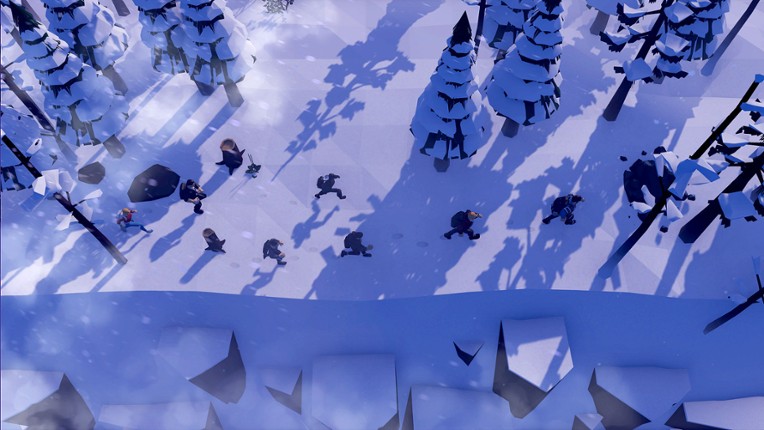
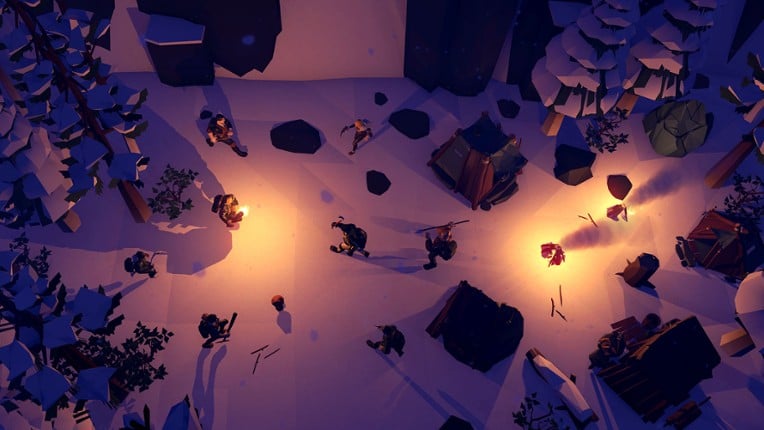
- 67%Game Brain ScoreMost mentioned positive aspects:story, gameplayMost mentioned negative aspects:stability, grinding66% User Score 2,287 reviewsCritic Score 70%1 reviewsReplaces Outward's fantasy setting with sci-fi horror mystery, trading the tactical trading system for pure crafting-first survival in harsh cold. If you enjoyed this game, see our list of games similar to The Wild Eight.View Game
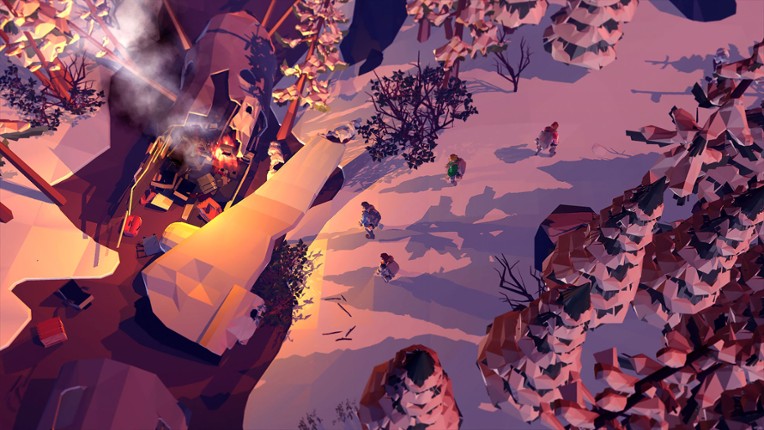
- 77%Game Brain ScoreMost mentioned positive aspects:story, gameplayMost mentioned negative aspects:grinding, character development77% User Score 481 reviewsFeatures a retro, turn-based approach to the open world that leans further into deep simulation and farming mechanics than real-time adventuring. If you enjoyed this game, see our list of games similar to Balrum.View Game
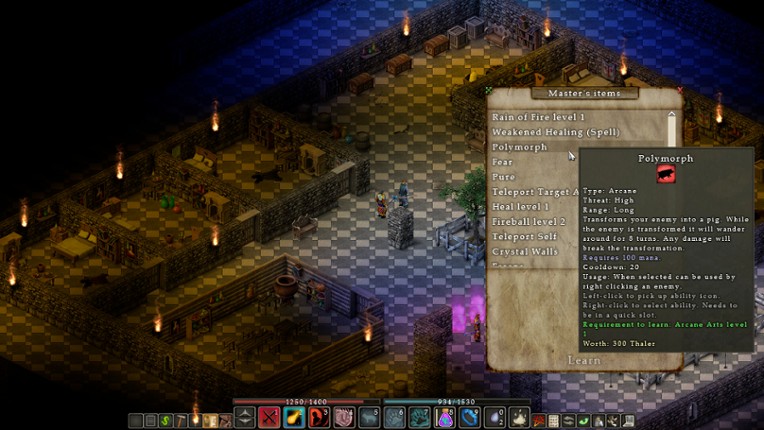
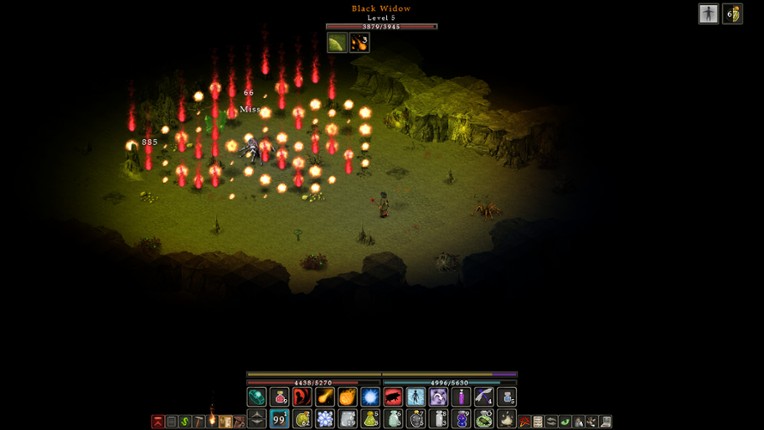
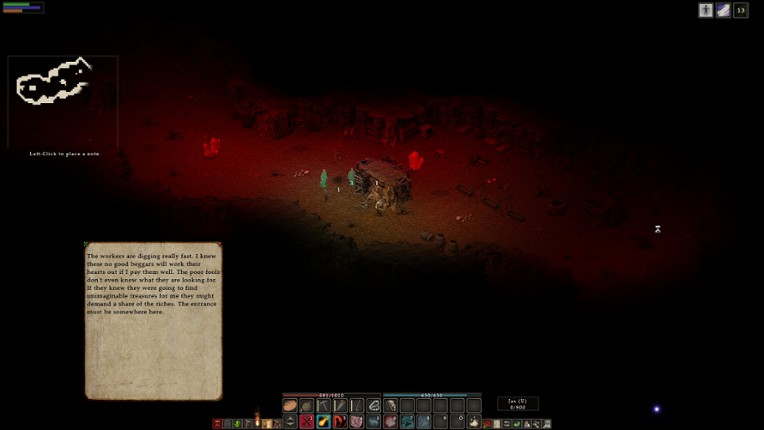
- 69%Game Brain ScoreMost mentioned positive aspects:story, graphicsMost mentioned negative aspects:stability, optimization67% User Score 2,808 reviewsCritic Score 78%2 reviewsTakes Outward's third-person exploration and trading but wraps it in gothic pirate fantasy instead of humble survival—single-player focus, magic included. If you enjoyed this game, see our list of games similar to Risen 3 Titan Lords.View Game
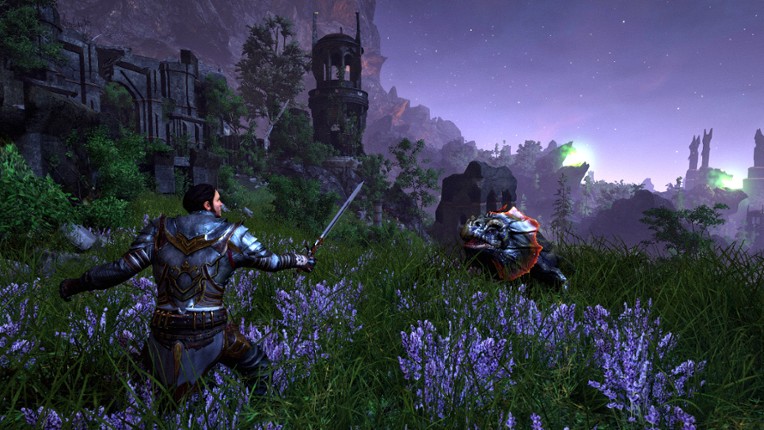
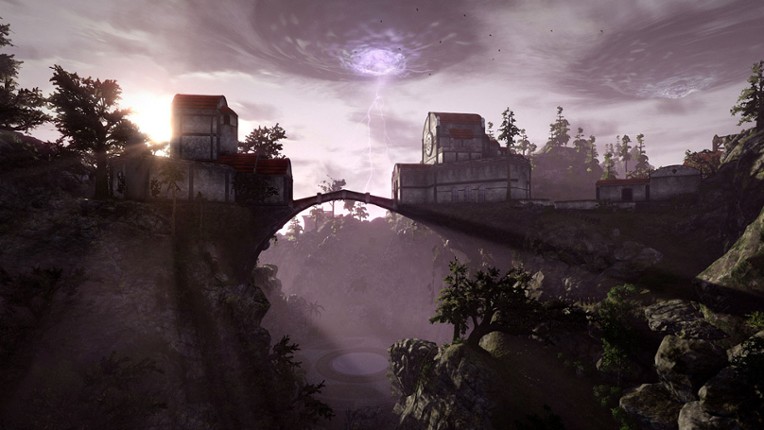
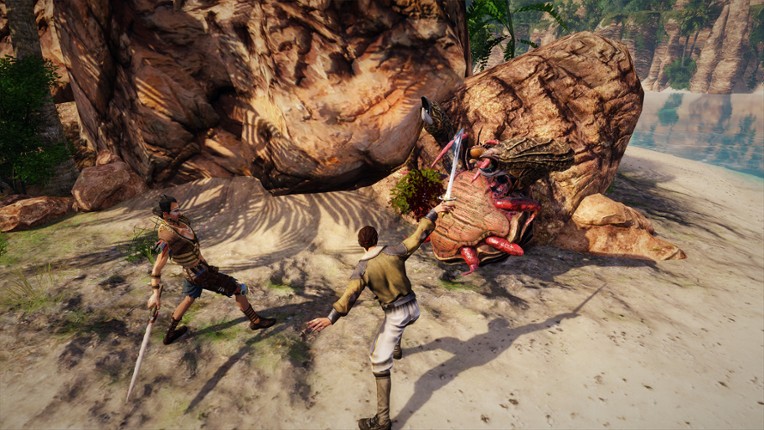
- 75%Game Brain ScoreMost mentioned positive aspects:gameplay, storyMost mentioned negative aspects:stability, grinding75% User Score 2,307 reviewsTakes Outward's souls-like co-op bones and fantasy violence but strips the survival and open-world exploration for dungeon-crawler focus and swordplay. If you enjoyed this game, see our list of games similar to Legendary Tales.View Game
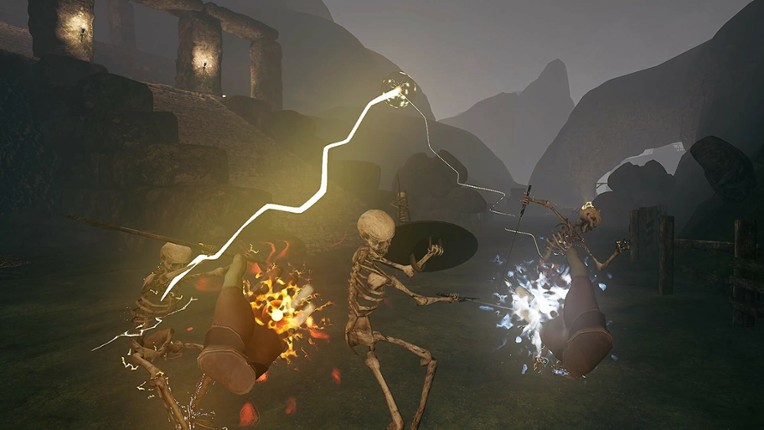
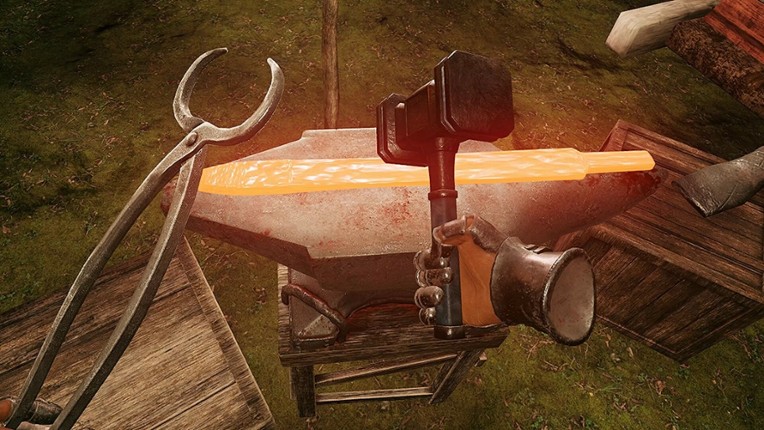
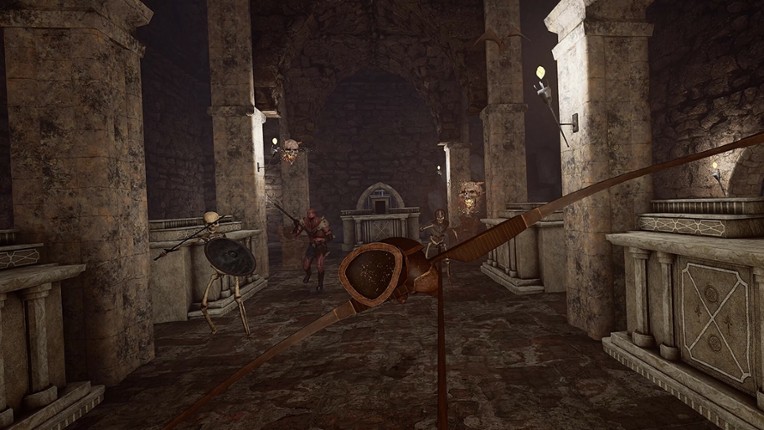
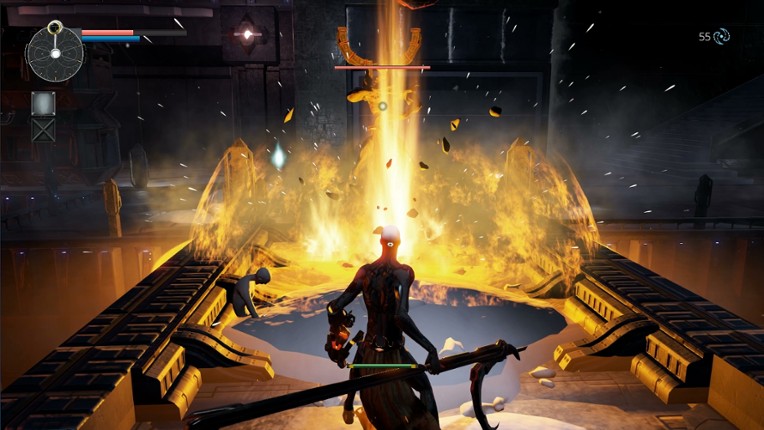
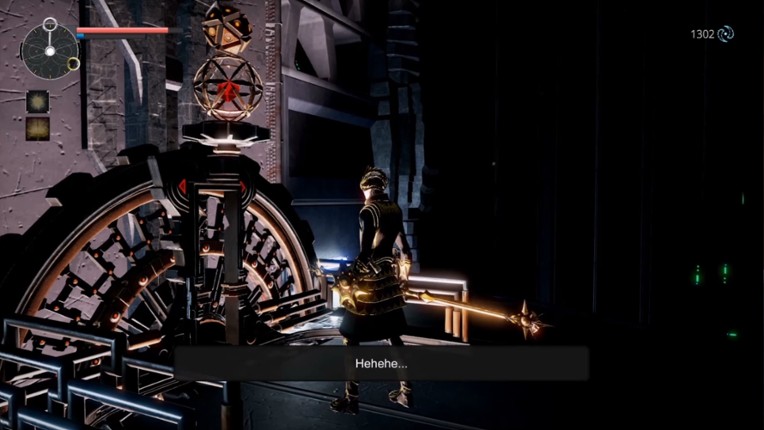
- 73%Game Brain ScoreMost mentioned positive aspects:gameplay, storyMost mentioned negative aspects:stability, optimization73% User Score 2,657 reviewsMatches Outward's co-op intensity, souls-like difficulty, and trading systems but trades fantasy for Lovecraftian sci-fi horror with psychological weight. If you enjoyed this game, see our list of games similar to Hellpoint.View Game
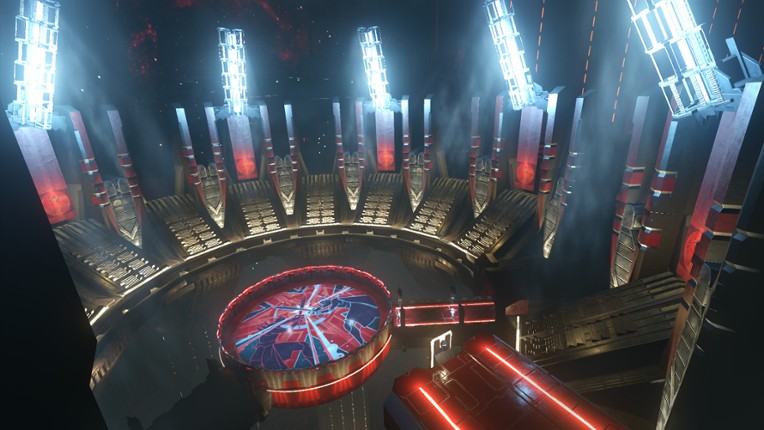
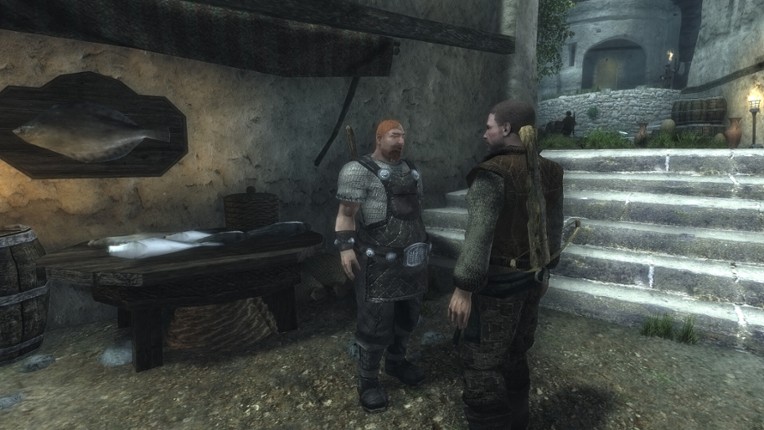
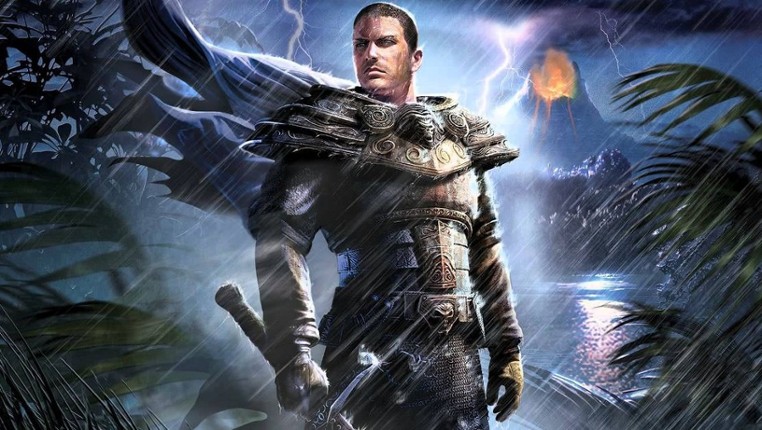
- 84%Game Brain ScoreMost mentioned positive aspects:story, gameplayMost mentioned negative aspects:stability, grinding84% User Score 4,124 reviewsRisen offers a classic gothic, third‑person adventure with a stellar soundtrack and tough combat, echoing Outward's atmosphere for solo explorers. If you enjoyed this game, see our list of games similar to Risen.View Game

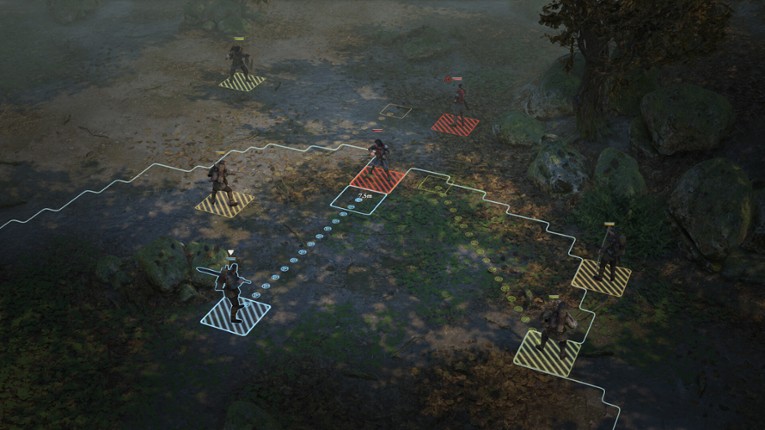
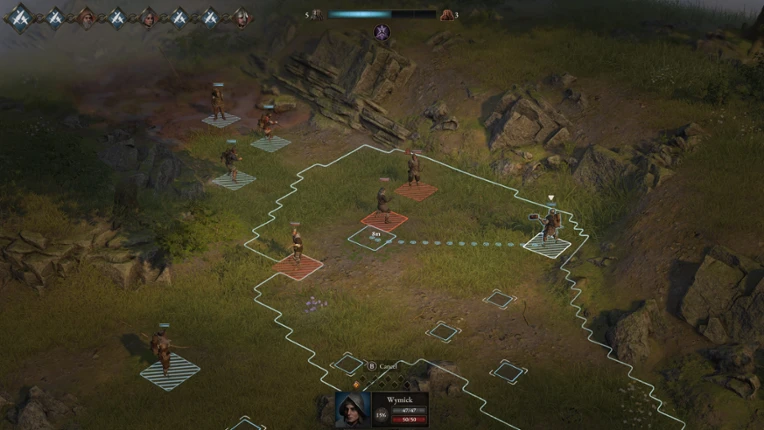
- 80%Game Brain ScoreMost mentioned positive aspects:story, gameplayMost mentioned negative aspects:grinding, optimization84% User Score 14,533 reviewsCritic Score 73%7 reviews
Wartales is an open world RPG in which you lead a group of mercenaries in their search for wealth across a massive medieval universe. Explore the world, recruit companions, collect bounties and unravel the secrets of the tombs of the ancients! If you enjoyed this game, see our list of games similar to Wartales.
View Game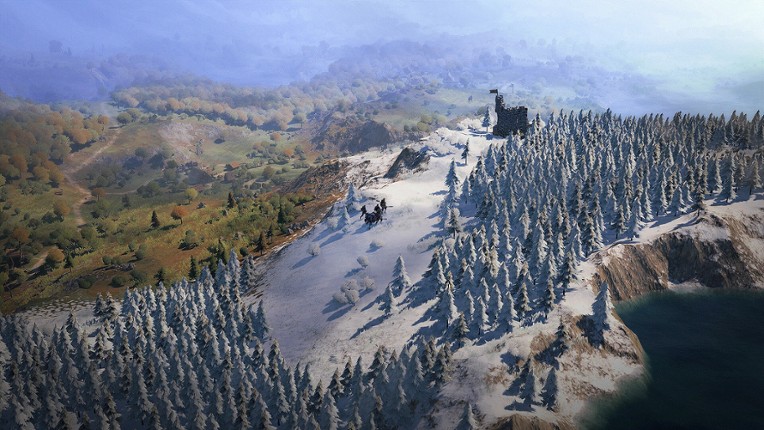
31 View Game 81%Game Brain ScoreMost mentioned positive aspects:story, gameplayMost mentioned negative aspects:grinding, stability81% User Score 7,554 reviewsCritic Score 80%1 reviews
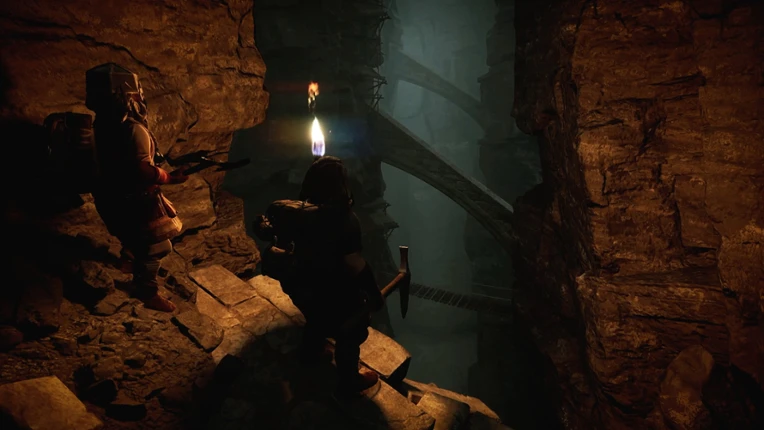
The only survival crafting video game set in the Fourth Age of Middle-earth™ If you enjoyed this game, see our list of games similar to The Lord of the Rings: Return to Moria.
View Game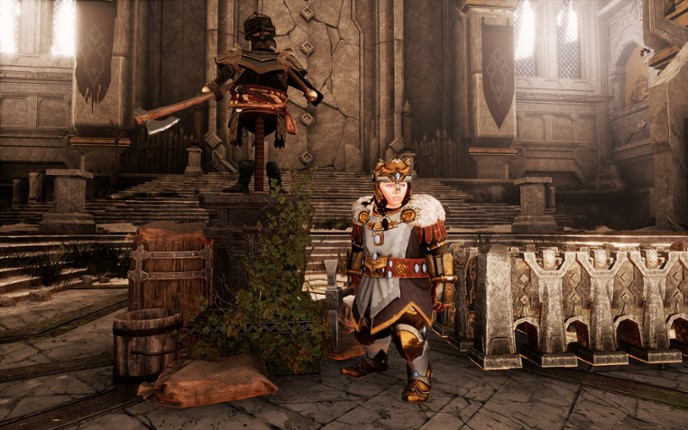
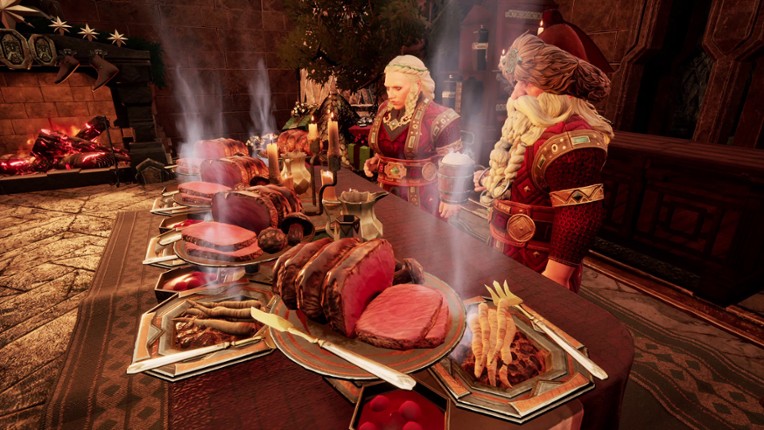
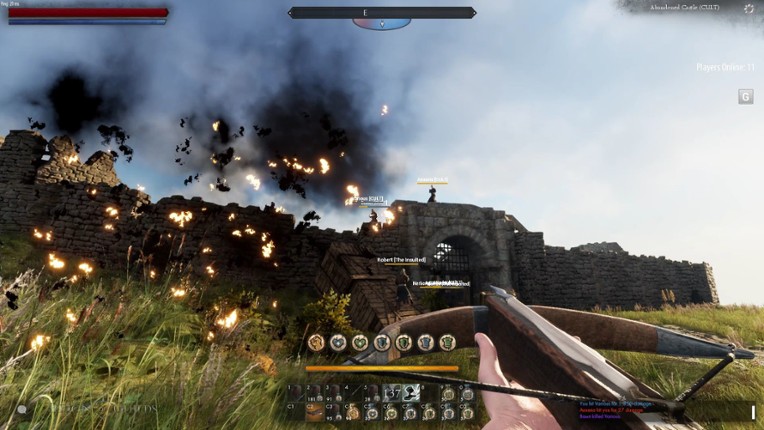
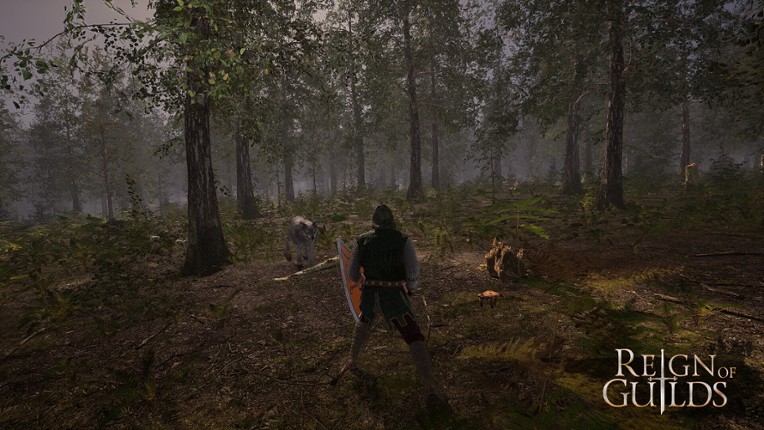
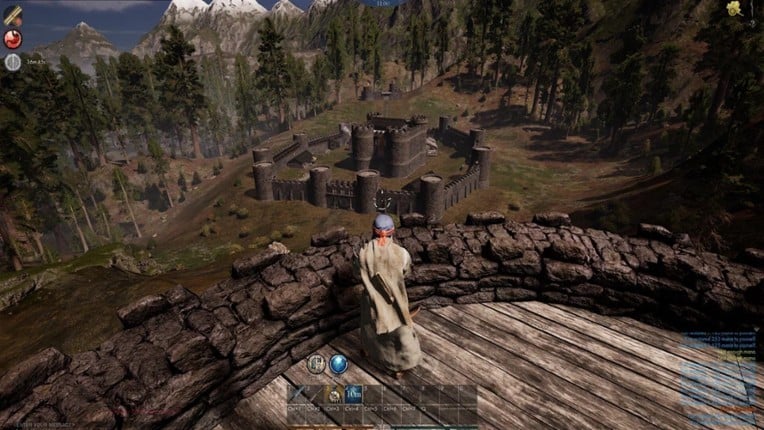
- 64%Game Brain ScoreMost mentioned positive aspects:story, gameplayMost mentioned negative aspects:grinding, stability64% User Score 538 reviewsFocuses on the grand-scale politics of a persistent medieval world, trading the intimate co-op journey for a massively multiplayer sandbox experience. If you enjoyed this game, see our list of games similar to Reign of Guilds.View Game
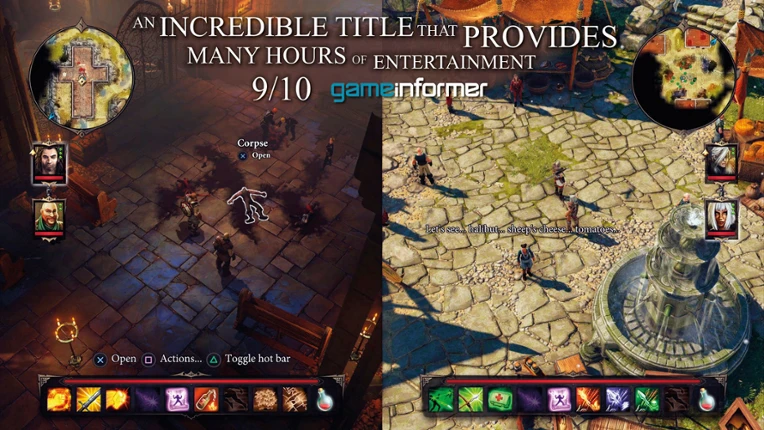
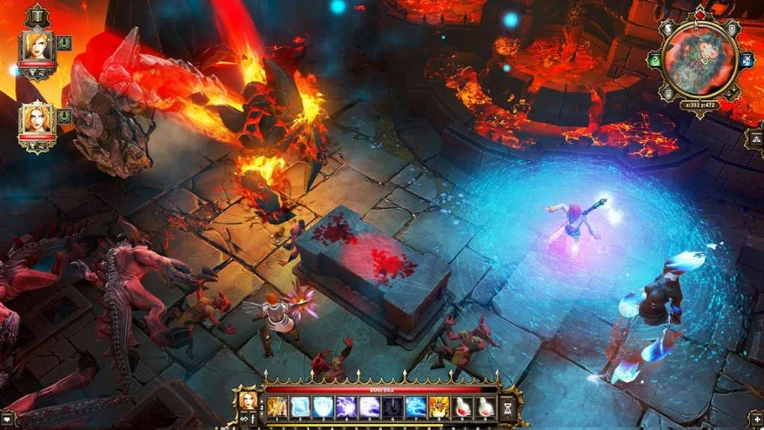
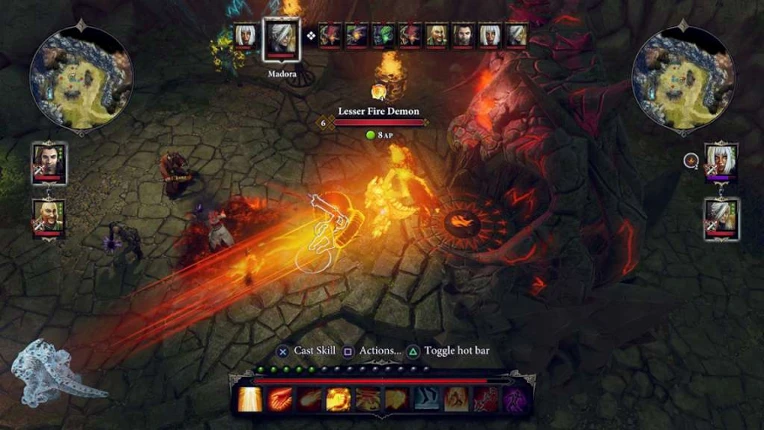
- 88%Game Brain ScoreMost mentioned positive aspects:story, gameplayMost mentioned negative aspects:grinding, stability87% User Score 19,560 reviewsCritic Score 88%24 reviewsReplaces the third-person action with tactical, turn-based combat that rewards environmental interaction and elemental combinations over real-time reflexive survival. If you enjoyed this game, see our list of games similar to Divinity: Original Sin.View Game
- 86%Game Brain ScoreMost mentioned positive aspects:story, gameplayMost mentioned negative aspects:optimization, grinding86% User Score 1,125 reviews
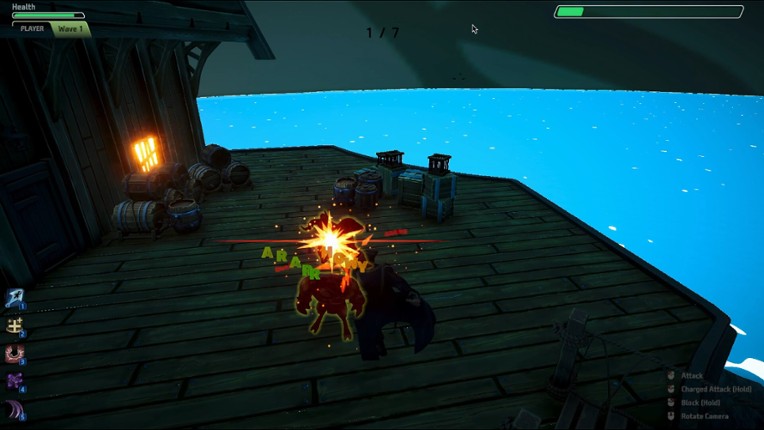
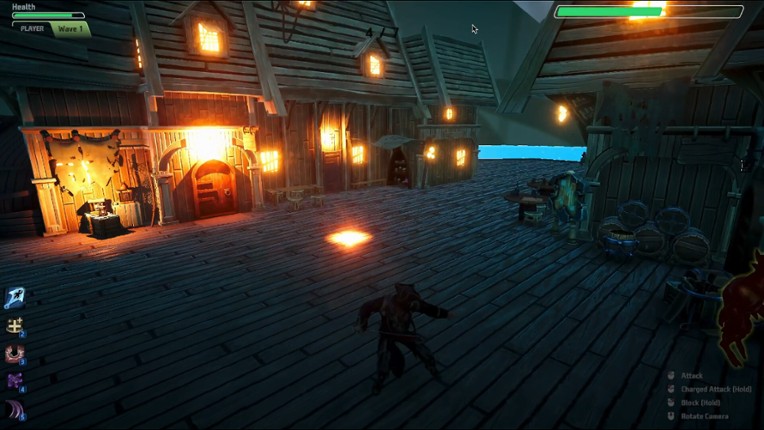
Leviaclaw is a dark 3D action fighter where you step into the boots of a legendary pirate battling monsters from the ocean’s depths. A cliffside town becomes a merciless battleground as waves of foes grow deadlier, testing your precision, reflexes, and skillful use of abilities. Five distinct enemy types, each with their own attacks and weaknesses, bring tension and diversity to every fight. The … If you enjoyed this game, see our list of games similar to Leviaclaw.
View Game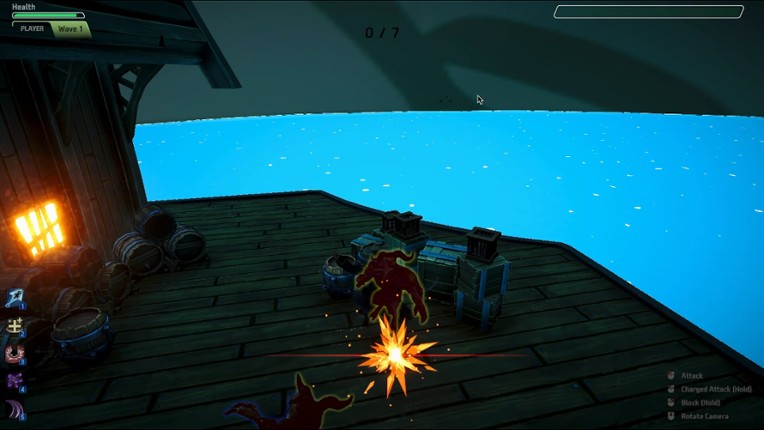
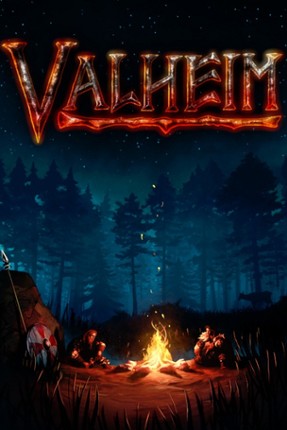
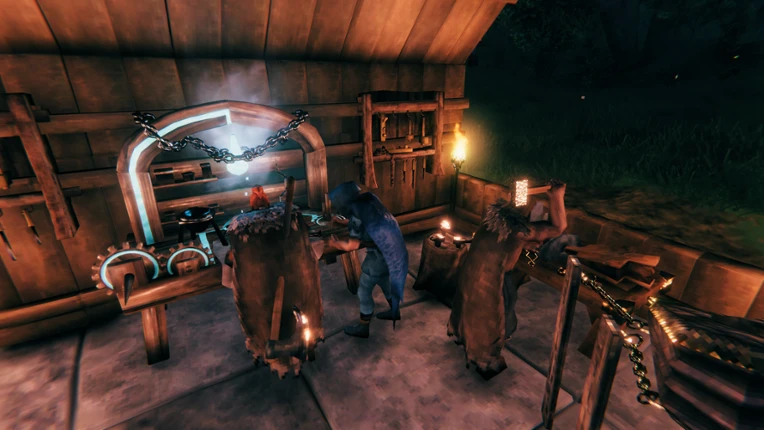
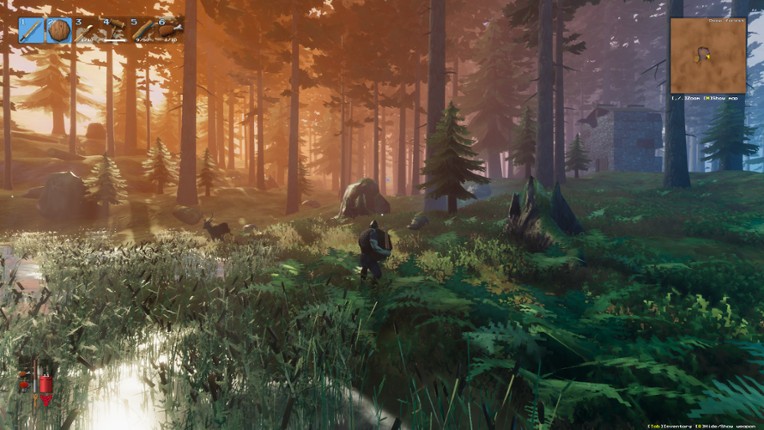
- 92%Game Brain ScoreMost mentioned positive aspects:gameplay, graphicsMost mentioned negative aspects:grinding, optimization95% User Score 291,882 reviewsCritic Score 90%11 reviewsExpands Outward's co-op building and exploration into Viking-mythic scale with deeper base construction and Norse atmosphere but less combat difficulty. If you enjoyed this game, see our list of games similar to Valheim.View Game
- 86%Game Brain ScoreMost mentioned positive aspects:gameplay, graphicsMost mentioned negative aspects:optimization, grinding86% User Score 32,968 reviews
From Moon Studios, the award-winning developers of Ori and the Blind Forest and Ori and the Will of the Wisps comes No Rest for the Wicked, a visceral, precision Action RPG set to reinvent the genre. The year is 841 – King Harol is dead. As word of his death echoes throughout the kingdom, the crown passes to his arrogant, yet untested son Magnus. Even worse, the Pestilence, an unholy plague not … If you enjoyed this game, see our list of games similar to No Rest for the Wicked.
View Game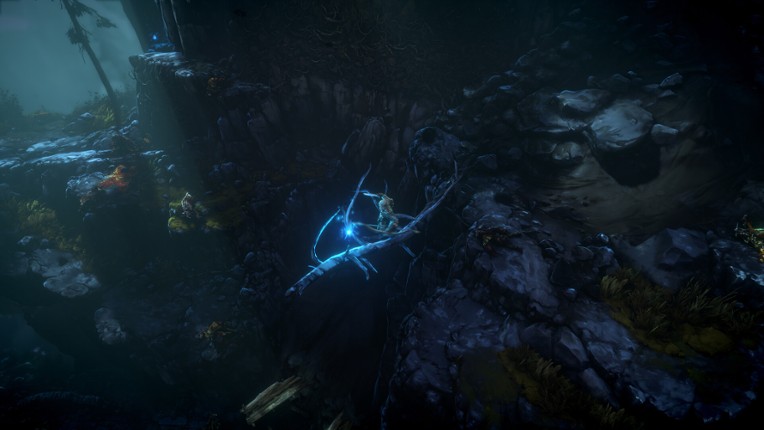
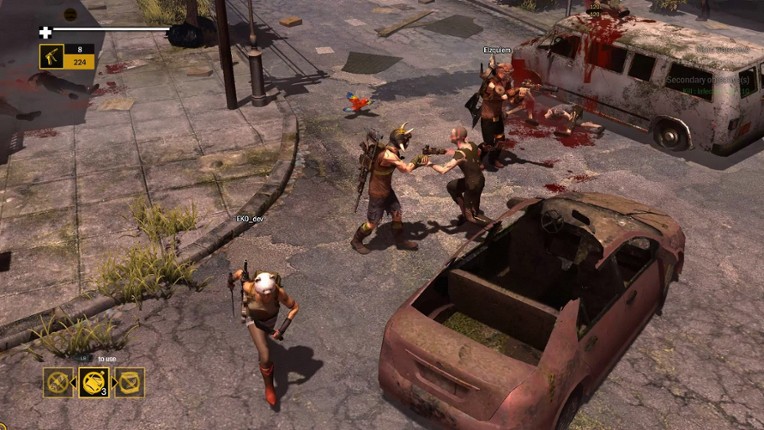
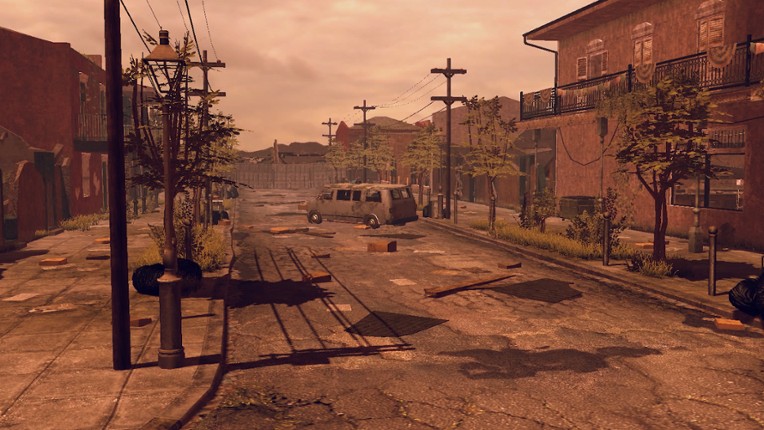
- 69%Game Brain ScoreMost mentioned positive aspects:story, gameplayMost mentioned negative aspects:grinding, stability66% User Score 3,838 reviewsCritic Score 72%7 reviewsMirrors Outward's local co-op split-screen and trading but swaps resource survival for zombie apocalypse dark comedy and top-down action. If you enjoyed this game, see our list of games similar to How To Survive 2.View Game
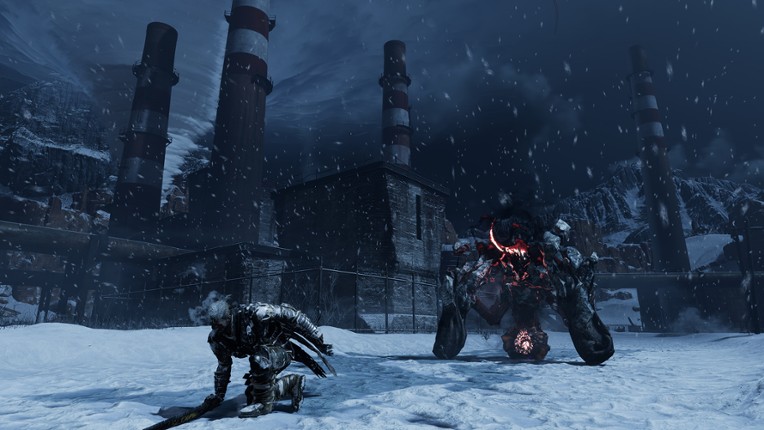
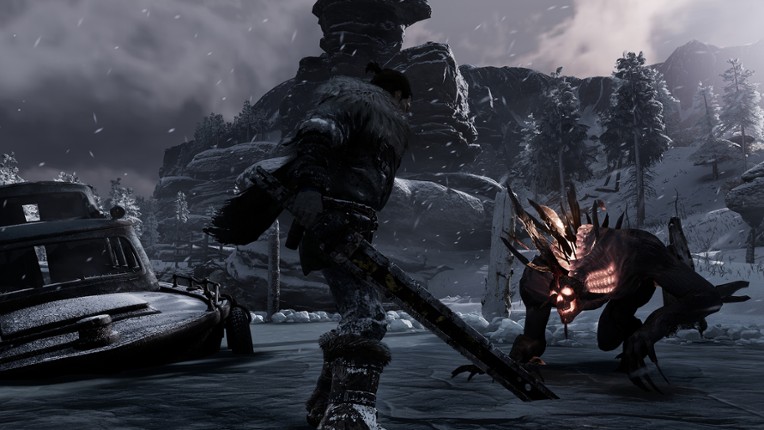
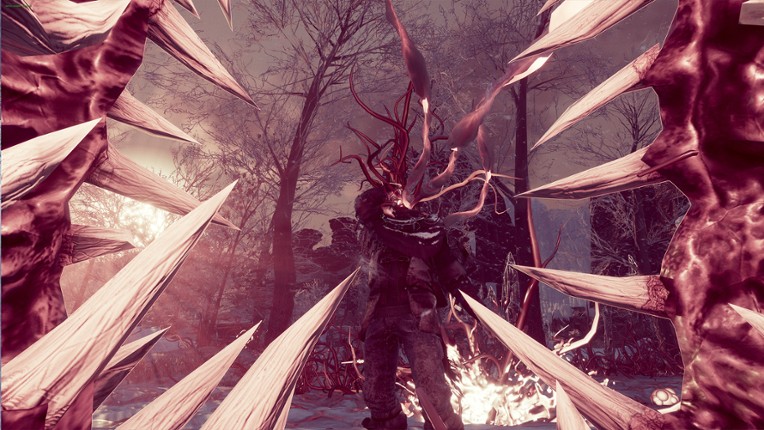
- 58%Game Brain ScoreMost mentioned positive aspects:story, gameplayMost mentioned negative aspects:optimization, stability64% User Score 626 reviewsCritic Score 42%3 reviewsEmphasizes harsh cold-weather base building and resource management within a desolate Lovecraftian wasteland rather than traditional fantasy monster hunting. If you enjoyed this game, see our list of games similar to Fade to Silence.View Game
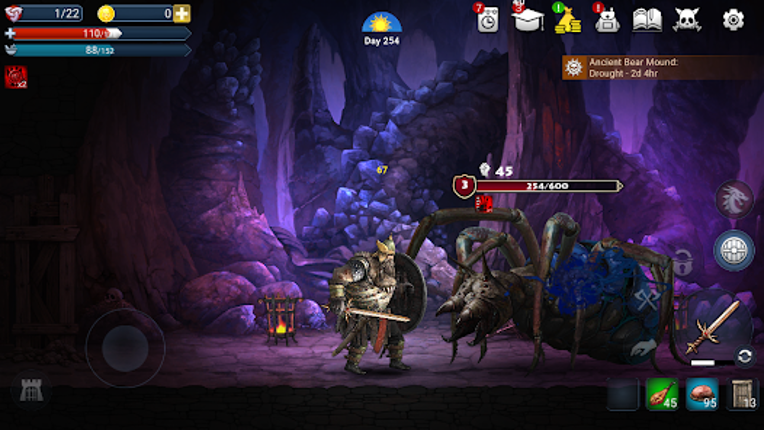
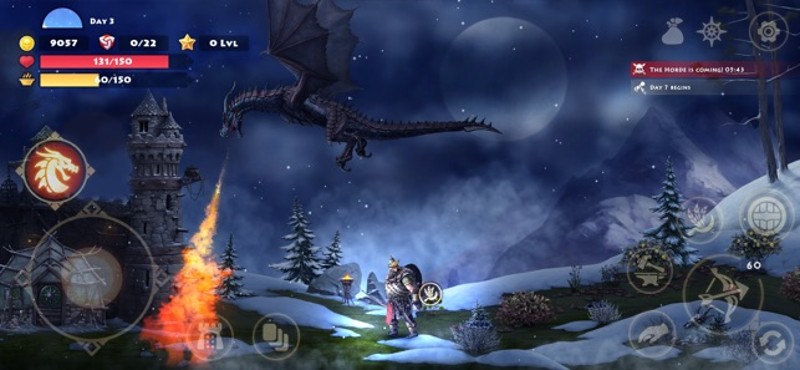
- 63%Game Brain ScoreMost mentioned positive aspects:gameplay, graphicsMost mentioned negative aspects:grinding, replayability62% User Score 676 reviewsCritic Score 65%6 reviewsDistills the survival experience into a side-scrolling 2D plane, focusing heavily on vertical base construction and mythological resource gathering. If you enjoyed this game, see our list of games similar to Niffelheim.View Game

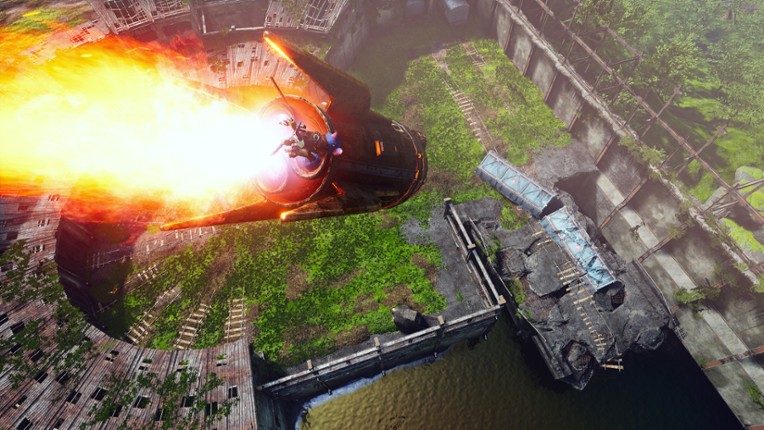
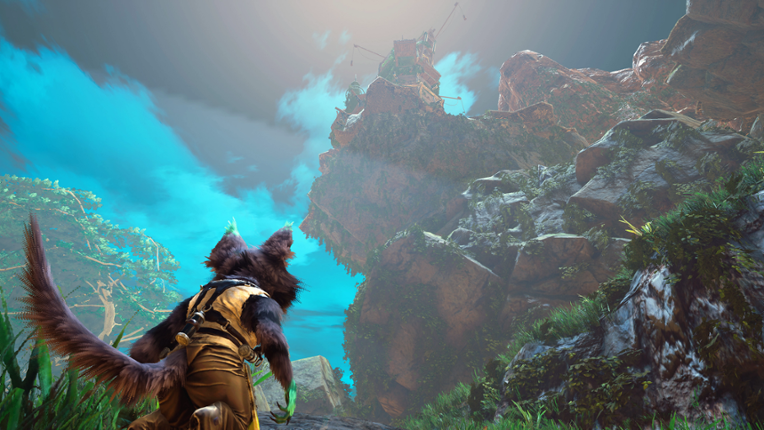
- 69%Game Brain ScoreMost mentioned positive aspects:story, gameplayMost mentioned negative aspects:stability, grinding69% User Score 11,445 reviewsCritic Score 69%2 reviewsRetains Outward's open-world action-RPG skeleton and single-player immersion but abandons co-op, survival mechanics, and resource management for story-driven mutation. If you enjoyed this game, see our list of games similar to Biomutant.View Game
- 86%Game Brain ScoreMost mentioned positive aspects:gameplay, storyMost mentioned negative aspects:grinding, stability86% User Score 8,632 reviews
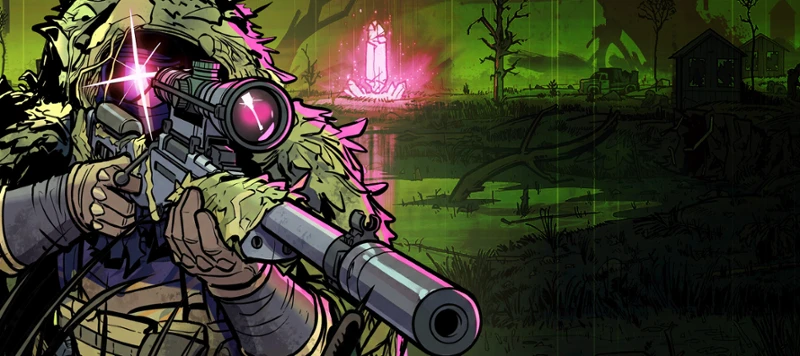
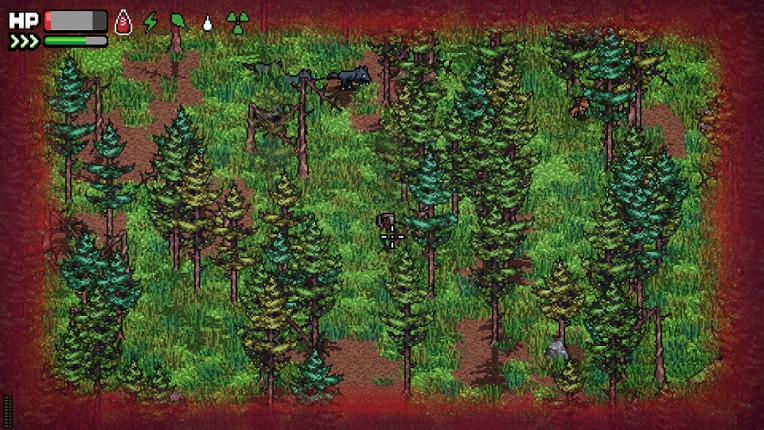
Zero Sievert is a tense top-down shooter that challenges you to scavenge a procedurally-generated wasteland, loot gear, and explore what’s left of a devastated world. When the odds are stacked against you, you’ll need to do more than just survive... If you enjoyed this game, see our list of games similar to ZERO Sievert.
View Game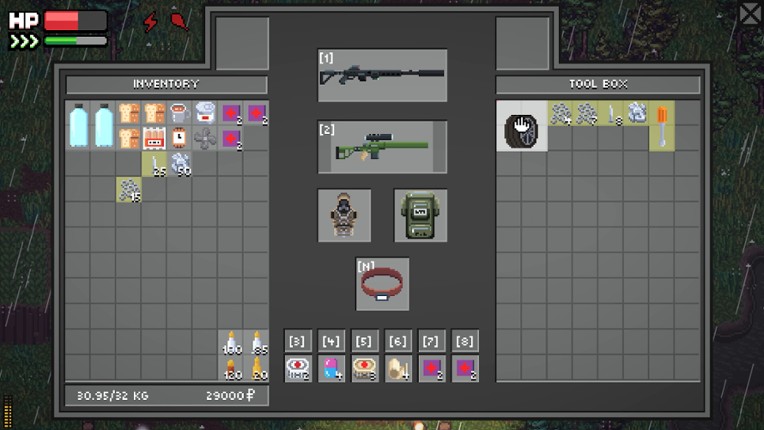
- 76%Game Brain ScoreMost mentioned positive aspects:story, gameplayMost mentioned negative aspects:grinding, optimization78% User Score 708 reviewsCritic Score 68%1 reviews
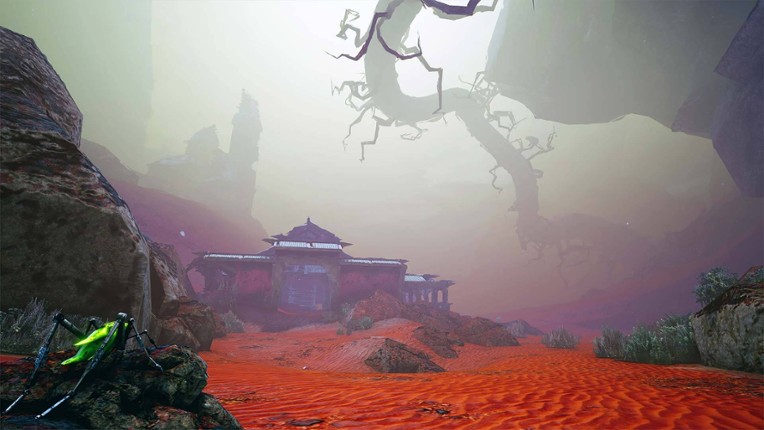
Sands of Aura is an open-world action adventure with a fantasy setting of a realm in its twilight--a world buried beneath a sea of sand. Sail across the sandseas to return life to a dying world in an unforgettable experience that is equal parts engaging story and unrelenting, souls-like combat. If you enjoyed this game, see our list of games similar to Sands of Aura.
View Game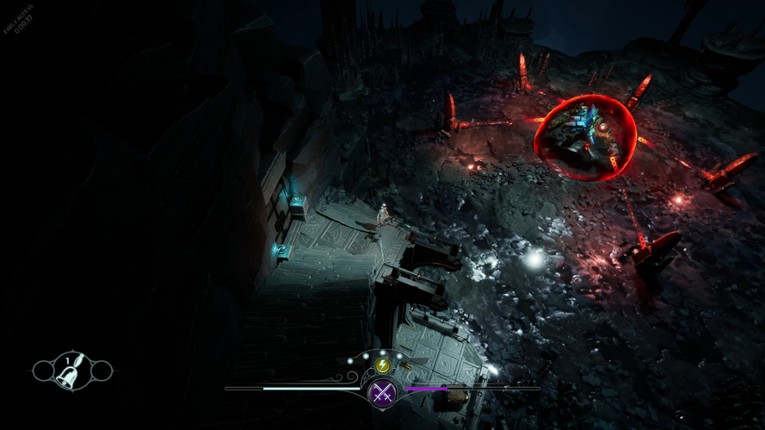
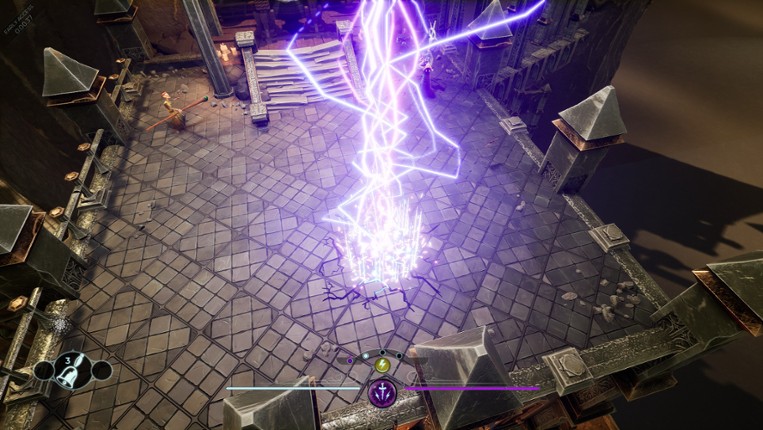
- 86%Game Brain ScoreMost mentioned positive aspects:story, gameplayMost mentioned negative aspects:optimization, grinding86% User Score 45,791 reviews
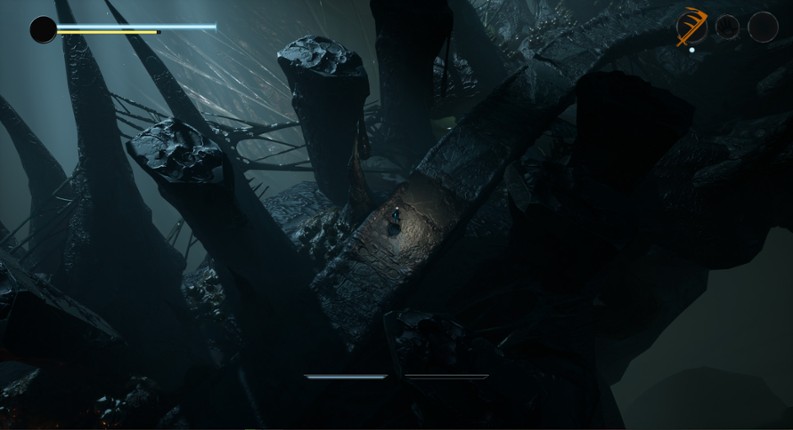
The Deluxe Edition includes: - The game - Early Access to 3 sets: (Elder Armor, Radiant Armor, and Void Armor) If you enjoyed this game, see our list of games similar to Remnant 2.
View Game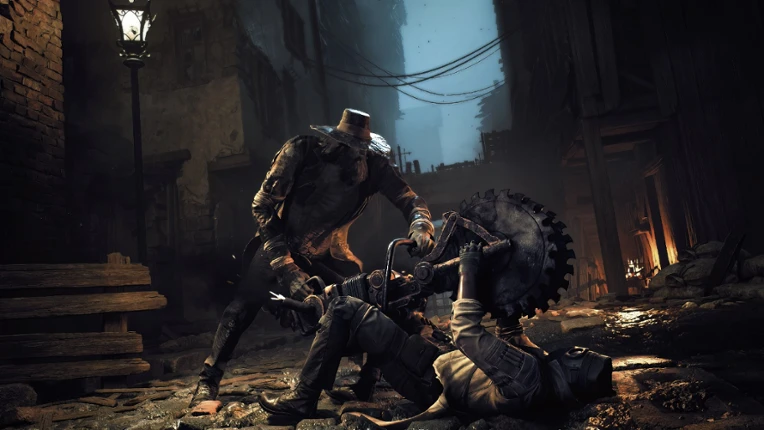

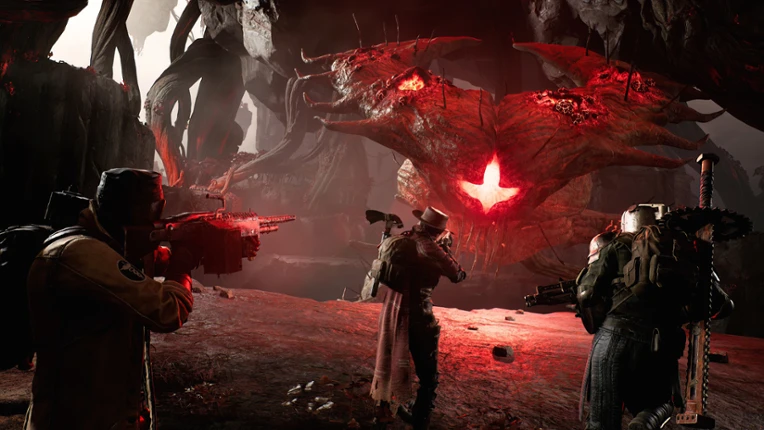
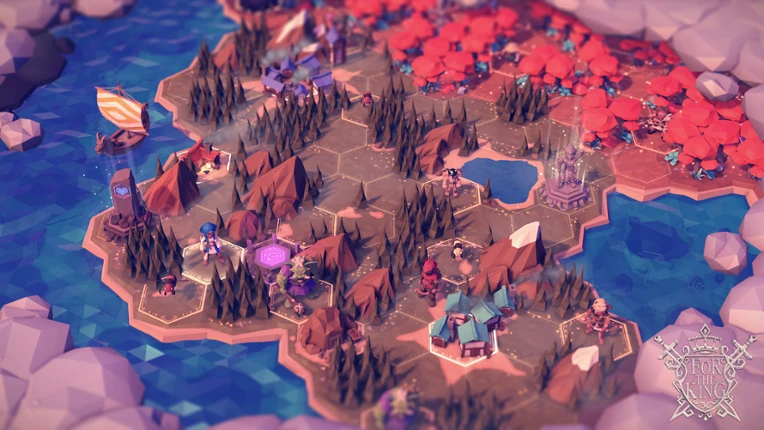
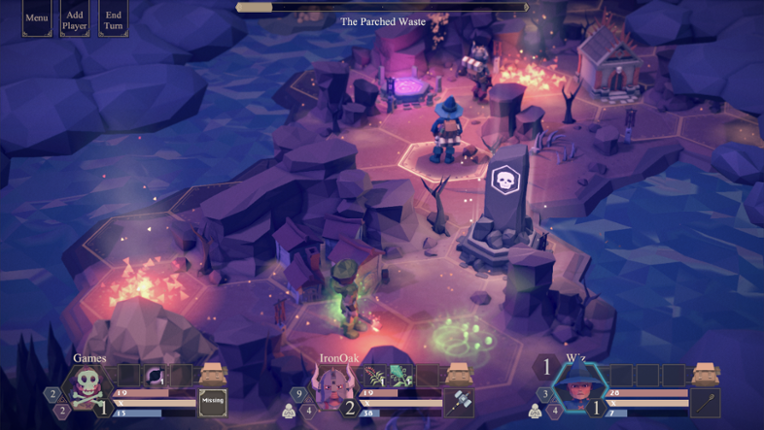
- 86%Game Brain ScoreMost mentioned positive aspects:gameplay, storyMost mentioned negative aspects:grinding, stability89% User Score 21,610 reviewsCritic Score 78%3 reviewsReplaces Outward’s real-time survival with turn-based tactical RPG combat and roguelike elements wrapped in a fantasy board game style. If you enjoyed this game, see our list of games similar to For The King.View Game
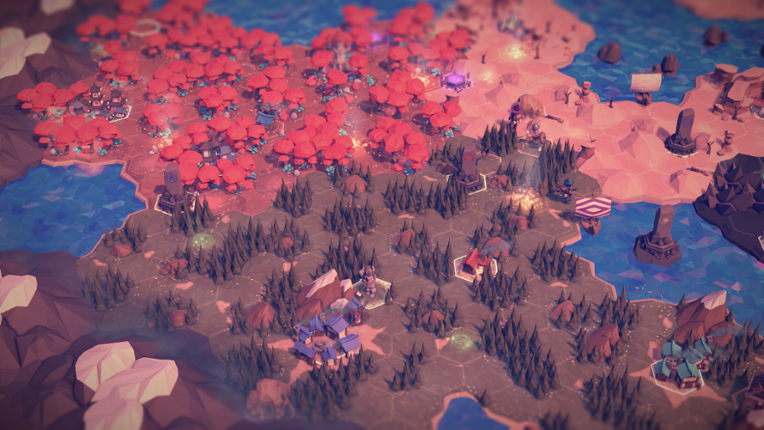
- 82%Game Brain ScoreMost mentioned positive aspects:story, gameplayMost mentioned negative aspects:grinding, stability88% User Score 16,451 reviewsCritic Score 75%47 reviews
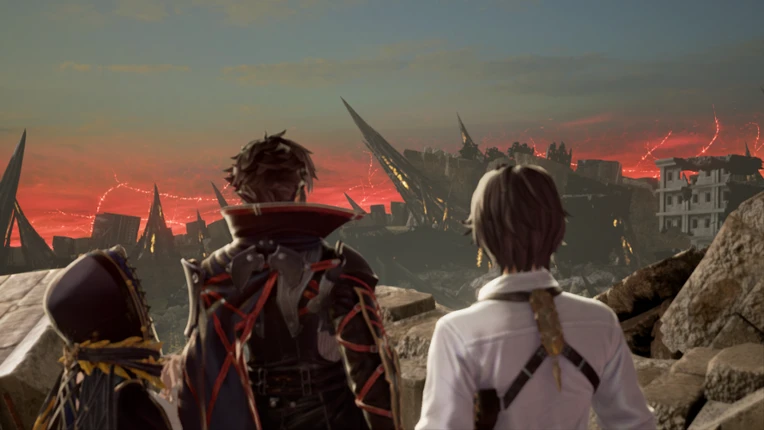
Code Vein is set in the not too distant future where a disaster has brought the world to ruin and vampire-like beings battle for dominance. If you enjoyed this game, see our list of games similar to Code Vein.
View Game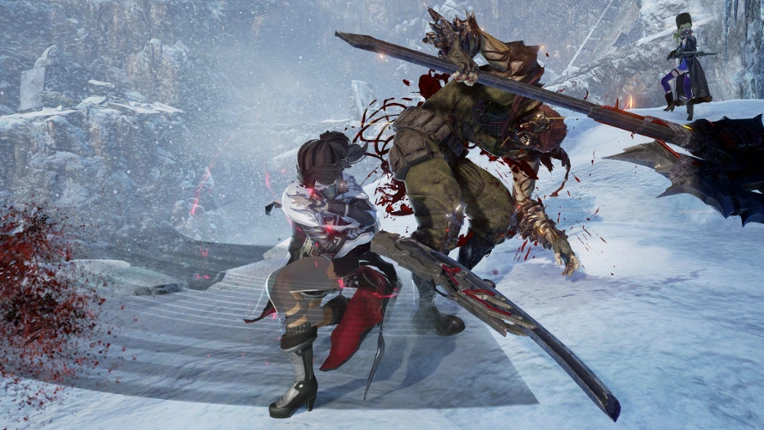
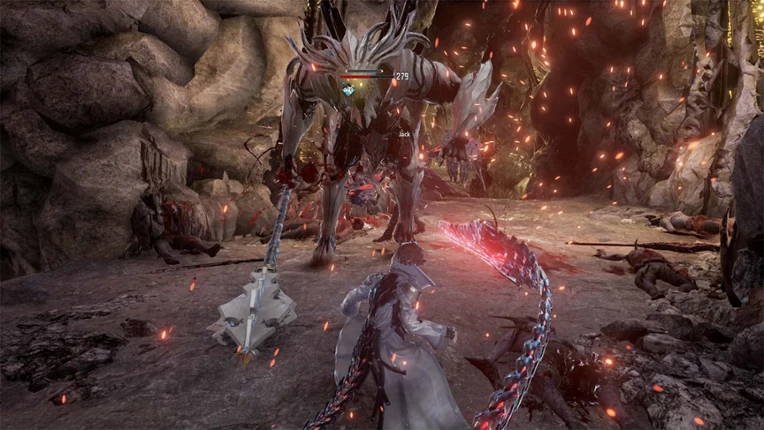
- 75%Game Brain ScoreMost mentioned positive aspects:story, gameplayMost mentioned negative aspects:stability, optimization75% User Score 13,234 reviewsPrioritizes surreal, dystopian psychological storytelling over wilderness exploration, casting players as a drugged citizen attempting to escape a fractured reality. If you enjoyed this game, see our list of games similar to We Happy Few.View Game

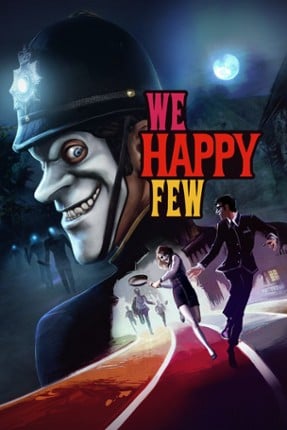
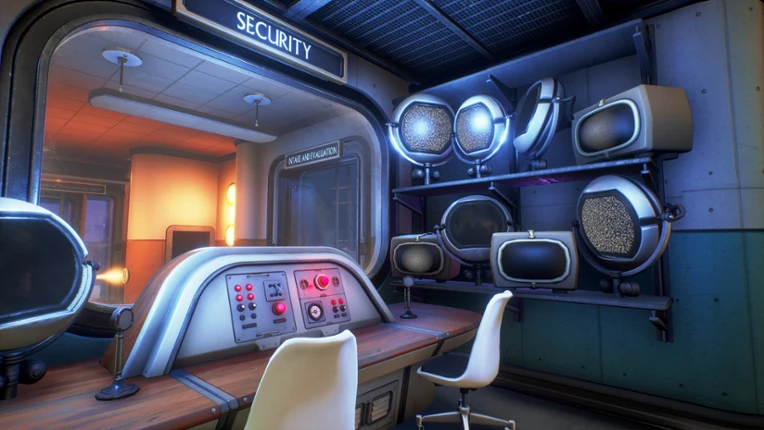
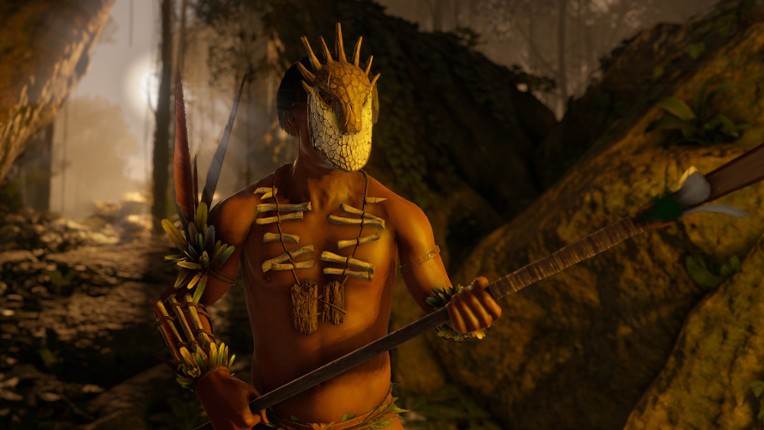
- 78%Game Brain ScoreMost mentioned positive aspects:story, gameplayMost mentioned negative aspects:grinding, stability85% User Score 33,418 reviewsCritic Score 66%6 reviewsDarkens the survival experience with a brutal realistic setting grounded in psychological horror and intensive first-person crafting rather than third person action. If you enjoyed this game, see our list of games similar to Green Hell.View Game
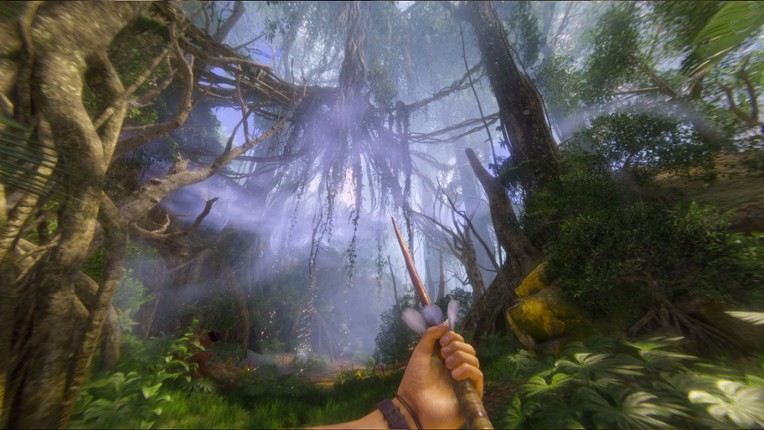
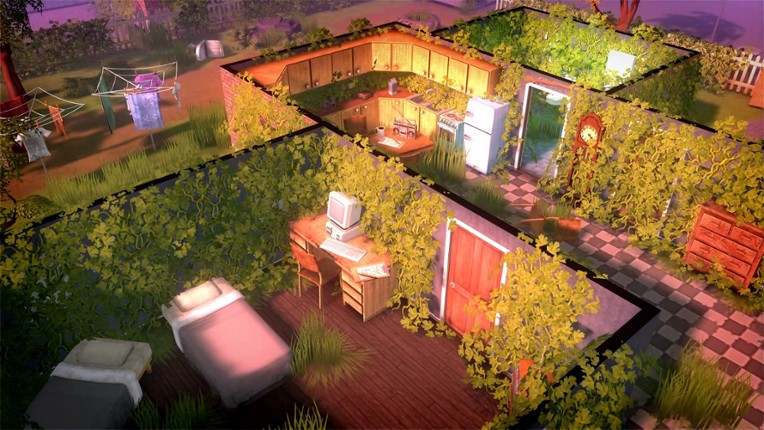
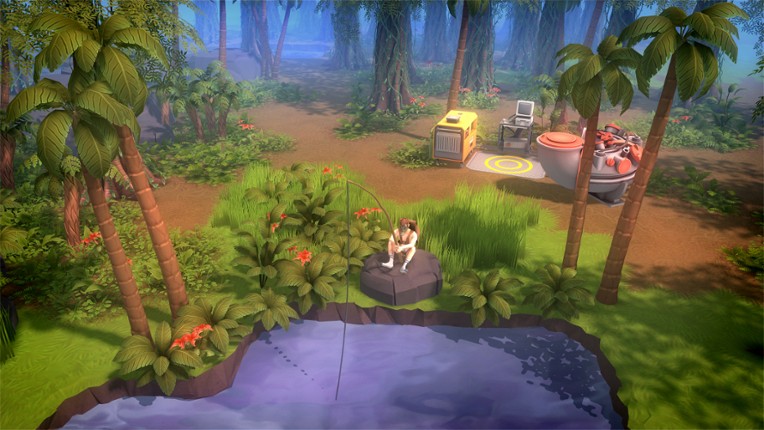
- 90%Game Brain ScoreMost mentioned positive aspects:story, gameplayMost mentioned negative aspects:grinding, stability91% User Score 8,526 reviewsCritic Score 83%1 reviewsStrips away Outward's narrative and magic systems for top-down crafting chaos, but keeps the split-screen survival and trading loop intact. If you enjoyed this game, see our list of games similar to DYSMANTLE.View Game
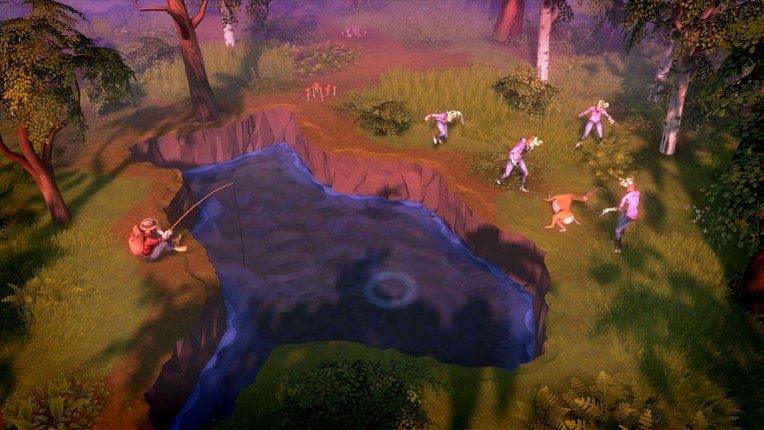
- 75%Game Brain ScoreMost mentioned positive aspects:story, gameplayMost mentioned negative aspects:stability, optimization75% User Score 2,630 reviewsOffers a more traditional, sprawling open-world RPG structure that relies on quest-driven progression rather than the strict stamina-management combat loop. If you enjoyed this game, see our list of games similar to Two Worlds Epic Edition.View Game
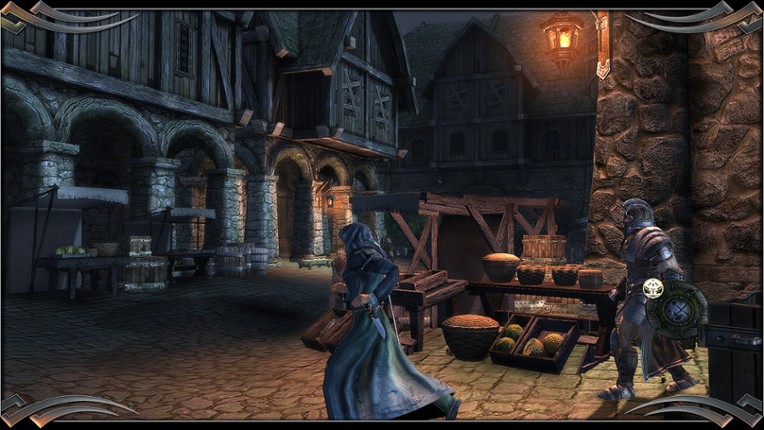
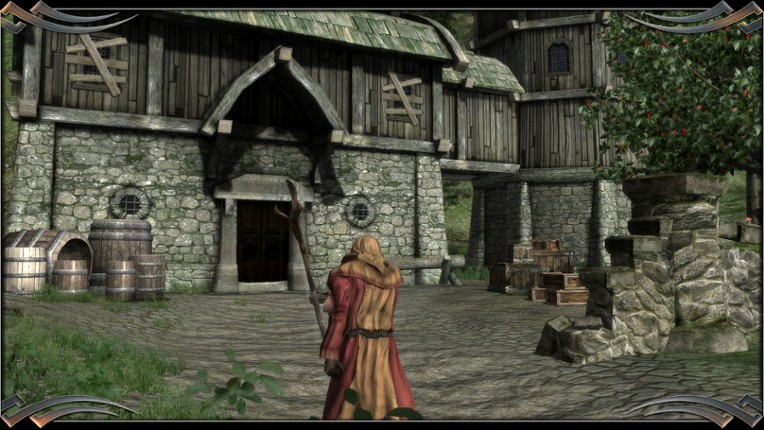
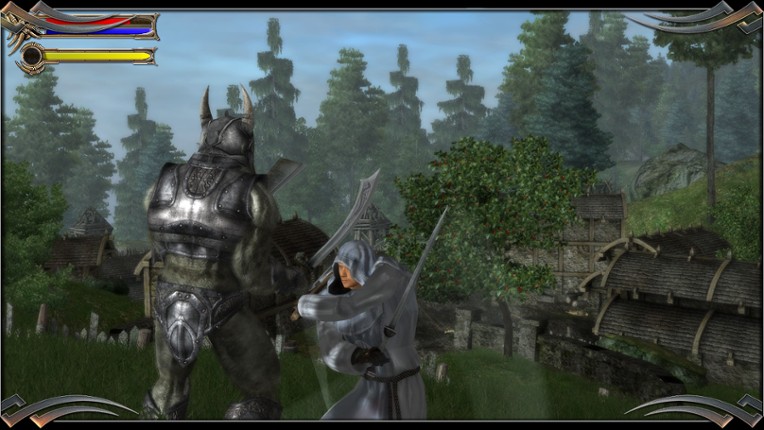
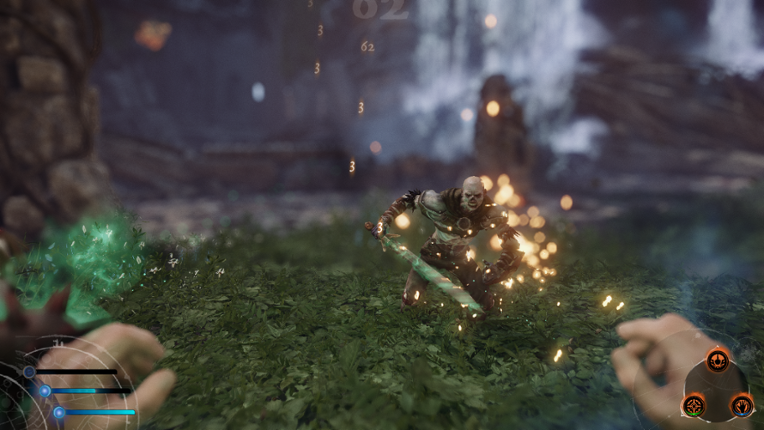
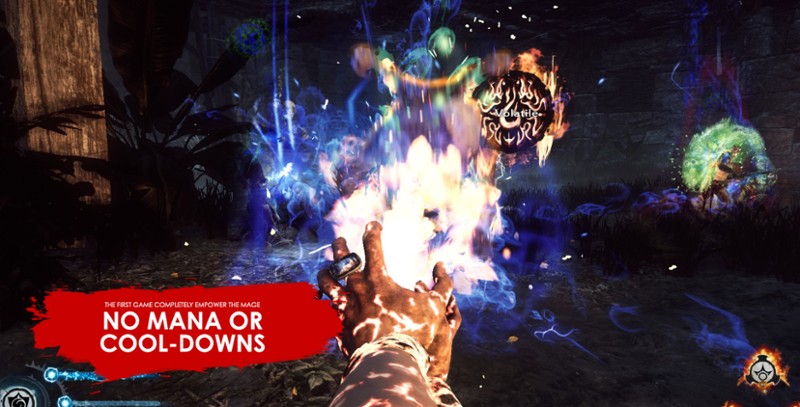
- 54%Game Brain ScoreMost mentioned positive aspects:story, gameplayMost mentioned negative aspects:grinding, optimization54% User Score 2,088 reviewsForegoes physical exploration in favor of rapid-fire magical duels, placing you in a first-person perspective that prioritizes spell-crafting over melee proficiency. If you enjoyed this game, see our list of games similar to Lichdom: Battlemage.View Game


 View Game


























Frequently Asked Questions
Ashen and Kingdom Come: Deliverance deliver similar open-world exploration with atmospheric storytelling. Ashen mirrors Outward's co-op focus and souls-like combat, while Kingdom Come offers deep immersion through realistic medieval survival mechanics and meaningful choices that shape your journey.
Ashen, Mortal Shell, and Alaloth: Champions of The Four Kingdoms all support co-op play. Ashen excels at seamless online and local co-op with engaging hub-town evolution, while Alaloth offers split-screen local multiplayer for tactical combat-focused adventures.
Stoneshard emphasizes survival through procedural generation and tactical turn-based combat with permanent consequences. DESOLATE combines resource crafting with atmospheric horror, while Kingdom Come: Deliverance grounds survival in realistic needs like food and sleep, forcing genuine strategic planning throughout your adventure.
Ashen, Mortal Shell, and Remnant: From the Ashes are available across PC and major consoles. Kingdom Come: Deliverance runs on PC, PlayStation, and Xbox with full feature parity, while Stoneshard is currently in early access on PC with strong platform support planned.
Mortal Shell refines souls-like mechanics with unique shell-swapping for varied playstyles. Ashen delivers action-heavy combat with atmospheric depth, while Remnant: From the Ashes blends procedural souls-like encounters with third-person shooting for a fresh take on difficulty and tactical positioning.
Stoneshard remains in affordable early access with exceptional value for tactical survival fans. Mortal Shell and Ashen launch at indie pricing with deep content, avoiding aggressive monetization. All three prioritize gameplay depth over premium cosmetics, respecting player investment like Outward does.