


Games like Kenshi
If Kenshi has sunk its hooks into you — with its brutal open world, faction-driven sandbox, and the freedom to build a scrappy base from nothing — you already know how rare that feeling is. Searching for games like Kenshi means hunting for something specific: a world that doesn't hold your hand, rewards patience and creativity, and lets emergent stories write themselves through systems rather than scripts. The good news is that several games genuinely deliver that same obsessive pull.
Kenshi sits at a remarkable crossroads of open-world RPG, base-building, survival, and squad management, all wrapped in a post-apocalyptic, vaguely steampunk fantasy setting. The core loop — struggling to survive, grinding skills organically, recruiting companions, and slowly carving out a foothold in an indifferent world — is what players keep coming back to. Throw in an atmospheric soundtrack and a dark sense of humor, and you have something that rewards the kind of player who enjoys making their own meaning rather than following a waypoint.
What Makes a Good Alternative to Kenshi?
- Freeform open-world survival — Kenshi never assigns you a role; the best alternatives drop you into a living world and let you define your own path through exploration, failure, and persistence.
- Emergent storytelling through systems — Rather than scripted cutscenes, Kenshi's best moments arise from interacting mechanics. Alternatives that generate narrative through cause-and-effect systems scratch the same itch.
- Base building and colony management — The satisfaction of constructing and defending a settlement is central to Kenshi's mid-to-late game, so games with meaningful building loops earn a spot on this list.
- Brutal difficulty and meaningful progression — Kenshi respects your intelligence by making early failure expected. Alternatives that tie character growth to real in-world consequences feel spiritually similar.
- Post-apocalyptic or strange-world atmosphere — The bleak, weird tone of Kenshi's world — part desert wasteland, part dark fantasy — is inseparable from why it resonates. The best alternatives nail a similarly oppressive, atmospheric setting.
Top Picks If You Enjoyed Kenshi
RimWorld offers the closest colony-management and emergent storytelling loop. Project Zomboid nails brutal survival with deeply systemic gameplay. Caves of Qud delivers Kenshi-level world strangeness with extraordinary lore and character depth. NEO Scavenger strips survival down to tense, punishing resource decisions. Outward captures that unforgiving open-world RPG feel with real survival stakes. And Fallout 2 remains the gold standard for post-apocalyptic open-world role-playing with dark humor to spare.
Every recommendation below is ranked by similarity to Kenshi using real player data, so the closest matches come first. Browse the full list to find your next obsession.
- 91%Game Brain ScoreMost mentioned positive aspects:story, gameplayMost mentioned negative aspects:grinding, stability98% User Score 132,230 reviewsCritic Score 80%5 reviews
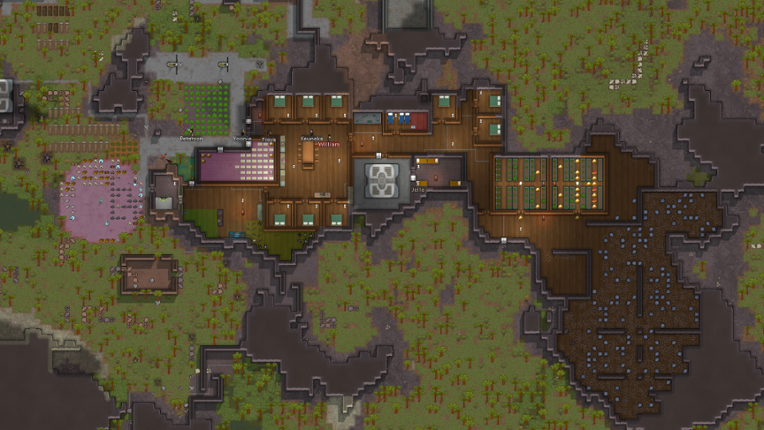
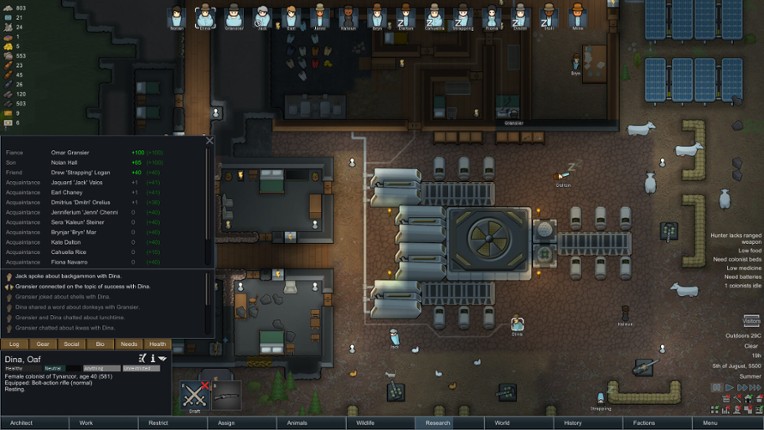
Building a desperate little outpost while every raider, hunger spike, and bad decision threatens to unravel it is the core loop Kenshi fans will recognize in RimWorld. Both games reward improvisation: you scavenge, craft, expand, and keep fragile people alive long enough for the story to get weird. That constant pressure creates the same “one more day” tension Kenshi players chase.
RimWorld also mirrors Kenshi’s love of emergent chaos through base building, trading, and character management. Its AI storytellers and procedural events generate new problems fast, so every colony develops its own failures, grudges, and accidental victories. That makes replaying it feel less like repeating a plan and more like adapting to a disaster you can’t fully predict.
The big tradeoff is tone: Kenshi’s open-world wandering becomes a tighter colony focus here, trading roaming freedom for sharper control over your settlement’s fate. For players who found Kenshi’s grind and rough edges exhausting, RimWorld often feels more structured while still demanding the same patience and resource discipline. Best for players who enjoy survival strategy, harsh consequence, and stories born from systems, not scripts.
If you enjoyed this game, see our list of games similar to RimWorld.View Game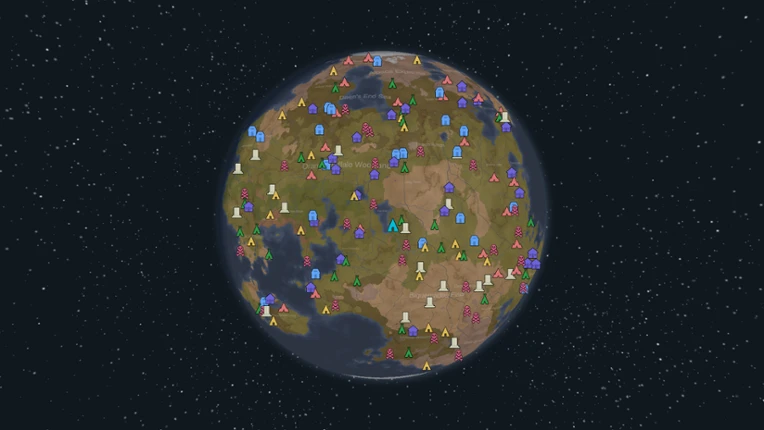
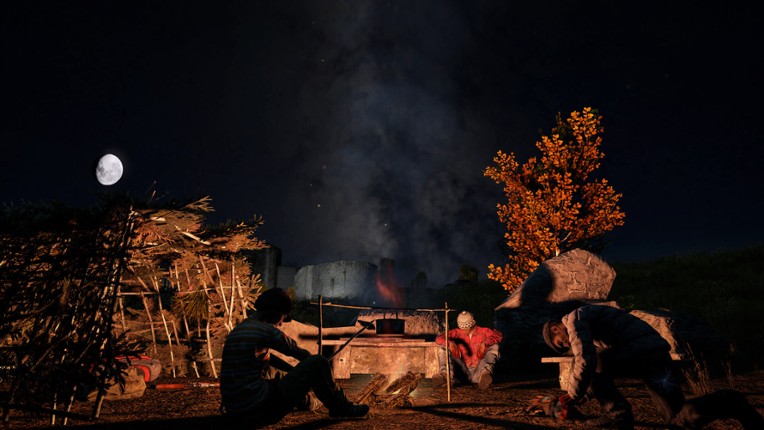
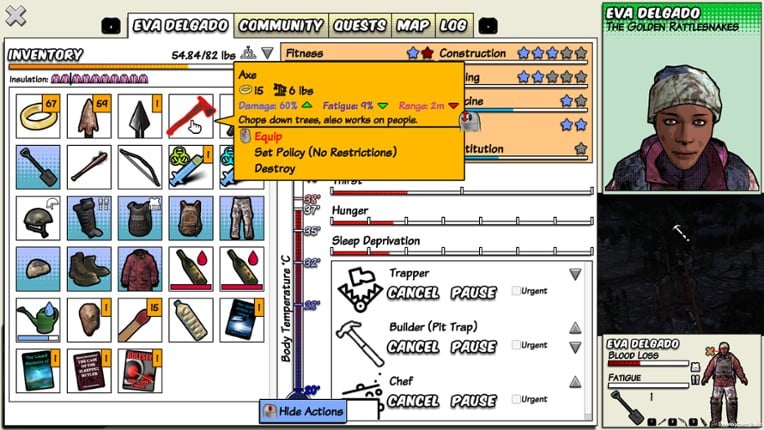
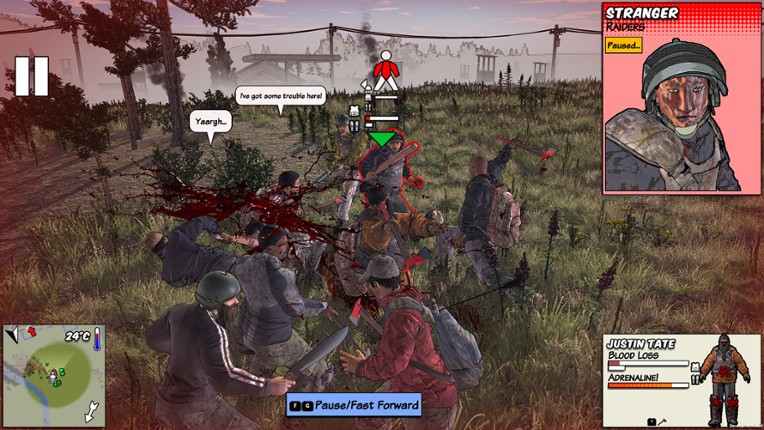
- 84%Game Brain ScoreMost mentioned positive aspects:gameplay, graphicsMost mentioned negative aspects:grinding, stability94% User Score 221,570 reviewsCritic Score 30%1 reviews
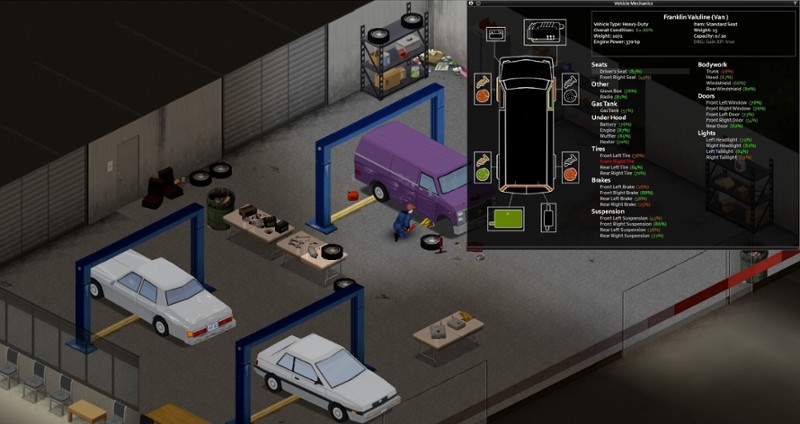
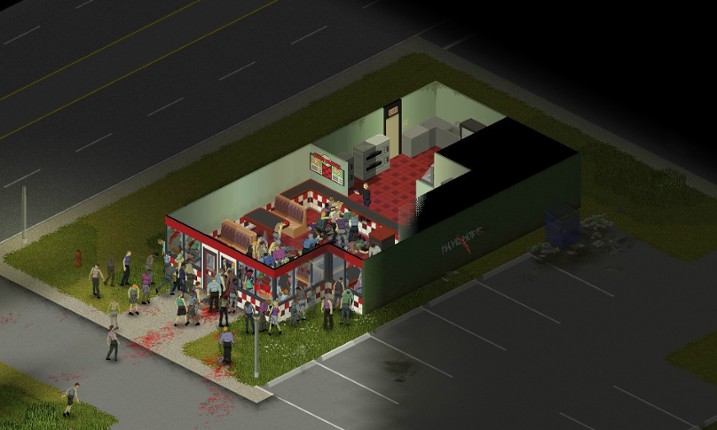
Both games force you to build survival systems piece by piece, turning resource scarcity into a constant puzzle you're solving in real time. Crafting and base construction aren't progression mechanics—they're survival necessities that define your playstyle and determine whether you thrive or collapse.
The sandbox design philosophy mirrors Kenshi's unforgiving approach: there's no quest marker telling you what to do, which creates emergent storytelling through your own decisions and failures. Trading systems and character development follow the same principle—you define your role and reputation through action, not dialogue trees.
Where Project Zomboid pivots is scale and immediacy. Rather than commanding a faction across a continent, you're managing survival hour-by-hour in a single region, with threats that feel more tactile and personal than Kenshi's distant factions.
If grinding in Kenshi frustrated you, Project Zomboid's focused scope actually rewards progression faster—though both still demand patience and accept bugs as part of the experience.
Best for: players who prefer emergent storytelling and self-directed survival over linear progression, and who value atmospheric tension over epic scale.
If you enjoyed this game, see our list of games similar to Project Zomboid.View Game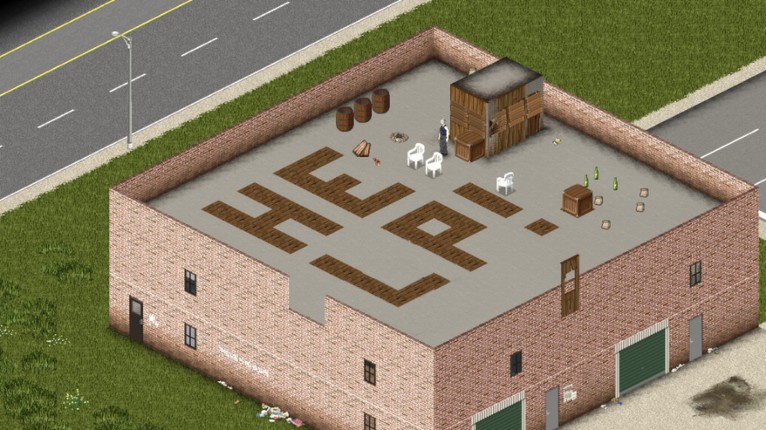
- 87%Game Brain ScoreMost mentioned positive aspects:gameplay, storyMost mentioned negative aspects:grinding, stability95% User Score 11,271 reviewsCritic Score 74%6 reviews
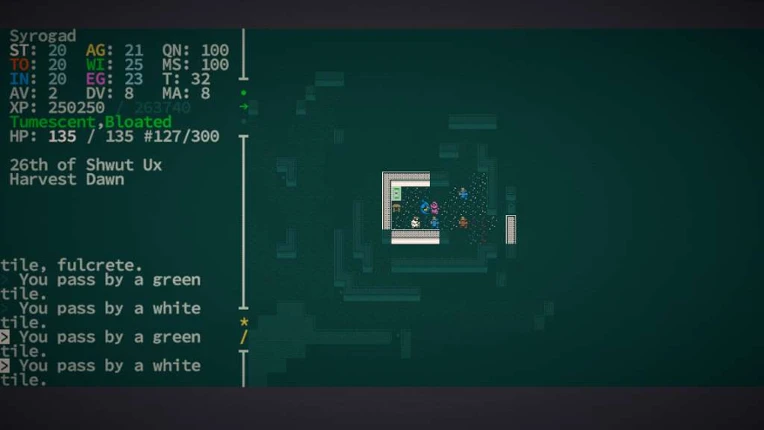
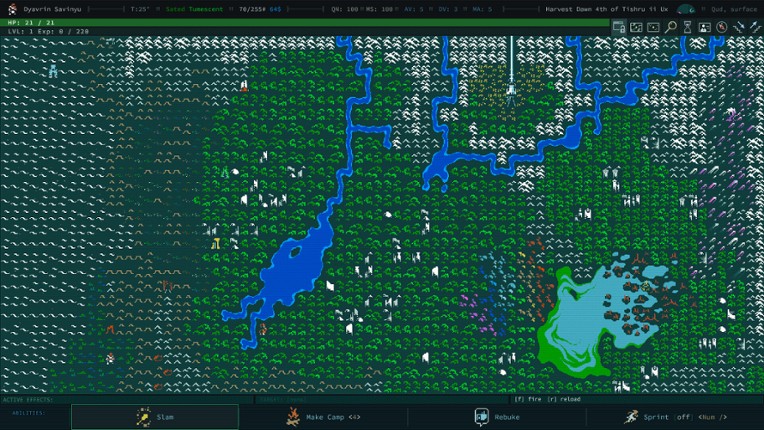
Both titles drop you into an indifferent, alien landscape where survival is earned through scars and biological adaptation. You will find that same brutal sandbox spirit in the way Caves of Qud treats character growth and world interaction. Much like Kenshi allows you to lose limbs to gain bionic power, Qud’s transhumanist mutations create a shared feeling of physical evolution, forcing you to pivot your strategy based on your character’s strange new biology.
While Kenshi often buckles under technical weight and optimization issues, Qud provides a stable and polished performance due to its lightweight, retro engine. This transition from real-time squad management to turn-based tactics offers a fresh perspective, rewarding deliberate calculation over frantic micromanagement. It replaces the focus on massive colony building with a deeper, procedurally generated narrative that fills every hex with bizarre lore.
Best for players who prioritize systemic depth and weird world-building over graphical fidelity.
If you enjoyed this game, see our list of games similar to Caves of Qud.View Game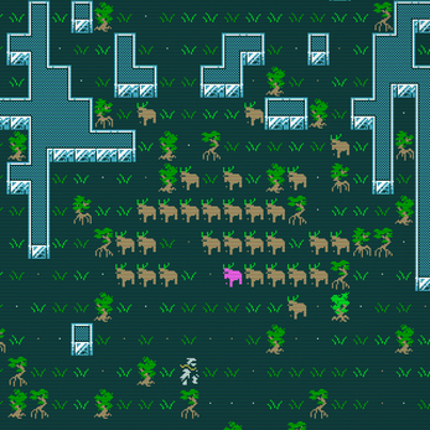
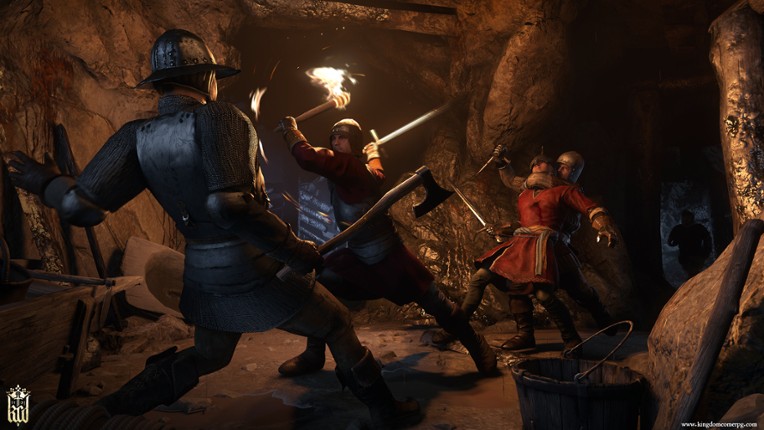
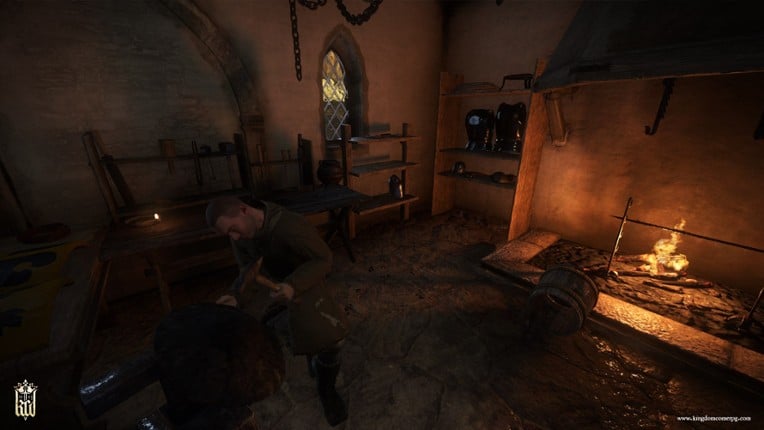
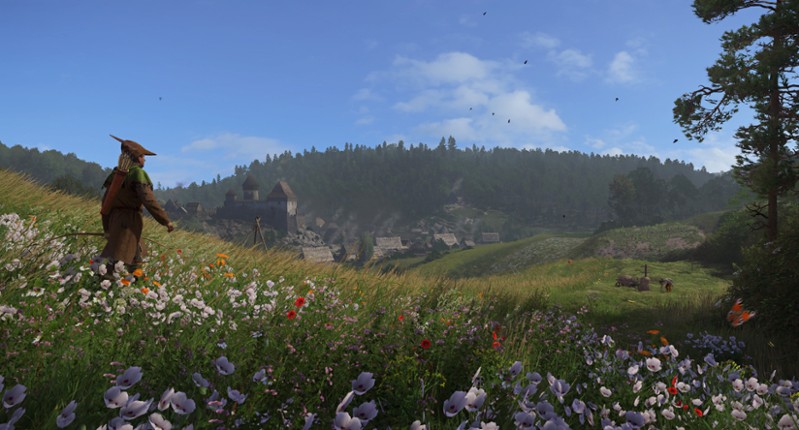
- 74%Game Brain ScoreMost mentioned positive aspects:story, gameplayMost mentioned negative aspects:stability, optimization84% User Score 79,776 reviewsCritic Score 53%4 reviewsKingdom Come drops fantasy entirely for a grounded medieval RPG, focusing on realistic combat and historical trade over base building. If you enjoyed this game, see our list of games similar to Kingdom Come: Deliverance.View Game
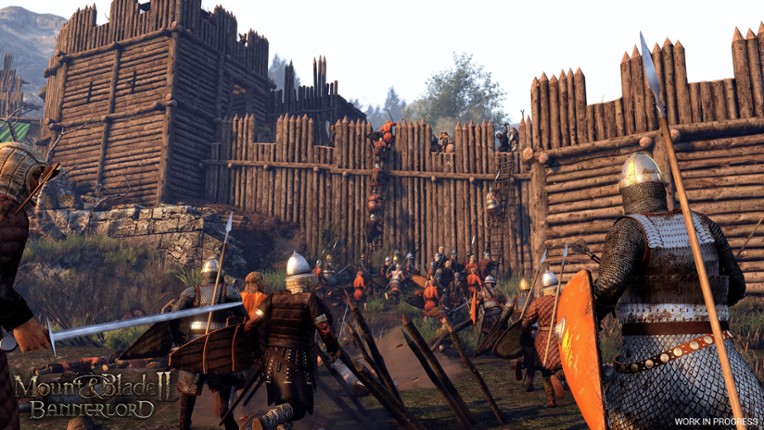
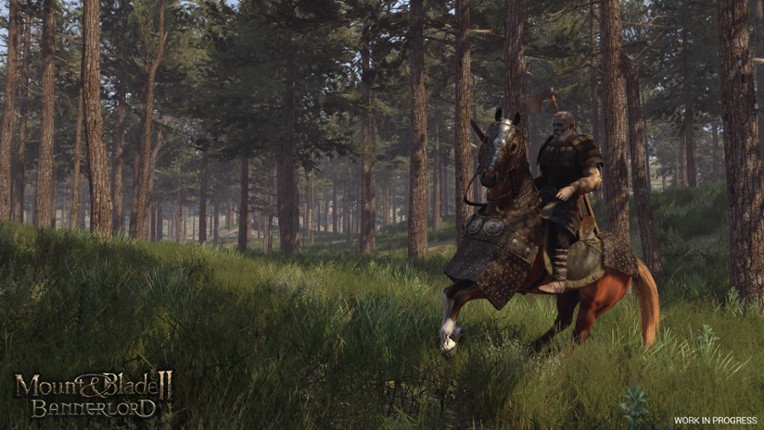
- 81%Game Brain ScoreMost mentioned positive aspects:gameplay, graphicsMost mentioned negative aspects:story, stability88% User Score 173,462 reviewsCritic Score 75%17 reviewsMount & Blade sequel refines the first game's sandbox combat and trading but adds multiplayer modes and realistic warfare at expense of humor. If you enjoyed this game, see our list of games similar to Mount & Blade II.View Game

- 73%Game Brain ScoreMost mentioned positive aspects:story, gameplayMost mentioned negative aspects:grinding, stability73% User Score 27,614 reviewsCritic Score 72%10 reviews
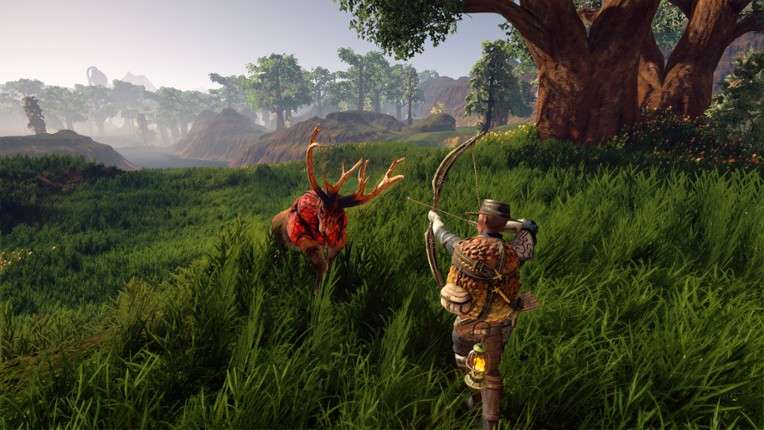
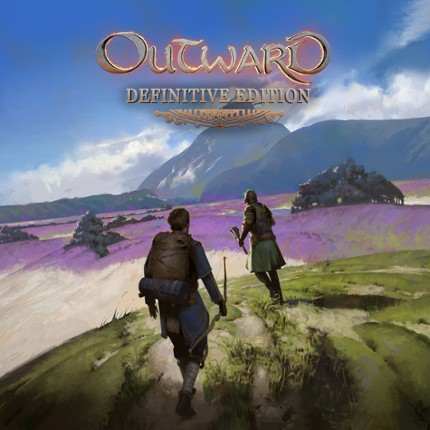
Both Kenshi and Outward force you to survive through resource scarcity and deliberate pacing—you can't sprint through the world or ignore hunger, thirst, and exhaustion. This creates tension not from combat difficulty alone, but from the constant need to plan routes, manage inventory, and decide whether to push forward or camp. That friction is what makes exploration feel consequential rather than automatic.
The trading and base-building loops reinforce this philosophy in both games. Kenshi rewards you for establishing supply chains and outposts; Outward uses equipment repair, crafting stations, and resource management to anchor you to the world. Both systems make you invested in places and NPCs beyond story beats, turning survival into a reason to return and build.
Where Outward diverges is its mandatory co-op flexibility—you can tackle the entire campaign solo or with a friend locally or online, shifting difficulty and pacing dynamically. Kenshi remains strictly single-player, so this is a fresh angle rather than a replacement for what you loved.
If Kenshi's grinding wore you down, Outward's shorter critical path offers comparable depth with less repetition, though optimization issues persist in both.
Best for players who crave survival tension and want that experience sharpened by the option to share it.
If you enjoyed this game, see our list of games similar to Outward.View Game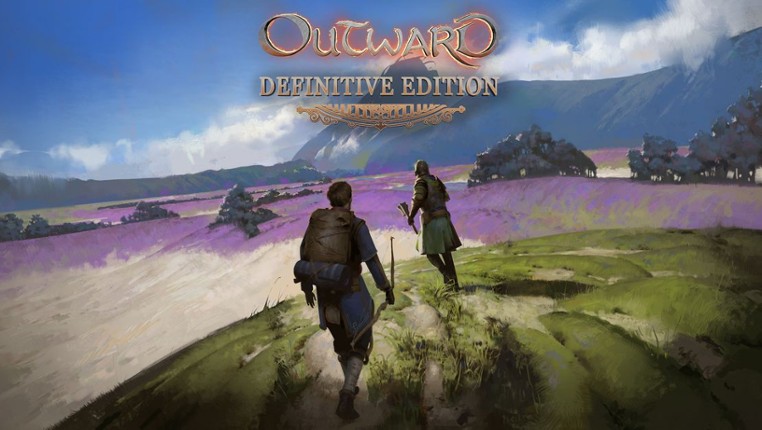
- 95%Game Brain ScoreMost mentioned positive aspects:gameplay, storyMost mentioned negative aspects:grinding, optimization95% User Score 3,960 reviews
Elin captures the same emergent narrative freedom found in Kenshi, where your path from absolute nobody to world-altering force is dictated entirely by your own priorities. You will spend hours managing survival, trade, and base construction in a world that refuses to hold your hand.
This sandbox depth is bolstered by an organic skill progression system, ensuring every menial task translates directly into tangible character growth. It mirrors the Kenshi grind but favors complex, pixelated simulation over gritty wasteland survival.
The primary trade-off is the transition from Kenshi’s brutal realism to Elin’s high-fantasy, traditional roguelike eccentricity. The interface is significantly clunkier, demanding patience to master its dense menus.
Pick this up if you want the infinite agency of a Kenshi-style sandbox but can live without the gritty atmosphere and stable technical polish.
If you enjoyed this game, see our list of games similar to Elin.View Game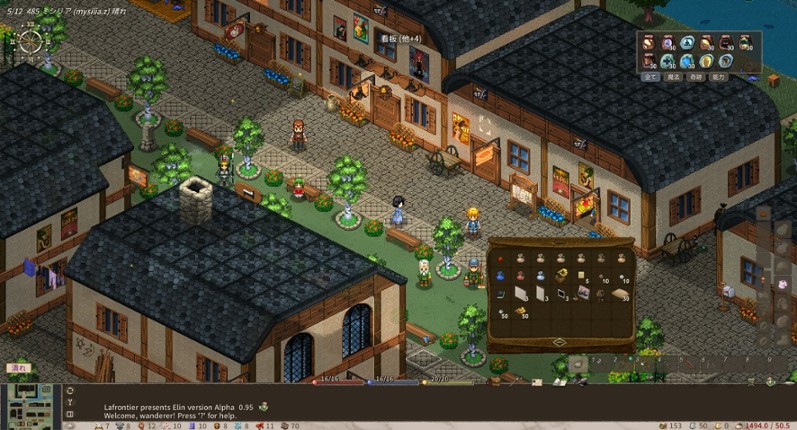
- 85%Game Brain ScoreMost mentioned positive aspects:story, gameplayMost mentioned negative aspects:grinding, stability89% User Score 3,481 reviewsCritic Score 73%2 reviews
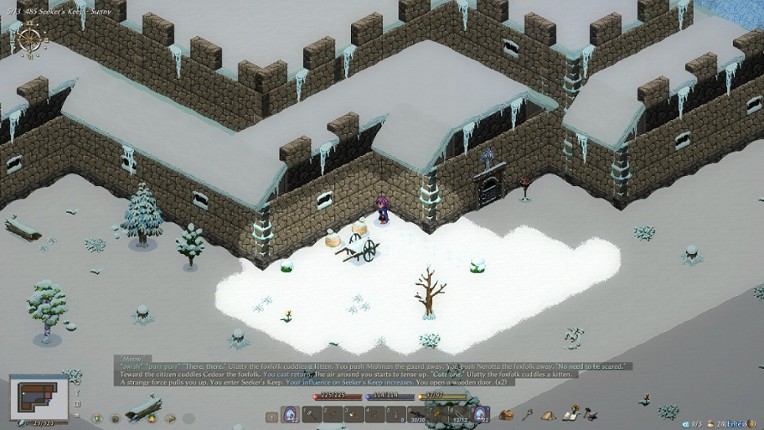
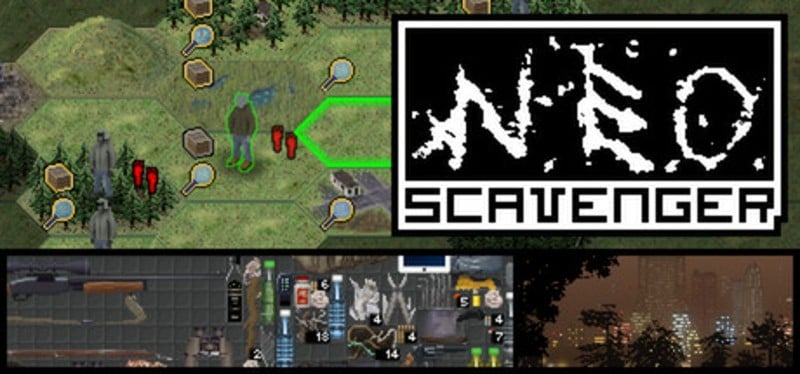
That feeling in Kenshi where you're weighing a risky trade run against dwindling food supplies, knowing one bad decision could unravel hours of progress — NEO Scavenger lives in that same mental space, just compressed into every single turn. Both games demand that you treat survival as a chain of interconnected decisions rather than a checklist of objectives.
The crafting and scavenging loops share real DNA: in both games, raw materials carry weight — literally and strategically — and learning what's worth carrying versus leaving behind is a skill you develop over many runs. NEO Scavenger also layers in trading and character-build depth, rewarding players who experiment with unconventional builds the same way Kenshi rewards unorthodox faction or recruitment strategies.
The sharpest tradeoff is scope: where Kenshi sprawls across a vast open world, NEO Scavenger is tight, procedural, and roguelike — each run is a concentrated survival puzzle rather than an evolving saga. If Kenshi's notorious performance issues and grind ever tested your patience, NEO Scavenger's lean, turn-based structure sidesteps both completely.
This is a partial match with a distinct payoff — best for Kenshi players who love the survival calculus and post-apocalyptic atmosphere but want something ruthlessly focused and replayable in shorter sessions.
If you enjoyed this game, see our list of games similar to NEO Scavenger.View Game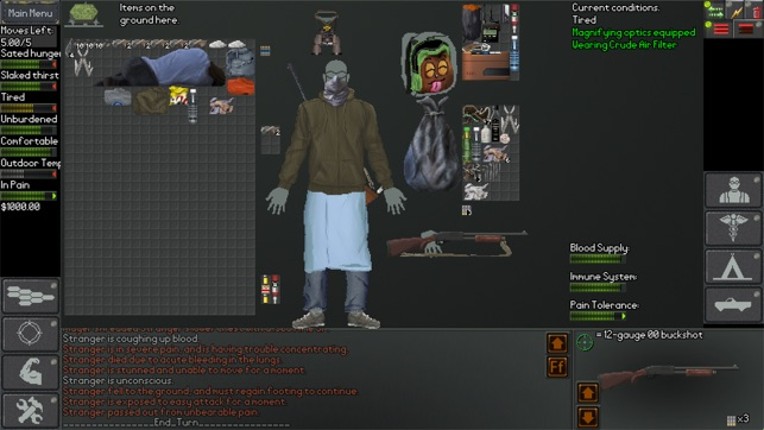
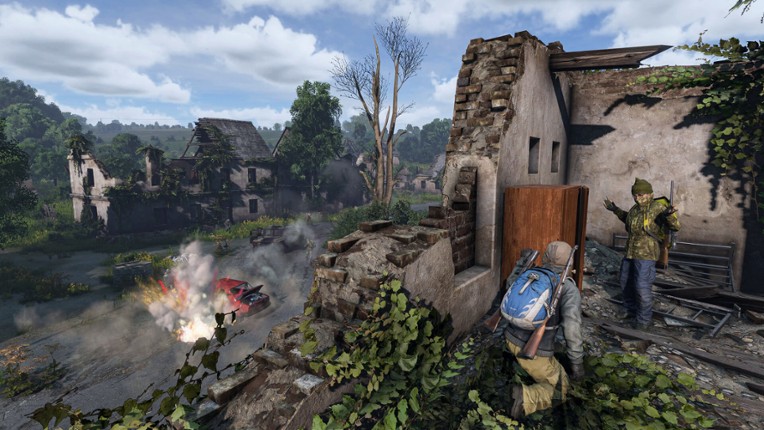
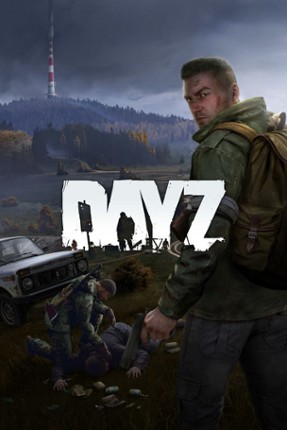
- 65%Game Brain ScoreMost mentioned positive aspects:gameplay, graphicsMost mentioned negative aspects:stability, optimization74% User Score 205,833 reviewsCritic Score 20%1 reviewsDayZ leans into hardcore PvP and zombie survival, offering little base building while emphasizing lethal tension over Kenshi's emergent sandbox. If you enjoyed this game, see our list of games similar to DayZ.View Game

10 View Game 94%Game Brain ScoreMost mentioned positive aspects:story, gameplayMost mentioned negative aspects:graphics, stability94% User Score 15,146 reviews
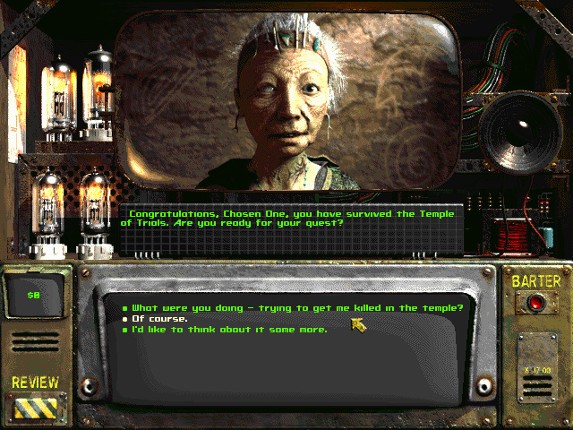
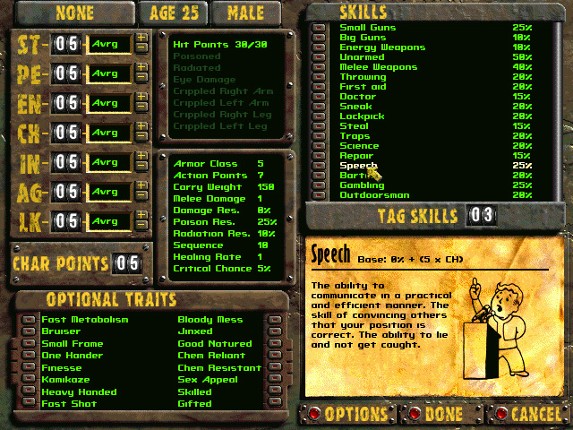
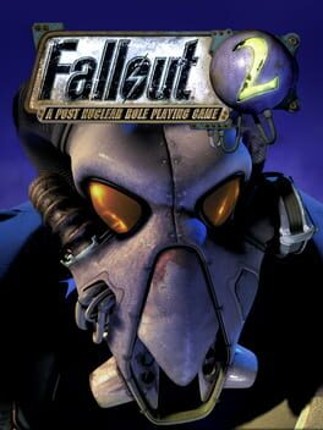
The shared soul of Kenshi and Fallout 2 is the brutal freedom of a lawless wasteland, where your character starts as a nobody destined for a grisly end. You navigate these hostile sandboxes with the same emergent storytelling, because your survival depends entirely on the desperate choices you make in the dirt.
While Kenshi demands real-time management of a squad, Fallout 2 shifts the conflict into deliberate turn-based combat. You sacrifice the fluid RTS-style base building for a vastly deeper, written narrative experience.
Pick this up if you want the unforgiving systemic cruelty of Kenshi, but can live without the direct manual control of squad building.
If you enjoyed this game, see our list of games similar to Fallout 2: A Post Nuclear Role Playing Game.View Game
11 View Game 87%Game Brain ScoreMost mentioned positive aspects:gameplay, storyMost mentioned negative aspects:grinding, optimization87% User Score 1,851 reviewsSurvivalist: Invisible Strain layers colony‑sim management onto post‑apocalyptic survival, offering co‑op play but downplaying Kenshi's sprawling sandbox. If you enjoyed this game, see our list of games similar to Survivalist: Invisible Strain.View Game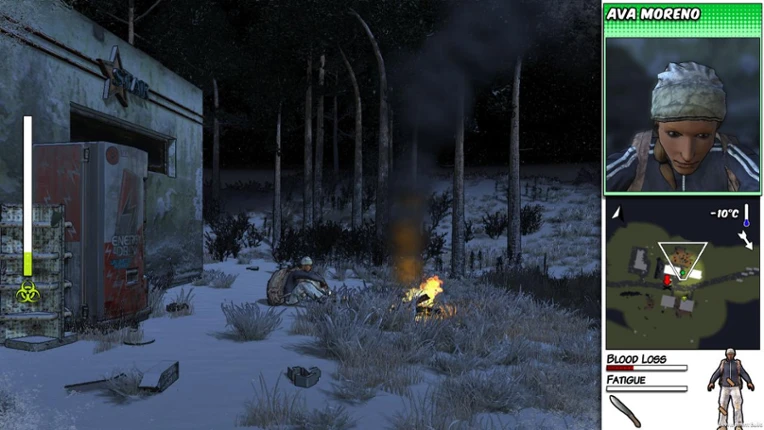
- 92%Game Brain ScoreMost mentioned positive aspects:gameplay, storyMost mentioned negative aspects:graphics, grinding98% User Score 106,132 reviewsCritic Score 78%4 reviews
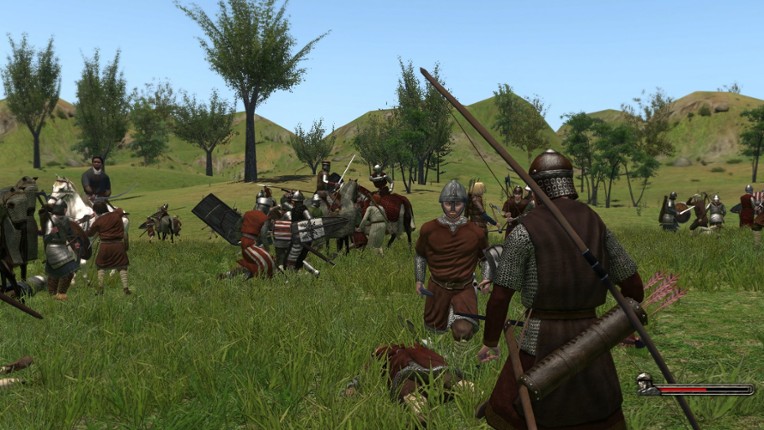
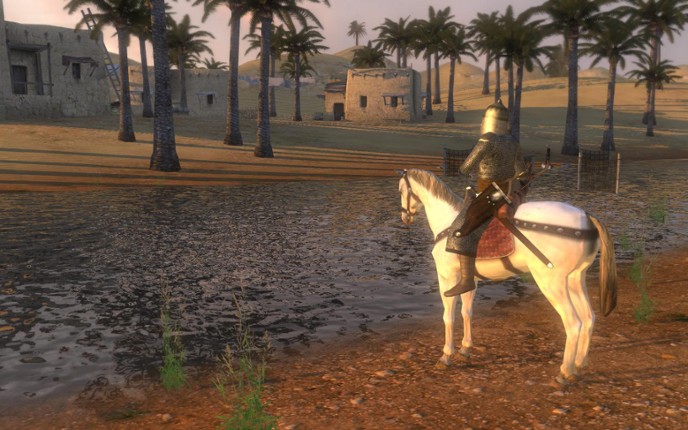
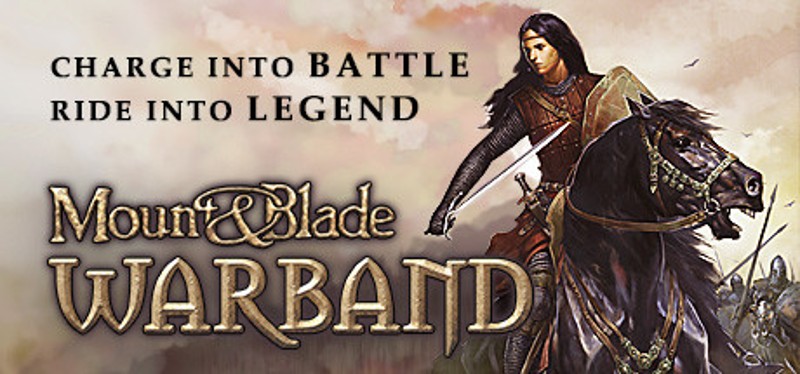
Both games let you build a faction from nothing in a massive sandbox where trading and military conquest are equally valid paths. You're not following a story—you're creating one through systems.
Warband doubles down on mounted combat and large-scale battles, which keeps the chaos readable when Kenshi's UI would crumble.
The tradeoff: Warband feels grounded and medieval where Kenshi embraces post-apocalyptic weirdness and base-building depth.
Pick this if you want strategic freedom and emergent storytelling but prefer horses and sieges over ninja recruitment and resource chains.
If you enjoyed this game, see our list of games similar to Mount & Blade: Warband.View Game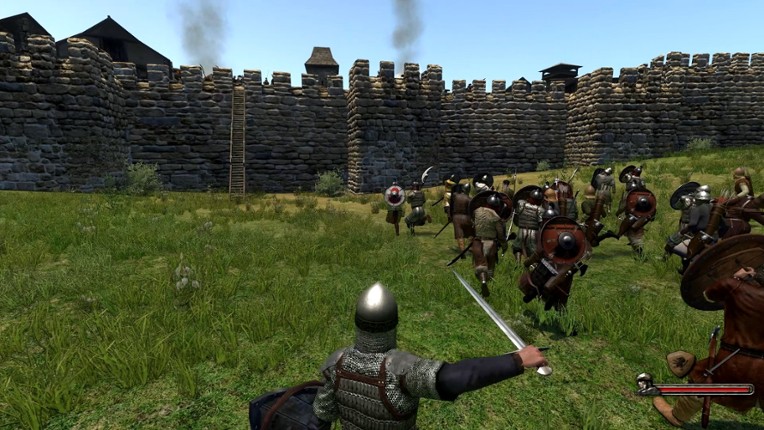
- 94%Game Brain ScoreMost mentioned positive aspects:story, gameplayMost mentioned negative aspects:graphics, stability94% User Score 5,878 reviews
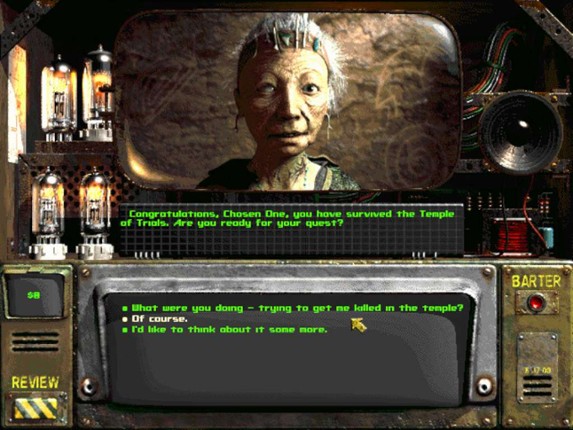
Fallout 2 shares Kenshi’s emphasis on open-world survival and role-playing depth, delivering complex player choice within a vast, reactive environment.
Both games balance exploration with stealth and resource management, which keeps the gameplay rewarding and the world consistently tense.
The key difference lies in tone and setting: Fallout 2’s dark comedy and science-fiction backdrop contrast with Kenshi’s post-apocalyptic, fantasy-tinged steampunk world.
Pick this up if you want branching storylines and humor in a survival RPG but can handle older visuals and occasional bugs.
If you enjoyed this game, see our list of games similar to Fallout 2.View Game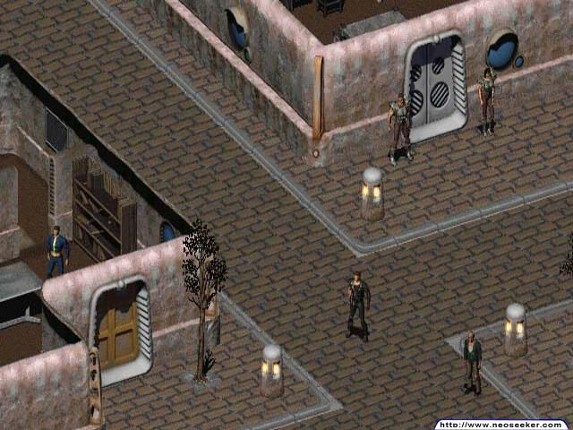
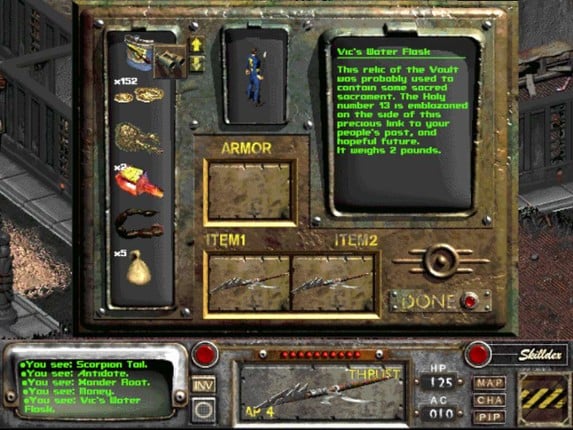
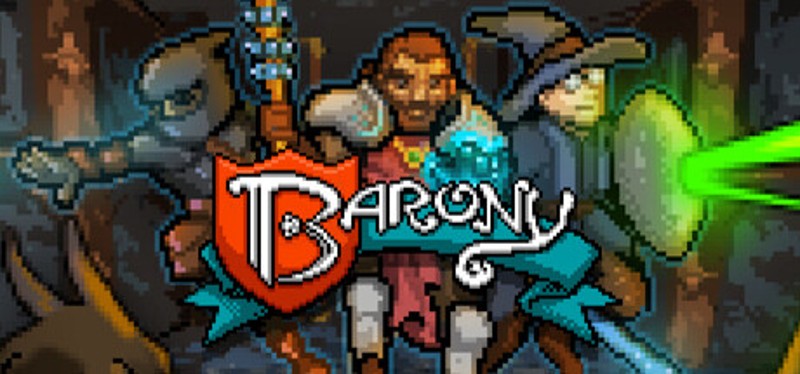
- 87%Game Brain ScoreMost mentioned positive aspects:gameplay, graphicsMost mentioned negative aspects:grinding, stability91% User Score 12,803 reviewsCritic Score 71%2 reviewsThis roguelike shares a punishing difficulty curve with Kenshi but swaps wide-open exploration for claustrophobic, turn-based dungeon crawls with an emphasis on cooperative play. If you enjoyed this game, see our list of games similar to Barony.View Game
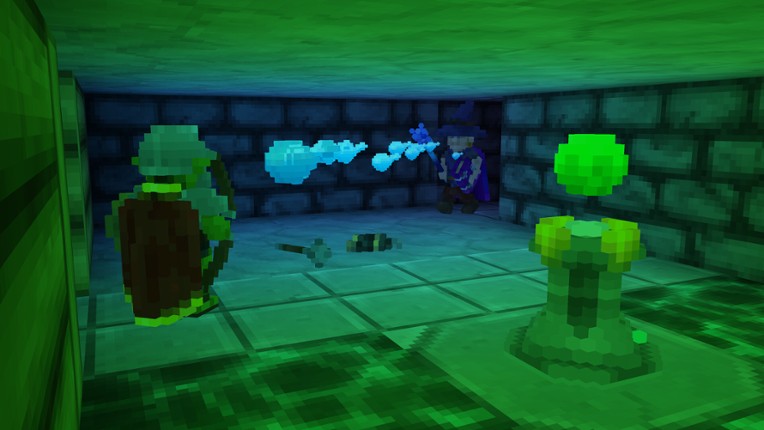
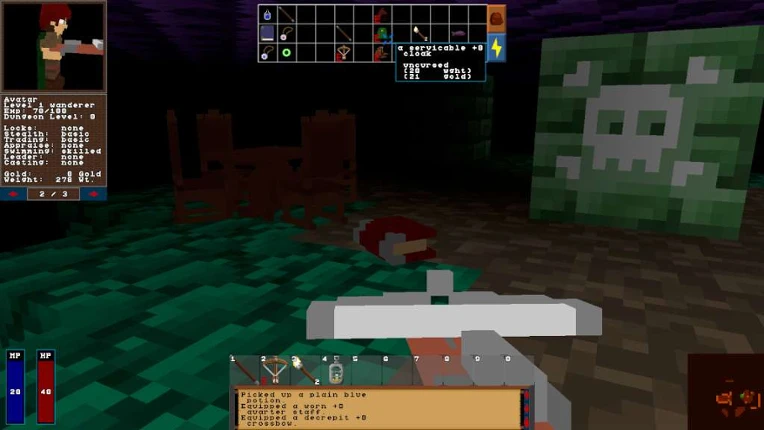
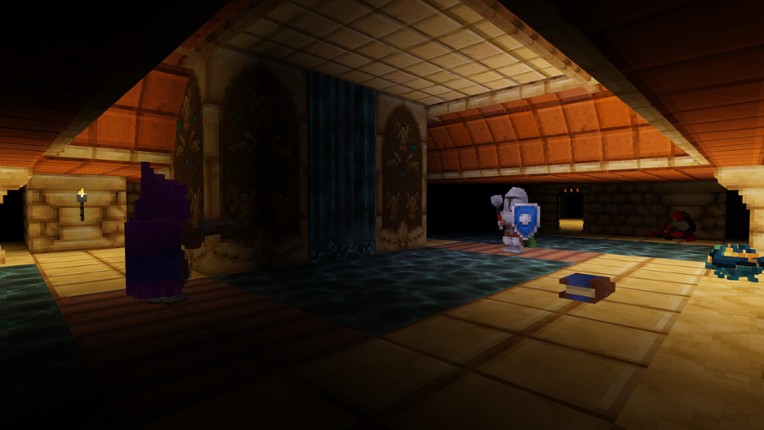
- 85%Game Brain ScoreMost mentioned positive aspects:story, gameplayMost mentioned negative aspects:stability, grinding85% User Score 1,110 reviewsThough barely touching the depth of Kenshi, this abstract title provides a loose, experimental sandbox experience for players seeking minimal hand-holding in a mysterious setting. If you enjoyed this game, see our list of games similar to Memoness.View Game
- 96%Game Brain ScoreMost mentioned positive aspects:story, gameplayMost mentioned negative aspects:graphics, stability96% User Score 658 reviews
** MADE BY QUADRAJET **This is the alpha of a prequel DLC set in Texas, made by Quadrajet in 2021. I haven't heard from him in a few years (hopefully he's alright), so I am uploading the alpha to itch for other people to enjoy. It is fun as hell and includes new guns, items, baddies, and a combat arena. If you enjoyed this game, see our list of games similar to Brigand: Oaxaca.
View Game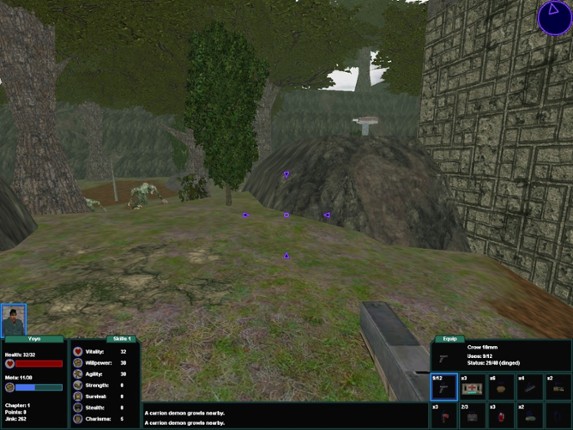
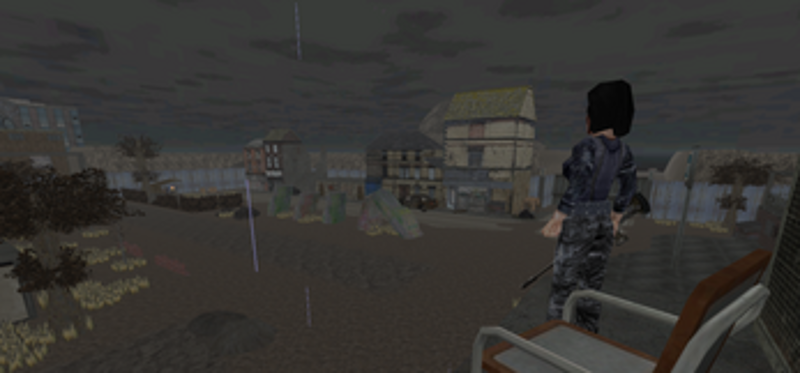
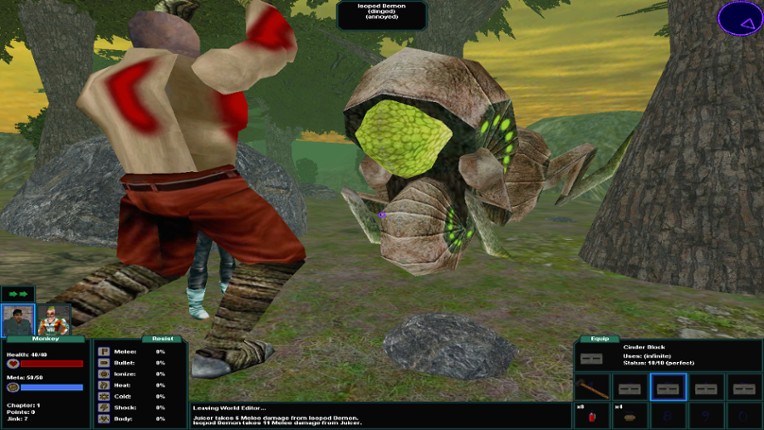
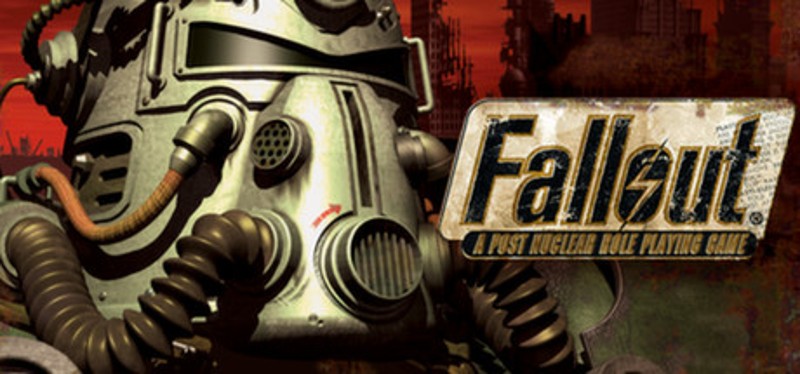
- 94%Game Brain ScoreMost mentioned positive aspects:story, gameplayMost mentioned negative aspects:stability, grinding94% User Score 15,780 reviewsLeans into turn-based RPG mechanics and story richness, exchanging Kenshi’s real-time sandbox for tactical combat in a science fiction wasteland. If you enjoyed this game, see our list of games similar to Fallout.View Game
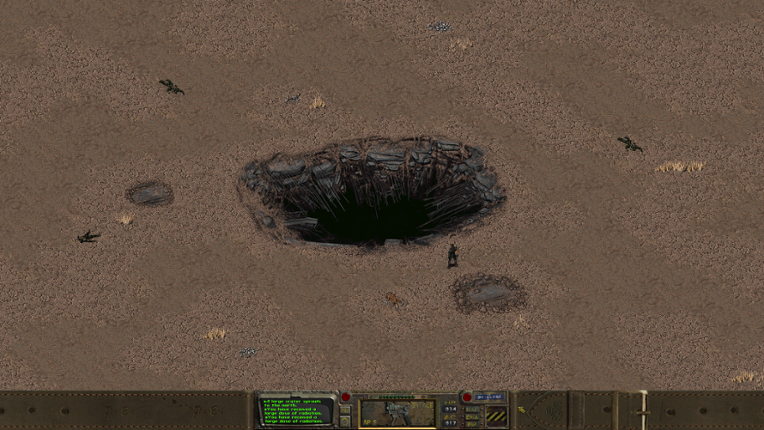
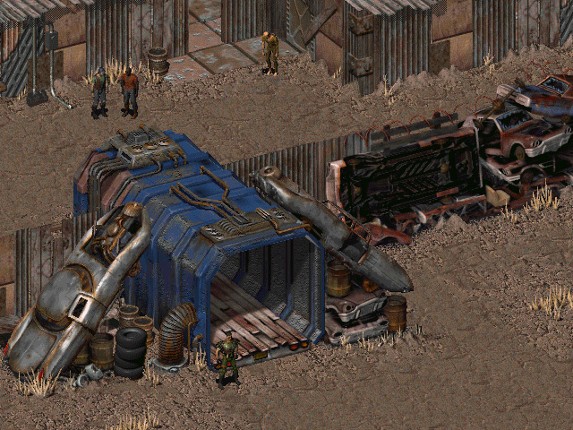
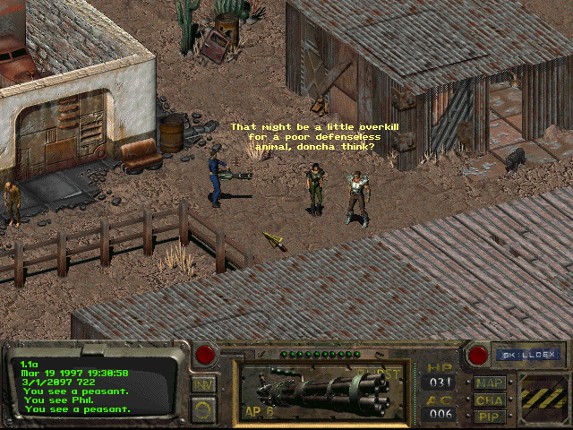
- 82%Game Brain ScoreMost mentioned positive aspects:gameplay, storyMost mentioned negative aspects:grinding, stability82% User Score 15,952 reviewsMedieval dungeon crawler with Kenshi's character customization and difficulty but trades open sandbox for claustrophobic roguelike runs and physics simulation. If you enjoyed this game, see our list of games similar to Exanima.View Game
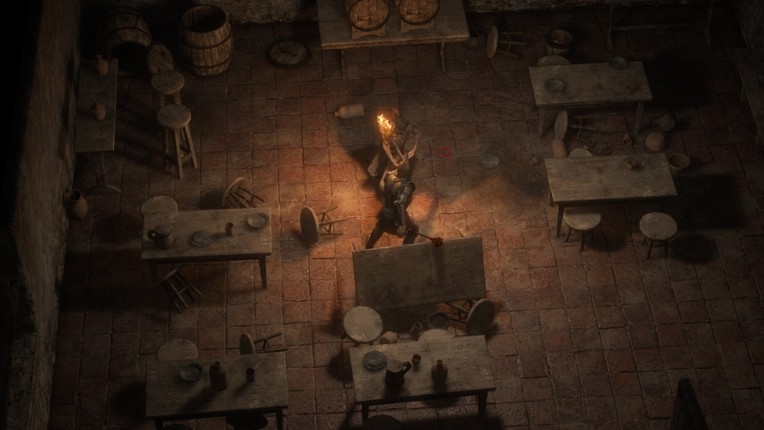
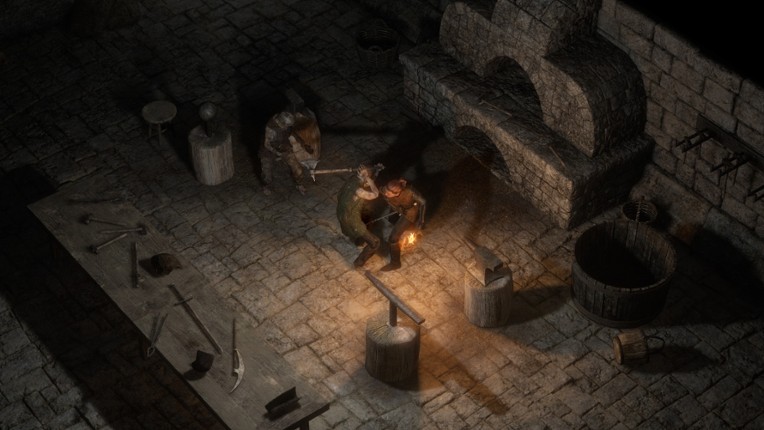
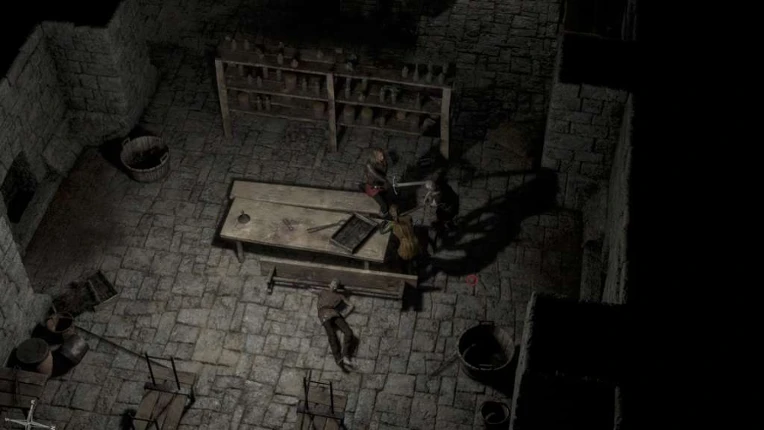
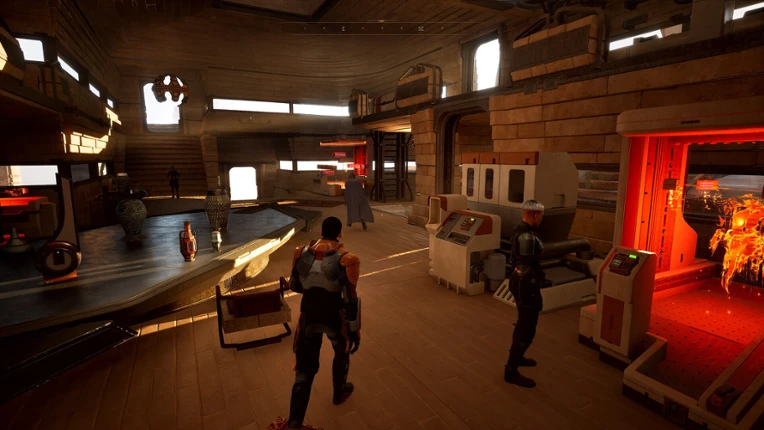
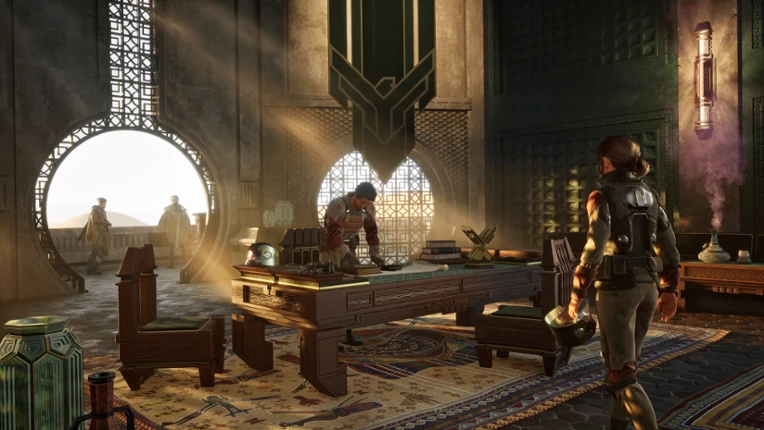
- 76%Game Brain ScoreMost mentioned positive aspects:story, gameplayMost mentioned negative aspects:grinding, stability71% User Score 52,982 reviewsCritic Score 80%27 reviewsDune: Awakening transplants survival crafting into a sci‑fi desert epic, trading Kenshi's ragtag humor for epic lore and minimal base structures. If you enjoyed this game, see our list of games similar to Dune: Awakening.View Game
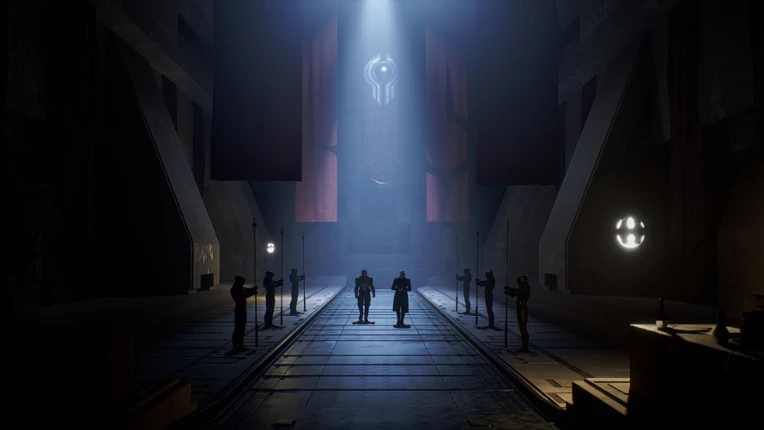
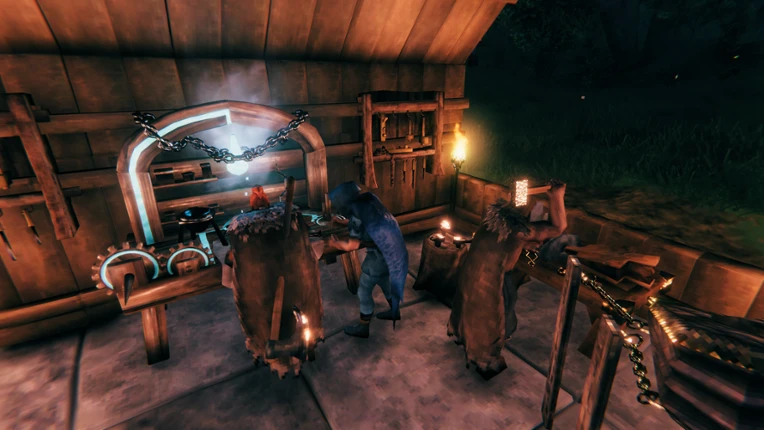
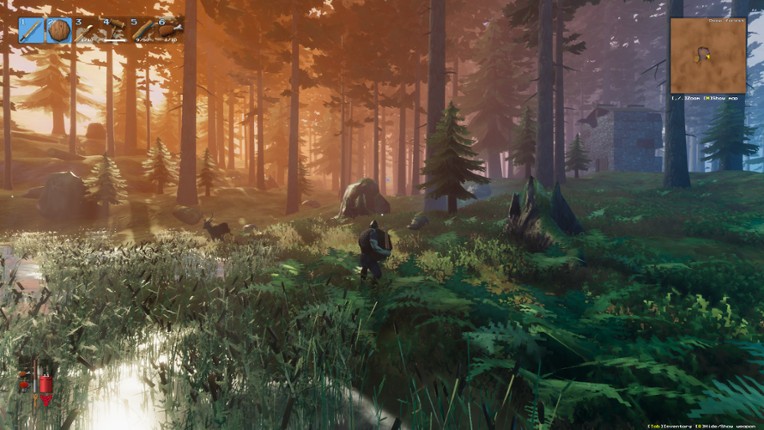
- 92%Game Brain ScoreMost mentioned positive aspects:gameplay, graphicsMost mentioned negative aspects:grinding, optimization95% User Score 291,882 reviewsCritic Score 90%11 reviewsValheim shifts the tone to mythic Viking survival, emphasizing co‑op building and exploration over Kenshi's lone mercenary life. If you enjoyed this game, see our list of games similar to Valheim.View Game

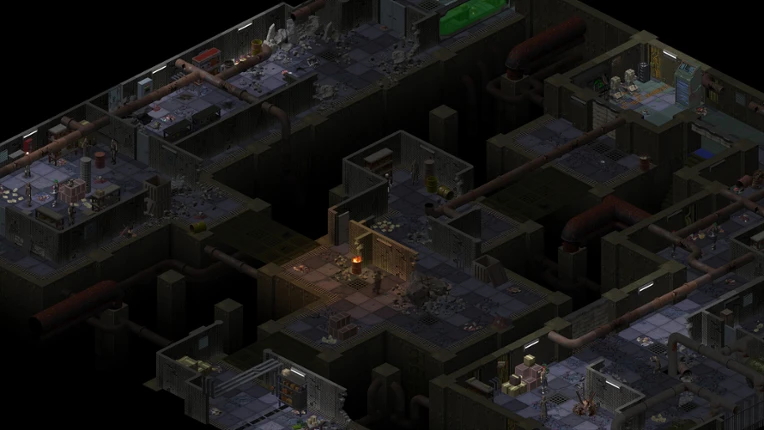
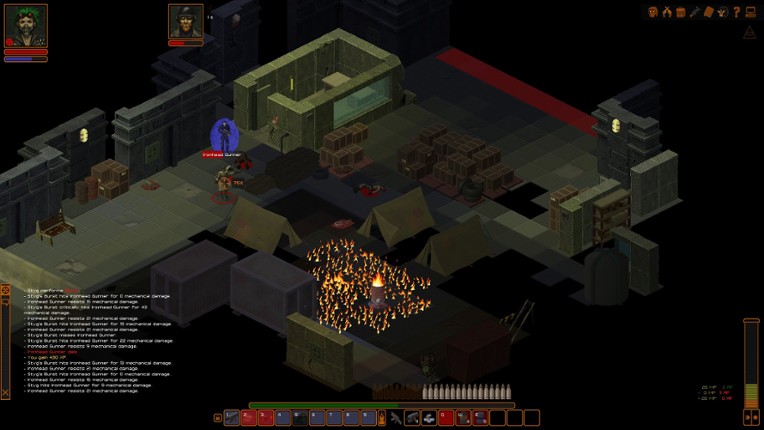
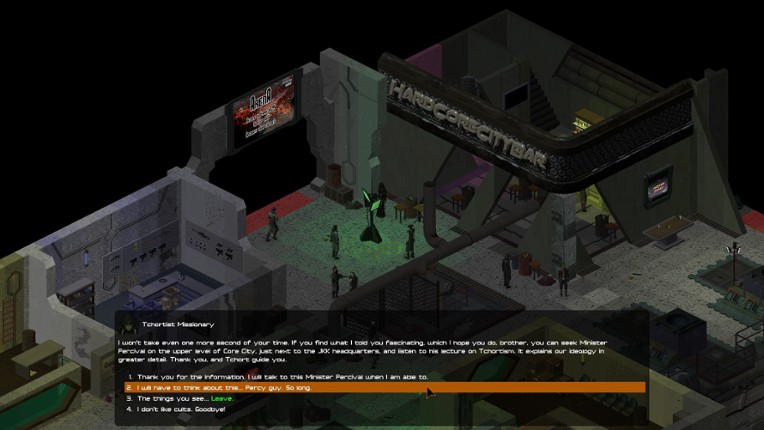
- 84%Game Brain ScoreMost mentioned positive aspects:story, gameplayMost mentioned negative aspects:grinding, stability88% User Score 8,410 reviewsCritic Score 75%4 reviewsUnderground post-apocalyptic CRPG replacing Kenshi's real-time sandbox with tactical turn-based combat and deeper character progression systems. If you enjoyed this game, see our list of games similar to UnderRail.View Game
22 View Game 94%Game Brain ScoreMost mentioned positive aspects:story, gameplayMost mentioned negative aspects:grinding, stability95% User Score 89,581 reviewsCritic Score 92%37 reviews
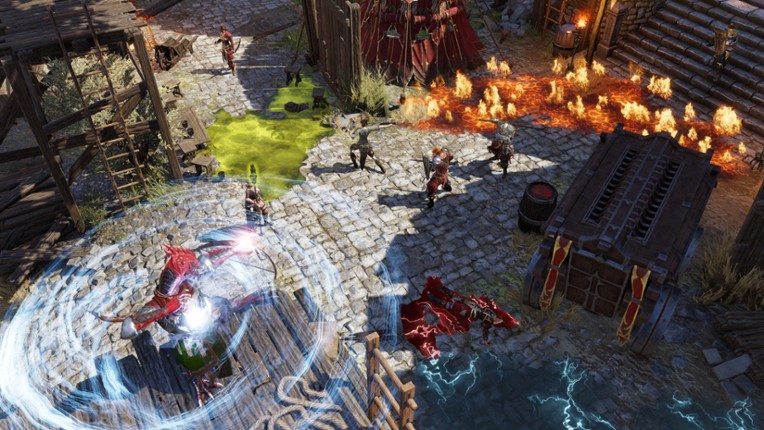
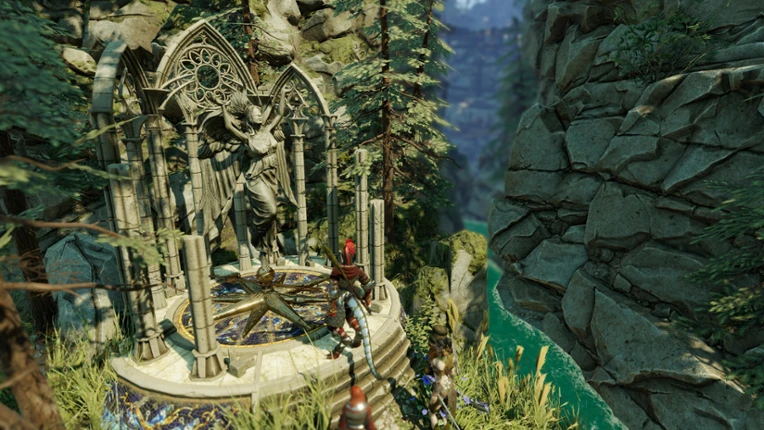
Divinity: Original Sin II is a single- and multiplayer top-down, party-based role-playing game with pen & paper RPG-like levels of freedom. It features turn-based combat, a strong focus on systematic gameplay and a well-grounded narrative. If you enjoyed this game, see our list of games similar to Divinity: Original Sin 2.
View Game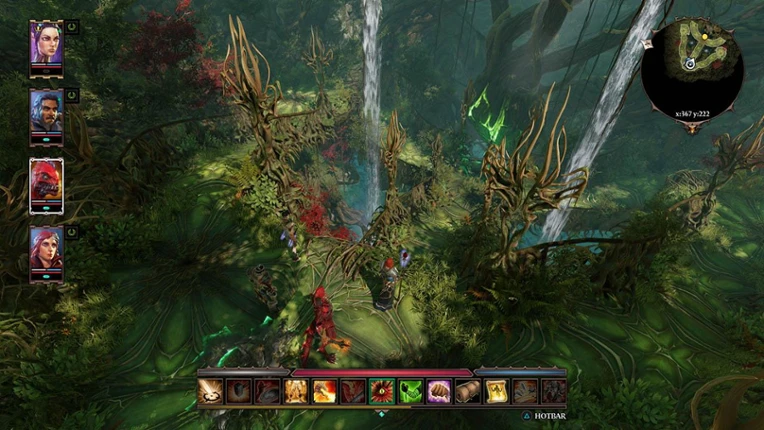
23 View Game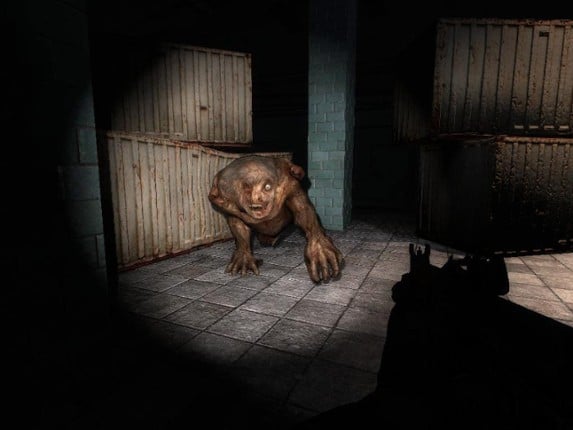
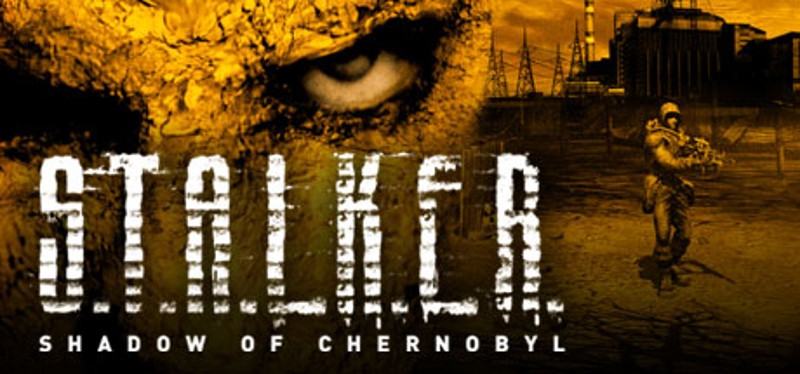
 91%Game Brain ScoreMost mentioned positive aspects:story, atmosphereMost mentioned negative aspects:stability, optimization95% User Score 27,088 reviewsCritic Score 80%3 reviewsThough it shares the post‑apocalyptic sandbox, S.T.A.L.K.E.R. ditches base building for a grittier, sci‑fi horror trek through the Zone. If you enjoyed this game, see our list of games similar to S.T.A.L.K.E.R.: Shadow of Chernobyl.View Game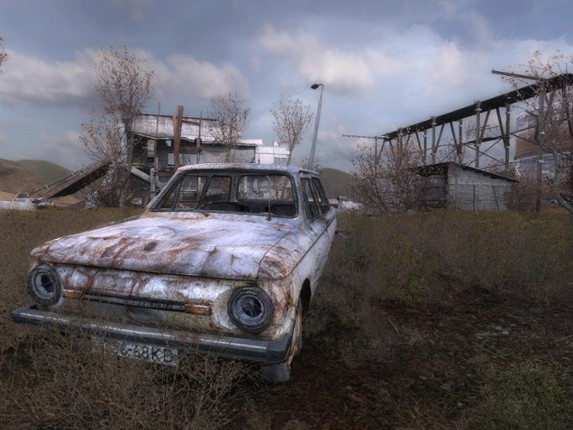
- 80%Game Brain ScoreMost mentioned positive aspects:story, gameplayMost mentioned negative aspects:grinding, optimization84% User Score 14,533 reviewsCritic Score 73%7 reviews
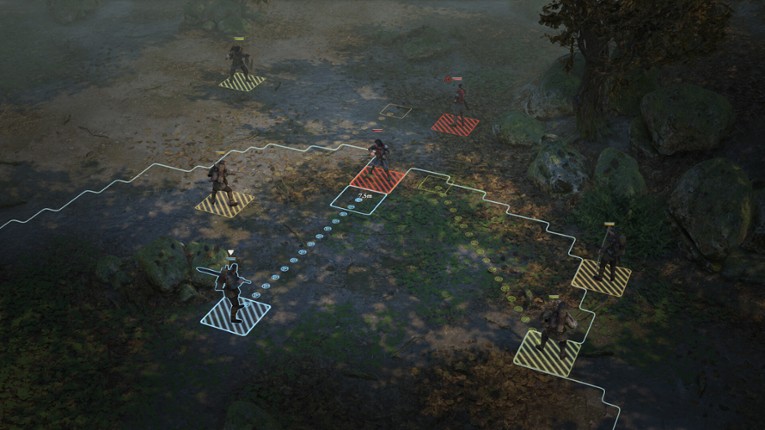
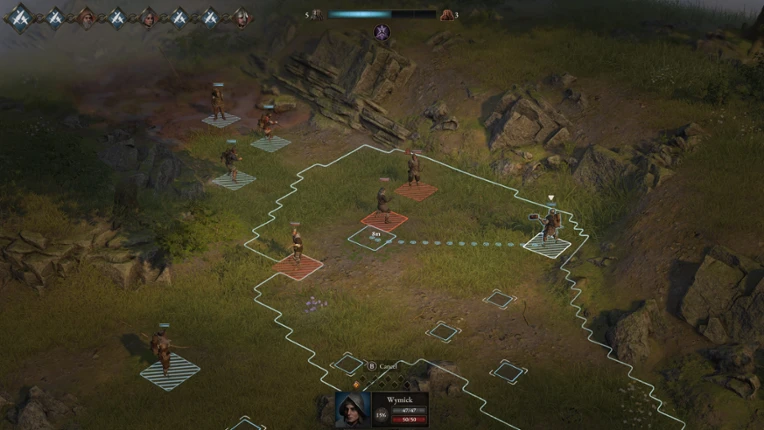
Wartales is an open world RPG in which you lead a group of mercenaries in their search for wealth across a massive medieval universe. Explore the world, recruit companions, collect bounties and unravel the secrets of the tombs of the ancients! If you enjoyed this game, see our list of games similar to Wartales.
View Game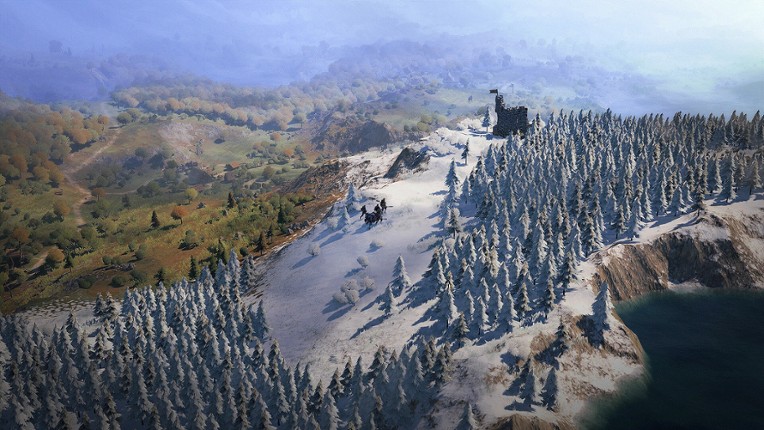
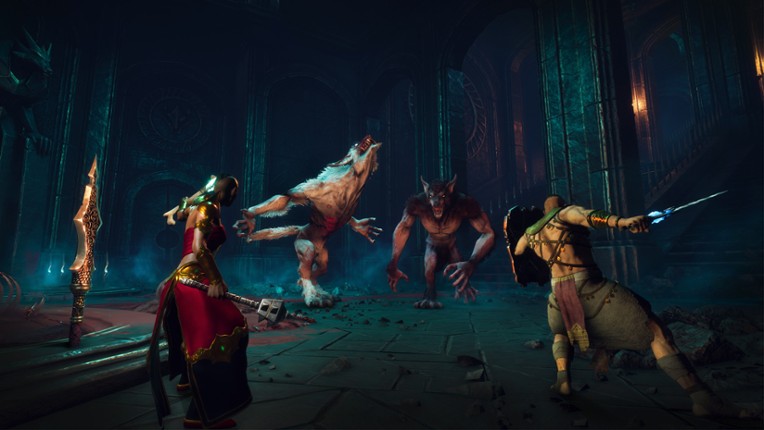
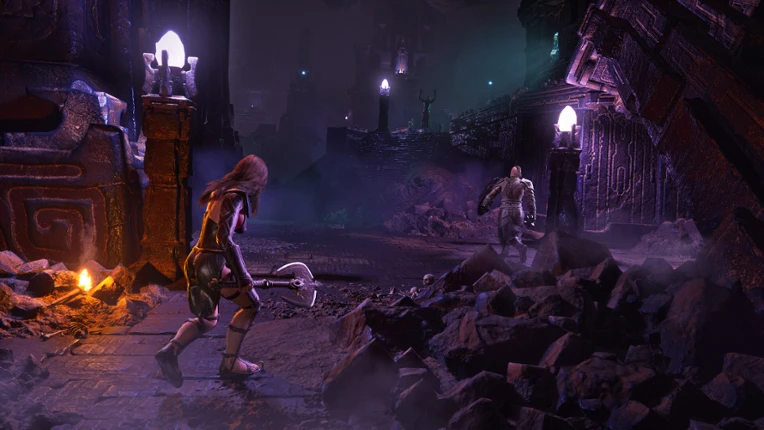
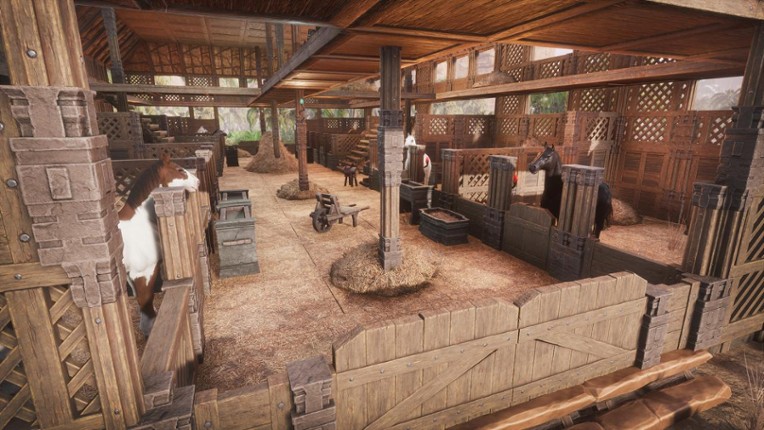
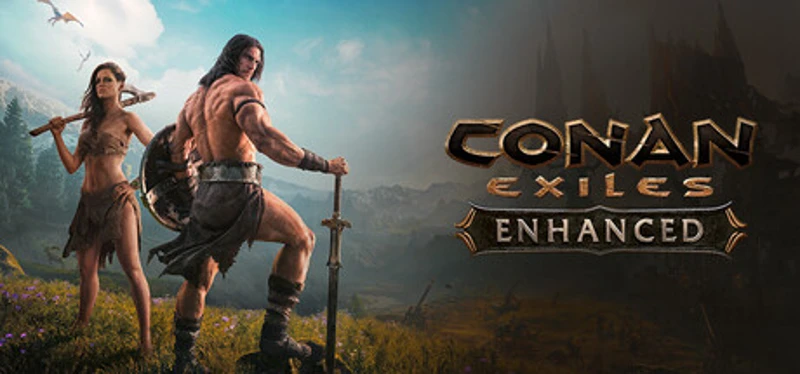
- 79%Game Brain ScoreMost mentioned positive aspects:gameplay, graphicsMost mentioned negative aspects:stability, grinding79% User Score 69,198 reviewsConan Exiles blends fantasy world‑building with massive multiplayer, centering on thralls and base construction rather than Kenshi's gritty, solo survival. If you enjoyed this game, see our list of games similar to Conan Exiles.View Game
- 86%Game Brain ScoreMost mentioned positive aspects:story, gameplayMost mentioned negative aspects:stability, optimization87% User Score 176,320 reviewsCritic Score 83%6 reviewsSwapping industrial base construction for visceral horror survival, this game captures the brutal isolation of Kenshi while centering on immersive, first-person visceral combat and building. If you enjoyed this game, see our list of games similar to Sons Of The Forest.View Game



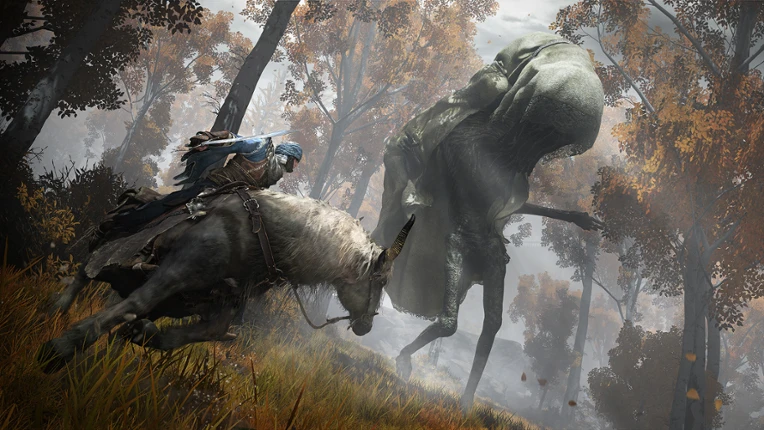
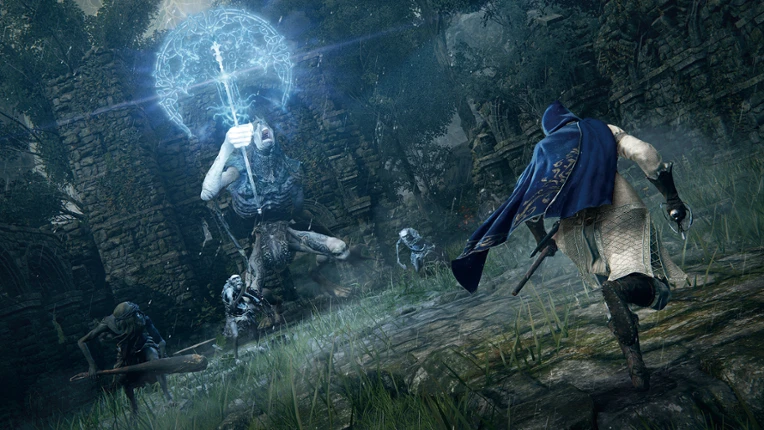
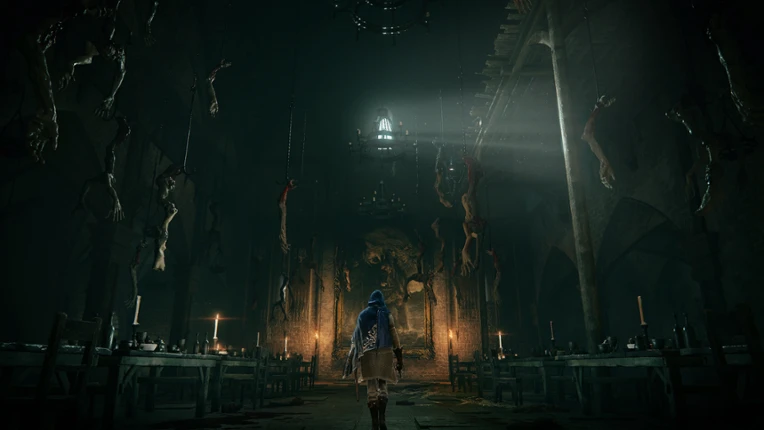
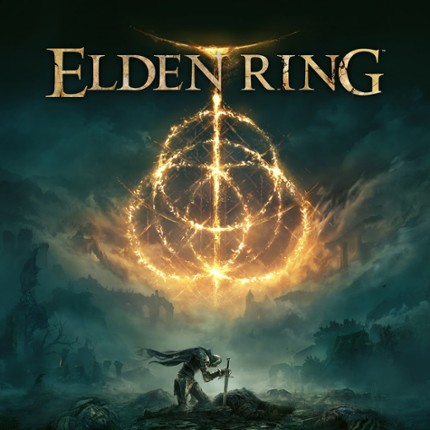
- 94%Game Brain ScoreMost mentioned positive aspects:story, gameplayMost mentioned negative aspects:optimization, grinding94% User Score 553,632 reviewsCritic Score 95%87 reviewsElden Ring trades Kenshi's freedom and humor for atmospheric dark fantasy and punishing Souls-like combat, though both reward exploration. If you enjoyed this game, see our list of games similar to Elden Ring.View Game
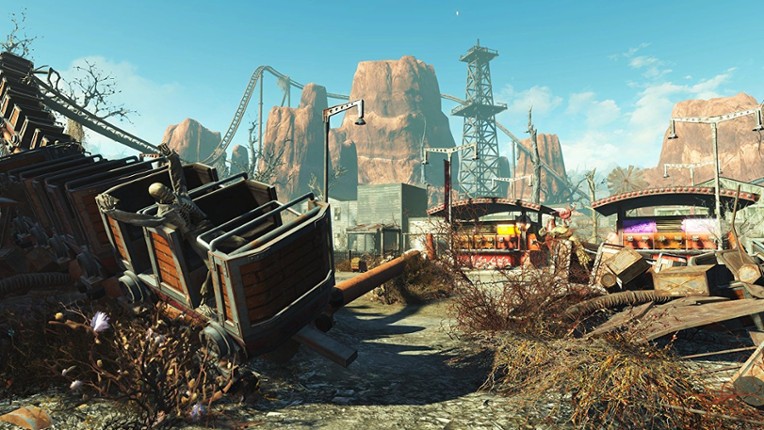
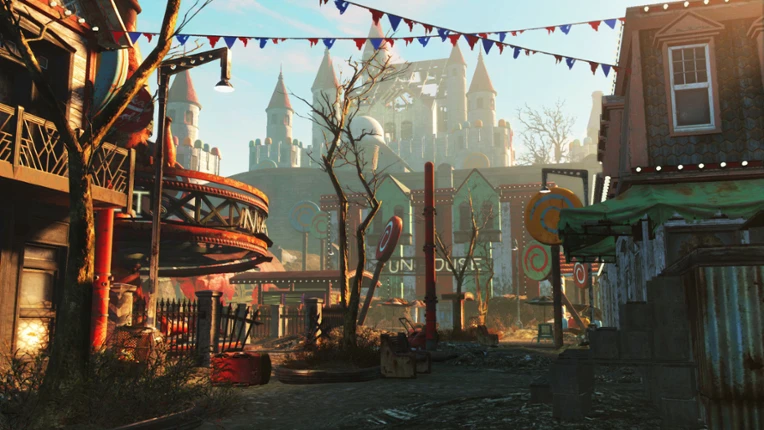
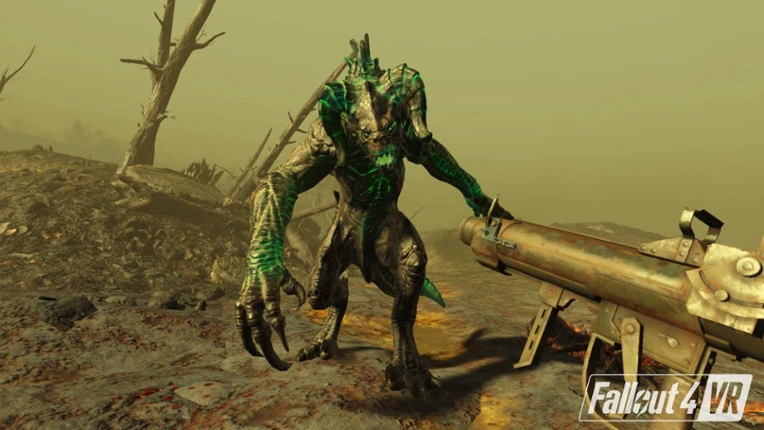
- 80%Game Brain ScoreMost mentioned positive aspects:story, gameplayMost mentioned negative aspects:stability, optimization80% User Score 261,649 reviewsCritic Score 80%16 reviewsThough its scope differs, Fallout 4 swaps Kenshi's gritty humor for a polished, story‑rich wasteland, adding voiced protagonists and settlement building. If you enjoyed this game, see our list of games similar to Fallout 4.View Game
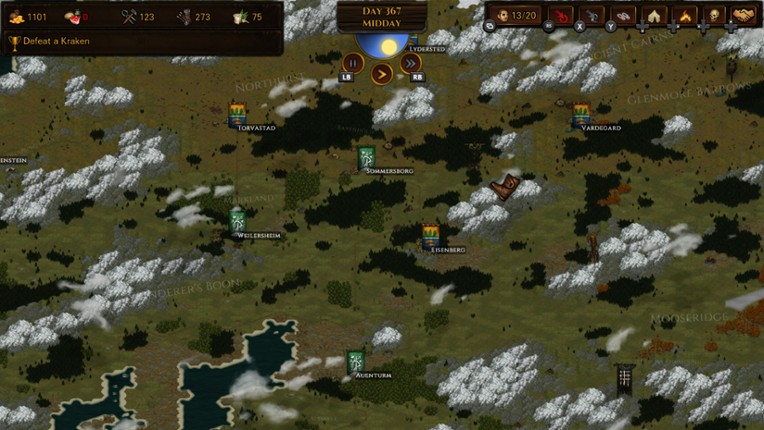
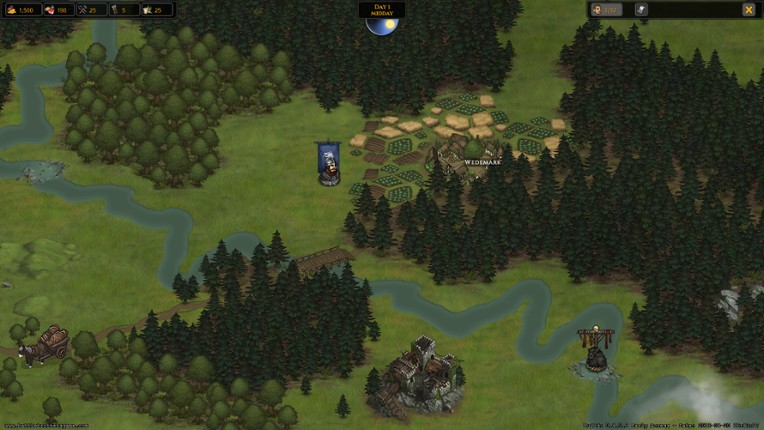
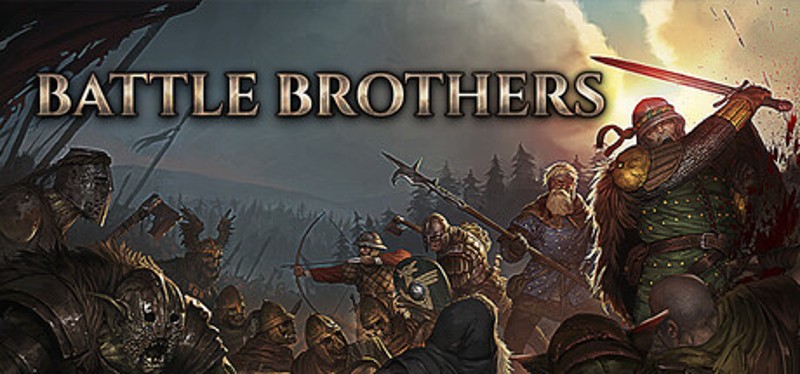
- 83%Game Brain ScoreMost mentioned positive aspects:gameplay, storyMost mentioned negative aspects:grinding, stability89% User Score 25,064 reviewsCritic Score 60%2 reviewsFocusing on tactical squad management rather than individual roaming, this game mirrors Kenshi's brutal mercenary life but shifts the perspective to turn-based, hex-grid combat. If you enjoyed this game, see our list of games similar to Battle Brothers.View Game
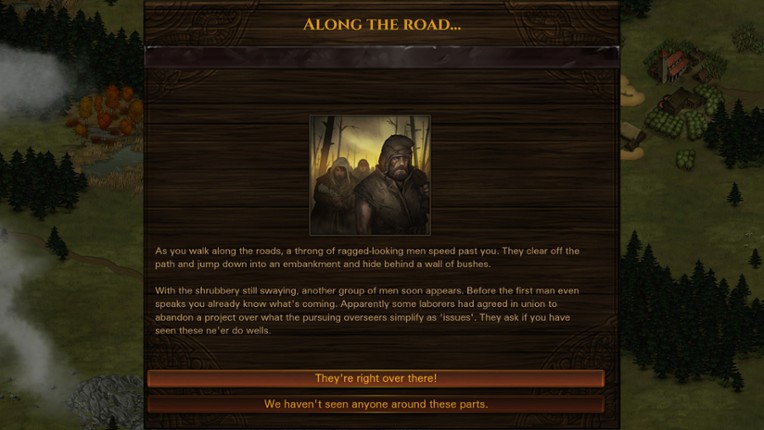
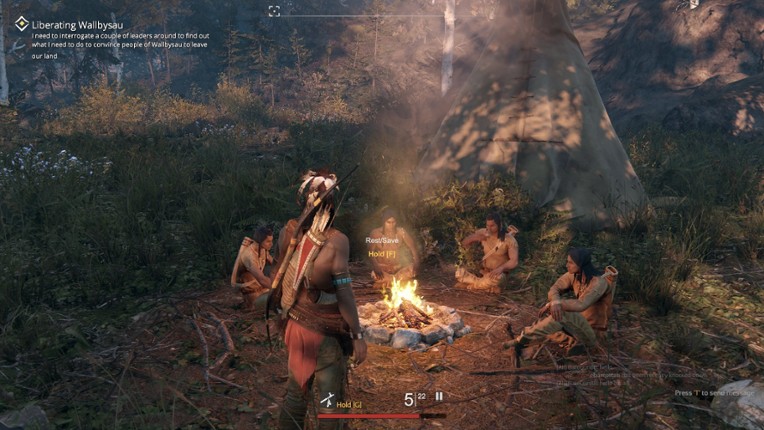
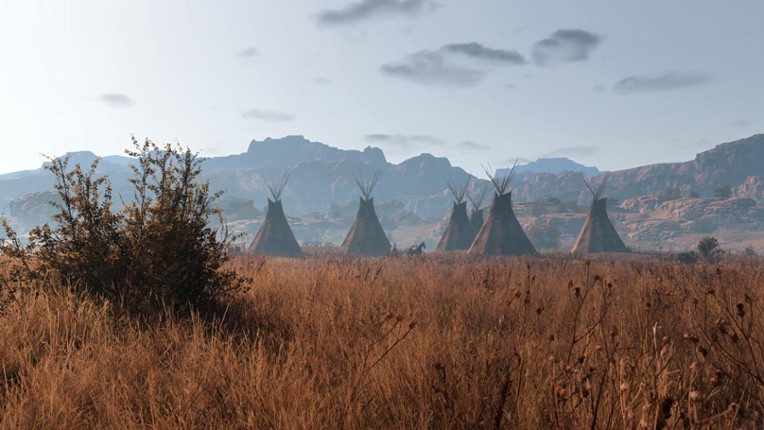
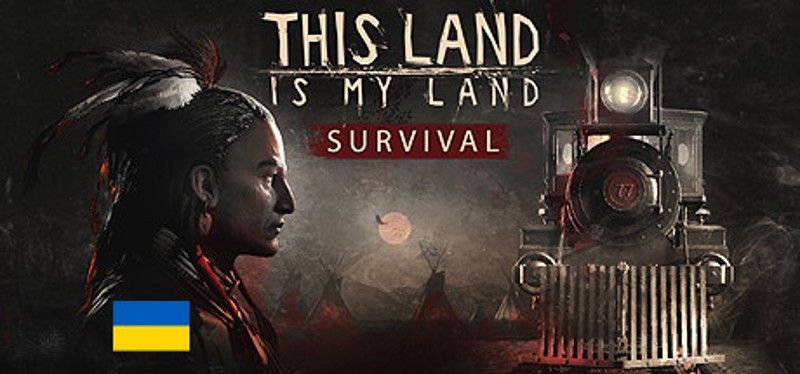
- 69%Game Brain ScoreMost mentioned positive aspects:gameplay, graphicsMost mentioned negative aspects:stability, optimization69% User Score 4,970 reviewsSharing only a vague sense of rugged survival with Kenshi, this title trades planetary sandbox freedom for a focused, historical struggle against colonial oppression. If you enjoyed this game, see our list of games similar to This Land Is My Land.View Game

31 View Game 84%Game Brain ScoreMost mentioned positive aspects:story, gameplayMost mentioned negative aspects:grinding, stability87% User Score 69,482 reviewsCritic Score 75%3 reviews
Includes: Crimson Desert - Pre-Order Bonus Crimson Desert - Khaled Shield If you enjoyed this game, see our list of games similar to Crimson Desert Enhanced.
View Game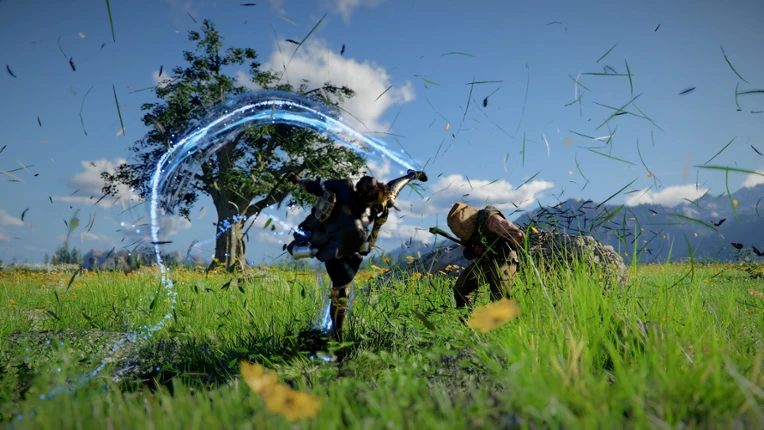

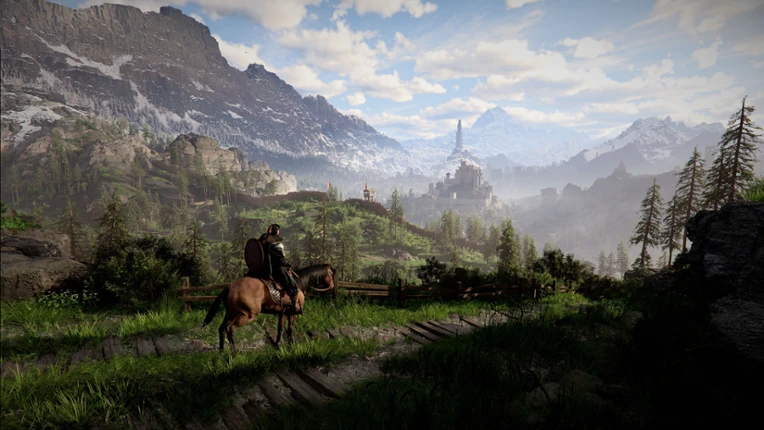
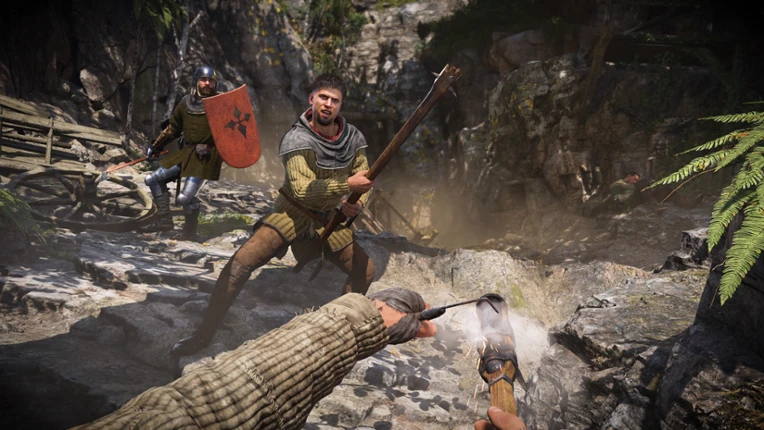
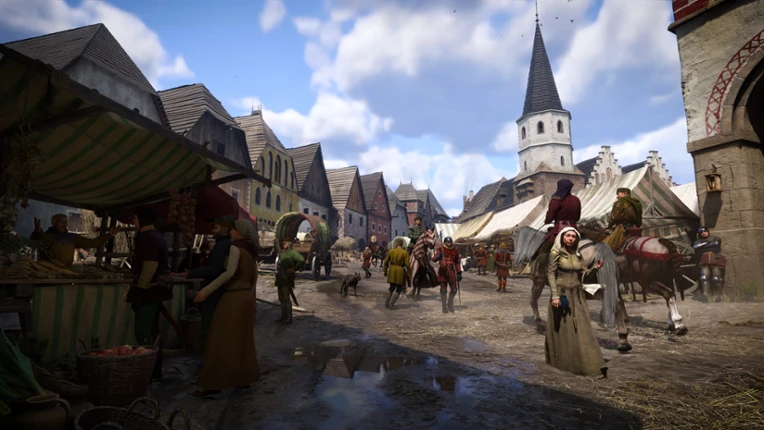
32 View Game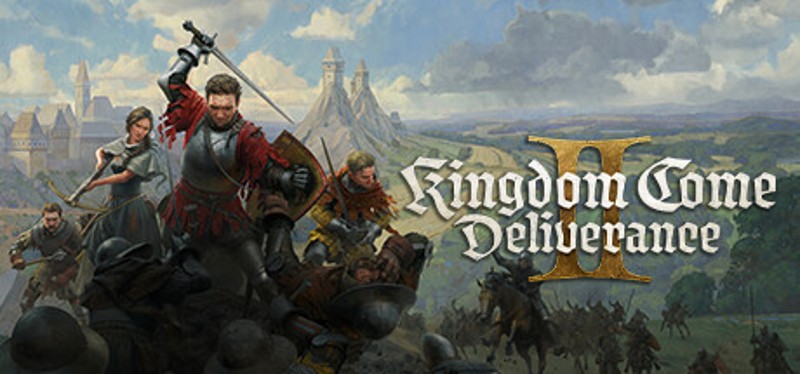 94%Game Brain ScoreMost mentioned positive aspects:story, gameplayMost mentioned negative aspects:stability, grinding94% User Score 73,949 reviewsKingdom Come: Deliverance II expands its historical narrative with deeper choices, still favoring realistic melee over Kenshi's quirky sandbox. If you enjoyed this game, see our list of games similar to Kingdom Come: Deliverance II.View Game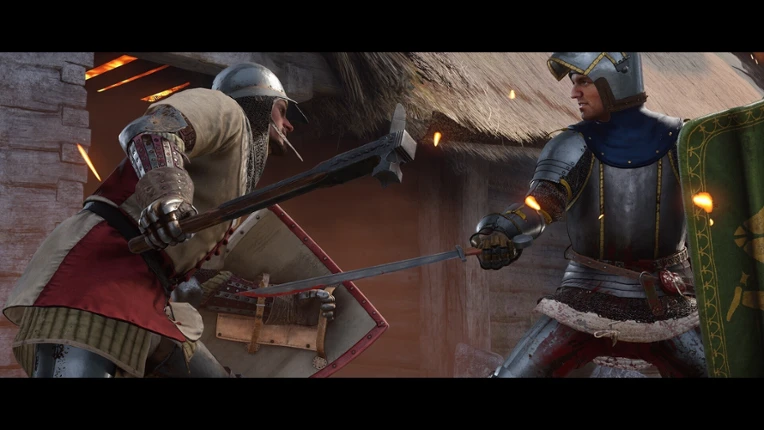
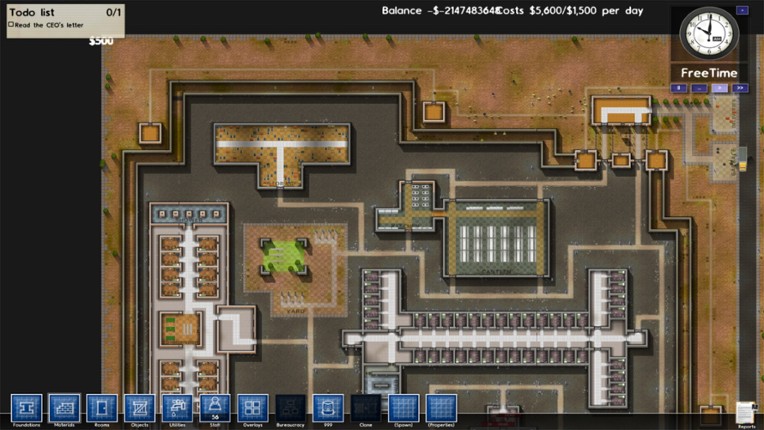
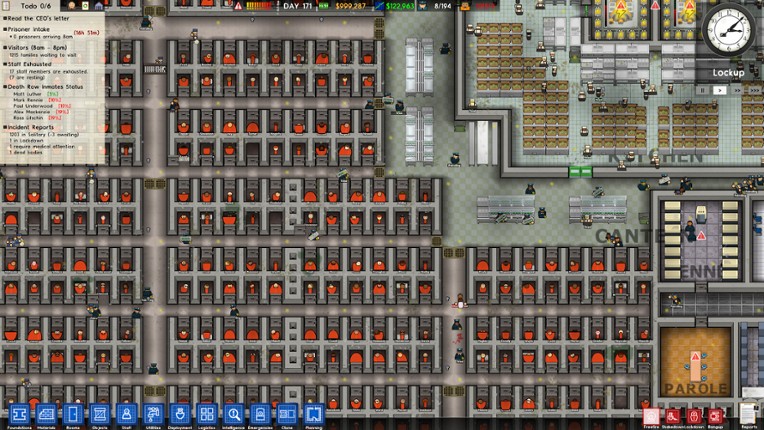
- 84%Game Brain ScoreMost mentioned positive aspects:gameplay, storyMost mentioned negative aspects:stability, grinding89% User Score 32,482 reviewsCritic Score 79%30 reviewsPrison management colony sim that borrows Kenshi's sandbox building and trading but constrains you within walls and capitalism systems. If you enjoyed this game, see our list of games similar to Prison Architect.View Game

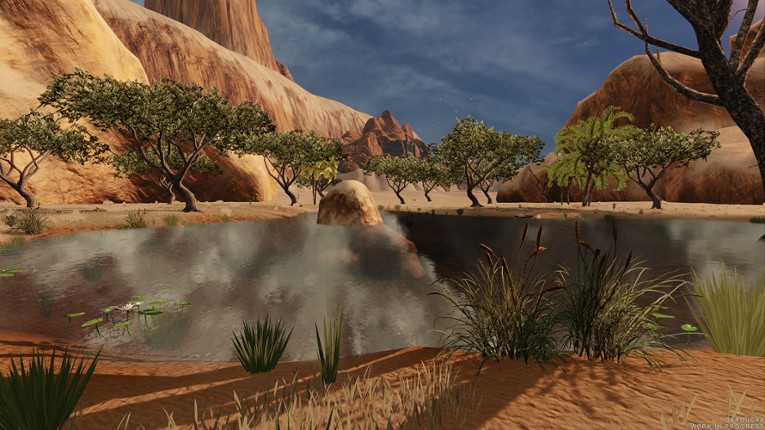
- 52%Game Brain ScoreMost mentioned positive aspects:gameplay, musicMost mentioned negative aspects:graphics, story52% User Score 2,108 reviewsMassively multiplayer fantasy MMO that echoes Kenshi's trading and character building but forces you into online competition and PvP. If you enjoyed this game, see our list of games similar to Mortal Online.View Game
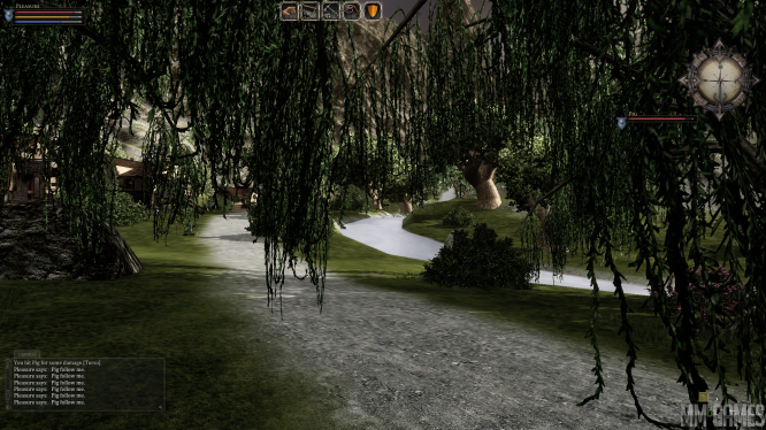

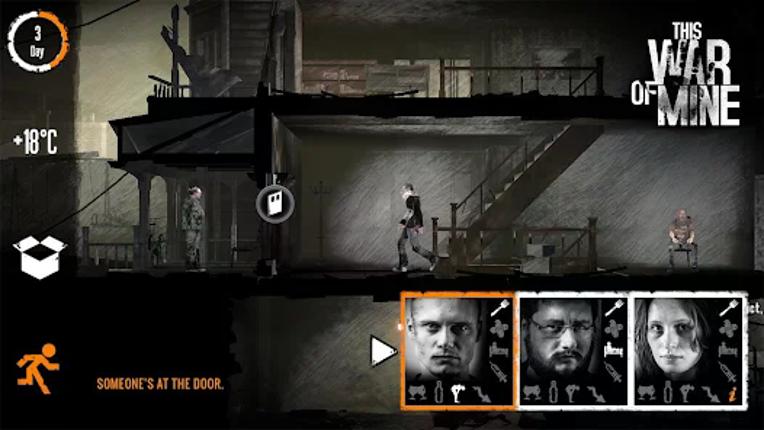
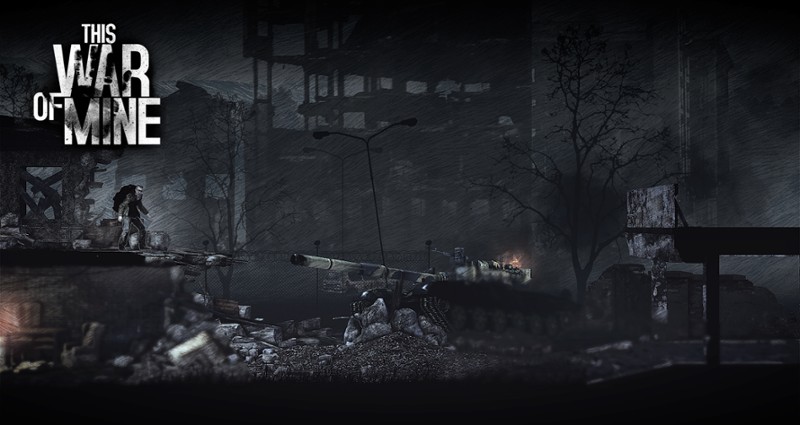
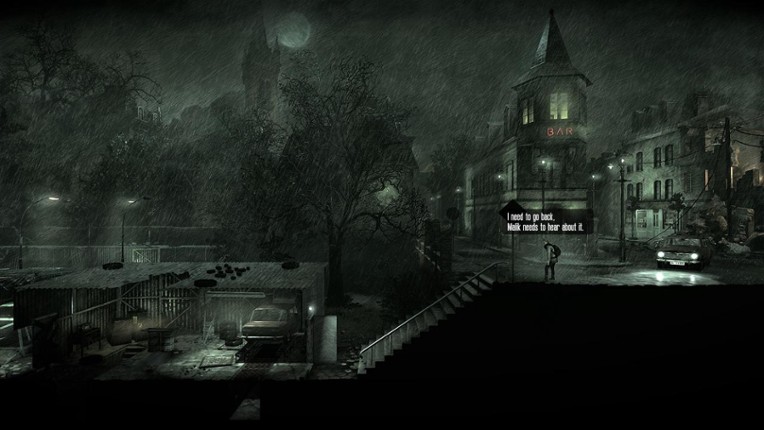
- 87%Game Brain ScoreMost mentioned positive aspects:gameplay, storyMost mentioned negative aspects:grinding, stability93% User Score 18,695 reviewsCritic Score 81%27 reviewsSwaps Kenshi’s epic scope for a smaller, emotionally intense story focused on wartime survival and harsh moral choices in a post-apocalyptic setting. If you enjoyed this game, see our list of games similar to This War of Mine.View Game
- 75%Game Brain ScoreMost mentioned positive aspects:story, gameplayMost mentioned negative aspects:grinding, optimization78% User Score 149,300 reviewsCritic Score 71%47 reviews
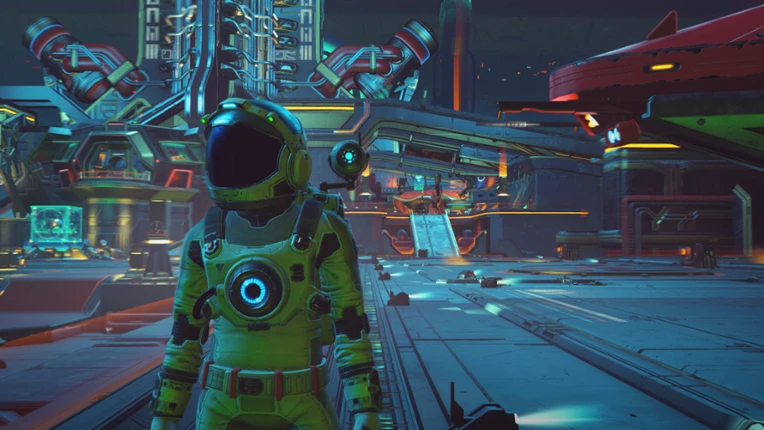
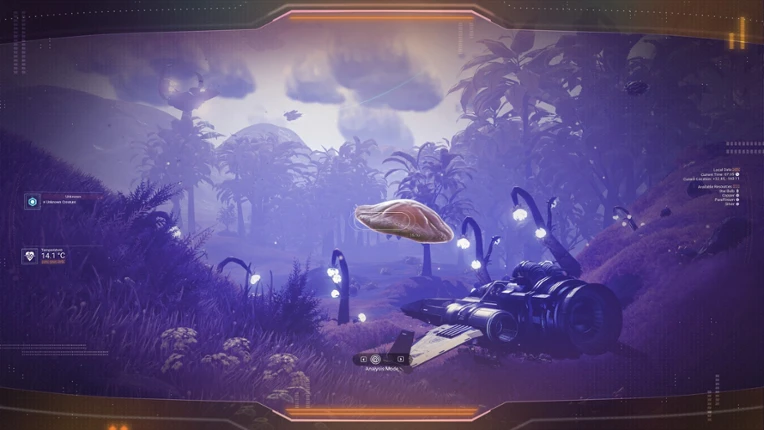
Buy No Man's Sky on PlayStation Store. Lose yourself in a vast sci-fi odyssey as you explore a near-infinite, procedurally generated universe. If you enjoyed this game, see our list of games similar to No Man's Sky.
View Game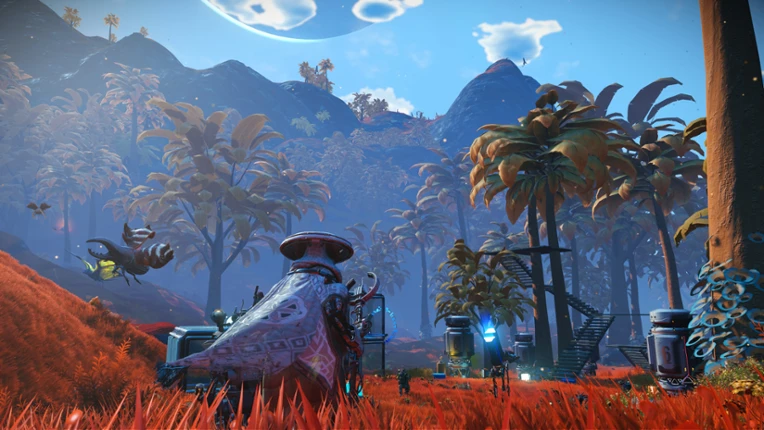
- 84%Game Brain ScoreMost mentioned positive aspects:gameplay, storyMost mentioned negative aspects:grinding, stability84% User Score 457 reviews
Survive a brutal open world alone or with friends. Explore a procedural wasteland scorched by chaos. Build and defend your base, trade for what you need, complete deadly quests, and fight to claim faction outposts before someone else does. If you enjoyed this game, see our list of games similar to Plains of Pain.
View Game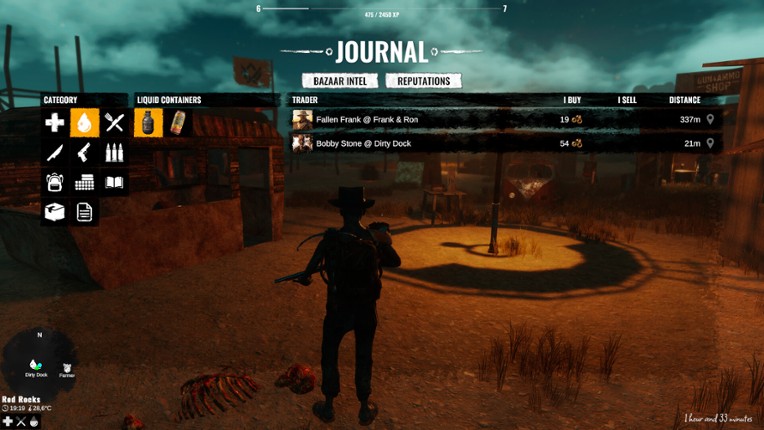
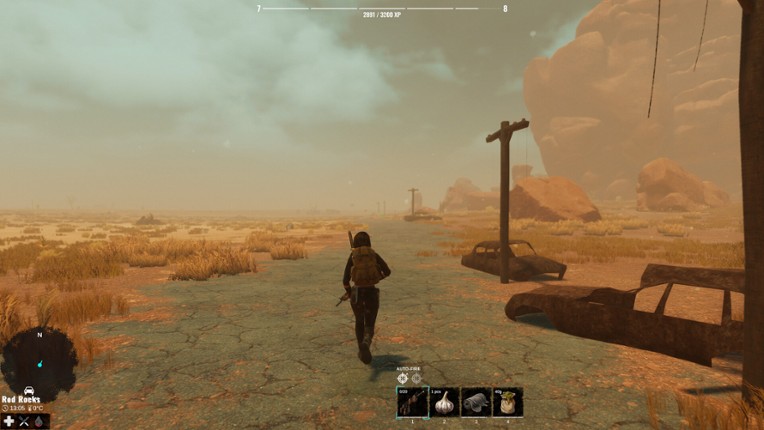
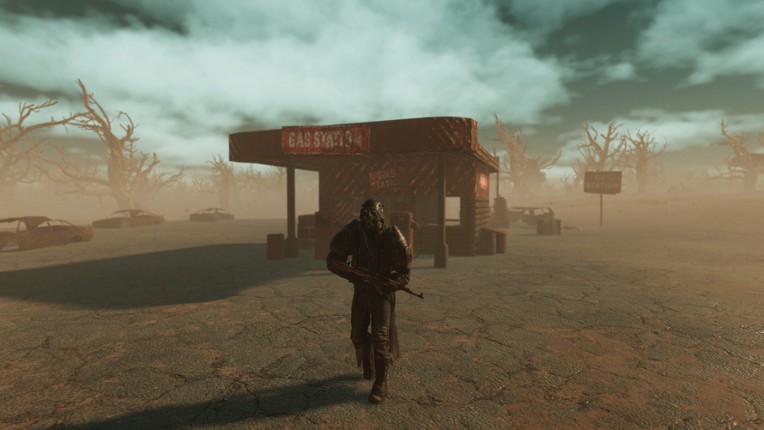
- 74%Game Brain ScoreMost mentioned positive aspects:graphics, gameplayMost mentioned negative aspects:stability, grinding74% User Score 4,170 reviewsDwarven settlement builder sharing Kenshi's sandbox and trading systems but exchanges open exploration for vertical dungeon management and survival focus. If you enjoyed this game, see our list of games similar to Gnomoria.View Game
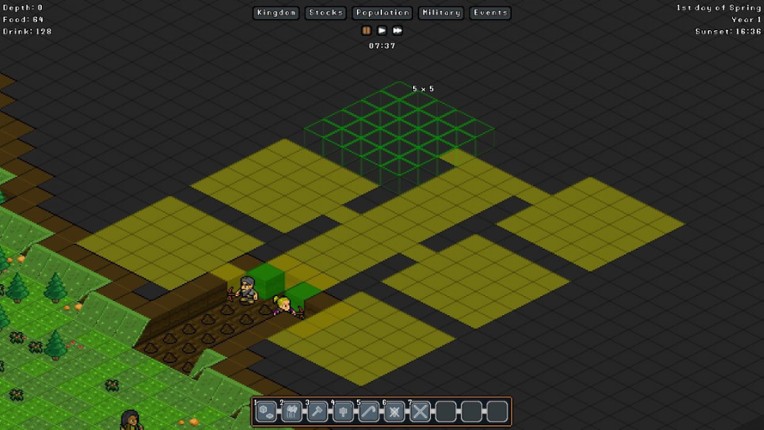
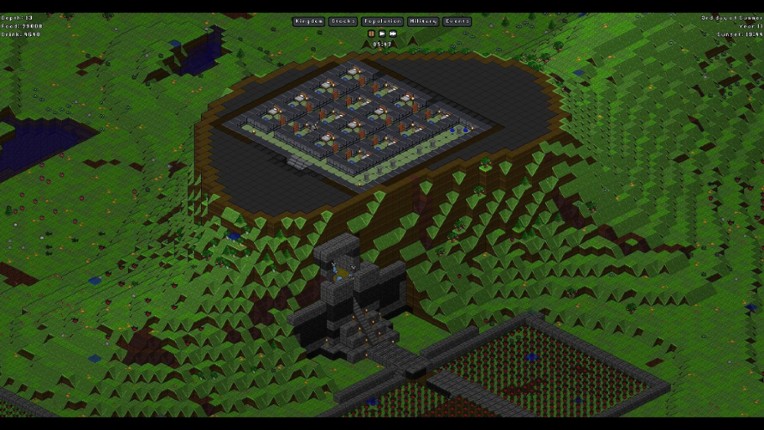
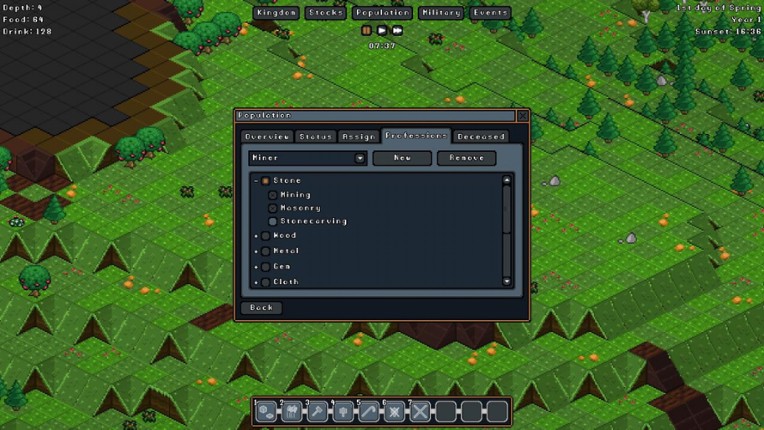
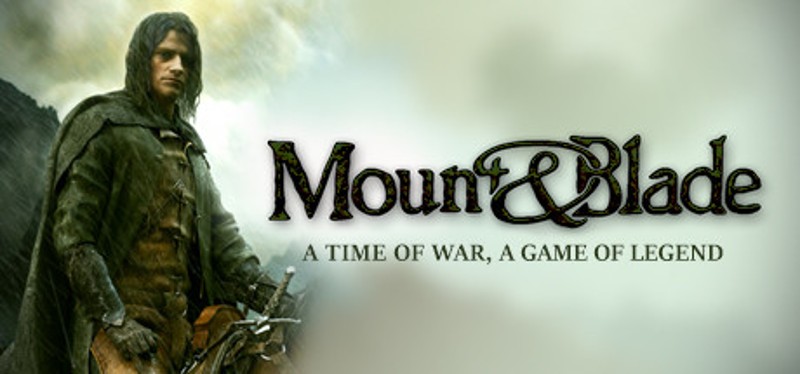
- 85%Game Brain ScoreMost mentioned positive aspects:graphics, gameplayMost mentioned negative aspects:story, stability91% User Score 3,904 reviewsCritic Score 72%4 reviewsMedieval sandbox RPG matching Kenshi's character customization and open-world freedom but emphasizes mounted warfare and faction diplomacy over base-building. If you enjoyed this game, see our list of games similar to Mount & Blade.View Game
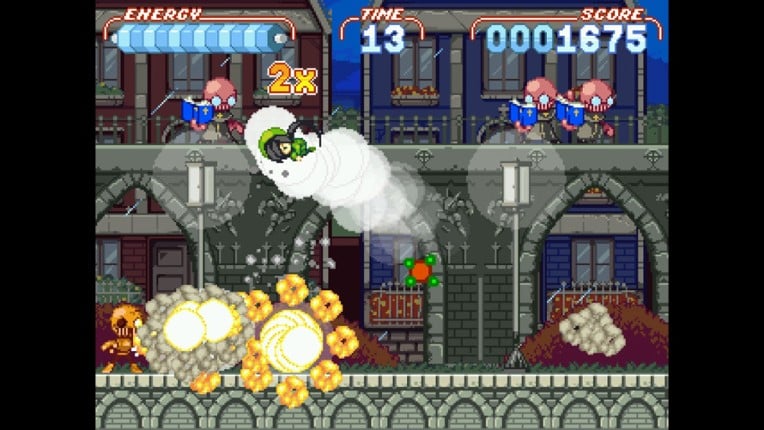
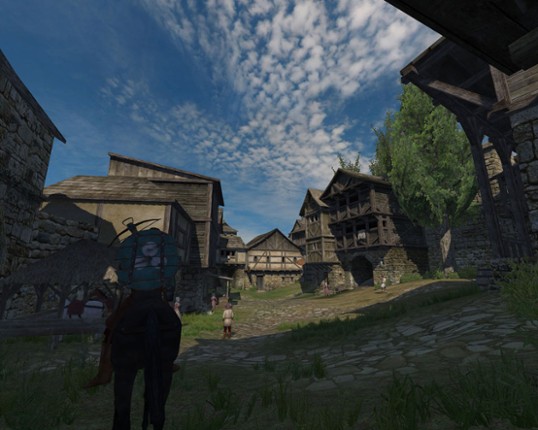
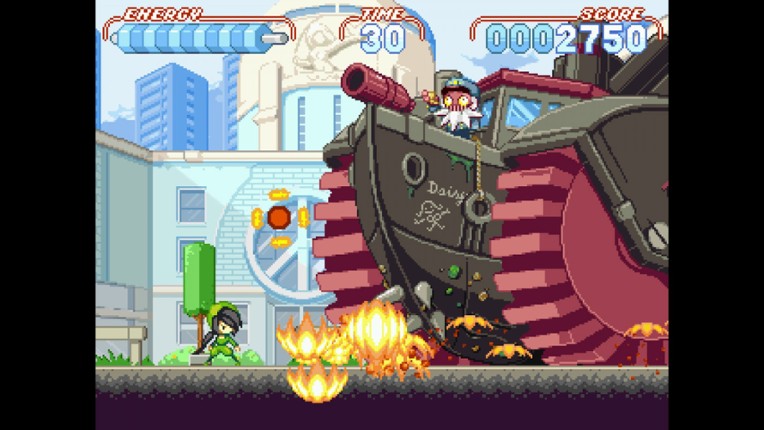
- 73%Game Brain ScoreMost mentioned positive aspects:gameplay, graphicsMost mentioned negative aspects:optimization, stability73% User Score 46,927 reviews
Unreal Drone Racing is an arcade style racing game with drones... and lasers! If you enjoyed this game, see our list of games similar to SCUM.
View Game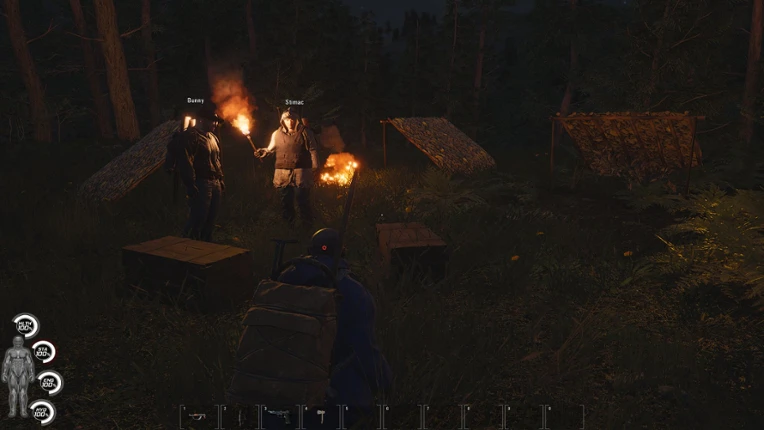
- 81%Game Brain ScoreMost mentioned positive aspects:gameplay, graphicsMost mentioned negative aspects:optimization, story81% User Score 9,415 reviews
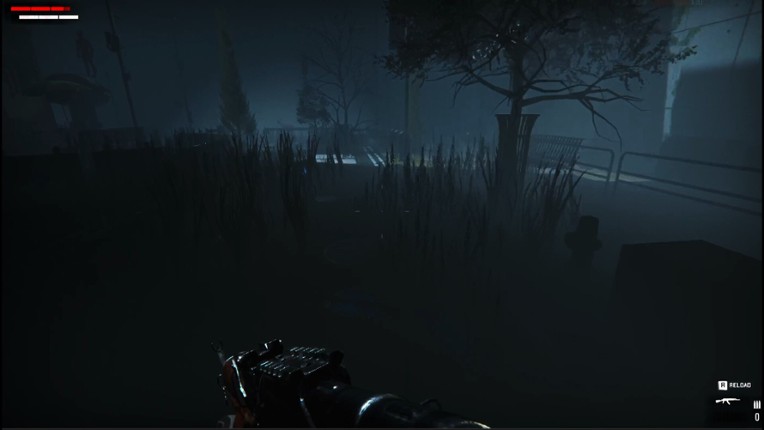
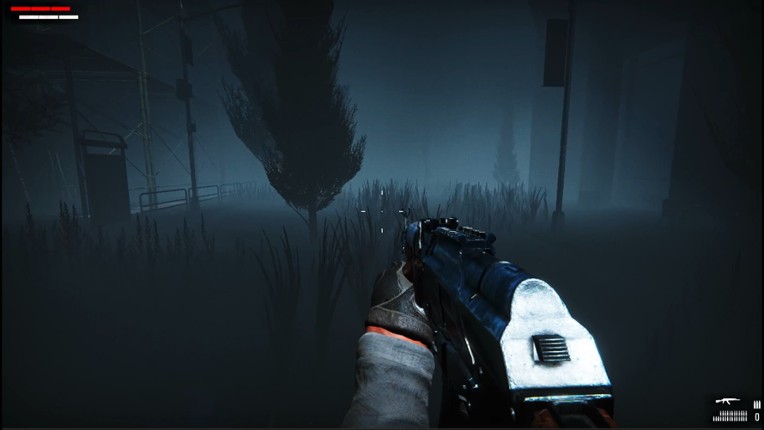
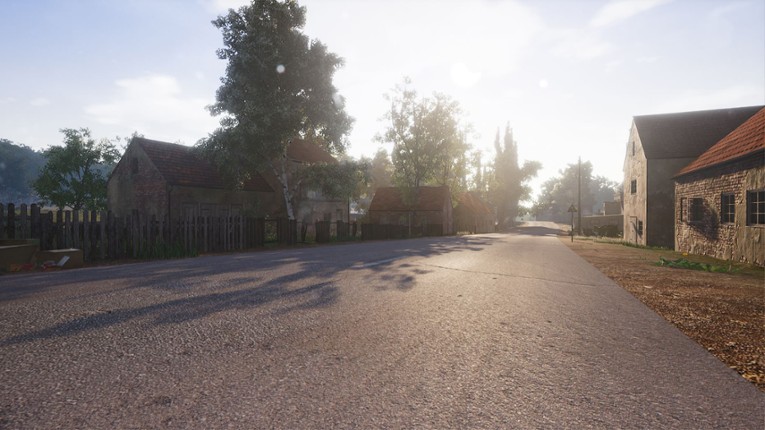
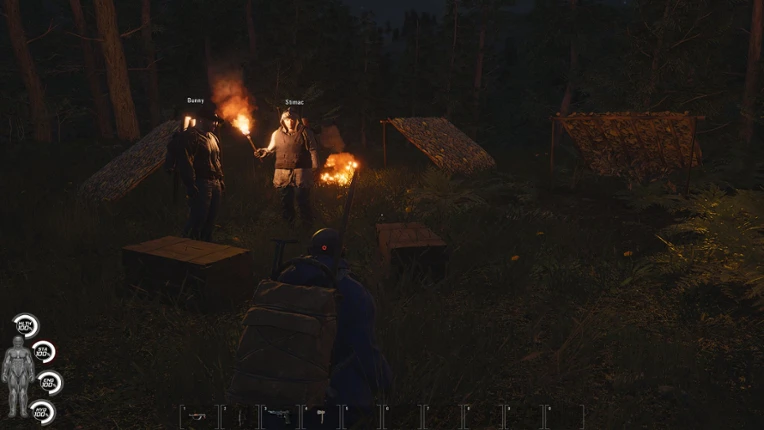
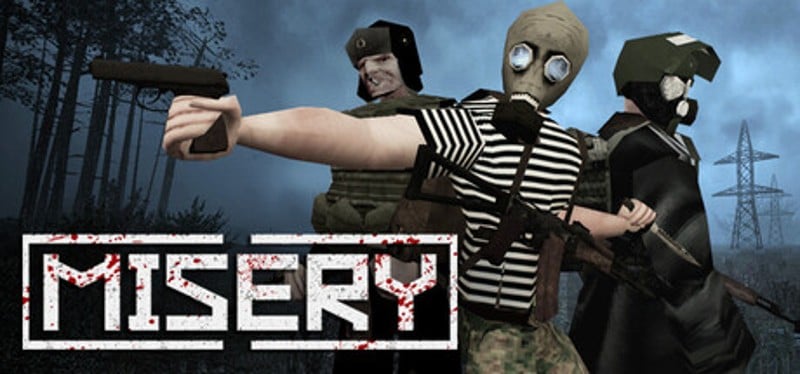
MISERY is a co-op rogue-lite survival game for fans of Lethal Company and Stalker. You play as PMCs guarding a secret research institute in the Republic of Zaslavie.The Scientific Institute for Research of the Zaslavie Exclusion Zone (SIRZEZ) was built before the war to study anomalies and artifacts. Over time, these artifacts became the cause of conflict between international military blocs. Neit… If you enjoyed this game, see our list of games similar to MISERY.
View Game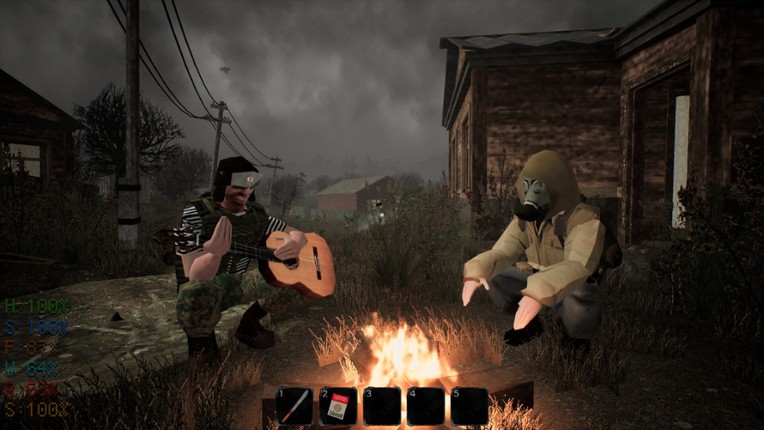
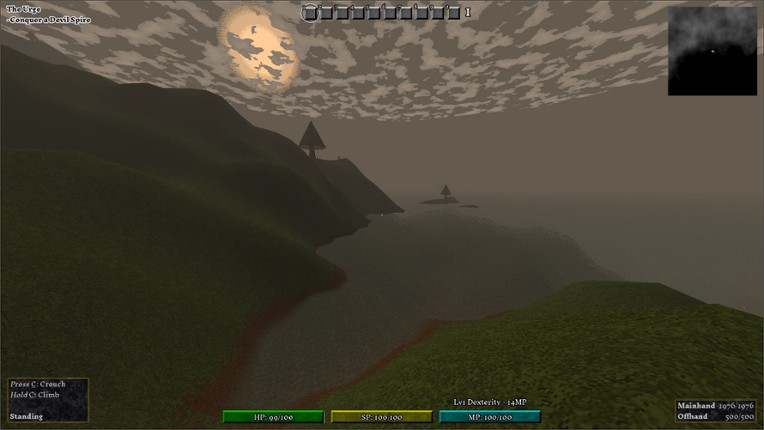
- 95%Game Brain ScoreMost mentioned positive aspects:gameplay, graphicsMost mentioned negative aspects:story, optimization95% User Score 977 reviews
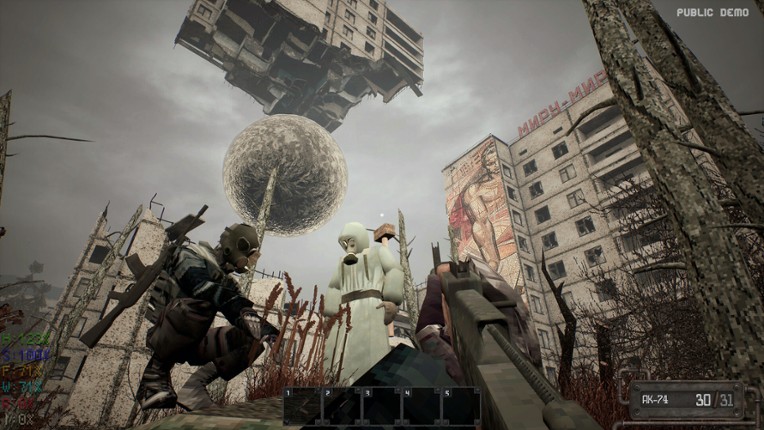
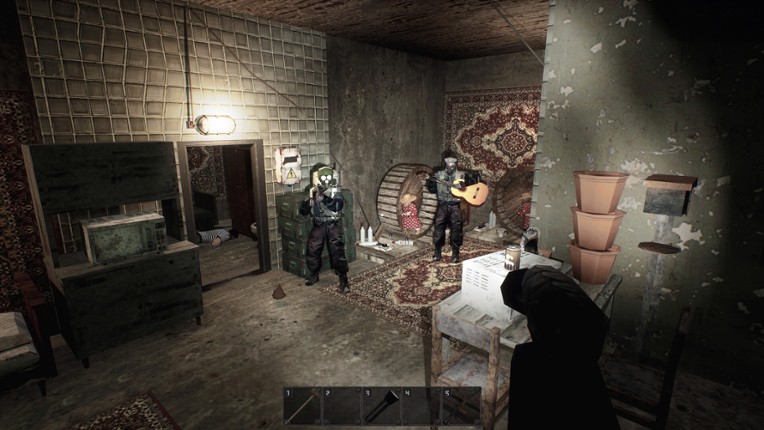
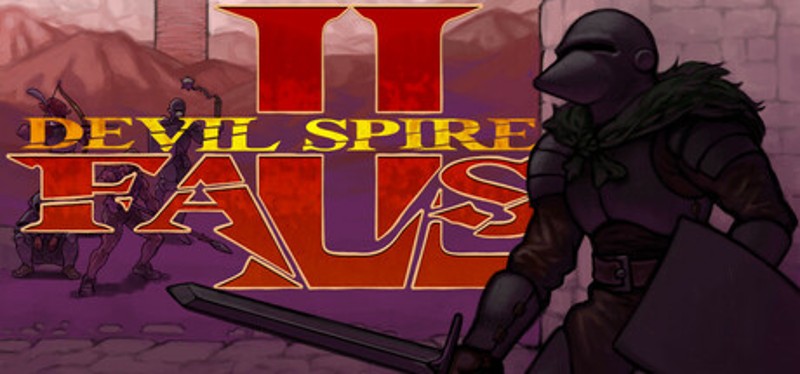
The role-playing experience, where you can do anything, of your dreams... as if it came out 30 years ago! If you enjoyed this game, see our list of games similar to Devil Spire Falls.
View Game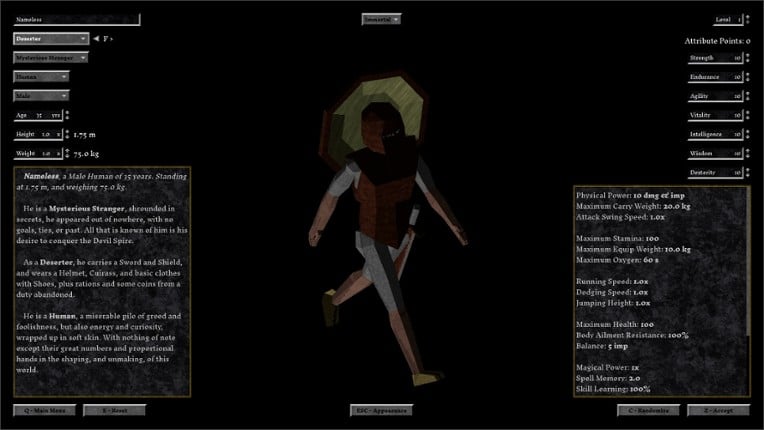
- 93%Game Brain ScoreMost mentioned positive aspects:gameplay, storyMost mentioned negative aspects:grinding, stability93% User Score 1,788 reviews
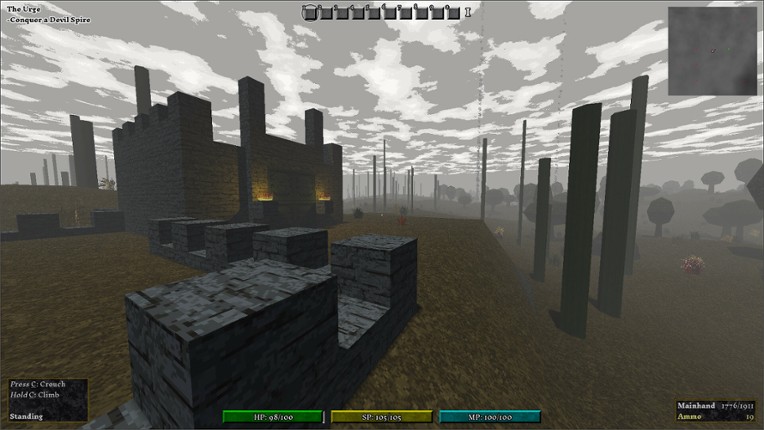
The Matchless Kungfu is an open world sandbox RPG game based on a WuXia background. You can play any martial arts role you imagine in this wild world. Travel through the great wilderness, or be the leader of the group. The most important thing is, build your own story and live the experience! If you enjoyed this game, see our list of games similar to The Matchless KungFu.
View Game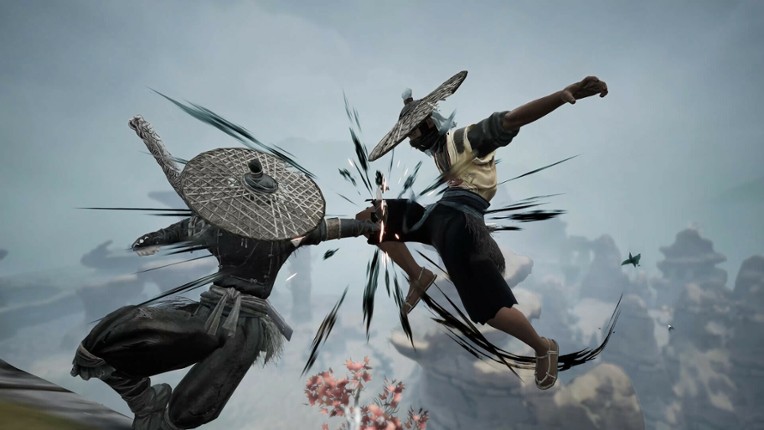
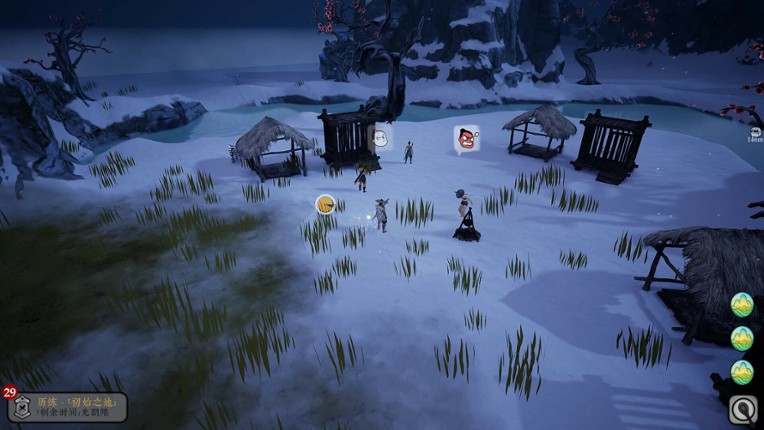

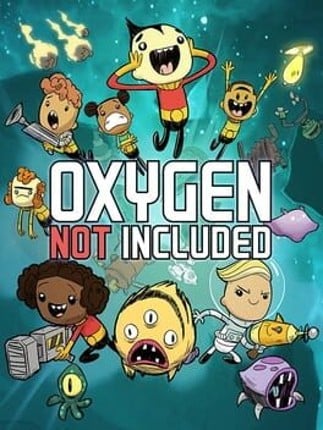
- 93%Game Brain ScoreMost mentioned positive aspects:gameplay, graphicsMost mentioned negative aspects:grinding, stability96% User Score 51,372 reviewsCritic Score 80%1 reviewsFocuses heavily on complex colony management and life support systems with detailed 2D simulation, trading Kenshi's open-world freedom for tight resource challenges. If you enjoyed this game, see our list of games similar to Oxygen Not Included.View Game
- 85%Game Brain ScoreMost mentioned positive aspects:story, gameplayMost mentioned negative aspects:optimization, stability85% User Score 59,932 reviews
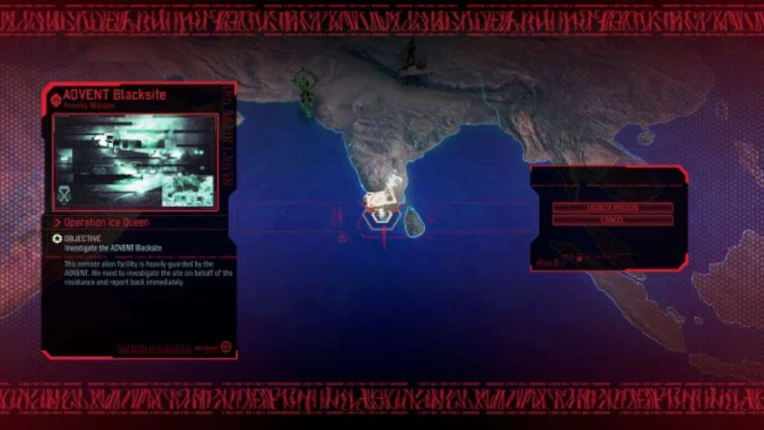
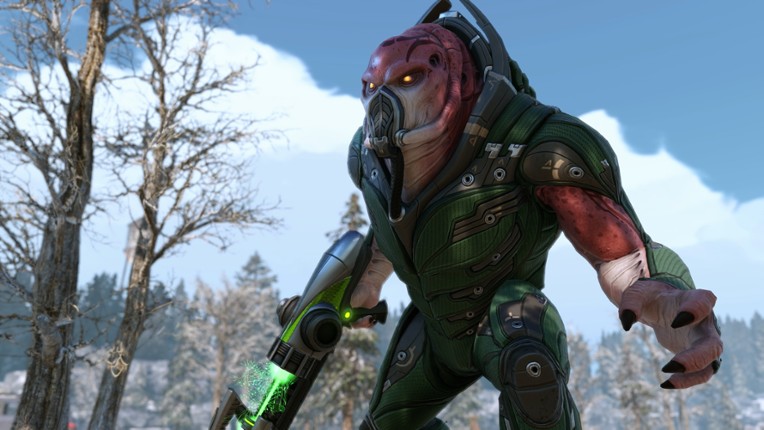
XCOM 2 is the sequel to XCOM: Enemy Unknown, the 2012 award-winning strategy game of the year. Earth has changed and is now under alien rule. Facing impossible odds you must rebuild XCOM, and ignite a global resistance to reclaim our world and save humanity. If you enjoyed this game, see our list of games similar to XCOM 2.
View Game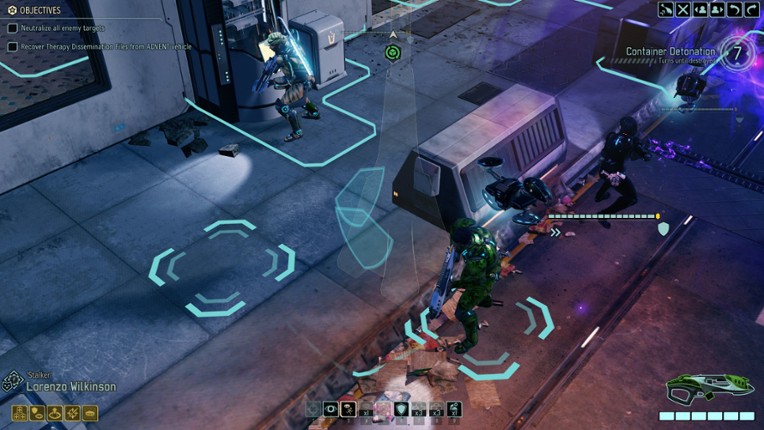
- 80%Game Brain ScoreMost mentioned positive aspects:story, gameplayMost mentioned negative aspects:graphics, optimization80% User Score 2,592 reviews
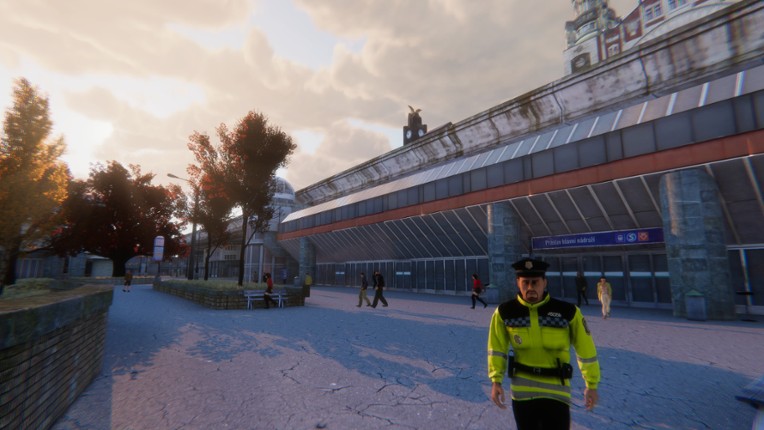
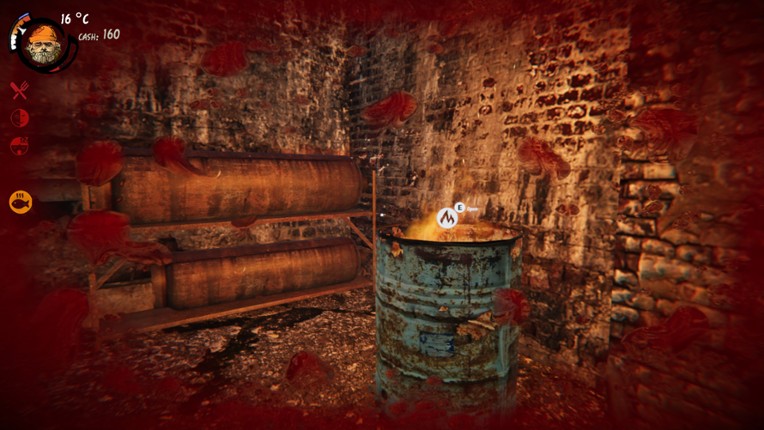
Hobo: Tough Life is a city survival RPG. You play as a homeless and your main goal is to survive. To do this you will have to deal with hunger, hostile environment, human unconcern and with forthcoming winter. Play with friends or with other players online and do whatever it takes to survive. If you enjoyed this game, see our list of games similar to Hobo: Tough Life.
View Game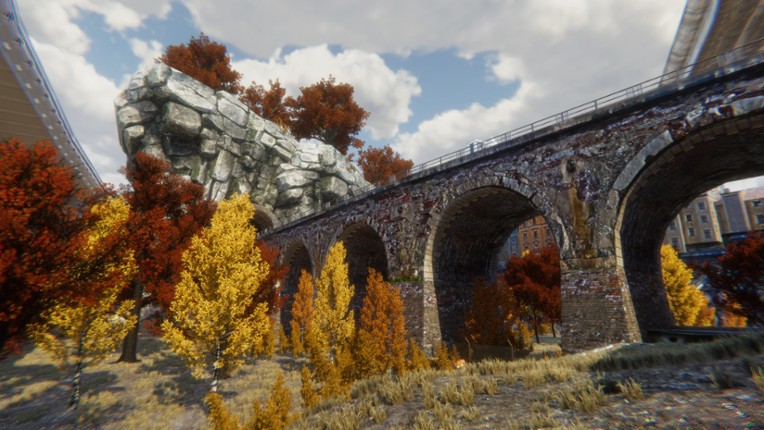
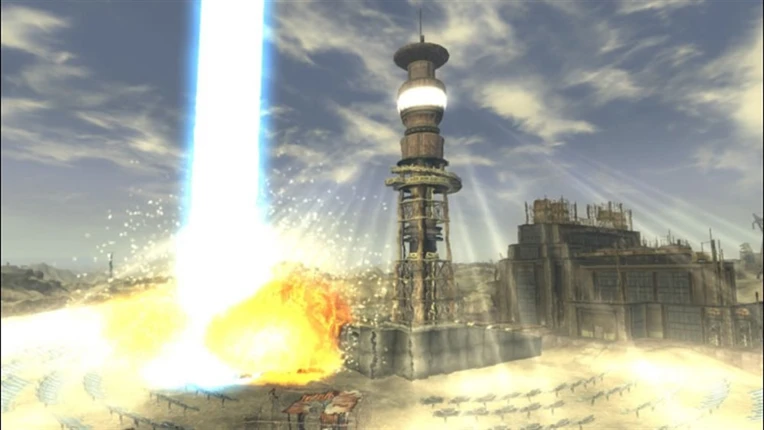
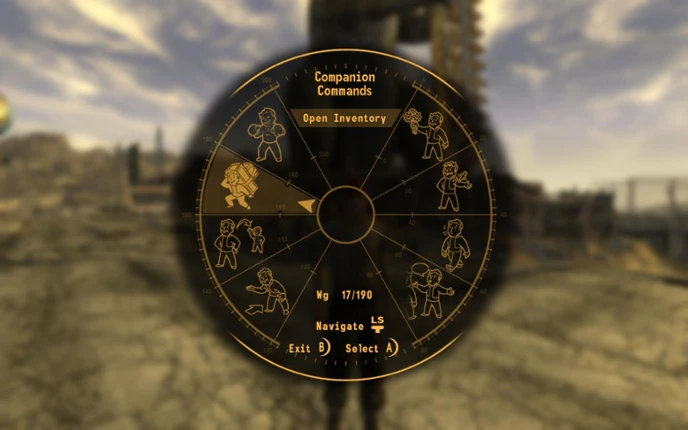
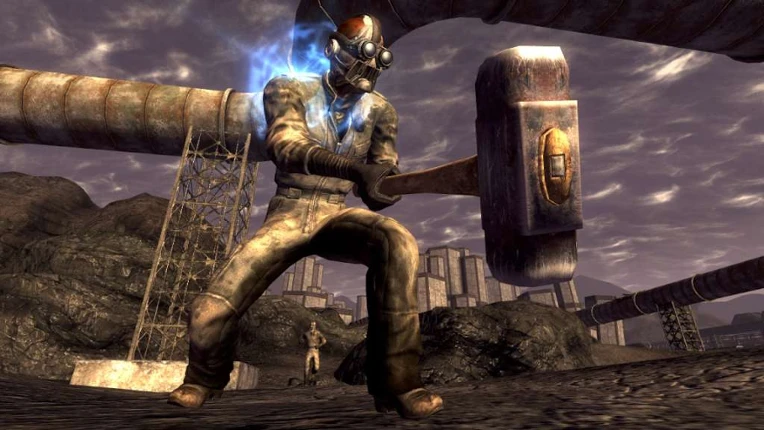
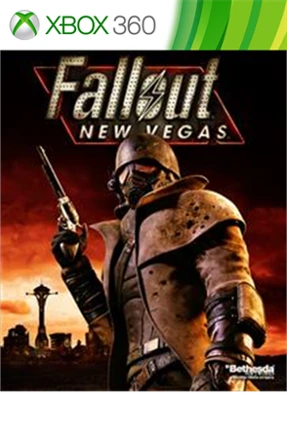
- 89%Game Brain ScoreMost mentioned positive aspects:story, gameplayMost mentioned negative aspects:stability, optimization96% User Score 186,367 reviewsCritic Score 81%9 reviewsDitching the harsh sandbox simulation of Kenshi, this narrative-driven RPG prioritizes player choice and faction diplomacy within a cohesive, post-nuclear science fiction world. If you enjoyed this game, see our list of games similar to Fallout: New Vegas.View Game
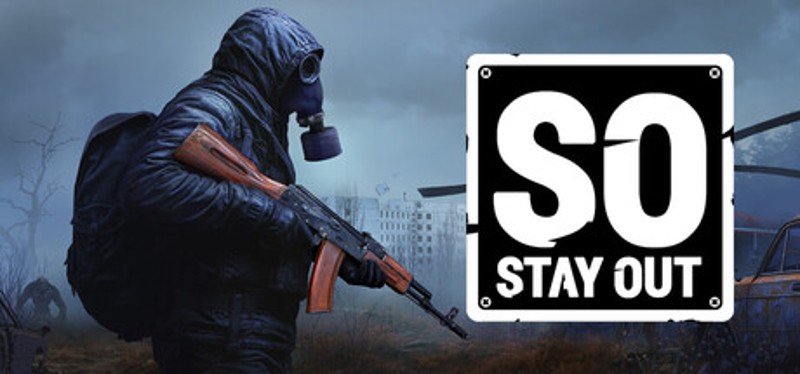
- 62%Game Brain ScoreMost mentioned positive aspects:story, graphicsMost mentioned negative aspects:grinding, stability62% User Score 8,345 reviewsMultiplayer post-apocalyptic survival game capturing Kenshi's alternate-history atmosphere and character customization but forces online PvP and cooperative play. If you enjoyed this game, see our list of games similar to Stay Out.View Game
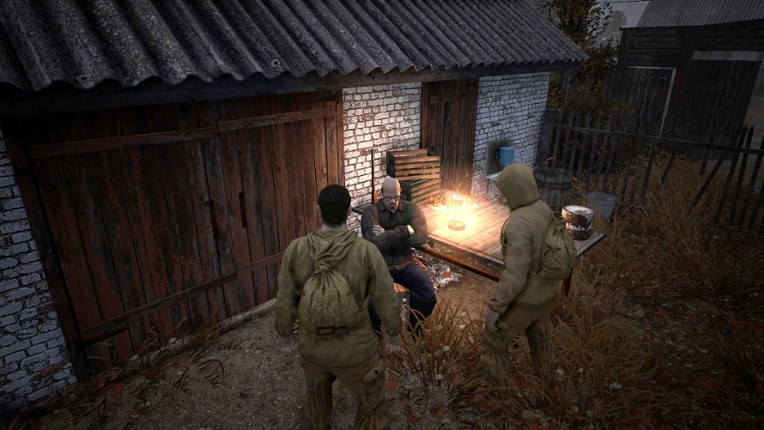
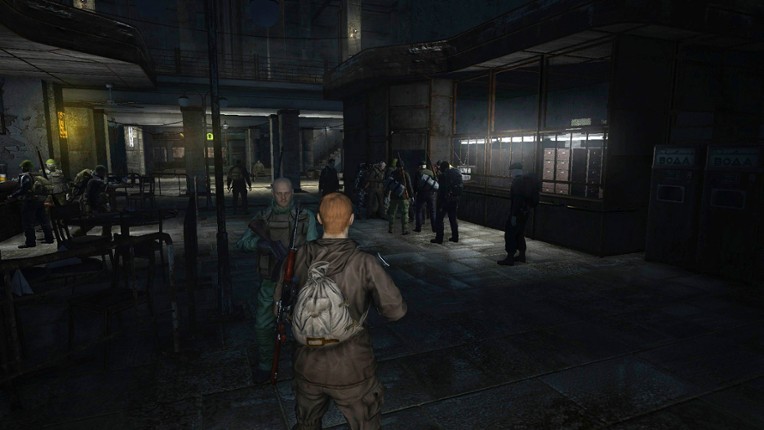
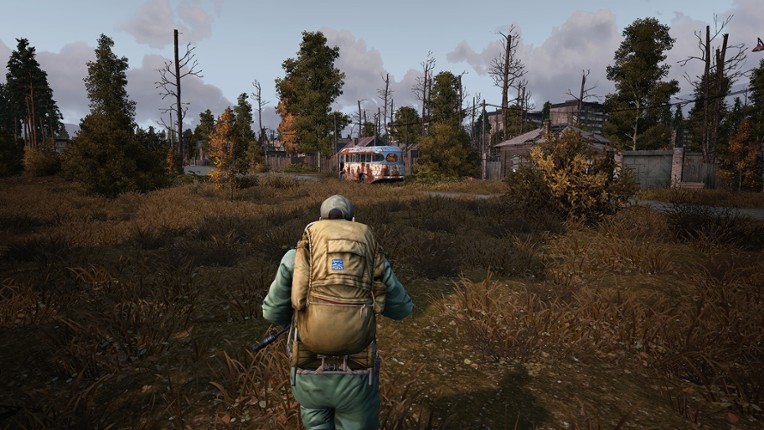
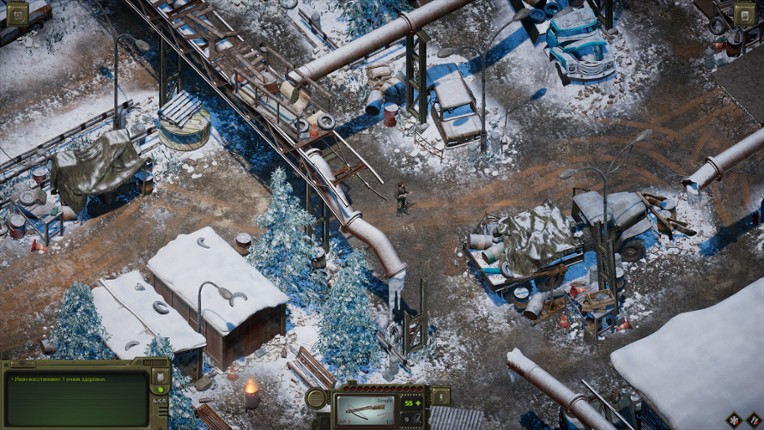
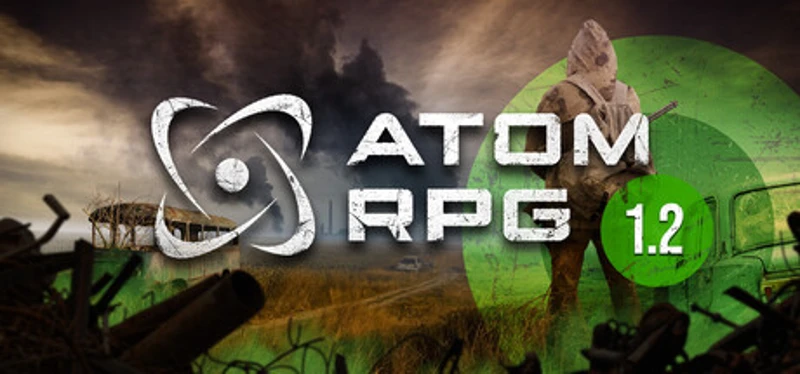
- 81%Game Brain ScoreMost mentioned positive aspects:story, gameplayMost mentioned negative aspects:grinding, stability83% User Score 3,513 reviewsCritic Score 77%5 reviewsSoviet-era post-apocalyptic CRPG matching Kenshi's alternate history and sandbox exploration but channels atmosphere into story-rich turn-based encounters instead of real-time survival. If you enjoyed this game, see our list of games similar to Atom RPG.View Game
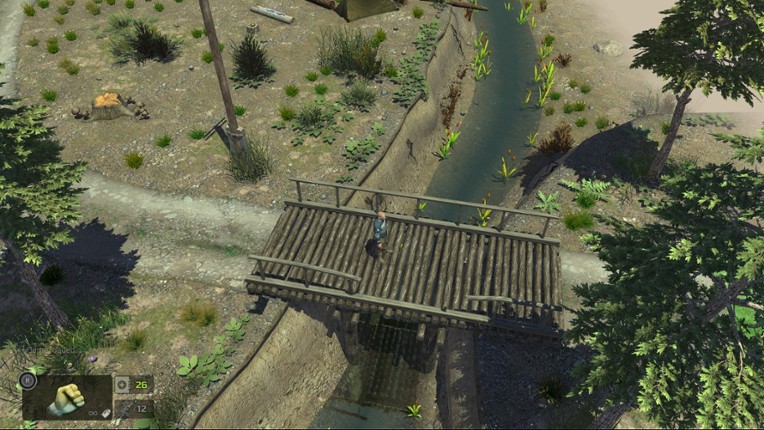
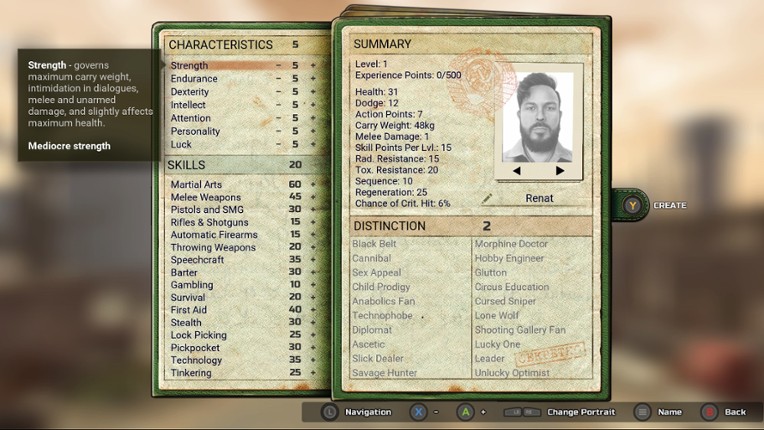
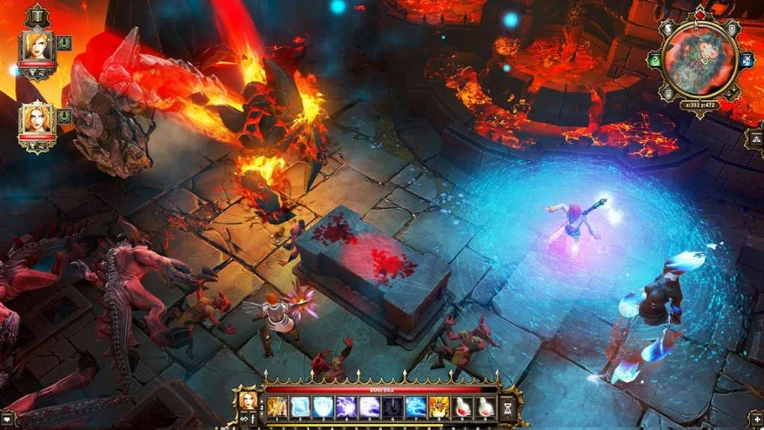
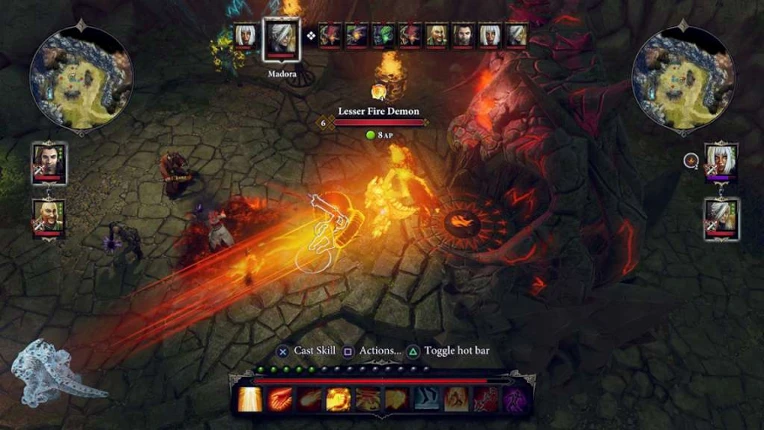
- 88%Game Brain ScoreMost mentioned positive aspects:story, gameplayMost mentioned negative aspects:grinding, stability87% User Score 19,560 reviewsCritic Score 88%24 reviews
Gather your party and get ready for a new, back-to-the-roots RPG adventure! Discuss your decisions with companions; fight foes in turn-based combat; explore an open world and interact with everything and everyone you see. Join up with a friend to play online in co-op and make your own adventures with the powerful RPG toolkit. If you enjoyed this game, see our list of games similar to Divinity: Original Sin.
View Game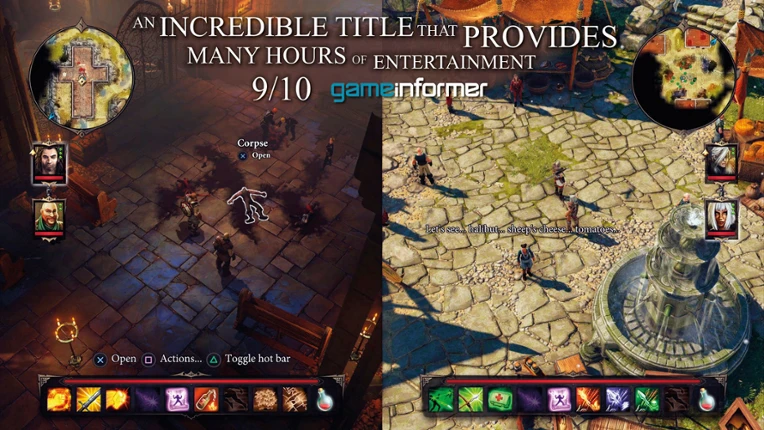


 View Game
































Frequently Asked Questions
The strongest alternatives are Project Zomboid for isometric sandbox survival with crafting and base building, RimWorld for colony management and emergent storytelling, and NEO Scavenger for turn-based survival with deep resource management. All three share Kenshi's emphasis on gameplay depth, atmospheric immersion, and high replayability through dynamic systems.
Project Zomboid offers robust co-op gameplay with up to four players in online or split-screen modes, making it ideal for shared survival experiences. Outward also supports local and online co-op for two players, emphasizing team-based exploration and resource management. Most other Kenshi alternatives, like RimWorld and NEO Scavenger, are single-player focused.
Caves of Qud excels with deep character creation and transhumanist lore that unfolds uniquely per playthrough. Fallout 2 delivers rich character builds and faction-driven narratives in a post-apocalyptic world. RimWorld generates emergent character stories through its AI-driven narrative system, making each colonist memorable and impactful to your colony's saga.
Caves of Qud is available on a free-to-play basis with optional donations, offering hundreds of hours of content. Most other alternatives like Project Zomboid, NEO Scavenger, and RimWorld are affordable indie titles under $40, providing exceptional value compared to AAA releases while matching or exceeding Kenshi's depth and replayability.
RimWorld is the definitive choice for colony construction and resource management with tactical real-time gameplay. Project Zomboid offers detailed base-building mechanics with fortification and survival logistics. Outward includes settlement management alongside exploration. All three replicate Kenshi's satisfaction of establishing and maintaining a functioning base while managing multiple systems simultaneously.
DayZ delivers the bleakest survival experience with realistic post-apocalyptic mechanics and player-driven danger. NEO Scavenger combines grim atmosphere with permadeath stakes and resource scarcity. Project Zomboid emphasizes dread through inevitable zombie threats and permanent character loss, creating the same tension and consequence-driven gameplay that makes Kenshi's world feel genuinely dangerous and unforgiving.