


Games like Megabonk
If you've sunk hours into Megabonk's chaotic blend of momentum-driven roguelite combat and retro 3D charm, you're probably hunting for games like Megabonk that scratch the same itch. Its mix of bullet-hell survival, loot-driven progression, and pixel-art aesthetics wrapped in an arcade score-attack loop is a specific flavor — fast, addictive, and endlessly replayable. The good news: several titles capture that same magic.
Megabonk works because it fuses old-school arcade sensibilities with modern action-roguelike depth — third-person movement, escalating bullet-hell swarms, and a loot system that rewards experimentation across diverse characters. The retro soundtrack and chunky pixel-meets-3D art style give it a distinct personality, while the lightweight optimization means it runs anywhere. Players searching for alternatives usually want that same cocktail: tight arcade feedback loops, build variety, and a run that stays fun even when progression gets grindy.
What Makes a Good Alternative to Megabonk?
- Action Roguelike Progression — Megabonk's run-based unlocks and character variety mean the best substitutes need meaningful build diversity, not just cosmetic differences between characters.
- Bullet Hell Intensity — The screen-filling chaos and momentum-based dodging are core to Megabonk's appeal, so alternatives should ramp up enemy density just as aggressively.
- Retro-Inspired Audio and Visuals — Megabonk's catchy, energetic soundtrack and pixel-art charm are frequently cited highlights, so games with a similarly nostalgic presentation hit the same nostalgic notes.
- Loot-Driven Replayability — The addictive loop of gear, upgrades, and unlocks across multiple runs is central to why Megabonk hooks players for dozens of hours.
- Accessible Performance — Part of Megabonk's charm is that it runs smoothly on modest hardware, so alternatives that are similarly lightweight and portable-friendly feel like a natural fit.
Top Picks If You Enjoyed Megabonk
Crab Champions brings fast third-person shooting with a bangin' soundtrack and deep upgrades. BALL x PIT mixes base-building with addictive bullet-hell survival loops. Vampire Survivors delivers the genre-defining retro roguelike formula with zero microtransactions. Soulstone Survivors offers deep skill trees and a chaotic, energetic combat feel. Rogue: Genesia blends Vampire Survivors-style swarms with Slay the Spire-inspired map progression for extra strategic depth.
Every game below is ranked by actual similarity to Megabonk using player and genre data, so the closest matches appear first. Scroll down to explore the full list of games like Megabonk and find your next obsession.
- 98%Game Brain ScoreMost mentioned positive aspects:music, gameplayMost mentioned negative aspects:story, grinding98% User Score 26,640 reviews
Both games turn movement into survival: you weave through bullet storms, keep firing, and build momentum while deciding whether the next reward is worth the risk. That constant motion gives each run an arcade rhythm, where a strong build can suddenly transform a frantic fight into a satisfying power trip.
Crab Champions carries over Megabonk’s third-person aiming, bullet-hell pressure, and roguelite loot choices, so weapons and upgrades continually reshape how you handle each arena. Its high-energy soundtrack and clean performance—especially on Steam Deck—also reinforce the quick, replayable loop. Where Megabonk can make long-term progress feel slow and overly dependent on grinding and RNG, Crab puts more emphasis on immediate, meaningful upgrade decisions within a run, even though permadeath keeps failure costly.
The fresh angle is cooperative play: bring a friend into online PvE, or tackle its platforming and racing-flavored challenges solo for a broader movement test. The tradeoff is a much thinner narrative and occasional late-run slowdown when effects pile up. Best for players who chase fast mastery, build experimentation, and arcade momentum over story.
If you enjoyed this game, see our list of games similar to Crab Champions.View Game


- 94%Game Brain ScoreMost mentioned positive aspects:gameplay, musicMost mentioned negative aspects:grinding, story96% User Score 13,592 reviewsCritic Score 87%3 reviews
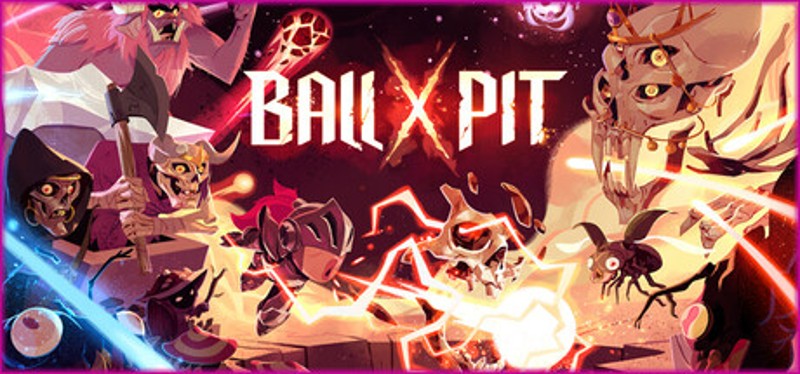
The frantic rush of dodging dense bullet patterns while managing a growing roster of distinct characters links these two experiences. In both titles, survival hinges on mastering tight positioning within chaotic, screen-filling arenas. This high-tension loop demands constant spatial awareness, creating that same hypnotic flow-state where split-second physical maneuvers dictate your survival.
While Megabonk often locks progression behind frustrating RNG, BALL x PIT introduces a fresh angle by letting you craft your own success through base-building and resource collection. This 2D top-down shift replaces chaotic dice rolls with a rewarding, tangible sense of permanent growth. Additionally, it completely sheds the juvenile humor of the former, offering a clean, atmospheric art style instead.
Best for arcade veterans who want to swap randomized luck for a more hands-on, strategic progression loop.
If you enjoyed this game, see our list of games similar to BALL x PIT.View Game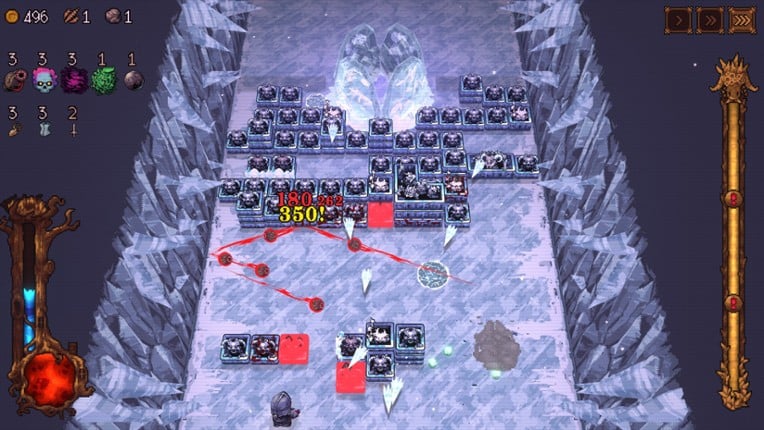
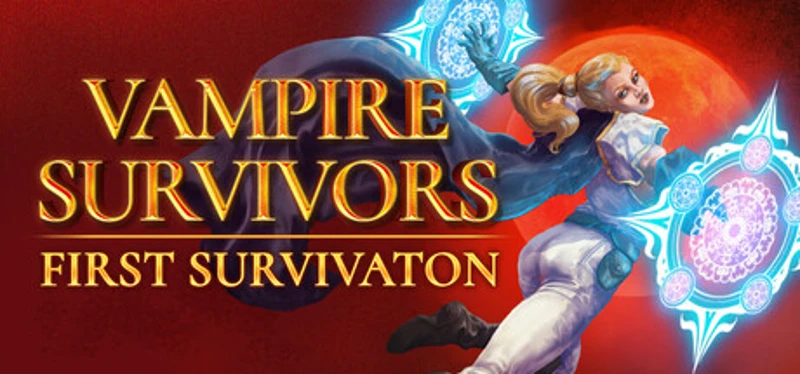
- 89%Game Brain ScoreMost mentioned positive aspects:gameplay, graphicsMost mentioned negative aspects:grinding, monetization98% User Score 135,194 reviewsCritic Score 73%5 reviews
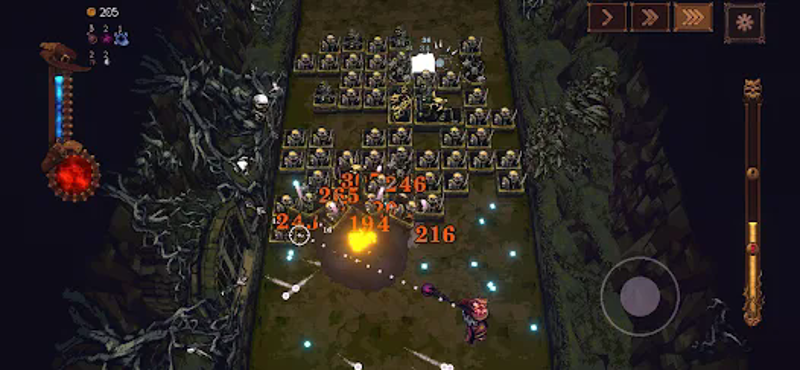
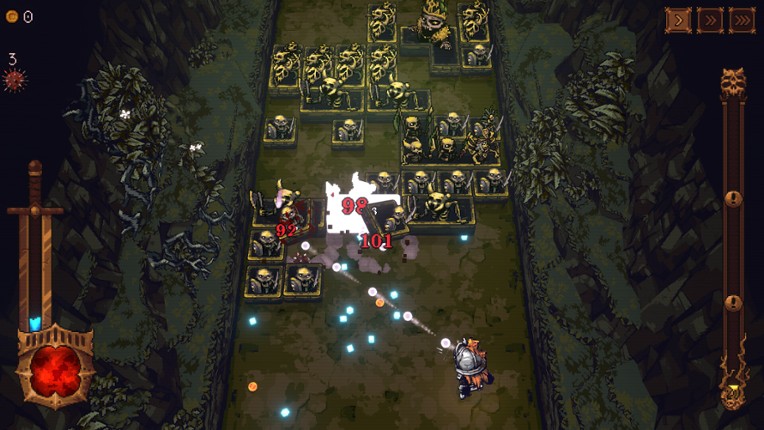
Both games trap you in an escalating spiral where survival becomes a momentum puzzle—enemies flood the screen, your power grows, and the feedback loop of dodging and building synergies keeps you locked in "one more run." That addictive tension between feeling overwhelmed and feeling unstoppable is identical.
The roguelite loot system operates the same way in both: randomized upgrades per run create wildly different builds, and the thrill comes from discovering unexpected synergies rather than grinding a predetermined path. This design choice matters because it reframes repetition—each run feels distinct even when the map stays the same.
Vampire Survivors trades Megabonk's third-person kinetic movement for a top-down, stationary-feel approach, but this actually solves one of Megabonk's pain points: grind fatigue feels lighter here thanks to faster runs, more frequent reward dumps, and cosmetic unlocks that don't gate progression.
Both lean on retro soundtracks (Castlevania-inspired vs. arcade-energetic) and pixel art to anchor their identity, though Vampire Survivors commits harder to the dark-fantasy aesthetic rather than quirky humor.
Best for players who crave that arcade high-score chase but want a gentler progression curve and deeper build customization without the RNG frustration.
If you enjoyed this game, see our list of games similar to Vampire Survivors.View Game
- 80%Game Brain ScoreMost mentioned positive aspects:gameplay, graphicsMost mentioned negative aspects:grinding, stability87% User Score 5,418 reviewsCritic Score 63%3 reviews
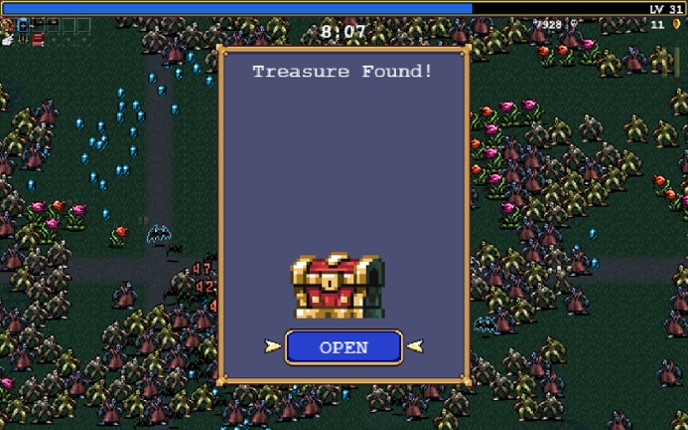
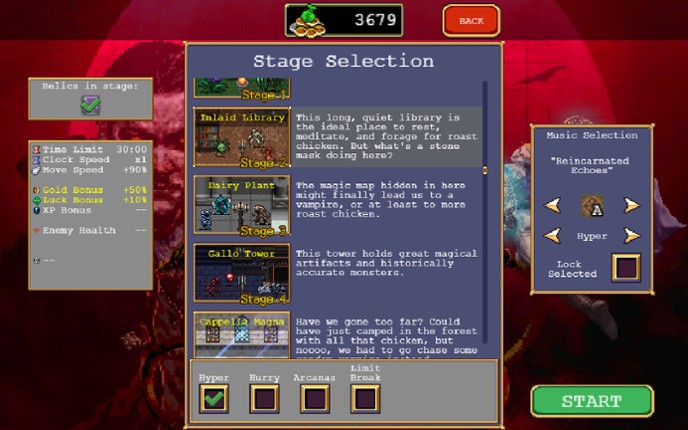
When you dodge a cascade of projectiles while snatching a power‑up, both titles give you that same heart‑pounding rush of survival‑arcade mastery.
Their roguelite frameworks echo each other: each run randomizes pickups and enemies, and a persistent score system rewards aggressive play—because the urge to chase a high‑score pushes you deeper into the chaos.
Bullet‑hell mechanics sit at the core of both experiences, but The Spell Brigade layers elemental infusion onto each spell, turning the dodge‑and‑shoot dance into a puzzle of combining fire, ice, and lightning.
Where Megabonk leans on solo momentum, The Spell Brigade flips the script with cooperative top‑down combat, letting you coordinate spells with a partner and turning solo frustration into shared triumph.
While Megabonk’s meme‑laden humor sometimes feels forced, The Spell Brigade’s jokes arise naturally from the chaotic wizard duels, offering a more organically funny tone.
Best for arcade roguelite fans who crave fast, loot‑driven runs and are ready to dive into chaotic co‑op magic battles.
If you enjoyed this game, see our list of games similar to The Spell Brigade.View Game


- 91%Game Brain ScoreMost mentioned positive aspects:graphics, gameplayMost mentioned negative aspects:grinding, optimization91% User Score 2,796 reviews
That dopamine loop of dodging a screen full of projectiles while your build snowballs into absurd power — that's the exact feeling Goobies chases, and lands. Both games lean hard into bullet hell roguelite chaos where survival depends on reading patterns fast and stacking upgrades faster.
The score attack structure and run-based character variety will feel immediately familiar, and the top-down perspective actually makes projectile-dodging feel more precise than Megabonk's third-person scramble. Where Megabonk buries progression under grind and RNG, Goobies leans into Choices Matter build decisions that feel more deliberate run-to-run.
The tradeoff: Goobies swaps retro pixel charm for a stylized dark fantasy aesthetic, trading Megabonk's meme-heavy tone for something moodier and more atmospheric. It's a different flavor of the same addictive core.
Worth noting — some players find the visual clutter makes late-game dodging harder to read, a rough echo of Megabonk's own late-game balance complaints. Best for players chasing that build-crafting high who don't mind rougher edges in exchange for a fresher coat of paint.
If you enjoyed this game, see our list of games similar to Goobies.View Game


- 92%Game Brain ScoreMost mentioned positive aspects:gameplay, graphicsMost mentioned negative aspects:grinding, story92% User Score 12,550 reviews
The core draw is the frenetic bullet-hell density that forces you to constantly dodge while managing overwhelming screen clutter. This chaos is anchored by a shared progression-heavy loop, which keeps your dopamine spiking as you grind for incremental power gains.
While Megabonk leans into quirky, movement-based arcade physics, Soulstone Survivors pivots toward broader character customization and massive-scale ability synergies.
Pick this up if you want that same addictive, high-intensity bullet-dodging combat but can live without the meme-heavy presentation and smaller-scale environments of Megabonk.
If you enjoyed this game, see our list of games similar to Soulstone Survivors.View Game


- 88%Game Brain ScoreMost mentioned positive aspects:gameplay, graphicsMost mentioned negative aspects:grinding, optimization90% User Score 3,016 reviewsCritic Score 80%1 reviews
Bounty of One is built around the same fast, score-chasing bullet-hell roguelite loop that makes Megabonk addictive: short runs, constant movement pressure, and upgrade-driven momentum.
It also shares the roguelike progression-and-unlock grind, which matters because both games keep you coming back for another run even when the meta layer moves slowly. That said, Bounty of One is more tactical and more restrained—standing still to shoot changes the rhythm, and the Western theme is cleaner but less chaotic than Megabonk’s retro 3D mayhem.
Pick this up if you want another run-based bullet hell with strong replayability and can live without Megabonk’s speedier, more anarchic presentation.
If you enjoyed this game, see our list of games similar to Bounty of One.View Game


- 95%Game Brain ScoreMost mentioned positive aspects:gameplay, graphicsMost mentioned negative aspects:optimization, grinding95% User Score 5,176 reviews
Bullet-hell action meets roguelite depth in both games, delivering that "one more run" compulsion through frantic combat and permanent upgrades. The core hook is fast, addictive gameplay where each session builds toward something meaningful.
Rogue: Genesia layers Vampire Survivors-style survival with Slay the Spire's map choices—a combination that mirrors Megabonk's momentum-driven progression. This blend gives players strategic breathing room between intense bullet-hell stretches.
Megabonk's polished retro aesthetic outshines Genesia's rougher edges, but Genesia counters with deeper build variety and active developer support. Both share performance hiccups in late-game chaos.
Pick this up if you want bullet-hell roguelite intensity with more build diversity but can tolerate early-access growing pains.
If you enjoyed this game, see our list of games similar to Rogue: Genesia.View Game


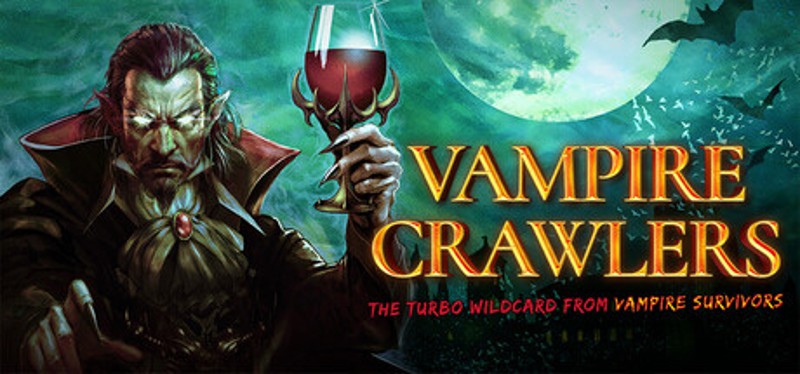
- 92%Game Brain ScoreMost mentioned positive aspects:gameplay, musicMost mentioned negative aspects:grinding, story95% User Score 8,449 reviewsCritic Score 80%2 reviews
Both games nail the addictive arcade loop with momentum-based combat — roguelite progression that keeps you chasing one more run. The retro pixel aesthetic and killer soundtrack hit the same nostalgia notes, which matters because it makes the grind feel rewarding rather than tedious.
The tradeoff: Vampire Crawlers layers deckbuilding strategy on top of its action, trading Megabonk's pure reflex chaos for puzzle-like combo discovery.
Pick this up if you want roguelike depth with less RNG frustration, but accept that late-game balance and repetitive content mirror Megabonk's weaknesses.
If you enjoyed this game, see our list of games similar to Vampire Crawlers: The Turbo Wildcard from Vampire Survivors.View Game


- 96%Game Brain ScoreMost mentioned positive aspects:graphics, gameplayMost mentioned negative aspects:grinding, stability96% User Score 34,706 reviews
Both titles thrive on the relentless momentum of high-octane bullet hell combat that demands constant movement. This shared chaos keeps your adrenaline spiking, which is vital for maintaining the frantic pace of an arcade-style roguelite.
You lose the bouncy, 3D movement of Megabonk for a stricter, top-down 2D perspective. While Halls of Torment offers a grittier, gothic atmosphere, it trades the quirky humor for a more grounded, repetitive grind.
Pick this up if you crave smarter progression systems and polished loot mechanics, but can live without the third-person perspective and meme-heavy aesthetic.
If you enjoyed this game, see our list of games similar to Halls of Torment.View Game


- 89%Game Brain ScoreMost mentioned positive aspects:gameplay, graphicsMost mentioned negative aspects:grinding, story94% User Score 23,200 reviewsCritic Score 78%3 reviews
Takes Megabonk's arcade intensity and drapes it in Lovecraftian dread, offering a top‑down shooter for horror fans.
If you enjoyed this game, see our list of games similar to 20 Minutes Till Dawn.View Game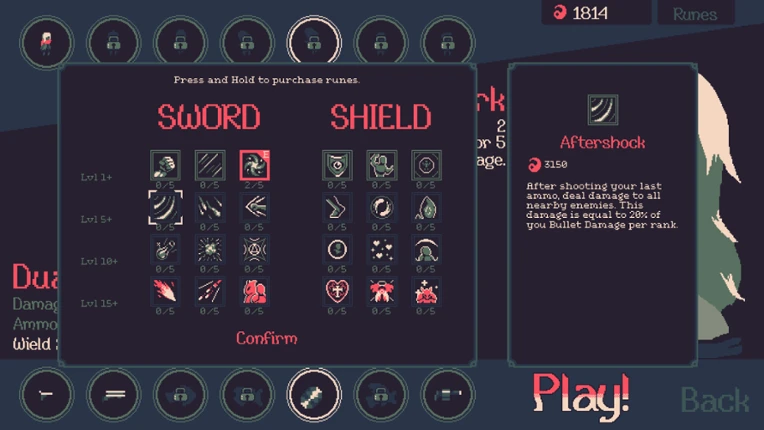


- 98%Game Brain ScoreMost mentioned positive aspects:gameplay, musicMost mentioned negative aspects:optimization, story98% User Score 4,462 reviews
Swaps Megabonk's third‑person view for a minimalist twin‑stick shooter, delivering stark retro horror in a stark, no‑frills package.
If you enjoyed this game, see our list of games similar to Disfigure.View Game


- 91%Game Brain ScoreMost mentioned positive aspects:gameplay, musicMost mentioned negative aspects:grinding, optimization91% User Score 1,273 reviews
Shifts to a first‑person boomer shooter, letting players hunt vampires retro‑style while preserving the bullet‑hell chaos.
If you enjoyed this game, see our list of games similar to Vampire Hunters.View Game


14 View Game 85%Game Brain ScoreMost mentioned positive aspects:gameplay, storyMost mentioned negative aspects:grinding, stability87% User Score 29,890 reviewsCritic Score 82%3 reviews
Puts you in a sci‑fi dwarven mine, top‑down, where alien hordes replace Megabonk's quirky cast.
If you enjoyed this game, see our list of games similar to Deep Rock Galactic: Survivor.View Game


15 View Game 94%Game Brain ScoreMost mentioned positive aspects:gameplay, graphicsMost mentioned negative aspects:grinding, monetization94% User Score 4,682 reviews
Replaces Megabonk's character roster with zombie hordes, delivering a more grind‑focused survival loop in a retro‑styled package.
If you enjoyed this game, see our list of games similar to Yet Another Zombie Survivors.View Game


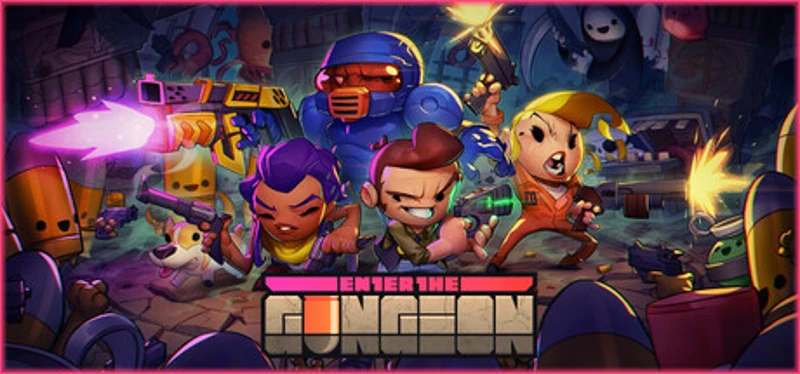
- 93%Game Brain ScoreMost mentioned positive aspects:gameplay, graphicsMost mentioned negative aspects:grinding, stability95% User Score 43,374 reviewsCritic Score 86%2 reviews
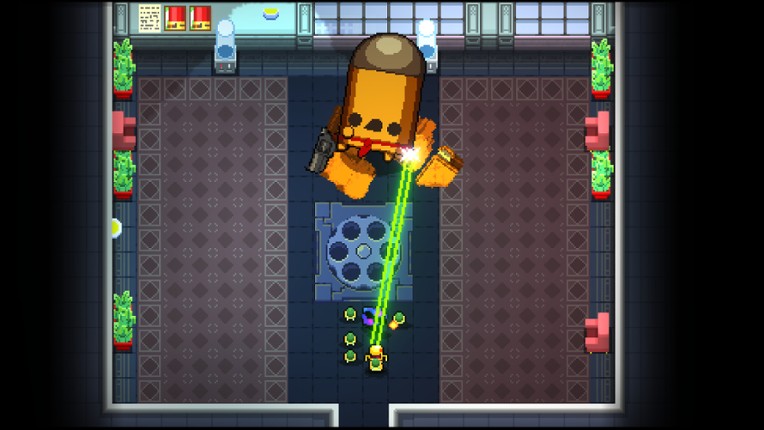
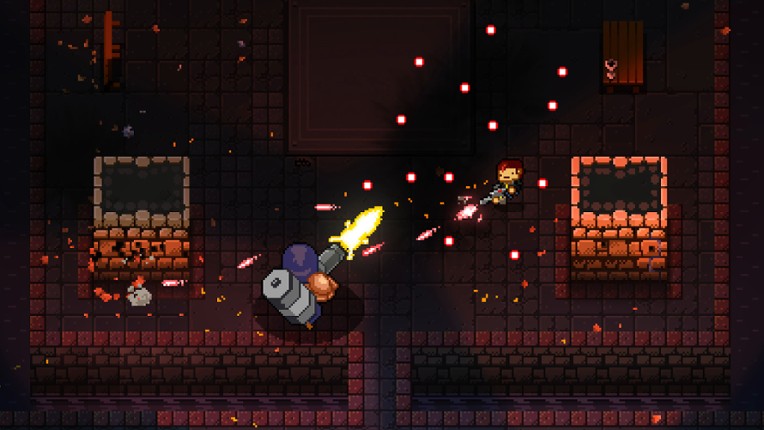
Adds co‑op and a fantasy dungeon crawl, turning Megabonk's solo arcade vibe into a shared bullet‑hell adventure.
If you enjoyed this game, see our list of games similar to Enter The Gungeon.View Game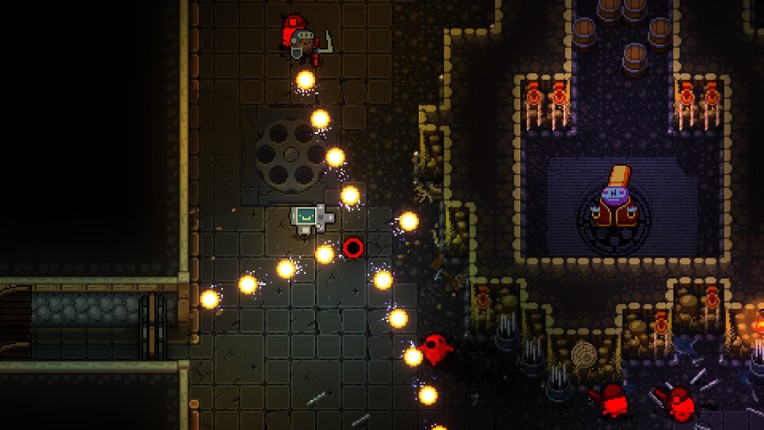
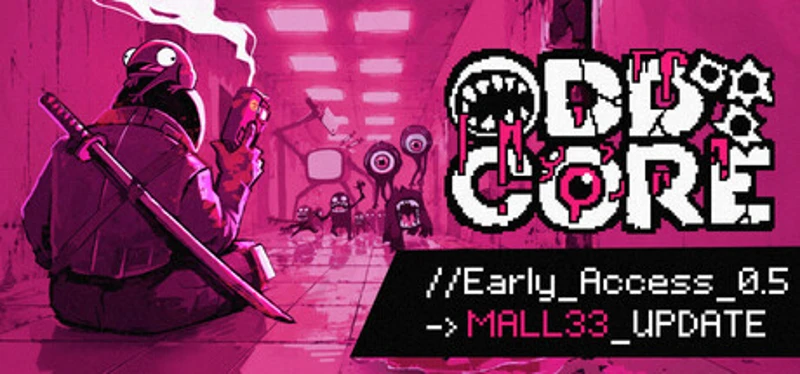
- 97%Game Brain ScoreMost mentioned positive aspects:gameplay, graphicsMost mentioned negative aspects:story, grinding97% User Score 837 reviews
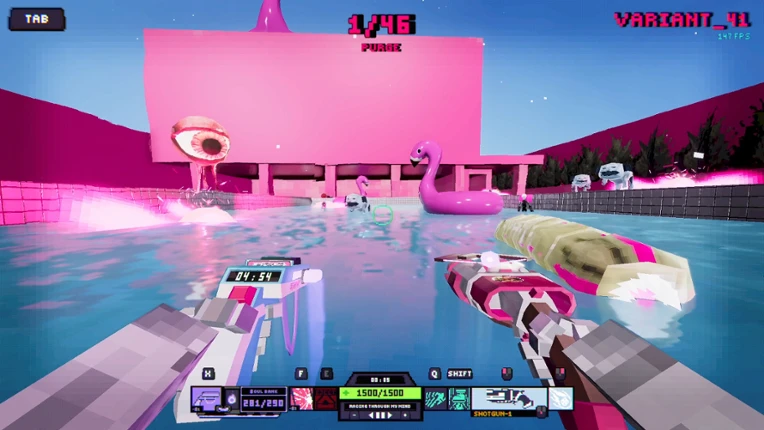
Goes first‑person with a cartoony horror twist, delivering a fast‑paced boomer shooter that trades Megabonk's pixel charm for bold 3D visuals.
If you enjoyed this game, see our list of games similar to ODDCORE.View Game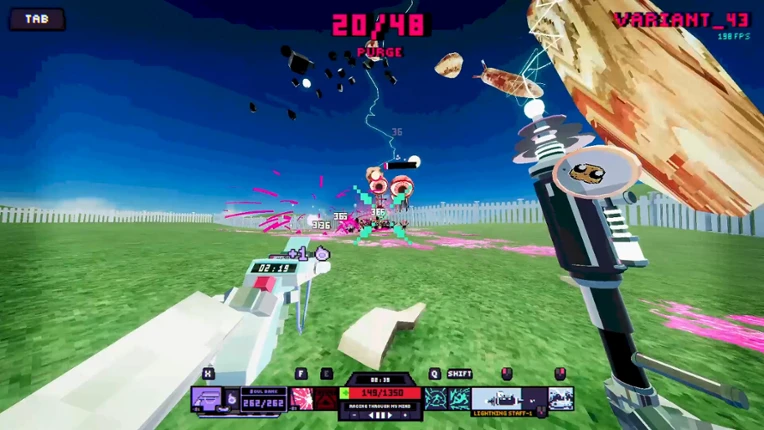

- 89%Game Brain ScoreMost mentioned positive aspects:gameplay, graphicsMost mentioned negative aspects:grinding, stability89% User Score 1,920 reviews
Mixes deckbuilding into the bullet‑hell formula, letting players craft combos while retaining the retro pixel aesthetic for a darker fantasy twist.
If you enjoyed this game, see our list of games similar to Seraph's Last Stand.View Game


- 78%Game Brain ScoreMost mentioned positive aspects:gameplay, musicMost mentioned negative aspects:grinding, story78% User Score 1,317 reviews
Turns the roguelite shooter into a creature‑collecting co‑op experience, blending twin‑stick action with monster taming.
If you enjoyed this game, see our list of games similar to Temtem: Swarm.View Game


- 86%Game Brain ScoreMost mentioned positive aspects:gameplay, graphicsMost mentioned negative aspects:grinding, music86% User Score 3,346 reviews
Pivots toward a cartoony 3D action RPG with deep inventory management, shifting the arcade punch for more strategic loot.
If you enjoyed this game, see our list of games similar to God Of Weapons.View Game


- 93%Game Brain ScoreMost mentioned positive aspects:gameplay, graphicsMost mentioned negative aspects:grinding, monetization93% User Score 23,263 reviews
Swaps Megabonk's arcade momentum for methodical isometric hack-and-slash combat in a darker fantasy setting with deeper inventory systems.
If you enjoyed this game, see our list of games similar to Death Must Die.View Game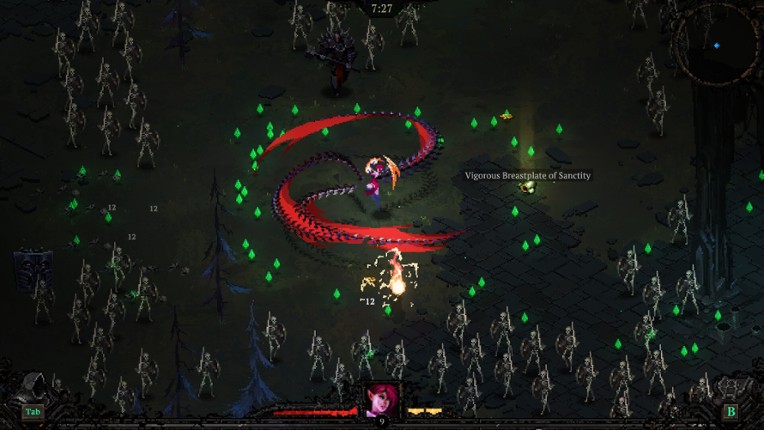
- 84%Game Brain ScoreMost mentioned positive aspects:gameplay, musicMost mentioned negative aspects:grinding, story84% User Score 1,190 reviews
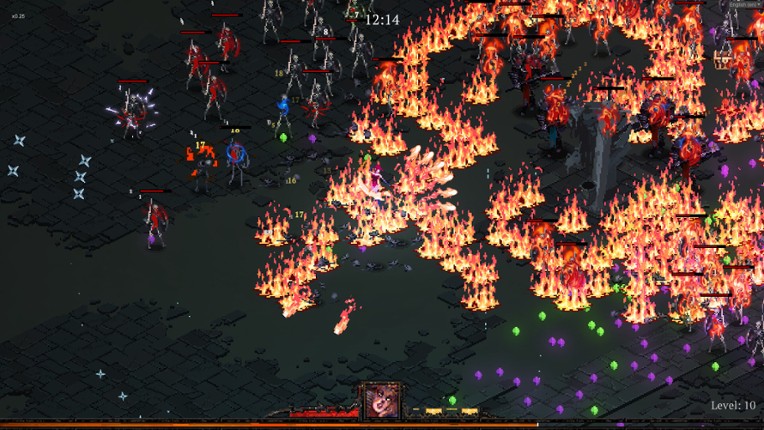
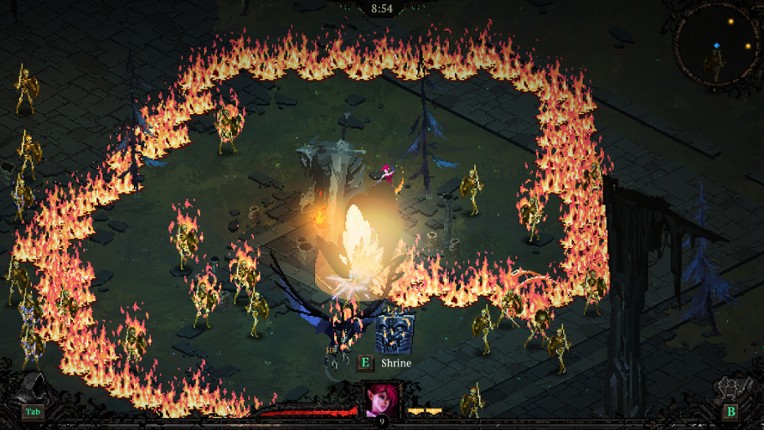
Retains the retro pixel aesthetic and bullet-hell action but layers in deckbuilding and auto-battler mechanics for strategic depth beyond pure reflexes.
If you enjoyed this game, see our list of games similar to Nomad Survival.View Game


23 View Game 90%Game Brain ScoreMost mentioned positive aspects:gameplay, storyMost mentioned negative aspects:grinding, stability92% User Score 10,997 reviewsCritic Score 80%2 reviews
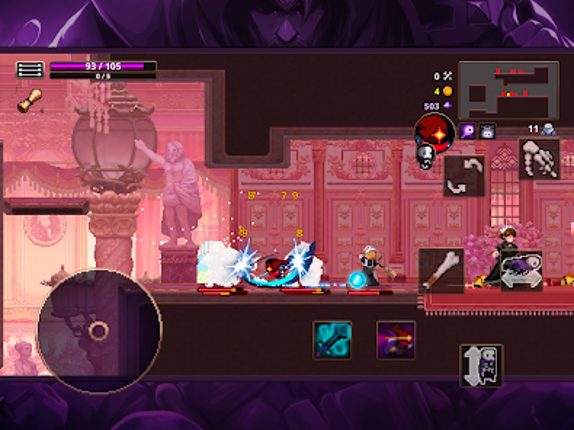
Matches Megabonk's pixel-art charm and roguelike structure but introduces souls-like difficulty spikes, metroidvania exploration, and a story-driven protagonist.
If you enjoyed this game, see our list of games similar to Skul: The Hero Slayer.View Game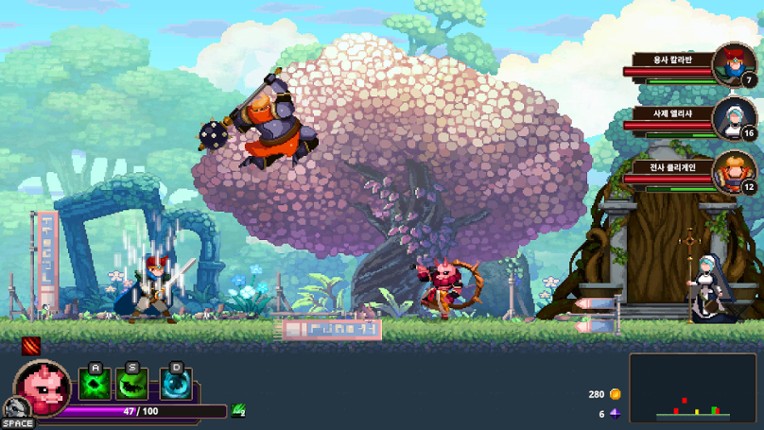
24 View Game 87%Game Brain ScoreMost mentioned positive aspects:gameplay, graphicsMost mentioned negative aspects:grinding, story87% User Score 2,779 reviews
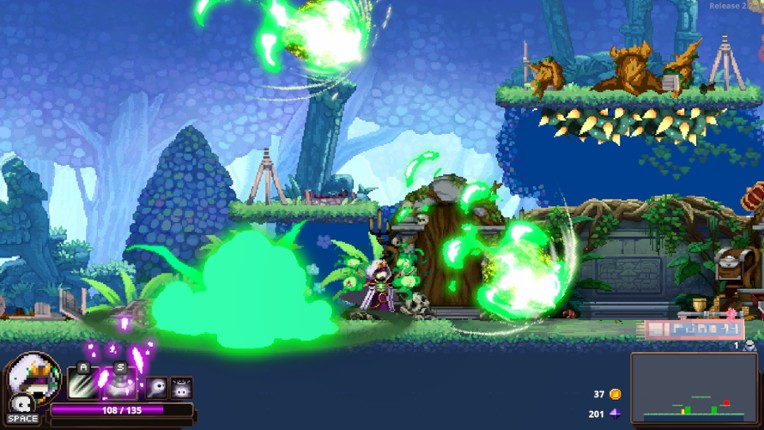
Embraces arcade roguelike fundamentals through a whimsical creature-evolution lens, emphasizing exploration and character mutation over pure score-chasing combat.
If you enjoyed this game, see our list of games similar to Everything is Crab: The Animal Evolution Roguelite.View Game


- 88%Game Brain ScoreMost mentioned positive aspects:gameplay, storyMost mentioned negative aspects:optimization, stability88% User Score 982 reviews
Captures Megabonk's 3D bullet-hell action and comedic energy but expands into cooperative multiplayer with zombie-apocalypse dark humor and cartoony aesthetics.
If you enjoyed this game, see our list of games similar to Apocalypse Party.View Game


- 91%Game Brain ScoreMost mentioned positive aspects:gameplay, graphicsMost mentioned negative aspects:grinding, story96% User Score 43,264 reviewsCritic Score 76%2 reviews
Takes the fast-paced roguelike formula into first-person perspective with emphasis on loot and scaling, offering solo or co-op progression loops.
If you enjoyed this game, see our list of games similar to Gunfire Reborn.View Game
- 84%Game Brain ScoreMost mentioned positive aspects:music, gameplayMost mentioned negative aspects:stability, grinding93% User Score 21,246 reviewsCritic Score 73%8 reviews
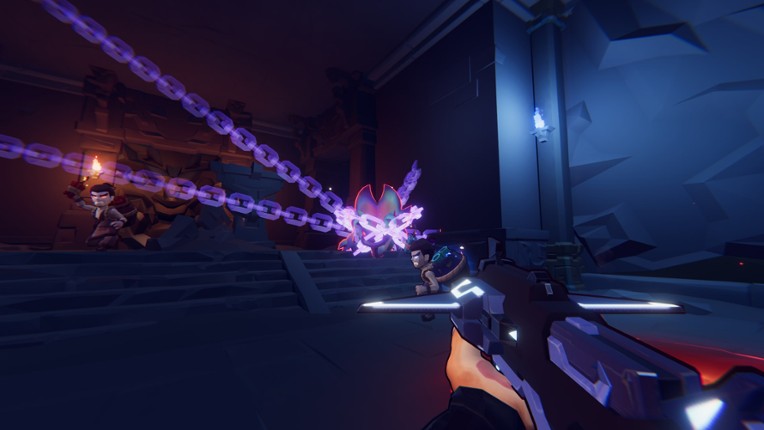
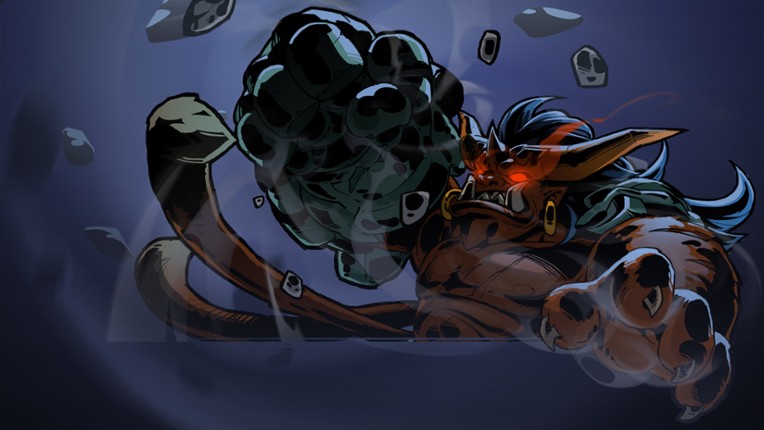
Pioneer roguelike that shares Megabonk's addictive arcade core and stellar soundtrack but expands with deeper difficulty scaling and strong multiplayer heritage.
If you enjoyed this game, see our list of games similar to Risk of Rain.View Game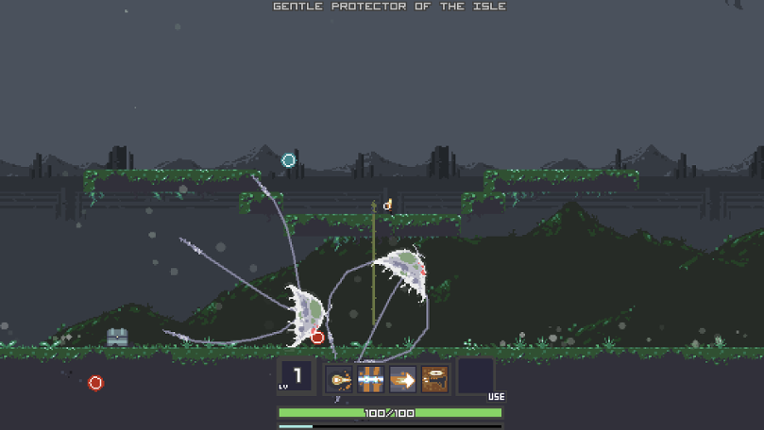
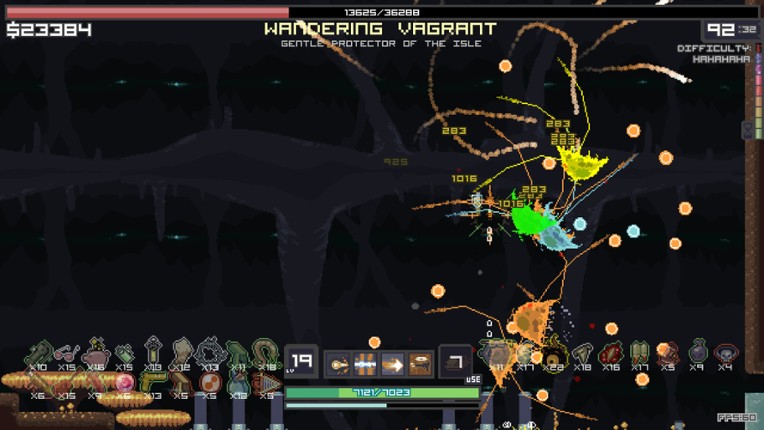
- 96%Game Brain ScoreMost mentioned positive aspects:graphics, gameplayMost mentioned negative aspects:optimization, story96% User Score 654 reviews
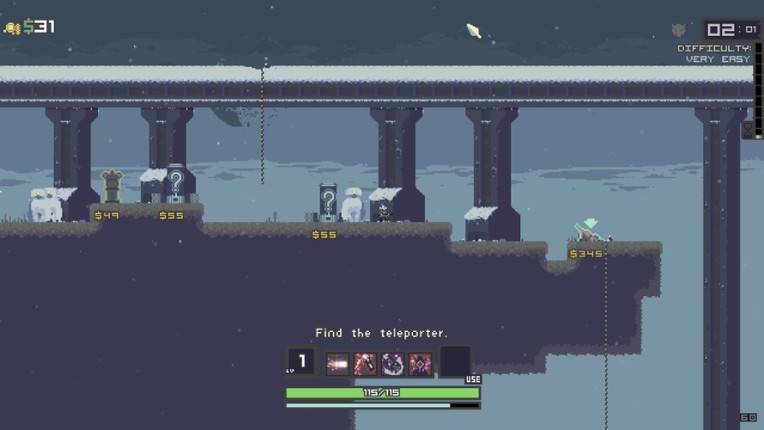
Delivers score-attack bullet-hell thrills through isometric swarms of cute fungal enemies, emphasizing atmospheric comedy over Megabonk's retro arcade precision.
If you enjoyed this game, see our list of games similar to Funguys Swarm.View Game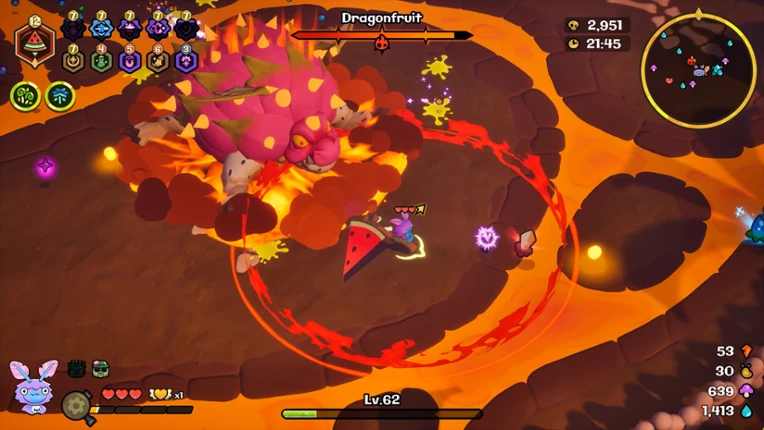


- 96%Game Brain ScoreMost mentioned positive aspects:gameplay, graphicsMost mentioned negative aspects:grinding, story96% User Score 1,007 reviews
Channels 90s arcade nostalgia and retro pixel aesthetics with bullet-hell combat but leans into dungeon-crawler exploration and old-school difficulty.
If you enjoyed this game, see our list of games similar to Desktop Survivors 98.View Game


- 96%Game Brain ScoreMost mentioned positive aspects:gameplay, replayabilityMost mentioned negative aspects:optimization, grinding96% User Score 3,705 reviews
Blends bullet-hell roguelike action with crafting and Lovecraftian strategy RPG systems, rewarding strategic deckbuilding over pure arcade reflexes.
If you enjoyed this game, see our list of games similar to Magicraft.View Game


31 View Game 83%Game Brain ScoreMost mentioned positive aspects:graphics, gameplayMost mentioned negative aspects:grinding, stability83% User Score 539 reviews
Swap Megabonk's arcade momentum for Renfield's gothic top-down bullet hell chaos, perfect for fans craving a darker, comedic flavor.
If you enjoyed this game, see our list of games similar to Renfield: Bring Your Own Blood.View Game


- 89%Game Brain ScoreMost mentioned positive aspects:gameplay, graphicsMost mentioned negative aspects:grinding, monetization89% User Score 2,570 reviews
Exchange the third-person perspective for twin-stick controls in this sci-fi shooter that emphasizes relentless, screen-filling swarms over tactical movement.
If you enjoyed this game, see our list of games similar to Time Wasters.View Game


- 82%Game Brain ScoreMost mentioned positive aspects:gameplay, replayabilityMost mentioned negative aspects:story, grinding87% User Score 14,448 reviewsCritic Score 60%1 reviews
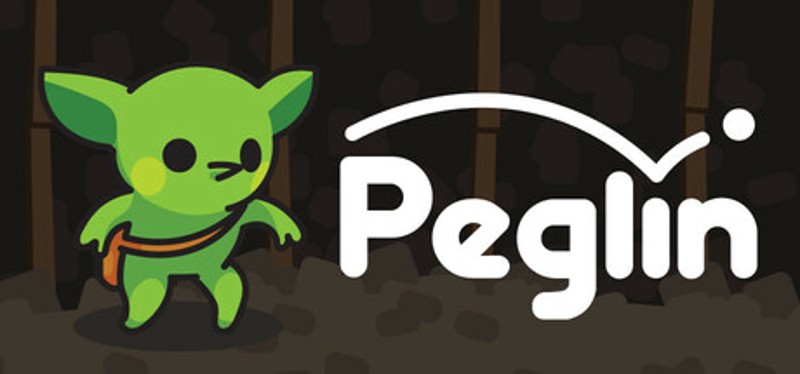
Shift your focus from real-time arcade speed to deliberate, turn-based physics puzzles that prioritize deckbuilding strategy over twitch-based reflexes.
If you enjoyed this game, see our list of games similar to Peglin.View Game
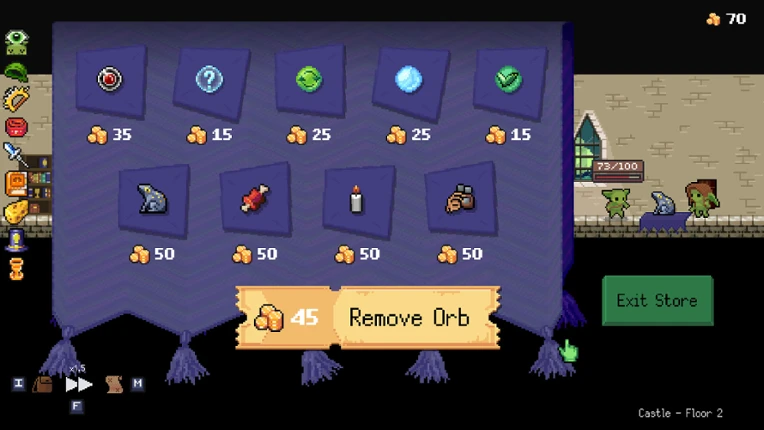

- 86%Game Brain ScoreMost mentioned positive aspects:gameplay, musicMost mentioned negative aspects:grinding, stability86% User Score 1,105 reviews
While lacking the depth of our main title, this minimalist experience offers a more stripped-down, focused arcade challenge for quick sessions.
If you enjoyed this game, see our list of games similar to STRIKEVOID.View Game


- 81%Game Brain ScoreMost mentioned positive aspects:gameplay, graphicsMost mentioned negative aspects:grinding, story81% User Score 905 reviews
Ditch the 3D aesthetic for a chaotic, colorful 2D demake that forces you to juggle deckbuilding mechanics alongside frantic bullet hell survival.
If you enjoyed this game, see our list of games similar to Slime 3k: Demake.View Game


- 81%Game Brain ScoreMost mentioned positive aspects:gameplay, graphicsMost mentioned negative aspects:grinding, optimization81% User Score 335 reviews
Bring a friend along for this co-op space adventure, trading solo arcade focus for team-based survival against massive waves of foes.
If you enjoyed this game, see our list of games similar to Entropy Survivors.View Game


- 99%Game Brain ScoreMost mentioned positive aspects:music, storyMost mentioned negative aspects:grinding, stability99% User Score 3,808 reviews
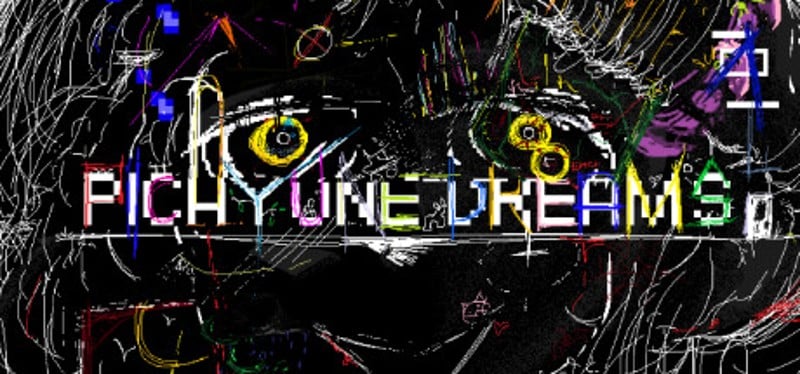
This surreal trip replaces arcade fun with a psychological, dream-like atmosphere and deep, transhumanist themes that diverge from typical roguelite structures.
If you enjoyed this game, see our list of games similar to Picayune Dreams.View Game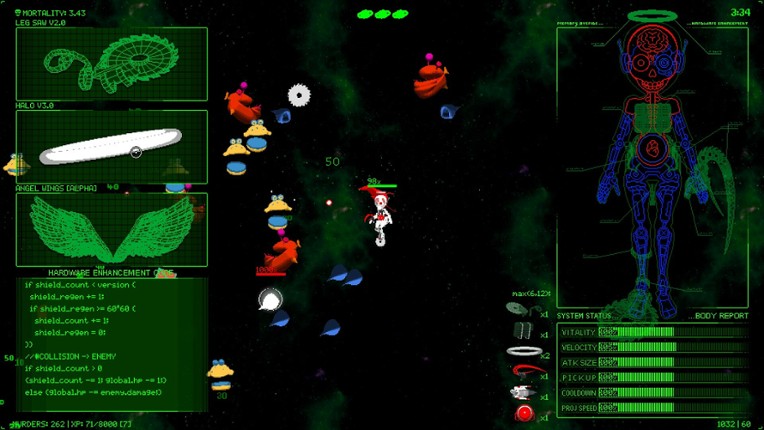
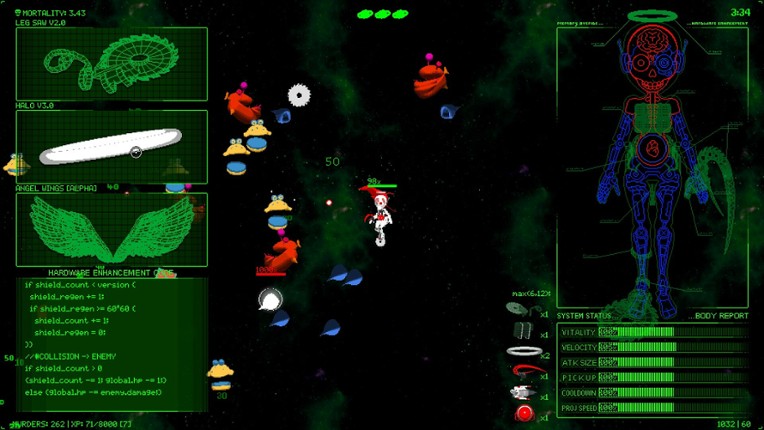
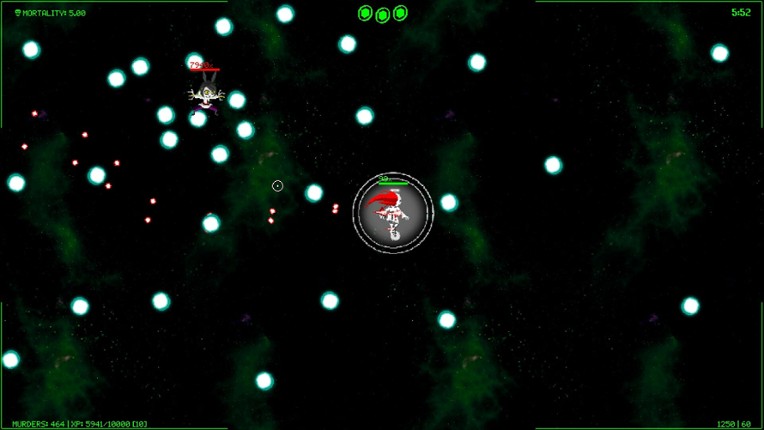
- 89%Game Brain ScoreMost mentioned positive aspects:graphics, gameplayMost mentioned negative aspects:grinding, story89% User Score 2,338 reviewsCritic Score 90%1 reviews
Prioritize massive scale over precise movement in this third-person action title, designed for players who enjoy watching screen-filling chaos unfold effortlessly.
If you enjoyed this game, see our list of games similar to Army of Ruin.View Game


- 93%Game Brain ScoreMost mentioned positive aspects:gameplay, musicMost mentioned negative aspects:grinding, stability95% User Score 230,234 reviewsCritic Score 85%1 reviews
Opt for this deeper, loot-heavy 3D experience if you prefer complex character builds and long-form runs over the short, arcade-paced bursts.
If you enjoyed this game, see our list of games similar to Risk of Rain 2.View Game


- 83%Game Brain ScoreMost mentioned positive aspects:graphics, gameplayMost mentioned negative aspects:grinding, stability83% User Score 286 reviews
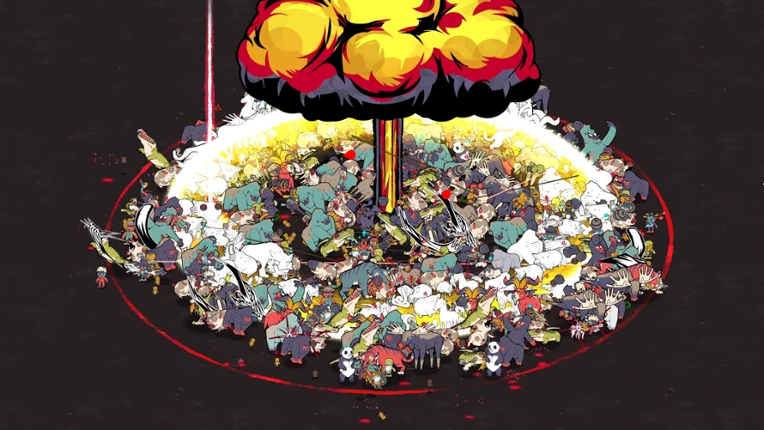
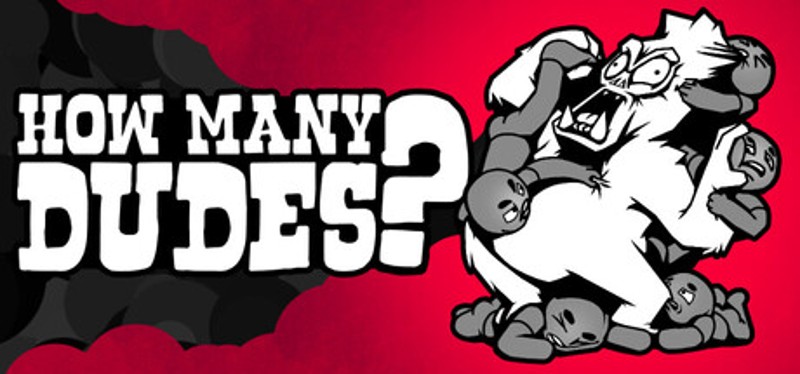
Though the connection is loose, this comedic turn-based dungeon crawler replaces twitch action with strategic decision-making and silly, stylized army management.
If you enjoyed this game, see our list of games similar to How Many Dudes?.View Game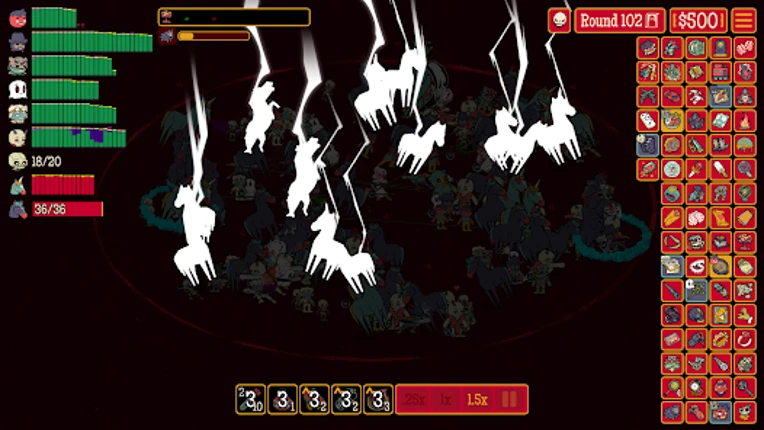
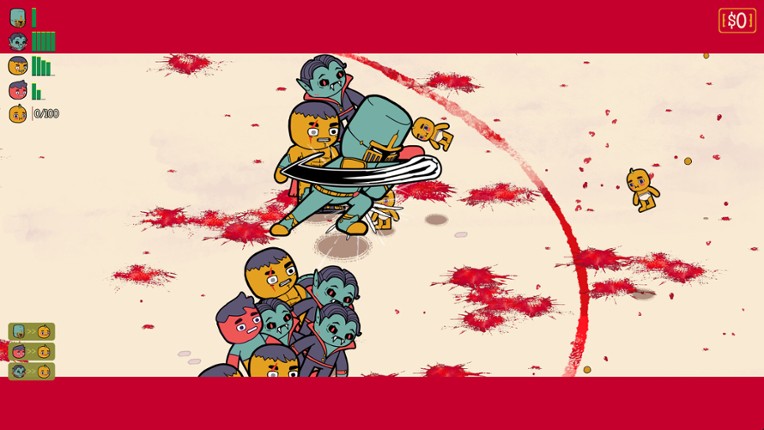
41 View Game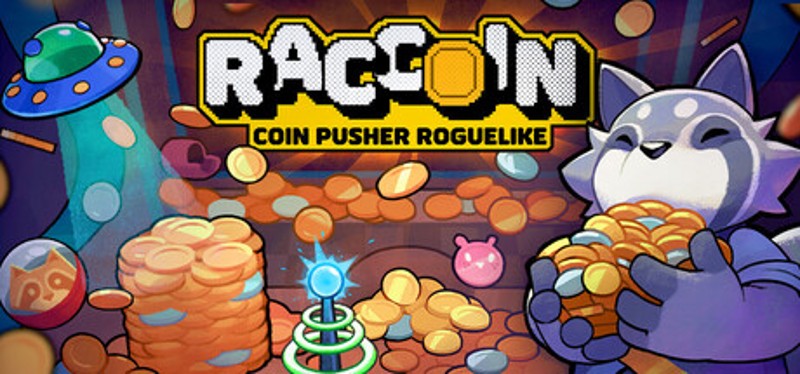 84%Game Brain ScoreMost mentioned positive aspects:gameplay, graphicsMost mentioned negative aspects:grinding, story85% User Score 2,699 reviewsCritic Score 83%5 reviews
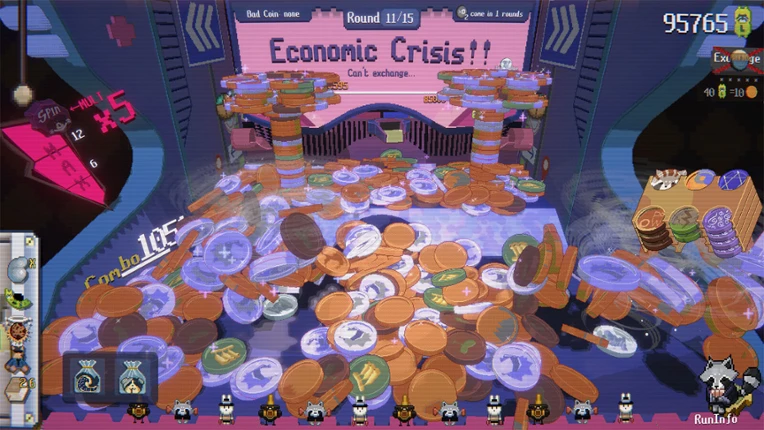
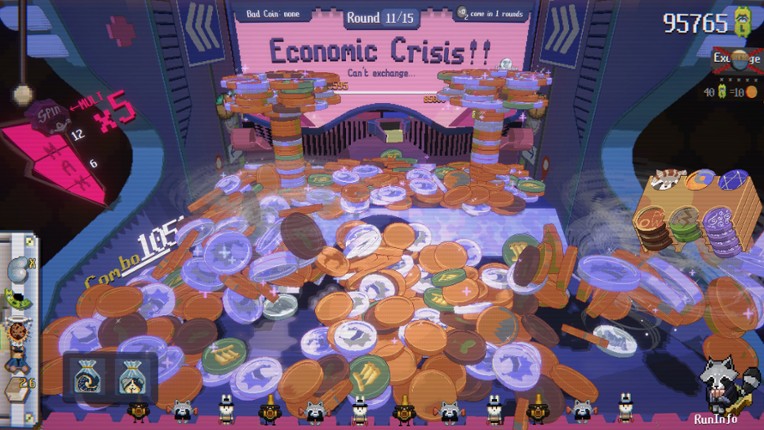
If Megabonk's chaos is too twitchy, this swaps it for a coin-pusher roguelike built around gambling, deckbuilding, and physics-driven luck.
If you enjoyed this game, see our list of games similar to RACCOIN: Coin Pusher Roguelike.View Game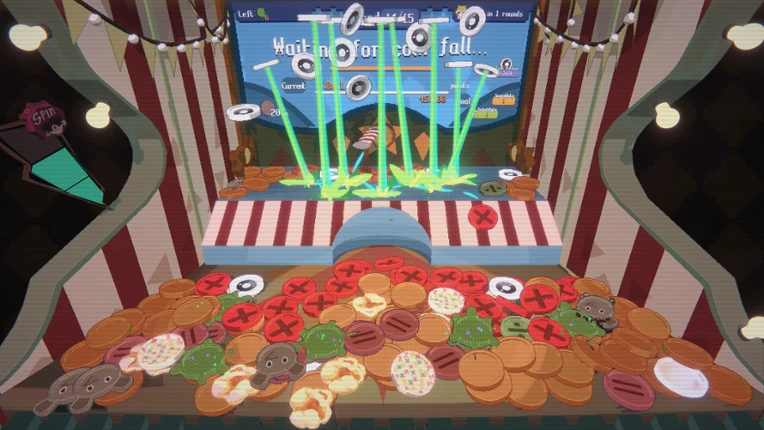
- 92%Game Brain ScoreMost mentioned positive aspects:gameplay, storyMost mentioned negative aspects:stability, grinding93% User Score 7,980 reviewsCritic Score 85%1 reviews
For players who want Megabonk's momentum in a parkour runner, Haste pushes speed and traversal first, with co-op optional on top.
If you enjoyed this game, see our list of games similar to Haste.View Game


- 86%Game Brain ScoreMost mentioned positive aspects:gameplay, graphicsMost mentioned negative aspects:grinding, stability95% User Score 7,868 reviewsCritic Score 73%7 reviews
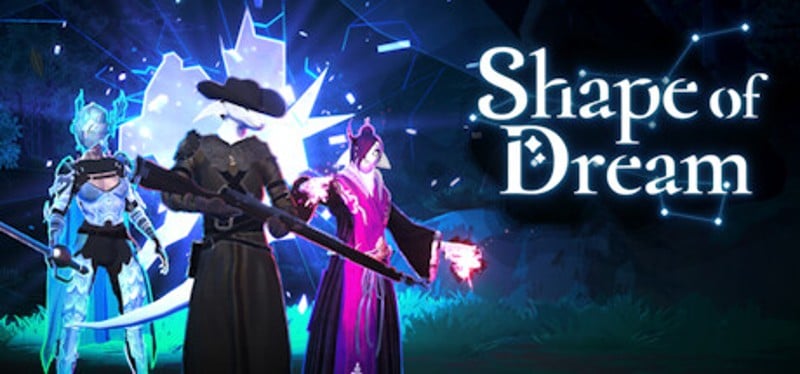
It keeps Megabonk's action-roguelite structure but replaces the goofy arcade vibe with a fantasy team brawler full of co-op spellcraft.
If you enjoyed this game, see our list of games similar to Shape of Dreams.View Game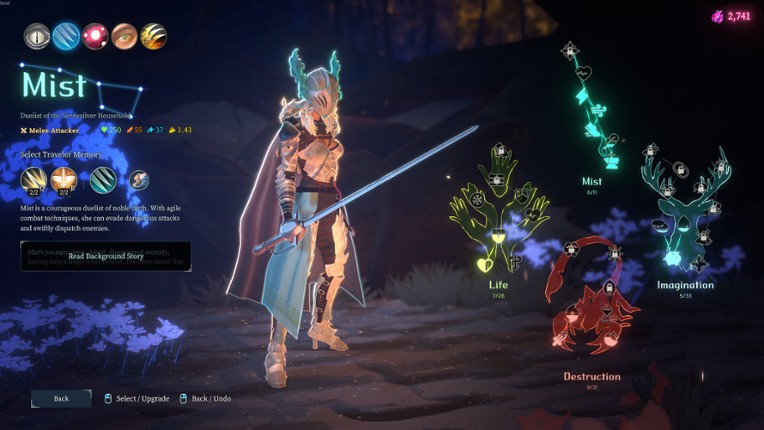
- 86%Game Brain ScoreMost mentioned positive aspects:gameplay, musicMost mentioned negative aspects:grinding, stability86% User Score 1,703 reviews
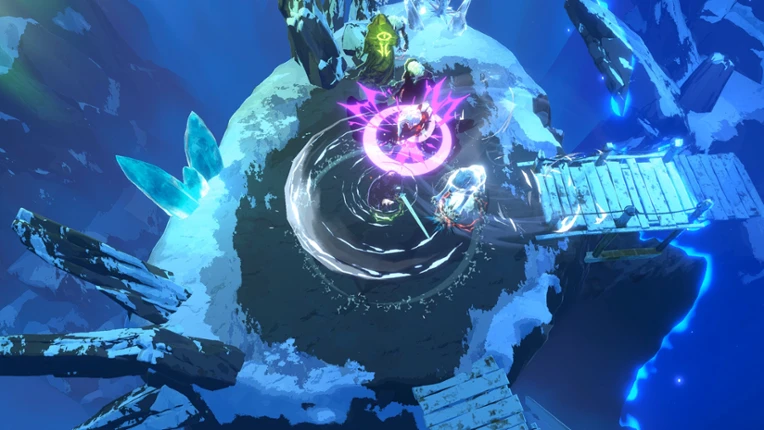
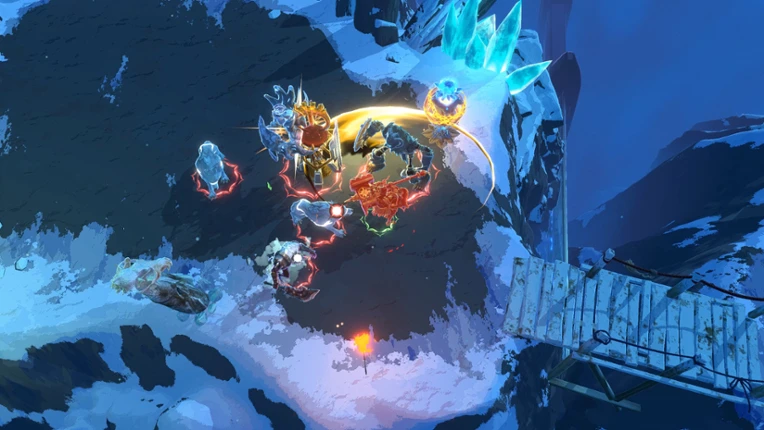
Gatekeeper channels Megabonk's bullet-hell roguelite energy into a harder, more atmospheric top-down shooter with optional co-op.
If you enjoyed this game, see our list of games similar to Gatekeeper.View Game


- 92%Game Brain ScoreMost mentioned positive aspects:gameplay, musicMost mentioned negative aspects:grinding, stability96% User Score 16,662 reviewsCritic Score 84%3 reviews
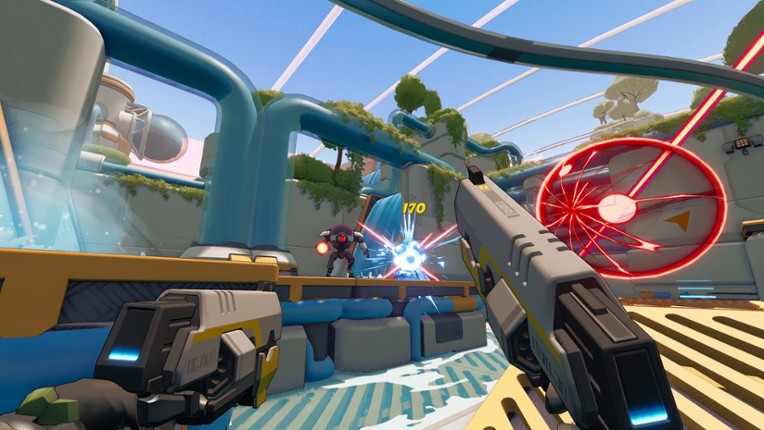
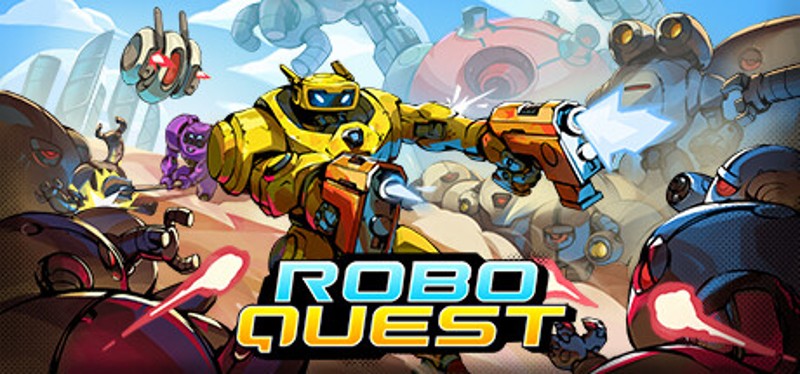
Roboquest takes the same fast roguelite shootout feel into a polished first-person sci-fi campaign with much stronger co-op support.
If you enjoyed this game, see our list of games similar to Roboquest.View Game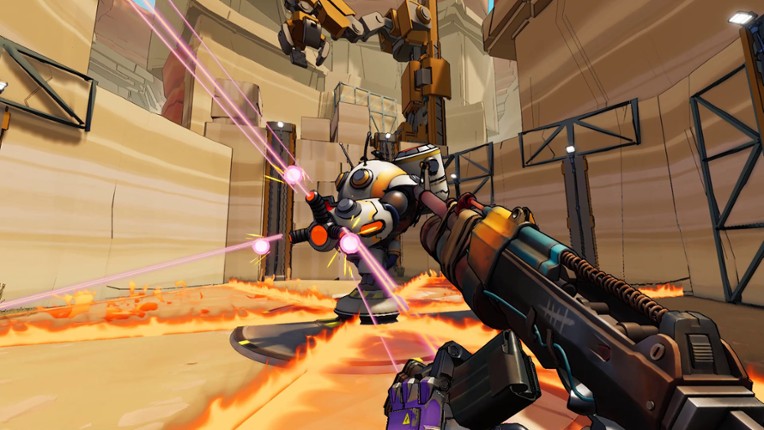
46 View Game 82%Game Brain ScoreMost mentioned positive aspects:music, gameplayMost mentioned negative aspects:story, optimization91% User Score 11,636 reviewsCritic Score 73%23 reviews
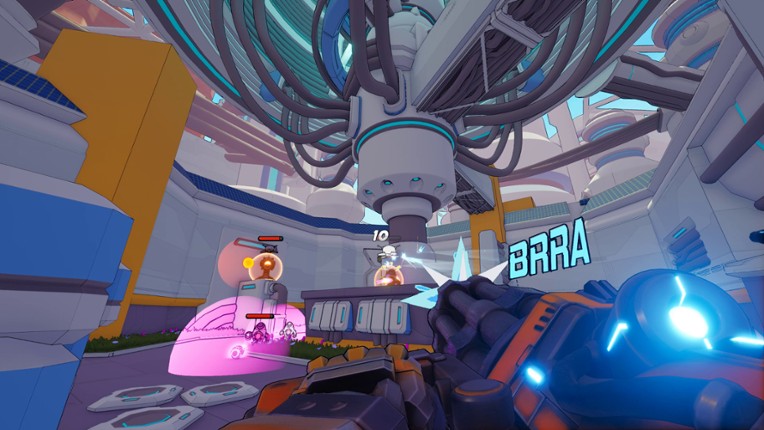
BPM turns Megabonk's arcade aggression into a rhythm shooter where every shot and dodge must land on the beat.
If you enjoyed this game, see our list of games similar to BPM: Bullets Per Minute.View Game


- 97%Game Brain ScoreMost mentioned positive aspects:gameplay, graphicsMost mentioned negative aspects:grinding, stability97% User Score 7,854 reviews
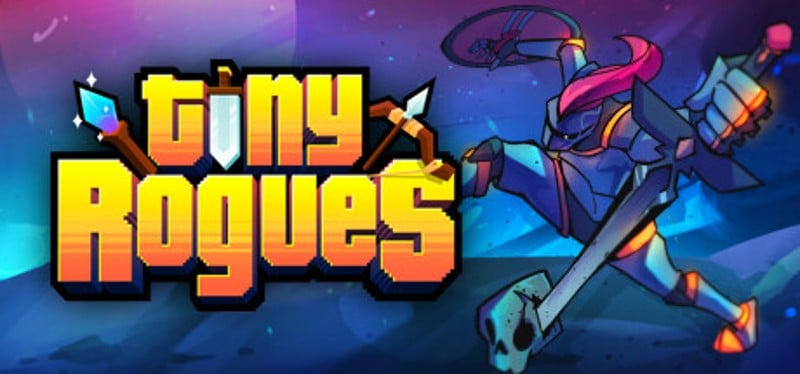
Tiny Rogues keeps the run-based escalation but shifts Megabonk toward a pixel-art fantasy dungeon crawl with denser loot and build variety.
If you enjoyed this game, see our list of games similar to Tiny Rogues.View Game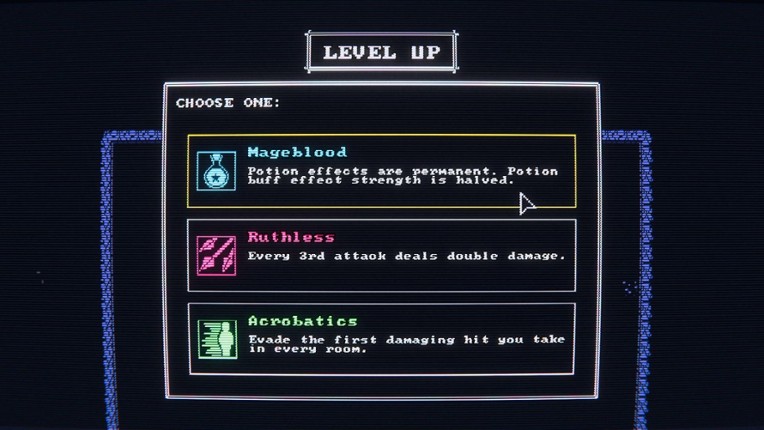
- 85%Game Brain ScoreMost mentioned positive aspects:gameplay, graphicsMost mentioned negative aspects:story, grinding85% User Score 990 reviews
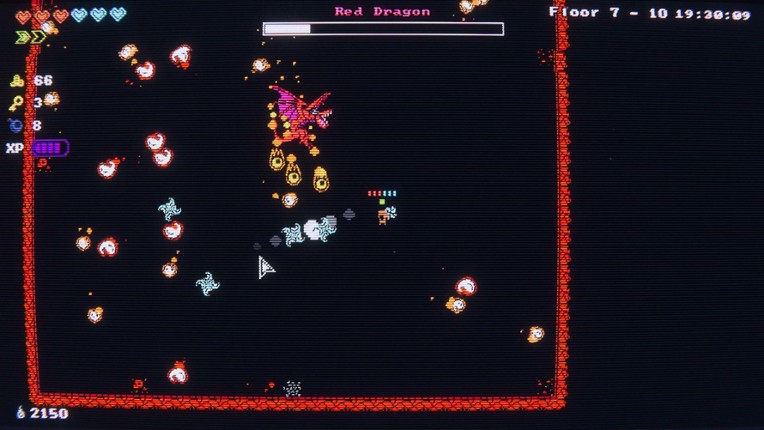
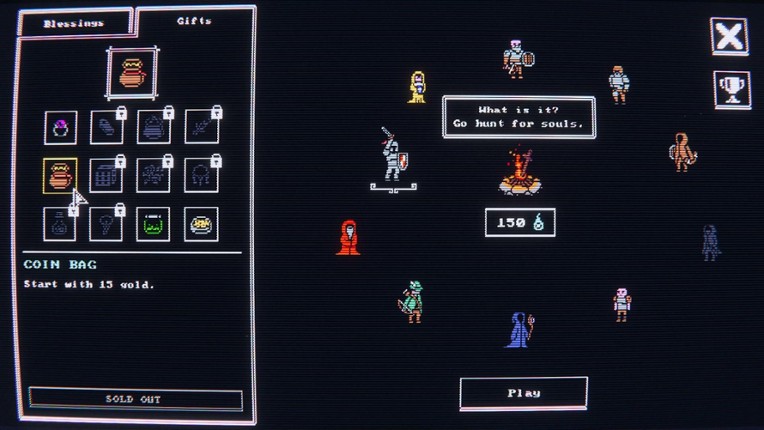
TerraTech Legion only loosely echoes Megabonk, trading on-foot mayhem for vehicular mech combat, crafting, and top-down bullet-hell runs.
If you enjoyed this game, see our list of games similar to TerraTech Legion.View Game


- 85%Game Brain ScoreMost mentioned positive aspects:gameplay, musicMost mentioned negative aspects:stability, grinding85% User Score 1,145 reviews
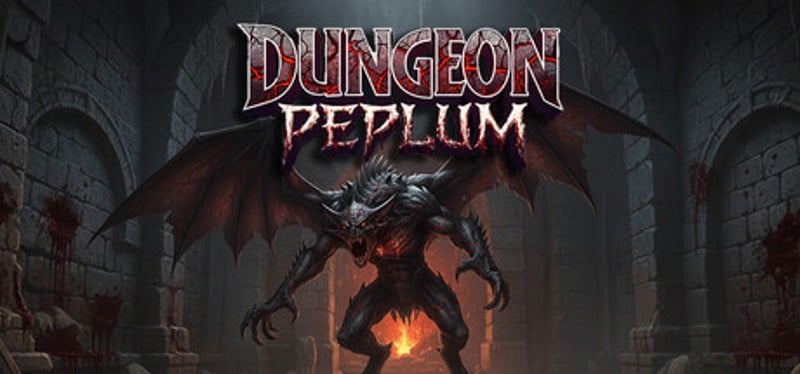
This one only faintly overlaps with Megabonk, offering a much simpler indie action project without the loot-heavy roguelite loop.
If you enjoyed this game, see our list of games similar to Dungeon Peplum.View Game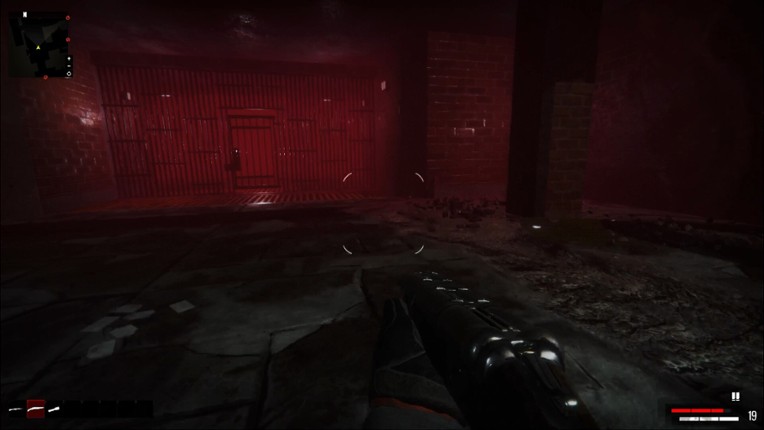
- 79%Game Brain ScoreMost mentioned positive aspects:gameplay, storyMost mentioned negative aspects:grinding, stability79% User Score 3,251 reviews
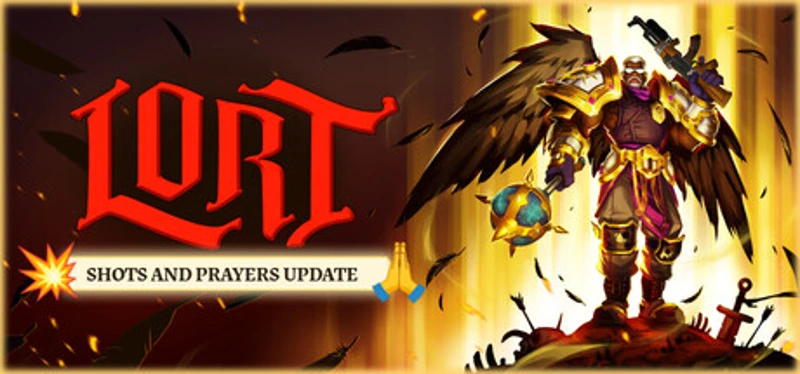
LORT borrows Megabonk's third-person roguelite structure but adds co-op, fantasy magic, and stranger choices-driven chaos.
If you enjoyed this game, see our list of games similar to LORT.View Game


 View Game
























Frequently Asked Questions
Top recommendations include Vampire Survivors for its addictive roguelike loop with deep build strategy, Crab Champions featuring fast-paced gameplay and an incredible soundtrack, and Soulstone Survivors for intense bullet-hell combat with extensive character variety. All three capture Megabonk's arcade energy and replayability while offering their own unique mechanics and progression systems.
Crab Champions runs smoothly on low-end PCs and Steam Deck with excellent optimization. Vampire Survivors is available on multiple platforms including mobile devices. Rogue: Genesia and BALL x PIT also offer broad hardware compatibility, making them perfect for portable play while maintaining the fast-paced action Megabonk fans enjoy.
Vampire Survivors excels with roguelite mechanics and numerous unlockables sustaining long-term replayability. Soulstone Survivors features deep progression with a large character roster and diverse skill trees. Bounty of One offers extensive upgrade combinations and character builds per run. All three share Megabonk's randomized loot-driven runs with permanent unlocks between attempts.
The Spell Brigade is free-to-play, offering cooperative multiplayer with diverse wizard rosters and elemental mechanics. Vampire Survivors provides excellent ethical monetization with no ads or microtransactions despite being paid. Both games deliver the arcade-style roguelike action Megabonk players love without aggressive monetization frustrations.
Crab Champions shines with smooth co-op gameplay and diverse weapons across multiple players. The Spell Brigade emphasizes quirky cooperative fun with interesting spell combinations. Vampire Survivors supports local and online co-op with split-screen options. Bounty of One offers both solo and multiplayer builds, perfect for playing with friends while maintaining that frantic bullet-hell energy.
Crab Champions features high-energy music from the 'Crab Rave' creator that's a major highlight. Vampire Survivors delivers a catchy Castlevania-inspired soundtrack perfectly complementing the atmosphere. Soulstone Survivors offers energetic, fitting audio enhancing chaotic gameplay. All three maintain charming retro aesthetics while providing the satisfying visual and audio feedback Megabonk players appreciate.