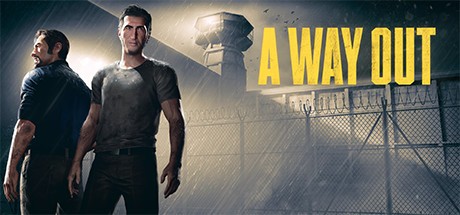


If you've finished A Way Out and you're already hunting for games like A Way Out to fill that co-op-shaped hole in your heart, you're in the right place. This is a game that nails a very specific combination: a cinematic, story-driven action-adventure built from the ground up for two players, blending emotional depth with split-screen spectacle and a genuinely surprising narrative. The good news? There are excellent alternatives waiting for you.
What sets A Way Out apart is its insistence on the two-player co-op format as a storytelling device, not just a feature bolted on after the fact. The game delivers a crime drama with real emotional weight, carried by strong character work, a cinematic third-person presentation, and moment-to-moment variety that keeps both players involved. People who love it tend to cite the story, the atmosphere, and the way it uses gameplay to deepen the relationship between its two leads. That's exactly what to look for in alternatives.
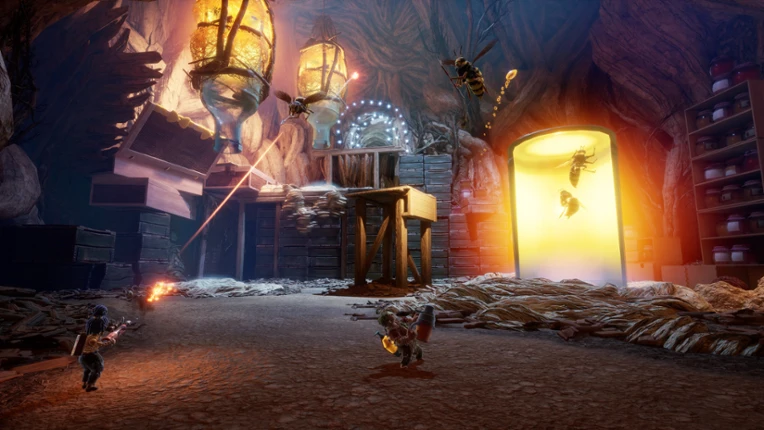
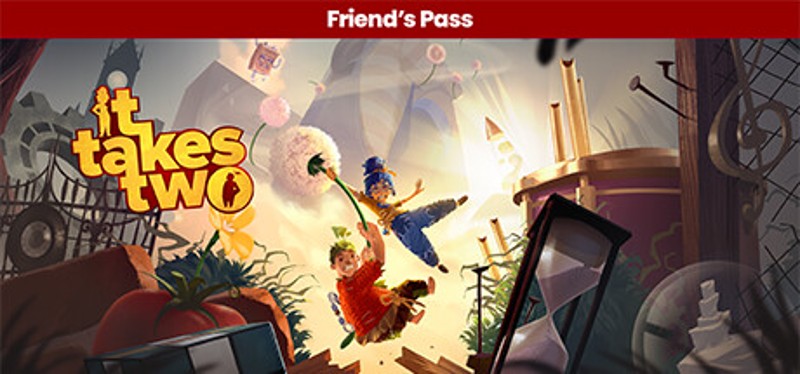
It Takes Two is the closest match — another two-player-only masterpiece with brilliant co-op design. BOKURA flips the script with an inventive mechanic where each player sees a different world. Beyond: Two Souls delivers Hollywood-level cinematic storytelling with strong performances. The Dark Pictures Anthology: Man of Medan brings co-op horror with branching choices and multiple endings. A Plague Tale: Innocence offers a deeply emotional single-player narrative for those who want story above all else.
Every recommendation below is ranked by similarity using real player data, so the closest matches to A Way Out appear first. Browse the full list to find your next obsession.
Both games hinge on forced interdependence between two players—you can't progress alone, and the game constantly splits your screen or objectives to reinforce that partnership. This design choice transforms cooperation from optional strategy into the emotional core of play, mirroring A Way Out's narrative focus on relationship dynamics through mechanical constraint.
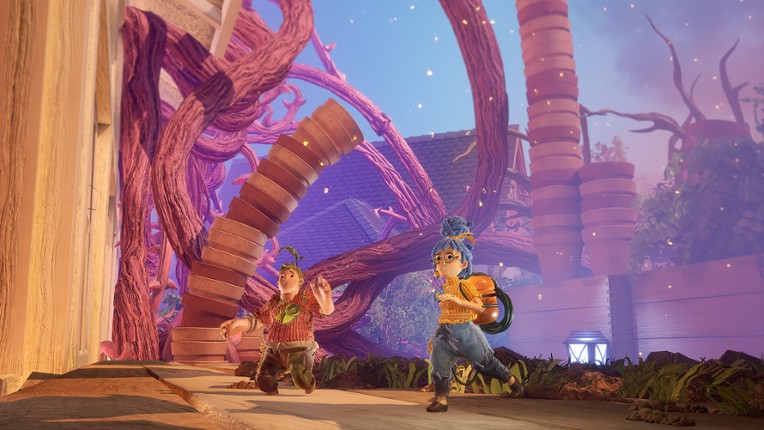
You'll find the same cinematic, story-driven campaign structure and atmospheric presentation that made A Way Out memorable. It Takes Two builds on this foundation by weaving minigames and environmental puzzles into its co-op spine, adding variety without sacrificing the narrative momentum you likely valued.
Where It Takes Two pivots is its platform-puzzle foundation rather than crime-thriller framing—expect more traversal and lateral problem-solving, less combat intensity. This shift actually strengthens replayability and reduces the grinding complaints that dogged A Way Out.
Best for players who cherish co-op campaigns that treat relationship as gameplay, and who want that emotional payoff stretched across a longer, more varied journey.
If you enjoyed this game, see our list of games similar to It Takes Two.
Both games thrive on shared tension and split-second cooperation, where the player is constantly reacting to events rather than just watching cutscenes. Like A Way Out, Beyond: Two Souls keeps the action moving through cinematic sequences, quick decisions, and characters whose emotional stakes make each failure feel personal.
The biggest overlap is the story-first, controller-in-hand rhythm: you’re not grinding systems, you’re pushing through set pieces, conversations, and dramatic beats that ask for attention. That gives it the same “playable movie” feel, but the branching narration and choices matter structure add a different texture, since your input can reshape how scenes unfold instead of just advancing them.
It also helps that Beyond is longer and more expansive, which addresses one of A Way Out’s common criticisms: wanting more time with the experience. The tradeoff is looser co-op emphasis, but in return you get a bigger emotional canvas and a second perspective on the action.
Best for players who want cinematic storytelling with real controller involvement and a heavier emotional payoff.
If you enjoyed this game, see our list of games similar to Beyond: Two Souls.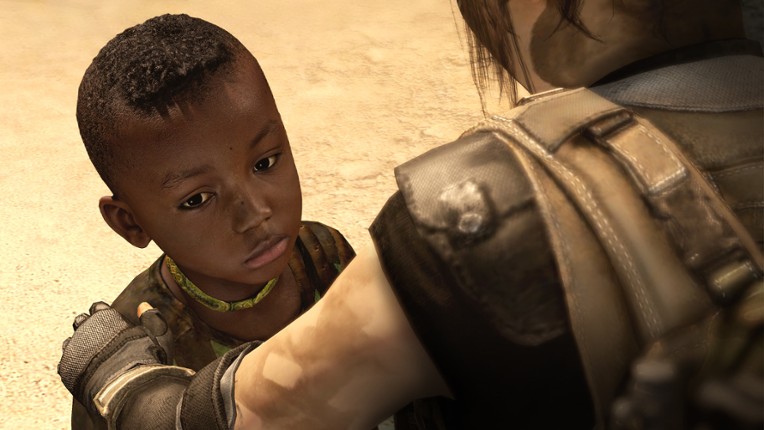


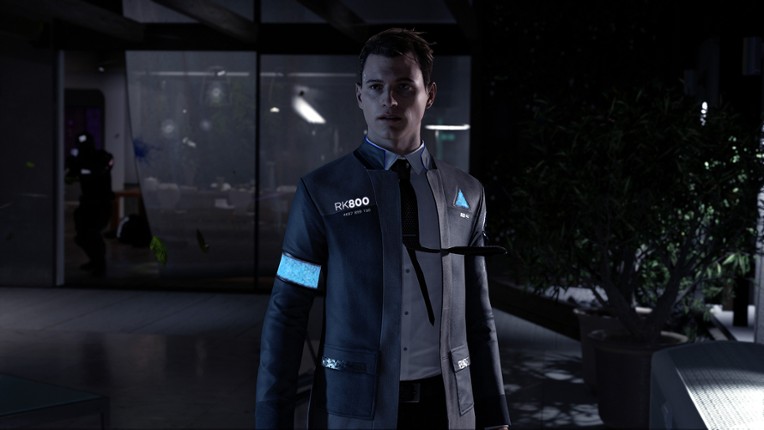
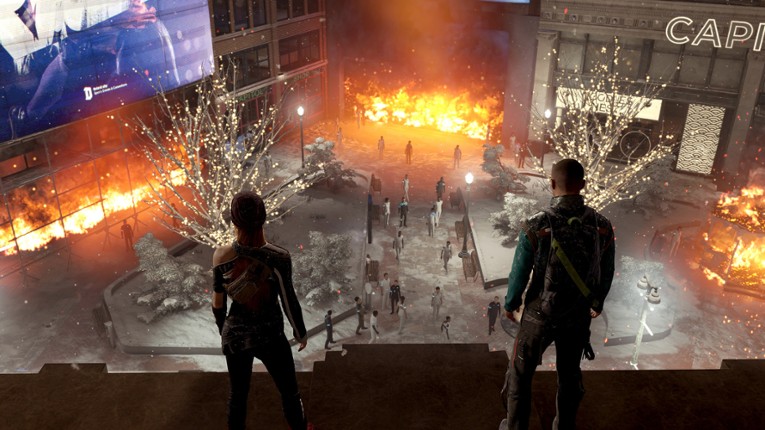
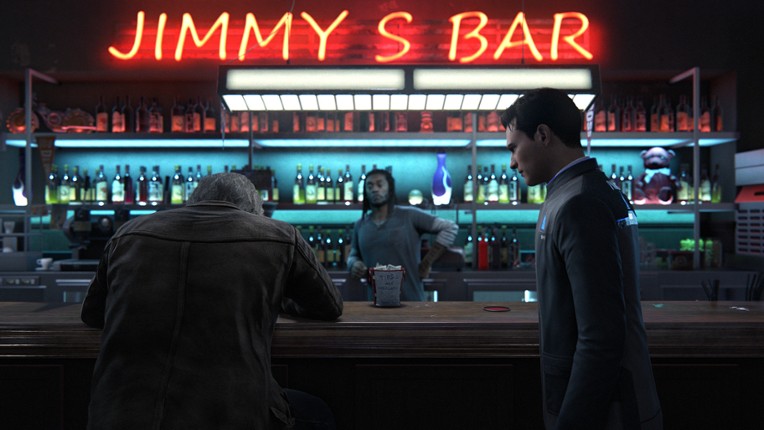
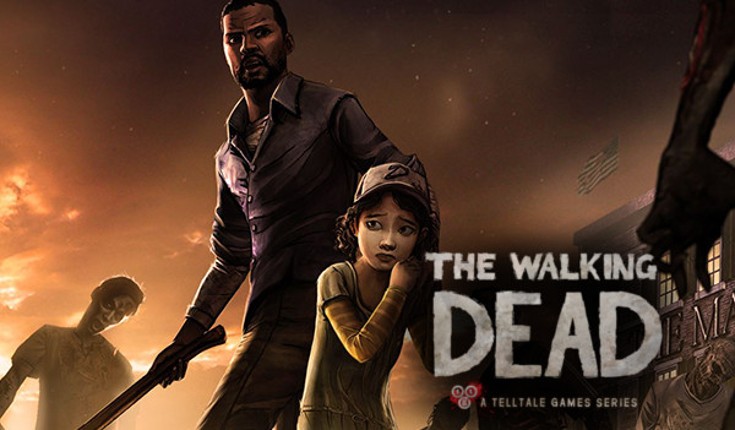
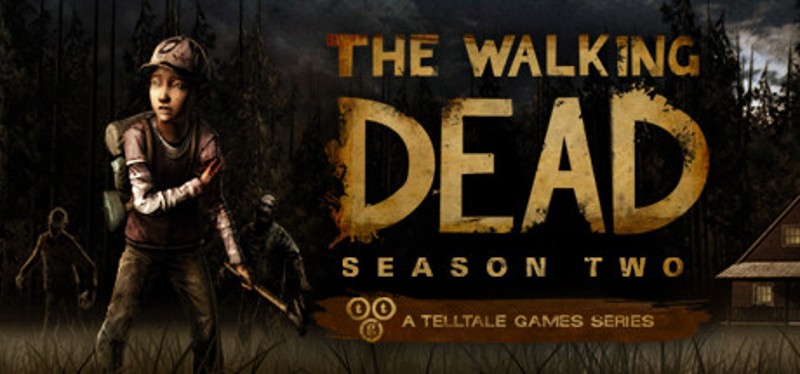
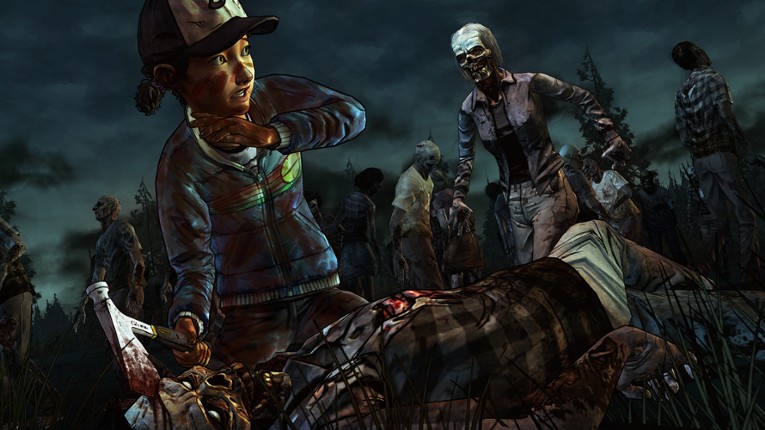
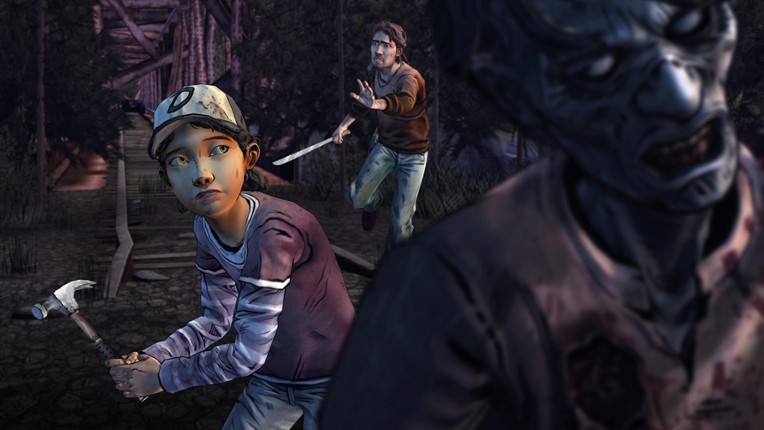
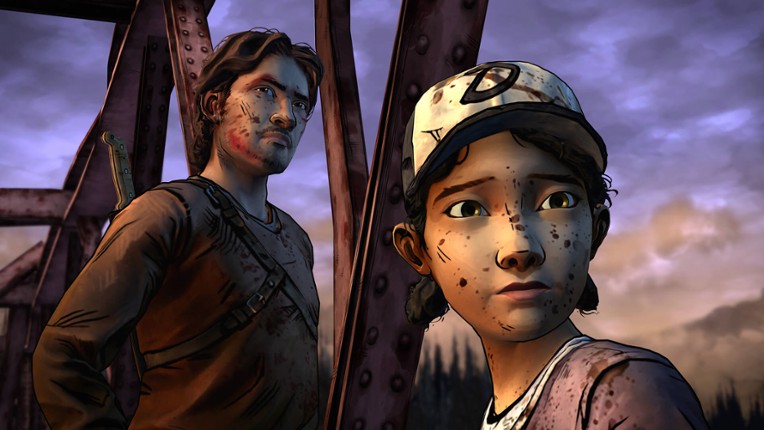
Both games trap you in high-pressure scenarios where split-second reactions dictate who survives a brutal environment. You will find that same gut-wrenching weight of responsibility for a companion's life that fueled the bond between Leo and Vincent.
The cinematic storytelling and story-rich dialogue systems ensure every conversation carries the weight of a life-or-death action sequence. This focus on character interaction creates an emotional depth rooted in your direct choices, mirroring the narrative intensity you experienced during the prison break.
A distinct pivot here is the shift to a solo journey, trading co-op coordination for isolation and branching paths. While A Way Out is often a linear experience, this title offers the replayability to explore vastly different outcomes for its cast based on your personal ethics.
Best for players who prioritize moral ambiguity and narrative consequence over mechanical complexity.
If you enjoyed this game, see our list of games similar to The Walking Dead.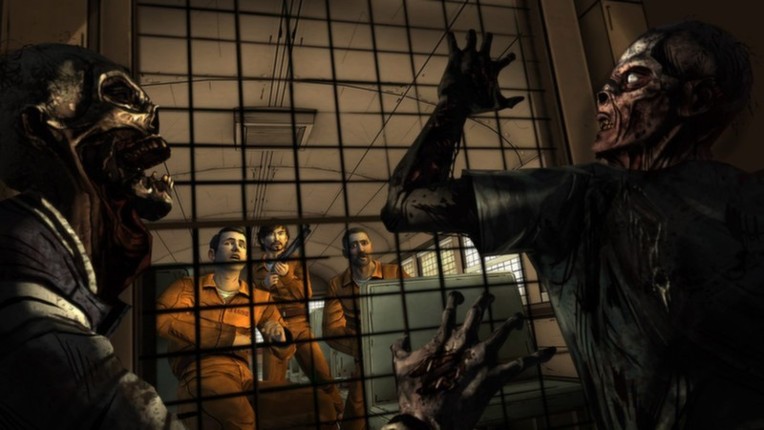
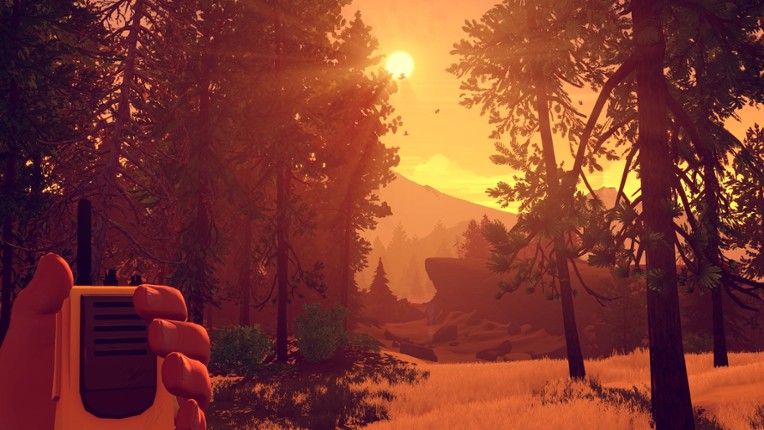
If you loved the emotional weight of A Way Out's conversations, Firewatch delivers that same intimacy through a walkie-talkie relationship. Henry and Delilah's dialogue unfolds naturally as you explore, and every exchange feels consequential—like co-op decisions, just reflected inward.
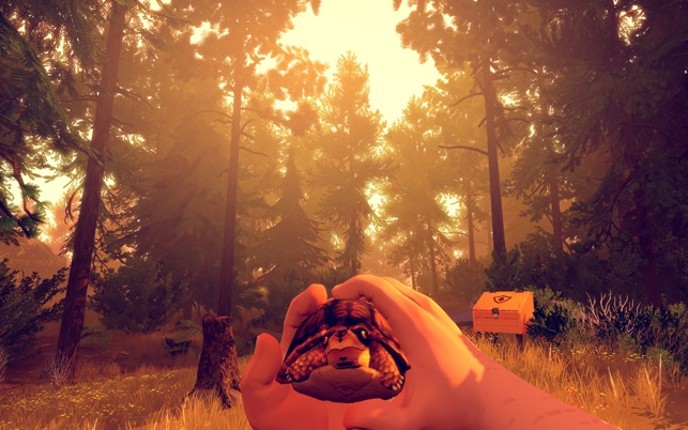
Both games use stunning environments as a storytelling tool. Where A Way Out used the prison's oppressive corridors, Firewatch paints the Wyoming wilderness with a painterly style that makes simply walking through it compelling. The atmosphere in both titles turns exploration into an emotional journey.
The tradeoff? Firewatch trades A Way Out's co-op chaos for solitary mystery. You lose the shared laughs and synchronized problem-solving, but gain a contemplative pace where every choice and silence belongs entirely to you.
Best for players who prioritize character-driven narratives and atmospheric exploration over action-heavy multiplayer moments.
If you enjoyed this game, see our list of games similar to Firewatch.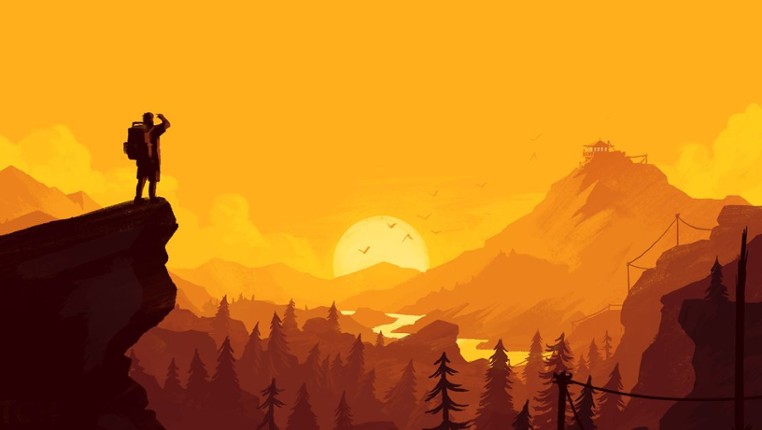

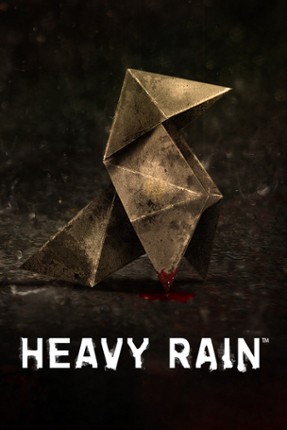
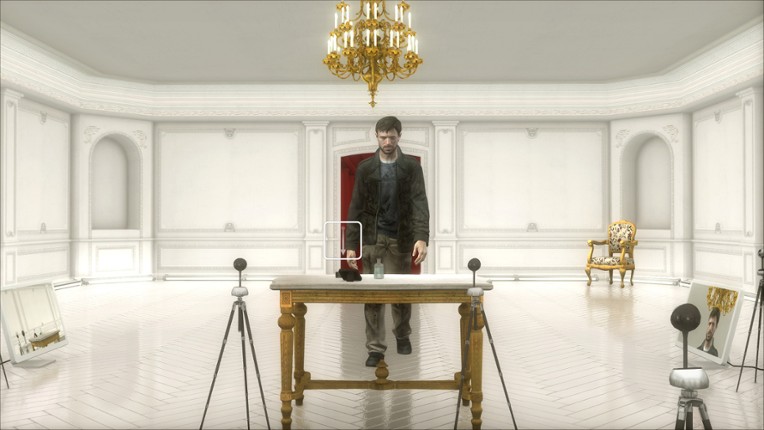
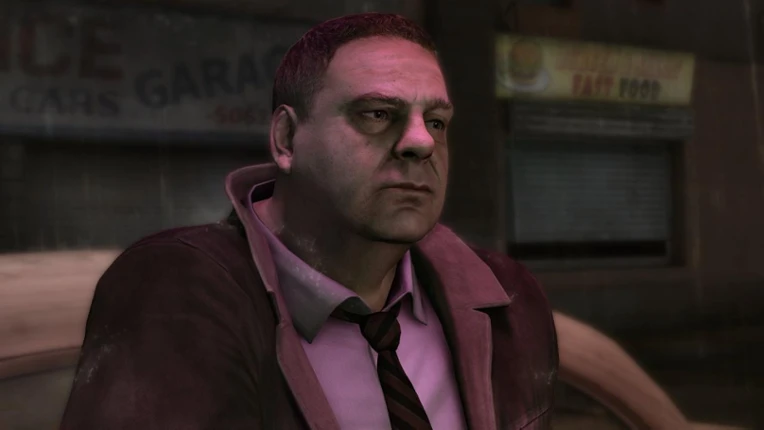
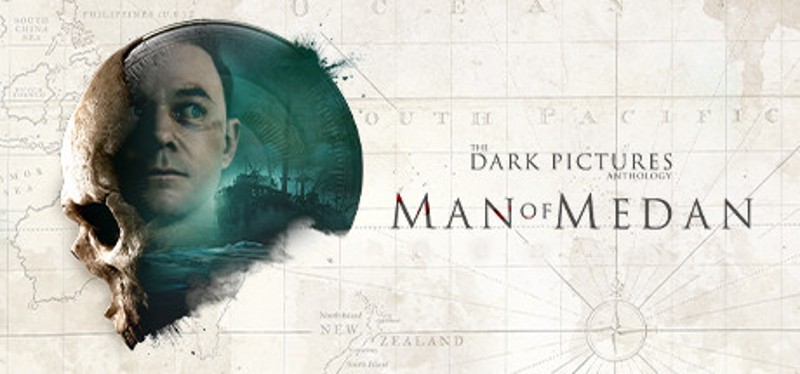
Both games excel at 2-player co-op in a cinematic third-person perspective, delivering shared story experiences that hinge on player choice and interaction. This cooperative dynamic deepens emotional engagement and keeps the narrative compelling through teamwork.
The Dark Pictures Anthology: Man of Medan also emphasizes atmospheric tension and branching endings, offering replay value through its horror setting where decisions truly matter. This matters because it extends gameplay beyond a single run and challenges players to explore consequences.
However, Man of Medan’s horror focus comes with clunky controls and predictable scares, which detract from its storytelling impact, whereas A Way Out leans into smooth gameplay and humor alongside emotional depth. If you want a co-op story with strong gameplay flow and don’t mind less polished horror elements, this is a worthy pick.
If you enjoyed this game, see our list of games similar to The Dark Pictures Anthology: Man of Medan.


Both games nail couch co-op storytelling where your choices ripple through the narrative together. This shared DNA makes them feel like natural partners for players who value collaboration over competition.
The Quarry doubles down on replayability through branching paths and multiple endings, whereas A Way Out locks you into a single, tightly controlled narrative arc.
Pick this up if you want a horror-flavored co-op experience with reasons to replay, but accept that it trades A Way Out's cinematic precision for wider player agency.
If you enjoyed this game, see our list of games similar to The Quarry.
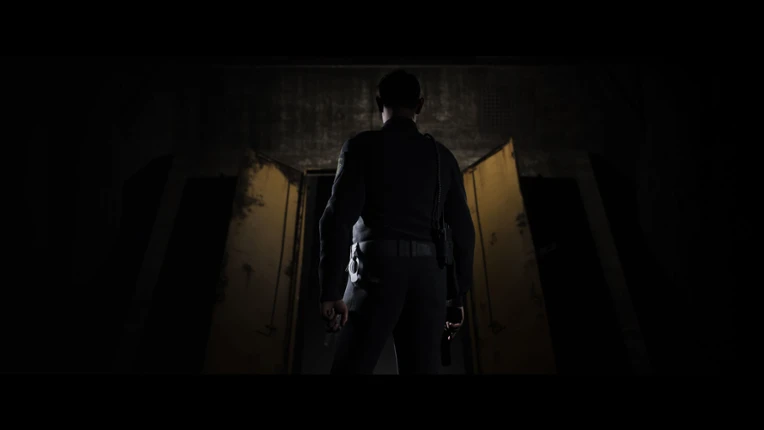
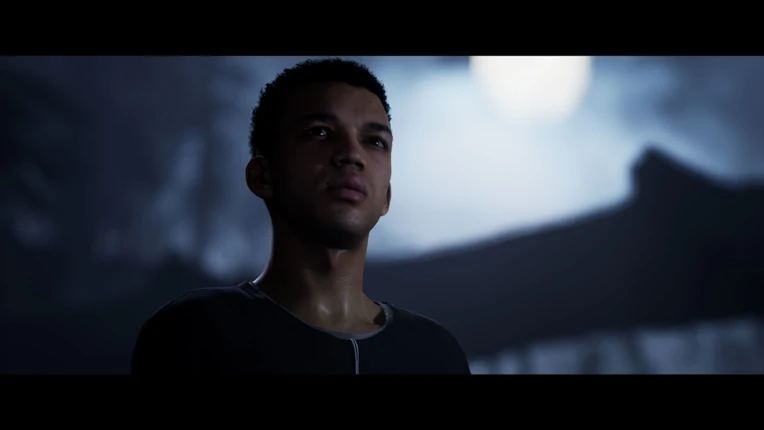
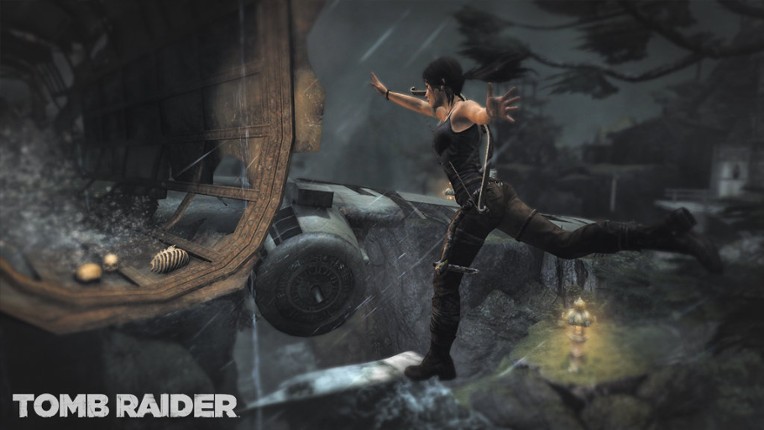

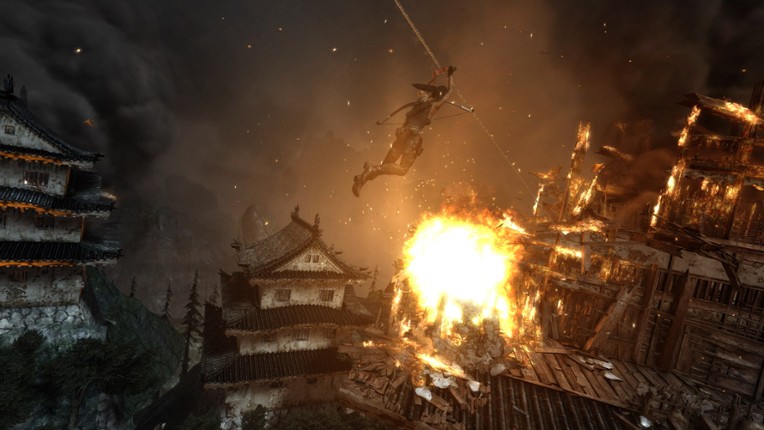

Both A Way Out and Mafia: The Old Country prioritize cinematic storytelling that feels more like a high-budget crime drama than a traditional sandbox game. This focus on scripted, atmospheric tension ensures that every set piece serves the broader narrative arc.
The core difference is strictly functional: A Way Out demands mandatory cooperative synergy between two humans, whereas Mafia isolates you in a strictly single-player experience. You lose the shared problem-solving dynamic for a more controlled, historical perspective.
Pick this up if you want the narrative intensity and period-accurate polish of A Way Out, but can live without the cooperative gameplay requirements.
If you enjoyed this game, see our list of games similar to Mafia: The Old Country.

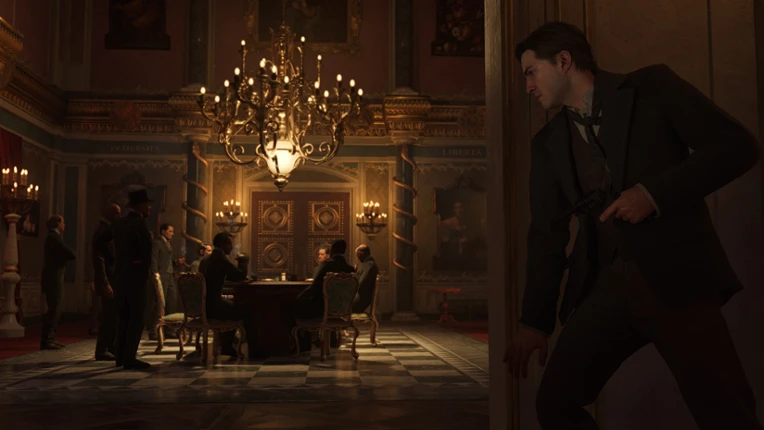
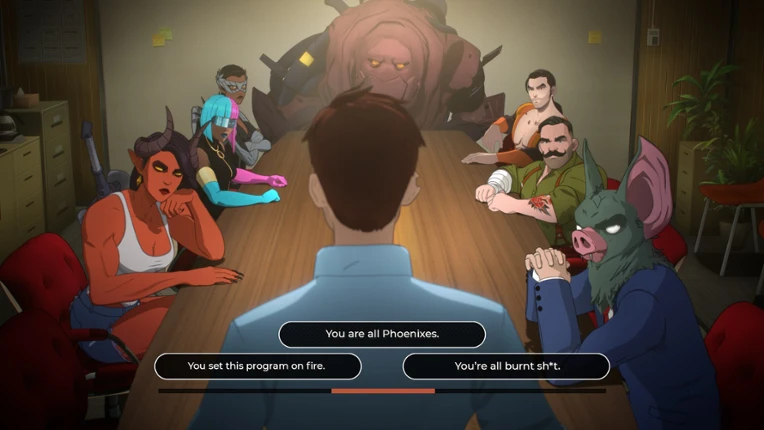
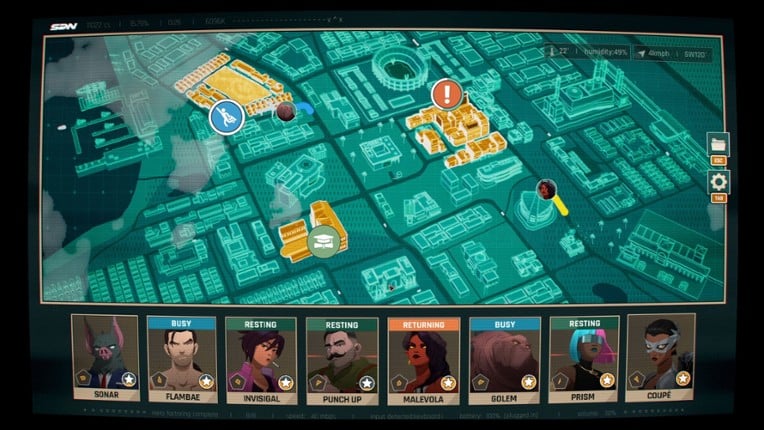
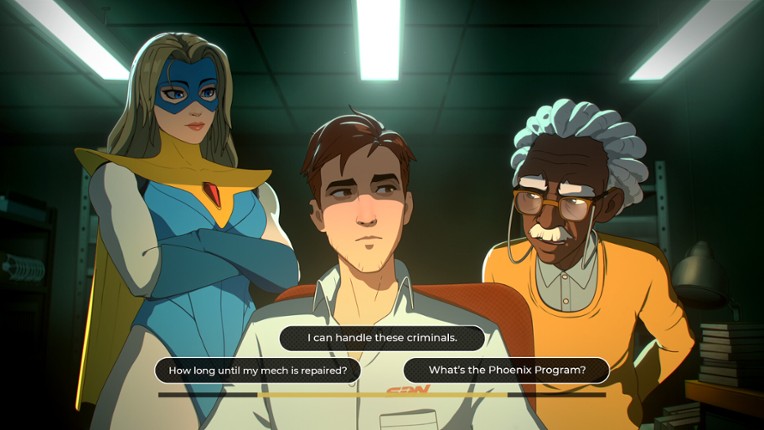
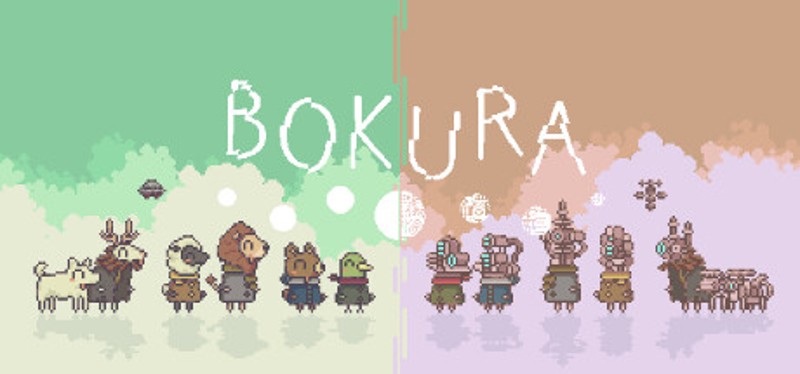
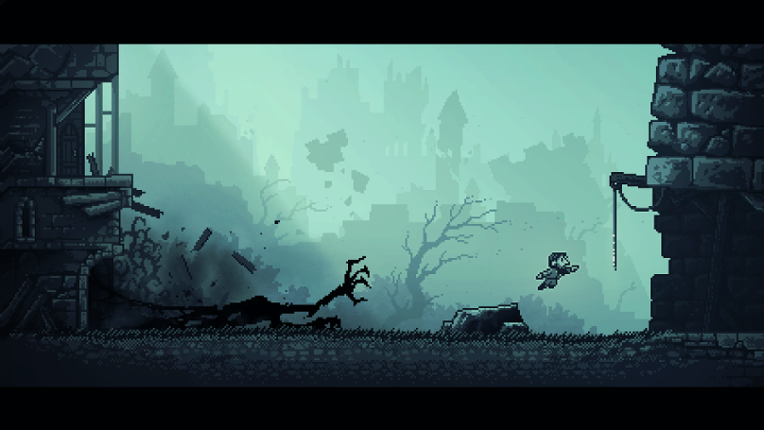
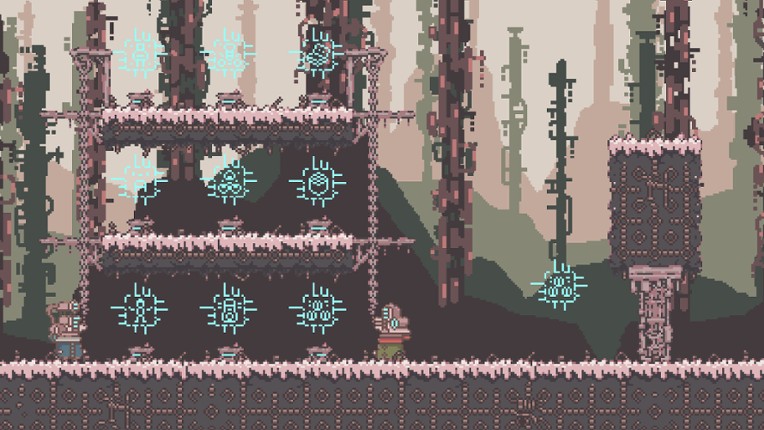
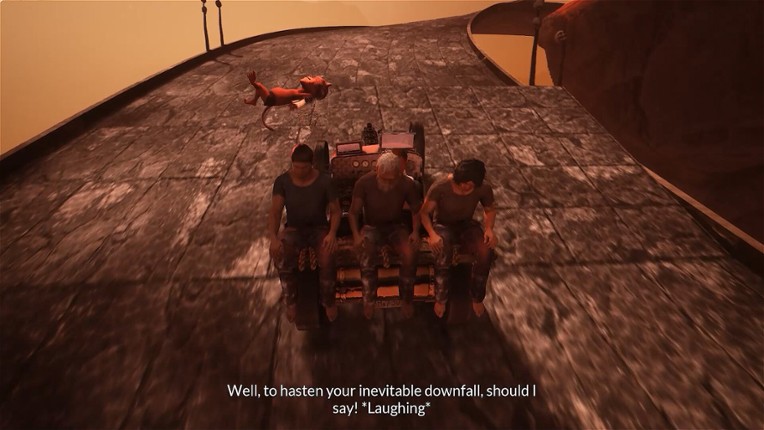
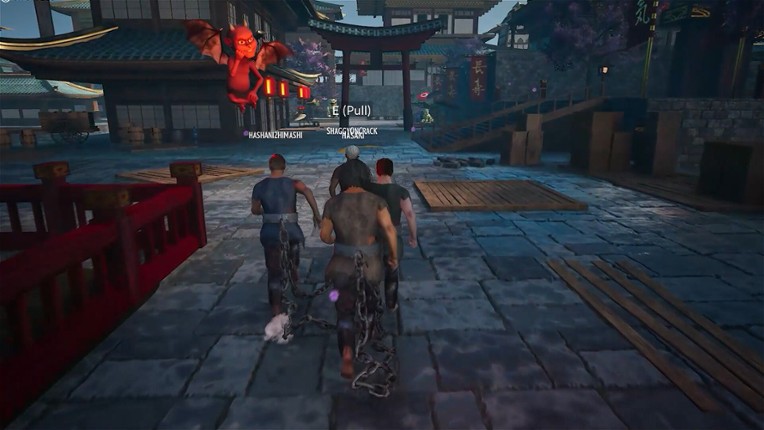
The co-op tension in A Way Out lives in those moments where both players have to act together — and BOKURA pushes that dynamic even further by giving each player a completely different view of the world. You're not just coordinating actions; you're reconciling two realities, which means communication becomes the actual gameplay rather than just a tool for it. That shift transforms familiar co-op instincts into something that feels genuinely fresh.
Both games tie their mechanics tightly to emotional storytelling, where the relationship between the two players mirrors what's unfolding in the narrative. In A Way Out, the split-screen format makes you feel like equal partners in a shared fate — BOKURA recreates that intimacy through deliberate puzzle design that neither player can solve alone.
The trade-off is tone: where A Way Out leans cinematic and action-driven, BOKURA is quieter, stranger, and tinged with psychological horror. It's a slower burn with a more abstract emotional payoff.
Worth noting — both games share a tendency toward bugs and occasional instability, so that's a known variable rather than a surprise here.
Best for co-op players who valued the bond over the bombast in A Way Out and want that same emotional stakes delivered through puzzle-solving and subtext.
If you enjoyed this game, see our list of games similar to BOKURA.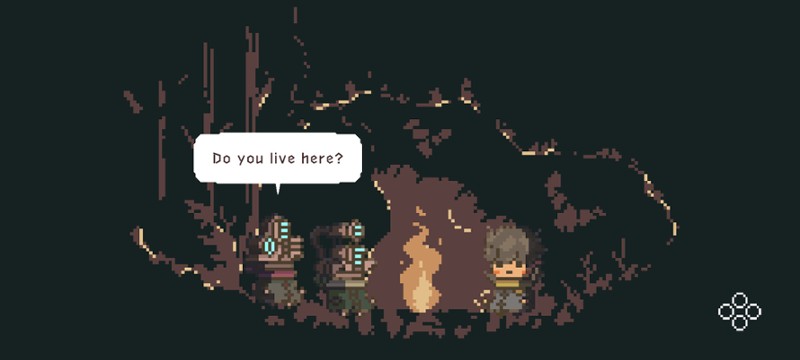

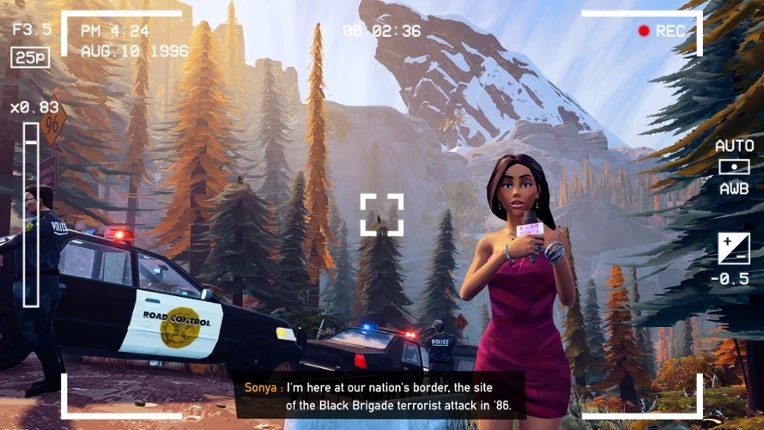
The core link here is narrative agency, where both titles prioritize your decision-making over twitch reflexes to drive a cinematic, branching plot.
This emotional investment matters because both games treat your choices as the primary engine for character development rather than just window dressing.
You are trading the mandatory co-op dependency of A Way Out for the lonely, procedural freedom of a solo road trip.
Pick this up if you crave high-stakes storytelling and moral dilemmas, but can live without a partner sitting on the couch next to you.
If you enjoyed this game, see our list of games similar to Road 96.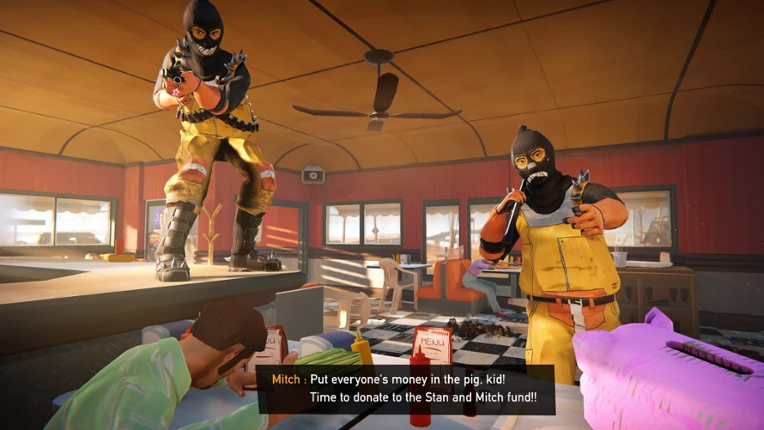
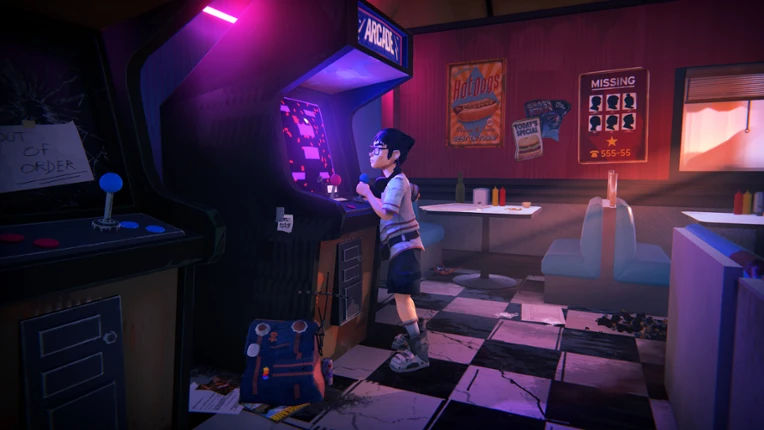

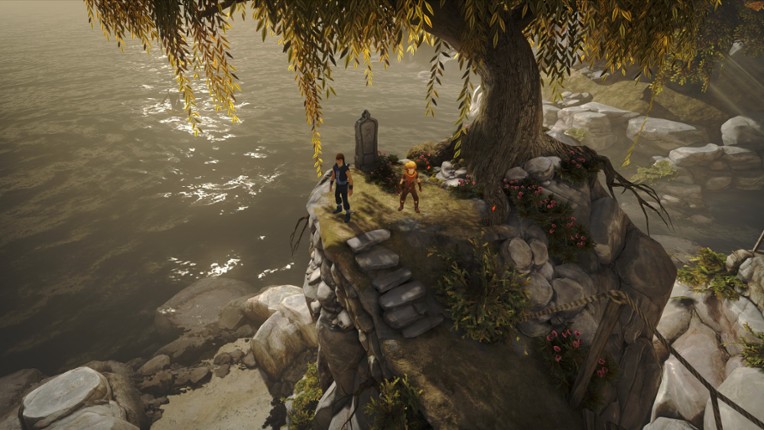
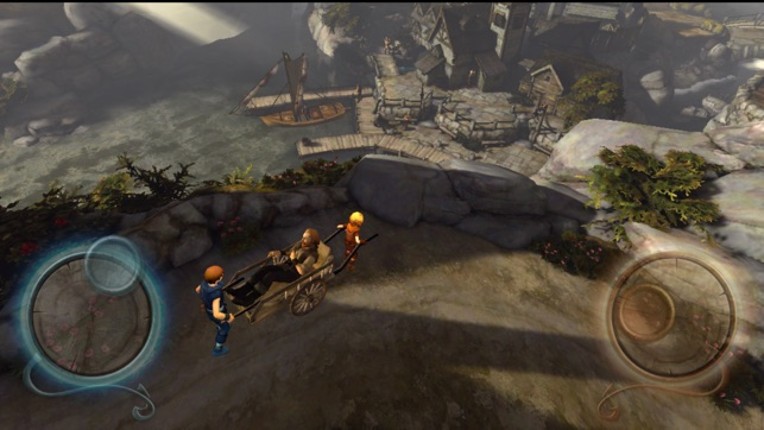
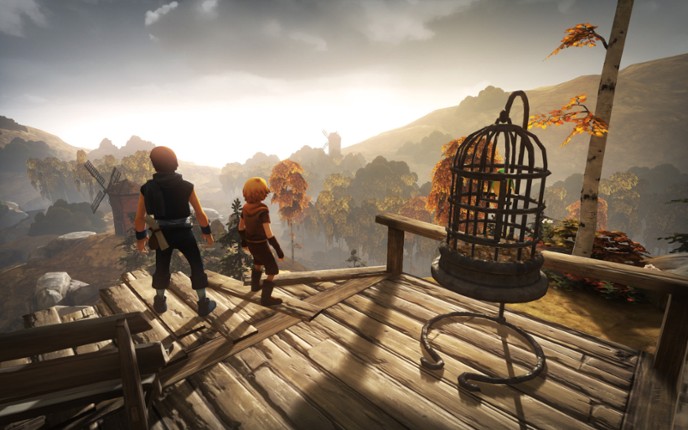
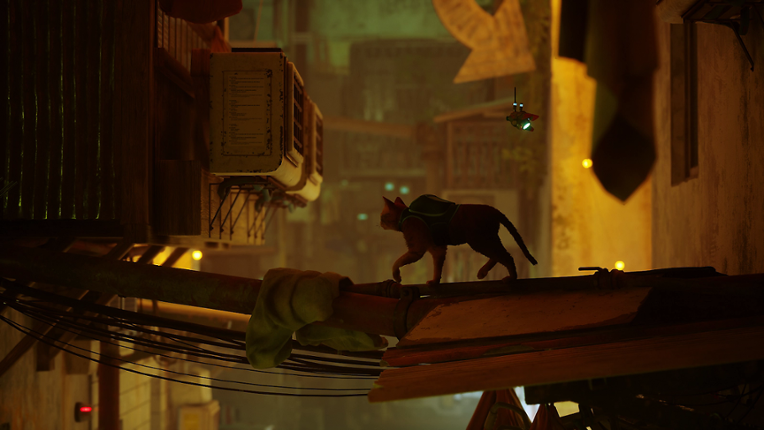
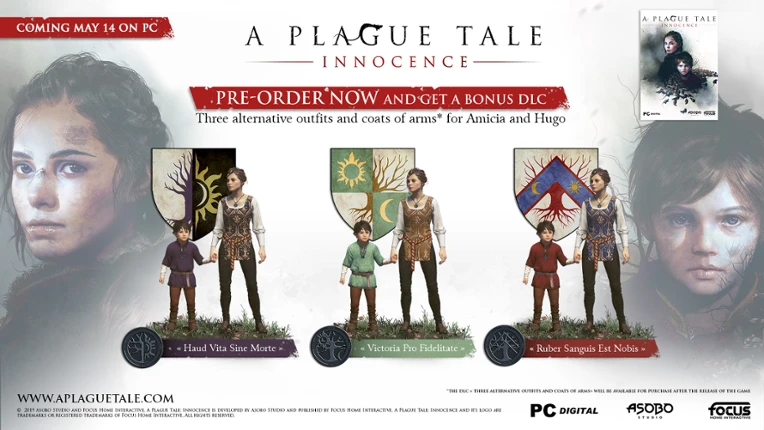
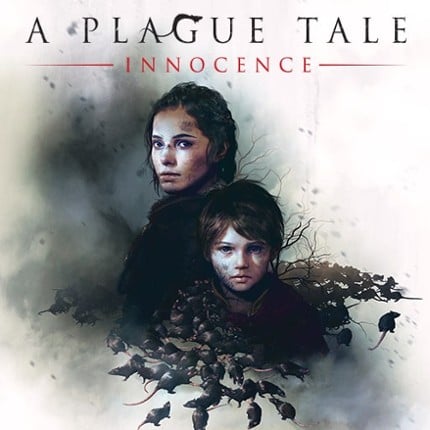
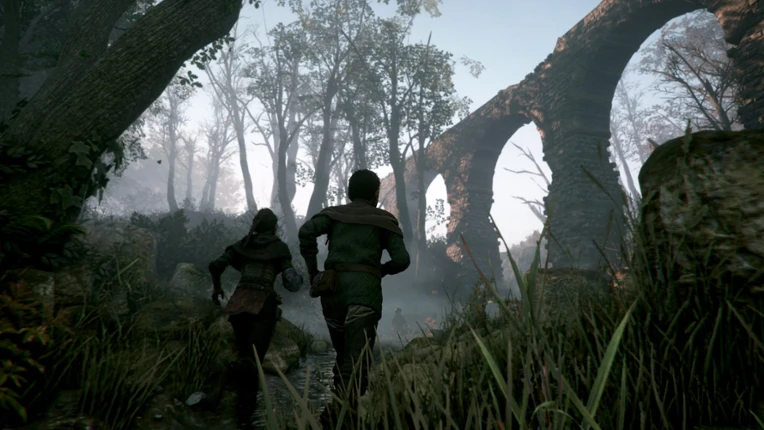
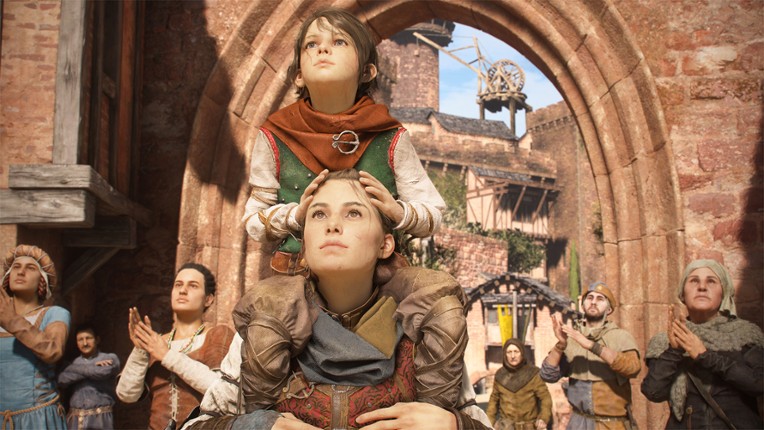
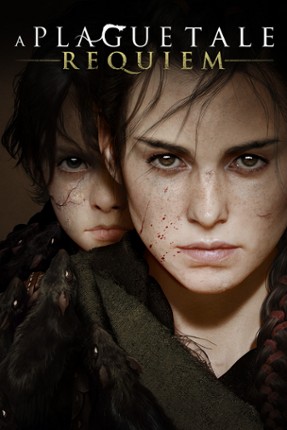
Both A Way Out and A Plague Tale center on a tightly‑woven sibling bond, using third‑person perspective and cinematic pacing to pull players into an emotional, mature storyline. Violence and moral stakes shape a heavy, dramatic tone across both.
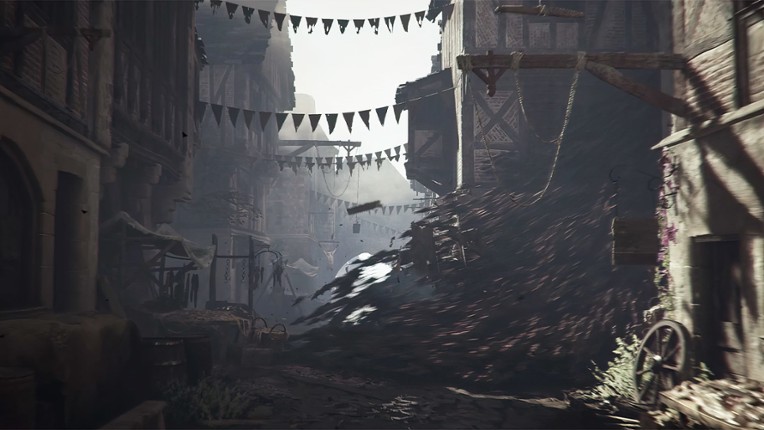
Both games reinforce their atmosphere with a haunting soundtrack and meticulously crafted visuals, making each environment feel oppressive yet beautiful and deepening emotional immersion.
A Way Out requires two players in local or online co‑op, whereas A Plague Tale is a solo, linear adventure with a more polished presentation.
Pick this up if you want a dark, sibling‑centric narrative with strong atmosphere and can tolerate occasional bugs and a linear structure.
If you enjoyed this game, see our list of games similar to A Plague Tale: Innocence.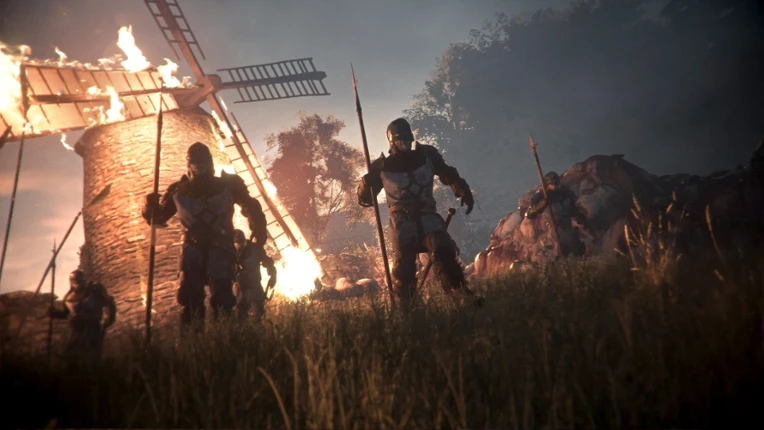

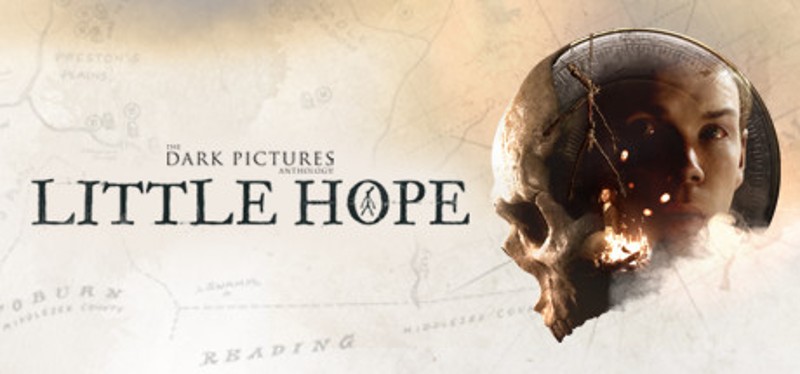
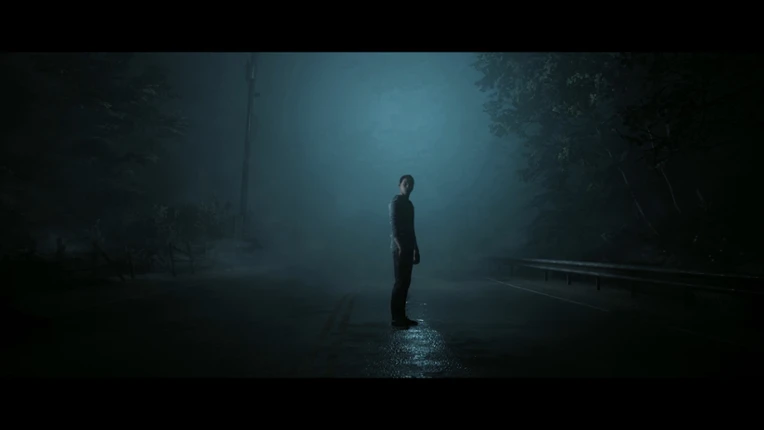
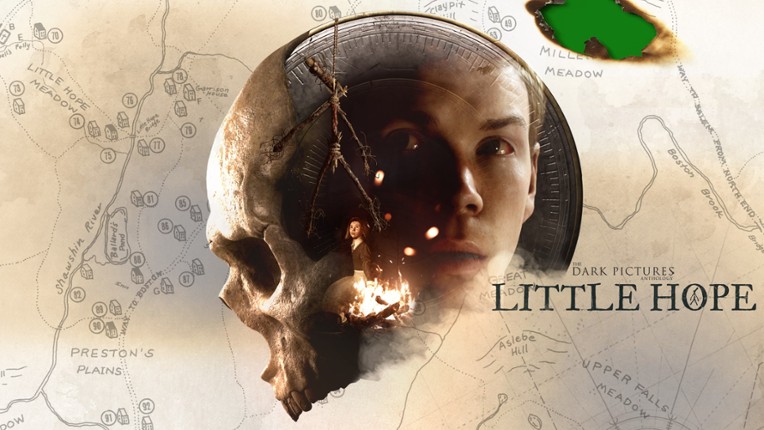
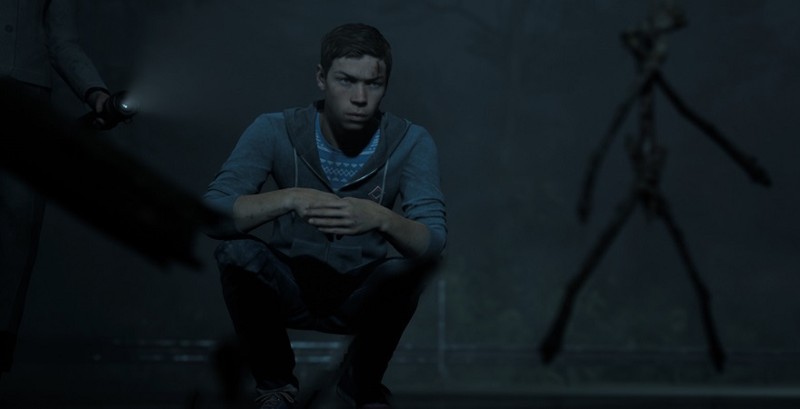
Trapped and isolated in the abandoned town of Little Hope, 4 college students and their teacher must escape the nightmarish apparitions that relentlessly pursue them through an impenetrable fog. If you enjoyed this game, see our list of games similar to The Dark Pictures Anthology: Little Hope.





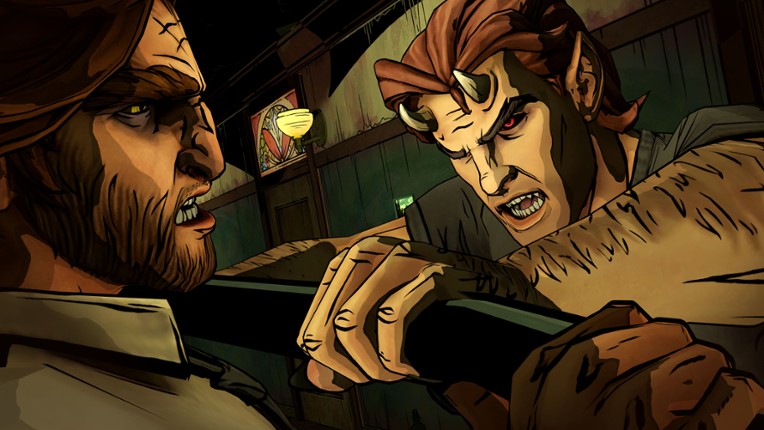
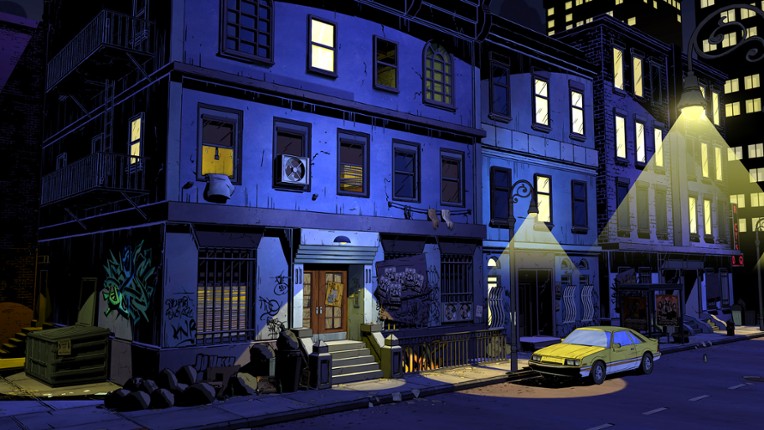
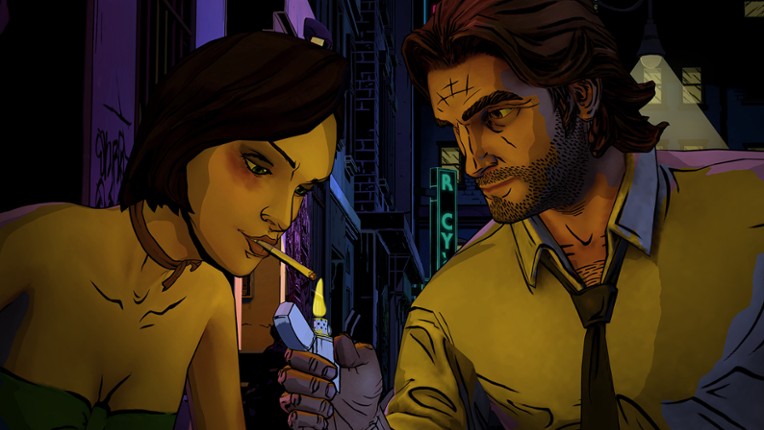
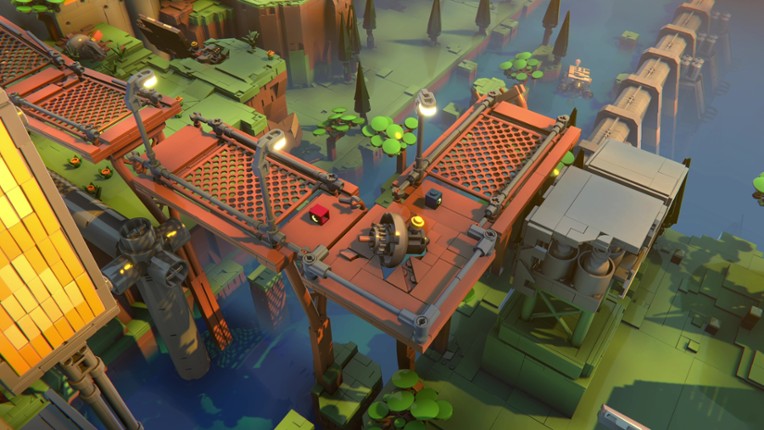
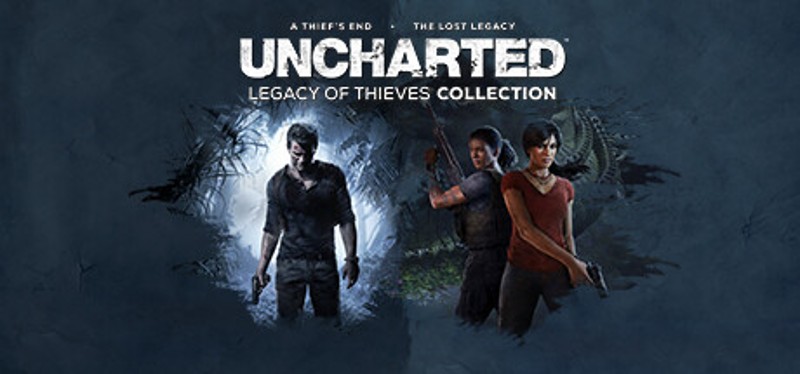
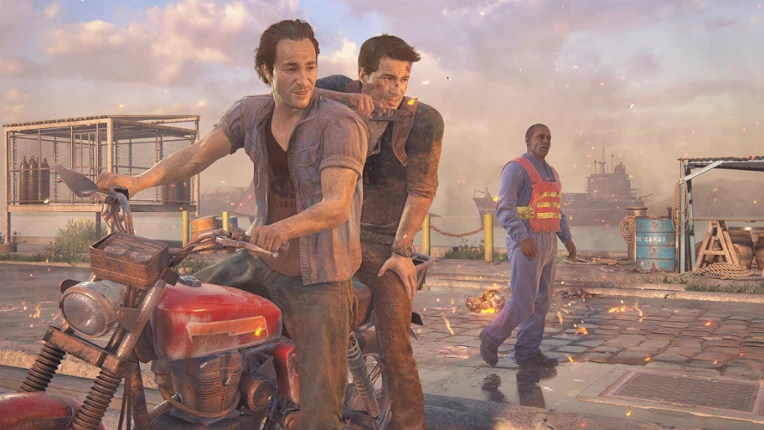
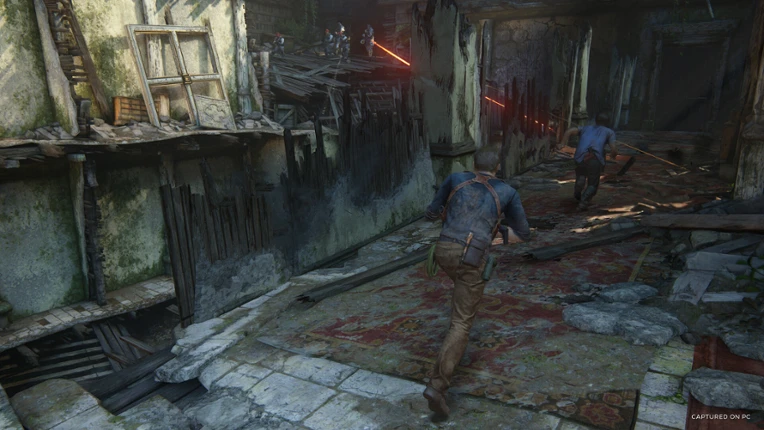
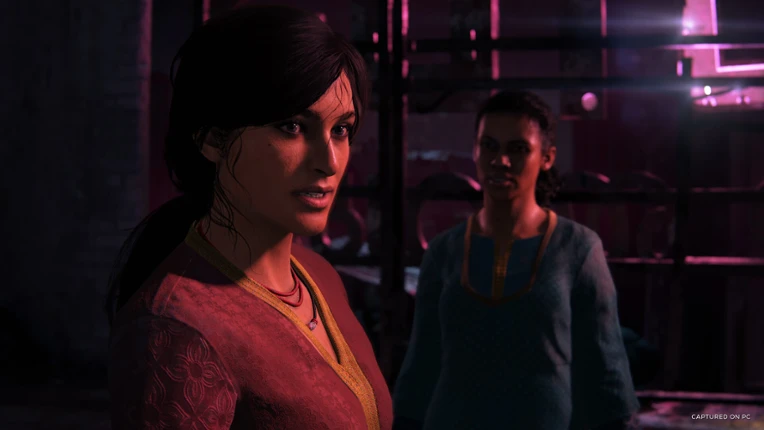
Includes: UNCHARTED 4: A Thief’s End UNCHARTED: The Lost Legacy Are You Ready To Seek Your Fortune? Seek your fortune and leave your mark on the map in the UNCHARTED: Legacy of Thieves Collection. Uncover the thrilling cinematic storytelling and the largest blockbuster action set pieces in the UNCHARTED franchise, packed with all the wit, cunning, and over the top moments of the beloved thieves – … If you enjoyed this game, see our list of games similar to Uncharted: Legacy of Thieves Collection.
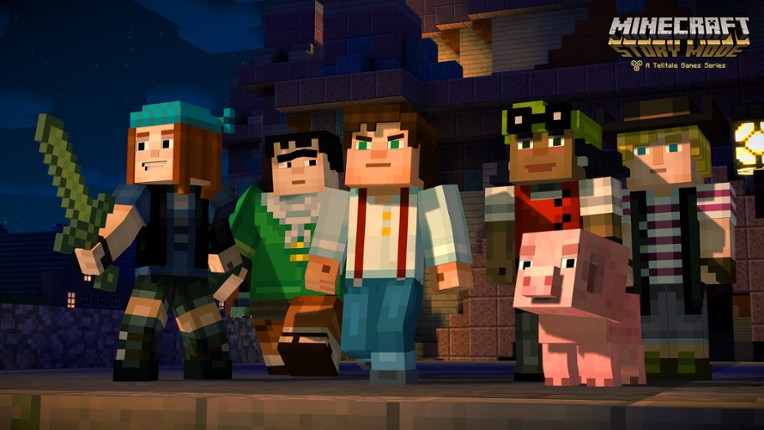
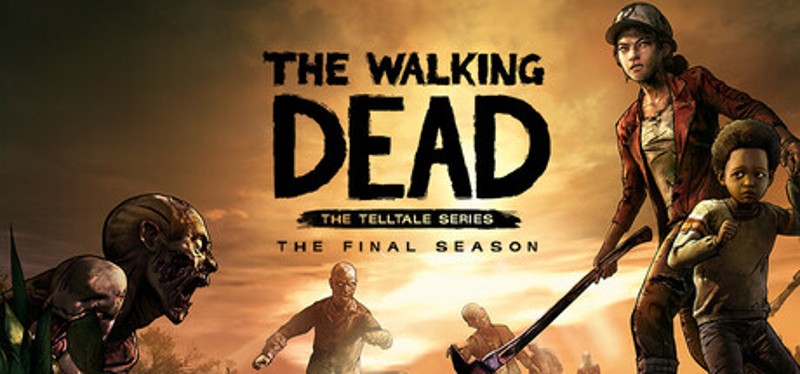
A secluded school might finally be Clementine’s chance for a home, but protecting it will mean sacrifice. If you enjoyed this game, see our list of games similar to The Walking Dead: The Final Season.
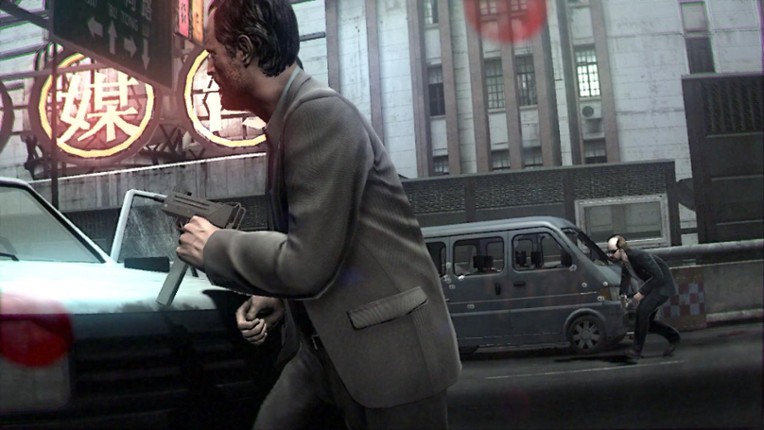
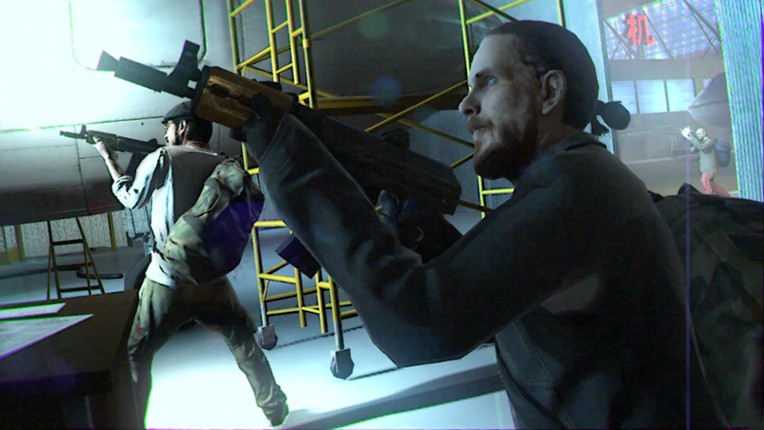
Kane & Lynch 2: Dog Days - Complete Edition includes: - Kane & Lynch 2: Dog Days - Kane & Lynch 2: The Doggie Bag DLC - Kane & Lynch 2: Alliance Weapon Pack DLC - Kane & Lynch 2: Multiplayer Masks Pack DLC If you enjoyed this game, see our list of games similar to Kane & Lynch 2: Dog Days.

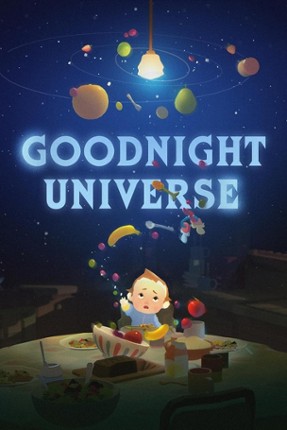
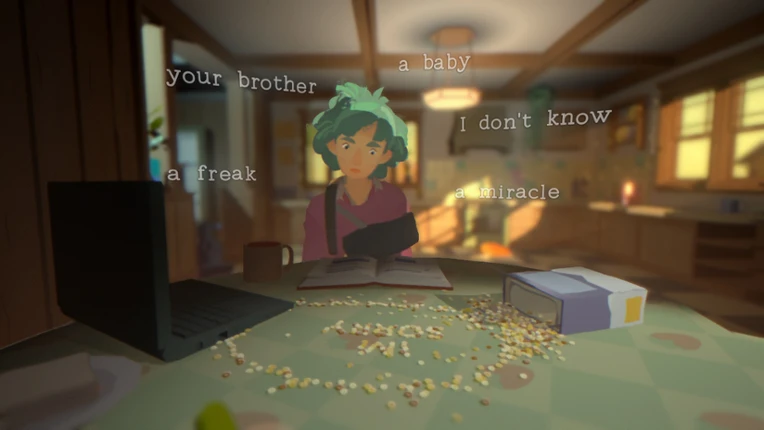
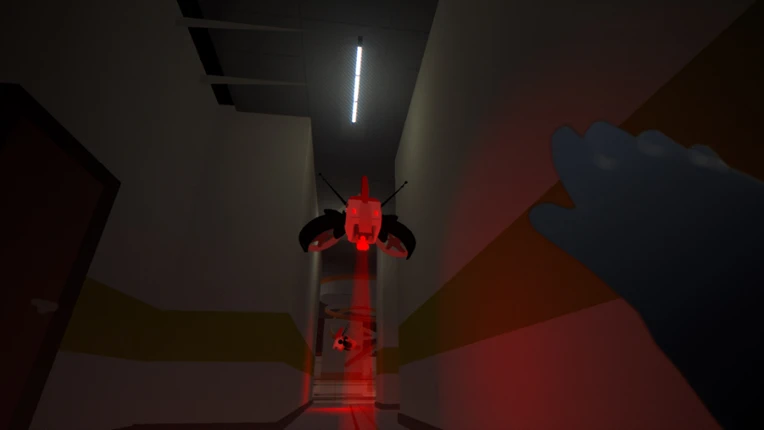
SCP: Secret Files is a collection of paranormal cases from the SCP Foundation, an organization tasked with containing dangerous anomalies. You join as an assistant researcher for Dr. Raymond Hamm and complete a strenuous induction program that will make you question everything you know. If you enjoyed this game, see our list of games similar to SCP: Secret Files.


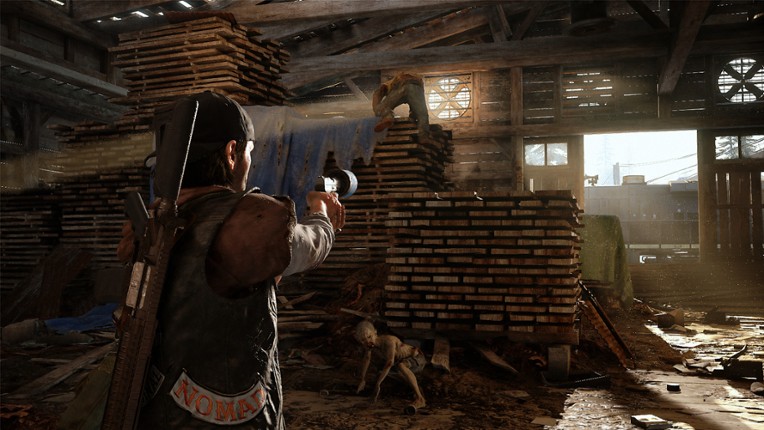
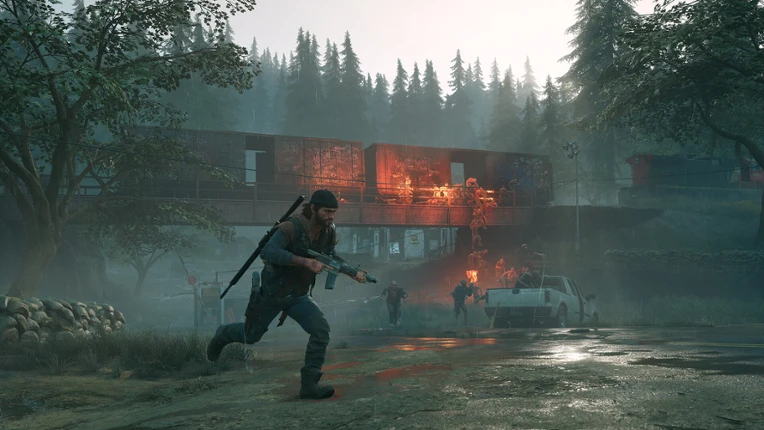
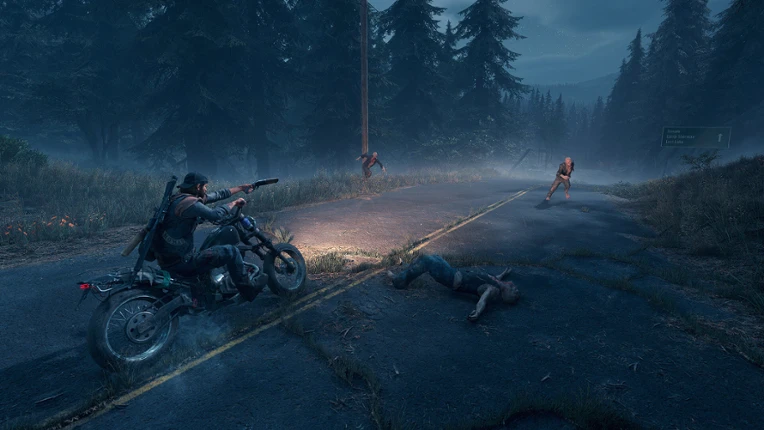



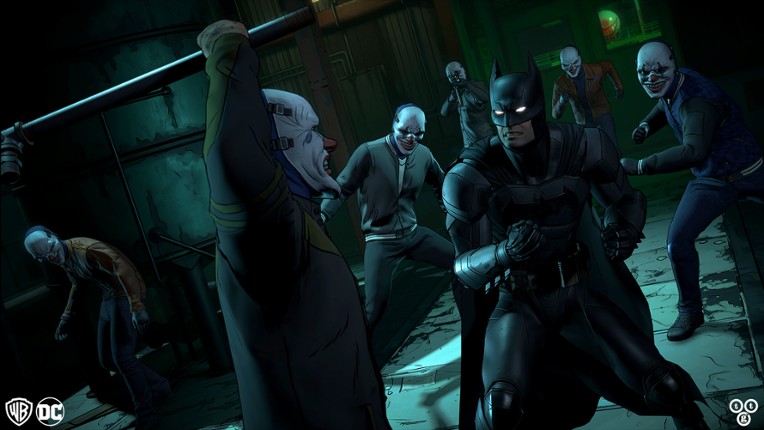


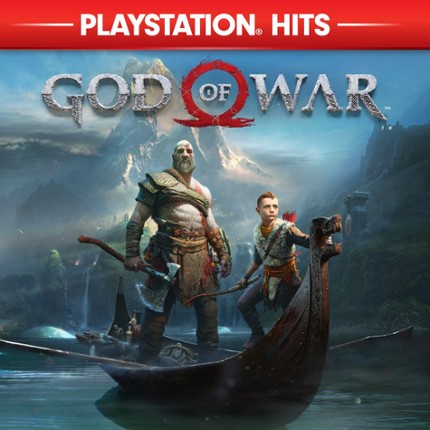
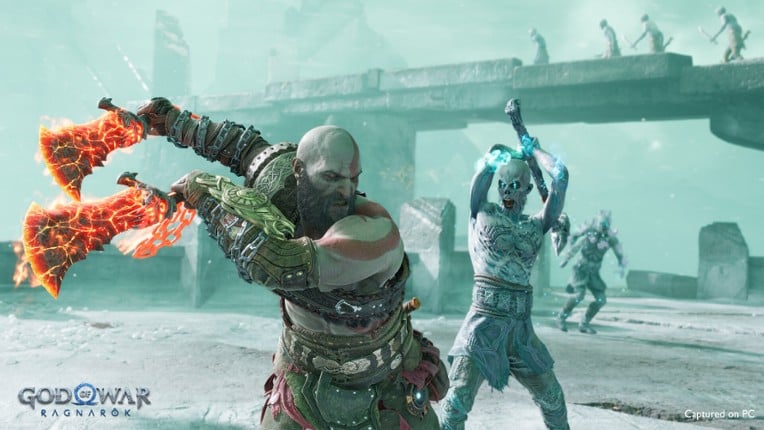
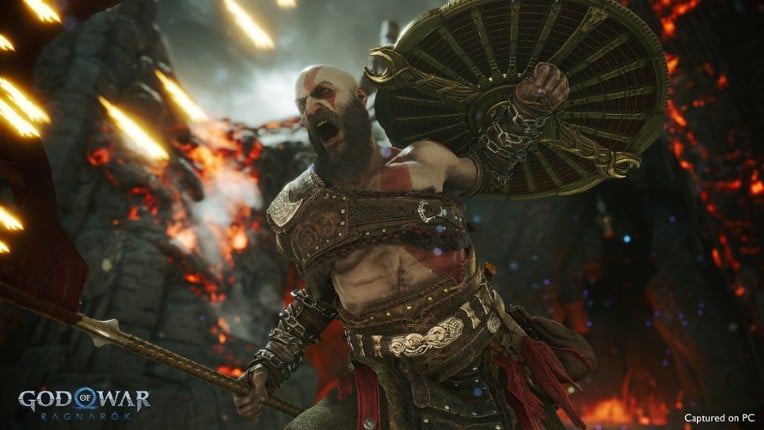
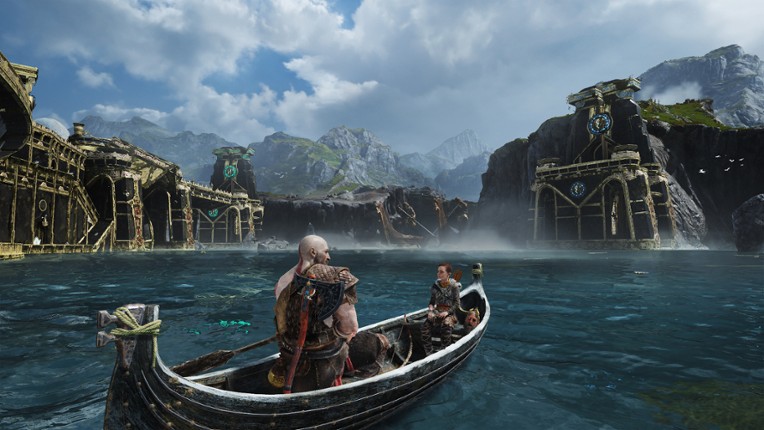
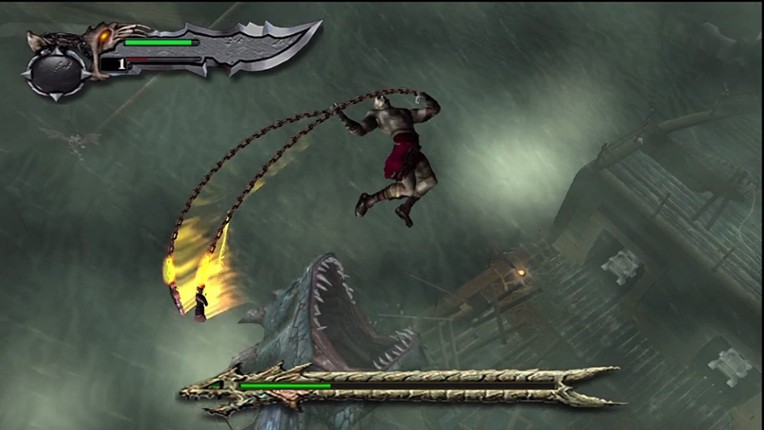
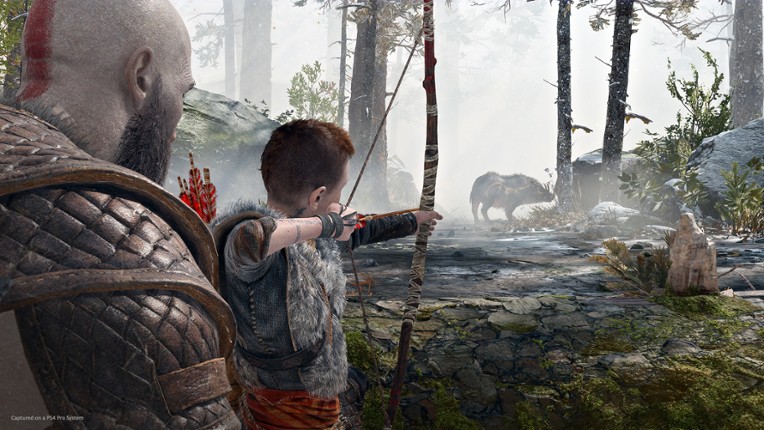
Get God of War, action game for PS4 console from the official PlayStation website. Explore God of War game detail, images, videos, reviews and more. Buy now. If you enjoyed this game, see our list of games similar to God of War.
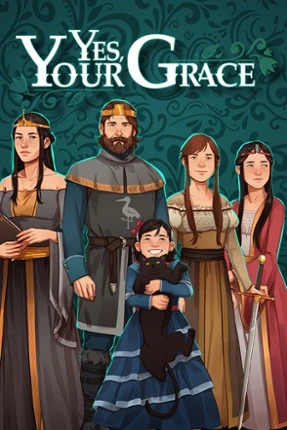
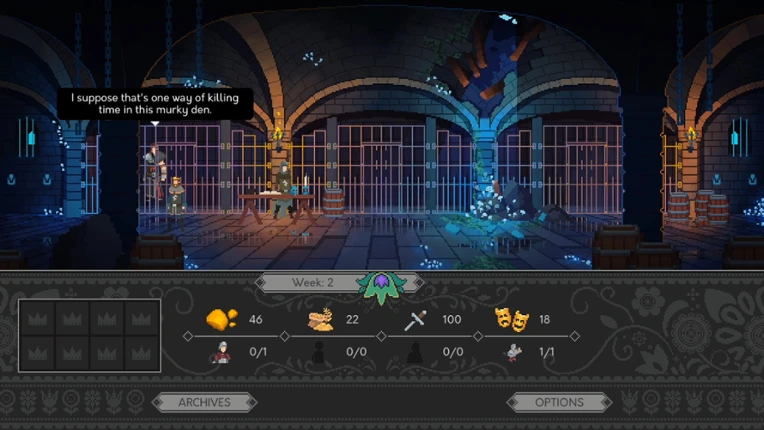
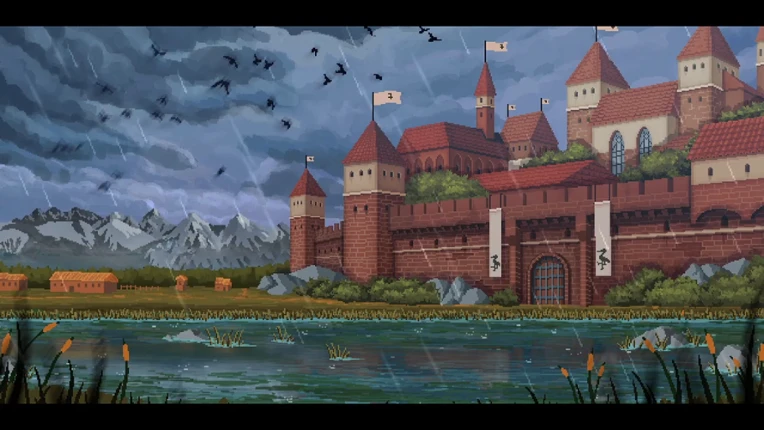
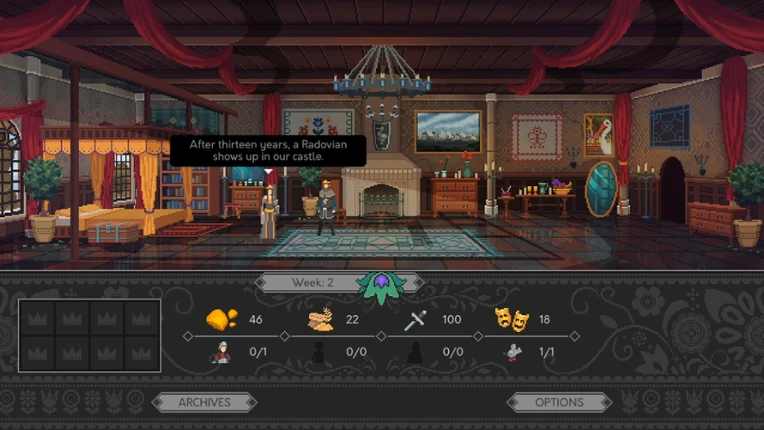
In this kingdom management RPG, petitioners will arrive in the throne room each turn to ask for your advice and assistance. Decide whether to help them with their problems, or to conserve resources for more important matters. Remember: supplies are limited, and not everyone has the kingdom’s best interests at heart... Yes, Your Grace tells a tale of Davern, a medieval kingdom ruled by King Eryk… If you enjoyed this game, see our list of games similar to Yes, Your Grace.
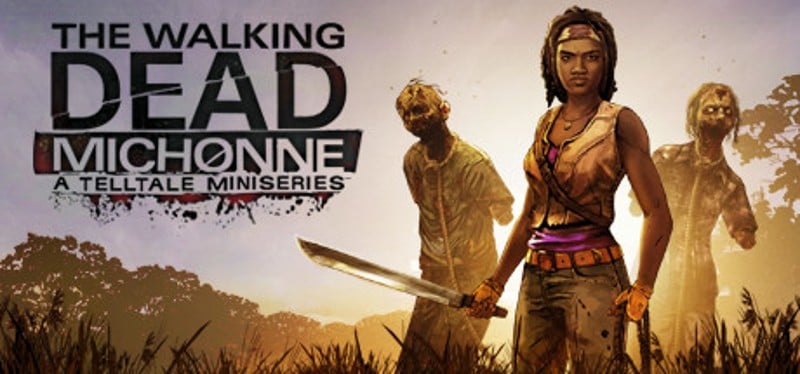
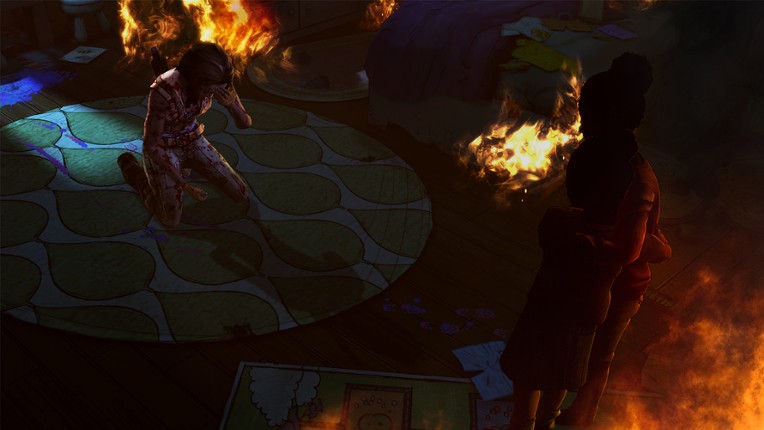
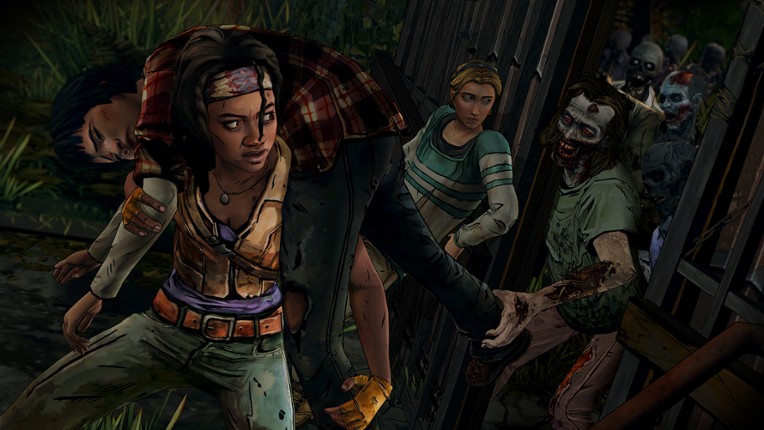
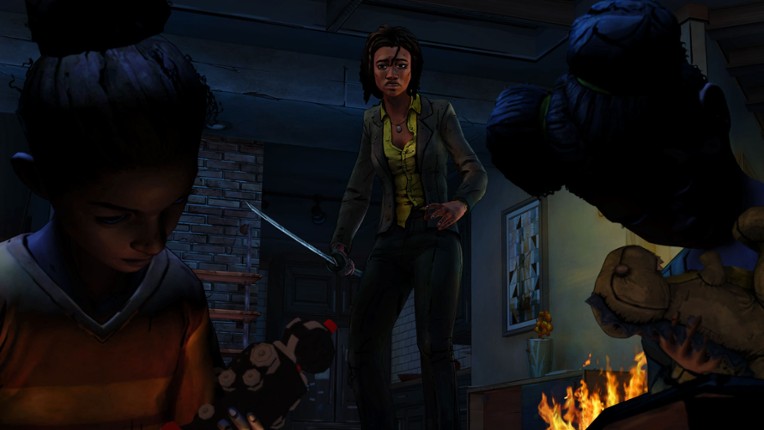
The Walking Dead: Michonne - A Telltale Miniseries stars the iconic, blade-wielding character from Robert Kirkman's best-selling comic books. Haunted by her past, and coping with unimaginable loss and regret, the story explores Michonne's absence between issues #126 and #139 of the comic book. Players will discover what took Michonne away from Rick, Ezekiel, and the rest of her trusted group… and … If you enjoyed this game, see our list of games similar to The Walking Dead: Michonne - A Telltale Miniseries.
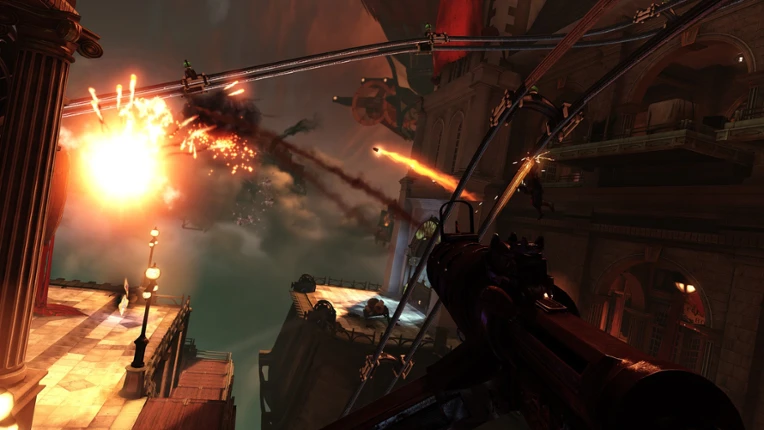
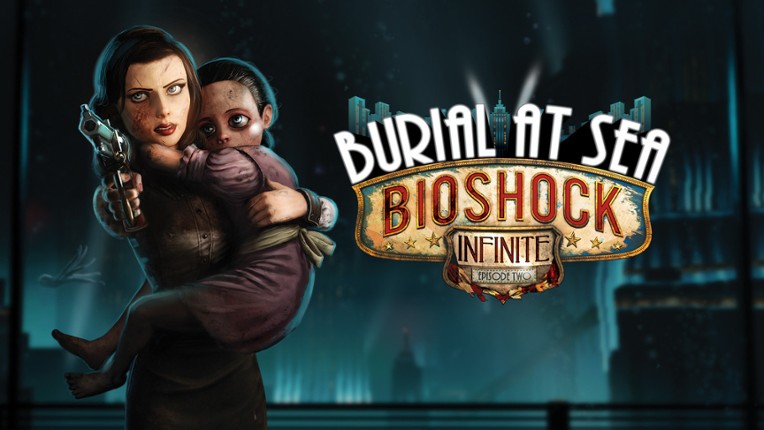
BioShock Infinite: The Complete Edition is a re-release of BioShock Infinite including all its downloadable content. If you enjoyed this game, see our list of games similar to BioShock Infinite.


For emotional, narrative-focused experiences similar to A Way Out, try It Takes Two for its co-op campaign with stunning storytelling, Beyond: Two Souls for cinematic narrative with outstanding performances, and A Plague Tale: Innocence for deeply emotional character development and atmospheric storytelling that rivals A Way Out's cinematic quality.
It Takes Two is available as a free-to-play title, making it the most accessible alternative to A Way Out. It delivers the same co-op campaign experience with story-rich gameplay, emotional depth, and exceptional graphics. While other similar games like Road 96 aren't free, It Takes Two offers the closest experience without purchase.
It Takes Two features 2-player co-op campaigns with local and online support, just like A Way Out. BOKURA offers innovative co-op where each player sees different worlds, requiring communication. The Dark Pictures Anthology: Man of Medan also supports 2-player co-op with branching narratives and cinematic storytelling throughout.
Most alternatives work solo: Beyond: Two Souls, Firewatch, The Walking Dead, Road 96, and A Plague Tale: Innocence are all single-player experiences with story-rich narratives. It Takes Two and BOKURA support single-player modes too, though they're designed for co-op play.
A Plague Tale: Innocence delivers dark, mature themes with a grim medieval setting and emotional character arcs. The Dark Pictures Anthology: Man of Medan features psychological horror and survival elements with atmospheric dread. Beyond: Two Souls explores mature themes of identity and loss with cinematic depth comparable to A Way Out's tone.
Firewatch features a beautiful soundtrack complementing emotional narrative and Wyoming wilderness atmosphere. A Plague Tale: Innocence offers a haunting score enhancing its grim yet beautiful setting. Road 96 and BOKURA also excel with charming soundtracks that elevate their atmospheric, story-driven experiences.


 View Game