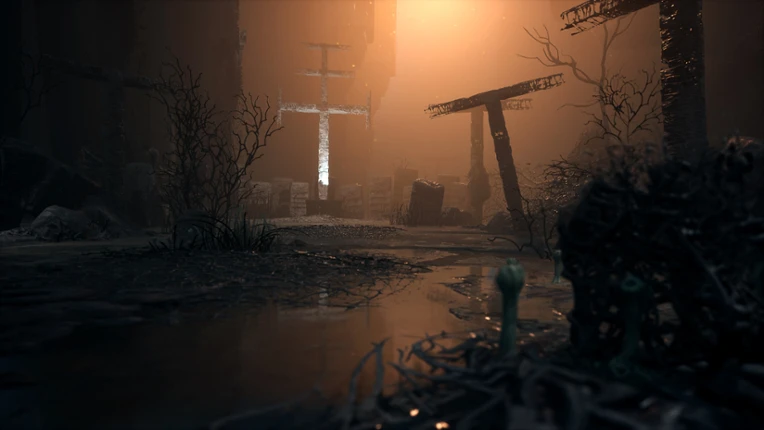
About Senua’s Saga: Hellblade II

Senua’s Saga: Hellblade II is a single player simulation game with horror, fantasy and dark fantasy themes. It was developed by Ninja Theory and was released on May 21, 2024. It received positive reviews from players.

The sequel to the award winning Hellblade: Senua’s Sacrifice, Senua returns in a brutal journey of survival through the myth and torment of Viking Iceland. Intent on saving those who have fallen victim to the horrors of tyranny, Senua faces a battle of overcoming the darkness within and without. Sink deep into the next chapter of Senua’s story, a crafted experience told through cinematic imm…
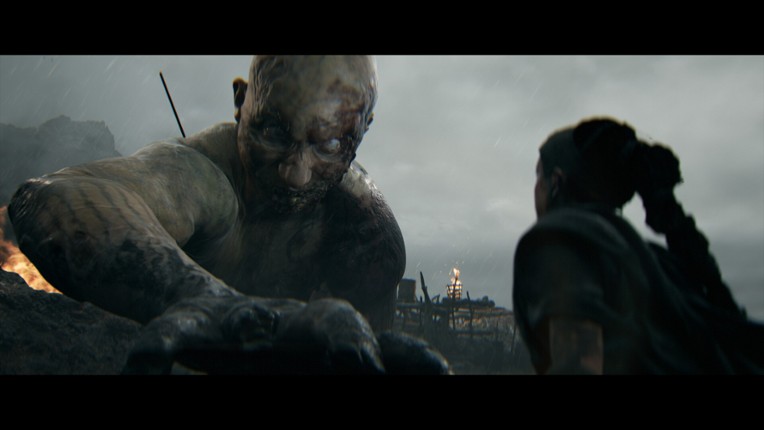
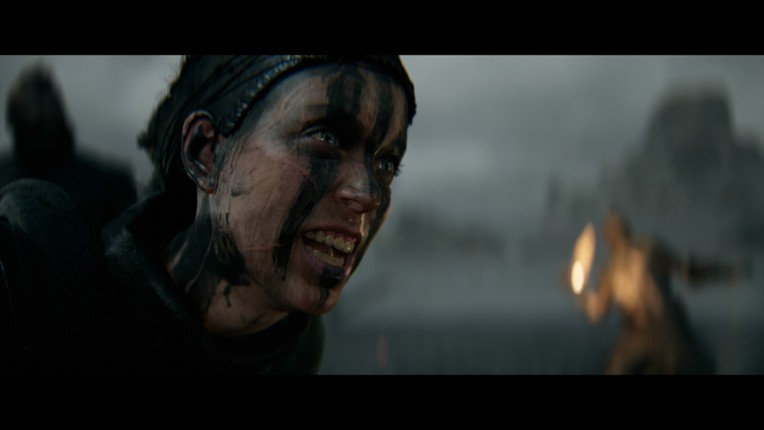
Skip Games Like Senua’s Saga: Hellblade II

Games Like Senua’s Saga: Hellblade II

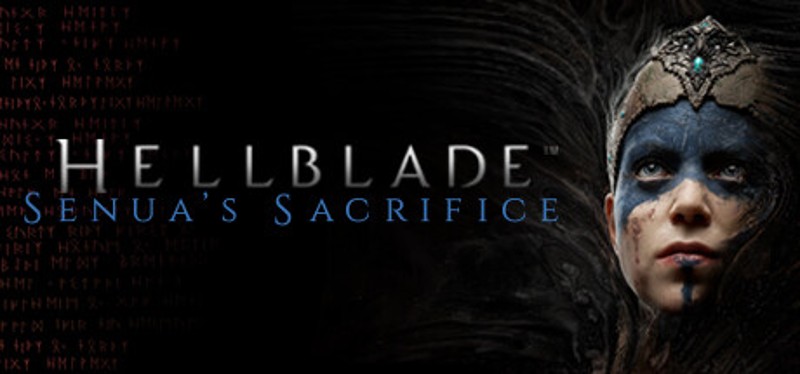
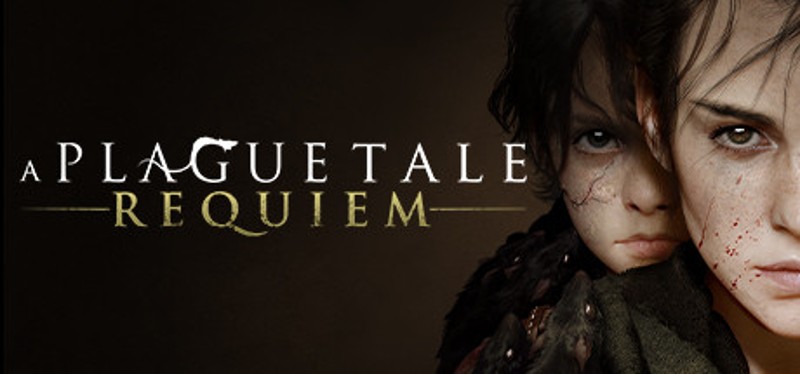
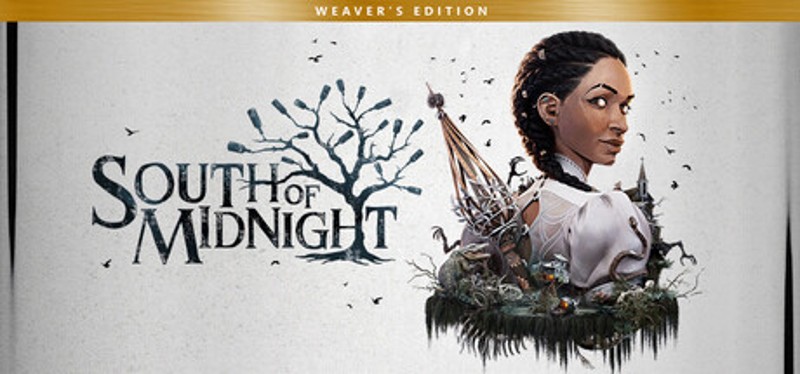
Looking for games like Senua’s Saga: Hellblade II? Here are top simulation recommendations with a horror, fantasy and dark fantasy focus, selected from player-similarity data — start with Hellblade: Senua's Sacrifice, A Plague Tale: Requiem or South of Midnight.

Skip User Reviews

Reviews

84%Audience ScoreBased on 4,617 reviews
story1.2k positive mentions
grinding76 negative mentions

  • Stunning visuals and graphics, considered among the best in gaming with realistic facial animations and breathtaking environmental detail.
  • Exceptional audio design and voice acting, including binaural sound that enhances immersion and psychologically represents psychosis authentically.
  • Engaging and emotionally powerful story that continues Senua's journey with nuanced themes of mental health, trauma, resilience, and Norse mythology.
  • Combat is cinematic, fluid, and brutal with satisfying choreography and weight to each action, focusing on one-on-one fights that feel impactful.
  • Highly immersive experience with seamless transitions between cutscenes and gameplay, making it feel like an interactive movie or art piece.
  • The game is well optimized across platforms, including good performance on mid to high-end PCs and Steam Deck, with accessibility options and developer commentary adding value.
  • Gameplay is minimal and often described as a walking simulator with long periods of slow movement and limited interaction, which can lead to boredom.
  • Combat is simplified compared to the first game, lacking enemy variety and depth, becoming repetitive and sometimes frustrating due to scripted mechanics.
  • Puzzles are simplistic, easy, repetitive, and not well integrated into the narrative, often serving as filler that disrupts pacing.
  • The story, while emotionally engaging, is less impactful and coherent than the first game, with some players finding the narrative rushed or confusing, and an unsatisfying ending.
  • Excessive character voices, especially the 'voices in head', can be repetitive and annoying, detracting from immersion for some players.
  • High hardware demands and occasional performance issues on various systems, along with unavoidable cinematic effects such as black bars and motion blur, frustrate some users.
  • Short overall length with little replay value, which, combined with the price point, leads to criticism about value for money.
  • story

    3,326 mentions Positive Neutral Negative
    36% positive mentions, 60% neutral mentions, 4% negative mentions

    The story of "Senua's Saga: Hellblade II" offers a visually stunning and emotionally charged continuation of the original, exploring themes of mental health, grief, and resilience within Norse mythology. While many praise its immersive narrative and powerful character development, some find the plot less personal, less cohesive, or rushed compared to the first game, with critiques about pacing, underdeveloped side characters, and reduced gameplay depth. Overall, it is highly recommended for fans of story-driven, cinematic experiences, though it may feel more like an interactive movie than a traditional game.

    • “Not only is it very well researched and made with the best intentions to be an informative, empathy building, interactive experience of something very misunderstood and overly stigmatized, all while being very humanizing, but its story is by far one of the best things to come out of the setting in recent memory.”
    • “The voices in Senua's head really do make you believe you're going mad, the atmosphere is downright fantastic, the story is very philosophical, and there's a heck of a lot of symbolism and hidden references (if you know where to look).”
    • “Through top-notch storytelling, animation and voice-acting, the game makes you feel Senua's struggles, immersing you in a photorealistic and cinematic experience that lets you understand the inner condition of a psychotic individual, and reflect on life's struggles.”
    • “The story barely moves, the puzzles are extremely obvious, and the whole experience is basically a straight line from start to finish.”
    • “It's going to sound a bit harsh, but hellblade is basically a tech demo for unreal engine with somewhat of a story.”
    • “The story is shallow and treats senua's psychosis like a superpower rather than a very real mental health struggle, and the metaphors and symbolism are really beaten over your head.”
  • graphics

    1,842 mentions Positive Neutral Negative
    59% positive mentions, 39% neutral mentions, 2% negative mentions

    Reviews unanimously praise the graphics of Hellblade 2 as stunning, photorealistic, and some of the best seen in video games to date, showcasing impressive use of Unreal Engine 5 and cutting-edge motion capture technology. The visuals significantly enhance immersion and atmosphere, with breathtaking environments, detailed character models, and cinematic lighting that contribute to an artful, movie-like experience. However, the high graphical fidelity demands powerful hardware, and some players note performance issues or find that the visual effects like motion blur and film grain can sometimes detract from the clarity.

    • “The graphics are absolutely breathtaking, with photorealistic characters and stunning Icelandic landscapes, while the sound design creates a hauntingly immersive experience—headphones are a must!”
    • “The visuals are stunning, the graphics and the audio design are ridiculously amazing, setting new standards for immersive cinematic gaming experiences.”
    • “Hellblade II excels technically as it is incredible visually and features some truly outstanding playable moments, especially the confrontation with the giants, boasting probably the best graphics in a game for 2024.”
    • “The engine has a lot of performance as well as stability issues, graphical settings issues (lingering artifacts etc.), and it just barely looks and runs well on (at least) medium to high end systems, while it's absolute garbage on low to medium systems (or just old systems).”
    • “Since the game runs on Unreal Engine 5, it carries with it all the best, and more importantly all the worst of that engine - the god awful blurry graphics that plague all UE5 games.”
    • “The graphics is blurry and pixelated, even on highest settings, without black bars, DLAA.”
  • gameplay

    1,313 mentions Positive Neutral Negative
    18% positive mentions, 72% neutral mentions, 10% negative mentions

    The gameplay in Hellblade II is widely regarded as minimalist and heavily streamlined compared to its predecessor, emphasizing cinematic storytelling and immersion over complex mechanics. The experience largely consists of walking, simple puzzles, and mostly one-on-one combat with limited depth, leading many to describe it as closer to an interactive movie or walking simulator. While visually stunning and emotionally engaging, the gameplay lacks variety, challenge, and meaningful player agency, which may disappoint those seeking a more traditional or robust gameplay experience.

    • “The graphics quality is better than anything I've seen but I was most impressed with the combat gameplay.”
    • “The story and horror themes were not as good as they were in the first game, however the gameplay and visuals make up for it.”
    • “All in all, it's not only a great improvement over an already great game, but it ironically feels more like a game than just a psychosis simulator with gameplay elements.”
    • “However, there is little to no gameplay; 90% of the game is spent walking, with the remaining 10% split between heavily scripted combat and some mostly annoying puzzles.”
    • “The actual gameplay is minimal – mostly walking, repeating one or two puzzle mechanics, and engaging in basic swordplay (light/heavy attacks and dodging) that rarely evolves.”
    • “Sadly, compared to the first game, the gameplay is much more stripped down, leaning more toward a walking simulator than a fully interactive experience.”
  • music

    463 mentions Positive Neutral Negative
    51% positive mentions, 47% neutral mentions, 2% negative mentions

    The music in the game is widely praised for its exceptional quality, atmospheric composition, and emotional impact, with special mention of the involvement of the Nordic folk band Heilung. The soundtrack effectively enhances immersion, complements the story, and elevates key moments such as boss fights and scenic exploration. While some feel it lacks the intensity or memorable impact of the first game, overall the audio design and music are considered a standout, integral part of the cinematic and emotional experience.

    • “The soundtrack, especially the ending credits song by Aurora, is beautiful and truly emotional, perfectly fitting the game's atmosphere.”
    • “The music and sound design are phenomenal, with intense battle songs and contributions from the folk band Heilung adding depth and authenticity to the experience.”
    • “This game features an exceptional soundtrack that deeply enhances immersion, with music that feels like a living part of the world and masterfully supports the narrative and gameplay moments.”
    • “As someone who was very excited about the band Heilung being involved in the soundtrack, I'm sad to say the music never really had any memorable moments.”
    • “There was no intense music or emotional moments during combat like there was in the first game, so it felt very bland.”
    • “The soundtrack is just okay compared to the first game.”
  • atmosphere

    394 mentions Positive Neutral Negative
    57% positive mentions, 42% neutral mentions, 1% negative mentions

    Hellblade II is widely praised for its stunning, immersive atmosphere characterized by breathtaking visuals, exceptional sound design, and emotionally charged storytelling. The game's dark, psychological, and haunting ambiance deeply engages players, creating a cinematic experience that often overshadows simpler gameplay mechanics. Many reviewers note it as a masterclass in atmosphere, with detailed environments and binaural audio that pull players into Senua’s world like few other games have.

    • “Hellblade II is an absolute masterpiece that excels in every aspect, from its audio and atmosphere to its stunning graphics and impeccable soundtrack.”
    • “The unparalleled audio design pulls you deep into Senua's fractured world, while the cinematic visuals and motion capture are staggeringly realistic, creating an atmosphere thick with tension and beauty.”
    • “From the moment you step into Senua's world, you're enveloped in an atmosphere that is as haunting as it is beautiful, a testament to the exceptional craftsmanship of Ninja Theory.”
    • “The puzzles are easier and way less frequent, the atmosphere is nowhere near tense or claustrophobic, the voices in Senua's head that once were scary and actually cast doubts in every step I took are now just plain annoying, and the combat is just sluggish and also scarce.”
    • “The story wasn't as personal as in the first one and especially the group of companions detracts from the isolating atmosphere that defined the first story where Senua and the player questioned themselves if something was real or just in her head.”
    • “Also, some battles don't fit the atmosphere or the situation you're into and it's like the developers just said 'ok, too many cut scenes... too little interactivity for some time now... put a few enemies in there'.”
  • optimization

    340 mentions Positive Neutral Negative
    35% positive mentions, 53% neutral mentions, 12% negative mentions

    Optimization for the game is highly divisive; while some praise it as exceptionally well-optimized for a UE5 title, running smoothly on high-end systems even through translation layers like Crossover on Mac, others report frequent stuttering, performance drops, and poor optimization issues especially on mid-range or older hardware. The game demands top-tier GPUs for stable high settings performance, and although scalable with technologies like DLSS and FSR, some players still experience hitching and frame drops in certain areas. Overall, the optimization delivers stunning visuals and cinematic performance at a cost, requiring powerful hardware to fully enjoy a consistently smooth experience.

    • “Crossover review for the lazy: 5/5, runs like native, just really excellent compatibility and optimization.”
    • “For a UE5 game, it is egregiously well-optimized; I'm able to run it at 2k on medium settings with HDR through Crossover on a MacBook Pro. The game is breathtakingly well-rendered, with loads of neat tricks like water hitting the rocks, rain, and god rays.”
    • “Thankful with the budget of Microsoft, very polished Unreal Engine 5 settings that work (mostly). This is definitely one of the most optimized games utilizing UE5 that I have played.”
    • “The engine has a lot of performance as well as stability issues, graphical settings issues (lingering artifacts etc.), and it just barely looks and runs well on (at least) medium to high end systems, while it's absolute trash on low to medium systems (or just old systems).”
    • “The game is so badly optimized, that there is no option to turn off super sampling, which makes the picture worse.”
    • “My biggest frustration with the game is it suffers from what I'm calling the plague of gaming that is the unoptimized, upscaled to trash, frame generation garbage known as Unreal Engine 5.”
  • emotional

    334 mentions Positive Neutral Negative
    99% positive mentions, 0% neutral mentions, 1% negative mentions

    The Hellblade series is widely praised for its deeply emotional and immersive storytelling, with Senua’s character and psychological journey resonating powerfully with players. While the first game is often regarded as more intense and raw in emotional impact, the sequel is noted for its stunning visuals, strong performances, and continued emotional depth, albeit sometimes more subdued or meditative. Overall, both games deliver a profound, soul-stirring experience that blends haunting atmosphere, psychological themes, and compelling character development.

    • “Senua’s story is deeply immersive, emotional, and powerful on so many levels.”
    • “Senua is still a great character, even greater, her story and struggle is so deep, human and well portrayed that the immersion, the empathy and the shared feelings are actually touching; I found myself tearing up for her, cheering for her and sharing her roaring will power to overcome all that she faced.”
    • “This is a profound, soul-stirring journey about trauma and resilience, delivered with unparalleled technical artistry and emotional depth.”
    • “Boring story, boring combat, boring "puzzles", boring characters and dialogue.”
    • “I could talk about all the things other people complain about: restricted linear path, boring story, no real plot, voices being just directions, no character (Senua is actually not in this game, they just used her likeness), no real connection to NPCs, joke puzzles, tedious walking, and the awful, just awful combat.”
    • “Disastrous gameplay, boring story arc.”
  • grinding

    92 mentions Positive Neutral Negative
    4% positive mentions, 13% neutral mentions, 83% negative mentions

    Grinding is generally absent in the game, with no leveling, loot, or farming, which some players appreciate as a break from typical RPG mechanics. However, many find the gameplay tedious due to repetitive and slow puzzles, simplistic and unenjoyable combat, and lengthy, unengaging walking segments that detract from the overall experience. While the cinematic presentation is praised, the lack of diversified, challenging gameplay leads to a feeling of monotony and boredom for a significant number of players.

    • “From the gameplay angle, I love that it has no UI, no grinding/levelling, no dialogue trees, etc., just Senua and her world.”
    • “Absolutely amazing story and feels like a cinematic experience, short and linear gameplay with no grinding for gears and all the crazy stuff with most games nowadays.”
    • “No side quests, no grinding/farming, no exploration.”
    • “You'll need a second life for grinding.”
    • “The combat is tedious... incredibly repetitive, feels automated.”
    • “The combat is very one-note and those encounters become tedious as a result - not hard, just annoying and feels exactly the same with each encounter.”
  • replayability

    72 mentions Positive Neutral Negative
    17% positive mentions, 54% neutral mentions, 29% negative mentions

    Hellblade II is generally viewed as a short (around 6-8 hours) and linear experience with limited replayability, primarily due to its non-branching story and lack of varied gameplay systems. While some praise the inclusion of alternative narrators and extra challenges that add modest replay value, most agree it is best enjoyed as a one-time, immersive narrative experience rather than a game with extensive replay potential. Consequently, many recommend purchasing it on discount given its limited longevity.

    • “I especially appreciated the three narration options, which added depth and some replay value.”
    • “Pros: breathtaking audiovisuals – from incredibly detailed environments and cinematic camera work to top-tier sound design; probably the most beautiful game on Unreal Engine 5; immersive atmosphere; epic combat; a psychologically well-crafted story; engaging characters; full Czech subtitles; collectibles that expand the world and lore; replayability through alternative story perspectives; film-quality performances; authentic environments captured with photogrammetry; and binaural audio that makes you feel like you’re truly inside Senua’s head.”
    • “Once you beat the game once you also unlock narration from some of the other characters you meet for your next playthrough, which I think is a really fascinating way to add replay value since you get to keep learning new things about the characters in a story that is still mostly Senua focused on the initial playthrough.”
    • “If you’re looking for gameplay, systems, or replay value, this isn’t it.”
    • “€50 for a 6 hour experience which has 0 replay value, the story is honestly confusing and not worth the price point, the only saving grace is the art, that's it.”
    • “Value: the biggest drawback is the length; it offers roughly 8.5 hours of playtime with zero replay value due to a non-branching story.”
  • character development

    31 mentions Positive Neutral Negative
    35% positive mentions, 55% neutral mentions, 10% negative mentions

    The character development in this sequel extends Senua's story meaningfully with mature tones and emotional depth, maintaining her strong and compelling design. However, many reviewers feel it lacks the nuanced growth and impact of the first game, criticizing rushed side characters, repetitive elements, and underwhelming progression. While some appreciate the cinematic storytelling and new additions, others find the development less engaging and less integral than before.

    • “While the first game was groundbreaking in terms of storytelling and scope, this chapter of Senua's journey extends her story in a truly meaningful way, with each act not just creating emotional impacts but also great character development for our tired but strong protagonist.”
    • “Story and character growth: the story is very well written, and I like the addition of new people in Senua's journey. Her character development with the voices in her head is really well written, showing that what Senua faces and goes through in her mind is not easy to conquer, and what her views and goals are as the story progresses. This is probably the second strongest aspect of the game.”
    • “Everything from the character development, the fights, the music, the animations, and the graphics is just insanely good.”
    • “On the other hand, the story and writing is crowded with fillers, shallow or unfinished character development, and an underwhelming and anticlimactic ending.”
    • “But while in the first game we saw character development with all the traumas, abuse and horrors coming back at you, frightening you - and then being overcome - the second game is just the boring repetition of the voices telling you the same things over and over again.”
    • “More importantly, character development of the three companions is extremely light and disappointing because what we do get is interesting.”
  • stability

    20 mentions Positive Neutral Negative
    35% positive mentions, 0% neutral mentions, 65% negative mentions

    The game demonstrates impressive stability, running smoothly with minimal bugs or crashes reported, even on release day. Some users experienced rare minor glitches or slight combat issues, but these did not significantly impact the overall polished experience. Performance is consistently strong across various setups, making it a notable exception to the common trend of buggy launches.

    • “Though it says a lot that people with the systems to do it justice could count on a basically bug-free and perfectly clean experience on day 1, a hyper rarity these days for a game this technologically cutting edge.”
    • “It's so nice to have a game that runs great on day one.”
    • “I'm 5 hours in and I feel like I am toward the end of the game, so it is a bit shorter than I expected but everything is solid, game runs great and it's about the same length as the first one.”
    • “I didn't want an unfinished experience, buggy mess.”
    • “I still haven't gotten past the first cut scene of the game since it freezes, but the audio still works.”
    • “My only complaint is that combat felt a little buggy at times, but I'm playing with mk and didn't bother to redo the controls so that could easily be on me.”
  • monetization

    18 mentions Positive Neutral Negative
    17% positive mentions, 11% neutral mentions, 72% negative mentions

    The monetization approach is generally praised for avoiding intrusive microtransactions and cash grab tactics, focusing instead on delivering a premium experience without gameplay-affecting purchases. Some users criticize the lack of advertising leading up to release, which kept the game under the radar despite its high-quality production and value. Overall, the game is seen as a fair, non-exploitative purchase compared to many modern titles laden with microtransactions.

    • “No microtransactions.”
    • “No intrusive monetization.”
    • “Microtransactions that only affect cosmetics, not gameplay.”
    • “Can only think this was a quick cash grab by the studio; but congratulations people won't buy any more of these games.”
    • “I didn't find it good and honestly felt it was lazy, boring, disrespectful, and a bit of a cash grab release.”
    • “-- microtransactions that in any way affect gameplay (cosmetic purchases are allowed).”
    • “You’re not getting the same amount of hours you would a long RPG, but nowadays you’re paying $70 USD plus more if you’re getting microtransactions or deluxe editions for most RPGs, and most of the gameplay boils down to repetitive grinding.”
  • humor

    14 mentions Positive Neutral Negative
    100% positive mentions, 0% neutral mentions, 0% negative mentions

    The humor in the game is often described as unintentionally funny, with moments that provoke laughter due to odd or nonsensical elements, such as character interactions and gameplay quirks. While some find amusement in certain dialogue and situations, the comedic aspects are generally seen as flaws rather than deliberate humor. Overall, the humor adds a lighthearted but somewhat awkward tone to the experience.

    • “The voices don't even help in combat anymore except talking trash to Senua {always funny} and Druth says nothing in this one other than the totems you find {I miss and love Druth} even though he said he would be by her side till the end {in the first one}.”
    • “Without spoiling, this leads to a hilariously nonsensical villain whose half-baked motivations only damper an already poor excuse for a climax.”
    • “- [spoiler] Hiddenfolk 2: electric bo... - I mean walk underwater... cool for a few seconds, but after laughing at the "hello, I'm under the water" meme-like situation, I just hoped it would end soon [/spoiler].”
Skip Game Offers

Buy Senua’s Saga: Hellblade II

Play Times

8h Median play time
12h Average play time
6-10h Spent by most gamers
*Based on 58 analyzed playthroughs
Skip Videos

Videos

Skip FAQs

Frequently Asked Questions

Senua’s Saga: Hellblade II is a simulation game with horror, fantasy and dark fantasy themes. Common tags for Senua’s Saga: Hellblade II include psychological, gaming, third person, psychological horror, mythology and others.

Senua’s Saga: Hellblade II is available on Xbox Series X|S, PC, Xbox One, Windows and others.

On average players spend around 12 hours playing Senua’s Saga: Hellblade II.

Senua’s Saga: Hellblade II was released on May 21, 2024.

Senua’s Saga: Hellblade II was developed by Ninja Theory.

Senua’s Saga: Hellblade II has received positive reviews from players. Most players liked Senua’s Saga: Hellblade II for its story but disliked it for its grinding.

Senua’s Saga: Hellblade II is a single player game.

Similar games include Hellblade: Senua's Sacrifice, A Plague Tale: Requiem, South of Midnight, Neva, A Plague Tale: Innocence and others.