



Games like Firewatch
Looking for games like Firewatch? If you fell in love with Firewatch’s emotional storytelling, solitary wilderness exploration, and character-driven narrative, you’re not alone. Firewatch set a high bar for story-rich first-person experiences — and there are plenty of other games that will scratch the same itch.
Firewatch is celebrated for its intimate voice-over dialogue, open landscapes, and slow-burn mystery, and this page helps you discover similar titles where atmosphere, story, and exploration take center stage. Whether you want contemplative walk-and-talk experiences, heartfelt emotional journeys, or compelling mysteries with minimal combat, you’ll find something here.
What Makes a Great “Firewatch-like” Game?
Games like Firewatch typically share one or more of the following:
- Narrative-driven storytelling — a strong, personal tale that unfolds as you explore.
- Exploration and atmosphere — immersive worlds where the environment tells as much of the story as dialogue.
- Character connections — meaningful relationships, voice-led conversations, or internal journeys.
- Minimal combat — gameplay focused more on discovery than violence.
- Immersive perspective — often first-person (or similarly intimate) to deepen presence and mood.
Below you’ll find top picks for games like Firewatch, spanning emotional dramas, mystery exploration, and artistic adventure.
- 94%Game Brain ScoreMost mentioned positive aspects:story, gameplayMost mentioned negative aspects:replayability, grinding94% User Score 18,415 reviews
That feeling in Firewatch of piecing together something unsettling through exploration alone — no combat, no objectives forcing your hand — is exactly the emotional engine powering What Remains of Edith Finch. Both games trust the player to carry the weight of discovery, using a first-person perspective and environmental storytelling to make revelations land harder.
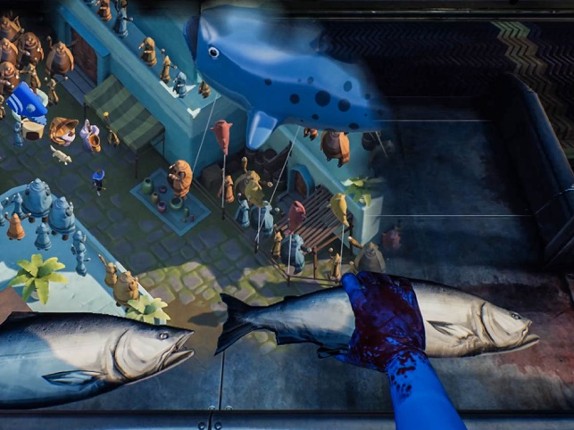
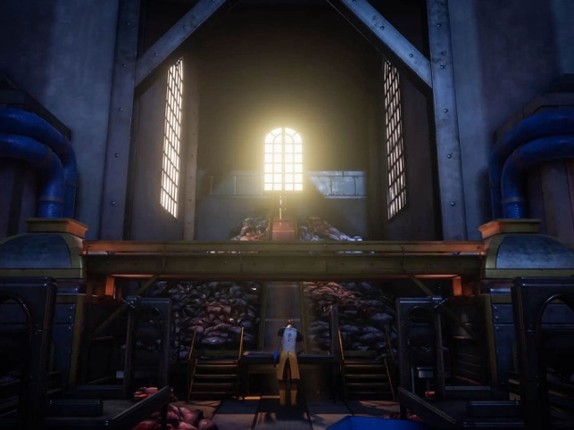
The atmospheric, story-rich pacing carries over directly, but here it's compressed into vignettes rather than an open world. Each short sequence reframes how you understand the whole — a structure that rewards the same careful attention Firewatch players already bring to dialogue and detail. The result is that same slow-burn emotional payoff, just delivered in a different shape.
Where Firewatch sometimes drew criticism for a finale that left threads dangling, Edith Finch's anthology structure means every story closes fully on its own terms. The tradeoff is scale — this is a tighter, more curated experience rather than a world you roam freely.
Best for Firewatch fans who connected most with its emotional gut-punches and can appreciate craft over runtime.
If you enjoyed this game, see our list of games similar to null.View Game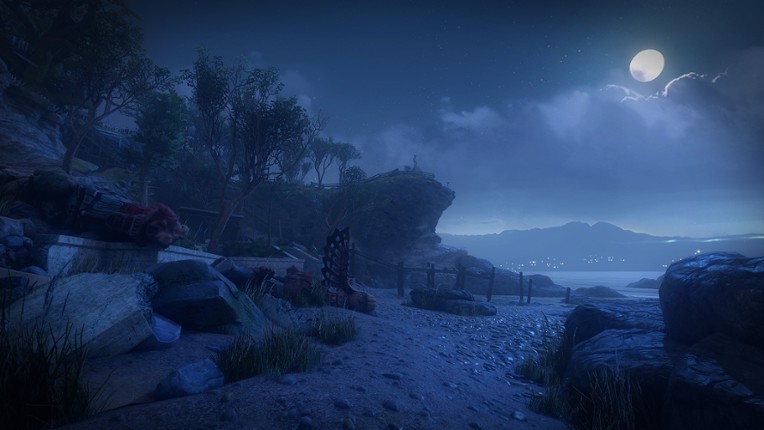
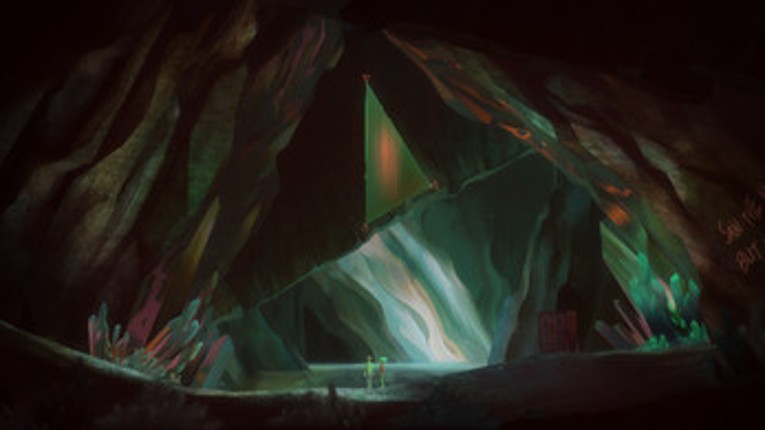
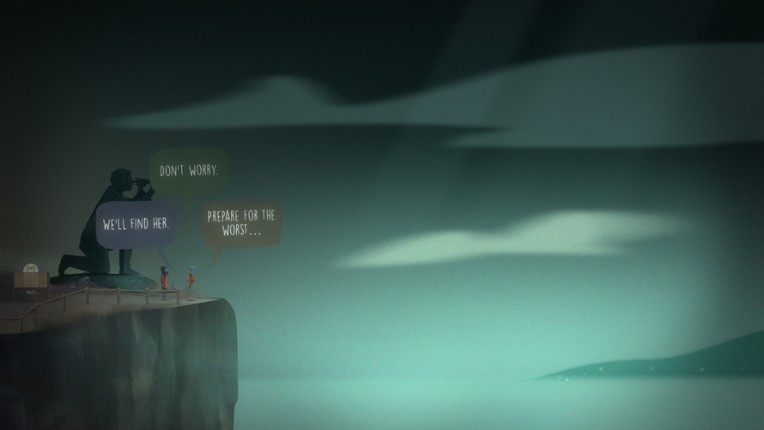
- 86%Game Brain ScoreMost mentioned positive aspects:story, musicMost mentioned negative aspects:grinding, stability92% User Score 8,505 reviewsCritic Score 80%45 reviews
Both titles center on the friction of building a relationship through constant, reactive conversation while navigating an isolated landscape. Oxenfree mirrors the radio banter between Henry and Delilah through a walk-and-talk dialogue system that allows you to interrupt or remain silent, directly shaping how companions perceive you. This creates a high-stakes social rhythm where your verbal timing is just as vital to the experience as your physical destination.
The isolation of the Wyoming wilderness finds a spiritual successor in the eerie, synth-heavy atmosphere of Edwards Island. A haunting soundtrack anchors every discovery, heightening the tension of a mystery that slowly unravels through environmental investigation.
Where Firewatch players sometimes found the linear ending anticlimactic, this journey introduces multiple endings and branching paths that put the narrative resolution in your hands. It trades grounded realism for a supernatural, psychological thriller angle, providing a fresh, ghostly lens on themes of personal struggle.
Best for players who prioritize character chemistry and want their dialogue choices to leave a permanent mark on the story.
If you enjoyed this game, see our list of games similar to Oxenfree.View Game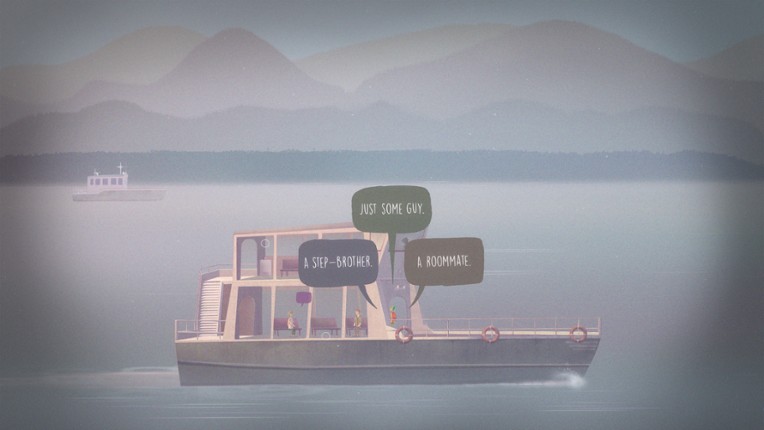
- 93%Game Brain ScoreMost mentioned positive aspects:story, musicMost mentioned negative aspects:grinding, stability93% User Score 4,361 reviews
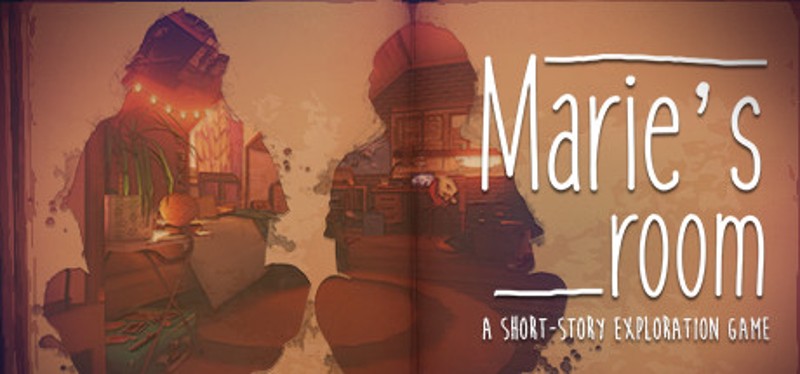
Both games trap you in confined spaces and let atmospheric exploration and object interaction do the heavy lifting of storytelling. Rather than cutscenes or exposition, you piece together emotional narratives by moving through environments and discovering details—a mechanic that rewards patient observation over action.
The first-person perspective combined with a haunting soundtrack creates that same sense of isolation Firewatch nails. In Marie's Room, this pairing intensifies psychological unease rather than wilderness solitude, but the core player behavior—lingering in spaces, absorbing mood through sound design—remains intact.
Where Firewatch stretches its runtime with walking and minimal interaction, Marie's Room compresses the experience into 30–60 minutes of pure narrative density. This trades Firewatch's slower burn for concentrated emotional impact, eliminating the tedium complaints some players had with the original.
Marie's Room pivots toward psychological horror rather than mystery-thriller drama, introducing an edge that keeps the exploration feel fresh. The story leans darker and less resolved by design.
Best for players who valued Firewatch's relationship-focused storytelling and atmospheric world-building but wished the pacing tightened and the payoff landed harder.
If you enjoyed this game, see our list of games similar to Marie's Room.View Game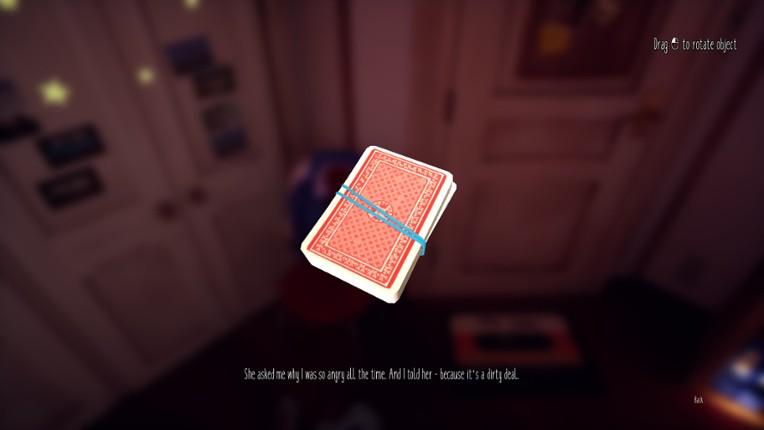

- 86%Game Brain ScoreMost mentioned positive aspects:story, musicMost mentioned negative aspects:stability, grinding95% User Score 75,297 reviewsCritic Score 75%8 reviews
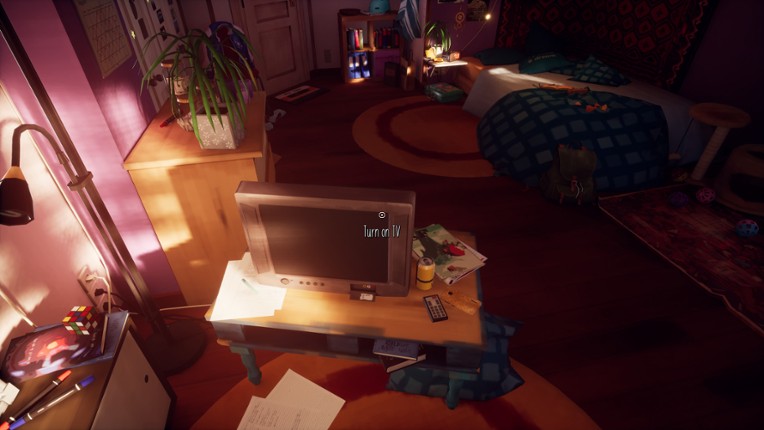
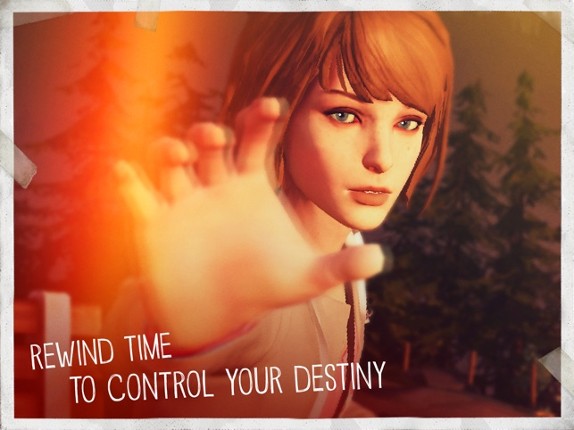
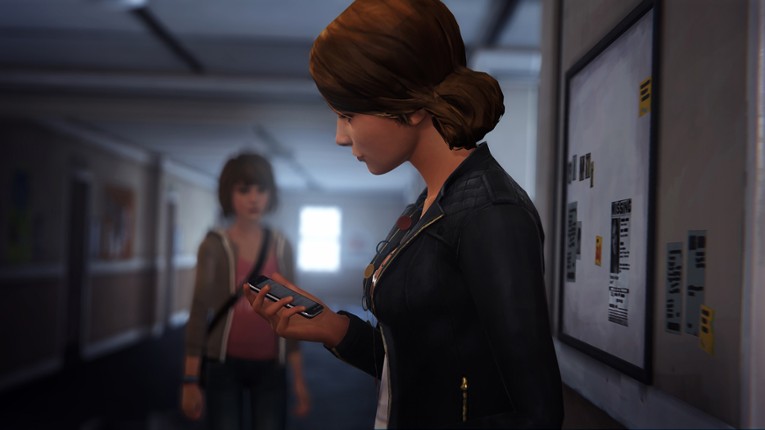
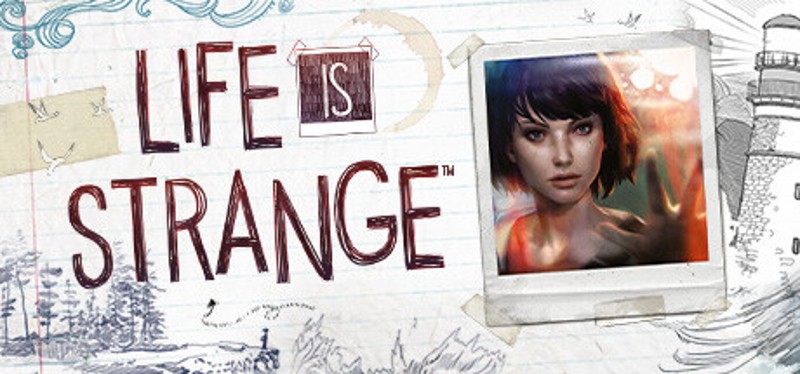
Both Firewatch and Life is Strange center on emotionally charged, story-rich experiences driven by character interaction. Life is Strange adds meaningful player choice and time manipulation mechanics, raising stakes and replay value beyond Firewatch's linear narrative. This mechanic anchors its compelling drama and heightens player agency.
The games share a vibrant, stylized art direction and carefully curated soundtracks, which reinforce their atmospheric storytelling and emotional tone. However, Life is episodic with slower pacing and some frustrating fetch quests, while Firewatch offers a more straightforward, compact journey focused on exploration and dialogue.
Pick Life is Strange if you want branching narratives and puzzle-driven time-rewind gameplay but can tolerate occasional pacing issues and softer choice impact. Firewatch suits players craving a tighter, more focused narrative adventure with a stronger emphasis on atmosphere and mood.
If you enjoyed this game, see our list of games similar to Life is Strange.View Game
- 77%Game Brain ScoreMost mentioned positive aspects:story, musicMost mentioned negative aspects:grinding, stability76% User Score 2,013 reviewsCritic Score 79%7 reviews
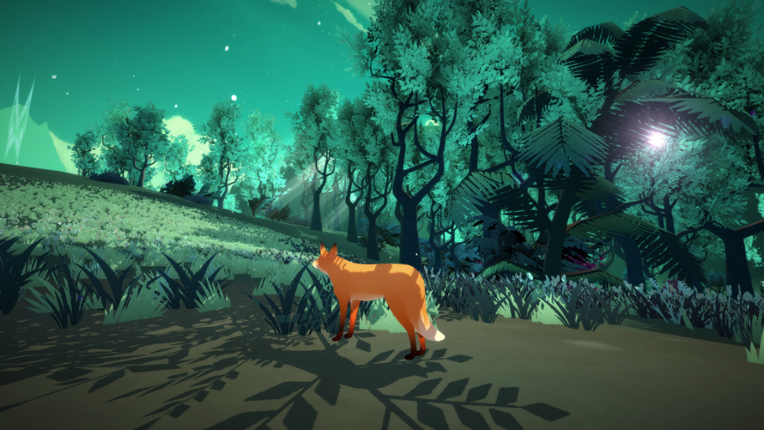
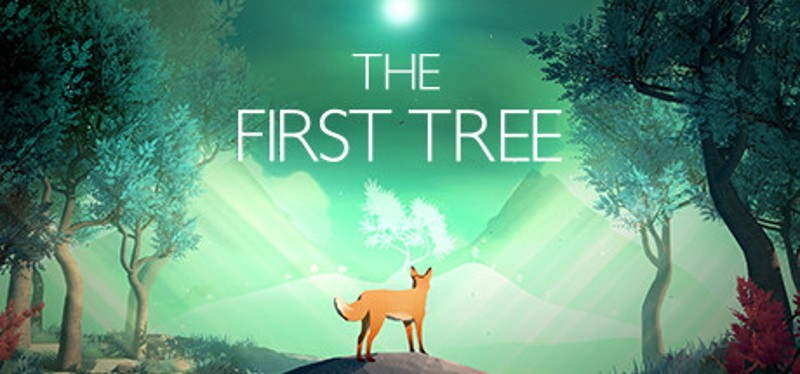
Slow, solitary wandering drives both games: you move through big natural spaces, listen for story beats, and let the environment set the emotional pace. That rhythm gives The First Tree the same meditative feel Firewatch fans respond to, where walking itself becomes part of the storytelling.
Like Firewatch, it leans on story-rich exploration, atmosphere, and a great soundtrack to carry the experience. The emotional weight lands through quiet traversal and narration, which makes the scenery feel less like a backdrop and more like part of the character’s inner life.
The main tradeoff is tone and structure: The First Tree swaps Firewatch’s dialogue-driven mystery for a more personal, reflective journey centered on loss. It also answers one Firewatch criticism by being brief and focused, so the experience stays compact instead of stretching into repetitive downtime.
Best for players who want a short, contemplative walk through beautiful spaces with feeling at the center.
If you enjoyed this game, see our list of games similar to The First Tree.View Game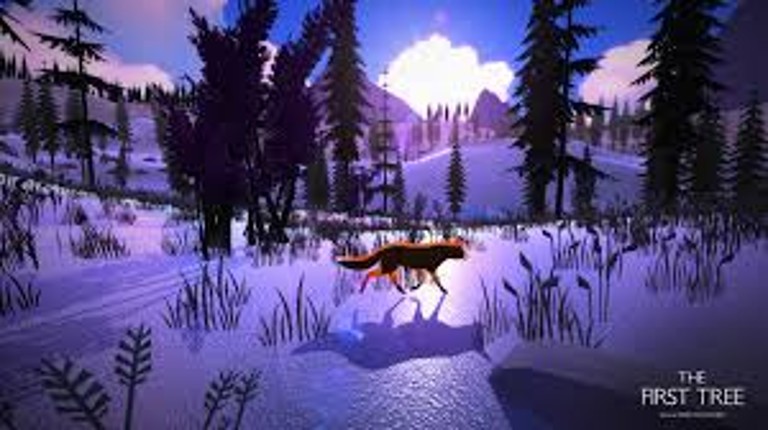
- 81%Game Brain ScoreMost mentioned positive aspects:story, graphicsMost mentioned negative aspects:optimization, stability88% User Score 4,362 reviewsCritic Score 75%40 reviews
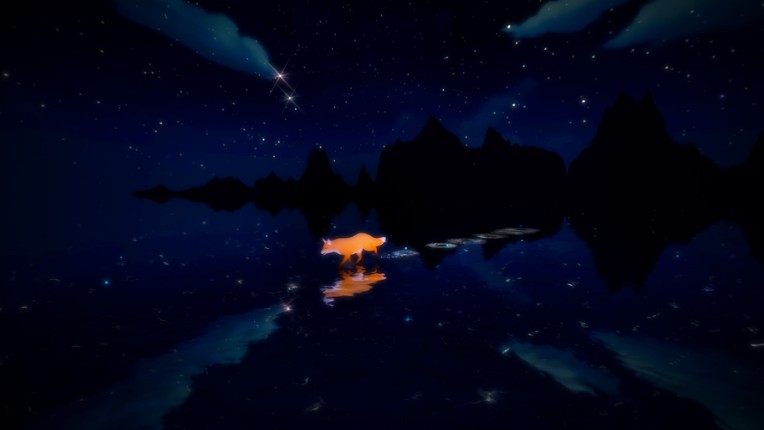
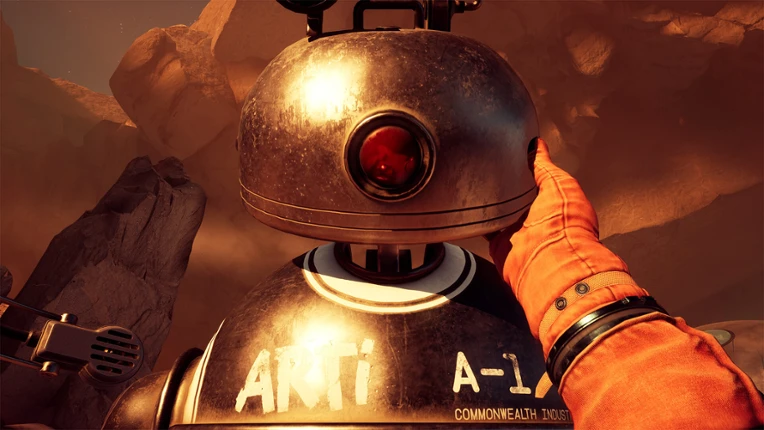
The core of both games is isolation-driven radio communication, forcing you to bond with a distant voice while navigating a hostile landscape. This reliance on dialogue creates an intimate tether that keeps you grounded despite the encroaching sense of dread.
While Firewatch grounds its mystery in terrestrial human drama, The Invincible shifts focus toward the philosophical unknown of deep space. You are trading Wyoming’s natural beauty for a harsh, retro-futuristic alien environment that prioritizes hard science over character-driven confessions.
Pick this up if you crave Firewatch’s steady, contemplative pacing and narrative-heavy exploration, but are willing to sacrifice some emotional warmth for a grittier, high-stakes science fiction setting.
If you enjoyed this game, see our list of games similar to The Invincible.View Game

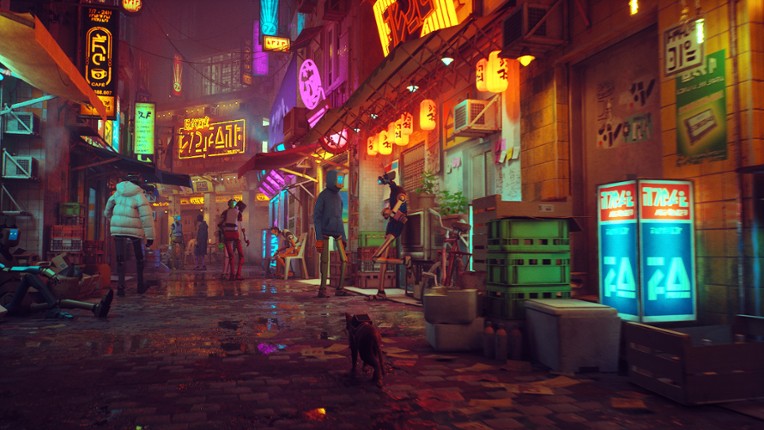
- 95%Game Brain ScoreMost mentioned positive aspects:story, graphicsMost mentioned negative aspects:stability, grinding97% User Score 135,040 reviewsCritic Score 85%1 reviews
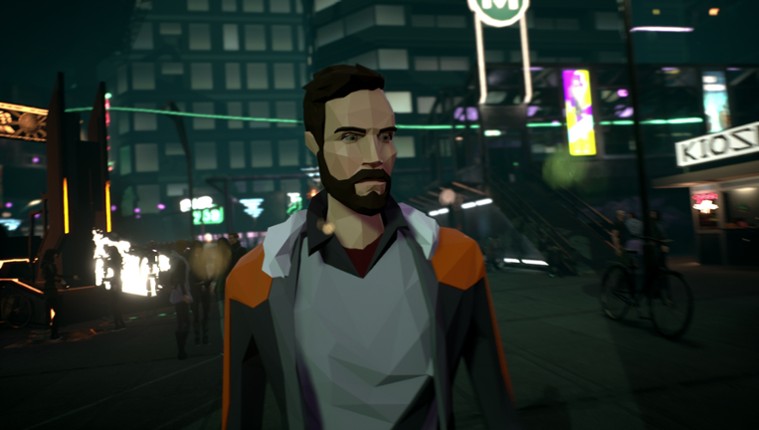
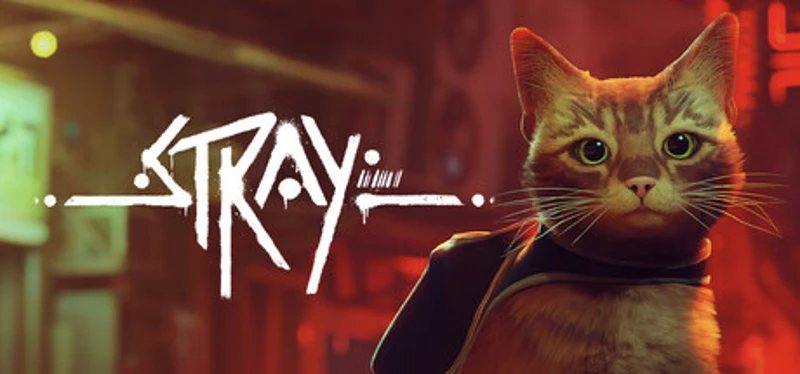
Both games lean on atmospheric exploration paired with emotional character relationships that unfold through dialogue and observation rather than action. The isolation and mystery elements—Wyoming tower versus cyberpunk city—create similar narrative tension.
Each uses a distinctive art style to compensate for minimal traditional gameplay, because visual design carries as much weight as the story itself.
The critical difference: Stray adds puzzle-solving and light combat as actual mechanics, whereas Firewatch is almost pure walking simulator with dialogue. This makes Stray feel less repetitive but slightly less focused on relationship dynamics.
Pick this up if you want Firewatch's emotional introspection but need something with more to do—and you're willing to trade some of that raw narrative intimacy for variety.
If you enjoyed this game, see our list of games similar to Stray.View Game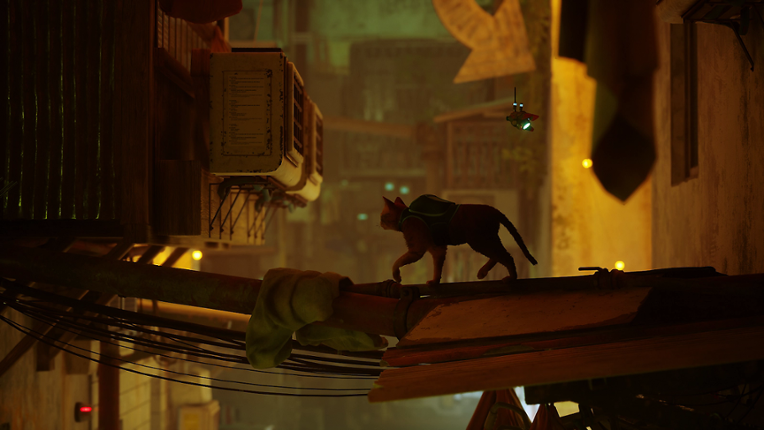
- 86%Game Brain ScoreMost mentioned positive aspects:story, gameplayMost mentioned negative aspects:replayability, grinding90% User Score 4,168 reviewsCritic Score 67%1 reviews
Both games excel at environmental storytelling, tasking you with reconstructing a human drama through the remnants of a vanished crew or a hidden life.
The shared reliance on audio logs and personal artifacts creates a powerful sense of intimacy, ensuring the narrative feels earned rather than forced upon the player.
While Firewatch traps you in the suffocating isolation of the Wyoming wilderness, Tacoma pivots to the sterile, futuristic confines of a space station.
Pick this up if you crave introspective mysteries told through observation but can live without the open-world traversal of a sprawling forest.
If you enjoyed this game, see our list of games similar to Tacoma.View Game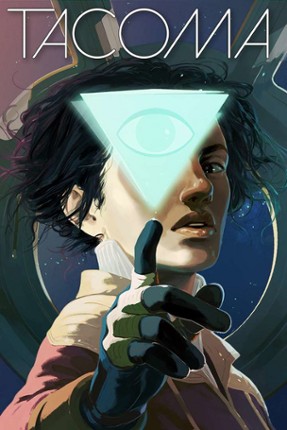


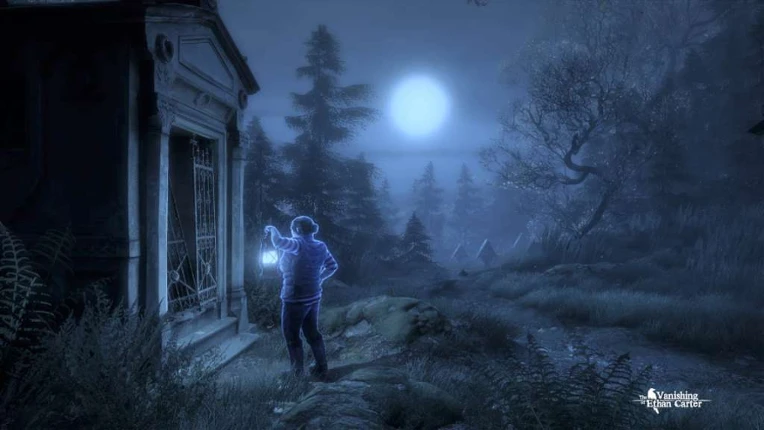
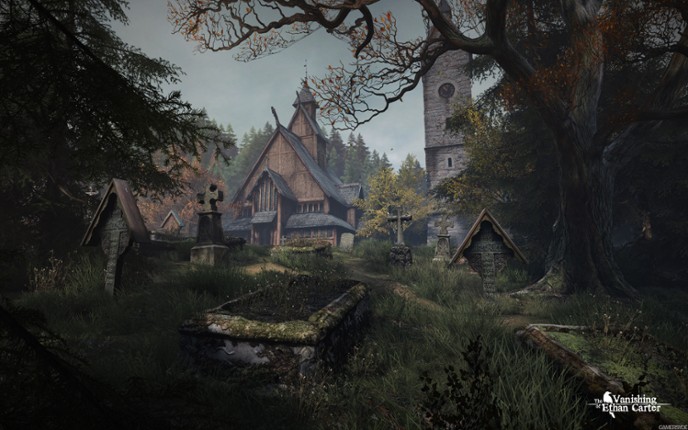
- 87%Game Brain ScoreMost mentioned positive aspects:story, graphicsMost mentioned negative aspects:replayability, stability87% User Score 5,138 reviews
Both games anchor the experience in first-person exploration where atmospheric environments carry the narrative weight rather than combat or complex mechanics.
The mystery-thriller tone rewards patience, building tension through environmental clues and unfolding dialogue that pulls you deeper into the story.
The Vanishing of Ethan Carter replaces Firewatch's radio conversations with actual detective work and puzzles, trading cozy isolation for unsettling supernatural dread.
Pick this up if you want Firewatch's investigative pacing and beautiful world-building but can handle cosmic horror and less narrative guidance.
If you enjoyed this game, see our list of games similar to The Vanishing of Ethan Carter.View Game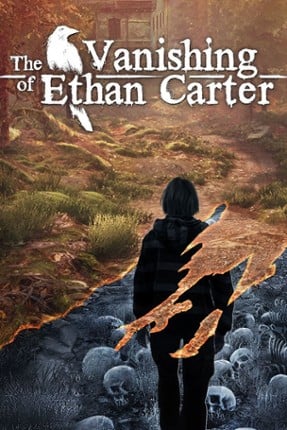
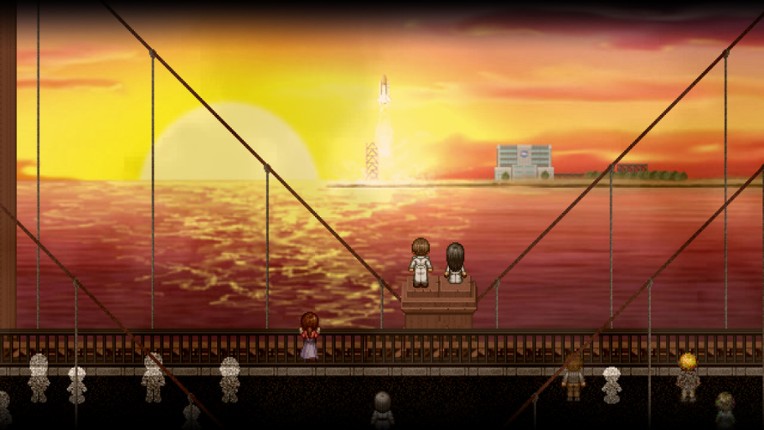
- 92%Game Brain ScoreMost mentioned positive aspects:story, musicMost mentioned negative aspects:replayability, grinding96% User Score 35,756 reviewsCritic Score 83%4 reviewsChannels emotional storytelling through pixel art and time-travel mystery instead of voice-driven wilderness exploration. If you enjoyed this game, see our list of games similar to To the Moon.View Game


- 82%Game Brain ScoreMost mentioned positive aspects:story, emotionalMost mentioned negative aspects:replayability, optimization77% User Score 20,826 reviewsCritic Score 86%14 reviews
Both games place you in a first‑person view, rewarding you for reading the environment like a diary. Every note, photograph, or object is a clue that pushes the mystery forward without combat or puzzles.
Each title pairs a subtle, reactive soundtrack with a short, self‑contained plot respecting the player's schedule. The music swells when you linger on a discovery, turning exploration into an emotional moment.
Because the score is woven into the act of discovery, it amplifies each revelation, making your own curiosity feel like a narrative partner. Compact length keeps pacing tight, unlike Firewatch's idle walks.
Gone Home removes the radio dialogue, leaving you alone with the house's silence and its written memories. This offers a quieter, introspective investigation, letting you project your own thoughts.
If Firewatch's long walks sometimes felt like filler, Gone Home condenses traversal into dense, clue‑filled rooms, reducing idle stretches. Best for players who want a personal, low‑mechanical narrative to finish in an evening.
If you enjoyed this game, see our list of games similar to Gone Home.View Game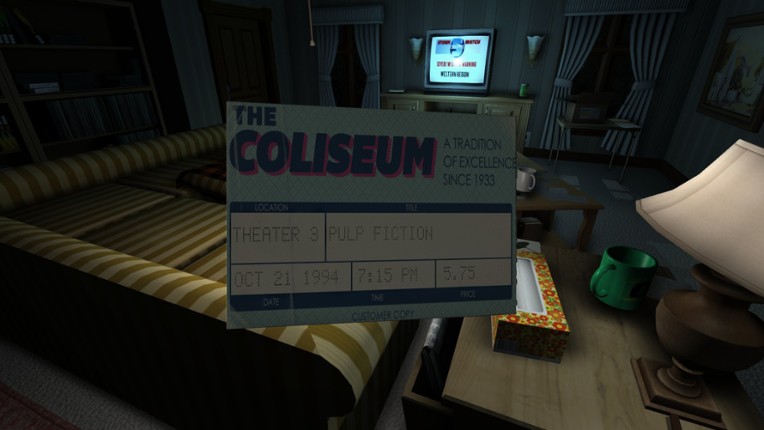
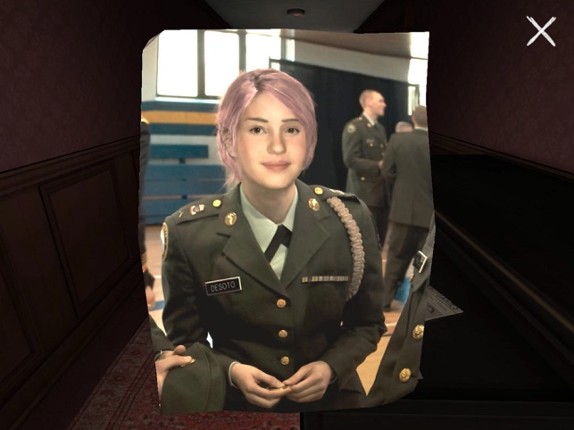
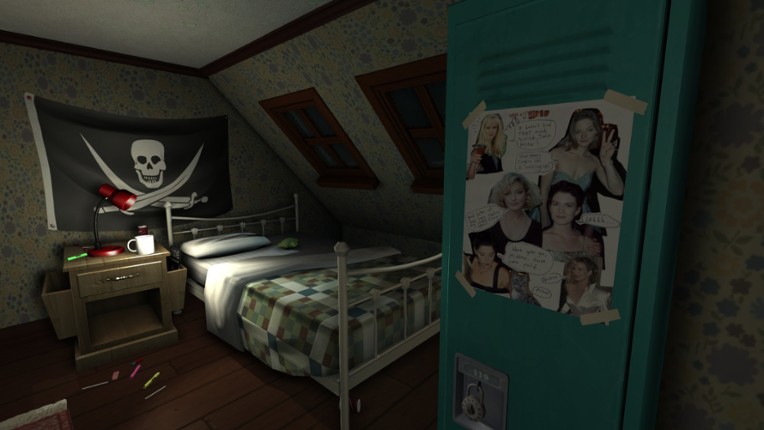
- 73%Game Brain ScoreMost mentioned positive aspects:story, graphicsMost mentioned negative aspects:gameplay, replayability72% User Score 1,090 reviewsCritic Score 74%2 reviewsRelocates the mystery to 1920s Norway where you investigate a vanished family as an emotionally fragile detective. If you enjoyed this game, see our list of games similar to Draugen.View Game

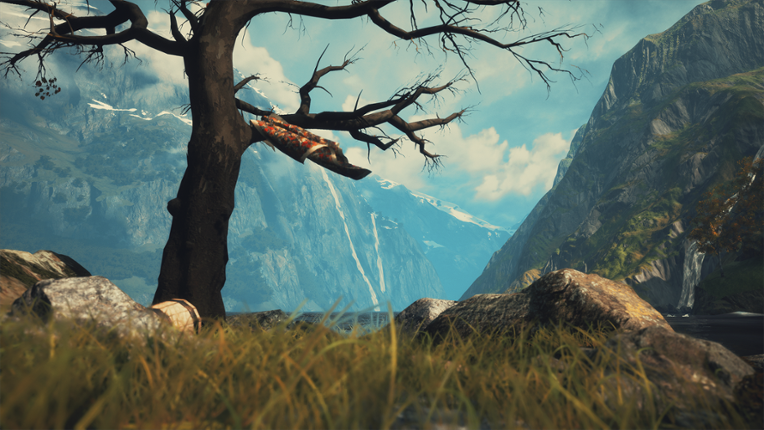

13 View Game
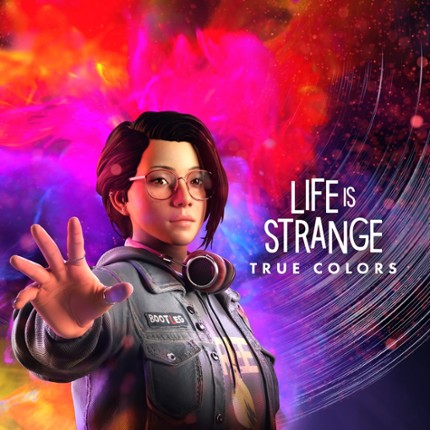
 89%Game Brain ScoreMost mentioned positive aspects:story, musicMost mentioned negative aspects:grinding, stability91% User Score 12,913 reviewsCritic Score 80%2 reviewsDelivers choice-driven mystery in a modern urban setting where player decisions reshape the narrative outcome, unlike Firewatch's fixed story. If you enjoyed this game, see our list of games similar to Life is Strange: True Colors.View Game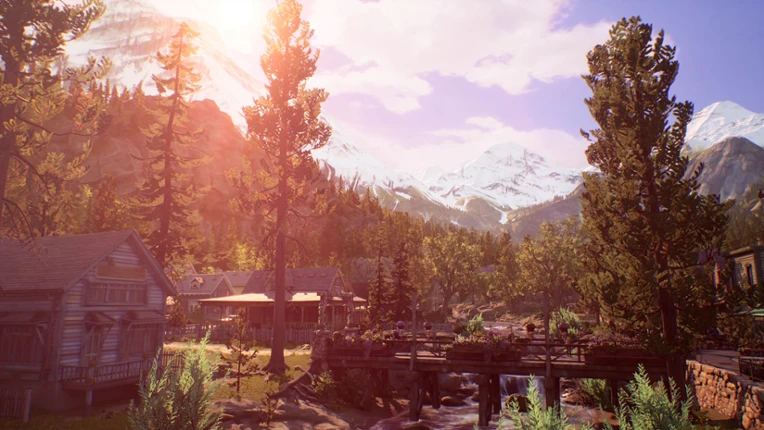
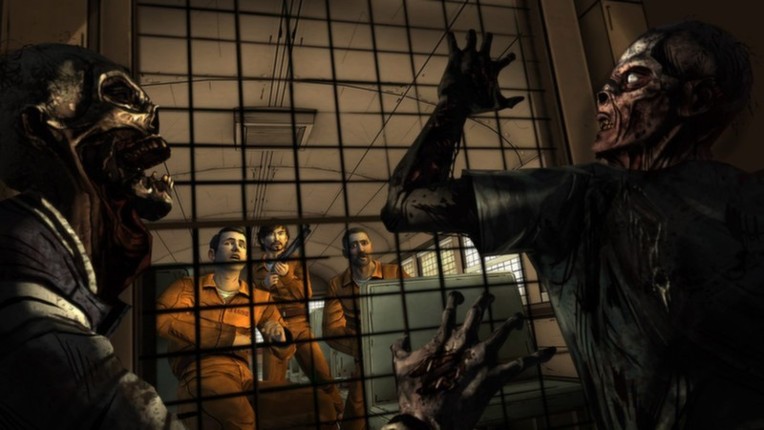
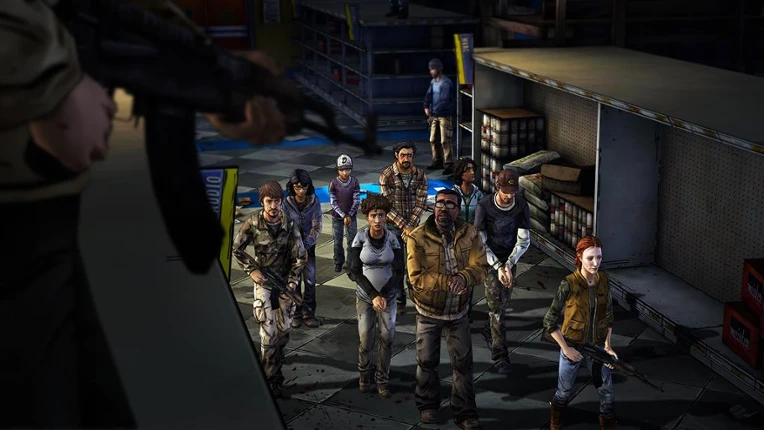
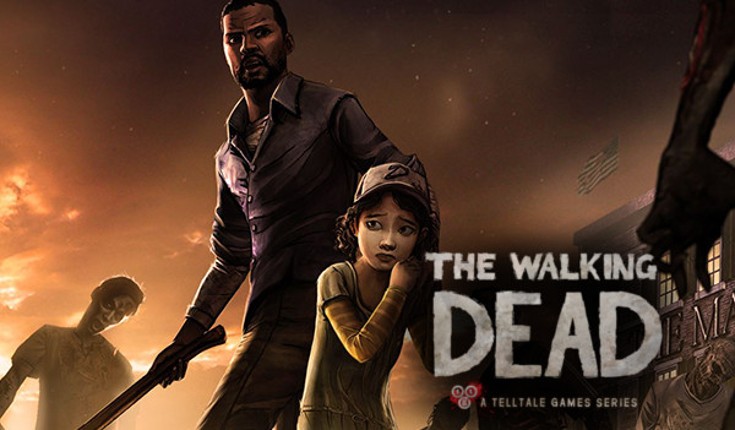
- 94%Game Brain ScoreMost mentioned positive aspects:story, emotionalMost mentioned negative aspects:stability, grinding97% User Score 43,040 reviewsCritic Score 88%6 reviewsExchanges wilderness isolation for zombie apocalypse survival where gut-wrenching choices define your story. If you enjoyed this game, see our list of games similar to The Walking Dead.View Game
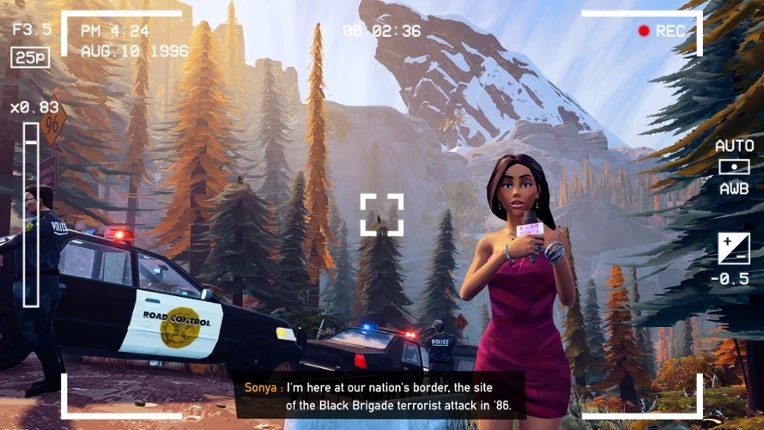
- 90%Game Brain ScoreMost mentioned positive aspects:story, musicMost mentioned negative aspects:grinding, stability91% User Score 15,234 reviewsCritic Score 85%1 reviewsShifts from a single summer to a procedural road trip across a politically turbulent 90s dictatorship. If you enjoyed this game, see our list of games similar to Road 96.View Game
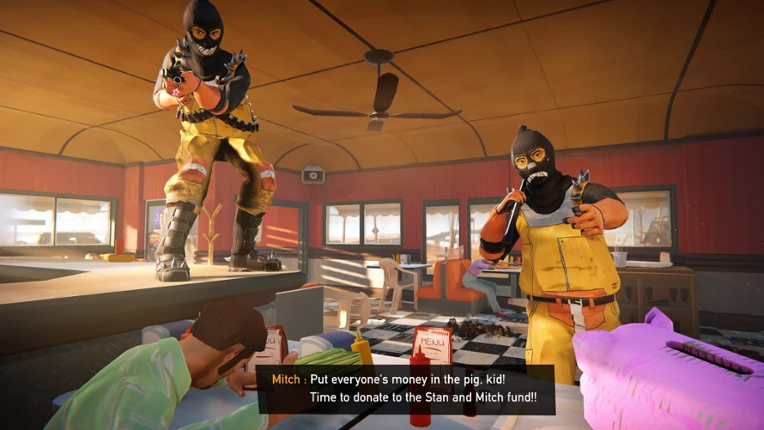
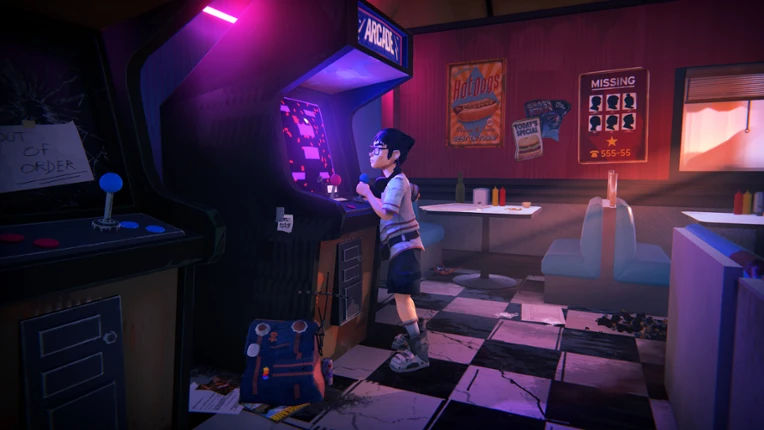
- View Game77%Game Brain ScoreMost mentioned positive aspects:story, atmosphereMost mentioned negative aspects:replayability, grinding77% User Score 4,343 reviewsCondenses Firewatch's scope into a stark, minimalist horror experience where silence and shadows drive tension. If you enjoyed this game, see our list of games similar to Serena.
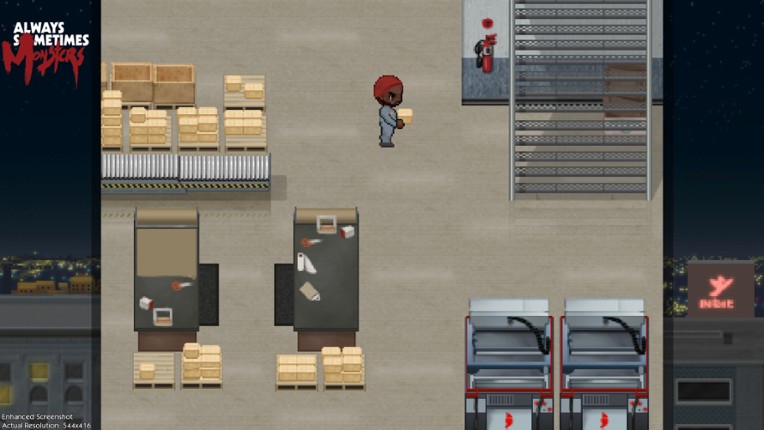
17 View Game 79%Game Brain ScoreMost mentioned positive aspects:story, gameplayMost mentioned negative aspects:grinding, stability79% User Score 2,364 reviewsAddresses isolation and connection through relationship choices in a modern romance story, trading wilderness for urban life sim. If you enjoyed this game, see our list of games similar to Always Sometimes Monsters.View Game
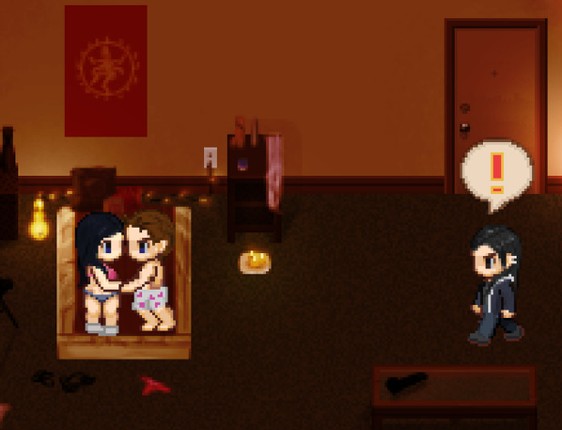
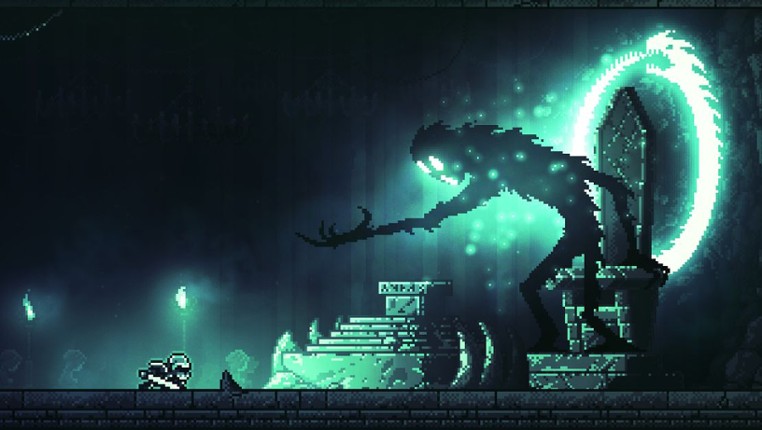
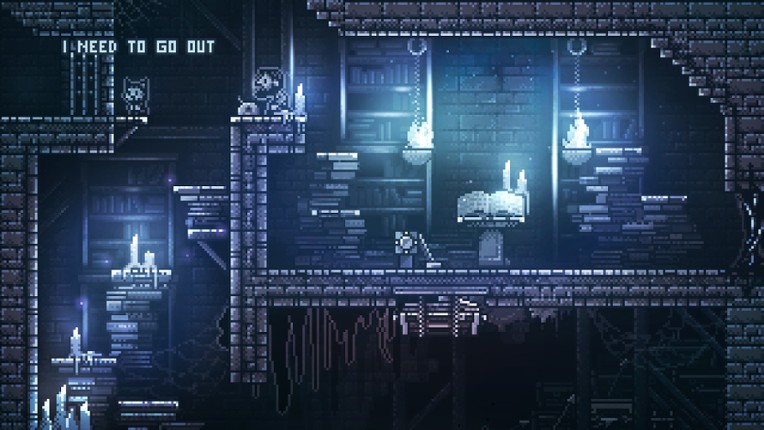
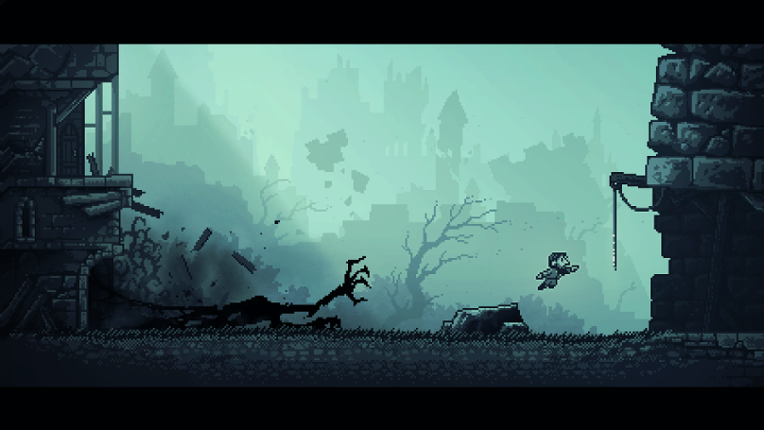
- 86%Game Brain ScoreMost mentioned positive aspects:story, gameplayMost mentioned negative aspects:grinding, replayability87% User Score 2,906 reviewsCritic Score 82%3 reviewsInjects Firewatch’s atmospheric storytelling with pixel art puzzles and psychological horror, emphasizing tension over emotional warmth. If you enjoyed this game, see our list of games similar to INMOST.View Game
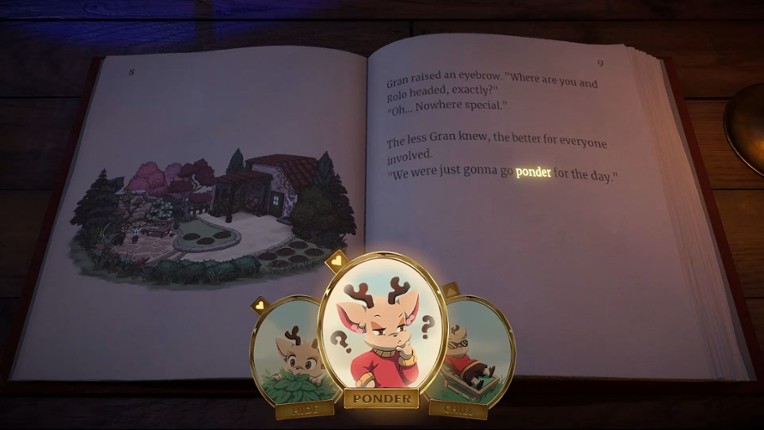
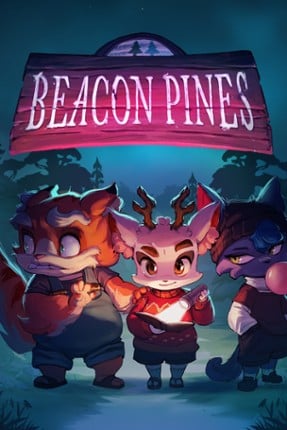
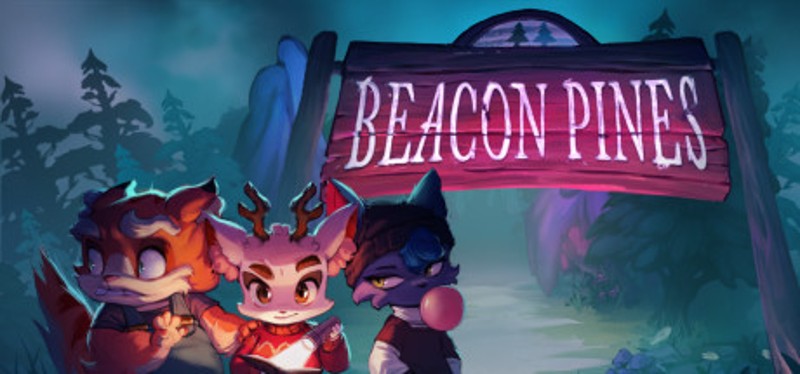
- 91%Game Brain ScoreMost mentioned positive aspects:story, graphicsMost mentioned negative aspects:grinding, stability98% User Score 3,613 reviewsCritic Score 85%16 reviewsMoves Firewatch's mystery into a hand-drawn storybook world where players alter timelines to uncover secrets. If you enjoyed this game, see our list of games similar to Beacon Pines.View Game
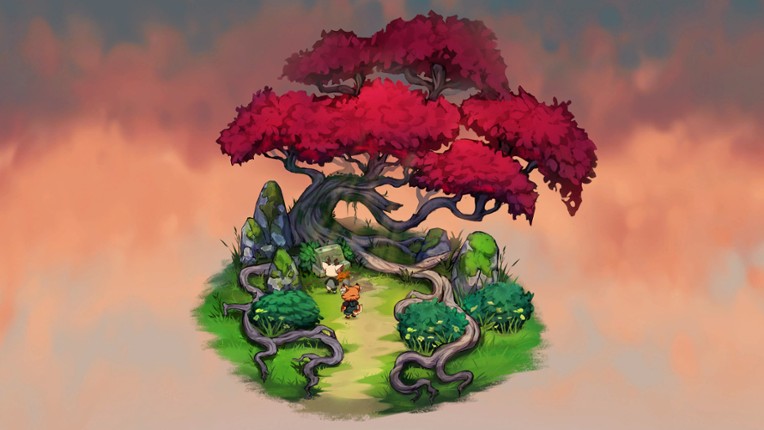
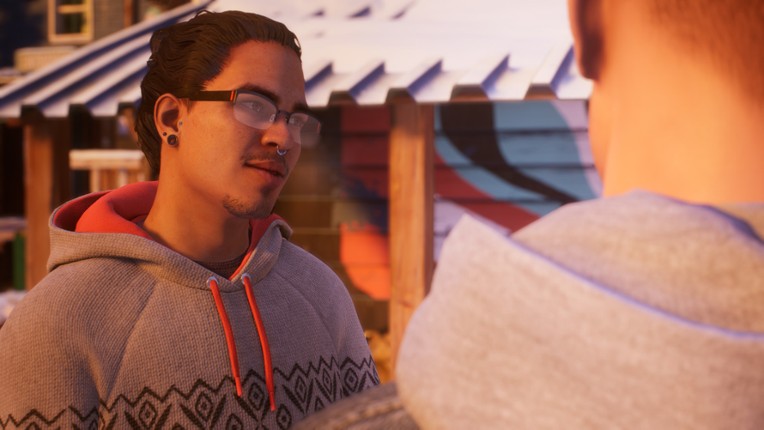
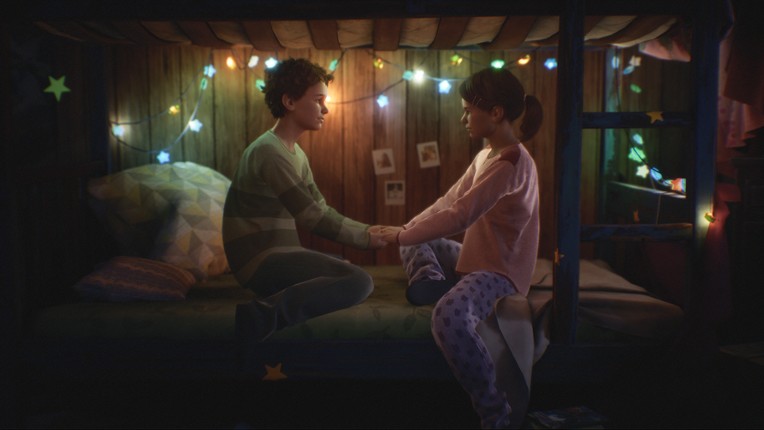
- 81%Game Brain ScoreMost mentioned positive aspects:story, emotionalMost mentioned negative aspects:grinding, stability81% User Score 7,592 reviewsCritic Score 79%2 reviewsLean into the interpersonal drama by trading the single-perspective radio bond for a split-view dynamic between two estranged siblings uncovering family secrets. If you enjoyed this game, see our list of games similar to Tell Me Why.View Game

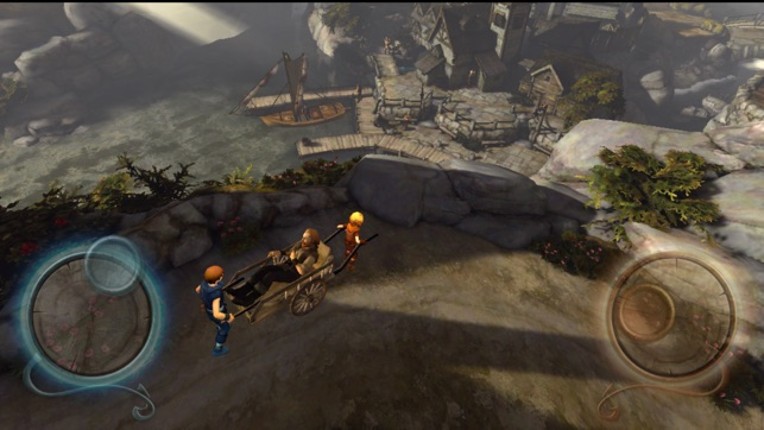
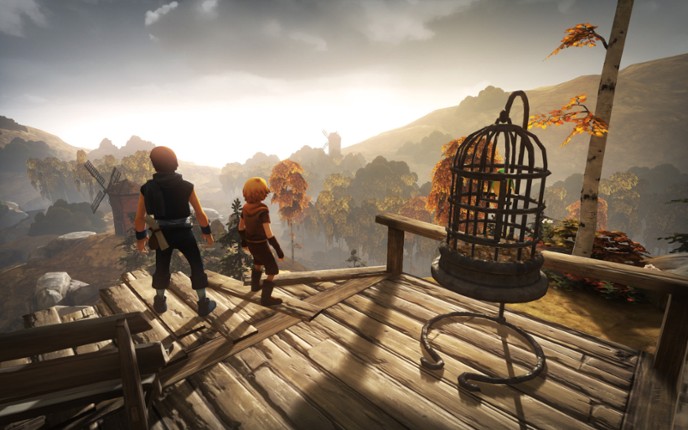
21 View Game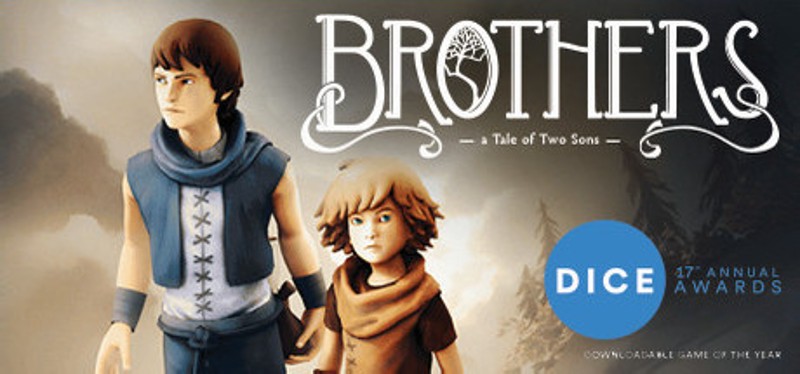 88%Game Brain ScoreMost mentioned positive aspects:story, gameplayMost mentioned negative aspects:replayability, stability94% User Score 16,215 reviewsCritic Score 82%18 reviewsReplaces Wyoming solitude with a fantastical journey, swapping radio intimacy for shared physical adventure between two brothers. If you enjoyed this game, see our list of games similar to Brothers: A Tale of Two Sons.View Game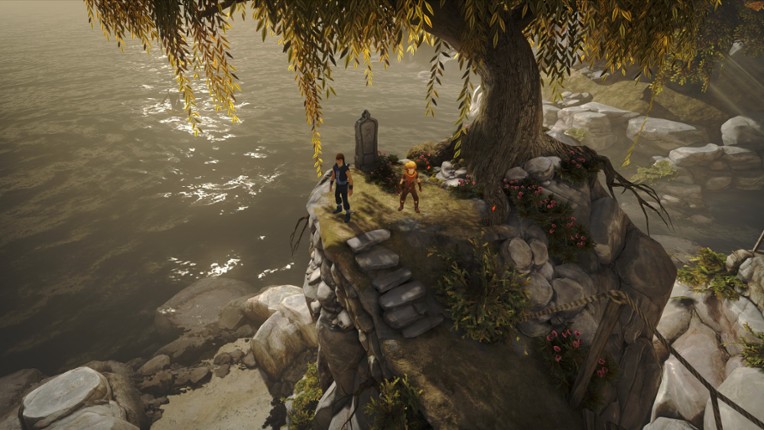
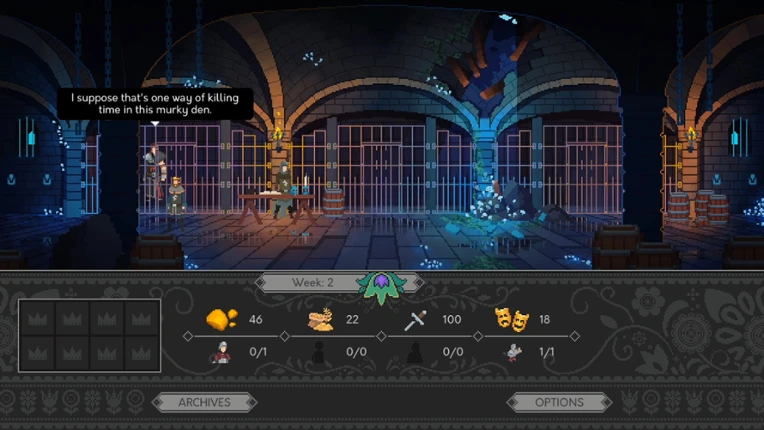
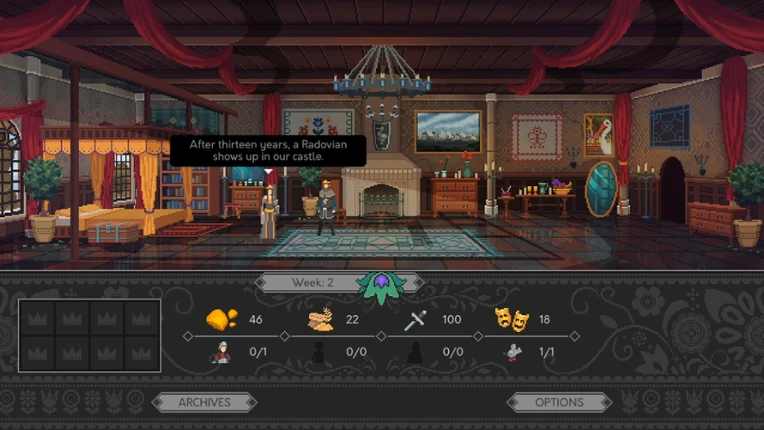
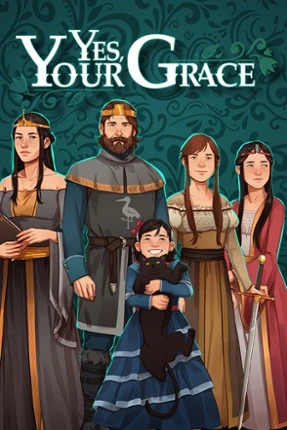
- 83%Game Brain ScoreMost mentioned positive aspects:story, gameplayMost mentioned negative aspects:grinding, stability86% User Score 5,594 reviewsCritic Score 70%1 reviewsTrades Firewatch’s modern setting for a medieval fantasy life sim focused on kingdom management and tough moral decisions. If you enjoyed this game, see our list of games similar to Yes, Your Grace.View Game
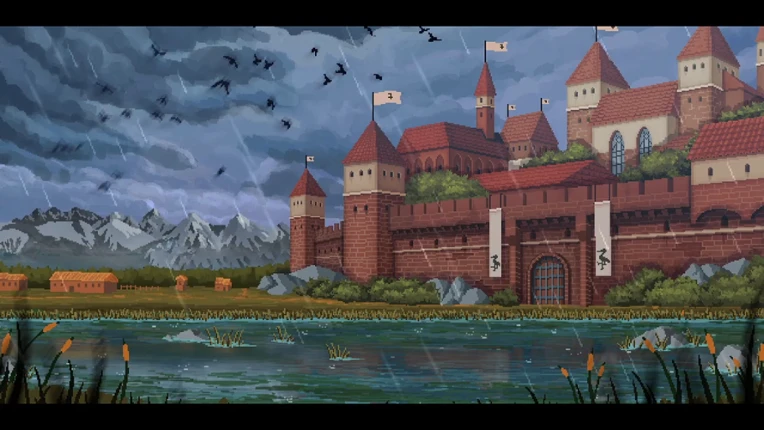
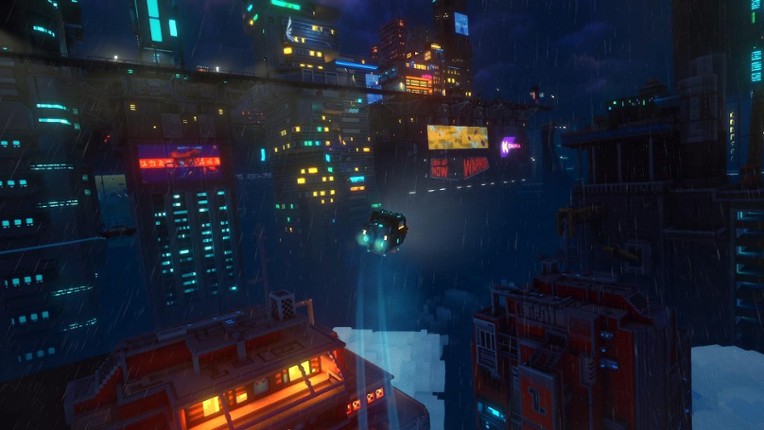
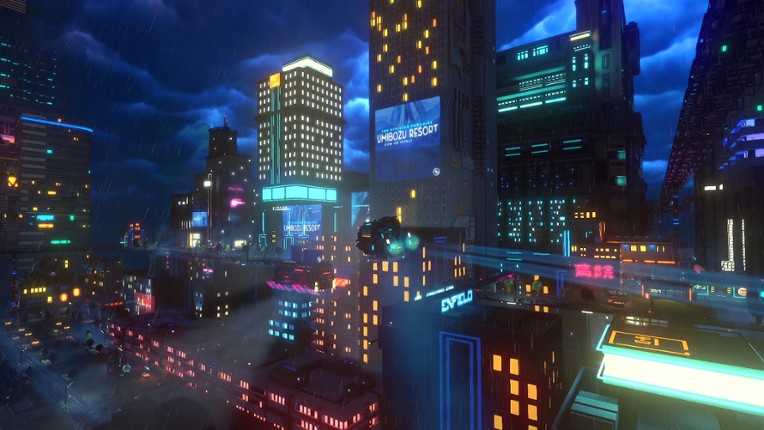
- 86%Game Brain ScoreMost mentioned positive aspects:story, gameplayMost mentioned negative aspects:grinding, optimization86% User Score 8,113 reviewsDrops the Wyoming wilderness for neon-lit voxel cityscapes, letting you explore a rain-soaked cyberpunk metropolis. If you enjoyed this game, see our list of games similar to Cloudpunk.View Game

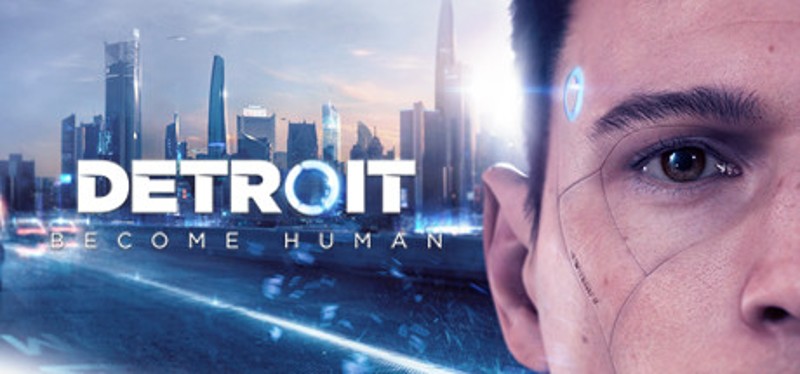
- 87%Game Brain ScoreMost mentioned positive aspects:story, graphicsMost mentioned negative aspects:grinding, stability95% User Score 66,027 reviewsCritic Score 79%49 reviews
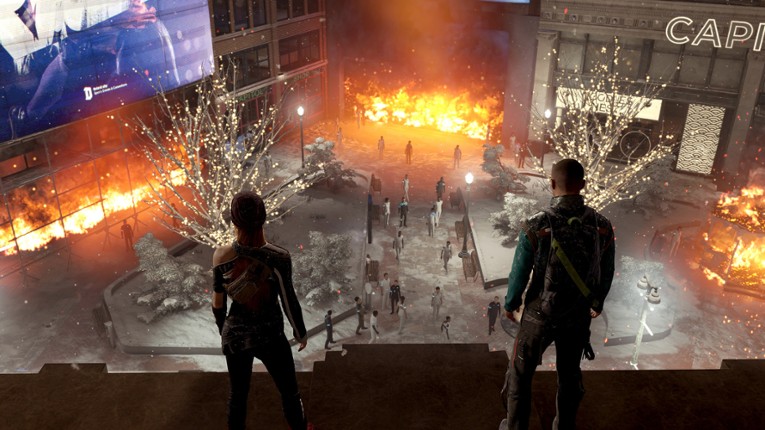
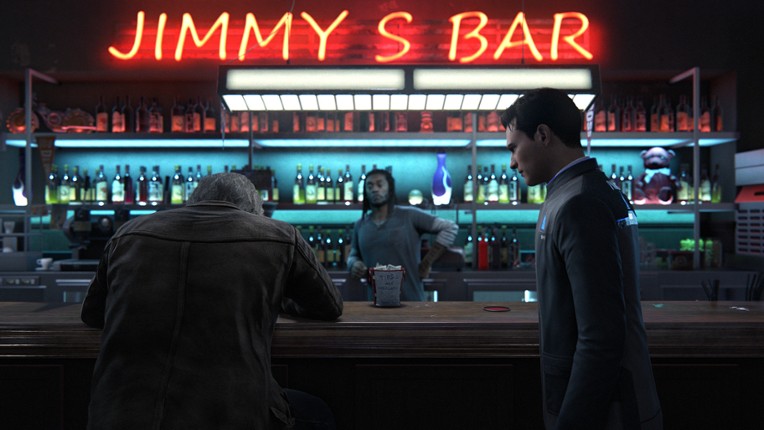
How Far Will You Go To Be Free If you enjoyed this game, see our list of games similar to Detroit: Become Human.
View Game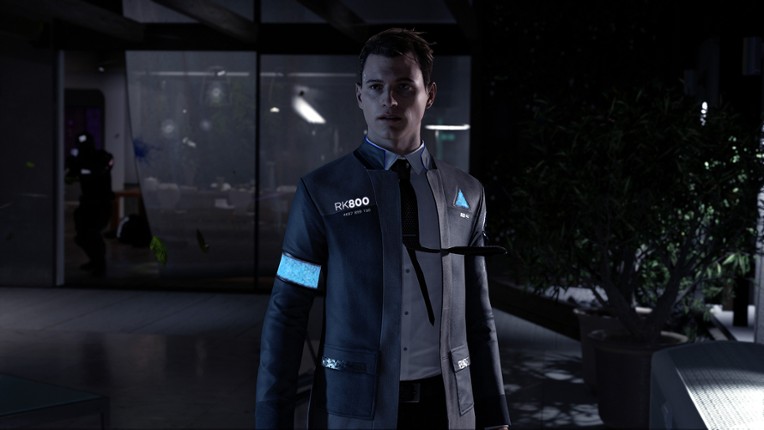
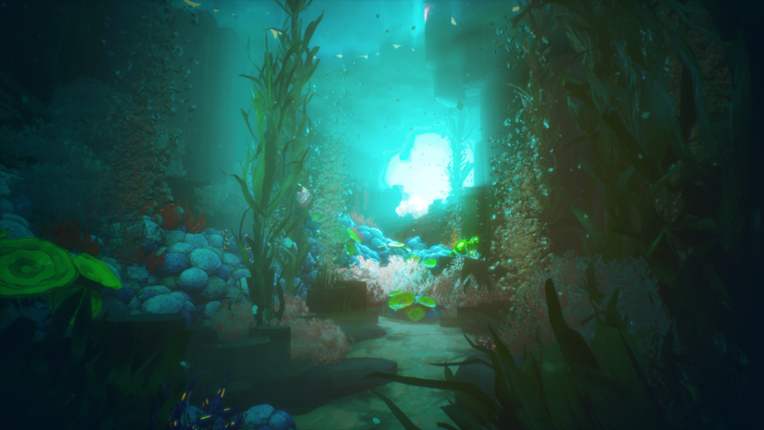
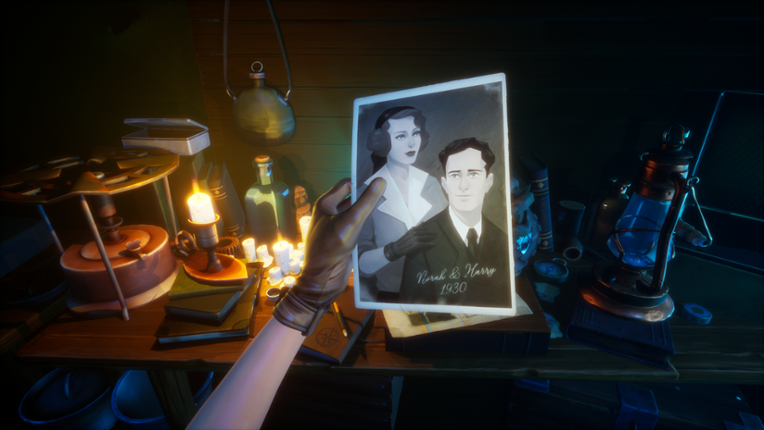
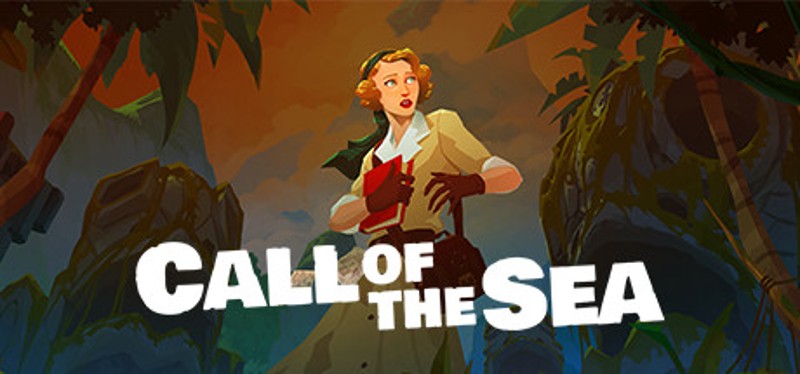
- 83%Game Brain ScoreMost mentioned positive aspects:story, graphicsMost mentioned negative aspects:grinding, replayability87% User Score 3,584 reviewsCritic Score 75%4 reviewsExchange the lookout tower for a mysterious island where investigation and Lovecraftian puzzle-solving take center stage over interpersonal relationship building. If you enjoyed this game, see our list of games similar to Call of the Sea.View Game
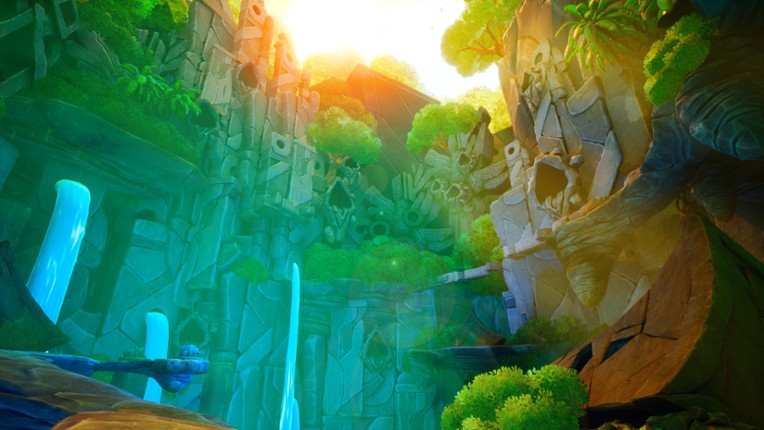
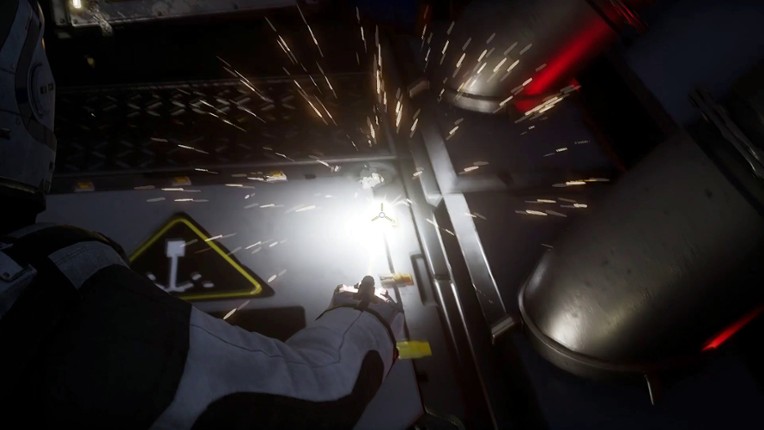
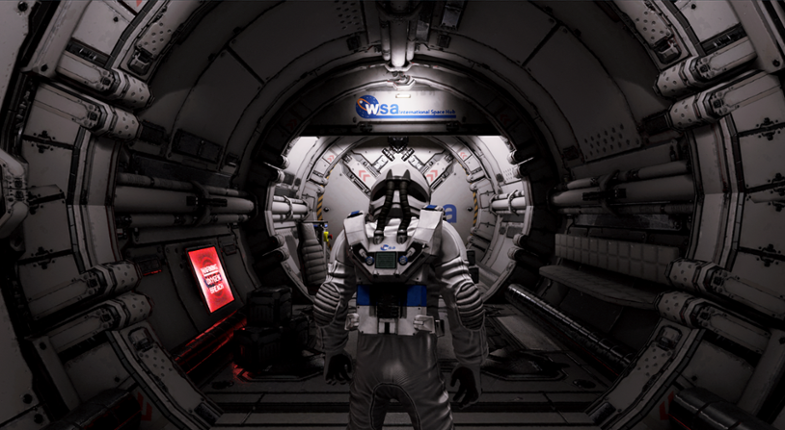
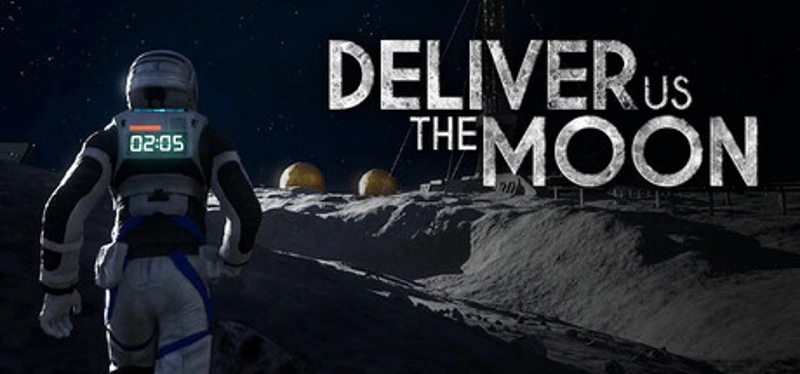
- 85%Game Brain ScoreMost mentioned positive aspects:story, graphicsMost mentioned negative aspects:optimization, replayability87% User Score 5,680 reviewsCritic Score 80%1 reviewsRelocates mystery-driven exploration to a desolate space station where discovery unfolds through environmental storytelling and sci-fi puzzles. If you enjoyed this game, see our list of games similar to Deliver Us The Moon.View Game

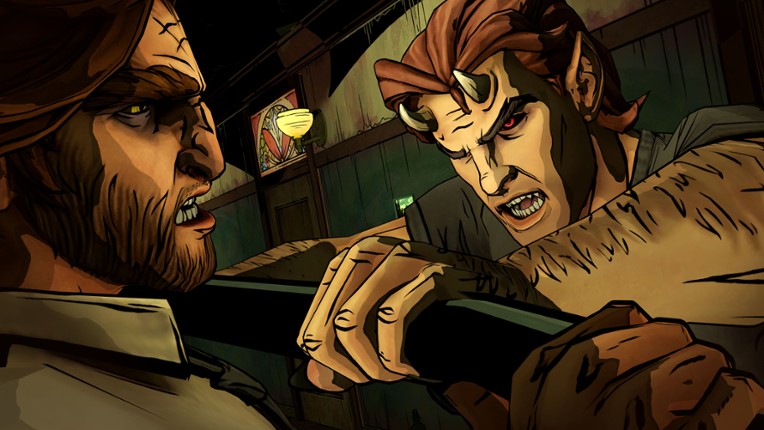
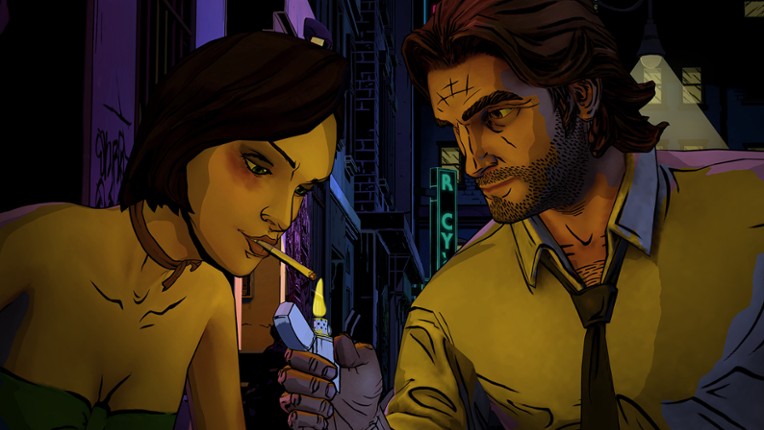
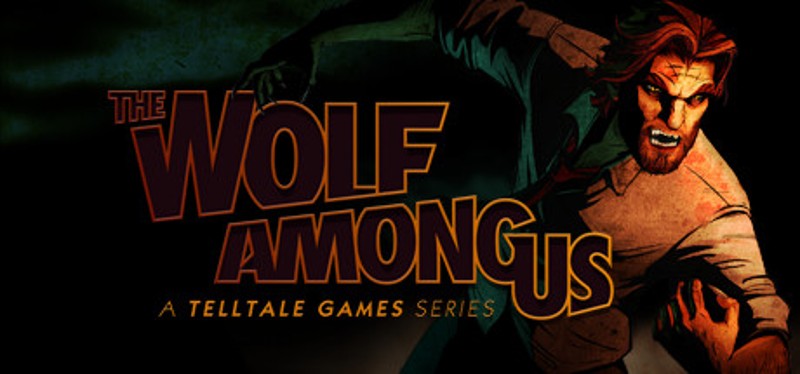
- 91%Game Brain ScoreMost mentioned positive aspects:story, graphicsMost mentioned negative aspects:stability, grinding98% User Score 22,910 reviewsCritic Score 82%8 reviewsOpt for this noir detective thriller if you crave stronger combat and consequence-heavy choices within a gritty, urban fantasy world of mythological criminals. If you enjoyed this game, see our list of games similar to The Wolf Among Us.View Game
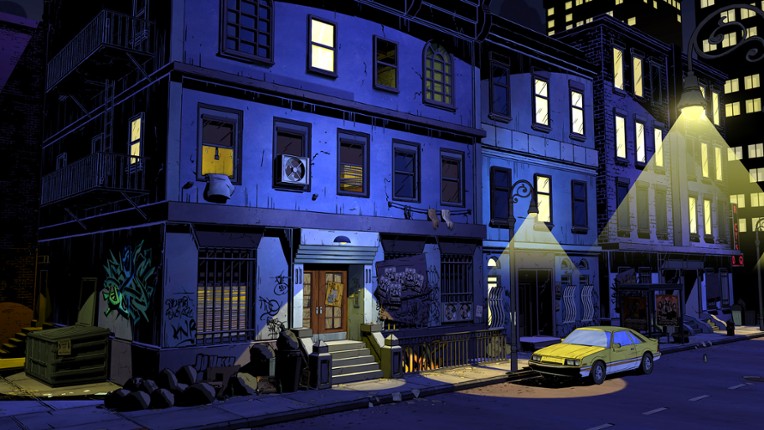
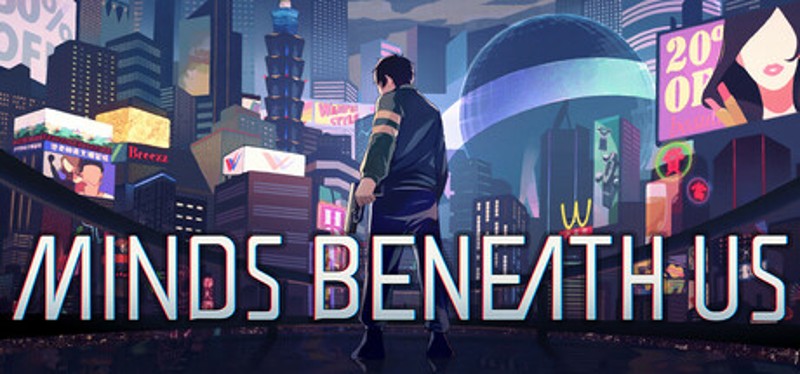
- 92%Game Brain ScoreMost mentioned positive aspects:story, gameplayMost mentioned negative aspects:grinding, stability95% User Score 822 reviewsCritic Score 89%10 reviews
Embark on a thrilling sci-fi journey in a futuristic Asian city with MINDS BENEATH US. In a society fully automated by advanced AI, you find yourself trapped in a foreign body, alongside the subconscious of its original owner. As society evolves, a new industry emerges that replaces the hardware needed to operate AI-automated systems with human brains. Consequently, the most disadvantaged citizens… If you enjoyed this game, see our list of games similar to Minds Beneath Us.
View Game

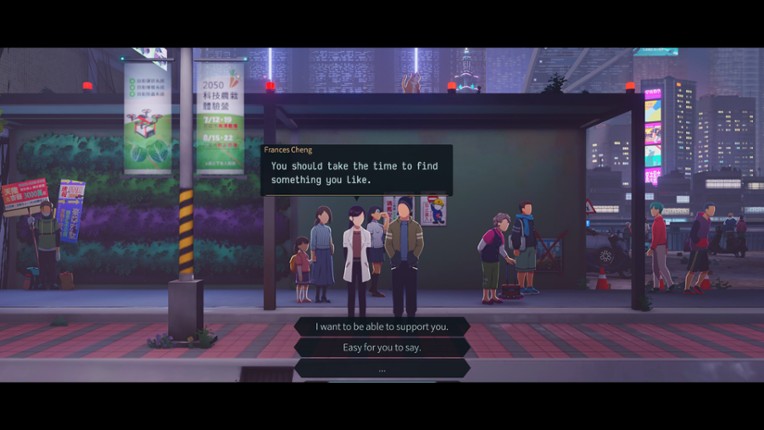
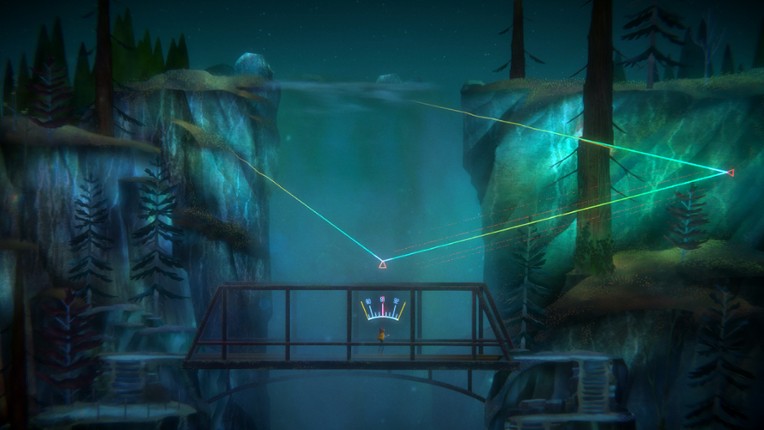
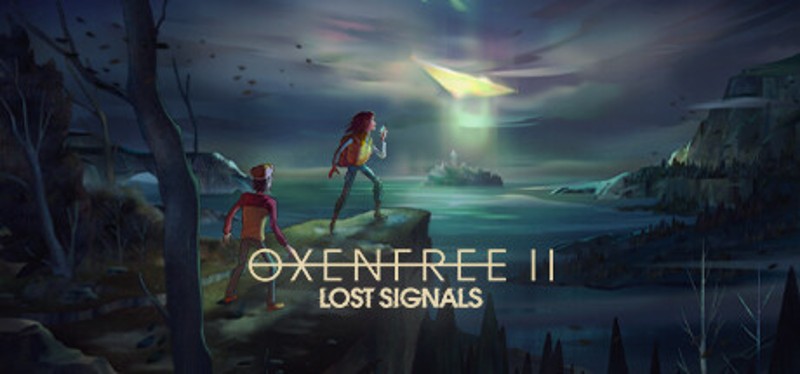
- 84%Game Brain ScoreMost mentioned positive aspects:story, gameplayMost mentioned negative aspects:stability, grinding91% User Score 1,141 reviewsCritic Score 78%43 reviewsConnect with the supernatural side of isolated exploration through this eerie, dialogue-driven mystery that prioritizes radio frequencies and time-bending glitches over scenic vistas. If you enjoyed this game, see our list of games similar to OXENFREE II: Lost Signals.View Game
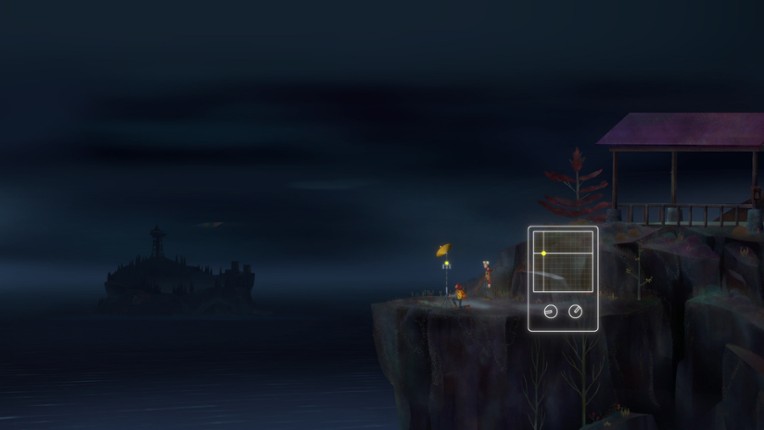
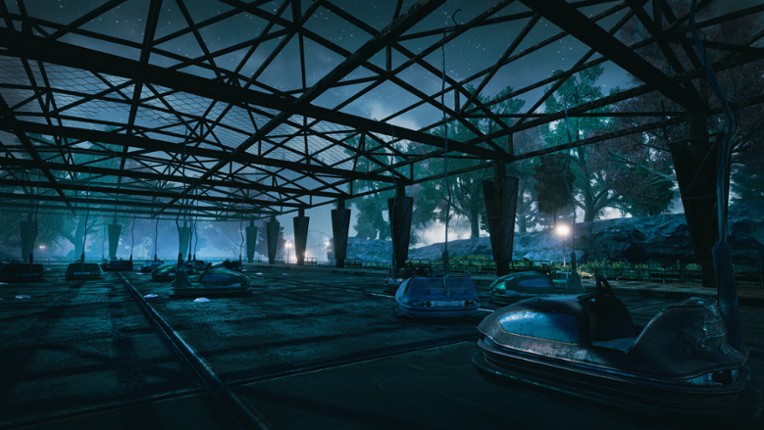
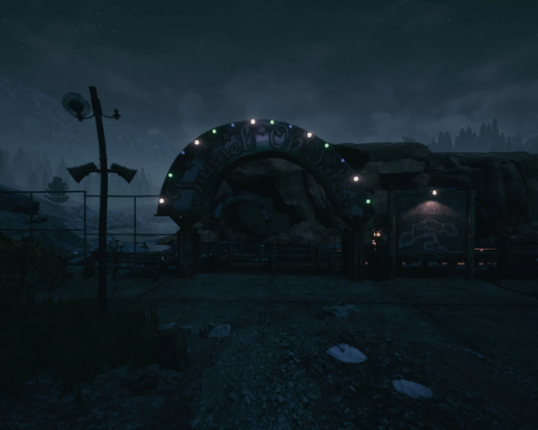
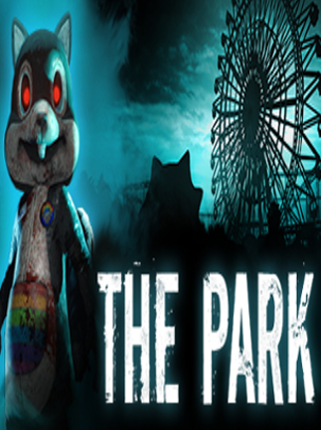
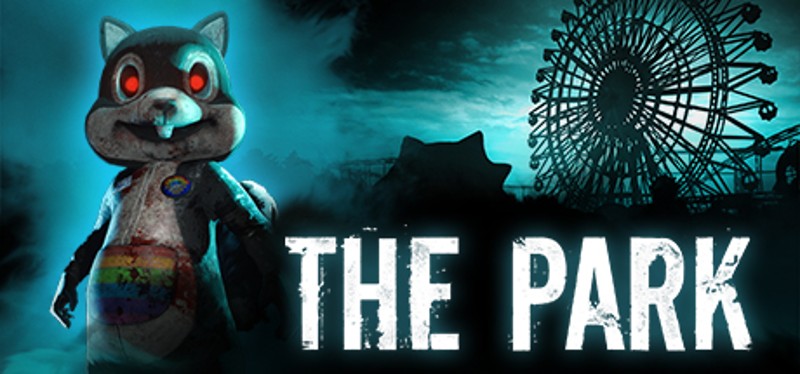
- 71%Game Brain ScoreMost mentioned positive aspects:story, atmosphereMost mentioned negative aspects:replayability, optimization71% User Score 2,152 reviewsTransforms Firewatch's scenic wilderness into a decaying amusement park saturated with psychological horror. If you enjoyed this game, see our list of games similar to The Park.View Game
- 93%Game Brain ScoreMost mentioned positive aspects:music, storyMost mentioned negative aspects:grinding, stability93% User Score 17,870 reviewsSubmerges players underwater instead of hiking through forests, offering a meditative oceanic journey. If you enjoyed this game, see our list of games similar to ABZÛ.View Game



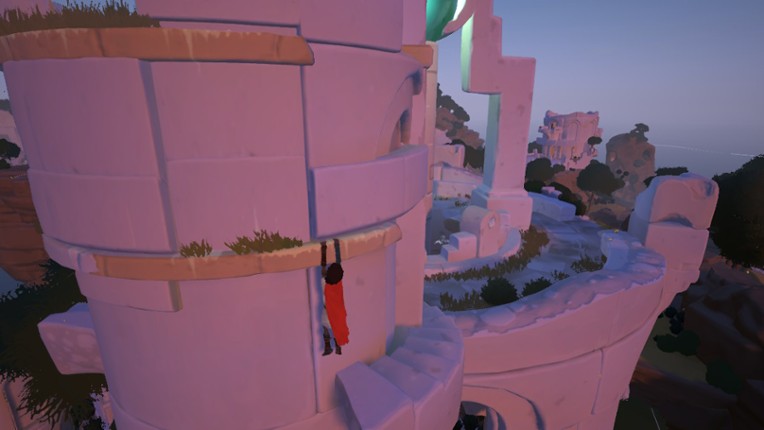
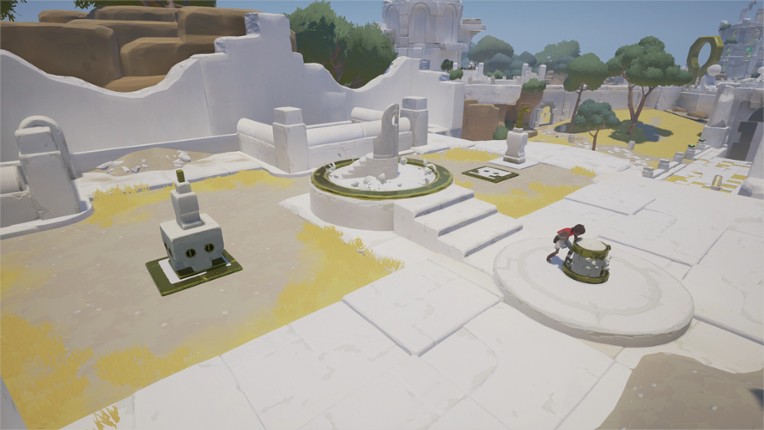
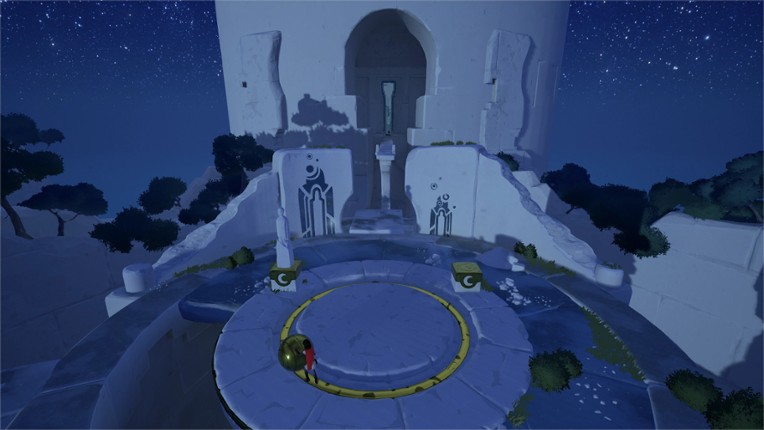
- 76%Game Brain ScoreMost mentioned positive aspects:story, musicMost mentioned negative aspects:optimization, replayability88% User Score 2,285 reviewsCritic Score 63%17 reviewsPivots from dialogue-driven investigation to colorful puzzle-platforming in a sun-drenched coastal ruin. If you enjoyed this game, see our list of games similar to RiME.View Game
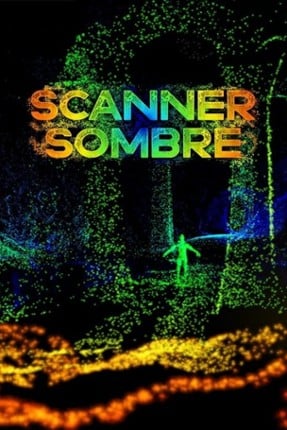
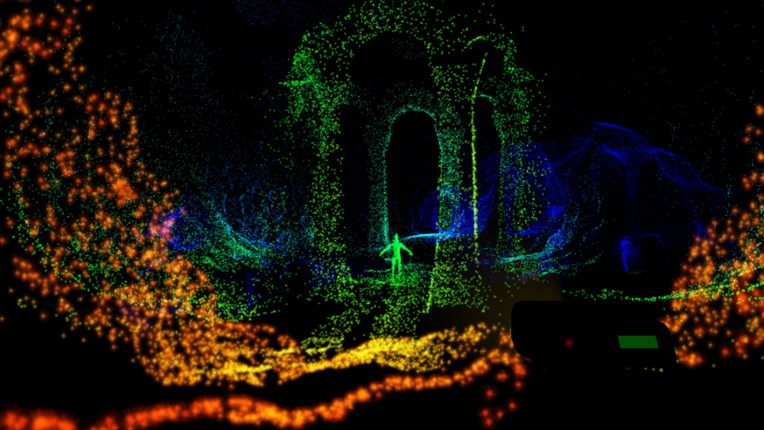
- 76%Game Brain ScoreMost mentioned positive aspects:story, gameplayMost mentioned negative aspects:optimization, replayability91% User Score 3,881 reviewsCritic Score 57%8 reviewsCombines Firewatch’s first-person exploration with Lovecraftian horror and abstract psychological themes for a darker, surreal journey. If you enjoyed this game, see our list of games similar to Scanner Sombre.View Game

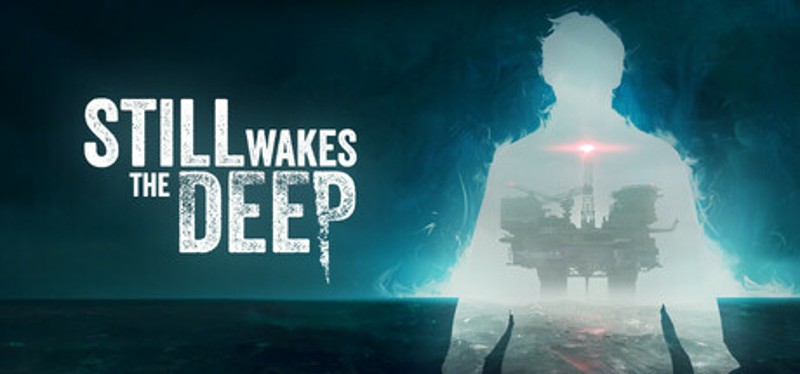
- 86%Game Brain ScoreMost mentioned positive aspects:story, gameplayMost mentioned negative aspects:replayability, stability89% User Score 8,138 reviewsCritic Score 80%3 reviews
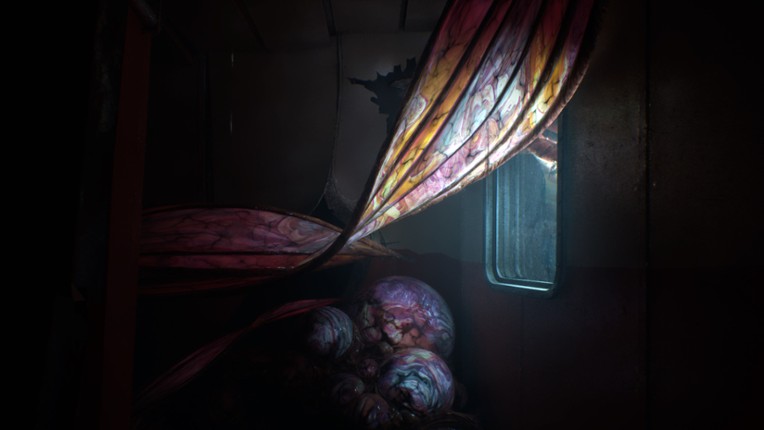
Discover Still Wakes the Deep at the official PlayStation website. Watch trailers, see screenshots, learn about gameplay features and purchase the game. If you enjoyed this game, see our list of games similar to Still Wakes the Deep.
View Game

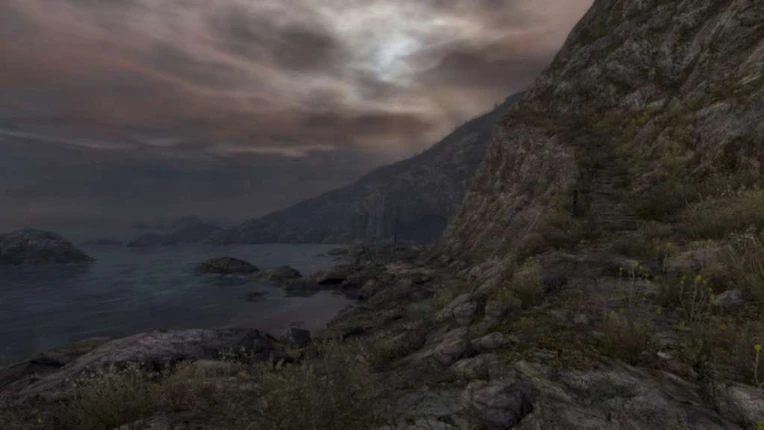
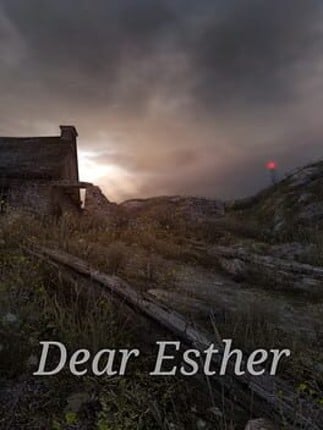
- 75%Game Brain ScoreMost mentioned positive aspects:story, graphicsMost mentioned negative aspects:replayability, grinding78% User Score 3,067 reviewsCritic Score 70%3 reviewsDelivers a meditative first-person exploration with minimal narrative cues, trading Firewatch’s dialogue-driven story for abstract environmental storytelling. If you enjoyed this game, see our list of games similar to Dear Esther.View Game
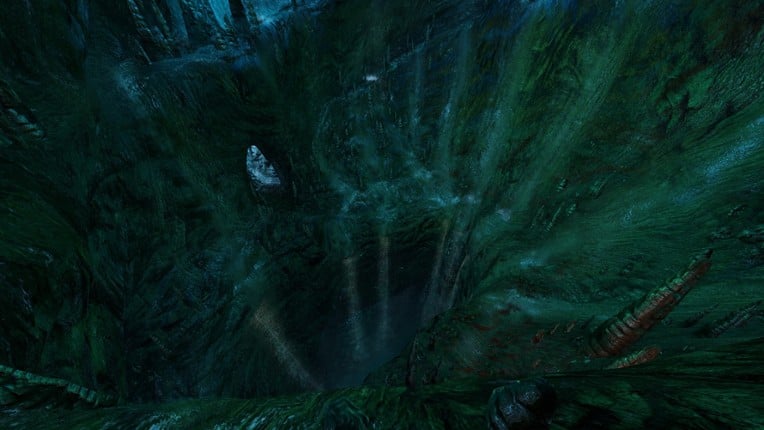
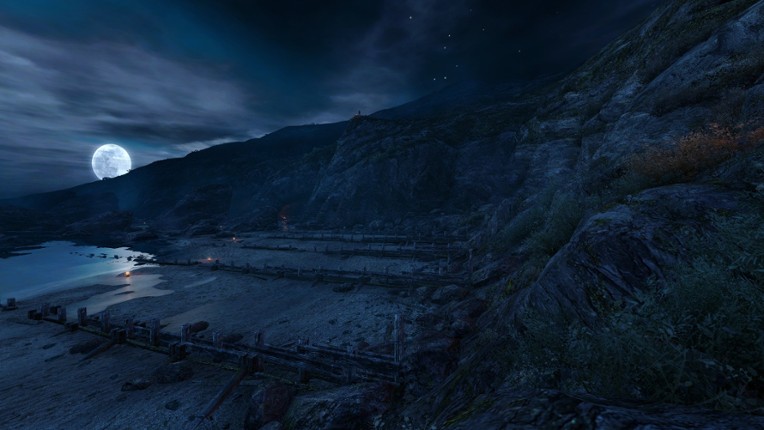
- 79%Game Brain ScoreMost mentioned positive aspects:story, musicMost mentioned negative aspects:grinding, replayability83% User Score 924 reviewsCritic Score 74%18 reviews
A mystery adventure that merges puzzles with visual novel elements. If you enjoyed this game, see our list of games similar to Evan's Remains.
View Game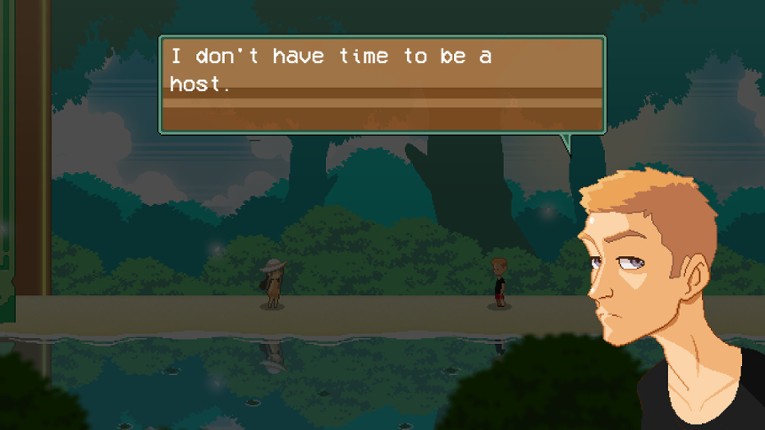
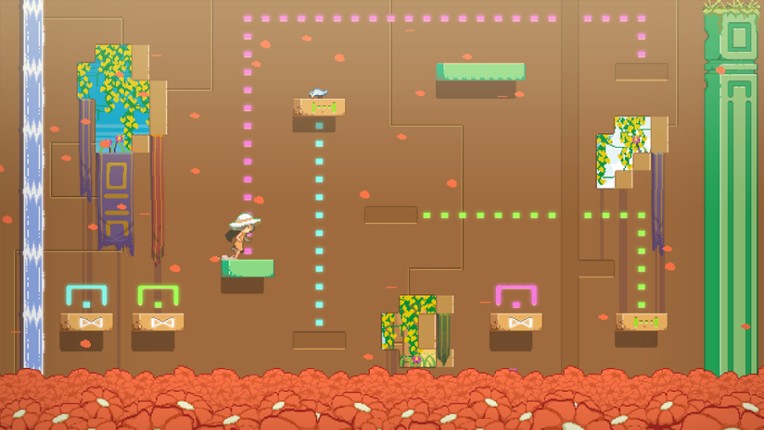
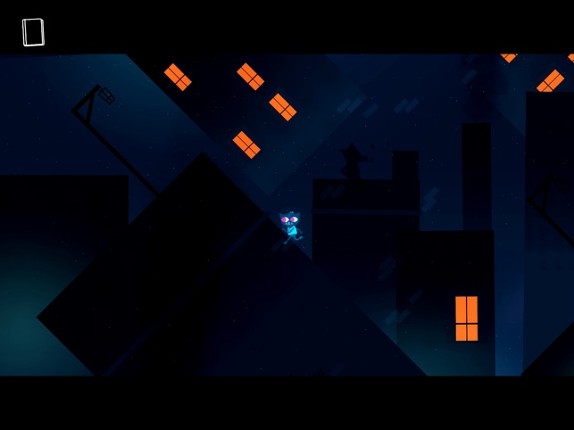
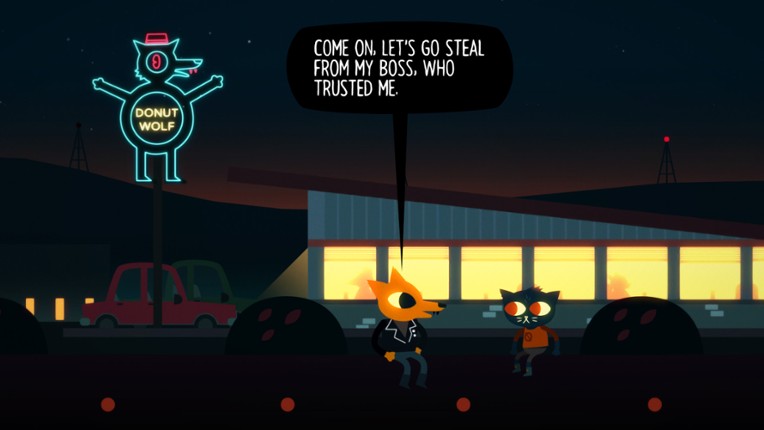
37 View Game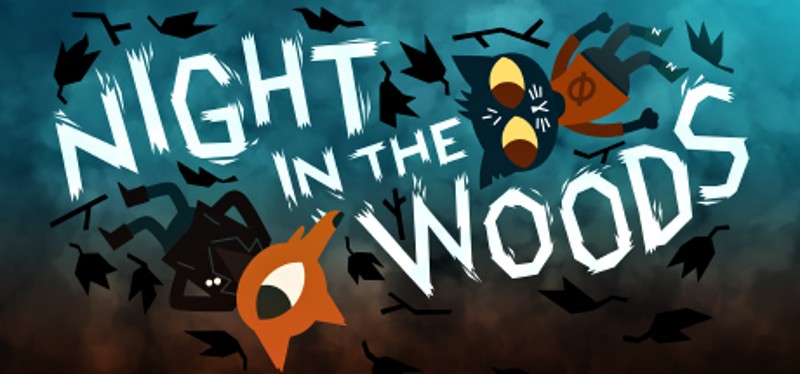 89%Game Brain ScoreMost mentioned positive aspects:story, musicMost mentioned negative aspects:grinding, stability95% User Score 15,259 reviewsCritic Score 83%28 reviewsCaptures small-town mystery and humor through pixel-art exploration and character conversations rather than isolated radio contact. If you enjoyed this game, see our list of games similar to Night in the Woods.View Game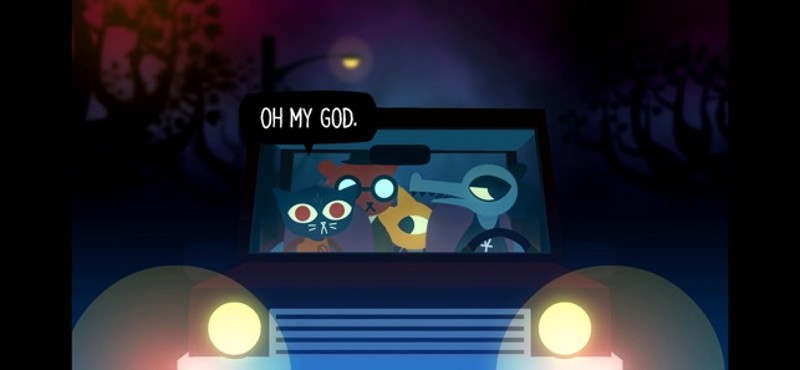
38 View Game
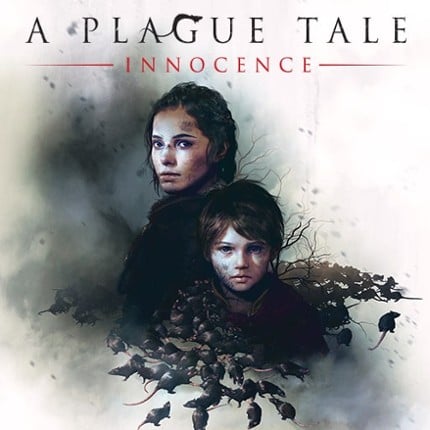
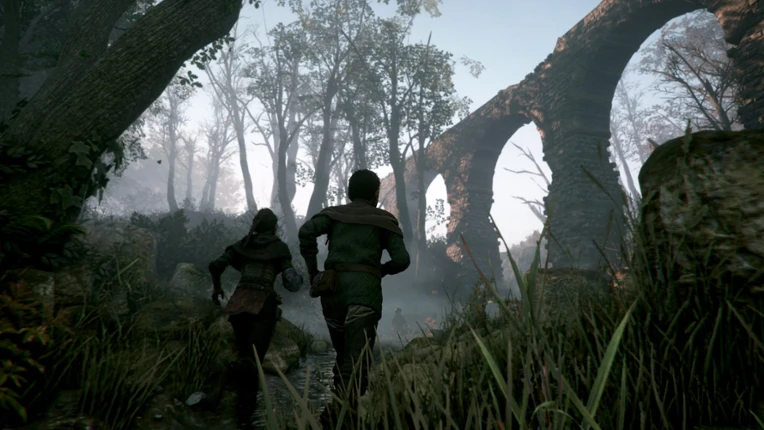 92%Game Brain ScoreMost mentioned positive aspects:story, gameplayMost mentioned negative aspects:replayability, grinding93% User Score 23,415 reviewsCritic Score 91%2 reviewsDarkens Firewatch's introspective tone into medieval horror, demanding stealth and survival alongside atmospheric narrative. If you enjoyed this game, see our list of games similar to A Plague Tale: Innocence.View Game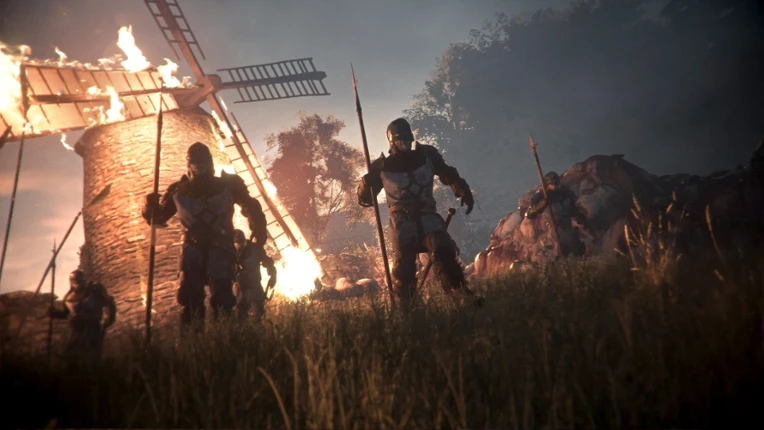
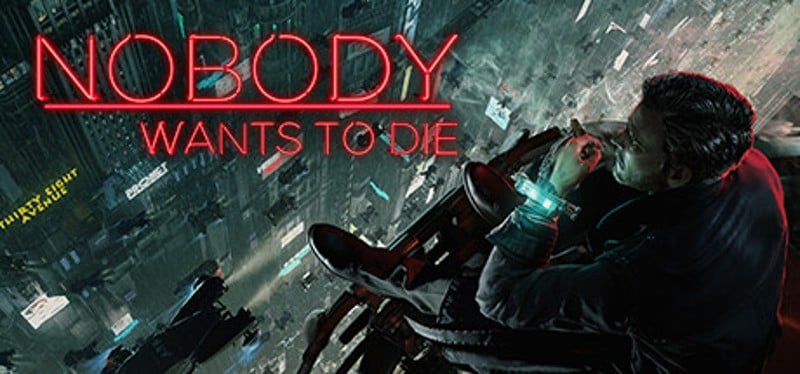
- 79%Game Brain ScoreMost mentioned positive aspects:story, gameplayMost mentioned negative aspects:optimization, replayability82% User Score 3,626 reviewsCritic Score 76%24 reviews
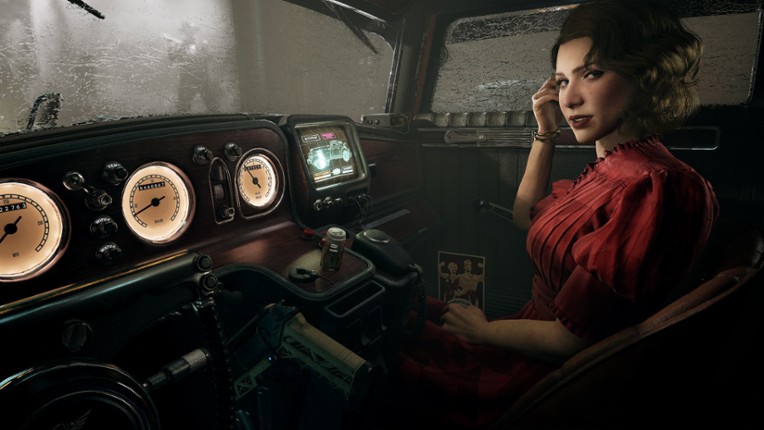
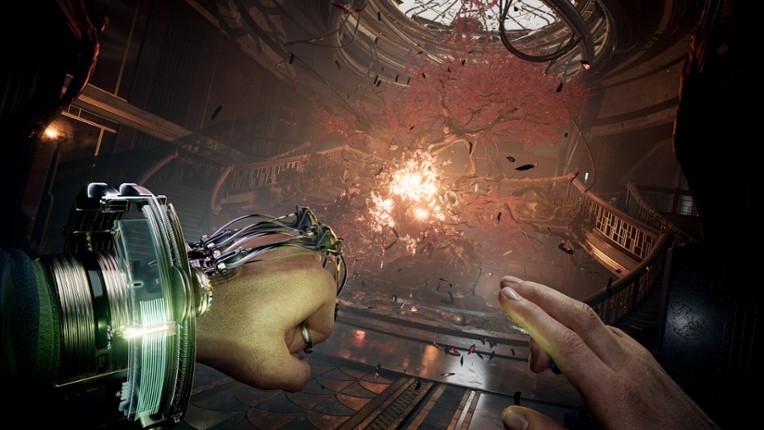
Lose yourself in the dystopian world of New York, 2329; immortality comes at a price that someone has to pay. In this interactive noir story, lead the investigation using advanced technology, as Detective James Karra who risks it all in pursuit of a serial killer targeting the city’s elite. If you enjoyed this game, see our list of games similar to Nobody Wants to Die.
View Game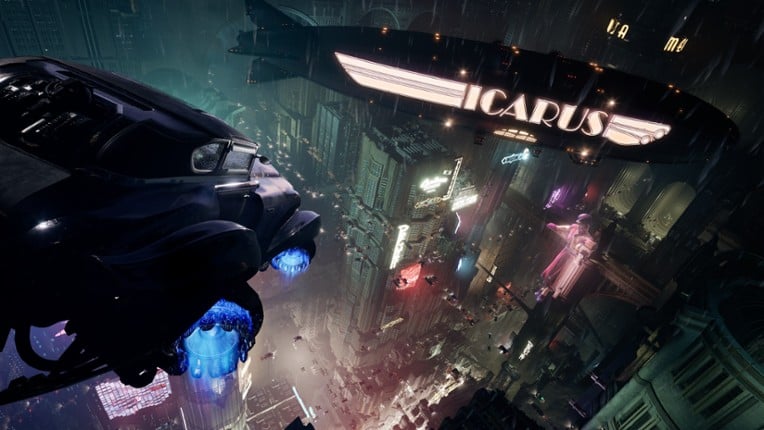
- 87%Game Brain ScoreMost mentioned positive aspects:story, emotionalMost mentioned negative aspects:replayability, grinding88% User Score 18,116 reviewsCritic Score 80%1 reviews
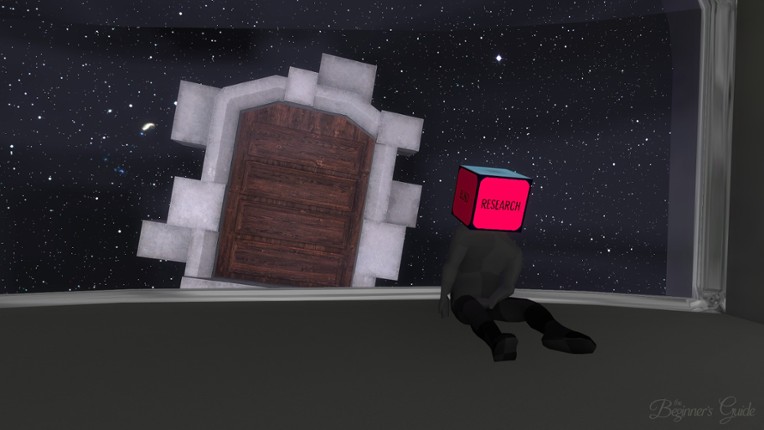
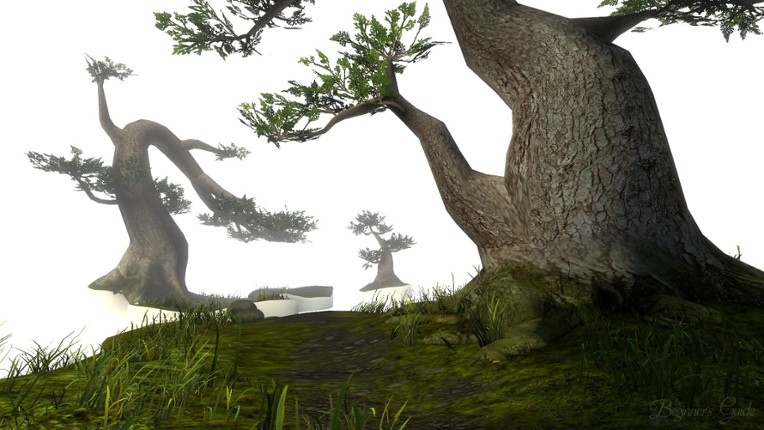
The Beginner's Guide is a narrative video game from Davey Wreden, the creator of The Stanley Parable. It lasts about an hour and a half and has no traditional mechanics, no goals or objectives. Instead, it tells the story of a person struggling to deal with something they do not understand. If you enjoyed this game, see our list of games similar to The Beginner's Guide.
View Game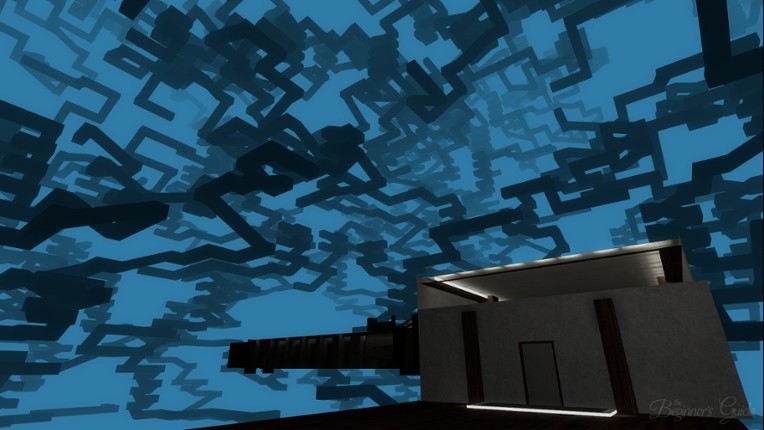
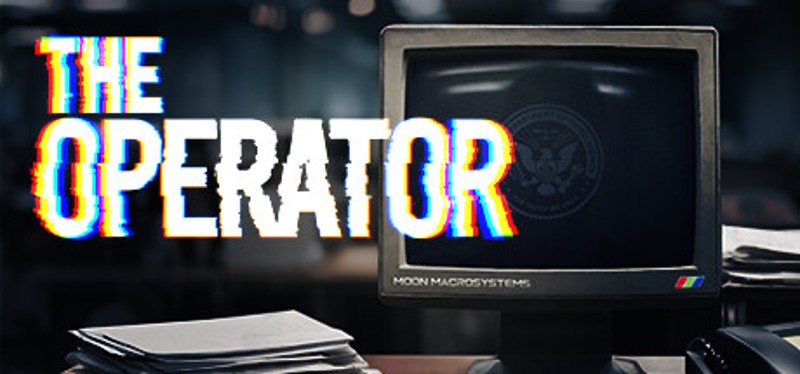
- 85%Game Brain ScoreMost mentioned positive aspects:story, gameplayMost mentioned negative aspects:replayability, grinding90% User Score 3,777 reviewsCritic Score 78%6 reviewsEmphasizes investigative FMV storytelling with interactive narrative elements, adding a cinematic documentary style to Firewatch’s atmospheric mystery. If you enjoyed this game, see our list of games similar to The Operator.View Game
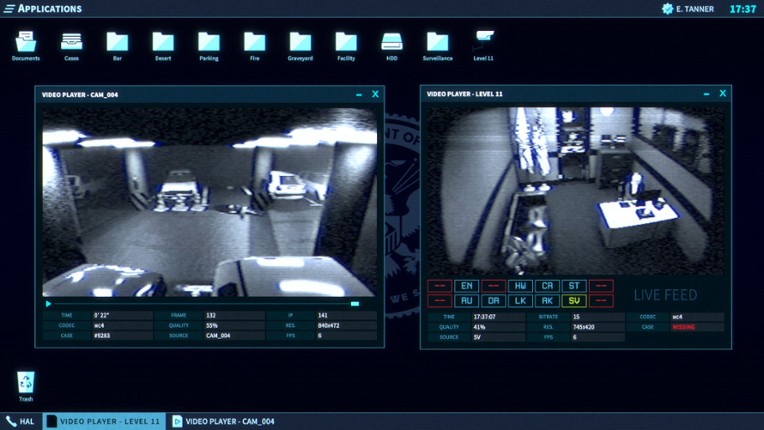
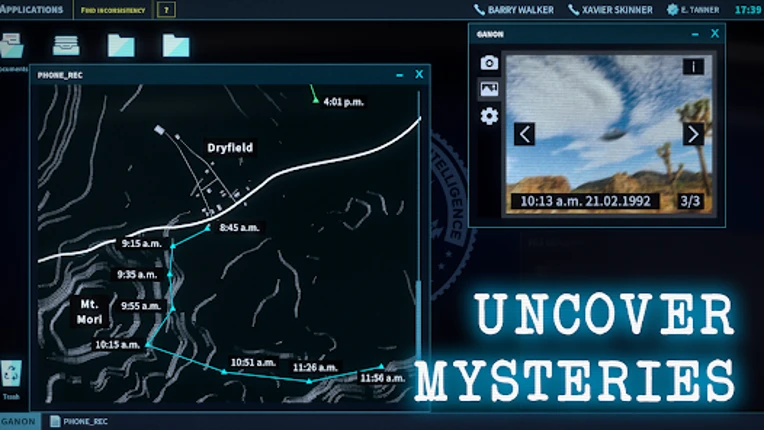
42 View Game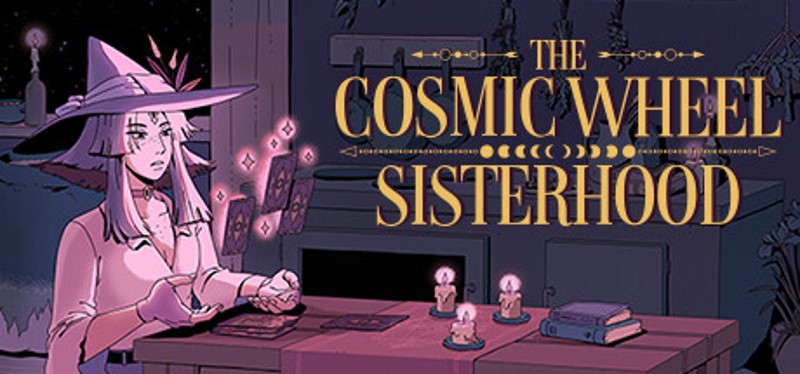 93%Game Brain ScoreMost mentioned positive aspects:story, gameplayMost mentioned negative aspects:grinding, stability95% User Score 3,444 reviewsCritic Score 88%2 reviewsSwap the isolation of the Wyoming wilderness for the mystical, tarot-driven social politics of a cosmic coven in this branching narrative adventure. If you enjoyed this game, see our list of games similar to The Cosmic Wheel Sisterhood.View Game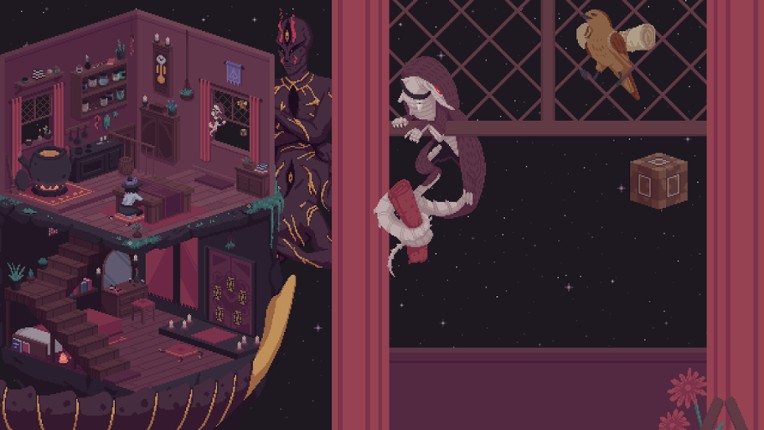
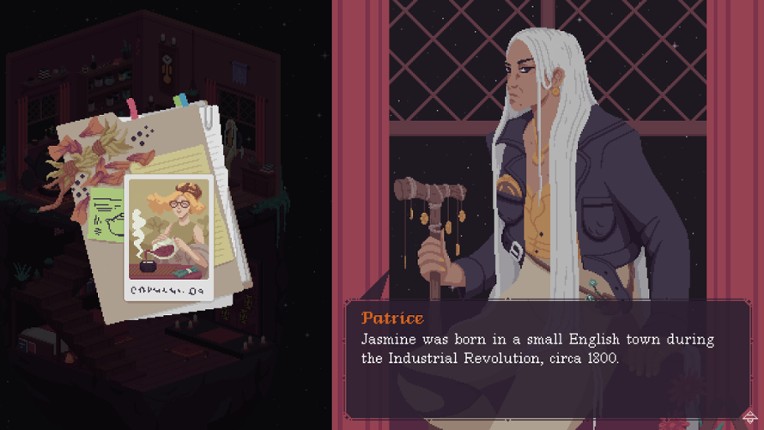
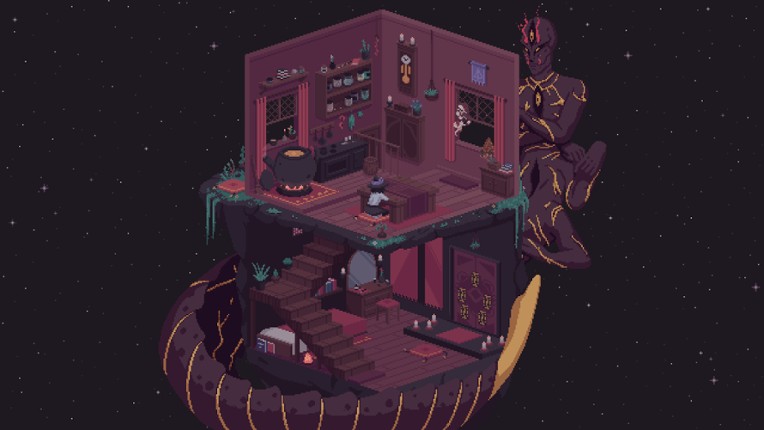
43 View Game 93%Game Brain ScoreMost mentioned positive aspects:story, musicMost mentioned negative aspects:grinding, stability97% User Score 24,873 reviewsCritic Score 89%8 reviews
Youre here to slay the princess. Dont believe her lies. If you enjoyed this game, see our list of games similar to Slay the Princess.
View Game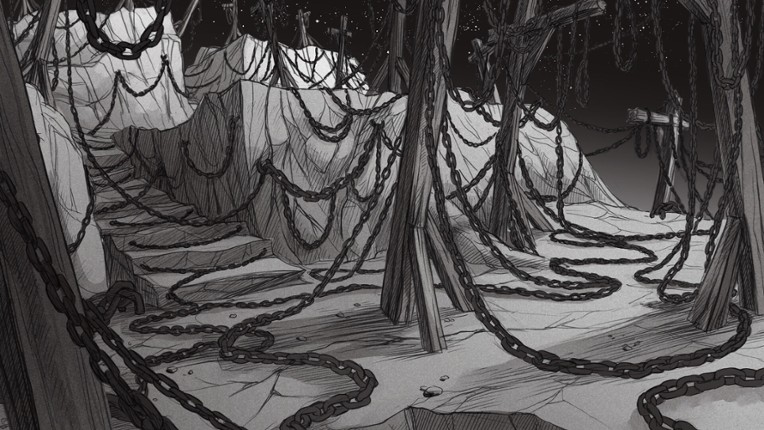


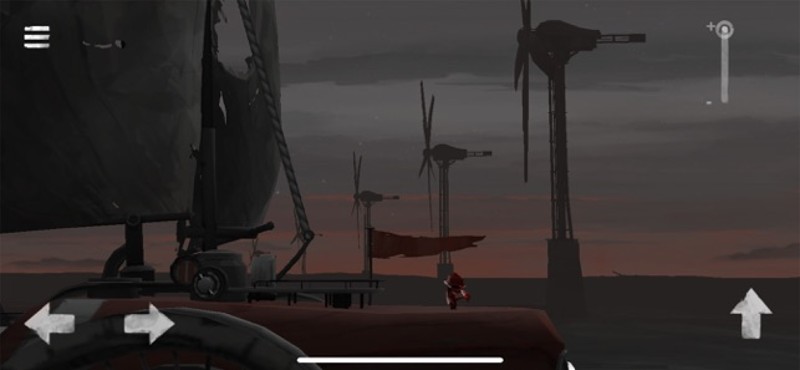
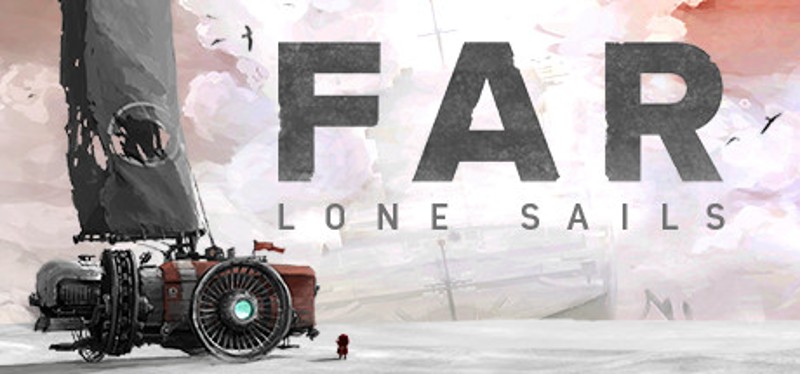
- 86%Game Brain ScoreMost mentioned positive aspects:music, storyMost mentioned negative aspects:replayability, grinding94% User Score 9,141 reviewsCritic Score 78%17 reviewsReplace the stationary watchtower experience with a nomadic, mechanical journey, emphasizing the maintenance of a land-sailing vessel across a post-apocalyptic wasteland. If you enjoyed this game, see our list of games similar to FAR: Lone Sails.View Game


- 81%Game Brain ScoreMost mentioned positive aspects:story, gameplayMost mentioned negative aspects:replayability, stability91% User Score 4,236 reviewsCritic Score 71%17 reviewsEnhance the standard exploration loop with high-speed parkour abilities and a sci-fi suit, prioritizing environmental traversal over the intimate human dialogue of a lookout. If you enjoyed this game, see our list of games similar to Valley.View Game
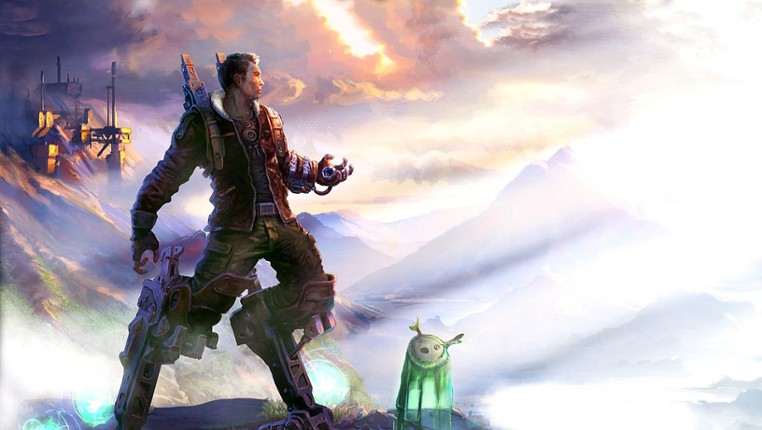
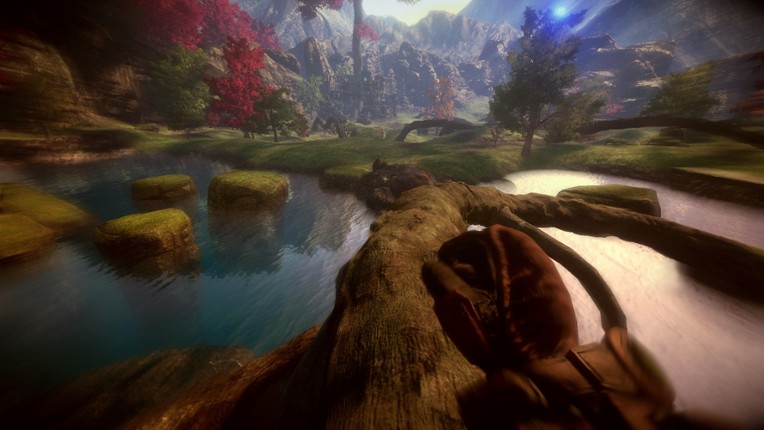
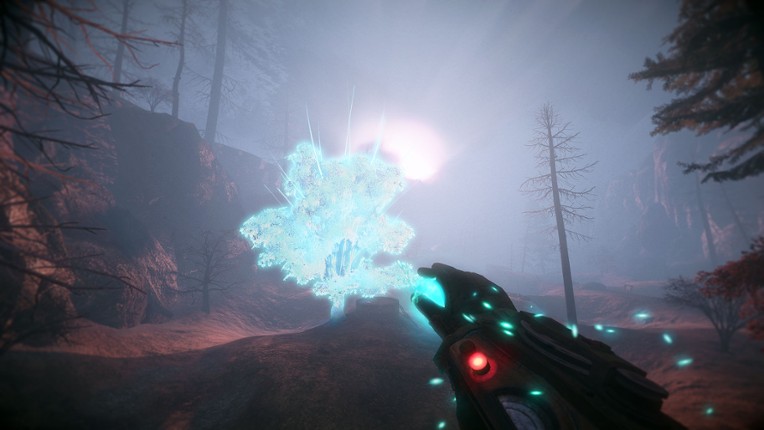
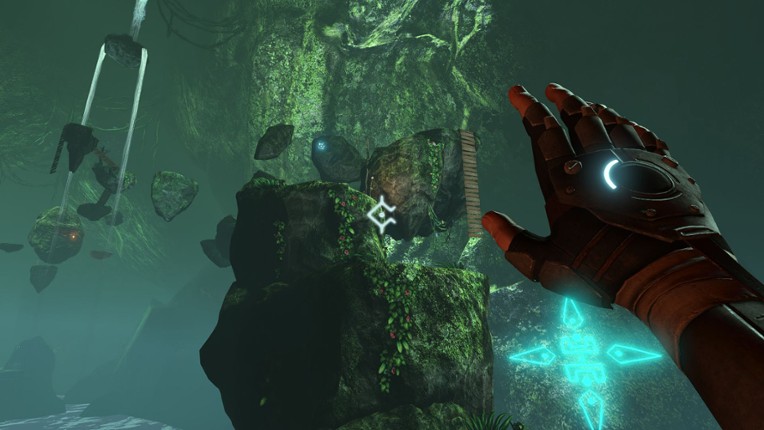
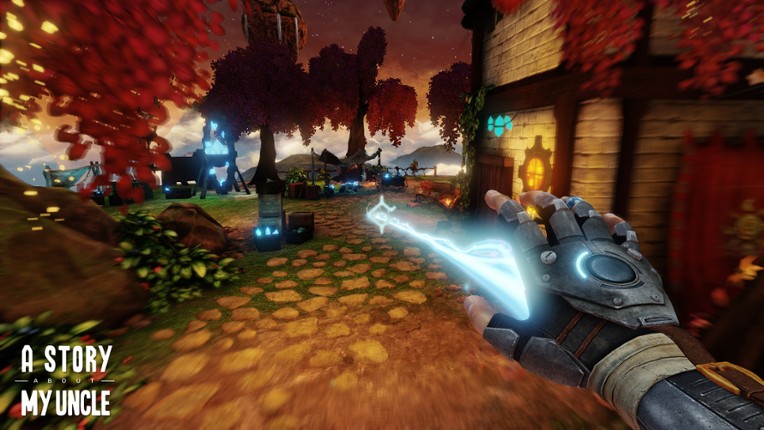
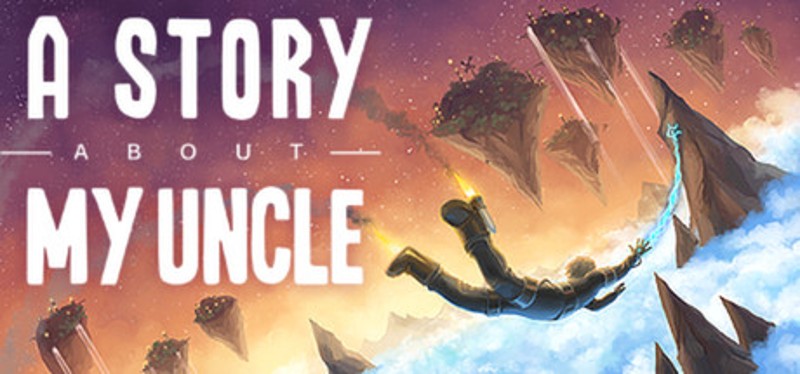
- 90%Game Brain ScoreMost mentioned positive aspects:story, gameplayMost mentioned negative aspects:grinding, stability93% User Score 14,206 reviewsCritic Score 80%1 reviewsReplaces realistic hiking with gravity-defying parkour through a whimsical fantasy realm full of floating platforms. If you enjoyed this game, see our list of games similar to A Story About My Uncle.View Game
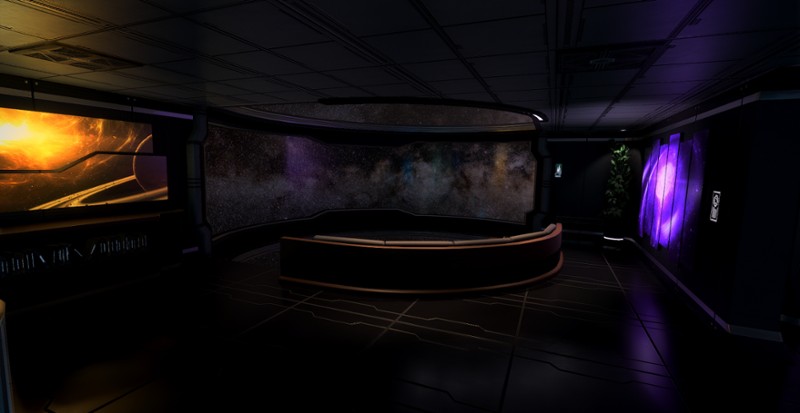
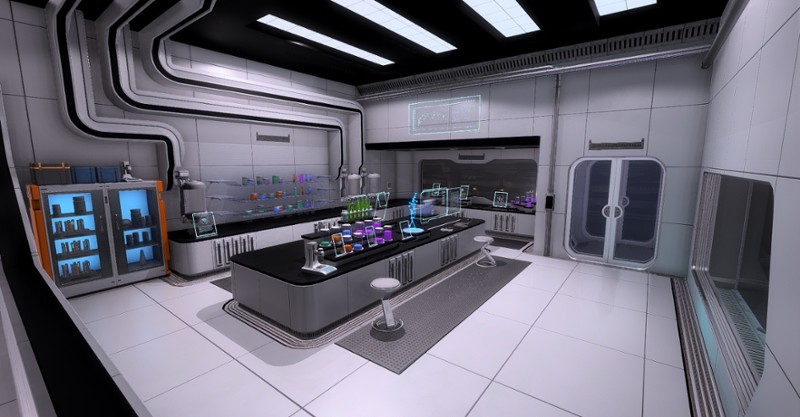
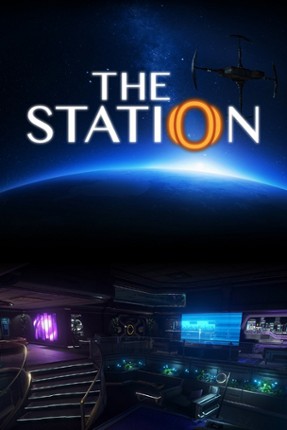
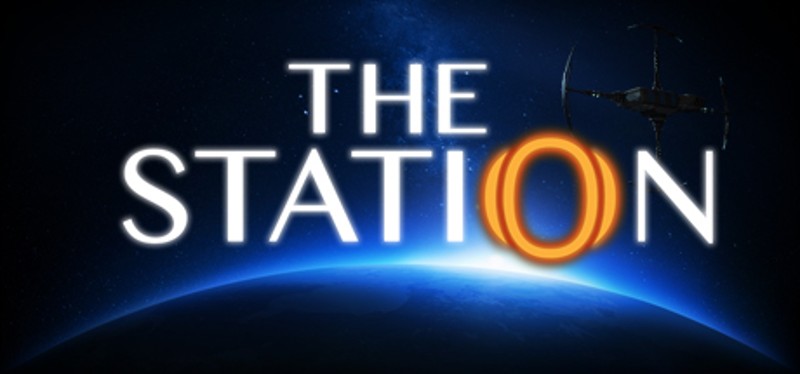
- 80%Game Brain ScoreMost mentioned positive aspects:story, graphicsMost mentioned negative aspects:replayability, stability85% User Score 1,266 reviewsCritic Score 69%5 reviewsLoosely echoes Firewatch's isolated mystery through a sparse sci-fi setting with minimal story presence and exploration focus. If you enjoyed this game, see our list of games similar to The Station.View Game
48 View Game 96%Game Brain ScoreMost mentioned positive aspects:story, musicMost mentioned negative aspects:grinding, replayability96% User Score 4,475 reviews
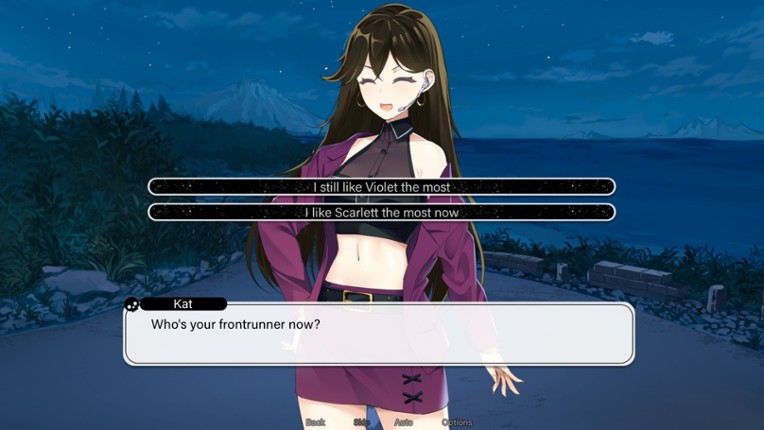
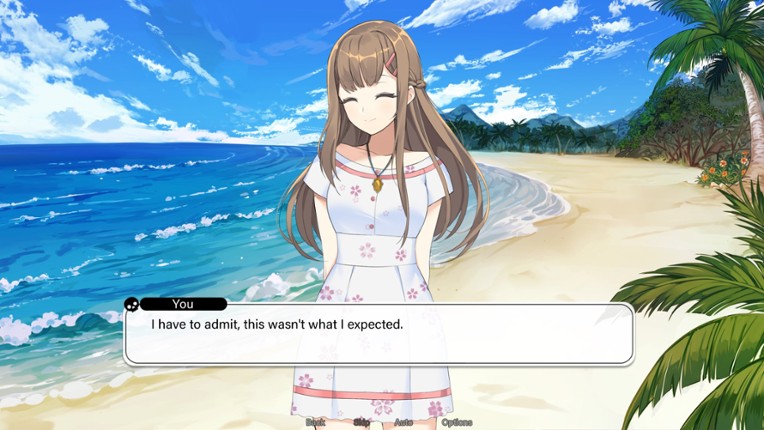
Welcome to Find Love or Die Trying, a dating show where ending up single means ending up dead! Will you find love? Or only score a date with death? Not sure why you'd sign up for this, but now that you're here, you've got 7 days to get one of the lovely ladies on your tropical island getaway to fall in love with you. If she's willing to put a ring on it, you're both free to leave. This version i… If you enjoyed this game, see our list of games similar to Find Love or Die Trying.
View Game
- 90%Game Brain ScoreMost mentioned positive aspects:story, emotionalMost mentioned negative aspects:music, stability95% User Score 1,880 reviewsCritic Score 65%1 reviews
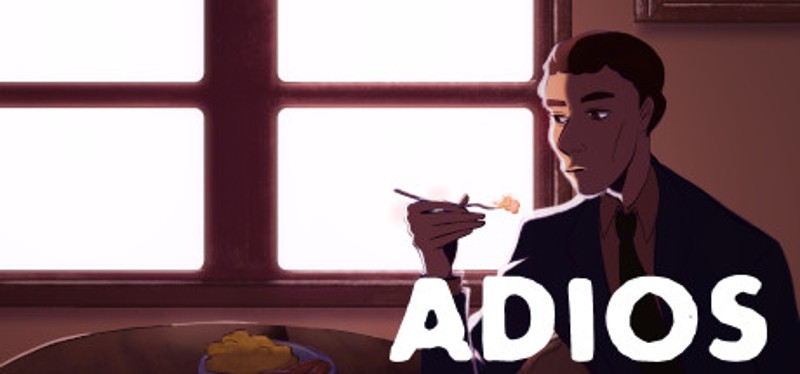
A pig farmer decides he no longer wants to dispose of bodies for the mob. What follows is a discussion between him and his would-be killer. If you enjoyed this game, see our list of games similar to Adios.
View Game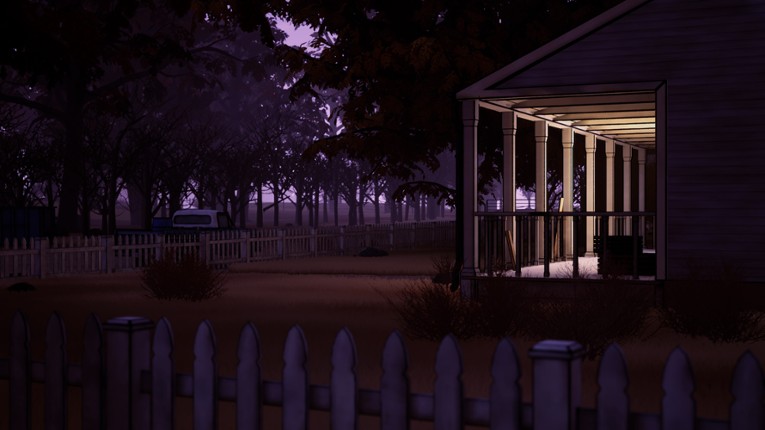

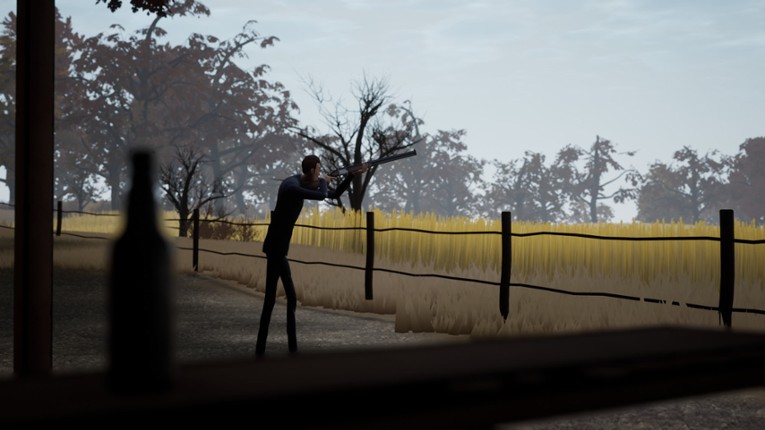
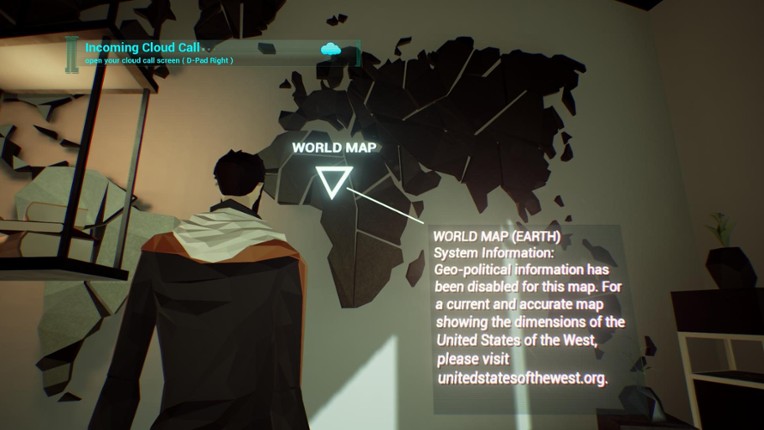
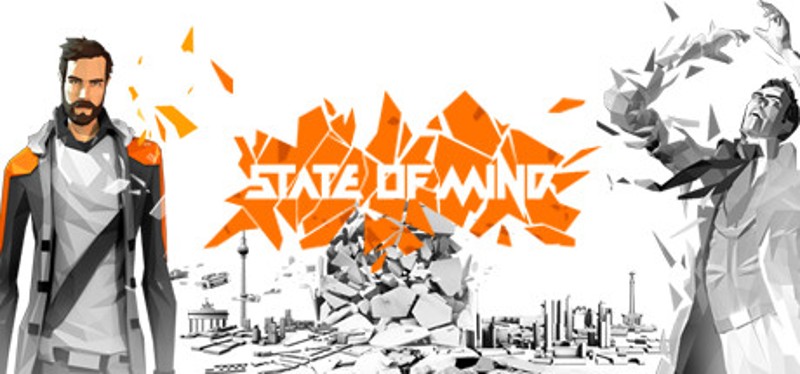
- 75%Game Brain ScoreMost mentioned positive aspects:story, graphicsMost mentioned negative aspects:gameplay, stability76% User Score 887 reviewsCritic Score 70%1 reviewsExplores futuristic societal collapse and transhumanism with more open world elements, contrasting Firewatch’s intimate personal drama and wilderness isolation. If you enjoyed this game, see our list of games similar to State of Mind.View Game



 View Game





























Frequently Asked Questions
The strongest alternatives are What Remains of Edith Finch, which shares Firewatch's emotional storytelling and first-person exploration, and Gone Home, another narrative-focused walking simulator with atmospheric world-building. Oxenfree also delivers compelling character relationships and dialogue-driven gameplay, though with a supernatural twist instead of mystery.
Marie's Room is completely free and captures Firewatch's short, atmospheric exploration style with emotional storytelling. It's a walking simulator with puzzle elements that unfolds through environmental interaction, playable in about 30-60 minutes. Perfect if you want Firewatch's vibe without spending money.
The Vanishing of Ethan Carter offers first-person exploration with puzzle-solving and investigation mechanics across stunning open environments. Tacoma provides first-person narrative exploration with unique perspective-shifting storytelling. What Remains of Edith Finch also uses first-person viewpoint for intimate environmental storytelling similar to Firewatch's approach.
The First Tree features a gorgeous soundtrack that emotionally resonates with its touching narrative about loss and nature. Life is Strange pairs indie-folk music with atmospheric storytelling and impactful choices. Oxenfree combines supernatural atmosphere with a memorable soundtrack that enhances its mystery-thriller tone throughout.
Life is Strange centers entirely on player choices affecting the story across multiple endings, with puzzle-solving integrated into its time-rewind mechanic. Oxenfree features a dialogue system where conversations shape character relationships and outcomes. Both offer narrative depth comparable to Firewatch's character-driven storytelling.
Marie's Room takes 30-60 minutes, making it perfect for quick playthroughs. What Remains of Edith Finch completes in about 2-3 hours with innovative storytelling for each chapter. The First Tree is similarly brief and atmospheric. All prioritize narrative impact over lengthy gameplay, like Firewatch.