

Games like Life is Strange
If Life is Strange left a mark on you — the time-rewind puzzles, the weight of every dialogue choice, the ache of its coming-of-age story — you're not alone in wanting more of that feeling. Games like Life is Strange sit at a rare crossroads of narrative adventure, emotional storytelling, and player-driven consequences, and finding something that hits the same notes takes a little guidance. The good news: there are some genuinely excellent alternatives worth your time.
What makes Life is Strange so distinct is the way it fuses a point-and-click adventure structure with a supernatural mechanic — time manipulation — that's woven directly into both its puzzles and its emotional stakes. It's a third-person, episodic story built around a female protagonist navigating mystery, drama, and science fiction, all wrapped in a hand-painted aesthetic and an indie-folk soundtrack. Players aren't here for combat or speed; they're here for atmosphere, character bonds, and the slow burn of decisions that feel genuinely personal.
What Makes a Good Alternative to Life is Strange?
- Choice-driven narrative — Life is Strange's core appeal is that your decisions feel meaningful. The best alternatives share a system where dialogue and choices visibly shape the story, characters, and endings rather than serving as cosmetic decoration.
- A central character mechanic tied to storytelling — Whether it's time-rewinding, a backtalk system, or reading emotions, great alternatives give you a special ability that deepens how you experience the narrative rather than just how you navigate levels.
- Episodic, story-rich structure — Life is Strange unfolds like a prestige drama series. Games that share this paced, chapter-based storytelling let emotional moments breathe and build investment across sessions.
- Strong atmosphere and soundtrack — The indie-folk score and hand-painted visuals aren't decoration; they're inseparable from the emotional tone. Alternatives that use art style and music deliberately to reinforce mood deliver a similar sense of place.
- LGBTQ+ representation and mature themes — Life is Strange treats identity, relationships, and trauma with sincerity. Players searching for similar games often want that same respect for complex, human subject matter.
Top Picks If You Enjoyed Life is Strange
Life is Strange: Before the Storm delivers the same emotional weight with a sharp backtalk mechanic; Tell Me Why offers groundbreaking LGBTQ+ representation and an inventive memory system; The Wolf Among Us brings noir atmosphere and tense episodic choices; To the Moon is a short, devastatingly emotional story with an unforgettable soundtrack; and The Walking Dead raises the stakes on consequential decisions with raw dramatic tension.
Every recommendation below is ranked by similarity using real player data, so the closest matches appear first. Browse the full list to find the game that fits exactly what drew you to Life is Strange in the first place.
- 94%Game Brain ScoreMost mentioned positive aspects:story, emotionalMost mentioned negative aspects:stability, grinding97% User Score 43,040 reviewsCritic Score 88%6 reviews
Both games force you to navigate high-stakes social interactions where silence is as much a deliberate action as a spoken word. This tension transforms dialogue into a tactical minefield, mirroring the heavy burden of deciding a character's fate during crisis moments.
The episodic structure mirrors the pacing of Arcadia Bay, using cliffhangers to sustain narrative momentum. Because your decisions carry over, you experience a mounting sense of responsibility for your companions, creating a persistent emotional weight that mirrors Max’s struggle. This shared reliance on point-and-click exploration rewards players who prefer uncovering lore through environmental storytelling.
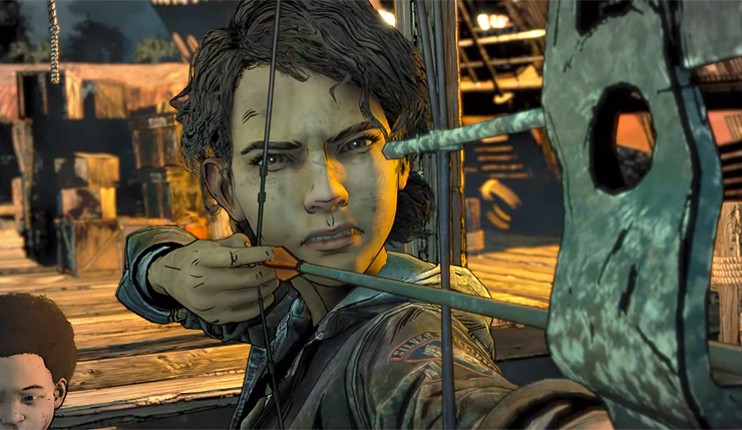
While Life is Strange is sometimes criticized for its binary endings, The Walking Dead focuses on the immediate, irreversible fallout of your actions on group dynamics. It replaces time-manipulation safety nets with raw consequences that demand you live with every split-second mistake. This shift provides a fresh sense of urgency for players who felt the rewind mechanic occasionally lowered the stakes.
Best for players who prioritize raw emotional consequence over narrative perfection.
If you enjoyed this game, see our list of games similar to The Walking Dead.View Game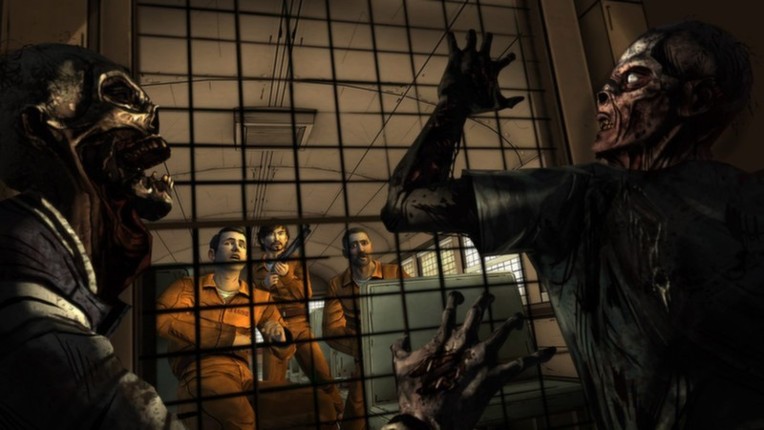
- 91%Game Brain ScoreMost mentioned positive aspects:story, musicMost mentioned negative aspects:stability, grinding93% User Score 14,754 reviewsCritic Score 81%1 reviews
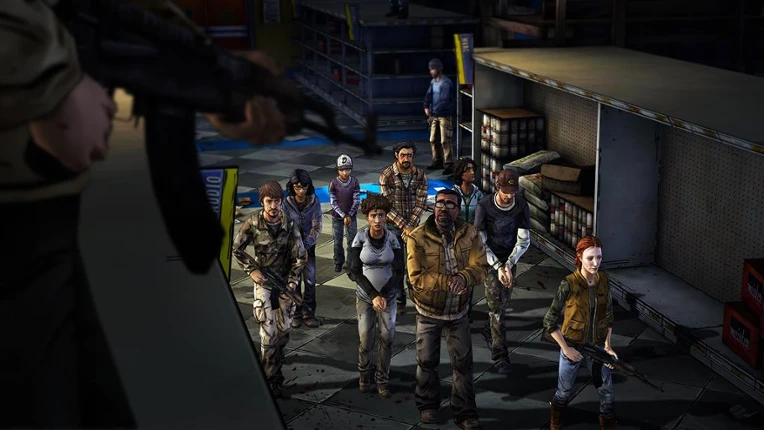
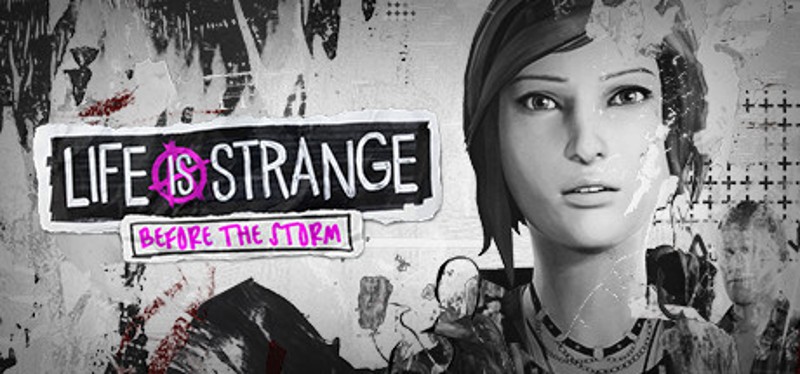
Fans of Life is Strange will recognize the same habit of slowing down to talk, explore, and choose your way through tense conversations, but Before the Storm turns that rhythm into a more personal, reactive experience. The backtalk system gives dialogue a sharper edge, so your choices feel like verbal pushback instead of passive responses.
It also keeps the series’ strengths intact: episodic structure, choice-driven scenes, and a strong focus on atmosphere and soundtrack. That matters because the game spends its energy on mood, character tension, and small interactive moments, which preserves the slow-burn storytelling that made the original stand out.
The biggest tradeoff is that Before the Storm is more linear and less mechanically inventive than the first game, but it answers one common complaint by putting more weight on character drama and emotional payoff. Best for players who want story-first choices and a more intimate take on Chloe’s world.
If you enjoyed this game, see our list of games similar to Life is Strange: Before the Storm.View Game
- 82%Game Brain ScoreMost mentioned positive aspects:story, emotionalMost mentioned negative aspects:stability, grinding82% User Score 16,450 reviewsCritic Score 82%5 reviews
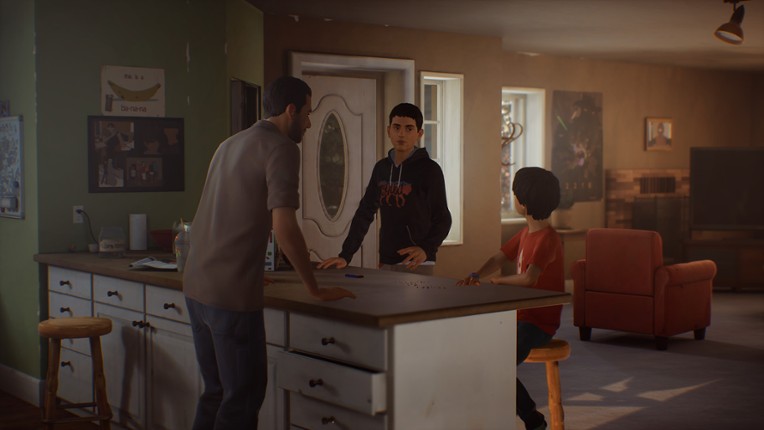
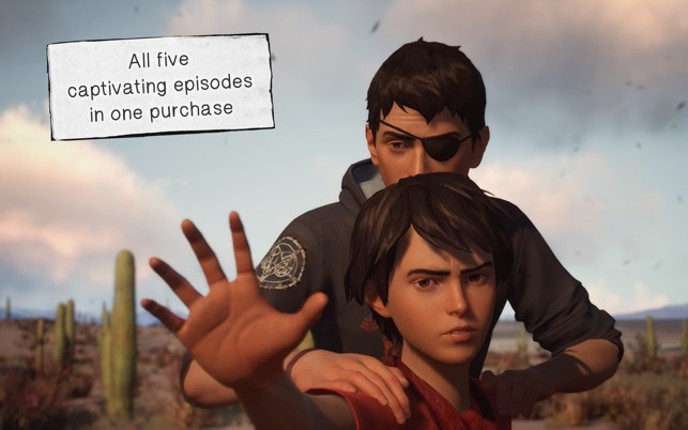
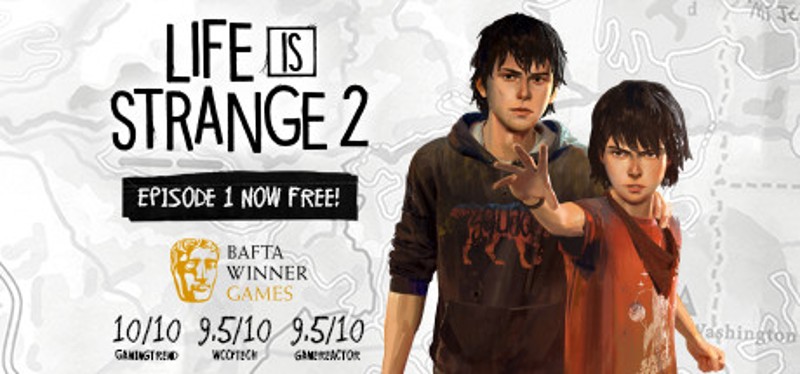
Fans of Life is Strange who cherish the weight of every dialogue choice will find that weight amplified in Life is Strange 2. The game treats your ethical decisions not as branching plot points but as accumulating evidence of who you are as a guardian, shaping how your younger brother sees you and how the world responds to your choices.
Both games share a commitment to emotional authenticity in character relationships, using slow, deliberate pacing to let bonds develop organically. Where the original uses time-rewinding to explore consequences, Life is Strange 2 employs a visible karma system that tracks the moral toll of survival decisions—a design choice that makes the same emotional investment feel more persistent and visible across the entire journey.
The shift from a single protagonist to two brothers on the run trades the intimate mystery of Arcadia Bay for a sprawling, politically charged road trip. This fresh angle sacrifices the cozy small-town atmosphere for higher stakes and broader thematic scope, rewarding players who want moral complexity over nostalgic comfort.
Best for players who value long-form choice consequences and character-driven narratives over puzzle-solving or supernatural mechanics.
If you enjoyed this game, see our list of games similar to Life is Strange 2.View Game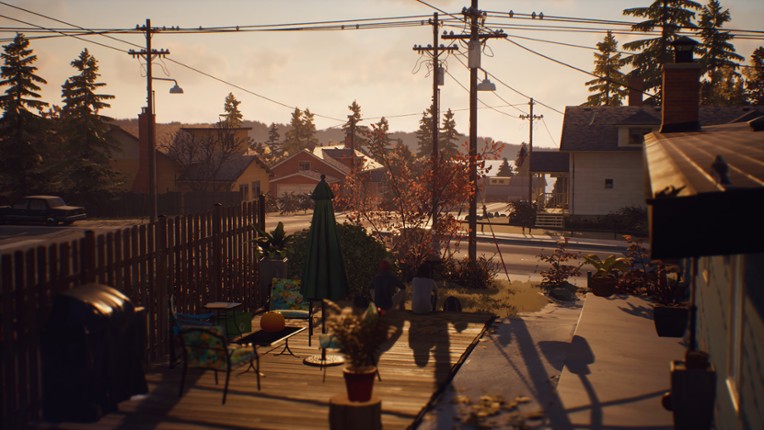
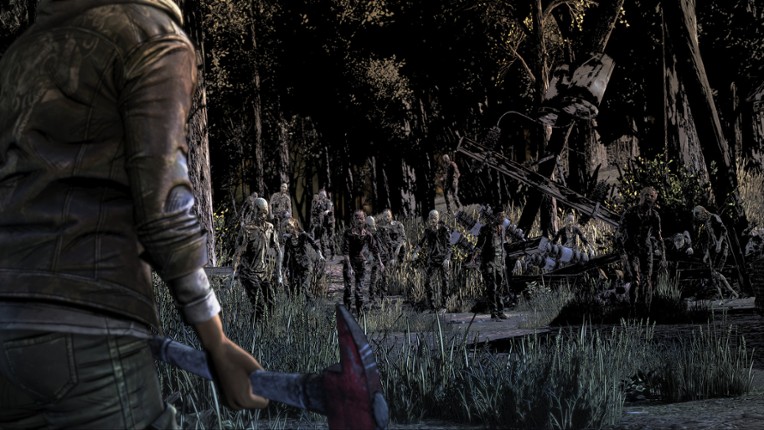
- 92%Game Brain ScoreMost mentioned positive aspects:story, emotionalMost mentioned negative aspects:stability, grinding97% User Score 16,423 reviewsCritic Score 85%8 reviewsShares the emotionally weighted choices and multiple endings, but replaces Arcadia Bay's mystery with a post-apocalyptic zombie world and grittier stakes. If you enjoyed this game, see our list of games similar to The Walking Dead: The Telltale Definitive Series.View Game
- 92%Game Brain ScoreMost mentioned positive aspects:story, musicMost mentioned negative aspects:replayability, grinding96% User Score 35,756 reviewsCritic Score 83%4 reviews
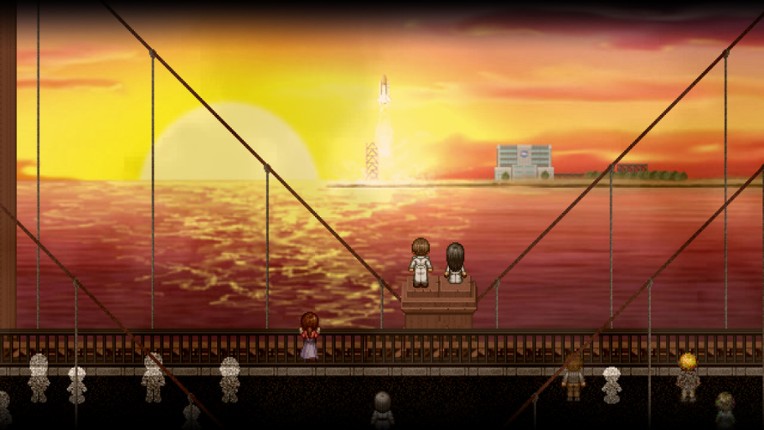
Both Life is Strange and To the Moon hinge on deeply emotional storytelling driven by memorable characters and impactful moments that shape player experience. They share a focus on a female protagonist, which anchors their narratives in personal growth and strong emotional beats. This connection ensures a compelling journey through intimate drama and speculative elements.
The key tradeoff lies in pacing and structure: To the Moon offers a linear, pixel-art experience without player-driven choice, contrasting Life is Strange’s episodic format where decisions actively alter outcomes and gameplay. Consequently, To the Moon sacrifices interactivity for a tighter, more focused narrative flow.
Pick To the Moon if you prioritize emotional resonance and story above player agency and can accept minimal gameplay variety. Skip it if you want meaningful branching choices or a more dynamic, puzzle-driven experience like Life is Strange.
If you enjoyed this game, see our list of games similar to To the Moon.View Game

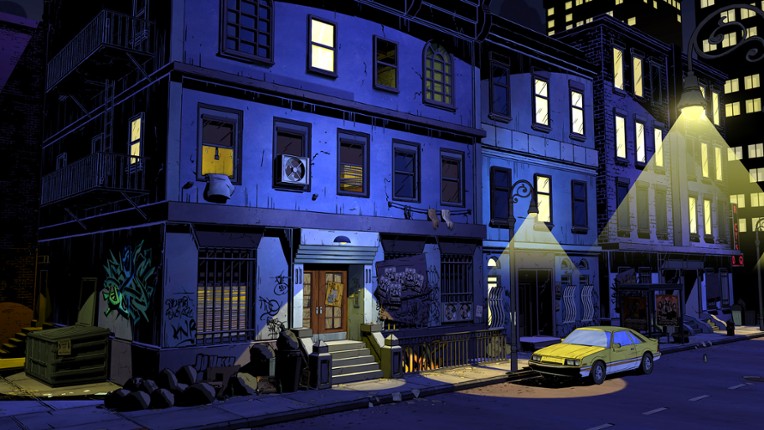
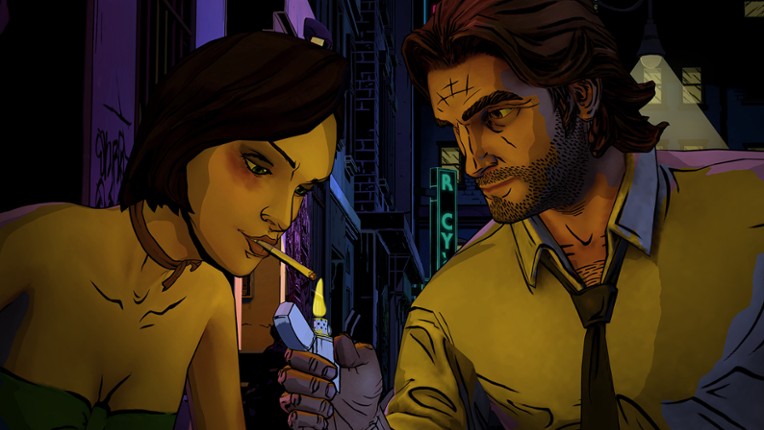
- 91%Game Brain ScoreMost mentioned positive aspects:story, graphicsMost mentioned negative aspects:stability, grinding98% User Score 22,910 reviewsCritic Score 82%8 reviews
The Wolf Among Us mirrors the Life is Strange experience through its consequence-driven narrative architecture, where your dialogue choices dictate the grim fate of the cast. This shared commitment to branching storytelling matters because it forces you to live with the heavy, often irreversible weight of your moral compromises.
The primary tradeoff is tonal: you trade the nostalgic, slow-burn teenage melancholy of Arcadia Bay for a visceral, hard-boiled noir thriller set in a gritty urban underworld. While you lose the time-rewind puzzles, you gain a sharp, reactive detective system that demands more aggressive instincts.
Pick this up if you want high-stakes emotional consequences but can live without the supernatural time-manipulation mechanics.
If you enjoyed this game, see our list of games similar to The Wolf Among Us.View Game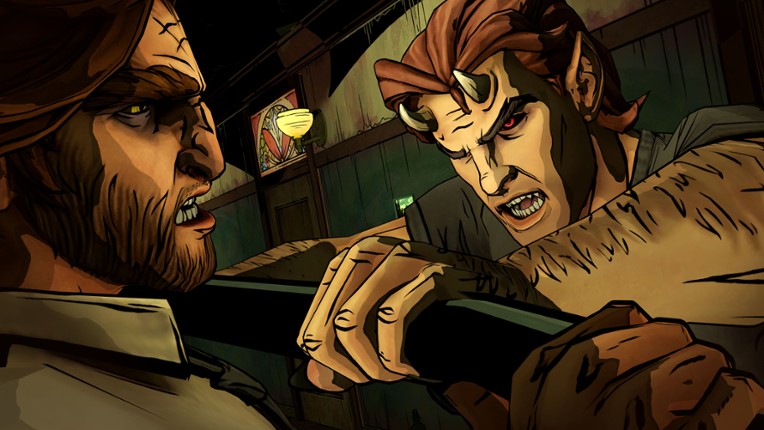
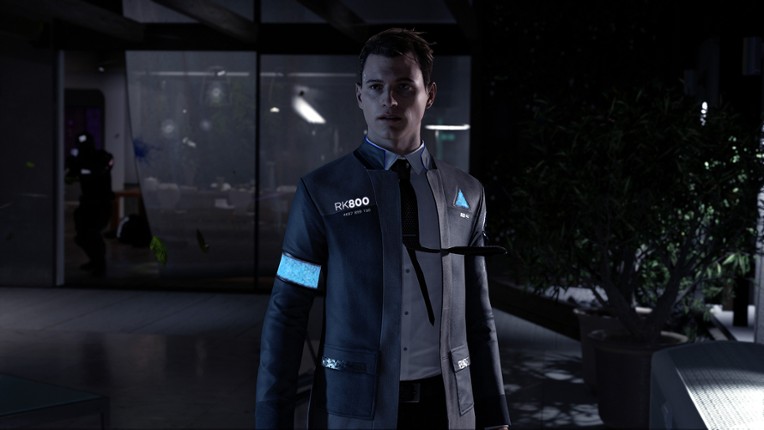
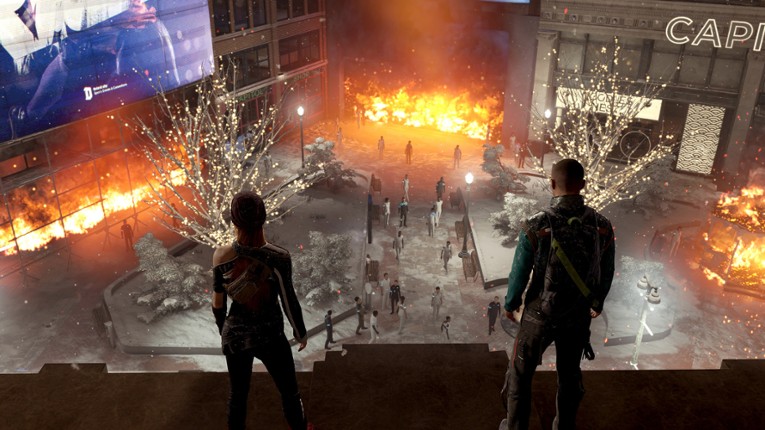
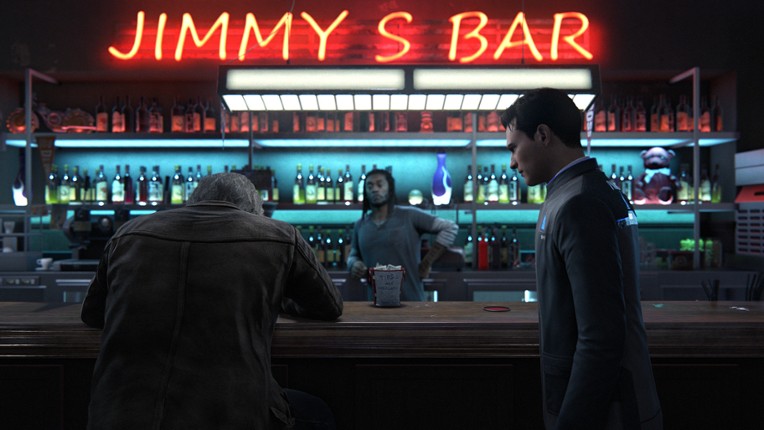
- 87%Game Brain ScoreMost mentioned positive aspects:story, graphicsMost mentioned negative aspects:grinding, stability95% User Score 66,027 reviewsCritic Score 79%49 reviewsExpands the choice-driven narrative to three interconnected protagonists in a cyberpunk future, trading intimate coming-of-age for high-stakes android uprising. If you enjoyed this game, see our list of games similar to Detroit: Become Human.View Game
- 89%Game Brain ScoreMost mentioned positive aspects:story, musicMost mentioned negative aspects:grinding, stability91% User Score 12,913 reviewsCritic Score 80%2 reviews
Both games share the same narrative DNA — emotionally-driven adventures where meaningful choices branch into multiple endings, centered on female protagonists navigating complex personal and supernatural mysteries. The atmospheric, stylized presentation with critically-acclaimed soundtracks creates an equally immersive emotional tone.
True Colors offers modern production values and smoother gameplay, but ditches the iconic time-rewind mechanic for a simpler empathy-based power.
Pick this up if you want the same emotional storytelling and choice-driven drama but can live without time manipulation and don't mind aggressive monetization.
If you enjoyed this game, see our list of games similar to Life is Strange: True Colors.View Game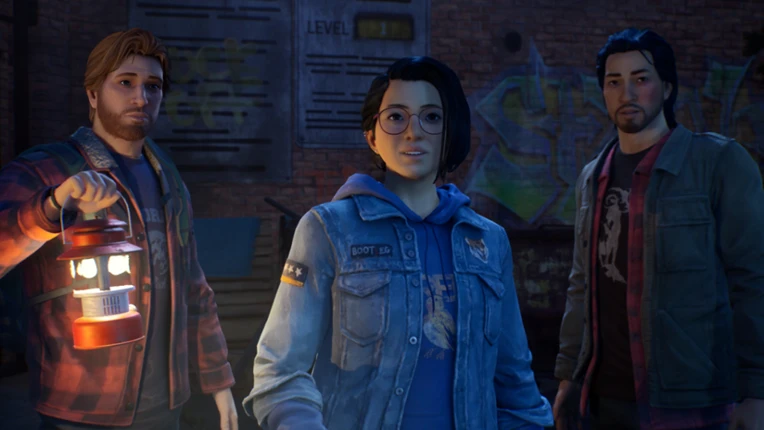


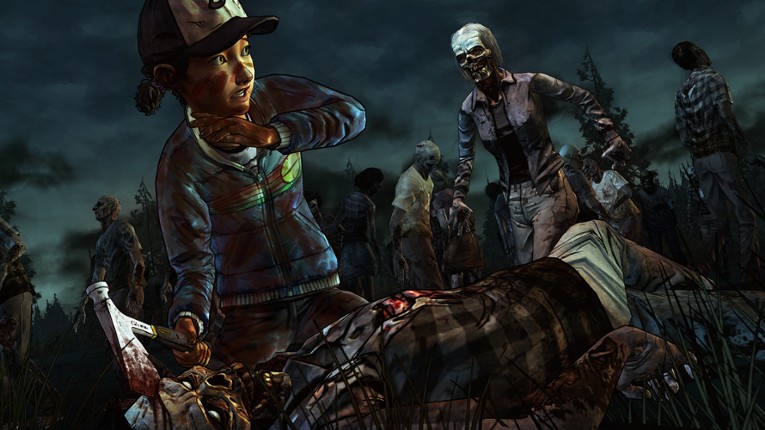
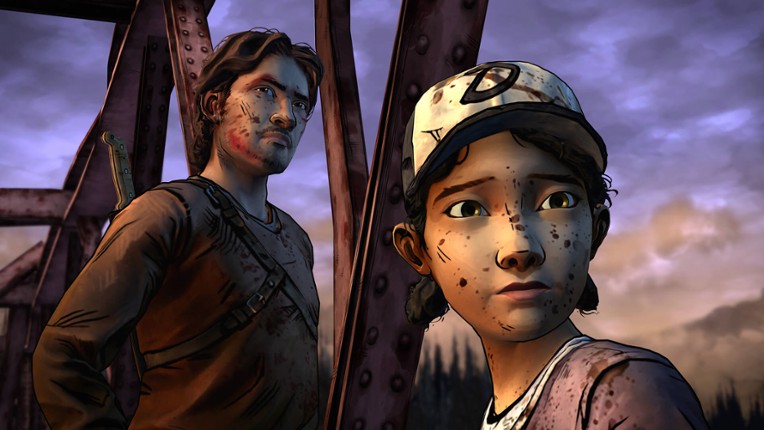
- 91%Game Brain ScoreMost mentioned positive aspects:story, emotionalMost mentioned negative aspects:stability, grinding96% User Score 15,784 reviewsCritic Score 81%4 reviewsKeeps the episodic choice-driven structure but follows a hardened young survivor navigating an even more brutal, violence-heavy post-apocalyptic world. If you enjoyed this game, see our list of games similar to The Walking Dead: Season Two.View Game
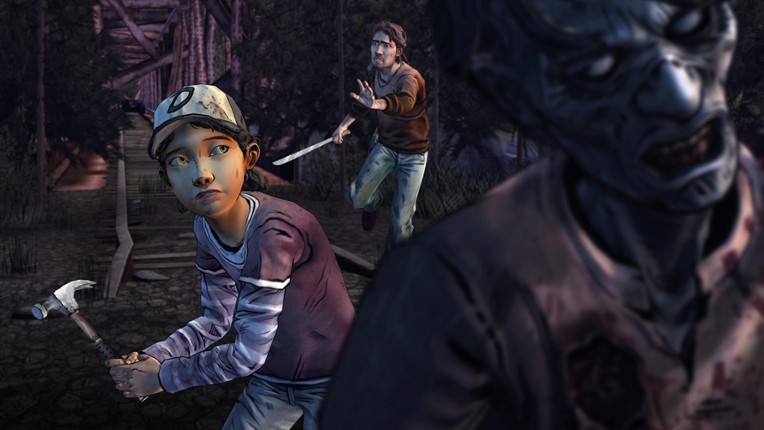
- 81%Game Brain ScoreMost mentioned positive aspects:story, emotionalMost mentioned negative aspects:grinding, stability81% User Score 7,592 reviewsCritic Score 79%2 reviews
That pull to sit with a conversation just a little longer — to really weigh what you say before you say it — runs through both games in the same deliberate, emotionally loaded way. Tell Me Why shares Life is Strange's episodic structure and choice-driven storytelling, where small interpersonal decisions accumulate into something that feels genuinely personal. Because both games tie narrative weight to quiet, character-level moments rather than action, the emotional stakes land in a comparable place.
The memory mechanic functions as Tell Me Why's answer to time rewind — not a puzzle tool, but a storytelling lens that lets two siblings contest the same past event from different perspectives. This creates the same re-evaluation loop that made rewinding dialogue in Life is Strange so compelling. LGBTQ+ representation is also woven into the narrative's core rather than treated as incidental, continuing that thread authentically.
Where Life is Strange drew criticism for choices that felt softened by multiple endings, Tell Me Why keeps its scope tighter, which makes individual decisions feel more anchored. The tradeoff is a shorter, less sprawling experience — but that focus sharpens the emotional clarity considerably.
Best for players who prioritize character interiority and narrative craft over mechanical complexity or replay breadth.
If you enjoyed this game, see our list of games similar to Tell Me Why.View Game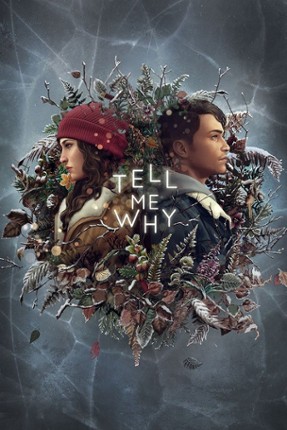
11 View Game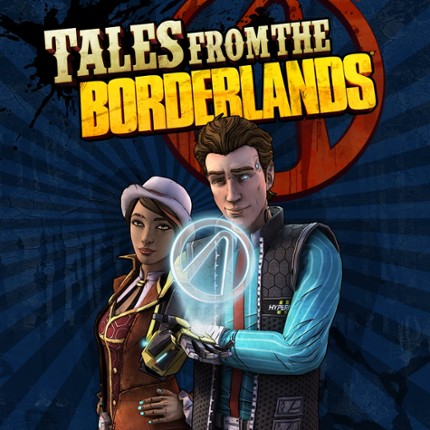 90%Game Brain ScoreMost mentioned positive aspects:story, humorMost mentioned negative aspects:stability, grinding95% User Score 18,398 reviewsCritic Score 84%8 reviews
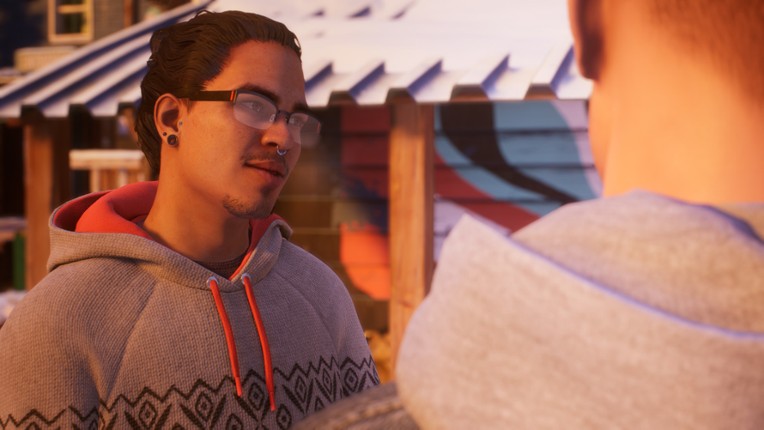
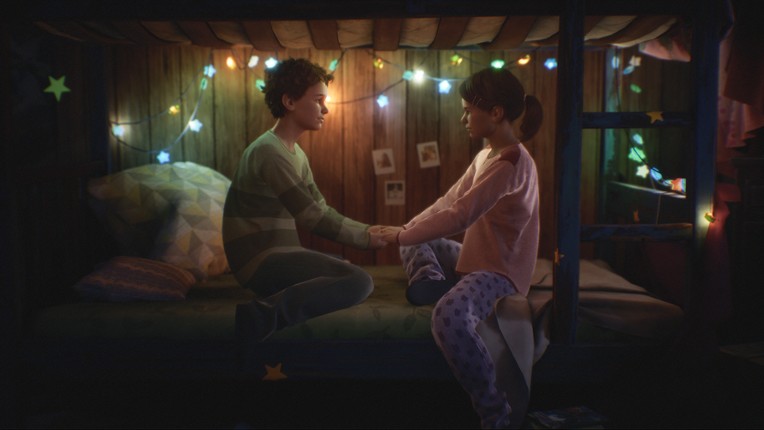
Both games build their emotional weight around episodic storytelling where your choices reshape character relationships. Your decisions don't just alter dialogue—they fundamentally change who trusts or despises you by season's end, because it matters to the narrative you're inhabiting.
Tales pairs this with a dark comedy tone that Life is Strange mostly avoids, which makes the stakes feel different—less introspective melancholy, more anarchic desperation.
The tradeoff: Tales leans harder on quick-time events and faster pacing, sacrificing Life is Strange's meditative puzzle-solving and atmospheric time-rewind mechanic.
Pick this up if you want character-driven episodic narratives with humor-fueled chaos, but you're willing to trade quiet introspection for irreverent momentum.
If you enjoyed this game, see our list of games similar to Tales from the Borderlands.View Game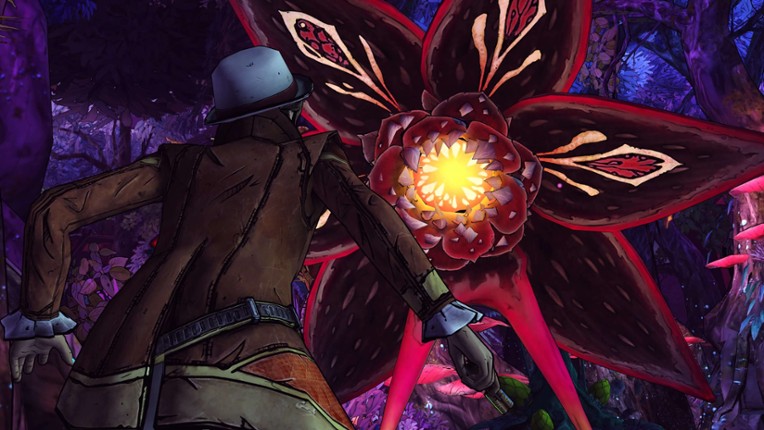


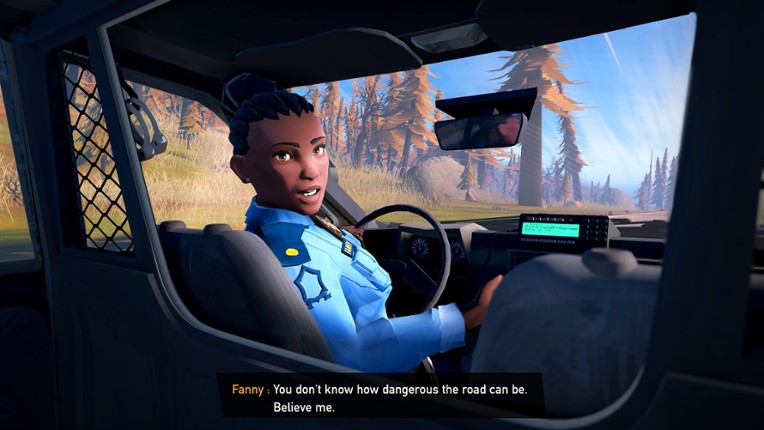
- 90%Game Brain ScoreMost mentioned positive aspects:story, musicMost mentioned negative aspects:grinding, stability91% User Score 15,234 reviewsCritic Score 85%1 reviewsRandomized road-trip storytelling replaces fixed narrative arcs, weaving political commentary into a first-person procedural journey. If you enjoyed this game, see our list of games similar to Road 96.View Game

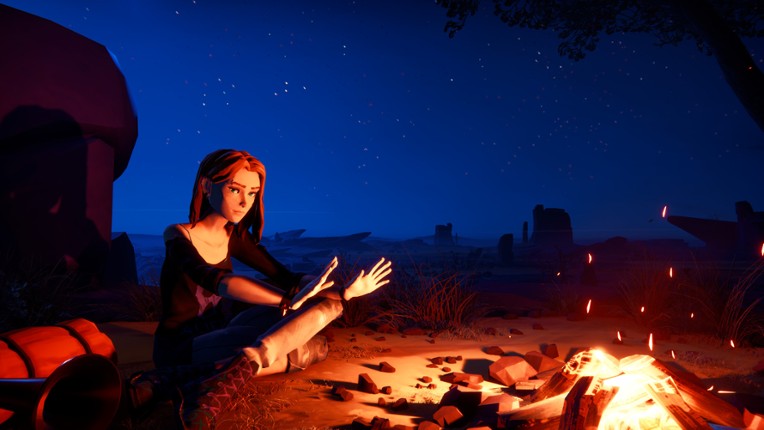
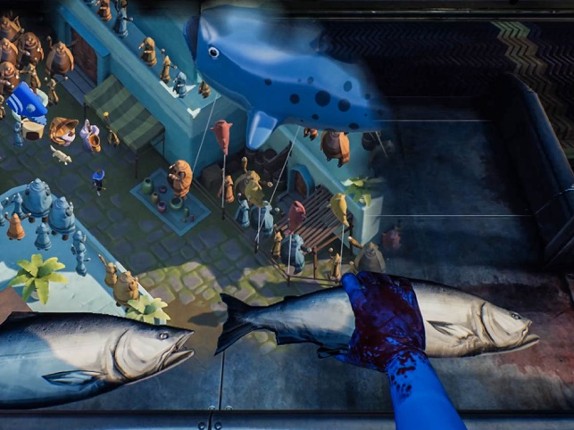
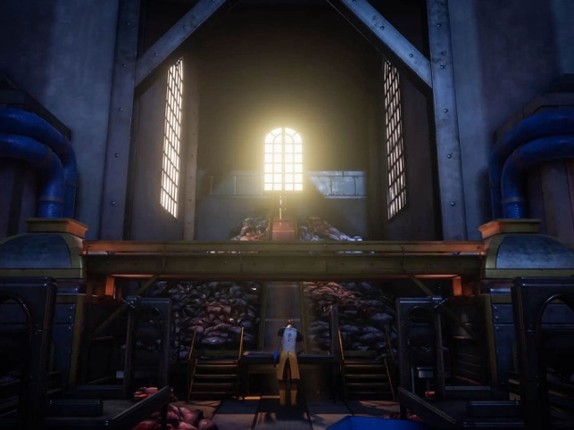
13 View Game 94%Game Brain ScoreMost mentioned positive aspects:story, gameplayMost mentioned negative aspects:replayability, grinding94% User Score 18,415 reviewsCritic Score 90%1 reviewsDitches the time manipulation for a dark family mystery explored through first-person walks through an atmospheric house. If you enjoyed this game, see our list of games similar to What Remains of Edith Finch.View Game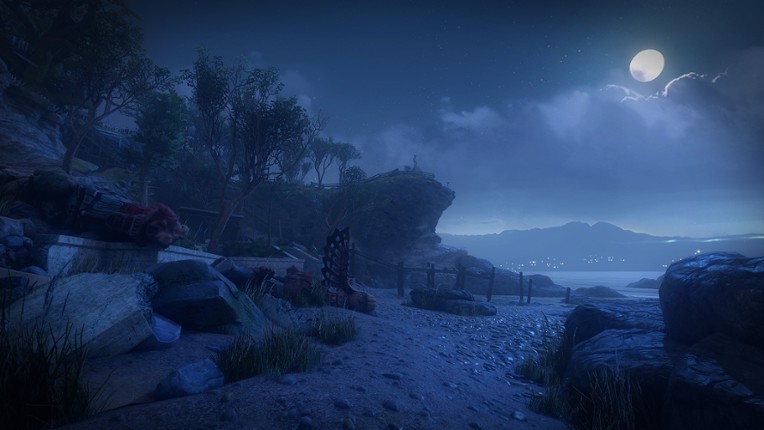
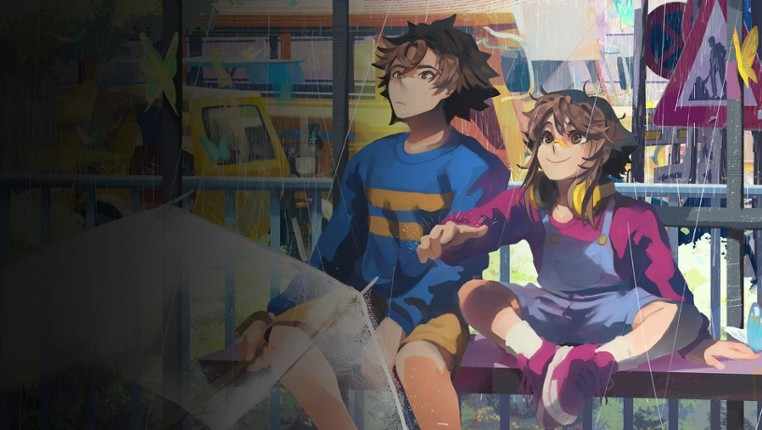
- 88%Game Brain ScoreMost mentioned positive aspects:story, emotionalMost mentioned negative aspects:stability, grinding98% User Score 10,186 reviewsCritic Score 79%15 reviewsDelivers similar emotional intimacy and queer representation through pixel-art conversations, favoring romance and internal reflection over mystery-box plotting. If you enjoyed this game, see our list of games similar to Until Then.View Game
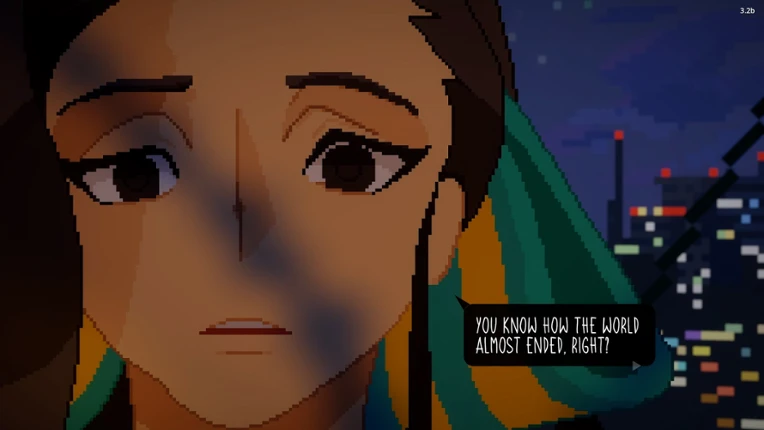
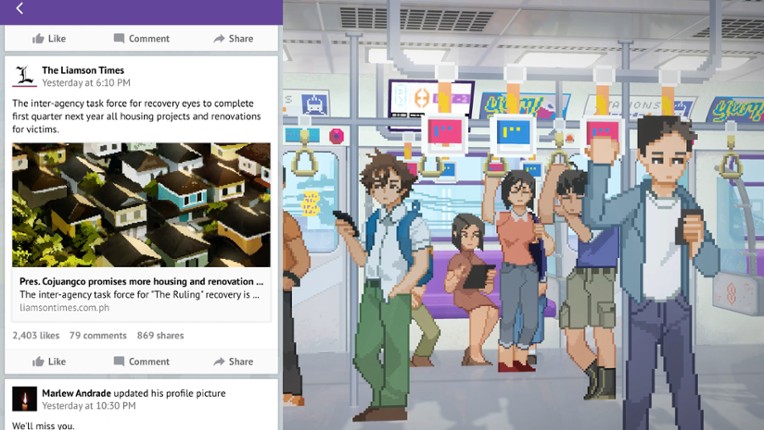
- 95%Game Brain ScoreMost mentioned positive aspects:story, emotionalMost mentioned negative aspects:grinding, replayability98% User Score 5,789 reviewsCritic Score 80%1 reviewsA shorter, pixel-art emotional story that trades the high school setting for a nostalgic, introspective tale of memory and meaning. If you enjoyed this game, see our list of games similar to Finding Paradise.View Game
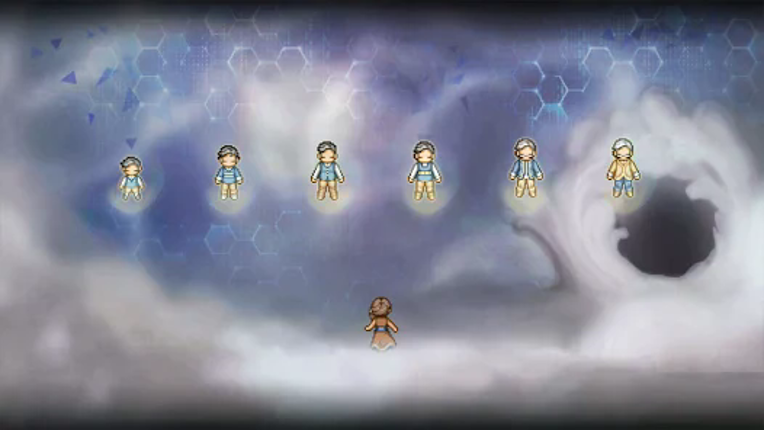
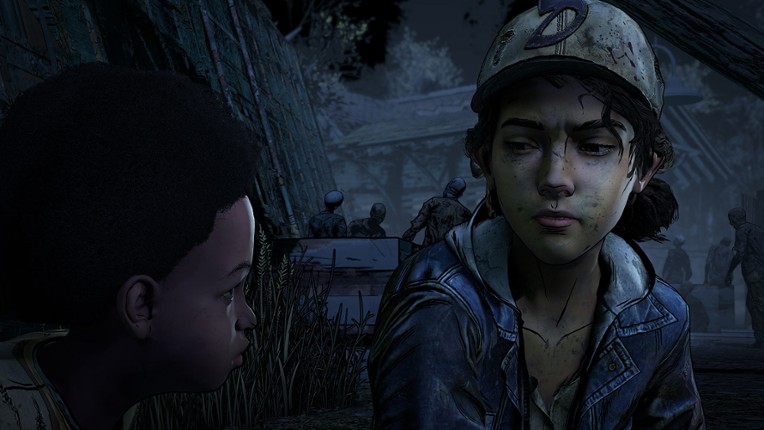
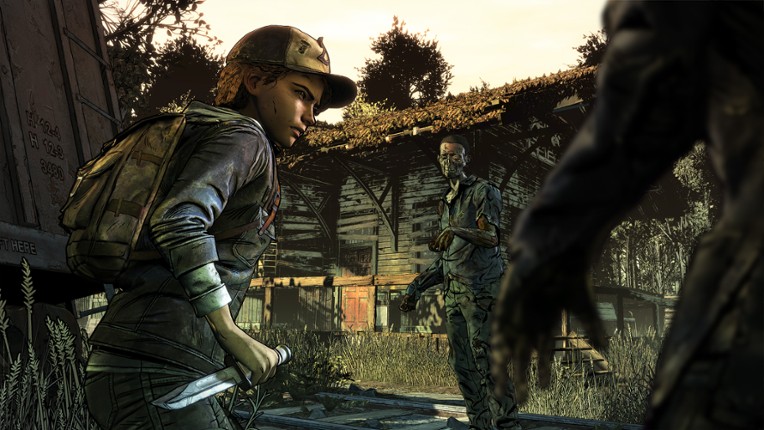
16 View Game 90%Game Brain ScoreMost mentioned positive aspects:story, emotionalMost mentioned negative aspects:stability, grinding93% User Score 10,858 reviewsCritic Score 83%4 reviewsStrips away the supernatural mystery for grounded post-apocalyptic survival, keeping episodic structure and weighty dialogue choices but escalating moral stakes. If you enjoyed this game, see our list of games similar to The Walking Dead: The Final Season.View Game
17 View Game 83%Game Brain ScoreMost mentioned positive aspects:story, musicMost mentioned negative aspects:optimization, stability87% User Score 3,319 reviewsCritic Score 65%1 reviewsCenters LGBTQ+ identity and surreal storytelling in a 1990s setting, trading time travel for nature-themed mystery with a romantic undercurrent. If you enjoyed this game, see our list of games similar to Lost Records: Bloom & Rage.View Game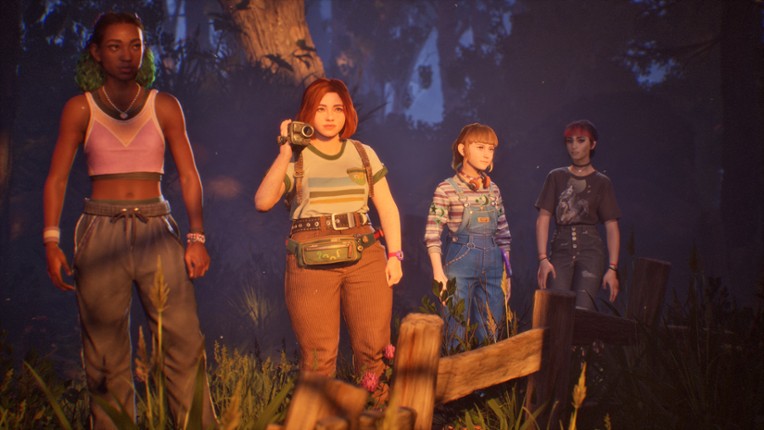


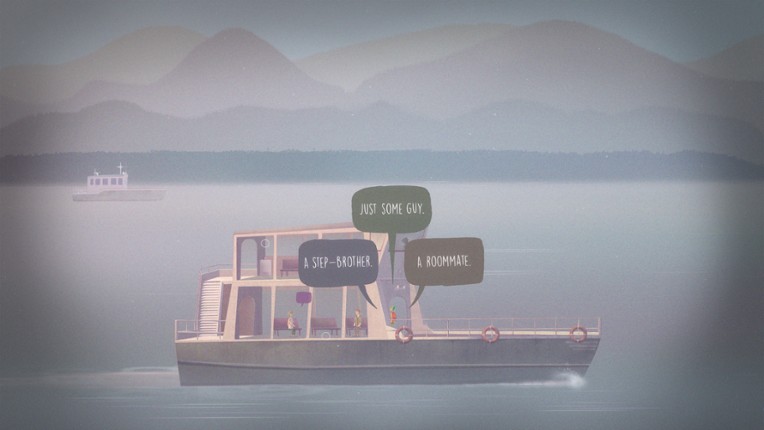
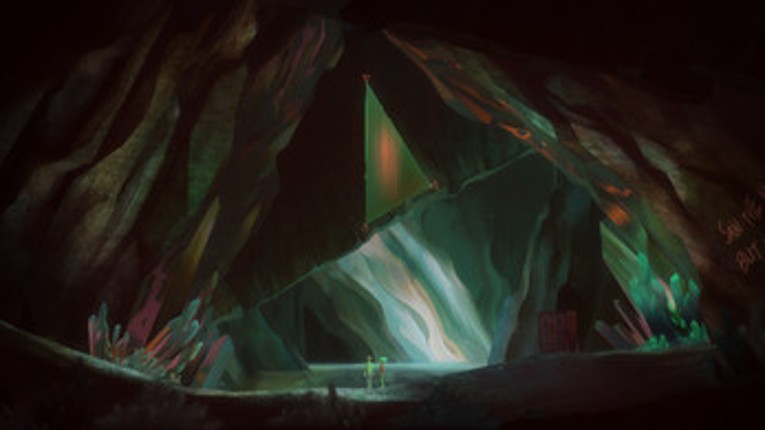
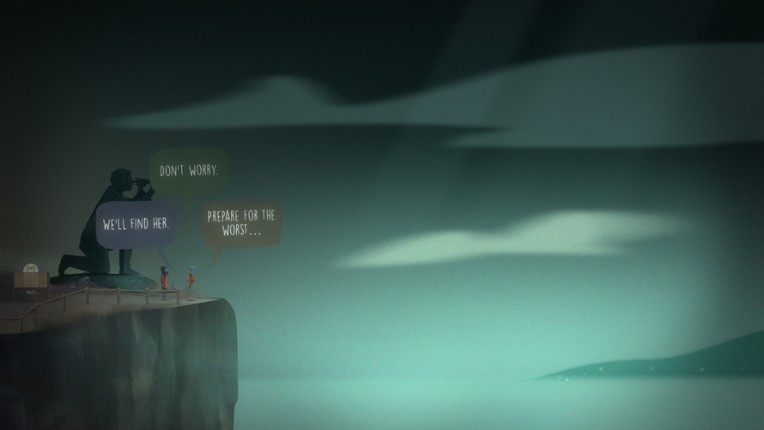
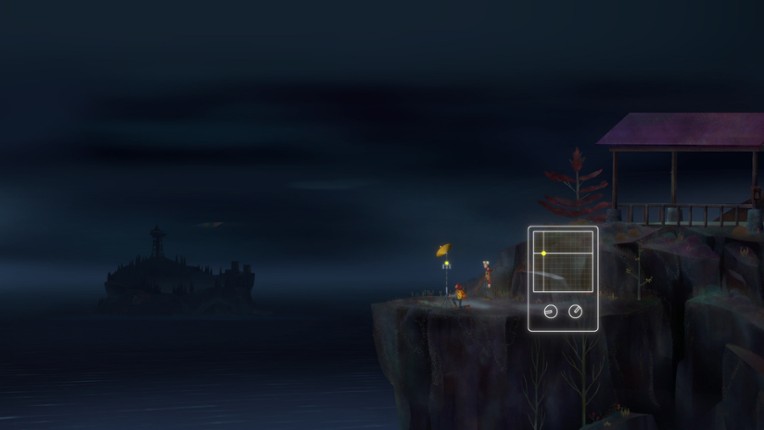
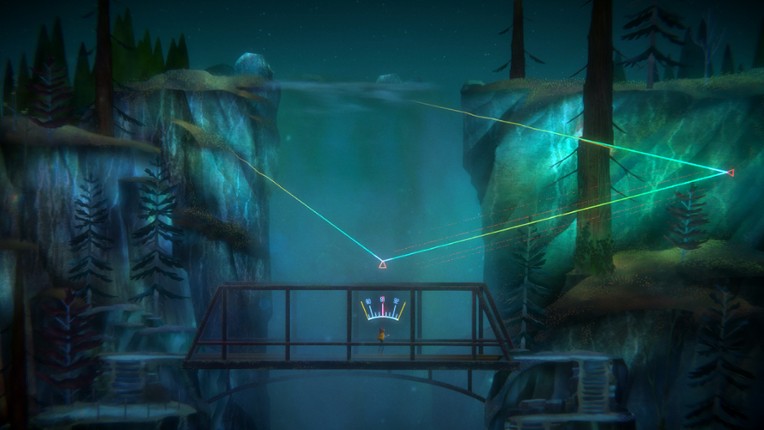
- 86%Game Brain ScoreMost mentioned positive aspects:story, musicMost mentioned negative aspects:grinding, stability92% User Score 8,505 reviewsCritic Score 80%45 reviewsDelivers a cult-classic teen supernatural mystery using 2.5D pixel visuals and radio-based gameplay, trading emotional drama for cult intrigue. If you enjoyed this game, see our list of games similar to Oxenfree.View Game
- 76%Game Brain ScoreMost mentioned positive aspects:story, graphicsMost mentioned negative aspects:optimization, grinding80% User Score 2,814 reviewsCritic Score 70%8 reviews
Both Life is Strange and Dreamfall Chapters anchor their narratives in weighty moral dilemmas where your dialogue choices fundamentally shift the path of the protagonist. These branching paths succeed because they prioritize character-driven drama, grounding high-concept science fiction in intimate, personal relationships.
The primary tradeoff is scope; while Life is Strange focuses on the localized, grounded tension of a small town, Dreamfall Chapters demands you navigate a sprawling, dual-world epic. You will trade the brisk, tight pacing of Max Caulfield’s journey for the dense, lore-heavy world-building of Stark and Arcadia.
Pick this up if you want meaningful narrative agency but can live without the fluid time-manipulation mechanics.
If you enjoyed this game, see our list of games similar to Dreamfall Chapters.View Game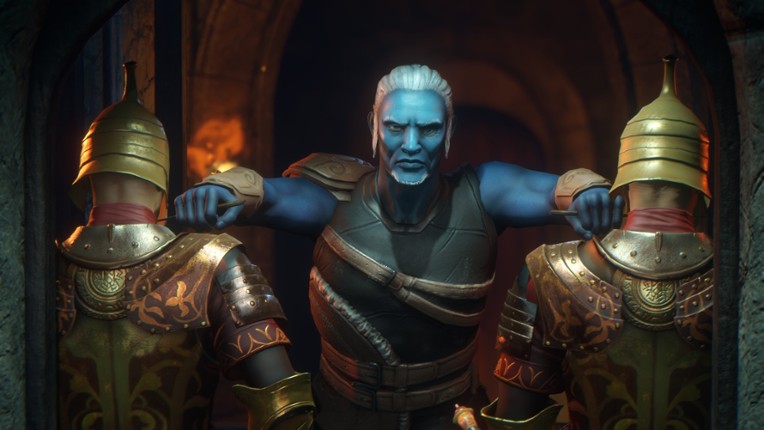
20 View Game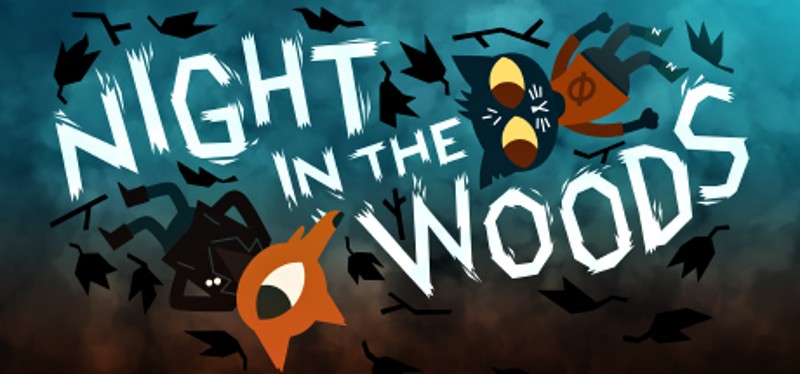 89%Game Brain ScoreMost mentioned positive aspects:story, musicMost mentioned negative aspects:grinding, stability95% User Score 15,259 reviewsCritic Score 83%28 reviewsExplores depression and economic anxiety in a small-town setting with animal characters and hand-drawn visuals instead of teenage supernatural drama. If you enjoyed this game, see our list of games similar to Night in the Woods.View Game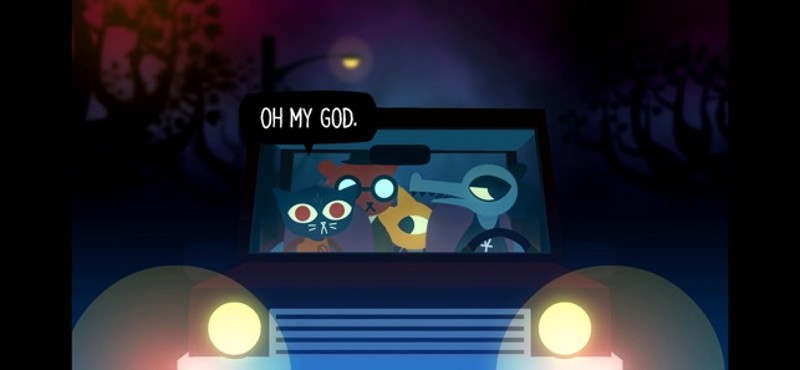
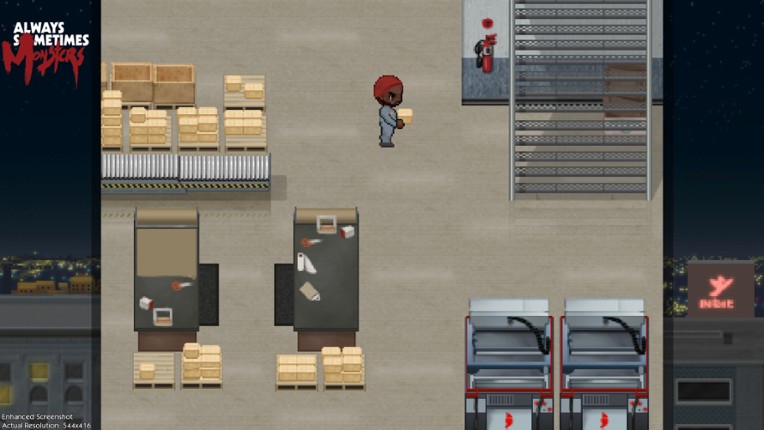
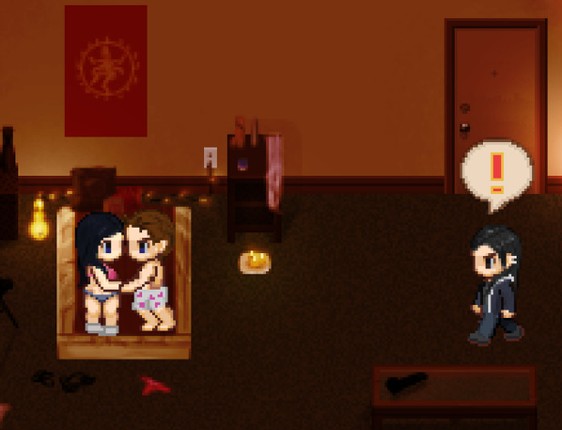
21 View Game 79%Game Brain ScoreMost mentioned positive aspects:story, gameplayMost mentioned negative aspects:grinding, stability79% User Score 2,364 reviewsPairs LGBTQ+ representation and erotic content with pixel art, creating a more unconventional, mature life-sim experience than Arcadia Bay's high school drama. If you enjoyed this game, see our list of games similar to Always Sometimes Monsters.View Game
- 93%Game Brain ScoreMost mentioned positive aspects:story, graphicsMost mentioned negative aspects:optimization, stability93% User Score 4,698 reviews
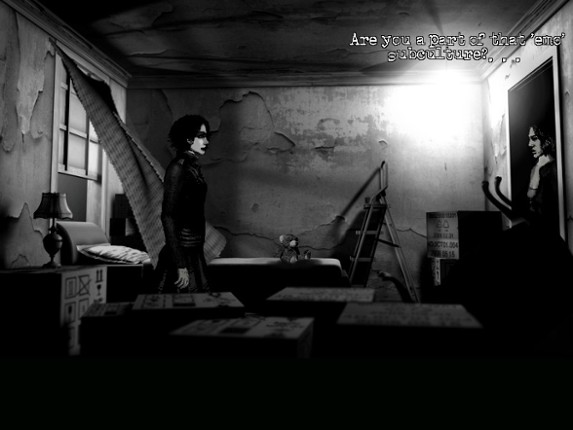
The Cat Lady follows Susan Ashworth, a lonely 40-year old on the verge of suicide. She has no family, no friends and no hope for a better future. One day she discovers that five strangers will come along and change everything...By author Remigiusz Michalski (Harvester Games) this suspenseful psychological horror game features stylized artwork, a simple keyboard control method and English voice act… If you enjoyed this game, see our list of games similar to The Cat Lady.
View Game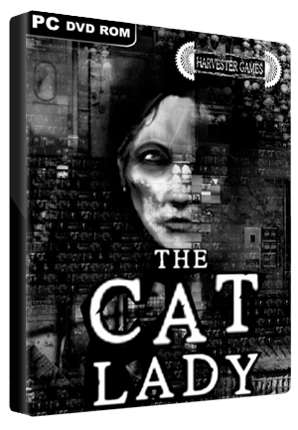
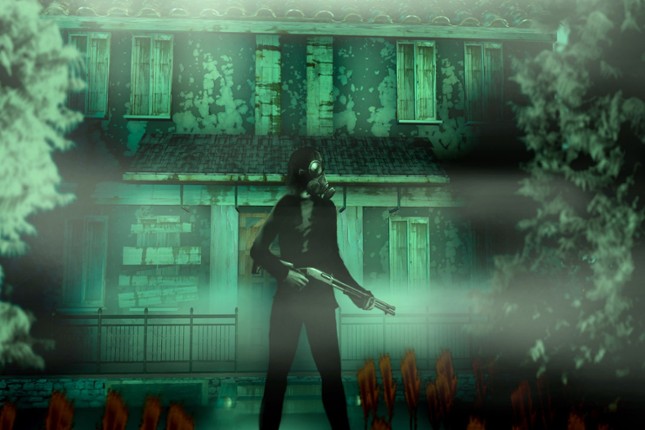
23 View Game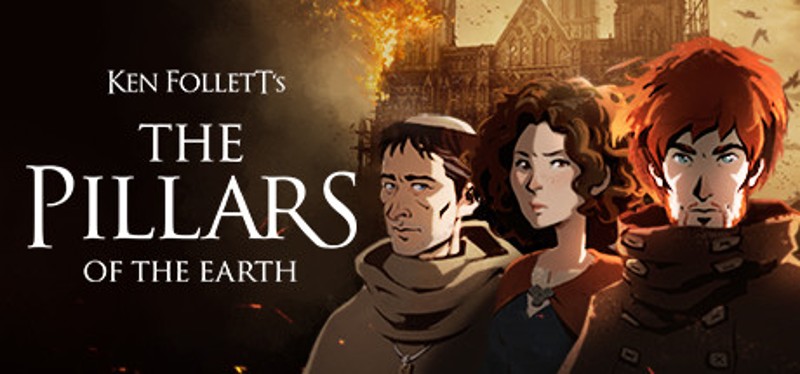 86%Game Brain ScoreMost mentioned positive aspects:story, graphicsMost mentioned negative aspects:grinding, stability93% User Score 2,968 reviewsCritic Score 79%8 reviewsSwaps time-travel puzzles for medieval political intrigue across generations, maintaining hand-drawn charm and choice-driven storytelling in a historically grounded epic. If you enjoyed this game, see our list of games similar to Ken Follett's The Pillars of the Earth.View Game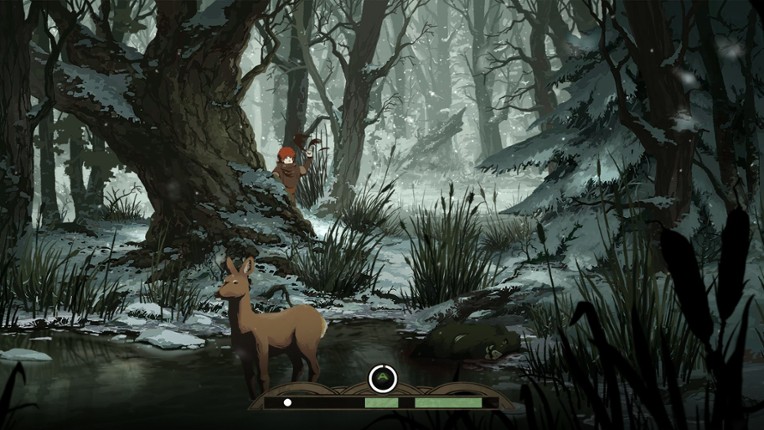
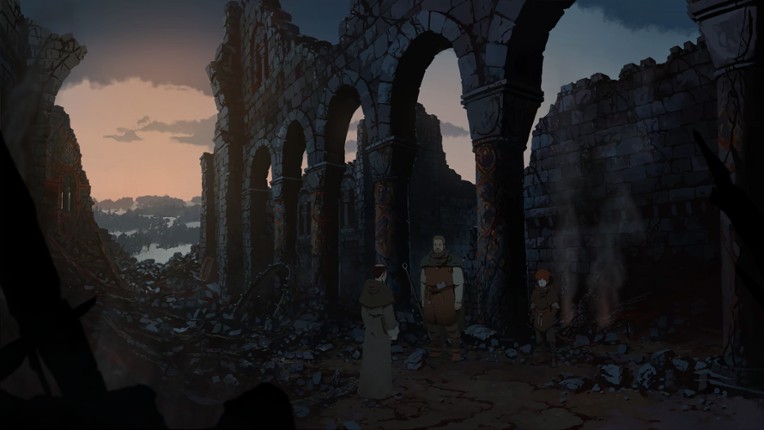
- 96%Game Brain ScoreMost mentioned positive aspects:story, emotionalMost mentioned negative aspects:grinding, stability96% User Score 3,626 reviews
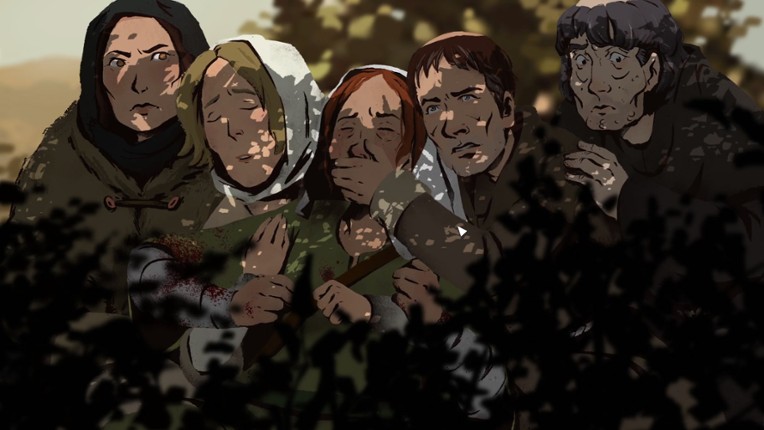
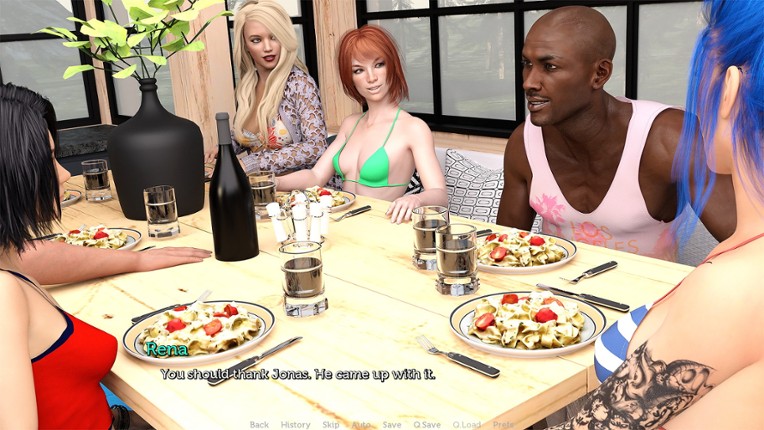
Do you want to experience an adult VN that many players and fans only could find the strength to play once? Then this is the game for you. Acting Lessons is packed with a rich story, comedy, sex and drama. The choices you make in this game will affect your adventure until the very end. If you enjoyed this game, see our list of games similar to Acting Lessons.
View Game

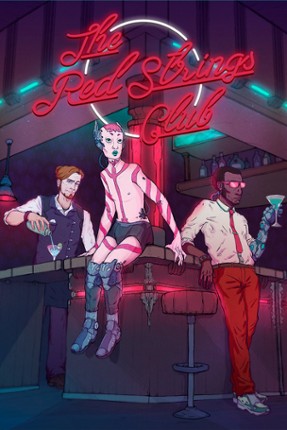
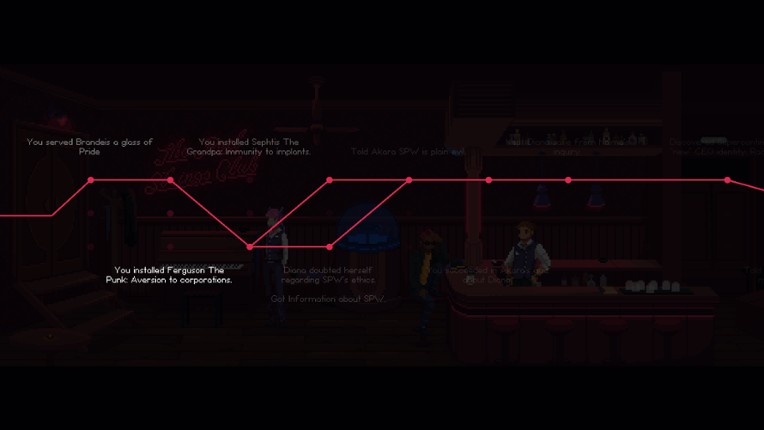
- 80%Game Brain ScoreMost mentioned positive aspects:story, gameplayMost mentioned negative aspects:grinding, stability91% User Score 5,896 reviewsCritic Score 69%28 reviewsSwap the small-town nostalgia for a neon-drenched cyberpunk bar where your conversation choices manipulate chemical cocktails instead of temporal threads. If you enjoyed this game, see our list of games similar to The Red Strings Club.View Game
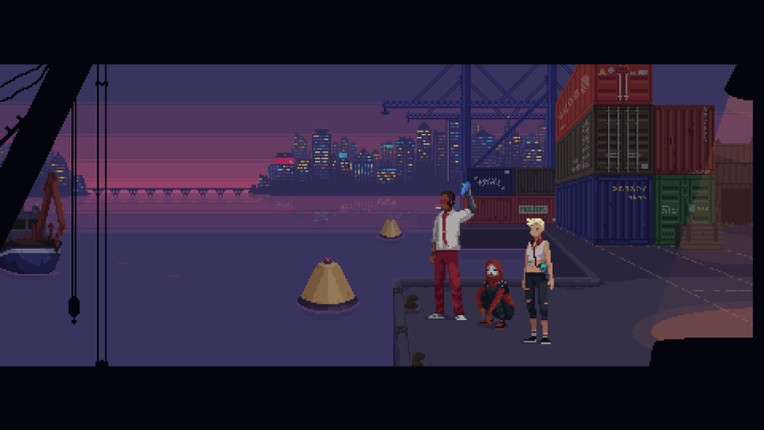
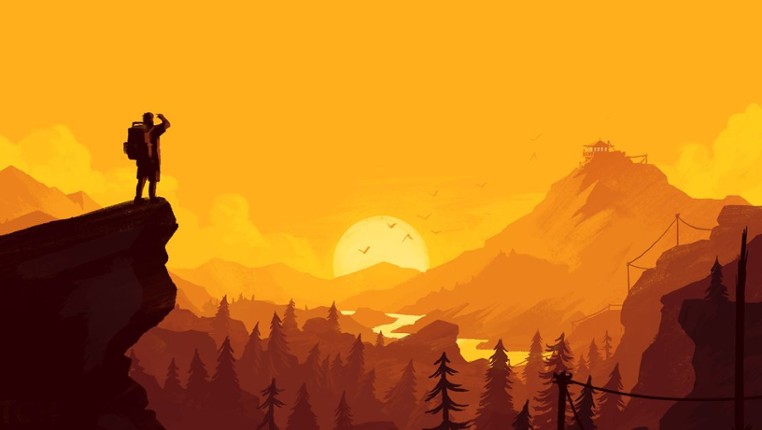
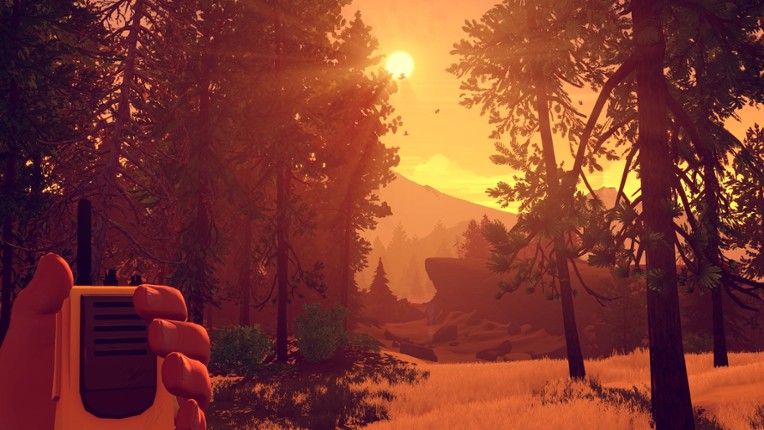
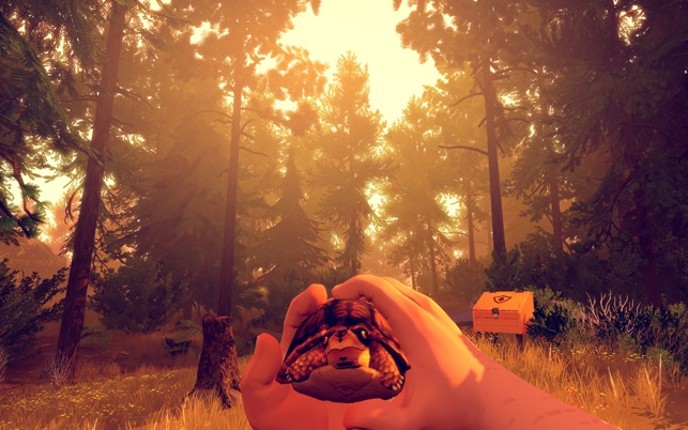
- 84%Game Brain ScoreMost mentioned positive aspects:story, graphicsMost mentioned negative aspects:replayability, stability89% User Score 57,262 reviewsCritic Score 79%47 reviewsMaintains atmospheric indie mystery and great soundtrack but isolates the player in first-person isolation, emphasizing exploration and environmental storytelling over dialogue choices. If you enjoyed this game, see our list of games similar to Firewatch.View Game
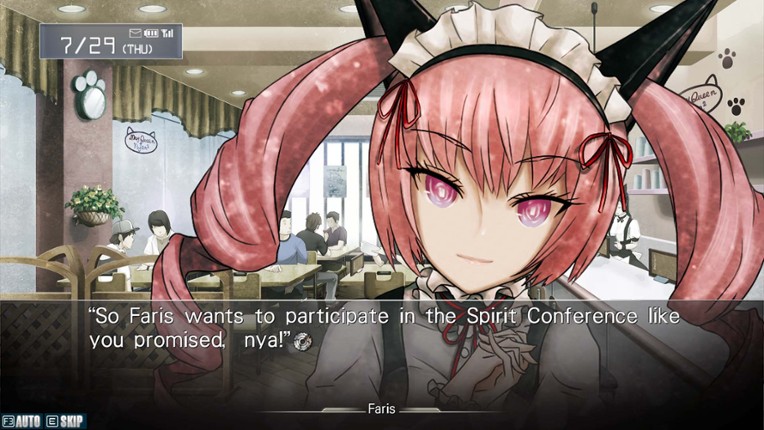
- 91%Game Brain ScoreMost mentioned positive aspects:story, musicMost mentioned negative aspects:grinding, replayability96% User Score 5,188 reviewsCritic Score 86%9 reviewsShares the time-travel mechanic and mystery-box plotting but filters everything through Japanese visual novel conventions, anime aesthetics, and hard science-fiction paradoxes. If you enjoyed this game, see our list of games similar to STEINS;GATE.View Game


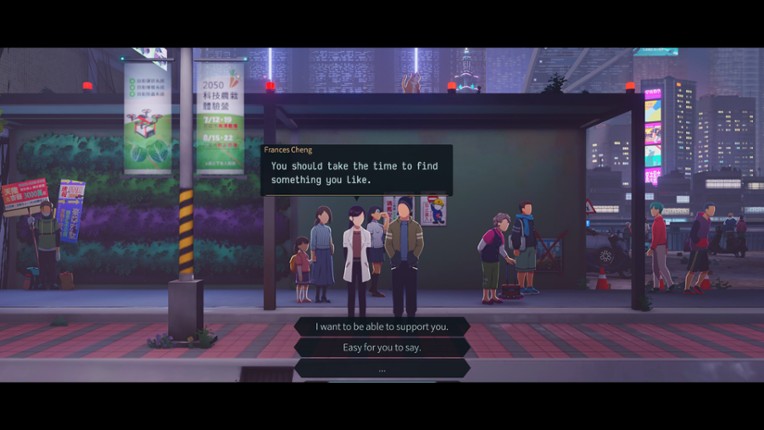
- 92%Game Brain ScoreMost mentioned positive aspects:story, gameplayMost mentioned negative aspects:grinding, stability95% User Score 822 reviewsCritic Score 89%10 reviewsApplies choice-driven branching and philosophical weight to dystopian cyberpunk rather than grounded teen drama, leaning harder into psychological and narrative complexity. If you enjoyed this game, see our list of games similar to Minds Beneath Us.View Game


29 View Game 95%Game Brain ScoreMost mentioned positive aspects:story, musicMost mentioned negative aspects:grinding, stability95% User Score 2,294 reviews
Opus: Echo of Starsong - Full Bloom Edition is the definitive edition of the visual novel style adventure game, now with all new voice acting. Asteroids emitting a sound known as "Starsongs" have become the center of conflict for the immense power they hold. Determined to claim asteroids of his own, a young man ventures out with a girl who can imitate starsongs, lending her voice to unravel an an… If you enjoyed this game, see our list of games similar to Opus: Echo of Starsong - Full Bloom Edition.
View Game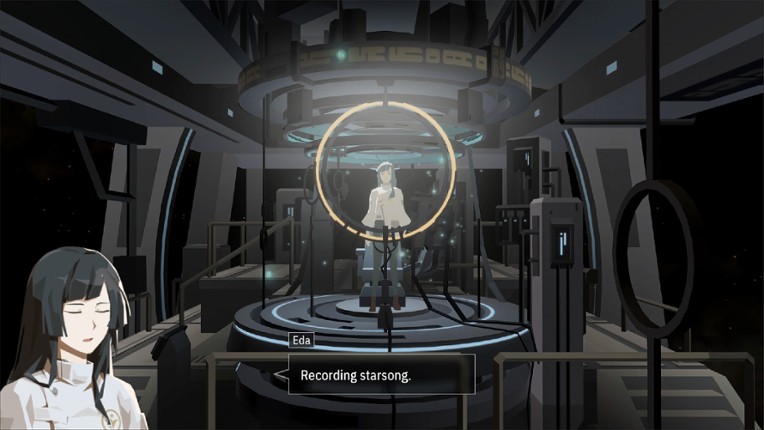
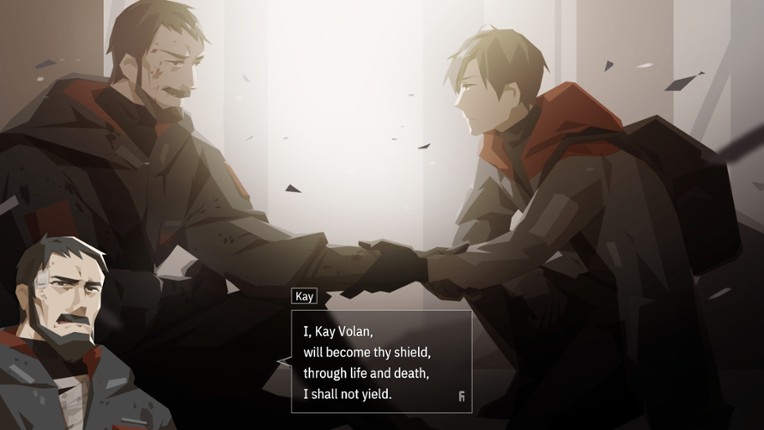
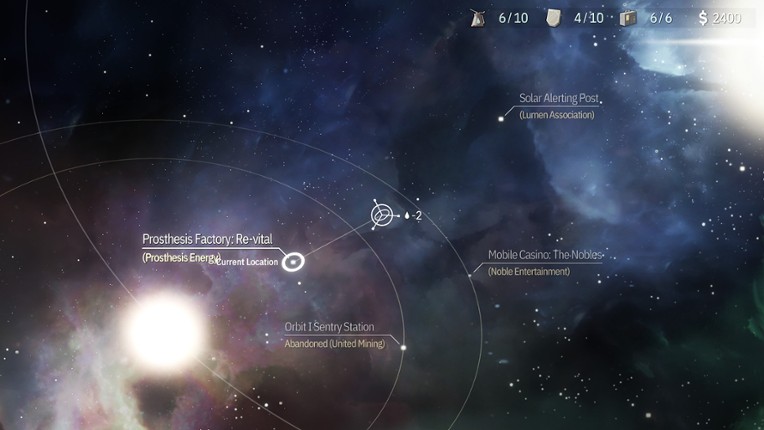
- 94%Game Brain ScoreMost mentioned positive aspects:story, gameplayMost mentioned negative aspects:grinding, stability98% User Score 105,478 reviewsCritic Score 90%32 reviews
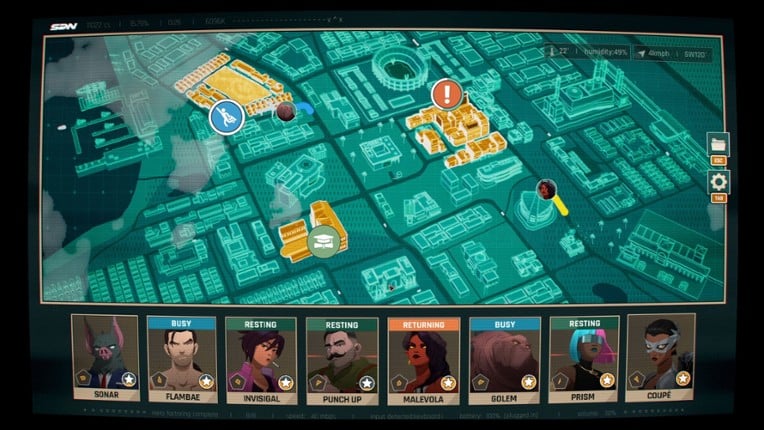
Discover Dispatch for PS5 on the official PlayStation website. This superhero workplace comedy is a narrative adventure with strategy/management sequences and hacking minigames and stars Aaron Paul and Laura Bailey. If you enjoyed this game, see our list of games similar to Dispatch.
View Game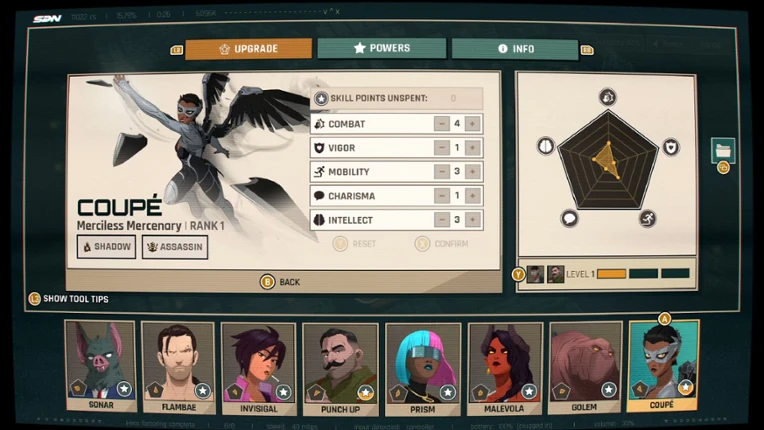
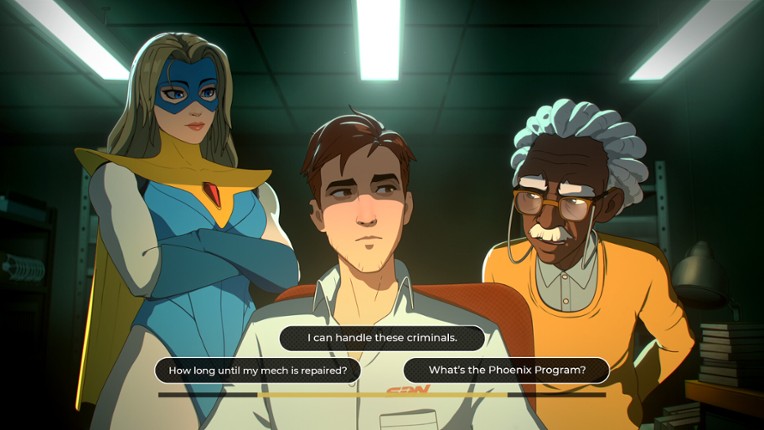
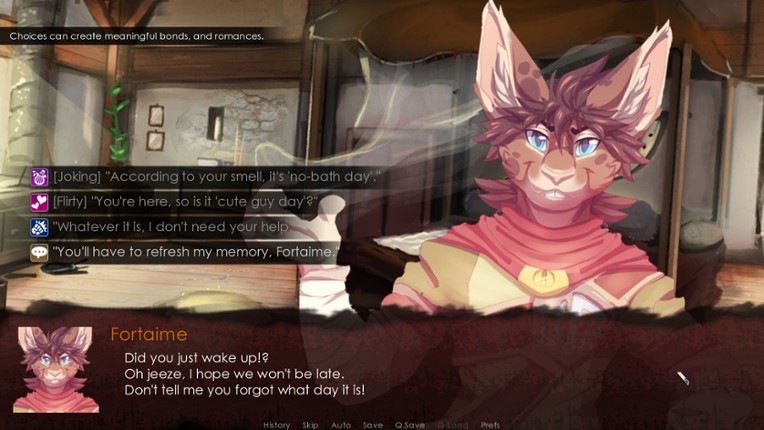
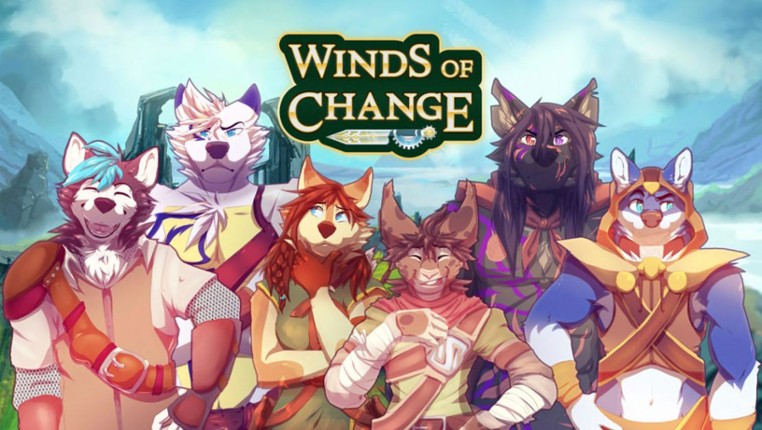
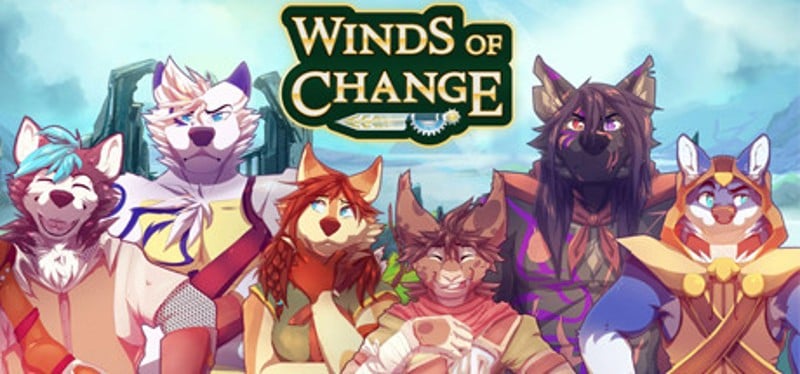
- 90%Game Brain ScoreMost mentioned positive aspects:story, musicMost mentioned negative aspects:grinding, stability96% User Score 888 reviewsCritic Score 80%6 reviewsFocus on high-stakes political intrigue and furry character dynamics, shifting from Max Caulfield's grounded world to a sprawling, choice-driven fantasy epic. If you enjoyed this game, see our list of games similar to Winds of Change.View Game

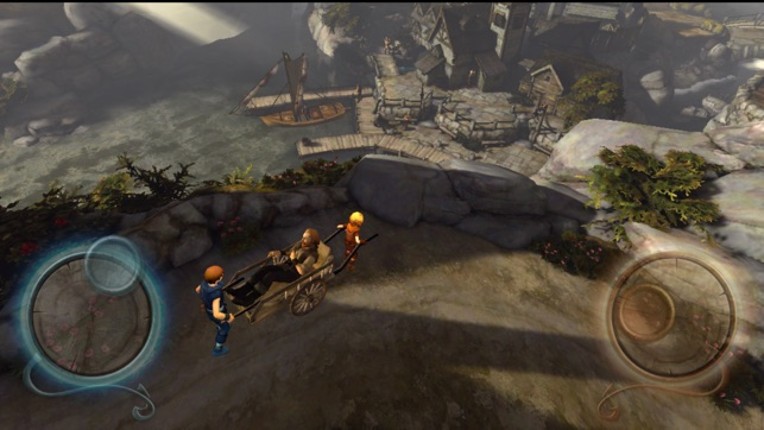
32 View Game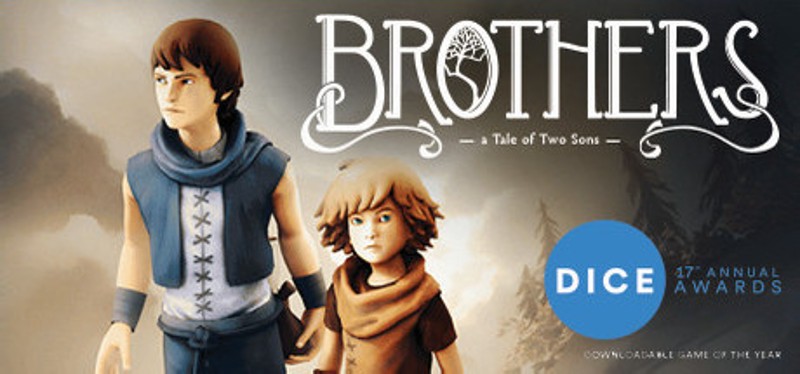 88%Game Brain ScoreMost mentioned positive aspects:story, gameplayMost mentioned negative aspects:replayability, stability94% User Score 16,215 reviewsCritic Score 82%18 reviewsExperience a condensed, dialogue-free emotional journey that relies on dual-character controller mechanics rather than verbal interactions or rewinding time. If you enjoyed this game, see our list of games similar to Brothers: A Tale of Two Sons.View Game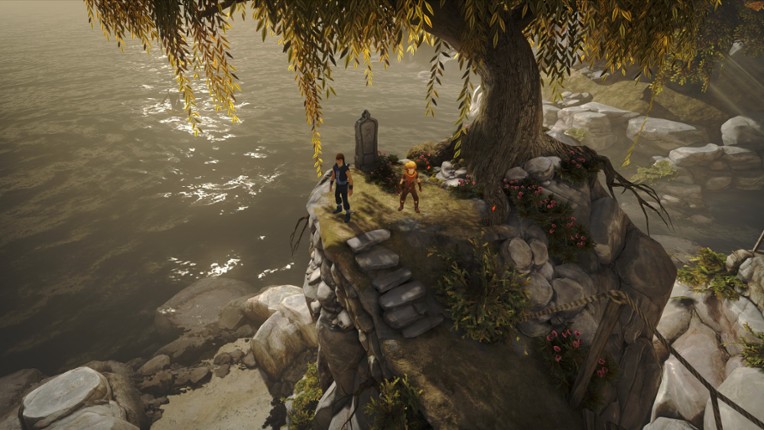
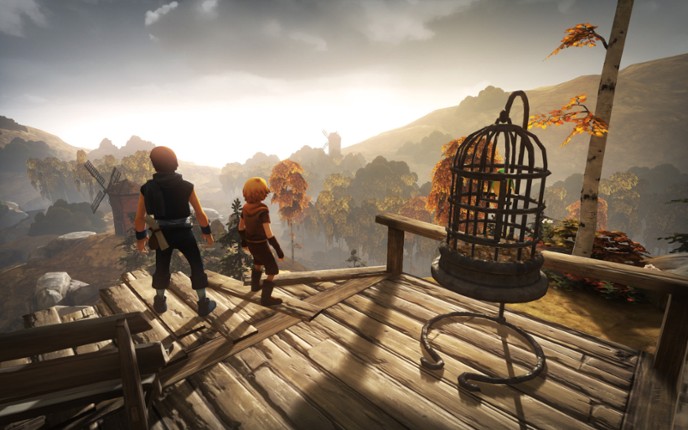
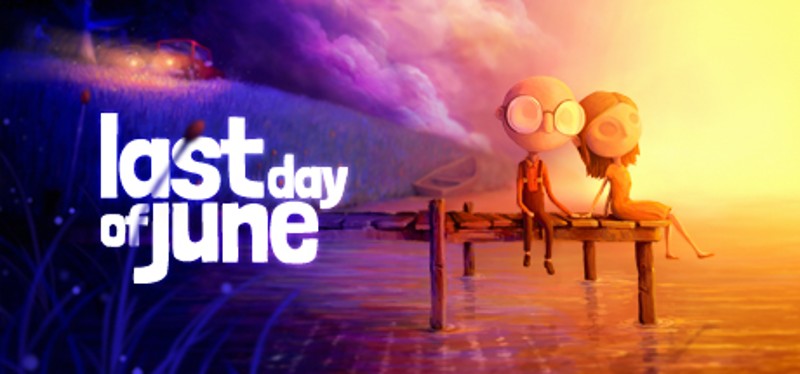
- 76%Game Brain ScoreMost mentioned positive aspects:story, emotionalMost mentioned negative aspects:grinding, optimization82% User Score 1,623 reviewsCritic Score 70%27 reviewsFocuses the time-travel mechanic into a single devastating moment across one bittersweet day, distilling Life is Strange's emotional core into cinematic brevity. If you enjoyed this game, see our list of games similar to Last Day of June.View Game
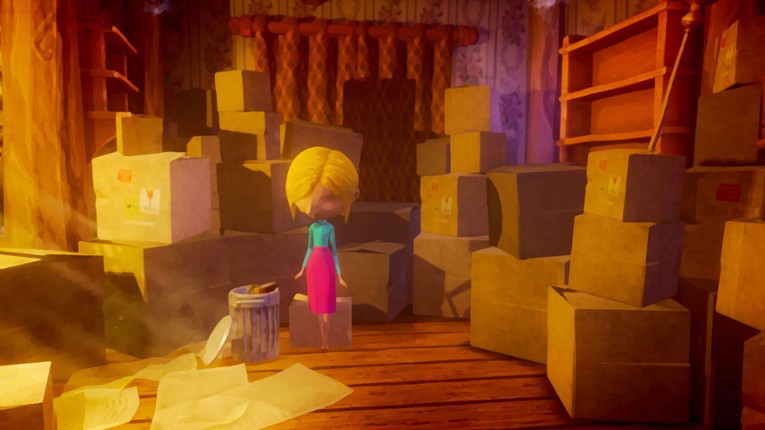

34 View Game 93%Game Brain ScoreMost mentioned positive aspects:story, gameplayMost mentioned negative aspects:grinding, stability95% User Score 3,444 reviewsCritic Score 88%2 reviewsEnvision a mystical coming-of-age story where tarot deck creation replaces the rewind mechanic as your primary tool for navigating complex social consequences. If you enjoyed this game, see our list of games similar to The Cosmic Wheel Sisterhood.View Game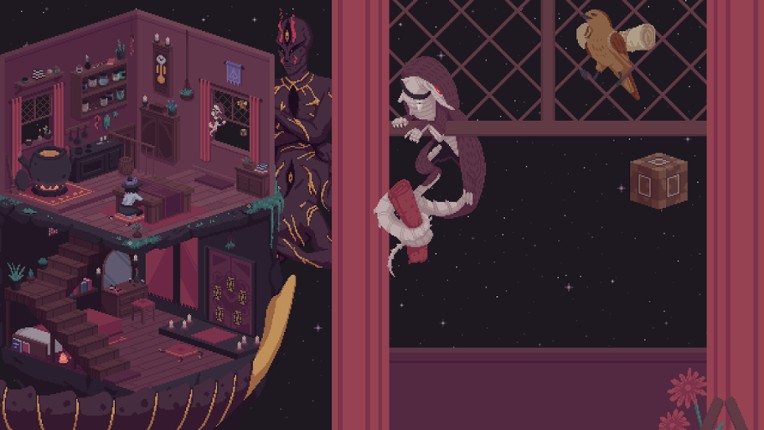
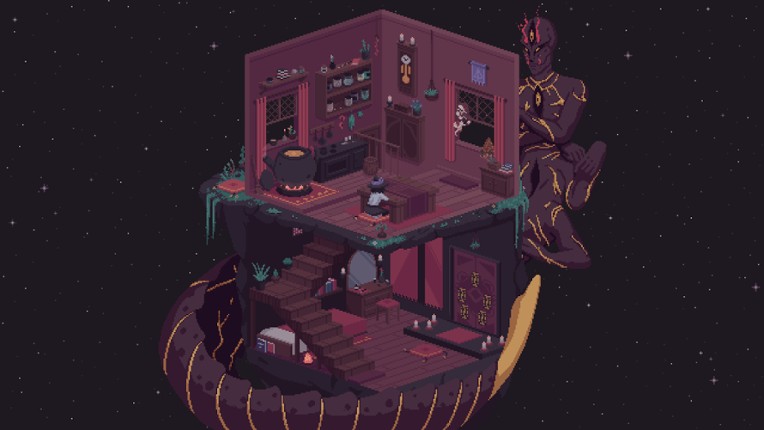
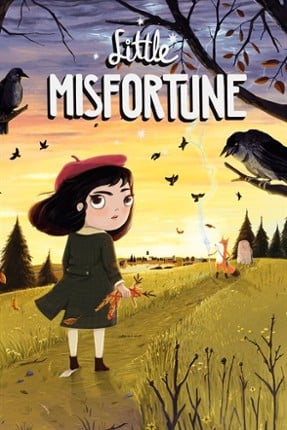
- 85%Game Brain ScoreMost mentioned positive aspects:story, humorMost mentioned negative aspects:grinding, monetization89% User Score 3,108 reviewsCritic Score 61%1 reviewsEmbark on a surreal, darkly comedic quest that exchanges the complex choice trees for a linear, unsettling journey through a child's imagination. If you enjoyed this game, see our list of games similar to Little Misfortune.View Game
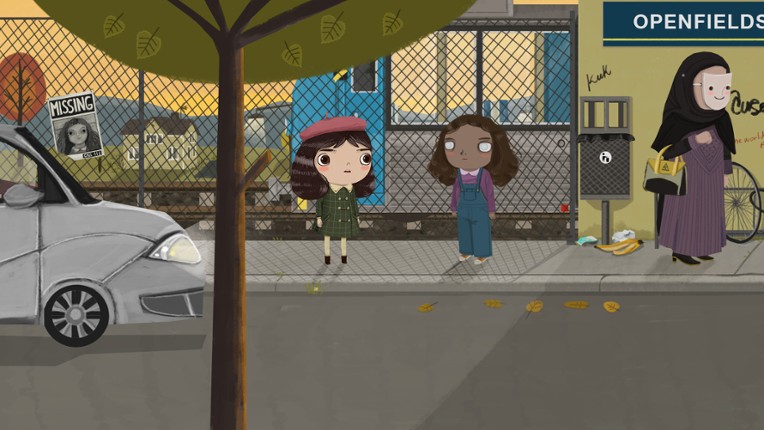

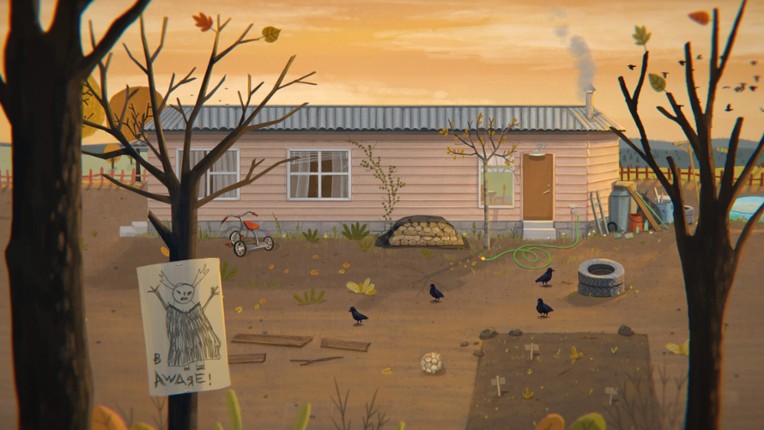
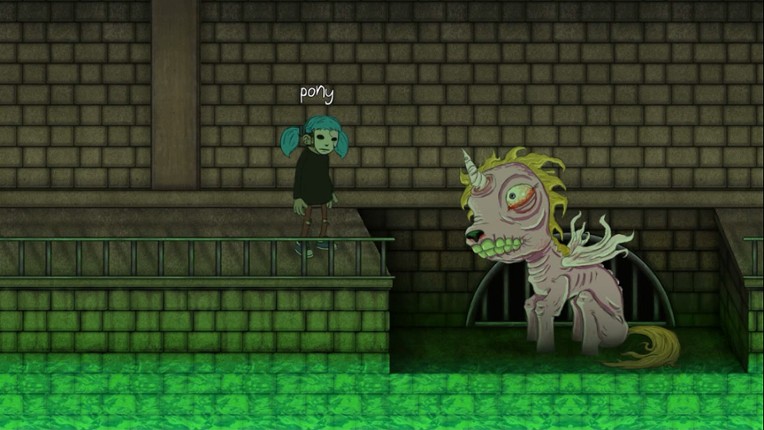
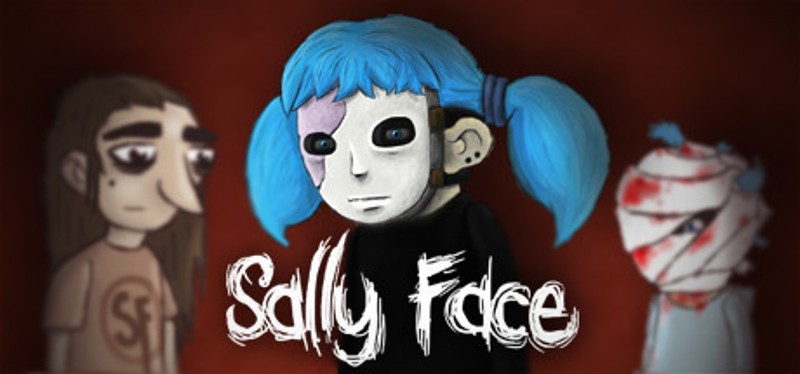
- 97%Game Brain ScoreMost mentioned positive aspects:story, graphicsMost mentioned negative aspects:grinding, stability97% User Score 14,426 reviewsTrades supernatural realism for surreal indie horror with dark humor and cartoonish visuals, keeping puzzle-solving and emotional character bonds in a shorter, weirder package. If you enjoyed this game, see our list of games similar to Sally Face.View Game
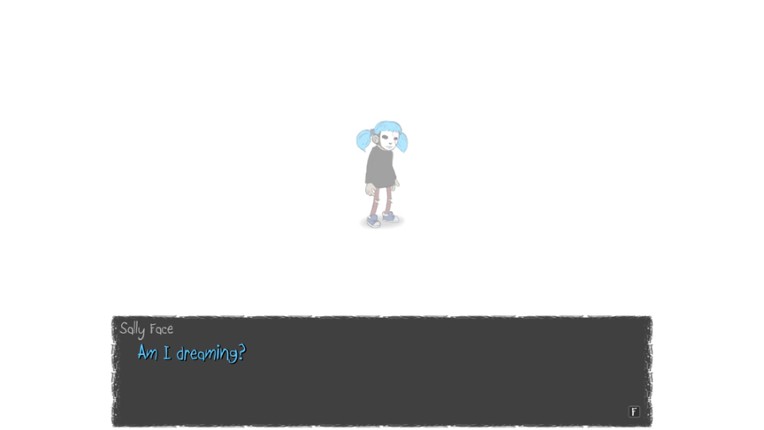
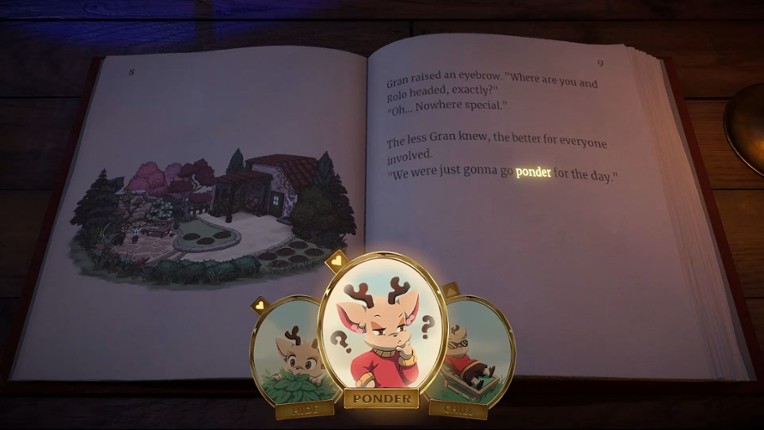
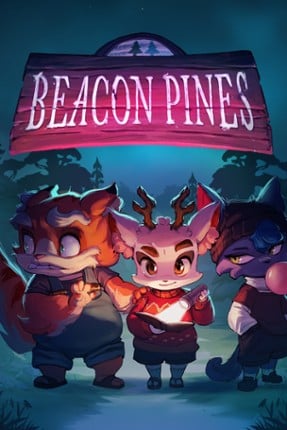
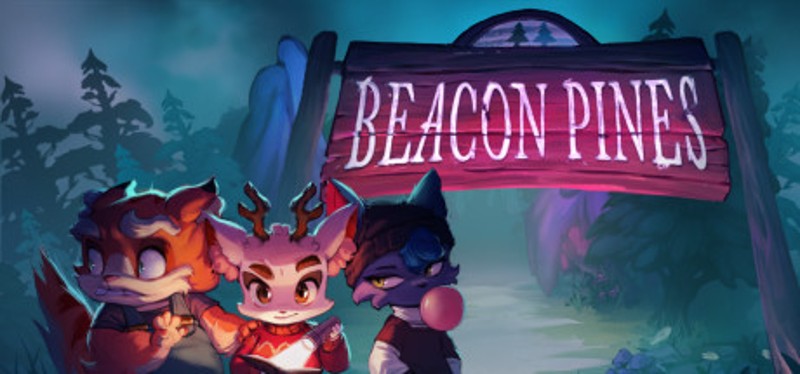
- 91%Game Brain ScoreMost mentioned positive aspects:story, graphicsMost mentioned negative aspects:grinding, stability98% User Score 3,613 reviewsCritic Score 85%16 reviewsTrade the angsty drama for a cozy, storybook mystery where you physically insert new words into the narrative to alter the characters' fates. If you enjoyed this game, see our list of games similar to Beacon Pines.View Game
38 View Game

 62%Game Brain ScoreMost mentioned positive aspects:story, graphicsMost mentioned negative aspects:optimization, stability67% User Score 5,691 reviewsCritic Score 55%6 reviewsDirect sequel that preserves the formula with supernatural powers replacing time-travel and a new protagonist, delivering familiar comfort with fresh mystery and mature relationships. If you enjoyed this game, see our list of games similar to Life is Strange: Double Exposure.View Game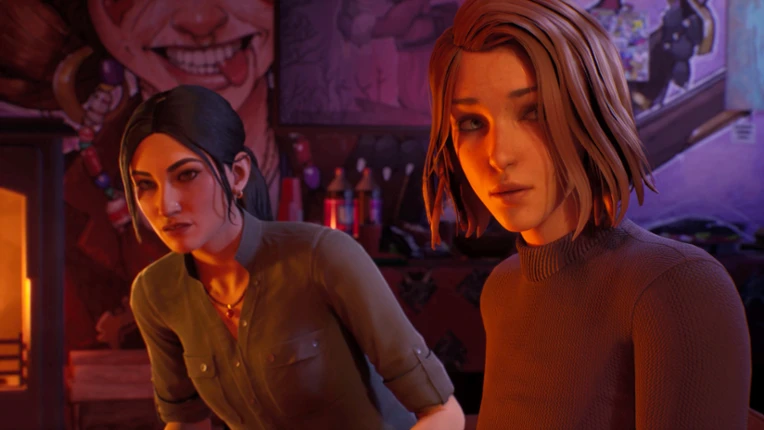
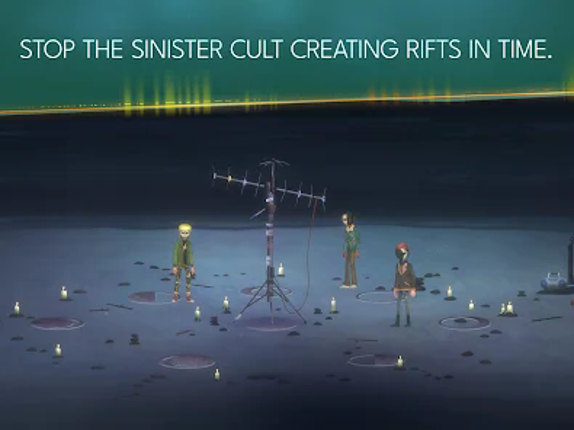
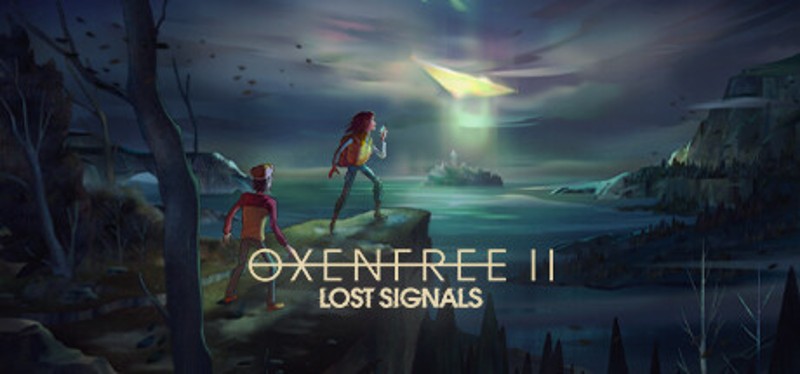
- 84%Game Brain ScoreMost mentioned positive aspects:story, gameplayMost mentioned negative aspects:stability, grinding91% User Score 1,141 reviewsCritic Score 78%43 reviewsFollow a more supernatural, horror-tinged narrative involving radio frequencies and cult activity that leans further into eerie mystery than intimate character development. If you enjoyed this game, see our list of games similar to OXENFREE II: Lost Signals.View Game
40 View Game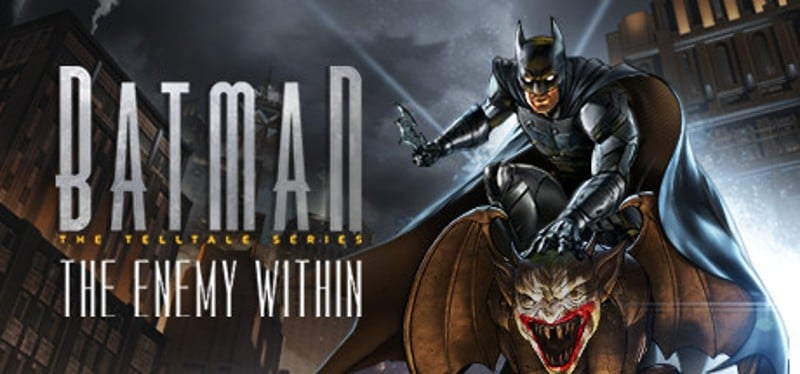 92%Game Brain ScoreMost mentioned positive aspects:story, gameplayMost mentioned negative aspects:stability, grinding94% User Score 5,160 reviewsCritic Score 85%2 reviewsShift from intimate teen drama to gritty superhero moral dilemmas where your decision-making defines the psychological trajectory of iconic comic book villains. If you enjoyed this game, see our list of games similar to Batman: The Enemy Within.View Game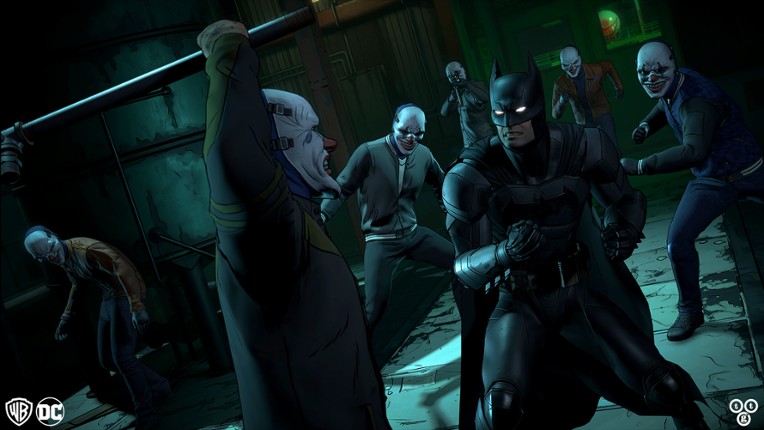

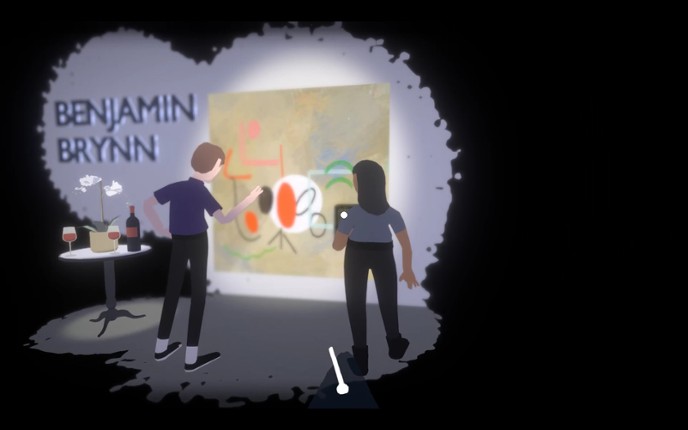
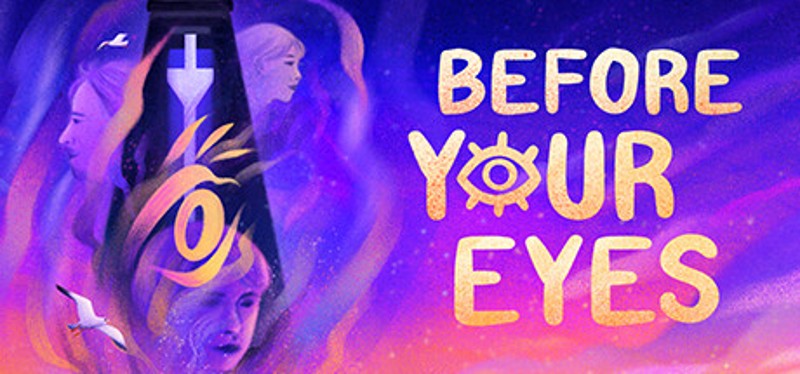
- 95%Game Brain ScoreMost mentioned positive aspects:story, emotionalMost mentioned negative aspects:stability, grinding98% User Score 14,431 reviewsCritic Score 80%1 reviewsTransforms Life is Strange’s narrative depth into a surreal, first-person, hand-drawn journey emphasizing emotional introspection and experimental storytelling. If you enjoyed this game, see our list of games similar to Before Your Eyes.View Game
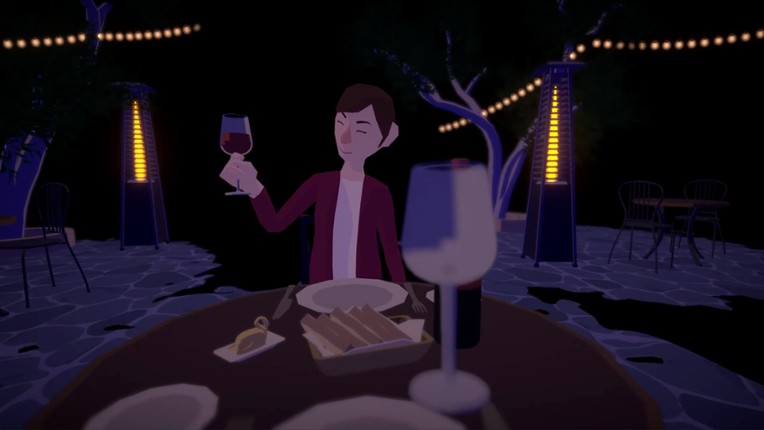
- 93%Game Brain ScoreMost mentioned positive aspects:story, musicMost mentioned negative aspects:grinding, stability93% User Score 4,361 reviews
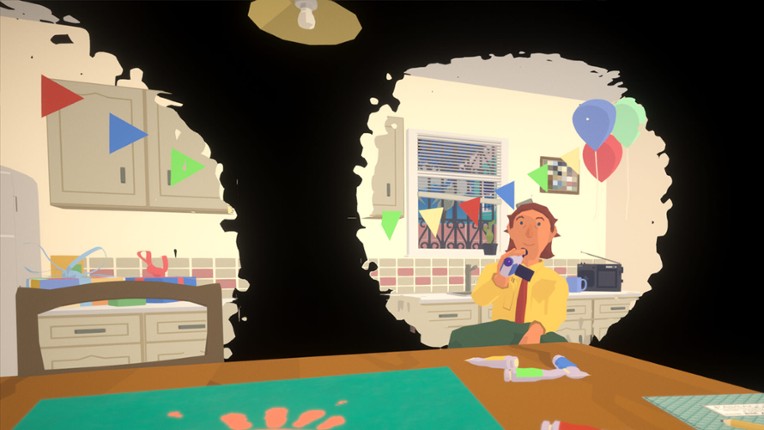
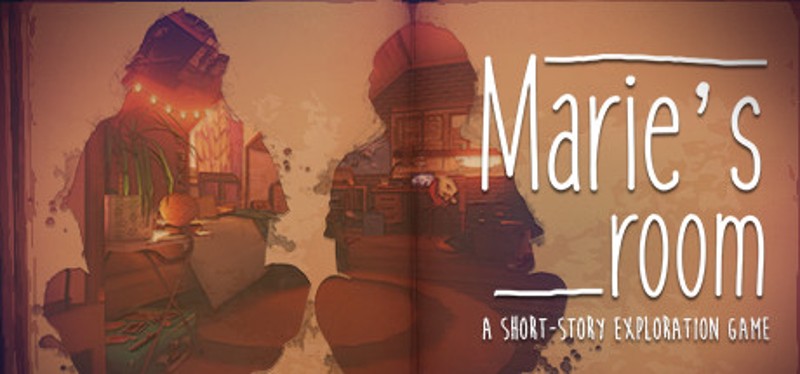
Marie's Room is a short-story exploration game about an unconventional friendship between two classmates, told through memories. You play as Kelsey, remembering Marie's room as it was 20 years ago. What happened to Marie and Kelsey all those years ago? If you enjoyed this game, see our list of games similar to Marie's Room.
View Game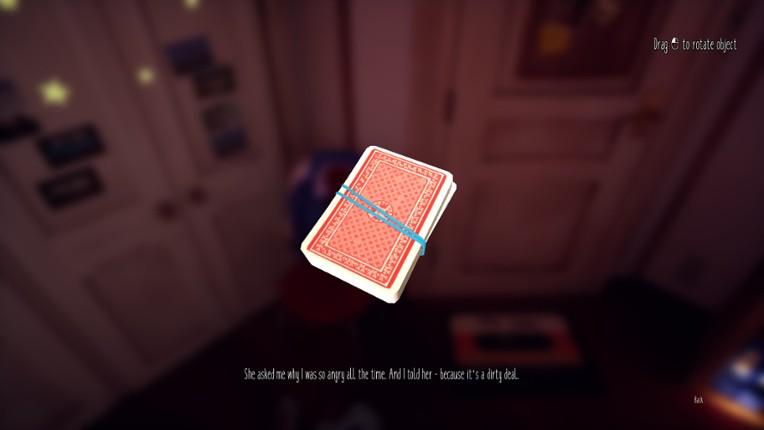
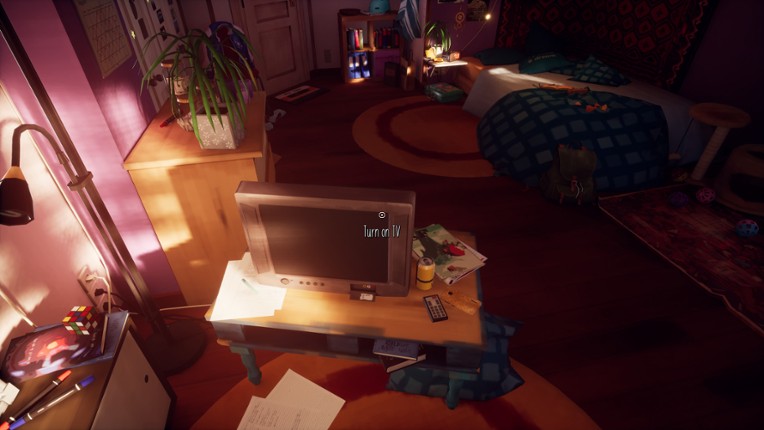

43 View Game 97%Game Brain ScoreMost mentioned positive aspects:story, musicMost mentioned negative aspects:grinding, optimization97% User Score 14,391 reviews
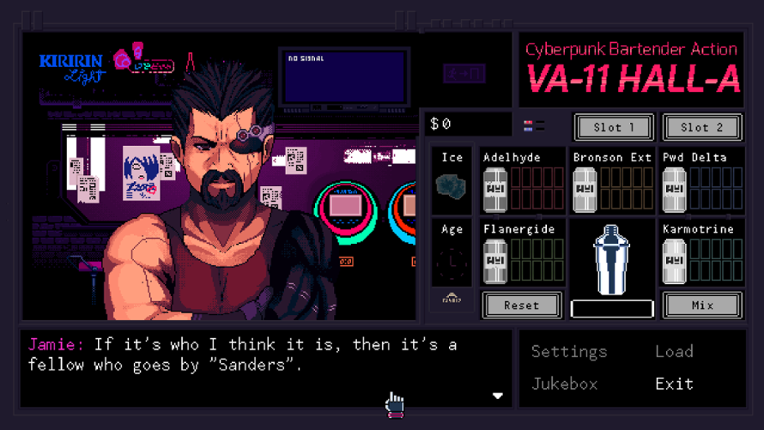
Learn about daily life in a cyberpunk dystopia. A branching storyline where your decisions do not depend on traditional choices, but through the drinks you prepare. Visuals inspired by old japanese adventure games for the PC-98, with a modern touch for an other-wordly experience. A beatiful soundtrack composed entirely by Garoad. Get to know your clients, their tastes, and prepare the drink th… If you enjoyed this game, see our list of games similar to VA-11 Hall-A: Cyberpunk Bartender Action.
View Game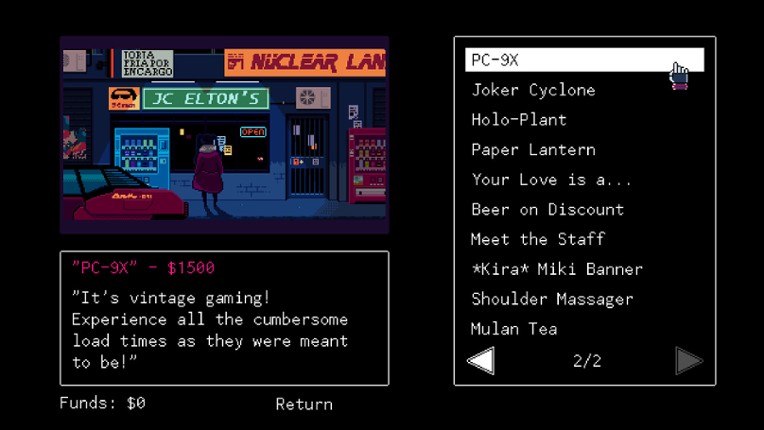
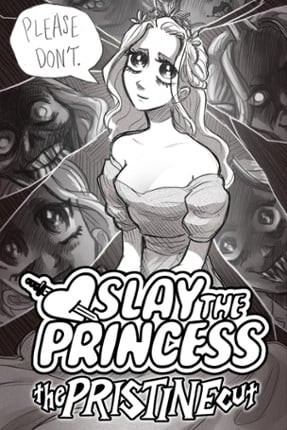
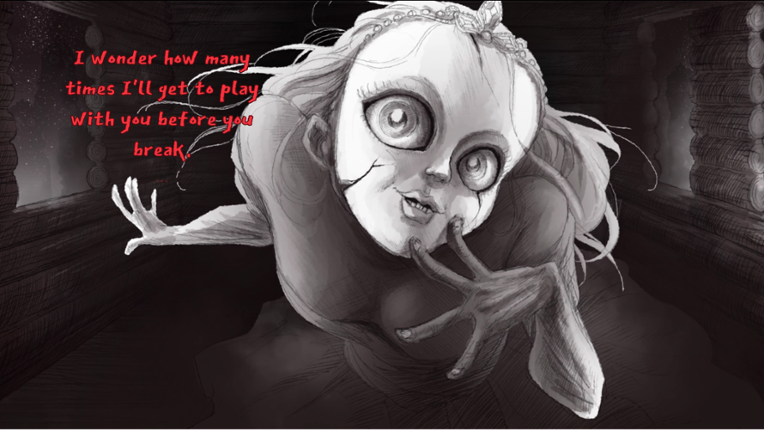
44 View Game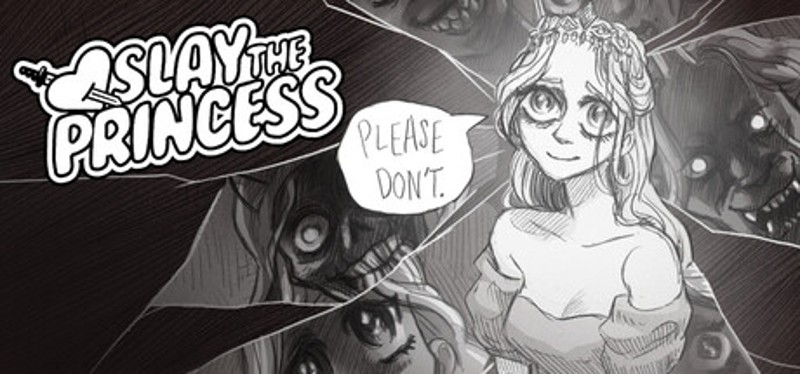 94%Game Brain ScoreMost mentioned positive aspects:story, musicMost mentioned negative aspects:grinding, stability98% User Score 22,352 reviewsCritic Score 89%8 reviewsIntegrates Life is Strange’s choice-driven narrative into a darkly comedic psychological horror with first-person CRPG mechanics and lore-rich worldbuilding. If you enjoyed this game, see our list of games similar to Slay the Princess.View Game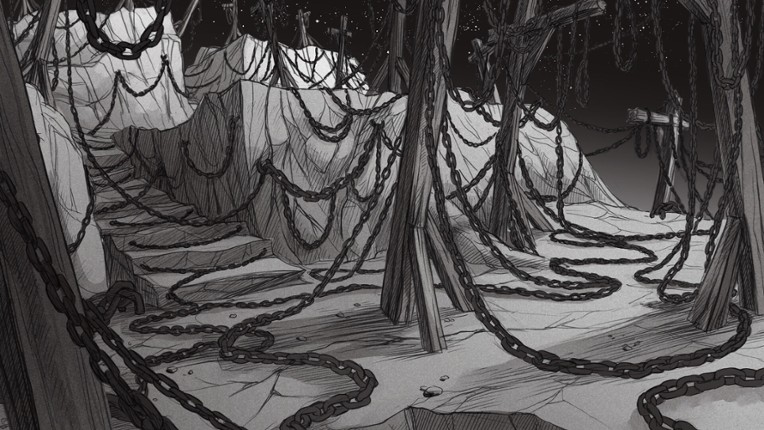
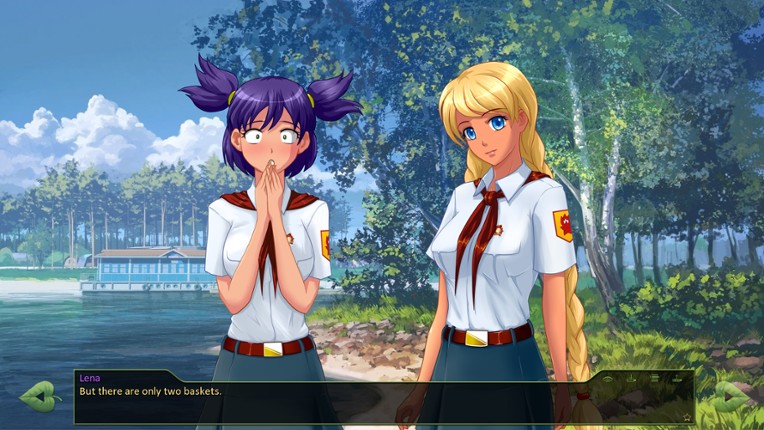
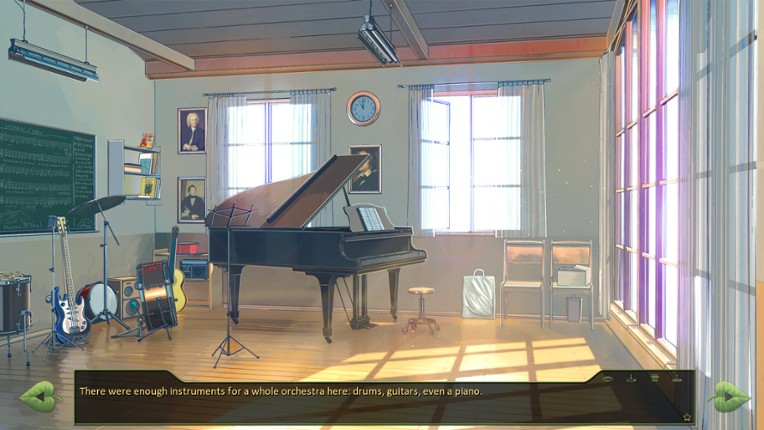
- 90%Game Brain ScoreMost mentioned positive aspects:story, musicMost mentioned negative aspects:grinding, monetization90% User Score 5,052 reviewsReplaces Life is Strange’s time travel with a branching visual novel format blending mystery and romance in a bright anime art style. If you enjoyed this game, see our list of games similar to Everlasting Summer.View Game
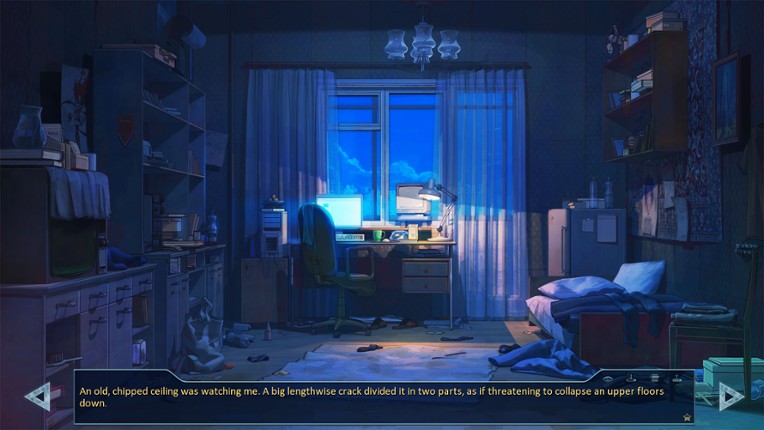
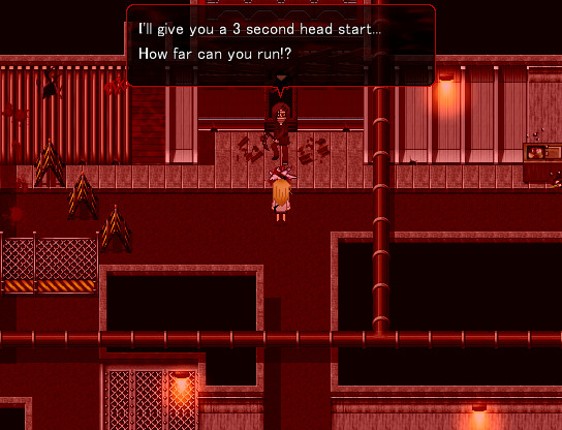
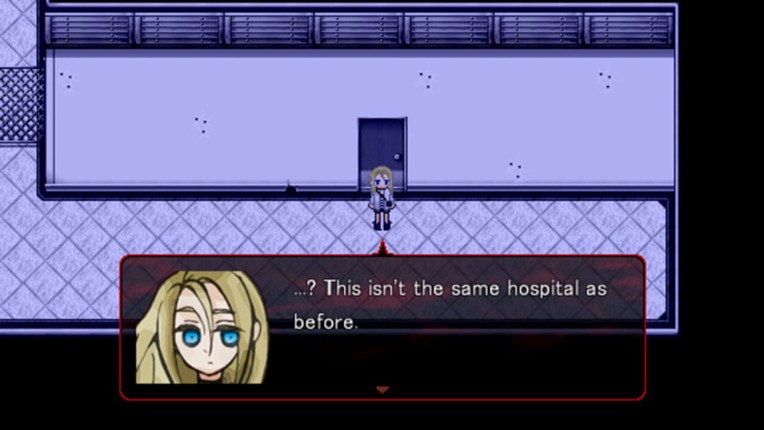
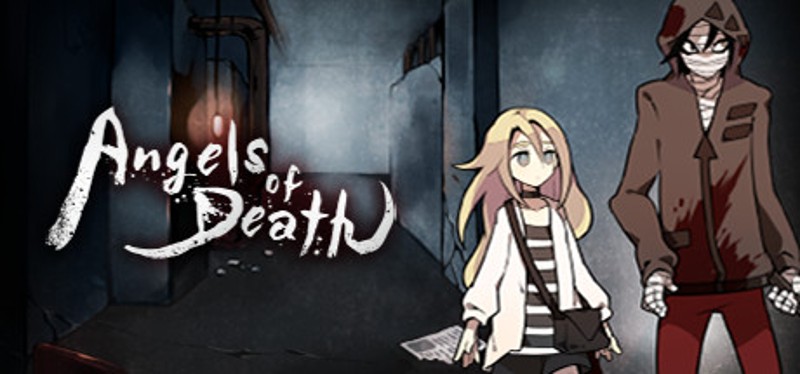
- 93%Game Brain ScoreMost mentioned positive aspects:story, musicMost mentioned negative aspects:grinding, replayability96% User Score 1,231 reviewsCritic Score 80%1 reviewsExplores darker, psychological horror through chilling pixel art and intense atmosphere, focusing on twisted relationships rather than teen coming-of-age drama. If you enjoyed this game, see our list of games similar to Angels of Death.View Game
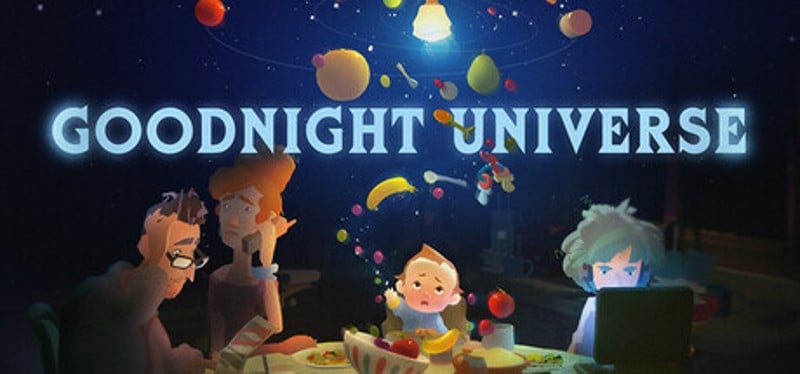
- 93%Game Brain ScoreMost mentioned positive aspects:story, emotionalMost mentioned negative aspects:optimization, stability97% User Score 1,077 reviewsCritic Score 82%3 reviews
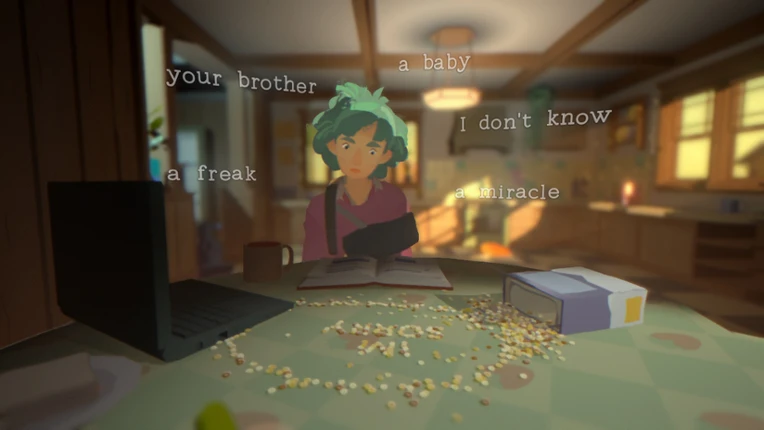
You are Isaac, a 6-month-old baby, developing mysterious psychic powers. What you want most is to be loved and accepted by your family, but a secretive tech corporation wants you for their own. If you enjoyed this game, see our list of games similar to Goodnight Universe.
View Game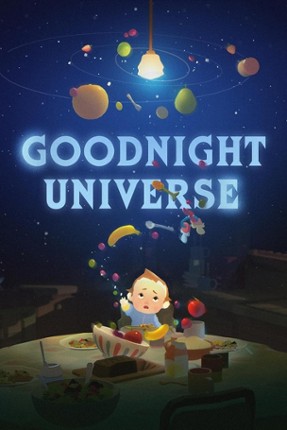
- 96%Game Brain ScoreMost mentioned positive aspects:story, emotionalMost mentioned negative aspects:optimization, stability96% User Score 1,824 reviews
You thought it was going to be just another summer. You were wrong. If you enjoyed this game, see our list of games similar to Leap of Faith.
View Game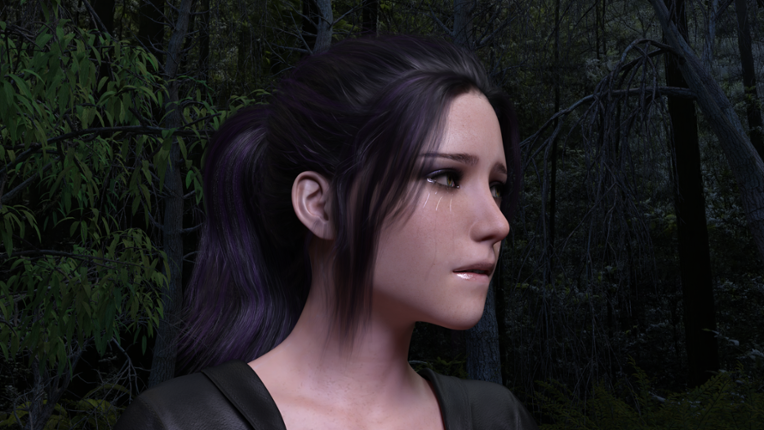


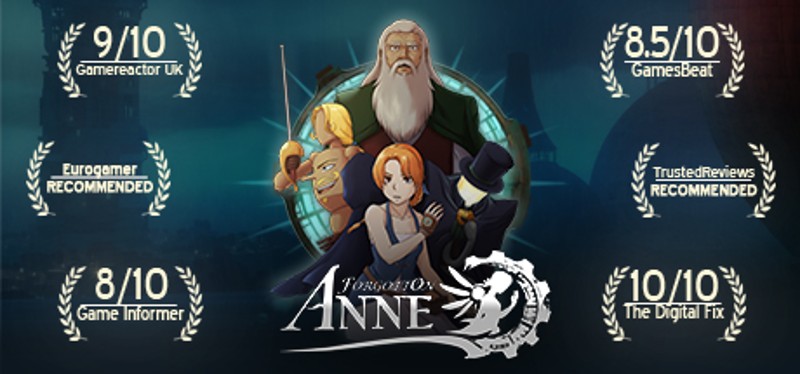
- 84%Game Brain ScoreMost mentioned positive aspects:story, graphicsMost mentioned negative aspects:replayability, optimization89% User Score 933 reviewsCritic Score 79%27 reviews
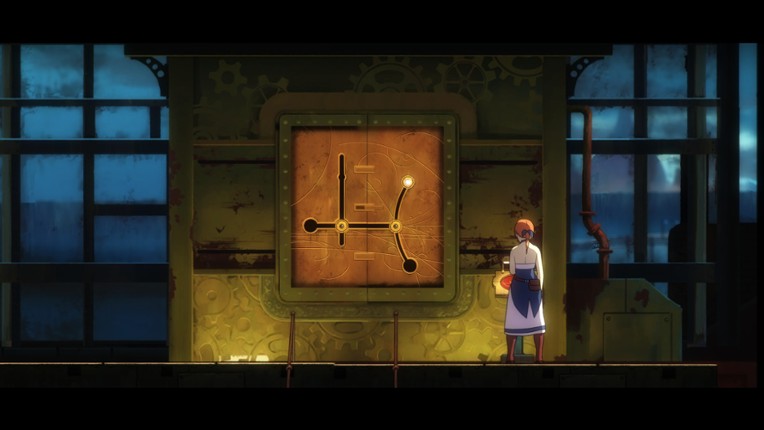
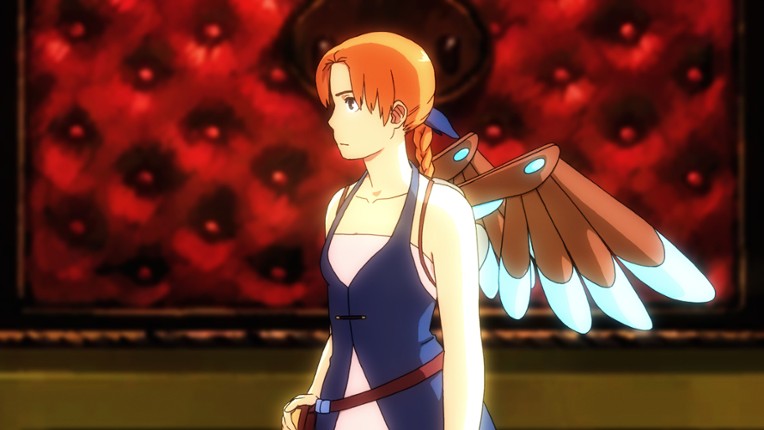
Forgotton Anne is a 2d cinematic adventure game combining puzzle platforming with adventure game elements. You play as Anne, the enforcer keeping order in the Forgotton Realm, as she sets out to squash a rebellion that might prevent her master, Bonku, and herself from returning to the human world. The World of Forgotton Anne: Imagine a place where everything that is lost and forgotten goes; old t… If you enjoyed this game, see our list of games similar to Forgotton Anne.
View Game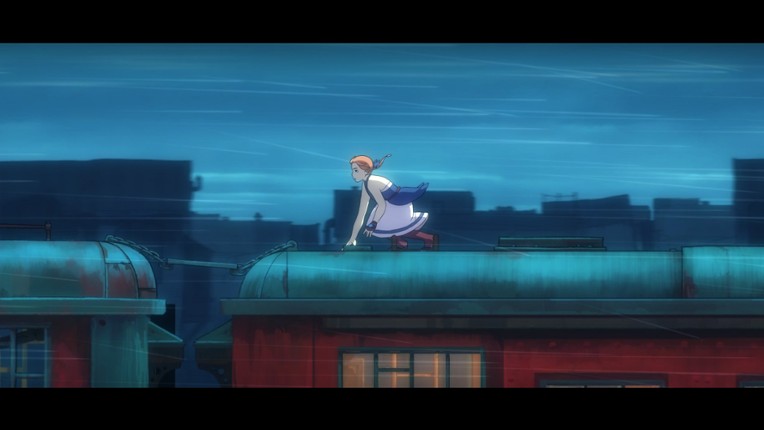
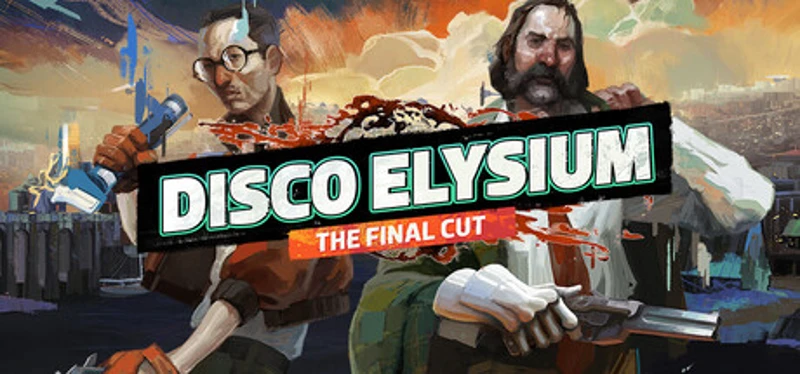
- 93%Game Brain ScoreMost mentioned positive aspects:story, gameplayMost mentioned negative aspects:grinding, stability93% User Score 58,300 reviews
Disco Elysium, a genre-bending RPG that became a cult classic when it debuted in October 2019, is heading to consoles in 2021. Disco Elysium: The Final Cut adds full voice acting to the game, as well as new quests, more characters and fresh explorable areas. If you enjoyed this game, see our list of games similar to Disco Elysium: The Final Cut.
View Game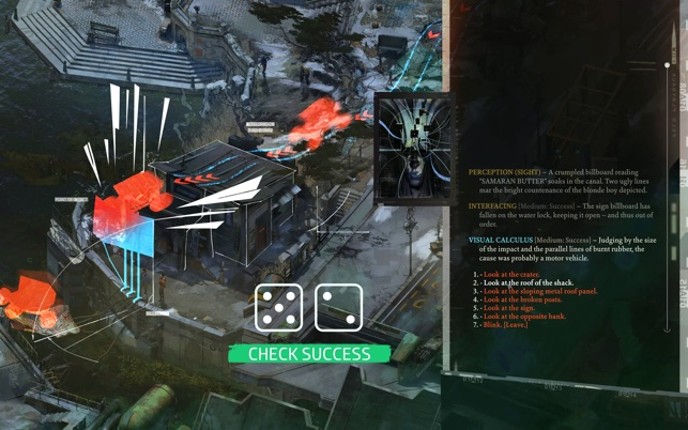


 View Game






















Frequently Asked Questions
Top recommendations include Life is Strange: Before the Storm, which deepens the prequel story with the backtalk mechanic for dialogue confrontations, and Tell Me Why, featuring an innovative memory system and strong LGBTQ+ representation. The Walking Dead delivers similar emotional storytelling with impactful choices, while Life is Strange 2 continues the franchise with compelling character-driven narrative and atmospheric design.
Tell Me Why is completely free-to-play and offers episodic story-driven gameplay with choice mechanics and beautiful cinematics. Life is Strange 2 is also available free-to-play, featuring multiple episodes exploring emotional family relationships and supernatural elements. Both games maintain the narrative depth and atmospheric world-building that made the original Life is Strange memorable.
The original Life is Strange features the iconic time-rewind mechanic that integrates cleverly with puzzles and dialogue choices. To the Moon uses science fiction and memory exploration to manipulate time narratively, creating emotional depth through non-linear storytelling. While Life is Strange 2 shifts focus to supernatural powers, it maintains time-related themes through its episodic structure exploring cause-and-effect.
The Wolf Among Us delivers noir atmosphere with mature themes, detective investigation, and morally complex choices across its episodic narrative. Life is Strange: Before the Storm includes psychological horror elements alongside its coming-of-age drama, with darker undertones exploring Chloe's troubled relationships. Both games prioritize atmospheric tension and emotional weight over lighter storytelling.
Tell Me Why features genuinely good trans male representation as a significant protagonist, praised for advancing LGBTQ+ visibility in gaming. Life is Strange: Before the Storm and Life is Strange: True Colors both include meaningful LGBTQ+ character relationships and storylines. All three games weave queer narratives naturally into their emotional, choice-driven storytelling.
To the Moon combines a heart-wrenching indie-folk soundtrack with retro pixel graphics that create a distinctive, emotional aesthetic. Life is Strange: Before the Storm features contributions from the band Daughter, perfectly complementing its hand-painted visual style. Both games prioritize audio-visual atmosphere as essential to their storytelling impact.