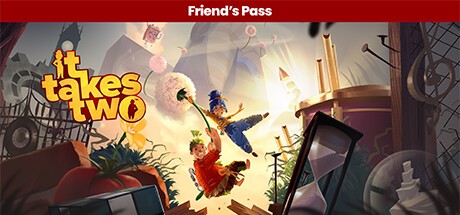


Games like It Takes Two
If you've just finished games like It Takes Two and found yourself staring at the credits wishing there was more, you're not alone. Hazelight's masterpiece carved out its own category — a story-driven, co-op-only adventure packed with genre-hopping platformer mechanics, creative puzzle design, and genuine emotional punch. The good news: there's a whole shelf of games that scratch that same itch, and we've rounded up the best of them.
What sets It Takes Two apart is the way it layers mandatory co-op play with a constantly evolving ruleset — no two chapters feel alike because the mechanics reinvent themselves alongside the story. It's a 3D action-adventure that blends platforming, minigames, and puzzle-platforming while delivering a surprisingly heartfelt narrative. Players who love it aren't just chasing split-screen fun; they're looking for that rare combination of mechanical creativity, emotional storytelling, and a game that rewards playing alongside someone you actually care about.
What Makes a Good Alternative to It Takes Two?
- Mandatory or deep co-op design — It Takes Two was built from the ground up for two players, so the best alternatives treat co-op as a core mechanic, not an afterthought bolted onto a solo experience.
- Puzzle-platformer variety — The game's genius lies in constantly introducing new mechanics rather than repeating them. Strong alternatives keep the moment-to-moment gameplay fresh with inventive puzzle and platforming combinations.
- Story-rich emotional depth — Players praised It Takes Two for making them laugh and tear up in the same session. Alternatives worth your time use their narrative to give the gameplay real emotional weight.
- Atmospheric presentation — From its visuals to its soundtrack, It Takes Two creates a strong sense of place and mood. The best similar games use art direction and music to pull you into their world.
- Accessible yet layered gameplay — It welcomes players of all skill levels while still feeling rewarding. Great alternatives strike the same balance, making them ideal for mixed-experience co-op pairs.
Top Picks If You Enjoyed It Takes Two
A Way Out delivers cinematic co-op storytelling with real emotional stakes. BOKURA flips the script with asymmetric co-op where each player literally sees a different world. Unravel Two brings gorgeous visuals and gentle teamwork-based platforming. LEGO Voyagers offers family-friendly puzzle co-op with charming creativity. Brothers: A Tale of Two Sons hits hard emotionally with a beautifully crafted story and atmosphere. ibb & obb challenges communication with clever gravity-bending puzzle platforming.
Every recommendation below is ranked by similarity using real player and mechanic data, so the closest matches appear first. Browse the full list to find your next favorite co-op adventure.
- 81%Game Brain ScoreMost mentioned positive aspects:story, gameplayMost mentioned negative aspects:replayability, stability88% User Score 32,902 reviewsCritic Score 75%13 reviews
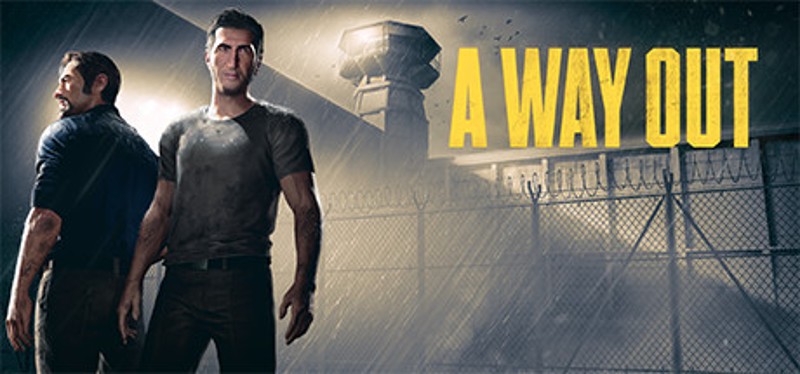
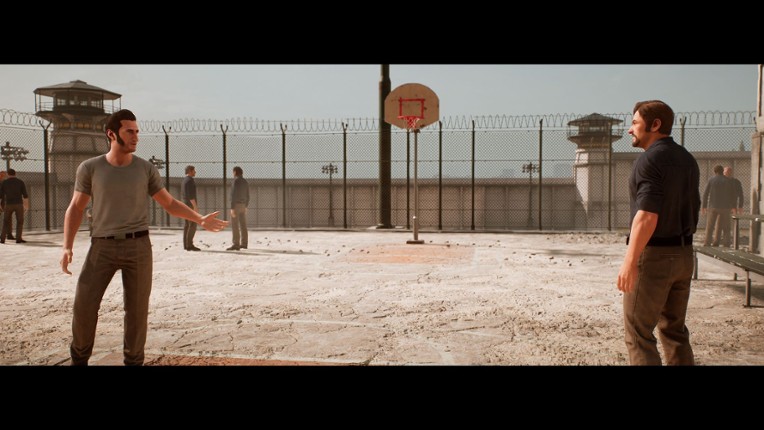
Both games hinge on forced collaboration between two players with fundamentally different tools and perspectives. In It Takes Two, you and your partner solve puzzles by combining distinct abilities; A Way Out applies that same principle to combat, escape sequences, and narrative moments, where success demands genuine coordination rather than just taking turns.
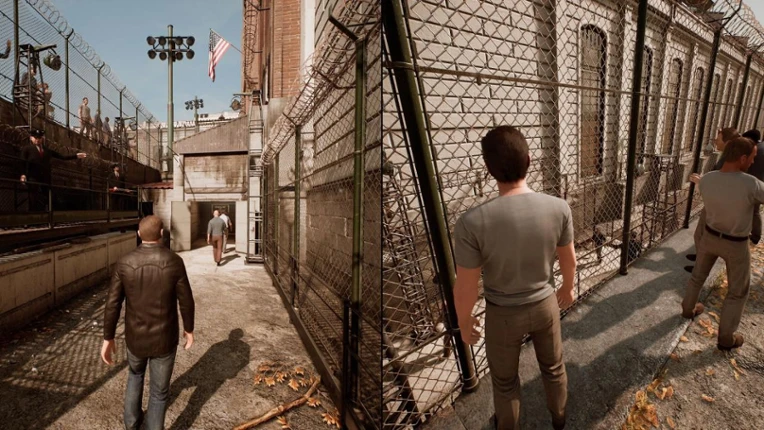
The emotional weight of a shared journey grounds both experiences. A Way Out builds tension through a prison-break narrative that demands trust and communication—your co-op partner isn't a helper, they're essential to the story itself. This mirrors It Takes Two's relational intimacy, though framed through crime and survival rather than reconciliation.
Where A Way Out diverges is tone and pacing. It trades whimsy and minigames for a grittier, more cinematic crime drama with mature themes. The trade-off is a tighter, less padded experience—addressing complaints that It Takes Two occasionally indulges in filler between emotional peaks.
Best for co-op pairs who want their gameplay mechanics and narrative stakes to feel genuinely intertwined, and who won't mind trading vibrant platforming for darker, more adult storytelling.
If you enjoyed this game, see our list of games similar to A Way Out.View Game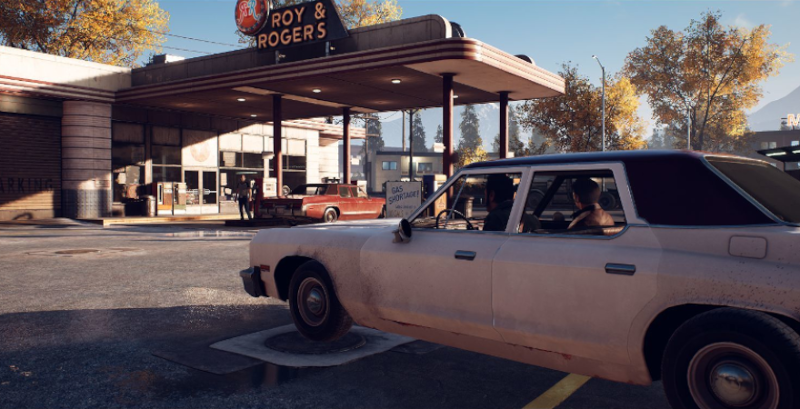
- 89%Game Brain ScoreMost mentioned positive aspects:emotional, storyMost mentioned negative aspects:replayability, grinding89% User Score 1,548 reviews
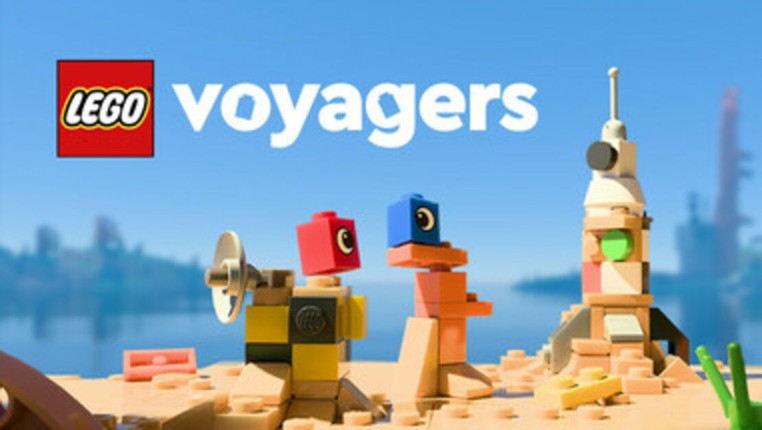
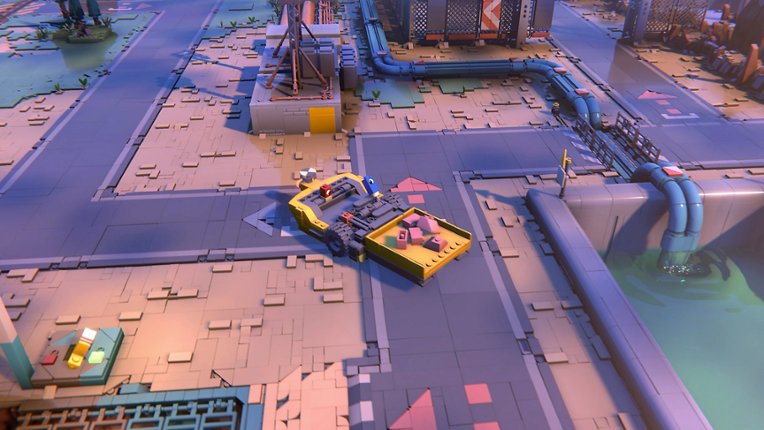
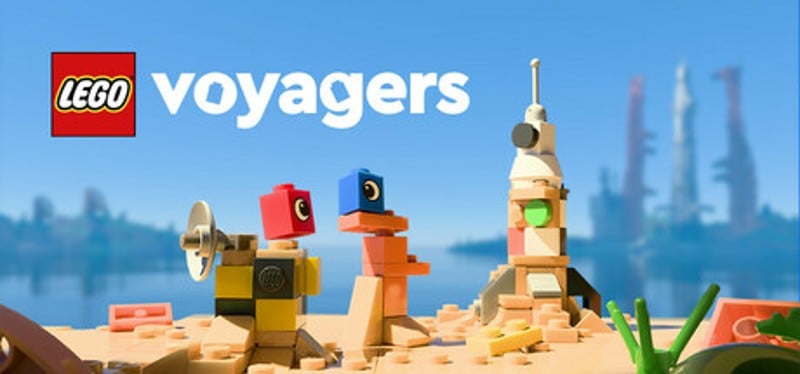
Synchronizing your movements to manipulate a vibrant, 3D world captures the same cooperative magic found in Cody and May’s journey. This title utilizes coordinated physics-based building to solve environmental puzzles, demanding constant communication between players. Because your progress relies on shared creativity rather than individual skill, it preserves that essential feeling of being an inseparable team.
The Friend Pass feature mirrors the accessible entry point of its predecessor, allowing you to host a partner for free. This approach directly counters the friction of aggressive monetization, keeping the focus entirely on the shared social experience. While it swaps high-stakes platforming for a cozy, family-friendly tone, the core loop of mutual discovery remains intact.
A notable difference is the five-hour playtime, providing a breezy alternative to longer, more complex campaigns. It offers a condensed adventure that avoids any sense of grinding by focusing on immediate, tactile rewards. This brevity ensures the gameplay remains consistently charming without overstaying its welcome.
Best for players who prioritize charming, low-stress bonding over narrative weight or mechanical mastery.
If you enjoyed this game, see our list of games similar to LEGO Voyagers.View Game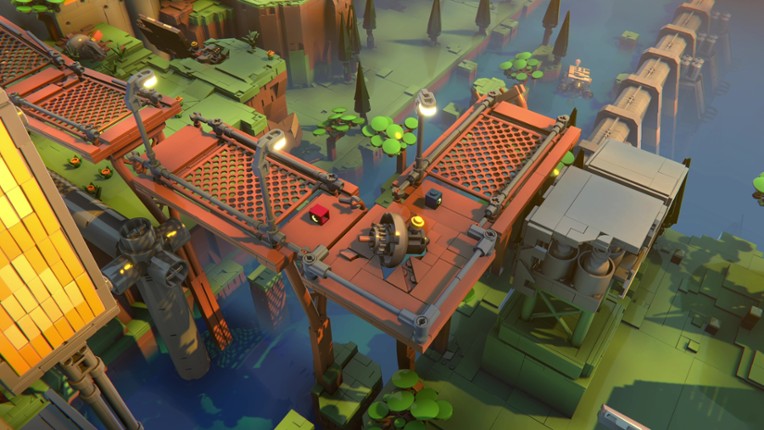
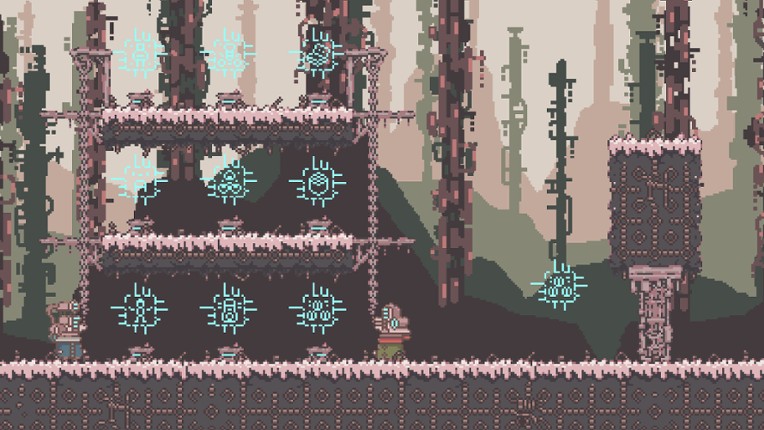
- 96%Game Brain ScoreMost mentioned positive aspects:story, gameplayMost mentioned negative aspects:stability, grinding96% User Score 5,512 reviews
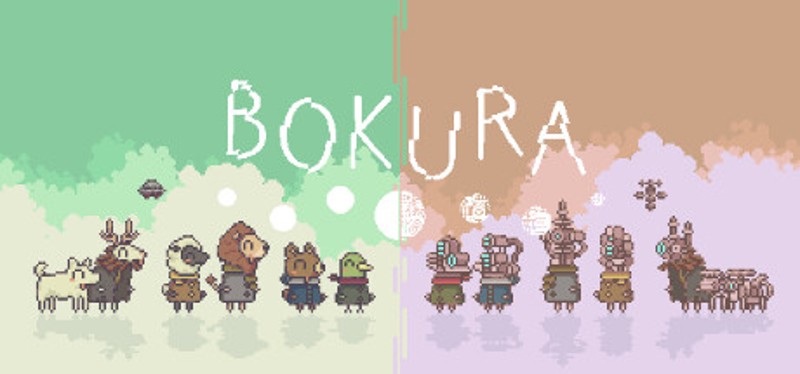
Both games live or die on two-player coordination: one person can’t see the whole picture, so every jump, puzzle, and timing cue depends on talking things through. That constant back-and-forth creates the same satisfying rhythm It Takes Two fans love, where cooperation turns into a shared problem-solving performance.
BOKURA also keeps the experience varied with puzzle-platforming and adventure-driven set pieces, so you’re not just solving static brainteasers. Like It Takes Two, the mechanics are built to make communication feel necessary rather than optional, which gives each challenge a strong “we figured it out together” payoff.
The big difference is the tone: BOKURA swaps spectacle and comedy for a smaller, stranger, more psychological edge. That tradeoff gives it a fresh angle for players who want the emotional teamwork of It Takes Two, but in a moodier, more reflective package — and it may also appeal to those who want a more focused co-op challenge instead of high-budget variety.
Best for players who want co-op puzzles that reward real conversation and emotional resonance.
If you enjoyed this game, see our list of games similar to BOKURA.View Game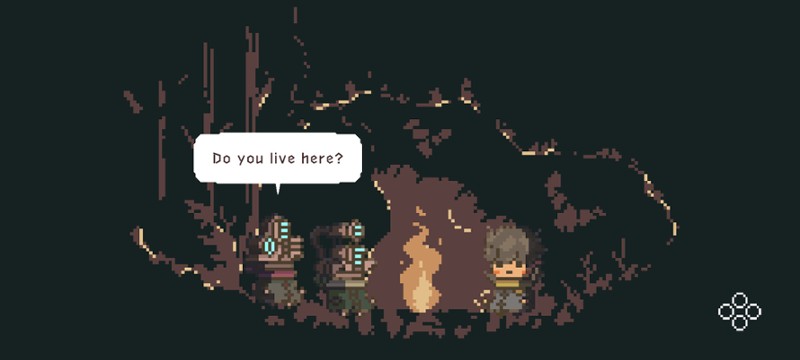

- 79%Game Brain ScoreMost mentioned positive aspects:story, gameplayMost mentioned negative aspects:stability, optimization75% User Score 3,208 reviewsCritic Score 84%8 reviews
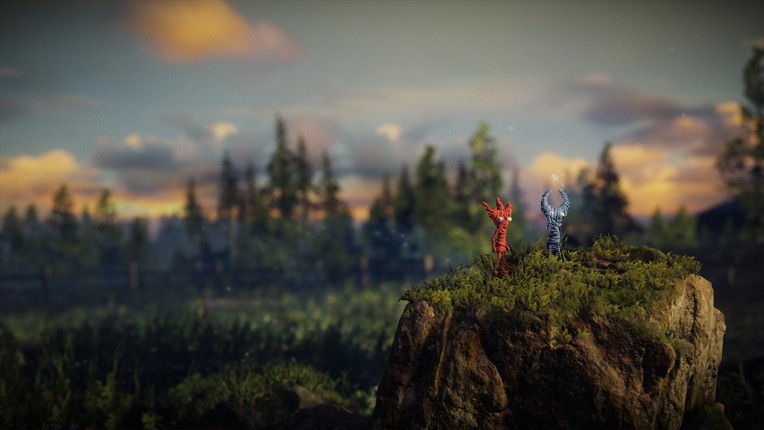
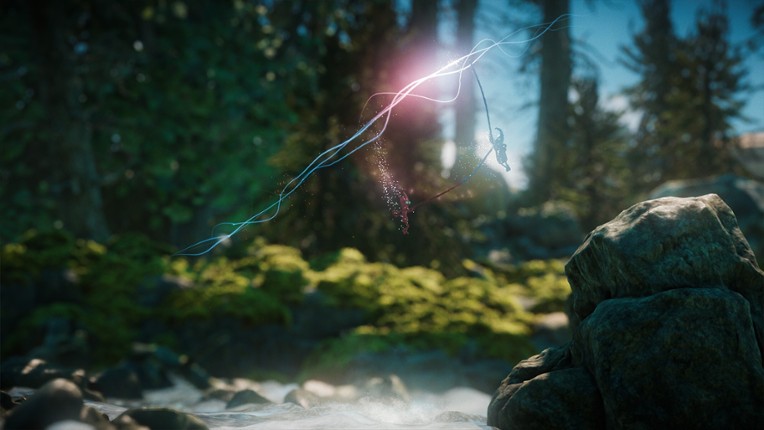
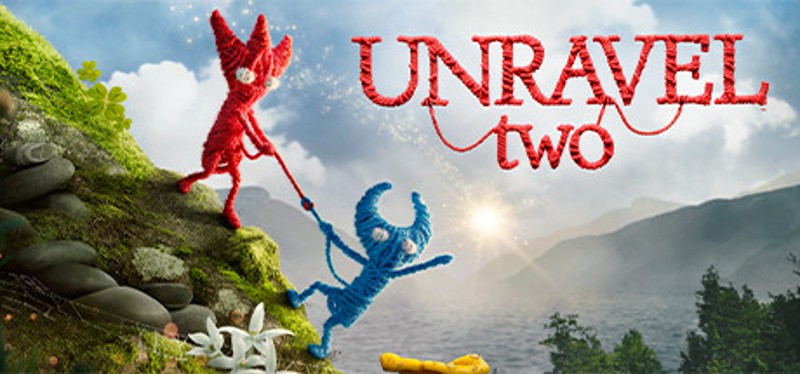
Unravel Two shares It Takes Two’s emphasis on cooperative puzzle platforming, demanding tight teamwork and communication. This mechanic drives the core gameplay, making coordination between players essential for progress. Both games use this to deepen player connection through shared challenges.
They also deliver atmospheric, story-light experiences with beautiful visuals, enhancing immersion without heavy narrative focus. However, Unravel Two lacks genuine online multiplayer, offering local co-op only, which limits flexible play. Its shorter length and simpler story make it lighter but less emotionally impactful than It Takes Two.
Pick Unravel Two if you want charming, local co-op puzzle platforming with relaxed pacing but can live without a strong narrative and robust online features.
If you enjoyed this game, see our list of games similar to Unravel Two.View Game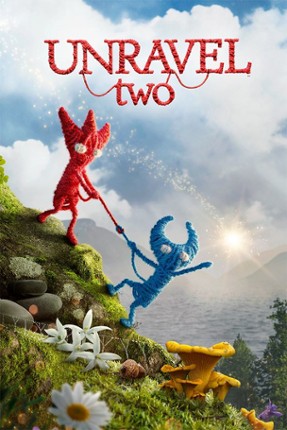
- 95%Game Brain ScoreMost mentioned positive aspects:story, graphicsMost mentioned negative aspects:stability, grinding97% User Score 135,040 reviewsCritic Score 85%1 reviews
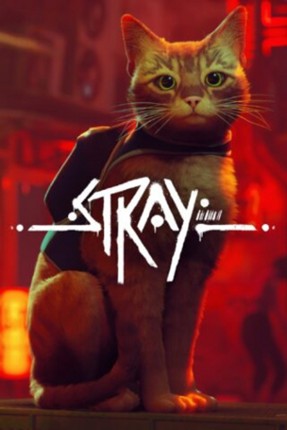
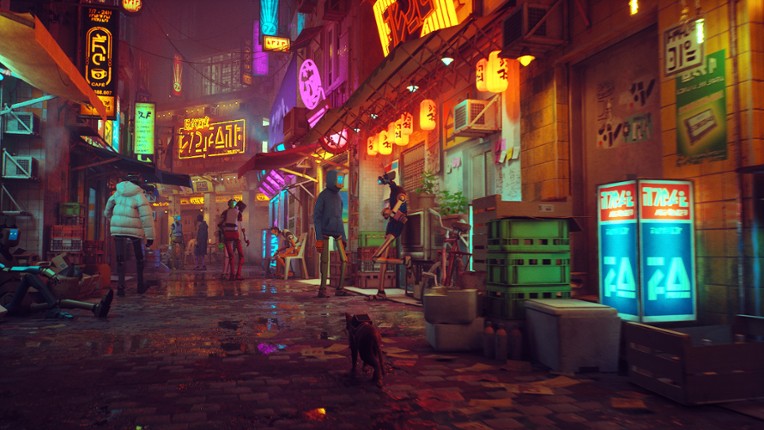
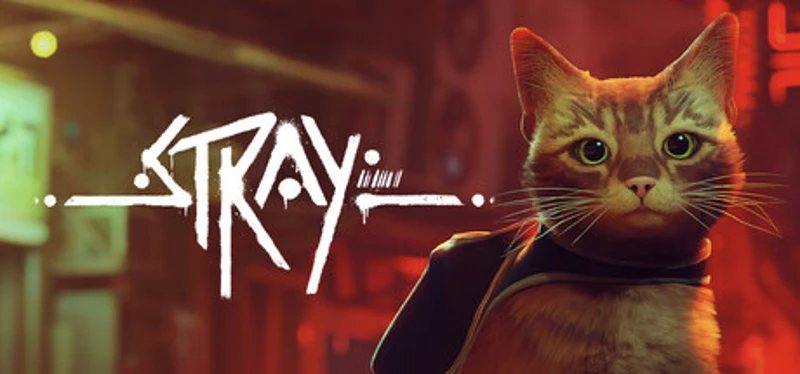
Both games master environmental storytelling, turning every level into a narrative device that rewards curious exploration. This visual-first approach builds emotional depth without relying on constant dialogue, helping players feel physically connected to the world’s decay and wonder.
The primary shift is the move from dynamic co-op puzzle-solving to a solitary, methodical investigation. While It Takes Two demands synchronized reflexes, Stray forces you to master feline traversal through a lonely, dystopian cityscape.
Pick this up if you want the polished art direction and atmospheric charm of It Takes Two but are ready for a quieter, singular perspective that trades high-octane teamwork for a focused, introspective journey.
If you enjoyed this game, see our list of games similar to stray.View Game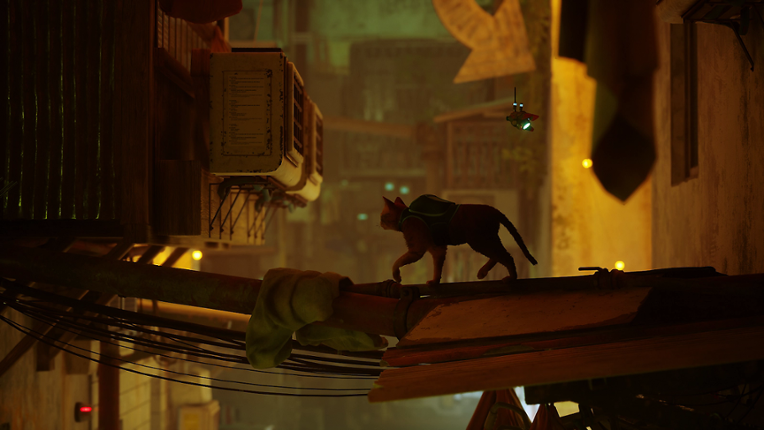
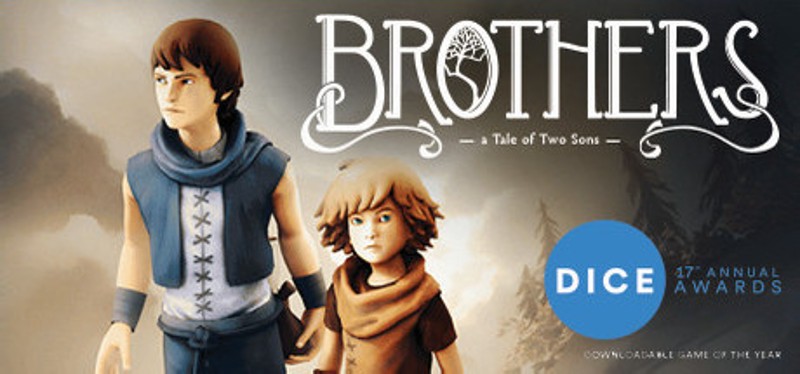
- 88%Game Brain ScoreMost mentioned positive aspects:story, gameplayMost mentioned negative aspects:replayability, stability94% User Score 16,215 reviewsCritic Score 82%18 reviews
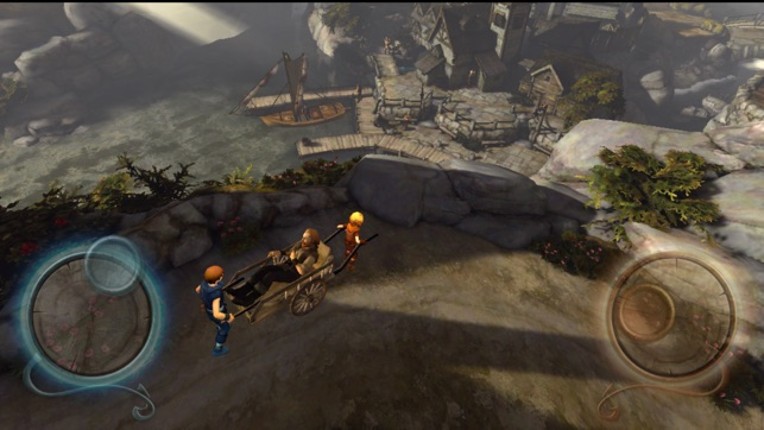
If you loved It Takes Two's co-op puzzles that force both players to act in sync, Brothers delivers that same synchronized teamwork feeling through its unique dual-character control. You command two brothers simultaneously—one with each thumb-stick—so every environmental puzzle becomes a dance of two minds working as one. The game turns solo play into a collaborative mental exercise, preserving that "two heads are better than one" tension even when you're alone.
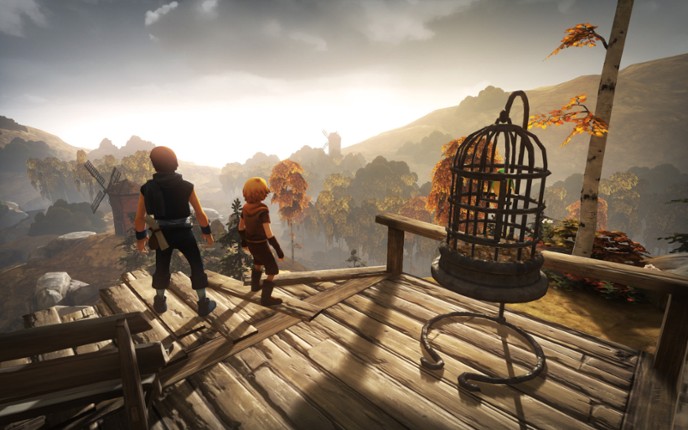
The emotional storytelling hits just as hard here. Both games use their mechanics to make you feel something: It Takes Two weaponizes cooperation, while Brothers ties its controls to its narrative, making your character's journey physically felt through your hands. The atmospheric world design and stunning soundtrack create that same storybook quality that kept you invested in every chapter.
One notable shift: Brothers trades It Takes Two's minigame variety for a more focused, cinematic adventure. Where the former constantly surprise you with new activities, this one commits to a single, evolving puzzle style. The payoff is a tighter emotional arc, though you'll miss the playful tonal shifts. It's a worthwhile tradeoff if you want a short, profound experience over a longer romp.
Best for players who prefer emotional depth over replayability and want a game that respects their time while leaving a lasting impact.
If you enjoyed this game, see our list of games similar to Brothers: A Tale of Two Sons.View Game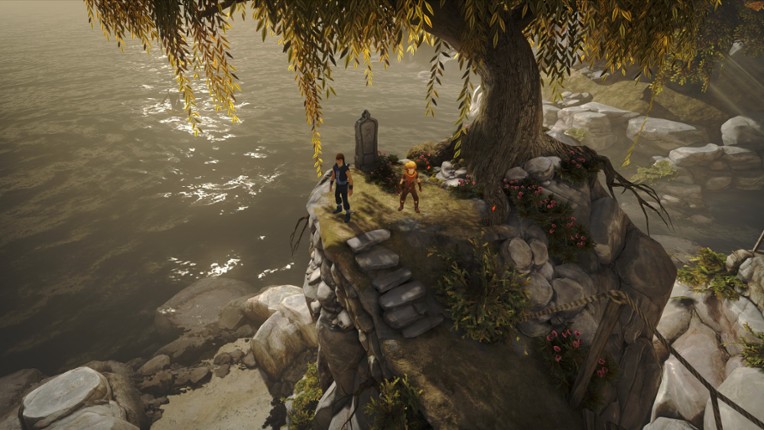
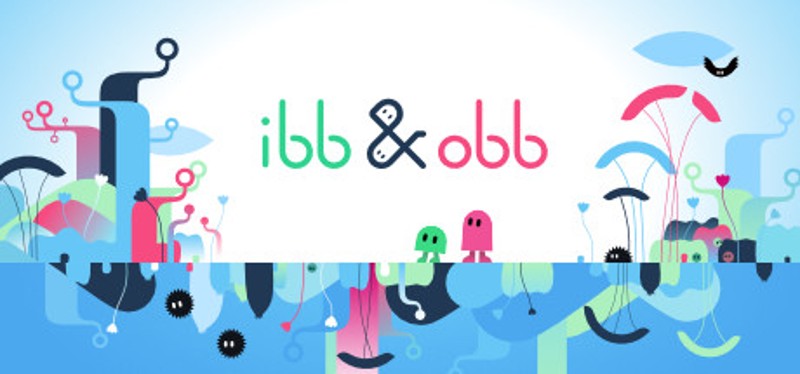
- 85%Game Brain ScoreMost mentioned positive aspects:music, gameplayMost mentioned negative aspects:story, stability91% User Score 2,367 reviewsCritic Score 75%6 reviews
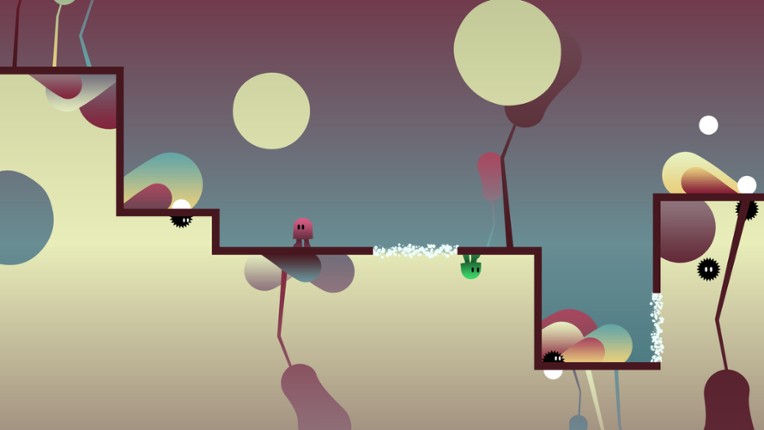
The moment where you and a partner have to split up, solve different parts of a puzzle, and reunite with a solution neither of you could have reached alone — that's the core loop ibb & obb keeps returning to. Like It Takes Two, the design actively refuses to let one player carry the other; both controllers matter at every step. The co-op dependency here isn't a feature, it's the architecture.
Puzzle platforming that demands real communication is where the two games overlap most meaningfully. In ibb & obb, the world is split across two gravity planes, and coordinating movement between them forces the same kind of verbal back-and-forth that made It Takes Two feel like a genuine two-person experience rather than a solo game with a passenger.
Where it diverges: ibb & obb strips away the story, the setpiece variety, and the humor — what's left is a purer, more austere puzzle challenge. That's a real tradeoff, not a flaw, but players who loved It Takes Two primarily for its narrative momentum may feel the absence.
On the plus side, players frustrated by It Takes Two's occasional bugs will find ibb & obb a much leaner, more stable experience — though its online co-op can introduce lag of its own.
Best for co-op pairs who want the teamwork without the hand-holding — specifically duos who found the puzzle sections of It Takes Two to be the highlight and want that feeling pushed further.
If you enjoyed this game, see our list of games similar to ibb & obb.View Game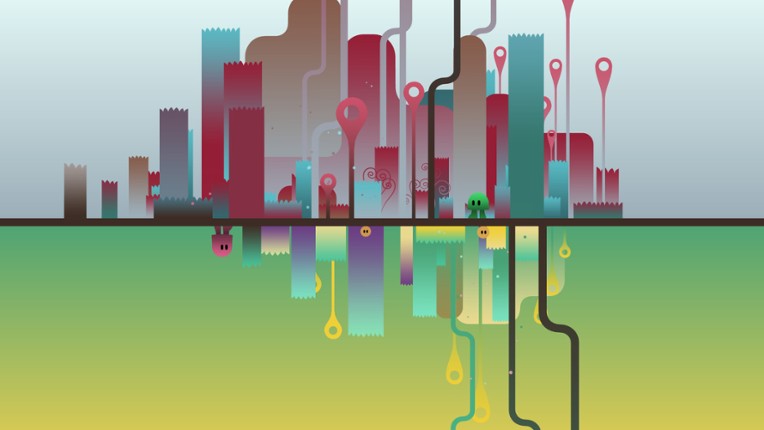
- 98%Game Brain ScoreMost mentioned positive aspects:story, gameplayMost mentioned negative aspects:grinding, stability98% User Score 26,548 reviews
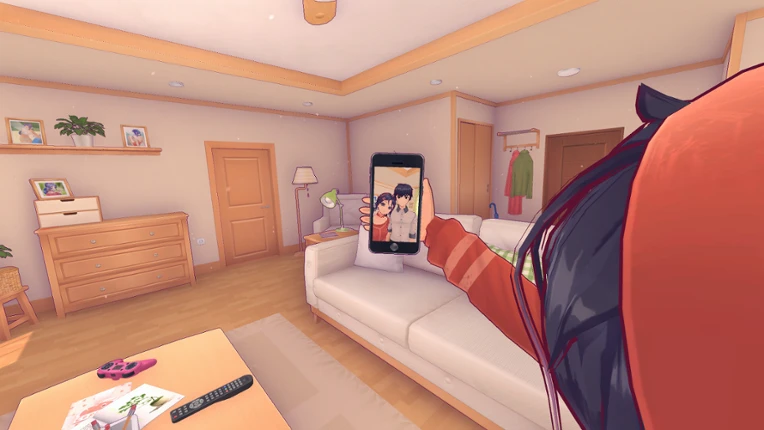
Includes: Base Game MiSide - Soundtrack Let's imagine that you have a game in which you care for a character. But could you imagine one day getting into that game yourself? Features Original visual styleThe authors hope to emphasize the contrast of colorful anime style against the background of the disturbing adventures of the main character. Interesting plotThe game has an unexpectedly developing… If you enjoyed this game, see our list of games similar to MiSide.
View Game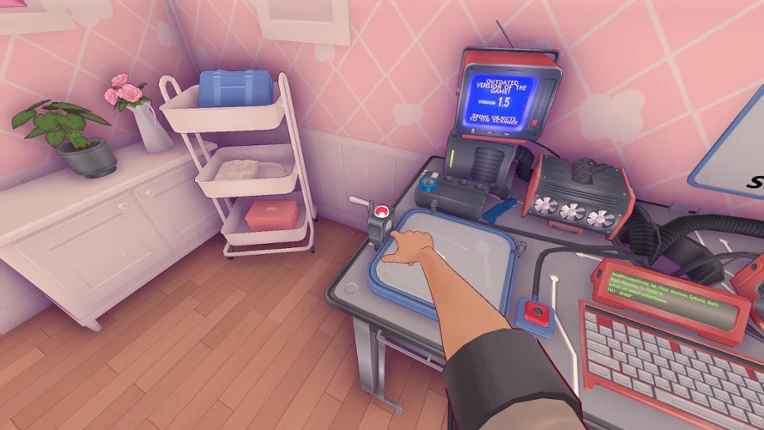
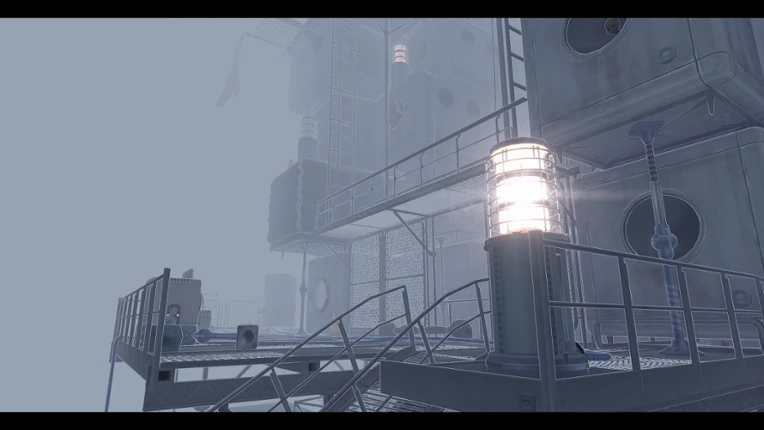
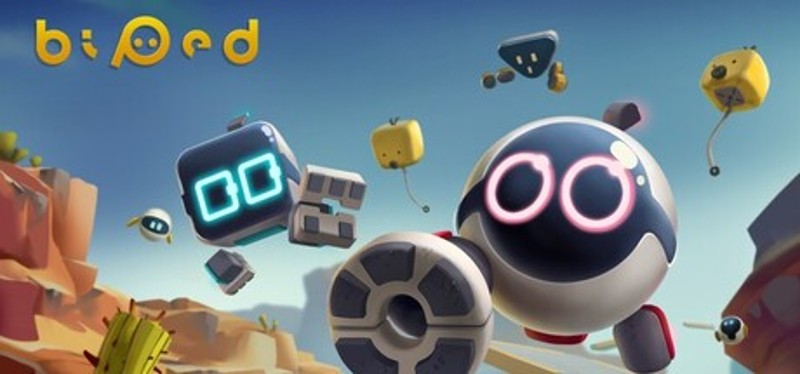
- 85%Game Brain ScoreMost mentioned positive aspects:gameplay, humorMost mentioned negative aspects:grinding, stability89% User Score 2,216 reviewsCritic Score 76%4 reviewsFocus strictly on the duo-physics dynamic where two players must coordinate every movement of awkward, wobbly robots instead of navigating traditional story-driven platforming. If you enjoyed this game, see our list of games similar to Biped.View Game
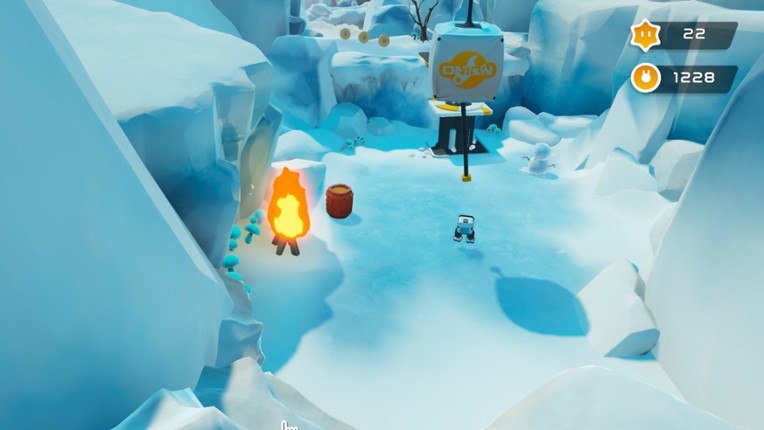
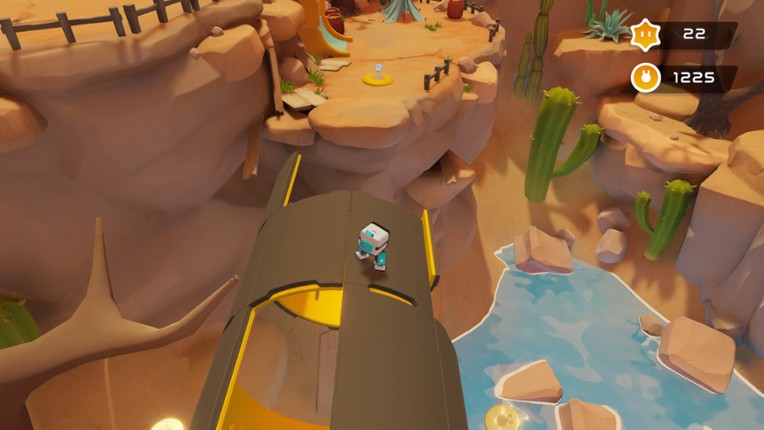
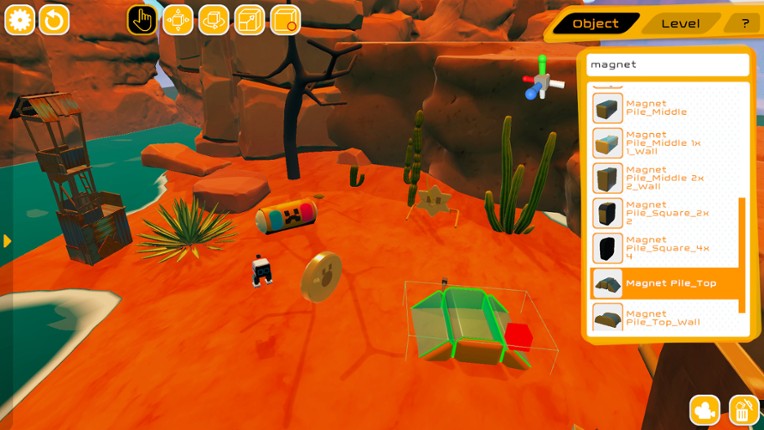
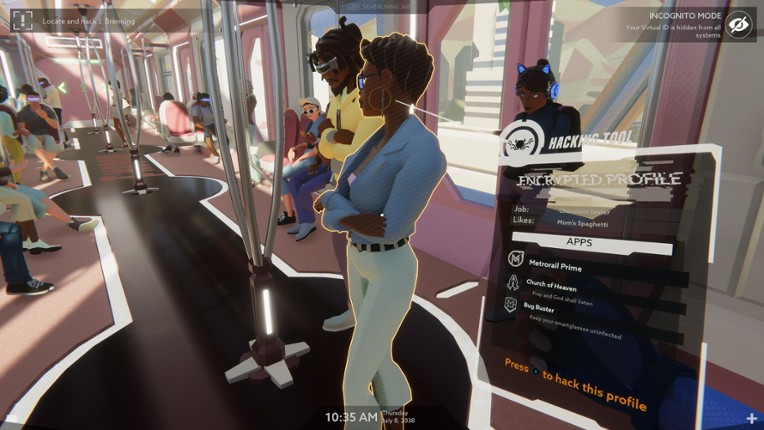
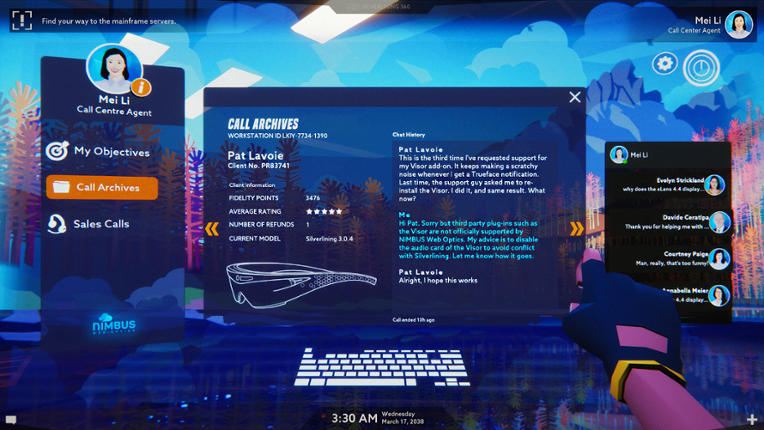
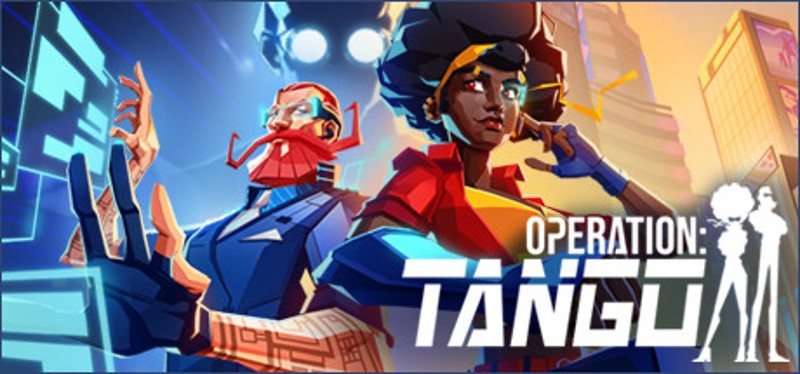
- 85%Game Brain ScoreMost mentioned positive aspects:story, gameplayMost mentioned negative aspects:replayability, stability92% User Score 3,841 reviewsCritic Score 73%6 reviewsFocuses on cooperative espionage with online play and a cyberpunk aesthetic, offering a more strategic, stealth-driven co-op experience compared to It Takes Two’s whimsical storytelling. If you enjoyed this game, see our list of games similar to Operation:Tango.View Game
- View Game
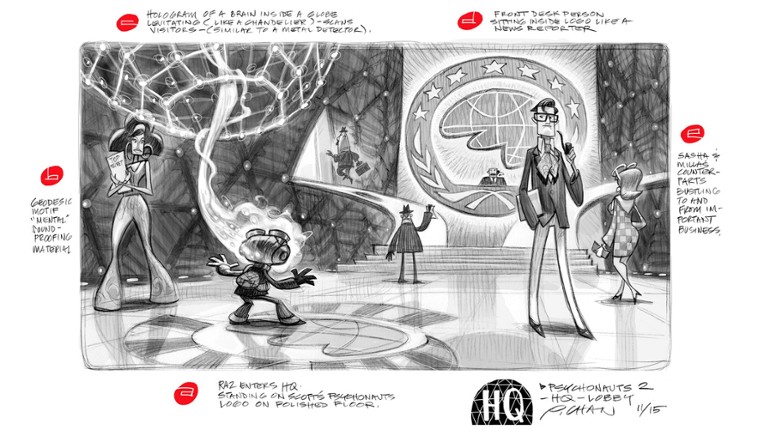
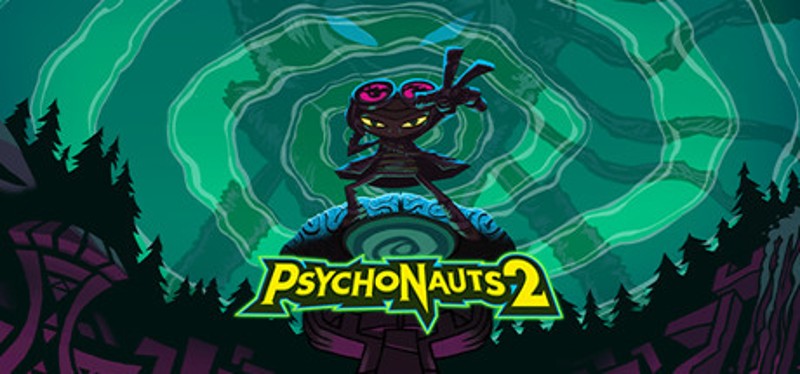
- 92%Game Brain ScoreMost mentioned positive aspects:story, gameplayMost mentioned negative aspects:grinding, stability97% User Score 13,722 reviewsCritic Score 88%67 reviews
Both games nail narrative-driven platforming with genuine emotional weight—they're not content to be purely mechanical; story and atmosphere are load-bearing walls. The stellar soundtrack in each one does narrative heavy-lifting, which matters because it transforms puzzle-solving into character moments.
Here's the split: It Takes Two demands two players and mines relationship conflict for its emotional arc, while Psychonauts 2 is single-player and mines psychological surrealism for its humor and heart.
Pick Psychonauts 2 if you want a solo adventure with laugh-out-loud writing and visual inventiveness, but can live without the collaborative intimacy that makes It Takes Two irreplaceable.
If you enjoyed this game, see our list of games similar to Psychonauts 2.View Game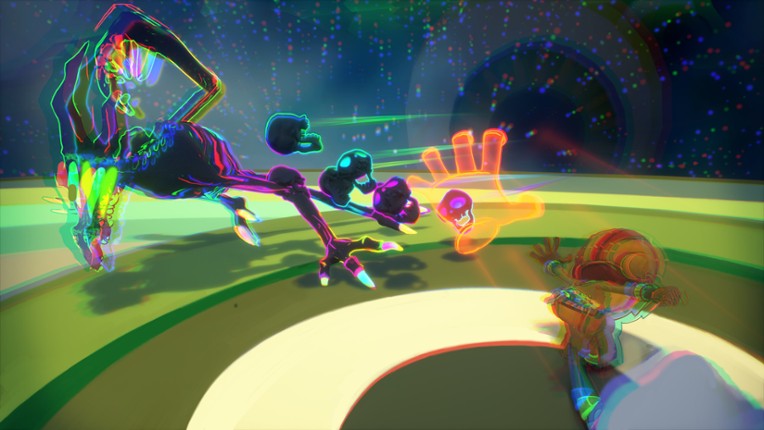
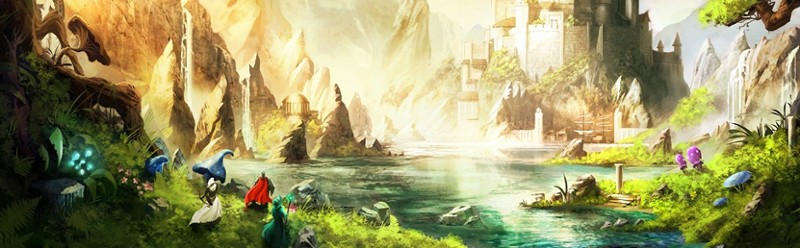
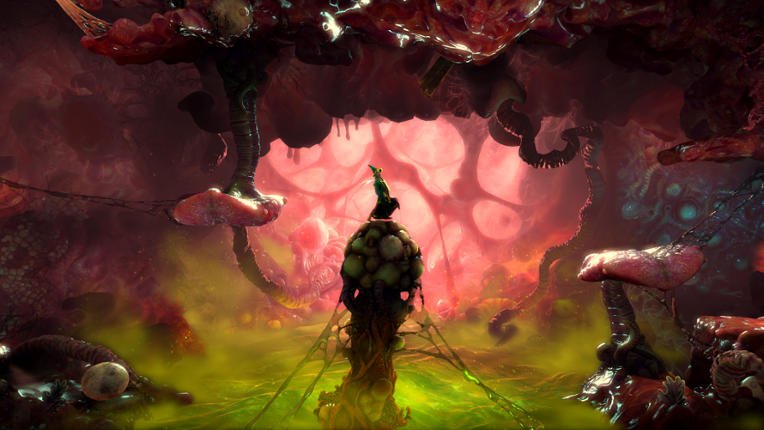
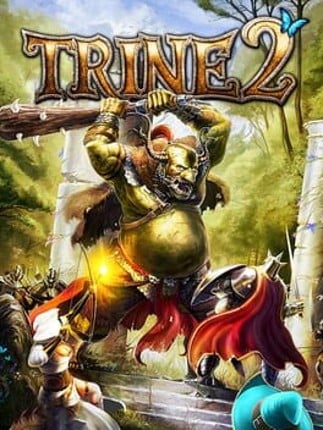
- 90%Game Brain ScoreMost mentioned positive aspects:graphics, storyMost mentioned negative aspects:grinding, stability95% User Score 5,363 reviewsCritic Score 80%5 reviews
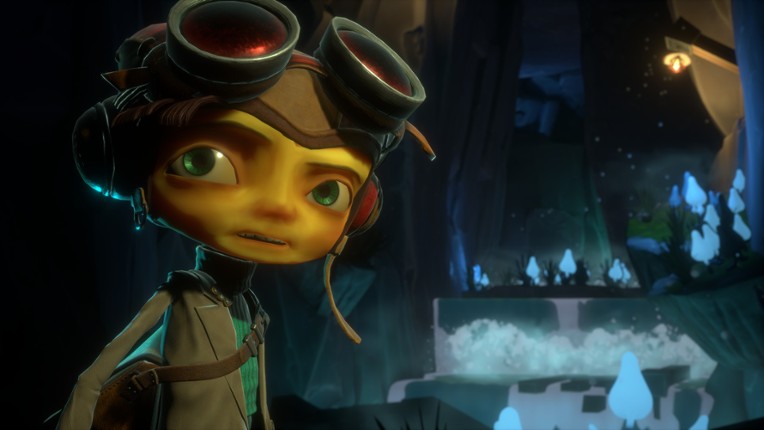
The core link between these titles is collaborative problem-solving, where success depends entirely on blending distinct character abilities to bypass physical obstacles. This shared mechanical DNA matters because it turns every room into a dynamic puzzle box that demands constant communication.
While It Takes Two thrives on narrative-driven variety and high-budget flair, Trine 2 focuses on physics-based creativity within a static fantasy aesthetic. You lose the emotional weight of a relationship drama, but you gain deeper freedom in how you manipulate the environment.
Pick this up if you crave mechanical teamwork and atmospheric exploration but can live without a heavy, cinematic story.
If you enjoyed this game, see our list of games similar to Trine 2.View Game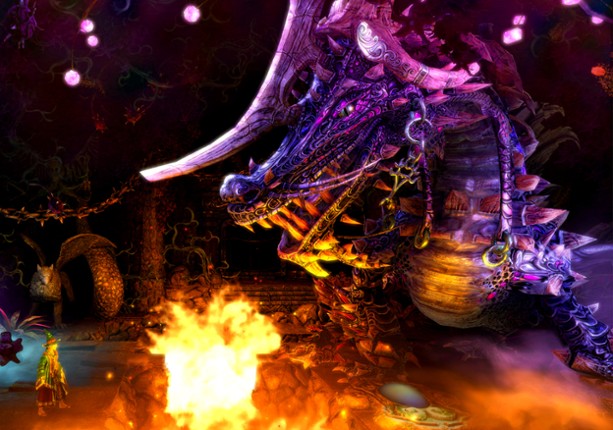
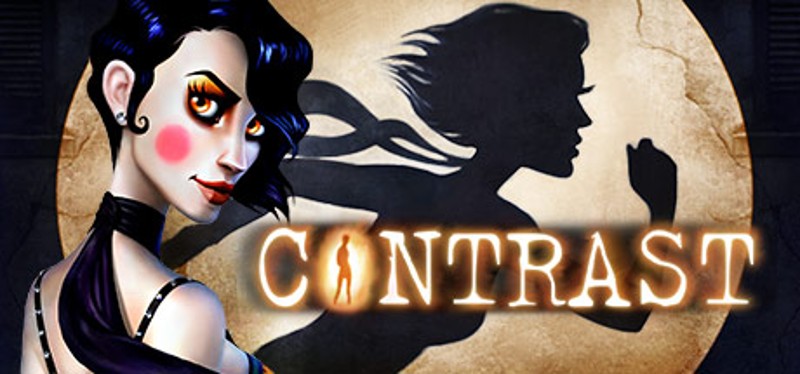
- 87%Game Brain ScoreMost mentioned positive aspects:story, gameplayMost mentioned negative aspects:stability, replayability90% User Score 3,141 reviewsCritic Score 80%3 reviews
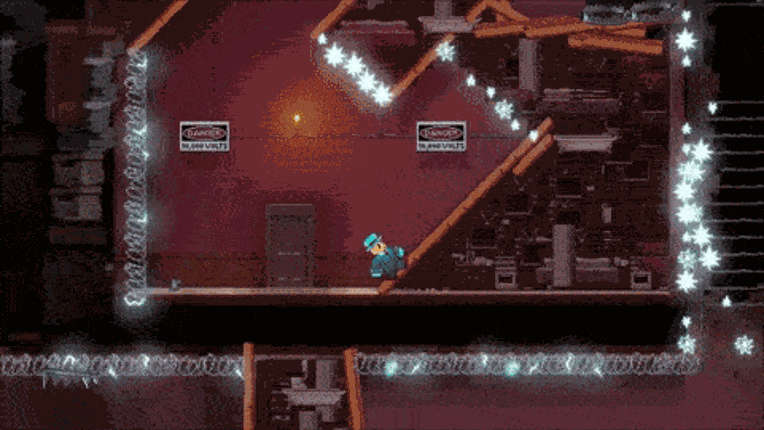
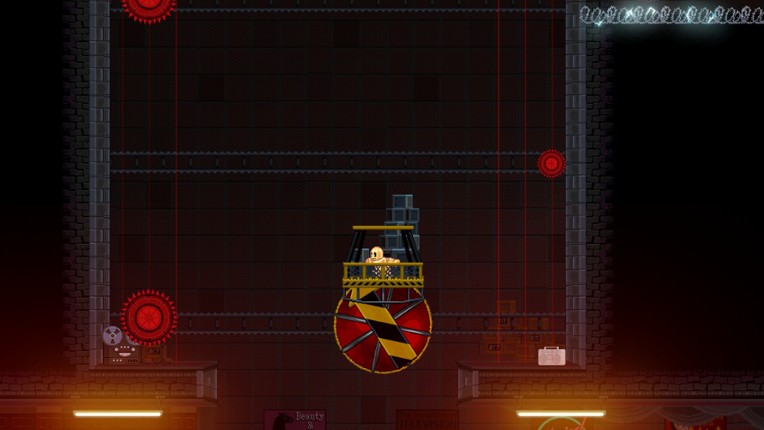
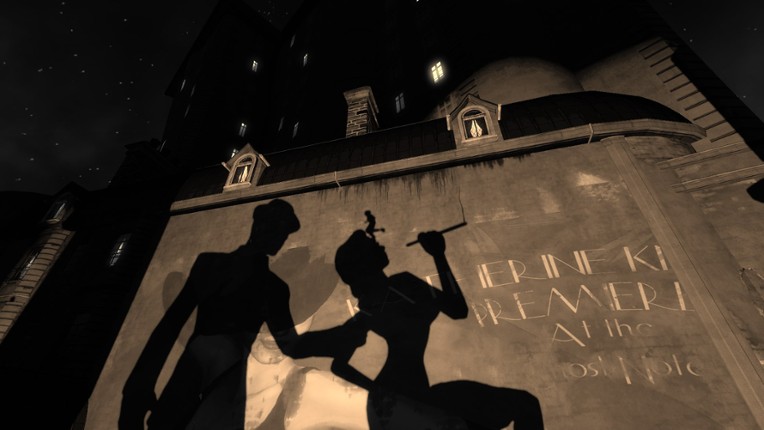
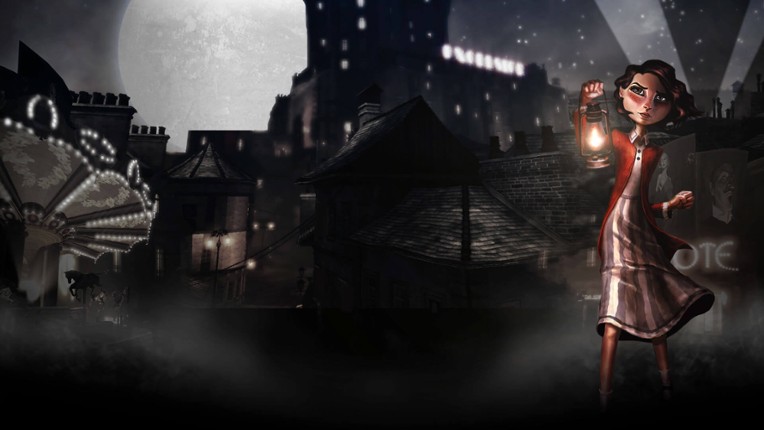
CONTRAST is a puzzle/platform game where you can move between a fantastic 3D world and a mysterious shadowy universe in 2D in the blink of an eye. Delve into a dreamlike and surreal 1920s world, inspired by the performance art world of vaudeville and film noir, and cradled by a smooth and sultry jazz ambiance. If you enjoyed this game, see our list of games similar to Contrast.
View Game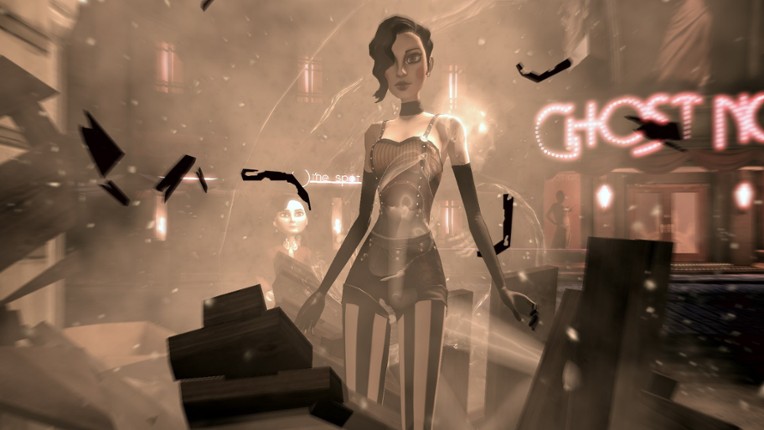
- 99%Game Brain ScoreMost mentioned positive aspects:story, musicMost mentioned negative aspects:grinding, monetization99% User Score 4,592 reviews
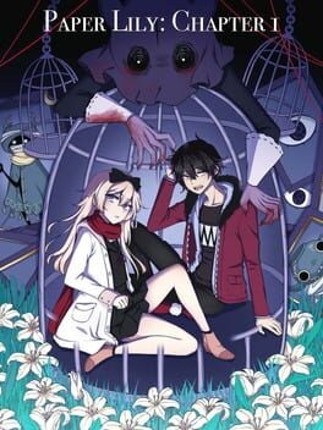
Horror visual novel coming in January 2023. If you enjoyed this game, see our list of games similar to Paper Lily: Chapter 1.
View Game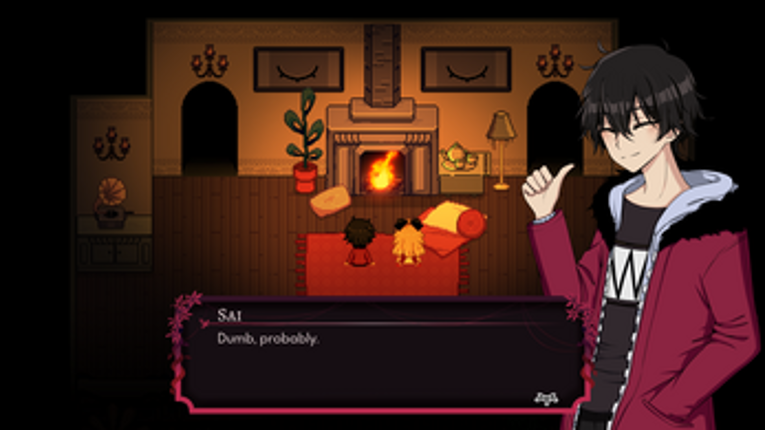


- 80%Game Brain ScoreMost mentioned positive aspects:story, gameplayMost mentioned negative aspects:stability, optimization81% User Score 1,471 reviewsCritic Score 80%13 reviews
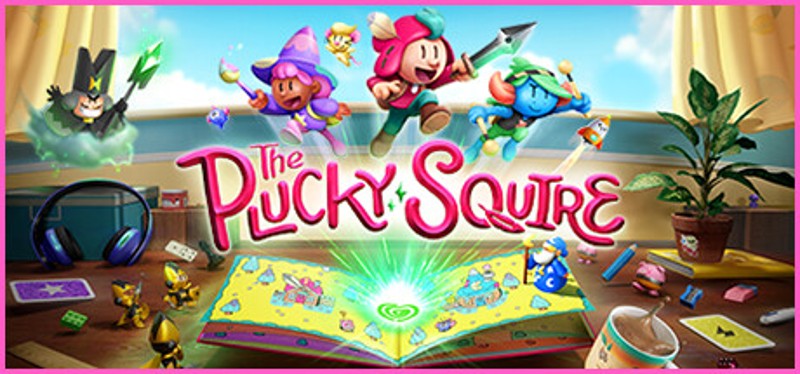
Storybook characters discover a three-dimensional world outside the pages of their book and must jump between 2D & 3D realms to save their friends in this charming action-adventure. If you enjoyed this game, see our list of games similar to The Plucky Squire.
View Game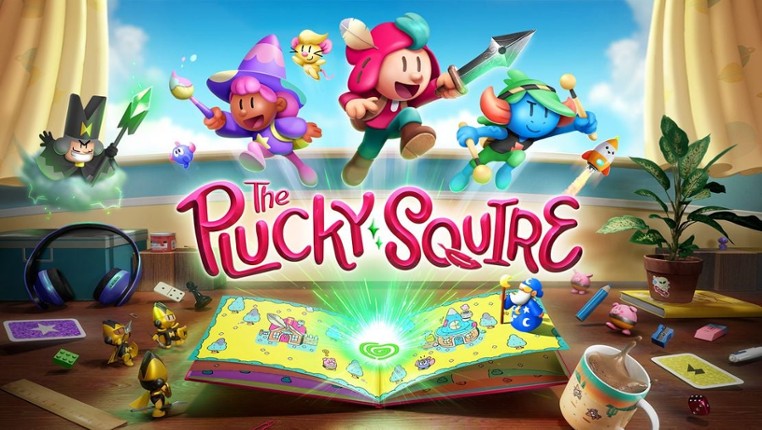

- 67%Game Brain ScoreMost mentioned positive aspects:music, graphicsMost mentioned negative aspects:grinding, stability95% User Score 31,608 reviewsCritic Score 7%4 reviews
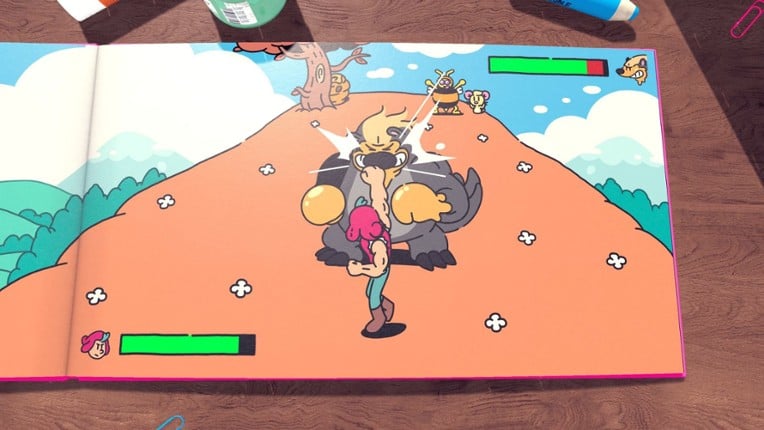
Gris is a hopeful young girl lost in her own world. If you enjoyed this game, see our list of games similar to GRIS.
View Game
- 98%Game Brain ScoreMost mentioned positive aspects:music, storyMost mentioned negative aspects:stability, grinding98% User Score 55,522 reviews
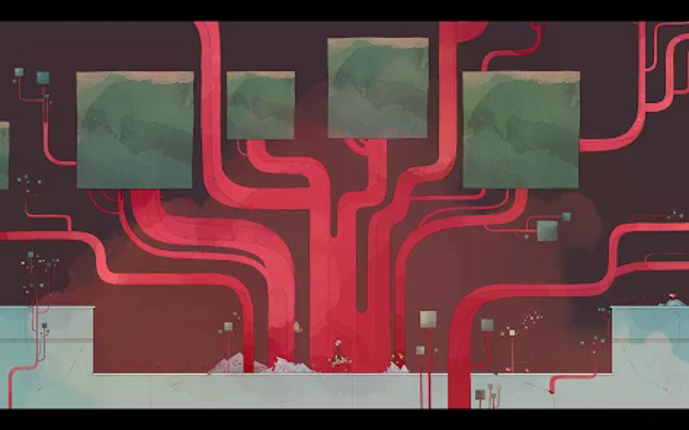
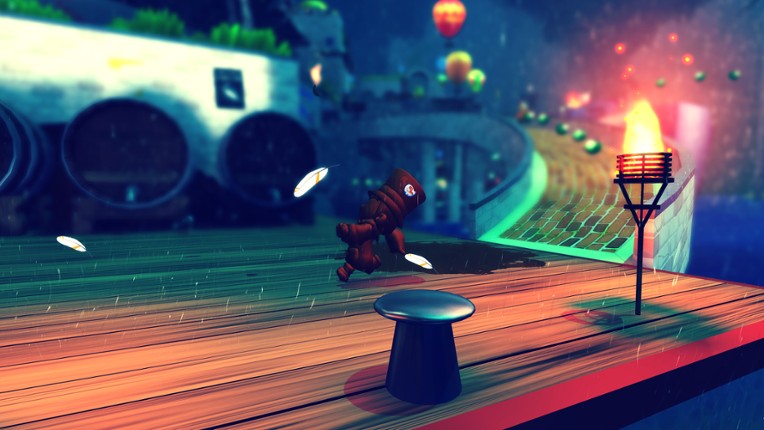
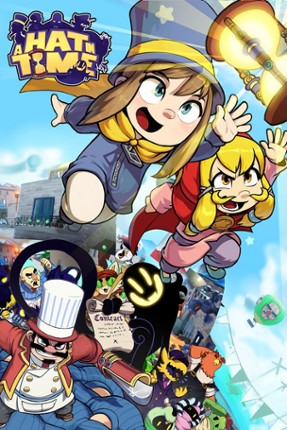
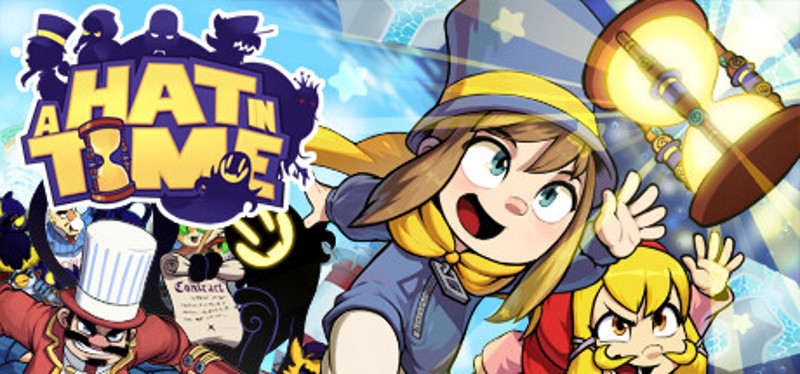
A Hat in Time is a cute-as-heck 3D platformer featuring a little girl who stitches hats for wicked powers Freely explore giant worlds and recover Time Pieces to travel to new heights If you enjoyed this game, see our list of games similar to A Hat in Time.
View Game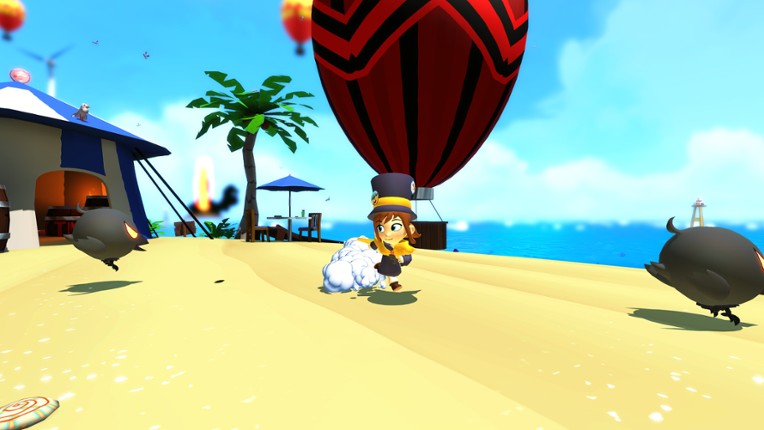
19 View Game
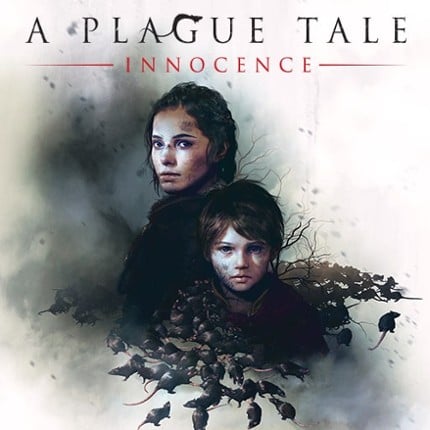
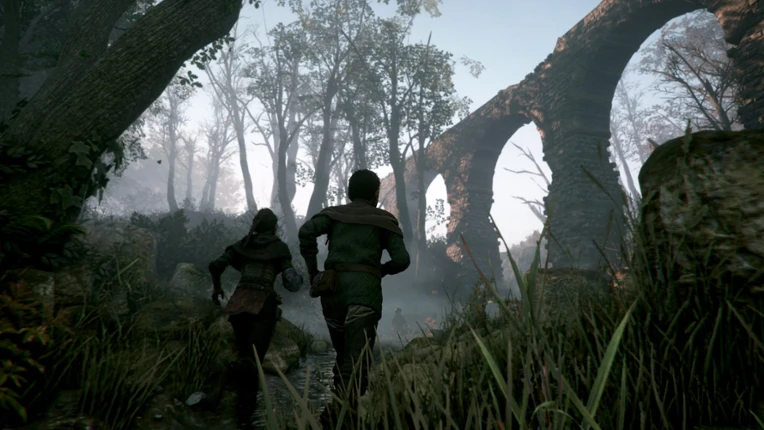 92%Game Brain ScoreMost mentioned positive aspects:story, gameplayMost mentioned negative aspects:replayability, grinding93% User Score 23,415 reviewsCritic Score 91%2 reviewsThird-person narrative adventure that mirrors emotional depth and female-led story but exchanges cooperative joy for dark historical horror and mature themes. If you enjoyed this game, see our list of games similar to A Plague Tale: Innocence.View Game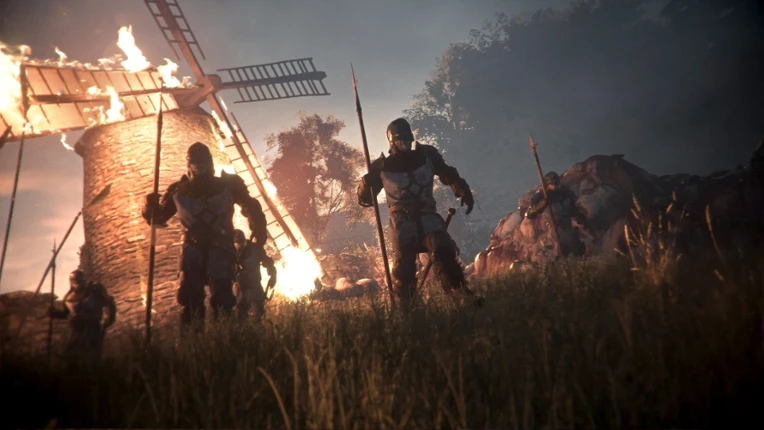
- 95%Game Brain ScoreMost mentioned positive aspects:story, graphicsMost mentioned negative aspects:replayability, stability95% User Score 3,279 reviews
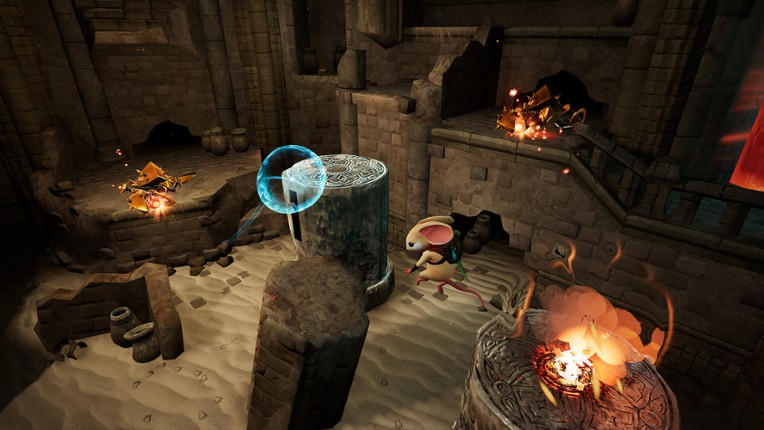
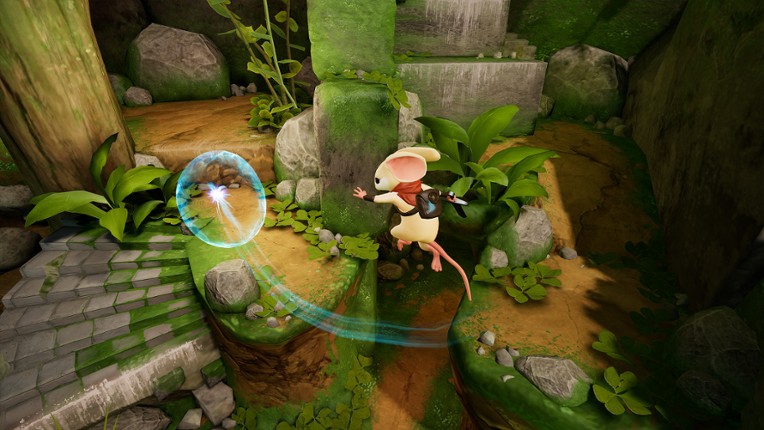
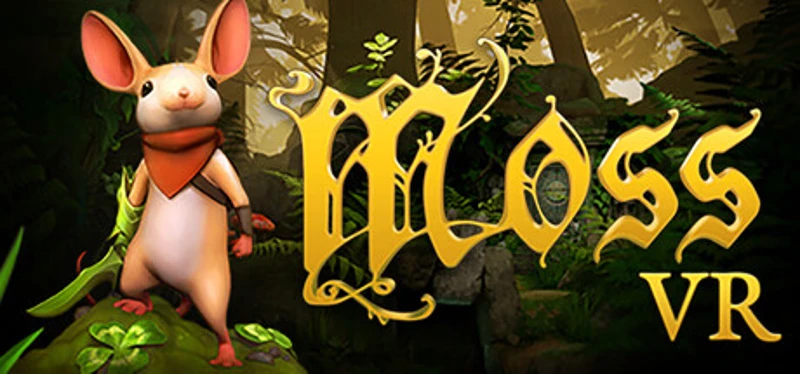
In Moss, players can reach out, touch, and interact with the environment while guiding Quill through her journey. As a character within the world, players will work together with Quill to solve puzzles, overcome obstacles, and conquer any danger that comes their way,” said Danny Bulla, co-founder and design director of Polyarc. “As gamers, we’ve been conditioned for years to hold a gamepad in our … If you enjoyed this game, see our list of games similar to Moss.
View Game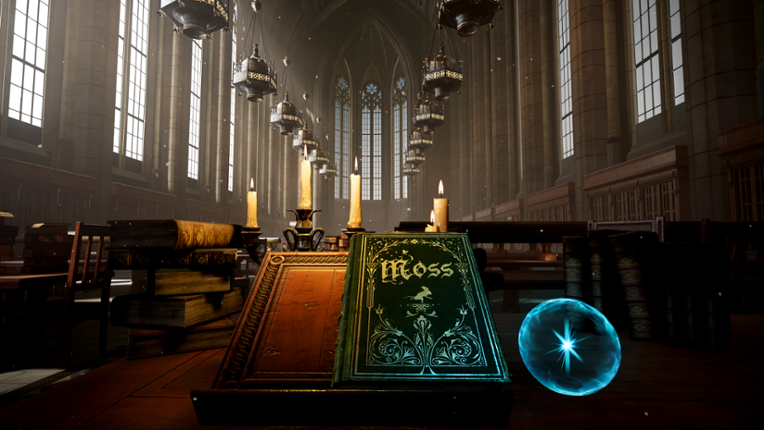
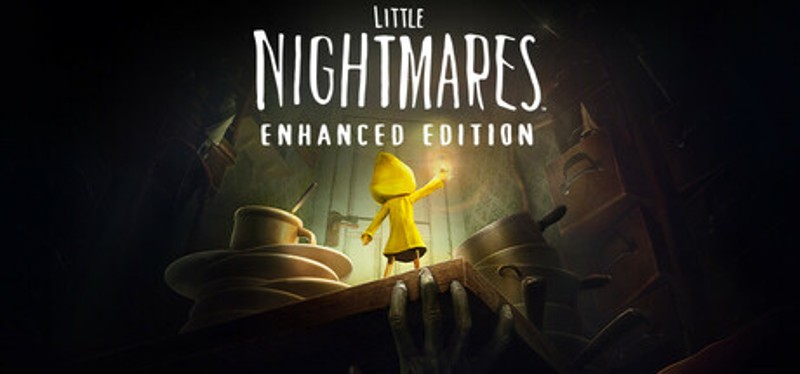
- 87%Game Brain ScoreMost mentioned positive aspects:story, atmosphereMost mentioned negative aspects:replayability, stability94% User Score 33,296 reviewsCritic Score 80%11 reviews
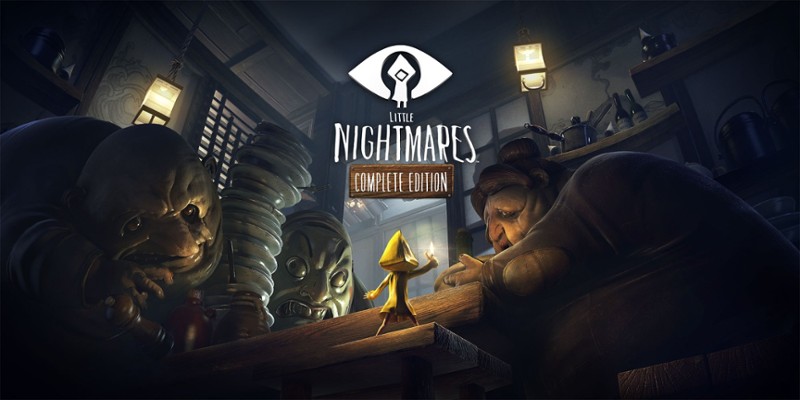
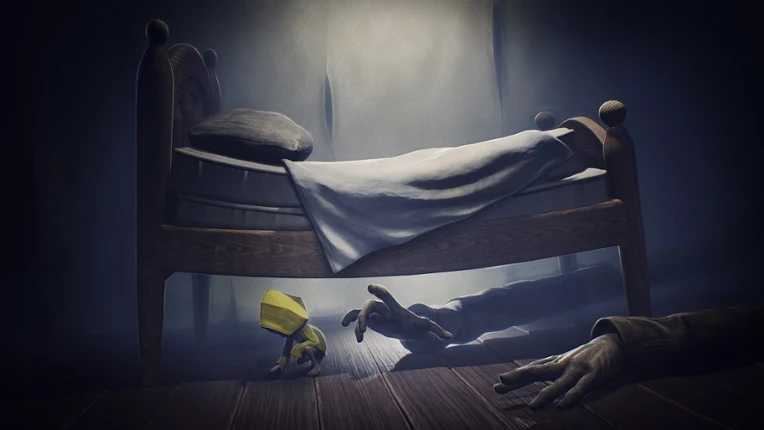
Re-Discover Little Nightmares, now enhanced in stunning 4K and 60 FPS. If you enjoyed this game, see our list of games similar to Little Nightmares.
View Game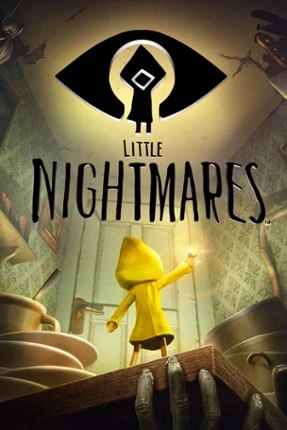
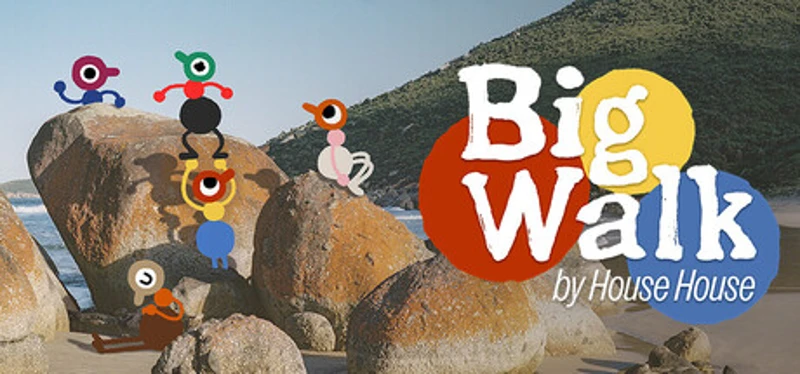
- 92%Game Brain ScoreMost mentioned positive aspects:emotional, gameplayMost mentioned negative aspects:optimization, grinding96% User Score 28,237 reviewsCritic Score 70%1 reviews
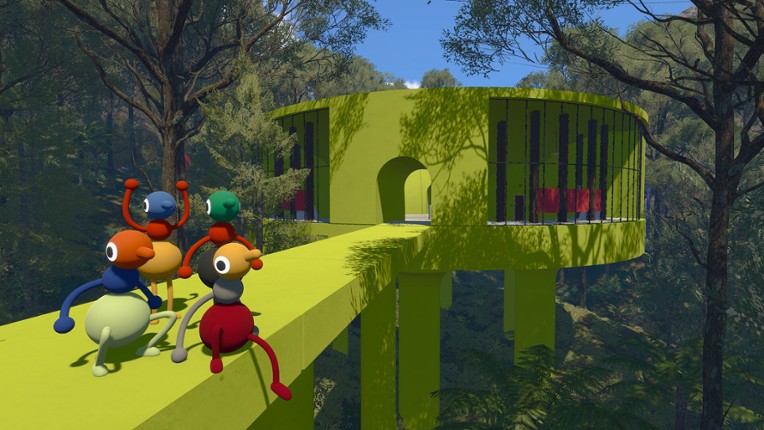
Hang out and get lost with close friends in a big world. A cooperative online walker-talker from the creators of Untitled Goose Game. If you enjoyed this game, see our list of games similar to Big Walk.
View Game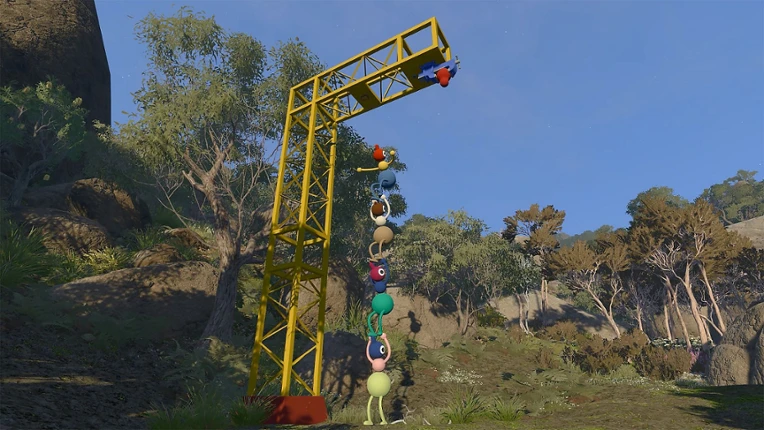
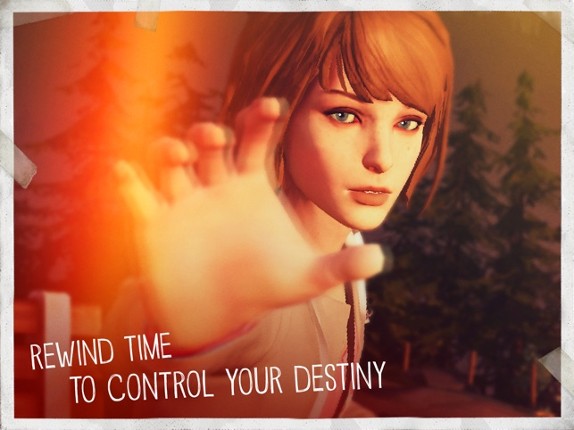
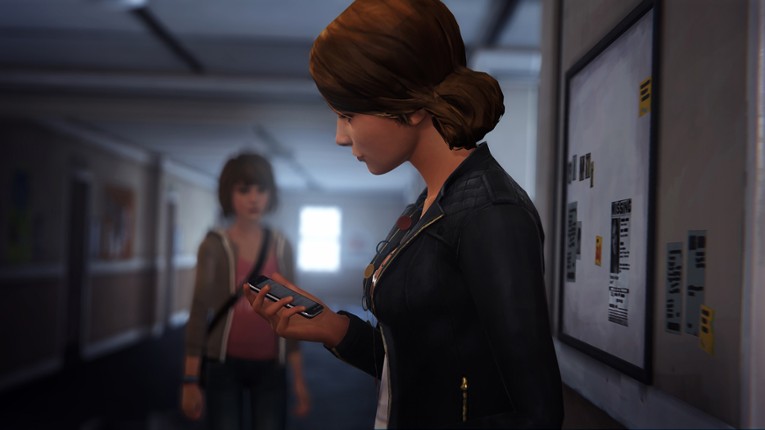
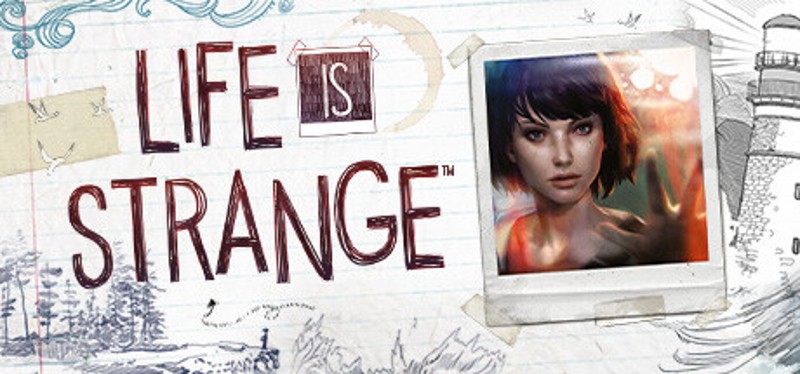
- 86%Game Brain ScoreMost mentioned positive aspects:story, musicMost mentioned negative aspects:stability, grinding95% User Score 75,297 reviewsCritic Score 75%8 reviewsAbandon the mechanical platforming for a solo episodic experience, shifting the focus from physical challenges to character-driven narrative choices and time manipulation consequences. If you enjoyed this game, see our list of games similar to Life is Strange.View Game

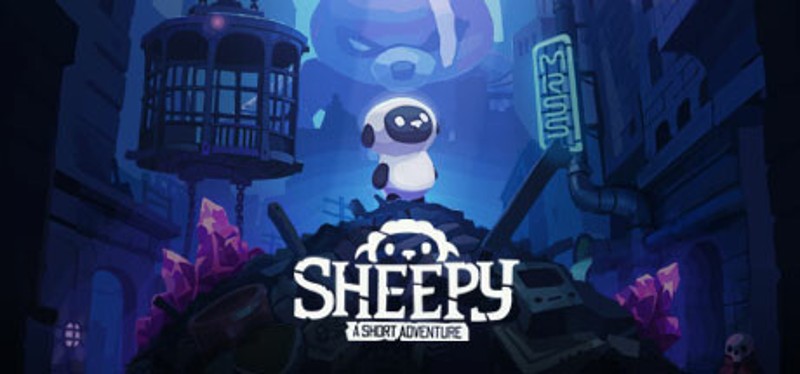
- 99%Game Brain ScoreMost mentioned positive aspects:music, storyMost mentioned negative aspects:optimization, grinding99% User Score 11,429 reviews
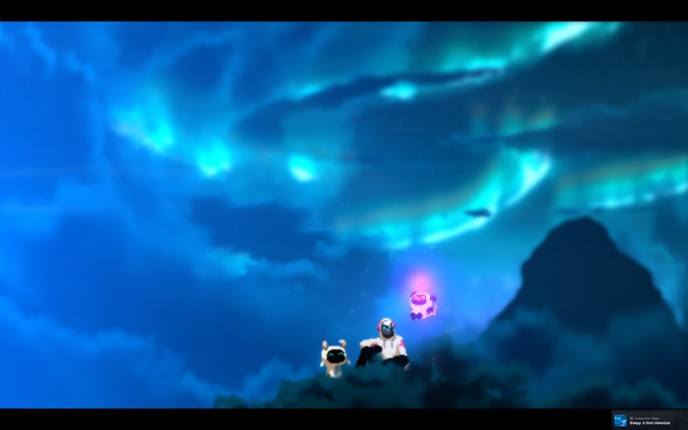
Sheepy: A Short Adventure is a short handcrafted pixel art platformer that follows Sheepy, an abandoned plushy brought to life. If you enjoyed this game, see our list of games similar to Sheepy: A Short Adventure.
View Game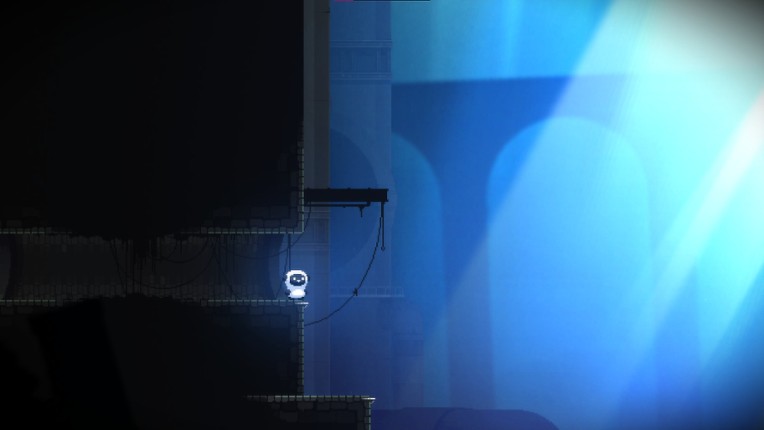
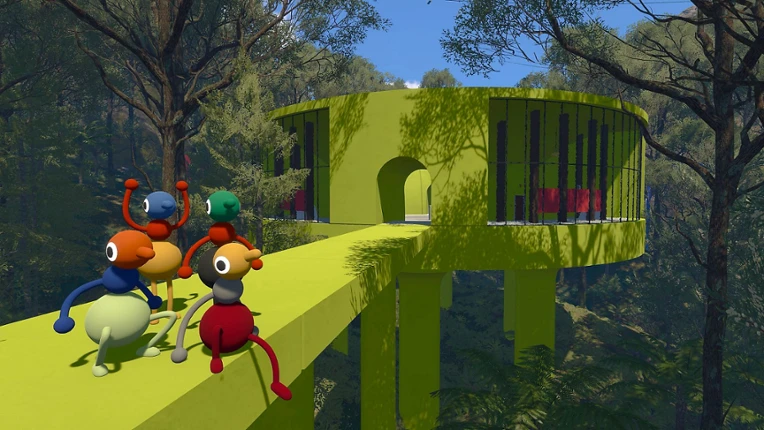
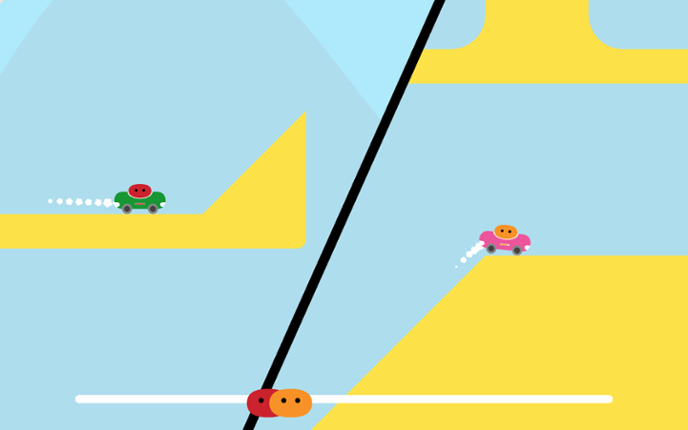
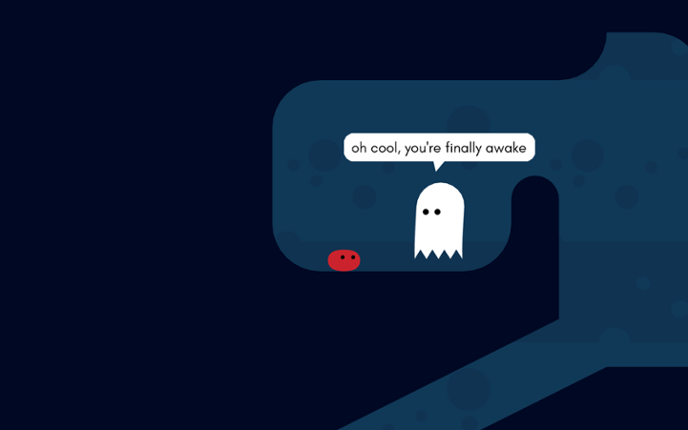
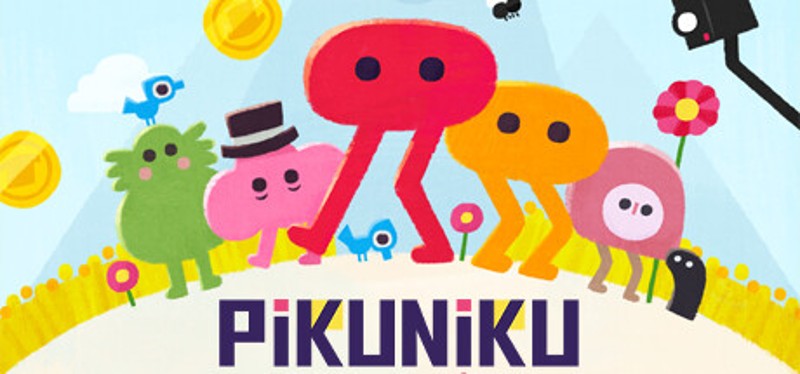
- 87%Game Brain ScoreMost mentioned positive aspects:humor, storyMost mentioned negative aspects:grinding, stability96% User Score 4,833 reviewsCritic Score 78%11 reviewsBlends cheerful local co-op platforming with lighthearted puzzles and colorful visuals, contrasting It Takes Two's emotional story with family-friendly humor. If you enjoyed this game, see our list of games similar to Pikuniku.View Game
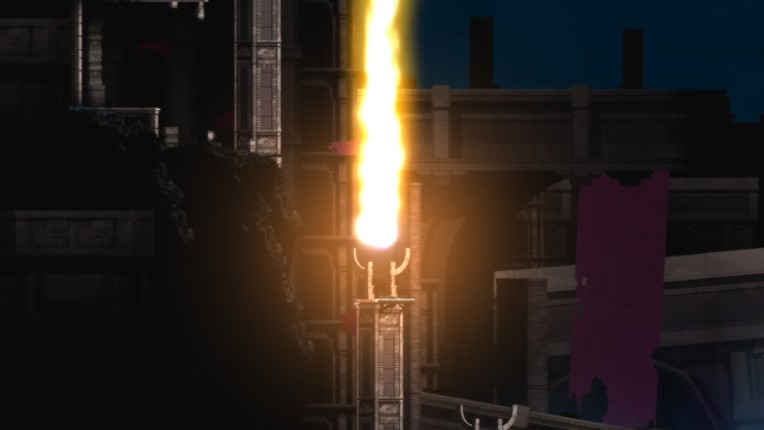
26 View Game 95%Game Brain ScoreMost mentioned positive aspects:story, musicMost mentioned negative aspects:stability, optimization97% User Score 54,976 reviewsCritic Score 92%11 reviewsSequel that sustains emotional depth and gorgeous visuals while replacing co-op with demanding Souls-like combat and introspective exploration. If you enjoyed this game, see our list of games similar to Ori and the Will of the Wisps.View Game
- 76%Game Brain ScoreMost mentioned positive aspects:story, gameplayMost mentioned negative aspects:grinding, stability80% User Score 1,027 reviewsCritic Score 72%8 reviews
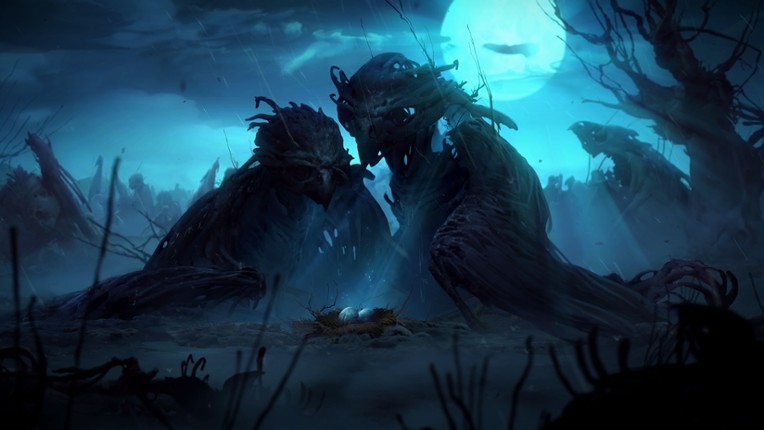
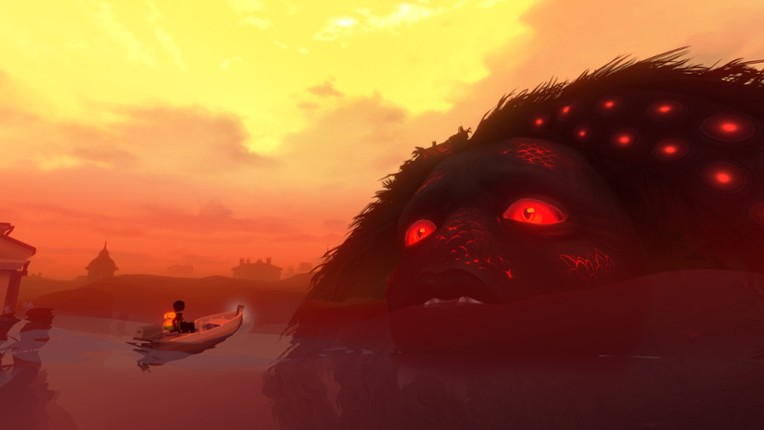
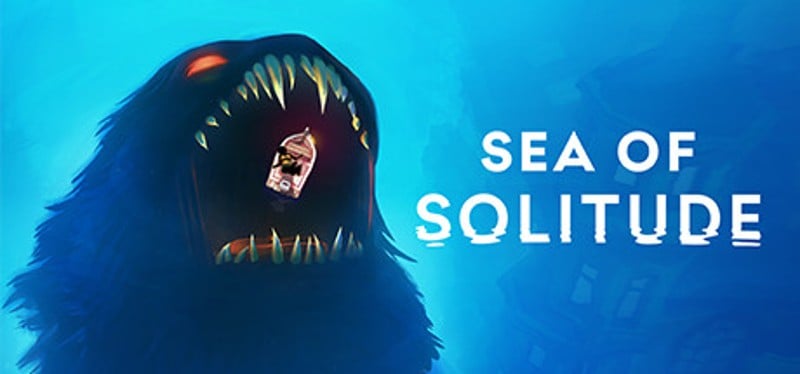
When humans get too lonely, they turn into monsters… Sea of Solitude takes you on a personal journey of a young woman’s loneliness. Set sail across a beautiful and evolving world where nothing is quite what it seems. Meet fantastical creatures and monsters, learn their stories, and solve challenges. Explore a flooded city by boat, on foot, or by swimming through the water itself. Dare to look wha… If you enjoyed this game, see our list of games similar to Sea of Solitude.
View Game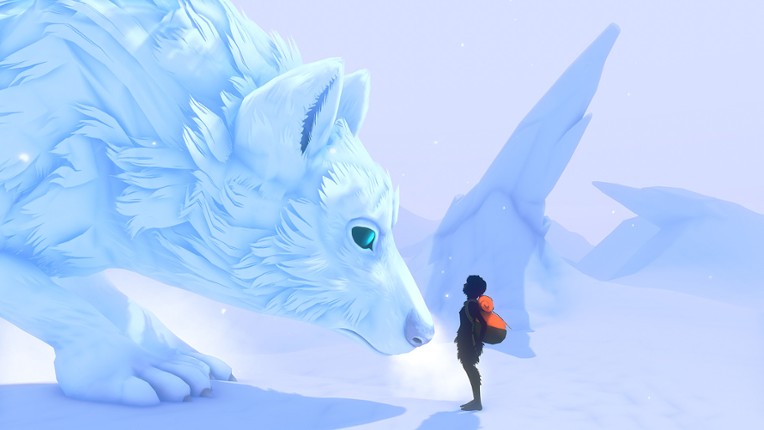
28 View Game 94%Game Brain ScoreMost mentioned positive aspects:humor, storyMost mentioned negative aspects:grinding, replayability97% User Score 9,663 reviewsCritic Score 88%5 reviews
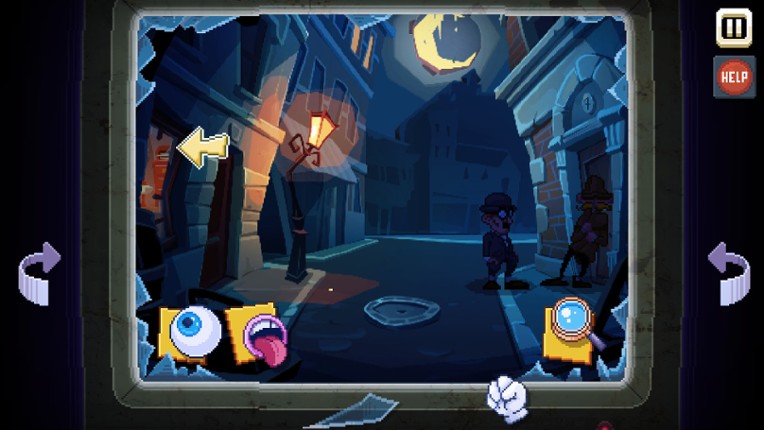
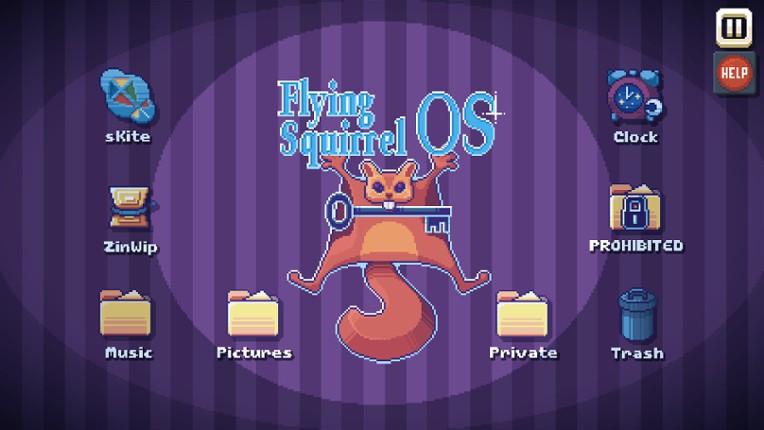
"There is no game: Wrong dimension" is a Point&Click comedy adventure (and Point&Click only!) that will take you on a journey you never asked to go on, through silly and unexpected video game universes. Will you be able to play along with the "Game" to find your way home? We sincerely think NOT. If you enjoyed this game, see our list of games similar to There Is No Game: Wrong Dimension.
View Game
- 89%Game Brain ScoreMost mentioned positive aspects:story, graphicsMost mentioned negative aspects:grinding, replayability89% User Score 3,267 reviews
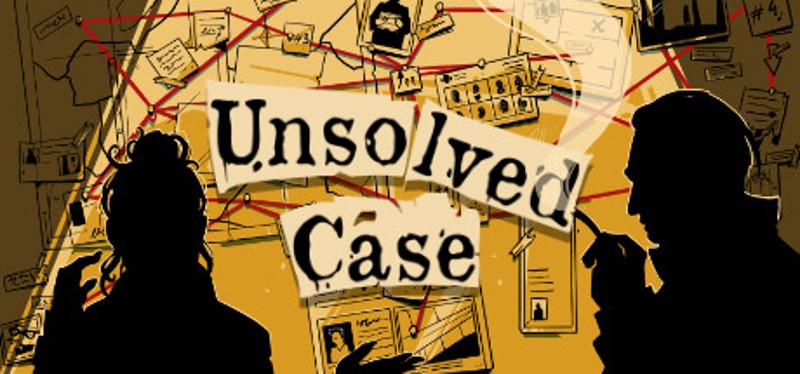
A co-op puzzle game that will test your communication skills If you enjoyed this game, see our list of games similar to Unsolved Case.
View Game
- 81%Game Brain ScoreMost mentioned positive aspects:story, musicMost mentioned negative aspects:grinding, stability87% User Score 2,684 reviewsCritic Score 74%34 reviews
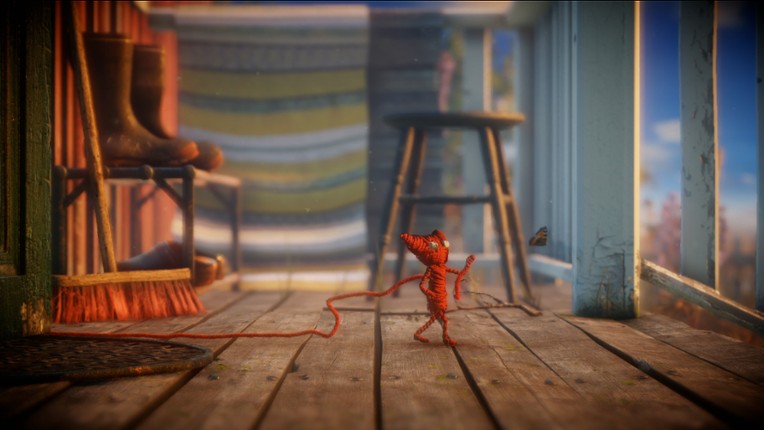
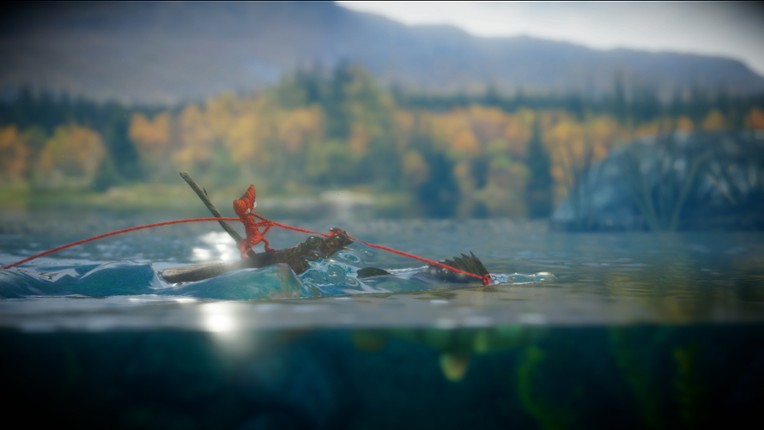
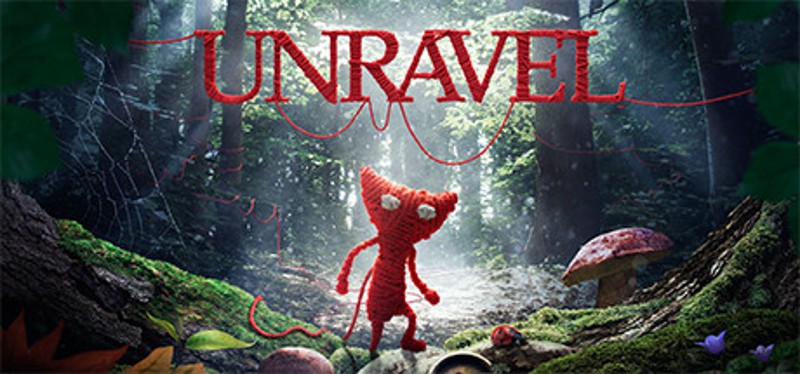
Unravel is a game about Yarny, a tiny character born from a single thread. Yarny embarks on a big adventure into the nature, inspired by the beauty of Northern Scandinavia. Without any spoken words, the character will have to solve puzzles and use tools to overcome tough challenges. All this, in order to find memories of his lost family. Only Yarny can be the bond that ties everything together in … If you enjoyed this game, see our list of games similar to Unravel.
View Game
- 90%Game Brain ScoreMost mentioned positive aspects:story, gameplayMost mentioned negative aspects:grinding, stability95% User Score 13,549 reviewsCritic Score 85%9 reviews
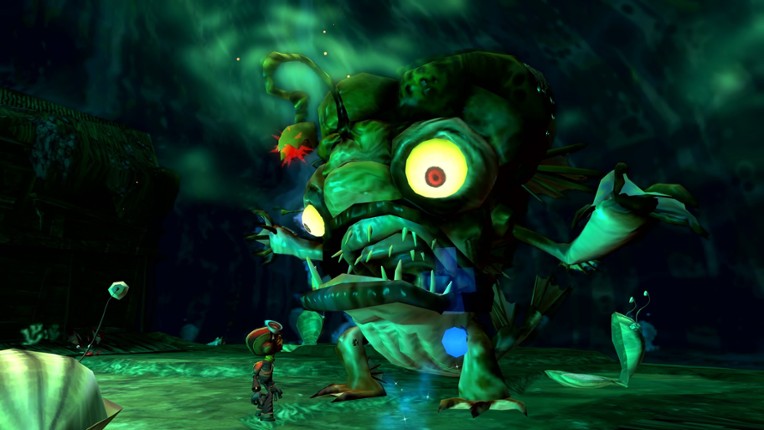
A Psychic Odyssey Through the Minds of Misfits, Monsters, and Madmen. This classic action/adventure platformer from acclaimed developers Double Fine Productions follows the story of a young psychic named Razputin. If you enjoyed this game, see our list of games similar to Psychonauts.
View Game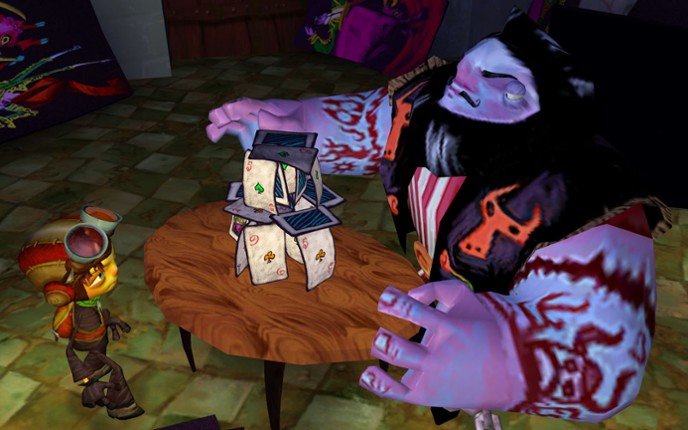
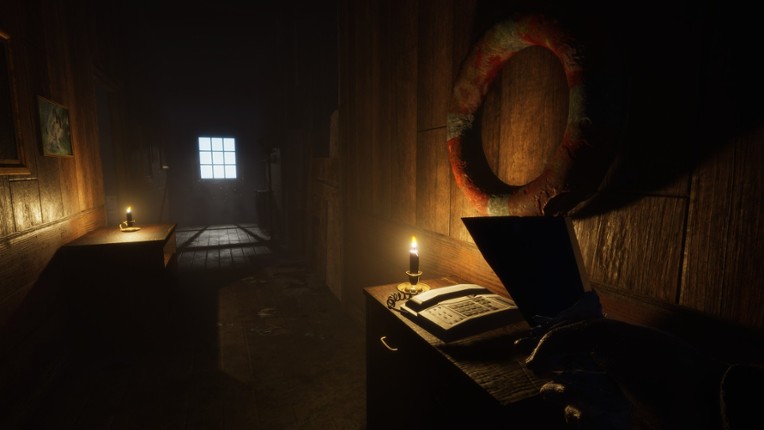
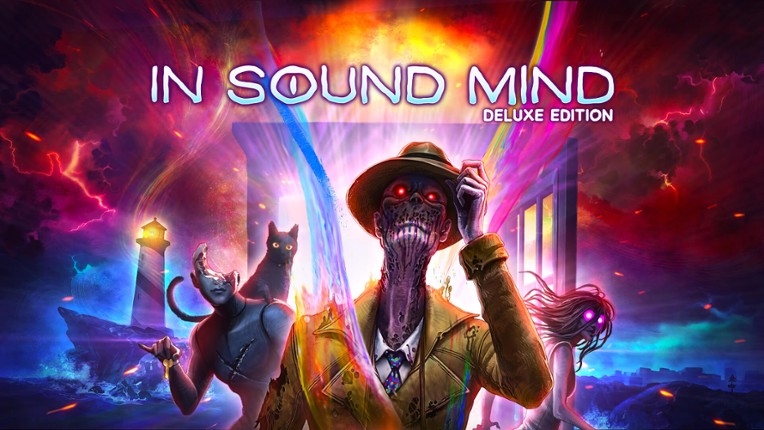
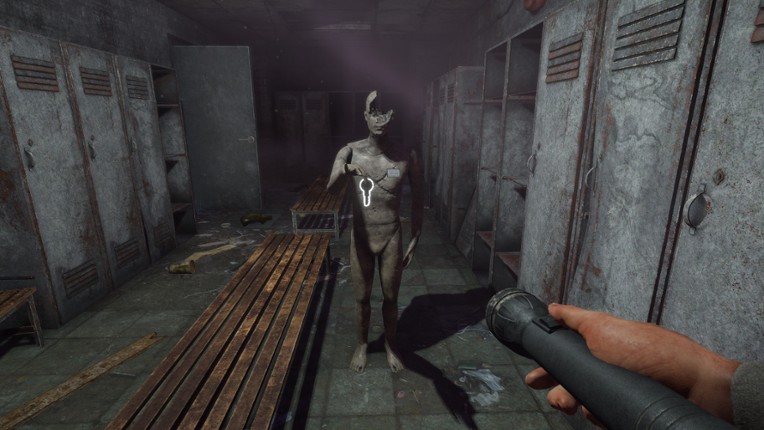
- 95%Game Brain ScoreMost mentioned positive aspects:story, musicMost mentioned negative aspects:optimization, grinding95% User Score 3,854 reviewsLoosening the connection to whimsical co-op, this psychological horror entry prioritizes eerie first-person exploration and mind-bending environmental puzzles over lighthearted partner-based adventures. If you enjoyed this game, see our list of games similar to In Sound Mind.View Game
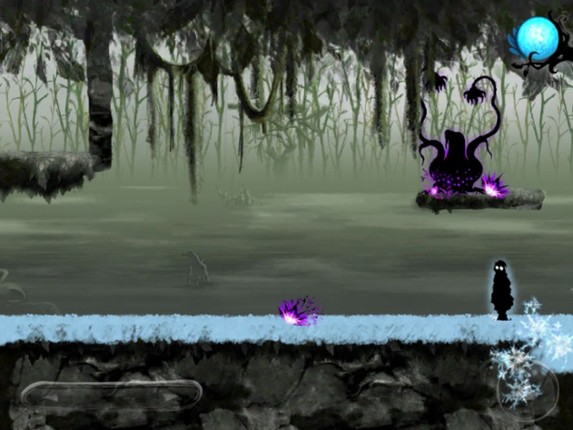
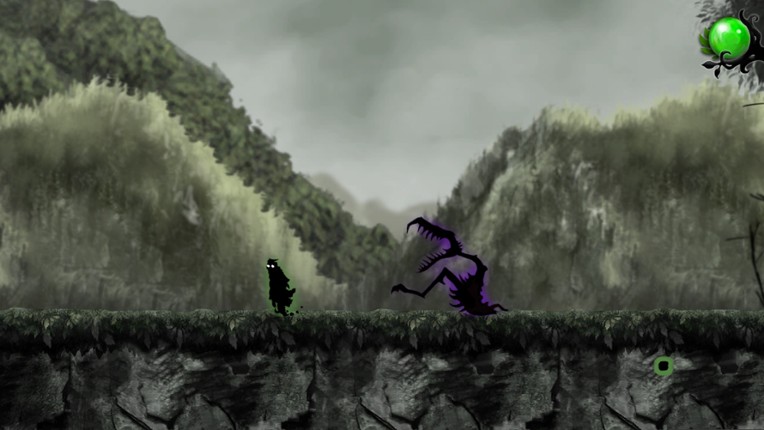
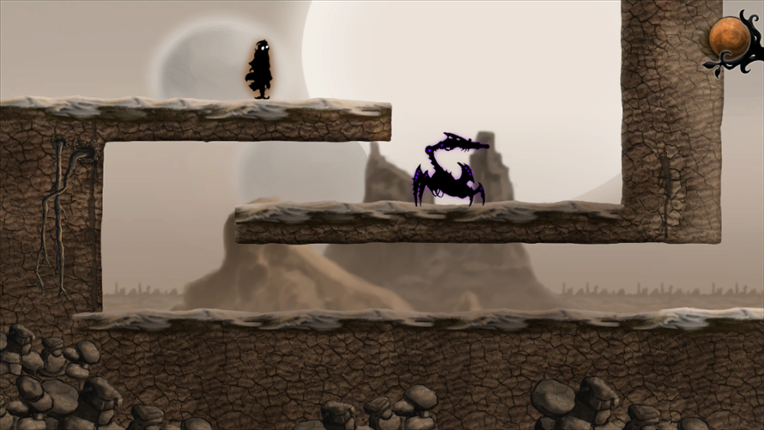
- 77%Game Brain ScoreMost mentioned positive aspects:story, graphicsMost mentioned negative aspects:monetization, stability87% User Score 2,618 reviewsCritic Score 64%7 reviewsIndie puzzle-platformer that delivers atmospheric storytelling and creative gameplay but condenses the experience into a brief, darkly philosophical adventure. If you enjoyed this game, see our list of games similar to Nihilumbra.View Game
- 87%Game Brain ScoreMost mentioned positive aspects:story, gameplayMost mentioned negative aspects:grinding, stability91% User Score 63,802 reviewsCritic Score 82%8 reviews
BioShock Infinite: The Complete Edition is a re-release of BioShock Infinite including all its downloadable content. If you enjoyed this game, see our list of games similar to BioShock Infinite.
View Game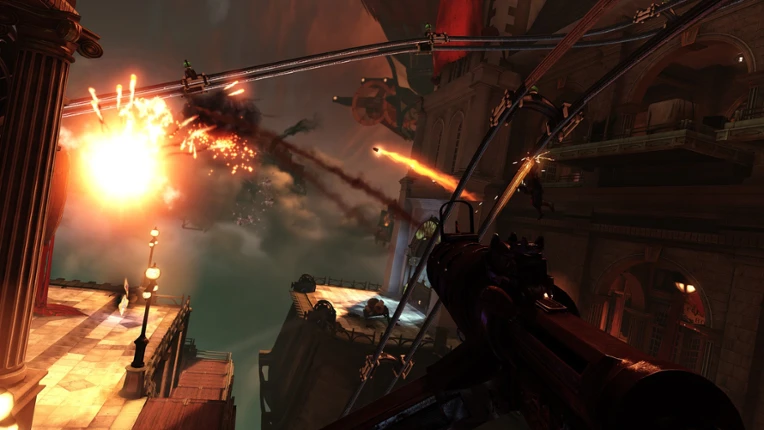
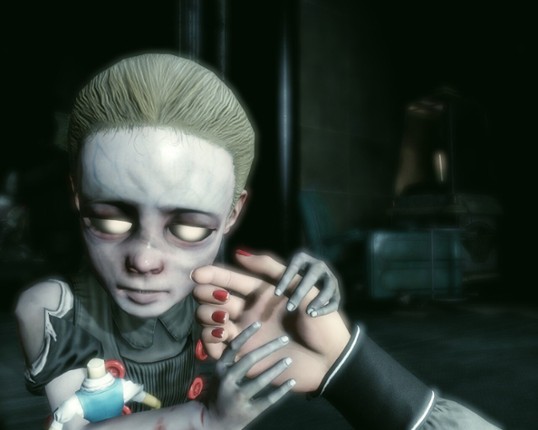
35 View Game 91%Game Brain ScoreMost mentioned positive aspects:gameplay, storyMost mentioned negative aspects:stability, grinding91% User Score 5,450 reviewsTighten the focus to a brief, strictly online co-op experience that emphasizes communication through voice chat rather than varied genre-hopping gameplay sequences. If you enjoyed this game, see our list of games similar to We Were Here Expeditions: The FriendShip.View Game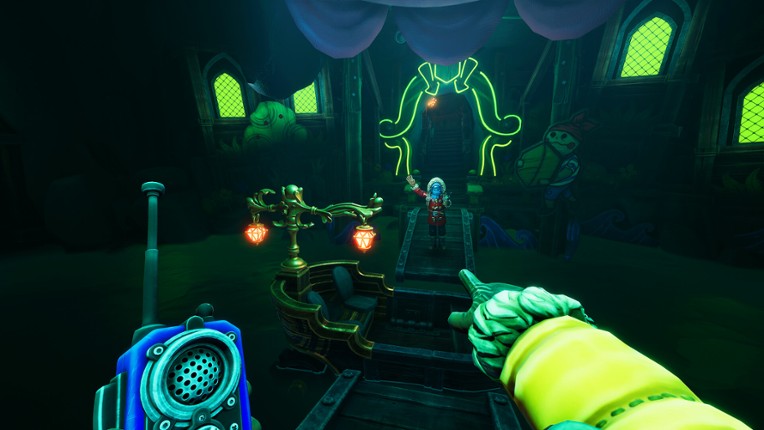
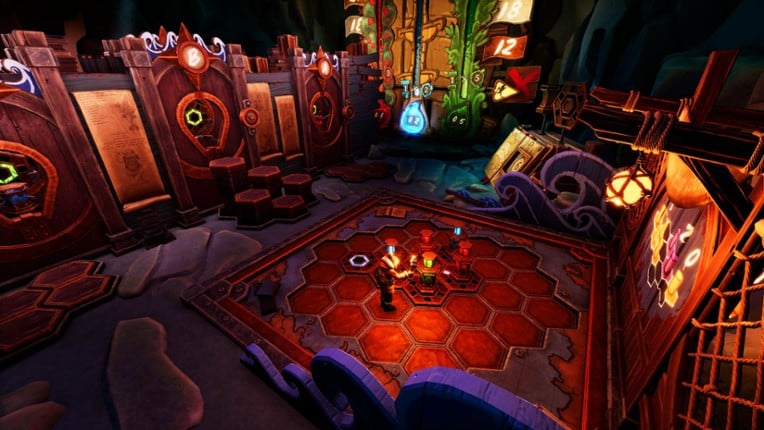
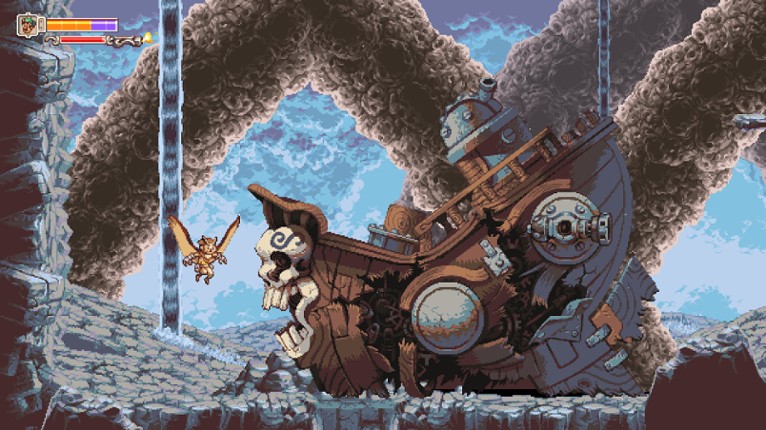
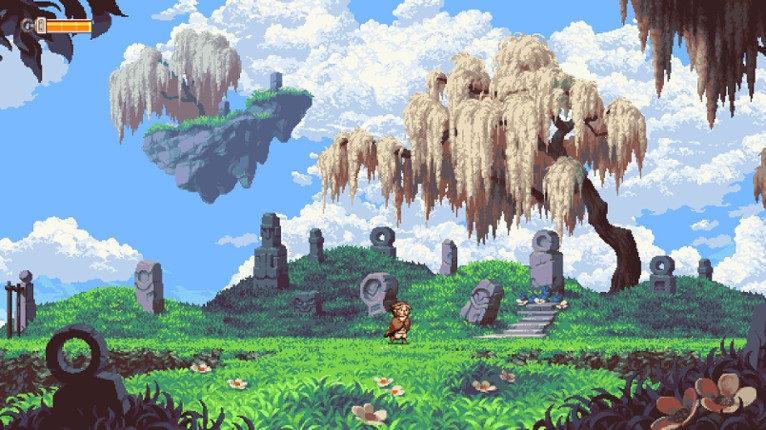
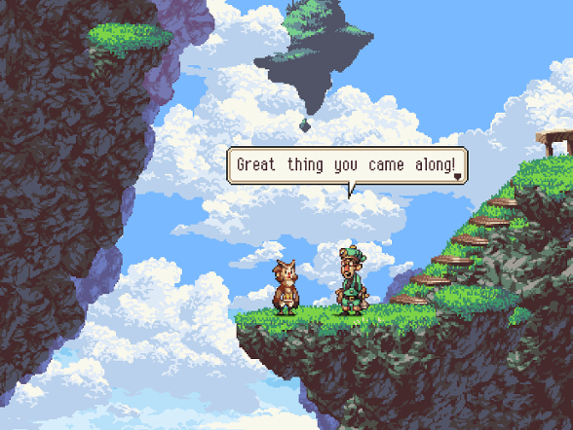
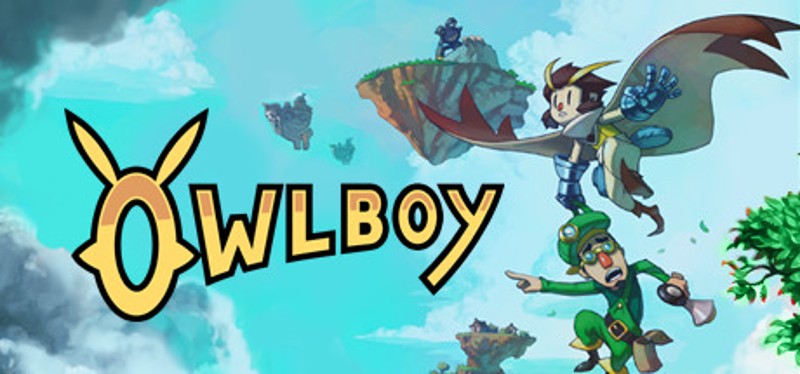
- 83%Game Brain ScoreMost mentioned positive aspects:story, gameplayMost mentioned negative aspects:grinding, replayability83% User Score 4,036 reviewsSolo pixel-art adventure that trades cooperative gameplay for retro flight mechanics and a charming pirate narrative with equally memorable music. If you enjoyed this game, see our list of games similar to Owlboy.View Game
- 90%Game Brain ScoreMost mentioned positive aspects:story, musicMost mentioned negative aspects:grinding, replayability94% User Score 7,808 reviewsCritic Score 78%3 reviews
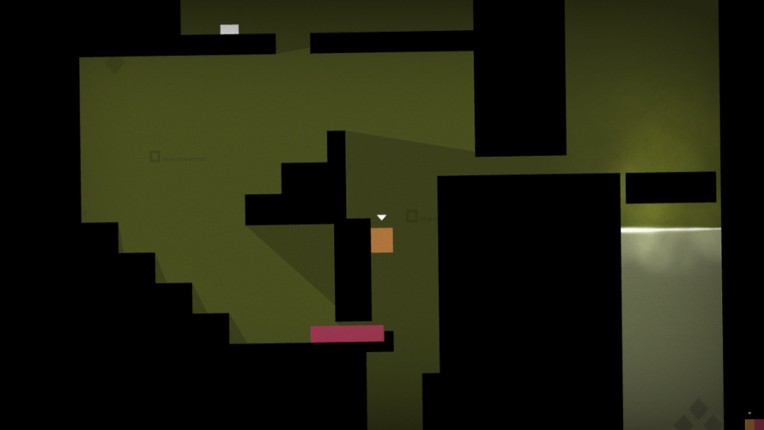
Thomas Was Alone is an indie minimalist 2D platformer about friendship and jumping and floating and anti-gravity. Guide a group of rectangles through a series of obstacles, using their different skills together to get to the end of each environment. If you enjoyed this game, see our list of games similar to Thomas Was Alone.
View Game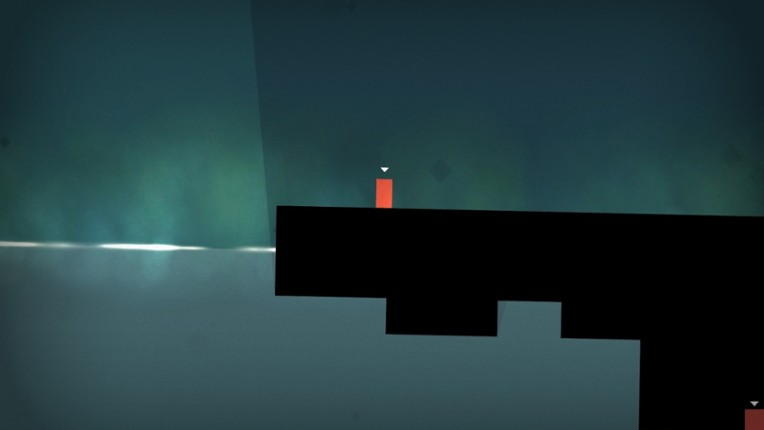
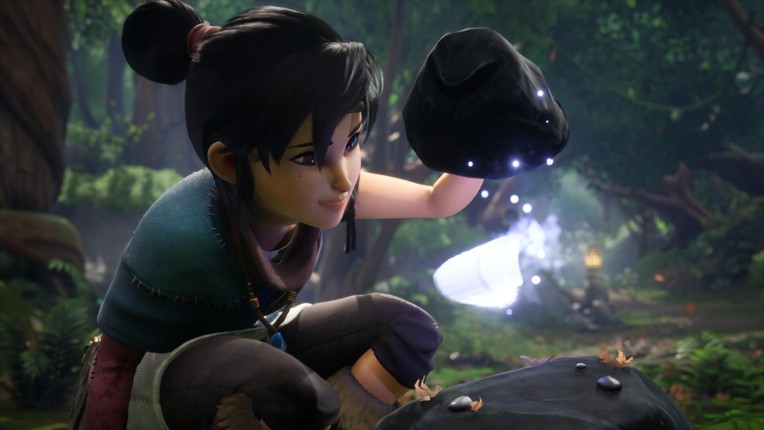
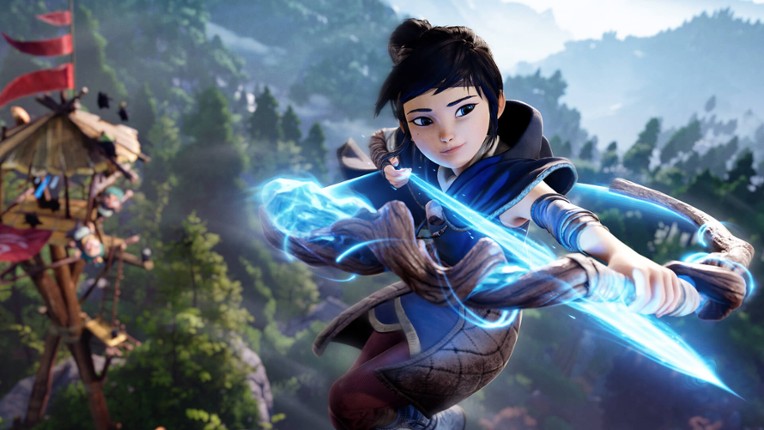
38 View Game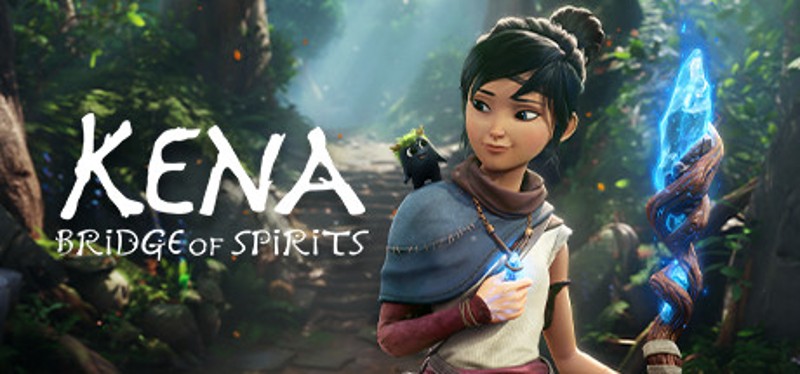 87%Game Brain ScoreMost mentioned positive aspects:story, graphicsMost mentioned negative aspects:optimization, grinding92% User Score 6,901 reviewsCritic Score 82%25 reviewsWhile lacking a co-op mode, this single-player journey offers a cinematic, visually polished adventure that trades interpersonal dialogue for melancholy combat exploration. If you enjoyed this game, see our list of games similar to Kena Bridge of Spirits.View Game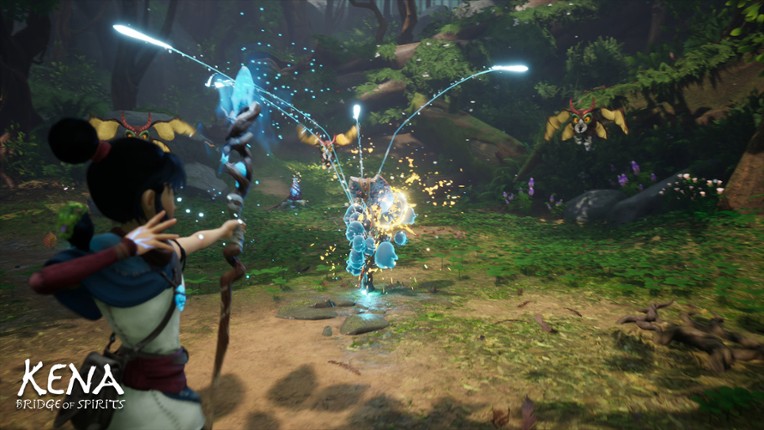
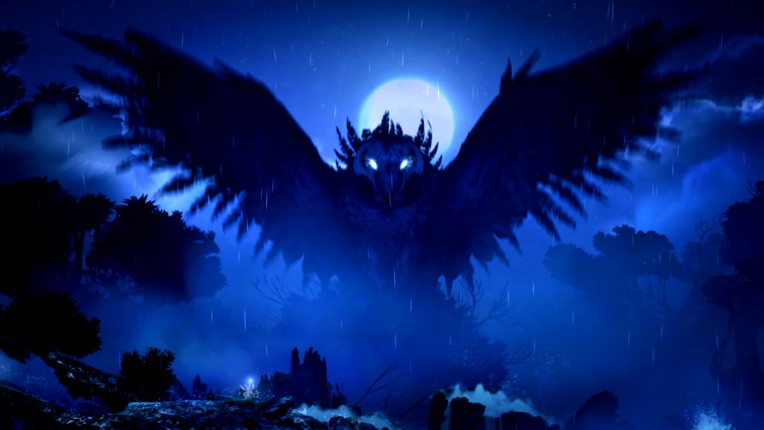
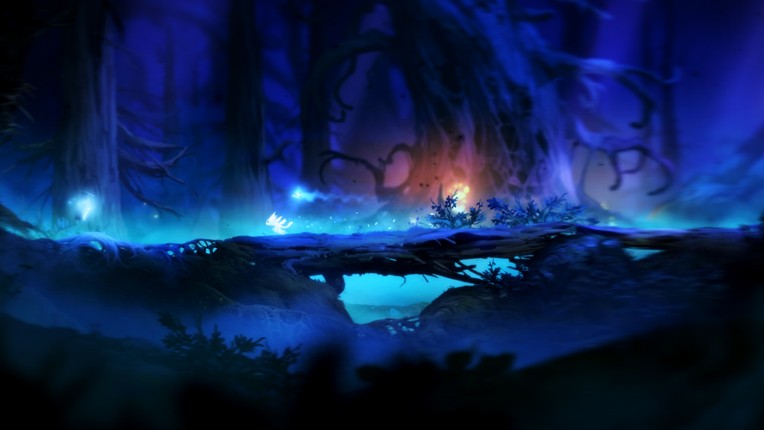
39 View Game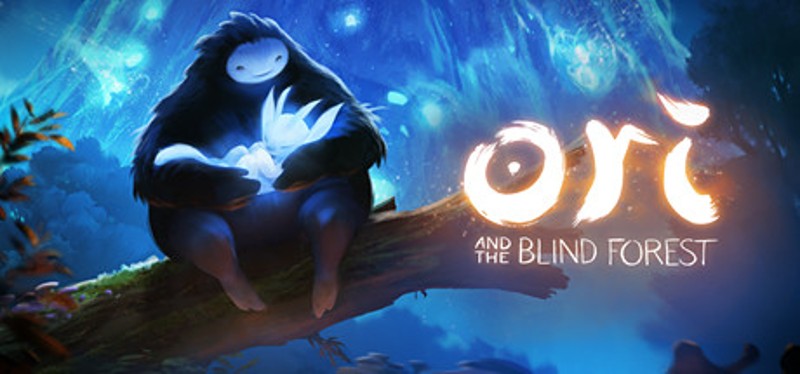 96%Game Brain ScoreMost mentioned positive aspects:story, musicMost mentioned negative aspects:grinding, stability96% User Score 26,368 reviewsIndie platformer that captures emotional resonance and beautiful soundtrack but demands mastery through Metroidvania difficulty rather than cooperative moments. If you enjoyed this game, see our list of games similar to Ori and the Blind Forest.View Game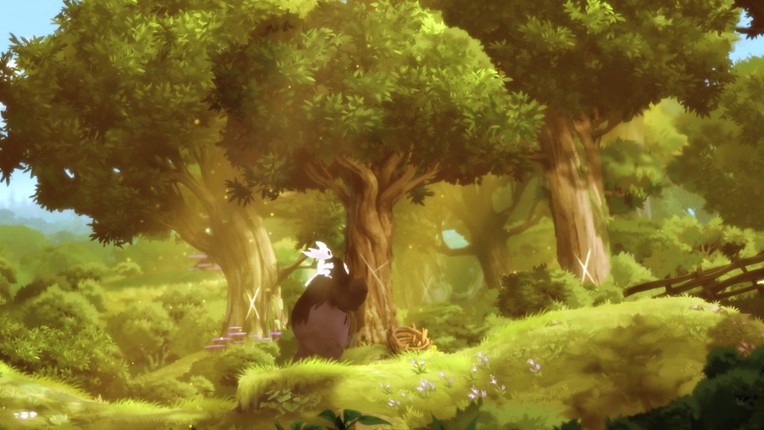
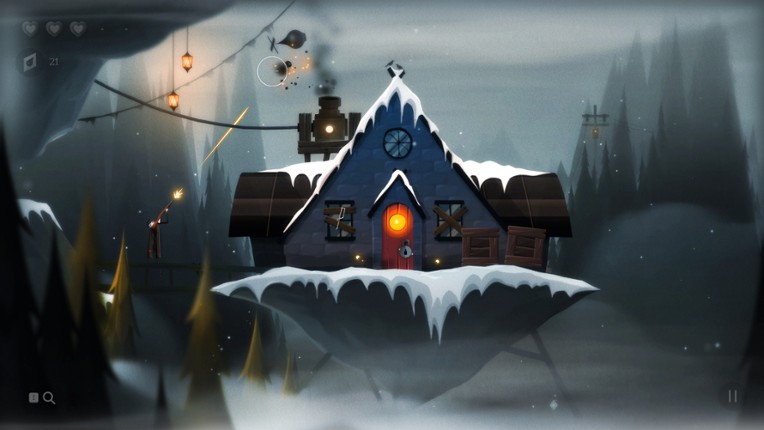
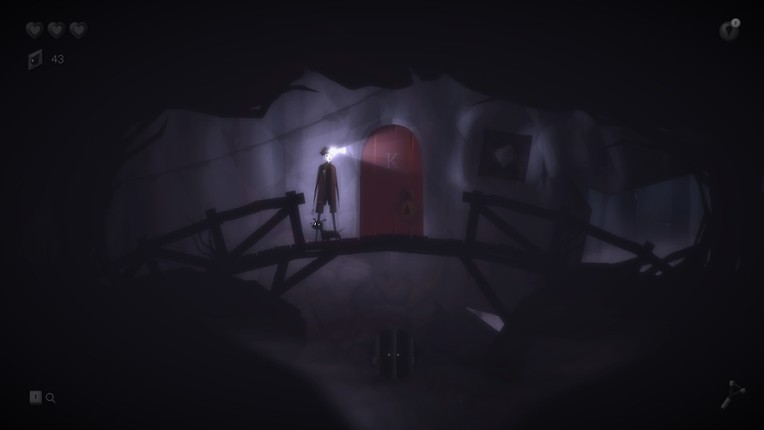
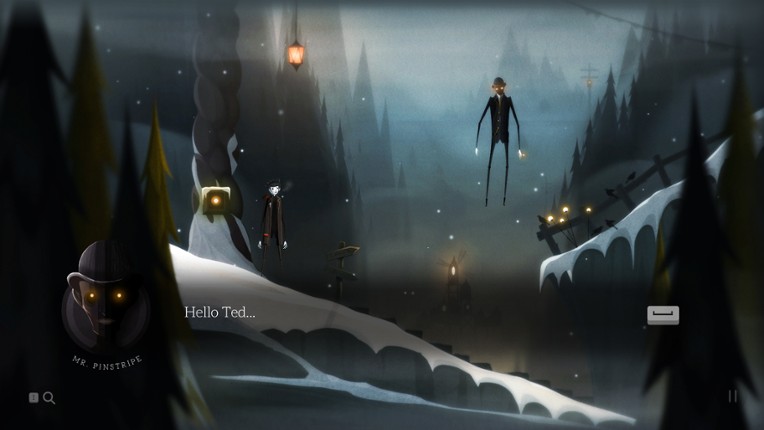
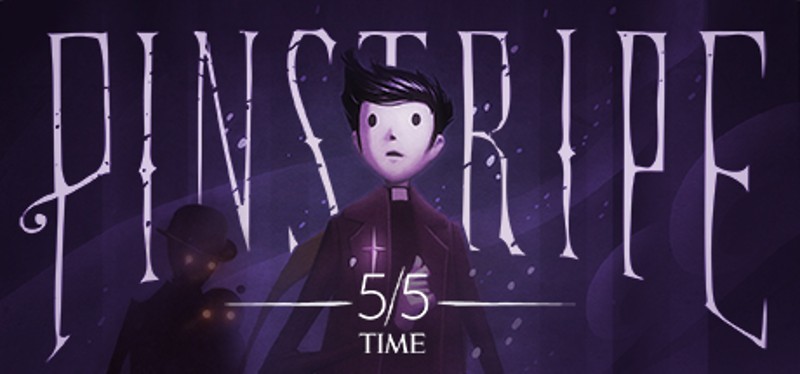
- 88%Game Brain ScoreMost mentioned positive aspects:story, graphicsMost mentioned negative aspects:grinding, stability90% User Score 1,490 reviewsCritic Score 83%2 reviewsShifts to a solo, introspective puzzle platformer with a moody yet quirky tone that focuses on narrative depth and dark humor over co-op gameplay. If you enjoyed this game, see our list of games similar to Pinstripe.View Game
- 86%Game Brain ScoreMost mentioned positive aspects:story, graphicsMost mentioned negative aspects:replayability, grinding91% User Score 6,242 reviewsCritic Score 70%2 reviews
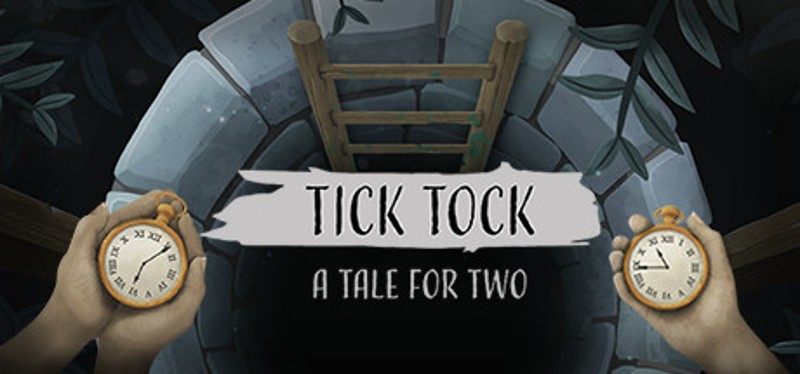
You and your friend find yourselves trapped in two magical clockworlds where you have to solve puzzles to escape. Neither of you have the whole picture so the only way to get out is to communicate what you see to the other player. Play on two devices, local or remotely, all you need is a voice connection. If you enjoyed this game, see our list of games similar to Tick Tock: A Tale for Two.
View Game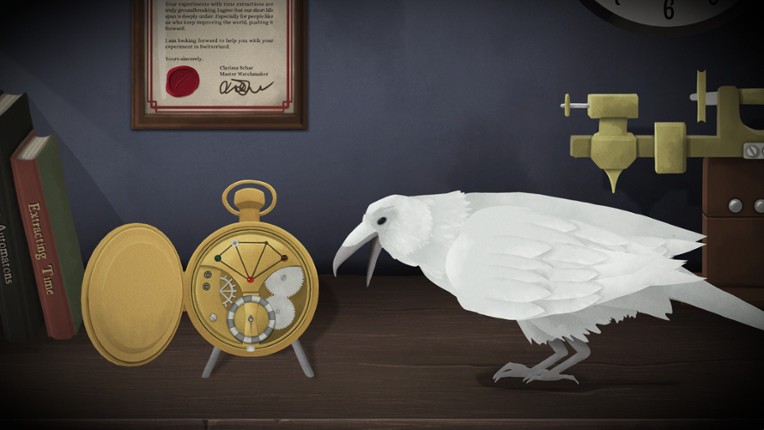
42 View Game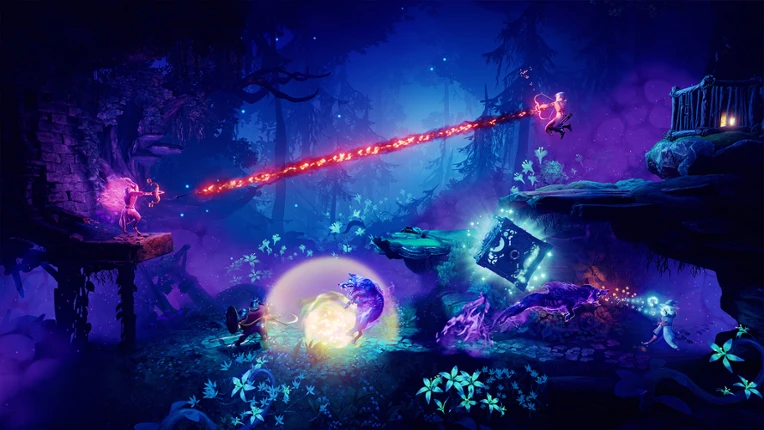
 90%Game Brain ScoreMost mentioned positive aspects:graphics, storyMost mentioned negative aspects:stability, grinding93% User Score 5,340 reviewsCritic Score 70%1 reviews
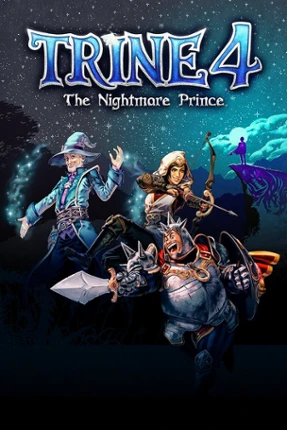
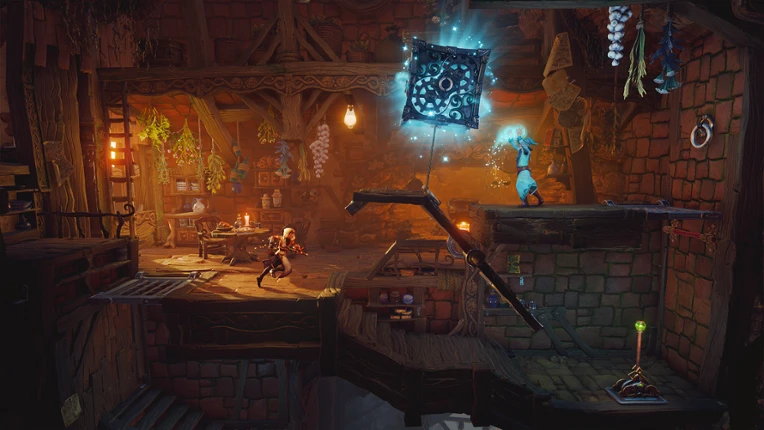
Experience the most complete Trine ever created! The Trine series returns to the magic of 2.5D with Trine 4: The Nightmare Prince! The three heroes of the best-selling adventure series are back, sent on a quest to retrieve the troubled young Prince Selius. Amadeus the Wizard, Pontius the Knight, and Zoya the Thief are joined together once again on a thrilling quest through fantastical fairytale… If you enjoyed this game, see our list of games similar to Trine 4: The Nightmare Prince.
View Game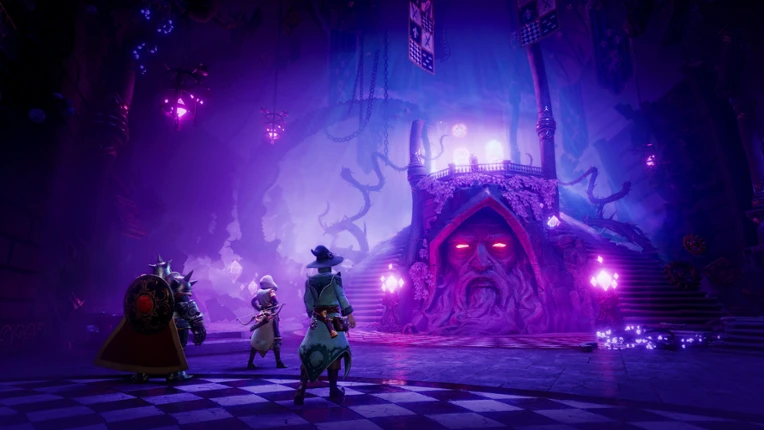
43 View Game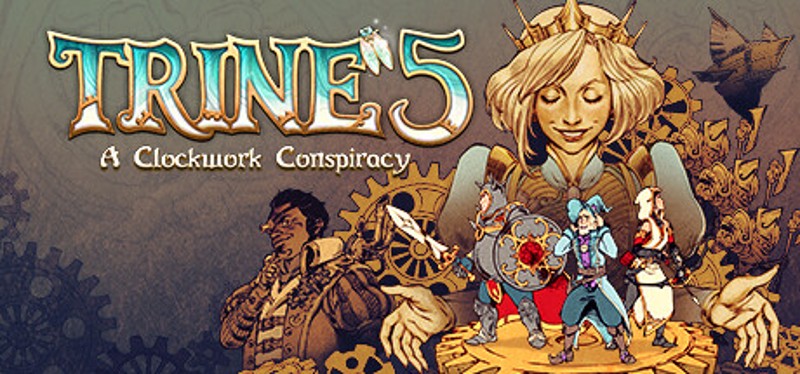 84%Game Brain ScoreMost mentioned positive aspects:gameplay, storyMost mentioned negative aspects:stability, character development92% User Score 1,111 reviewsCritic Score 75%16 reviews
Trine 5: A Clockwork Conspiracy will take Amadeus the Wizard, Zoya the Thief, and Pontius the Knight on their most action-packed journey yet! With their reputations tarnished, loved ones in danger, and their own magical powers at stake, the Heroes of Trine must reunite to push back a fearsome Clockwork army and bring peace and justice to the land! Traverse breathtaking 2.5D landscapes in Tri… If you enjoyed this game, see our list of games similar to Trine 5: A Clockwork Conspiracy.
View Game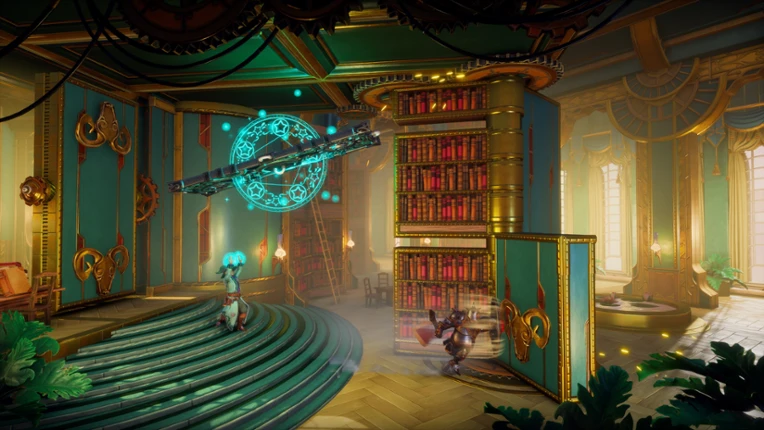
- 76%Game Brain ScoreMost mentioned positive aspects:story, musicMost mentioned negative aspects:optimization, replayability88% User Score 2,285 reviewsCritic Score 63%17 reviews
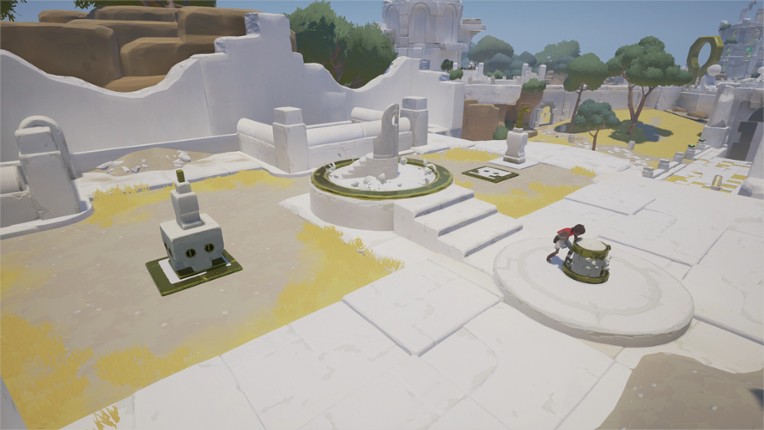
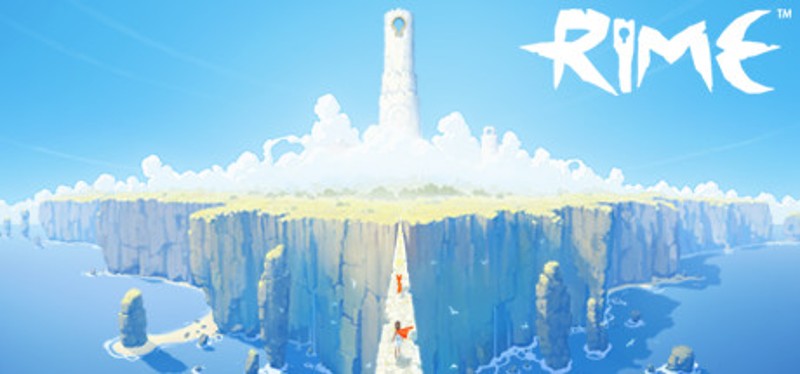
A third-person exploratory action/adventure title in which a boy ends up on a mysterious island and makes his way through its highly stylized environments, containing puzzles and slight navigation challenges, to get to the bottom of why he's ended up there and to reach the end of the road he's inadvertently begun to travel. If you enjoyed this game, see our list of games similar to RiME.
View Game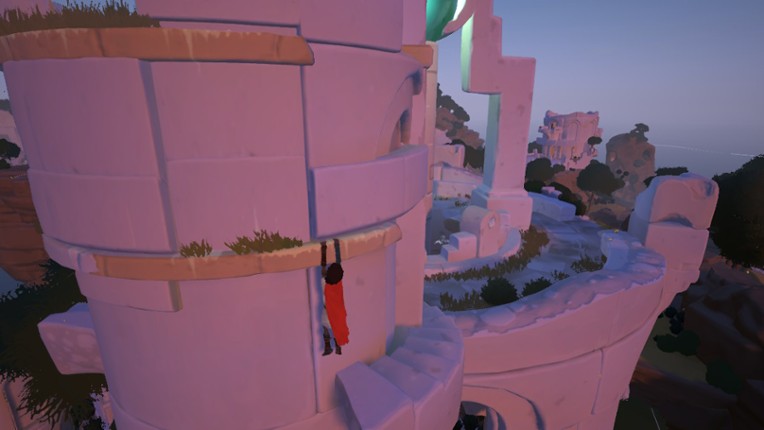
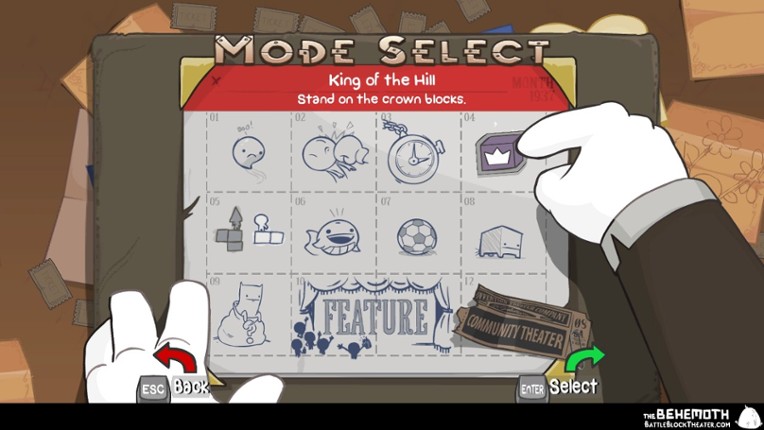
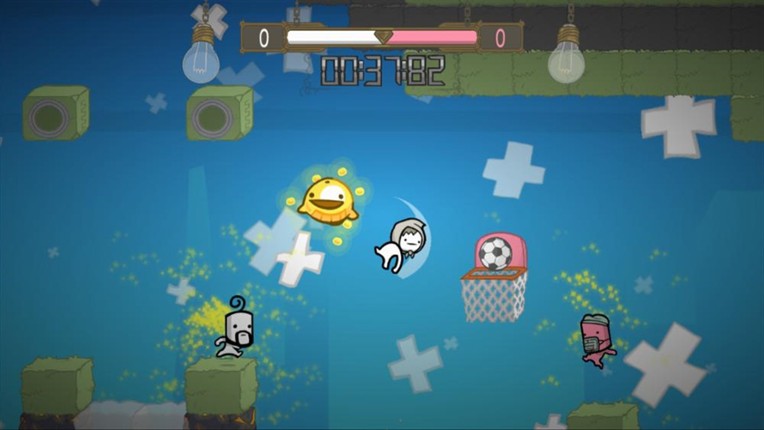
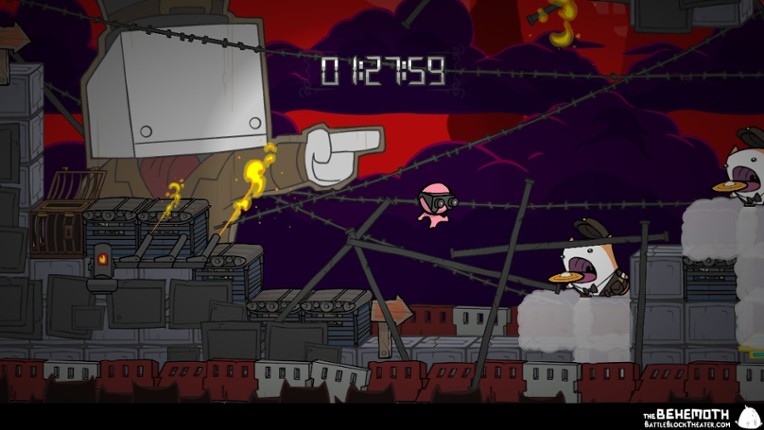
- 94%Game Brain ScoreMost mentioned positive aspects:humor, storyMost mentioned negative aspects:grinding, stability97% User Score 45,458 reviewsCritic Score 90%7 reviewsReplace the heartfelt storytelling with chaotic, sardonic humor and competitive 2D arena combat that maintains the core duo-platforming spirit. If you enjoyed this game, see our list of games similar to BattleBlock Theater.View Game
- 85%Game Brain ScoreMost mentioned positive aspects:story, graphicsMost mentioned negative aspects:replayability, stability86% User Score 1,066 reviewsCritic Score 80%2 reviews
Welcome to the Escape Academy. Become an Escape Room master, alone or in co-op. If you enjoyed this game, see our list of games similar to Escape Academy.
View Game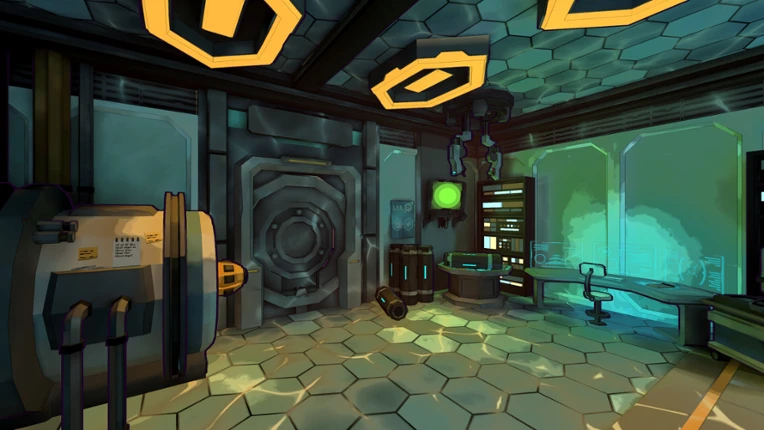
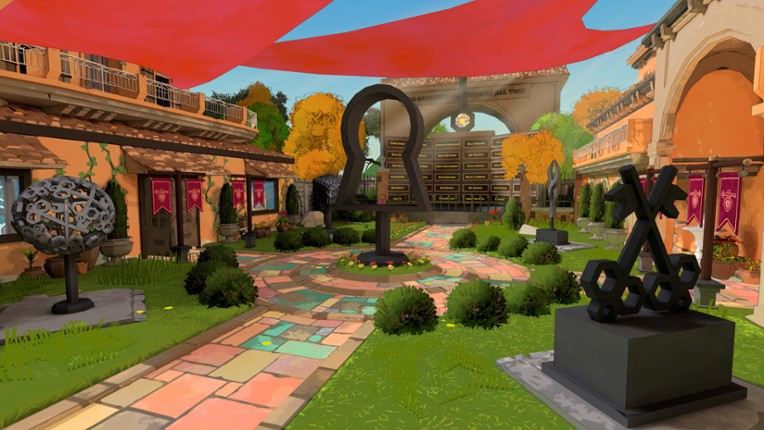
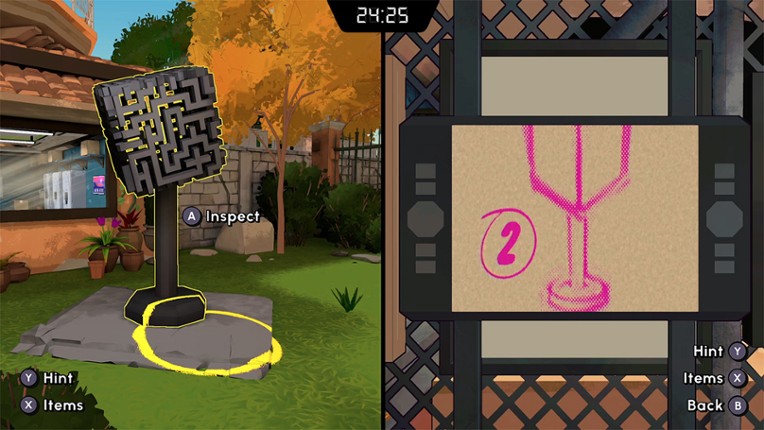
47 View Game 90%Game Brain ScoreMost mentioned positive aspects:story, gameplayMost mentioned negative aspects:grinding, stability95% User Score 12,363 reviewsCritic Score 83%6 reviewsDitch the duo-centric mechanics for a solo 2D Metroidvania experience, focusing on fast-paced, combat-heavy exploration rather than shared puzzle solving. If you enjoyed this game, see our list of games similar to Dust: An Elysian Tail.View Game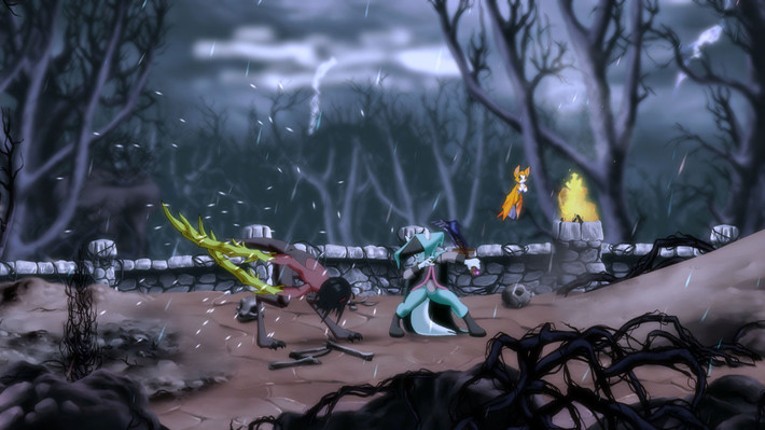
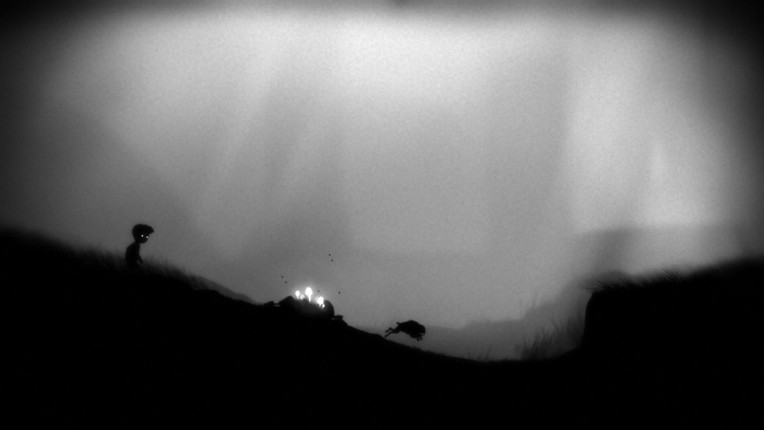
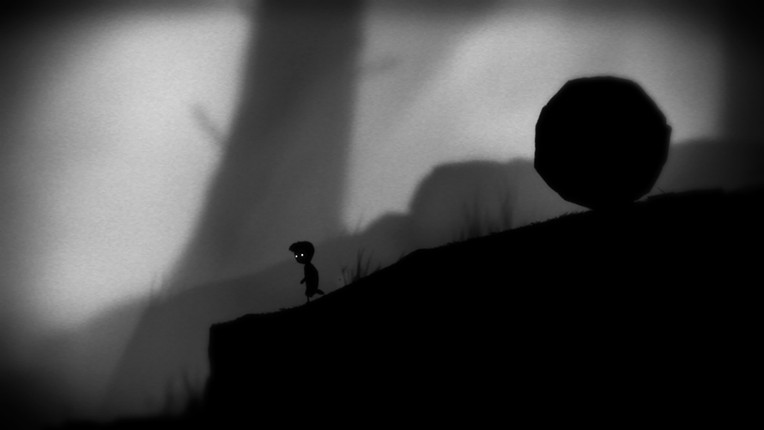
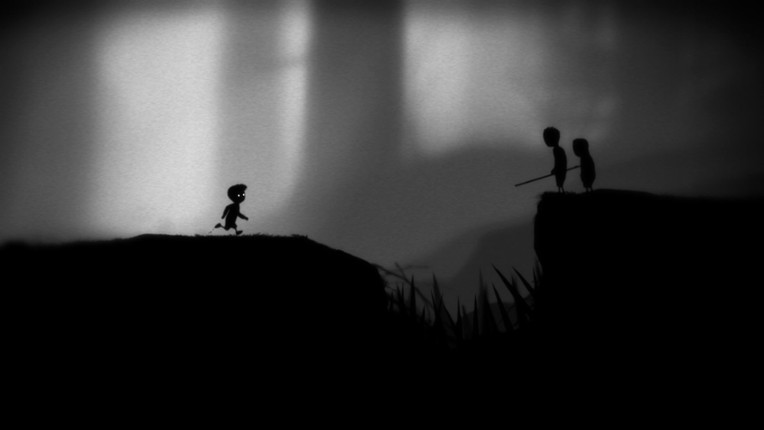
- 85%Game Brain ScoreMost mentioned positive aspects:atmosphere, storyMost mentioned negative aspects:replayability, grinding92% User Score 20,194 reviewsCritic Score 75%7 reviewsOffers a solitary, haunting puzzle platformer experience defined by minimalist visuals and unsettling horror themes, quite distant from It Takes Two's cooperative joy. If you enjoyed this game, see our list of games similar to LIMBO.View Game
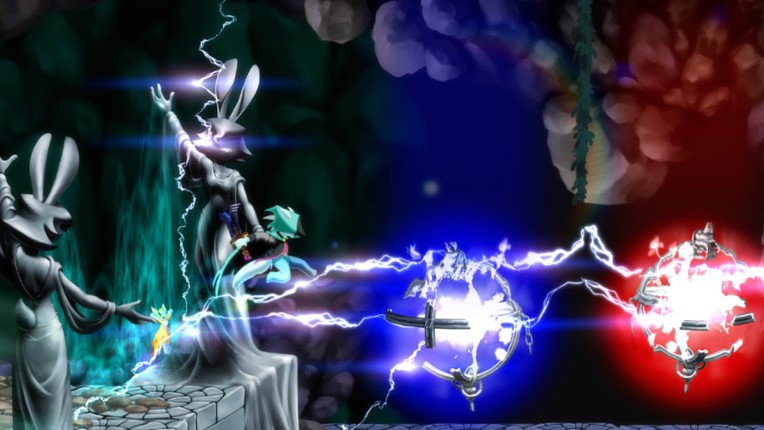
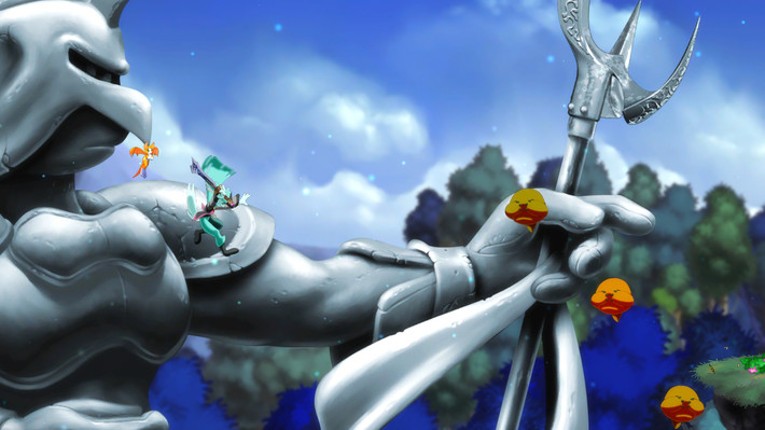
- 90%Game Brain ScoreMost mentioned positive aspects:story, musicMost mentioned negative aspects:stability, grinding95% User Score 3,267 reviewsCritic Score 84%19 reviewsShift from frantic cooperative platforming to a solo melodic journey where song serves as your primary tool for navigating heartfelt, narrative-heavy environments. If you enjoyed this game, see our list of games similar to Wandersong.View Game
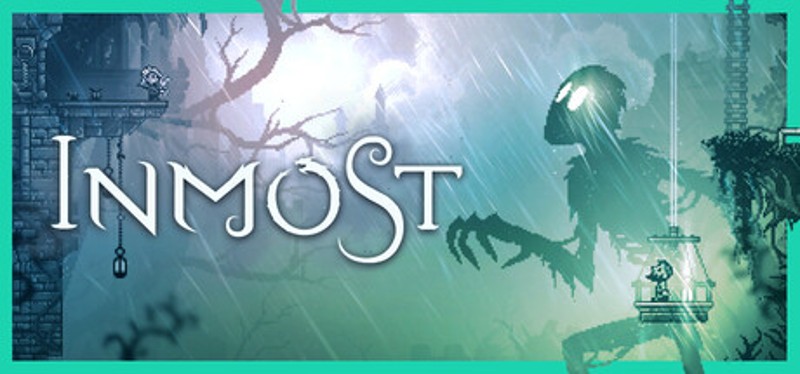
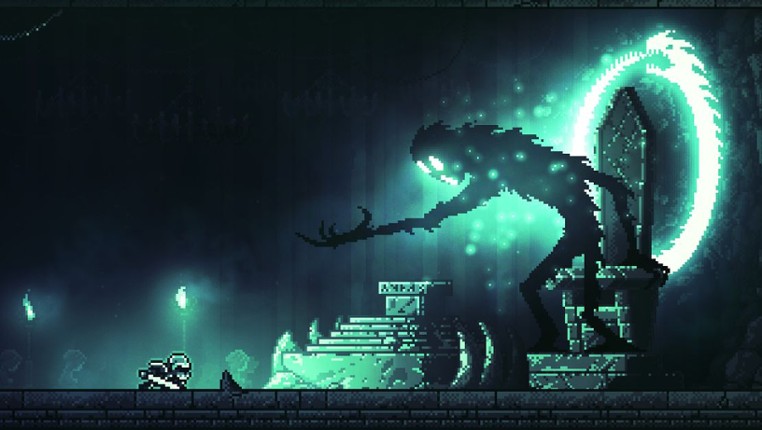
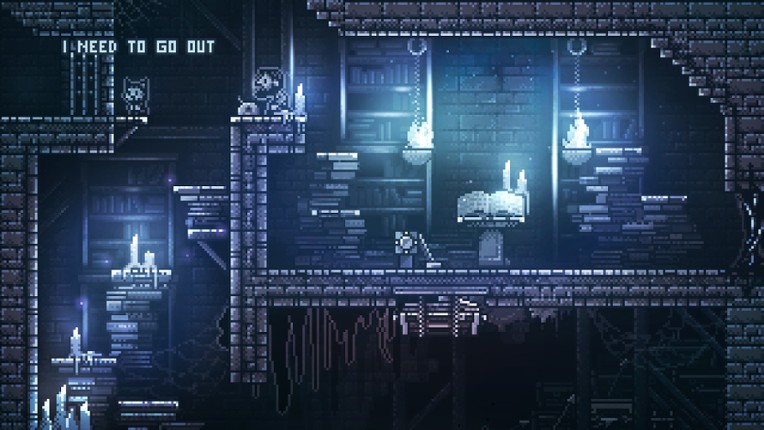
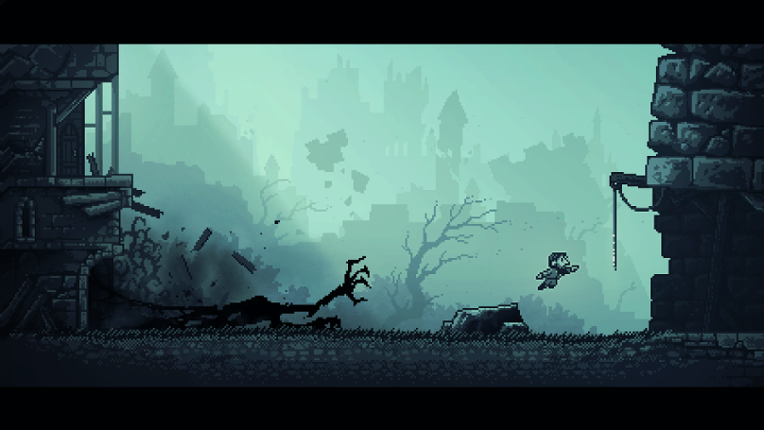
- 86%Game Brain ScoreMost mentioned positive aspects:story, gameplayMost mentioned negative aspects:grinding, replayability87% User Score 2,906 reviewsCritic Score 82%3 reviewsPixel-art thriller that maintains atmospheric emotional depth but submerges it in psychological horror and darker exploration without cooperative relief. If you enjoyed this game, see our list of games similar to INMOST.View Game


 View Game





















Frequently Asked Questions
A Way Out shares It Takes Two's focus on emotional narrative and two-player co-op, featuring a crime drama with cinematic presentation. Brothers: A Tale of Two Sons delivers similar emotional depth through its touching story and atmospheric platforming. Both games prioritize character connection and story-driven gameplay alongside cooperative mechanics.
It Takes Two itself is free-to-play, making accessibility easy. However, among similar titles, most are premium experiences. For budget-friendly co-op alternatives, look for games with free trials or Friend Pass features like LEGO Voyagers, which lets two players enjoy it with one purchase, offering great value for cooperative play.
ibb & obb and Unravel Two both excel at co-op puzzle platforming, requiring teamwork and communication to progress. BOKURA adds psychological depth with its unique mechanic where players see different worlds. All three games combine creative puzzles with charming visuals and engaging cooperative mechanics similar to It Takes Two.
Unravel Two and LEGO Voyagers are available on both Nintendo Switch and PC, making them accessible across platforms. A Way Out is available on PC and consoles. Most similar games offer cross-platform support, so you can enjoy co-op experiences on your preferred system whether handheld or desktop.
A Way Out stands out with its mature crime drama narrative and emotional intensity, appealing to adults seeking deeper storytelling. BOKURA incorporates psychological horror elements while maintaining emotional resonance. These titles offer the narrative depth of It Takes Two but with grittier, more sophisticated themes for players wanting darker co-op experiences.
Unravel Two features stunning detailed graphics and a soothing soundtrack that creates a charming atmosphere. Stray impresses with beautiful cyberpunk visuals and atmospheric design. Brothers: A Tale of Two Sons offers gorgeous third-person environments with a great soundtrack. All prioritize visual and audio artistry alongside engaging gameplay like It Takes Two.