


Games like What Remains of Edith Finch
Few games linger in memory quite like the Finch family's crumbling house, and if you finished it craving more, you're already searching for games like What Remains of Edith Finch. That blend of first-person exploration, anthology-style storytelling, and quietly devastating vignettes about loss and memory isn't easy to replicate — but a handful of games manage to capture the same magic. Here's where to look next.
What Remains of Edith Finch works because it refuses to be just one thing: it's part walking simulator, part visual novel, part puzzle game, stitching together a dozen tiny stories through shifting art styles and narration into a single emotional throughline. Each family member's death plays out as its own mini-game — a comic panel, a fish-gutting rhythm, a dreamlike flight — which is why players praise its innovative storytelling and character-driven structure even while some call the runtime short and the interaction minimal.
What Makes a Good Alternative to What Remains of Edith Finch?
- First-person exploration — The joy of wandering a house or town, uncovering objects and letters that reveal a hidden story, is central to Edith Finch's appeal and a must for any true successor.
- Emotionally driven narrative — Alternatives need real dramatic weight, tackling themes like loss, family, and memory instead of just providing backdrop dressing.
- Distinctive art and atmosphere — Edith Finch shifts visual styles per character; the best alternatives similarly use striking, atmospheric visuals to reinforce mood rather than realism for its own sake.
- Short, story-rich runtime — Fans often want a tightly focused experience playable in one or two sittings, rather than a sprawling open-world commitment.
- Minimal but meaningful interaction — Light puzzle mechanics and narration-driven pacing matter more than combat or complex systems, echoing Edith Finch's walking-simulator DNA.
Top Picks If You Enjoyed What Remains of Edith Finch
Gone Home delivers the same house-as-narrative-puzzle exploration. To the Moon trades exploration for an equally poignant memory-driven story. Firewatch offers stunning atmosphere and a devastating slow-burn relationship. Dear Esther leans fully into poetic, interpretive walking-sim storytelling. Marie's Room and Brothers: A Tale of Two Sons both pack emotional punches into short, focused playtimes.
Every recommendation below is ranked by similarity using real player data, so you can trust the order reflects actual overlap in tone, mechanics, and emotional impact — not guesswork. Scroll down to explore the full list of games like What Remains of Edith Finch and find your next favorite.
- 92%Game Brain ScoreMost mentioned positive aspects:story, musicMost mentioned negative aspects:replayability, grinding96% User Score 35,756 reviewsCritic Score 83%4 reviews
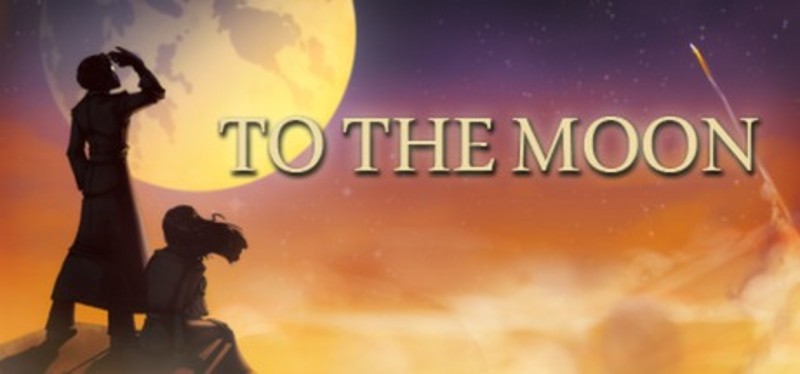
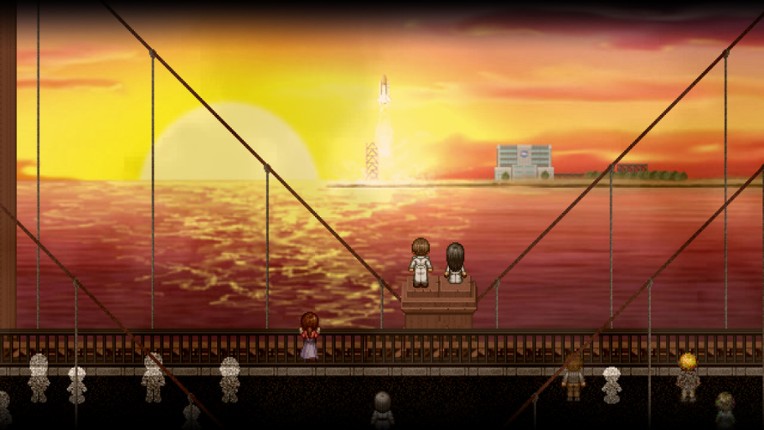
Both games ask you to move through carefully staged spaces, inspect small details, and let each discovered fragment reshape your understanding of a person’s life. In To the Moon, point-and-click investigation and memory-jumping make that process more deliberate: collecting clues creates a chain of connections, so progress feels like assembling an emotional portrait rather than merely following exposition.
It also shares Edith Finch’s focus on story-rich single-player exploration, distinctive character moments, and a standout soundtrack that carries feeling between scenes. That emphasis on memory, psychological detail, and intimate relationships should appeal to players who value Edith’s emotional depth more than complex action.
The fresh angle is its science-fiction framework and pixel-art presentation, replacing Edith Finch’s first-person horror and visual spectacle with romance, gentle humor, and a more linear structure. It also directly addresses the original’s brevity: at roughly four to five hours, To the Moon offers a somewhat fuller emotional journey, though replay value remains limited. Best for players who chase poignant storytelling and musical atmosphere over mechanical mastery.
If you enjoyed this game, see our list of games similar to To the Moon.View Game

- 82%Game Brain ScoreMost mentioned positive aspects:story, emotionalMost mentioned negative aspects:replayability, optimization77% User Score 20,826 reviewsCritic Score 86%14 reviews
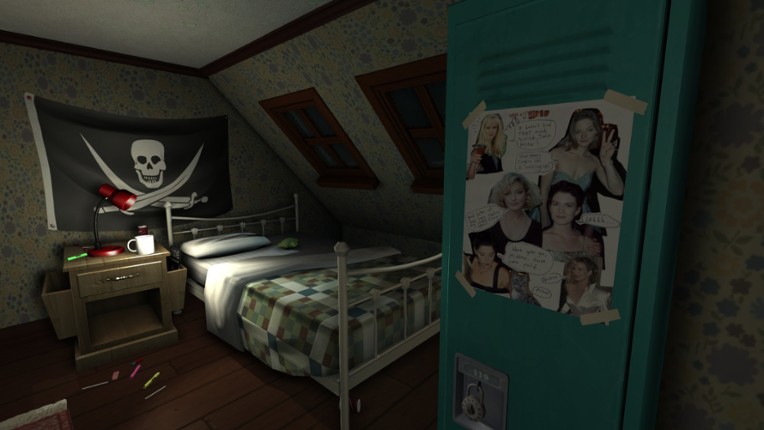
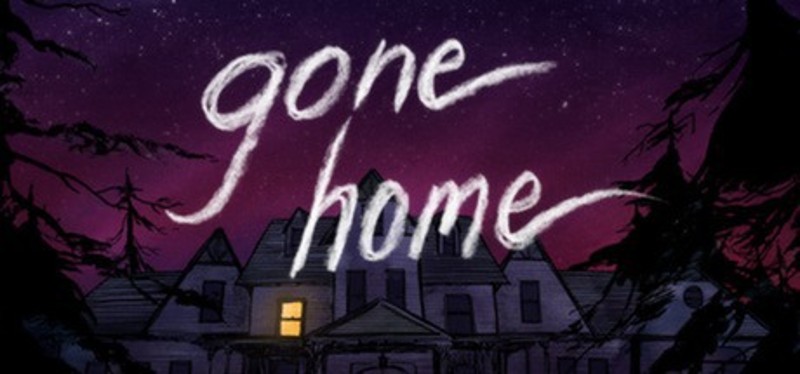
Piecing together a family's history by meticulously rummaging through their abandoned personal belongings drives the investigative momentum in both titles. This first-person exploration forces you to pay close attention to environmental details, transforming ordinary objects like cassette tapes and crumpled notes into profound narrative discoveries. Actively manipulating these relics makes you feel like a detective reconstructing an intimate family history, mirroring the emotional detective work of uncovering the Finch family tree.
Where some players found the vignettes in Edith Finch too mechanically restrictive, Gone Home grants greater tactile agency by letting you open every drawer and inspect almost any household item. Instead of surreal, magical-realism dreamscapes, you are treated to a grounded 1990s reality that trades cinematic spectacle for quiet, slow-burn suspense.
Best for players who prefer piecing together a grounded, domestic mystery through tactile environmental clues.
If you enjoyed this game, see our list of games similar to Gone Home.View Game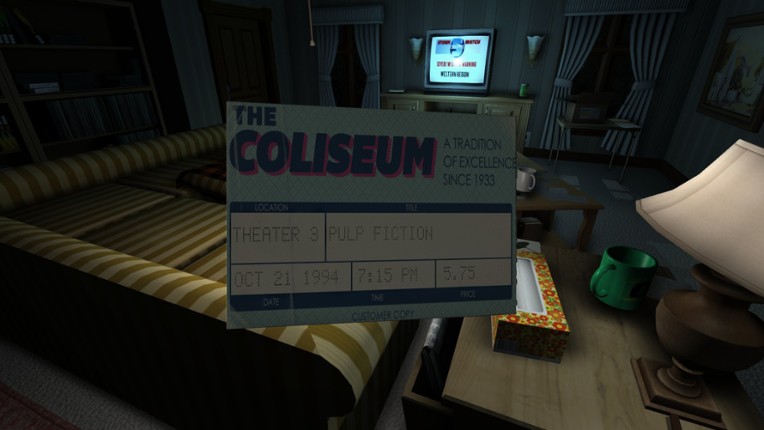
- 88%Game Brain ScoreMost mentioned positive aspects:story, gameplayMost mentioned negative aspects:replayability, stability94% User Score 16,215 reviewsCritic Score 82%18 reviews
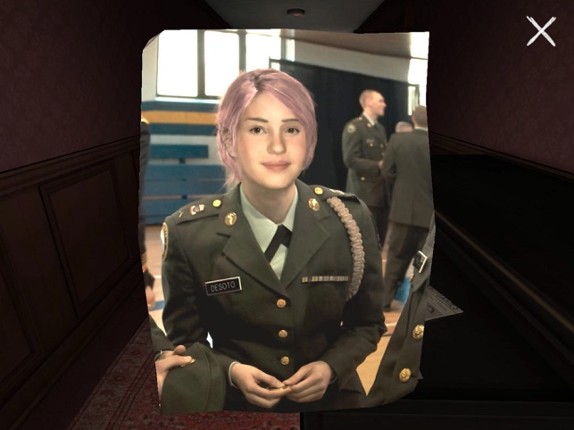
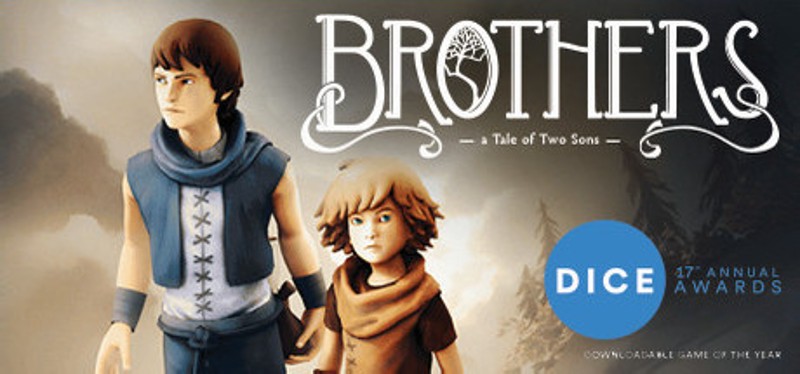
Both games anchor their emotional weight in controlled navigation through intimate spaces—you're not fighting or racing, but moving deliberately through environments laden with narrative. This pacing forces you to absorb atmosphere and detail, making the world itself feel like a character rather than a backdrop.
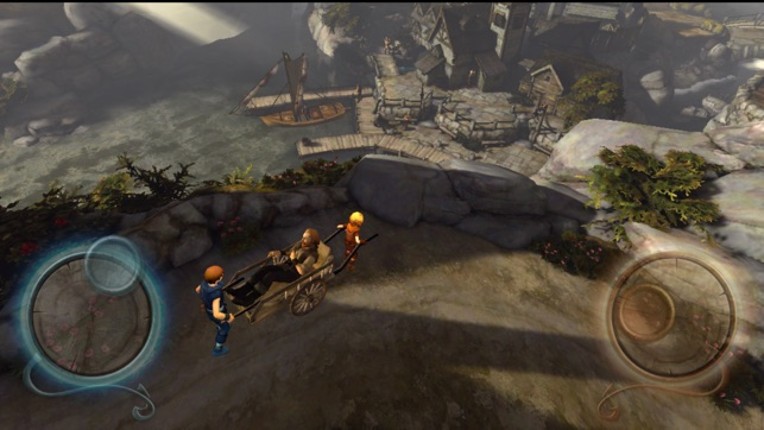
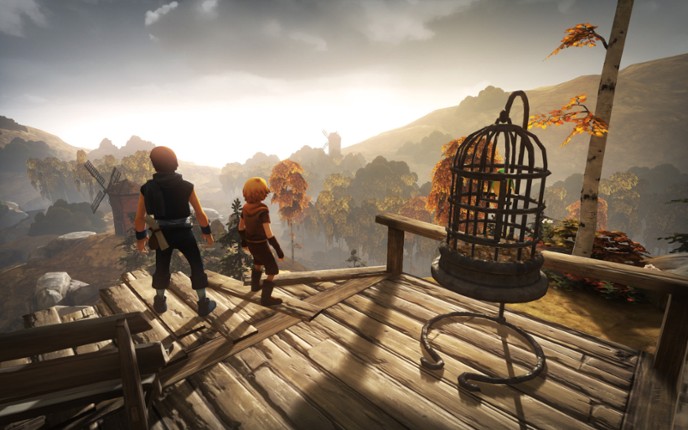
The atmospheric soundscape and visual storytelling operate in parallel here. Where Edith Finch uses first-person perspective to isolate you within memory, Brothers employs a third-person view that lets you observe two characters inhabit a shared, beautiful world—but the effect is equally poignant. Both games prioritize mood and moment over mechanical challenge.
One key shift: Brothers trades isolation for companionship. You're managing two characters simultaneously rather than walking alone through a family's absence. This co-op framing adds collaborative problem-solving without abandoning the contemplative tone.
If Edith Finch's brevity left you hungry for more, Brothers extends that experience without padding it—offering roughly double the playtime while maintaining the same deliberate, story-first philosophy.
Best for players drawn to narrative economy and atmosphere who welcome a shift from solitary reflection to shared journey.
If you enjoyed this game, see our list of games similar to Brothers: A Tale of Two Sons.View Game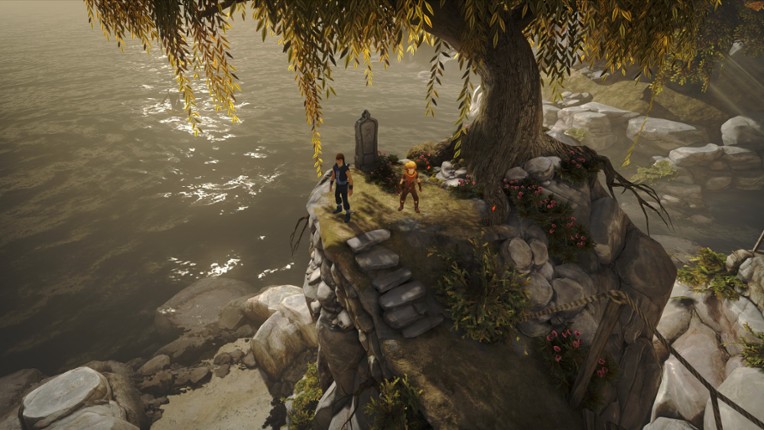
- 88%Game Brain ScoreMost mentioned positive aspects:story, graphicsMost mentioned negative aspects:replayability, stability89% User Score 57,262 reviewsCritic Score 85%4 reviews
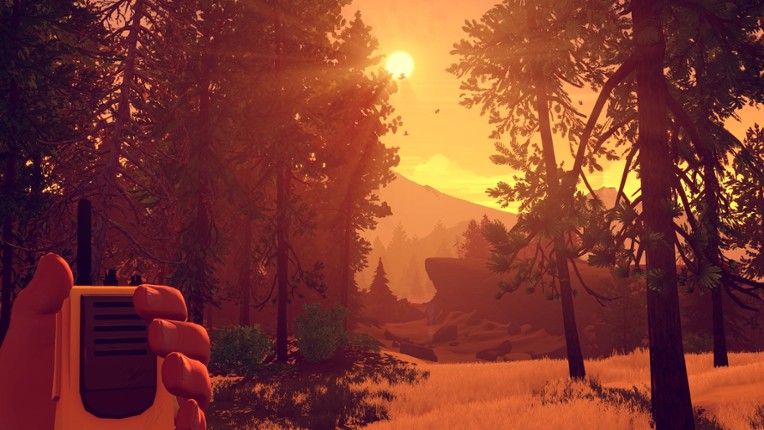
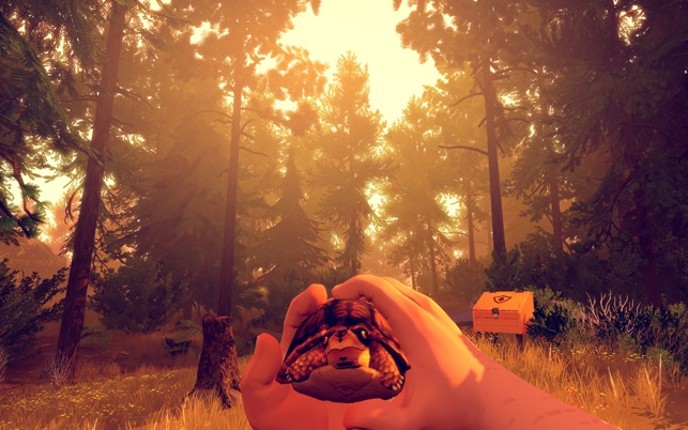
Both games excel at turning first‑person exploration into emotional archaeology, where pausing to examine a handwritten note or an old photograph deepens the story. Edith Finch uncovers family secrets room by room; Firewatch uncovers mystery through the landscape itself. The act of looking becomes the primary mechanic for meaning‑making.
You'll find the same narrative‑driven pacing and atmospheric soundtrack doing heavy lifting in both titles. In Firewatch, the music swells during quiet moments of solitude, just as Edith Finch's score punctuates each vignette's emotional peak. The why matters: both games use sound and silence to make internal states palpable, turning solitary wandering into an intimate experience rather than an empty one.
The trade‑off: Firewatch's story unfolds through real‑time radio conversations with Delilah, creating a relationship you build through voice rather than memory. This shifts the emotional focus from familial inheritance to adult connection under pressure, offering fresh thematic ground while keeping the reflective, story‑rich core intact.
Best for players who value atmospheric storytelling and don't need combat or complex systems to feel invested in a game.
If you enjoyed this game, see our list of games similar to Firewatch.View Game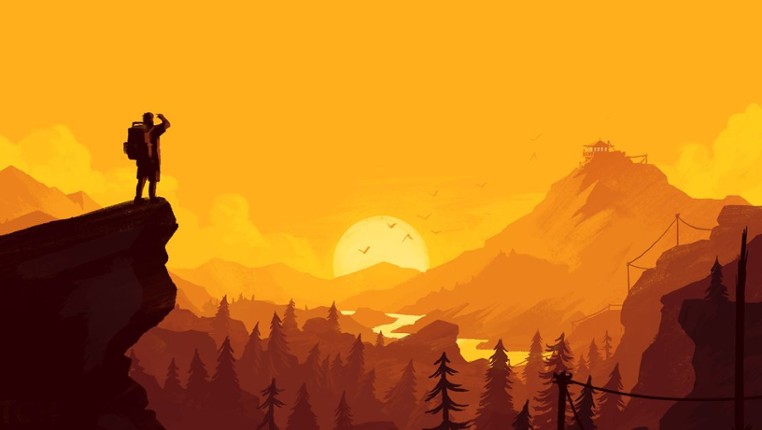
- 93%Game Brain ScoreMost mentioned positive aspects:story, musicMost mentioned negative aspects:grinding, stability93% User Score 4,361 reviews
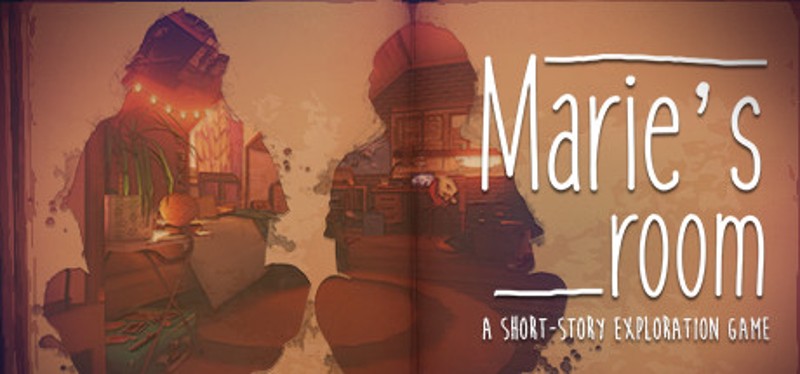
The quiet act of picking up an object and letting it trigger a memory is the heartbeat of both games, and Marie's Room leans hard into that same rhythm. You're not solving puzzles so much as reading a space — a bedroom instead of a house — where every prop is a clue to someone's inner life.
Both games trust first-person exploration over dialogue trees or combat to deliver emotional beats, so the "walking simulator" feel carries over almost exactly. The psychological horror undertone also does similar work in each: it's less about jump scares and more about a creeping unease that colors ordinary objects with dread.
The tradeoff is scale — where Edith Finch hops between multiple family members and storytelling styles, Marie's Room stays fixed on one girl, one room, one mystery, trading breadth for intimacy.
If Edith Finch's short runtime left you wanting more, be warned: this one's even shorter, closer to 30-60 minutes. Best for players chasing that same hushed, object-driven storytelling and who don't mind a single sitting over a sprawling family saga.
If you enjoyed this game, see our list of games similar to Marie's Room.View Game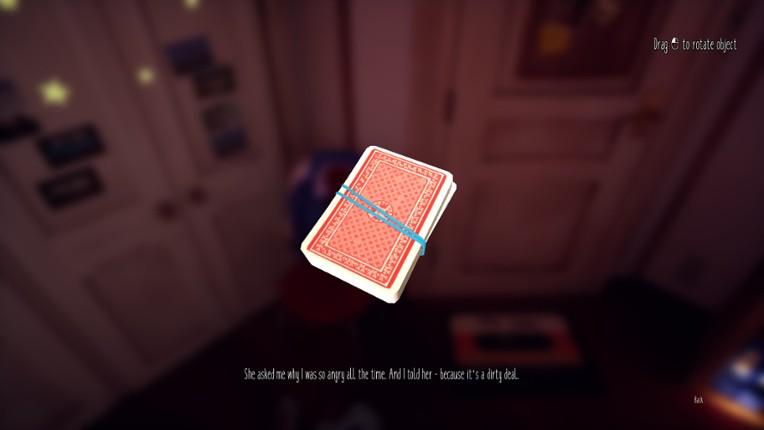

- 86%Game Brain ScoreMost mentioned positive aspects:story, musicMost mentioned negative aspects:stability, grinding95% User Score 75,297 reviewsCritic Score 75%8 reviews
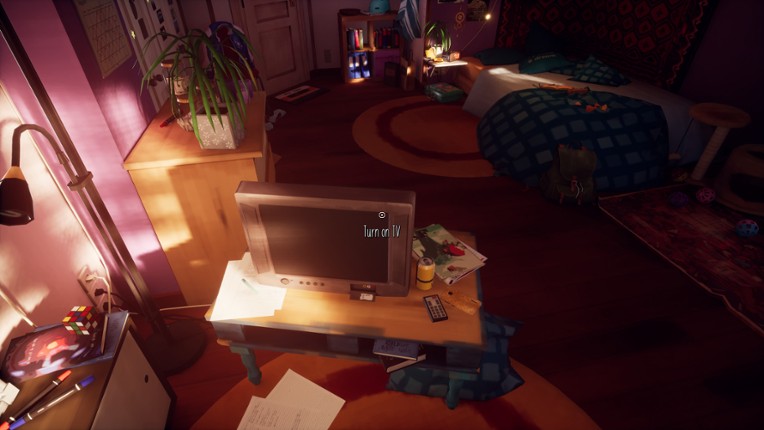
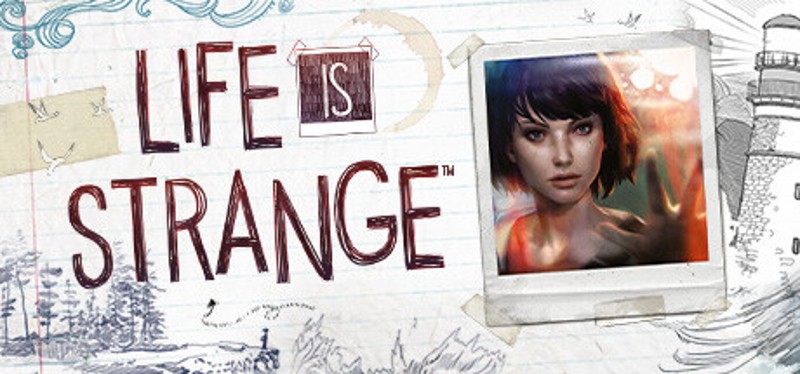
Both games excel at harrowing character-driven storytelling that transforms mundane environments into vessels for buried secrets. You navigate fractured family histories through a heavily atmospheric lens, which forces you to confront the weight of past tragedies to advance the narrative.
The primary shift lies in agency: What Remains of Edith Finch focuses on experimental, shifting perspectives, whereas Life is Strange anchors the experience in time-manipulation mechanics and consequence-heavy dialogue trees. You trade the brevity of singular, punchy vignettes for a longer, more sprawling episodic drama.
Pick this up if you want profound emotional stakes but can live without the Edith Finch penchant for brief, surreal gameplay departures.
If you enjoyed this game, see our list of games similar to Life is Strange.View Game
- 95%Game Brain ScoreMost mentioned positive aspects:story, atmosphereMost mentioned negative aspects:replayability, grinding96% User Score 25,819 reviewsCritic Score 90%1 reviews
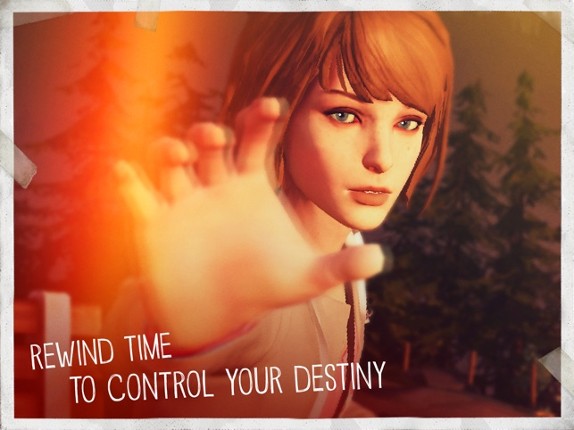
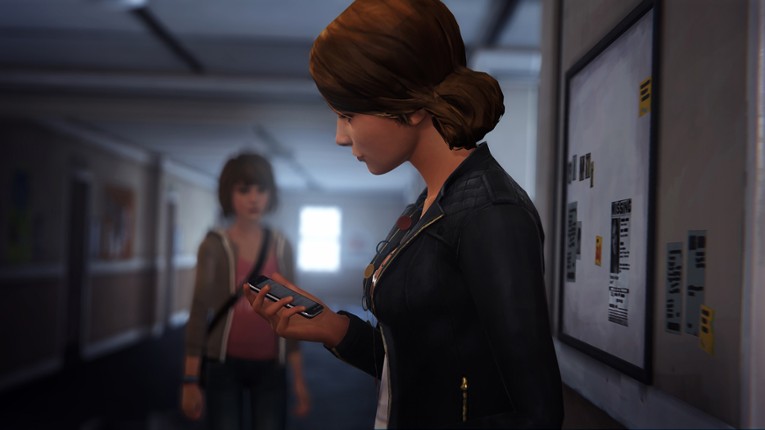
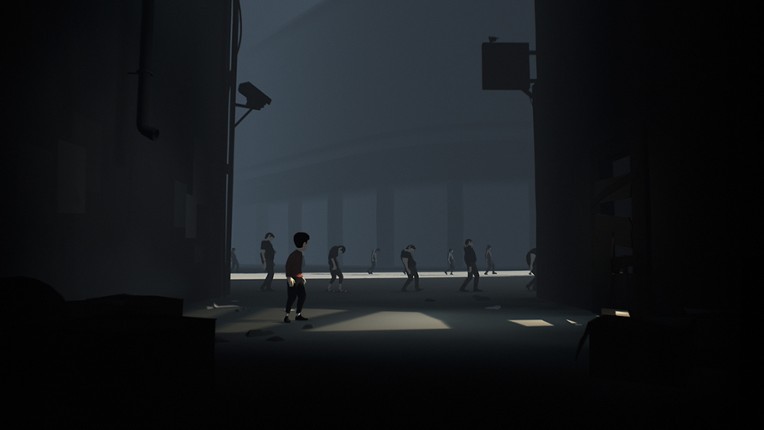
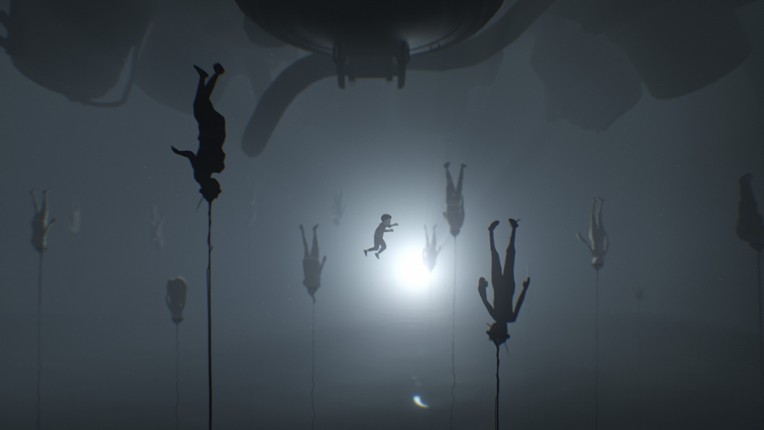
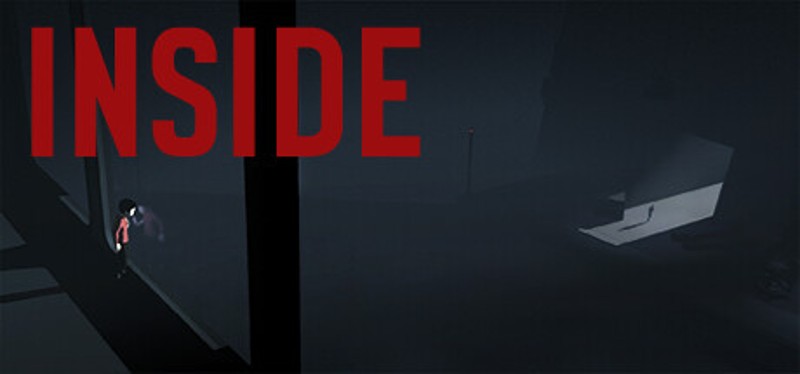
INSIDE matches What Remains of Edith Finch on first-personless environmental storytelling: both deliver their narrative through spaces, movement, and small visual cues instead of dialogue-heavy exposition.
The overlap in atmospheric horror and story-rich pacing matters because every scene is doing narrative work, not padding the runtime. INSIDE is more stripped-down and puzzle-driven, so it trades Edith Finch’s character-specific emotional vignettes for colder, tighter control.
Pick this up if you want brief, bleak, story-led exploration but can live without Edith Finch’s broader emotional warmth and family drama.
If you enjoyed this game, see our list of games similar to INSIDE.View Game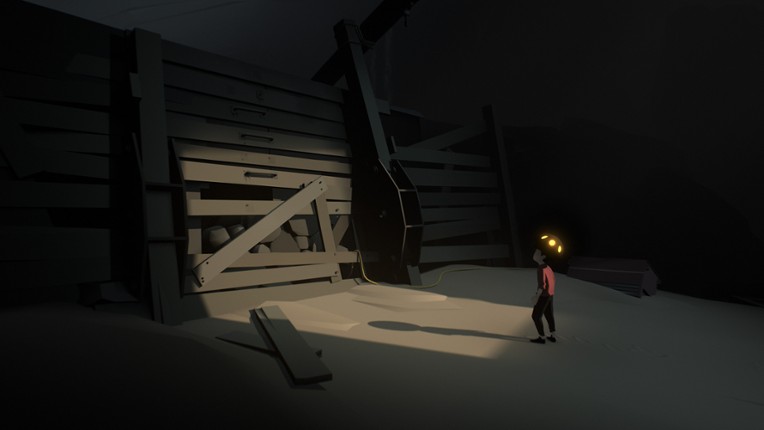
- 75%Game Brain ScoreMost mentioned positive aspects:story, graphicsMost mentioned negative aspects:replayability, grinding78% User Score 3,067 reviewsCritic Score 70%3 reviews
Both games use first-person exploration as the primary mechanic — your movement through space literally drives the narrative forward.
They share an interpretive, non-explicit storytelling style that rewards attentive players with personal meaning.
Dear Esther, however, strips interaction down to nearly nothing, while Edith Finch varies its mechanics across chapters.
Pick this up if you want a dreamlike, minimalist experience but can live without gameplay variety.
If you enjoyed this game, see our list of games similar to Dear Esther.View Game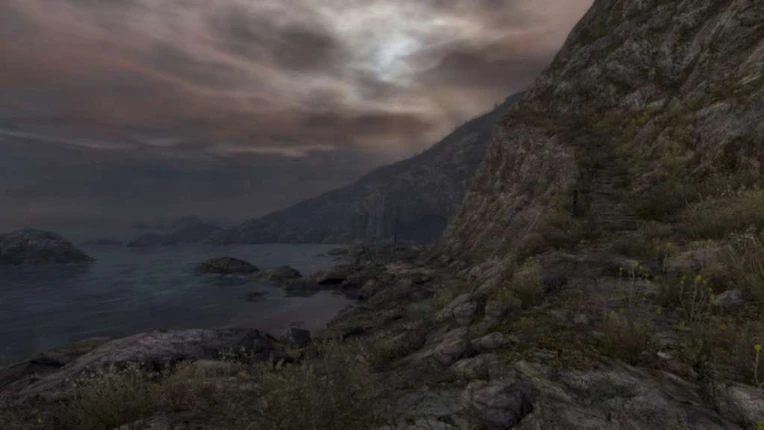
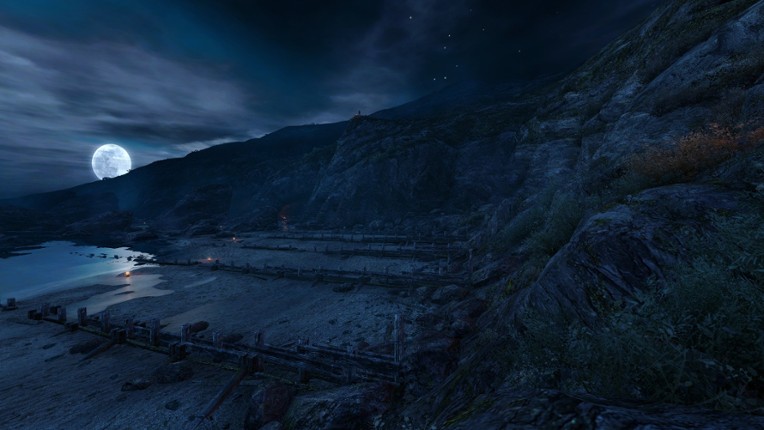
- 95%Game Brain ScoreMost mentioned positive aspects:story, gameplayMost mentioned negative aspects:grinding, stability95% User Score 5,618 reviews
Both games excel at fragmented, perspective-shifting storytelling, using the environment to dissect the heavy weight of generational trauma and family legacy. You act as an archivist of memory, piecing together personal histories through haunting, high-concept vignettes.
Where Edith Finch anchors its surrealism in a singular, physical home, 1000xResist pushes into expansive, anime-inspired science fiction to interrogate societal structures. You trade the intimate, grounded exploration of a Victorian mansion for a complex, non-linear narrative sprawling across a futuristic landscape.
Pick this up if you want the profound emotional payoff of a family tragedy but are ready to swap domestic realism for ambitious, experimental sci-fi world-building.
If you enjoyed this game, see our list of games similar to 1000xResist.View Game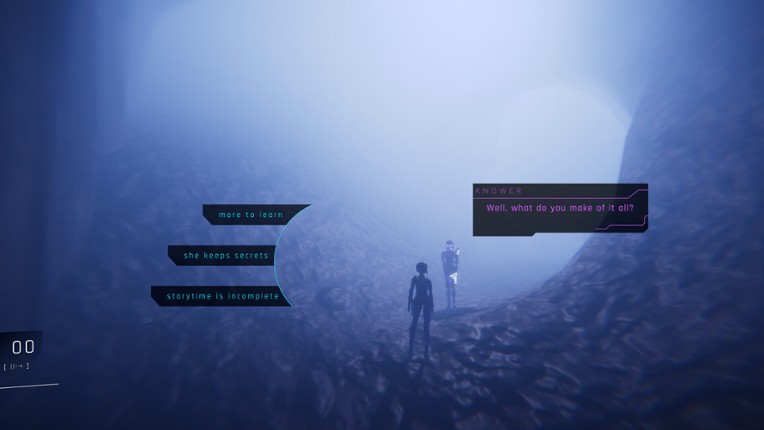
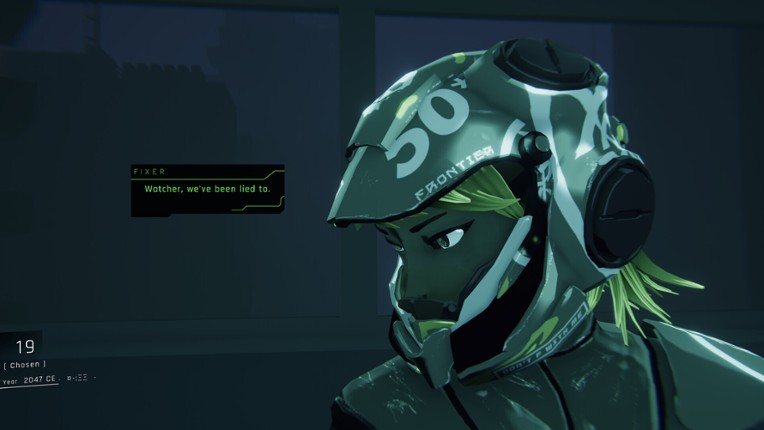
- 67%Game Brain ScoreMost mentioned positive aspects:music, graphicsMost mentioned negative aspects:grinding, stability95% User Score 31,608 reviewsCritic Score 7%4 reviews
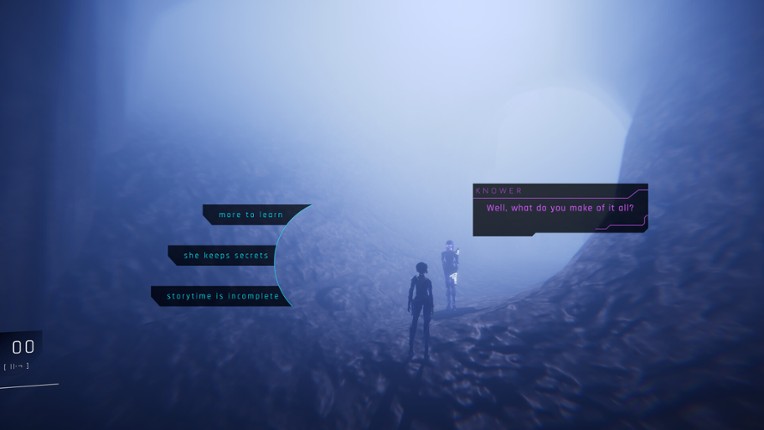
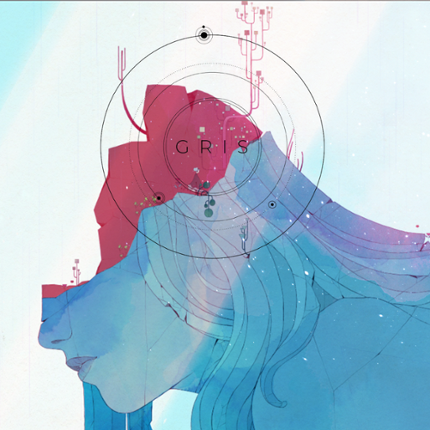
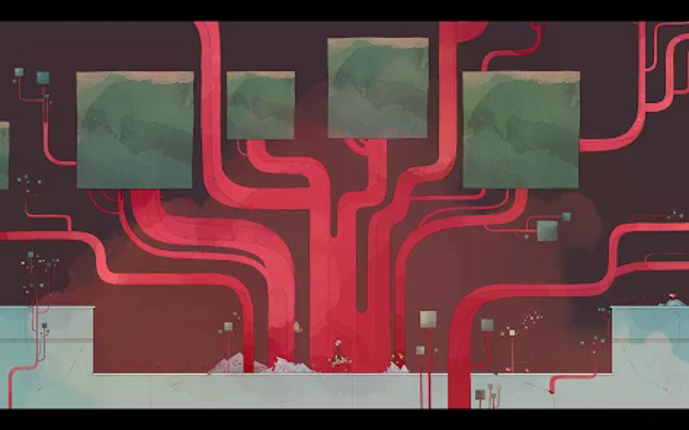
GRIS swaps Edith Finch's haunting family saga for a serene, hand‑drawn platformer about loss, offering calming puzzles instead of horror.
If you enjoyed this game, see our list of games similar to GRIS.View Game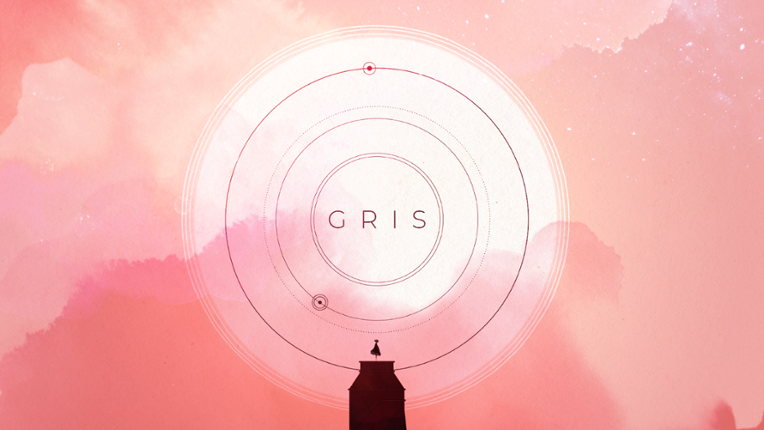
- 94%Game Brain ScoreMost mentioned positive aspects:story, musicMost mentioned negative aspects:grinding, optimization98% User Score 5,690 reviewsCritic Score 89%8 reviews
Rakuen replaces Edith's somber storytelling with a cute pixel‑art adventure that mixes humor and light horror, inviting a younger audience.
If you enjoyed this game, see our list of games similar to Rakuen.View Game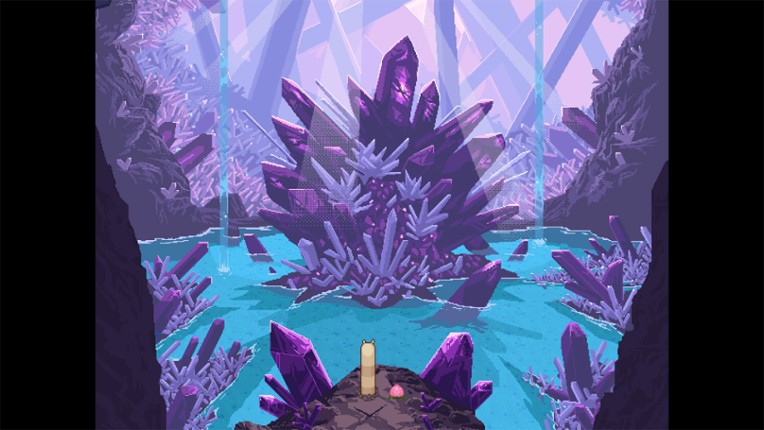

- 86%Game Brain ScoreMost mentioned positive aspects:story, gameplayMost mentioned negative aspects:grinding, replayability87% User Score 2,906 reviewsCritic Score 82%3 reviews
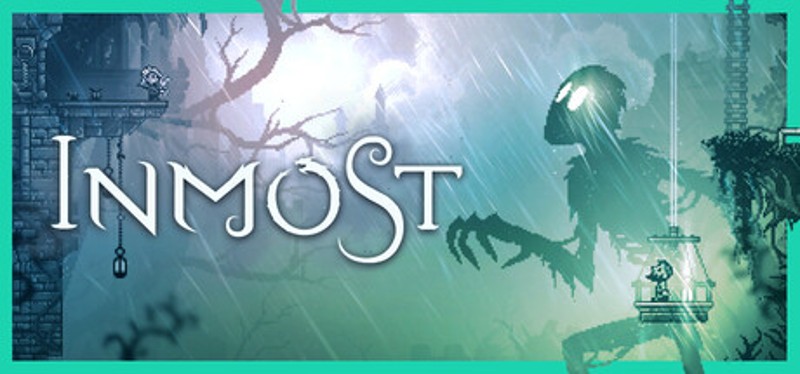
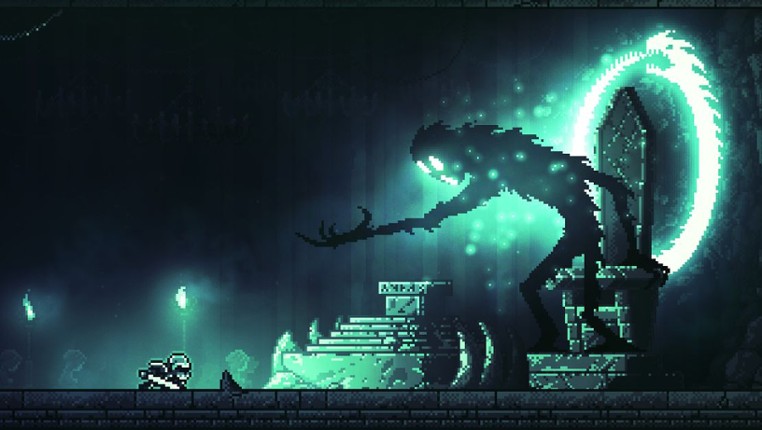
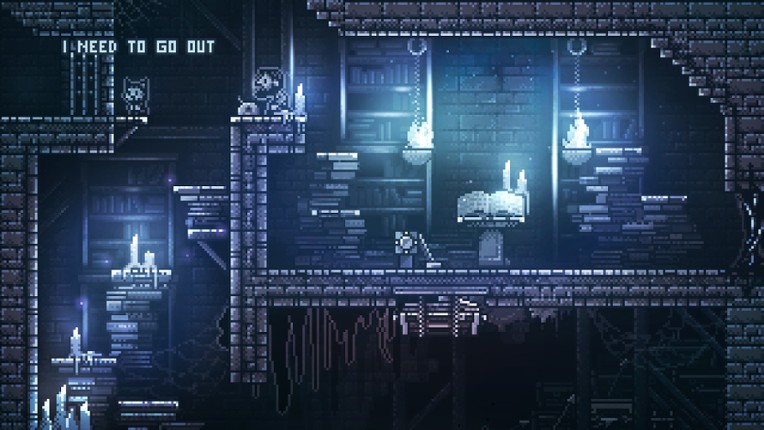
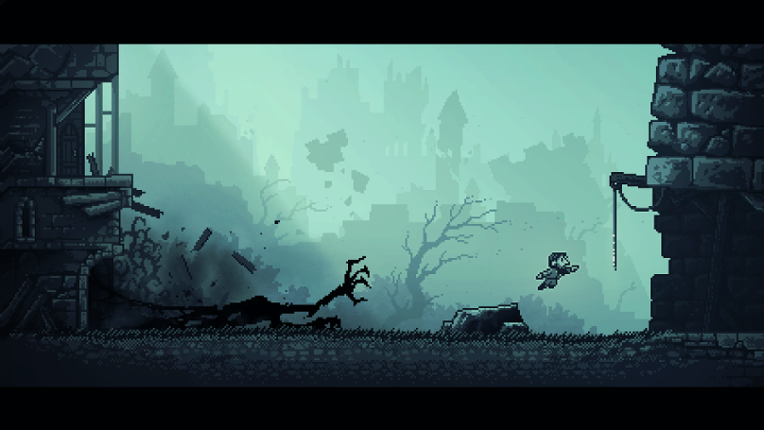
Both games weaponize pixel art and atmospheric storytelling to explore grief and family trauma. Where Edith Finch uses first-person exploration, INMOST layers puzzle-platforming on top of its narrative, demanding active problem-solving rather than passive observation.
The emotional core is identical—fragmented memories that accumulate into devastating thematic resonance—which matters because it means the story hits with similar weight despite different mechanics.
The tradeoff: INMOST adds gameplay substance that Edith Finch lacks, but trades clarity for it; its narrative requires close reading and rewards interpretation over straightforward delivery.
Pick this up if you want Edith Finch's emotional depth with actual gameplay friction, but accept that the story won't spell itself out as cleanly.
If you enjoyed this game, see our list of games similar to INMOST.View Game 13 View Game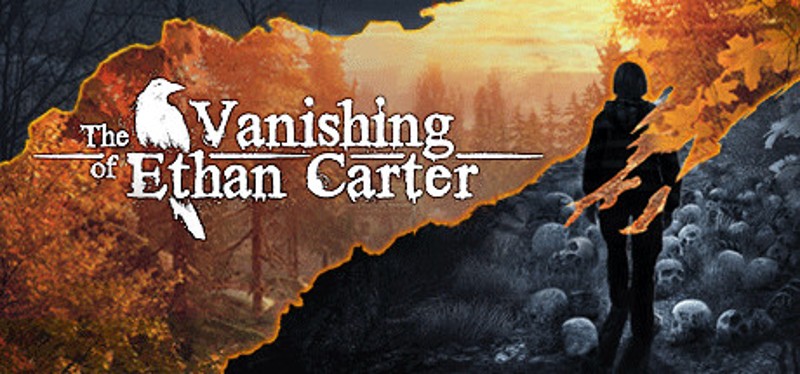 87%Game Brain ScoreMost mentioned positive aspects:story, graphicsMost mentioned negative aspects:replayability, stability87% User Score 5,138 reviews
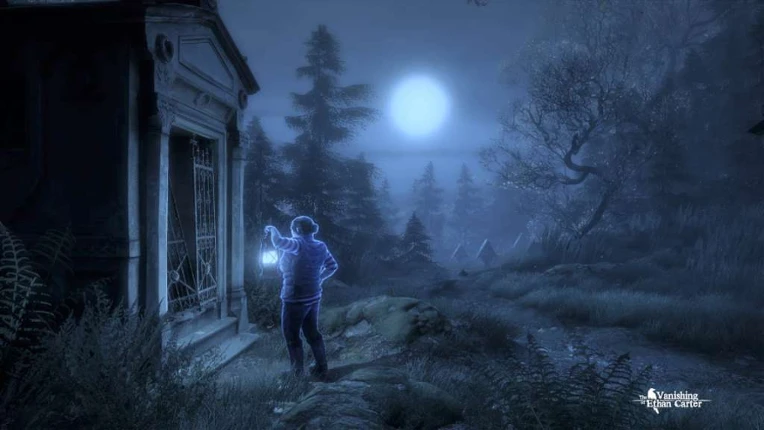
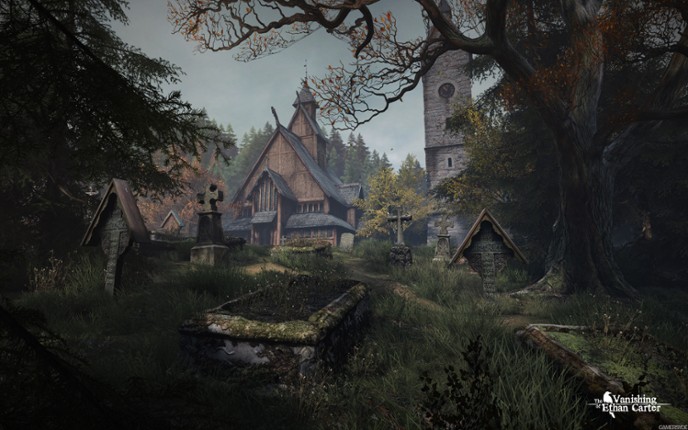
Vanishing of Ethan Carter amps up the horror with a detective‑driven investigation in a creepy rural setting, delivering a more suspenseful experience.
If you enjoyed this game, see our list of games similar to The Vanishing of Ethan Carter.View Game
- 86%Game Brain ScoreMost mentioned positive aspects:story, gameplayMost mentioned negative aspects:replayability, grinding90% User Score 4,168 reviewsCritic Score 67%1 reviews
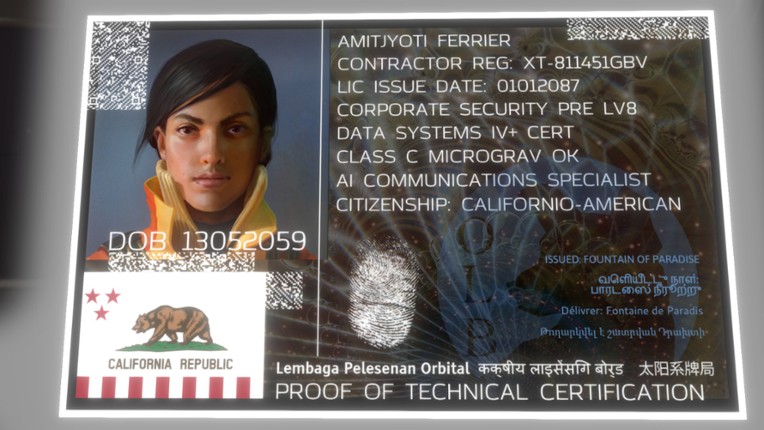
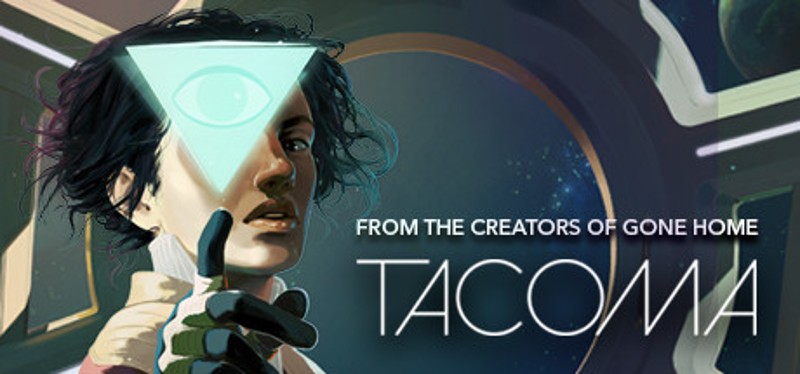
Tacoma transplants Edith Finch's intimate family mystery into a sleek, cyberpunk space station, letting players uncover a corporate conspiracy through interactive logs.
If you enjoyed this game, see our list of games similar to Tacoma.View Game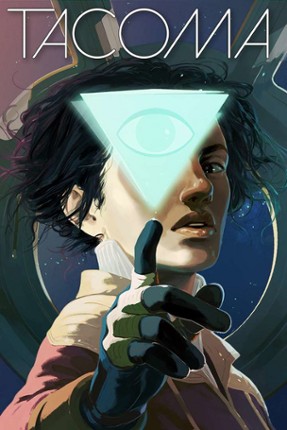

- 84%Game Brain ScoreMost mentioned positive aspects:story, musicMost mentioned negative aspects:grinding, character development81% User Score 3,395 reviewsCritic Score 89%6 reviews
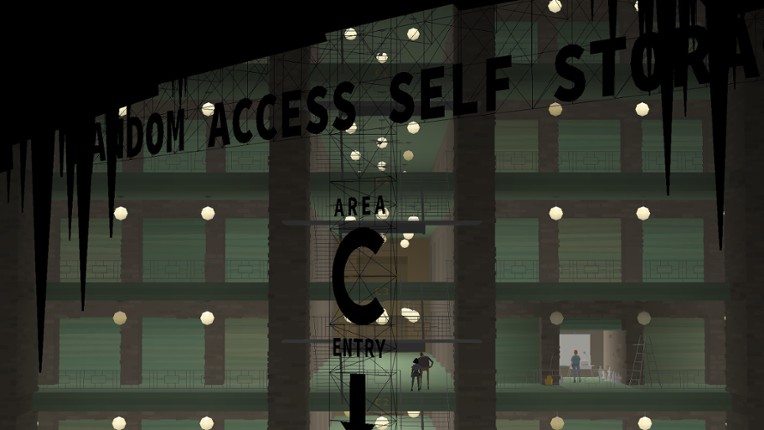
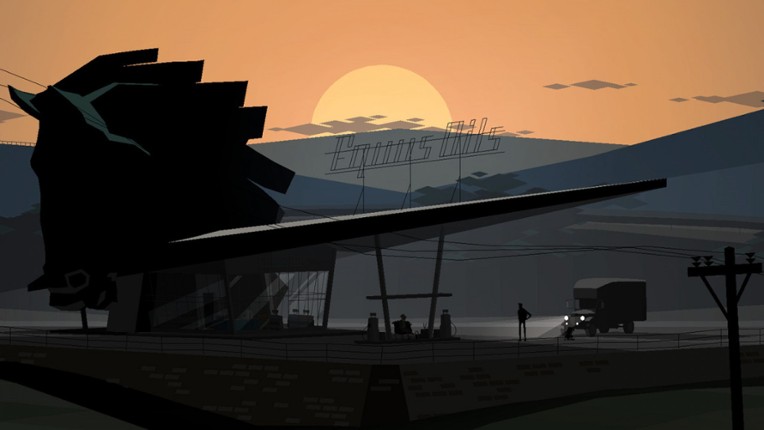
Kentucky Route Zero discards Edith's first‑person family saga for a minimalist, episodic dialogue‑driven road trip, focusing on Southern folklore and literary storytelling.
If you enjoyed this game, see our list of games similar to Kentucky Route Zero.View Game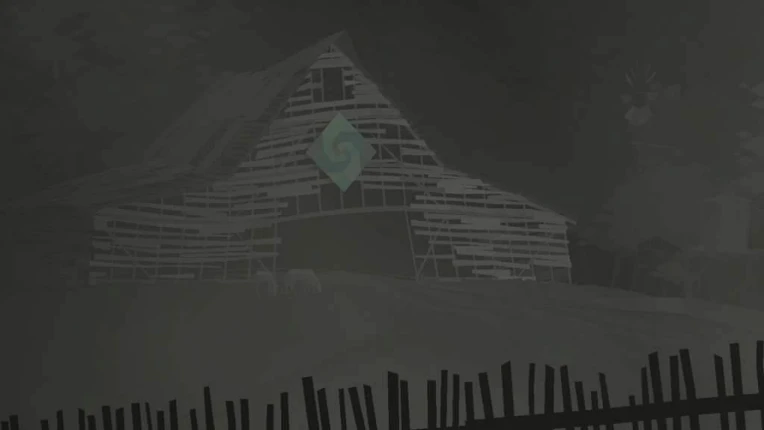
- 87%Game Brain ScoreMost mentioned positive aspects:story, emotionalMost mentioned negative aspects:replayability, grinding88% User Score 18,116 reviewsCritic Score 80%1 reviews
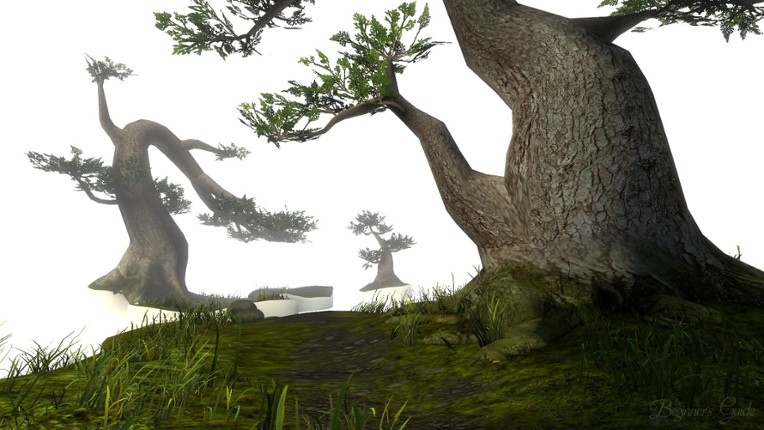
Beginner's Guide swaps Edith's sweeping family tragedy for a darkly comedic, meta‑commentary on game design, offering a brief, introspective experiment.
If you enjoyed this game, see our list of games similar to The Beginner's Guide.View Game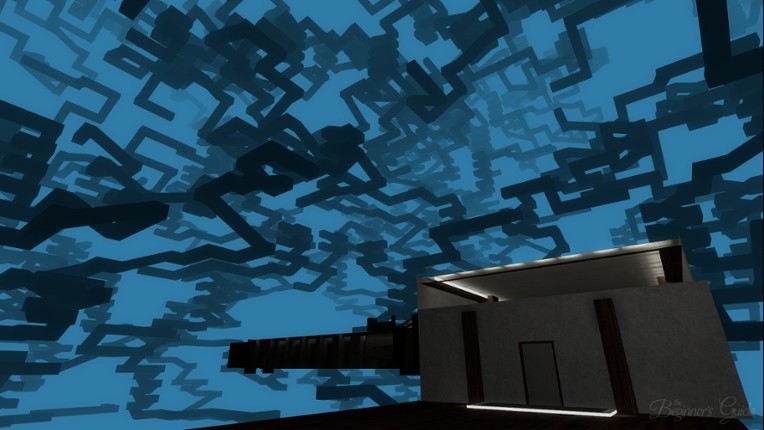
- 95%Game Brain ScoreMost mentioned positive aspects:story, emotionalMost mentioned negative aspects:stability, grinding98% User Score 14,431 reviewsCritic Score 80%1 reviews
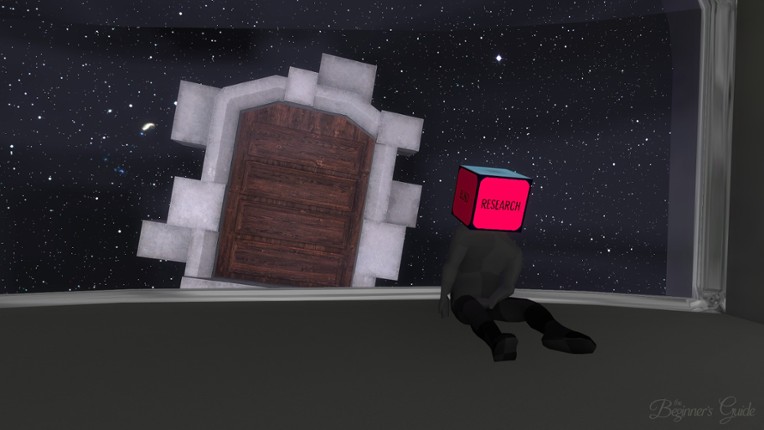
Before Your Eyes flips Edith's linear family story with a unique blink‑controlled mechanic, letting you shape a soul's journey through fleeting moments.
If you enjoyed this game, see our list of games similar to Before Your Eyes.View Game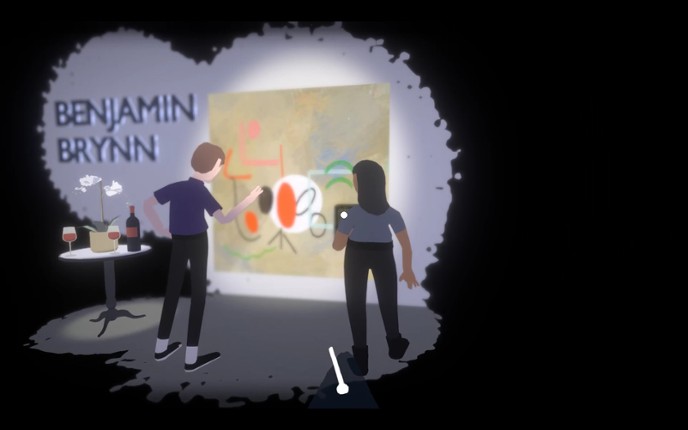
- 87%Game Brain ScoreMost mentioned positive aspects:story, graphicsMost mentioned negative aspects:replayability, character development90% User Score 890 reviewsCritic Score 75%2 reviews
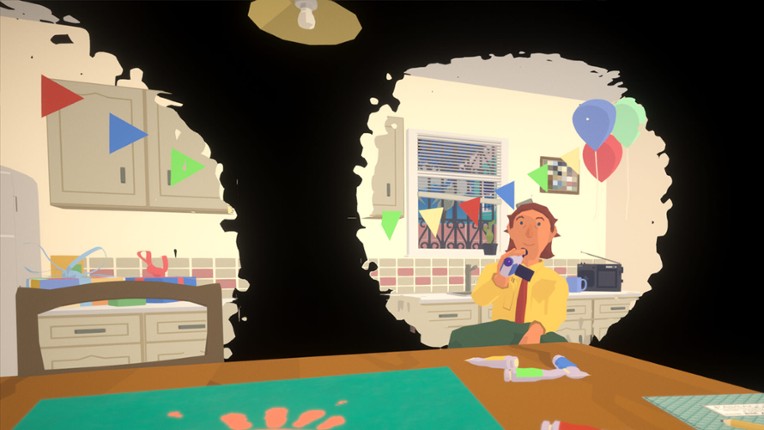
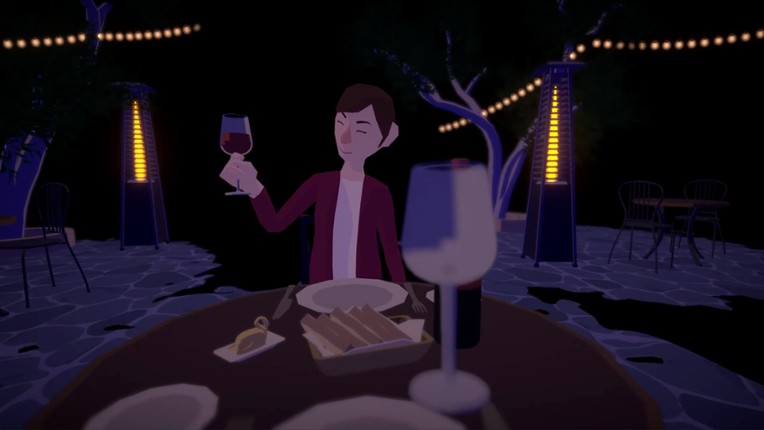
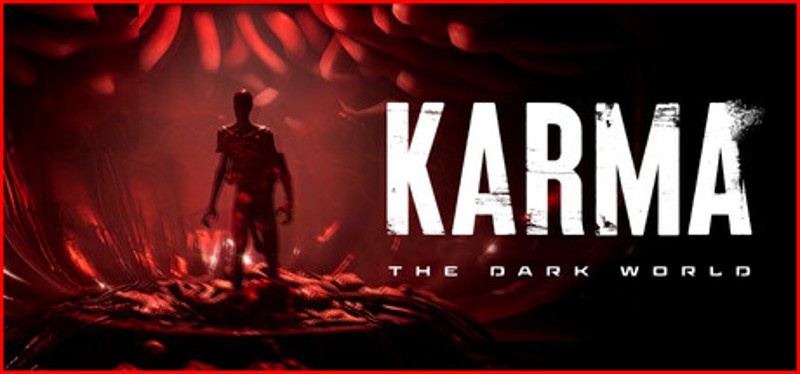
KARMA: The Dark World replaces Edith's intimate family drama with a bleak dystopian world, offering a first‑person, philosophically charged horror ride.
If you enjoyed this game, see our list of games similar to KARMA: The Dark World.View Game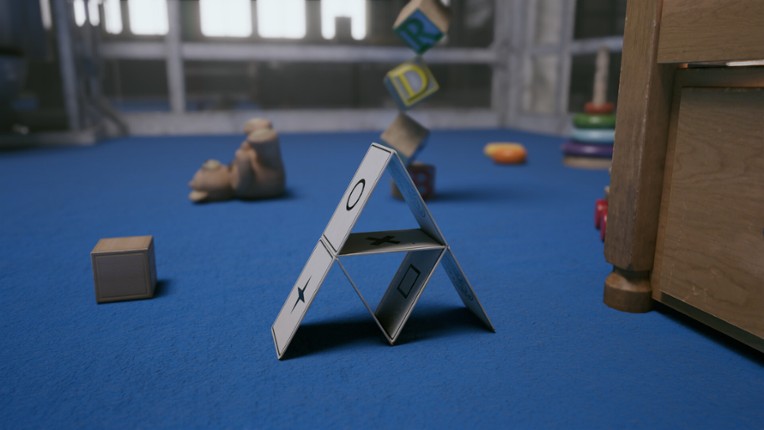
- 94%Game Brain ScoreMost mentioned positive aspects:story, emotionalMost mentioned negative aspects:stability, grinding97% User Score 43,040 reviewsCritic Score 88%6 reviews
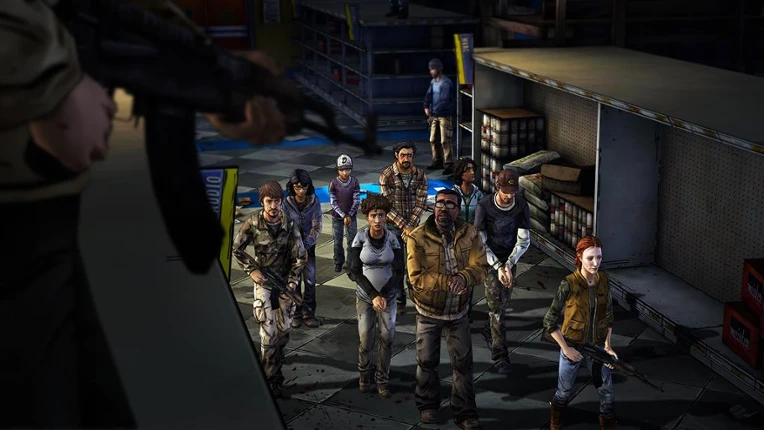
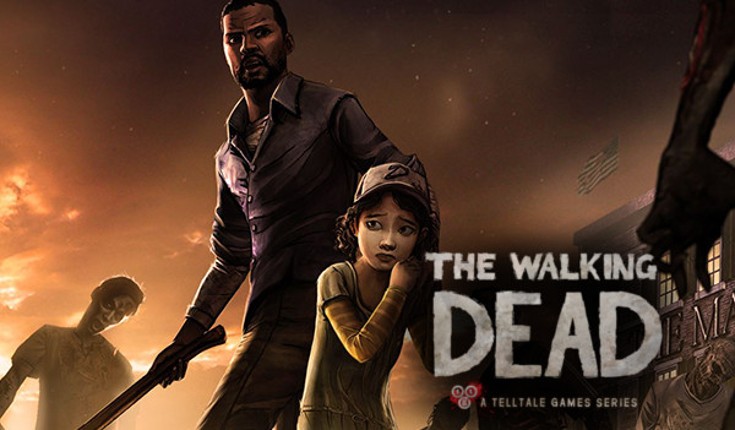
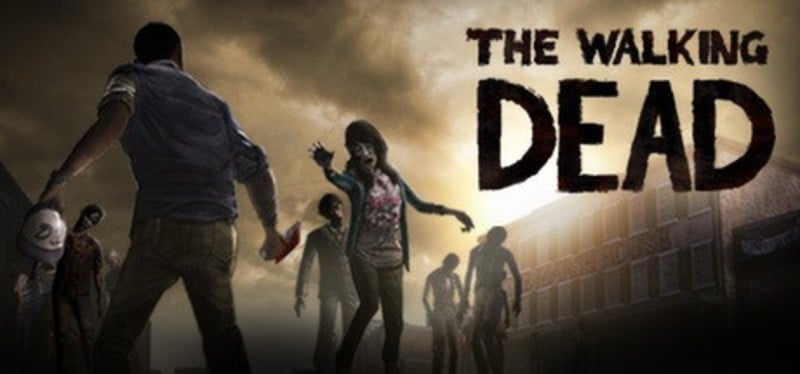
The Walking Dead trades Edith's atmospheric exploration for a tense, choice‑driven zombie survival tale with strong character relationships.
If you enjoyed this game, see our list of games similar to The Walking Dead.View Game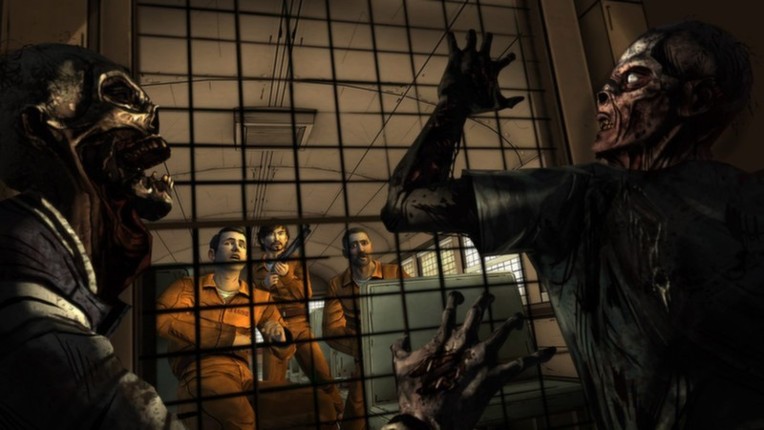
- 90%Game Brain ScoreMost mentioned positive aspects:story, emotionalMost mentioned negative aspects:music, stability95% User Score 1,880 reviewsCritic Score 65%1 reviews
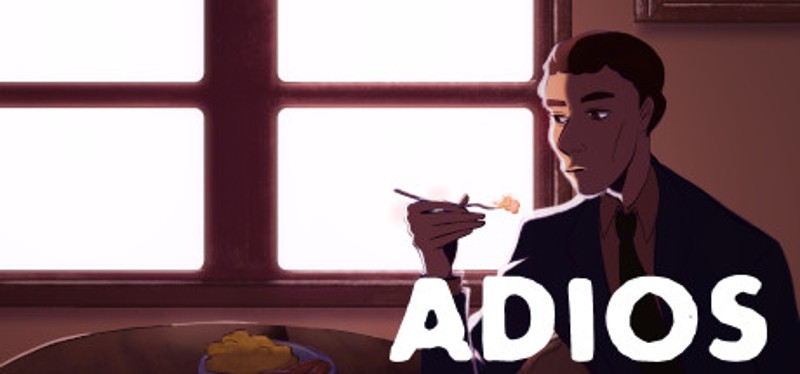
First-person moral drama set on a farm where your dialogue choices shape a criminal farewell, maintaining noir tension while Edith Finch pursues elegiac reflection.
If you enjoyed this game, see our list of games similar to Adios.View Game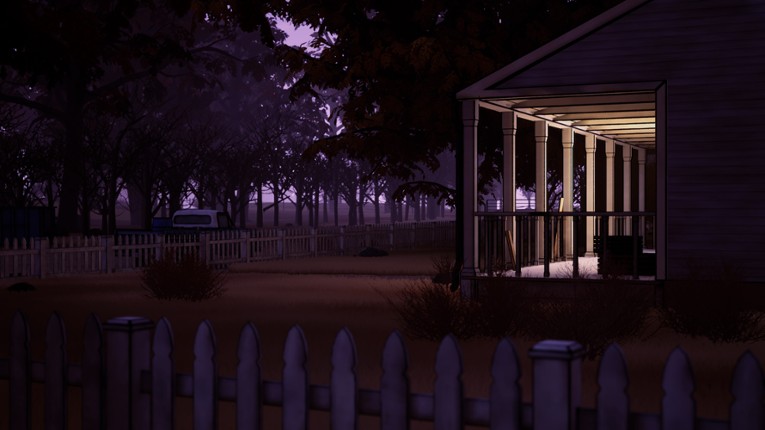
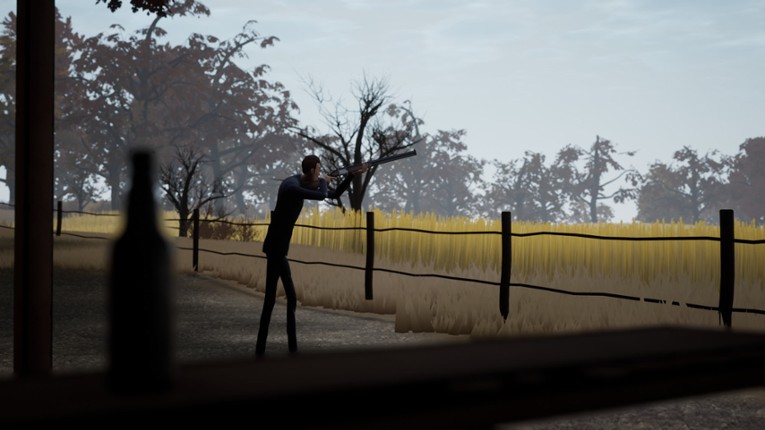
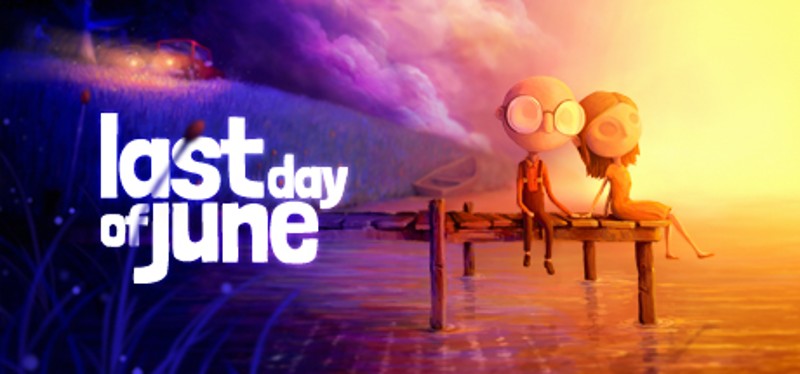
- 76%Game Brain ScoreMost mentioned positive aspects:story, emotionalMost mentioned negative aspects:grinding, optimization82% User Score 1,623 reviewsCritic Score 70%27 reviews
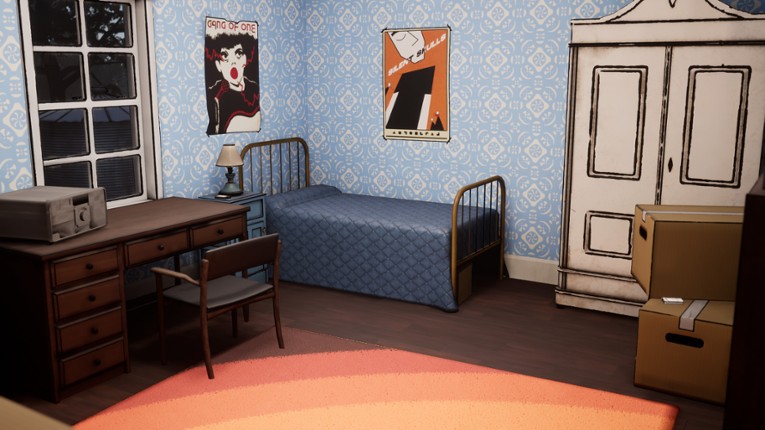
Last Day of June channels Edith's emotional weight through a heart‑wrenching time‑travel love story, rendered in a gorgeous third‑person perspective.
If you enjoyed this game, see our list of games similar to Last Day of June.View Game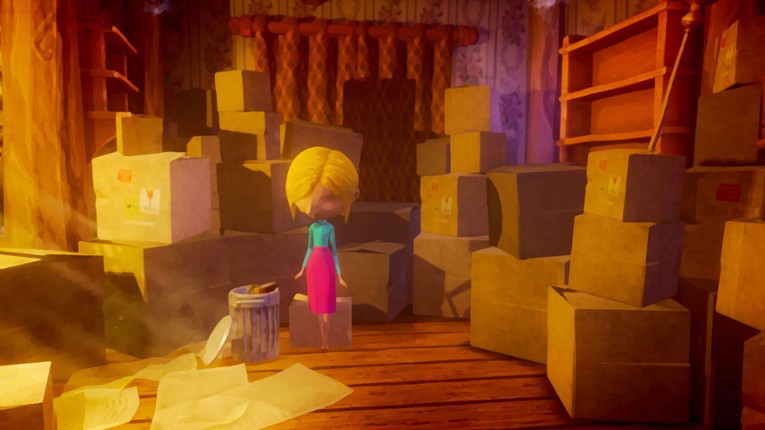

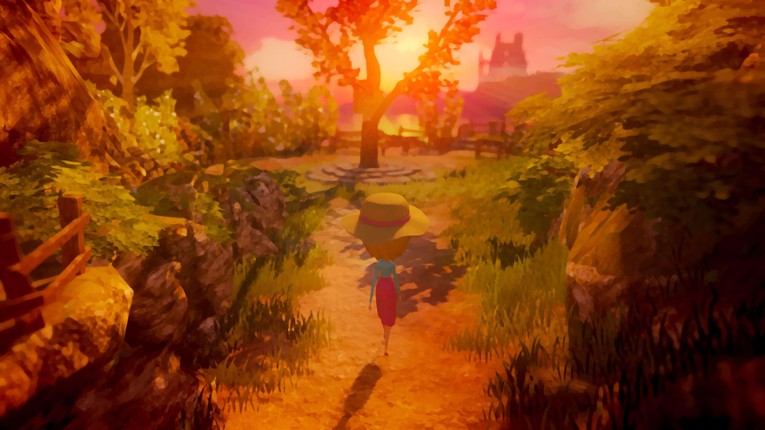
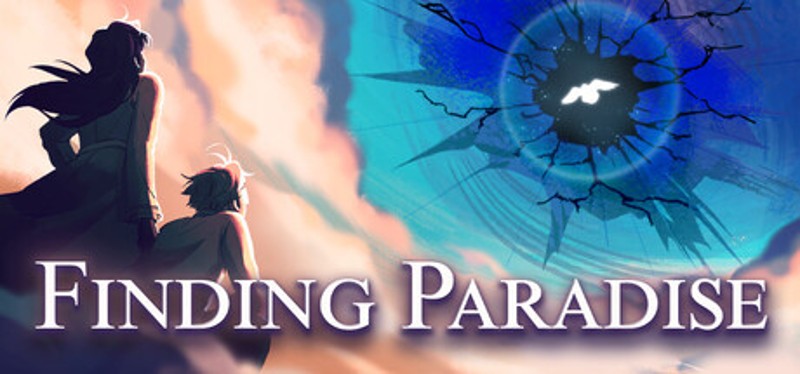
- 95%Game Brain ScoreMost mentioned positive aspects:story, emotionalMost mentioned negative aspects:grinding, replayability98% User Score 5,789 reviewsCritic Score 80%1 reviews
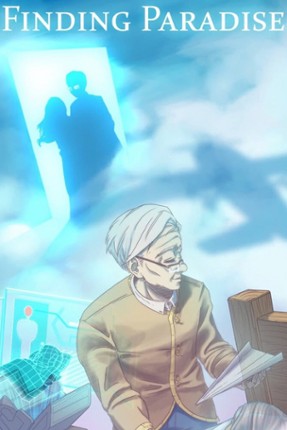
Pixel-art sci-fi romance that captures emotional storytelling through retro aesthetics and multiple character perspectives rather than photorealistic family discovery.
If you enjoyed this game, see our list of games similar to Finding Paradise.View Game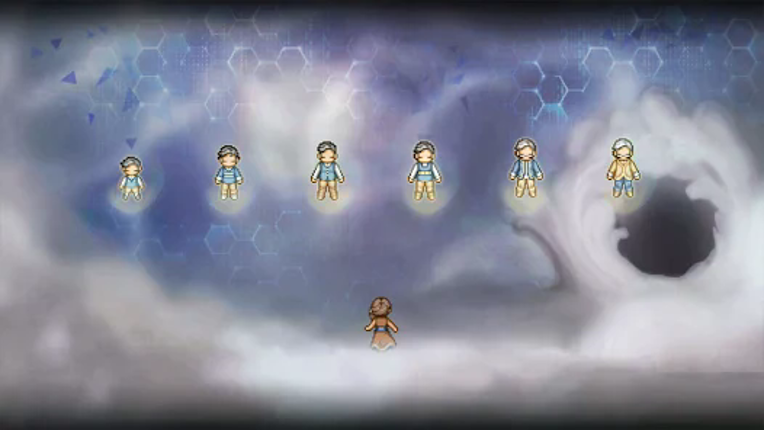

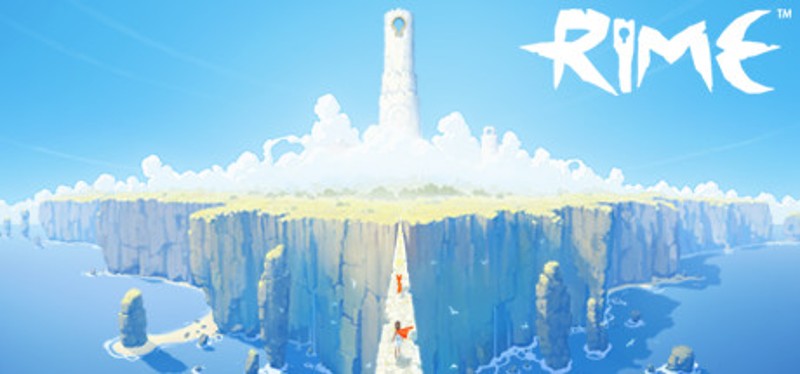
- 76%Game Brain ScoreMost mentioned positive aspects:story, musicMost mentioned negative aspects:optimization, replayability88% User Score 2,285 reviewsCritic Score 63%17 reviews
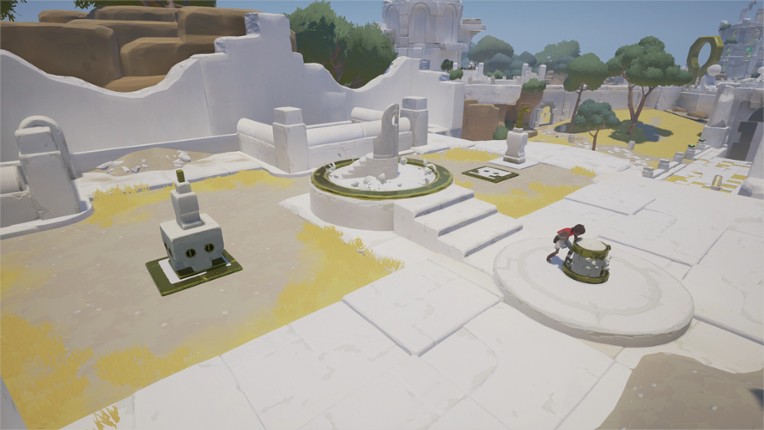
Wordless third-person puzzle adventure that builds atmosphere through exploration and a gorgeous soundtrack, trading family tragedy for whimsical environmental discovery.
If you enjoyed this game, see our list of games similar to RiME.View Game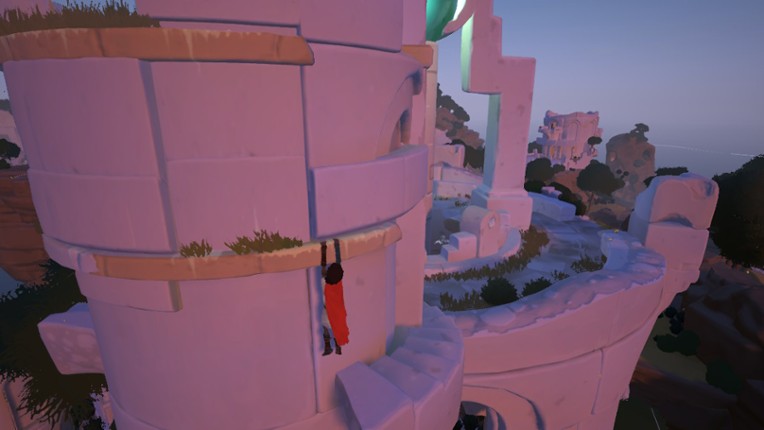
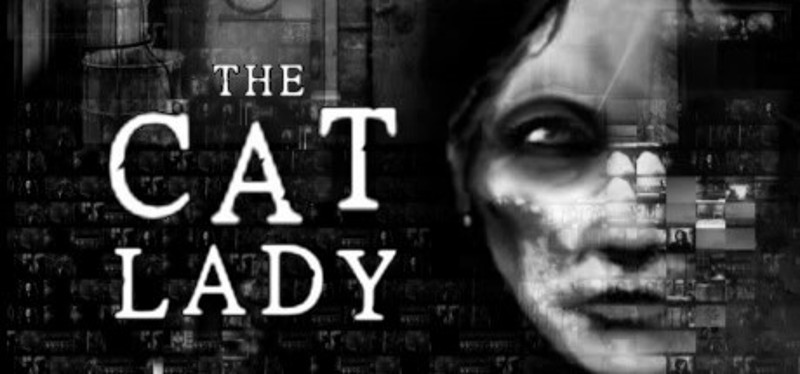
- 93%Game Brain ScoreMost mentioned positive aspects:story, graphicsMost mentioned negative aspects:optimization, stability93% User Score 4,698 reviews
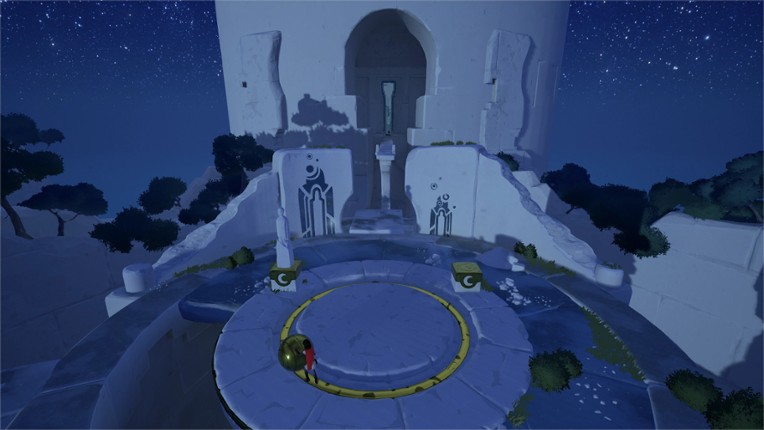
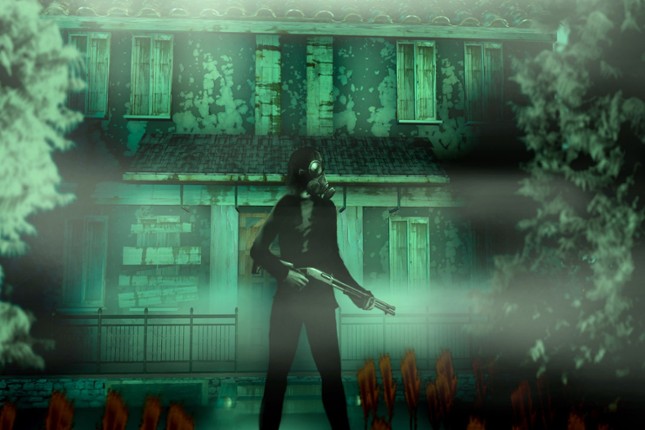
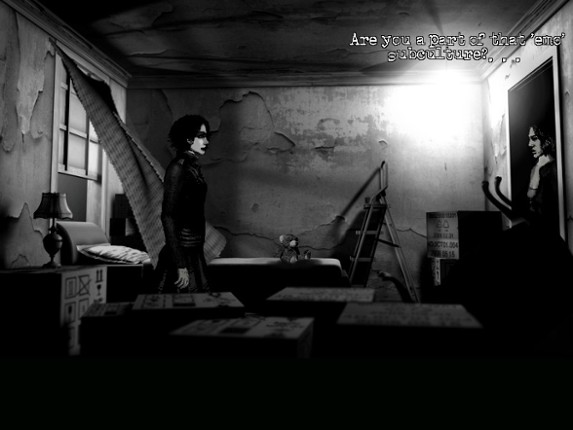
Surreal 2D detective story combining psychological horror with female-led mystery investigation, darkening Edith Finch's melancholy into outright dread and supernatural unease.
If you enjoyed this game, see our list of games similar to The Cat Lady.View Game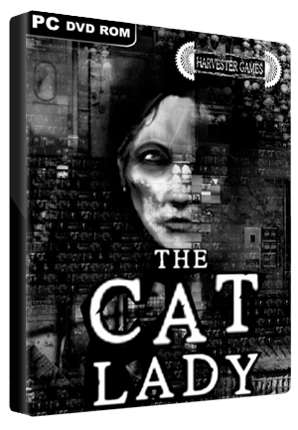
- 88%Game Brain ScoreMost mentioned positive aspects:story, emotionalMost mentioned negative aspects:stability, grinding98% User Score 10,186 reviewsCritic Score 79%15 reviews
Pixel-based visual novel with multiple endings and LGBTQ+ romance that layers mystery and horror beneath emotional character bonds, diverging into genre complexity.
If you enjoyed this game, see our list of games similar to Until Then.View Game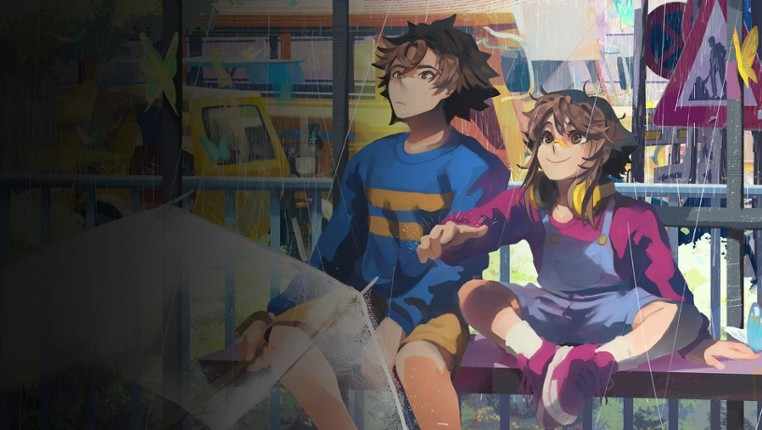

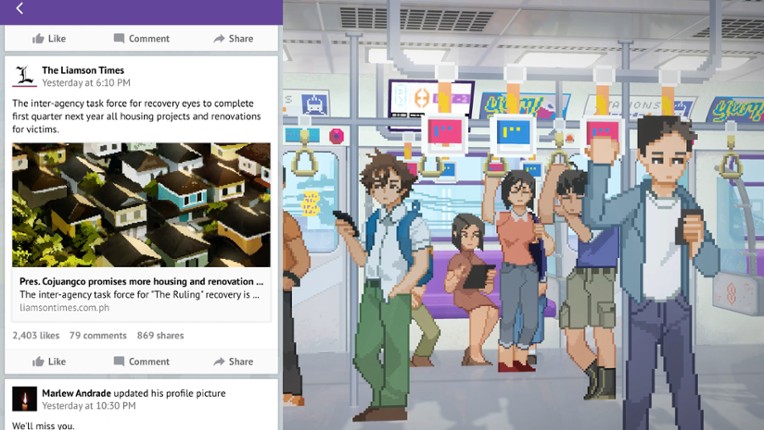
- 93%Game Brain ScoreMost mentioned positive aspects:music, storyMost mentioned negative aspects:grinding, stability93% User Score 17,870 reviews
Meditative underwater exploration without narration or tragedy, replacing Edith Finch's family loss with peaceful discovery and environmental beauty across a short, wordless journey.
If you enjoyed this game, see our list of games similar to ABZU.View Game


- 77%Game Brain ScoreMost mentioned positive aspects:story, musicMost mentioned negative aspects:grinding, stability76% User Score 2,013 reviewsCritic Score 79%7 reviews
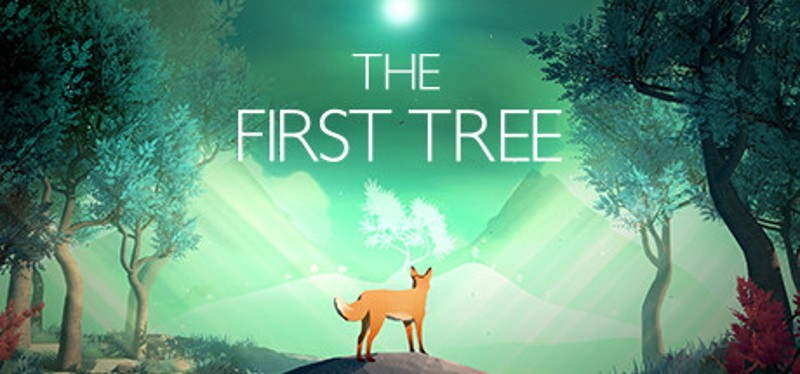
Third-person fox perspective following a surreal journey to an ancient tree, preserving Edith Finch's narrated melancholy but favoring nature symbolism over domestic memory.
If you enjoyed this game, see our list of games similar to The First Tree.View Game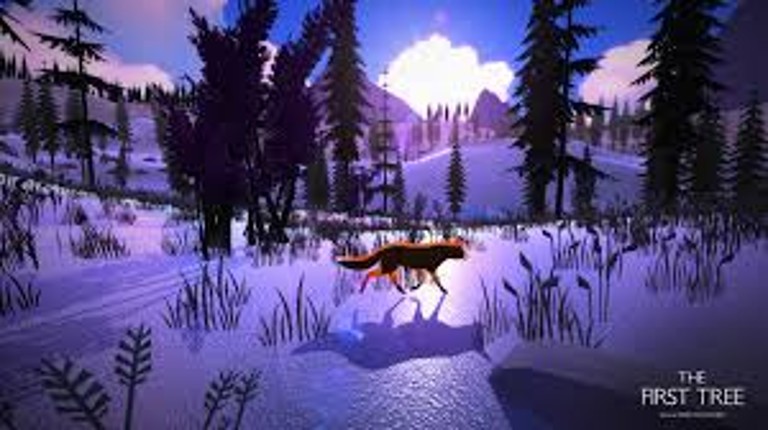
- 76%Game Brain ScoreMost mentioned positive aspects:story, musicMost mentioned negative aspects:grinding, replayability84% User Score 3,779 reviewsCritic Score 69%11 reviews
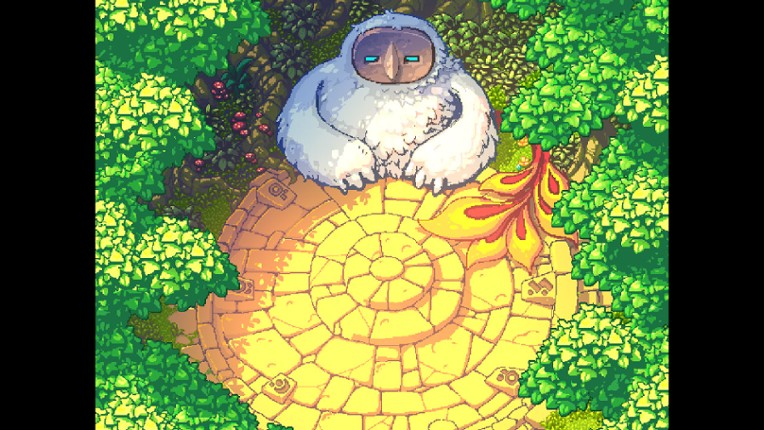
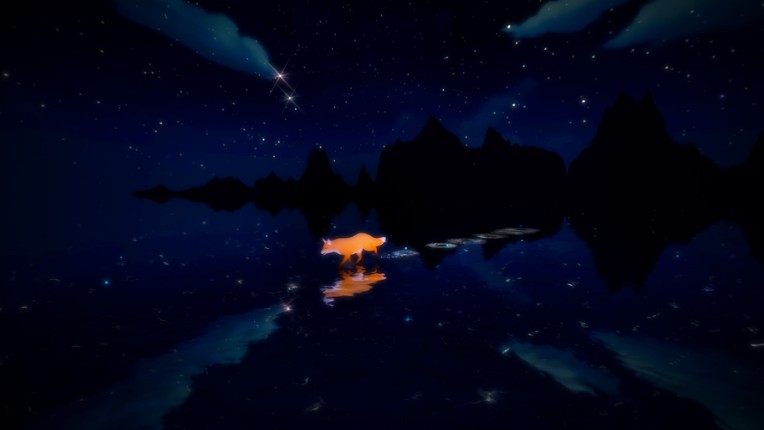
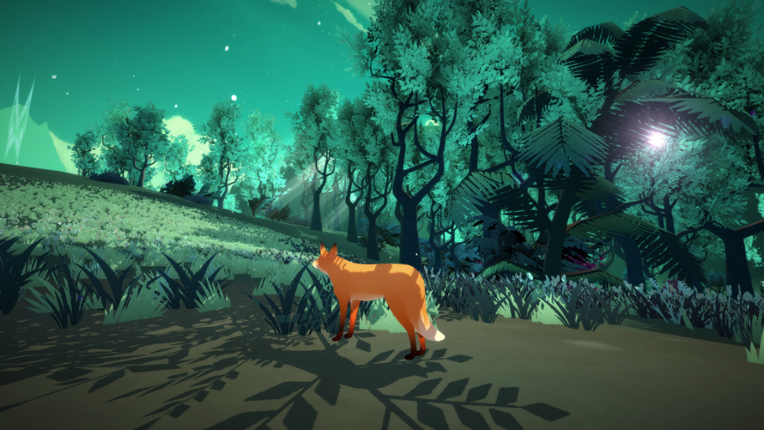
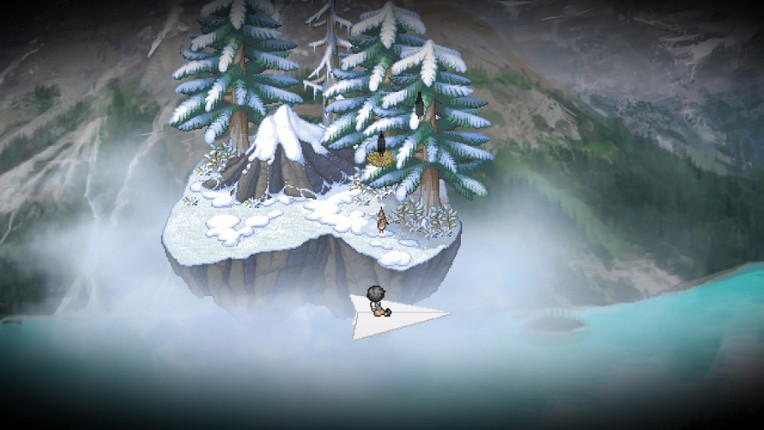
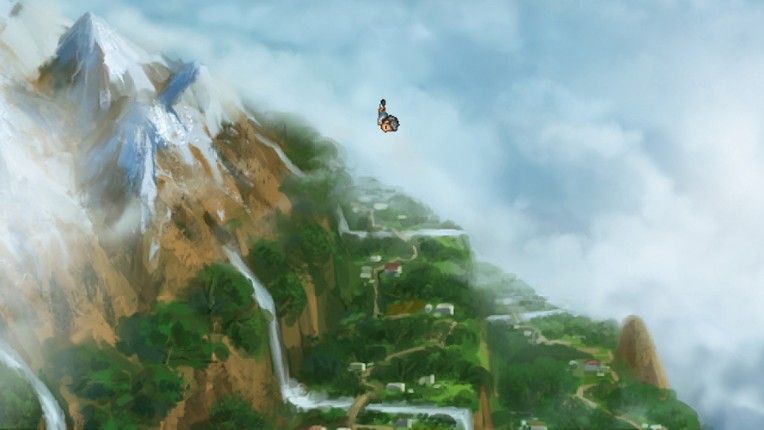
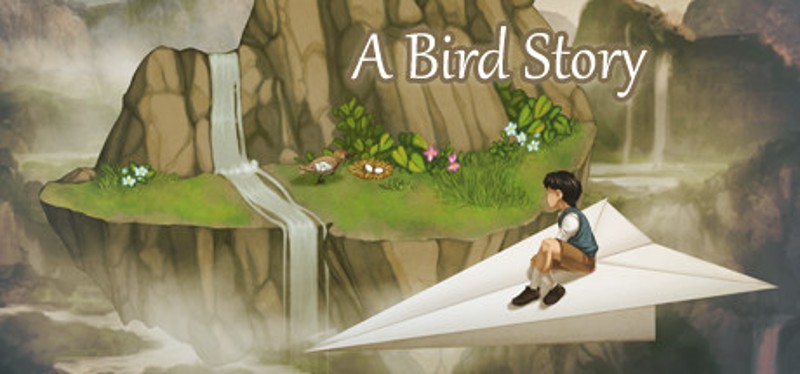
Top-down pixel fable about a girl and bird using wordless emotional beats and a gorgeous soundtrack to evoke wonder rather than loss and family history.
If you enjoyed this game, see our list of games similar to A Bird Story.View Game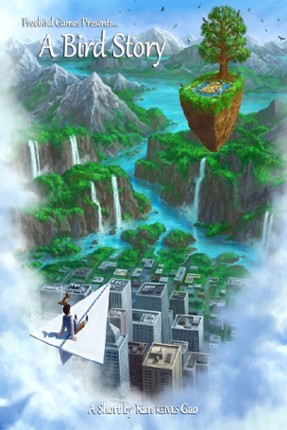
29 View Game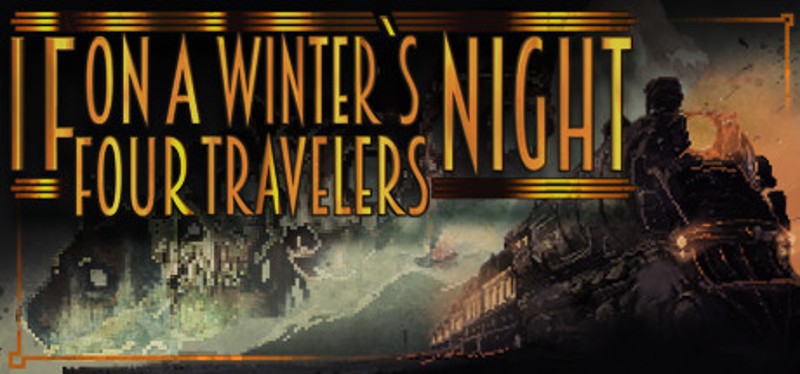 96%Game Brain ScoreMost mentioned positive aspects:story, musicMost mentioned negative aspects:grinding, replayability96% User Score 1,799 reviews
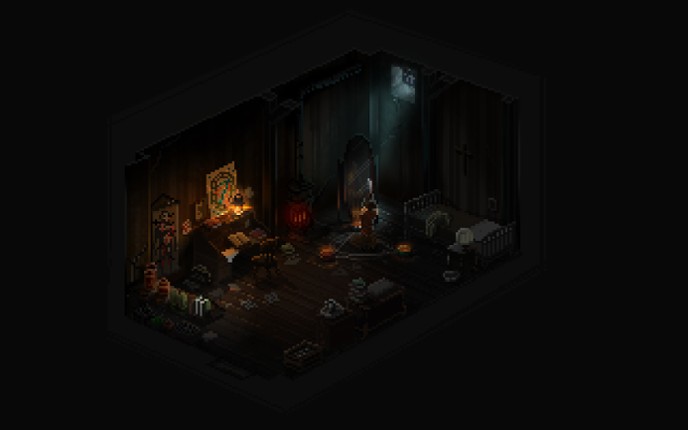
Isometric gothic mystery with four distinct travelers whose interconnected narratives build supernatural dread, matching Edith Finch's multi-perspective approach but leaning harder into horror.
If you enjoyed this game, see our list of games similar to If On A Winter's Night, Four Travelers.View Game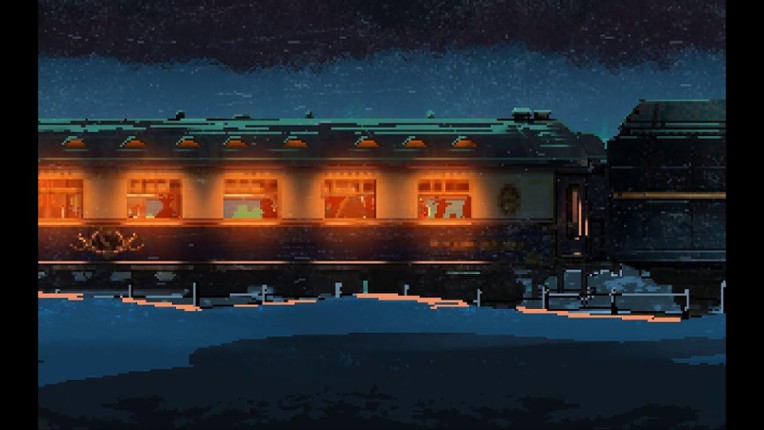
- 88%Game Brain ScoreMost mentioned positive aspects:music, storyMost mentioned negative aspects:replayability, grinding85% User Score 3,985 reviewsCritic Score 91%13 reviews
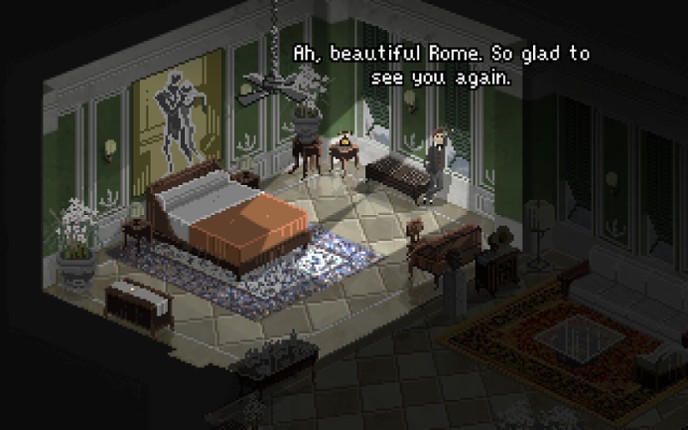
Replaces the somber study of death with a vibrant, nostalgic musical journey through the cultural milestones of the eighties and nineties.
If you enjoyed this game, see our list of games similar to Mixtape.View Game

31 View Game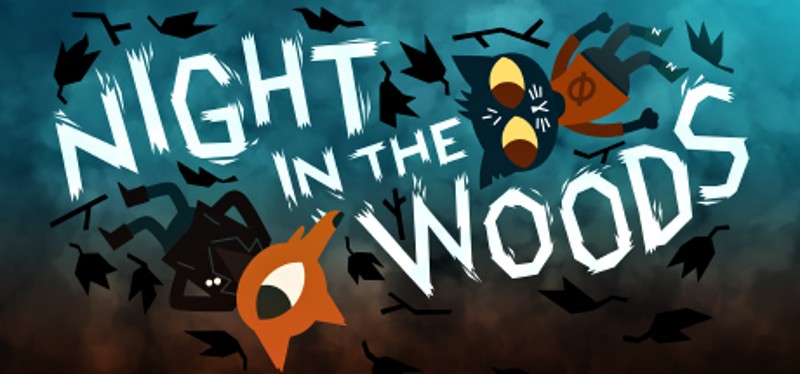 89%Game Brain ScoreMost mentioned positive aspects:story, musicMost mentioned negative aspects:grinding, stability95% User Score 15,259 reviewsCritic Score 83%28 reviews
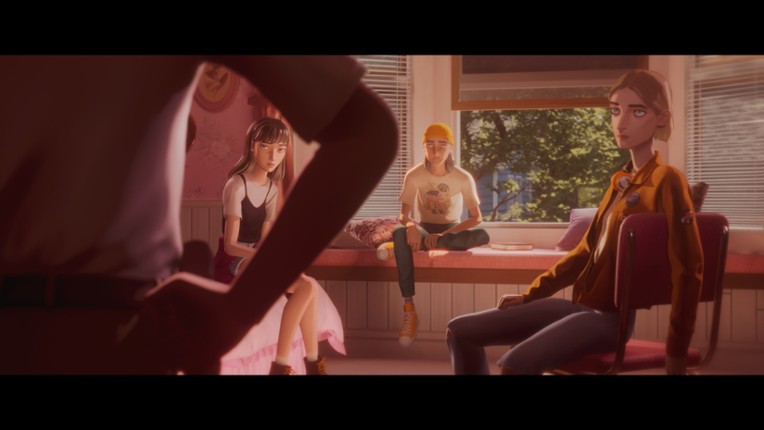
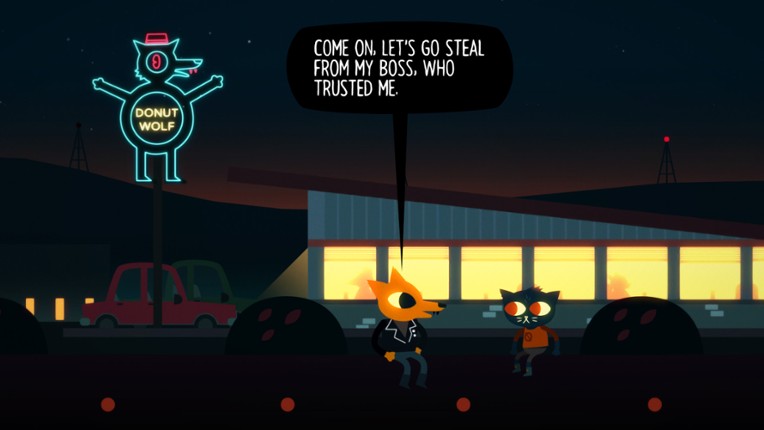
Stylized 2D adventure where dark humor and dialogue choices undercut psychological horror, building a critique of capitalism while maintaining Edith Finch's melancholic small-town mystery.
If you enjoyed this game, see our list of games similar to Night in the Woods.View Game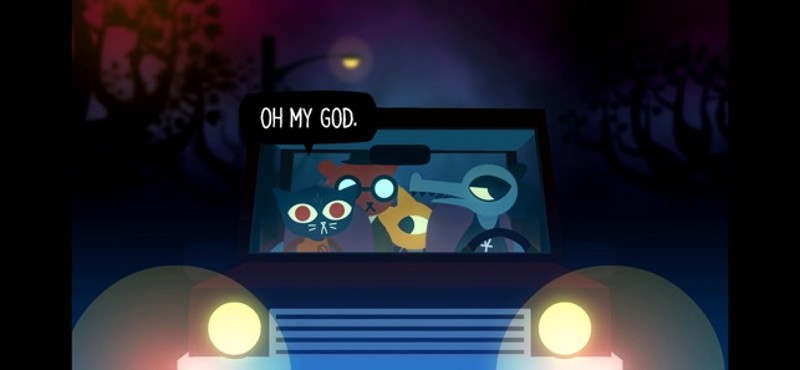
- 93%Game Brain ScoreMost mentioned positive aspects:story, graphicsMost mentioned negative aspects:grinding, replayability96% User Score 26,876 reviewsCritic Score 88%6 reviews
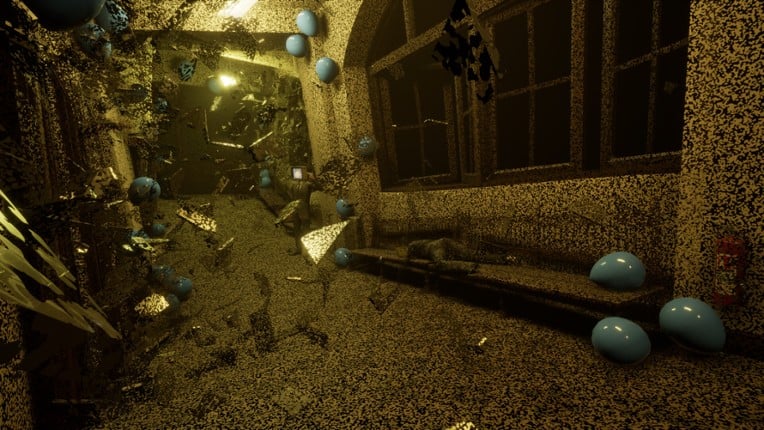
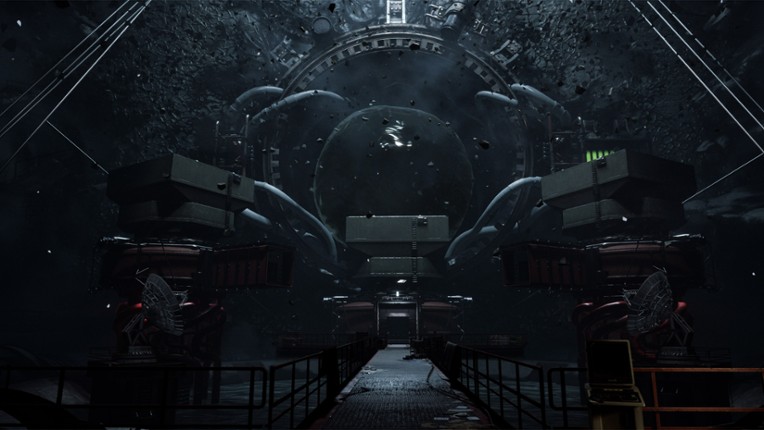
Dives into claustrophobic space-horror misery, swapping the Finch family's whimsical melancholy for a decaying, surreal psychological nightmare aboard a stranded freighter.
If you enjoyed this game, see our list of games similar to null.View Game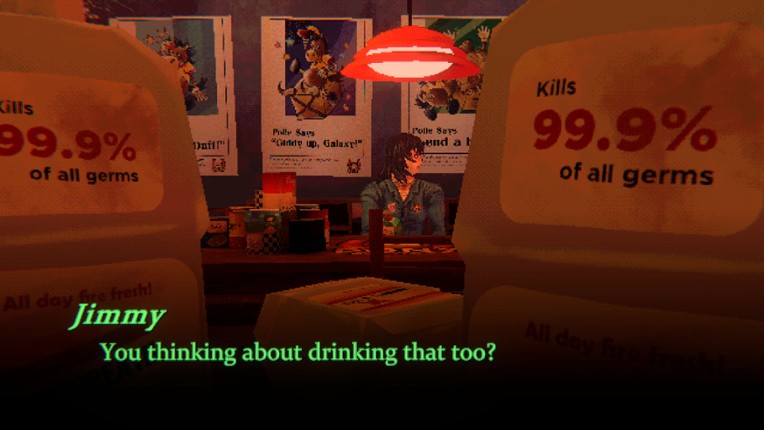
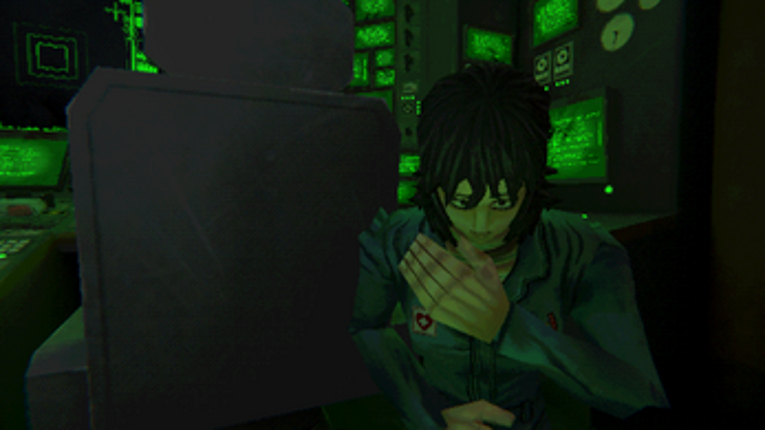
- 96%Game Brain ScoreMost mentioned positive aspects:story, graphicsMost mentioned negative aspects:grinding, replayability96% User Score 24,134 reviews
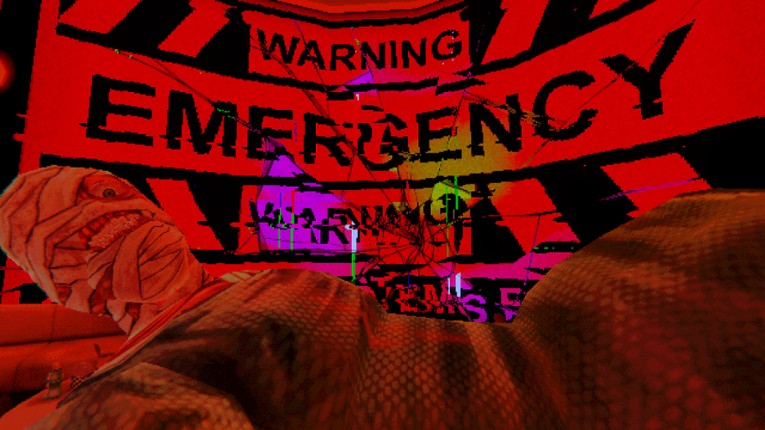
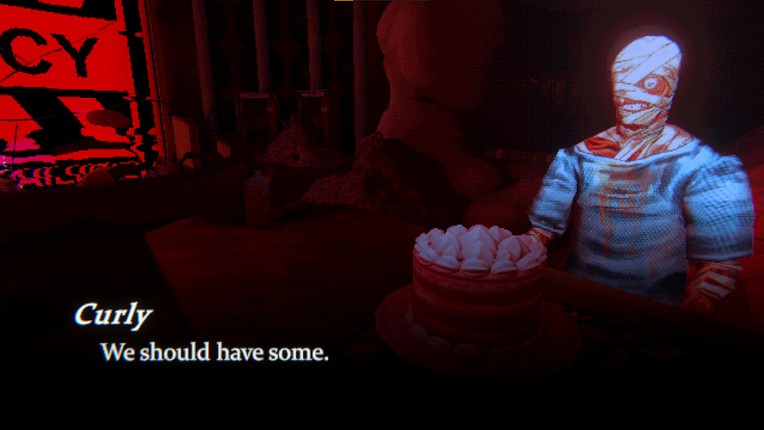
Focuses on the fractured psyche of a trapped crew, replacing the sprawling ancestral home with a singular, disintegrating environment of retro-styled dread.
If you enjoyed this game, see our list of games similar to Mouthwashing.View Game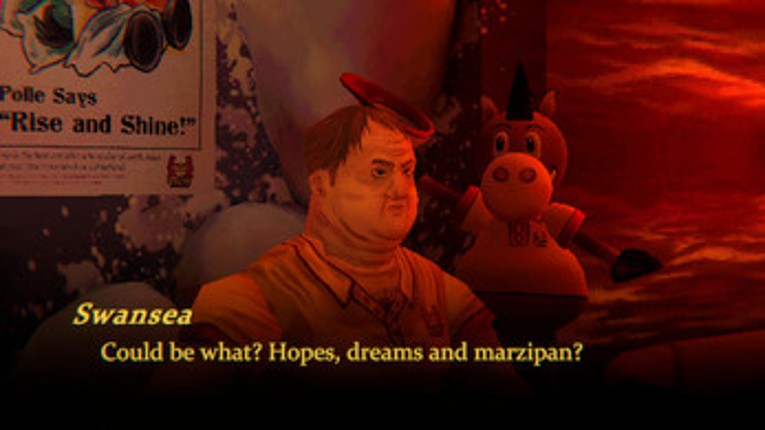

- 93%Game Brain ScoreMost mentioned positive aspects:story, emotionalMost mentioned negative aspects:optimization, stability97% User Score 1,202 reviewsCritic Score 82%3 reviews
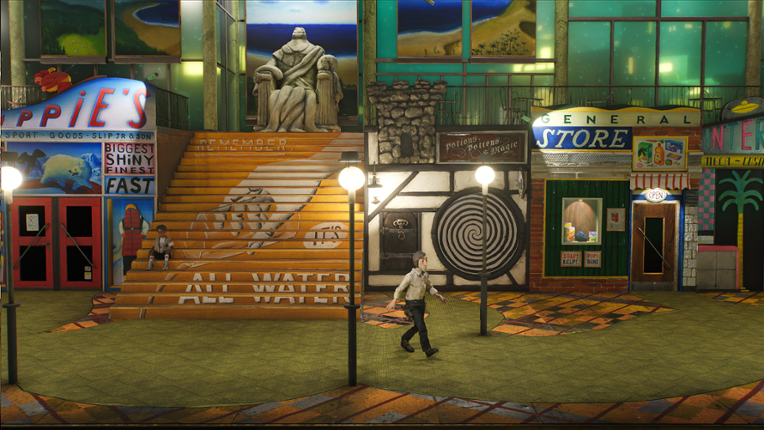
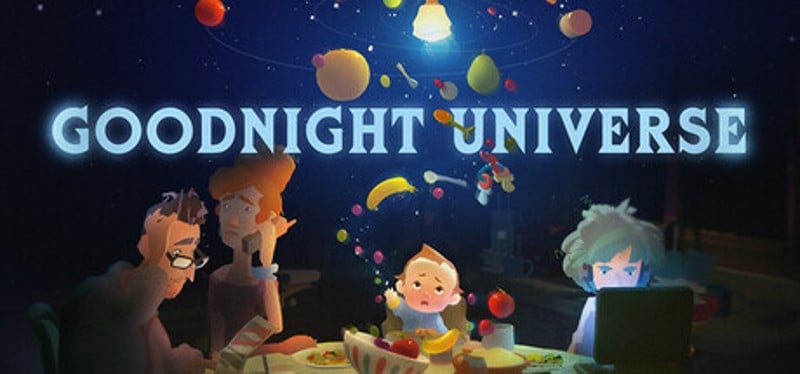
Crafts a whimsical, hand-crafted puppet-show aesthetic that leans into childlike wonder rather than the lingering, heavy shadows of the Finch estate.
If you enjoyed this game, see our list of games similar to Goodnight Universe.View Game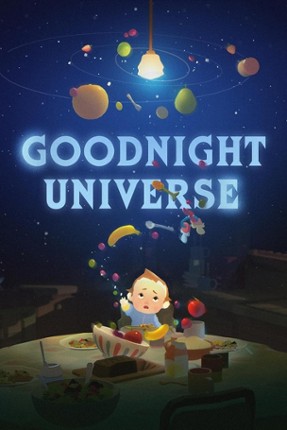
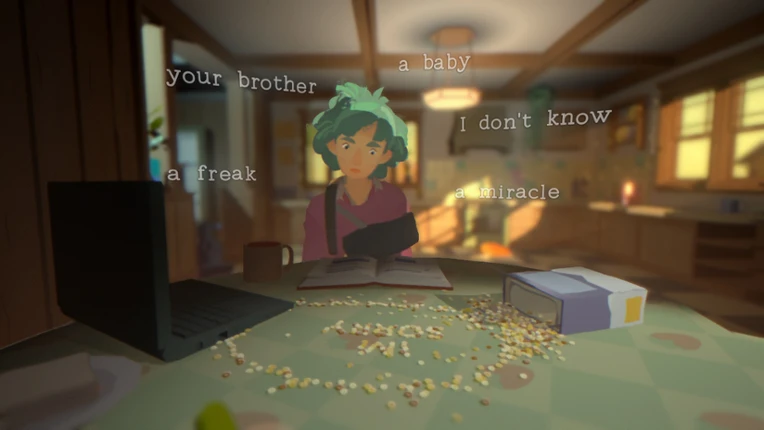
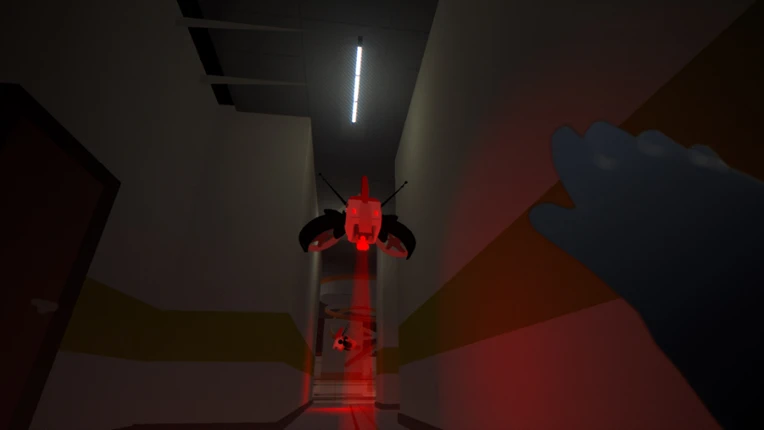
- 76%Game Brain ScoreMost mentioned positive aspects:story, graphicsMost mentioned negative aspects:optimization, grinding82% User Score 724 reviewsCritic Score 70%18 reviews
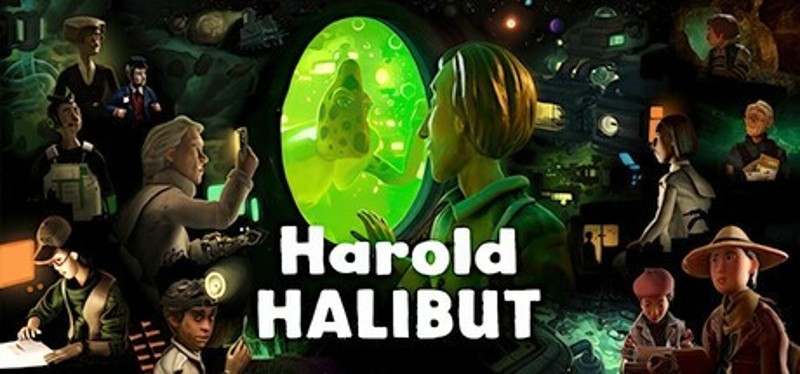
Trades the poignant exploration of inevitable loss for a wholesome, claymation-inspired space adventure centered on fostering connection with eccentric alien residents.
If you enjoyed this game, see our list of games similar to Harold Halibut.View Game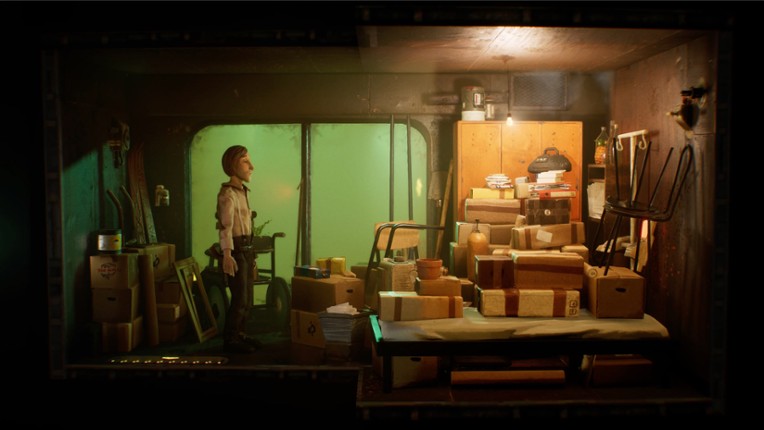

- 83%Game Brain ScoreMost mentioned positive aspects:story, gameplayMost mentioned negative aspects:replayability, grinding90% User Score 2,614 reviewsCritic Score 76%16 reviews
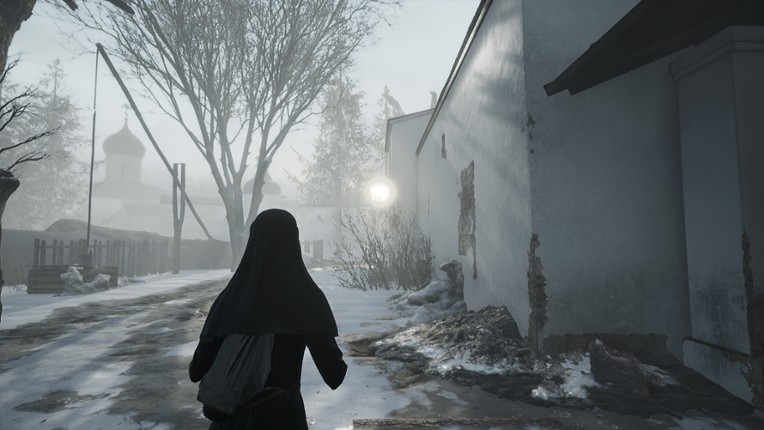
Follows a nun's hallucinatory pilgrimage through a desolate landscape, trading the intimate family tree structure for a sprawling, surrealist religious odyssey.
If you enjoyed this game, see our list of games similar to Indika.View Game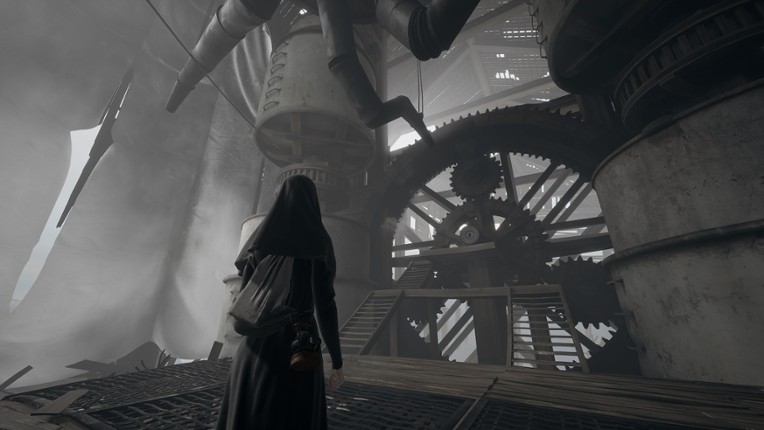
37 View Game
 92%Game Brain ScoreMost mentioned positive aspects:story, gameplayMost mentioned negative aspects:replayability, grinding93% User Score 23,415 reviewsCritic Score 91%2 reviews
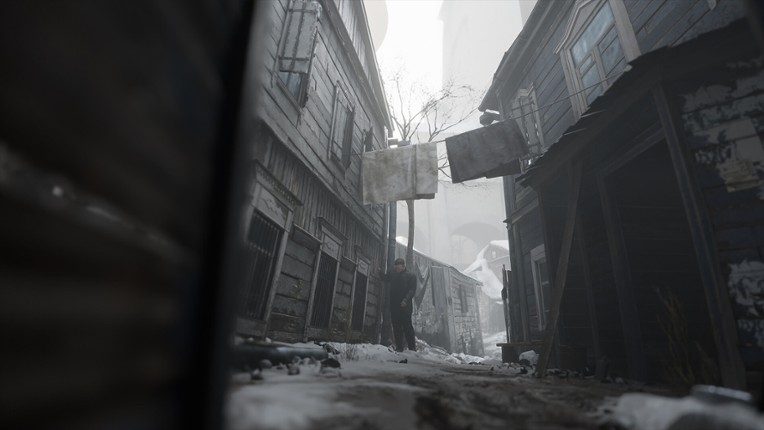
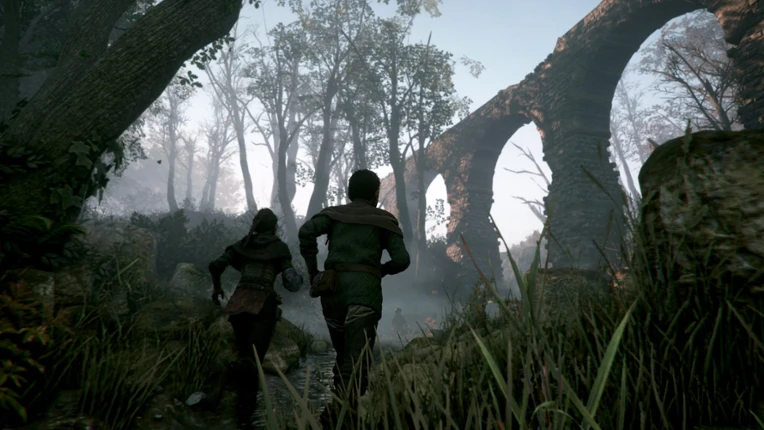
Veers further from the walking simulator roots into high-stakes stealth and survival, prioritizing desperate tactical escape over peaceful, reflective storytelling.
If you enjoyed this game, see our list of games similar to A Plague Tale: Innocence.View Game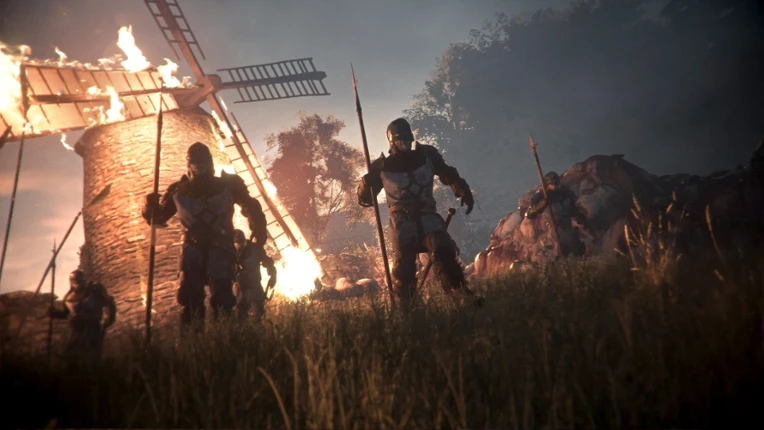
- 85%Game Brain ScoreMost mentioned positive aspects:story, graphicsMost mentioned negative aspects:stability, replayability93% User Score 1,752 reviewsCritic Score 66%4 reviews
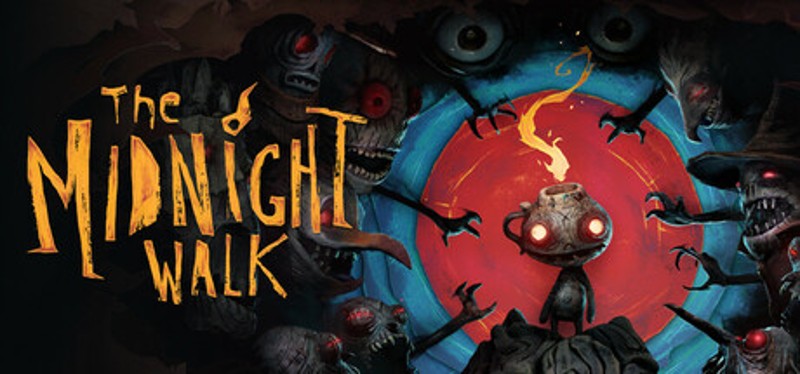
Utilizes a dark, hand-drawn fairy tale aesthetic that emphasizes a more hostile, oppressive atmosphere compared to the Finch family's domestic decay.
If you enjoyed this game, see our list of games similar to The Midnight Walk.View Game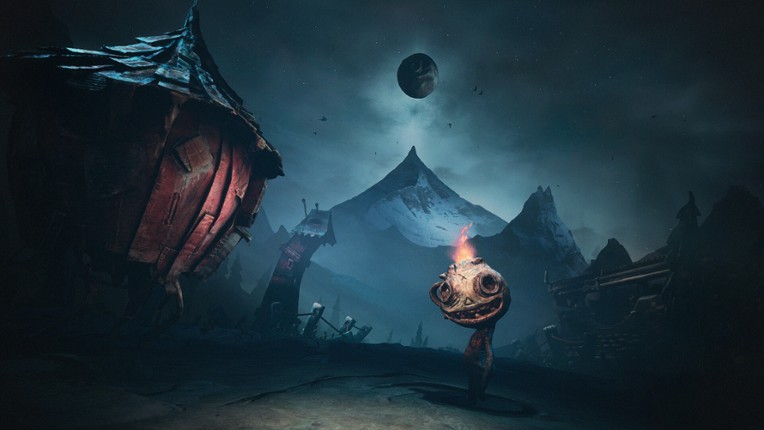
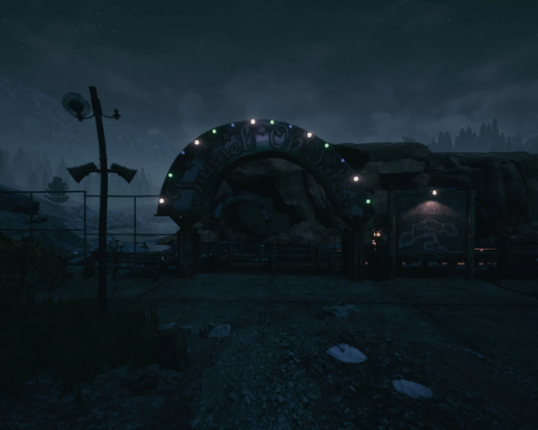
- 71%Game Brain ScoreMost mentioned positive aspects:story, atmosphereMost mentioned negative aspects:replayability, optimization71% User Score 2,152 reviews
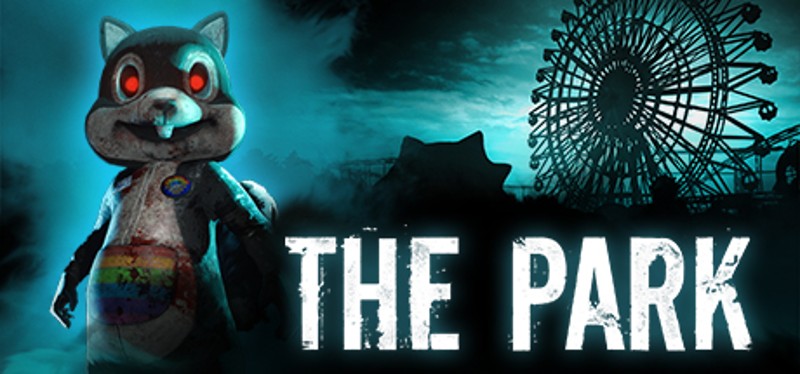
Takes the theme of tragic amusement park memories and shifts it entirely into an aggressive, jumpscare-laden haunt that sacrifices subtle drama for frights.
If you enjoyed this game, see our list of games similar to The Park.View Game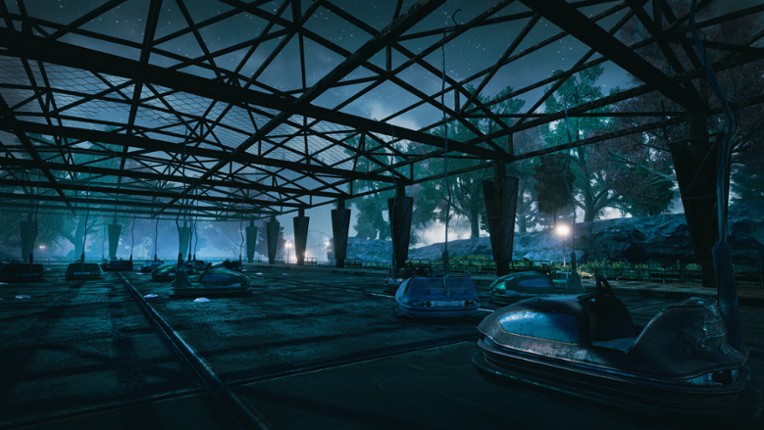
40 View Game 89%Game Brain ScoreMost mentioned positive aspects:story, musicMost mentioned negative aspects:grinding, replayability94% User Score 2,937 reviewsCritic Score 83%8 reviews
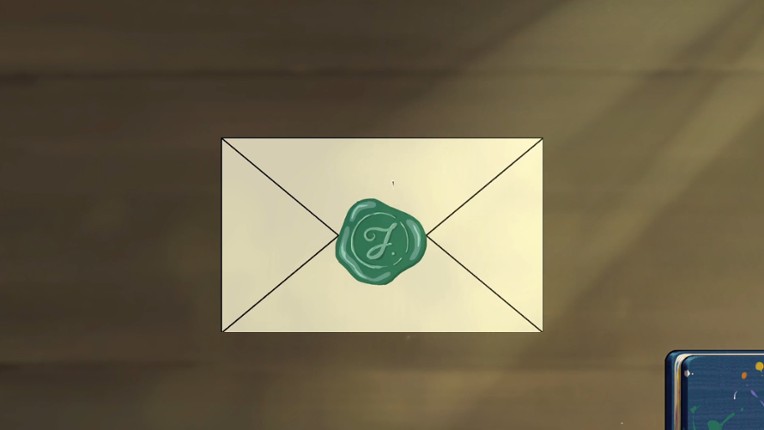
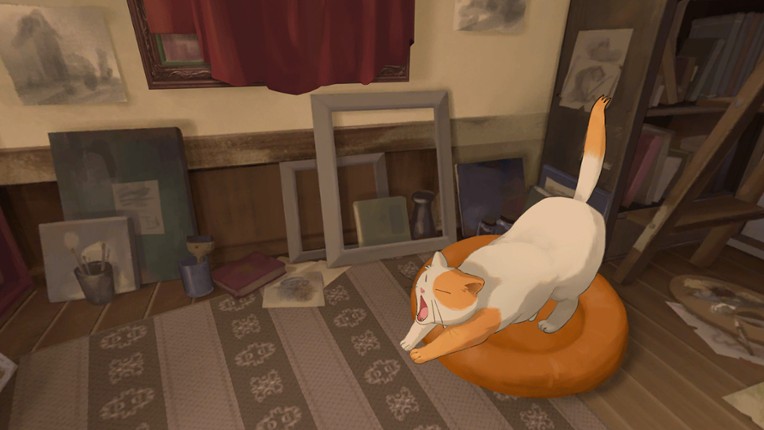
Swaps Finch’s haunting family tragedy for a gentle, painterly romance about composing a final artwork, ideal if you want quiet emotion over dread.
If you enjoyed this game, see our list of games similar to Behind the Frame: The Finest Scenery.View Game
- 89%Game Brain ScoreMost mentioned positive aspects:story, gameplayMost mentioned negative aspects:grinding, replayability95% User Score 72,832 reviewsCritic Score 82%30 reviews
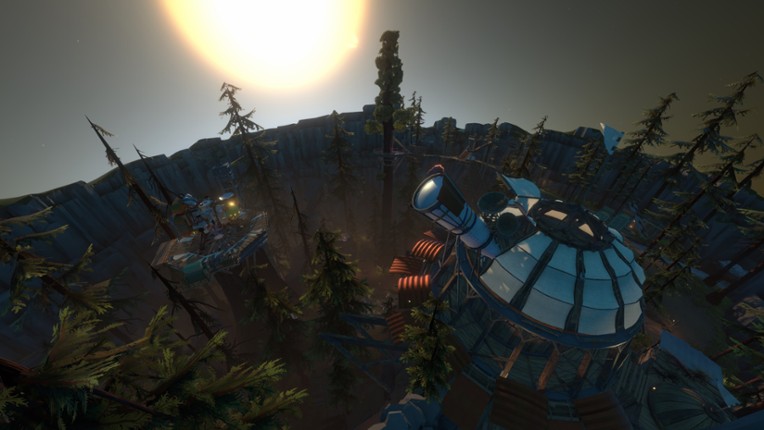
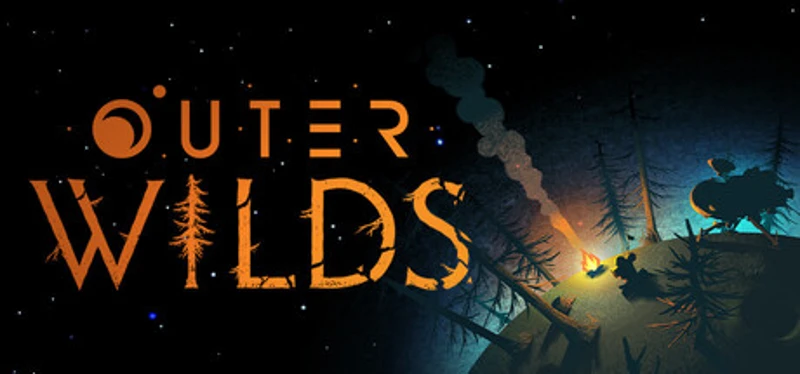
Expands Finch’s exploration into a cosmic time-loop mystery, best for players who want puzzles and discovery with a heavier science-fiction edge.
If you enjoyed this game, see our list of games similar to Outer Wilds.View Game
42 View Game 90%Game Brain ScoreMost mentioned positive aspects:story, gameplayMost mentioned negative aspects:grinding, replayability90% User Score 33,509 reviews
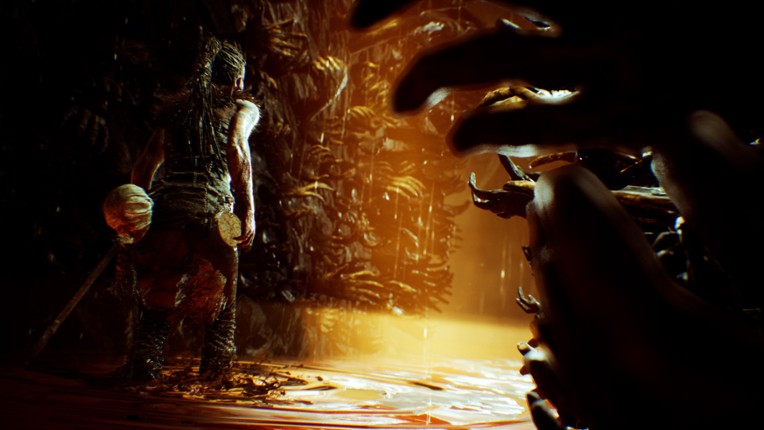
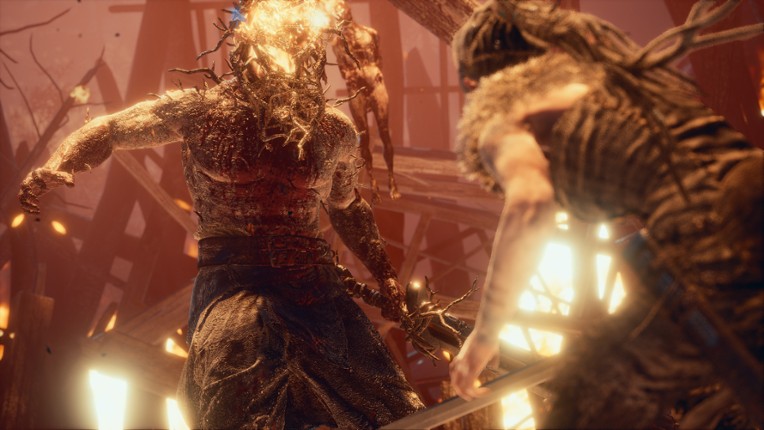
Replaces Finch’s intimate memories with a brutal, third-person descent through psychosis and mythology, suited to players who can handle intense darkness.
If you enjoyed this game, see our list of games similar to Hellblade: Senua's Sacrifice.View Game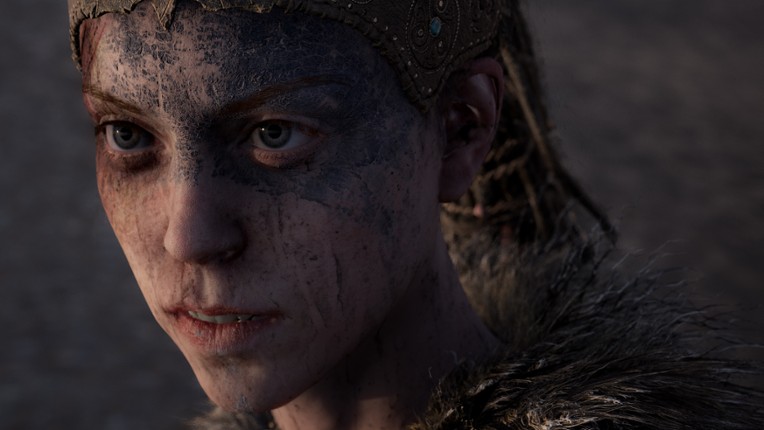
- 92%Game Brain ScoreMost mentioned positive aspects:music, storyMost mentioned negative aspects:optimization, grinding93% User Score 20,916 reviewsCritic Score 92%20 reviews
Broadens Finch’s brief, linear structure into a wordless cooperative pilgrimage, ideal for players who want atmosphere and wonder without heavy narrative detail.
If you enjoyed this game, see our list of games similar to Journey.View Game


- 91%Game Brain ScoreMost mentioned positive aspects:story, graphicsMost mentioned negative aspects:grinding, stability98% User Score 3,613 reviewsCritic Score 85%16 reviews
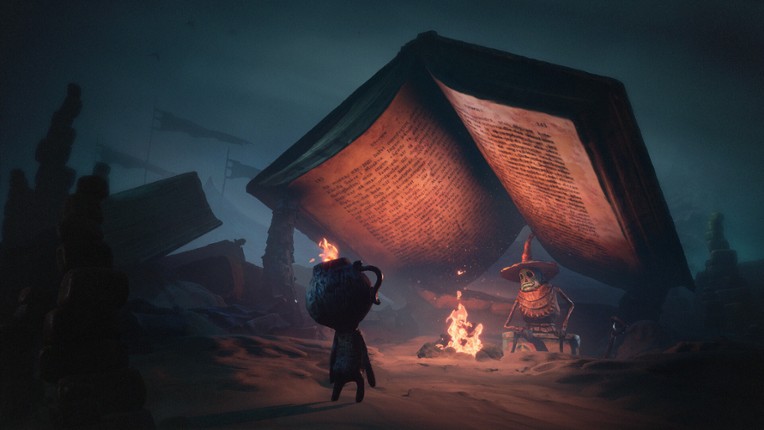
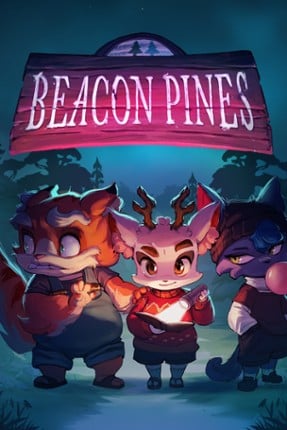
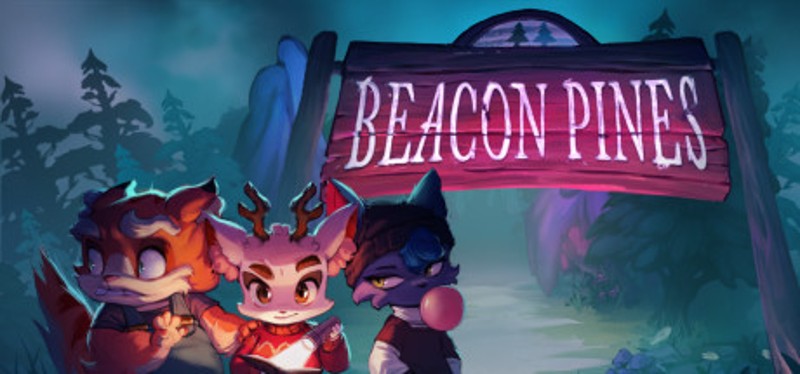
Beacon Pines is a cute and creepy adventure game within a magical storybook. You play as both the reader of the book and its main character, Luka. Explore the town to find word charms. Use your charms to change the course of fate! If you enjoyed this game, see our list of games similar to Beacon Pines.
View Game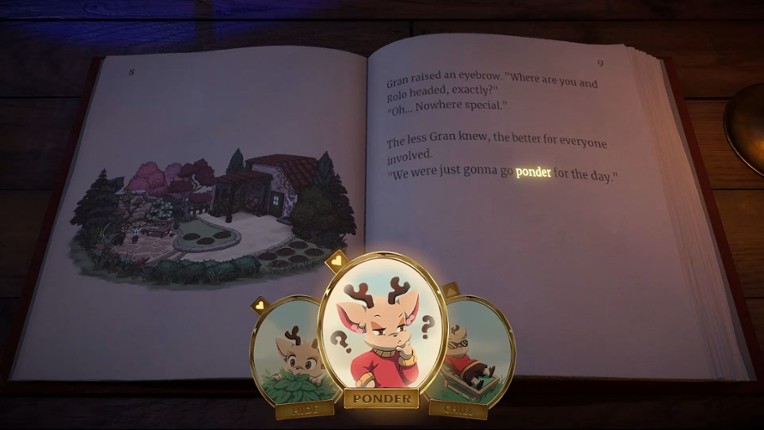
45 View Game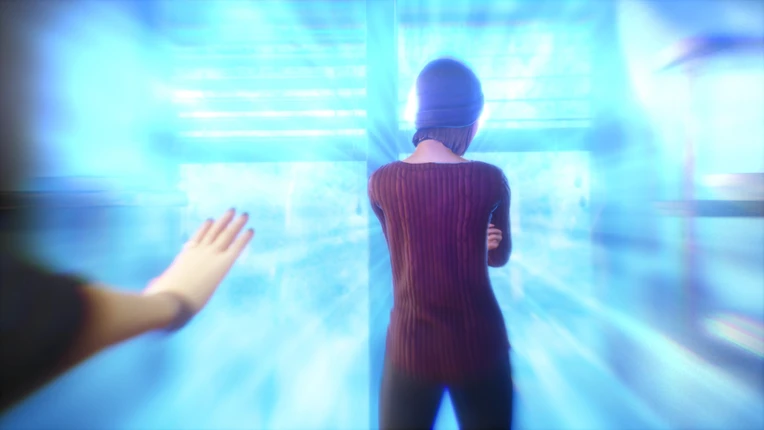
 89%Game Brain ScoreMost mentioned positive aspects:story, musicMost mentioned negative aspects:grinding, stability91% User Score 12,913 reviewsCritic Score 80%2 reviews
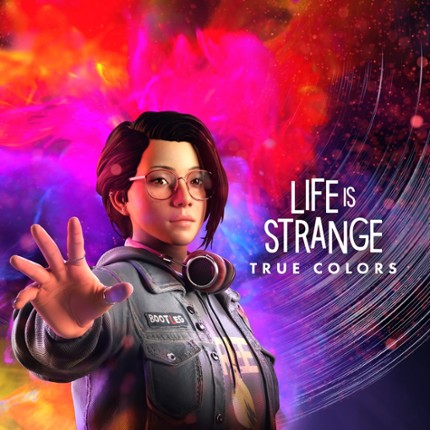
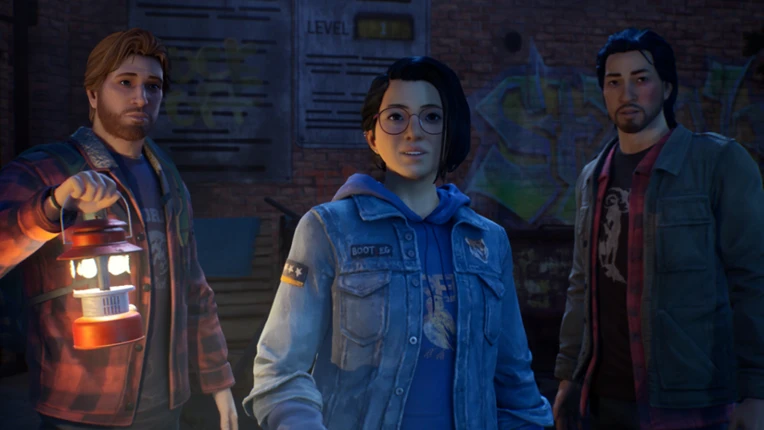
Pushes Finch’s emotional family drama into a choice-heavy modern thriller, for players who want supernatural empathy powers and more player agency.
If you enjoyed this game, see our list of games similar to Life is Strange: True Colors.View Game
- 97%Game Brain ScoreMost mentioned positive aspects:story, musicMost mentioned negative aspects:grinding, stability97% User Score 1,077 reviews
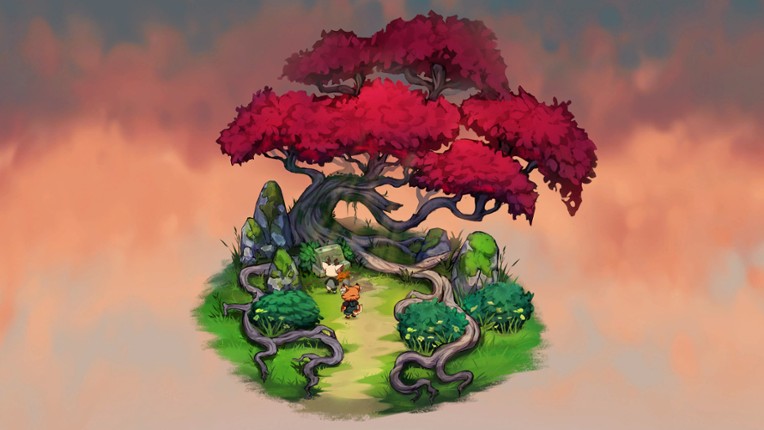
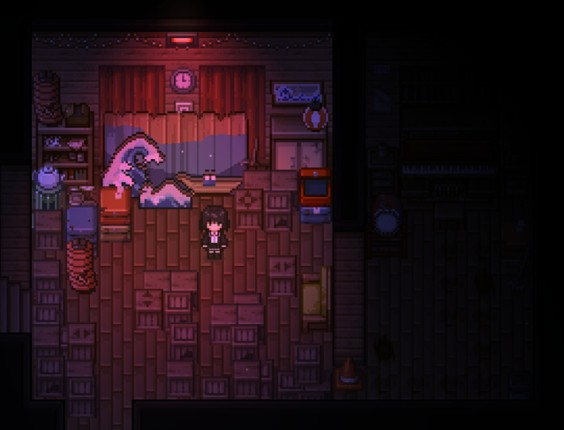
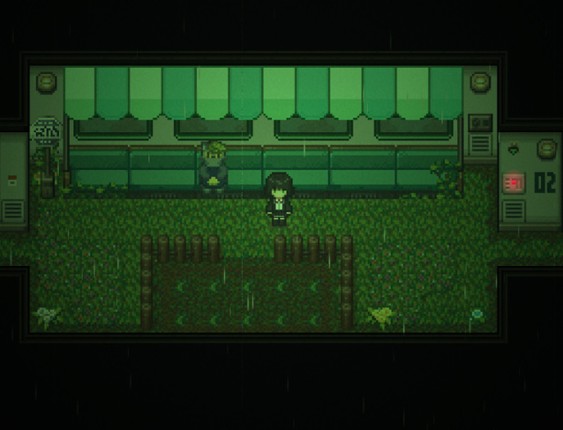
A Japanese town disturbed by the surging of dark power, strange yet fascinating world of yokai. The tales in the Heisei Era, the tales among us... A Japanese Pixel Adventure game made by a group of 2 developers. In the name of love, romance and dreams. If you enjoyed this game, see our list of games similar to Tales of the Black Forest.
View Game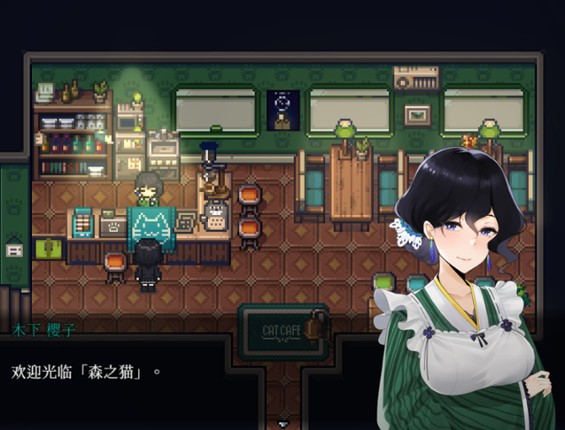
- 73%Game Brain ScoreMost mentioned positive aspects:story, graphicsMost mentioned negative aspects:gameplay, replayability72% User Score 1,090 reviewsCritic Score 74%2 reviews
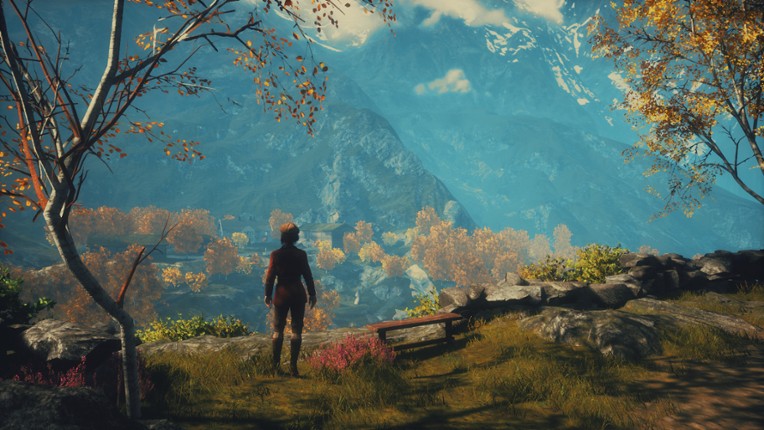
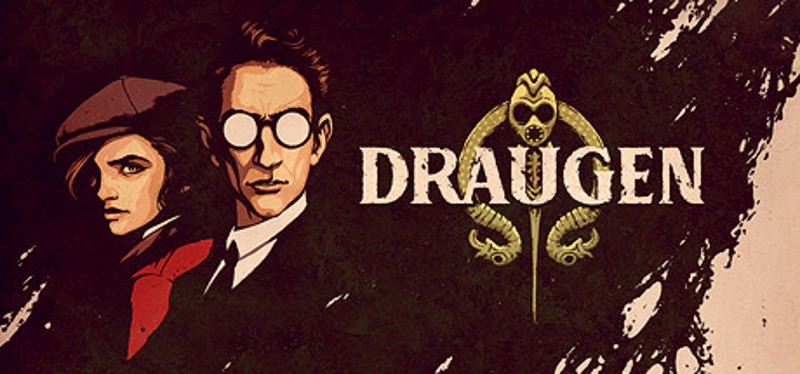
Centers on a detective's investigative search for a missing sibling, grounding the narrative in historical Scandinavian realism instead of magical realism.
If you enjoyed this game, see our list of games similar to Draugen.View Game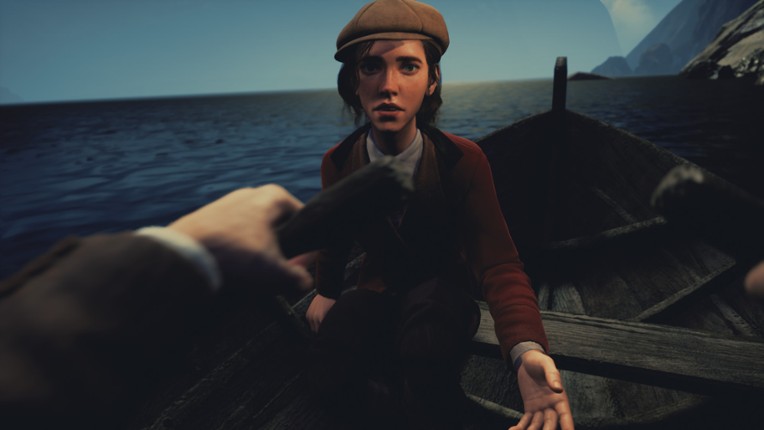
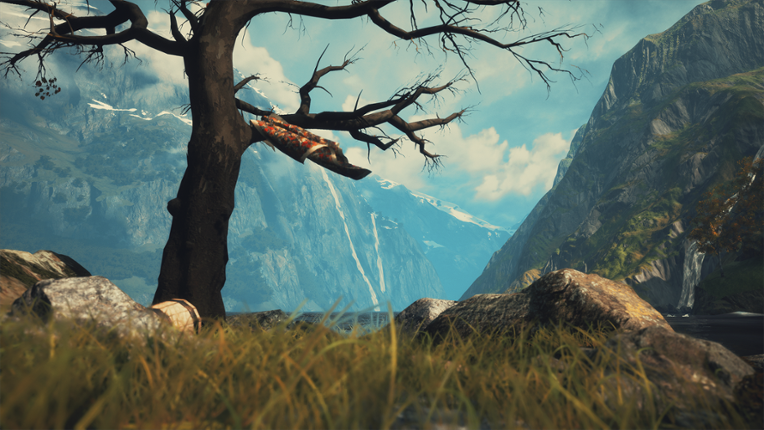
- 92%Game Brain ScoreMost mentioned positive aspects:story, musicMost mentioned negative aspects:replayability, grinding94% User Score 4,336 reviewsCritic Score 85%2 reviews
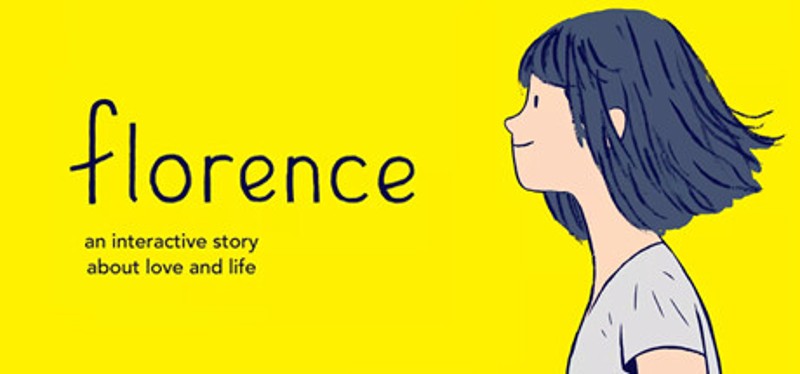
Condenses Finch’s emotion into a much shorter, hand-drawn relationship vignette, suited to players who want a softer, romance-leaning evening.
If you enjoyed this game, see our list of games similar to Florence.View Game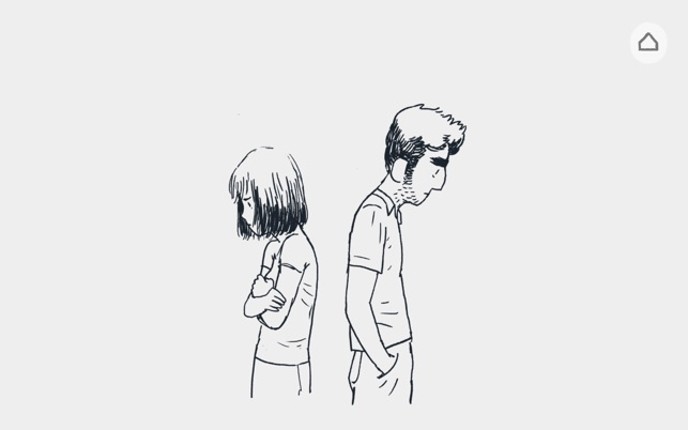


- 87%Game Brain ScoreMost mentioned positive aspects:story, gameplayMost mentioned negative aspects:grinding, replayability87% User Score 4,068 reviews
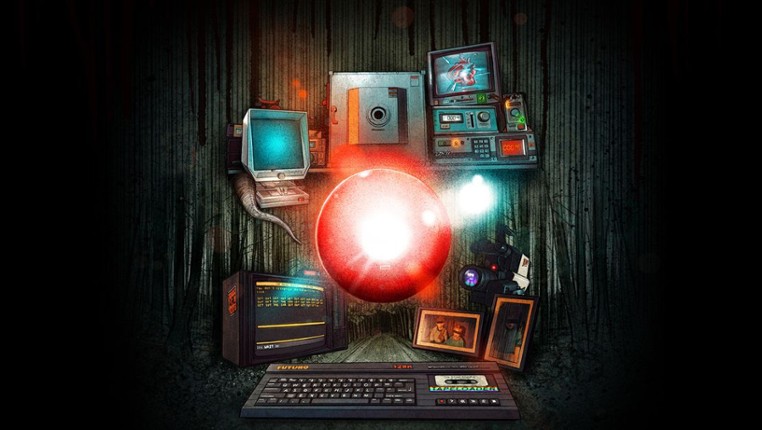
Translates Finch’s environmental storytelling into retro text-and-FMV horror episodes, for players who enjoy being unsettled by old-tech mysteries.
If you enjoyed this game, see our list of games similar to Stories Untold.View Game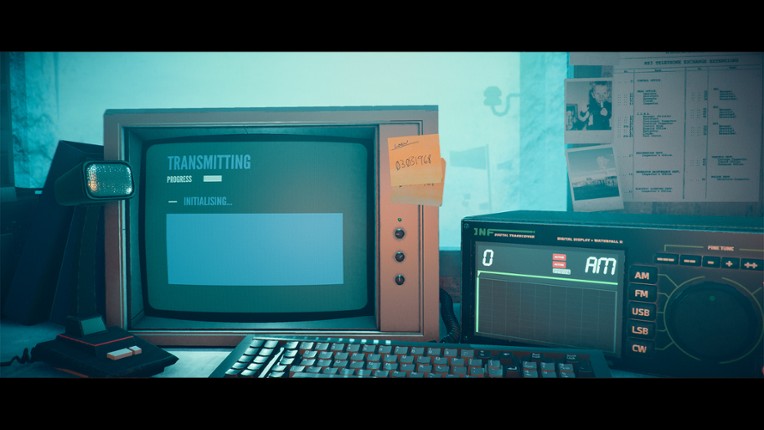
- 81%Game Brain ScoreMost mentioned positive aspects:story, graphicsMost mentioned negative aspects:optimization, stability88% User Score 4,362 reviewsCritic Score 75%40 reviews
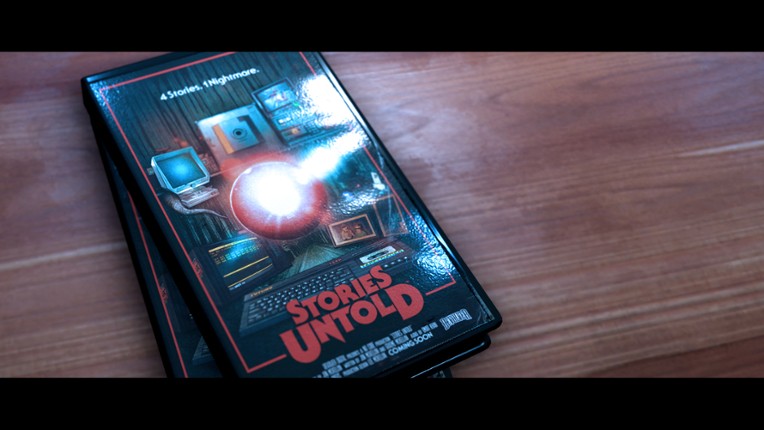
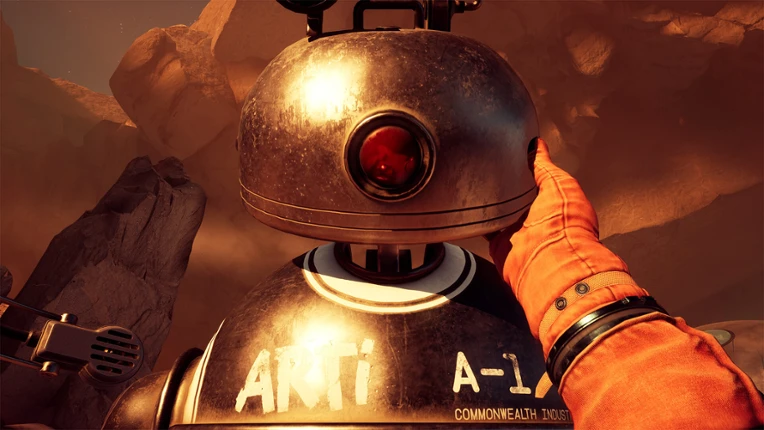
Offers Finch’s reflective exploration at a larger sci-fi scale, but with a colder, more survival-minded mood for fans of contemplative isolation.
If you enjoyed this game, see our list of games similar to The Invincible.View Game



 View Game



































Frequently Asked Questions
Top recommendations include To the Moon, which shares the emotional storytelling and pixel art aesthetic; Gone Home, a first-person narrative exploration game about family secrets; Firewatch, featuring intimate dialogue and atmospheric mystery; and Brothers: A Tale of Two Sons, celebrated for emotional depth and innovative gameplay. All prioritize story and atmosphere over action.
Marie's Room is a free, short walking simulator with beautiful visuals and an emotional story unfolding through exploration. It captures the same intimate, introspective experience in about 30–60 minutes. Life Is Strange is also free-to-play with similar narrative depth and choice-driven storytelling, though it offers a longer playtime than What Remains of Edith Finch.
To the Moon delivers profound emotional resonance through its touching narrative about memory and sacrifice. Firewatch builds intimate connection via dialogue between two characters facing personal struggles. Brothers: A Tale of Two Sons uses wordless communication to create deeply moving moments. All three excel at character-driven narratives that linger after completion, matching What Remains of Edith Finch's emotional impact.
INSIDE offers a haunting, dark atmosphere with minimalist storytelling and unsettling environmental narrative. Dear Esther delivers psychological depth through poetic, cryptic narration. Firewatch blends mystery with isolation themes. If you want story-rich games with psychological horror elements rather than What Remains of Edith Finch's melancholic exploration, these titles provide darker, more unsettling experiences.
Brothers: A Tale of Two Sons is the standout option, designed for both single-player and local co-op play, with mechanics built around two-character control. Most other similar games like To the Moon, Gone Home, and Firewatch are single-player only, prioritizing personal narrative exploration over multiplayer experiences. Co-op limitations reflect the intimate, intimate storytelling focus of these games.
Gone Home is a first-person exploration game about uncovering family history through environmental storytelling. Firewatch combines hiking and mystery through first-person perspective. Dear Esther strips exploration to its essence with minimal interaction. All three prioritize atmosphere and discovery over combat, letting players move at their own pace through beautifully crafted spaces while piecing together narrative fragments.