

Games like null
If Phasmophobia has you hooked on creeping through haunted locations with friends, flashlight in hand and voice chat full of nervous laughter, you're not alone — and your search for games like Phasmophobia ends here. This co-op ghost hunting experience carved out its own genre by blending tactical investigation with psychological horror, and finding something that scratches the same itch takes a little guidance. The good news: there are some genuinely excellent alternatives worth your time.
What makes Phasmophobia so hard to put down is its specific formula — a first-person cooperative investigation loop where you're gathering evidence, identifying ghost types, and managing your own fear response, all while the randomized haunting keeps every session feeling different. It's equal parts detective game and horror experience, where the terror comes not from cutscenes but from the sound of footsteps you didn't expect. Players keep coming back for the atmosphere, the chaos of playing with friends, and the steady drip of new ghost behaviors to learn.
What Makes a Good Alternative to Phasmophobia?
- Co-op ghost investigation loop — The heart of Phasmophobia is identifying what you're dealing with before it deals with you. The best alternatives keep this detective-style evidence-gathering as the central activity rather than replacing it with pure action.
- First-person psychological horror — Phasmophobia's dread works because you're seeing everything through your own eyes. Alternatives that use first-person perspective and lean into psychological tension rather than jump-scare spectacle replicate that same stomach-drop feeling.
- Humor through chaos with friends — Some of Phasmophobia's most celebrated moments are accidental comedy. Games where cooperative play naturally produces absurd, laugh-out-loud situations alongside genuine scares hit the same emotional register.
- Randomized or replayable hauntings — Because Phasmophobia randomizes ghost types and behaviors, no two runs feel identical. Alternatives with procedural generation, varied enemy types, or randomized maps preserve that sense that anything could happen.
- Dark, atmospheric environments with demons and supernatural threats — The supernatural framing matters. Games rooted in demonic or paranormal horror — not zombies or slashers — maintain the specific tone that Phasmophobia players are drawn to.
Top Picks If You Enjoyed Phasmophobia
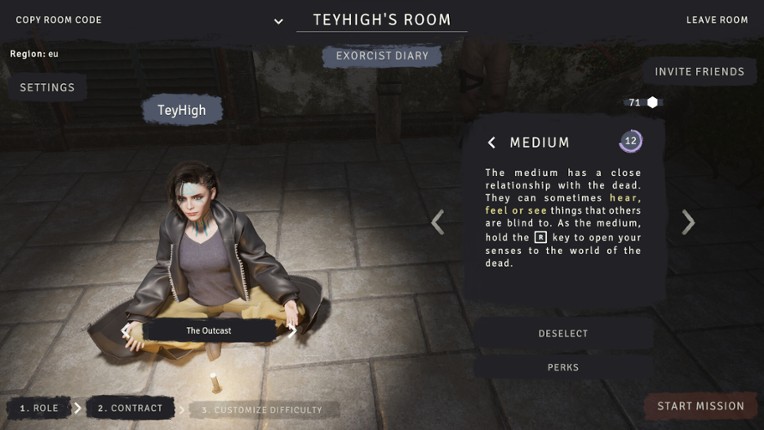
Demonologist is the closest match with sharper graphics and strong atmosphere. R.E.P.O. leans into physics-based chaos for maximum co-op comedy. DEVOUR cranks up the difficulty and dread considerably. Ghost Watchers adds a satisfying ghost-capture mechanic after identification. FOREWARNED takes the formula into ancient Egyptian settings for a fresh spin. Ghost Exile goes a step further by letting you exorcise the ghosts you identify, adding a satisfying payoff to the investigation loop.
Every recommendation below is ranked by similarity to Phasmophobia using real player data, so the closest alternatives appear first. Browse the full list to find your next favorite haunt.
- 86%Game Brain ScoreMost mentioned positive aspects:graphics, gameplayMost mentioned negative aspects:stability, grinding86% User Score 16,910 reviews
Both games trap you and your squad in haunted spaces where methodical investigation and teamwork determine survival. The core loop—gather evidence, identify the threat, execute an escape—creates the same tension-and-relief rhythm that makes Phasmophobia so compelling with friends.
Demonologist mirrors Phasmophobia's cooperative detective work through its tactical investigation system, where splitting up to gather clues while staying alert to supernatural danger mirrors the ghost-hunting dynamic. The first-person perspective and dark atmosphere carry over directly, maintaining that claustrophobic dread that makes every creak and shadow matter.
Where Demonologist diverges is its stronger narrative foundation—it leans into Lovecraftian storytelling and emotional weight rather than pure procedural mystery. This adds depth to repeated playthroughs without relying solely on randomization to stay fresh.
If Phasmophobia's graphics felt dated and its progression grind wore you down, Demonologist addresses both with modernized visuals and a more cinematic presentation. Note that monetization has drawn criticism, so manage expectations around cosmetics.
Best for squads who want Phasmophobia's cooperative horror structure but crave richer storytelling and less reliance on grinding mechanics to feel progression.
If you enjoyed this game, see our list of games similar to Demonologist.View Game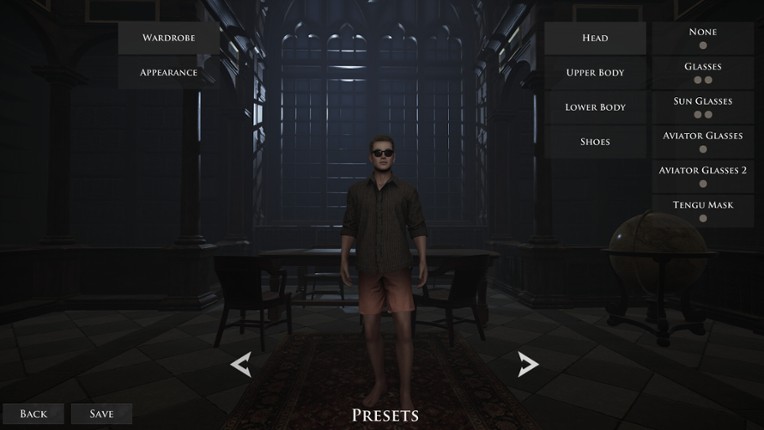
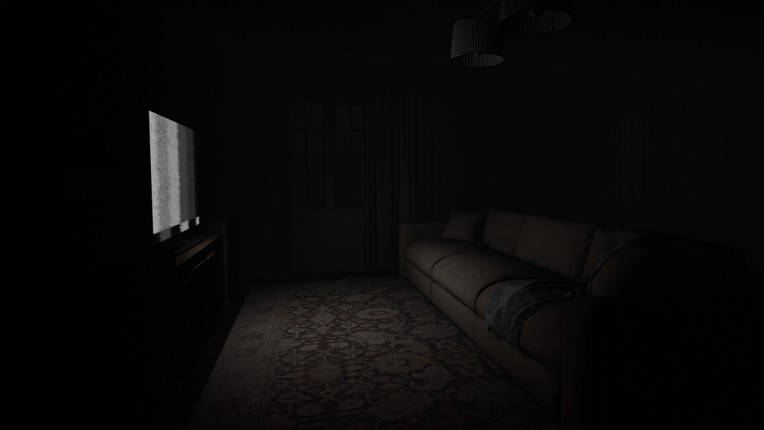
- 90%Game Brain ScoreMost mentioned positive aspects:gameplay, humorMost mentioned negative aspects:grinding, stability91% User Score 38,616 reviewsCritic Score 85%1 reviews
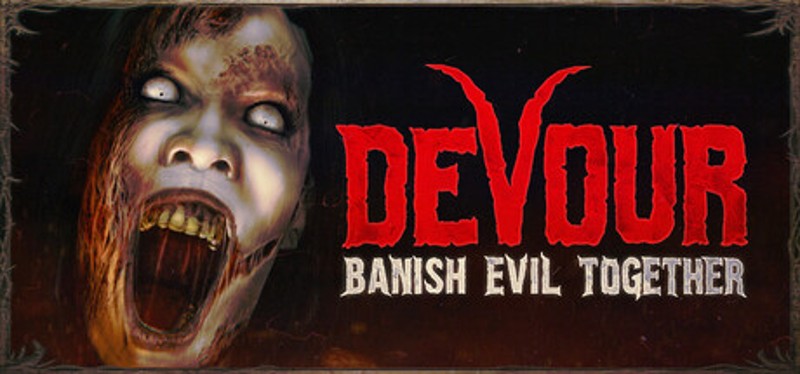
The frantic shouting matches that erupt when a hunt goes south define the heart of both experiences. DEVOUR captures the same chaotic co-op desperation, forcing players to coordinate under pressure where a single teammate’s panic can trigger a total party wipe. This shared reliance on high-stakes teamwork ensures the "friendship-testing" tension remains central to every session.
While Phasmophobia relies on slow-burn deduction, this title swaps the detective work for aggressive survival mechanics. It effectively addresses the outdated visual aesthetic often criticized in Phasmophobia by providing polished, modern graphics that sharpen the visceral nature of the scares. The gameplay loop demands mastery over map layouts and resource management, rewarding groups that can execute a plan while being actively hunted.
The primary shift is a pivot toward action-oriented objectives, trading the mystery of ghost identification for the intensity of ritualistic banishment. You aren't just finding the entity; you are frantically trying to stop it. Best for players who prioritize heart-pounding chases over methodical investigation.
If you enjoyed this game, see our list of games similar to DEVOUR.View Game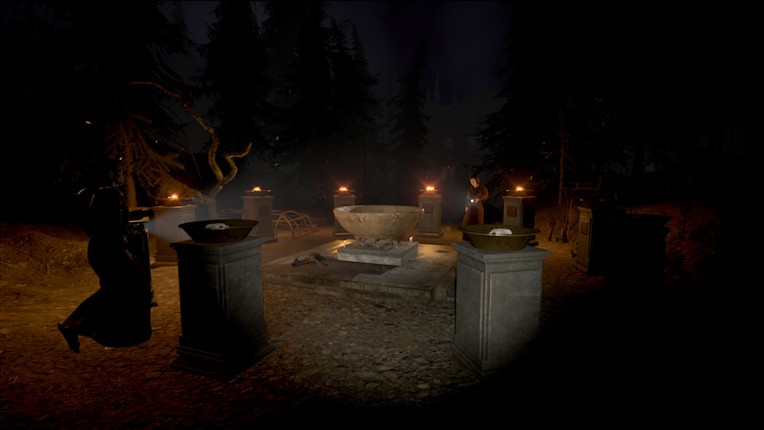
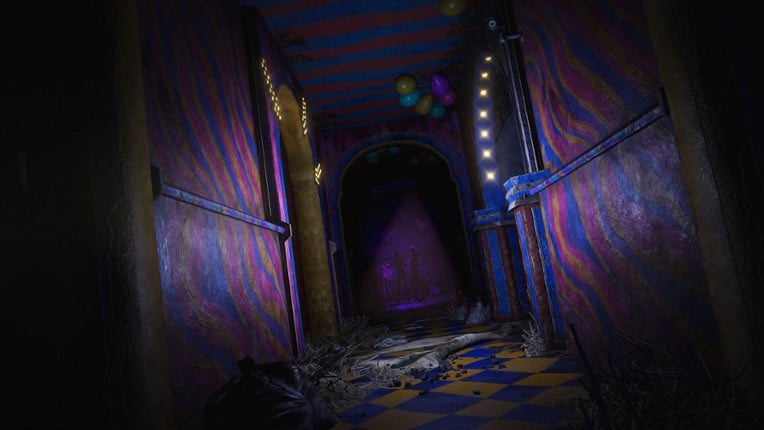
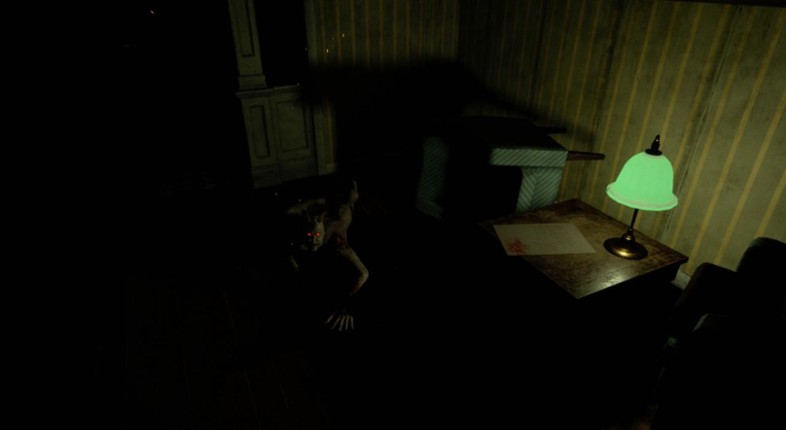
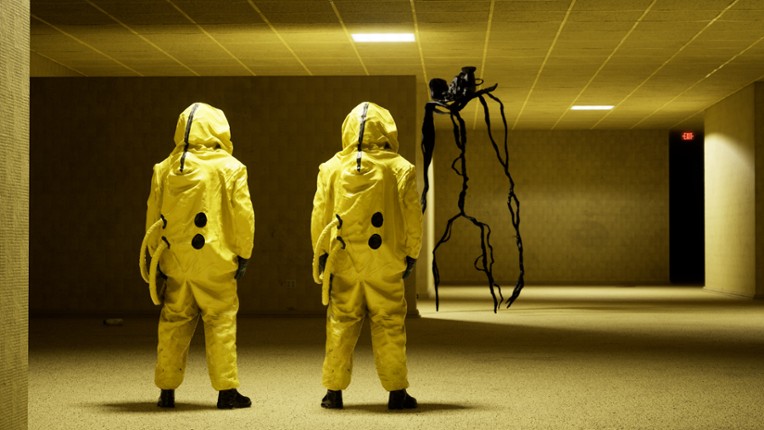
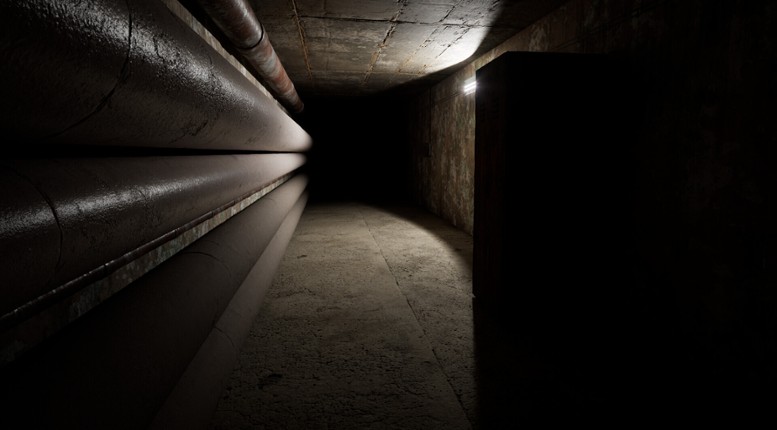
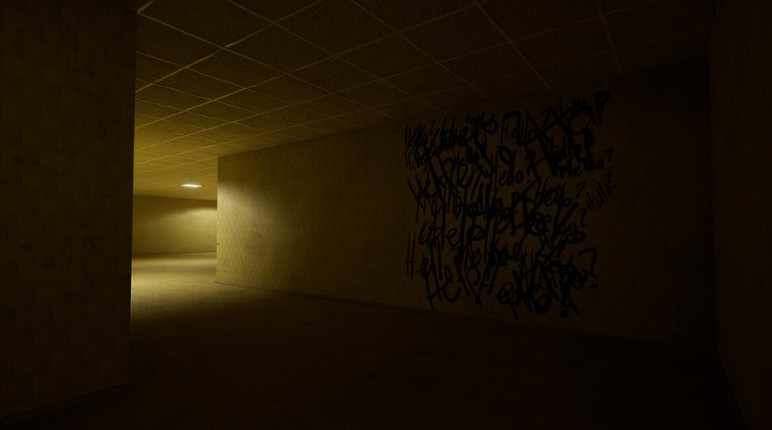
- 90%Game Brain ScoreMost mentioned positive aspects:graphics, gameplayMost mentioned negative aspects:grinding, stability90% User Score 13,375 reviewsAnother backrooms co-op experience with procedurally generated levels that emphasizes atmospheric dread over structured objectives, creating unpredictable escape runs. If you enjoyed this game, see our list of games similar to Backrooms: Escape Together.View Game
- 81%Game Brain ScoreMost mentioned positive aspects:gameplay, graphicsMost mentioned negative aspects:stability, story81% User Score 3,862 reviews
Both games thrive on the tension of cooperative ghost hunting—you're piecing together supernatural clues under pressure while your partner watches your back. That shared vulnerability and rhythm is where the magic happens, especially when communication breaks down mid-investigation and panic sets in.
Ghost Watchers mirrors Phasmophobia's core loop: identify the threat, gather evidence, then act on your findings. The addition of active ghost capture after identification shifts the endgame from pure detection to tactical confrontation, adding a layer Phasmophobia keeps largely procedural.
Like Phasmophobia, replayability anchors the experience through randomized variables and developer-driven content updates. However, Ghost Watchers trades Phasmophobia's diverse ghost taxonomy for fewer supernatural types but more predictable behavior patterns—a tradeoff that reduces the learning curve but also the long-term mystery factor.
If Phasmophobia's grinding progression turned you away, Ghost Watchers presents a faster-paced alternative without sacrificing that cooperative tension. The catch: expect multiplayer growing pains and a steeper onboarding curve.
Best for: Co-op hunters who prioritize action and tactical variety over endless ghost lore and cosmetic progression grinds.
If you enjoyed this game, see our list of games similar to Ghost Watchers.View Game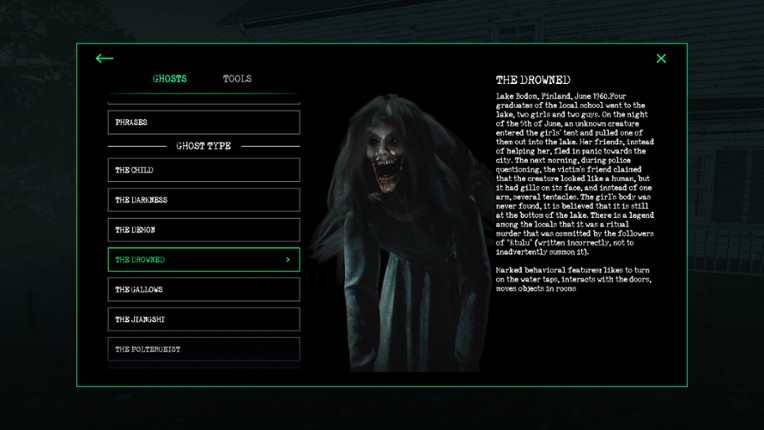
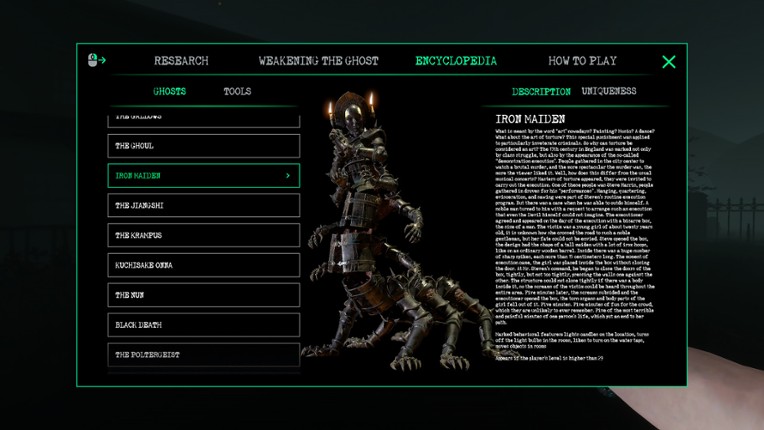
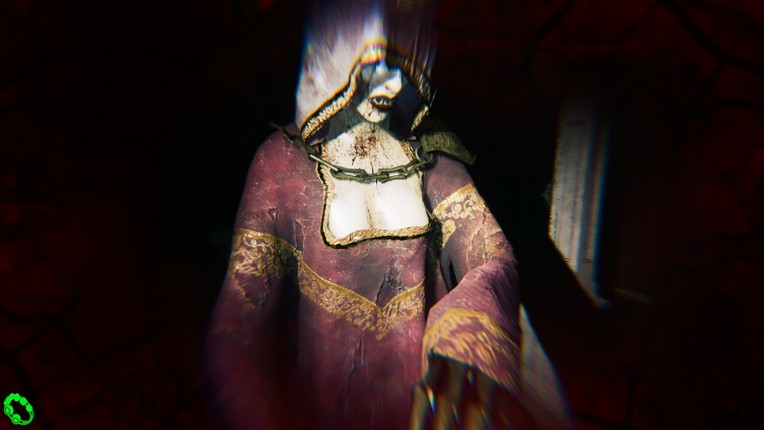
- 87%Game Brain ScoreMost mentioned positive aspects:gameplay, storyMost mentioned negative aspects:stability, grinding87% User Score 1,351 reviews
Both Ghost Exile and Phasmophobia center on identifying ghosts through evidence gathering before taking action, creating that satisfying investigation loop that makes co-op sessions tense and rewarding.
The exorcism mechanic takes this further—instead of just escaping, you actively banish identified spirits, giving each hunt a concrete resolution that Phasmophobia players will appreciate.
Ghost Exile delivers superior jump scares and atmosphere, but the voice recognition system is unreliable and bugs are frequent, whereas Phasmophobia has polished its core experience over years of updates.
Pick this up if you want deeper ghost-hunting mechanics and can live with early-access instability.
If you enjoyed this game, see our list of games similar to Ghost Exile.View Game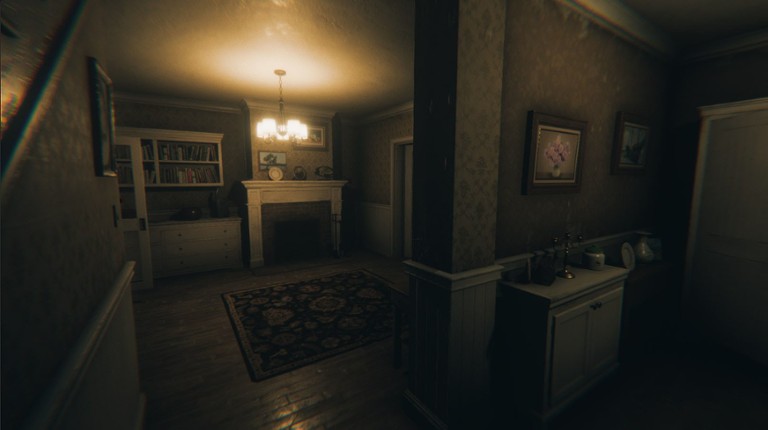
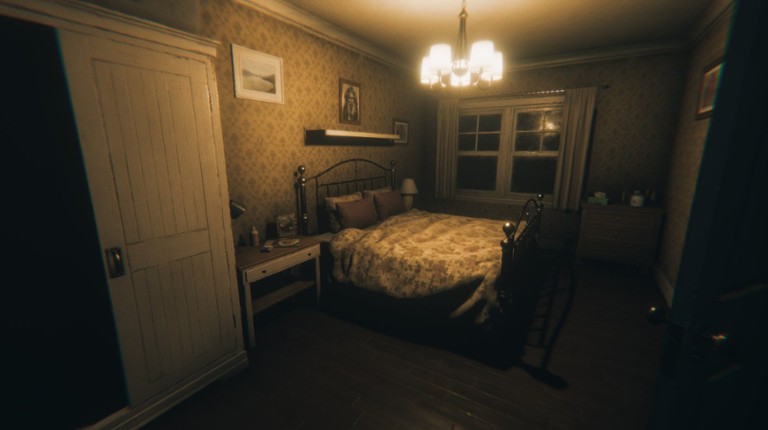
- 97%Game Brain ScoreMost mentioned positive aspects:humor, gameplayMost mentioned negative aspects:grinding, stability97% User Score 174,642 reviews
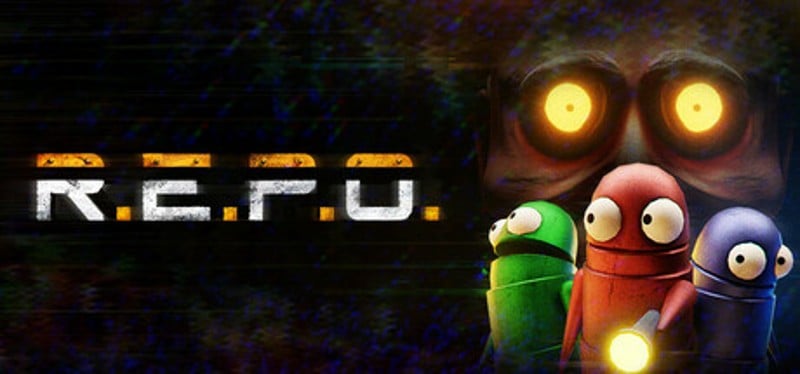
Four players scrambling through a haunted run while every mistake turns into panicked laughter is exactly the kind of energy Phasmophobia fans will recognize in R.E.P.O. Both games thrive on co-op tension, proximity chat chaos, and the feeling that one wrong move can send the whole team into a mess of shouting, hiding, and clutch saves.
R.E.P.O. keeps that ghost-hunting-style pressure but swaps investigation for physics-driven scavenging and stealth, which changes the rhythm without losing the nervous group dynamic. Because objects can be moved, dropped, or used badly at the worst possible moment, the game creates the same kind of improvised comedy Phasmophobia players love when fear and teamwork collide.
It also answers one of Phasmophobia’s common frustrations: the loop can feel repetitive over time. Procedural generation and roguelike structure give R.E.P.O. more run-to-run variation, so each session pushes different routes, risks, and group decisions. Best for players who want co-op horror with more chaos, less routine, and plenty of room for friends to make things worse.
If you enjoyed this game, see our list of games similar to R.E.P.O..View Game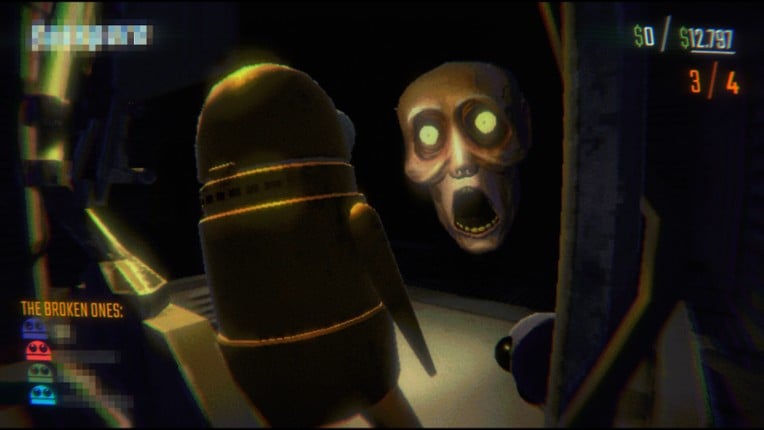
- 88%Game Brain ScoreMost mentioned positive aspects:story, gameplayMost mentioned negative aspects:stability, grinding88% User Score 21,290 reviews
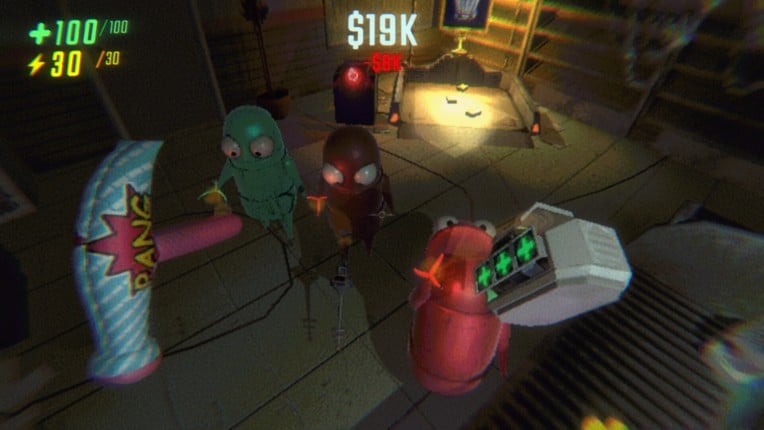
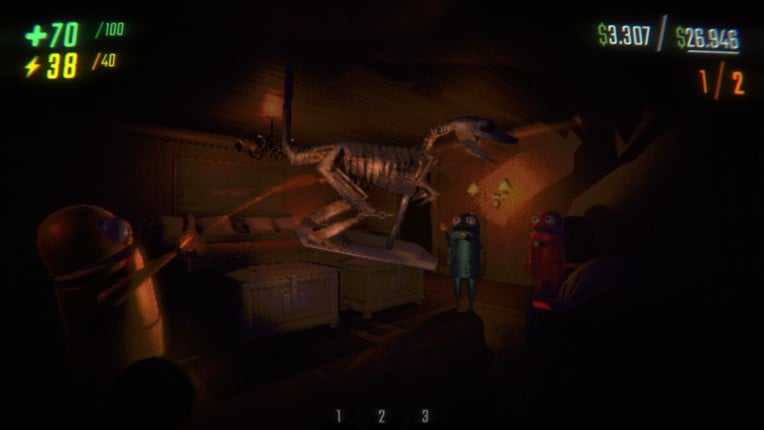
The core draw is the high-stakes objective loop where you must investigate haunted environments while managing a malevolent supernatural threat. This shared "run-and-hide" tension keeps the pacing frantic, forcing players to prioritize survival over item collection.
Unlike Phasmophobia’s slow-burn detective work, Pacify leans heavily into aggression and speed. You aren't gathering evidence; you are actively neutralizing an entity to escape alive.
Pick this up if you enjoy coordinated chaos with friends but prefer shorter, win-or-lose sessions over the gear-grinding progression found in Phasmophobia. It is a leaner, meaner horror sprint for those who find the investigative pace of other ghost games too sluggish.
If you enjoyed this game, see our list of games similar to Pacify.View Game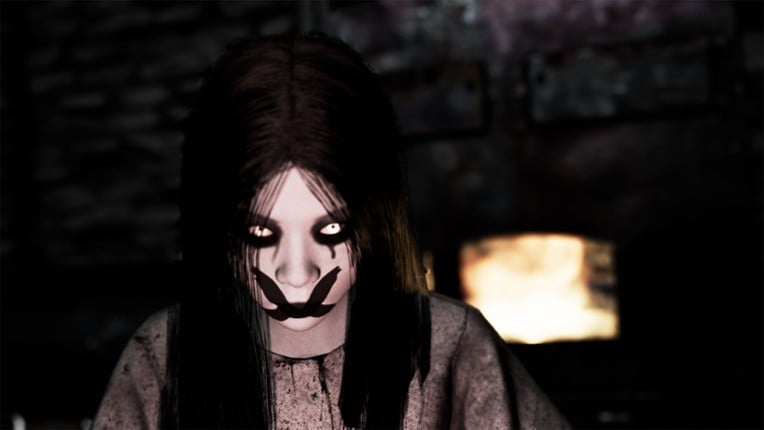
- 90%Game Brain ScoreMost mentioned positive aspects:gameplay, humorMost mentioned negative aspects:grinding, stability90% User Score 2,905 reviews
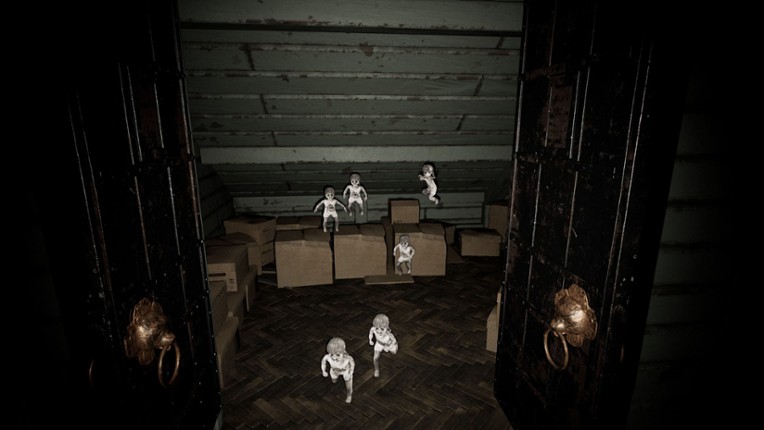
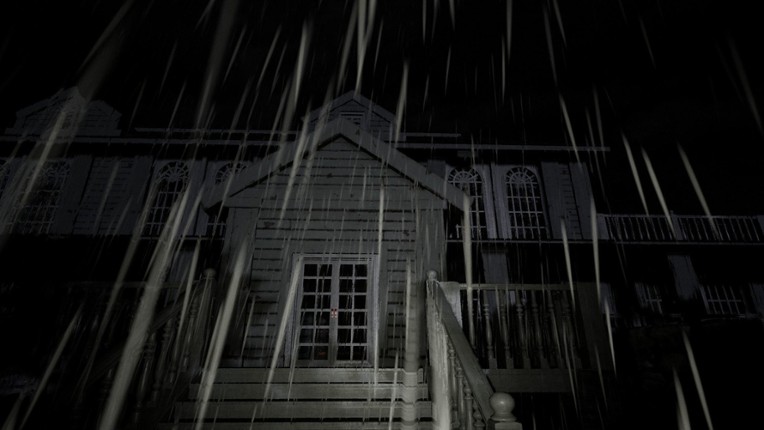
That same loop of creeping through dark corridors with friends, nerves wound tight and laughter ready to break the tension — Boo Men runs on exactly that fuel. Both games are built around first-person co-op ghost encounters where reading the environment and coordinating with teammates determines survival. The psychological dread hits the same register, delivering genuine scares punctuated by the kind of chaotic, screaming moments that make multiplayer horror stick in memory.
Where Phasmophobia tasks you with identifying the ghost, Boo Men flips the objective: you're stealing from it. This reframing transforms familiar tension into something with a heist-like urgency — every decision carries risk, but greed is baked into the goal. Players who felt Phasmophobia's progression loop grew repetitive over time will find that this structural twist meaningfully changes how each run is approached.
The tradeoff is real: Boo Men currently offers fewer maps and ghost types, so it trades Phasmophobia's content depth for novelty of concept. Active developer updates suggest that gap is closing, but it's worth setting expectations accordingly.
Best for players who love co-op chaos and want a fresh objective wrapped around a familiar horror framework.
If you enjoyed this game, see our list of games similar to Boo Men.View Game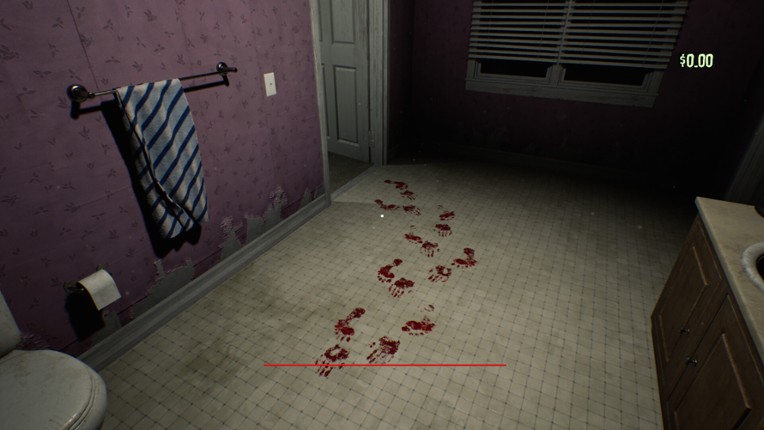
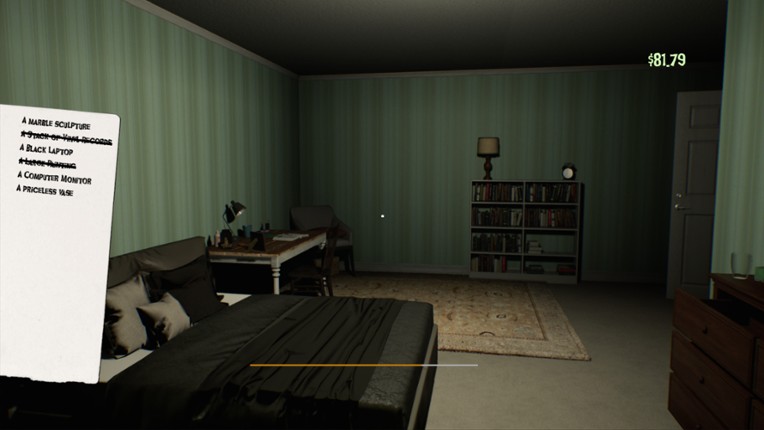
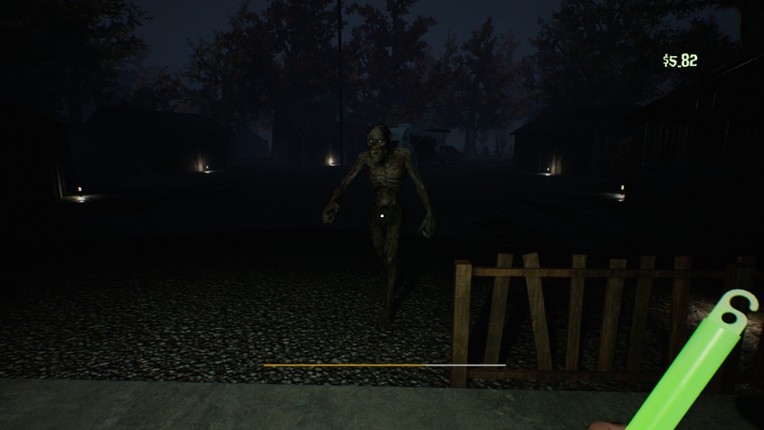
- 90%Game Brain ScoreMost mentioned positive aspects:gameplay, graphicsMost mentioned negative aspects:stability, grinding90% User Score 51,622 reviewsThis backrooms horror game trades Phasmophobia's ghost hunting for liminal space exploration, delivering intense co-op atmosphere in uncanny, endless corridors. If you enjoyed this game, see our list of games similar to Escape the Backrooms.View Game
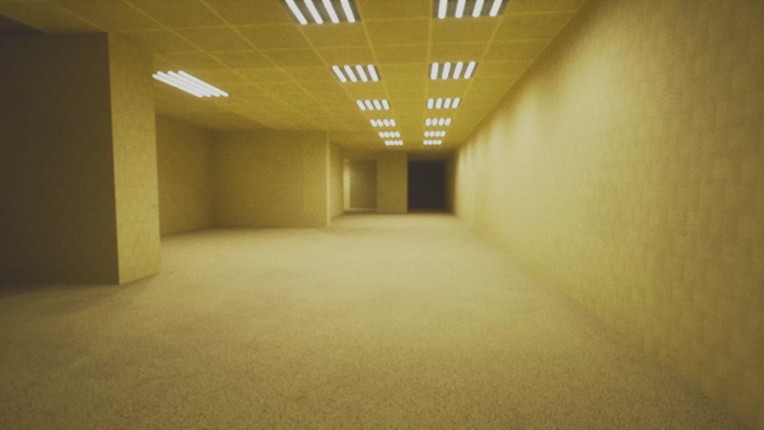


- 93%Game Brain ScoreMost mentioned positive aspects:gameplay, graphicsMost mentioned negative aspects:stability, grinding93% User Score 6,673 reviews
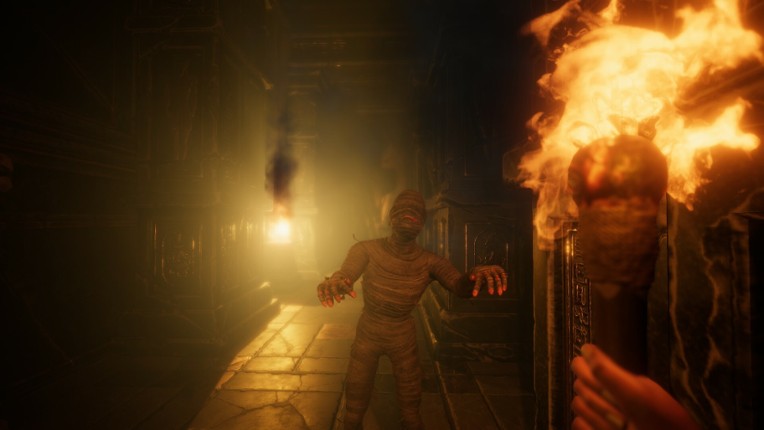
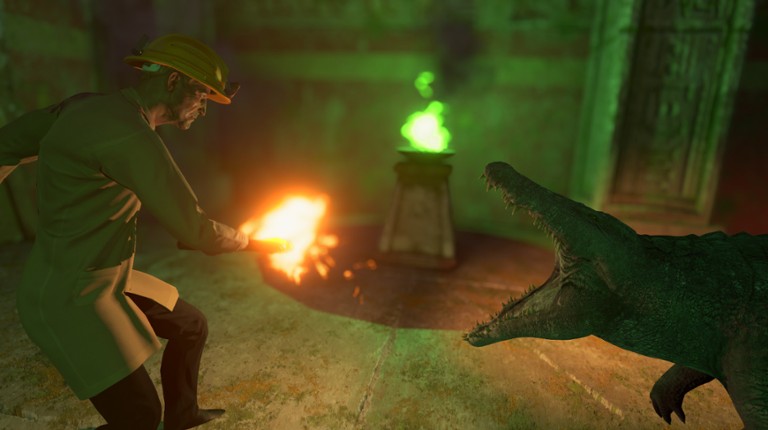
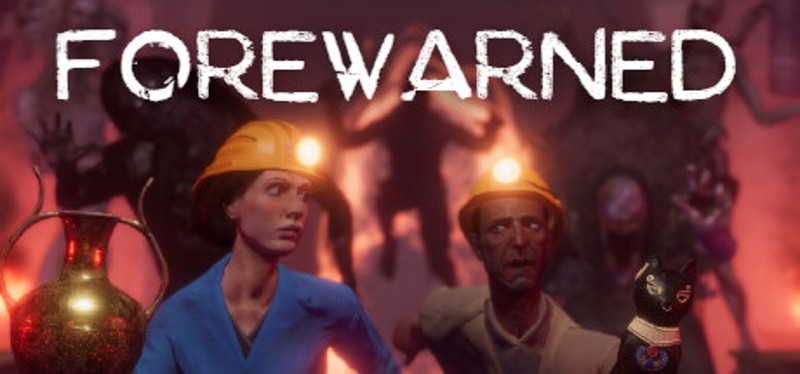
Both Phasmophobia and FOREWARNED hinge on tense co-op gameplay that demands teamwork and sharp investigation skills. This shared focus creates unpredictable, nerve-wiring hunts that keep players engaged through uncertainty and strategy.
FOREWARNED complements this with a stronger narrative and richer audio-visual design, enhancing atmosphere to deepen player immersion.
The tradeoff is that FOREWARNED struggles with grinding and occasional bugs more than Phasmophobia’s glitches, which might disrupt the flow for some.
Pick FOREWARNED if you want supernatural co-op horror with a more polished story and soundscape but can tolerate rough edges in stability and pacing.
If you enjoyed this game, see our list of games similar to FOREWARNED.View Game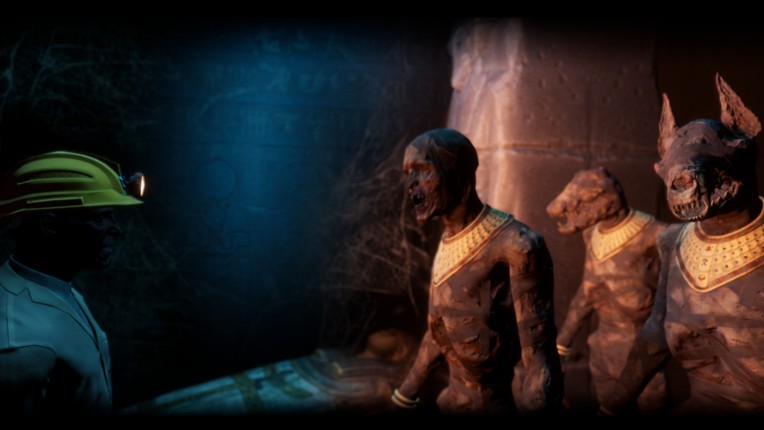
- 97%Game Brain ScoreMost mentioned positive aspects:humor, gameplayMost mentioned negative aspects:stability, grinding97% User Score 336,648 reviews
The shared magic of both titles is emergent social comedy, where proximity voice chat turns standard horror encounters into chaotic, memorable disasters.
This overlap matters because it transforms stressful investigation into a collaborative comedy, ensuring the group remains entertained even when the scares fall flat.
While Phasmophobia demands methodical, slow-paced detective work, Lethal Company shifts the focus toward high-stakes, frantic resource extraction under a strict time limit.
Pick this up if you crave the same unpredictable co-op hilarity found in your ghost-hunting sessions, provided you can handle the shift from analytical mystery to panicked dungeon looting.
If you enjoyed this game, see our list of games similar to Lethal Company.View Game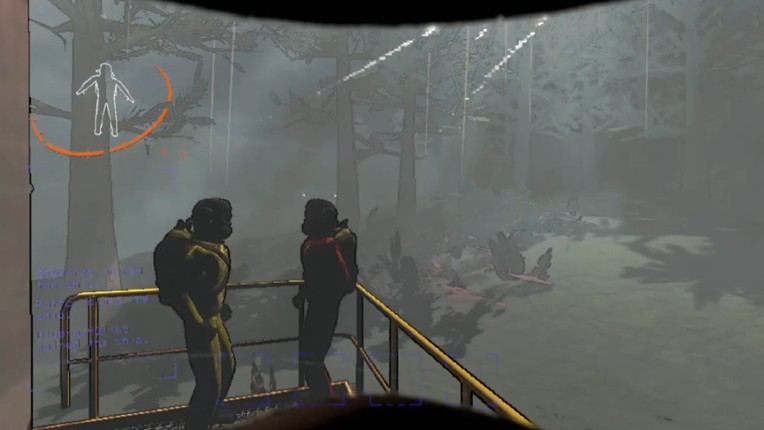
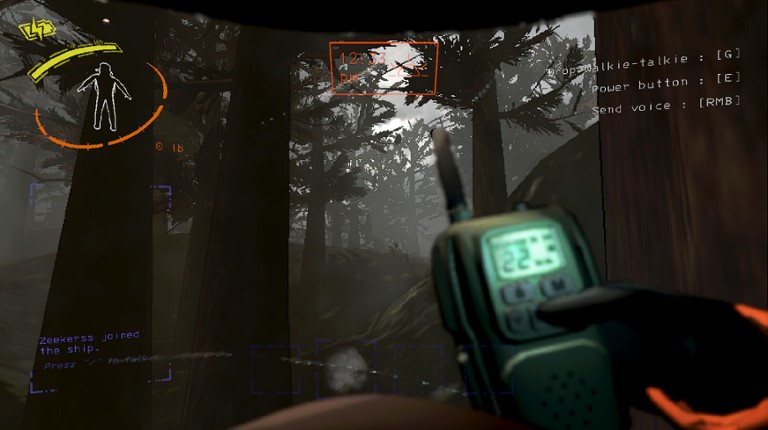
- 75%Game Brain ScoreMost mentioned positive aspects:gameplay, humorMost mentioned negative aspects:stability, story75% User Score 9,219 reviews
Both games anchor their horror around cooperative investigation in first-person perspective, where communication and teamwork directly impact survival. This shared structure creates the same tension between puzzle-solving and constant threat.
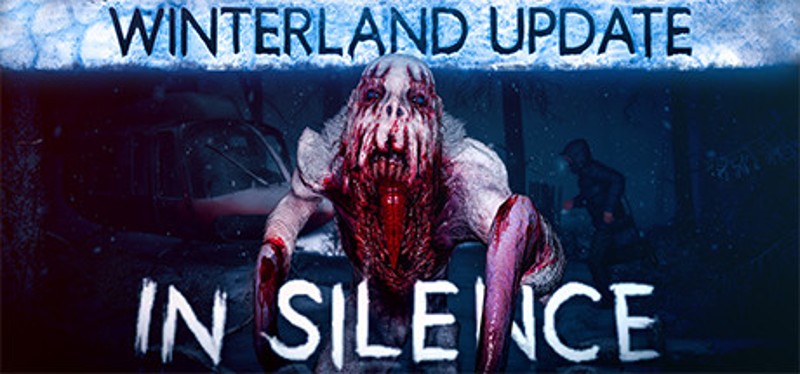
In Silence layers social deduction mechanics on top of the horror formula—meaning you're solving mysteries while doubting whether your co-op partner is trustworthy, which reshapes the entire dynamic compared to Phasmophobia's straightforward ghost-hunting.
The tradeoff: In Silence trades Phasmophobia's replayability through ghost variety for replayability through role asymmetry and PvP unpredictability, but carries sharper graphics at the cost of reported monetization friction.
Pick this up if you want co-op horror with betrayal mechanics but can accept a smaller content pool and don't mind paying for progression shortcuts.
If you enjoyed this game, see our list of games similar to In Silence.View Game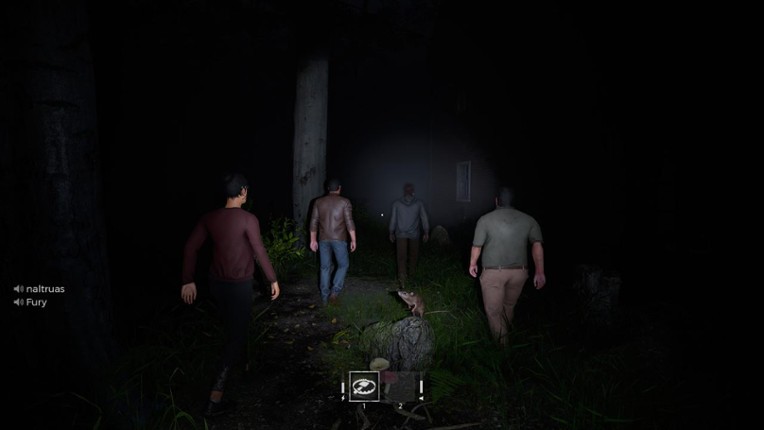
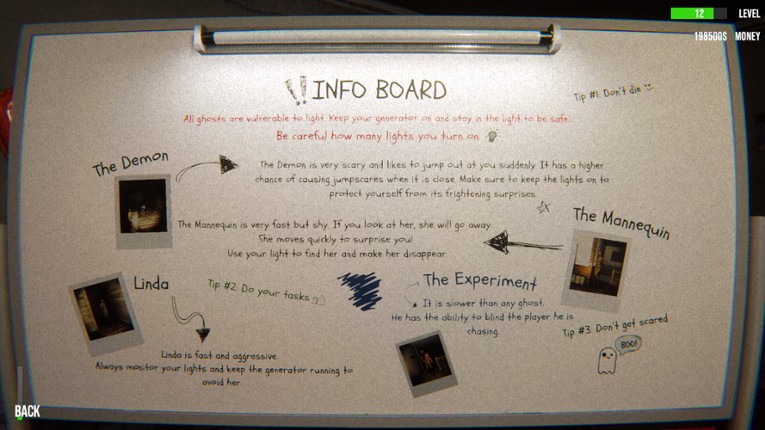
- 87%Game Brain ScoreMost mentioned positive aspects:gameplay, humorMost mentioned negative aspects:stability, story87% User Score 789 reviewsSupernatural janitorial duties await in this investigation-heavy title where realistic movement and dark humor add personality to the horror routine. If you enjoyed this game, see our list of games similar to Ghost Janitors.View Game
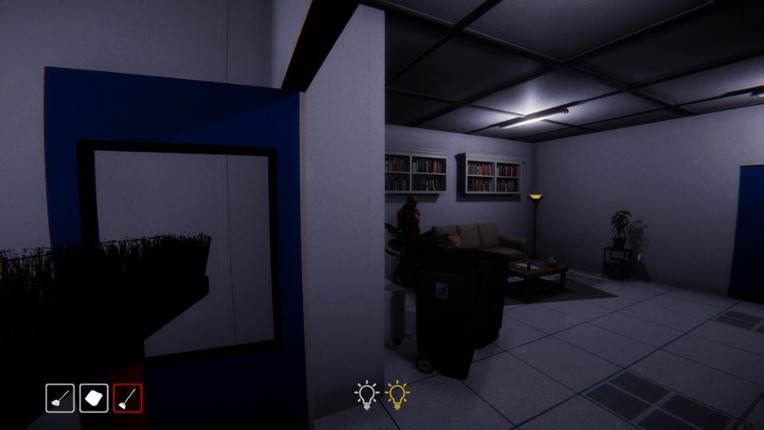
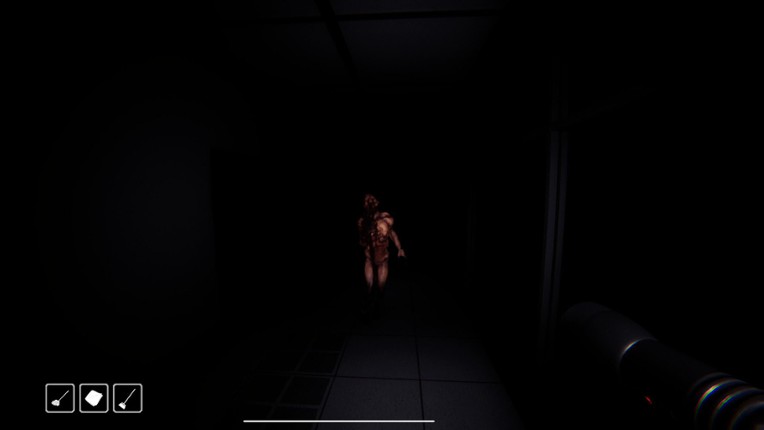
- 89%Game Brain ScoreMost mentioned positive aspects:gameplay, storyMost mentioned negative aspects:grinding, stability94% User Score 47,641 reviewsCritic Score 78%4 reviewsThe Outlast Trials embraces dark humor and character customization in a mature PvE setting, making cooperative horror feel like a twisted game show. If you enjoyed this game, see our list of games similar to The Outlast Trials.View Game
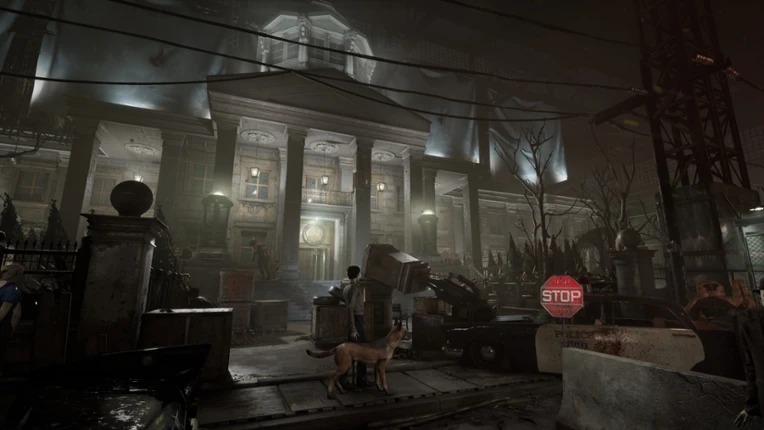
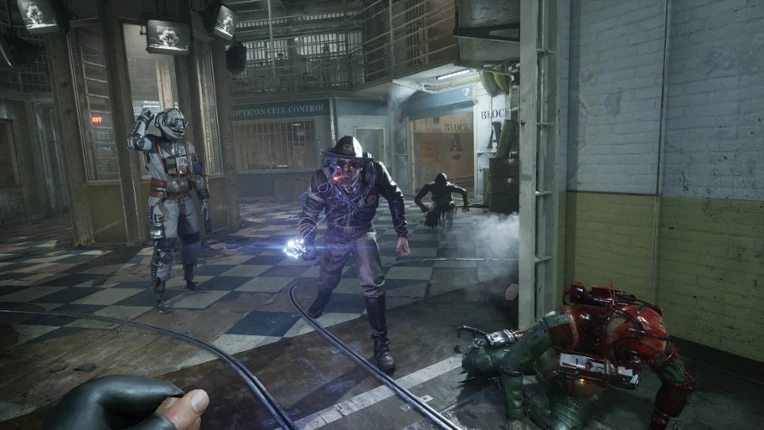
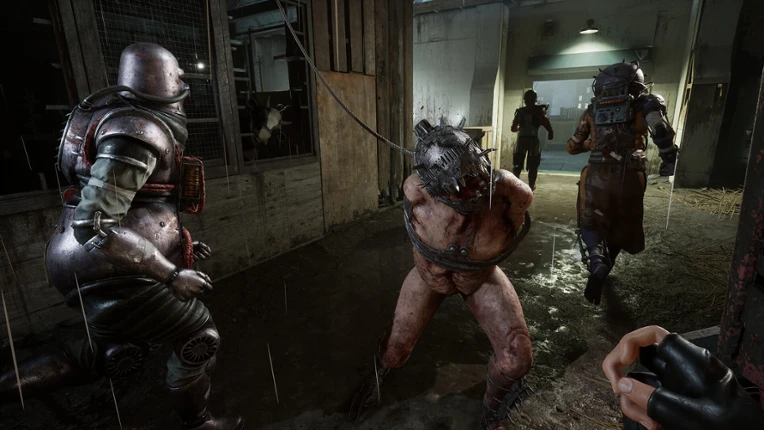
- 88%Game Brain ScoreMost mentioned positive aspects:gameplay, humorMost mentioned negative aspects:story, stability88% User Score 743 reviewsAdds cooperative loot trading and team-based progression to the horror formula, making ghost cleanup a shared journey with persistent rewards. If you enjoyed this game, see our list of games similar to Paranormal Cleanup.View Game
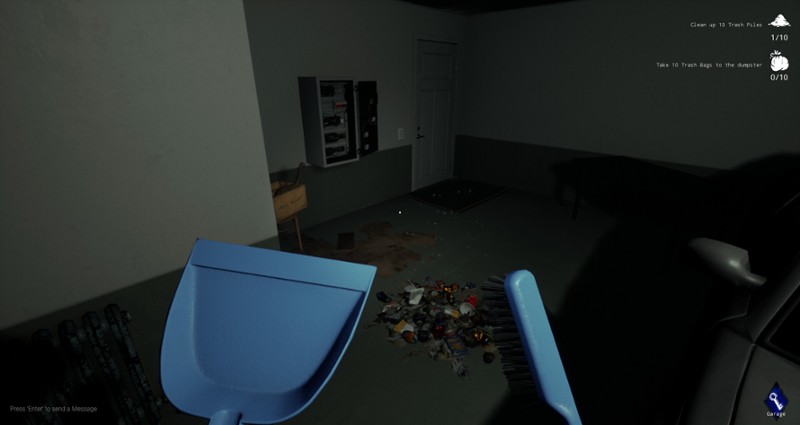
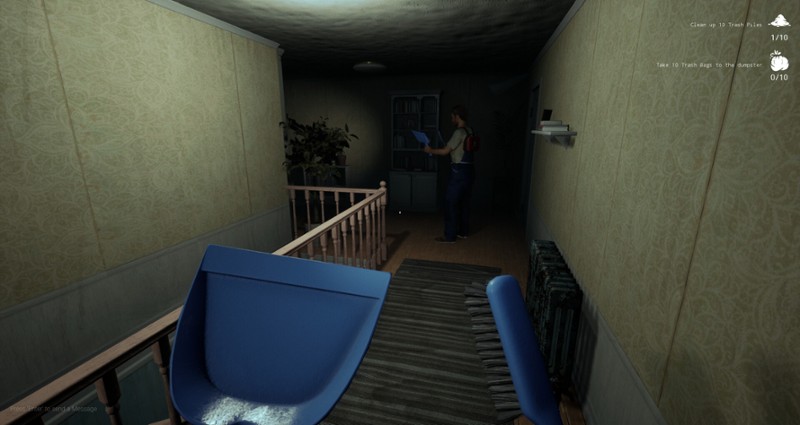
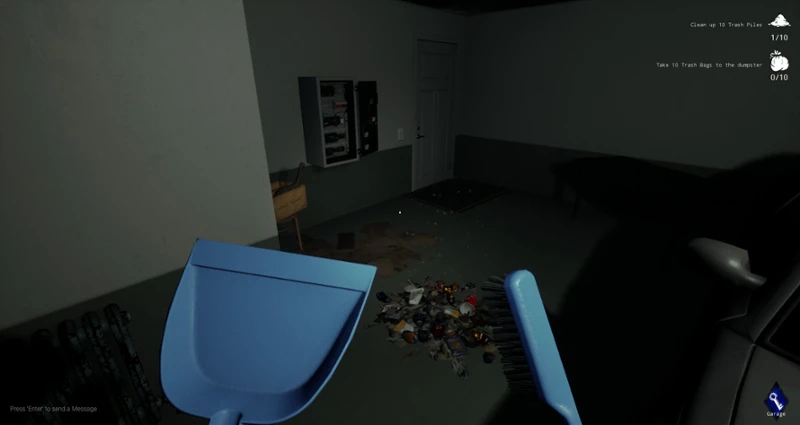
- 86%Game Brain ScoreMost mentioned positive aspects:story, gameplayMost mentioned negative aspects:grinding, stability86% User Score 13,514 reviewsA Lovecraftian roguelite where puzzles take center stage over ghost identification, challenging players with cosmic horror puzzles across randomized runs. If you enjoyed this game, see our list of games similar to Labyrinthine.View Game
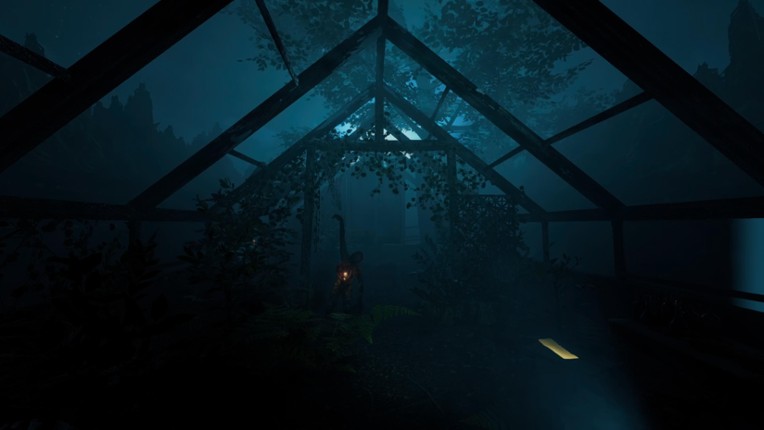
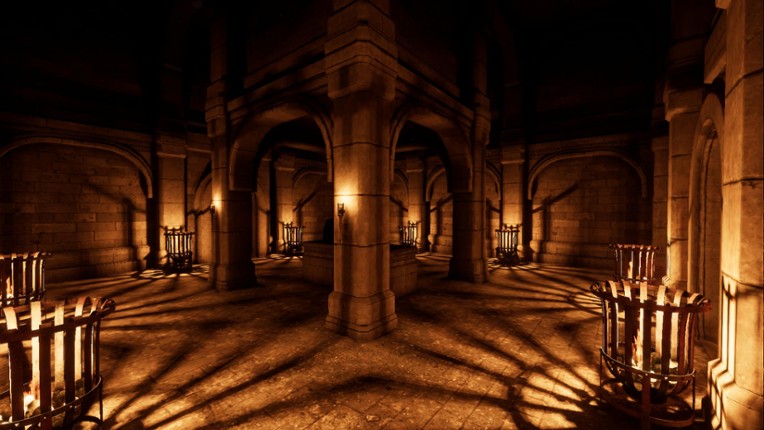
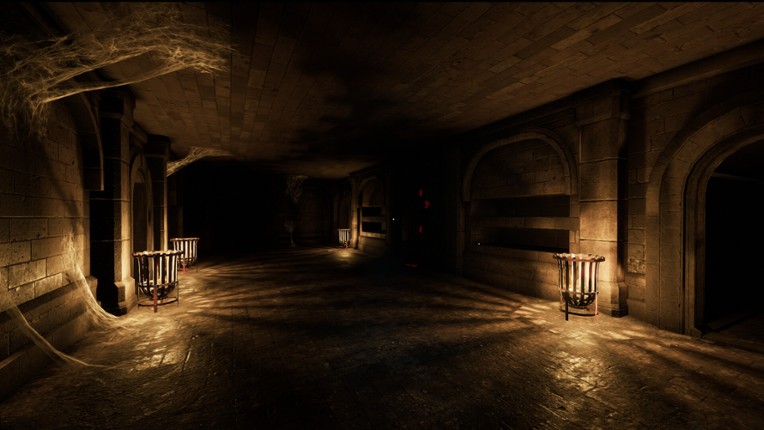
- 76%Game Brain ScoreMost mentioned positive aspects:atmosphere, graphicsMost mentioned negative aspects:gameplay, stability76% User Score 234 reviewsExpect a looser connection that leans into immersive-sim puzzle solving, requiring deeper interactions with the environment to exorcise hostile entities. If you enjoyed this game, see our list of games similar to Abnormality.View Game
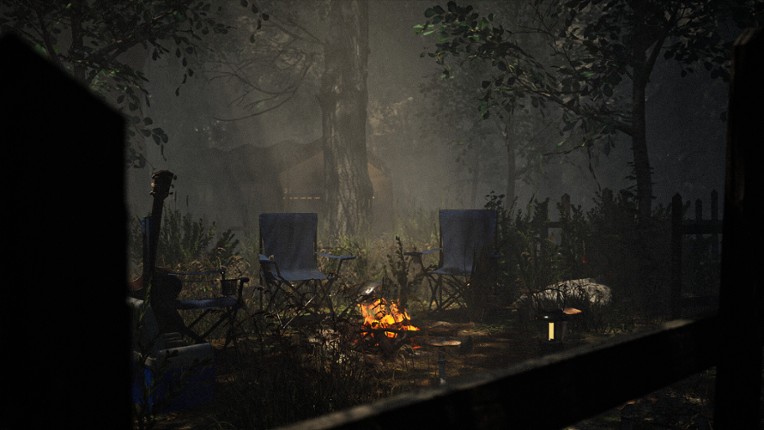
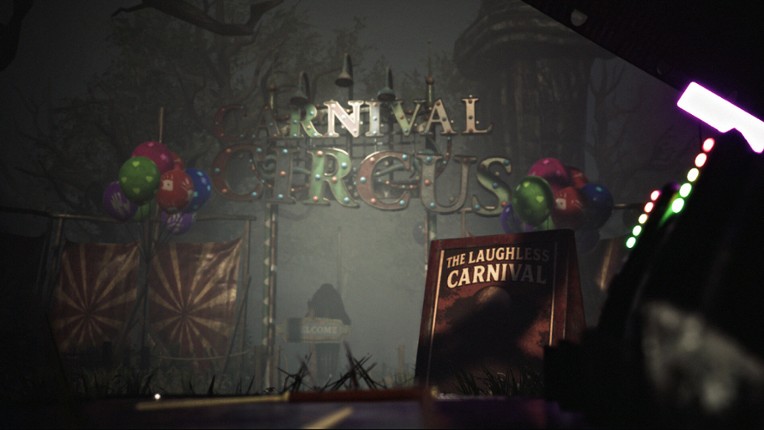
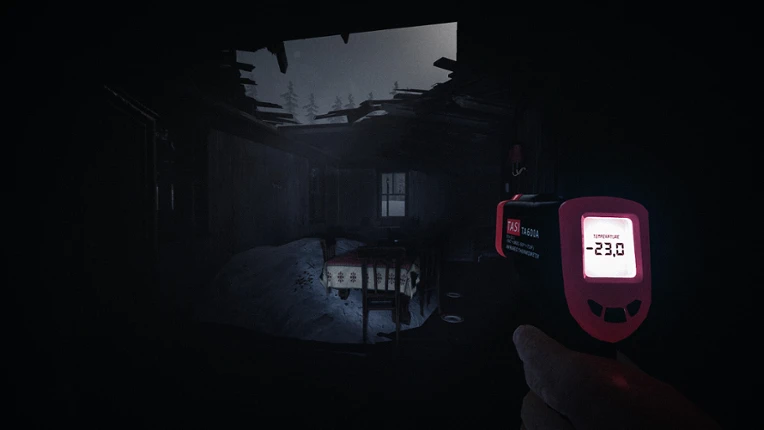
- 76%Game Brain ScoreMost mentioned positive aspects:gameplay, humorMost mentioned negative aspects:stability, story76% User Score 4,981 reviewsAn action-roguelike horror game with faster runs and permanent upgrades, swapping methodical ghost hunting for punchy, repeated challenge sessions. If you enjoyed this game, see our list of games similar to PANICORE.View Game
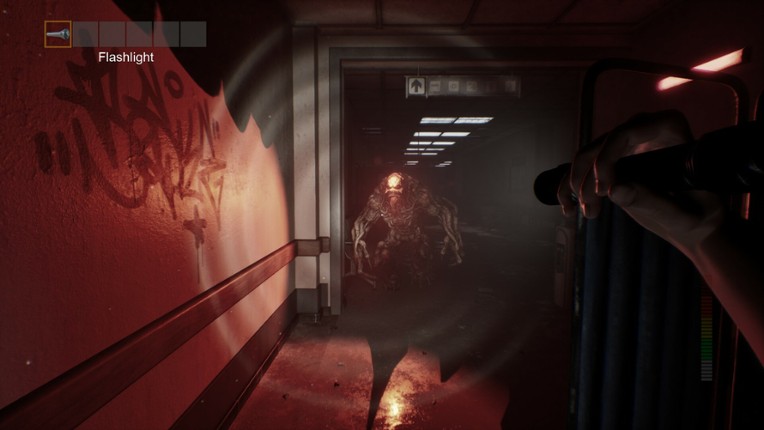
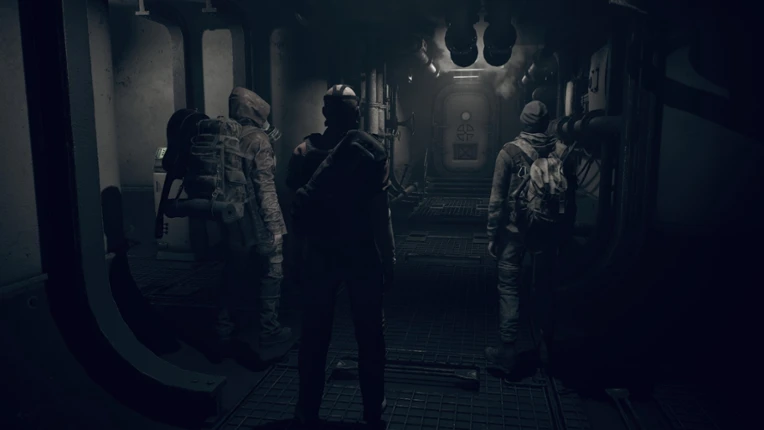
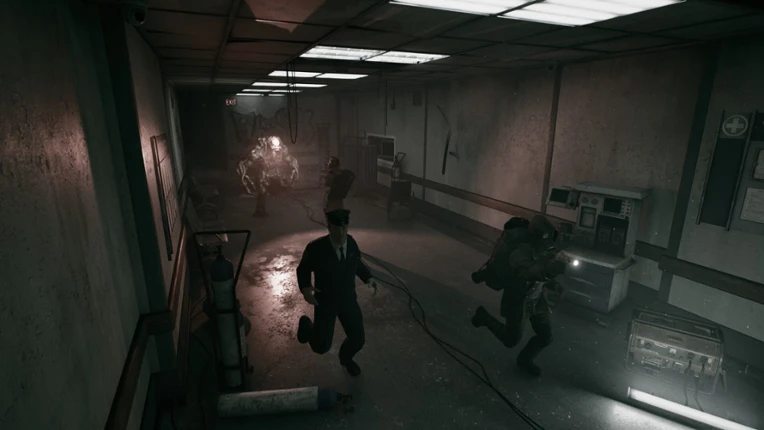
- 74%Game Brain ScoreMost mentioned positive aspects:gameplay, graphicsMost mentioned negative aspects:stability, story74% User Score 3,480 reviewsGhost Exorcism Inc. delivers a lighter, comedic horror experience with a guided mission structure that makes paranormal investigation feel like a romp. If you enjoyed this game, see our list of games similar to Ghost Exorcism INC..View Game
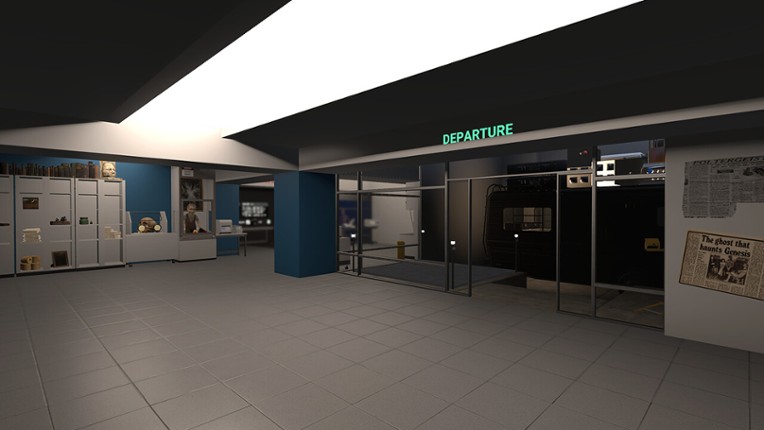
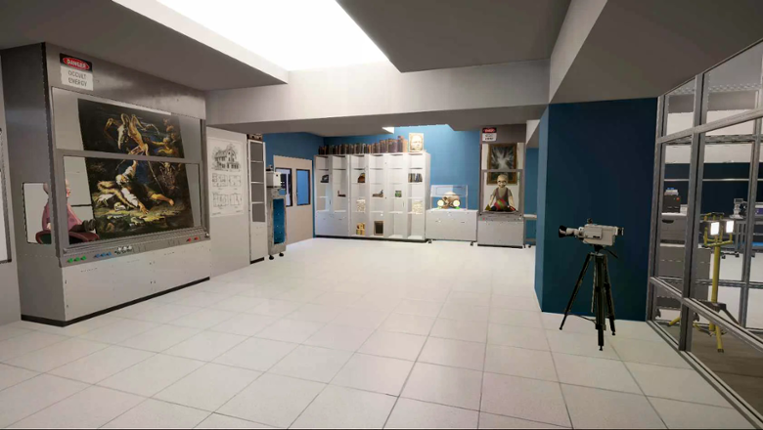
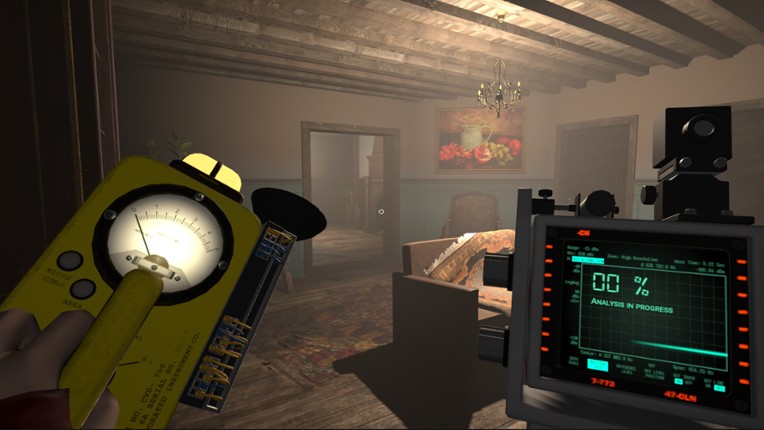
- View Game91%Game Brain ScoreMost mentioned positive aspects:gameplay, graphicsMost mentioned negative aspects:story, optimization91% User Score 553 reviewsA demon-hunting investigation game that leans harder into mystery with character customization, letting players tailor their paranormal detective experience. If you enjoyed this game, see our list of games similar to The Other Side.
21 View Game 94%Game Brain ScoreMost mentioned positive aspects:humor, gameplayMost mentioned negative aspects:stability, story94% User Score 73,151 reviewsPrioritize viral fame by filming dangerous entities with your friends, trading investigative accuracy for comedic, high-risk content creation moments. If you enjoyed this game, see our list of games similar to Content Warning.View Game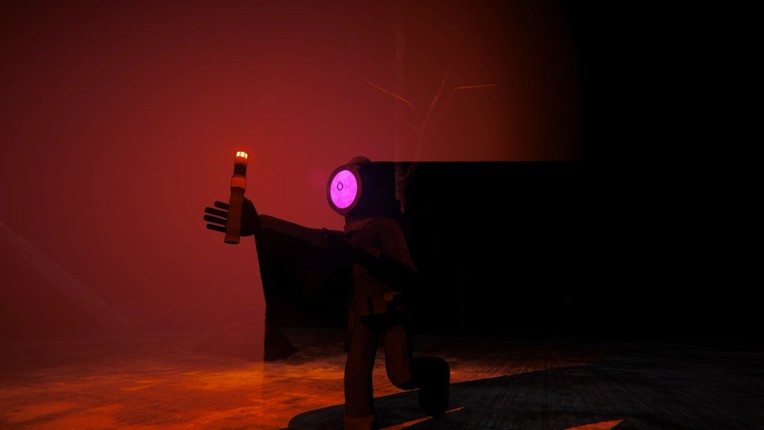
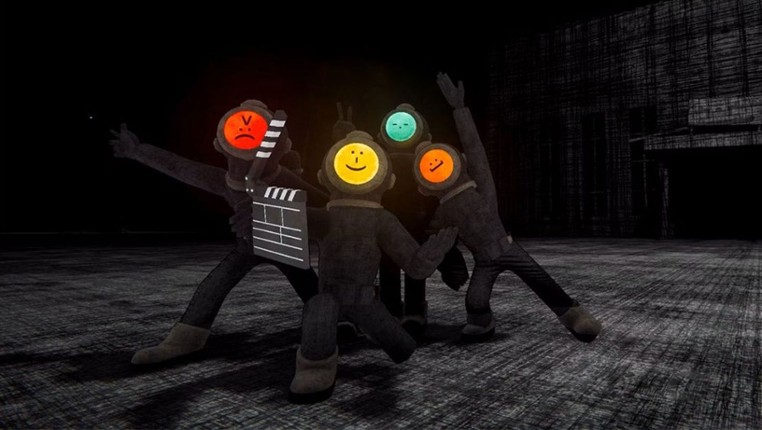
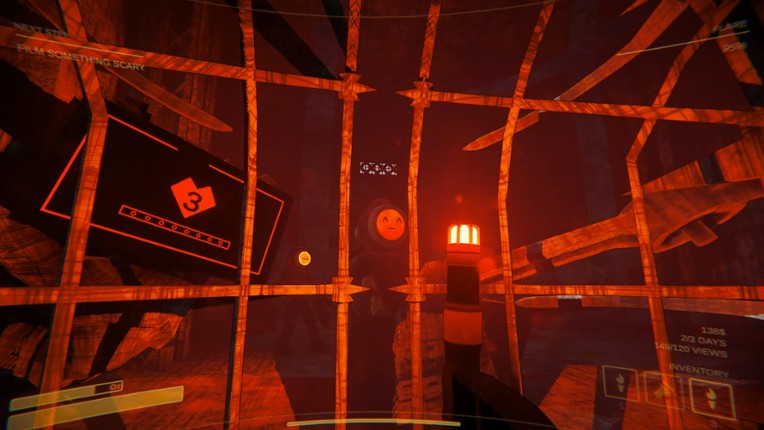
- 86%Game Brain ScoreMost mentioned positive aspects:gameplay, storyMost mentioned negative aspects:graphics, stability86% User Score 512 reviewsShift from identifying entities to communing with them, as you use a variety of gadgets to document and archive spectral phenomena. If you enjoyed this game, see our list of games similar to Remnant Records.View Game
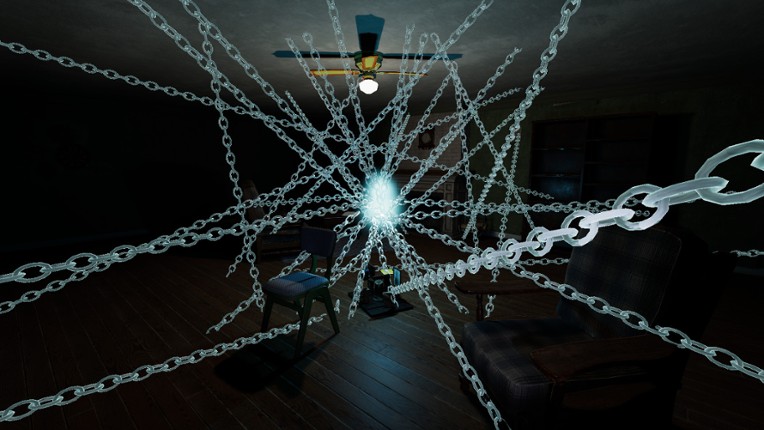
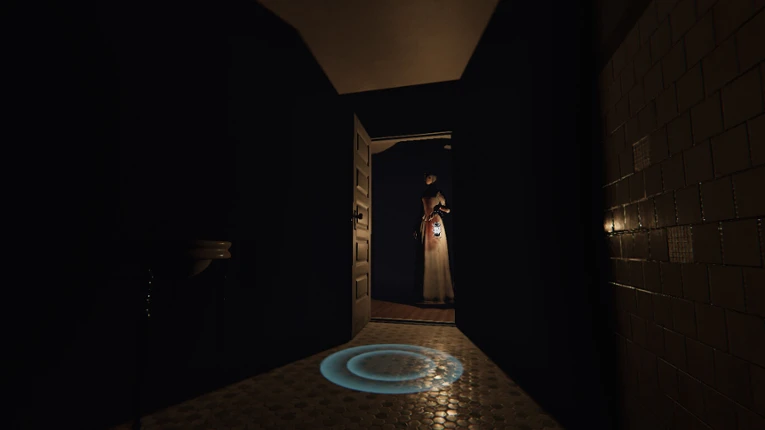
- 83%Game Brain ScoreMost mentioned positive aspects:gameplay, atmosphereMost mentioned negative aspects:stability, optimization83% User Score 10,902 reviewsAlien horror strips multiplayer and replaces ghost detection with survival exploration, keeping procedural replayability and dark humor. If you enjoyed this game, see our list of games similar to Nuclear Nightmare.View Game
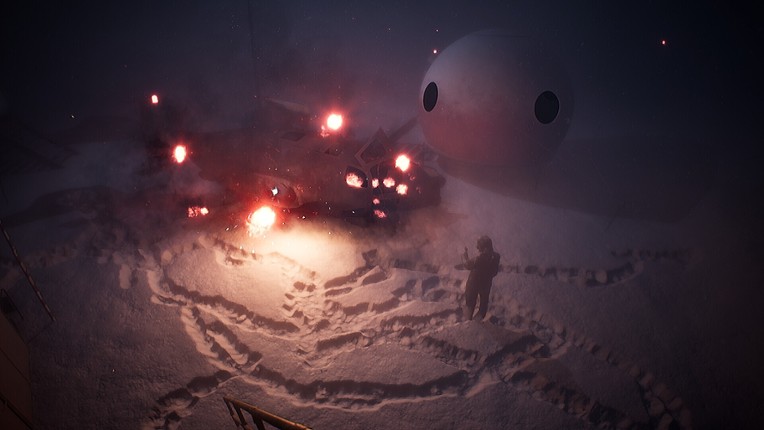
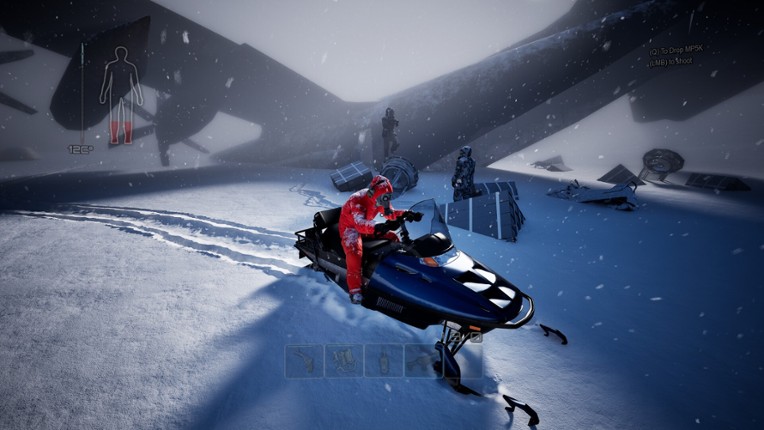
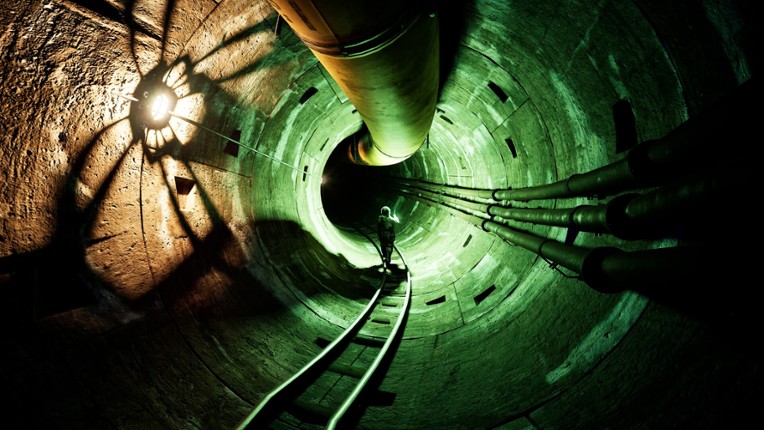
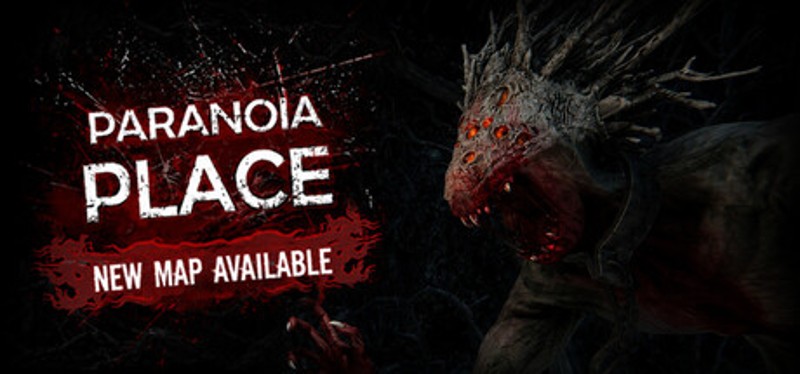
- 89%Game Brain ScoreMost mentioned positive aspects:gameplay, atmosphereMost mentioned negative aspects:replayability, stability89% User Score 800 reviewsDemon exorcism trades investigation for high-stakes hunting with permadeath stakes and post-apocalyptic violence. If you enjoyed this game, see our list of games similar to PARANOIA PLACE.View Game
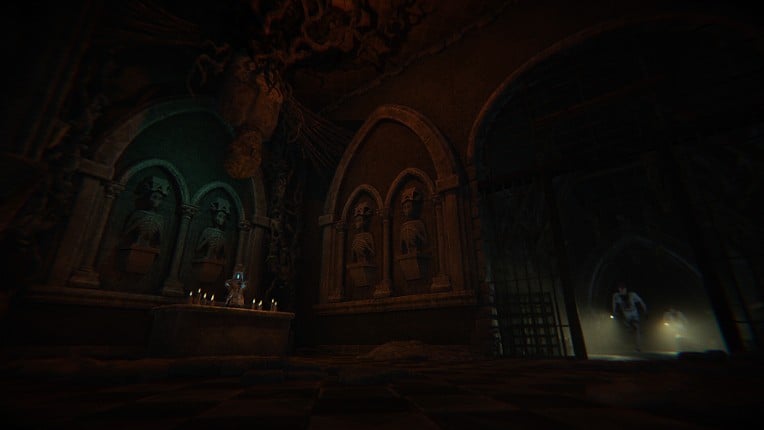
25 View Game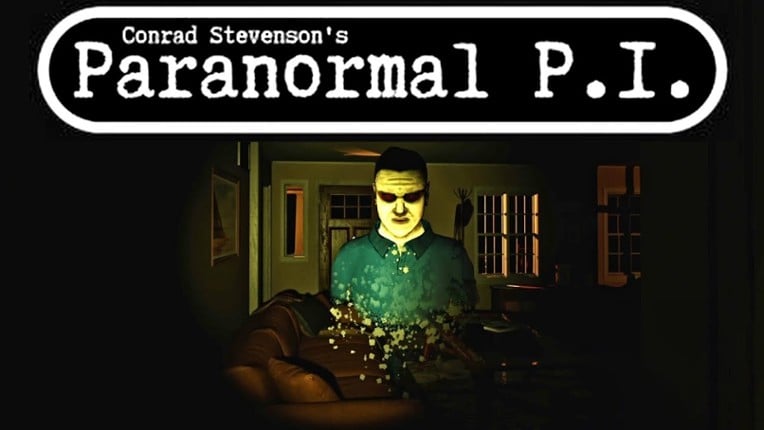 90%Game Brain ScoreMost mentioned positive aspects:story, gameplayMost mentioned negative aspects:grinding, replayability94% User Score 1,352 reviewsCritic Score 75%2 reviewsConrad Stevenson's Paranormal P.I. wraps horror in narration and detective work, delivering an immersive sim experience where storytelling guides the scares. If you enjoyed this game, see our list of games similar to Conrad Stevenson's Paranormal P.I..View Game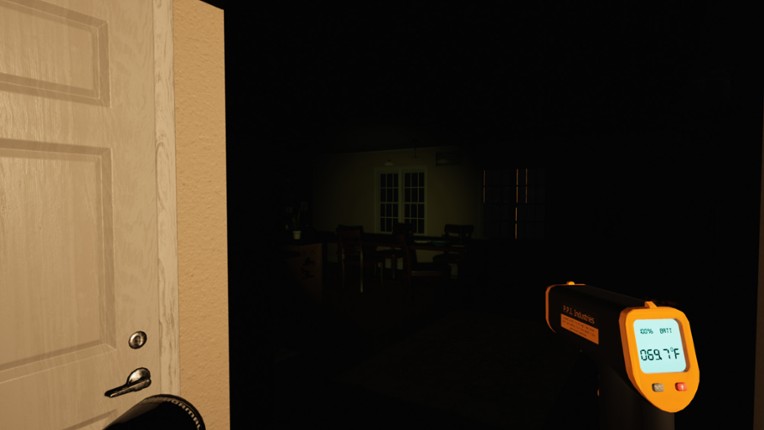
- 69%Game Brain ScoreMost mentioned positive aspects:gameplay, atmosphereMost mentioned negative aspects:stability, graphics69% User Score 1,160 reviewsSwaps ghost-hunting for demon-summoning investigation with cinematic storytelling and deeper resource management systems. If you enjoyed this game, see our list of games similar to Obsideo.View Game
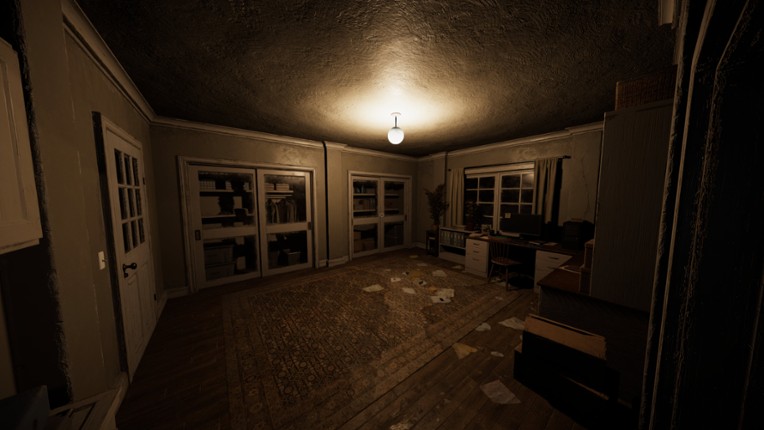
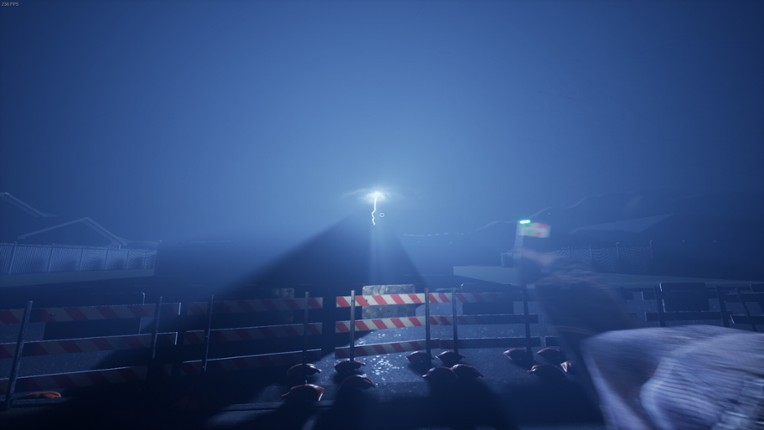
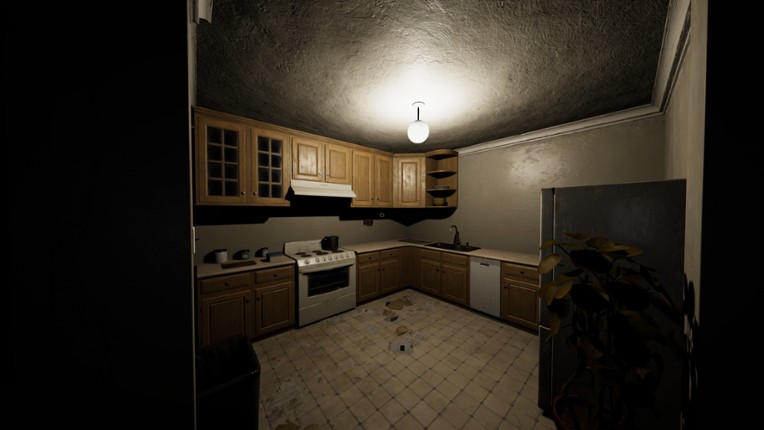
- 65%Game Brain ScoreMost mentioned positive aspects:gameplay, graphicsMost mentioned negative aspects:story, replayability65% User Score 538 reviewsPreserves ghost-hunting co-op mystery but layers in AI behavior systems and cinematic presentation for atmospheric tension. If you enjoyed this game, see our list of games similar to Haunt Chaser.View Game
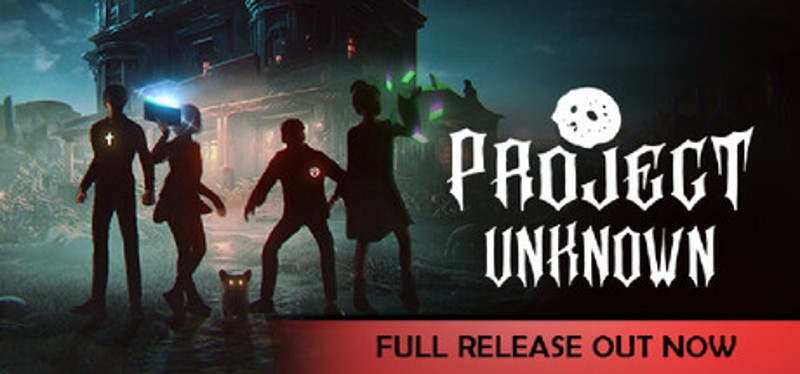
- 89%Game Brain ScoreMost mentioned positive aspects:gameplay, graphicsMost mentioned negative aspects:story, stability89% User Score 401 reviewsDetective work and demon investigation mirror Phasmophobia's core loop but emphasize tactical difficulty and dark supernatural mystery. If you enjoyed this game, see our list of games similar to Project Unknown.View Game
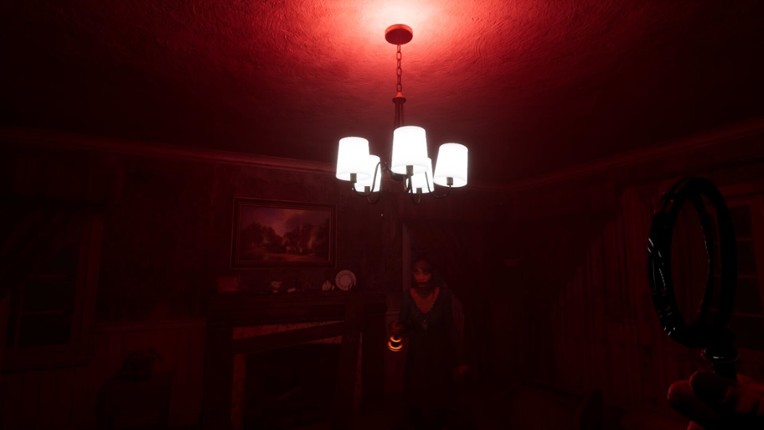
- 81%Game Brain ScoreMost mentioned positive aspects:gameplay, graphicsMost mentioned negative aspects:stability, monetization81% User Score 463 reviews
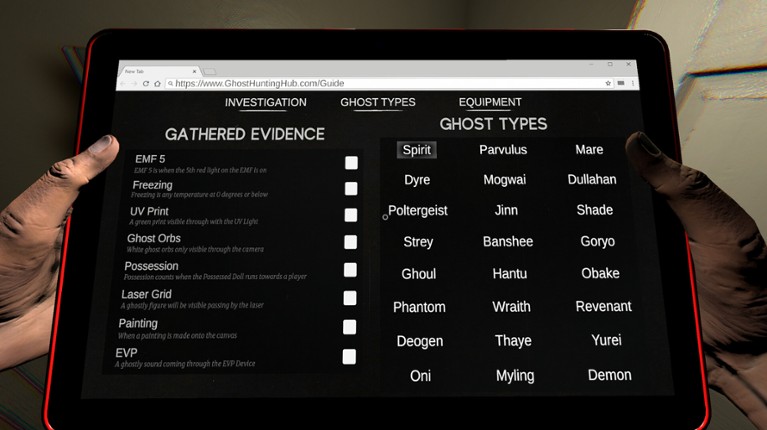
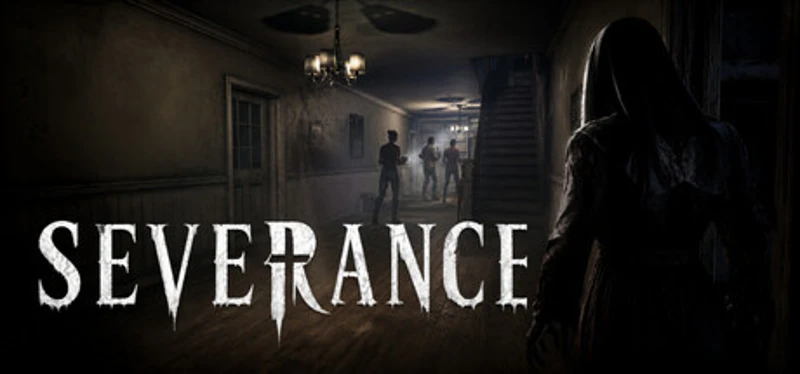
SeveranceSeverance is a 1–5 player co-op paranormal investigation game, with a twist... YOU can become the ghost. Severance is a 1–5 player, online co-op, tactical horror game. You and your team of investigators enter haunted locations to track and identify 20+ unique ghost types using professional paranormal equipment. Use tools like EMF Meters, Video Cameras and Possession Dolls to gather evid… If you enjoyed this game, see our list of games similar to SEVERANCE.
View Game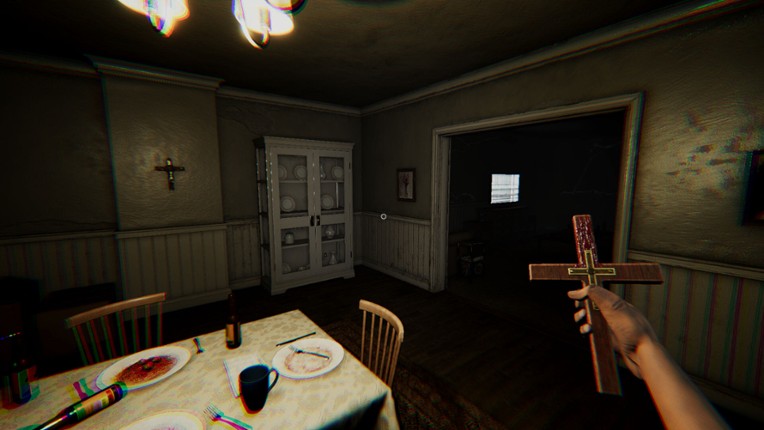
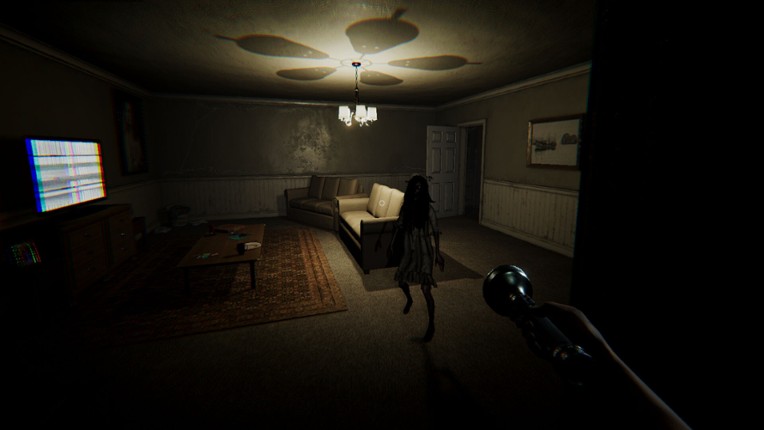
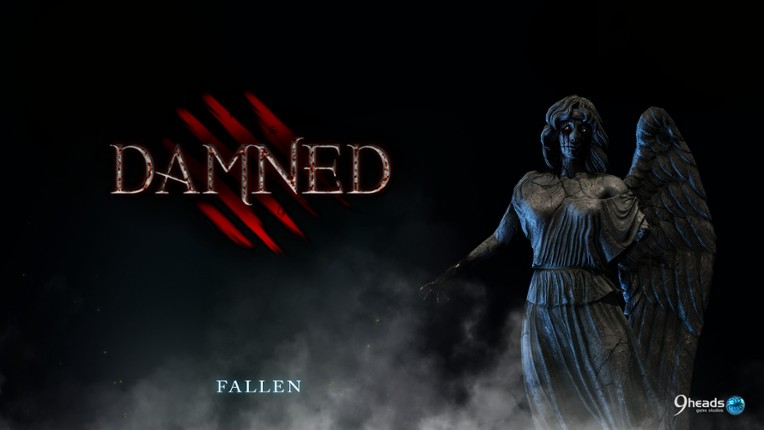
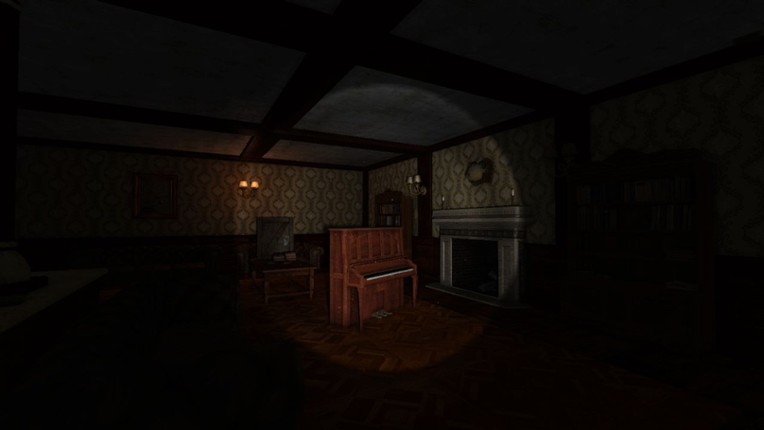
- 68%Game Brain ScoreMost mentioned positive aspects:gameplay, atmosphereMost mentioned negative aspects:stability, graphics68% User Score 2,088 reviewsTeam-based supernatural exploration keeps multiplayer chaos but drops investigation entirely for dungeon-crawling and dark exploration gameplay. If you enjoyed this game, see our list of games similar to Damned.View Game
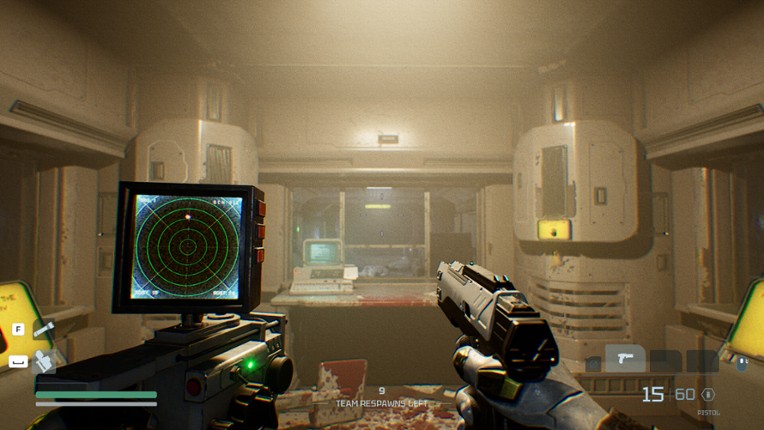
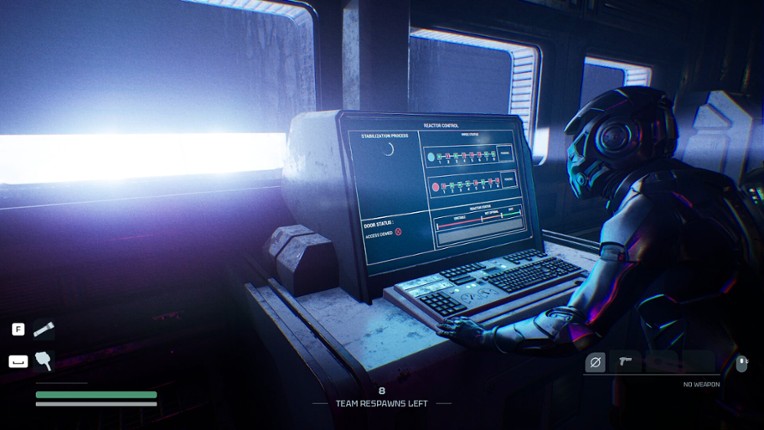
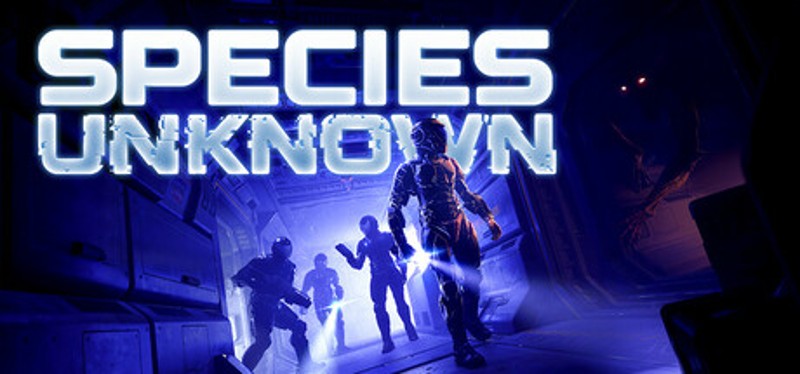
- 95%Game Brain ScoreMost mentioned positive aspects:story, gameplayMost mentioned negative aspects:stability, grinding95% User Score 7,032 reviewsExtraterrestrial investigation preserves co-op investigation gameplay but trades supernatural folklore for sci-fi atmosphere and realistic alien encounters. If you enjoyed this game, see our list of games similar to Species: Unknown.View Game
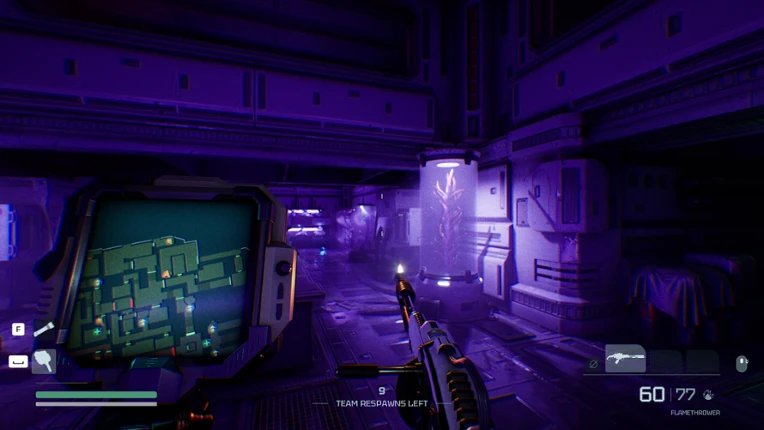
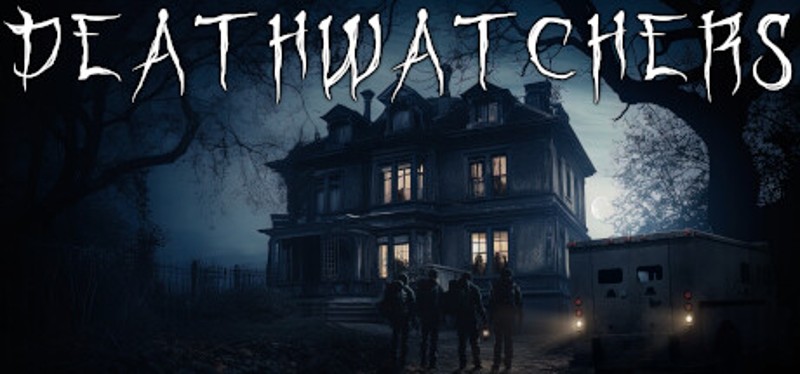
- 89%Game Brain ScoreMost mentioned positive aspects:gameplay, atmosphereMost mentioned negative aspects:stability, story89% User Score 361 reviewsDemon investigation co-op mirrors ghost-hunting detection but adds hidden object puzzles and investigation mechanics for deeper engagement. If you enjoyed this game, see our list of games similar to DeathWatchers.View Game
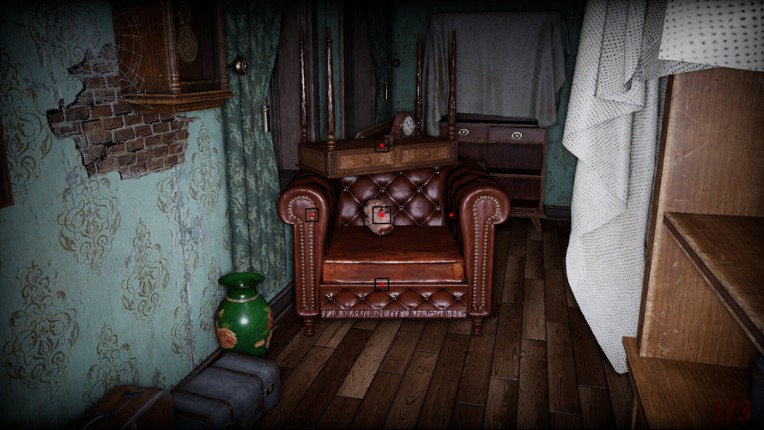
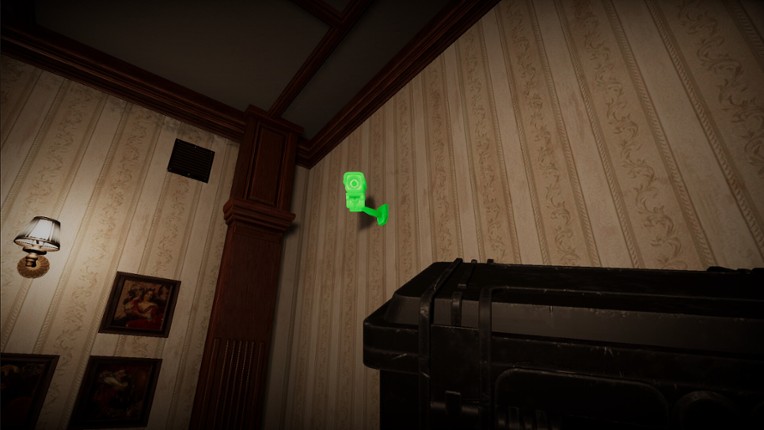
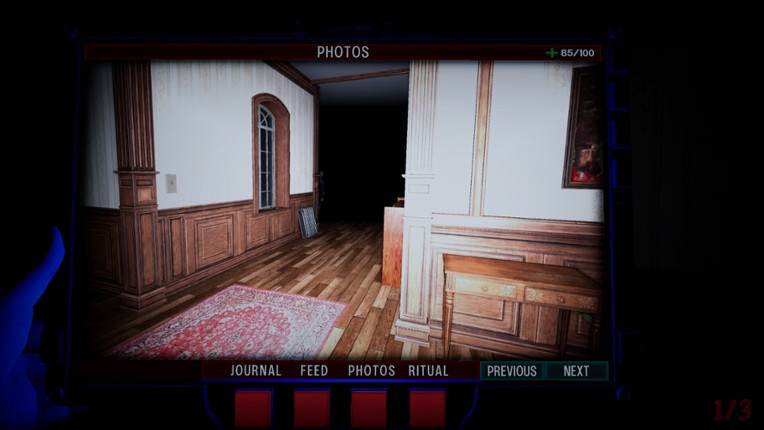
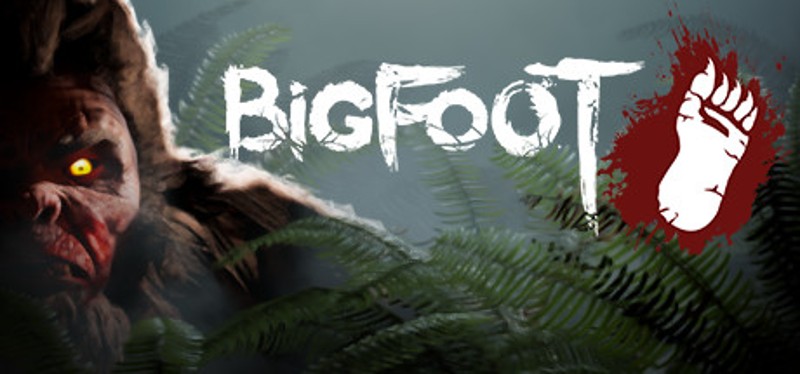
- 84%Game Brain ScoreMost mentioned positive aspects:gameplay, graphicsMost mentioned negative aspects:stability, optimization84% User Score 22,164 reviewsCryptid hunting replaces ghost detection, but maintains the comedic co-op chaos and supernatural dread across multiple game modes. If you enjoyed this game, see our list of games similar to BIGFOOT.View Game

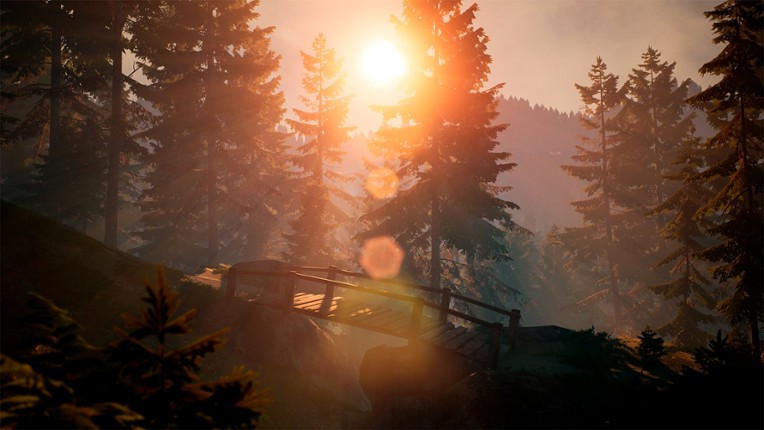
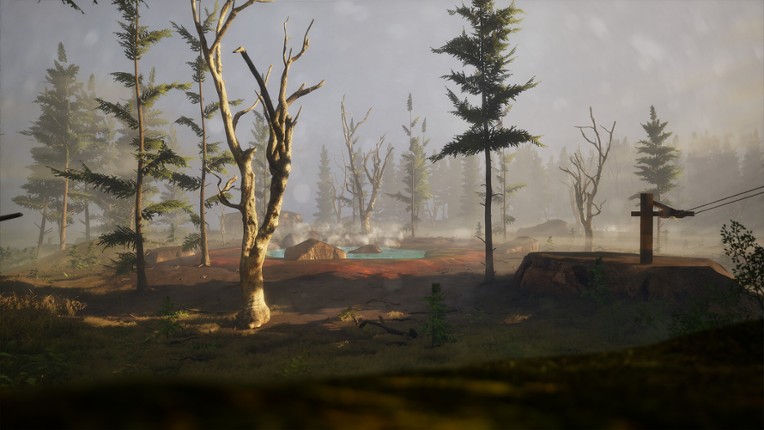
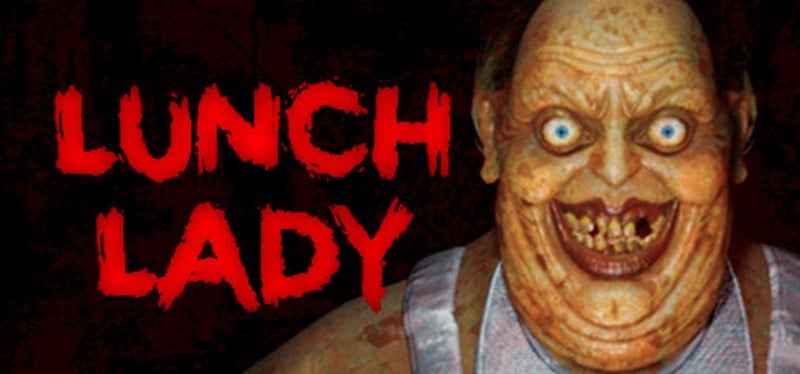
- 86%Game Brain ScoreMost mentioned positive aspects:gameplay, humorMost mentioned negative aspects:stability, grinding86% User Score 7,781 reviewsSolo supernatural horror that abandons multiplayer for procedural generation and exploration-based puzzle solving. If you enjoyed this game, see our list of games similar to Lunch Lady.View Game
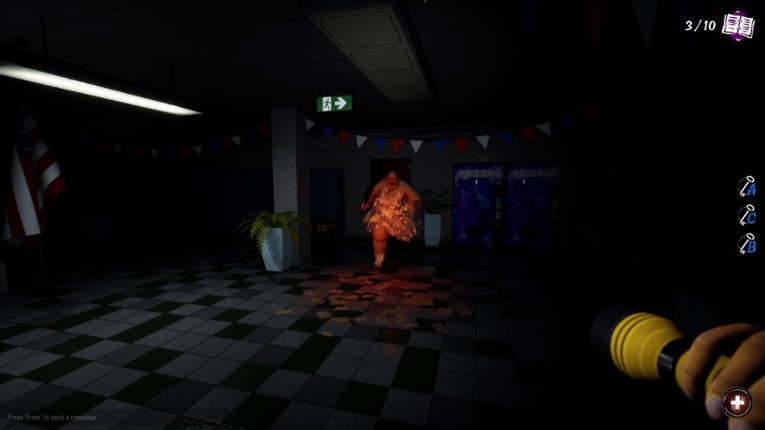
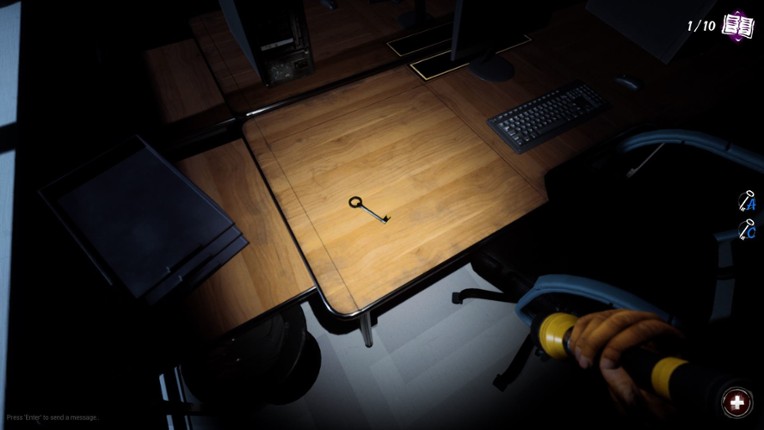
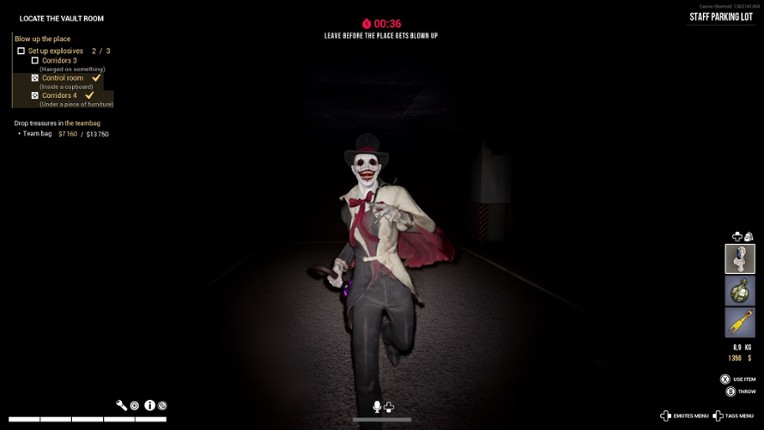
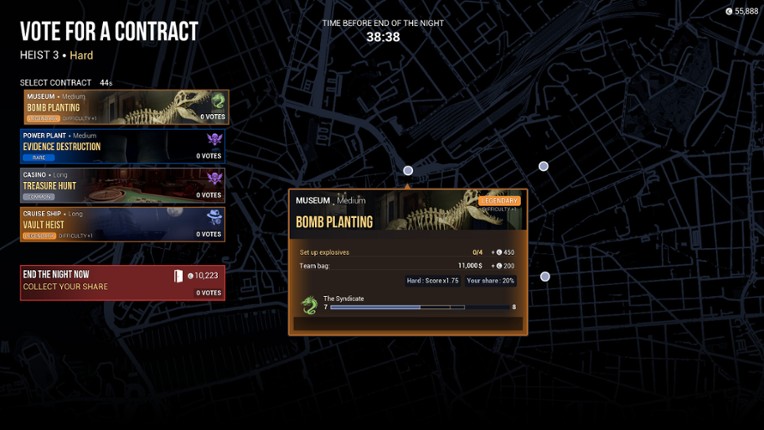
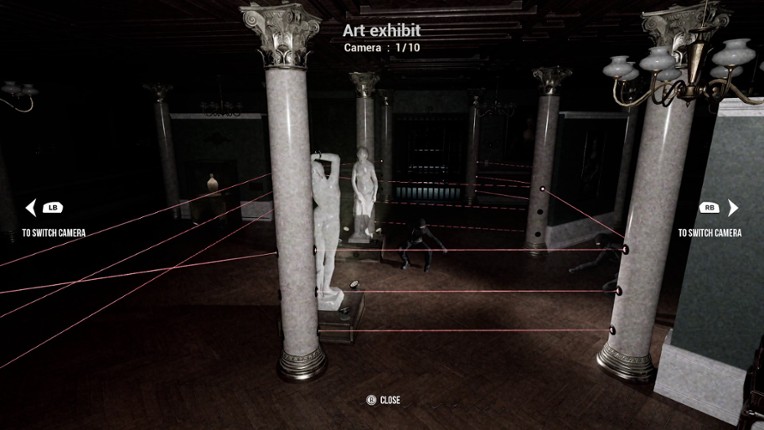
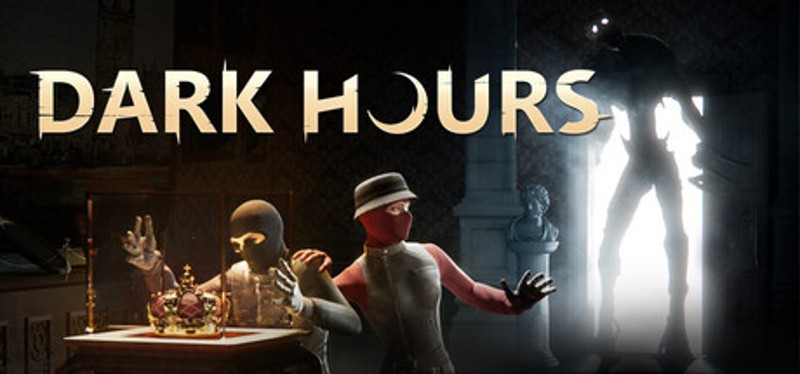
- 84%Game Brain ScoreMost mentioned positive aspects:gameplay, humorMost mentioned negative aspects:stability, grinding84% User Score 1,513 reviewsIncorporate a high-stakes heist element where you must sneak past entities to steal artifacts, rather than standing your ground for evidence collection. If you enjoyed this game, see our list of games similar to Dark Hours.View Game
- 84%Game Brain ScoreMost mentioned positive aspects:gameplay, graphicsMost mentioned negative aspects:stability, grinding84% User Score 2,335 reviews
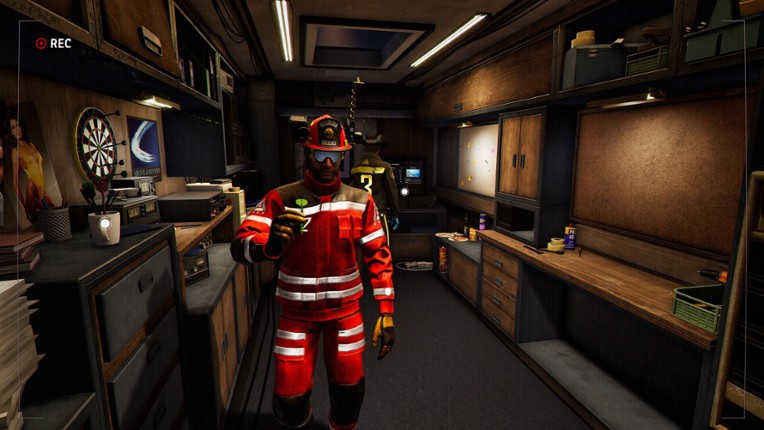
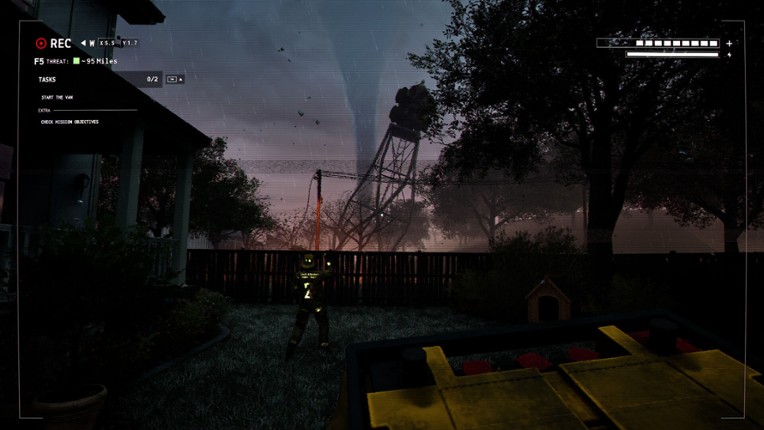
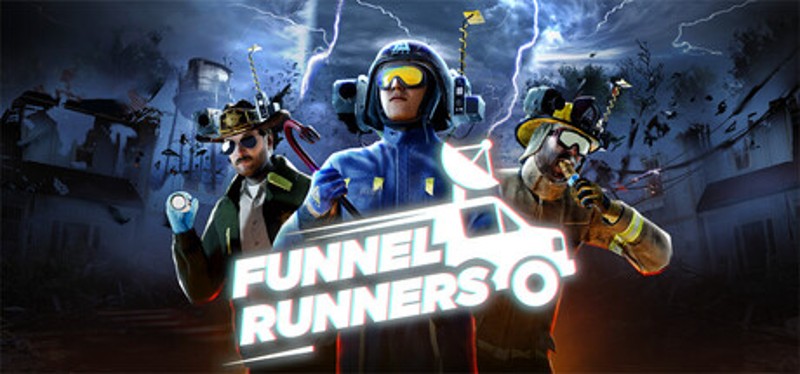
Welcome to Funnel Runners, where you will have your first on-site deployment with APEX Storm Monitoring Services. A high-priority F5 tornado is approaching, and we are counting on you (and up to 7 fellow friends) to collect data, scavenge necessary information, and, of course, survive. The weather is your worst enemy here. Tornados and storms will spawn randomly, grow stronger over … If you enjoyed this game, see our list of games similar to Funnel Runners.
View Game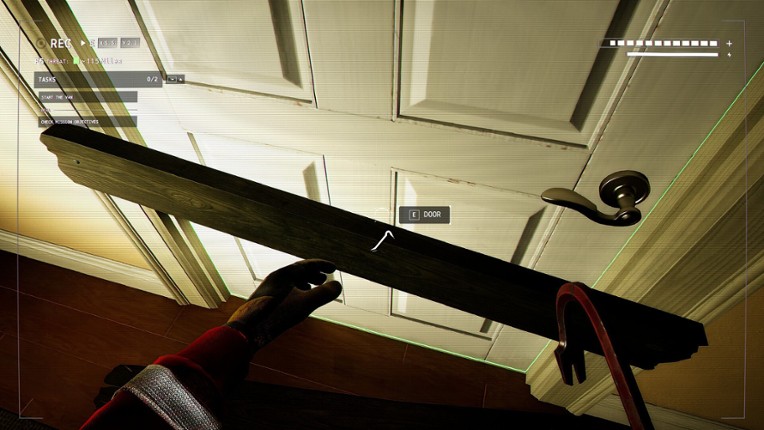
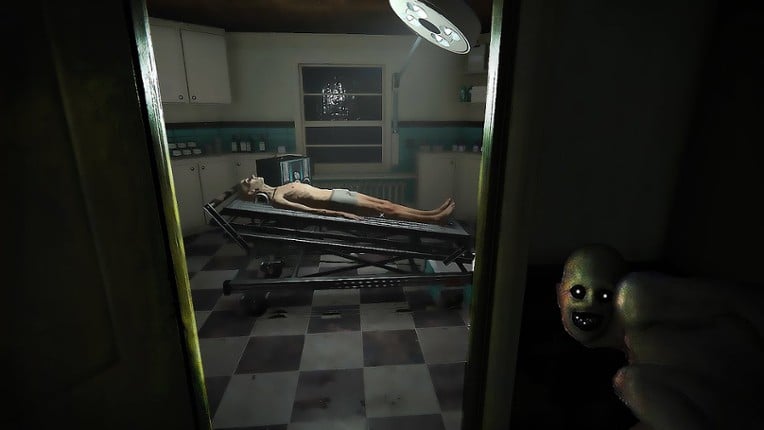
- 92%Game Brain ScoreMost mentioned positive aspects:story, gameplayMost mentioned negative aspects:stability, grinding92% User Score 5,633 reviewsReplaces co-op thrills with a single-player surreal supernatural mystery set in a medical context focused on exploration. If you enjoyed this game, see our list of games similar to The Mortuary Assistant.View Game
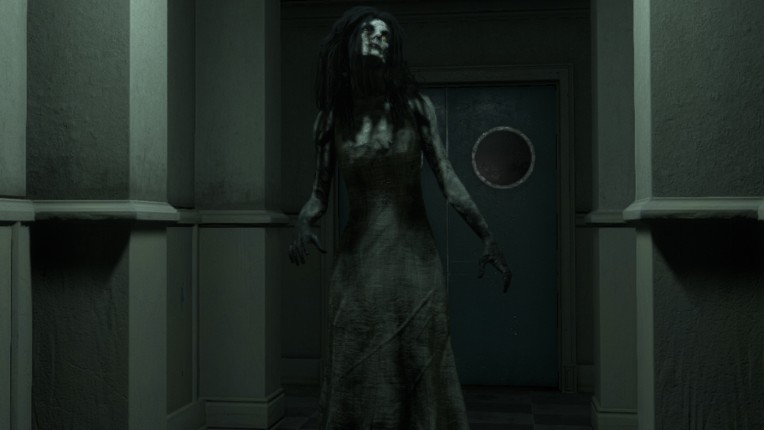
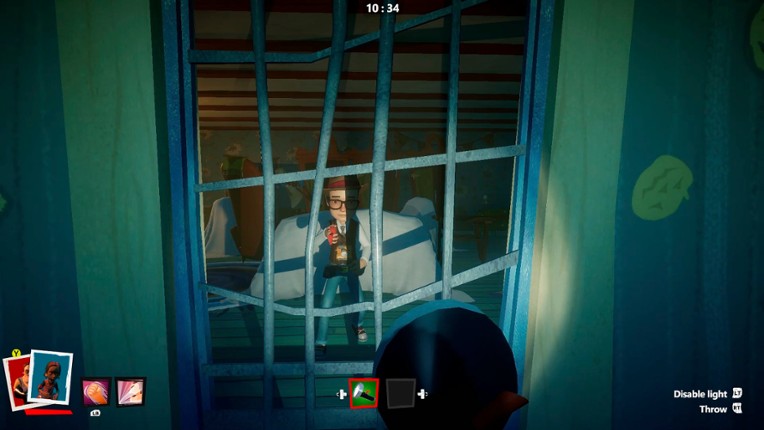
38 View Game 73%Game Brain ScoreMost mentioned positive aspects:gameplay, graphicsMost mentioned negative aspects:stability, story83% User Score 6,314 reviewsCritic Score 47%3 reviewsSwap paranormal investigation for a tense, asymmetric game of cat-and-mouse against a devious, player-controlled neighbor hiding secrets in his basement. If you enjoyed this game, see our list of games similar to Secret Neighbor.View Game
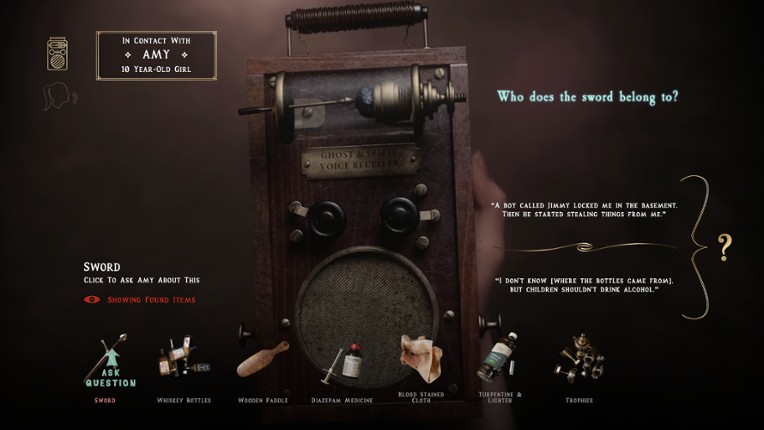
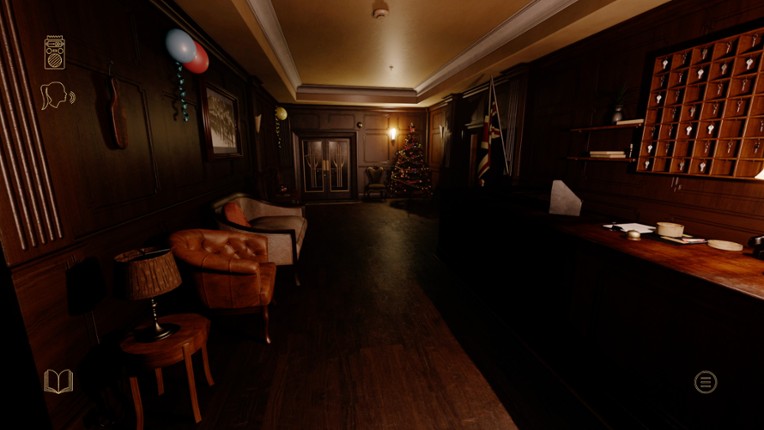
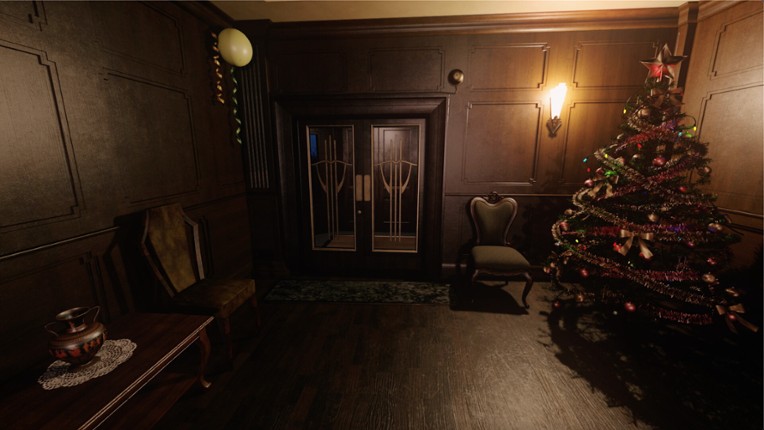
- 92%Game Brain ScoreMost mentioned positive aspects:story, gameplayMost mentioned negative aspects:grinding, stability94% User Score 2,247 reviewsCritic Score 80%1 reviewsOffering a distant, single-player alternative, this game utilizes FMV technology to create a claustrophobic cat-and-mouse chase within a singular haunted hotel. If you enjoyed this game, see our list of games similar to At Dead Of Night.View Game
- 82%Game Brain ScoreMost mentioned positive aspects:gameplay, graphicsMost mentioned negative aspects:story, stability82% User Score 6,290 reviewsCritic Score 83%2 reviewsWhile loosely connected through supernatural hauntings, this title pits teams of ghost hunters against players actively playing as the ghosts. If you enjoyed this game, see our list of games similar to Midnight Ghost Hunt.View Game
- 70%Game Brain ScoreMost mentioned positive aspects:gameplay, graphicsMost mentioned negative aspects:story, stability70% User Score 2,108 reviews
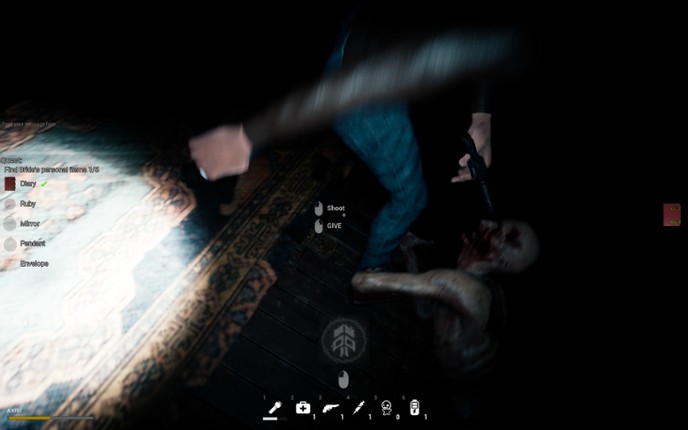
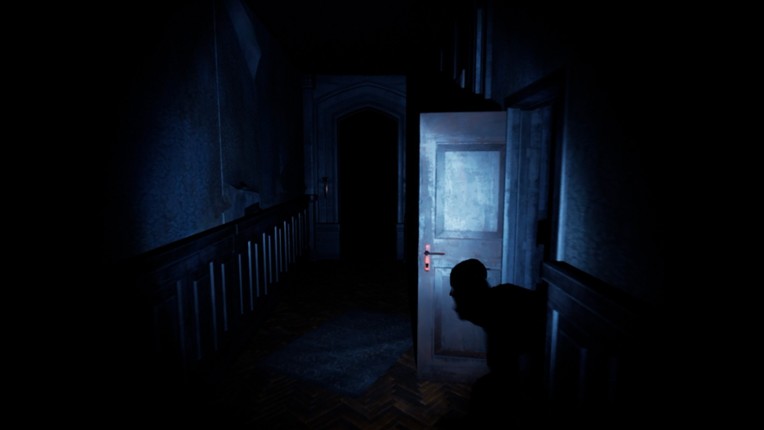
Fear Therapy, is a multiplayer(1-4) and single player psychological horror game.Try to complete the quests and leave the horror house before it is too late! Satan getting angrier every second and nothing holding it back. If you enjoyed this game, see our list of games similar to Fear Therapy.
View Game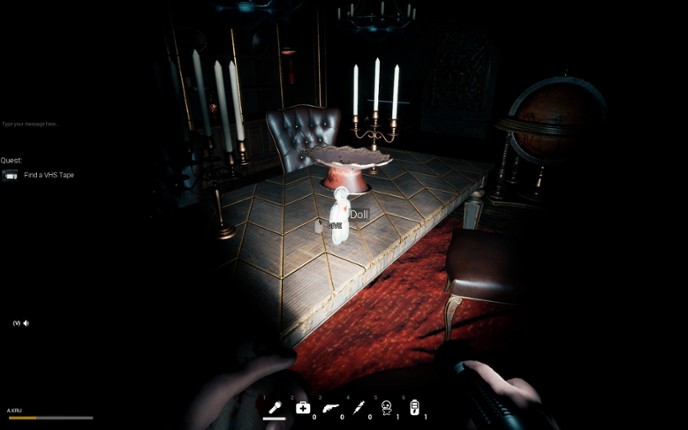
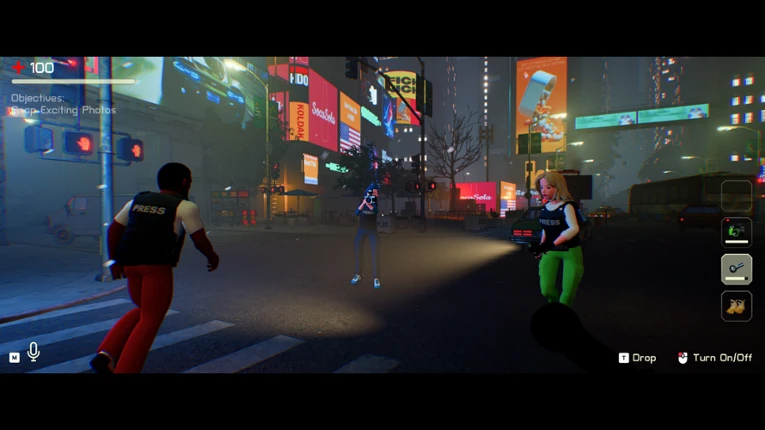
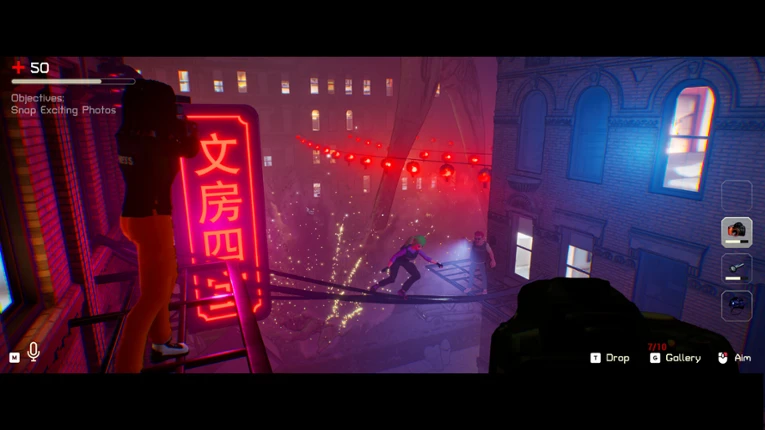
- 89%Game Brain ScoreMost mentioned positive aspects:humor, gameplayMost mentioned negative aspects:stability, optimization89% User Score 4,641 reviewsExperience a looser connection where brutal, souls-like combat mechanics take priority over methodical investigation in a dark, punishing environment. If you enjoyed this game, see our list of games similar to The Headliners.View Game
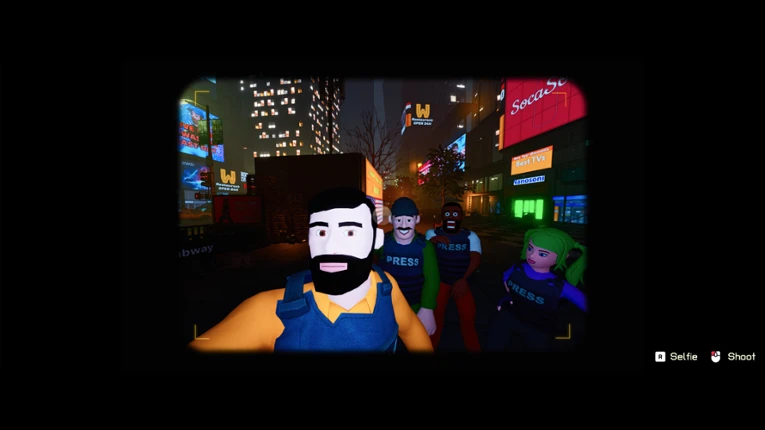
- 74%Game Brain ScoreMost mentioned positive aspects:story, gameplayMost mentioned negative aspects:grinding, stability77% User Score 2,108 reviewsCritic Score 72%15 reviewsEmphasize group stealth and cooperative movement through a sprawling town to uncover a cult mystery, moving away from static room-based investigations. If you enjoyed this game, see our list of games similar to The Blackout Club.View Game
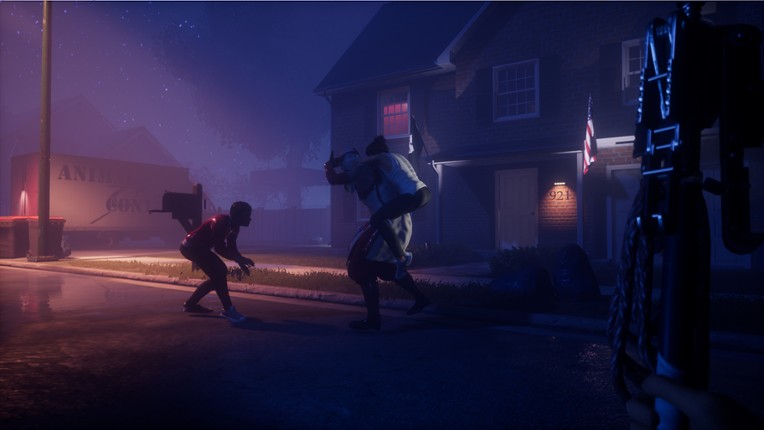
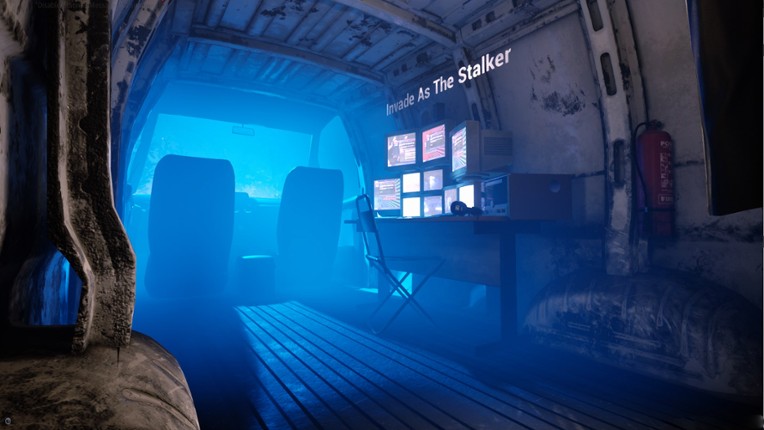
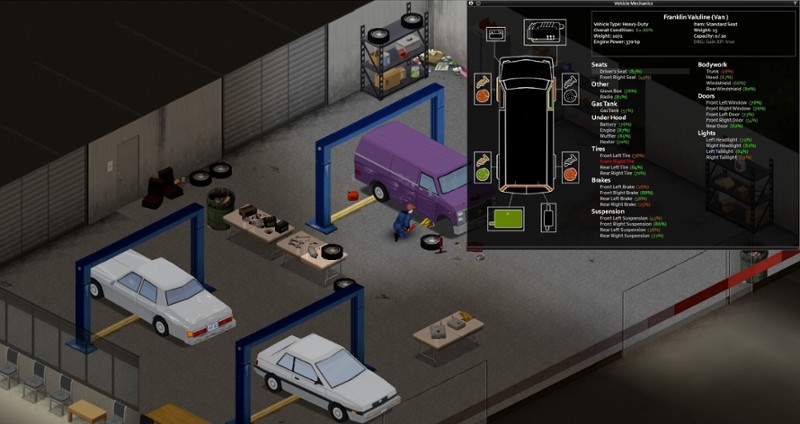
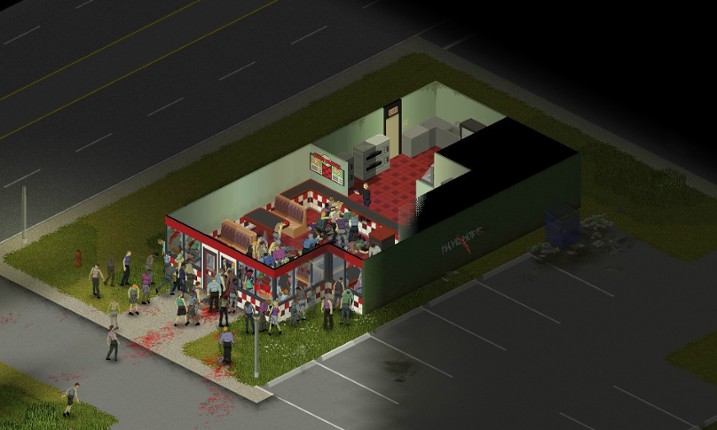
- 84%Game Brain ScoreMost mentioned positive aspects:gameplay, graphicsMost mentioned negative aspects:grinding, stability94% User Score 221,570 reviewsCritic Score 30%1 reviewsDelivers co-op survival focused on crafting and open-world zombies rather than ghost hunting or supernatural investigation. If you enjoyed this game, see our list of games similar to Project Zomboid.View Game

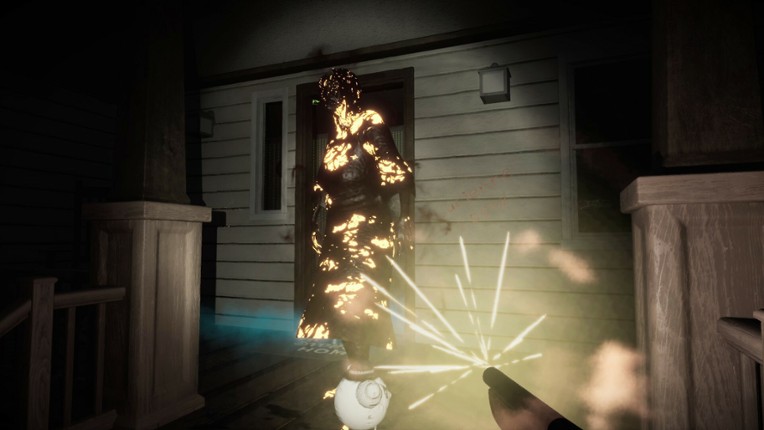
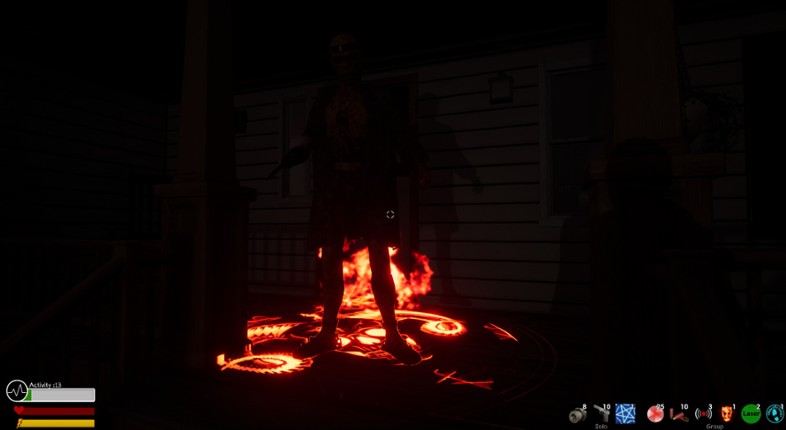
- 91%Game Brain ScoreMost mentioned positive aspects:gameplay, graphicsMost mentioned negative aspects:story, grinding91% User Score 500 reviewsOffers a psychological horror ghost hunt with a stronger emphasis on Lovecraftian themes and tactical PvE gameplay. If you enjoyed this game, see our list of games similar to This is a Ghost.View Game
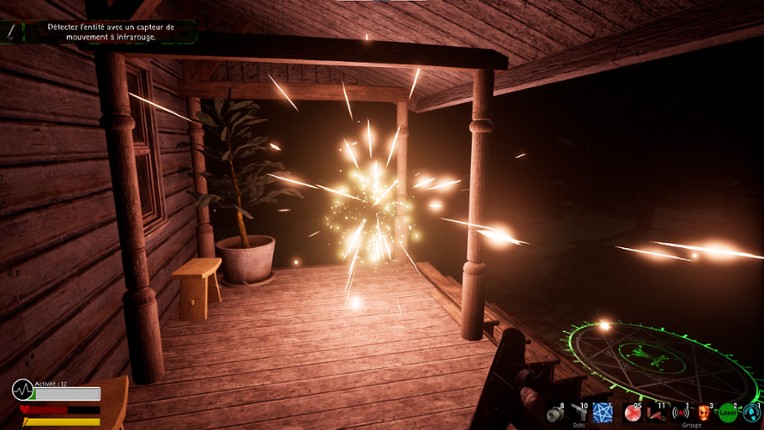
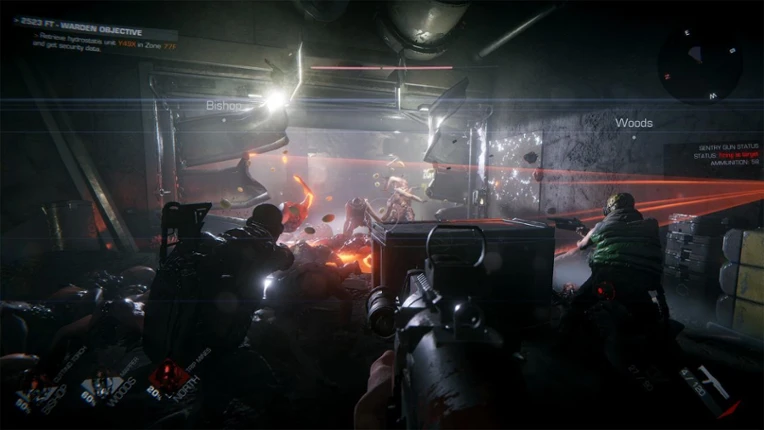
- 82%Game Brain ScoreMost mentioned positive aspects:story, gameplayMost mentioned negative aspects:stability, grinding85% User Score 35,473 reviewsCritic Score 78%7 reviewsShifts to brutal, team-based takedowns in a zombie-infested world, favoring tense combat over investigation and humor. If you enjoyed this game, see our list of games similar to null.View Game
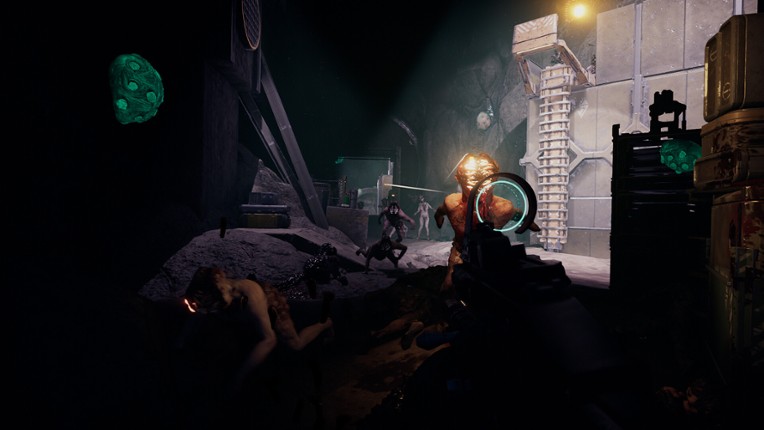
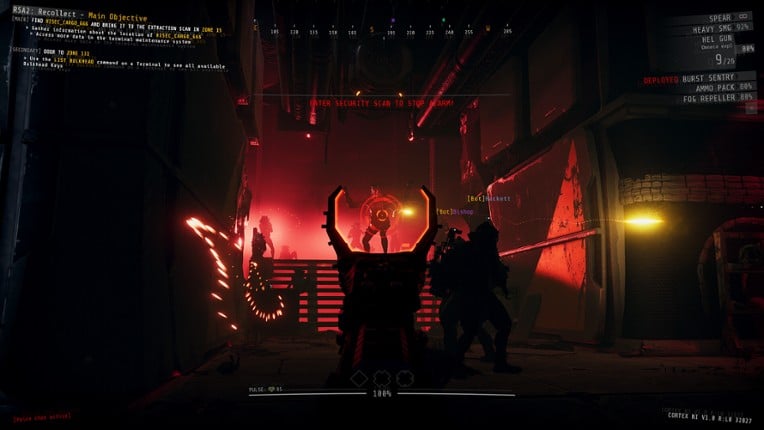
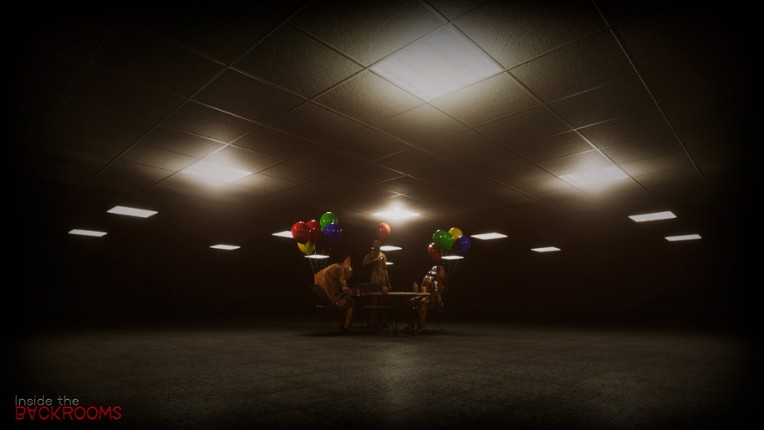
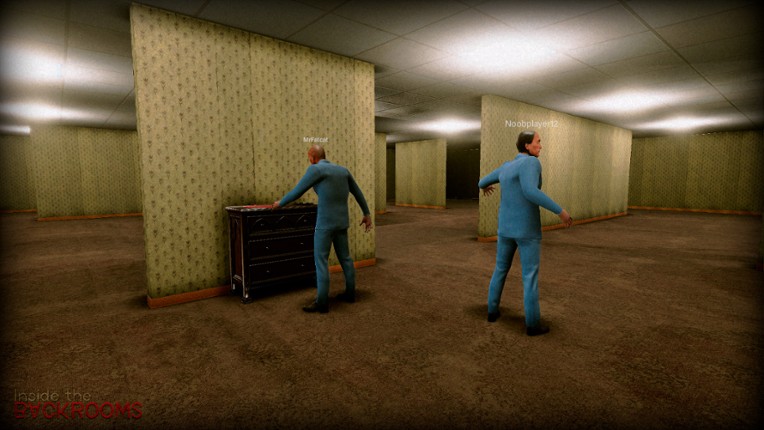
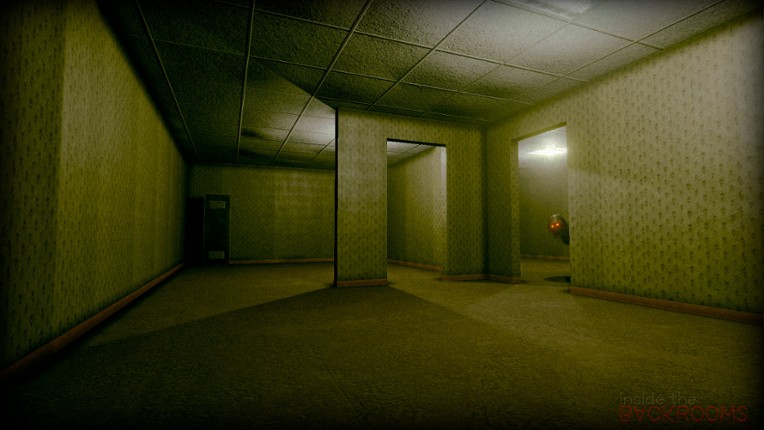
- 82%Game Brain ScoreMost mentioned positive aspects:gameplay, humorMost mentioned negative aspects:stability, grinding82% User Score 19,420 reviewsEmbraces psychological horror within a science fiction Backrooms setting, highlighting story richness over ghost variety. If you enjoyed this game, see our list of games similar to Inside the Backrooms.View Game
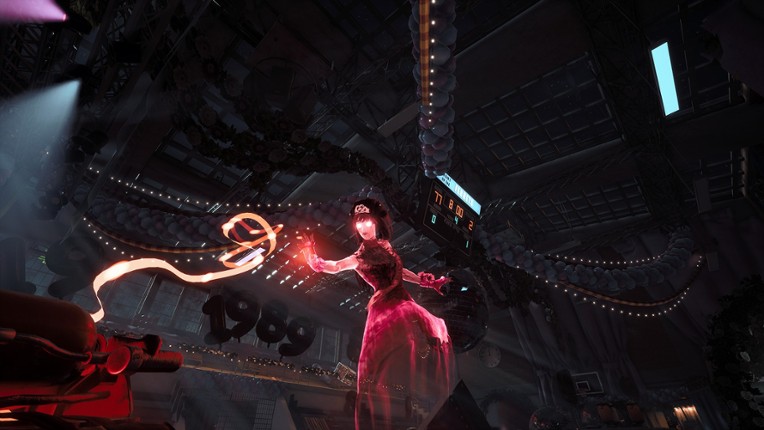
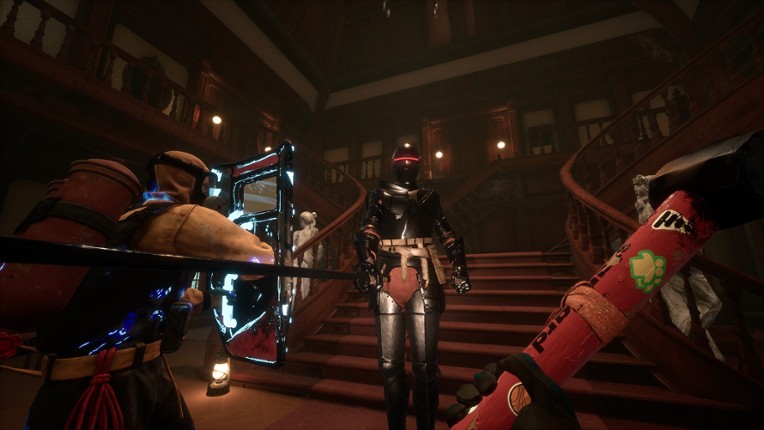
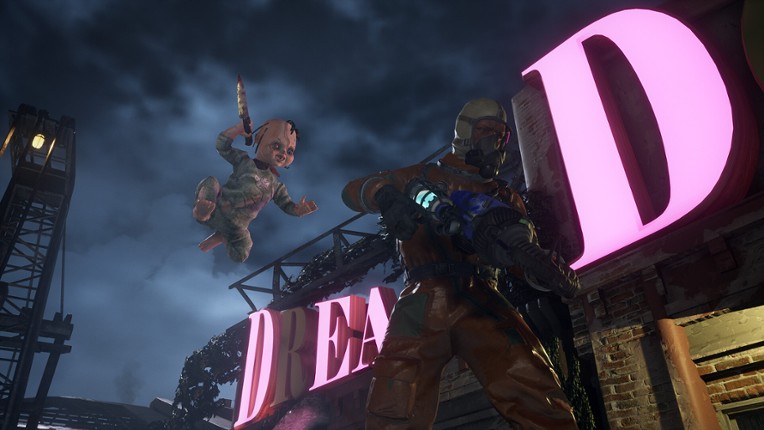
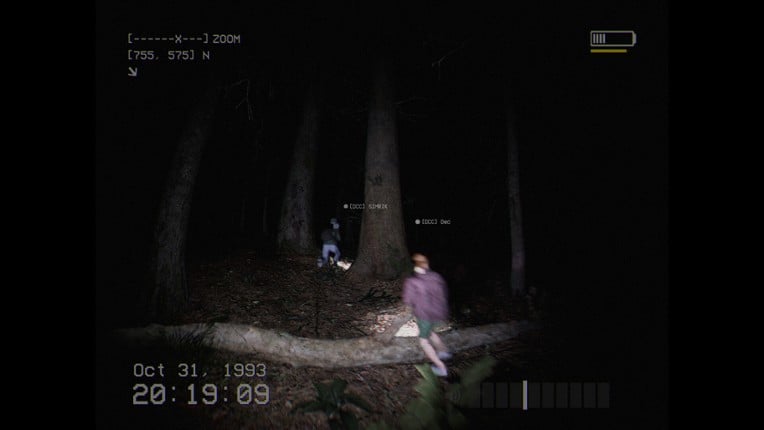
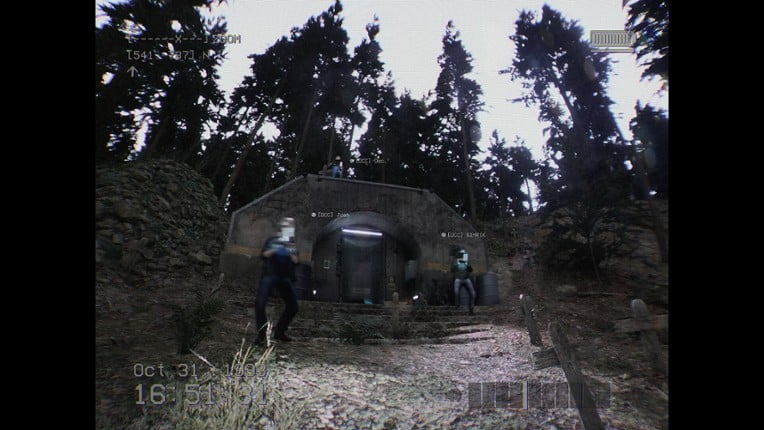
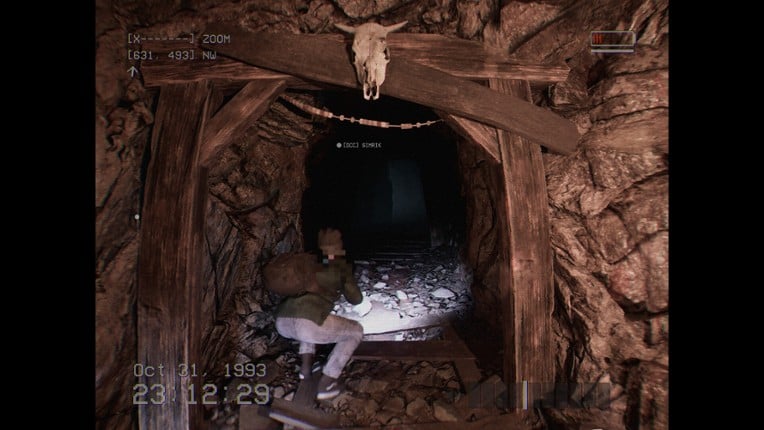
- 58%Game Brain ScoreMost mentioned positive aspects:gameplay, humorMost mentioned negative aspects:stability, optimization58% User Score 1,271 reviewsPushes co-op horror into a tense 1990s demon-infested world with harsher jump scares replacing Phasmophobia's lighter humor. If you enjoyed this game, see our list of games similar to DON'T SCREAM TOGETHER.View Game
- 79%Game Brain ScoreMost mentioned positive aspects:gameplay, humorMost mentioned negative aspects:story, stability79% User Score 2,593 reviews
A microphone is required to play MIMESIS.For a more immersive experience, we recommend using a headset or earphones instead of speakers. ================================================ Do you see this message? You’ve reached the tram. Welcome. MimesisMimesis will imitate you and your allies perfectly. Behavior, voice, anything humans can do. Always doubt the person in front of you. Gather… If you enjoyed this game, see our list of games similar to MIMESIS.
View Game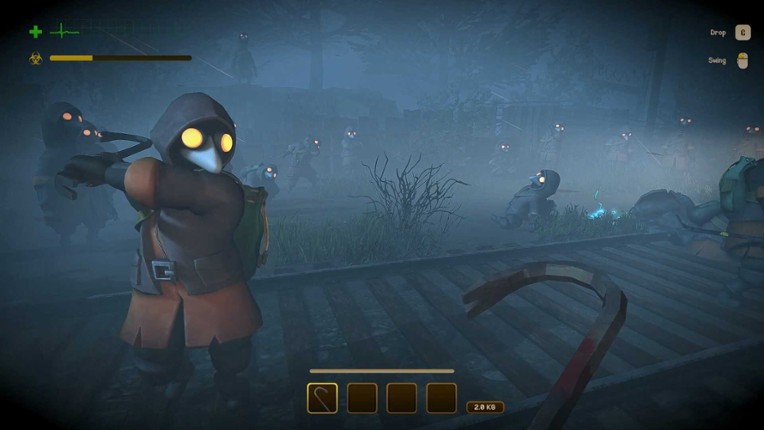
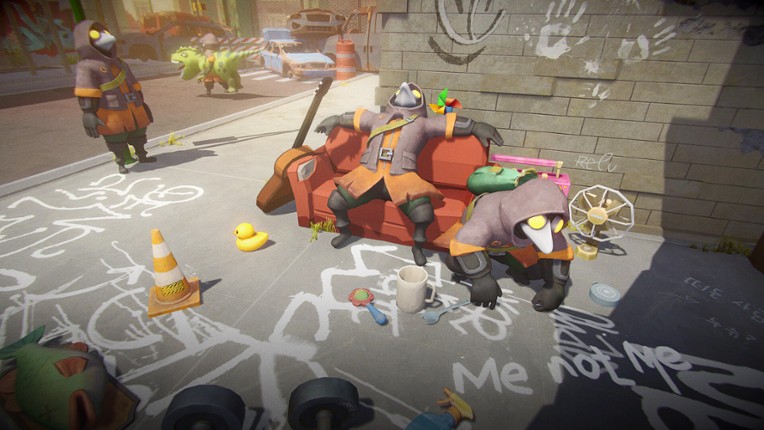
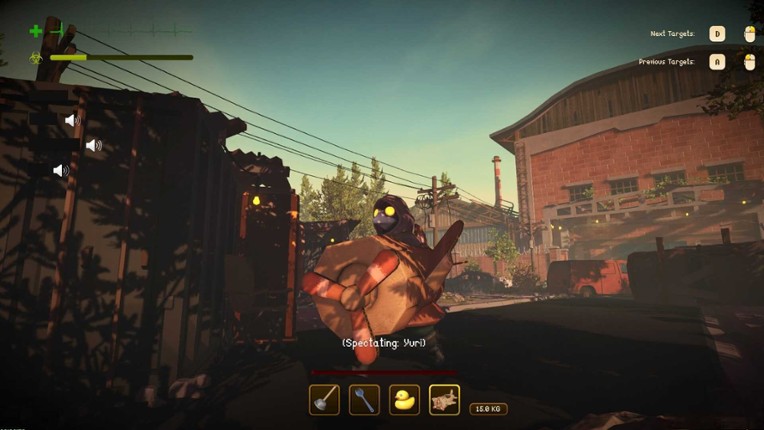
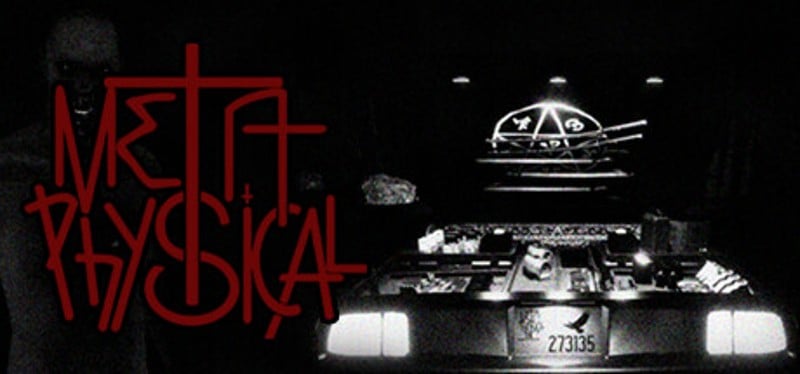
- 85%Game Brain ScoreMost mentioned positive aspects:gameplay, humorMost mentioned negative aspects:stability, graphics85% User Score 404 reviewsBlends Gothic fantasy and dark mythology with psychological horror, trading Phasmophobia’s humor for a deeper mystery focus. If you enjoyed this game, see our list of games similar to MetaPhysical.View Game


 View Game


























Frequently Asked Questions
Demonologist is the closest match, featuring co-op investigation with improved graphics and story depth. Ghost Watchers offers similar detective mechanics with a twist—you can capture ghosts after identifying them. FOREWARNED delivers the same atmospheric tension with procedural generation ensuring fresh playthroughs every time.
Demonologist significantly upgrades the visual experience while maintaining Phasmophobia's investigation gameplay. DEVOUR also features improved graphics alongside its survival horror focus. Both games deliver the same supernatural atmosphere but with more polished, modern visuals that address the original's outdated aesthetic.
All major alternatives—Demonologist, Ghost Watchers, DEVOUR, and FOREWARNED—support both single-player and online co-op modes. You can tackle investigations alone or invite friends remotely, giving you flexibility based on your mood and available players.
Ghost Watchers lets you identify supernatural entities then capture them using specialized equipment. Ghost Exile takes this further with exorcism mechanics post-identification. Both games expand on Phasmophobia's detective loop with unique supernatural abilities tied directly to successful identification.
Pacify offers an affordable alternative with co-op survival gameplay and atmospheric horror. Ghost Exile launches at a lower price point than Phasmophobia while delivering comparable investigative tension. Both provide excellent value for players seeking budget-friendly supernatural co-op experiences.