


Games like Lethal Company
If Lethal Company has stolen dozens of hours from you and your friends, you already know the drill — scramble for scrap, dodge monsters, laugh until you cry, then watch a crewmate die in the most absurd way possible. That pull toward games like Lethal Company makes complete sense: it occupies a rare sweet spot where co-op survival horror and pure comedic chaos collide. The good news is there are genuinely great alternatives that capture the same energy.
What sets Lethal Company apart is its deceptively simple loop: procedurally generated dungeons, permadeath stakes, a quota to meet, and just enough first-person horror atmosphere to keep your heart rate elevated — all while your friends are screaming over voice chat. It's a co-op dungeon crawler wrapped in psychological horror and dressed up as a comedy. Players aren't just looking for another scary game; they want that specific tension-to-laughter pipeline that makes every run feel memorable even when it ends in disaster.
What Makes a Good Alternative to Lethal Company?
- Co-op chaos with real stakes — Lethal Company's best moments happen when teamwork breaks down under pressure. Alternatives need online co-op and permadeath or meaningful failure conditions to recreate that shared panic.
- Horror-comedy tonal balance — The blend of genuine scares and absurd humor is the core of Lethal Company's appeal. Games that lean too far into either direction miss the point entirely.
- Procedural generation and replayability — Randomized maps and unpredictable encounters are what keep each session feeling fresh. Without this, the loop goes stale fast.
- First-person exploration under threat — The first-person perspective puts players directly in the danger, making every dark corridor and strange sound land harder. This viewpoint is central to the tension.
- Resource or quota management — The pressure of a looming deadline or financial goal transforms casual exploration into high-stakes decision-making, which is fundamental to Lethal Company's addictive loop.
Top Picks If You Enjoyed Lethal Company
R.E.P.O. nails physics-based co-op absurdity with roguelike runs; Content Warning swaps scrap quotas for viral video fame with the same chaotic energy; Phasmophobia delivers slower-burn co-op horror with exceptional atmosphere and replayability; Murky Divers takes the formula underwater with submarine teamwork and procedural monster threats; and Escape the Backrooms leans harder into psychological dread for players who want fewer laughs and more genuine unease.
Every recommendation below is ranked by similarity to Lethal Company using real player data, covering genres, mechanics, and tone. Browse the full list to find exactly the kind of experience you're after.
- 94%Game Brain ScoreMost mentioned positive aspects:humor, gameplayMost mentioned negative aspects:stability, story94% User Score 73,151 reviews
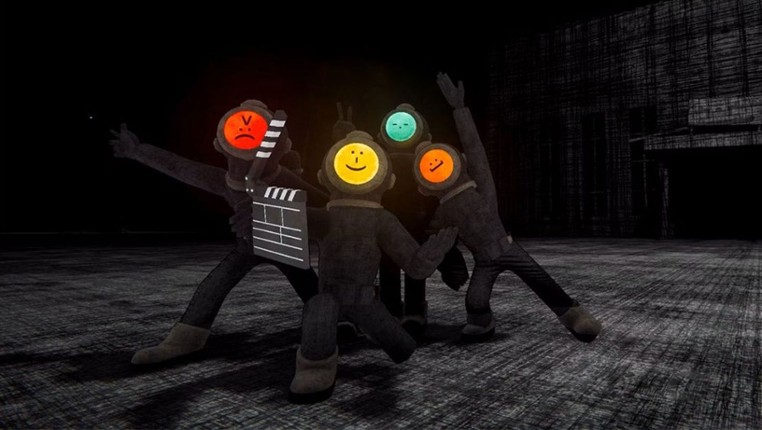
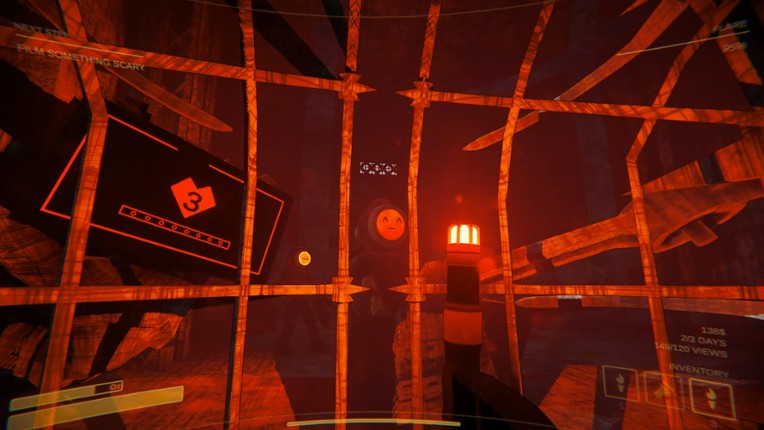
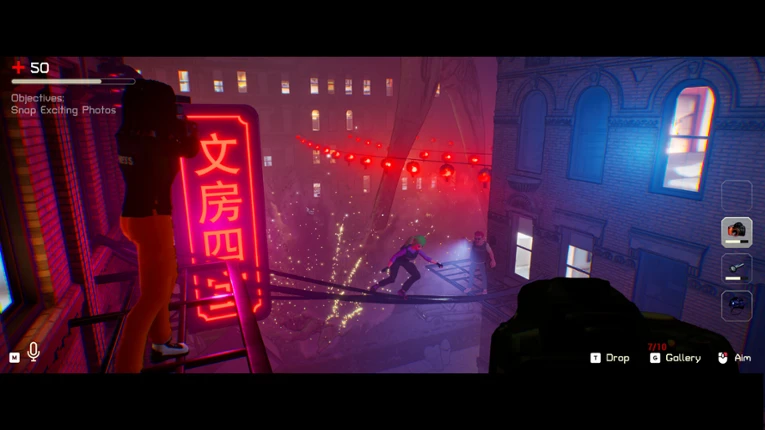
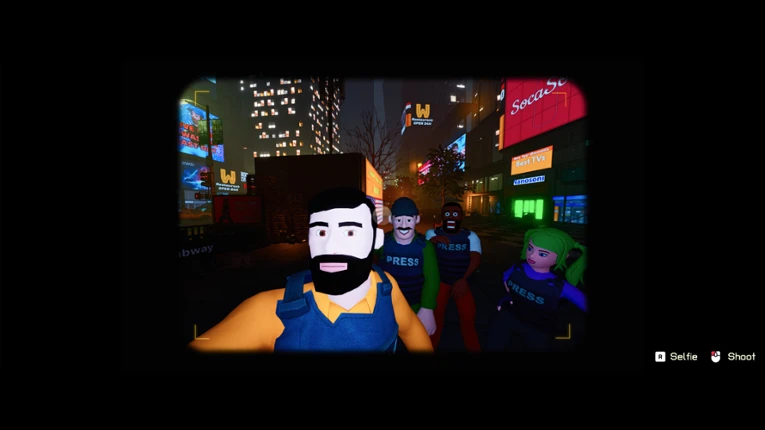
That panic-soaked co-op run where one bad call turns into loud chaos and sudden laughter is exactly where Content Warning clicks for Lethal Company fans. Both games thrive on first-person teamwork, procedural encounters, and that constant scramble to stay alive while your friends make everything worse in the best way.
Like Lethal Company, it turns horror into a group story: you split up, react on the fly, and end up remembering the failed escape more than the objective. The physics-driven comedy matters here because it creates the same kind of unpredictable, clip-worthy disasters that make co-op horror feel personal instead of scripted.
Content Warning also gives that loop a fresh twist by pushing mystery and recording-based escalation rather than pure scavenging. That tradeoff adds a stronger sense of progression and replayability, which helps address one of Lethal Company’s biggest complaints: the repetition that can creep in, especially solo.
Best for players who want chaotic teamwork, horror-comedy, and repeat runs that keep producing stories.
If you enjoyed this game, see our list of games similar to Content Warning.View Game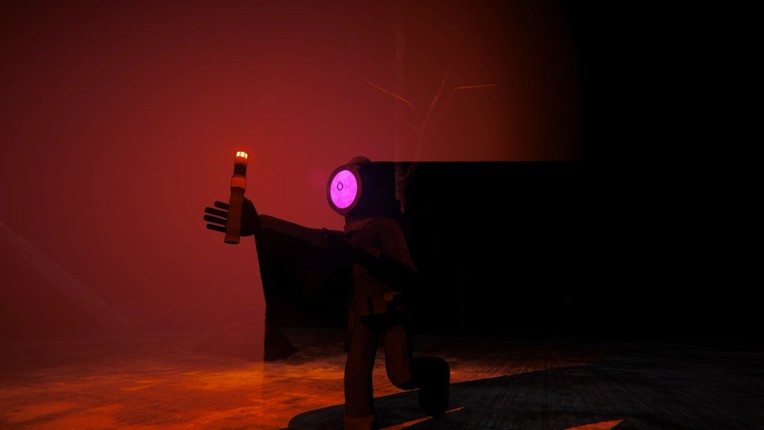
- 97%Game Brain ScoreMost mentioned positive aspects:humor, gameplayMost mentioned negative aspects:grinding, stability97% User Score 174,642 reviews
Both games weaponize cooperative chaos as their core draw—that specific magic where friend groups descend into screaming laughter during high-stakes moments. The procedural generation and permadeath systems ensure no two runs feel identical, forcing constant adaptation and creating those unpredictable, hilarious failures that bond players together.
R.E.P.O. mirrors Lethal Company's horror-comedy tonal blend, but trades claustrophobic facility crawls for physics-based stealth and sabotage scenarios. Where Lethal Company generates dread through atmosphere, R.E.P.O. generates it through mechanical unpredictability—your own actions and physics interactions become the threat, amplifying the absurdity.
The first-person exploration loop remains intact: scavenge, survive, extract. However, R.E.P.O. layers action-heavy stealth mechanics on top, shifting the gameplay rhythm from pure survival tension to moment-to-moment tactical decisions, offering fresh complexity without abandoning what made Lethal Company's loop addictive.
Best for cooperative players who've exhausted Lethal Company's run variety and want the same "funny disaster" energy channeled through a different mechanical framework—especially those who value physics-driven emergent gameplay over pure horror atmosphere.
If you enjoyed this game, see our list of games similar to R.E.P.O..View Game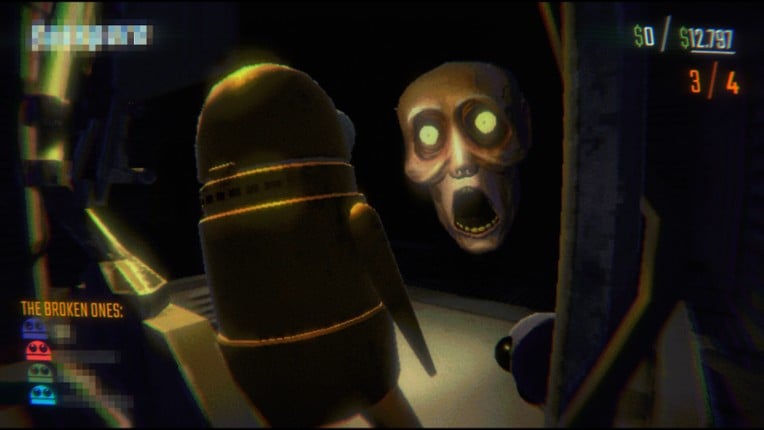
- 90%Game Brain ScoreMost mentioned positive aspects:gameplay, graphicsMost mentioned negative aspects:stability, grinding90% User Score 51,622 reviews
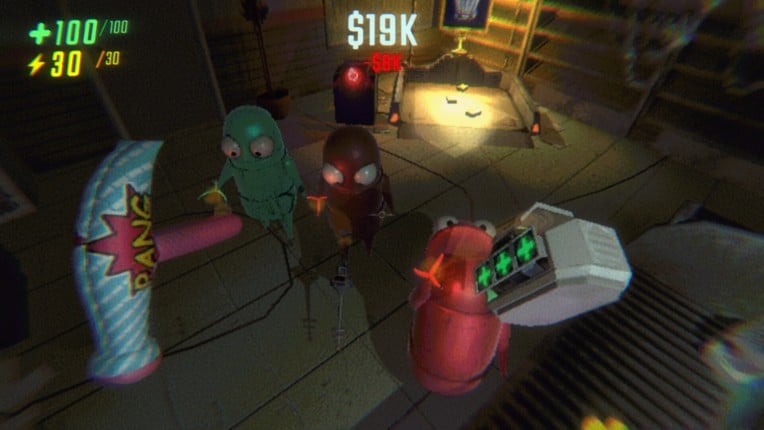
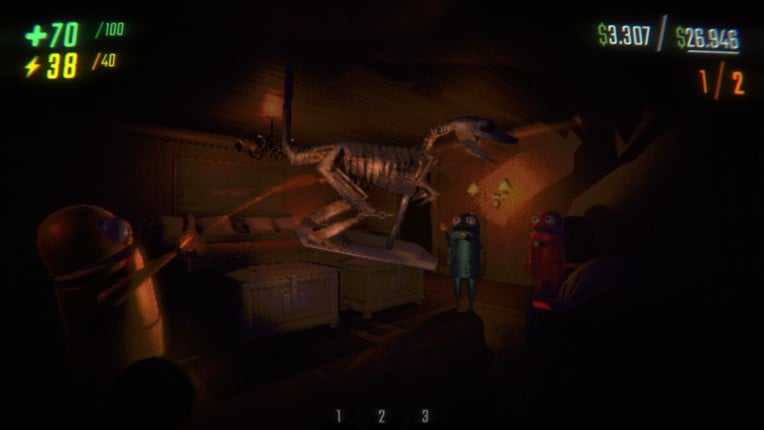
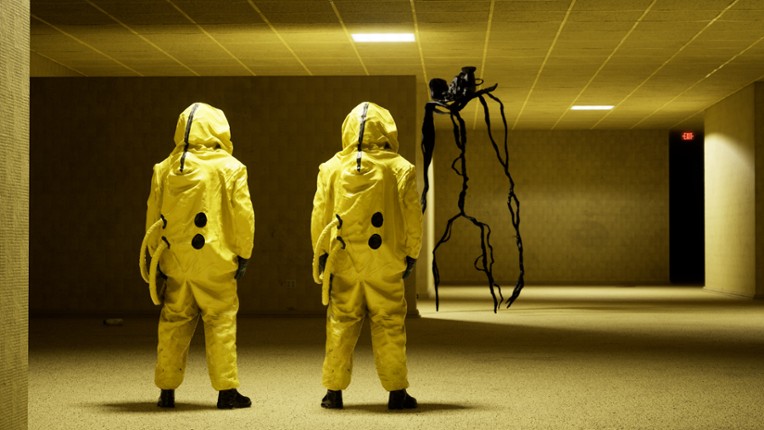
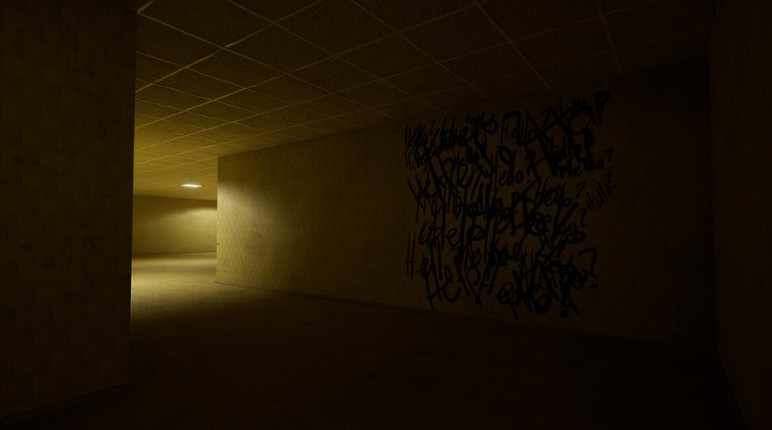
The primary connection is claustrophobic group navigation through procedurally unstable environments where communication is your only lifeline. You share the same dread-filled exploration loop, which matters because it forces reliance on your teammates to survive the encroaching unknown.
While Lethal Company leans into emergent, physics-based slapstick, Escape the Backrooms favors a more structured, atmosphere-heavy puzzle-solving experience. You trade the chaotic, high-energy comedy of the Company for a slow-burn descent into surreal, psychological discomfort.
Pick this up if you want the tension of being stalked in the dark but prefer navigating environmental puzzles over managing a corporate quota.
If you enjoyed this game, see our list of games similar to Escape the Backrooms.View Game


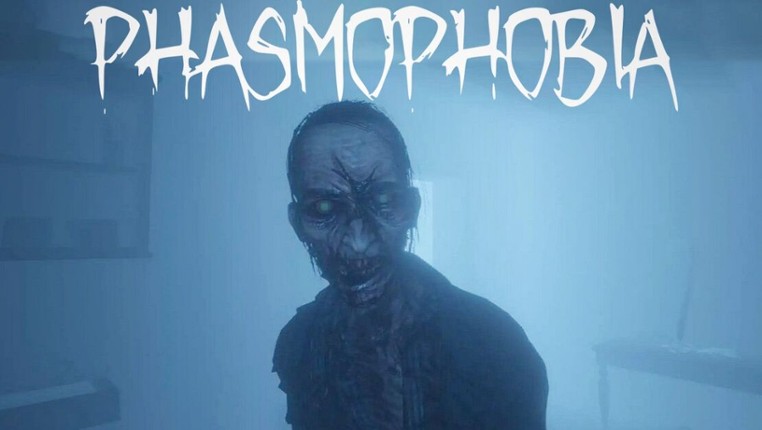
- 96%Game Brain ScoreMost mentioned positive aspects:gameplay, humorMost mentioned negative aspects:story, stability96% User Score 412,763 reviews
That moment in Lethal Company where laughter tips into blind panic — someone's running, someone's screaming, and nobody quite knows what's happening — is exactly the emotional register Phasmophobia operates in. Both games weaponize co-op chaos, turning friends into unreliable teammates whose reactions are often funnier than the horror itself.
The first-person psychological horror loop carries over directly: you're gathering evidence in hostile spaces, balancing curiosity against self-preservation. In Phasmophobia, this tension is sharpened by an investigation layer — identifying ghost types adds a detective puzzle that keeps each run mentally active, not just reactive.
If Lethal Company's repetition ever wore thin for you, Phasmophobia's diverse ghost roster and randomized behavior offer more mechanical variety per session. That said, progression here leans harder on grinding, so it trades one frustration for another rather than eliminating it.
Best for players who want their horror served with genuine tactical thinking alongside the screaming — and who do their best work in a group.
If you enjoyed this game, see our list of games similar to Phasmophobia.View Game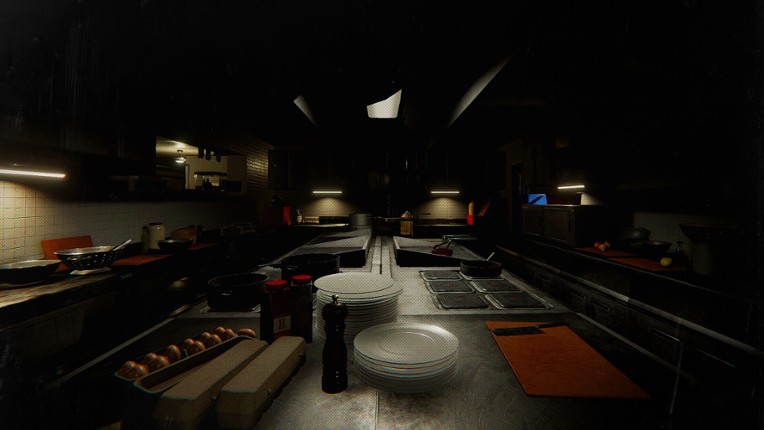

- 90%Game Brain ScoreMost mentioned positive aspects:graphics, gameplayMost mentioned negative aspects:grinding, stability90% User Score 13,375 reviewsSwaps Lethal Company's alien horror for procedural backroom dread, maintaining cooperative escape tension with fewer laughs. If you enjoyed this game, see our list of games similar to Backrooms: Escape Together.View Game

- 89%Game Brain ScoreMost mentioned positive aspects:humor, gameplayMost mentioned negative aspects:stability, optimization89% User Score 4,641 reviews
The strongest overlap is the co-op psychological horror formula that weaponizes social panic into comedy — both games turn terrified friends into the source of your best moments. Players aren't just scared; they're scared while someone screams in their ear.
The Headliners preserves the first-person atmospheric dread with dark humor woven into every encounter, giving it that same emotional whiplash Lethal Company masters. Destruction mechanics add a layer of chaotic agency that intensifies the panic.
The tradeoff: The Headliners trades Lethal Company's procedural variety for souls-like difficulty spikes and team-based destruction — tighter design, but less unpredictable emergent chaos.
Pick this up if you want co-op horror comedy with friends and can tolerate buggy execution and punishing solo play — same emotional rollercoaster, rougher edges.
If you enjoyed this game, see our list of games similar to The Headliners.View Game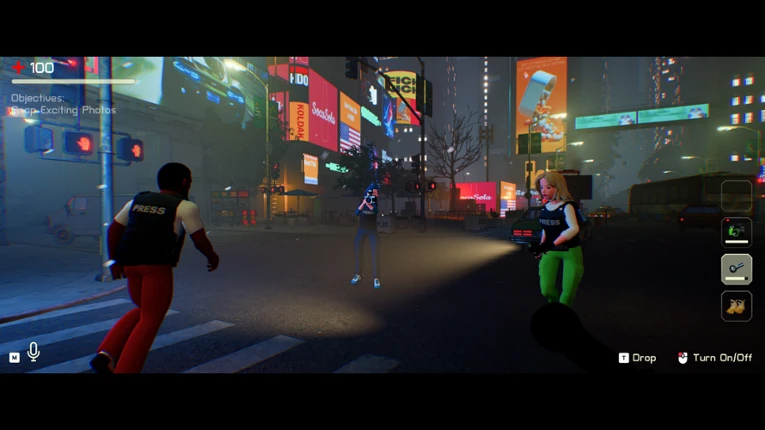
- 92%Game Brain ScoreMost mentioned positive aspects:humor, gameplayMost mentioned negative aspects:optimization, stability92% User Score 88,996 reviews
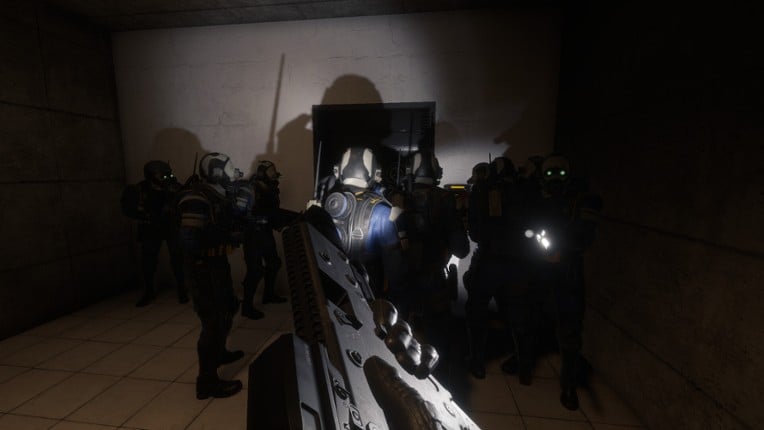
Both games thrive on cooperative chaos filtered through dark humor—those moments where a friend's panicked mistake becomes legendary lore. The psychological whiplash of terror and laughter creates bonds that pure survival games can't match, and SCP delivers this same emotional turbulence through multiplayer unpredictability rather than scripted scares.
You'll recognize the high-stakes, time-pressured exploration loop: navigate hostile spaces, manage limited resources, and escape before something kills you. SCP layers in dynamic role assignment (play as researcher, D-Class, or creature) that reshuffles your objectives each round, preventing the progression fatigue Lethal Company players often report.
The permadeath-adjacent tension returns here too. You're constantly vulnerable, and one misstep cascades into catastrophe—but SCP's multiplayer respawn mechanics mean you're watching chaos unfold rather than restarting alone, sustaining engagement where solo Lethal Company can feel repetitive.
The meaningful tradeoff: SCP trades Lethal Company's atmospheric dungeon crawling for frantic, meme-fueled firefights and absurdist sci-fi horror. It's messier, noisier, and intentionally ridiculous where Lethal Company can feel grounded.
Best for players who crave the friendship-forged memories of Lethal Company but want infinite replayability without grinding the same loops.
If you enjoyed this game, see our list of games similar to SCP: Secret Laboratory.View Game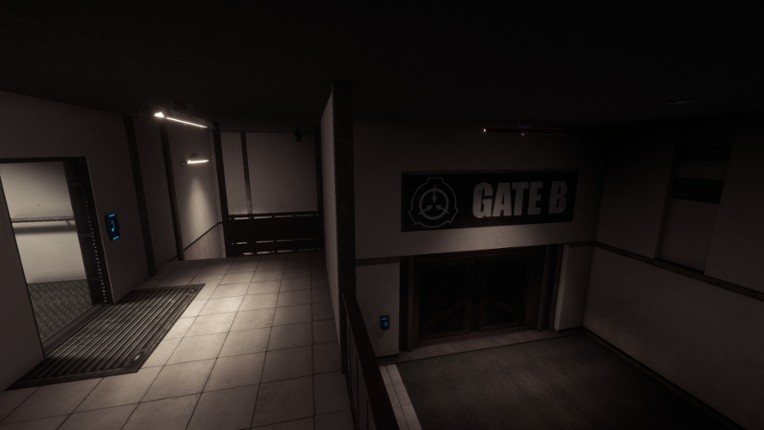
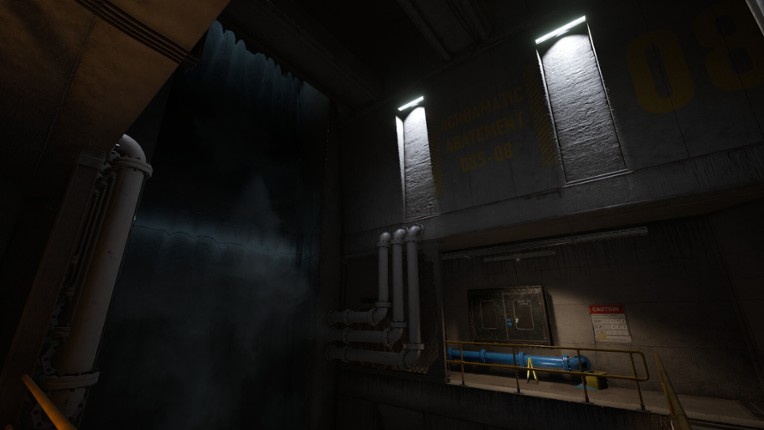
- 79%Game Brain ScoreMost mentioned positive aspects:gameplay, humorMost mentioned negative aspects:story, stability79% User Score 2,593 reviewsCapture the solitary tension of wandering derelict spaces, but shift the focus toward a singular, psychological experience devoid of cooperative camaraderie. If you enjoyed this game, see our list of games similar to MIMESIS.View Game
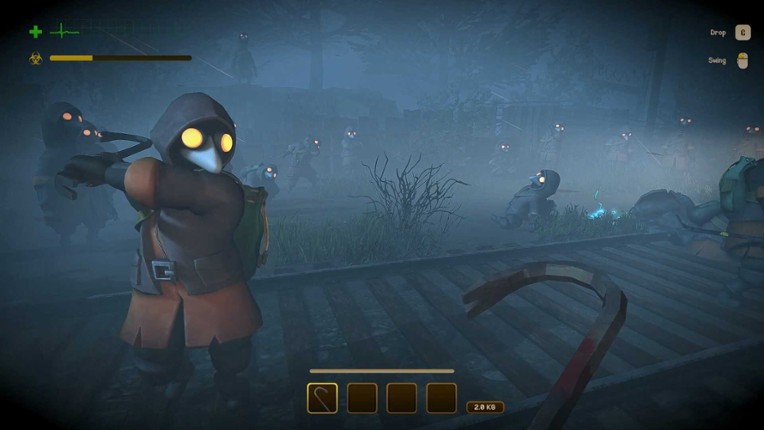
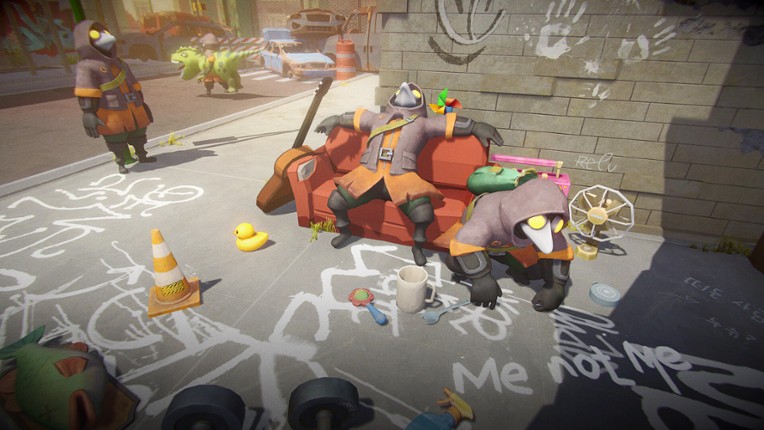
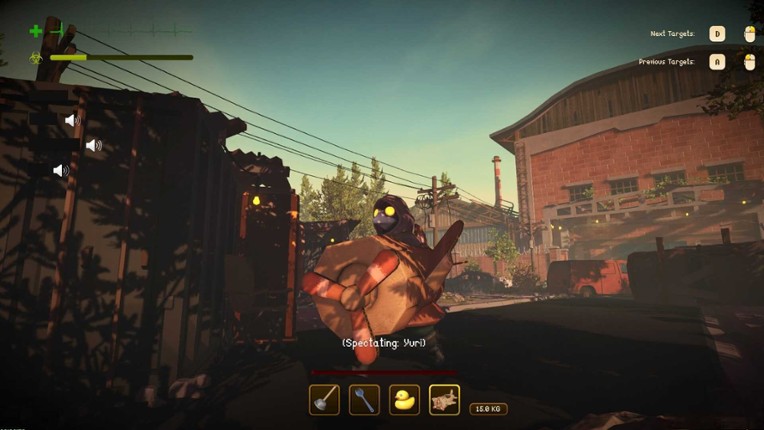
- 83%Game Brain ScoreMost mentioned positive aspects:gameplay, atmosphereMost mentioned negative aspects:stability, optimization83% User Score 10,902 reviews
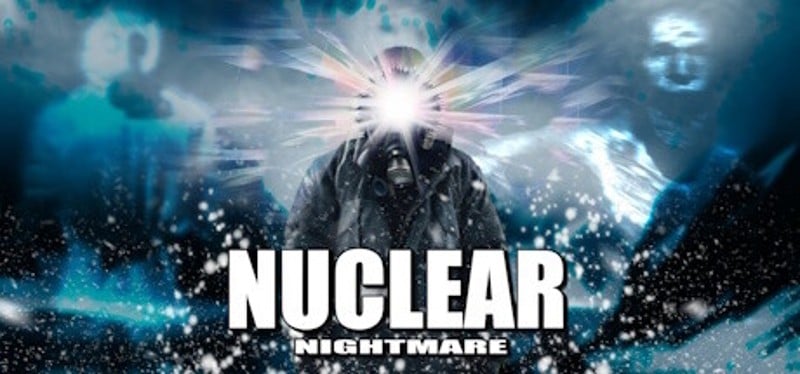
The core draw of Nuclear Nightmare is the procedural psychological horror, mirroring the dread-filled scavenging runs found in Lethal Company.
Both titles lean heavily into emergent tension, where unpredictable alien encounters force players to make frantic, split-second decisions to survive.
The primary tradeoff is the move toward a strictly solitary experience; you lose the chaotic voice-chat comedy of a full crew in exchange for a more isolated, oppressive atmosphere.
Pick this up if you want the anxious exploration and punishing perma-death of a deep-space scavenger hunt, but can live without the cooperative multiplayer hijinks.
If you enjoyed this game, see our list of games similar to Nuclear Nightmare.View Game


- 88%Game Brain ScoreMost mentioned positive aspects:story, gameplayMost mentioned negative aspects:stability, grinding88% User Score 21,290 reviews
Nothing captures the frantic energy of Lethal Company quite like the desperate scramble to manage objectives while a supernatural threat hunts your crew through narrow corridors. Pacify taps into that same chaotic synergy, forcing your group to balance vital item collection with high-stakes time management under extreme pressure.
You will encounter procedural elements that keep each run unpredictable, ensuring your team can never fully master the environment. Because you must physically interact with the haunting entity to temporarily neutralize it, the game mirrors the high-risk, high-reward tension of meeting a strict quota. This mechanical loop ensures that psychological horror quickly dissolves into the same accidental comedy found when a scrap run goes sideways.
While it trades the sci-fi setting for a grounded supernatural mystery, this recommendation addresses the visual complaints often aimed at the Company by providing much higher graphical fidelity. This polish eliminates the visibility issues and simplistic textures that some players find distracting in lunar outposts.
Best for players who crave unpredictable panic and coordinated teamwork but prefer a more polished, atmospheric ghost hunt.
If you enjoyed this game, see our list of games similar to Pacify.View Game
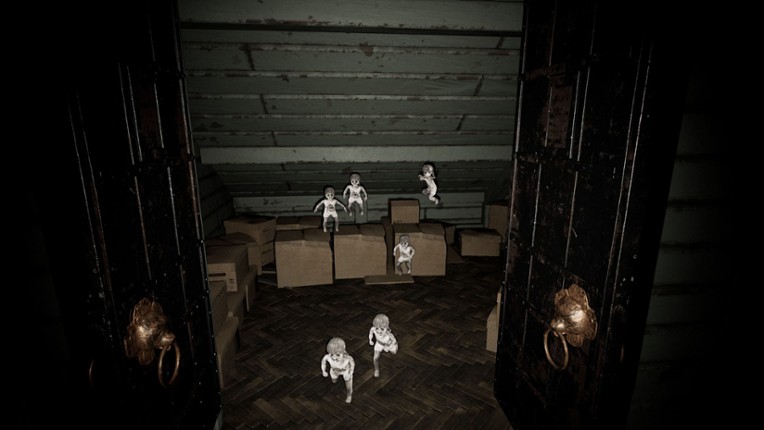

- 88%Game Brain ScoreMost mentioned positive aspects:gameplay, humorMost mentioned negative aspects:stability, grinding88% User Score 2,859 reviews
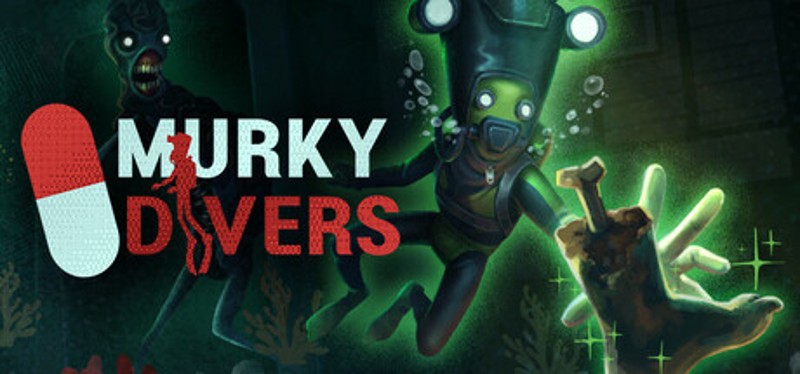
Both games hinge on tense 2-player co-op gameplay that demands precise communication under pressure, making teamwork essential for survival. This shared focus on procedural generation keeps each run unpredictable, heightening suspense and replayability.
Murky Divers introduces a submarine crew mechanic, adding role-based depth to co-op play, but its lack of tutorial and technical hiccups undercut accessibility. Unlike Lethal Company’s straightforward dungeon crawl with a sharp horror-comedy balance, Murky Divers leans into underwater mystery and more complex team roles.
Pick Murky Divers if you want a fresh aquatic twist on co-op horror and don’t mind a steeper learning curve or occasional bugs. Skip it if you prefer Lethal Company’s tight pacing and simpler mechanics without extra operational overhead. If you enjoyed this game, see our list of games similar to Murky Divers.
View Game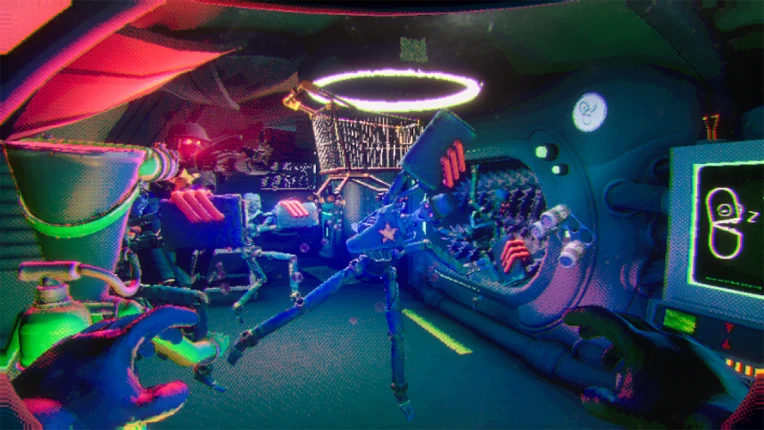
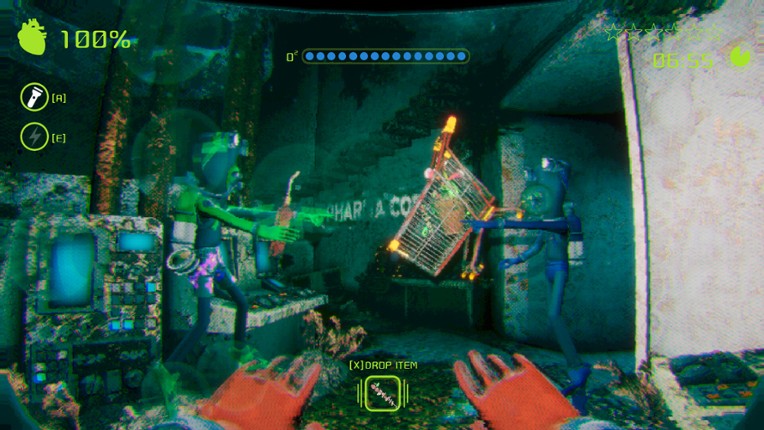
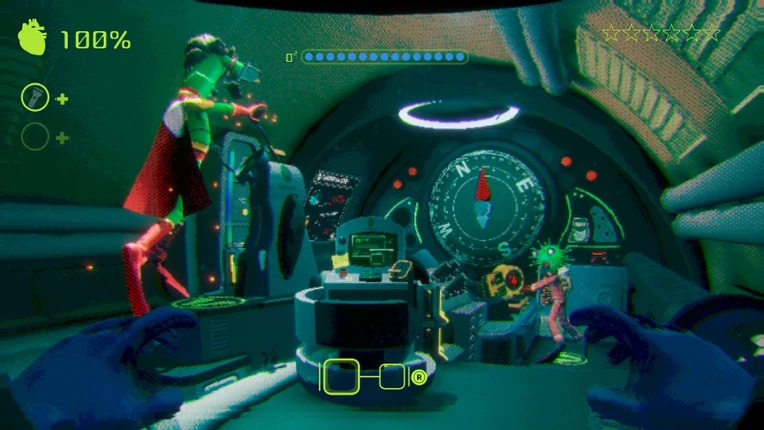
- 76%Game Brain ScoreMost mentioned positive aspects:gameplay, humorMost mentioned negative aspects:stability, story76% User Score 4,981 reviews
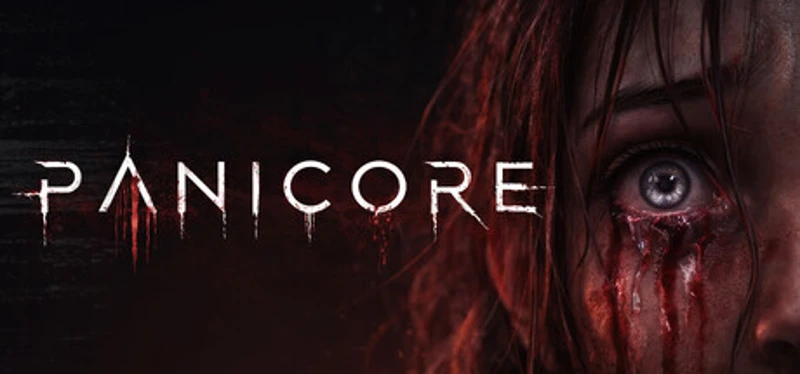
Both games nail co-op horror through voice interaction—Lethal Company's chaotic communication under pressure finds its match in Panicore's voice-reactive monster AI, which transforms how you coordinate with teammates.
They share procedural/roguelike structures that demand repeated runs, which keeps the tension fresh across sessions.
The critical difference: Lethal Company prioritizes humor breaking horror, while Panicore commits harder to dread—expect less laugh-out-loud moments and more sustained psychological pressure.
Pick this up if you want horror-focused co-op that punishes careless talking, but accept that Panicore's thinner map roster means replay value depends entirely on how much you'll replay the same scenarios.
If you enjoyed this game, see our list of games similar to PANICORE.View Game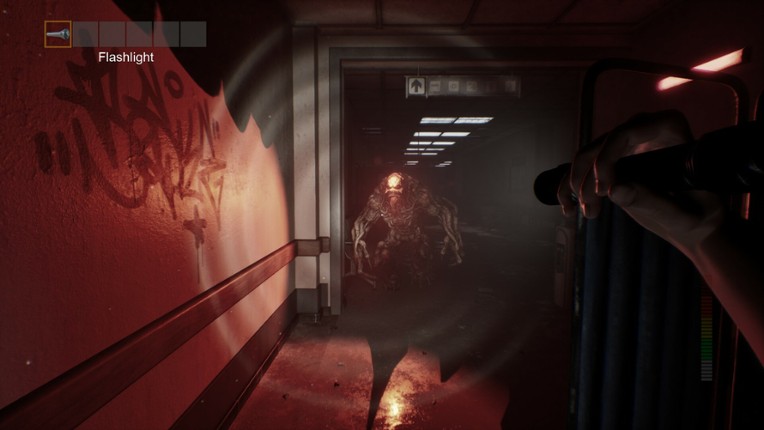
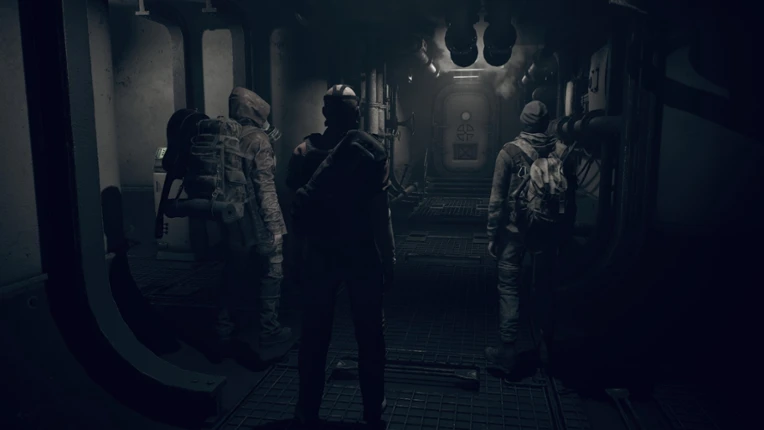
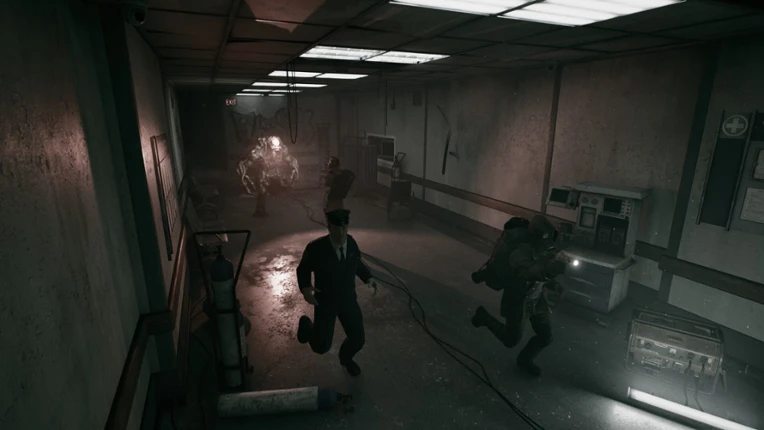
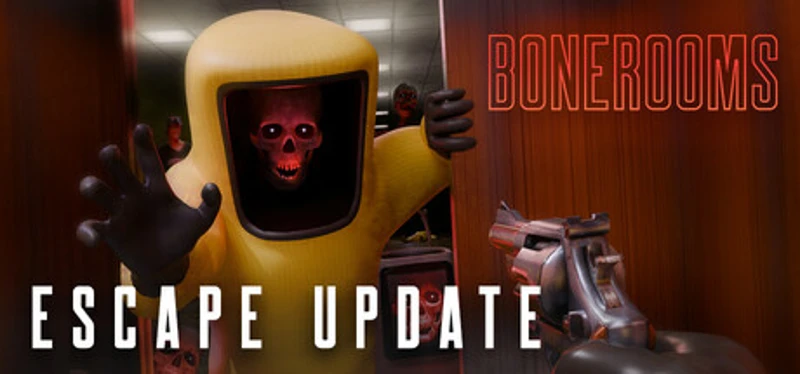
- 83%Game Brain ScoreMost mentioned positive aspects:humor, gameplayMost mentioned negative aspects:story, graphics83% User Score 1,579 reviewsMoving away from strict management, this surreal romp leans into the absurdity of backroom-style exploration with a focus on chaotic, improvised encounters. If you enjoyed this game, see our list of games similar to The Bonerooms.View Game
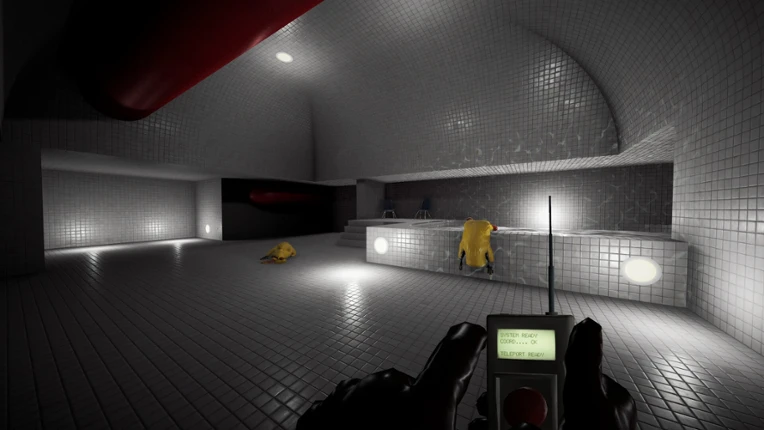
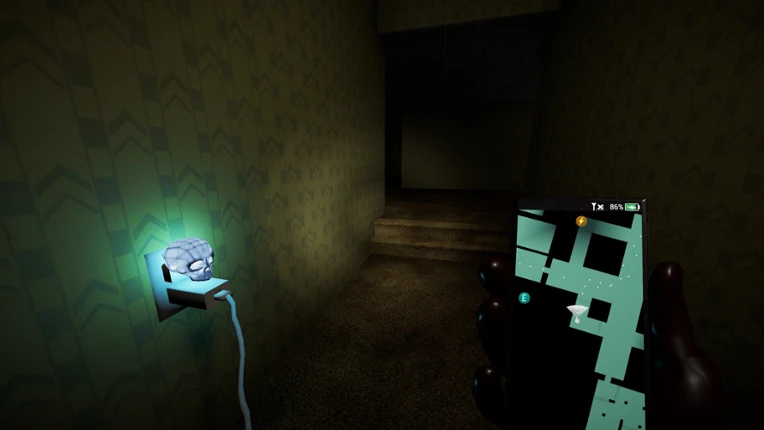
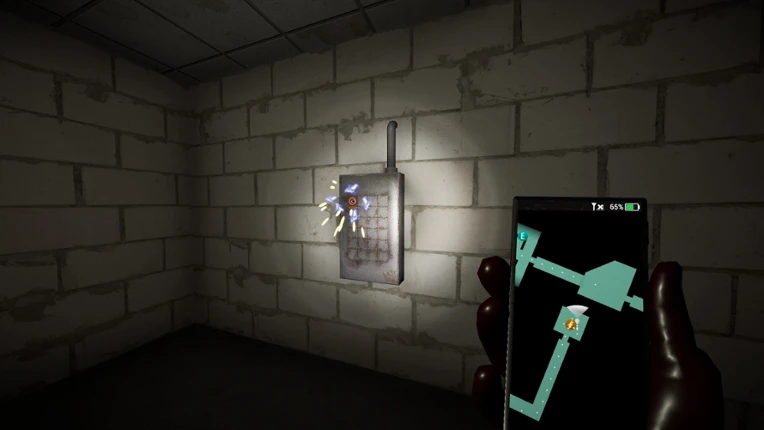
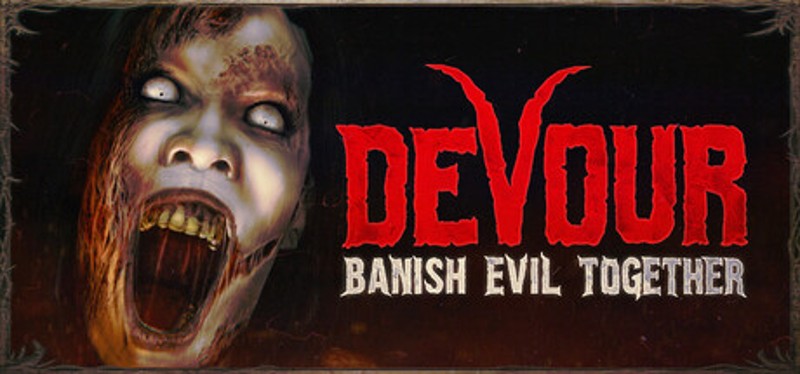
- 90%Game Brain ScoreMost mentioned positive aspects:gameplay, humorMost mentioned negative aspects:grinding, stability91% User Score 38,616 reviewsCritic Score 85%1 reviewsDarkens Lethal Company's humor into ritualistic possession horror while keeping the tight co-op survival loop and high stakes. If you enjoyed this game, see our list of games similar to DEVOUR.View Game
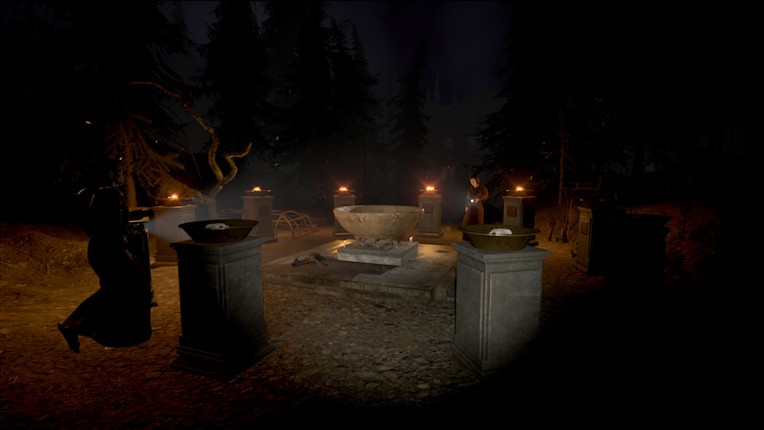

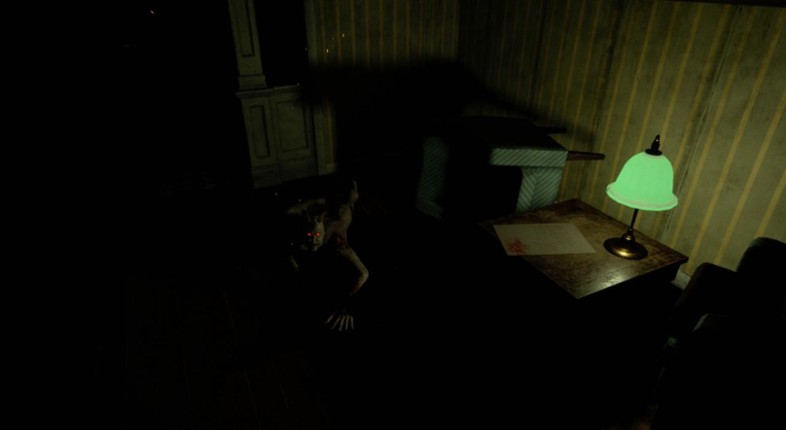
- 84%Game Brain ScoreMost mentioned positive aspects:humor, gameplayMost mentioned negative aspects:stability, music84% User Score 2,879 reviews
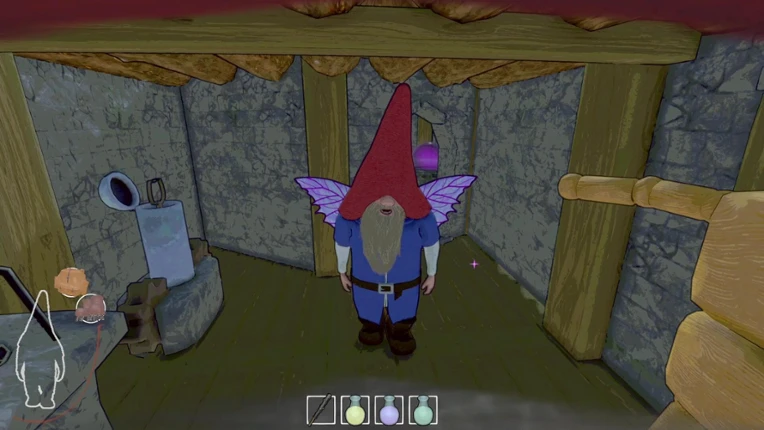
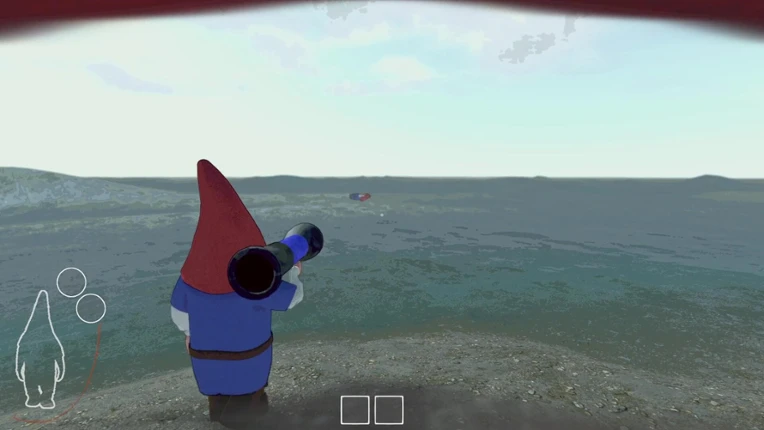
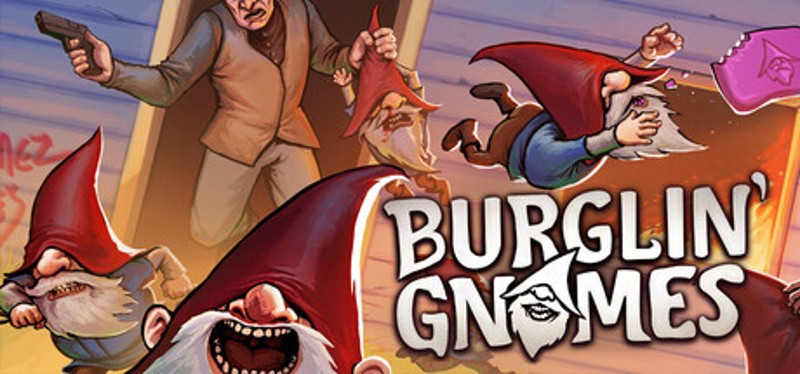
An online Co-op game about breaking into houses and causing havoc as a tiny gnome. Avoid danger, repurpose stolen household items, and complete tasks to meet the High-Gnome’s demands. Craft equipment and upgrade your home to make your missions easier and more successful. If you enjoyed this game, see our list of games similar to Burglin' Gnomes.
View Game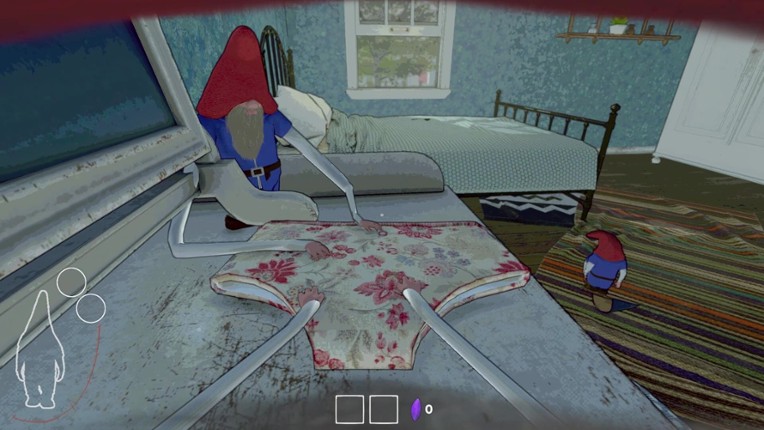
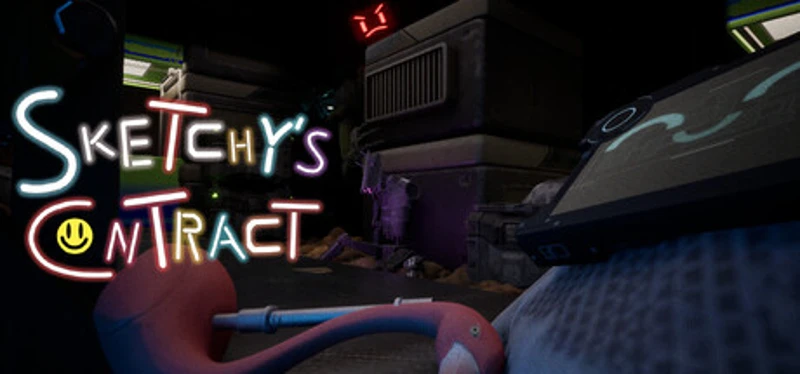
- View Game80%Game Brain ScoreMost mentioned positive aspects:gameplay, graphicsMost mentioned negative aspects:stability, story80% User Score 1,142 reviewsHits nearly identical notes—aliens, dungeon crawling, psychological horror—but wraps them in a sci-fi space setting with slightly sharper comedic timing. If you enjoyed this game, see our list of games similar to Sketchy's Contract.
- 89%Game Brain ScoreMost mentioned positive aspects:gameplay, storyMost mentioned negative aspects:grinding, stability94% User Score 47,641 reviewsCritic Score 78%4 reviewsDelivers intense cooperative horror through a tense survival testing ground with dark humor amplified by larger multiplayer scale and PvE elements. If you enjoyed this game, see our list of games similar to The Outlast Trials.View Game
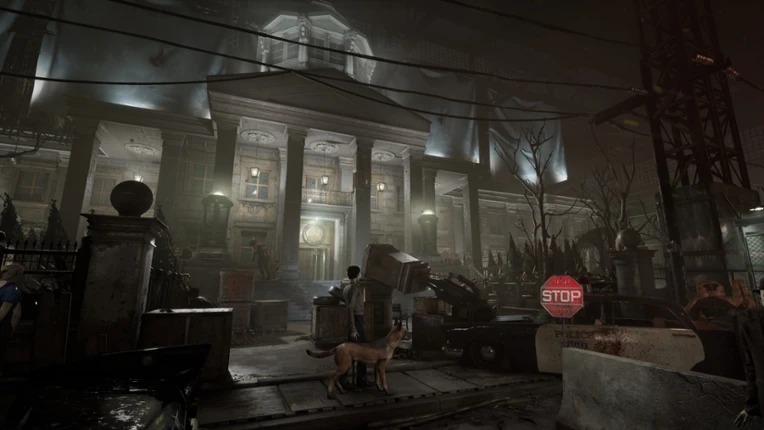
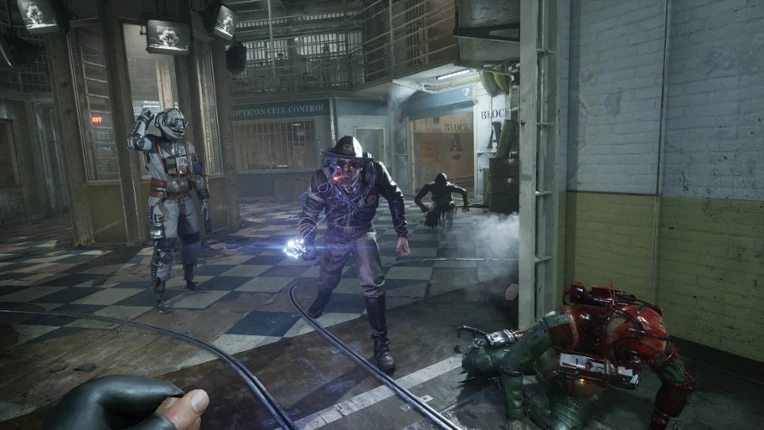
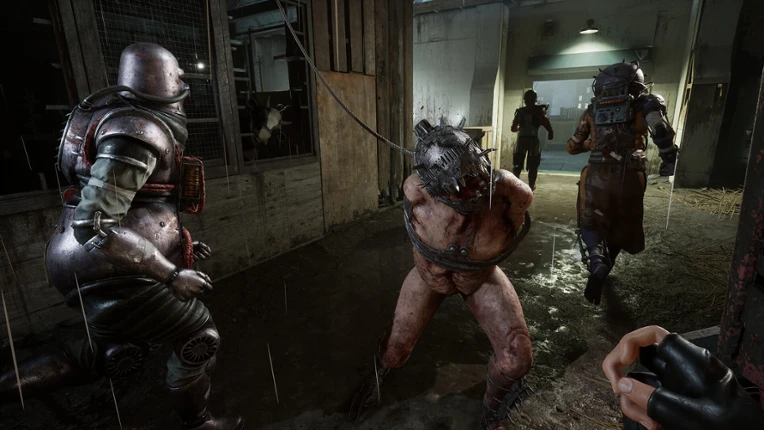
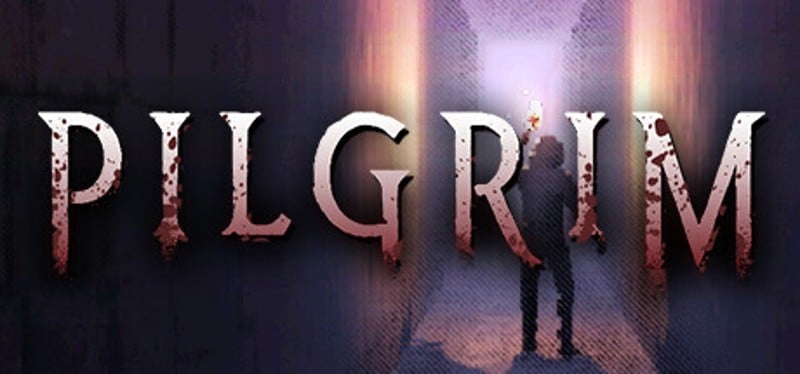
- 71%Game Brain ScoreMost mentioned positive aspects:gameplay, graphicsMost mentioned negative aspects:stability, story71% User Score 2,844 reviewsMatches Lethal Company's dark humor and dungeon crawling but pivots toward medieval post-apocalyptic lore and solo-viable campaign structure. If you enjoyed this game, see our list of games similar to PILGRIM.View Game
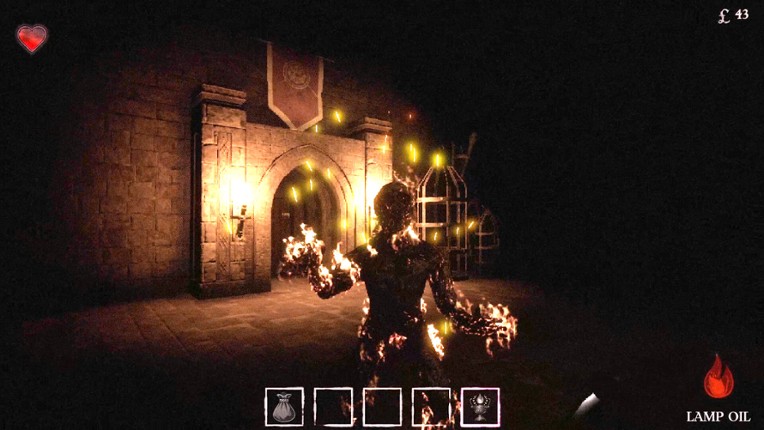
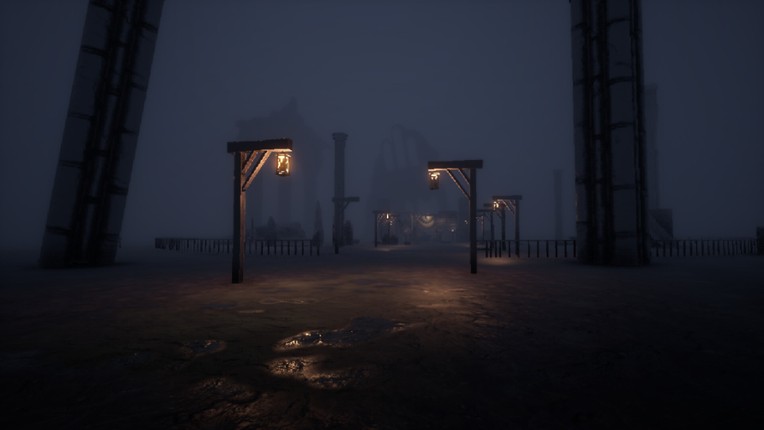
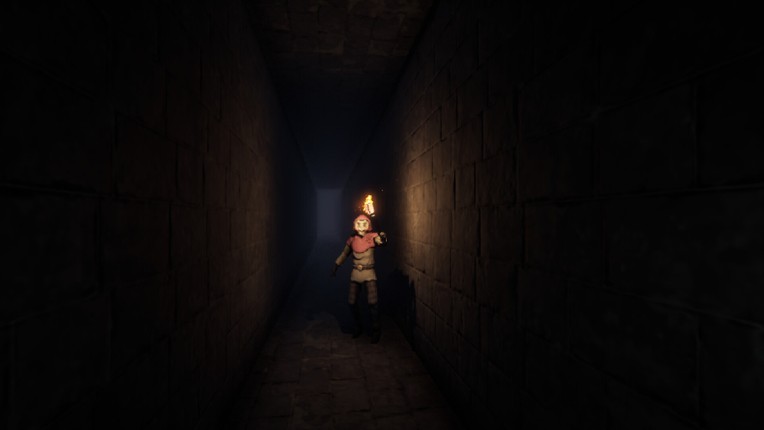
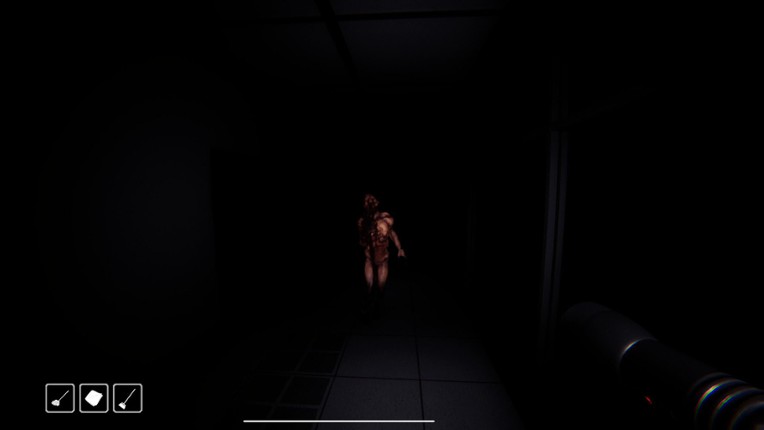
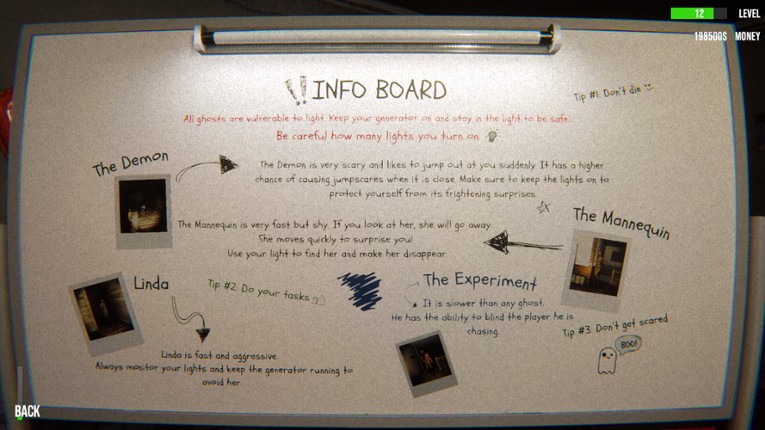
- 87%Game Brain ScoreMost mentioned positive aspects:gameplay, humorMost mentioned negative aspects:stability, story87% User Score 789 reviews
Ghost Janitors is a 1-4 player co-op horror game where you and your friends clean haunted locations. What starts as a simple job quickly turns into a terrifying fight against eerie ghosts and dark secrets. Stay brave, work together, and scrub away the supernatural—if you dare. DO YOUR JOBClean up the house with your team, get out and get rewarded for each task you complete. STAY IN THE … If you enjoyed this game, see our list of games similar to Ghost Janitors.
View Game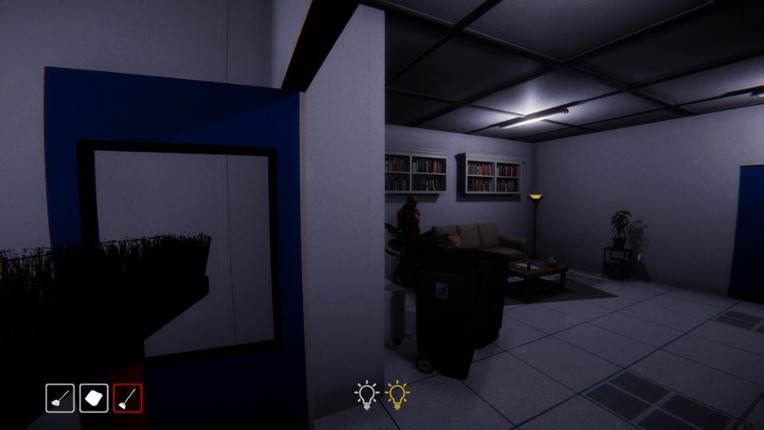
- 97%Game Brain ScoreMost mentioned positive aspects:humor, gameplayMost mentioned negative aspects:story, grinding97% User Score 18,922 reviewsWhile the core loop is looser, fans of the chaotic hilarity will enjoy these physics-driven 2D battles where unpredictable movement creates slapstick disasters. If you enjoyed this game, see our list of games similar to Bopl Battle.View Game

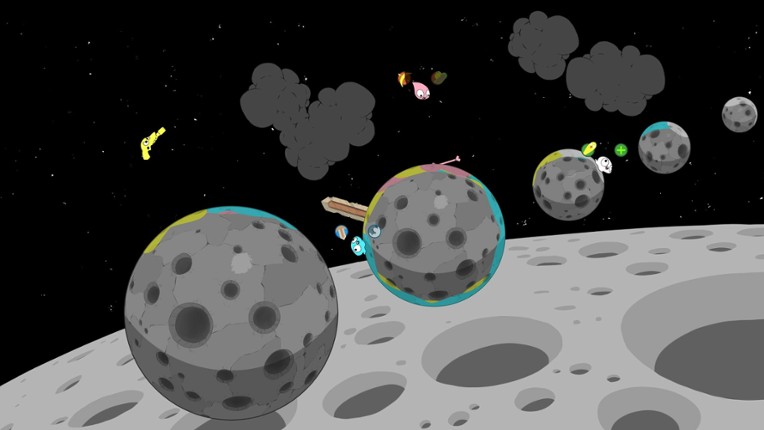
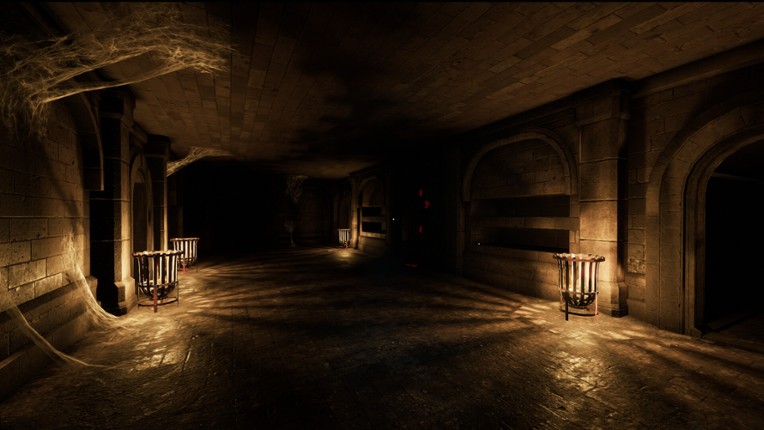
- 86%Game Brain ScoreMost mentioned positive aspects:story, gameplayMost mentioned negative aspects:grinding, stability86% User Score 13,514 reviewsDitch the industrial scavenging for a deeper, more narrative-heavy experience featuring complex Lovecraftian puzzles that require patient teamwork rather than frantic looting. If you enjoyed this game, see our list of games similar to Labyrinthine.View Game
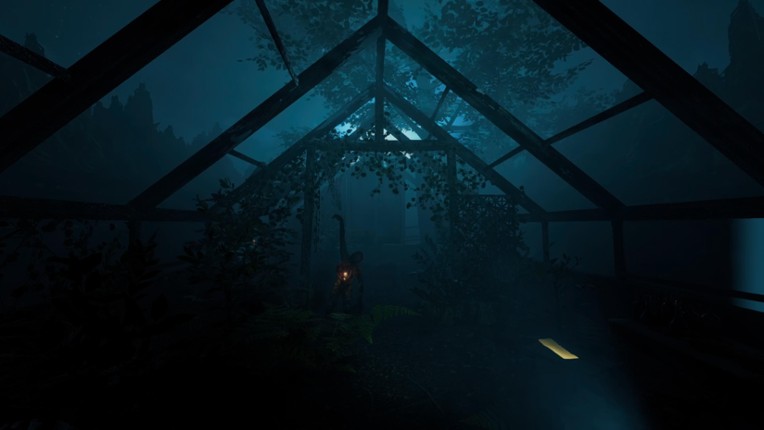

- 84%Game Brain ScoreMost mentioned positive aspects:gameplay, graphicsMost mentioned negative aspects:stability, optimization84% User Score 22,164 reviewsReframes Lethal Company's creature dread around folklore and cryptids while adding PvP chaos to the cooperative horror formula. If you enjoyed this game, see our list of games similar to BIGFOOT.View Game


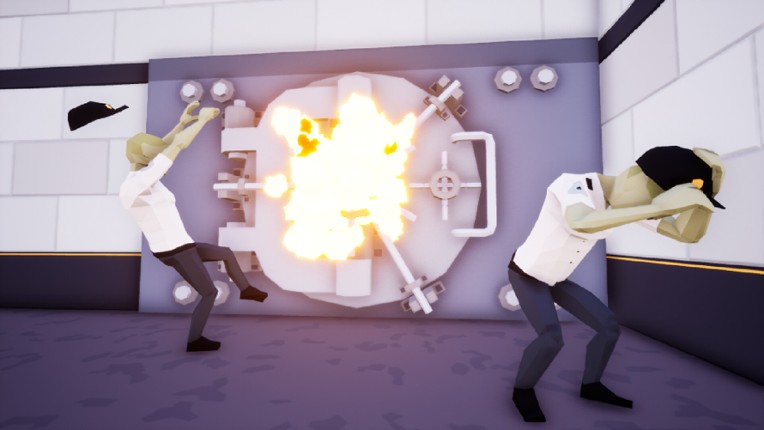
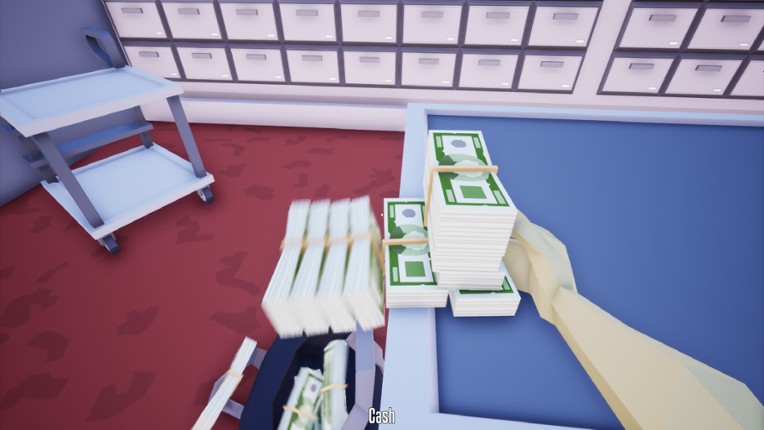
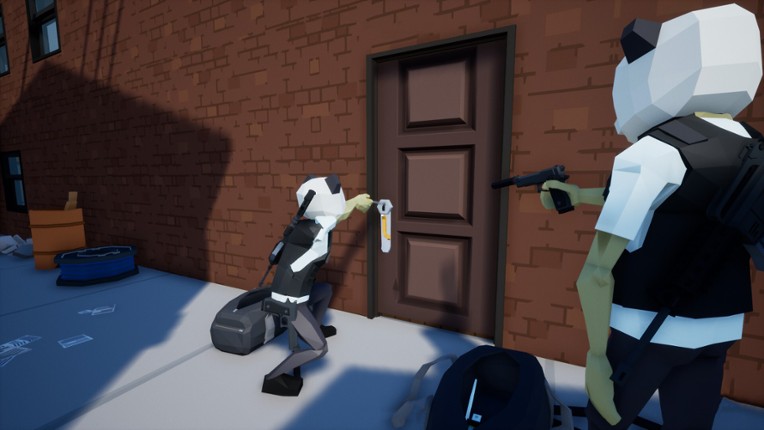
- 90%Game Brain ScoreMost mentioned positive aspects:humor, gameplayMost mentioned negative aspects:story, stability90% User Score 21,773 reviewsSwap the cosmic terrors for the pure, unadulterated slapstick of clumsy physics as you and your friends attempt poorly executed heist operations. If you enjoyed this game, see our list of games similar to One-armed robber.View Game
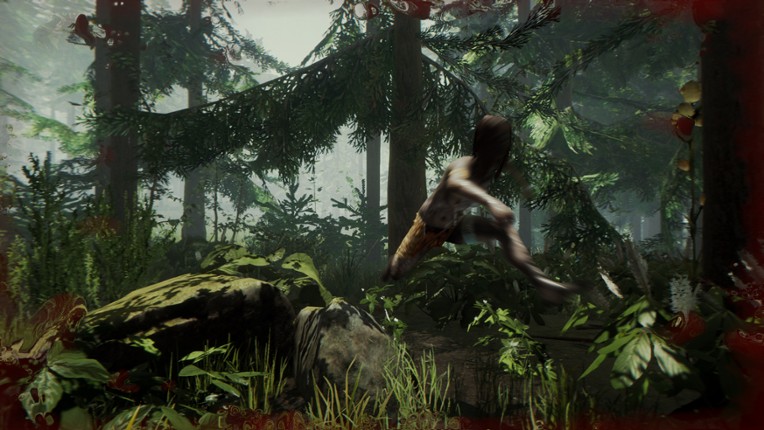
- 94%Game Brain ScoreMost mentioned positive aspects:story, gameplayMost mentioned negative aspects:stability, grinding95% User Score 315,218 reviewsCritic Score 90%1 reviewsStretches Lethal Company's time-pressure formula into a survival crafting sandbox where base-building and resource management replace quick raids. If you enjoyed this game, see our list of games similar to The Forest.View Game

- 85%Game Brain ScoreMost mentioned positive aspects:story, gameplayMost mentioned negative aspects:grinding, stability85% User Score 1,131 reviews
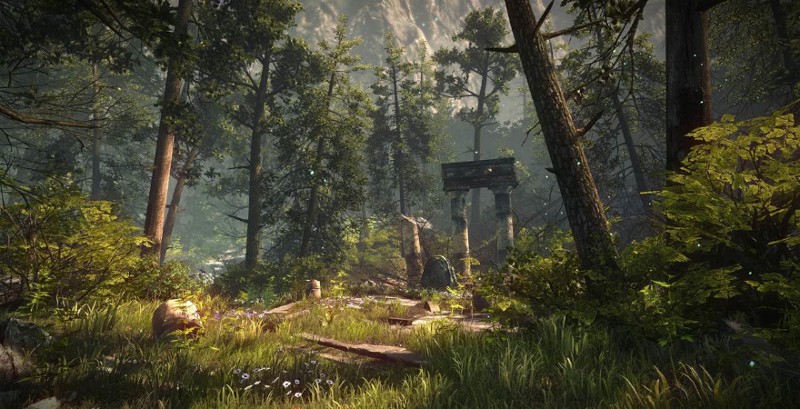
Infinite Veil is an atmospheric forest survival experience focused on realism and immersion. You awaken surrounded by untamed nature, with no paths or maps — only silence, cold, and the will to survive. Explore the wilderness, collect materials, and construct your shelter to shield yourself from wind and rain. The dynamic cycle of day, night, and weather brings the world to life: daylight fades i… If you enjoyed this game, see our list of games similar to Infinite Veil.
View Game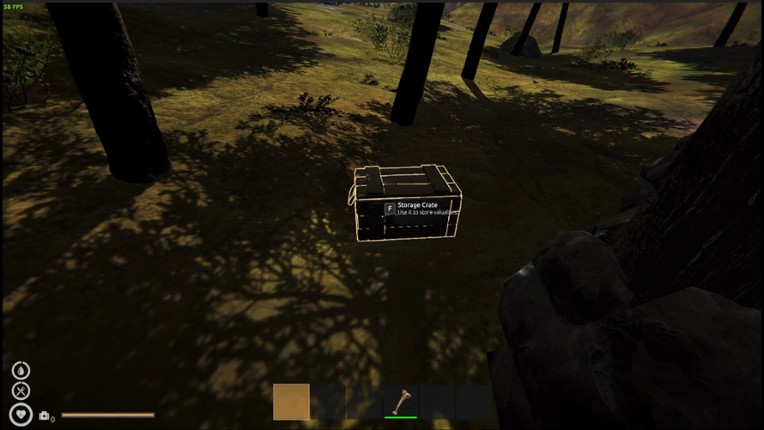
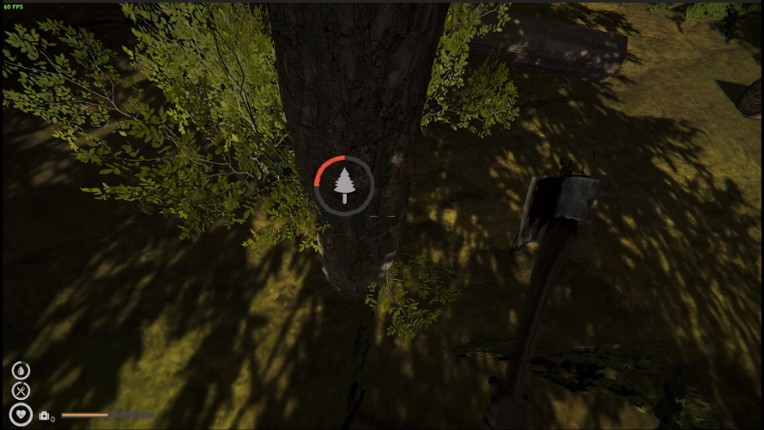
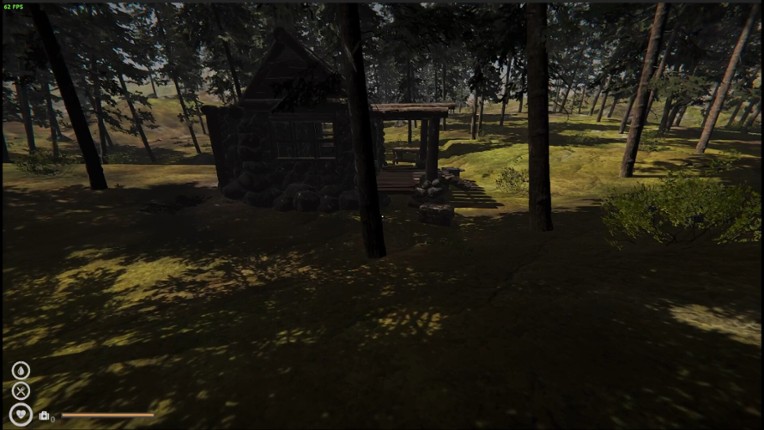
- 84%Game Brain ScoreMost mentioned positive aspects:gameplay, humorMost mentioned negative aspects:stability, grinding84% User Score 1,513 reviewsHeist mechanics are pushed to the forefront here, creating a high-pressure stealth experience where surviving the monster is secondary to escaping with loot. If you enjoyed this game, see our list of games similar to Dark Hours.View Game

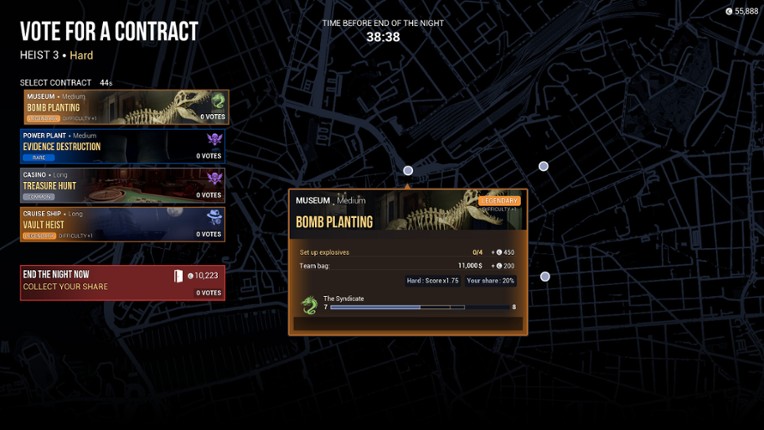
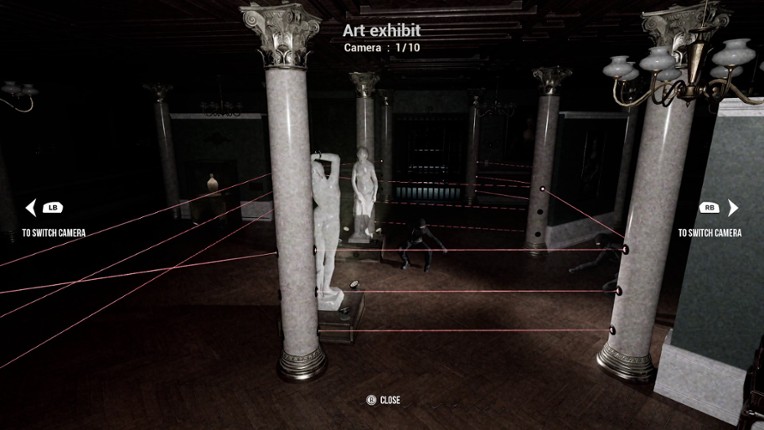
- 88%Game Brain ScoreMost mentioned positive aspects:story, humorMost mentioned negative aspects:stability, optimization88% User Score 1,348 reviewsThough the connection is broader, this title expands into cinematic escape room scenarios that prioritize claustrophobic puzzle-solving over gathering scrap metal. If you enjoyed this game, see our list of games similar to Emissary Zero.View Game
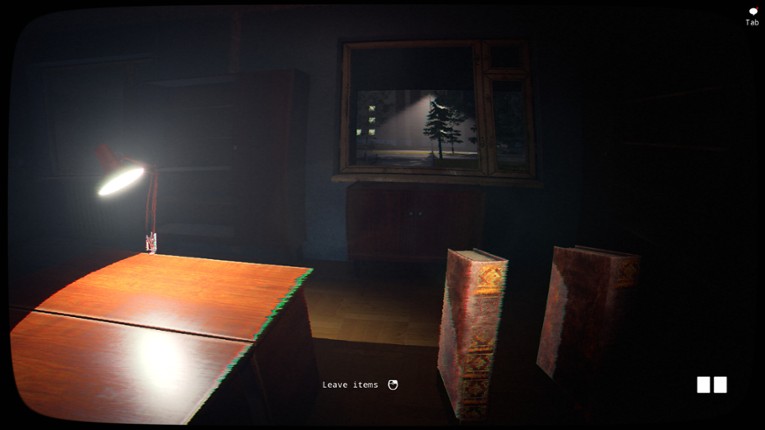
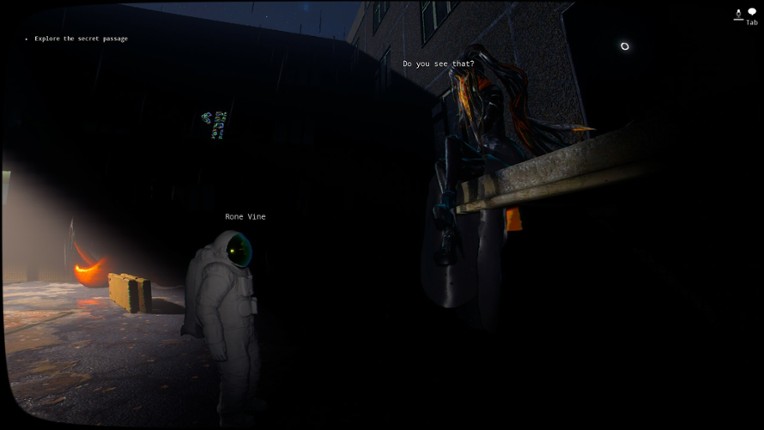
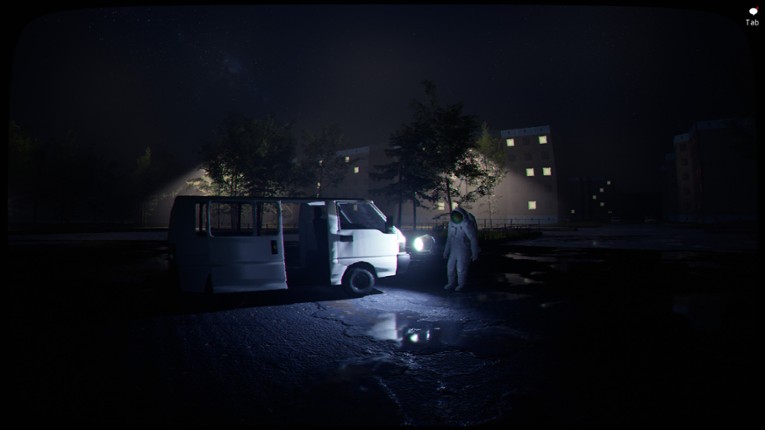
- 75%Game Brain ScoreMost mentioned positive aspects:gameplay, humorMost mentioned negative aspects:stability, story75% User Score 9,219 reviewsBorrows Lethal Company's asymmetrical multiplayer dread but shifts to social deduction and predator-versus-prey dynamics rather than shared extraction. If you enjoyed this game, see our list of games similar to In Silence.View Game
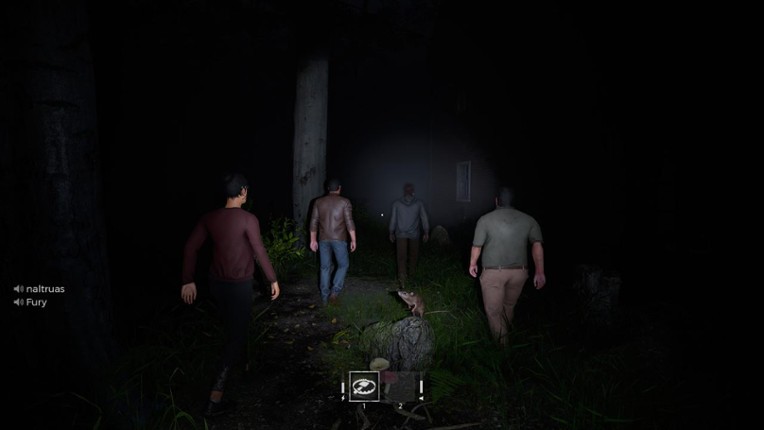
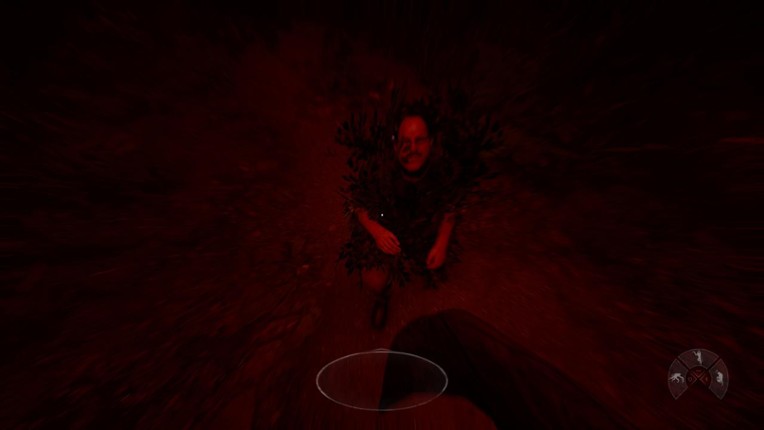

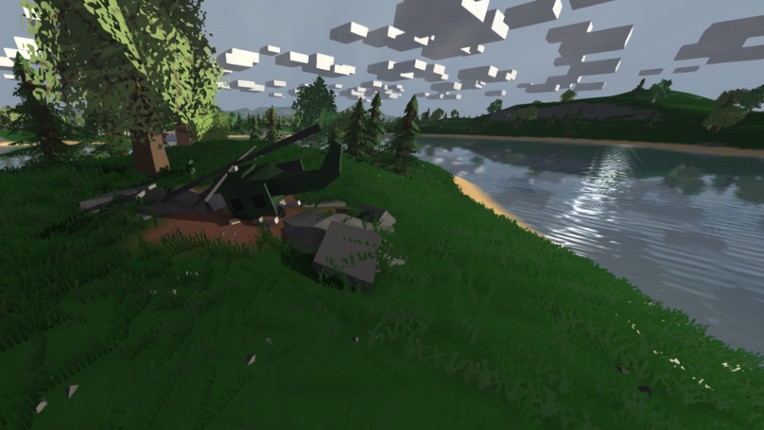
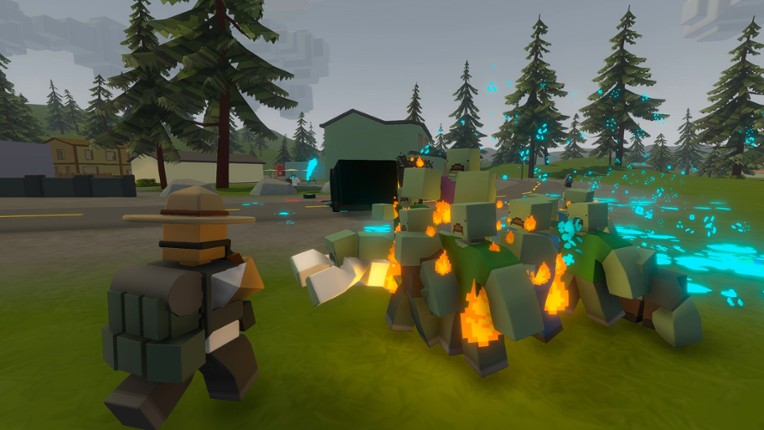
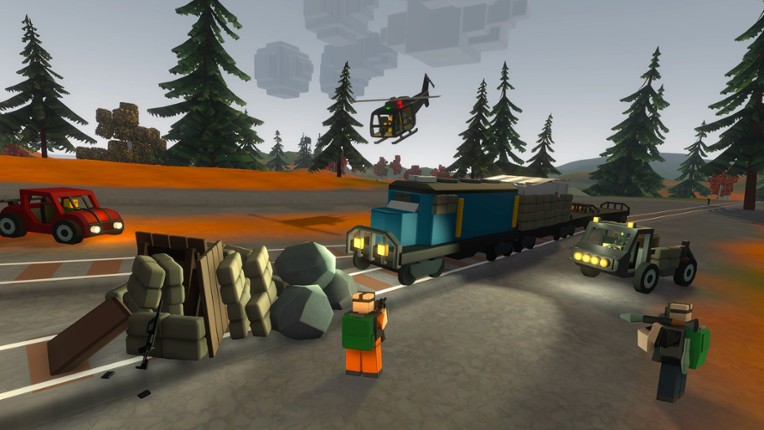
- 77%Game Brain ScoreMost mentioned positive aspects:graphics, gameplayMost mentioned negative aspects:stability, grinding91% User Score 219,904 reviewsCritic Score 10%1 reviewsLoosely echoes Lethal Company's co-op survival through open-world zombie craft gameplay, but prioritizes player-driven sandbox over scripted terror. If you enjoyed this game, see our list of games similar to Unturned.View Game
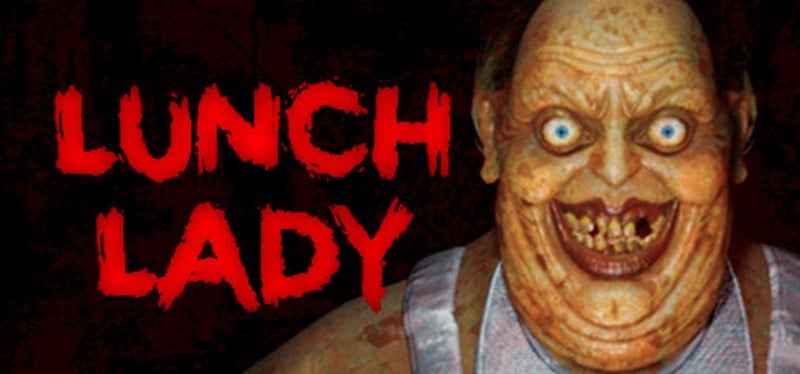
- 86%Game Brain ScoreMost mentioned positive aspects:gameplay, humorMost mentioned negative aspects:stability, grinding86% User Score 7,781 reviews
Lunch Lady is a 1-4 player online co-op survival horror game. The school final exams are coming up and the best idea you and your friends had was to steal the test answers. Find all 10 pages and don't get caught by the murderous Lunch Lady! If you enjoyed this game, see our list of games similar to Lunch Lady.
View Game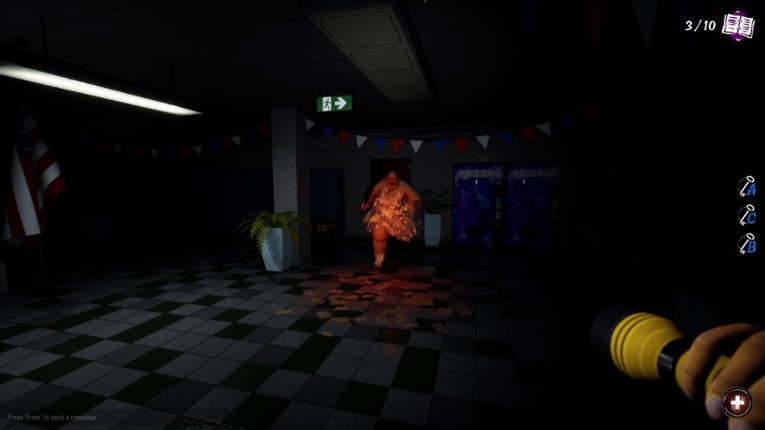
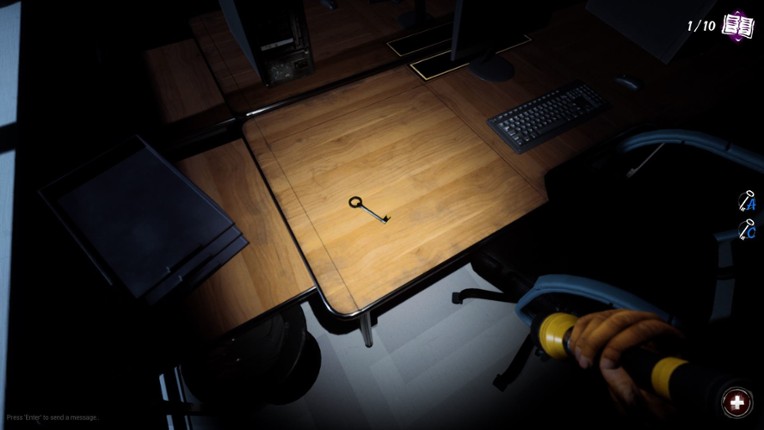
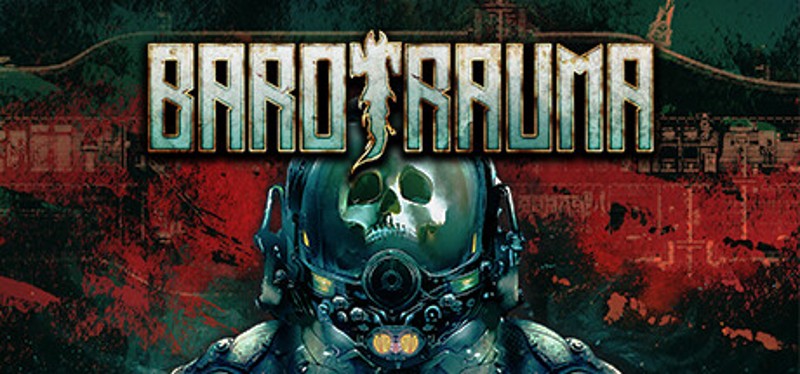
- 92%Game Brain ScoreMost mentioned positive aspects:gameplay, storyMost mentioned negative aspects:grinding, stability95% User Score 39,863 reviewsCritic Score 78%1 reviewsExperience a much more punishing and technical simulation where submarine maintenance and survival replace the quick-run structure of terrestrial salvaging. If you enjoyed this game, see our list of games similar to Barotrauma.View Game
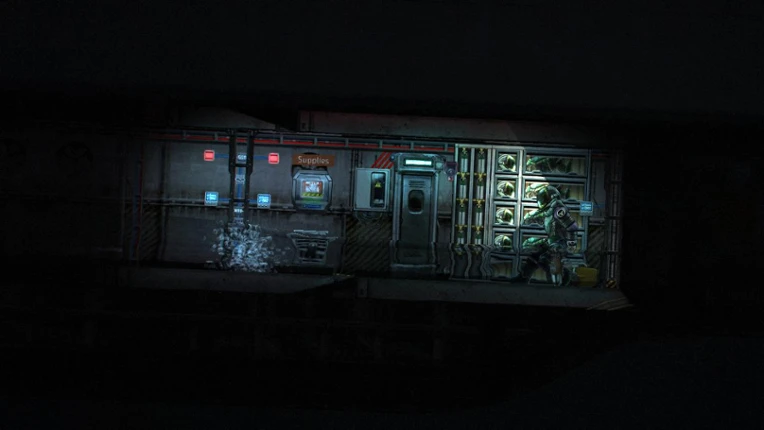
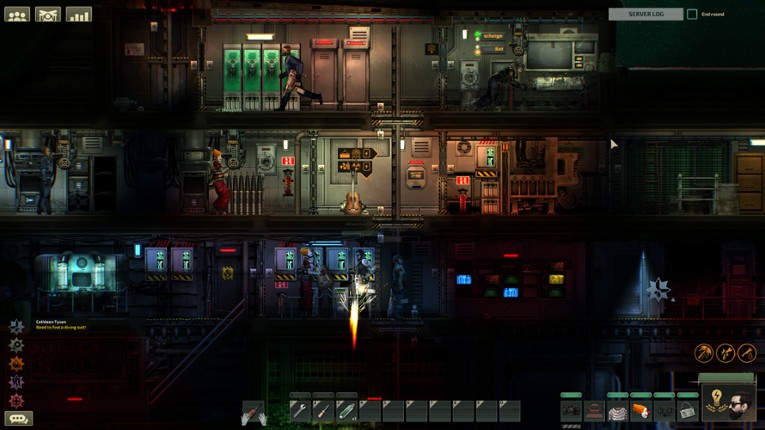
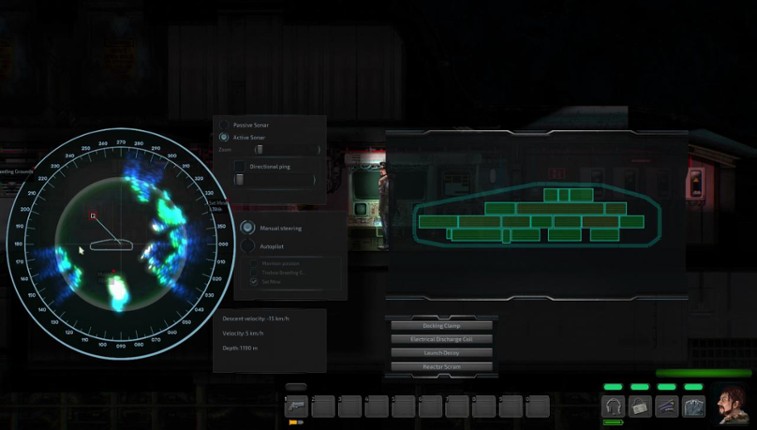
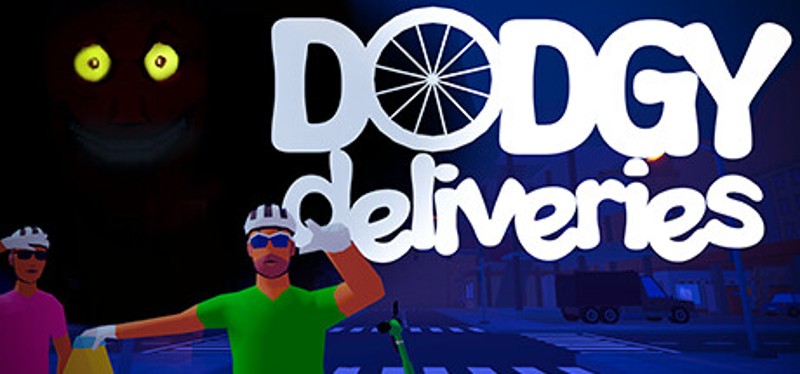
- 71%Game Brain ScoreMost mentioned positive aspects:gameplay, humorMost mentioned negative aspects:stability, story71% User Score 787 reviewsBlends co-op perma death with detective and time management mechanics, adding strategic layers absent in Lethal Company's straightforward horror comedy loop. If you enjoyed this game, see our list of games similar to Dodgy Deliveries.View Game
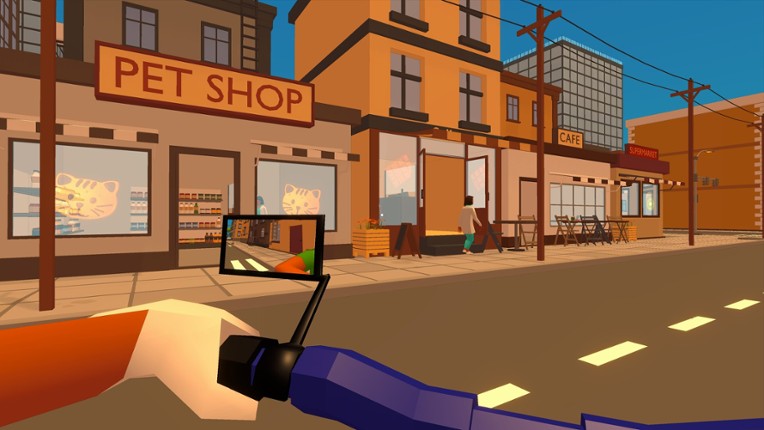
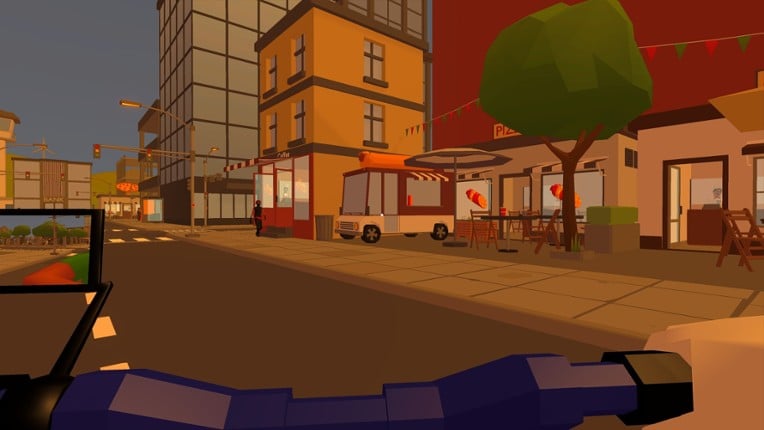
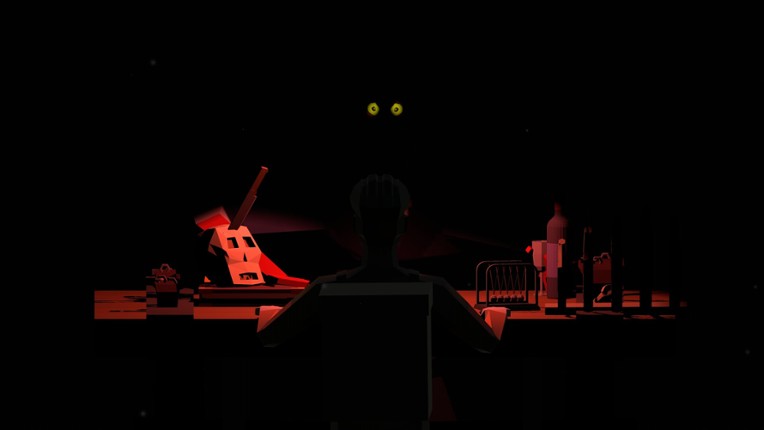
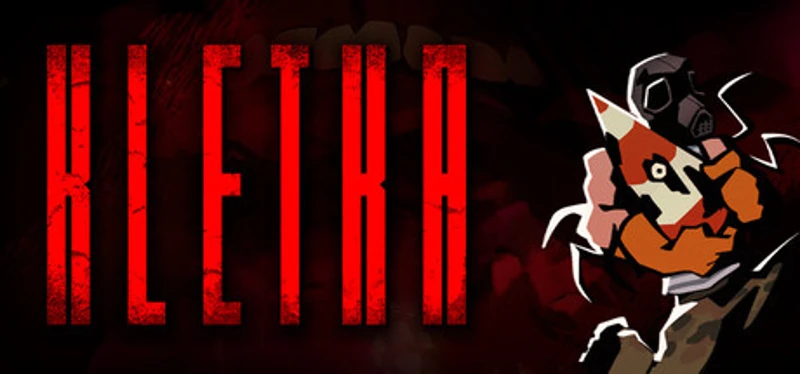
- 89%Game Brain ScoreMost mentioned positive aspects:gameplay, musicMost mentioned negative aspects:stability, grinding89% User Score 2,023 reviews
Kletka is a co-op horror game about going down in an elevator that is trying to eat you. Feed the elevator, explore deadly floors and descend deeper. If you enjoyed this game, see our list of games similar to KLETKA.
View Game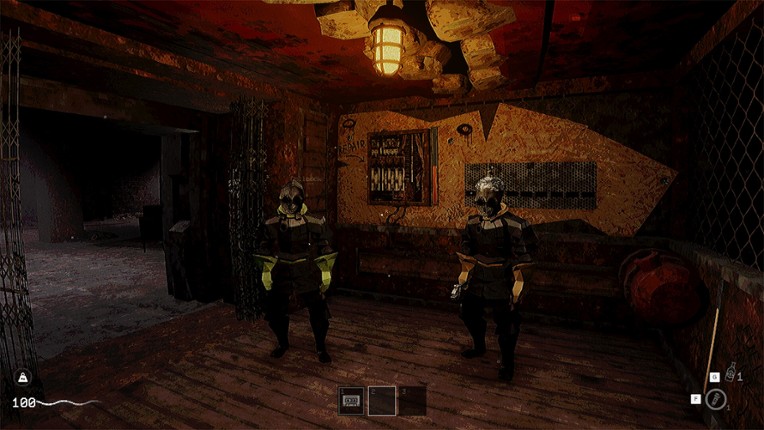
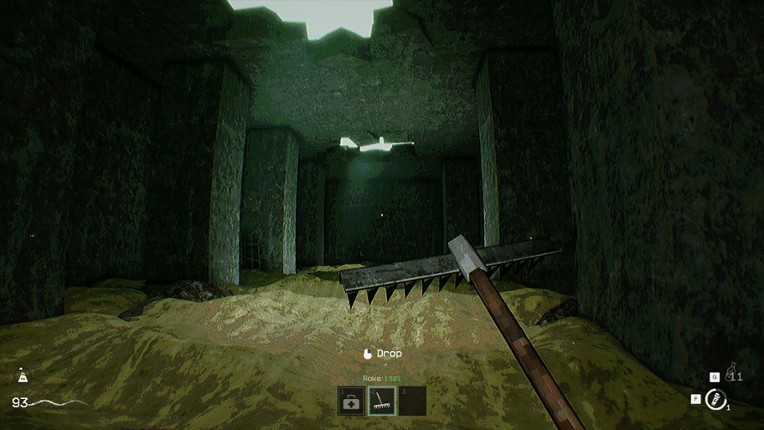
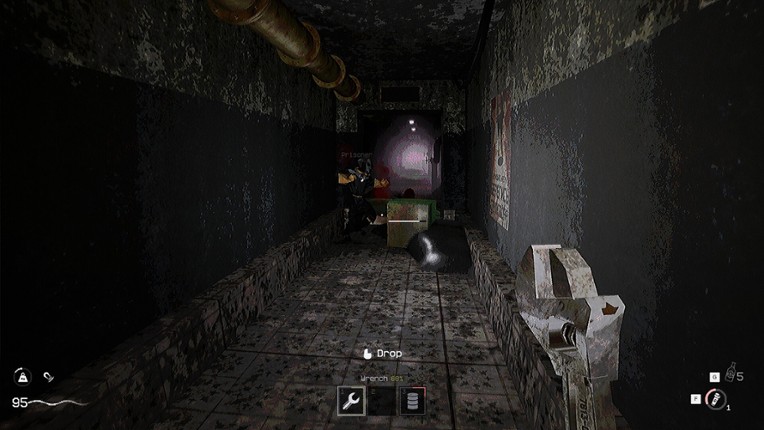
- 84%Game Brain ScoreMost mentioned positive aspects:gameplay, graphicsMost mentioned negative aspects:grinding, stability94% User Score 221,570 reviewsCritic Score 30%1 reviewsLoosely parallels Lethal Company's cooperative survival but grounds it in isometric zombie apocalypse with deeper crafting and longer persistence. If you enjoyed this game, see our list of games similar to Project Zomboid.View Game

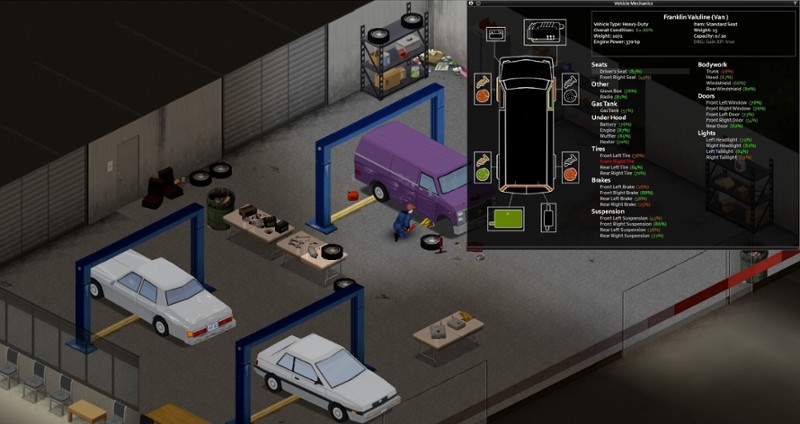
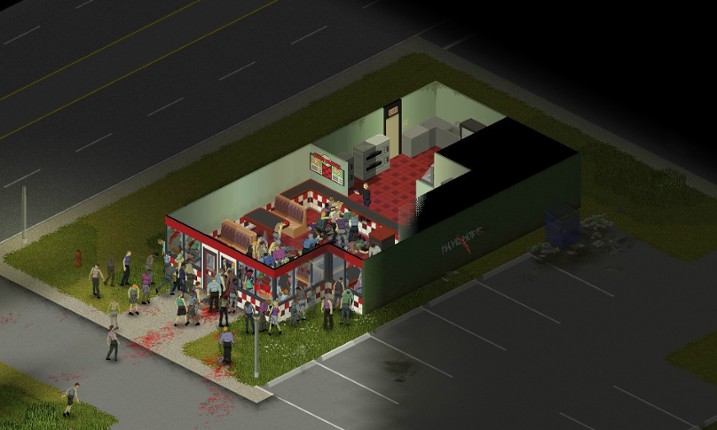
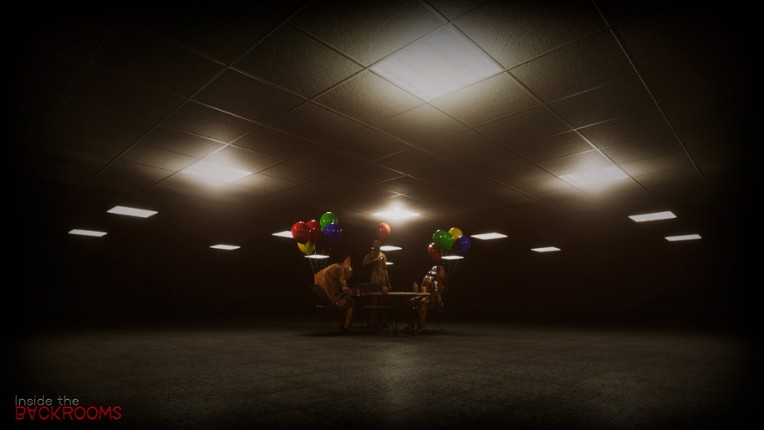
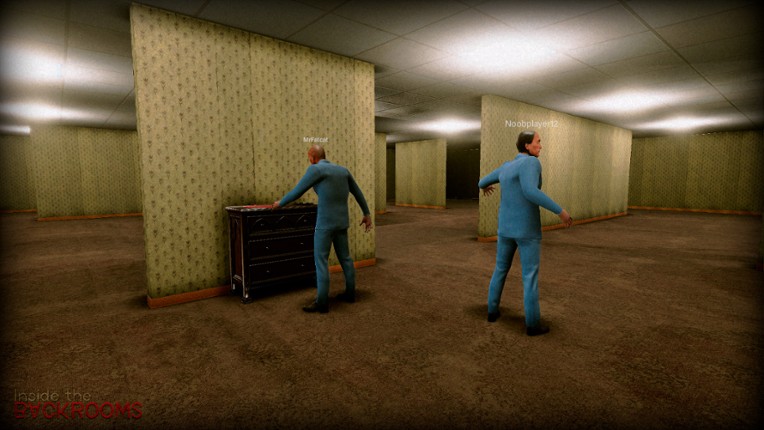
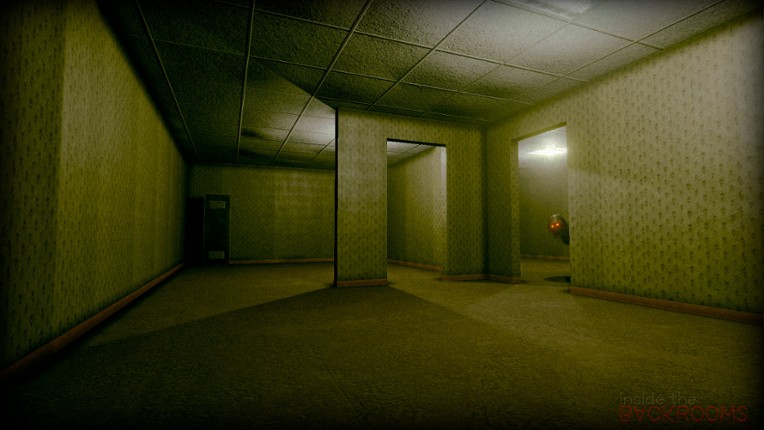
- 82%Game Brain ScoreMost mentioned positive aspects:gameplay, humorMost mentioned negative aspects:stability, grinding82% User Score 19,420 reviewsBuilds on Lethal Company's backroom exploration with story-rich mystery and science fiction framing instead of industrial extraction. If you enjoyed this game, see our list of games similar to Inside the Backrooms.View Game
- 85%Game Brain ScoreMost mentioned positive aspects:gameplay, humorMost mentioned negative aspects:stability, optimization85% User Score 4,576 reviews
A magic-themed co-op horror game where you and up to 5 friends are minions summoned by a wizard to break into their rival's towers to cause mayhem. Try to fufill your vandalism target with an assortment of spells while avoiding magical beasts and monsters that protect the tower. VANDALIZEBreak their piano, clog their toilets, pee on their rug - do anything in your power to ruin the archmage’s day… If you enjoyed this game, see our list of games similar to YAPYAP.
View Game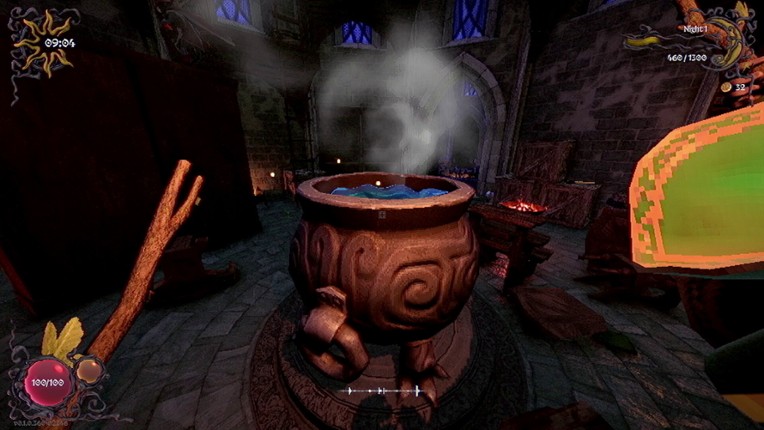
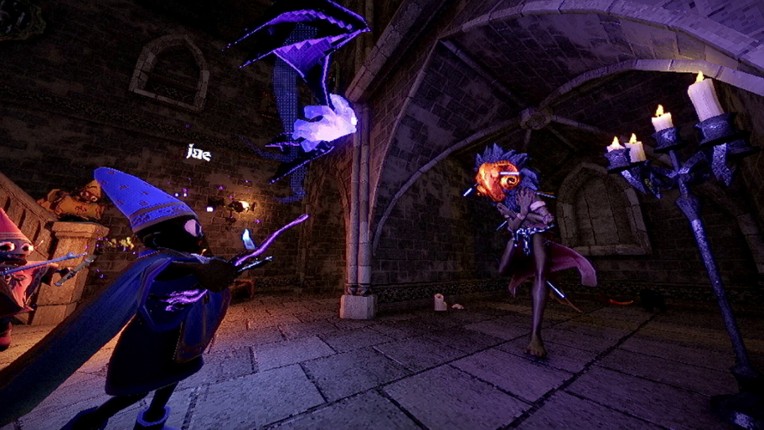
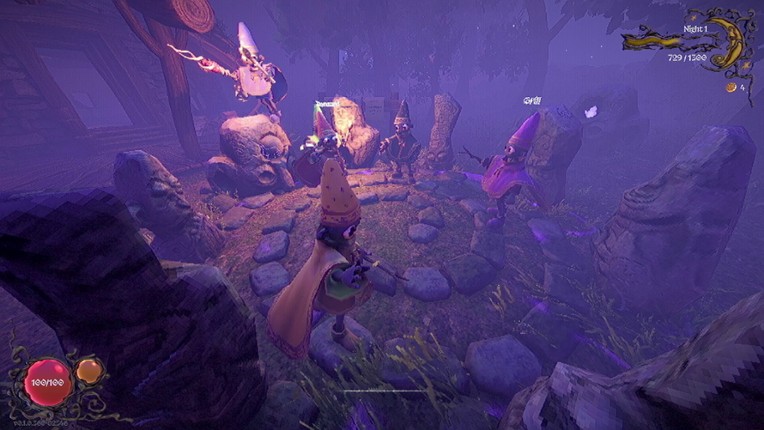
- 91%Game Brain ScoreMost mentioned positive aspects:humor, gameplayMost mentioned negative aspects:stability, replayability91% User Score 4,725 reviewsFocuses on a single-player, cinematic psychological horror experience with stronger AI-driven narrative moments than Lethal Company's multiplayer chaos. If you enjoyed this game, see our list of games similar to Zort.View Game
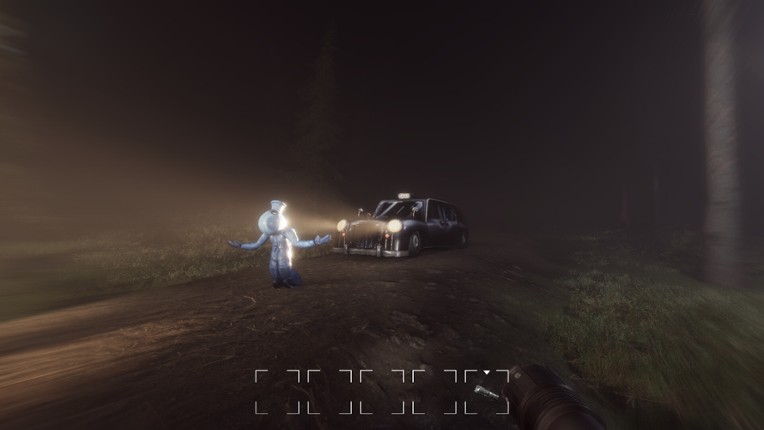
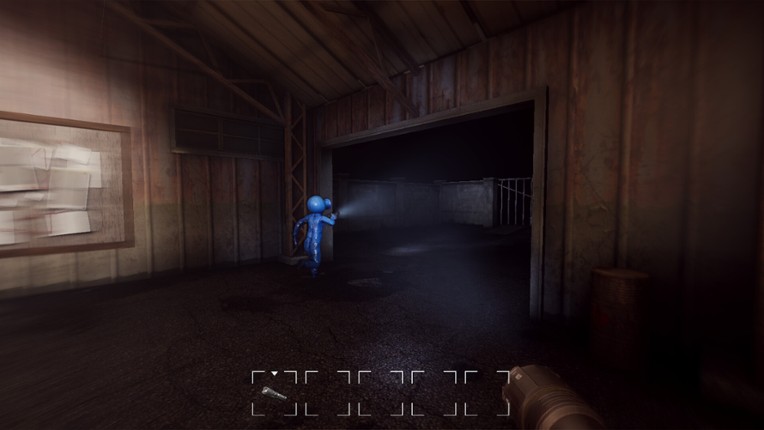
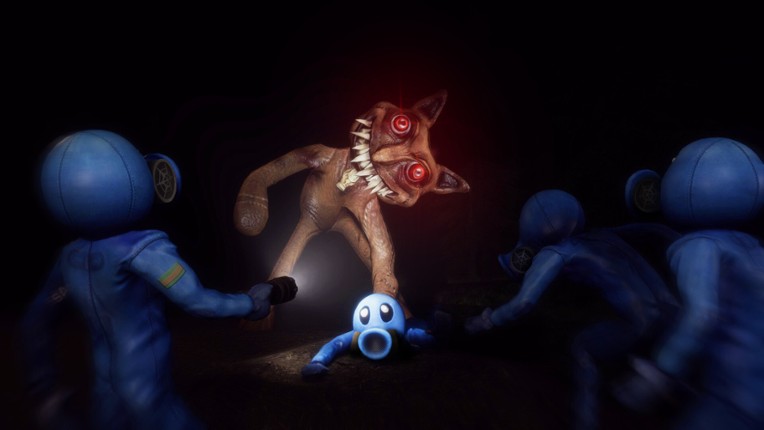
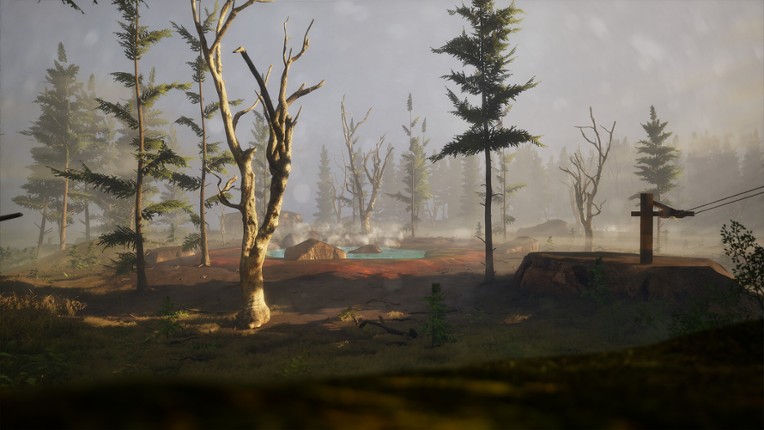
- 81%Game Brain ScoreMost mentioned positive aspects:gameplay, graphicsMost mentioned negative aspects:optimization, story81% User Score 9,415 reviewsExpands survival horror into a large-scale open world with crafting and procedural generation, offering more depth and player freedom over Lethal Company's concise scares. If you enjoyed this game, see our list of games similar to MISERY.View Game
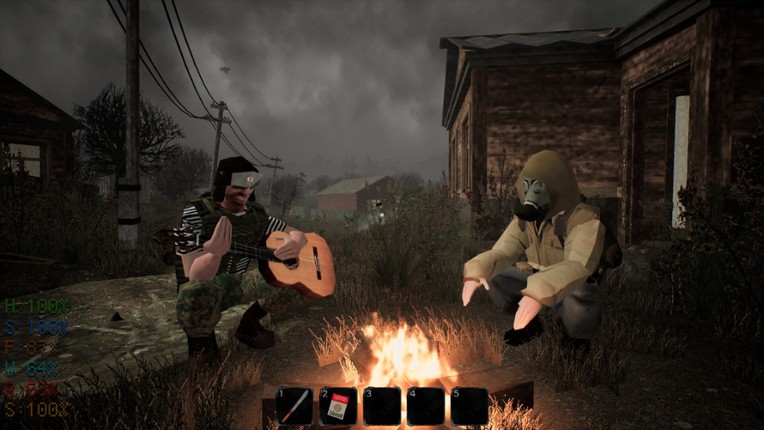
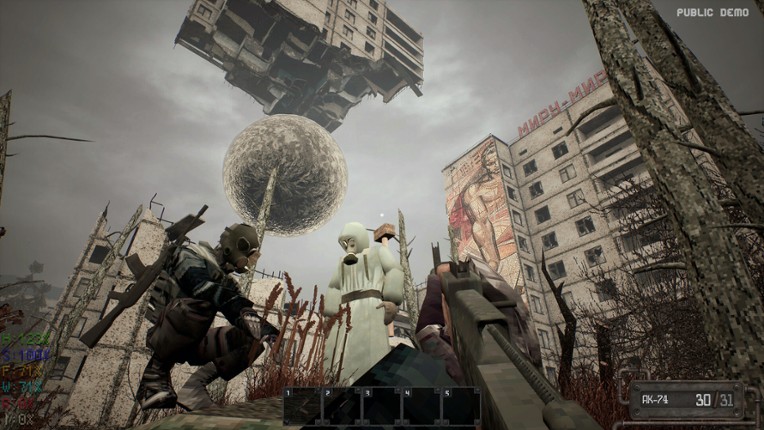
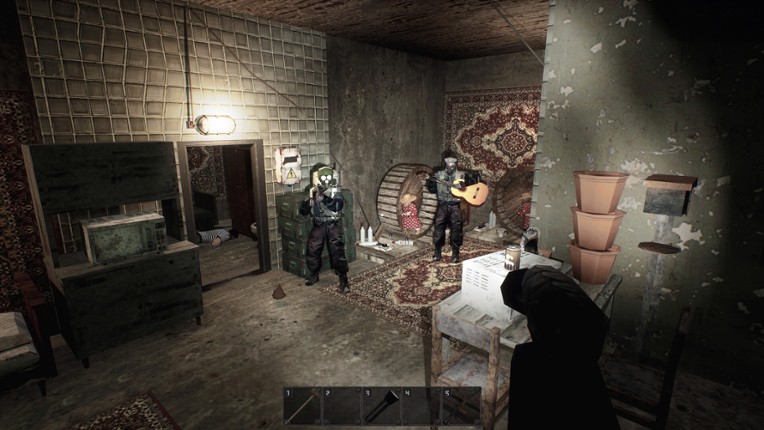
- 90%Game Brain ScoreMost mentioned positive aspects:story, gameplayMost mentioned negative aspects:grinding, stability94% User Score 228,886 reviewsCritic Score 80%3 reviewsLoosely echoes the survival and co-op loop but replaces existential dread with peaceful crafting and open-world exploration on a raft. If you enjoyed this game, see our list of games similar to Raft.View Game
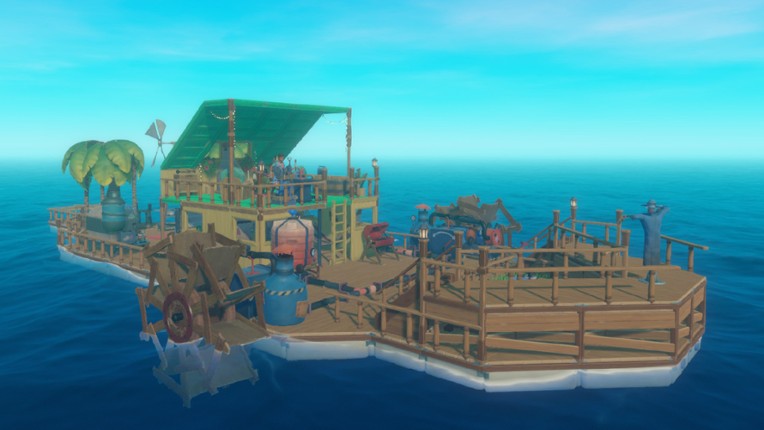


- 86%Game Brain ScoreMost mentioned positive aspects:story, gameplayMost mentioned negative aspects:stability, optimization87% User Score 176,320 reviewsCritic Score 83%6 reviewsAmplifies survival horror with base-building and crafting systems, replacing time pressure with resource scarcity and environmental threats. If you enjoyed this game, see our list of games similar to Sons Of The Forest.View Game



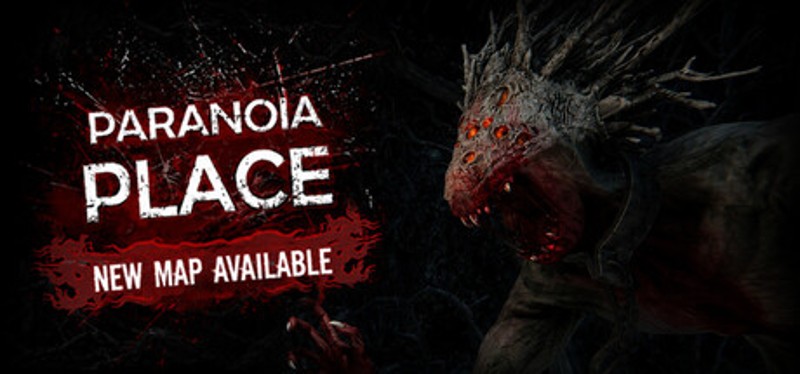
- 89%Game Brain ScoreMost mentioned positive aspects:gameplay, atmosphereMost mentioned negative aspects:replayability, stability89% User Score 800 reviewsCombines cooperative multiplayer with heavy perma death and supernatural enemies, pushing a darker, post-apocalyptic vibe beyond Lethal Company's humor-horror mix. If you enjoyed this game, see our list of games similar to PARANOIA PLACE.View Game
- 86%Game Brain ScoreMost mentioned positive aspects:gameplay, storyMost mentioned negative aspects:stability, optimization86% User Score 6,194 reviews
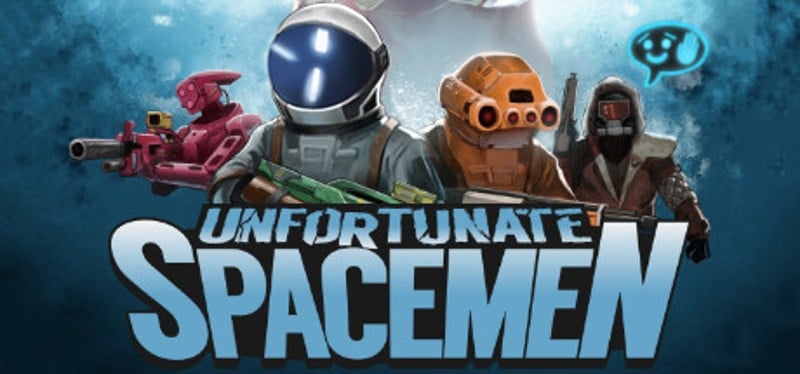
An online multiplayer game about shapeshifting deception and betrayal! As a hapless, brave spaceman employed by The Company you'll work diligently to defend and be rescued from failing outposts, but not everyone around you is who they claim to be... If you enjoyed this game, see our list of games similar to Unfortunate Spacemen.
View Game

43 View Game 94%Game Brain ScoreMost mentioned positive aspects:humor, gameplayMost mentioned negative aspects:story, stability96% User Score 19,531 reviewsCritic Score 80%1 reviews
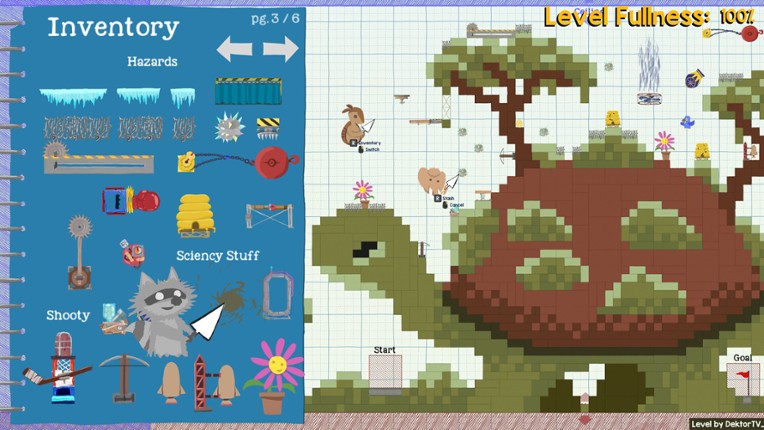
Old Ultimate Chicken Horse Kickstarter DEMO A new take on party platformer games that flips between strategic level building and intense platforming The game is not actually early access, but we... If you enjoyed this game, see our list of games similar to Ultimate Chicken Horse.
View Game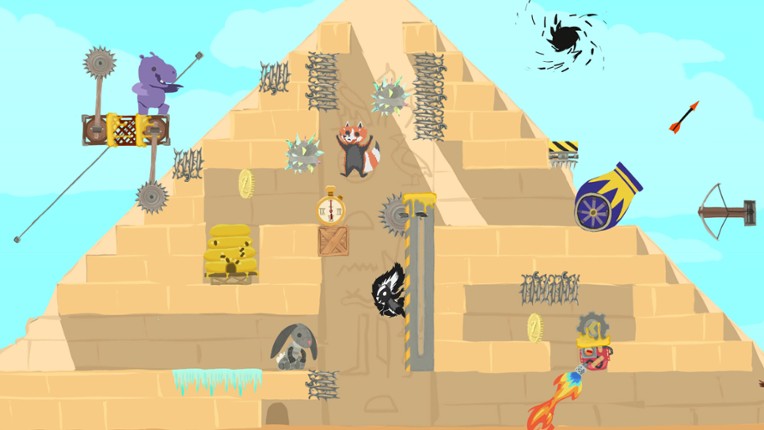
44 View Game 82%Game Brain ScoreMost mentioned positive aspects:humor, graphicsMost mentioned negative aspects:stability, optimization82% User Score 10,791 reviewsCaptures Lethal Company's psychological horror via SCP lore and free-to-play multiplayer, trading claustrophobic raids for containment facility exploration. If you enjoyed this game, see our list of games similar to SCP: Containment Breach Multiplayer.View Game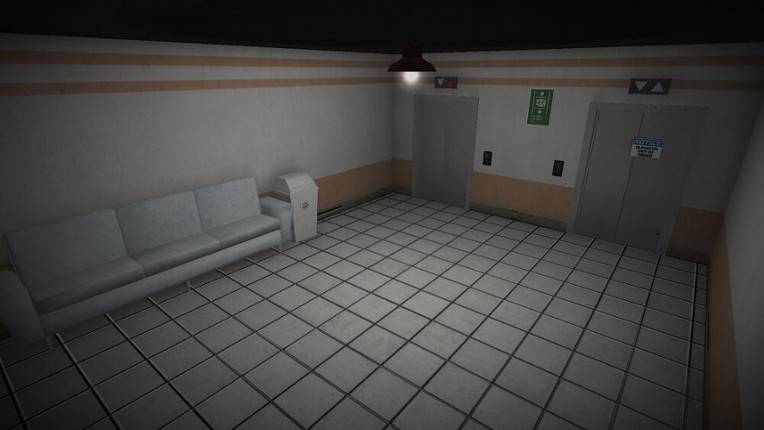
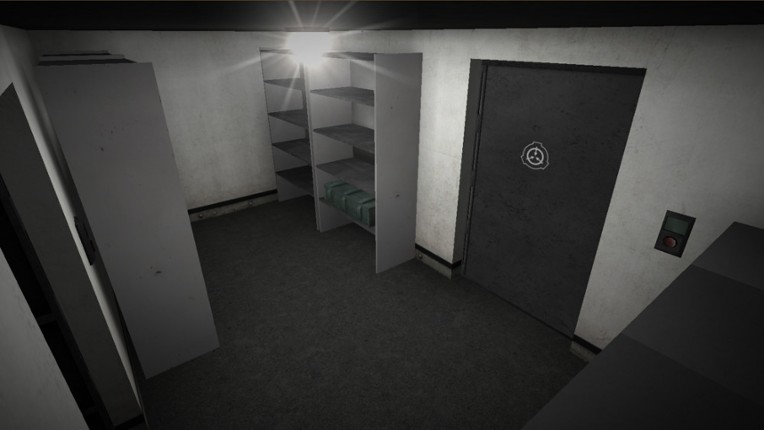
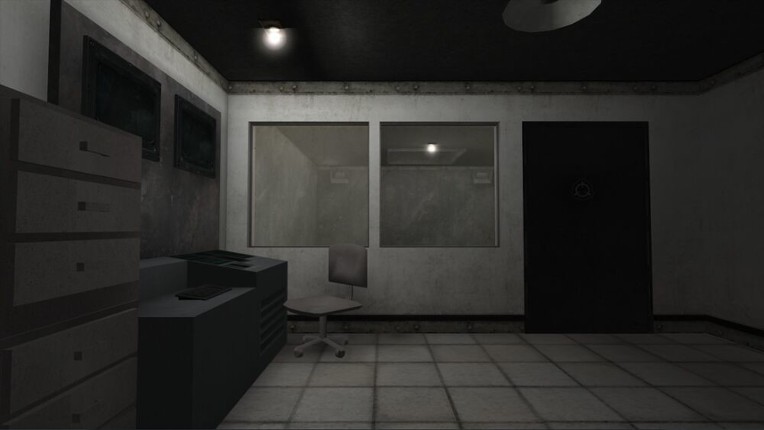
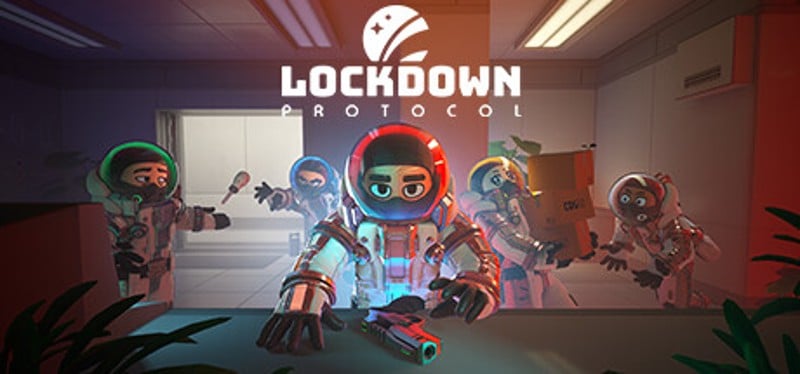
- 83%Game Brain ScoreMost mentioned positive aspects:gameplay, humorMost mentioned negative aspects:story, monetization83% User Score 10,951 reviewsFocusing less on exploration and more on social paranoia, this title forces you to identify traitors among your crew in enclosed space stations. If you enjoyed this game, see our list of games similar to LOCKDOWN Protocol.View Game
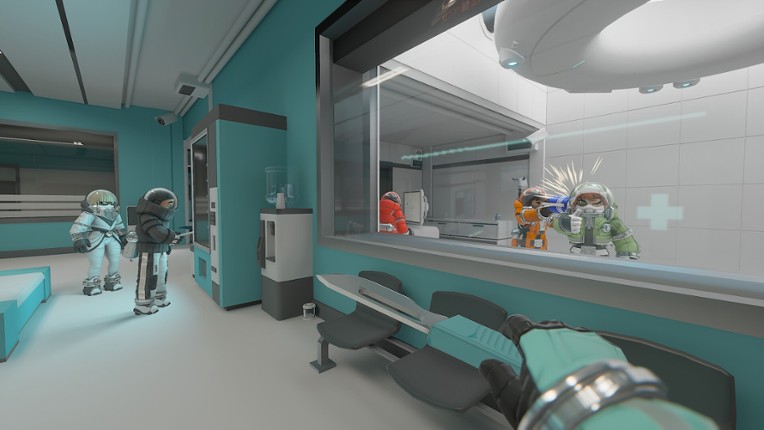
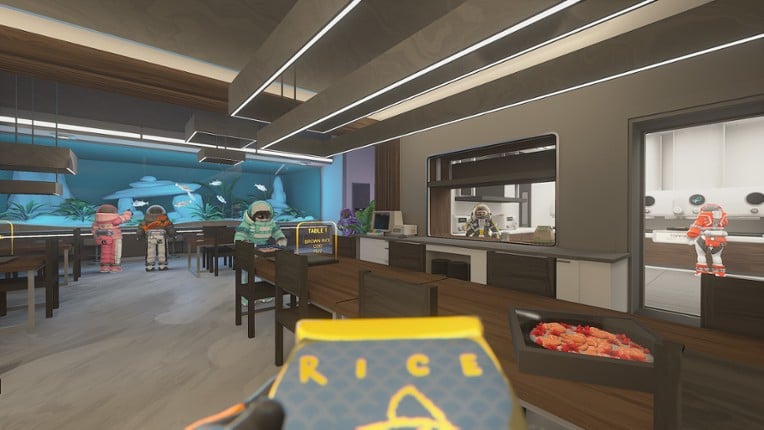
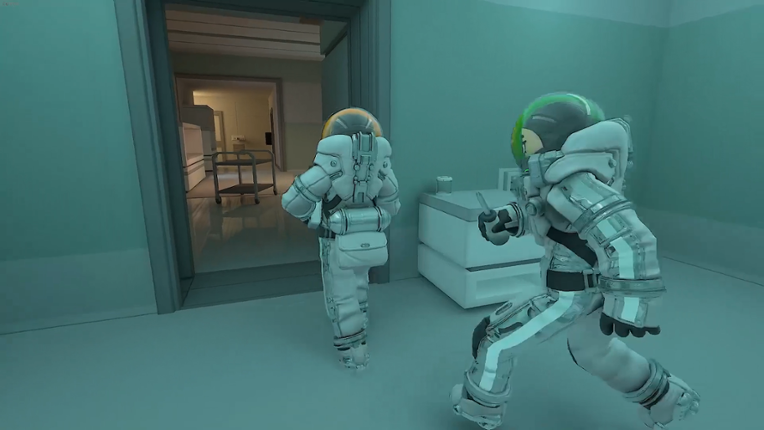
- 93%Game Brain ScoreMost mentioned positive aspects:gameplay, humorMost mentioned negative aspects:stability, optimization93% User Score 2,302 reviews
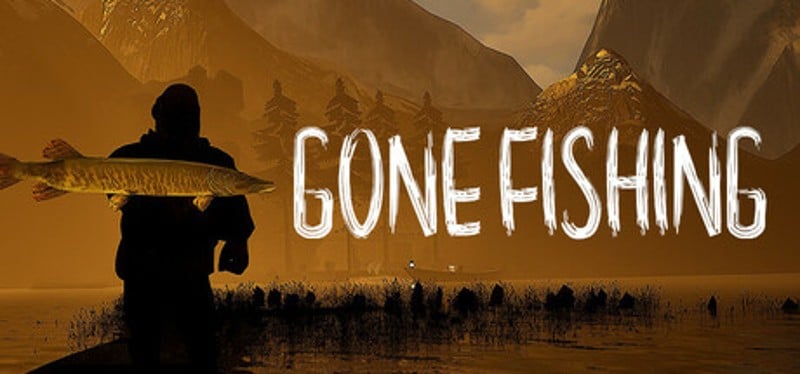
GONE Fishing is a co-op multiplayer survival horror game where you and your friends must work together to stay alive, by fishing. The only way to survive is to keep feeding the lake’s insatiable hunger before it feeds on you. Can you satisfy the hunger... or will you become the next offering? If you enjoyed this game, see our list of games similar to GONE Fishing.
View Game

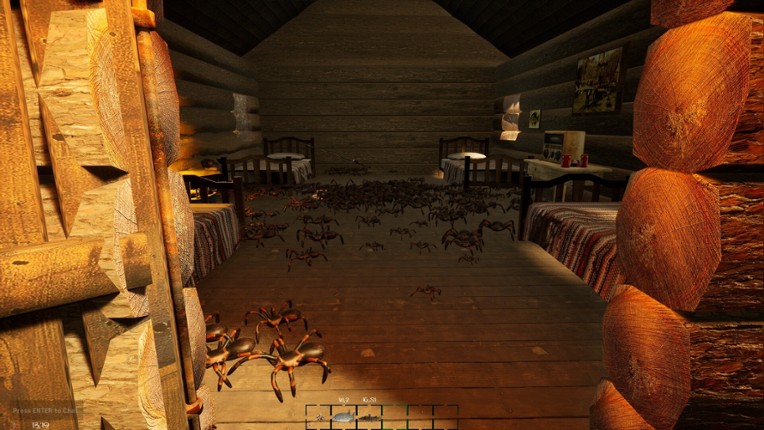
- 90%Game Brain ScoreMost mentioned positive aspects:humor, gameplayMost mentioned negative aspects:stability, optimization90% User Score 34,196 reviews
A co-op adventure about driving your Recreational Vehicle home. If you enjoyed this game, see our list of games similar to RV There Yet?.
View Game


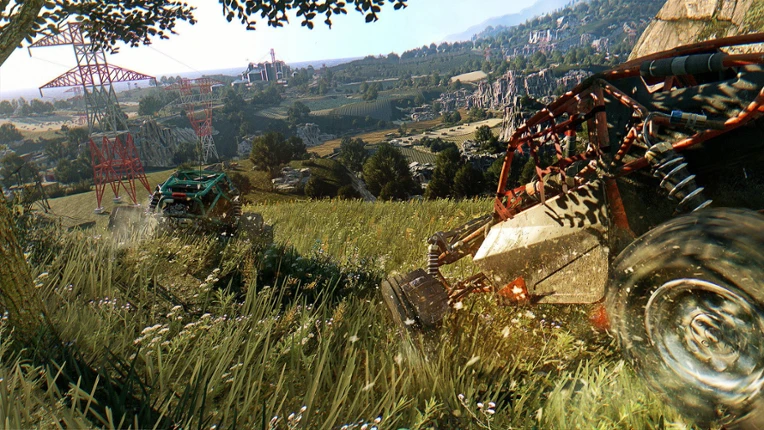
- 87%Game Brain ScoreMost mentioned positive aspects:story, gameplayMost mentioned negative aspects:stability, grinding94% User Score 132,525 reviewsCritic Score 80%33 reviewsScales up the co-op horror action with parkour mobility and story-driven progression, trading procedural fear for narrative stakes. If you enjoyed this game, see our list of games similar to Dying Light.View Game
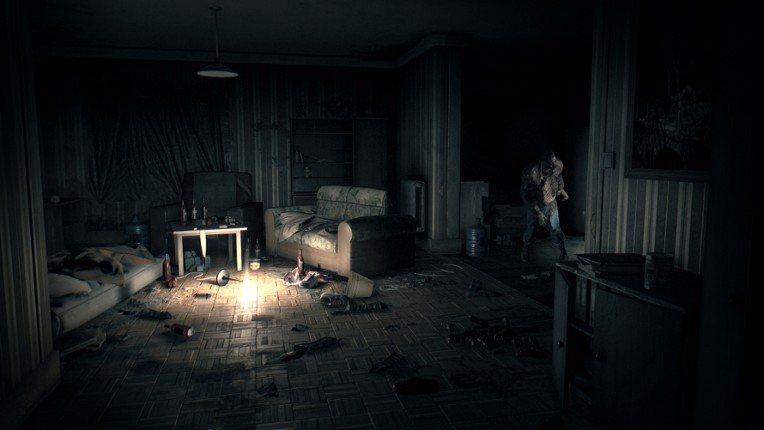

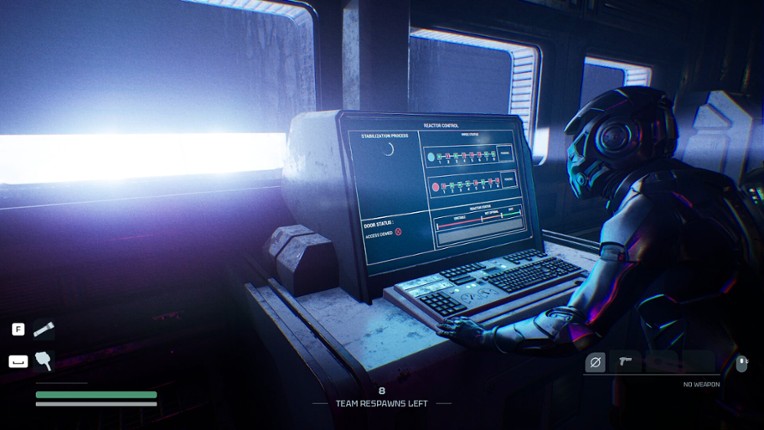
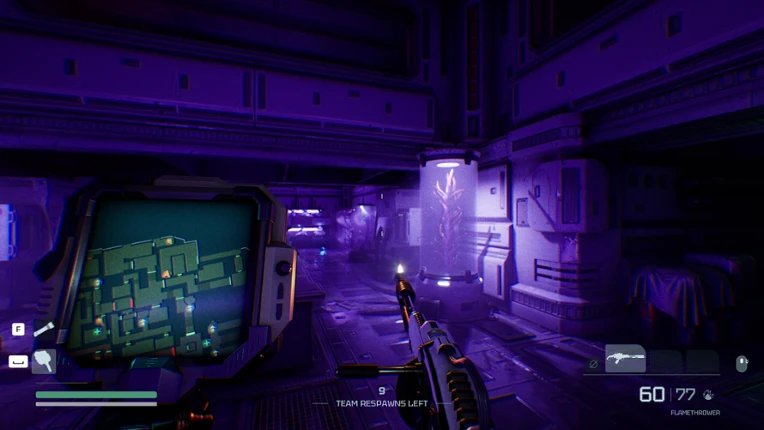
- 95%Game Brain ScoreMost mentioned positive aspects:story, gameplayMost mentioned negative aspects:stability, grinding95% User Score 7,032 reviews
Species: Unknown is a first-person survival horror game, playable in co-op with up to 4 players (private or public servers) or solo. You play as a mercenary sent aboard an abandoned spaceship. Your job? Execute high-risk contracts, make it out alive, and claim your reward. But keep in mind that you’re not alone. Something is hunting you… Form a squad of up to 4 players to take on different contrac… If you enjoyed this game, see our list of games similar to Species: Unknown.
View Game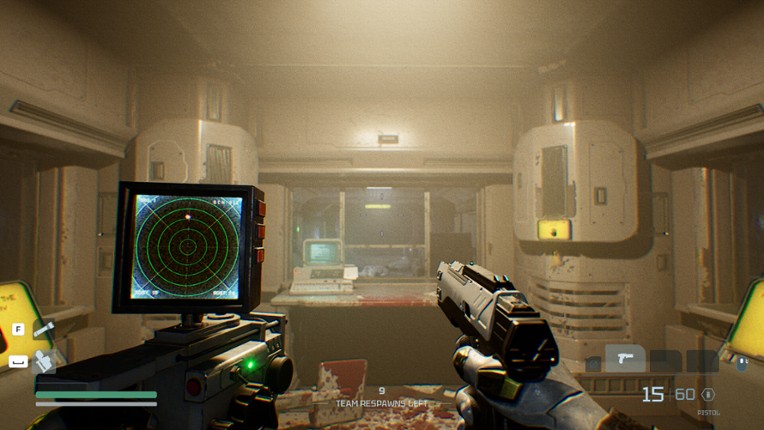
- 92%Game Brain ScoreMost mentioned positive aspects:gameplay, humorMost mentioned negative aspects:story, grinding92% User Score 3,975 reviews
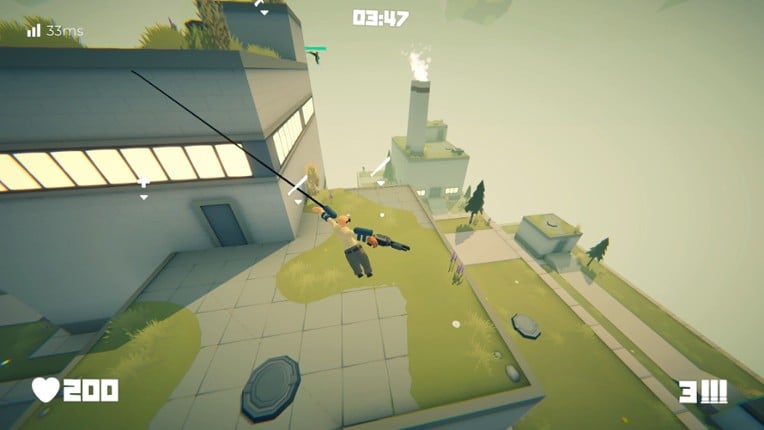
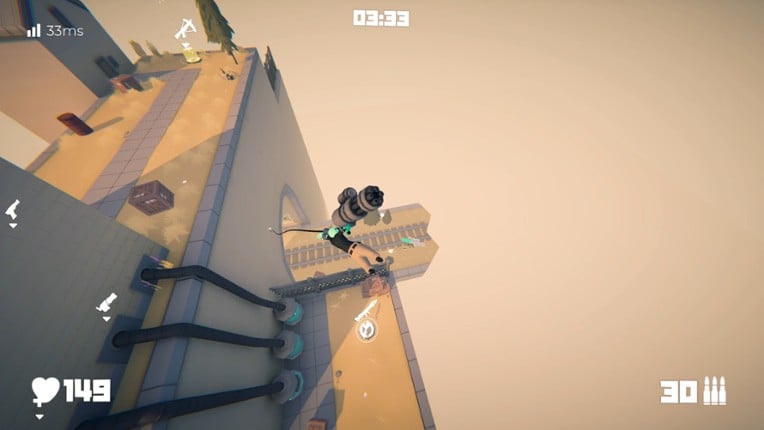
Grapples Galore is a thrilling, physics-based, arena shooter focused on fast-paced grappling hook movement and active ragdolls. Use your grappling hooks to swing around, find weapons, and pull other players towards you! Grapple with your friends or with random players online! Active ragdolls Physics-based grappling hook movement (You can even grapple on to other players!) 8 unique maps … If you enjoyed this game, see our list of games similar to Grapples Galore.
View Game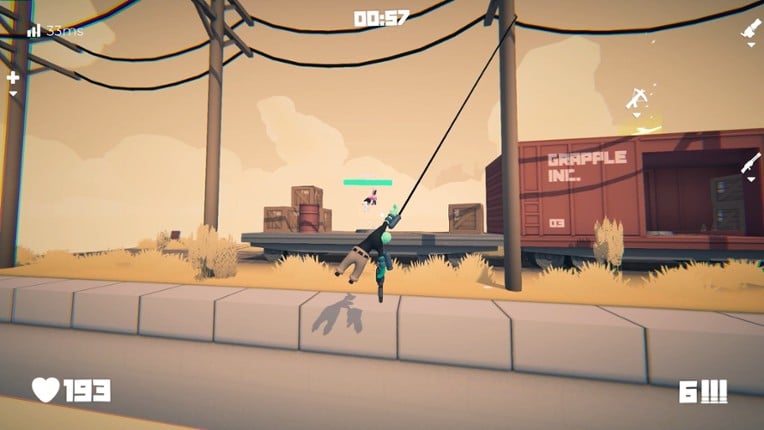


 View Game




























Frequently Asked Questions
Phasmophobia and Content Warning deliver similar horror-comedy blends with procedural maps and cooperative investigation mechanics. Murky Divers offers the same chaotic team gameplay but with an underwater twist, requiring constant communication and role-based teamwork. All three excel at creating hilarious and terrifying moments when played with friends.
SCP: Secret Laboratory is completely free with no microtransactions, offering the same horror-humor balance through multiplayer chaos and dynamic roles. You get comparable emotional rollercoasters and memorable moments without spending money. It's an excellent way to experience similar cooperative horror without financial commitment.
R.E.P.O. combines roguelike mechanics with procedural generation and permadeath, maintaining the same high-stakes tension. Content Warning and Escape the Backrooms share these systems, forcing players to adapt strategies across randomized environments. Each playthrough feels fresh and unpredictable, just like Lethal Company's dangerous expeditions.
Pacify and Phasmophobia offer improved visual polish while maintaining atmospheric horror-comedy gameplay. Escape the Backrooms delivers stronger graphics with detailed environments. These alternatives address common complaints about Lethal Company's simplistic visuals and performance issues while preserving the cooperative horror experience.
Escape the Backrooms features intense first-person exploration through procedurally-generated spaces with escape-room puzzle elements. Murky Divers combines dungeon crawling with underwater environments and monster encounters. Both maintain the exploration-driven tension and discovery loop that makes Lethal Company's expeditions compelling.
R.E.P.O. excels with physics-based chaos and absurd humor during cooperative sessions. The Headliners delivers team-based destruction and memorable moments with friends. Content Warning scales beautifully for small groups with atmospheric exploration. All three prioritize cooperative synergy over solo experiences, matching Lethal Company's social appeal.