

Games like Slay the Spire
If Slay the Spire has consumed dozens — or hundreds — of your hours, you already know the pull: one more run, one more build, one more shot at cracking the Spire. Finding games like Slay the Spire means tracking down that same alchemy of tight card-based combat, procedurally generated runs, and decisions that compound in fascinating ways. The good news is that the roguelike deckbuilder genre has exploded with worthy contenders, and the best of them absolutely deliver.
What makes Slay the Spire so hard to put down is its precise intersection of systems: a deckbuilding loop where every card pick and relic choice shapes a run, turn-based combat that rewards careful sequencing, and a roguelike structure that ensures no two climbs feel identical. Layer on top a moody fantasy atmosphere, a killer soundtrack, and a difficulty curve that punishes sloppiness without feeling unfair — and you have a game that satisfies strategists, collectors, and masochists in equal measure.
What Makes a Good Alternative to Slay the Spire?
- Roguelike deckbuilding — The core loop of drafting, synergizing, and refining a card deck across a run is the heart of Slay the Spire's appeal; the best alternatives build their entire structure around it.
- Procedural generation with meaningful choices — Random card offerings, branching paths, and variable relics or items mean every run tells a different story, which is what drives that relentless replayability.
- Turn-based combat with strategic depth — The ability to read an enemy's intent and plan your hand deliberately, rather than react in real time, is what separates these games from action roguelikes.
- Build diversity and synergy hunting — Slay the Spire's greatest joy is discovering a broken combo mid-run; alternatives worth your time offer similarly varied and emergent build paths.
- Atmosphere and audio that pull you in — Players consistently praise Slay the Spire's soundtrack and tone; the best similar games invest equally in art style and music to make each run feel like an event.
Top Picks If You Enjoyed Slay the Spire
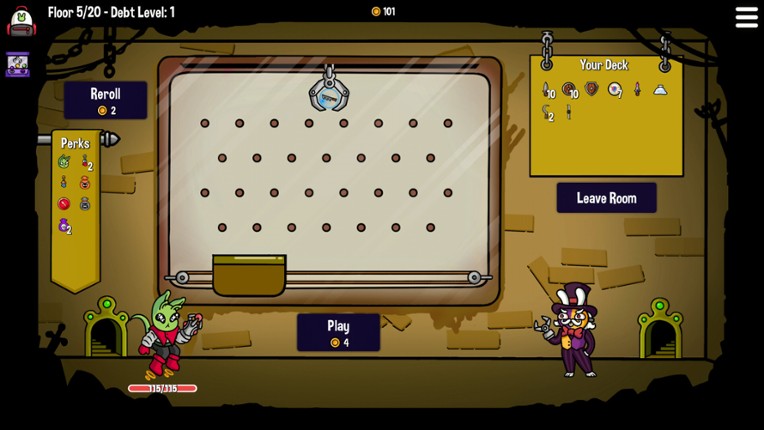
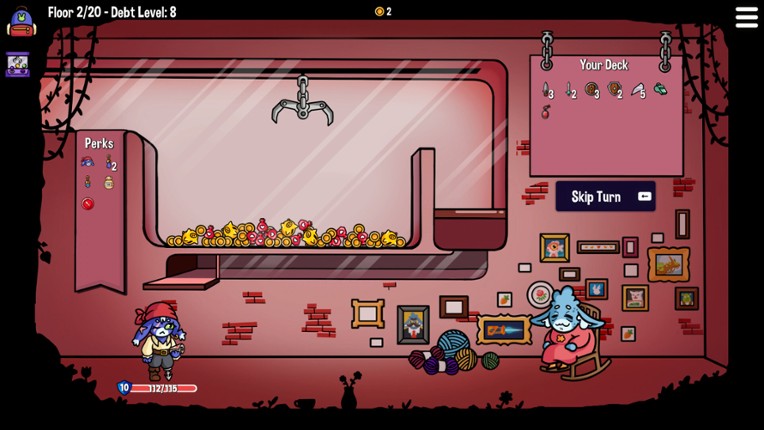
Monster Train brings tower-defense layering to deckbuilding with deep clan synergies. Dicey Dungeons swaps cards for dice in a charming, mechanically clever package. SpellRogue fuses Slay the Spire's structure with dice-driven spell combos. Shogun Showdown adds tactical positioning and pixel-art style to the roguelike formula. Across the Obelisk lets you bring friends into co-op deckbuilding runs. Dungeon Clawler throws a claw-machine mechanic into the mix for something genuinely fresh.
Every recommendation below is ranked by similarity to Slay the Spire using real player data, so the closest matches appear first. Browse the full list to find your next favorite run.
- 85%Game Brain ScoreMost mentioned positive aspects:gameplay, musicMost mentioned negative aspects:grinding, stability90% User Score 7,171 reviewsCritic Score 79%11 reviews
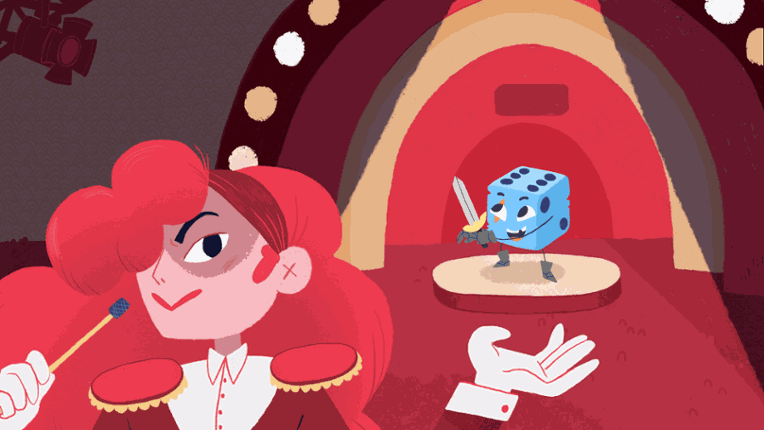
Every run in Dicey Dungeons asks the same Slay the Spire question: do you play the hand you were dealt, or reshape it into a broken engine before the floor ends? Both games reward smart turn-by-turn planning, deckbuilding, and adapting to procedural rewards, so each victory feels earned through sequencing and risk management rather than reflexes.
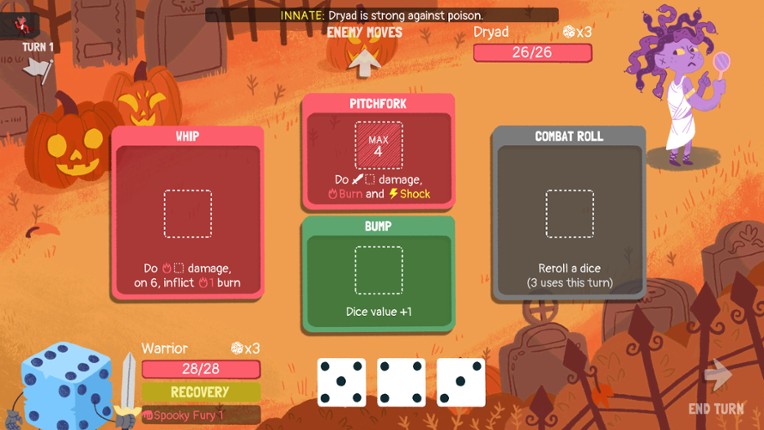
The biggest overlap is how fast you start reading enemies, hoarding resources, and planning several turns ahead. In Dicey Dungeons, the dice system creates that same tension Spire fans love, because every roll forces you to improvise while still chasing a build that can snowball into consistency. That mix of luck and control makes your best turns feel wonderfully engineered.
Its fresh angle is variety: each character plays by different rules, so the game keeps recontextualizing the same core loop instead of just expanding it. That also helps with a common Slay the Spire complaint, because the campaign structure and short episodes make the experience feel less grindy and more bite-sized. Best for players who enjoy mastering systems, adapting on the fly, and squeezing value from imperfect draws.
If you enjoyed this game, see our list of games similar to Dicey Dungeons.View Game
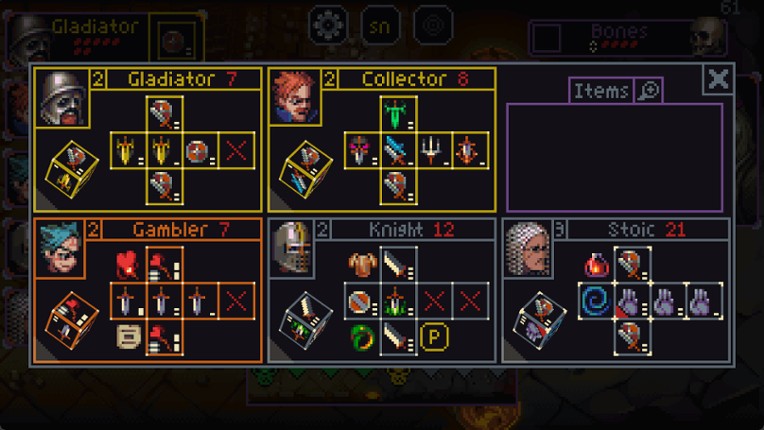
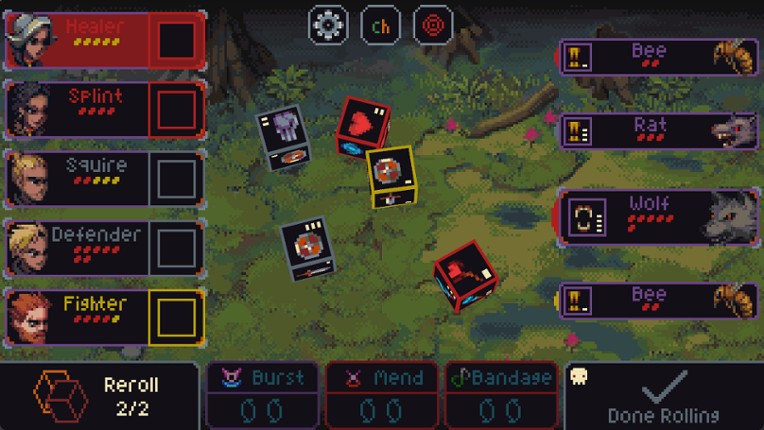
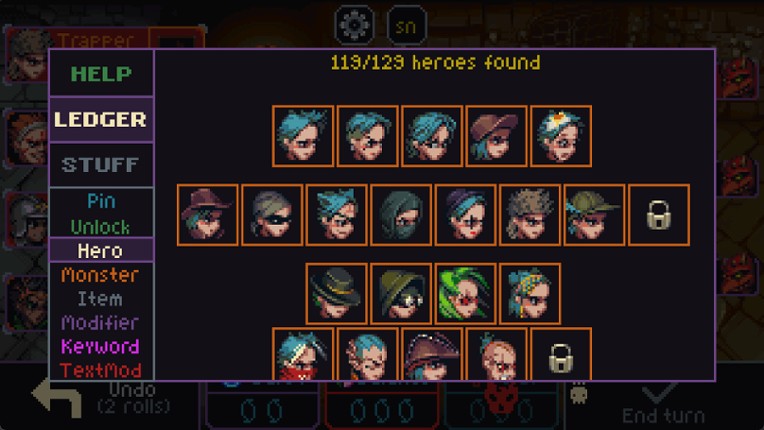
- 91%Game Brain ScoreMost mentioned positive aspects:gameplay, replayabilityMost mentioned negative aspects:story, stability91% User Score 2,008 reviewsBoth games force you to solve a high-stakes mathematical puzzle by reacting to explicit enemy intents using a randomized set of tools. The roguelite structure ensures every run is a distinct gamble on synergy, mirroring the tension of hunting for the perfect relic combination to survive an elite encounter. This creates a familiar loop where tactical calculation and risk management are the only paths to victory. While many deckbuilders lean into meta-grinding or aggressive monetization, Slice & Dice offers a pure, fair experience entirely free of ads and microtransactions. You trade card-drawing for dice-rolling mechanics, which provides a fresh layer of probability management through limited rerolls. This shift keeps the core strategy intact while removing the frustration of unlock-heavy progression systems. The primary difference lies in managing a five-hero party where forced class upgrades demand constant adaptation. This prevents the autopilot feeling that occurs once a deck becomes efficient, requiring mid-run strategic pivots. Best for players who value mechanical purity and complex tactical puzzles over flashy animations. If you enjoyed this game, see our list of games similar to Slice & Dice.View Game
- 90%Game Brain ScoreMost mentioned positive aspects:gameplay, replayabilityMost mentioned negative aspects:grinding, monetization97% User Score 13,882 reviewsCritic Score 83%16 reviews
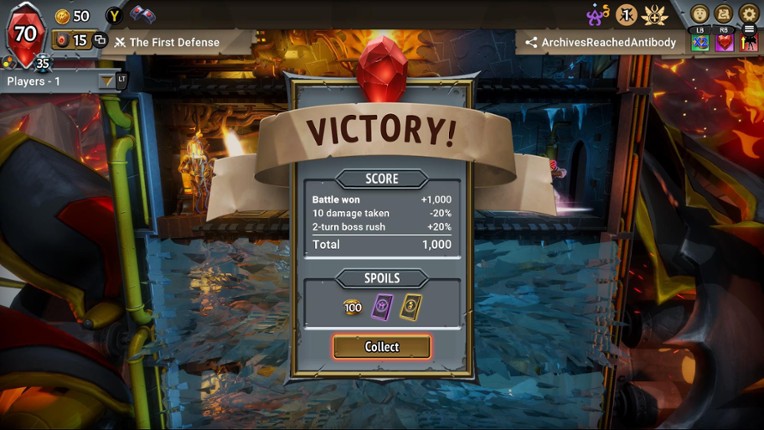
Both games trap you in a high-stakes loop: build a deck from limited, randomized options, then watch your carefully crafted strategy either triumph or crumble in real-time combat. This tension—where every card pick feels permanent and consequential—is the core draw, and Monster Train executes it with the same ruthless precision.
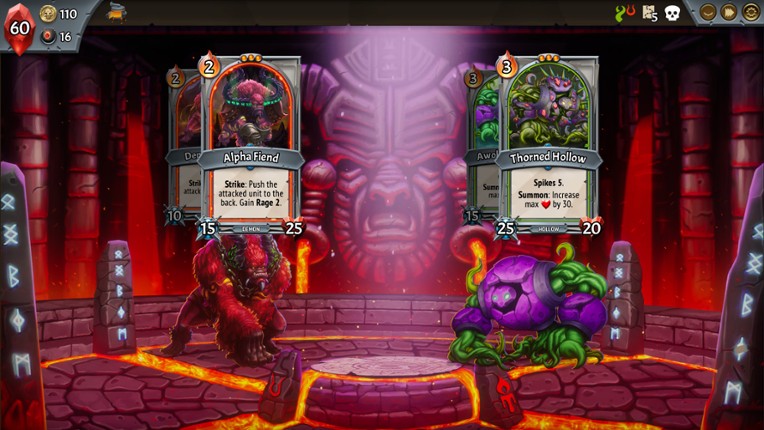
The deckbuilding progression works identically across both: you start weak, discover powerful synergies between cards, and chase the dopamine hit of a run that clicks. Monster Train adds clan combinations (magical bloodlines that shape your entire deck identity), which deepens the theory-crafting without abandoning the accessibility that makes Slay the Spire compulsive.
Where Monster Train diverges is its tower defense layer—you're protecting a train rather than attacking a single spire. This shifts moment-to-moment decisions from "burn the enemy" to "defend and scale," offering fresher tactical puzzles even after dozens of runs.
Procedural generation and roguelike structure carry over, so you'll get the same replayability and difficulty tuning that made Slay the Spire endlessly rewarding. The art and music are equally sharp.
Best for: players who've exhausted Slay the Spire's content but crave that same deck-building addiction with a twist on combat strategy.
If you enjoyed this game, see our list of games similar to Monster Train.View Game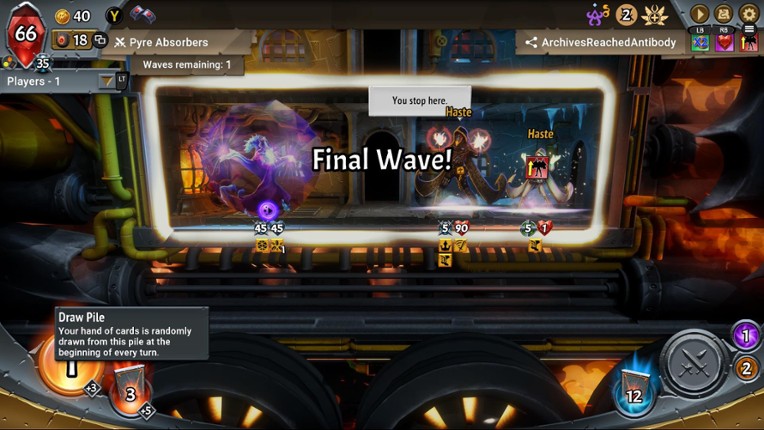
- 92%Game Brain ScoreMost mentioned positive aspects:gameplay, musicMost mentioned negative aspects:grinding, story95% User Score 8,449 reviewsCritic Score 80%2 reviews
Deal world-ending combos and blitz through infested dungeons! Vampire Crawlers: The Turbo Wildcard from Vampire Survivors is a casual, turnbased deckbuilder with roguelite elements. Master the Turboturn with your own hand of cards! If you enjoyed this game, see our list of games similar to Vampire Crawlers: The Turbo Wildcard from Vampire Survivors.
View Game


- 90%Game Brain ScoreMost mentioned positive aspects:gameplay, graphicsMost mentioned negative aspects:story, grinding90% User Score 1,077 reviews
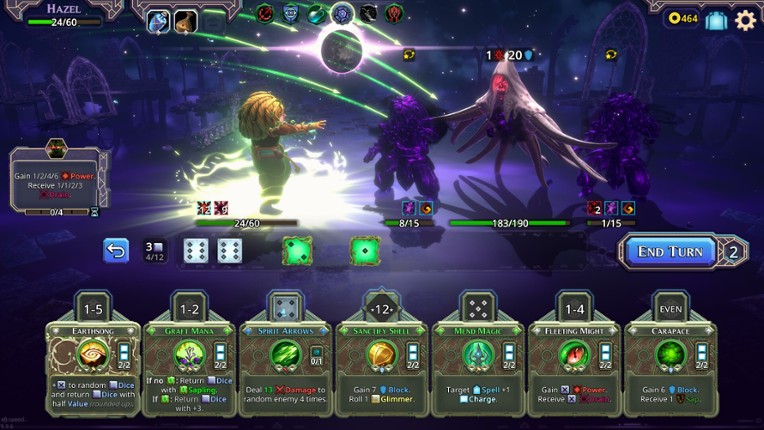
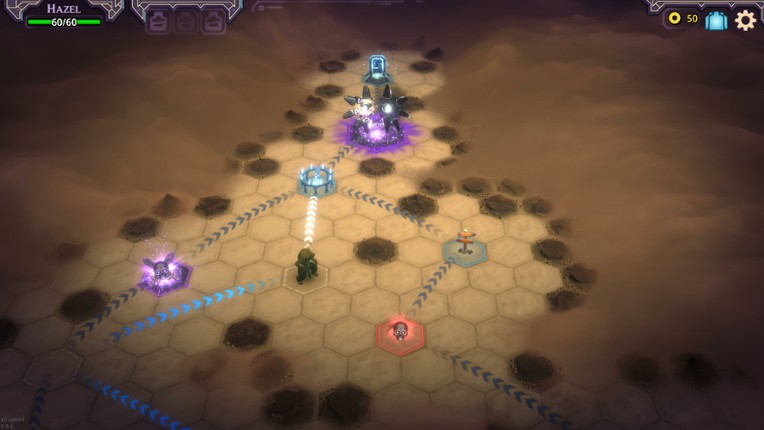
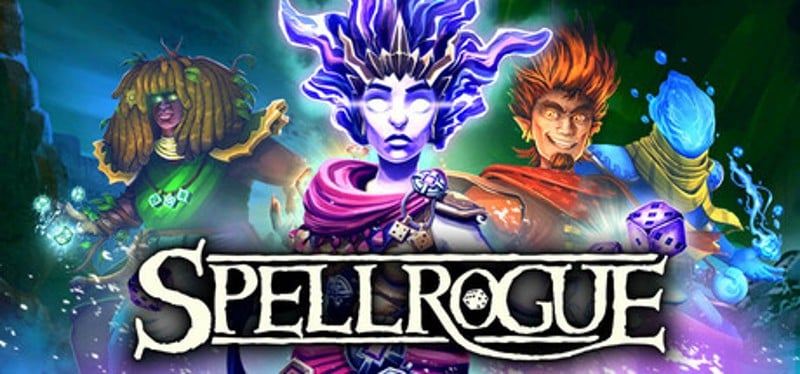
That obsessive loop of building a synergy mid-run and watching it snowball into something devastating — SpellRogue delivers exactly that feeling, with deckbuilding and procedural runs that reward the same kind of strategic layering Slay the Spire fans chase.
Both games are built around turn-based card combat with roguelike structure, meaning each run generates fresh choices that compound into distinct builds. SpellRogue adds a dice-based resource system to spell casting, which creates a second layer of decision-making on top of deck construction — your choices matter not just in what you build, but in how you allocate randomized values each turn.
Where Slay the Spire drew criticism for feeling repetitive across long sessions, SpellRogue's multiple character builds and spell combinations offer enough variance to keep early runs feeling meaningfully different from one another.
The tone skews darker and the mechanical texture is distinct enough to feel fresh rather than derivative. Best for players who want their deckbuilding decisions to carry more moment-to-moment tactical weight.
If you enjoyed this game, see our list of games similar to SpellRogue.View Game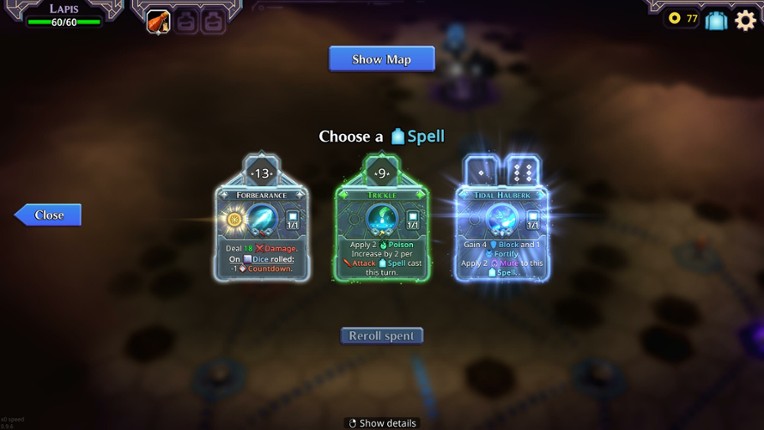
- 93%Game Brain ScoreMost mentioned positive aspects:gameplay, graphicsMost mentioned negative aspects:story, optimization93% User Score 1,837 reviews
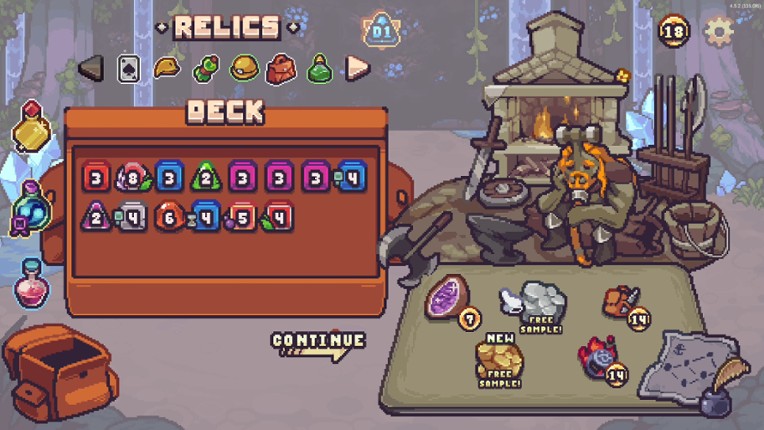
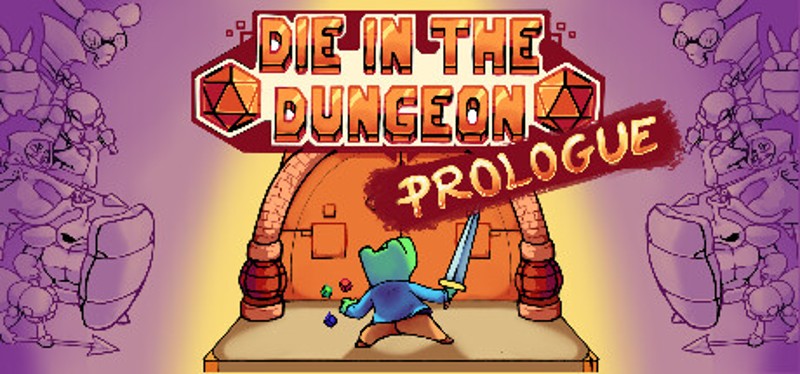
Die in the Dungeon is a deck-building, turn-based roguelite game where your deck is not made out of cards, but DICE! In Die in the Dungeon, each dice represents a different action, from basic ones like attacking or healing to boosting other dice or copying their abilities. Improve the quality of your dice, combine them and acquire powerful relics to defeat the monsters that dwell in the dungeon! F… If you enjoyed this game, see our list of games similar to Die in the Dungeon.
View Game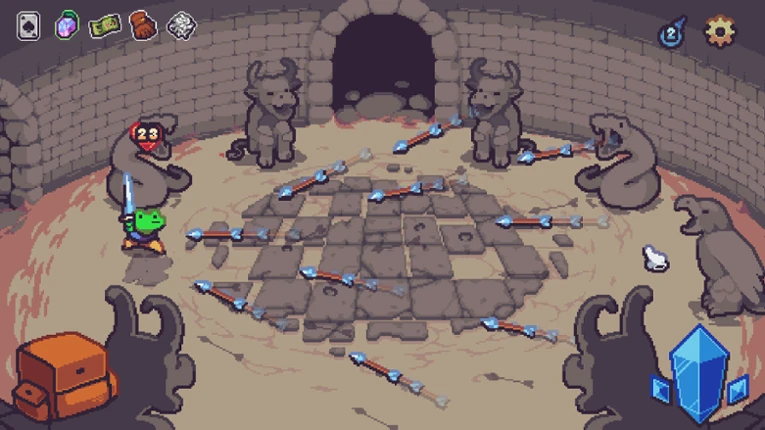
- View Game
- 95%Game Brain ScoreMost mentioned positive aspects:gameplay, musicMost mentioned negative aspects:grinding, stability97% User Score 3,579 reviewsCritic Score 90%3 reviews
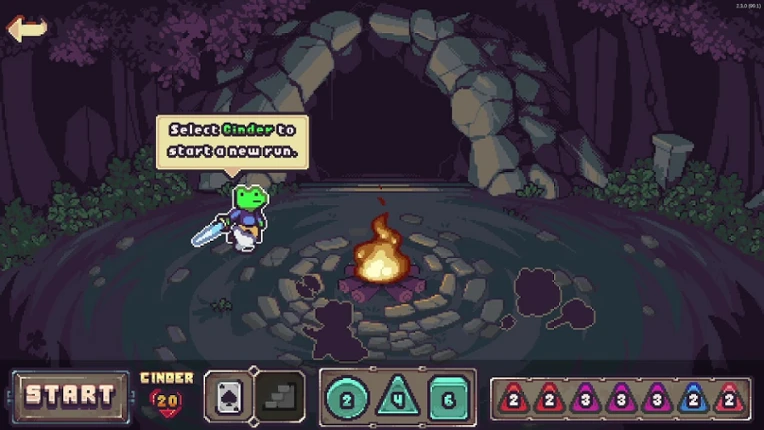
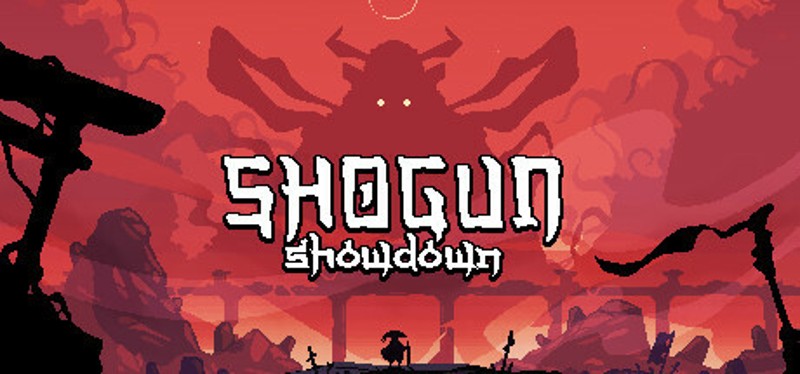
Shogun Showdown mirrors Slay the Spire’s mastery of high-stakes, turn-based planning by forcing you to calculate every enemy movement before committing to a strike. It shares the same punishing difficulty curve, which matters because it demands absolute mastery of your deck to survive even early encounters.
The primary shift is spatial: where Spire focuses on vertical stat-scaling, Showdown prioritizes grid-based positioning and directional attacks. You aren’t just playing cards; you are maneuvering to keep enemies within your lethal range.
Pick this up if you crave surgical tactical precision but can live without the complex, multi-layered build variety found in traditional deckbuilders.
If you enjoyed this game, see our list of games similar to Shogun Showdown.View Game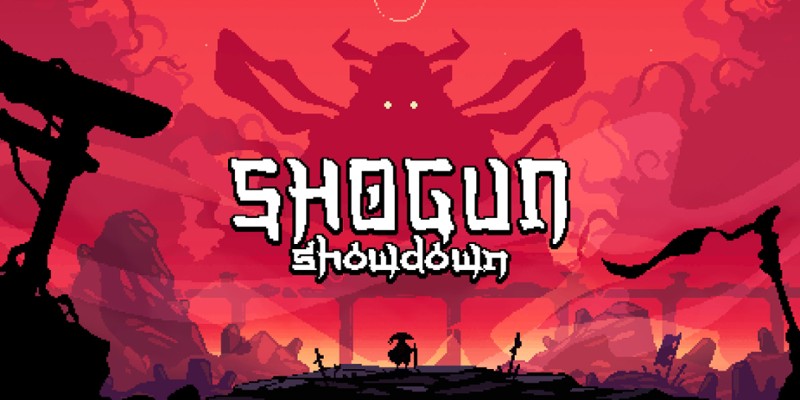


- 92%Game Brain ScoreMost mentioned positive aspects:gameplay, graphicsMost mentioned negative aspects:grinding, stability92% User Score 68,784 reviews
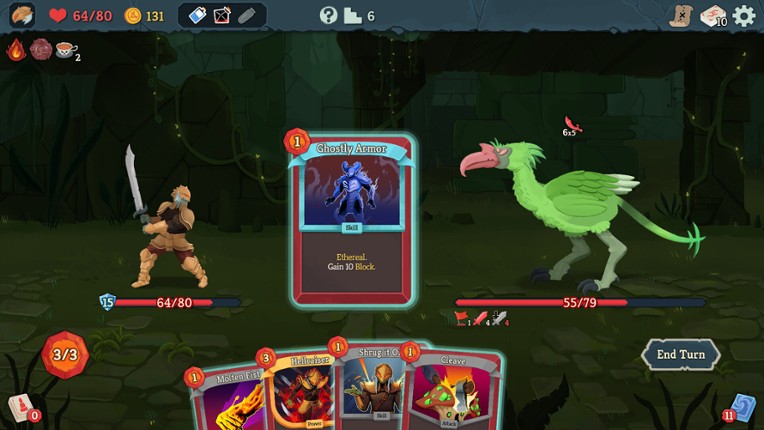
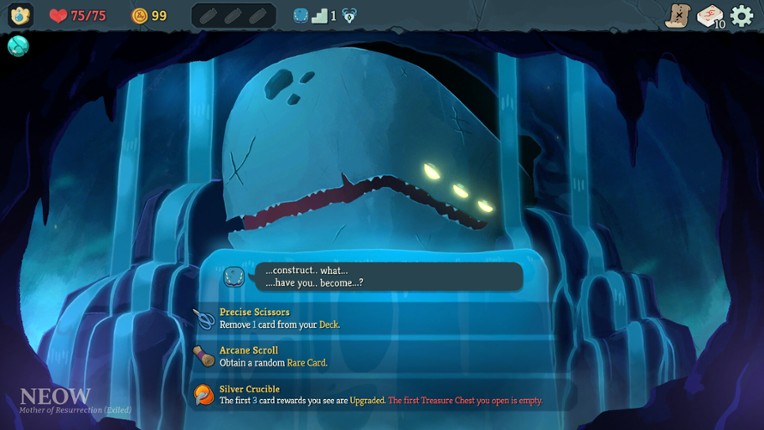
THE SPIRE AWAKENS The ultimate roguelike deckbuilder returns!For 1, 000 years, the Spire lay dormant, its secrets buried and its horrors forgotten. Now, it has reopened, hungrier and more dangerous than ever, devouring all who dare to ascend.New perils demand sharper strategies, relentless cunning, and unwavering resolve. Outwit the Spire’s brutal trials and uncover the truths hidden at its peak.W… If you enjoyed this game, see our list of games similar to Slay the Spire 2.
View Game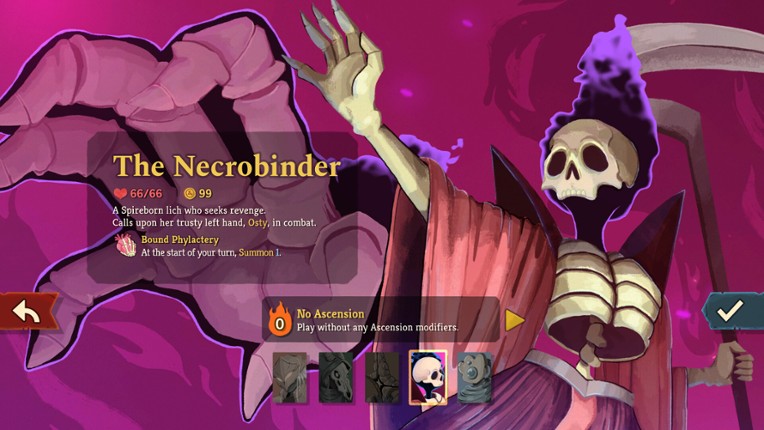
- 94%Game Brain ScoreMost mentioned positive aspects:gameplay, musicMost mentioned negative aspects:story, grinding98% User Score 55,099 reviewsCritic Score 89%23 reviewsReplaces combat encounters with poker-hand scoring puzzles while keeping the roguelike deckbuilding loop and endless replayability. If you enjoyed this game, see our list of games similar to Balatro.View Game
- 80%Game Brain ScoreMost mentioned positive aspects:gameplay, storyMost mentioned negative aspects:grinding, monetization83% User Score 13,664 reviewsCritic Score 70%3 reviews
If you love the thrill of watching your deck evolve across a run in Slay the Spire, Across the Obelisk delivers that same addictive loop of strategic improvisation.
The deckbuilding mechanics hit remarkably close—building synergies, discarding strategically, and pivoting plans when the run throws a curveball. Both games use procedural generation to keep every run feeling fresh, and the turn-based combat rewards careful resource management over button-mashing. The fantasy dungeon-crawler framing and the satisfying crunch of replay value will feel instantly familiar.
The twist? Across the Obelisk supports cooperative multiplayer, letting you tackle runs with a partner. This adds a layer of coordination and shared strategy that the solo-only Spire can't offer, making it a fresh angle rather than a downside.
Best for players who want the Slay the Spire formula with a collaborative option—deckbuilding enthusiasts who enjoy strategizing with a friend will find the most value here.
If you enjoyed this game, see our list of games similar to Across the Obelisk.View Game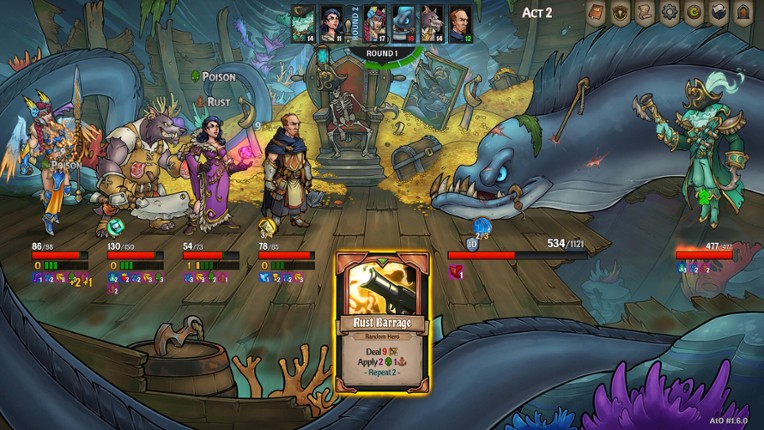
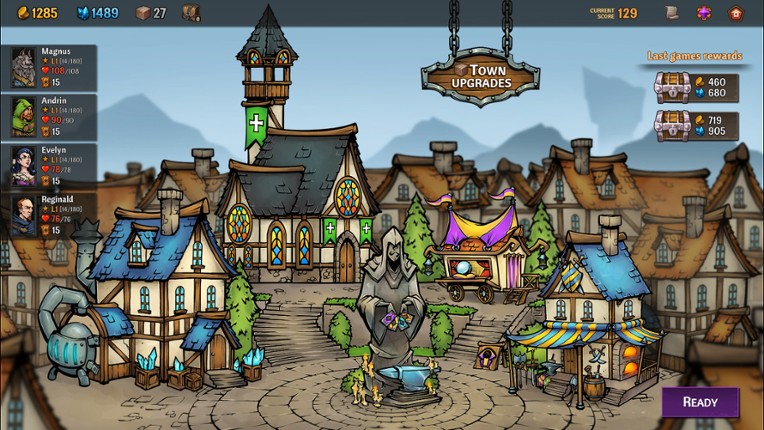
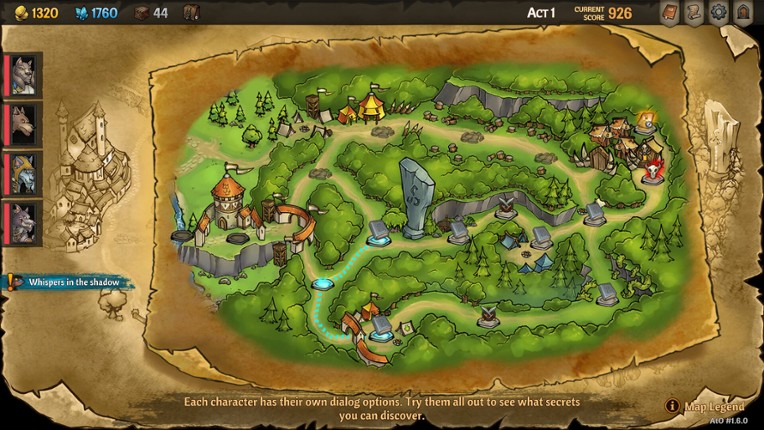
- 82%Game Brain ScoreMost mentioned positive aspects:gameplay, graphicsMost mentioned negative aspects:stability, grinding82% User Score 1,469 reviewsLayers dice rolls and D&D theming onto the card-battler framework, adding chance and class specialization beyond pure strategic deckbuilding. If you enjoyed this game, see our list of games similar to Dice & Fold.View Game
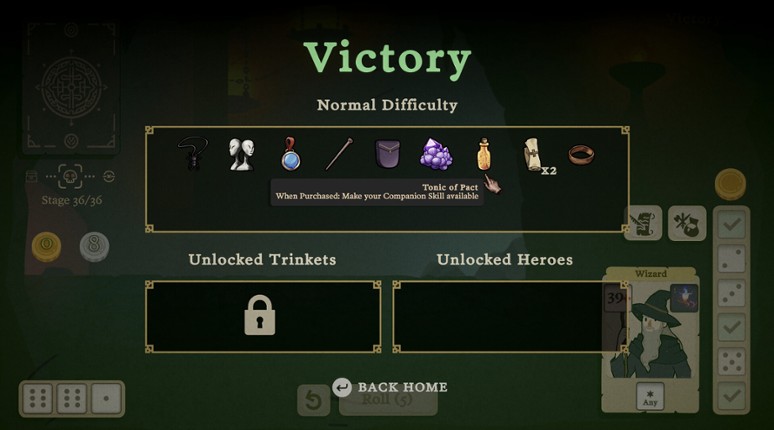
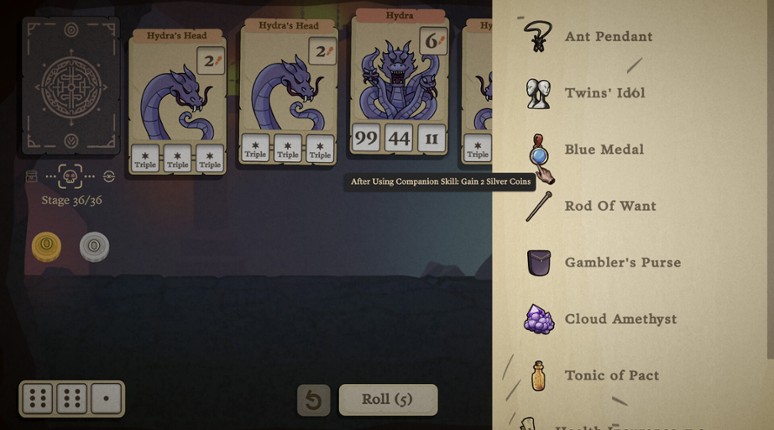
- 88%Game Brain ScoreMost mentioned positive aspects:gameplay, graphicsMost mentioned negative aspects:grinding, stability92% User Score 2,466 reviewsCritic Score 70%1 reviews
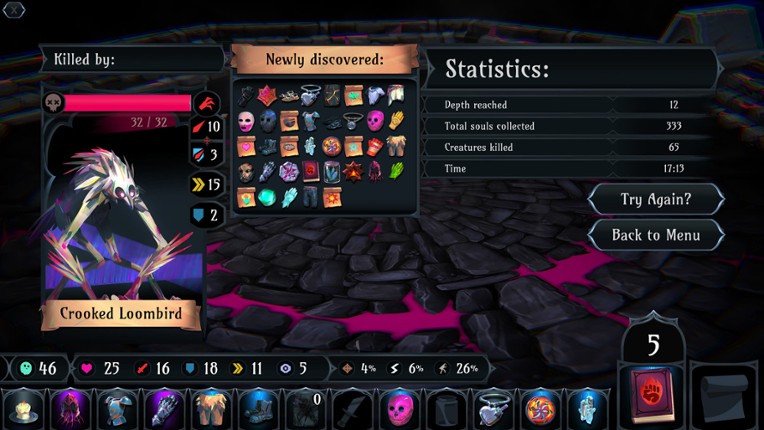
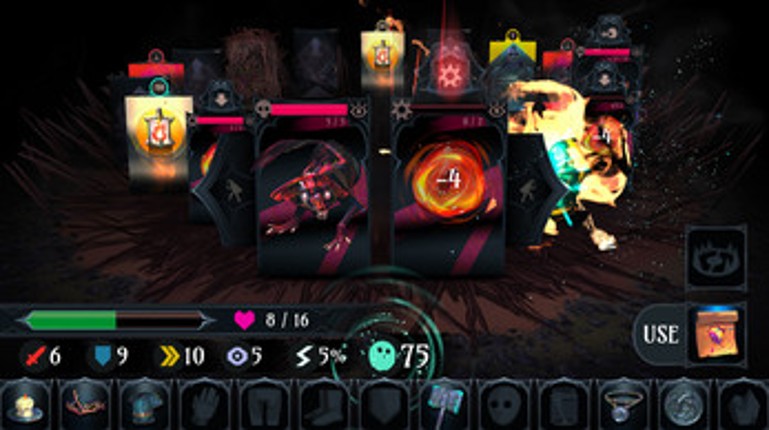
Both games build runs around deckbuilding within roguelike structures, letting you craft synergistic item/card combos across procedurally generated runs. This loop—draft, experiment, fail, iterate—is the core appeal for both audiences.
Ring of Pain trades card combat for inventory management and turn-based exploration, which keeps runs snappier and reduces decision paralysis.
The tradeoff: Slay the Spire has tighter mechanical balance and narrative charm; Ring of Pain leans harder into dark atmosphere but suffers from RNG swings that feel less earned.
Pick this up if you crave roguelike deckbuilding with a horror bent and shorter sessions, but accept less narrative depth and more run variance.
If you enjoyed this game, see our list of games similar to Ring of Pain.View Game
- 93%Game Brain ScoreMost mentioned positive aspects:gameplay, storyMost mentioned negative aspects:optimization, grinding93% User Score 9,509 reviews
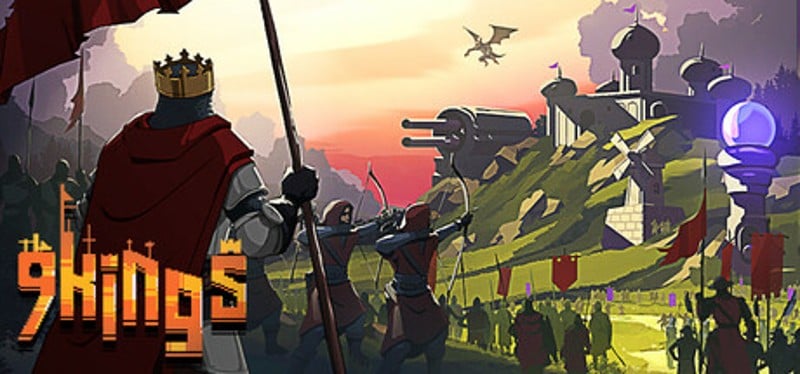
9 Kings mirrors the Slay the Spire addiction loop by tethering every victory to the precise assembly of your deck. Its core strength lies in its asymmetrical design, where choosing one of nine distinct monarchs forces you to master entirely different strategic synergies.
The reliance on procedural generation ensures that no two dungeon runs feel identical, keeping the tension high as you navigate floor-by-floor threats. This structural similarity matters because it guarantees the same high-stakes decision-making that defines the best roguelike deckbuilders.
Be warned: the balancing is far rougher than in the Spire, with severe difficulty spikes often tied to RNG rather than skill. The meta is currently narrow, forcing players to lean into a few overpowered builds to survive.
Pick this up if you want the satisfaction of complex combo-crafting but can live with unpolished, occasionally unfair difficulty curves.
If you enjoyed this game, see our list of games similar to 9 Kings.View Game
- 94%Game Brain ScoreMost mentioned positive aspects:gameplay, graphicsMost mentioned negative aspects:grinding, optimization94% User Score 886 reviewsMarries dice rolling to deck construction, letting luck and tactical die placement challenge the pure decision-making of card selection. If you enjoyed this game, see our list of games similar to Circadian Dice.View Game
- 95%Game Brain ScoreMost mentioned positive aspects:story, gameplayMost mentioned negative aspects:grinding, stability98% User Score 148,764 reviewsCritic Score 92%14 reviews
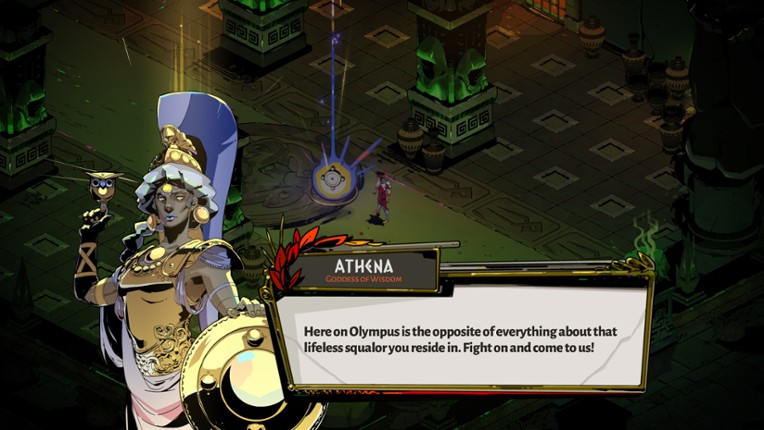
A South Korean-made first person shooter (potentially the first ever from that country). If you enjoyed this game, see our list of games similar to Hades.
View Game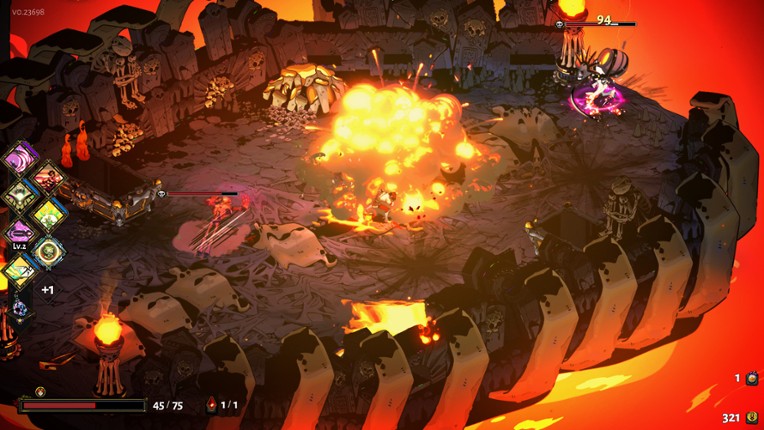
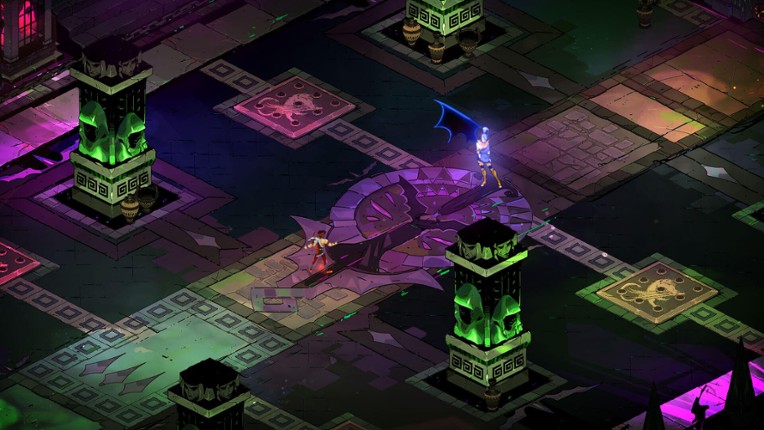
- 92%Game Brain ScoreMost mentioned positive aspects:gameplay, graphicsMost mentioned negative aspects:grinding, monetization92% User Score 1,192 reviews
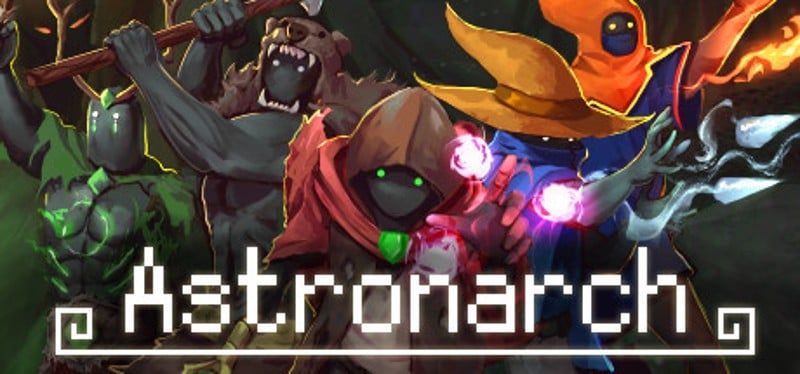
Astronarch and Slay the Spire both center on roguelite progression, delivering high replay value through evolving runs. Their shared single-player roguelike systems drive continual strategic adaptation, keeping each playthrough fresh. This core loop underpins their enduring appeal.
Both games incorporate trading and party-building elements, adding tactical depth beyond simple deck or skill management, which broadens player choice substantially. However, Astronarch relies on auto-battler mechanics with simpler pixel art, sacrificing visual polish and direct control compared to Slay the Spire’s handcrafted card combat and atmospheric presentation.
Pick Astronarch if you want fast-paced, strategic team composition with roguelite traits but can accept less refined visuals and some balance roughness. Slay the Spire remains superior for those prioritizing polished, deliberate deckbuilding and atmospheric storytelling.
If you enjoyed this game, see our list of games similar to Astronarch.View Game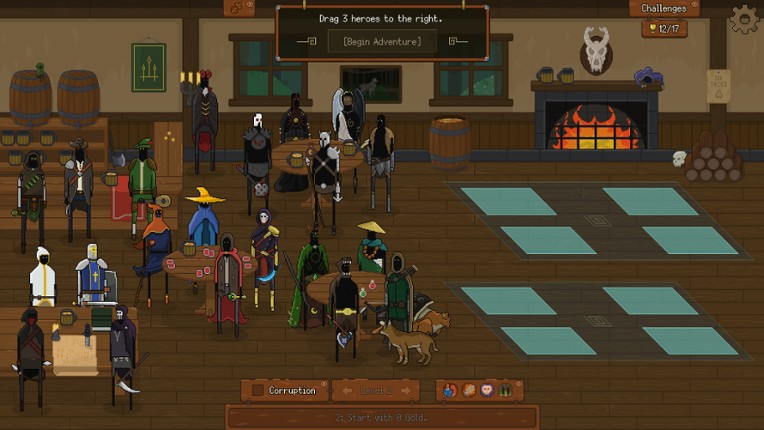
- 88%Game Brain ScoreMost mentioned positive aspects:gameplay, storyMost mentioned negative aspects:stability, grinding89% User Score 4,727 reviewsCritic Score 85%1 reviews
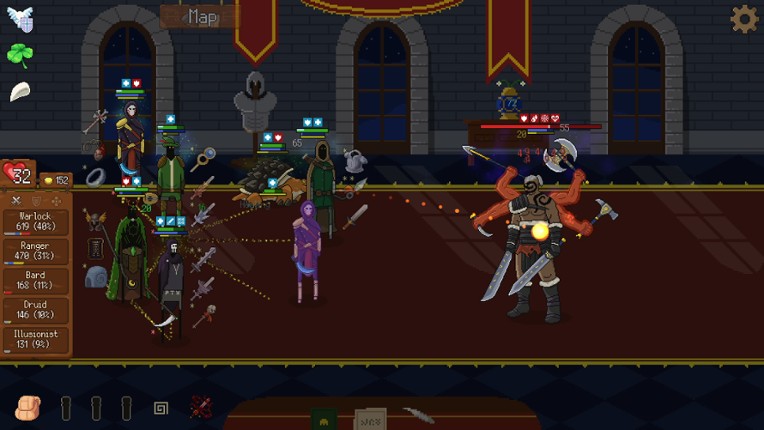
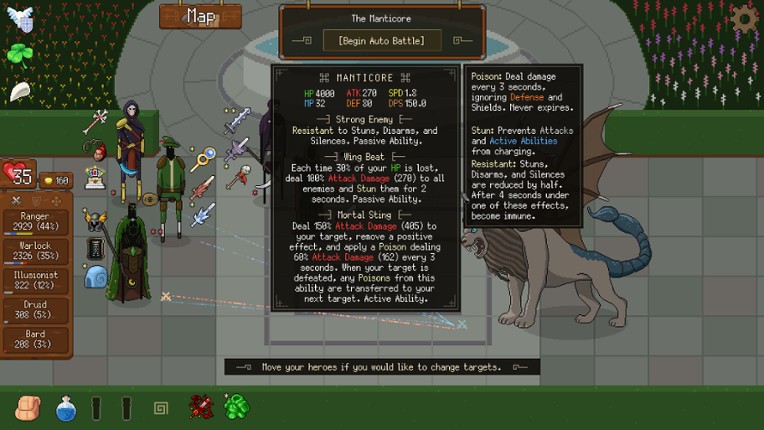
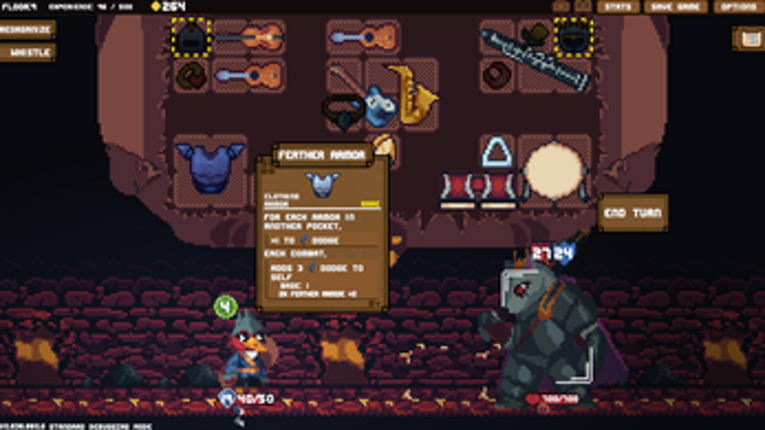
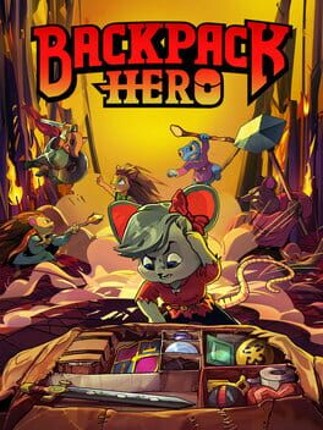
Backpack Hero is the inventory management roguelike! Collect rare items, organize your bag, and vanquish your foes! If you enjoyed this game, see our list of games similar to Backpack Hero.
View Game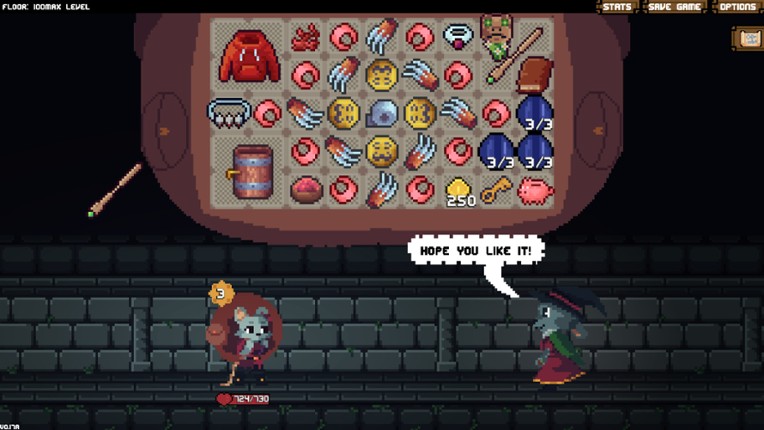
- 95%Game Brain ScoreMost mentioned positive aspects:gameplay, graphicsMost mentioned negative aspects:story, monetization95% User Score 1,634 reviews
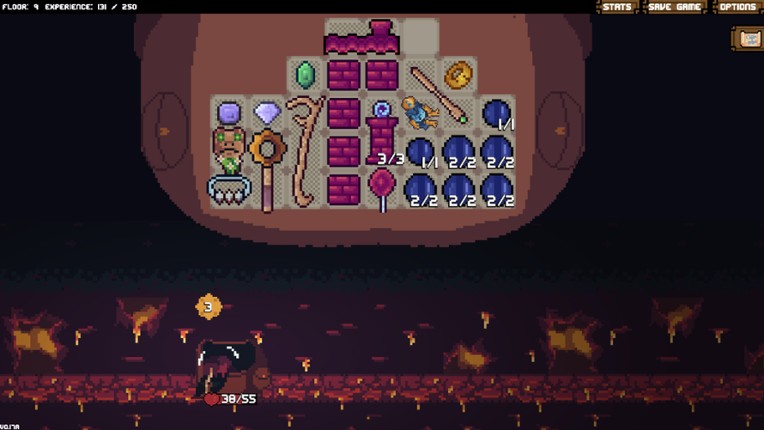
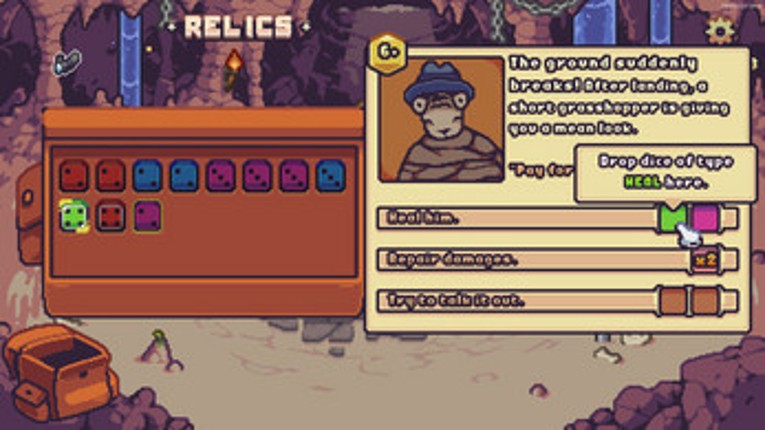
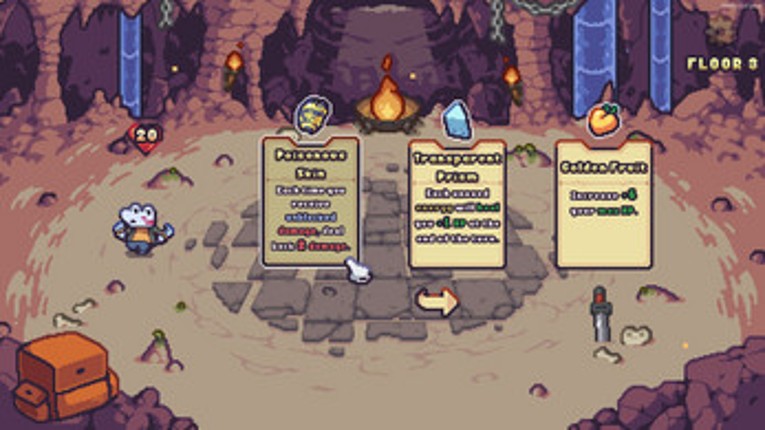
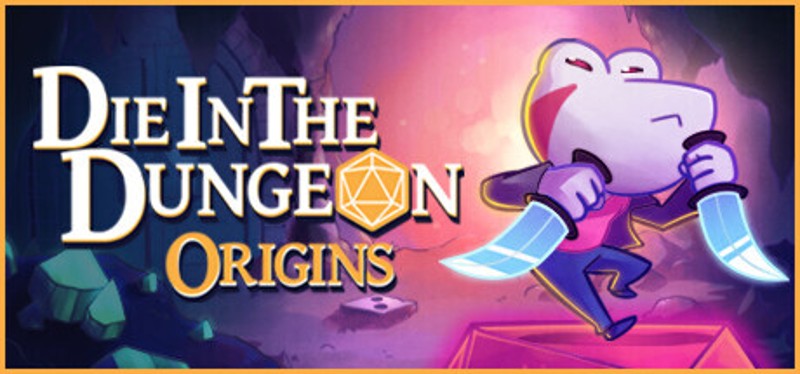
Die in the Dungeon is a deck-building, turn-based roguelite where your deck is not made out of cards, but DICE! In Die in the Dungeon, each dice represents a different action, from basic ones like attacking or healing to boosting other dice or copying their abilities. Improve the quality of your dice, combine them and acquire powerful relics to defeat the monsters that dwell in the dungeon! Find… If you enjoyed this game, see our list of games similar to Die in the Dungeon: Origins.
View Game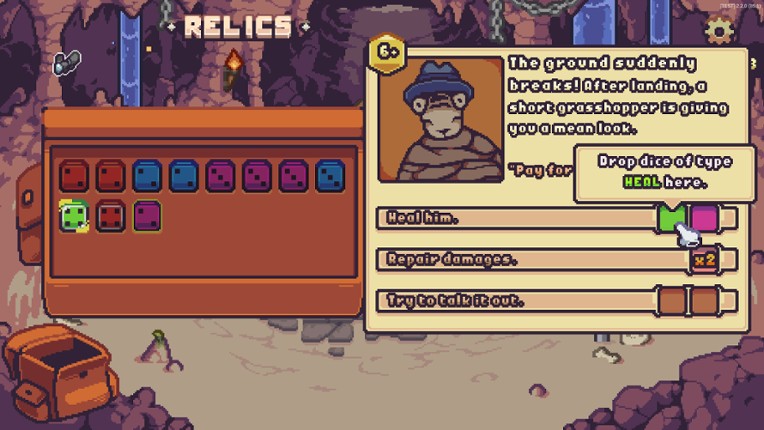
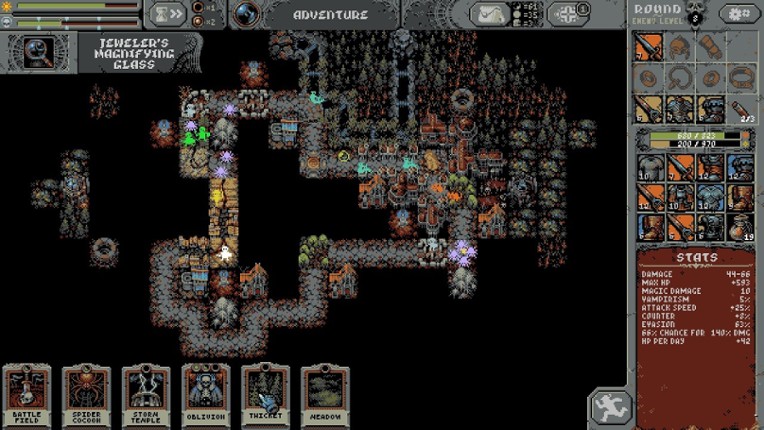
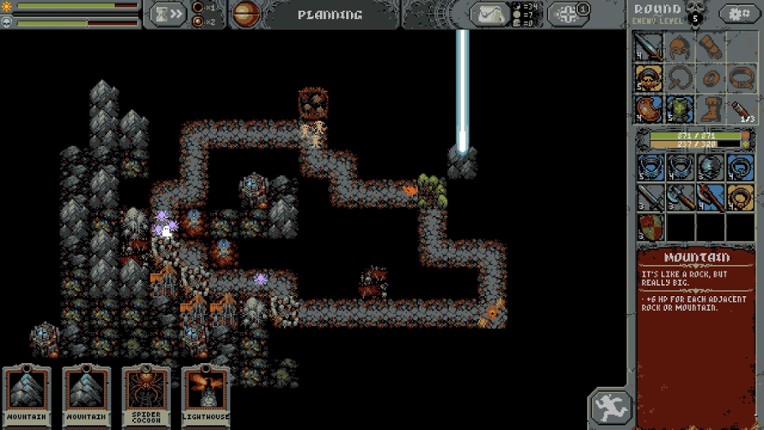
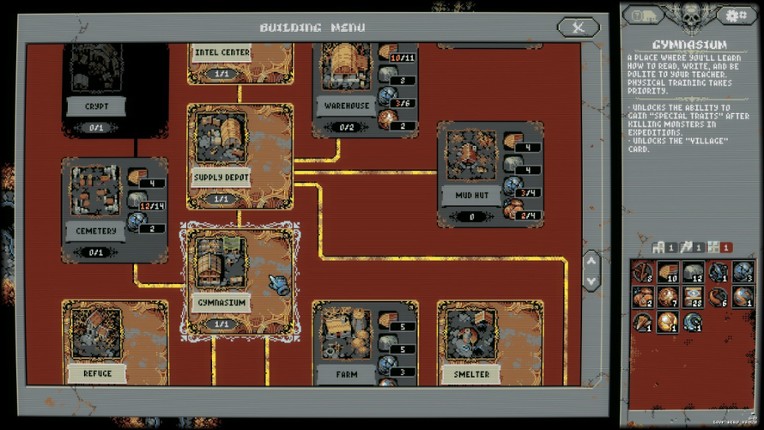
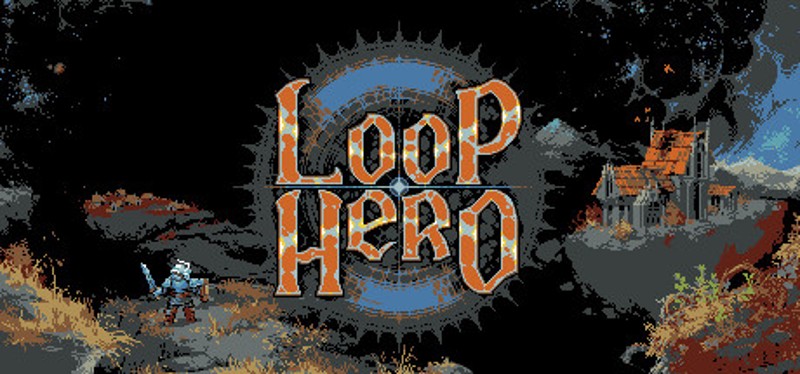
- 90%Game Brain ScoreMost mentioned positive aspects:gameplay, musicMost mentioned negative aspects:grinding, stability92% User Score 29,778 reviewsCritic Score 83%2 reviewsMinimizes active combat in favor of loop-building and resource loops, turning the roguelike into an incremental puzzle over traditional dungeon runs. If you enjoyed this game, see our list of games similar to Loop Hero.View Game
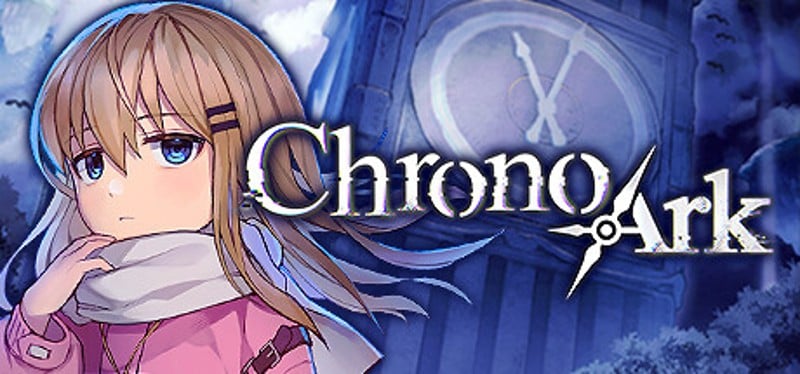
- 94%Game Brain ScoreMost mentioned positive aspects:story, gameplayMost mentioned negative aspects:grinding, optimization94% User Score 3,594 reviewsSwaps solo protagonist for a party roster and anime aesthetics while enriching the card-battler foundation with multiple character synergies and a story arc. If you enjoyed this game, see our list of games similar to Chrono Ark.View Game



- 83%Game Brain ScoreMost mentioned positive aspects:graphics, gameplayMost mentioned negative aspects:grinding, stability83% User Score 286 reviews
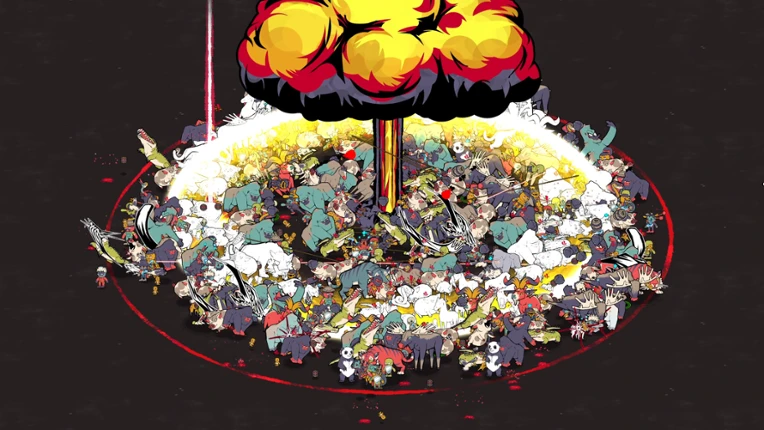
Recruit a Dude army to fight ridiculous battles in this roguelike dudebuilder. If you enjoyed this game, see our list of games similar to How Many Dudes?.
View Game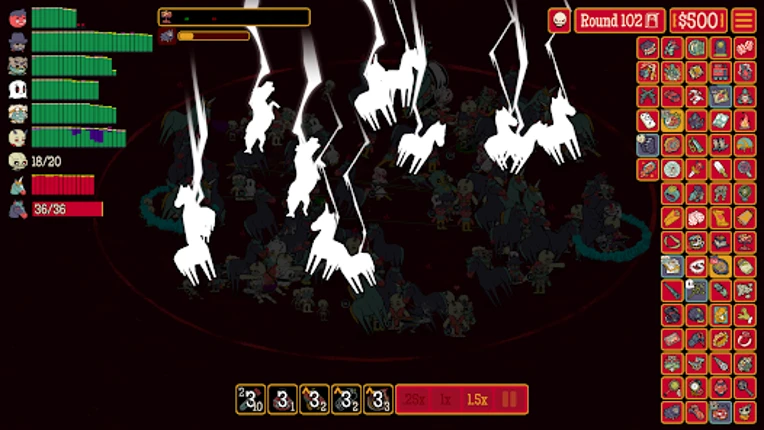
- 94%Game Brain ScoreMost mentioned positive aspects:gameplay, musicMost mentioned negative aspects:grinding, stability96% User Score 85,966 reviewsCritic Score 89%4 reviews
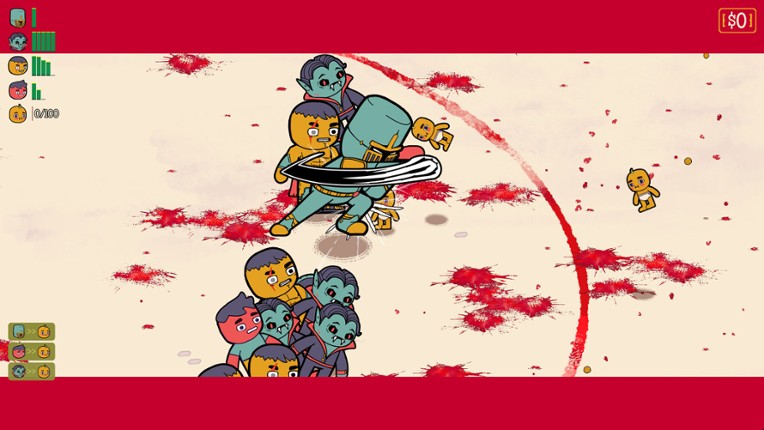
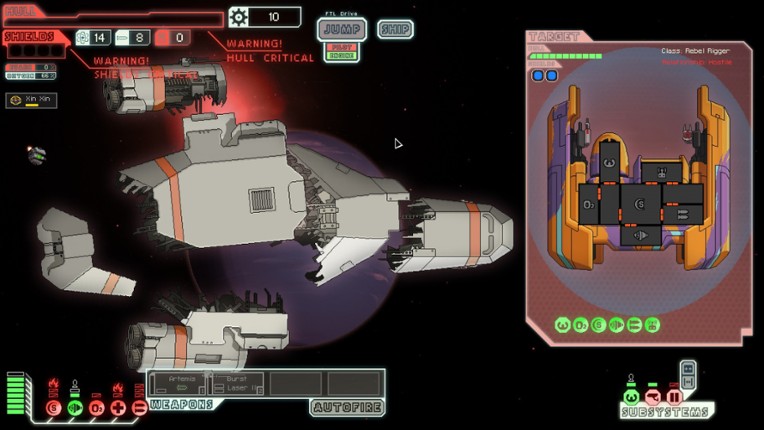
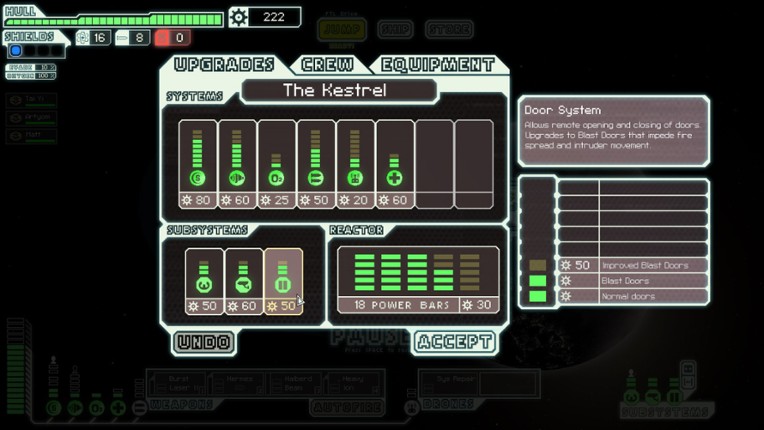
FTL: Faster Than Light is a single-player strategy game with roguelike design. The player commands a spaceship from a top-down view, managing systems such as weapons, engines, shields, and life support while recruiting crew and upgrading the vessel. The ship travels across procedurally generated sectors, jumping between beacons that present random events, stores, and enemy encounters. Combat plays… If you enjoyed this game, see our list of games similar to FTL: Faster Than Light.
View Game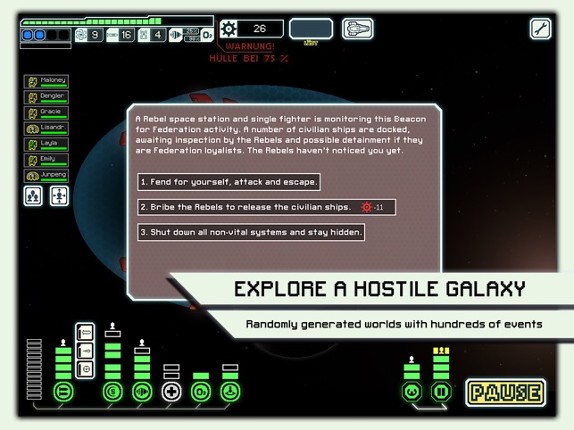
- 80%Game Brain ScoreMost mentioned positive aspects:gameplay, graphicsMost mentioned negative aspects:replayability, story80% User Score 263 reviews
This card game combines the elements of roguelike. During the game, you shall keep going ahead to get unique decks to defeat the enemies getting in the way. You will choose to escape or defeat the Death who is there to take your life. If you enjoyed this game, see our list of games similar to Blood Card.
View Game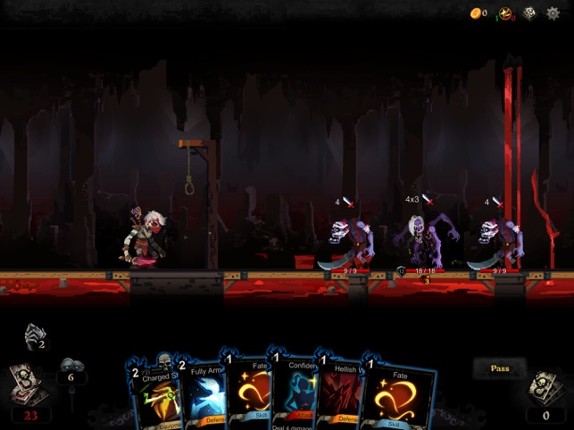
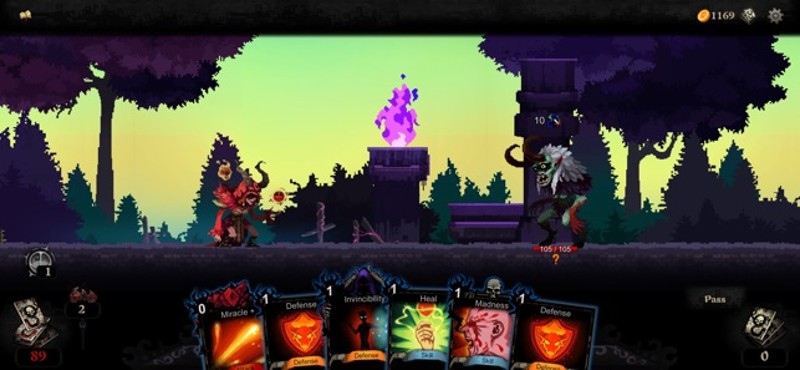
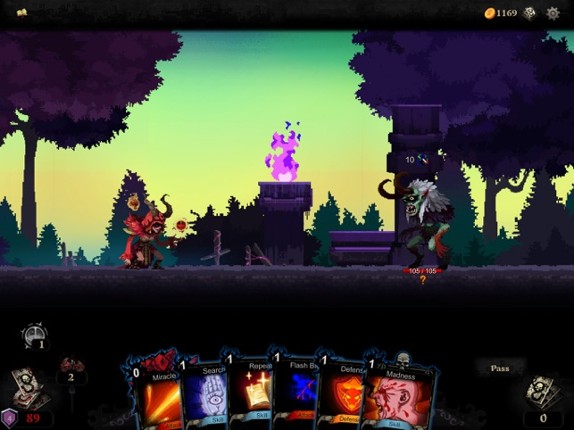
- 89%Game Brain ScoreMost mentioned positive aspects:gameplay, graphicsMost mentioned negative aspects:grinding, monetization98% User Score 135,194 reviewsCritic Score 73%5 reviewsThis chaotic survival experience abandons turn-based strategy for an adrenaline-fueled screen-clearer where your only goal is to outlive thousands of encroaching enemies. If you enjoyed this game, see our list of games similar to Vampire Survivors.View Game
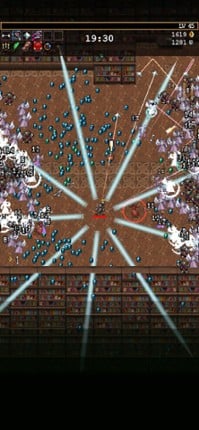
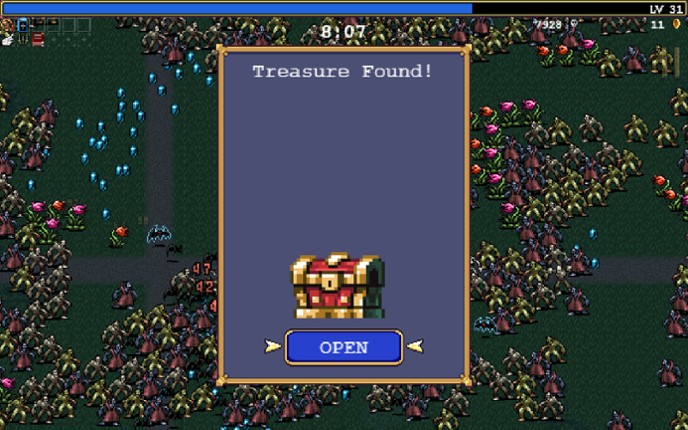
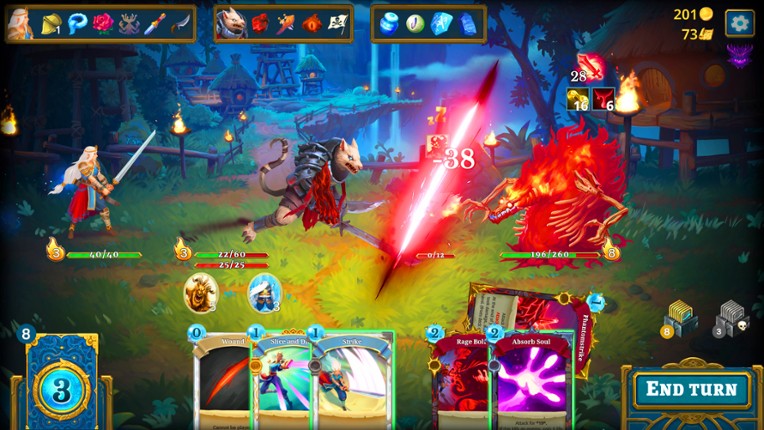
- 82%Game Brain ScoreMost mentioned positive aspects:gameplay, graphicsMost mentioned negative aspects:grinding, stability85% User Score 3,180 reviewsCritic Score 79%21 reviewsDoubles down on party-based team composition and magic systems while keeping the turn-based roguelike deckbuilding at its core. If you enjoyed this game, see our list of games similar to Roguebook.View Game
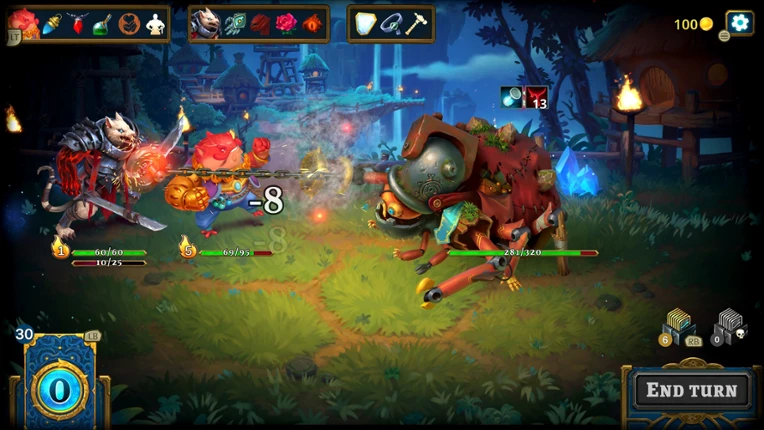
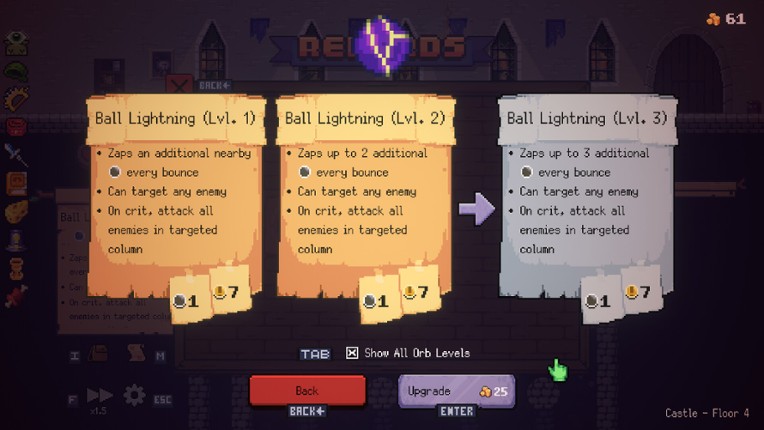
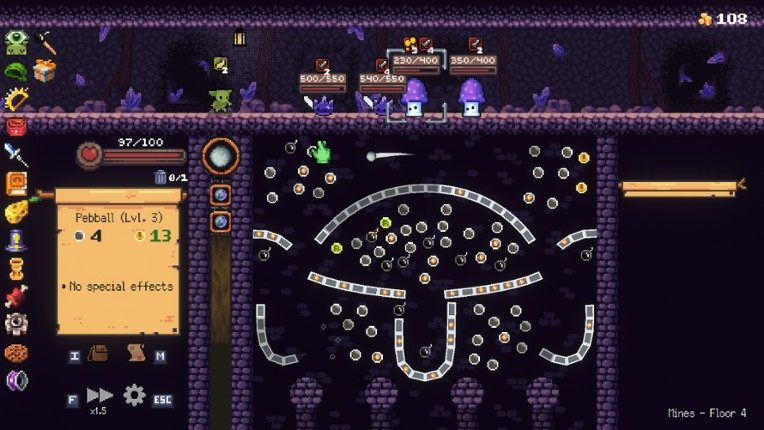
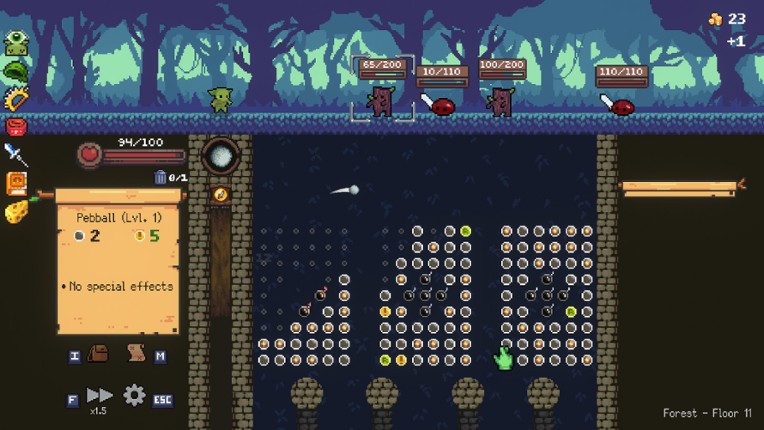
- 82%Game Brain ScoreMost mentioned positive aspects:gameplay, replayabilityMost mentioned negative aspects:story, grinding87% User Score 14,448 reviewsCritic Score 60%1 reviewsTrades card selection for pachinko physics and trades, making each turn a spatial puzzle rather than a pure strategic choice. If you enjoyed this game, see our list of games similar to Peglin.View Game
- 96%Game Brain ScoreMost mentioned positive aspects:gameplay, graphicsMost mentioned negative aspects:story, grinding96% User Score 1,507 reviews
You originally intended to go fishing, but find yourself caught in a dangerous battle. In this crisis, you gain a peculiar dice power - you can use it to change any number on the interface. Use this power to embark on an adventure! Diverse Card StrategiesYou will gradually unlock 6 types of mana, which can be combined to create 6 unique classes. With nearly 500 cards and almost 200 relics, cha… If you enjoyed this game, see our list of games similar to DICEOMANCER.
View Game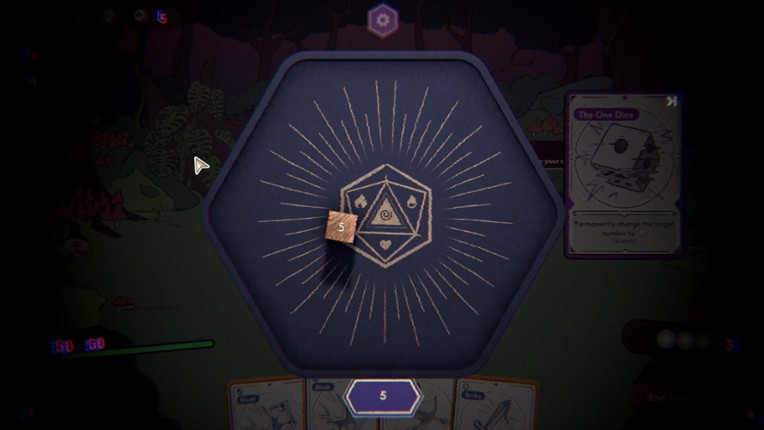
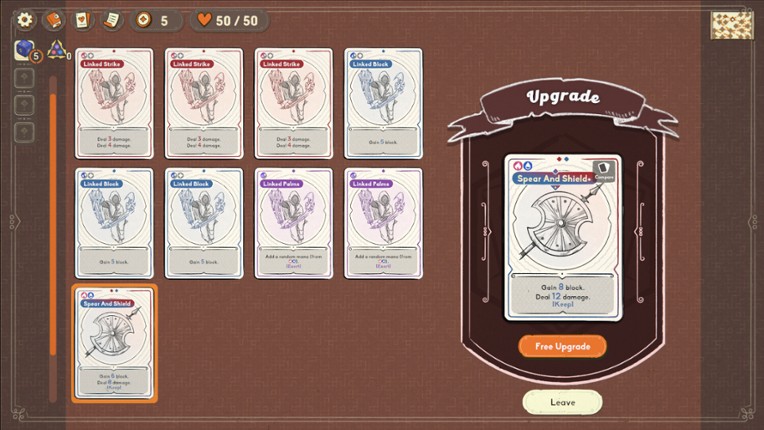
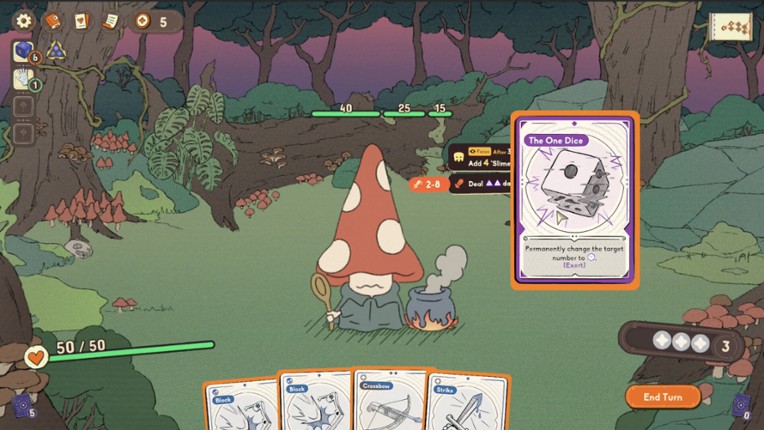
- 80%Game Brain ScoreMost mentioned positive aspects:gameplay, storyMost mentioned negative aspects:grinding, stability89% User Score 21,610 reviewsCritic Score 70%13 reviewsWhere the Spire is purely tactical, this title introduces a tabletop-style board exploration layer where dice rolls determine your path and outcome. If you enjoyed this game, see our list of games similar to null.View Game
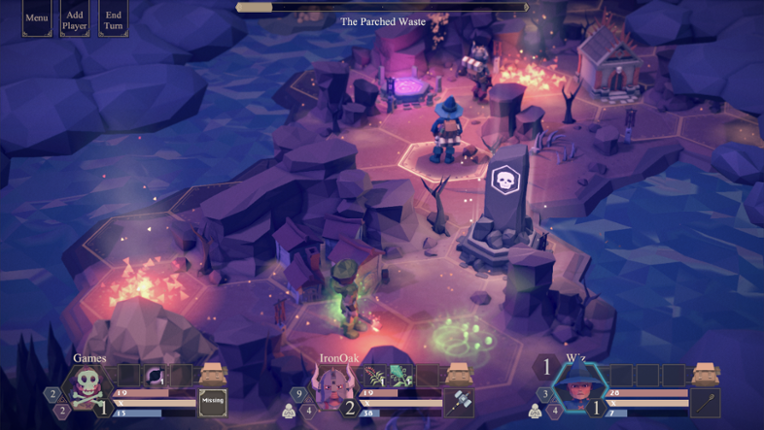
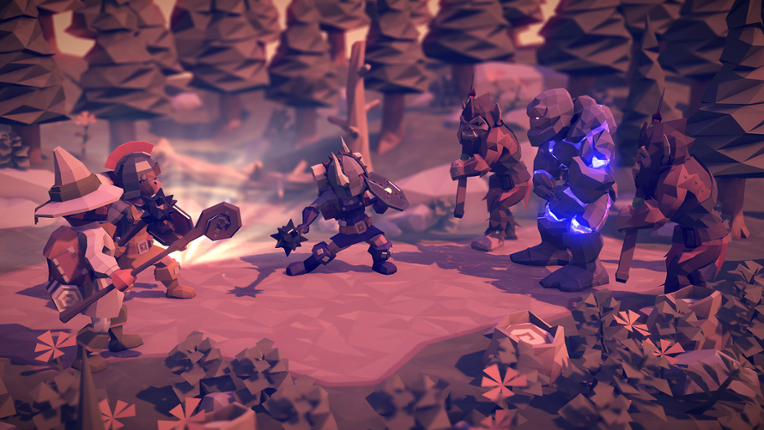
- 95%Game Brain ScoreMost mentioned positive aspects:gameplay, graphicsMost mentioned negative aspects:grinding, stability95% User Score 4,800 reviewsExpect a significantly steeper learning curve in this traditional roguelike that favors intricate character builds and massive, sprawling stat-heavy dungeons. If you enjoyed this game, see our list of games similar to Tales of Maj'Eyal.View Game
- 88%Game Brain ScoreMost mentioned positive aspects:gameplay, musicMost mentioned negative aspects:grinding, monetization94% User Score 6,126 reviewsCritic Score 76%4 reviewsStrips away dungeons entirely, replacing combat with a resource-management casino fantasy where slot machine reels ARE your deck. If you enjoyed this game, see our list of games similar to Luck be a Landlord.View Game
32 View Game 93%Game Brain ScoreMost mentioned positive aspects:gameplay, graphicsMost mentioned negative aspects:grinding, optimization93% User Score 351 reviewsCombines charming anime-style visuals with lighthearted, colorful roguelike deckbuilding adventures, suited for players who want artful whimsy over grim struggle. If you enjoyed this game, see our list of games similar to Meteorfall: Krumit's Tale.View Game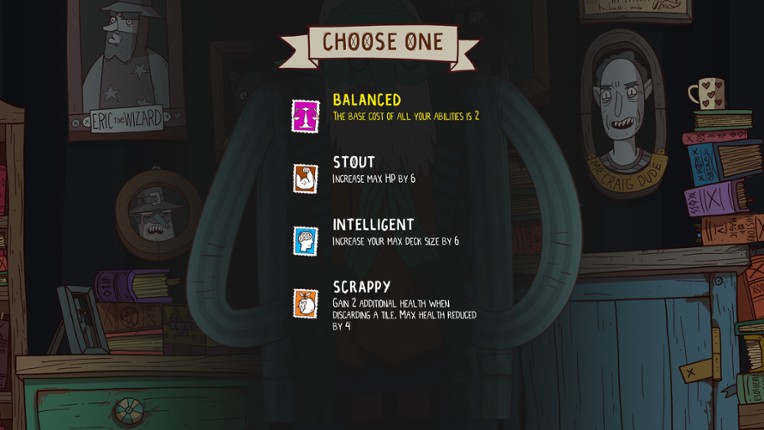
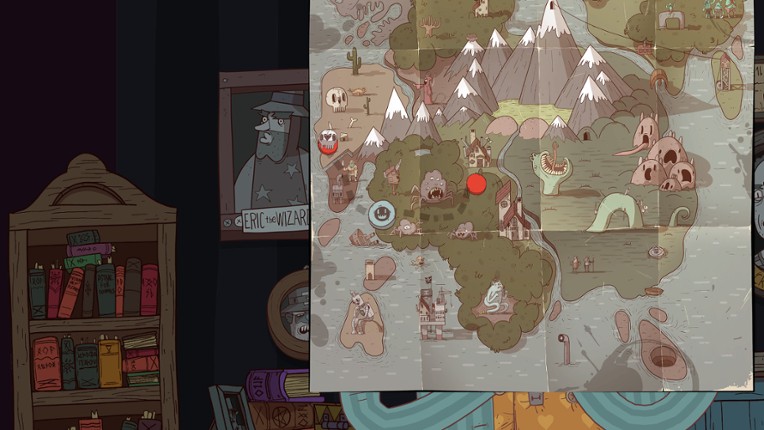
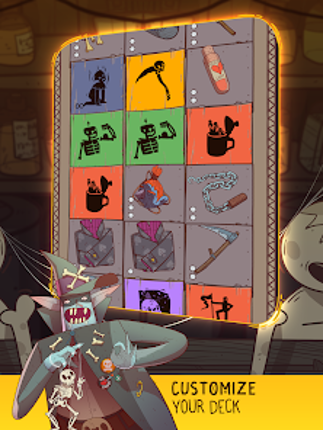
- 83%Game Brain ScoreMost mentioned positive aspects:gameplay, graphicsMost mentioned negative aspects:grinding, story87% User Score 2,329 reviewsCritic Score 75%3 reviewsHELLCARD transforms the solo climb into a co-op gauntlet, tasking you and friends with surviving waves of enemies on a shared board. If you enjoyed this game, see our list of games similar to HELLCARD.View Game
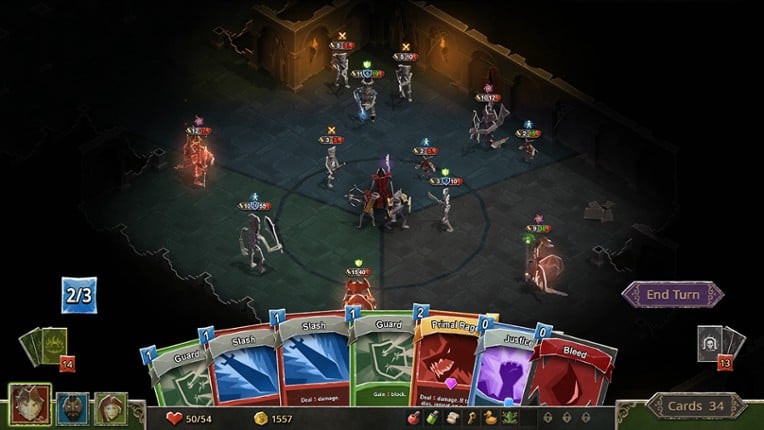
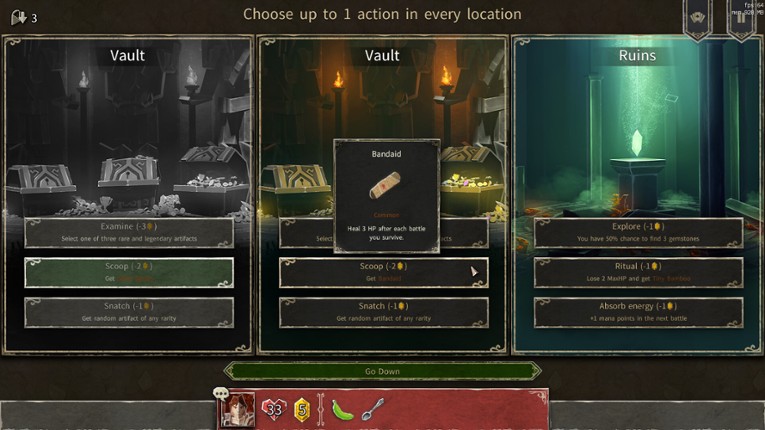
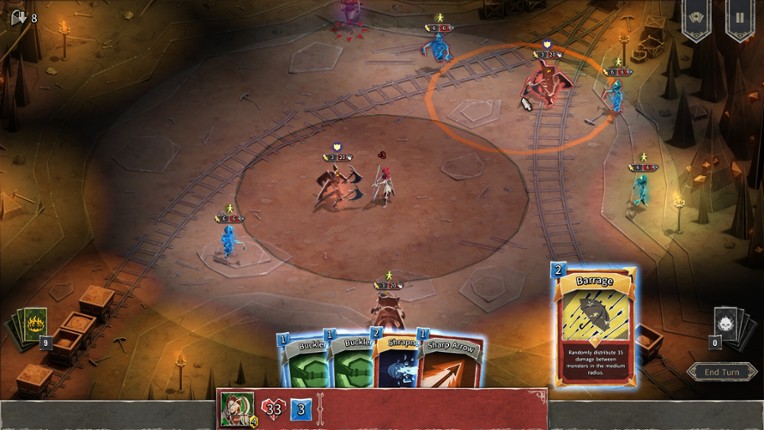
- 84%Game Brain ScoreMost mentioned positive aspects:gameplay, storyMost mentioned negative aspects:stability, grinding90% User Score 3,411 reviewsCritic Score 76%7 reviewsCenters on turn-based backpack management as a boardgame twist, offering a slower, inventory-focused experience for fans of tactical resource planning. If you enjoyed this game, see our list of games similar to Backpack Hero.View Game
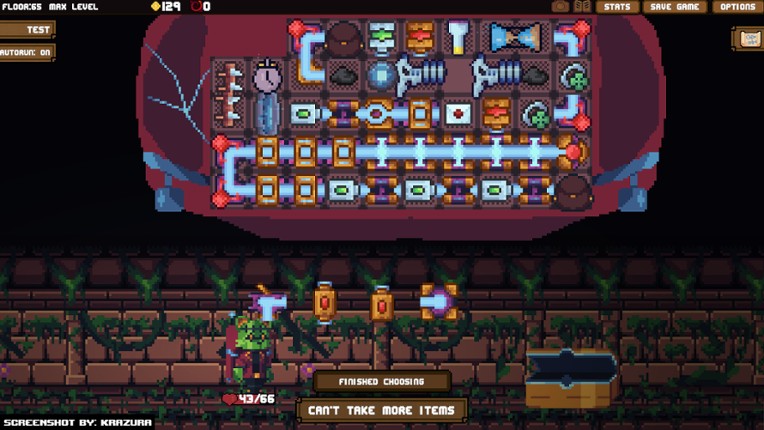
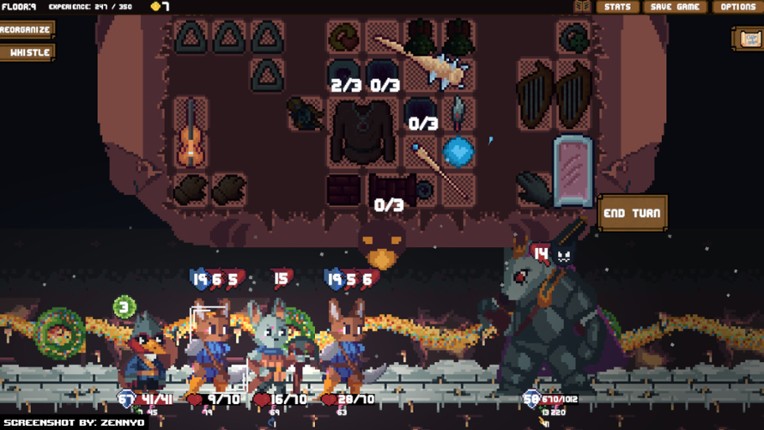
- 83%Game Brain ScoreMost mentioned positive aspects:gameplay, replayabilityMost mentioned negative aspects:story, grinding84% User Score 470 reviewsCritic Score 80%1 reviews
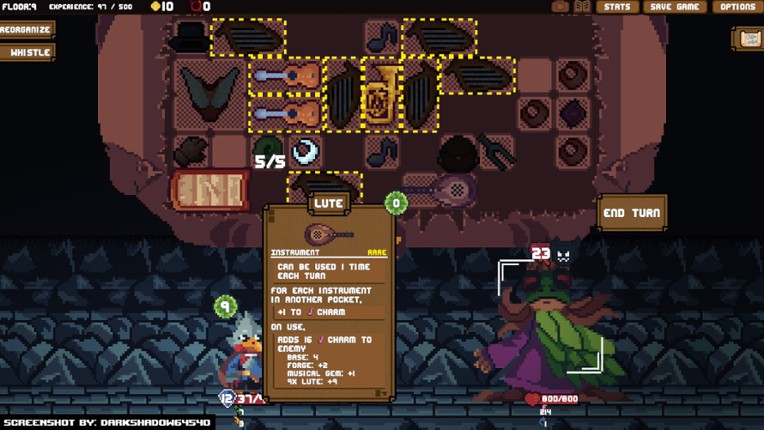
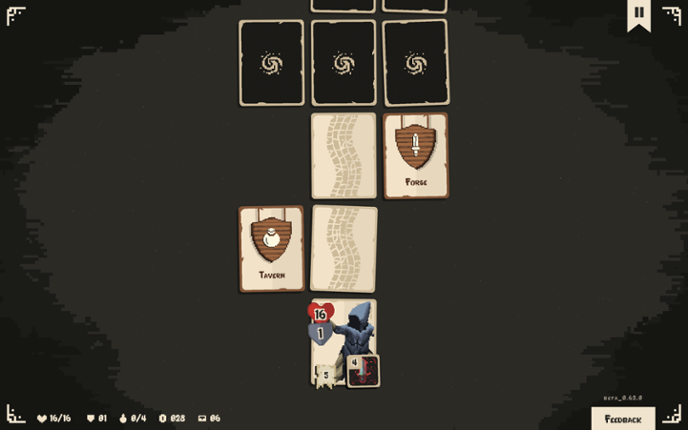
Forward: Escape the Fold is a bitesized roguelike in which your hero crawls through a series of card-based dungeons. Choose your champion and face a relentless crawl through the card-based dungeons, collect items to power your abilities and defeat the gruesome monsters facing you. It won't be easy, but you must keep going forward! If you enjoyed this game, see our list of games similar to Forward: Escape the Fold.
View Game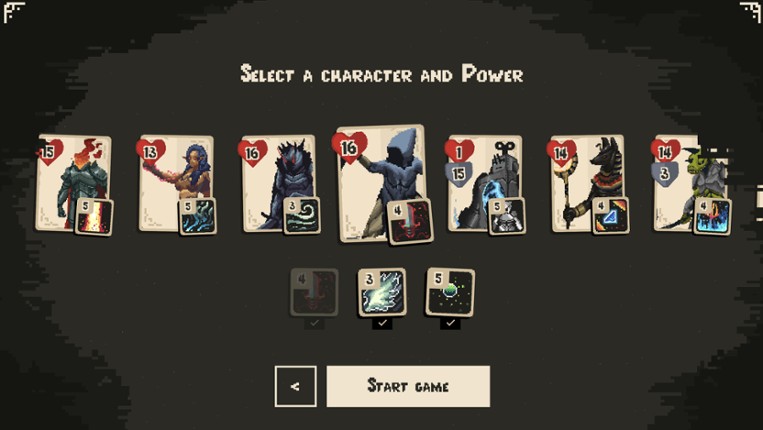
- 94%Game Brain ScoreMost mentioned positive aspects:gameplay, musicMost mentioned negative aspects:grinding, story96% User Score 13,592 reviewsCritic Score 87%3 reviewsLoosely connected through roguelike roots, it blends crafting, base building, and bullet-hell action for players wanting a hectic top-down challenge over turn-based cards. If you enjoyed this game, see our list of games similar to BALL x PIT.View Game
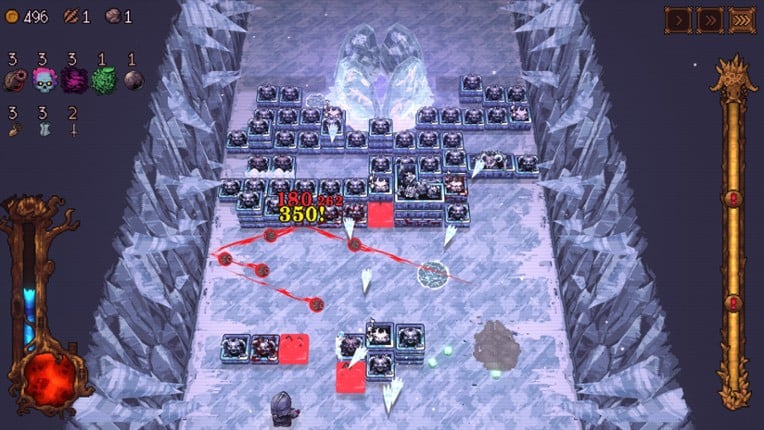
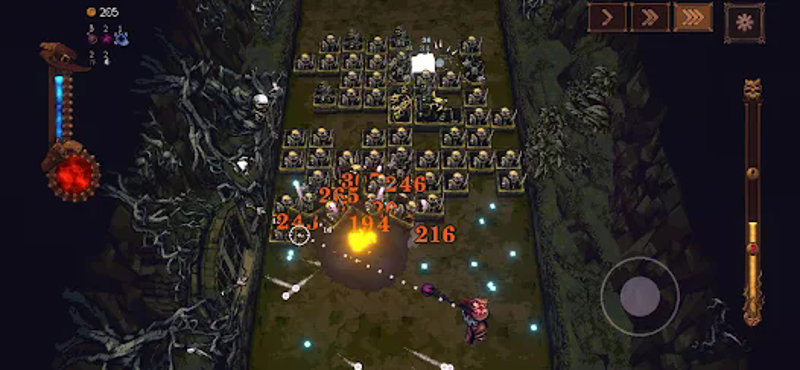
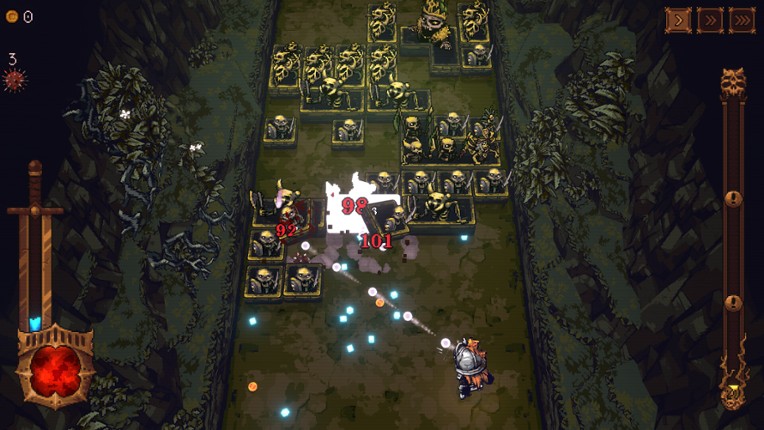
- 91%Game Brain ScoreMost mentioned positive aspects:gameplay, replayabilityMost mentioned negative aspects:graphics, music91% User Score 1,400 reviewsAmps up the darkness and auto-battler elements with summoning-focused deckbuilding and a more aggressive tactical board presence. If you enjoyed this game, see our list of games similar to Hadean Tactics.View Game
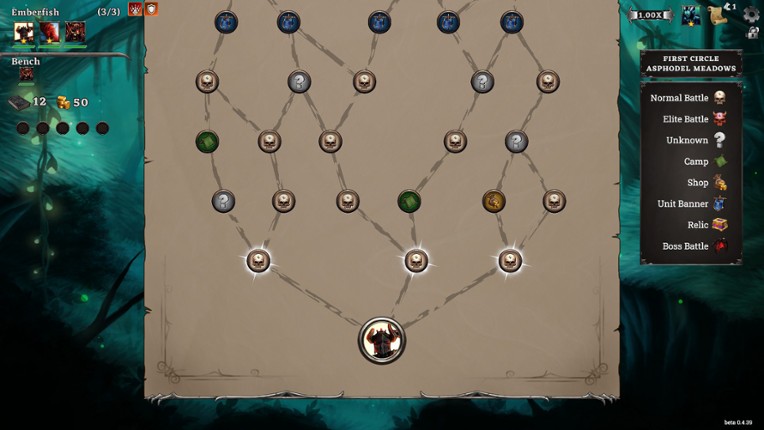
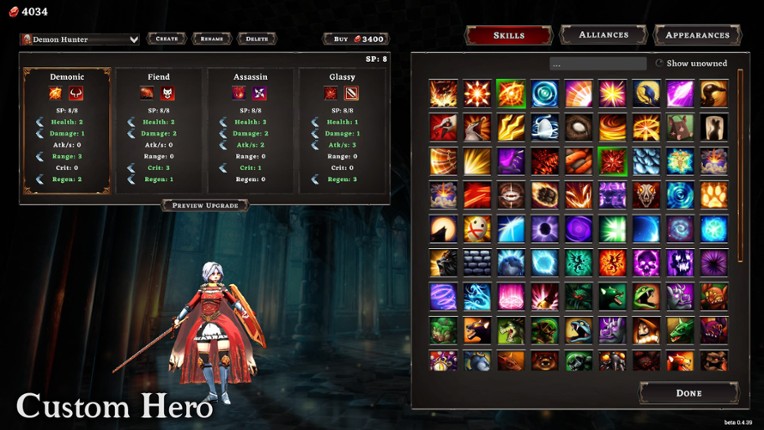
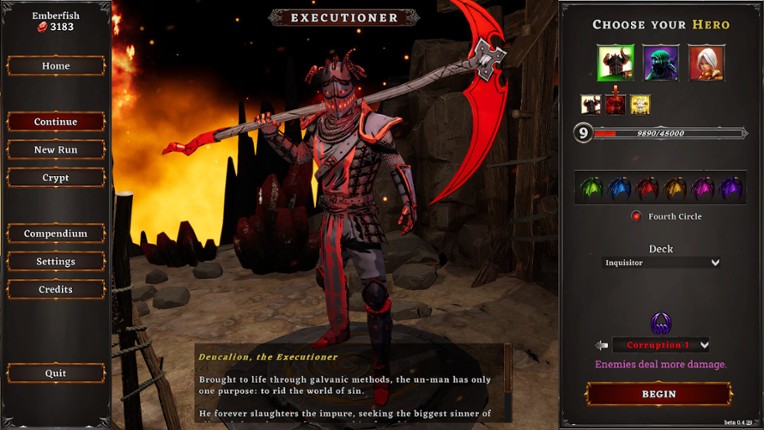
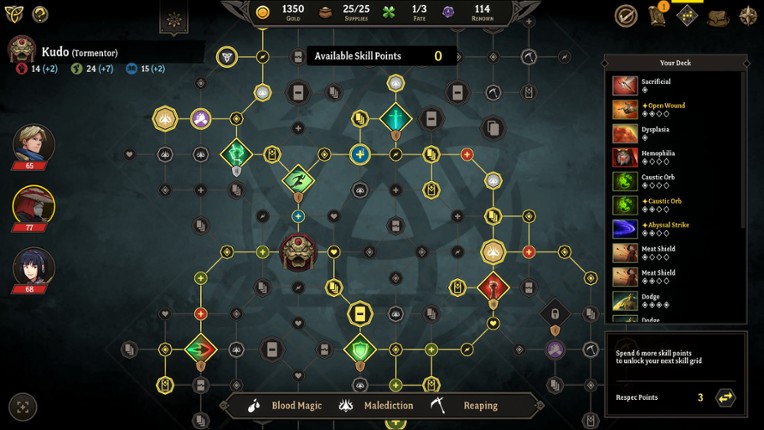
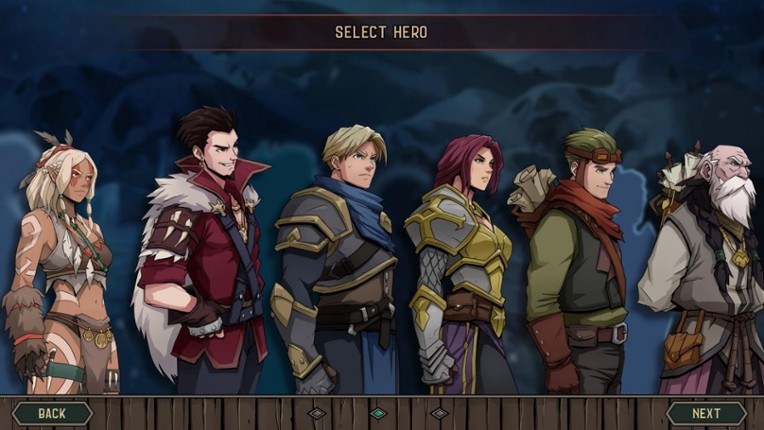
- 83%Game Brain ScoreMost mentioned positive aspects:story, gameplayMost mentioned negative aspects:grinding, stability89% User Score 3,401 reviewsCritic Score 76%15 reviewsGordian Quest replaces the minimalist climb with a sprawling party-based RPG campaign, letting you manage three heroes and their unique skill trees. If you enjoyed this game, see our list of games similar to Gordian Quest.View Game
- 89%Game Brain ScoreMost mentioned positive aspects:gameplay, replayabilityMost mentioned negative aspects:story, monetization91% User Score 541 reviewsCritic Score 80%1 reviews
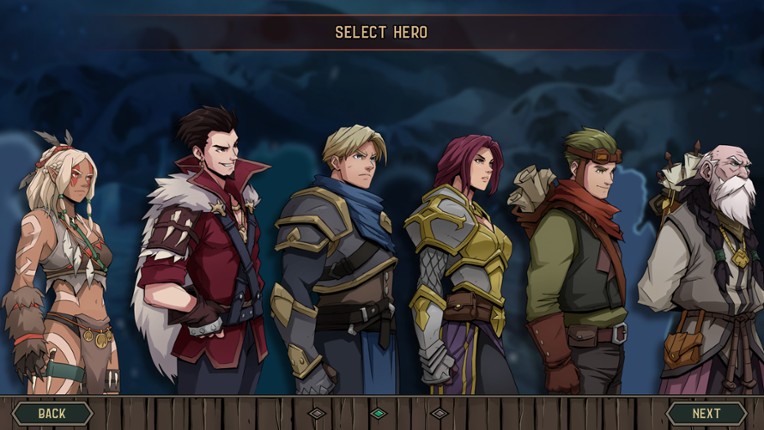
A unique card-based rogue-like with more than a hundred hours of content! If you enjoyed this game, see our list of games similar to Card Quest.
View Game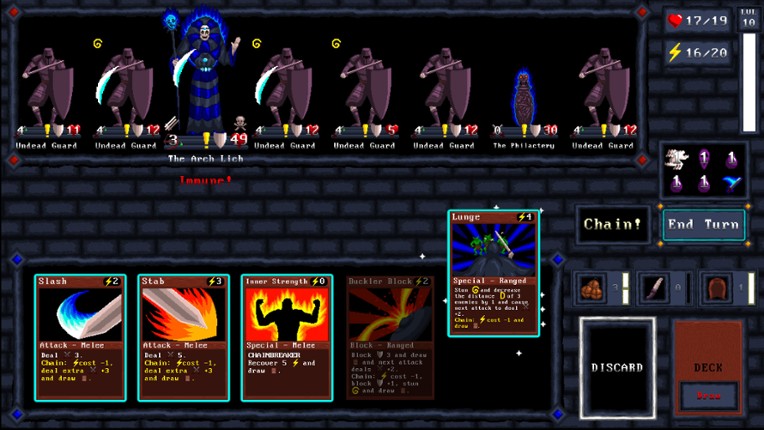
- 78%Game Brain ScoreMost mentioned positive aspects:gameplay, graphicsMost mentioned negative aspects:grinding, stability78% User Score 883 reviewsCritic Score 77%9 reviews
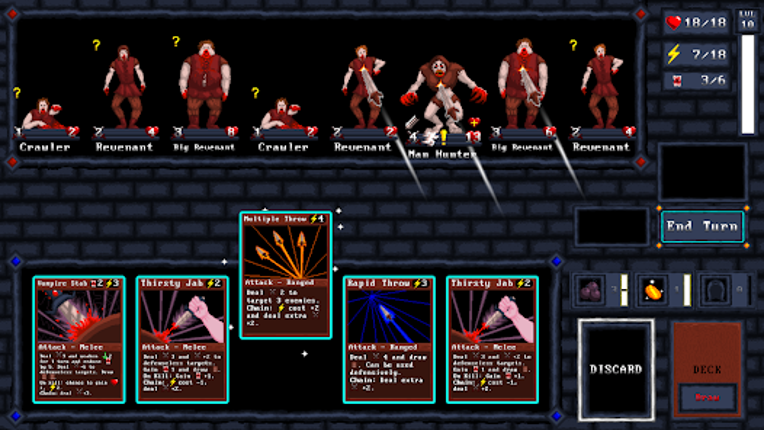
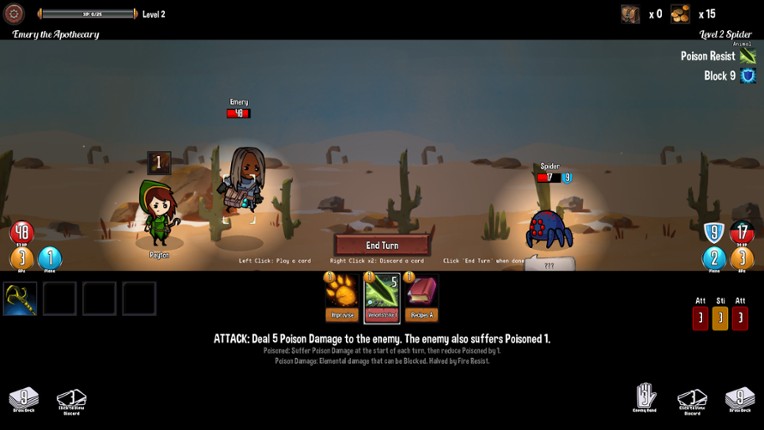
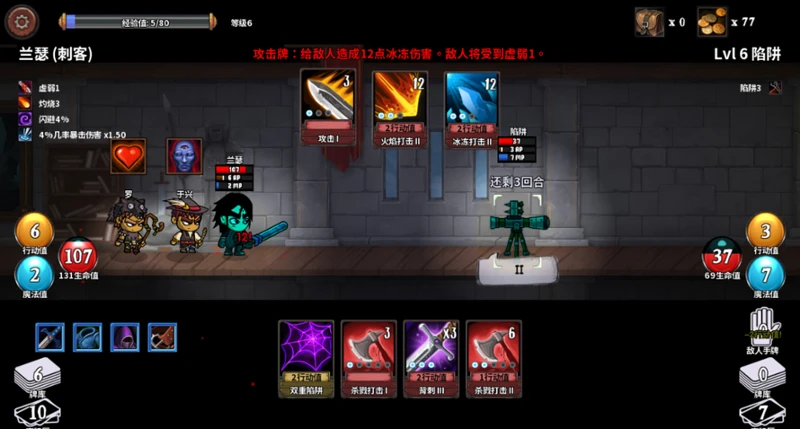
卡牌与RPG结合的无尽地牢探险之旅!最早融合Roguelike与卡牌的游戏之一。多达14种职业,真人配音+纸娃娃系统,完善的卡牌设计,各类魔物与随机事件等你体验! If you enjoyed this game, see our list of games similar to Monster Slayers.
View Game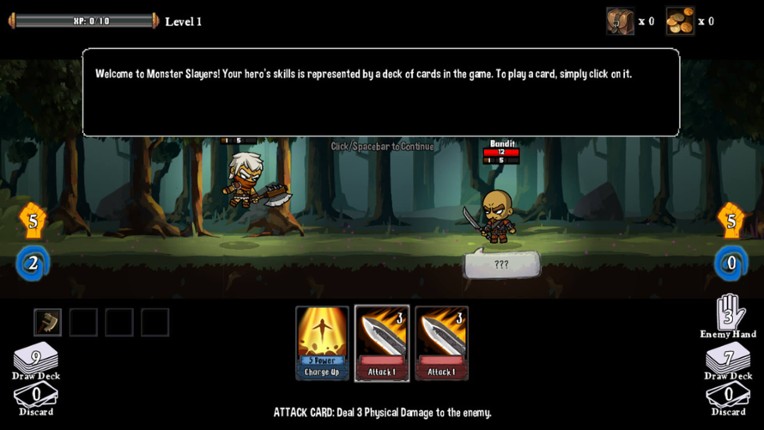
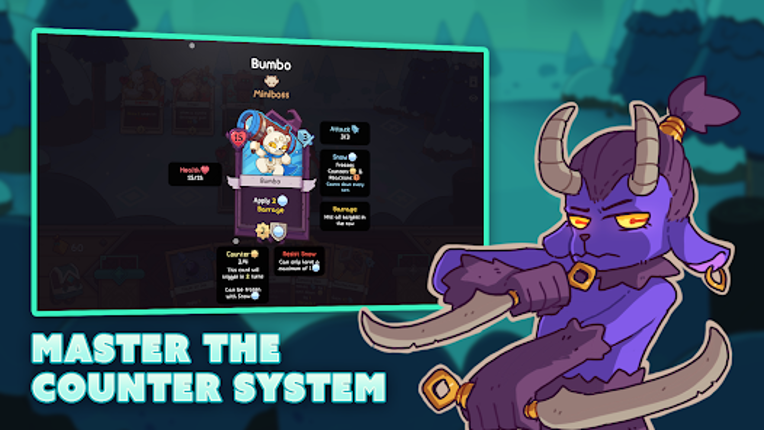
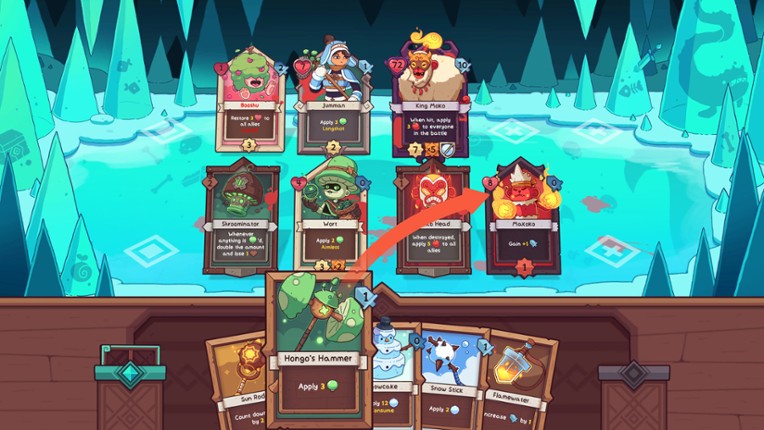
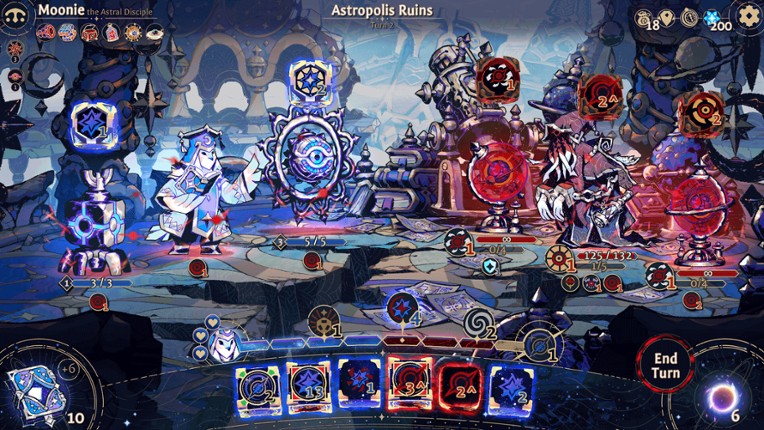
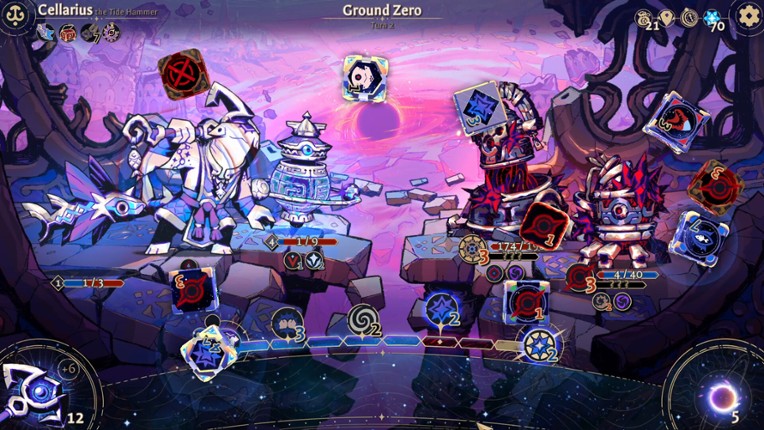
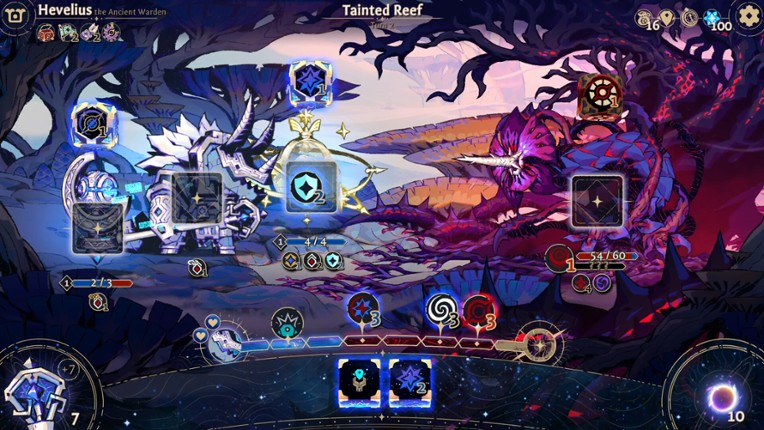
- 86%Game Brain ScoreMost mentioned positive aspects:gameplay, graphicsMost mentioned negative aspects:grinding, stability91% User Score 9,282 reviewsCritic Score 72%3 reviewsWildfrost introduces a tug-of-war turn system and hero-swapping mechanics that reward quick tactical shifts rather than just building one infinite engine. If you enjoyed this game, see our list of games similar to Wildfrost.View Game
- 93%Game Brain ScoreMost mentioned positive aspects:gameplay, graphicsMost mentioned negative aspects:grinding, stability95% User Score 43,374 reviewsCritic Score 86%2 reviews
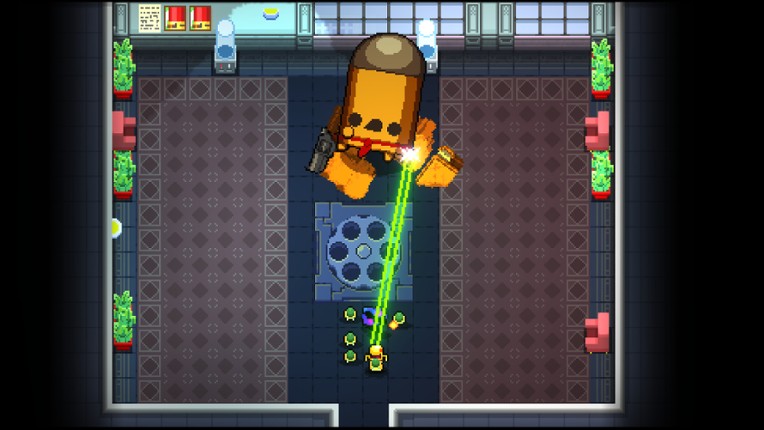
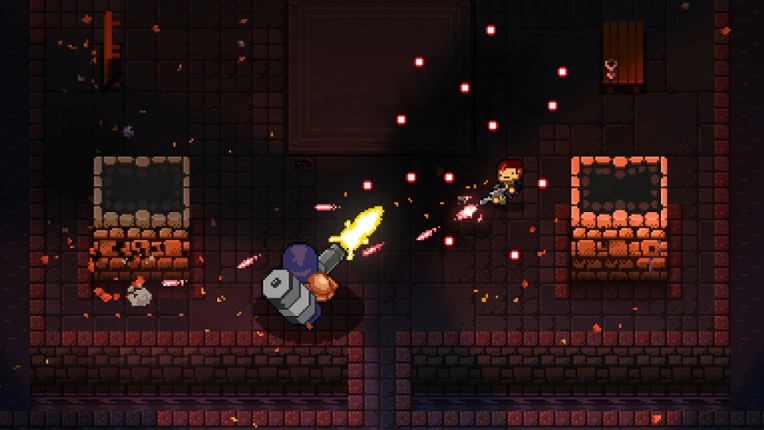
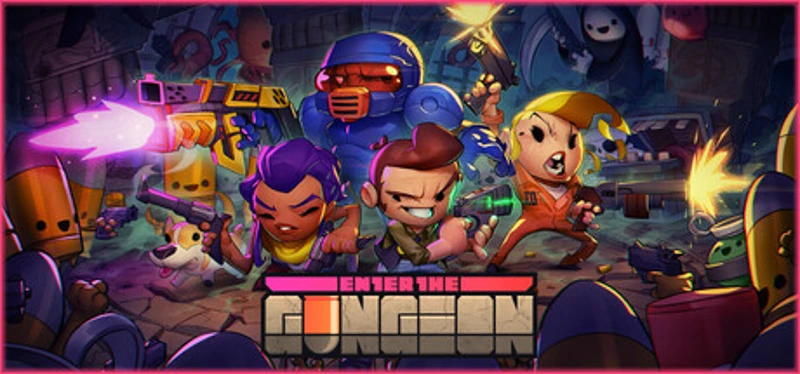
Enter the Gungeon is a gunfight dungeon crawler following a band of misfits seeking to shoot, loot, dodge roll and table-flip their way to personal absolution by reaching the legendary Gungeon’s ultimate treasure: the gun that can kill the past. Show more If you enjoyed this game, see our list of games similar to Enter the Gungeon.
View Game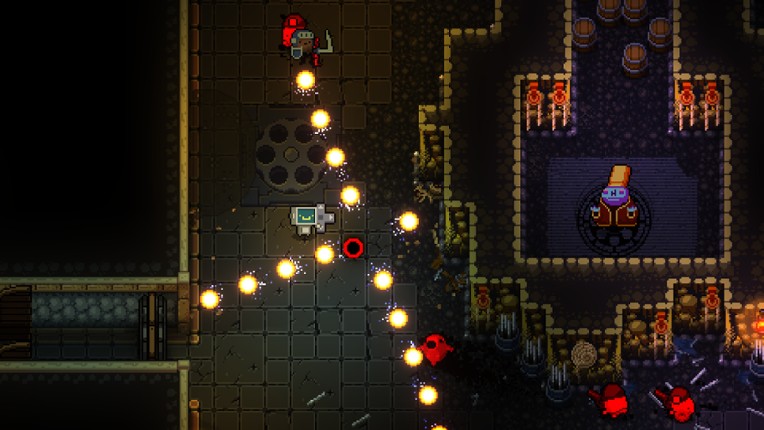
- 84%Game Brain ScoreMost mentioned positive aspects:music, gameplayMost mentioned negative aspects:stability, grinding93% User Score 21,246 reviewsCritic Score 73%8 reviews
Risk of Rain is an action platformer with roguelike elements. With permanent death as a primary feature, players will have to play their best to get as far as possible. Fight on a mysterious planet with randomly spawning enemies and bosses, either alone or with 3 friends in online co-op. If you enjoyed this game, see our list of games similar to Risk of Rain.
View Game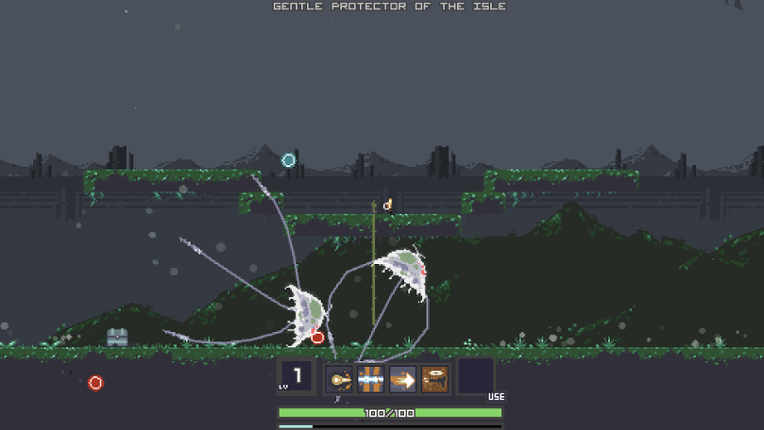
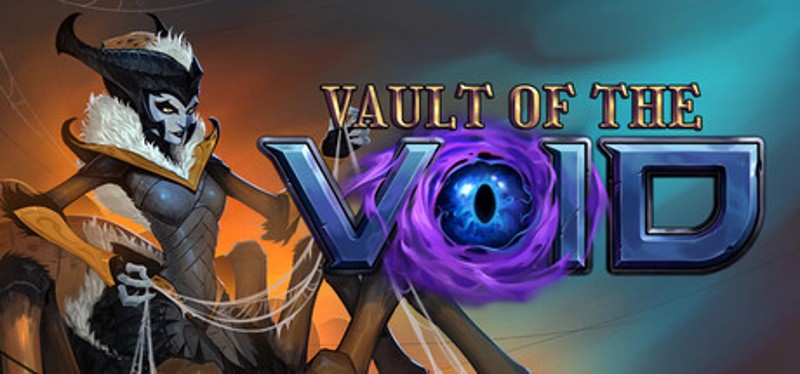
- 90%Game Brain ScoreMost mentioned positive aspects:gameplay, graphicsMost mentioned negative aspects:story, grinding94% User Score 2,506 reviewsCritic Score 70%1 reviewsVault of the Void removes deck RNG by letting you collect cards mid-run, placing emphasis on reactive drafting over pre-planned deck cycles. If you enjoyed this game, see our list of games similar to Vault of the Void.View Game
- 86%Game Brain ScoreMost mentioned positive aspects:gameplay, storyMost mentioned negative aspects:grinding, stability86% User Score 740 reviews
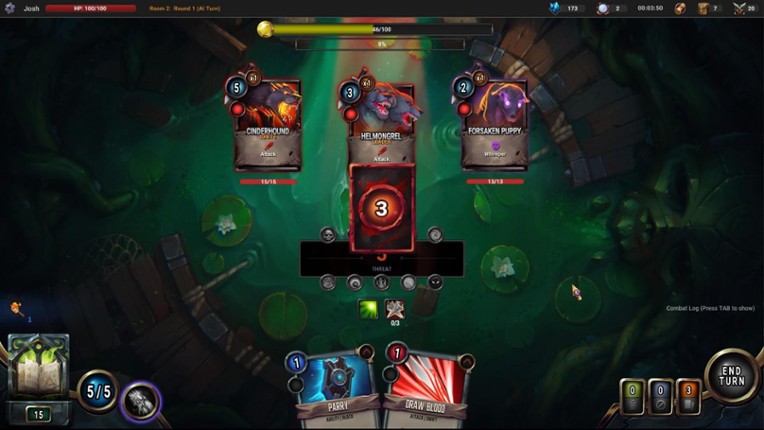
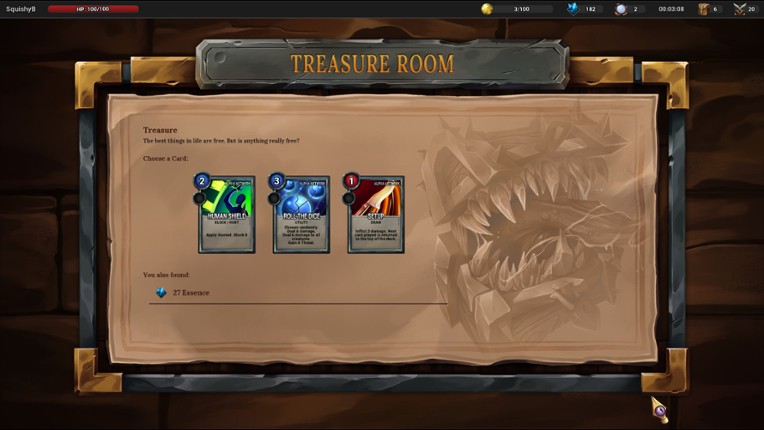
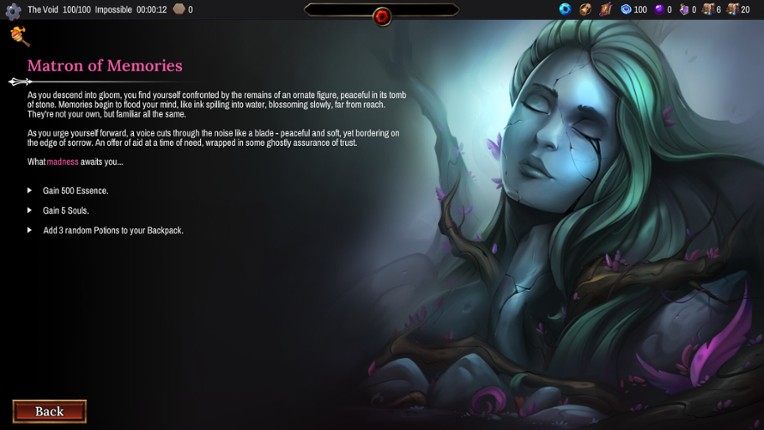
Challenge your deck building skills in this RPG cardventure! If you enjoyed this game, see our list of games similar to Dawncaster: Deckbuilding RPG.
View Game

- View Game86%Game Brain ScoreMost mentioned positive aspects:gameplay, replayabilityMost mentioned negative aspects:story, stability86% User Score 354 reviews
Forward is a card-based adventure game to slay as many monsters as you can. Release Date March 2019 Developer Christophe Coyard developed Forward. You can follow the developer on Twitter and check the developer's portfolio. Platform Web browser If you enjoyed this game, see our list of games similar to Forward.
- 90%Game Brain ScoreMost mentioned positive aspects:story, gameplayMost mentioned negative aspects:optimization, grinding90% User Score 7,582 reviewsTainted Grail grounds your journey in a grim, story-driven world where base management and moral choices carry as much weight as cards. If you enjoyed this game, see our list of games similar to Tainted Grail: Conquest.View Game
- 91%Game Brain ScoreMost mentioned positive aspects:gameplay, graphicsMost mentioned negative aspects:grinding, stability93% User Score 1,507 reviewsCritic Score 80%1 reviewsDelivers a darker fantasy experience using dice alongside cards for procedurally generated challenges, perfect for those craving intricate chance mechanics. If you enjoyed this game, see our list of games similar to Astrea: Six-Sided Oracles.View Game
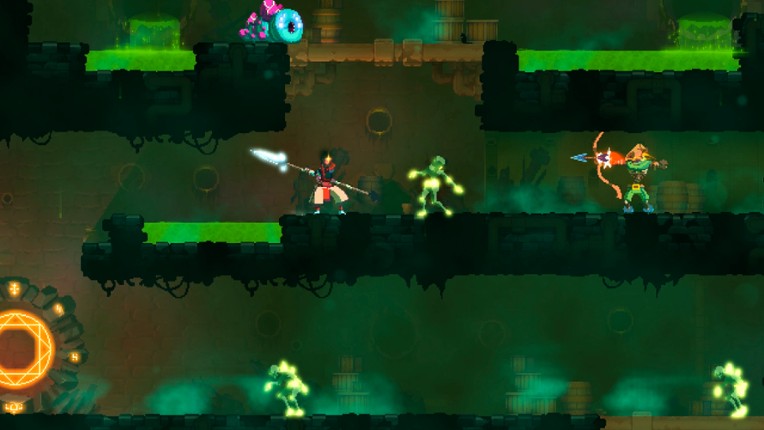
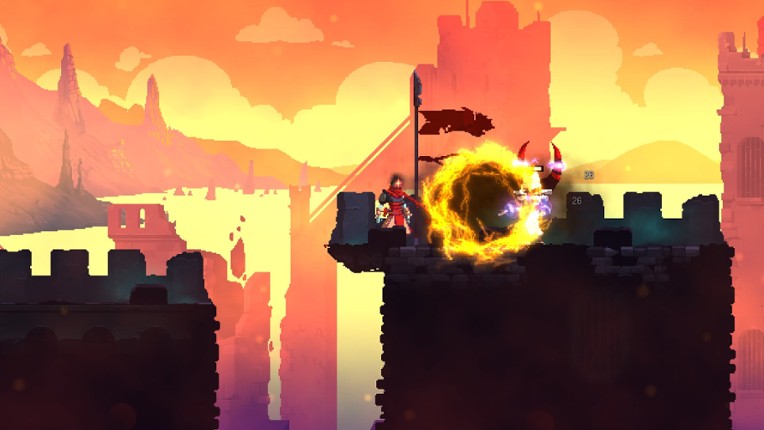
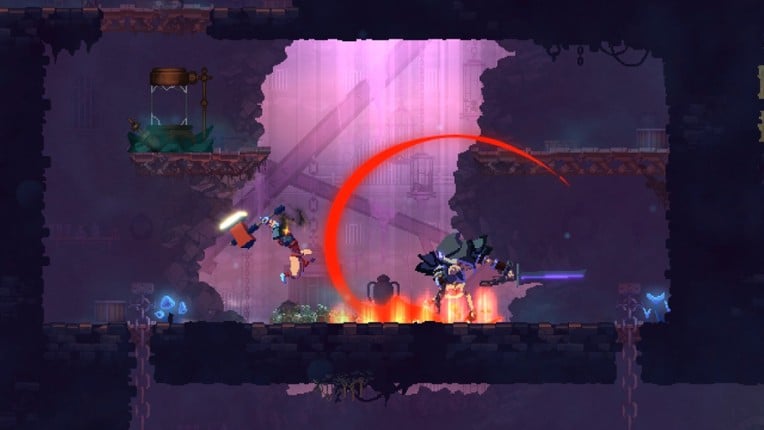
- 94%Game Brain ScoreMost mentioned positive aspects:gameplay, graphicsMost mentioned negative aspects:grinding, stability96% User Score 49,882 reviewsCritic Score 91%6 reviewsDitching cards for kinetic action, this game tests your reflexes and parry timing rather than your ability to build a synergistic deck. If you enjoyed this game, see our list of games similar to Dead Cells.View Game
- 90%Game Brain ScoreMost mentioned positive aspects:gameplay, replayabilityMost mentioned negative aspects:story, grinding90% User Score 873 reviews
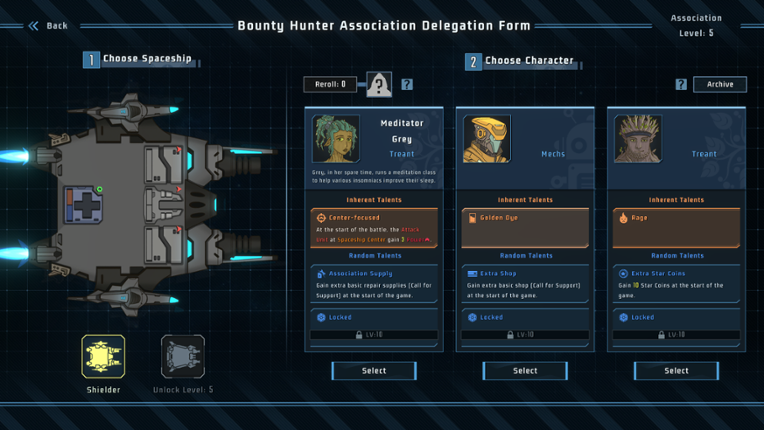
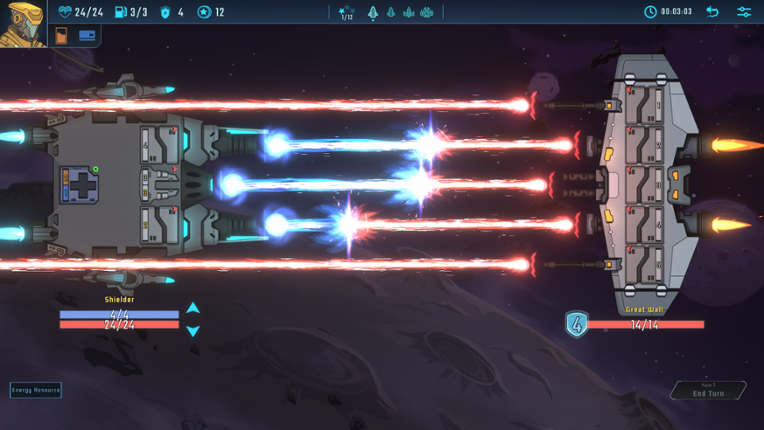
LoneStar is a strategic Roguelike spaceship combat game. As a bounty hunter, you will capture criminals scattered across the universe. Win the shockwave battle to gain bounty rewards and vacations. Find the treasures, customize your spaceship, unlock talents, defeat the felons and be a legend!The Bounty Hunter Association is recruiting now! Abundant rewards await you! If you enjoyed this game, see our list of games similar to LONESTAR.
View Game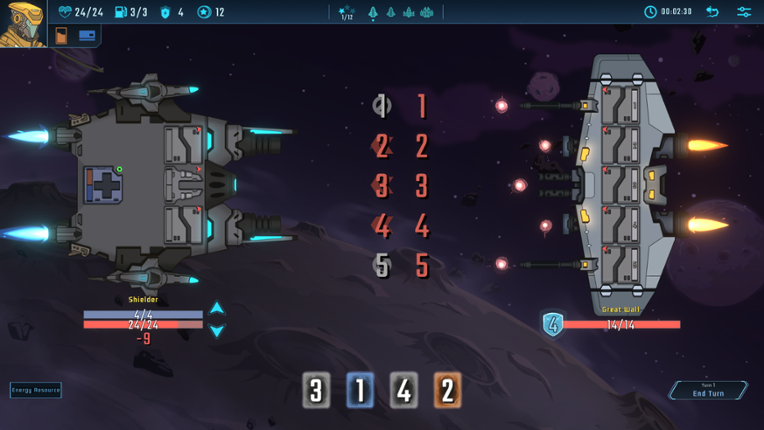


 View Game






















Frequently Asked Questions
Monster Train blends deck-building with tower defense mechanics and offers exceptional replayability through diverse clan combinations. Dicey Dungeons adds a charming dice-roll twist with multiple playable characters, while SpellRogue combines Slay the Spire's best elements with spell variety and multiple viable builds per run.
Across the Obelisk stands out as the primary choice, offering 2-4 player co-op through local and online play. It maintains the roguelike deck-building formula while letting you tackle runs with friends, featuring the same deep strategy and replayability Slay the Spire fans love.
Slice & Dice emphasizes tactical turn-based strategy with dice mechanics and dungeon crawling, featuring permadeath and procedural generation without microtransactions. Shogun Showdown offers samurai-themed tactical combat with careful planning required for each move, combining roguelike progression with strategic depth.
Slice & Dice provides a generous free demo with substantial content before purchase. While most quality deck-builders require payment, Dicey Dungeons occasionally goes on sale, and many indie alternatives offer solid value without aggressive monetization or grinding requirements.
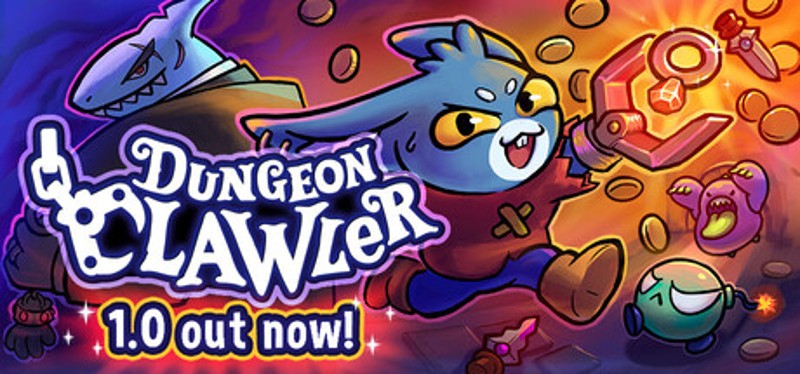
Dungeon Clawler features a charming 2D art style with a unique claw-machine mechanic and enjoyable soundtrack. Monster Train combines vibrant visuals with immersive audio, while Dicey Dungeons offers cute cartoon aesthetics and an engaging score that enhances its lighthearted tone.
Monster Train excels through clan combinations creating wildly different strategies. SpellRogue provides extensive character and spell variety enabling multiple viable builds, while Across the Obelisk offers comparable depth with additional cooperative strategy layers and tactical positioning elements.