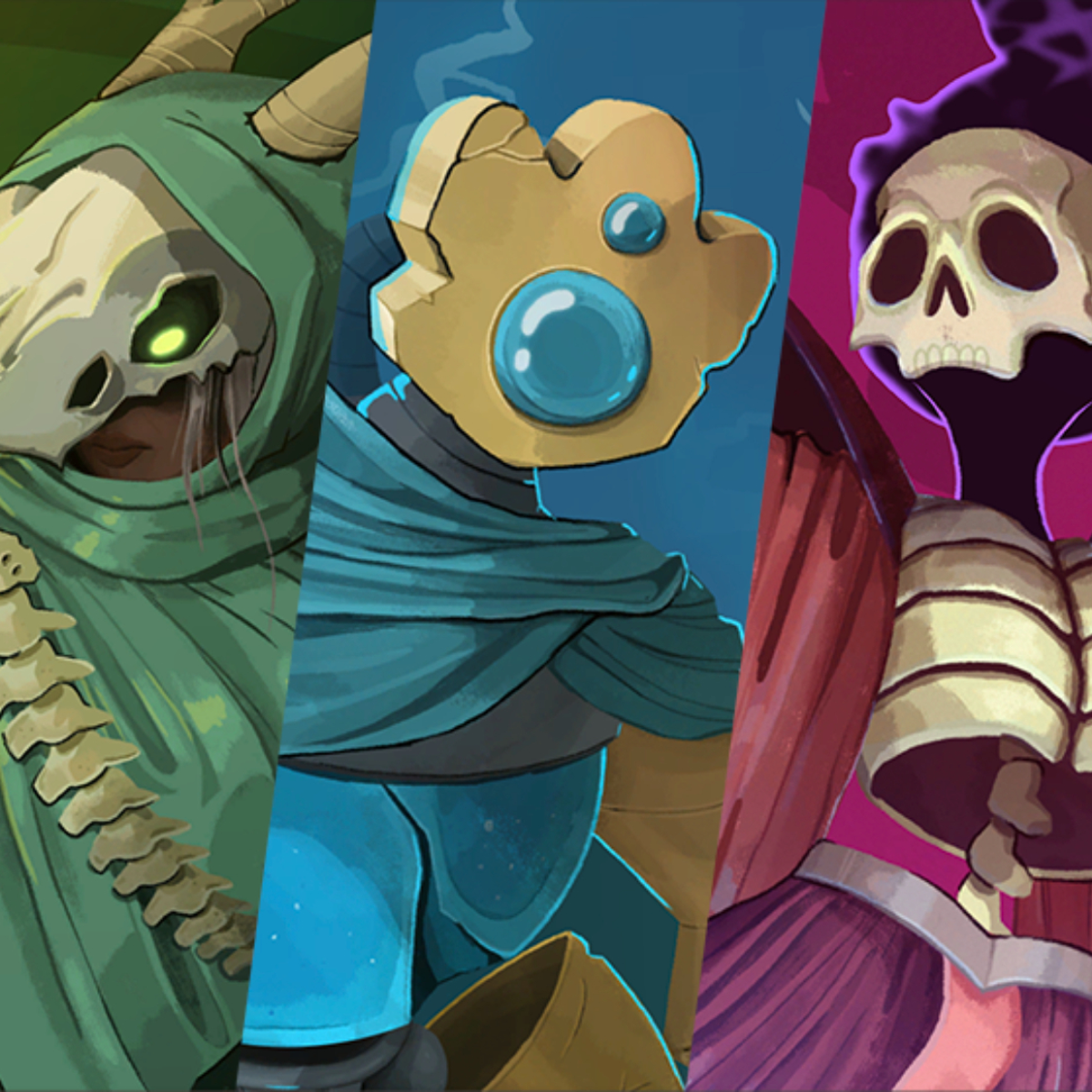
Slay the Spire 2 Game Cover

About

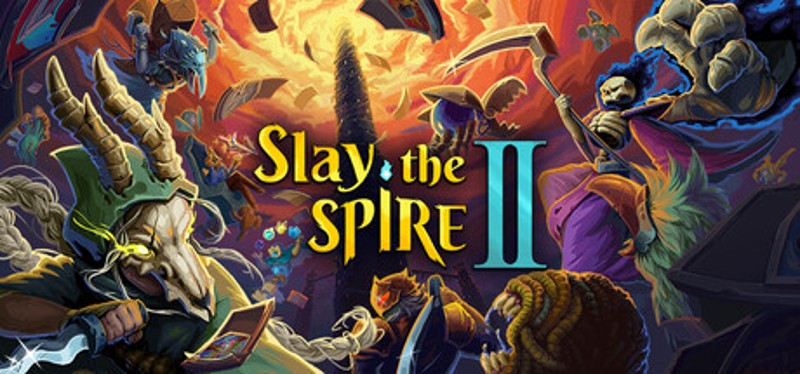
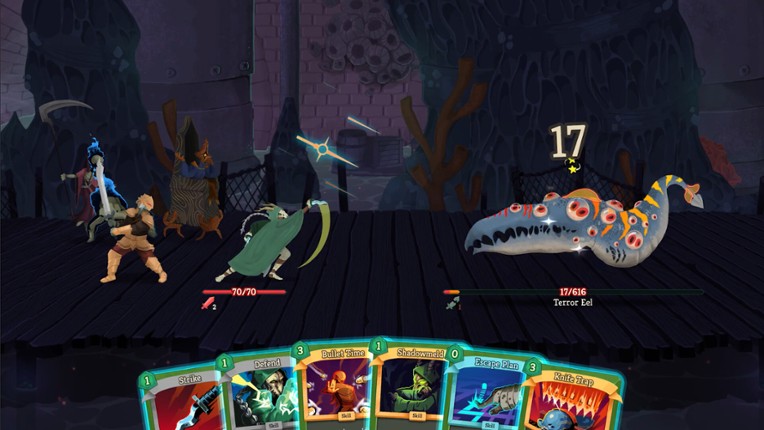
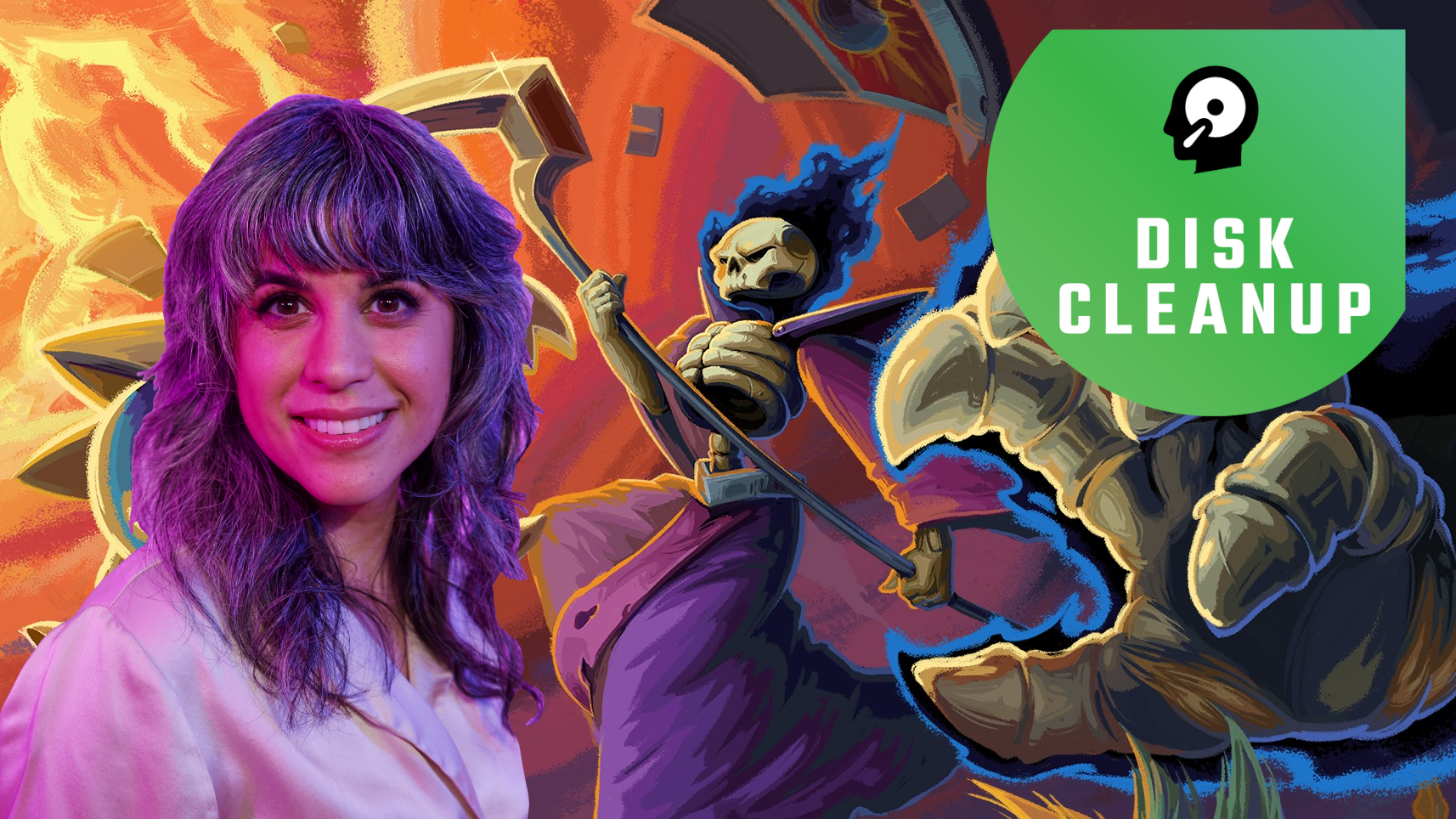
Slay the Spire 2 is a single player and multiplayer tactical strategy game with a fantasy theme. It was developed by Mega Crit and was released on March 5, 2026. It received very positive reviews from players.

THE SPIRE AWAKENSThe ultimate roguelike deckbuilder returns! For 1,000 years, the Spire lay dormant, its secrets buried and its horrors forgotten. Now, it has reopened, hungrier and more dangerous than ever, devouring all who dare to ascend. New perils demand sharper strategies, relentless cunning, and unwavering resolve. Outwit the Spire’s brutal trials and uncover the truths hidden at its peak…

Skip User Reviews

94%
Audience ScoreBased on 52,022 reviews
gameplay1.2k positive mentions
stability77 negative mentions

  • Exceptional replayability with a wide variety of characters, builds, and strategic depth, enhanced further by multiplayer cooperative dynamics.
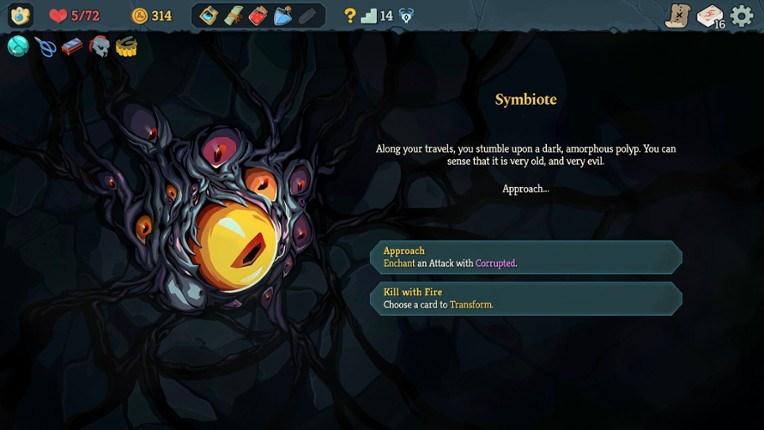
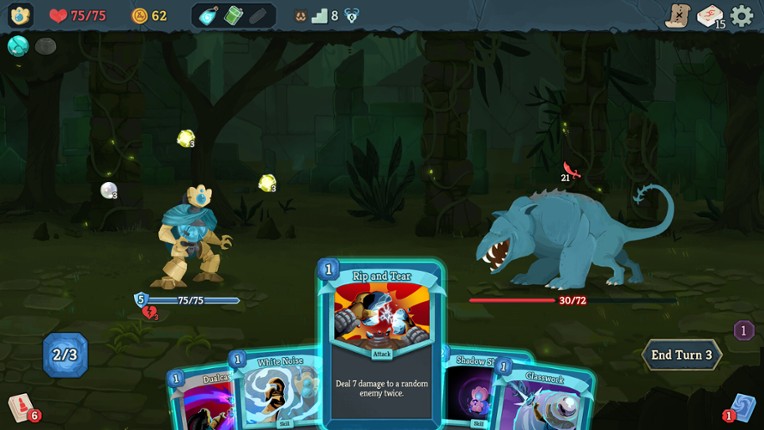
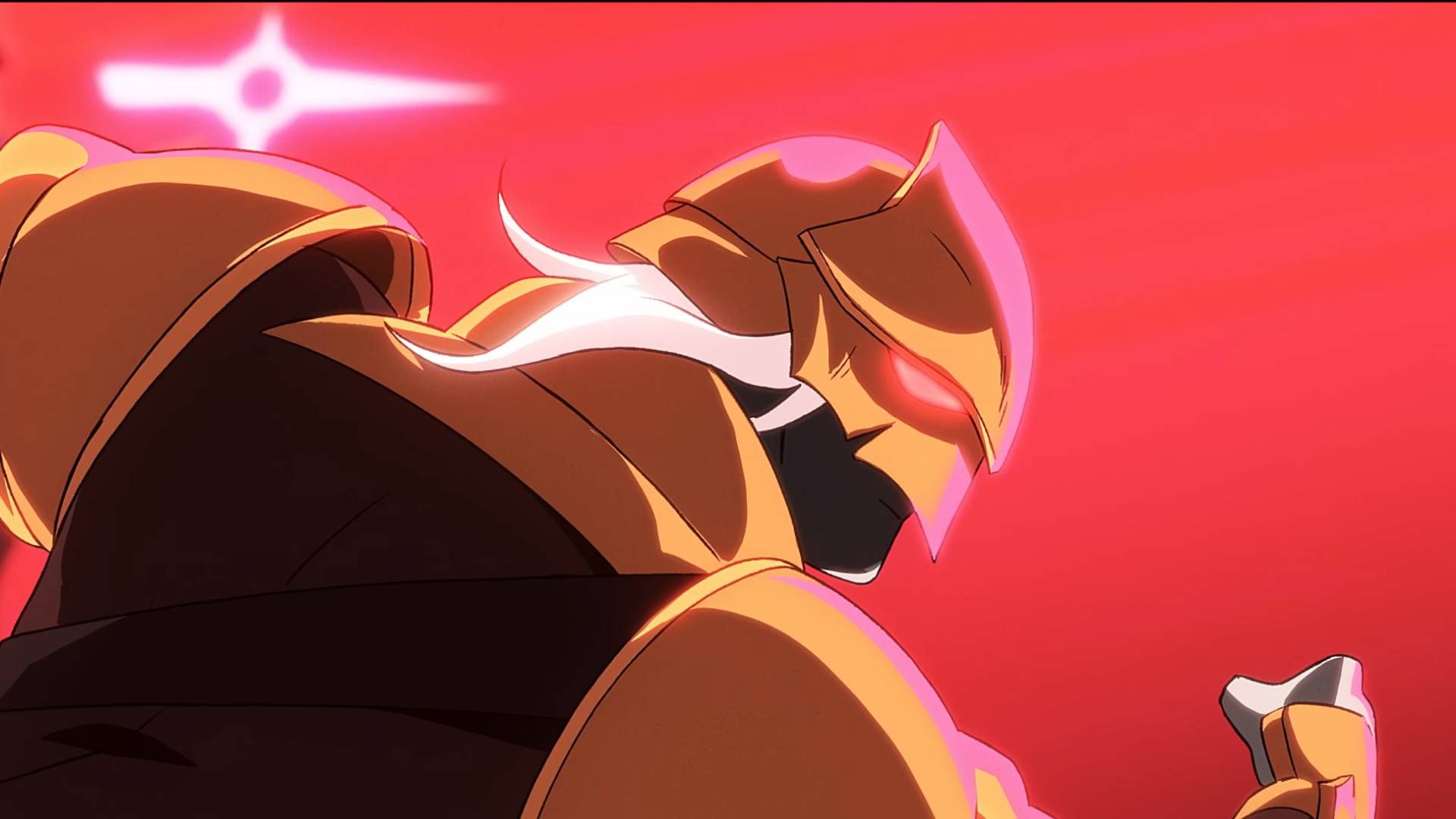
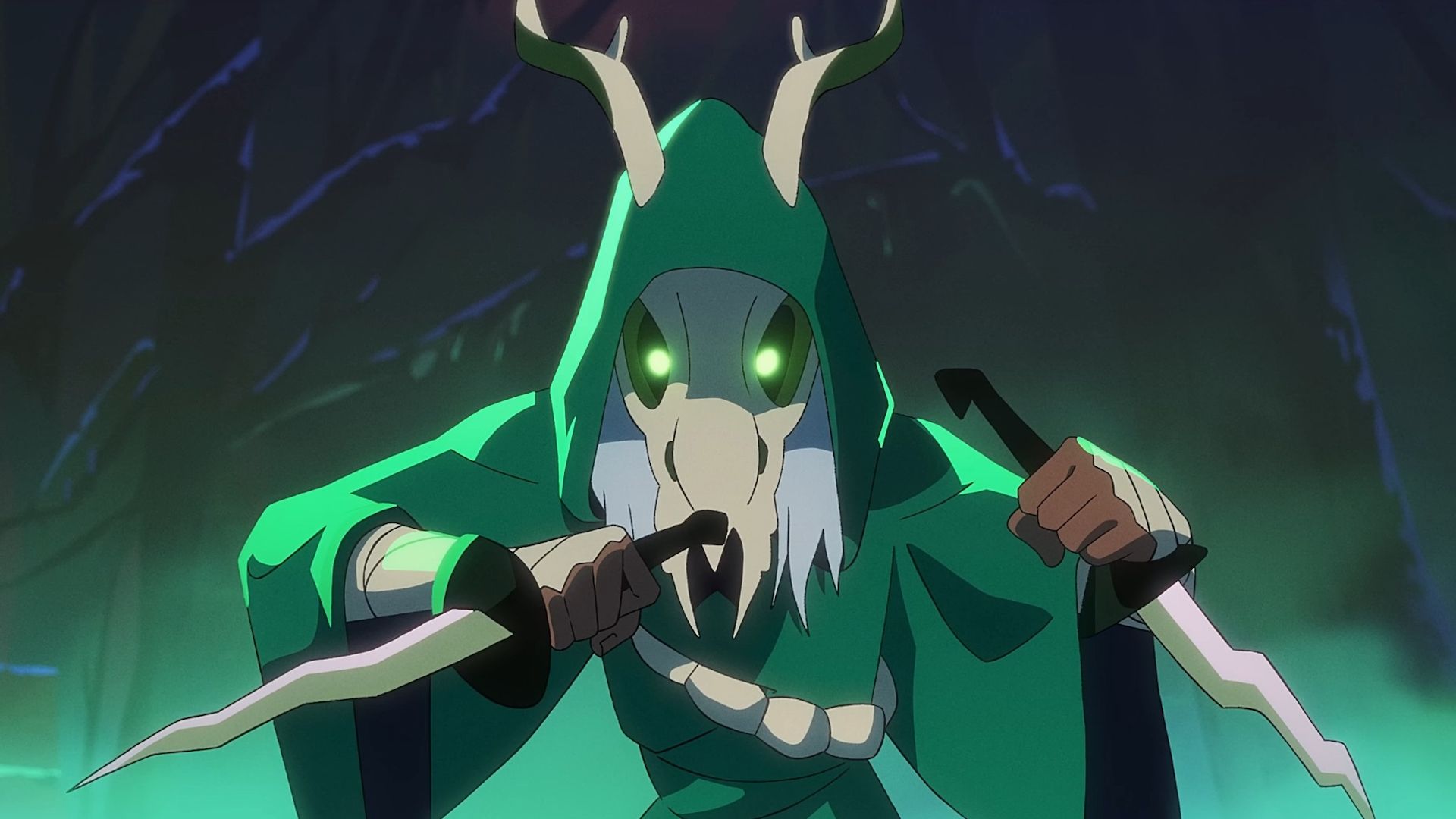
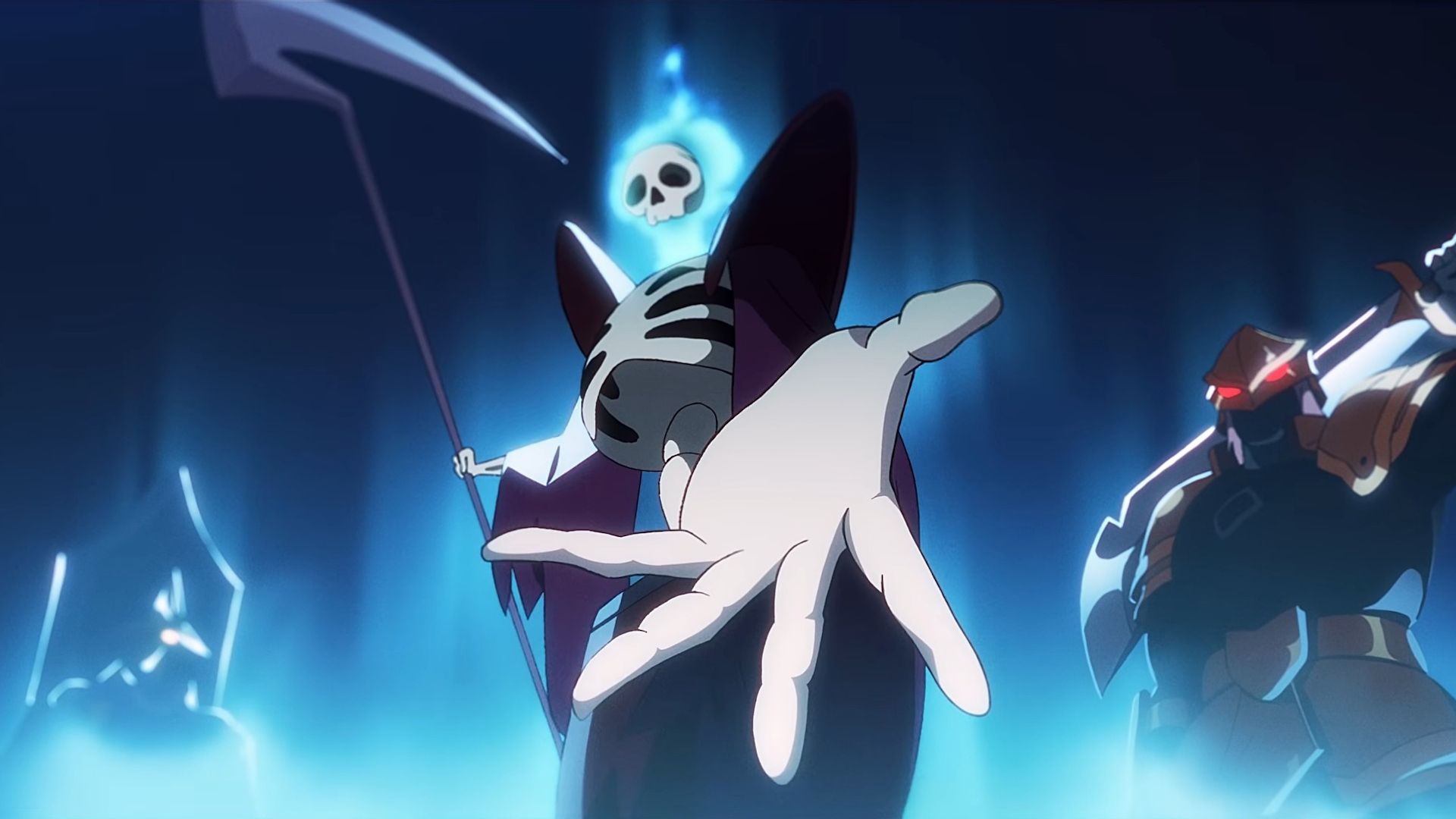
  • Polished and refined graphics and animations that improve immersion and maintain the original game's charm.
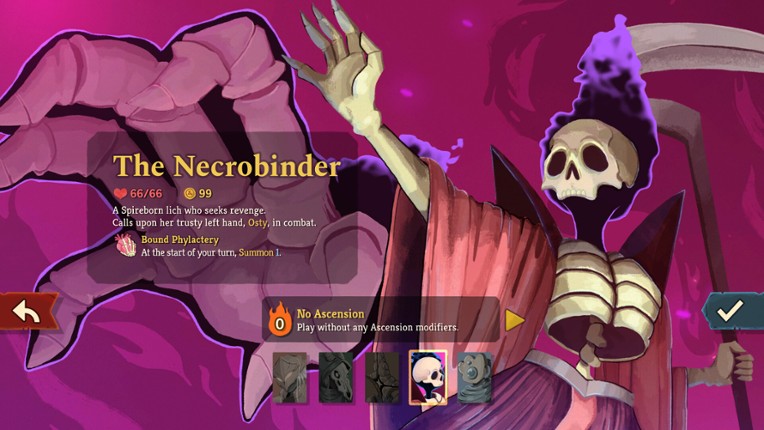
  • Engaging character design and development, featuring creative, distinct characters and mechanics that enrich gameplay and storytelling.
  • Grind can be tedious and repetitive, with some difficulty spikes and limited card variety diminishing strategic depth.
  • Balance issues including punishing boss mechanics and reliance on RNG that can make some runs feel frustrating or restrictive.
  • Early access bugs, occasional crashes, and multiplayer stability issues, alongside mixed opinions on the soundtrack's impact compared to the original.
  • gameplay
    3,453 mentions Positive Neutral Negative

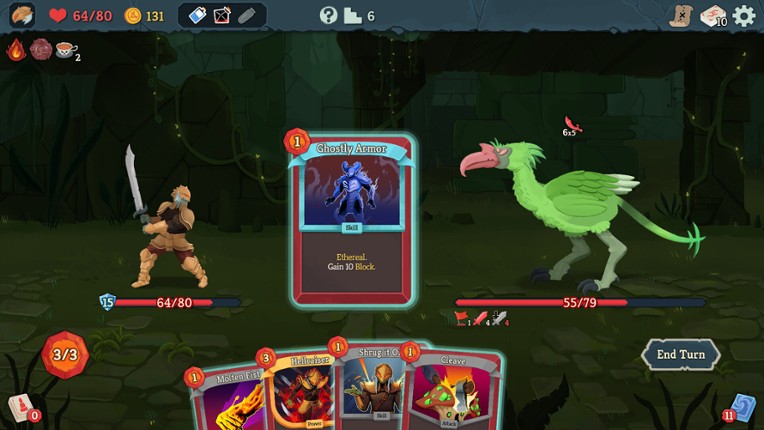
    Slay the Spire 2 retains the core addictive deck-building gameplay of the original while significantly expanding content with new characters, mechanics, cards, and enemies that keep runs fresh and engaging. The addition of multiplayer introduces cooperative dynamics that enhance strategy and replayability. While some boss and enemy mechanics, as well as balancing, have been criticized for occasionally feeling punishing or restrictive, the game overall offers a polished, deeper, and highly rewarding gameplay loop that honors its predecessor while providing meaningful new challenges and variety.

    • “Slay the spire 2 builds on everything that made the original so addictive, with smoother combat, fresh mechanics, and tons of replayability.”
    • “The core gameplay loop is just as tight-as-a-drum as sts1, but almost every combat encounter has fresh mechanics that ensure things aren't stale for people who are familiar with the original game, and there are many new and reworked cards for players to theory-craft away at.”
    • “The new characters and the mechanics they've added add enough variety to keep the gameplay fresh and interesting without overwhelming returning players.”
    • “That boss makes your entire gameplay up to act three entirely worthless.”
    • “Your solo gameplay loop then devolves into spamming your initial combat nodes to see if you have a viable deck, then immediately resetting if you don't.”
    • “The crux of the issue is the devs' desire to push towards a more challenging sequel whilst not addressing the pre-existing issues in terms of gameplay balance.”
  • graphics
    1,238 mentions Positive Neutral Negative

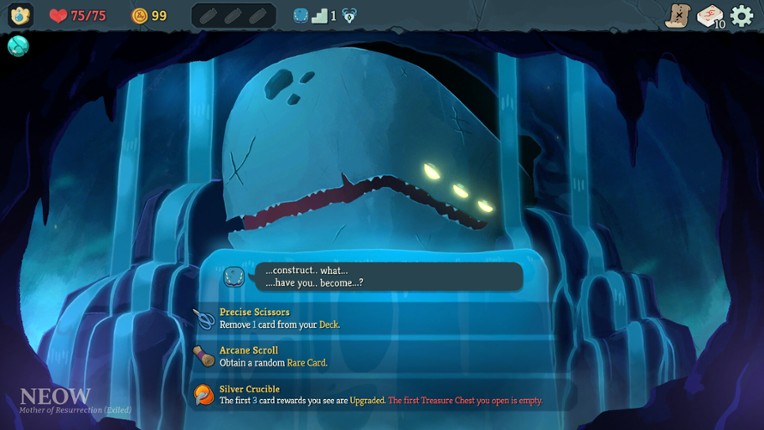
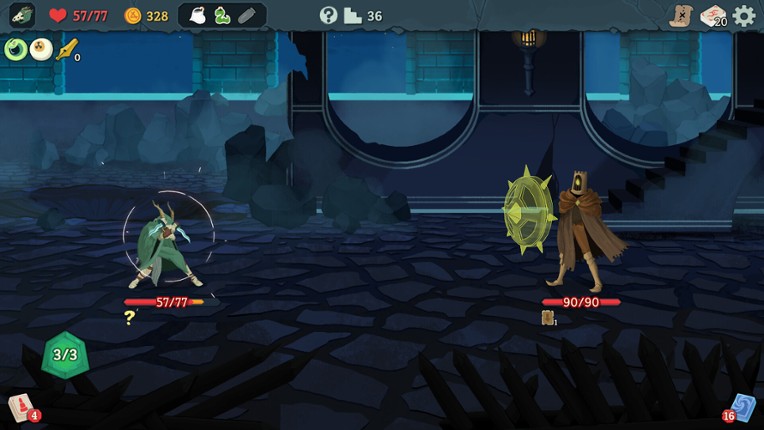
    The graphics in this game are widely regarded as a significant improvement over the original, featuring a polished, refined art style with smoother animations and more detailed visuals that maintain the charm of the first game. While some placeholder or early access artwork remains, the new aesthetic is generally praised for enhancing immersion and refreshing the familiar gameplay without drastically changing it. Overall, the graphical upgrade, combined with new animations and expanded content, contributes to a more vibrant and engaging visual experience, though a few users find the art style less appealing or wish for further refinement.

    • “The new artworks and animations are fantastic; after being used to the placeholder art for so long, I definitely appreciate the artistic direction and flair this game is following.”
    • “Graphics are wonderful, fluid, detailed, and don't get repetitive after a few dozen playthroughs.”
    • “The updated graphics are *chef's kiss* and everything feels more fluid.”
    • “Adding "--rendering-driver opengl3" to launch options causes the game to boot with several graphics errors.”
    • “Graphics and art style are a worse version of the first game.”
    • “This current early access build is utterly awful once you get over the better graphics; they have done barely anything to the game. This could have been an update to the original game and does not warrant a sequel cash grab at all.”
  • replayability
    580 mentions Positive Neutral Negative

    Slay the Spire 2 boasts exceptional replayability, with users highlighting its vast variety of characters, builds, and strategic depth that keep each run feeling fresh and engaging. The addition of multiplayer significantly enhances replay value by introducing cooperative dynamics and new challenges. Despite being in early access, the game already offers nearly endless replayability, rivaling or surpassing its predecessor.

    • “No two runs feel the same, making the replayability next level.”
    • “Multiple builds per each of the 5 playable characters in the game makes this game very replayable and requires you to use your brain.”
    • “The two new characters introduce a lot of fun ways to play, and the actual diversity afforded by the acts having different 'biomes' makes each run far more fresh than the last, resulting in greater replayability.”
    • “While not entirely noticeable at first, after spending 200 hours of gameplay I can confidently say you will experience everything the game has to offer within a dozen runs tops, which is shocking in a roguelike card builder as diversity and replayability are crucial.”
    • “A lot of the originals have been nerfed with card selection and the RNG of the game has ruined the replayability of the game.”
    • “Very good, but the lack of variety makes replayability a bit off.”
  • story
    515 mentions Positive Neutral Negative

    The game features a significantly expanded and more engaging story compared to its predecessor, with narrative elements delivered through an innovative "epoch" system that ties unlocks to lore and character development. While the story is often subtle and partially revealed through gameplay progression, many players appreciate the deeper world-building, character backstories, and improved storytelling, though some note it remains incomplete due to early access. Overall, the story adds meaningful context and enhances replayability without overshadowing the core deck-building gameplay.

    • “This game has even more depth than the first one, there's more story-telling going on, and the characters are a breath of fresh air.”
    • “The epochs are a fantastic addition too, adding a sense of story and progression that keeps things engaging.”
    • “Everything that made Slay the Spire perfect bundled into a more sleek, and fun interactive story.”
    • “The story of this game is locked behind the repetitive and disappointing normal game.”
    • “It's one thing to force players to look at very slow unlock animation for new story beats they could just read later instead of letting them quit.”
    • “The story element that they added to the unlocks is kind of whatever and personally I don't find it very interesting, but it doesn't detract from the experience in any way.”
  • music
    351 mentions Positive Neutral Negative

    The music in this game is generally praised for its quality, dynamic range, and how it complements the gameplay and atmosphere, often described as immersive and enjoyable. However, many fans note that while it is good and fits well, it lacks the memorability and iconic impact of the original's soundtrack, sometimes feeling more subdued or generic. Overall, the soundtrack is seen as a strong point but with some room for enhancement to match or surpass the first game’s acclaimed score.

    • “Every new boss and their bombastic soundtracks showcased the dev's completely undiminished creativity and ambition.”
    • “The music will dynamically change into a crescendo when enemies are about to use special attacks or enter different phases of a fight.”
    • “The music is a huge step down.”
    • “The only negative is the music, which for me is boring and/or not good.”
    • “Seriously the music is like generic fantasy elevator music; it's atrocious.”
    • “The music sucks too.”
  • humor
    262 mentions Positive Neutral Negative

    The game's humor is widely praised for its clever, quirky, and often irreverent tone, with many players highlighting the hilarious card interactions, character personalities, and multiplayer moments that create memorable, laugh-out-loud experiences. The use of intentionally amusing placeholder art, tongue-in-cheek dialogue, and playful world-building adds charm and levity, making even frustrating runs or balance controversies entertaining rather than annoying. Co-op mode especially amplifies the comedic fun through chaotic synergy and unexpected combos, enhancing the game's replayability and social appeal.

    • “Has had us laughing till near death multiple times from just stupid fun combos and interactions, and we each slowly grew to like certain characters or styles.”
    • “Despite being very simple, it really adds character, and makes me want to know more about these characters, both old and new (I think the Regent is hilarious so far).”
    • “The unique coop cards, many of which I don't really remember even seeing in the board game, feel impactful and can lead to some hilarious interactions.”
  • optimization
    135 mentions Positive Neutral Negative

    The game is generally well-optimized, running smoothly across a wide range of devices including low-end PCs, laptops, Macs, and handhelds like the Steam Deck, with stable 60fps performance and minimal bugs. While some minor graphical glitches, occasional crashes, and specific platform optimizations (e.g., Mac, Surface Pro) are still needed, overall performance surpasses the original and early access patches are actively improving stability. Optimization contributes significantly to its replayability and multiplayer experience, though a few balancing and performance tweaks remain to be addressed.

    • “The game is exceptionally well-optimized.”
    • “Performance and stability wise the game has been rock solid.”
    • “Well optimized (I can even run it in 4k on my laptop) and multiplayer is fun.”
    • “The game is grossly poorly optimized.”
    • “Trash, unoptimized, terrible mechanics on elites.”
    • “Def not optimized”
  • stability
    117 mentions Positive Neutral Negative

    The game runs smoothly across various platforms, including low-end PCs, Macs, Linux, and Steam Deck, with frequent patches improving stability. While generally polished for an early access title, it still exhibits some bugs, glitches, and occasional crashes, particularly in multiplayer and certain card interactions, though none are typically game-breaking. Players remain optimistic about ongoing fixes and future improvements as development continues.

    • “Runs great on steam deck, and every patch so far has improved the multiplayer stability.”
    • “While it's not 100% bug free in early access, it feels more polished than most finished games I've played.”
    • “The game runs pretty well on both PC and steam deck at the moment, and my playthroughs have been generally bug free.”
    • “My specs are perfectly fine, I've done every single kind of troubleshooting you can think of, and this happens in single and multiplayer.”
    • “Game freezes then crashes constantly when trying to play, will come back after a while to try it again but as of right now I've refunded it.”
    • “Too many bugs and glitches, got the black screen of death like 4 times.”
  • grinding
    95 mentions Positive Neutral Negative

    Grinding in this game is a polarizing aspect: while some players enjoy the challenging progression and find multiplayer grinding with friends rewarding, many criticize it for being tedious, repetitive, and artificially prolonged by difficulty spikes and limited card variety. The grind is often described as slower and more frustrating than in the first game, with some feeling that it detracts from strategic depth and causes runs to become monotonous rather than engaging. However, ongoing updates and new content show potential for improving the experience over time.

    • “Perfect level of challenging, satisfying, and not tedious.”
    • “These challenges aren't tedious, either - you are likely to complete them simply by playing each character and trying out their different available builds.”
    • “You'll need a second life for grinding.”
    • “What was once a balanced, fun experience is now a tedious grind.”
    • “Instead of evolving strategies, gameplay shifts toward repetitive grinding and relying heavily on RNG to get a workable run.”
    • “The core charm of a roguelike lies in the player's ability to master mechanics and build a deck that transcends basic rules—the thrill of "breaking the game." By grinding down every sharp edge of synergy and gutting energy generation and card draw, you've turned "deck-building" into a tedious "math problem." Forcing players into a stifling environment of 3 energy, draw 5, and play 5 is not balance; it is a stagnant cage.”
  • emotional
    55 mentions Positive Neutral Negative

    The game evokes a strong and often intense emotional response, with players forming deep attachments to their decks and experiencing a wide range of feelings from joy and nostalgia to frustration and heartbreak. Its multiplayer aspect enhances emotional investment through cooperative play, creating memorable, wholesome interactions. However, some feel the current balance and design choices provoke mixed emotions, especially among newer players, highlighting a divide between passionate attachment and critical frustration.

    • “It's not just a game—it’s a relentless test of willpower, intellect, and emotional stability, where every card draw feels like fate itself unfolding.”
    • “The next time I looked at the clock it was 3:47 am and I was emotionally invested in whether my co-op partner would survive an elite because I sent him 2 block and a dream.”
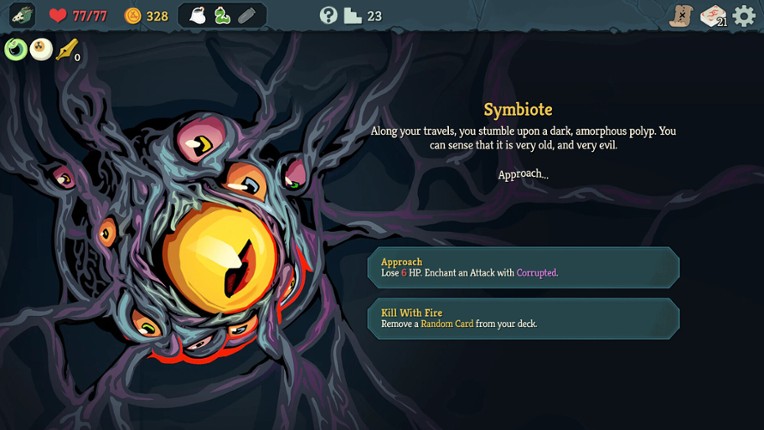
    • “Suddenly it’s 3:47 am, you’re negotiating with a talking mushroom about relics, and you’re emotionally attached to a deck built entirely around hitting enemies with increasingly stupid combinations of cards.”
  • monetization
    46 mentions Positive Neutral Negative

    The game is consistently praised for its lack of microtransactions, DLC, ads, and pay-to-win mechanics, emphasizing a pure, upfront-purchase experience uncommon in modern gaming. However, some users perceive the sequel as a cash grab or unnecessary reskin rather than a meaningful upgrade, feeling it could have been better delivered as an expansion to the original game. Overall, while the monetization approach is well-received, the value proposition and content depth are points of contention.

    • “A modern game with no extra purchases, no ads, just the game and nothing else.”
    • “No microtransactions, no pay-to-win, pure gameplay.”
    • “✅ No microtransactions, loot boxes, DLC, or parts of the game removed to be sold later.”
    • “Making a whole new game when this just feels like it should have been an update to the original seems like a cash grab.”
    • “This current early access build is utterly awful; once you get over the better graphics, they have done barely anything to the game. This could have been an update to the original game and does not warrant a sequel cash grab at all, same as Overwatch 2 that has now gone back to Overwatch name.”
    • “Overall feels like a downgrade and a complete cash grab and a massive disappointment from an avid Slay the Spire enjoyer.”
  • character development
    40 mentions Positive Neutral Negative

    Character development in the game is praised for its exceptional and distinctive character designs, polished animations, and artistic direction, which enhance each character's unique mechanical identity and playstyle. Many reviews highlight the creative depth, visual appeal, and thoughtful progression of characters that contribute to an engaging and replayable deck-building roguelike experience. Overall, the character design is seen as a significant improvement over its predecessor, combining originality with refinement to enrich gameplay and storytelling.

    • “The character design and the way each deck develops an identity over the course of a run are tremendous, and I already spend all my time thinking about what my next run will hold - due to the direct efforts of the devs, there are a wide variety of paths to victory (or defeat!) and every run is a gorgeous learning experience.”
    • “But the main game is also brilliant, great character design, fantastic art, and beautifully crafted mechanics and game design for any deck builder/rogue-like enjoyers.”
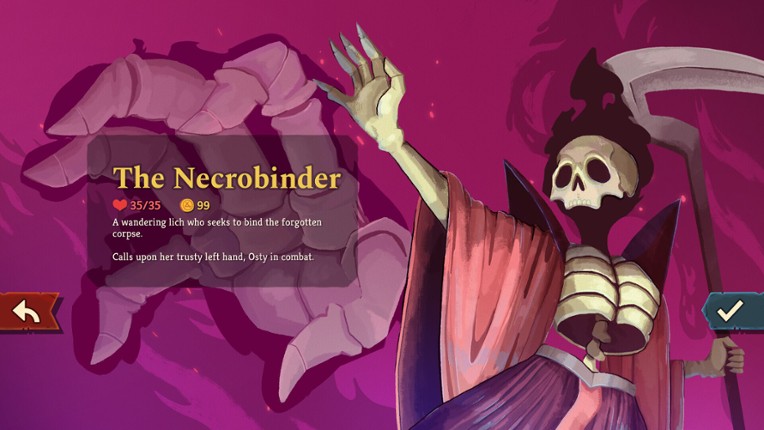
    • “Innovative character design: alongside the returning favorites, new additions like the necrobinder show incredible out-of-the-box thinking.”
    • “By the end, it had more HP than the boss, more presence than me, and honestly more character development than the entire run.”
    • “The rewards are unrewarding, many combats feel like a rug pull for building decks as intended based on card and character design.”
    • “Just looking at some low to mid character designs standing there drawing cards and doing nothing else.”
  • atmosphere
    27 mentions Positive Neutral Negative

    The game's atmosphere is widely praised for its immersive, captivating, and polished worldbuilding, enhanced by updated art, animations, and a distinctive aesthetic that balances new elements with the original's quirky charm. The soundtrack and sound design subtly deepen immersion, blending tension, mystery, and calmness to complement the game's tone and journey. Overall, the atmosphere strongly contributes to a richly engaging experience that both honors and expands upon the original.

    • “The world has more atmosphere without losing the quirky charm of the first game; the game is polished with quality animations and amazing art. The returning classes feel even more fun, and the new ones are interesting and different.”
    • “The art and atmosphere feel polished and distinctive, with a tone that fits the series perfectly.”
    • “The audio design contributes significantly to the atmosphere, with a soundtrack blending tension and mystery to match the feeling of ascending through an unpredictable and dangerous tower.”
    • “People must be rewarded at least mentally when they help others if the dev team wants a friendly atmosphere between players.”
Skip Game Offers

Buy Slay the Spire 2

38h Median play time
168h Average play time
10-150h Spent by most gamers
*Based on 223 analyzed playthroughs
Skip Videos

Videos

Skip Games Like Slay the Spire 2
Skip FAQs

Frequently Asked Questions

Slay the Spire 2 is a tactical strategy game with fantasy theme.

Slay the Spire 2 is available on PC, Mac OS, Steam Deck, Windows and others.

On average players spend around 168 hours playing Slay the Spire 2.

Slay the Spire 2 was released on March 5, 2026.

Slay the Spire 2 was developed by Mega Crit.

Slay the Spire 2 has received very positive reviews from players. Most players liked Slay the Spire 2 for its gameplay but disliked it for its stability.

Slay the Spire 2 is a single player game with multiplayer and local co-op support.

Similar games include Monster Train 2, SpellRogue, Hades II, Slay the Spire, Across the Obelisk and others.