

Games like Hades
If Hades has its hooks in you — the relentless combat, the drip-fed mythology, the way dying somehow feels like progress — then you already know why searching for games like Hades feels so urgent. This is a game that fuses roguelike structure with action RPG depth, hand-drawn artistry, and a story that rewards every single run. The good news: there are genuinely excellent alternatives that scratch the same itch.
What makes Hades so hard to put down is its rare combination of systems working in harmony. The fast, fluid hack-and-slash combat sits on top of a roguelite loop where permadeath never feels punishing — it feels intentional. Add isometric dungeon-crawling, mythological world-building, and dialogue that evolves with every escape attempt, and you get a game built for players who want their action to mean something narratively and mechanically. That's the specific cocktail fans are chasing.
What Makes a Good Alternative to Hades?
- Roguelite run structure with permanent progression — Hades thrives on runs that feel distinct but build toward something lasting. The best alternatives share this loop, where unlocks and upgrades carry forward so no death is wasted.
- Fast, fluid combat with build variety — The hack-and-slash mechanics in Hades reward experimentation and mastery. Alternatives should offer similarly responsive, skill-expressive combat with meaningful weapon or ability choices each run.
- Story woven into the gameplay loop — Narrative isn't a cutscene break in Hades; it's embedded in every interaction and repeated run. Great alternatives find ways to make storytelling inseparable from the act of playing.
- Atmospheric art direction and soundtrack — Hades' hand-drawn visuals and acclaimed score aren't decoration — they define its tone. The strongest alternatives use their aesthetic to create a mood you genuinely want to return to.
- Meaningful difficulty with high replay value — Hades is hard in a way that feels fair and layered. Alternatives should offer genuine challenge alongside enough systemic depth to keep runs feeling fresh across dozens of hours.
Top Picks If You Enjoyed Hades
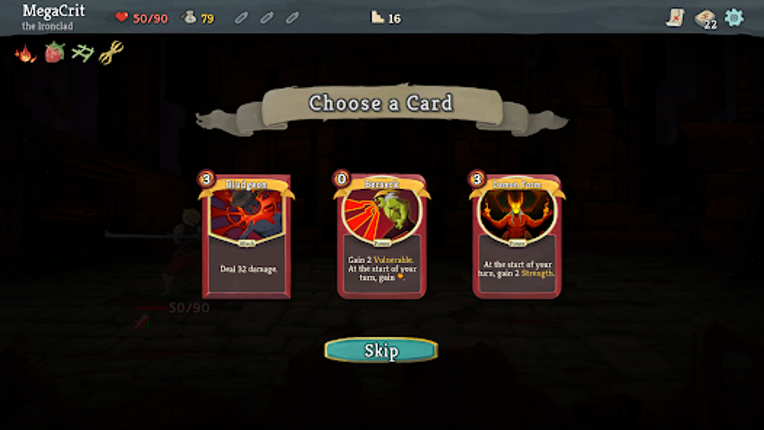
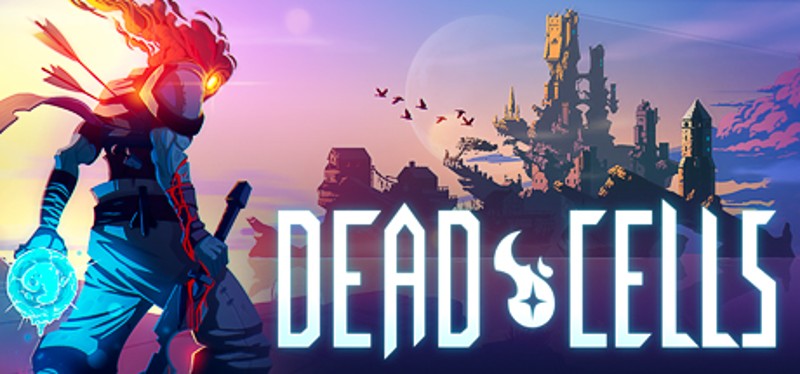
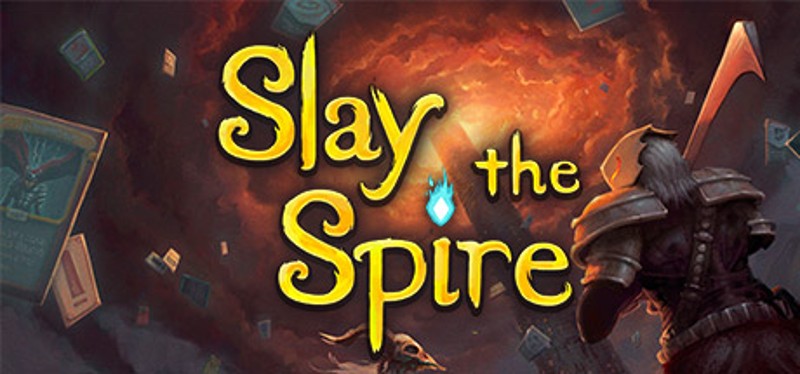
Hades II refines every system its predecessor built, with a stunning new protagonist and deeper boon combinations. Dead Cells delivers razor-sharp roguelite action with incredible weapon variety. Children of Morta wraps dungeon-crawling in a genuinely emotional family story. Bastion shares the hand-drawn aesthetic and story-rich action RPG soul. Slay the Spire trades real-time combat for deckbuilding but nails the same addictive run structure. For fans of mythology and spectacle, God of War is essential.
Every recommendation below is ranked by similarity using real player data, so the closest matches appear first. Browse the full list to find your next obsession — whether you're chasing combat depth, narrative richness, or that perfect roguelite loop that games like Hades do so well.
- 93%Game Brain ScoreMost mentioned positive aspects:story, gameplayMost mentioned negative aspects:grinding, stability97% User Score 66,391 reviewsCritic Score 90%36 reviews
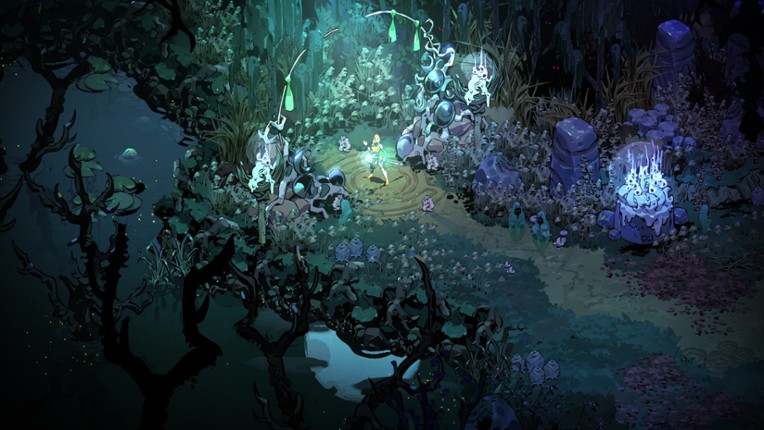
Every run in Hades II still feels like a conversation with failure: you push deeper, die, return stronger, and uncover new layers of the world through repetition. That loop lands for Hades fans because the story, combat, and progression remain tightly braided, so each attempt does more than test reflexes — it advances your momentum.
The sequel keeps the fast, weapon-driven hack-and-slash rhythm and the roguelite build-crafting that made the first game hard to put down, but it adds a fresh angle with its female lead and more magic-leaning, tactical toolkit. That shift changes how you approach fights: you’re still improvising under pressure, but now with a broader set of tools for spacing, control, and burst damage.
It also directly answers one common complaint about Hades by offering more room for progression and experimentation, which helps soften the late-game grind and repetition. Best for players who want to chase mastery run after run without losing the narrative payoff.
If you enjoyed this game, see our list of games similar to Hades II.View Game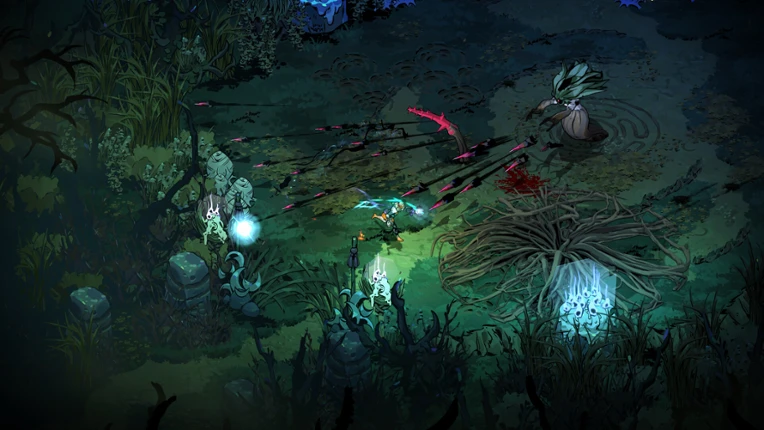
- 94%Game Brain ScoreMost mentioned positive aspects:gameplay, graphicsMost mentioned negative aspects:grinding, stability96% User Score 49,882 reviewsCritic Score 91%6 reviews
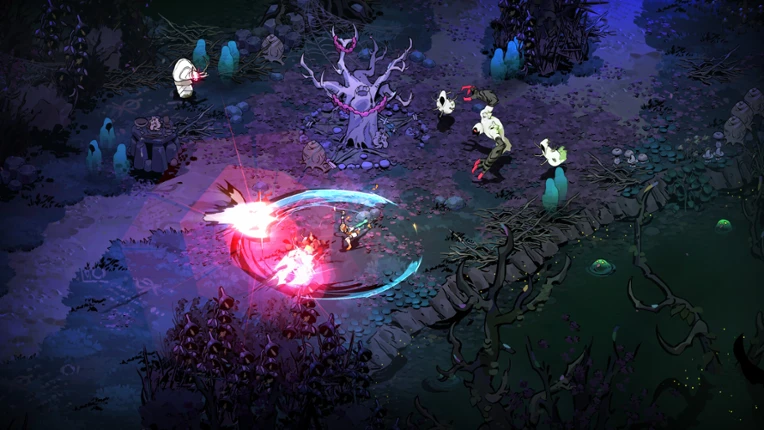
Both games trap you in a cycle of productive failure—each death feeds directly into your next run's power. Hades unlocks story beats and weapon upgrades through repetition; Dead Cells uses the same loop but through weapon variety and permanent unlocks that reshape your arsenal.
The fluid, fast-paced combat is where they truly converge. In Hades, mastery comes from learning enemy patterns and weapon synergies; Dead Cells demands the same reflex-based precision, but rewards it by letting you chain completely different build combinations across runs—meaning your skill directly translates into tactical freedom, not just survival.
Where Dead Cells breaks from Hades is its procedural level design. Rather than fixed arenas you memorize, each run scrambles the map layout, preventing the repetition fatigue some Hades players hit in late-game progression.
If grinding for late-game unlocks in Hades wore you down, Dead Cells' constant tactical novelty keeps that reward loop fresh without feeling obligatory.
Best for: Players who crave mastery through experimentation over narrative depth.
If you enjoyed this game, see our list of games similar to Dead Cells.View Game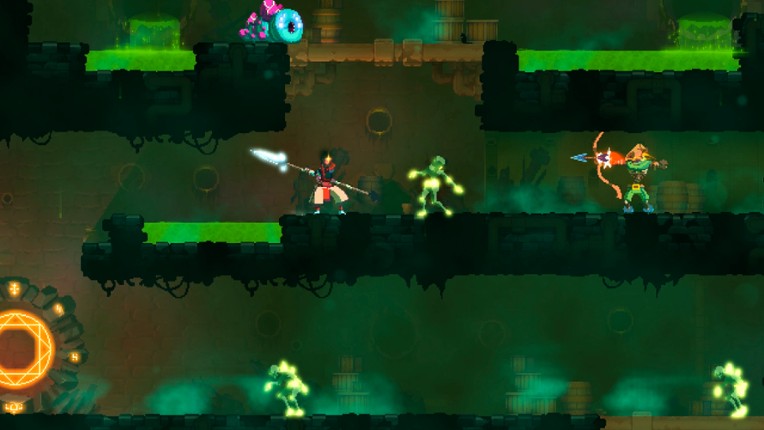
- 95%Game Brain ScoreMost mentioned positive aspects:story, gameplayMost mentioned negative aspects:grinding, stability97% User Score 79,242 reviewsCritic Score 93%79 reviews
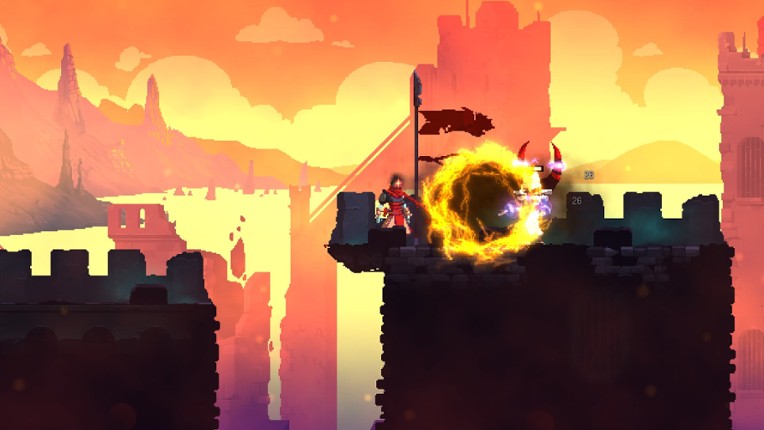
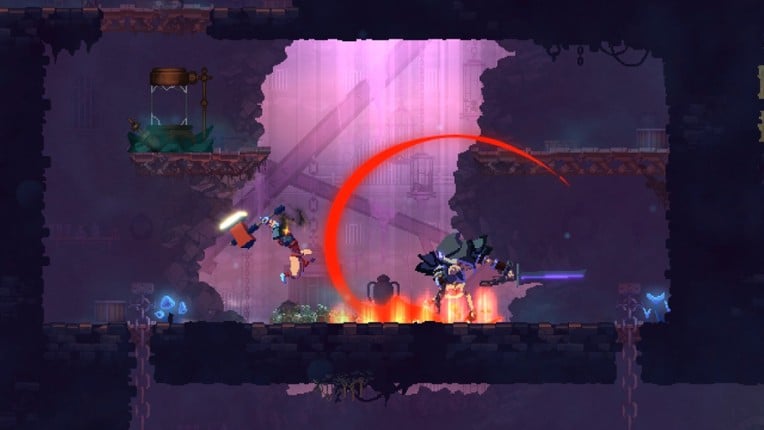
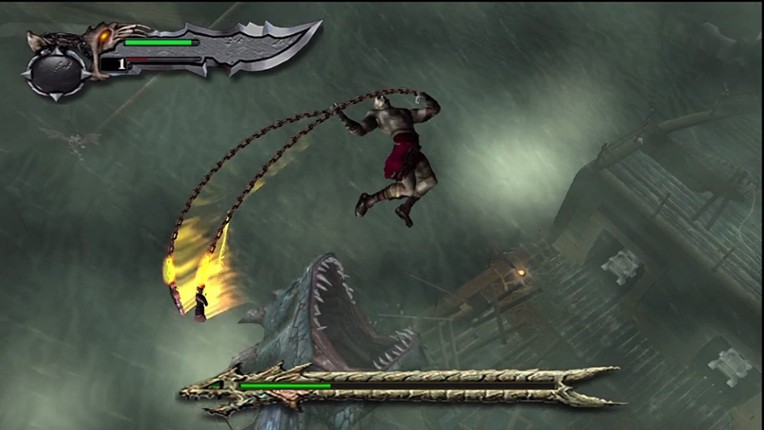
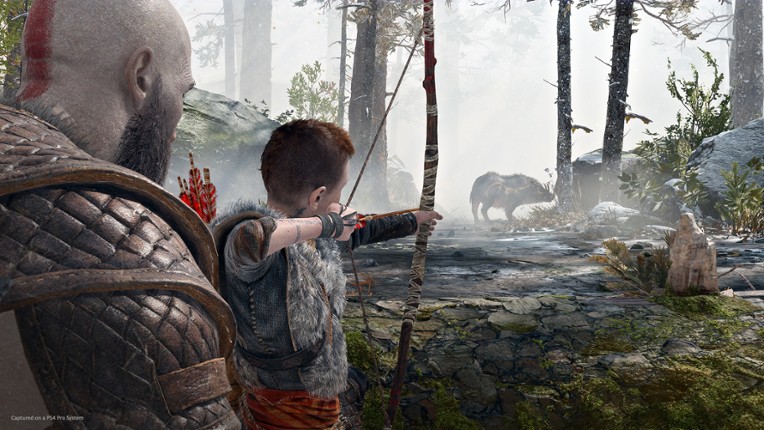
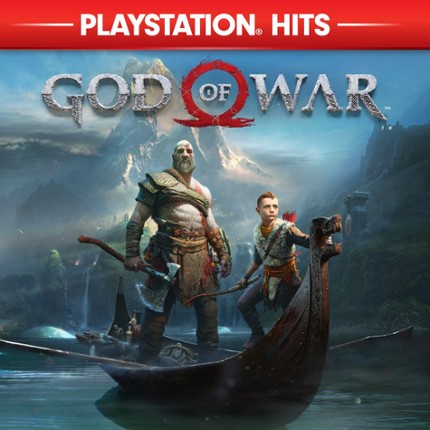
God of Warmythology-driven storytelling, blending narrative depth with intense action combat that keeps players invested run after run.
Both games deliver a strong sense of atmosphere and emotional weight, which grounds their fantasy settings and provides meaningful player engagement beyond just the fights.
However, God of War is a sprawling 3D adventure with a more linear story progression and less replayability, contrasting sharply with Hades’ roguelite structure and procedural runs.
Pick God of War if you want a cinematic, story-packed mythology experience with strategic combat but can tolerate a slower grind and less randomized gameplay variety.
If you enjoyed this game, see our list of games similar to God of War.View Game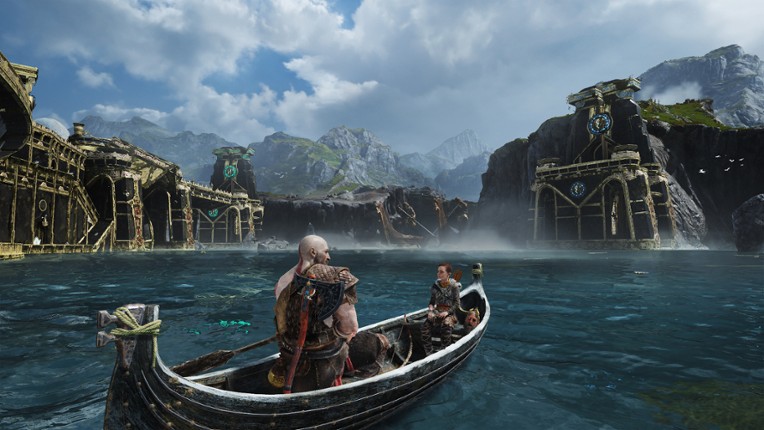
- 96%Game Brain ScoreMost mentioned positive aspects:story, musicMost mentioned negative aspects:grinding, stability96% User Score 34,090 reviews
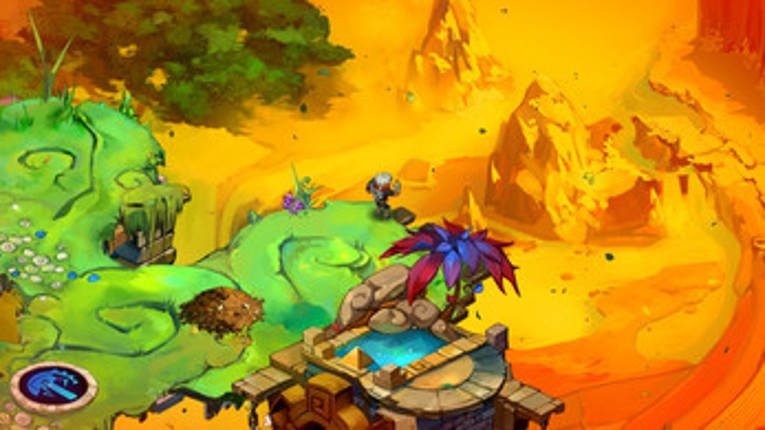
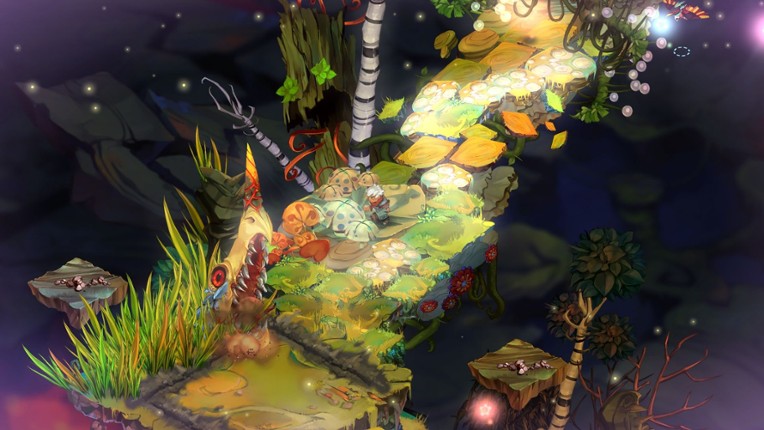
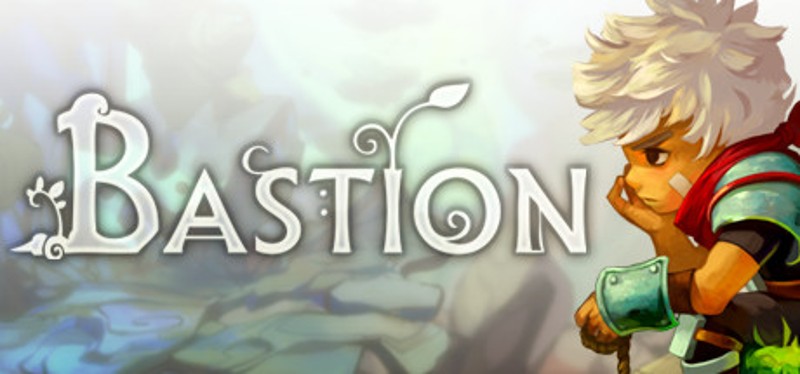
Death in Hades propels the narrative forward, turning each failure into story momentum. Bastion mirrors this with its narrator reacting to every setback as if the world is listening. The result is a rhythm where runs feel like dialogue, not grinding.
Both games feature isometric, hand‑drawn worlds where hack‑and‑slash combat meets a standout soundtrack. Fluid controls give every swing weight, while the art and voice work create a cohesive atmosphere that rewards attentive play.
Bastion opts for a linear, story‑driven campaign instead of Hades’ procedural runs. This trades endless variation for a tightly crafted arc, offering a focused experience at the cost of replayability.
If Hades’ late‑game grind for upgrades ever felt like a slog, Bastion’s streamlined progression lets you spend more time with its post‑apocalyptic narrative and less time farming. The overall feel is a concise sprint rather than a marathon.
Best for players who love story‑rich action and prefer a polished, focused journey over endless roguelite variation.
If you enjoyed this game, see our list of games similar to Bastion.View Game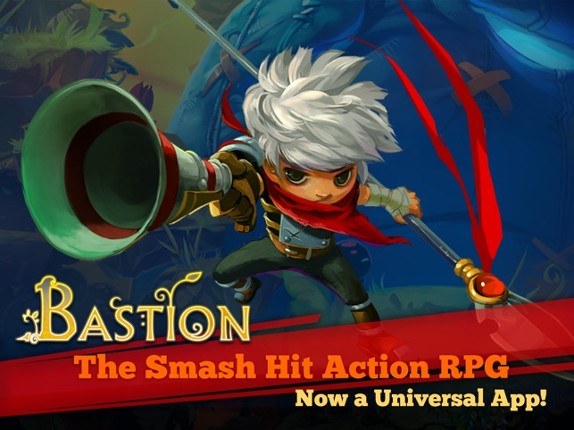
- 87%Game Brain ScoreMost mentioned positive aspects:story, gameplayMost mentioned negative aspects:grinding, stability89% User Score 13,118 reviewsCritic Score 85%8 reviews
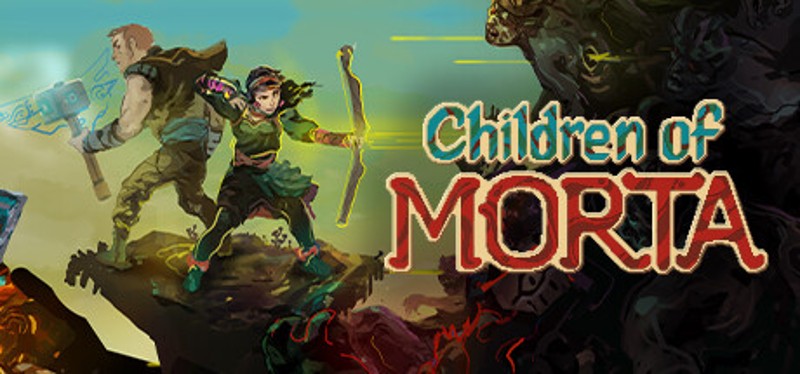
Both titles turn every failed run into a narrative milestone by weaving family dialogue directly into the hub world experience. Just as Zagreus returns to his father's house, the Bergsons return home to advance their fight against Corruption. This ensures your mechanical progress is anchored by meaningful character development, making the gameplay loop feel purposeful rather than punishing.
The isometric combat emphasizes a rhythmic dance of dashes and cooldowns, though Children of Morta offers broader playstyle variety across its roster. While Hades can occasionally feel like a lonely grind, this title allows you to share the burden via local or online co-op. Swapping characters provides passive buffs to the entire family, mirroring the strategic depth and meta-progression of Olympian Boons.
You manage an entire household rather than a single hero, trading hand-drawn visuals for detailed, fluid pixel art. This shift focuses the story on domestic bonds over individual rebellion. Best for players who value narrative-driven progression and cooperative play.
If you enjoyed this game, see our list of games similar to Children of Morta.View Game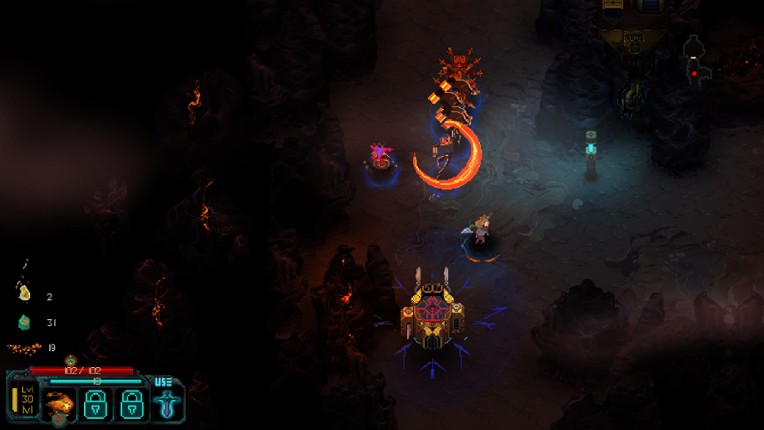
- View Game
- 90%Game Brain ScoreMost mentioned positive aspects:gameplay, humorMost mentioned negative aspects:grinding, stability94% User Score 3,788 reviewsCritic Score 80%3 reviews
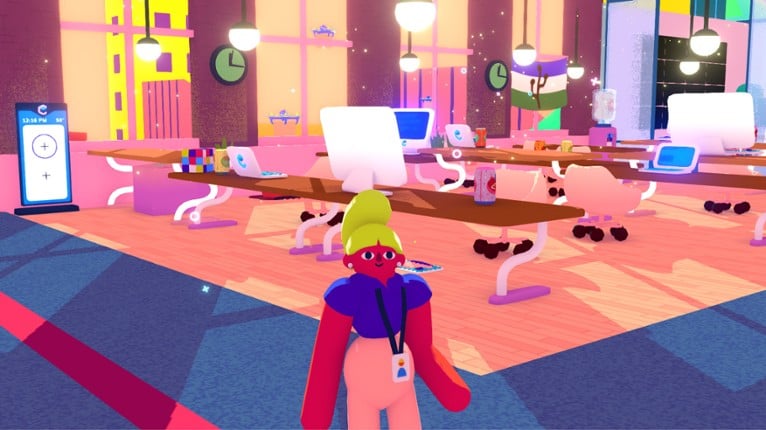
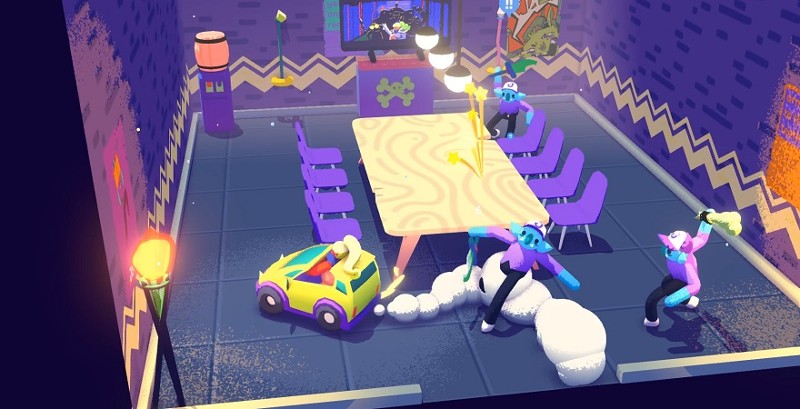
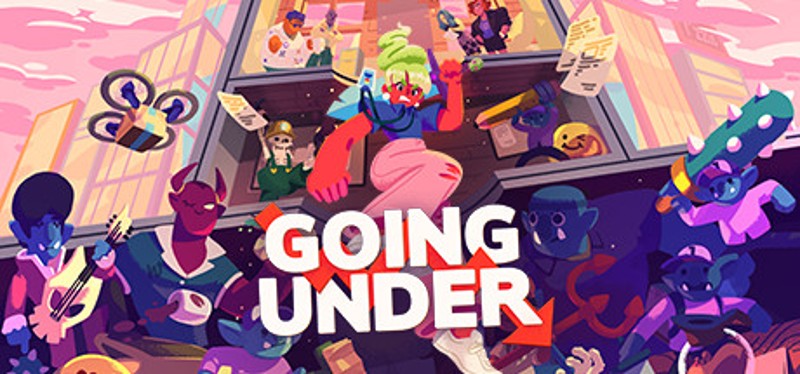
Going Under is a satirical dungeon crawler about exploring the cursed ruins of failed tech startups. As an unpaid intern in the dystopian city of Neo-Cascadia, you’ll wield office junk as weaponry as you make your way through the offbeat procedural dungeons beneath your company campus. If you enjoyed this game, see our list of games similar to Going Under.
View Game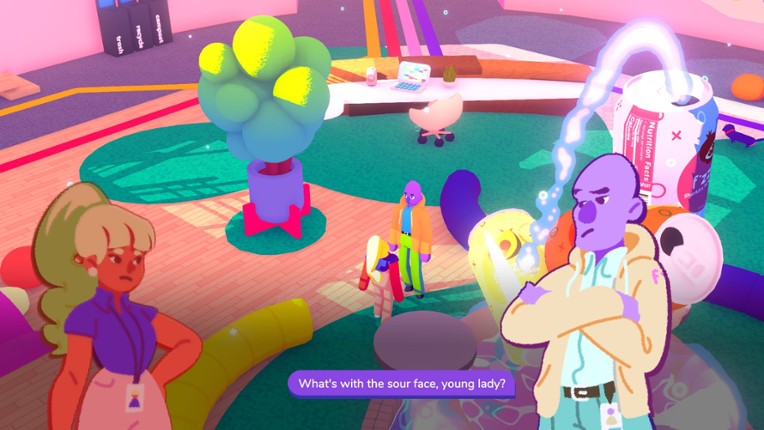
- 90%Game Brain ScoreMost mentioned positive aspects:gameplay, graphicsMost mentioned negative aspects:grinding, stability94% User Score 2,565 reviewsCritic Score 87%10 reviews
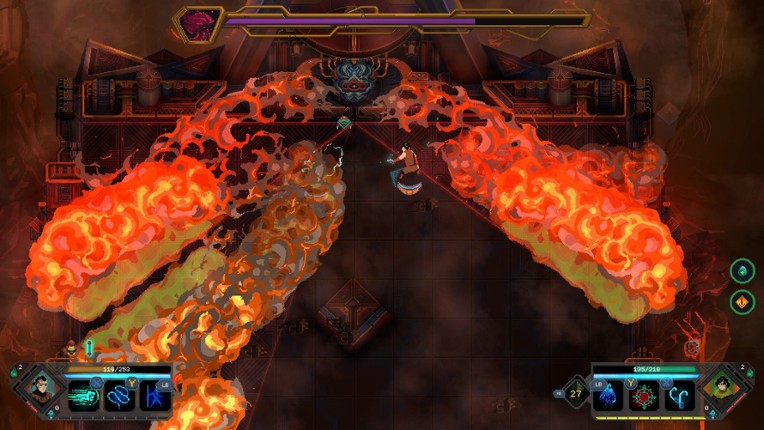
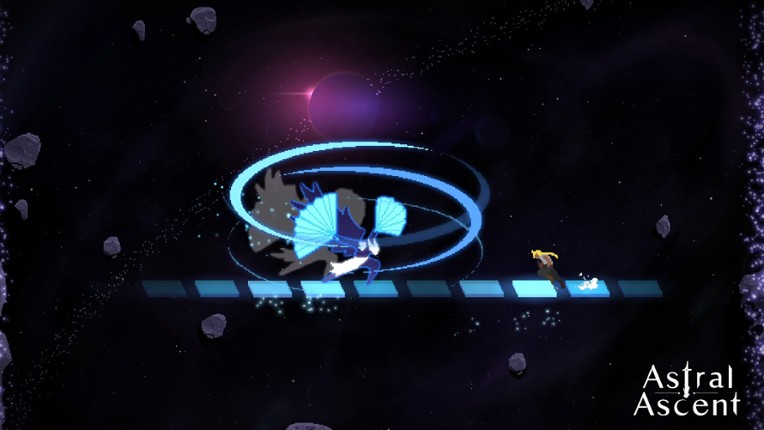
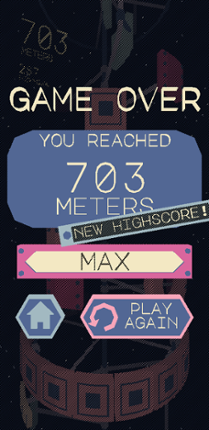
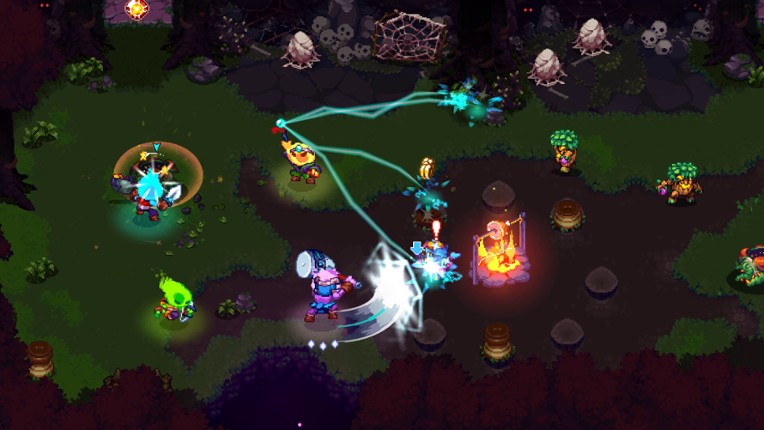
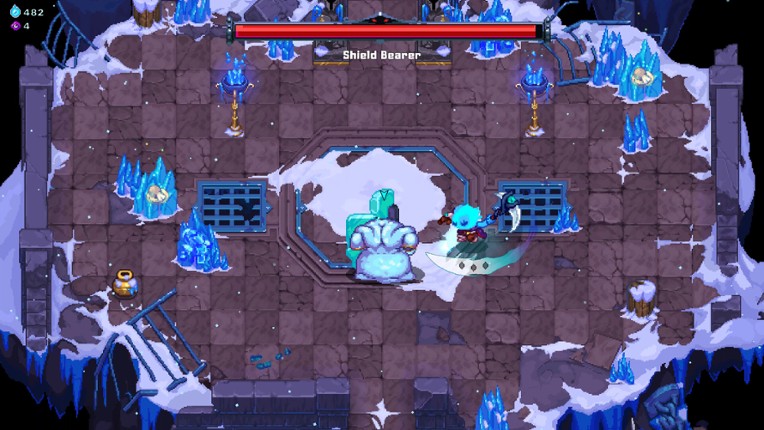
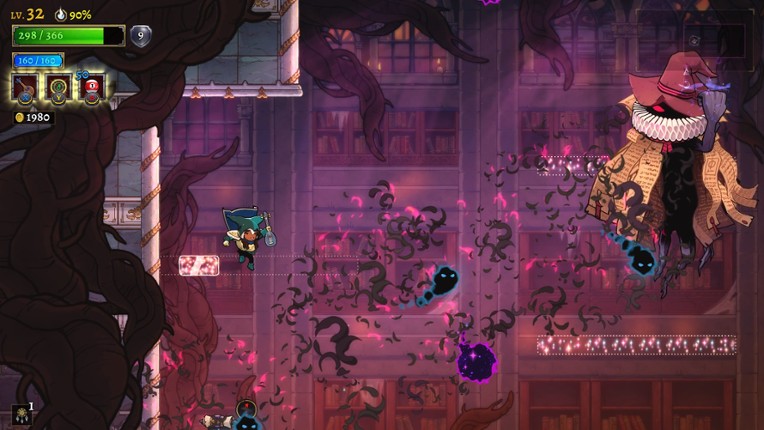
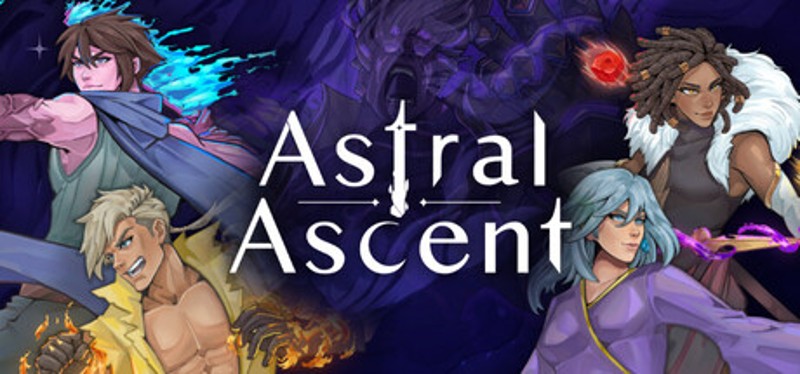
That addictive loop of dying, adapting, and pushing deeper — Astral Ascent is built around exactly that rhythm. Both games layer permadeath with meaningful run progression, so each attempt feels purposeful rather than punishing. The pressure of a run going wrong hits the same nerve.
The combat in both games rewards learning enemy patterns and building synergistic ability sets on the fly, which is the core of what makes Hades so replayable. In Astral Ascent, the zodiac bosses each demand specific responses, creating that same "one more run" pull as you refine your approach. The hand-drawn aesthetic and atmospheric world-building also carry a comparable visual weight.
The key difference is perspective and movement — Astral Ascent shifts to a side-scrolling platformer format, which changes spatial awareness entirely and gives the action a more kinetic, vertical feel.
If Hades ever started feeling repetitive in its arena layouts, that structural shift here genuinely refreshes the formula. The platforming dimension adds a physical layer of skill that Hades doesn't ask of you.
Best for players who chase tight mechanical mastery and build experimentation and can accept a lighter narrative payoff in exchange for a fresh combat canvas.
If you enjoyed this game, see our list of games similar to Astral Ascent.View Game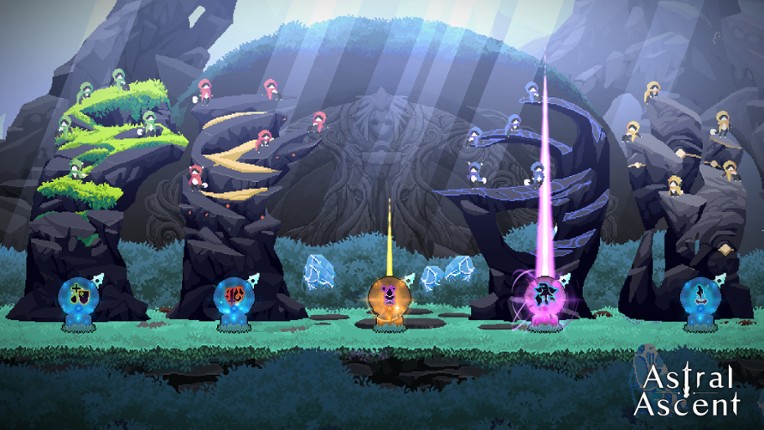
- 86%Game Brain ScoreMost mentioned positive aspects:gameplay, storyMost mentioned negative aspects:grinding, stability94% User Score 5,142 reviewsCritic Score 78%9 reviews
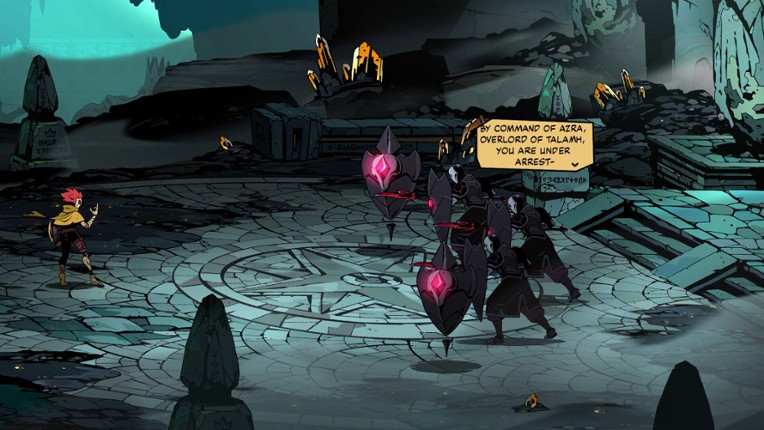
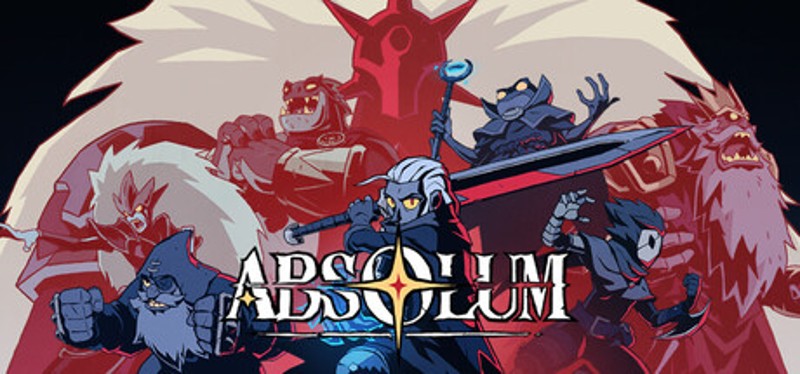
Fight as the outcast heroes of Talamh in a fierce battle to retake magic from Sun King Azra’s grasp in Absolum, an original roguelite beat ‘em up by Dotemu. If you enjoyed this game, see our list of games similar to Absolum.
View Game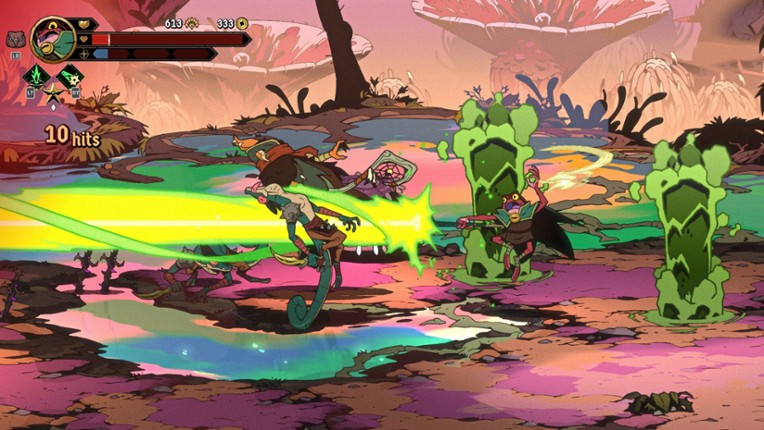
- 91%Game Brain ScoreMost mentioned positive aspects:story, gameplayMost mentioned negative aspects:grinding, stability98% User Score 25,547 reviewsCritic Score 84%28 reviews
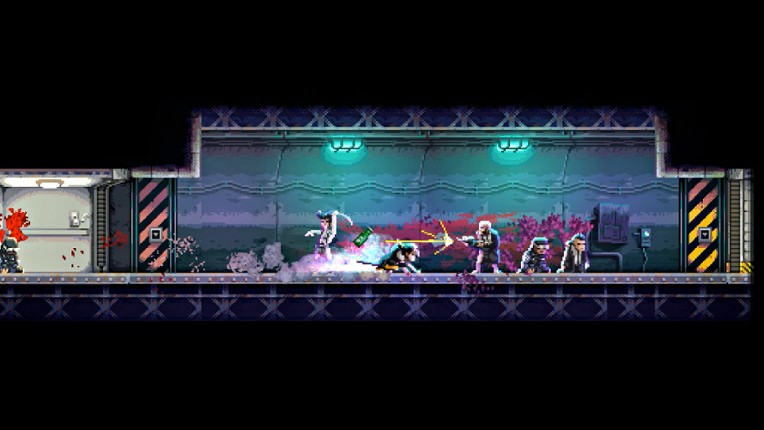
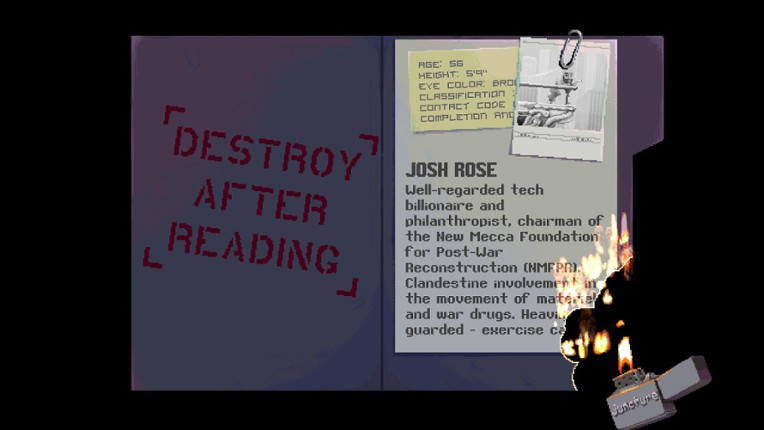
Both games excel at tight, feedback-driven combat loops that make trial-and-error feel like progress rather than failure. This is bolstered by narrative-heavy design, which ensures every death advances the plot instead of just resetting your progress.
The primary difference lies in the pacing: Hades focuses on incremental roguelite progression, whereas Katana ZERO demands instantaneous, frame-perfect precision in a side-scrolling format. While Hades offers endless mythological depth, Katana ZERO delivers a sharper, more condensed neo-noir adrenaline rush.
Pick this up if you want mastery-focused combat and a dark, stylish mystery but can live without the expansive, long-term upgrade systems found in Hades.
If you enjoyed this game, see our list of games similar to Katana ZERO.View Game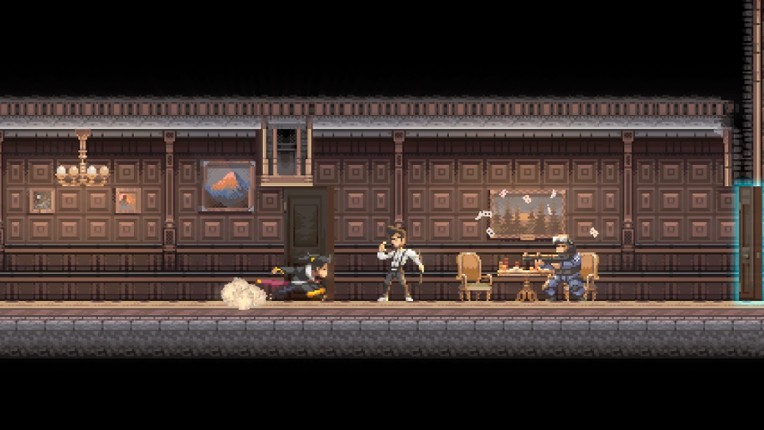
11 View Game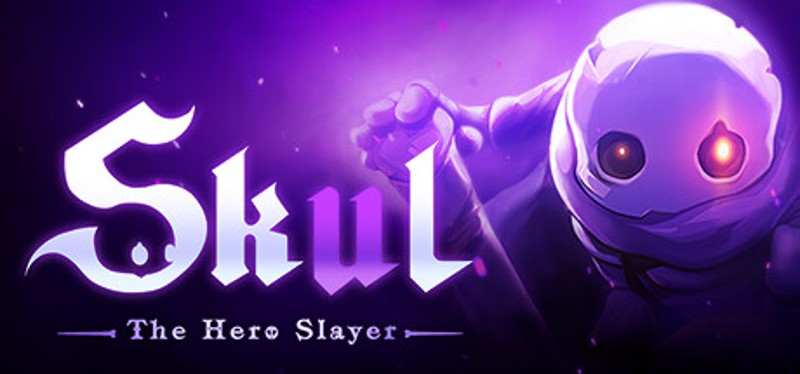 90%Game Brain ScoreMost mentioned positive aspects:gameplay, storyMost mentioned negative aspects:grinding, stability92% User Score 10,997 reviewsCritic Score 80%2 reviews
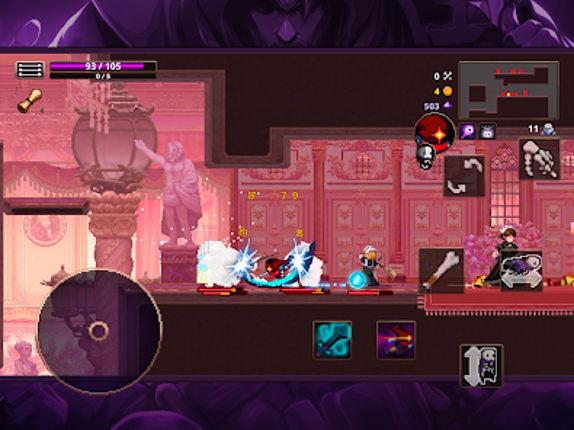
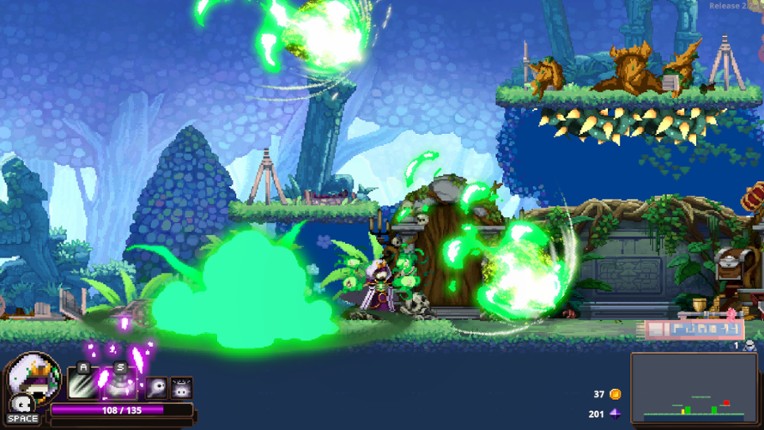
A roguelike hack'n'slash game If you enjoyed this game, see our list of games similar to Skul: The Hero Slayer.
View Game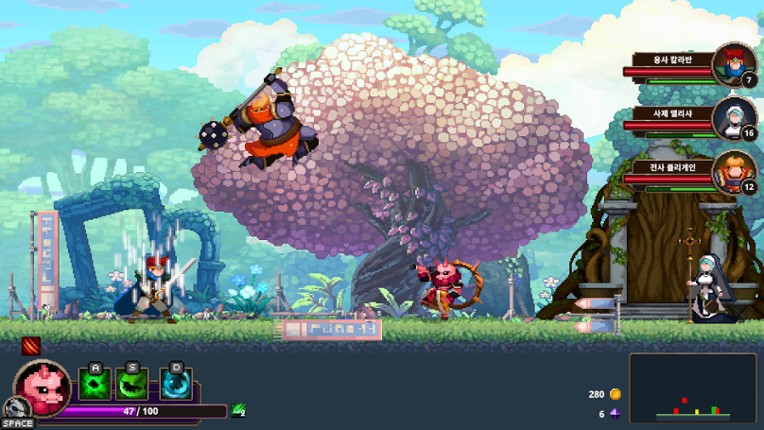
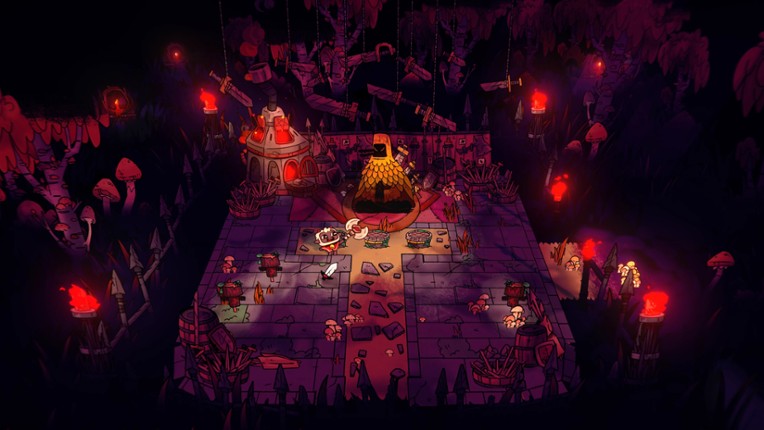
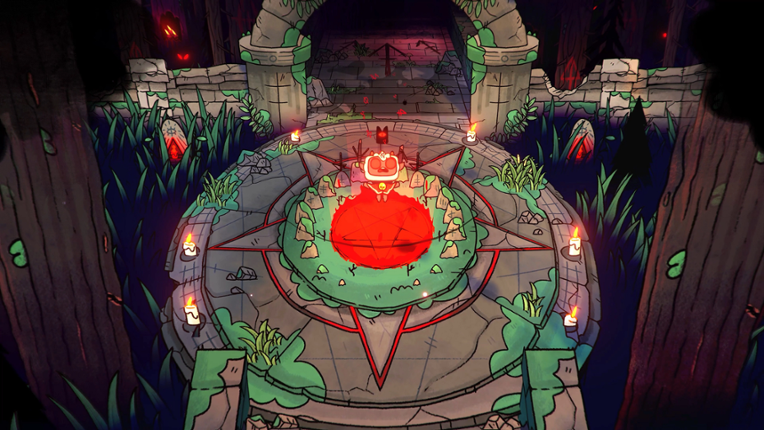
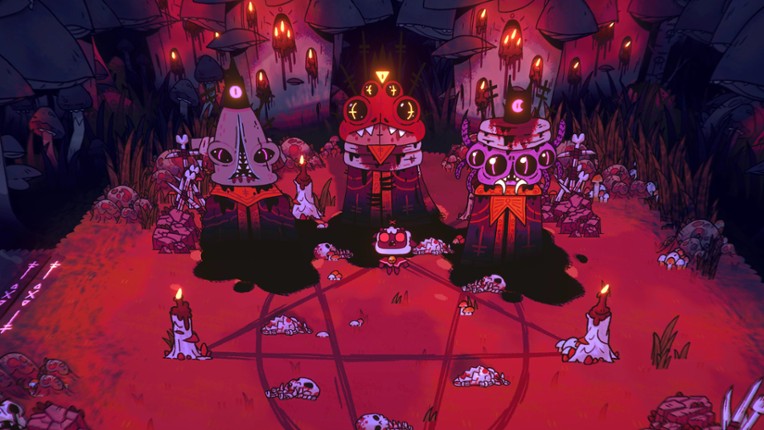
- 93%Game Brain ScoreMost mentioned positive aspects:gameplay, graphicsMost mentioned negative aspects:grinding, stability96% User Score 66,663 reviewsCritic Score 87%5 reviewsRoguelike with Hades' dungeon crawling and dark humor but trades isometric perspective for top-down exploration and adds base-building management gameplay. If you enjoyed this game, see our list of games similar to Cult of the Lamb.View Game
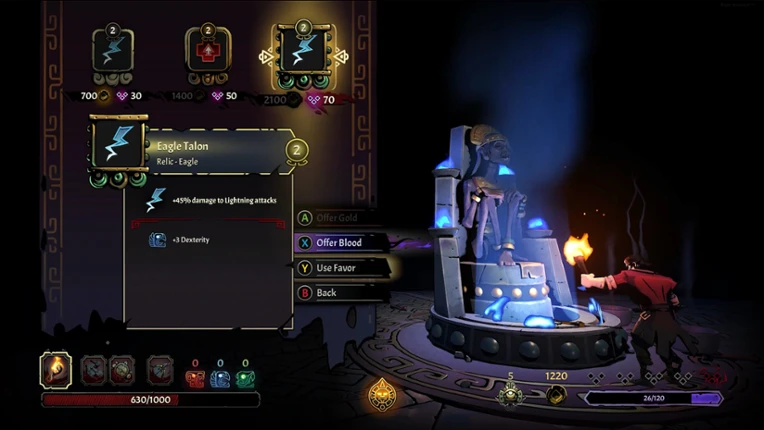
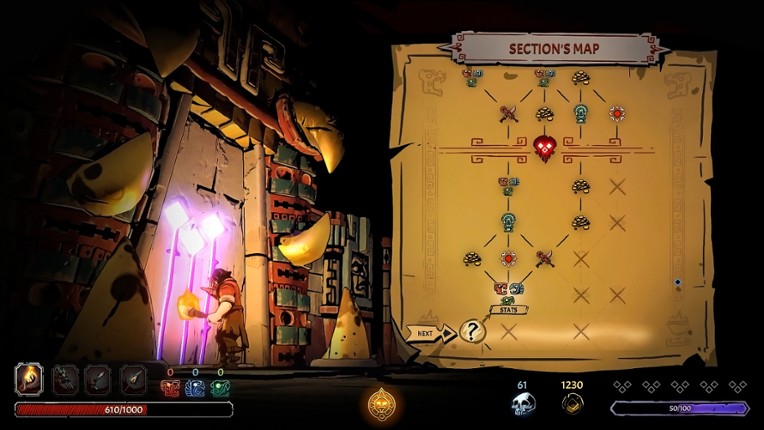
13 View Game 85%Game Brain ScoreMost mentioned positive aspects:gameplay, graphicsMost mentioned negative aspects:story, grinding85% User Score 6,862 reviewsCritic Score 84%7 reviewsRoguelike dungeon crawler matching Hades' atmospheric isometric view and great soundtrack but shifts toward dark horror and grueling souls-like combat. If you enjoyed this game, see our list of games similar to Curse of the Dead Gods.View Game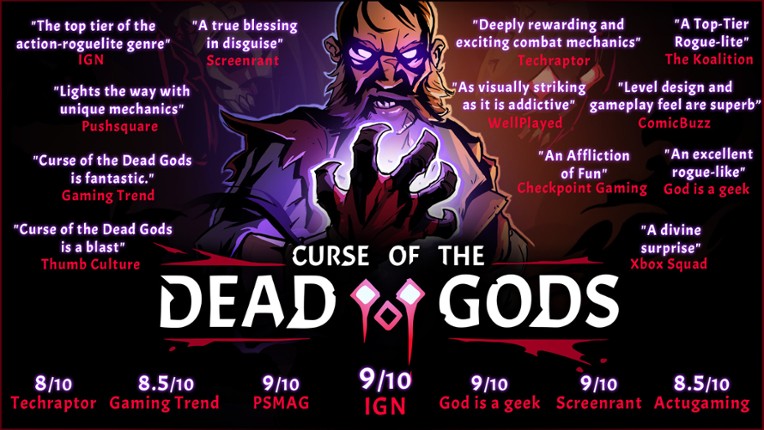
- 94%Game Brain ScoreMost mentioned positive aspects:story, musicMost mentioned negative aspects:grinding, stability94% User Score 18,051 reviews
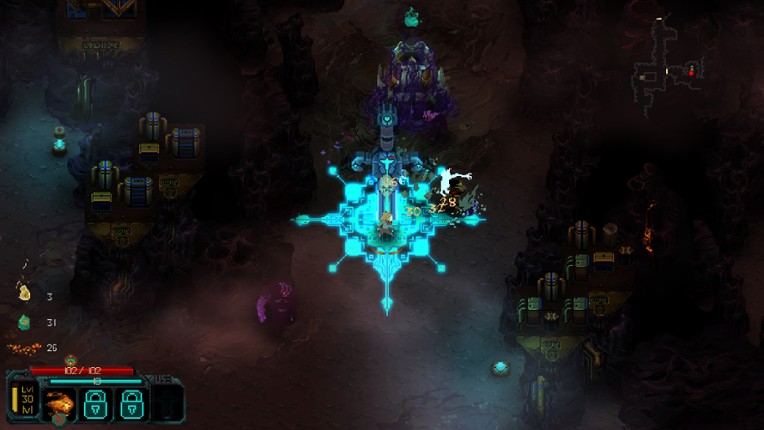
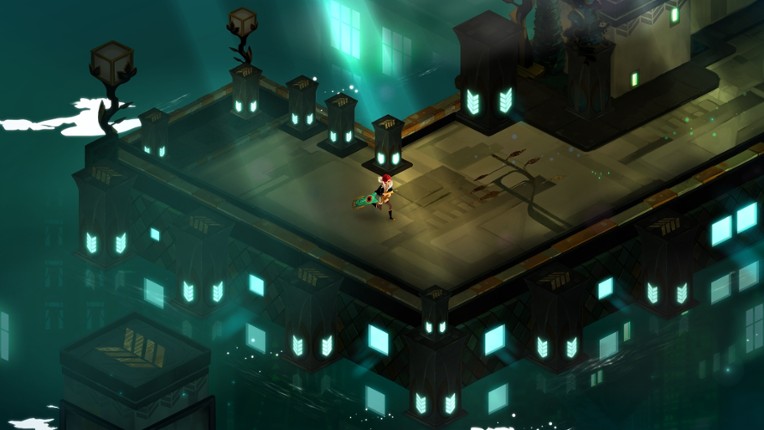
From the creators of Bastion, Transistor is a sci-fi themed action RPG that invites you to wield an extraordinary weapon of unknown origin as you fight through a stunning futuristic city. Transistor seamlessly integrates thoughtful strategic planning into a fast-paced action experience, melding responsive gameplay and rich atmospheric storytelling. During the course of the adventure, you will piec… If you enjoyed this game, see our list of games similar to Transistor.
View Game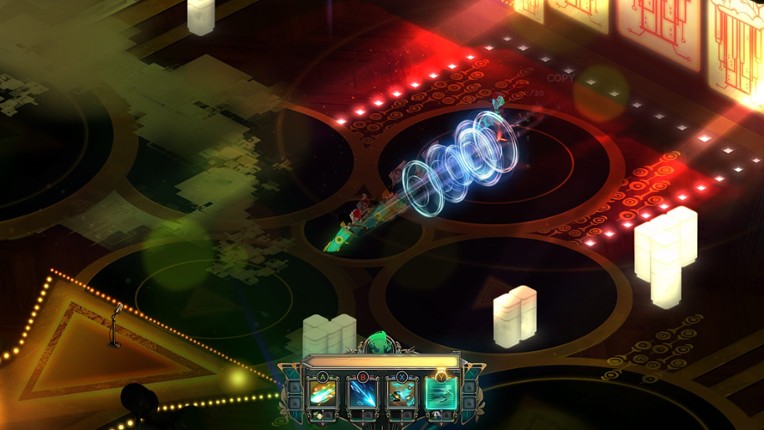
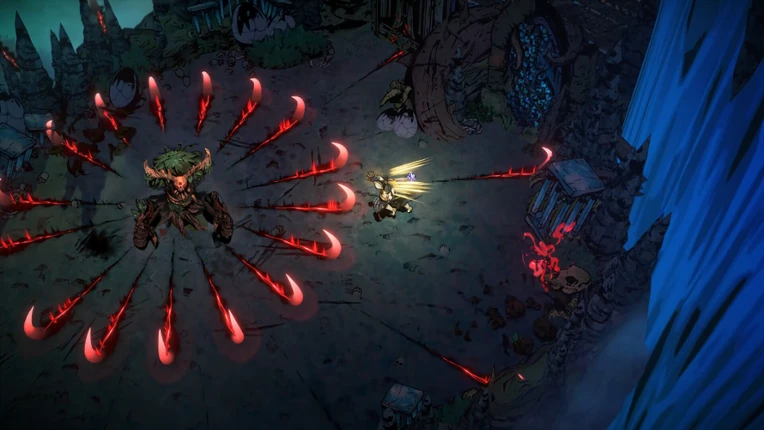
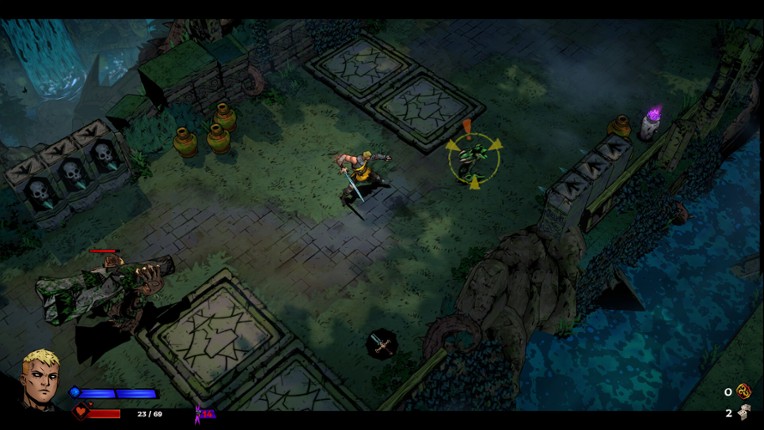
- 82%Game Brain ScoreMost mentioned positive aspects:gameplay, storyMost mentioned negative aspects:grinding, stability82% User Score 3,250 reviewsIsometric roguelike capturing Hades' mythology and hand-drawn beauty while adding co-op multiplayer and deeper souls-like difficulty. If you enjoyed this game, see our list of games similar to SWORN.View Game
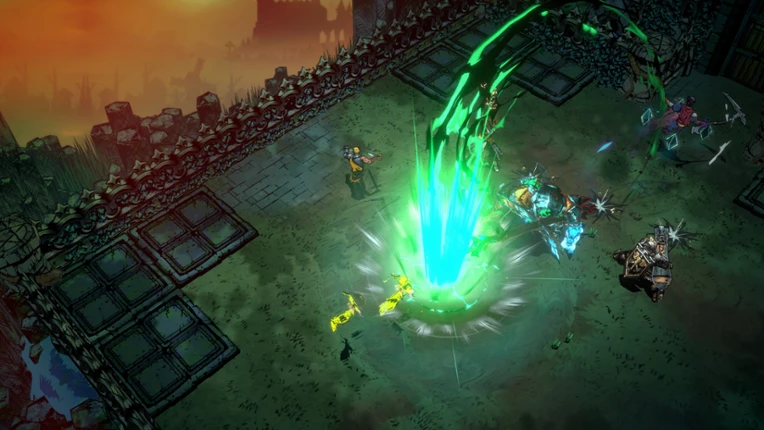
- 93%Game Brain ScoreMost mentioned positive aspects:gameplay, graphicsMost mentioned negative aspects:grinding, stability95% User Score 43,374 reviewsCritic Score 86%2 reviews
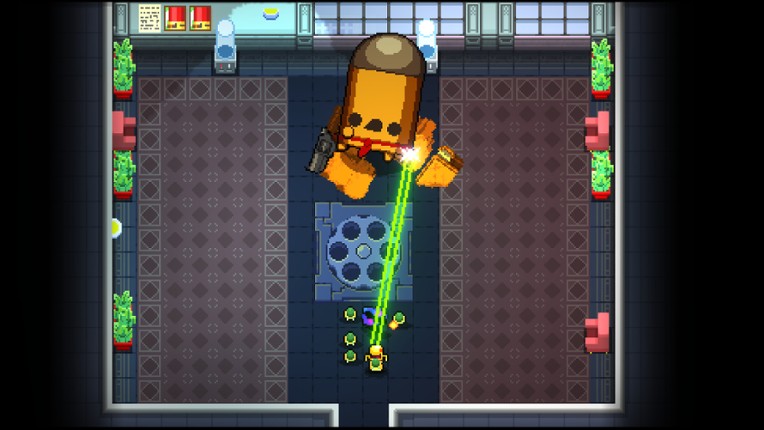
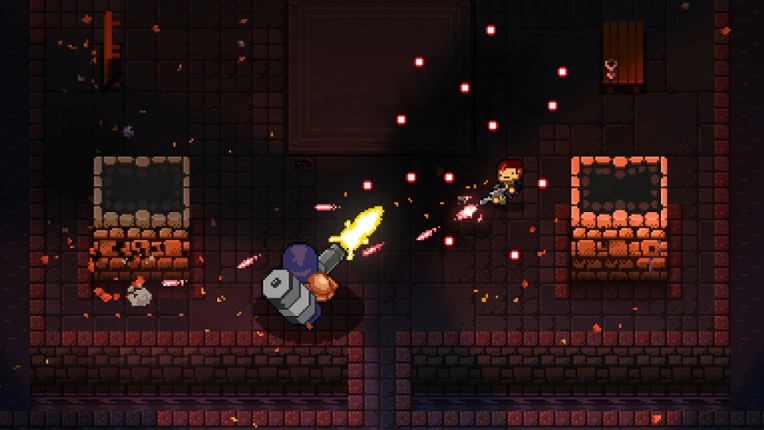
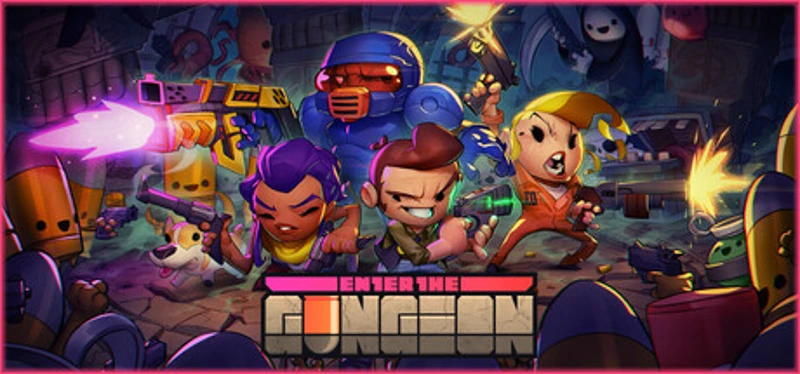
Enter the Gungeon is a gunfight dungeon crawler following a band of misfits seeking to shoot, loot, dodge roll and table-flip their way to personal absolution by reaching the legendary Gungeon’s ultimate treasure: the gun that can kill the past. Show more If you enjoyed this game, see our list of games similar to Enter the Gungeon.
View Game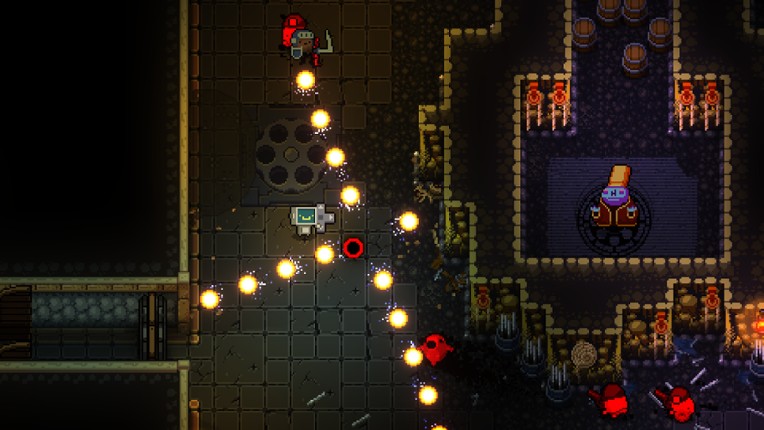
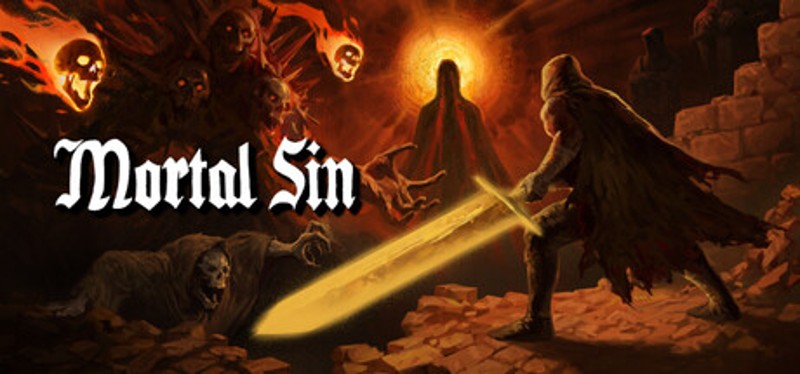
- 95%Game Brain ScoreMost mentioned positive aspects:graphics, gameplayMost mentioned negative aspects:grinding, character development95% User Score 4,769 reviewsFirst-person souls-like roguelike that captures dungeon crawling tension and roguelite progression but abandons Hades' narrative and stylized visuals. If you enjoyed this game, see our list of games similar to Mortal Sin.View Game
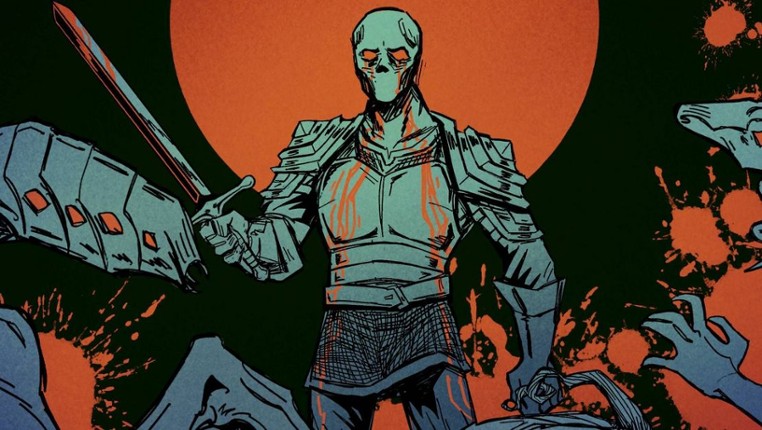
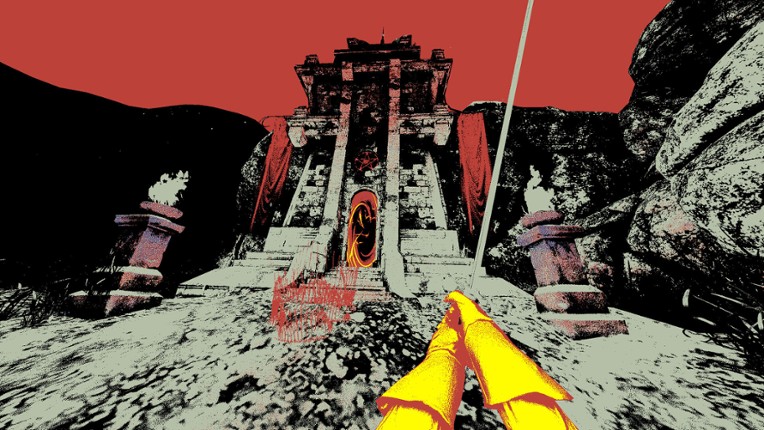
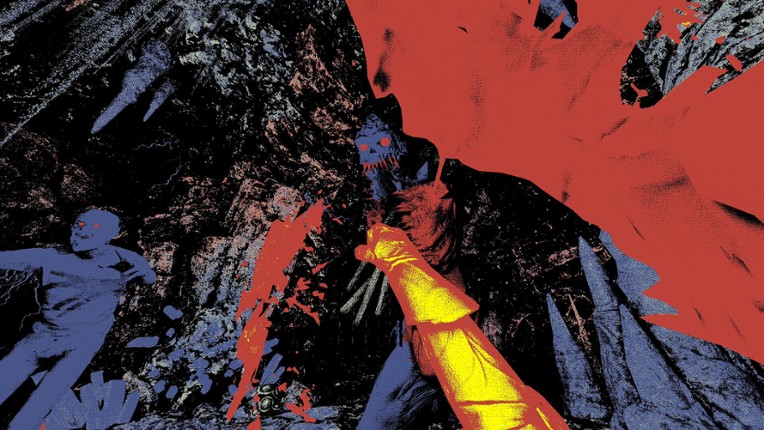
- 92%Game Brain ScoreMost mentioned positive aspects:gameplay, graphicsMost mentioned negative aspects:grinding, stability95% User Score 5,989 reviewsCritic Score 88%5 reviews
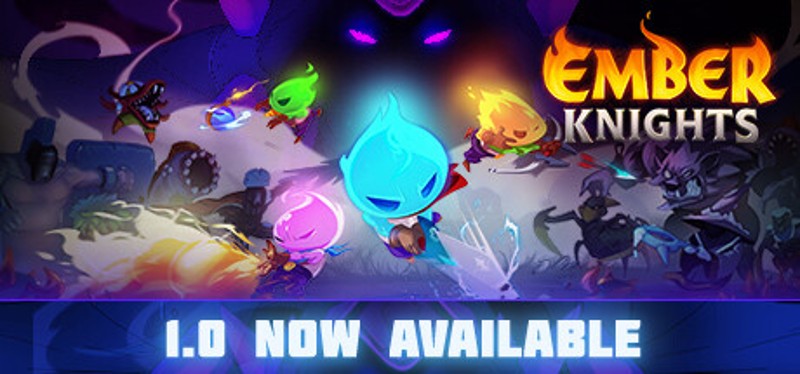
Ember Knights is a fast-paced multiplayer rogue-lite. Build powerful and unique attack synergies on every run by customizing your loadout through weapon upgrade perks, stackable combat and magic skills and game-changing relics. Local and online co-op for 1-4 players! If you enjoyed this game, see our list of games similar to Ember Knights.
View Game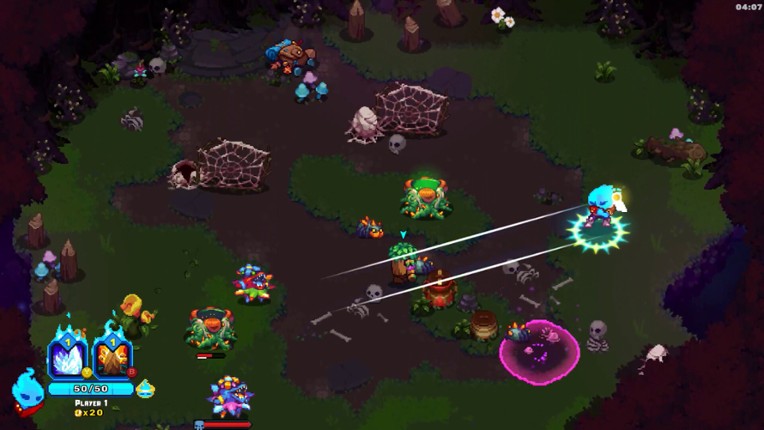
19 View Game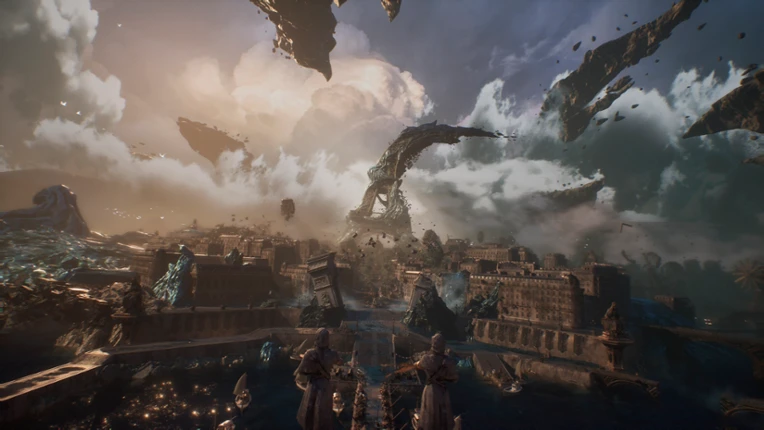
 97%Game Brain ScoreMost mentioned positive aspects:story, musicMost mentioned negative aspects:grinding, stability97% User Score 124,463 reviews
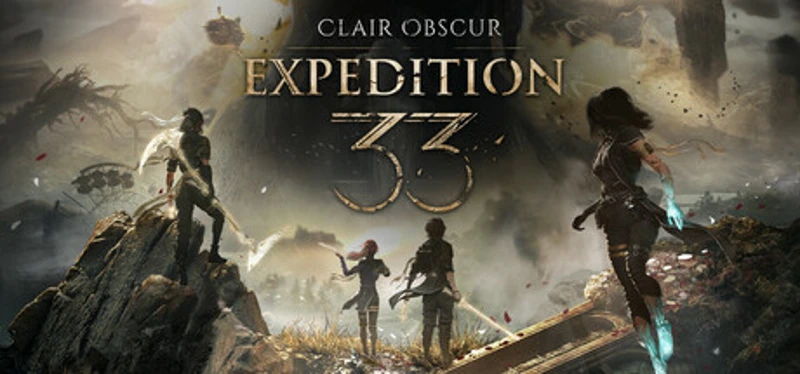
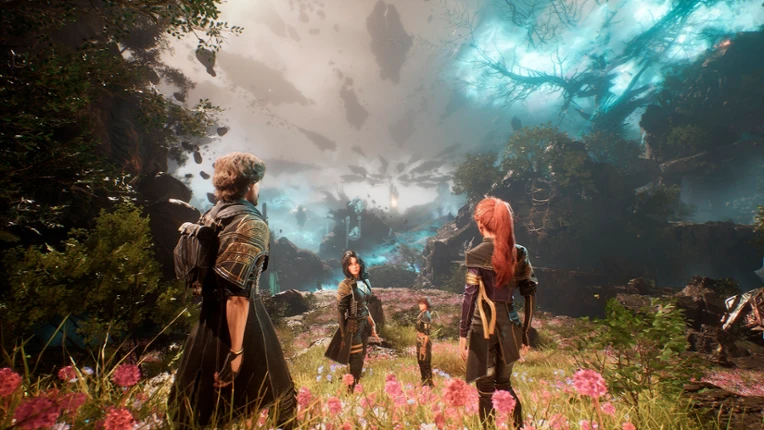
Lead the members of Expedition 33 on their quest to destroy the Paintress so that she can never paint death again. Explore a world of wonders inspired by Belle Époque France and battle unique enemies in this turn-based RPG with real-time mechanics. If you enjoyed this game, see our list of games similar to Clair Obscur: Expedition 33.
View Game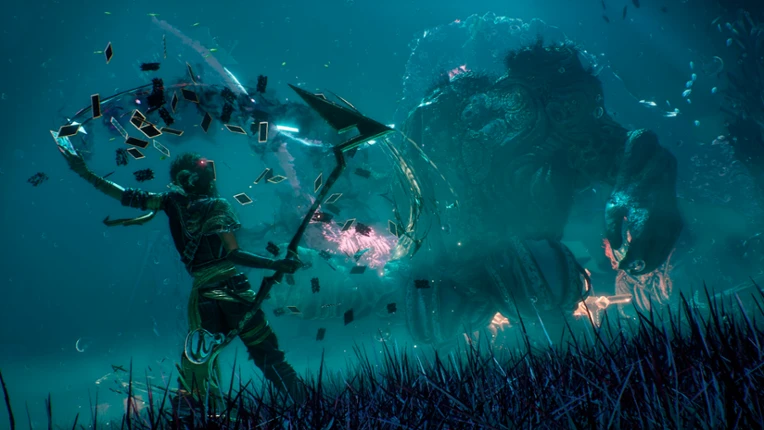
- 83%Game Brain ScoreMost mentioned positive aspects:graphics, gameplayMost mentioned negative aspects:grinding, stability88% User Score 4,481 reviewsCritic Score 78%27 reviews
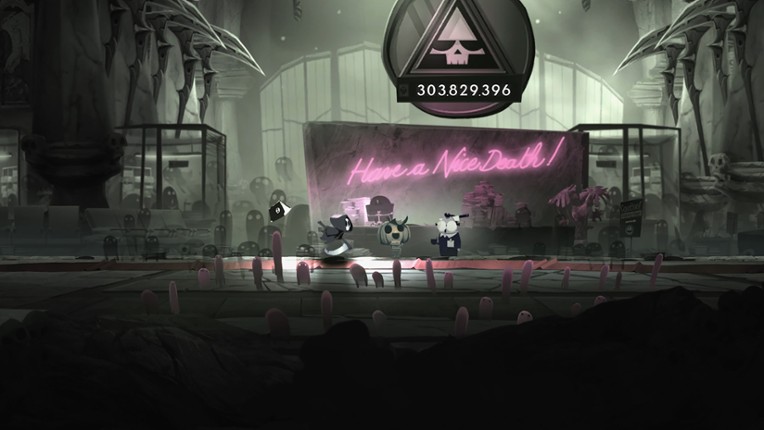
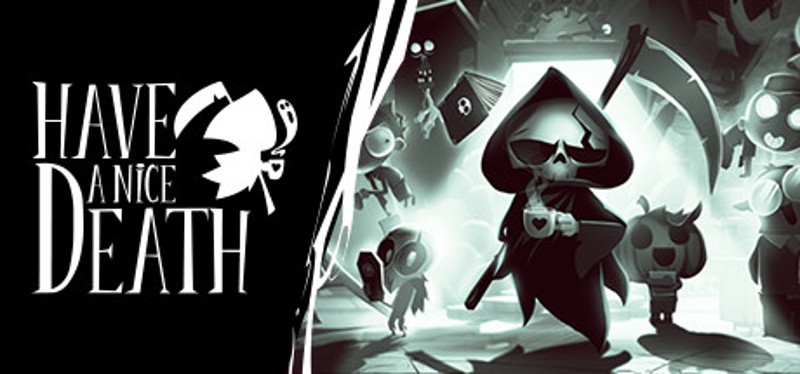
Both games thrive on a relentless, high-octane combat loop that demands mastery of fluid weapon combos and rapid-fire dashes. This shared adrenaline rush is bolstered by a distinctive, stylized visual identity, ensuring that every run looks as polished as it feels to play.
The primary shift lies in the tone and progression philosophy. While Hades weaves narrative into every death, Have a Nice Death swaps Greek drama for caustic office-themed dark humor and a more punishing, arcade-heavy design.
Pick this up if you want the satisfying visceral feedback of Hades combat but are willing to trade deep character storytelling for a sharper, more challenging 2D platforming experience.
If you enjoyed this game, see our list of games similar to Have a Nice Death.View Game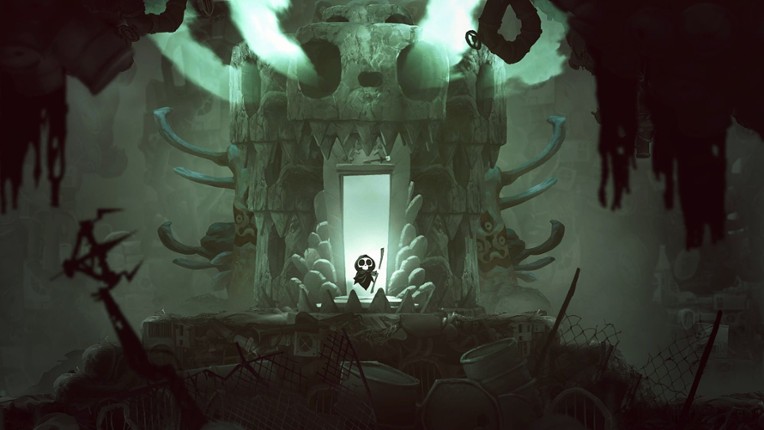
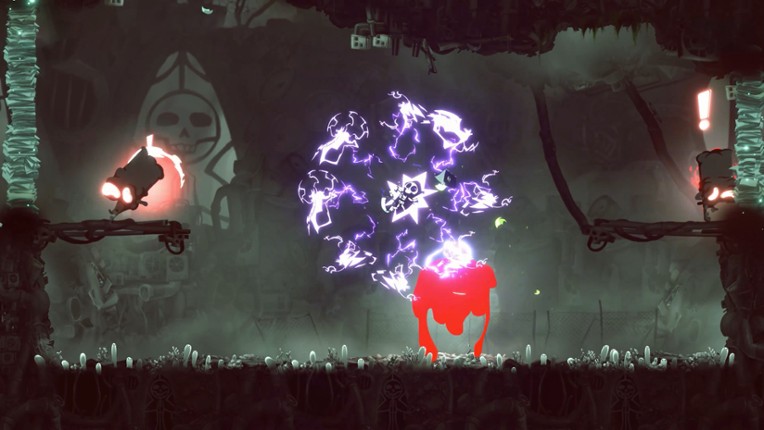
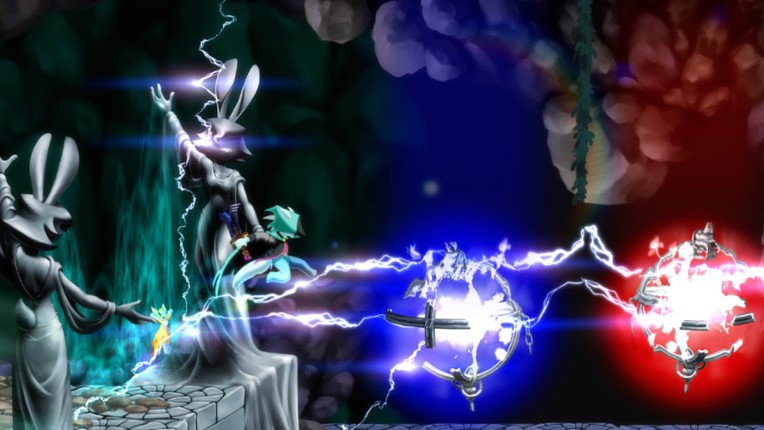
21 View Game 90%Game Brain ScoreMost mentioned positive aspects:story, gameplayMost mentioned negative aspects:grinding, stability95% User Score 12,363 reviewsCritic Score 83%6 reviewsHand-drawn metroidvania that matches Hades' emotional storytelling and gorgeous art but trades roguelike structure for interconnected exploration. If you enjoyed this game, see our list of games similar to Dust: An Elysian Tail.View Game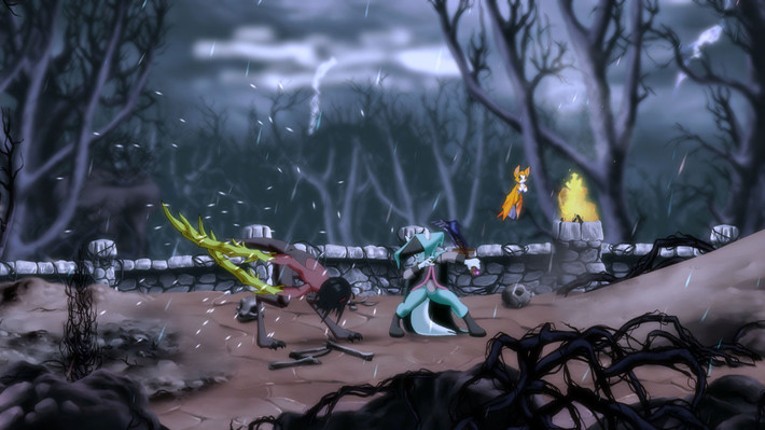
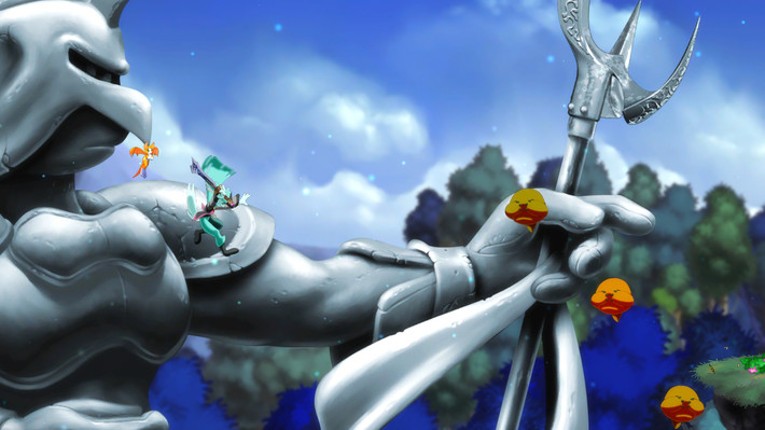
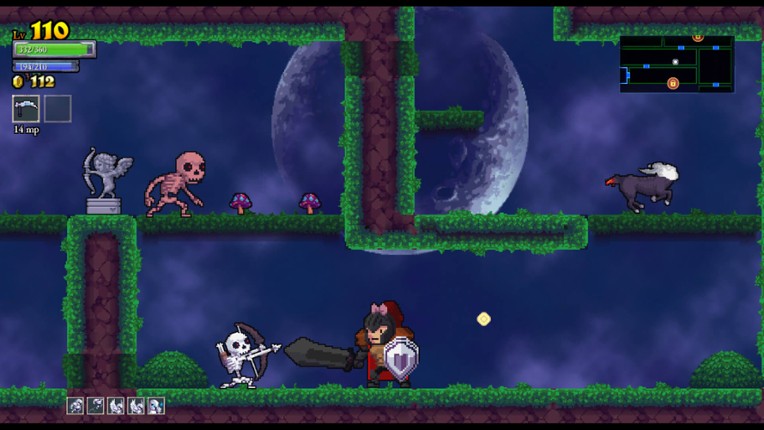
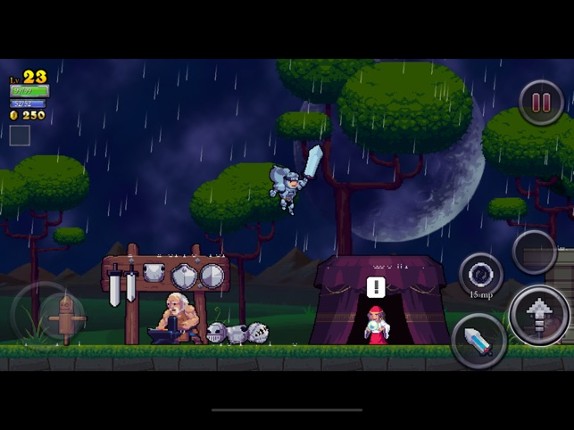
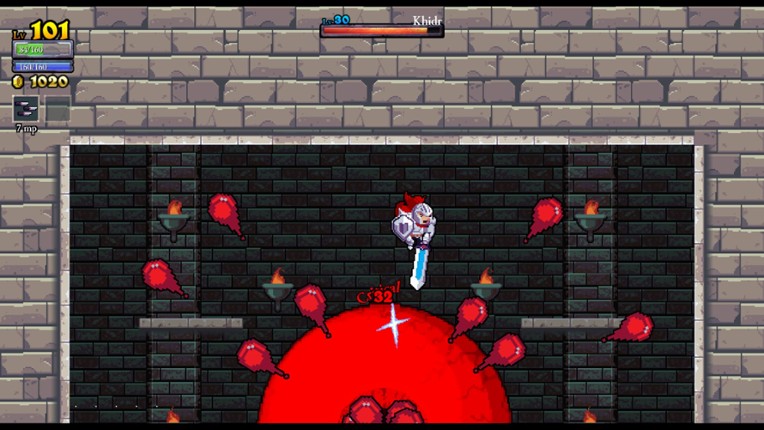
- 90%Game Brain ScoreMost mentioned positive aspects:gameplay, musicMost mentioned negative aspects:grinding, stability92% User Score 12,008 reviewsCritic Score 89%10 reviewsRoguevania hybrid that embraces Hades' roguelite loop and addictive combat but layers in permanent progression and pixel art charm. If you enjoyed this game, see our list of games similar to Rogue Legacy.View Game
- 88%Game Brain ScoreMost mentioned positive aspects:gameplay, storyMost mentioned negative aspects:grinding, stability92% User Score 2,504 reviewsCritic Score 85%16 reviews
A surreal, roguelite inspired ARPG with modernized hack'n'slash combat about lucid dreaming. Warp the dreamscape around you to battle a nightmarish depression that lives in a young woman’s subconscious. DREAM. DIE. WAKE. REPEAT. If you enjoyed this game, see our list of games similar to Dreamscaper.
View Game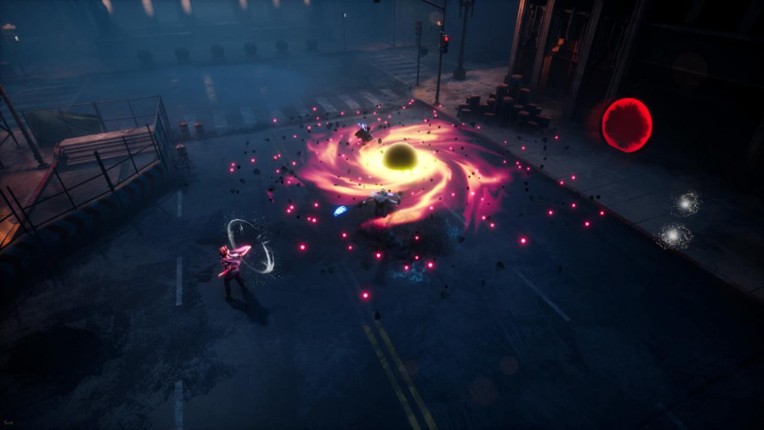
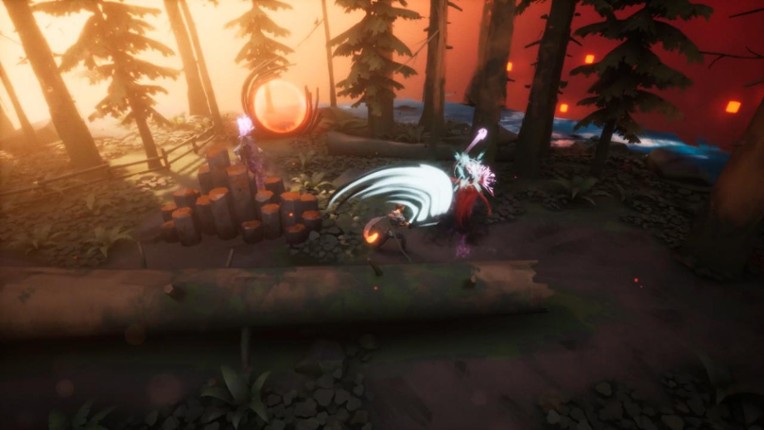
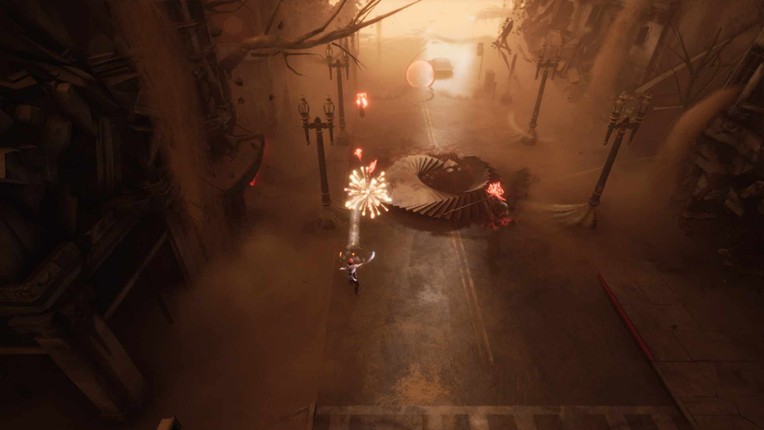
24 View Game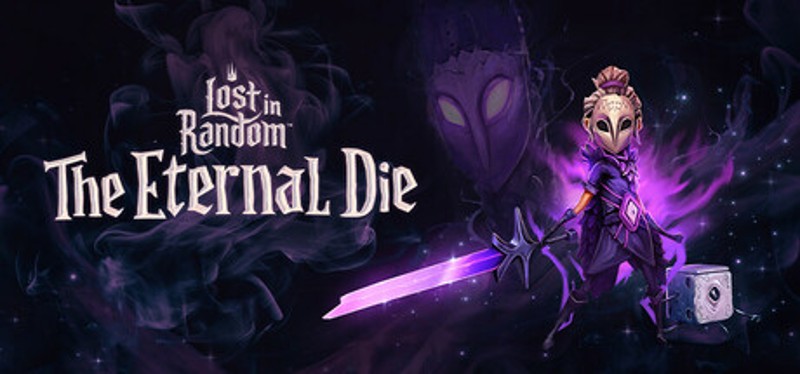 90%Game Brain ScoreMost mentioned positive aspects:gameplay, storyMost mentioned negative aspects:grinding, character development90% User Score 406 reviewsExperience a grittier isometric crawl where dice-based luck replaces weapon aspects as your primary driver for overcoming deadly randomized encounters. If you enjoyed this game, see our list of games similar to Lost in Random: The Eternal Die.View Game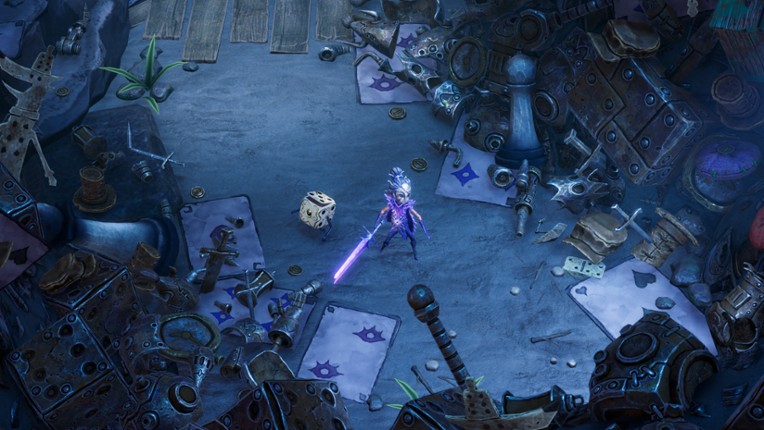
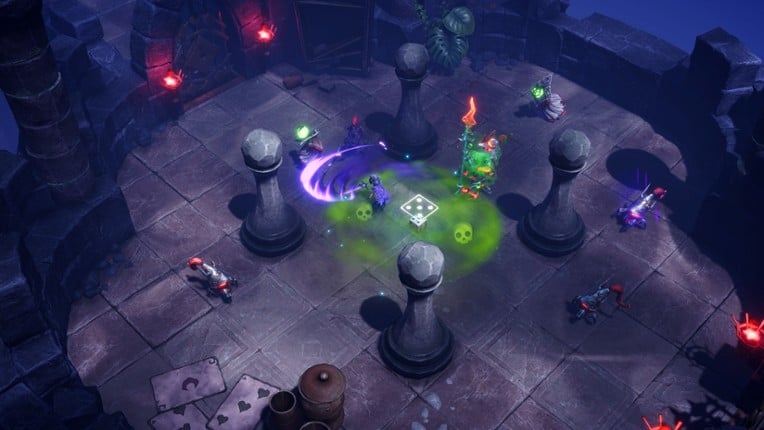
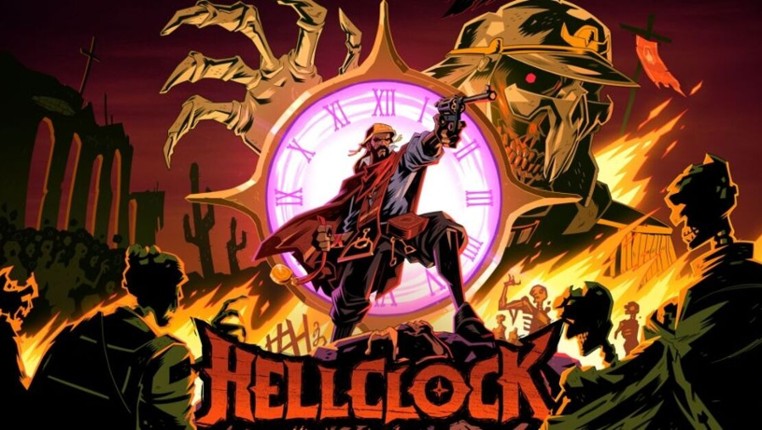
- 84%Game Brain ScoreMost mentioned positive aspects:gameplay, storyMost mentioned negative aspects:grinding, optimization84% User Score 2,030 reviewsDark fantasy action roguelike with Hades' isometric style and hand-drawn art but leans into grim storytelling and wartime themes over character romance. If you enjoyed this game, see our list of games similar to Hell Clock.View Game
- 92%Game Brain ScoreMost mentioned positive aspects:story, gameplayMost mentioned negative aspects:grinding, monetization97% User Score 131,036 reviewsCritic Score 86%39 reviewsTrade the fluid action for a psychological card-battling nightmare where the narrative unfolds through cryptic board games rather than divine conversations. If you enjoyed this game, see our list of games similar to Inscryption.View Game
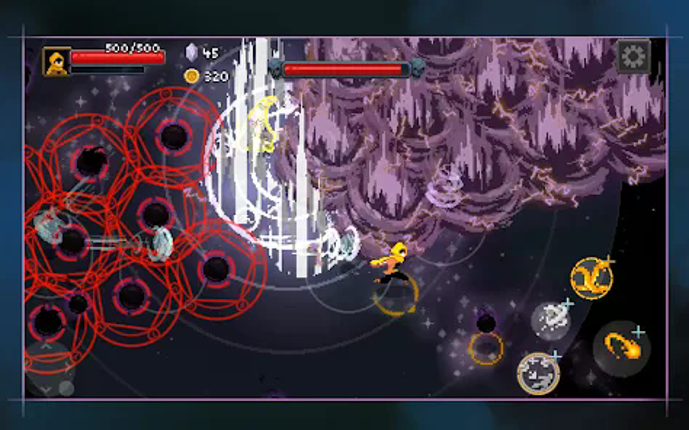
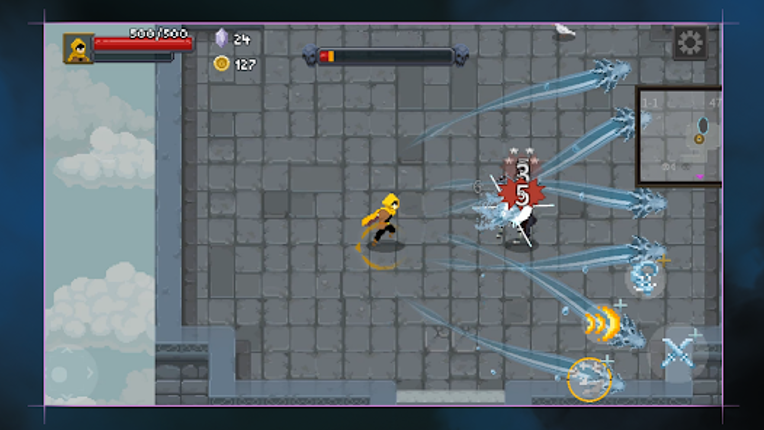
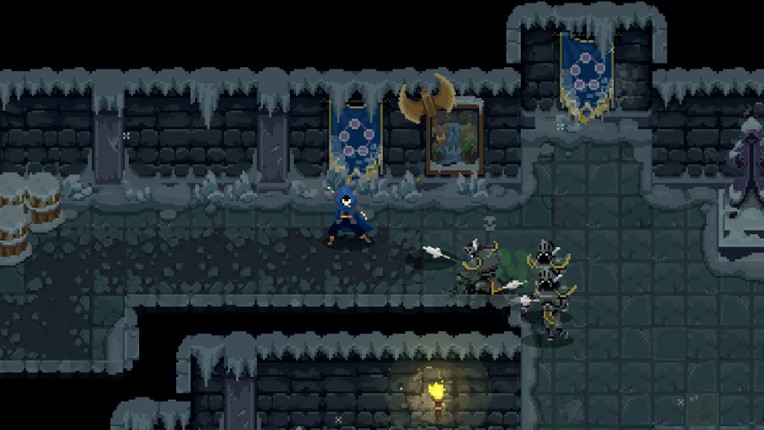
- 85%Game Brain ScoreMost mentioned positive aspects:gameplay, graphicsMost mentioned negative aspects:grinding, stability90% User Score 9,228 reviewsCritic Score 80%22 reviewsCo-op roguelike dungeon crawler with Hades' fast-paced combat and magic-focused arsenal but trades narrative depth for local multiplayer chaos. If you enjoyed this game, see our list of games similar to Wizard of Legend.View Game
- 89%Game Brain ScoreMost mentioned positive aspects:gameplay, storyMost mentioned negative aspects:grinding, monetization94% User Score 5,165 reviewsCritic Score 83%7 reviews
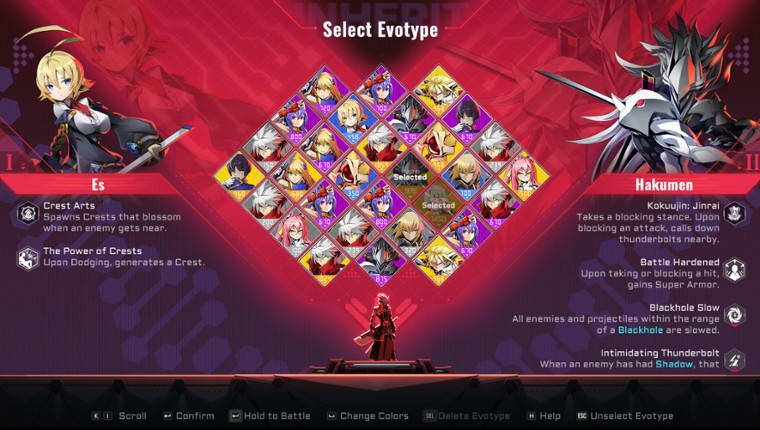
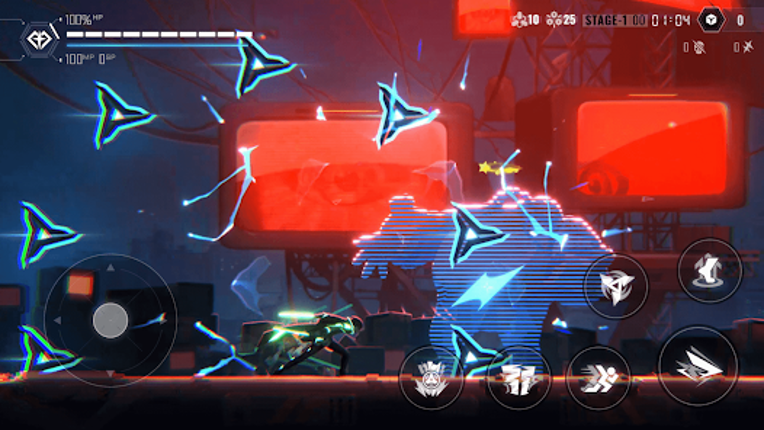
The Prisoner joins the fight! The Dead Cells crossover is now available! If you enjoyed this game, see our list of games similar to BlazBlue Entropy Effect.
View Game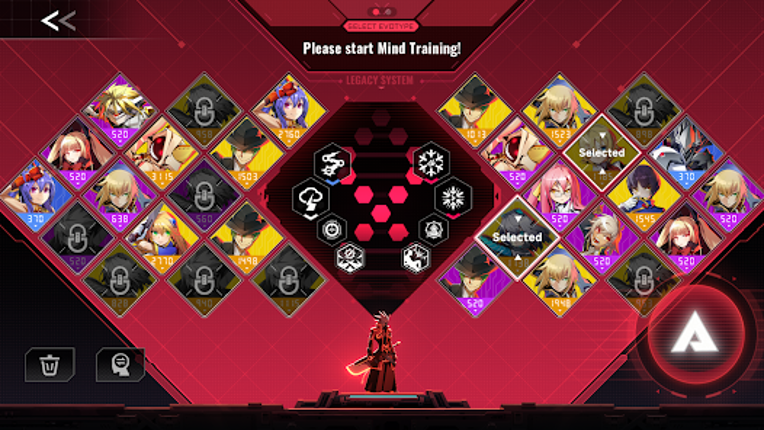
- 86%Game Brain ScoreMost mentioned positive aspects:gameplay, graphicsMost mentioned negative aspects:grinding, stability95% User Score 7,868 reviewsCritic Score 73%7 reviews
Shape of Dreams is a fast-paced action roguelite that fuses hack-and-slash combat, MOBA-style teamplay, and endless strategic variety. Journey through surreal dreamscapes where every battle tests your reflexes and every choice shapes your fate. Play solo for a tight, skill-based challenge or team up with up to three friends in real-time co-op, improvising distinct combat styles and forging powerfu… If you enjoyed this game, see our list of games similar to Shape of Dreams.
View Game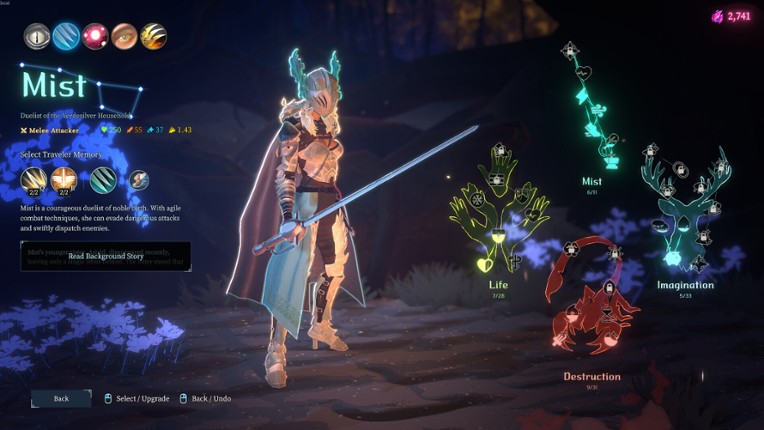
30 View Game 86%Game Brain ScoreMost mentioned positive aspects:gameplay, replayabilityMost mentioned negative aspects:grinding, story88% User Score 8,656 reviewsCritic Score 82%9 reviews
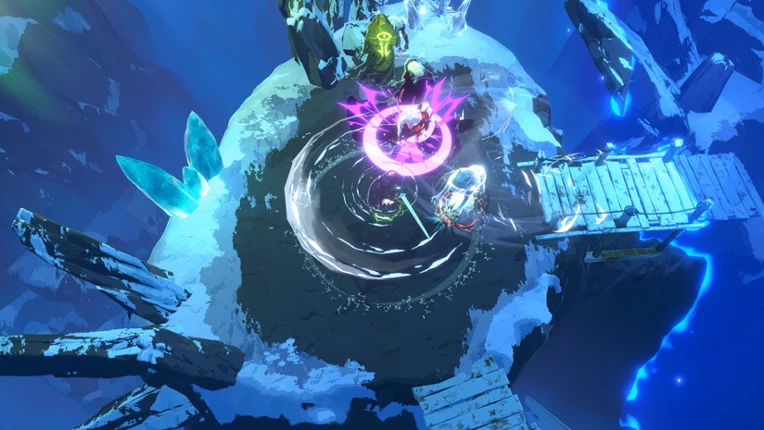
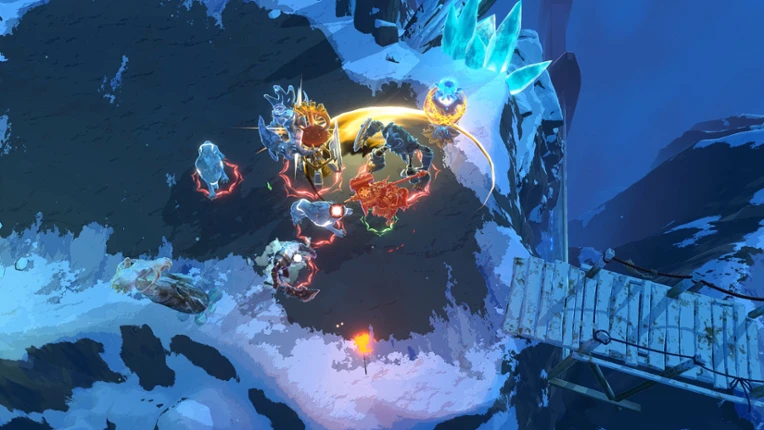
Heroes of Hammerwatch is a rogue-lite action-adventure. Explore and battle your way through procedurally generated levels on your own or with up to 3 friends. If you enjoyed this game, see our list of games similar to Heroes of Hammerwatch.
View Game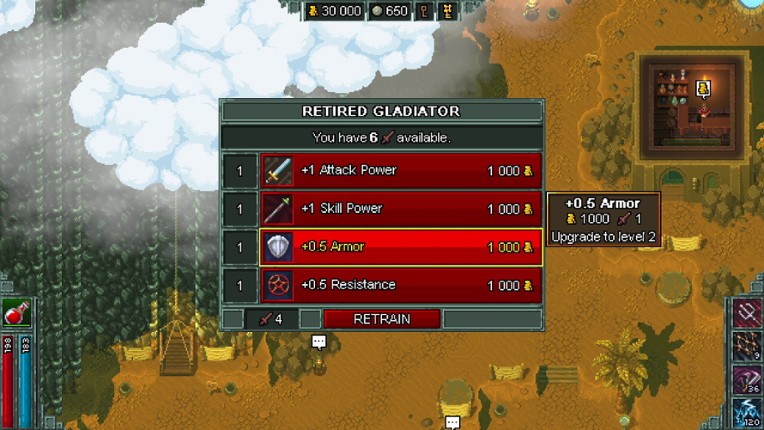
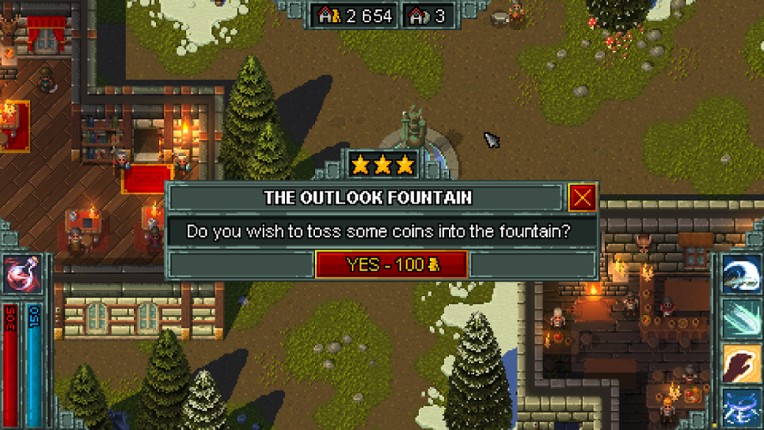
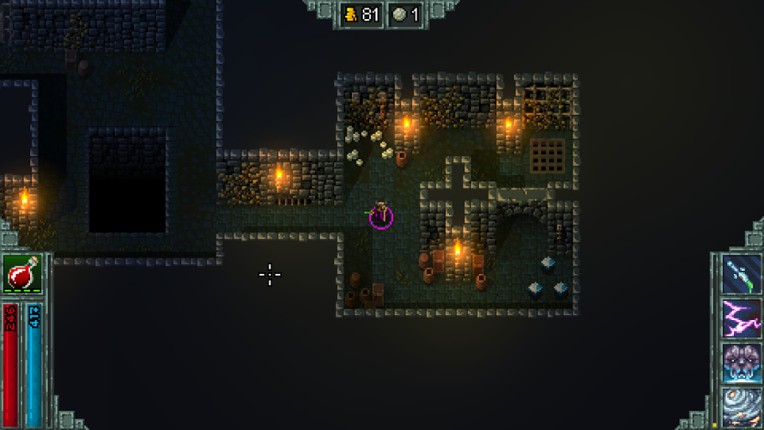
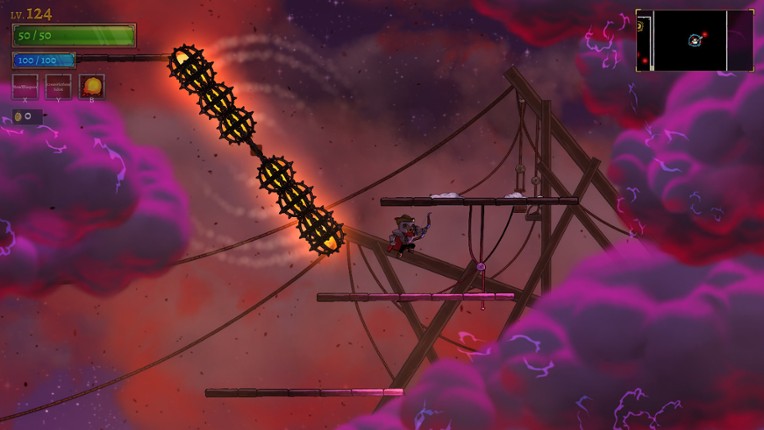
- 89%Game Brain ScoreMost mentioned positive aspects:gameplay, graphicsMost mentioned negative aspects:grinding, optimization91% User Score 8,016 reviewsCritic Score 87%32 reviewsSwap Olympian favor for chaotic family legacies where every death transitions you into the life of your own descendant instead. If you enjoyed this game, see our list of games similar to Rogue Legacy 2.View Game
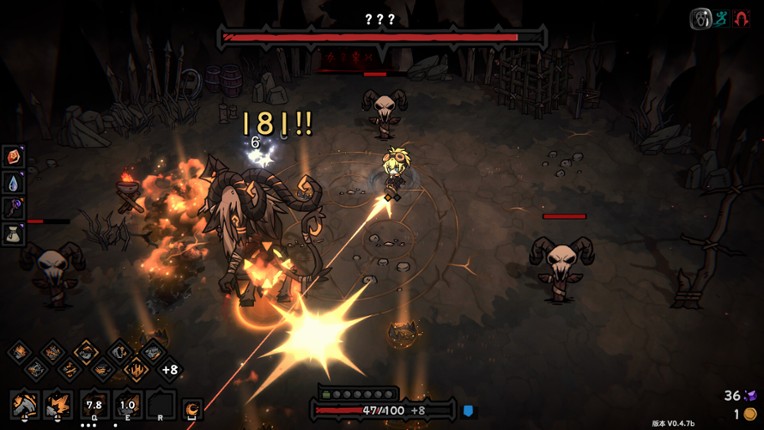
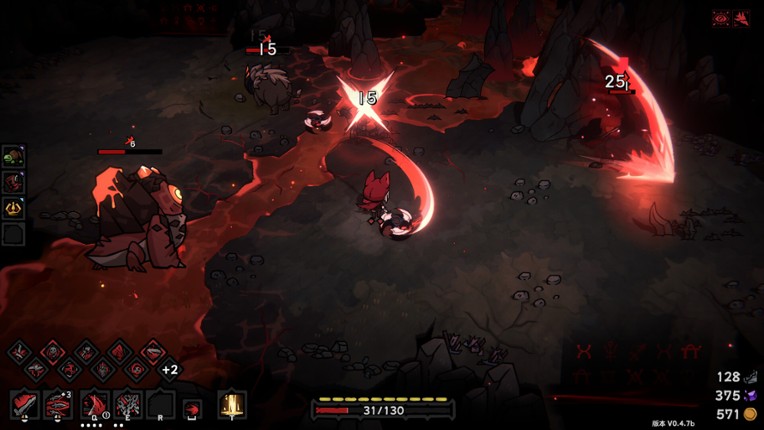
- 96%Game Brain ScoreMost mentioned positive aspects:gameplay, graphicsMost mentioned negative aspects:optimization, grinding96% User Score 698 reviews
A fast, brutal action roguelite with razor-sharp controls and insane build freedom. Fuse embers, magic cards, and gear into wildly overpowered combat styles — and break each run in a world consumed by the Ash Witch. If you enjoyed this game, see our list of games similar to Cinderia.
View Game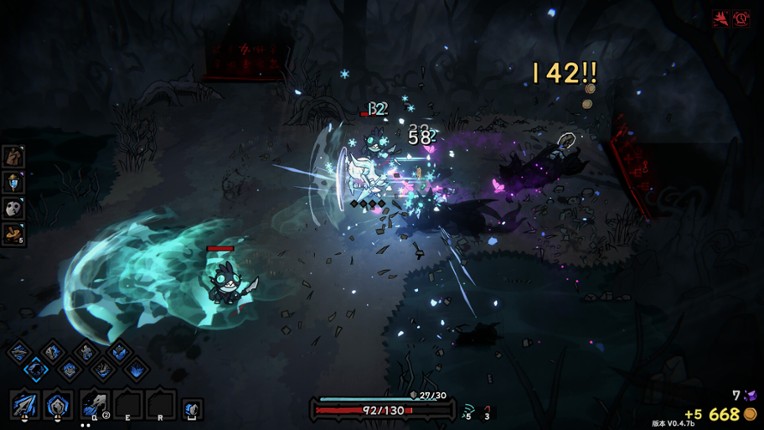
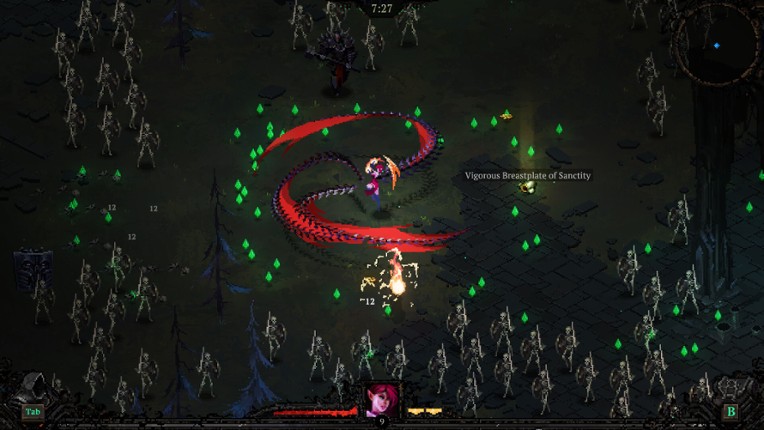
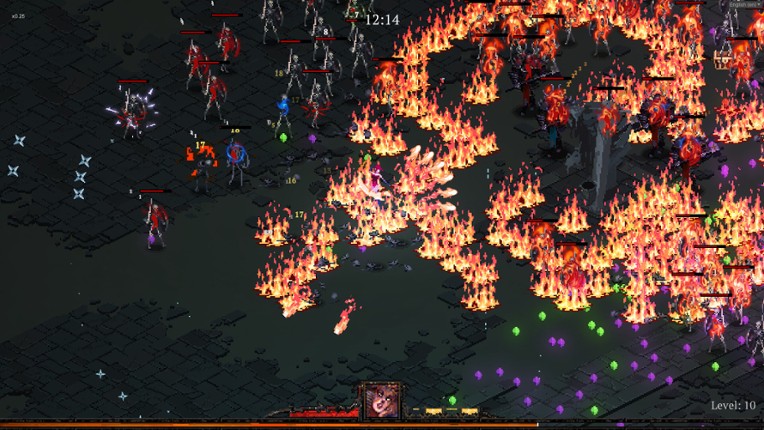
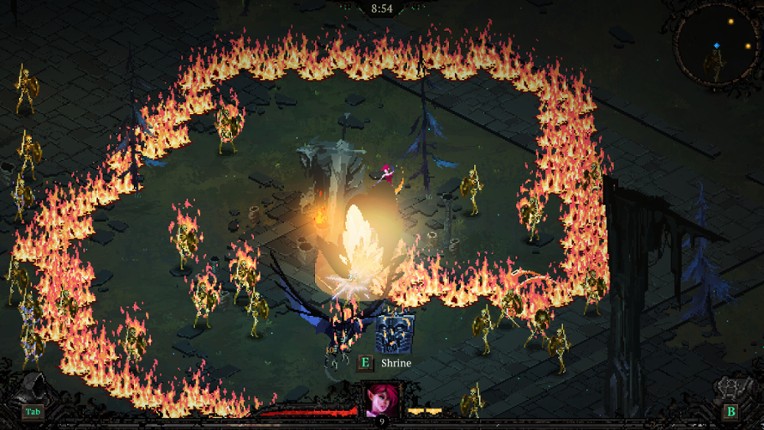
- 93%Game Brain ScoreMost mentioned positive aspects:gameplay, graphicsMost mentioned negative aspects:grinding, monetization93% User Score 23,263 reviewsIntroduces intense pixel-art bullet hell combat with heavier magic focus and dark fantasy elements, trading Hades’ smooth fluidity for brutal procedural chaos. If you enjoyed this game, see our list of games similar to Death Must Die.View Game
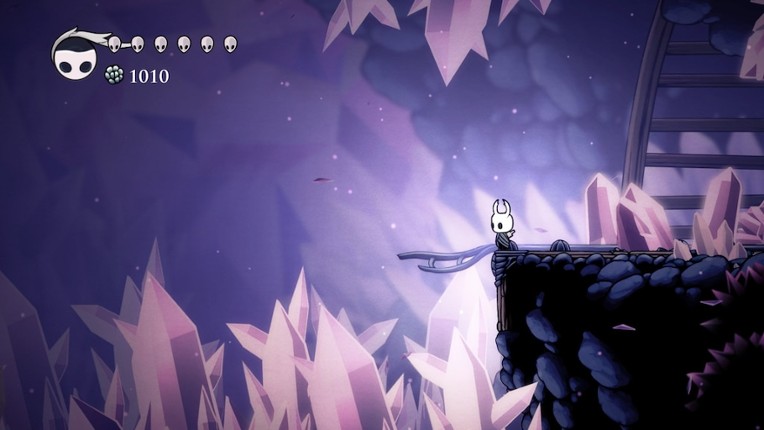
- 94%Game Brain ScoreMost mentioned positive aspects:music, storyMost mentioned negative aspects:grinding, stability97% User Score 193,267 reviewsCritic Score 90%9 reviewsOffers a moody hand-drawn Metroidvania world with a souls-like intensity, exchanging Hades’ fast paced combat for deliberate exploration and multiple endings. If you enjoyed this game, see our list of games similar to null.View Game

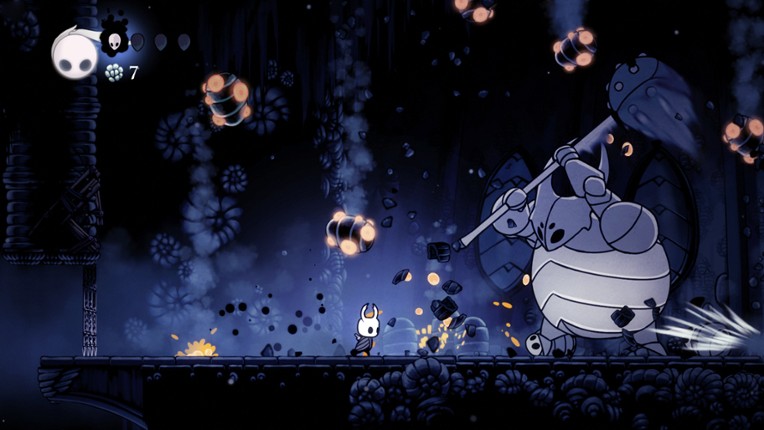
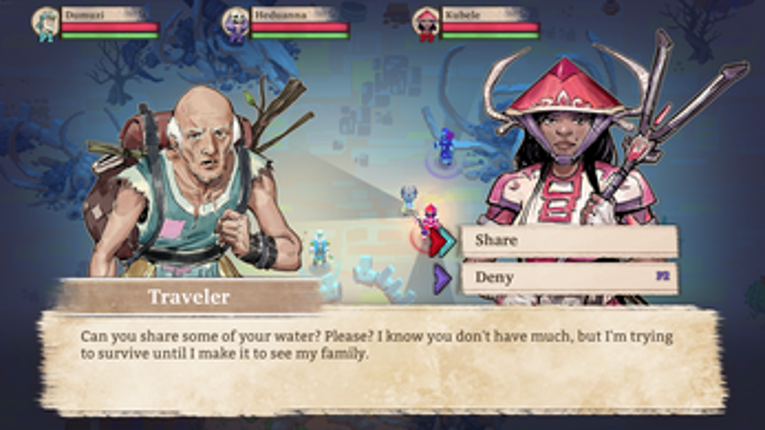
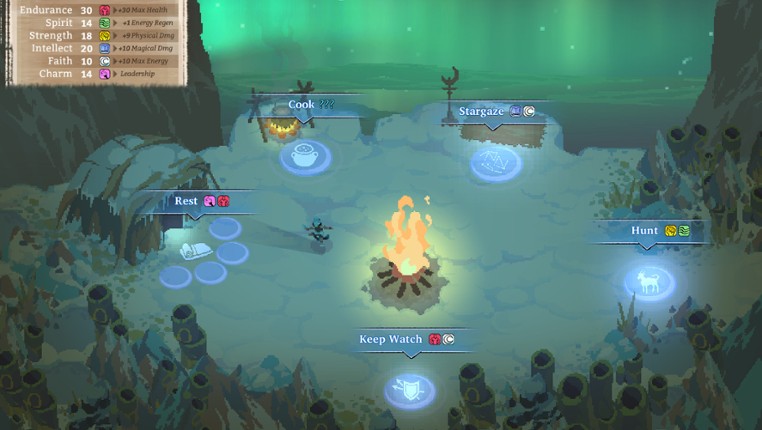
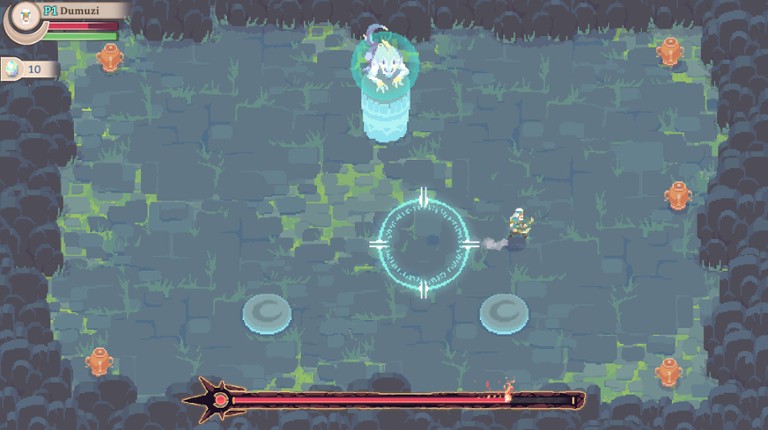
- 73%Game Brain ScoreMost mentioned positive aspects:story, musicMost mentioned negative aspects:stability, grinding78% User Score 3,278 reviewsCritic Score 63%5 reviewsAdds a family-friendly tone and local co-op to Hades’ roguelite dungeon crawling, emphasizing player choices and mythology in a relaxing, colorful package. If you enjoyed this game, see our list of games similar to Moon Hunters.View Game
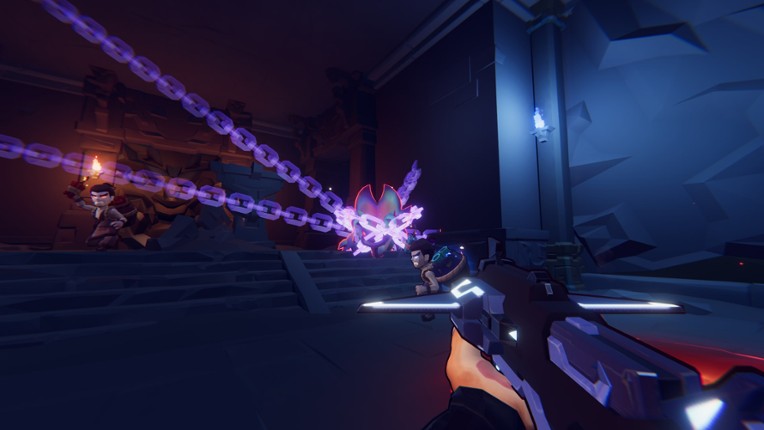
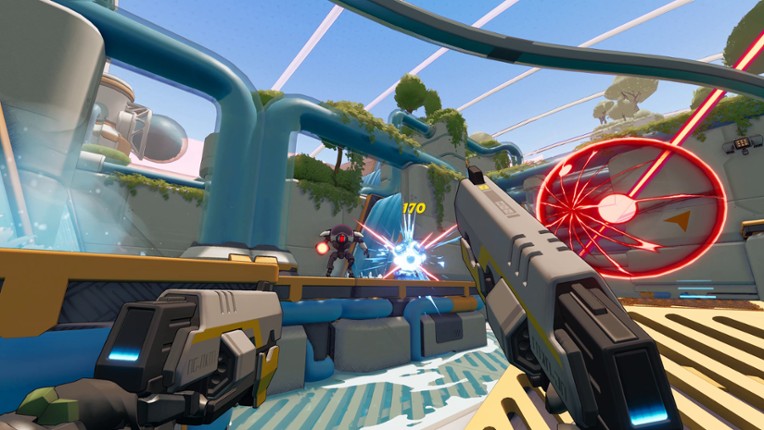
- 91%Game Brain ScoreMost mentioned positive aspects:gameplay, graphicsMost mentioned negative aspects:grinding, story96% User Score 43,264 reviewsCritic Score 76%2 reviewsDitch the isometric hack-and-slash for a first-person shooter perspective that emphasizes gunplay and cooperative tactics over mythological character relationships. If you enjoyed this game, see our list of games similar to Gunfire Reborn.View Game
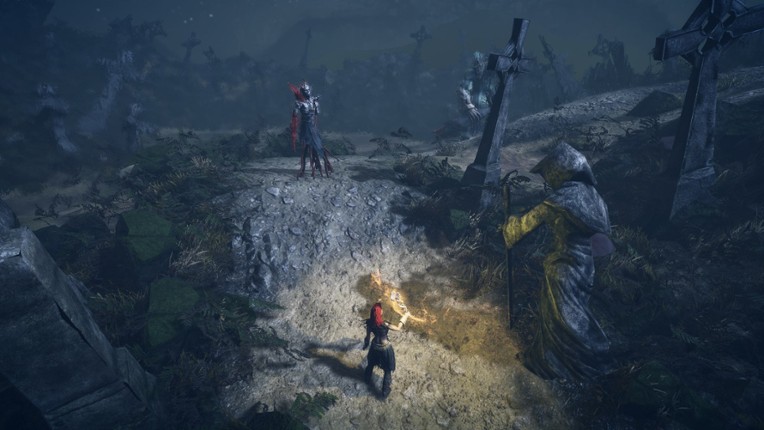
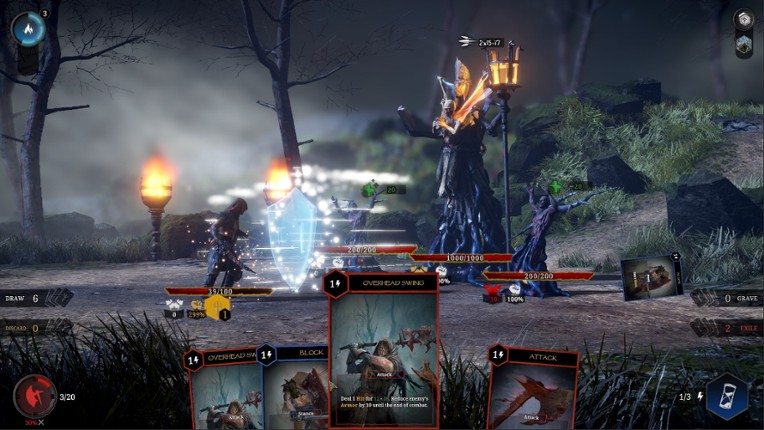
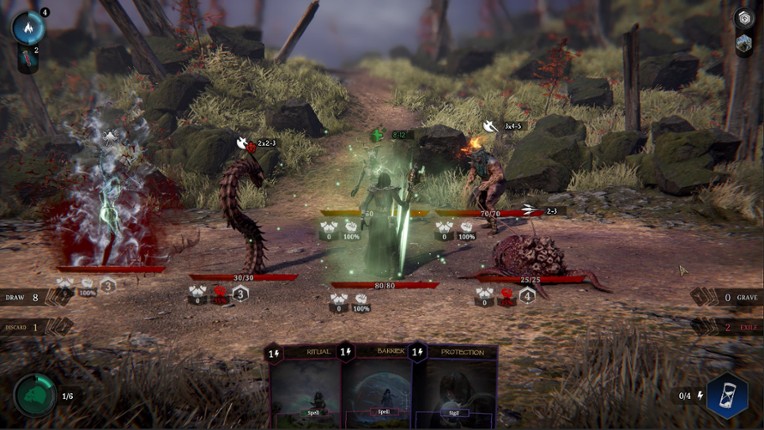
- 90%Game Brain ScoreMost mentioned positive aspects:story, gameplayMost mentioned negative aspects:optimization, grinding90% User Score 7,582 reviewsTurn-based deck-building roguelike preserving Hades' isometric perspective and story-rich replayability but replaces action combat with strategic card play. If you enjoyed this game, see our list of games similar to Tainted Grail: Conquest.View Game
- 92%Game Brain ScoreMost mentioned positive aspects:gameplay, musicMost mentioned negative aspects:grinding, stability96% User Score 16,662 reviewsCritic Score 84%3 reviews
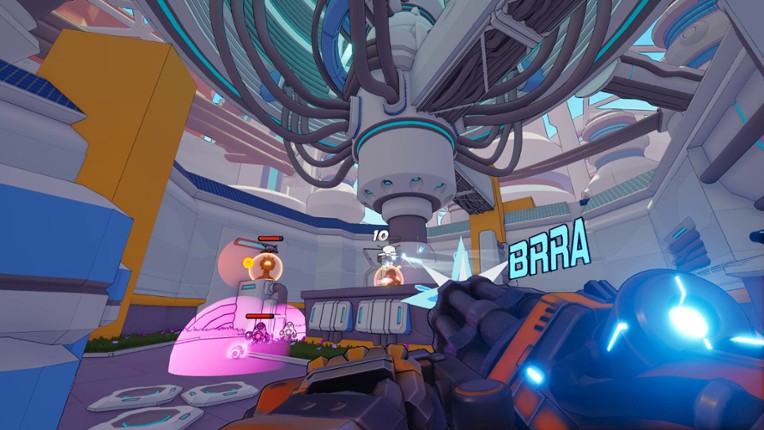
Roboquest is a fast FPS with roguelite mechanics set in a sci-fi world playable solo or in 2-p coop. If you enjoyed this game, see our list of games similar to Roboquest.
View Game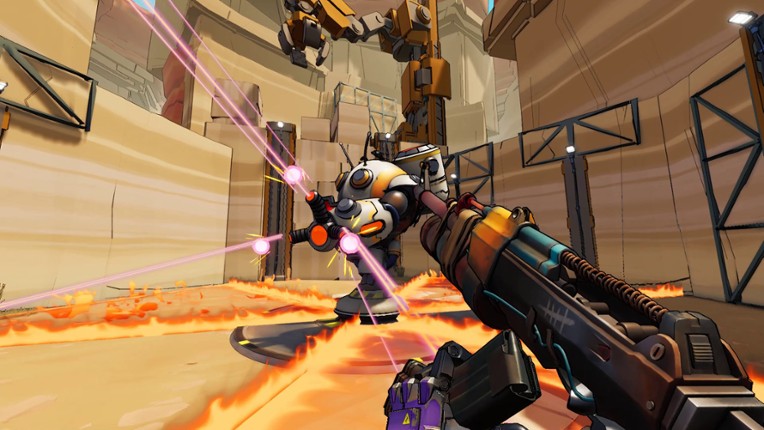
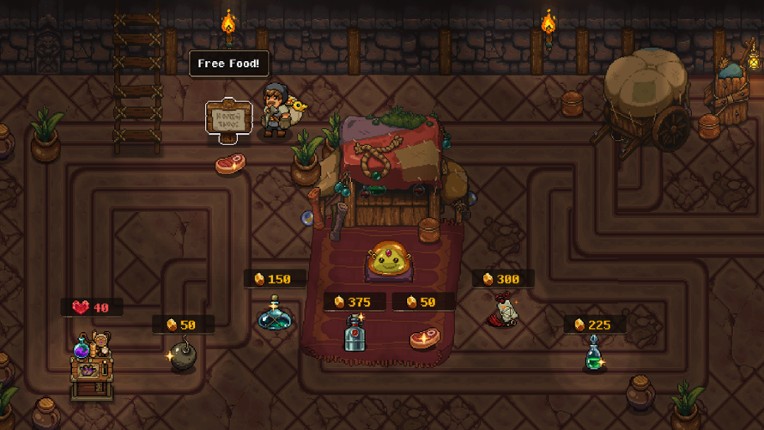
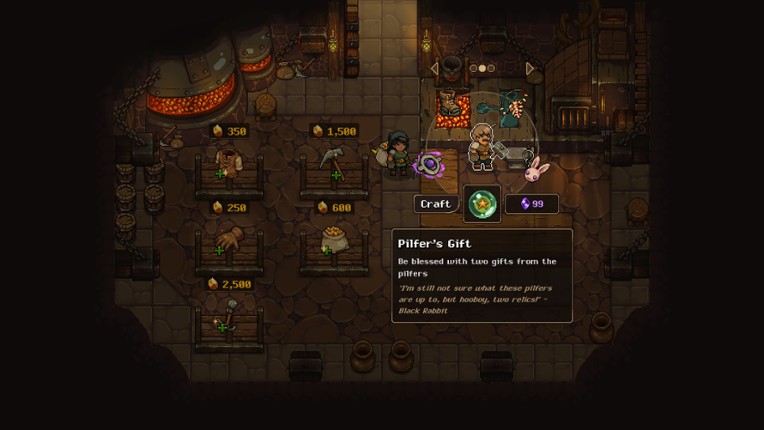
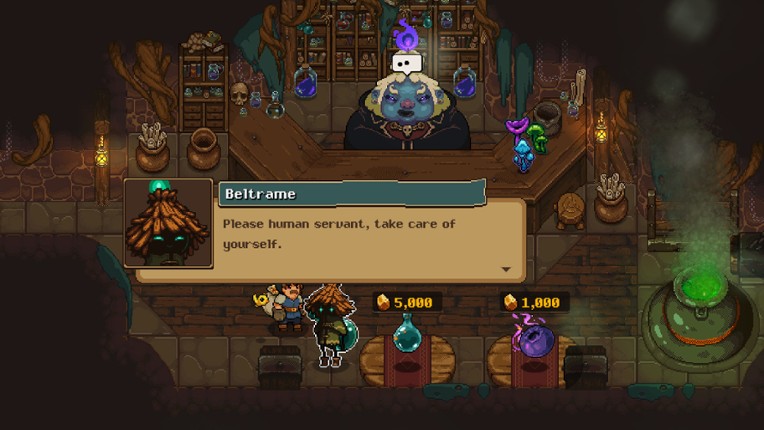
- 85%Game Brain ScoreMost mentioned positive aspects:gameplay, graphicsMost mentioned negative aspects:grinding, stability90% User Score 4,619 reviewsCritic Score 80%15 reviewsRetain the satisfying dungeon crawling loops but strip away the complex narrative web for a more straightforward, loot-focused mining exploration experience. If you enjoyed this game, see our list of games similar to UnderMine.View Game
- 86%Game Brain ScoreMost mentioned positive aspects:gameplay, graphicsMost mentioned negative aspects:grinding, stability86% User Score 9,779 reviewsCritic Score 86%7 reviewsBlends Hades’ roguelike action with multiplayer co-op and a darker fantasy atmosphere, trading solo narrative depth for shared tactical challenges. If you enjoyed this game, see our list of games similar to Ravenswatch.View Game
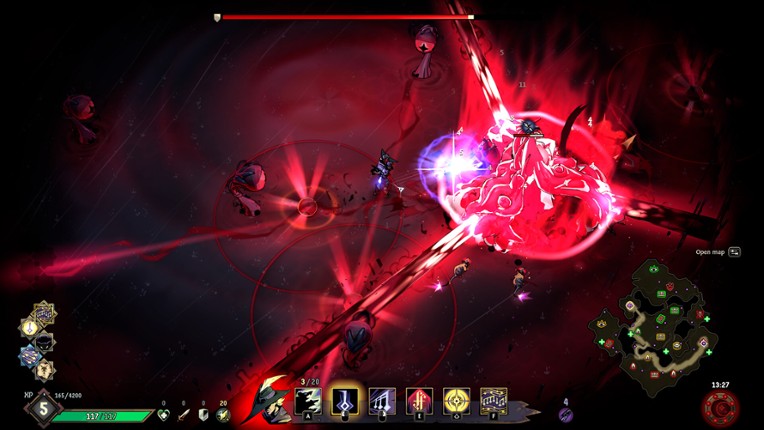
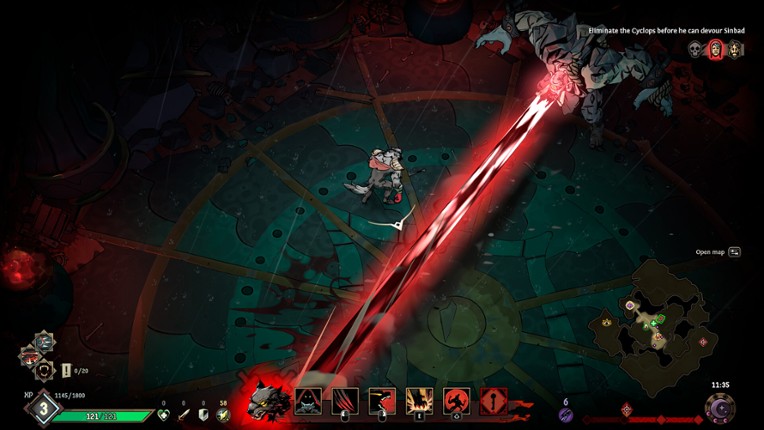
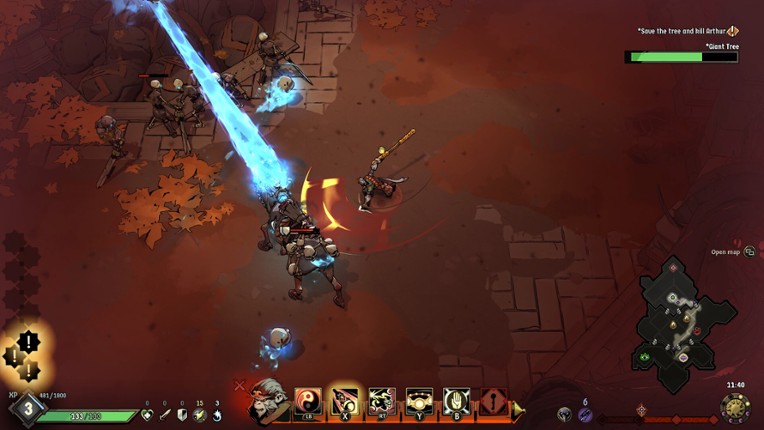
- 97%Game Brain ScoreMost mentioned positive aspects:gameplay, graphicsMost mentioned negative aspects:grinding, stability97% User Score 7,854 reviews
Tiny Rogues is a fantasy rogue-lite bullet-hell dungeon crawler with rpg elements. Build a new unique character each run and fight one monster-infested room after another! Discover unique weapons, collect magical items and level up to become more and more powerful! If you enjoyed this game, see our list of games similar to Tiny Rogues.
View Game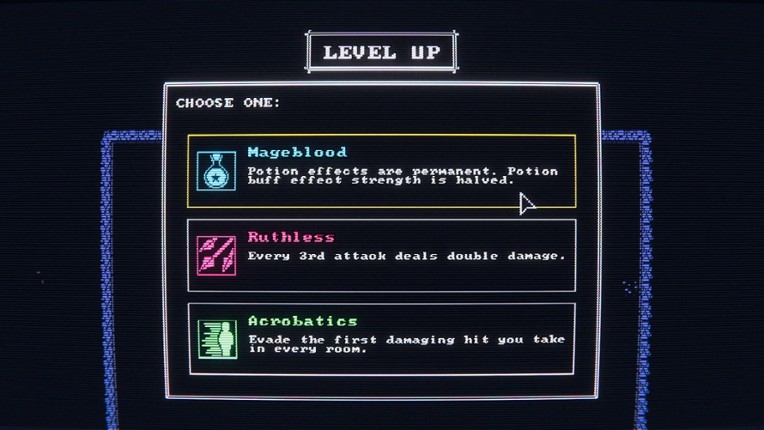
- 84%Game Brain ScoreMost mentioned positive aspects:music, gameplayMost mentioned negative aspects:stability, grinding93% User Score 21,246 reviewsCritic Score 73%8 reviews
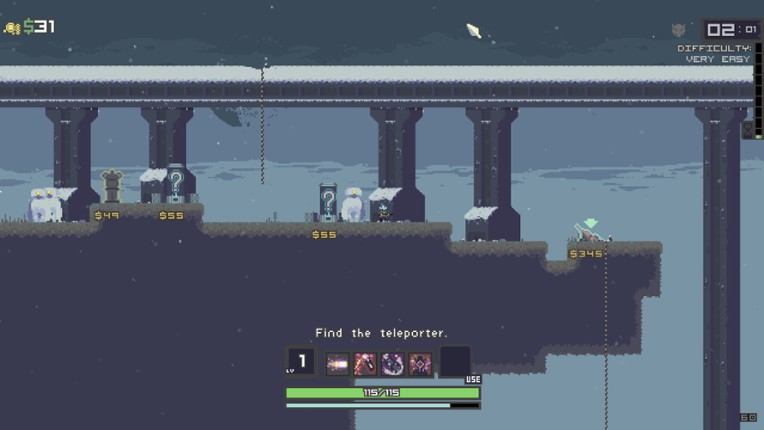
Risk of Rain is an action platformer with roguelike elements. With permanent death as a primary feature, players will have to play their best to get as far as possible. Fight on a mysterious planet with randomly spawning enemies and bosses, either alone or with 3 friends in online co-op. If you enjoyed this game, see our list of games similar to Risk of Rain.
View Game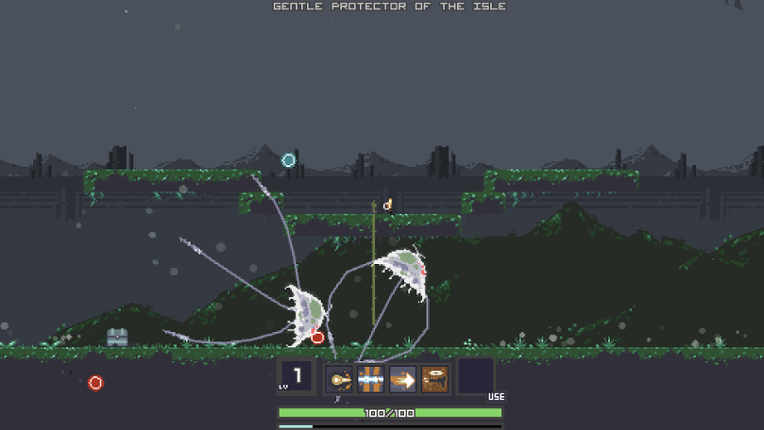
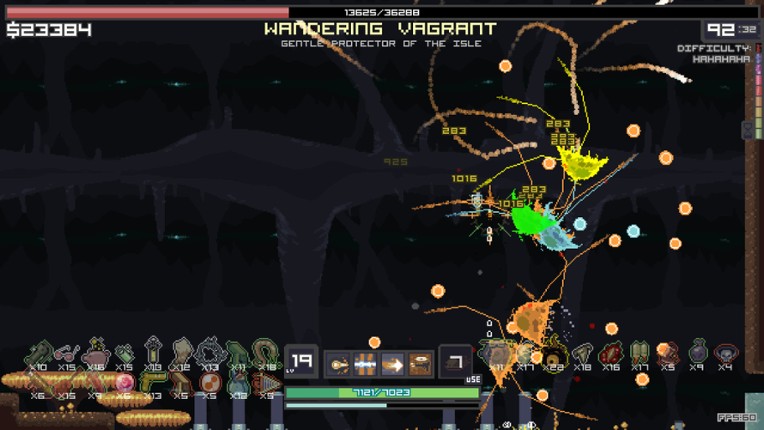
- 84%Game Brain ScoreMost mentioned positive aspects:story, gameplayMost mentioned negative aspects:grinding95% User Score 21,911 reviewsCritic Score 58%4 reviews
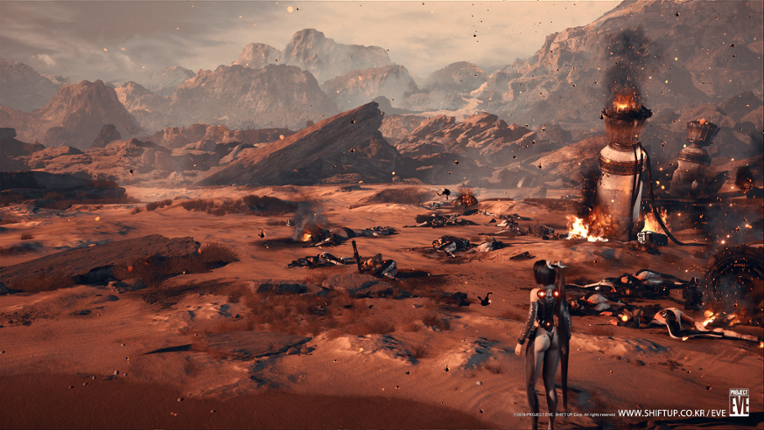
Includes Planet Diving Suit for EVE Classic Round Glasses for EVE Ear Armor Earrings for EVE If you enjoyed this game, see our list of games similar to Stellar Blade.
View Game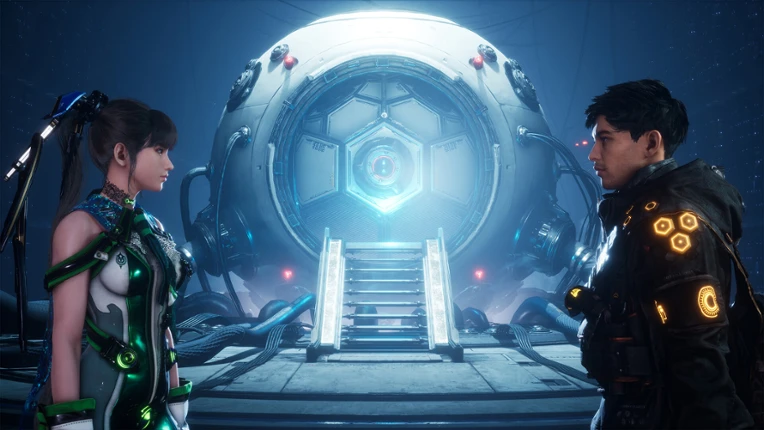

44 View Game
 80%Game Brain ScoreMost mentioned positive aspects:gameplay, storyMost mentioned negative aspects:stability, grinding85% User Score 1,647 reviewsCritic Score 71%4 reviews
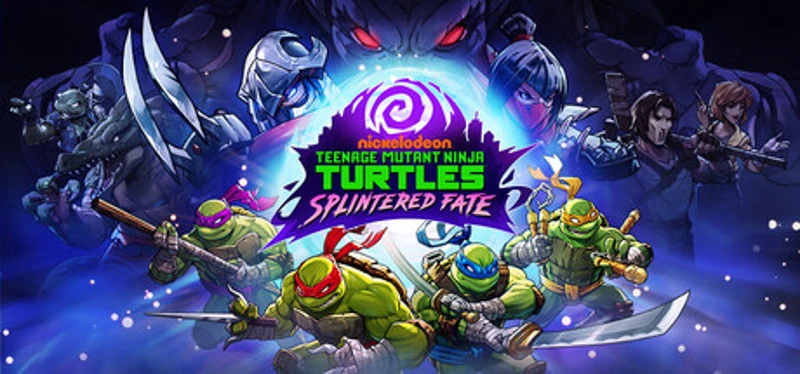
TMNT Splintered Fate - Unleash the Turtles in a rogue-like quest to rescue Splinter from the Foot Clan! Master ninja skills, unite in bodacious co-op gameplay, and conquer iconic NYC locales. If you enjoyed this game, see our list of games similar to Teenage Mutant Ninja Turtles: Splintered Fate.
View Game
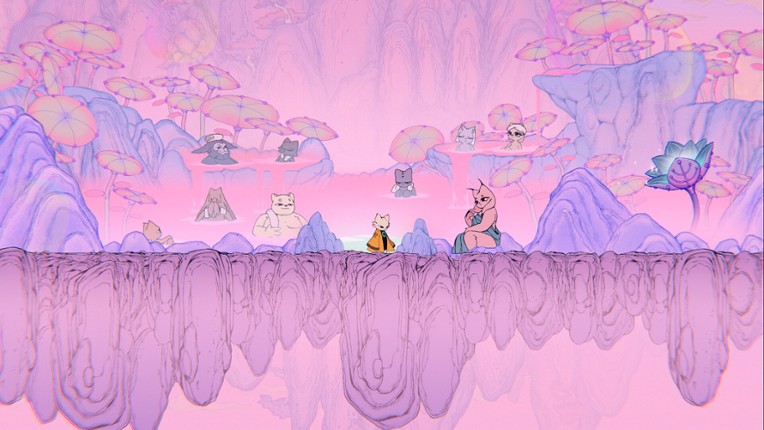
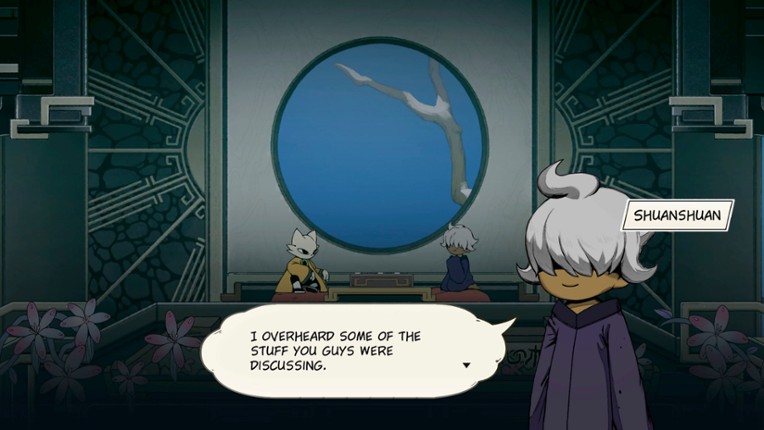
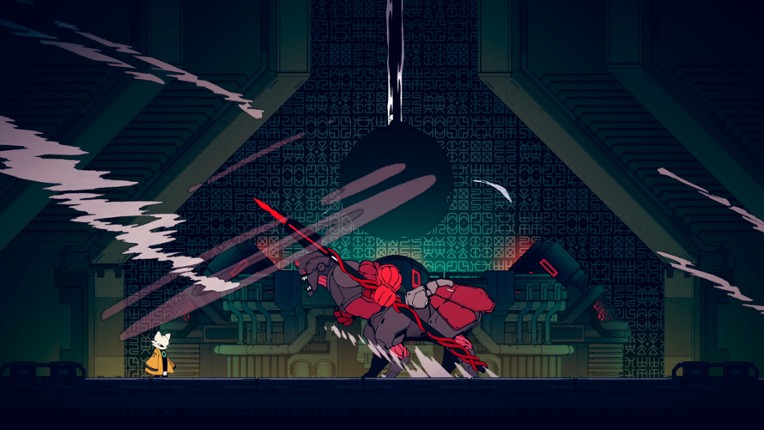
- 91%Game Brain ScoreMost mentioned positive aspects:story, gameplayMost mentioned negative aspects:grinding, stability96% User Score 20,378 reviewsCritic Score 87%10 reviewsFocus on high-stakes parry combat within a brutal science-fantasy world where hand-drawn cat warriors replace the gods of Greek mythology. If you enjoyed this game, see our list of games similar to Nine Sols.View Game
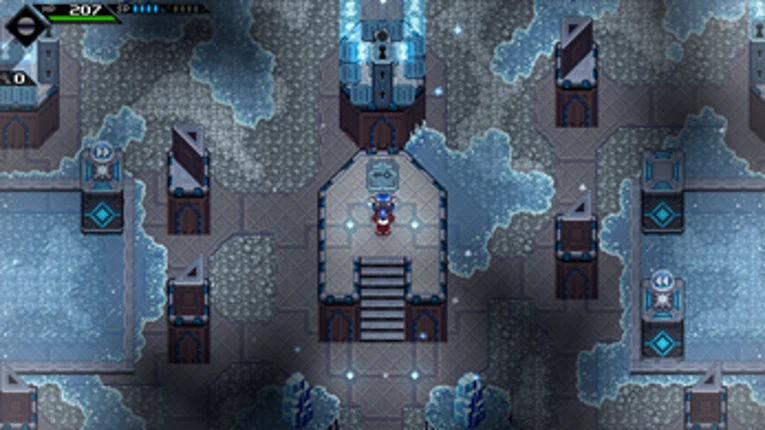
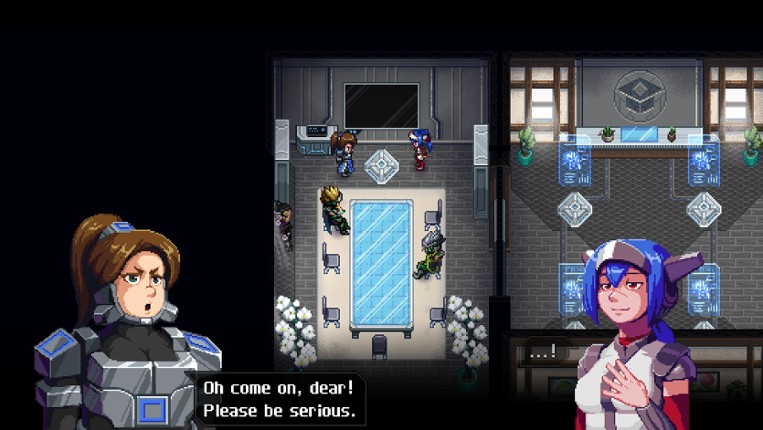
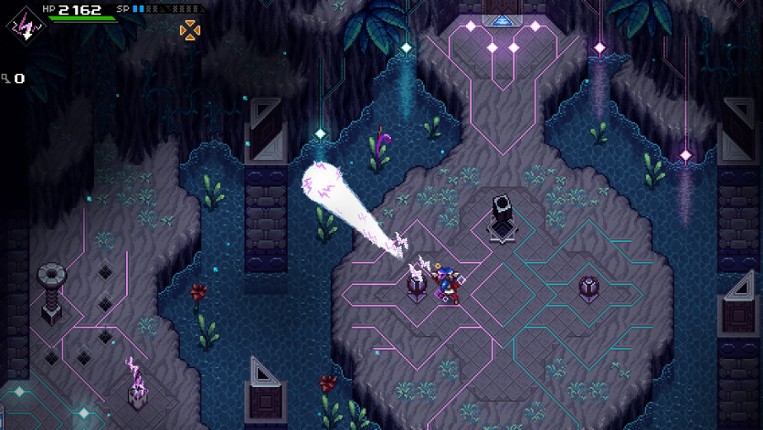
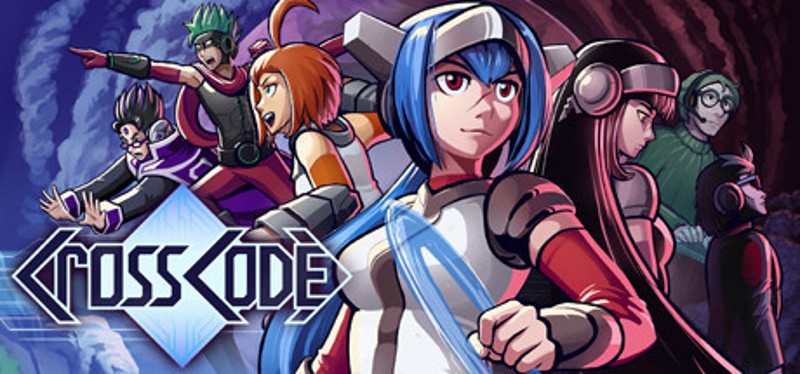
- 92%Game Brain ScoreMost mentioned positive aspects:story, gameplayMost mentioned negative aspects:grinding, optimization94% User Score 17,744 reviewsCritic Score 85%2 reviewsReplaces Hades’ isometric combat with expansive 2D cyberpunk exploration and an anime-inspired story, emphasizing puzzle-solving alongside RPG elements. If you enjoyed this game, see our list of games similar to CrossCode.View Game
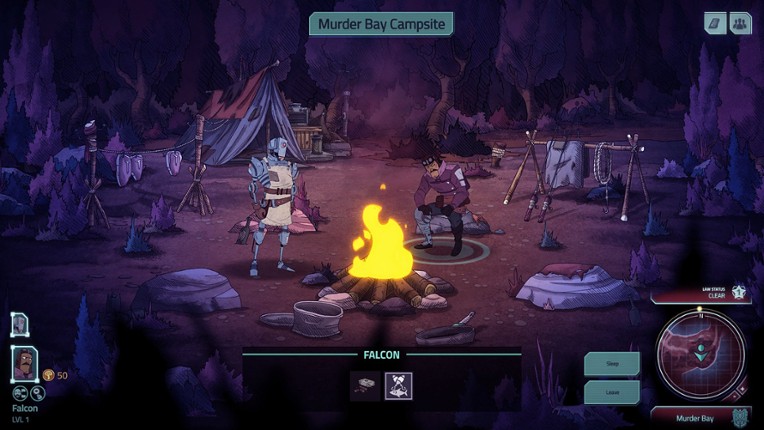
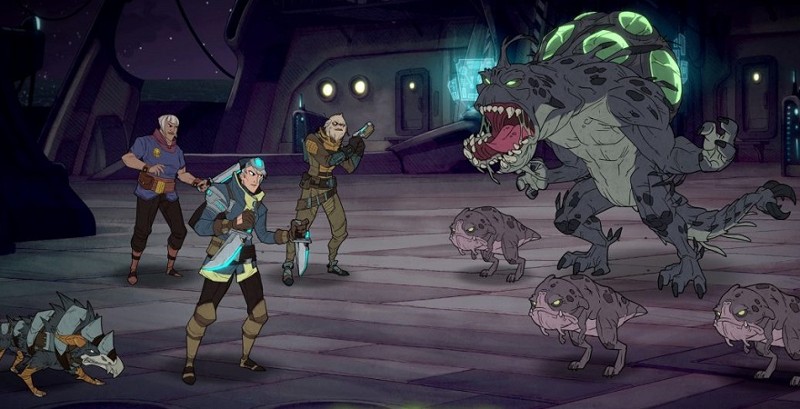
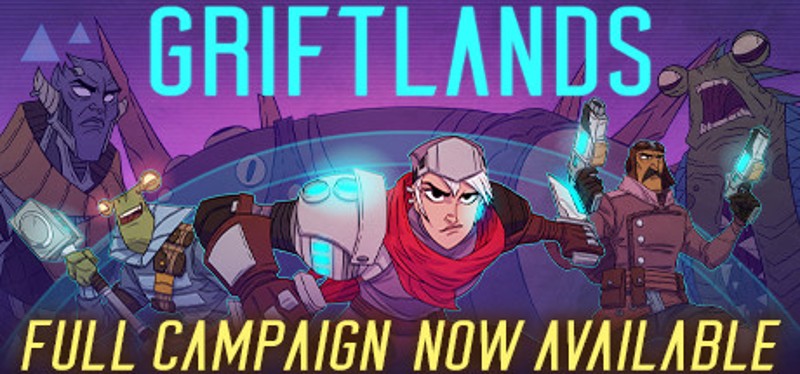
- 92%Game Brain ScoreMost mentioned positive aspects:story, gameplayMost mentioned negative aspects:grinding, stability94% User Score 9,974 reviewsCritic Score 86%3 reviewsReplace twitch-based combat with tactical card drafting, emphasizing deep moral choices and branching dialogue over the frantic pace of Olympian battles. If you enjoyed this game, see our list of games similar to Griftlands.View Game

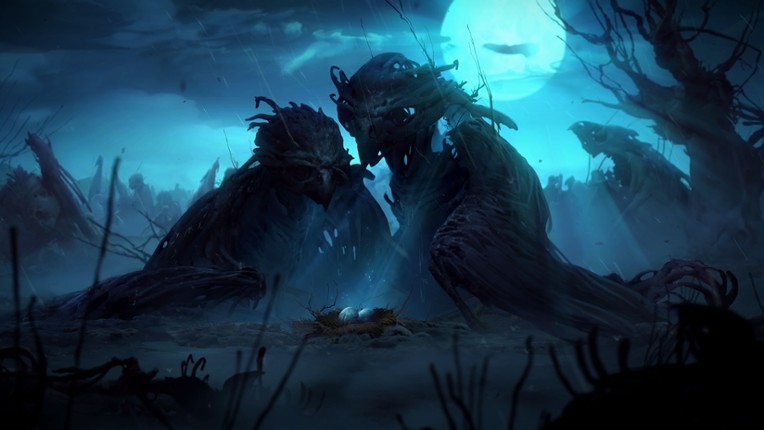
48 View Game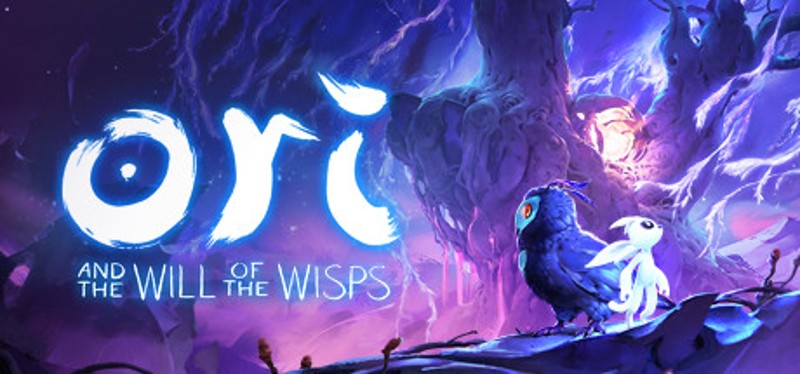 95%Game Brain ScoreMost mentioned positive aspects:story, musicMost mentioned negative aspects:stability, optimization97% User Score 54,976 reviewsCritic Score 92%11 reviewsExchange the aggressive combat loops for a melancholic, platforming-focused odyssey that favors emotional atmosphere and fluid movement over repetitive dungeon runs. If you enjoyed this game, see our list of games similar to Ori and the Will of the Wisps.View Game

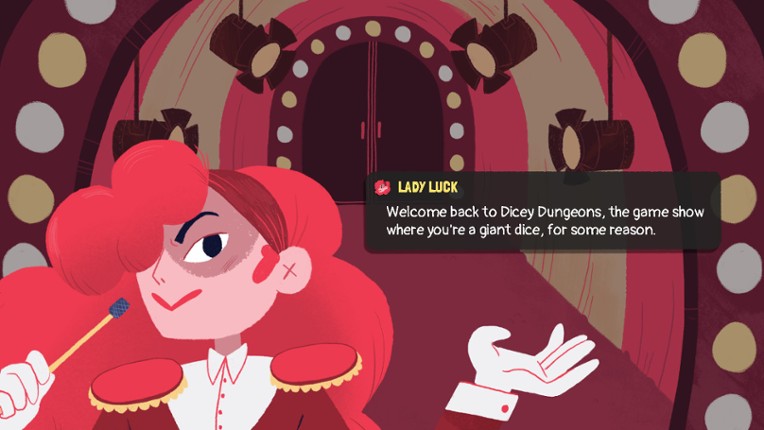
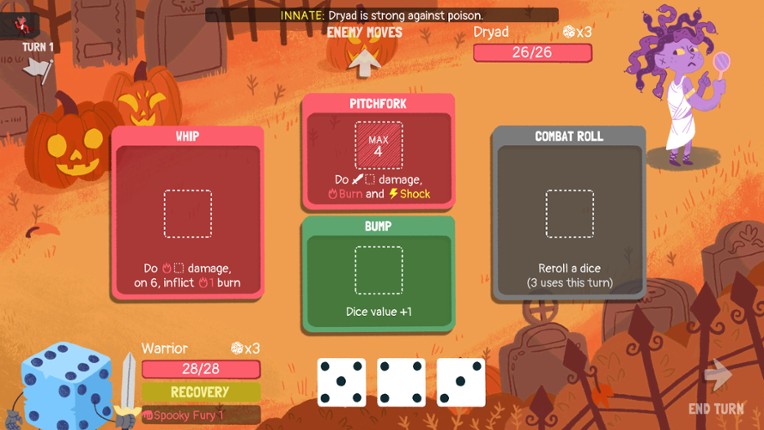
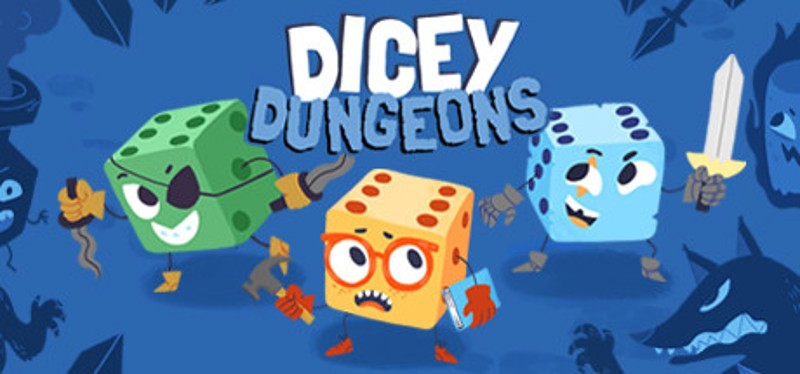
- 85%Game Brain ScoreMost mentioned positive aspects:gameplay, musicMost mentioned negative aspects:grinding, stability90% User Score 7,171 reviewsCritic Score 79%11 reviewsPrioritize math and inventory management as you battle through dungeon rooms using dice rolls rather than the high-speed strikes of Hades. If you enjoyed this game, see our list of games similar to Dicey Dungeons.View Game
- 92%Game Brain ScoreMost mentioned positive aspects:story, gameplayMost mentioned negative aspects:grinding, monetization97% User Score 21,245 reviewsCritic Score 87%28 reviews
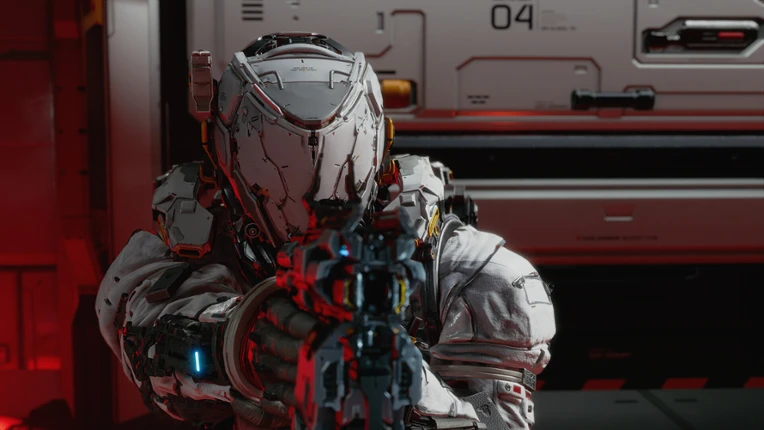
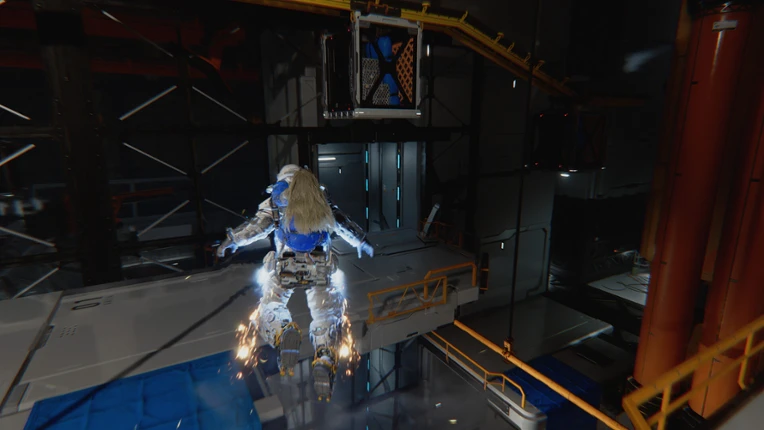
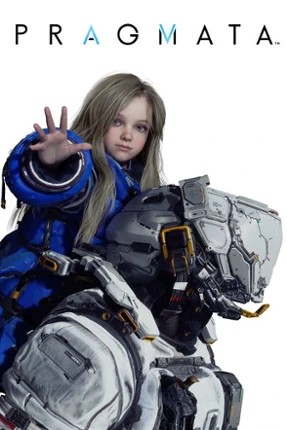
Capcom’s newest IP—PRAGMATA. An all-new Science Fiction action adventure with its own unique hacking twist! It is the near future, and protagonists Hugh and his android companion Diana, must work together as they make their way through the cold lunar research station. If you enjoyed this game, see our list of games similar to Pragmata.
View Game


 View Game


















Frequently Asked Questions
Dead Cells is the closest match, offering fluid combat and procedurally generated levels with excellent replayability. Hades II refines the original's formula with improved gameplay and stunning visuals. For a different pace, Slay the Spire delivers roguelike depth through deck-building strategy instead of action combat.
Bastion combines action RPG gameplay with exceptional storytelling through dynamic narration and a gorgeous soundtrack. Children of Morta offers emotional narrative depth across a family of heroes, while Katana ZERO weaves a compelling neo-noir story into fast-paced platforming action.
Yes, Dead Cells, Hades II, Bastion, and Slay the Spire are all available on Nintendo Switch. These games maintain their core experience on portable hardware while offering the same addictive roguelike mechanics and exceptional design that made Hades successful.
Dead Cells uses procedural generation with weapon variety to keep runs fresh. Children of Morta combines roguelite structure with permanent character progression. Astral Ascent emphasizes diverse character builds and scaling difficulty, ensuring each run feels distinct while building toward long-term goals.
Slay the Spire is affordable and offers hundreds of hours of roguelike content. Many similar games like Dead Cells and Bastion frequently go on sale. Check your platform's sales regularly, as indie roguelikes often receive significant discounts compared to AAA titles.
Children of Morta is your best choice, featuring split-screen local co-op for up to two players with full story support. Astral Ascent also offers local co-op gameplay with cooperative combat mechanics. Both maintain the action-roguelike experience while letting you play alongside a friend.