


Games like Balatro
If Balatro has burrowed into your brain and you've started dreaming in poker hands and joker combos, you're not alone — and you're probably here hunting for games like Balatro to fill that very specific void. This is a game that fuses roguelike deckbuilding with arcade-style score-chasing, wrapping it all in slick pixel aesthetics and an impossibly good soundtrack. The good news: there's a thriving ecosystem of games that scratch exactly that itch.
What makes Balatro so hard to put down is the intersection of systems it occupies. It's a roguelike deckbuilder at heart, but it plays more like a puzzle you're solving at high speed — each run is a fresh procedurally generated challenge where synergies between cards and jokers snowball into something deeply satisfying. The difficulty is real, the replayability is enormous, and yet the whole thing feels relaxing in the way only a perfectly tuned loop can. Players who love it are chasing that feeling of a clever build clicking into place.
What Makes a Good Alternative to Balatro?
- Roguelike deckbuilding — The core of Balatro's appeal is building and shaping a deck across a run, so the best alternatives share this loop of drafting, upgrading, and discovering broken synergies.
- Procedural generation and replayability — Each Balatro run feels distinct because the card and joker pool is randomized. Great alternatives offer the same "no two runs alike" quality that keeps players returning for hundreds of hours.
- Rewarding difficulty — Balatro is genuinely hard, but the challenge feels fair and learnable. Alternatives should offer that same tension where skill and strategy matter as much as luck.
- Satisfying score or resource escalation — Balatro's multiplier system creates explosive, snowballing moments. Games that replicate this sense of numbers spiraling gloriously upward hit the same dopamine notes.
- Strong atmosphere through art and music — Players consistently praise Balatro's audiovisual presentation. The best alternatives don't just play well — they feel cohesive, with a distinct personality carried through soundtrack and visual style.
Top Picks If You Enjoyed Balatro
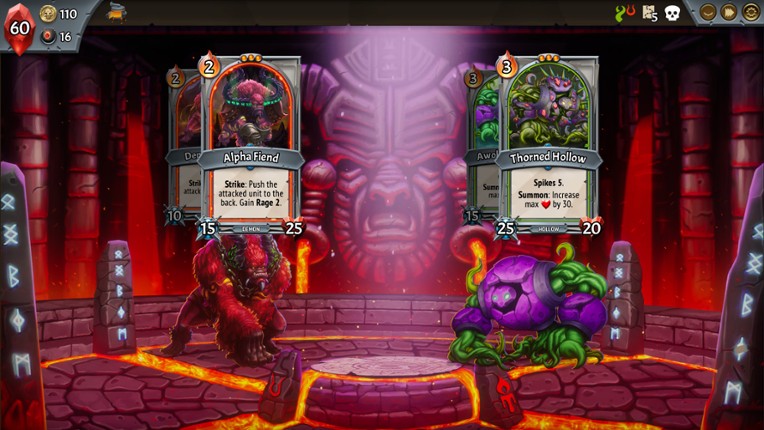
Slay the Spire is the genre's gold standard — deep synergies, brutal runs, endlessly replayable. Monster Train layers in tower defense strategy with clever clan combinations. Luck be a Landlord channels Balatro's slot-machine soul into a resource-management roguelike. Dungeon Clawler brings a wildly original claw-machine mechanic to deckbuilding. And My Card Is Better Than Your Card! offers a cozy, creative card-crafting loop with surprising strategic depth.
Every recommendation below is ranked by similarity to Balatro using real player data, so the closest matches appear first. Scroll through the full list to find your next obsession.
- 84%Game Brain ScoreMost mentioned positive aspects:gameplay, graphicsMost mentioned negative aspects:grinding, story85% User Score 2,699 reviewsCritic Score 83%5 reviews
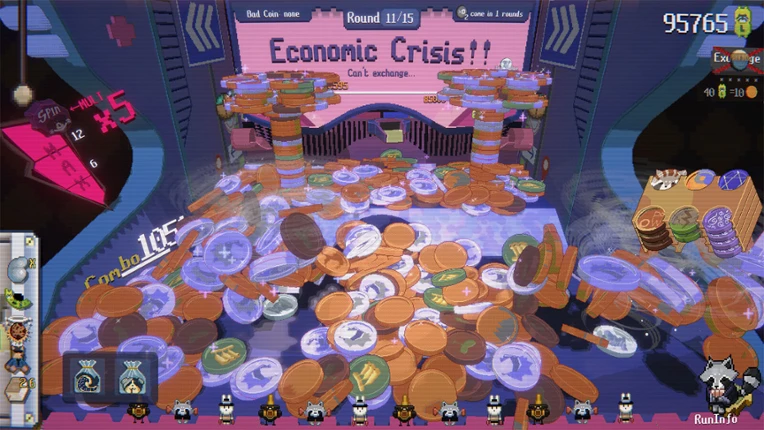
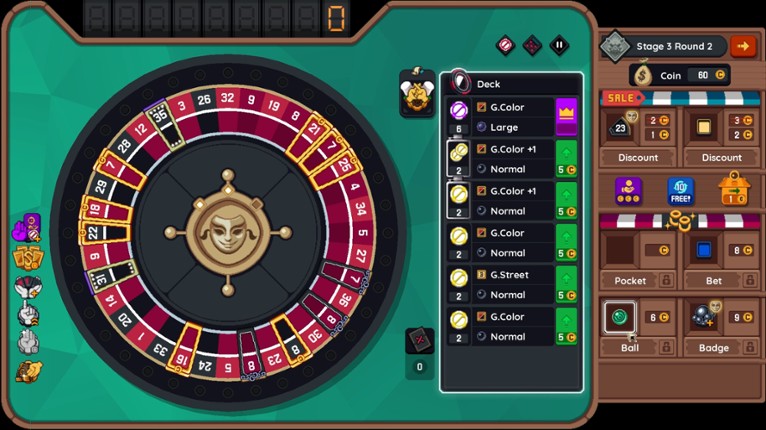
A coin-pushing dopamine machine. RACCOIN is a roguelike deckbuilder where you combine special coins with powerful items to trigger wildly satisfying combos. Stack shiny towers, spin the lucky wheel, and shake the machine until all the coins drop. If you enjoyed this game, see our list of games similar to RACCOIN: Coin Pusher Roguelike.
View Game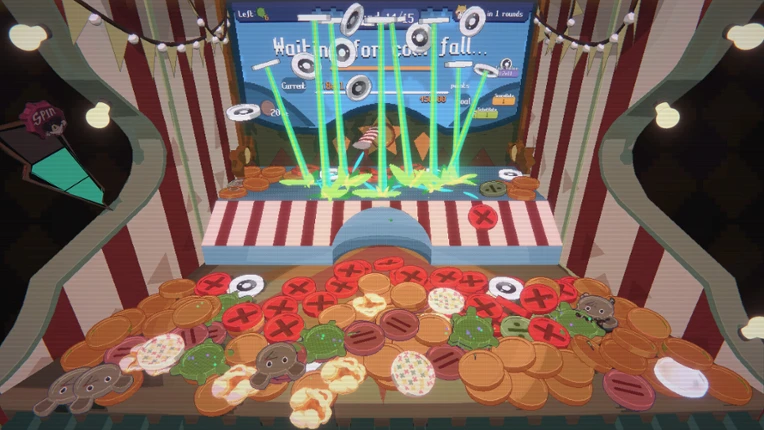
- 96%Game Brain ScoreMost mentioned positive aspects:gameplay, replayabilityMost mentioned negative aspects:grinding, monetization98% User Score 121,526 reviewsCritic Score 88%2 reviews
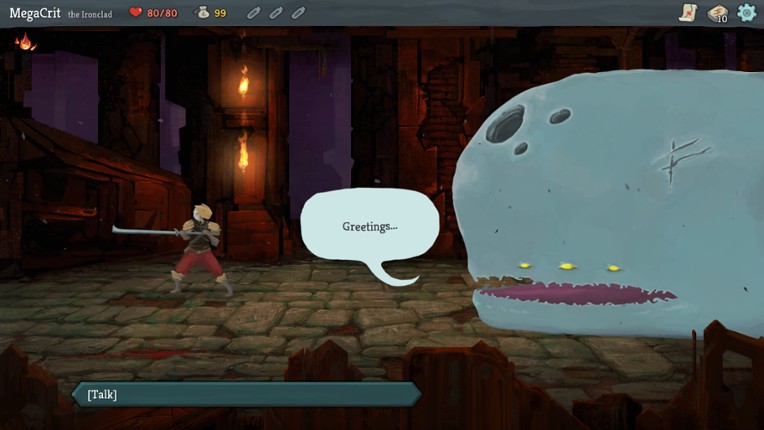
Both games hinge on the same high-stakes decision loop: each turn, you're assembling a temporary power engine from limited resources, watching it fire, then immediately deciding what to add or remove before the next run begins. In Balatro you're stacking poker hands; in Slay the Spire you're chaining card synergies. The dopamine hit feels identical because the core tension is identical—one bad pick can cascade into a run-ending collapse.
The procedural deckbuilding system creates that crucial replayability both games nail. Every run forces you to adapt to what the game offers rather than executing a pre-planned strategy, which means your previous winning deck becomes obsolete and forces fresh problem-solving. You're not grinding the same solution repeatedly; you're constantly improvising within hard constraints.
Where Slay the Spire diverges is narrative progression through a dungeon—you're moving between encounters with story beats and persistent upgrades, rather than chasing a single high score. This addresses Balatro's grinding concern by giving you structural variety and a sense of journey, not just loop optimization.
Best for players who want their roguelike deck-crafting to breathe across a full campaign while maintaining that obsessive, moment-to-moment decision intensity you loved in Balatro.
If you enjoyed this game, see our list of games similar to Slay the Spire.View Game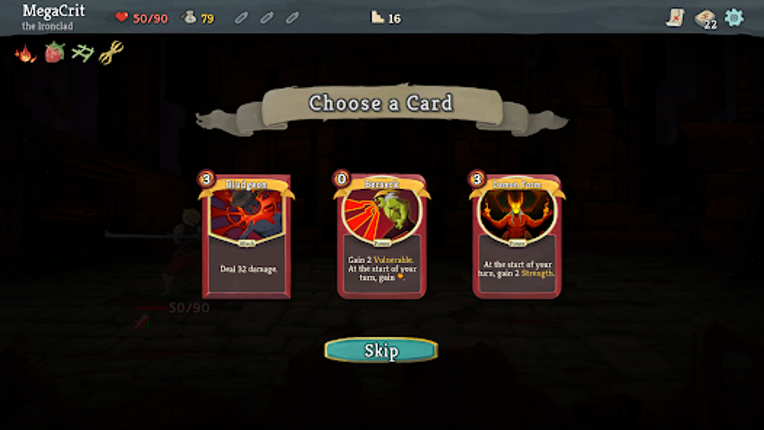
- 84%Game Brain ScoreMost mentioned positive aspects:gameplay, musicMost mentioned negative aspects:grinding, optimization84% User Score 2,345 reviews
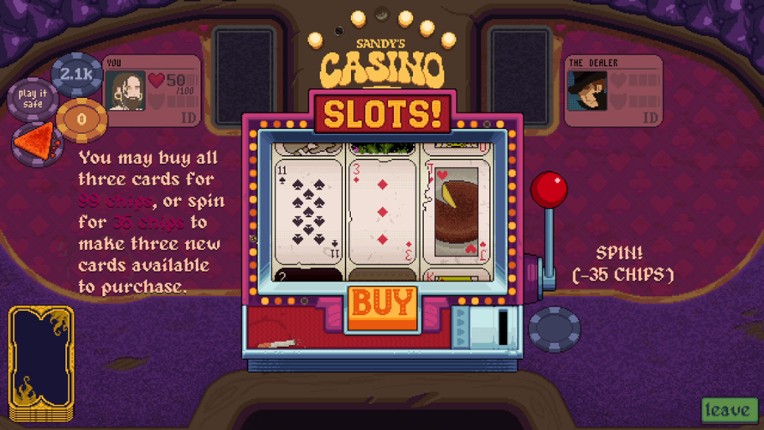
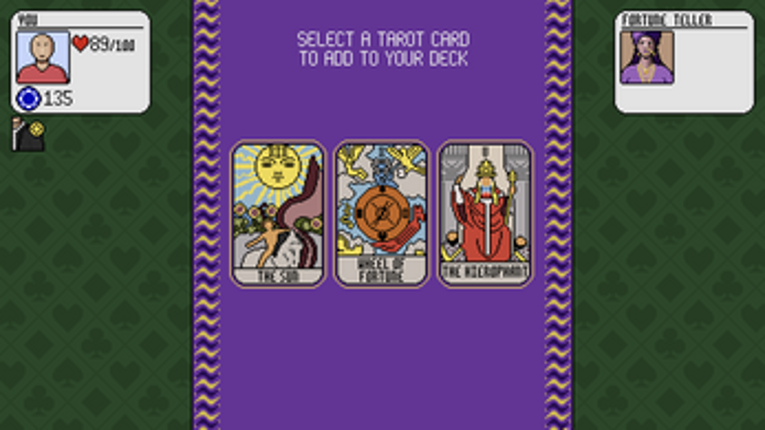
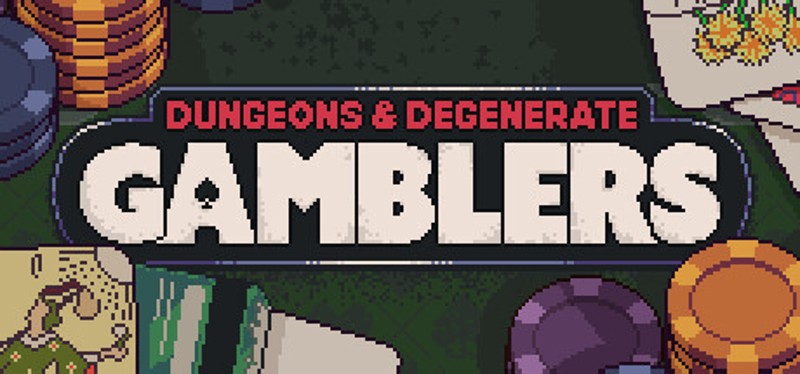
Dungeons & Degenerate Gamblers You've never played blackjack with cards like these! Dungeons & Degenerate Gamblers is a roguelike deckbuilder where you play blackjack using lots of cards with unique effects that you would never expect to see in a game of blackjack. This is the demo for the game, there are more opponents, floors, and of course cards coming soon! In the meantime, wishlist the game o… If you enjoyed this game, see our list of games similar to Dungeons & Degenerate Gamblers.
View Game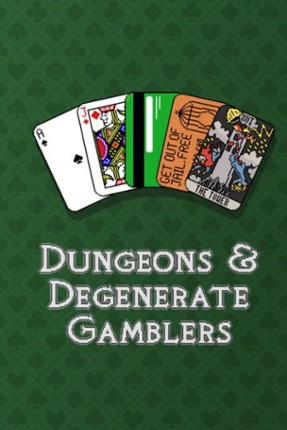
- 88%Game Brain ScoreMost mentioned positive aspects:gameplay, musicMost mentioned negative aspects:grinding, monetization94% User Score 6,126 reviewsCritic Score 76%4 reviews
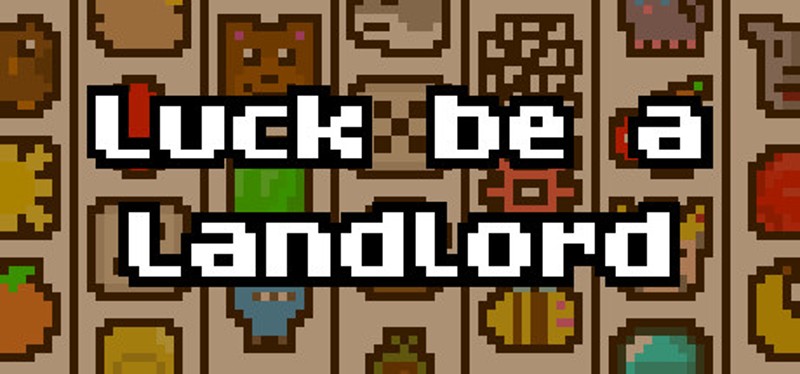
Both games center on the thrill of turning a rigged system against itself through explosive, compounding multipliers. You will find that same obsessive hunt for high-score synergies, replacing poker-themed Jokers with a diverse array of slot symbols that buff, destroy, or transform one another.
This engine-building loop mirrors the poker-hand scaling of Balatro, requiring you to anticipate future needs while managing immediate, escalating "rent" payments. The satisfaction stems from the procedural discovery of broken interactions, where a single lucky draft can send your score into the millions.
Instead of calculating turn-by-turn hand management, this experience shifts the focus toward pure drafting strategy and automated execution. While Balatro’s progression can occasionally feel like a long grind, the snappier runs here offer a faster pace that keeps the "one more round" momentum high without heavy mental fatigue.
Best for players who prioritize mathematical theory-crafting and high-speed experimentation over meticulous tactical play.
If you enjoyed this game, see our list of games similar to Luck be a Landlord.View Game

- 93%Game Brain ScoreMost mentioned positive aspects:gameplay, musicMost mentioned negative aspects:stability, grinding93% User Score 2,288 reviews
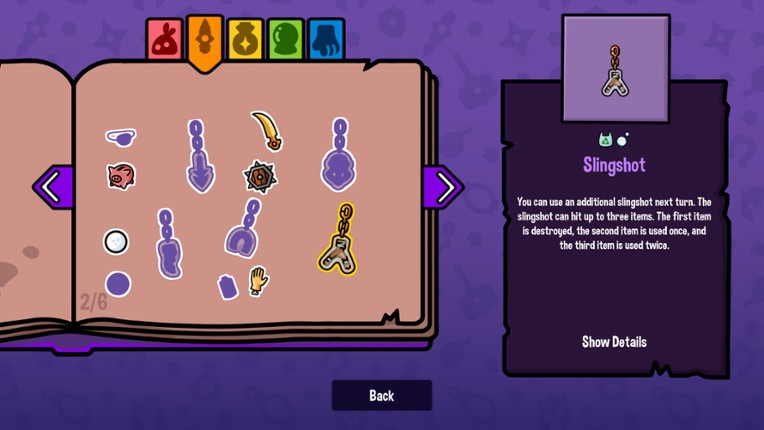
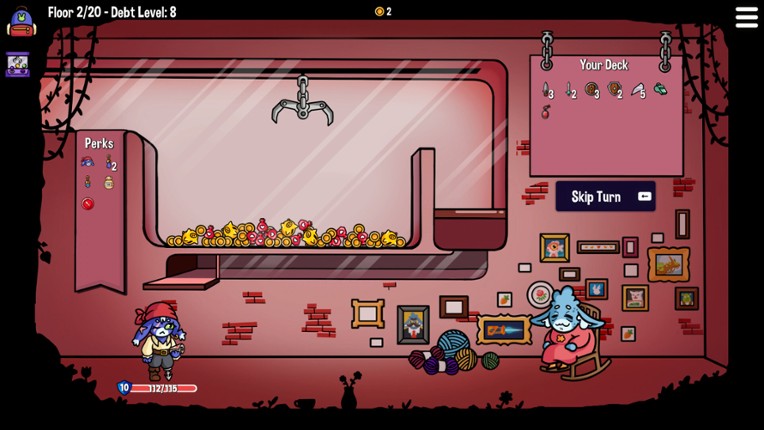
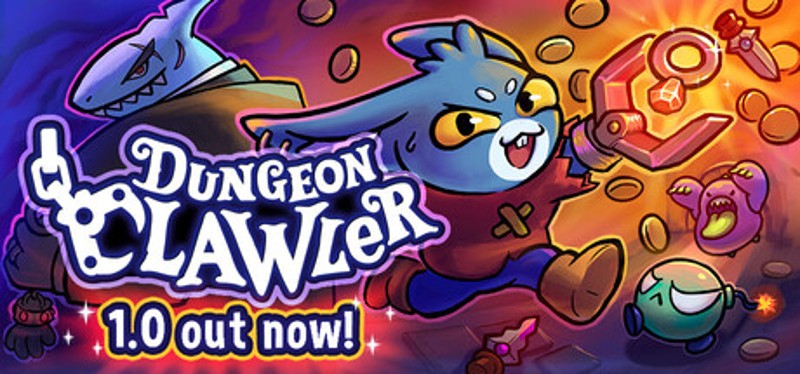
That one-more-run feeling of turning a messy start into a busted build is where Dungeon Clawler clicks for Balatro fans. Both games reward improvisation under pressure, with deckbuilding, procedural runs, and tough turn-based choices that make every reward screen feel like a gamble. The fun comes from shaping a plan on the fly and watching it snowball when the pieces finally line up.
The claw machine system gives the run a new kind of control loop: you are not just drafting power, you are literally fishing for the right item at the right time. That creates the same strategic tension Balatro players love, because luck matters, but smart item choices and build direction still determine whether a run survives. Its varied characters and loadout paths also keep replay value high, just as different joker synergies do.
The main tradeoff is the physical claw gimmick, which adds a fresh layer of timing and risk instead of pure card optimization. Balatro’s grinding can feel repetitive, and Dungeon Clawler offers a stronger sense of tactile variety between runs. Best for players who enjoy roguelite systems and chasing clever builds over pure spectacle.
If you enjoyed this game, see our list of games similar to Dungeon Clawler.View Game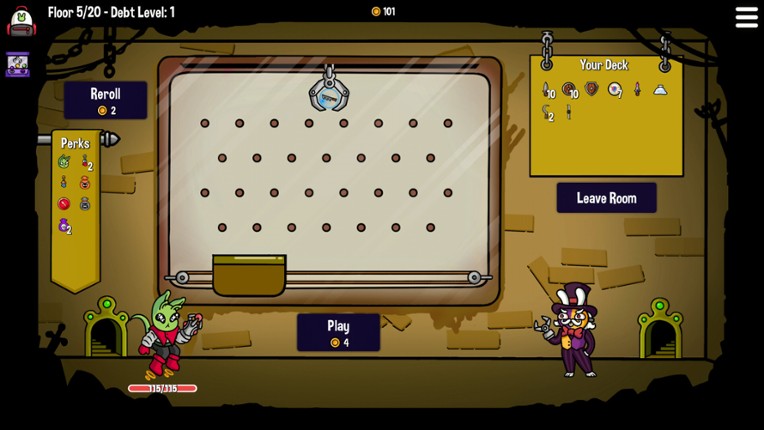
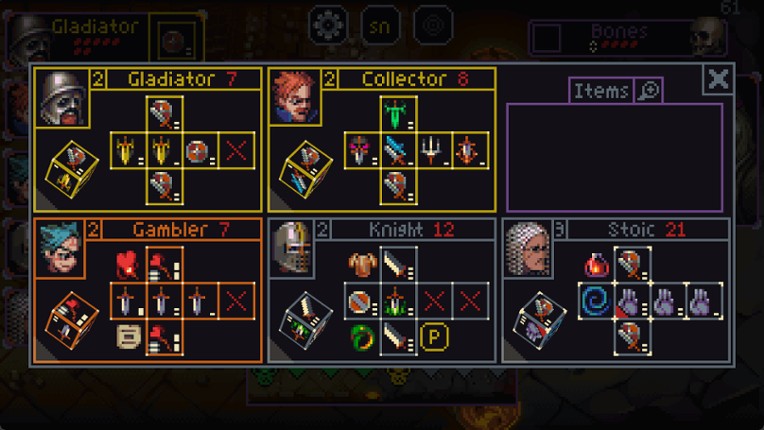
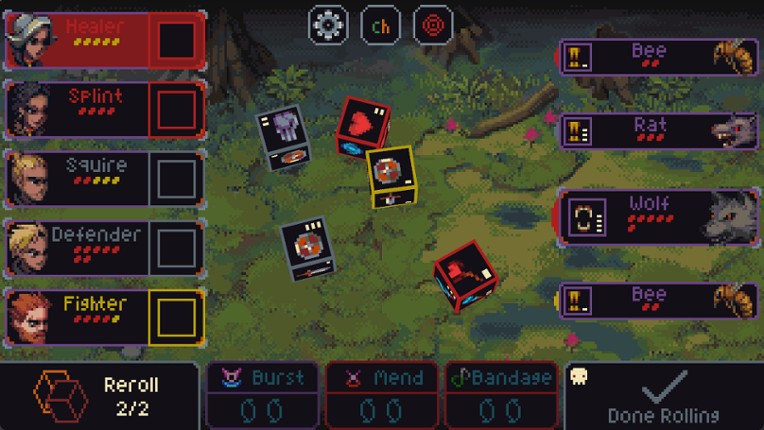
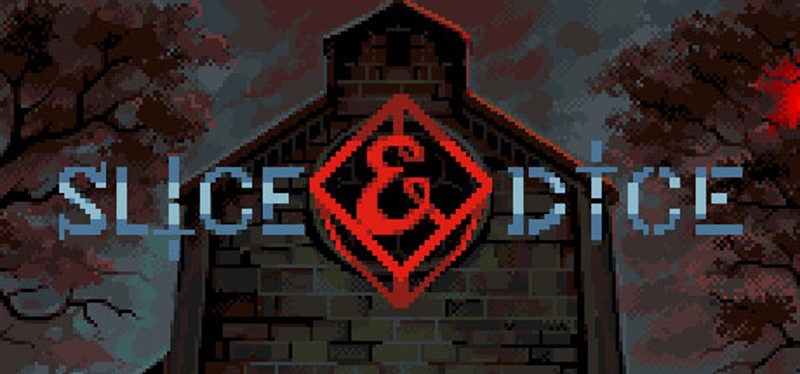
- 91%Game Brain ScoreMost mentioned positive aspects:gameplay, replayabilityMost mentioned negative aspects:story, stability91% User Score 2,008 reviewsDice-powered dungeon crawler replaces poker hands with combat dice rolls while keeping roguelite structure and pixel art charm. If you enjoyed this game, see our list of games similar to Slice & Dice.View Game
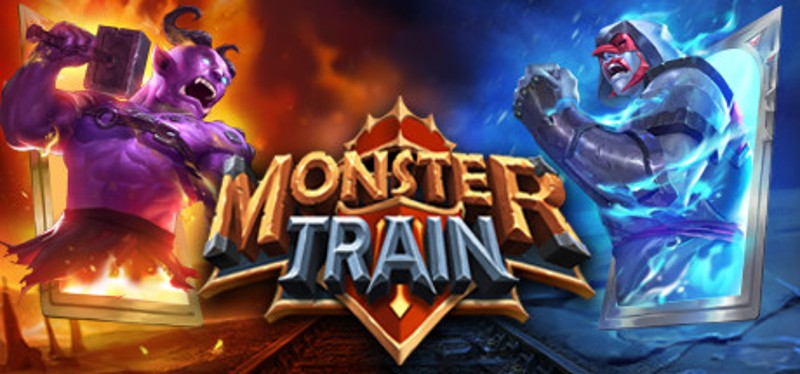
- 90%Game Brain ScoreMost mentioned positive aspects:gameplay, replayabilityMost mentioned negative aspects:grinding, monetization97% User Score 13,882 reviewsCritic Score 83%16 reviews
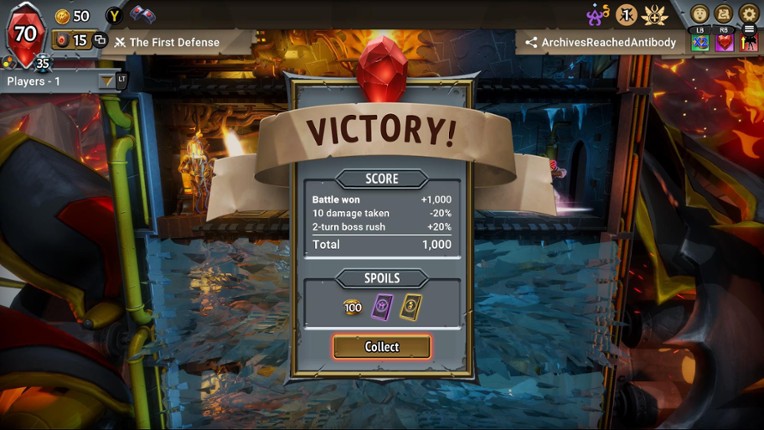
Both Balatro and Monster Train excel as roguelike deckbuilders that demand strategic turn-based decisions, making every playthrough uniquely challenging. They share procedural generation, which ensures high replay value through unpredictable card synergies and evolving encounters. This keeps gameplay fresh and unpredictable, rewarding adaptive planning.
Monster Train injects a layer of tower defense mechanics, adding tactical complexity that shifts the focus from pure deckbuilding to spatial strategy. However, its minimal narrative and reported balance issues contrast with Balatro’s stronger storytelling and polished progression. This difference affects immersion and long-term engagement.
Pick Monster Train if you want deeper strategic layers and variety in combat styles but can sacrifice narrative depth and hassle occasional bugs. For those who prioritize emotional resonance and smoother pacing, Balatro remains the superior card battler.
If you enjoyed this game, see our list of games similar to Monster Train.View Game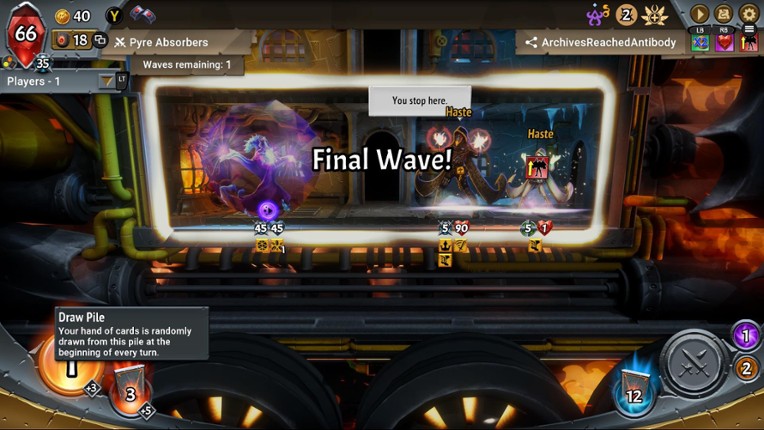
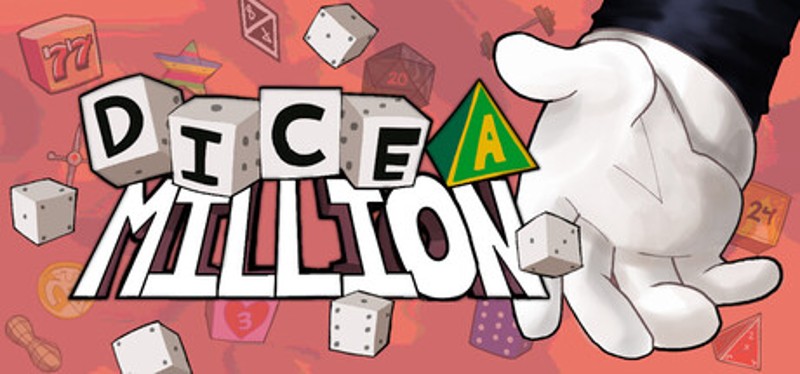
- 90%Game Brain ScoreMost mentioned positive aspects:gameplay, musicMost mentioned negative aspects:story, stability90% User Score 681 reviews
Have you ever tried rolling 1,000,000 points on some dice? No? Well, now at least you can try. If you enjoyed this game, see our list of games similar to Dice A Million.
View Game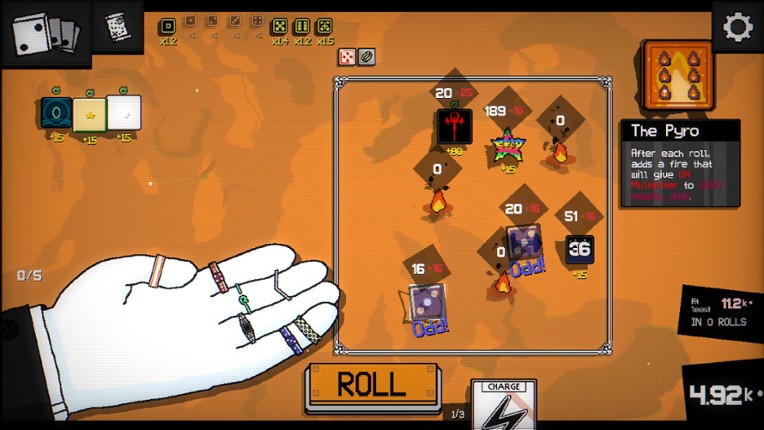
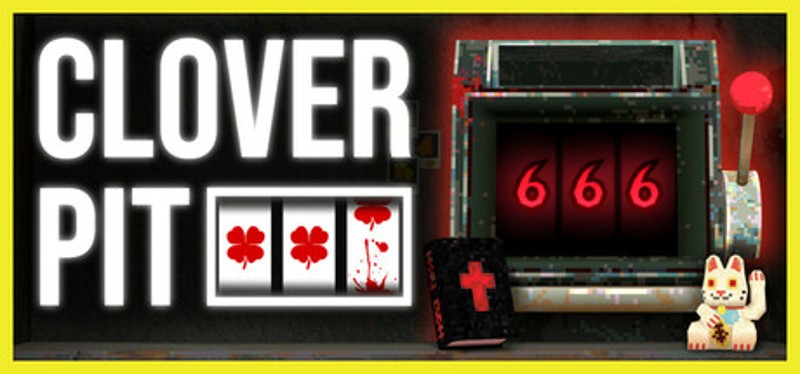
- 90%Game Brain ScoreMost mentioned positive aspects:gameplay, graphicsMost mentioned negative aspects:grinding, monetization90% User Score 12,219 reviews
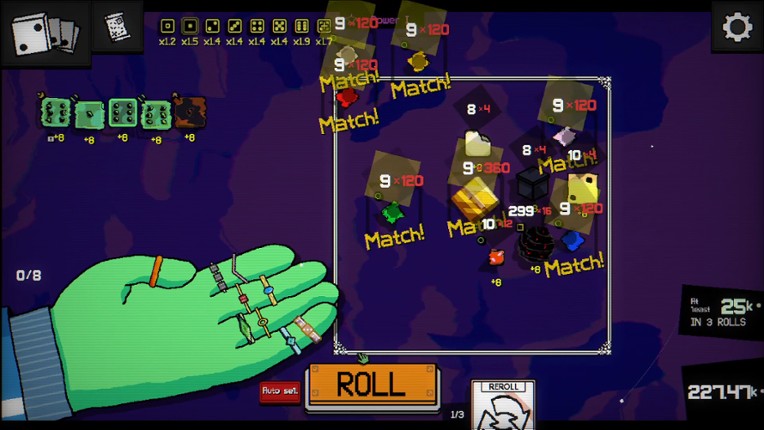
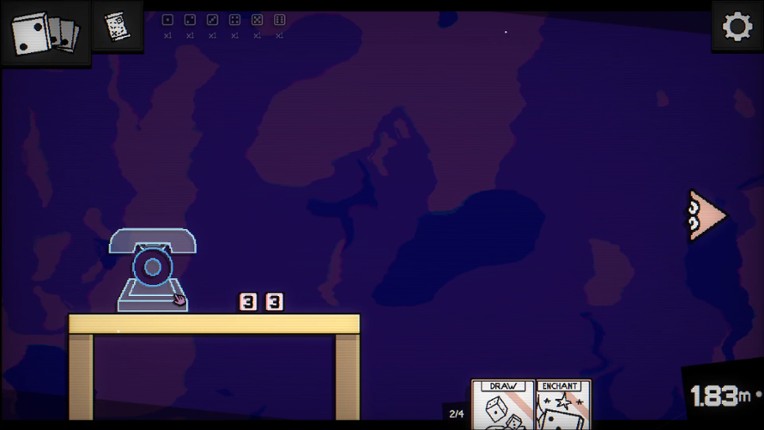
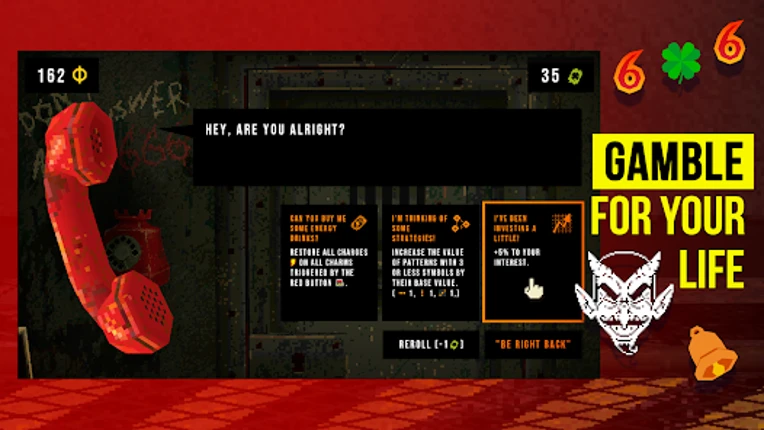
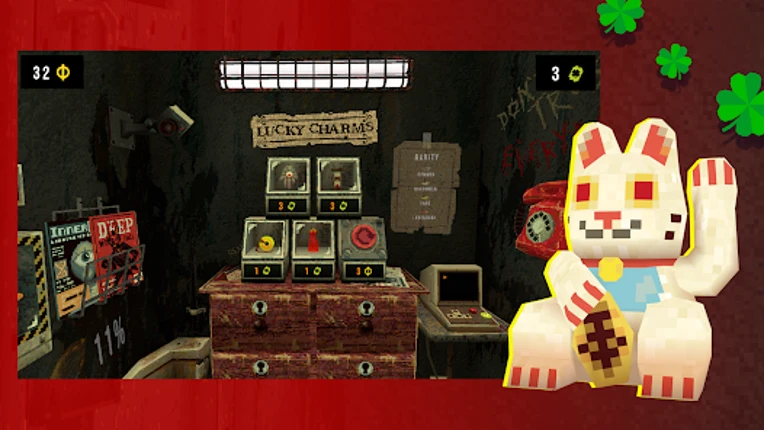
That feeling in Balatro where a run crystallizes — where every card pulled feels like it's feeding a system you've carefully constructed — shows up in CloverPit too, just wrapped in a darker, stranger skin. Both games put you in a loop of calculated risk where a single decision can unravel or amplify everything you've built.
The roguelite structure is the clearest overlap, but what makes it feel familiar is why it works: each run teaches you something new about the system's edge cases, rewarding pattern recognition over raw luck. Resource and build management also carry real weight here, with meaningful tradeoffs that should feel natural to anyone who's agonized over a Joker slot.
Where CloverPit diverges is its first-person, 3D atmosphere laced with dark humor and psychological unease — a genuinely different sensory register from Balatro's polished poker table. It's less zen, more unsettling, which is a real tonal shift worth acknowledging.
Balatro players who found the late game too grindy may hit similar walls here due to long animations, so patience is still a prerequisite. Best for players who want the strategic thrill of roguelite deckbuilding transplanted into weirder, more chaotic territory.
If you enjoyed this game, see our list of games similar to CloverPit.View Game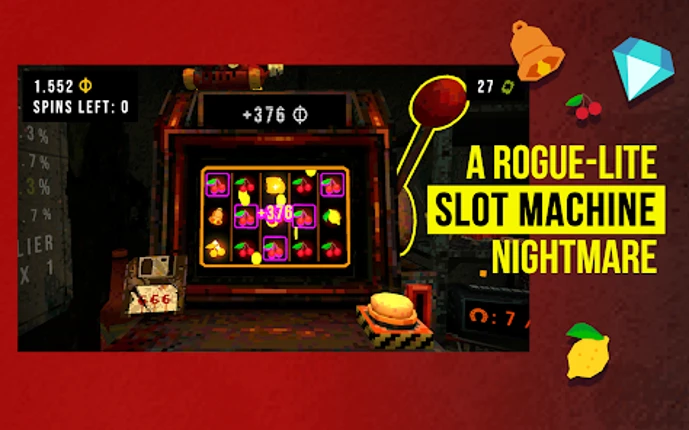
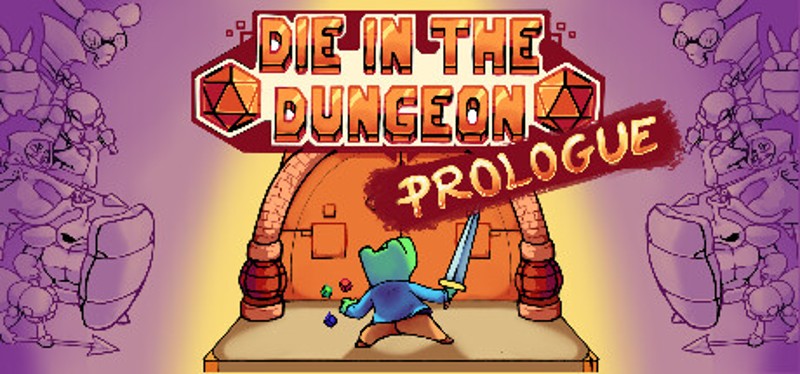
- 93%Game Brain ScoreMost mentioned positive aspects:gameplay, graphicsMost mentioned negative aspects:story, optimization93% User Score 1,837 reviews
Die in the Dungeon is a deck-building, turn-based roguelite game where your deck is not made out of cards, but DICE! In Die in the Dungeon, each dice represents a different action, from basic ones like attacking or healing to boosting other dice or copying their abilities. Improve the quality of your dice, combine them and acquire powerful relics to defeat the monsters that dwell in the dungeon! F… If you enjoyed this game, see our list of games similar to Die in the Dungeon.
View Game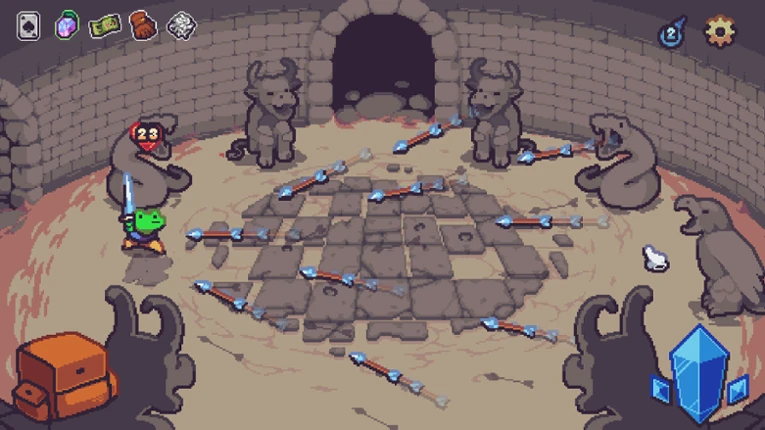
- View Game98%Game Brain ScoreMost mentioned positive aspects:gameplay, replayabilityMost mentioned negative aspects:grinding, stability98% User Score 1,174 reviews
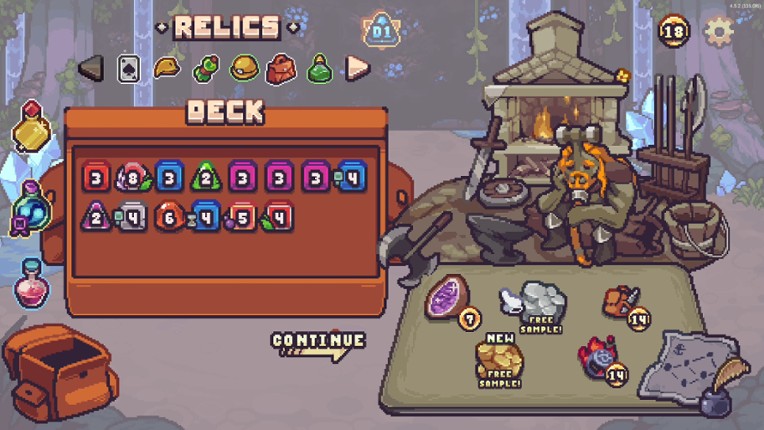
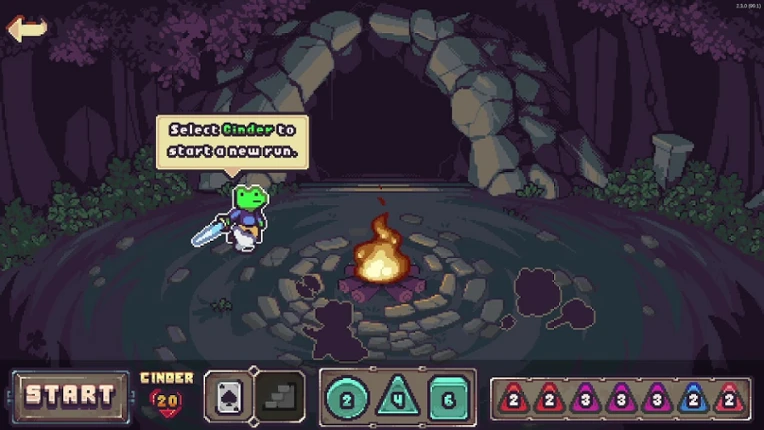
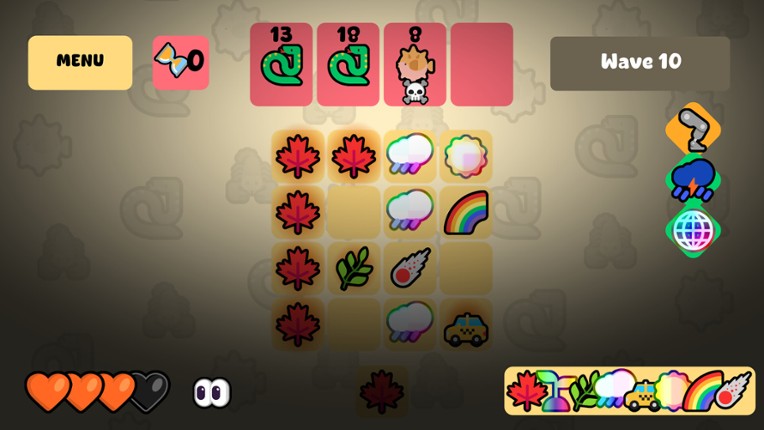
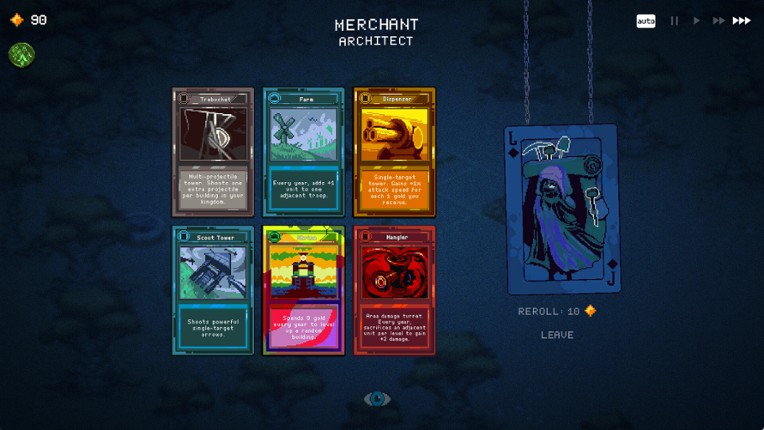
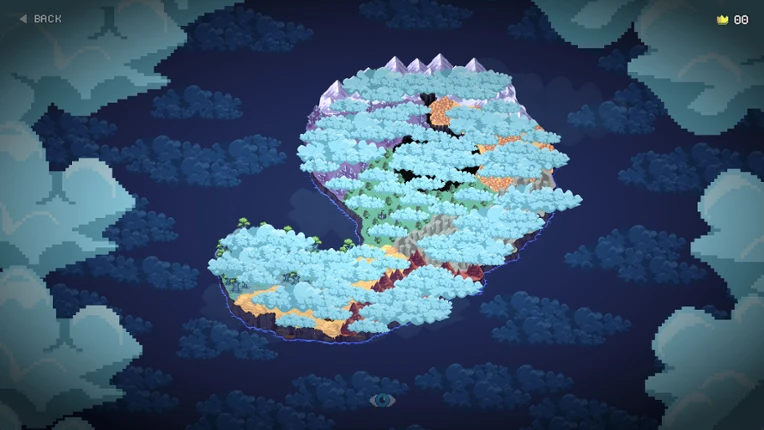
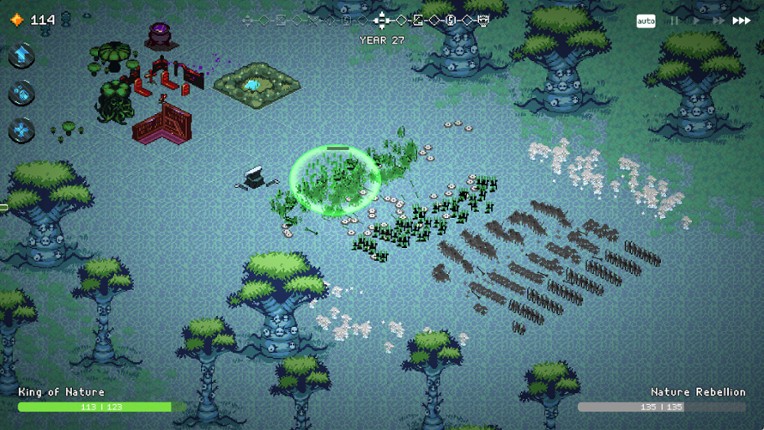
Combolands is a tiny roguelike citybuilder offering deep strategy in a bite-sized package! Grow your own mini metropolis: place buildings, unlock powerful synergies, and trigger cascading combos. With 21 possible guild combinations, Combolands offers strategic depth and a 'number-go-up' rush in satisfying 30 minute bursts. Unlock new guilds as you play, each with unique identities, strengt… If you enjoyed this game, see our list of games similar to Combolands: Roguelike Citybuilder.
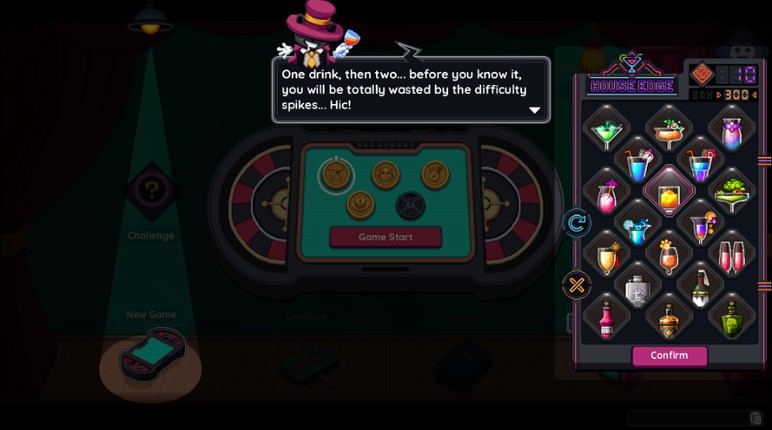
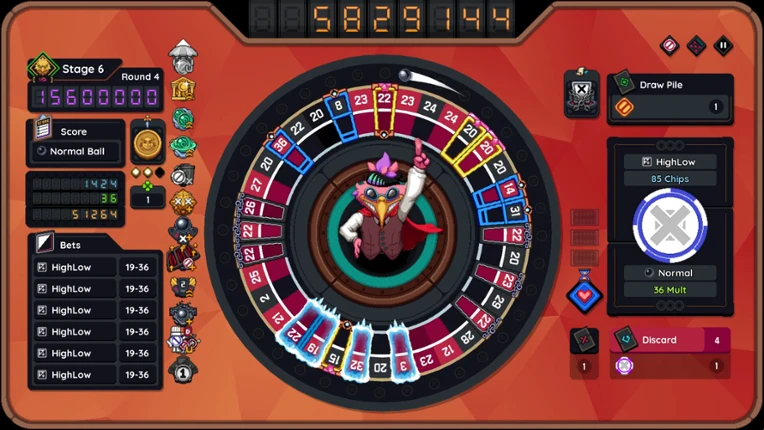
- 84%Game Brain ScoreMost mentioned positive aspects:gameplay, musicMost mentioned negative aspects:story, grinding84% User Score 575 reviewsApplies tabletop score-attack scoring and gambling elements to deckbuilding roguelites, matching Balatro's turn-based tempo. If you enjoyed this game, see our list of games similar to Bingle Bingle.View Game
13 View Game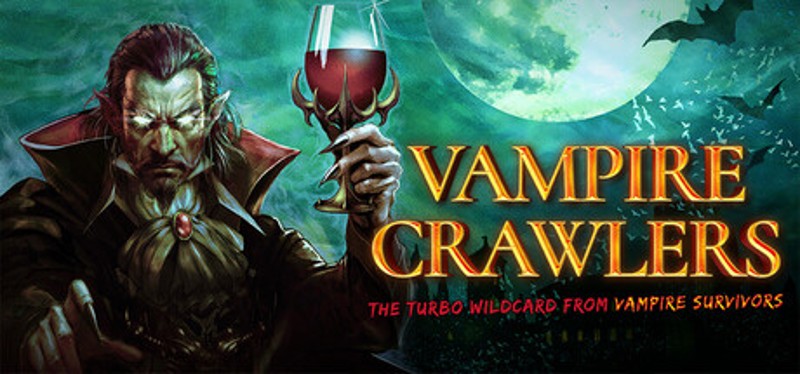 92%Game Brain ScoreMost mentioned positive aspects:gameplay, musicMost mentioned negative aspects:grinding, story95% User Score 8,449 reviewsCritic Score 80%2 reviews
Deal world-ending combos and blitz through infested dungeons! Vampire Crawlers: The Turbo Wildcard from Vampire Survivors is a casual, turnbased deckbuilder with roguelite elements. Master the Turboturn with your own hand of cards! If you enjoyed this game, see our list of games similar to Vampire Crawlers: The Turbo Wildcard from Vampire Survivors.
View Game


- 91%Game Brain ScoreMost mentioned positive aspects:story, gameplayMost mentioned negative aspects:grinding, stability93% User Score 788 reviewsCritic Score 80%1 reviews
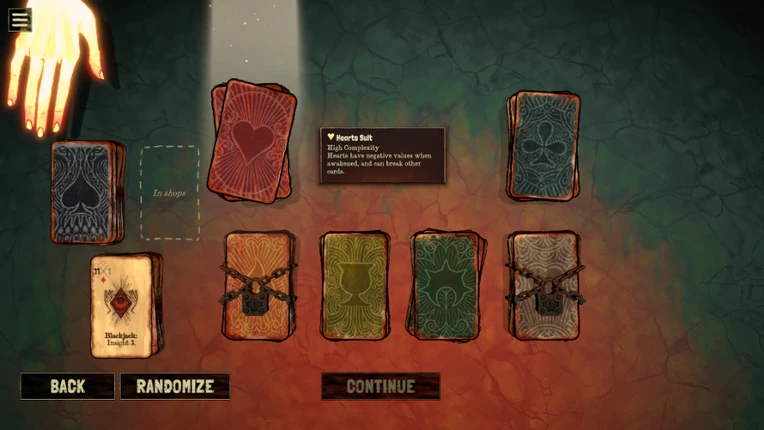
Gamble your way out of hell in this blackjack-inspired rogue-lite deckbuilder. Play powerful card combos or cheat to outwit your opponents and earn your freedom. Win their Soul coins! Bribe the ferryman! And uncover the story of those who stand in your way. If you enjoyed this game, see our list of games similar to Black Jacket.
View Game
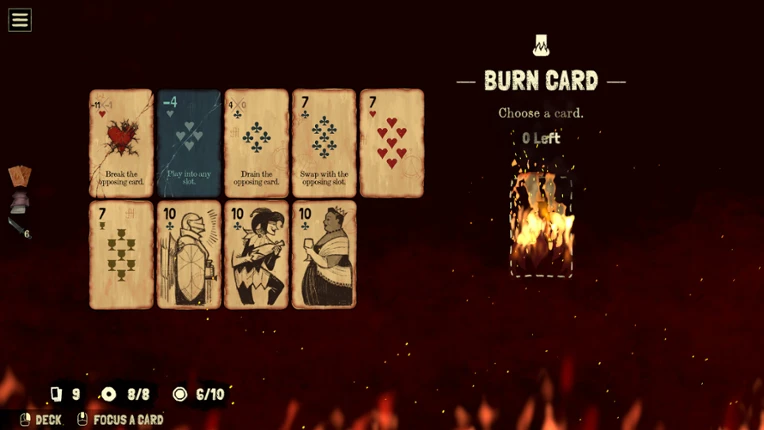
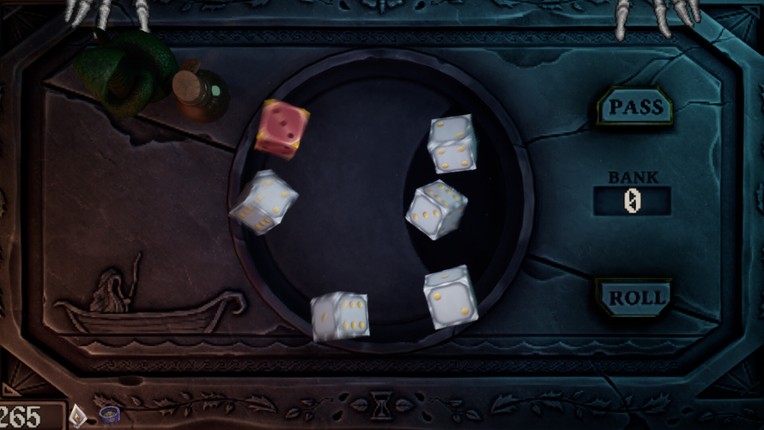
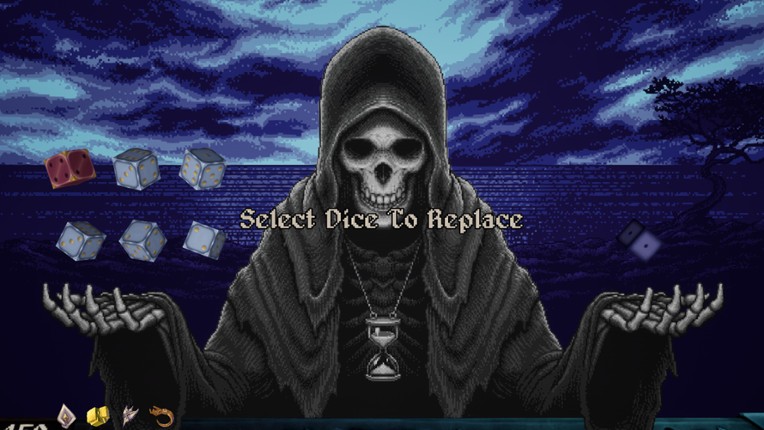
- 92%Game Brain ScoreMost mentioned positive aspects:gameplay, graphicsMost mentioned negative aspects:optimization, grinding92% User Score 750 reviewsSwap poker hands for lethal dice rolls in a grim, high-stakes battle against death that favors dark fantasy over arcade flair. If you enjoyed this game, see our list of games similar to Dice With Death.View Game

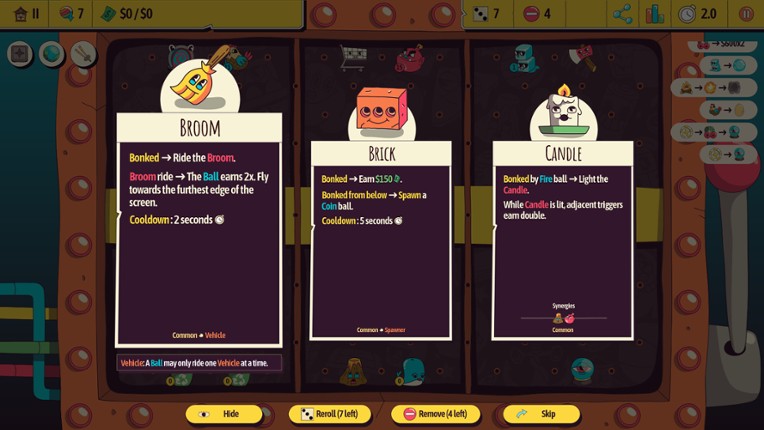
- 87%Game Brain ScoreMost mentioned positive aspects:gameplay, graphicsMost mentioned negative aspects:story, stability87% User Score 1,846 reviewsCute auto-battling card roguelike swaps poker's gambling tension for charming visuals and hands-free strategic optimization. If you enjoyed this game, see our list of games similar to Ballionaire.View Game
- 89%Game Brain ScoreMost mentioned positive aspects:gameplay, graphicsMost mentioned negative aspects:grinding, monetization98% User Score 135,194 reviewsCritic Score 73%5 reviews
Both Balatro and Vampire Survivors weaponize the "one more run" compulsion into their core loop. Each procedurally generated attempt creates fresh problems to solve, and both titles reward pattern recognition across dozens of hours of play.
The roguelite progression mirrors that addictive unlock cycle—new weapons and evolutions in Vampire Survivors function like Balatro's expanding card pool, giving each subsequent run a slightly different toolkit that reshapes your strategy. Pixel art aesthetics reinforce that arcade cabinet nostalgia, while the humor and atmosphere keep sessions feeling light despite the difficulty.
Where Balatro asks you to pause and plan, Vampire Survivors demands split-second improvisation. That's not a flaw—it's a fresh angle that tests whether you can transfer that strategic mindset into real-time chaos. The shared grinding criticism? Vampire Survivors addresses it with faster pacing and more immediate power spikes.
Best for players who chase mastery over spectacle—those who want every run to teach them something.
If you enjoyed this game, see our list of games similar to Vampire Survivors.View Game
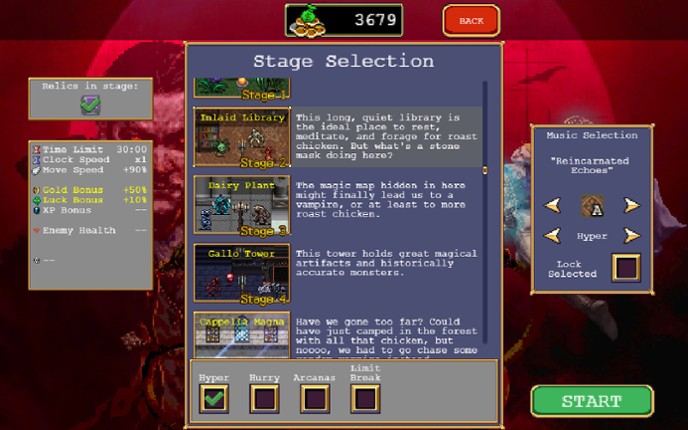
- 85%Game Brain ScoreMost mentioned positive aspects:gameplay, musicMost mentioned negative aspects:grinding, stability90% User Score 7,171 reviewsCritic Score 79%11 reviews
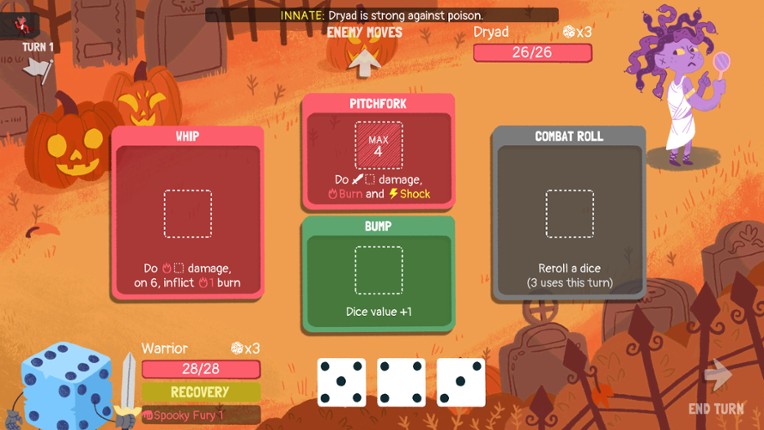
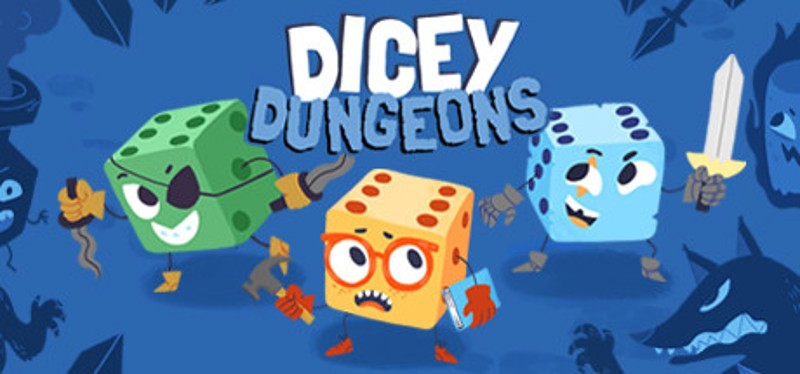
Both Dicey Dungeons and Balatro thrive on the tactical manipulation of probability, forcing you to constantly adapt your strategy to the unpredictable whims of RNG. They share a tight, roguelite-structured feedback loop, which keeps the momentum high as you pivot your build mid-run.
The primary shift here is the replacement of poker hands with dice-based combat, demanding spatial management rather than set-building logic. While Balatro emphasizes long-term synergy stacking, Dicey Dungeons favors character-specific gimmicks that radically alter how you interact with your rolls.
Pick this up if you crave the same obsessive build-crafting found in Balatro but prefer a more cartoonish, character-driven dungeon crawl over abstract score-chasing.
If you enjoyed this game, see our list of games similar to Dicey Dungeons.View Game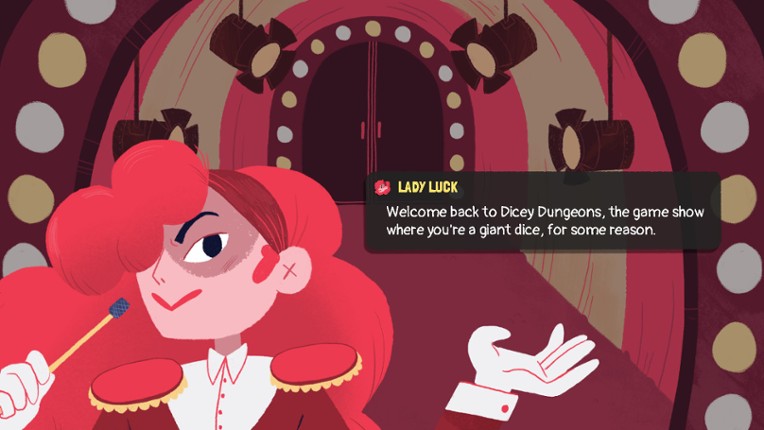
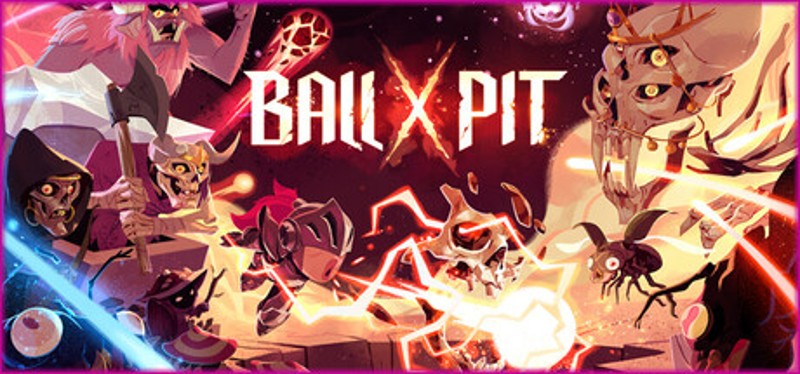
- 94%Game Brain ScoreMost mentioned positive aspects:gameplay, musicMost mentioned negative aspects:grinding, story96% User Score 13,592 reviewsCritic Score 87%3 reviewsArcade-style bullet hell roguelike where idler mechanics and top-down action take priority over turn-based strategic planning. If you enjoyed this game, see our list of games similar to BALL x PIT.View Game
- 95%Game Brain ScoreMost mentioned positive aspects:gameplay, musicMost mentioned negative aspects:grinding, stability97% User Score 3,579 reviewsCritic Score 90%3 reviews
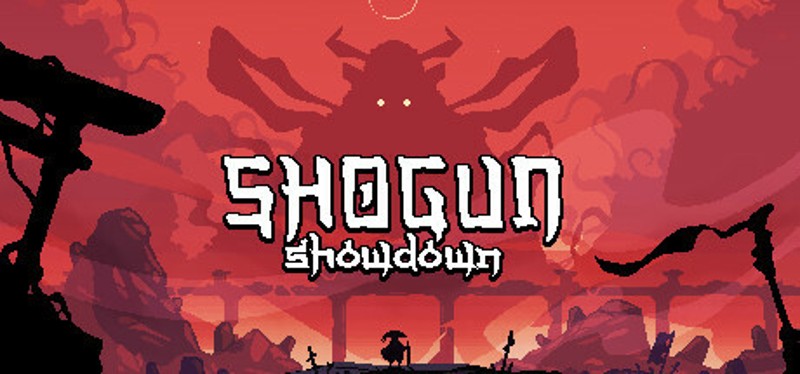
Both games build their appeal around roguelike deckbuilding where procedural generation forces constant adaptation. Each run presents new card combinations and enemy layouts, demanding strategic improvisation rather than memorized solutions.
Shogun Showdown adds tactical positioning and ninja-specific abilities to the formula, which deepens tactical depth—something Balatro handles through pure combo systems instead.
The critical difference: Shogun Showdown's meta-progression grinds harder, and RNG swings feel less skill-mitigating than Balatro's tighter economy. Players report repetitive enemy patterns emerge faster too.
Pick this up if you crave positioning-based combat over pure number manipulation, but understand you're trading Balatro's mechanical elegance for a slower unlock curve.
If you enjoyed this game, see our list of games similar to Shogun Showdown.View Game


- 94%Game Brain ScoreMost mentioned positive aspects:gameplay, humorMost mentioned negative aspects:grinding, monetization94% User Score 58,880 reviews
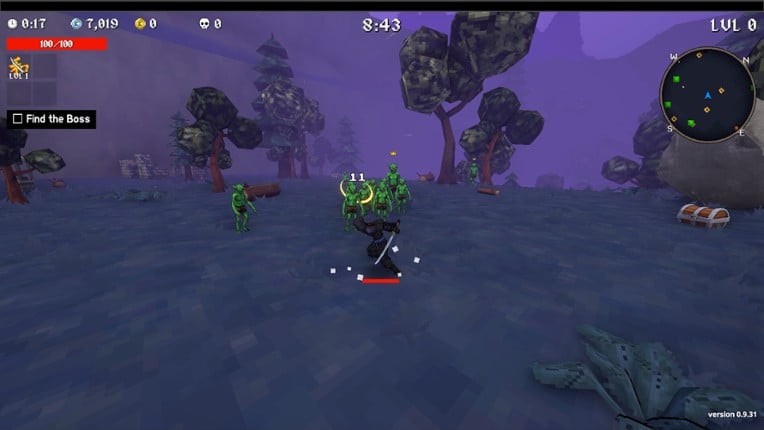
Both Balatro and Megabonk are indie roguelites built around addictive, procedurally generated runs that reward mastery through repetition. They also share an arcade-inspired philosophy—no ads, no microtransactions, just pure replayability. The key tradeoff is depth: Balatro delivers strategic deckbuilding complexity, while Megabonk delivers fast-paced action roguelike combat. Pick this up if you want roguelite replayability in a bullet-hell package but can live without narrative depth or late-game balance.
If you enjoyed this game, see our list of games similar to Megabonk.View Game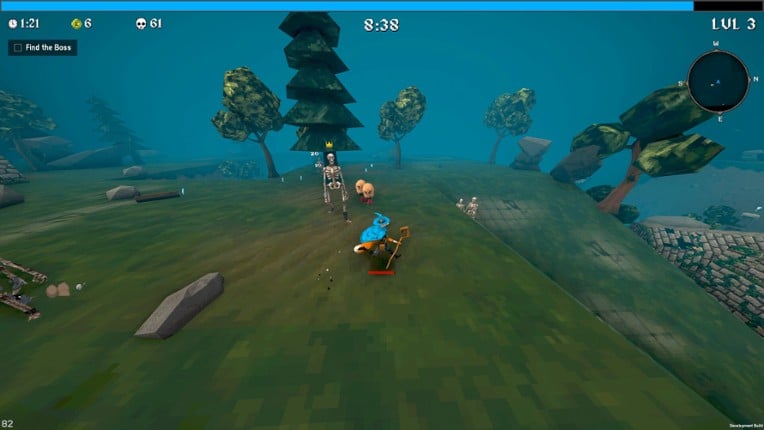
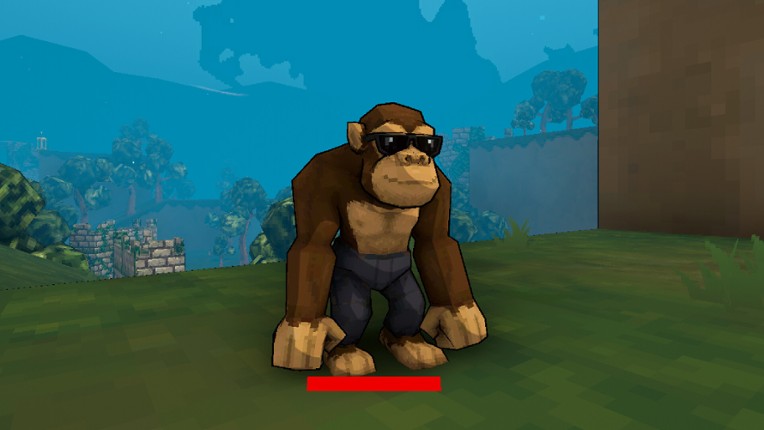
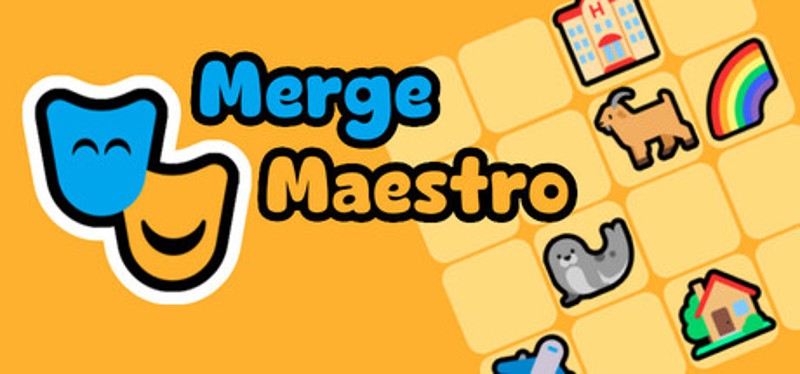
- 94%Game Brain ScoreMost mentioned positive aspects:gameplay, replayabilityMost mentioned negative aspects:music, graphics94% User Score 354 reviewsWhile more casual than the typical roguelike, this title shifts the focus to grid-based merging mechanics that reward pattern recognition over deck optimization. If you enjoyed this game, see our list of games similar to Merge Maestro.View Game
23 View Game 97%Game Brain ScoreMost mentioned positive aspects:gameplay, musicMost mentioned negative aspects:optimization, monetization97% User Score 577 reviews
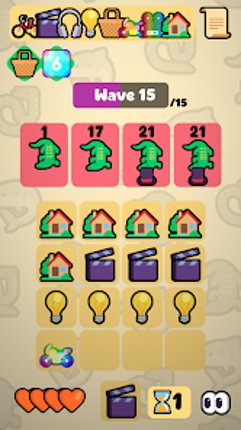
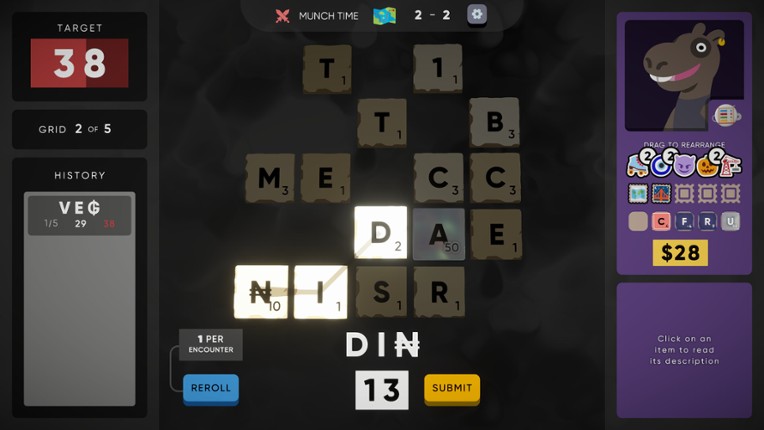
Starts as Boggle, ends as Schrödinger - Cursed Words is a roguelike adventure about writing words... for a while…until words become NUM83R5, or ♔♘♙, or the infinite void. Each run is shaped by four pillars: your Character, your Sticker upgrades, your Stamp loadout and the consumable Tiles you bring into each fight. Every attempt becomes its own cursed experiment. In Cursed Words you build po… If you enjoyed this game, see our list of games similar to Cursed Words: The Word Game That Isn't.
View Game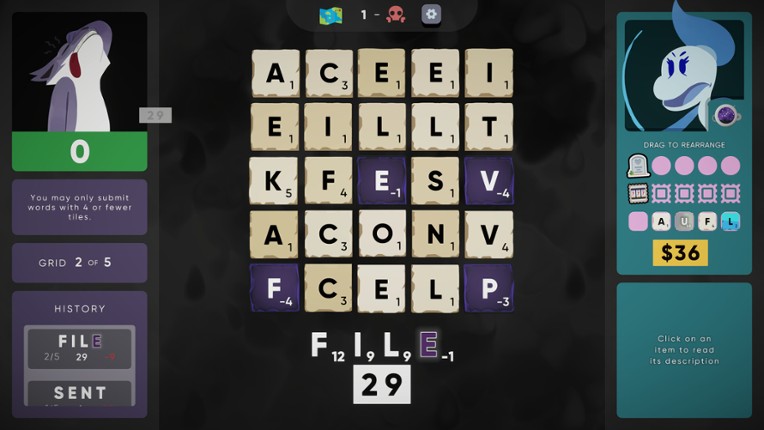
- 95%Game Brain ScoreMost mentioned positive aspects:gameplay, graphicsMost mentioned negative aspects:grinding, optimization95% User Score 729 reviews
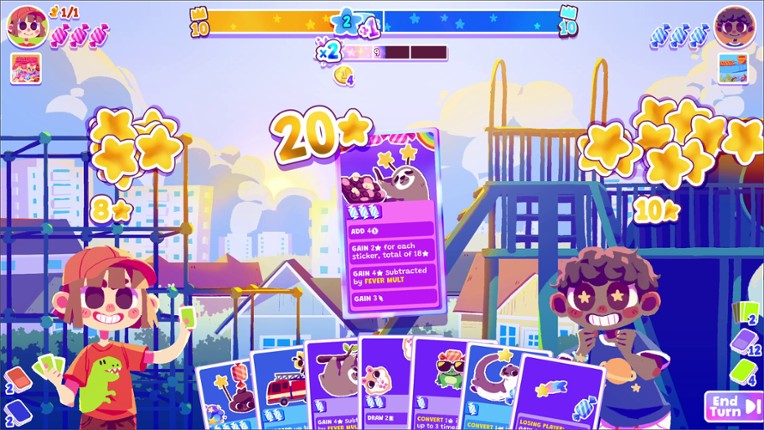
The primary bridge here is creative engine-building, where you fundamentally break the game’s rules by stacking synergistic card modifiers.
This mirrors the Balatro experience of scaling exponential power, which keeps the moment-to-moment decision-making high-stakes and addictive.
While Balatro leans into ruthless, minimalist gambling math, My Card Is Better Than Your Card! pivots toward sticker-based customization and a lighter, more whimsical aesthetic.
Pick this up if you crave the same obsessive deck-optimization loop but want a less punishing, more colorful atmosphere, even if you have to tolerate occasional balance spikes and longer run times.
If you enjoyed this game, see our list of games similar to My Card Is Better Than Your Card!.View Game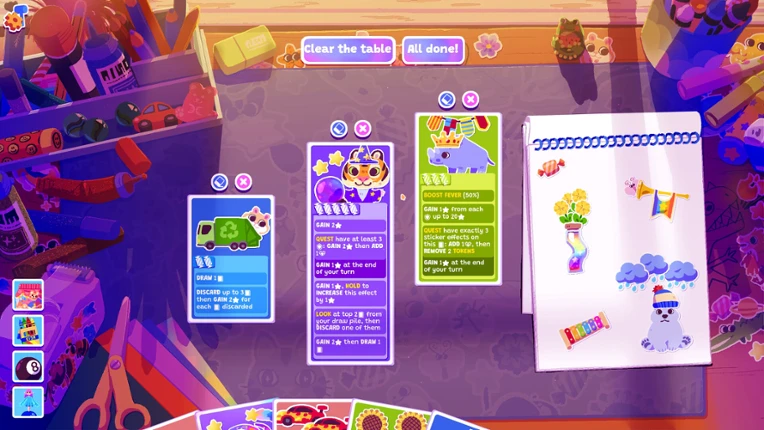

- View Game81%Game Brain ScoreMost mentioned positive aspects:gameplay, musicMost mentioned negative aspects:replayability, stability81% User Score 386 reviews
Insider Trading is a roguelike deckbuilder where you bend the market to your will. Synergize perks, manipulate stock prices, and trade wisely or risk pricing yourself out. If you enjoyed this game, see our list of games similar to Insider Trading.
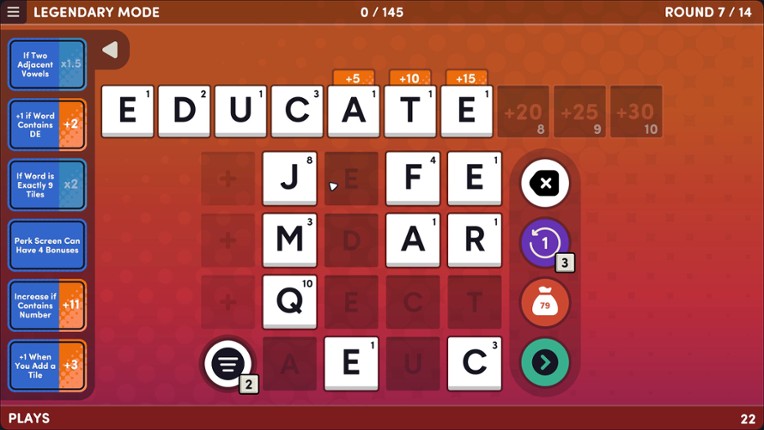
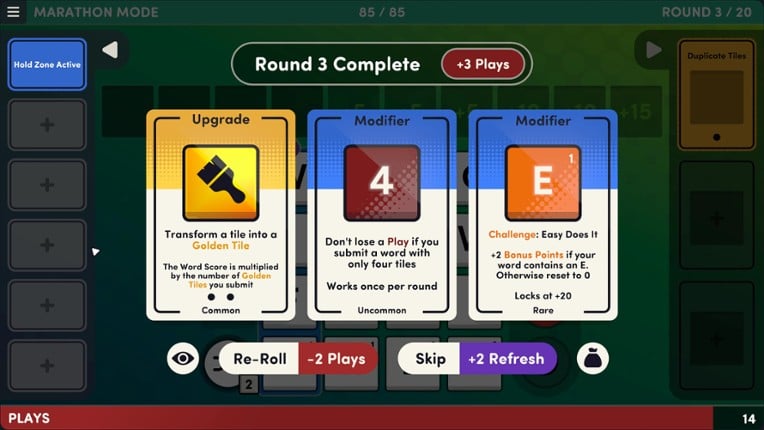
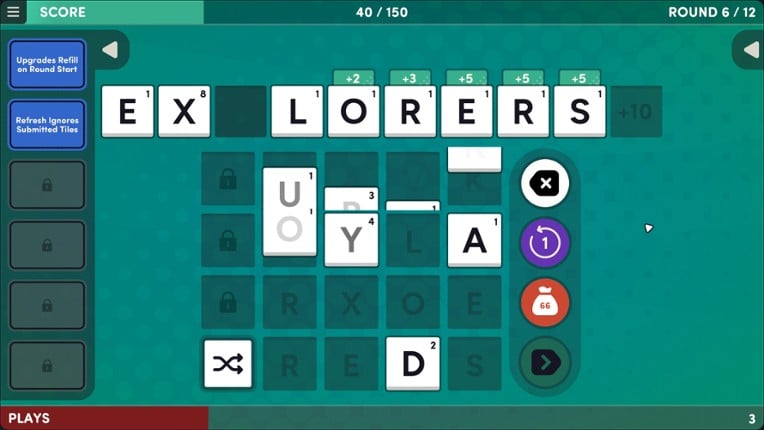
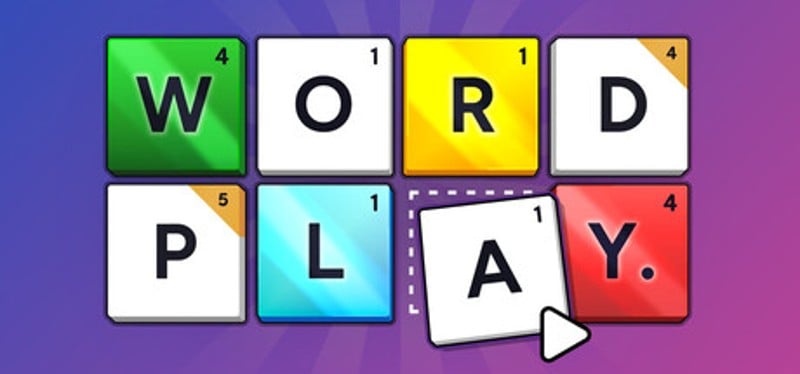
- 90%Game Brain ScoreMost mentioned positive aspects:gameplay, musicMost mentioned negative aspects:grinding, monetization90% User Score 992 reviewsWord-spelling board game roguelike trades card gambling for lexicographic puzzles in a colorful, family-friendly package. If you enjoyed this game, see our list of games similar to Word Play.View Game
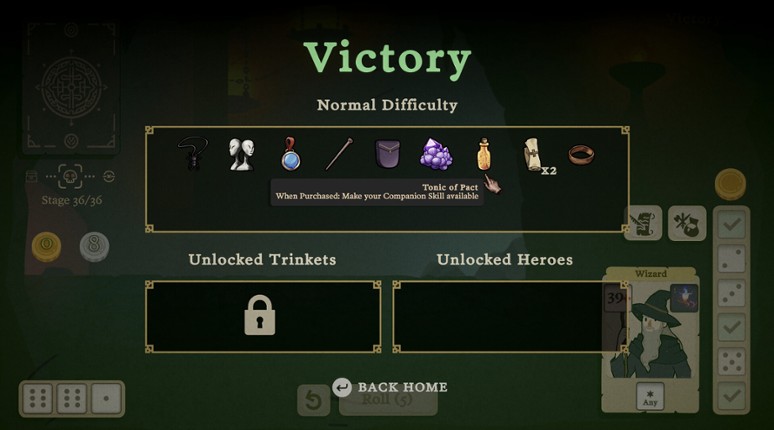
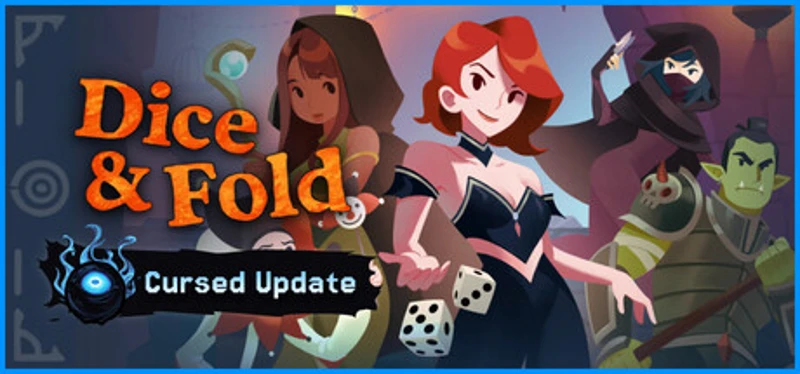
- 82%Game Brain ScoreMost mentioned positive aspects:gameplay, graphicsMost mentioned negative aspects:stability, grinding82% User Score 1,469 reviewsDungeons & Dragons dice roguelike adds dungeon crawling and D&D class flavor to deckbuilding, leaning heavily into tabletop RPG. If you enjoyed this game, see our list of games similar to Dice & Fold.View Game
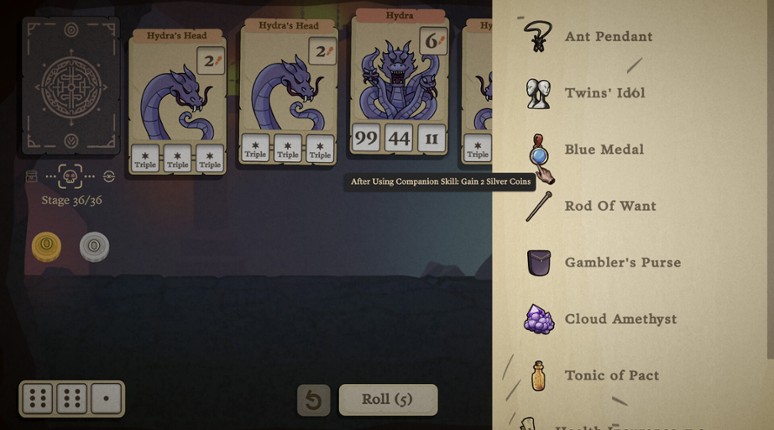
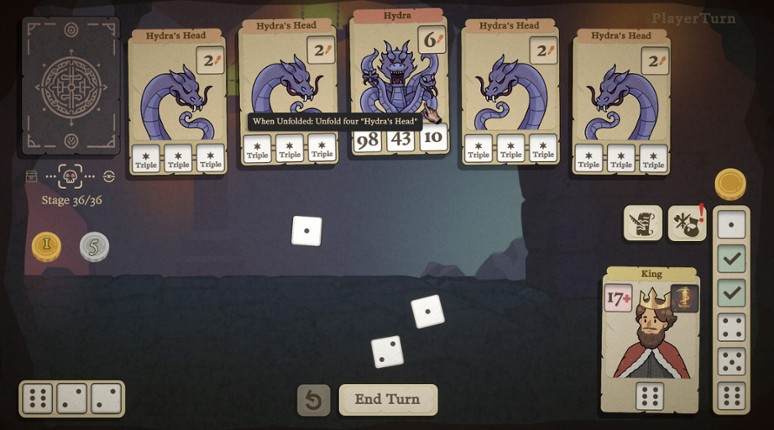
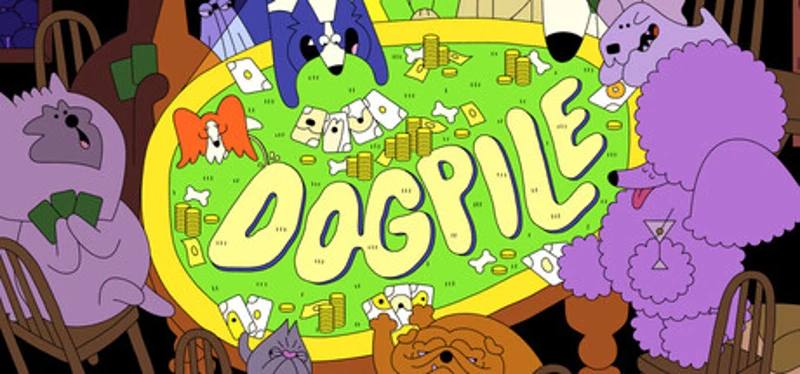
- 96%Game Brain ScoreMost mentioned positive aspects:gameplay, graphicsMost mentioned negative aspects:stability, optimization96% User Score 751 reviews
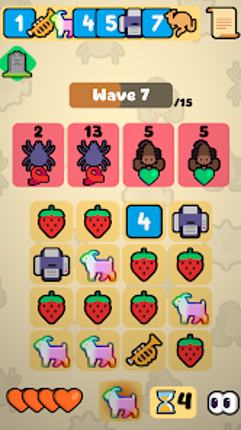
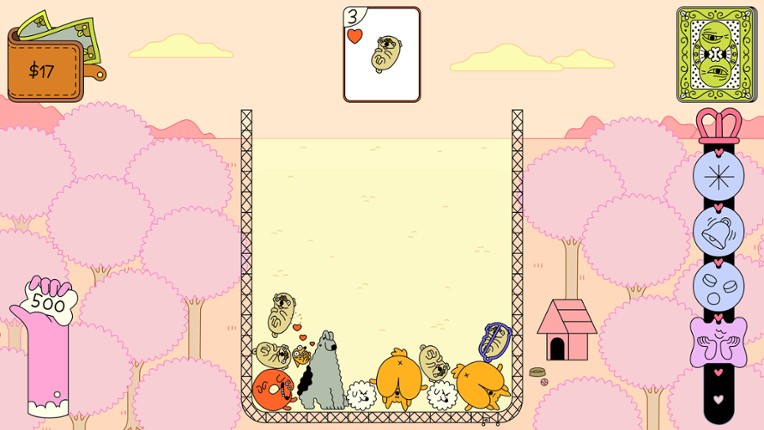
When two of the same dog touch, BAM! You get a BIGGER dog. With careful placement, some clever purchases, and a can-do attitude, you can merge pups strategically and achieve the biggest dogs imaginable. You really shouldn't adopt a dozen dogs, but now you can! Dogpile gets you to wrangle a cute collection of canines into the perfect deck, customize them, and play them expertly. Manage the… If you enjoyed this game, see our list of games similar to Dogpile.
View Game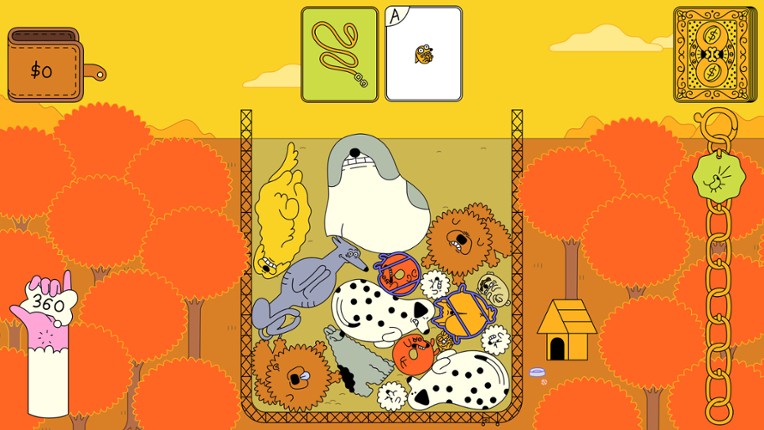
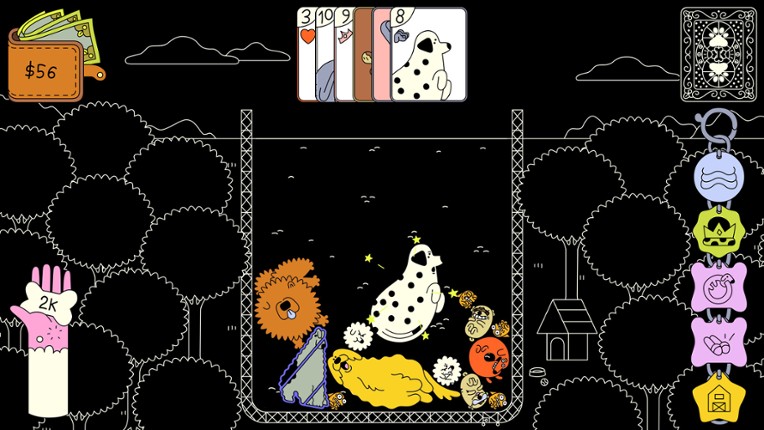
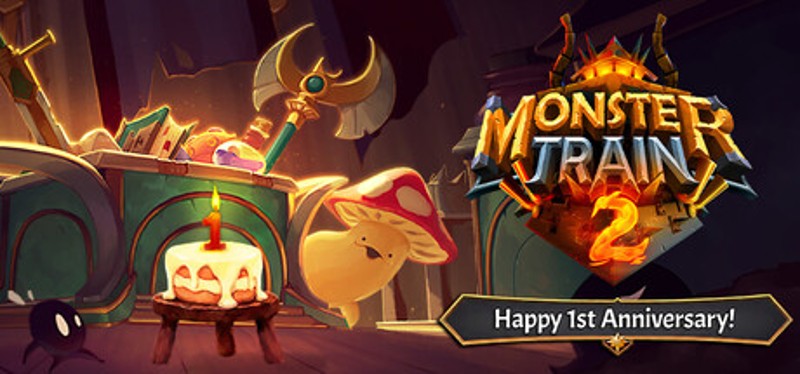
- 94%Game Brain ScoreMost mentioned positive aspects:gameplay, storyMost mentioned negative aspects:grinding, character development96% User Score 5,396 reviewsCritic Score 90%4 reviewsTrain-themed multi-faction card roguelike increases strategic complexity and difficulty, demanding more planning than Balatro's poker. If you enjoyed this game, see our list of games similar to Monster Train 2.View Game
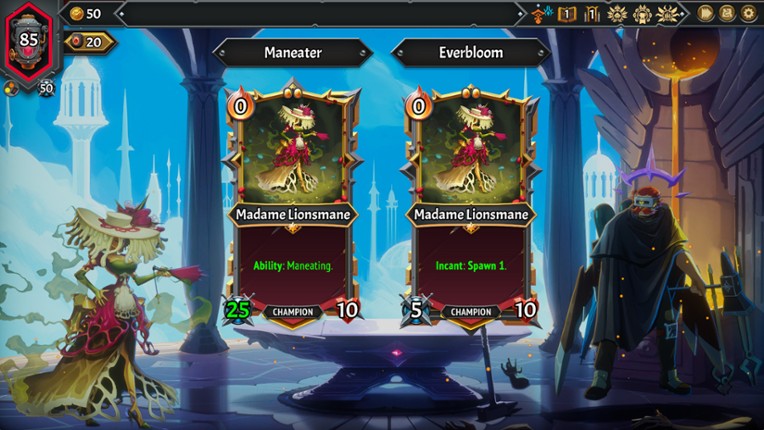
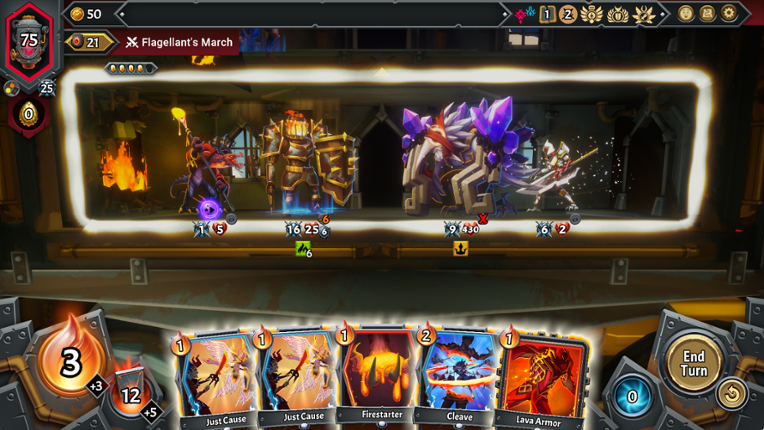
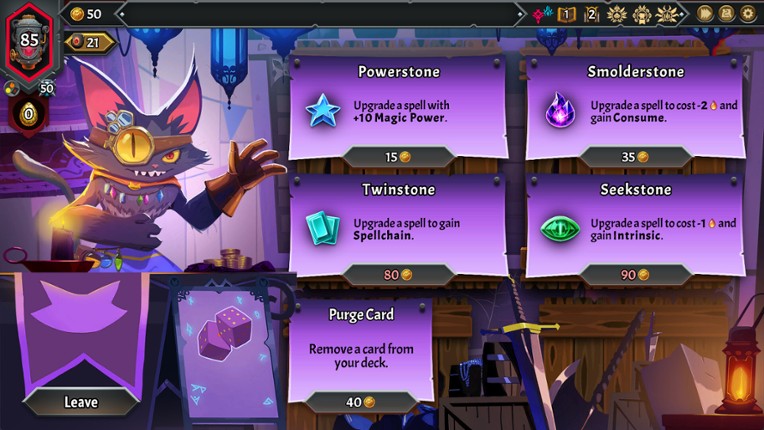
- 96%Game Brain ScoreMost mentioned positive aspects:gameplay, graphicsMost mentioned negative aspects:story, grinding96% User Score 1,507 reviewsLayers dice-rolling into card battling and switches to first-person perspective, but keeps the rapid-fire deckbuilding strategy. If you enjoyed this game, see our list of games similar to DICEOMANCER.View Game
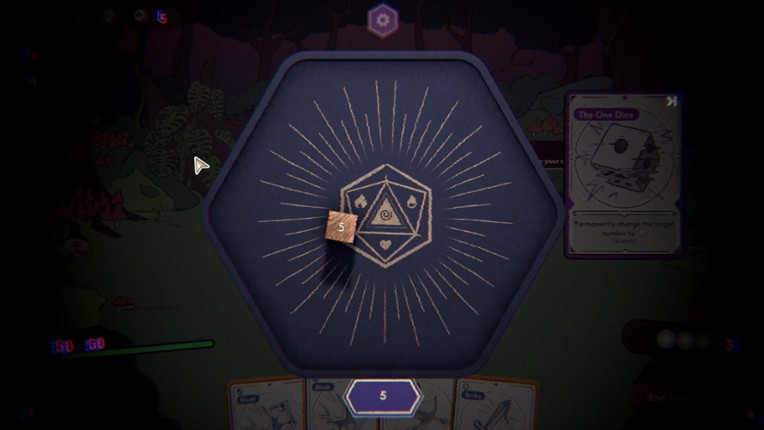
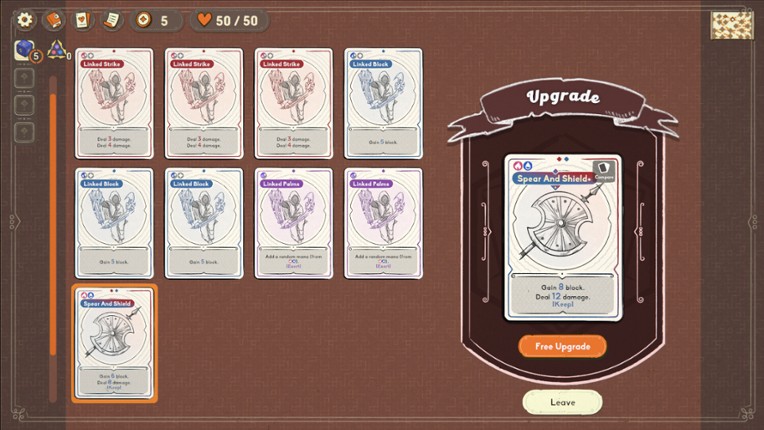
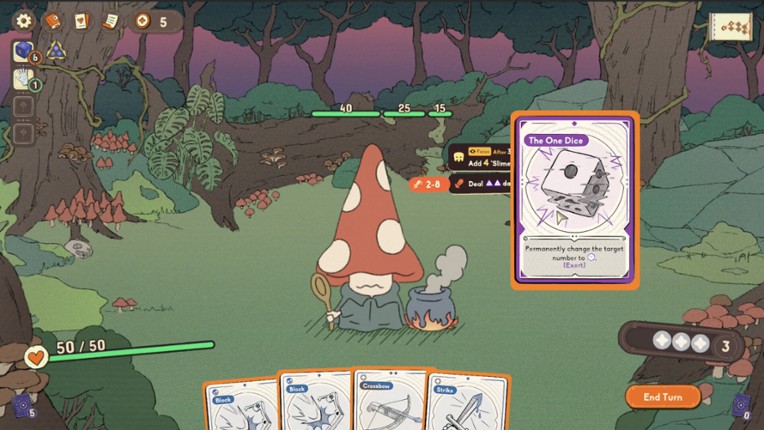
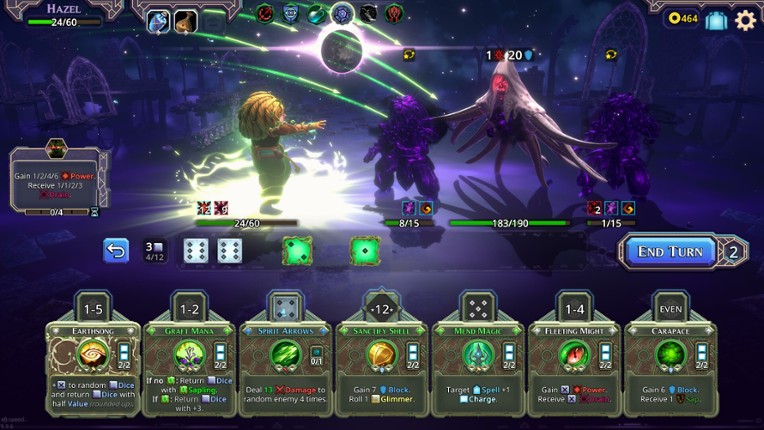
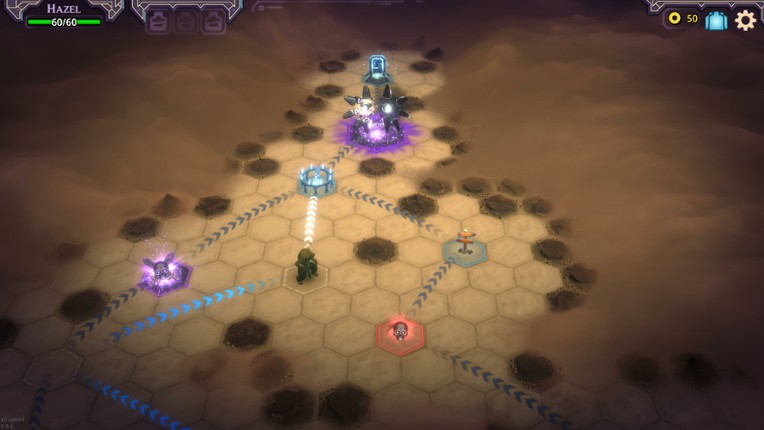
- 90%Game Brain ScoreMost mentioned positive aspects:gameplay, graphicsMost mentioned negative aspects:story, grinding90% User Score 1,077 reviewsDark fantasy spell-slinging deckbuilder ditches neon poker aesthetics for brooding magic, permadeath stakes, and trading. If you enjoyed this game, see our list of games similar to SpellRogue.View Game
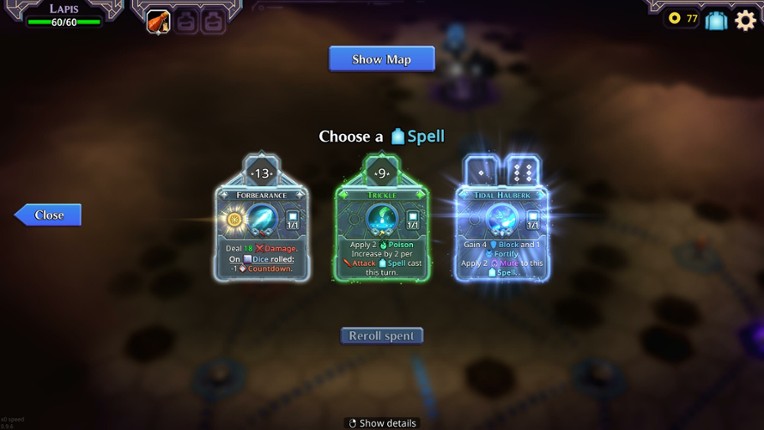
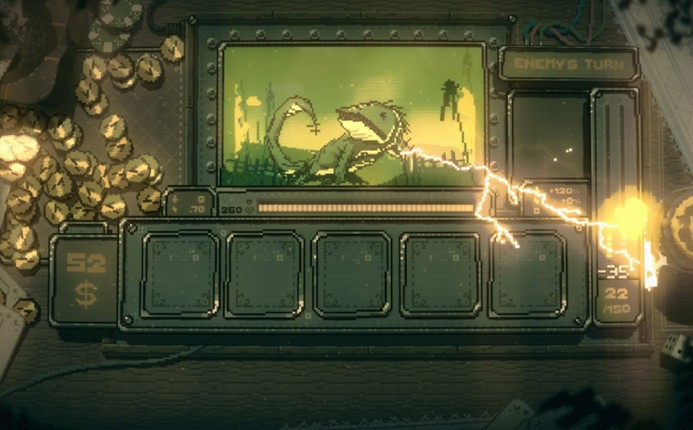
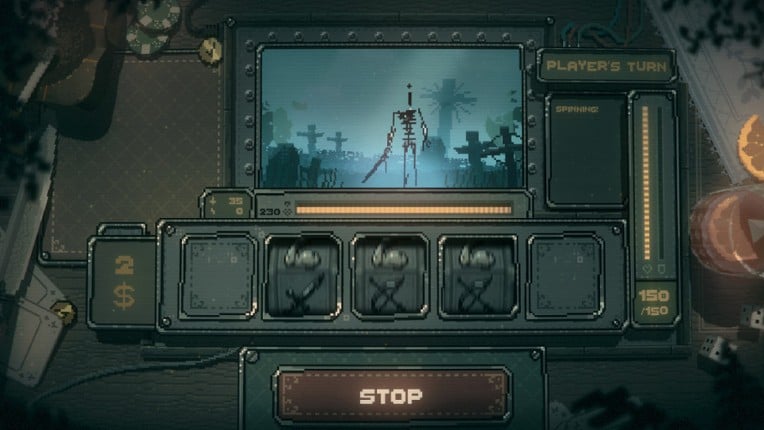
- 90%Game Brain ScoreMost mentioned positive aspects:gameplay, graphicsMost mentioned negative aspects:grinding, optimization94% User Score 4,290 reviewsCritic Score 83%6 reviewsSwaps poker combos for slot-machine spins and adds noir gambling stakes, but maintains the deck-building roguelite loop. If you enjoyed this game, see our list of games similar to Slots & Daggers.View Game
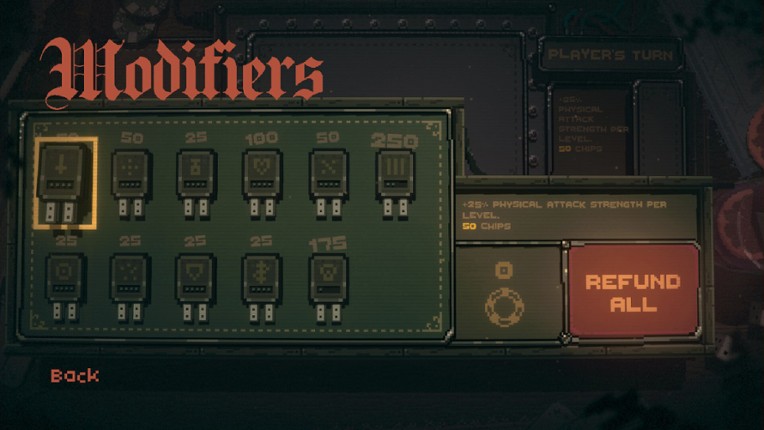
- 93%Game Brain ScoreMost mentioned positive aspects:gameplay, storyMost mentioned negative aspects:optimization, grinding93% User Score 9,509 reviewsDoubles down on procedural dungeon crawling and trading depth while keeping Balatro's turn-based deckbuilding challenge intact. If you enjoyed this game, see our list of games similar to 9 Kings.View Game
- 95%Game Brain ScoreMost mentioned positive aspects:gameplay, graphicsMost mentioned negative aspects:story, monetization95% User Score 1,634 reviews
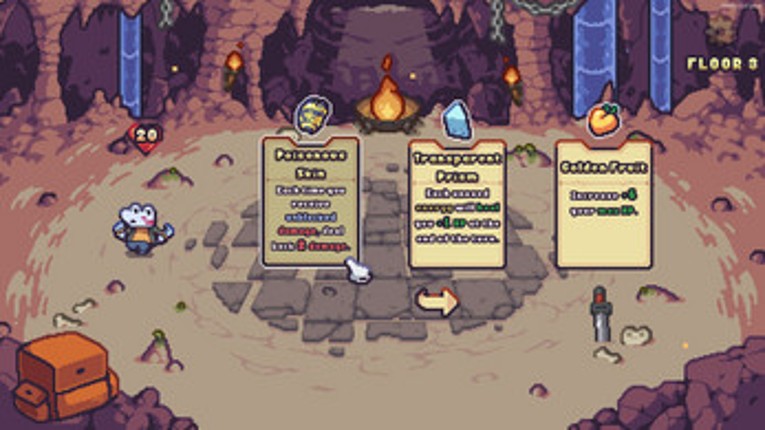
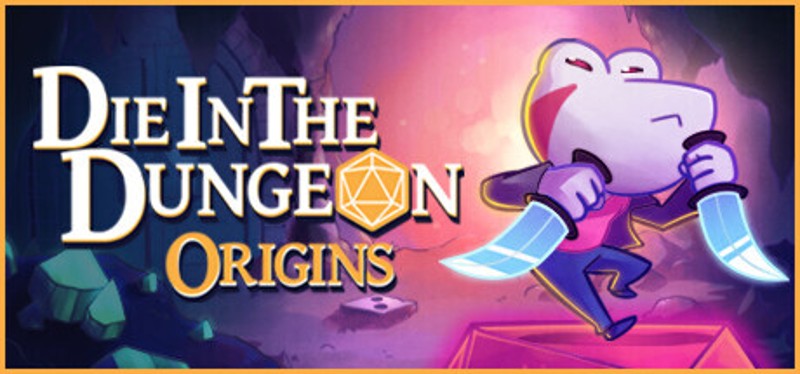
Die in the Dungeon is a deck-building, turn-based roguelite where your deck is not made out of cards, but DICE! In Die in the Dungeon, each dice represents a different action, from basic ones like attacking or healing to boosting other dice or copying their abilities. Improve the quality of your dice, combine them and acquire powerful relics to defeat the monsters that dwell in the dungeon! Find… If you enjoyed this game, see our list of games similar to Die in the Dungeon: Origins.
View Game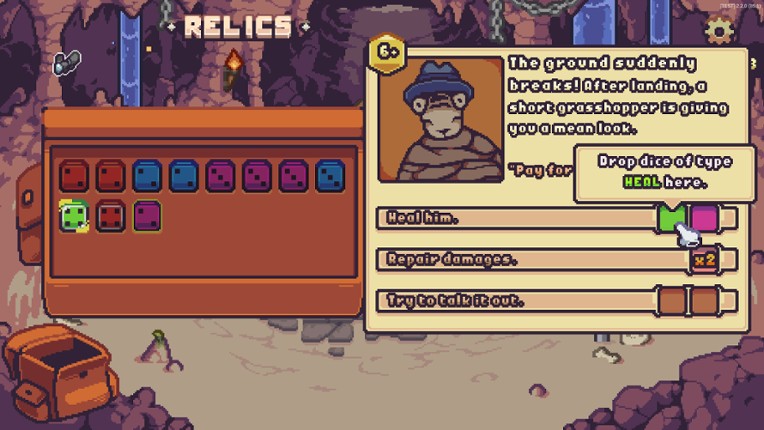
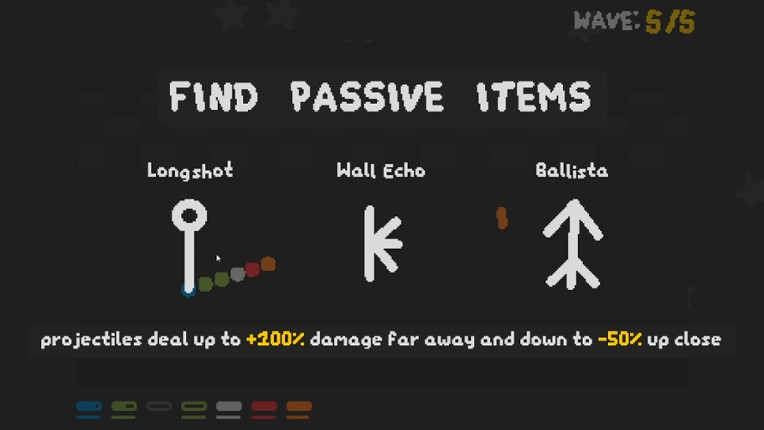
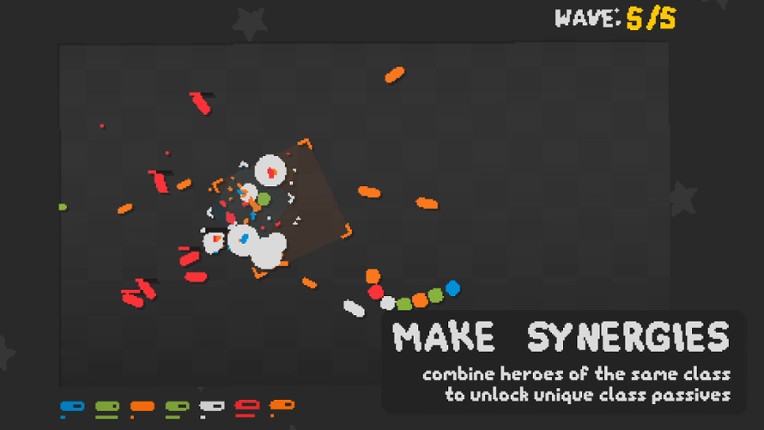
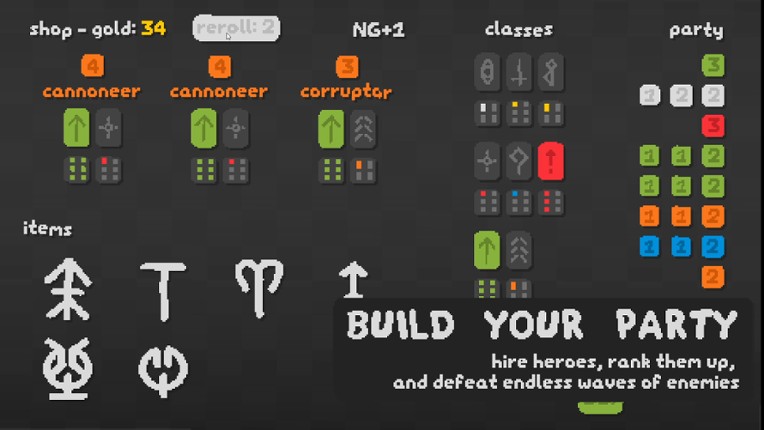
- 95%Game Brain ScoreMost mentioned positive aspects:gameplay, musicMost mentioned negative aspects:story, optimization95% User Score 3,528 reviewsAbstract minimalist action roguelike strips away cards entirely, building squads from geometric shapes with minimalist physics. If you enjoyed this game, see our list of games similar to SNKRX.View Game
- 73%Game Brain ScoreMost mentioned positive aspects:gameplay, graphicsMost mentioned negative aspects:replayability, grinding73% User Score 220 reviews
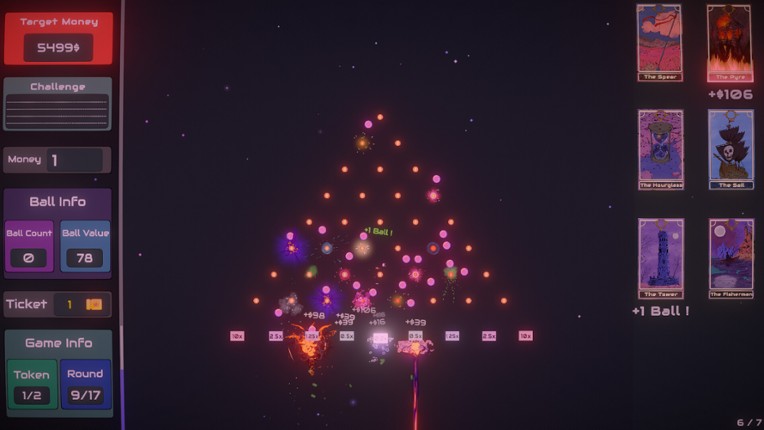
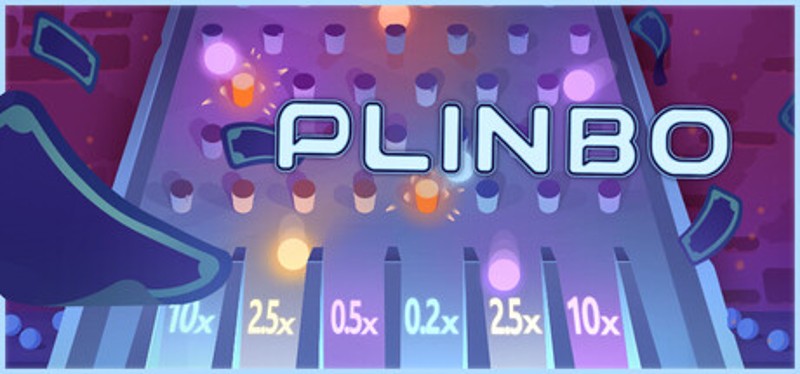
UPGRADE YOUR BALLS! Roguelike meets Plinko! Every choice is a strategy; every run is a unique challenge. Build your deck to tame the balls to your will. Take your chance, craft your fate, and cash in! If you enjoyed this game, see our list of games similar to Plinbo: Roguelike Plinko.
View Game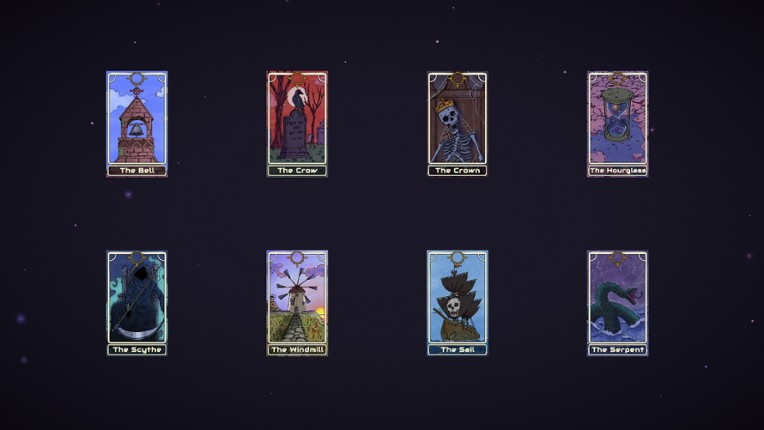
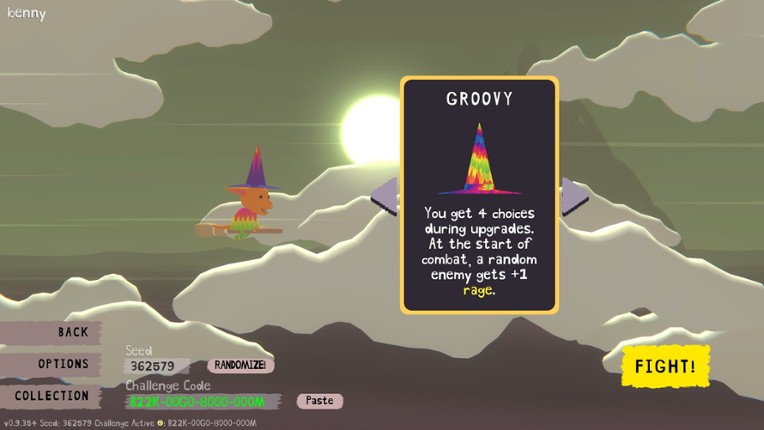
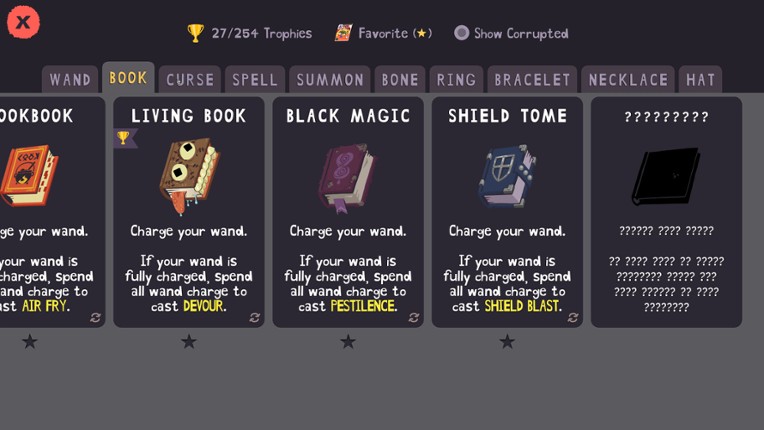
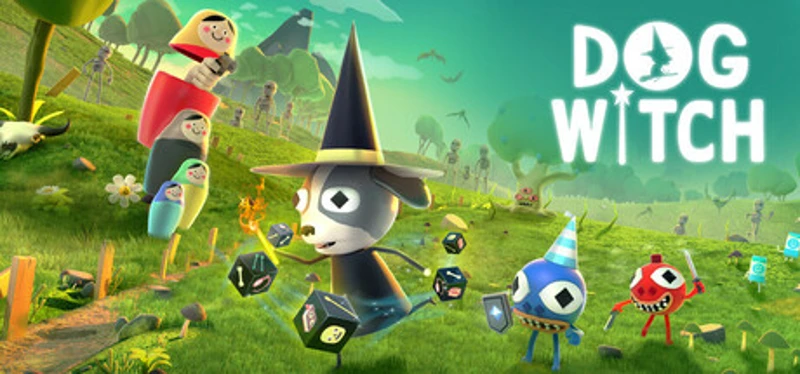
- 93%Game Brain ScoreMost mentioned positive aspects:gameplay, musicMost mentioned negative aspects:grinding93% User Score 361 reviewsInjects psychedelic comedy, character customization, and 3D visuals into deckbuilding roguelikes while keeping choices and procedural challenges. If you enjoyed this game, see our list of games similar to DOG WITCH.View Game
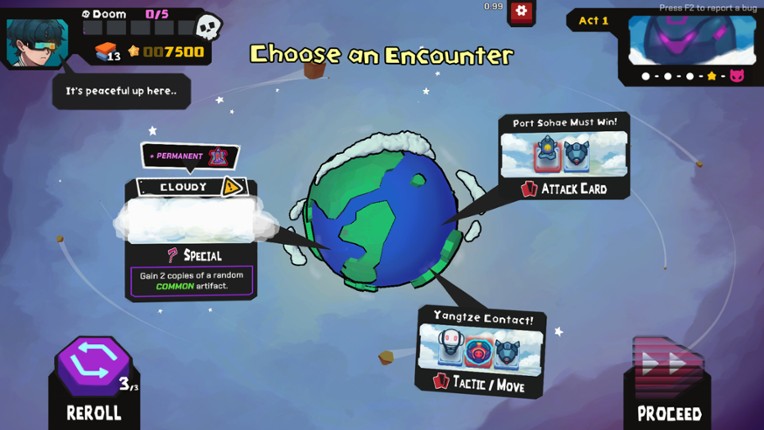
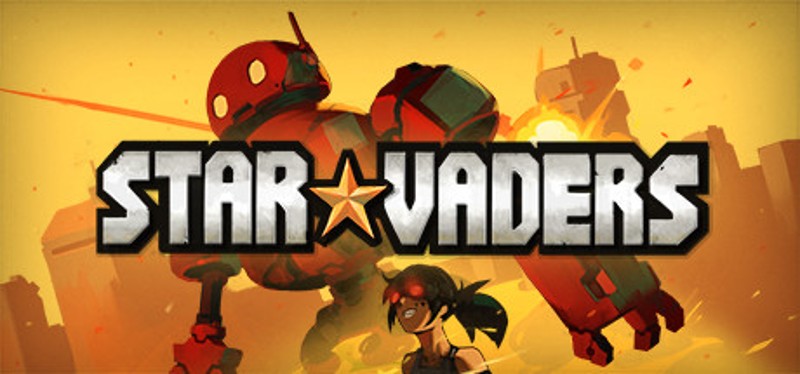
- 95%Game Brain ScoreMost mentioned positive aspects:gameplay, musicMost mentioned negative aspects:optimization, grinding98% User Score 2,233 reviewsCritic Score 89%5 reviewsFocuses on mech-themed anime style with a cute aesthetic, blending turn-based deckbuilding with colorful, lighthearted sci-fi combat and female lead. If you enjoyed this game, see our list of games similar to StarVaders.View Game
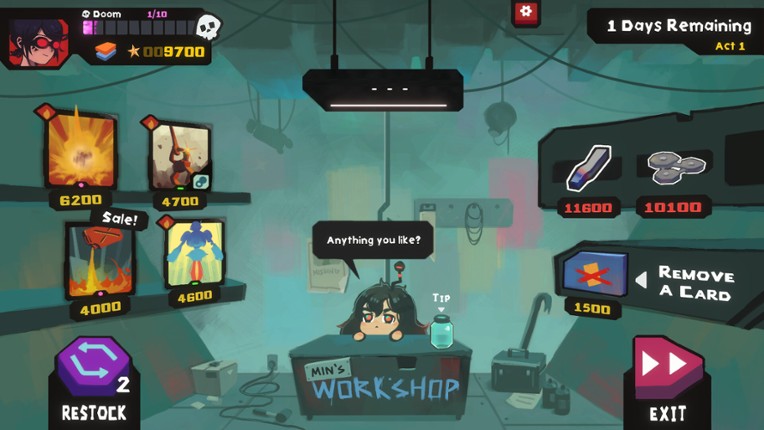
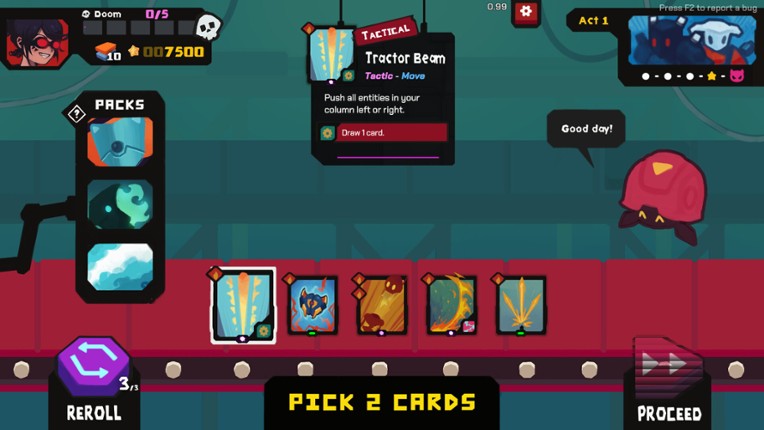
- 96%Game Brain ScoreMost mentioned positive aspects:gameplay, musicMost mentioned negative aspects:graphics, replayability96% User Score 301 reviewsTransplants mahjong tile-matching into the roguelite deckbuilding framework, offering resource puzzles instead of poker scoring. If you enjoyed this game, see our list of games similar to Aotenjo: Infinite Hands.View Game
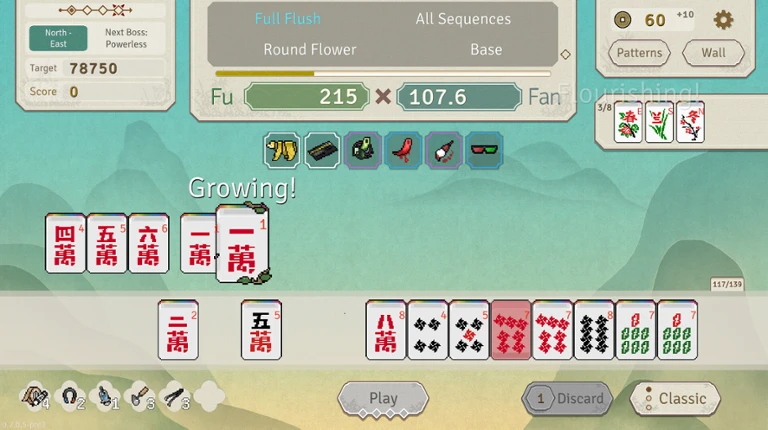
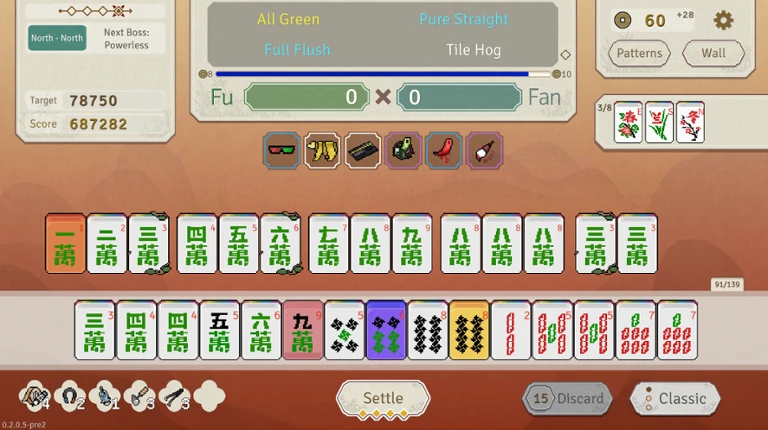
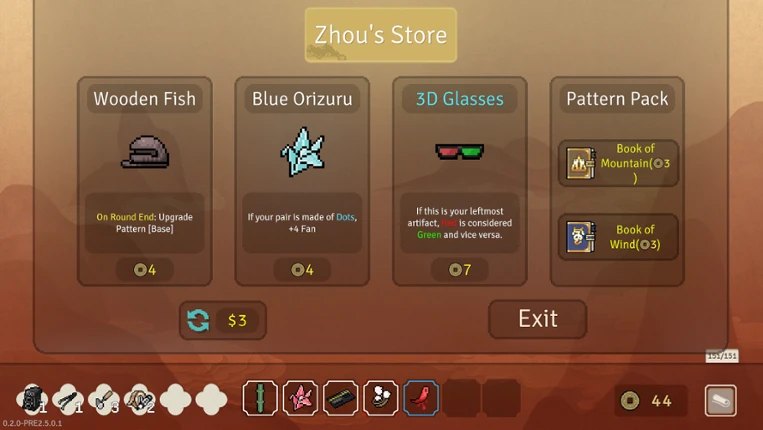
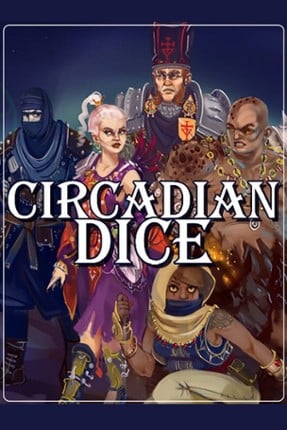
- 94%Game Brain ScoreMost mentioned positive aspects:gameplay, graphicsMost mentioned negative aspects:grinding, optimization94% User Score 886 reviewsFantasy board game dice roguelike blends Solitaire mechanics with dice crafting in a cozy turn-based roguelike deckbuilder. If you enjoyed this game, see our list of games similar to Circadian Dice.View Game
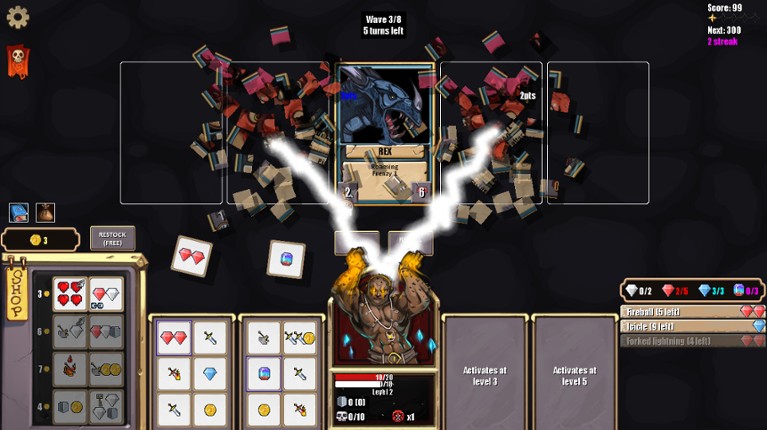
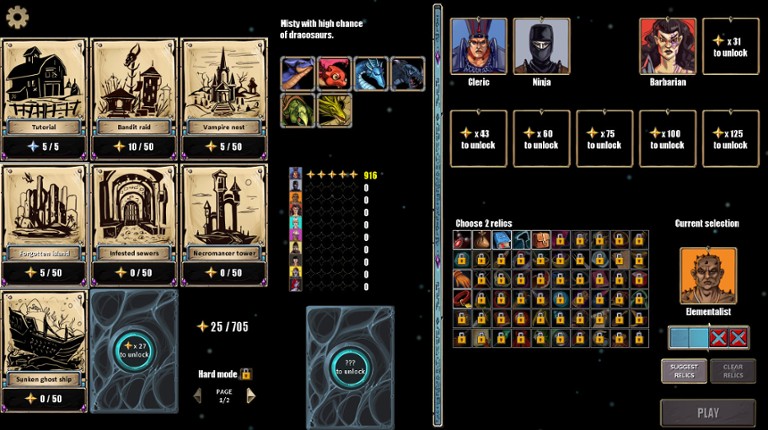
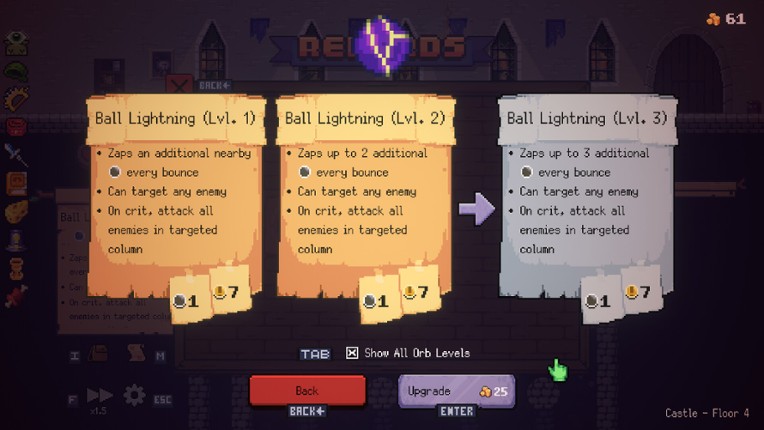
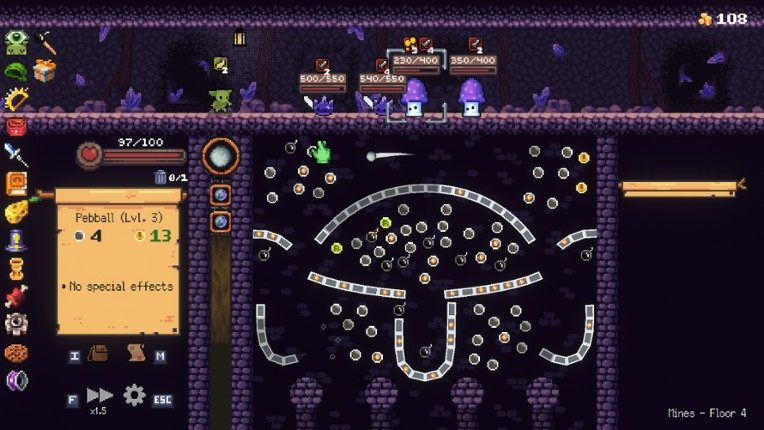
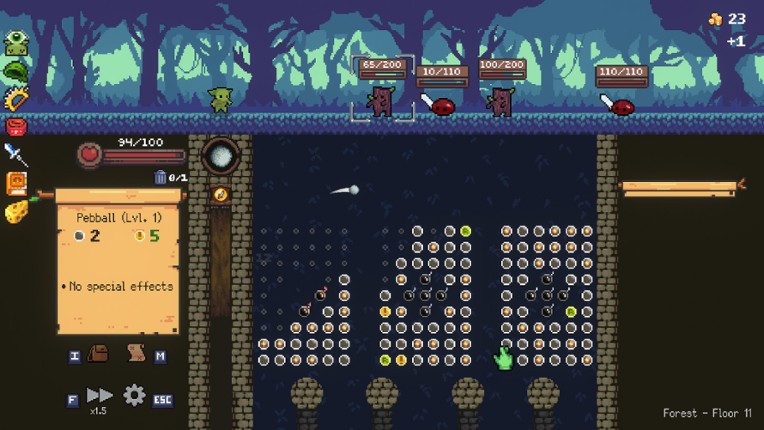
- 82%Game Brain ScoreMost mentioned positive aspects:gameplay, replayabilityMost mentioned negative aspects:story, grinding87% User Score 14,448 reviewsCritic Score 60%1 reviewsReplaces poker hands with physics-based pachinko shots and trading cards, preserving the roguelite deckbuilding core. If you enjoyed this game, see our list of games similar to Peglin.View Game
- 99%Game Brain ScoreMost mentioned positive aspects:gameplay, graphicsMost mentioned negative aspects:optimization, story99% User Score 950 reviews
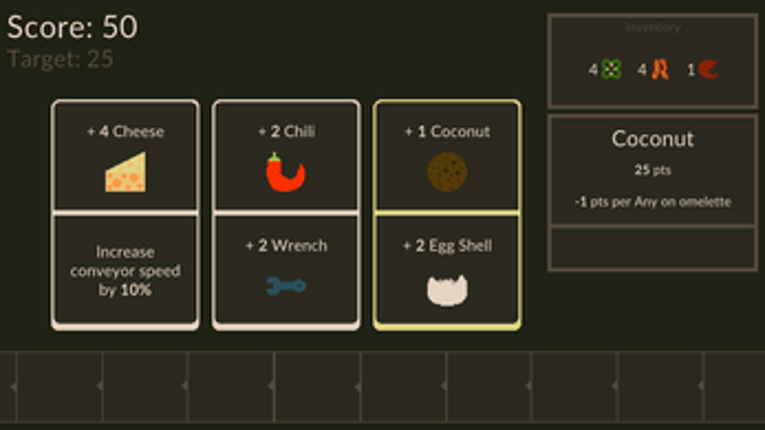
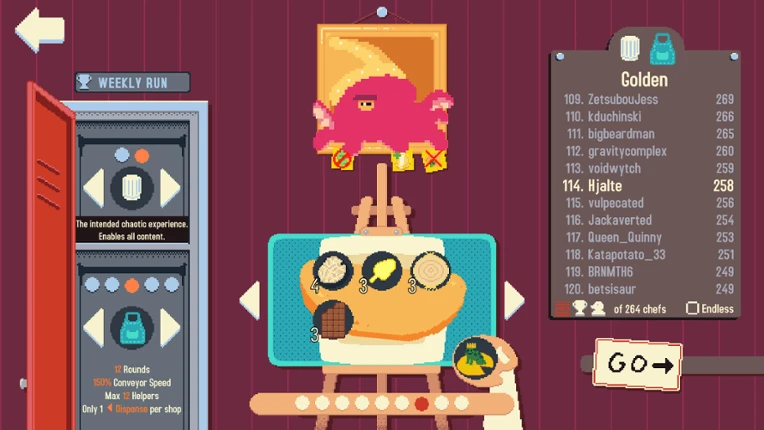
The cozy chaotic cooking roguelike. Assemble omelets for quirky students using ingredients from a conveyor belt. Discover wacky combinations to satisfy the ever-demanding Principal Clucker. If you enjoyed this game, see our list of games similar to Omelet You Cook.
View Game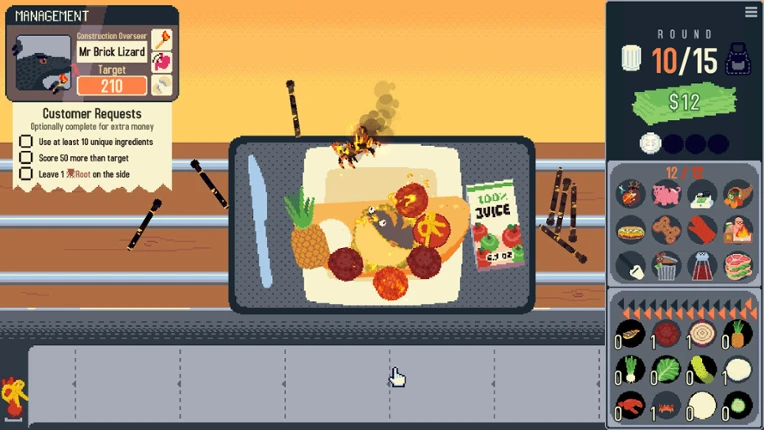
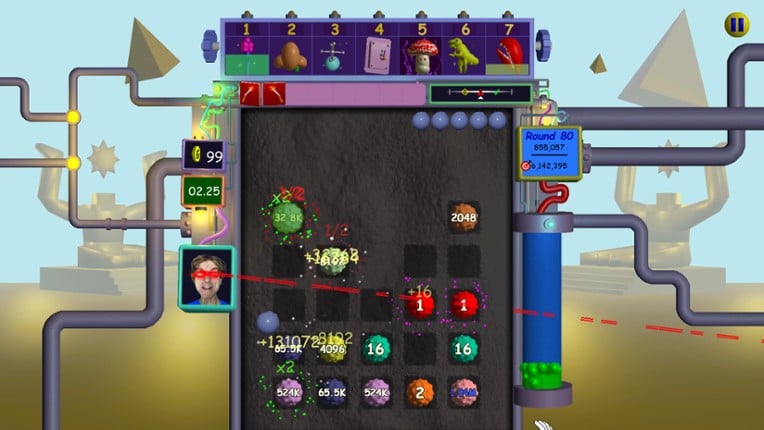
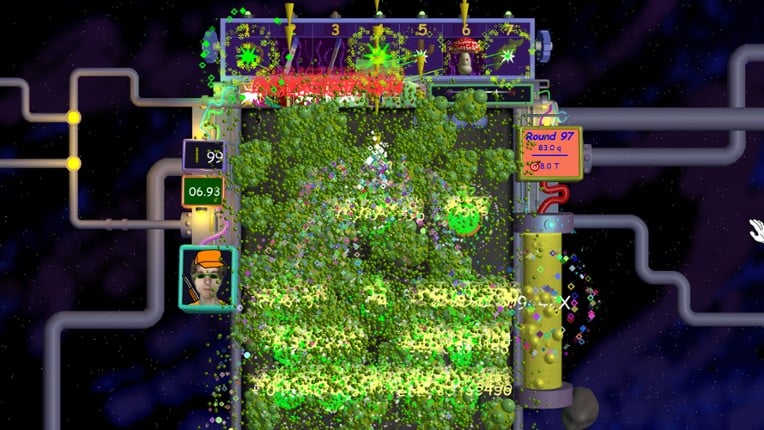
- 98%Game Brain ScoreMost mentioned positive aspects:graphics, gameplayMost mentioned negative aspects:grinding, stability98% User Score 16,885 reviewsPsychological horror deckbuilder laced with dark satire replaces Balatro's comedic energy with unsettling surreal dread. If you enjoyed this game, see our list of games similar to Nubby's Number Factory.View Game
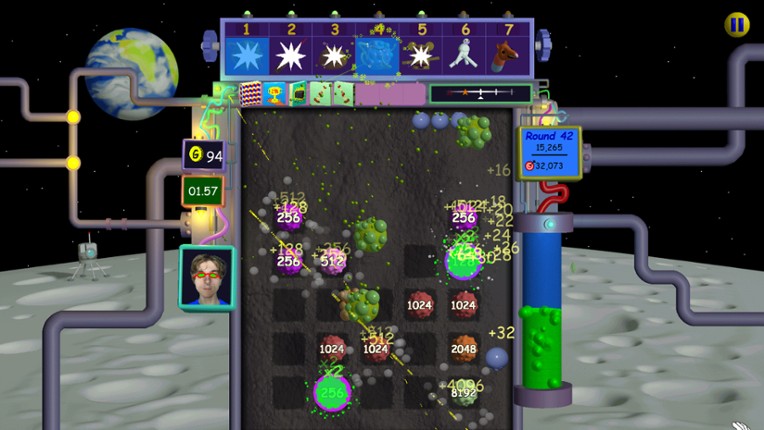
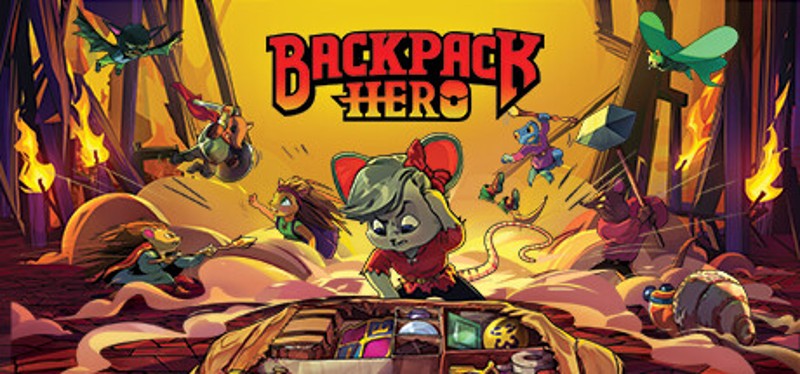
- 88%Game Brain ScoreMost mentioned positive aspects:gameplay, storyMost mentioned negative aspects:stability, grinding89% User Score 4,727 reviewsCritic Score 85%1 reviewsFocus on spatial puzzle-solving by organizing your inventory grid, replacing abstract card scoring with tactical item management and dungeon exploration. If you enjoyed this game, see our list of games similar to Backpack Hero.View Game
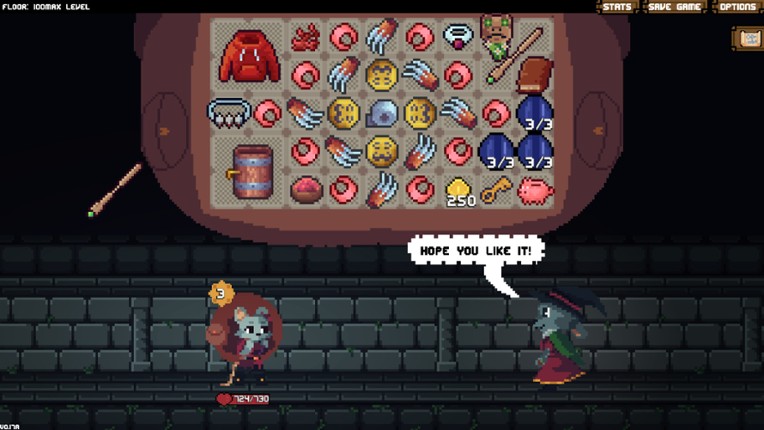
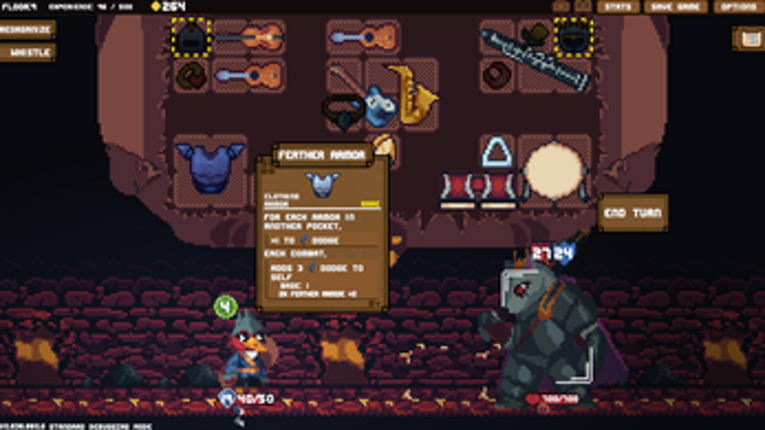
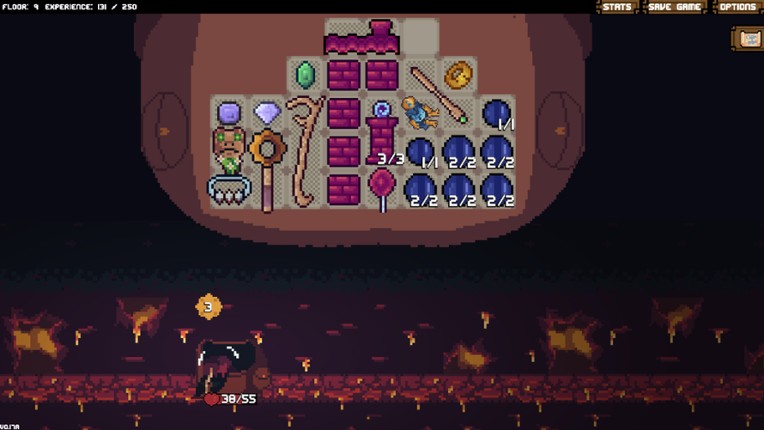
- 91%Game Brain ScoreMost mentioned positive aspects:gameplay, graphicsMost mentioned negative aspects:grinding, stability93% User Score 1,507 reviewsCritic Score 80%1 reviewsAdds dice-based mechanics and a darker fantasy mood, challenging players who want turn-based deckbuilding with hand-drawn art and a grim atmosphere. If you enjoyed this game, see our list of games similar to Astrea: Six-Sided Oracles.View Game
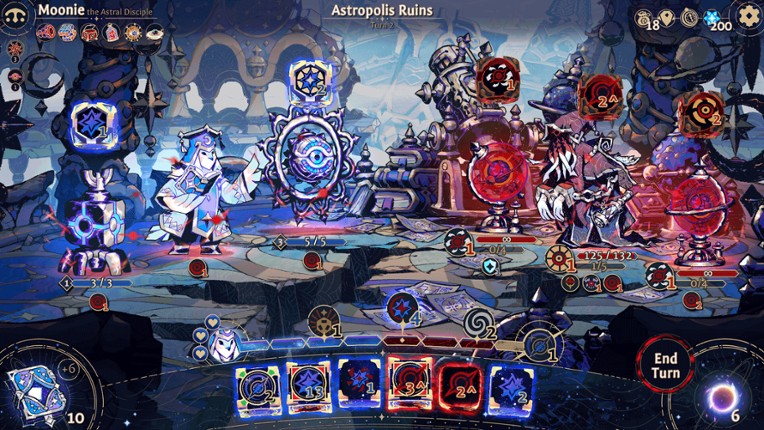
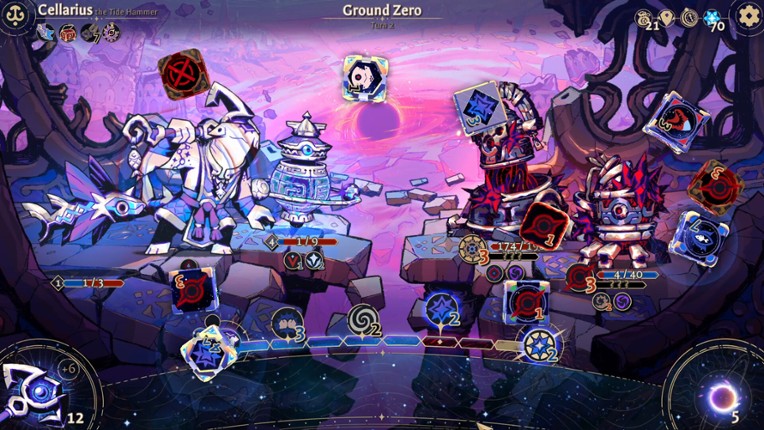
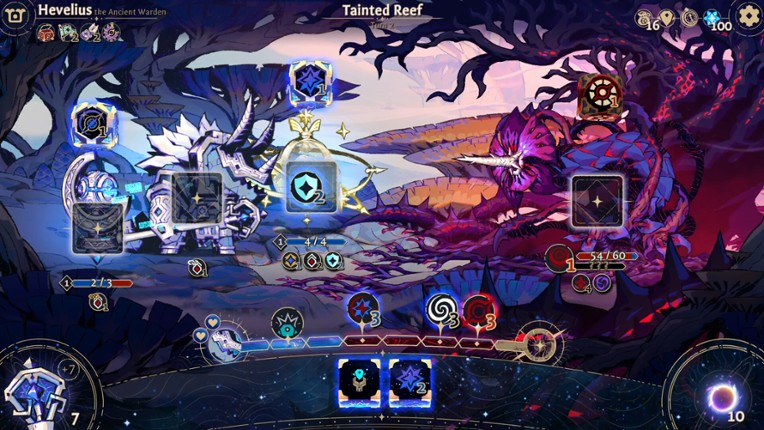
- 84%Game Brain ScoreMost mentioned positive aspects:gameplay, storyMost mentioned negative aspects:stability, grinding90% User Score 3,411 reviewsCritic Score 76%7 reviewsNarrows Balatro’s roguelite card mechanics into a purely turn-based board game with fantasy themes and simpler progression during early access development. If you enjoyed this game, see our list of games similar to Backpack Hero.View Game
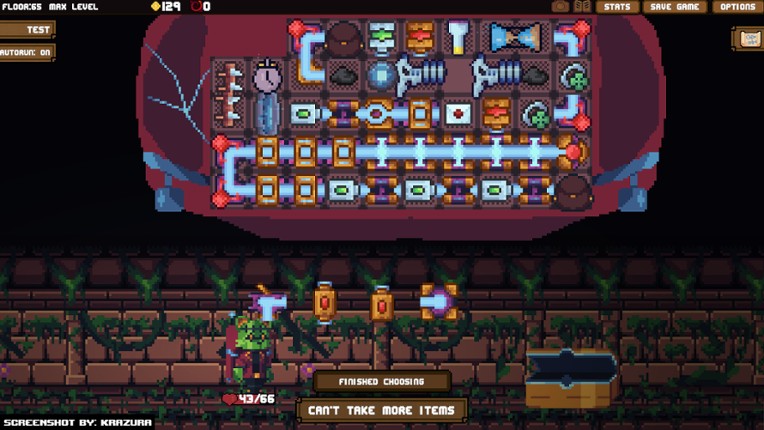
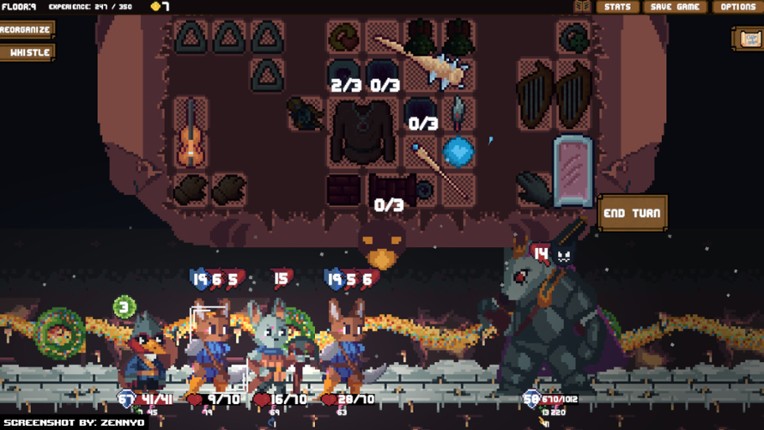
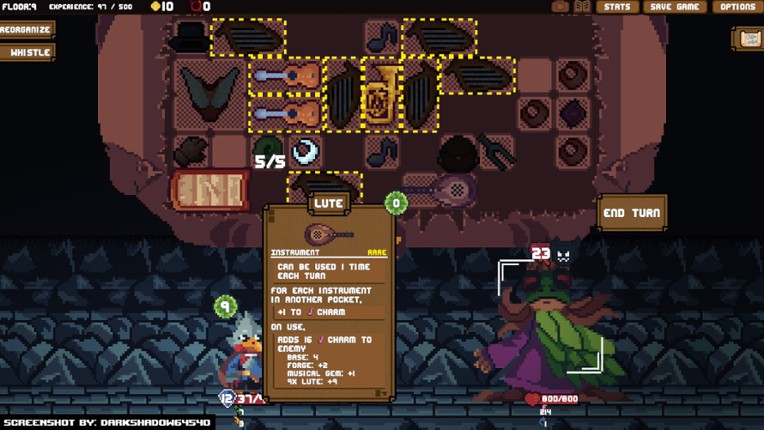
- 92%Game Brain ScoreMost mentioned positive aspects:gameplay, graphicsMost mentioned negative aspects:stability, optimization92% User Score 502 reviews
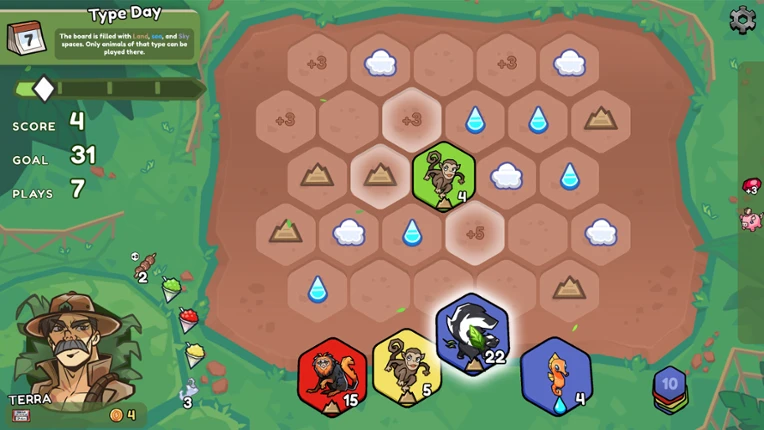
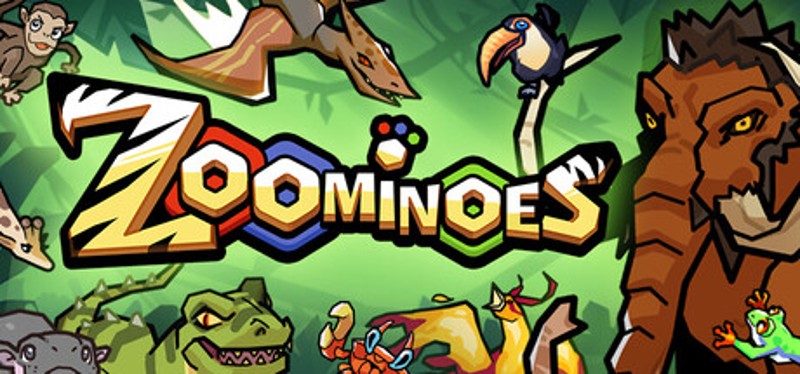
Zoominoes is a tile based roguelite deckbuilder. Collect cute animals scoring points with crazy combos as you create the perfect zoo. If you enjoyed this game, see our list of games similar to Zoominoes.
View Game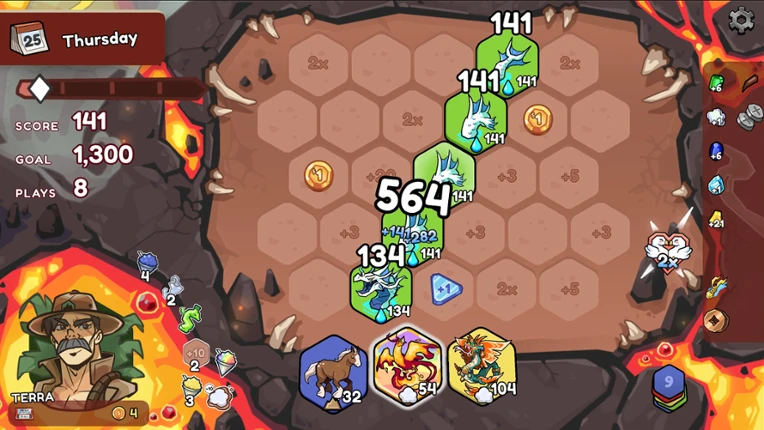

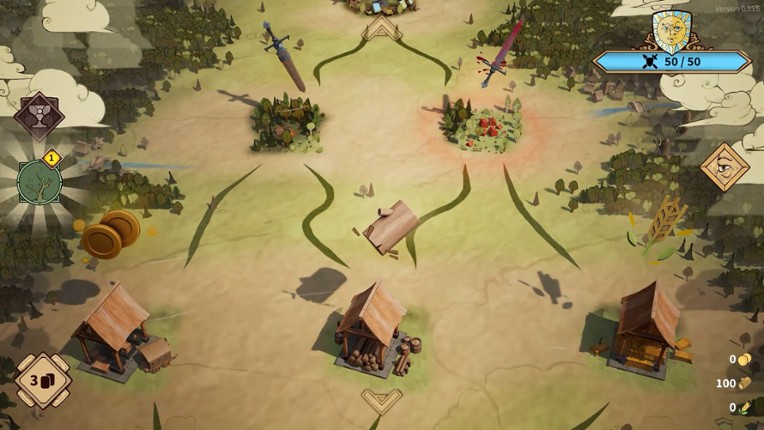
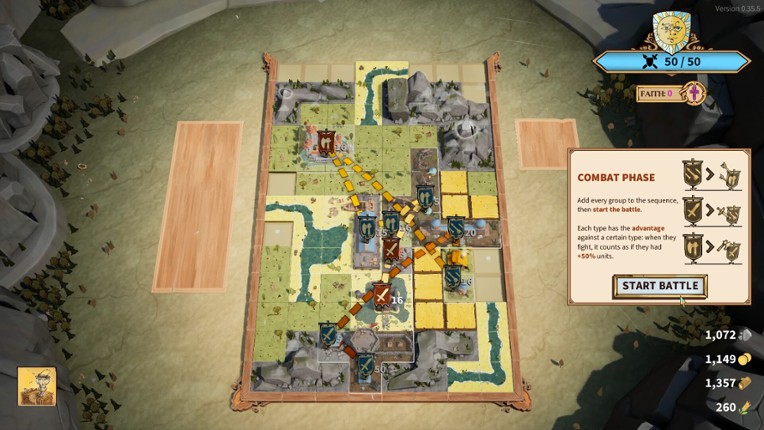
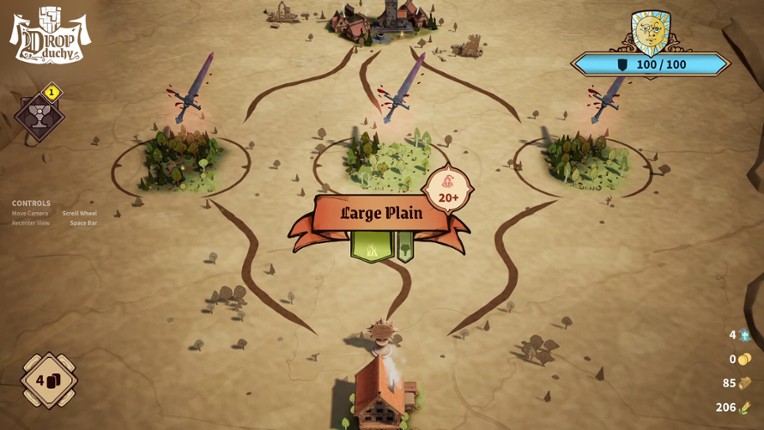
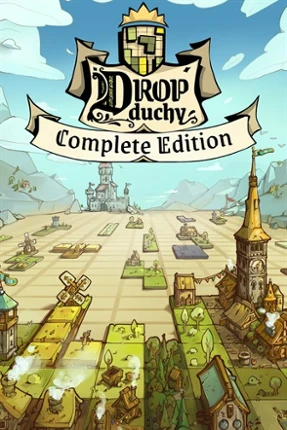
- 91%Game Brain ScoreMost mentioned positive aspects:gameplay, graphicsMost mentioned negative aspects:story, grinding91% User Score 1,505 reviewsCritic Score 90%1 reviewsSimplifies Balatro's complexity into approachable turn-based board-game logic puzzles with medieval card-battling themes. If you enjoyed this game, see our list of games similar to Drop Duchy.View Game
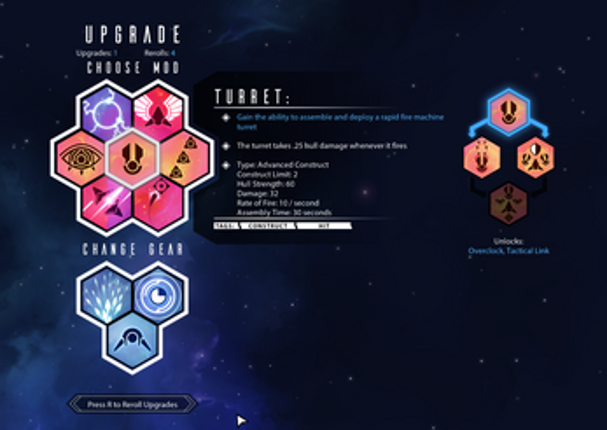
- 94%Game Brain ScoreMost mentioned positive aspects:gameplay, graphicsMost mentioned negative aspects:story, grinding97% User Score 10,045 reviewsCritic Score 80%1 reviewsAbandon card play for high-octane space combat, trading turn-based math for reflex-heavy bullet hell action while maintaining a deep upgrade-focused progression. If you enjoyed this game, see our list of games similar to Nova Drift.View Game


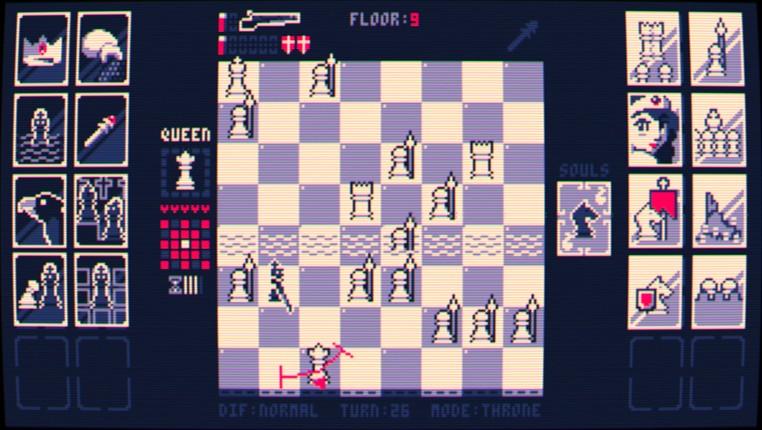
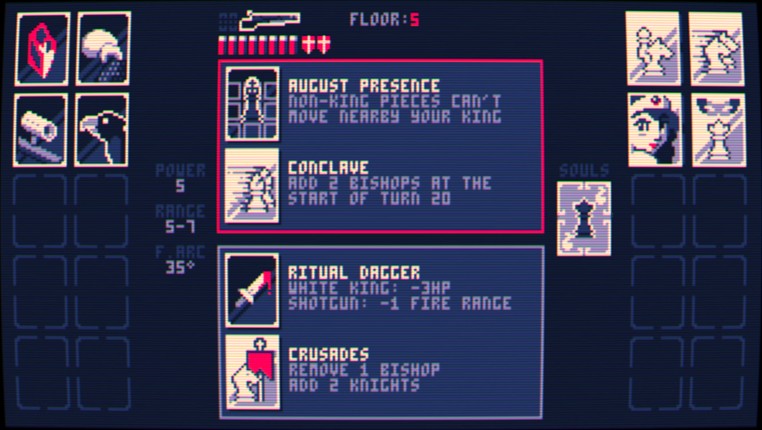
50 View Game 88%Game Brain ScoreMost mentioned positive aspects:gameplay, replayabilityMost mentioned negative aspects:grinding, stability94% User Score 6,140 reviewsCritic Score 79%6 reviewsExperience a rhythmic, chess-based twist that replaces complex deck synergies with kinetic, movement-heavy tactical positioning against an army of pieces. If you enjoyed this game, see our list of games similar to Shotgun King: The Final Checkmate.View Game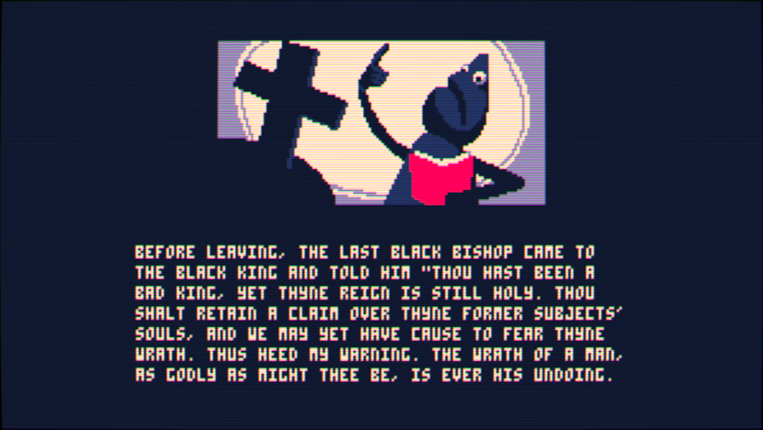


 View Game




























Frequently Asked Questions
Slay the Spire is the closest match, featuring roguelike deckbuilding with turn-based card battles and procedural generation. Monster Train adds tower defense elements to deck-building, while Luck be a Landlord blends slot machine mechanics with strategic deck construction. All three offer similar replayability and synergy-focused gameplay.
Dungeon Clawler combines roguelike deckbuilding with a unique claw machine mechanic for fresh arcade action. Vampire Survivors offers arcade-style survival with roguelike progression and pixel graphics. Megabonk delivers fast-paced arcade action with retro charm. Each provides that satisfying arcade loop Balatro players enjoy.
Monster Train excels with diverse clan combinations creating distinct strategies each run. Luck be a Landlord offers numerous synergies and regular content updates. My Card Is Better Than Your Card! features creative sticker-based card customization. All three reward experimentation and offer varied playstyles.
CloverPit delivers immersive dark aesthetics with psychological horror elements and gambling mechanics. Vampire Survivors features dark gothic themes alongside roguelike action. Both maintain compelling gameplay while offering the atmospheric depth that complements strategic gameplay.
Most games like Slay the Spire, Vampire Survivors, and Monster Train are affordably priced indie titles without microtransactions. Megabonk specifically highlights its ad-free, no-microtransaction model. These games offer excellent value compared to premium titles while delivering hundreds of hours of gameplay.
My Card Is Better Than Your Card! provides a cozy, relaxing deckbuilding experience with charming hand-drawn art and engaging music. Luck be a Landlord offers casual management-style deck construction. Both maintain strategic depth while delivering the relaxing gameplay loop that makes Balatro so satisfying.