

Games like Factorio
If you've lost countless hours optimizing conveyor belts, wrestling with oil refining ratios, and launching rockets only to immediately start a new run, you already know the pull of games like Factorio. This is a game built on automation, base building, and the relentless satisfaction of turning a messy manual operation into a humming, self-sustaining machine. The good news: there's a whole genre of factory-builders and management sandboxes waiting for you.
Factorio sits at a rare crossroads — part open-world survival, part industrial simulation, part science-driven strategy. Its core loop of harvesting resources, crafting increasingly complex components, and scaling up production through automation creates a deeply personal engineering puzzle. Players who love it aren't just looking for a strategy game; they're chasing that specific feeling of designing systems that work beautifully together, all while defending a sprawling base from alien threats and optimizing every last belt and inserter.
What Makes a Good Alternative to Factorio?
- Automation-first design — The heart of Factorio is replacing manual labor with machines. The best alternatives put automation at the center of progression, not as a side feature.
- Deep resource management chains — Factorio's satisfaction comes from multi-step production lines where raw ore becomes science packs through dozens of intermediate steps. Good alternatives demand the same kind of logistical thinking.
- Base building with meaningful scaling — Building something small that grows into something enormous is core to the fantasy. Alternatives should reward expansion and let complexity snowball naturally.
- Replayability through optimization — Factorio players replay not to see a new story but to build a better factory. Alternatives with procedural generation, tech trees, or open-ended goals scratch the same itch.
- Science and research progression — Factorio's research system gives every production decision a purpose. The best alternatives tie factory output to unlocking new capabilities, keeping the loop meaningful.
Top Picks If You Enjoyed Factorio
Satisfactory brings factory automation into a gorgeous first-person 3D world. Dyson Sphere Program scales that ambition to an entire solar system with stunning visuals. Mindustry adds tower defense tension to familiar resource-automation loops. shapez 2 strips the formula to pure, relaxing shape-processing logic. Oxygen Not Included trades conveyor belts for colony survival systems with brutal resource constraints. Each captures a different angle of what makes games like Factorio so compelling.
Every recommendation below is ranked by similarity using real player data and genre overlap, so the closest matches appear first. Browse the full list to find your next factory-building obsession.
- 95%Game Brain ScoreMost mentioned positive aspects:gameplay, graphicsMost mentioned negative aspects:grinding, stability97% User Score 153,748 reviewsCritic Score 91%7 reviews
Both games trap you in the same addictive loop: design a production chain, watch it run, then immediately tear it apart to optimize. The core satisfaction comes from iterative problem-solving—each factory upgrade teaches you inefficiencies you didn't see before, pulling you into another 4-hour session.
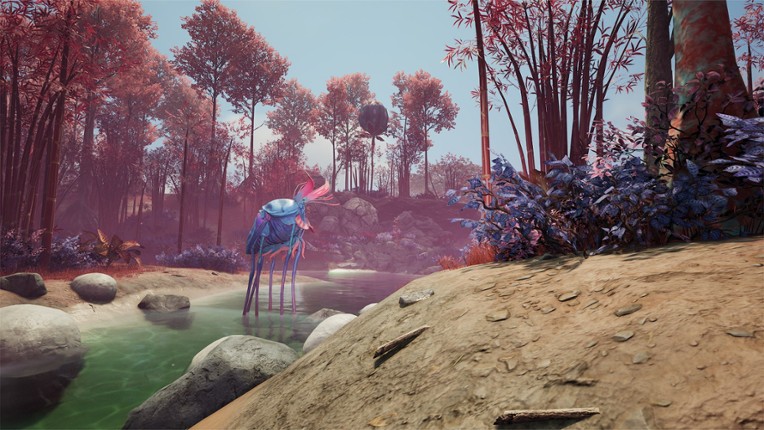
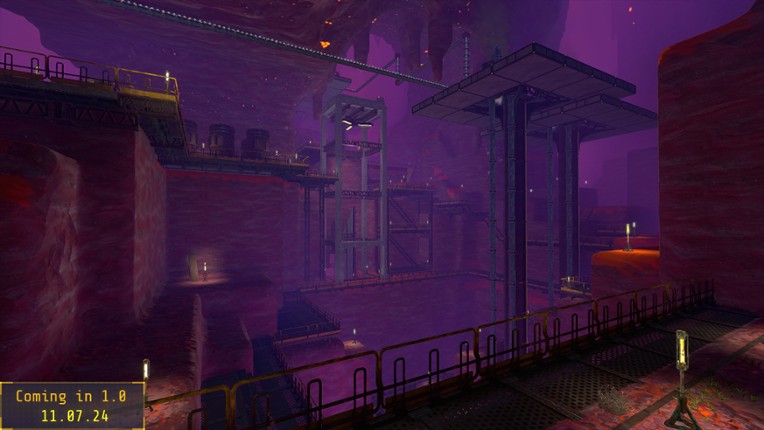
Satisfactory copies Factorio's automation depth and resource management framework almost wholesale, but trades the 2D bird's-eye view for first-person factory inhabitation. You're walking through your own creation, which transforms optimization from abstract puzzle-solving into embodied craft—you feel the factory's scale because you traverse it.
The modding community and replayability remain central here too. Satisfactory's early-access status means the base game evolves, but the real longevity mirrors Factorio's: players push toward perfect ratios, harder difficulties, and community challenge runs.
One meaningful trade-off: Satisfactory's mid-game grind is steeper than Factorio's, with less mechanical variety to ease tedium. However, the game's exploration layer and witty AI commentary do something Factorio's minimalist story doesn't—provide tonal relief without breaking momentum.
Best for optimization obsessives who want to experience their factory rather than merely observe it.
If you enjoyed this game, see our list of games similar to Satisfactory.View Game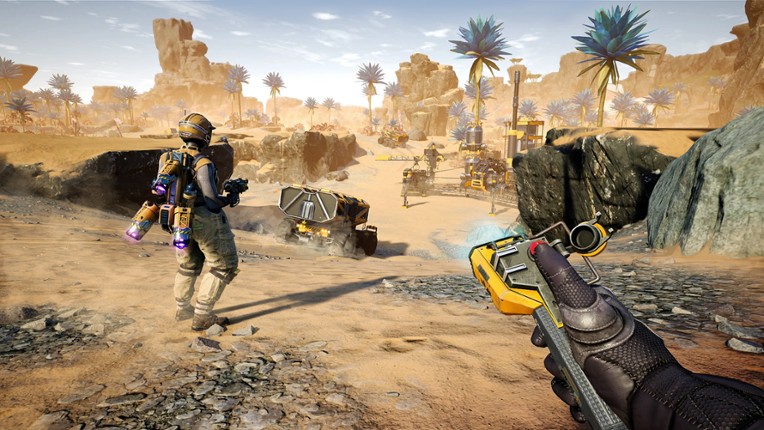
- 97%Game Brain ScoreMost mentioned positive aspects:gameplay, graphicsMost mentioned negative aspects:grinding, stability97% User Score 43,752 reviews
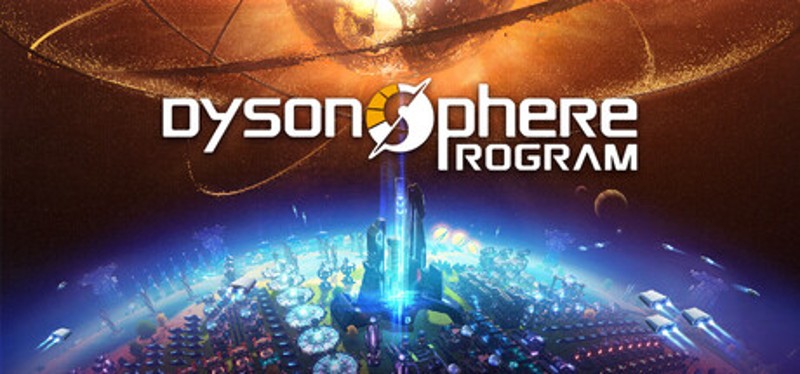
Both games scratch the same itch of watching tiny manual chores turn into a self-running industrial machine. In Dyson Sphere Program, you lay down miners, belts, assemblers, and power networks, then keep tightening the layout until production flows with almost no handholding. That loop feels familiar to Factorio fans because the real reward is not finishing a task, but designing a system that does the work for you.
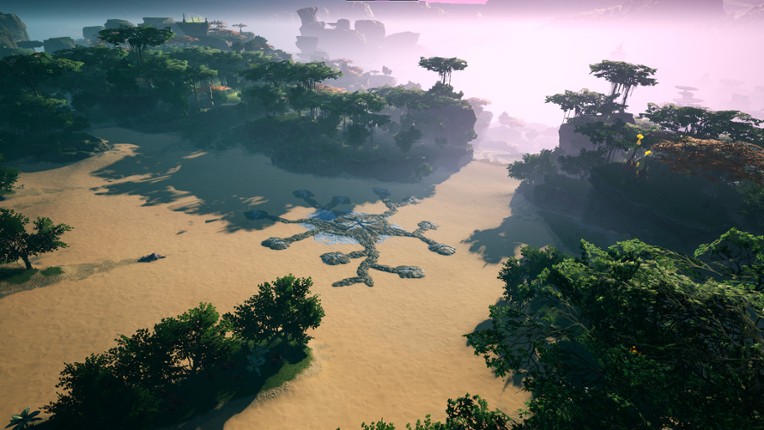
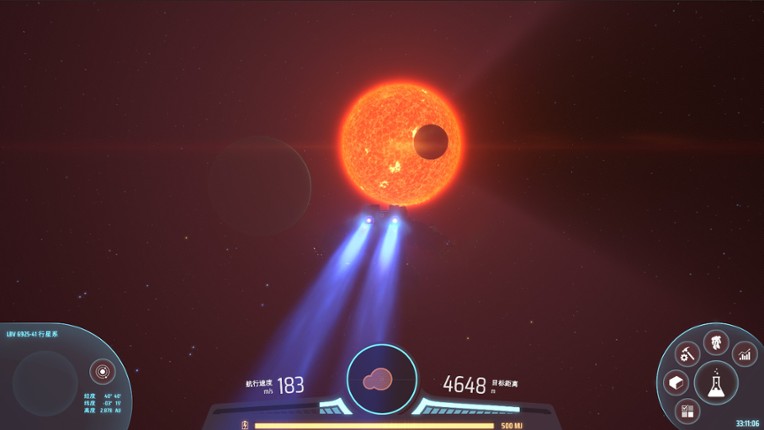
It also keeps the resource-management-and-automation puzzle front and center, so every expansion becomes a question of ratios, bottlenecks, and logistics. The jump to 3D space adds a fresh twist: instead of only optimizing a flat factory, you build across planets and think about scale in a more vertical, planetary way. That gives seasoned Factorio players a new planning challenge without losing the satisfying optimization mindset.
Just as importantly, it offers a longer, more expansive progression path, which helps address Factorio’s common complaint that the midgame can feel repetitive. Best for players who want relentless factory growth with a bigger cosmic canvas.
If you enjoyed this game, see our list of games similar to Dyson Sphere Program.View Game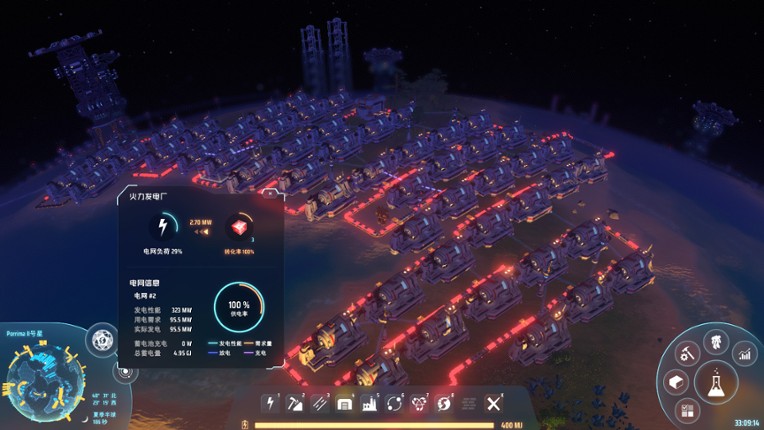
- 95%Game Brain ScoreMost mentioned positive aspects:gameplay, graphicsMost mentioned negative aspects:story, grinding95% User Score 10,183 reviews
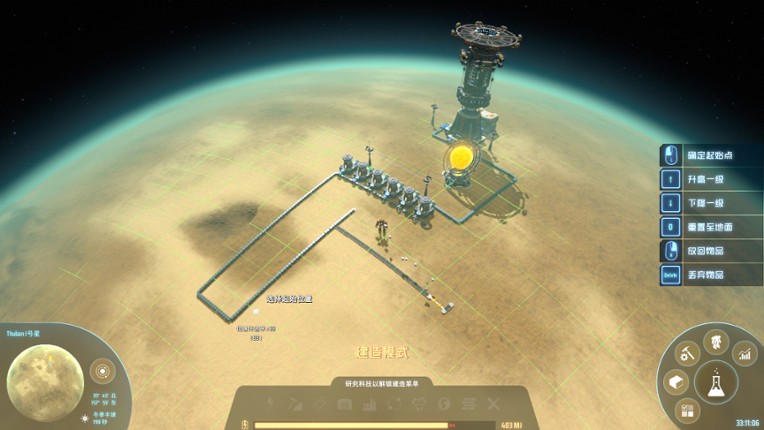
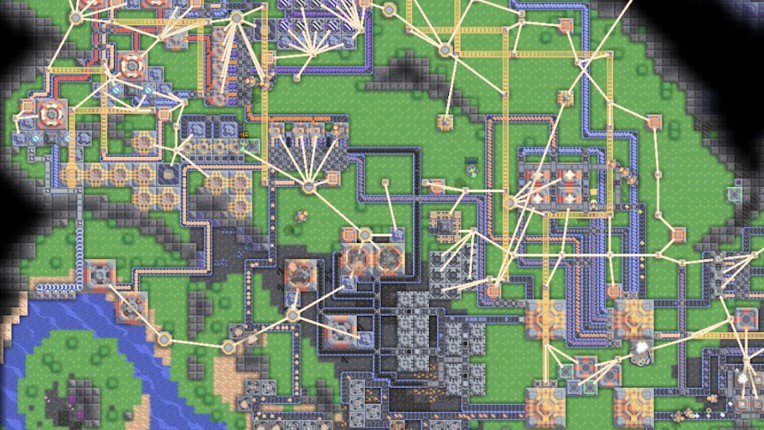
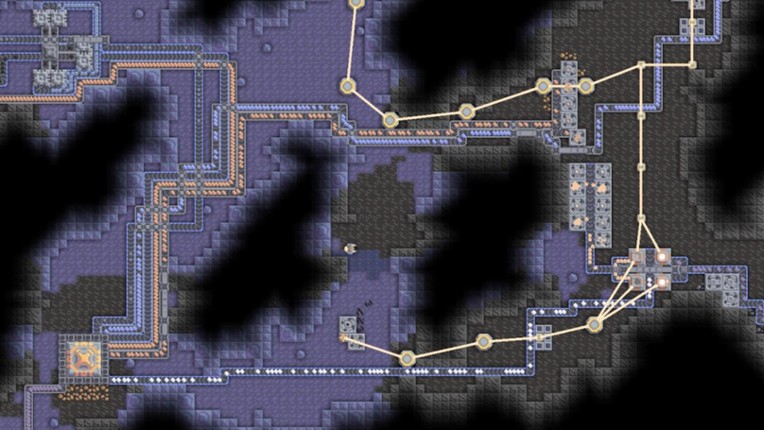
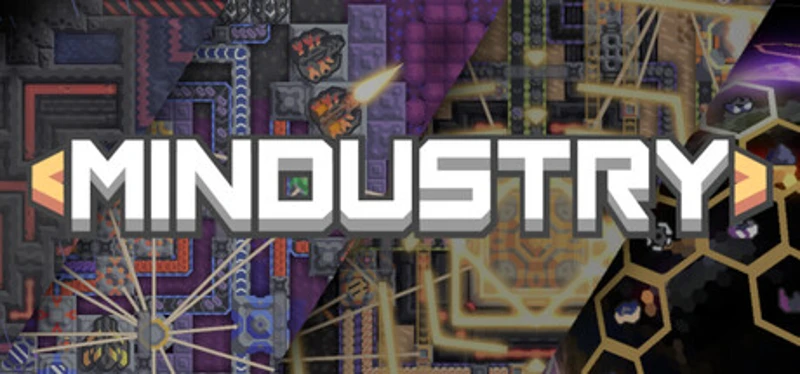
If you love the satisfying rush of watching a production line hum along without constant babysitting, Mindustry delivers that same automation dopamine. Both games reward players who obsess over throughput, belt balancing, and eliminating bottlenecks—you'll find yourself drawing layouts on graph paper just like you did for your Factorio smelter arrays.
Resource management and tech trees feel nearly identical: you extract ore, refine it, and unlock increasingly complex production chains. The optimization loop is just as addictive because both titles treat expansion as a puzzle rather than a checklist, pushing you to rethink every layout as scale increases.
Where Mindustry diverges is its tower defense fusion—your factories also need to withstand enemy waves, making defense layout as critical as production efficiency. This adds a real-time strategic layer Factorio only hints at.
The tradeoff? Mindustry's learning curve is steeper, and early-game grinding can feel more pronounced. However, the multiplayer components—2-player and online Co-Op—let you分担 the discovery burden with friends, turning that initial complexity into shared exploration.
Best for players who crave Factorio's optimization high but want a fresh tactical twist where your factory is also your frontline.
If you enjoyed this game, see our list of games similar to Mindustry.View Game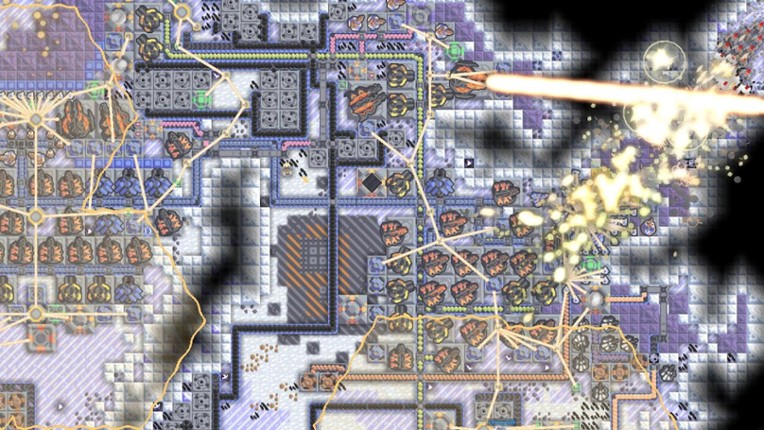
- 94%Game Brain ScoreMost mentioned positive aspects:gameplay, graphicsMost mentioned negative aspects:story, grinding98% User Score 9,399 reviewsCritic Score 80%2 reviews
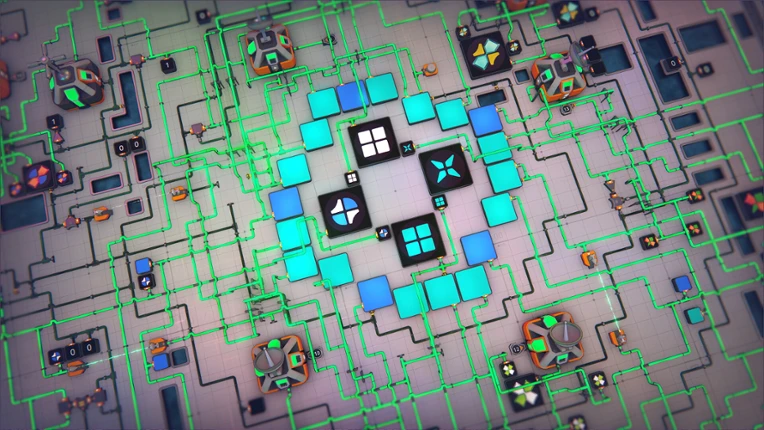
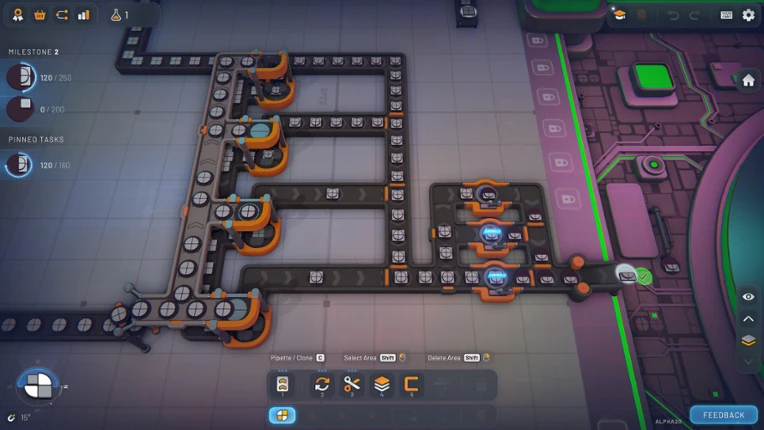
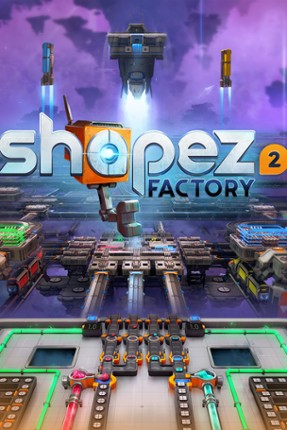
Designing intricate, multi-level conveyor manifolds to solve geometric production puzzles captures the same logic-driven satisfaction found in your favorite industrial layouts. You aren't just placing belts; you are architecting a massive, interconnected organism that refines raw shapes into complex artifacts.
This automation-first loop mirrors the drive to optimize Science Packs, as players must constantly scale their infrastructure to unlock higher technology tiers. By removing resource depletion, the game replicates the experience of managing a sprawling hub where every blueprint optimization directly fuels your next massive expansion.
While it lacks the survival tension of bug attacks, shapez 2 provides a sleek, futuristic 3D environment that feels more modern than retro pixel art. This shift addresses common complaints about early-game manual tedium by offering a streamlined experience centered entirely on the creative flow of building.
Best for players who prioritize mathematical perfection and clean aesthetics over defensive combat or resource scarcity.
If you enjoyed this game, see our list of games similar to shapez 2.View Game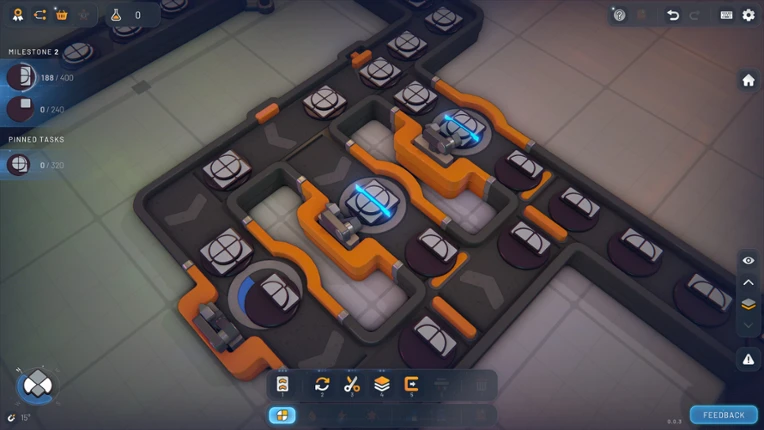
- 93%Game Brain ScoreMost mentioned positive aspects:gameplay, graphicsMost mentioned negative aspects:grinding, stability96% User Score 51,372 reviewsCritic Score 80%1 reviews
That itch to trace a broken system back to its source — a missing pipe, a miscalculated power draw, a resource bottleneck three steps upstream — is exactly what drives Oxygen Not Included. Both games reward the kind of player who finds satisfaction not in winning, but in diagnosing and rebuilding.
The resource management loops feel genuinely close in spirit: you're constantly balancing inputs, outputs, and throughput across interconnected systems. In ONI, gas and liquid pressure behave with real physics, which means your decisions compound in ways that feel as consequential as laying down a Factorio belt network. Science progression also anchors both games, gating your expansion behind research and demanding increasingly efficient designs.
The key difference is scale and stakes — instead of an ever-expanding factory, you're managing a fragile colony of individual duplicants with needs, moods, and skills. It's tighter and more personal than Factorio's sprawl.
Factorio players who found the early game too slow and manual will appreciate that ONI frontloads complexity from the start, rarely letting the pace go slack. Best for players who thrive on systems thinking and don't mind when their elegant solution creates three new problems.
If you enjoyed this game, see our list of games similar to Oxygen Not Included.View Game

- 96%Game Brain ScoreMost mentioned positive aspects:gameplay, musicMost mentioned negative aspects:grinding, story96% User Score 8,848 reviews
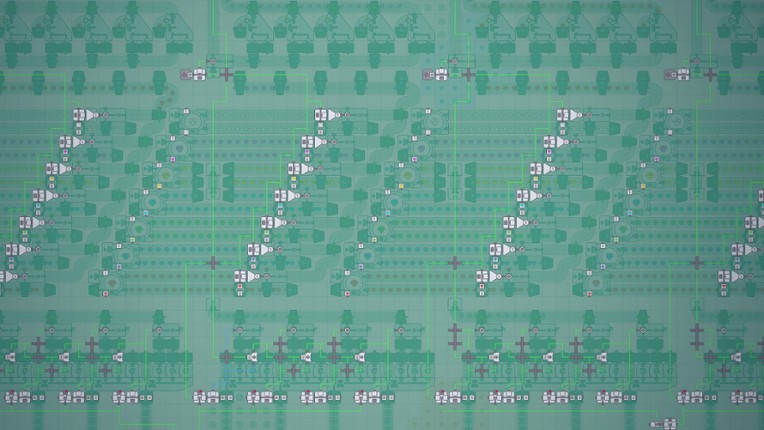
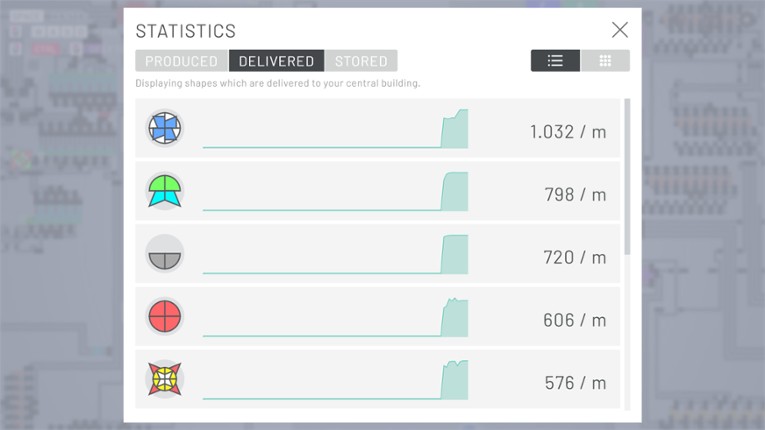
shapez distills the essence of Factorio down to pure, unadulterated automation. You focus exclusively on the logistical puzzle of processing and shaping geometric forms, which removes the distraction of combat or resource scarcity.
This streamlined approach matters because it allows you to iterate on massive, complex designs without the constant pressure of alien attacks or power grid failure. The game prioritizes logical scaling over survival.
The primary trade-off is the loss of Factorio’s hazardous tension and industrial grit in exchange for an abstract, zen-like sandbox. Pick this up if you want the satisfying optimization loops of a mega-factory but can live without the combat and survival mechanics.
If you enjoyed this game, see our list of games similar to shapez.View Game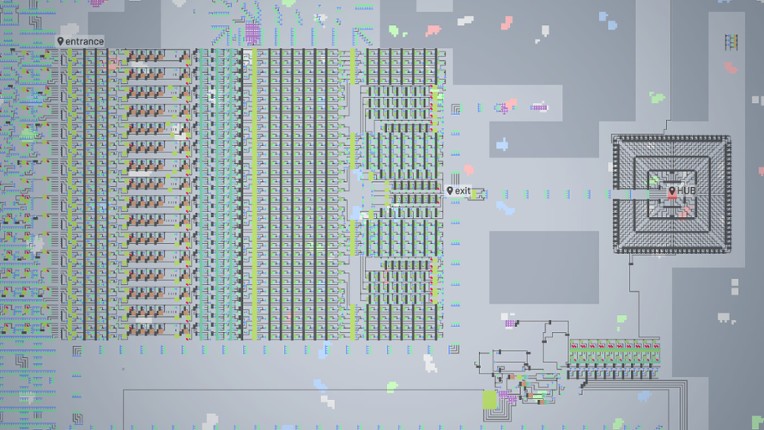
- 72%Game Brain ScoreMost mentioned positive aspects:gameplay, graphicsMost mentioned negative aspects:grinding, stability72% User Score 4,058 reviews
Both games centre on automation and base building, turning raw ore into complex production chains. The satisfaction comes from watching a self‑sustaining system evolve and then refactoring it for better efficiency.
Both support online co‑op, letting friends jointly design, expand, and troubleshoot factories. That shared workload amplifies the problem‑solving vibe.
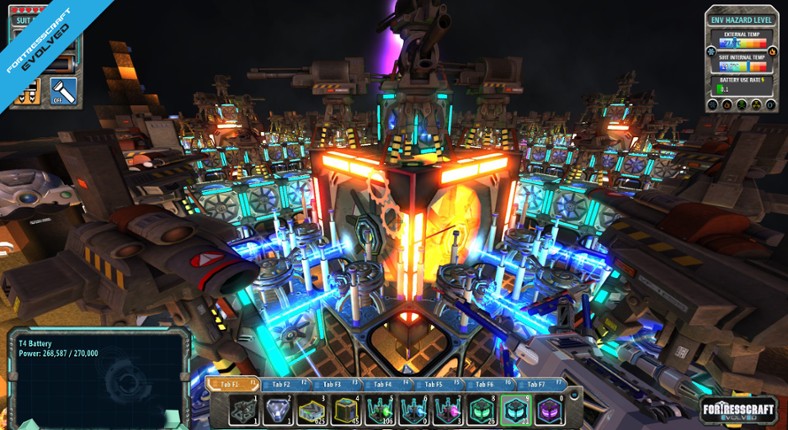
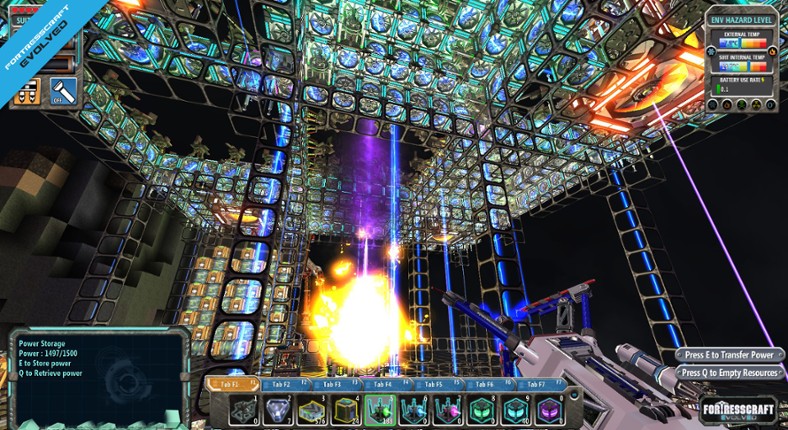
FortressCraft Evolved swaps Factorio’s 2‑D polish for a voxel world with tower‑defence, but its UI is clunky and multiplayer bugs are common.
Pick this up if you want voxel‑based automation and can live with a steep learning curve and occasional performance hiccups.
If you enjoyed this game, see our list of games similar to FortressCraft Evolved.View Game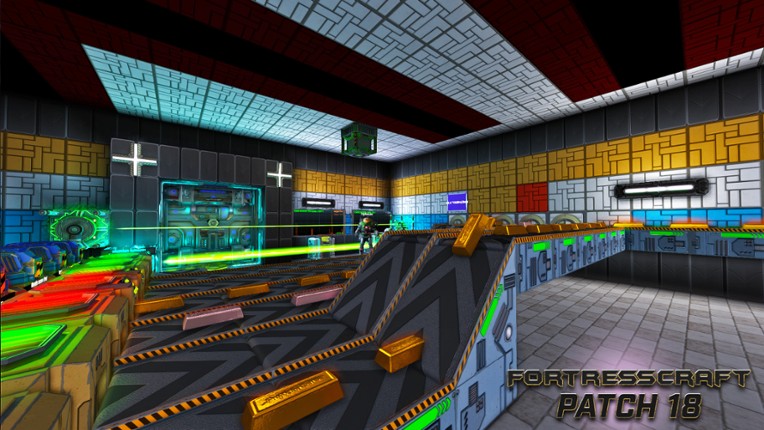
- 91%Game Brain ScoreMost mentioned positive aspects:graphics, gameplayMost mentioned negative aspects:story, grinding91% User Score 2,576 reviews
Both games center on train-based logistics and resource optimization as their core satisfaction loop. You're building supply chains and watching automated systems hum along in both.
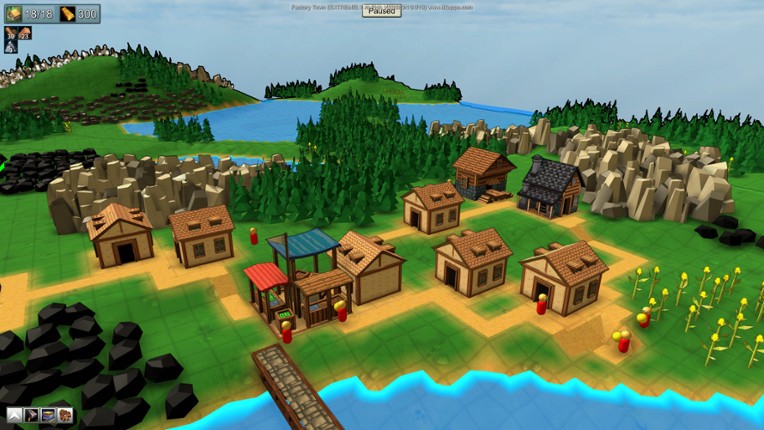
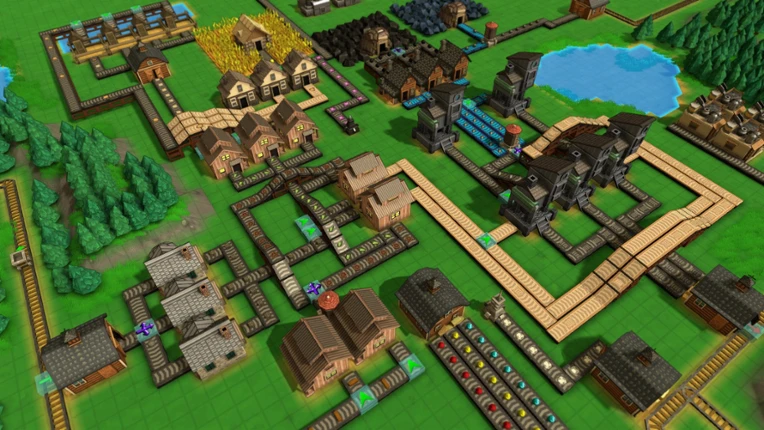
Factory Town adds a 3D colony-sim layer with worker management, giving your factories an economic heartbeat that Factorio largely ignores.
The critical difference: Factorio demands constant optimization and scaling complexity, while Factory Town is deliberately low-pressure and relaxing—no enemies, no time limits, no need to push further.
Pick Factory Town if you love Factorio's automation but want a chill sandbox without the treadmill of endless expansion.
If you enjoyed this game, see our list of games similar to Factory Town.View Game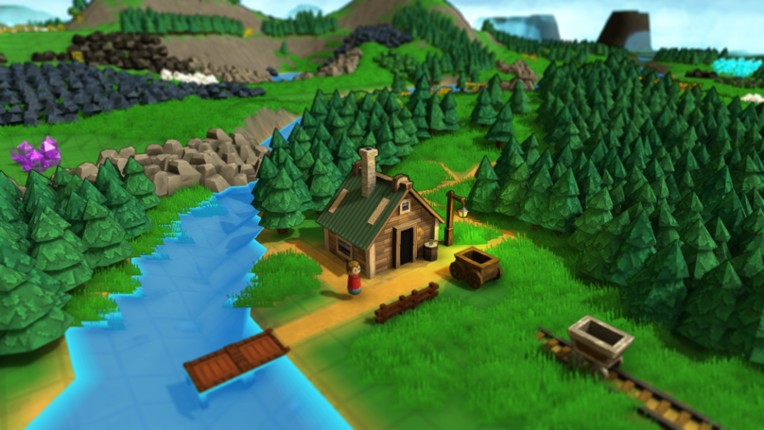
- 91%Game Brain ScoreMost mentioned positive aspects:story, gameplayMost mentioned negative aspects:grinding, stability98% User Score 132,230 reviewsCritic Score 80%5 reviews
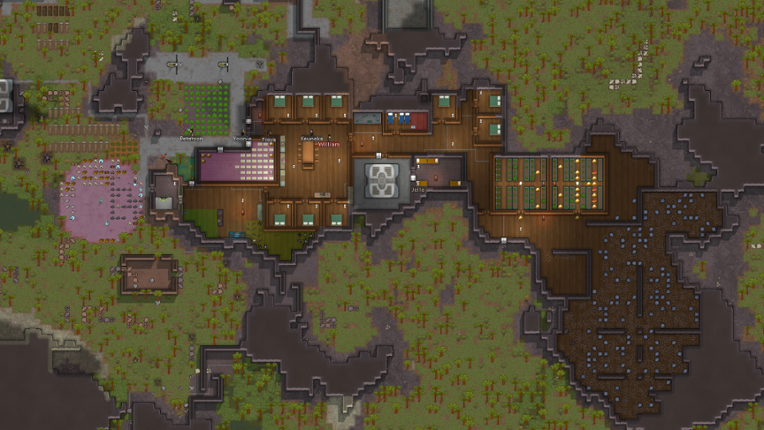
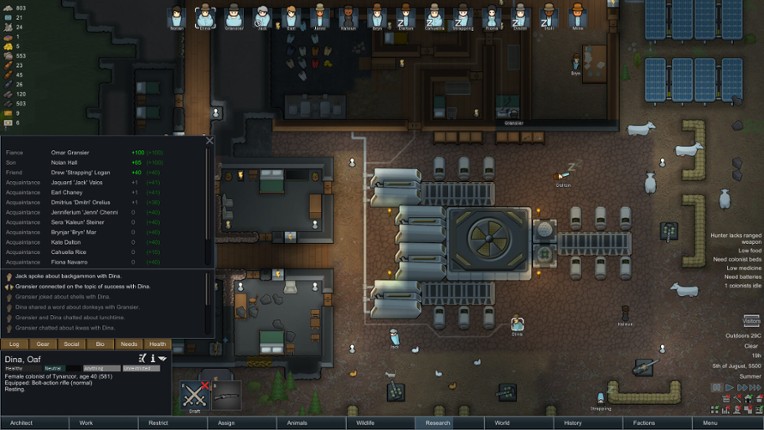
Both Factorio and RimWorld hinge on deep simulation and emergent storytelling through complex systems. RimWorld's dynamic AI storytellers complement Factorio’s automation focus, keeping each playthrough unpredictable and challenging. This shared complexity drives relentless player experimentation and strategic planning.
RimWorld emphasizes character-driven narratives and survival management, offering emotional connections that Factorio’s factory-building lacks. However, RimWorld demands intense micromanagement that can feel tedious compared to Factorio’s smoother automation flow. The graphics in both are simplistic, but RimWorld’s narrative depth offsets its visual minimalism.
Pick RimWorld if you want rich story-driven survival with brutal management challenges but can tolerate slower automation and grind. Choose Factorio for optimized factory-building and seamless co-op automation with minimal narrative distraction.
If you enjoyed this game, see our list of games similar to RimWorld.View Game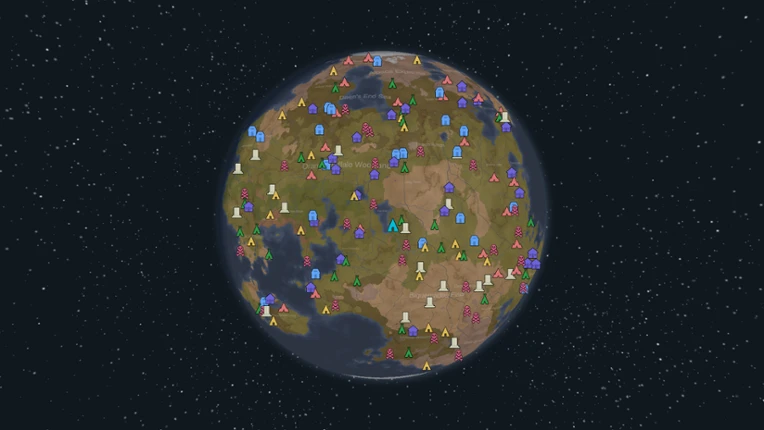
- View Game91%Game Brain ScoreMost mentioned positive aspects:gameplay, graphicsMost mentioned negative aspects:story, music91% User Score 1,260 reviewsReimagines factory automation in a medieval alchemy workshop, replacing sci-fi tech trees with potion crafting and historical aesthetics. If you enjoyed this game, see our list of games similar to Alchemy Factory.
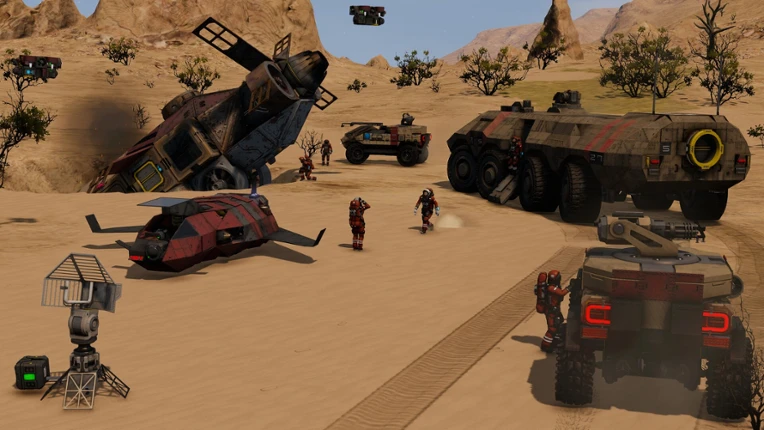
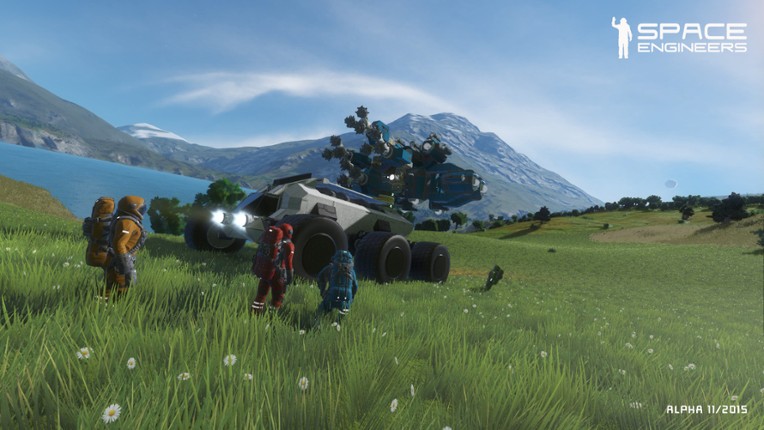
- 89%Game Brain ScoreMost mentioned positive aspects:gameplay, graphicsMost mentioned negative aspects:optimization, stability89% User Score 85,786 reviewsPuts you in deep space building functional spacecraft and bases with realistic physics, trading Factorio's science packs for survival combat and PvP. If you enjoyed this game, see our list of games similar to Space Engineers.View Game

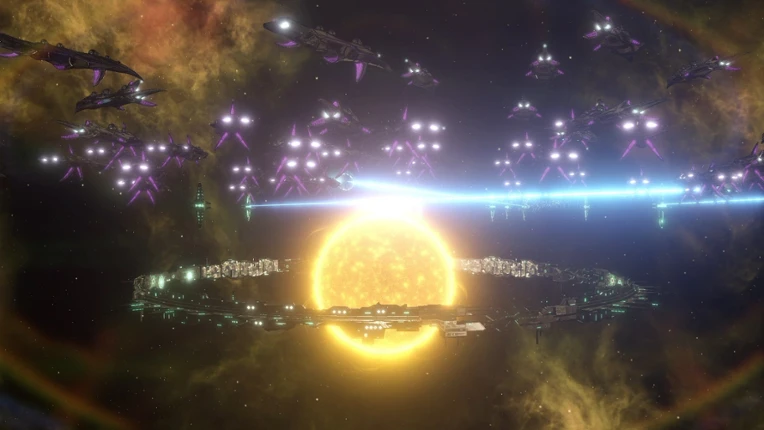
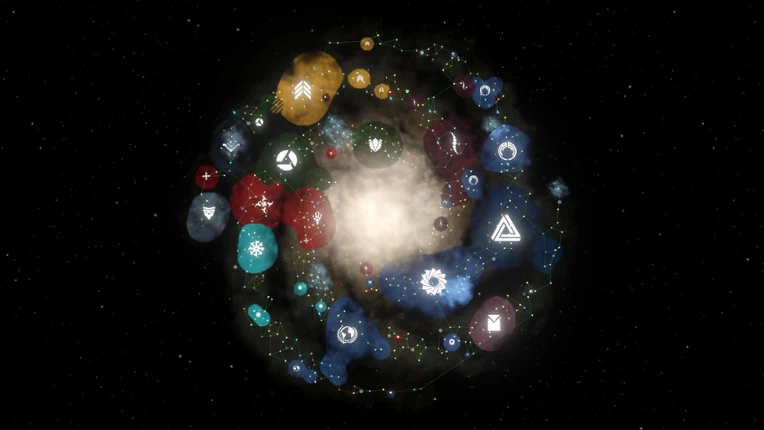
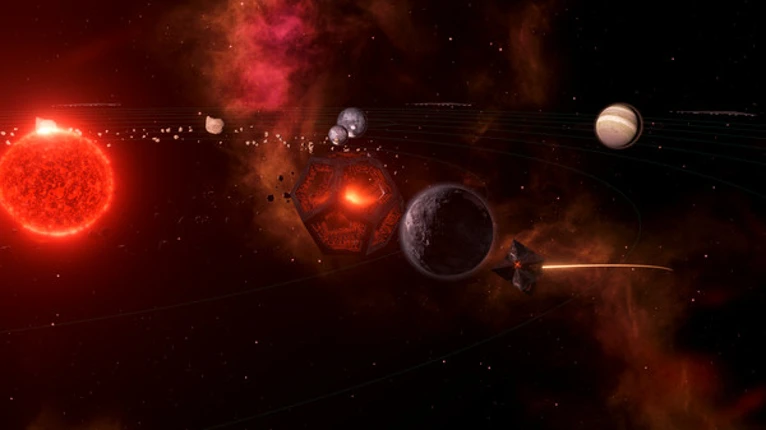
- 81%Game Brain ScoreMost mentioned positive aspects:gameplay, storyMost mentioned negative aspects:optimization, grinding88% User Score 133,145 reviewsCritic Score 73%32 reviewsZooms out to galactic-scale empire management with diplomacy and exploration, replacing factory tinkering for grand strategy. If you enjoyed this game, see our list of games similar to Stellaris.View Game
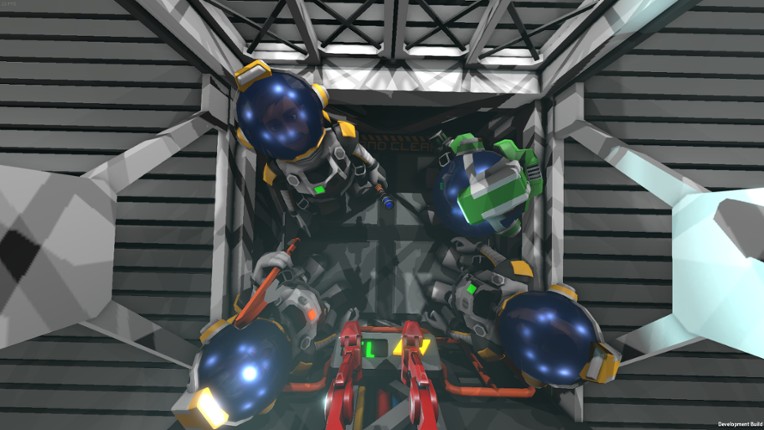
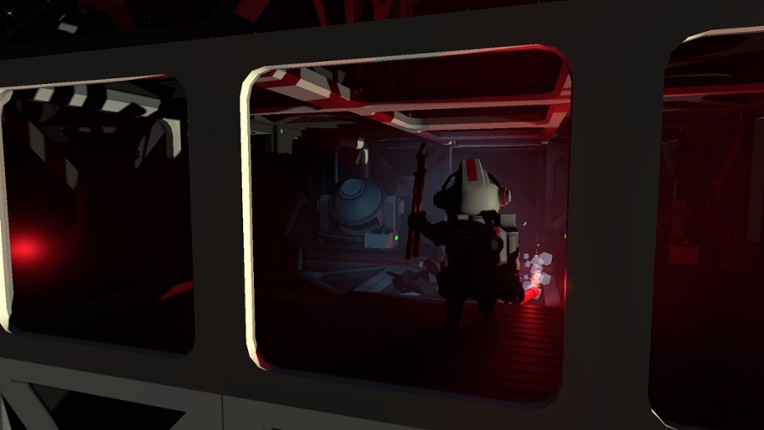
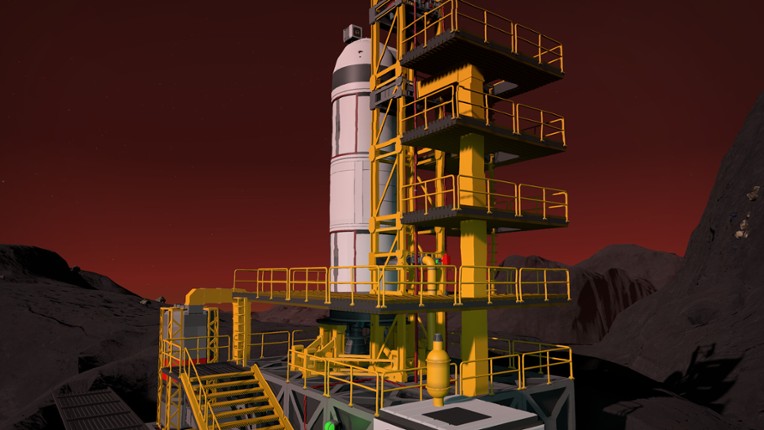
- 88%Game Brain ScoreMost mentioned positive aspects:gameplay, atmosphereMost mentioned negative aspects:grinding, stability88% User Score 5,844 reviewsPuts you on a hostile space station where survival systems matter more than production optimization, with intense resource scarcity. If you enjoyed this game, see our list of games similar to Stationeers.View Game
- 95%Game Brain ScoreMost mentioned positive aspects:gameplay, graphicsMost mentioned negative aspects:grinding, stability95% User Score 6,007 reviewsBuilds colonies instead of factories, blending base management with warfare and medieval aesthetics rather than industrial growth curves. If you enjoyed this game, see our list of games similar to Songs of Syx.View Game
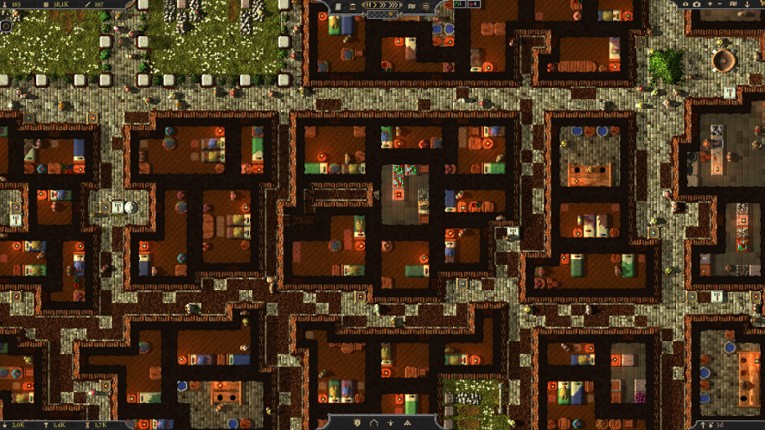
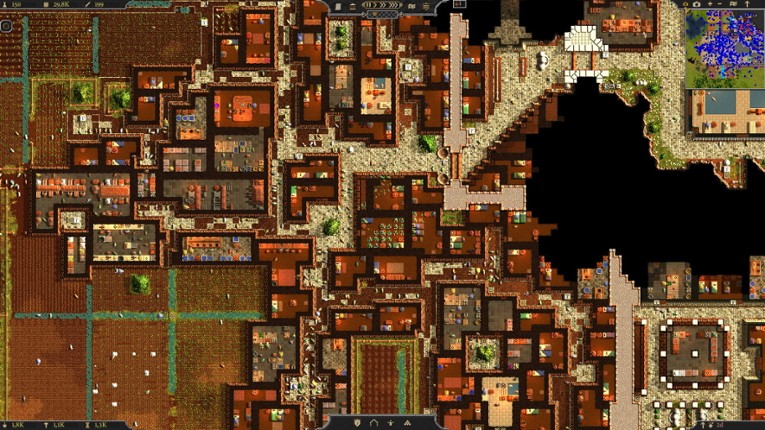
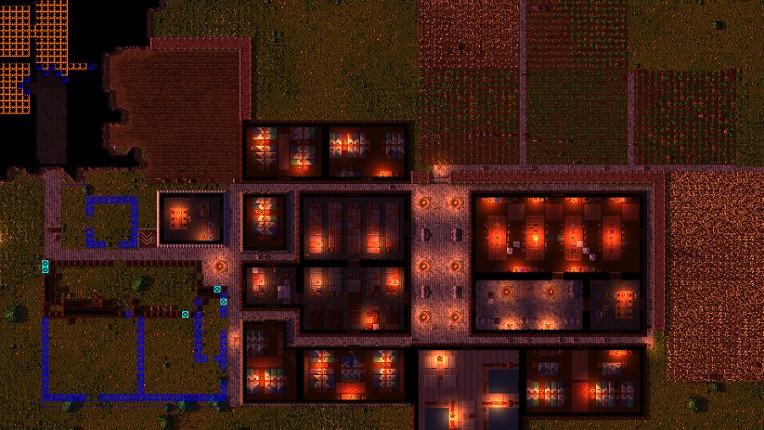
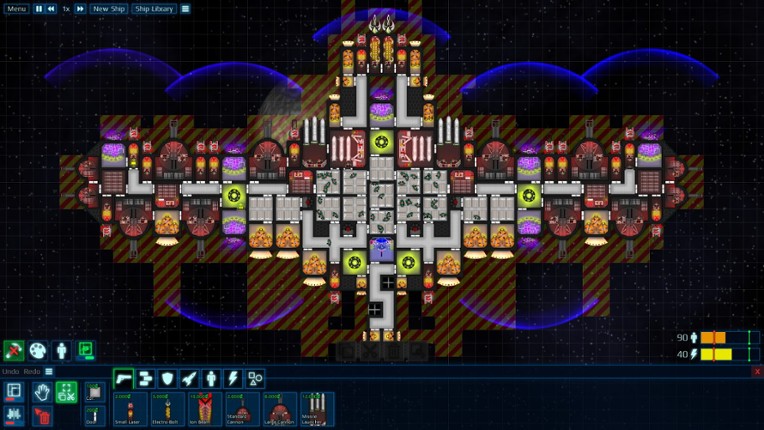
- 95%Game Brain ScoreMost mentioned positive aspects:gameplay, musicMost mentioned negative aspects:story, grinding95% User Score 11,528 reviewsFocuses on designing customizable starships and commanding them in real-time space battles, turning the factory into your weapon. If you enjoyed this game, see our list of games similar to Cosmoteer.View Game
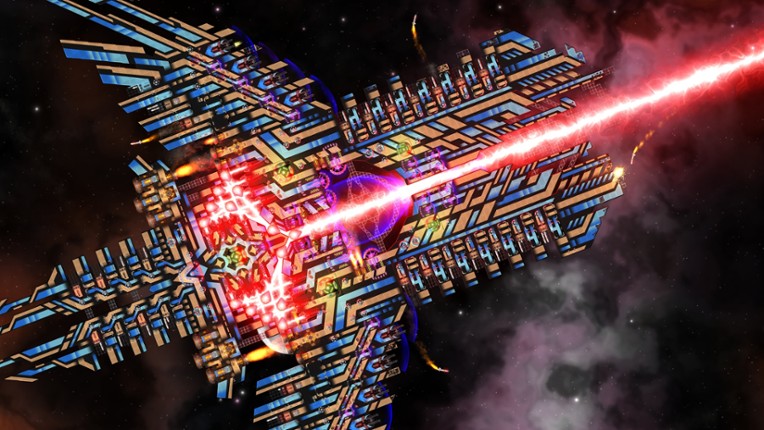
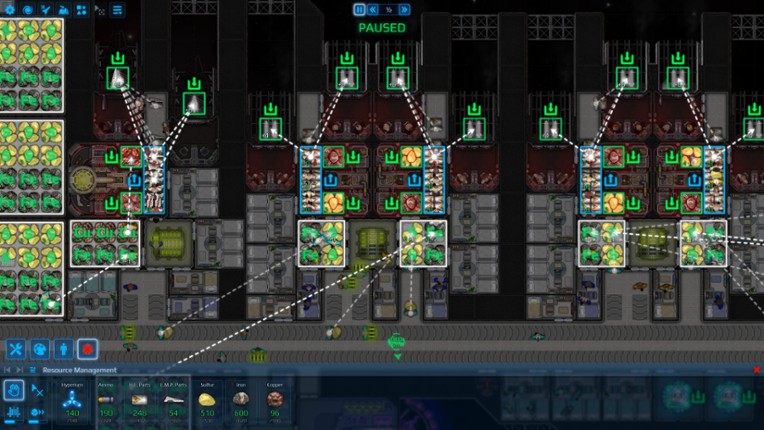
- 66%Game Brain ScoreMost mentioned positive aspects:gameplay, graphicsMost mentioned negative aspects:music, stability66% User Score 2,884 reviewsDitches enemies entirely for pure industrial automation with interconnected transportation networks, emphasizing logistics efficiency. If you enjoyed this game, see our list of games similar to Automation Empire.View Game
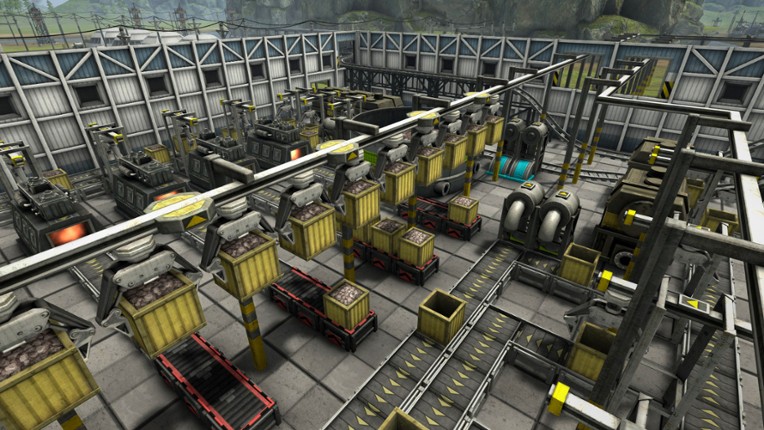
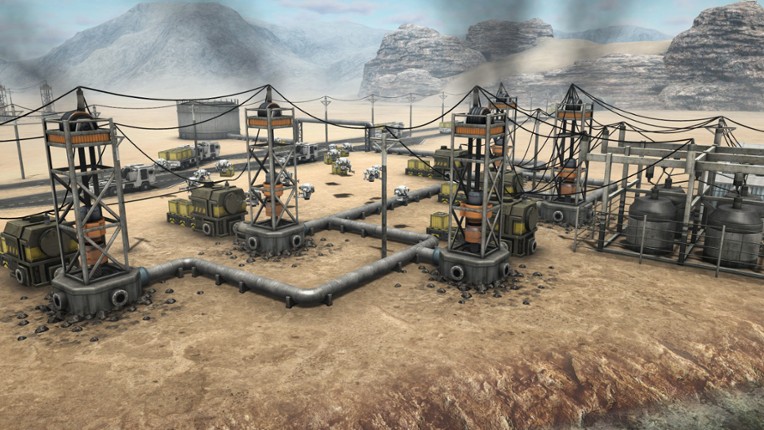
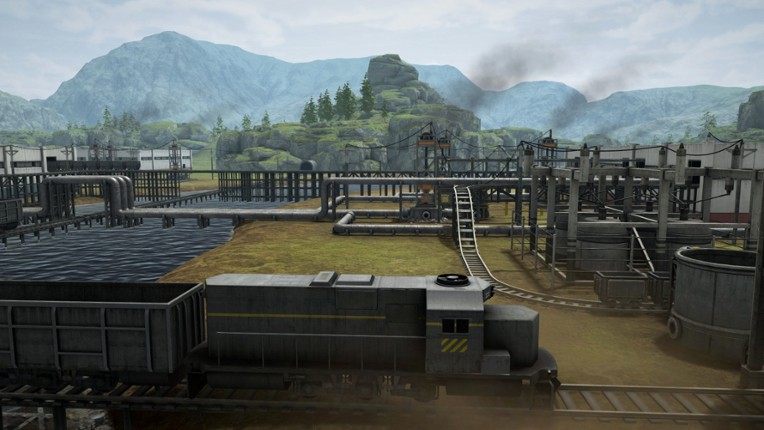
- 84%Game Brain ScoreMost mentioned positive aspects:story, gameplayMost mentioned negative aspects:stability, grinding86% User Score 990 reviewsCritic Score 78%2 reviewsFocuses railways as the primary automation tool rather than belts, maintaining sandbox building and resource logistics in a tycoon framework. If you enjoyed this game, see our list of games similar to Railgrade.View Game
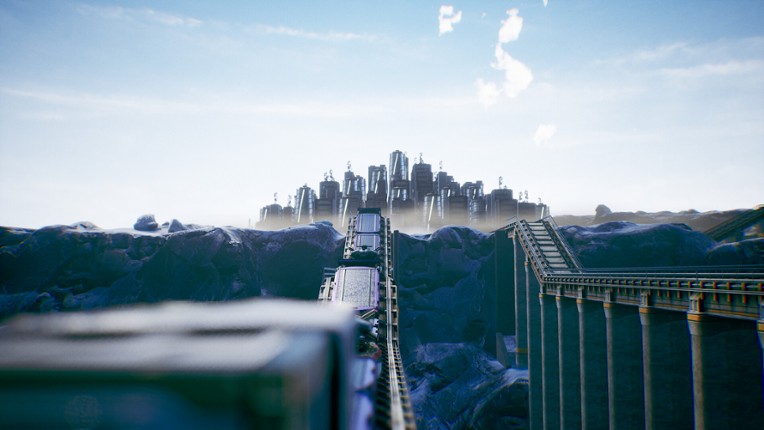
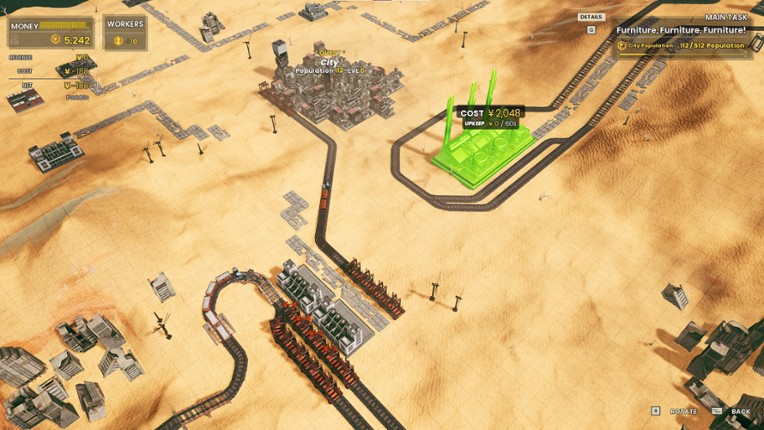
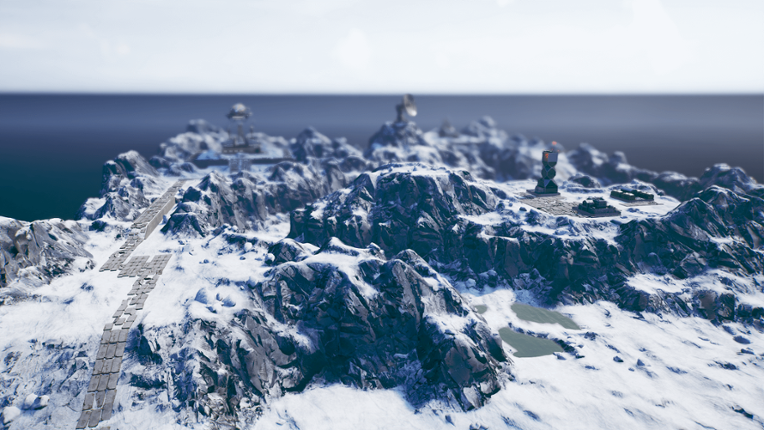
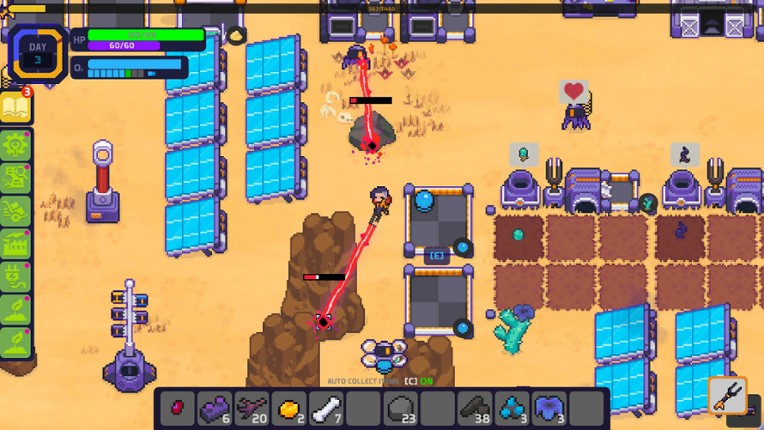
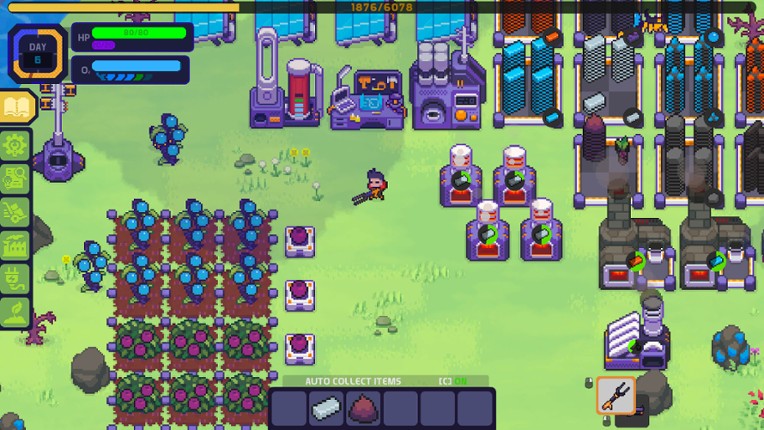
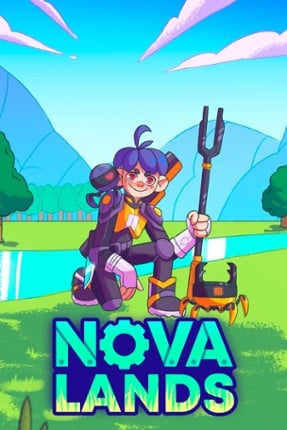
- 86%Game Brain ScoreMost mentioned positive aspects:gameplay, graphicsMost mentioned negative aspects:grinding, stability91% User Score 1,854 reviewsCritic Score 78%6 reviewsLightens Factorio's complexity with farming and trading, keeping the pixel-art charm and automation loops for a more casual pace. If you enjoyed this game, see our list of games similar to Nova Lands.View Game
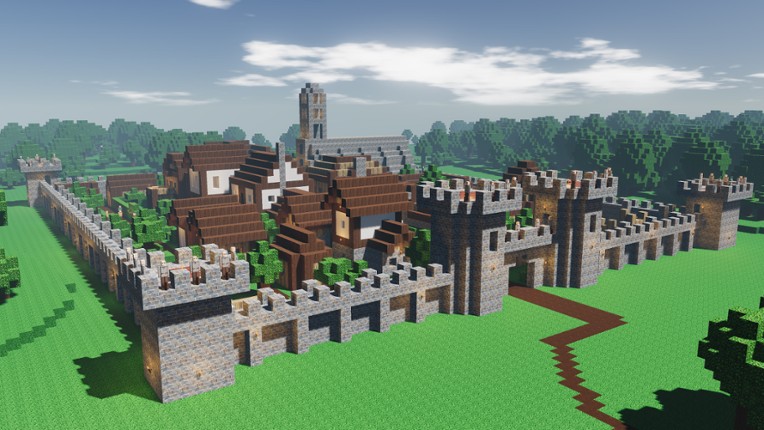
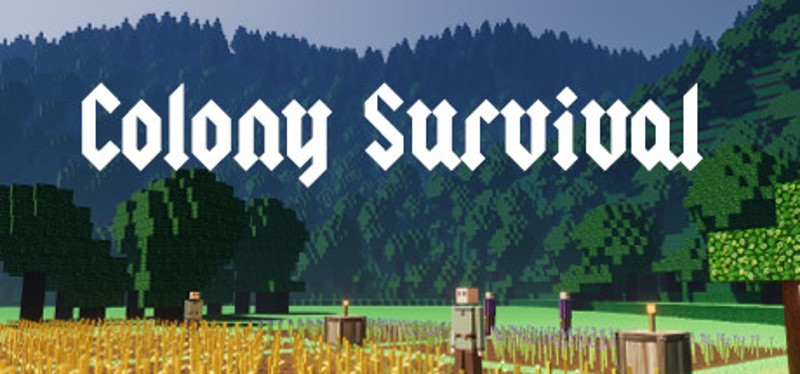
- 92%Game Brain ScoreMost mentioned positive aspects:gameplay, graphicsMost mentioned negative aspects:grinding, story92% User Score 6,355 reviewsTrading conveyor belts for colonist AI management, this voxel-based experience offers a more social, community-driven survival loop than traditional industrial automation titles. If you enjoyed this game, see our list of games similar to Colony Survival.View Game
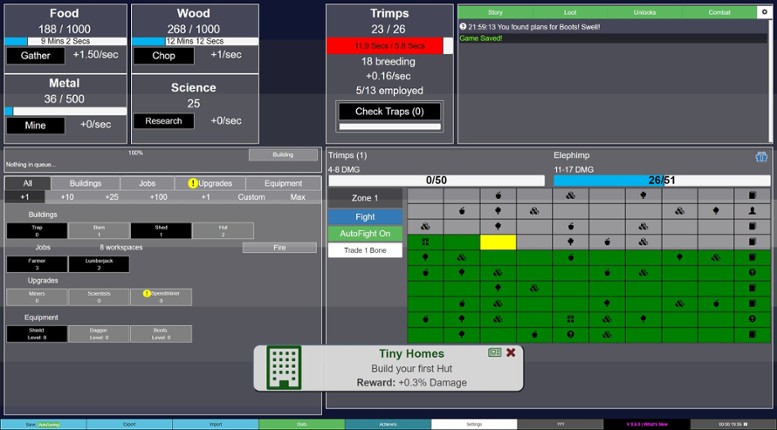
- 91%Game Brain ScoreMost mentioned positive aspects:gameplay, humorMost mentioned negative aspects:graphics, grinding91% User Score 1,221 reviews
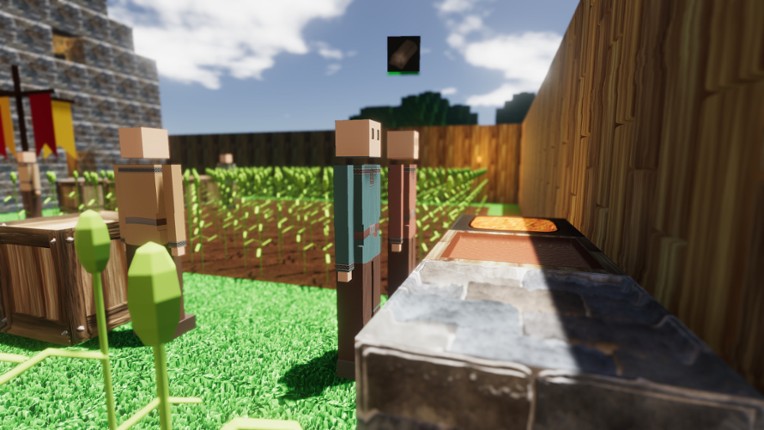
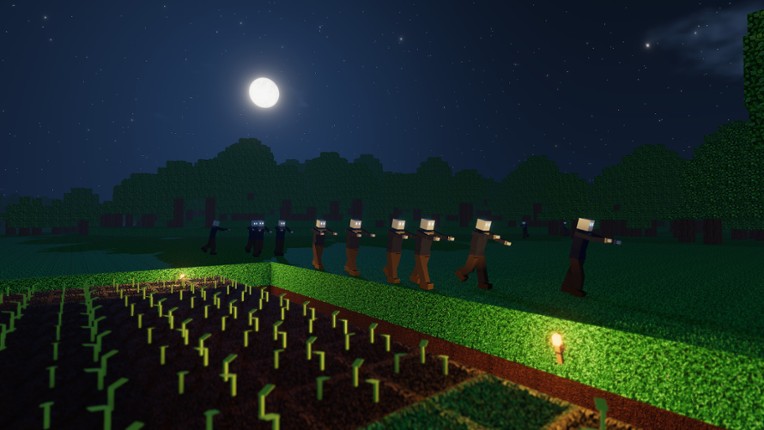
An incremental game focused on resource management where players command creatures called Trimps, using them to gather different materials, engage in combat, and return with new loot and upgrades. If you enjoyed this game, see our list of games similar to Trimps.
View Game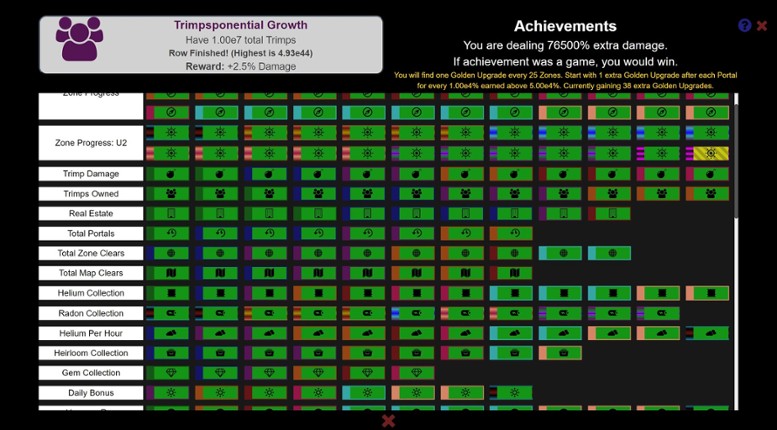
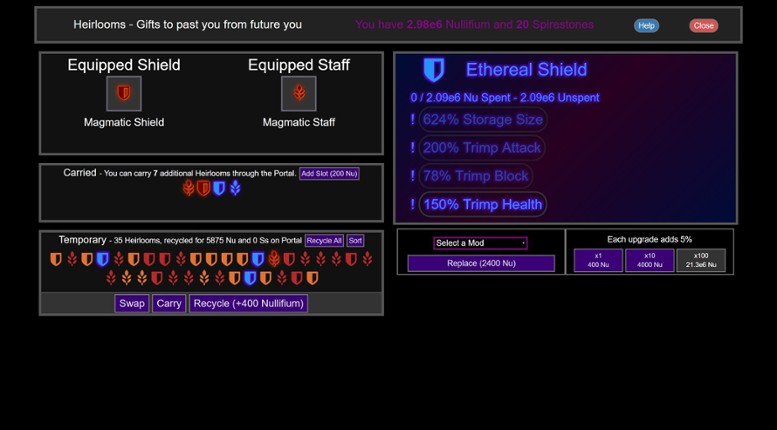
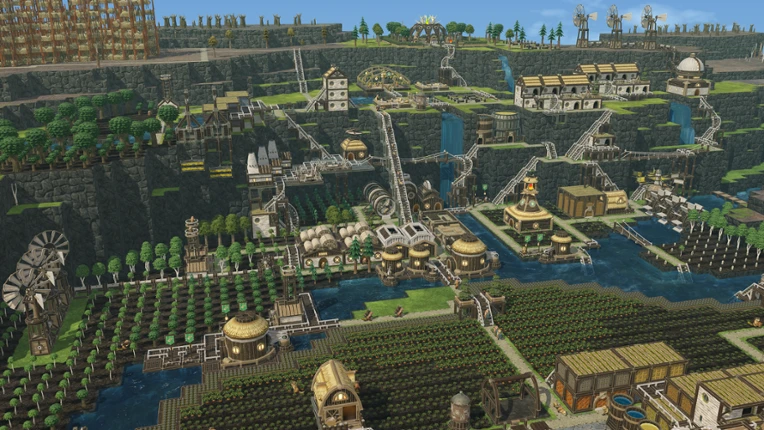
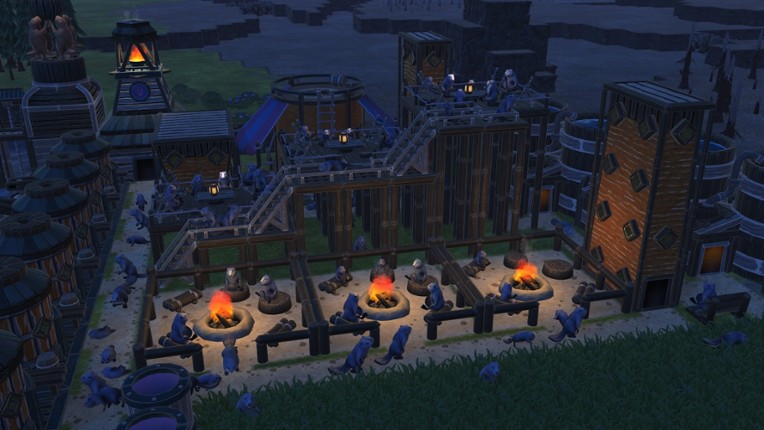
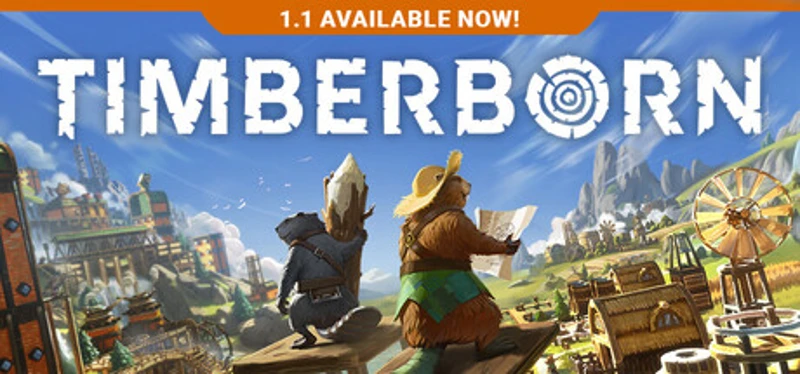
- 93%Game Brain ScoreMost mentioned positive aspects:gameplay, graphicsMost mentioned negative aspects:story, grinding95% User Score 32,120 reviewsCritic Score 87%4 reviewsBuilds post-apocalyptic beaver civilizations in a voxel world, using nature and forestry instead of sci-fi machinery. If you enjoyed this game, see our list of games similar to null.View Game
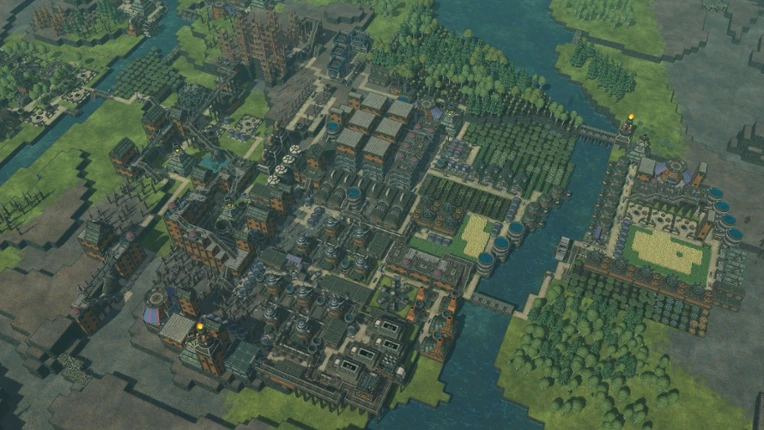
- 88%Game Brain ScoreMost mentioned positive aspects:gameplay, storyMost mentioned negative aspects:grinding, stability96% User Score 43,956 reviewsCritic Score 78%7 reviewsThis looser connection emphasizes terraforming an entire planet's ecosystem, replacing industrial pollution management with the challenge of global environmental transformation and survival. If you enjoyed this game, see our list of games similar to Planet Crafter.View Game
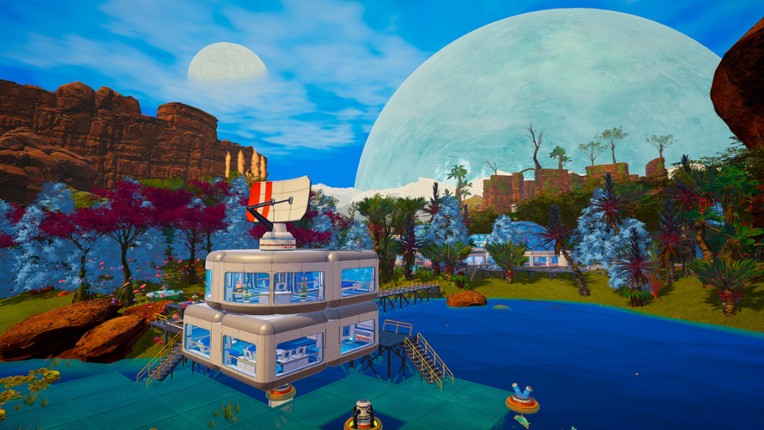
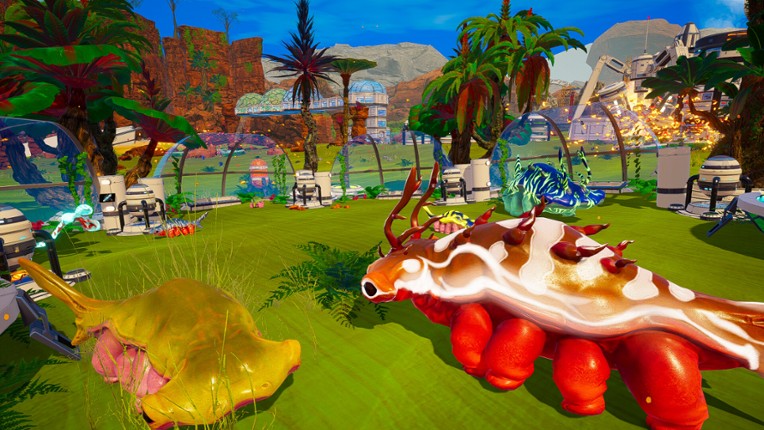
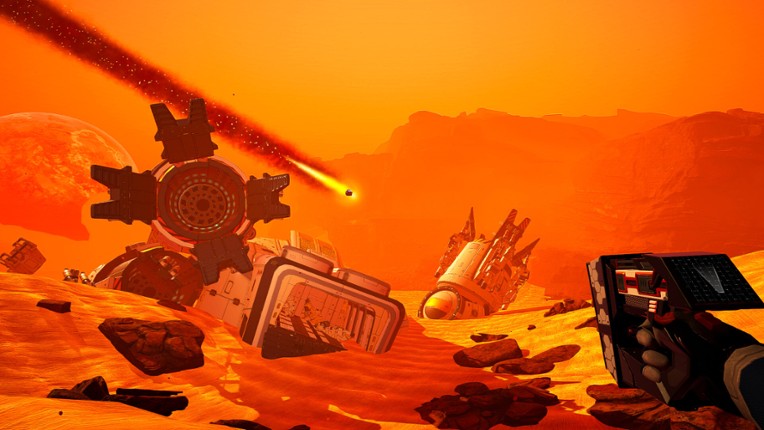
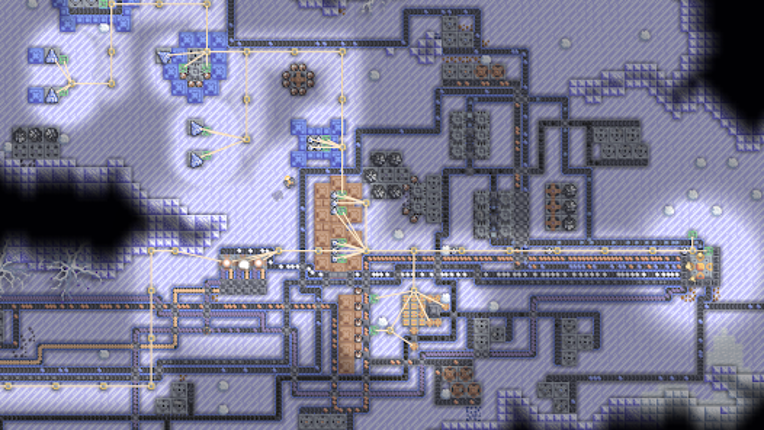
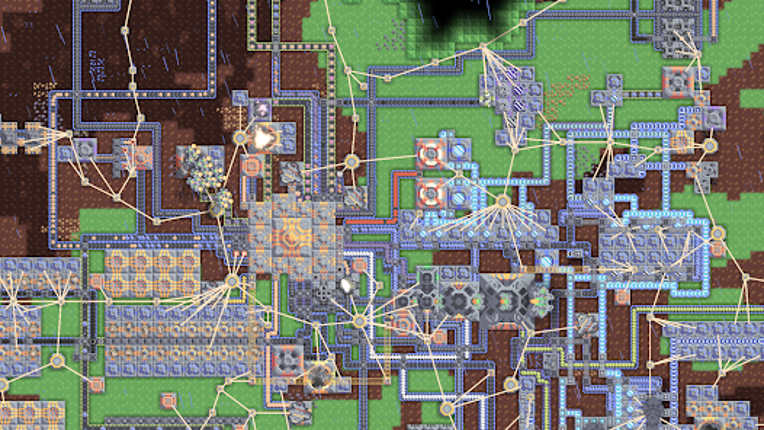
- 89%Game Brain ScoreMost mentioned positive aspects:gameplay, monetizationMost mentioned negative aspects:grinding, stability89% User Score 9,999 reviews
An open-ended factory management game with RTS and tower defense elements If you enjoyed this game, see our list of games similar to Mindustry.
View Game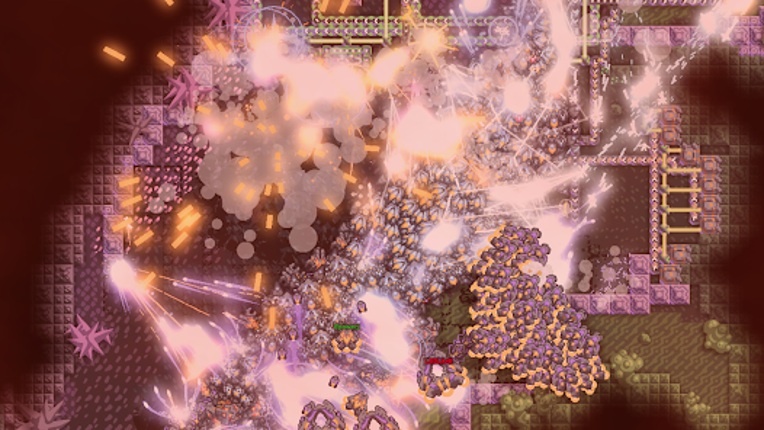
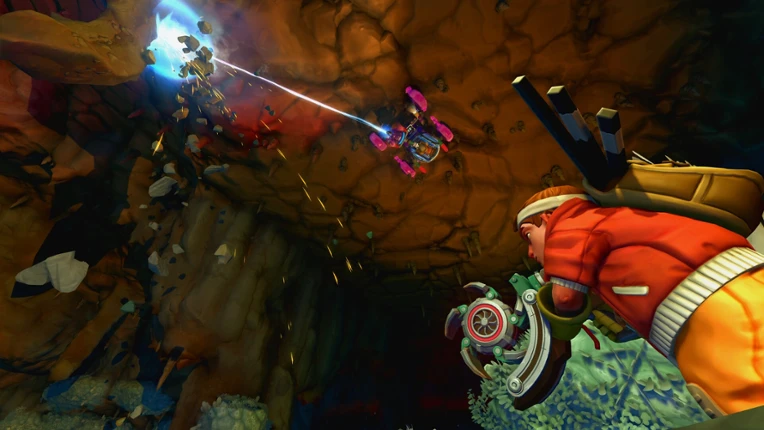
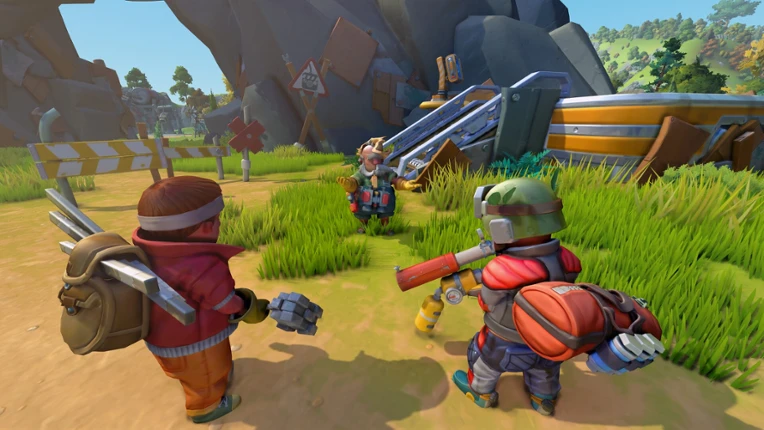
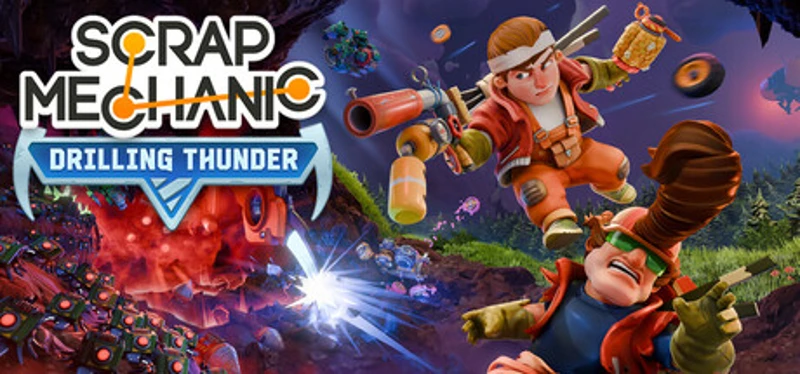
- 91%Game Brain ScoreMost mentioned positive aspects:graphics, storyMost mentioned negative aspects:gameplay, grinding91% User Score 50,535 reviewsReplaces supply chains with physics-driven contraptions and humor, maintaining creative building and co-op chaos in a survival sandbox. If you enjoyed this game, see our list of games similar to Scrap Mechanic.View Game
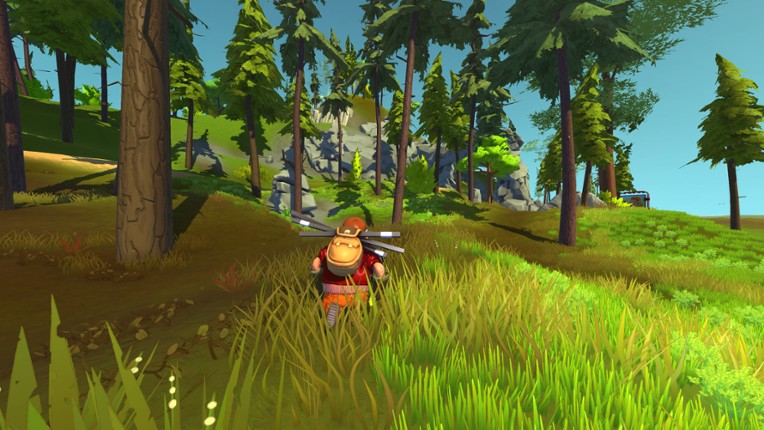
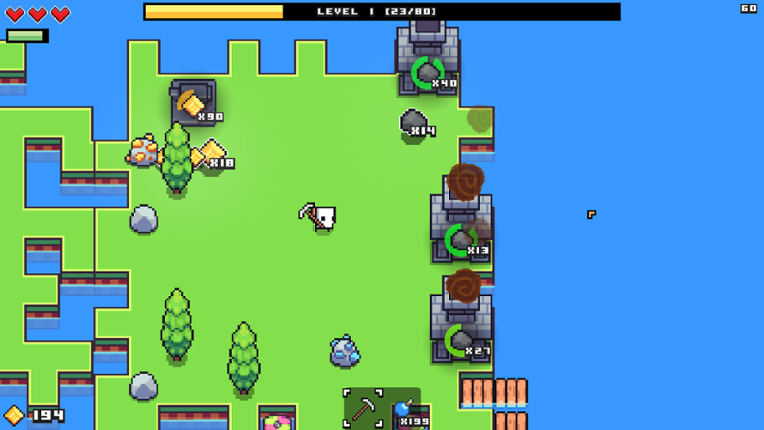
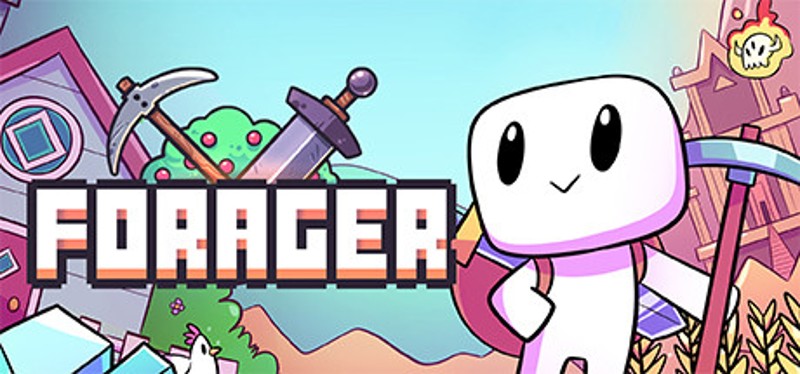
- 85%Game Brain ScoreMost mentioned positive aspects:gameplay, graphicsMost mentioned negative aspects:grinding, stability89% User Score 24,920 reviewsCritic Score 75%4 reviewsUnlike the rigorous structure of Factorio, this sandbox encourages a relaxed, top-down exploration loop where gathering replaces complex manufacturing pipelines. If you enjoyed this game, see our list of games similar to Forager.View Game

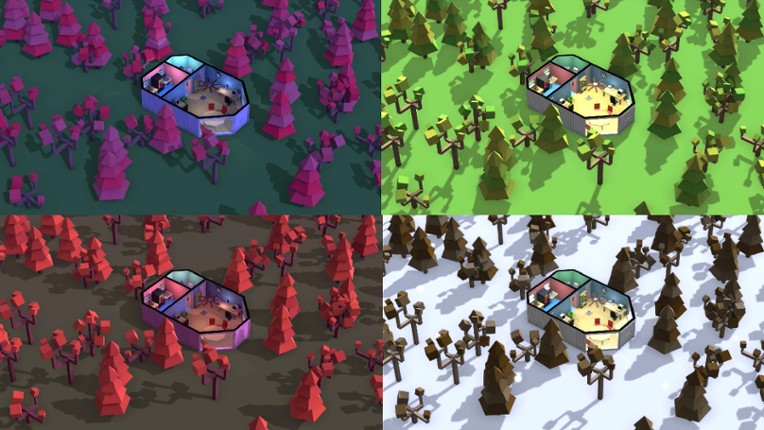
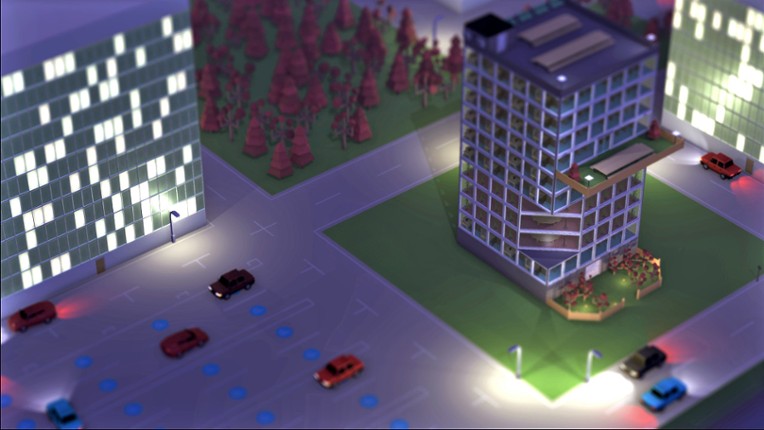
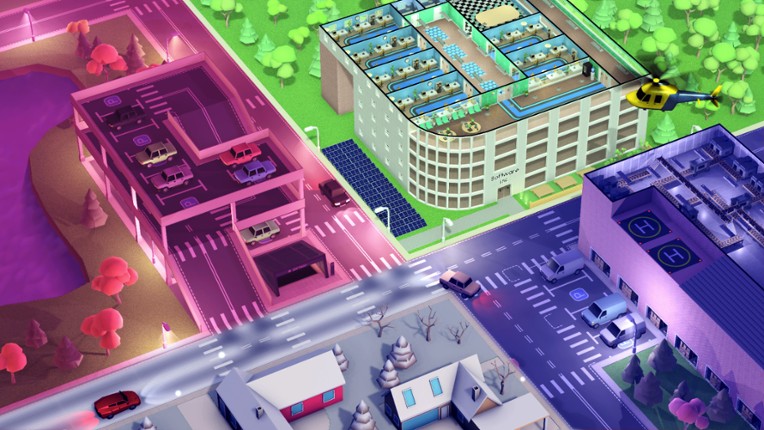
- 95%Game Brain ScoreMost mentioned positive aspects:gameplay, graphicsMost mentioned negative aspects:story, grinding95% User Score 9,910 reviewsTransforms factories into software startups, keeping automation and strategic scaling but grounding the gameplay in business capitalism. If you enjoyed this game, see our list of games similar to Software Inc..View Game
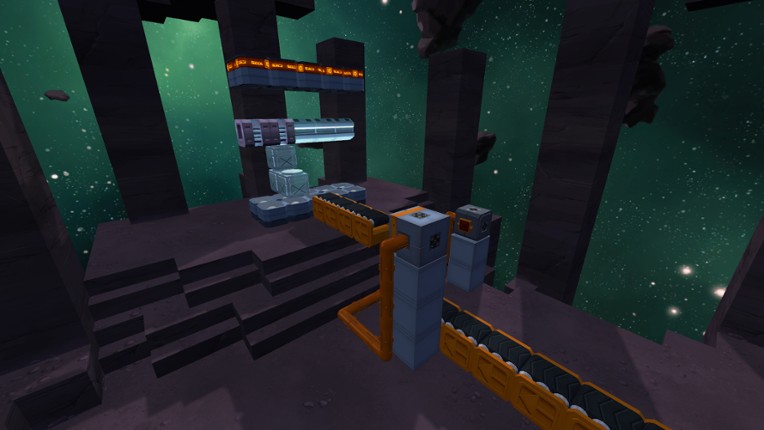
- 86%Game Brain ScoreMost mentioned positive aspects:story, gameplayMost mentioned negative aspects:grinding, stability95% User Score 1,980 reviewsCritic Score 67%4 reviewsDistills factory logic into self-contained puzzles with environmental storytelling, losing the sprawl but sharpening the automation challenge. If you enjoyed this game, see our list of games similar to Infinifactory.View Game
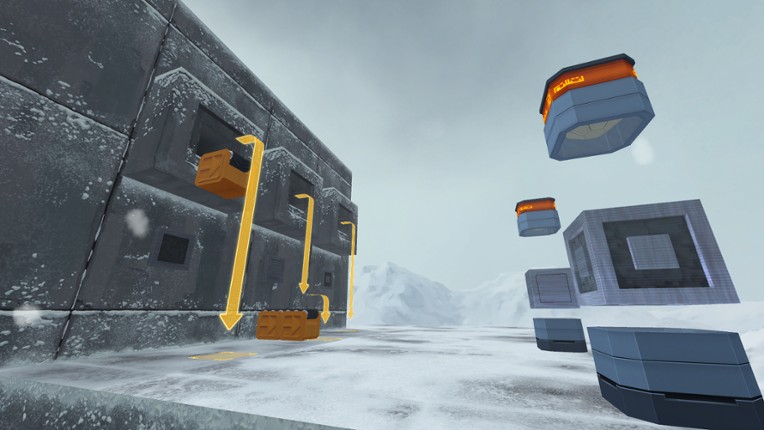
- 85%Game Brain ScoreMost mentioned positive aspects:gameplay, graphicsMost mentioned negative aspects:stability, grinding85% User Score 1,207 reviews
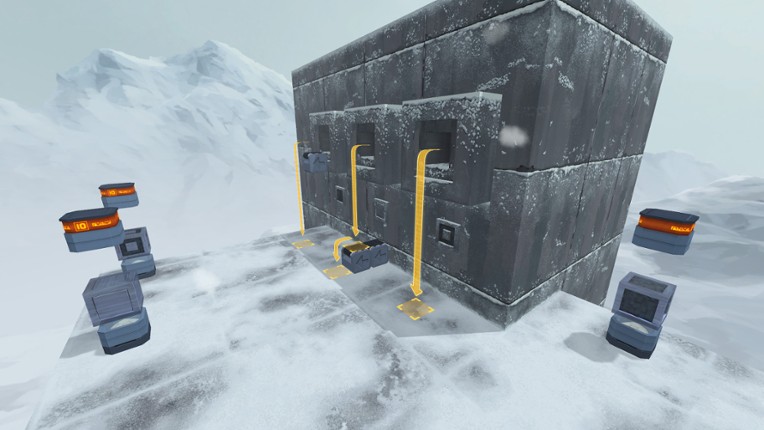
Embark on a journey of survival, crafting, and automation in Eden Crafters, a solo and co-op open-world game that challenges you to turn a hostile planet into a habitable haven for humanity. Temper the climate, create a breathable atmosphere, and turn toxic lakes into water: shape a new world! Humanity Needs a New Home Choose your planet, and turn it into a habitable haven for humanity. Navigate t… If you enjoyed this game, see our list of games similar to Eden Crafters.
View Game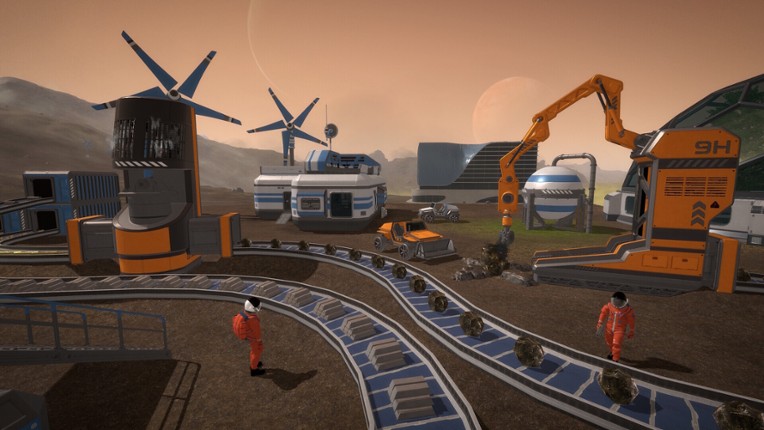
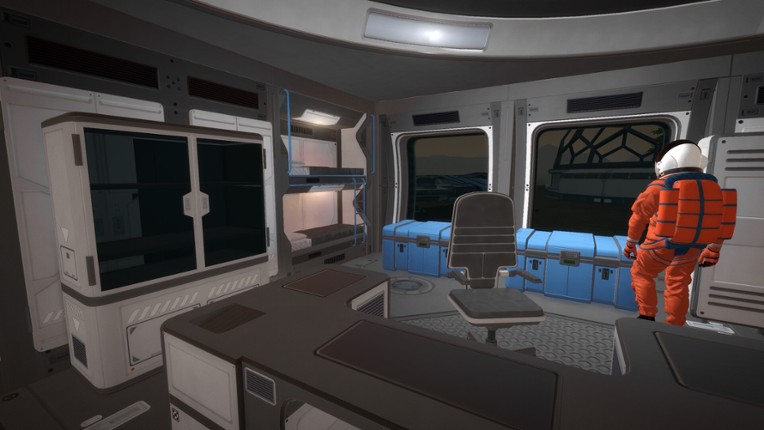

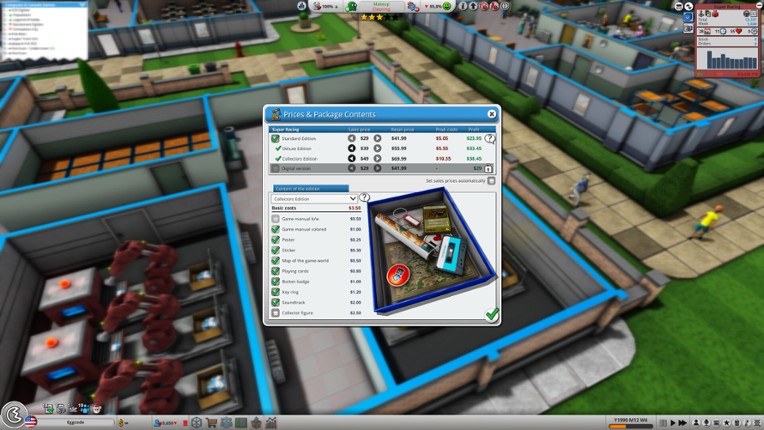
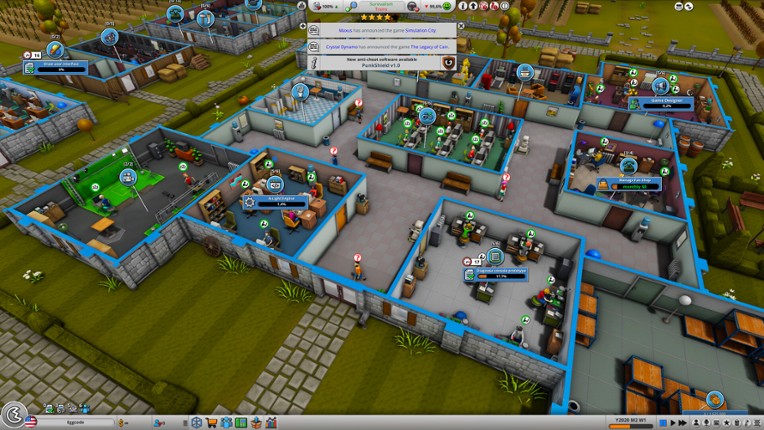
- 93%Game Brain ScoreMost mentioned positive aspects:gameplay, graphicsMost mentioned negative aspects:story, music93% User Score 3,583 reviewsSatirizes the game industry itself as you build a game studio, using cartoon visuals instead of industrial grit. If you enjoyed this game, see our list of games similar to Mad Games Tycoon 2.View Game
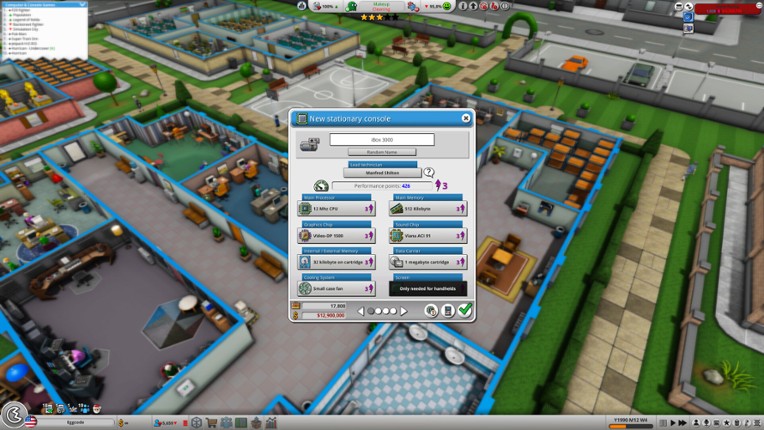
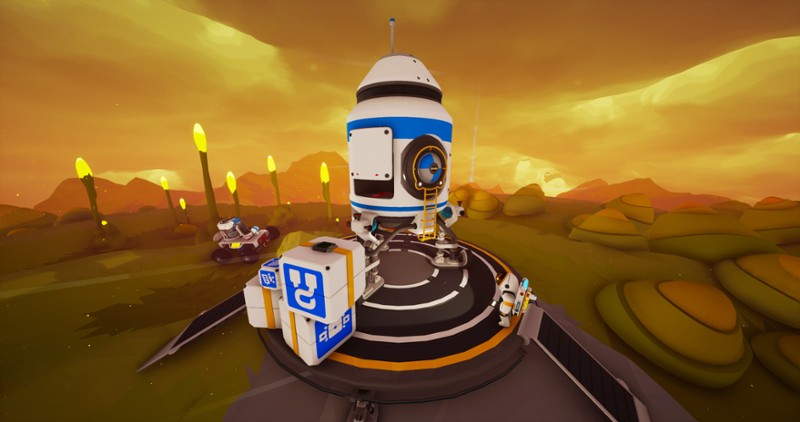
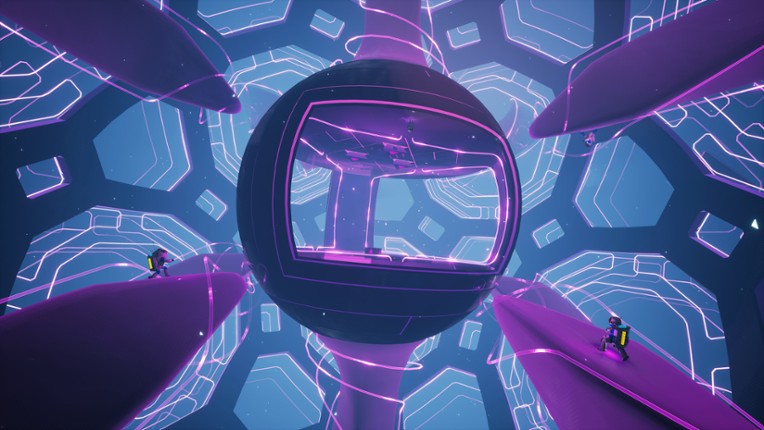
- 92%Game Brain ScoreMost mentioned positive aspects:gameplay, graphicsMost mentioned negative aspects:stability, grinding92% User Score 44,980 reviewsSwaps industrial optimization for planetary exploration, keeping the sandbox progression and multiplayer cooperation across alien worlds. If you enjoyed this game, see our list of games similar to ASTRONEER.View Game

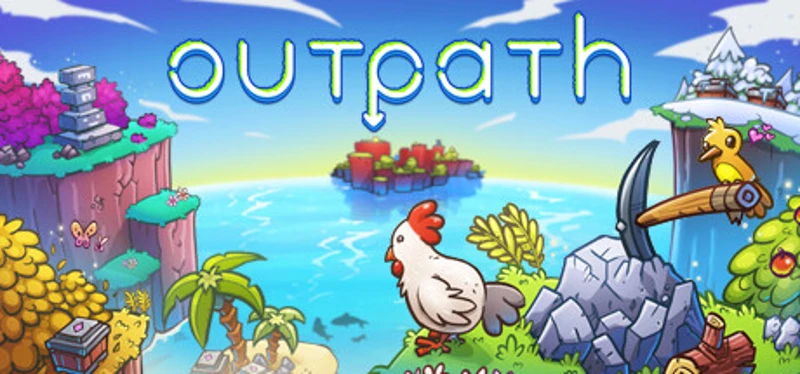
- 93%Game Brain ScoreMost mentioned positive aspects:gameplay, musicMost mentioned negative aspects:grinding, stability95% User Score 2,638 reviewsCritic Score 85%1 reviewsOffers a relaxing open-world crafting journey with pixel graphics, trading Factorio's intensity for exploration and farming. If you enjoyed this game, see our list of games similar to Outpath.View Game
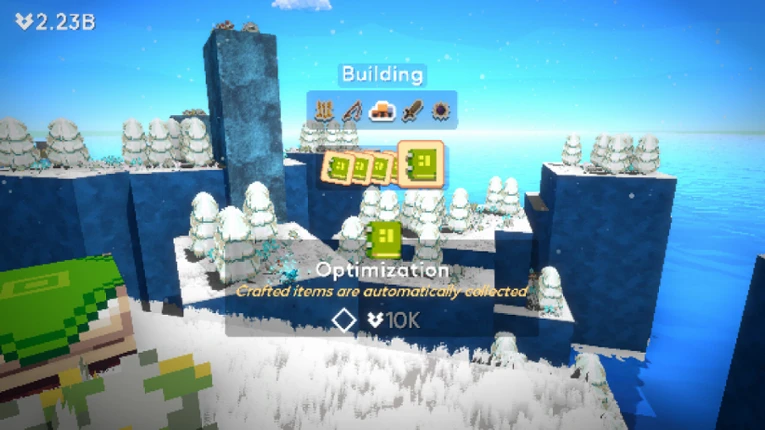
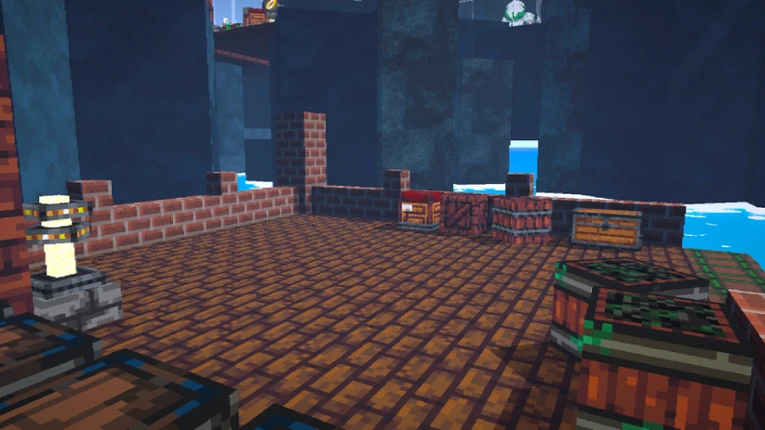
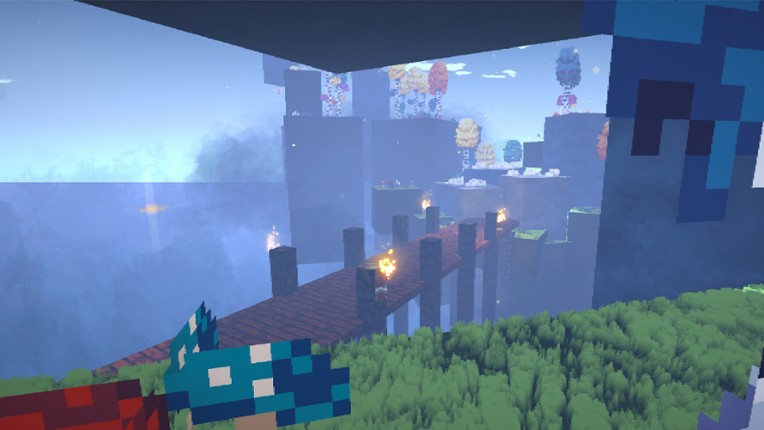
- 76%Game Brain ScoreMost mentioned positive aspects:gameplay, humorMost mentioned negative aspects:grinding, monetization76% User Score 1,311 reviewsPrioritizing humor over serious industrial optimization, this clicker-inspired title focuses on rapid, exponential scaling rather than the intricate belt layouts found elsewhere. If you enjoyed this game, see our list of games similar to NGU INDUSTRIES.View Game
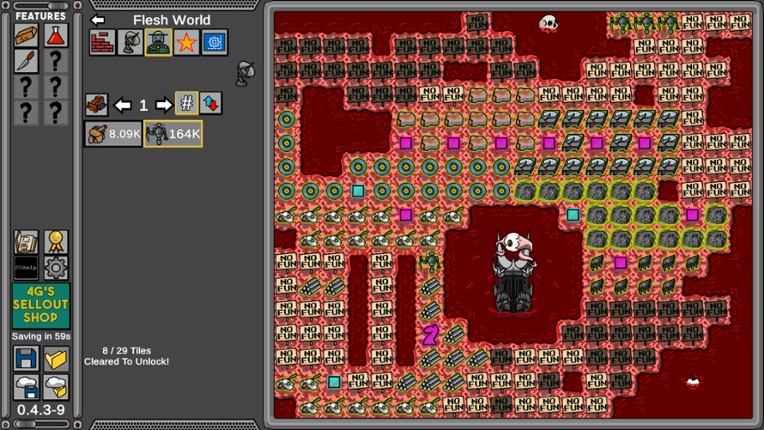
- 74%Game Brain ScoreMost mentioned positive aspects:gameplay, storyMost mentioned negative aspects:grinding, stability78% User Score 1,310 reviewsCritic Score 70%7 reviews
What if you had it in your power to rid the world of disease, to improve the lives of millions, to ease suffering and cure the sick… and earn a tidy profit? As the head of your own Pharmaceutical Conglomerate you have this power resting in your hands. Will you use it for good? If you enjoyed this game, see our list of games similar to Big Pharma.
View Game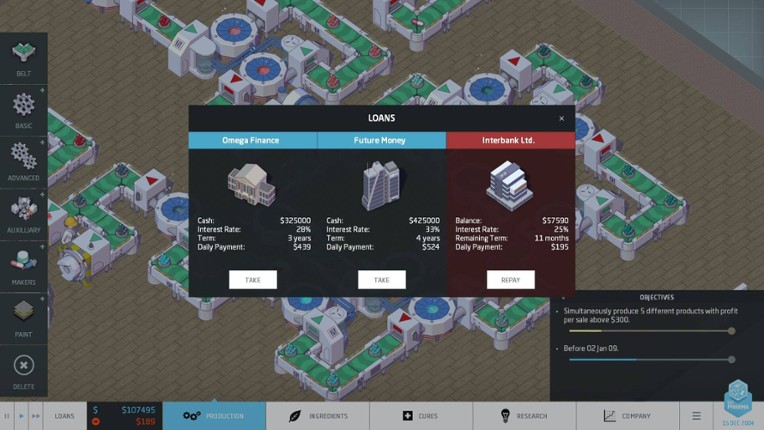

- 91%Game Brain ScoreMost mentioned positive aspects:gameplay, optimizationMost mentioned negative aspects:grinding, monetization91% User Score 4,838 reviews
A sci-fi management game where you build and optimize your computer's system from the ground up. Connect and configure interconnected nodes to efficiently download, process, and upload files. Manage your setup, solve system challenges, and become the ultimate system architect If you enjoyed this game, see our list of games similar to Upload Labs.
View Game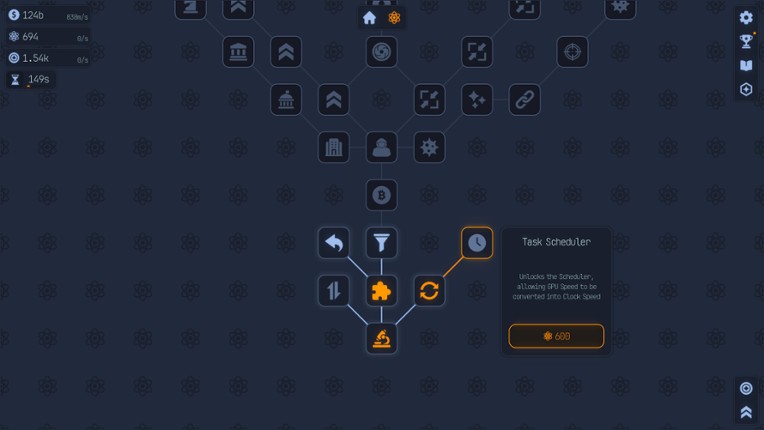
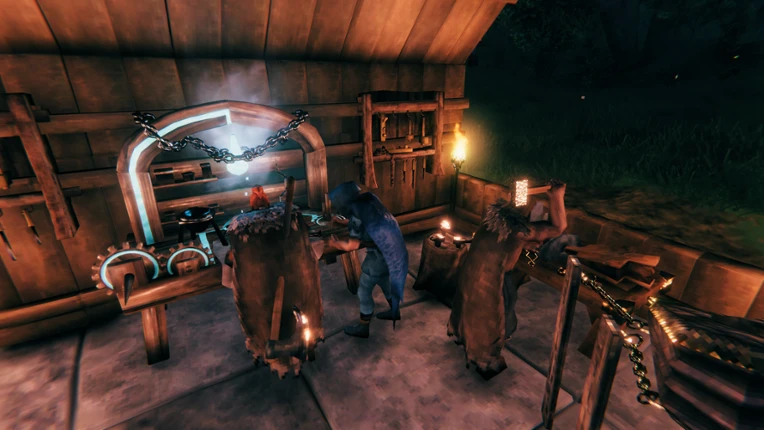
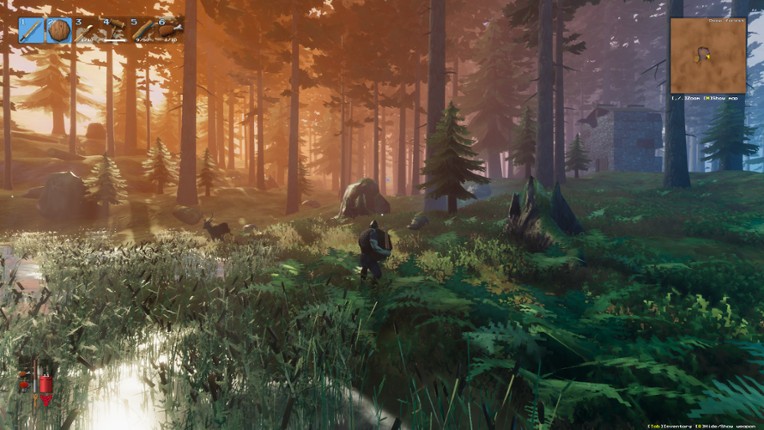
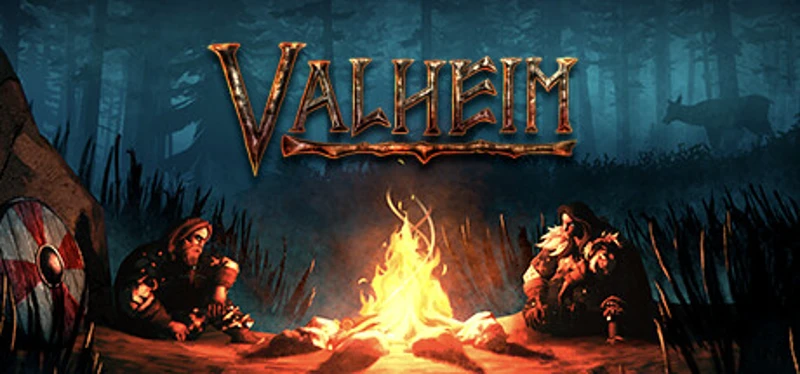
- 92%Game Brain ScoreMost mentioned positive aspects:gameplay, graphicsMost mentioned negative aspects:grinding, optimization95% User Score 291,882 reviewsCritic Score 90%11 reviewsReplaces industrial precision with Norse mythology and survival elements in a vast open world emphasizing exploration and PvE cooperation. If you enjoyed this game, see our list of games similar to Valheim.View Game

36 View Game 84%Game Brain ScoreMost mentioned positive aspects:gameplay, storyMost mentioned negative aspects:grinding, stability84% User Score 1,211 reviewsBlends cozy fantasy exploration with automation and base building in a vivid 3D world perfect for cooperative multiplayer sessions. If you enjoyed this game, see our list of games similar to Oddsparks: An Automation Adventure.View Game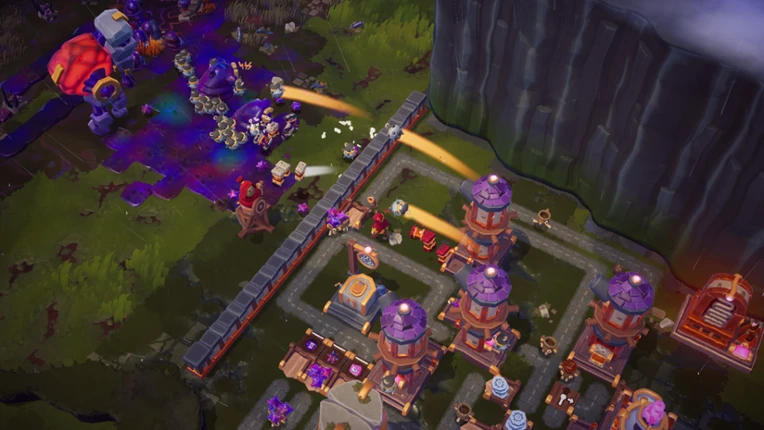
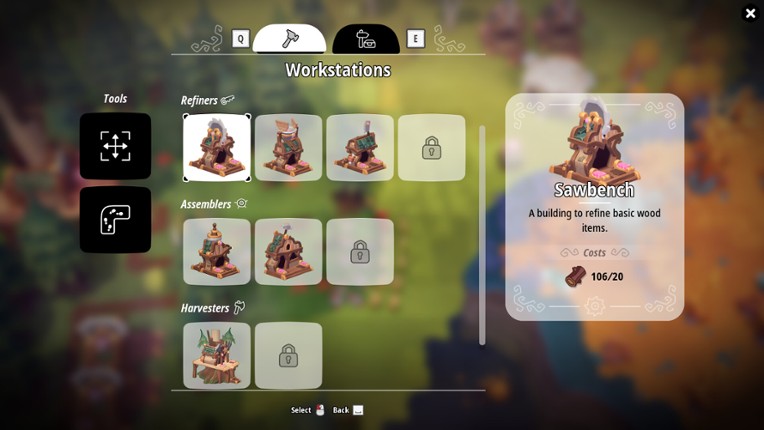

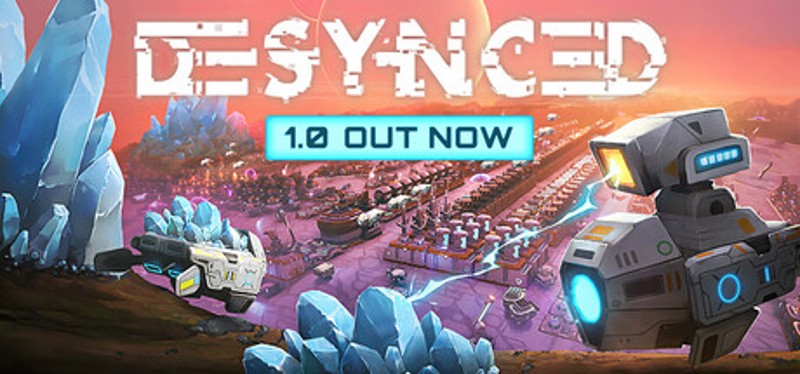
- 86%Game Brain ScoreMost mentioned positive aspects:gameplay, graphicsMost mentioned negative aspects:stability, grinding86% User Score 1,458 reviewsCompresses Factorio's systems into top-down strategy with robotic units, keeping base building and cooperative scaling in a tighter package. If you enjoyed this game, see our list of games similar to Desynced.View Game
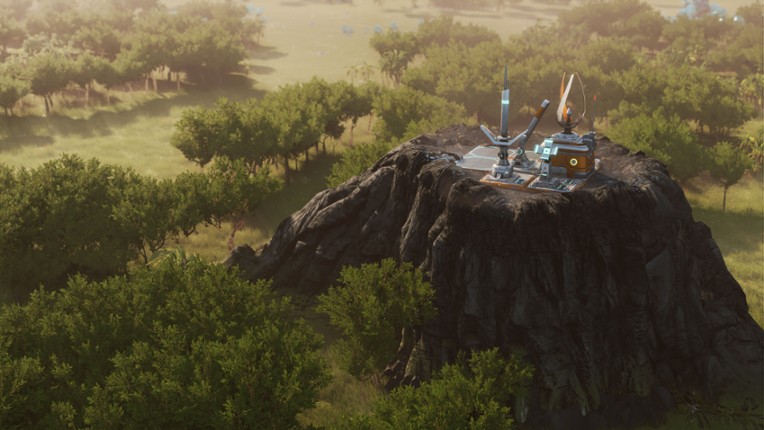
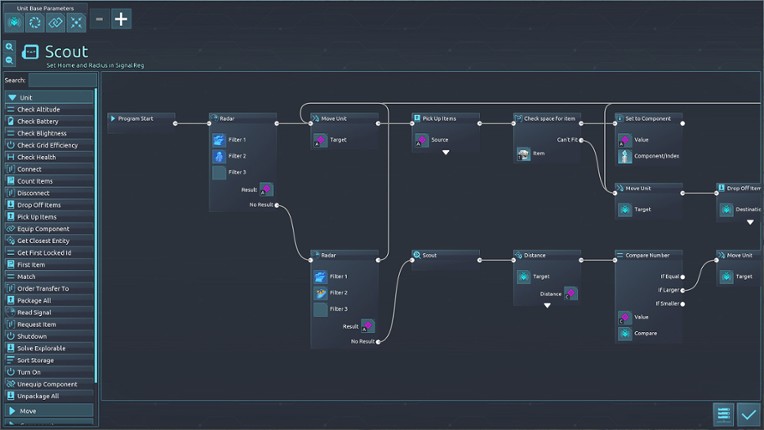

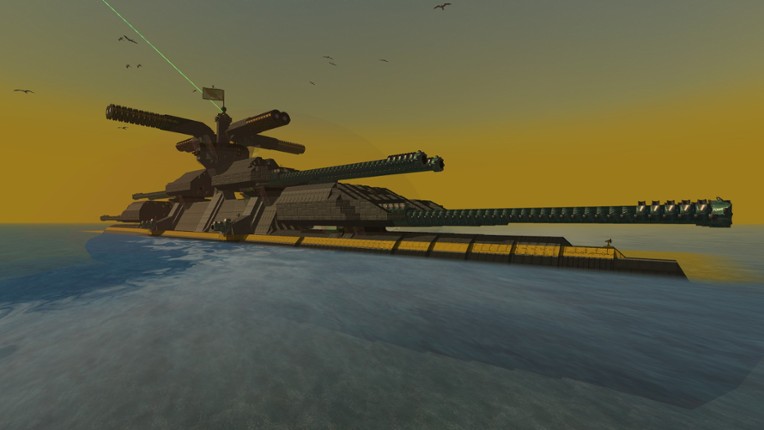
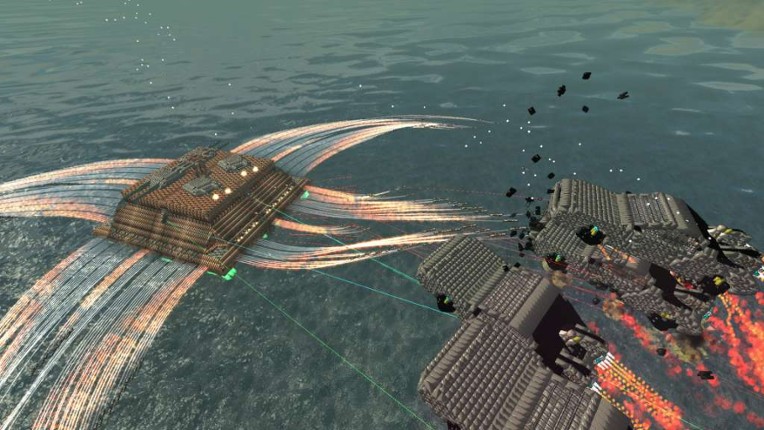
- 89%Game Brain ScoreMost mentioned positive aspects:gameplay, storyMost mentioned negative aspects:stability, grinding89% User Score 10,699 reviewsOffering a looser connection, this title replaces factory logistics with deep physics-based vehicular design and combat engineering for a more militaristic experience. If you enjoyed this game, see our list of games similar to From The Depths.View Game

- 75%Game Brain ScoreMost mentioned positive aspects:story, gameplayMost mentioned negative aspects:grinding, optimization78% User Score 149,300 reviewsCritic Score 71%47 reviews
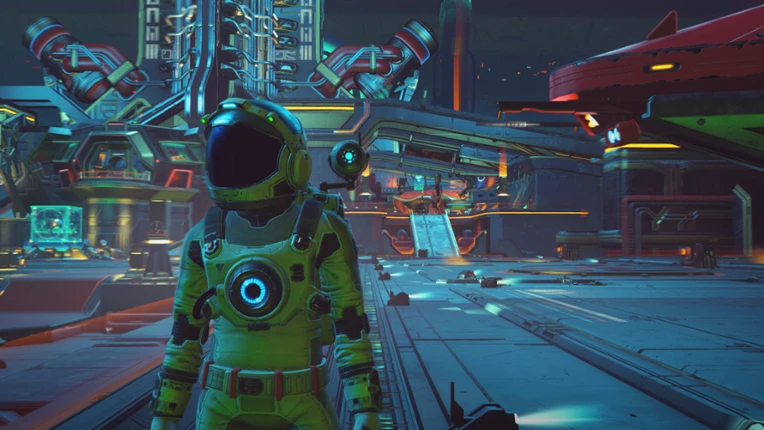
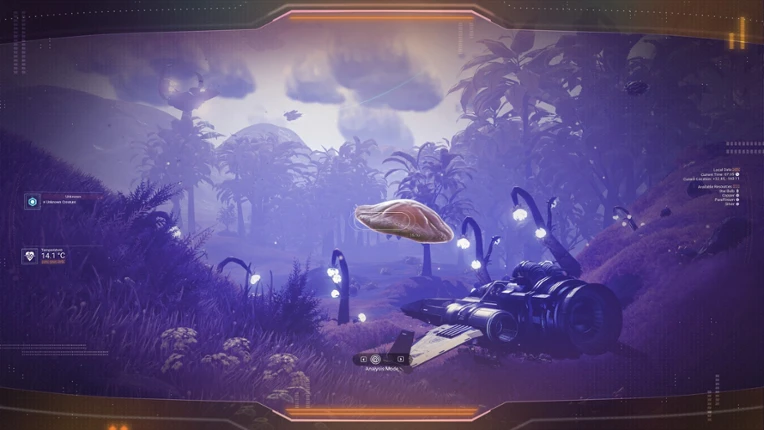
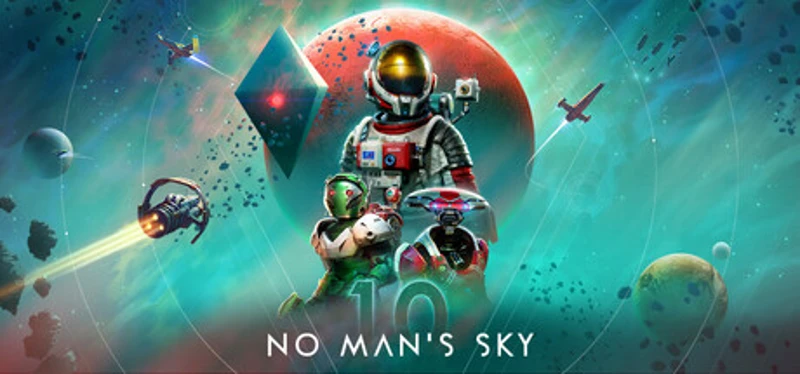
Buy No Man's Sky on PlayStation Store. Lose yourself in a vast sci-fi odyssey as you explore a near-infinite, procedurally generated universe. If you enjoyed this game, see our list of games similar to No Man's Sky.
View Game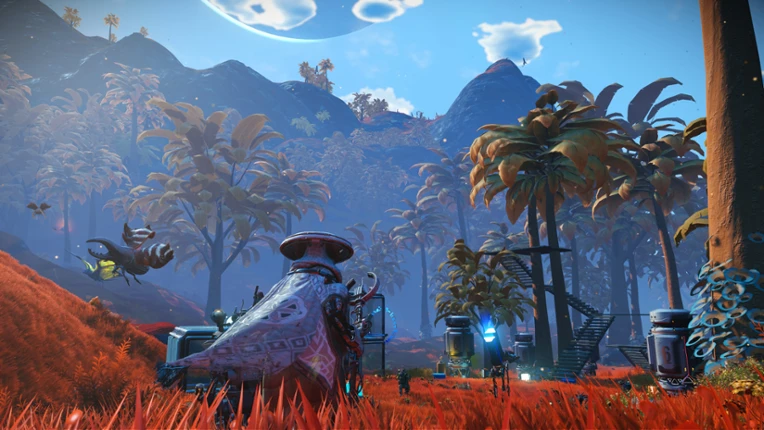
- 84%Game Brain ScoreMost mentioned positive aspects:gameplay, graphicsMost mentioned negative aspects:grinding, stability94% User Score 221,570 reviewsCritic Score 30%1 reviews
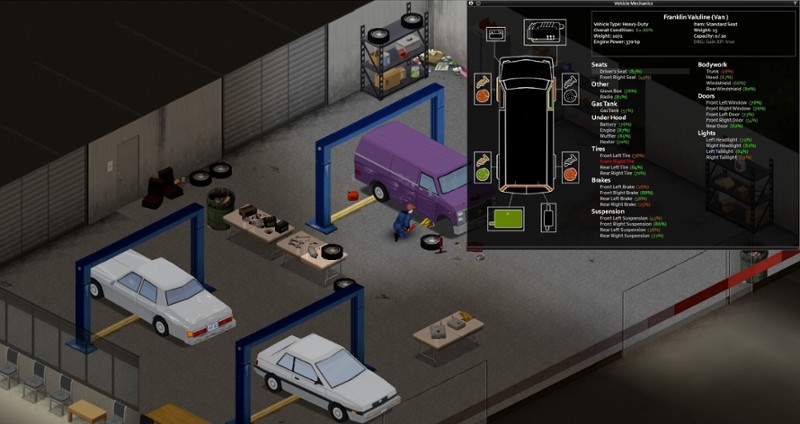
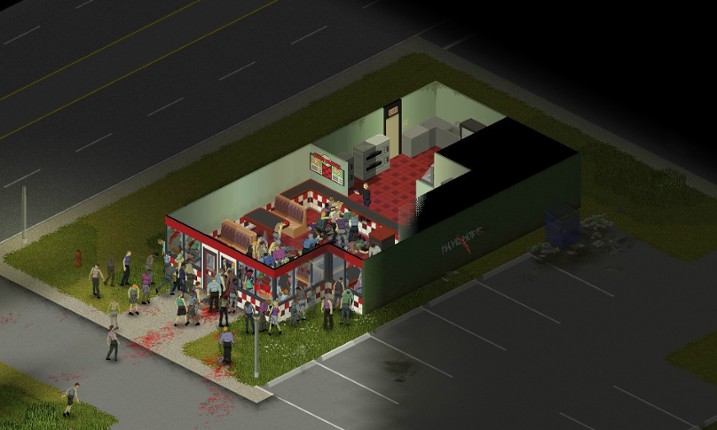
Project Zomboid is the ultimate in zombie survival. Alone or in MP: you loot, build, craft, fight, farm and fish in a struggle to survive. A hardcore RPG skillset, a vast map, a massively customisable sandbox and a cute tutorial raccoon await the unwary. So how will you die? If you enjoyed this game, see our list of games similar to Project Zomboid.
View Game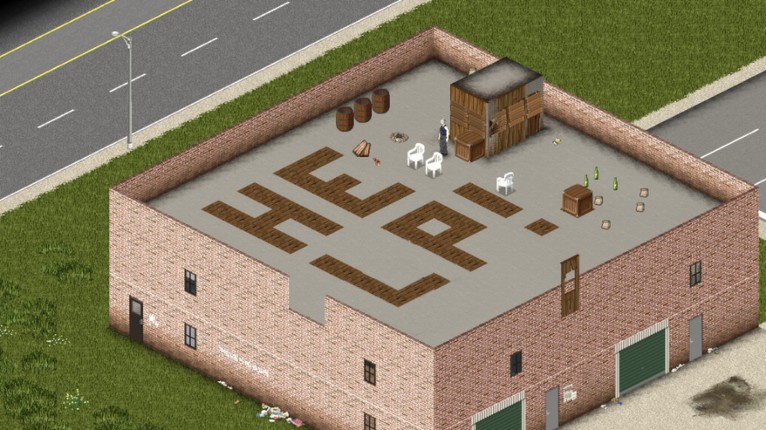
- 85%Game Brain ScoreMost mentioned positive aspects:gameplay, graphicsMost mentioned negative aspects:stability, story85% User Score 147,680 reviews
Sid Meier’s Civilization VI: Platinum Edition is the perfect entry point for PC gamers who have yet to experience the addictive gameplay that has made Civilization one of the greatest game series of all time. The package includes Sid Meier's Civilization VI, six DLC packs as well as the Rise and Fall and Gathering Storm expansions. If you enjoyed this game, see our list of games similar to null.
View Game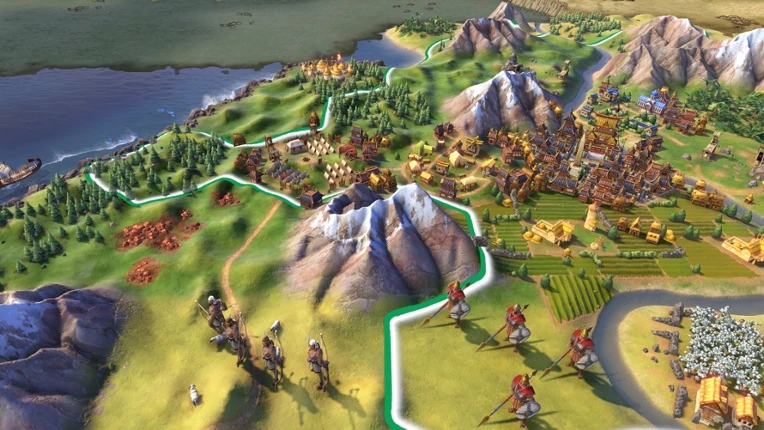
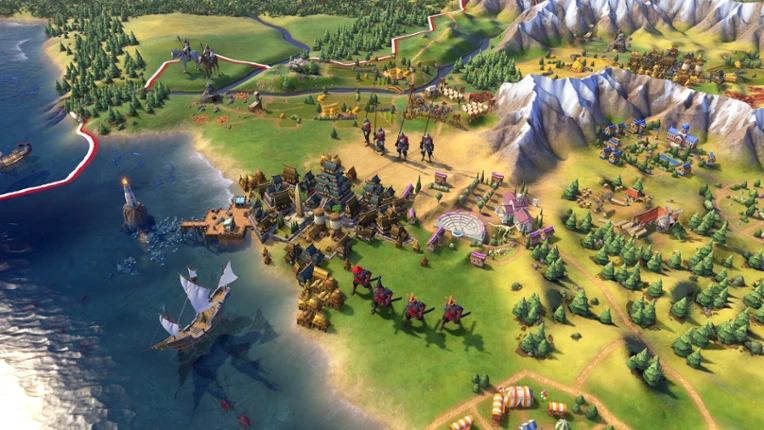
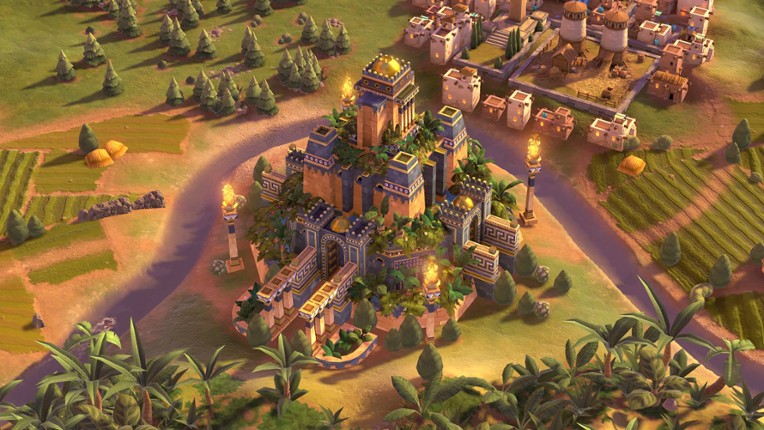
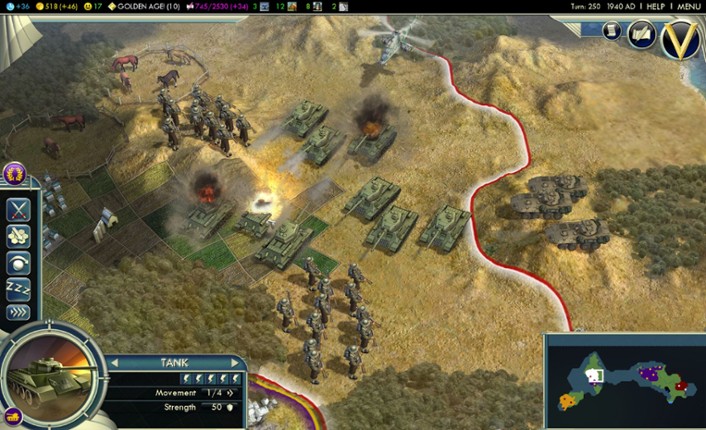
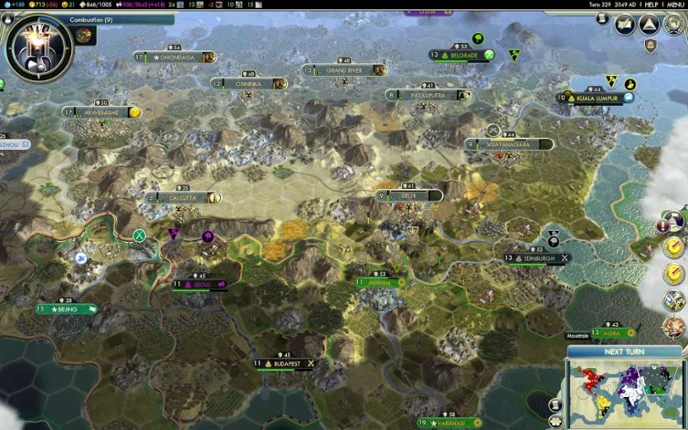
- 91%Game Brain ScoreMost mentioned positive aspects:gameplay, graphicsMost mentioned negative aspects:stability, grinding96% User Score 148,426 reviewsCritic Score 81%4 reviewsWhere the factory floor ends, global empire building begins in this turn-based strategic experience focused on historical advancement rather than continuous manufacturing throughput. If you enjoyed this game, see our list of games similar to Sid Meier's Civilization V.View Game
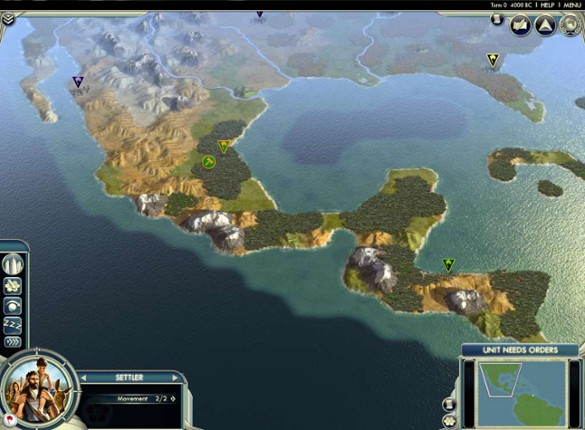
- 88%Game Brain ScoreMost mentioned positive aspects:gameplay, graphicsMost mentioned negative aspects:grinding, stability88% User Score 31,858 reviewsInjects humor and casual mining into cooperative building with a first-person perspective and lighthearted trading elements. If you enjoyed this game, see our list of games similar to Hydroneer.View Game

- 83%Game Brain ScoreMost mentioned positive aspects:gameplay, graphicsMost mentioned negative aspects:optimization, story83% User Score 334 reviews
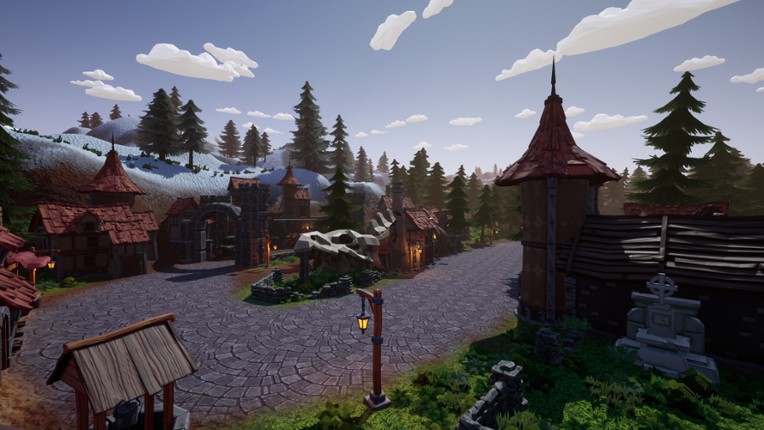
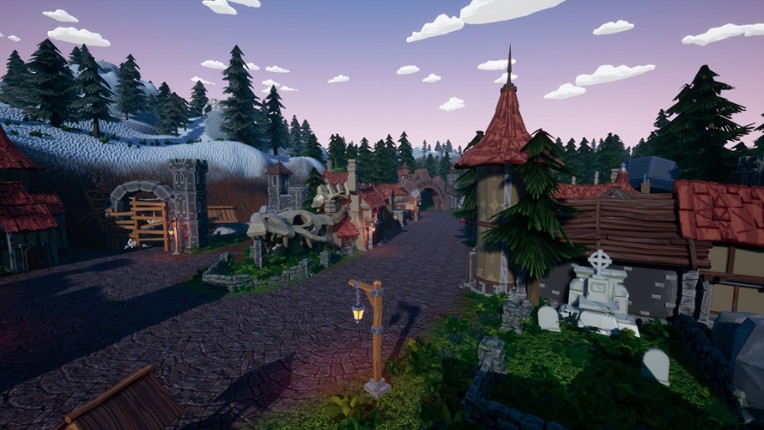
Evospace is sandbox game with fully dynamic, procedurally generated world. Game about digging, exploring, building and technologies. If you enjoyed this game, see our list of games similar to Evospace.
View Game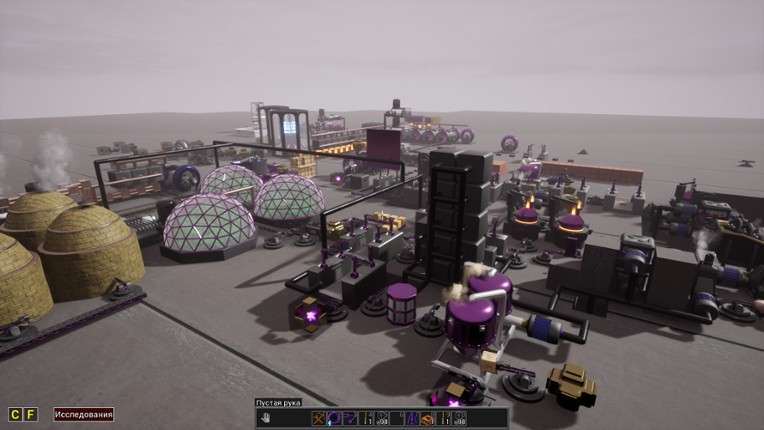
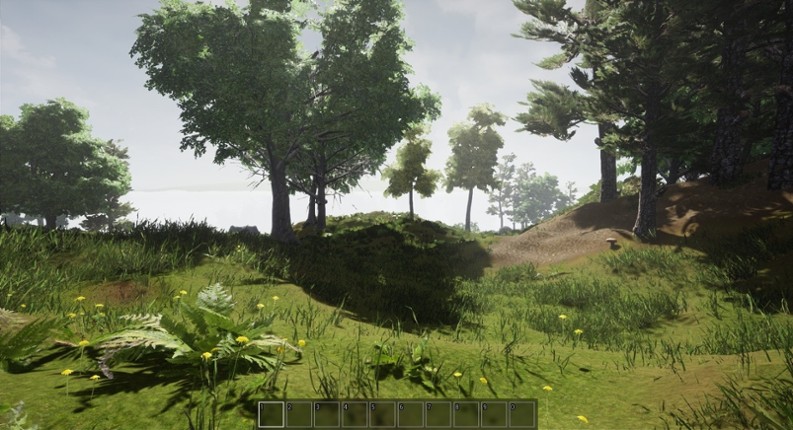
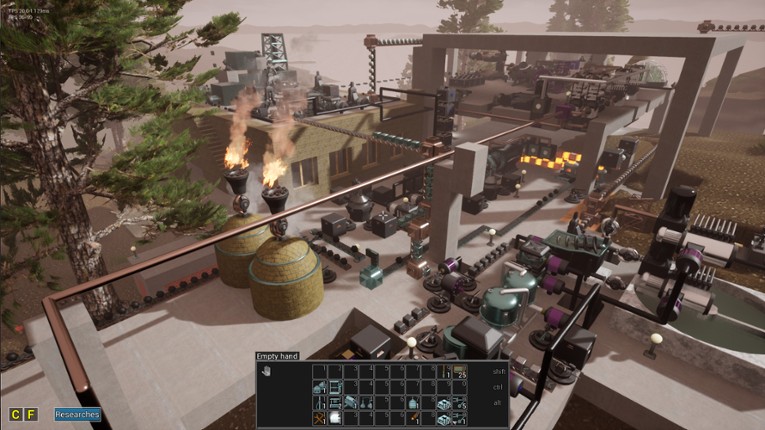
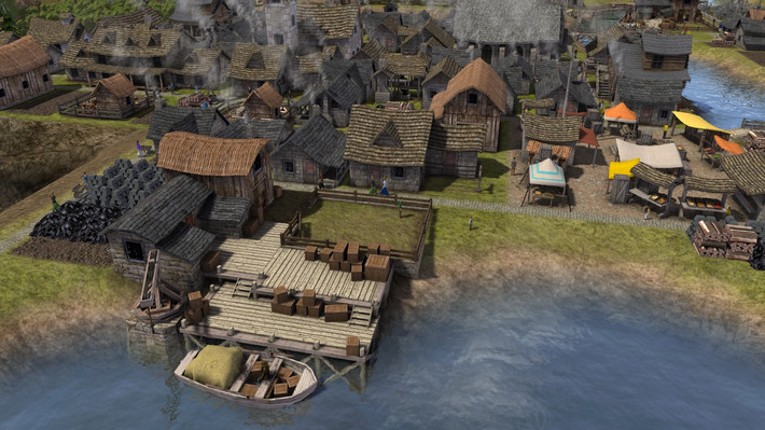
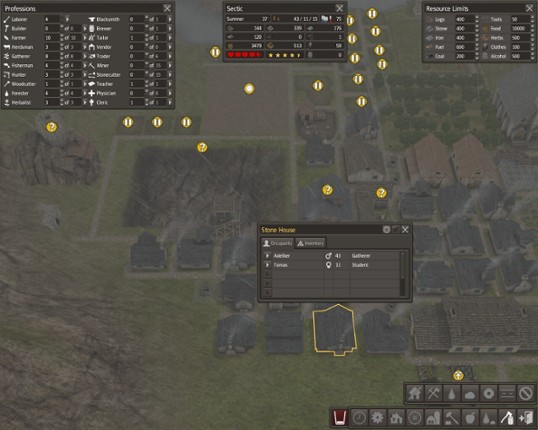
- 82%Game Brain ScoreMost mentioned positive aspects:gameplay, graphicsMost mentioned negative aspects:story, grinding90% User Score 49,448 reviewsCritic Score 68%5 reviewsTrades sci-fi automation for historically grounded colony simulation with a focus on medieval resource management and procedural settlement growth. If you enjoyed this game, see our list of games similar to Banished.View Game
- 90%Game Brain ScoreMost mentioned positive aspects:story, gameplayMost mentioned negative aspects:grinding, stability94% User Score 228,886 reviewsCritic Score 80%3 reviews
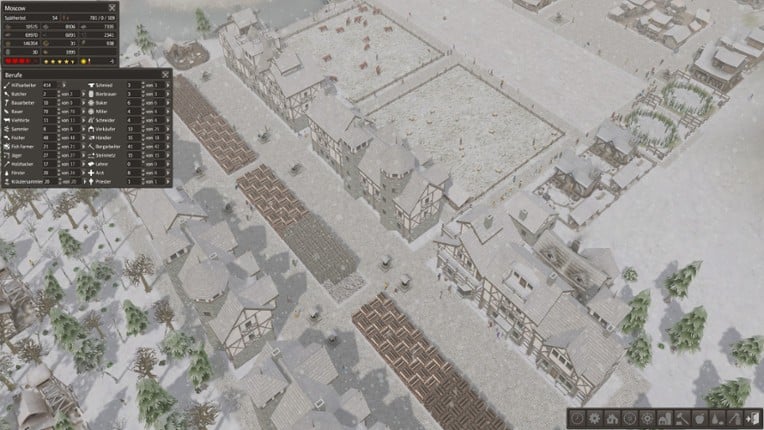
Raft throws you and your friends into an epic oceanic adventure! Alone or together, players battle to survive a perilous voyage across a vast sea! Gather debris, scavenge reefs and build your own floating home, but be wary of the man-eating sharks! If you enjoyed this game, see our list of games similar to Raft.
View Game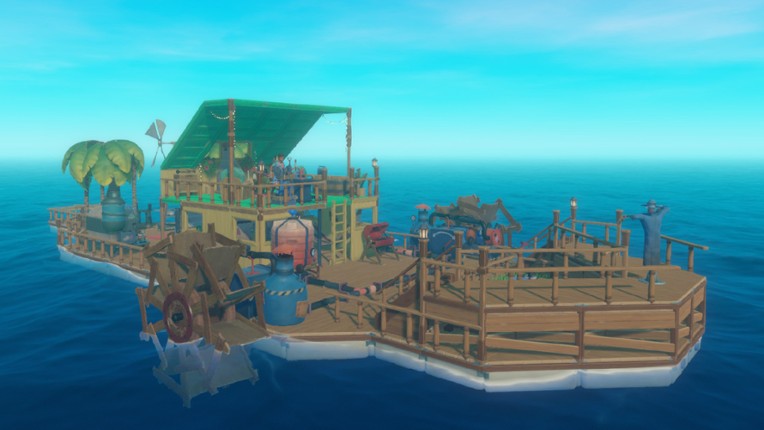

- 83%Game Brain ScoreMost mentioned positive aspects:gameplay, graphicsMost mentioned negative aspects:stability, story83% User Score 4,132 reviews
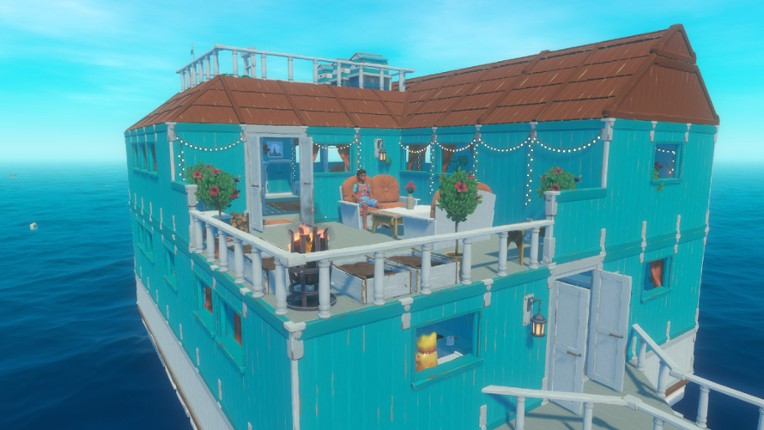
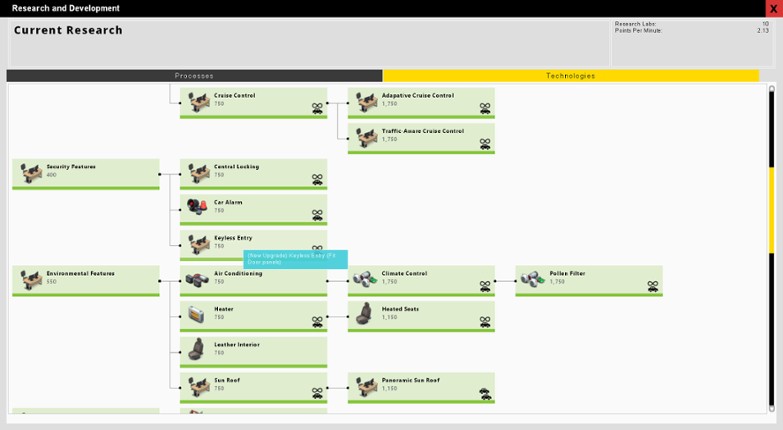
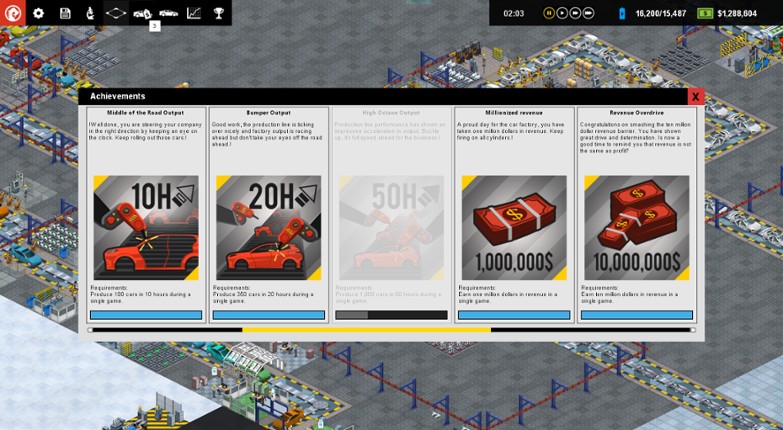
Production line is the new car factory management/simulation/tycoon game that pushes your organisational and entrepreneurship skills to the limit. Can you build the ultimate optimised, free-flowing car production line whilst beating the competition and still turn a profit? If you enjoyed this game, see our list of games similar to Production Line.
View Game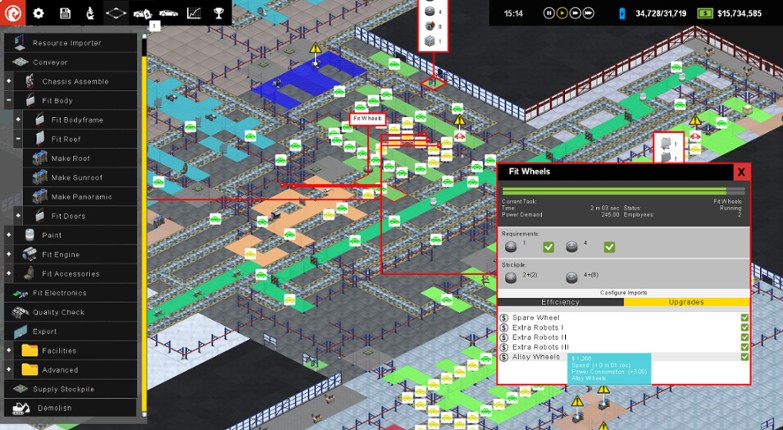
- 92%Game Brain ScoreMost mentioned positive aspects:gameplay, optimizationMost mentioned negative aspects:grinding, story92% User Score 477 reviews
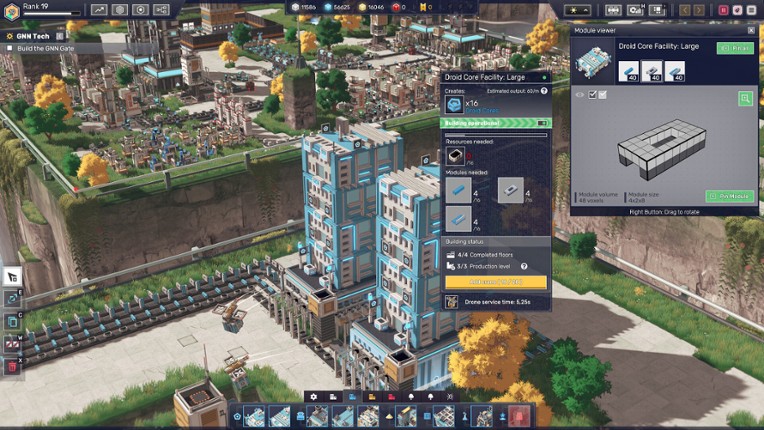
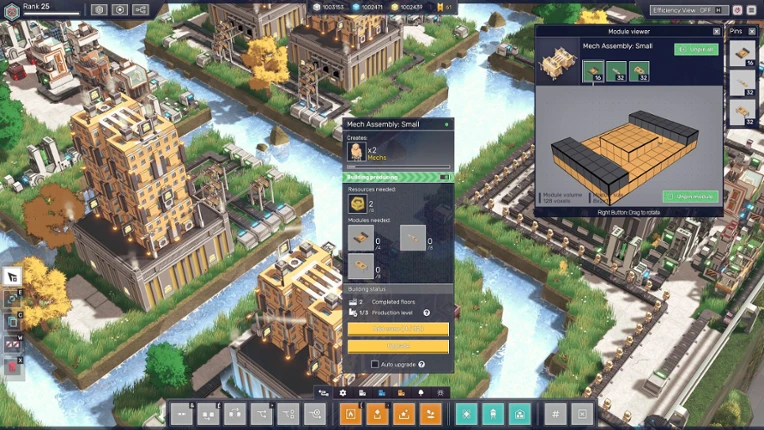
Modulus is a factory automation game where you cut, color, stamp, and assemble 3D building blocks. Design and optimize sprawling factories with creative freedom to efficiently fulfill the orders of the Grand Neural Network. If you enjoyed this game, see our list of games similar to Modulus.
View Game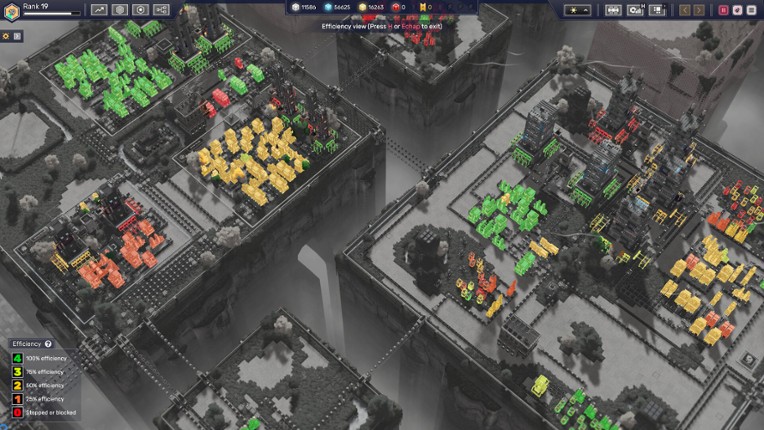
- View Game96%Game Brain ScoreMost mentioned positive aspects:gameplay, optimizationMost mentioned negative aspects:story, grinding96% User Score 2,864 reviews
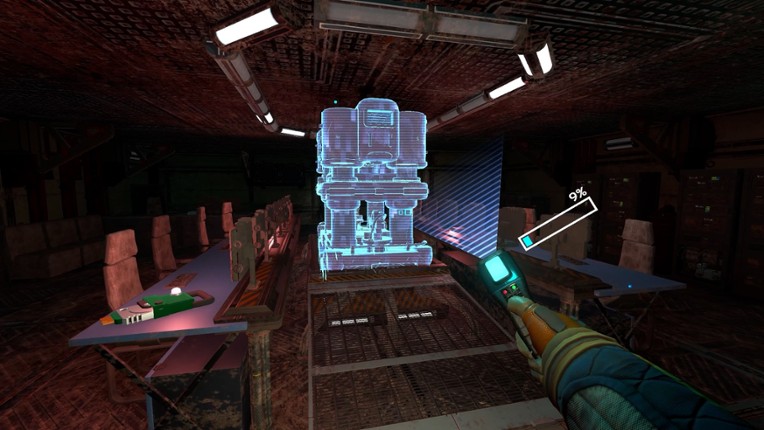
Design and build a factory deep underground in this physics-based automation sandbox. Mine resources, buy machines and master the chaos as you become the ultimate Mine Mogul! If you enjoyed this game, see our list of games similar to MineMogul.
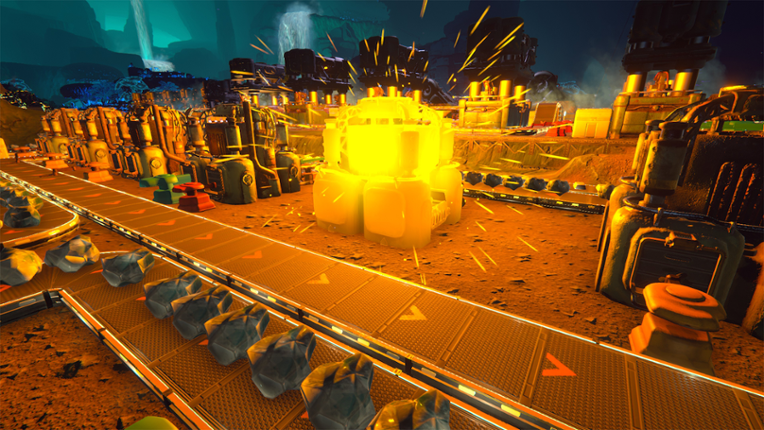
- 83%Game Brain ScoreMost mentioned positive aspects:story, gameplayMost mentioned negative aspects:optimization, grinding83% User Score 2,380 reviewsMirrors Factorio's underground setting with first-person immersion and sci-fi flavor, keeping the deep automation and cooperative gameplay intact. If you enjoyed this game, see our list of games similar to Techtonica.View Game


 View Game































Frequently Asked Questions
Satisfactory elevates the formula with stunning 3D graphics and first-person exploration, while Dyson Sphere Program scales automation to cosmic proportions. For a relaxing alternative, shapez strips away combat and survival pressure, focusing purely on satisfying factory optimization without resource constraints or enemies threatening your designs.
Most recommendations work solo or multiplayer. Satisfactory and FortressCraft Evolved both support online co-op for shared factory building. Mindustry offers local and online co-op with tower defense elements. If you prefer solo experiences, Dyson Sphere Program and RimWorld deliver deep single-player narratives without multiplayer pressure.
Mindustry combines factory automation with tower defense strategy, rewarding optimization across its extensive tech tree. Oxygen Not Included manages resource chains in a space colony setting with physics-based simulation. shapez 2 focuses purely on shape-crafting automation with logic-based puzzle mechanics, offering a meditative take on the production-line concept.
Mindustry is completely free and open-source, delivering tower defense mixed with factory management on all platforms. shapez also offers a free-to-play version with optional premium content. Both provide hundreds of hours of optimization-focused gameplay without requiring payment, making them ideal entry points if you're unsure about the genre.
Satisfactory features vibrant 3D worlds with immersive first-person exploration and stunning environmental design. Dyson Sphere Program offers beautiful third-person perspectives of sprawling space megastructures. If you prefer stylized 2D, shapez 2 delivers clean, modern visuals with 3D elements that remain accessible on lower-end hardware.
Satisfactory excels at online co-op factory building with its intuitive mechanics and shared world progression. Mindustry supports up to four-player co-op with tower defense elements adding strategic depth. FortressCraft Evolved combines co-op mining and base building with exploration, letting teams tackle its vertical world together with meaningful progression.