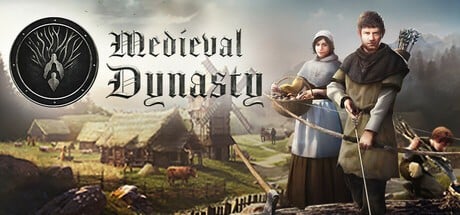


Games like Medieval Dynasty
If Medieval Dynasty hooked you with its blend of hands-on survival, village building, and RPG progression set against a strikingly authentic medieval world, you're not alone — and the hunt for games like Medieval Dynasty is a very real one. This is a game that sits at a rare crossroads of genres, and finding something that scratches the same itch takes a little guidance. The good news: there are some genuinely excellent alternatives out there.
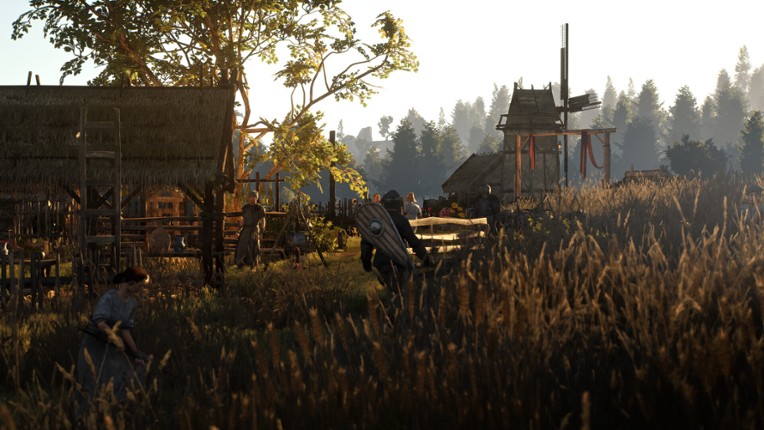
What makes Medieval Dynasty so distinct is its layered core loop — you're not just surviving, you're founding a settlement, recruiting villagers, managing seasons, farming, crafting, and slowly watching a dynasty take shape. It delivers all of this through a first-person, historically grounded medieval lens with beautiful seasonal environments and a tone that balances tranquility with light humor. Players who love it are really chasing that specific combination: meaningful colony growth, tactile resource gathering, and an atmosphere that feels lived-in rather than gamified.
What Makes a Good Alternative to Medieval Dynasty?
- Village or colony management with NPC delegation — The satisfaction of assigning villagers to roles and watching your settlement function is central to Medieval Dynasty's appeal; the best alternatives replicate this sense of building something that breathes on its own.
- Seasonal cycles and environmental atmosphere — Changing seasons aren't just visual in Medieval Dynasty; they shape your planning and survival priorities. Alternatives that use dynamic weather and time systems deliver the same sense of living inside a world.
- Crafting tied to survival and progression — Medieval Dynasty's crafting isn't busywork; it feeds directly into your settlement's growth and your character's development. Look for games where crafting has real stakes and purpose.
- Historical or culturally grounded settings — Part of Medieval Dynasty's identity is its commitment to a specific time and place. Games rooted in Vikings, feudal Japan, or medieval Europe carry that same sense of historical texture.
- Adjustable pacing and difficulty — One of Medieval Dynasty's most praised qualities is letting players tune the experience to their preferred tempo. The best alternatives respect that players want agency over how relaxed or demanding the grind feels.
Top Picks If You Enjoyed Medieval Dynasty
Aska brings Viking-era village survival with strong NPC task delegation. Bellwright layers medieval rebellion and co-op onto familiar survival-crafting bones. Sengoku Dynasty transplants the whole formula to feudal Japan with gorgeous results. Going Medieval shifts to a colony-sim top-down view but nails the resource management and settlement depth. The Last Plague: Blight offers a darker, more punishing take on open-world medieval survival for players who want higher stakes.
Every recommendation below is ranked by similarity using real player data, so the closest matches appear first. Browse the full list to find the game that fits exactly what you're looking for.
- 80%Game Brain ScoreMost mentioned positive aspects:gameplay, storyMost mentioned negative aspects:grinding, optimization80% User Score 10,263 reviews
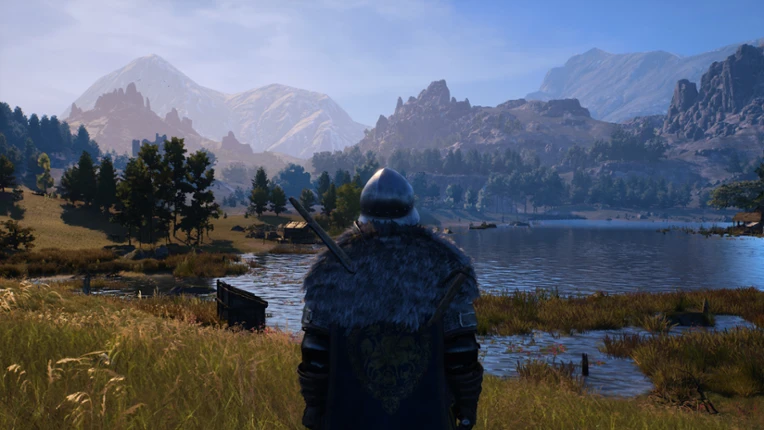
Raising a homestead from scrap, then watching it grow into a living settlement is the core loop Bellwright shares with Medieval Dynasty. Both games reward the same steady rhythm of gathering, crafting, building, and assigning work, so your progress feels earned piece by piece rather than handed to you.
Bellwright also scratches the survival-and-management itch with village upkeep, resource planning, and co-op play, which creates the same satisfying pressure to balance your own needs against the future of your community. That matters because the best moments come from turning a fragile start into a stable medieval base.
The biggest fresh angle is its stronger focus on exploration and combat-led expansion, giving your settlement growth a more militant edge. For fans of Medieval Dynasty who found the early grind or repetitive tasks wearing, Bellwright’s active updates and broader war-driven progression offer a new way to push past the slow opening.
Best for players who want thoughtful village-building with a tougher frontier edge.
If you enjoyed this game, see our list of games similar to Bellwright.View Game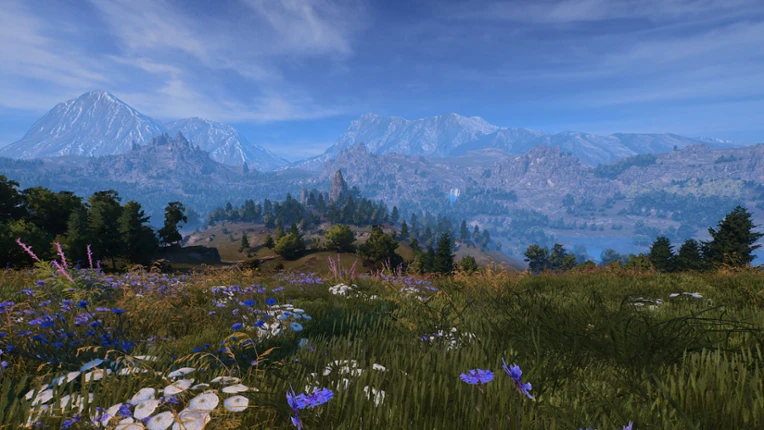
- 78%Game Brain ScoreMost mentioned positive aspects:gameplay, graphicsMost mentioned negative aspects:grinding, stability80% User Score 6,376 reviewsCritic Score 70%1 reviews
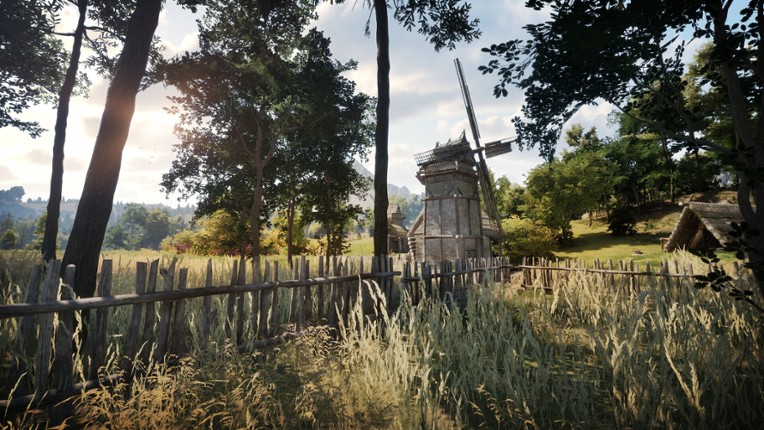
Both games center on watching your vision materialize through deliberate settlement management—assigning tasks, gathering resources, and observing your village grow organically rather than through cutscenes or instant rewards. This creates a meditative rhythm where progress feels earned and personal.
The resource management loop mirrors Medieval Dynasty's core loop almost exactly: craft tools, assign workers, expand infrastructure, repeat. Aska layers in villager automation, letting your settlers work semi-independently—addressing Medieval Dynasty's micromanagement drag by letting you step back and strategize rather than micromanage every fetch quest.
Both deliver seasonal cycles and atmospheric weather that reinforce survival stakes. Where Medieval Dynasty leans into historical authenticity, Aska introduces Norse fantasy elements that add personality without sacrificing the grounded, tactical feel you're after.
Aska shares Medieval Dynasty's grinding criticisms, but its early access state means the dev team is actively tuning resource curves—a meaningful difference if you've hit Medieval Dynasty's pacing walls.
Best for players seeking that same "build → expand → optimize" loop, who want villager AI that actually pulls its weight, and who don't mind Norse flavor over pure historical immersion.
If you enjoyed this game, see our list of games similar to Aska.View Game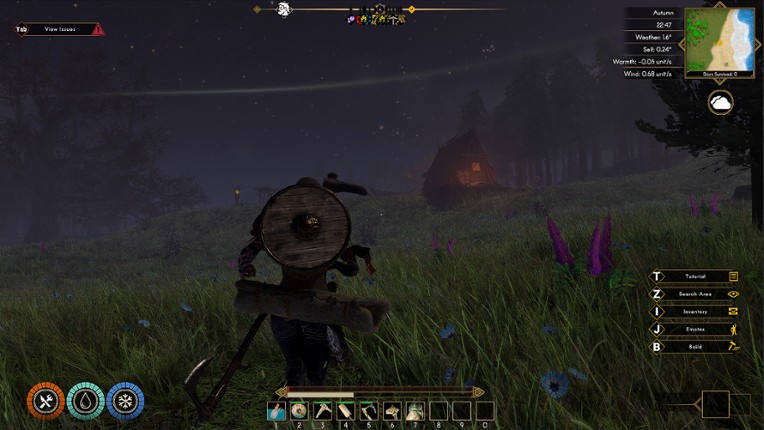
- 76%Game Brain ScoreMost mentioned positive aspects:story, gameplayMost mentioned negative aspects:optimization, grinding76% User Score 2,999 reviews
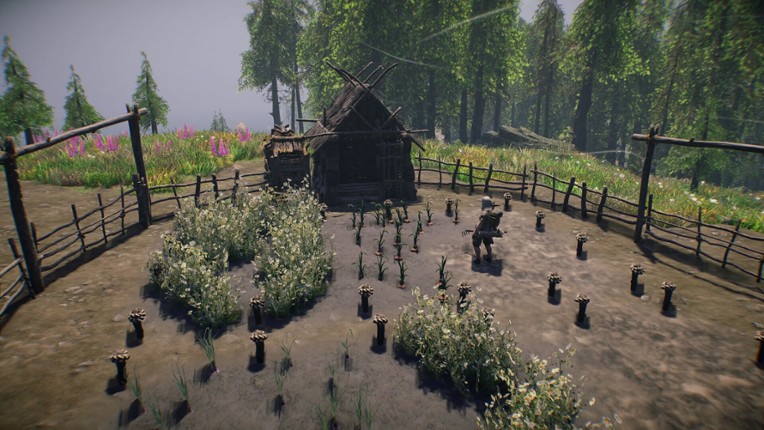
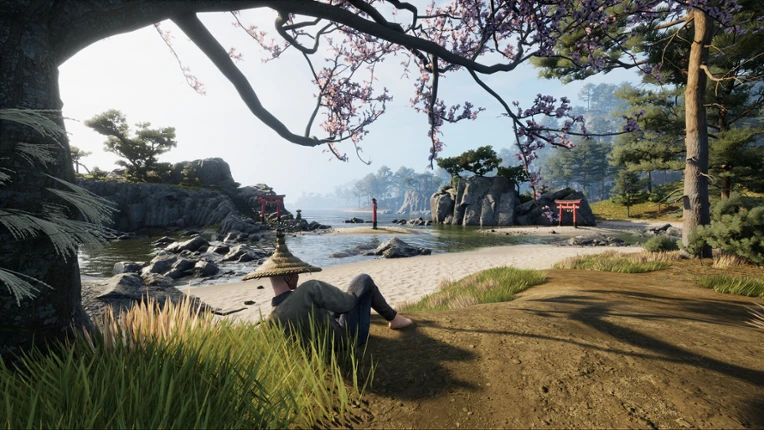
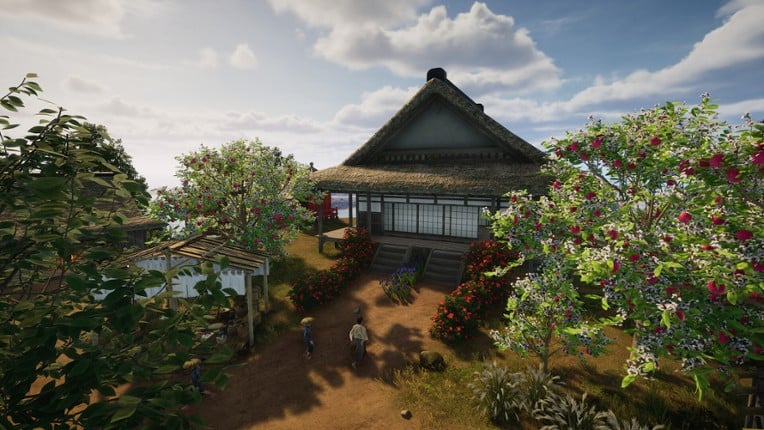
Experience Sengoku Dynasty in legendary style and build your dynasty to its fullest. The Sakura Edition includes the main game and the Sakura DLC If you enjoyed this game, see our list of games similar to Sengoku Dynasty.
View Game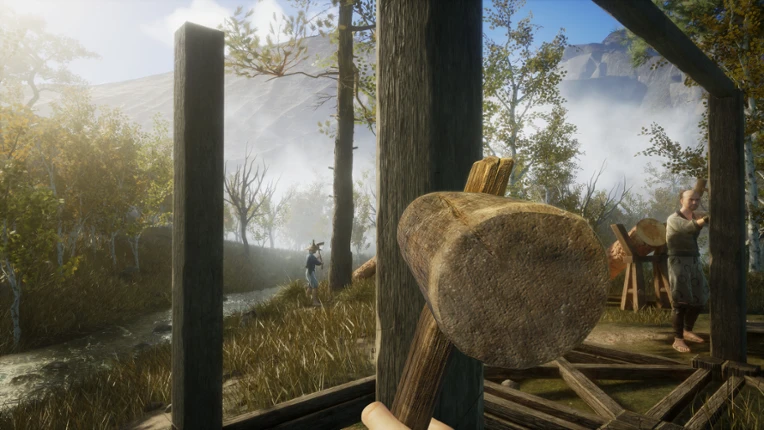
- 85%Game Brain ScoreMost mentioned positive aspects:gameplay, graphicsMost mentioned negative aspects:grinding, story85% User Score 6,330 reviews
The shared backbone of The Infected and Medieval Dynasty is an uncompromising first-person survival-crafting loop that demands physical resource gathering to expand your footprint. Both titles prioritize the tactical placement of modular structures, allowing you to transform a raw, isolated landscape into a fortified base of operations.
While Medieval Dynasty focuses on long-term village management and economic automation, The Infected shifts the priority toward defensive survival against hostile threats. You trade the peaceful agricultural life for a high-stakes struggle against encroaching monsters.
Pick this up if you crave the tactile joy of building a home from scratch but prefer a faster pace and don't mind trading NPCs for creature combat.
If you enjoyed this game, see our list of games similar to The Infected.View Game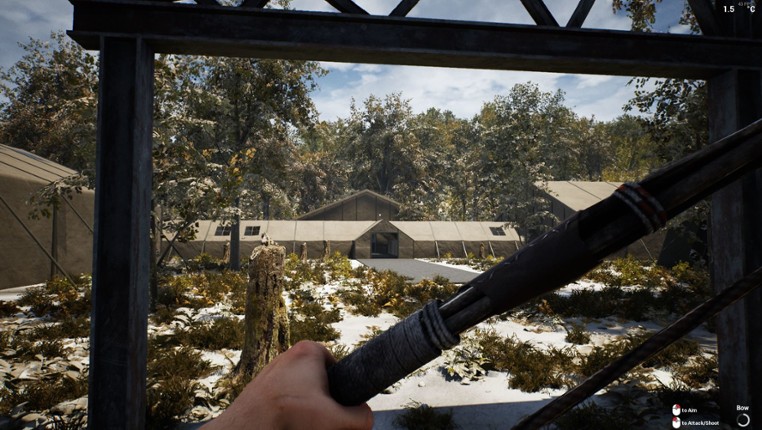

- 88%Game Brain ScoreMost mentioned positive aspects:gameplay, storyMost mentioned negative aspects:grinding, stability88% User Score 700 reviews
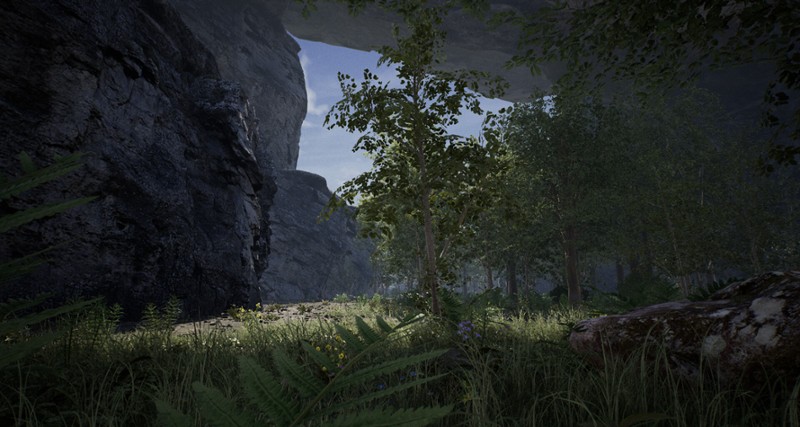
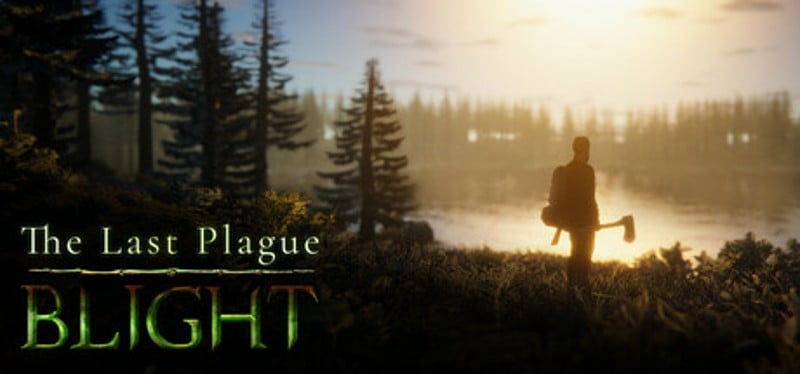
Both anchor their experience around base building combined with survival resource management — you gather, craft, and construct to establish a foothold in a hostile medieval world. This shared foundation makes the core gameplay loop directly comparable between the two titles. The systems feel aligned enough to give players a consistent experience despite different settings.
Both also share a deep atmospheric commitment to medieval survival, creating worlds where every decision carries weight. The mood in both titles reinforces the difficulty and stakes. This environmental tone matters because it makes the grind feel purposeful rather than arbitrary.
The Last Plague: Blight strips away Medieval Dynasty's village management for raw, unforgiving survival. It offers a darker tone and more punishing difficulty curve, but lacks the narrative structure and quest variety that some players need to stay invested long-term.
Pick this up if you want brutal medieval survival with satisfying crafting depth and can live without village-building progression or meaningful story content.
If you enjoyed this game, see our list of games similar to The Last Plague: Blight.View Game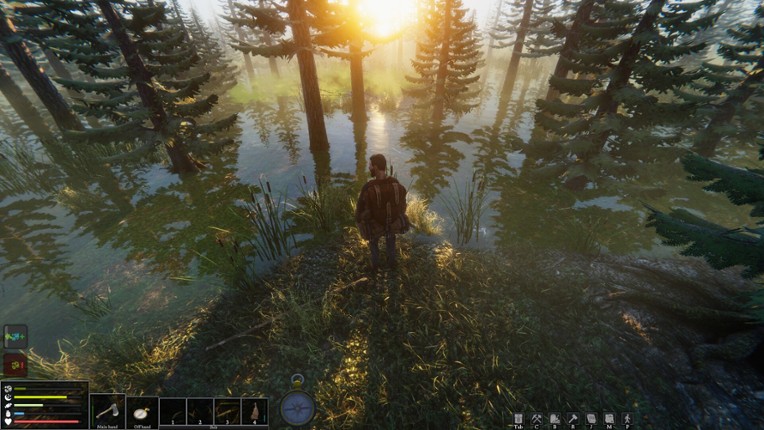
- 85%Game Brain ScoreMost mentioned positive aspects:gameplay, graphicsMost mentioned negative aspects:optimization, grinding89% User Score 10,003 reviewsCritic Score 74%2 reviews
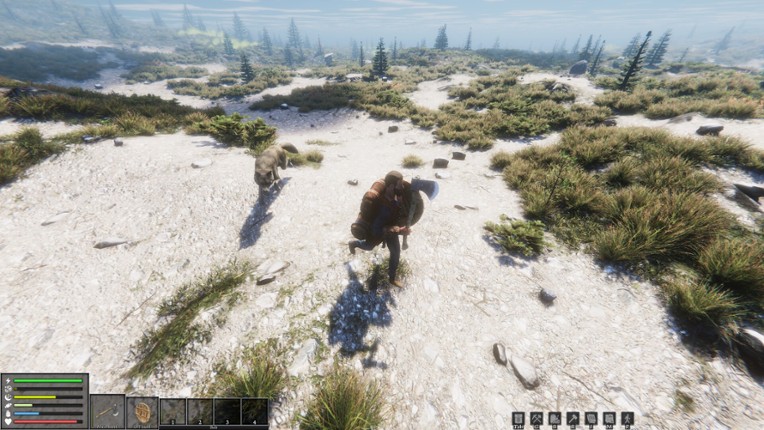
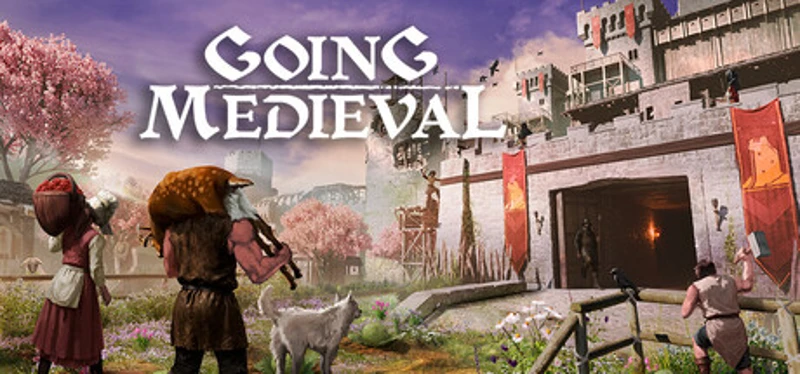
Watching your first settlement evolve from a handful of shelters to a bustling village delivers a comparable sense of ownership in both games.
Both titles tie building and crafting to survival, rewarding you for designing structures that protect against weather and feed your people.
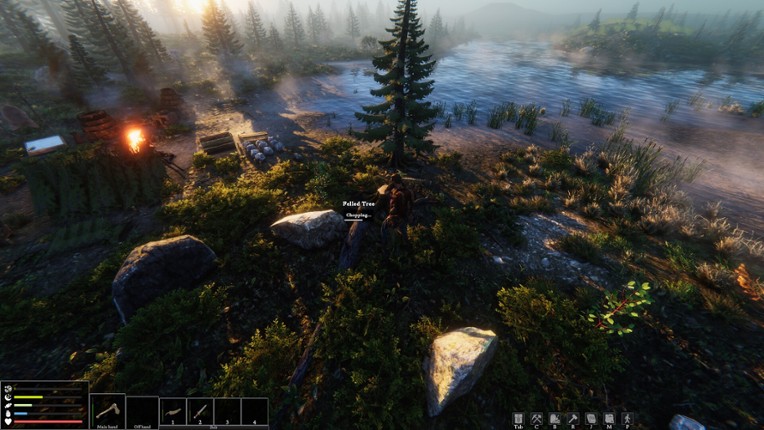
A seasonal rhythm forces you to stockpile food, adjust clothing, and reinforce shelters as temperatures shift, creating a loop of preparation that feels equally satisfying.
Going Medieval switches to real‑time colony control, letting you command settlers directly instead of following a lone protagonist, which expands strategic depth at the price of a personal narrative.
The early‑game building system is less micro‑intensive, cutting the grind that many found tedious in Medieval Dynasty, and the game shines for players who love balancing survival logistics with long‑term settlement design.
If you enjoyed this game, see our list of games similar to Going Medieval.View Game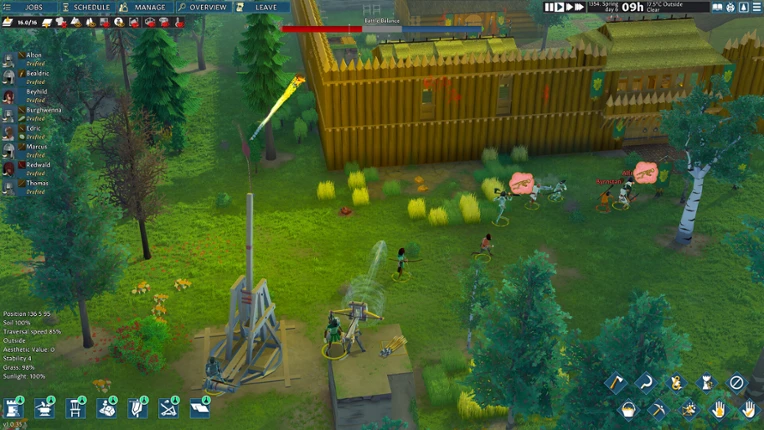
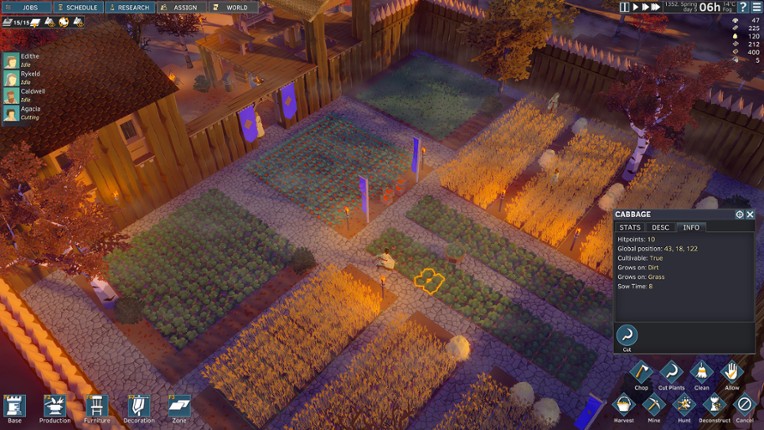
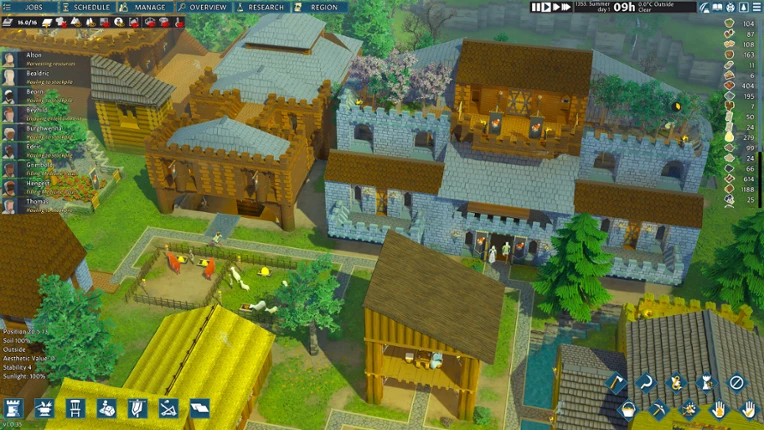
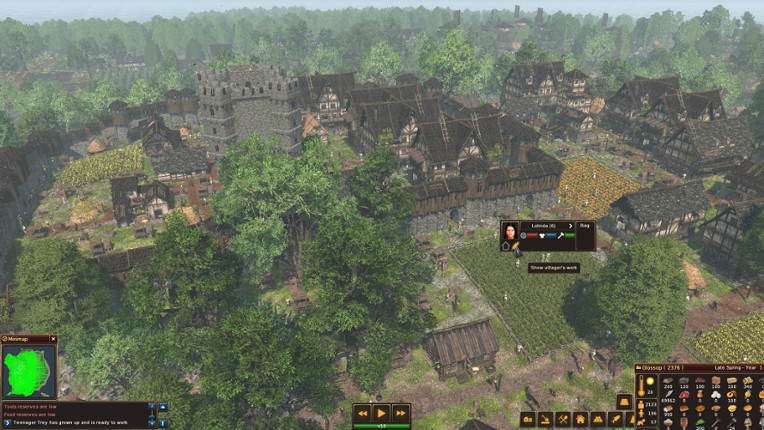
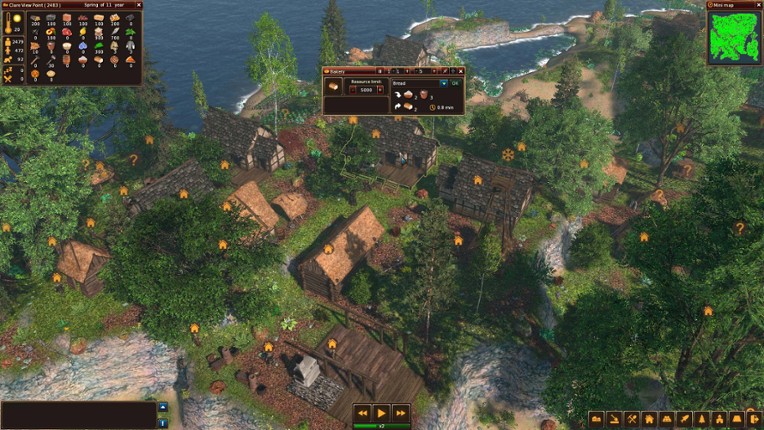
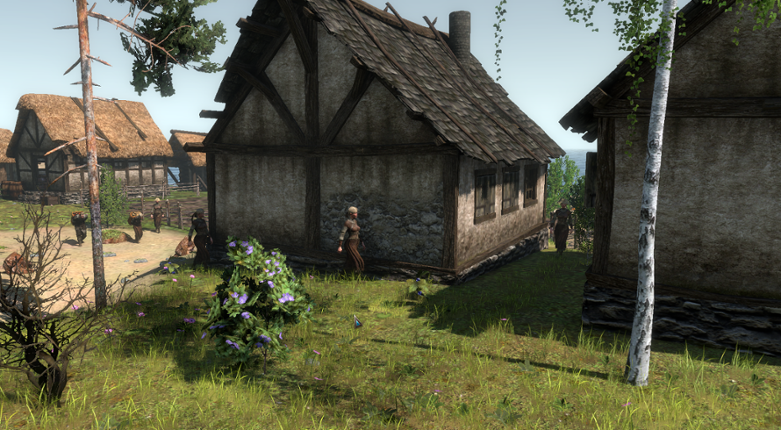
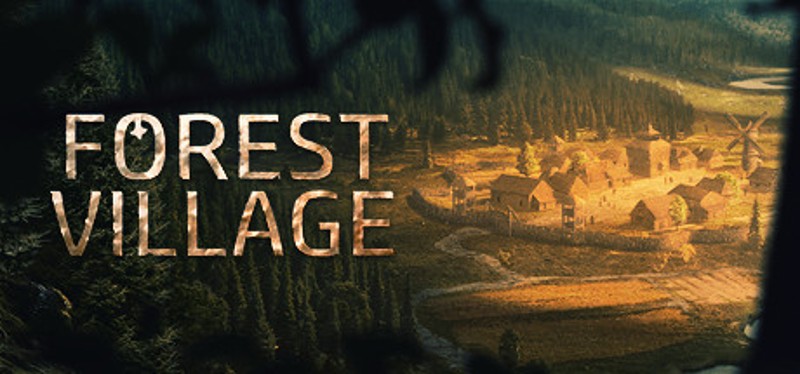
- 63%Game Brain ScoreMost mentioned positive aspects:graphics, gameplayMost mentioned negative aspects:stability, optimization63% User Score 2,382 reviewsMatches the medieval setting and colony building but emphasizes resource management and first-person immersion over the seasonal atmosphere and NPC charm. If you enjoyed this game, see our list of games similar to Life is Feudal: Forest Village.View Game
- 86%Game Brain ScoreMost mentioned positive aspects:gameplay, graphicsMost mentioned negative aspects:grinding, optimization86% User Score 4,114 reviews
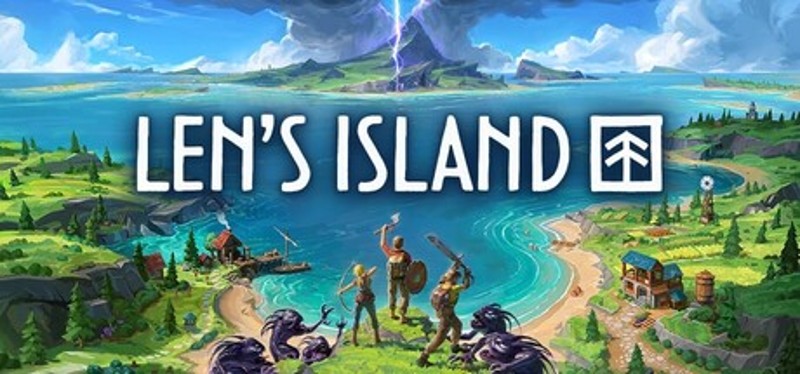
That loop of building up a settlement, stepping outside to gather resources, and returning to watch your work take shape — Len's Island runs on the same rhythm. Both games anchor their progression in base building and crafting, where what you construct directly shapes how effectively you survive and grow.
The atmospheric open world in Len's Island carries a similar weight of place to Medieval Dynasty's seasons and landscapes — not just a backdrop, but something that makes exploration feel purposeful. Where Medieval Dynasty grounds this in gritty realism, Len's Island shifts the palette to vibrant fantasy and mystery, offering a genuinely fresh visual register without abandoning that sense of inhabiting a living world.
Medieval Dynasty players who found the quests repetitive and thin may find Len's Island's dungeon crawling and combat upgrade loop a more satisfying driver of progression. The tradeoff is a less guided experience — objectives aren't handed to you, so expect to forge your own direction.
Best for players who prioritize the builder's mindset over narrative structure and want their survival loop seasoned with combat that actually rewards mastery.
If you enjoyed this game, see our list of games similar to Len's Island.View Game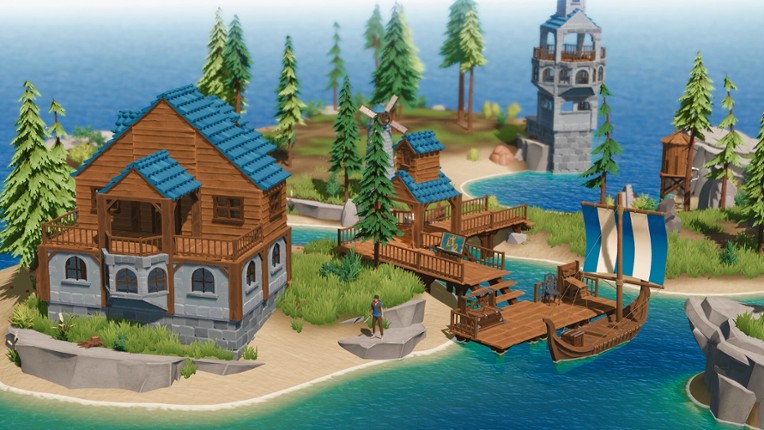
- 93%Game Brain ScoreMost mentioned positive aspects:gameplay, storyMost mentioned negative aspects:grinding, stability93% User Score 18,284 reviews
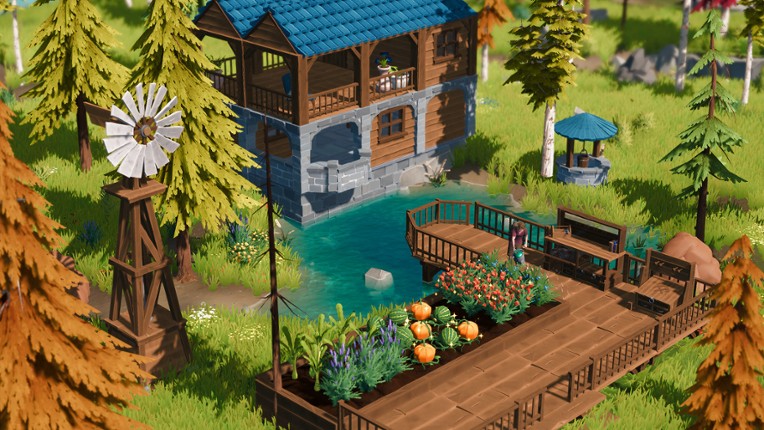
Both games center on peaceful village-building with cooperative farming, letting you reshape the land at your own pace alongside a friend.
Agriculture forms the backbone of progression in both—because steady resource generation makes everything else possible.
Medieval Dynasty commits to historical immersion and grounded realism, while Dinkum trades atmosphere for a lighthearted, quirky Australian aesthetic that feels deliberately whimsical.
Pick Dinkum if you want cozy co-op farming without medieval gravitas, but expect rougher multiplayer stability and even heavier late-game grinding than Medieval Dynasty.
If you enjoyed this game, see our list of games similar to Dinkum.View Game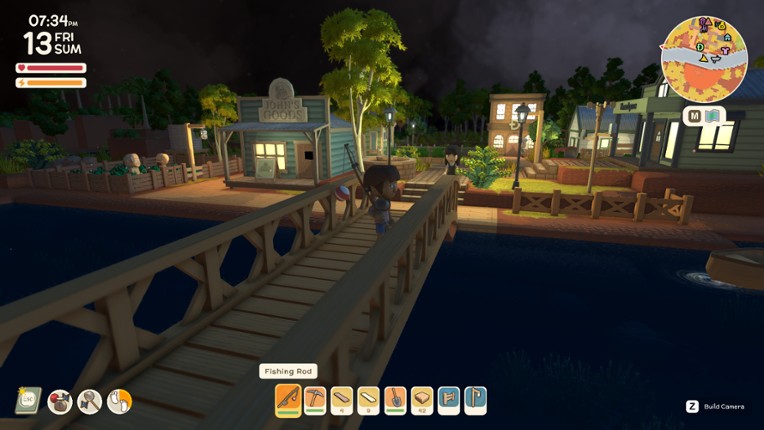
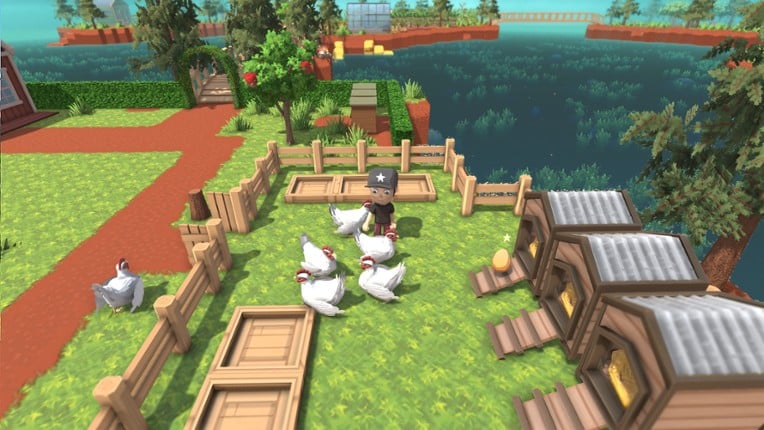
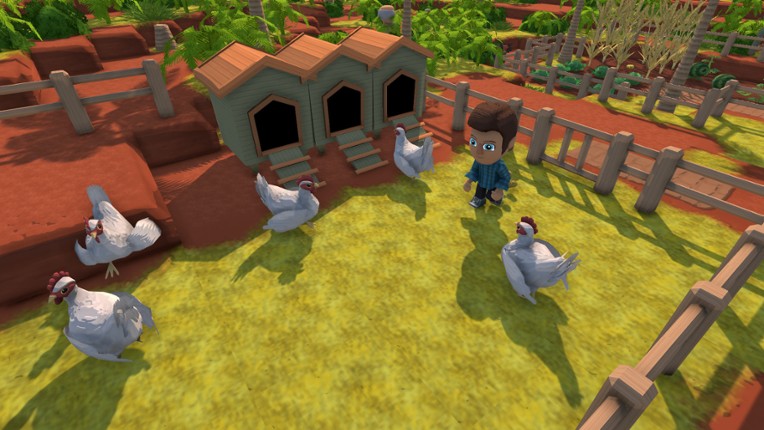
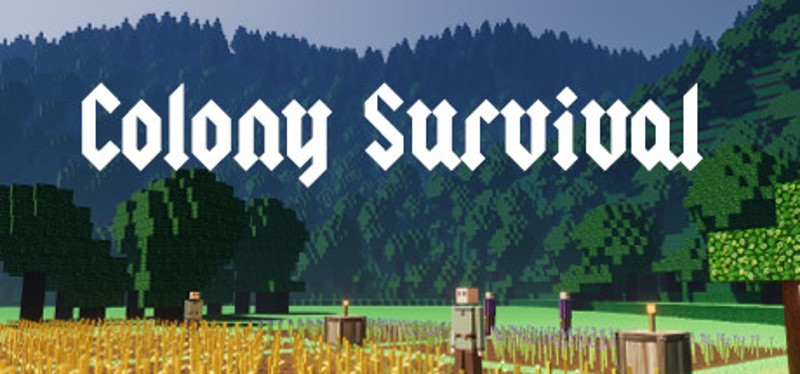
- 92%Game Brain ScoreMost mentioned positive aspects:gameplay, graphicsMost mentioned negative aspects:grinding, story92% User Score 6,355 reviewsPreserves co-op building and trading but introduces zombie defense and voxel construction, adding survival pressure where Medieval Dynasty favors peace. If you enjoyed this game, see our list of games similar to Colony Survival.View Game
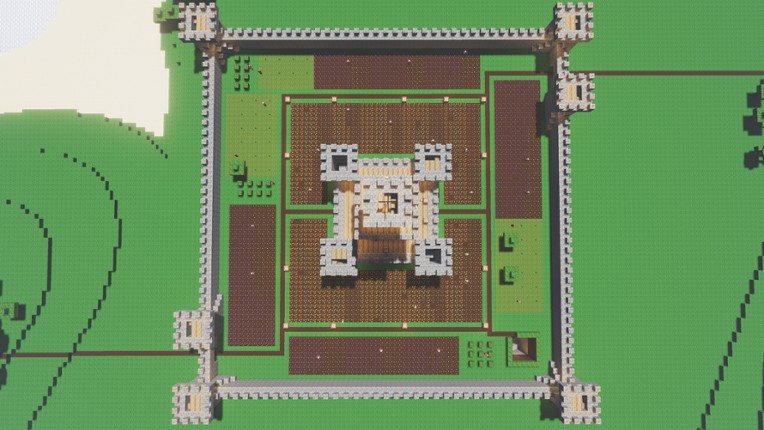
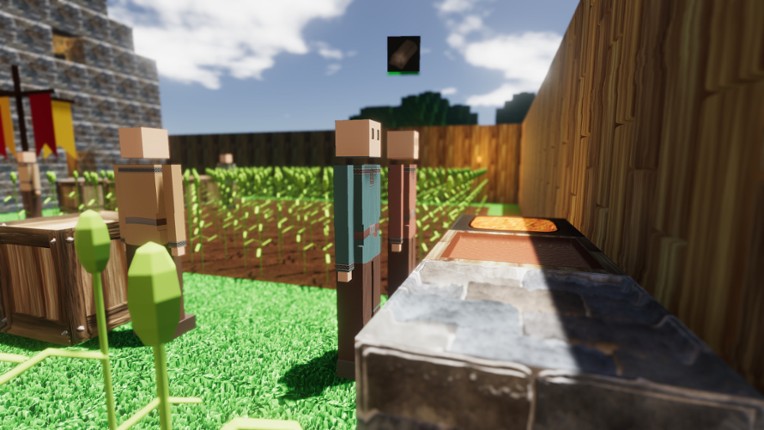
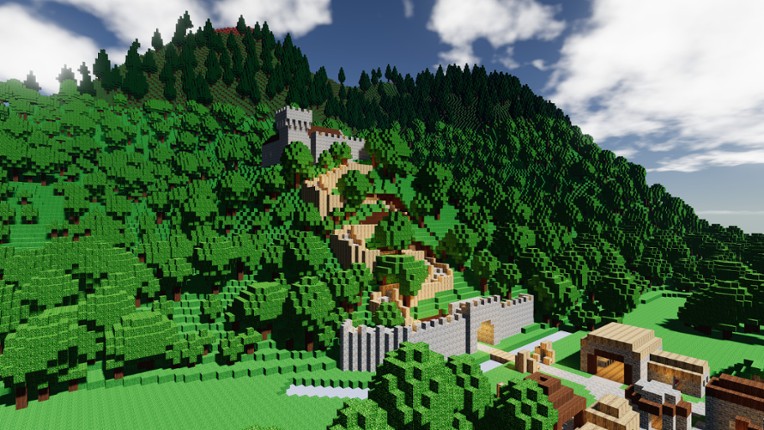
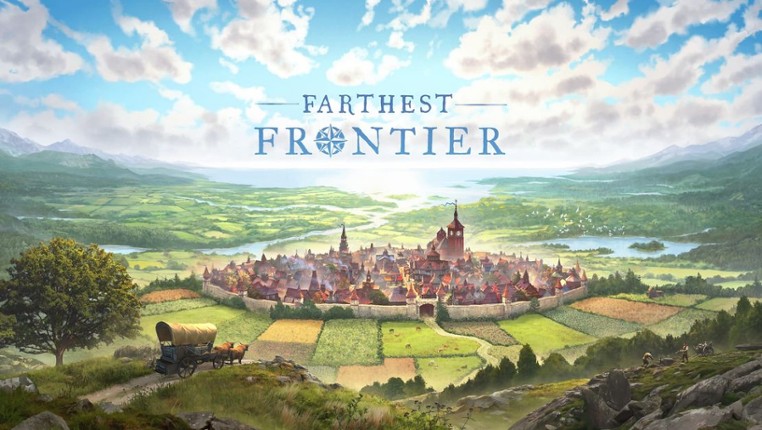
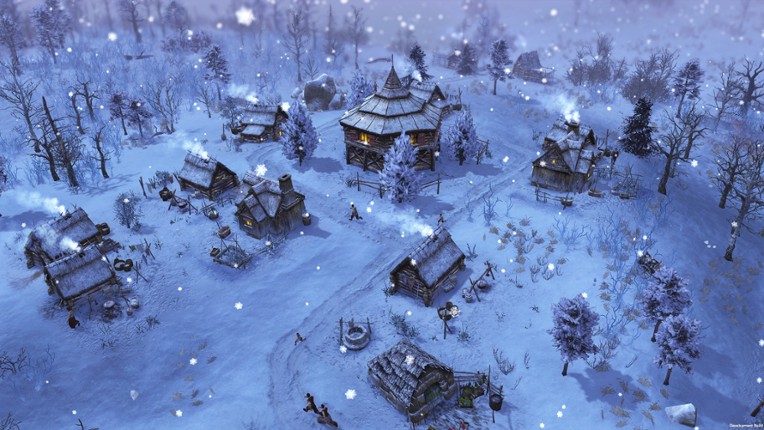
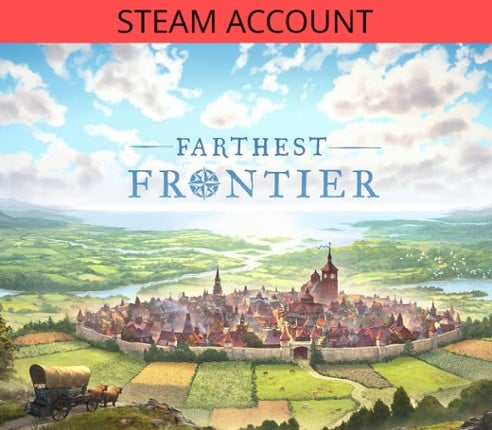
- 85%Game Brain ScoreMost mentioned positive aspects:gameplay, graphicsMost mentioned negative aspects:optimization, grinding87% User Score 15,212 reviewsCritic Score 83%5 reviewsFarthest Frontier flips the perspective to a top‑down view, blending alternate‑history medieval life with tighter time‑management demands. If you enjoyed this game, see our list of games similar to Farthest Frontier.View Game
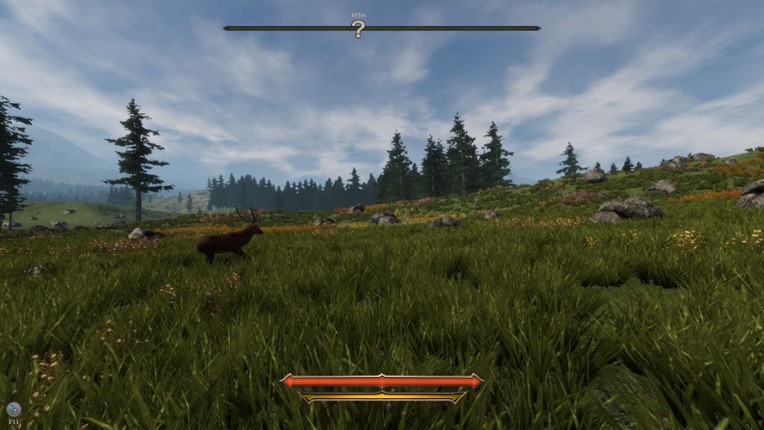
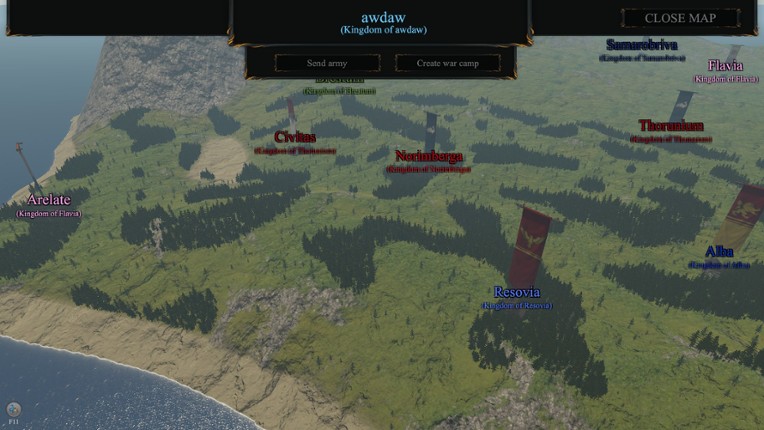
- 72%Game Brain ScoreMost mentioned positive aspects:gameplay, graphicsMost mentioned negative aspects:stability, story72% User Score 4,652 reviewsKINGDOMS generates a fresh medieval realm each playthrough, pushing first‑person survival over story and offering a unique, ever‑changing sandbox. If you enjoyed this game, see our list of games similar to KINGDOMS.View Game
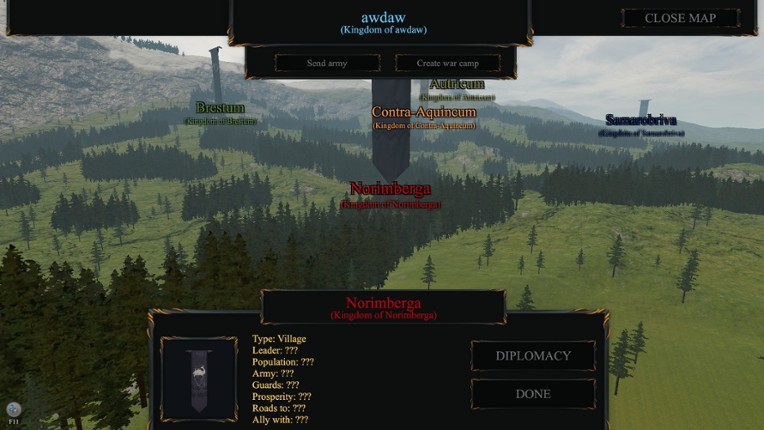
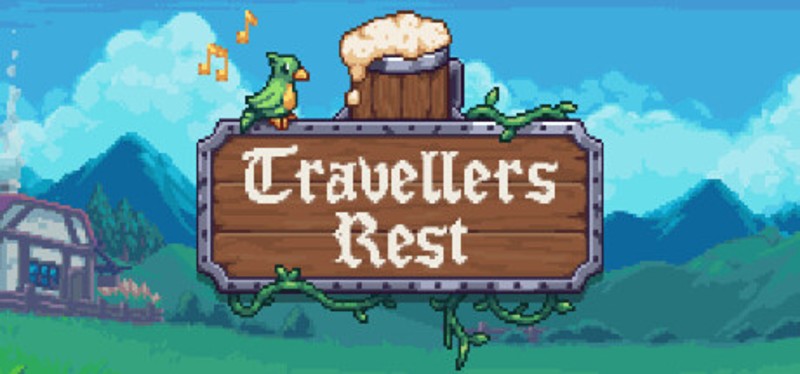
- 89%Game Brain ScoreMost mentioned positive aspects:gameplay, storyMost mentioned negative aspects:grinding, stability89% User Score 9,205 reviews
Both games center on crafting and managing a medieval business, with Medieval Dynasty’s village building paralleled by Travellers Rest’s tavern management. This shared mechanic drives player creativity and strategic resource allocation.
Travellers Rest’s pixel art and split-screen co-op offer a lighter, more casual visual and multiplayer experience, but it remains in early access with repetitive gameplay and buggy multiplayer. Medieval Dynasty delivers a refined first-person immersive sim but can drag due to grinding and performance issues.
Pick Travellers Rest if you want co-op tavern management with quirky pixel charm, but can tolerate limited content and bugs. Choose Medieval Dynasty for a more polished, atmospheric medieval survival sim focused on pacing and realism.
If you enjoyed this game, see our list of games similar to Travellers Rest.View Game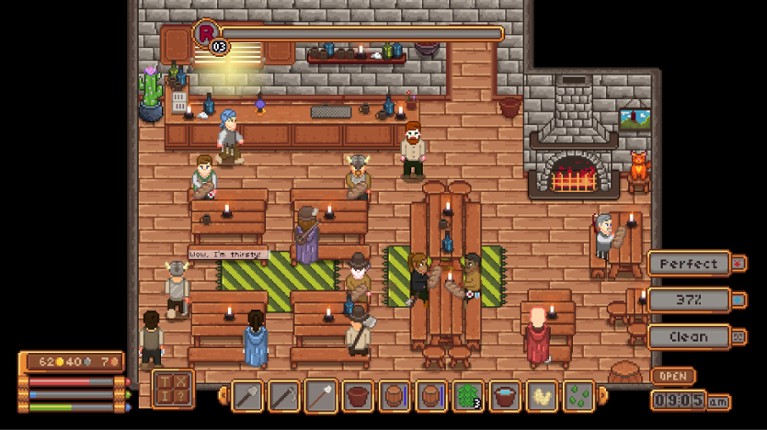
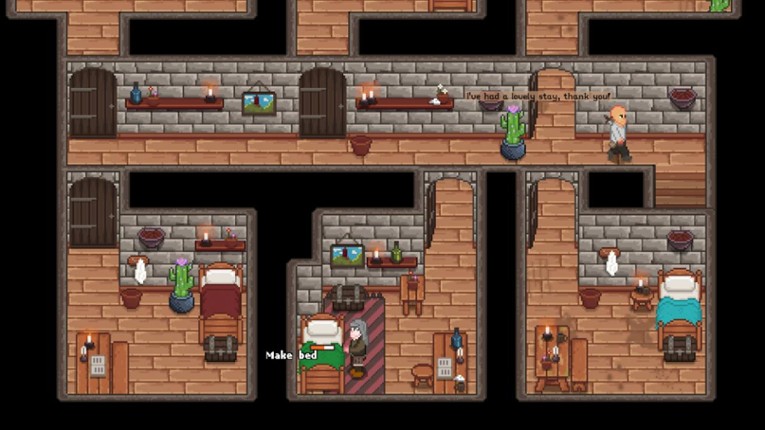
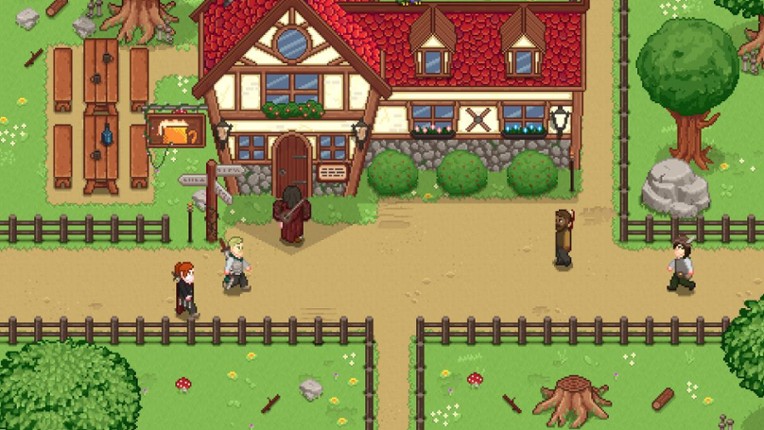
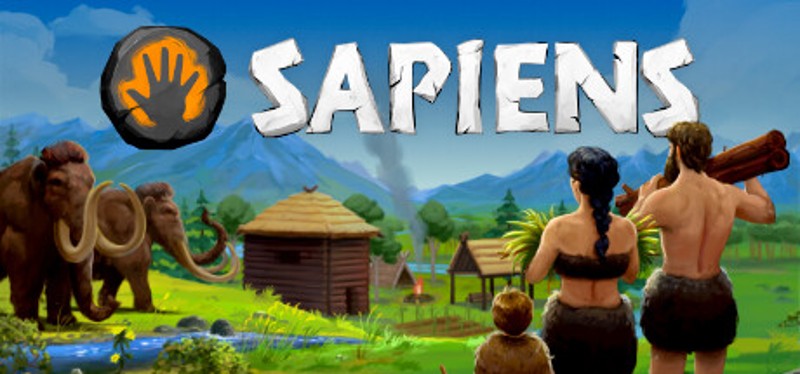
- 83%Game Brain ScoreMost mentioned positive aspects:gameplay, graphicsMost mentioned negative aspects:grinding, stability83% User Score 2,435 reviewsReplaces your hands-on village building with god-game oversight, letting you guide entire civilizations through colony simulation at a higher strategic scale. If you enjoyed this game, see our list of games similar to Sapiens.View Game
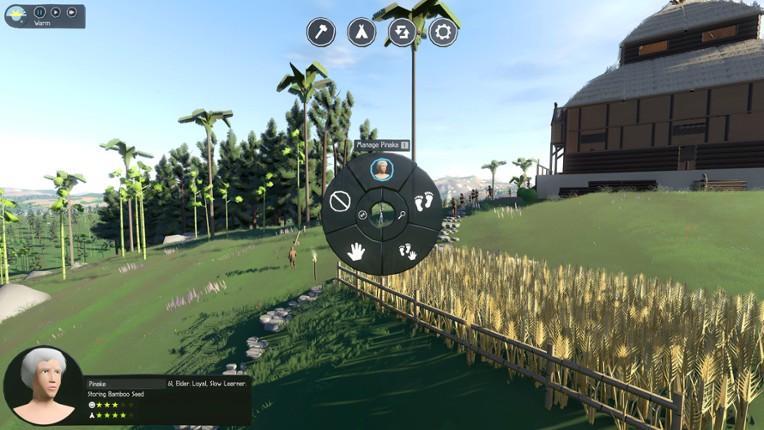
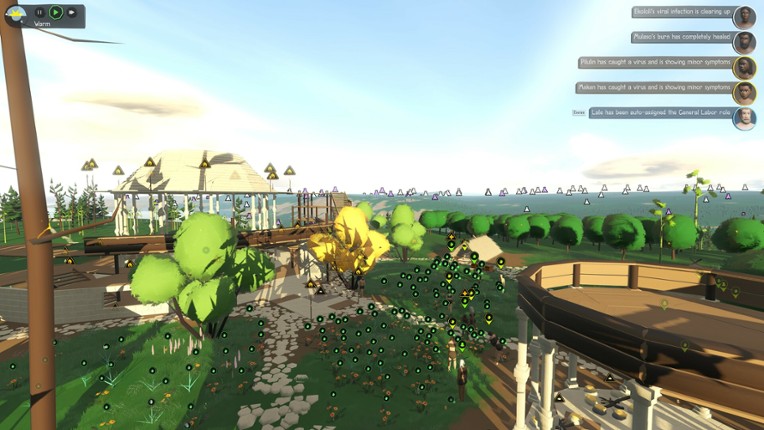
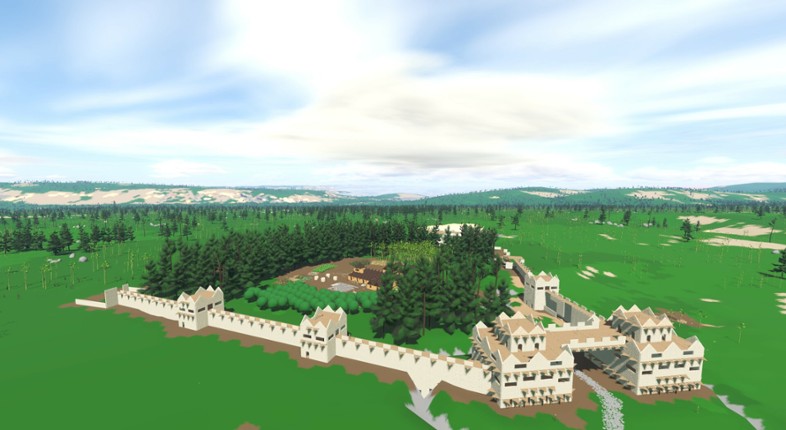
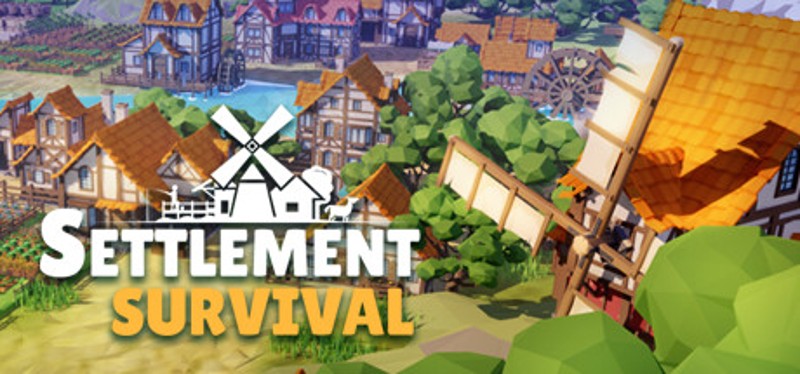
- 87%Game Brain ScoreMost mentioned positive aspects:graphics, gameplayMost mentioned negative aspects:grinding, story87% User Score 5,222 reviewsSettlement Survival leans into a hand‑drawn economy‑driven colony sim with deep resource planning, perfect for strategy fans craving a relaxed medieval grind. If you enjoyed this game, see our list of games similar to Settlement Survival.View Game
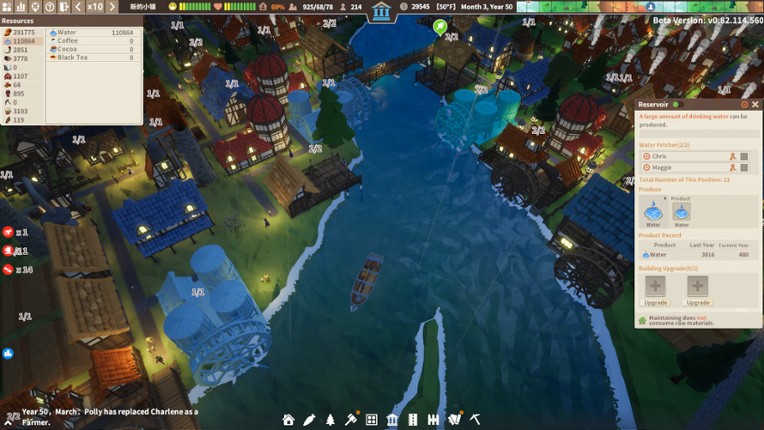
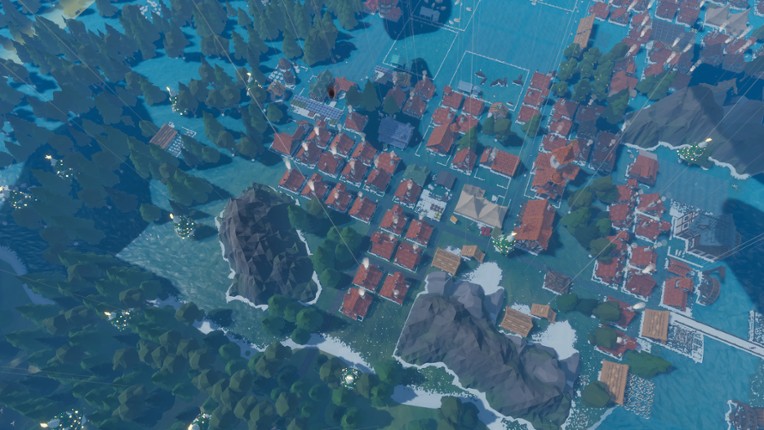
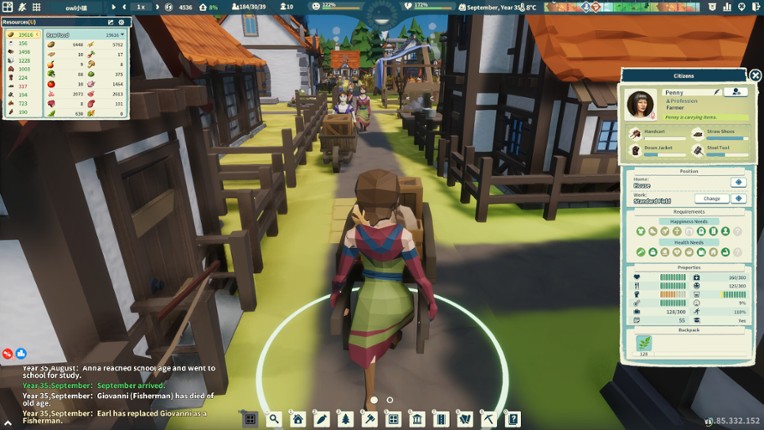
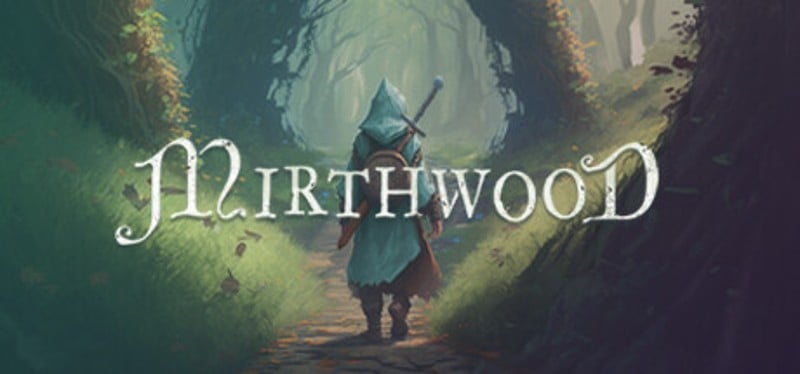
- 72%Game Brain ScoreMost mentioned positive aspects:story, graphicsMost mentioned negative aspects:grinding, optimization73% User Score 1,371 reviewsCritic Score 69%5 reviewsMirthwood offers a colorful, stylized medieval life sim with action‑RPG combat, appealing to players who want a lighter, more personal experience. If you enjoyed this game, see our list of games similar to Mirthwood.View Game
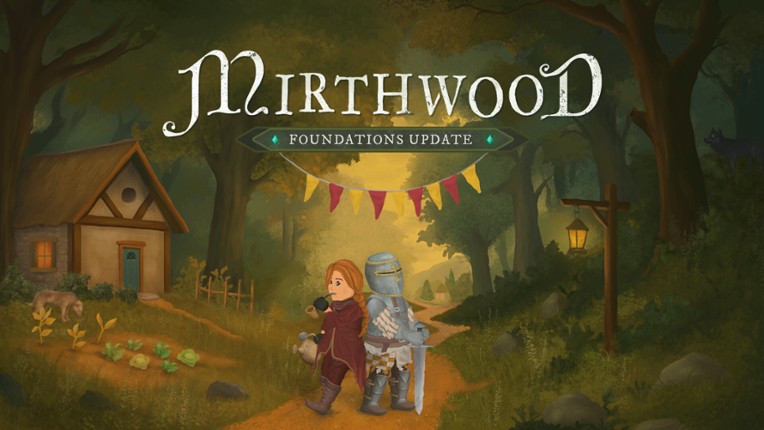
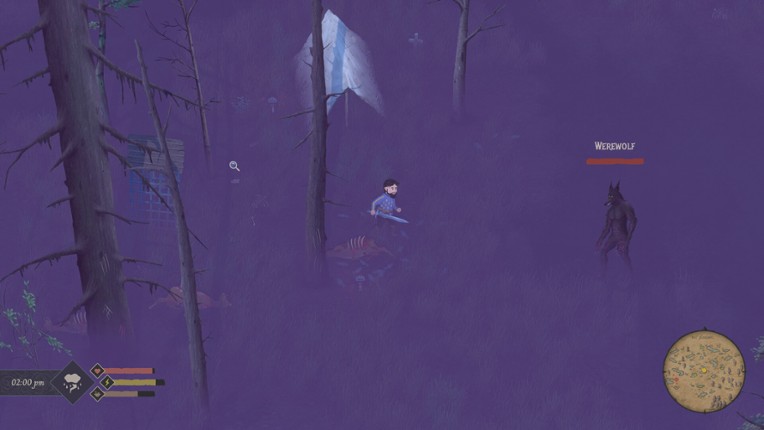
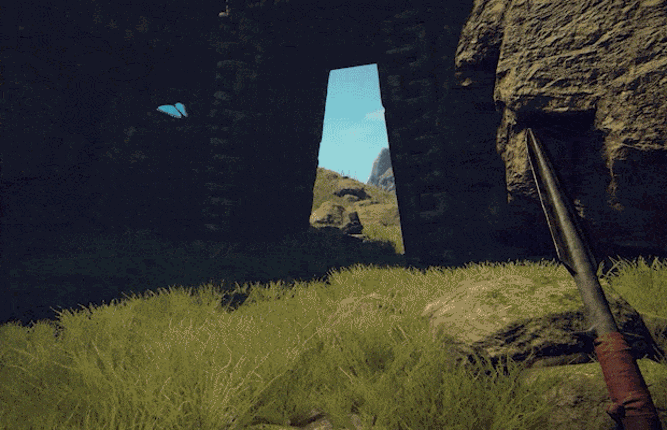
17 View Game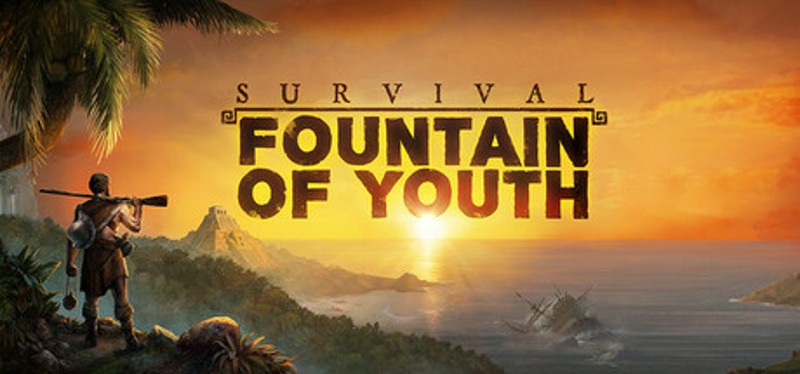 85%Game Brain ScoreMost mentioned positive aspects:story, gameplayMost mentioned negative aspects:grinding, optimization85% User Score 2,252 reviewsSurvival: Fountain of Youth shifts the medieval sandbox underwater, adding steep difficulty and a grittier combat vibe for hardcore survivalists. If you enjoyed this game, see our list of games similar to Survival: Fountain of Youth.View Game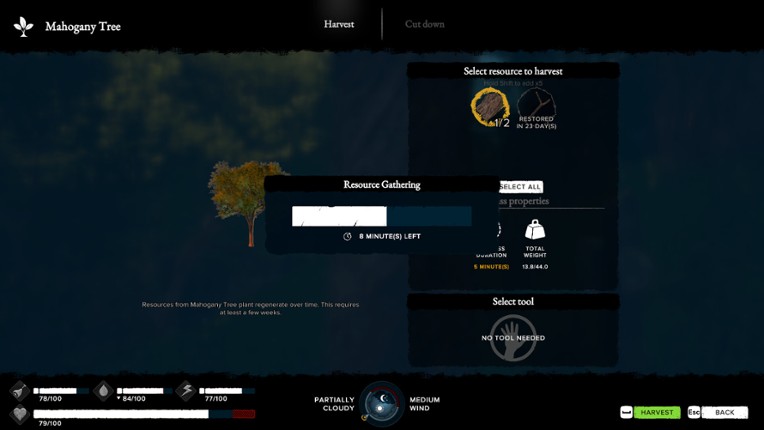
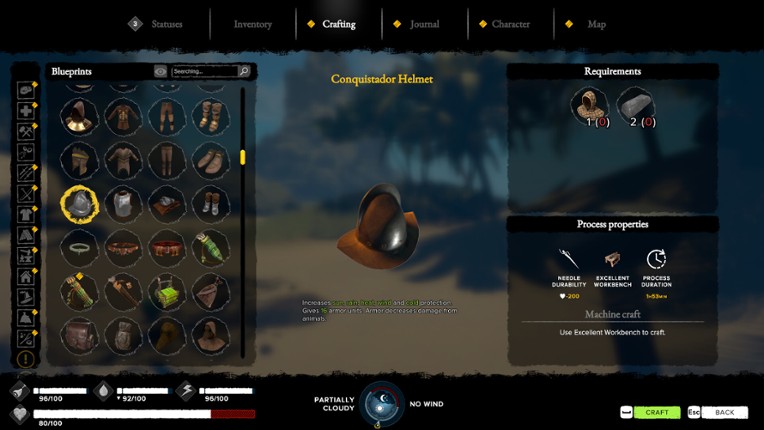
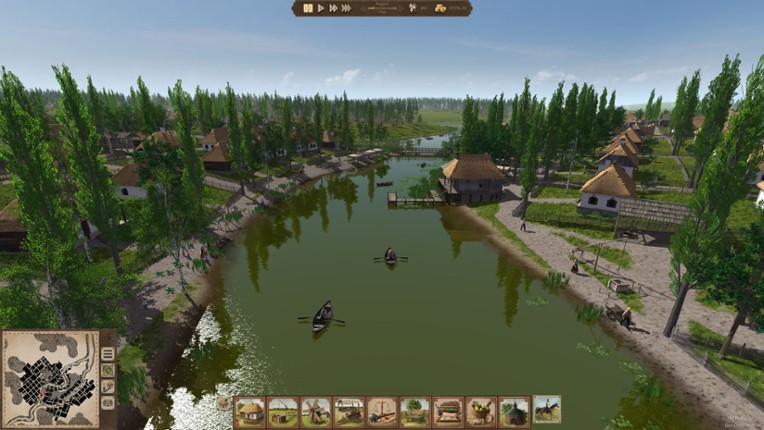
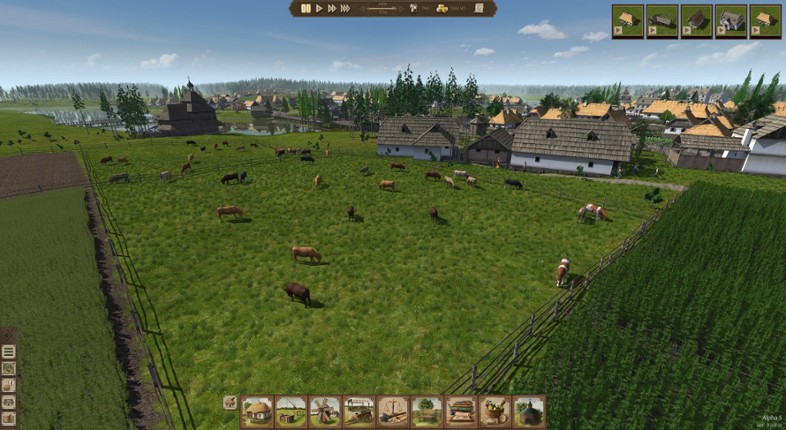
- 93%Game Brain ScoreMost mentioned positive aspects:graphics, gameplayMost mentioned negative aspects:grinding, story93% User Score 4,788 reviewsOstriv dials back combat for a serene, realistic farming sim where you manage a medieval economy at a leisurely pace. If you enjoyed this game, see our list of games similar to Ostriv.View Game
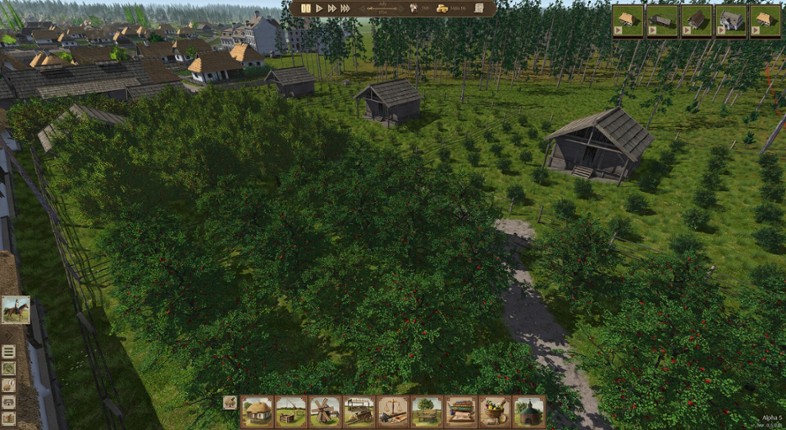
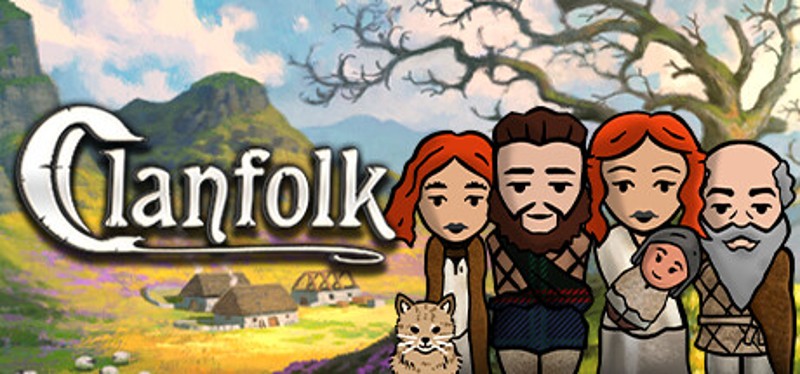
- 93%Game Brain ScoreMost mentioned positive aspects:gameplay, graphicsMost mentioned negative aspects:story, grinding93% User Score 2,137 reviews
Both games center on generational survival, forcing you to transform a vulnerable plot of land into a thriving, self-sustaining homestead. This shared focus on resource management ensures that every logged tree or planted crop feels vital to your long-term expansion.
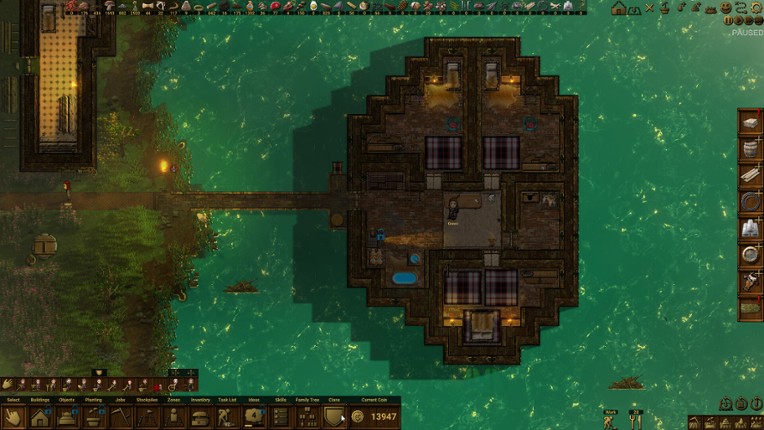
The primary trade-off is perspective: Clanfolk swaps Medieval Dynasty’s first-person realism for a top-down, 2D colony sim interface. While you lose the visceral feeling of walking your own streets, you gain a significantly more robust, systems-driven approach to clan logistics.
Pick this up if you want the strategic satisfaction of building a legacy, but can live without the 3D aesthetic and direct character control.
If you enjoyed this game, see our list of games similar to Clanfolk.View Game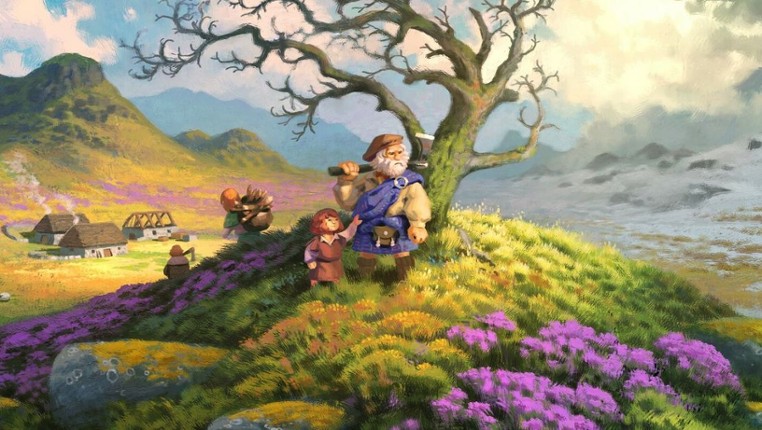
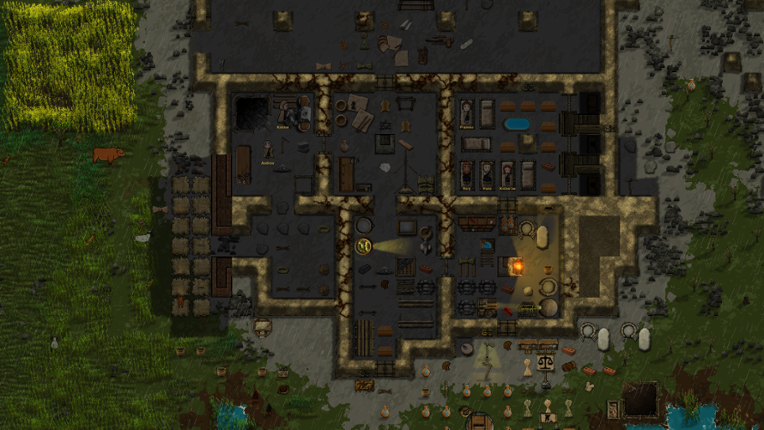
20 View Game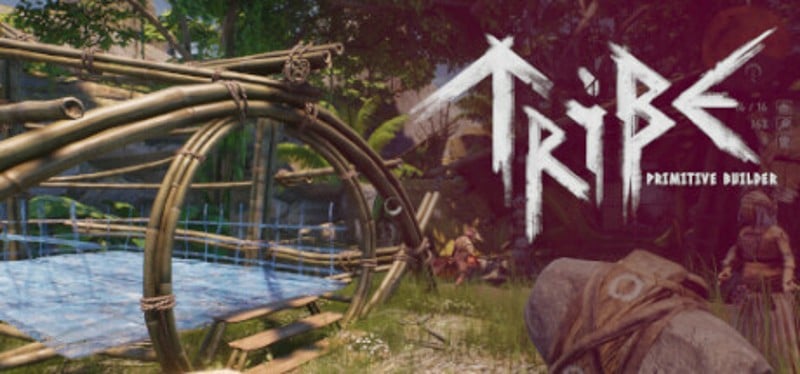 78%Game Brain ScoreMost mentioned positive aspects:story, gameplayMost mentioned negative aspects:grinding, replayability80% User Score 460 reviewsCritic Score 68%2 reviewsTribe: Primitive Builder moves the medieval premise to a primitive, nature‑filled setting with automation tools, catering to family‑friendly builders. If you enjoyed this game, see our list of games similar to Tribe: Primitive Builder.View Game

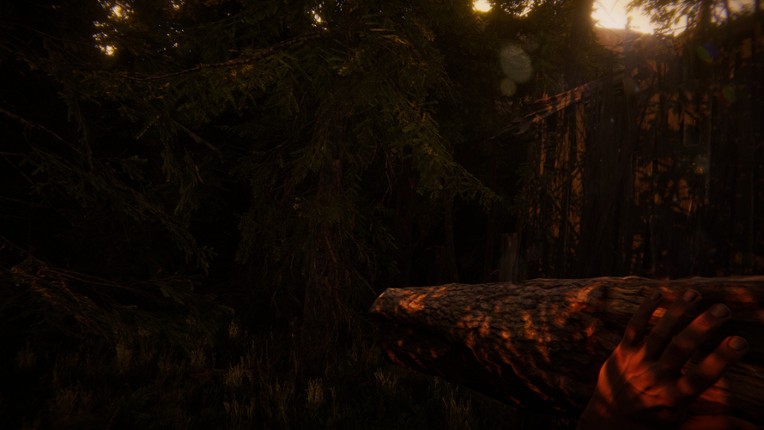
- 80%Game Brain ScoreMost mentioned positive aspects:gameplay, graphicsMost mentioned negative aspects:grinding, optimization80% User Score 11,782 reviewsEco turns medieval building into an educational ecosystem simulator where politics, trade, and science dominate over combat. If you enjoyed this game, see our list of games similar to Eco.View Game
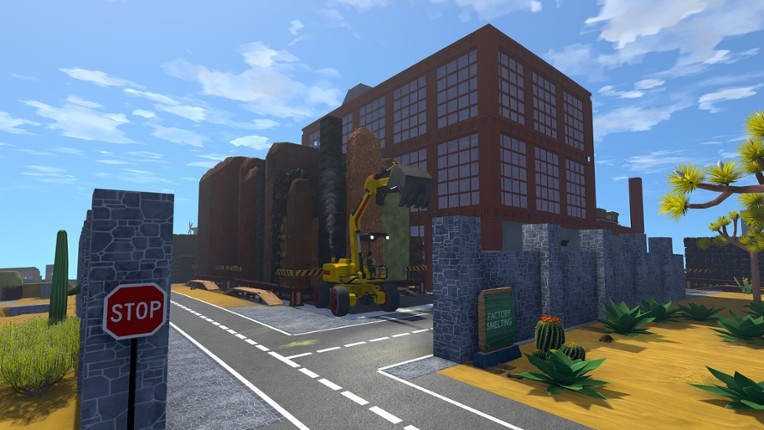
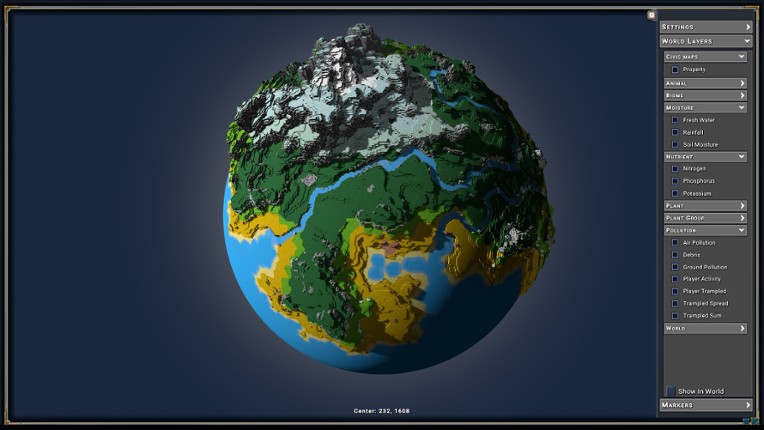

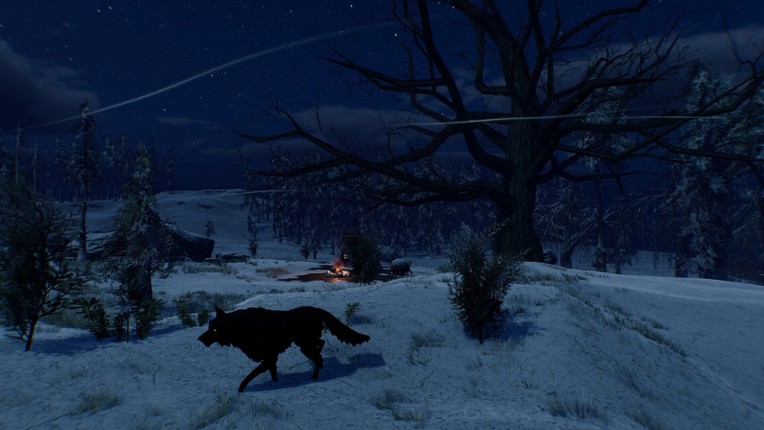
- 73%Game Brain ScoreMost mentioned positive aspects:gameplay, storyMost mentioned negative aspects:grinding, stability73% User Score 1,530 reviewsTrades Medieval Dynasty's historical ambience for a snowy open world survival crafting experience featuring first-person dog companionship. If you enjoyed this game, see our list of games similar to Arctico.View Game

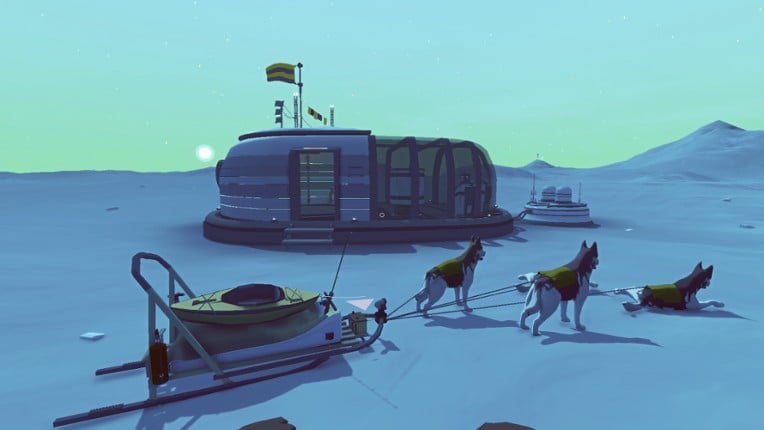

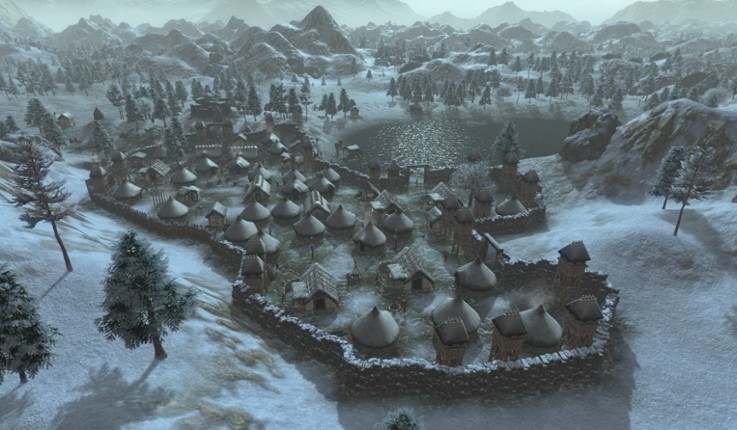
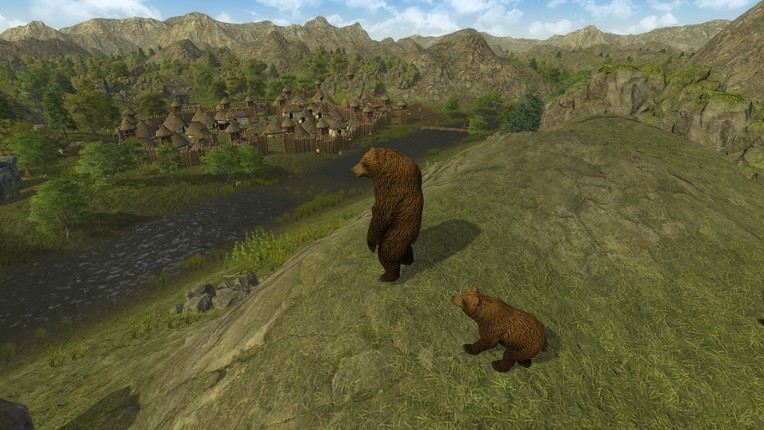
- 83%Game Brain ScoreMost mentioned positive aspects:gameplay, graphicsMost mentioned negative aspects:grinding, stability86% User Score 18,468 reviewsCritic Score 70%1 reviewsTrades your settlement for civilization-wide management spanning ages, offering a story-rich god-game take on the building and survival formula without the hands-on village detail. If you enjoyed this game, see our list of games similar to Dawn of Man.View Game
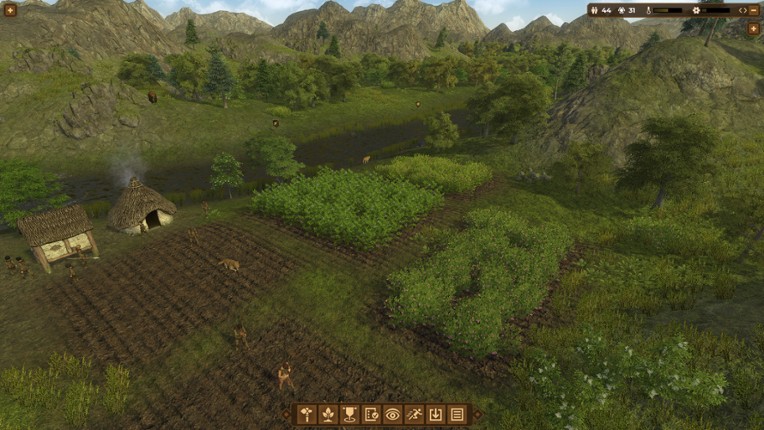
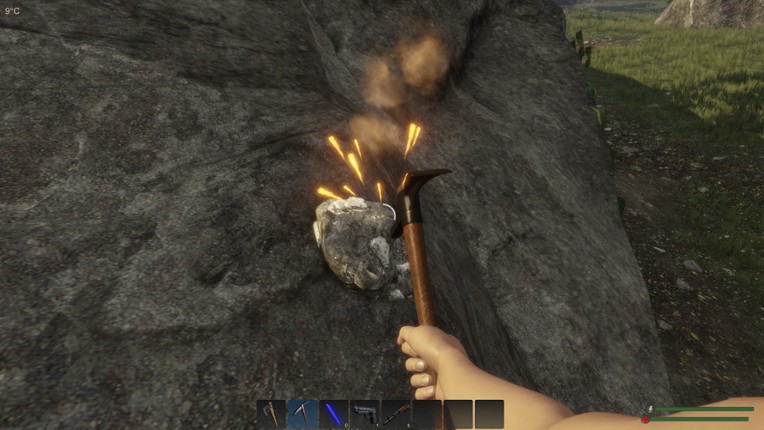
- 70%Game Brain ScoreMost mentioned positive aspects:gameplay, graphicsMost mentioned negative aspects:grinding, story70% User Score 7,408 reviewsKeeps the first-person survival crafting but strips away town management for hardcore wilderness survival with demanding multiplayer and early access development. If you enjoyed this game, see our list of games similar to Subsistence.View Game
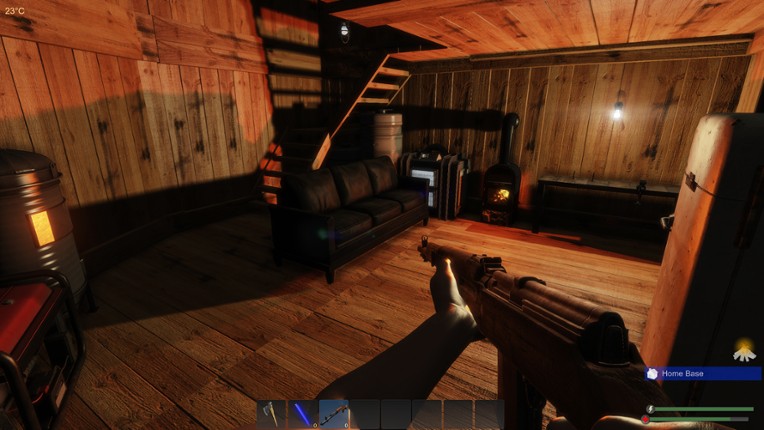
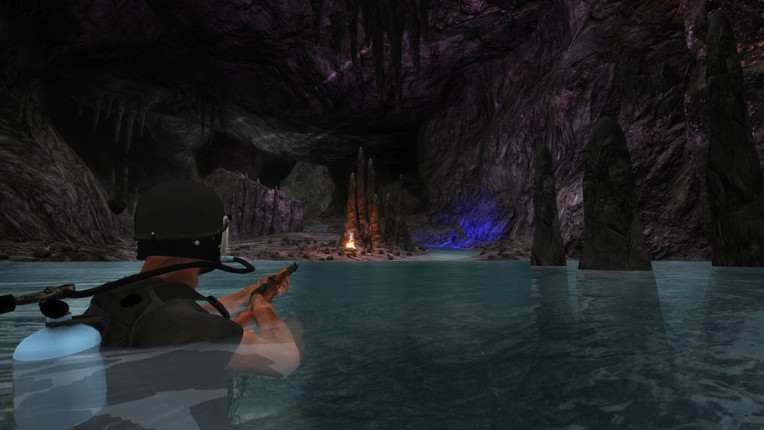
- 90%Game Brain ScoreMost mentioned positive aspects:gameplay, graphicsMost mentioned negative aspects:optimization, grinding90% User Score 7,900 reviewsKingdoms Reborn adds multiplayer skirmishes and procedural maps, letting you battle or cooperate with others in a medieval empire builder. If you enjoyed this game, see our list of games similar to Kingdoms Reborn.View Game

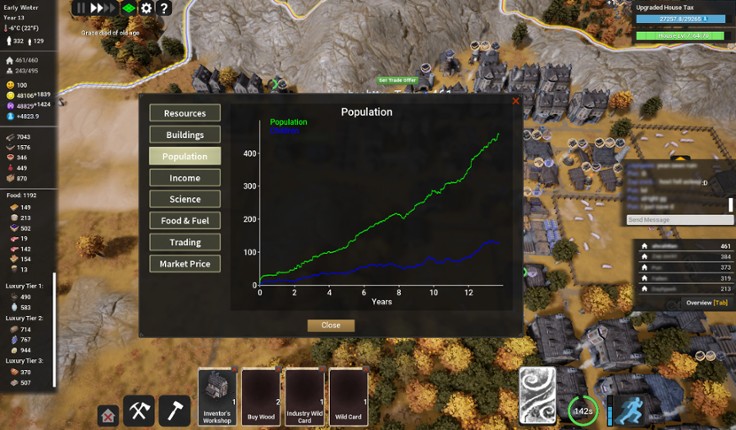
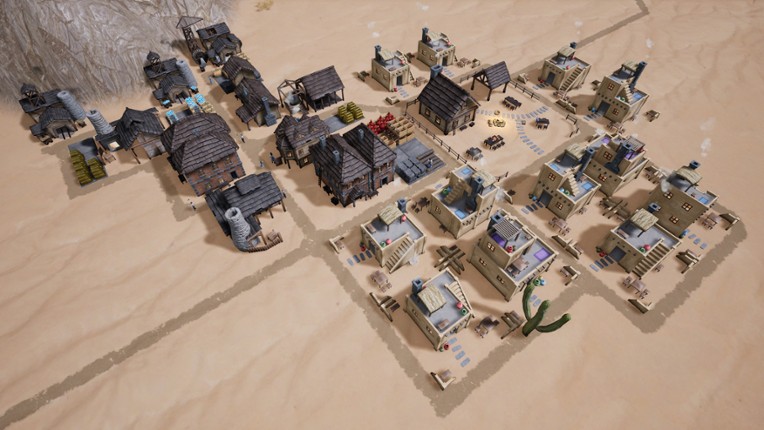
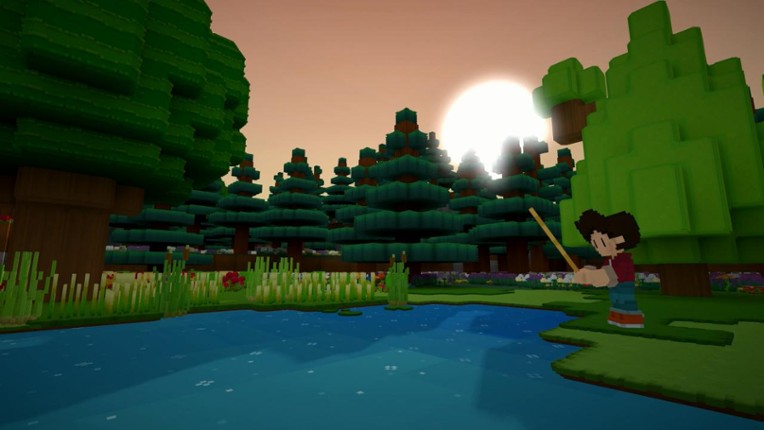
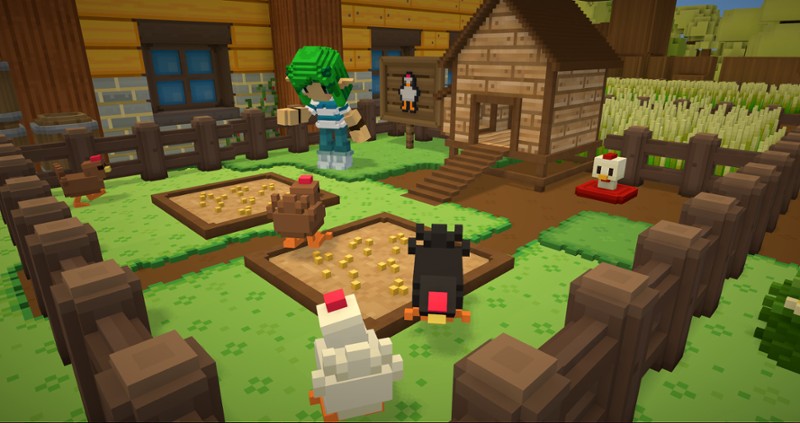
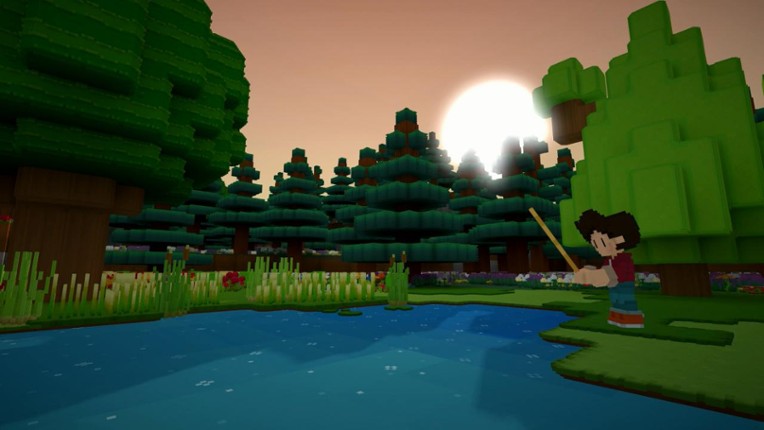
- 72%Game Brain ScoreMost mentioned positive aspects:story, gameplayMost mentioned negative aspects:grinding, stability78% User Score 2,991 reviewsCritic Score 60%4 reviewsCaptures the farming and co-op charm but lightens the tone with cute pixel graphics and expands multiplayer options while keeping the relaxing vibe intact. If you enjoyed this game, see our list of games similar to Staxel.View Game
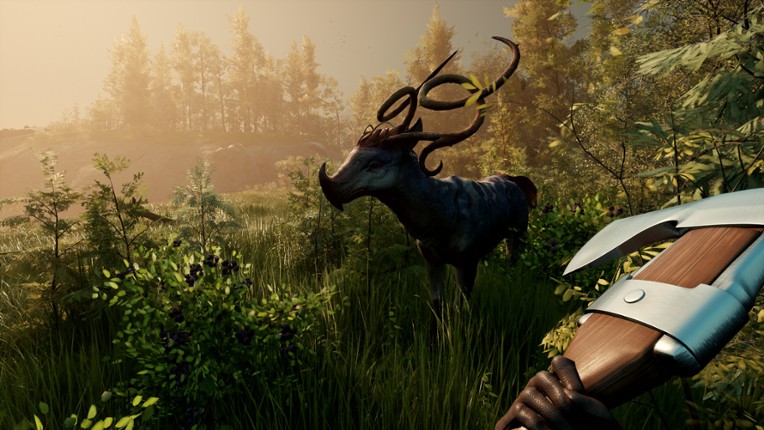
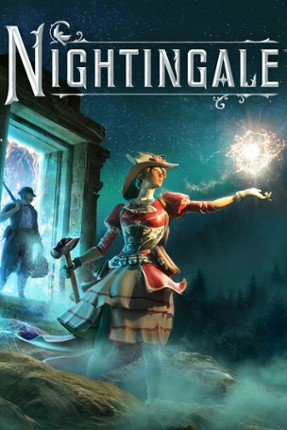
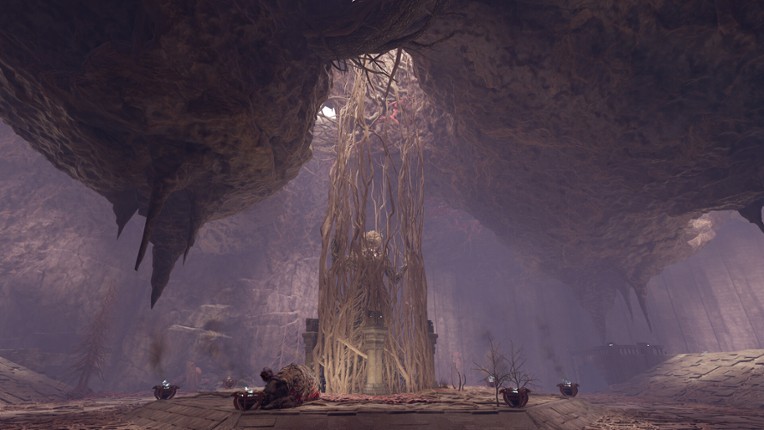
- 70%Game Brain ScoreMost mentioned positive aspects:gameplay, storyMost mentioned negative aspects:grinding, optimization70% User Score 16,164 reviewsSwaps realistic historical simulation for a surreal, gaslamp-fantasy adventure that rewards realm-hopping exploration instead of static, grounded homestead development. If you enjoyed this game, see our list of games similar to Nightingale.View Game
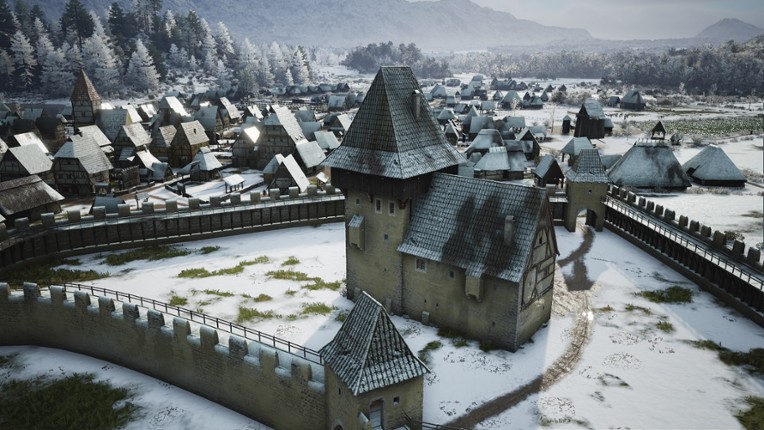
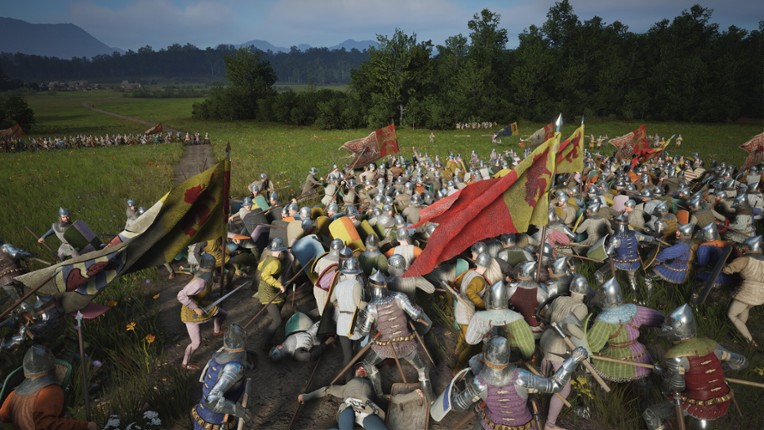
- 90%Game Brain ScoreMost mentioned positive aspects:gameplay, graphicsMost mentioned negative aspects:grinding, stability90% User Score 52,442 reviewsElevates the base-building into grand strategy with diplomacy and economic systems, trading intimate village management for large-scale feudal governance. If you enjoyed this game, see our list of games similar to Manor Lords.View Game
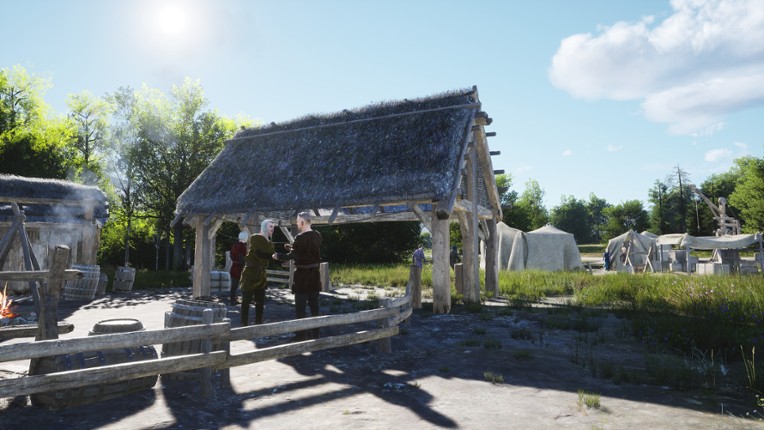
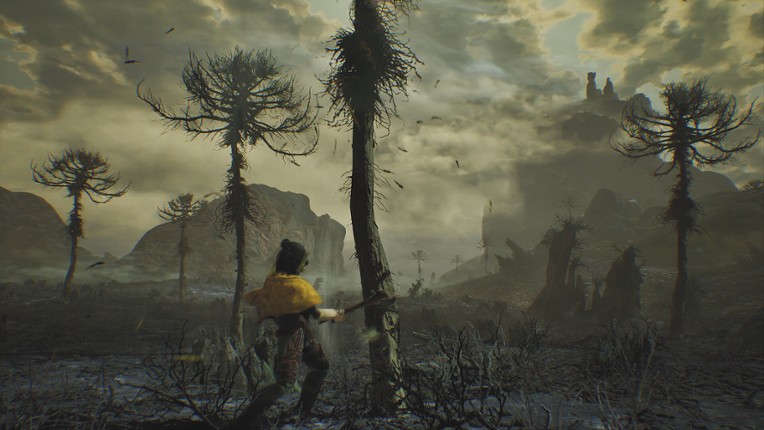
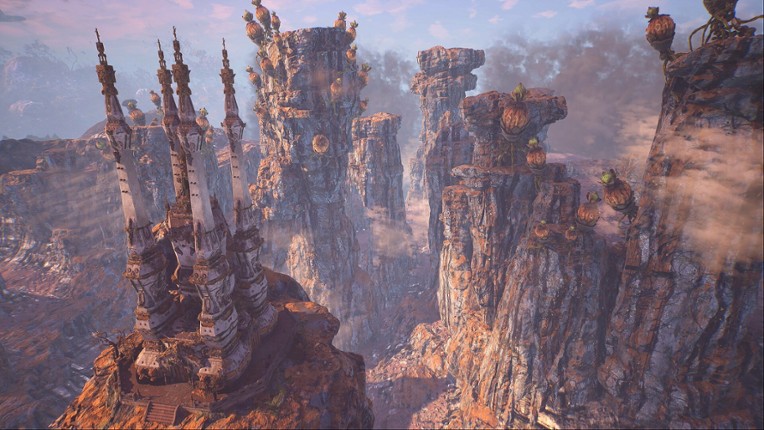
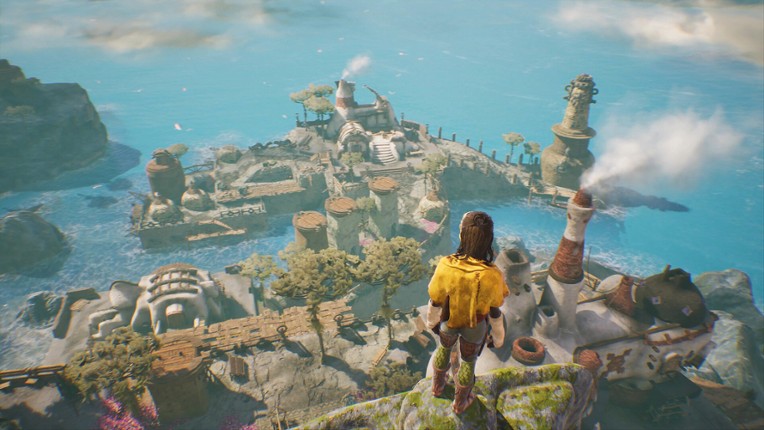
- 76%Game Brain ScoreMost mentioned positive aspects:story, gameplayMost mentioned negative aspects:grinding, stability76% User Score 983 reviewsFeatures a cozy, vibrant alien aesthetic that prioritizes nurturing fantastical creatures and terraforming the landscape over traditional medieval agricultural labor. If you enjoyed this game, see our list of games similar to Towers of Aghasba.View Game
- 86%Game Brain ScoreMost mentioned positive aspects:graphics, gameplayMost mentioned negative aspects:grinding, stability86% User Score 3,425 reviews
Rising World is an open-world sandbox game with randomly generated, fully destructible environments. Starting with the most basic of tools, collect resources to survive in the wildness. Evolve your world to create one of the biggest cities of all time or a gigantic castle, or simply let your imagination run riot! If being creative is all too much, just connect with your friends and get them to he… If you enjoyed this game, see our list of games similar to Rising World.
View Game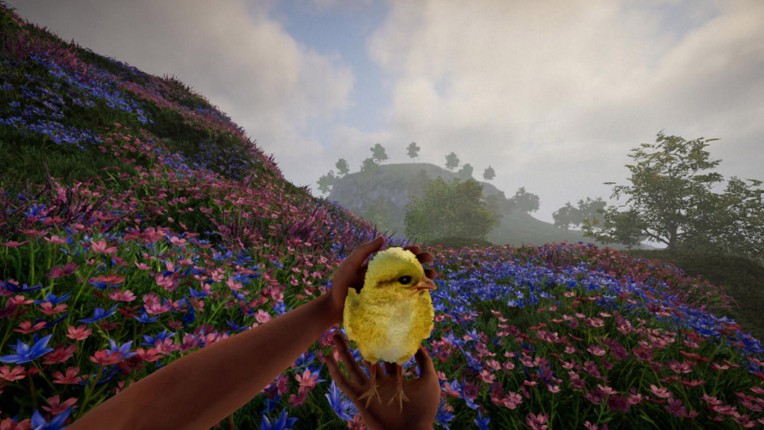
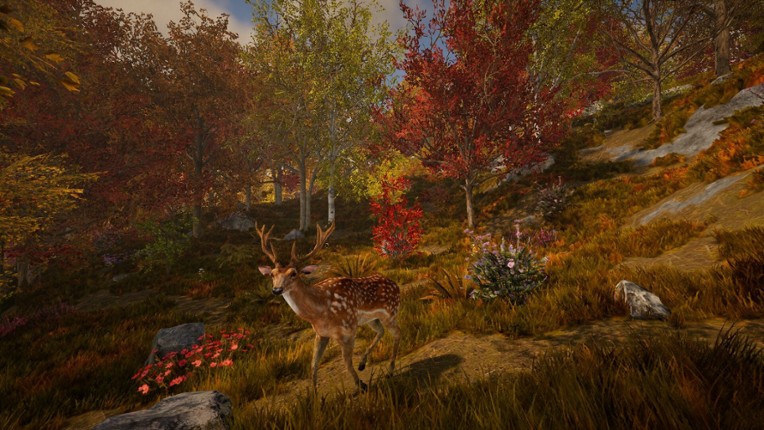
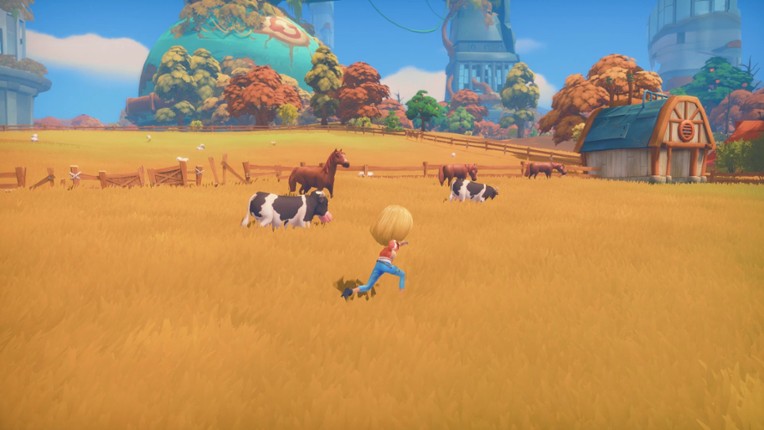
- 82%Game Brain ScoreMost mentioned positive aspects:story, graphicsMost mentioned negative aspects:grinding, stability92% User Score 15,705 reviewsCritic Score 57%3 reviewsSwaps medieval stone for post-apocalyptic salvage, replacing village management with relationship-building and a charming female protagonist in a relaxing life sim. If you enjoyed this game, see our list of games similar to My Time At Portia.View Game
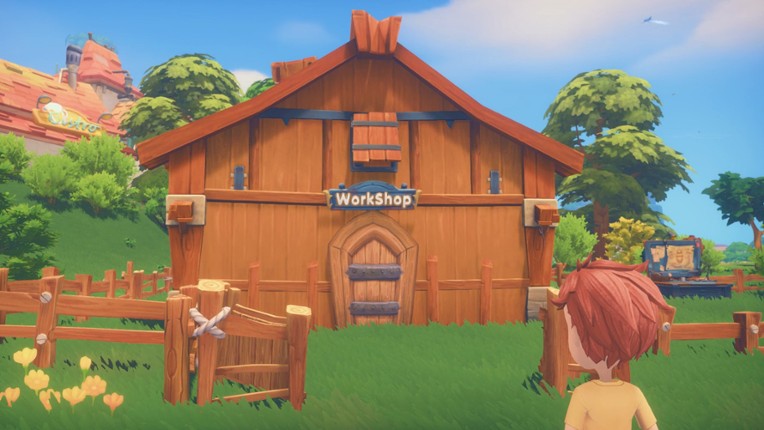

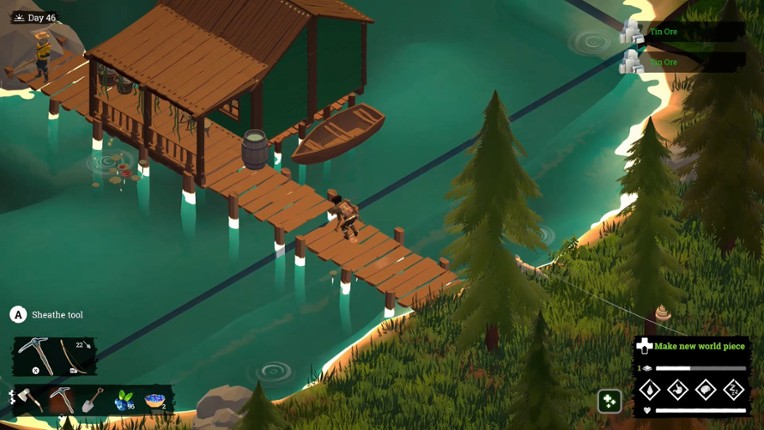
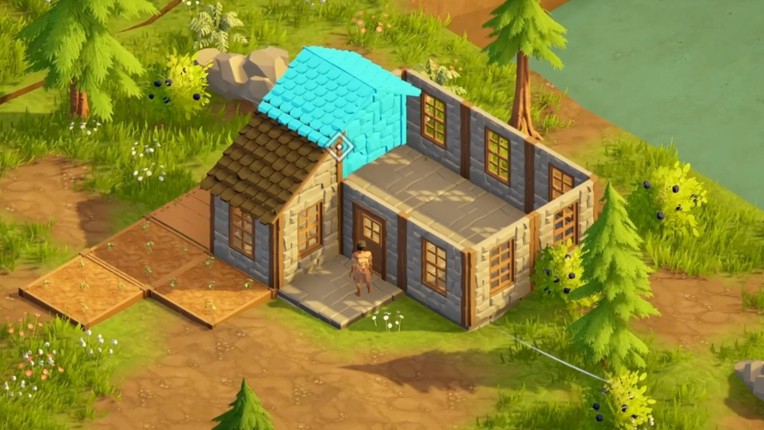
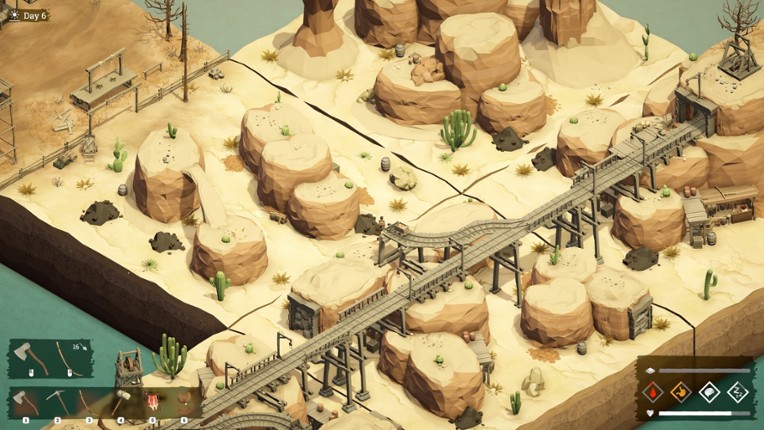
- 78%Game Brain ScoreMost mentioned positive aspects:story, gameplayMost mentioned negative aspects:grinding, optimization78% User Score 757 reviewsOffers a modular, tile-based exploration system that feels more personal and intimate than building a large, interconnected town in one fixed location. If you enjoyed this game, see our list of games similar to Above Snakes.View Game
- 76%Game Brain ScoreMost mentioned positive aspects:gameplay, graphicsMost mentioned negative aspects:grinding, story76% User Score 886 reviewsLeans into historical medieval colony simulation with bright, family-friendly visuals and more procedural content than Medieval Dynasty. If you enjoyed this game, see our list of games similar to Founders' Fortune.View Game
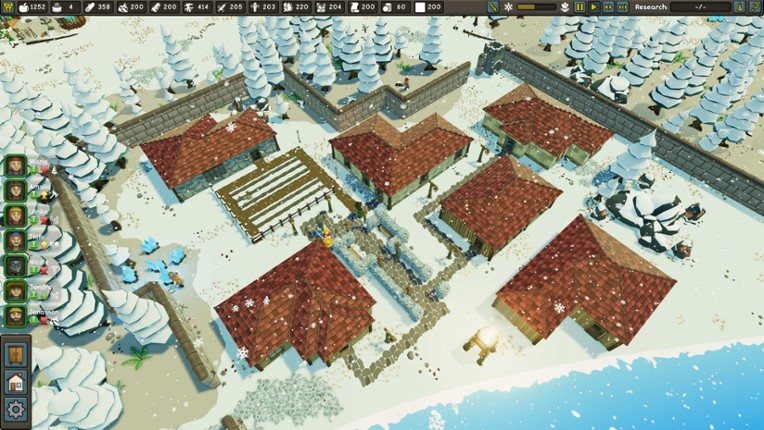
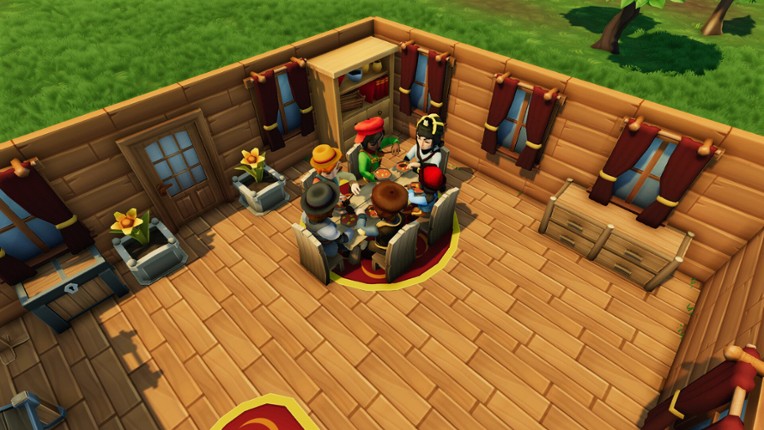
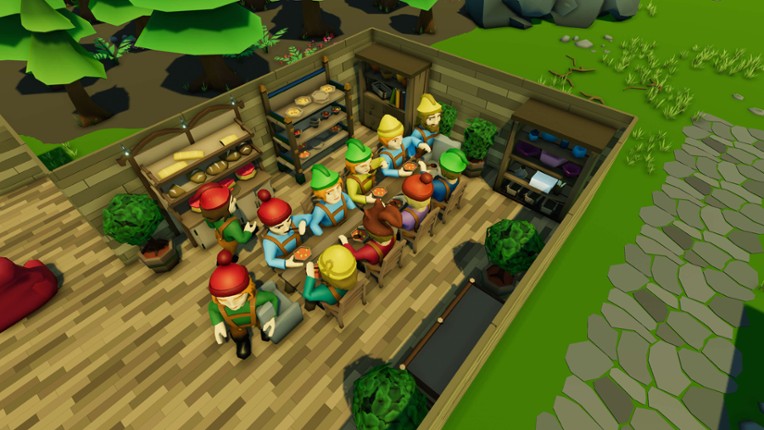
- 60%Game Brain ScoreMost mentioned positive aspects:gameplay, graphicsMost mentioned negative aspects:grinding, stability59% User Score 8,514 reviewsCritic Score 61%4 reviewsDelivers the medieval survival crafting and trading you expect but deepens the atmospheric roleplay and competitive co-op elements at the cost of relaxation. If you enjoyed this game, see our list of games similar to Life is Feudal: Your Own.View Game
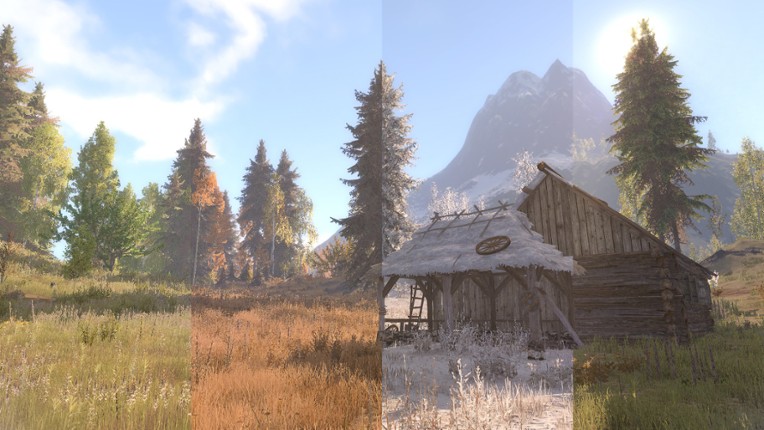
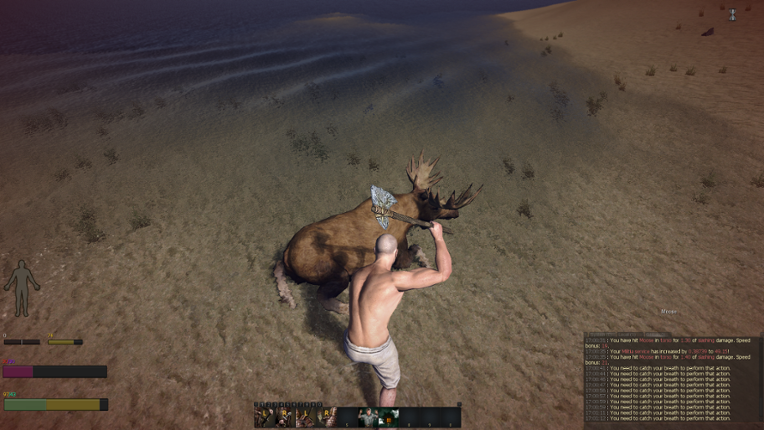
- 79%Game Brain ScoreMost mentioned positive aspects:gameplay, graphicsMost mentioned negative aspects:grinding, story81% User Score 2,217 reviewsCritic Score 74%4 reviews
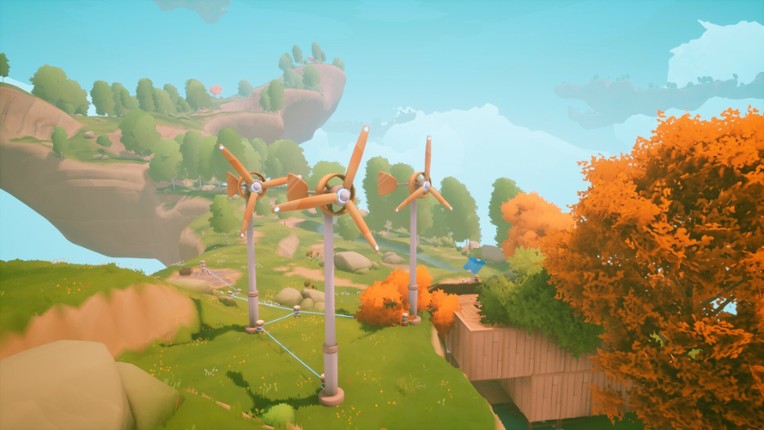
Solarpunk is a survival game set in a technically advanced world of floating islands! Alone or together with your friends, construct buildings, grow food, create gadgets and guide your airship to new islands hidden in the sky! If you enjoyed this game, see our list of games similar to Solarpunk.
View Game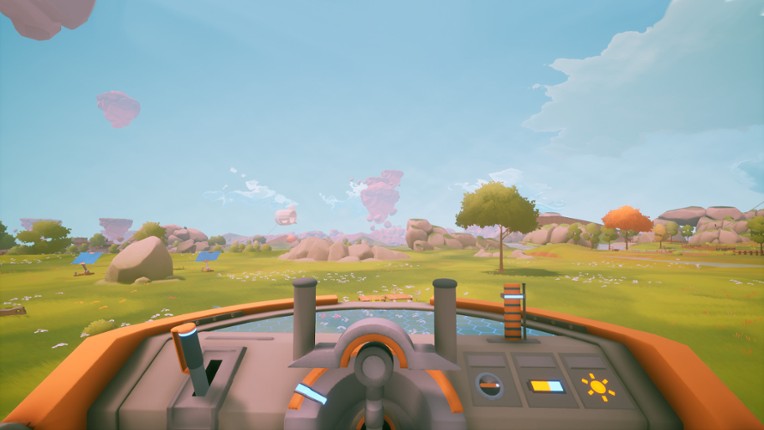
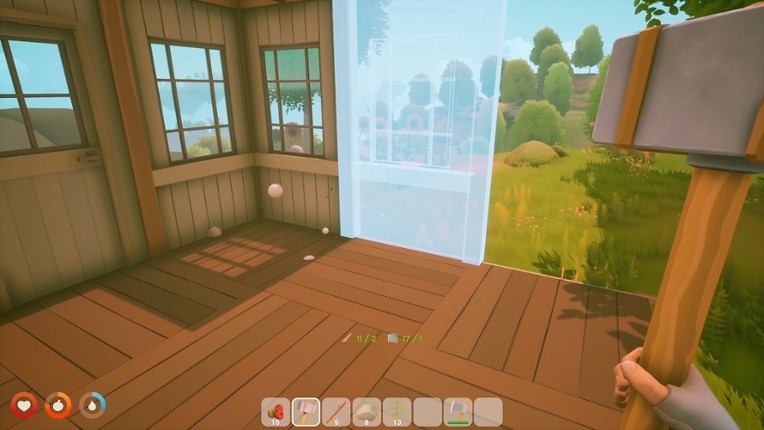
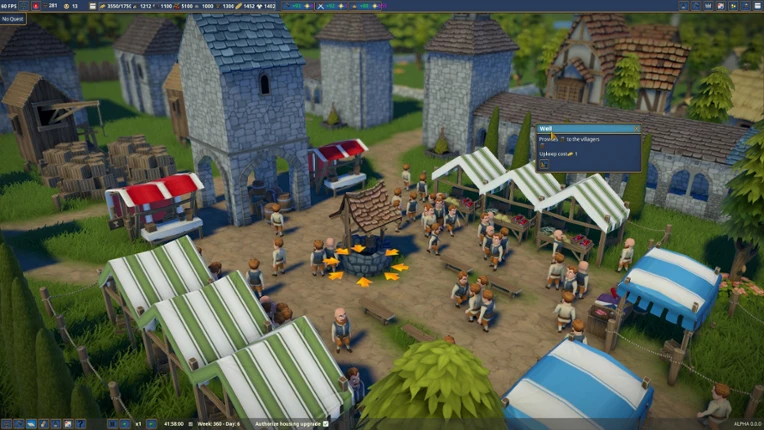
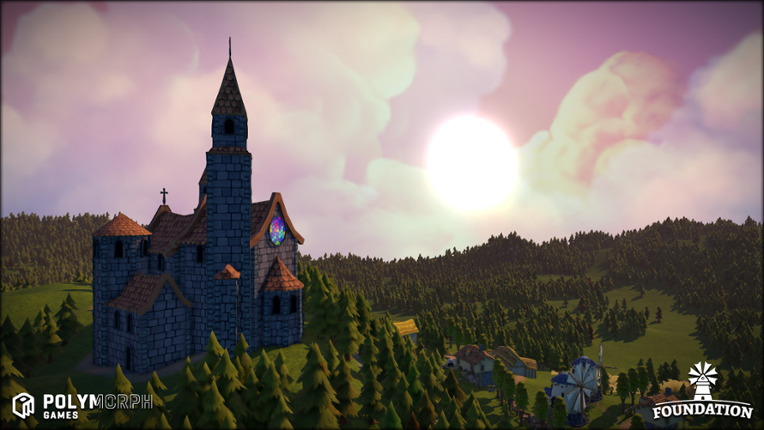
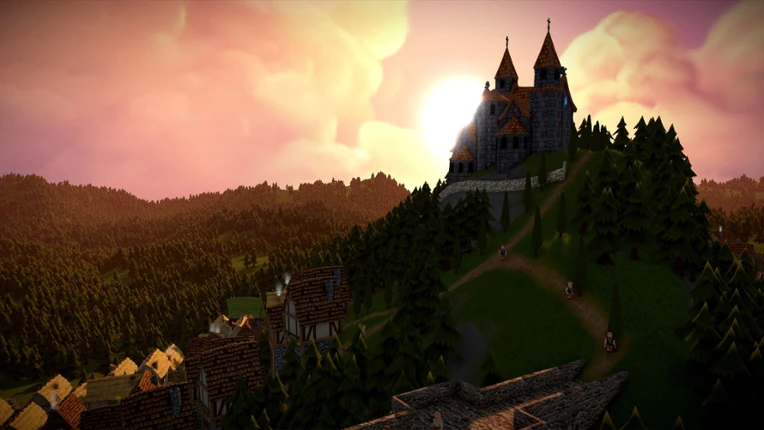
- 88%Game Brain ScoreMost mentioned positive aspects:gameplay, graphicsMost mentioned negative aspects:stability, grinding88% User Score 13,488 reviewsFocuses on organic city growth and complex population management rather than individual survival, perfect for players seeking a more relaxed, macro-scale experience. If you enjoyed this game, see our list of games similar to Foundation.View Game
- 81%Game Brain ScoreMost mentioned positive aspects:gameplay, storyMost mentioned negative aspects:grinding, optimization83% User Score 2,653 reviewsCritic Score 76%4 reviews
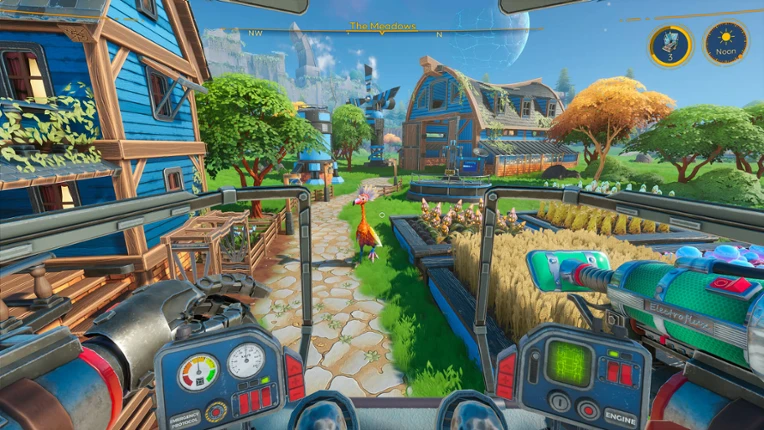
Start your interstellar homestead in this peaceful open-world farming adventure!Build your sustainable exofarm, grow alien crops, customize your mech, and explore a new world full of mystery with up to three friends! Features RELAX ON A PEACEFUL WORLDLive the quiet life as you take in the sights and sounds of your new home. Enjoy a low-stress, combat-free experience without the need to manage thin… If you enjoyed this game, see our list of games similar to Lightyear Frontier.
View Game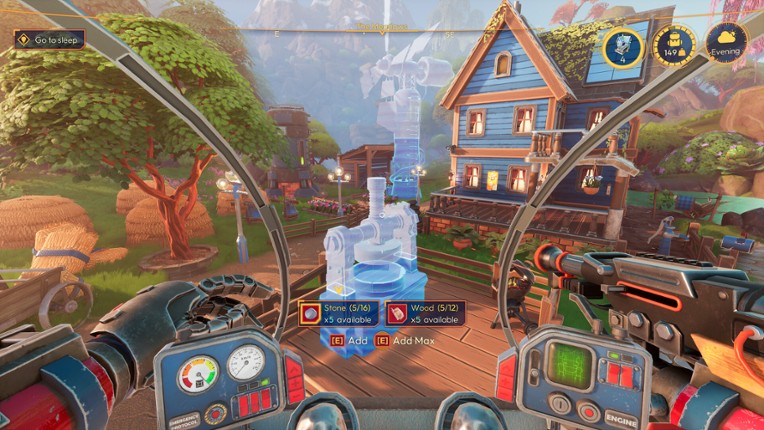
- 76%Game Brain ScoreMost mentioned positive aspects:graphics, storyMost mentioned negative aspects:grinding, stability76% User Score 1,731 reviews
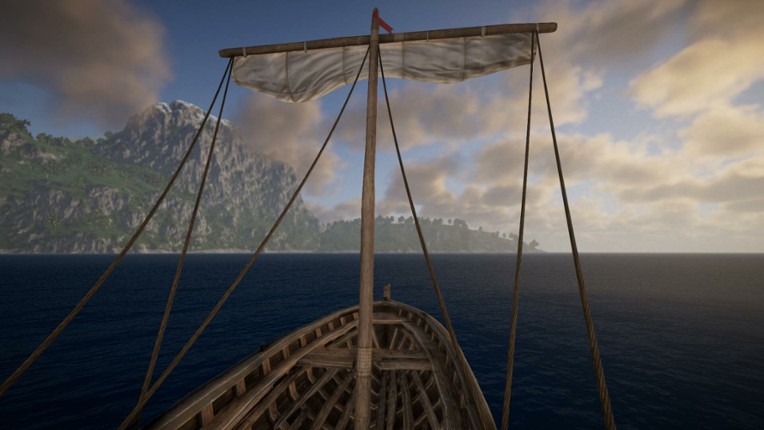
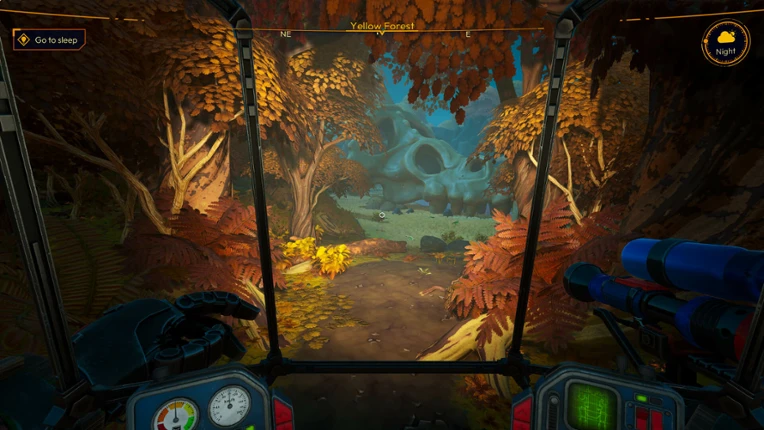
Salt is an ocean based adventure and exploration game set in a infinite procedurally generated world. Experience pure freedom to play the way you want as you sail across a vast ocean and explore huge islands in your search for adventure. During your travels you will fight pirates, bosses and other creatures, complete quests, customize your ships, hunt wildlife, sail huge waves, loot and craft item… If you enjoyed this game, see our list of games similar to Salt.
View Game
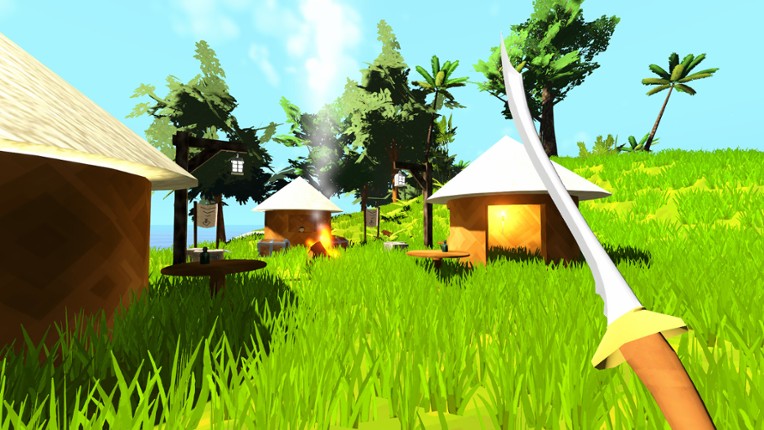
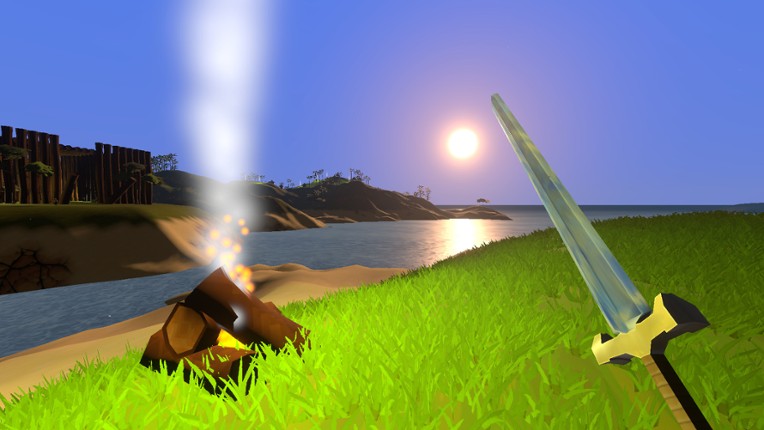
- 77%Game Brain ScoreMost mentioned positive aspects:gameplay, storyMost mentioned negative aspects:optimization, grinding77% User Score 3,601 reviewsNight of the Dead swaps medieval life for zombie‑infested horror, layering tower defense and PvP skirmishes over the base‑building core. If you enjoyed this game, see our list of games similar to Night of the Dead.View Game
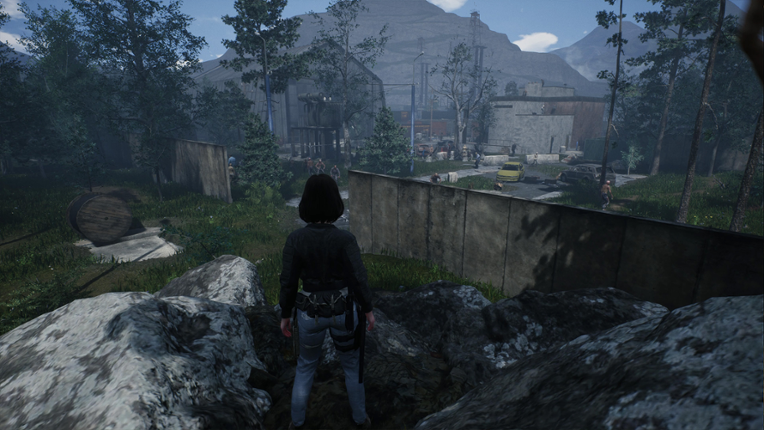

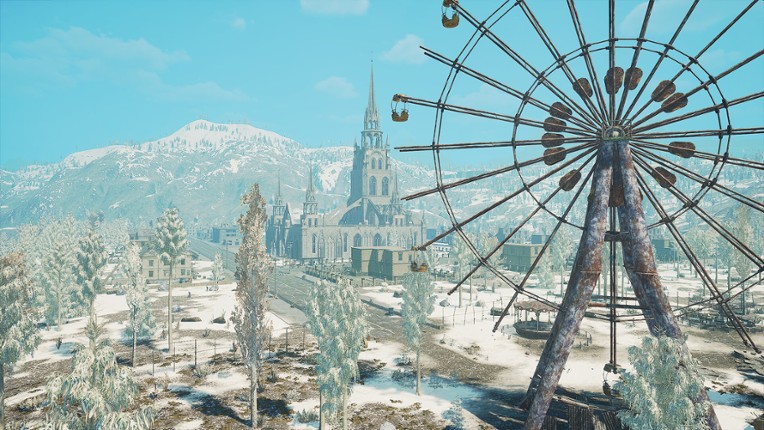
- 73%Game Brain ScoreMost mentioned positive aspects:story, gameplayMost mentioned negative aspects:optimization, grinding75% User Score 39,742 reviewsCritic Score 70%5 reviewsPrioritizes high-intensity extraction and survival missions on a hostile, futuristic planet, moving away from the tranquil, long-term village management of traditional dynastic titles. If you enjoyed this game, see our list of games similar to ICARUS.View Game

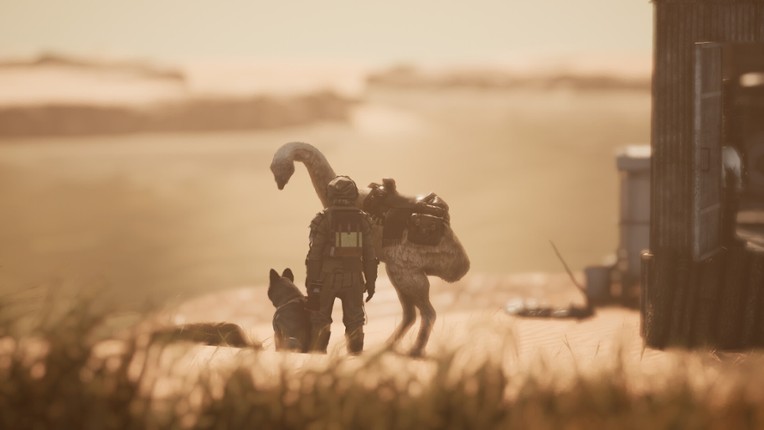

- 92%Game Brain ScoreMost mentioned positive aspects:gameplay, graphicsMost mentioned negative aspects:story, grinding92% User Score 950 reviews
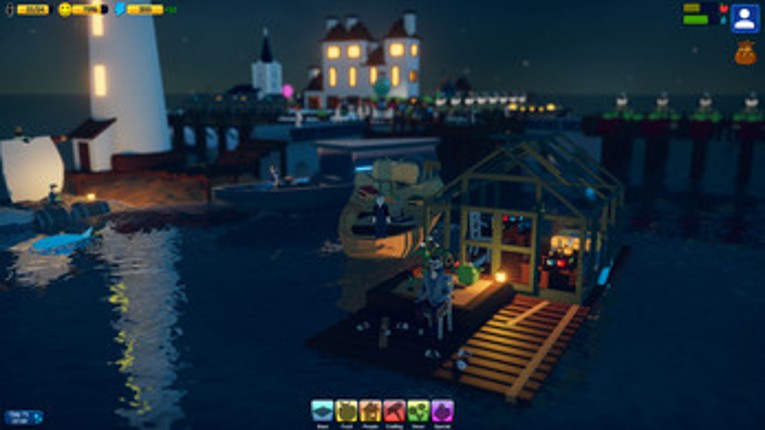
A simulation game where you build a town in the middle of the sea. Reach self-sufficiency, invite travelers to join you, then manage their needs and research new facilities to keep them happy. Build a submarine and discover islands to produce increasingly complex resources. If you enjoyed this game, see our list of games similar to Havendock.
View Game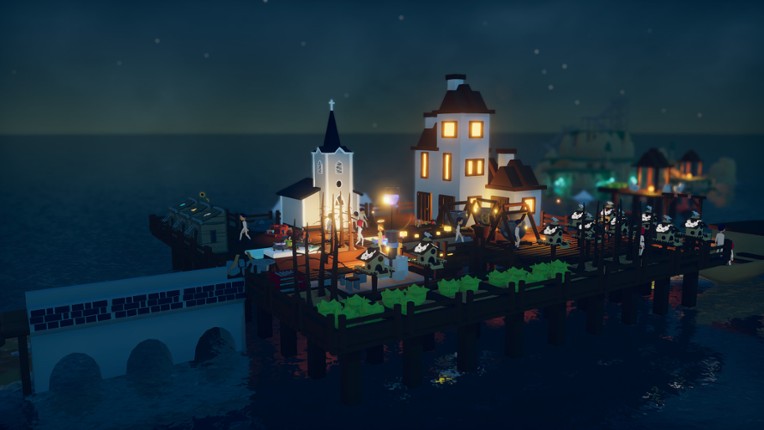
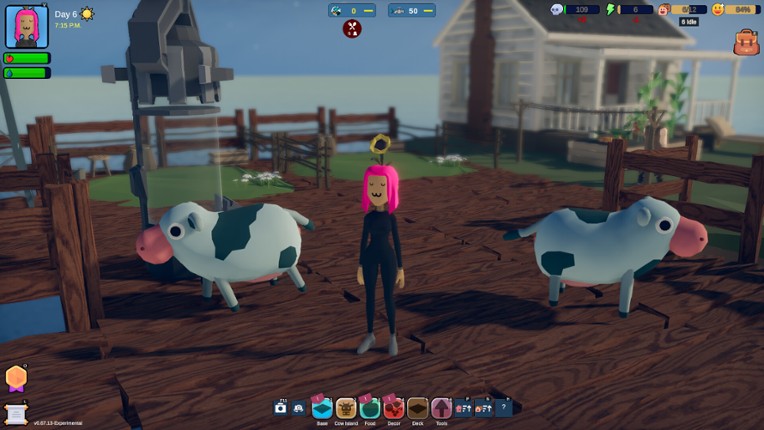
- 89%Game Brain ScoreMost mentioned positive aspects:story, gameplayMost mentioned negative aspects:grinding, stability89% User Score 2,249 reviewsOffers a post-apocalyptic take on village and base building with science themes and cozy farming instead of medieval tradition. If you enjoyed this game, see our list of games similar to I am Future.View Game
- 85%Game Brain ScoreMost mentioned positive aspects:gameplay, graphicsMost mentioned negative aspects:stability, story85% User Score 1,282 reviews
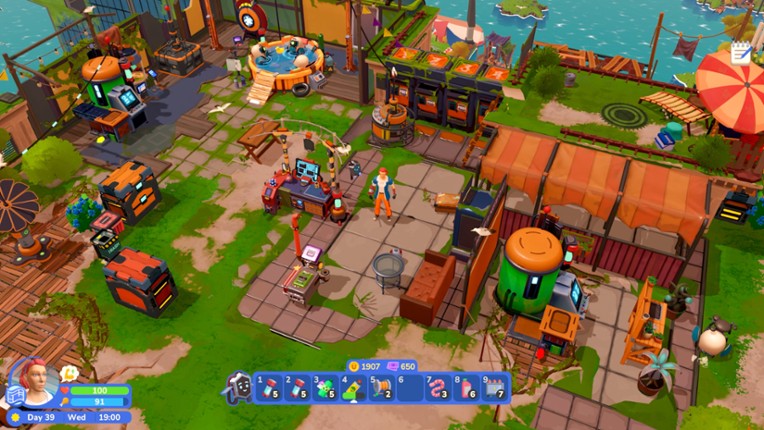
Saelig is a strategy, role-playing, simulation, and trading game about the things that matter; life, death, money, and family. The Dark Ages are harsh, but you’re alive and determined to prosper. If you enjoyed this game, see our list of games similar to SAELIG.
View Game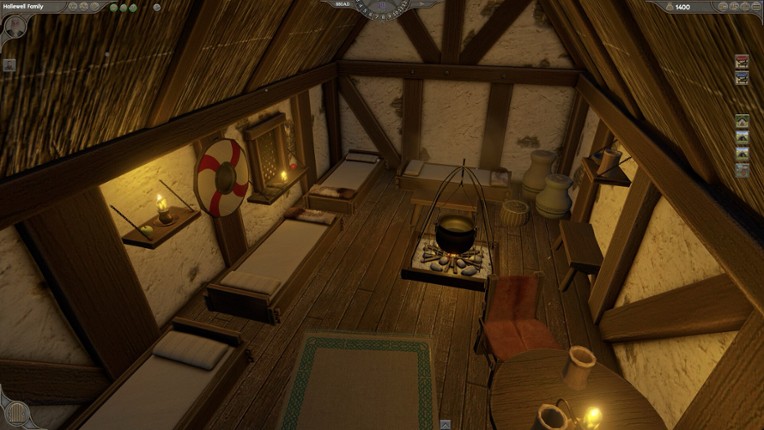
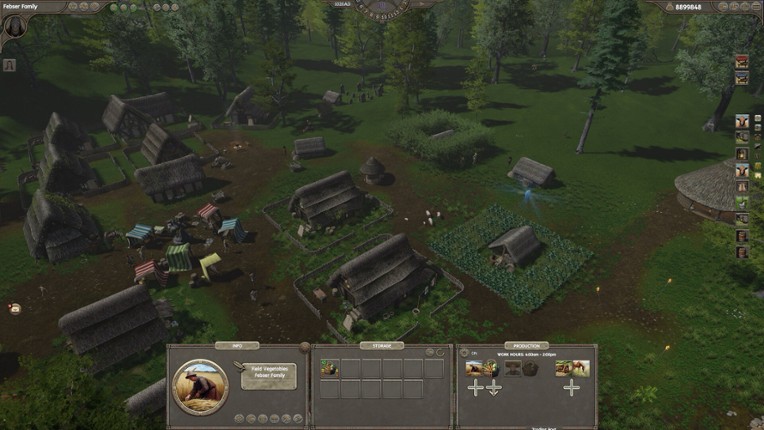
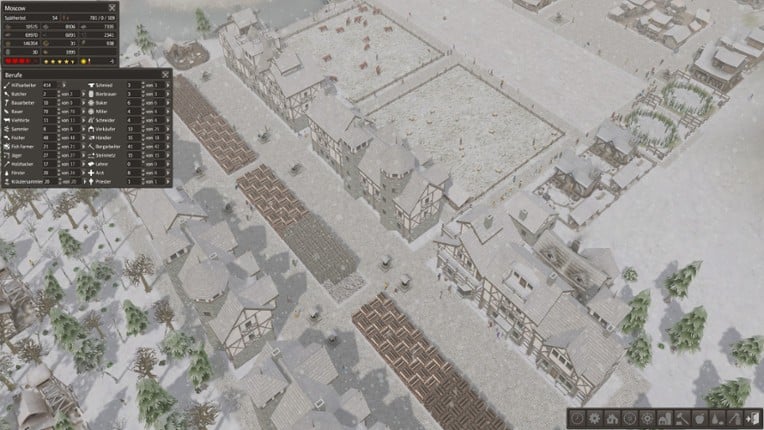
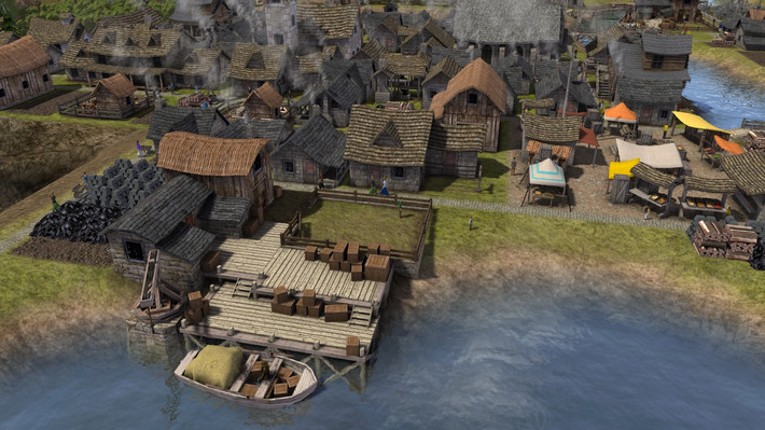
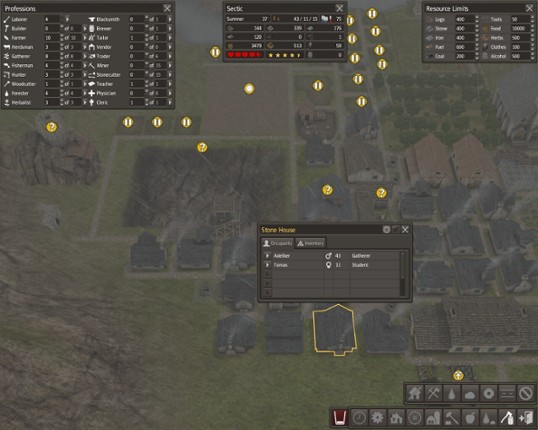
- 82%Game Brain ScoreMost mentioned positive aspects:gameplay, graphicsMost mentioned negative aspects:story, grinding90% User Score 49,448 reviewsCritic Score 68%5 reviewsFavors a top-down, ruthless approach to town simulation where surviving harsh winters is a brutal test of logistics rather than personal role-playing. If you enjoyed this game, see our list of games similar to Banished.View Game
- 86%Game Brain ScoreMost mentioned positive aspects:gameplay, graphicsMost mentioned negative aspects:grinding, optimization86% User Score 2,120 reviews
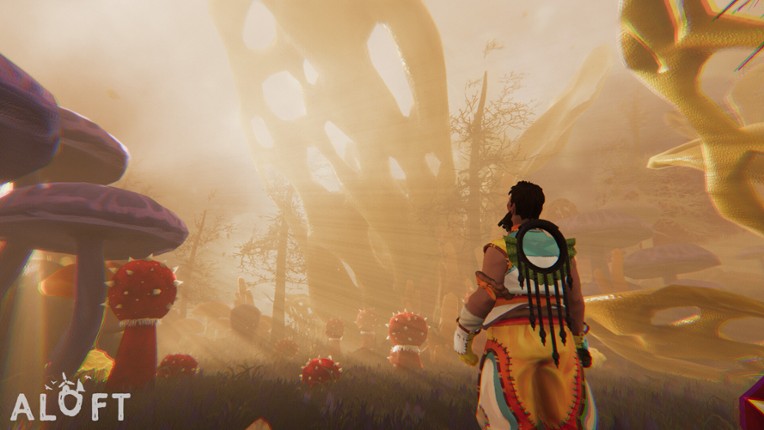
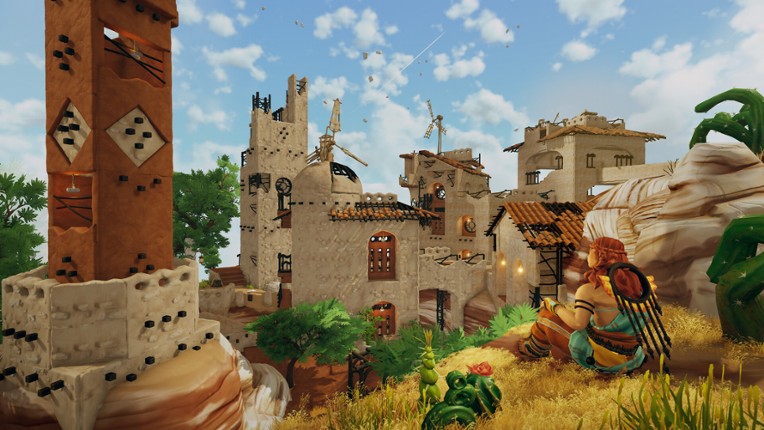
Soar the skies in Aloft, the co-op sandbox survival game set in a world of floating islands. Build any island into a skyship, your home in the clouds. Find lost knowledge, cure the fungal corruption, and brave the hurricane to restore the ecosystem. If you enjoyed this game, see our list of games similar to Aloft.
View Game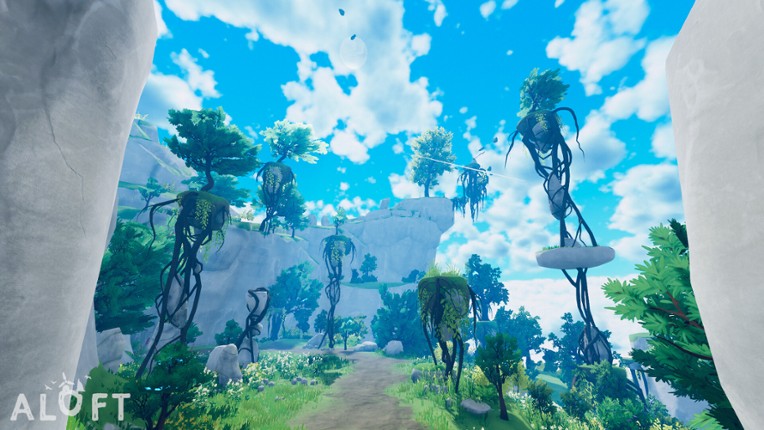
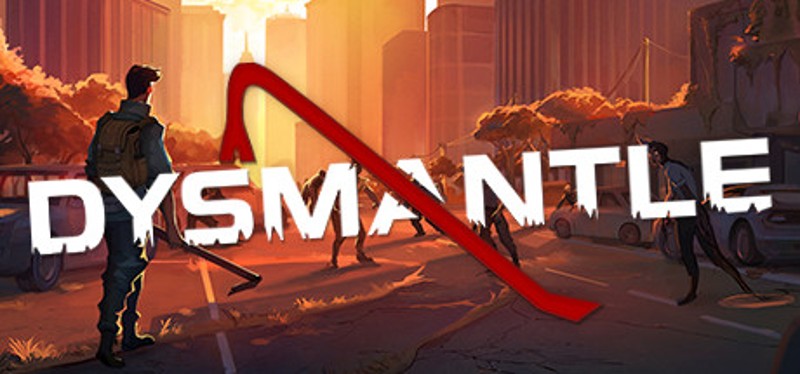
- 90%Game Brain ScoreMost mentioned positive aspects:story, gameplayMost mentioned negative aspects:grinding, stability91% User Score 8,526 reviewsCritic Score 83%1 reviewsFlips the serene farming fantasy into a dystopian scavenger hunt with zombies and destruction mechanics, keeping crafting and co-op but ditching the pastoral calm. If you enjoyed this game, see our list of games similar to DYSMANTLE.View Game
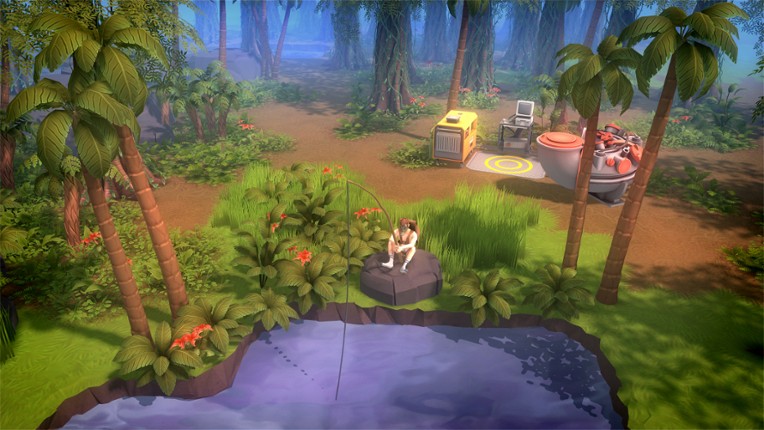
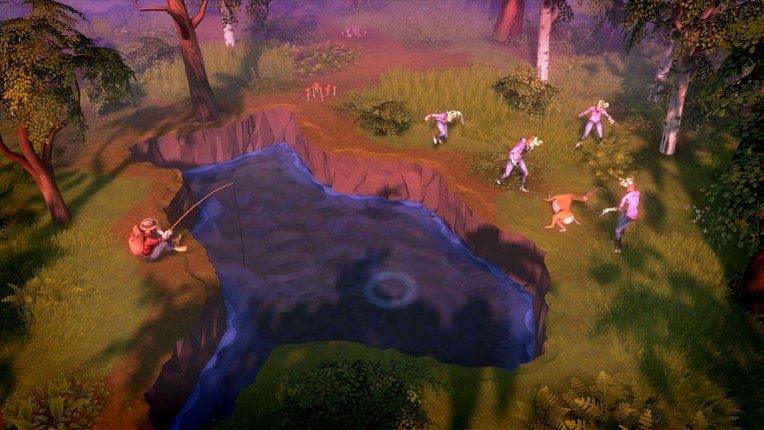
- 84%Game Brain ScoreMost mentioned positive aspects:story, gameplayMost mentioned negative aspects:grinding, stability89% User Score 43,788 reviewsCritic Score 79%22 reviews
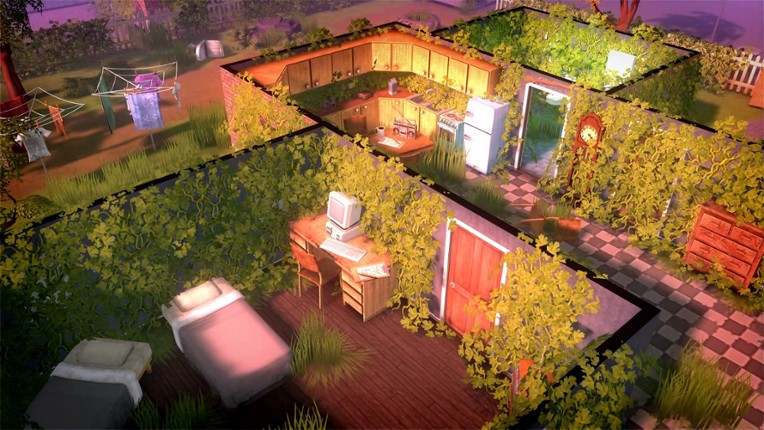
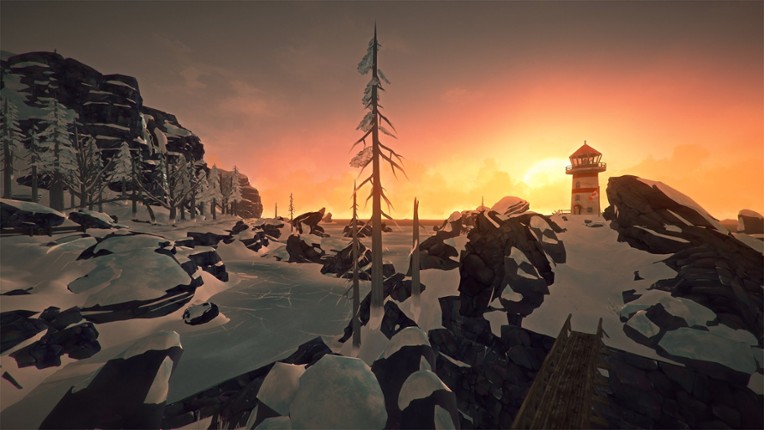
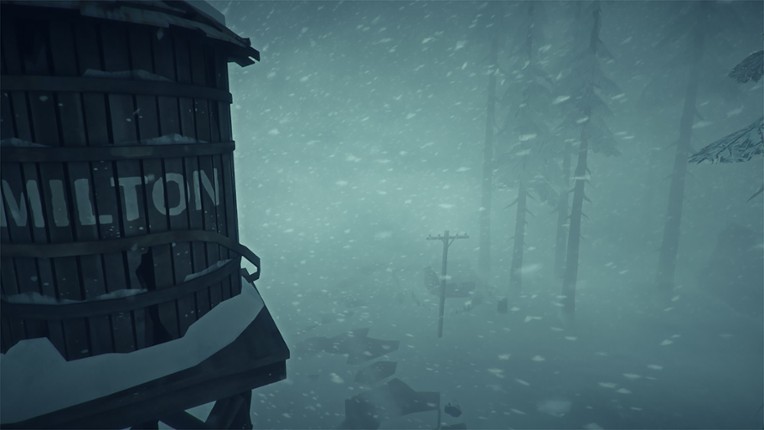
Survive The Quiet Apocalypse If you enjoyed this game, see our list of games similar to The Long Dark.
View Game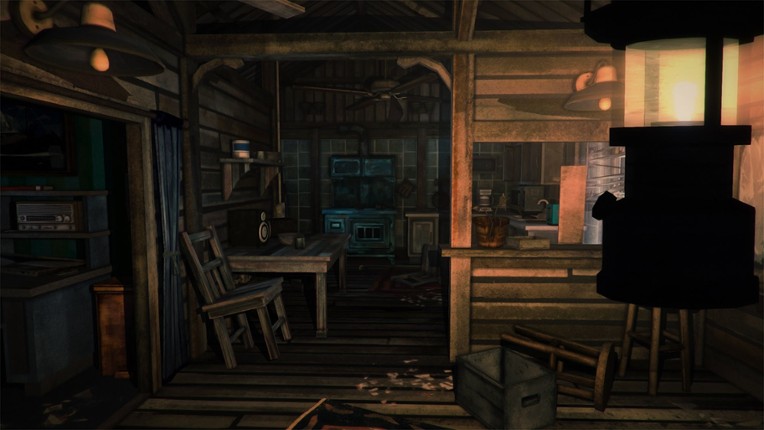
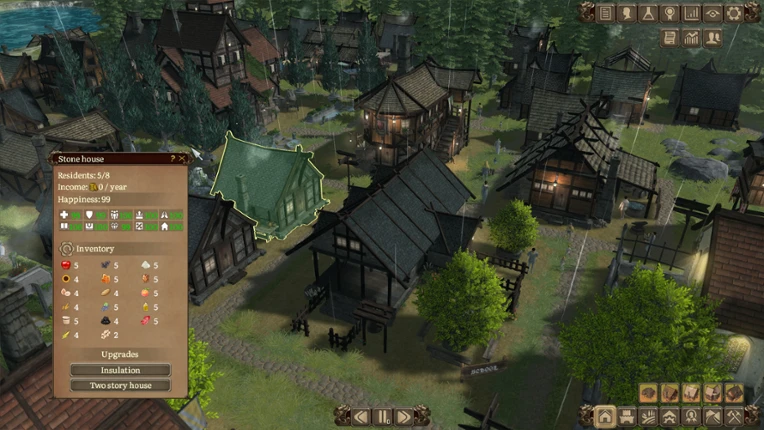
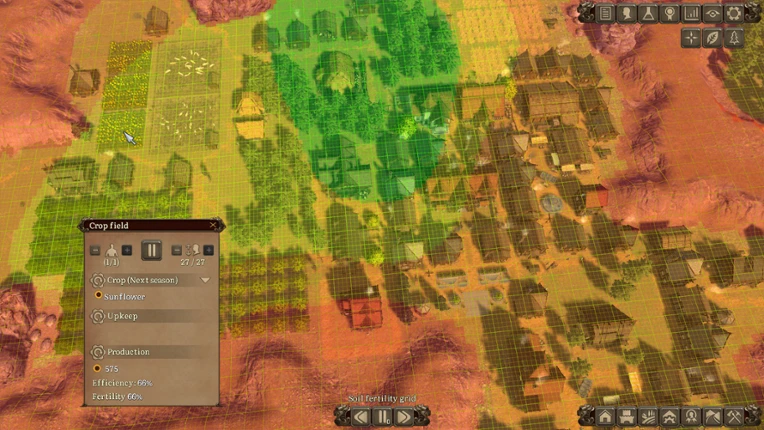
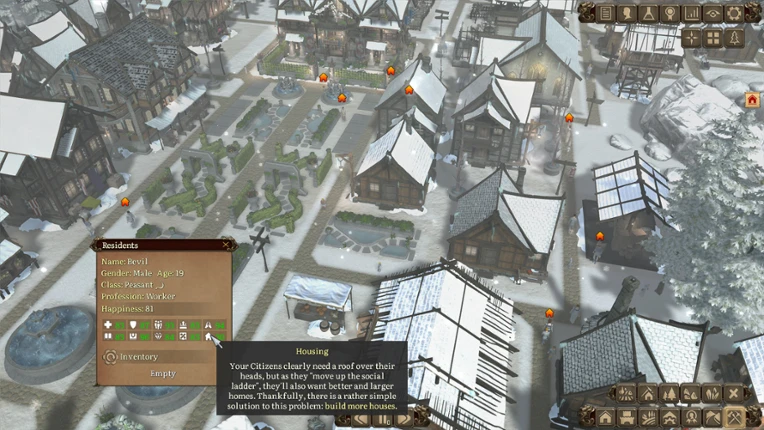
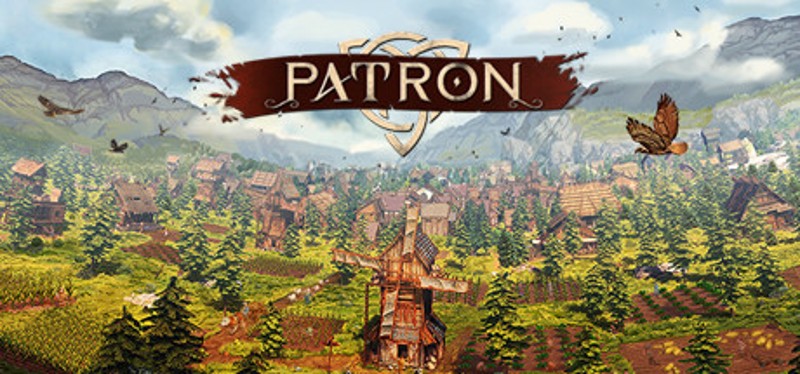
- 74%Game Brain ScoreMost mentioned positive aspects:gameplay, graphicsMost mentioned negative aspects:story, optimization74% User Score 1,692 reviewsCritic Score 75%3 reviewsReplaces Medieval Dynasty's personal survival with rigid colony management and economy in a historically grounded medieval setting. If you enjoyed this game, see our list of games similar to Patron.View Game
- 86%Game Brain ScoreMost mentioned positive aspects:story, graphicsMost mentioned negative aspects:grinding, stability91% User Score 3,144 reviewsCritic Score 64%1 reviews
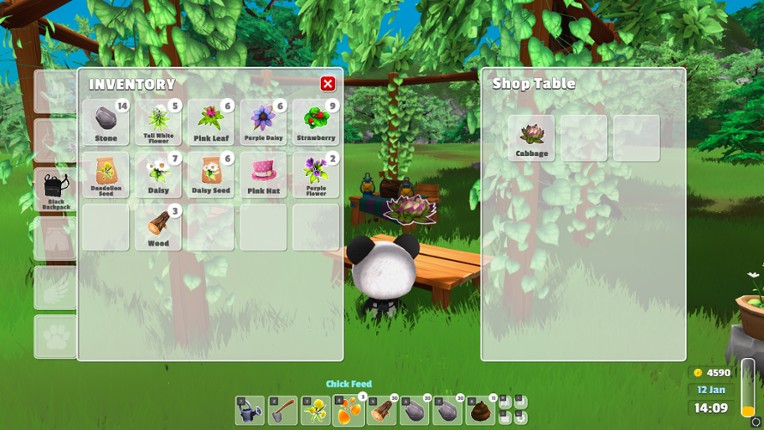
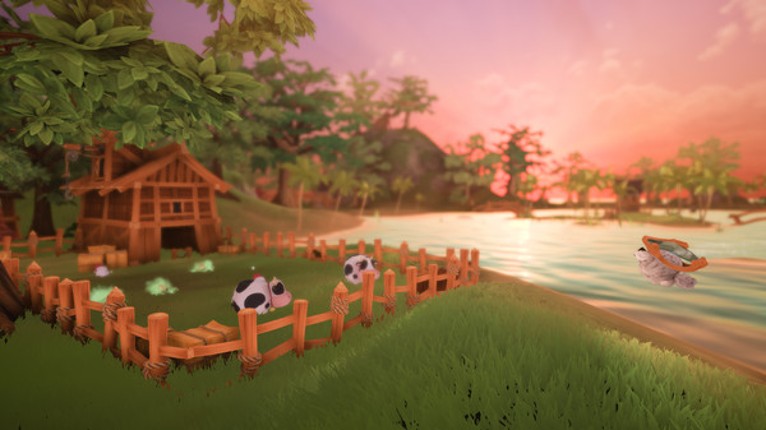
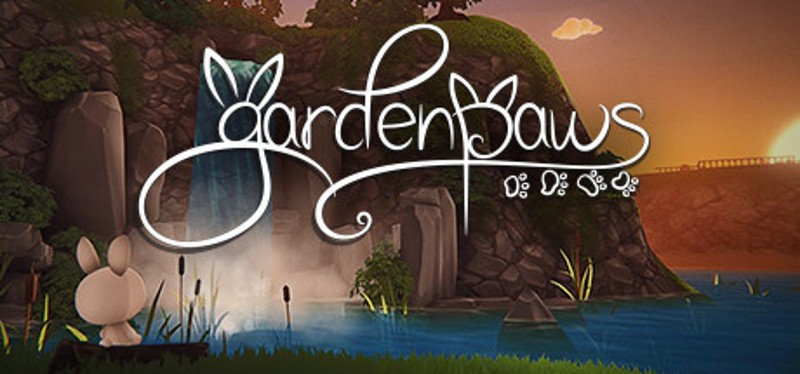
[Media 2043808] Garden Paws is a relaxing role-playing game that doesn't limit your play style. Create your perfect simulation, whether you want to spend your days farming, exploring, fishing,... If you enjoyed this game, see our list of games similar to Garden Paws.
View Game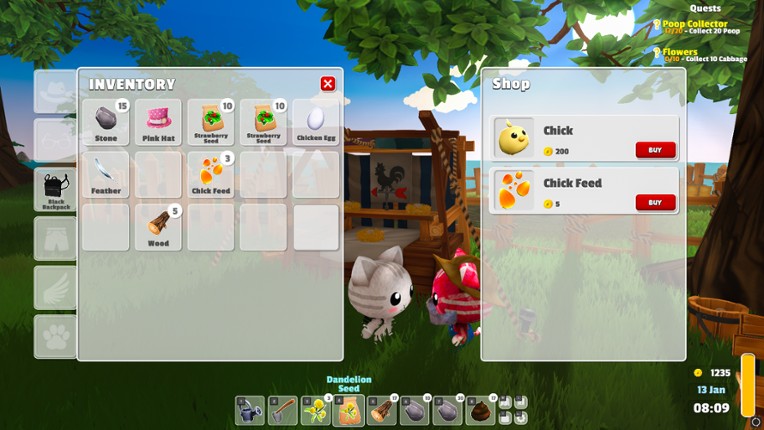
- 90%Game Brain ScoreMost mentioned positive aspects:gameplay, graphicsMost mentioned negative aspects:grinding, stability90% User Score 1,323 reviews
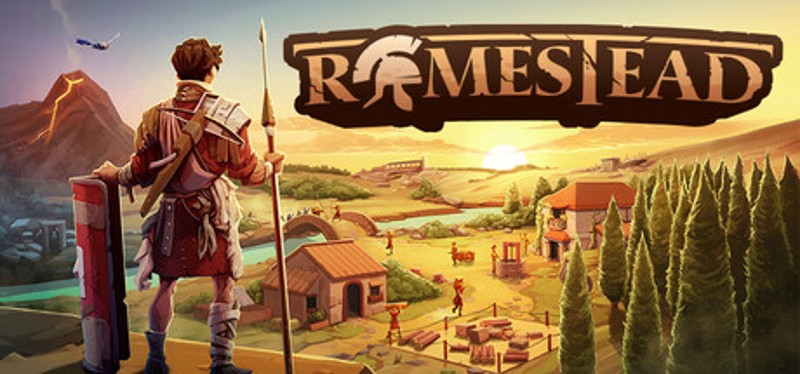
An apocalyptic event has left Rome in ruins. Its citizens reanimated into walking husks. Survive the hordes of the fallen hunting you in the night. Build defenses and light your torches! Rebuild Civilization Establish a new settlement. Build a Blacksmith, Leatherworker, Farmstead and more! Keep your citizens happy and fed, and colonize new areas of the world. In Romestead you will need the artisan… If you enjoyed this game, see our list of games similar to Romestead.
View Game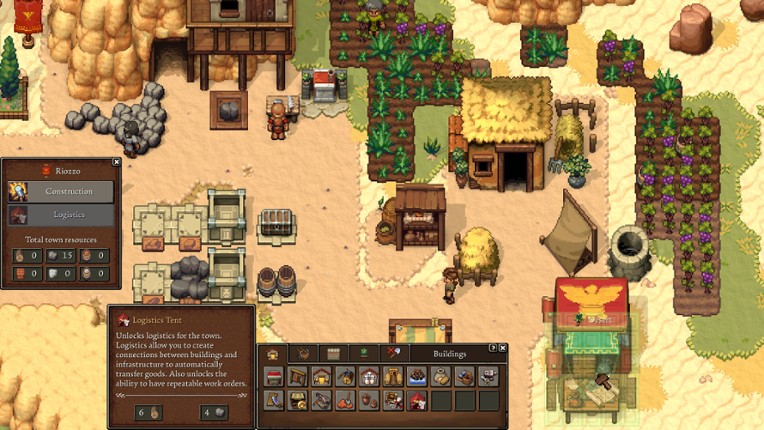


 View Game






























Frequently Asked Questions
Top recommendations include Bellwright, which combines survival and village management with beautiful medieval graphics, and Going Medieval, featuring unique 3D building with vertical construction and terraforming. Aska offers engaging village management where you assign tasks to villagers and watch settlements grow, while Sengoku Dynasty provides similar crafting and resource management in a feudal Japanese setting.
Bellwright, Aska, and Sengoku Dynasty all support 2-4 player online co-op, letting you build villages together. Len's Island also features co-op play alongside farming and base building. Travellers Rest uniquely offers local split-screen co-op if you prefer playing on the same screen, though it focuses on tavern management rather than village building.
Len's Island combines farming with exploration and building in a relaxing experience. Aska emphasizes resource management and village automation, while Travellers Rest features extensive farming mechanics alongside tavern operations. Sengoku Dynasty offers a full survival and farming experience set in feudal Japan with similar progression systems to Medieval Dynasty.
Most games like Medieval Dynasty are paid indie titles, but many are reasonably priced. Going Medieval and Bellwright are in early access with lower price points and active development. Check Steam sales regularly for discounts on Aska, Sengoku Dynasty, and Len's Island, which frequently offer promotional pricing during seasonal sales.
The Last Plague: Blight delivers an unforgiving, immersive survival experience with realistic graphics and dark atmosphere. The Infected offers an immersive first-person environment with engaging building mechanics. Travellers Rest creates a cozy, charming atmosphere through pixel art and immersive tavern management, providing a different but equally atmospheric experience.
Going Medieval emphasizes relaxing gameplay with meaningful building decisions and procedural generation for replay value. Len's Island offers a similarly relaxing experience blending exploration, farming, and combat without excessive grinding. Bellwright focuses on quality survival and crafting mechanics with active developer updates that continuously improve pacing based on community feedback.