

Games like Kingdom Come: Deliverance
Henry's journey through 15th-century Bohemia left a mark — the kind of first-person RPG that trades quest markers for genuine consequence, and that's exactly why you're searching for games like Kingdom Come: Deliverance. Few titles blend historical grit, punishing swordplay, and open-world freedom quite the way it does. The good news: several worthy successors exist, each ready to pull you back into a world that rewards patience and skill.
What made Kingdom Come: Deliverance stand out was its refusal to compromise: sword-fighting that demanded real skill, a save system that punished carelessness, and a world where blacksmiths, priests, and peasants all felt like they had lives beyond your quest log. It's a slow-burn RPG built for players who want realism over convenience, and who'll trade hand-holding for a world that actually pushes back.
What Makes a Good Alternative to Kingdom Come: Deliverance?
- Grounded, skill-based combat — Kingdom Come: Deliverance's clunky-but-rewarding swordplay demands practice; the best alternatives offer combat systems with real weight and consequence, not button-mashing.
- Historical or richly-realized settings — Whether medieval Bohemia or Gothic fantasy islands, atmosphere rooted in believable, lived-in worlds is what sells the illusion.
- Choices with lasting consequences — Dialogue and decisions that ripple through the story, rewarding players who pay attention to politics, relationships, and reputation.
- Deep RPG systems over hand-holding — Crafting, character progression, and survival mechanics that ask players to learn the world rather than follow a marker.
- Story-rich worldbuilding — Strong writing and voice acting that make sidequests feel like they matter, not filler between main missions.
Top Picks If You Enjoyed Kingdom Come: Deliverance
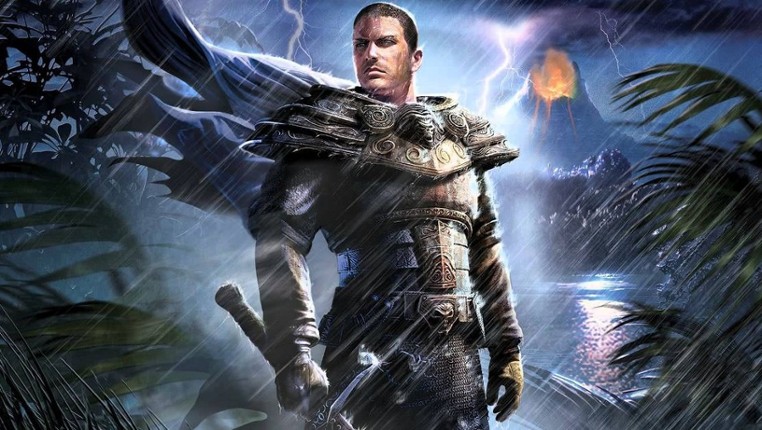
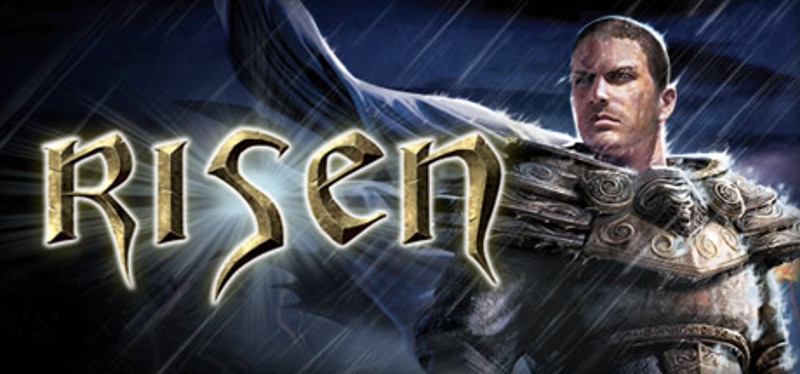
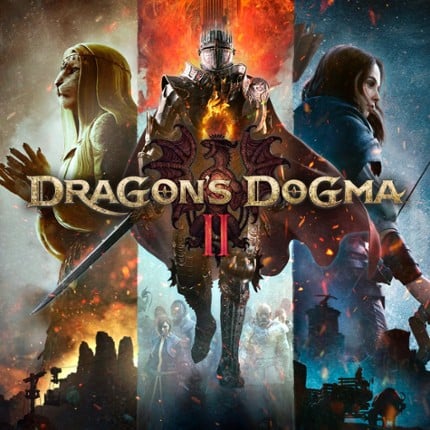
Kingdom Come: Deliverance II continues Henry's story with sharper combat and no microtransactions. The Witcher 2: Assassins of Kings delivers politically charged choices and tactical swordplay. Outward leans into brutal survival and co-op exploration. Risen offers Gothic atmosphere and rewarding character growth. Dragon's Dogma 2 brings large-scale open-world action with a similar sense of discovery, while The Blood of Dawnwalker mixes vampire lore with strategic time management.
Every recommendation below is ranked by actual similarity to Kingdom Come: Deliverance, based on genre overlap, mechanics, and what players themselves praised. Scroll down to browse the full list of games like Kingdom Come: Deliverance and find your next obsession.
- 94%Game Brain ScoreMost mentioned positive aspects:story, gameplayMost mentioned negative aspects:stability, grinding94% User Score 73,949 reviews
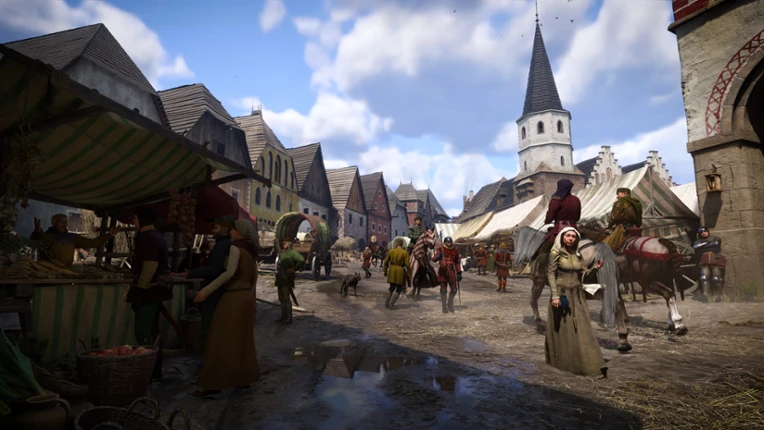
Both games make every roadside fight a tense calculation: read an opponent’s stance, manage stamina, and decide whether a duel is worth the risk. Kingdom Come: Deliverance II preserves that first-person swordplay and its demanding consequences, so victories feel earned rather than handed out. Its open world also rewards the same player habits—exploring off the road, trading, preparing gear, and treating ordinary encounters as part of a larger medieval routine.
The sequel adds a fresh angle through deeper crafting, political choices, and more striking environmental detail, giving your decisions wider practical and social weight. It also directly builds on the original’s uneven presentation with a larger, more polished world, though it is not a total escape from the series’ tradeoffs: group combat can remain clumsy, grinding can slow the pace, and bugs still occasionally break the spell. The absence of microtransactions keeps progression focused on your character and choices.
Best for players who want realistic swordplay, deliberate role-playing, and a richly detailed historical world—and can tolerate some friction in pursuit of mastery.
If you enjoyed this game, see our list of games similar to Kingdom Come: Deliverance II.View Game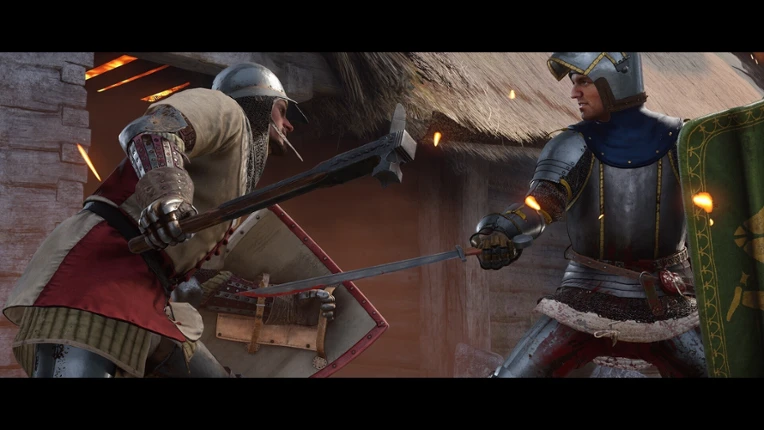
- 73%Game Brain ScoreMost mentioned positive aspects:story, gameplayMost mentioned negative aspects:grinding, stability73% User Score 27,614 reviewsCritic Score 72%10 reviews
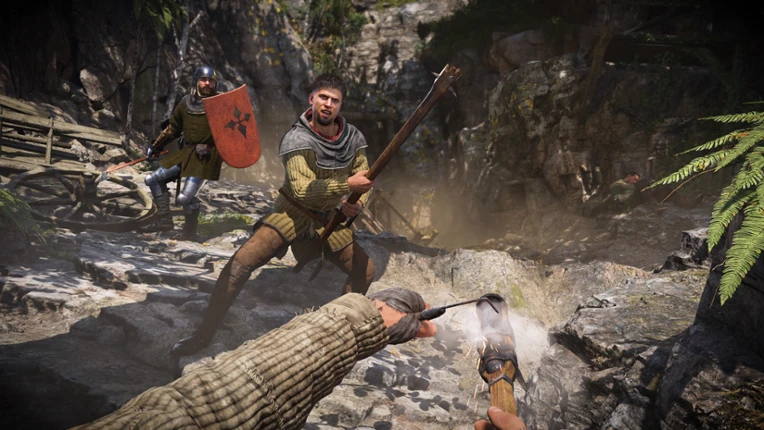
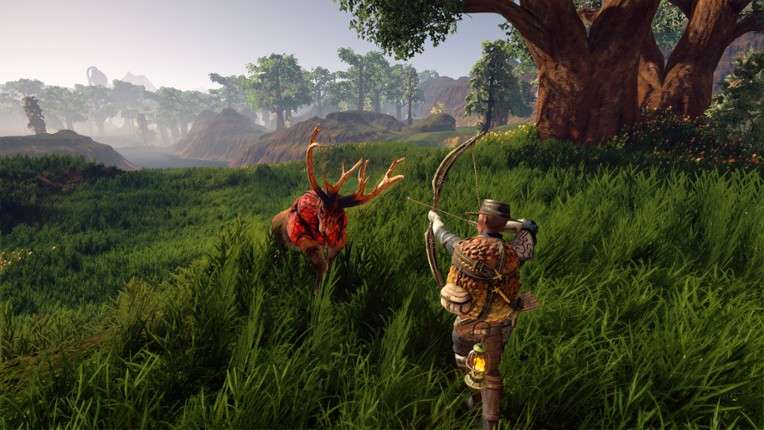
Both games demand that you meticulously plan every journey before leaving safety, treating preparation as a core gameplay pillar. You must manage stamina, hunger, and gear degradation while navigating an unforgiving world without hand-holding quest markers. This shared focus on physical vulnerability forces you to respect the environment and earn every victory through careful planning.
If you found yourself frustrated by Kingdom Come’s punishing save system and progress-erasing deaths, Outward offers a refreshing alternative through its dynamic defeat scenarios. Instead of reloading, failing a fight might find you dragged to a bandit camp or rescued by a mysterious stranger, keeping your journey moving forward. This preserves high-stakes tension without the annoyance of lost playtime.
The main departure is the shift from historical realism to a high-fantasy setting where you can wield magic and even invite a friend along. Best for players who chase the thrill of survival and methodical exploration over heroic power fantasies.
If you enjoyed this game, see our list of games similar to Outward.View Game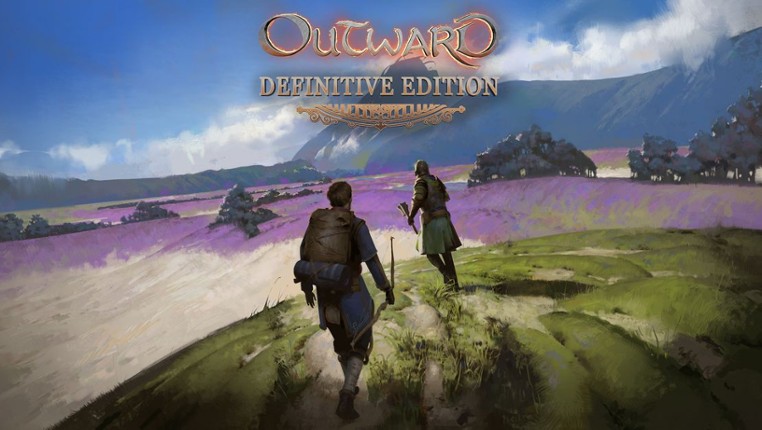
- 88%Game Brain ScoreMost mentioned positive aspects:story, gameplayMost mentioned negative aspects:optimization, stability88% User Score 28,832 reviews
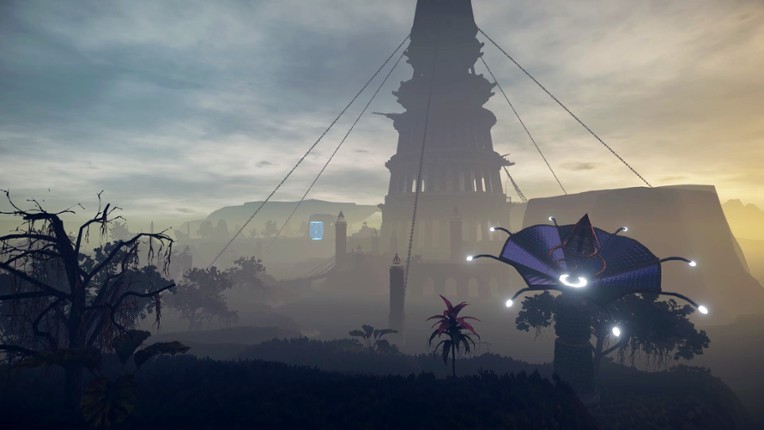
Both games demand tactical preparation and real consequences for your choices—you can't button-mash through encounters or reload at will without genuine friction. Kingdom Come players accustomed to planning approaches, managing resources, and living with failed outcomes will find The Witcher 2's branching narrative and combat stance system equally unforgiving.
The overlay of swordplay and magical abilities mirrors Kingdom Come's blend of physical skill and learned techniques, though Witcher 2 emphasizes tactical positioning and spell casting rather than pure realism. This creates the same reward loop: mastering mechanics unlocks efficiency, but misjudgment remains costly.
Where Kingdom Come grounds itself in historical authenticity, The Witcher 2 pivots toward dark political intrigue and moral ambiguity—your decisions ripple across regions and factions in ways that feel weighty without pretending historical accuracy. This shift maintains narrative weight while sidestep some of Kingdom Come's slower pacing.
Both games share notorious technical rough edges, though The Witcher 2's bugs are less game-halting than Kingdom Come's stuttering. Players tolerant of quirky systems to chase story depth will recognize familiar terrain.
Best for players who value choice-driven narratives and tactical combat over spectacle, and who see technical jank as a scar worth bearing for complex storytelling.
If you enjoyed this game, see our list of games similar to The Witcher 2: Assassins of Kings.View Game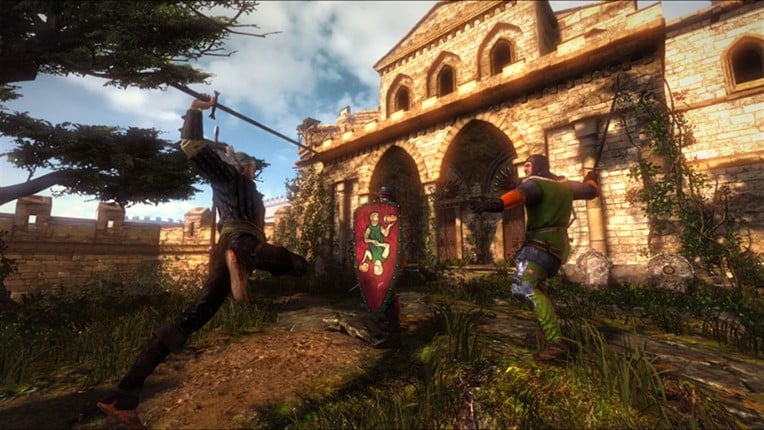
- 84%Game Brain ScoreMost mentioned positive aspects:story, gameplayMost mentioned negative aspects:stability, grinding84% User Score 4,124 reviews
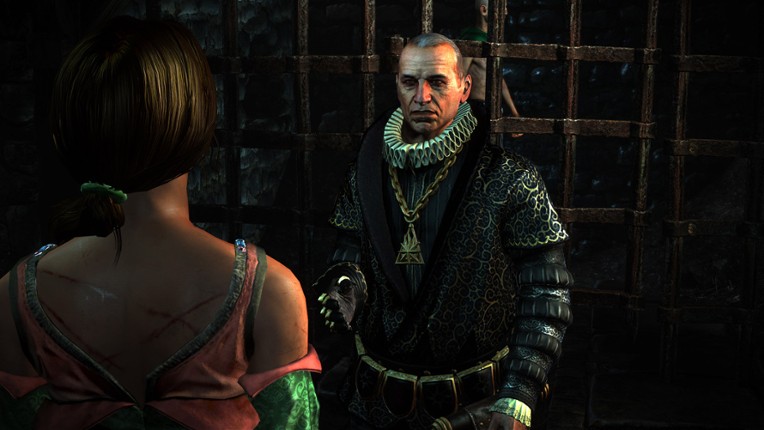
Kingdom Come’s combat demands patience and precise timing. Risen follows suit, requiring you to read enemy moves and swing deliberately. Both reward mastery with weighty, earned combat.
Both games place you in sprawling open worlds where exploration fuels progression, and hidden locations can reshape your build. Medieval settings and trading systems create a lived‑in feel, making resource gathering purposeful. This loop of discovery mirrors Kingdom Come’s appeal.
Risen introduces a low‑key magic system and a darker, more fantastical tone, offering a fresh angle on the medieval RPG without abandoning the grounded combat feel. This blend of historical aesthetics with subtle sorcery gives players new tools while preserving the tactical edge of melee.
Kingdom Come’s early hours are criticized for tedious fetch quests, but Risen’s early chapters offer a tighter quest flow that avoids that grind. Risen also runs more smoothly on a wider range of hardware, reducing stuttering. Best for players who want Kingdom Come’s tactical weight with a faster pace and a touch of fantasy magic.
If you enjoyed this game, see our list of games similar to Risen.View Game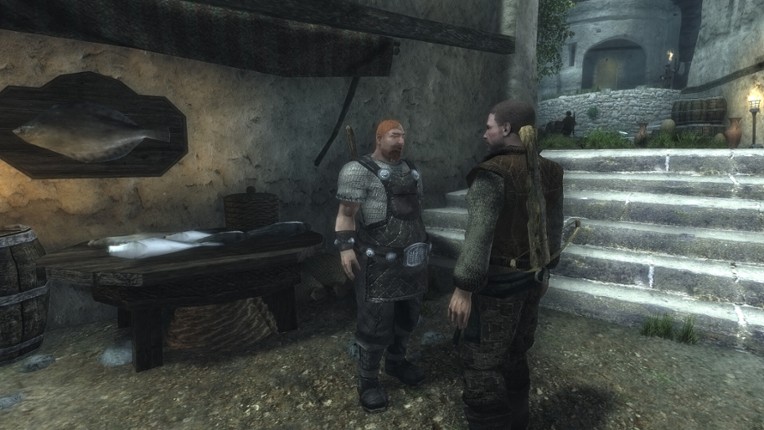

- 75%Game Brain ScoreMost mentioned positive aspects:story, gameplayMost mentioned negative aspects:optimization, monetization66% User Score 78,860 reviewsCritic Score 84%68 reviews
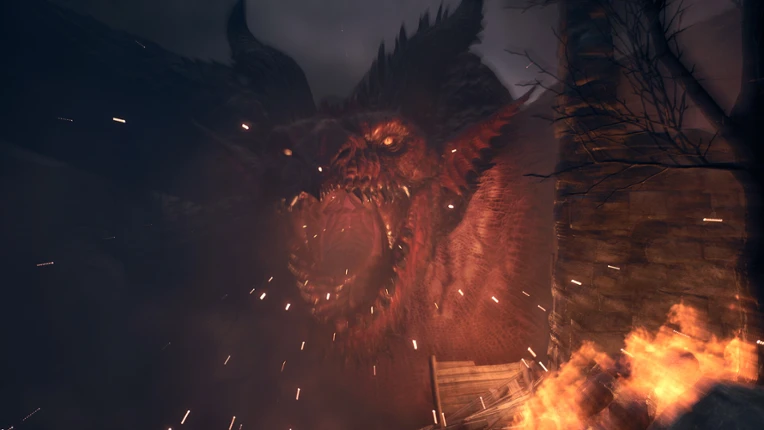
That feeling of being genuinely vulnerable in a fight — where positioning, stamina, and terrain matter more than button-mashing — carries straight over from KCD's dirty sword fights into Dragon's Dogma 2's grip-and-climb combat against ogres and griffins. Both games make you feel the weight of your gear and the risk of every encounter.
You'll also recognize the commitment to a lived-in world: NPCs keep schedules, travel takes real time, and death or a bad decision can cost you hours of progress. Where KCD grounds this in gritty realism, Dragon's Dogma 2 leans into fantasy spectacle — climbing a cyclops instead of dueling a bandit — giving you a fresh flavor of the same "every encounter matters" tension.
If KCD's clunky combat controls ever frustrated you, DDG2's more responsive, physics-driven action fixes that friction while keeping the stakes high.
Best for players who loved KCD's sense of consequence and physicality but want a break from historical grit in favor of monster-slaying fantasy chaos.
If you enjoyed this game, see our list of games similar to null.View Game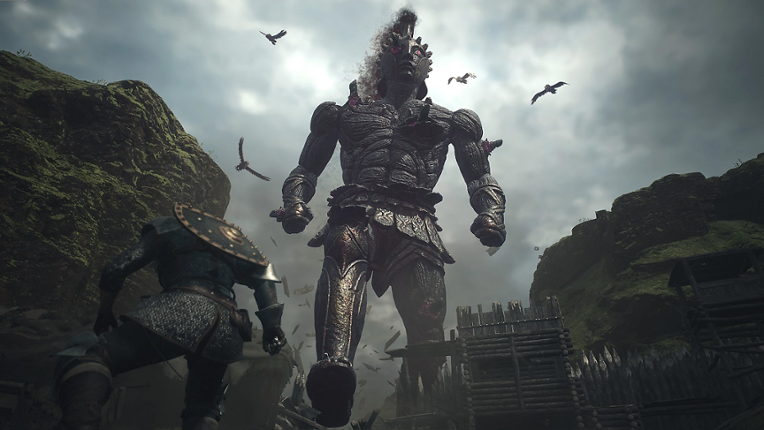
- 68%Game Brain ScoreMost mentioned positive aspects:story, gameplayMost mentioned negative aspects:stability, grinding68% User Score 9,918 reviews
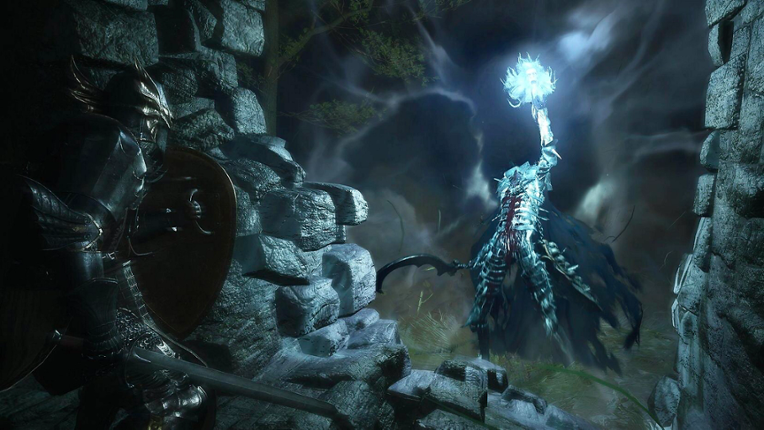
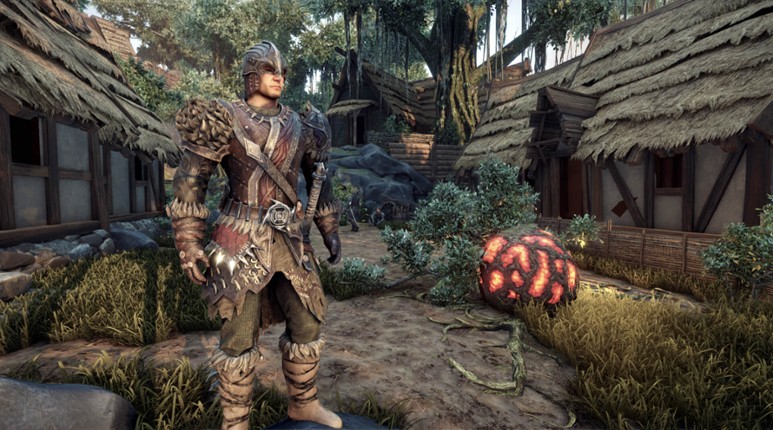
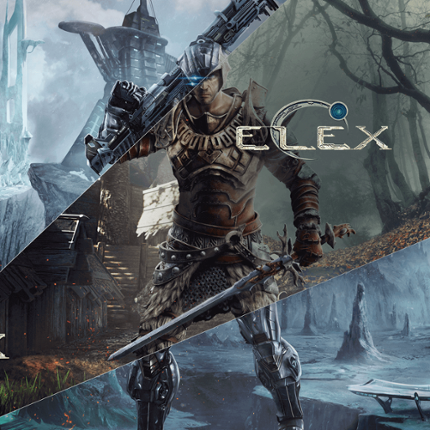
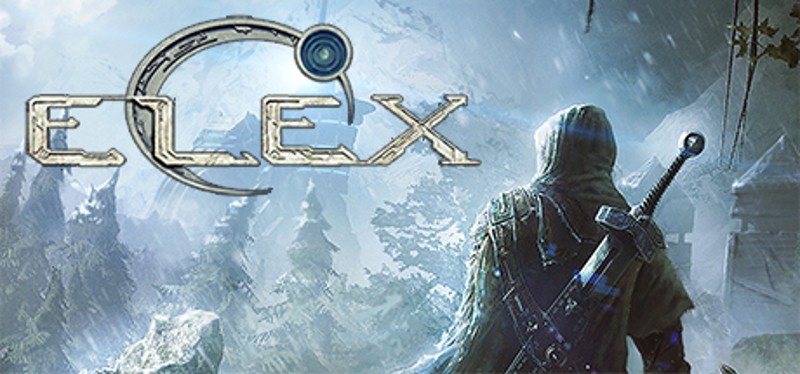
Both games demand that you earn your survival through a brutal, unforgiving progression system where you start as an absolute nobody. Your success hinges on mastering clunky, deliberate mechanics that punish impatience, providing a rare sense of hard-won progression.
While Kingdom Come anchors itself in gritty historical realism, ELEX pivots into a jagged, genre-mashing fusion of medieval weaponry and futuristic technology. You lose the period accuracy, but you gain a sprawling, chaotic open world that doesn't hold your hand.
Pick this up if you crave punishing, systems-driven exploration and don’t mind trading Henry’s authentic struggle for a weird, sci-fi fever dream.
If you enjoyed this game, see our list of games similar to ELEX.View Game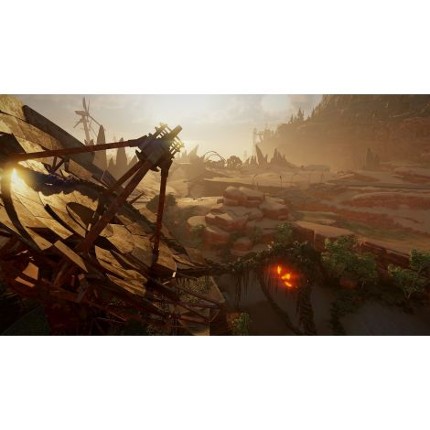
- 86%Game Brain ScoreMost mentioned positive aspects:story, gameplayMost mentioned negative aspects:optimization, stability87% User Score 14,804 reviewsCritic Score 84%37 reviews
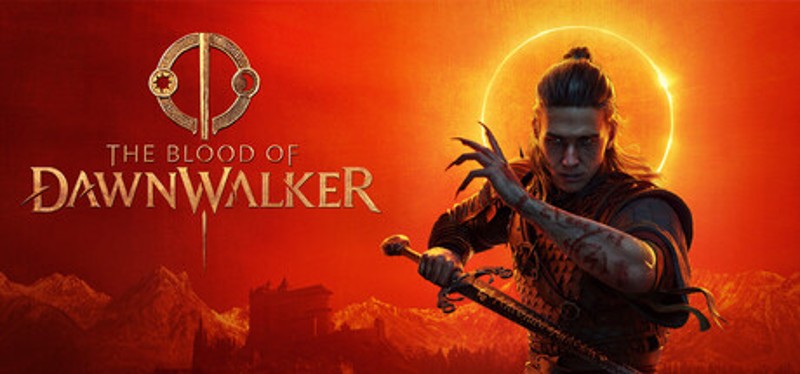
Both games lean hard on choice-driven, first-person-feeling medieval roleplay where your decisions shape the story and how the world reacts. That matters because the appeal is not just combat, but living inside a harsh historical fantasy with consequences.
The Blood of Dawnwalker pushes the formula toward darker fantasy and a stricter day-night/time-management structure, while Kingdom Come: Deliverance is more grounded and simulation-heavy. Expect a less realistic world, but more overt systems pressure and a sharper supernatural hook.
Pick this up if you want a story-rich medieval RPG with meaningful choices and tactical combat, but can live without Kingdom Come’s strict realism and historical authenticity.
If you enjoyed this game, see our list of games similar to The Blood of Dawnwalker.View Game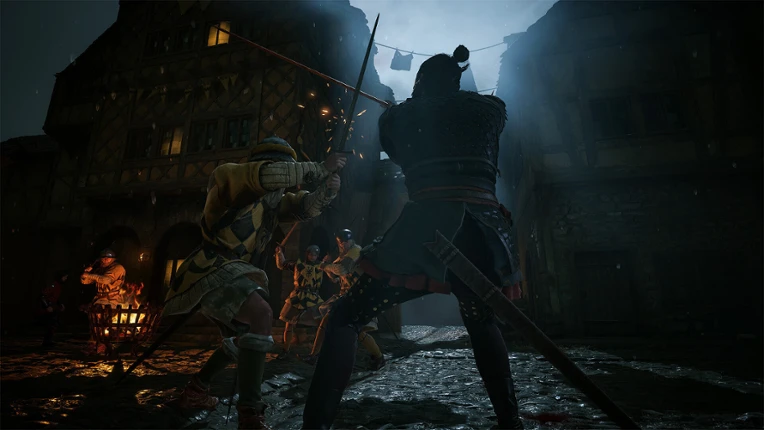
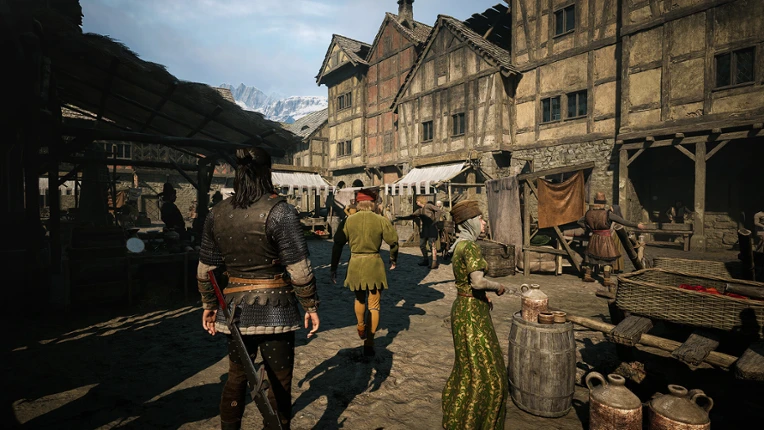
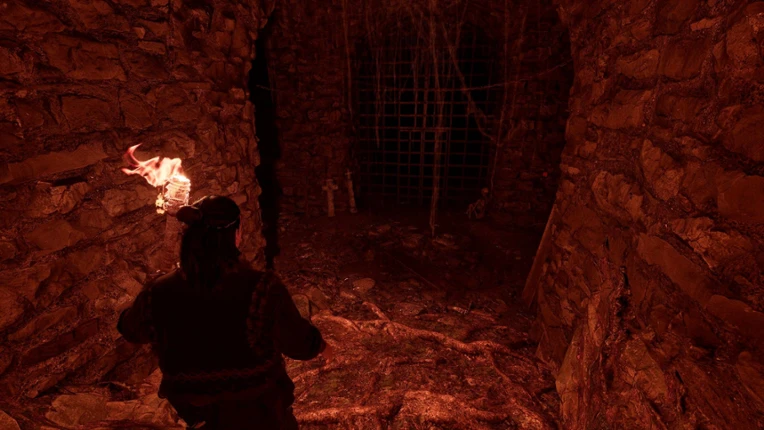
- 75%Game Brain ScoreMost mentioned positive aspects:story, gameplayMost mentioned negative aspects:stability, optimization75% User Score 13,234 reviews
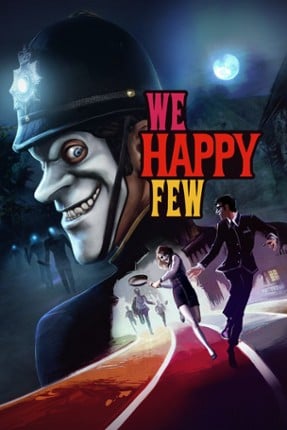
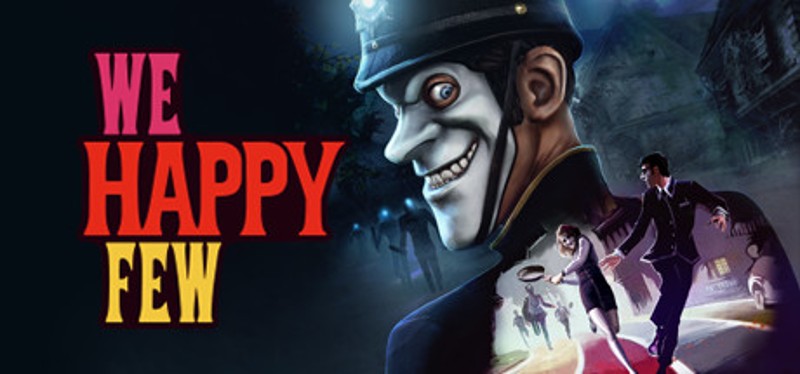
Both Kingdom Come: Deliverance and We Happy Few drop you into a first‑person, historically‑tinged world where the narrative unfolds based on your choices. The stories are grounded in period‑accurate settings, making the societies feel lived‑in. Player agency drives the plot, and each decision can shift the political or social stakes.
They also share a stealth‑and‑action hybrid that rewards careful planning over brute force, letting you sneak through social hierarchies or combat encounters alike.
The key tradeoff: We Happy Few trades realistic swordplay and medieval authenticity for a stylized, dystopic alternate‑history and a lighter, more sardonic tone.
Pick this up if you crave a story‑rich, historically‑inflected adventure with player‑driven outcomes but can live without demanding melee combat and strict historical realism.
If you enjoyed this game, see our list of games similar to We Happy Few.View Game
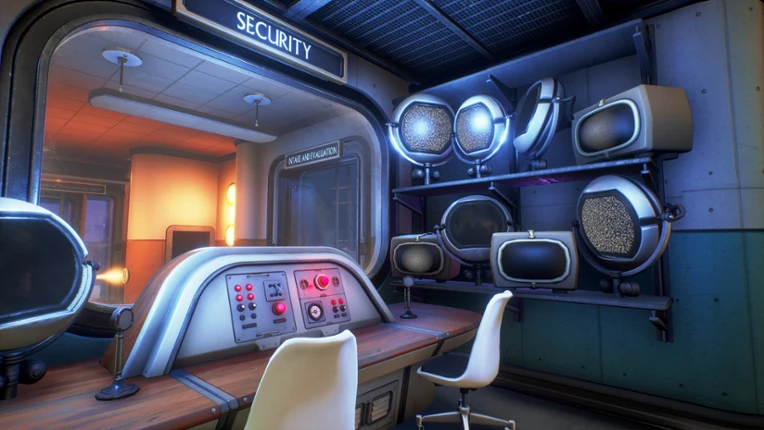
- 78%Game Brain ScoreMost mentioned positive aspects:story, gameplayMost mentioned negative aspects:grinding, stability75% User Score 18,314 reviewsCritic Score 80%32 reviews
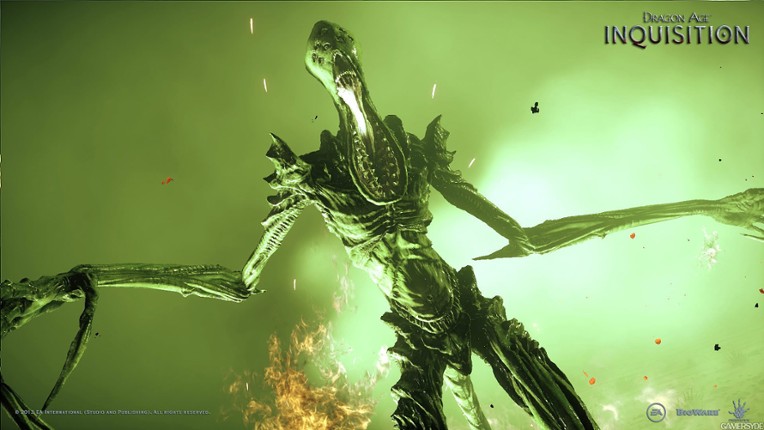
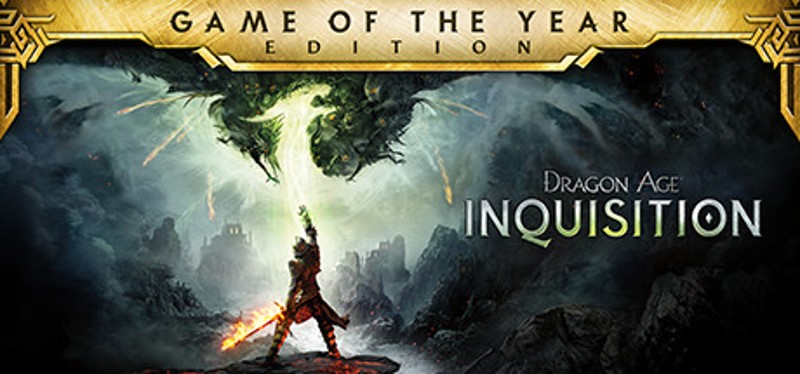
Both games anchor their appeal in complex open-world exploration where your choices carry genuine weight in a volatile political landscape. This systemic depth provides a sense of agency, allowing you to influence the world’s power structure through diplomacy and strategic quest completion.
The primary divergence is the shift from grounded realism to high fantasy spectacle. While Kingdom Come: Deliverance demands mastery of period-accurate swordplay, Dragon Age: Inquisition focuses on tactical, ability-driven party combat and magical encounters.
Pick this up if you crave expansive political narratives and high-stakes consequence, but are willing to trade the grueling historical survival mechanics for a more polished, cinematic power fantasy.
If you enjoyed this game, see our list of games similar to Dragon Age™ Inquisition.View Game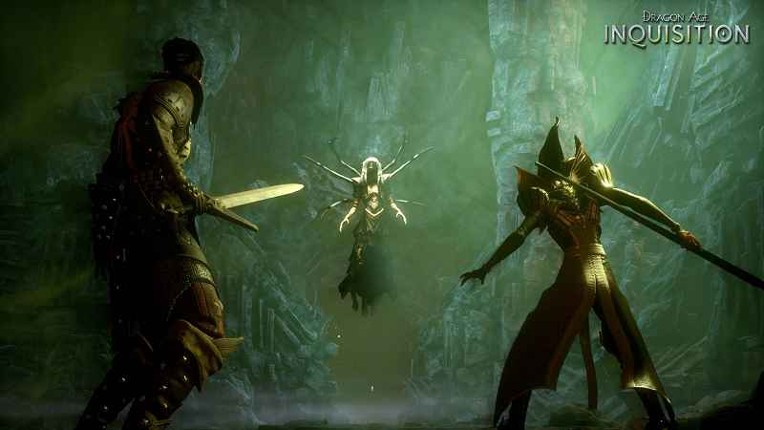
- 83%Game Brain ScoreMost mentioned positive aspects:story, gameplayMost mentioned negative aspects:stability, grinding92% User Score 48,987 reviewsCritic Score 73%12 reviews
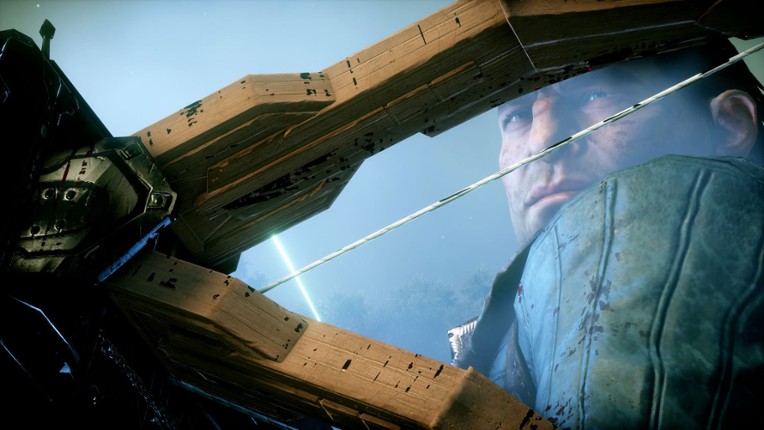
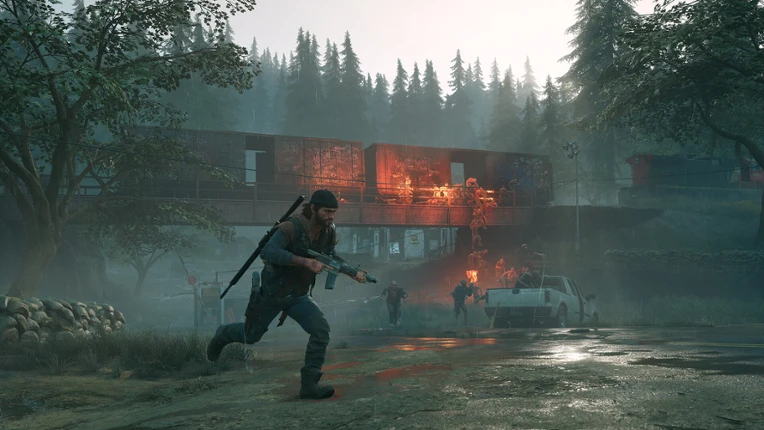
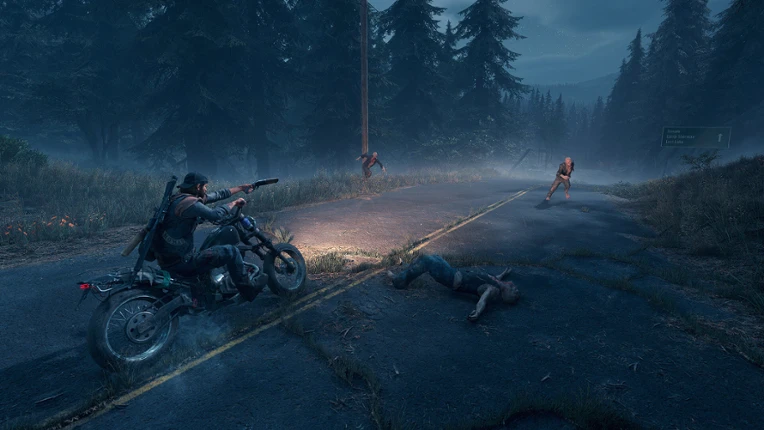
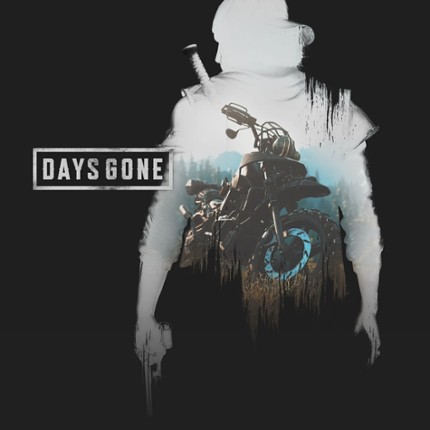
Days Gone swaps medieval realism for post‑apocalyptic survival horror, offering a grittier, zombie‑filled open world for fans of gritty, action‑heavy narratives.
If you enjoyed this game, see our list of games similar to Days Gone.View Game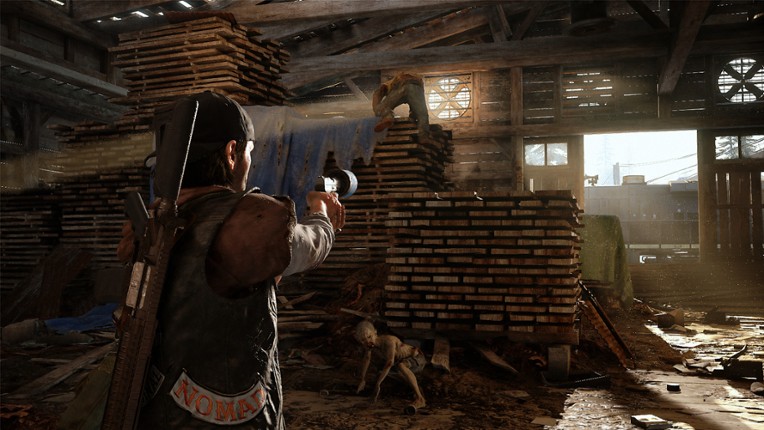
- 63%Game Brain ScoreMost mentioned positive aspects:story, gameplayMost mentioned negative aspects:grinding, optimization76% User Score 10,932 reviewsCritic Score 39%5 reviews
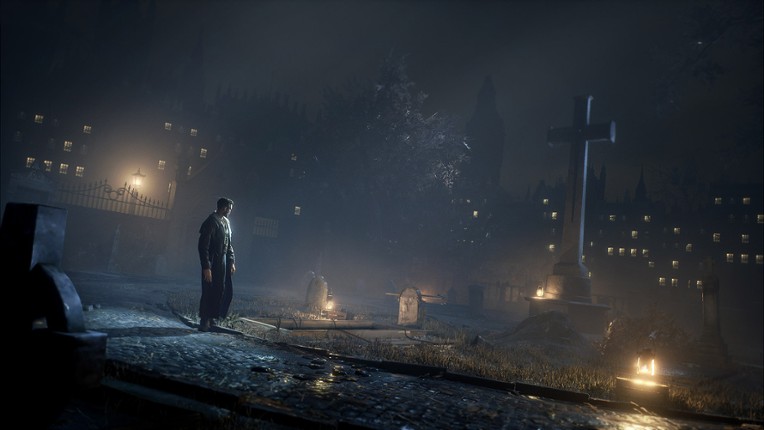
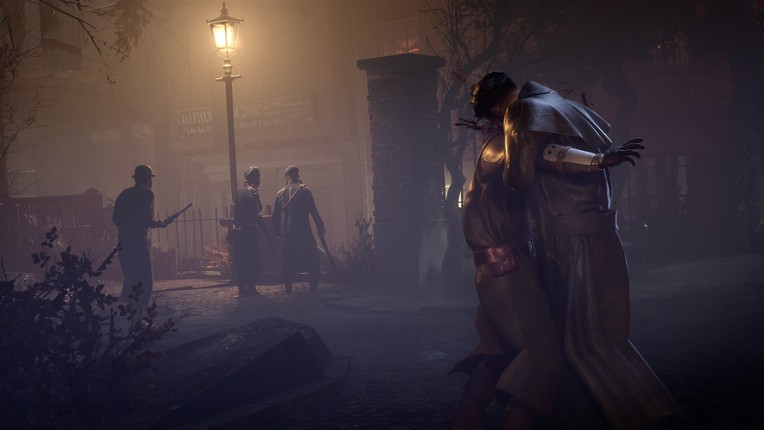
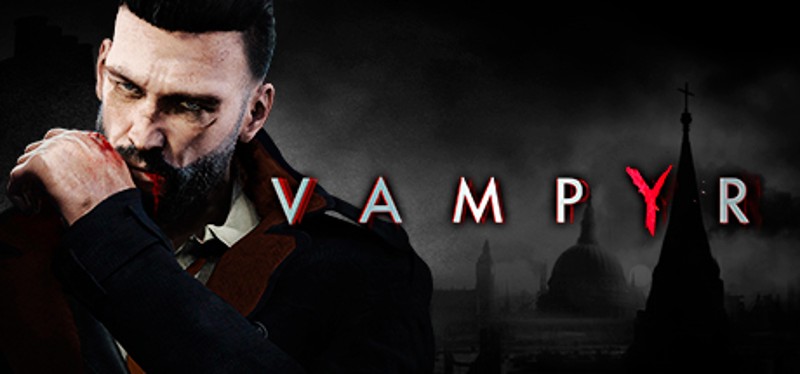
Vampyr shifts the medieval setting to post‑WWI London, blending dark vampire lore with choice‑driven intrigue for players craving a mature, supernatural twist.
If you enjoyed this game, see our list of games similar to Vampyr.View Game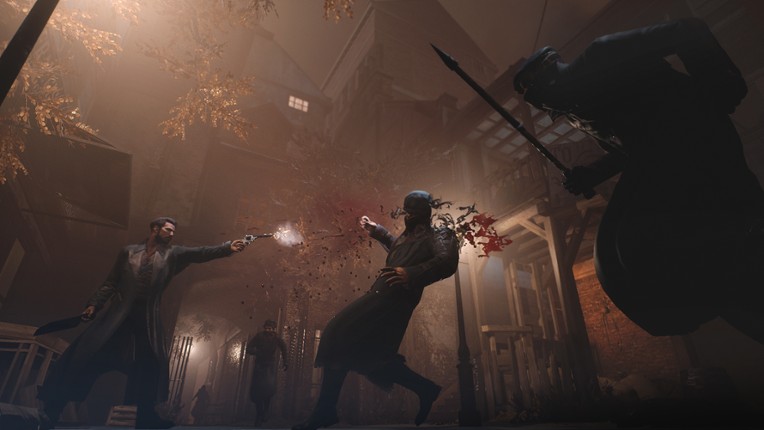
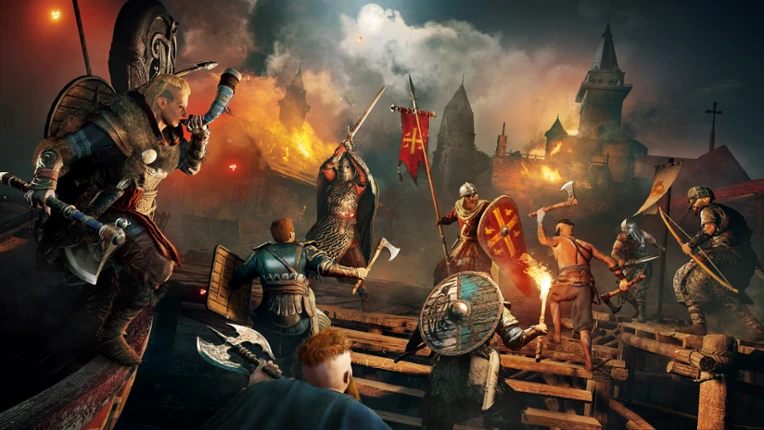
12 View Game 76%Game Brain ScoreMost mentioned positive aspects:story, gameplayMost mentioned negative aspects:stability, grinding69% User Score 18,414 reviewsCritic Score 83%88 reviews
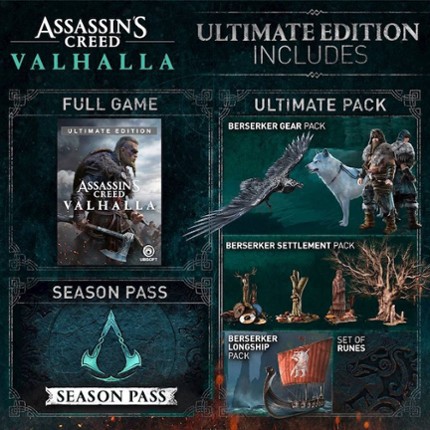
Both games anchor themselves in historical settings with authentic atmospheric detail—medieval England versus Viking-era Scandinavia—where world-building matters as much as plot.
Each demands patience for slower storytelling rhythms, which rewards players who value narrative depth over constant action.
The critical difference: Valhalla prioritizes polish and accessibility, while Kingdom Come sacrifices optimization for harder immersion and unforgiving mechanics.
Pick Valhalla if you want that medieval-historical richness with stable performance and character flexibility, but can accept a more streamlined (less brutal) experience than Kingdom Come's hardcore vision.
If you enjoyed this game, see our list of games similar to Assassin's Creed Valhalla.View Game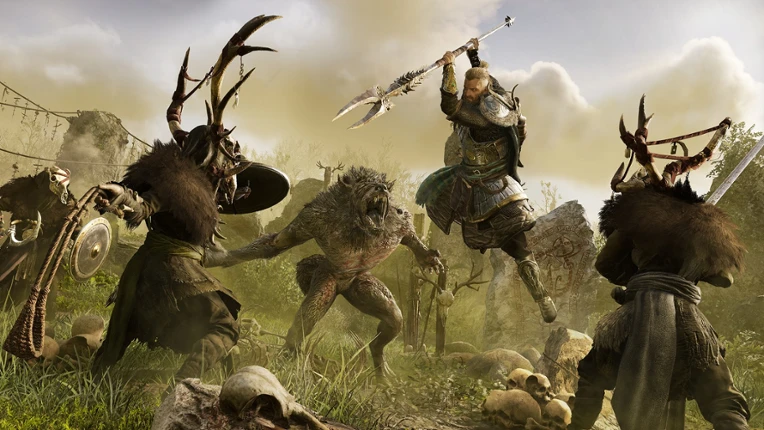
13 View Game 78%Game Brain ScoreMost mentioned positive aspects:story, gameplayMost mentioned negative aspects:stability, optimization78% User Score 82,755 reviewsCritic Score 80%3 reviews
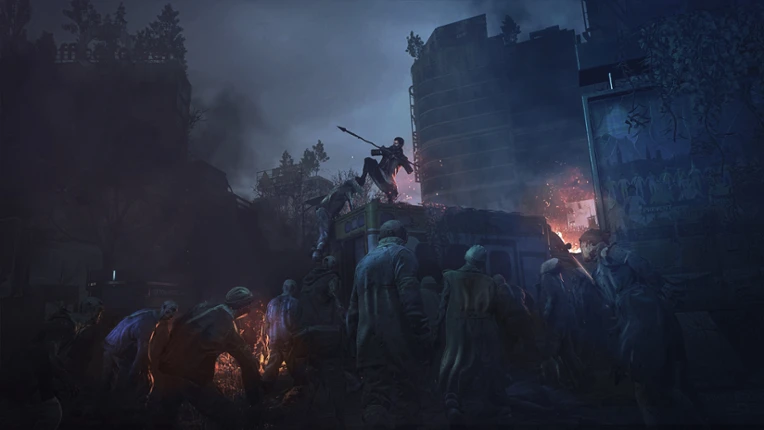
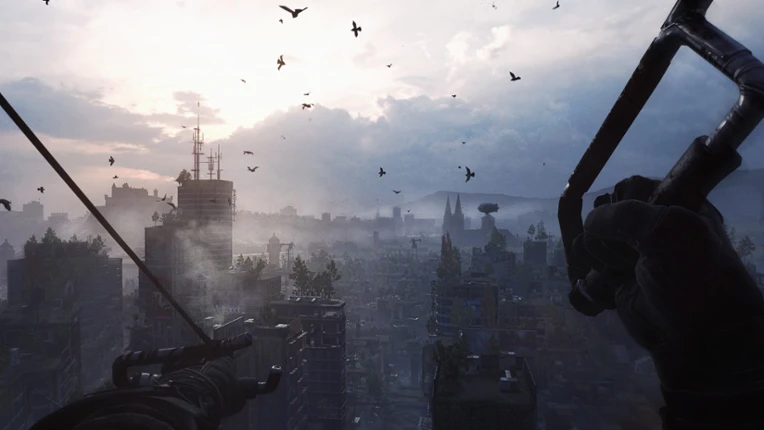
Dying Light 2 shifts to a post‑apocalyptic cityscape with first‑person parkour and zombie hordes, offering a grittier, modern horror spin for thrill‑seekers.
If you enjoyed this game, see our list of games similar to Dying Light 2 Stay Human.View Game
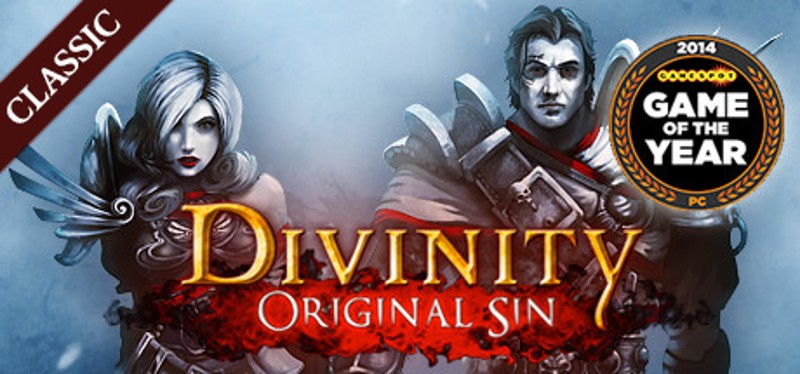
- 88%Game Brain ScoreMost mentioned positive aspects:story, gameplayMost mentioned negative aspects:grinding, stability87% User Score 19,560 reviewsCritic Score 88%24 reviews
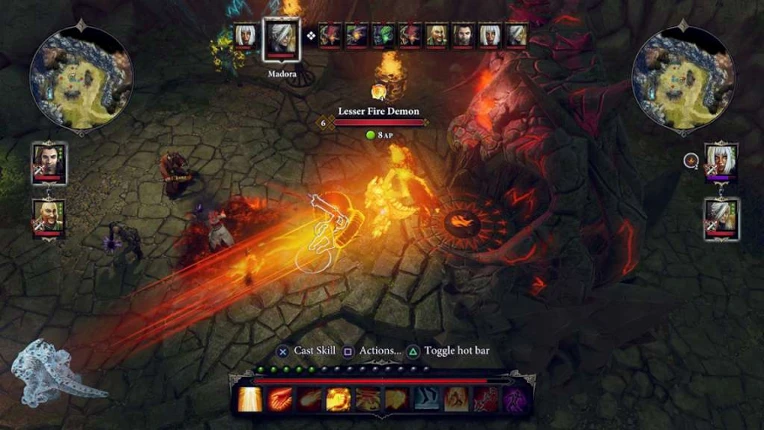
Divinity swaps real‑time combat for strategic turn‑based battles, adding cooperative play and a fantastical world that diverges from KCD’s grounded medieval feel.
If you enjoyed this game, see our list of games similar to Divinity: Original Sin.View Game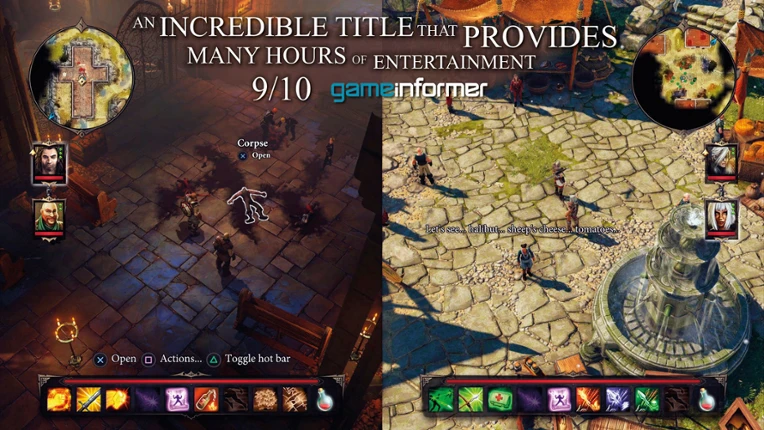
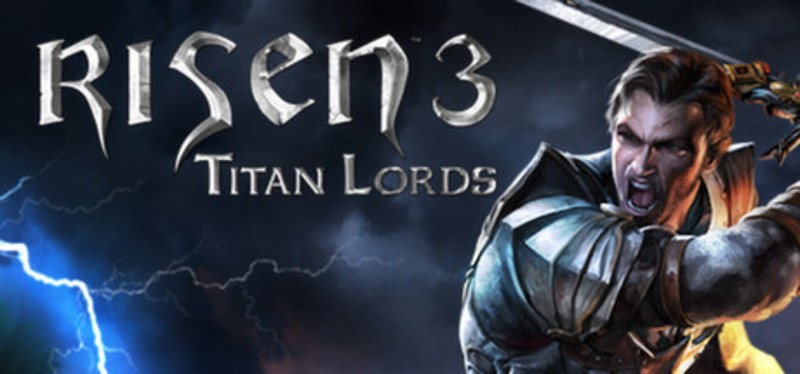
- 69%Game Brain ScoreMost mentioned positive aspects:story, graphicsMost mentioned negative aspects:stability, optimization67% User Score 2,808 reviewsCritic Score 78%2 reviews
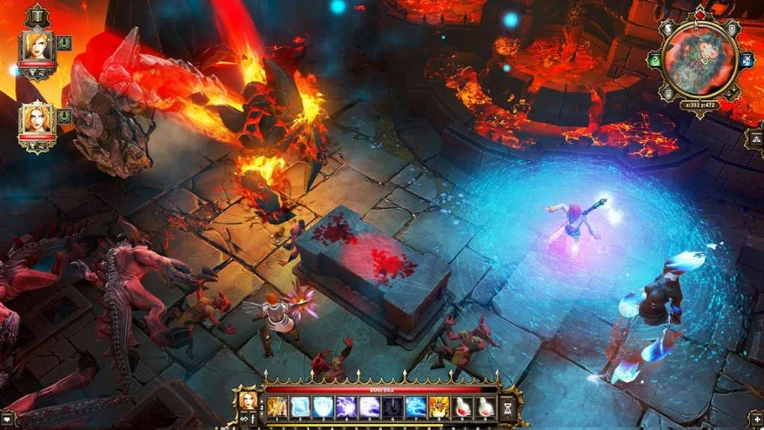
Risen 3 replaces historical grit with a high‑fantasy pirate adventure, adding magic and a tropical open world for lovers of swashbuckling RPGs.
If you enjoyed this game, see our list of games similar to Risen 3 Titan Lords.View Game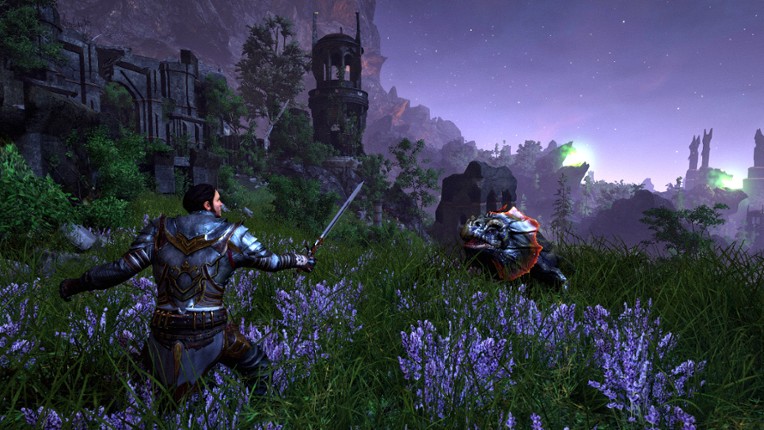
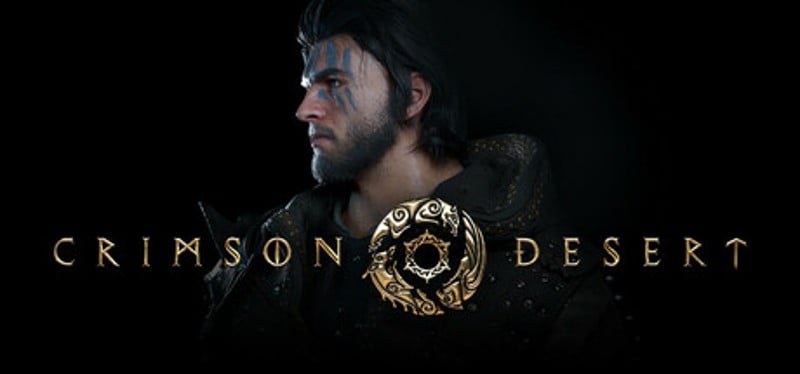
- 84%Game Brain ScoreMost mentioned positive aspects:story, gameplayMost mentioned negative aspects:grinding, stability87% User Score 69,482 reviewsCritic Score 75%3 reviews
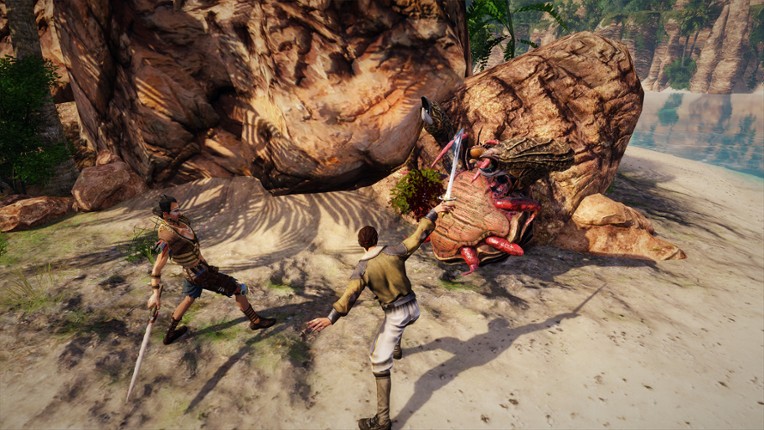
Crimson Desert replaces the medieval countryside with a vast desert empire, blending open‑world action with a more exotic, sand‑filled adventure.
If you enjoyed this game, see our list of games similar to Crimson Desert.View Game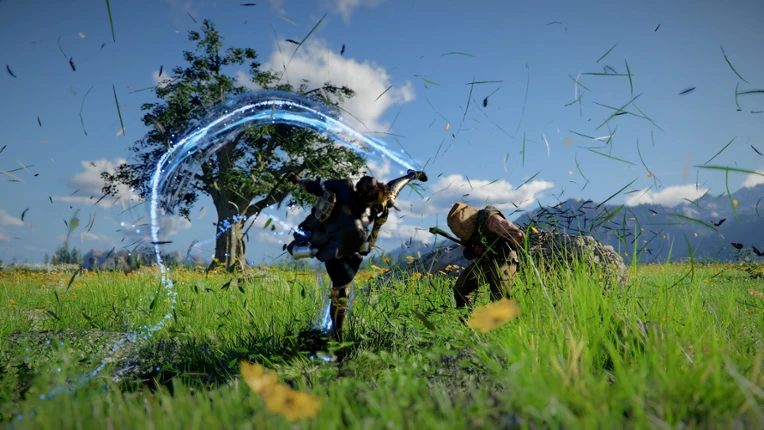

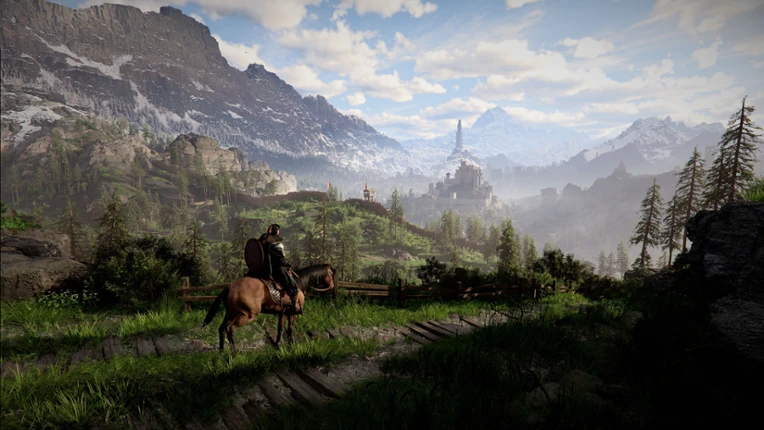
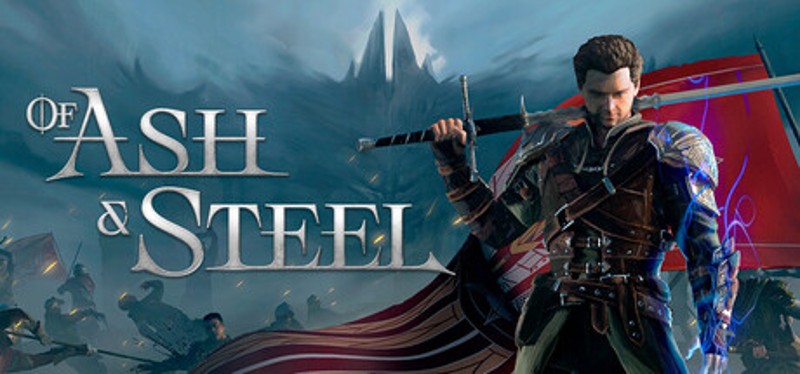
- 57%Game Brain ScoreMost mentioned positive aspects:story, gameplayMost mentioned negative aspects:stability, optimization57% User Score 1,468 reviews
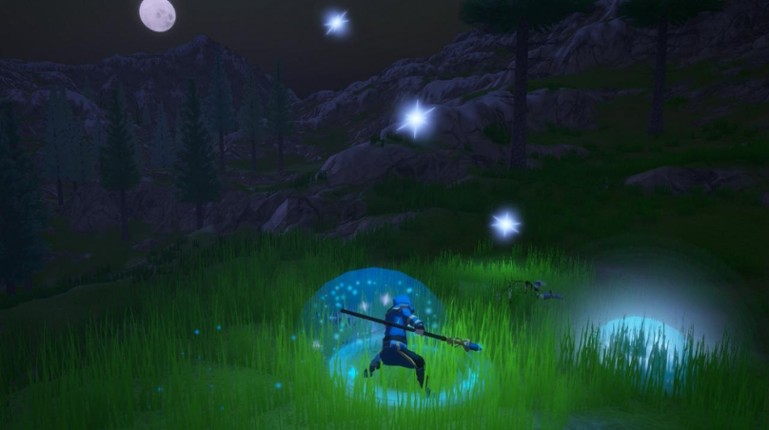
Of Ash and Steel adds dark fantasy magic and gothic atmosphere to a medieval backdrop, catering to players who want a grimmer, spell‑infused twist.
If you enjoyed this game, see our list of games similar to Of Ash and Steel.View Game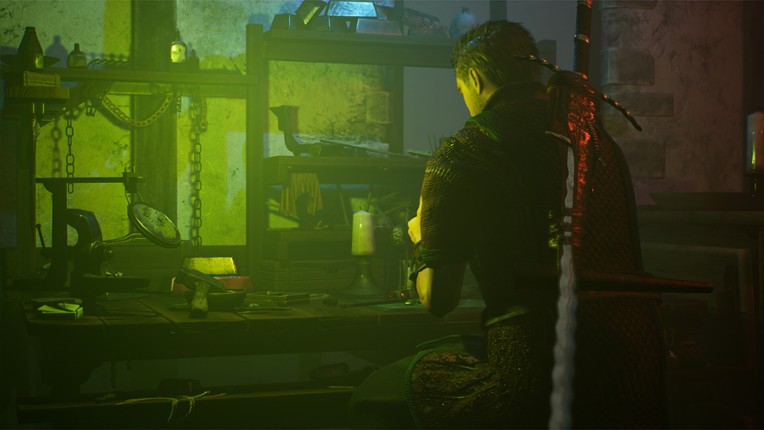
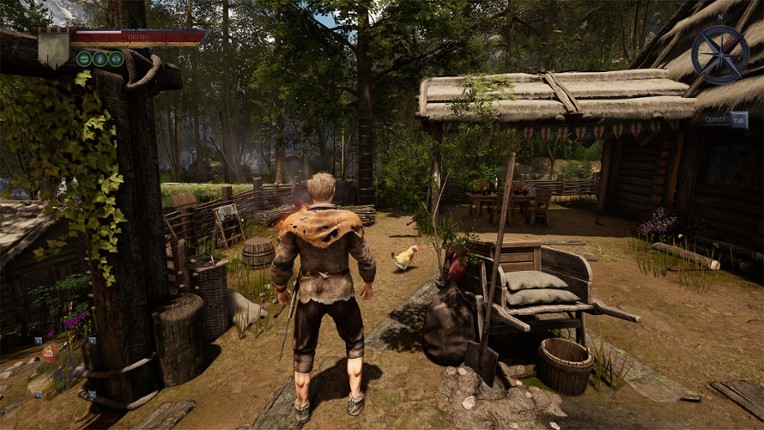
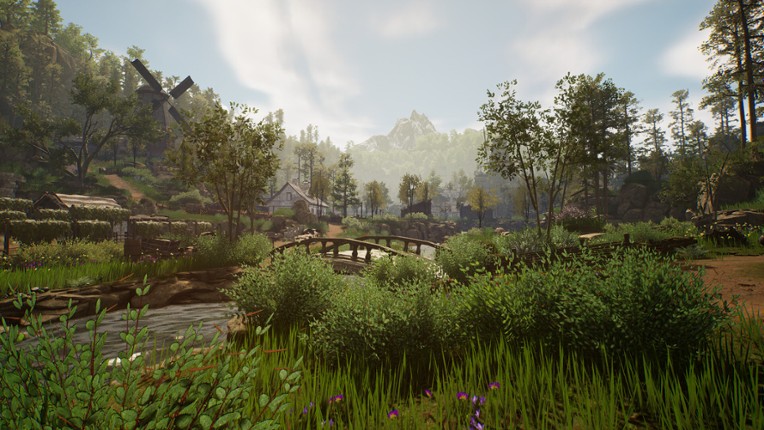
18 View Game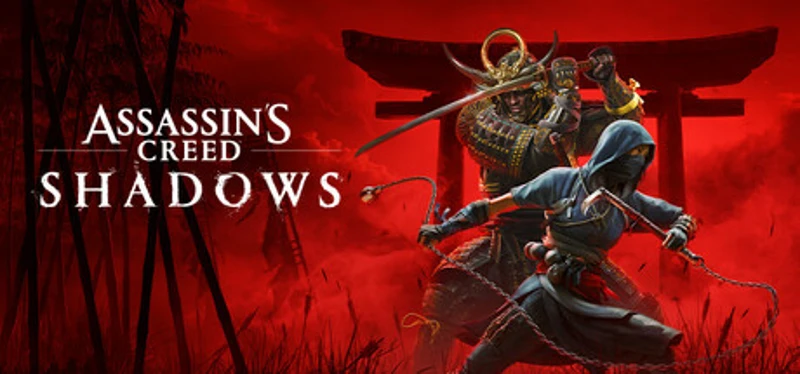 78%Game Brain ScoreMost mentioned positive aspects:story, gameplayMost mentioned negative aspects:stability, grinding78% User Score 14,694 reviews
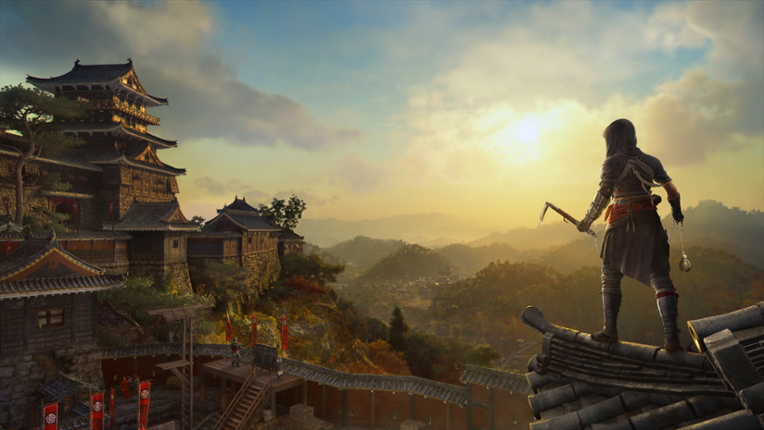
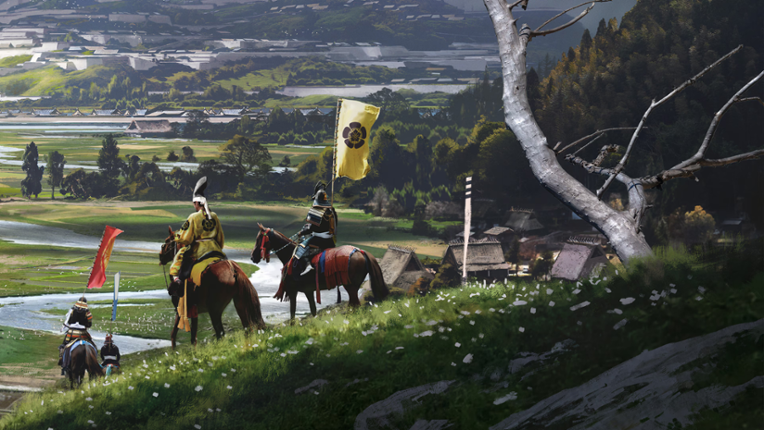
Assassin’s Creed Shadows moves the historical stage to feudal Japan, emphasizing stealth and parkour over KCD’s methodical swordplay for action‑oriented fans.
If you enjoyed this game, see our list of games similar to Assassin's Creed Shadows.View Game
19 View Game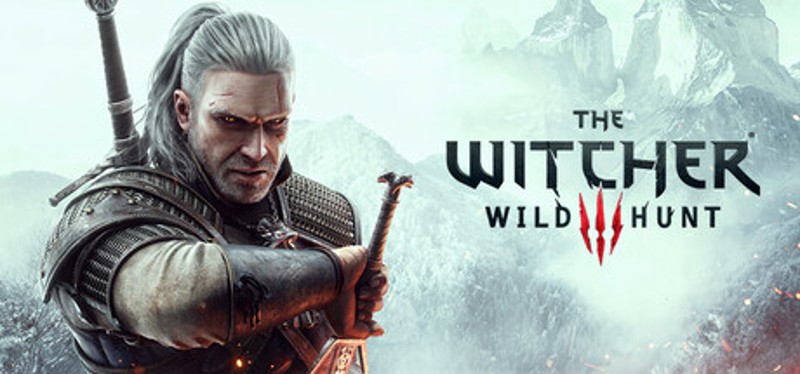 95%Game Brain ScoreMost mentioned positive aspects:story, graphicsMost mentioned negative aspects:stability, grinding97% User Score 245,794 reviewsCritic Score 92%8 reviews
The Witcher 3 shifts from medieval realism to a monster‑hunting fantasy epic, offering a darker, magic‑laden world for fans of narrative‑driven adventures.
If you enjoyed this game, see our list of games similar to The Witcher 3: Wild Hunt.View Game
- 87%Game Brain ScoreMost mentioned positive aspects:story, gameplayMost mentioned negative aspects:optimization, stability89% User Score 65,483 reviewsCritic Score 85%23 reviews
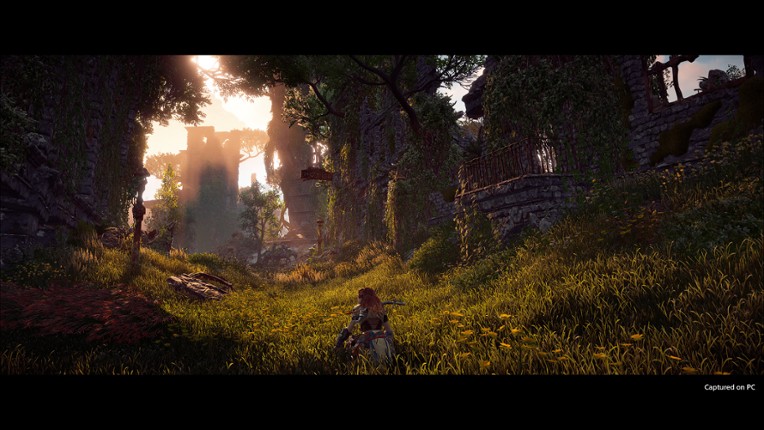
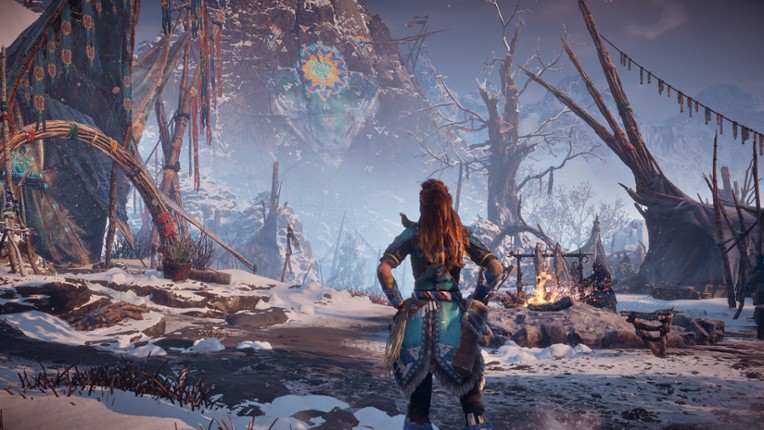
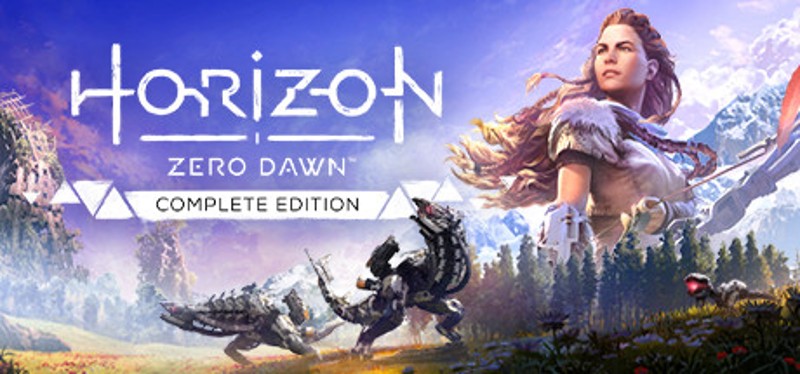
Swaps medieval authenticity for post-apocalyptic machine hunting, maintaining open-world exploration and challenging combat across a visually stunning landscape.
If you enjoyed this game, see our list of games similar to Horizon Zero Dawn.View Game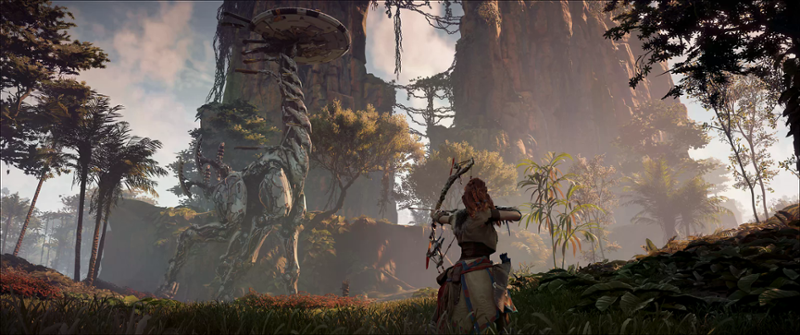
21 View Game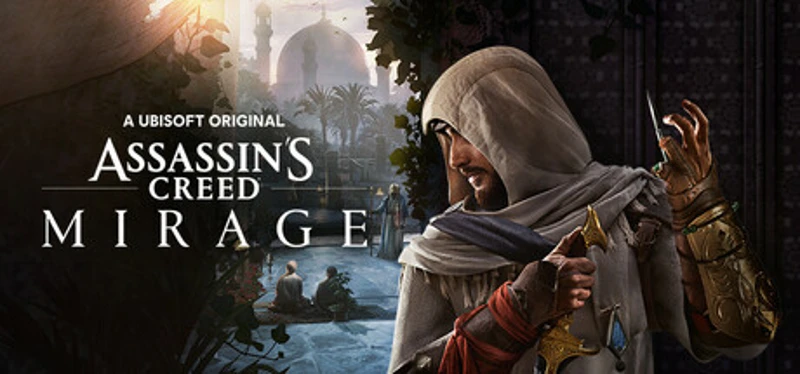 75%Game Brain ScoreMost mentioned positive aspects:story, gameplayMost mentioned negative aspects:stability, grinding77% User Score 5,050 reviewsCritic Score 74%81 reviews
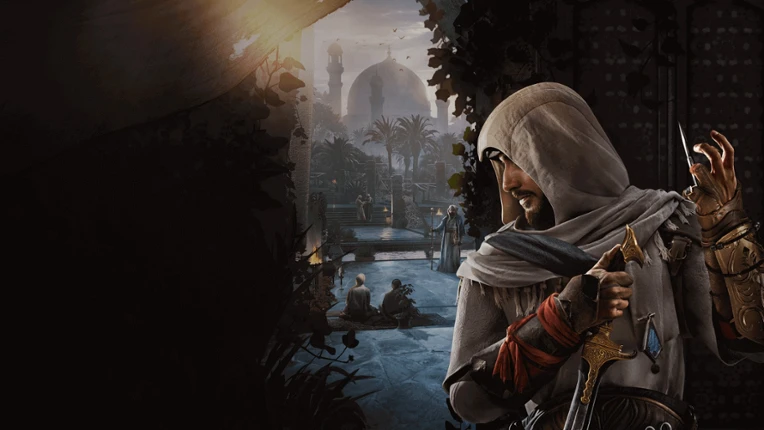
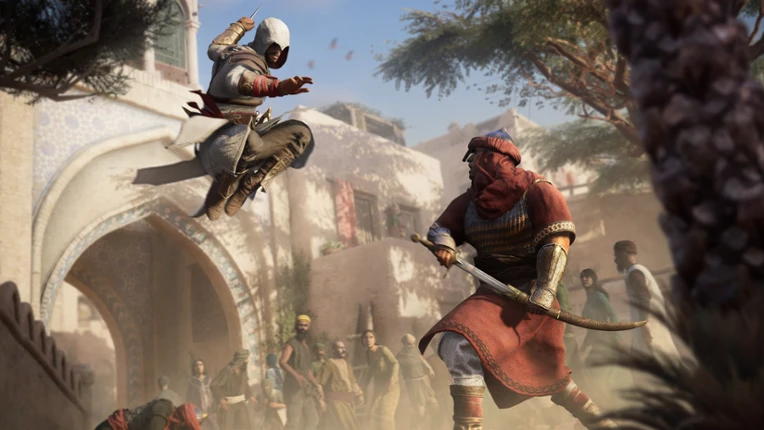
Mirage shifts the setting to 9th‑century Baghdad, emphasizing tight stealth missions and parkour in a vibrant urban landscape, a sharper contrast to KCD’s rural realism.
If you enjoyed this game, see our list of games similar to Assassin's Creed Mirage.View Game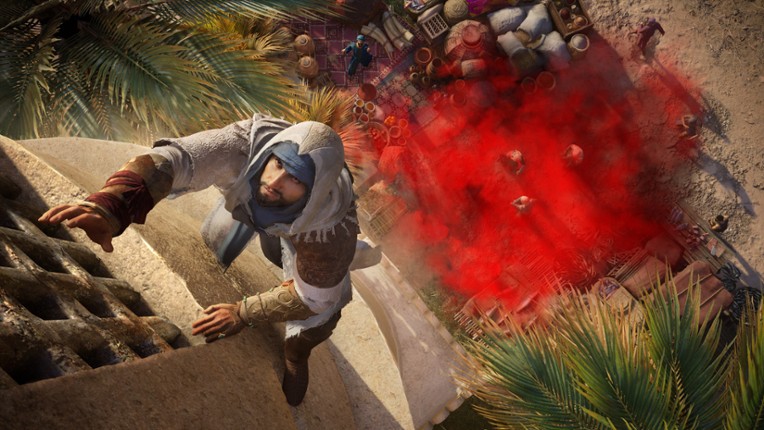
- 80%Game Brain ScoreMost mentioned positive aspects:story, gameplayMost mentioned negative aspects:stability, optimization87% User Score 38,385 reviewsCritic Score 72%73 reviews
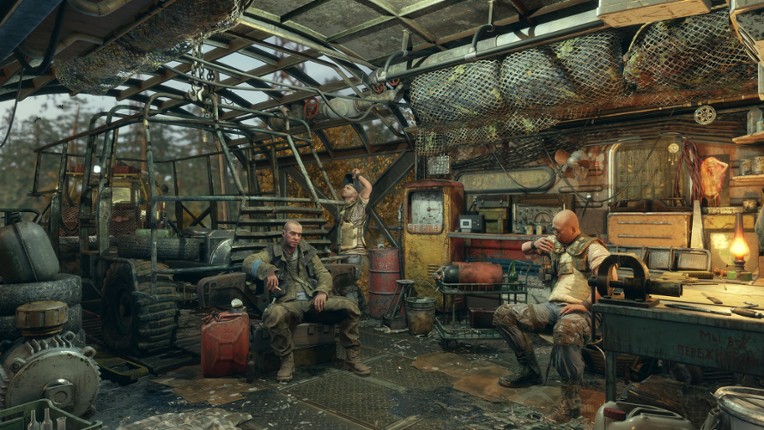
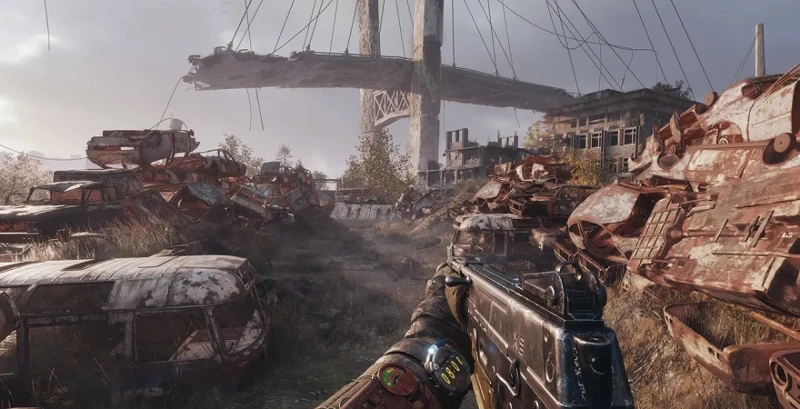
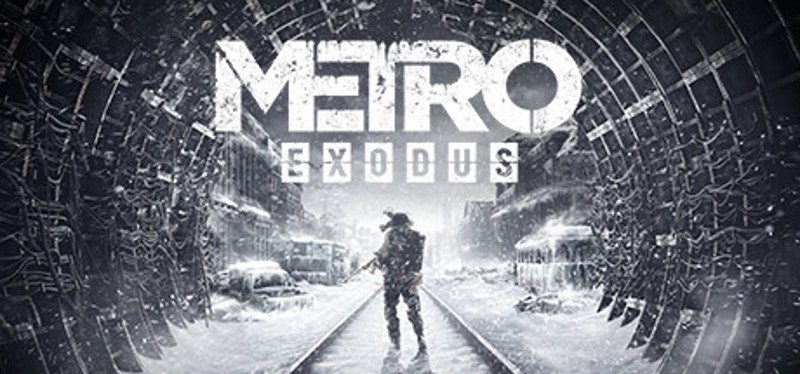
Replaces medieval realism with claustrophobic post-Soviet atmosphere, trading exploration freedom for linear narrative intensity and psychological dread.
If you enjoyed this game, see our list of games similar to Metro Exodus.View Game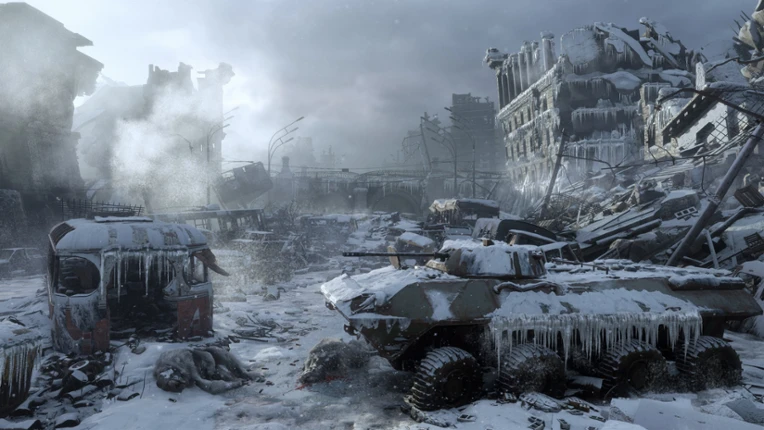
- 66%Game Brain ScoreMost mentioned positive aspects:story, graphicsMost mentioned negative aspects:optimization, music72% User Score 2,544 reviewsCritic Score 61%35 reviews
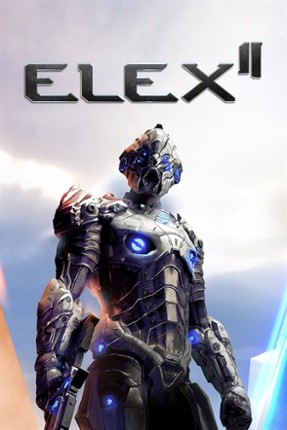
Expands Kingdom Come's trading and RPG systems into a sprawling sci-fantasy dystopia, sacrificing historical grounding for alien worlds and magic.
If you enjoyed this game, see our list of games similar to Elex II.View Game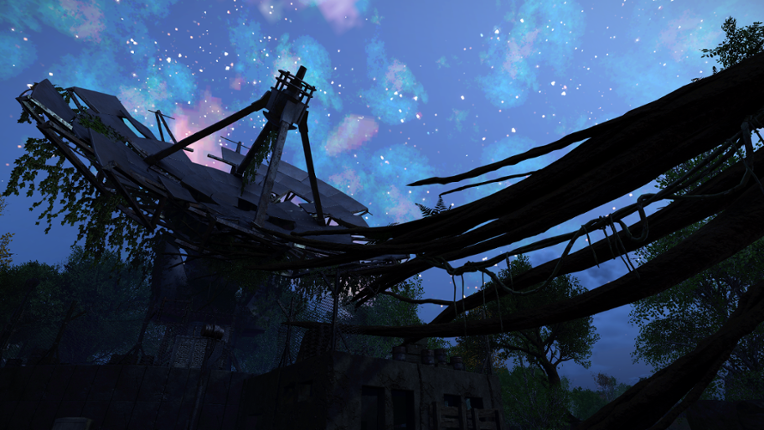
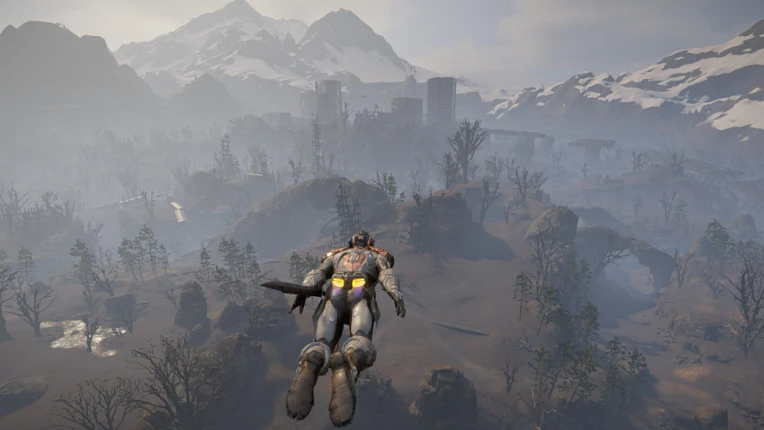
- 70%Game Brain ScoreMost mentioned positive aspects:story, graphicsMost mentioned negative aspects:stability, optimization69% User Score 3,578 reviewsCritic Score 70%2 reviews
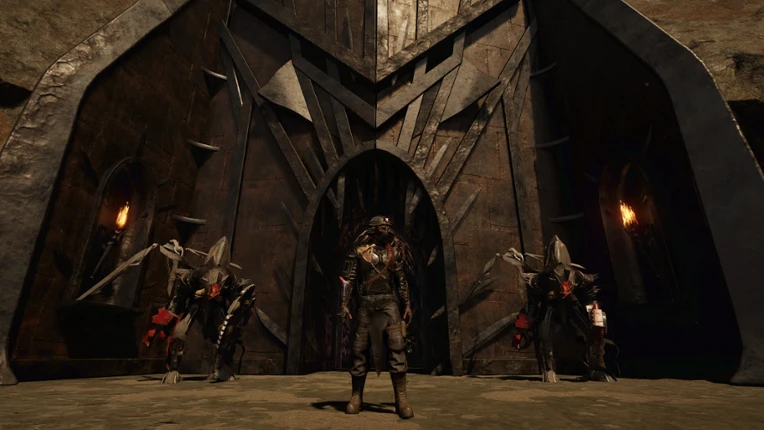
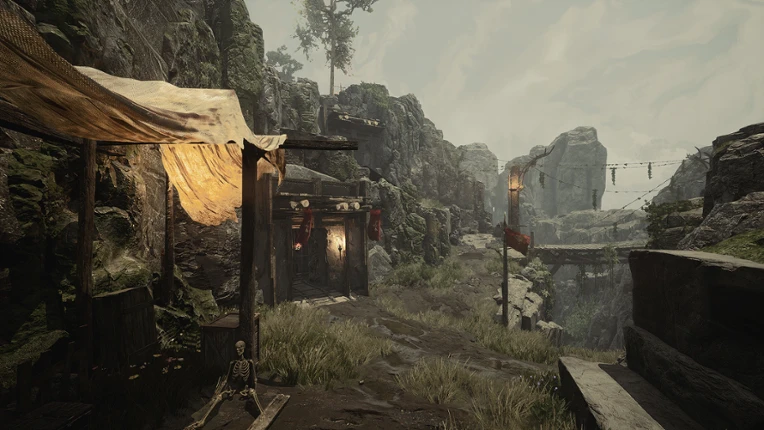
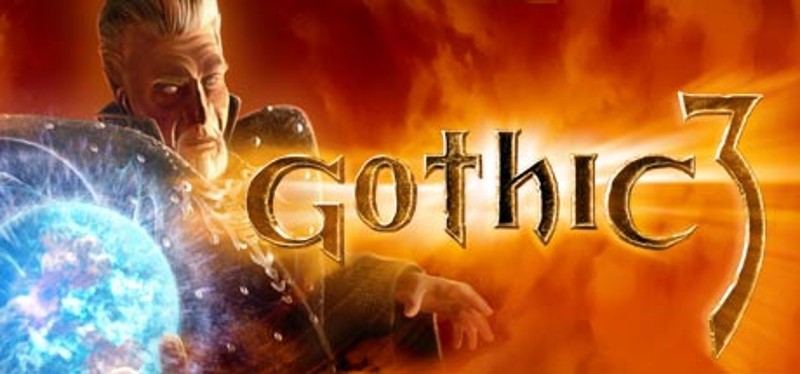
Captures the gothic medieval atmosphere and rewarding exploration but leans harder into dark fantasy magic and classic action RPG mechanics.
If you enjoyed this game, see our list of games similar to Gothic 3.View Game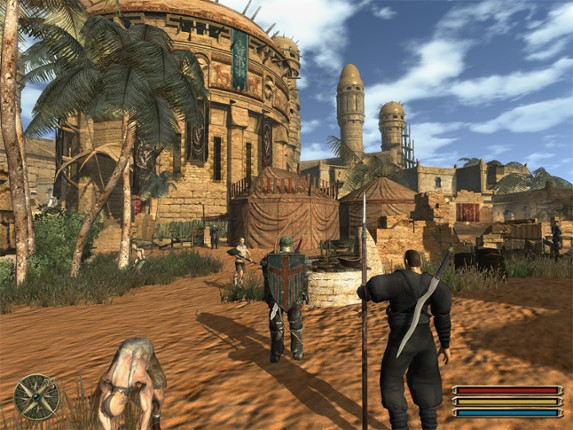
- 80%Game Brain ScoreMost mentioned positive aspects:story, gameplayMost mentioned negative aspects:optimization, stability85% User Score 10,022 reviewsCritic Score 74%28 reviews
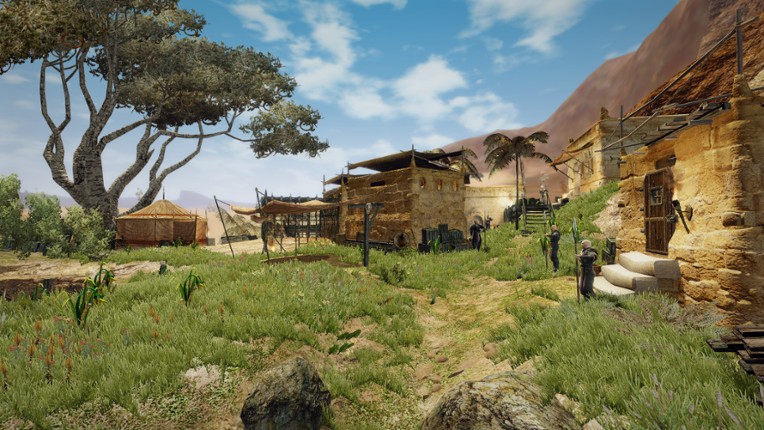
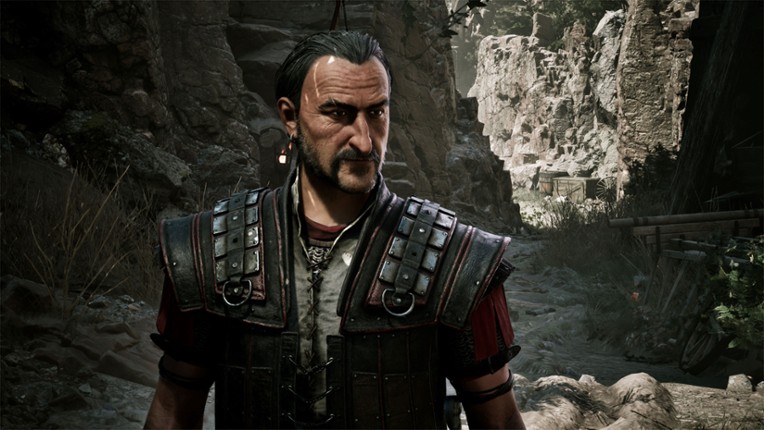
Modernizes the original Gothic formula with improved graphics and realism while preserving crafting, morality choices, and atmospheric medieval-gothic environments.
If you enjoyed this game, see our list of games similar to Gothic 1 Remake.View Game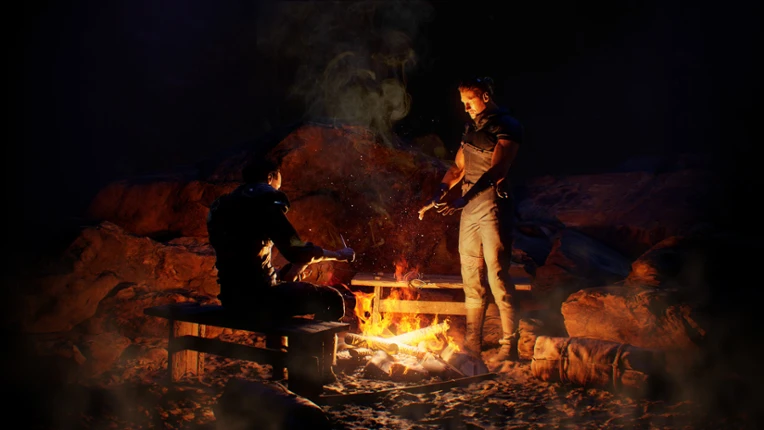
- 75%Game Brain ScoreMost mentioned positive aspects:story, gameplayMost mentioned negative aspects:stability, optimization75% User Score 2,630 reviews
Maintains medieval fantasy and open-world trading but emphasizes co-op multiplayer and character customization over solo story depth.
If you enjoyed this game, see our list of games similar to Two Worlds Epic Edition.View Game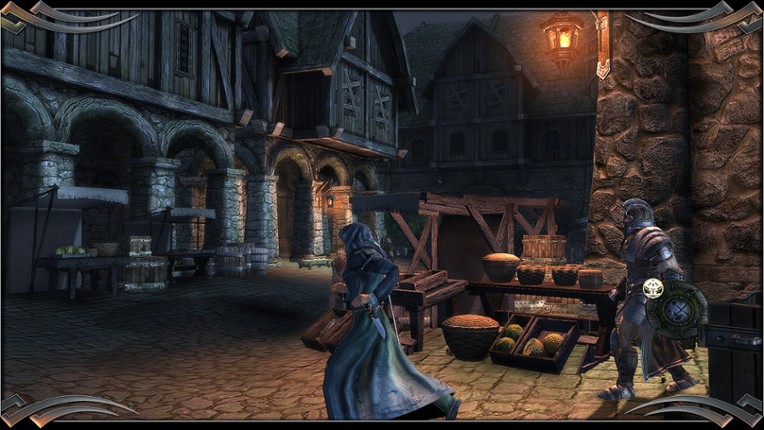
- 94%Game Brain ScoreMost mentioned positive aspects:story, gameplayMost mentioned negative aspects:stability, grinding94% User Score 15,780 reviews
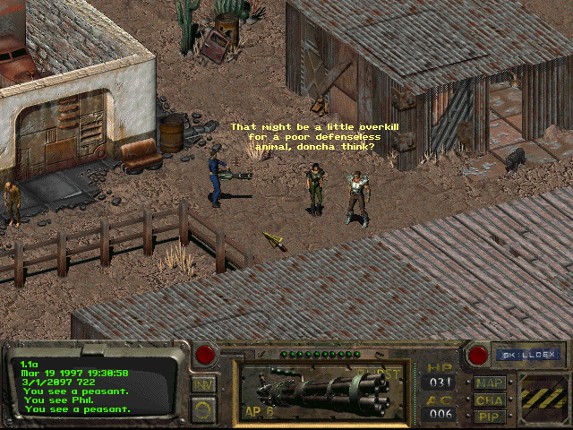
Abandons medieval history for post-nuclear wasteland survival, trading action combat for turn-based tactics and branching role-playing choices.
If you enjoyed this game, see our list of games similar to Fallout.View Game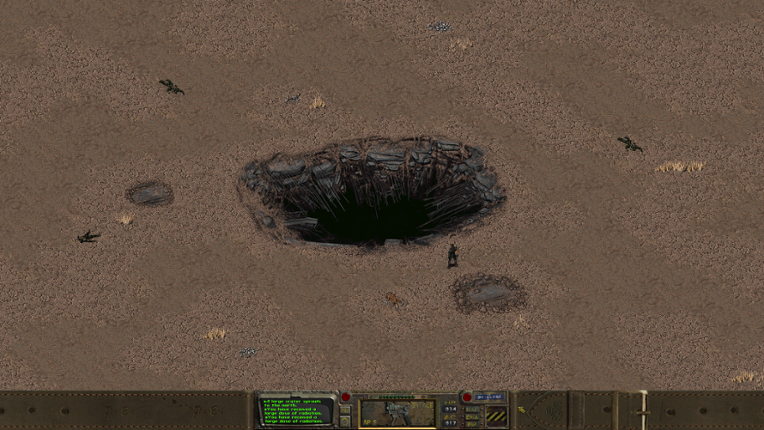
28 View Game 85%Game Brain ScoreMost mentioned positive aspects:story, gameplayMost mentioned negative aspects:grinding, stability89% User Score 18,237 reviewsCritic Score 80%46 reviews
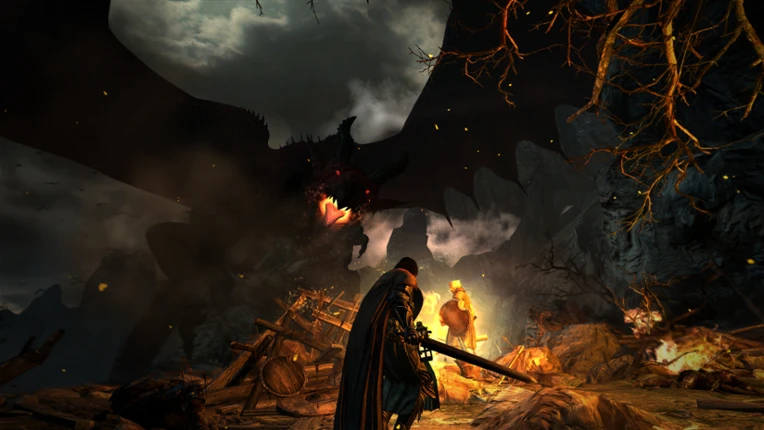
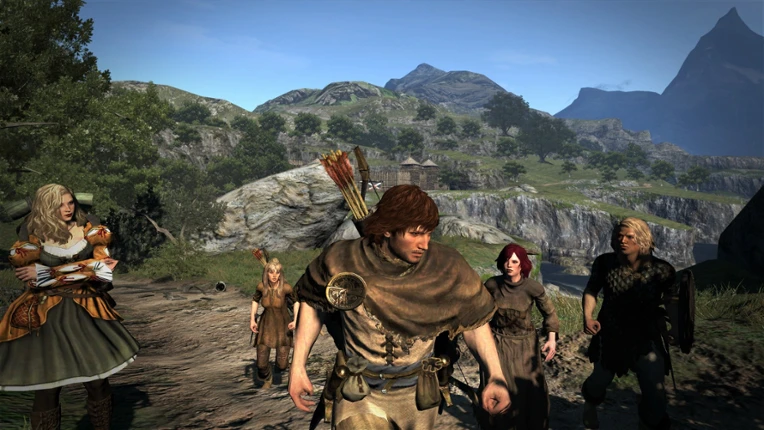
Channels medieval fantasy adventure into tactile, visceral monster hunting with pawn companions, prioritizing dynamic combat encounters over narrative cohesion.
If you enjoyed this game, see our list of games similar to Dragon's Dogma: Dark Arisen.View Game
- 84%Game Brain ScoreMost mentioned positive aspects:story, gameplayMost mentioned negative aspects:grinding, stability94% User Score 4,813 reviewsCritic Score 70%6 reviews
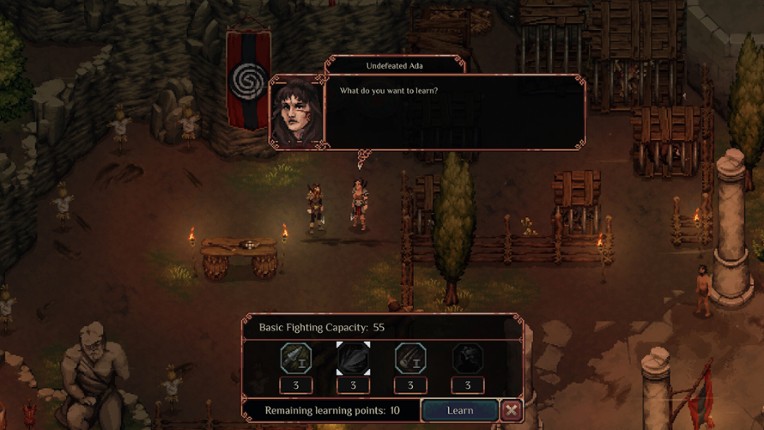
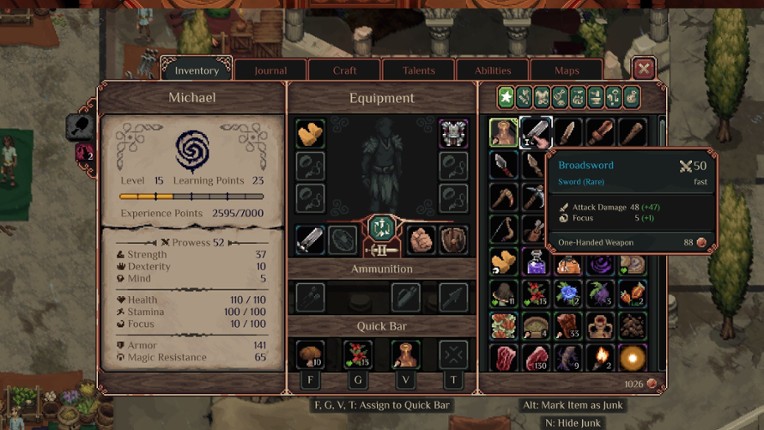
Swap the realistic medieval setting for a grim, 2D souls-like landscape where your choices define survival in a mystical, dark fantasy world.
If you enjoyed this game, see our list of games similar to Drova: Forsaken Kin.View Game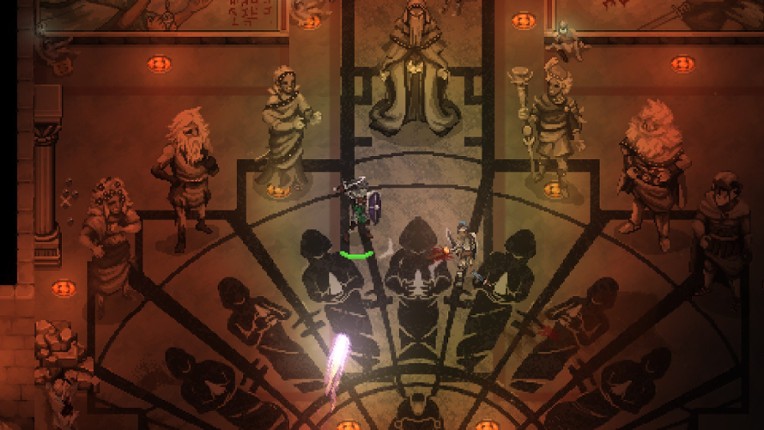
30 View Game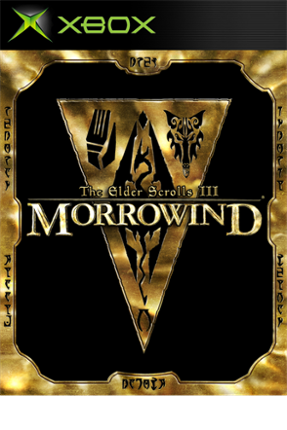 93%Game Brain ScoreMost mentioned positive aspects:story, graphicsMost mentioned negative aspects:stability, grinding96% User Score 21,512 reviewsCritic Score 85%2 reviews
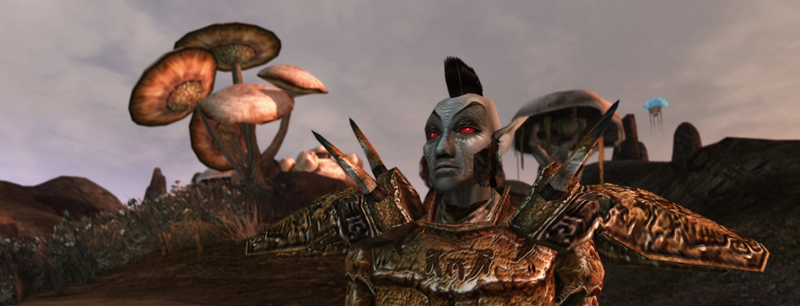
Replaces Henrys grounded journey with an alien, lore-heavy island where the focus shifts toward player freedom and unrestricted magic system mastery.
If you enjoyed this game, see our list of games similar to The Elder Scrolls III: Morrowind.View Game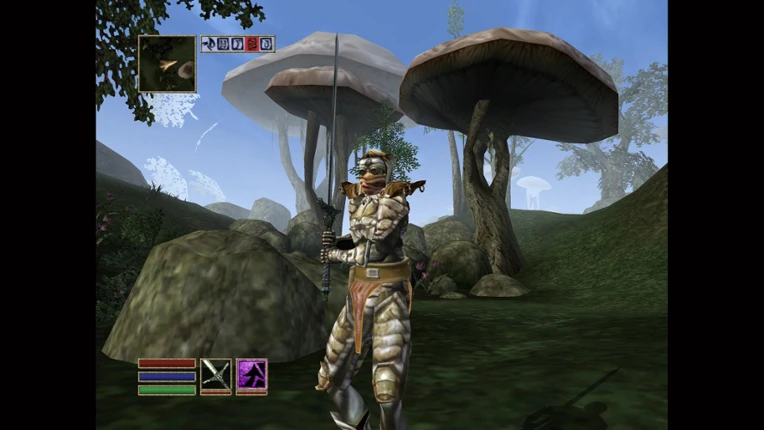
- 83%Game Brain ScoreMost mentioned positive aspects:story, gameplayMost mentioned negative aspects:graphics, stability84% User Score 4,550 reviewsCritic Score 80%1 reviews
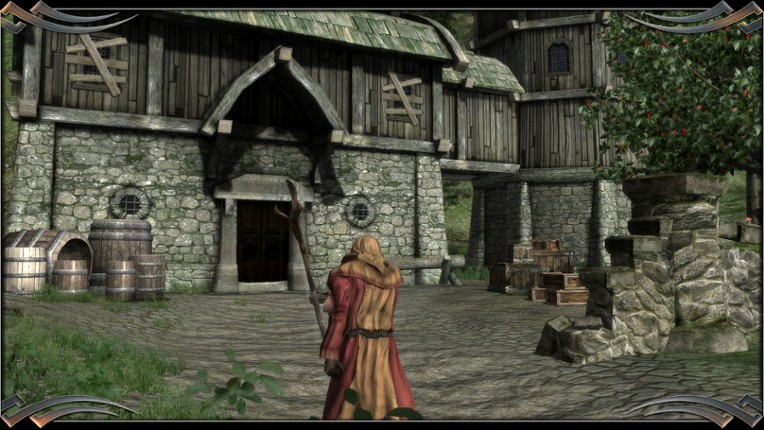
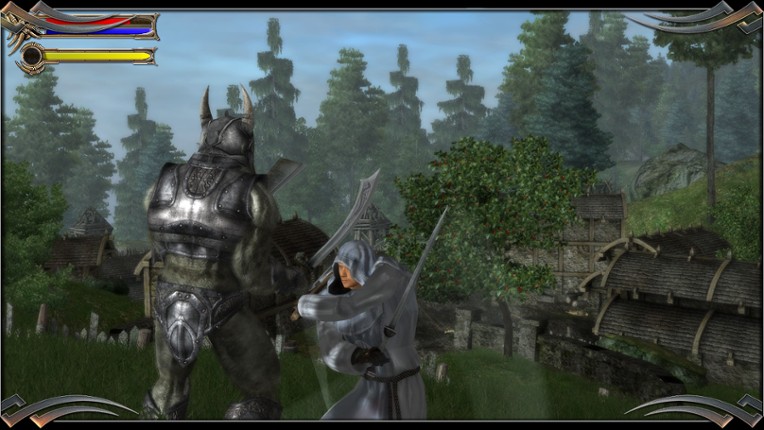
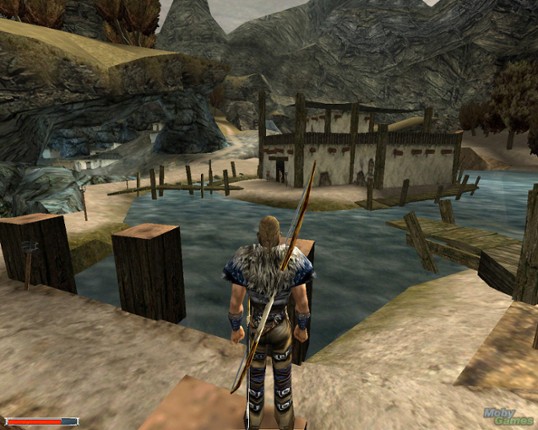
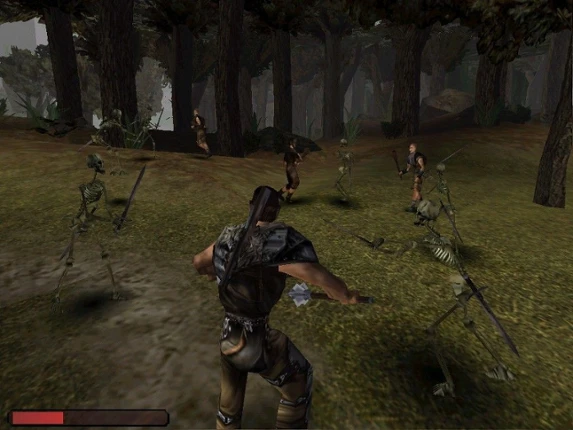
The cult classic that pioneered this formula: grittier, more retro, and mechanically unforgiving, but with the same dark medieval soul.
If you enjoyed this game, see our list of games similar to Gothic.View Game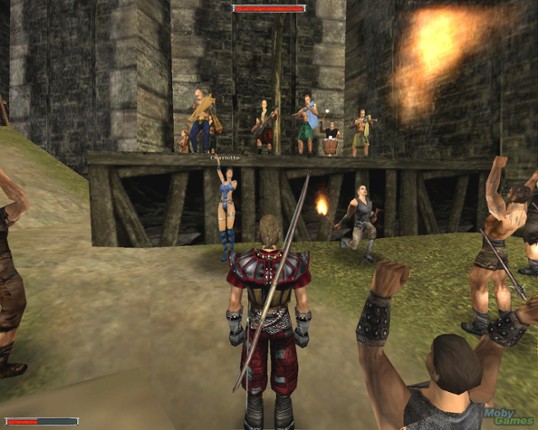
32 View Game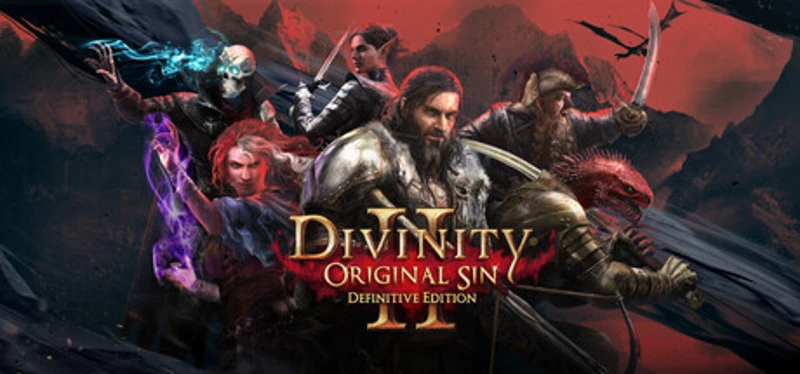 94%Game Brain ScoreMost mentioned positive aspects:story, gameplayMost mentioned negative aspects:grinding, stability95% User Score 89,581 reviewsCritic Score 92%37 reviews
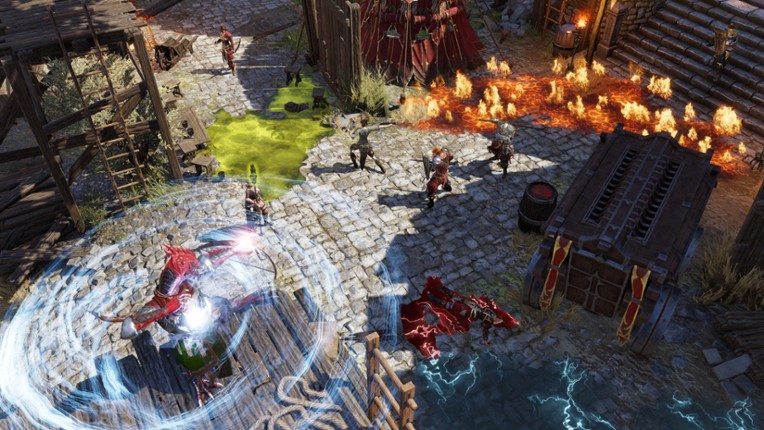
Divides the singular, focused narrative into a sprawling cooperative tactical experience where environment interactions and elemental magic override traditional swordplay.
If you enjoyed this game, see our list of games similar to Divinity: Original Sin 2.View Game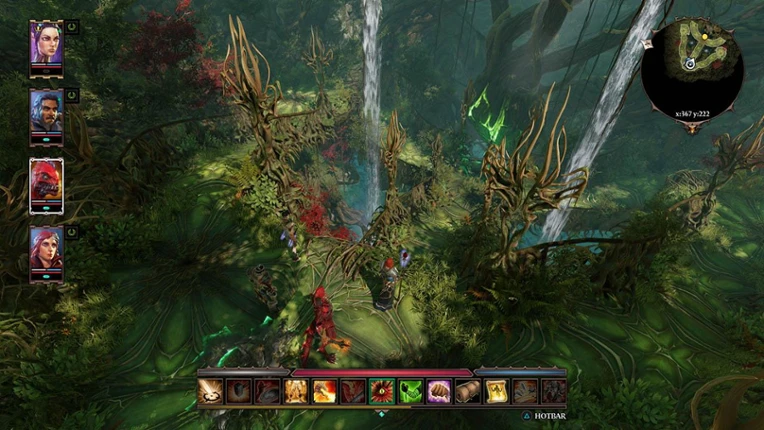
- 75%Game Brain ScoreMost mentioned positive aspects:story, gameplayMost mentioned negative aspects:grinding, stability77% User Score 19,444 reviewsCritic Score 72%45 reviews
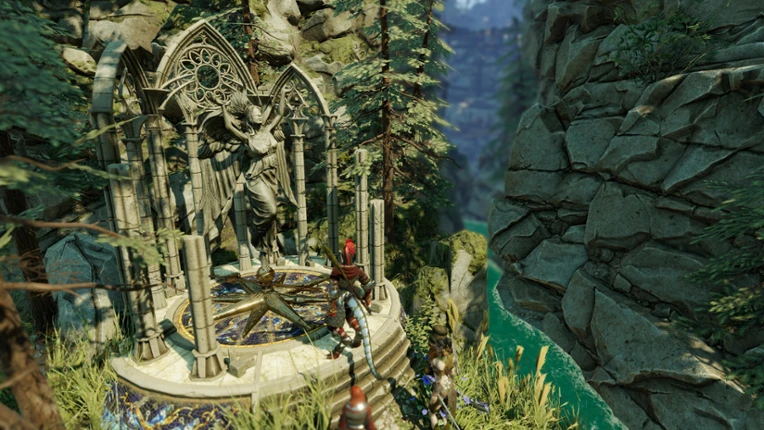
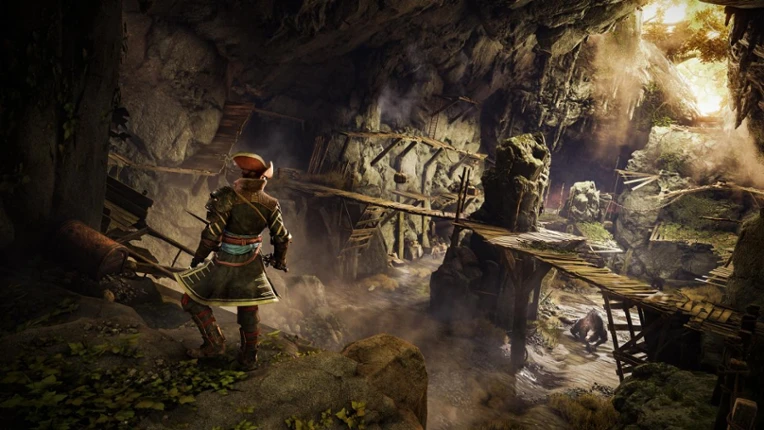
Focuses on colonial exploration and political faction balancing in a fictional 17th-century world, blending historical aesthetics with supernatural fantasy elements.
If you enjoyed this game, see our list of games similar to GreedFall.View Game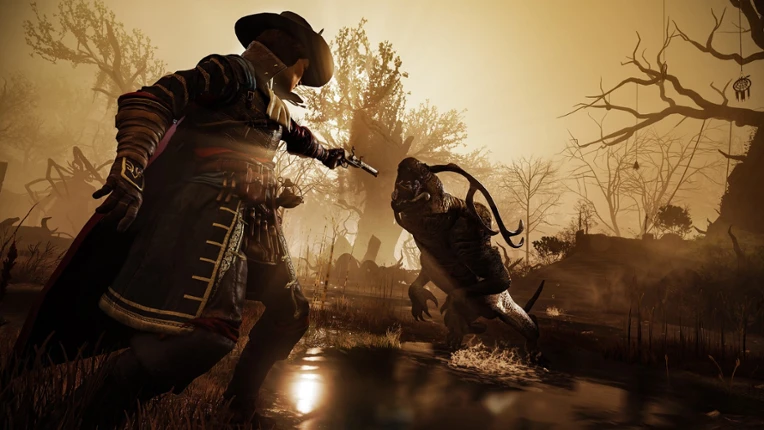
- 81%Game Brain ScoreMost mentioned positive aspects:story, gameplayMost mentioned negative aspects:stability, optimization81% User Score 2,103 reviews
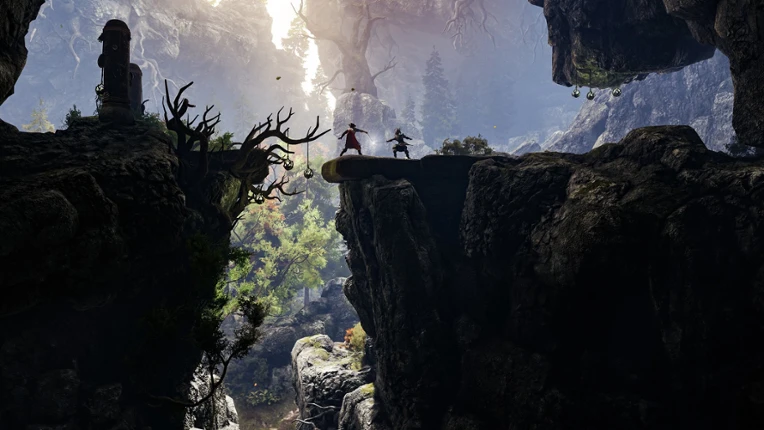
Blends medieval fantasy with comedic tone and dragon-hunting spectacle, offering more character customization and strategic depth than story-driven immersion.
If you enjoyed this game, see our list of games similar to Divinity II: Developer's Cut.View Game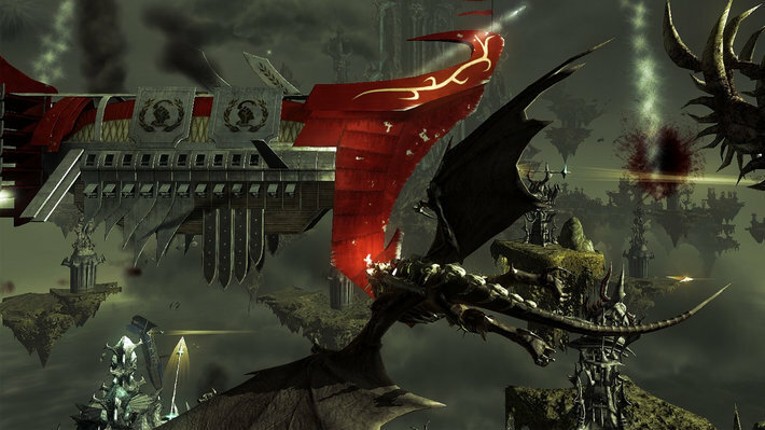
- 89%Game Brain ScoreMost mentioned positive aspects:story, gameplayMost mentioned negative aspects:stability, grinding89% User Score 3,954 reviews
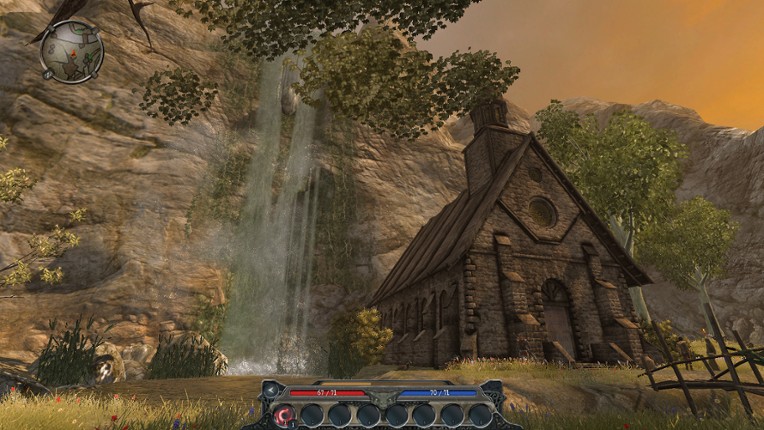
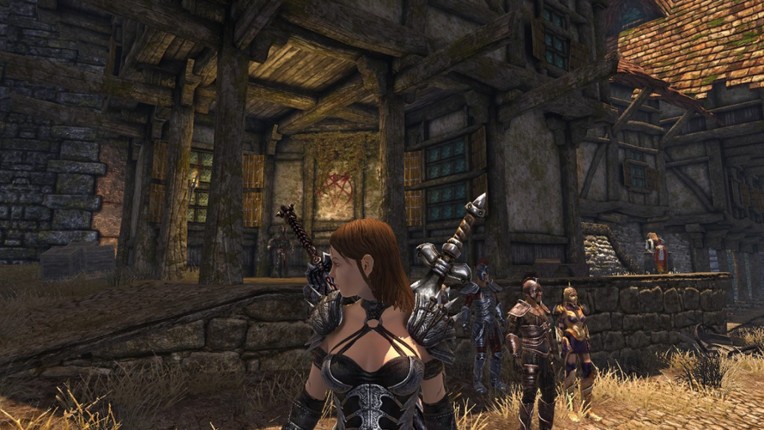
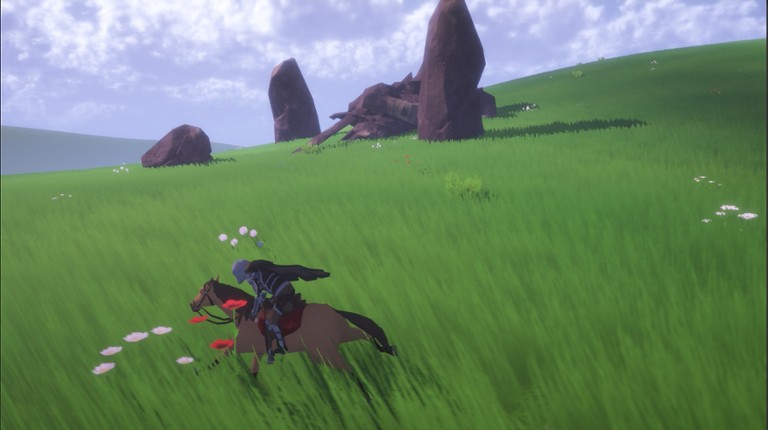
Offers a significantly more relaxed, colorful, and flexible role-playing experience for those who want the freedom of an open world without the grueling difficulty.
If you enjoyed this game, see our list of games similar to Gedonia.View Game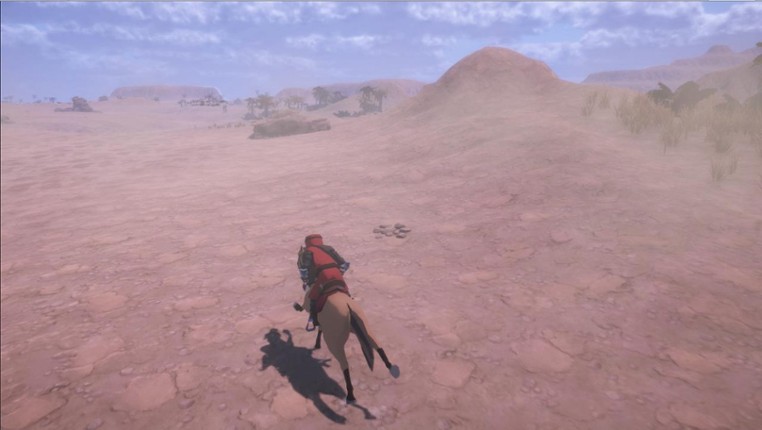
36 View Game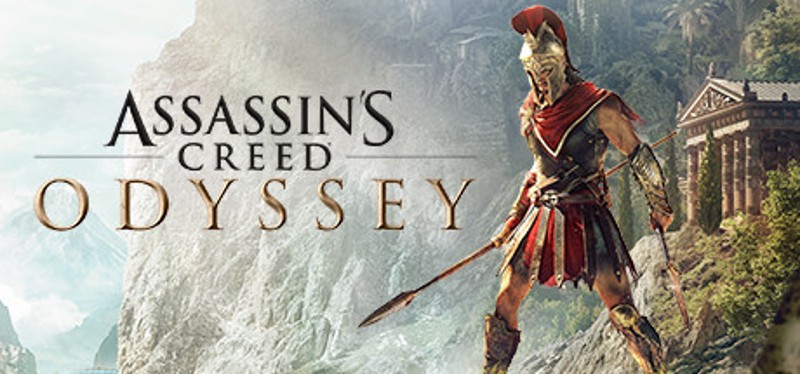 89%Game Brain ScoreMost mentioned positive aspects:story, gameplayMost mentioned negative aspects:grinding, optimization90% User Score 102,204 reviewsCritic Score 89%10 reviews
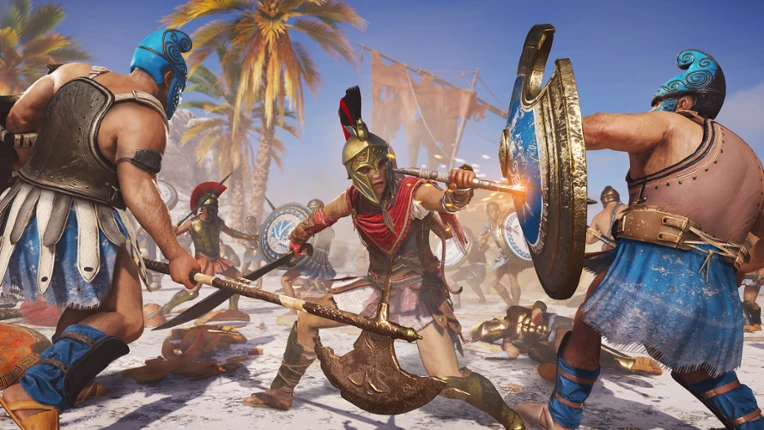
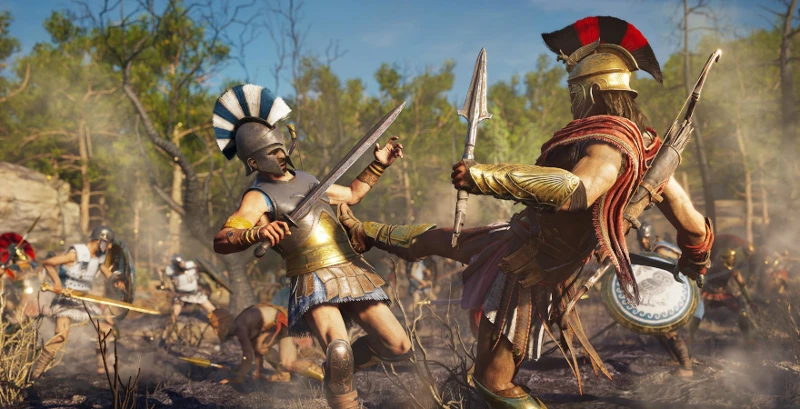
Prioritizes cinematic, large-scale mythological adventure and fast-paced parkour over the slow, methodical pace and punishing survival mechanics of a true historical simulation.
If you enjoyed this game, see our list of games similar to Assassin's Creed Odyssey.View Game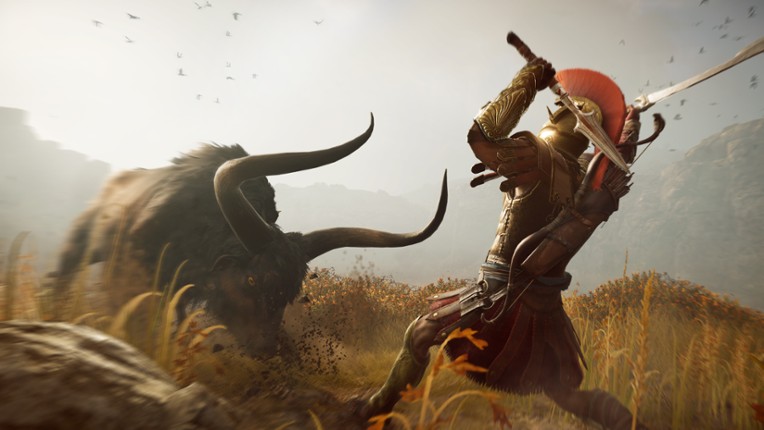
- 91%Game Brain ScoreMost mentioned positive aspects:story, graphicsMost mentioned negative aspects:stability, grinding94% User Score 51,832 reviewsCritic Score 88%35 reviews
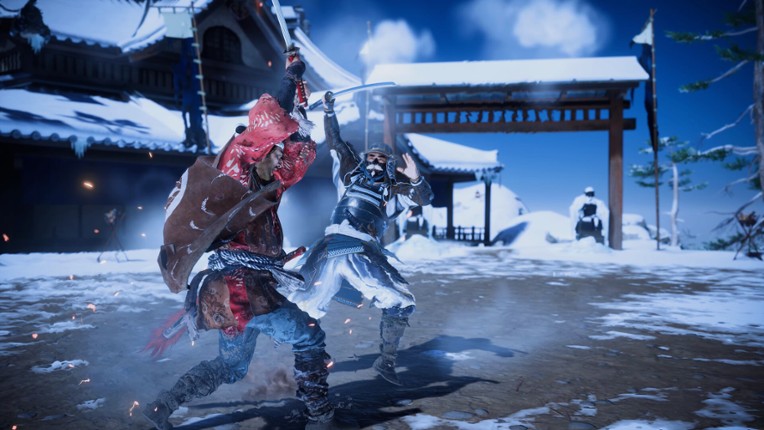
Captures the beauty of a historical period while trading the janky, hyper-realistic medieval survival for a polished, highly stylized tale of samurai honor.
If you enjoyed this game, see our list of games similar to Ghost of Tsushima.View Game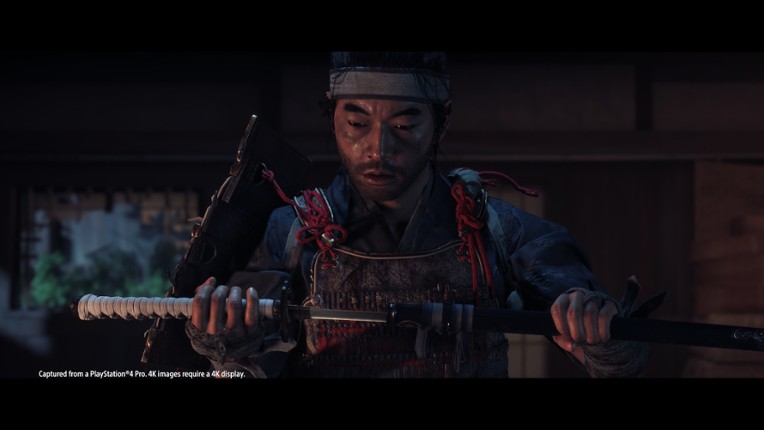

38 View Game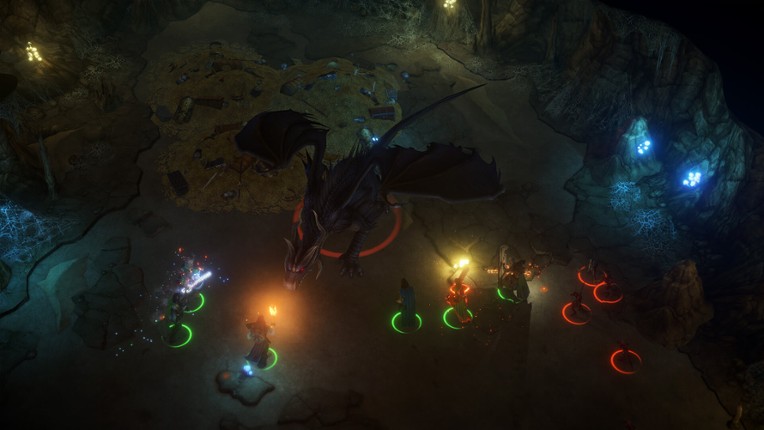
 76%Game Brain ScoreMost mentioned positive aspects:story, gameplayMost mentioned negative aspects:stability, grinding77% User Score 15,052 reviewsCritic Score 73%6 reviews
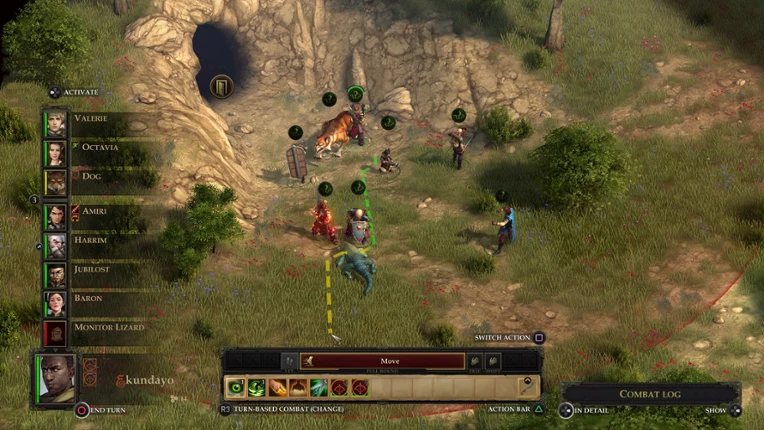
Exchange the first-person historical simulation for a deep, isometric tactical experience centered on kingdom management and complex tabletop party rules.
If you enjoyed this game, see our list of games similar to Pathfinder: Kingmaker.View Game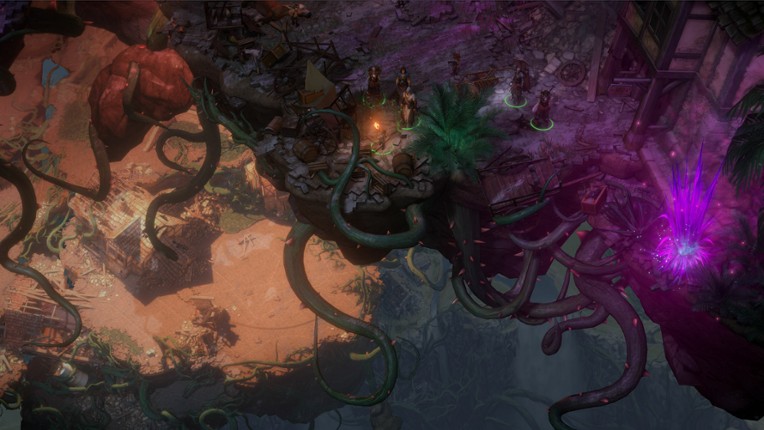
- 81%Game Brain ScoreMost mentioned positive aspects:story, gameplayMost mentioned negative aspects:grinding, stability83% User Score 3,513 reviewsCritic Score 77%5 reviews
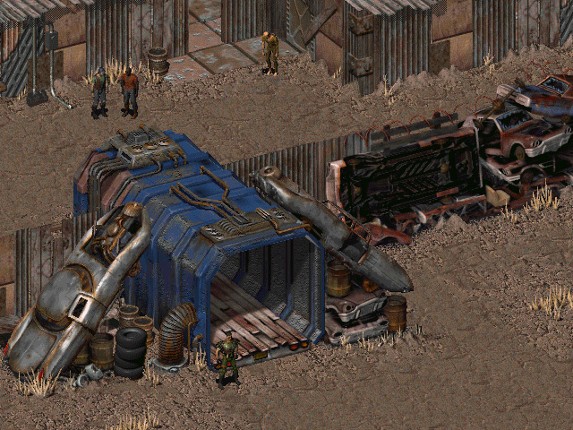
Transports the slow-burn immersion into a gritty, post-apocalyptic wasteland where survival depends on turn-based strategy and scavenged, makeshift weaponry.
If you enjoyed this game, see our list of games similar to Atom RPG.View Game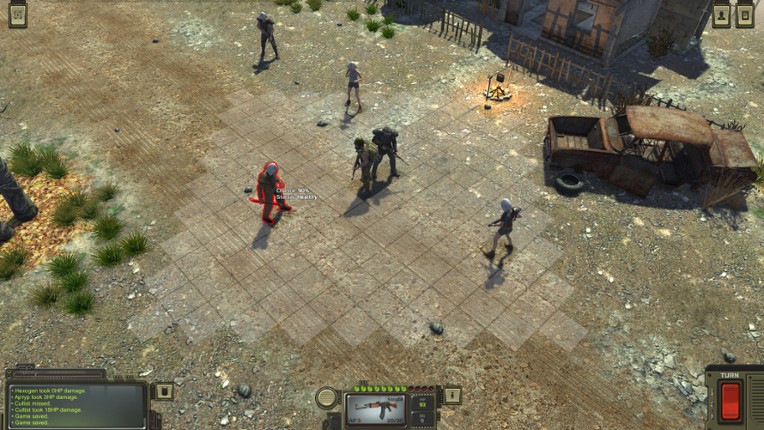
- 94%Game Brain ScoreMost mentioned positive aspects:story, gameplayMost mentioned negative aspects:optimization, grinding94% User Score 553,632 reviewsCritic Score 95%87 reviews
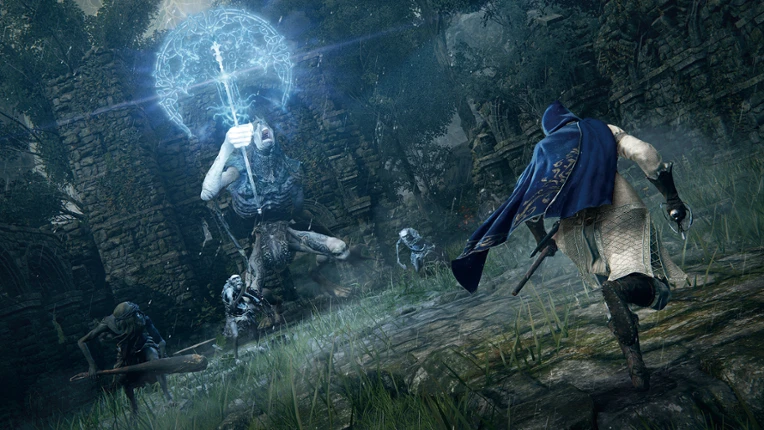
Elevates the challenging combat of the original to an uncompromising, cryptic scale where environmental storytelling replaces realistic historical dialogue and quest logs.
If you enjoyed this game, see our list of games similar to Elden Ring.View Game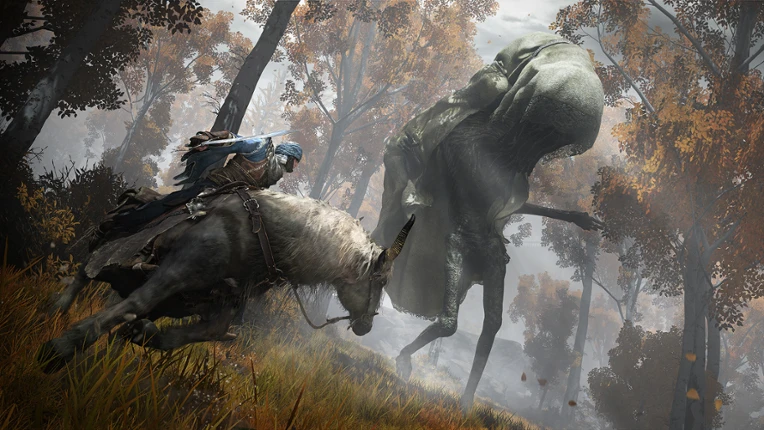
- 67%Game Brain ScoreMost mentioned positive aspects:gameplay, graphicsMost mentioned negative aspects:grinding, stability68% User Score 4,717 reviewsCritic Score 65%2 reviews
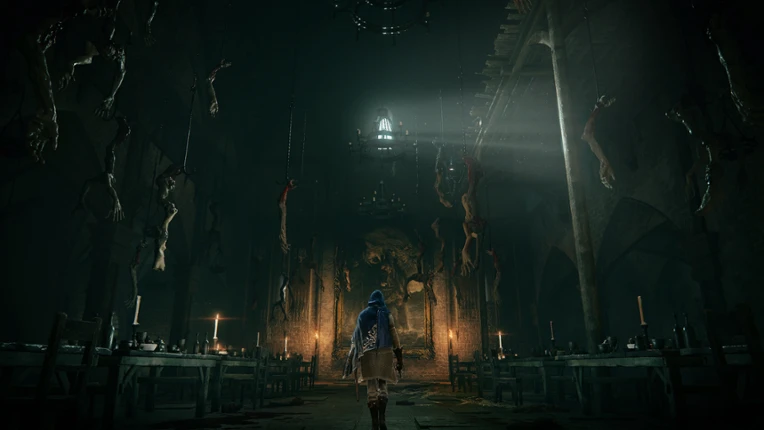
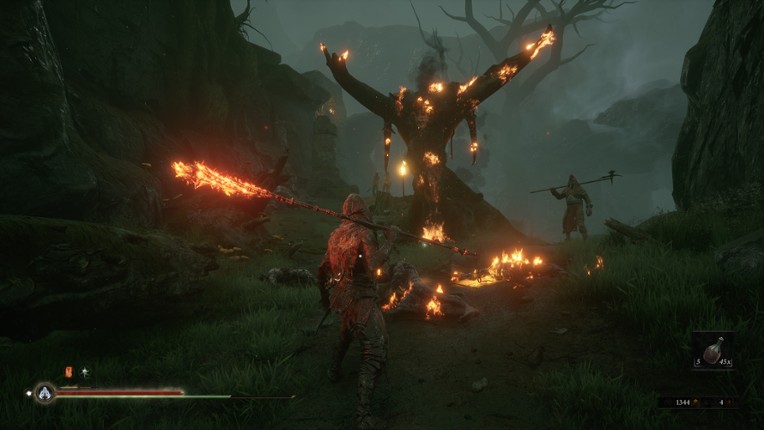
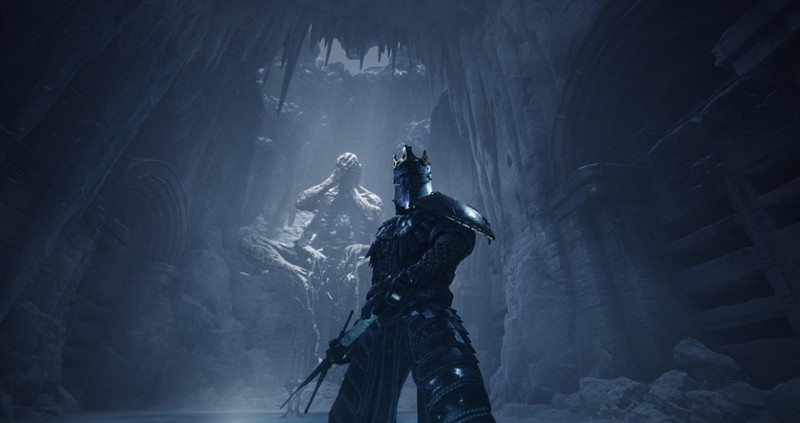
Swaps Kingdom Come's grounded realism for a bleak, corpse-haunted fantasy trial focused on harsh duels, stamina management, and oppressive atmosphere.
If you enjoyed this game, see our list of games similar to Mortal Shell.View Game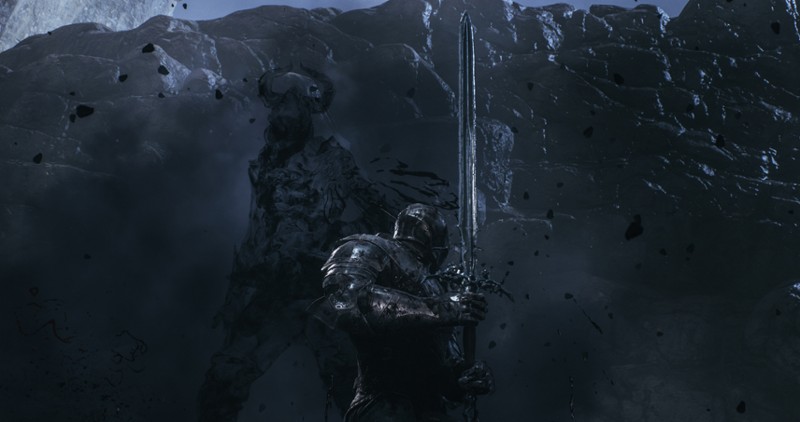
42 View Game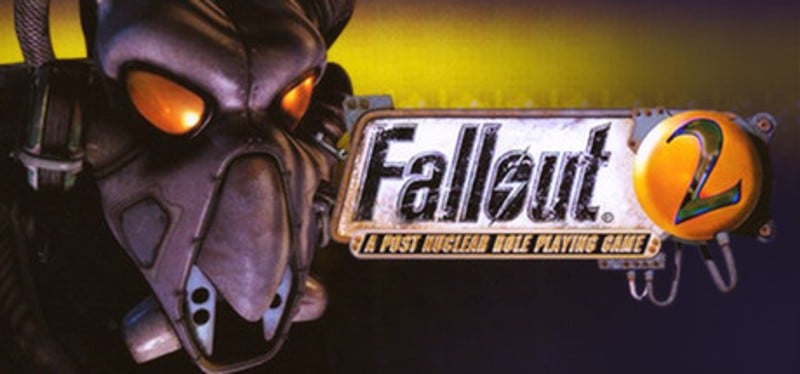 94%Game Brain ScoreMost mentioned positive aspects:story, gameplayMost mentioned negative aspects:graphics, stability94% User Score 15,146 reviews
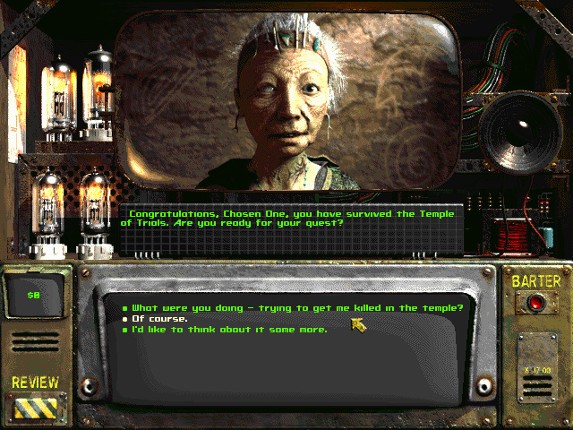
For players who want Kingdom Come's role-playing depth pushed into a far rougher, isometric post-apocalyptic classic with heavier choice reactivity.
If you enjoyed this game, see our list of games similar to Fallout 2: A Post Nuclear Role Playing Game.View Game
- 52%Game Brain ScoreMost mentioned positive aspects:story, graphicsMost mentioned negative aspects:stability, optimization52% User Score 1,040 reviews
War covers the southern islands until it finally reaches the idyllic isle of Feshyr. You take on the role as the new nameless hero after your village has been pillaged and destroyed by paladins of the king. Seeking revenge, you soon realize that this cowardly attack did not just happen on a reckless mercenary`s whim. A mysterious evil power lies in waiting and fortunately you’re not alone to unrav… If you enjoyed this game, see our list of games similar to ArcaniA.
View Game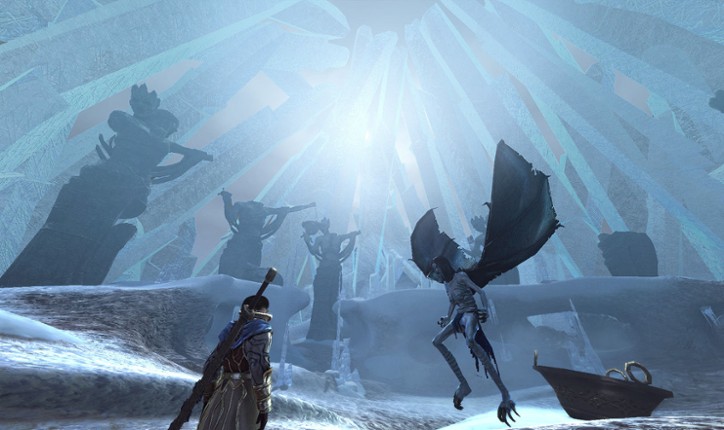
44 View Game 84%Game Brain ScoreMost mentioned positive aspects:story, gameplayMost mentioned negative aspects:grinding, stability83% User Score 5,531 reviewsCritic Score 85%36 reviews
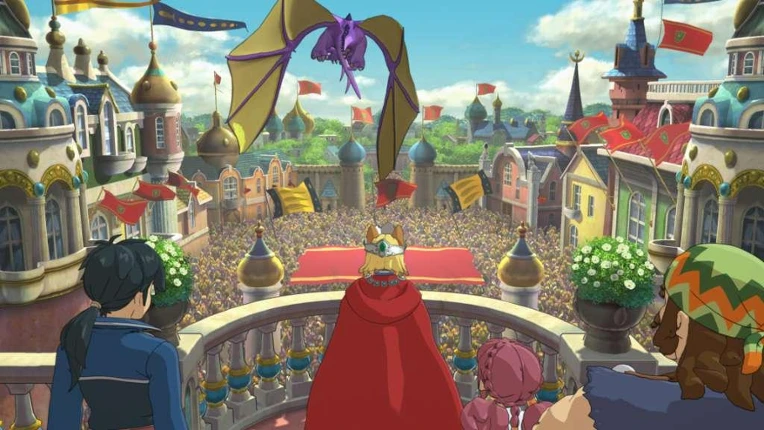
Trades medieval grit for bright, storybook fantasy, appealing to players who want a gentler role-playing journey with kingdom management and charm.
If you enjoyed this game, see our list of games similar to Ni no Kuni 2: Revenant Kingdom.View Game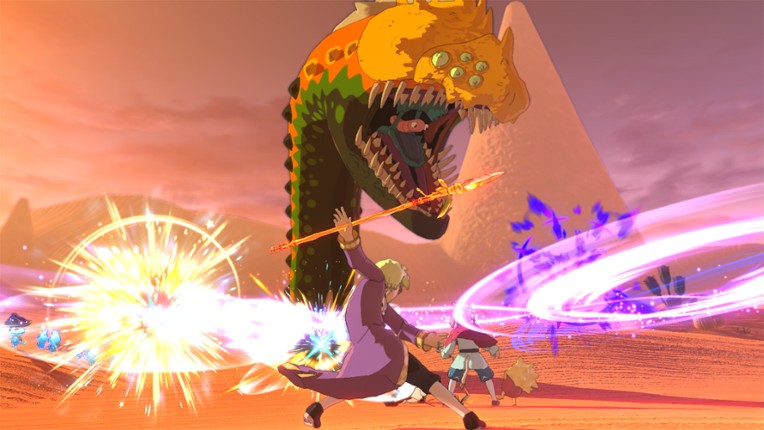

- 60%Game Brain ScoreMost mentioned positive aspects:story, gameplayMost mentioned negative aspects:optimization, stability53% User Score 7,474 reviewsCritic Score 69%8 reviews
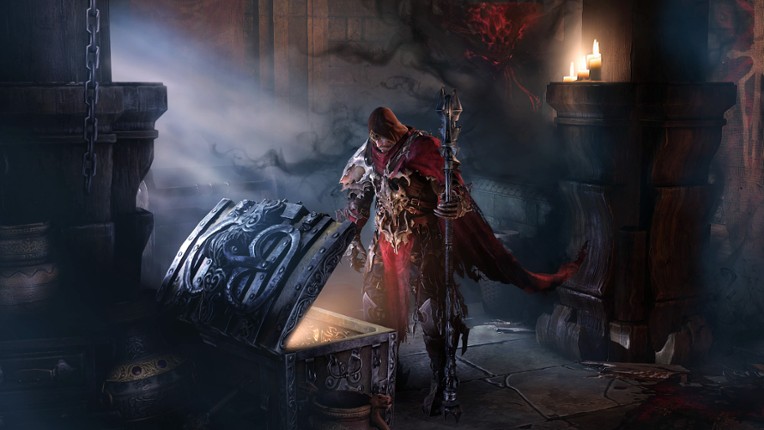
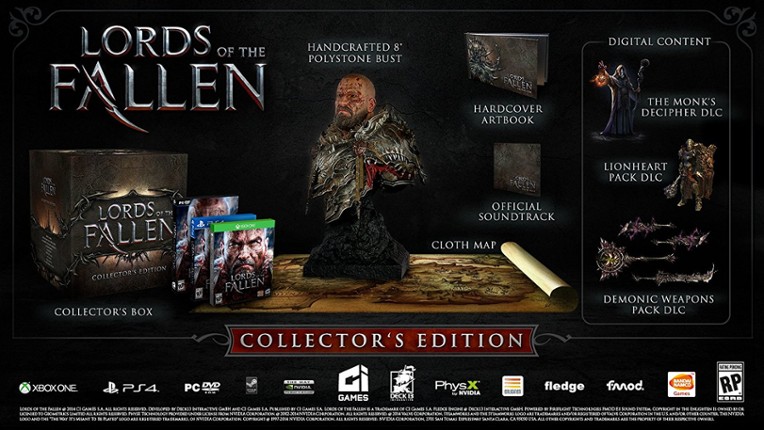
Keeps the hard-fought medieval combat angle, but wraps it in a much darker, more supernatural soulslike world with bosses and lore-heavy exploration.
If you enjoyed this game, see our list of games similar to Lords of the Fallen.View Game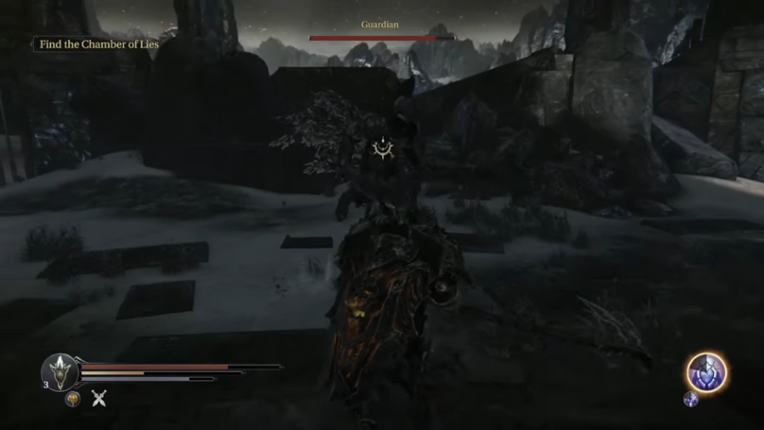
- 86%Game Brain ScoreMost mentioned positive aspects:story, gameplayMost mentioned negative aspects:stability, optimization87% User Score 176,320 reviewsCritic Score 83%6 reviews
For players who want the survival struggle more than the history: this shifts Kingdom Come's RPG journey into a hostile first-person horror sandbox.
If you enjoyed this game, see our list of games similar to Sons Of The Forest.View Game


- 80%Game Brain ScoreMost mentioned positive aspects:gameplay, storyMost mentioned negative aspects:grinding, optimization80% User Score 10,263 reviews
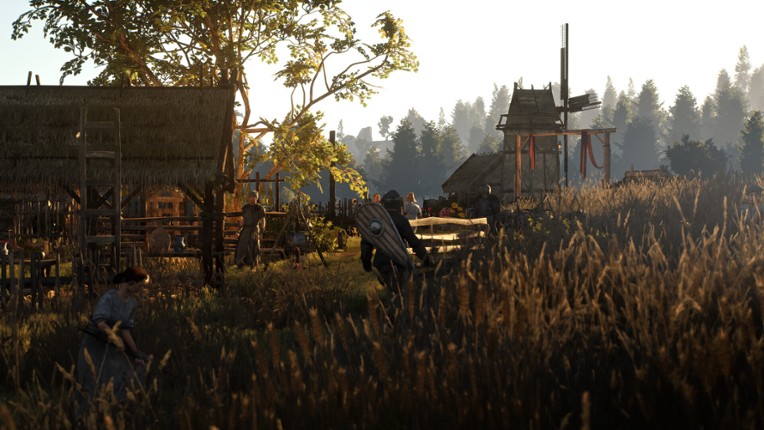
Centers the medieval-building fantasy instead of solo realism, making it a fit for players who want settlements, troops, and co-op progression.
If you enjoyed this game, see our list of games similar to Bellwright.View Game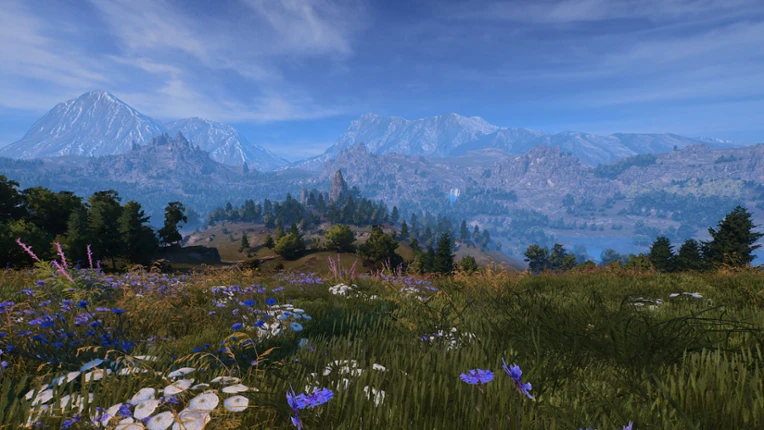
48 View Game 95%Game Brain ScoreMost mentioned positive aspects:story, graphicsMost mentioned negative aspects:stability, grinding95% User Score 39,023 reviewsCritic Score 94%5 reviews
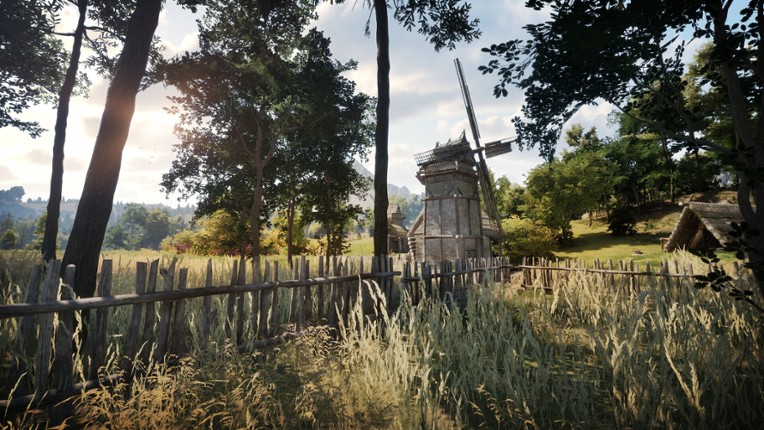
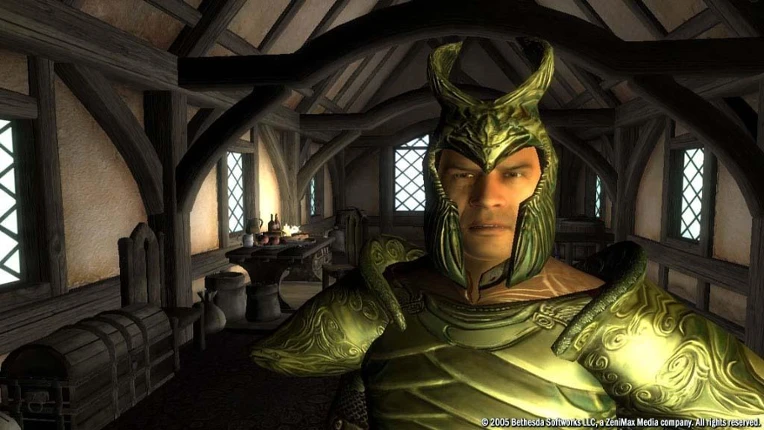
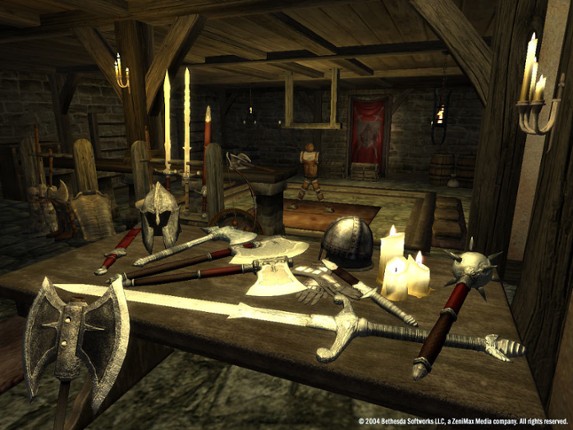
If Kingdom Come's historical authenticity is your hook, Oblivion answers with a looser, more magical world built for wandering and modding.
If you enjoyed this game, see our list of games similar to The Elder Scrolls IV: Oblivion.View Game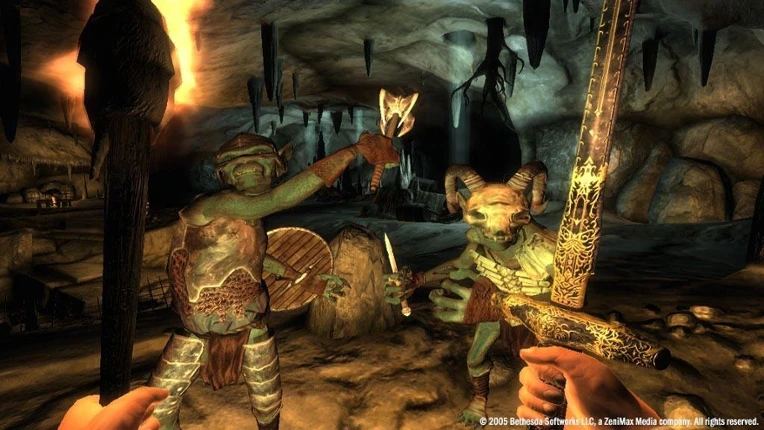
- 86%Game Brain ScoreMost mentioned positive aspects:story, gameplayMost mentioned negative aspects:stability, grinding89% User Score 34,738 reviewsCritic Score 84%9 reviews
A much gloomier detour from medieval life, Metro 2033 Redux is for players who prefer survival shooting and claustrophobic post-apocalyptic storytelling.
If you enjoyed this game, see our list of games similar to Metro 2033 Redux.View Game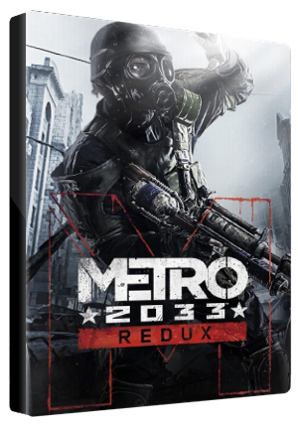
- 81%Game Brain ScoreMost mentioned positive aspects:story, gameplayMost mentioned negative aspects:stability, grinding81% User Score 18,138 reviewsCritic Score 80%2 reviews
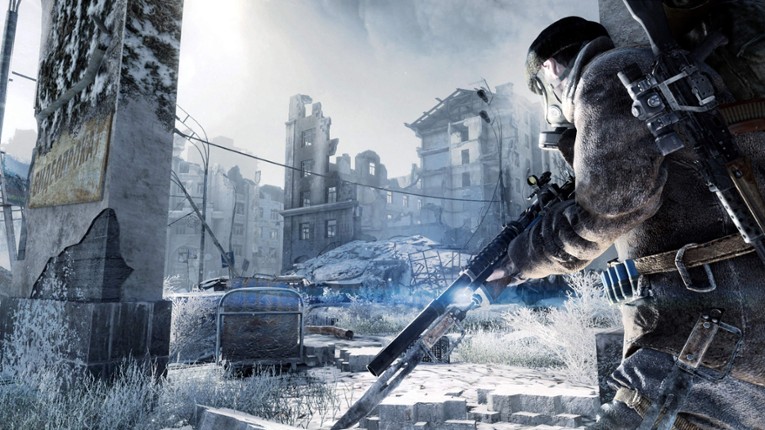
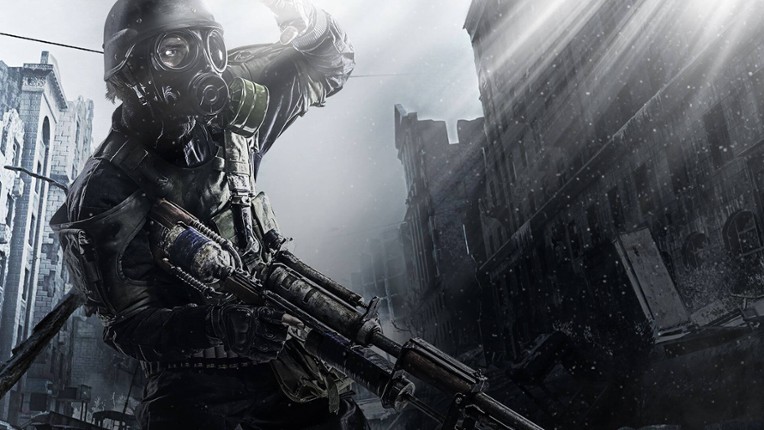
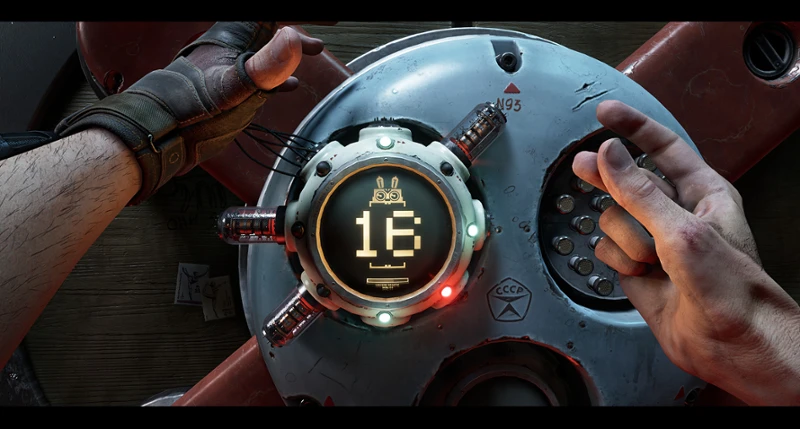
Moves far away from medieval Europe into an eccentric Soviet sci-fi mystery, though it still suits players who enjoy exploration and systems.
If you enjoyed this game, see our list of games similar to Atomic Heart.View Game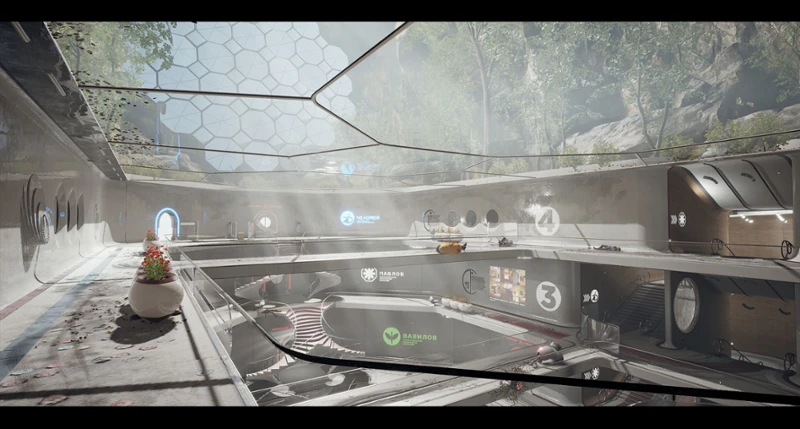



 View Game





















Frequently Asked Questions
Kingdom Come: Deliverance II is the obvious sequel with improved graphics and deeper RPG mechanics. For a different flavor, try The Witcher 2: Assassins of Kings for politically complex storytelling, or Outward if you want co-op survival alongside medieval atmosphere. Risen offers similar gothic exploration with challenging combat and rewarding character progression.
Kingdom Come: Deliverance II refines the original's swordplay significantly. The Witcher 2 balances tactical combat with magical abilities for a more dynamic system. Dragon's Dogma 2 delivers visceral action-oriented combat with strategic depth. The Blood of Dawnwalker features directional combat mechanics paired with time-management strategy.
Outward stands out as the best co-op option, supporting two-player local and online cooperative play across its survival-focused open world. While Kingdom Come: Deliverance II and other recommendations focus on single-player experiences, Outward uniquely lets you adventure with a friend in a medieval-inspired setting with similar atmospheric depth.
The Blood of Dawnwalker excels with its dark Slavic vampire folklore setting and Mikołaj Stroiński's atmospheric soundtrack. Risen provides gothic environments and dark storytelling. The Witcher 2 delivers a morally complex, noir-tinged medieval world. We Happy Few offers a dystopian, psychologically unsettling atmosphere distinct from traditional fantasy.
The Witcher 2: Assassins of Kings excels with branching narratives and meaningful choices that impact the world. Kingdom Come: Deliverance II deepens the original's character-driven storytelling. The Blood of Dawnwalker features compelling worldbuilding with Slavic folklore. ELEX combines sci-fi and fantasy with choice-driven narratives affecting character relationships.
Outward is a standout indie title with co-op survival gameplay in a richly atmospheric world. We Happy Few offers indie storytelling with survival mechanics and atmospheric exploration. Both provide distinctive takes on open-world adventure without the massive AAA budget, focusing on atmosphere and meaningful player choice over blockbuster spectacle.