

Games like Fallout 4
If Fallout 4 has claimed hundreds of hours of your life — sending you deep into the Commonwealth to scavenge, build, shoot, and uncover faction secrets — you already know the pull is hard to replace. Searching for games like Fallout 4 means you're after something specific: a vast open world layered with action RPG systems, first-person or third-person combat, and a post-apocalyptic or similarly atmospheric tone that rewards curiosity. The good news is that several excellent alternatives deliver exactly that.
What makes Fallout 4 genuinely hard to put down is its combination of freeform exploration, deep crafting and base building, and a world packed with environmental storytelling. The core loop — gear up, venture out, discover something unexpected, return to build and level up — is endlessly repeatable. Players tolerate the shallow dialogue and occasional bugs because the sandbox freedom and the atmosphere of a decayed civilization still breathing are just that compelling. That's the real blueprint other games need to match.
What Makes a Good Alternative to Fallout 4?
- Open-world exploration with environmental storytelling — Fallout 4's best moments come from stumbling onto a location and piecing together what happened there. Alternatives should reward wandering with discoverable lore and handcrafted spaces.
- Action RPG combat with character progression — The blend of real-time shooting with RPG stat-building and perks is central to Fallout 4's feel. Good alternatives let you shape a playstyle through meaningful leveling choices.
- Crafting, building, or gear customization systems — Settlement building and weapon modding give Fallout 4 a sandbox dimension beyond combat. Games that offer similar creative agency scratch the same itch.
- Atmospheric, story-rich world with faction choices — Choosing between the Brotherhood, Railroad, or Institute creates investment. Alternatives with competing factions and morally complex decisions carry that same weight.
- Strong replayability through multiple builds and paths — Fallout 4's modding community and branching playthroughs keep it alive. The best alternatives offer enough systemic depth to feel different on a second run.
Top Picks If You Enjoyed Fallout 4
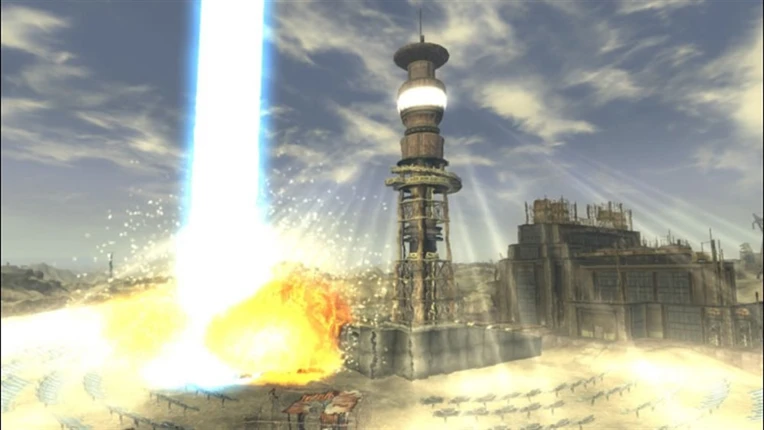
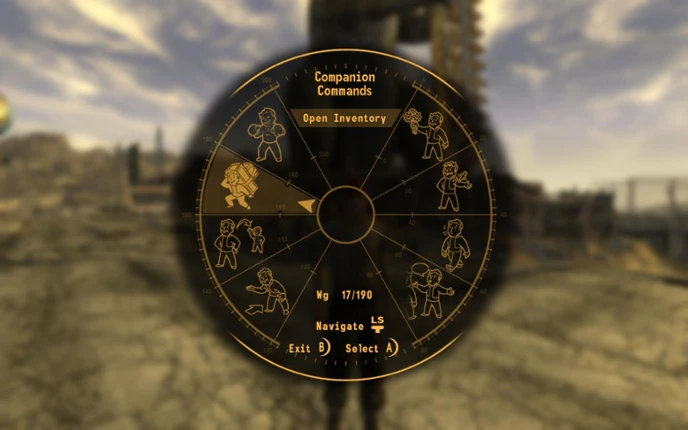
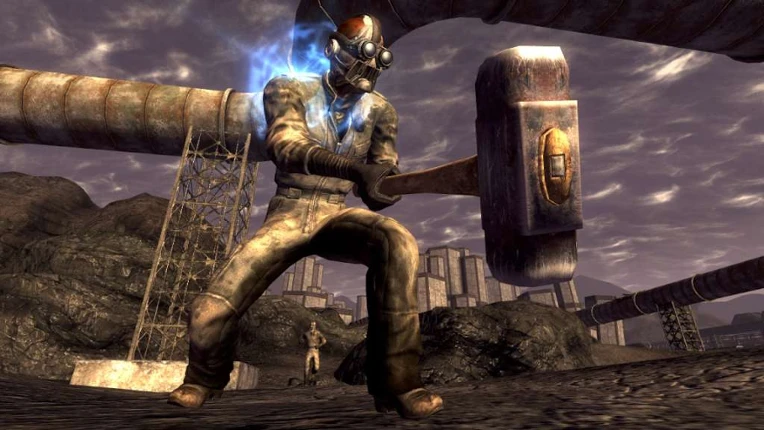
Fallout: New Vegas delivers richer storytelling and sharper faction writing. Fallout 3 is the closest tonal cousin, with the same S.P.E.C.I.A.L. framework and nuclear wasteland dread. The Elder Scrolls V: Skyrim trades post-apocalyptic grit for fantasy but nails the same open-world RPG loop. Starfield channels Bethesda's exploration DNA into a space-faring setting with deep character builds. Dragon Age: Inquisition satisfies the faction politics and story-rich side quest hunger Fallout 4 often leaves unfulfilled.
Every recommendation below is ranked by similarity using real player data, so the closest matches appear first. Scroll through the full list to find your next obsession.
- 84%Game Brain ScoreMost mentioned positive aspects:story, gameplayMost mentioned negative aspects:stability, optimization80% User Score 54,277 reviewsCritic Score 91%7 reviews
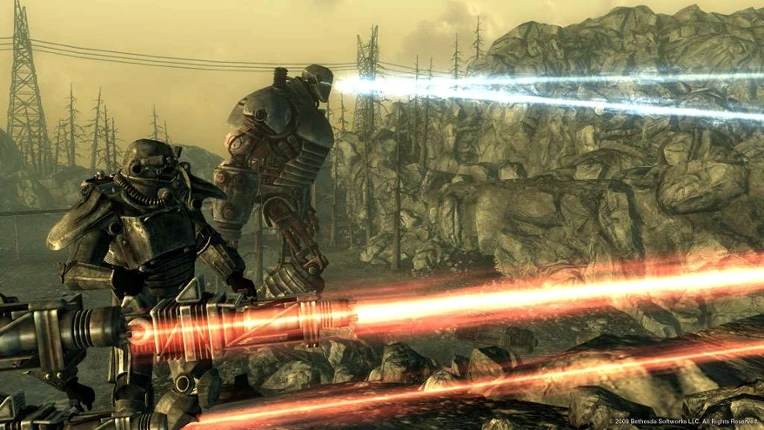
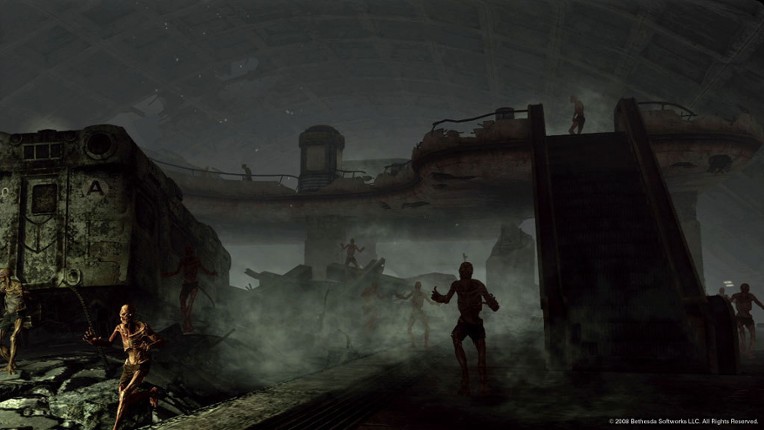
Both games anchor themselves in the same core loop: explore a radioactive wasteland, scavenge for supplies, customize your gear through crafting, and shape your character's build through dialogue and combat choices. That loop creates natural pacing where discovery rewards preparation—you're always working toward the next weapon upgrade or armor modification, which keeps progression feeling tangible.
The faction-based world in Fallout 3 mirrors Fallout 4's approach to giving you competing ideologies to ally with, each offering different questlines and moral compromises. Character customization runs equally deep, letting you min-max your SPECIAL attributes to support wildly different playstyles. And the first-person exploration combined with stealth mechanics works identically—sneaking through ruins and gunning down enemies from cover feel native to both.
Where Fallout 3 diverges is in dialogue depth: the older game strips away the voiced protagonist and dialogue wheel, replacing them with numbered responses that often hide your character's exact intent. This returns agency you may have missed in Fallout 4's more linear conversation system.
Best for explorers frustrated by Fallout 4's predictable main story—Fallout 3's narrative surprises and side quests offer the richer character moments the predecessor sometimes skips.
If you enjoyed this game, see our list of games similar to Fallout 3.View Game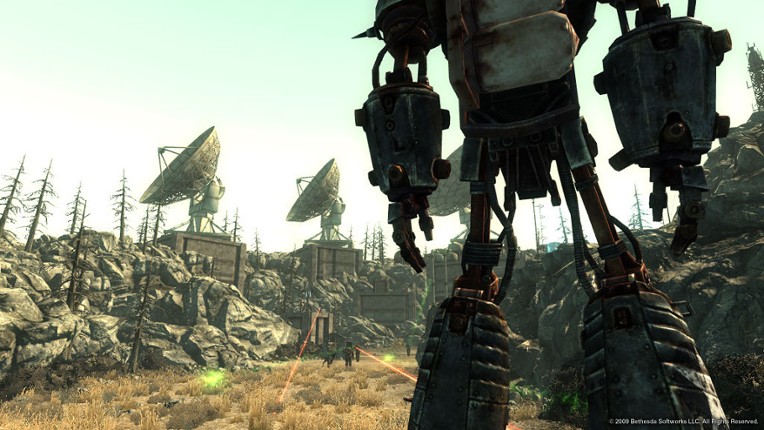
- 70%Game Brain ScoreMost mentioned positive aspects:story, gameplayMost mentioned negative aspects:optimization, stability56% User Score 115,259 reviewsCritic Score 83%81 reviews
The loop of scavenging scrap to refine personal gear and outposts translates directly from the Commonwealth into the settled systems. This shared Bethesda DNA ensures that every piece of clutter found in a derelict lab holds potential for upgrading your modular weaponry.
Both titles emphasize action-oriented gunplay and deep character customization that dictates your approach to environmental hazards. Because the progression systems prioritize player agency in builds, the transition from power armor to space suits feels like a familiar tactical upgrade.
While Fallout 4’s dialogue often felt restrictive, Starfield leans into substantive faction storylines that offer significantly more narrative weight and choice. It trades a singular, decaying wasteland for a "NASA-punk" galaxy, swapping environmental density for a massive scale of cosmic discovery.
Best for players who prioritize expansive faction hierarchies and technical ship-to-ship customization over a singular, compact map.
If you enjoyed this game, see our list of games similar to Starfield.View Game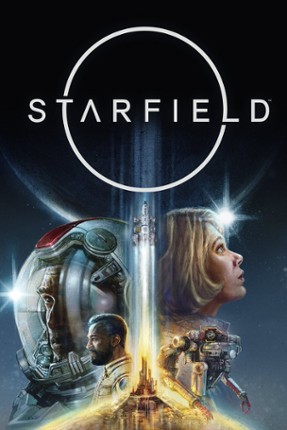
- 66%Game Brain ScoreMost mentioned positive aspects:story, gameplayMost mentioned negative aspects:stability, grinding72% User Score 82,736 reviewsCritic Score 54%4 reviews
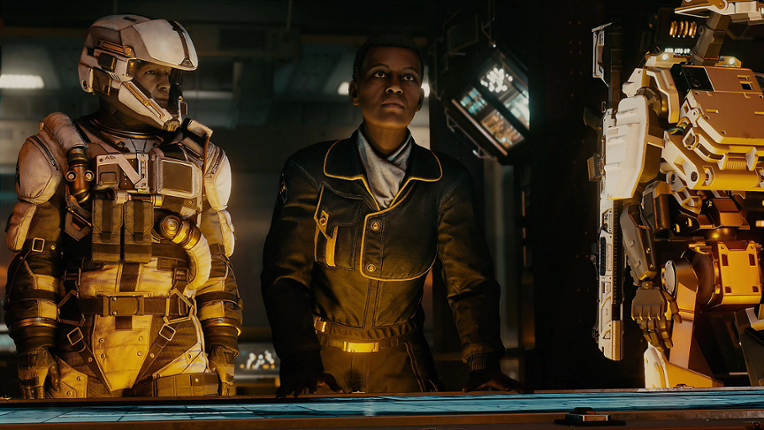
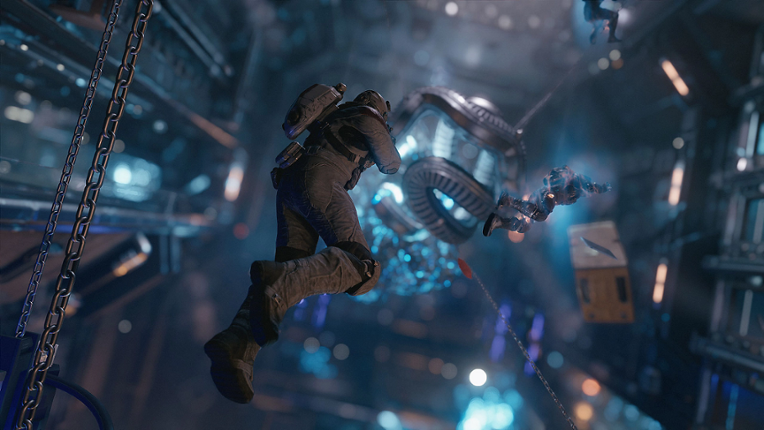
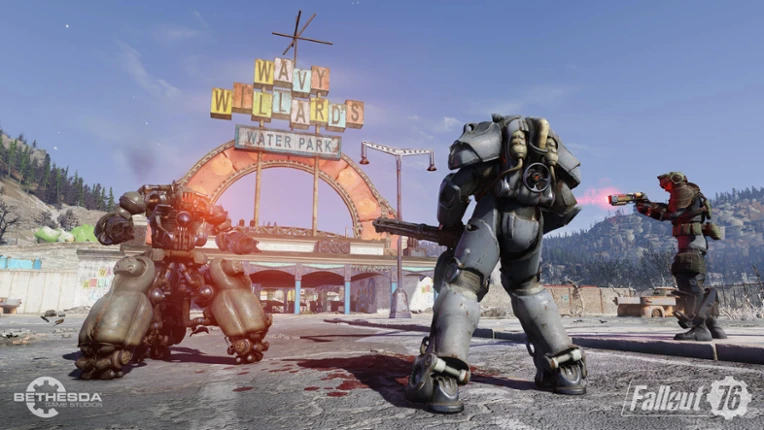
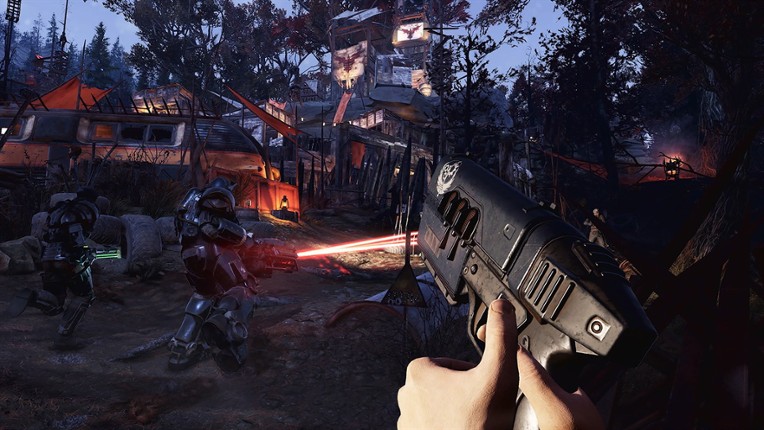
Fallout 4 fans who spent hours scavenging ruined neighborhoods, upgrading gear, and turning junk into a functioning home base will feel at home in Fallout 76. The loop of exploration, looting, crafting, and character building is intact, and the broader world gives that routine more room to breathe.
Where it really clicks is in the base-building and survival layer: establishing a C.A.M.P. turns your scavenging into a more personal long-term project, because every trip out can feed a stronger setup back home. That gives the usual Fallout routine a clearer sense of progression than Fallout 4's main story often does, especially for players who found the central questline thinner than the side content.
The big tradeoff is online co-op, which changes the pace from lone wanderer to shared wasteland. That opens the door to teaming up for events, trading, and boss fights, while still letting solo players roam at their own speed. Best for Fallout 4 players who care more about systems, building, and the wasteland loop than strict single-player storytelling.
If you enjoyed this game, see our list of games similar to Fallout 76.View Game
- View Game
- 87%Game Brain ScoreMost mentioned positive aspects:story, graphicsMost mentioned negative aspects:stability, grinding94% User Score 209,954 reviewsCritic Score 79%25 reviews
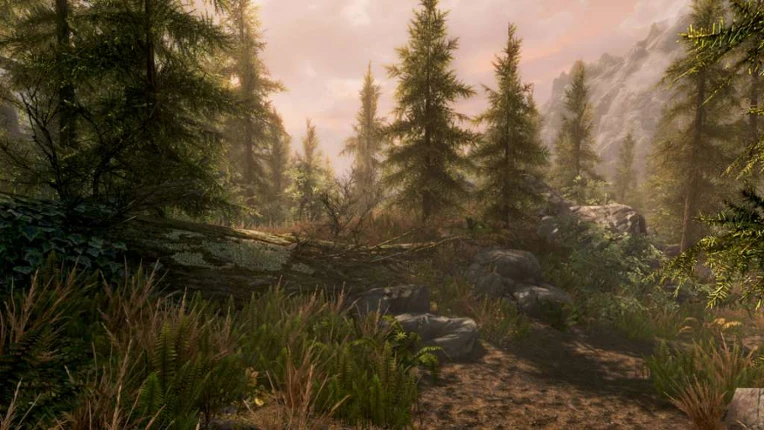
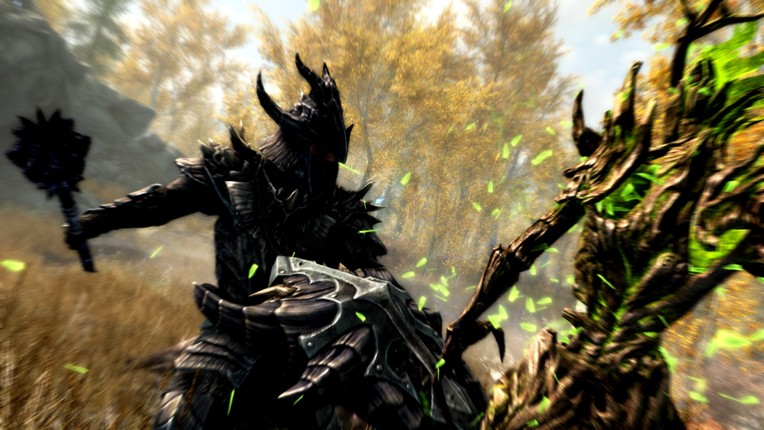
Skyrim shares Fallout 4’s vast open-world exploration, offering players hours of discovery across a richly detailed landscape. Both games emphasize action RPG mechanics with deep character customization, fueling long-term engagement. This freedom shapes how you approach quests and combat in dynamic ways.
They also both deliver a memorable soundtrack that enhances their immersive atmospheres, reinforcing the tone of their distinct worlds. This matters because audio cues and music deeply influence emotional connection and game pacing. However, Skyrim leans heavily into fantasy and magic, while Fallout 4 focuses on gritty post-apocalyptic science fiction.
Pick Skyrim if you crave a lore-rich, medieval fantasy sandbox with complex magic systems but can tolerate its occasional grind and bugs. Fallout 4 fits better if you want a sci-fi setting with crafting and shooting at the forefront, despite a less compelling main story.
If you enjoyed this game, see our list of games similar to The Elder Scrolls V: Skyrim.View Game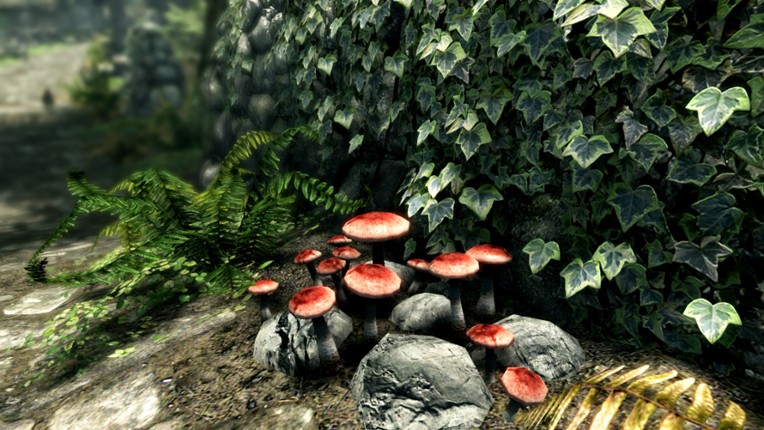
- 76%Game Brain ScoreMost mentioned positive aspects:story, gameplayMost mentioned negative aspects:stability, grinding69% User Score 18,414 reviewsCritic Score 83%88 reviews
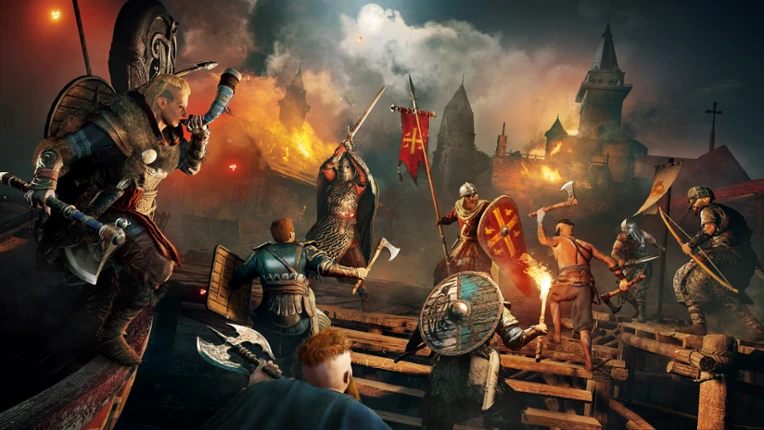
That pull to keep pushing into unknown territory — clearing one more location, chasing one more upgrade — is exactly the loop that drives Assassin's Creed Valhalla. Both games reward obsessive exploration with a world dense enough that veering off the critical path rarely feels like a detour.
The Action RPG layering will feel immediately familiar: character builds, gear progression, and stealth that can be leaned on or ignored depending on your playstyle. Valhalla's stealth carries real mechanical weight — choosing to ghost a fortress or raid it head-on produces genuinely different outcomes, much like Fallout 4's flexibility between combat builds and sneak-based approaches.
The sharpest difference is tonal — swapping post-apocalyptic decay for Viking-age myth and brutality. If shallow dialogue options frustrated you in Fallout 4, Valhalla's story writing carries noticeably more emotional range and consequence.
Best for players who lose hours to open-world systems and want their next sprawling RPG to deliver a stronger narrative backbone alongside the exploration.
If you enjoyed this game, see our list of games similar to Assassin's Creed Valhalla.View Game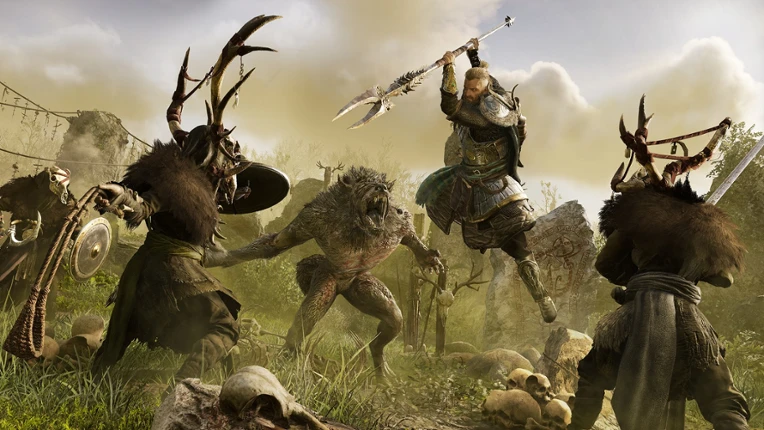

- 74%Game Brain ScoreMost mentioned positive aspects:story, gameplayMost mentioned negative aspects:stability, grinding67% User Score 12,829 reviewsCritic Score 81%10 reviews
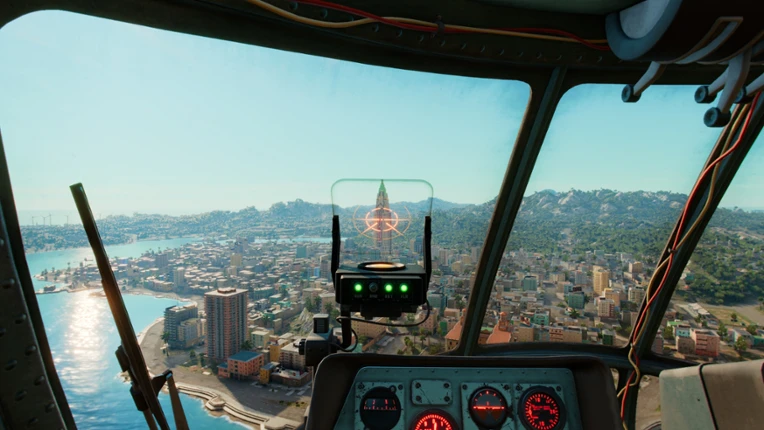
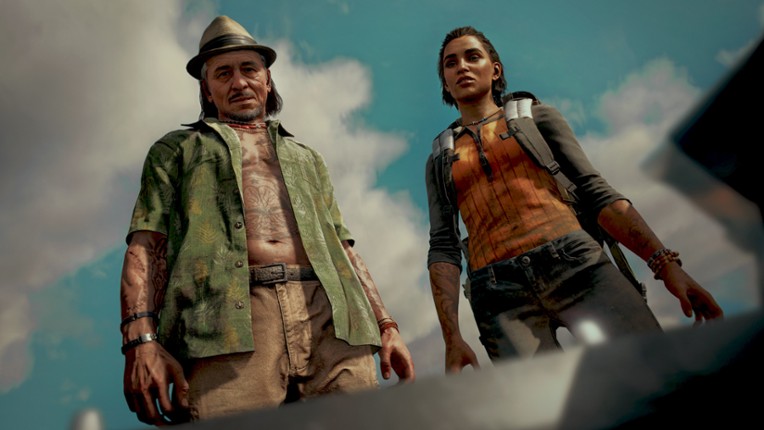
Buy Far Cry 6 on PlayStation Store. Play as Dani Rojas, a local Yaran, and become a guerrilla fighter to liberate the nation. If you enjoyed this game, see our list of games similar to Far Cry 6.
View Game
- View Game
- 95%Game Brain ScoreMost mentioned positive aspects:story, graphicsMost mentioned negative aspects:stability, grinding95% User Score 39,023 reviewsCritic Score 94%5 reviews
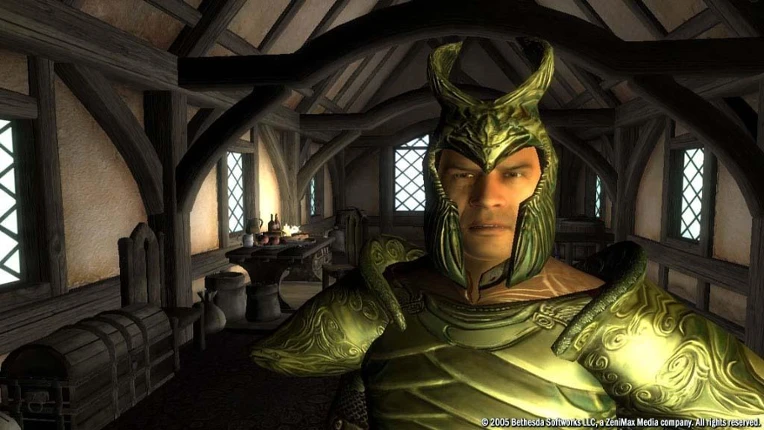
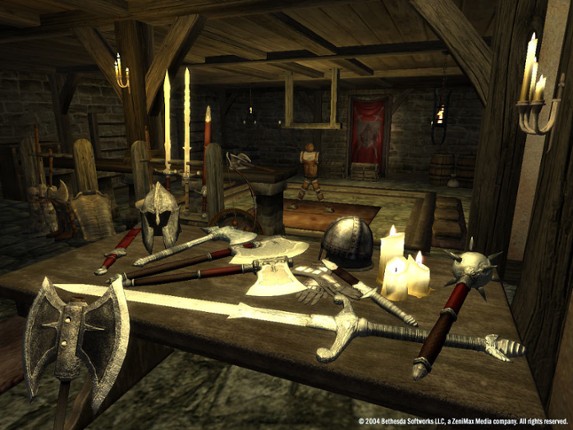
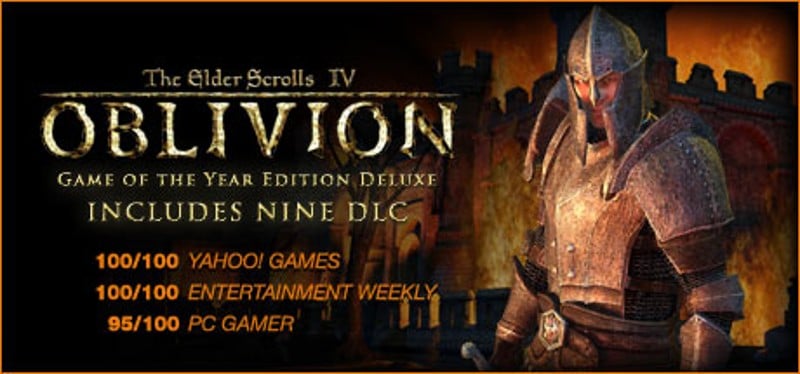
The Elder Scrolls IV: Oblivion Game of the Year Edition presents one of the best RPGs of all time like never before. Step inside the most richly detailed and vibrant game-world ever created. With a powerful combination of freeform gameplay and unprecedented graphics, you can unravel the main quest at your own pace or explore the vast world and find your own challenges. If you enjoyed this game, see our list of games similar to The Elder Scrolls IV: Oblivion.
View Game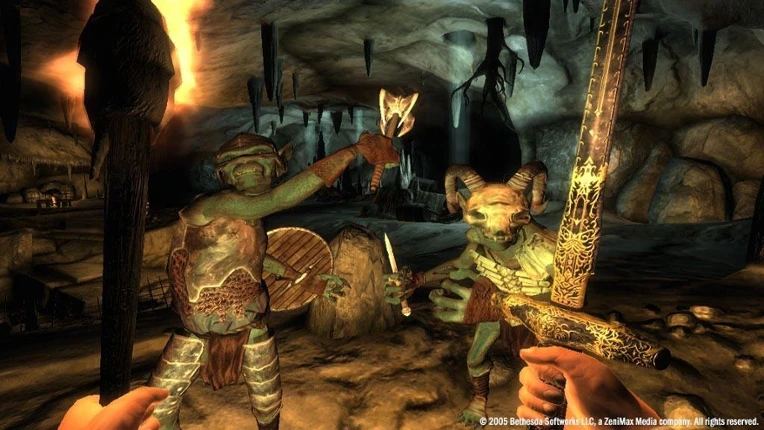
- 81%Game Brain ScoreMost mentioned positive aspects:story, gameplayMost mentioned negative aspects:stability, optimization81% User Score 39,964 reviewsCritic Score 81%40 reviews
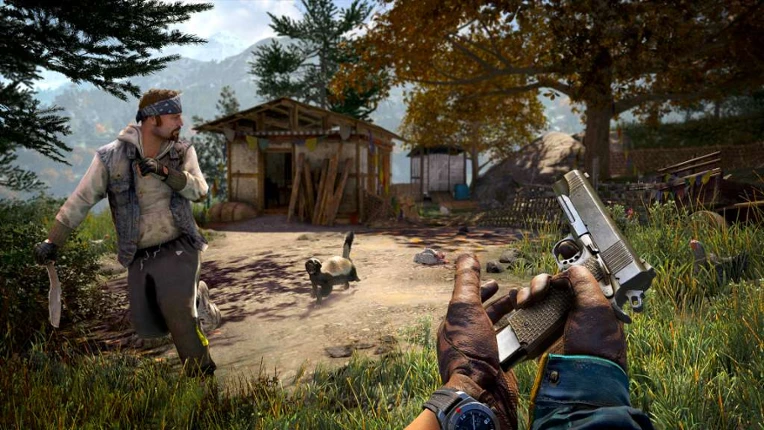
The SteelBook Edition of Far Cry 4 includes: - Far Cry 4 SteelBook - Map of Kryat - Propaganda poster If you enjoyed this game, see our list of games similar to Far Cry 4.
View Game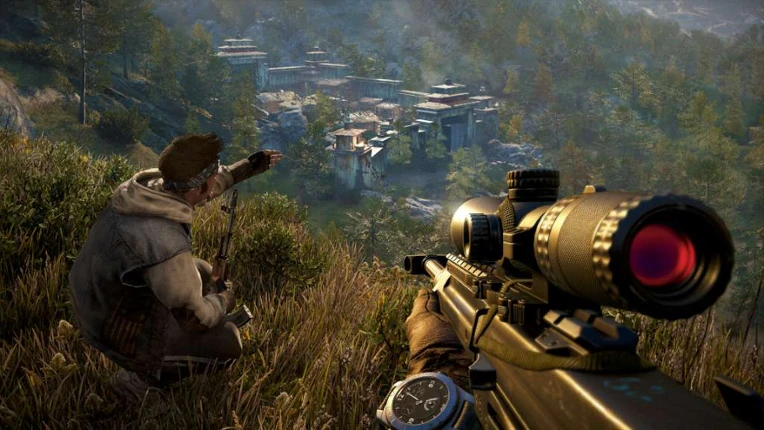
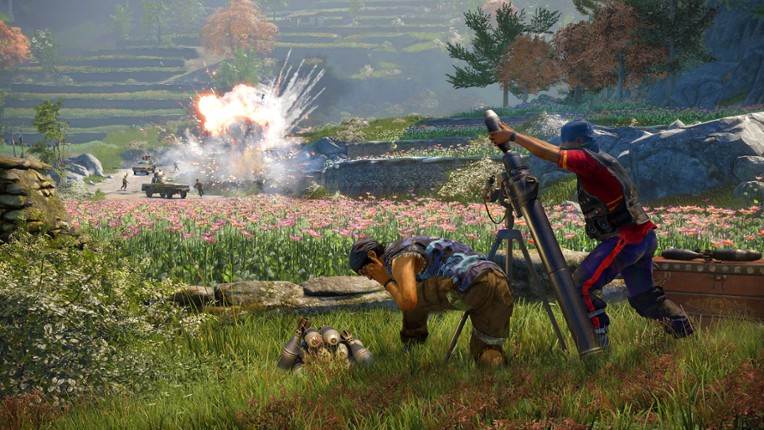
- 80%Game Brain ScoreMost mentioned positive aspects:story, gameplayMost mentioned negative aspects:stability, optimization87% User Score 38,385 reviewsCritic Score 72%73 reviews
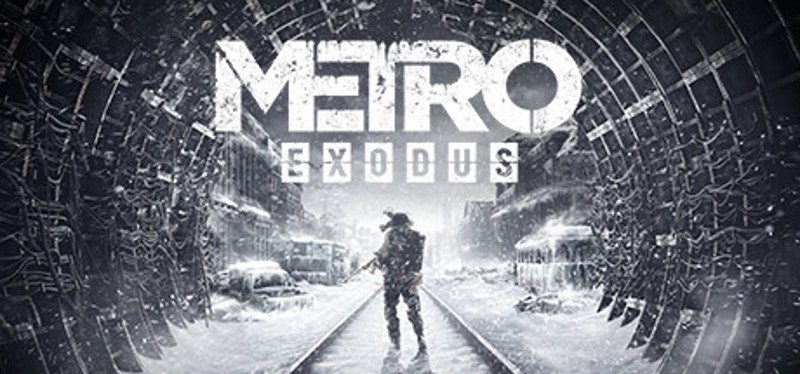
Metro Exodus shares Fallout 4’s mastery of atmospheric world-building, anchoring your survival in a decaying, hazardous landscape that rewards obsessive scavenging. This exploration is bolstered by deep weapon customization, providing the tactile progression that makes searching every ruin feel vital.
The primary shift is in narrative structure: where Fallout offers a sandbox for personal agency, Metro forces you through a linear, emotionally charged journey with tighter environmental storytelling. You trade the freedom of base building for a more polished, focused combat experience.
Pick this up if you crave the post-apocalyptic tension and mechanical grit of the Wasteland but can live without the sprawling side-quest bloat.
If you enjoyed this game, see our list of games similar to Metro Exodus.View Game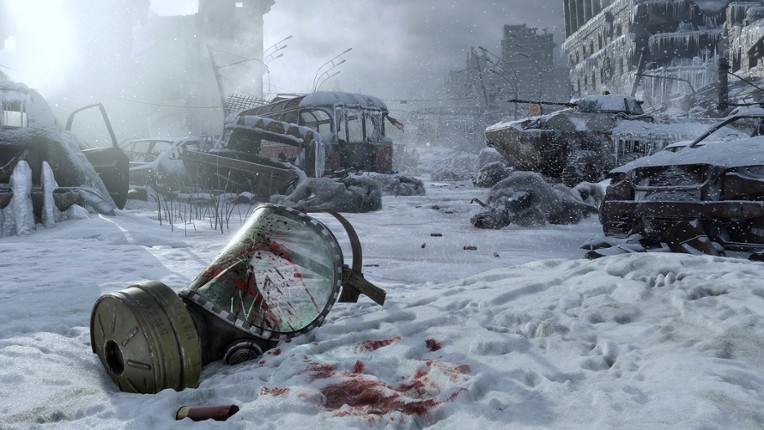
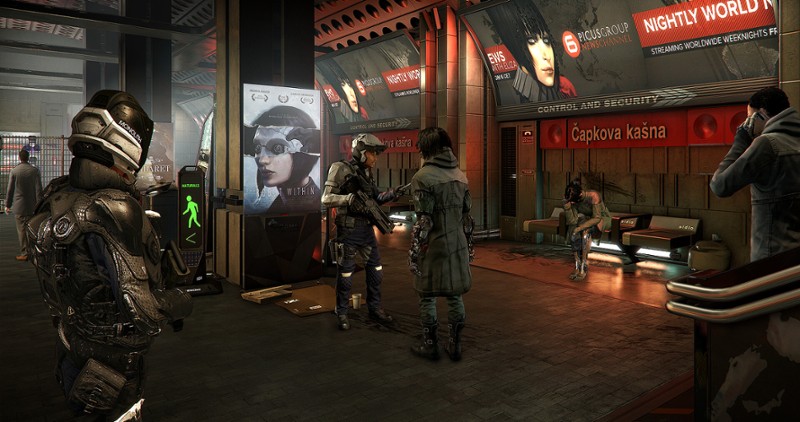
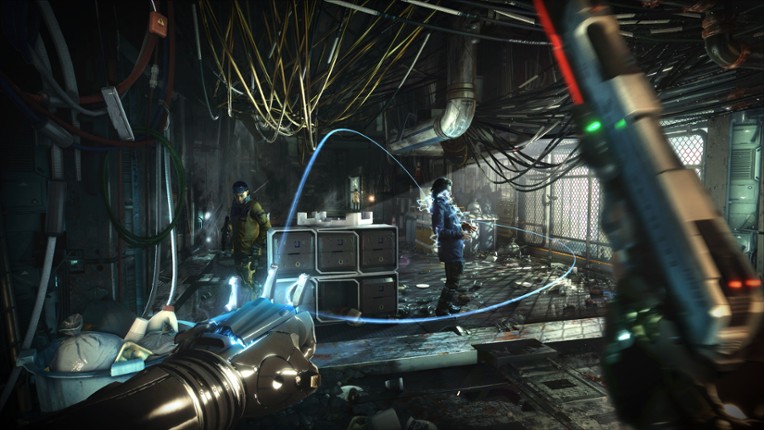
12 View Game 77%Game Brain ScoreMost mentioned positive aspects:story, gameplayMost mentioned negative aspects:optimization, monetization75% User Score 30,792 reviewsCritic Score 80%53 reviewsExchange expansive exterior exploration for dense, claustrophobic urban corridors centered on complex hacking and tactical stealth within a dystopian cyberpunk future. If you enjoyed this game, see our list of games similar to Deus Ex: Mankind Divided.View Game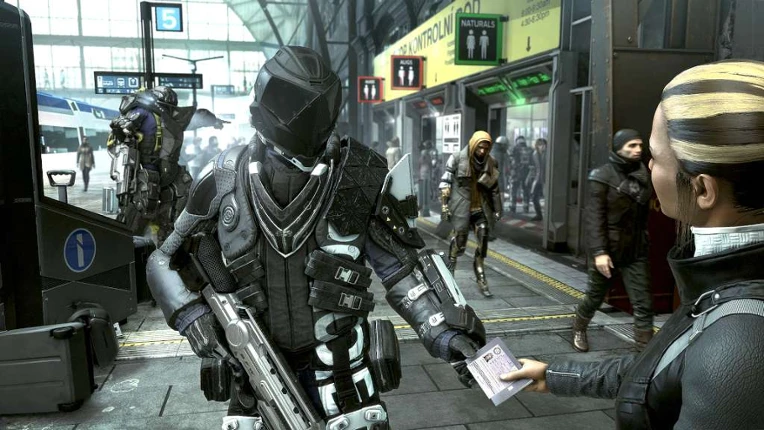
13 View Game 78%Game Brain ScoreMost mentioned positive aspects:story, gameplayMost mentioned negative aspects:grinding, stability75% User Score 18,314 reviewsCritic Score 80%32 reviews
Both games excel at world-building through faction politics, forcing you to navigate complex webs of loyalty that fundamentally alter the game state. This creates a rewarding sense of agency, as your decisions dictate the political landscape of the entire region.
You lose the scavenging-heavy first-person shooter loop of Fallout for a more tactical, party-based fantasy combat system. While Fallout focuses on individual survival, Inquisition shifts the burden toward managing a massive organization and its specific personalities.
Pick this up if you crave narrative-driven consequence and high-stakes social choices, but can live without the gritty, desolate aesthetic of the wasteland.
If you enjoyed this game, see our list of games similar to Dragon Age: Inquisition.View Game
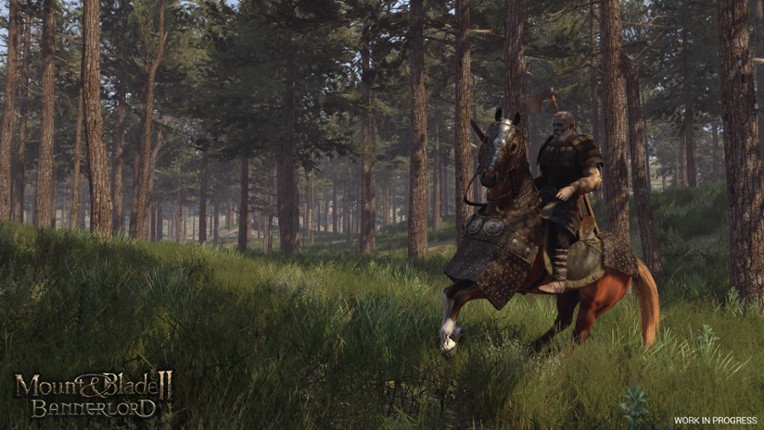
14 View Game 81%Game Brain ScoreMost mentioned positive aspects:gameplay, graphicsMost mentioned negative aspects:story, stability88% User Score 173,462 reviewsCritic Score 75%17 reviewsMoves away from sci-fi to a realistic medieval warfare sandbox with large-scale battles and detailed character progression centered on player-driven combat and politics. If you enjoyed this game, see our list of games similar to Mount & Blade II.View Game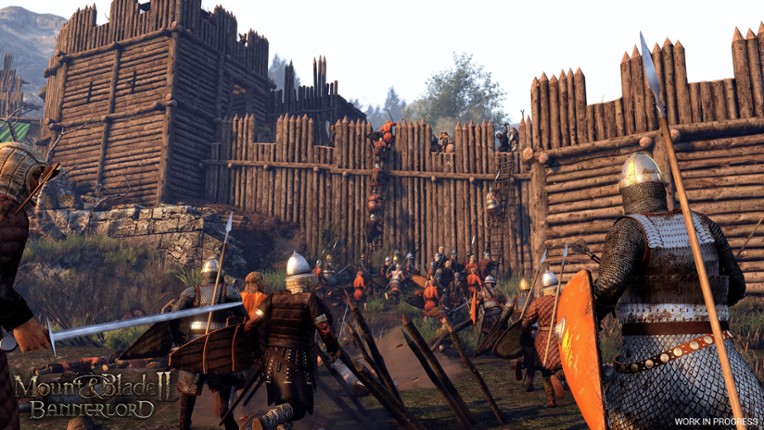
15 View Game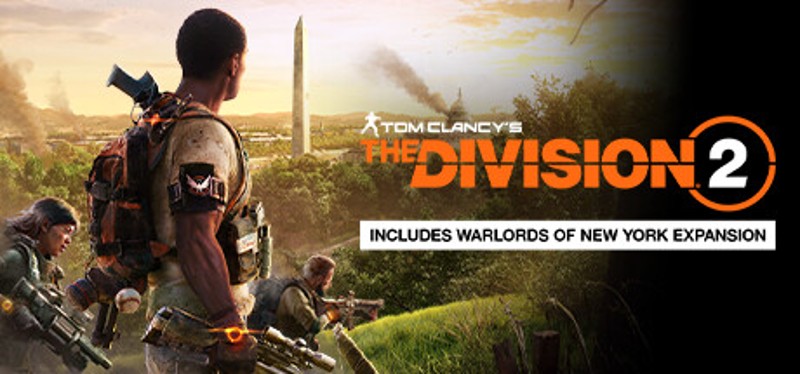 79%Game Brain ScoreMost mentioned positive aspects:story, gameplayMost mentioned negative aspects:grinding, stability79% User Score 17,258 reviews
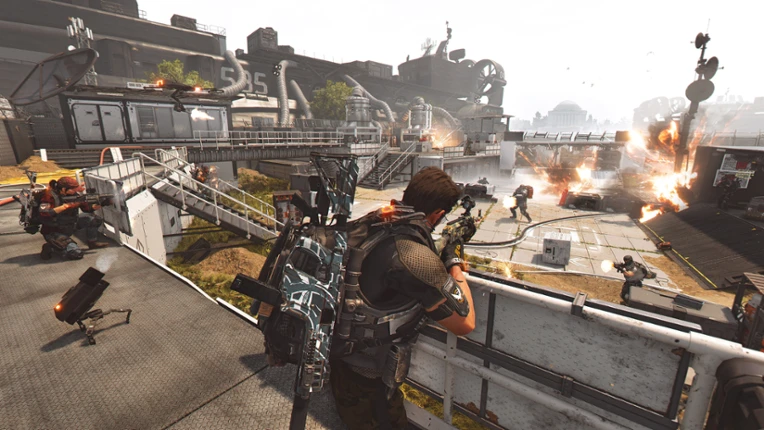
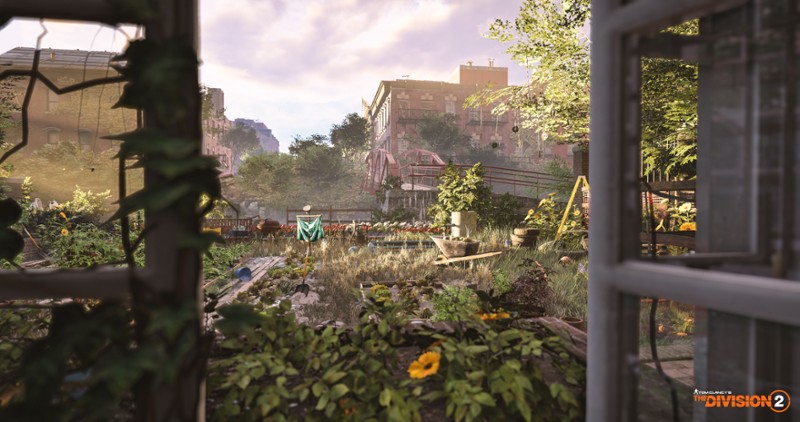
Both games let you build a character and loot your way through a ravaged open world in third-person combat. The Division 2 matches Fallout 4's post-apocalyptic atmosphere and progression loop, which keeps you hunting for better gear across large maps.
The critical difference: Division 2 pivots hard toward multiplayer and endgame grinding, while Fallout 4 is purely single-player narrative exploration. This fundamentally changes how content unfolds—one is a live service treadmill, the other a self-contained story.
Pick Division 2 if you want Fallout 4's loot-and-explore foundation but crave co-op and long-term progression systems. Skip it if you're hunting the same story-first, single-player experience that made Fallout 4 click.
If you enjoyed this game, see our list of games similar to Tom Clancy's The Division 2.View Game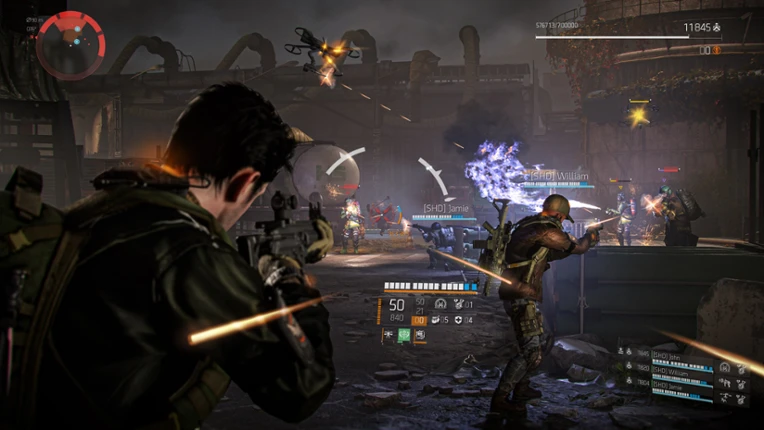
16 View Game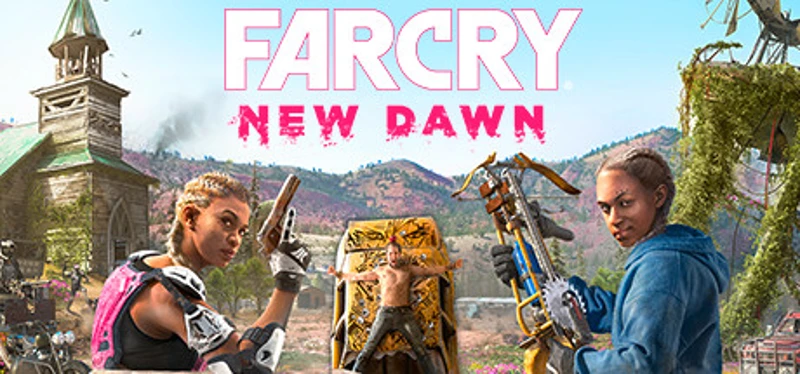 74%Game Brain ScoreMost mentioned positive aspects:story, gameplayMost mentioned negative aspects:grinding, monetization76% User Score 25,330 reviewsCritic Score 73%11 reviews
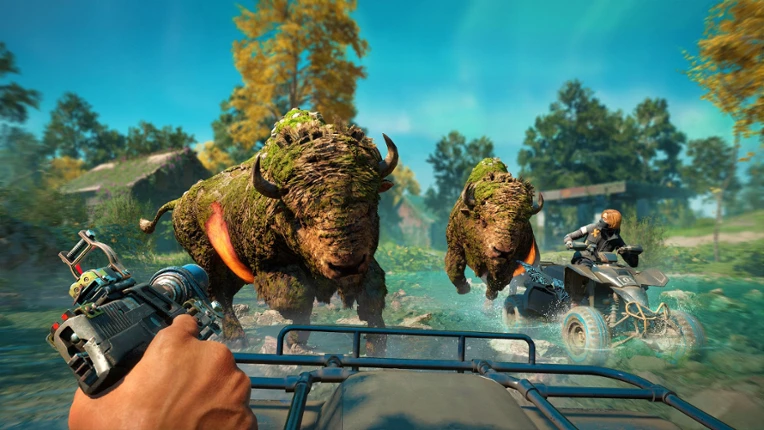
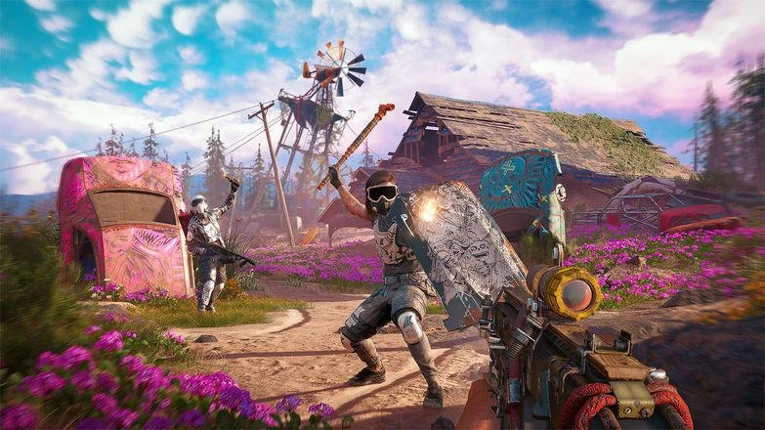
Dive into a transformed vibrant post-apocalyptic Hope County, Montana, 17 years after a global nuclear catastrophe. Lead the fight against the Highwaymen, as they seek to take over the last remaining resources. If you enjoyed this game, see our list of games similar to Far Cry New Dawn.
View Game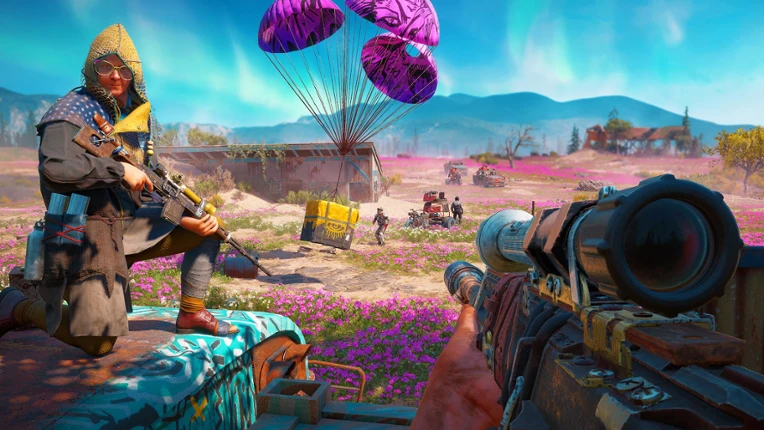
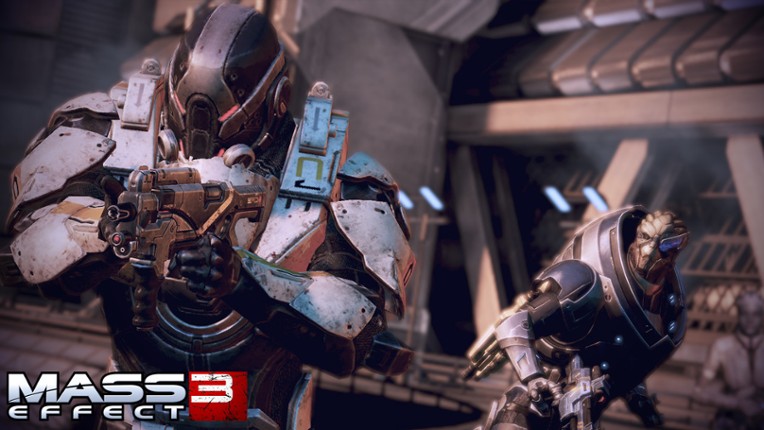
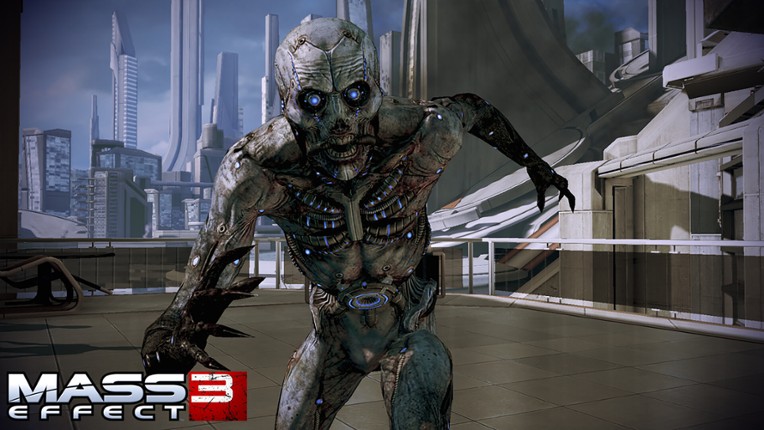
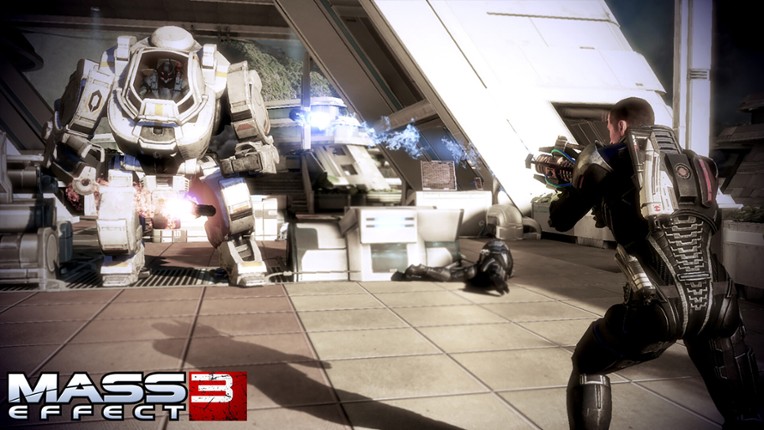
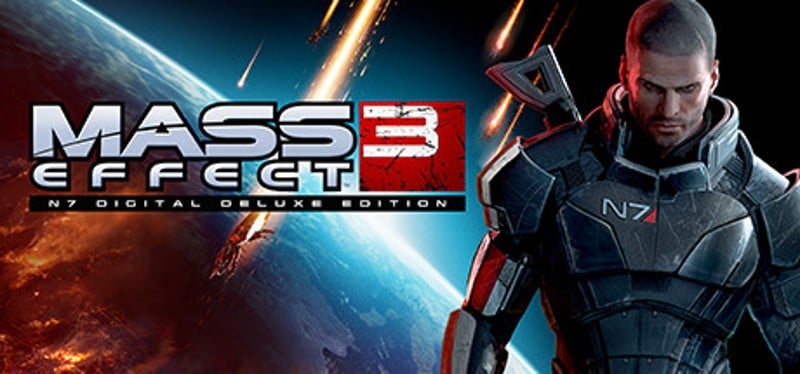
- 71%Game Brain ScoreMost mentioned positive aspects:story, gameplayMost mentioned negative aspects:optimization, stability71% User Score 2,352 reviewsExtends the sci-fi universe into space opera storytelling with emphasis on squad command and branching dialogue consequences, though its linear campaign structure constrains the free exploration Fallout 4 players expect. If you enjoyed this game, see our list of games similar to Mass Effect 3.View Game
18 View Game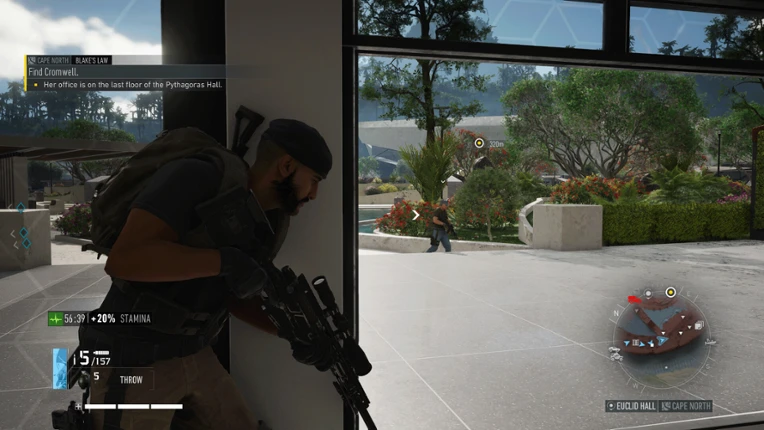
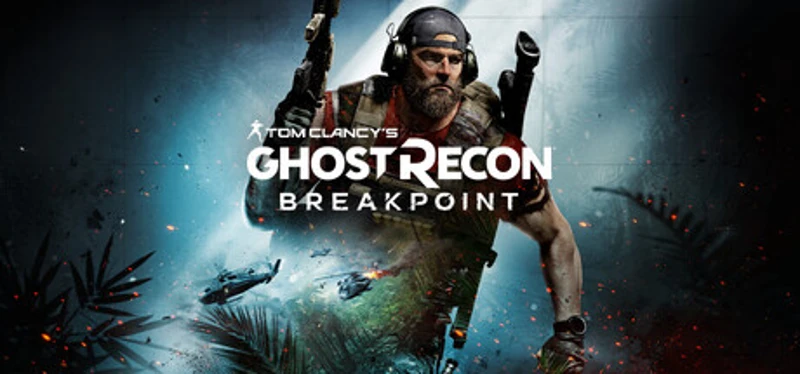
 61%Game Brain ScoreMost mentioned positive aspects:story, gameplayMost mentioned negative aspects:stability, optimization73% User Score 20,321 reviewsCritic Score 48%9 reviews
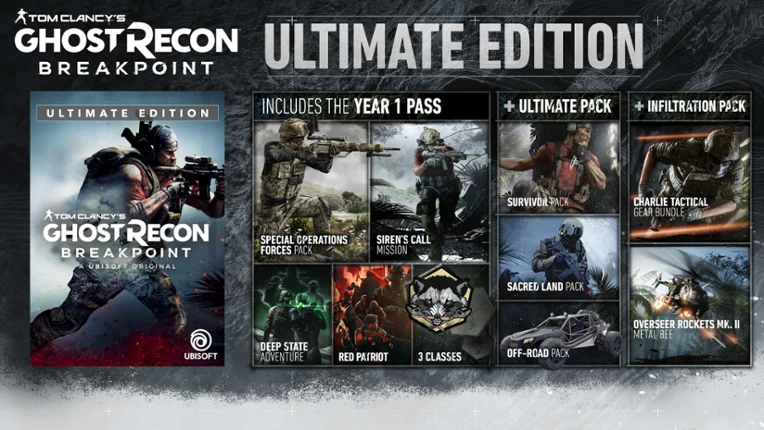
The Year 1 Pass includes: - Mission: Siren's Call, previously called Greenstone - Expansion: Deep State - Expansion: Red Patriot, previously called Transcendence - In-game DLC: Special Operations Forces Pack If you enjoyed this game, see our list of games similar to Tom Clancy's Ghost Recon Breakpoint.
View Game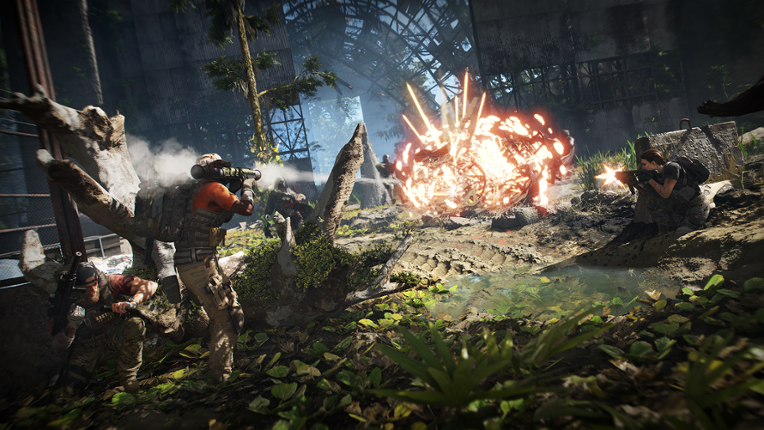
19 View Game 76%Game Brain ScoreMost mentioned positive aspects:story, gameplayMost mentioned negative aspects:optimization, stability76% User Score 55,479 reviews
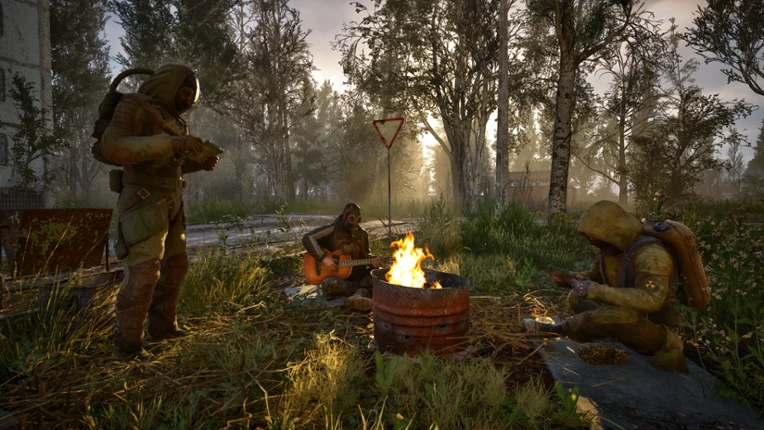
S.T.A.L.K.E.R. 2: Heart of Chornobyl is the unforgiving FPS survival adventure in a dark science-fiction open world. Scavenge for gear and resources, hunt for wonders, make hard decisions to survive and pave the path through the Chornobyl Anomalous Zone. If you enjoyed this game, see our list of games similar to S.T.A.L.K.E.R. 2: Heart of Chornobyl.
View Game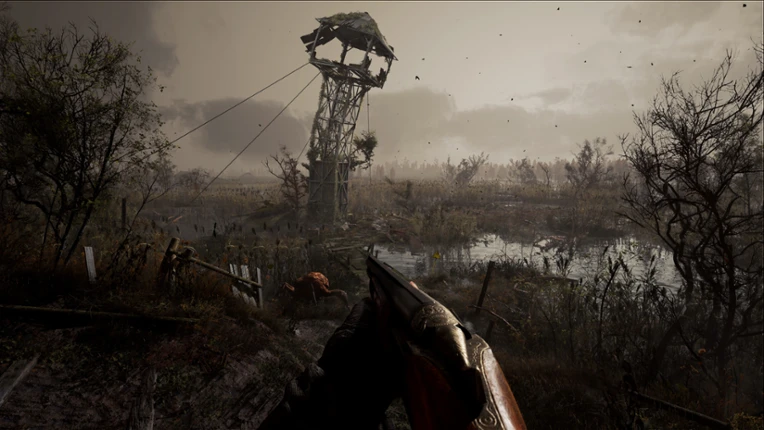
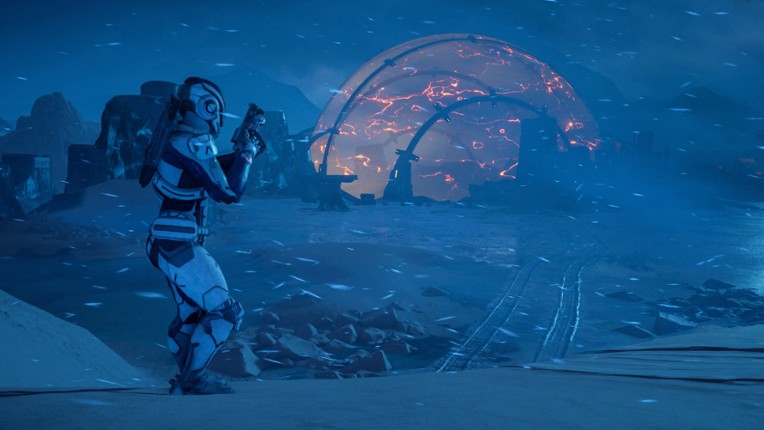
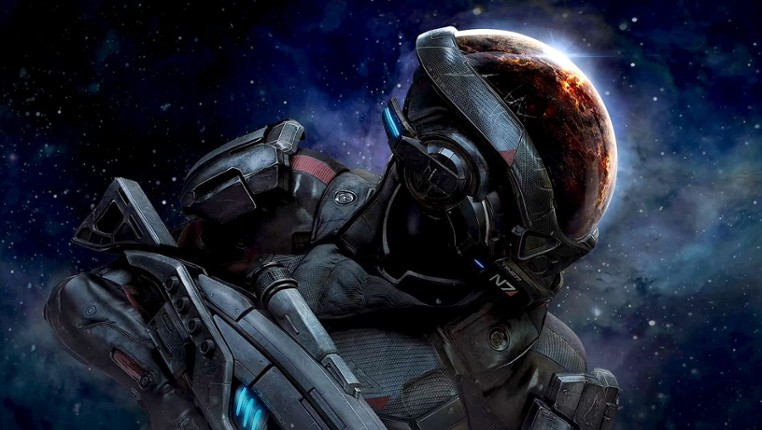
20 View Game 73%Game Brain ScoreMost mentioned positive aspects:story, gameplayMost mentioned negative aspects:stability, grinding75% User Score 16,040 reviewsCritic Score 71%59 reviewsLaunches into space colonization instead of nuclear wastelands, offering squad-based combat and broader sci-fi scope but sacrificing the intimate exploration and modding ecosystem. If you enjoyed this game, see our list of games similar to Mass Effect Andromeda.View Game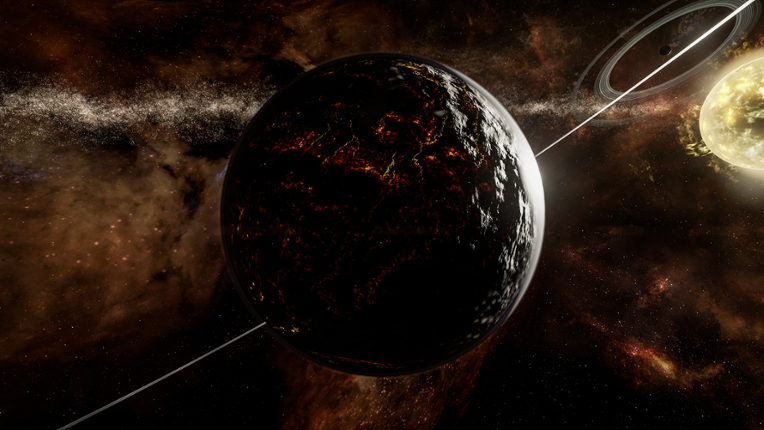
- 66%Game Brain ScoreMost mentioned positive aspects:story, gameplayMost mentioned negative aspects:stability, optimization59% User Score 4,408 reviewsCritic Score 72%62 reviews
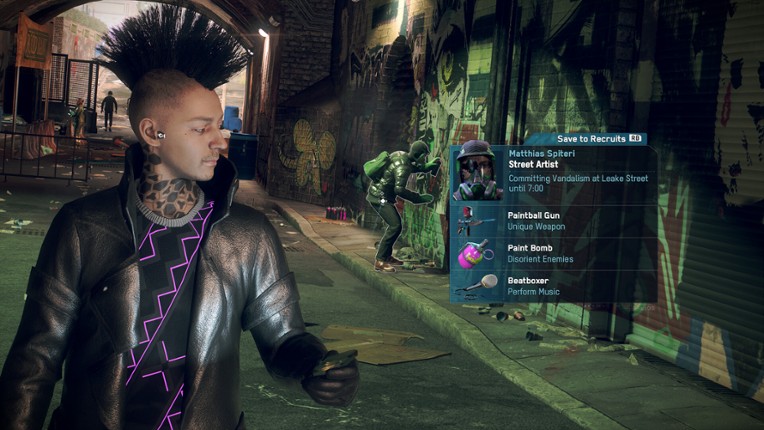
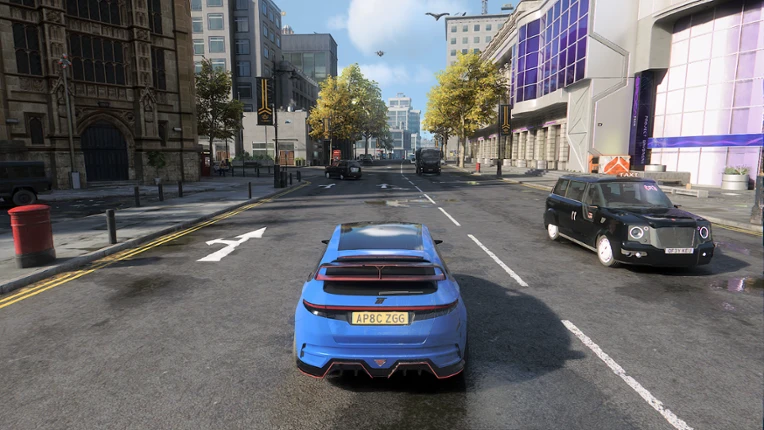
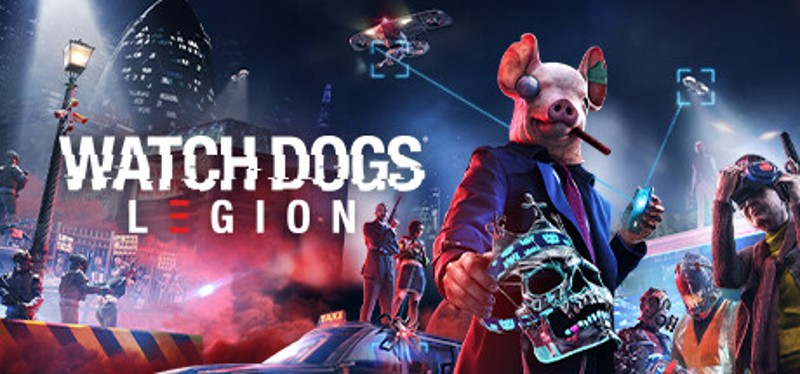
Buy Watch Dogs Legion on PS4 and PS5. Welcome to the Resistance. If you enjoyed this game, see our list of games similar to Watch Dogs Legion.
View Game
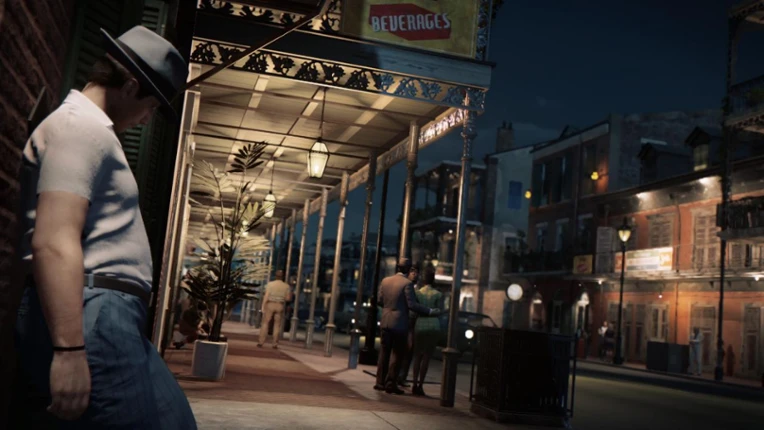
- 62%Game Brain ScoreMost mentioned positive aspects:story, gameplayMost mentioned negative aspects:stability, optimization61% User Score 25,781 reviewsCritic Score 63%18 reviewsExchanges nuclear wastelands for 1960s New Orleans racism and organized crime, maintaining atmospheric open-world exploration and great soundtrack but grounding you in a specific historical drama. If you enjoyed this game, see our list of games similar to Mafia 3.View Game
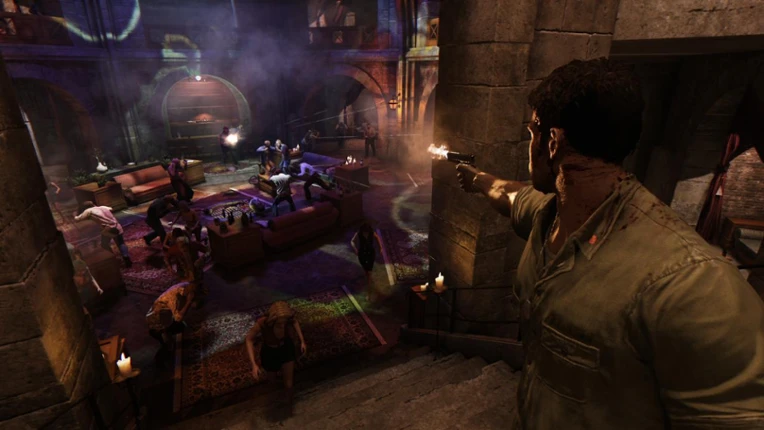
- 87%Game Brain ScoreMost mentioned positive aspects:story, gameplayMost mentioned negative aspects:optimization, stability85% User Score 43,609 reviewsCritic Score 89%8 reviews
This Ultimate Edition includes all bonus DLC content: Monkey Business Pack, Lost Expeditions, Warrior Pack, and Predator Pack. If you enjoyed this game, see our list of games similar to Far Cry 3.
View Game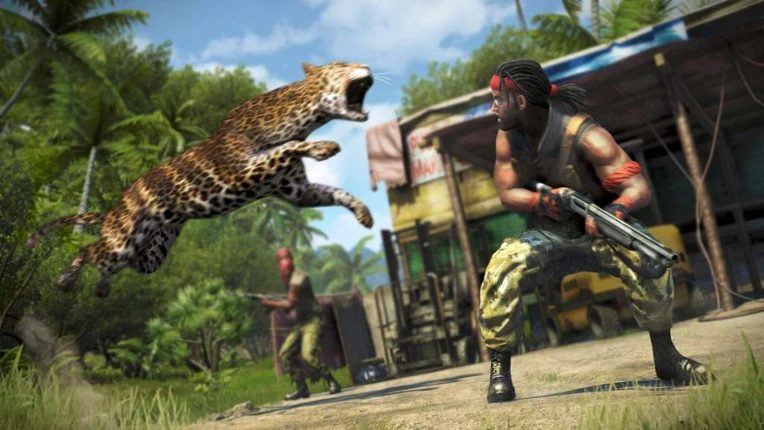
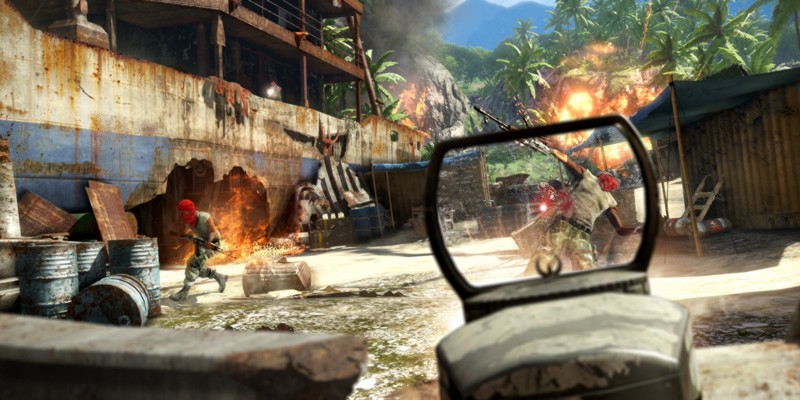
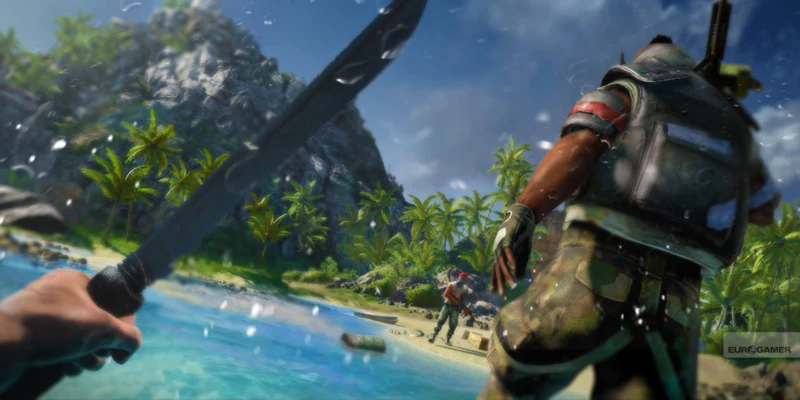
- 83%Game Brain ScoreMost mentioned positive aspects:story, gameplayMost mentioned negative aspects:optimization, grinding85% User Score 102,022 reviewsCritic Score 81%9 reviews
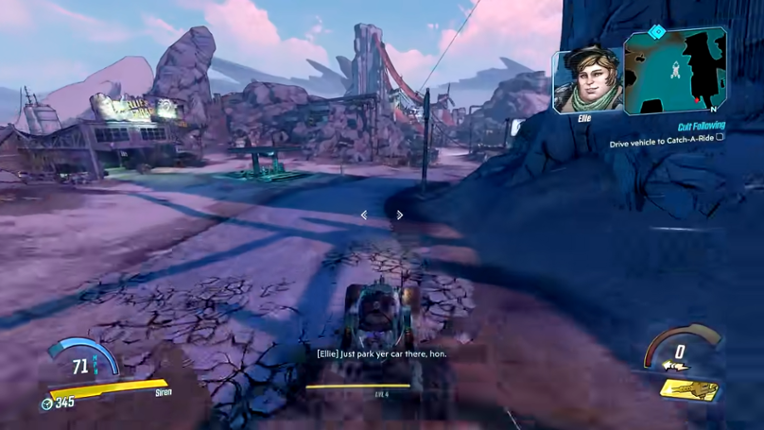
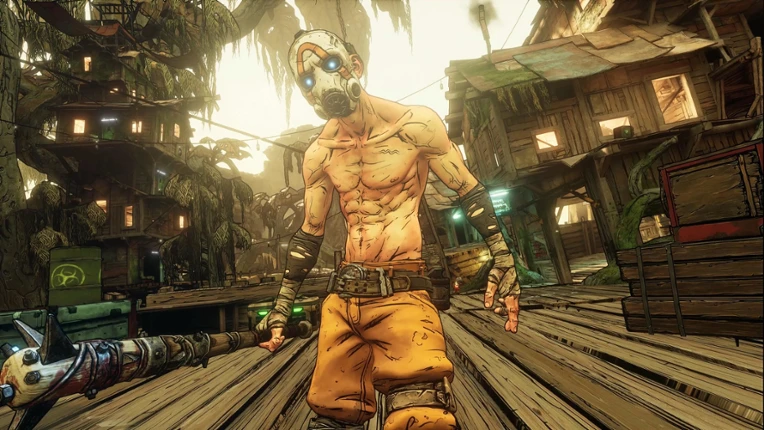
The original shooter-looter returns, packing bazillions of guns and a mayhem-fueled adventure! Blast through new worlds and enemies as one of four new Vault Hunters. Play solo or with friends to take on insane enemies, score loads of loot and save your home from the most ruthless cult leaders in the galaxy. If you enjoyed this game, see our list of games similar to Borderlands 3.
View Game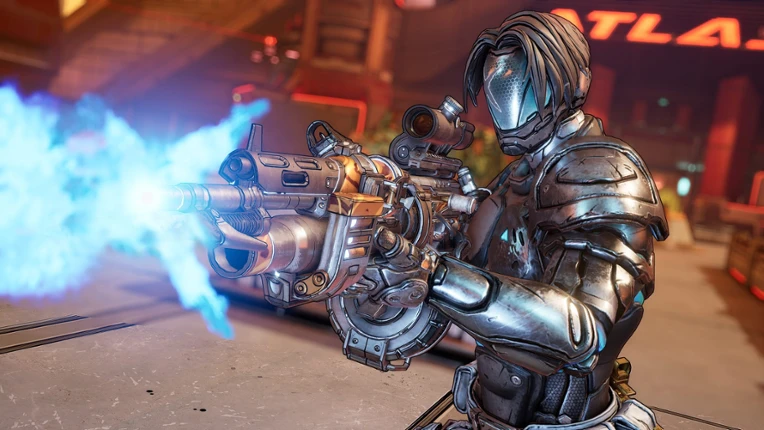
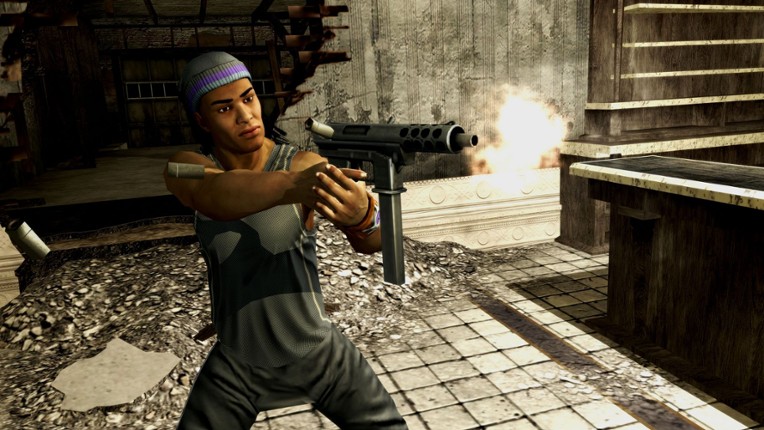
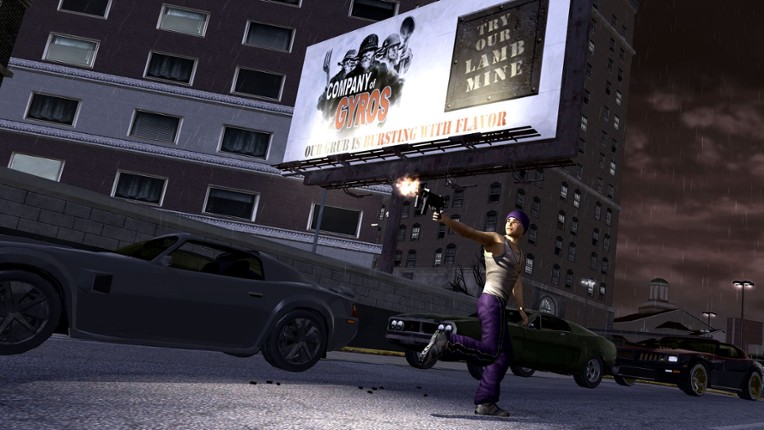
- 76%Game Brain ScoreMost mentioned positive aspects:story, gameplayMost mentioned negative aspects:graphics, optimization75% User Score 12,791 reviewsCritic Score 79%6 reviewsTrade the serious post-apocalyptic tone for chaotic, satirical urban crime sprees that prioritize over-the-top comedy and physics-based sandbox destruction. If you enjoyed this game, see our list of games similar to Saints Row 2.View Game
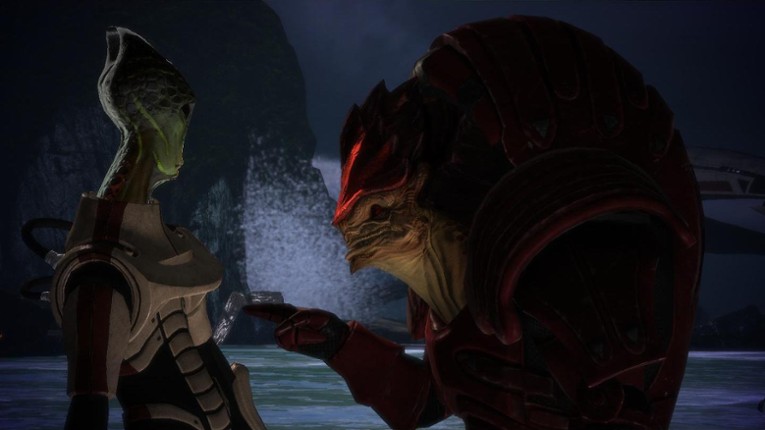
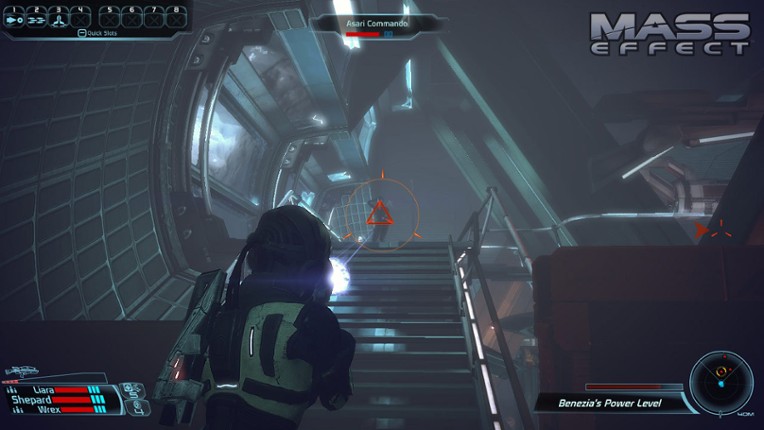
- 90%Game Brain ScoreMost mentioned positive aspects:story, graphicsMost mentioned negative aspects:stability, grinding91% User Score 63,724 reviewsCritic Score 89%58 reviewsExperience a cinematic space opera where relationship building and branching dialogue choices outweigh the scavenging and crafting found in the wasteland. If you enjoyed this game, see our list of games similar to Mass Effect.View Game
27 View Game 91%Game Brain ScoreMost mentioned positive aspects:story, atmosphereMost mentioned negative aspects:stability, optimization95% User Score 11,572 reviewsCritic Score 79%3 reviewsEmbrace a grittier, unforgiving simulation of radiation-blasted Eastern Europe where dynamic anomalies and tactical realism replace arcade-style loot and level progression. If you enjoyed this game, see our list of games similar to S.T.A.L.K.E.R.: Call of Pripyat.View Game


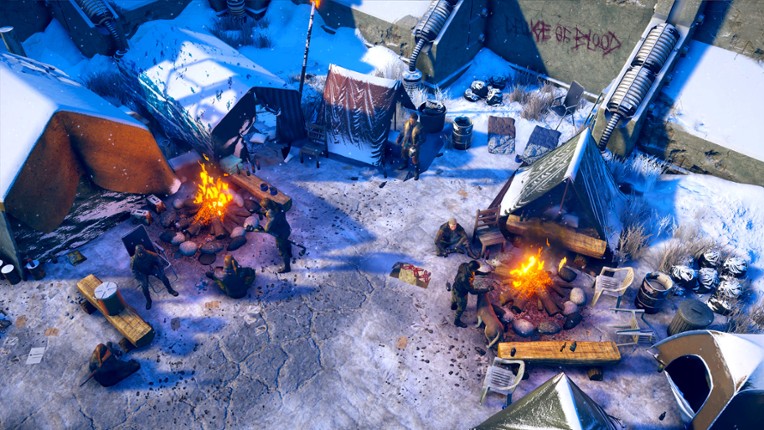
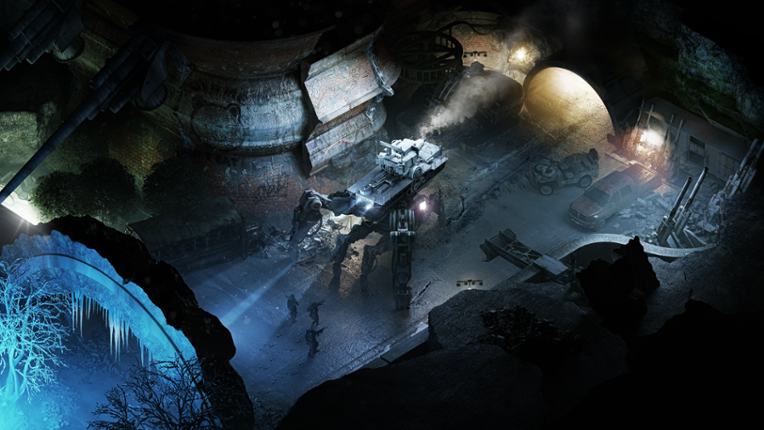
- 85%Game Brain ScoreMost mentioned positive aspects:story, gameplayMost mentioned negative aspects:stability, optimization85% User Score 14,077 reviewsCritic Score 85%52 reviewsMaintains the post-apocalyptic desperation but replaces real-time action with tactical turn-based combat and isometric perspective, demanding strategic party composition over lone-wanderer improvisation. If you enjoyed this game, see our list of games similar to Wasteland 3.View Game
29 View Game 78%Game Brain ScoreMost mentioned positive aspects:story, graphicsMost mentioned negative aspects:optimization, stability78% User Score 8,987 reviews
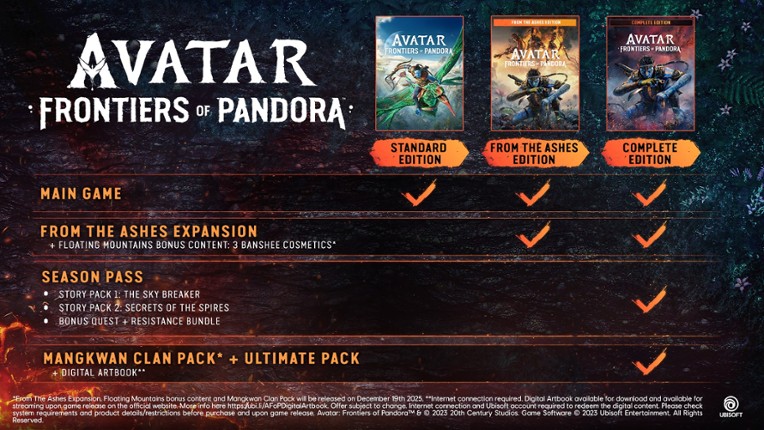
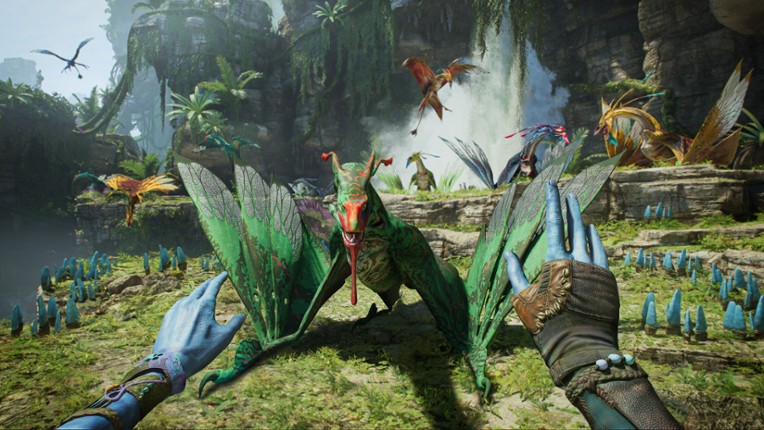
Includes the main game, the season pass, cosmetics, bonus content, the digital artbook, and the From the Ashes expansion. If you enjoyed this game, see our list of games similar to Avatar: Frontiers of Pandora.
View Game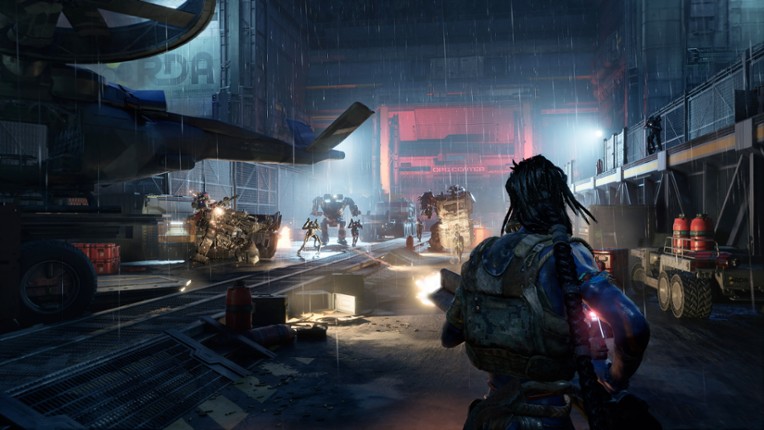
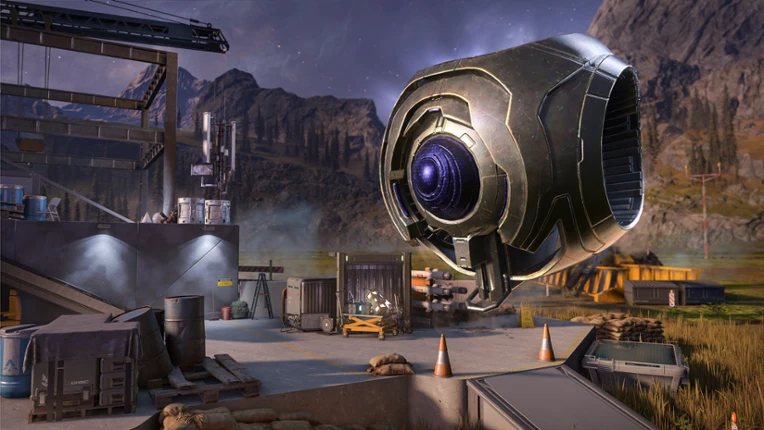
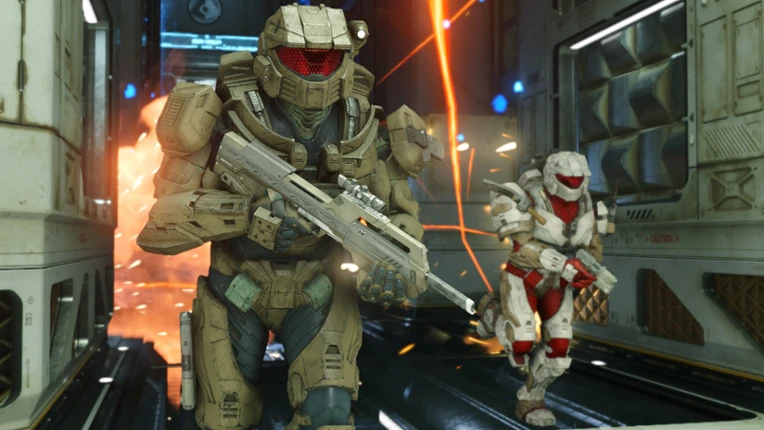
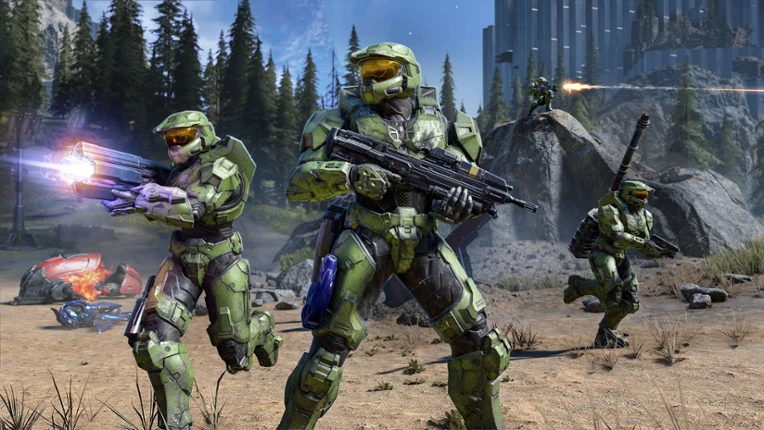
- 76%Game Brain ScoreMost mentioned positive aspects:gameplay, storyMost mentioned negative aspects:monetization, optimization68% User Score 137,967 reviewsCritic Score 84%58 reviewsWhile lacking the traditional RPG character building, this sci-fi shooter offers a tighter combat loop for those prioritizing movement and competitive mechanics. If you enjoyed this game, see our list of games similar to Halo Infinite.View Game
- 73%Game Brain ScoreMost mentioned positive aspects:story, gameplayMost mentioned negative aspects:monetization, stability70% User Score 7,918 reviewsCritic Score 76%9 reviews
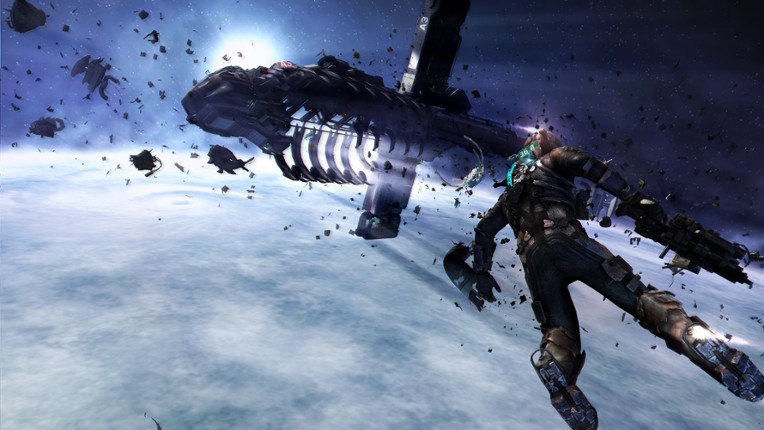
Dead Space 3 is a 2013 survival horror action video game developed by Visceral Games and published by Electronic Arts for PlayStation 3, Windows, and Xbox 360. It is the third and final main entry in the Dead Space series. The game supports online cooperative multiplayer sessions in which a second player takes the role of new character John Carver. If you enjoyed this game, see our list of games similar to Dead Space 3.
View Game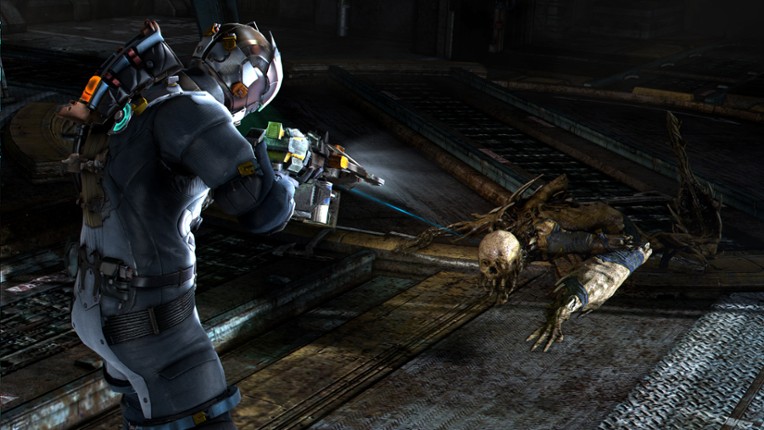
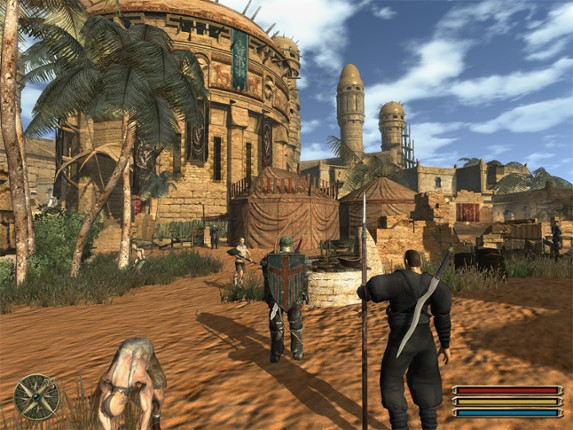
- 70%Game Brain ScoreMost mentioned positive aspects:story, graphicsMost mentioned negative aspects:stability, optimization69% User Score 3,578 reviewsCritic Score 70%2 reviewsTransplants open-world exploration and sandbox freedom into medieval dark fantasy rather than sci-fi, with steeper difficulty curves and less forgiving combat that rewards methodical engagement. If you enjoyed this game, see our list of games similar to Gothic 3.View Game
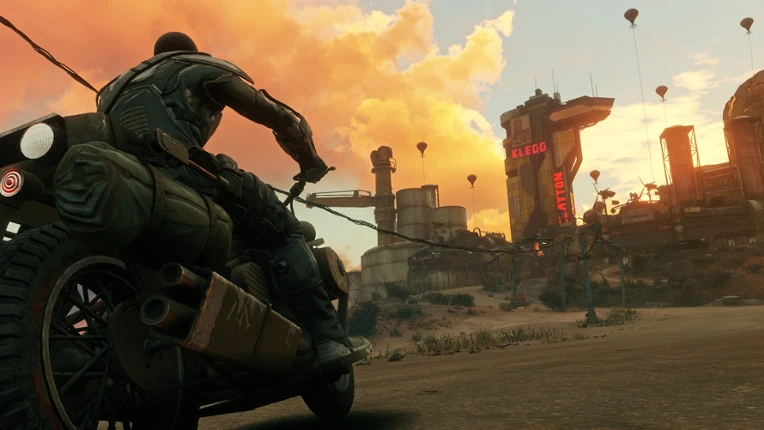
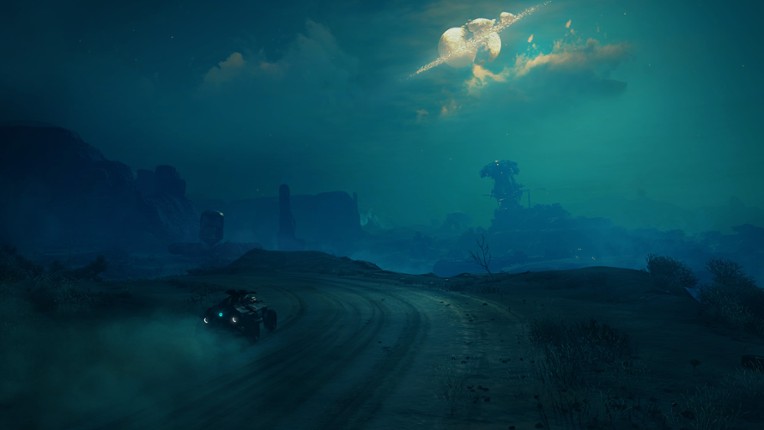
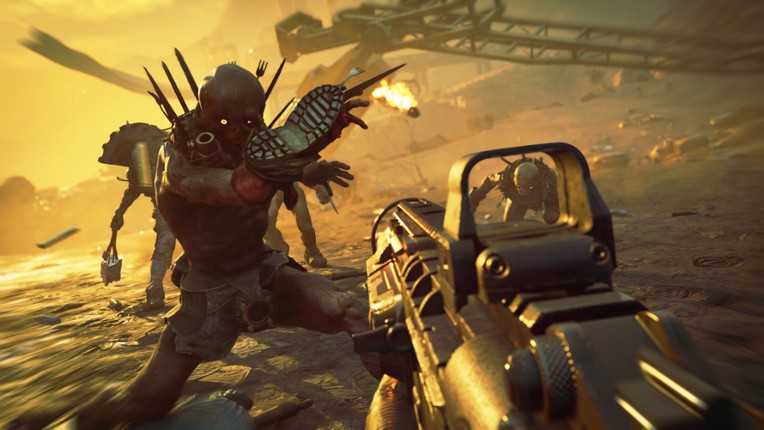
- 66%Game Brain ScoreMost mentioned positive aspects:gameplay, graphicsMost mentioned negative aspects:story, stability65% User Score 7,866 reviewsCritic Score 67%10 reviewsAmplifies Fallout 4’s post-apocalyptic chaos with high-octane combat, vibrant cyberpunk aesthetics, and a faster, more explosive gameplay style. If you enjoyed this game, see our list of games similar to RAGE 2.View Game
34 View Game 94%Game Brain ScoreMost mentioned positive aspects:story, gameplayMost mentioned negative aspects:graphics, stability94% User Score 15,146 reviews
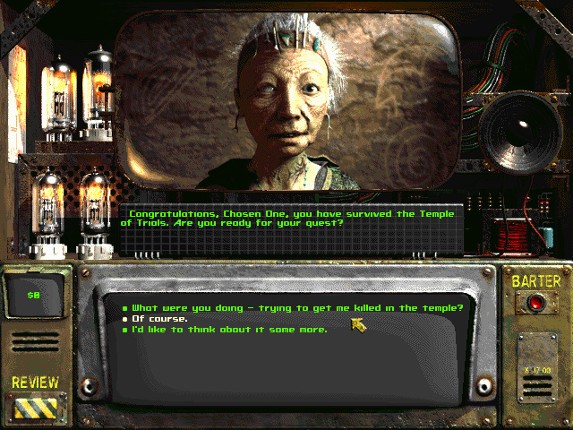
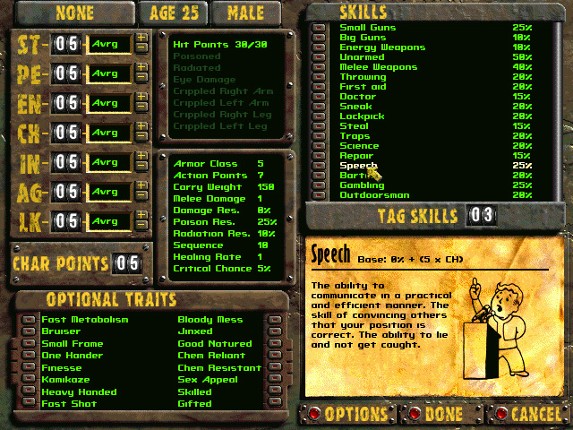
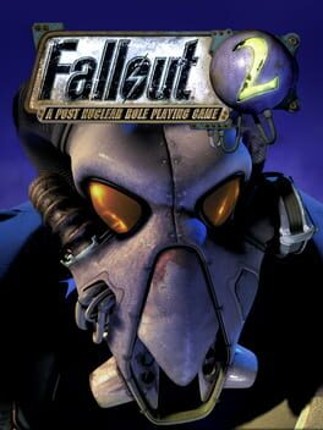
Fallout® 2 is the sequel to the critically acclaimed game that took RPG'ing out of the dungeons and into a dynamic, apocalyptic retro-future. It's been 80 long years since your ancestors trod across the wastelands. As you search for the Garden of Eden Creation Kit to save your primitive village, your path is strewn with crippling radiation, megalomaniac mutants, and a relentless stream of lies,… If you enjoyed this game, see our list of games similar to Fallout 2: A Post Nuclear Role Playing Game.
View Game
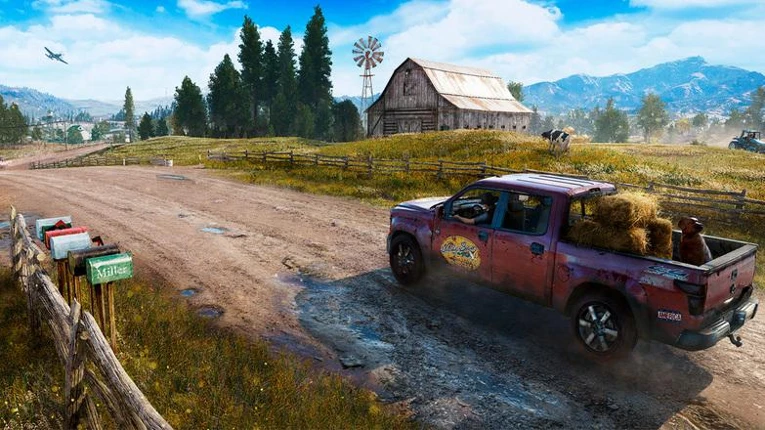
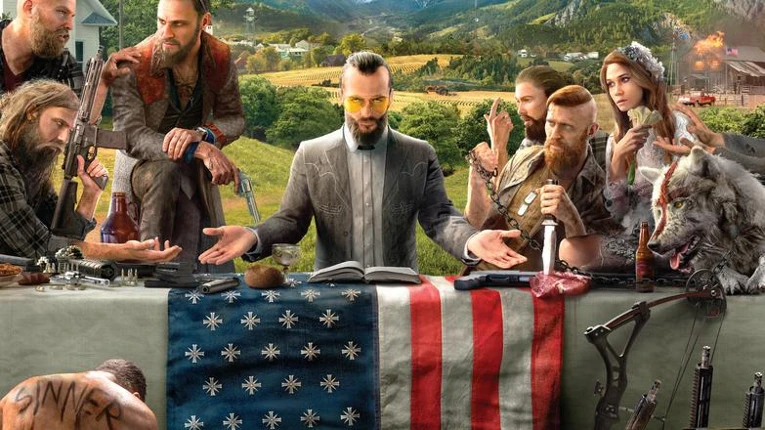
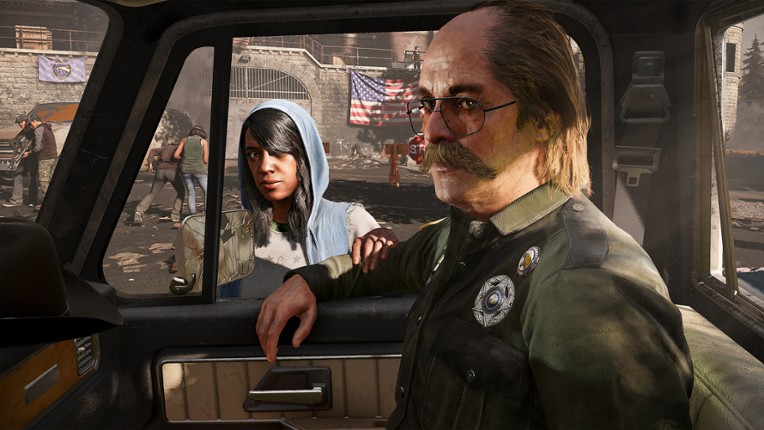
- 82%Game Brain ScoreMost mentioned positive aspects:story, gameplayMost mentioned negative aspects:stability, grinding80% User Score 120,746 reviewsCritic Score 85%17 reviewsSwaps post-apocalyptic decay for vibrant rural Montana, trading faction complexity for direct confrontation with a charismatic cult in first-person co-op gameplay. If you enjoyed this game, see our list of games similar to Far Cry 5.View Game
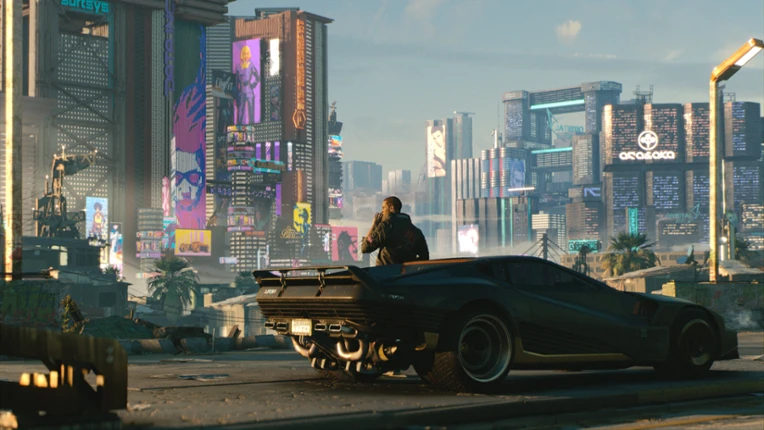
- 80%Game Brain ScoreMost mentioned positive aspects:story, gameplayMost mentioned negative aspects:stability, optimization88% User Score 381,061 reviewsCritic Score 72%51 reviewsUpgrade to a dense, neon-soaked vertical city where character build options and dialogue choices define your path through a futuristic corporate dystopia. If you enjoyed this game, see our list of games similar to 赛博朋克 2077.View Game
37 View Game 75%Game Brain ScoreMost mentioned positive aspects:story, gameplayMost mentioned negative aspects:stability, optimization81% User Score 64,684 reviewsCritic Score 70%20 reviewsOffers modern military tactical gameplay emphasizing teamwork and stealth in a more realistic shooter environment compared to Fallout 4’s RPG and crafting focus. If you enjoyed this game, see our list of games similar to Tom Clancy's Ghost Recon Wildlands.View Game
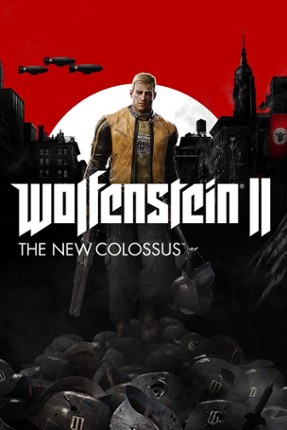
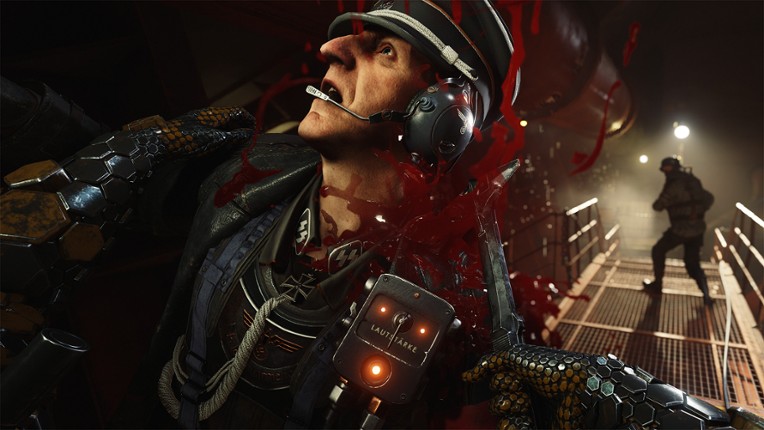
38 View Game 78%Game Brain ScoreMost mentioned positive aspects:story, gameplayMost mentioned negative aspects:stability, grinding77% User Score 29,500 reviewsCritic Score 80%38 reviewsRecasts Fallout 4’s post-apocalyptic world into a dystopian alternate history with intense first-person shooter action and a stronger narrative focus on resistance and war. If you enjoyed this game, see our list of games similar to Wolfenstein 2: The New Colossus.View Game
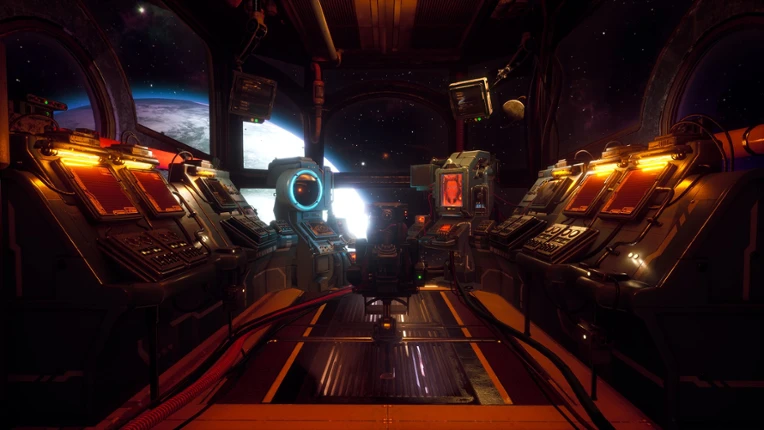
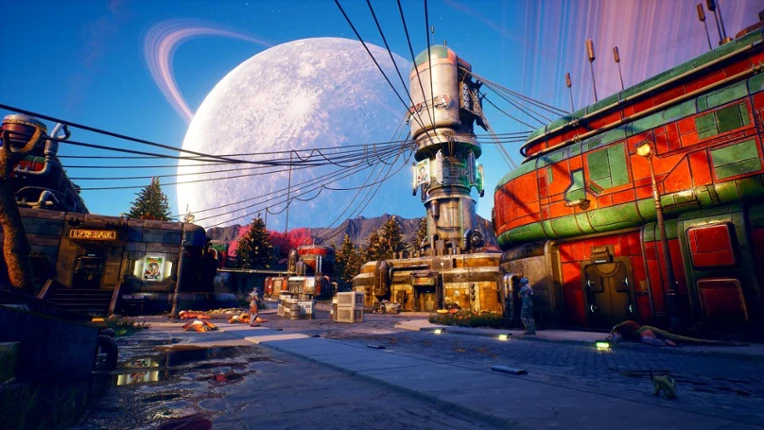
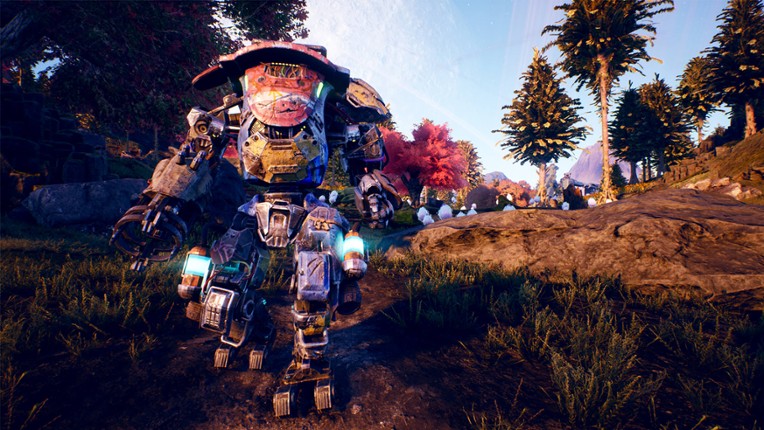
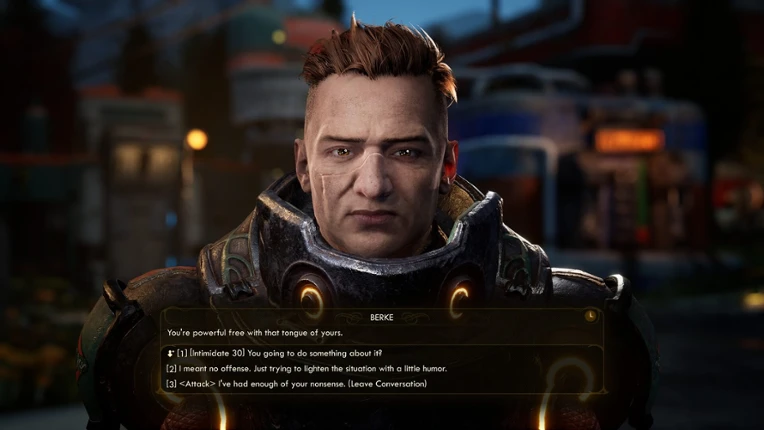
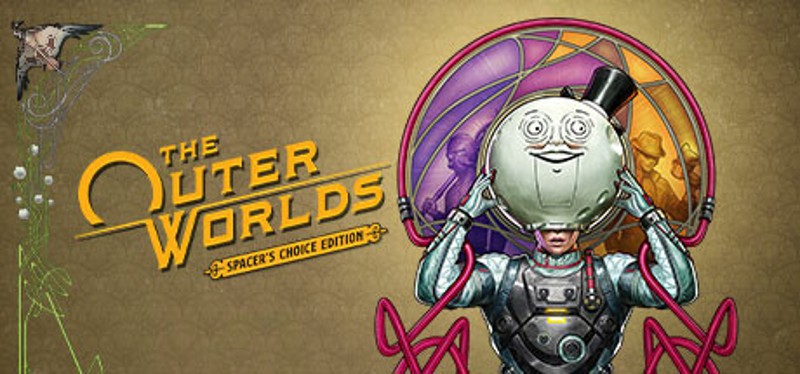
- 78%Game Brain ScoreMost mentioned positive aspects:story, gameplayMost mentioned negative aspects:optimization, stability82% User Score 19,009 reviewsCritic Score 70%4 reviewsDistills Fallout's formula into a leaner, comedic space-western with sharper writing and faster pacing, though its smaller scope trades epic sandbox exploration for focused character-driven storytelling. If you enjoyed this game, see our list of games similar to The Outer Worlds.View Game
40 View Game 95%Game Brain ScoreMost mentioned positive aspects:story, graphicsMost mentioned negative aspects:stability, grinding96% User Score 24,537 reviewsCritic Score 93%3 reviews
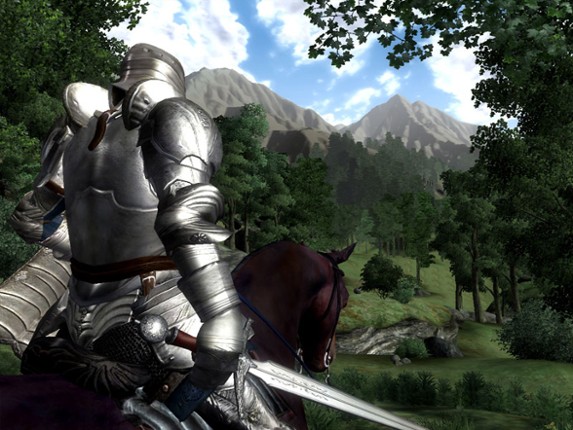
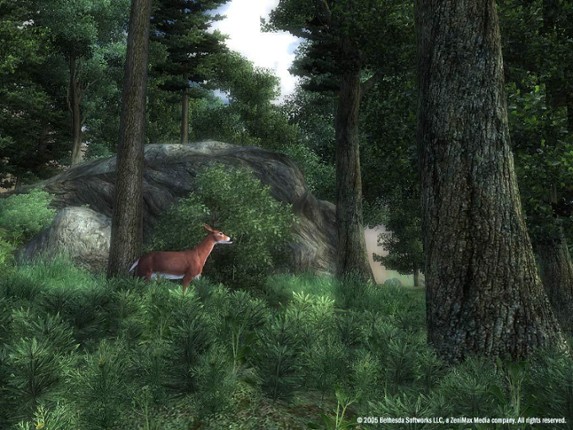
After the mysterious and untimely death of the Emperor, desperate factions vie for control of Tamriel's throne. With the empire ready to crumble, the gates of Oblivion open and demons march upon the land, laying waste to everything in their path. To turn the tide of darkness the player must find the lost heir to the throne and unravel the sinister plot that threatens to destroy all of Tamriel. If you enjoyed this game, see our list of games similar to The Elder Scrolls IV: Oblivion.
View Game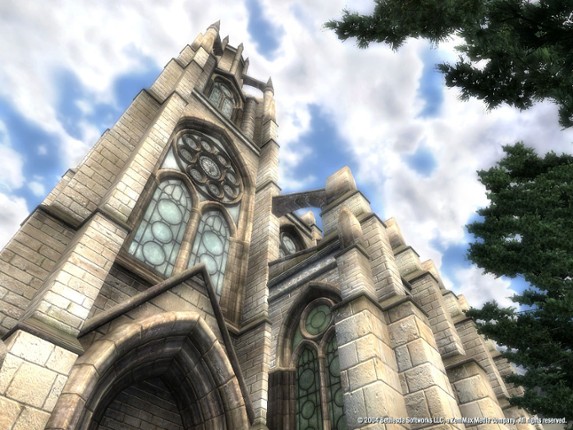
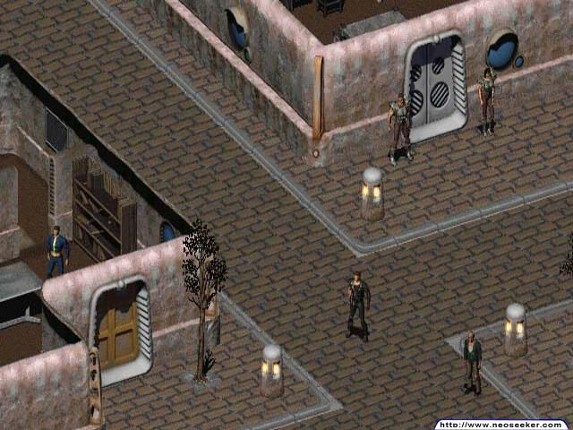
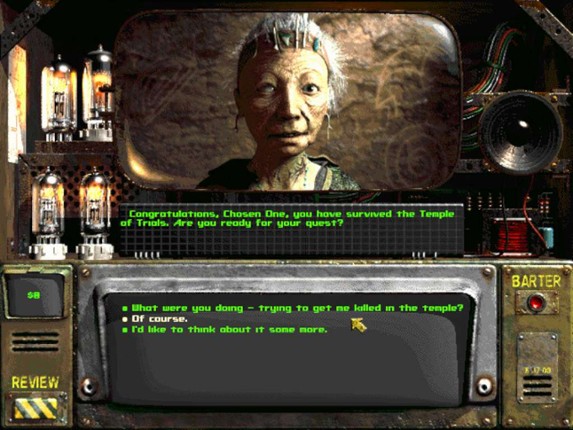
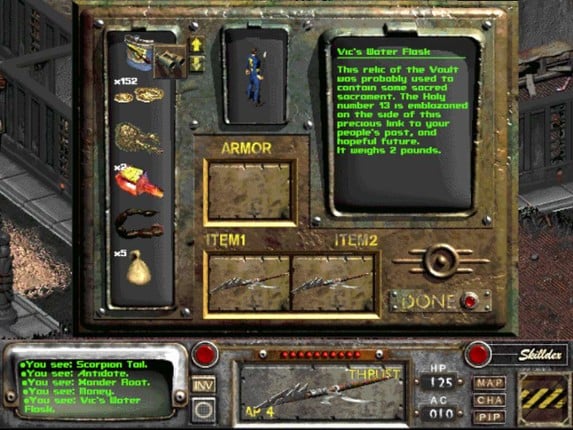
- 94%Game Brain ScoreMost mentioned positive aspects:story, gameplayMost mentioned negative aspects:graphics, stability94% User Score 5,878 reviewsReturns to the franchise's isometric roots with intentional comedy and camp, stripping away modern action mechanics to emphasize choice-driven narrative and tactical depth. If you enjoyed this game, see our list of games similar to Fallout 2.View Game
- 78%Game Brain ScoreMost mentioned positive aspects:story, graphicsMost mentioned negative aspects:optimization, stability76% User Score 3,453 reviewsCritic Score 79%11 reviews
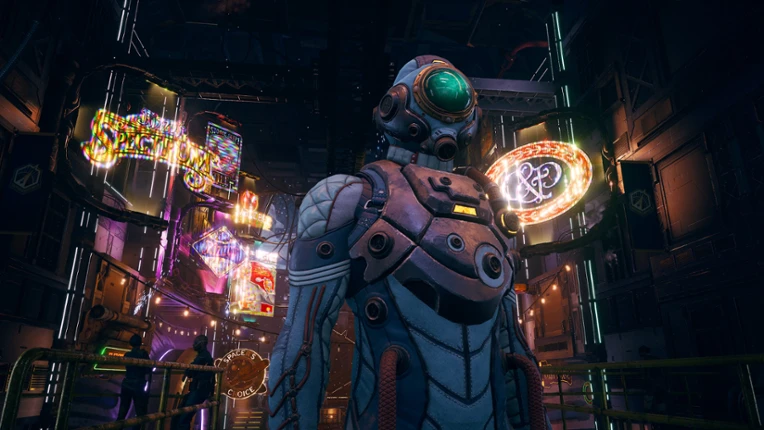
The Outer Worlds: Spacer’s Choice Edition is the ultimate way to play the award-winning RPG from Obsidian Entertainment and Private Division. Including the base game and all DLC, this remastered masterpiece is the absolute best version of The Outer Worlds. If you enjoyed this game, see our list of games similar to The Outer Worlds.
View Game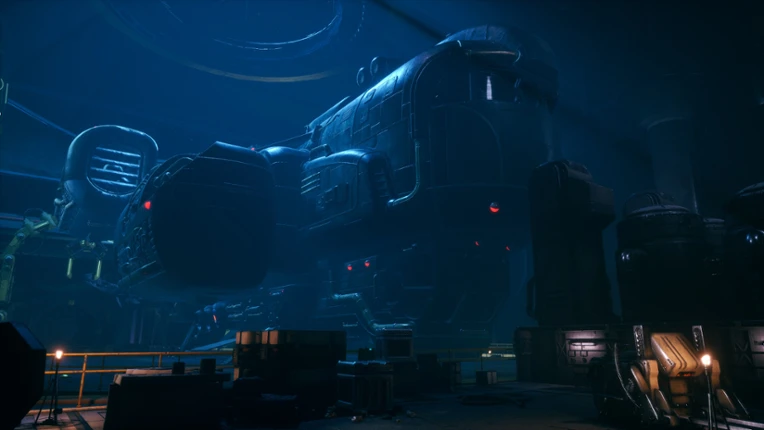
- 75%Game Brain ScoreMost mentioned positive aspects:story, gameplayMost mentioned negative aspects:stability, grinding76% User Score 11,983 reviewsCritic Score 73%66 reviews
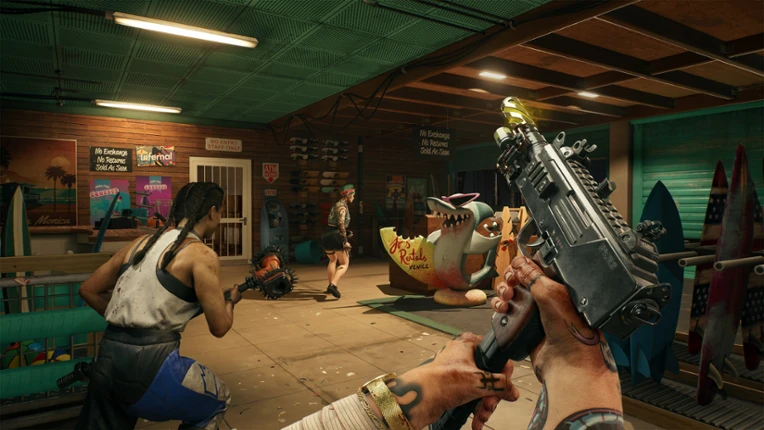
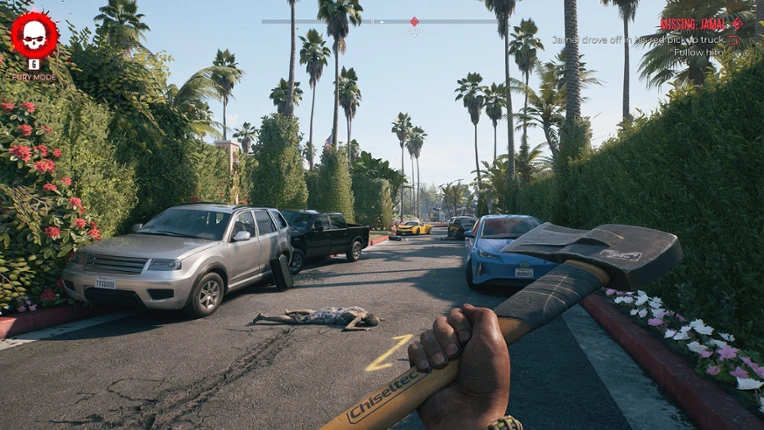
Buy Dead Island 2 on PlayStation Store. The open-world zombie-slaying action RPG makes its long-awaited return. If you enjoyed this game, see our list of games similar to Dead Island 2.
View Game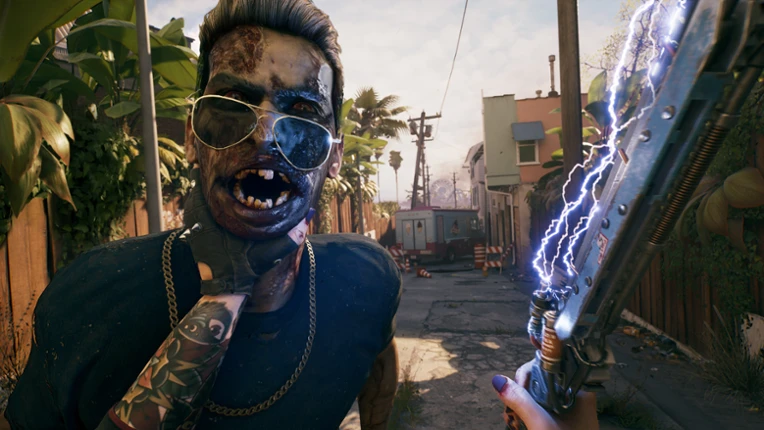
- 75%Game Brain ScoreMost mentioned positive aspects:story, gameplayMost mentioned negative aspects:optimization, monetization66% User Score 78,860 reviewsCritic Score 84%68 reviews
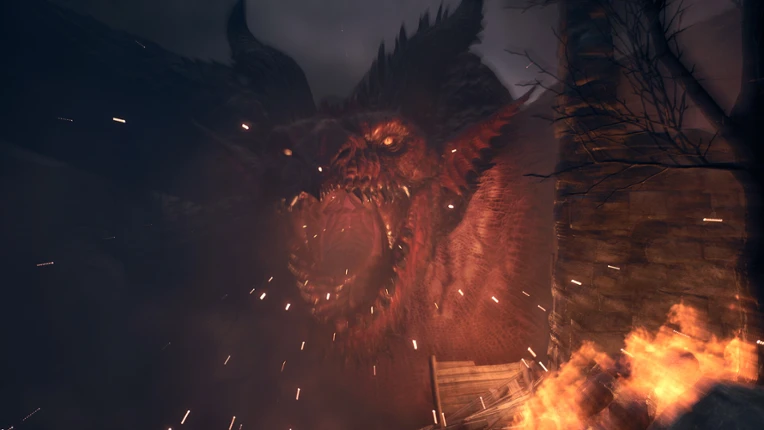
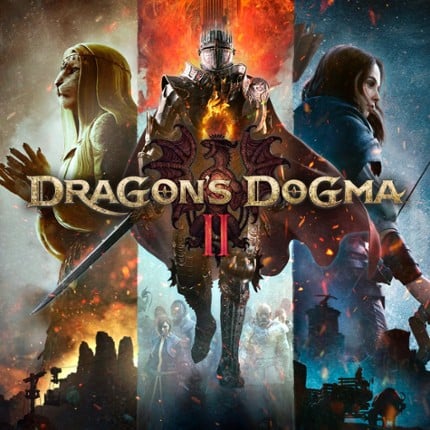
Discover Dragon's Dogma 2 on the official PlayStation website - screenshots, trailers, Arisen and Pawn details, enemies, world, vocation options, versions of the game, and more If you enjoyed this game, see our list of games similar to Dragon's Dogma 2.
View Game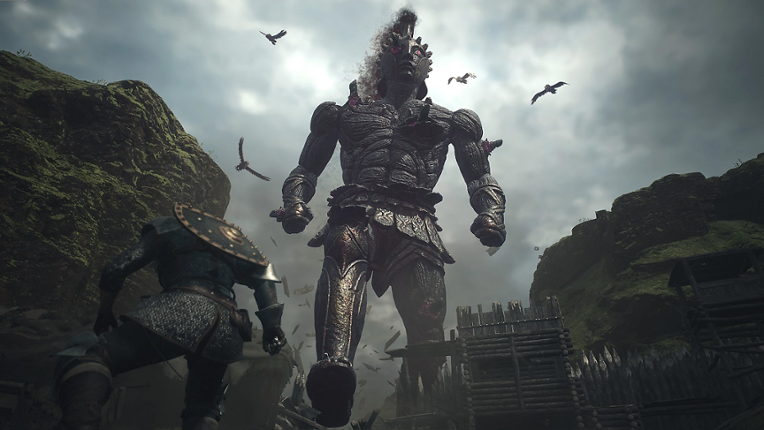
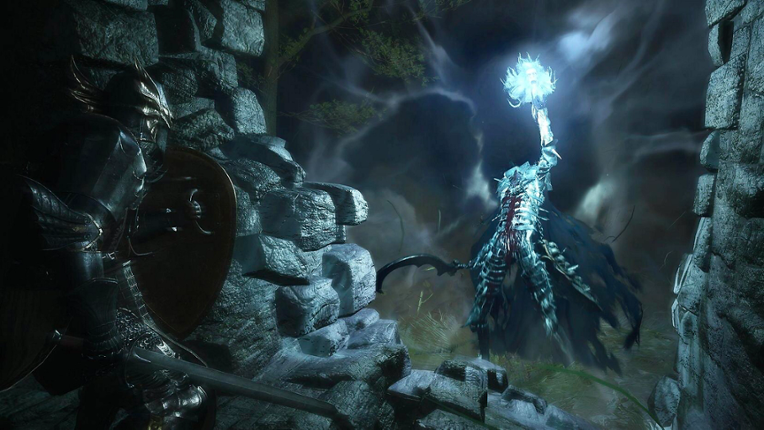
- 86%Game Brain ScoreMost mentioned positive aspects:story, gameplayMost mentioned negative aspects:optimization, grinding86% User Score 45,791 reviews
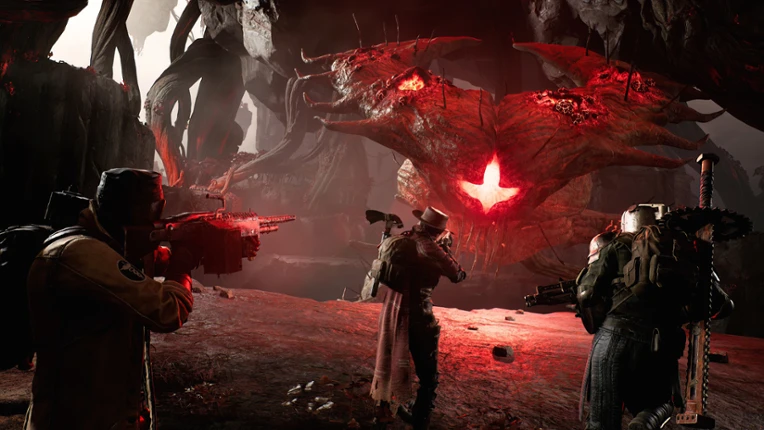
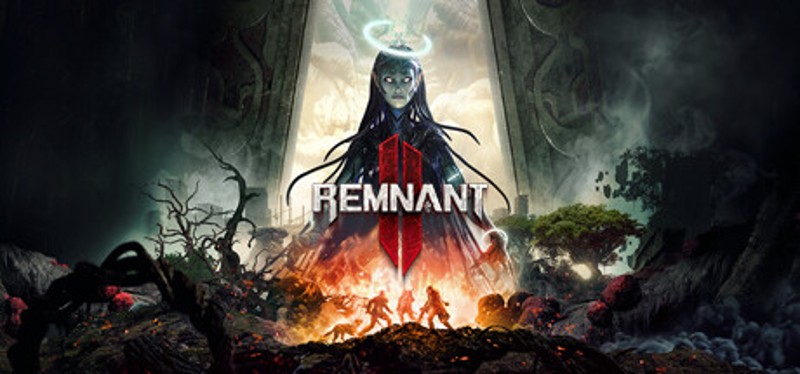
The Deluxe Edition includes: - The game - Early Access to 3 sets: (Elder Armor, Radiant Armor, and Void Armor) If you enjoyed this game, see our list of games similar to Remnant 2.
View Game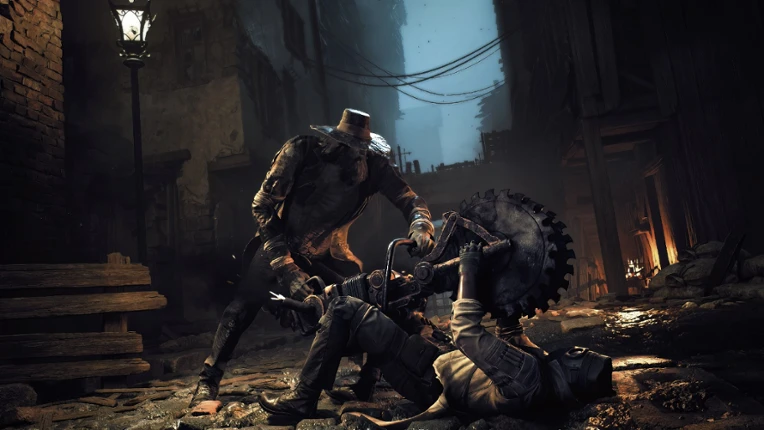
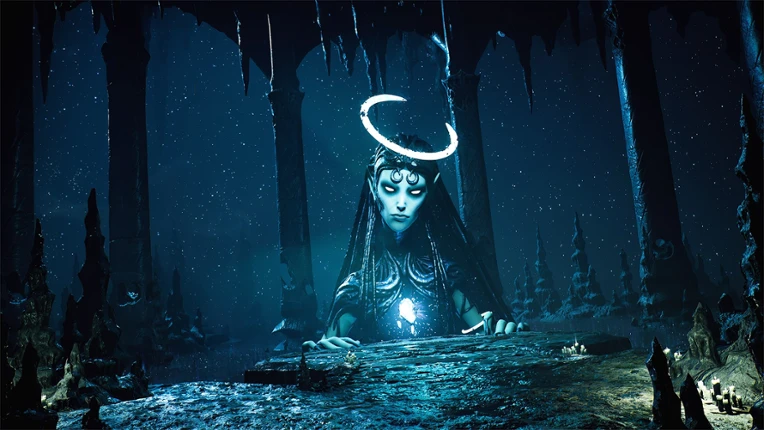
- 86%Game Brain ScoreMost mentioned positive aspects:gameplay, graphicsMost mentioned negative aspects:stability, monetization88% User Score 98,036 reviewsCritic Score 80%3 reviews
Includes: Horse Ranch expansion Unleash your imagination and create a unique world of Sims that’s an expression of you. If you enjoyed this game, see our list of games similar to The Sims 4.
View Game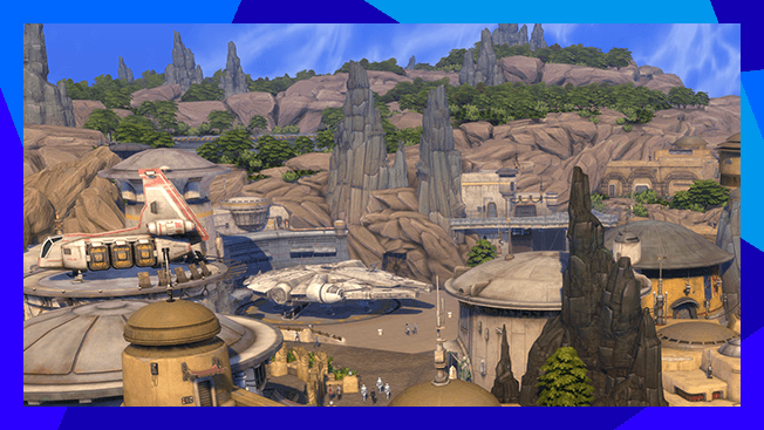

47 View Game 91%Game Brain ScoreMost mentioned positive aspects:story, graphicsMost mentioned negative aspects:stability, grinding92% User Score 173,007 reviewsCritic Score 90%2 reviews
The seeds of our future are sown in his past. For the first time ever, The Master Chief’s entire story is on one console. Featuring a re-mastered Halo 2: Anniversary, along with Halo: Combat Evolved Anniversary, Halo 3, and Halo 4, new digital series, Halo: Nightfall, and access to the Halo 5: Guardians Beta, this is the definitive Halo experience. If you enjoyed this game, see our list of games similar to Halo: The Master Chief Collection.
View Game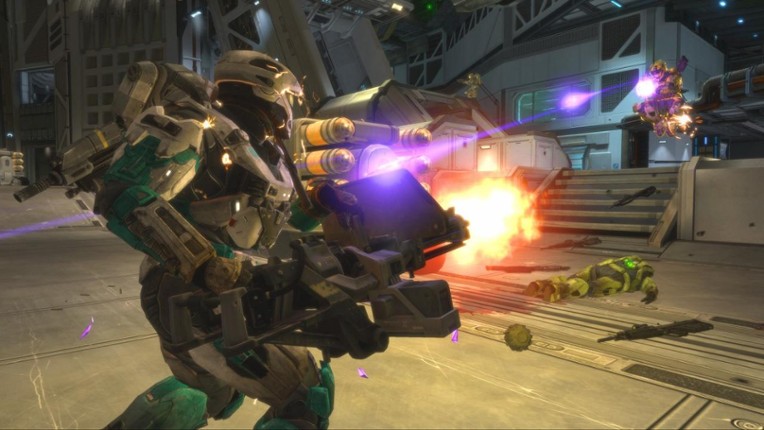
48 View Game 87%Game Brain ScoreMost mentioned positive aspects:story, graphicsMost mentioned negative aspects:stability, grinding85% User Score 39,982 reviewsCritic Score 91%4 reviews
The Croft Edition Extras includes the following items: 2 Additional weapons 2 Additional outfits If you enjoyed this game, see our list of games similar to Shadow of the Tomb Raider.
View Game
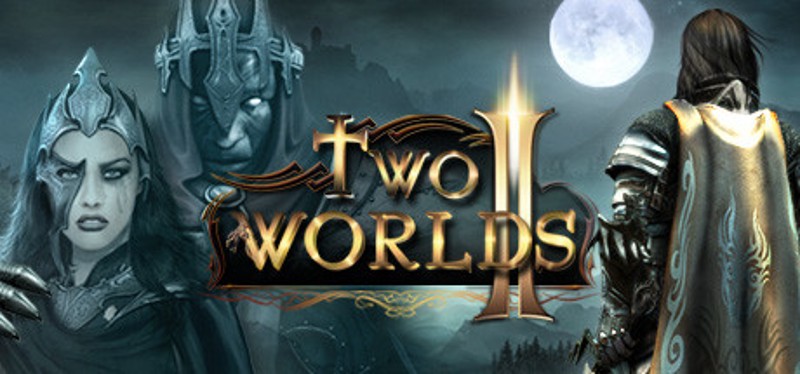
- 58%Game Brain ScoreMost mentioned positive aspects:story, graphicsMost mentioned negative aspects:monetization, stability54% User Score 4,158 reviewsCritic Score 66%5 reviewsShifts Fallout 4’s post-apocalyptic setting to a high fantasy medieval world with multiplayer co-op and a stronger focus on magic and dark fantasy themes. If you enjoyed this game, see our list of games similar to Two Worlds II.View Game
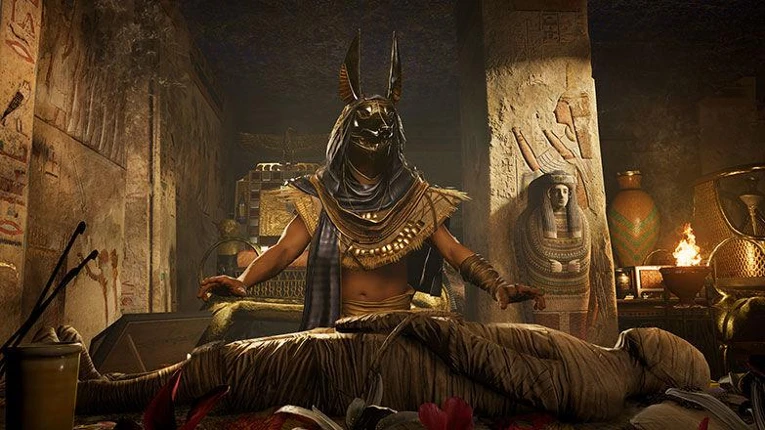
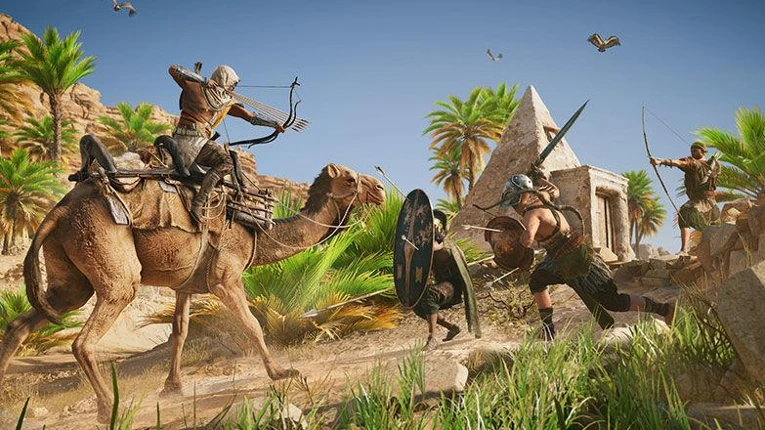
50 View Game 84%Game Brain ScoreMost mentioned positive aspects:story, gameplayMost mentioned negative aspects:optimization, grinding85% User Score 59,064 reviewsCritic Score 84%12 reviewsSwap the nuclear wasteland for ancient Egypt to find a historical parkour-focused sandbox that emphasizes stealth over crafting and gunplay. If you enjoyed this game, see our list of games similar to Assassin's Creed Origins.View Game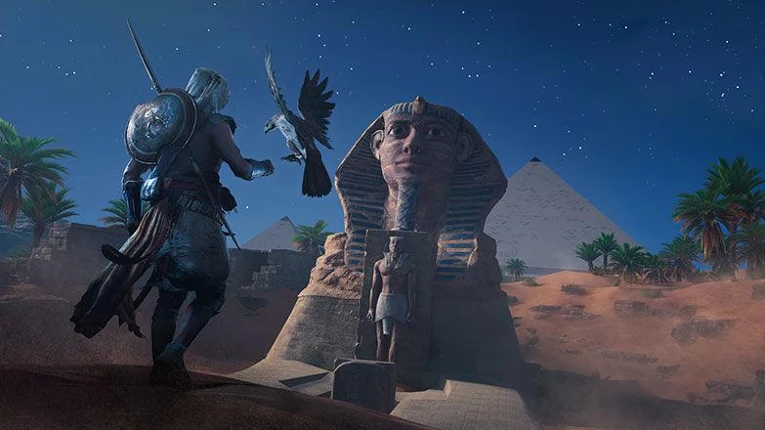


 View Game
















Frequently Asked Questions
The Elder Scrolls V: Skyrim delivers massive open-world exploration with first-person gameplay and deep character customization. Fallout: New Vegas offers superior storytelling in a post-apocalyptic setting with branching choices. For a sci-fi twist, Starfield provides similar exploration mechanics across multiple planets with excellent faction quests and NASA-punk aesthetics.
Fallout 76 is the direct multiplayer answer, featuring online co-op in the same universe with base building and dark humor. Dying Light 2 Stay Human offers co-op exploration in an expansive open world with parkour mechanics. Dragon Age: Inquisition supports co-op gameplay with rich storytelling and tactical combat across a vast fantasy world.
Fallout: New Vegas is widely praised for complex characters and branching narratives that exceed Fallout 4's main story. Dragon Age: Inquisition emphasizes choice-driven dialogue with meaningful character relationships. Starfield features well-written faction questlines with cinematic storytelling that offers more narrative depth than Fallout 4's central campaign.
Fallout 76 expands on Fallout 4's crafting with base building and resource gathering. Dying Light 2 Stay Human combines survival elements with exploration and resource management. Fallout 3 offers the original survival atmosphere with similar scavenging and crafting systems in a grittier post-apocalyptic world.
Fallout 76 transitioned to free-to-play with optional cosmetic purchases, offering the closest experience to Fallout 4 without upfront cost. Check periodic sales on Fallout 3 and Fallout: New Vegas for deeply discounted prices. Game Pass subscriptions often include multiple similar titles at low monthly rates.
Fallout: New Vegas delivers dark humor and morally complex storytelling in a post-nuclear setting. Assassin's Creed Valhalla combines mature Viking themes with exploration and brutal action. Dying Light 2 Stay Human features a grim zombie-infected world with atmospheric survival elements and darker narrative choices throughout.