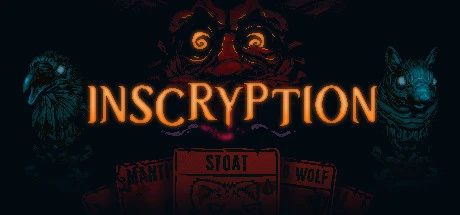



Games like Inscryption
If you fell hard for the card-battling, reality-bending world of Inscryption, you're probably hunting for games like Inscryption that scratch the same itch. That itch is a strange one: part deckbuilder, part escape room, part psychological horror story that keeps folding in on itself. Between the FMV cutscenes, the roguelike card runs, and the meta-narrative tricks, few games dare to mix genres this freely. The good news? Several titles have picked up that torch, and we've rounded up the best of them below.
What made Inscryption click wasn't just one system — it was the collision of several. You've got a roguelike deckbuilder wrapped inside a first-person escape room, wrapped inside a story that keeps breaking the fourth wall to mess with your expectations. The tone swings from darkly funny to genuinely unsettling, often in the same scene. Players searching for something similar usually want that same blend: strategic card-based combat paired with an atmosphere of dread, mystery, and narrative sleight-of-hand that rewards curiosity.
What Makes a Good Alternative to Inscryption?
- Card or deck-based strategy — Inscryption's trading, deckbuilding, and board-game mechanics are central to its loop, so the best alternatives need real strategic depth in how you build and play your hand.
- Psychological horror atmosphere — The dread in Inscryption comes from tone as much as jump scares; games that lean into unsettling, surreal environments capture that same creeping unease.
- Meta-narrative and fourth-wall tricks — Part of Inscryption's magic is how it comments on itself and the medium; alternatives with clever self-aware storytelling hit the same nerve.
- Roguelike or roguelite structure — The run-based, procedurally shifting nature of Inscryption's card battles rewards replayability, so games with similar loop-based progression scratch the itch.
- Story-rich pixel or hand-crafted art — Inscryption's visual identity pairs strongly with its narrative; games with distinctive art styles and strong soundtracks tend to deliver the same emotional weight.
Top Picks If You Enjoyed Inscryption
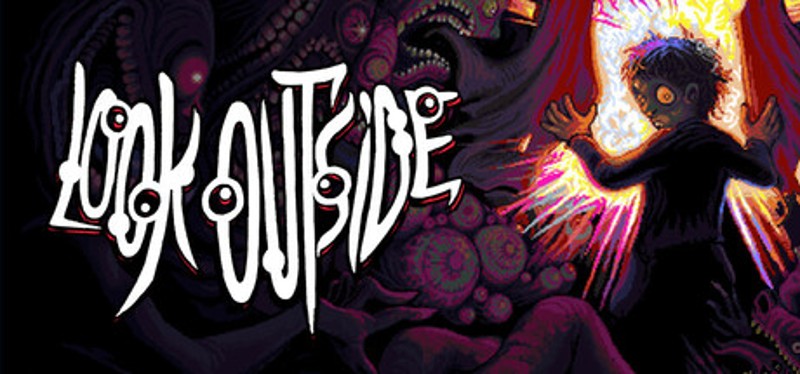
The Hex delivers the same meta-commentary and genre-blending from the same creator. Pony Island offers a shorter but equally clever fourth-wall-breaking puzzle horror trip. Black Jacket reimagines blackjack as a roguelike deckbuilder with real emotional stakes. NO-SKIN brings turn-based survival horror with a haunting pixel-art atmosphere. Void Stranger hides layers of mystery inside deceptively simple sokoban puzzles. Look Outside pairs cosmic horror with tactical combat and a stellar synth soundtrack.
Every game on this list was selected and ranked using player data and similarity to Inscryption's genres, mechanics, and tone. Browse the full list below to find your next obsession among these games like Inscryption.
- 95%Game Brain ScoreMost mentioned positive aspects:gameplay, storyMost mentioned negative aspects:grinding, stability95% User Score 1,207 reviews
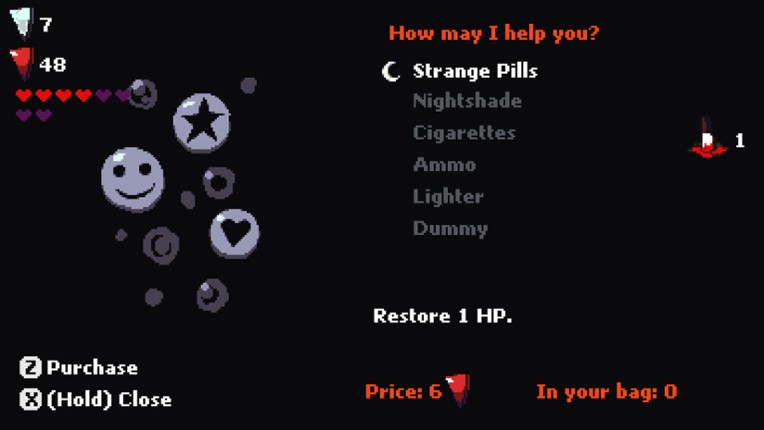
Both games trap you in a claustrophobic, psychologically taxing loop where every mechanical decision feels like a desperate bid for survival. In NO-SKIN, you will find a familiar dread in the piecemeal storytelling and surreal atmosphere that forces you to piece together the world from cryptic fragments. Its tense system of resource and inventory management mirrors the agonizing deckbuilding choices of Inscryption, requiring you to constantly sacrifice short-term safety for long-term survival.
Instead of card-battling, this unconventional detour pivots to grid-based, turn-based tactics. This mechanical shift addresses some of the tedious grinding found in Inscryption's campaign by delivering procedurally generated runs that demand fresh, spatial problem-solving rather than memorized card synergies.
Best for players who prioritize unsettling psychological atmospheres and want to trade card drafting for tight, grid-based resource survival.
If you enjoyed this game, see our list of games similar to NO-SKIN.View Game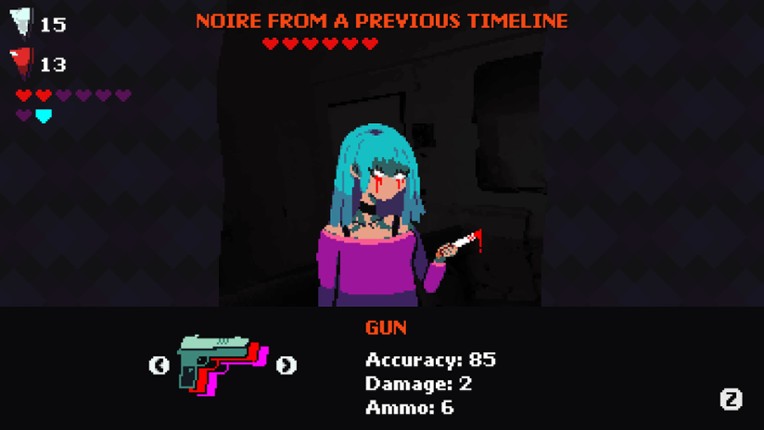
- 89%Game Brain ScoreMost mentioned positive aspects:story, gameplayMost mentioned negative aspects:grinding, replayability94% User Score 9,988 reviewsCritic Score 83%8 reviews
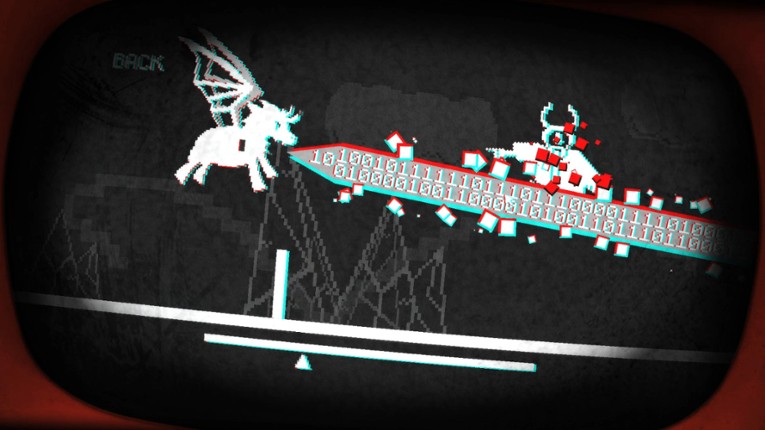
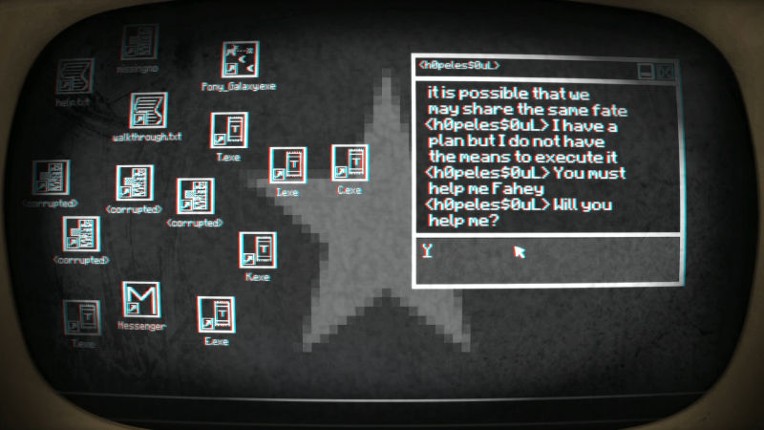
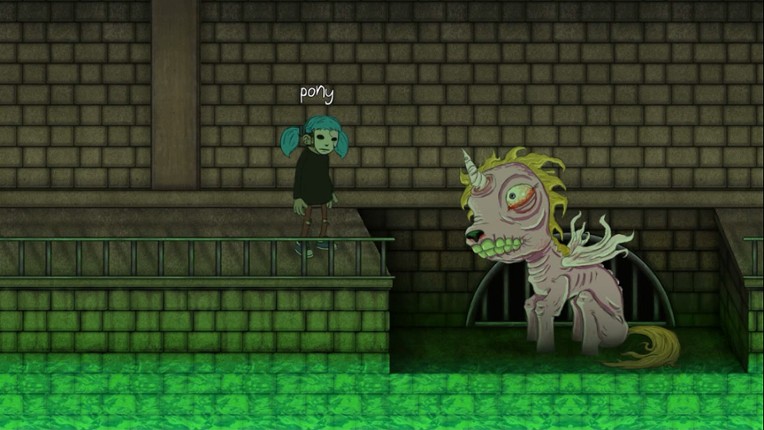
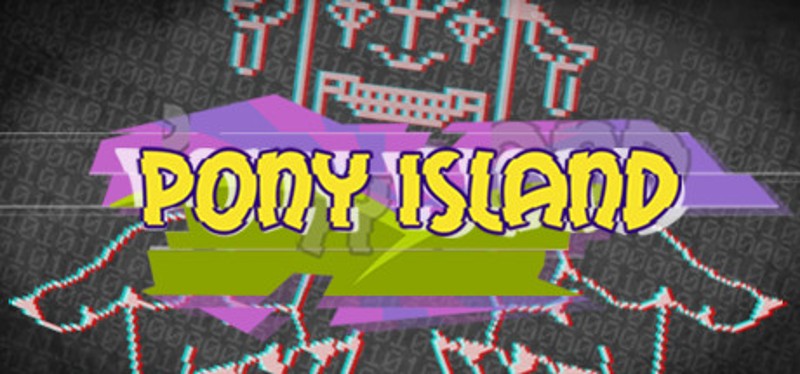
Both games trap you in systems that deliberately fight back—Inscryption chains you to a card table where the game itself becomes an antagonist, while Pony Island locks you into a broken arcade machine that resists your progress. This creates the same unsettling tension: you're solving puzzles not to win, but to break free from an entity that doesn't want you to.
The psychological horror and meta-narrative structure overlap directly. Each game peels back its own logic layer-by-layer, revealing hidden mechanics and rule-breaking moments that reward pattern recognition and lateral thinking. Trading and hacking systems in both titles reward experimentation over following a prescribed path.
Where they diverge: Pony Island compresses its vision into a deliberately short experience, trading Inscryption's roguelite replayability for a tightly-paced narrative arc. This actually addresses one of Inscryption's friction points—no grinding required, no roguelike loop fatigue.
Best for players who value atmosphere and narrative subversion over mechanical depth. If you loved Inscryption's story-as-puzzle structure but found the deckbuilding loops exhausting, Pony Island's brisk, mind-bending detour is worth the time investment.
If you enjoyed this game, see our list of games similar to Pony Island.View Game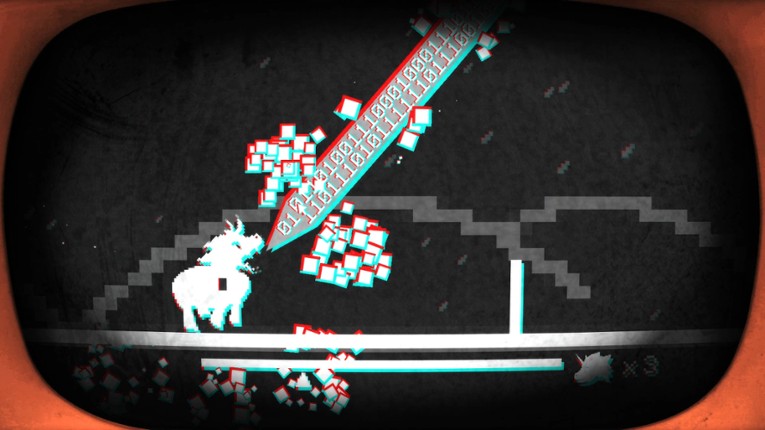
- 91%Game Brain ScoreMost mentioned positive aspects:story, gameplayMost mentioned negative aspects:grinding, stability98% User Score 25,547 reviewsCritic Score 84%28 reviews
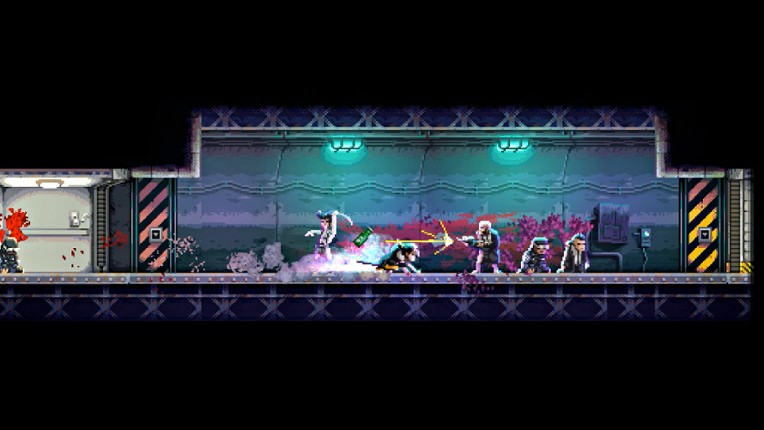
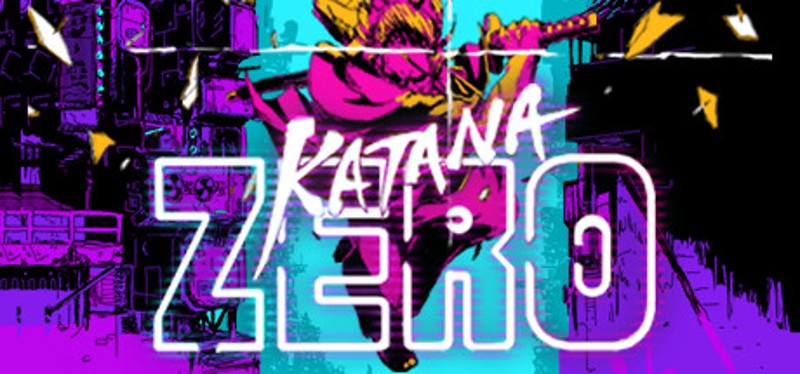
Both Inscryption and Katana ZERO thrive on unreliable narratives that force you to question your agency as a player. These games treat the screen as a fragile medium, blending meta-fictional surprises into the core loop to keep you constantly off-balance.
The shared commitment to stylized atmosphere ensures that every visual choice serves the underlying mystery. While Inscryption traps you in a slow, claustrophobic card game, Katana ZERO demands lightning-fast reflexes and precision combat.
Pick this up if you crave daring, experimental storytelling but can live without the slow-burn tactical depth of a deckbuilder.
If you enjoyed this game, see our list of games similar to Katana ZERO.View Game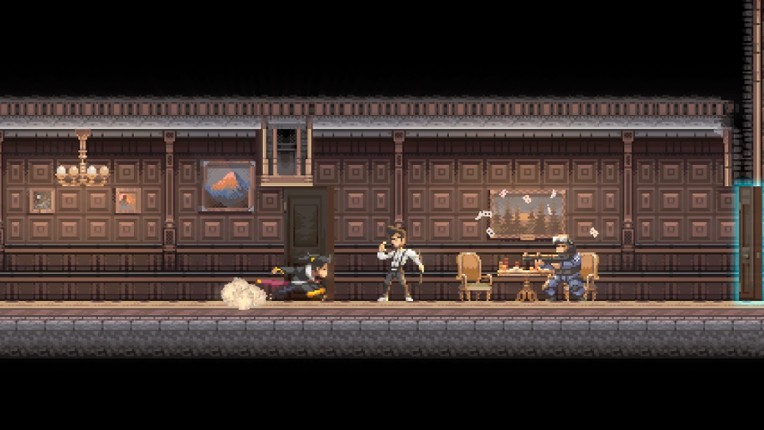
- 91%Game Brain ScoreMost mentioned positive aspects:story, gameplayMost mentioned negative aspects:grinding, stability93% User Score 788 reviewsCritic Score 80%1 reviews
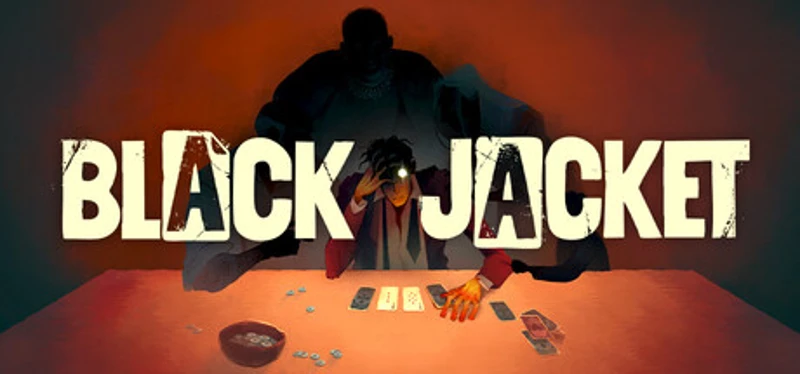
That creeping dread of watching a run collapse because of one bad draw — Inscryption fans know it well, and Black Jacket builds its entire identity around that same tension. Instead of tarot-tinged card battles, you're pushing your luck against a dealer who feels genuinely hostile, with every hit-or-stand decision carrying roguelike weight.
The deckbuilding scaffolding will feel immediately familiar: cards you acquire mid-run reshape your strategy, runs end in permadeath, and the atmosphere leans hard into unsettling rather than whimsical horror. The voice-acted, slowly-unfolding narrative also answers a common Inscryption complaint about story feeling thin outside its meta-layer — here the character interactions carry real emotional weight across a full campaign.
Where it diverges is mechanical: swapping tactical card battler logic for blackjack math means your skill ceiling is built on probability reading and risk calibration, not board positioning. That's a genuine flavor shift, not a downgrade — just a different kind of mastery.
Expect a rougher, more punishing early game with RNG that can feel stacked against you before mechanics unlock. Best for players who loved Inscryption's dread and card-driven tension more than its puzzle-solving, and who don't mind earning their strategy through repeated failure.
If you enjoyed this game, see our list of games similar to Black Jacket.View Game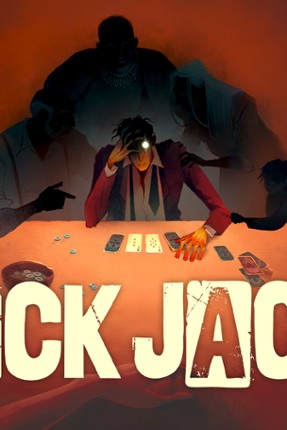
- 91%Game Brain ScoreMost mentioned positive aspects:story, gameplayMost mentioned negative aspects:grinding, replayability94% User Score 2,961 reviewsCritic Score 80%2 reviews
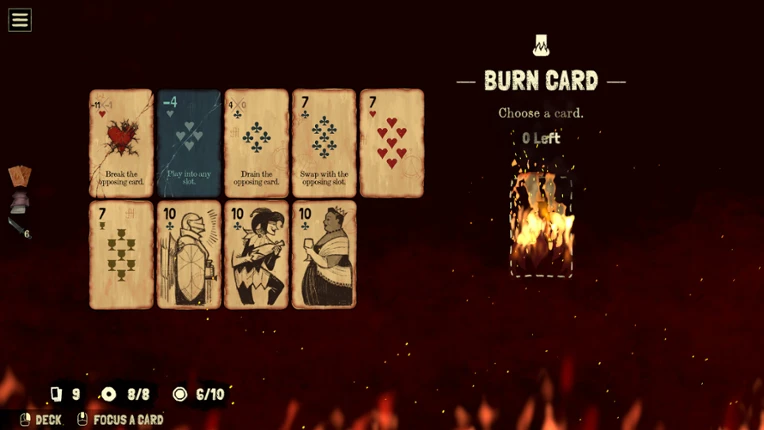
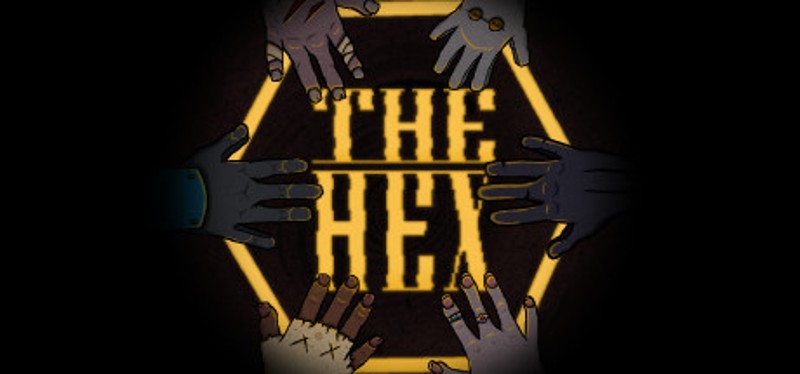
You make a seemingly ordinary move, then start questioning the rules around it: Inscryption and The Hex both turn player expectations into part of the puzzle. Their dark, pixel-art worlds mix mystery, psychological horror, humor, and meta-commentary, rewarding players who inspect systems instead of accepting them at face value.
The Hex also shares Inscryption’s taste for genre shifts, trading elements, and story-rich experimentation. That constant change creates a similar feeling of discovery: every new gameplay mode can reveal another clue about the game’s larger design, so curiosity becomes as important as reflexes or tactical planning. Its soundtrack and deliberately strange atmosphere reinforce that investigative mood.
The fresh angle is that The Hex trades Inscryption’s focused card-battling loop for platforming, RPG, and adventure sequences with choices and multiple endings. Some sections are less polished and the pacing can drag, but its self-contained single-player structure avoids aggressive monetization and keeps the experiment cohesive. Best for Inscryption fans who chase clever design, unsettling mysteries, and games that make them rethink how games work.
If you enjoyed this game, see our list of games similar to The Hex.View Game
- 97%Game Brain ScoreMost mentioned positive aspects:story, gameplayMost mentioned negative aspects:stability, grinding97% User Score 1,848 reviews
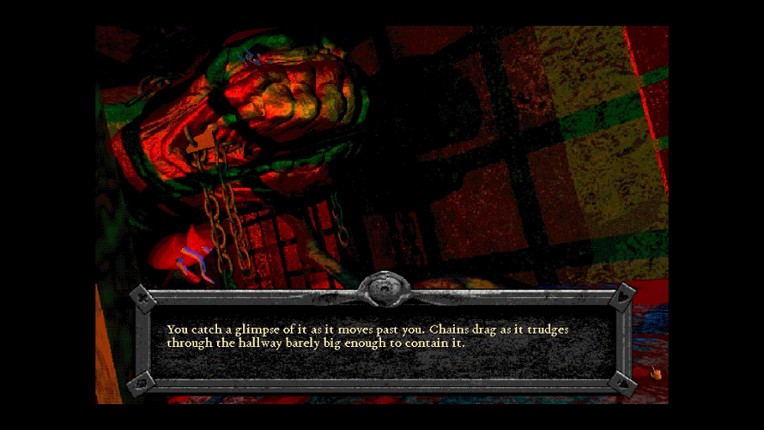
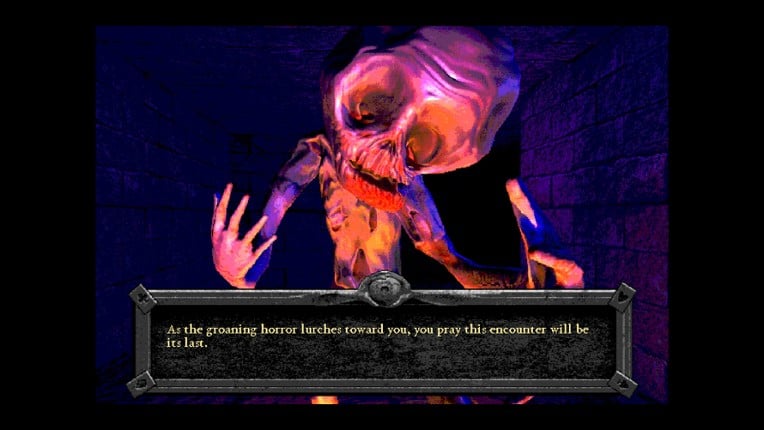
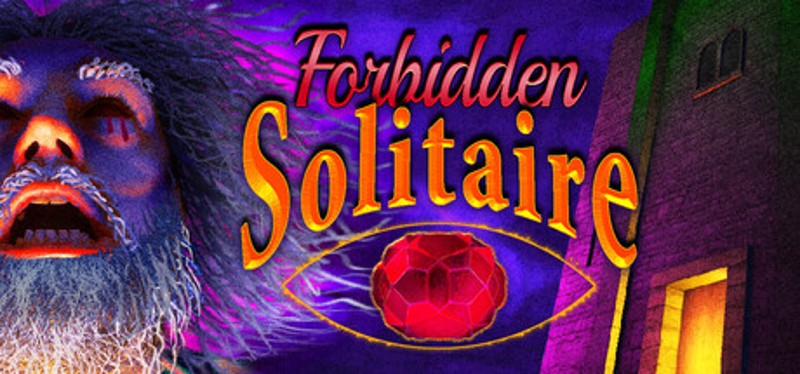
Forbidden Solitaire leans on FMV storytelling and classic solitaire mechanics, delivering a retro demon‑themed alternative to Inscryption's narrative board game.
If you enjoyed this game, see our list of games similar to Forbidden Solitaire.View Game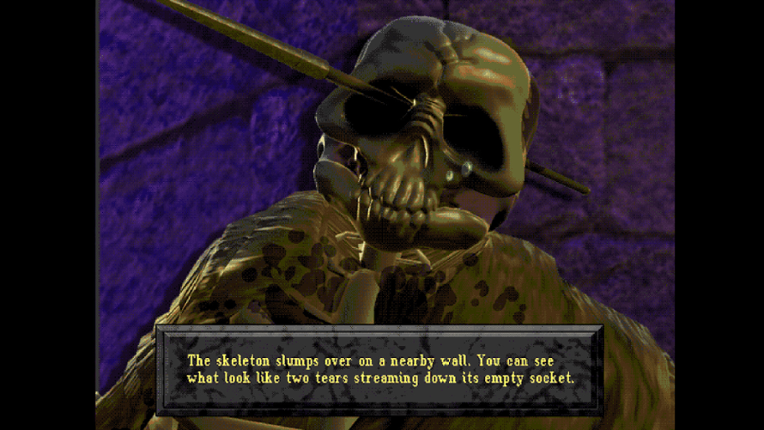
- 96%Game Brain ScoreMost mentioned positive aspects:gameplay, replayabilityMost mentioned negative aspects:grinding, monetization98% User Score 121,526 reviewsCritic Score 88%2 reviews
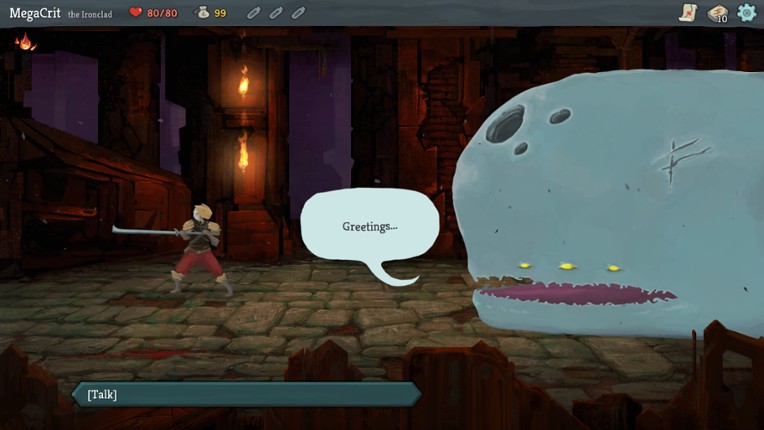
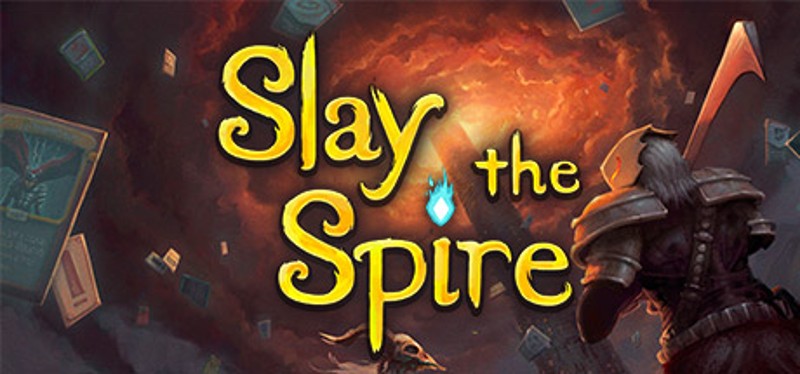
Slay the Spire keeps the deck‑building core but abandons Inscryption's horror narrative, delivering a pure roguelite card crawl.
If you enjoyed this game, see our list of games similar to Slay the Spire.View Game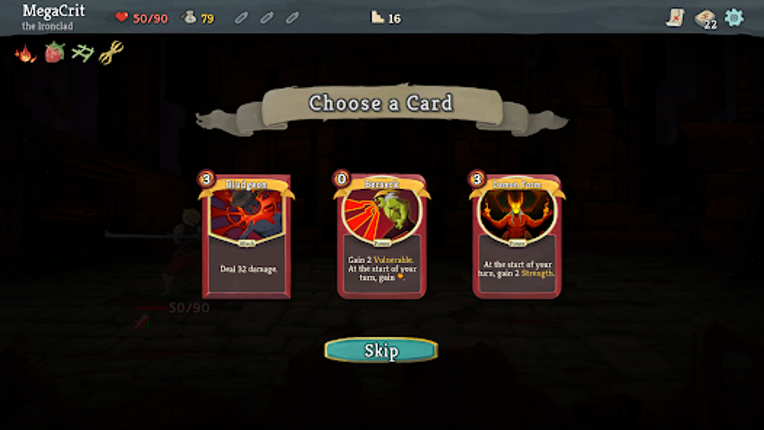
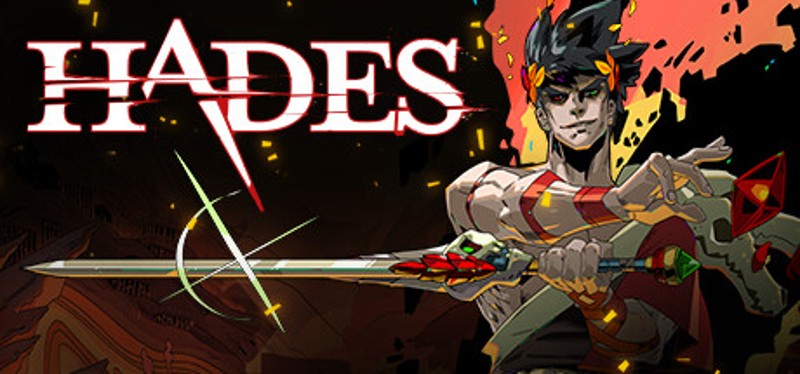
- 95%Game Brain ScoreMost mentioned positive aspects:story, gameplayMost mentioned negative aspects:grinding, stability98% User Score 148,764 reviewsCritic Score 92%14 reviews
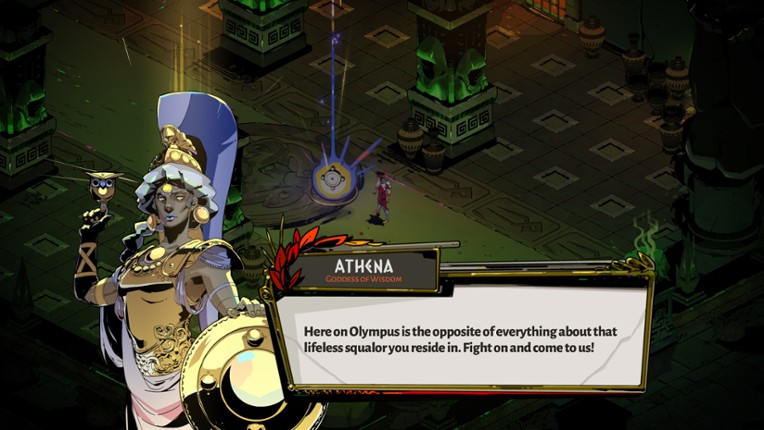
Preserves roguelike replayability and dark mythology but trades card strategy for real-time action combat and isometric perspective.
If you enjoyed this game, see our list of games similar to Hades.View Game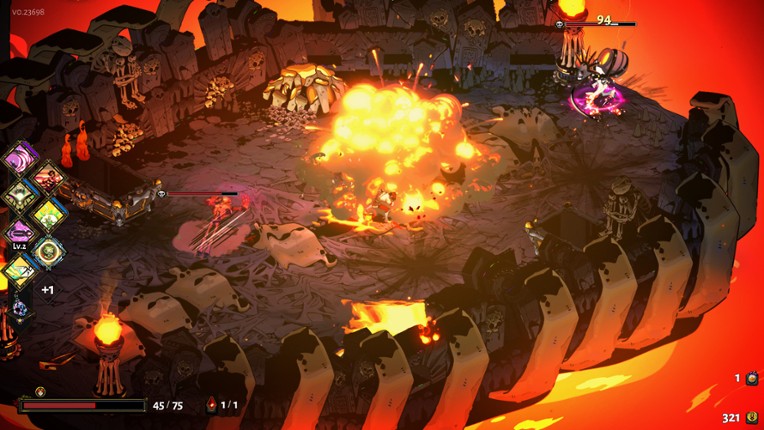
- 93%Game Brain ScoreMost mentioned positive aspects:story, graphicsMost mentioned negative aspects:grinding, replayability96% User Score 26,876 reviewsCritic Score 88%6 reviews
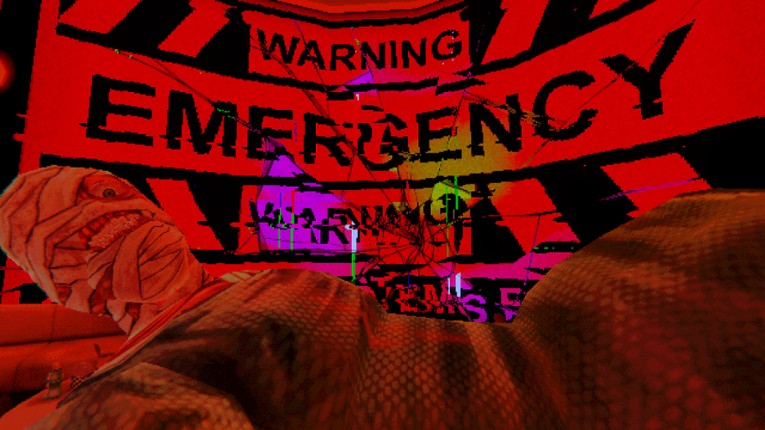
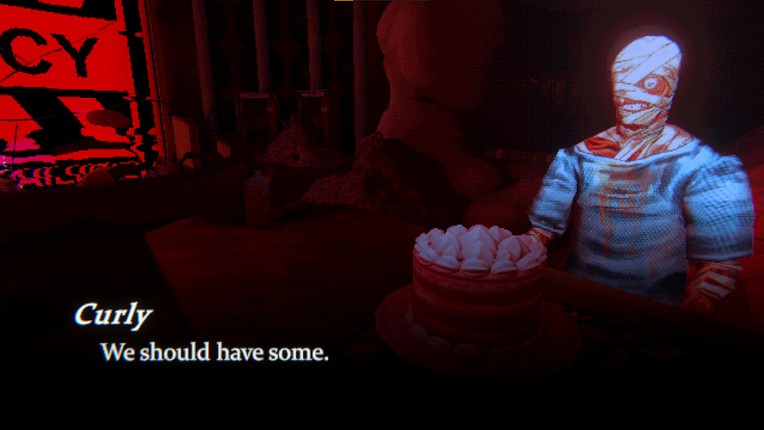
Mouthwashing swaps Inscryption's deck mechanics for a first‑person, retro‑styled horror romp that mixes dark comedy with psychological scares.
If you enjoyed this game, see our list of games similar to Mouthwashing.View Game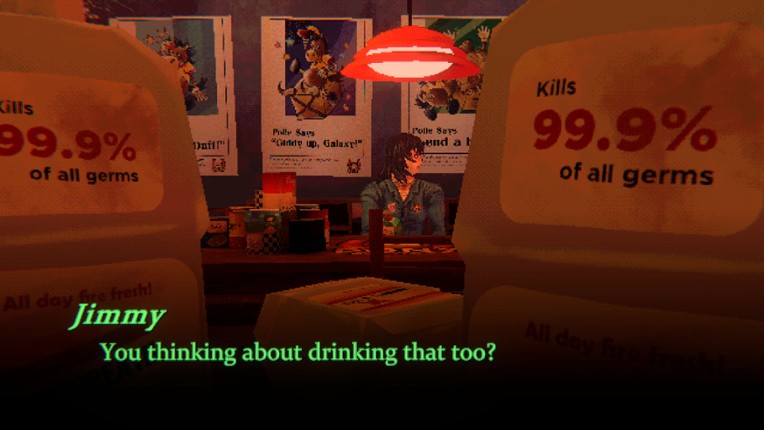
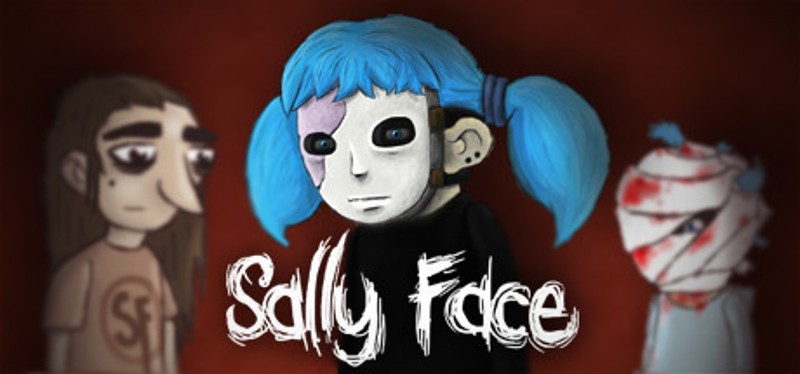
- 97%Game Brain ScoreMost mentioned positive aspects:story, graphicsMost mentioned negative aspects:grinding, stability97% User Score 14,426 reviews
Both games sell their horror through puzzle-driven, story-first progression, so every breakthrough feels like part of the mystery instead of a detached mini-game.
Their shared psychological tone matters because the scares land through unsettling atmosphere, dark humor, and slowly escalating dread rather than cheap shocks.
The tradeoff is clear: Sally Face is more linear and adventure-focused, while Inscryption leans harder into deckbuilding systems and roguelite surprises.
Pick this up if you want a moody, narrative horror game with real puzzle momentum but can live without Inscryption’s card-combat loop and mechanical twists.
If you enjoyed this game, see our list of games similar to Sally Face.View Game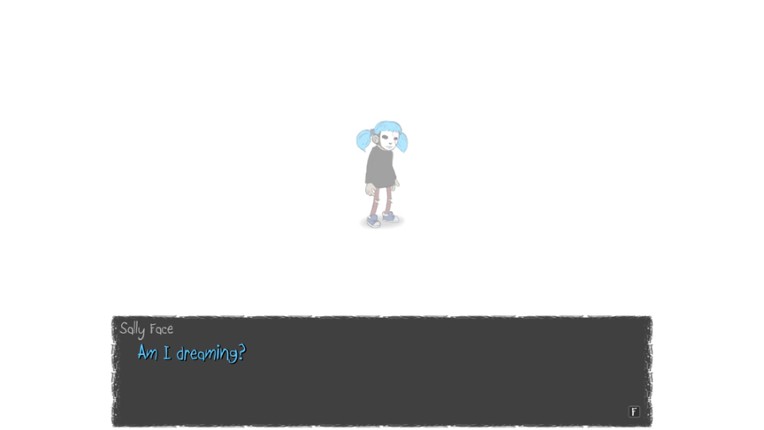
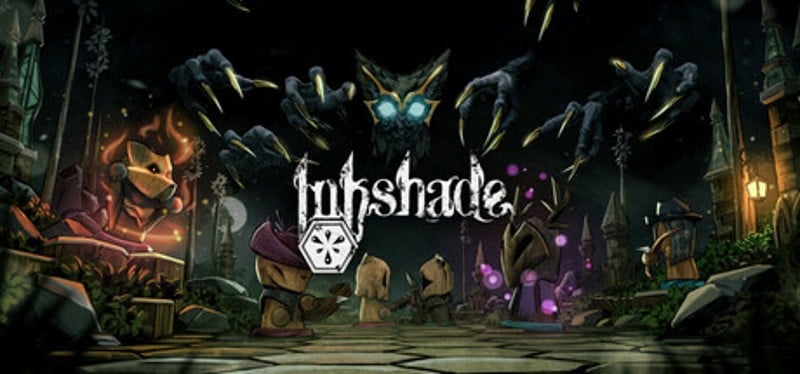
- 89%Game Brain ScoreMost mentioned positive aspects:gameplay, storyMost mentioned negative aspects:grinding, optimization89% User Score 570 reviews
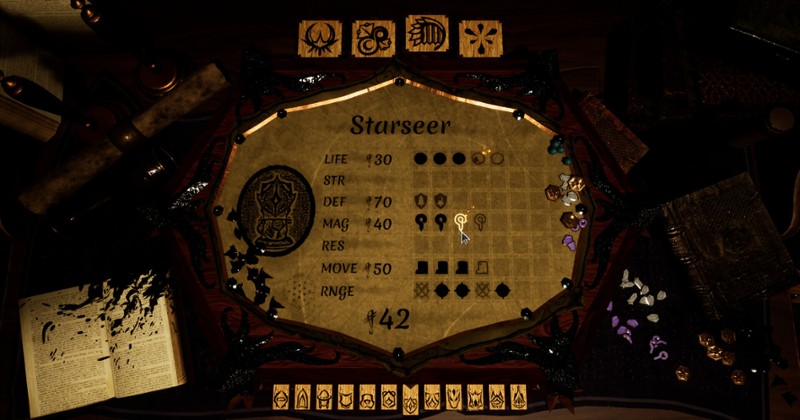
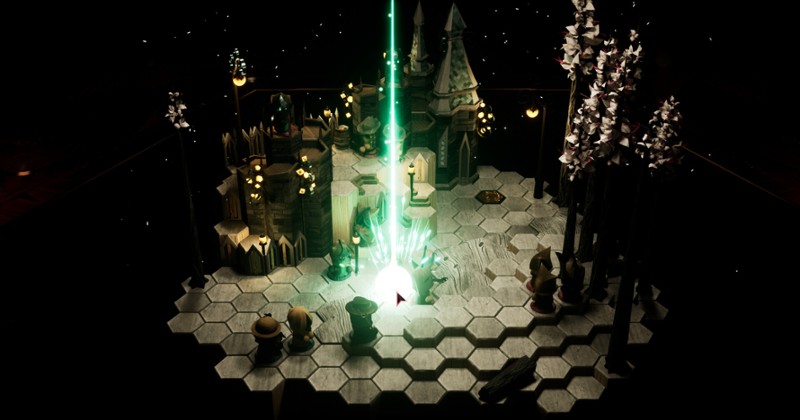
Replaces card battling with hex-grid tactics and Lovecraftian lore, maintaining the roguelike deckbuilding loop and atmospheric dread.
If you enjoyed this game, see our list of games similar to Inkshade.View Game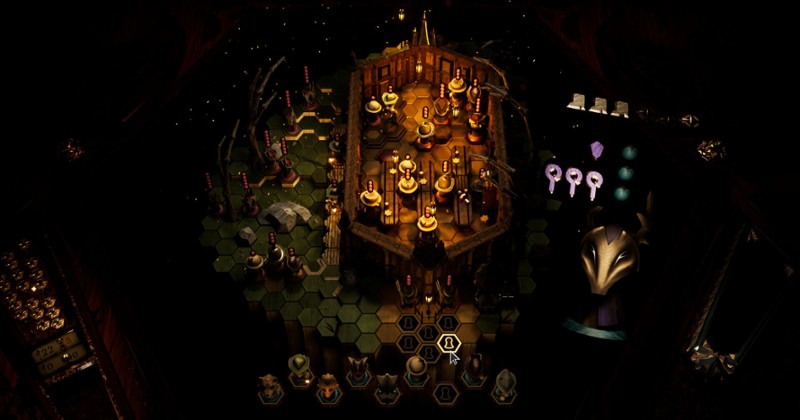
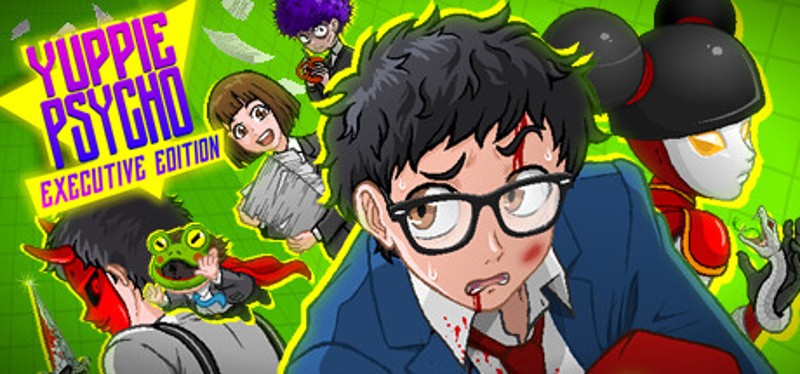
- 88%Game Brain ScoreMost mentioned positive aspects:story, gameplayMost mentioned negative aspects:grinding, stability94% User Score 2,729 reviewsCritic Score 82%9 reviews
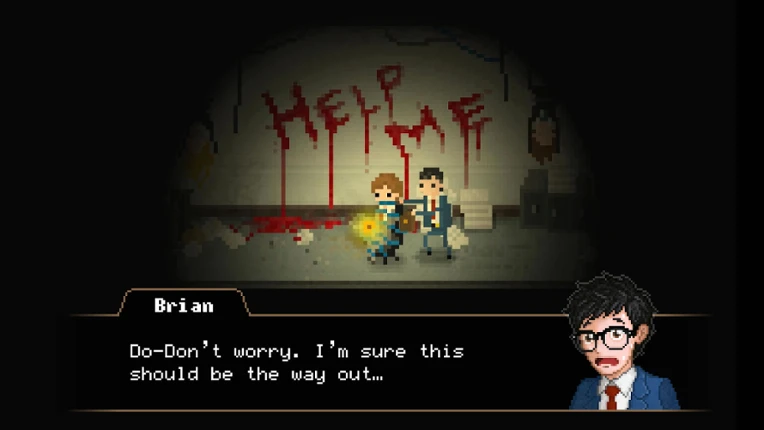
Yuppie Psycho replaces Inscryption's deck‑building with a top‑down cyberpunk hunt, using dark humor to lampoon corporate horror.
If you enjoyed this game, see our list of games similar to Yuppie Psycho.View Game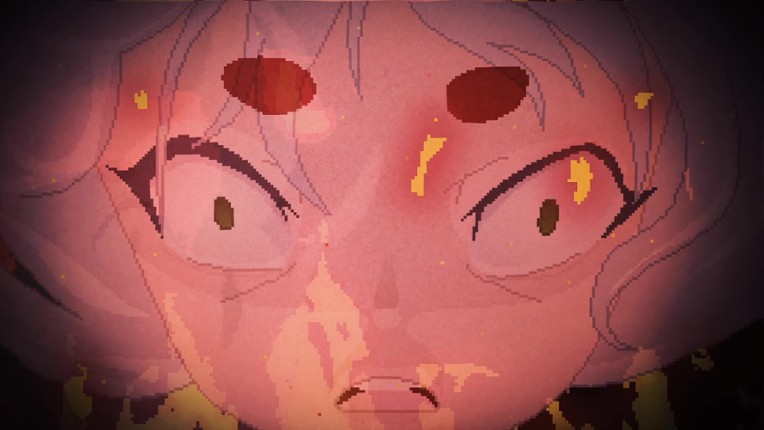
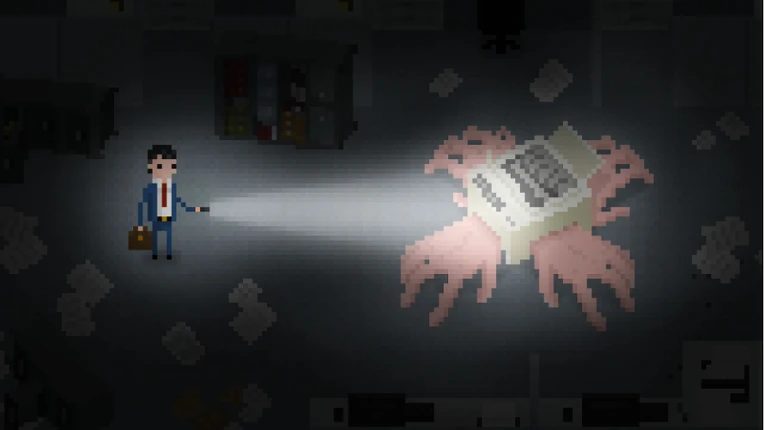
- 94%Game Brain ScoreMost mentioned positive aspects:story, musicMost mentioned negative aspects:grinding, stability98% User Score 10,171 reviewsCritic Score 80%2 reviews
If Inscryption's psychological horror and surreal atmosphere hooked you, Look Outside delivers that same disquieting vibe through body horror and cosmic dread. Both games layer mystery atop their core mechanics, rewarding players who dig into the lore and worldbuilding.
The Lovecraftian narrative and multiple meaningful endings create comparable emotional depth, with a standout synth soundtrack amplifying the horror. These elements matter because they transform each session into an unsettling experience rather than just gameplay loops.
Inscryption's innovative card battler system and meta-narrative structure are absent here—Look Outside is a conventional turn-based RPG with isometric combat and inventory management. Technical issues and frustrating RNG durability systems also detract from the experience.
Pick this up if you want a dark, atmospheric horror RPG with strong worldbuilding but can tolerate occasional bugs and combat frustration for the sake of pure mood.
If you enjoyed this game, see our list of games similar to Look Outside.View Game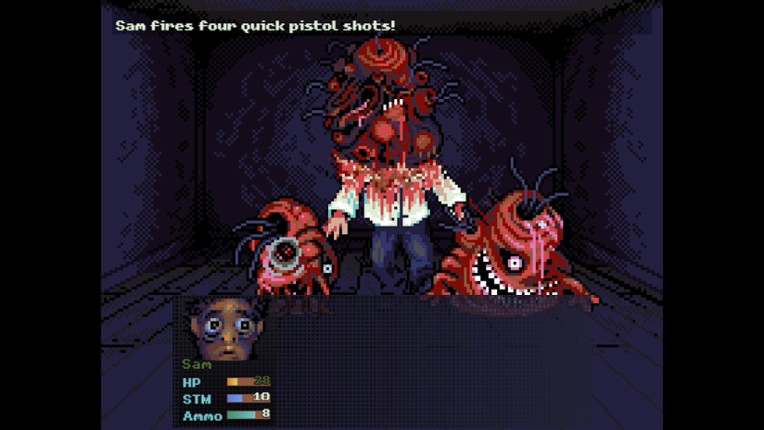
- 99%Game Brain ScoreMost mentioned positive aspects:music, storyMost mentioned negative aspects:grinding, stability99% User Score 3,808 reviews
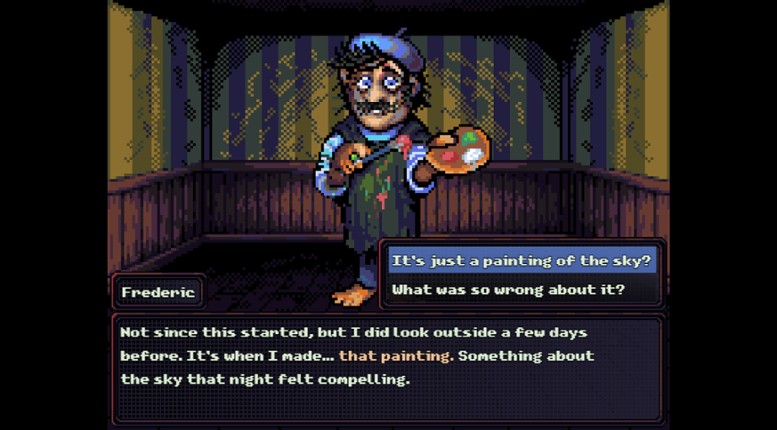
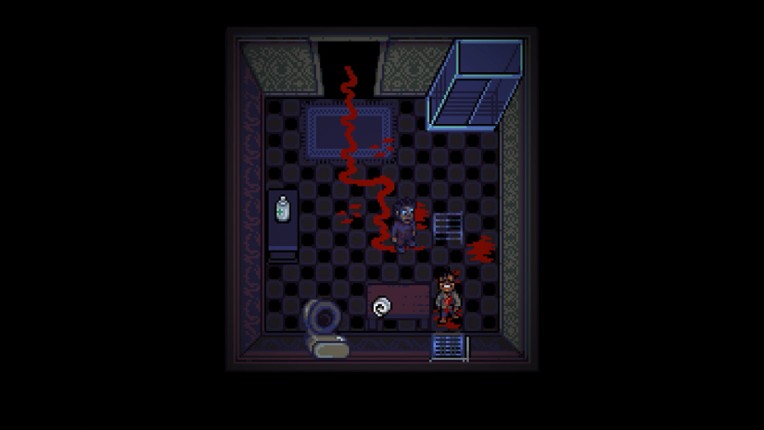
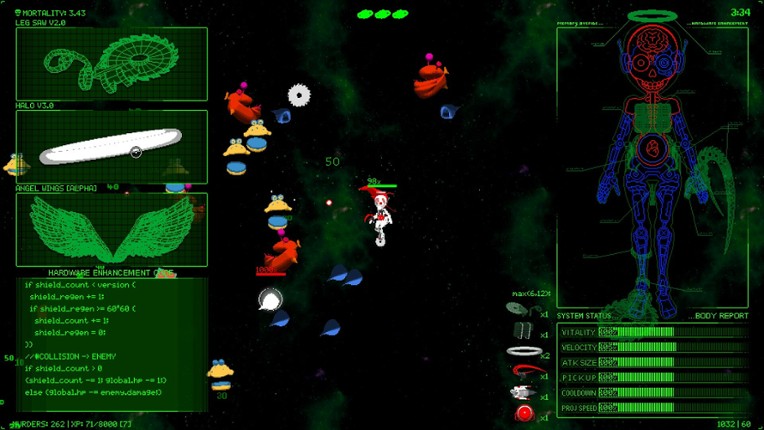
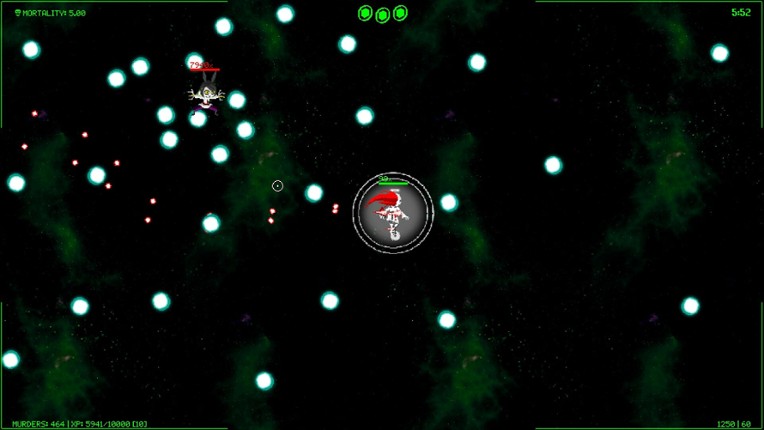
Adrift across the void, you must fend off thousands of nightmarish and otherworldly creatures. You're never at rest, as you weave between horde survival and bullet hell gameplay. Test new builds, and improve through roguelite meta progression. And don't forget. You mu [Transmission Interrupted...] If you enjoyed this game, see our list of games similar to Picayune Dreams.
View Game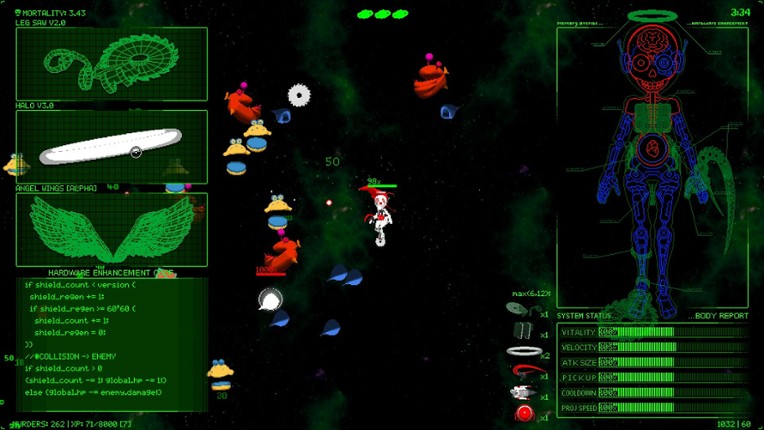
- 89%Game Brain ScoreMost mentioned positive aspects:story, gameplayMost mentioned negative aspects:grinding, replayability95% User Score 72,832 reviewsCritic Score 82%30 reviews
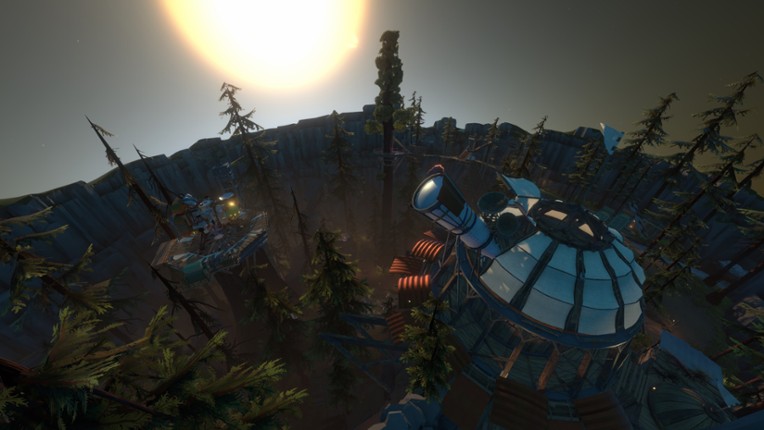
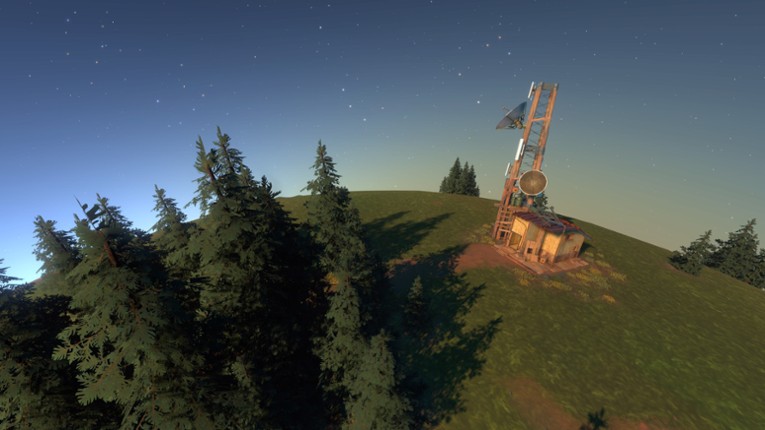
Outer Wilds trades Inscryption's card‑based dread for a first‑person cosmic mystery where knowledge, not combat, drives the horror.
If you enjoyed this game, see our list of games similar to Outer Wilds.View Game
- 96%Game Brain ScoreMost mentioned positive aspects:story, graphicsMost mentioned negative aspects:grinding, replayability96% User Score 24,134 reviews
Both games weaponize psychological horror through claustrophobic first-person spaces where dread builds through atmosphere rather than combat. This matters because neither relies on traditional threat mechanics—they're about inhabiting broken minds.
Mouthwashing trades Inscryption's replayable systems and roguelite structure for a linear, narrative-driven experience with minimal interactivity. Expect a 3-4 hour walking simulator over endless deck refinement.
Pick this if you want Inscryption's psychological unease and dark storytelling but can accept a shorter, less mechanically demanding game that prioritizes atmosphere over agency.
If you enjoyed this game, see our list of games similar to Mouthwashing.View Game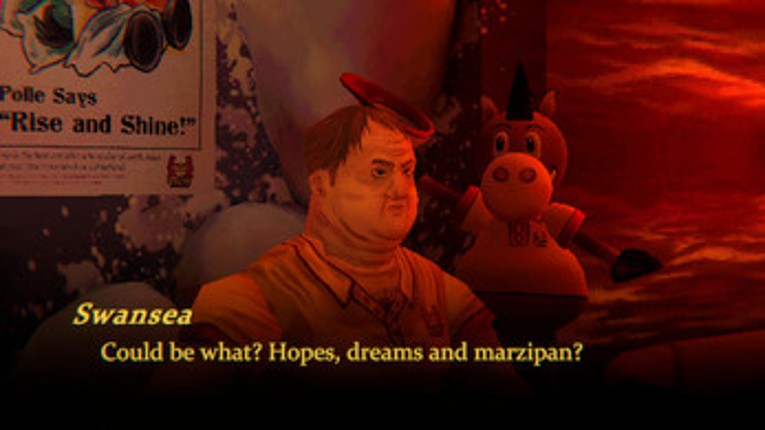

- 96%Game Brain ScoreMost mentioned positive aspects:story, gameplayMost mentioned negative aspects:grinding, stability96% User Score 6,680 reviews
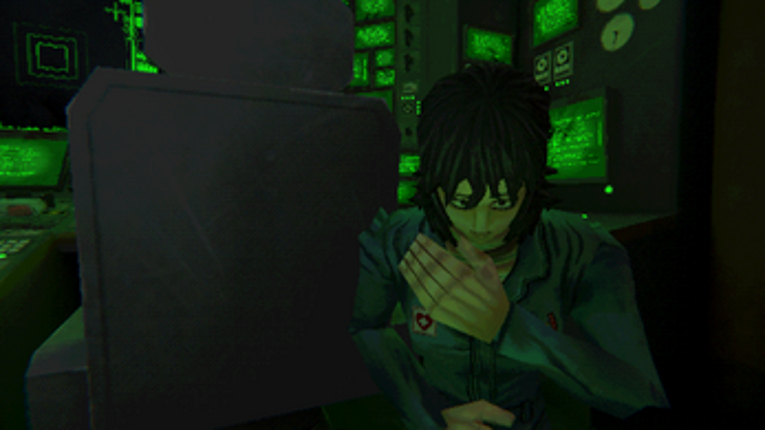
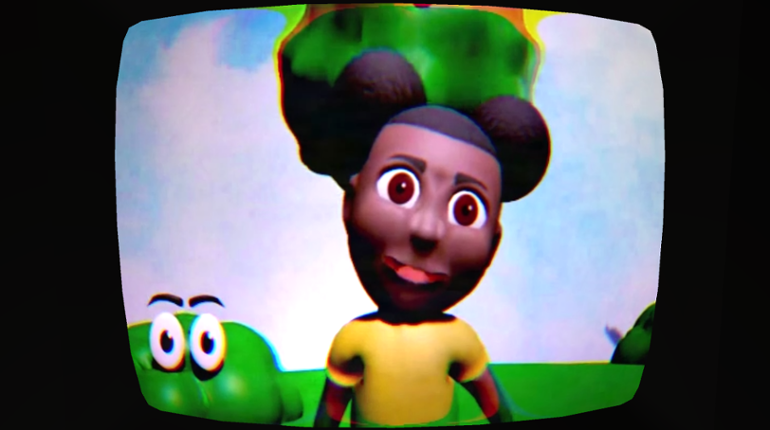
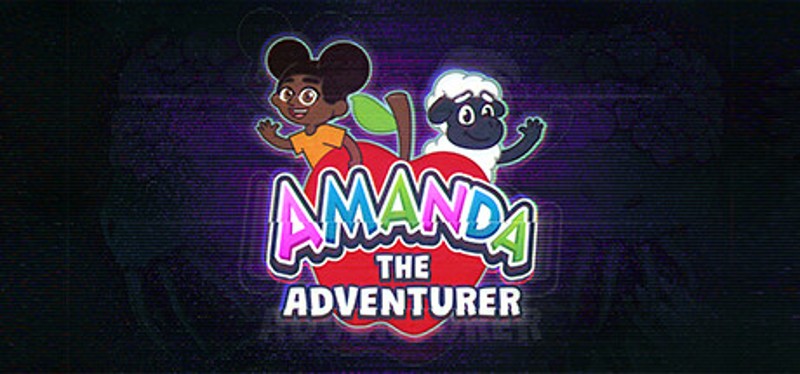
Swaps deck strategy for environmental puzzle-solving and retro VHS aesthetics, keeping psychological horror and first-person immersion.
If you enjoyed this game, see our list of games similar to Amanda the Adventurer.View Game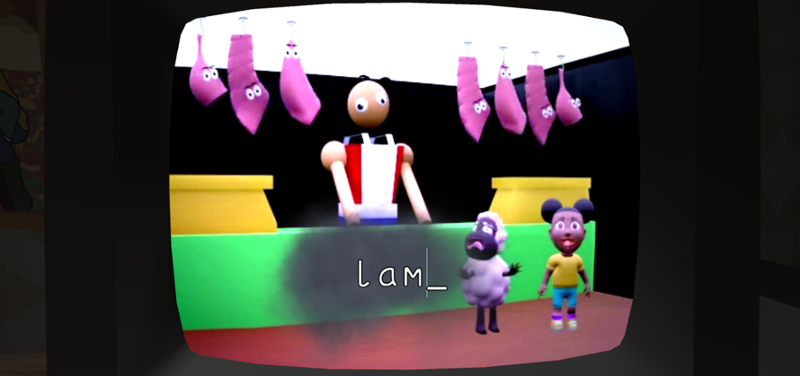
- 83%Game Brain ScoreMost mentioned positive aspects:gameplay, storyMost mentioned negative aspects:stability, grinding94% User Score 16,880 reviewsCritic Score 61%4 reviews
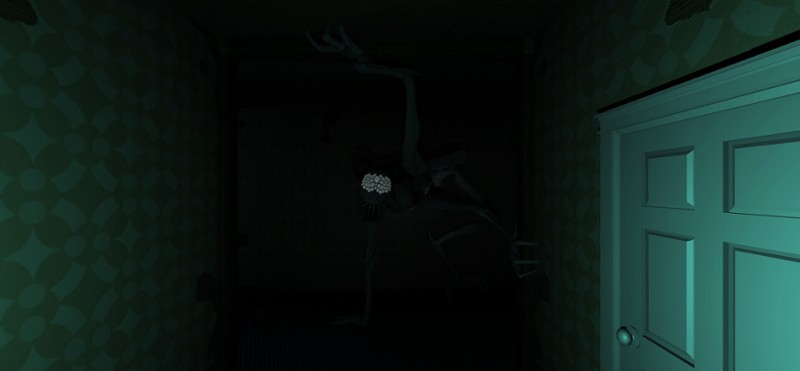
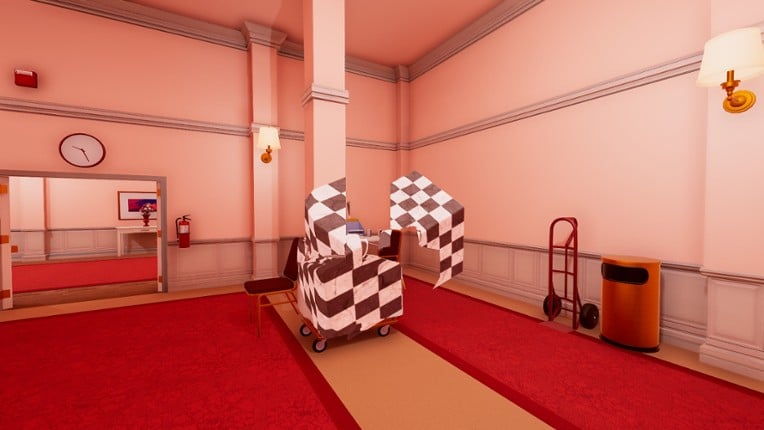
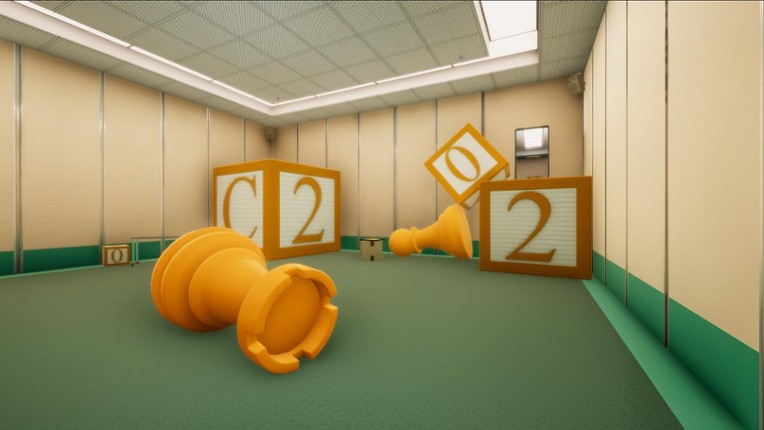
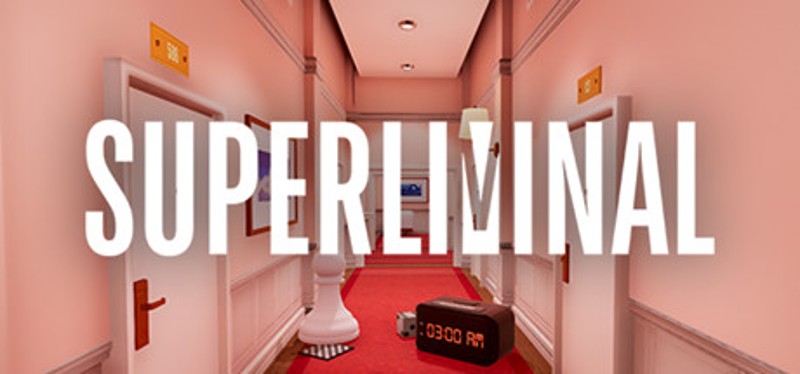
Despite the loose thematic connection, this perspective-shifting puzzle game replaces traditional deckbuilding with reality-bending environmental challenges and surreal dreamlike logic.
If you enjoyed this game, see our list of games similar to Superliminal.View Game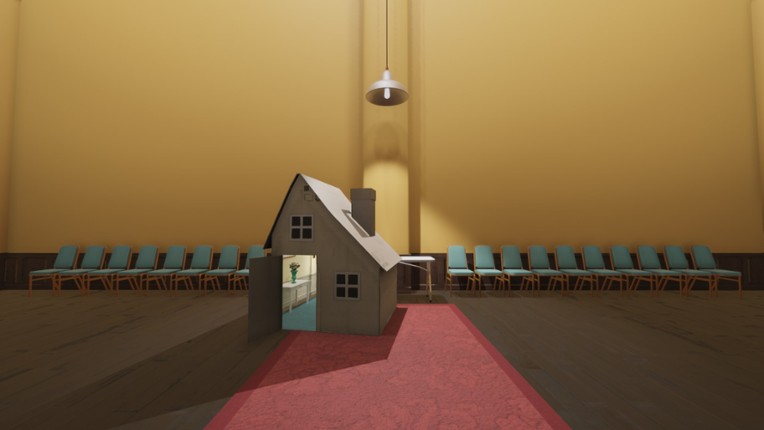
19 View Game
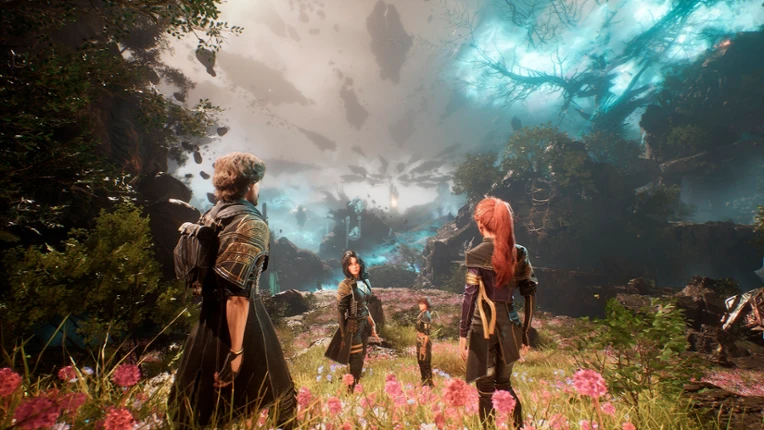 97%Game Brain ScoreMost mentioned positive aspects:story, musicMost mentioned negative aspects:grinding, stability97% User Score 124,463 reviews
This obscure title shares Inscryption's story‑rich single‑player focus but lacks its horror and deck‑building, offering a straightforward adventure instead.
If you enjoyed this game, see our list of games similar to Clair Obscur: Expedition 33.View Game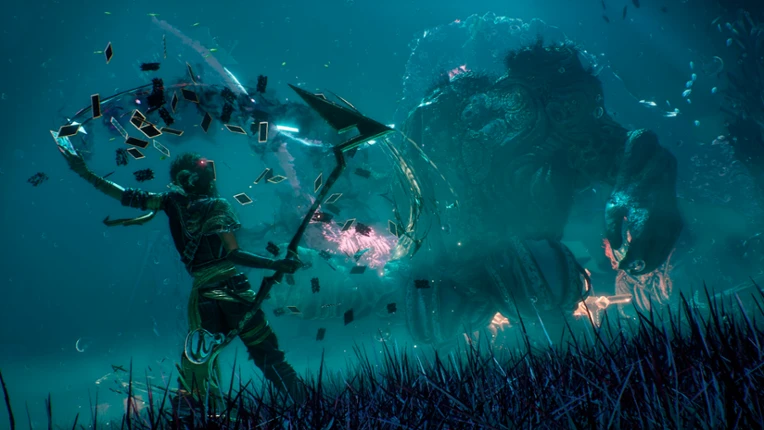
- 89%Game Brain ScoreMost mentioned positive aspects:music, storyMost mentioned negative aspects:grinding, stability96% User Score 14,960 reviewsCritic Score 82%11 reviews
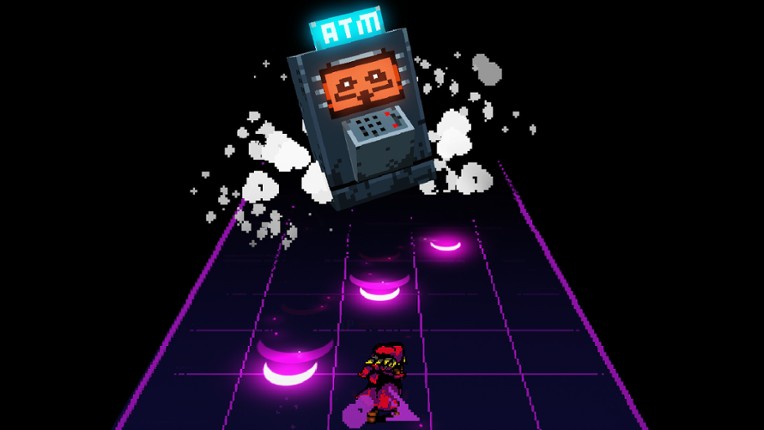
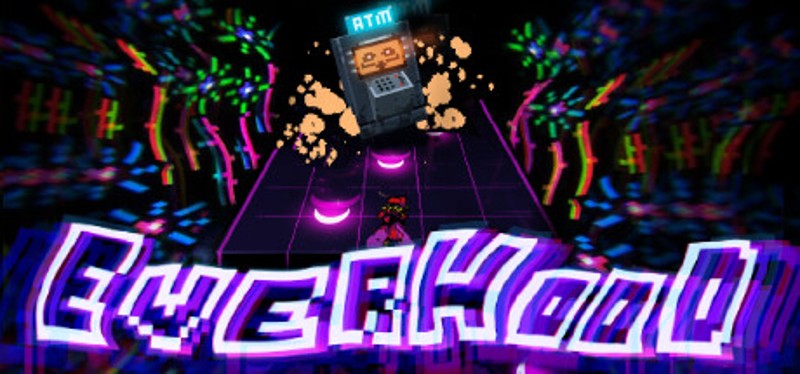
Fans of Inscryption's dark puzzles will find Everhood's neon, rhythm‑based world a bright, surreal contrast with music‑driven combat.
If you enjoyed this game, see our list of games similar to Everhood.View Game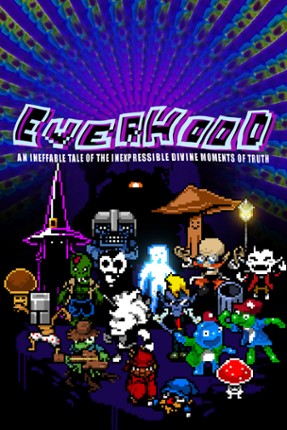
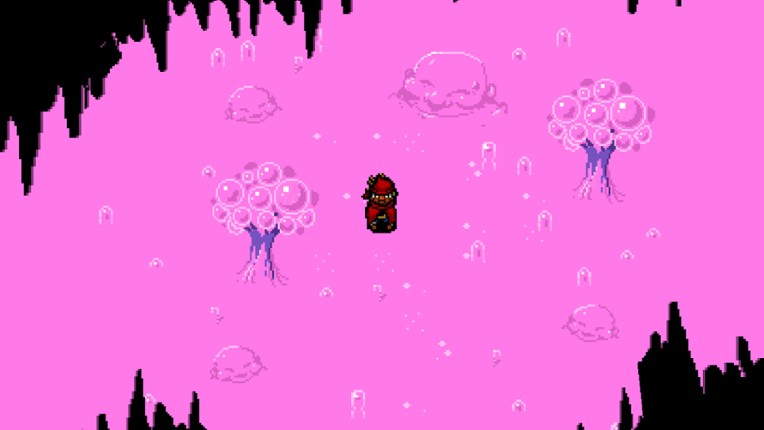
- 87%Game Brain ScoreMost mentioned positive aspects:story, gameplayMost mentioned negative aspects:grinding, replayability87% User Score 4,068 reviews
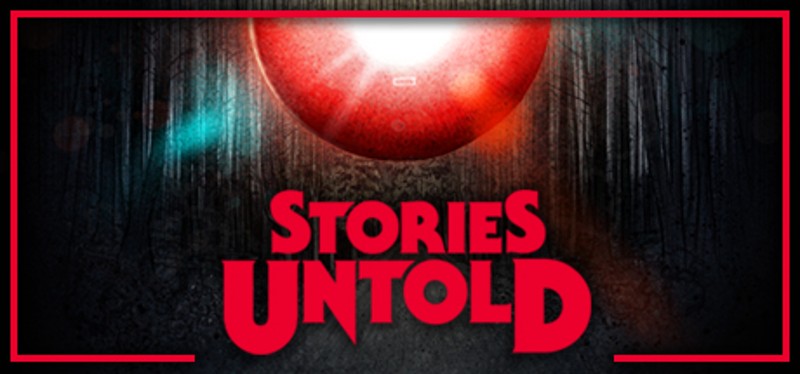
Channels the FMV and retro sci-fi vibes into text-based interactive fiction, ditching roguelikes for a fixed 1980s narrative arc.
If you enjoyed this game, see our list of games similar to Stories Untold.View Game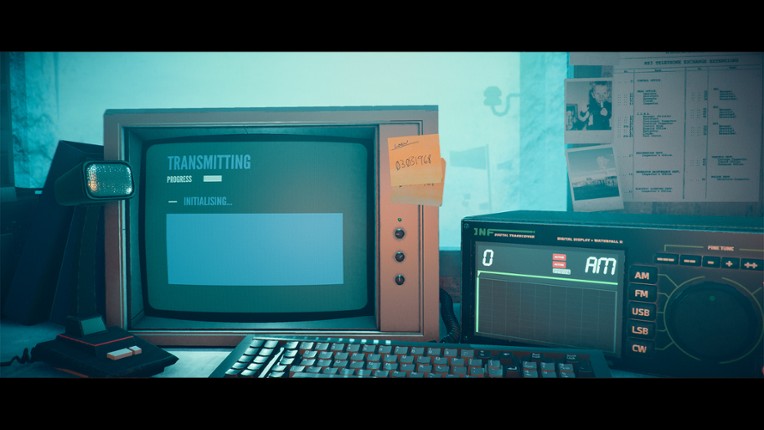
- 95%Game Brain ScoreMost mentioned positive aspects:story, musicMost mentioned negative aspects:optimization, grinding95% User Score 3,854 reviews
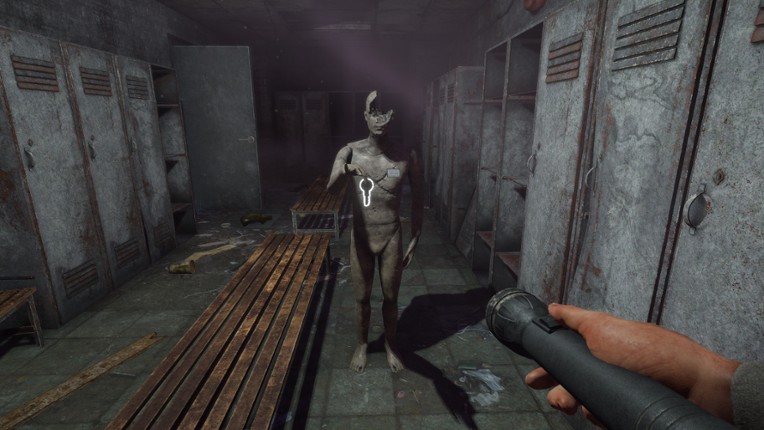
Swaps Inscryption's card-table tension for a first-person psychological horror adventure built around exploring unsettling spaces and solving environmental puzzles.
If you enjoyed this game, see our list of games similar to In Sound Mind.View Game
23 View Game 92%Game Brain ScoreMost mentioned positive aspects:gameplay, musicMost mentioned negative aspects:grinding, story95% User Score 8,449 reviewsCritic Score 80%2 reviews
Embrace a frantic, grid-based dungeon crawl that strips away the meta-storytelling in favor of pure, relentless deckbuilding and rapid-fire vampire combat.
If you enjoyed this game, see our list of games similar to Vampire Crawlers: The Turbo Wildcard from Vampire Survivors.View Game


- 91%Game Brain ScoreMost mentioned positive aspects:story, gameplayMost mentioned negative aspects:grinding, replayability91% User Score 3,002 reviews
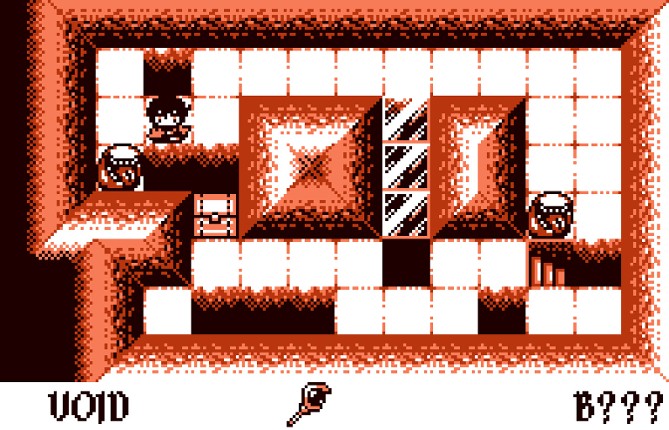
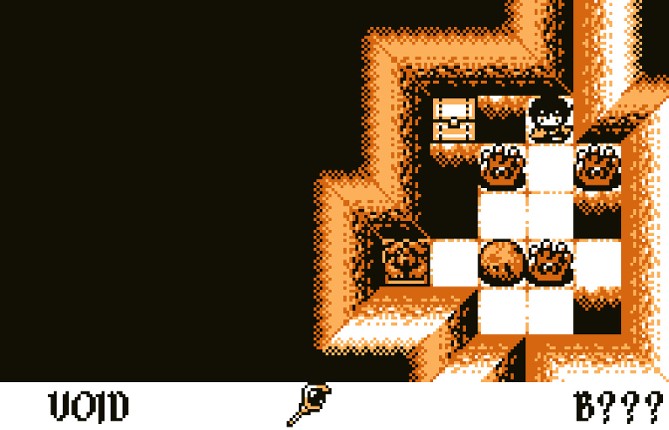
Both games share an obsessive commitment to meta-narrative secrets, forcing you to look beyond the screen to solve the game itself. This discovery process fosters a deep sense of paranoia, as you realize the game is constantly watching and manipulating your expectations.
While Inscryption cycles through varied card-based mechanics to keep you off-balance, Void Stranger demands absolute mastery of its brutal, unforgiving Sokoban-style puzzles. The primary difference is mechanical: you are trading Inscryption’s accessible deckbuilding loops for a punishing, cerebral endurance test that lacks an undo button.
Pick this up if you crave gnostic mystery and profound secrets but can live without the safety nets and streamlined combat of a traditional roguelite.
If you enjoyed this game, see our list of games similar to Void Stranger.View Game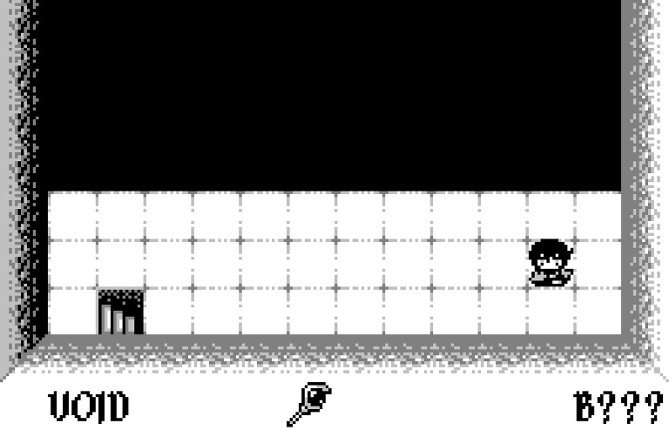
- 99%Game Brain ScoreMost mentioned positive aspects:story, musicMost mentioned negative aspects:grinding, monetization99% User Score 4,592 reviews
Mirrors the psychological dread and pixel art but emphasizes top-down exploration and multiple endings over strategic card combat.
If you enjoyed this game, see our list of games similar to Paper Lily: Chapter 1.View Game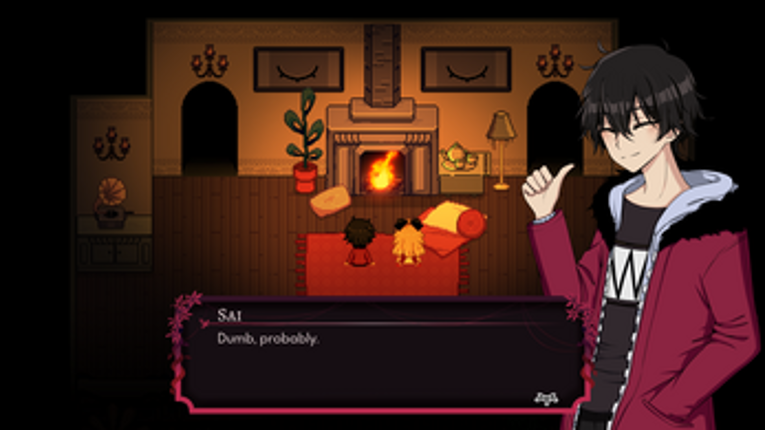


- 96%Game Brain ScoreMost mentioned positive aspects:story, gameplayMost mentioned negative aspects:grinding, stability96% User Score 2,118 reviews
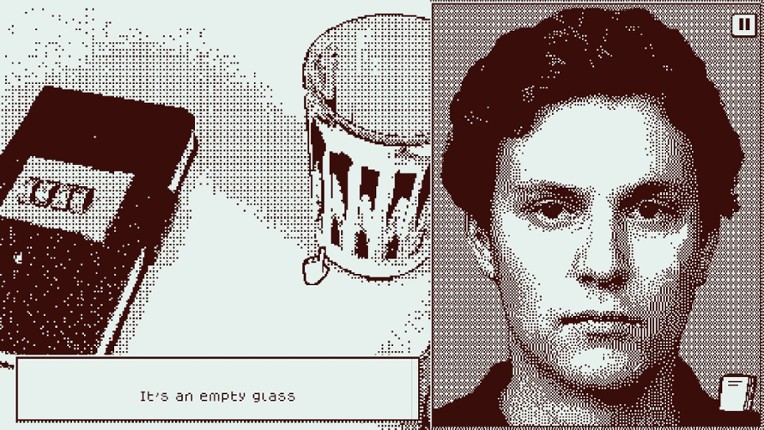
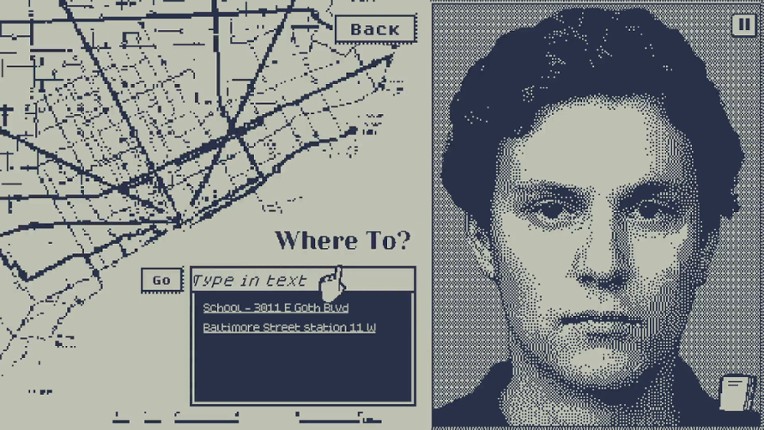
A reverse-detective point-and-click adventure where, instead of choosing dialogue options, you control the character's face manually. If you enjoyed this game, see our list of games similar to Who's Lila?.
View Game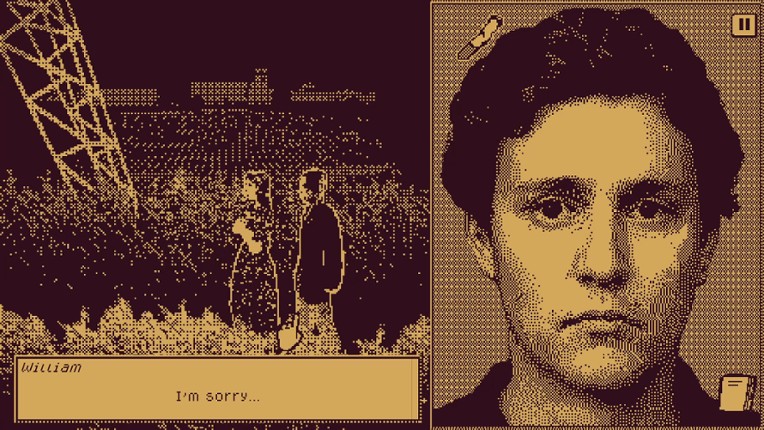
- 98%Game Brain ScoreMost mentioned positive aspects:story, gameplayMost mentioned negative aspects:grinding, monetization98% User Score 6,036 reviews
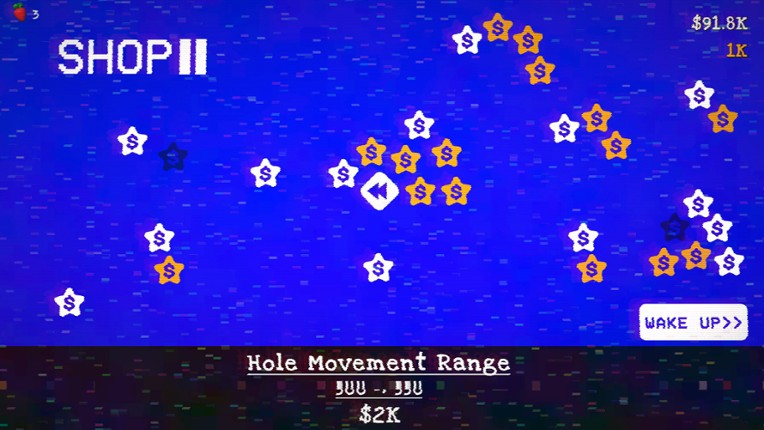
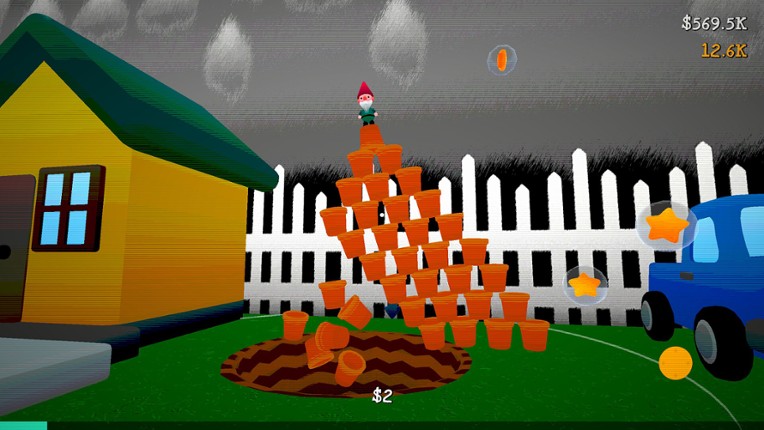
Berry Bury Berry is a surreal first-person incremental game about growing berries and putting them in a hole. Lots and lots of berries. BERRY BERRY BERRY BERRY BERRY BERRY BERRY BERRY BERRY BERRY BERRY BERRY Make and Upgrade Berry Buddies to grow higher and higher tiers of berries! MONEY MONEY MONEY MONEY MONEY MONEY MONEY MONEY MONEY MONEY MONEY MONEY Use all that sweet sweet money earned to unlo… If you enjoyed this game, see our list of games similar to Berry Bury Berry.
View Game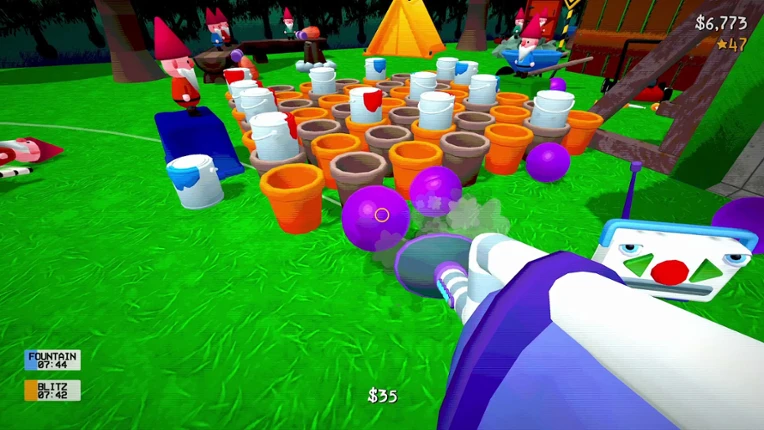
- 98%Game Brain ScoreMost mentioned positive aspects:story, gameplayMost mentioned negative aspects:optimization, stability98% User Score 1,740 reviews
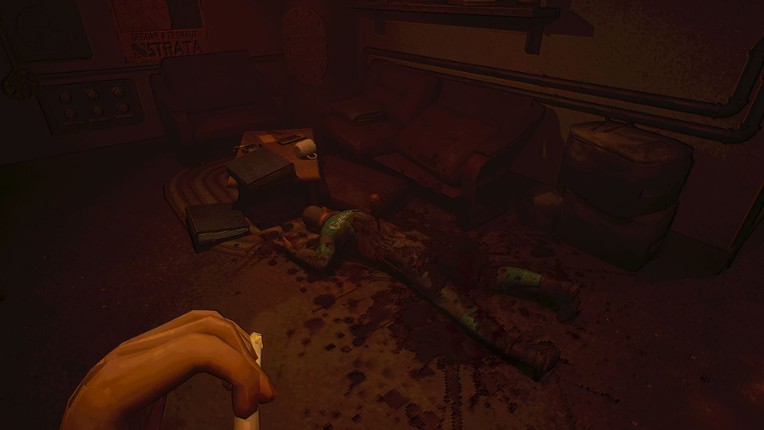
Pilot the MOLE, a monstrous post-war drilling machine built to descend deep below the Slavic soil. Fix failing systems, follow voices of the dead, and pray you can survive whatever is sharing your coffin. Will the vessel or your mind break first? If you enjoyed this game, see our list of games similar to MOLE.
View Game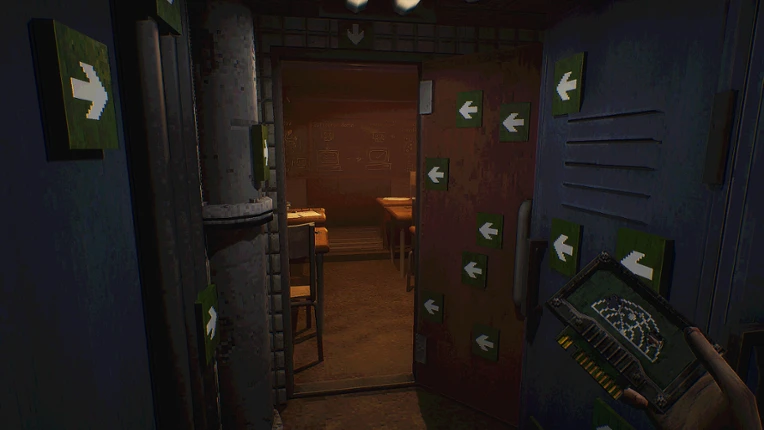
- 91%Game Brain ScoreMost mentioned positive aspects:story, gameplayMost mentioned negative aspects:grinding91% User Score 2,794 reviews
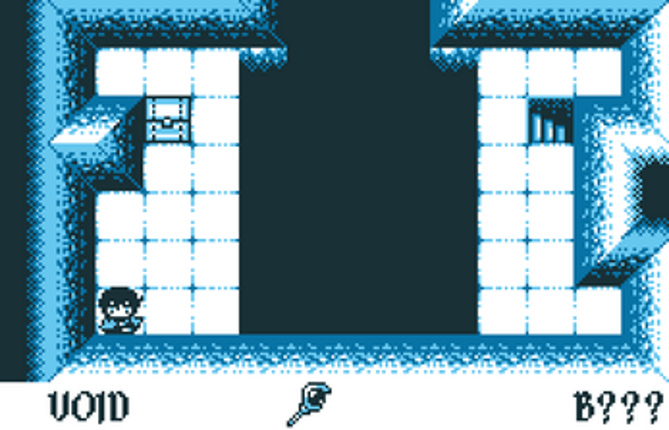
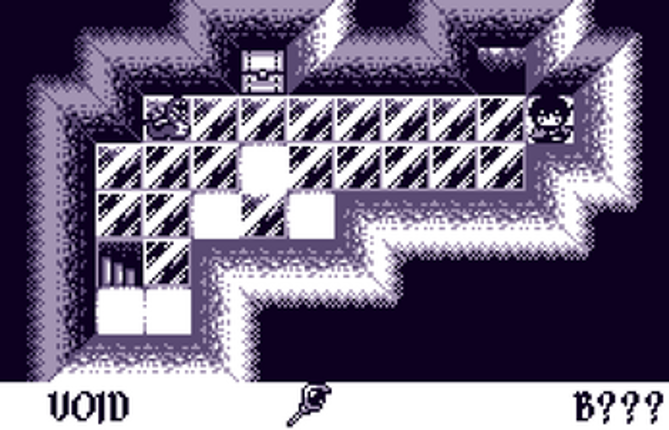
Both Inscryption and Void Stranger trap players in environments that feel actively hostile—not through difficulty alone, but through systems that punish assumptions and force careful observation. In Inscryption, the Leshy arena resets and reshapes itself; in Void Stranger, the station layout shifts based on your choices, rewarding those who approach each room as a riddle to decode rather than a obstacle to overcome.
The overlap in psychological horror atmosphere goes deeper than aesthetic pixel work. Both games use mystery as a gameplay layer: Inscryption hides its true nature behind card mechanics, while Void Stranger buries its narrative beneath sokoban puzzles. Players who appreciated the constant low-grade dread of Inscryption's cabin will find that same unsettling feeling in Void Stranger's sterile corridors.
The critical difference lies in challenge structure. Inscryption softens frustration with roguelite resets; Void Stranger offers no undo and punishes failure with full puzzle restarts. This trade-off transforms each decision into a high-stakes moment, which some players will find exhilarating and others exhausting.
Best for players who prefer deliberate, punishing puzzle design over Inscryption's randomized card encounters, and who enjoy being frustrated in pursuit of hidden truths.
If you enjoyed this game, see our list of games similar to Void Stranger.View Game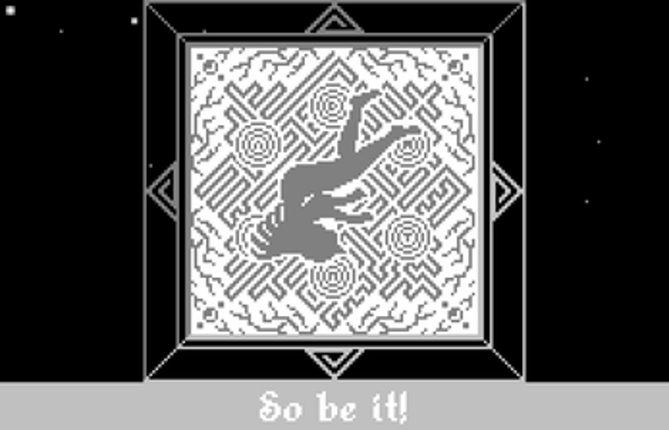
- 94%Game Brain ScoreMost mentioned positive aspects:gameplay, storyMost mentioned negative aspects:stability, grinding94% User Score 11,345 reviews
The Escape Artist condenses Inscryption's eerie mood into a brief first‑person stroll through surreal puzzles, prioritizing atmosphere over cards.
If you enjoyed this game, see our list of games similar to The Escape Artist.View Game
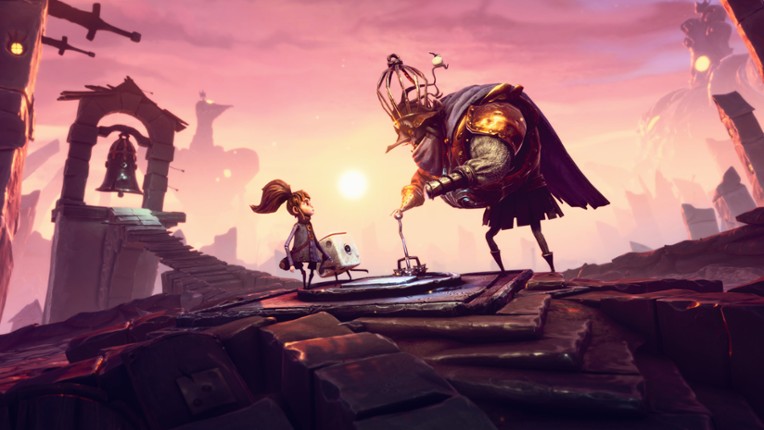
- 90%Game Brain ScoreMost mentioned positive aspects:story, gameplayMost mentioned negative aspects:grinding, stability90% User Score 2,848 reviews
Shares indie pedigree and trading mechanics but strips narrative depth, offering a lighter adventure focused on gameplay discovery.
If you enjoyed this game, see our list of games similar to Lost in Random.View Game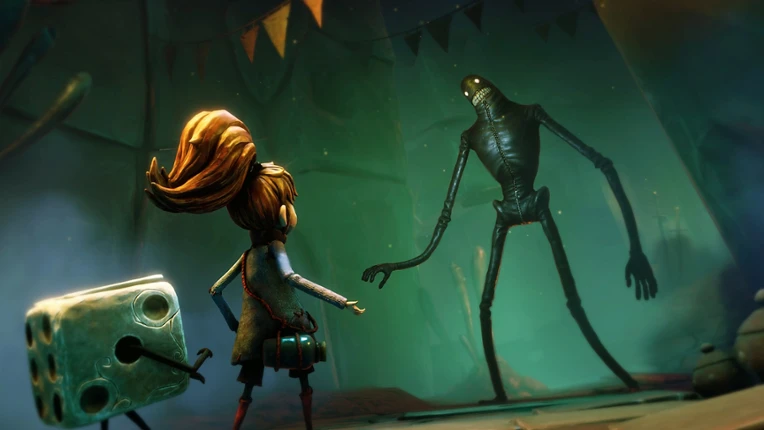
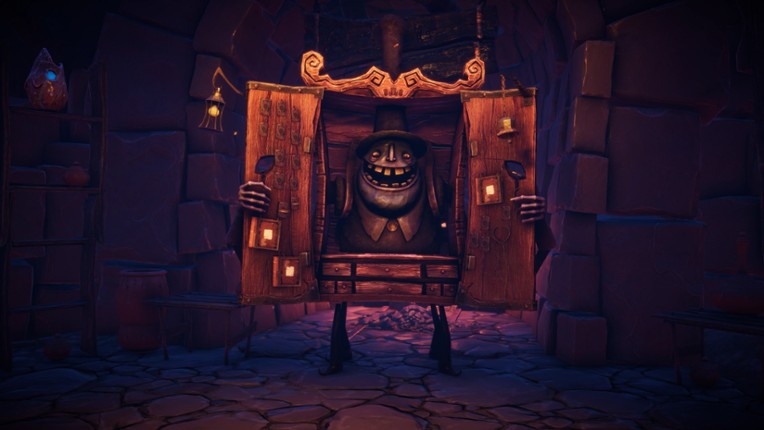
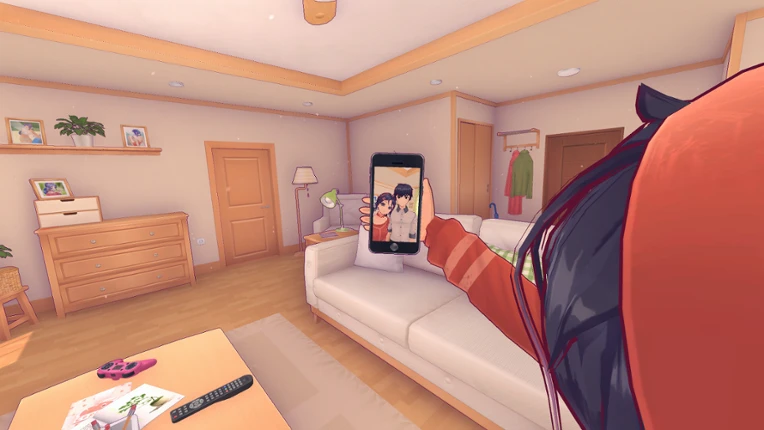
- 98%Game Brain ScoreMost mentioned positive aspects:story, gameplayMost mentioned negative aspects:grinding, stability98% User Score 26,548 reviews
Includes: Base Game MiSide - Soundtrack Let's imagine that you have a game in which you care for a character. But could you imagine one day getting into that game yourself? Features Original visual styleThe authors hope to emphasize the contrast of colorful anime style against the background of the disturbing adventures of the main character. Interesting plotThe game has an unexpectedly developing… If you enjoyed this game, see our list of games similar to MiSide.
View Game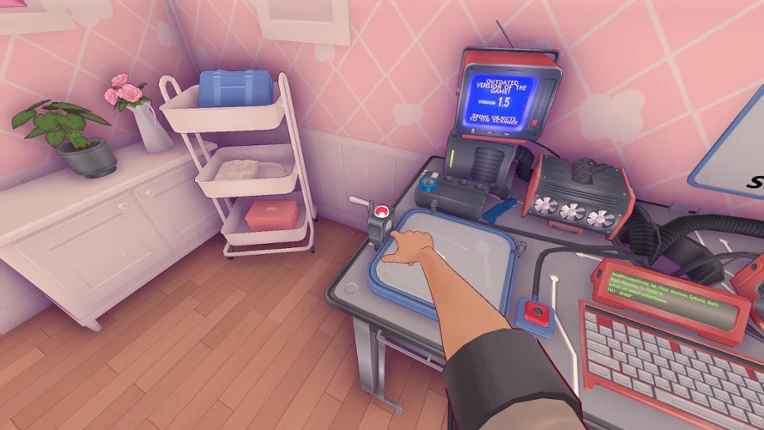
- 95%Game Brain ScoreMost mentioned positive aspects:story, atmosphereMost mentioned negative aspects:replayability, grinding96% User Score 25,819 reviewsCritic Score 90%1 reviews
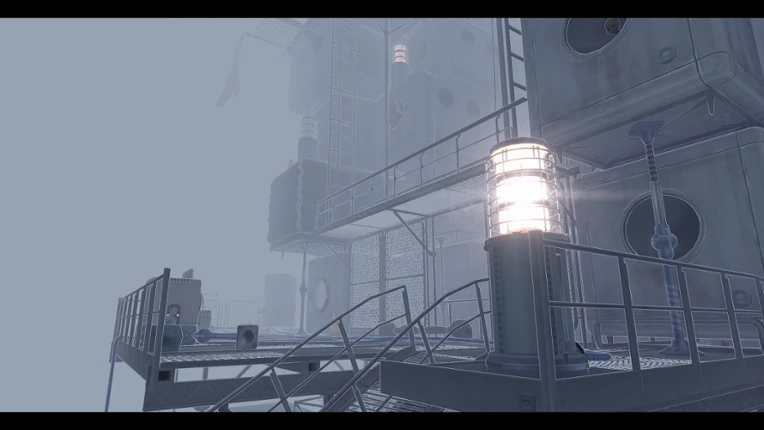
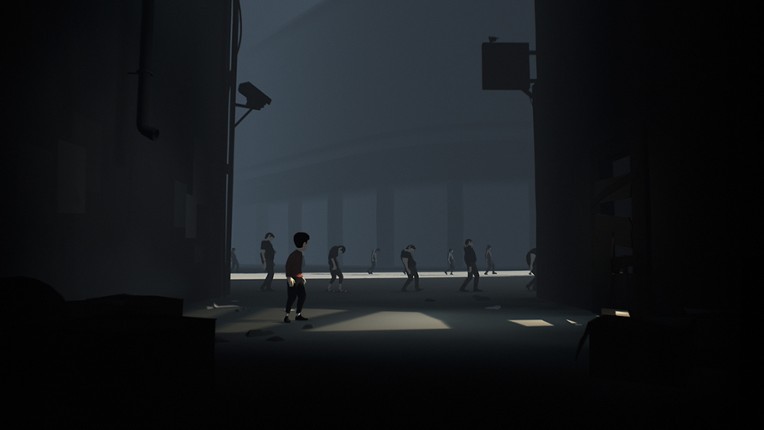
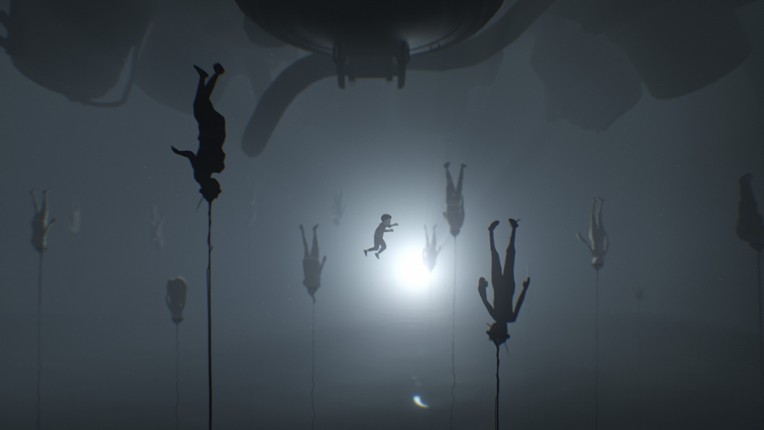
Strips away cards entirely for cinematic puzzle-platforming, preserving minimalist storytelling and creeping dread across a contained narrative.
If you enjoyed this game, see our list of games similar to INSIDE.View Game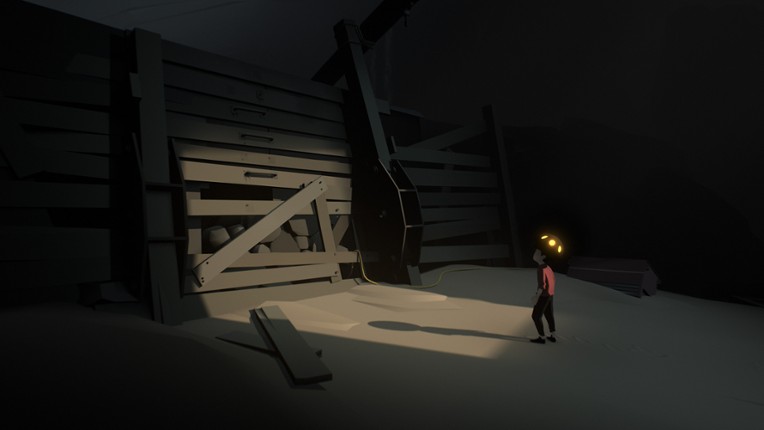
- 90%Game Brain ScoreMost mentioned positive aspects:gameplay, storyMost mentioned negative aspects:grinding, stability93% User Score 7,526 reviewsCritic Score 84%4 reviews
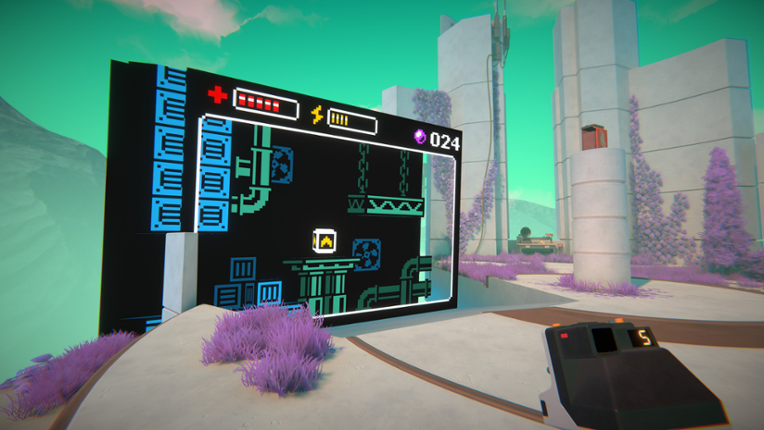
Challenge perception, redefine reality, and reshape the world around you with an instant camera. Viewfinder is a new single player game offering gamers hours of interesting and fun experiences while uncovering the mysteries left behind.Viewfinder is a mind-bending first person adventure game in which you can bring pictures to life by placing them into the world. Features Reshape Reality: Beyond ph… If you enjoyed this game, see our list of games similar to Viewfinder.
View Game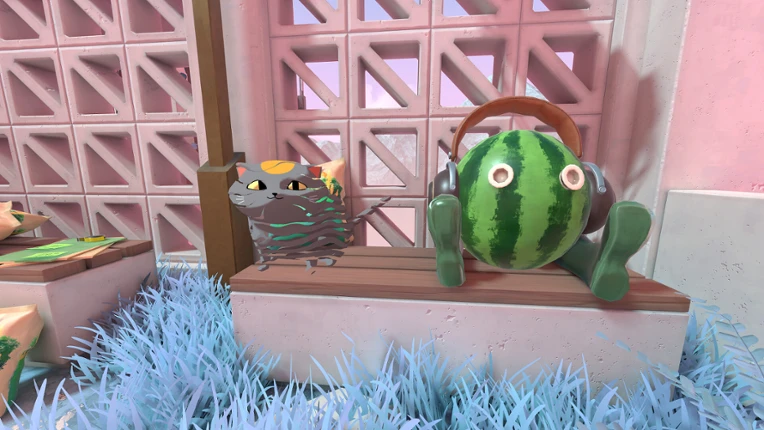
- 87%Game Brain ScoreMost mentioned positive aspects:story, gameplayMost mentioned negative aspects:grinding, stability98% User Score 7,080 reviewsCritic Score 75%44 reviews
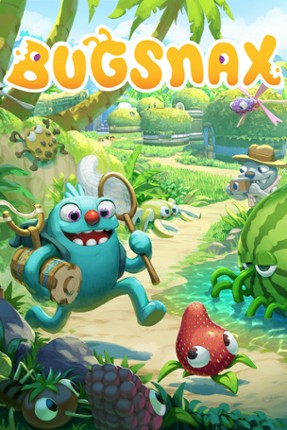
Buy Bugsnax on PS4 and PS5. Embark on a whimsical adventure to Snaktooth Island, home of the legendary half-bug half-snack creatures, Bugsnax. If you enjoyed this game, see our list of games similar to Bugsnax.
View Game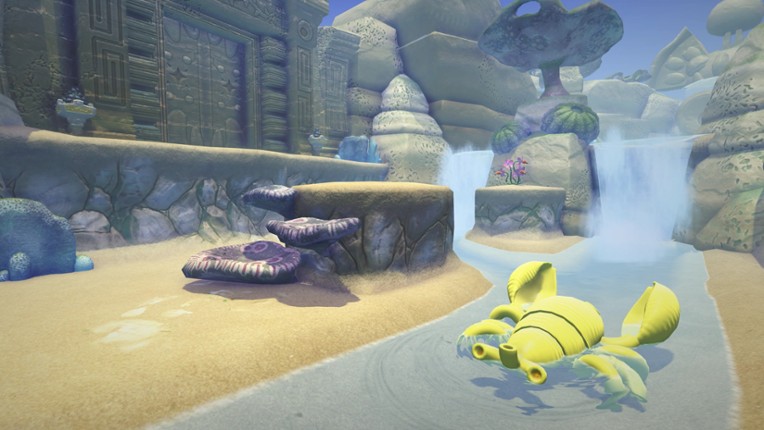
36 View Game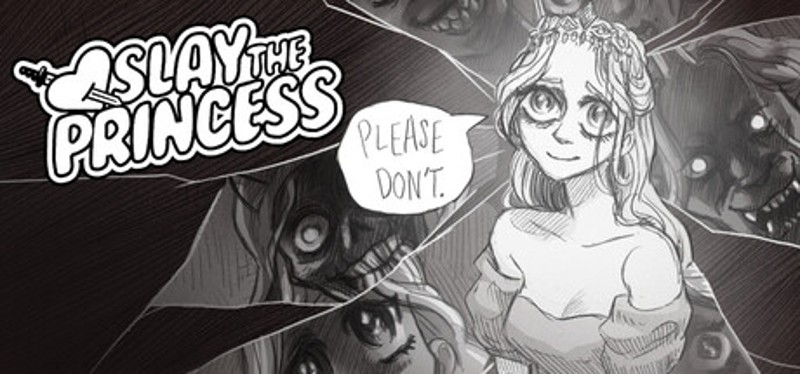 93%Game Brain ScoreMost mentioned positive aspects:story, musicMost mentioned negative aspects:grinding, stability97% User Score 24,873 reviewsCritic Score 89%8 reviews
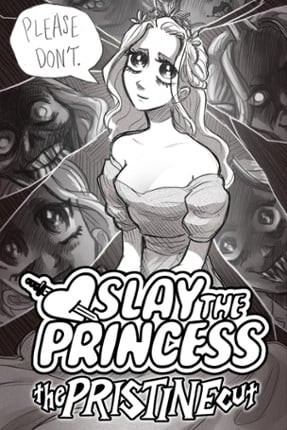
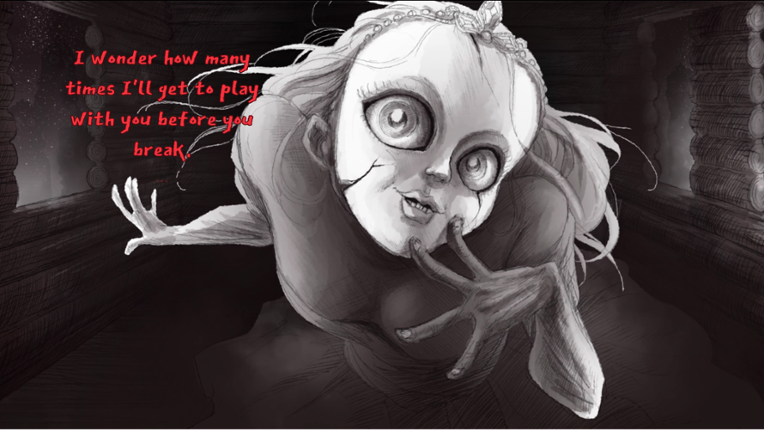
Navigate a haunting meta-narrative where branching dialogue choices replace card battles, offering a conversation-heavy psychological experience instead of a strategic one.
If you enjoyed this game, see our list of games similar to Slay the Princess.View Game
- 87%Game Brain ScoreMost mentioned positive aspects:story, gameplayMost mentioned negative aspects:grinding, stability91% User Score 63,802 reviewsCritic Score 82%8 reviews
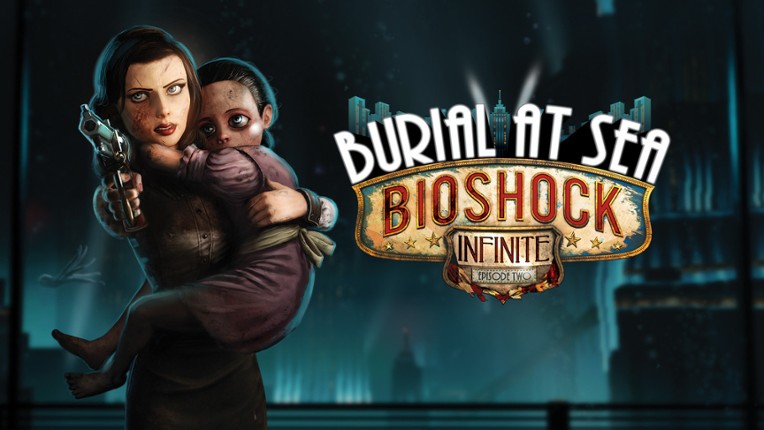
BioShock Infinite: The Complete Edition is a re-release of BioShock Infinite including all its downloadable content. If you enjoyed this game, see our list of games similar to BioShock Infinite.
View Game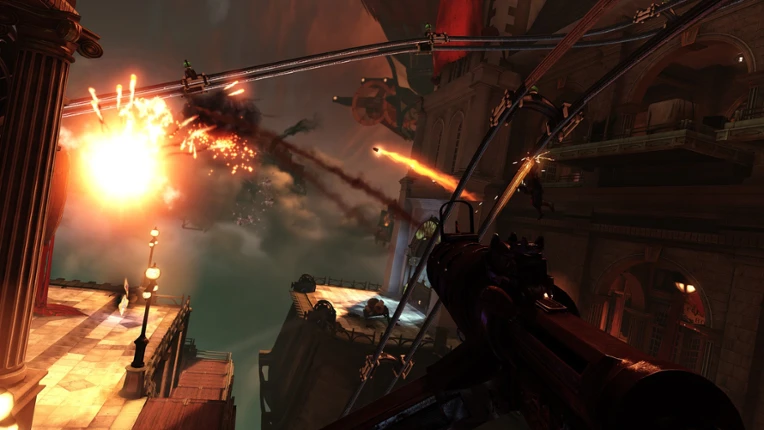
- 99%Game Brain ScoreMost mentioned positive aspects:music, storyMost mentioned negative aspects:grinding, stability99% User Score 6,248 reviews
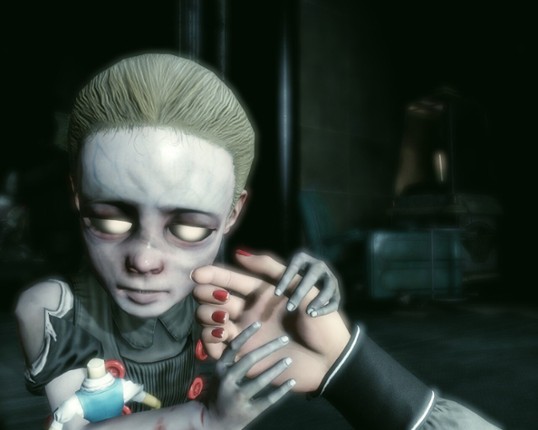
Adopts the surreal psychological horror but replaces combat with dialogue choices and retro pixel charm, adding dark comedy.
If you enjoyed this game, see our list of games similar to Endacopia.View Game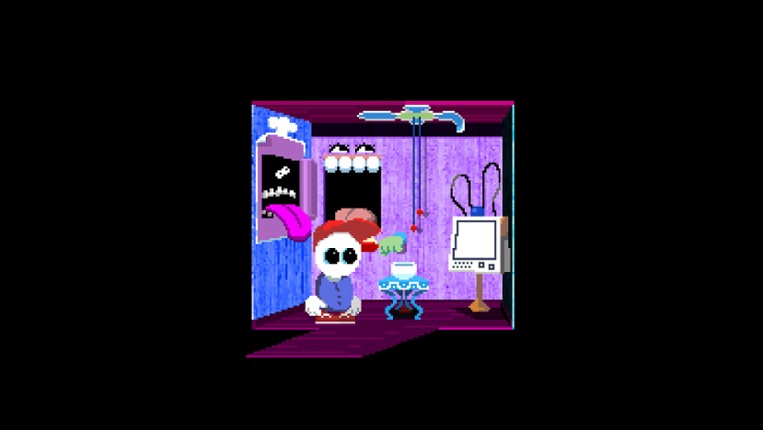
- 88%Game Brain ScoreMost mentioned positive aspects:gameplay, graphicsMost mentioned negative aspects:grinding, stability92% User Score 2,466 reviewsCritic Score 70%1 reviews
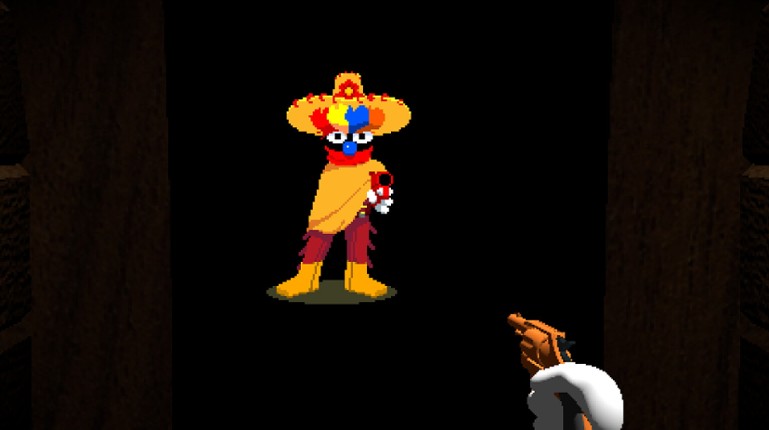
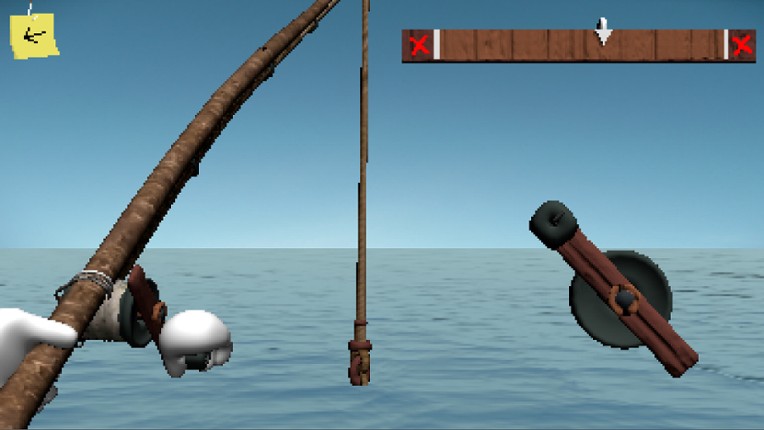
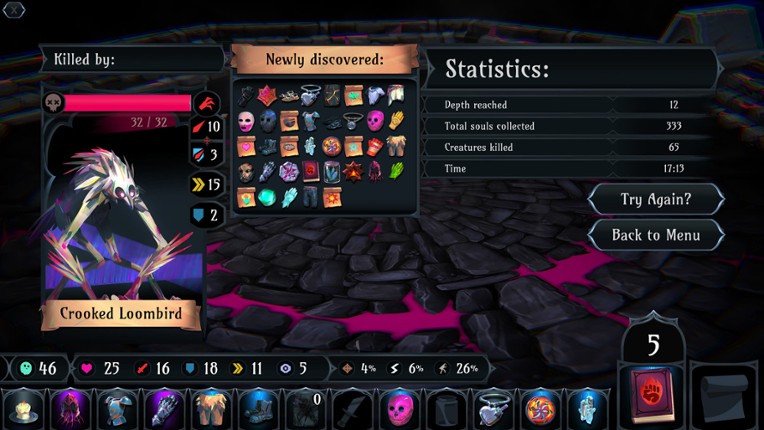
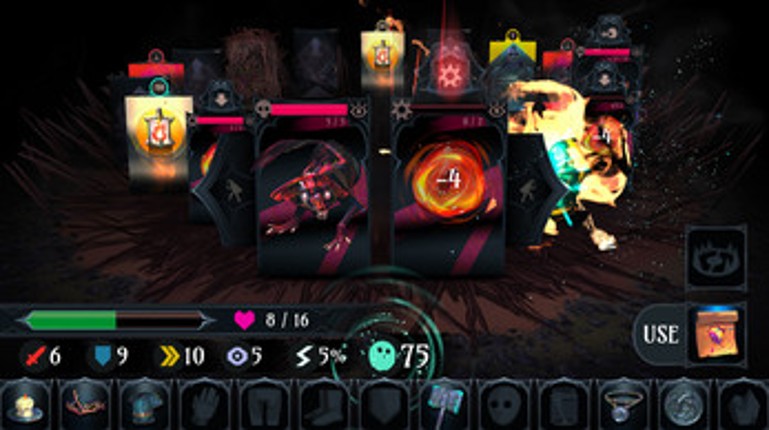
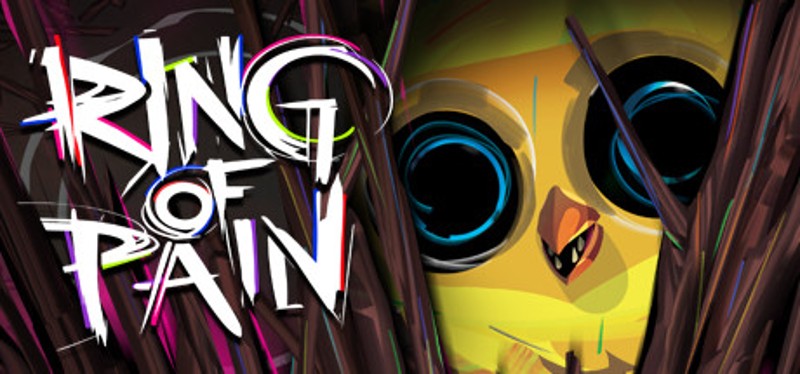
Dungeon crawl through a bleak, turn-based nightmare that prioritizes ruthless inventory management over the complex deckbuilding found in the cabin.
If you enjoyed this game, see our list of games similar to Ring of Pain.View Game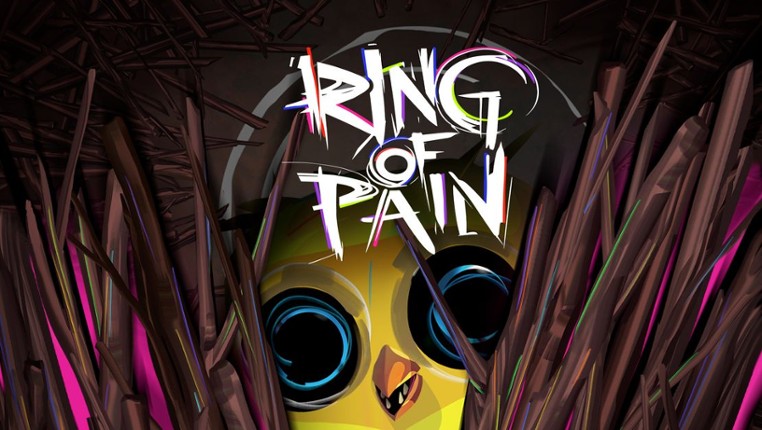
- 89%Game Brain ScoreMost mentioned positive aspects:story, graphicsMost mentioned negative aspects:stability, grinding91% User Score 1,008 reviewsCritic Score 80%1 reviews
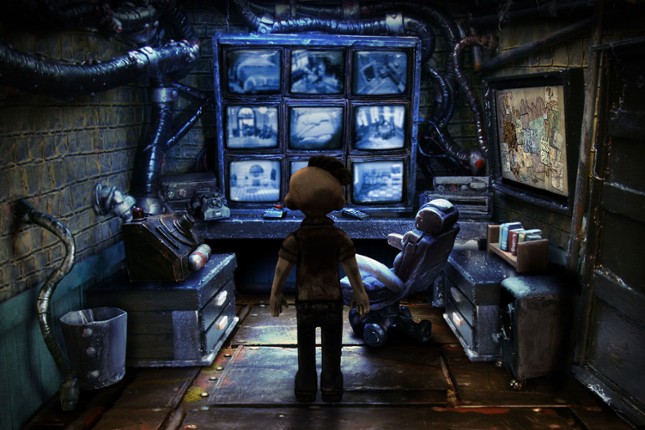
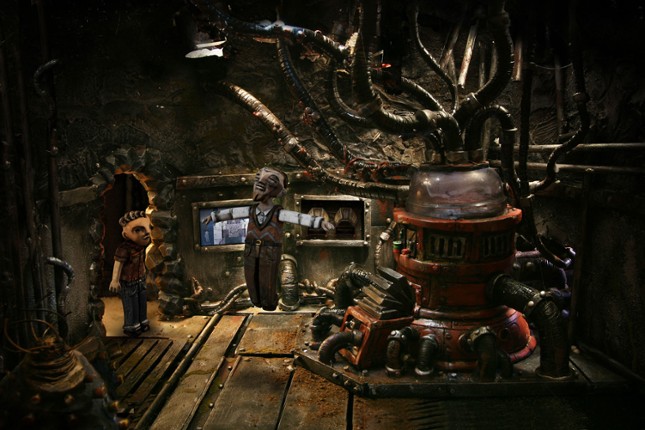
For those seeking the surreal tone without the card battling, this episodic point-and-click adventure focuses on claymation visuals and cryptic environmental exploration.
If you enjoyed this game, see our list of games similar to The Dream Machine.View Game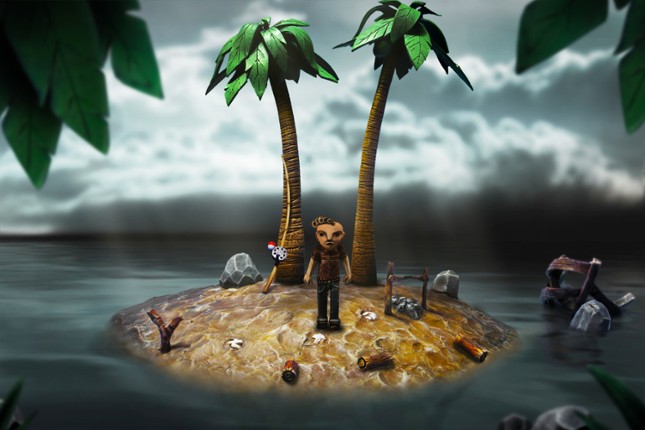
- 85%Game Brain ScoreMost mentioned positive aspects:atmosphere, storyMost mentioned negative aspects:replayability, grinding92% User Score 20,194 reviewsCritic Score 75%7 reviews
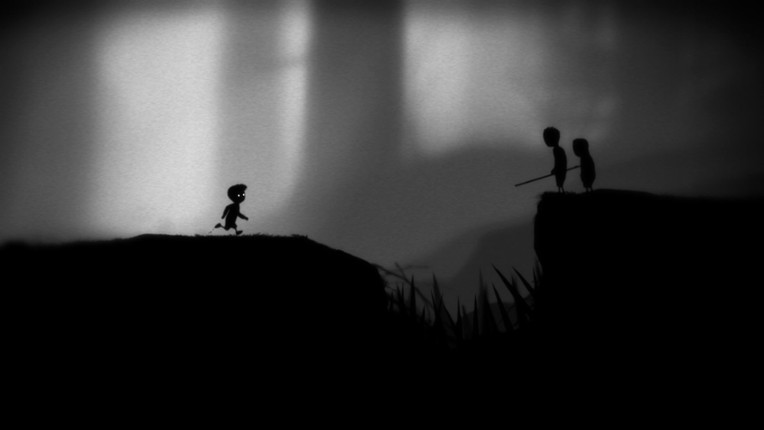
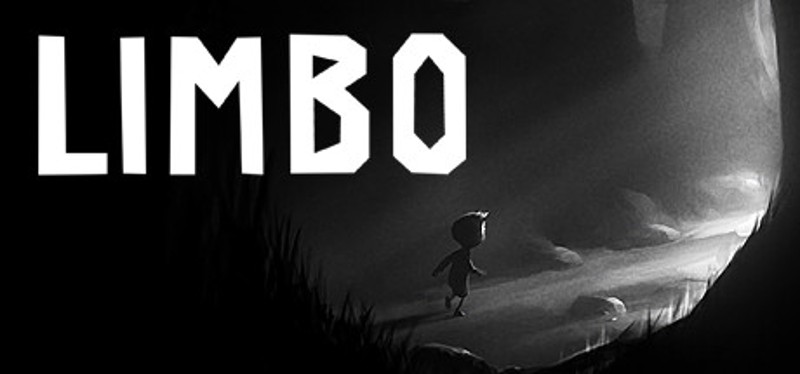
Limbo offers a stark, silent 2D puzzle platformer that strips away Inscryption's cards and dialogue, leaving pure atmospheric dread.
If you enjoyed this game, see our list of games similar to Limbo.View Game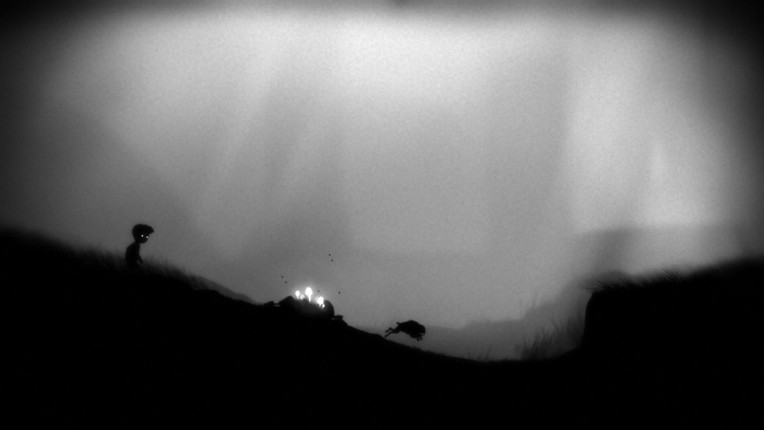
- 96%Game Brain ScoreMost mentioned positive aspects:story, musicMost mentioned negative aspects:grinding, stability96% User Score 34,090 reviews
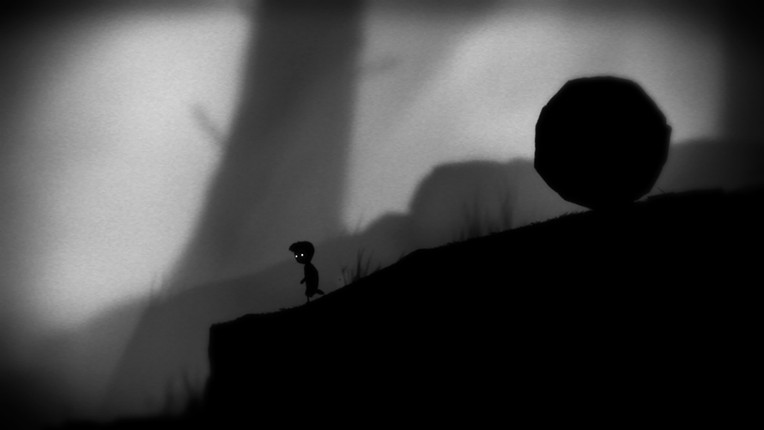
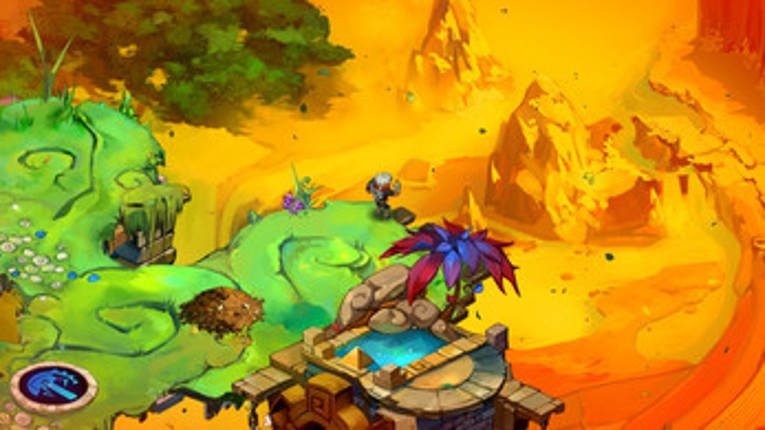
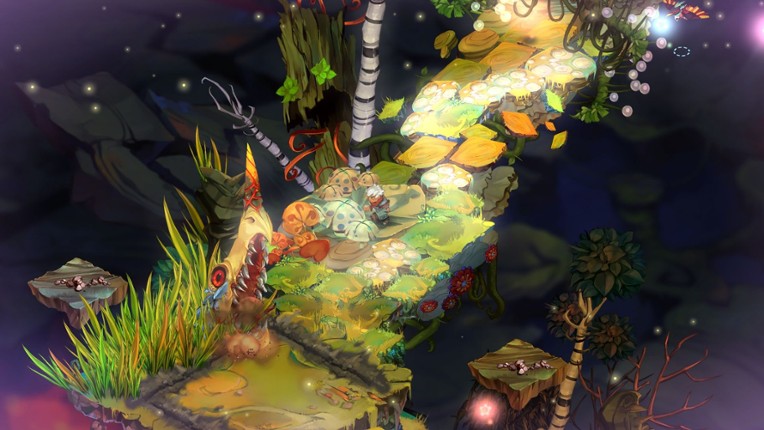
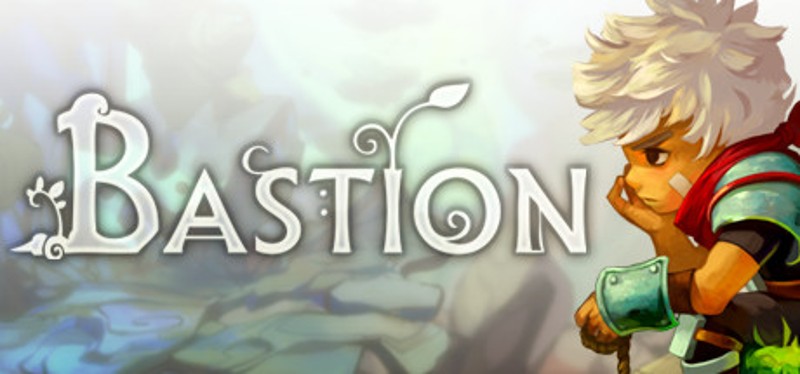
Bastion is an action role-playing experience that redefines storytelling in games, with a reactive narrator who marks your every move If you enjoyed this game, see our list of games similar to Bastion.
View Game
- 93%Game Brain ScoreMost mentioned positive aspects:story, gameplayMost mentioned negative aspects:grinding, stability93% User Score 10,797 reviews
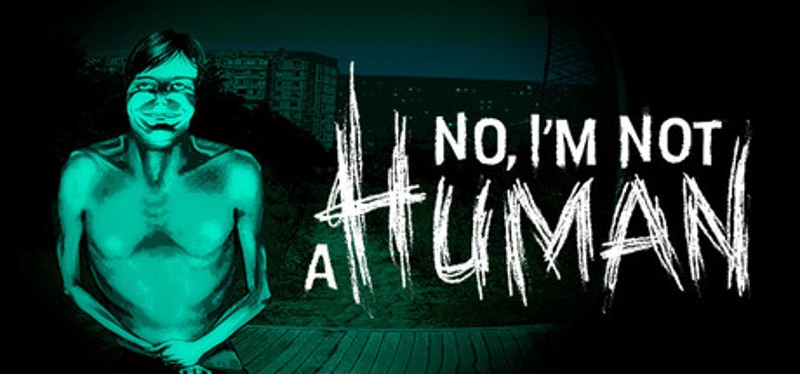
Replaces Inscryption's deck tricks with a bleak first-person outbreak thriller where choices and paranoia drive the horror.
If you enjoyed this game, see our list of games similar to No I'm not a Human.View Game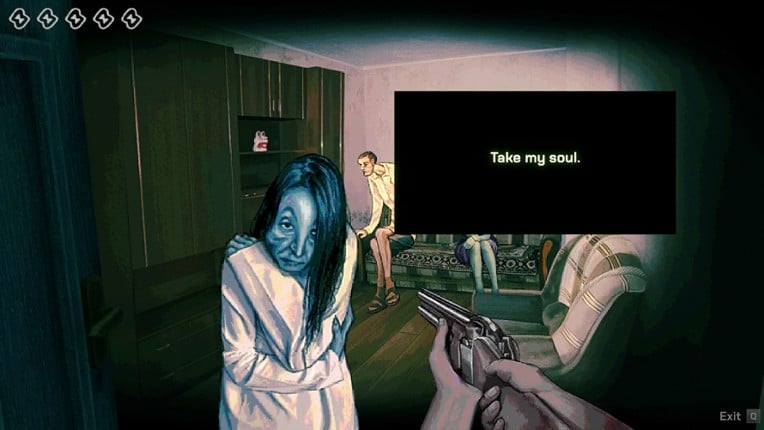

- 98%Game Brain ScoreMost mentioned positive aspects:music, gameplayMost mentioned negative aspects:grinding, optimization98% User Score 557 reviews
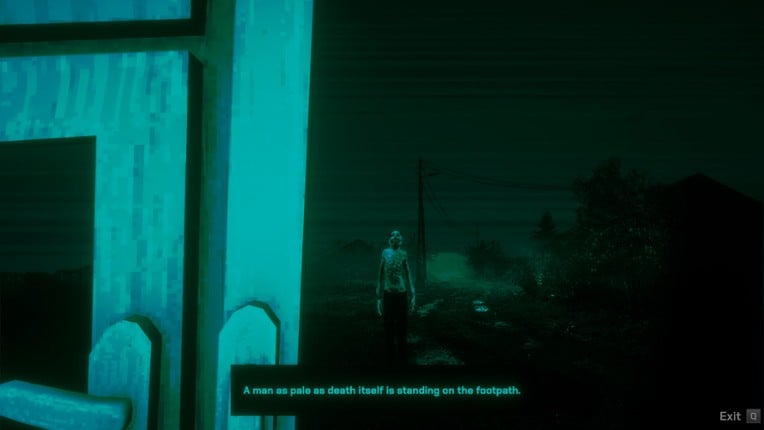
For players drawn to Inscryption's dark roguelike pressure, but wanting a harsher, combat-first run-based challenge with far less story.
If you enjoyed this game, see our list of games similar to Brutal Orchestra.View Game

- 94%Game Brain ScoreMost mentioned positive aspects:gameplay, musicMost mentioned negative aspects:story, grinding98% User Score 55,099 reviewsCritic Score 89%23 reviews
Keeps the addictive build-making of Inscryption, but turns it into a pure poker-roguelite about escalating runs and absurd combos.
If you enjoyed this game, see our list of games similar to Balatro.View Game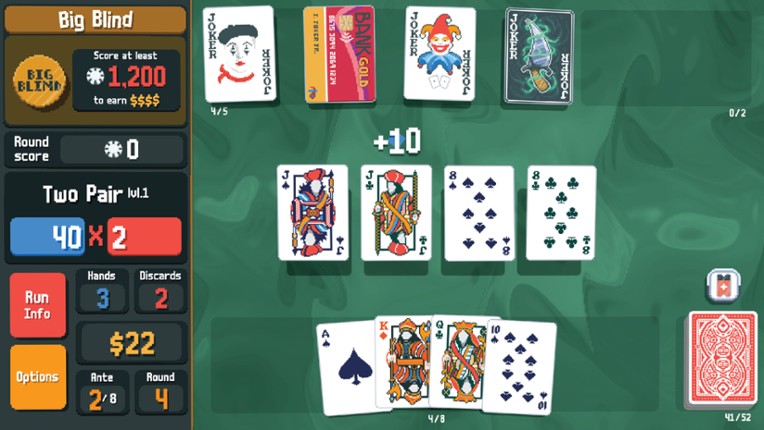
- 96%Game Brain ScoreMost mentioned positive aspects:gameplay, graphicsMost mentioned negative aspects:grinding, monetization96% User Score 17,548 reviews
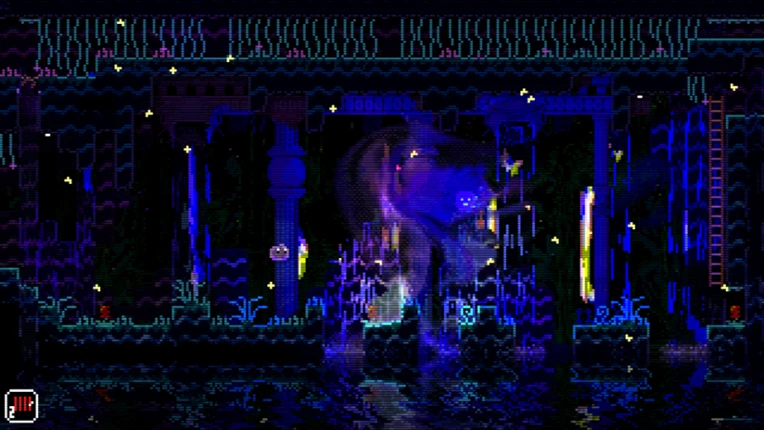
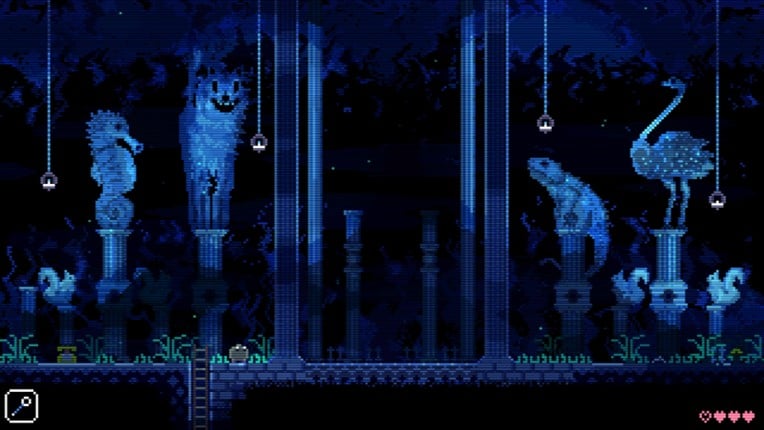
If Inscryption's surreal unease and hidden secrets appealed, this offers a denser 2D labyrinth of exploration, platforming, and environmental discovery.
If you enjoyed this game, see our list of games similar to ANIMAL WELL.View Game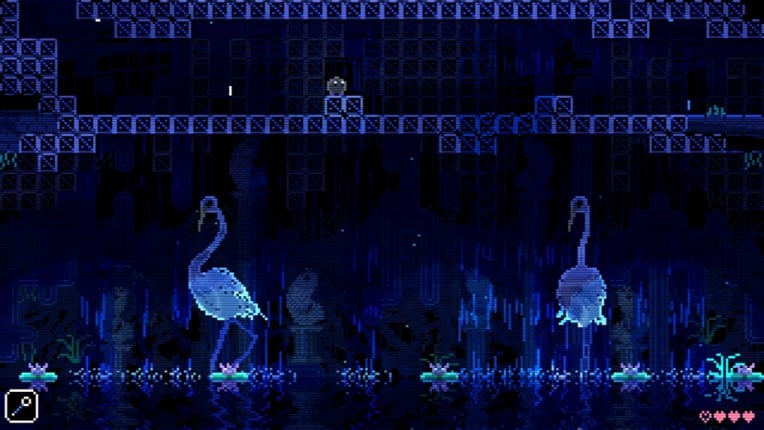
47 View Game 89%Game Brain ScoreMost mentioned positive aspects:story, gameplayMost mentioned negative aspects:grinding, stability96% User Score 16,710 reviewsCritic Score 83%15 reviews
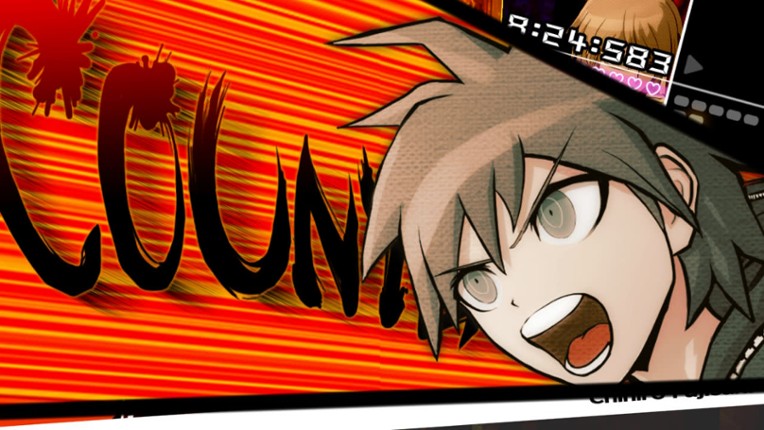
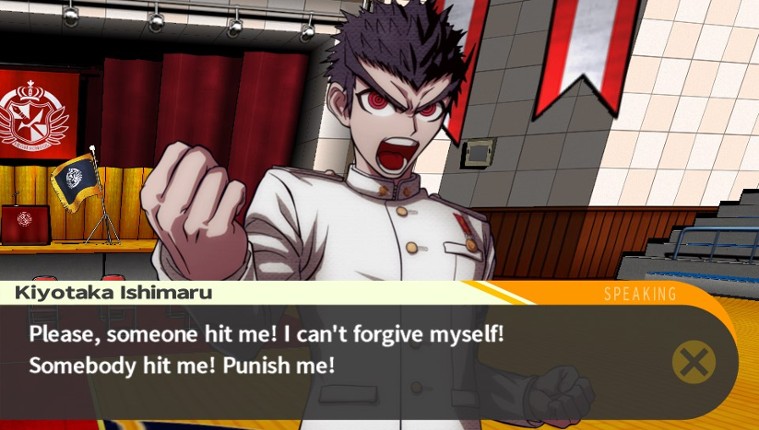
Danganronpa arrives on Nintendo Switch to celebrate its 10th anniversary! Danganronpa 10th Anniversary Release: Part 1! This Anniversary edition comes with a gallery feature that allows you to view event illustrations, scenes, and listen to voiced dialogue! If you enjoyed this game, see our list of games similar to Danganronpa: Trigger Happy Havoc.
View Game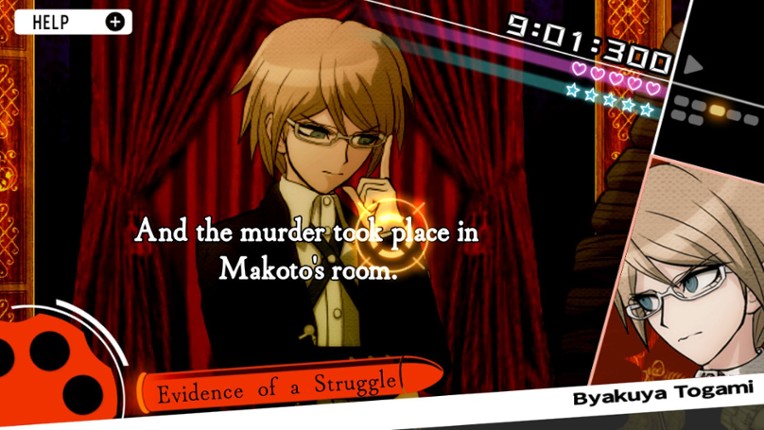
- 89%Game Brain ScoreMost mentioned positive aspects:story, gameplayMost mentioned negative aspects:grinding, replayability96% User Score 42,766 reviewsCritic Score 82%48 reviews
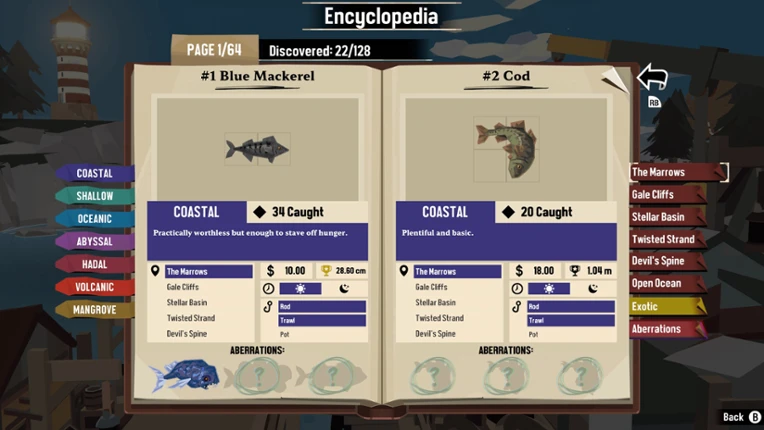
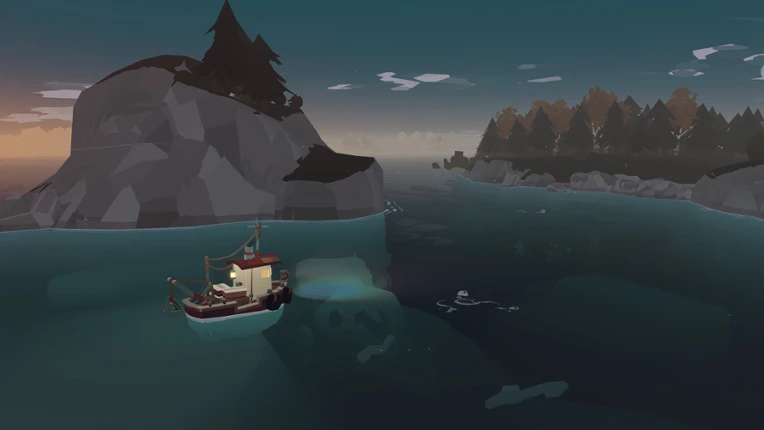
DREDGE offers a moody, stylized fishing adventure that trades Inscryption's card puzzles for tranquil exploration and quiet dread.
If you enjoyed this game, see our list of games similar to DREDGE.View Game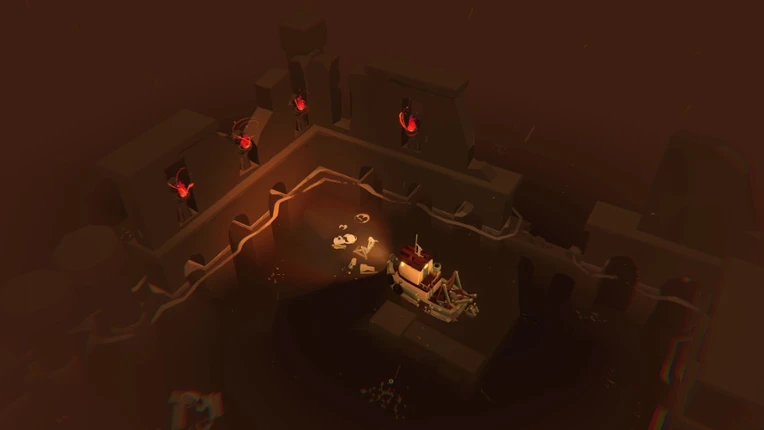
- 91%Game Brain ScoreMost mentioned positive aspects:story, gameplayMost mentioned negative aspects:grinding, replayability95% User Score 6,072 reviewsCritic Score 81%4 reviews
Sanabi is an exhilarating stylish dystopian action-platformer. Play as a legendary retired veteran and use your signature prosthetic arm to jump over cliffs and skyscrapers, zip through bullets and traps and defeat powerful enemies. If you enjoyed this game, see our list of games similar to SANABI.
View Game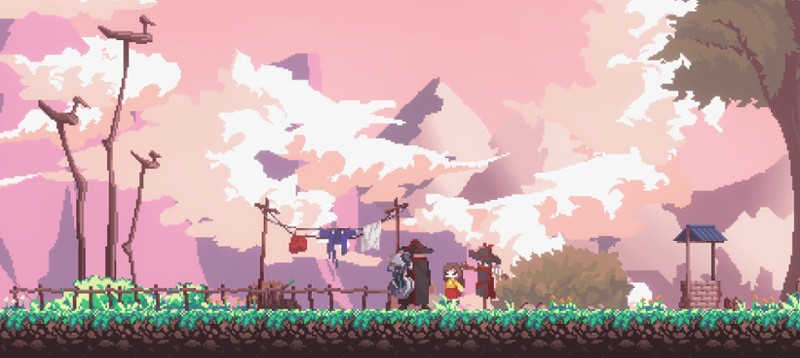
- 92%Game Brain ScoreMost mentioned positive aspects:story, gameplayMost mentioned negative aspects:grinding, stability94% User Score 9,974 reviewsCritic Score 86%3 reviews
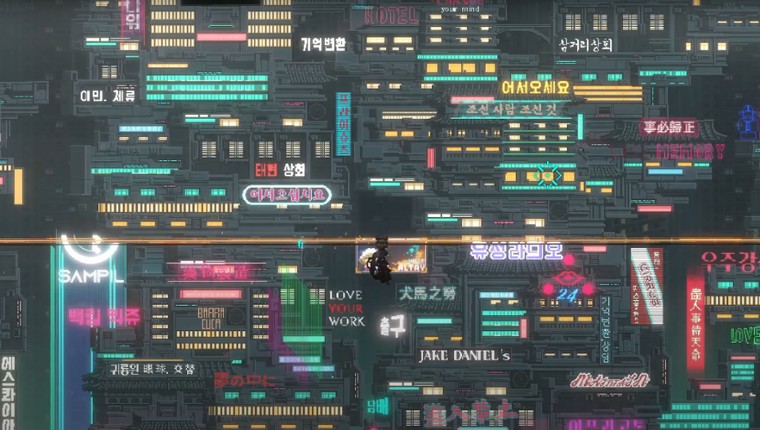
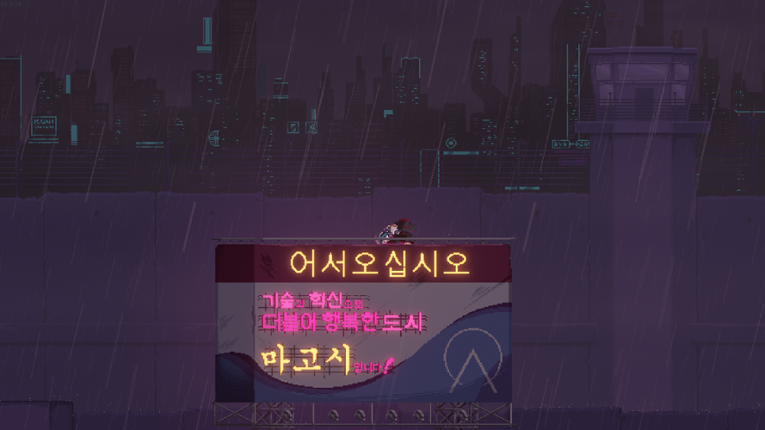
"In Griftlands, everything is negotiable: money, loyalty—even morality. Choose your character and make your fortune. Griftlands is the next game by Klei." If you enjoyed this game, see our list of games similar to Griftlands.
View Game


 View Game






















Frequently Asked Questions
Black Jacket is the closest match, featuring roguelike deckbuilding with turn-based card combat and a story that unfolds through gameplay. The Hex blends multiple genres with meta-narrative and replay value, while NO-SKIN combines turn-based strategy with atmospheric horror and procedural generation for similar replayability.
NO-SKIN delivers eerie atmosphere with survival horror mechanics and piecemeal storytelling perfect for horror fans. Sally Face offers psychological horror through point-and-click adventure with dark humor and emotional depth. Look Outside layers cosmic and body horror themes with a haunting soundtrack for a deeply unsettling experience.
Katana ZERO features exceptional synthwave music paired with stunning neo-noir pixel aesthetics. Void Stranger combines charming pixel art with a fantastic soundtrack and mysterious story. Look Outside stands out with grotesque body horror art and synth-driven audio that enhances its surreal atmosphere.
Pony Island breaks the fourth wall with meta-narrative and creative puzzles that evolve throughout. Void Stranger rewards exploration with multiple layers of narrative and secrets to uncover. Sally Face combines point-and-click adventure with compelling story-driven gameplay and emotional character development.
Black Jacket offers roguelike deckbuilder gameplay with meaningful replay value and multiple runs. NO-SKIN features roguelite mechanics with procedural generation and resource management. The Hex combines roguelike structure with multiple endings and narrative replay value.
The Hex shines with Daniel Mullins' signature meta-commentary and industry critique wrapped in clever humor. Pony Island delivers fourth-wall breaking narrative surprises alongside creative puzzle evolution. Both games share Inscryption's experimental storytelling that playfully deconstructs gaming conventions.