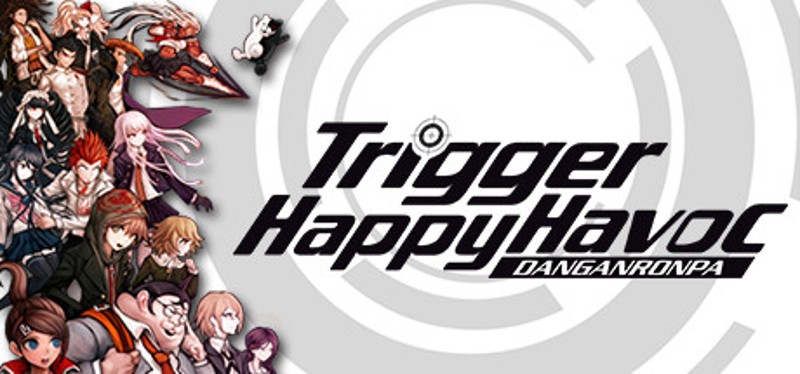
Danganronpa: Trigger Happy Havoc

Danganronpa: Trigger Happy Havoc is easily one of the PlayStation Vita's niche gems with rock solid presentation and a gripping story that doesn't let you go till the end.
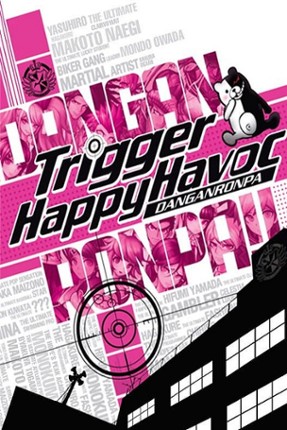
Danganronpa: Trigger Happy Havoc Game Cover
90%Game Brain Score
story, gameplay
grinding, stability
96% User Score Based on 16,710 reviews
Critic Score 85%Based on 12 reviews

Platforms

Nintendo SwitchAndroidXboxSteam DeckiPhoneWindowsPlayStationPlaystation VitaLinuxPCTabletMac OSPhoneXbox OneiPadMobile PlatformPSP
Danganronpa: Trigger Happy Havoc Game Cover

About

Danganronpa: Trigger Happy Havoc is a single player action adventure game with mystery and thriller themes. It was developed by Abstraction Games and was released on February 18, 2016. It received positive reviews from critics and overwhelmingly positive reviews from players.

In "Danganronpa: Trigger Happy Havoc," Makoto Naegi and his classmates at Hope's Peak Academy are held captive by a sadistic bear named Monokuma. Students must murder a classmate and get away with it to gain freedom, and it's up to you to investigate incidents, gather clues, and participate in trial debates to uncover the truth. Be careful what you wish for, as sometimes the truth can be deadly.

Skip User Reviews

96%
Audience ScoreBased on 16,710 reviews
story2.4k positive mentions
grinding145 negative mentions

  • The story is engaging and filled with unexpected plot twists, keeping players invested throughout the experience.
  • The character development is praised for its rich backstories and emotional arcs, making the characters memorable and relatable.
  • The music and atmosphere effectively enhance the game's emotional impact, creating a unique blend of tension and dark humor.
  • The gameplay can feel linear and repetitive, with some players finding the mechanics tedious and the pacing slow.
  • Character development is uneven, with some characters suffering from limited growth due to early deaths or reliance on stereotypes.
  • The graphics are considered dated, reflecting its origins as a PSP title, which may detract from the overall experience for some players.
  • story
    5,366 mentions Positive Neutral Negative

    The story of "Danganronpa: Trigger Happy Havoc" is widely praised for its engaging narrative filled with unexpected plot twists and a diverse cast of characters, each with their own backstories. While some players noted that the gameplay can feel linear and repetitive, the compelling storytelling and character development keep players invested throughout the experience. Despite some criticisms regarding pacing and certain character portrayals, the overall consensus is that the game offers a unique and thrilling murder mystery that resonates with fans of visual novels and narrative-driven games.

    • “The storytelling is top-notch, still holding up today, more than 10 years later from when the game originally got released.”
    • “This game delivers a gripping story full of tension, twists, and unforgettable characters.”
    • “The story is enjoyable, and the characters are great.”
    • “The story is a lot more vast than you might think, but it is a lot of time to sink into one series if you're not completely in love with it.”
    • “The pacing is horrible, it takes forever to get through trials, the actual plot starts to build up in the last two chapters, some parts of the trials and dialogue are only there to waste your time.”
    • “The ending and the big plot twist felt forced and overly complicated, which left me more frustrated than amazed.”
  • gameplay
    2,082 mentions Positive Neutral Negative

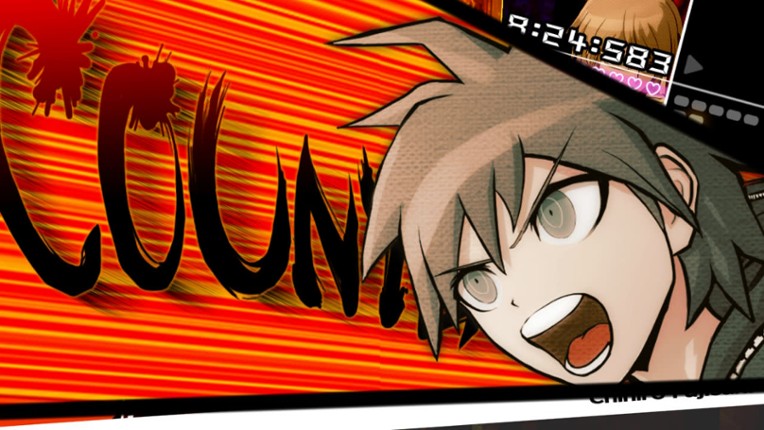
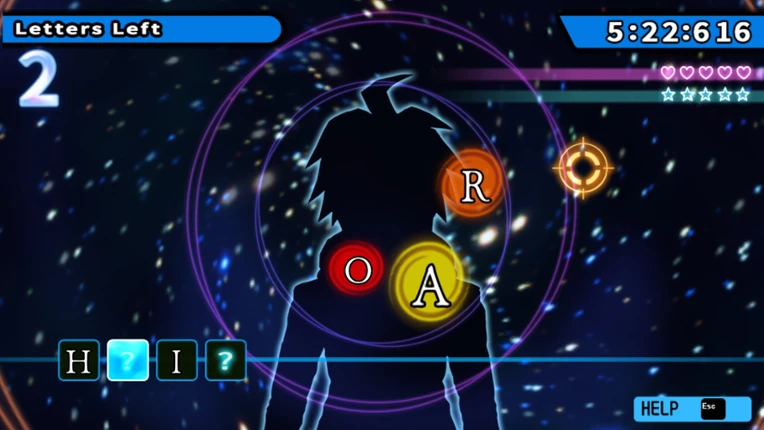
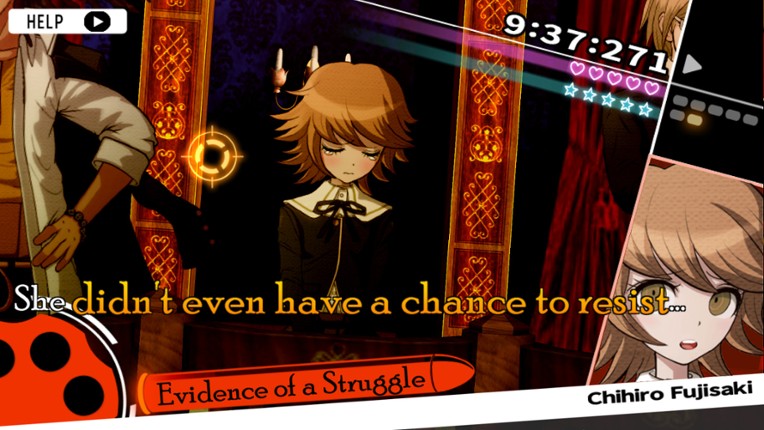
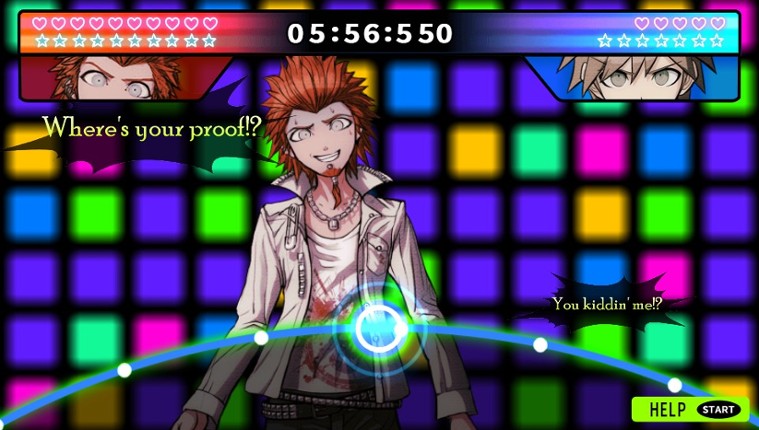
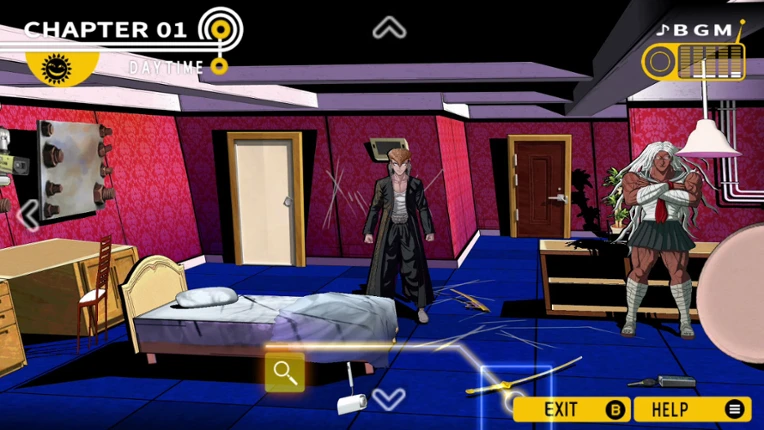
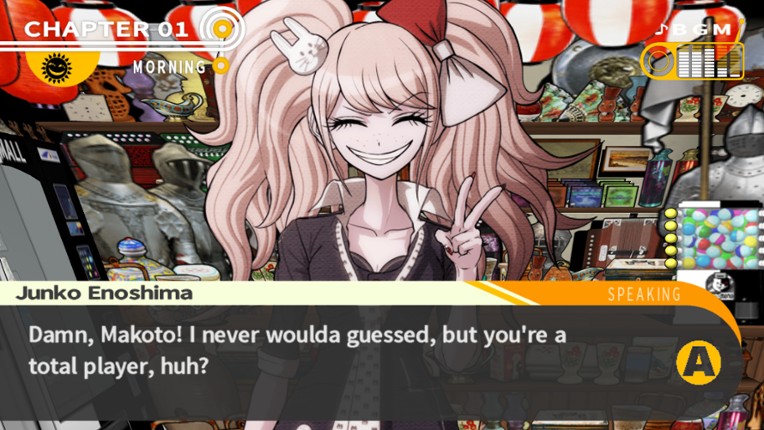
    The gameplay in "Danganronpa: Trigger Happy Havoc" is a blend of visual novel storytelling and interactive mechanics, primarily revolving around investigation and class trials. Players engage in character interactions, gather evidence, and participate in unique trial mechanics that include shooting down contradictions with "truth bullets" and various mini-games, which some find innovative while others consider them tedious. Overall, while the gameplay can be simplistic and at times frustrating, it effectively supports the compelling narrative and character development, making it a memorable experience for fans of the genre.

    • “The gameplay is great, with my only caveat being that bullet time is very off-beat.”
    • “The gameplay loop is pretty simple, but the new game plus stats and brand new trip tickets make the mode enjoyable.”
    • “The gameplay is interesting, but it does have the same flaw shared by similar games (such as the Ace Attorney franchise).”
    • “The gameplay is boring, except for the trials themselves.”
    • “The gameplay loop is clunky, the dialogue is bloated by nonsense that doesn't matter, and the twist at the end is so bad that having it spoiled for you genuinely makes for a better gameplay experience.”
    • “The gameplay itself is quite simple and does not try to get too intricate, where its brilliance lies in.”
  • music
    1,178 mentions Positive Neutral Negative

    The music in "Danganronpa: Trigger Happy Havoc" has received widespread acclaim for its catchy and diverse soundtrack, which effectively enhances the game's atmosphere and emotional impact. Composed by Masafumi Takada, the music ranges from upbeat and funky during class trials to eerie and suspenseful during investigations, creating a unique blend that complements the game's dark themes. While some players noted the repetitiveness of certain tracks over extended playtime, the overall consensus is that the soundtrack is a standout feature that significantly contributes to the game's immersive experience.

    • “The soundtrack is fantastic and sets the tone perfectly.”
    • “The music is amazing and memorable; Box 15 is one of my favorite video game soundtracks ever.”
    • “The music does a great job building paranoia and urgency.”
    • “The characters are completely forgettable, the music is nothing special, and the gameplay, arguably the most important part, is boring and far too easy.”
    • “39 hours of the same music you can't turn off, 30 hours of reading/dialogue, 9 hours of gameplay. Hope this helps in your despair of choosing whether to play this or not.”
    • “The majority of the soundtrack is dreadfully annoying.”
  • graphics
    849 mentions Positive Neutral Negative

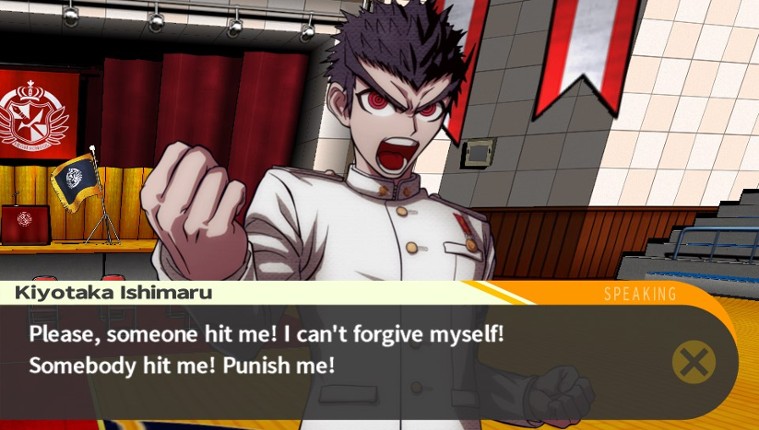
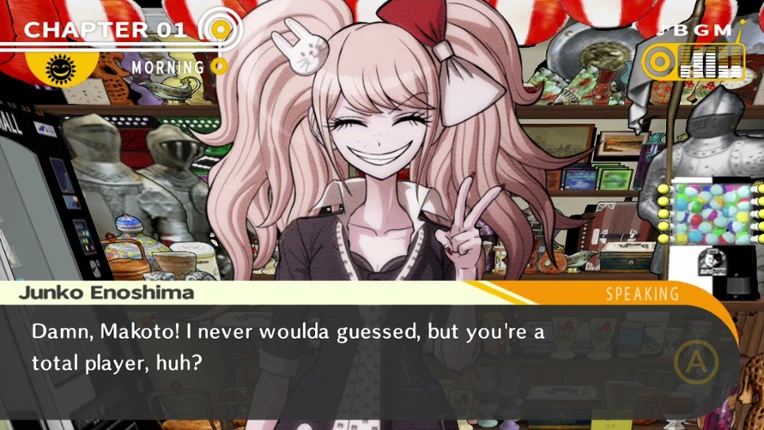
    The graphics of Danganronpa: Trigger Happy Havoc are often described as dated, reflecting its origins as a PSP title from 2010, with many users noting a mix of 2D character sprites in a 3D environment that can appear simplistic or low-resolution. However, the unique art style, characterized by its vibrant colors and playful yet grim aesthetic, has garnered appreciation for its charm and distinctiveness, contributing significantly to the game's overall atmosphere. While some players find the visuals unappealing, many agree that the engaging story and memorable characters more than compensate for any graphical shortcomings.

    • “The game also has a strong identity in how it mixes playful visuals with genuinely grim events, which helps it stand out even years later.”
    • “Danganronpa: Trigger Happy Havoc starts like a high-school anime and quickly spirals into psychological horror, courtroom drama, and razor-sharp social commentary — all wrapped in a neon-pink aesthetic that’s both stylish and disturbing.”
    • “The art style is really close to my heart, the only game that I could compare it to is like Don't Starve, where the environment changes like it’s a stage play, and the props are made from cardboard boxes, and how they come up, it’s just so unique.”
    • “I think the biggest flaw this game has is that it's very graphically outdated (aside from the sprites and other full art that isn't the 3D environment), but it's not a deal breaker.”
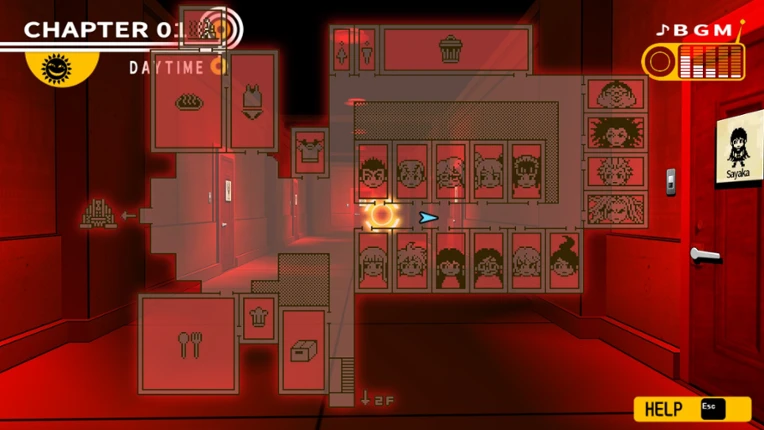
    • “The main graphics of the building are a bit outdated.”
    • “Danganronpa was originally released on the PSP in 2010, and it shows: the graphics are bad, the characters are 2D, and the visuals are low quality.”
  • humor
    519 mentions Positive Neutral Negative

    The humor in the game is a mix of dark, absurd, and often crude comedy, primarily delivered through the character Monokuma, a comically sinister bear. While many players find the humor engaging and entertaining, with moments that elicit genuine laughter, others criticize it for being overdone or inappropriate, particularly in its reliance on outdated tropes and sexual innuendos. Overall, the humor contributes significantly to the game's unique tone, balancing moments of levity with the darker themes of the narrative.

    • “The plot is still as engaging as I remember — weird, dark, funny, and surprisingly emotional at times.”
    • “Definitely recommend playing, it's funny and goofy while managing to stay dark.”
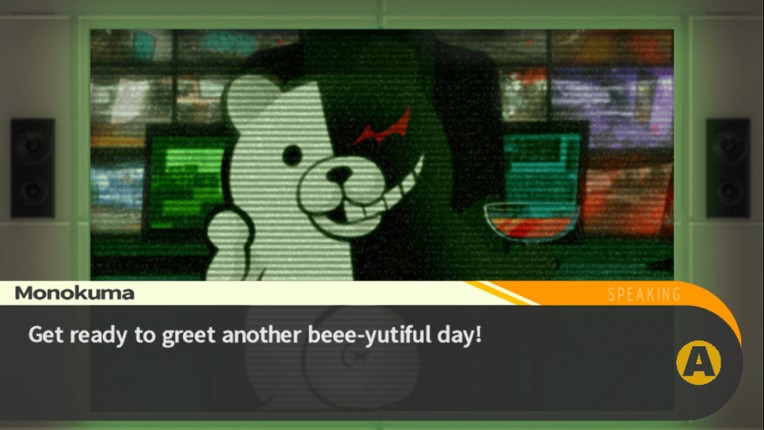
    • “Monokuma serves as the primary antagonist for much of the game, injecting humor and absurdity that provide relief from the horror.”
    • “In one line of dialogue a character might be shocked about seeing a corpse of a friend, but a few lines later they are already back to the same unfunny caricature of a person.”
    • “The main flow of the story is how the dialogue sometimes drags with unnecessary - unfunny - jokes or repeating the same information several times, which slows the pacing, but this isn't a game-destroying flow.”
    • “I can’t be arsed dealing with 'lol random' sort of dialogue and actions; that kind of stuff was unfunny back in the 90s, never mind today.”
  • emotional
    285 mentions Positive Neutral Negative

    The emotional aspect of the game is a significant highlight, with players frequently expressing deep attachments to characters and experiencing intense feelings of joy, sadness, and despair throughout the narrative. Many reviews mention crying during pivotal moments, particularly during character deaths, which are often described as heart-wrenching and impactful. The blend of humor, dark themes, and emotional storytelling creates a rollercoaster experience that resonates strongly with players, making it a memorable and emotionally charged journey.

    • “Despite these issues, the strong writing, distinctive style, and emotional impact easily outweigh the drawbacks.”
    • “The plot is still as engaging as I remember — weird, dark, funny, and surprisingly emotional at times.”
    • “It's dark, it's heart-wrenching at times, but I enjoyed my time with it.”
    • “It was just some kind of visual novel with a really boring story that I couldn't get into.”
  • atmosphere
    252 mentions Positive Neutral Negative

    The atmosphere of "Danganronpa: Trigger Happy Havoc" is widely praised for its unique blend of tension, claustrophobia, and dark humor, creating an immersive experience that captivates players. The game's haunting soundtrack complements its eerie school setting, enhancing the sense of dread and mystery as players navigate through the narrative. Many reviewers highlight that this installment boasts the best atmosphere in the series, effectively balancing unsettling themes with engaging character interactions and a compelling storyline.

    • “The music and setting combine to create a really foreboding and claustrophobic atmosphere that fits perfectly with the premise of the game and really sells you on the hopelessness of the situation the characters find themselves in.”
    • “The atmosphere, the characters, and the music all combine to make an incredible experience that I would 100% recommend.”
    • “The atmosphere is one of the main selling points of the game; unsettling enough so you know something's wrong, but comfortable enough for you to not expect bad things.”
    • “The atmosphere was downright chilling at times, the characters were all memorable, and the class trials are just damn fun to play!”
    • “I absolutely appreciate the dark, morose atmosphere the game attempts to build, but it's so often hurt by many superfluous concepts and inattentive art styles of the environment.”
  • character development
    204 mentions Positive Neutral Negative

    Character development in the game is a mixed bag, with many players praising the rich backstories and emotional arcs of certain characters, particularly during free time events, which allow for deeper engagement. However, some characters suffer from limited development due to early deaths or reliance on stereotypical anime tropes, leading to a perception of unevenness in character growth. Overall, while the character designs are widely celebrated, the depth of character development varies significantly across the cast, with some players feeling that it could have been more thoroughly explored.

    • “The character development is phenomenal and the story keeps you on the edge of your seat wanting more.”
    • “The story had me completely hooked from the very start, and I think I cried like thrice in my first playthrough (and I never get super attached to fiction normally). All of the characters are brilliantly written and insanely likeable, with good character design to go with them, and I genuinely got super attached to them all.”
    • “The amount of character development in this game is amazing, and the class trials are some of the most fun segments I've played in a while.”
    • “There's barely any character development; the characters are just your stereotypical anime tropes and stick to those tropes even in tense situations.”
    • “There are some annoying parts, like how many characters cannot be saved at all, so the ones who die early get almost no character development.”
    • “However, in this game, a lot of characters get barely any character development.”
  • grinding
    163 mentions Positive Neutral Negative

    The grinding aspect of the game has received mixed reviews, with many players finding it tedious and repetitive, particularly when pursuing achievements or engaging in post-game content like school mode. While some appreciate the depth and complexity of the story and characters, the excessive dialogue and unskippable transitions often detract from the overall experience, making the grinding feel like a slog. Overall, players suggest that while the game can be enjoyable, the grinding elements may require significant time and patience to fully complete.

    • “You'll need a second life for grinding.”
    • “It has beautiful writing, an amazing soundtrack, and playing through the class trials wasn't tedious in any way, shape, or form.”
    • “Grinding for achievements was a nightmare though; dialogues are so dragged out and most of the transitions are unskippable.”
    • “Overall, I give this game a 9/10 as playing through the game was very fun, but the very grindy achievements made completing the game feel like a bit of a slog.”
    • “The gameplay is good, but getting all the achievements is very tedious due to the gacha elements.”
  • replayability
    113 mentions Positive Neutral Negative

    Replayability in this game is a mixed bag, with many players noting that while the main story offers a compelling experience, it lacks significant replay value due to its linear narrative and predetermined outcomes. However, some users appreciate the bonus modes and character interactions unlocked after completing the main story, which can enhance replayability for those interested in exploring different character relationships and achievements. Overall, while the game may not be highly replayable in the traditional sense, it still provides enough content to warrant a second playthrough for dedicated fans.

    • “Completing the main story unlocks a bonus school mode which is so fun and adds to the game's replay value.”
    • “Definitely would recommend to others to play due to its replayability and alternative modes once you finish the game.”
    • “The game has replay value, as you can build relationships with the different characters during 'free time' between the murders.”
    • “But this had zero replay value for me.”
    • “There's also a lack of replayability.”
    • “The only major drawback this game has is its lack of replay value.”
  • optimization
    34 mentions Positive Neutral Negative

    The game's optimization has received mixed reviews, with some players experiencing performance issues such as stuttering and FPS drops, particularly on higher settings, while others report smooth gameplay without significant problems. The controls are noted to be poorly optimized for mouse and keyboard, leading to clunky movement and frustrating item selection. Overall, while the port from PSP shows its age, it generally runs well for many players, especially on more powerful systems.

    • “The game is a port from PSP and some of the menus/actions could have been optimized for PC, but it works just fine for the type of game it is.”
    • “It's well optimized and everything works out perfectly.”
    • “I don't know about anyone else, I had no performance issues for this game, 60fps constantly, no drops, didn't seem particularly demanding, then again, my computer is pretty good so I would be surprised if there were issues with this sort of game.”
    • “This game was clearly not meant to be played on a mouse and keyboard at all, and it is not optimized for it.”
    • “Lastly, given how old the game is, there are a couple of technical things to keep in mind - the game's performance degrades every now and then, with stutters even on the highest end settings.”
    • “The in-game controls are poorly optimized when walking around, movement is clunky and selecting between two nearby items is sometimes frustrating.”
  • stability
    27 mentions Positive Neutral Negative

    Overall, the game's stability is generally solid, with most users reporting smooth performance and minimal major glitches, particularly on PC. However, some players have encountered occasional cosmetic glitches, especially on Mac, and issues with frame rate drops and loading times during specific scenes. While the game runs well on various systems, a few users noted that certain graphical and interface elements could be improved.

    • “Even though it started on handhelds, the PC version runs great and feels right at home.”
    • “There are no glitches from what I've seen so far, and only a few typos (the name of the text box is wrong for the character talking, like Monokuma's talking but the text box says Chihiro).”
    • “Great controls and no glitches overall.”
    • “It's a buggy unusable mess.”
    • “If your computer freezes up during a death scene and you didn't save at any time during the trial, have fun redoing everything!!”
    • “There are still a few glitches and bugs that persist to this day that quite annoy me.”
  • monetization
    7 mentions Positive Neutral Negative

    The monetization aspect of the game has received mixed reviews, with some players appreciating the absence of ads and microtransactions, while others criticize the misleading promotion of features and the intrusive nature of in-game advertisements that disrupt the gameplay experience. Overall, the monetization strategy appears to detract from the game's narrative and player engagement.

    • “Best gacha game, no microtransactions.”
    • “Free to play, but has microtransactions.”
    • “Negative review isn't for gameplay, but for breaking one of my most important rules, which is advertising a product with features or DLC, then not including them after the purchase is made.”
    • “Horrible microtransactions to play!”
    • “A very interesting concept let down by excessively poor writing, in-game cutscenes literally replaced with unironic advertisements for a loosely related cancelled side-project, completely unnecessary sequel bait placed right at the climax that immediately contradicts very important plot elements they had just set up in the previous chapter.”
Skip Critic Reviews
Skip Game Offers

Buy Danganronpa: Trigger Happy Havoc

22h Median play time
23h Average play time
25h Main story
45h Completionist
9-30h Spent by most gamers
*Based on 74 analyzed playthroughs
Skip Videos

Videos

Skip Games Like Danganronpa: Trigger Happy Havoc
Skip FAQs

Frequently Asked Questions

Danganronpa: Trigger Happy Havoc is a action adventure game with mystery and thriller themes.

Danganronpa: Trigger Happy Havoc is available on Nintendo Switch, Steam Deck, iPhone, Windows and others.

The main story can be completed in around 25 hours, while the entire game is estimated to take about 45 hours to finish. On average players spend around 23 hours playing Danganronpa: Trigger Happy Havoc.

Danganronpa: Trigger Happy Havoc was released on February 18, 2016.

Danganronpa: Trigger Happy Havoc was developed by Abstraction Games.

Danganronpa: Trigger Happy Havoc has received positive reviews from players and positive reviews from critics. Most players liked this game for its story but disliked it for its grinding.

Danganronpa: Trigger Happy Havoc is a single player game.

Similar games include Danganronpa 2: Goodbye Despair, Danganronpa V3:Killing Harmony, AI: THE SOMNIUM FILES, Zero Escape: The Nonary Games, Angels of Death and others.