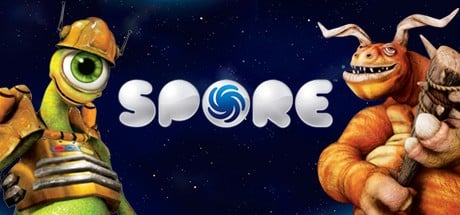



Games like Spore
If Spore captured your imagination with its wild blend of creature creation, god-game evolution, and galaxy-spanning strategy, you're not alone — and you're probably hungry for more. Games like Spore occupy a rare corner of gaming where sandbox creativity, science-fiction exploration, and laugh-out-loud humor collide in one package. The good news: there are genuinely great alternatives waiting for you.
What makes Spore so hard to forget is its willingness to reinvent itself across every stage — from sculpting a single-celled organism to managing a galactic civilization. It's equal parts god game, colony sim, 4X strategy, and cartoon adventure, all wrapped in a colorful, comedic tone that rarely takes itself too seriously. Players keep coming back for the creative freedom, the emergent storytelling, and the sheer breadth of systems layered on top of each other. That's the combination worth chasing.
What Makes a Good Alternative to Spore?
- Creative creature or object building — Spore's editor is its heart. The best alternatives give you similarly expressive tools to construct something that feels genuinely yours, whether that's a character, a machine, or a city.
- Sandbox freedom with progression — Spore rewards exploration and experimentation without punishing you for going off-script. Great alternatives share that open-ended structure where the journey matters as much as any goal.
- Humor and a light tone — The cartoony aesthetic and comedy underpinning Spore are part of what makes failure fun rather than frustrating. Alternatives that carry that same playfulness hit differently.
- God-game or colony-scale control — One of Spore's most praised qualities is the feeling of shaping a world from the top down. Games that put you in charge of populations, civilizations, or ecosystems scratch that same itch.
- Science-fiction exploration and space themes — The space stage is many players' favorite. Alternatives with open-world exploration, alien environments, or interstellar ambition tap directly into that sense of wonder.
Top Picks If You Enjoyed Spore
SPORE: Galactic Adventures expands the space stage with captain missions and deeper customization. The Sims 3 delivers sandbox life-building with tremendous replayability and heart. Cities: Skylines satisfies the civilization-management side with its deep resource systems. Space Engineers trades cartoon charm for physics-driven ship construction in open space. Scrap Mechanic channels Spore's inventive spirit into laugh-worthy machine-building with friends. Each one captures a different piece of what made Spore special.
Every recommendation below is ranked by similarity to Spore using real player data, so the closest matches appear first. Browse the full list to find exactly the experience you're after.
- 91%Game Brain ScoreMost mentioned positive aspects:story, gameplayMost mentioned negative aspects:stability, grinding91% User Score 7,052 reviews
Both games let you shape entire worlds through direct intervention—crafting creatures, managing colonies, and steering civilizations toward your own vision. This god-game sandbox loop is where Spore's magic lives, and Galactic Adventures preserves it entirely while letting you steer exploration and adventure more deliberately.
The crafting and character customization systems in Galactic Adventures echo Spore's creature creator, but anchor your decisions into concrete gameplay consequences. When you build and outfit your character, you're not just expressing creativity—you're solving problems and unlocking new exploration possibilities, which deepens the sense of meaningful progression.
Where Spore demands patience through resource grinding to unlock content, Galactic Adventures streamlines that friction without sacrificing replayability. The same comedy and personality shine through, but you spend less time waiting and more time discovering.
The adventure-focused design is the meaningful shift: rather than cycling through distinct civilization phases, you're piloting a character through space-bound scenarios. For players who loved Spore's humor and exploration but wanted tighter, mission-driven pacing, this refinement hits differently.
Best for: Spore veterans who value hands-on creativity and discovery over breadth, and who welcome a more focused adventure structure.
If you enjoyed this game, see our list of games similar to SPORE™ Galactic Adventures.View Game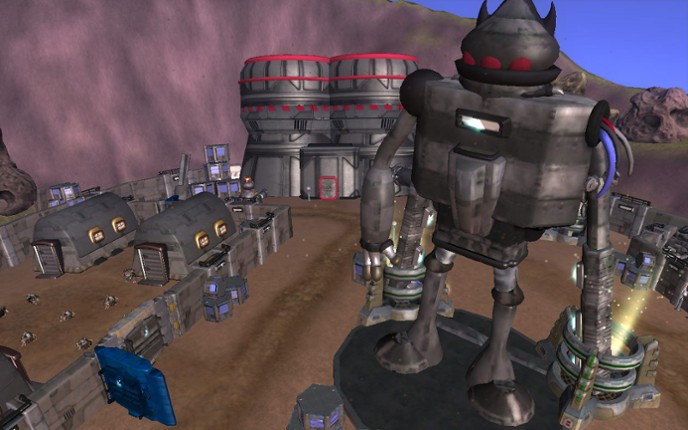
- 85%Game Brain ScoreMost mentioned positive aspects:graphics, gameplayMost mentioned negative aspects:stability, optimization87% User Score 17,110 reviewsCritic Score 82%6 reviews
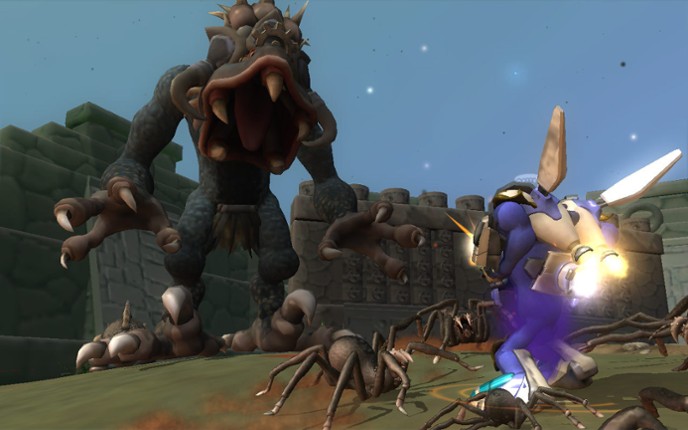
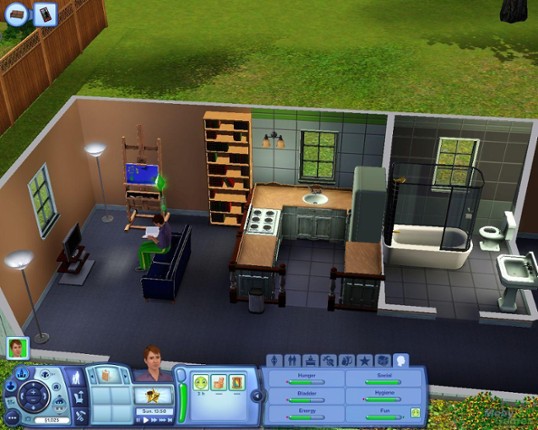
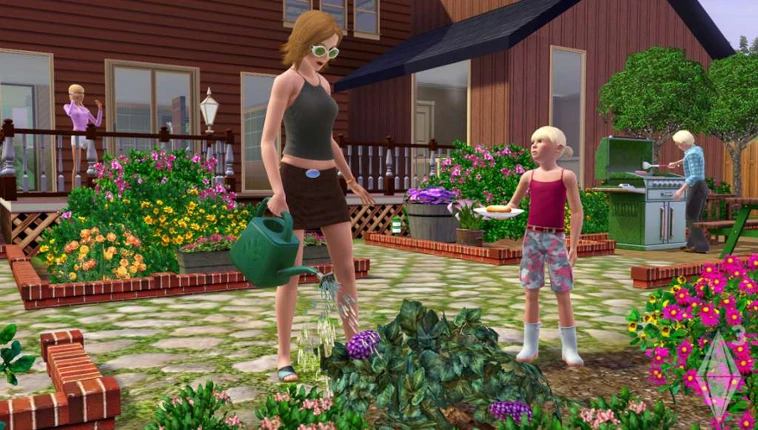
Watching a tiny world unfold from “creator” to “caretaker” is the big shared hook here. In Spore, you guide lives as they grow, adapt, and leave a mark; The Sims 3 scratches that same itch by letting you shape personalities, routines, and household drama minute by minute. Both games reward playful experimentation, where the fun comes from setting up systems and then seeing what the simulation does with them.
The overlap in sandbox freedom and resource juggling matters a lot. You still manage needs, relationships, money, and goals, but the payoff is watching your plans spiral into emergent stories rather than chasing a fixed mission. That makes it feel like a living toy box, which is exactly why fans of Spore often click with it.
It also answers one of Spore's biggest frustrations: repetition and grinding. The Sims 3 stretches that same long-form progression across a much denser everyday life, so progress comes from social chaos, career paths, and family growth instead of repeating a narrow loop. The tradeoff is less cosmic spectacle, but more intimate control and fewer “wait for the next stage” moments.
Best for players who enjoy shaping systems, then letting the simulation surprise them.
If you enjoyed this game, see our list of games similar to The Sims 3.View Game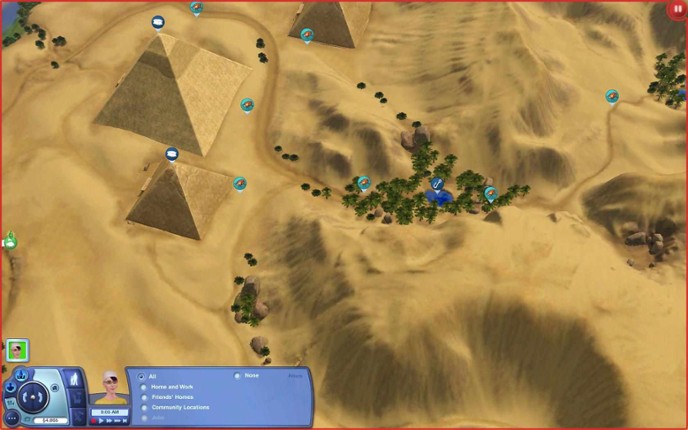
- 91%Game Brain ScoreMost mentioned positive aspects:graphics, storyMost mentioned negative aspects:gameplay, grinding91% User Score 50,535 reviews
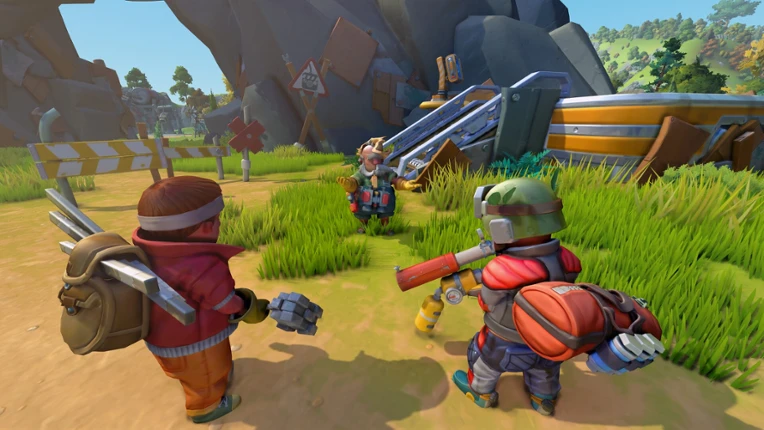
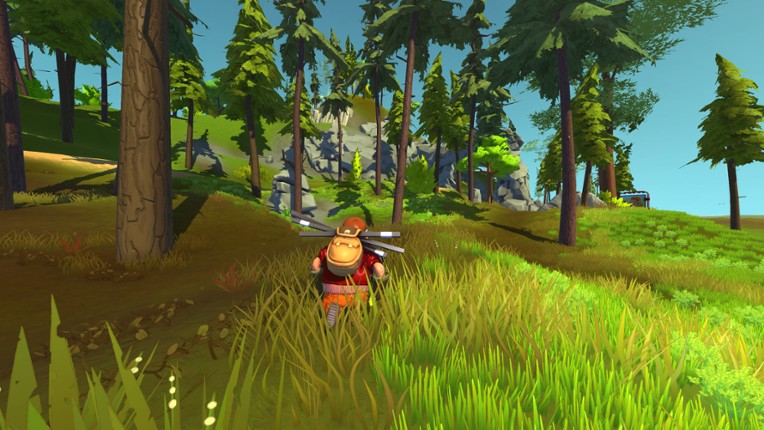
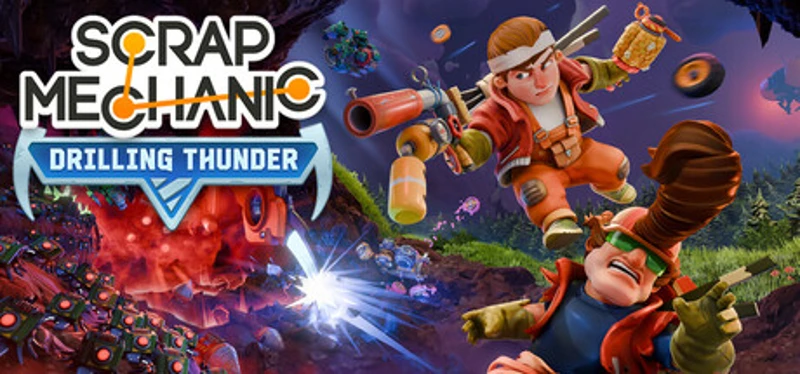
Both Spore and Scrap Mechanic thrive on the thrill of watching your creations come alive. In Spore, you design creatures that populate a living world; in Scrap Mechanic, you build machines that move, fly, and interact through physics. The satisfaction of iterating on a design until it works is a core loop that transcends both games.
This building-as-problem-solving connection goes deeper than it first appears. Spore's creature editor taught players to think about form following function, a skill that directly translates when you're welding together a functional vehicle in Scrap Mechanic. Both games also share a lighthearted, humorous tone that rewards experimentation over optimization—failed creations become entertaining stories rather than wasted time.
The key difference is narrative scope: Spore guides you through planetary evolution to spacefaring civilization, while Scrap Mechanic drops you into a near-empty world with minimal objectives. This trade-off sacrifices story for creative freedom, giving you a blank canvas but requiring you to supply your own purpose.
Where Scrap Mechanic addresses Spore's aggressive monetization criticism, it unfortunately inherits the performance issues both games share. Best for players who prioritize building over progression and can overlook technical hiccups for the joy of mechanical invention.
If you enjoyed this game, see our list of games similar to Scrap Mechanic.View Game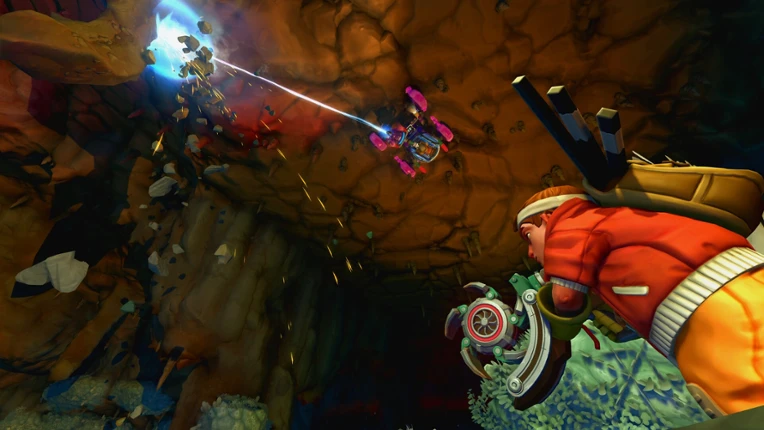
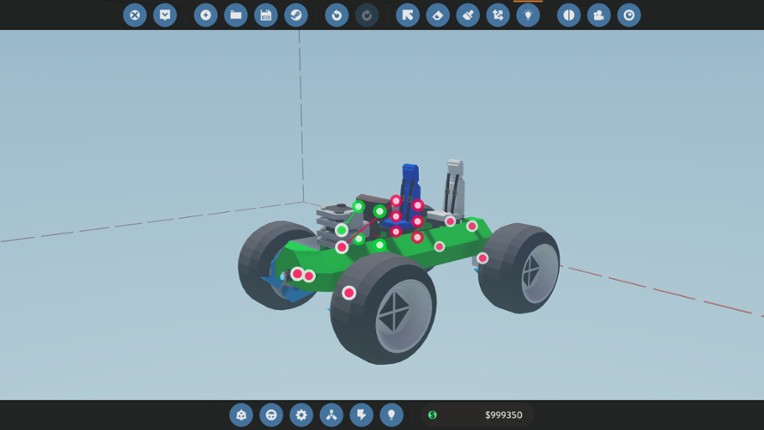
- 92%Game Brain ScoreMost mentioned positive aspects:gameplay, storyMost mentioned negative aspects:stability, grinding92% User Score 24,482 reviews
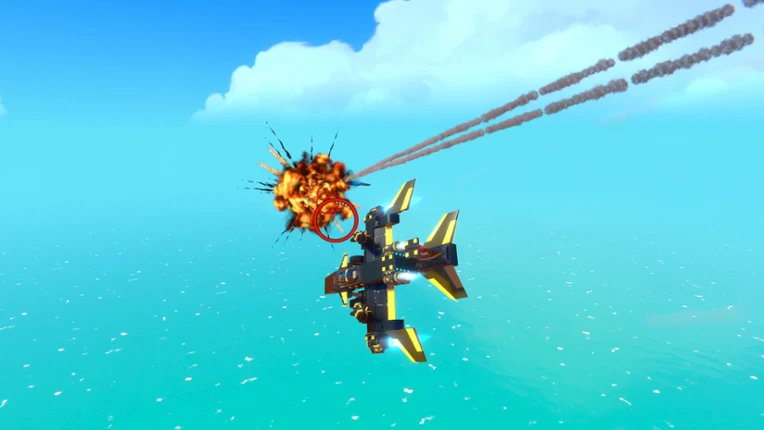
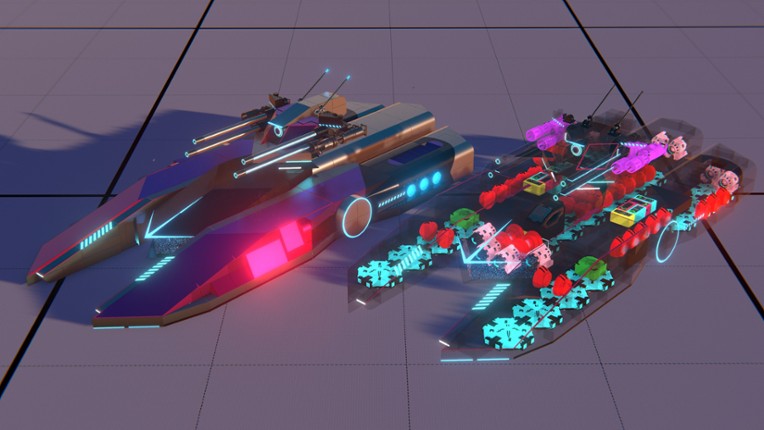
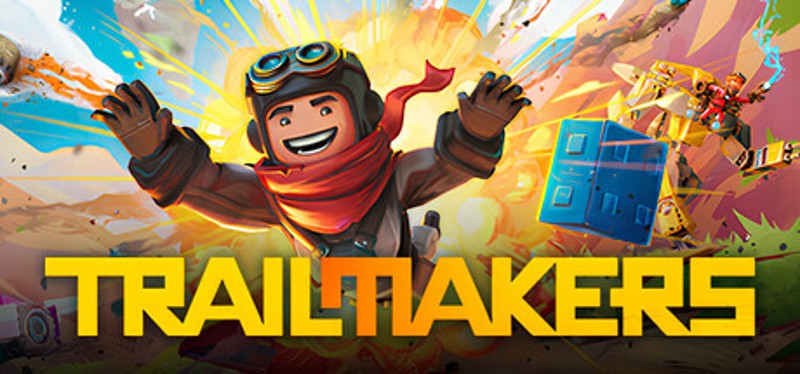
The core link between Spore and Trailmakers is the unrestricted modular building system that turns players into amateur engineers. Both games prioritize the joy of assembling bizarre, functional creations from scratch, which keeps the experimental loop feeling fresh.
This sandbox approach matters because it transforms simple resource gathering into a creative playground where your personal designs determine your success. However, while Spore focuses on biological evolution and life-cycle progression, Trailmakers is strictly a physics-based vehicle construction simulator.
Pick this up if you want the creative freedom of the Spore creature editor but can live without the overarching biological simulation and planetary management systems.
If you enjoyed this game, see our list of games similar to Trailmakers.View Game
- 86%Game Brain ScoreMost mentioned positive aspects:gameplay, graphicsMost mentioned negative aspects:stability, monetization88% User Score 98,036 reviewsCritic Score 80%3 reviews
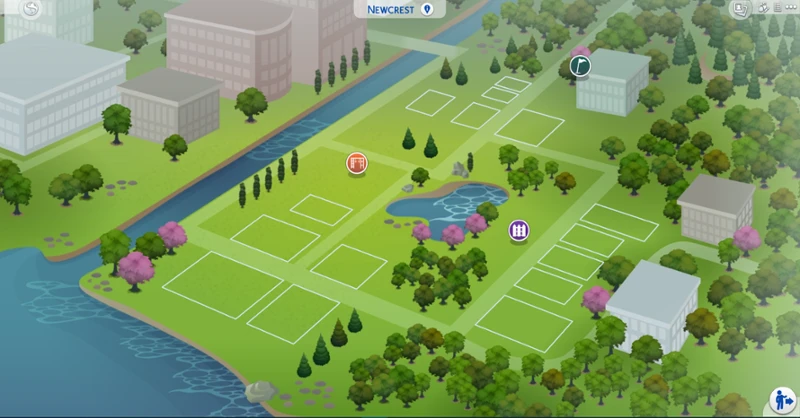
Shaping a life-form from scratch and watching it navigate a vibrant, reactive world captures that same experimental spark found in the Creature Stage. You trade the literal evolution of limbs and survival instincts for the social evolution of personalities and legacies. Both titles empower you to play god within a colorful, cartoony sandbox where quirky humor is woven into every interaction.
The character customization mirrors the depth of the Spore Creator, allowing you to manipulate the smallest details of a being’s identity. This creates a powerful sense of ownership because you are testing how your specific designs thrive within their social environment. While Spore can often feel like a grind for resources to progress, this experience focuses on the immediate rewards of creative expression and domestic storytelling.
A notable shift occurs as the scope narrows from galactic conquest to the intimate complexities of a single household. This micro-focus offers a fresh angle for those who want to explore the emotional lives of their creations rather than their biological adaptations. It is a worthy detour for players who value narrative creativity and aesthetic design over strategic expansion.
If you enjoyed this game, see our list of games similar to The Sims 4.View Game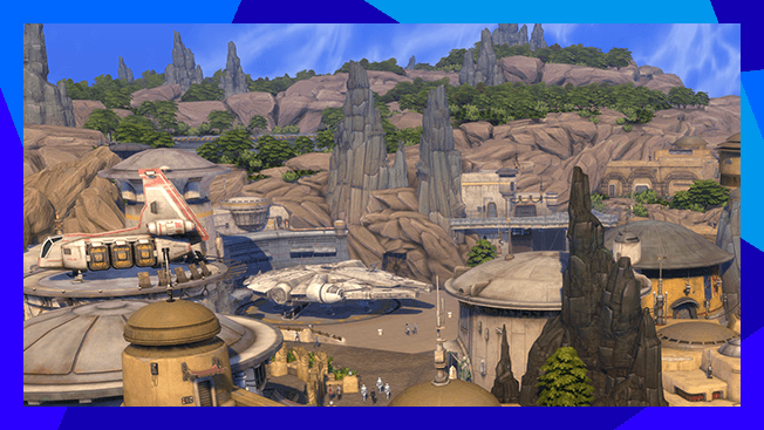

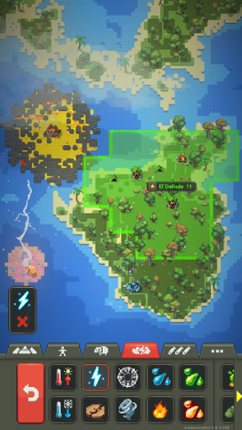
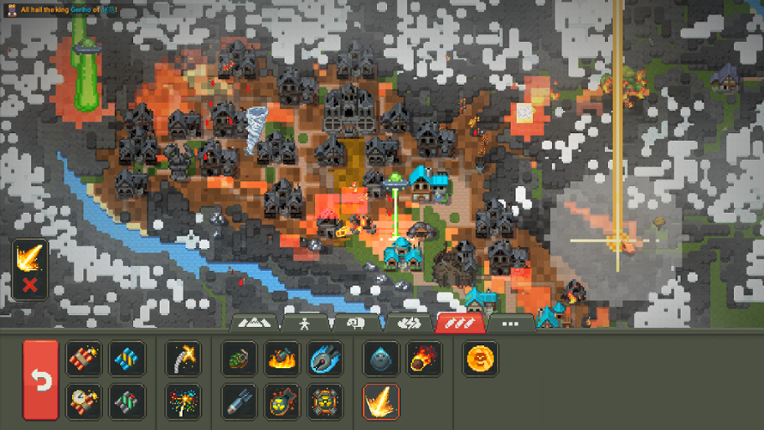
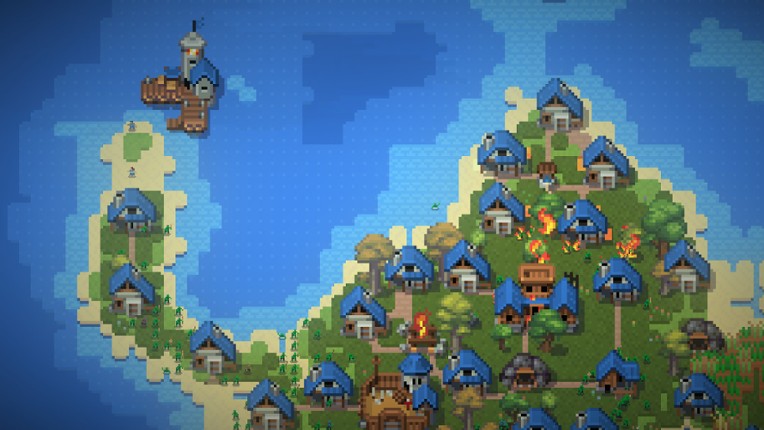
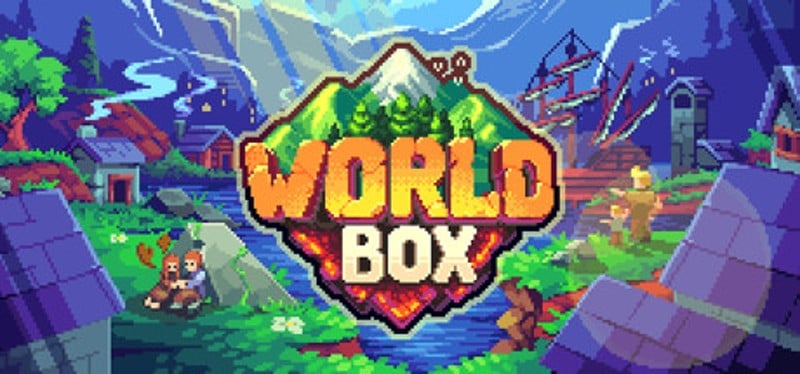
- 96%Game Brain ScoreMost mentioned positive aspects:gameplay, graphicsMost mentioned negative aspects:story, grinding96% User Score 37,588 reviewsKeeps Spore's god-game omniscience and colony sim bones but trades creature design for mythological empire building across procedural medieval worlds. If you enjoyed this game, see our list of games similar to Worldbox.View Game
- 72%Game Brain ScoreMost mentioned positive aspects:humor, storyMost mentioned negative aspects:gameplay, graphics72% User Score 4,780 reviews
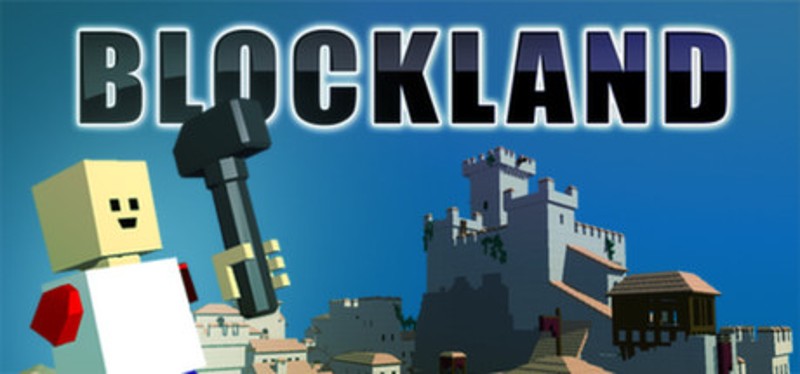
Both games anchor on a sandbox, open‑world creation system where players shape terrain, structures, and content without a fixed narrative; this freedom is the strongest hook they share.
They also both feature trading mechanics and a humorous tone, which keeps the experience lighthearted even when exploring or building.
Blockland trades Spore’s stage‑based evolution and alien progression for static brick building and a horror‑tinged multiplayer focus, making it a niche pick. Pick this up if you want Spore’s creative sandbox and trading but can live without guided progression and a family‑friendly vibe.
If you enjoyed this game, see our list of games similar to Blockland.View Game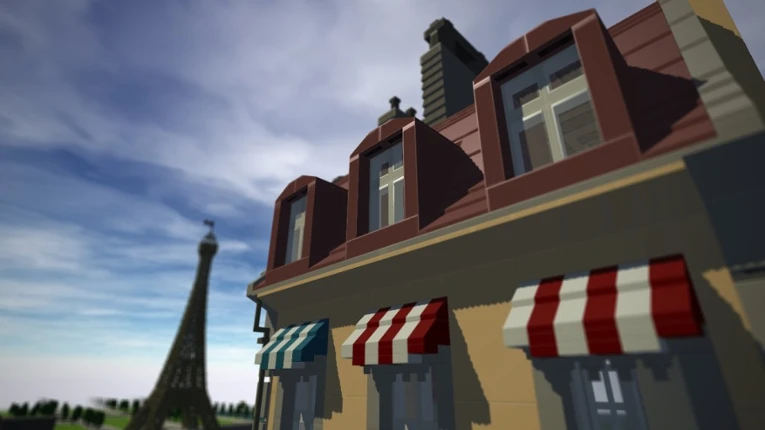
- 89%Game Brain ScoreMost mentioned positive aspects:gameplay, graphicsMost mentioned negative aspects:optimization, stability89% User Score 85,786 reviews
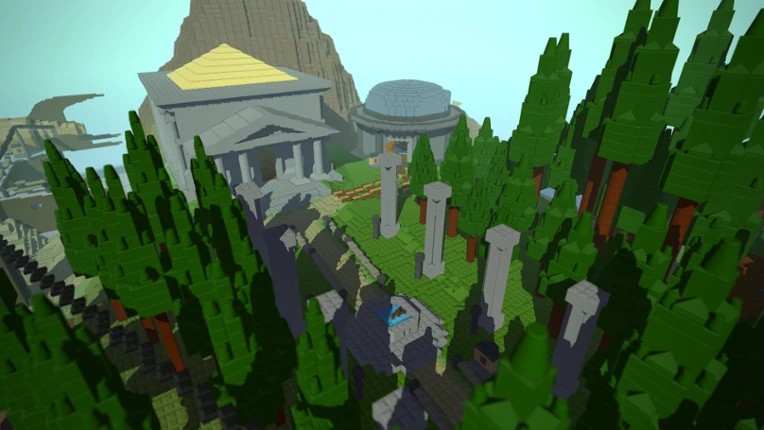
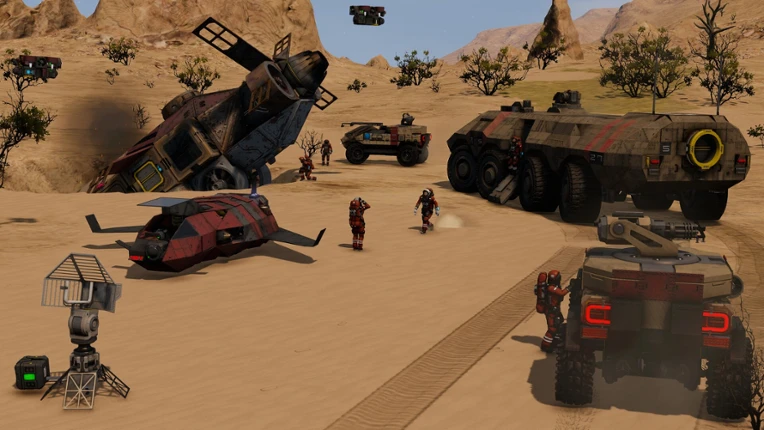
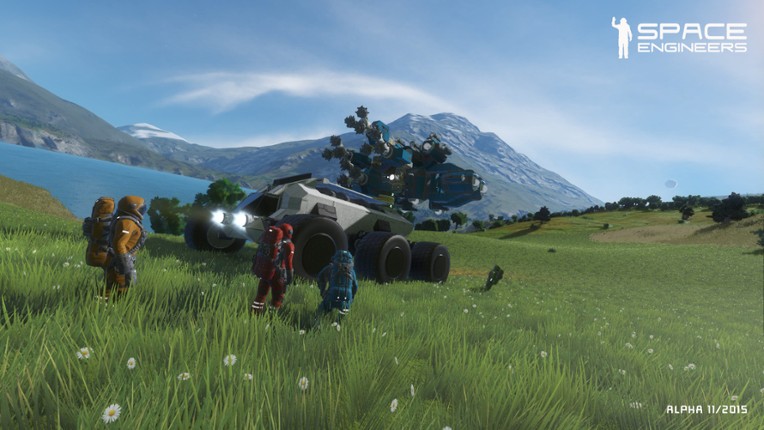
Space Engineers shares Spore’s core appeal of space exploration combined with intricate building mechanics, letting players craft their own ships and bases. This creative freedom fuels player expression and drives the game's sandbox longevity.
Both games lean heavily into science-driven gameplay and open worlds, which matters because it supports strategy and experimentation. However, Space Engineers is far more focused on realistic physics and multiplayer combat, making it a harsher survival challenge compared to Spore’s lighthearted, single-player progression.
Pick this up if you want expansive, co-op space engineering with a steep learning curve but can live without Spore’s humor and emotional storytelling. Fans craving an advanced building sandbox over a family-friendly god game will find more to sink their teeth into here.
If you enjoyed this game, see our list of games similar to Space Engineers.View Game
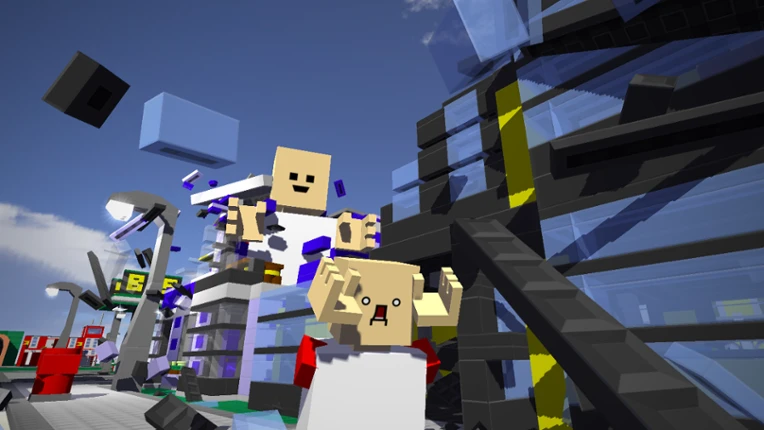
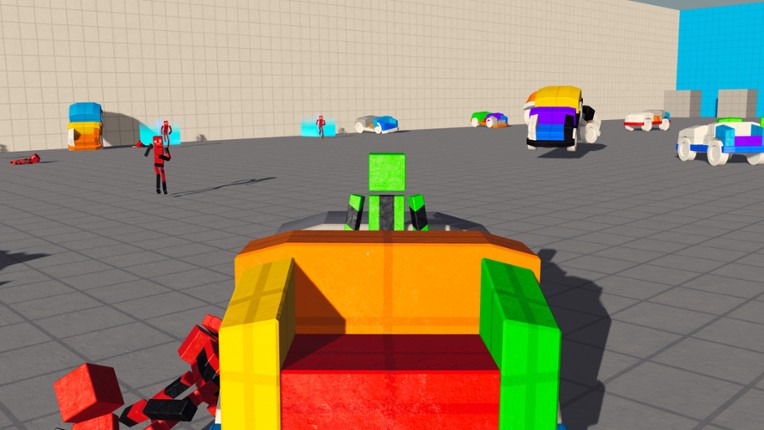
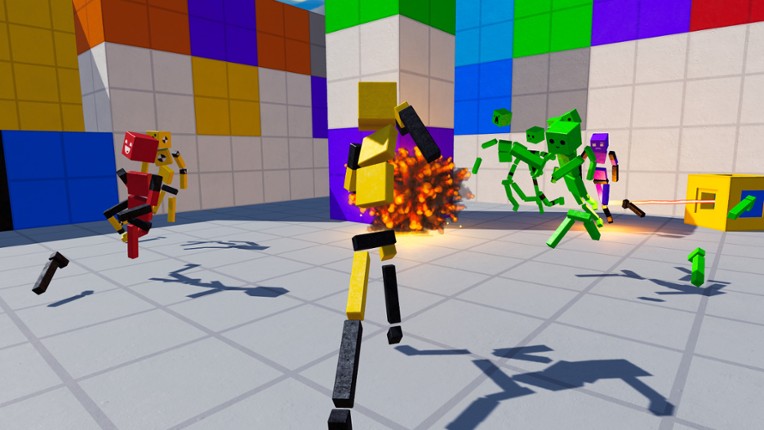
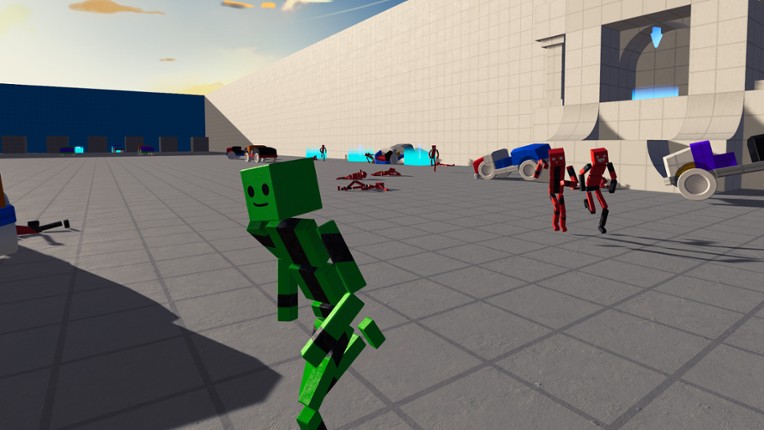
- 90%Game Brain ScoreMost mentioned positive aspects:humor, gameplayMost mentioned negative aspects:story, grinding90% User Score 7,278 reviewsStrips away Spore's progression systems entirely, offering pure sandbox chaos through physics destruction in a family-friendly colorful space. If you enjoyed this game, see our list of games similar to Fun with Ragdolls: The Game.View Game
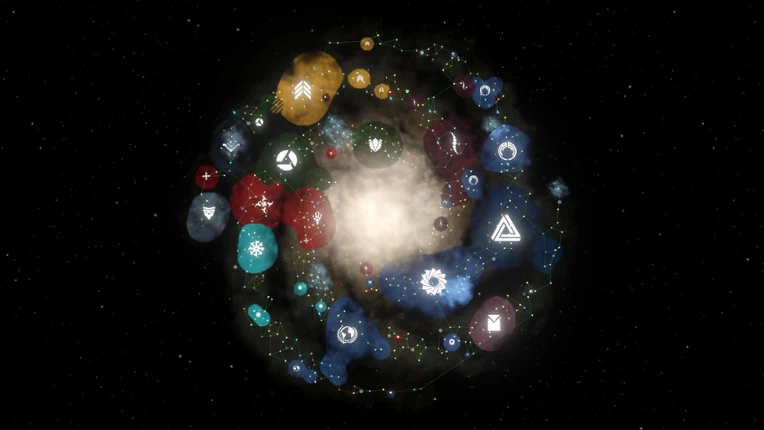
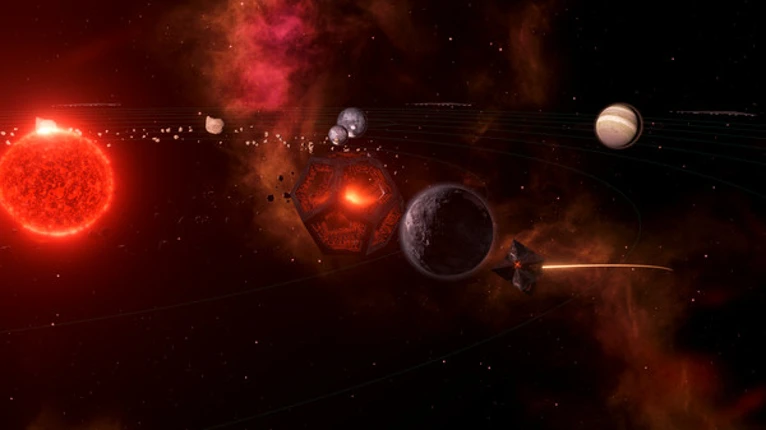
- 81%Game Brain ScoreMost mentioned positive aspects:gameplay, storyMost mentioned negative aspects:optimization, grinding88% User Score 133,145 reviewsCritic Score 73%32 reviews
Both games let you build space civilizations from scratch and watch them evolve across procedurally generated galaxies. Trading and diplomacy anchor the progression in both, keeping exploration tied to meaningful resource loops.
The critical difference: Spore is a creature-to-civilization arc with visual personality; Stellaris is pure grand strategy, trading charm for political depth and multiplayer complexity.
Pick Stellaris if you want Spore's space sandbox but crave asymmetric alien factions, deep diplomacy systems, and 50+ hours per playthrough—and don't mind losing the humor and creature customization.
If you enjoyed this game, see our list of games similar to Stellaris.View Game
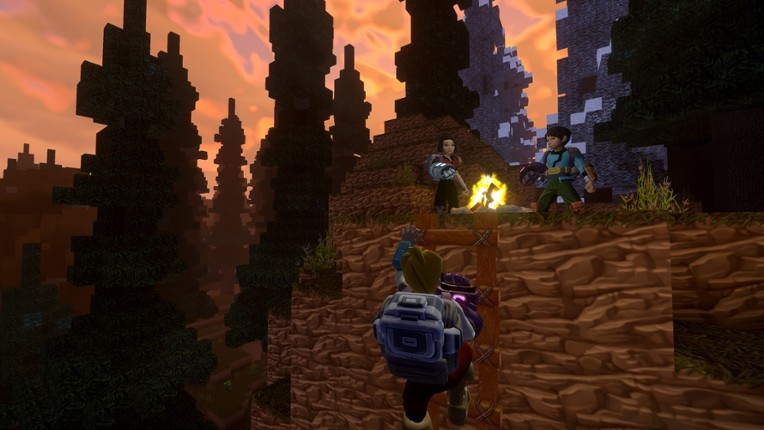
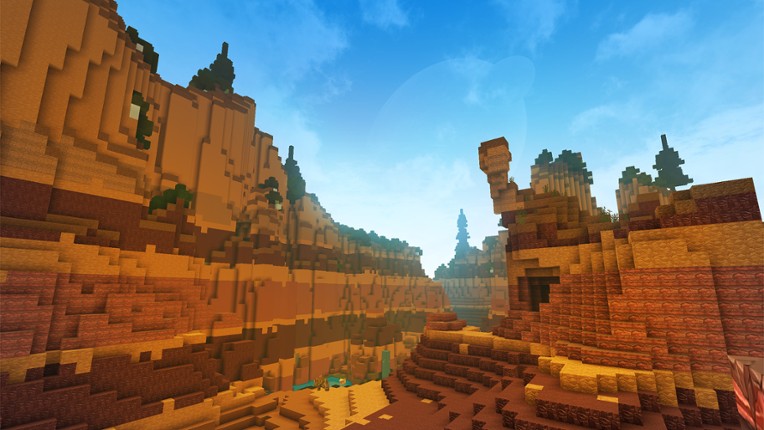
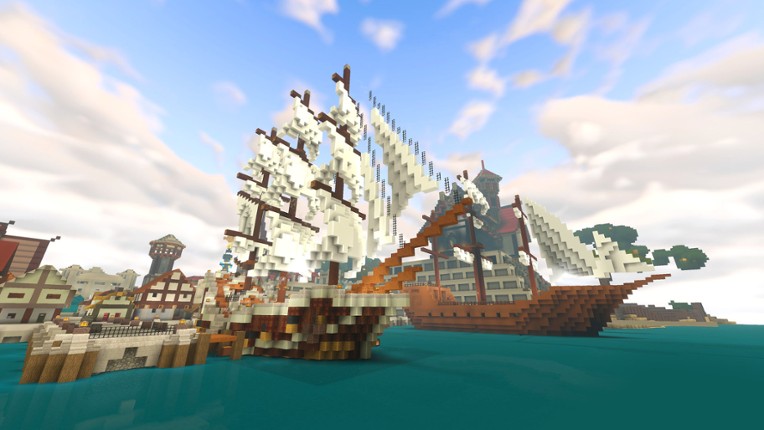
- 76%Game Brain ScoreMost mentioned positive aspects:graphics, gameplayMost mentioned negative aspects:monetization, grinding75% User Score 14,503 reviewsCritic Score 80%1 reviewsBeyond Spore's biological odyssey, Creativerse offers a voxel sandbox where collaborative building and fantasy worlds take precedence over species development. If you enjoyed this game, see our list of games similar to Creativerse.View Game
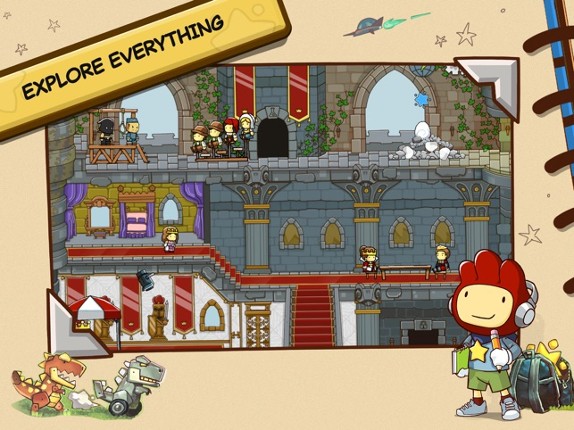
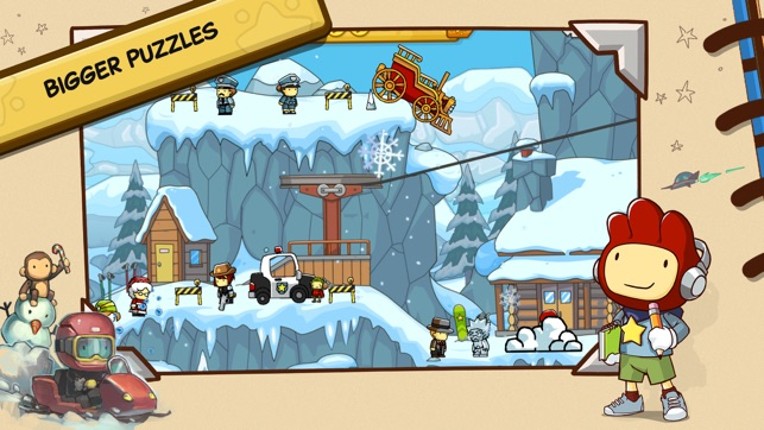
12 View Game 85%Game Brain ScoreMost mentioned positive aspects:story, gameplayMost mentioned negative aspects:grinding, stability93% User Score 7,911 reviewsCritic Score 71%5 reviewsMatches Spore's cute cartoon charm and sandbox creativity but channels it through word-puzzle logic rather than life simulation mechanics. If you enjoyed this game, see our list of games similar to Scribblenauts Unlimited.View Game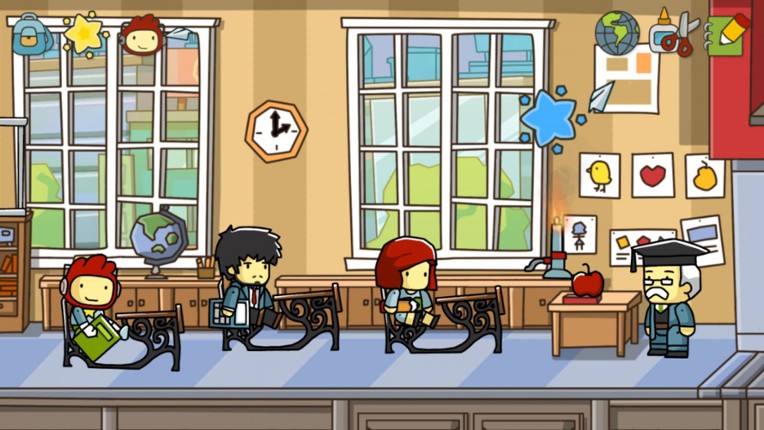
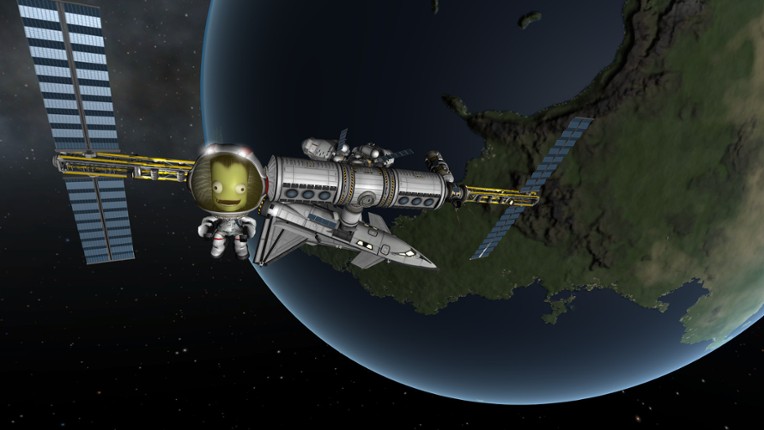
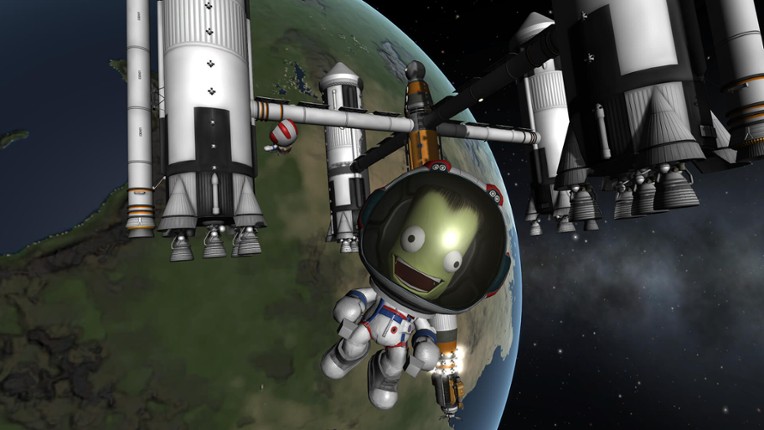
13 View Game 86%Game Brain ScoreMost mentioned positive aspects:gameplay, storyMost mentioned negative aspects:stability, grinding96% User Score 100,614 reviewsCritic Score 77%22 reviewsReplaces playful species creation with hands‑on rocket engineering, delivering a physics‑accurate sandbox for aspiring aerospace engineers. If you enjoyed this game, see our list of games similar to Kerbal Space Program.View Game
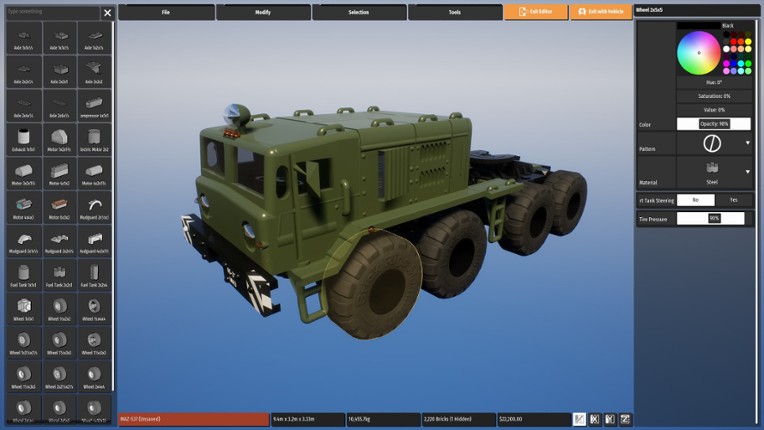
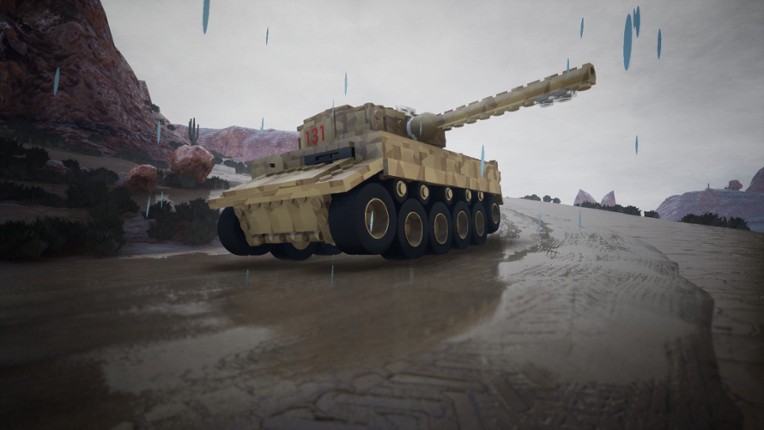
- 94%Game Brain ScoreMost mentioned positive aspects:graphics, gameplayMost mentioned negative aspects:story, stability94% User Score 43,610 reviewsMoving away from evolving alien life, Brick Rigs lets you build and crash LEGO‑style vehicles, replacing creature growth with physics‑driven destruction. If you enjoyed this game, see our list of games similar to Brick Rigs.View Game

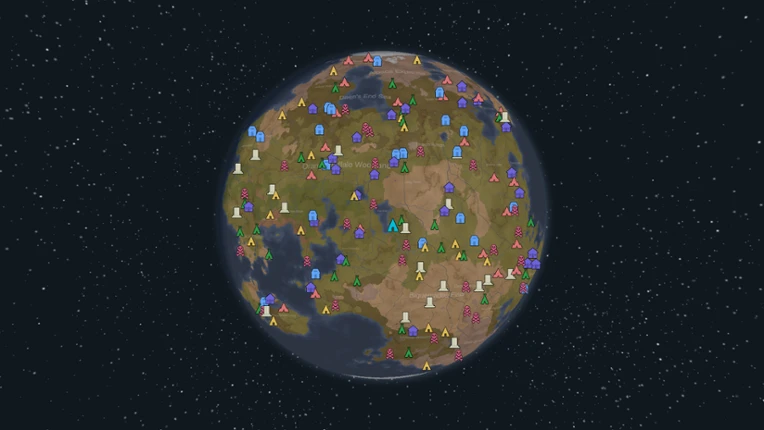
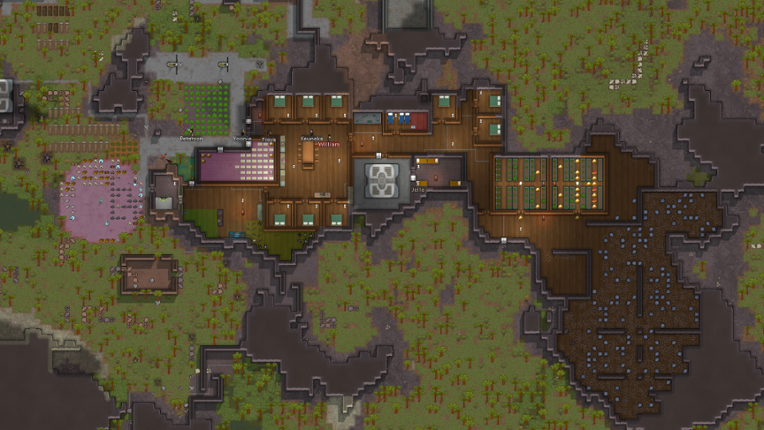
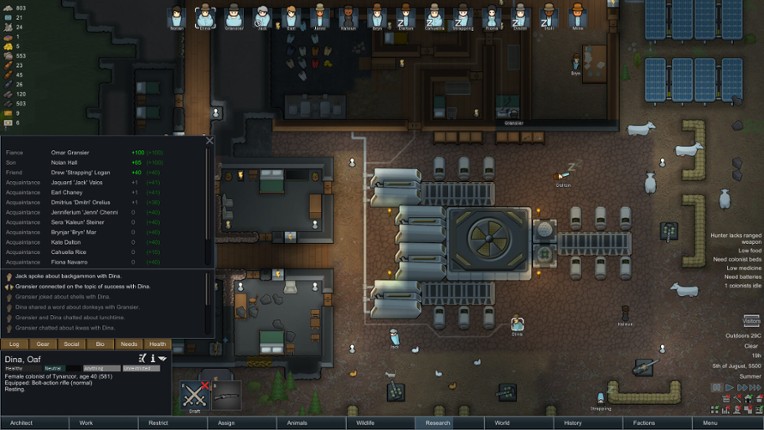
- 91%Game Brain ScoreMost mentioned positive aspects:story, gameplayMost mentioned negative aspects:grinding, stability98% User Score 132,230 reviewsCritic Score 80%5 reviewsIn contrast to Spore's cartoonish creature evolution, RimWorld offers a brooding, story‑driven colony simulator where every decision shapes survival. If you enjoyed this game, see our list of games similar to RimWorld.View Game
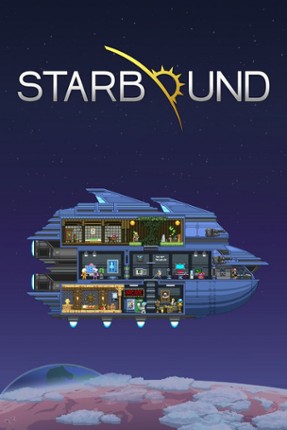
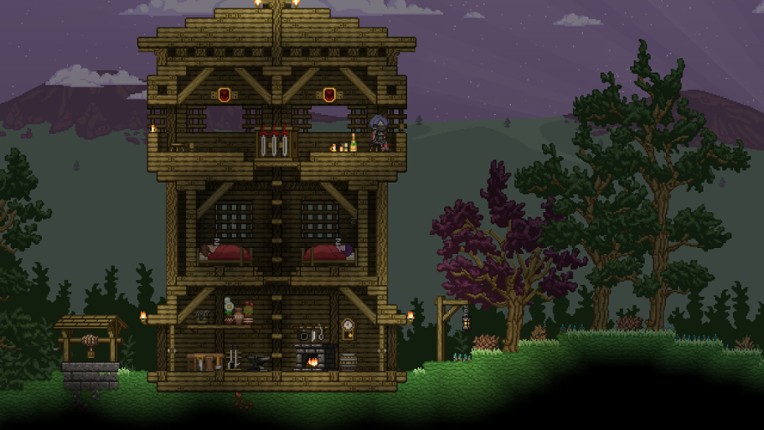
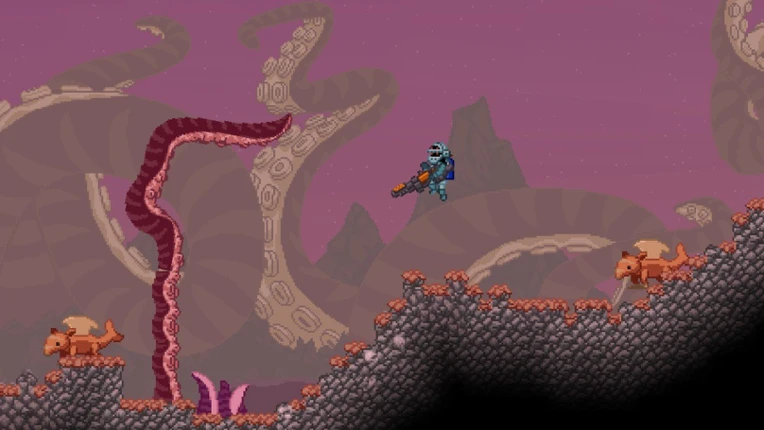
- 86%Game Brain ScoreMost mentioned positive aspects:story, gameplayMost mentioned negative aspects:grinding, optimization89% User Score 101,534 reviewsCritic Score 83%10 reviewsShifts from 3D creature evolution to a 2D pixel‑art galaxy where exploration and loot replace quirky biology. If you enjoyed this game, see our list of games similar to Starbound.View Game
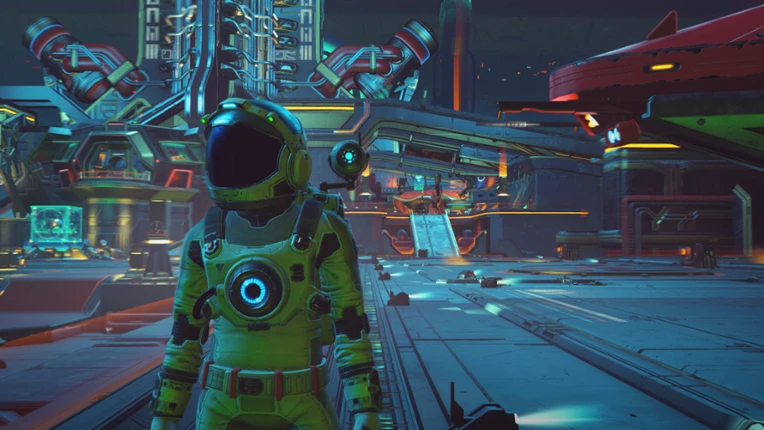
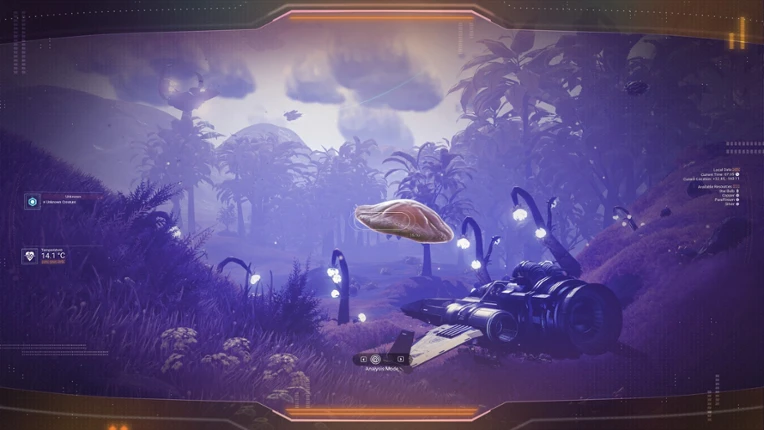
- 75%Game Brain ScoreMost mentioned positive aspects:story, gameplayMost mentioned negative aspects:grinding, optimization78% User Score 149,300 reviewsCritic Score 71%47 reviews
Buy No Man's Sky on PlayStation Store. Lose yourself in a vast sci-fi odyssey as you explore a near-infinite, procedurally generated universe. If you enjoyed this game, see our list of games similar to No Man's Sky.
View Game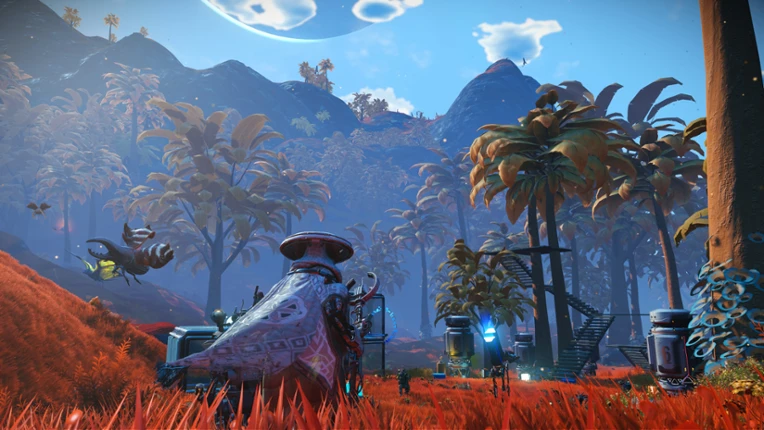
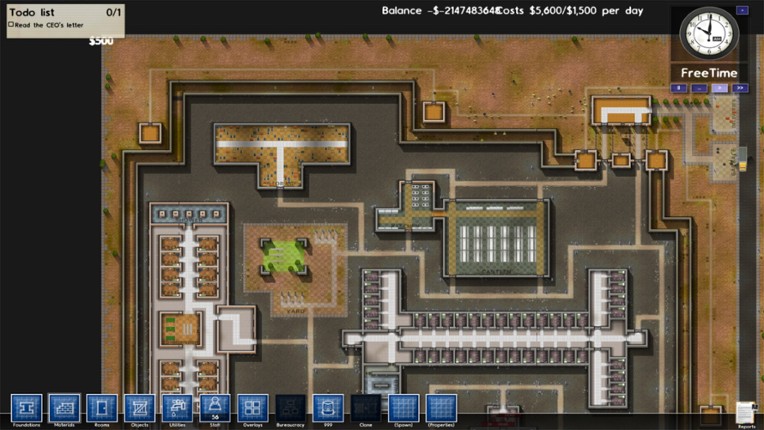
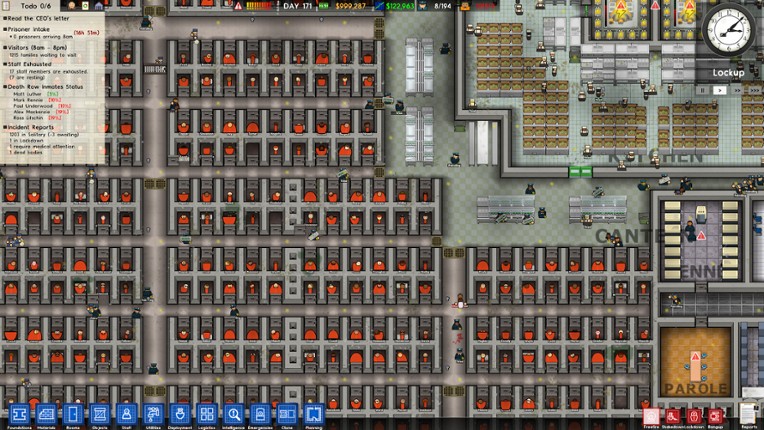
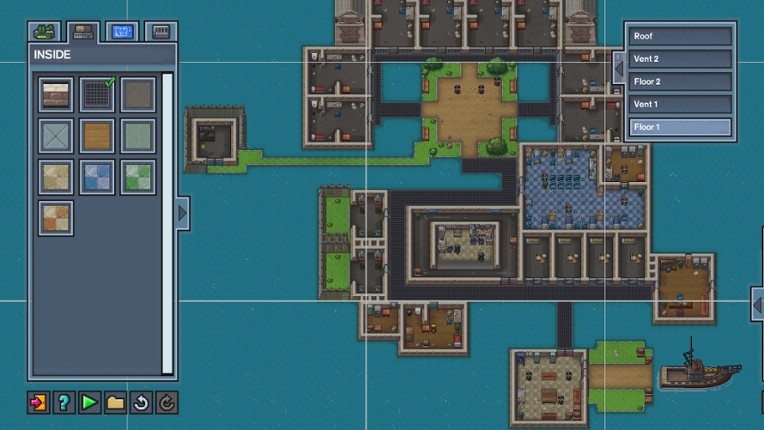
- 84%Game Brain ScoreMost mentioned positive aspects:gameplay, storyMost mentioned negative aspects:stability, grinding89% User Score 32,482 reviewsCritic Score 79%30 reviewsSwaps Spore's galactic scope for a hyperlocal prison economy, keeping resource juggling and colony management but grounding them in capitalist bureaucracy. If you enjoyed this game, see our list of games similar to Prison Architect.View Game

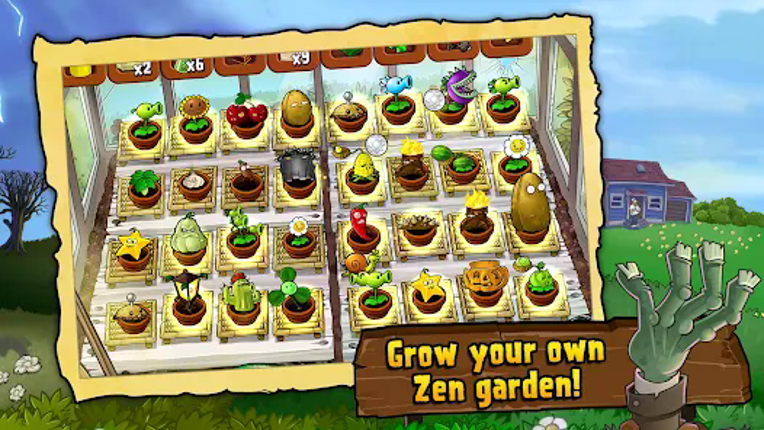
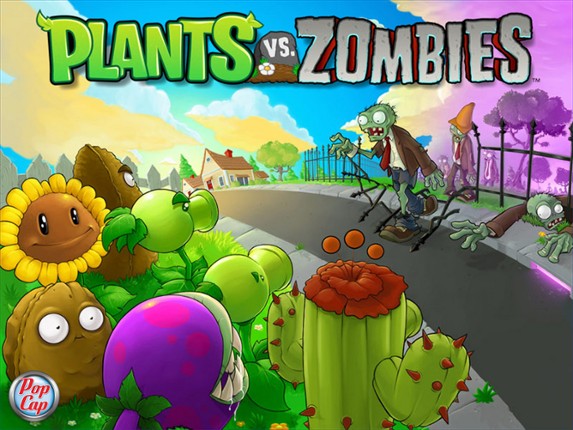
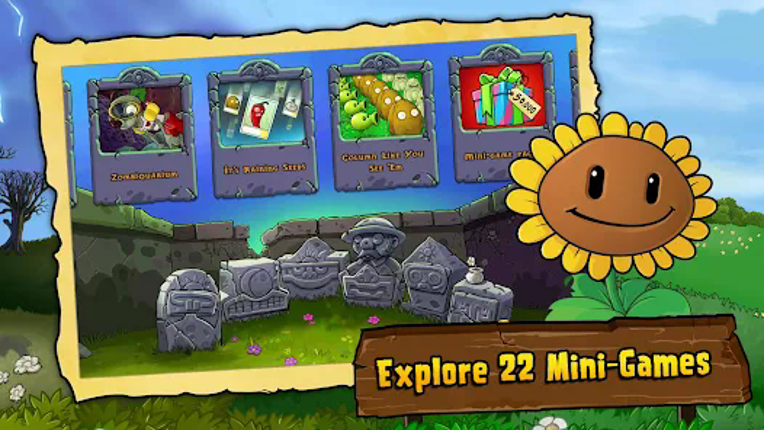
- 93%Game Brain ScoreMost mentioned positive aspects:gameplay, musicMost mentioned negative aspects:monetization, grinding98% User Score 44,247 reviewsCritic Score 85%6 reviewsDistilling Spore's comedic flair, Plants vs. Zombies serves up bite‑size tower‑defense rounds that replace open‑world evolution with plant‑against‑zombie strategy. If you enjoyed this game, see our list of games similar to Plants vs. Zombies.View Game
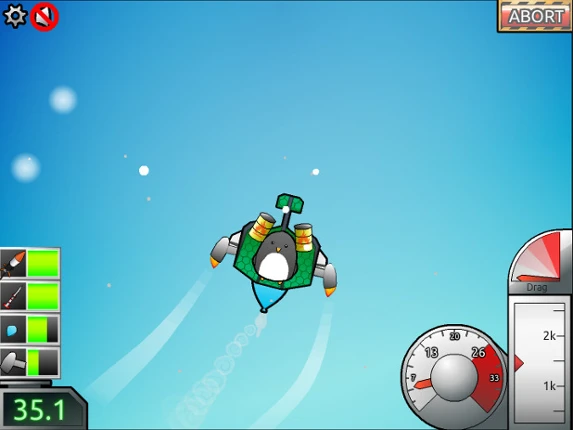
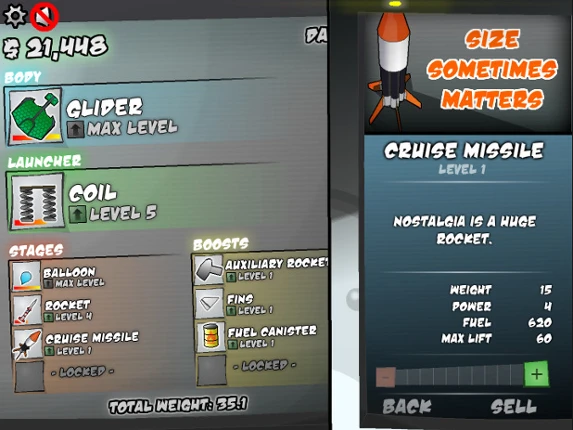
- 95%Game Brain ScoreMost mentioned positive aspects:story, gameplayMost mentioned negative aspects:grinding, optimization95% User Score 8,953 reviews
Build your spaceship from scratch, earn funds and invest them into building a bigger, better spaceship as you try and fly your way up to space! If you enjoyed this game, see our list of games similar to Learn to Fly 3.
View Game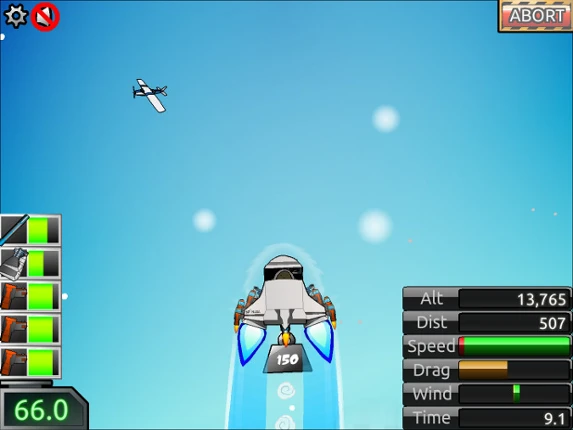
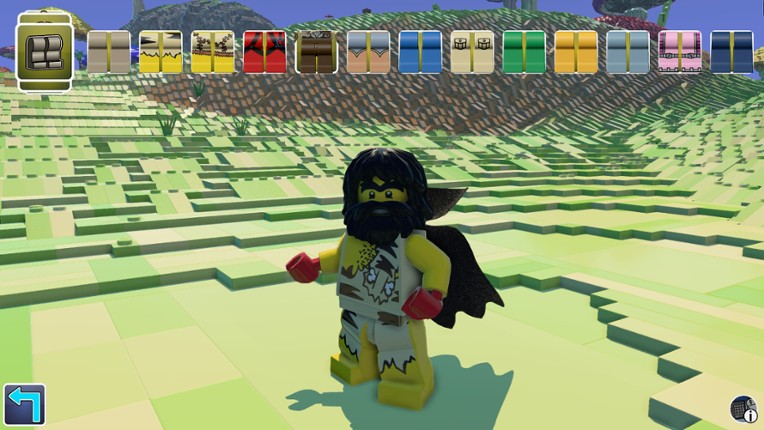
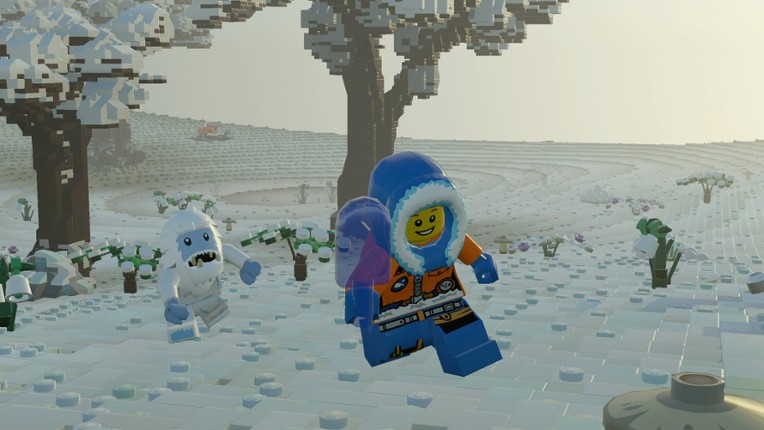
- 72%Game Brain ScoreMost mentioned positive aspects:gameplay, graphicsMost mentioned negative aspects:story, stability76% User Score 14,878 reviewsCritic Score 68%10 reviewsFocuses on the creative freedom of LEGO bricks rather than biological evolution, offering a lighter sandbox experience for younger creative builders. If you enjoyed this game, see our list of games similar to LEGO Worlds.View Game

- 85%Game Brain ScoreMost mentioned positive aspects:story, gameplayMost mentioned negative aspects:grinding, stability85% User Score 1,131 reviews
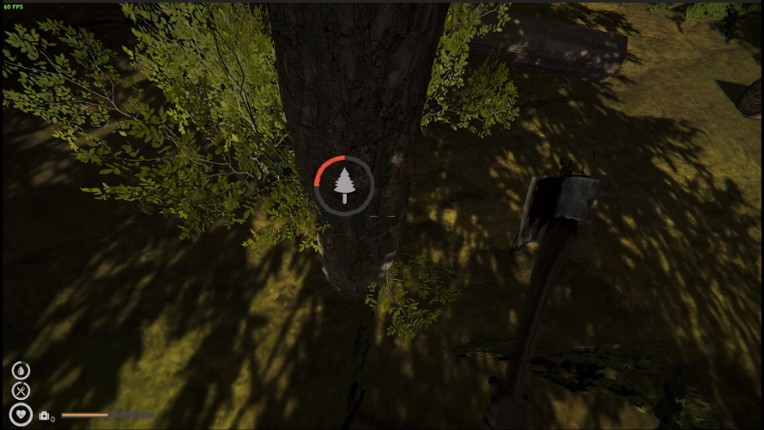
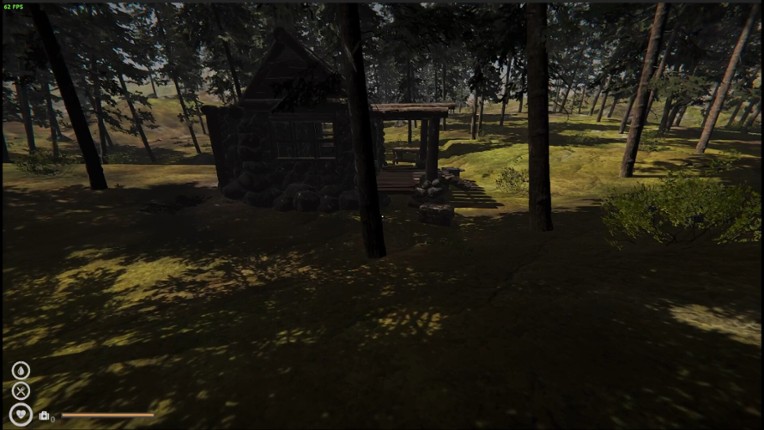
Infinite Veil is an atmospheric forest survival experience focused on realism and immersion. You awaken surrounded by untamed nature, with no paths or maps — only silence, cold, and the will to survive. Explore the wilderness, collect materials, and construct your shelter to shield yourself from wind and rain. The dynamic cycle of day, night, and weather brings the world to life: daylight fades i… If you enjoyed this game, see our list of games similar to Infinite Veil.
View Game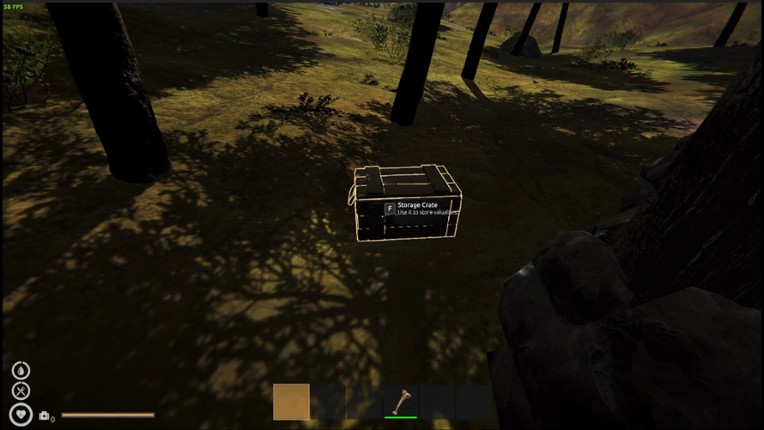
- 72%Game Brain ScoreMost mentioned positive aspects:gameplay, graphicsMost mentioned negative aspects:stability, grinding81% User Score 9,076 reviewsCritic Score 42%2 reviews
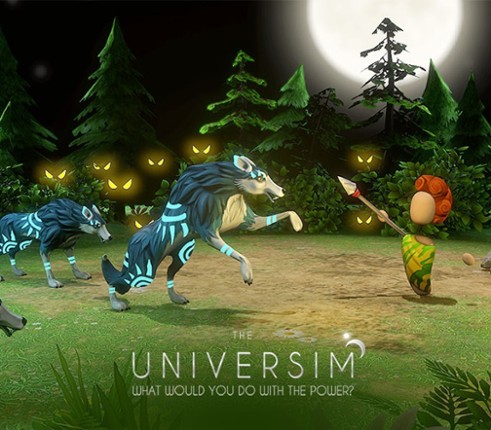
The core of The Universim is the grand scale of your influence, letting you shepherd a species from primitive origins to interstellar dominance just like the final stages of Spore.
You manage planetary resources and societal expansion through a divine perspective, which provides a satisfying sense of scale and progression over eons.
Unlike Spore’s fluid, arcade-like evolution, The Universim is a complex colony sim that demands patience for slower, tech-heavy research cycles.
Pick this up if you crave deep planetary management but can live without the creature creator and fast-paced action sequences.
If you enjoyed this game, see our list of games similar to The Universim.View Game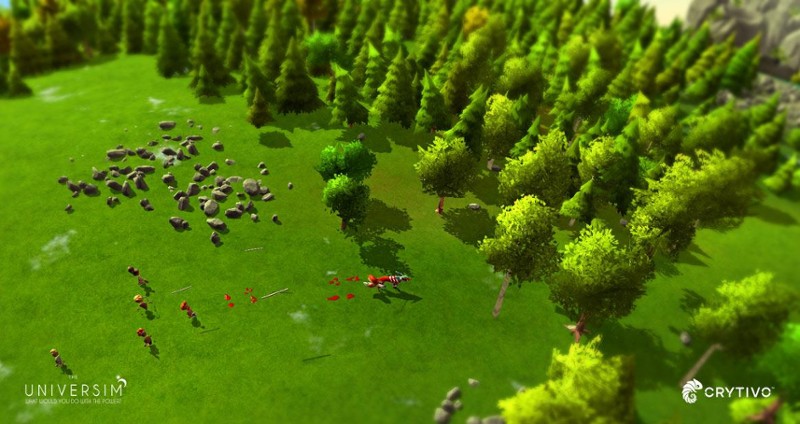
24 View Game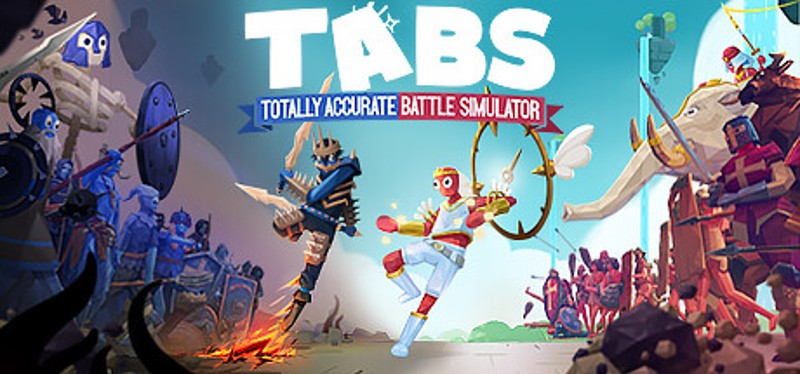 94%Game Brain ScoreMost mentioned positive aspects:humor, gameplayMost mentioned negative aspects:story, stability98% User Score 82,889 reviewsCritic Score 75%1 reviews
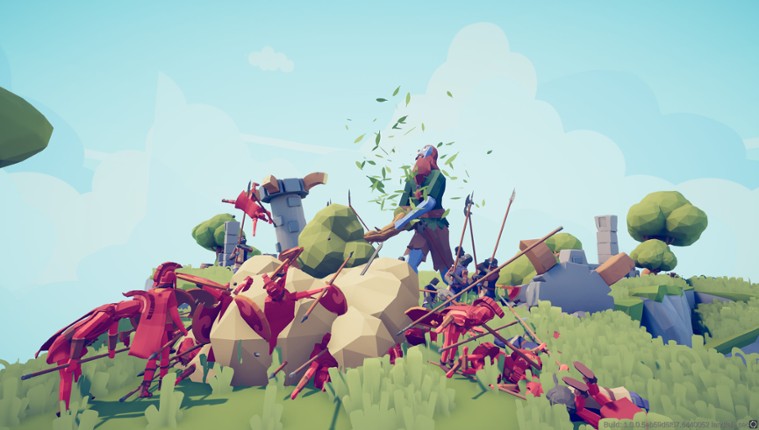
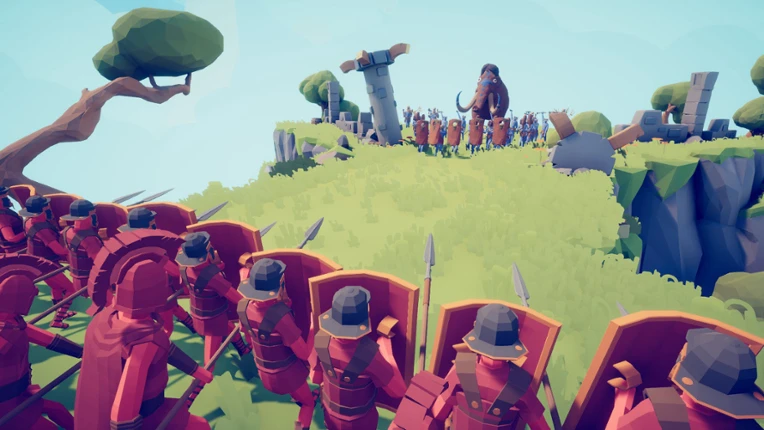
A physics based medieval battle simulator which lets you pit wacky waving armies against each other. In Totally Accurate Battle Simulator you pit waving arm men against each other and watch them fight it out. If you enjoyed this game, see our list of games similar to Totally Accurate Battle Simulator.
View Game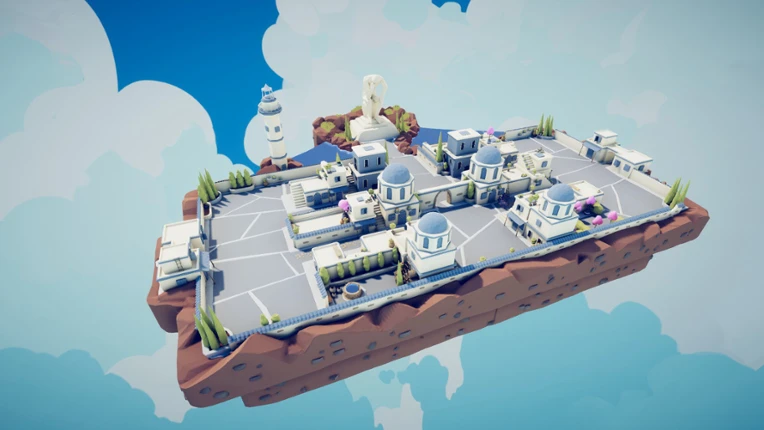
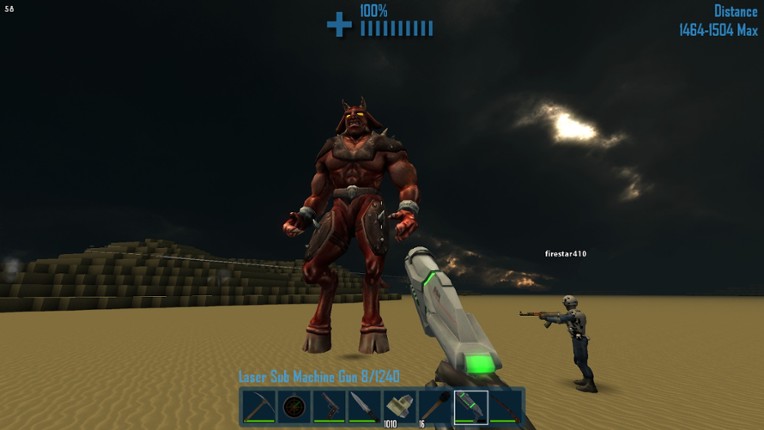
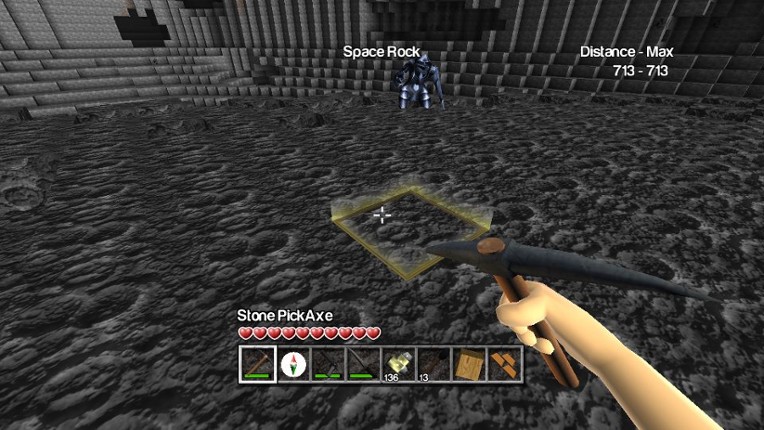
- 85%Game Brain ScoreMost mentioned positive aspects:graphics, gameplayMost mentioned negative aspects:stability, grinding85% User Score 10,594 reviewsDelivers an open-world survival shooter with horror elements and base building, trading Spore’s lighthearted tone for intense combat. If you enjoyed this game, see our list of games similar to CastleMiner Z.View Game
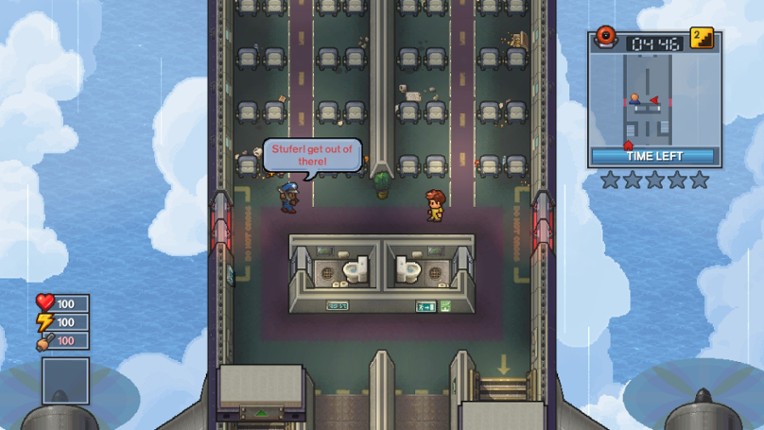
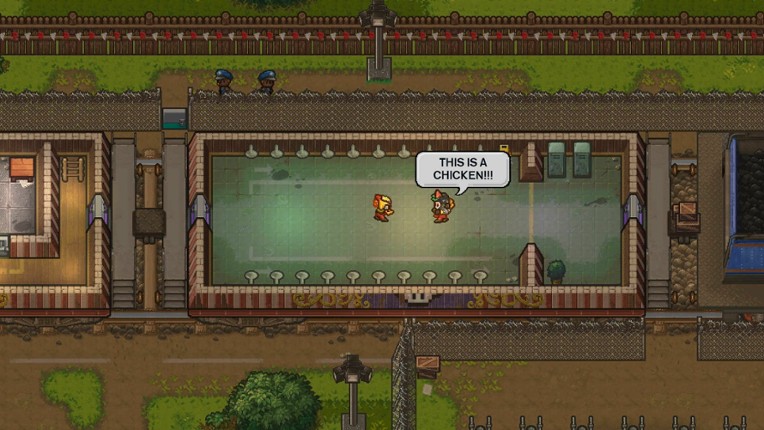
- 91%Game Brain ScoreMost mentioned positive aspects:gameplay, graphicsMost mentioned negative aspects:grinding, stability91% User Score 13,802 reviewsRetains Spore's comedic sandbox DNA but confines it to multiplayer prison breakouts, trading exploration for tactical crafting and escape planning. If you enjoyed this game, see our list of games similar to The Escapists 2.View Game
- 83%Game Brain ScoreMost mentioned positive aspects:story, gameplayMost mentioned negative aspects:grinding, monetization83% User Score 8,320 reviews
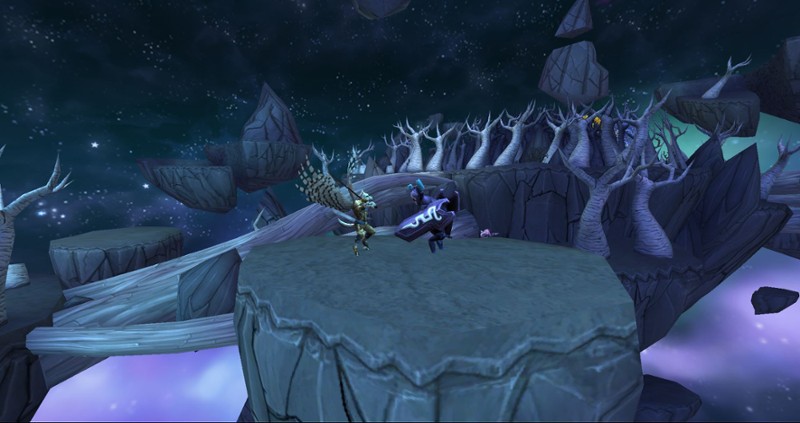
Wizard101 is a 2008 massively multiplayer online role-playing game created by KingsIsle Entertainment. In the game, players take on the role of students of Ravenwood School of Magical Arts in order to save the Spiral, the fictional galaxy in which the game is set, from various threats. If you enjoyed this game, see our list of games similar to Wizard101.
View Game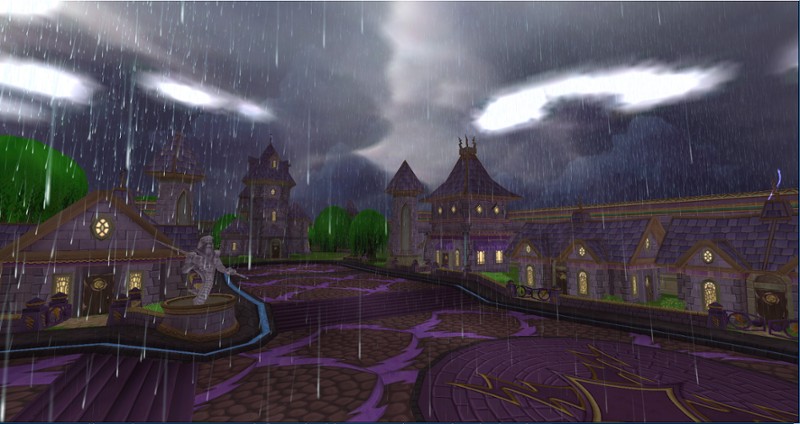

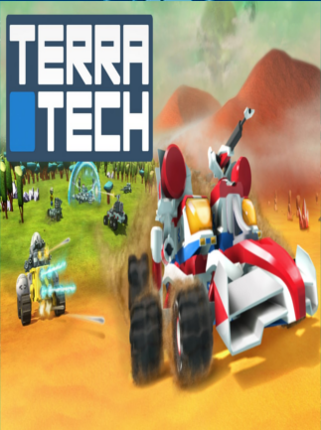
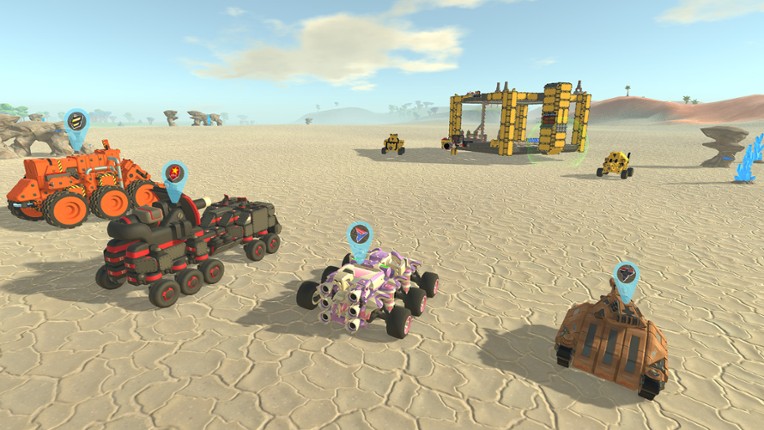
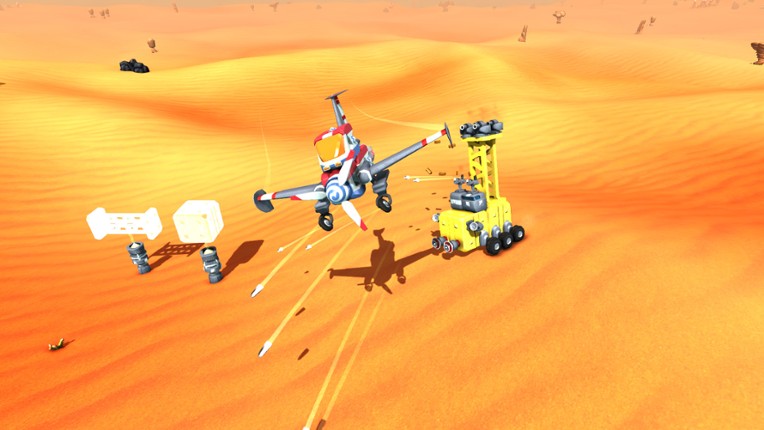
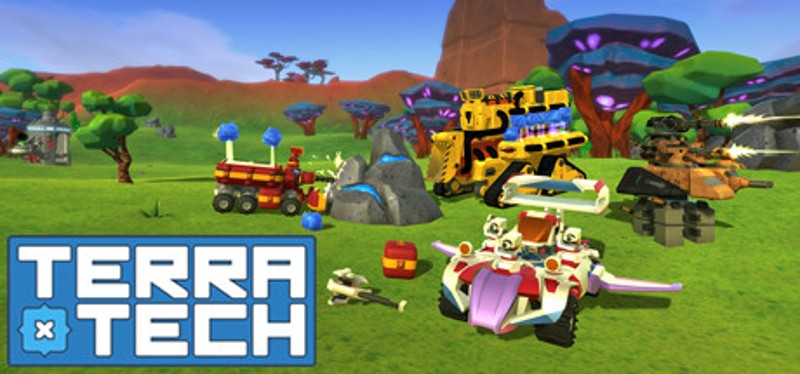
- 82%Game Brain ScoreMost mentioned positive aspects:story, gameplayMost mentioned negative aspects:grinding, stability93% User Score 24,206 reviewsCritic Score 62%5 reviewsShifting from biological evolution, TerraTech centers on modular robot vehicles, letting you design, battle, and explore through tech‑centric building. If you enjoyed this game, see our list of games similar to TerraTech.View Game
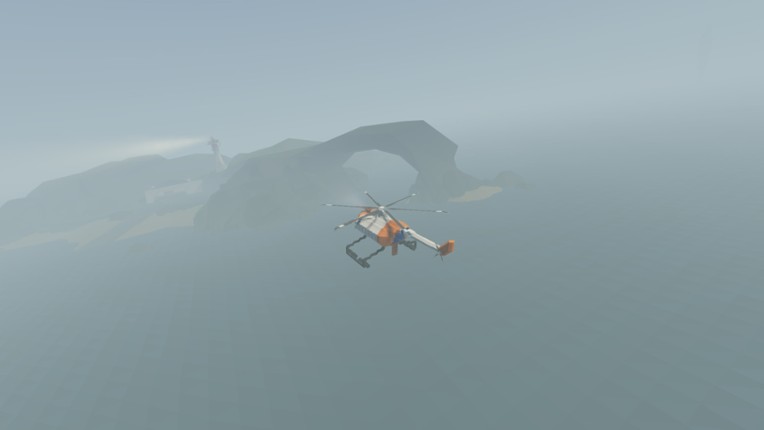
- 90%Game Brain ScoreMost mentioned positive aspects:story, gameplayMost mentioned negative aspects:optimization, stability90% User Score 66,988 reviewsLoosely parallels Spore's creation sandbox but trades evolution for engineering-focused building and physics, anchored in multiplayer survival scenarios. If you enjoyed this game, see our list of games similar to Stormworks: Build and Rescue.View Game

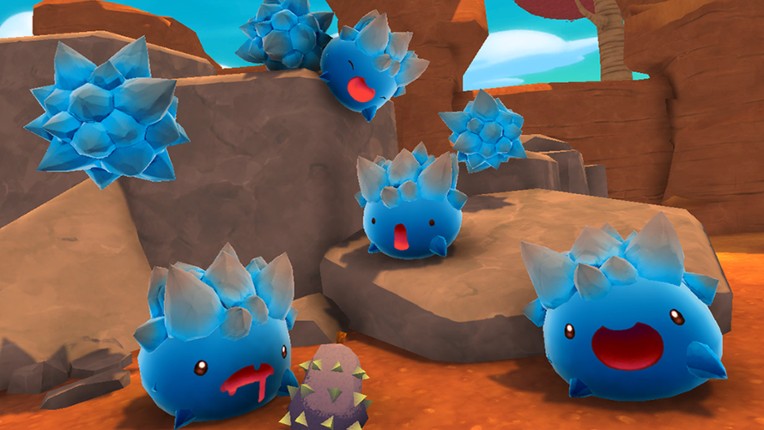
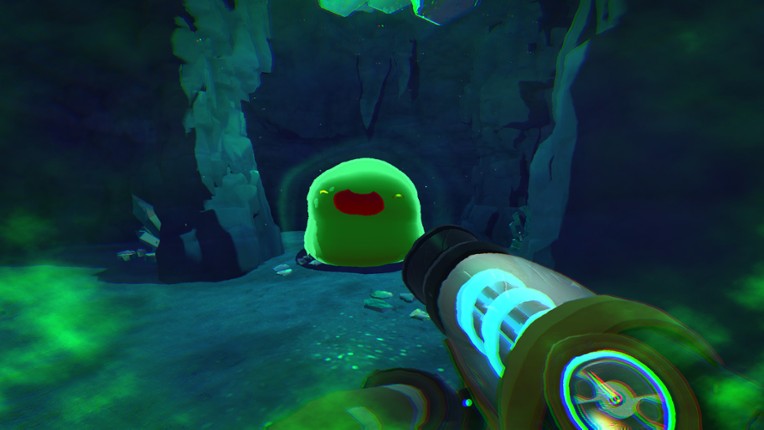
- 93%Game Brain ScoreMost mentioned positive aspects:story, gameplayMost mentioned negative aspects:grinding, stability98% User Score 114,792 reviewsCritic Score 78%3 reviewsTransforming alien creation, Slime Rancher invites you to herd colorful slimes across vibrant worlds, swapping evolution for first‑person ranching and collection. If you enjoyed this game, see our list of games similar to Slime Rancher.View Game

- 92%Game Brain ScoreMost mentioned positive aspects:gameplay, storyMost mentioned negative aspects:graphics, grinding98% User Score 106,132 reviewsCritic Score 78%4 reviews
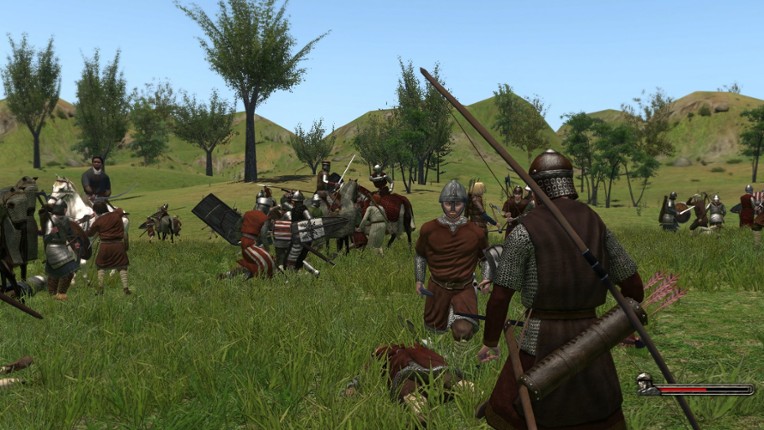
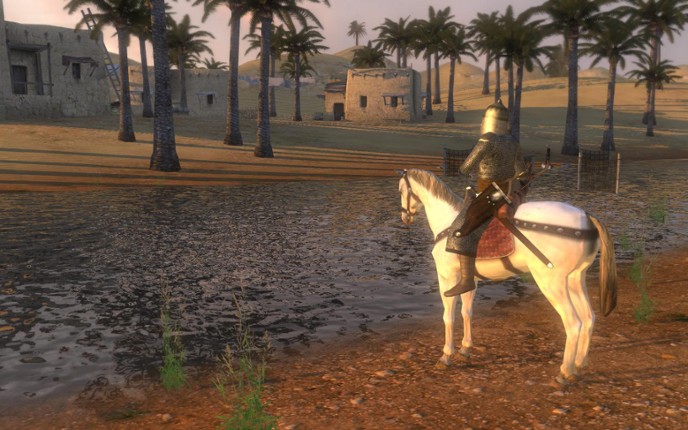
In a land torn asunder by incessant warfare, it is time to assemble your own band of hardened warriors and enter the fray. Lead your men into battle, expand your realm, and claim the ultimate prize: the throne of Calradia! If you enjoyed this game, see our list of games similar to Mount & Blade: Warband.
View Game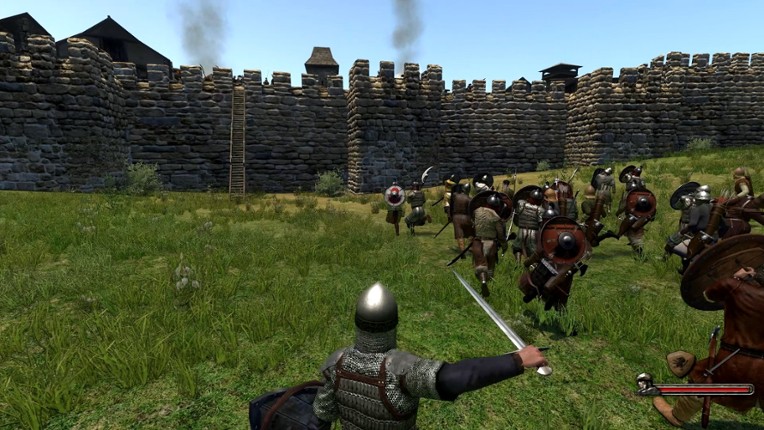
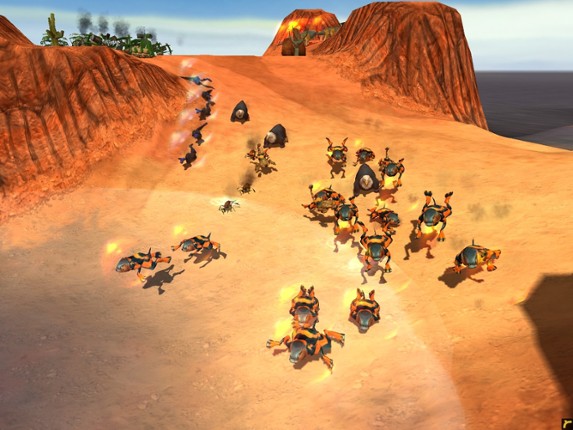
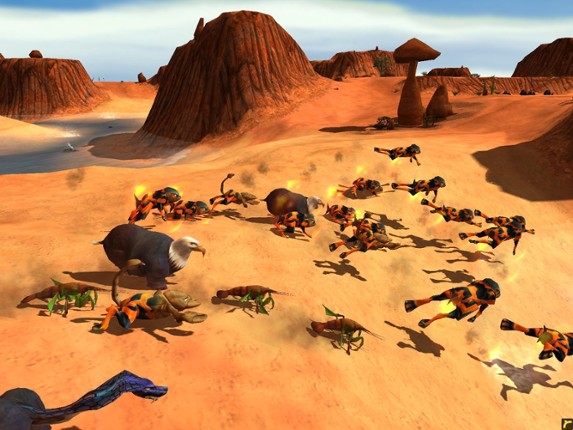
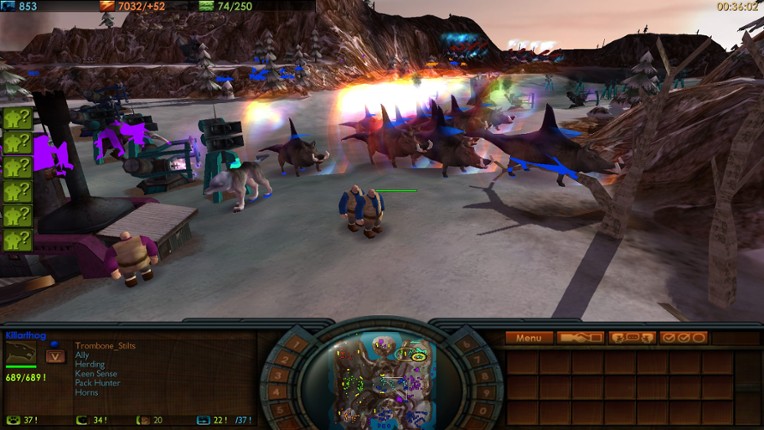
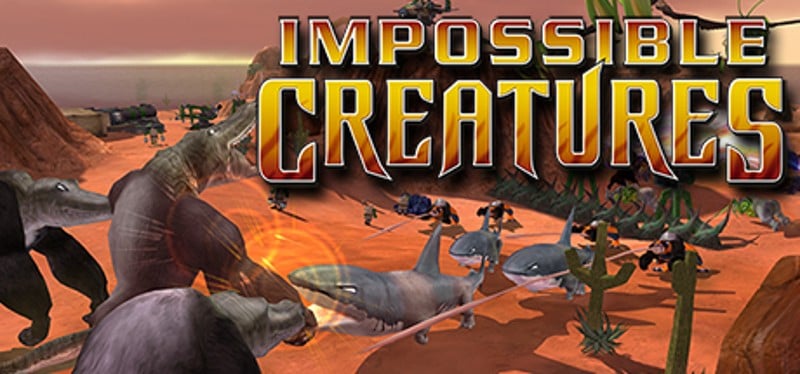
- 91%Game Brain ScoreMost mentioned positive aspects:story, graphicsMost mentioned negative aspects:stability, grinding96% User Score 2,148 reviewsCritic Score 79%4 reviewsWhile loosely connected through science themes, this RTS lets you crossbreed creatures for tactical battlefield combat instead of space-faring exploration. If you enjoyed this game, see our list of games similar to Impossible Creatures.View Game
- 80%Game Brain ScoreMost mentioned positive aspects:graphics, gameplayMost mentioned negative aspects:stability, grinding80% User Score 12,761 reviews
Jump into the underwater world and show off your skills in the wilderness of Feed and Grow, a fish simulator! This survival game is in alpha stage at the moment and new patches and updates are... If you enjoyed this game, see our list of games similar to Feed and Grow: Fish.
View Game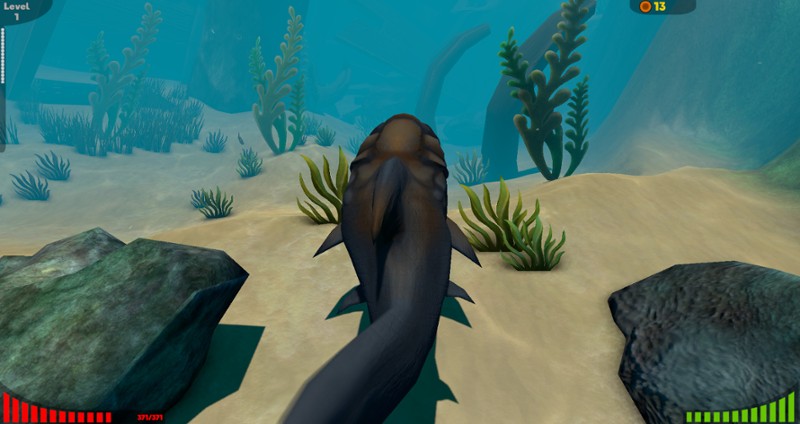
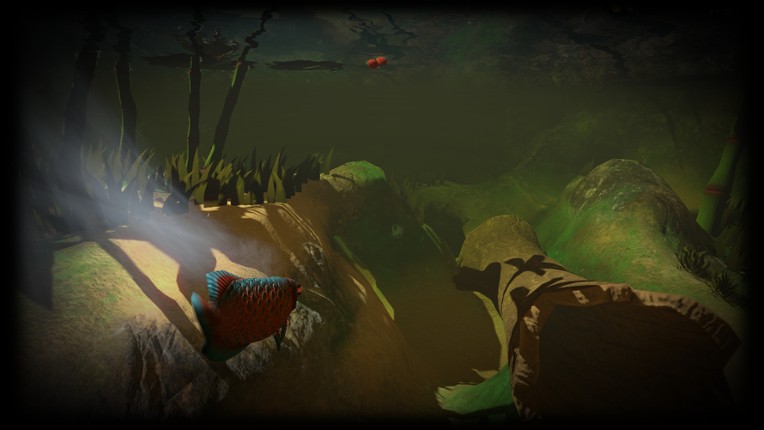
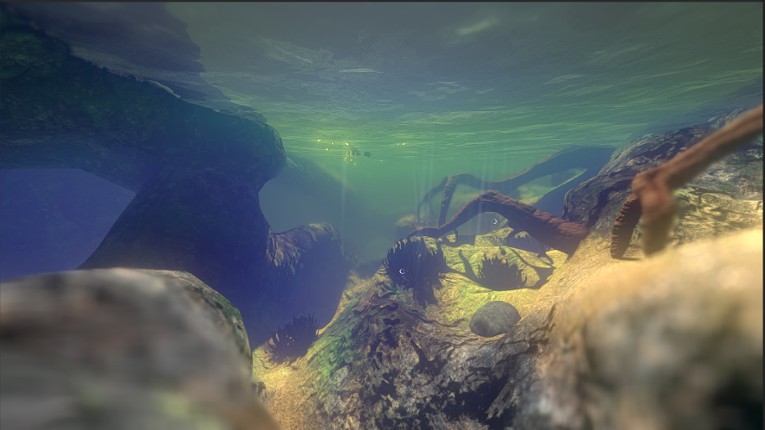
34 View Game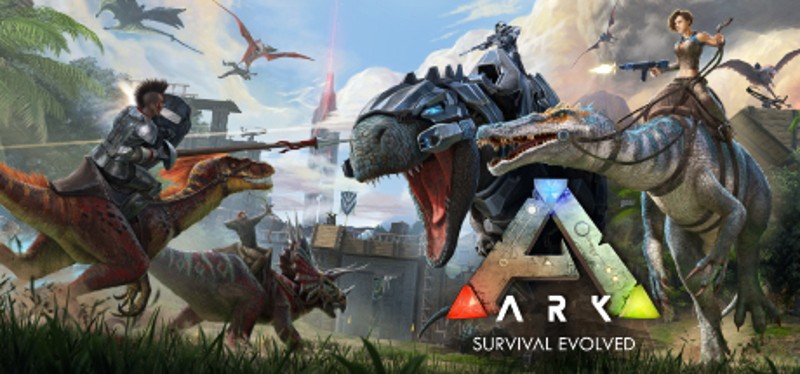 71%Game Brain ScoreMost mentioned positive aspects:graphics, gameplayMost mentioned negative aspects:optimization, stability81% User Score 239,208 reviewsCritic Score 60%17 reviewsSwapping Spore's whimsical aliens, Ark: Survival Evolved drops players into a harsh prehistoric world focused on dinosaur taming and survival challenges. If you enjoyed this game, see our list of games similar to Ark: Survival Evolved.View Game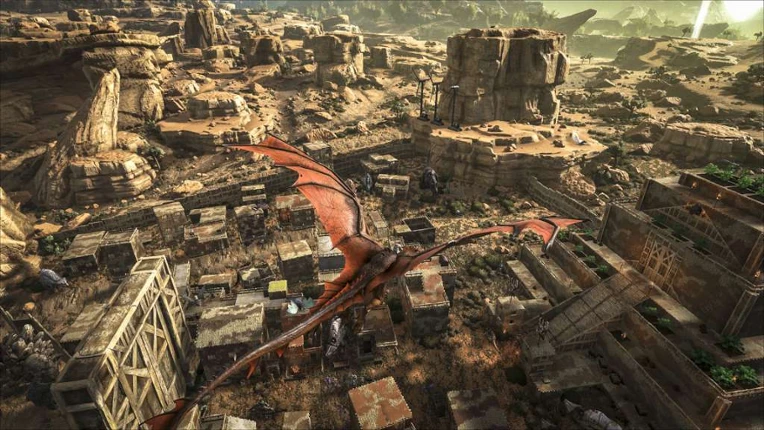

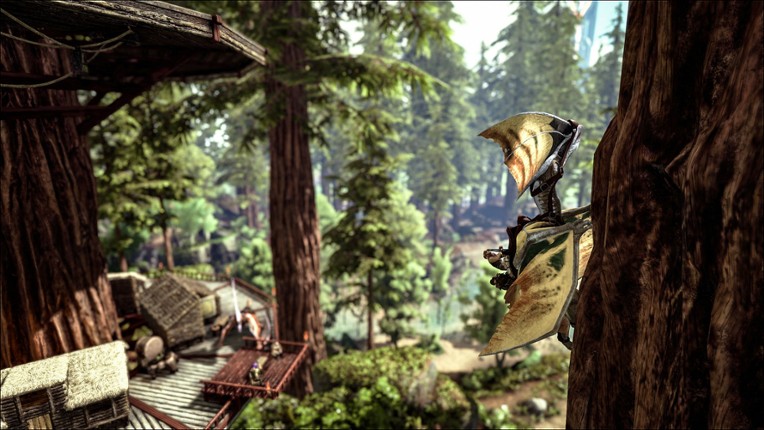
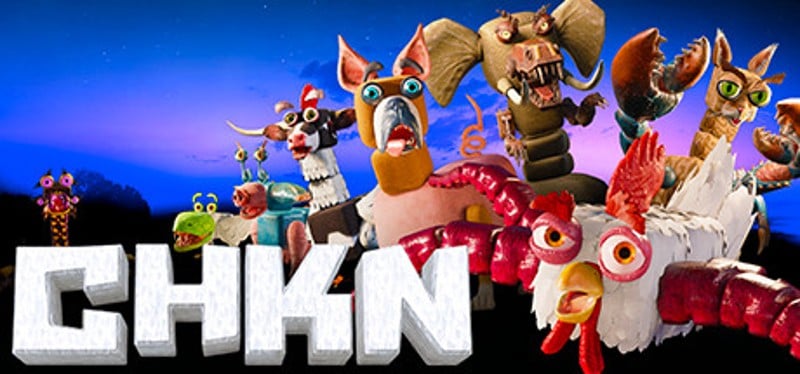
- 79%Game Brain ScoreMost mentioned positive aspects:humor, graphicsMost mentioned negative aspects:stability, story79% User Score 1,811 reviewsShares the spirit of creature creation but emphasizes organic limb-based physics and experimental, physics-driven gameplay over strategic space expansion. If you enjoyed this game, see our list of games similar to CHKN.View Game
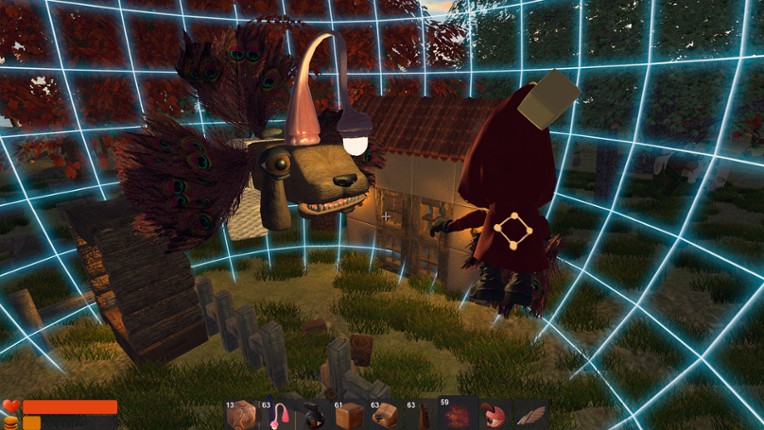
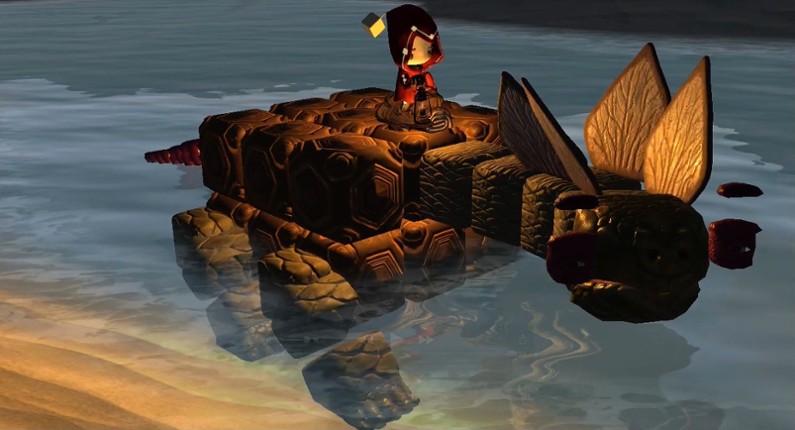
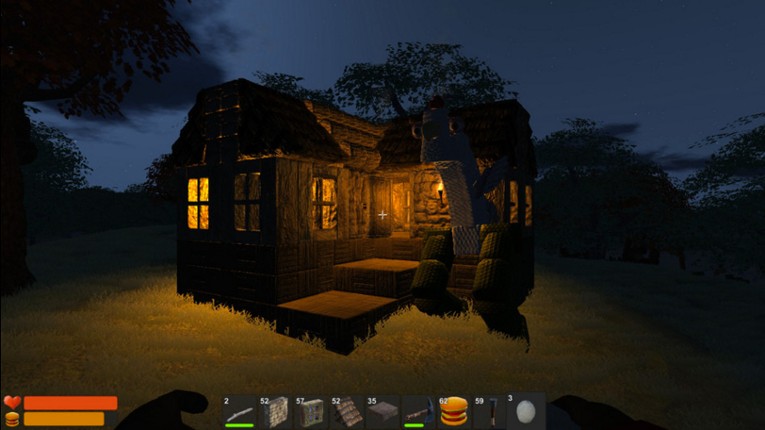
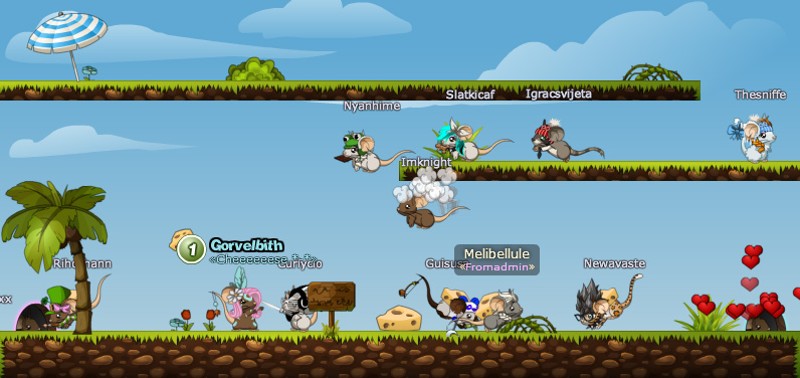
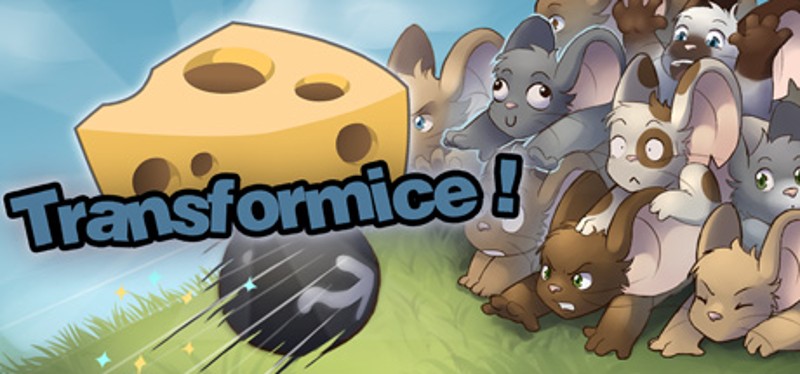
- 86%Game Brain ScoreMost mentioned positive aspects:humor, gameplayMost mentioned negative aspects:stability, grinding86% User Score 8,591 reviewsFocuses on fast-paced, multiplayer minigames with cute characters and trading, trading epic creation for social chaos and humor. If you enjoyed this game, see our list of games similar to Transformice.View Game


- 79%Game Brain ScoreMost mentioned positive aspects:gameplay, graphicsMost mentioned negative aspects:stability, grinding79% User Score 69,198 reviews
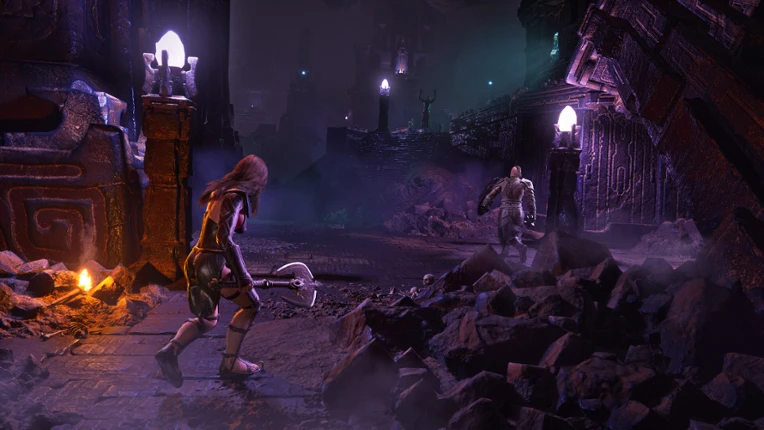
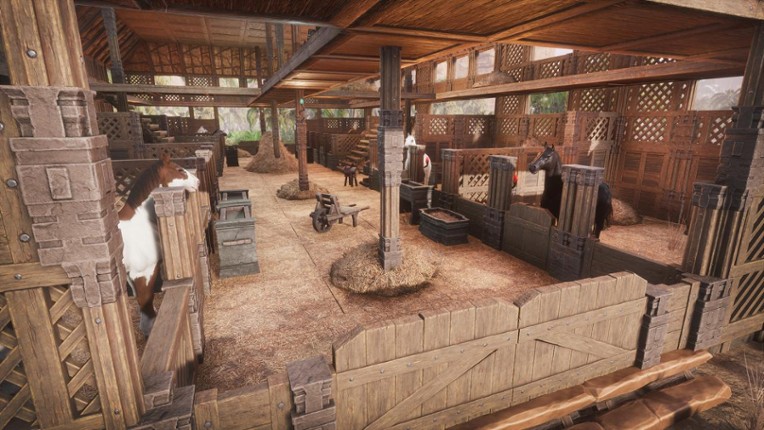
Includes: Conan Exiles - Conan’s Atlantean Sword Conan Exiles - Conan’s Royal Armor An online multiplayer survival game, now with sorcery, set in the lands of Conan the Barbarian. Survive in a vast open world sandbox, build your home into a kingdom, and dominate your enemies in single or multiplayer. If you enjoyed this game, see our list of games similar to Conan Exiles.
View Game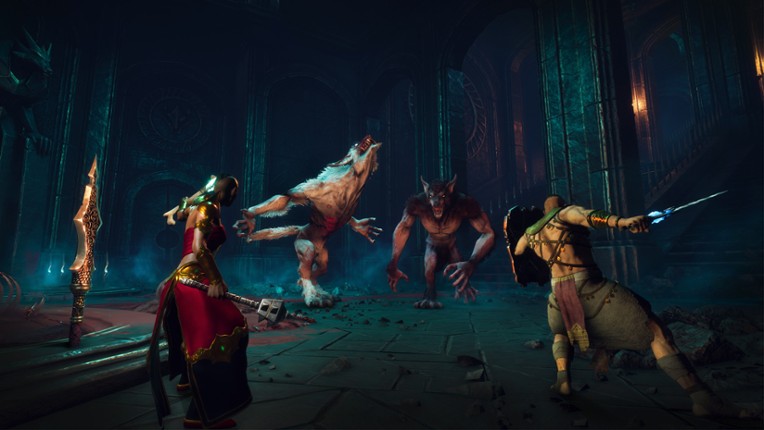
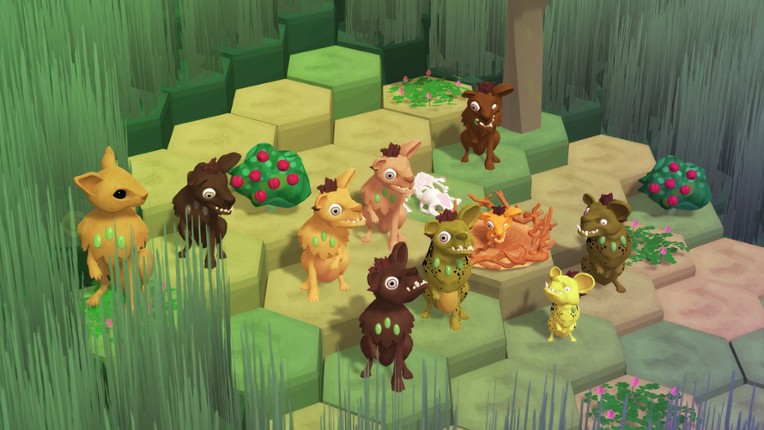
38 View Game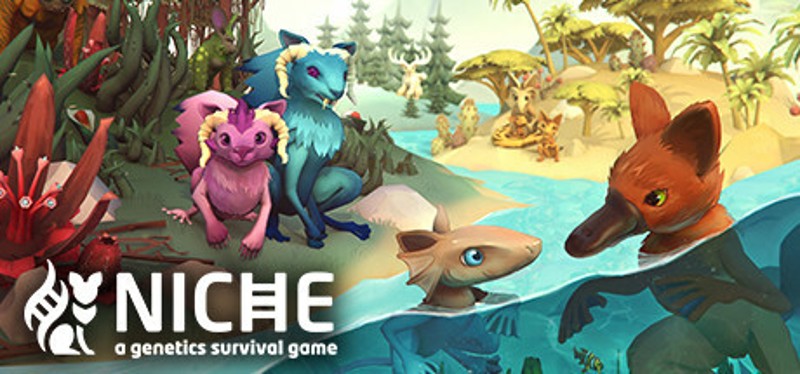 90%Game Brain ScoreMost mentioned positive aspects:gameplay, storyMost mentioned negative aspects:grinding, stability91% User Score 7,062 reviewsCritic Score 85%1 reviewsBorrows Spore's family-friendly exploration and procedural generation but wraps them in educational genetics simulation and roguelike permadeath. If you enjoyed this game, see our list of games similar to Niche: a genetics survival game.View Game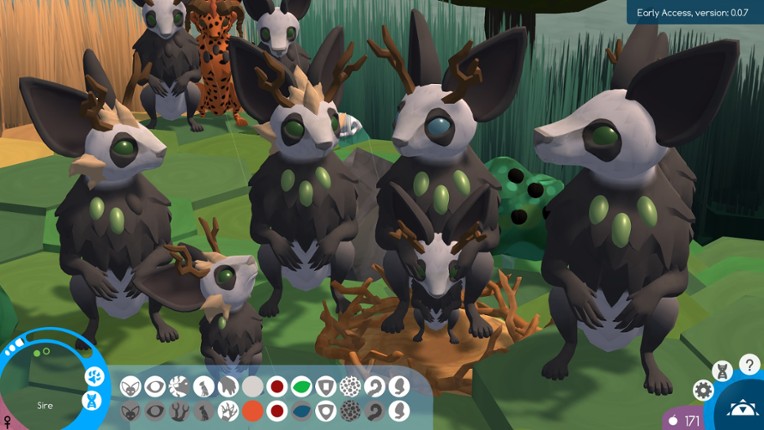
- 91%Game Brain ScoreMost mentioned positive aspects:humor, gameplayMost mentioned negative aspects:grinding, stability97% User Score 58,212 reviewsCritic Score 80%4 reviews
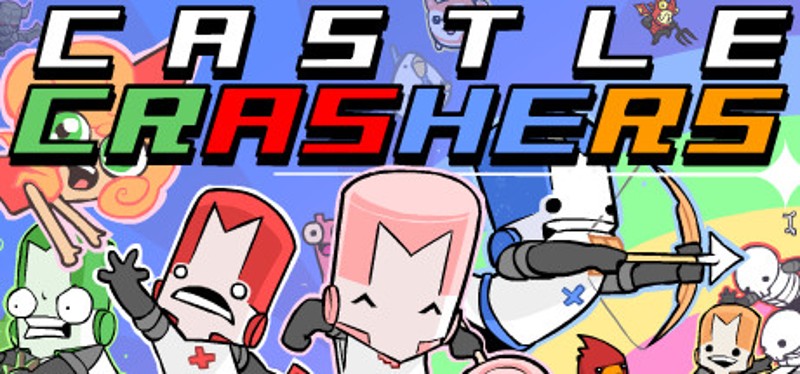
This four player RPG adventure will let you hack, slash, and smash your way to victory. Featuring hand-drawn characters, Castle Crashers delivers unique hi-res illustrated visuals and intense gameplay action. Play with up to three friends and discover mind-boggling magic and mystery in the amazing world created just for you! If you enjoyed this game, see our list of games similar to Castle Crashers.
View Game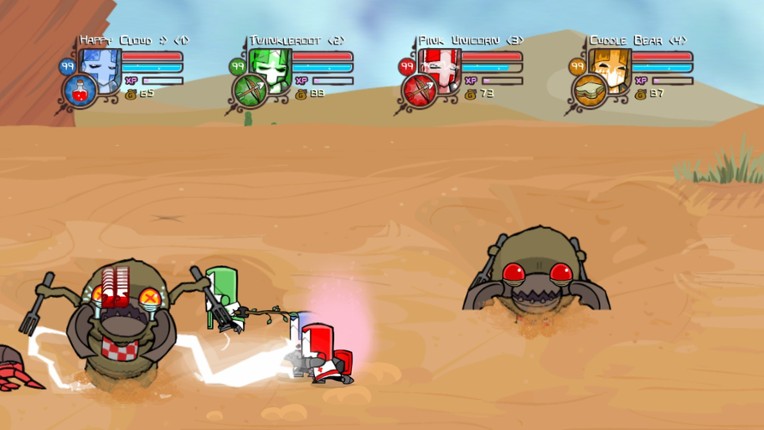

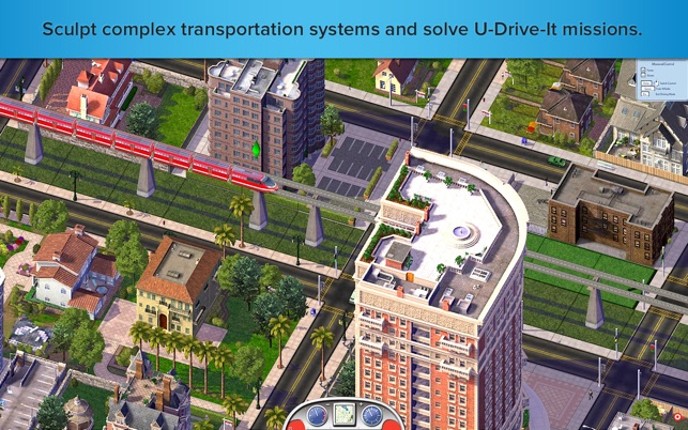
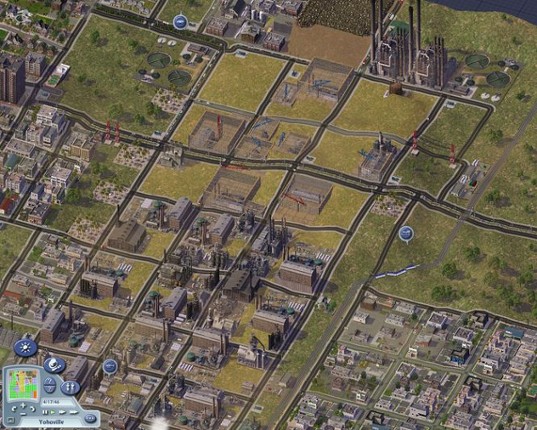
- 82%Game Brain ScoreMost mentioned positive aspects:graphics, gameplayMost mentioned negative aspects:stability, optimization81% User Score 9,624 reviewsCritic Score 85%2 reviewsShares Spore's god-game authority and management depth but replaces creature evolution with SimCity's urban planning realism and economic systems. If you enjoyed this game, see our list of games similar to SimCity 4: Deluxe Edition.View Game

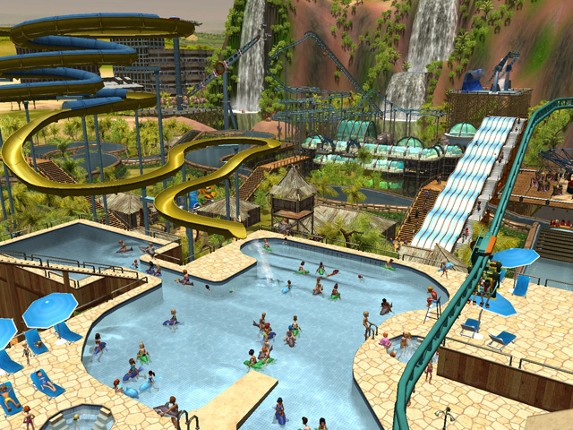
41 View Game 91%Game Brain ScoreMost mentioned positive aspects:graphics, gameplayMost mentioned negative aspects:stability, grinding91% User Score 6,164 reviewsOffers a hilarious and family-friendly park-building challenge focused on economy and management instead of broad world creation. If you enjoyed this game, see our list of games similar to RollerCoaster Tycoon 3: Platinum.View Game
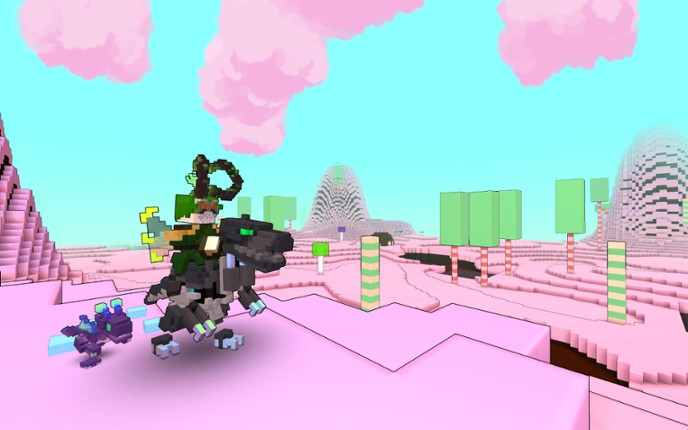
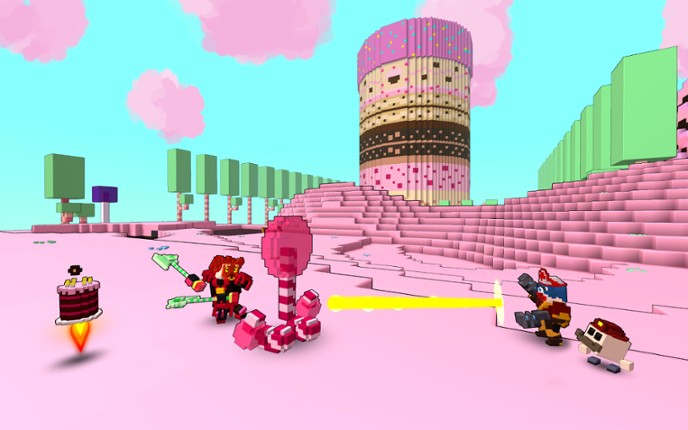
- 72%Game Brain ScoreMost mentioned positive aspects:gameplay, graphicsMost mentioned negative aspects:grinding, monetization77% User Score 42,132 reviewsCritic Score 65%6 reviewsDiverges from the evolution narrative by prioritizing massive multiplayer dungeon crawling and voxel-based building within a persistent, community-driven fantasy world. If you enjoyed this game, see our list of games similar to Trove.View Game
- 85%Game Brain ScoreMost mentioned positive aspects:graphics, gameplayMost mentioned negative aspects:story, stability91% User Score 3,904 reviewsCritic Score 72%4 reviews
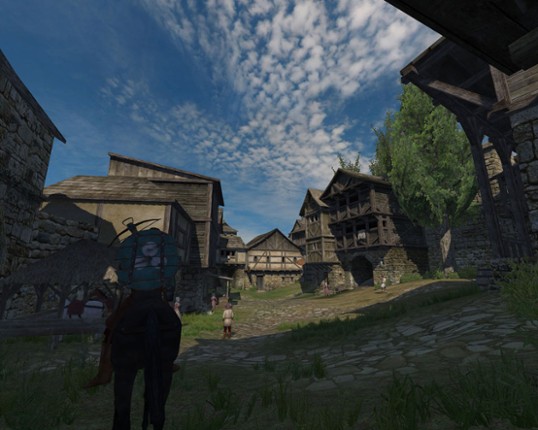
Mount & Blade is an immersive medieval action/tactics game taking place in a fictitious land named Calradia. Enriched with RPG elements, Mount & Blade offers a captivating environment, beautifully detailed with hundreds of castles, towns, and villages to explore. If you enjoyed this game, see our list of games similar to Mount & Blade.
View Game

- 95%Game Brain ScoreMost mentioned positive aspects:story, gameplayMost mentioned negative aspects:grinding, stability95% User Score 15,922 reviews
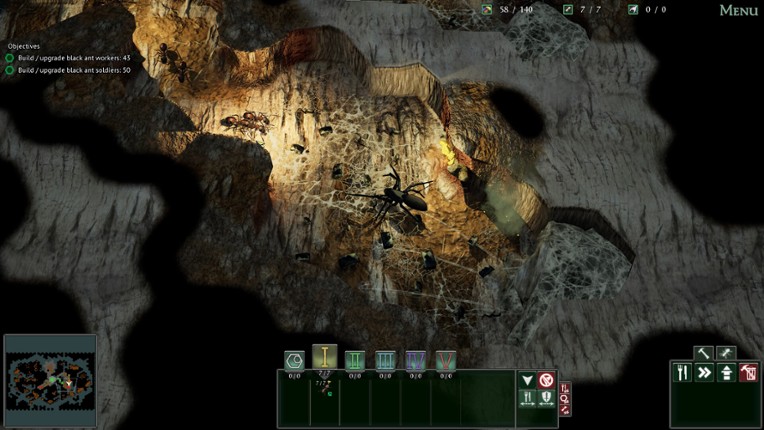
Lead your Ant Colony to Dominance! Empires of the Undergrowth is an ant colony management game, in a fast-paced real-time strategy style. The player excavates their nest underground, constructing tunnels and chambers to store food and raise brood. On the surface, the ants claim territory, gather resources, overwhelm fearsome arachnids and clash with other colonies. Nest design, army size, composi… If you enjoyed this game, see our list of games similar to Empires of the Undergrowth.
View Game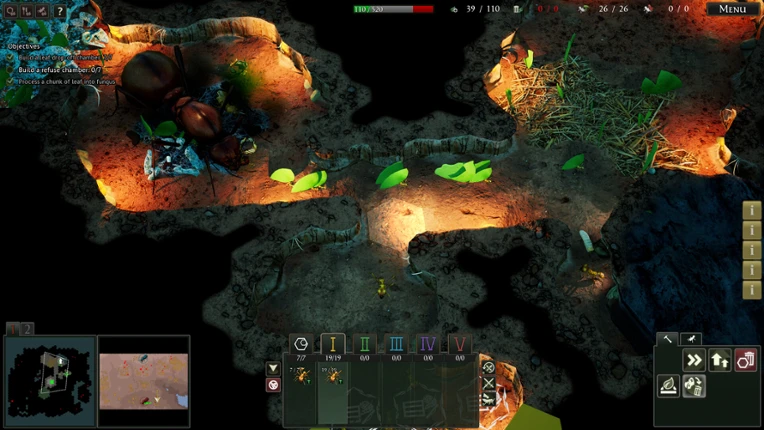
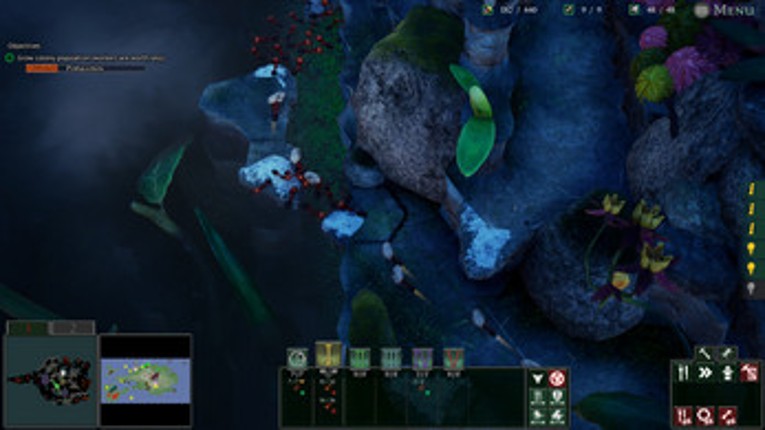
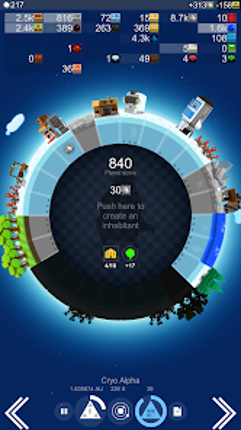
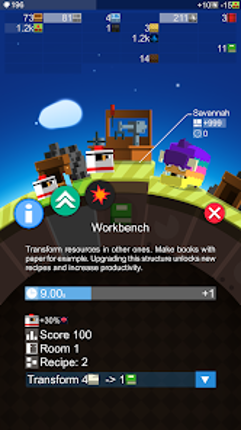
- 75%Game Brain ScoreMost mentioned positive aspects:gameplay, graphicsMost mentioned negative aspects:monetization, stability75% User Score 1,603 reviewsPresents a compact indie space colony sim focused on resource management and expansion instead of Spore's vast evolution and humor. If you enjoyed this game, see our list of games similar to A Planet of Mine.View Game

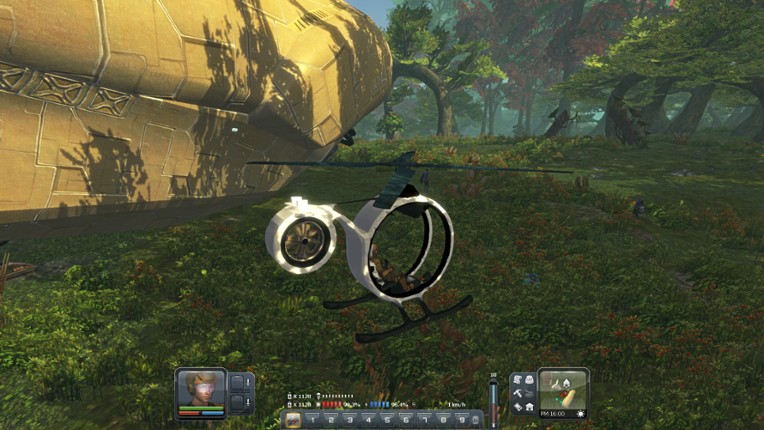
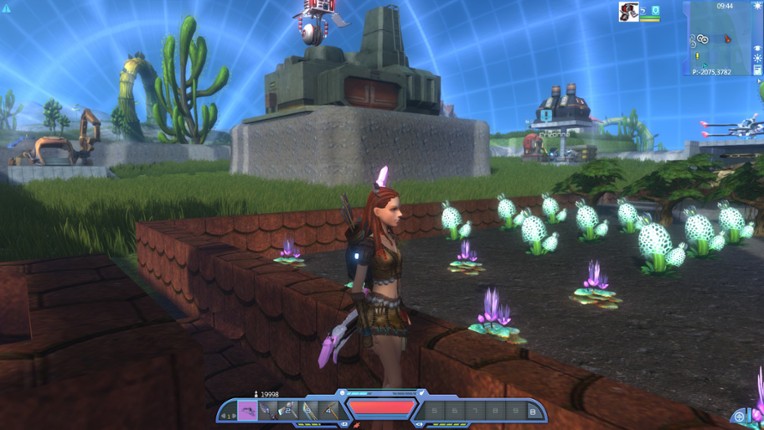
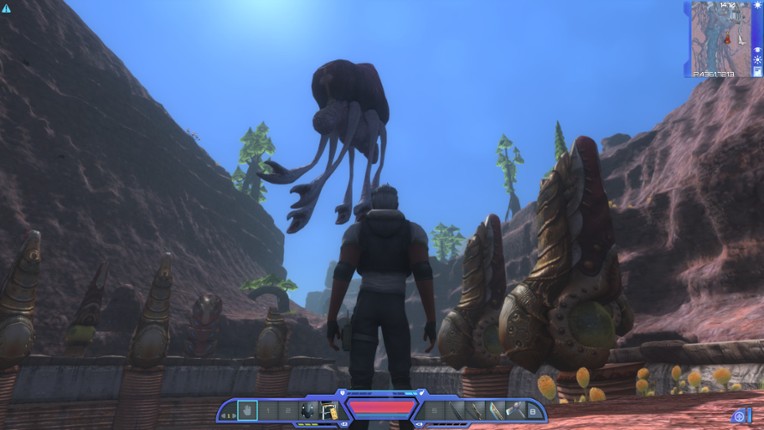
- 59%Game Brain ScoreMost mentioned positive aspects:story, graphicsMost mentioned negative aspects:stability, optimization59% User Score 6,096 reviewsCritic Score 60%1 reviewsOffers a distant, survival-focused take on colonization, trading the whimsical creature editor for deep voxel crafting and planet-bound engineering challenges. If you enjoyed this game, see our list of games similar to Planet Explorers.View Game
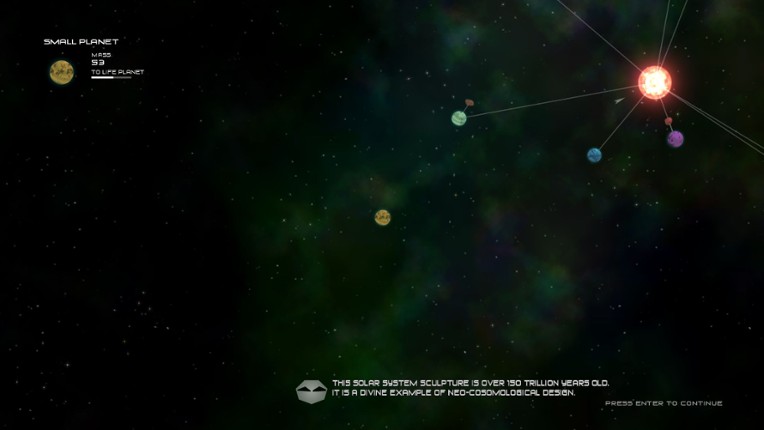
- 89%Game Brain ScoreMost mentioned positive aspects:story, gameplayMost mentioned negative aspects:grinding91% User Score 2,154 reviewsCritic Score 82%1 reviewsCaptures the cosmic scale of the Space stage in a minimalist, 2D god game that values relaxing planetary physics over creature-building variety. If you enjoyed this game, see our list of games similar to Solar 2.View Game


- 92%Game Brain ScoreMost mentioned positive aspects:graphics, storyMost mentioned negative aspects:stability, replayability92% User Score 2,278 reviews
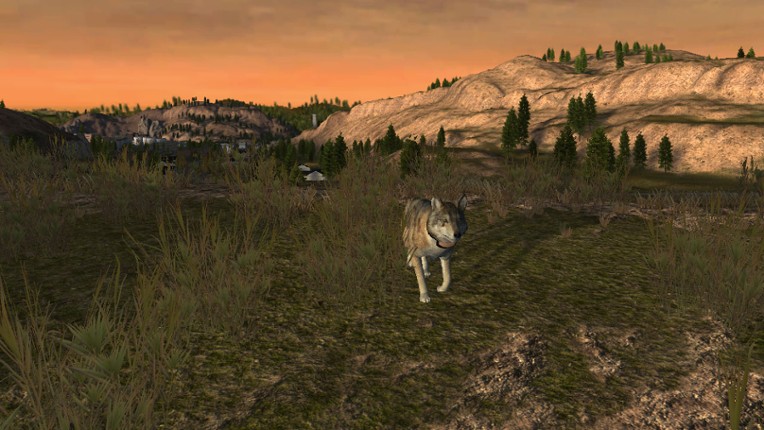
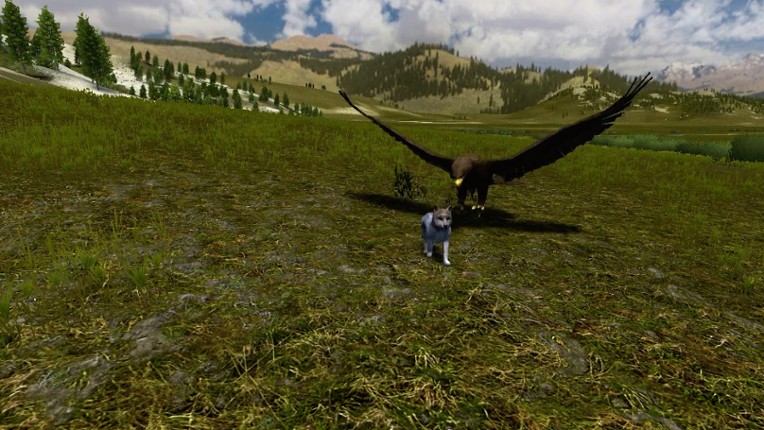
LIVE THE LIFE OF A WILD WOLF! WolfQuest is a wildlife simulation game about wolf ecology. Playing as a two-year-old gray wolf in Yellowstone National Park, you'll learn how to live on your own, finding food, meeting other wolves, and searching for a mate. Ultimately, your goal is to find a home and raise your own family. Your quest begins on the slopes of Amethyst Mountain and eventually takes yo… If you enjoyed this game, see our list of games similar to WolfQuest.
View Game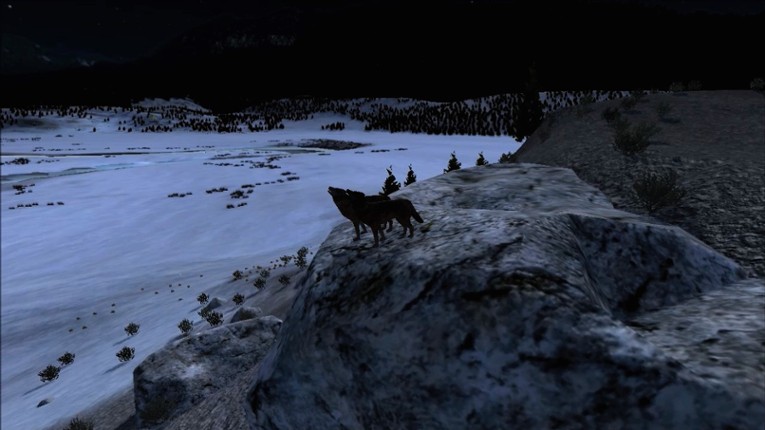
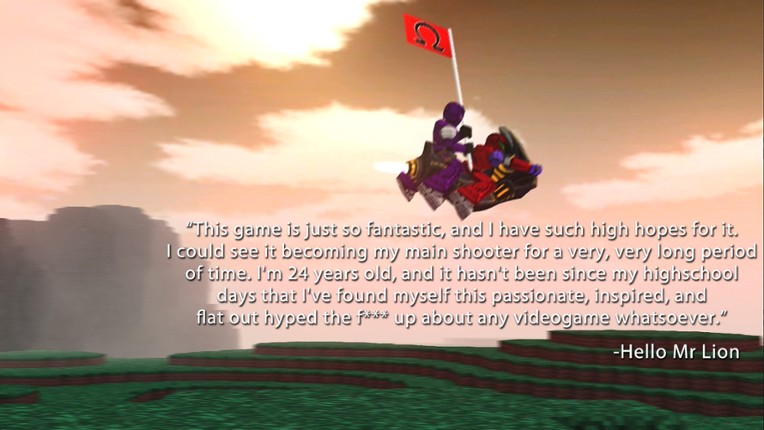
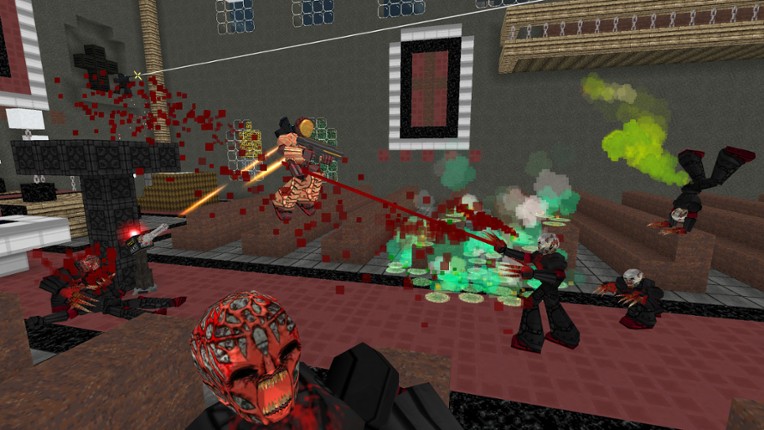
- 87%Game Brain ScoreMost mentioned positive aspects:gameplay, graphicsMost mentioned negative aspects:story, stability89% User Score 4,948 reviewsCritic Score 75%1 reviewsFeatures a very loose connection, replacing the evolutionary arc with competitive voxel-based shooter gameplay that prioritizes tactical combat over sandbox building. If you enjoyed this game, see our list of games similar to Murder Miners.View Game
- 85%Game Brain ScoreMost mentioned positive aspects:graphics, gameplayMost mentioned negative aspects:stability, grinding91% User Score 13,898 reviewsCritic Score 78%23 reviews
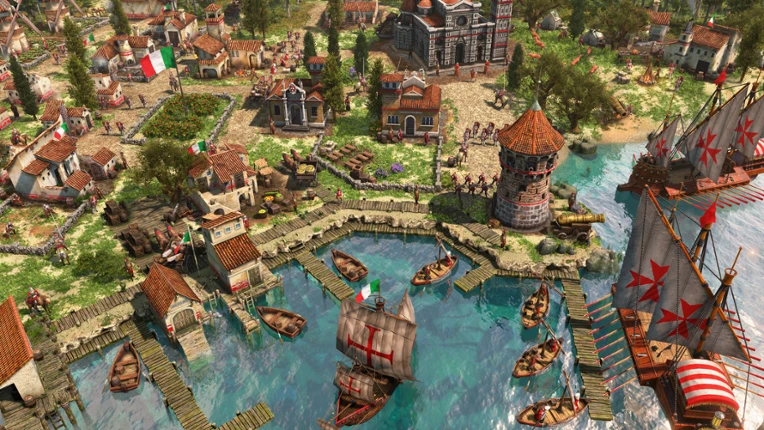
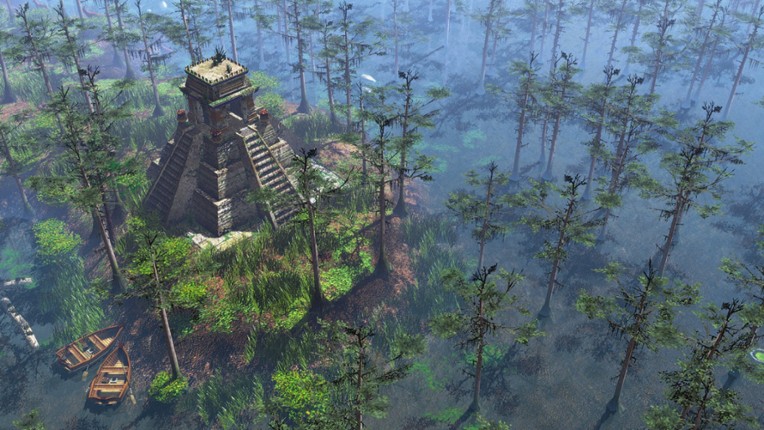
Microsoft Studios brings you three epic Age of Empires III games in one monumental collection for the first time. Immerse yourself in the award-winning strategy experience. Microsoft Studios brings you three epic Age of Empires III games in one monumental collection for the first time. Command mighty European powers looking to explore new lands in the New World; or jump eastward to Asia and det… If you enjoyed this game, see our list of games similar to Age of Empires III.
View Game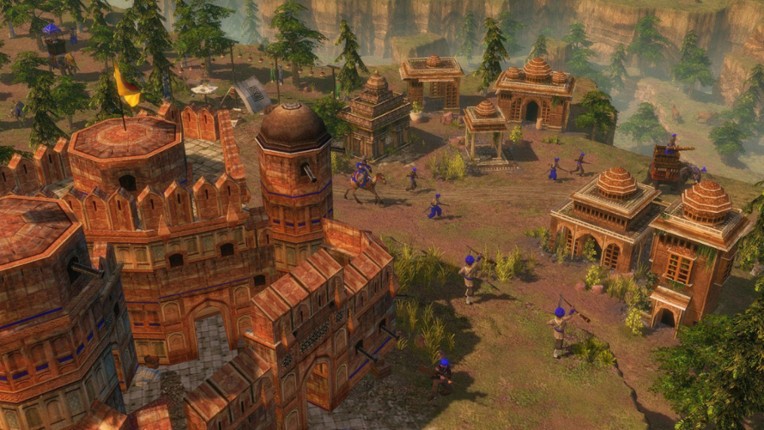


 View Game










































Frequently Asked Questions
For creative sandbox experiences like Spore, try The Sims 4 for deep character customization and storytelling, Scrap Mechanic for building intricate machines with physics, or Cities Skylines for managing complex systems. All three prioritize player creativity with fantastic replayability and humor that matches Spore's lighthearted tone.
Scrap Mechanic and Space Engineers both offer excellent co-op experiences where you build and explore together. Trailmakers also supports multiplayer with creative building mechanics. While Spore is single-player, these alternatives let you share the creative experience with friends online.
The Sims 4 offers a free base game with optional expansions, making it accessible entry point for life simulation. While not all Spore alternatives are free-to-play, The Sims 4's free tier provides excellent character creation and management gameplay that captures Spore's creative spirit without upfront costs.
SPORE Galactic Adventures is the direct spiritual successor with expanded space mechanics and exploration. Space Engineers offers sandbox space building with physics-based gameplay. Both deliver that cosmic adventure feeling with resource management and discovery elements that Spore fans love.
The Sims 3 and The Sims 4 excel at character and home customization with deep creative tools. Scrap Mechanic provides intuitive building systems for vehicles and structures. Space Engineers lets you construct ships and bases with complex mechanics, offering that satisfying creation loop Spore provides.
Scrap Mechanic delivers hilarious moments through quirky physics and contraption failures, especially in co-op. Space Engineers generates chaotic humor during multiplayer sessions. Blockland combines building freedom with comedic mayhem. All three match Spore's lighthearted, playful approach with genuinely funny emergent gameplay.