


Games like Stellaris
There's a reason you can't stop thinking about your last Stellaris campaign — that moment when a first contact event spiraled into a galaxy-spanning war, or when your empire's economy finally clicked into place. If you're hunting for games like Stellaris, you already know what you're chasing: that specific blend of 4X empire-building, grand strategy depth, and sci-fi exploration with real-time-with-pause tension. The good news is you've got options, and some of them scratch the itch in surprisingly different ways.
Stellaris works because it fuses procedural galaxy generation and diplomacy-heavy 4X mechanics with the systemic depth of grand strategy — you're not just building an empire, you're reacting to emergent stories, managing trade routes, and juggling military campaigns in real time. Add an atmospheric, award-caliber soundtrack and genuine replay value from procedurally generated species and events, and you get a game built for players who want both spreadsheet-deep management and narrative surprise.
What Makes a Good Alternative to Stellaris?
- Grand strategy depth — The best alternatives layer diplomacy, warfare, and economic management into systems that reward long-term planning, not just quick wins.
- Emergent storytelling — Whether through random events or dynasty politics, great alternatives generate personal, unscripted narratives the way Stellaris does with its anomalies and first contacts.
- Space or exploration theming — Procedural galaxies, alien diplomacy, and the thrill of scouting the unknown are core to Stellaris's identity, so alternatives that nail exploration hit harder.
- Replayability through faction variety — Distinct playstyles, victory conditions, and species or civilizations keep campaigns fresh long after the first playthrough.
- Real-time-with-pause or turn-based flexibility — Games that let you control pacing, rather than forcing constant real-time reflexes, match Stellaris's methodical, thoughtful rhythm.
Top Picks If You Enjoyed Stellaris
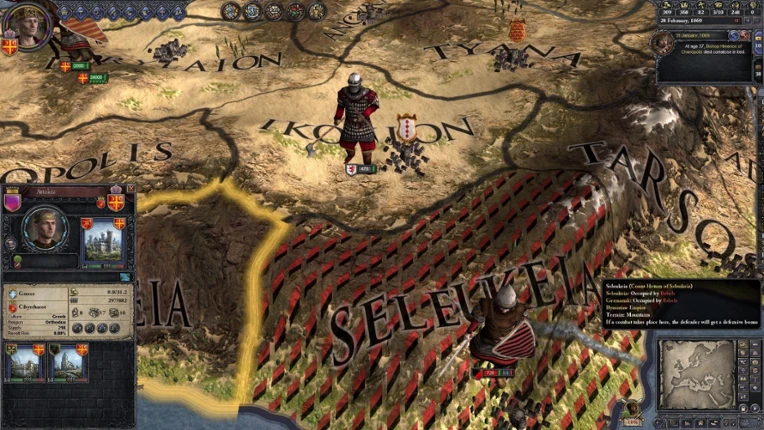
Europa Universalis IV trades space for history but matches the grand strategy complexity beat for beat. Endless Space 2 delivers gorgeous faction-driven 4X combat with a standout soundtrack. Galactic Civilizations III offers similarly deep empire management with strong lore and humor. Crusader Kings III swaps galaxies for dynasties but keeps the emergent-story magic alive. Terra Invicta pushes the geopolitical-meets-space-strategy formula even further for players craving more complexity.
Every recommendation below is ranked by genuine similarity to Stellaris, based on shared mechanics, themes, and what players actually praise. Browse the full list to find your next obsession.
- 87%Game Brain ScoreMost mentioned positive aspects:gameplay, replayabilityMost mentioned negative aspects:stability, grinding87% User Score 68,455 reviewsCritic Score 88%2 reviews
You can pause the map, negotiate for time, redirect trade, and turn a small advantage into a war-winning campaign in both games. Europa Universalis IV delivers that same satisfying loop of planning, reacting, and managing competing pressures, while diplomacy and commerce matter as much as battlefield victories. Because every alliance, rebellion, and border change reshapes your options, its campaigns produce the player-driven stories and replay value that make Stellaris so compelling.
The major shift is from procedural space empires to historically grounded nations, giving EU4 a denser political landscape and a different kind of exploration: discovering alternate history through your decisions. Its constant diplomatic pivots can also break up the repetitive late-game grind some Stellaris players criticize, though EU4 has its own lengthy endgame and a similarly demanding learning curve. The extensive DLC model is another tradeoff for players wary of monetization.
Best for Stellaris fans who want less cosmic spectacle and more intricate diplomacy, trade, warfare, and long-term nation management.
If you enjoyed this game, see our list of games similar to Europa Universalis IV.View Game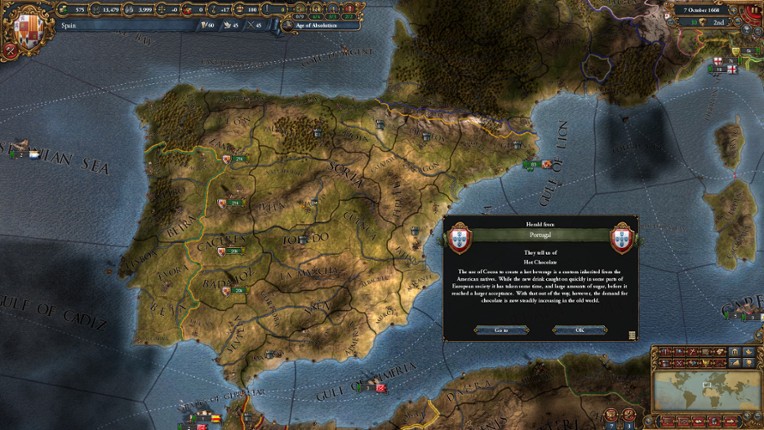

- 82%Game Brain ScoreMost mentioned positive aspects:gameplay, graphicsMost mentioned negative aspects:stability, optimization82% User Score 12,281 reviews
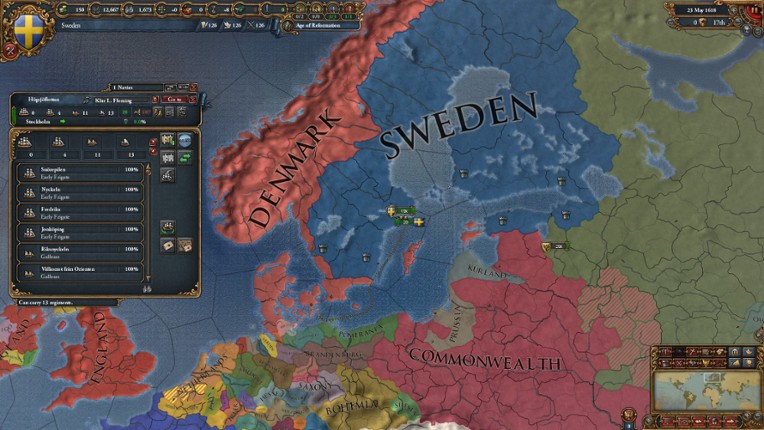
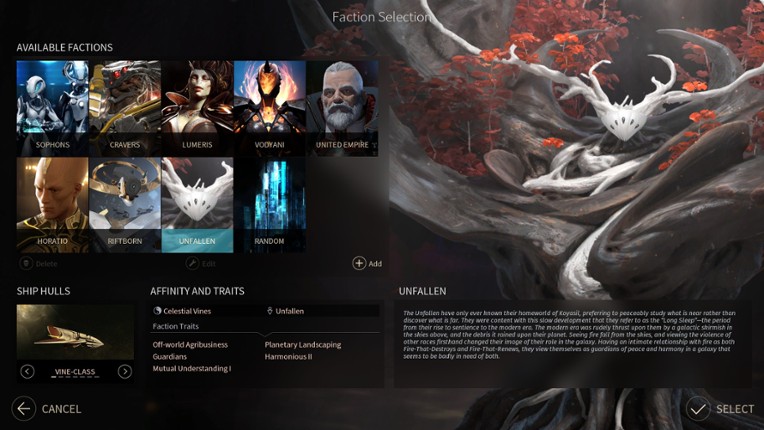
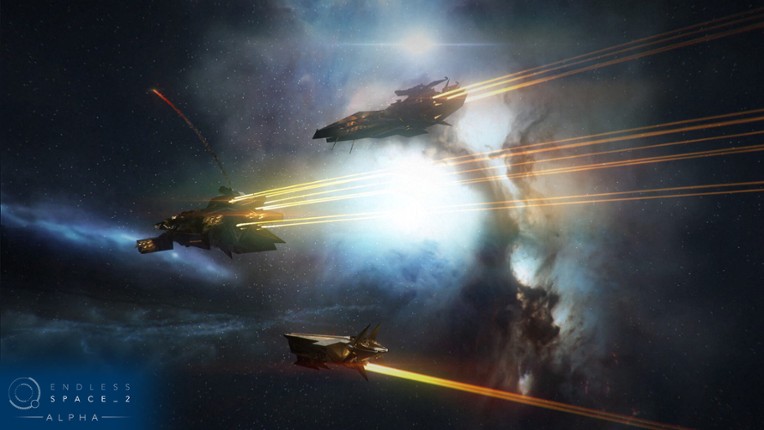
Commanding a custom civilization and watching your grand designs shape a hostile cosmos lies at the heart of both experiences. You will immediately recognize the loop of planetary exploitation and starship customization, which directly drives your strategic military projection across the stars. Endless Space 2 captures this cosmic scale, anchoring its empire-building in highly distinct, asymmetrical factions that alter how you expand.
While Stellaris relies on real-time-with-pause pacing, this alternative shifts to a polished turn-based structure, offering a more calculated, chess-like tactical rhythm. This shift, combined with deeply integrated narrative quests, alleviates the mid-game grind often criticized in Stellaris. Furthermore, you get a rich, mechanically complete sci-fi universe right out of the box, bypassing aggressive DLC monetization.
Best for players who crave rich, faction-specific lore and structured, turn-based galactic domination.
If you enjoyed this game, see our list of games similar to Endless Space 2.View Game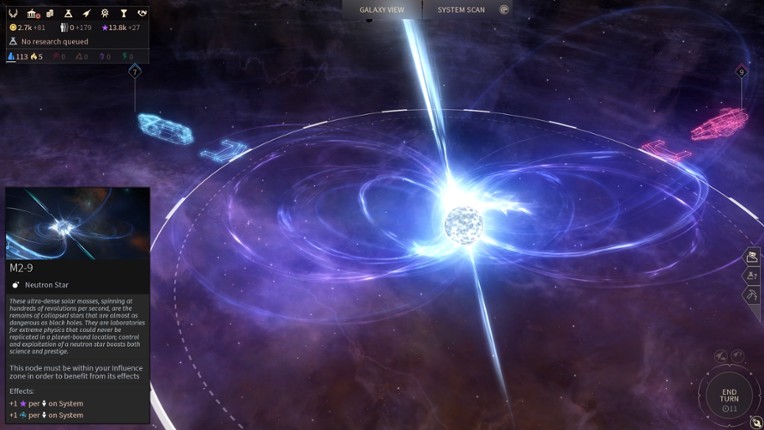
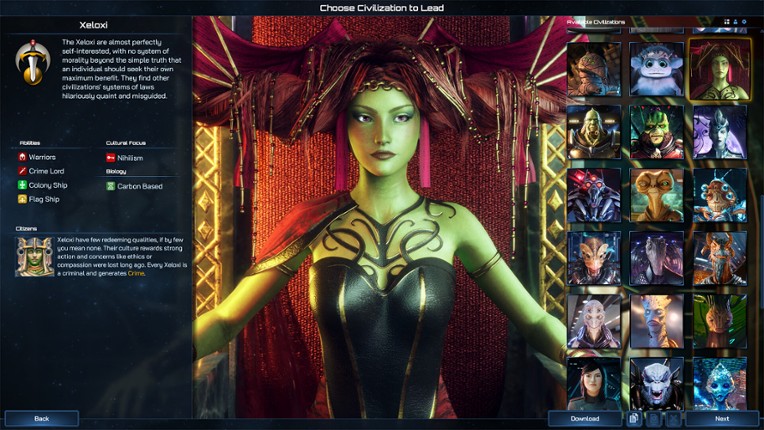
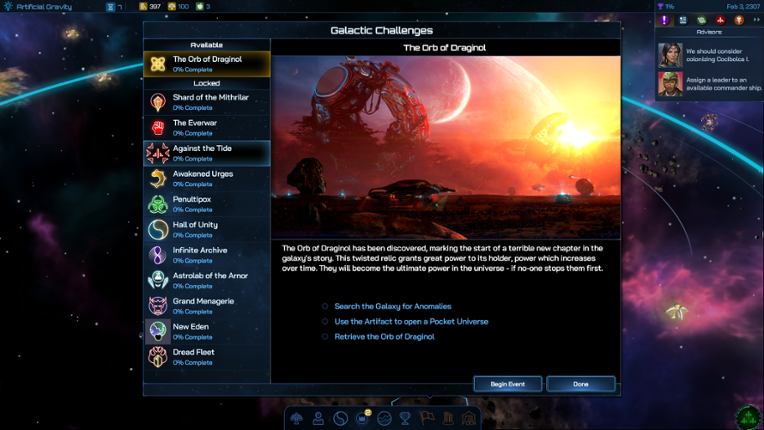
- 80%Game Brain ScoreMost mentioned positive aspects:gameplay, graphicsMost mentioned negative aspects:stability, grinding78% User Score 12,958 reviewsCritic Score 82%11 reviews
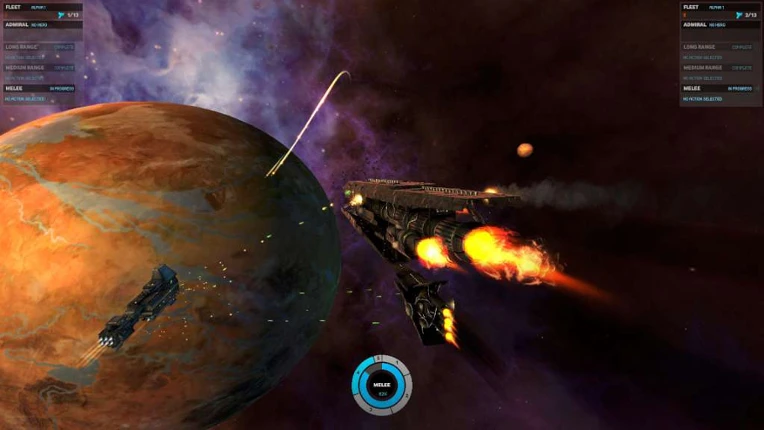
Both games let you build a spacefaring civilization from scratch and watch it evolve across decades of galactic politics, warfare, and commerce. The core satisfaction comes from the same place: orchestrating long-term strategic decisions while managing diplomacy, research, and military expansion in real-time consequences.
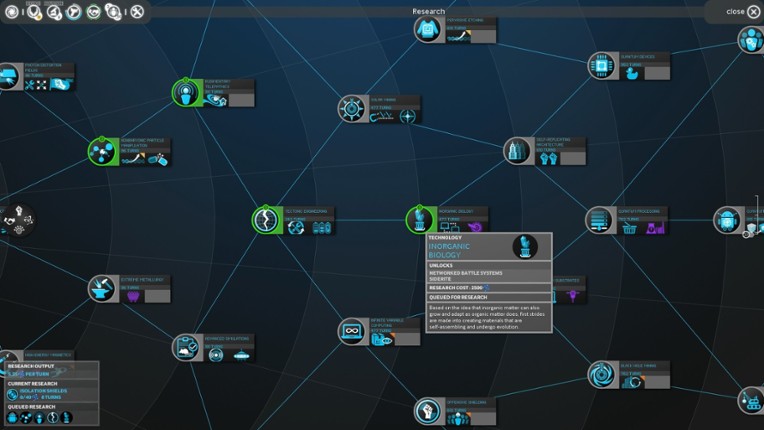
Galactic Civilizations III shares Stellaris's procedural universe generation and deep trading systems, meaning each playthrough reshapes your diplomatic and economic landscape. More importantly, the turn-based structure transforms how you experience grand strategy—you get breathing room to analyze threats, plan alliances, and tinker with builds without the pressure of real-time pausing, which many find reduces decision fatigue.
Where Stellaris occasionally suffers from grinding and stability issues, Galactic Civilizations III's turn-based pace actually mitigates grinding fatigue by letting you control the game's rhythm entirely. You decide when to advance—no waiting for timers or managing real-time chaos.
Best for players who crave Stellaris's empire-building depth but prefer methodical, contemplative strategy over constant tactical management. If you want the same galactic sandbox with more time to think between moves, this is your next stop.
If you enjoyed this game, see our list of games similar to Galactic Civilizations III.View Game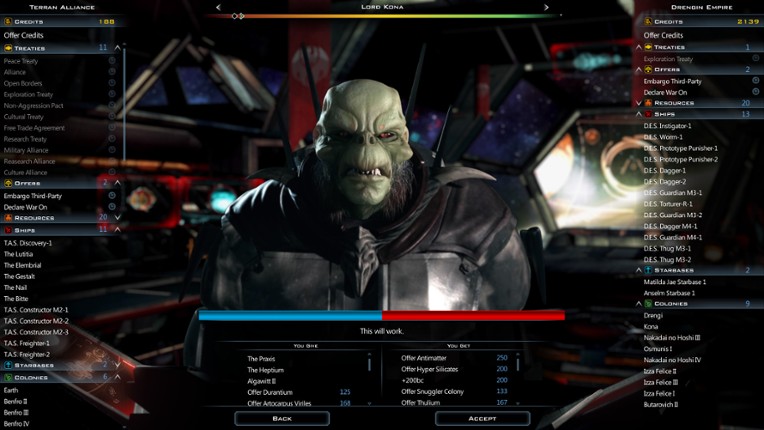
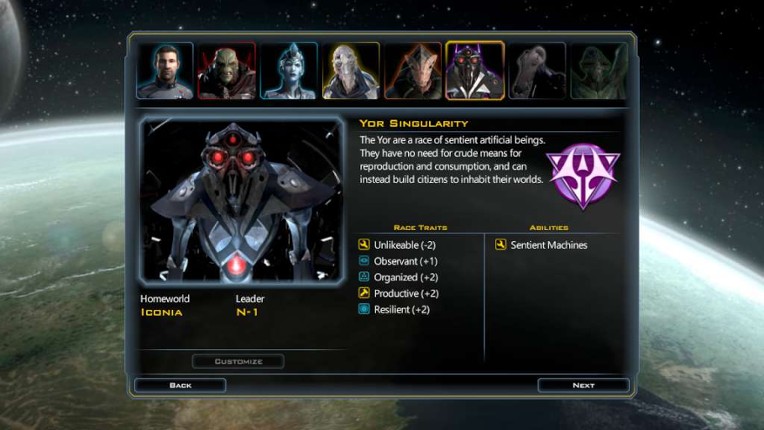
- 77%Game Brain ScoreMost mentioned positive aspects:gameplay, graphicsMost mentioned negative aspects:stability, grinding79% User Score 5,870 reviewsCritic Score 70%2 reviews
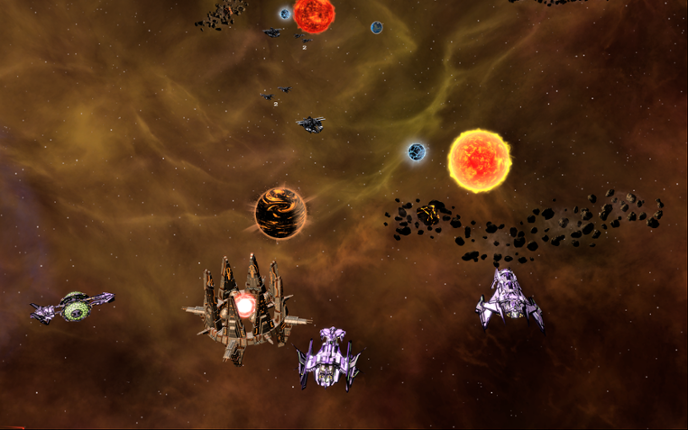
When you negotiate treaties across a procedurally generated galaxy, both Stellaris and Endless Space reward patience and long‑term planning. The diplomatic chessboard feels familiar, yet each game presents it with its own rhythm.
Ship customization in Endless Space mirrors Stellaris's philosophy, letting you outfit vessels that reflect your faction's doctrine. A branching technology tree and robust trade network give the same sense of building an empire piece by piece.
Endless Space switches to a turn‑based model, giving time to deliberate each move instead of reacting in real time. This pacing trades the adrenaline of immediate combat for a more contemplative, chess‑like strategic layer.
If aggressive monetization in Stellaris has left a sour taste, Endless Space delivers a complete experience without pressure to purchase extra content. Fewer bugs and a launch mean fewer interruptions during your empire sessions.
Best for players who love crafting intricate strategies and savoring every decision, rather than chasing constant action.
If you enjoyed this game, see our list of games similar to Endless Space.View Game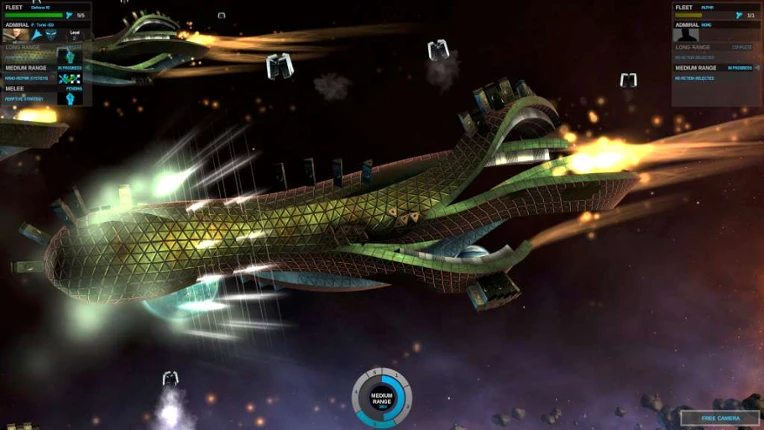
- 90%Game Brain ScoreMost mentioned positive aspects:gameplay, storyMost mentioned negative aspects:stability, grinding90% User Score 63,369 reviewsCritic Score 90%36 reviews
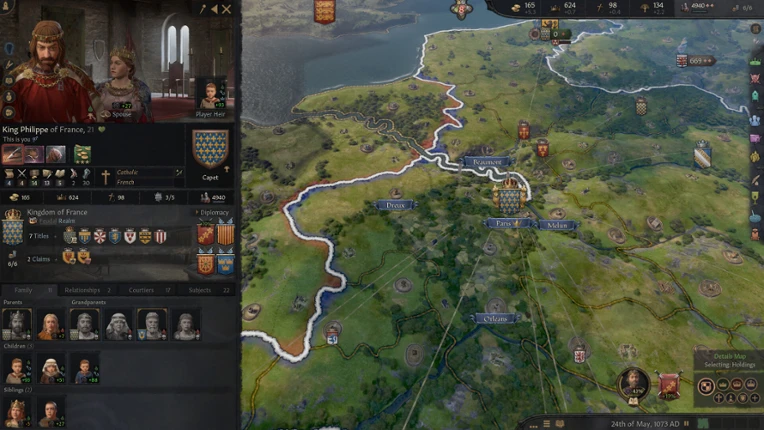
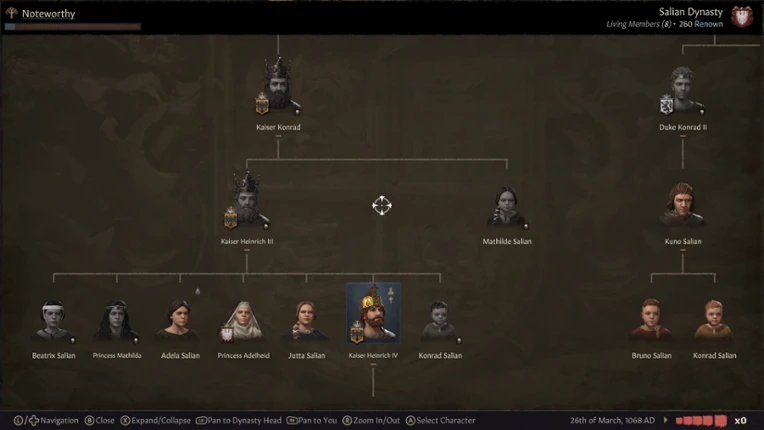
That feeling of watching an empire evolve across centuries, then suddenly unravel because of one bad succession or a rival's gambit — Crusader Kings III delivers that same slow-burn tension, just with crowns instead of starships. Both games trade twitch reflexes for long-horizon strategic planning, where a single diplomatic misstep can echo for generations.
The overlap runs deeper than genre labels. Both run on real-time-with-pause systems that let you juggle diplomacy, economy, and military buildup at your own pace, and both reward players who treat every faction or dynasty as a living, reactive entity rather than a static AI. Where Stellaris gives you emergent empires shaped by traits and ethics, CK3 does the same at the level of individual rulers — the "character as system" feel is nearly identical.
The key shift is scale: instead of managing an empire from orbit, you're managing bloodlines, marriages, and personal ambition on the ground. It's the same sandbox-of-consequences design, just zoomed into human drama instead of galactic politics.
If grinding late-game Stellaris sessions ever wore you down, CK3's character turnover — rulers die, heirs inherit, stories restart — naturally breaks up that fatigue.
Best for players who loved Stellaris's narrative emergence more than its space combat, and want that same feeling with a sharper focus on personality-driven chaos.
If you enjoyed this game, see our list of games similar to Crusader Kings III.View Game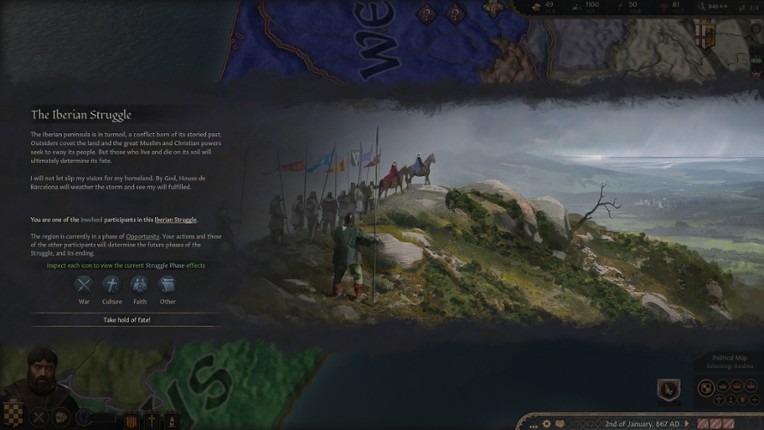
- 75%Game Brain ScoreMost mentioned positive aspects:graphics, gameplayMost mentioned negative aspects:stability, grinding75% User Score 1,490 reviews
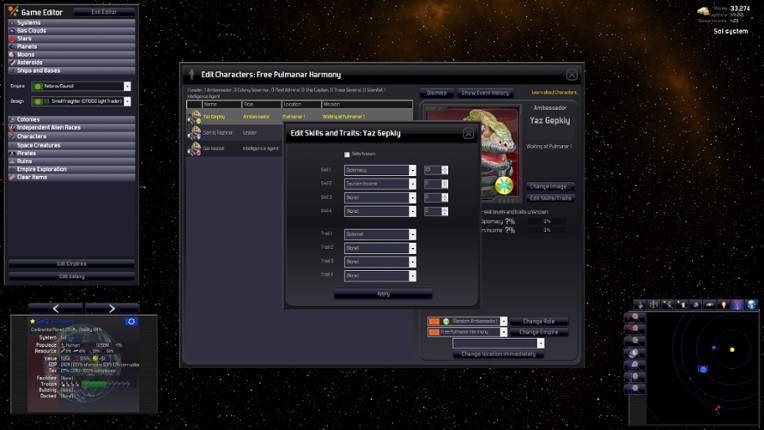
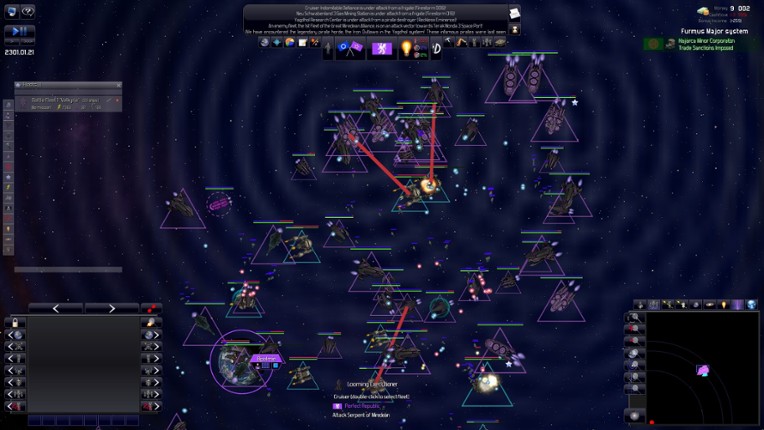
Both games excel at simulating the logistical sprawl of a galactic civilization through real-time, pause-capable strategy. This depth creates a persistent sense of scale, which is essential for players who enjoy managing complex imperial infrastructure over dozens of hours.
The primary trade-off lies in accessibility versus automation. While Stellaris offers a modern, streamlined interface and polished presentation, Distant Worlds: Universe favors granular systemic complexity and a sophisticated private economy that functions independently of your direct commands.
Pick this up if you want a deeper, more hands-off management experience and can live with a clunky, dated interface and the technical hurdles required to keep a legacy title running smoothly.
If you enjoyed this game, see our list of games similar to Distant Worlds: Universe.View Game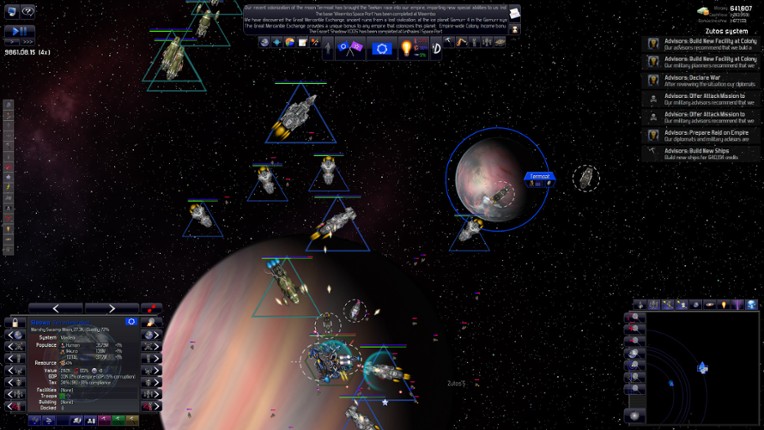
- 82%Game Brain ScoreMost mentioned positive aspects:gameplay, storyMost mentioned negative aspects:grinding, optimization82% User Score 7,158 reviews
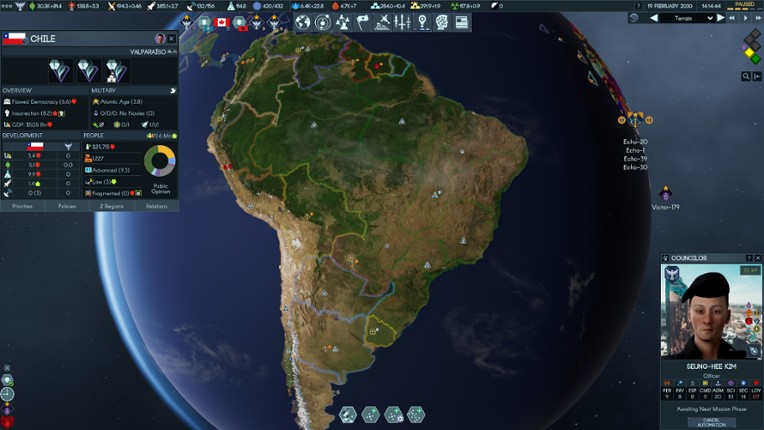
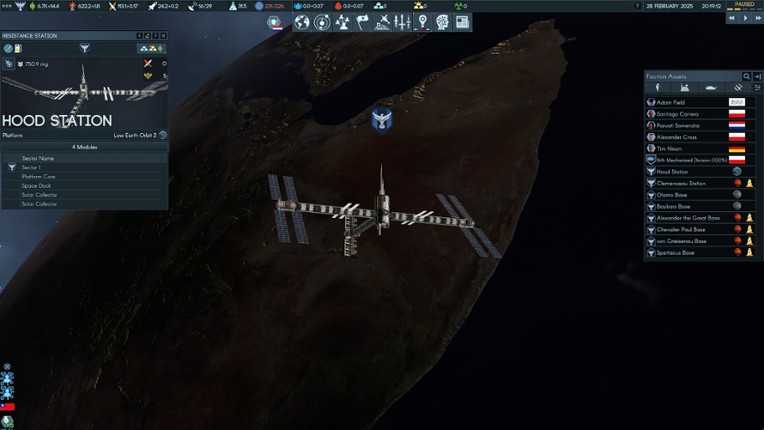
Terra Invicta is the closest thing here to Stellaris-style grand strategy in space, with the same long-horizon mix of diplomacy, military buildup, and empire management.
It also leans hard on replay value through distinct factions and victory paths, which matters because every campaign pushes different priorities instead of repeating the same power curve.
The tradeoff is brutal: Terra Invicta is far more grounded, slower, and less forgiving, with a steeper learning curve and clunkier UI than Stellaris.
Pick this up if you want deeper, more demanding space grand strategy but can live without Stellaris’ smoother pacing and broader sandbox freedom.
If you enjoyed this game, see our list of games similar to Terra Invicta.View Game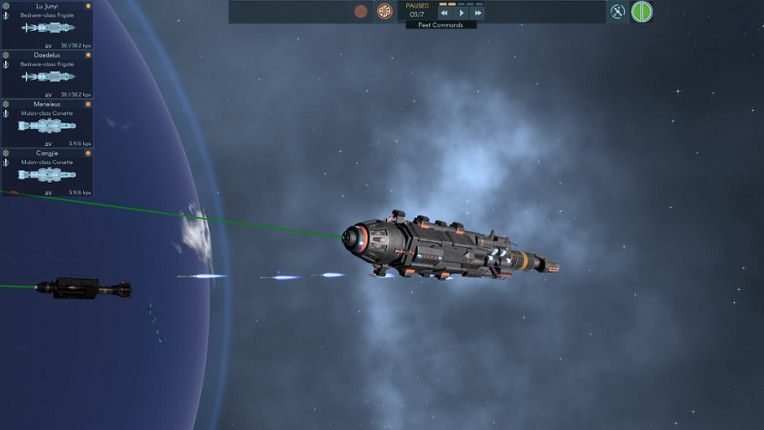
- 85%Game Brain ScoreMost mentioned positive aspects:gameplay, graphicsMost mentioned negative aspects:stability, story85% User Score 147,680 reviews
Both Stellaris and Civilization VI deliver deep grand-strategy gameplay where empire-building decisions compound across hundreds of hours. Shared systems like trade networks, resource management, and diplomatic maneuvering create that addictive "one more turn" loop. The atmospheric soundtracks and high replayability cement both as strategy staples.
The critical difference is real-time versus turn-based: Stellaris unfolds in continuous time you can pause, while Civ VI plays in discrete turns across a hex grid. This shifts the entire pacing—Stellaris favors dynamic crisis management, Civ VI rewards methodical long-term planning.
Pick this up if you want turn-based strategic depth with colorful presentation but can live without sci-fi exploration and real-time combat pacing.
If you enjoyed this game, see our list of games similar to Sid Meier's Civilization VI.View Game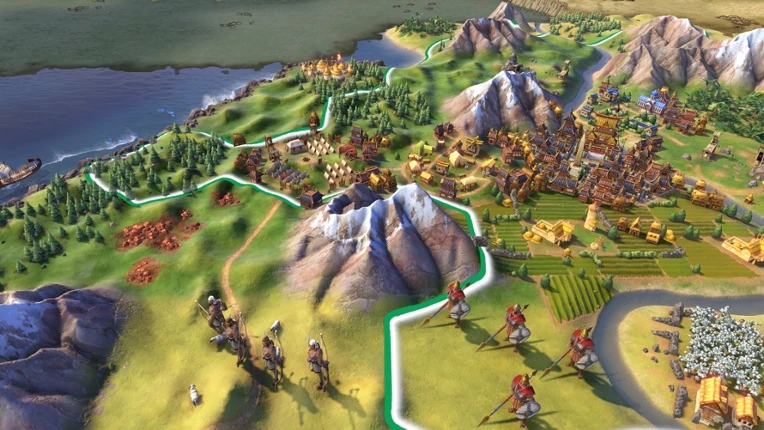
- 91%Game Brain ScoreMost mentioned positive aspects:story, gameplayMost mentioned negative aspects:grinding, stability98% User Score 132,230 reviewsCritic Score 80%5 reviews
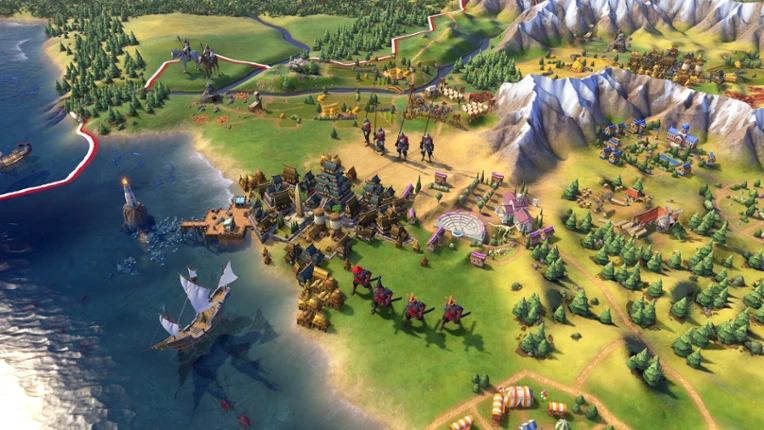
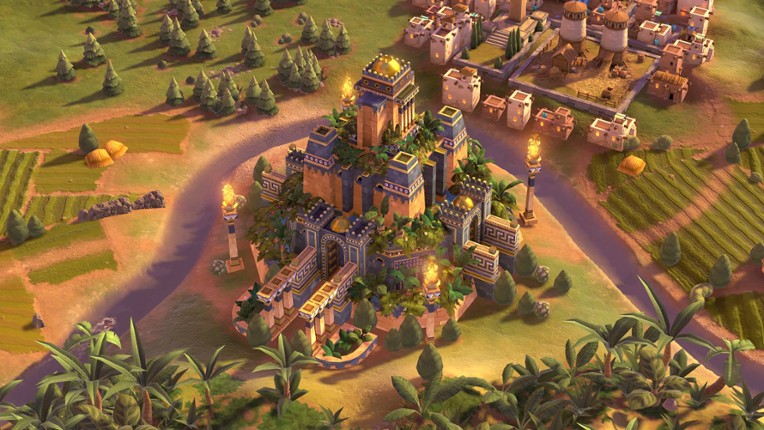
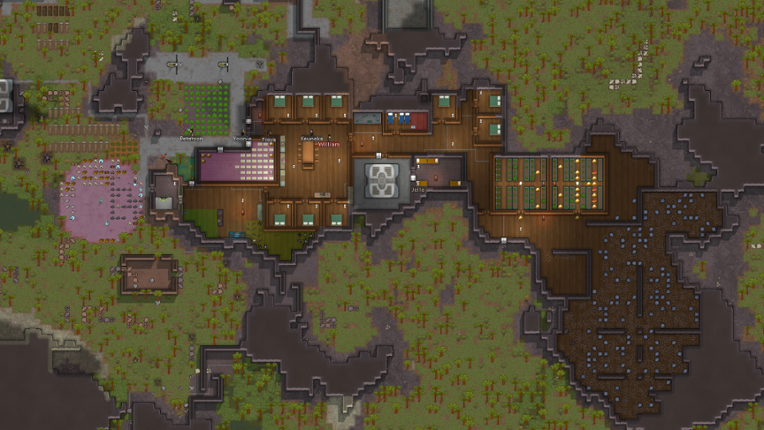
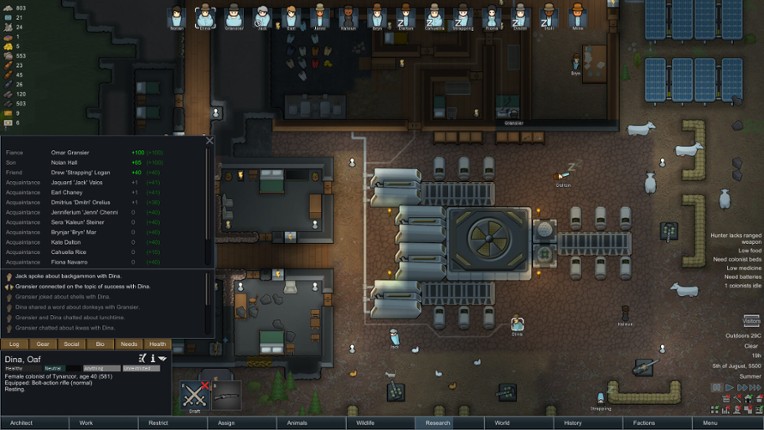
Both games build emergent narratives through procedurally generated worlds and dynamic systems that react to your decisions, creating stories you'll retell long after playing.
RimWorld matches Stellaris's replayability engine, since each colony becomes a different tale—why it matters: you're never grinding the same scenario twice.
The tradeoff is scale and pacing: Stellaris spans galaxies in real-time grand strategy, while RimWorld zooms into one base with tactical micromanagement and pause-when-you-need-it gameplay.
Pick this if you want Stellaris's narrative depth and atmospheric storytelling but prefer managing a tight colony over managing an empire—and don't mind simplistic graphics.
If you enjoyed this game, see our list of games similar to RimWorld.View Game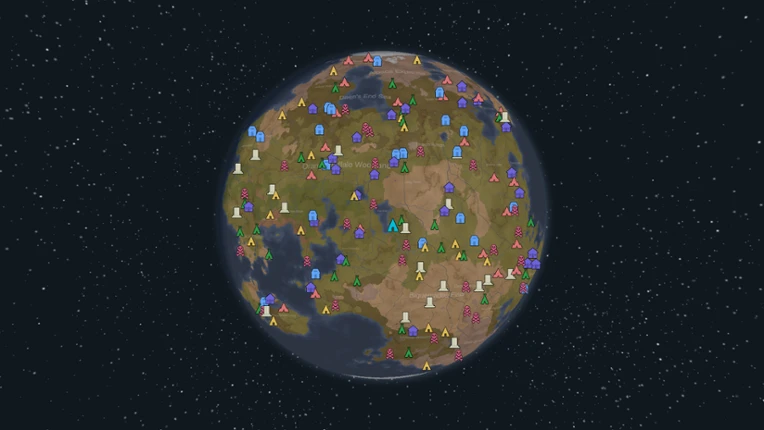
- 73%Game Brain ScoreMost mentioned positive aspects:gameplay, graphicsMost mentioned negative aspects:stability, grinding74% User Score 1,870 reviewsCritic Score 73%9 reviews
Both games center on the expansive 4X journey of building a space-faring empire from a single homeworld to galactic hegemony. This shared DNA matters because it keeps the core loop of colonization, technological research, and border friction front and center.
The primary departure is the rhythm of combat: while Stellaris favors real-time tactical chaos, Galactic Civilizations IV relies on a deliberate, turn-based hex system. You trade the cinematic spectacle of live skirmishes for the structural clarity of board-game style planning.
Pick this up if you crave complex alien customization and streamlined empire management, but can tolerate occasional technical instability and a less reactive AI than its real-time counterparts.
If you enjoyed this game, see our list of games similar to Galactic Civilizations IV.View Game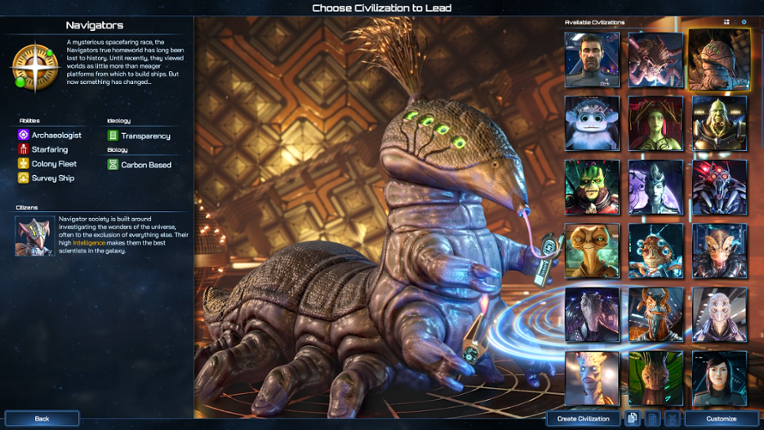
11 View Game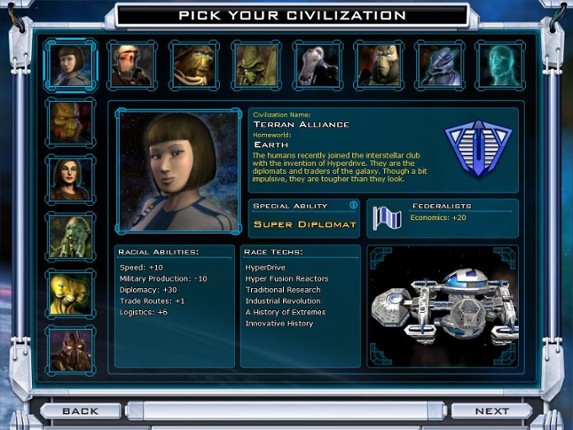
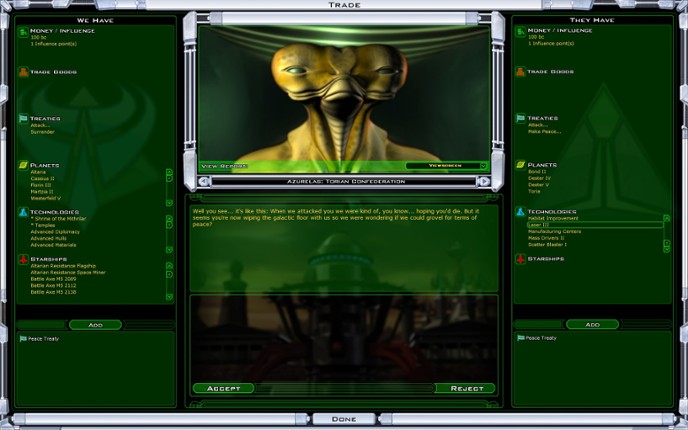 80%Game Brain ScoreMost mentioned positive aspects:gameplay, graphicsMost mentioned negative aspects:grinding, stability78% User Score 1,273 reviewsCritic Score 90%1 reviews
Swapping Stellaris's real-time for turn-based planning, this 4X emphasizes methodical diplomacy over immediate combat for players who favor strategic depth.
If you enjoyed this game, see our list of games similar to Galactic Civilizations II: Endless Universe.View Game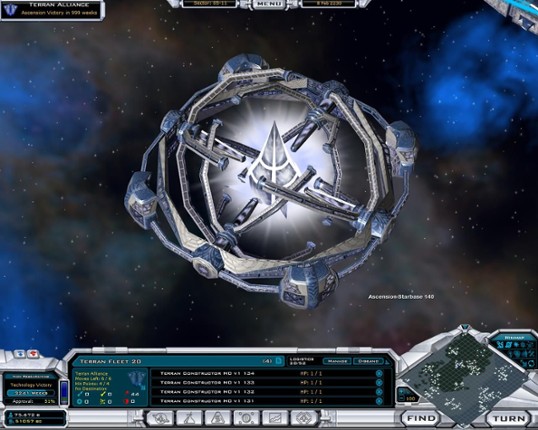
- 91%Game Brain ScoreMost mentioned positive aspects:gameplay, graphicsMost mentioned negative aspects:stability, grinding96% User Score 148,426 reviewsCritic Score 81%4 reviews
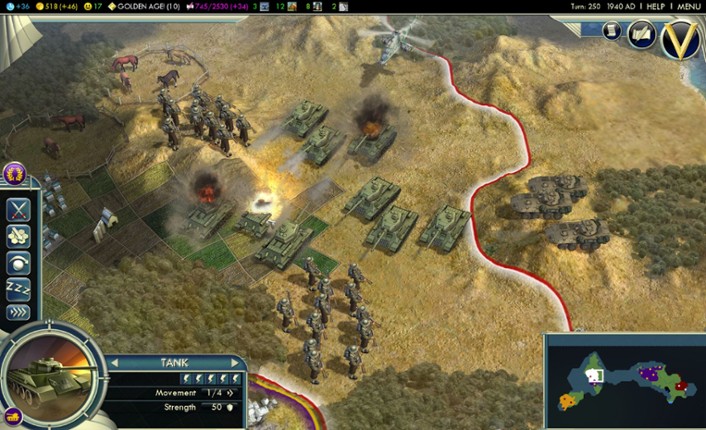
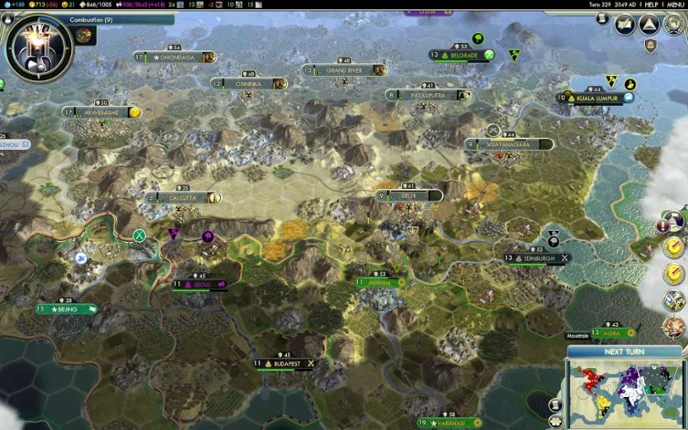
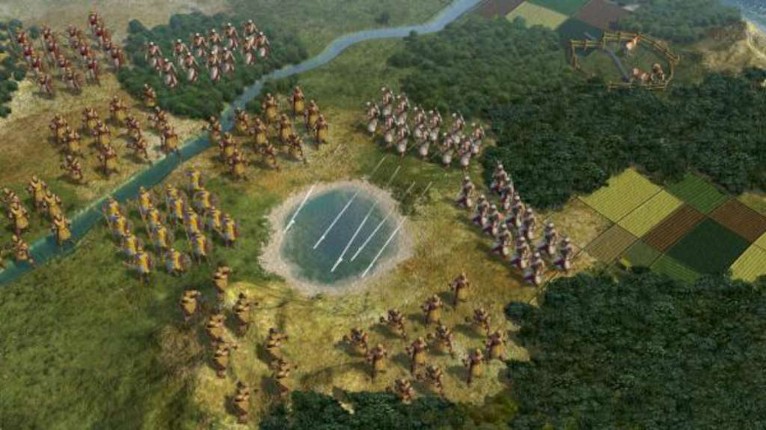
Moves the grand-strategy formula to Earth's history with hex-based tiles, offering turn-based empire building for those who favor historical over cosmic scope.
If you enjoyed this game, see our list of games similar to Sid Meier's Civilization V.View Game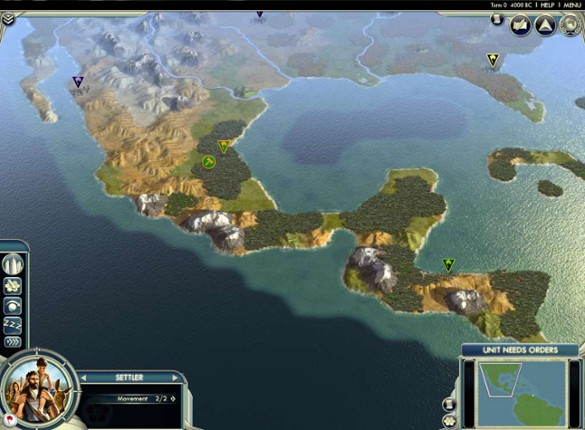
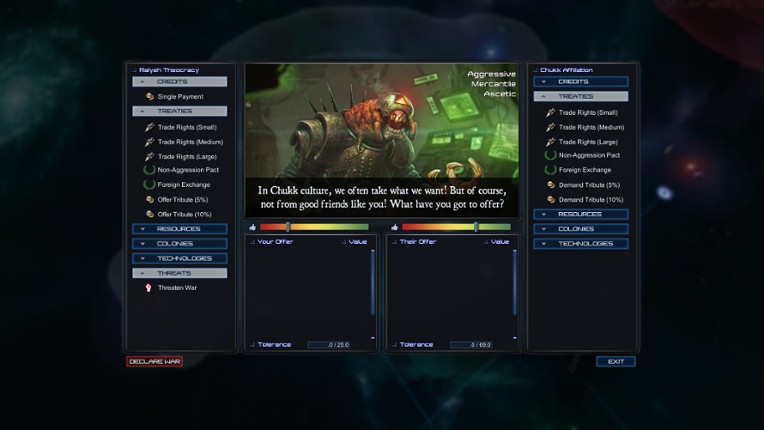
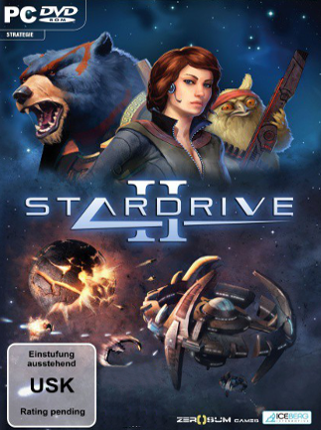
- 61%Game Brain ScoreMost mentioned positive aspects:gameplay, graphicsMost mentioned negative aspects:stability, grinding55% User Score 2,790 reviewsCritic Score 69%6 reviews
Stripping away diplomatic complexity, this turn-based 4X focuses on ship design and tactical combat for players seeking faster, combat-driven empire building.
If you enjoyed this game, see our list of games similar to StarDrive 2.View Game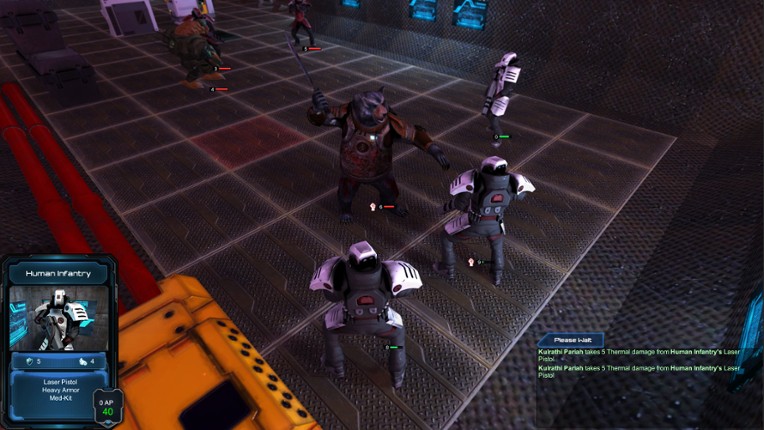
- 84%Game Brain ScoreMost mentioned positive aspects:gameplay, musicMost mentioned negative aspects:graphics, grinding84% User Score 1,214 reviewsCritic Score 85%2 reviews
Real-time tactics that replaces empire building with fleet-level combat, ideal for co-op players seeking high-difficulty tactical challenges over diplomatic intrigue.
If you enjoyed this game, see our list of games similar to AI War: Fleet Command.View Game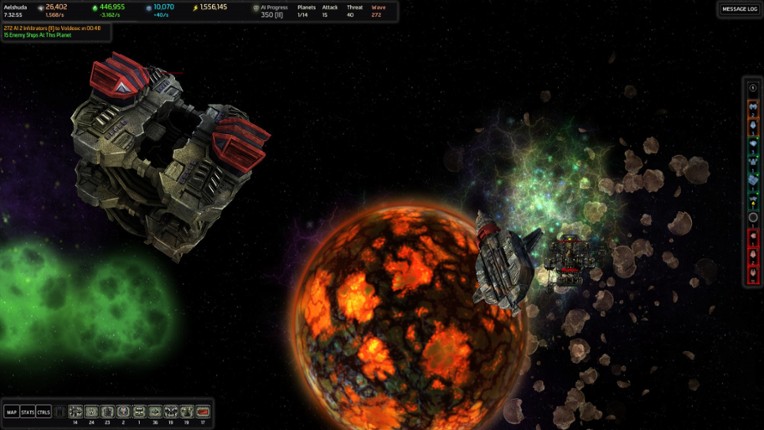
- View Game47%Game Brain ScoreMost mentioned positive aspects:gameplay, graphicsMost mentioned negative aspects:stability, story43% User Score 1,175 reviewsCritic Score 64%2 reviews
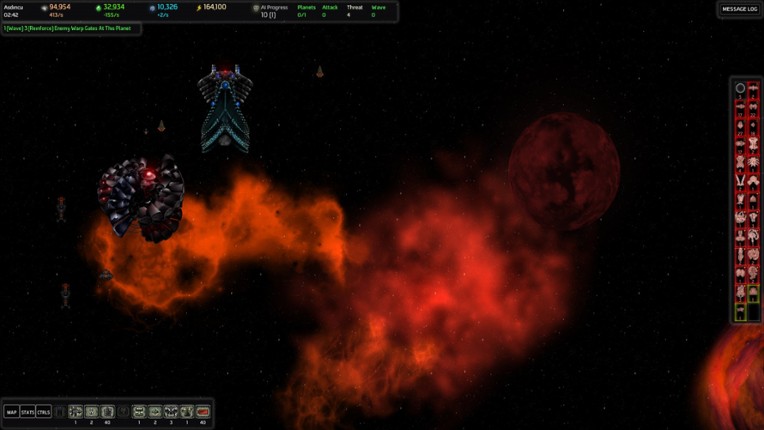
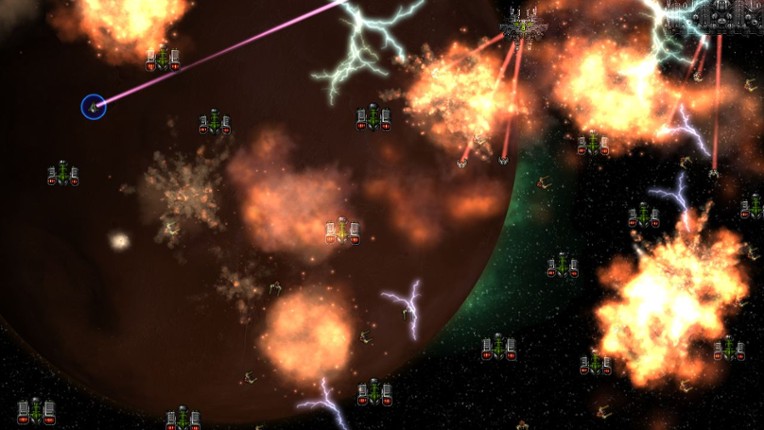
Real-time 4X that blends exploration and ship combat, offering a more action-packed pace for players who prefer immediate control over paused planning.
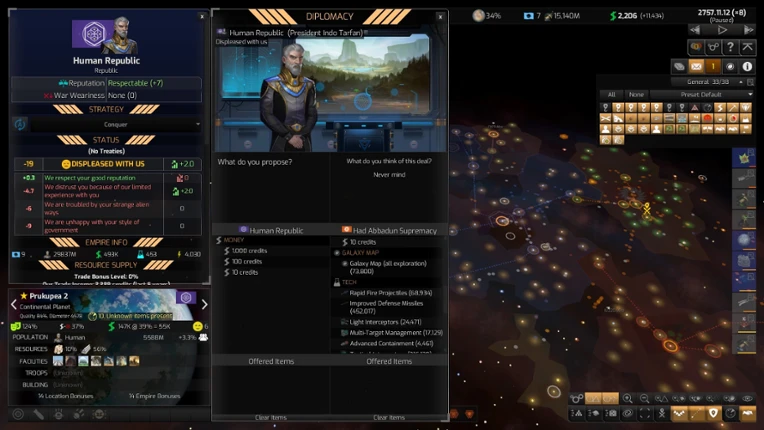
If you enjoyed this game, see our list of games similar to StarDrive. - 73%Game Brain ScoreMost mentioned positive aspects:gameplay, graphicsMost mentioned negative aspects:optimization, music70% User Score 3,688 reviewsCritic Score 80%4 reviews
Real-time empire automation that lets you oversee a sprawling galaxy with minimal micromanagement, catering to fans who love macro-level strategy.
If you enjoyed this game, see our list of games similar to Distant Worlds 2.View Game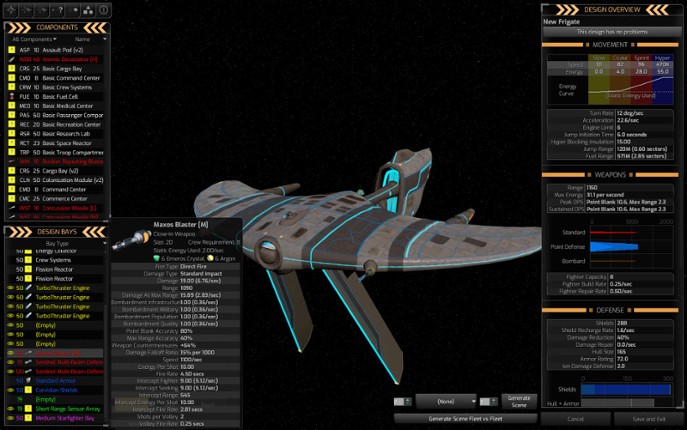
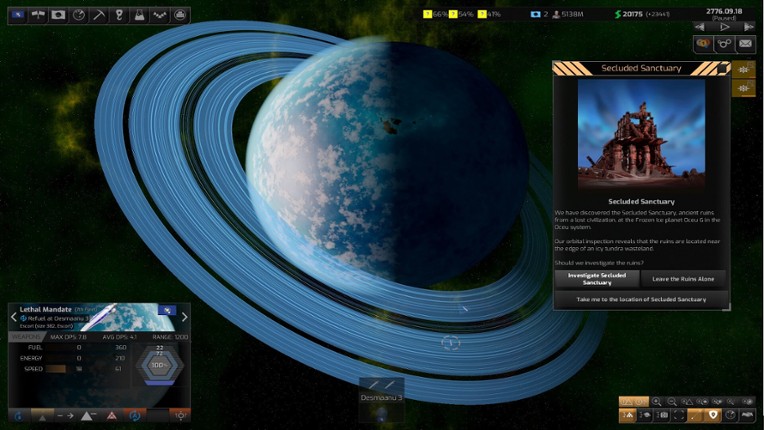
- 72%Game Brain ScoreMost mentioned positive aspects:graphics, gameplayMost mentioned negative aspects:stability, grinding76% User Score 5,101 reviewsCritic Score 66%6 reviews
Reviving classic turn-based 4X, this entry favors concise empire management over Stellaris's extensive customization, perfect for nostalgic players craving streamlined space conquest.
If you enjoyed this game, see our list of games similar to Master of Orion.View Game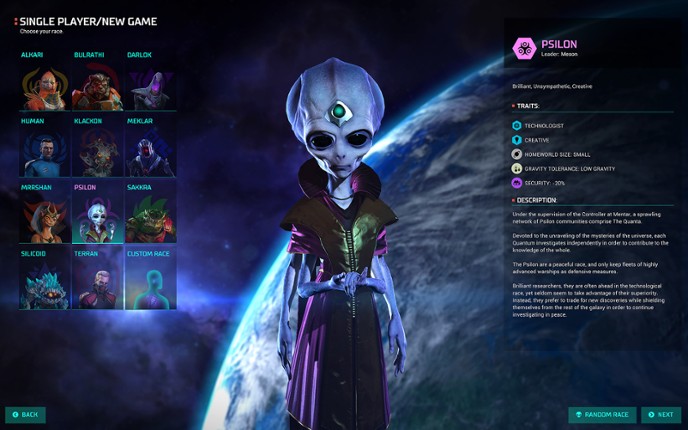


- 89%Game Brain ScoreMost mentioned positive aspects:gameplay, storyMost mentioned negative aspects:grinding, stability91% User Score 47,371 reviewsCritic Score 84%2 reviews
Medieval dynasty simulator that swaps Stellaris's galaxy for feudal politics, offering deep character relationships for players interested in intrigue over cosmic conquest.
If you enjoyed this game, see our list of games similar to Crusader Kings II.View Game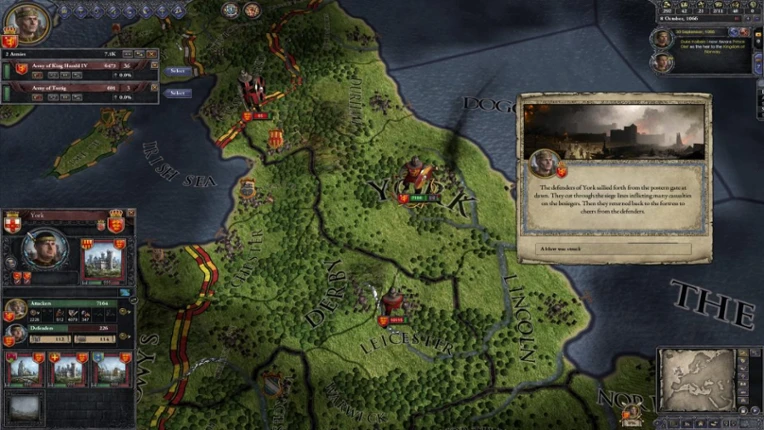

19 View Game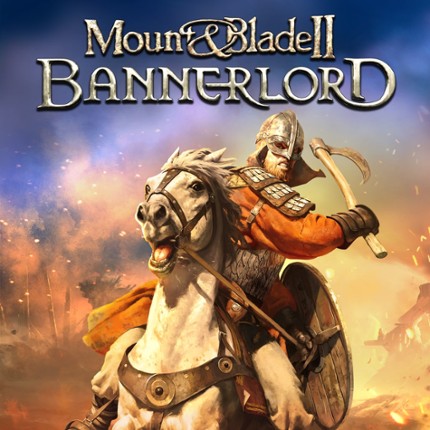 81%Game Brain ScoreMost mentioned positive aspects:gameplay, graphicsMost mentioned negative aspects:story, stability88% User Score 173,462 reviewsCritic Score 75%17 reviews
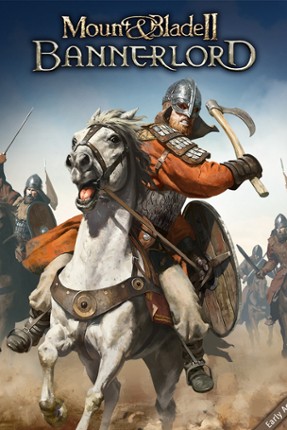
Real-time medieval battles replace space exploration, letting you command troops on the field while building a feudal economy for fans of visceral combat.
If you enjoyed this game, see our list of games similar to Mount & Blade II.View Game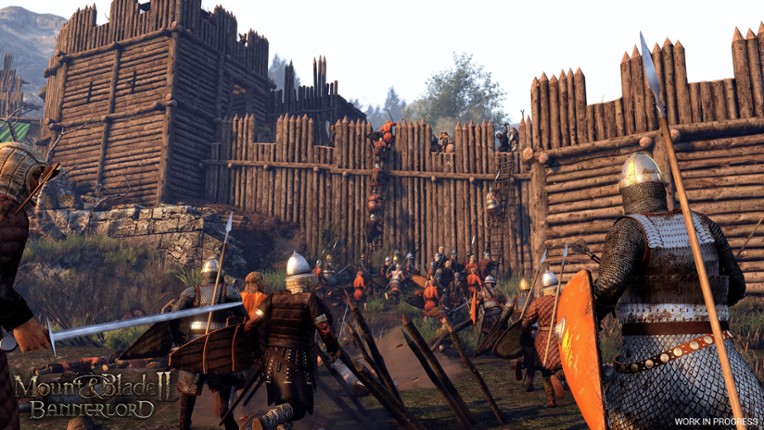
- 79%Game Brain ScoreMost mentioned positive aspects:gameplay, graphicsMost mentioned negative aspects:grinding, stability79% User Score 15,549 reviews
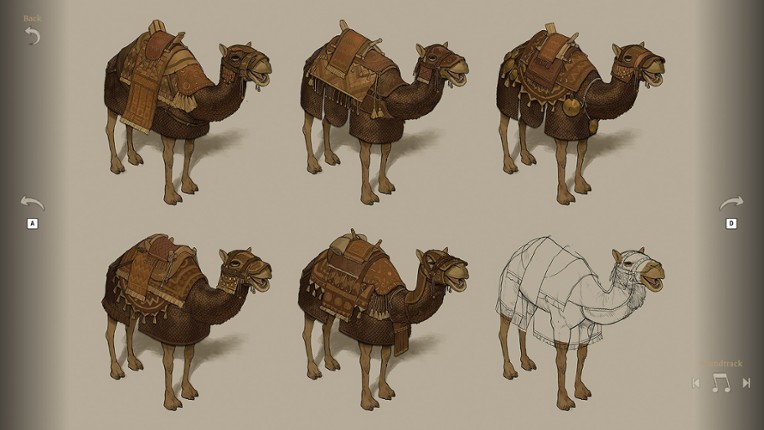
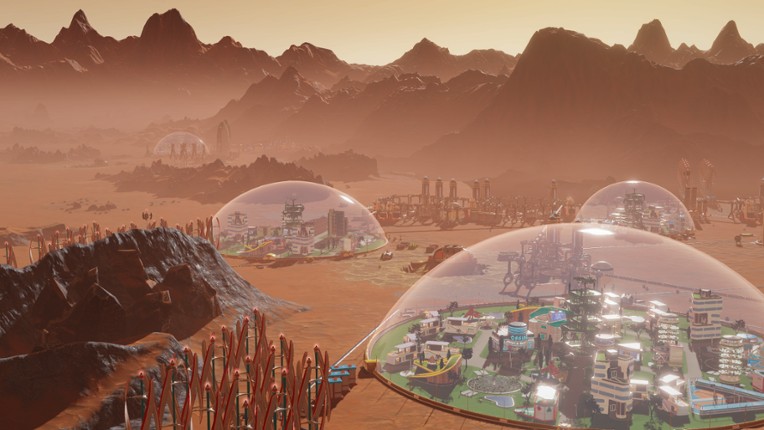
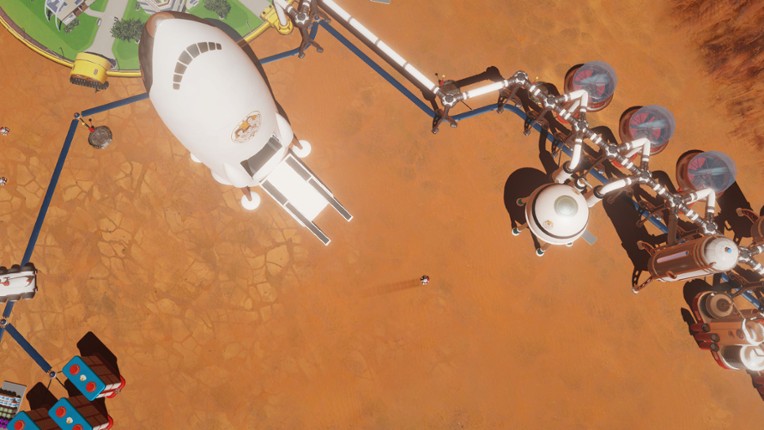
Mars colony builder that trades interstellar empire for survival-focused base construction, catering to players who enjoy resource management over diplomatic grand strategy.
If you enjoyed this game, see our list of games similar to Surviving Mars.View Game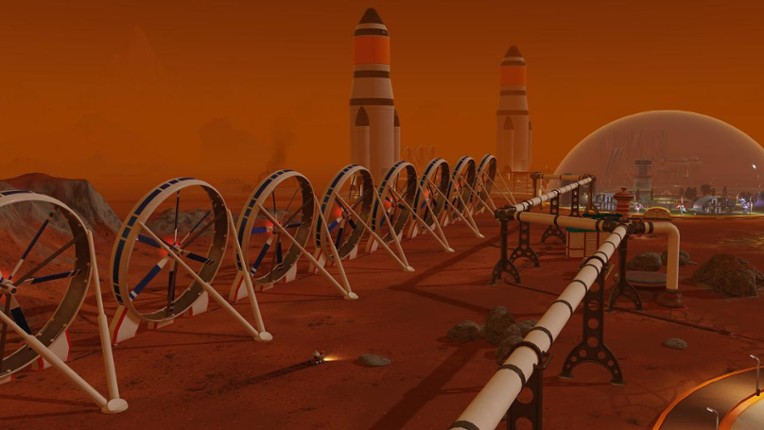
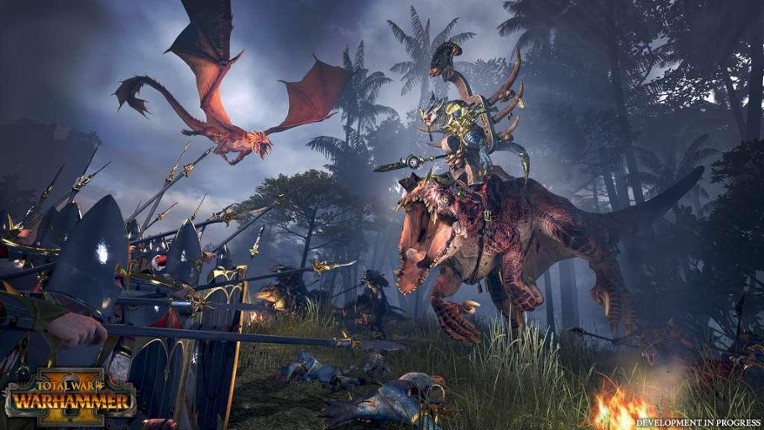
- 89%Game Brain ScoreMost mentioned positive aspects:gameplay, replayabilityMost mentioned negative aspects:stability, grinding94% User Score 48,035 reviewsCritic Score 84%27 reviews
Replaces Stellaris's space sandbox with fantasy wargaming, swapping diplomatic intrigue for tactical battlefield control across multiple factions.
If you enjoyed this game, see our list of games similar to Total War: WARHAMMER II.View Game

- 84%Game Brain ScoreMost mentioned positive aspects:gameplay, replayabilityMost mentioned negative aspects:graphics, stability87% User Score 1,788 reviewsCritic Score 70%1 reviews
Grounds grand strategy in Earth's history rather than alien frontiers, emphasizing political maneuvering and nation-building over exploration and space colonization.
If you enjoyed this game, see our list of games similar to Europa Universalis III.View Game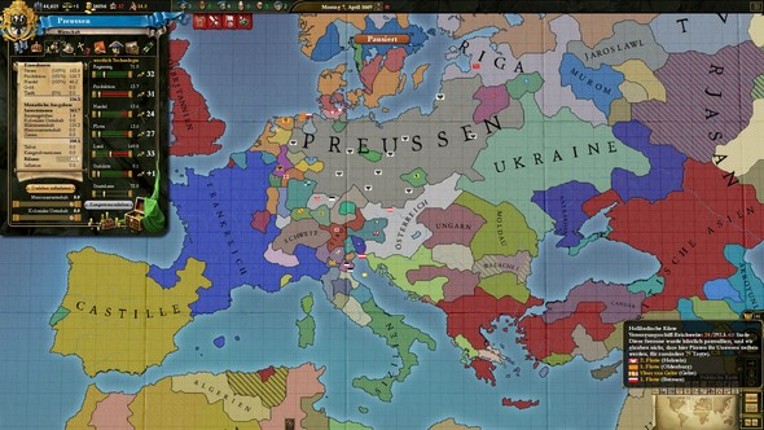
- 79%Game Brain ScoreMost mentioned positive aspects:gameplay, graphicsMost mentioned negative aspects:grinding, stability90% User Score 1,786 reviewsCritic Score 50%3 reviews
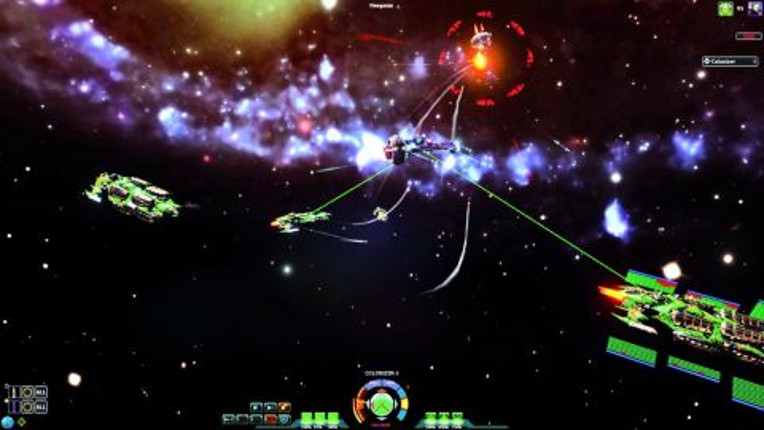
Keeps Stellaris's sci-fi economy and real-time combat but layers tower defense mechanics and asymmetrical AI opponents into the space warfare formula.
If you enjoyed this game, see our list of games similar to AI War 2.View Game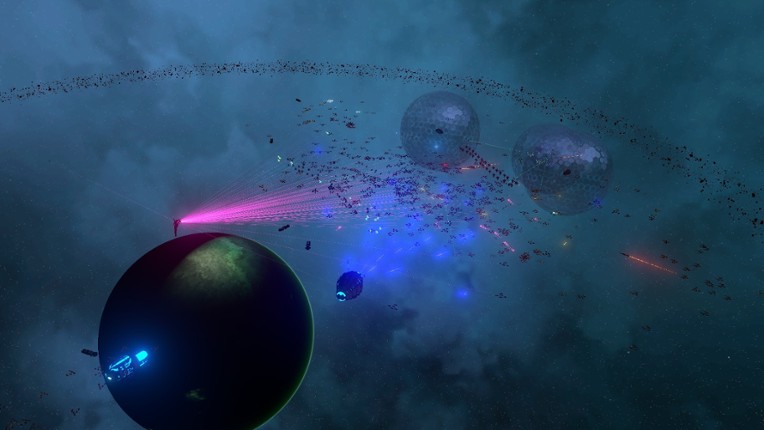
24 View Game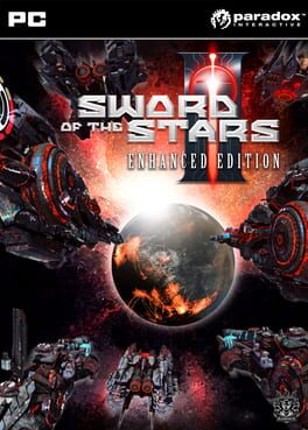 43%Game Brain ScoreMost mentioned positive aspects:gameplay, graphicsMost mentioned negative aspects:stability, optimization40% User Score 747 reviewsCritic Score 55%1 reviews
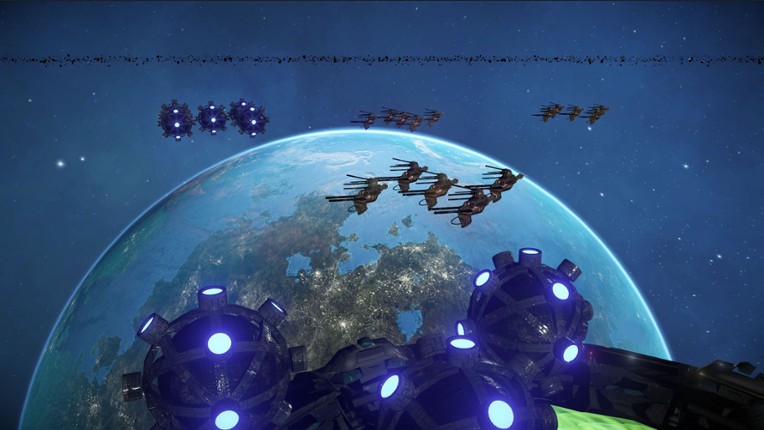
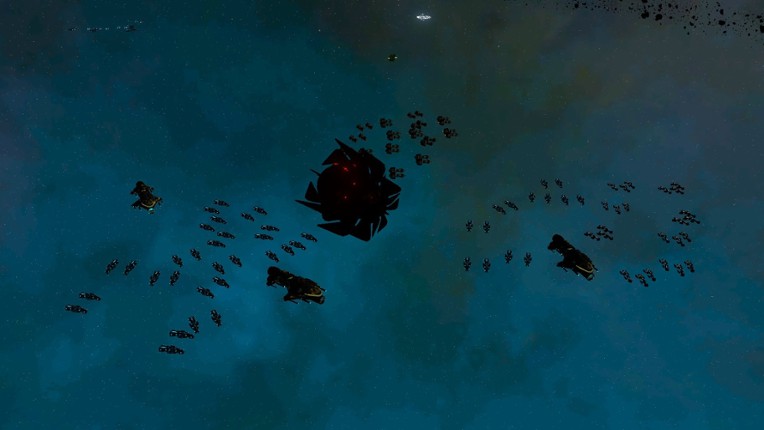
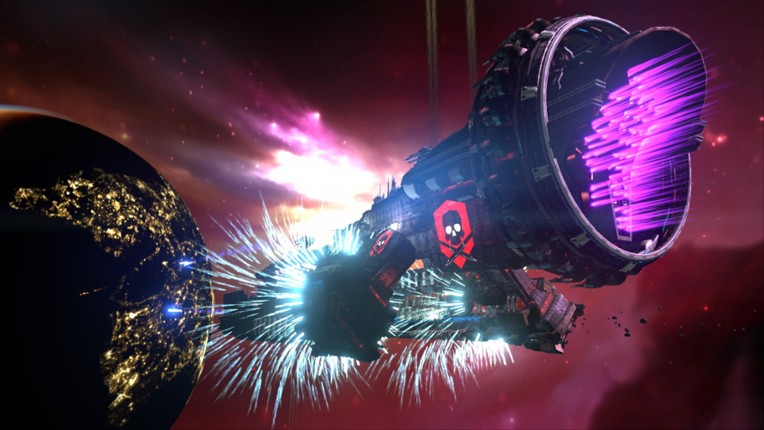
Trades Stellaris's real-time empire management for turn-based 4X space opera with deeper lore-building and ship customization focus.
If you enjoyed this game, see our list of games similar to Sword of the Stars II Steam Key GLOBAL.View Game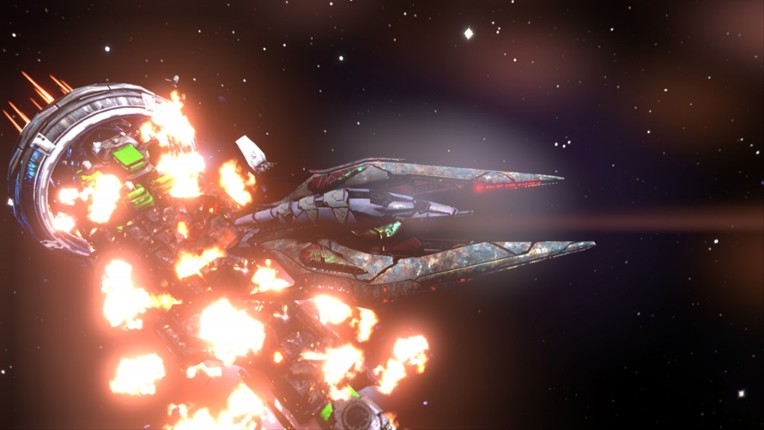
- 82%Game Brain ScoreMost mentioned positive aspects:gameplay, replayabilityMost mentioned negative aspects:graphics, grinding83% User Score 1,602 reviewsCritic Score 78%1 reviews
Offworld colonization meets wargame rigor: turn-based hex grid combat and alien warfare replace Stellaris's diplomatic breadth with tactical depth.
If you enjoyed this game, see our list of games similar to Shadow Empire.View Game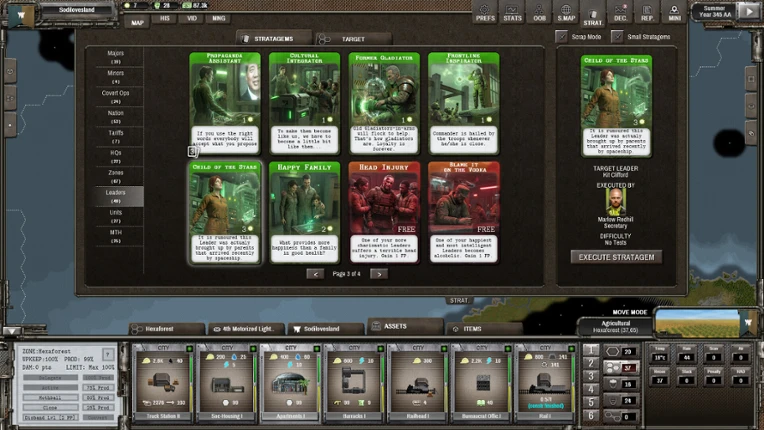
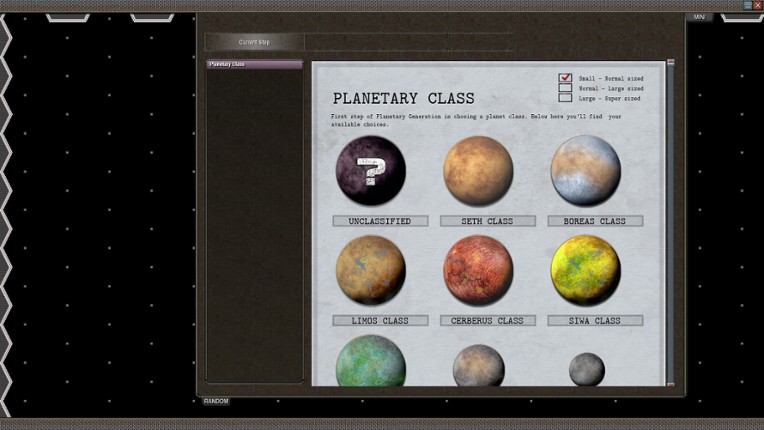
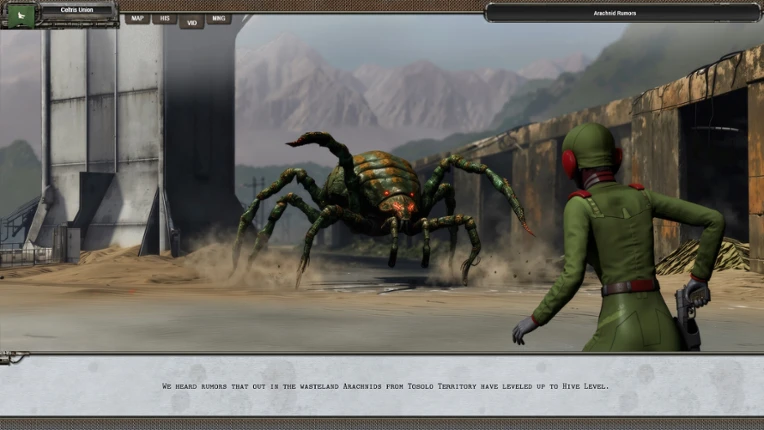
- 85%Game Brain ScoreMost mentioned positive aspects:story, gameplayMost mentioned negative aspects:optimization, stability85% User Score 59,932 reviews
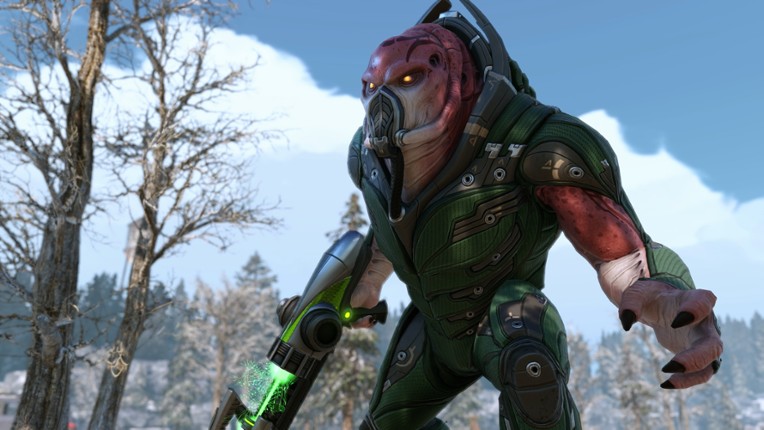
Narrows Stellaris's sprawling empire sim into focused squad-level sci-fi combat, sacrificing galactic scope for intimate tactical challenge and perma-death stakes.
If you enjoyed this game, see our list of games similar to XCOM 2.View Game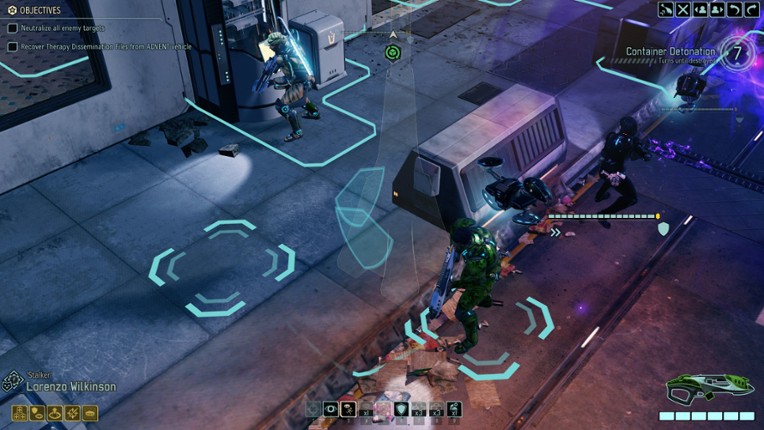
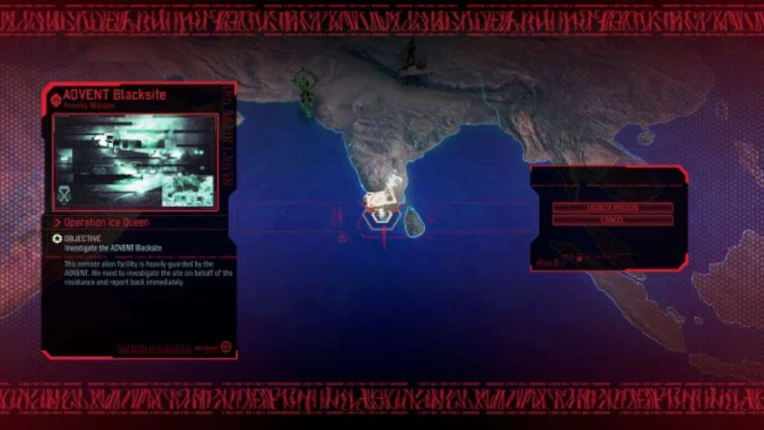
27 View Game 80%Game Brain ScoreMost mentioned positive aspects:gameplay, storyMost mentioned negative aspects:grinding, monetization80% User Score 8,981 reviews
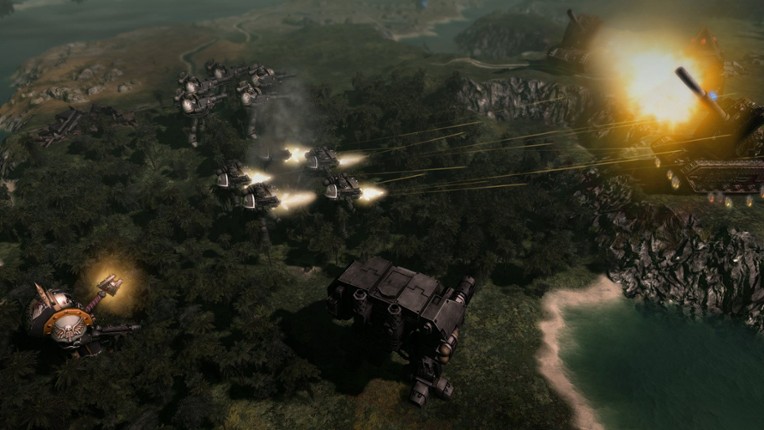
Warhammer 40K brutalism replaces Stellaris's diplomatic federations with faction-locked grimdark warfare on hex grids and brutal turn-based conflict.
If you enjoyed this game, see our list of games similar to Warhammer 40,000: Gladius - Relics of War.View Game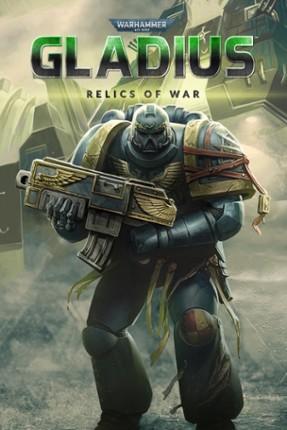
- 68%Game Brain ScoreMost mentioned positive aspects:gameplay, graphicsMost mentioned negative aspects:optimization, stability68% User Score 33,382 reviews
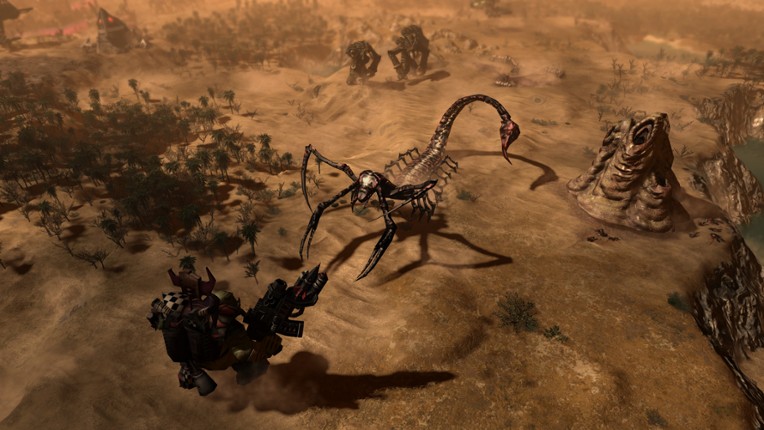
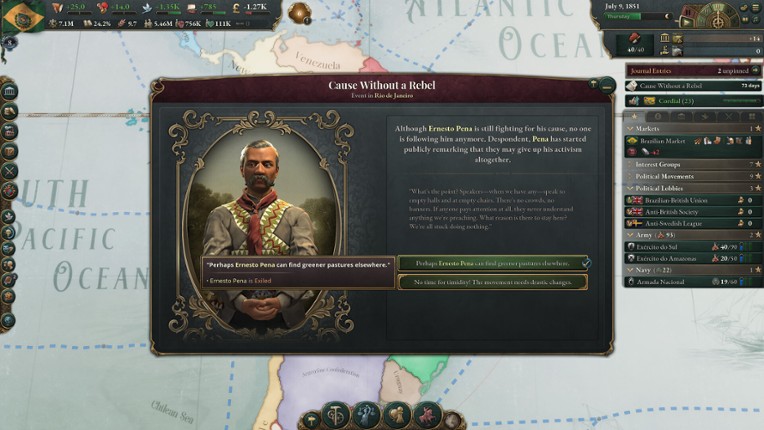
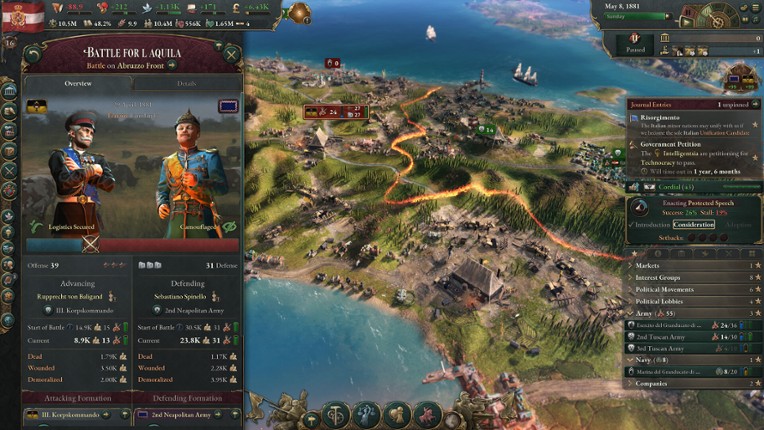
Transplants Stellaris's grand strategy and economic systems into 19th-century Earth, prioritizing resource capitalism and political internal management over space exploration.
If you enjoyed this game, see our list of games similar to Victoria 3.View Game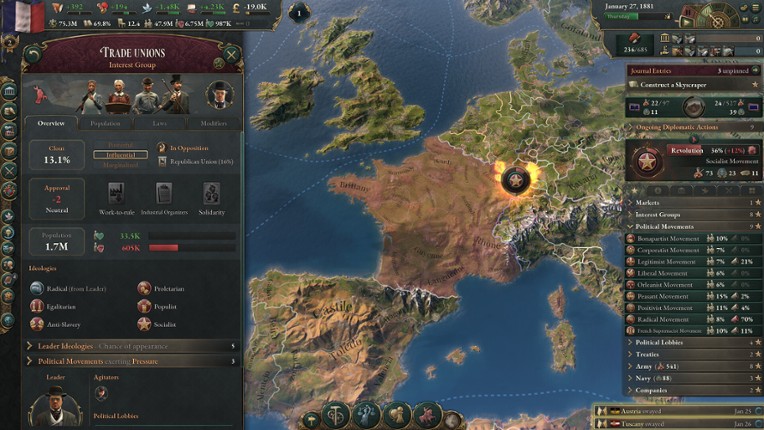
29 View Game 70%Game Brain ScoreMost mentioned positive aspects:gameplay, storyMost mentioned negative aspects:stability, grinding58% User Score 15,904 reviewsCritic Score 83%9 reviews
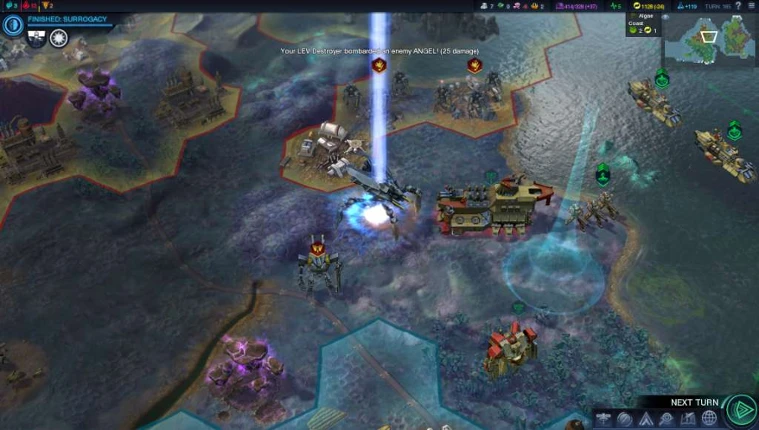
Stellaris's spiritual predecessor on an alien world: maintains exploration and sci-fi flavor but constrains scope to a single planet with hex-based settlement.
If you enjoyed this game, see our list of games similar to Sid Meier's Civilization: Beyond Earth.View Game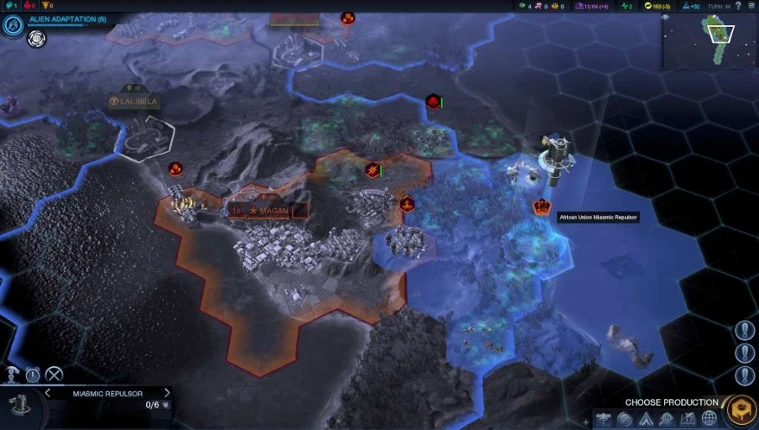
- 74%Game Brain ScoreMost mentioned positive aspects:gameplay, storyMost mentioned negative aspects:grinding, stability74% User Score 678 reviews
Indie take on space strategy that shrinks Stellaris into a single-player indie sandbox, trading empire scope for intimate merchant-and-diplomat roleplay with real-time hybrid systems.
If you enjoyed this game, see our list of games similar to The Last Federation.View Game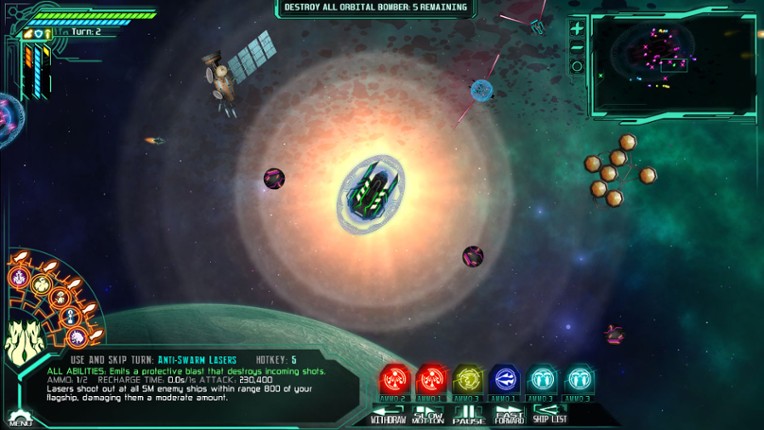
- 65%Game Brain ScoreMost mentioned positive aspects:gameplay, storyMost mentioned negative aspects:optimization, stability65% User Score 24,020 reviews
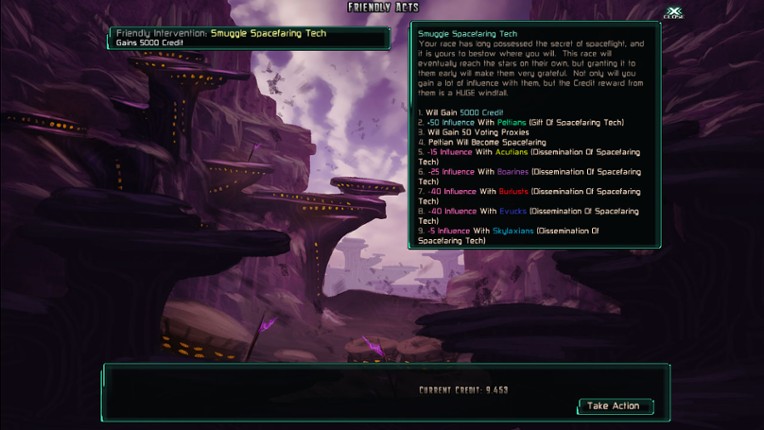
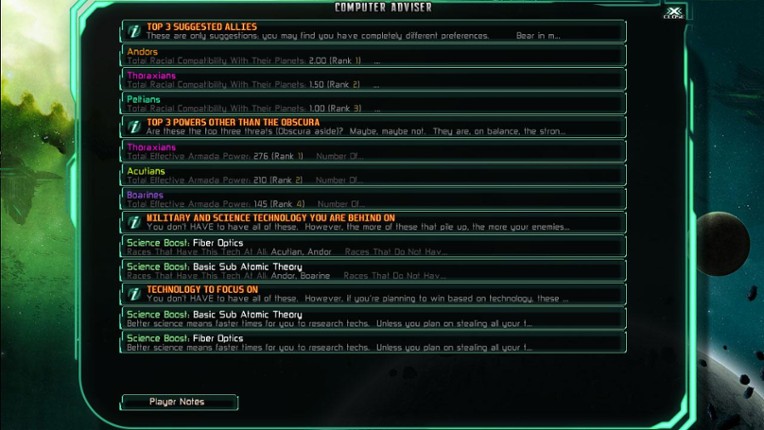
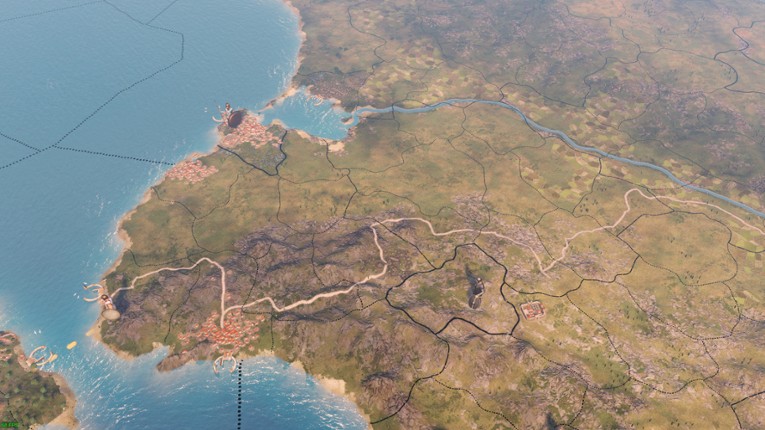
Exchanges galactic expansion for internal Roman politics and historical faction management, appealing to fans of deep bureaucratic strategy and lineage building.
If you enjoyed this game, see our list of games similar to Imperator: Rome.View Game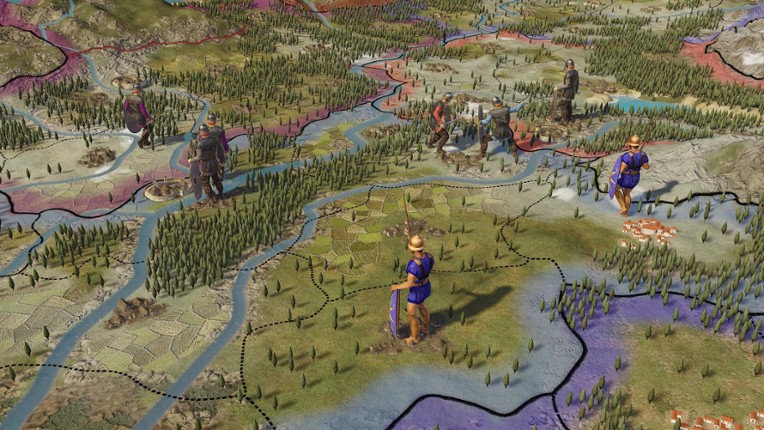
- 78%Game Brain ScoreMost mentioned positive aspects:graphics, gameplayMost mentioned negative aspects:grinding, optimization78% User Score 655 reviews
Simplifies the grand scope of space exploration into a streamlined turn-based experience, perfect for players seeking quicker, combat-focused sessions.
If you enjoyed this game, see our list of games similar to Stars in Shadow.View Game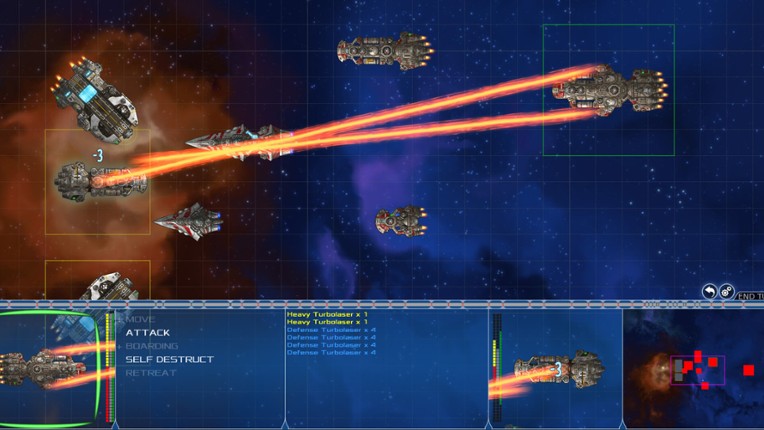

- 72%Game Brain ScoreMost mentioned positive aspects:gameplay, graphicsMost mentioned negative aspects:stability, optimization68% User Score 14,765 reviewsCritic Score 90%1 reviews
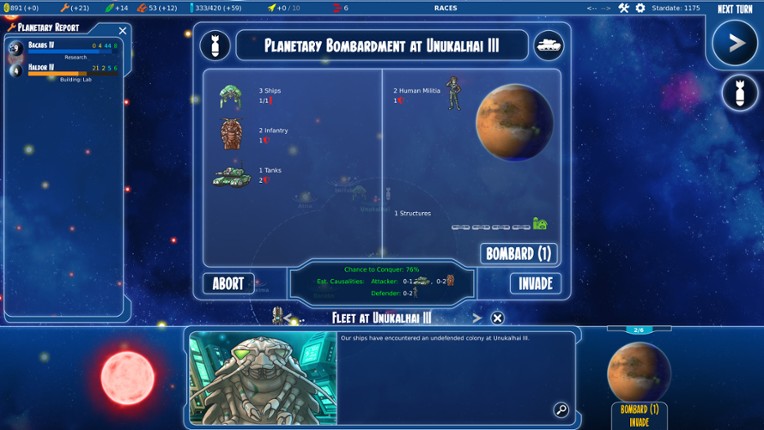
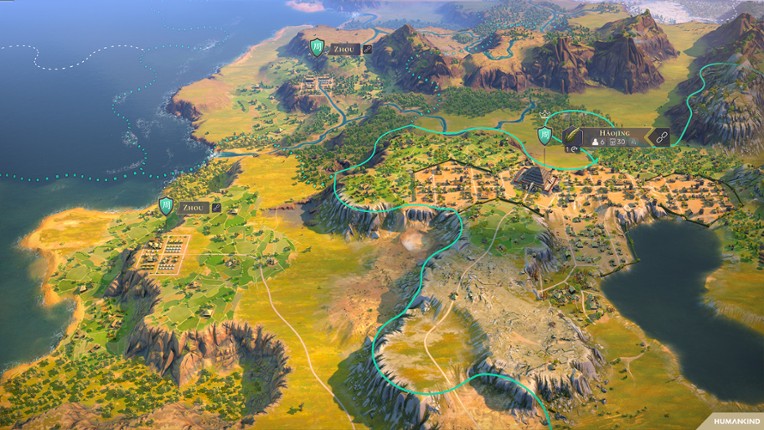
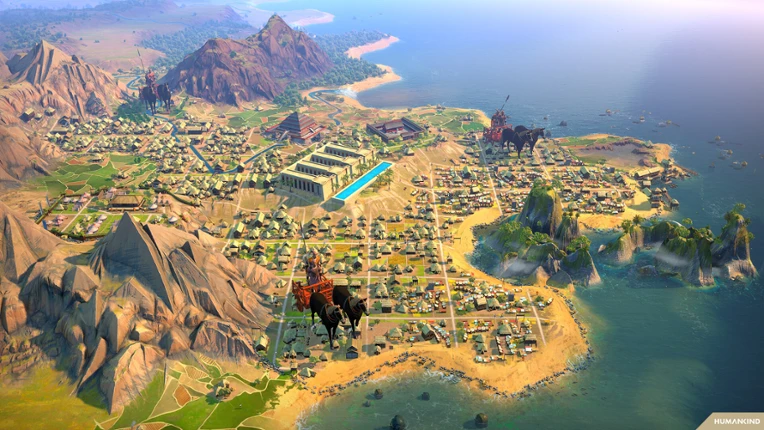
Replaces continuous real-time growth with a distinct era-based progression system that emphasizes cultural evolution over vast interstellar empire management.
If you enjoyed this game, see our list of games similar to HUMANKIND.View Game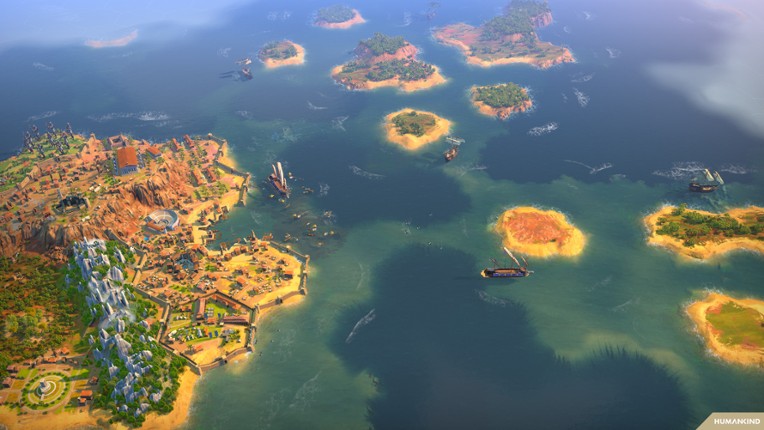
- 93%Game Brain ScoreMost mentioned positive aspects:gameplay, graphicsMost mentioned negative aspects:story, grinding92% User Score 2,405 reviewsCritic Score 95%3 reviews
Offers a classic turn-based alternative that favors ground-level historical development over sci-fi diplomacy and the vast unknown of deep space.
If you enjoyed this game, see our list of games similar to Sid Meier's Civilization IV.View Game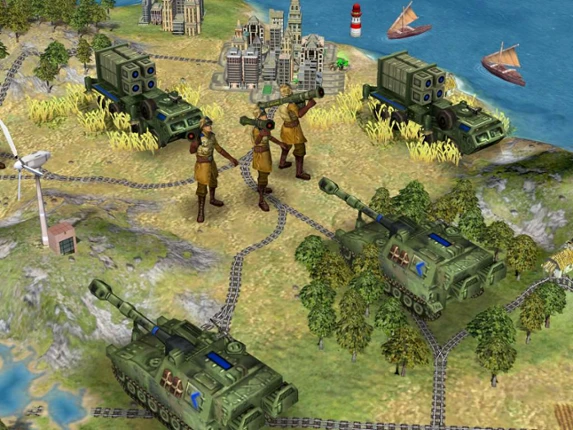
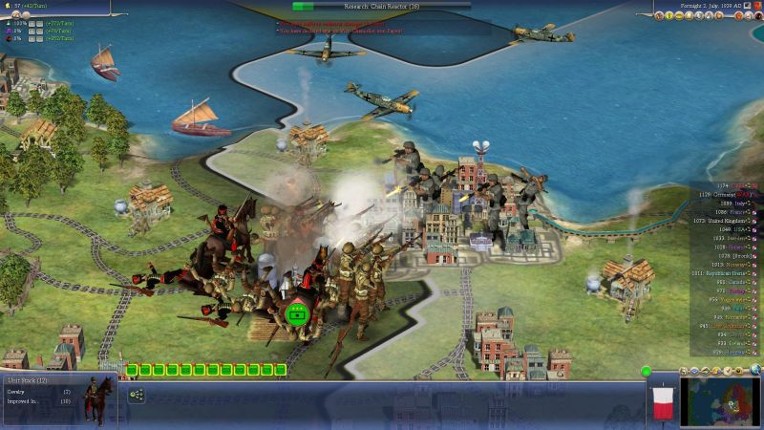
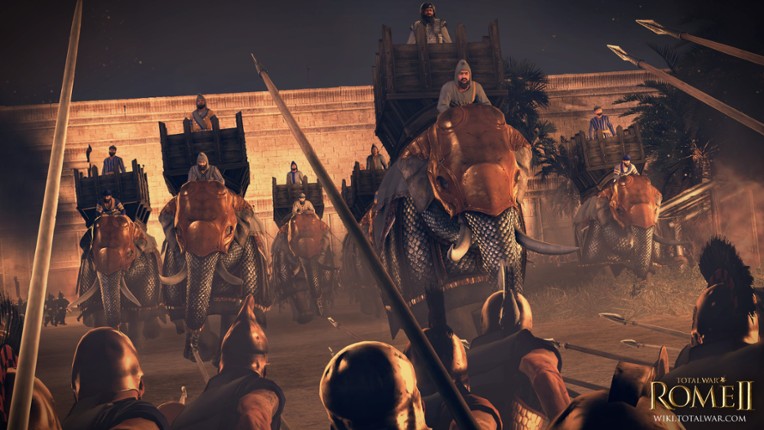
- 81%Game Brain ScoreMost mentioned positive aspects:graphics, gameplayMost mentioned negative aspects:stability, optimization85% User Score 47,120 reviewsCritic Score 74%5 reviews
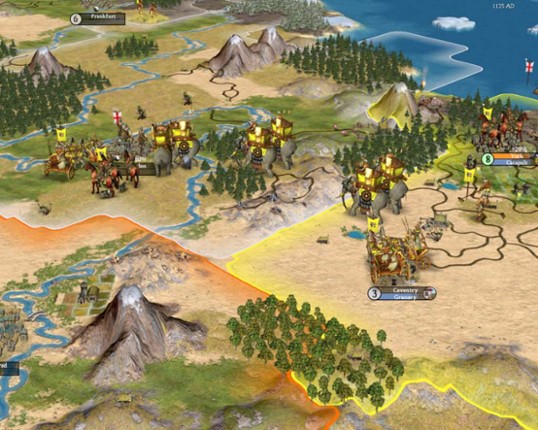
Shifts focus from orbital warfare to tactile battlefield command, providing an essential tactical outlet for those who find space combat too abstract.
If you enjoyed this game, see our list of games similar to Total War: Rome II.View Game
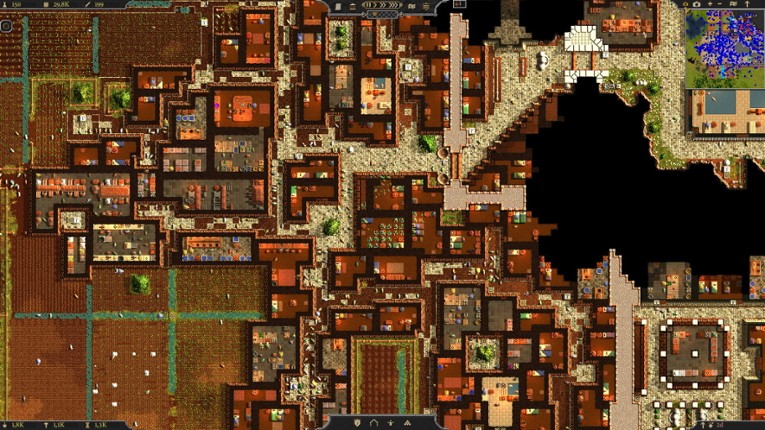
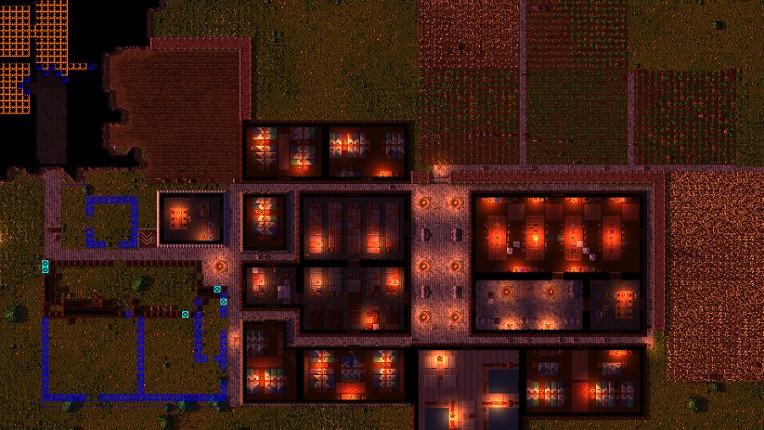
- 95%Game Brain ScoreMost mentioned positive aspects:gameplay, graphicsMost mentioned negative aspects:grinding, stability95% User Score 6,007 reviews
Focuses on massive-scale colony simulation and city management rather than diplomacy, offering a grittier approach to resource control and population survival.
If you enjoyed this game, see our list of games similar to Songs of Syx.View Game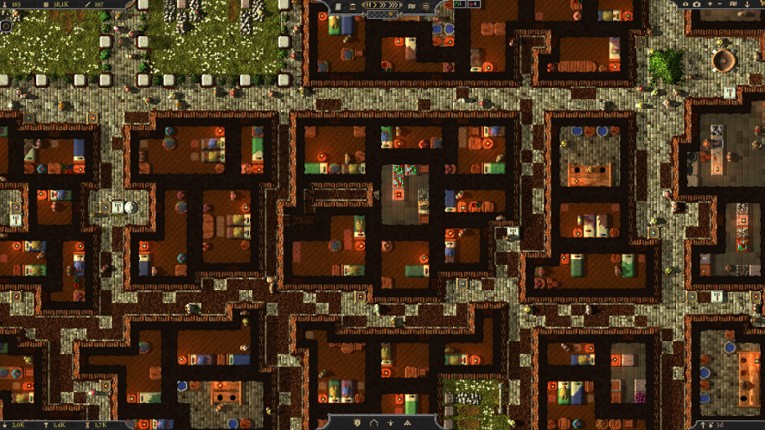
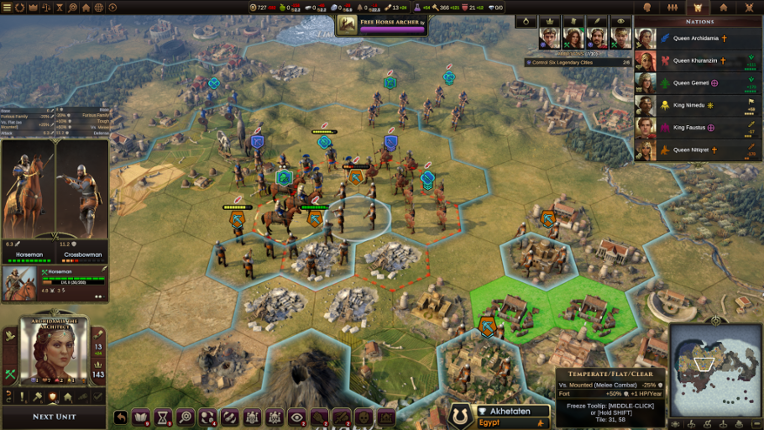
- 81%Game Brain ScoreMost mentioned positive aspects:gameplay, storyMost mentioned negative aspects:optimization, grinding84% User Score 4,254 reviewsCritic Score 75%4 reviews
Blends dynasty management with turn-based strategy, shifting the emphasis from anonymous empire populations to the legacy of specific individual rulers.
If you enjoyed this game, see our list of games similar to Old World.View Game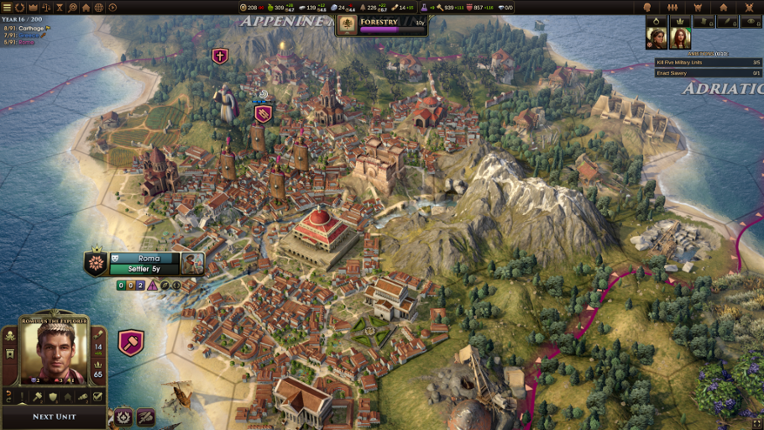
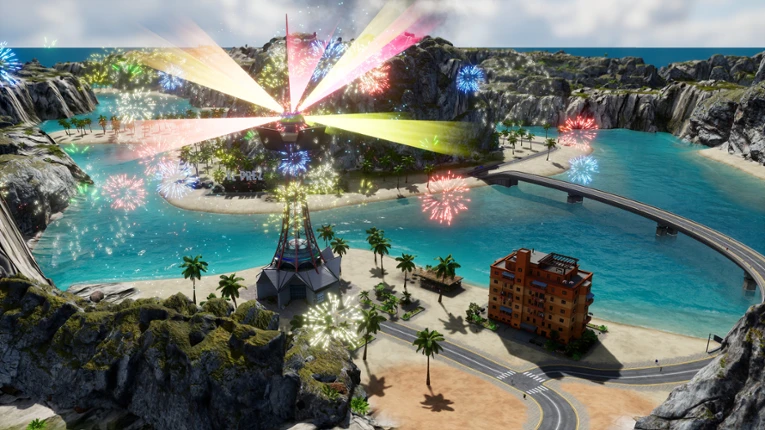
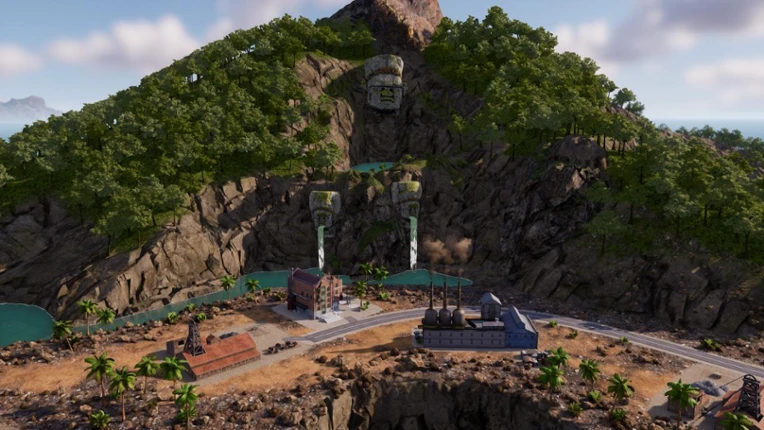
- 86%Game Brain ScoreMost mentioned positive aspects:story, gameplayMost mentioned negative aspects:stability, grinding87% User Score 17,532 reviewsCritic Score 80%1 reviews
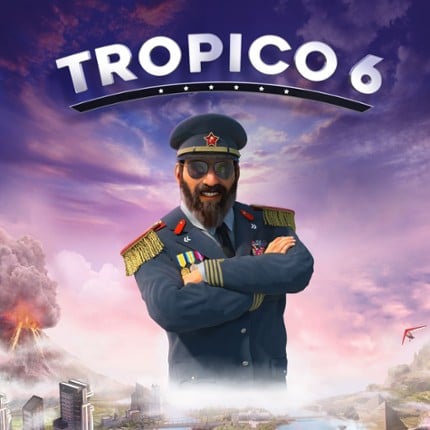
Prioritizes satirical island management and supply chain logistics over the broader cosmic scale, serving those who prefer focused, humorous resource simulation.
If you enjoyed this game, see our list of games similar to Tropico 6.View Game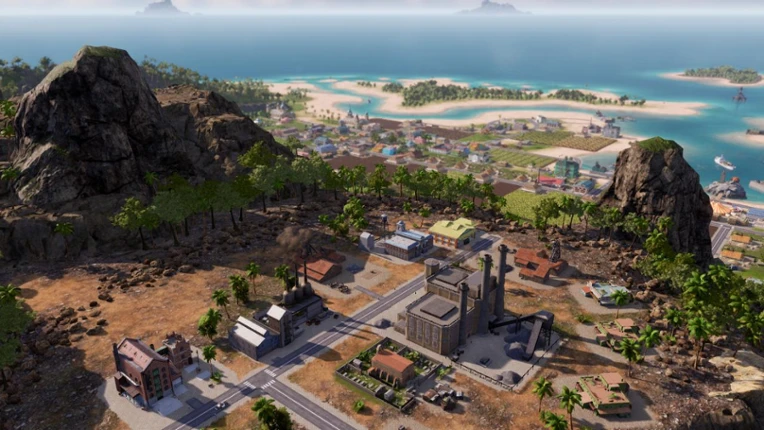
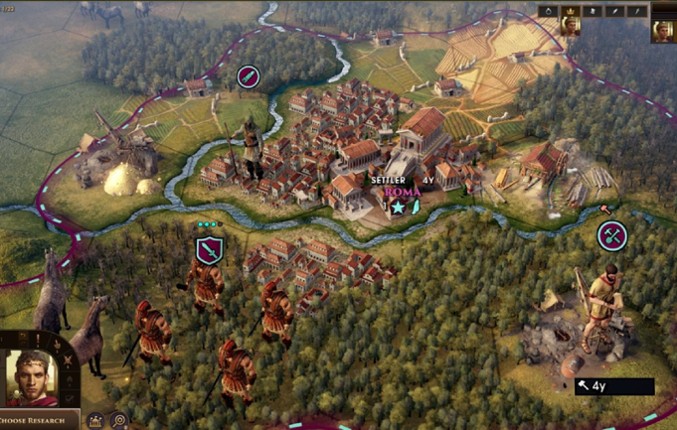
- 68%Game Brain ScoreMost mentioned positive aspects:gameplay, replayabilityMost mentioned negative aspects:graphics, optimization69% User Score 3,194 reviewsCritic Score 66%5 reviews
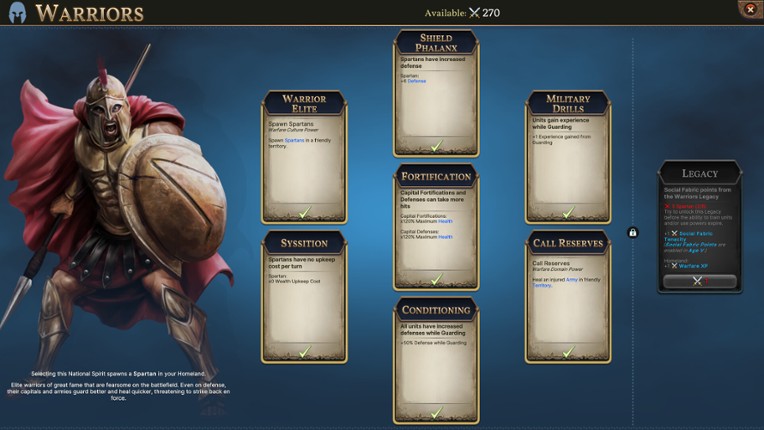
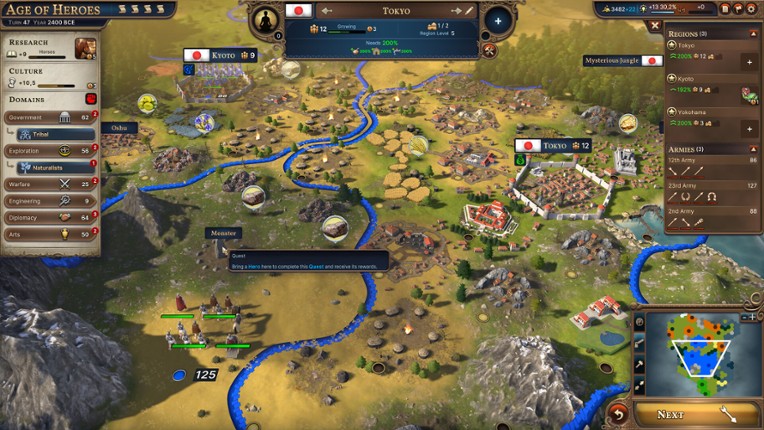
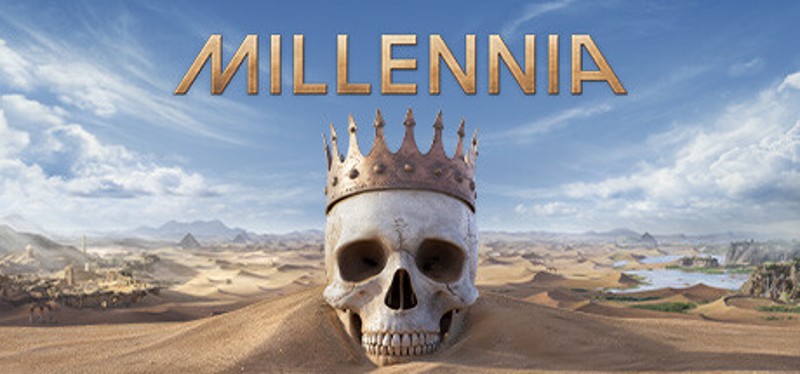
Provides a looser historical parallel that experiments with non-linear crisis events across time, offering a different take on traditional turn-based empire building.
If you enjoyed this game, see our list of games similar to Millennia.View Game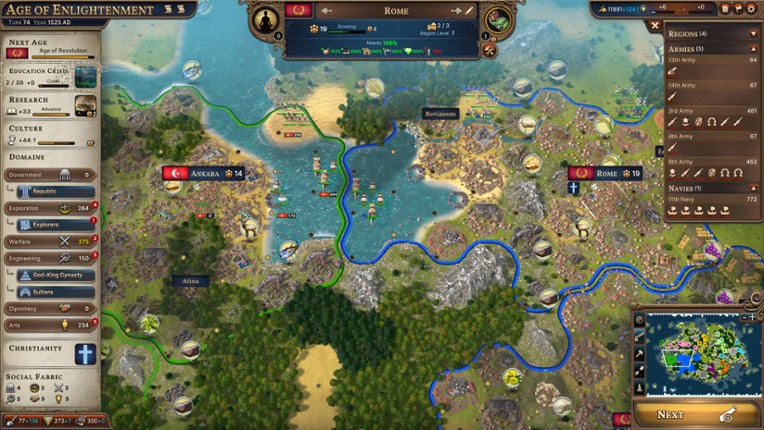
- 82%Game Brain ScoreMost mentioned positive aspects:gameplay, storyMost mentioned negative aspects:stability, grinding84% User Score 29,428 reviewsCritic Score 70%1 reviews
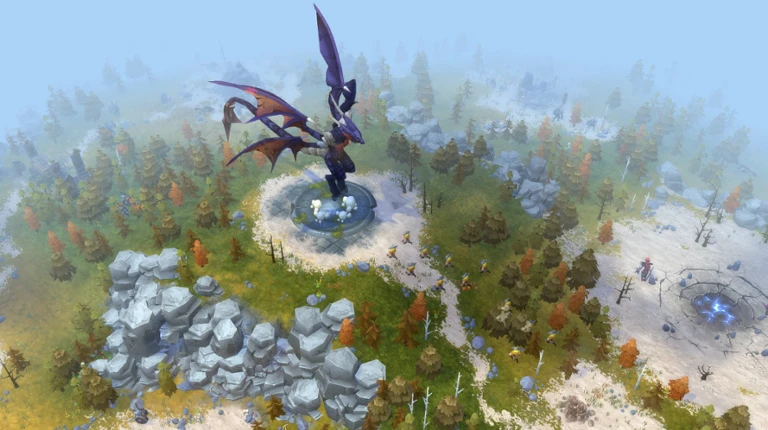
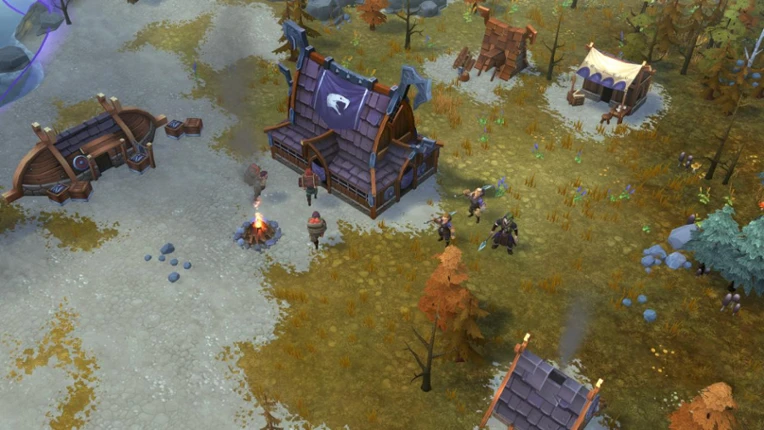
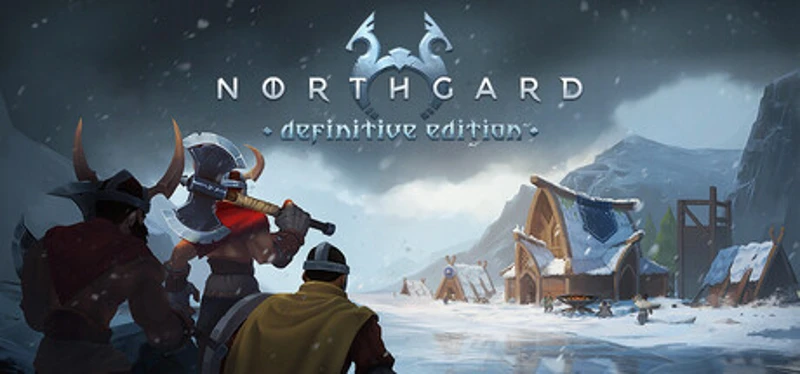
Delivers a more intimate, fast-paced RTS experience that concentrates on Viking clan survival rather than massive, drawn-out galactic political maneuvering.
If you enjoyed this game, see our list of games similar to Northgard.View Game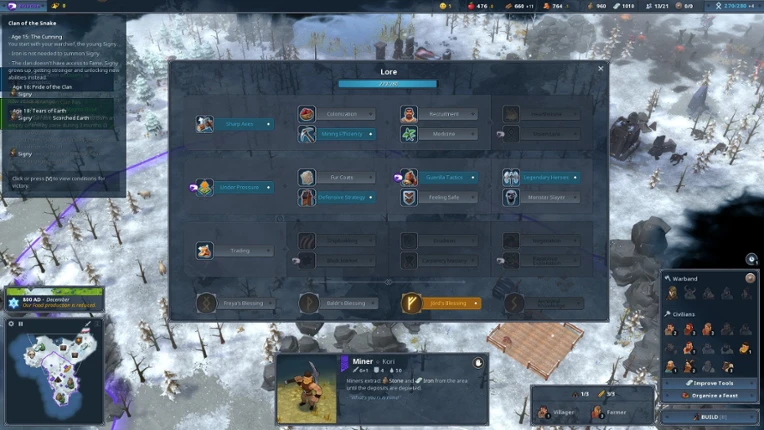
41 View Game 89%Game Brain ScoreMost mentioned positive aspects:gameplay, graphicsMost mentioned negative aspects:story, stability89% User Score 610 reviews
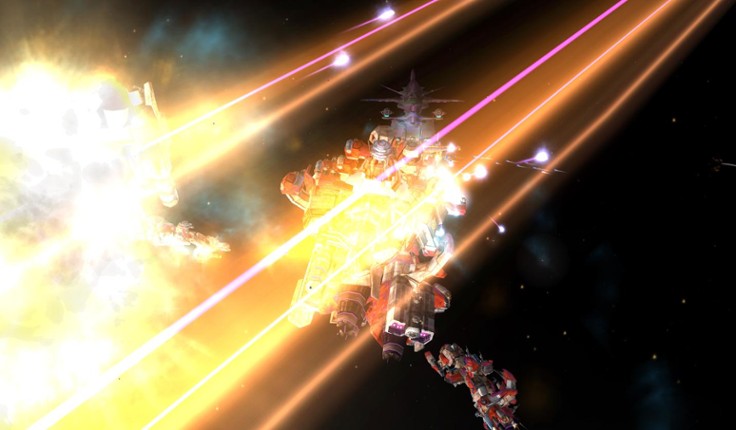
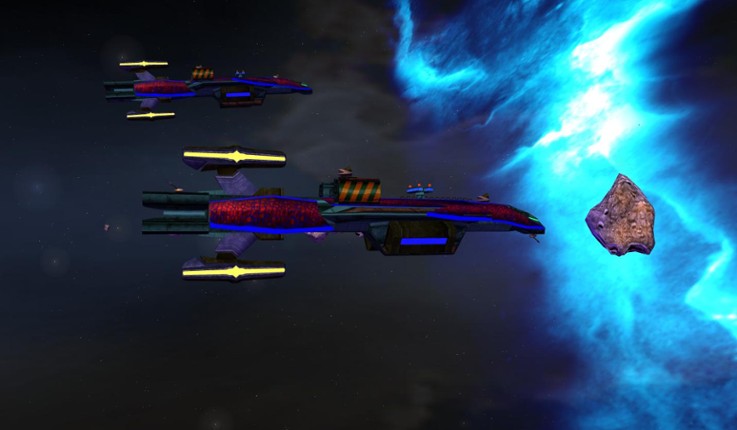
Swaps Stellaris's real-time empire-building for a slower, ship-focused 4X campaign, best for players who want tactical space wars and multiplayer rivalries.
If you enjoyed this game, see our list of games similar to Sword of the Stars Complete Collection.View Game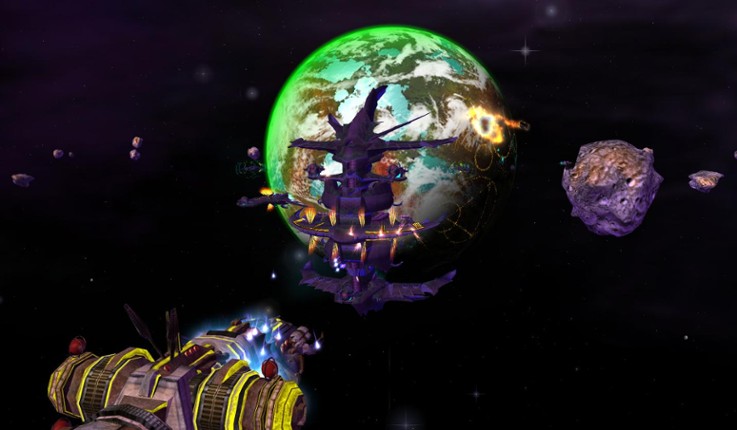
- 90%Game Brain ScoreMost mentioned positive aspects:gameplay, graphicsMost mentioned negative aspects:stability, story93% User Score 11,075 reviewsCritic Score 76%1 reviews
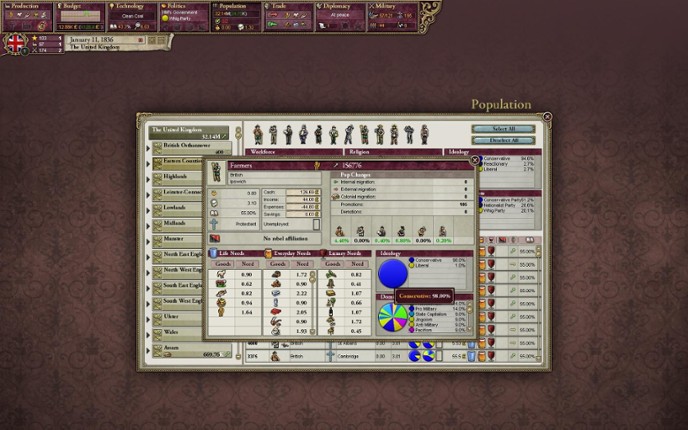
For strategy fans who enjoy Stellaris's politics and economics, this shifts the spotlight to nineteenth-century nation management and historical power struggles.
If you enjoyed this game, see our list of games similar to Victoria II.View Game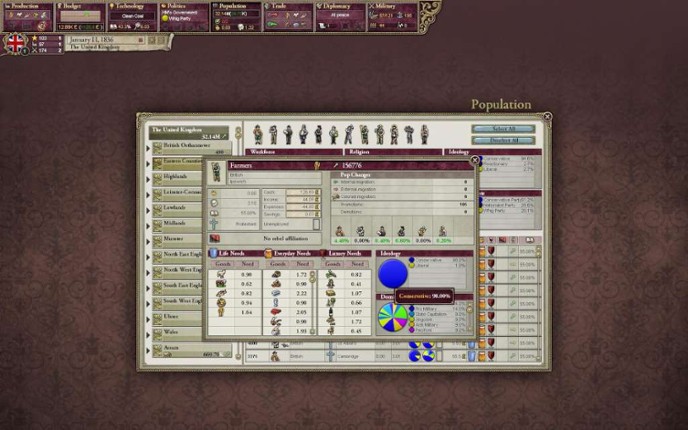

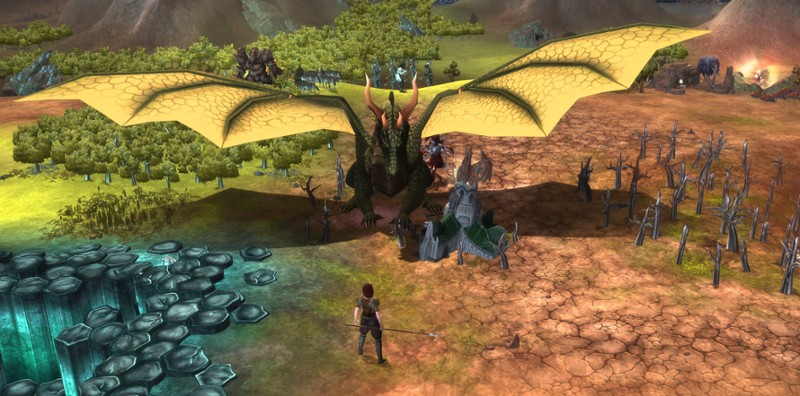
43 View Game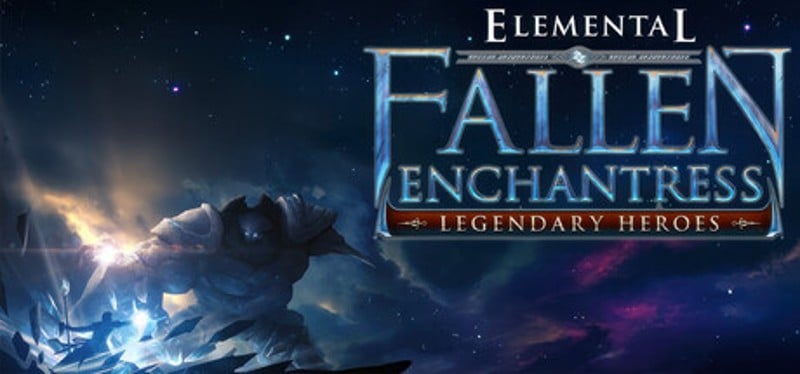 80%Game Brain ScoreMost mentioned positive aspects:story, gameplayMost mentioned negative aspects:stability, optimization79% User Score 2,448 reviewsCritic Score 85%1 reviews
Keeps Stellaris's grand-strategy sense of expansion but trades space empires for fantasy kingdoms, heroes, and tactical turn-based battles.
If you enjoyed this game, see our list of games similar to Fallen Enchantress: Legendary Heroes.View Game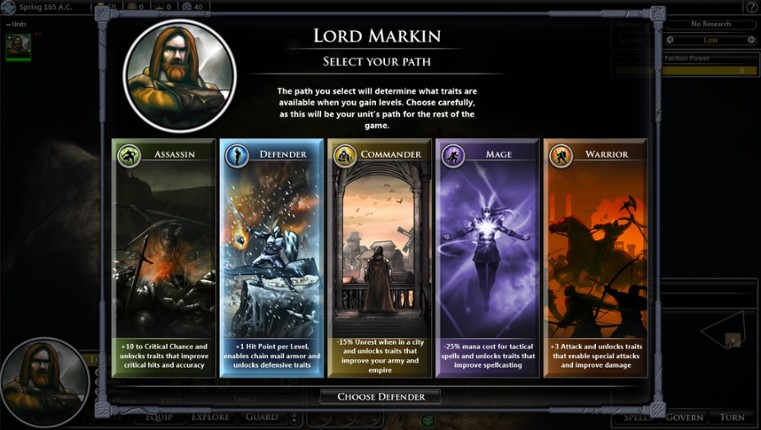

- 82%Game Brain ScoreMost mentioned positive aspects:gameplay, graphicsMost mentioned negative aspects:grinding, story82% User Score 1,092 reviews
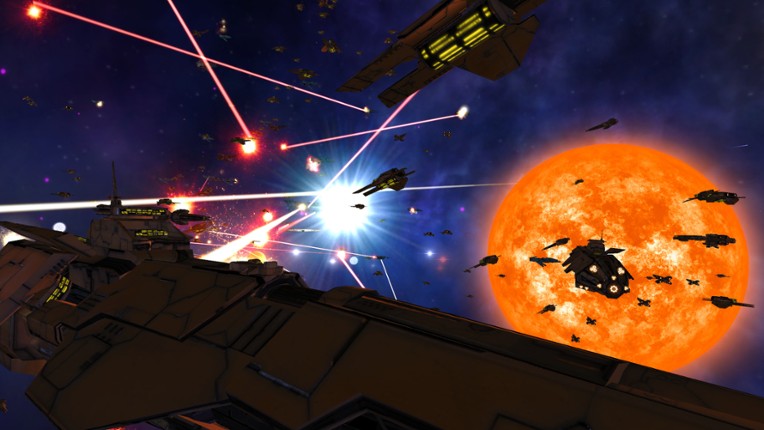
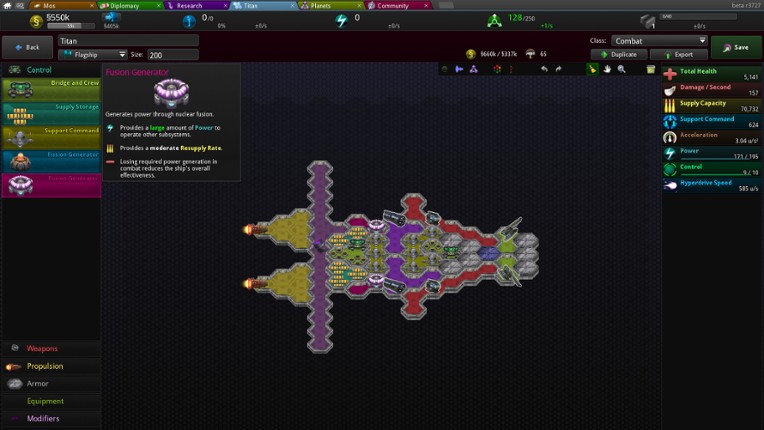
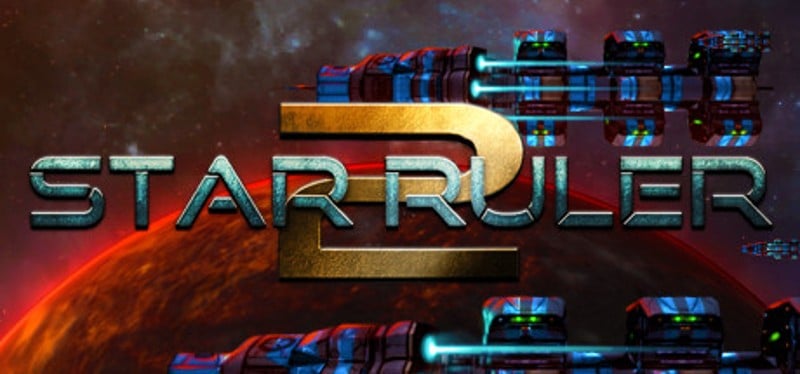
If Stellaris's best part is building a galaxy-wide economy, this offers a denser 4X sandbox centered on star systems and fleet design.
If you enjoyed this game, see our list of games similar to Star Ruler 2.View Game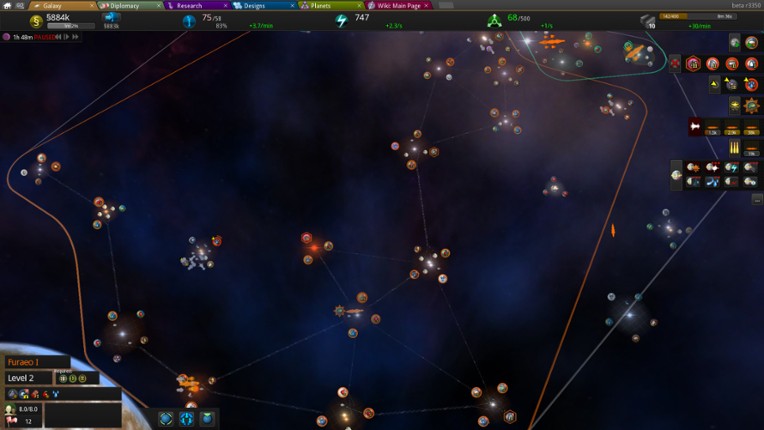
- 80%Game Brain ScoreMost mentioned positive aspects:gameplay, graphicsMost mentioned negative aspects:stability, grinding80% User Score 14,636 reviewsCritic Score 81%23 reviews
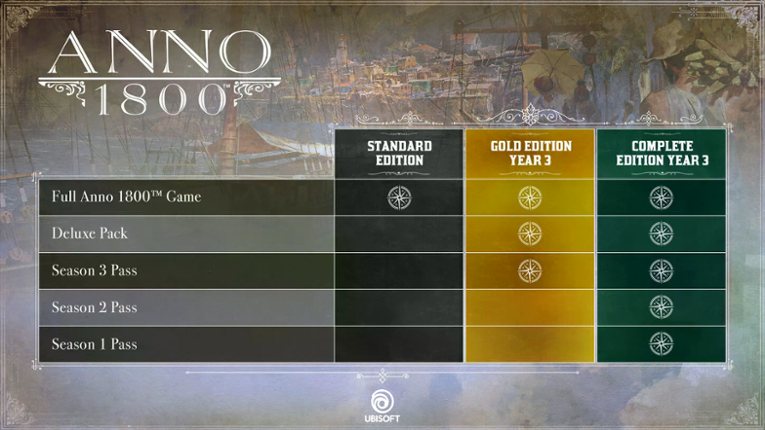
For players who enjoy Stellaris's trading and macro-planning, this swaps galaxies for bustling industrial islands and a far more hands-on production chain.
If you enjoyed this game, see our list of games similar to Anno 1800.View Game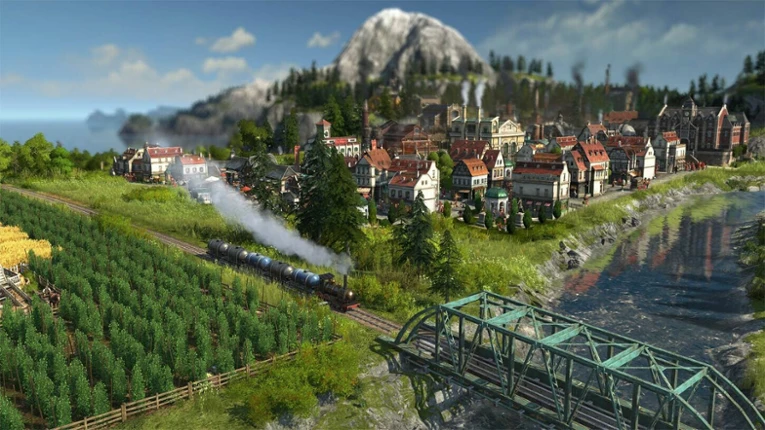
- 75%Game Brain ScoreMost mentioned positive aspects:story, gameplayMost mentioned negative aspects:grinding, optimization78% User Score 149,300 reviewsCritic Score 71%47 reviews
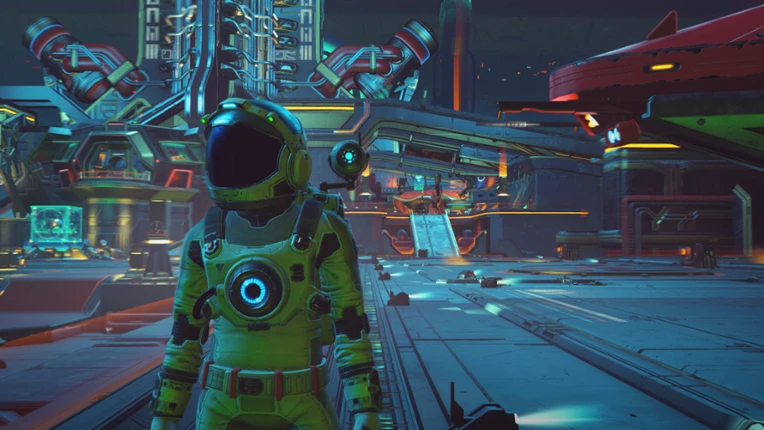
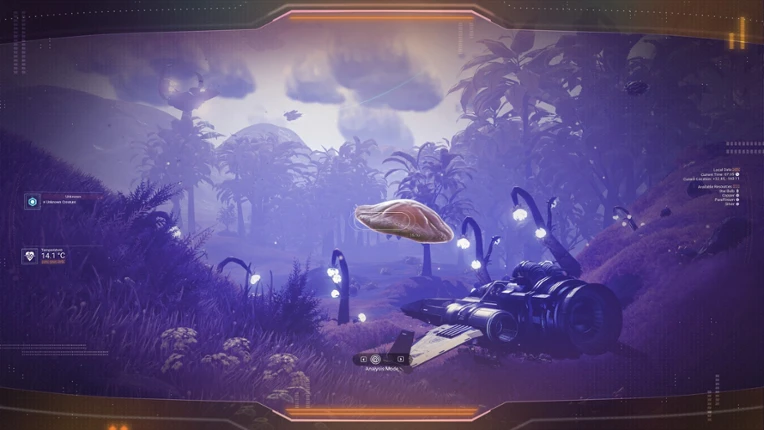
This keeps Stellaris's sense of exploration but drops grand strategy for a first-person survival sandbox about wandering, building, and discovering.
If you enjoyed this game, see our list of games similar to No Man's Sky.View Game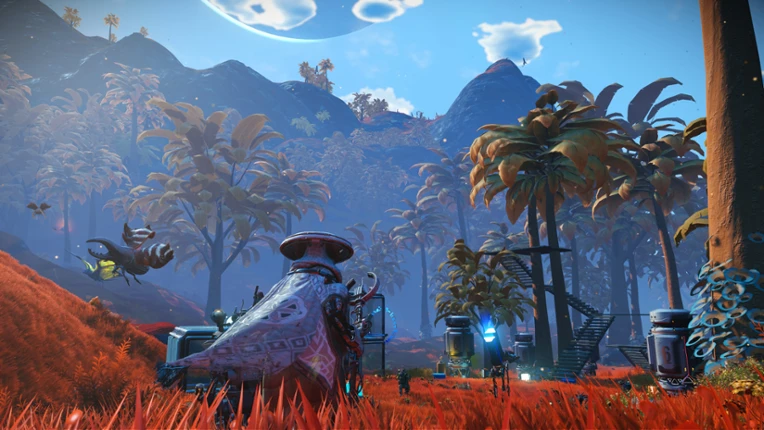
- 93%Game Brain ScoreMost mentioned positive aspects:gameplay, storyMost mentioned negative aspects:music, stability93% User Score 1,270 reviews
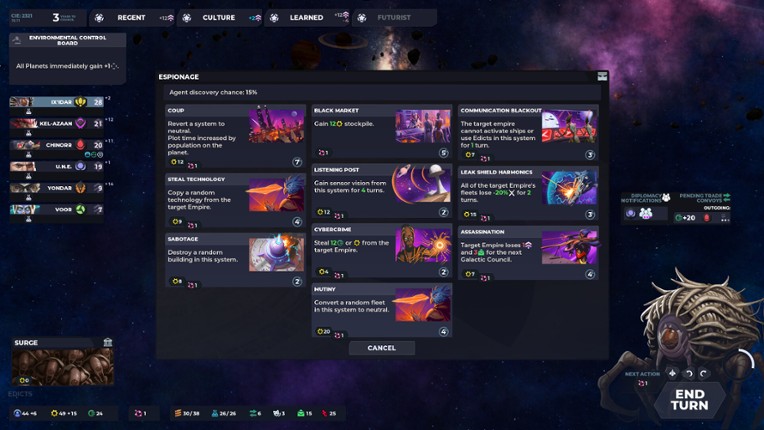
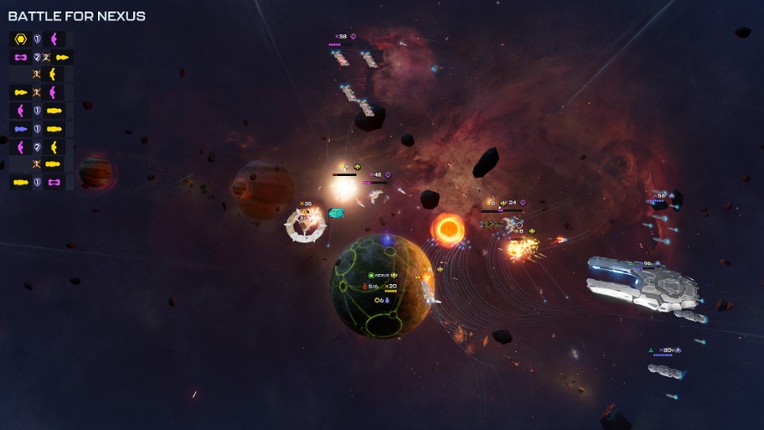
Fans of Stellaris's diplomacy and 4X tension will find a board-game-style space conquest that is more abstract, turn-based, and tabletop-like.
If you enjoyed this game, see our list of games similar to Nexus 5X.View Game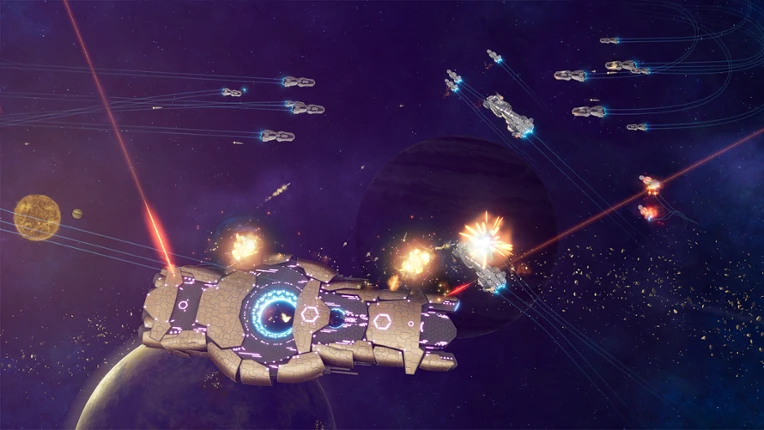
- 89%Game Brain ScoreMost mentioned positive aspects:gameplay, graphicsMost mentioned negative aspects:optimization, stability89% User Score 85,786 reviews
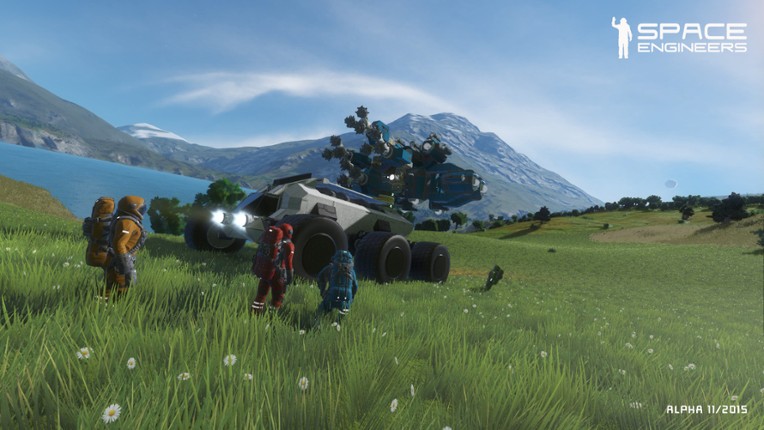
Rather than ruling a galaxy from above, this hands you the tools to physically build and pilot ships, stations, and settlements in space.
If you enjoyed this game, see our list of games similar to Space Engineers.View Game
- 84%Game Brain ScoreMost mentioned positive aspects:gameplay, storyMost mentioned negative aspects:stability, grinding89% User Score 32,482 reviewsCritic Score 79%30 reviews
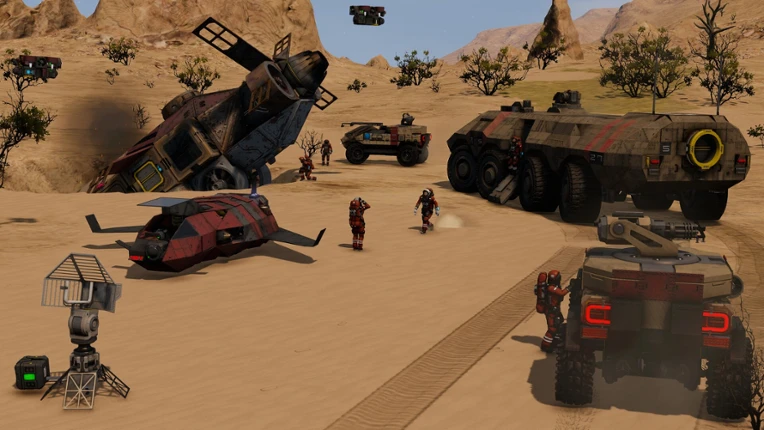
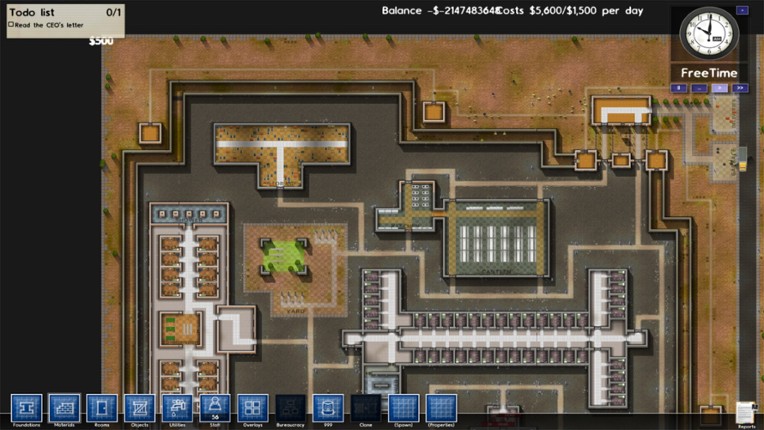
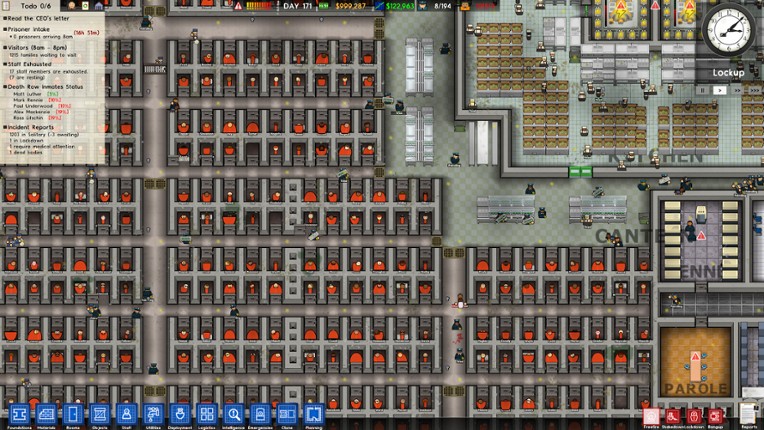
It shares Stellaris's management appeal only loosely, replacing interstellar politics with designing and running a prison full of logistical problems.
If you enjoyed this game, see our list of games similar to Prison Architect.View Game
- 90%Game Brain ScoreMost mentioned positive aspects:gameplay, storyMost mentioned negative aspects:grinding, stability90% User Score 14,354 reviews
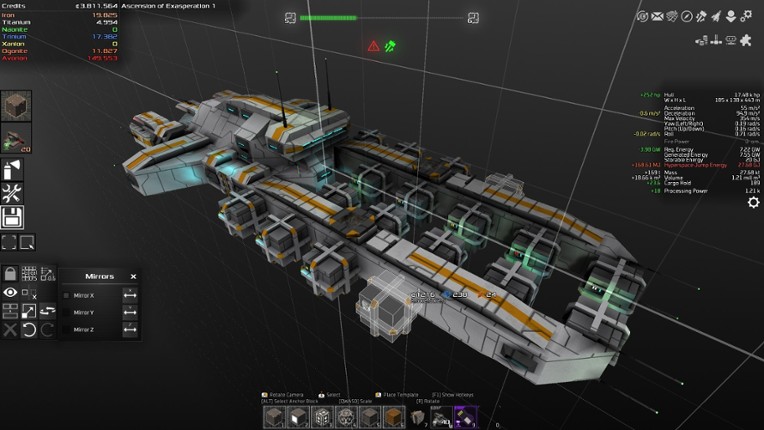
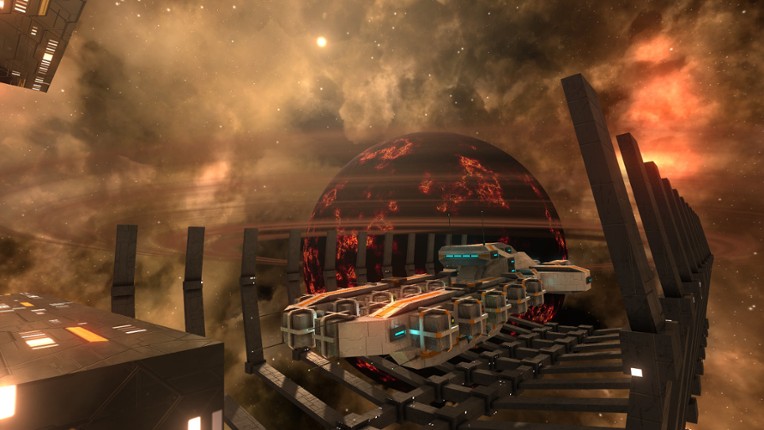
For Stellaris players who want to live inside their empire, this replaces map-level command with a more tactile, mod-friendly spaceship sandbox.
If you enjoyed this game, see our list of games similar to Avorion.View Game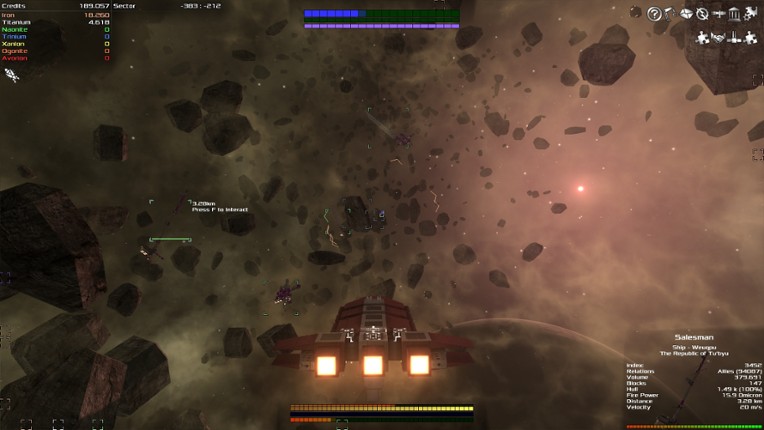


 View Game























Frequently Asked Questions
Europa Universalis IV and Crusader Kings III offer similarly deep grand strategy with complex diplomacy and military systems. Endless Space 2 provides the same space-based 4X experience with stunning visuals and faction diversity. All three deliver near-infinite replayability through emergent player-driven stories and extensive modding communities.
Endless Space 2 excels with gorgeous artwork and faction-specific soundtracks that rival Stellaris's atmospheric design. Galactic Civilizations III combines beautiful 3D visuals with rich lore and emotional storytelling. Both maintain the space 4X gameplay while delivering superior audio-visual polish.
Europa Universalis IV and Crusader Kings III both support extensive multiplayer modes with online co-op for shared campaigns. Distant Worlds: Universe allows flexible co-op experiences through its automation systems. All three let friends collaborate or compete across grand strategy campaigns.
Endless Space offers excellent value as an indie title with deep 4X mechanics and customizable ship design. Galactic Civilizations III frequently discounts heavily during sales. Both provide rich space strategy experiences without Stellaris's ongoing monetization concerns, though they're not entirely free.
Distant Worlds: Universe blends real-time combat with grand strategy through its private economy system and ship customization. Terra Invicta combines real-time 3D space combat with turn-based geopolitical management. Both deliver tactical depth beyond Stellaris's pause-based approach.
Crusader Kings III generates hilarious emergent stories through character-driven mechanics and dynamic events. Galactic Civilizations III matches Stellaris's wit with tongue-in-cheek lore and diverse factions. Both offer substantially different experiences per playthrough due to complex systems and AI personality variations.