


Games like Omori
If you've just finished Omori and you're sitting with that particular ache it leaves behind, you're not alone — and you're definitely not done. Games like Omori occupy a very specific corner of the RPG world: turn-based combat wrapped around a deeply psychological narrative, hand-drawn pixel art, and a soundtrack that does half the emotional heavy lifting. The good news is that several games hit that same nerve, and this list will point you straight to them.
What makes Omori so hard to replace is its layered identity. On the surface it's a party-based JRPG with colorful visuals and classic turn-based battles. Underneath, it's a slow-burn psychological horror story about memory, grief, and the ways we protect ourselves from painful truths. Players keep coming back for the emotional depth, the multiple endings, the atmosphere that shifts from charming to genuinely unsettling, and a story that rewards careful attention. That's a very specific cocktail — and it's exactly what the best alternatives serve.
What Makes a Good Alternative to Omori?
- Story-driven emotional depth — Omori's greatest strength is a narrative that hits hard and lingers. The best alternatives use their stories to explore grief, mental health, or identity in ways that feel personal rather than decorative.
- Psychological horror woven into the tone — Not jump-scare horror, but the creeping, unsettling kind that recontextualizes everything you thought you understood. This tonal shift is central to Omori's impact.
- Turn-based or party-based combat with meaning — The combat in Omori isn't filler; it reflects the story's emotional state. Alternatives that tie their mechanics to their themes deliver the same satisfying coherence.
- Pixel art or hand-drawn visuals with a strong aesthetic identity — Omori's art style is inseparable from its atmosphere. Games with a deliberate, expressive visual language carry that same sense of a crafted world.
- A standout original soundtrack — Music is a core mechanic in Omori, not background noise. The strongest alternatives use their soundtracks to shape mood and memory in equally deliberate ways.
Top Picks If You Enjoyed Omori
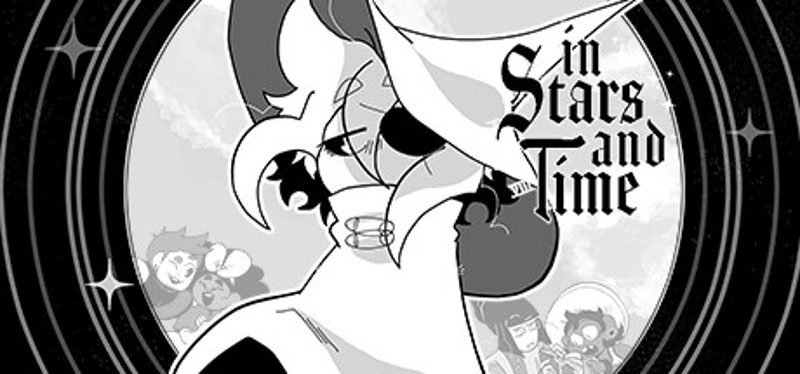
In Stars And Time is the closest match — time loop mechanics meet genuine emotional gut-punches. LISA: The UNDONE nails the dark humor and party-based JRPG structure. Rakuen delivers on themes of loss and hope with gorgeous pixel art. Until Then offers deeply relatable characters and stunning visual storytelling. Everhood channels the same surreal atmosphere and soundtrack obsession. Each one captures something essential about what makes games like Omori so memorable.
Every recommendation below is ranked by similarity using real player data, so the closest matches appear first. Scroll through the full list to find your next favorite.
- 89%Game Brain ScoreMost mentioned positive aspects:story, emotionalMost mentioned negative aspects:grinding, stability97% User Score 7,929 reviewsCritic Score 81%15 reviews
Both games trap you in cyclical storytelling where replaying scenes feels mandatory rather than tedious—you're not grinding for stats, you're uncovering dialogue branches and character reactions that shift your understanding of what's really happening. This loop-based structure in In Stars And Time mirrors Omori's reliance on repeated exploration and observation to piece together emotional truth.
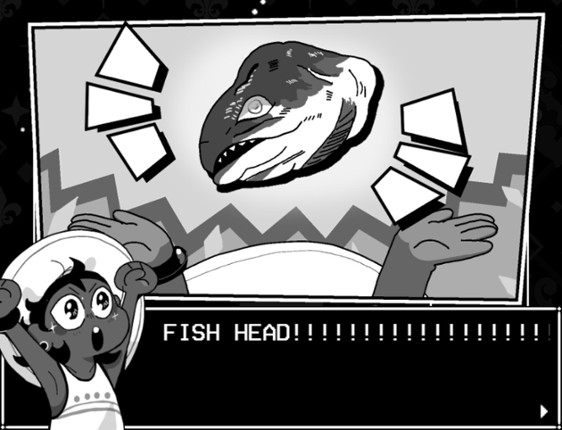
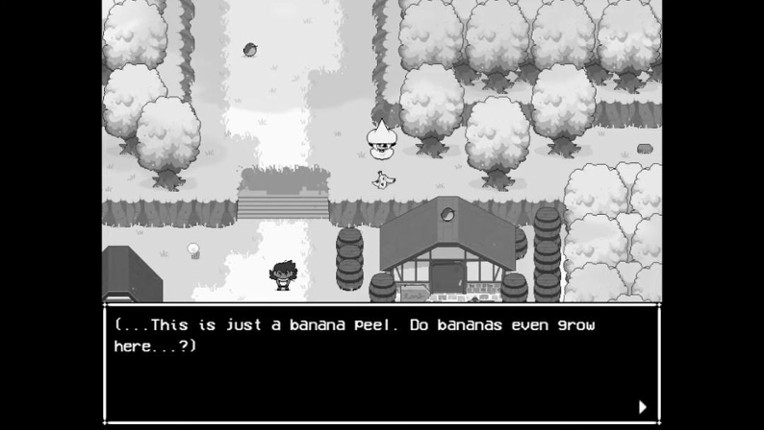
The party-based turn-based combat and atmospheric pixel presentation create an almost identical moment-to-moment rhythm: deliberate, expressive, and built around character personality rather than optimization. Like Omori, character interactions carry as much narrative weight as battles, making every encounter feel psychologically loaded.
Where In Stars And Time diverges is through its time-travel mechanic, which actively weaponizes repetition as puzzle-solving rather than just narrative device. This gives the loop structure mechanical teeth that Omori's linearity doesn't quite offer.
If Omori's grinding frustrated you, In Stars And Time's structure sidesteps that entirely—repetition becomes the point, not the tax. Best for players drawn to character-driven storytelling who want their mechanical systems to reinforce emotional stakes.
If you enjoyed this game, see our list of games similar to In Stars and Time.View Game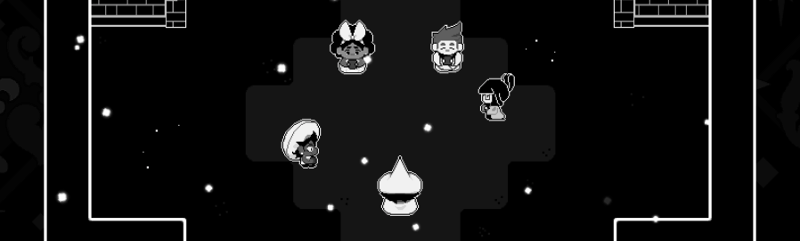
- 88%Game Brain ScoreMost mentioned positive aspects:story, emotionalMost mentioned negative aspects:stability, grinding98% User Score 10,186 reviewsCritic Score 79%15 reviews
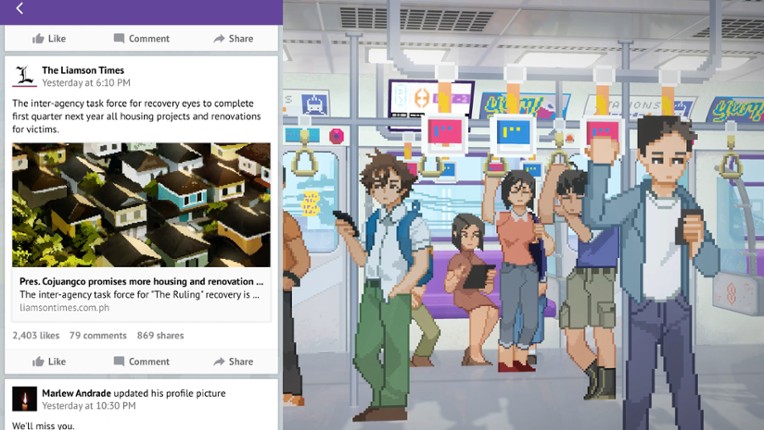
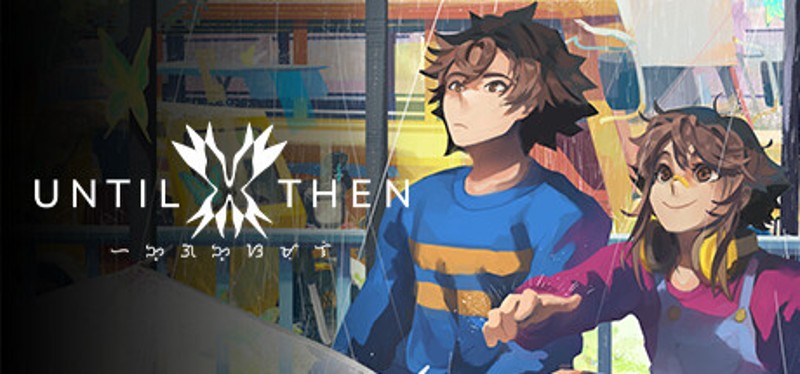
If Omori's greatest strength was making you care deeply about its cast before pulling the emotional rug out, Until Then accomplishes this through an entirely different approach.
Both games leverage pixel art to create an intimate, nostalgic atmosphere that makes psychological exploration feel personal rather than abstract. The story-rich structure with multiple endings rewards emotional investment in the same way—players who savored Omori's quieter moments of reflection will find that Until Then hangs on every conversation and lingering look. Additionally, both titles use music and atmosphere as emotional amplifiers, ensuring the soundtrack becomes inseparable from memory.
Where Until Then diverges is in pacing: it trades Omori's turn-based combat for a dialogue-driven narrative, creating space for deeper character introspection but reducing mechanical variety.
Best for players who prioritize emotional character journeys over strategic depth.
If you enjoyed this game, see our list of games similar to Until Then.View Game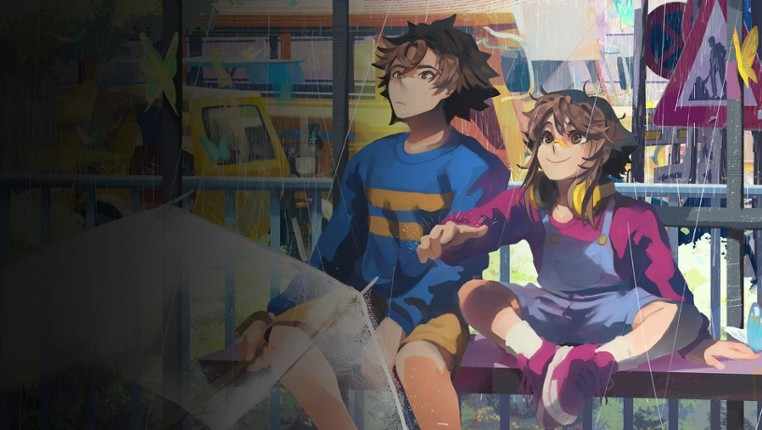

- 94%Game Brain ScoreMost mentioned positive aspects:story, musicMost mentioned negative aspects:grinding, optimization98% User Score 5,690 reviewsCritic Score 89%8 reviews
That feeling in Omori where the world shifts beneath you — where a cheerful exterior barely contains something raw and unresolved — is exactly the emotional register Rakuen operates in throughout its runtime.
Both games use pixel art environments and psychological storytelling to externalize inner worlds, letting players physically explore emotional states as literal spaces. Rakuen also shares Omori's DNA of music-driven atmosphere: the soundtrack doesn't just accompany scenes, it carries narrative weight in a way that makes certain moments land harder than the dialogue alone ever could.
Where Omori leans into turn-based combat and party mechanics, Rakuen strips those systems away entirely in favor of point-and-click exploration — a meaningful tradeoff that keeps the focus locked on story and character without mechanical interruption. Notably, players who found Omori's grinding tedious will find Rakuen's combat-free structure a genuine relief.
Best for players who prioritize emotional storytelling and atmospheric world-building over mechanical depth, and who don't mind a slower, more contemplative pace.
If you enjoyed this game, see our list of games similar to Rakuen.View Game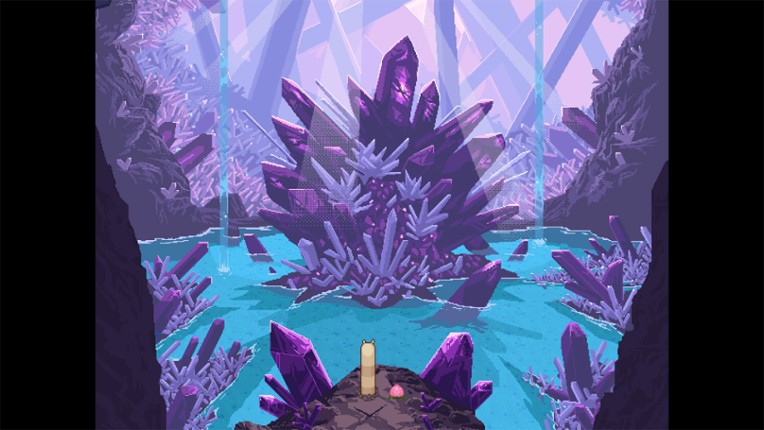
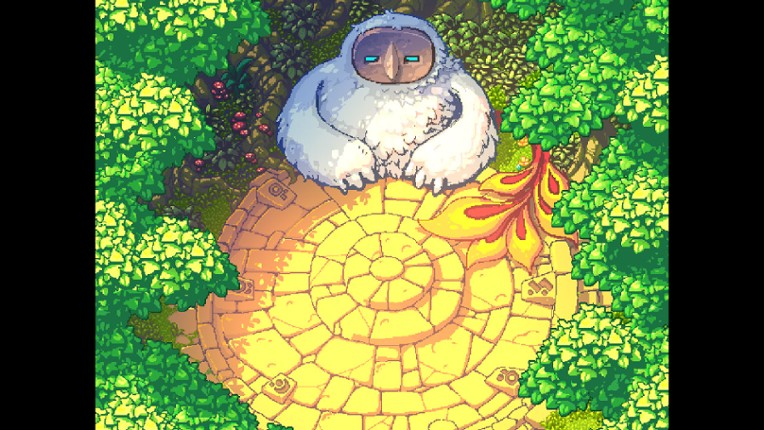
- 89%Game Brain ScoreMost mentioned positive aspects:music, storyMost mentioned negative aspects:grinding, stability96% User Score 14,960 reviewsCritic Score 82%11 reviews
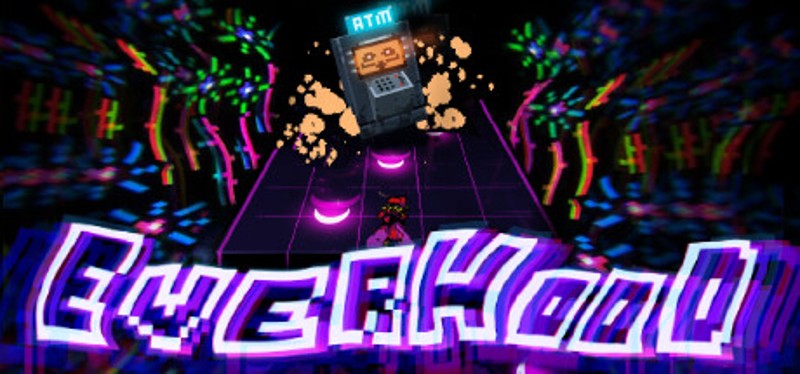
Omori fans who love learning patterns, bracing for strange encounters, and watching mood shift from playful to unsettling will feel at home in Everhood. Both games reward attention to atmosphere as much as mechanics, so every battle or scene feels like part of a bigger emotional rhythm.
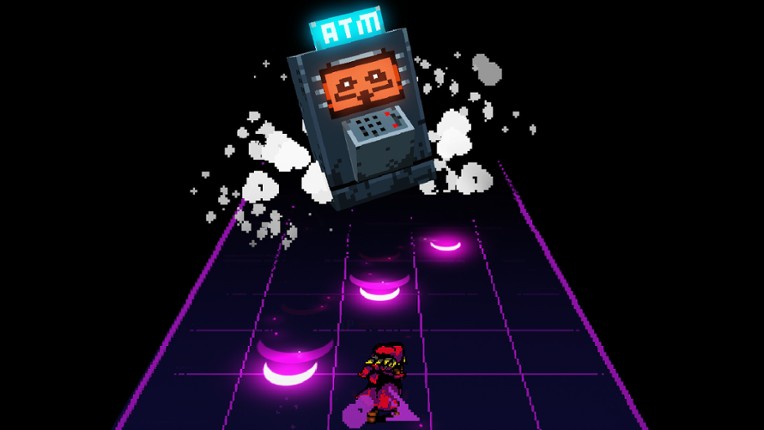
The biggest overlap is how both titles make combat feel personal and expressive rather than purely mechanical. Everhood turns fights into music-driven reaction tests, which creates the same kind of “read the room, then adapt” tension that makes Omori’s battles and encounters stick in your head. It also leans hard into surreal storytelling, weird humor, and emotional pivots, so the experience keeps shifting between lightness and dread.
The tradeoff is structure: Everhood swaps turn-based party tactics for a more action-focused, rhythm-heavy system. That makes it a fresh angle for Omori fans who want the same psychological weirdness and replay value, but with a sharper hands-on challenge and a stronger focus on timing.
Best for players who want emotional indie storytelling with a more skill-based combat loop.
If you enjoyed this game, see our list of games similar to Everhood.View Game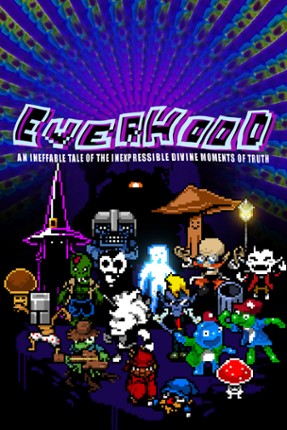
- 96%Game Brain ScoreMost mentioned positive aspects:story, humorMost mentioned negative aspects:grinding, stability96% User Score 11,355 reviews
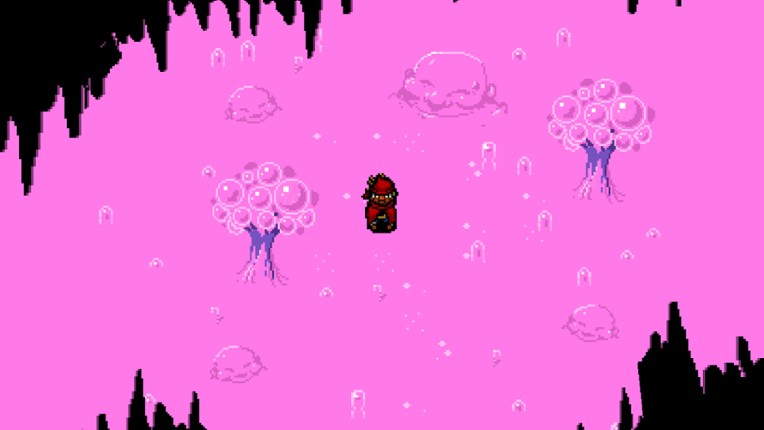
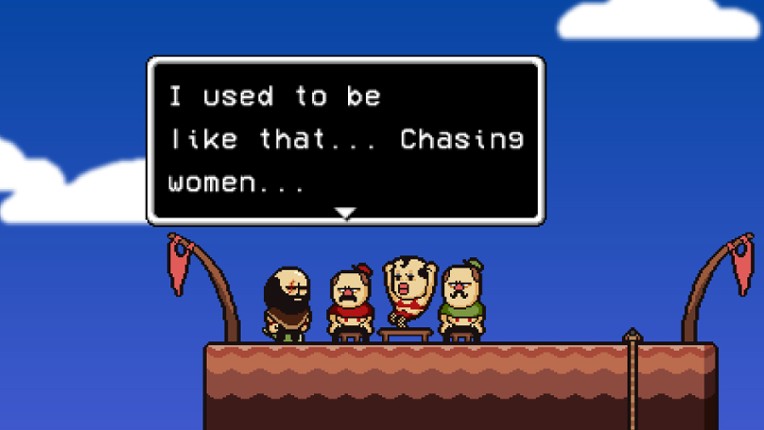
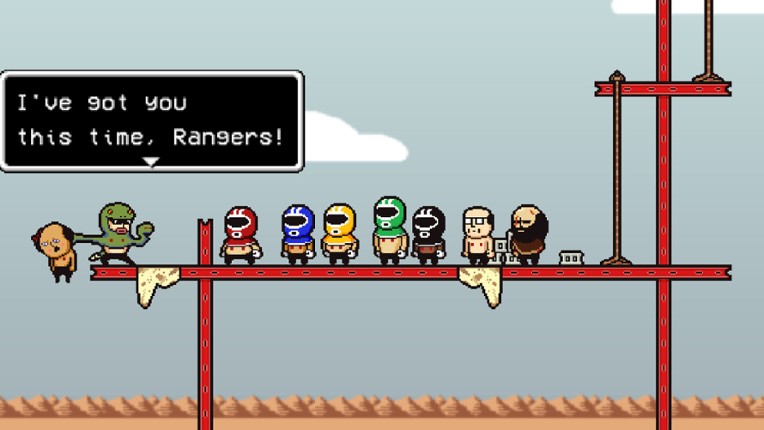
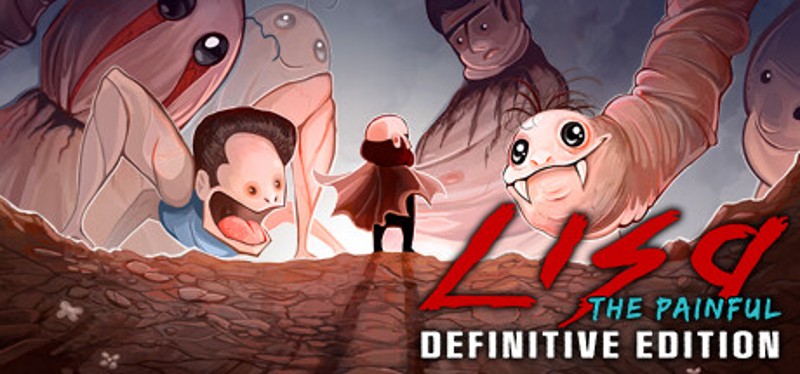
Navigate the jarring transition between absurdist comedy and crushing psychological dread as your party traverses a world where humor serves as a shield for trauma.
Both titles utilize pixel-art exploration and turn-based combat to mask their story-rich psychological horror. The eclectic, bizarre soundtrack mirrors OMORI's approach by using dissonant sound to dictate your emotional state, effectively trapping you within the protagonist's deteriorating headspace during key narrative shifts.
While OMORI fans may occasionally struggle with repetitive grinding, this journey favors permanent choices that immediately alter the world's state. It swaps pastel dreamscapes for a gritty, post-apocalyptic setting, offering a more cynical, adult-oriented take on the themes of friendship and survival.
Best for players who want to explore uncomfortable emotional depths through the lens of dark satire rather than fantasy.
If you enjoyed this game, see our list of games similar to LISA: The UNDONE.View Game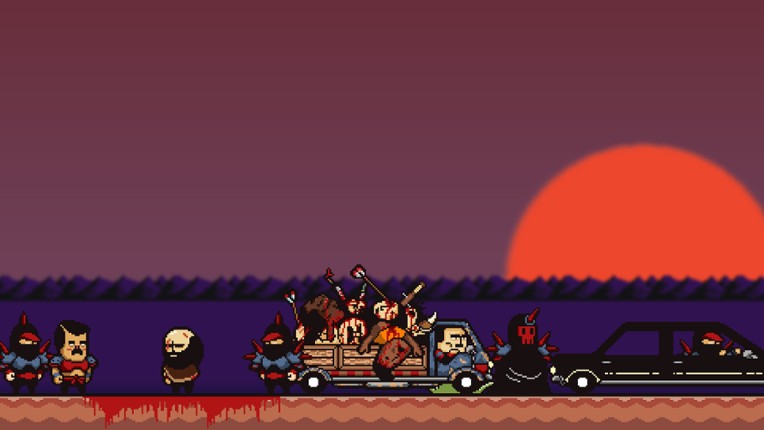
- 94%Game Brain ScoreMost mentioned positive aspects:story, emotionalMost mentioned negative aspects:stability, grinding94% User Score 991 reviews
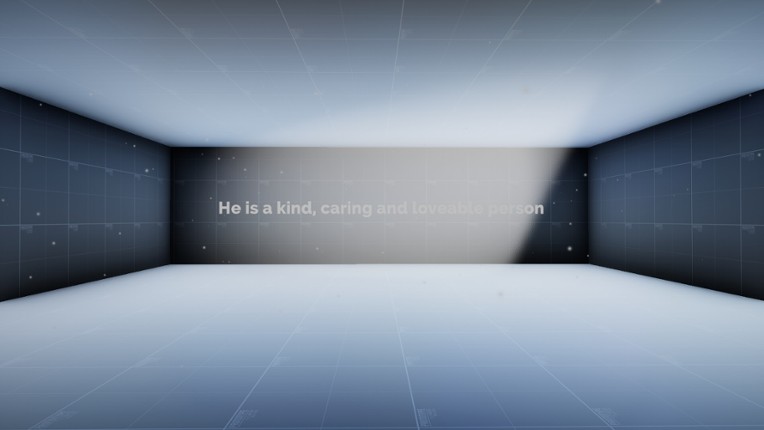
Pleh! shares Omori’s core focus on psychological horror with a story-rich approach that explores mental health themes, delivering a deeply emotional experience through its blend of 2D and 3D pixel environments. This layered atmospheric design heightens the tension and complements the narrative-driven gameplay. Both games prioritize atmosphere and narrative immersion, which keeps players invested in their unsettling worlds.
The key difference lies in pacing and interaction: Pleh! is linear and minimalist with slower walking mechanics, which may frustrate some players used to Omori’s more traditional party-based RPG structure and strategic turn-based combat. While Omori offers complex gameplay variety, Pleh! trades depth for a focused, minimalist narrative experience.
Pick Pleh! if you want a free, emotionally impactful psychological horror story with dark, atmospheric visuals but can tolerate slower pacing and limited gameplay mechanics. Omori remains the stronger choice for players seeking RPG complexity alongside emotional depth. If you enjoyed this game, see our list of games similar to Pleh!.
View Game
- 92%Game Brain ScoreMost mentioned positive aspects:story, musicMost mentioned negative aspects:replayability, grinding96% User Score 35,756 reviewsCritic Score 83%4 reviews
The core link between Omori and To the Moon is their devastating emotional trajectory, where both titles use pixel-art aesthetics to mask deeply traumatic explorations of memory and regret. They share a masterful soundtrack that anchors these narrative shifts, heightening the inevitable impact of their respective climaxes.
The primary difference is structural: while Omori utilizes turn-based combat and extensive exploration, To the Moon functions almost exclusively as a narrative-driven walking simulator with zero mechanical difficulty. You sacrifice the tactical depth of party-based RPG systems for a tighter, more focused experience that refuses to deviate from its central story.
Pick this up if you want a visceral psychological gut-punch but can live without combat encounters or grinding.
If you enjoyed this game, see our list of games similar to To the Moon.View Game

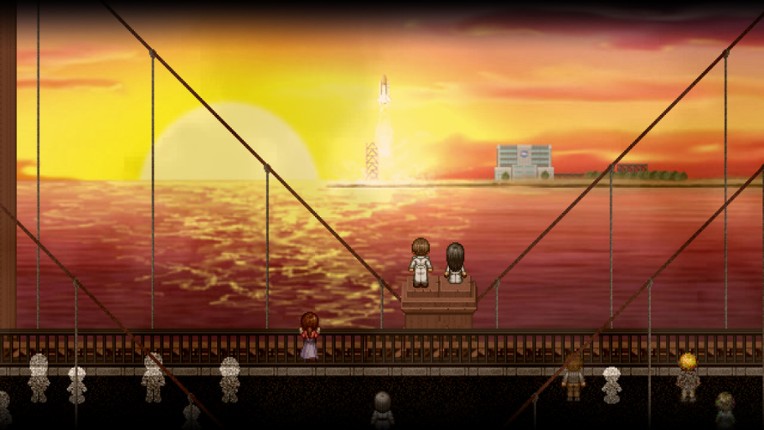
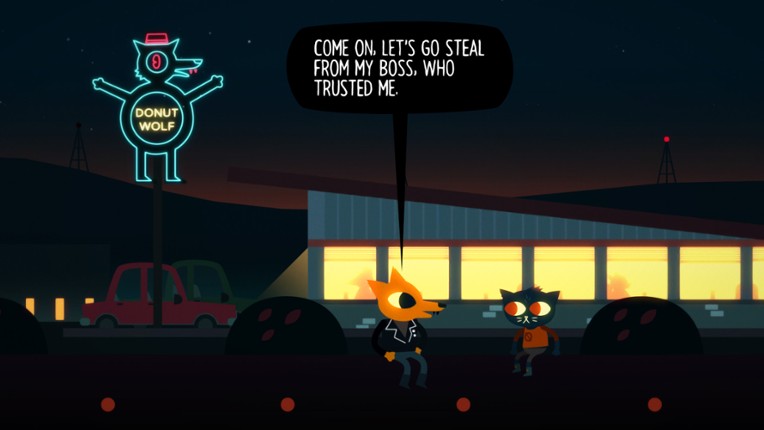
- 89%Game Brain ScoreMost mentioned positive aspects:story, musicMost mentioned negative aspects:grinding, stability95% User Score 15,259 reviewsCritic Score 83%28 reviewsSwaps Omori's dreamy RPG battles for a small-town drama centered on adult friendships and daily life. If you enjoyed this game, see our list of games similar to Night in the Woods.View Game
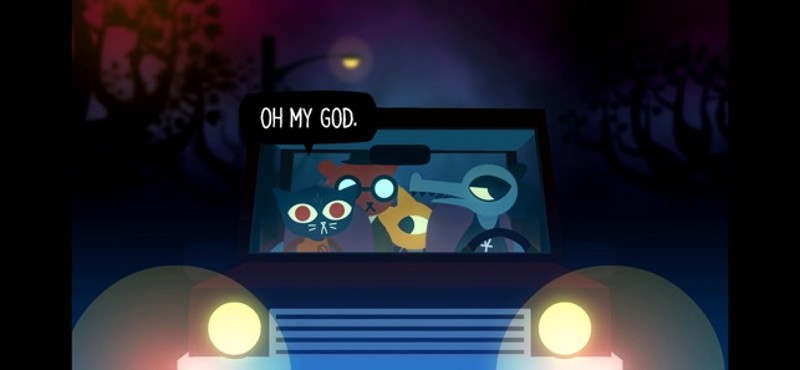
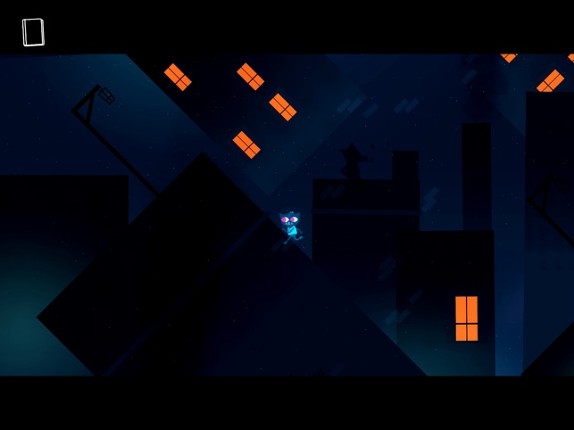
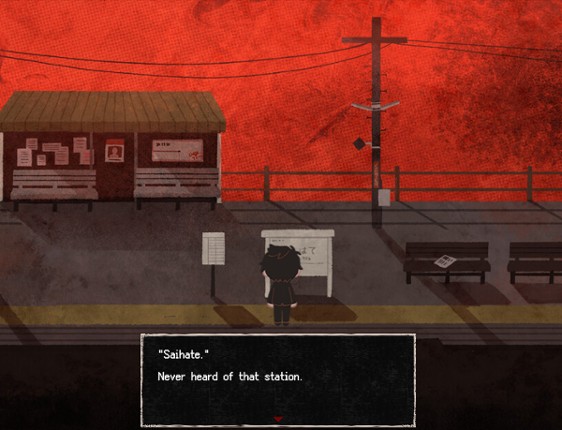
- 97%Game Brain ScoreMost mentioned positive aspects:story, graphicsMost mentioned negative aspects:stability, grinding97% User Score 3,009 reviewsPuts a crime-mystery spin on psychological horror with a JRPG structure and contemporary urban setting. If you enjoyed this game, see our list of games similar to Saihate Station.View Game
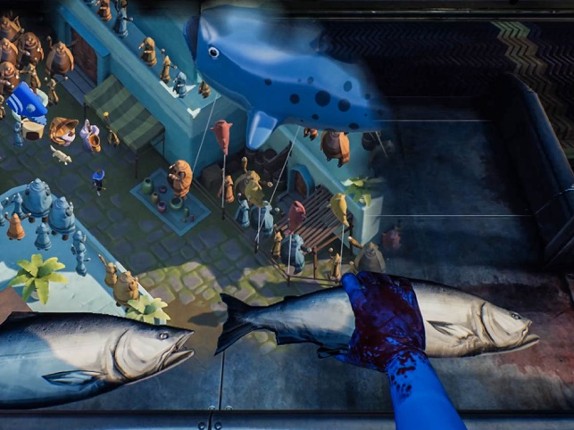
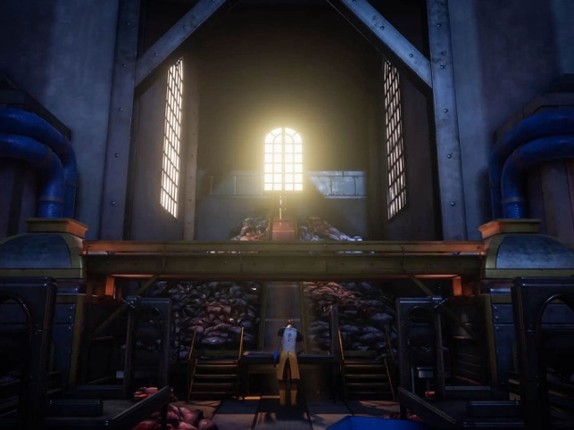
- 96%Game Brain ScoreMost mentioned positive aspects:story, graphicsMost mentioned negative aspects:grinding, replayability96% User Score 24,134 reviews
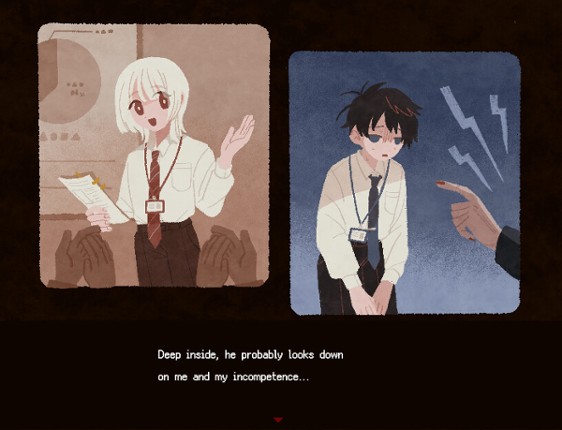
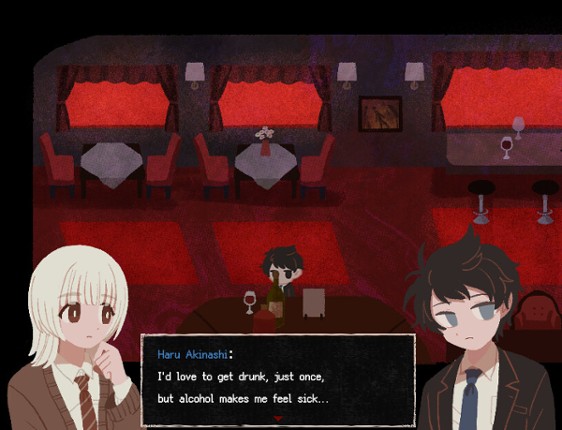
Both games weaponize psychological unraveling through atmosphere — Omori uses pixel dread and surreal exploration, Mouthwashing uses claustrophobic first-person claustrophobia and retro decay to the same unsettling effect.
They share dark humor laced through horror, which provides crucial tonal relief without undermining the dread.
The critical difference: Omori is a full RPG with combat, grinding, and replayability; Mouthwashing is a walking simulator with minimal interaction and a 2–3 hour runtime.
Pick this up if you crave Omori's psychological horror but want pure narrative momentum over systems — and accept a shorter, less replayable experience.
If you enjoyed this game, see our list of games similar to Mouthwashing.View Game

- 99%Game Brain ScoreMost mentioned positive aspects:story, emotionalMost mentioned negative aspects:replayability, stability99% User Score 4,352 reviewsReplaces dark psychological exploration with dinosaur romance and absurdist comedy in a text-heavy adventure. If you enjoyed this game, see our list of games similar to I Wani Hug that Gator!.View Game

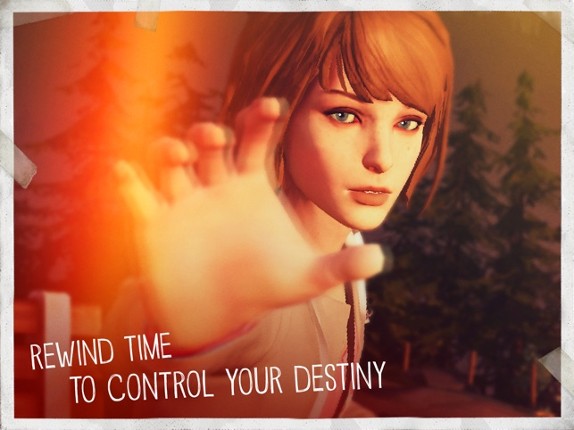
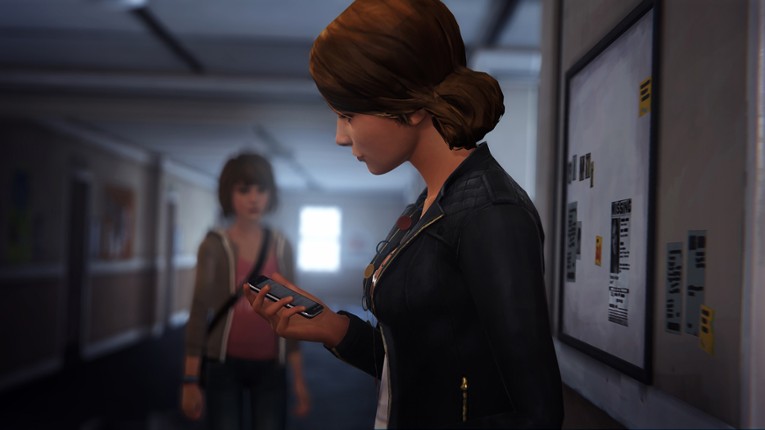
- 86%Game Brain ScoreMost mentioned positive aspects:story, musicMost mentioned negative aspects:stability, grinding95% User Score 75,297 reviewsCritic Score 75%8 reviewsExplores branching consequences through time manipulation and episodic pacing in a modern setting without combat. If you enjoyed this game, see our list of games similar to Life is Strange.View Game

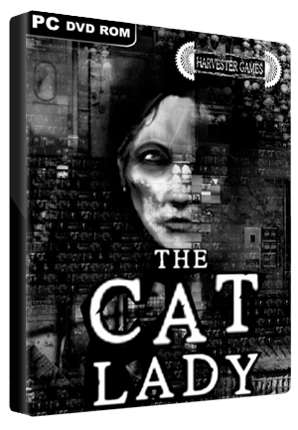
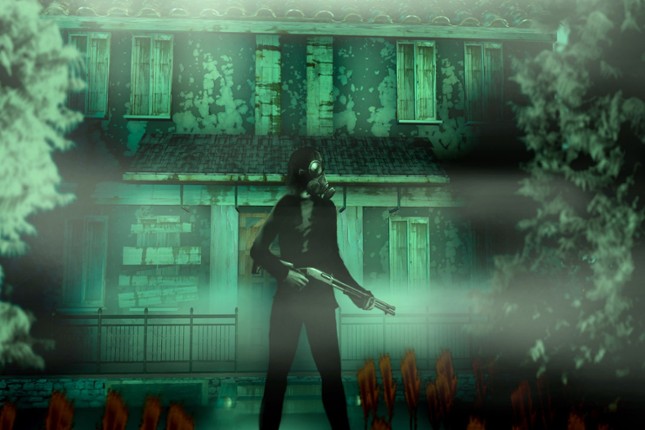
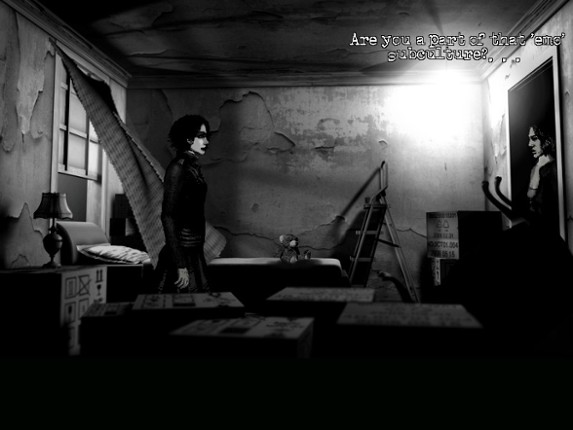
- 93%Game Brain ScoreMost mentioned positive aspects:story, graphicsMost mentioned negative aspects:optimization, stability93% User Score 4,698 reviewsDelivers relentless psychological horror through static scenes and no fantasy escape—pure, grounded dread. If you enjoyed this game, see our list of games similar to The Cat Lady.View Game
- 95%Game Brain ScoreMost mentioned positive aspects:story, emotionalMost mentioned negative aspects:stability, grinding98% User Score 14,431 reviewsCritic Score 80%1 reviews
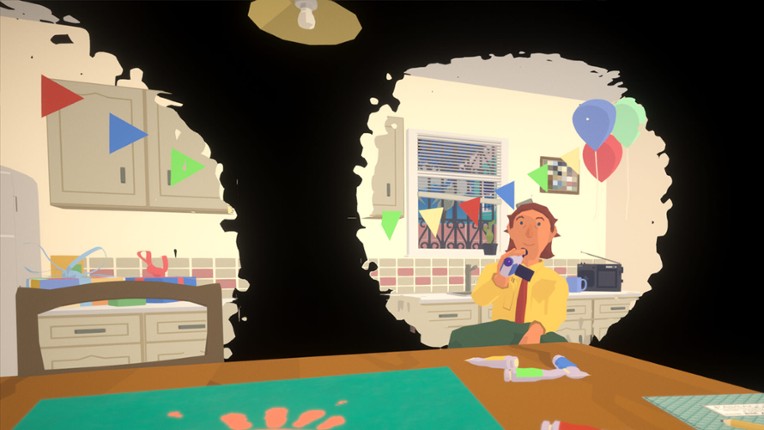
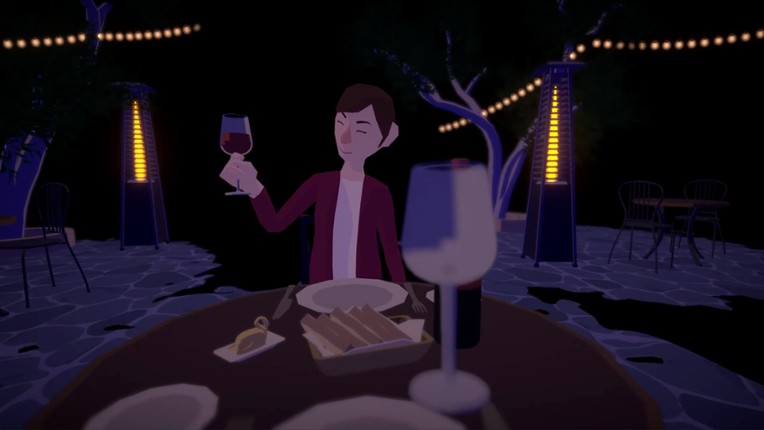
If Omori's psychological intensity hooked you, Before Your Eyes delivers an equally personal emotional gut-punch. Both games weaponize player interaction—the blinking mechanic literally forces your participation, turning you into the story's co-author just as Omori's combat choices define your journey through trauma.
The shared emphasis on stylized, hand-drawn aesthetics and philosophical undertones creates comparable atmospheric weight, making every scene linger long after you've stopped playing.
Where Omori offers 30+ hours of turn-based RPG exploration, Before Your Eyes is a 2-hour narrative experiment with no branching paths or replay value—great for a single devastating session, weak if you need gameplay substance.
Pick this up if you want a brief, crushing meditation on loss and connection but can live without traditional game mechanics.
If you enjoyed this game, see our list of games similar to Before Your Eyes.View Game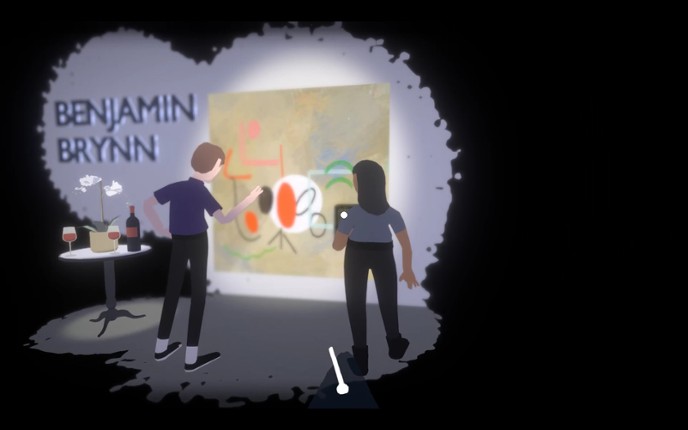
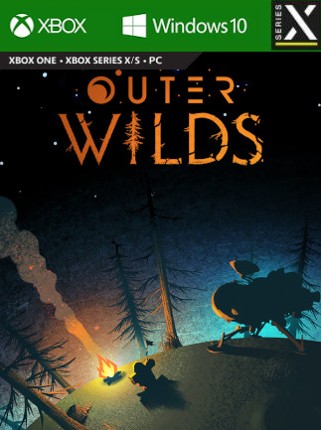
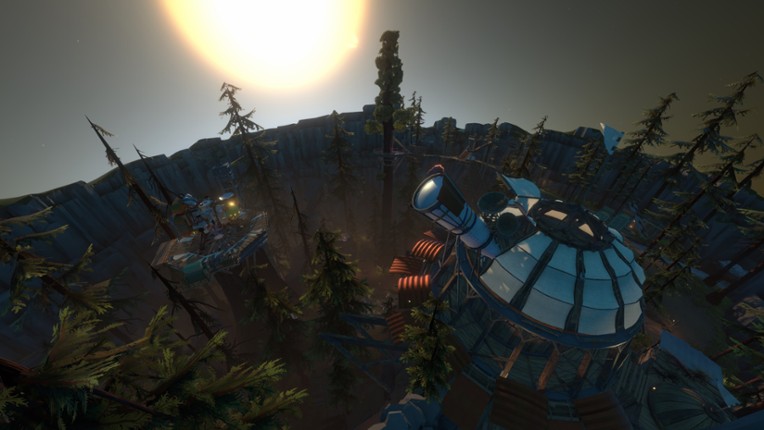
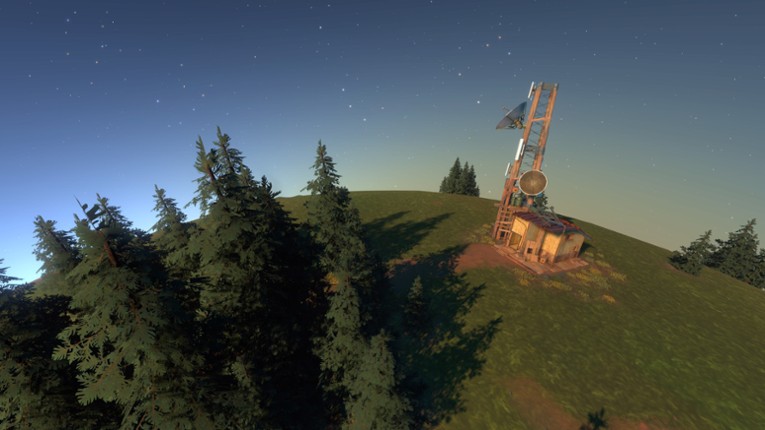
- 89%Game Brain ScoreMost mentioned positive aspects:story, gameplayMost mentioned negative aspects:grinding, replayability95% User Score 72,832 reviewsCritic Score 82%30 reviewsPrioritizes space exploration and cosmic mystery over emotional character journeys, letting players discover rather than fight. If you enjoyed this game, see our list of games similar to Outer Wilds.View Game
- 93%Game Brain ScoreMost mentioned positive aspects:story, graphicsMost mentioned negative aspects:grinding, replayability96% User Score 26,876 reviewsCritic Score 88%6 reviews
MOUTHWASHING IS A FIRST-PERSON HORROR GAME FOLLOWING THE DYING CREW OF A SHIPWRECKED SPACE FREIGHTER. Who could have known what good ol’ Captain Curly was capable of? Guess he thought his crew dying alongside him was only right. But some men can’t even kill themselves properly. Maimed, limbless and unable to speak, but alive, Curly is now at the mercy of the crew he has doomed to a slow death. D… If you enjoyed this game, see our list of games similar to Mouthwashing.
View Game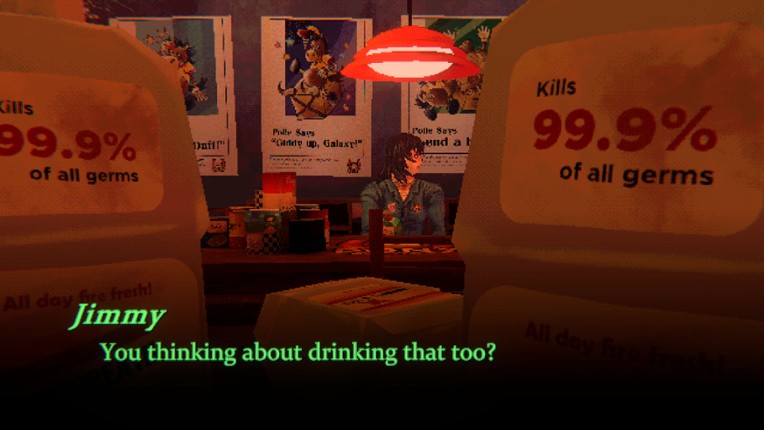

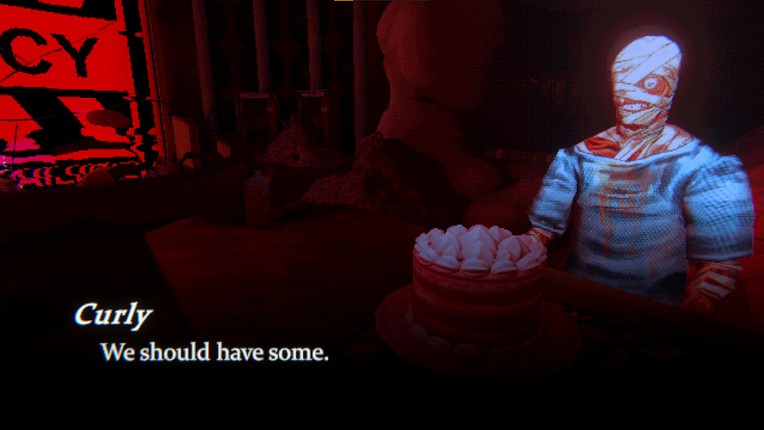
- 97%Game Brain ScoreMost mentioned positive aspects:story, graphicsMost mentioned negative aspects:grinding, stability97% User Score 14,426 reviewsDarkens Omori's surrealism into supernatural mystery with hand-drawn grotesqueness, dark humor, and demons lurking in mundane spaces. If you enjoyed this game, see our list of games similar to Sally Face.View Game
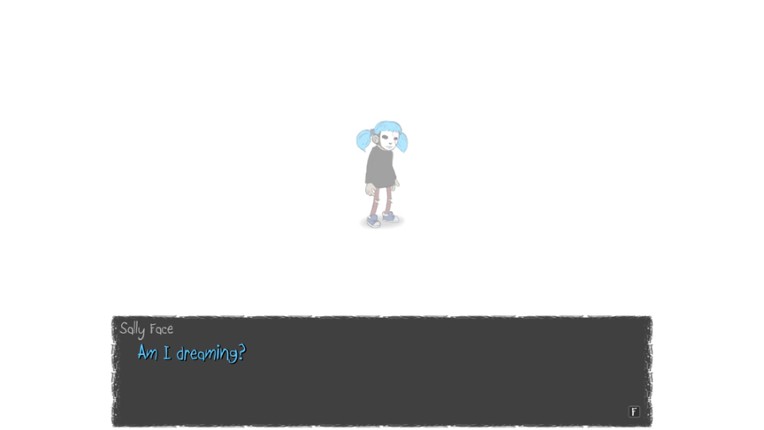
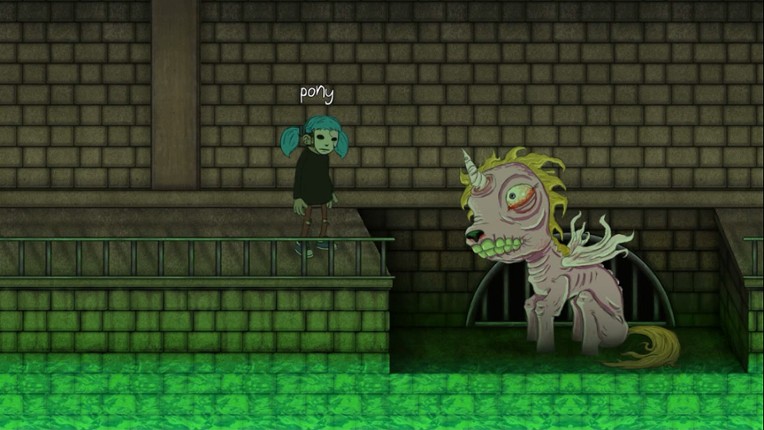
- 96%Game Brain ScoreMost mentioned positive aspects:story, emotionalMost mentioned negative aspects:atmosphere, grinding96% User Score 2,626 reviewsOffers a visual novel horror experience with erotic content and branching romance paths instead of RPG exploration. If you enjoyed this game, see our list of games similar to YOU and ME and HER: A Love Story.View Game


- 98%Game Brain ScoreMost mentioned positive aspects:story, musicMost mentioned negative aspects:grinding98% User Score 5,354 reviewsChannels Omori's multiple endings through absurdist theater sketches and irreverent humor rather than emotional depth. If you enjoyed this game, see our list of games similar to BAD END THEATER.View Game
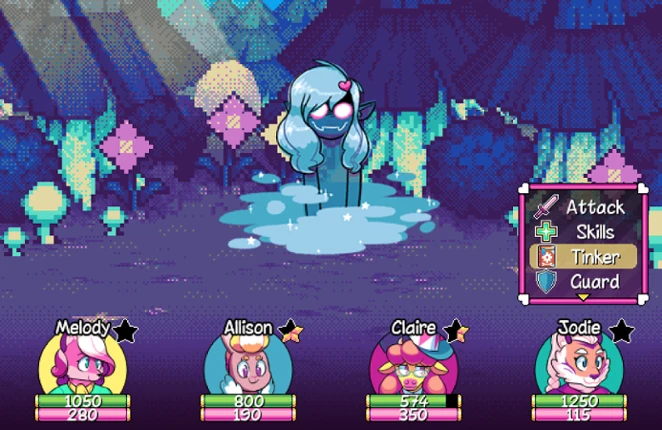
- 99%Game Brain ScoreMost mentioned positive aspects:story, musicMost mentioned negative aspects:grinding, optimization99% User Score 1,904 reviewsSwaps psychological dread for turn-based party combat and colorful whimsy, centering LGBTQ+ relationships over internal darkness. If you enjoyed this game, see our list of games similar to Super Lesbian Animal RPG.View Game
21 View Game 98%Game Brain ScoreMost mentioned positive aspects:story, emotionalMost mentioned negative aspects:character development, grinding98% User Score 1,125 reviewsAmplifies Omori's psychological unease with philosophical nihilism and satirical violence, trading intimacy for cosmic body horror. If you enjoyed this game, see our list of games similar to Hello Charlotte EP3: Childhood's End.View Game
- 98%Game Brain ScoreMost mentioned positive aspects:story, gameplayMost mentioned negative aspects:grinding, stability98% User Score 26,548 reviews
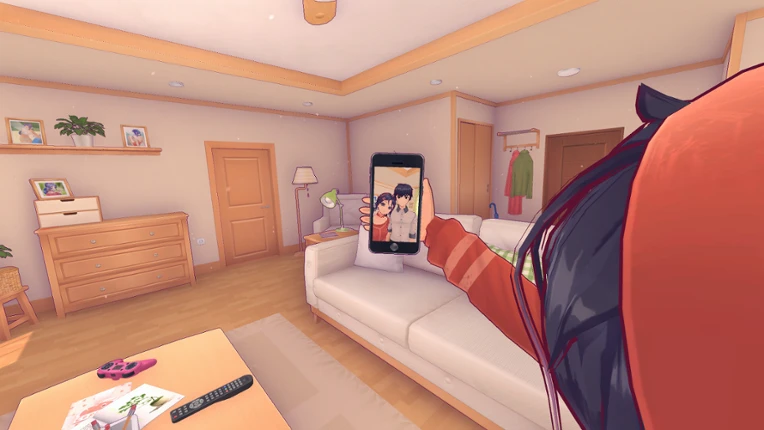
Includes: Base Game MiSide - Soundtrack Let's imagine that you have a game in which you care for a character. But could you imagine one day getting into that game yourself? Features Original visual styleThe authors hope to emphasize the contrast of colorful anime style against the background of the disturbing adventures of the main character. Interesting plotThe game has an unexpectedly developing… If you enjoyed this game, see our list of games similar to MiSide.
View Game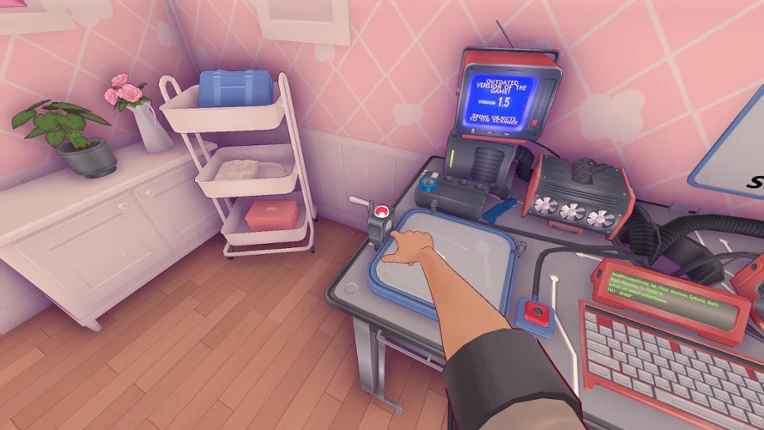
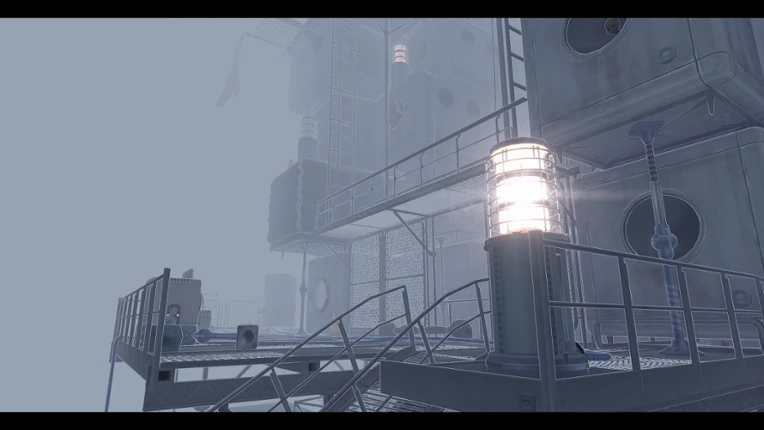
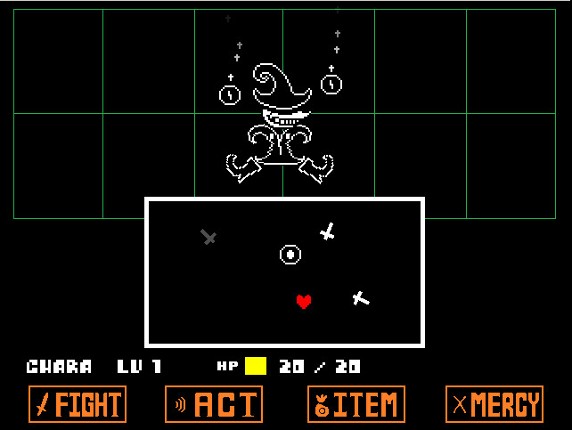
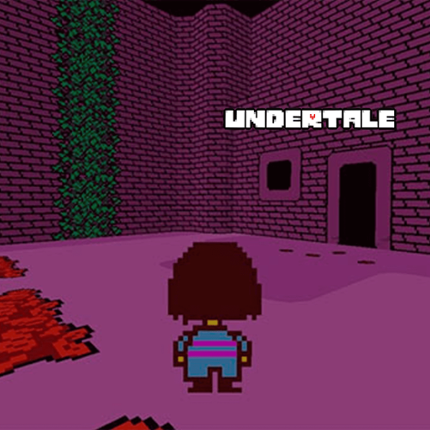
- 96%Game Brain ScoreMost mentioned positive aspects:story, musicMost mentioned negative aspects:grinding, stability97% User Score 175,257 reviewsCritic Score 95%1 reviewsTurns Omori's somber psychological battles into a witty, meme-laden adventure where mercy changes everything. If you enjoyed this game, see our list of games similar to Undertale.View Game

24 View Game 98%Game Brain ScoreMost mentioned positive aspects:story, musicMost mentioned negative aspects:grinding, replayability98% User Score 6,183 reviewsThis philosophical indie piece drifts further from Omori's RPG roots, prioritizing internal text-based narration and psychedelic visuals over tactical combat. If you enjoyed this game, see our list of games similar to Z.A.T.O. // I Love the World and Everything In It.View Game
25 View Game 98%Game Brain ScoreMost mentioned positive aspects:story, emotionalMost mentioned negative aspects:grinding, stability98% User Score 791 reviews
Hello, new Puppeteer! Meet Charlotte - a puppet you will control. Meet her alien friends, maggot cat and a certain Observer. Dive deep into horrors of junk food, TV world, religion and romance novels for middle-age women. Keep your puppet safe at all times. Or don't. Have fun dying! If you enjoyed this game, see our list of games similar to Hello Charlotte EP2: Requiem Aeternam Deo.
View Game
- 95%Game Brain ScoreMost mentioned positive aspects:story, emotionalMost mentioned negative aspects:grinding, replayability98% User Score 5,789 reviewsCritic Score 80%1 reviewsTrades psychological horror for bittersweet romance and sci-fi melancholy while maintaining pixel-art storytelling and emotional depth. If you enjoyed this game, see our list of games similar to Finding Paradise.View Game

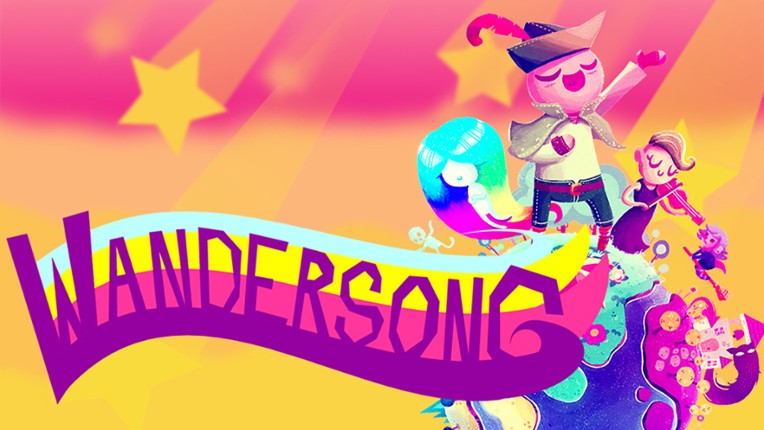
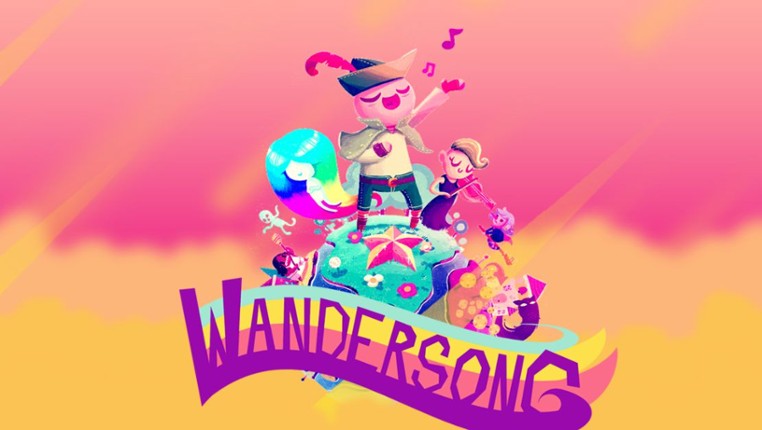
- 90%Game Brain ScoreMost mentioned positive aspects:story, musicMost mentioned negative aspects:stability, grinding95% User Score 3,267 reviewsCritic Score 84%19 reviewsCaptures Omori's stylized exploration and musical atmosphere but replaces dread with family-friendly adventure and earnest optimism. If you enjoyed this game, see our list of games similar to Wandersong.View Game

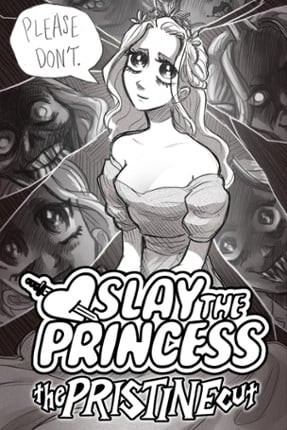
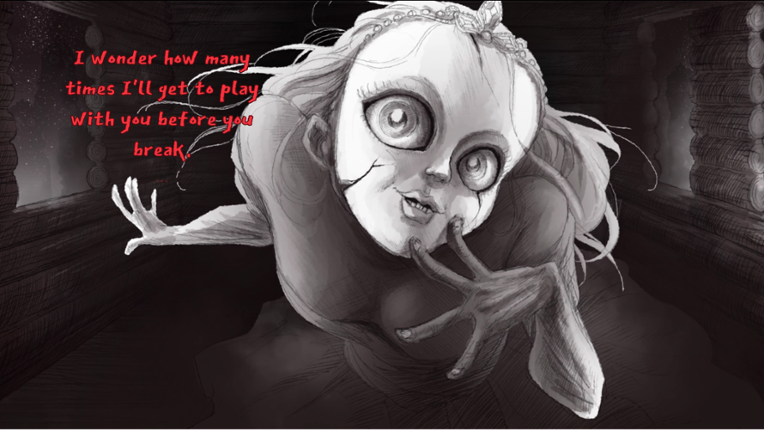
28 View Game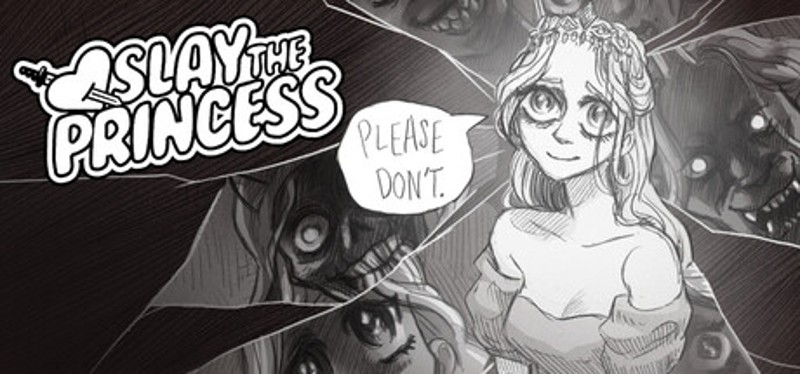 93%Game Brain ScoreMost mentioned positive aspects:story, musicMost mentioned negative aspects:grinding, stability97% User Score 24,873 reviewsCritic Score 89%8 reviewsChannels Omori's psychological introspection through branching choice-driven narrative and hand-drawn art, but foregrounds romantic and comedic tension. If you enjoyed this game, see our list of games similar to Slay the Princess.View Game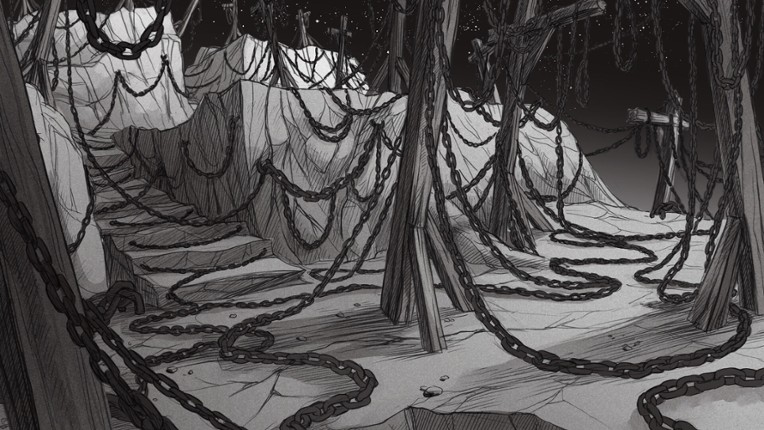
- 92%Game Brain ScoreMost mentioned positive aspects:story, graphicsMost mentioned negative aspects:grinding, optimization92% User Score 5,813 reviewsCritic Score 90%1 reviews
Taking around an hour on the first play-through, "When The Darkness Comes" feels like you're wandering around a glitchy hard drive full of abstract dreams and beautiful nightmares. The narrator initially makes it feel like a comedic game, but it soon starts to take a darker tone as you travel down the bizarre broken rabbit hole that explores the darkest themes of the human mind. If you enjoyed this game, see our list of games similar to When the Darkness comes.
View Game

30 View Game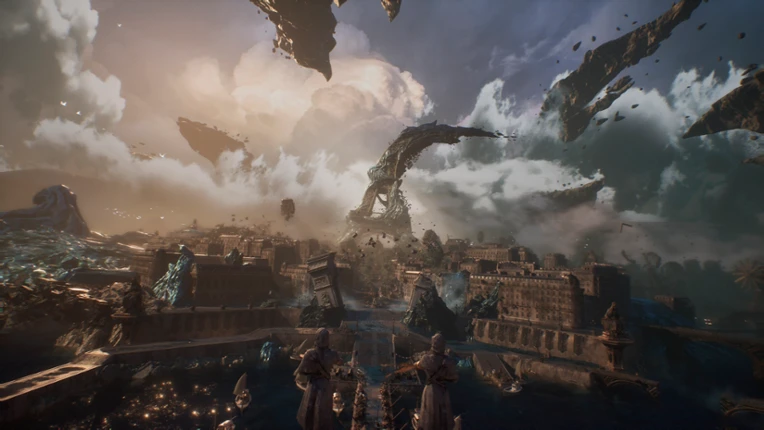
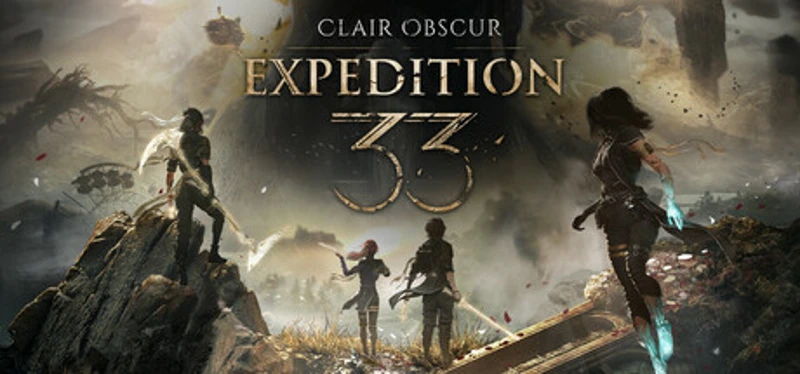
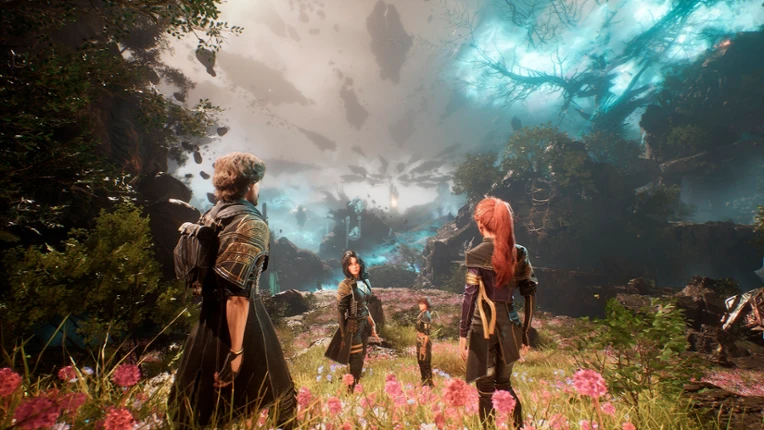 97%Game Brain ScoreMost mentioned positive aspects:story, musicMost mentioned negative aspects:grinding, stability97% User Score 124,463 reviewsEmbraces traditional turn-based fantasy combat while shedding Omori's layered psychological narrative. If you enjoyed this game, see our list of games similar to Clair Obscur: Expedition 33.View Game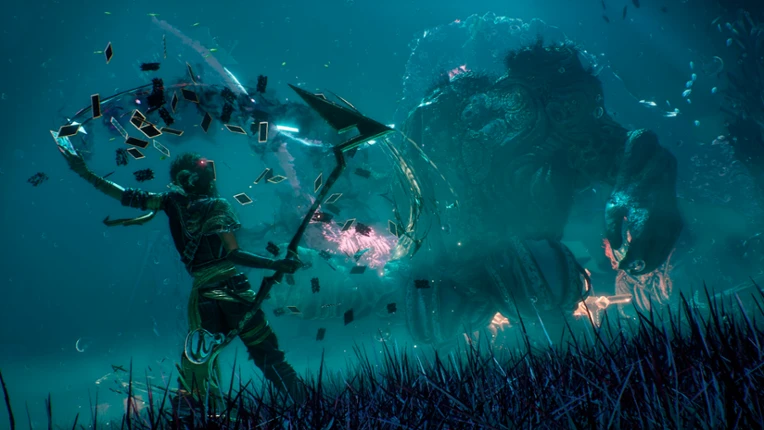
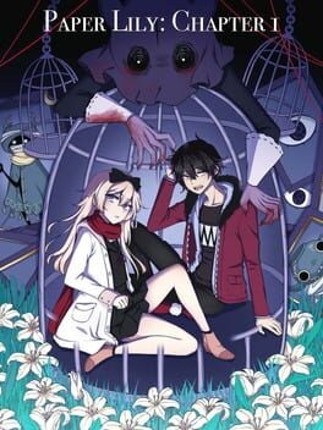
- 99%Game Brain ScoreMost mentioned positive aspects:story, musicMost mentioned negative aspects:grinding, monetization99% User Score 4,592 reviews
Horror visual novel coming in January 2023. If you enjoyed this game, see our list of games similar to Paper Lily: Chapter 1.
View Game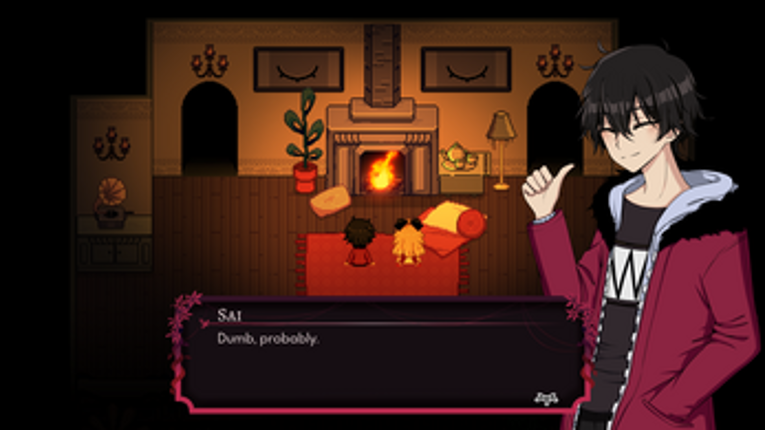


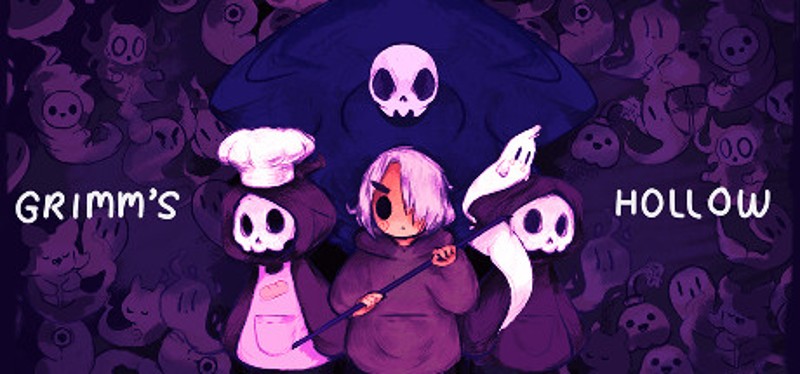
- 99%Game Brain ScoreMost mentioned positive aspects:story, emotionalMost mentioned negative aspects:grinding, stability99% User Score 7,364 reviewsCombines Omori’s turn-based RPG and multiple endings with a free-to-play model and a cute, emotionally-driven story featuring a female protagonist. If you enjoyed this game, see our list of games similar to Grimm's Hollow.View Game
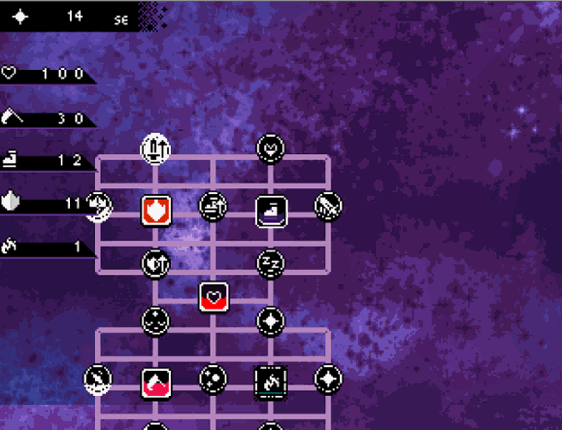
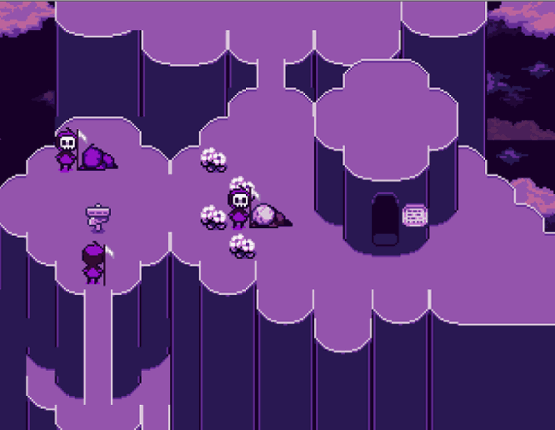
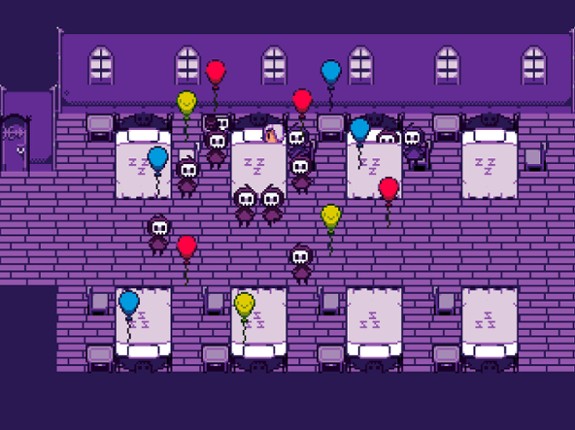
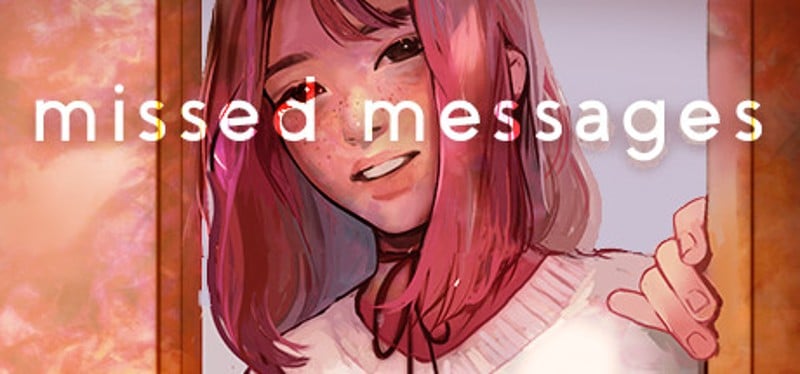
- 96%Game Brain ScoreMost mentioned positive aspects:story, graphicsMost mentioned negative aspects:grinding, stability96% User Score 11,075 reviewsEchoes Omori's psychological horror through visual novels and memes rather than traditional RPG combat or exploration. If you enjoyed this game, see our list of games similar to Missed Messages.View Game
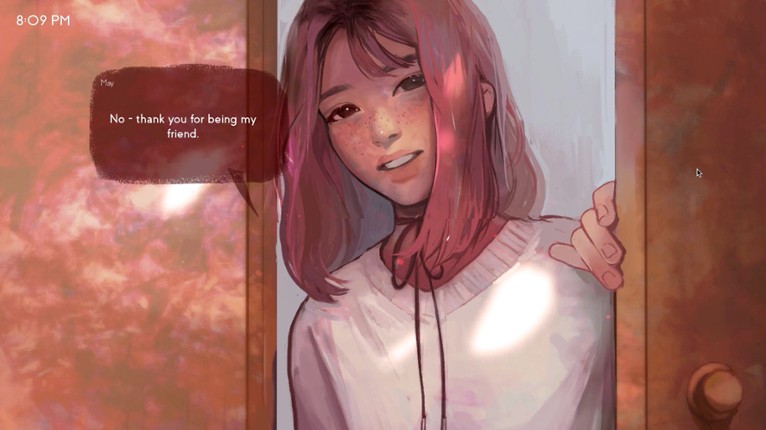
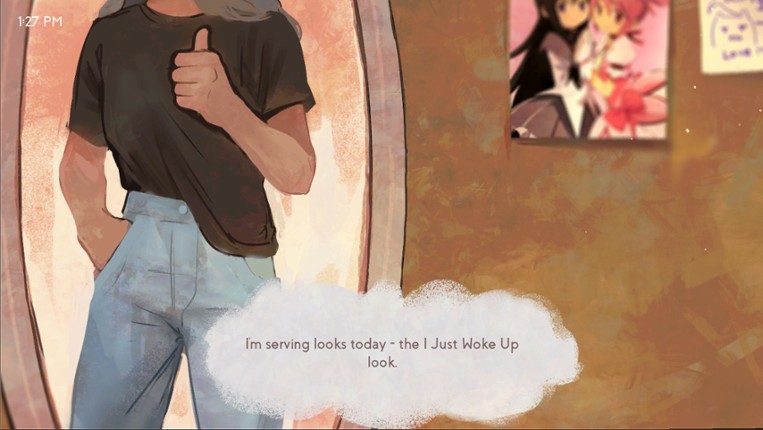
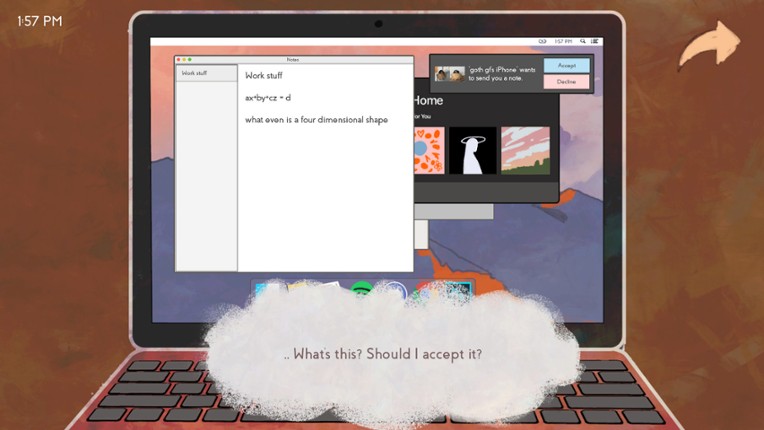
- 94%Game Brain ScoreMost mentioned positive aspects:story, gameplayMost mentioned negative aspects:replayability, grinding94% User Score 18,415 reviewsDistills Omori's atmospheric melancholy into a first-person narrative experience without combat, focusing on familial tragedy and quiet reflection. If you enjoyed this game, see our list of games similar to null.View Game
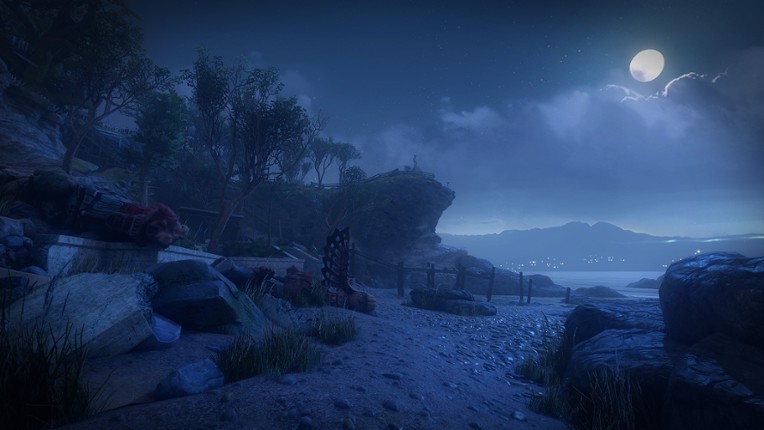
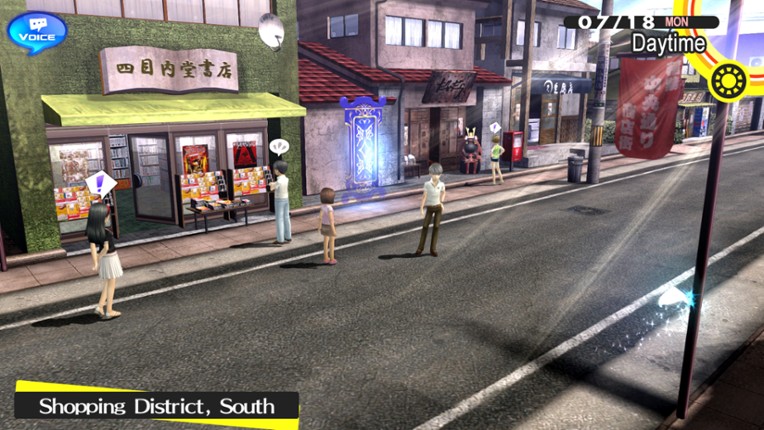
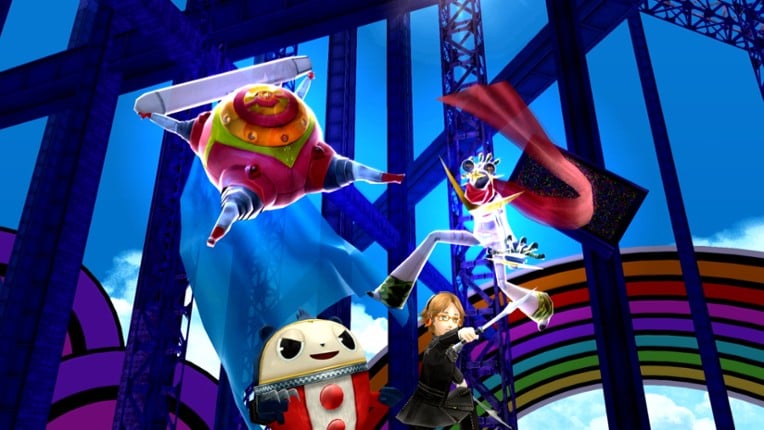
- 96%Game Brain ScoreMost mentioned positive aspects:story, musicMost mentioned negative aspects:grinding, optimization97% User Score 83,242 reviewsCritic Score 90%1 reviewsTaking the psychological weight found in Omori and grounding it in high-school social management, this game emphasizes forming bonds over trauma. If you enjoyed this game, see our list of games similar to Persona 4 Golden.View Game

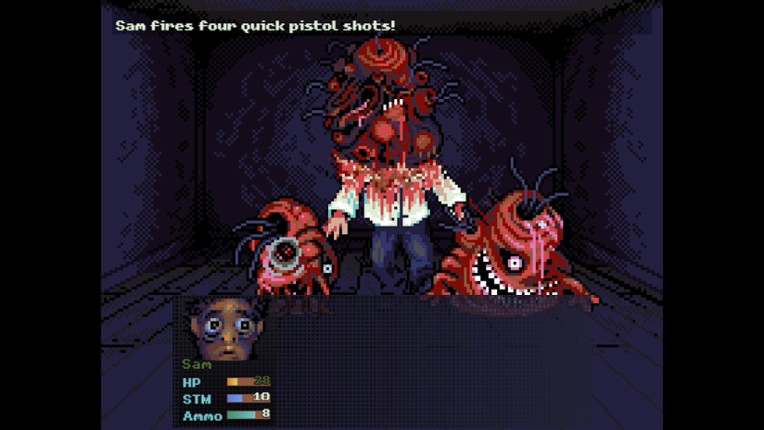
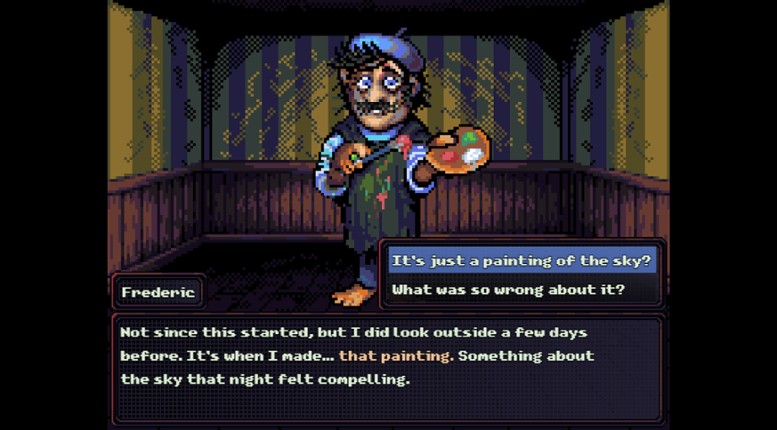
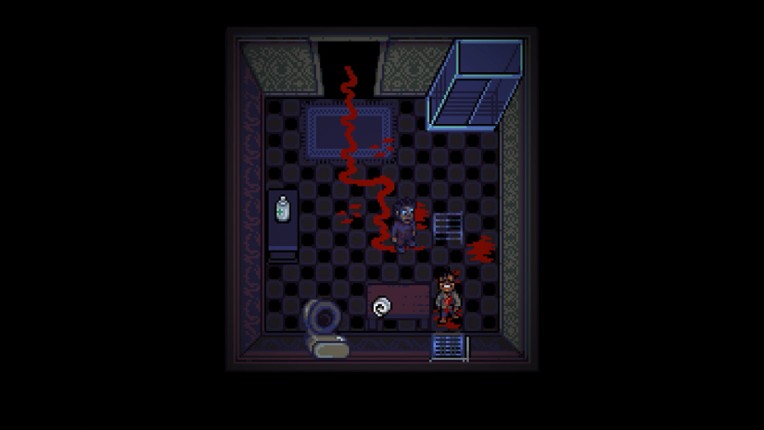
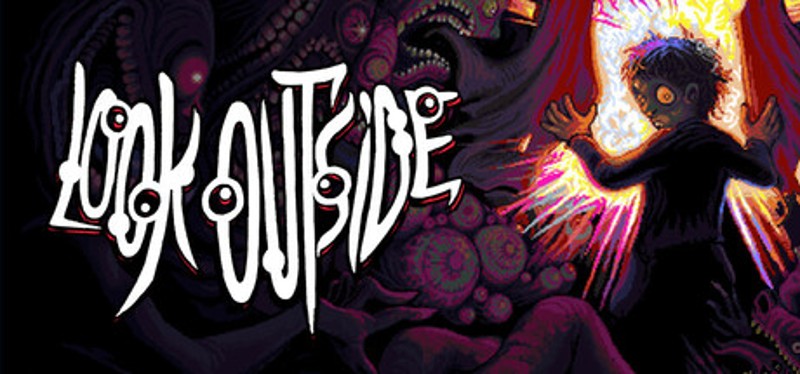
- 94%Game Brain ScoreMost mentioned positive aspects:story, musicMost mentioned negative aspects:grinding, stability98% User Score 10,171 reviewsCritic Score 80%2 reviewsForgoes Omori's party RPG elements for a grim, isometric turn-based horror experience steeped in Lovecraftian mystery and old school combat. If you enjoyed this game, see our list of games similar to Look Outside.View Game
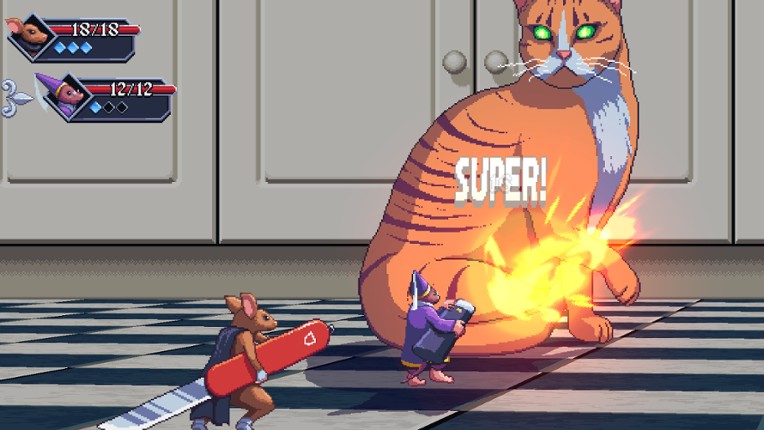
- 95%Game Brain ScoreMost mentioned positive aspects:story, musicMost mentioned negative aspects:grinding, replayability95% User Score 2,575 reviewsLeans into medieval dark fantasy with a party-based turn-based RPG approach, contrasting Omori’s intimate story with broader, strategic gameplay. If you enjoyed this game, see our list of games similar to Small Saga.View Game

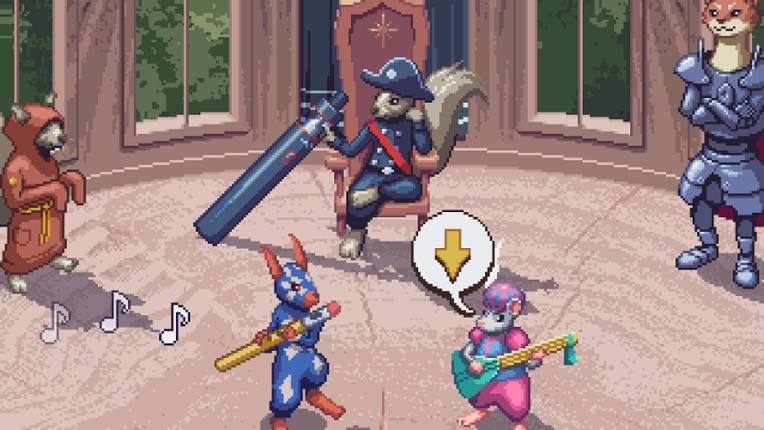
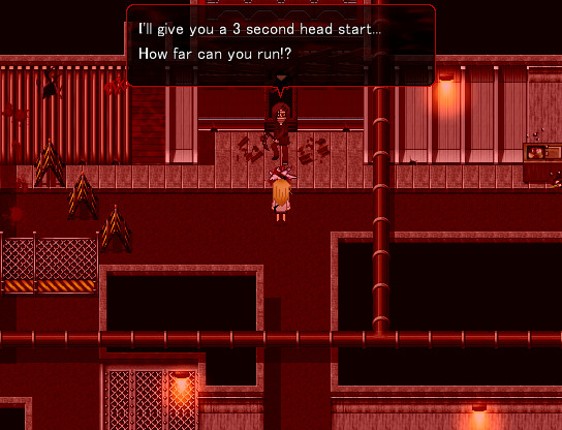
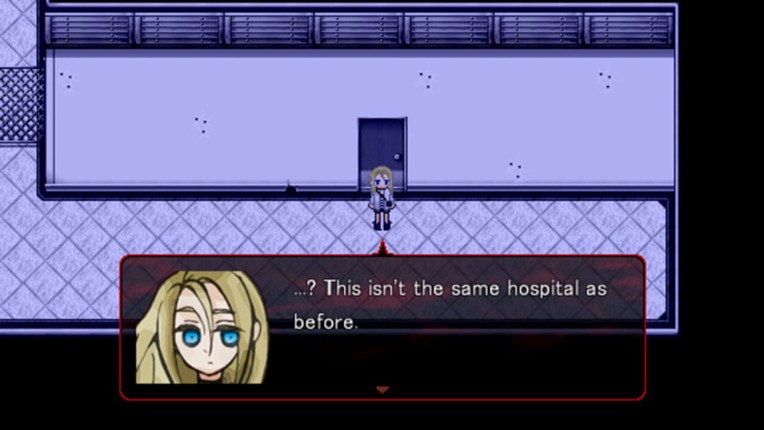
- 89%Game Brain ScoreMost mentioned positive aspects:story, musicMost mentioned negative aspects:grinding, replayability96% User Score 1,231 reviewsCritic Score 70%3 reviewsGrounds Omori's psychological horror in survival-thriller mechanics and darker anime romance, with less introspection and more immediate danger. If you enjoyed this game, see our list of games similar to Angels of Death.View Game
- 99%Game Brain ScoreMost mentioned positive aspects:music, storyMost mentioned negative aspects:grinding, stability99% User Score 6,248 reviews
Endacopia is a nontraditional point-and-click adventure game where you will guide a lost child named Mellow through a world that operates on foreign rules. He doesn’t know much about anything other than the fact that he has a strong gut instinct. With a little help from his guardian angel, which is you, Mellow will be able to overcome many obstacles in the way of him finding a place he can call ho… If you enjoyed this game, see our list of games similar to Endacopia.
View Game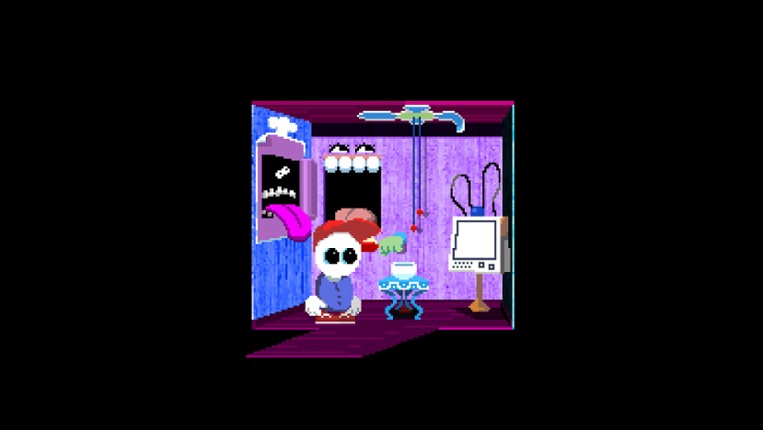
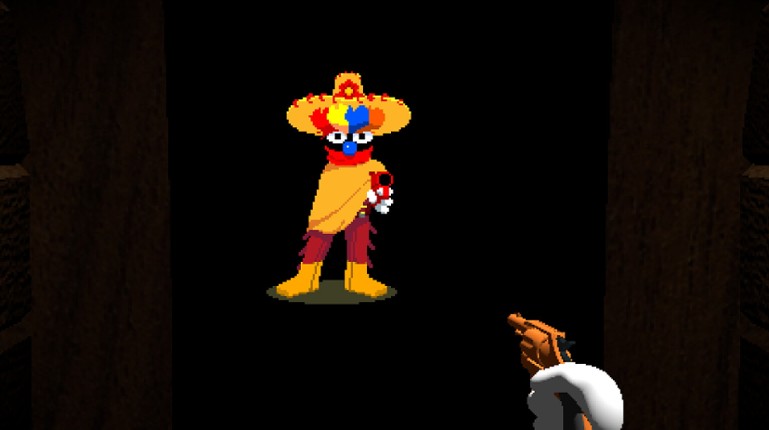
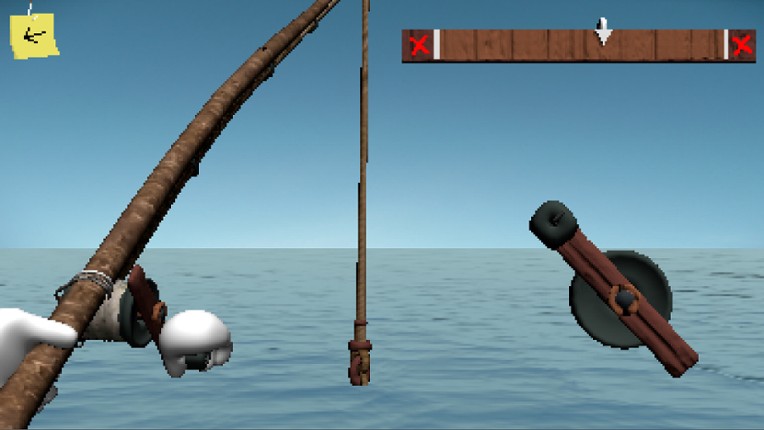
- 100%Game Brain ScoreMost mentioned positive aspects:story, musicMost mentioned negative aspects:grinding, monetization100% User Score 861 reviews
MESMALIE is an occult adventure game. A magickal incident in your personal life brings you to a small witches' coven in the middle of nowhere. Here, you'll learn to tame your ability... though, not without some bumps along the way. If you enjoyed this game, see our list of games similar to Mesmalie.
View Game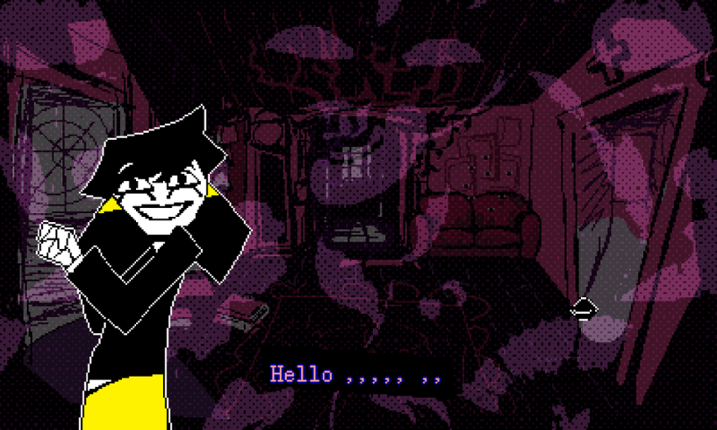
41 View Game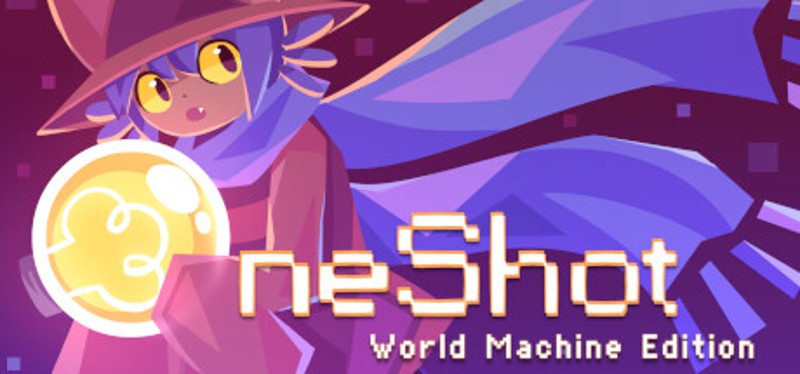 99%Game Brain ScoreMost mentioned positive aspects:story, emotionalMost mentioned negative aspects:grinding, replayability99% User Score 2,438 reviews
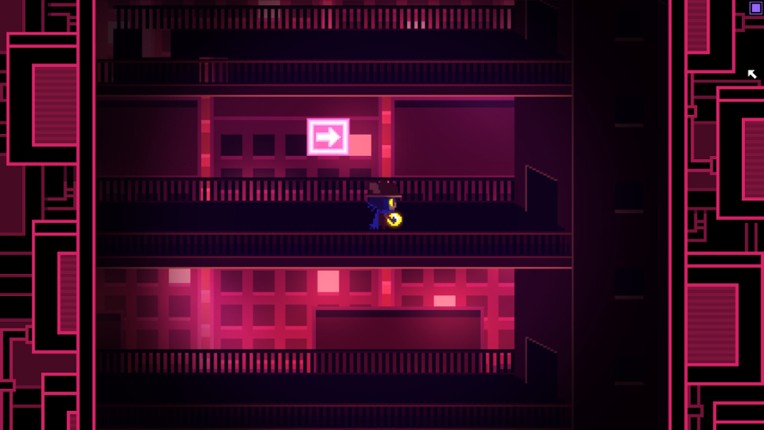
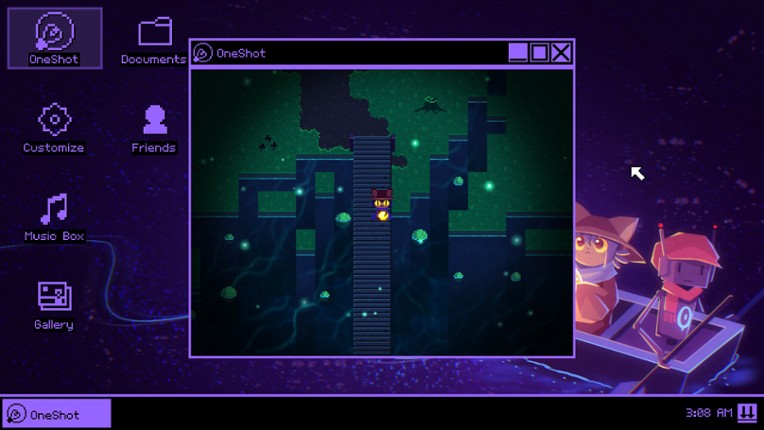
A rebuilt version of the acclaimed puzzle adventure game, now playable on Steam Deck and Windows! OneShot, one of the highest user-rated titles on Steam, has been completely rebuilt for modern portable consoles. With an entirely new engine, new UI, new hidden collectibles, support for more platforms, and more, OneShot WME features world-bending puzzles, intriguing denizens, surreal environments… If you enjoyed this game, see our list of games similar to OneShot: World Machine Edition.
View Game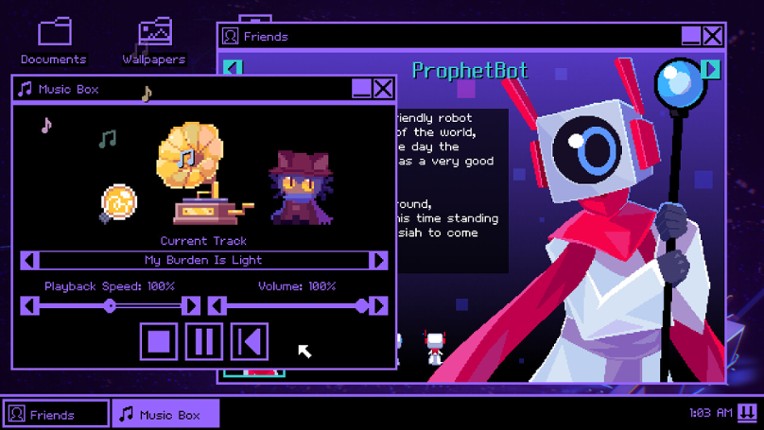
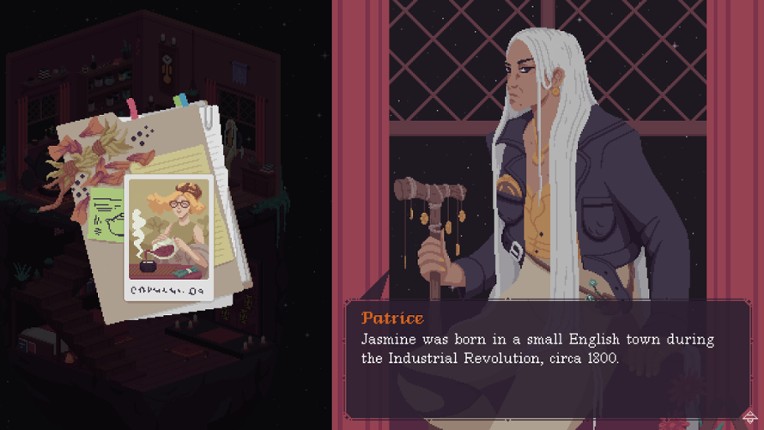
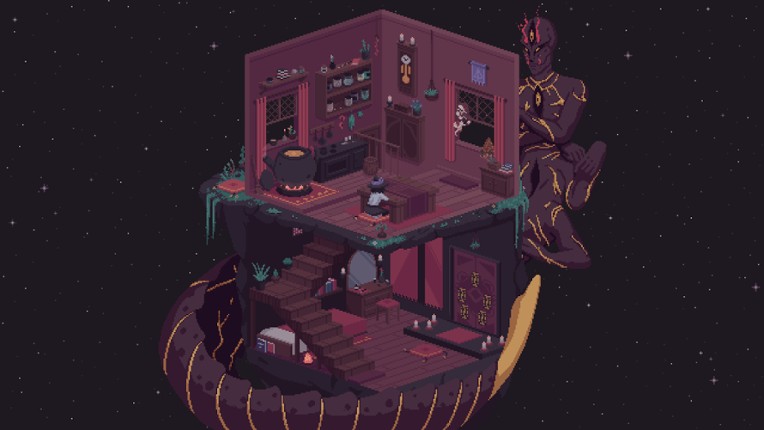
42 View Game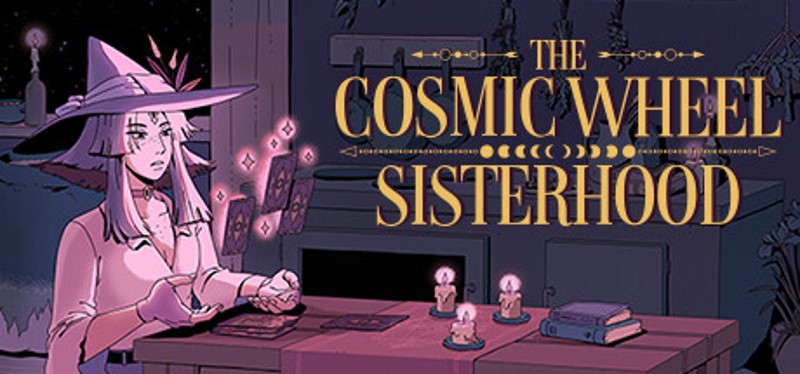 93%Game Brain ScoreMost mentioned positive aspects:story, gameplayMost mentioned negative aspects:grinding, stability95% User Score 3,444 reviewsCritic Score 88%2 reviewsShifts Omori’s psychological horror into a colorful, narrative-driven tale with strong LGBTQ+ themes and a magical, female-led storyline. If you enjoyed this game, see our list of games similar to The Cosmic Wheel Sisterhood.View Game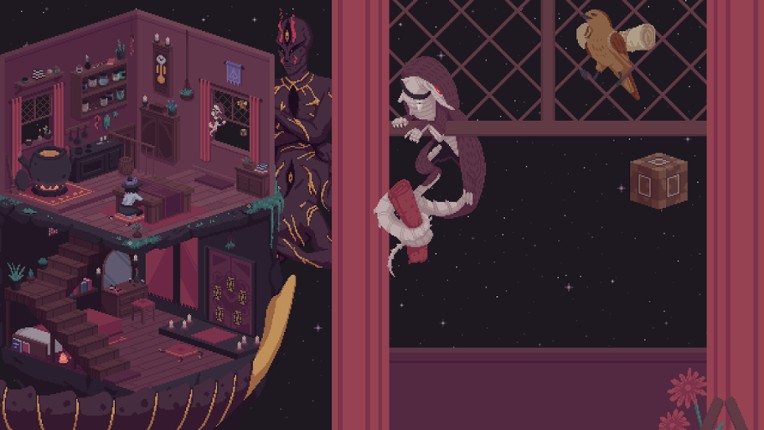
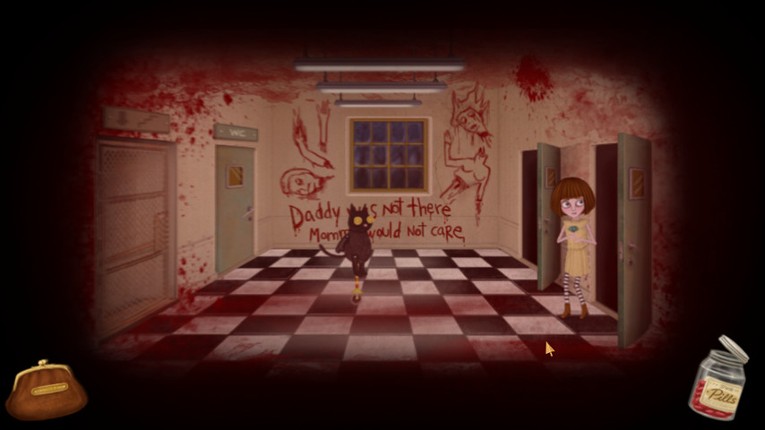
- 87%Game Brain ScoreMost mentioned positive aspects:story, graphicsMost mentioned negative aspects:grinding, optimization97% User Score 8,976 reviewsCritic Score 65%4 reviews
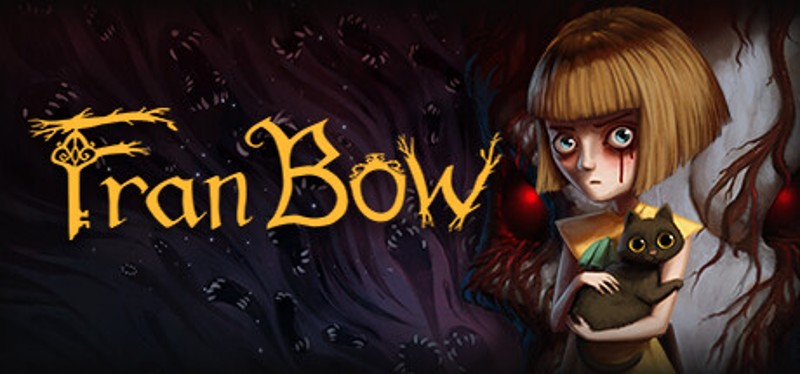
The house of madness invites you inside. If you enjoyed this game, see our list of games similar to Fran Bow.
View Game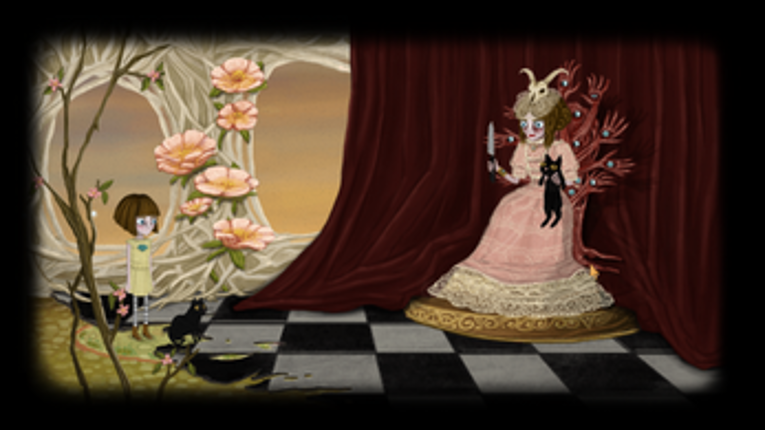

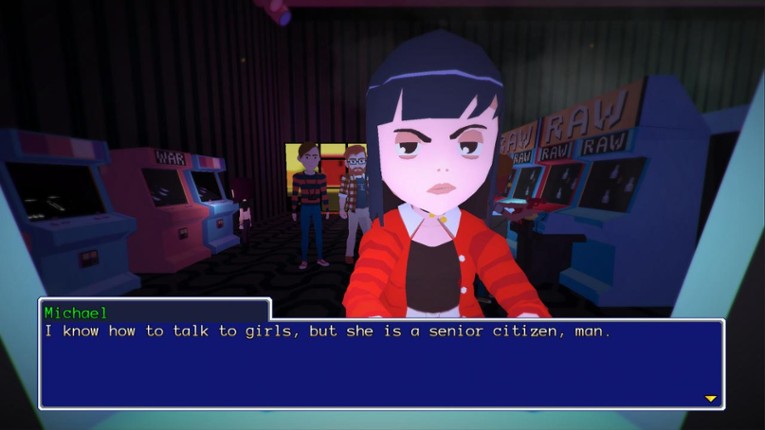
- 77%Game Brain ScoreMost mentioned positive aspects:story, musicMost mentioned negative aspects:grinding, stability78% User Score 1,164 reviewsCritic Score 73%1 reviews
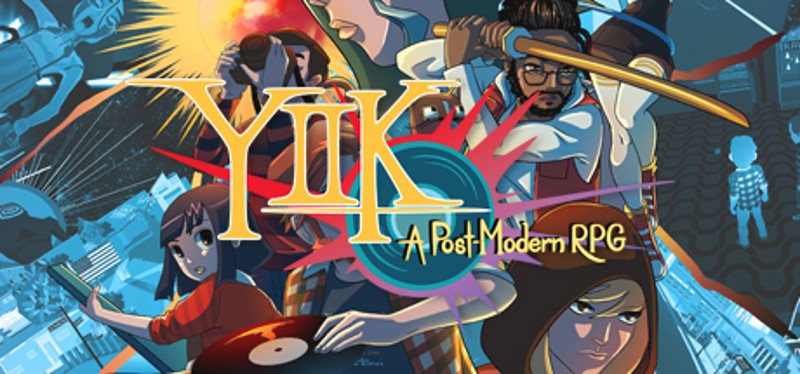
YIIK is a colourful 3D Japanese-Style RPG set in the 1990s and based around a mystery in a small town. Recent college graduate Alex Eggleston gathers weirdos from the internet to investigate the mystery around Sammy Pak, a mysterious woman who goes missing in a supernatural event. The player can control the characters in turn based battles where normal everyday objects are used as weapons. The com… If you enjoyed this game, see our list of games similar to YIIK: A Postmodern RPG.
View Game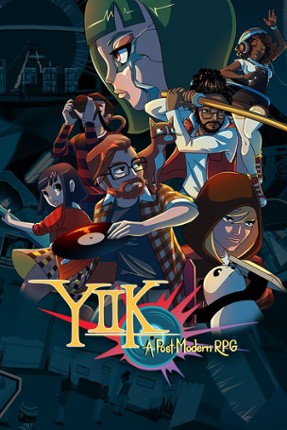
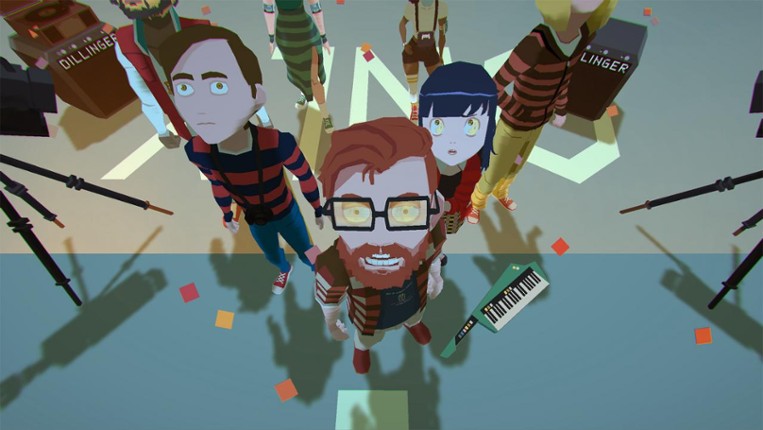
- 94%Game Brain ScoreMost mentioned positive aspects:story, graphicsMost mentioned negative aspects:grinding, stability94% User Score 1,252 reviewsAdopts Omori’s multiple endings and psychological horror but centers on a female protagonist within a mystery-driven, free-to-play horror drama. If you enjoyed this game, see our list of games similar to At Home Alone Final.View Game
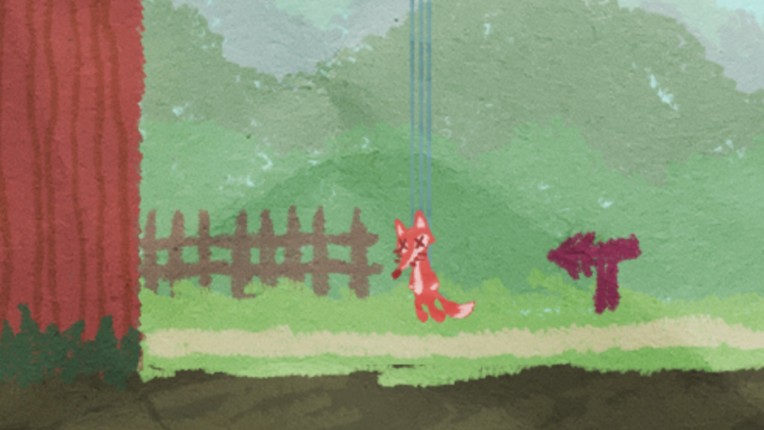
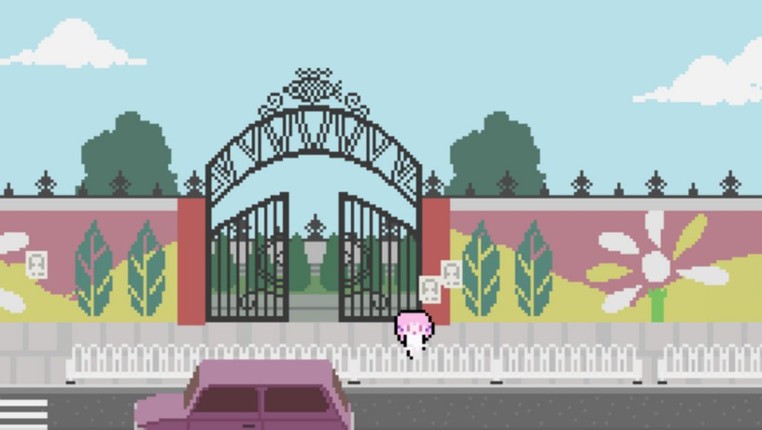
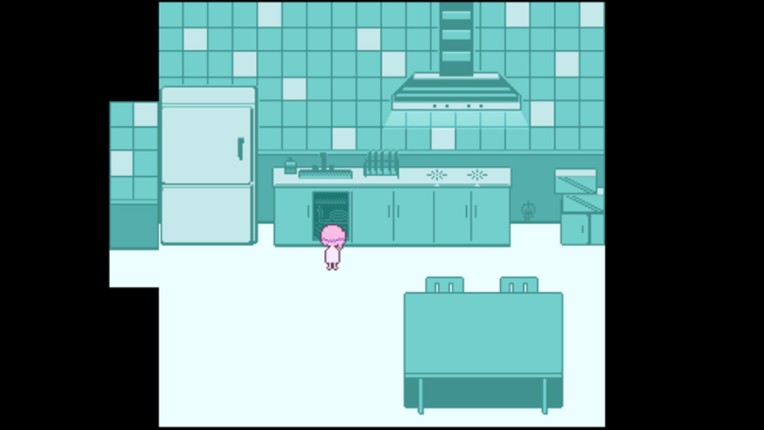
- 98%Game Brain ScoreMost mentioned positive aspects:story, musicMost mentioned negative aspects:grinding, optimization98% User Score 2,345 reviewsWhile the connection to Omori is loose, this minimalist project offers a stripped-down indie experience for those seeking pure experimental storytelling. If you enjoyed this game, see our list of games similar to BRUTAL END TEARS.View Game
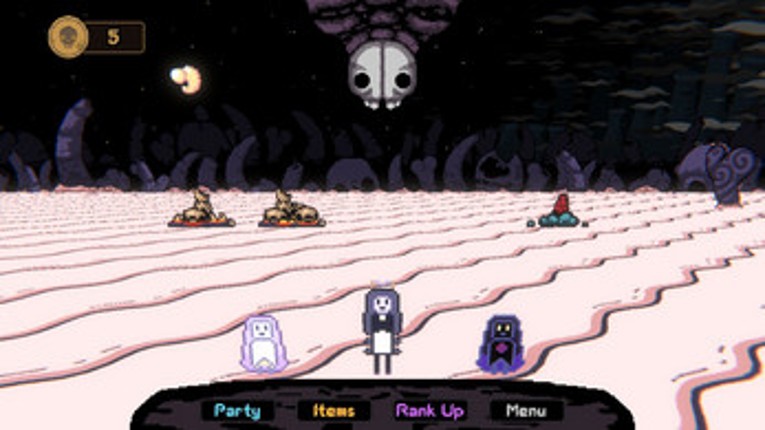
- 98%Game Brain ScoreMost mentioned positive aspects:graphics, musicMost mentioned negative aspects:grinding, optimization98% User Score 7,496 reviews
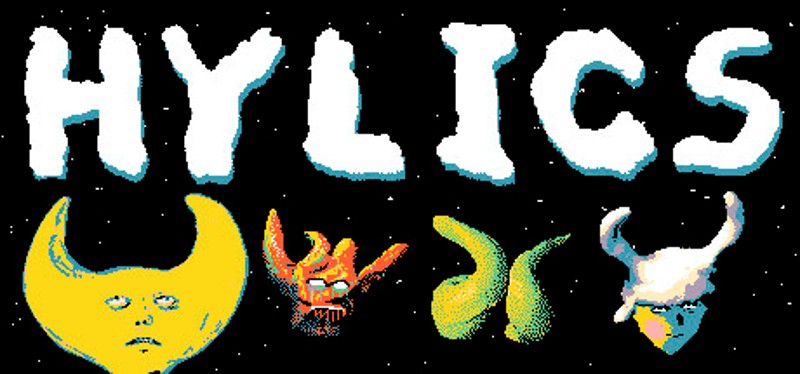
Hylics is a recreational program with light JRPG elements. If you enjoyed this game, see our list of games similar to Hylics.
View Game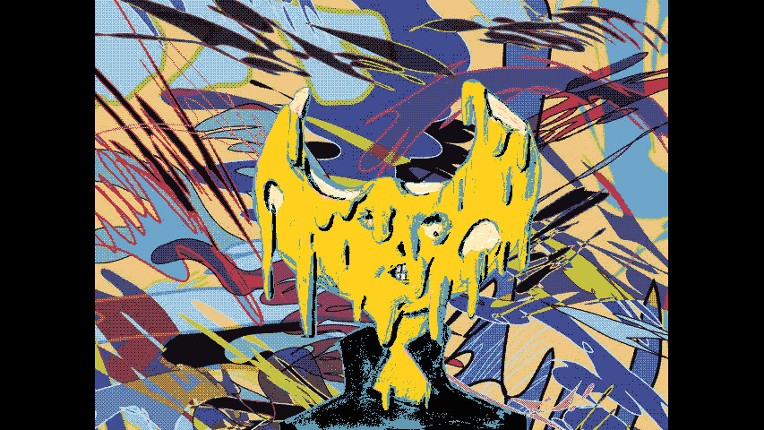

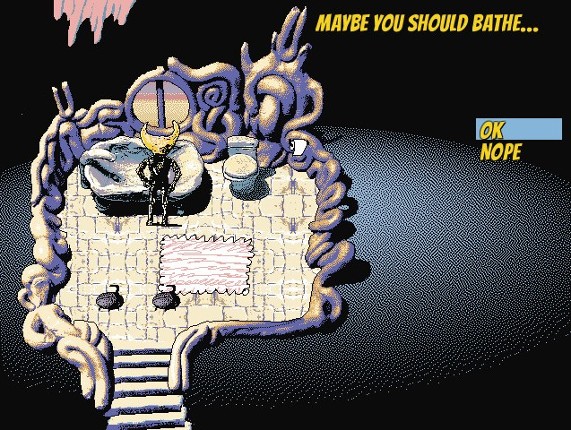
- 87%Game Brain ScoreMost mentioned positive aspects:story, emotionalMost mentioned negative aspects:replayability, grinding88% User Score 18,116 reviewsCritic Score 80%1 reviewsDiverts Omori’s gameplay toward a more abstract, first-person exploration focused on philosophical narration and experimental storytelling. If you enjoyed this game, see our list of games similar to The Beginner's Guide.View Game
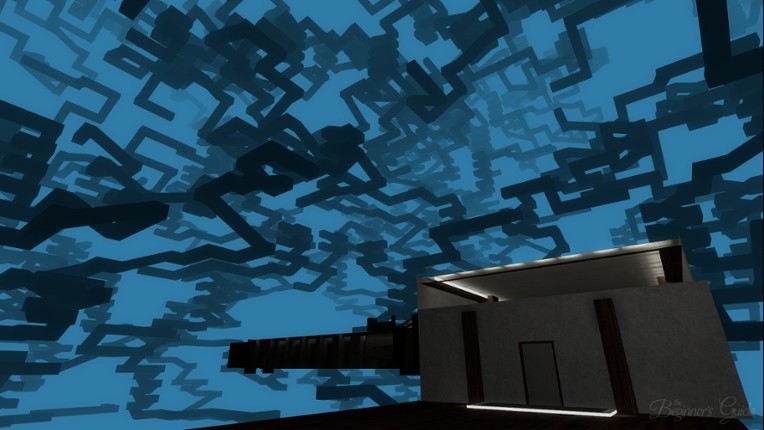
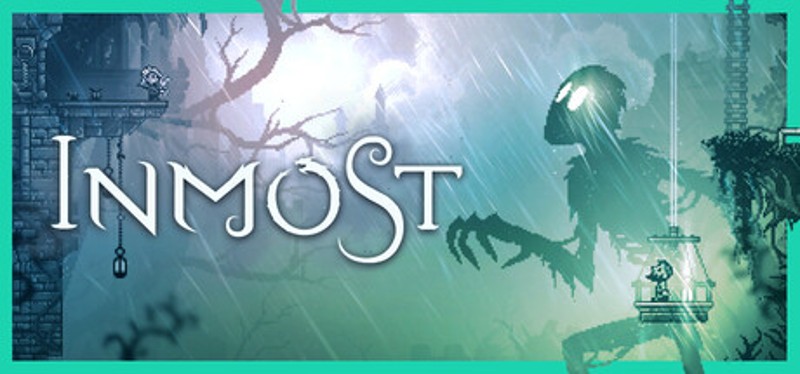
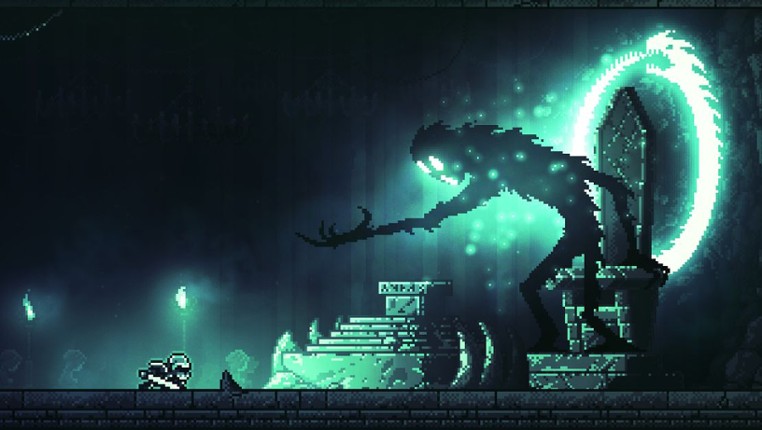
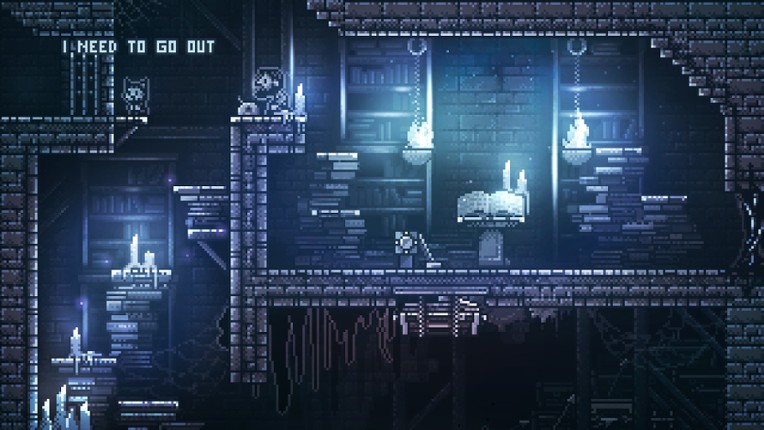
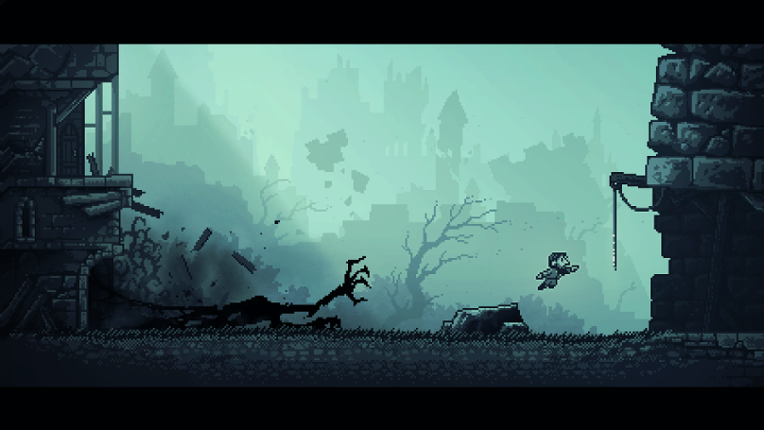
- 86%Game Brain ScoreMost mentioned positive aspects:story, gameplayMost mentioned negative aspects:grinding, replayability87% User Score 2,906 reviewsCritic Score 82%3 reviewsFocuses on puzzle platforming within a dark, cinematic atmosphere that deepens Omori’s psychological horror through retro pixel art and exploration. If you enjoyed this game, see our list of games similar to INMOST.View Game
50 View Game 93%Game Brain ScoreMost mentioned positive aspects:story, musicMost mentioned negative aspects:grinding, optimization95% User Score 3,010 reviewsCritic Score 91%5 reviews
A gothic suspense tale set in a cursed mansion. The House in Fata Morgana is a full-length visual novel spanning nearly a millennium that deals in tragedy, human nature, and insanity. If you enjoyed this game, see our list of games similar to The House in Fata Morgana.
View Game



 View Game
































Frequently Asked Questions
For emotionally rich narratives, try In Stars And Time, which features incredible storytelling with time loop mechanics and expressive character designs. Rakuen explores themes of loss and hope with gorgeous pixel art, while Until Then delivers deeply relatable characters with multiple endings. All three share Omori's focus on emotional depth and atmospheric storytelling.
Pleh! is a free, story-rich experience that blends 2D and 3D environments while exploring mental health themes. Despite being free-to-play, it offers powerful narrative content comparable to Omori's psychological depth. It's perfect if you want meaningful storytelling without spending money.
In Stars And Time combines turn-based tactical combat with party-based mechanics and stunning pixel art. LISA: The UNDONE offers turn-based party RPG gameplay alongside psychological horror elements. Both deliver Omori's classic turn-based strategy in visually stylized 2D worlds with rich narratives.
LISA: The UNDONE masterfully balances dark humor with grim subject matter, backed by an eclectic, bizarre soundtrack. Everhood combines role-playing with musical elements and exceptional audio design. Both games match Omori's blend of unsettling atmosphere with memorable, conversation-starting scores.
Most recommendations like In Stars And Time, Rakuen, Until Then, and LISA: The UNDONE are available on PC via Steam. Several also have Nintendo Switch ports, making them accessible across platforms. Check each game's store page for current platform availability.
Before Your Eyes uses an innovative blinking mechanic for narrative progression, creating an emotionally immersive experience. Vs. Alfie: Moonlit Melodies combines rhythm mechanics with bullet hell action. Everhood blends trading systems with musical gameplay, offering mechanics that go beyond traditional RPGs.