

Games like Undertale
If Undertale left a mark on you — its pacifist runs, its bullet-hell dodge sequences, its villain who just wants a hug — you're probably searching for games like Undertale that deliver that same rare mix of emotional gut-punches and genuinely clever mechanics. The good news: there's a whole constellation of games built around similar ideas, and several of them hit just as hard.
What makes Undertale so hard to replace is the specific cocktail it serves: turn-based RPG structure layered with bullet-hell combat, a pixel art world soaked in dark humor and surprising tenderness, choices that actually reshape the narrative, and a Toby Fox soundtrack that makes grown adults cry on public transport. Players aren't just looking for another RPG — they want story-rich games where tone, music, and player agency work together to create something that feels genuinely personal.
What Makes a Good Alternative to Undertale?
- Bullet-hell combat with RPG roots — Undertale's signature mechanic fuses turn-based decision-making with real-time dodging. The best alternatives preserve that tension between thinking and reacting rather than flattening it into pure action.
- Choices that carry real weight — Not just branching dialogue, but decisions that alter the story, unlock different endings, or change how the world treats you. That sense of moral consequence is central to what Undertale players remember most.
- A standout original soundtrack — Undertale's music isn't background noise; it's emotional scaffolding. Similar games worth your time use their OST the same way, with tracks that are inseparable from specific story moments.
- Psychological depth beneath a cute exterior — Undertale wraps genuinely dark themes in a disarmingly charming shell. The best alternatives share that tonal duality — they earn their darker moments rather than just announcing them.
- Story richness with humor that earns its place — The comedy in Undertale lands because it's grounded in character. Alternatives that mix funny and harrowing without either canceling the other out are rare and worth celebrating.
Top Picks If You Enjoyed Undertale
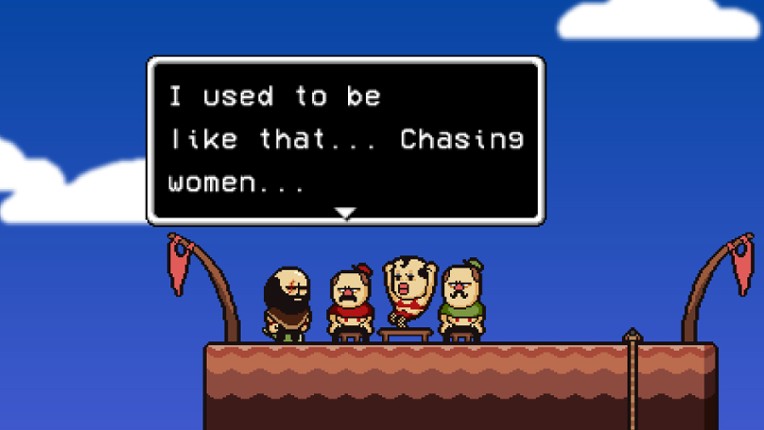
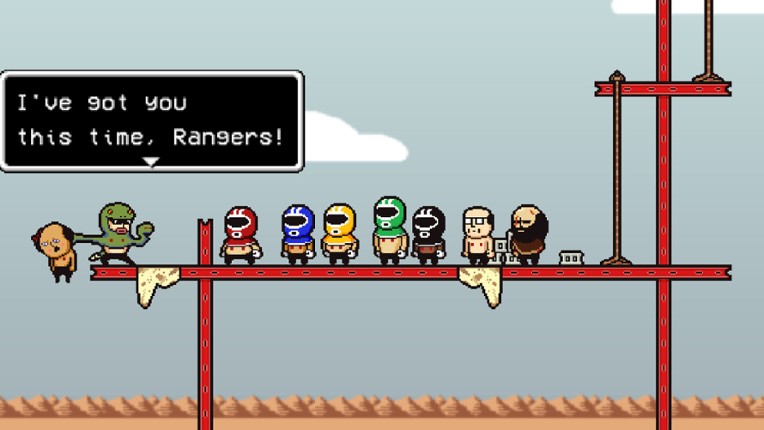
DELTARUNE is the obvious first stop — same creator, even stronger soundtrack, deeper combat. Omori goes further into psychological horror with a story that genuinely devastates. LISA: The UNDONE nails the dark-humor-meets-real-grief formula in a grim post-apocalyptic setting. Everhood strips things down to pure rhythm-based bullet-hell with a surprisingly philosophical narrative. Vs. Alfie: Moonlit Melodies blends rhythm mechanics with bullet-hell and a thought-provoking story about mortality.
Every recommendation below is ranked by similarity using real player data, so the closest matches to what made Undertale special appear first. Scroll down to browse the full list and find your next favorite.
- 98%Game Brain ScoreMost mentioned positive aspects:story, musicMost mentioned negative aspects:grinding, stability98% User Score 86,246 reviews
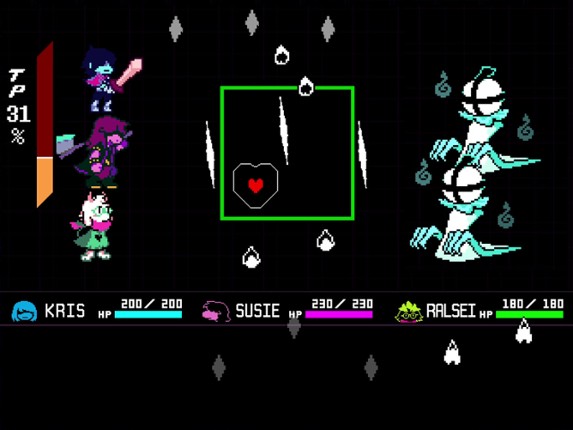
If you thrived on Undertale's hybrid combat—dodging attacks in real-time while choosing mercy over violence—DELTARUNE doubles down on that tension between turn-based strategy and bullet-hell reflexes. The system forces you to weigh tactical decisions during planning phases against split-second survival in the action segments, creating the same rhythm of contemplation and adrenaline.
Both games lean heavily on Toby Fox's compositional mastery to anchor emotional beats, and DELTARUNE's soundtrack achieves that same resonance where a single track can shift your understanding of a character or scene. The writing also preserves Undertale's tonal whiplash—blending genuine vulnerability with absurdist humor—though here it threads a mystery box rather than a linear moral arc.
Where DELTARUNE separates itself is through episodic pacing: instead of one contained journey, you're piecing together a larger puzzle across chapters, trading narrative closure for sustained intrigue. This structure demands replay and theorycrafting in ways Undertale's fixed routes don't quite demand.
Best for Undertale fans who craved deeper mechanical complexity and don't mind narrative ambiguity as a feature rather than a frustration.
If you enjoyed this game, see our list of games similar to DELTARUNE.View Game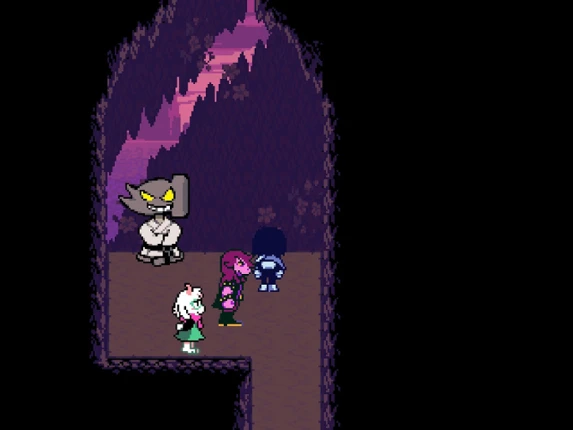
- 94%Game Brain ScoreMost mentioned positive aspects:story, emotionalMost mentioned negative aspects:grinding, stability98% User Score 94,700 reviewsCritic Score 83%2 reviews
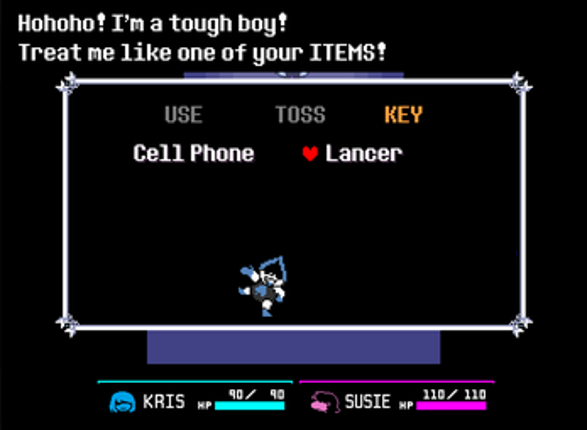
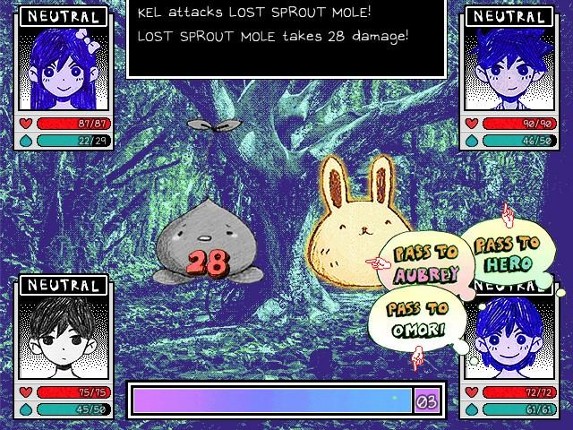
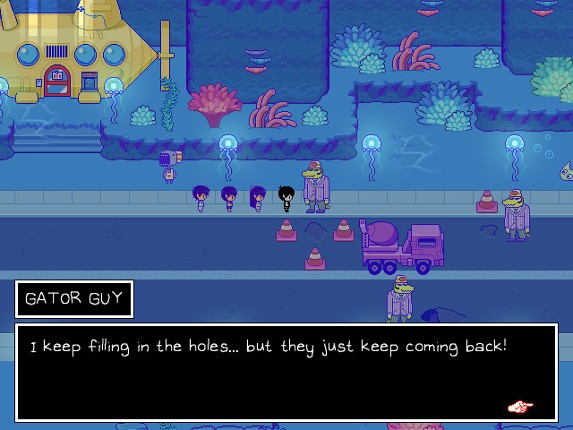
That mix of cheerful exploration and sudden dread is exactly where Omori clicks for Undertale fans. Both games reward curiosity with hidden interactions, optional details, and multiple endings, so poking at everything feels worthwhile rather than cosmetic. They also lean on a strong soundtrack and sharp presentation to make every quiet moment and emotional shift land harder.
The biggest overlap is how they turn player choice into atmosphere. In Undertale, your decisions reshape the run; in Omori, the same kind of attention to behavior and routes changes how the journey unfolds, which gives exploration real weight. That matters because it creates the same “I should check one more thing” rhythm that makes both games so memorable.
Omori also trades Undertale’s joke-forward energy for a more sustained psychological edge. You still get humor and heart, but they sit beside heavier tension and a slower, more inward style of storytelling, which feels like a fresh angle rather than a rejection of what Undertale does well. It also addresses a common Undertale complaint by offering a longer, more expansive adventure with more room to sit in its world.
Best for players who want choice-driven RPGs with strong music, multiple endings, and a darker emotional bite.
If you enjoyed this game, see our list of games similar to Omori.View Game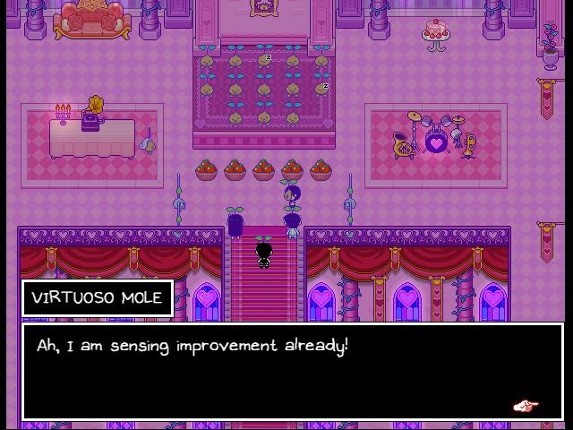
- 82%Game Brain ScoreMost mentioned positive aspects:story, gameplayMost mentioned negative aspects:grinding, optimization82% User Score 9,316 reviews
Navigating a claustrophobic facility where every encounter demands precise movement mirrors the high-stakes evasion found in Undertale’s bullet-hell sequences. This focus on spatial awareness and avoiding contact through reflexes creates a tension familiar to anyone who mastered the pacifist route. It translates that same feeling of vulnerability into a constant, environmental survival puzzle.
Both experiences utilize pixel aesthetics to mask unsettling psychological horror, luring you in with endearing designs before subverting them. Because your choices matter, the narrative branches respond directly to how you treat the world’s inhabitants. This creates a similar emotional burden where the player feels personally responsible for the protagonist's safety and moral standing.
While Undertale is occasionally criticized for its "crude" graphics, Changed delivers more fluid animations and visual detail within its 2D world. It swaps turn-based menus for punishing survival-action, offering a mechanical pivot for those who felt the former's combat eventually became repetitive.
This recommendation serves as a distinct detour for fans who crave a darker, more challenging take on human-monster interactions. Best for players who value narrative consequences and environmental mastery over traditional RPG leveling.
If you enjoyed this game, see our list of games similar to Changed.View Game
- 99%Game Brain ScoreMost mentioned positive aspects:humor, musicMost mentioned negative aspects:grinding, replayability99% User Score 1,675 reviewsBorrows Undertale's retro charm and silly tone but simplifies into a bite-sized free exploration game about cats and absurdist conversations. If you enjoyed this game, see our list of games similar to Catgirl.View Game
- 89%Game Brain ScoreMost mentioned positive aspects:music, storyMost mentioned negative aspects:grinding, stability96% User Score 14,960 reviewsCritic Score 82%11 reviews
Everhood shares Undertale’s emphasis on blending rhythm-based combat with meaningful narrative choices, creating a distinctive player experience that balances action and story. This dual mechanic shapes emotional engagement, driving player investment through mechanics that test both reflexes and decision-making.
Both games excel in their soundtracks and humor, enriching atmosphere and replayability, which makes Everhood a worthy follow-up for those who value Undertale’s tonal mix. However, Everhood’s more abstract mystery tone and occasional grinding can feel less accessible, especially with reported bugs affecting flow.
Pick Everhood if you want a rhythm-focused challenge with layered storytelling and can tolerate rough edges, but not if you seek Undertale’s straightforward emotional clarity and polished execution.
If you enjoyed this game, see our list of games similar to Everhood.View Game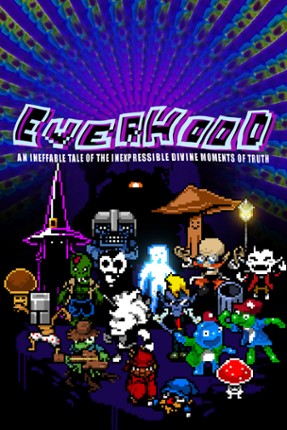
- 96%Game Brain ScoreMost mentioned positive aspects:story, humorMost mentioned negative aspects:grinding, stability96% User Score 11,355 reviews
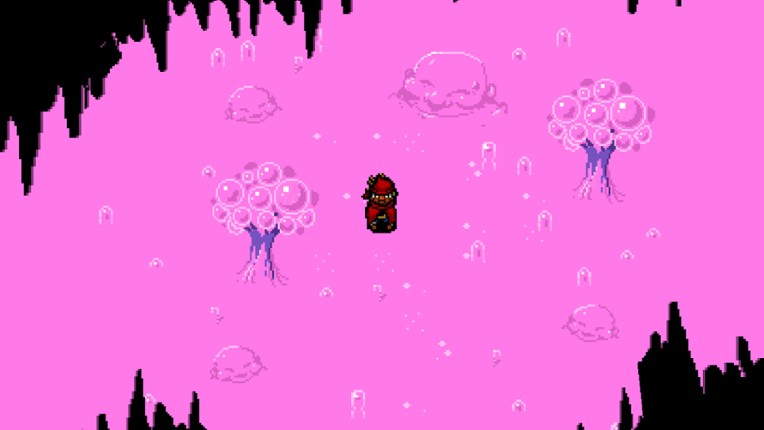
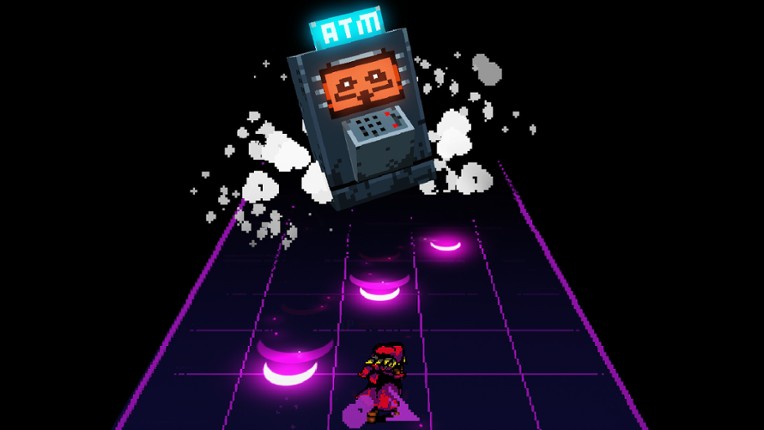
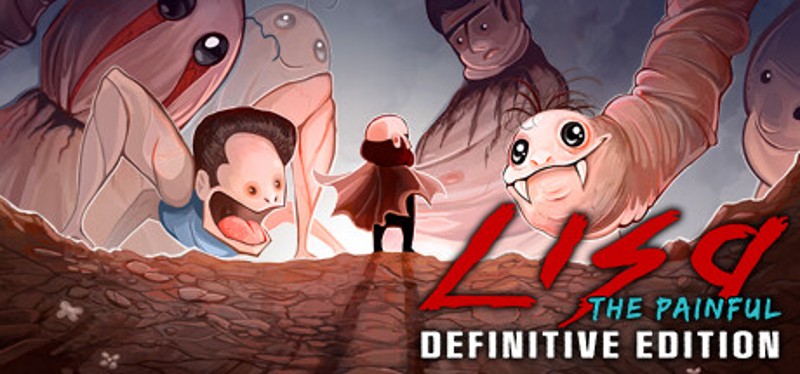
That feeling in Undertale where a single choice reframes everything you thought you understood about the world? LISA: The UNDONE builds its entire design around that same pressure. Decisions carry psychological weight here, and the game holds you accountable in ways that feel genuinely unsettling rather than performative.
Both games pair dark subject matter with absurdist humor, but the comedy in LISA earns its laughs differently — the jokes emerge from character and situation rather than winking at the player, which means the tonal whiplash hits harder when the narrative turns grim. The pixel-based RPG combat will also feel familiar, threading turn-based mechanics through a story that constantly reminds you the fight was never really the point.
Where Undertale's critics found the gameplay loop thin or repetitive, LISA leans into a party-based structure that adds strategic texture to encounters. The tradeoff is a rougher, less polished experience — this is scrappier and stranger, not cleaner.
Best for players who want their dark humor to leave a mark, not just a smirk.
If you enjoyed this game, see our list of games similar to LISA: The UNDONE.View Game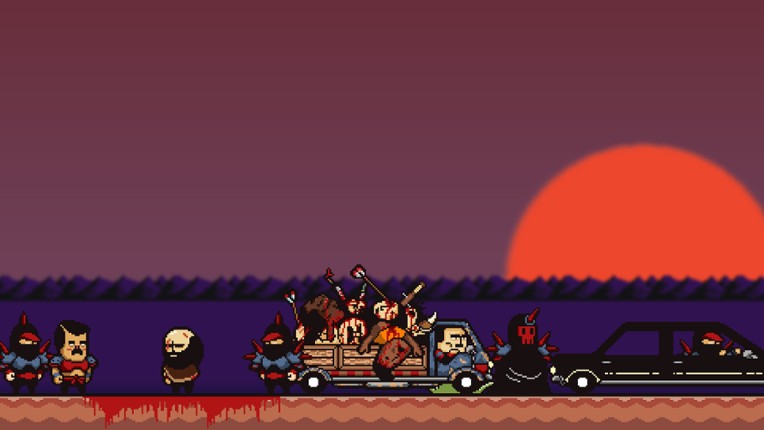
- 99%Game Brain ScoreMost mentioned positive aspects:story, emotionalMost mentioned negative aspects:grinding, replayability99% User Score 2,438 reviews
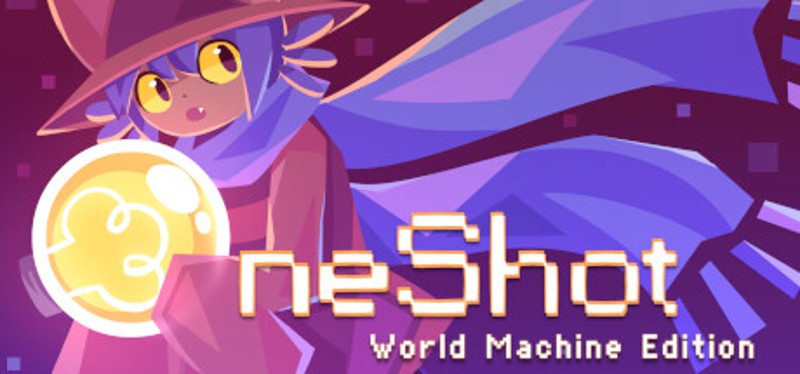
A rebuilt version of the acclaimed puzzle adventure game, now playable on Steam Deck and Windows! OneShot, one of the highest user-rated titles on Steam, has been completely rebuilt for modern portable consoles. With an entirely new engine, new UI, new hidden collectibles, support for more platforms, and more, OneShot WME features world-bending puzzles, intriguing denizens, surreal environments… If you enjoyed this game, see our list of games similar to OneShot: World Machine Edition.
View Game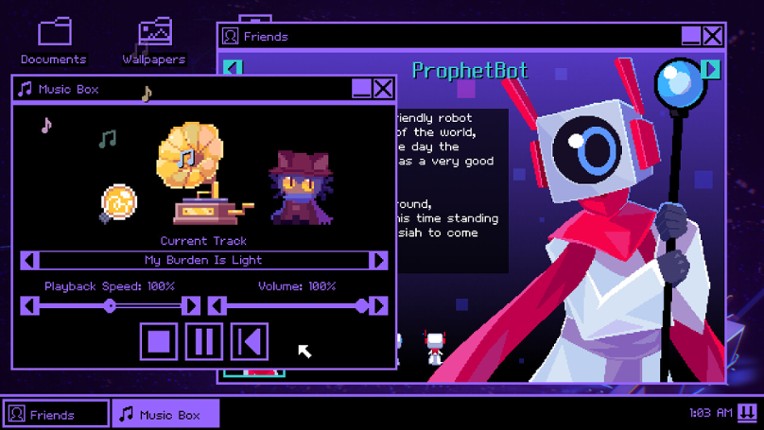
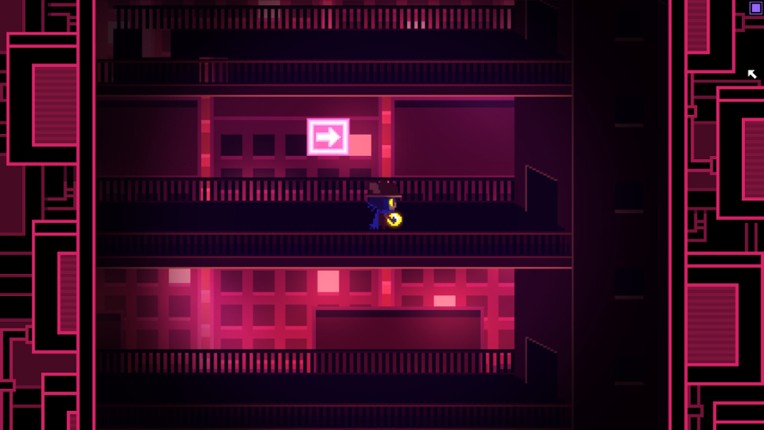
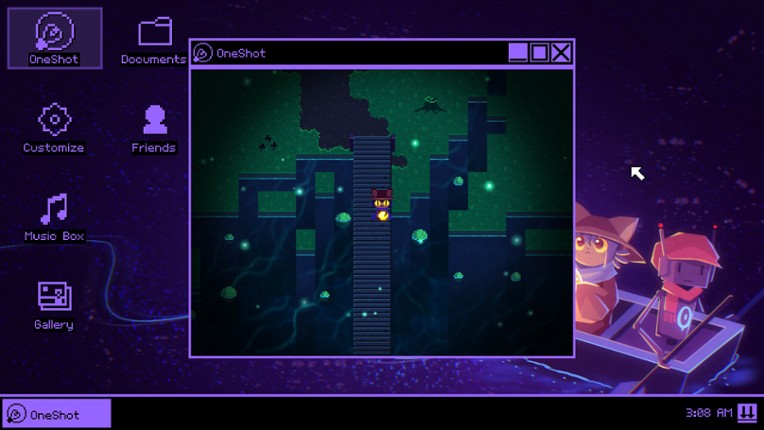
- 51%Game Brain ScoreMost mentioned positive aspects:story, musicMost mentioned negative aspects:grinding, monetization51% User Score 2,920 reviewsMirrors Undertale's pixel heart-and-choice design with atmospheric exploration and psychological dread, but maintains whimsy through cute aesthetics. If you enjoyed this game, see our list of games similar to Heartbound.View Game

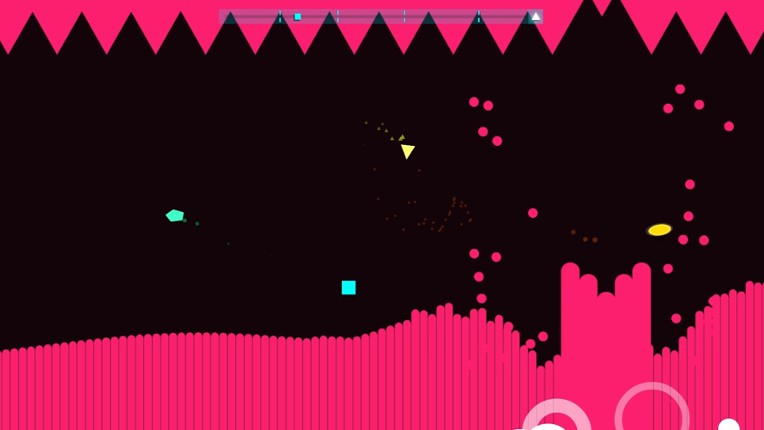
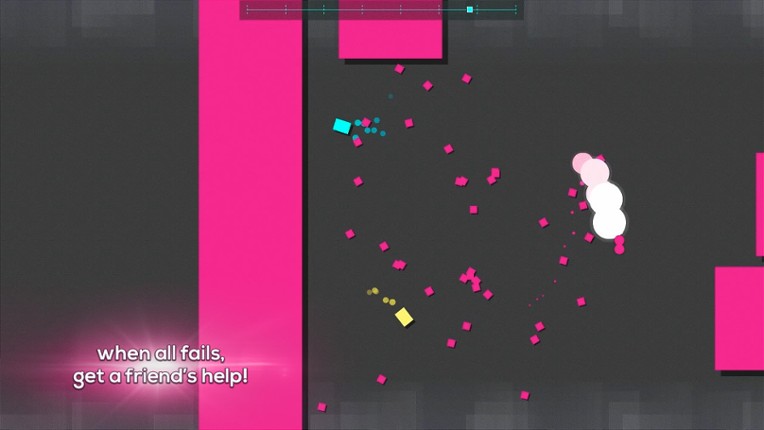
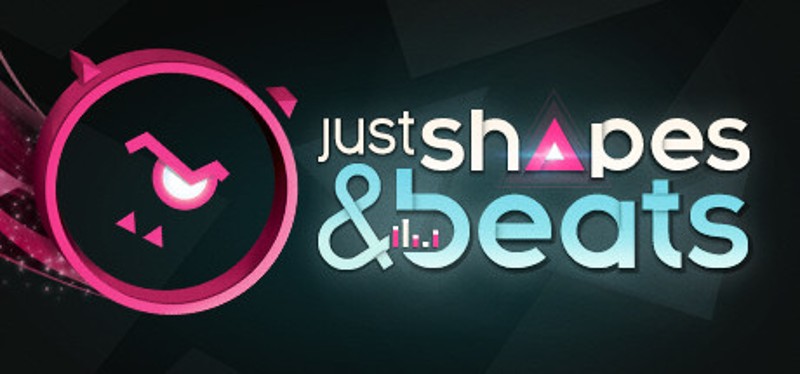
- 93%Game Brain ScoreMost mentioned positive aspects:music, storyMost mentioned negative aspects:grinding, stability97% User Score 21,026 reviewsCritic Score 88%12 reviewsThis rhythmic experience leans into the bullet hell mechanics of the source material but replaces narrative RPG choices with pure music-synced reaction tests. If you enjoyed this game, see our list of games similar to Just Shapes & Beats.View Game
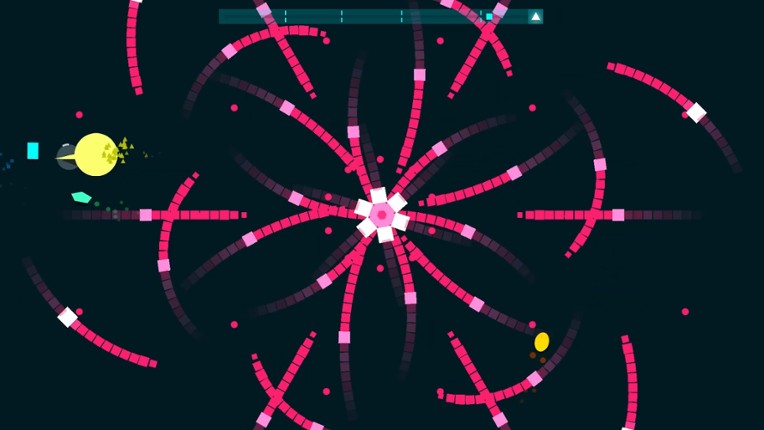
10 View Game 92%Game Brain ScoreMost mentioned positive aspects:story, emotionalMost mentioned negative aspects:stability, grinding97% User Score 16,423 reviewsCritic Score 85%8 reviews
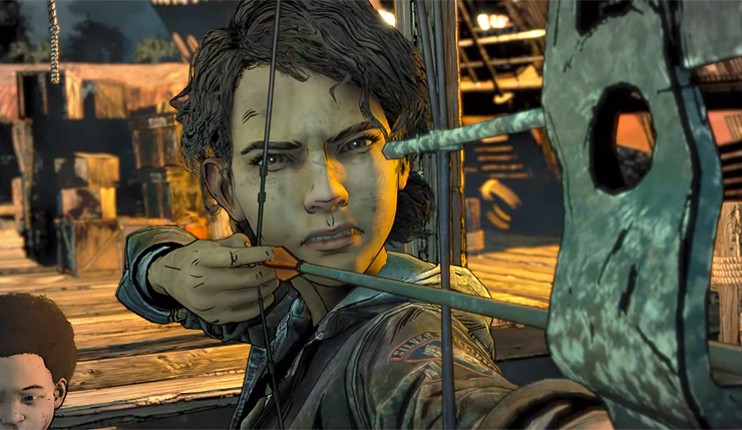
Both games hinge on player choice determining story outcomes, forcing you to live with consequences across multiple playthroughs. This shared DNA means replaying for alternate endings feels purposeful rather than grinding.
Telltale pairs this with heavy narrative focus over mechanical complexity—like Undertale, story and character depth matter far more than skill-based gameplay.
The critical difference: Undertale blends combat and dialogue into hybrid encounters; Telltale strips combat almost entirely, trading bullet-hell tension for conversation-driven moral dilemmas in a grittier, adult tone.
Pick this if you loved Undertale's story-first philosophy and multiple endings, but want darker, mature storytelling without the retro pixel aesthetic or combat system.
If you enjoyed this game, see our list of games similar to The Walking Dead: The Telltale Definitive Series.View Game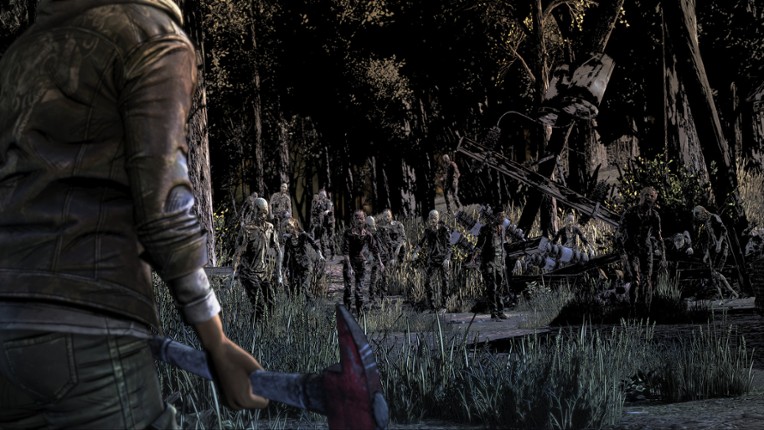
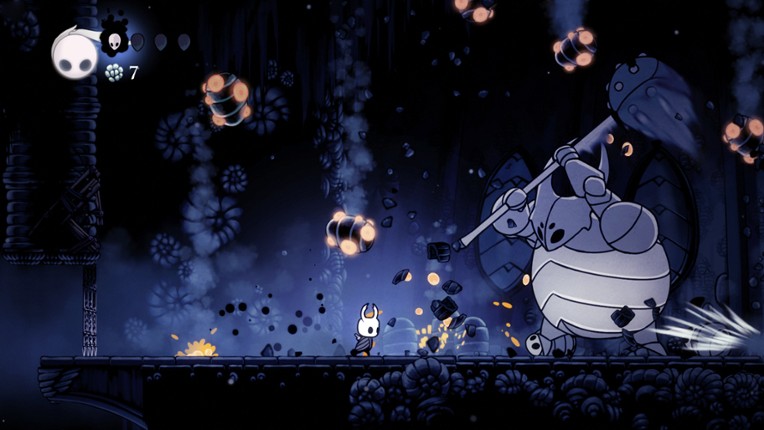
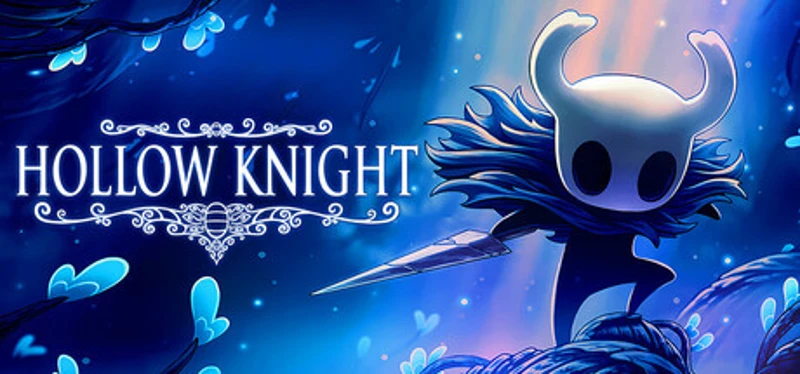
- 94%Game Brain ScoreMost mentioned positive aspects:music, storyMost mentioned negative aspects:grinding, stability97% User Score 193,267 reviewsCritic Score 90%9 reviews
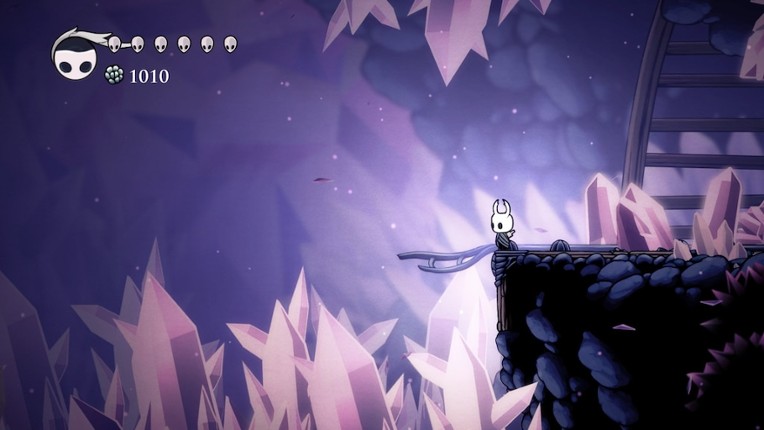
Both games excel at environmental storytelling, rewarding players who obsessively parse lore hidden within bleak, subterranean worlds. This shared dedication to world-building matters because it transforms simple exploration into an emotional investment in the fate of every NPC you encounter.
The primary shift lies in your agency: Undertale relies on social diplomacy and morality-based combat, while Hollow Knight demands mechanical mastery and precision platforming to survive its unforgiving gauntlet.
Pick this up if you crave the cryptic mystery and melancholic atmosphere of the Underground, but prefer testing your reflexes over navigating complex dialogue trees.
If you enjoyed this game, see our list of games similar to Hollow Knight.View Game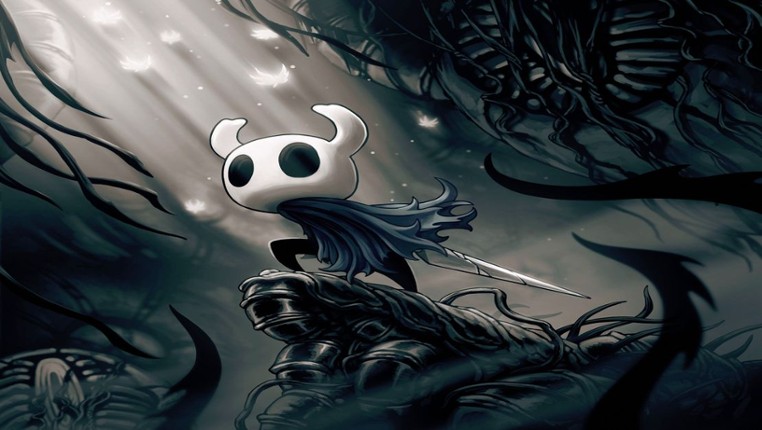
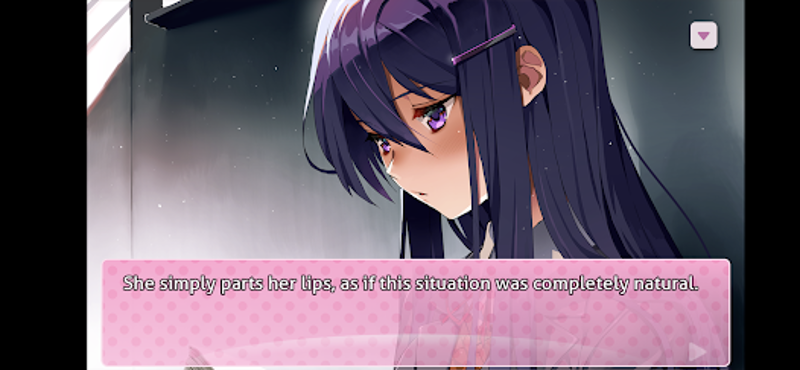
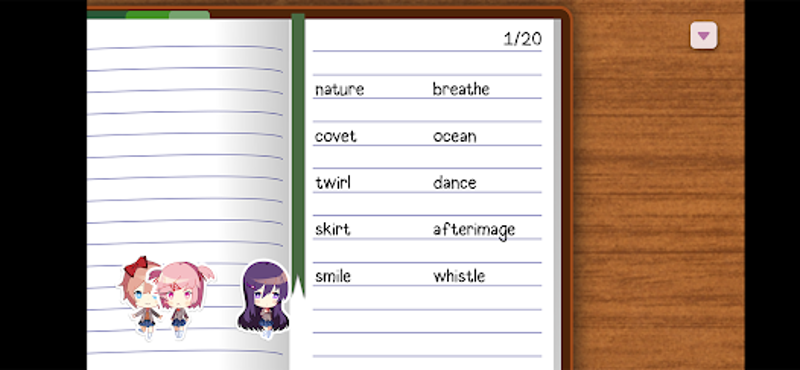
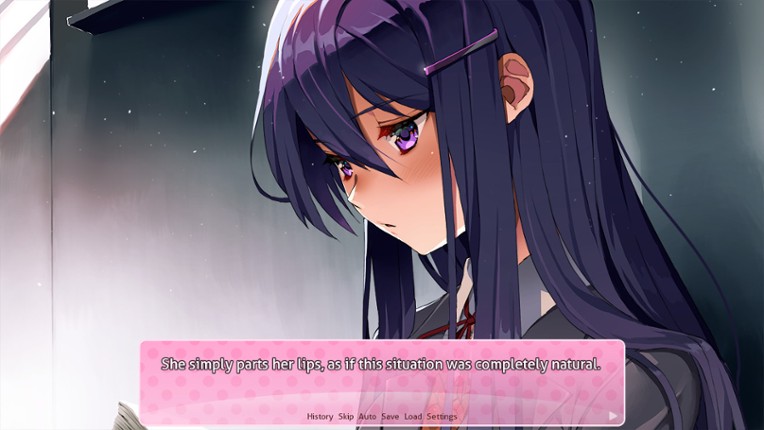
- 97%Game Brain ScoreMost mentioned positive aspects:story, emotionalMost mentioned negative aspects:stability, grinding97% User Score 122,636 reviewsAmplifies Undertale's psychological horror and meta-narrative tricks into a genuinely unsettling visual novel about reality breaking. If you enjoyed this game, see our list of games similar to Doki Doki Literature Club.View Game
- 99%Game Brain ScoreMost mentioned positive aspects:story, musicMost mentioned negative aspects:grinding, monetization99% User Score 4,592 reviews
Horror visual novel coming in January 2023. If you enjoyed this game, see our list of games similar to Paper Lily: Chapter 1.
View Game


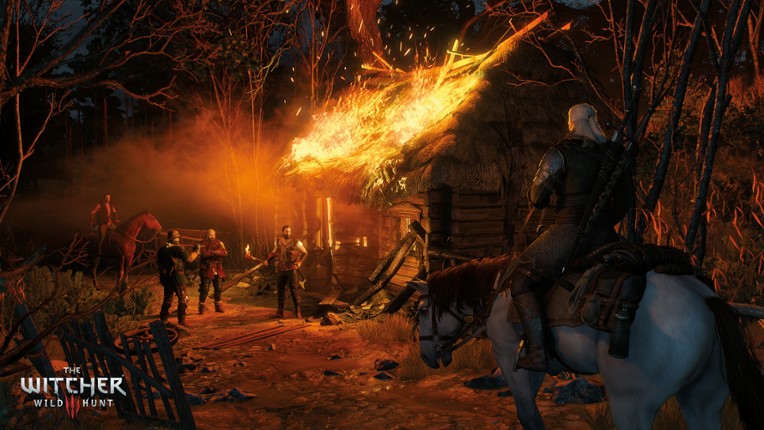
14 View Game 95%Game Brain ScoreMost mentioned positive aspects:story, graphicsMost mentioned negative aspects:stability, grinding97% User Score 245,794 reviewsCritic Score 92%8 reviewsReplaces Undertale's whimsy with mature dark fantasy politics and replaces turn-based combat with real-time sword play across hundreds of hours. If you enjoyed this game, see our list of games similar to The Witcher 3: Wild Hunt.View Game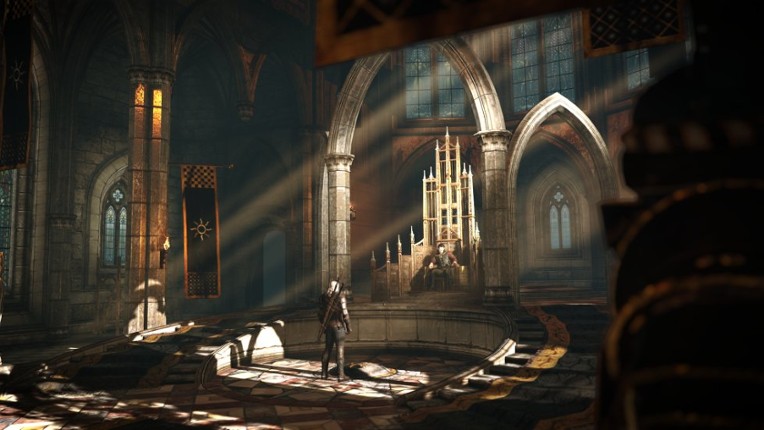
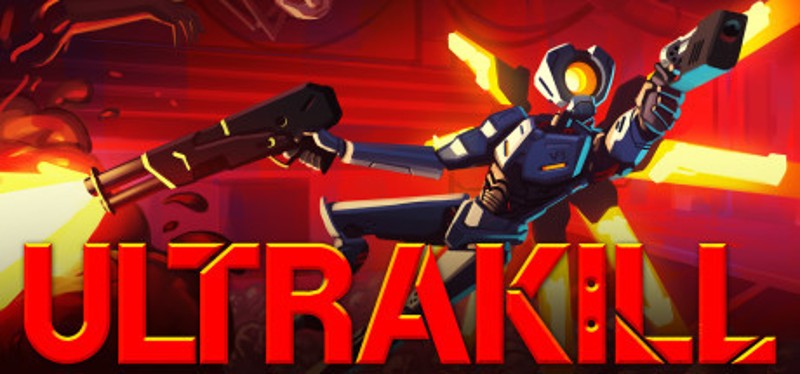
- 98%Game Brain ScoreMost mentioned positive aspects:gameplay, musicMost mentioned negative aspects:grinding, stability98% User Score 172,200 reviews
Both games treat the soundtrack as a core experience, not just background noise—Toby Fox's work meets its match in ULTRAKILL's metal-infused score that drives you forward.
They share an indie confidence in style over polish, rewarding players who appreciate craft over corporate gloss.
The tradeoff is stark: Undertale asks you to think; ULTRAKILL asks you to act. One is turn-based and dialogue-driven, the other is a breakneck FPS where your reflexes are the only dialogue.
Pick this up if you want Undertale's replayability and musical punch but can live without narrative choices—in ULTRAKILL, your only choice is how fast you can move.
If you enjoyed this game, see our list of games similar to ULTRAKILL.View Game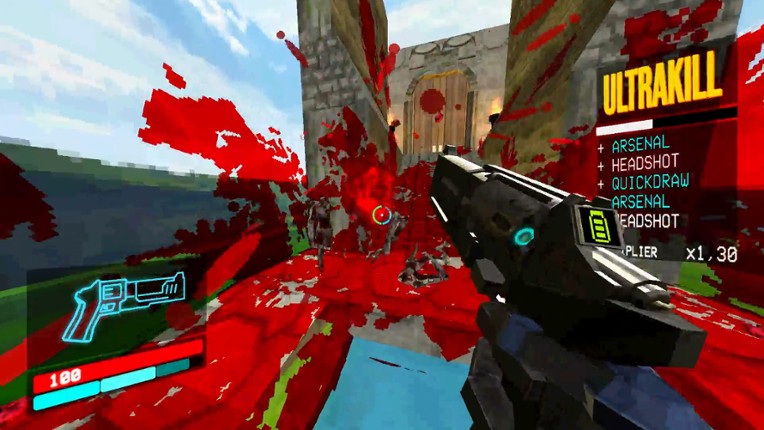
- 94%Game Brain ScoreMost mentioned positive aspects:story, graphicsMost mentioned negative aspects:stability, grinding96% User Score 97,182 reviewsCritic Score 80%1 reviews
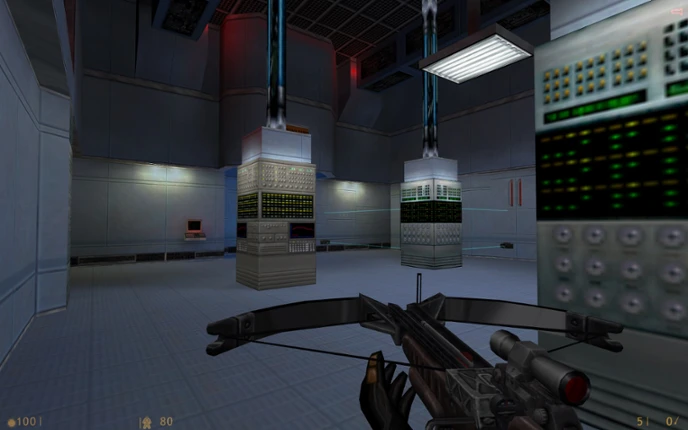
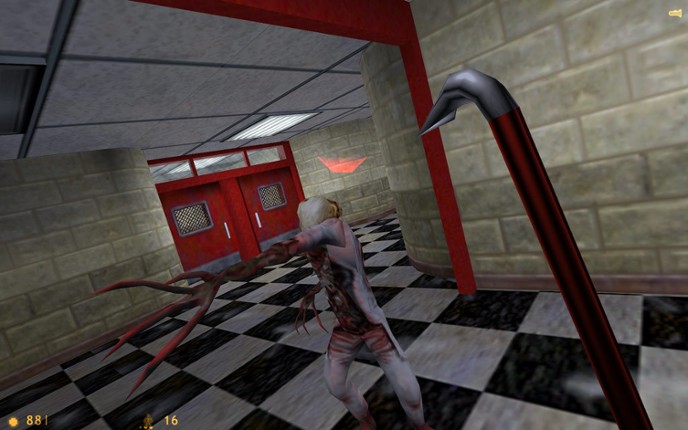
Awarded "Game of the Year" by nearly 50 publications, Valve's debut title combines action and adventure with award-winning technology to create a frighteningly realistic world where players must think to survive. Also includes an exciting multiplayer mode! If you enjoyed this game, see our list of games similar to Half-Life.
View Game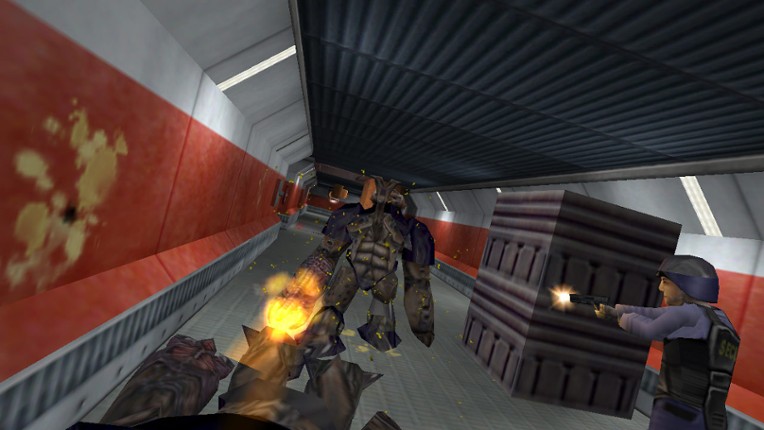
- 93%Game Brain ScoreMost mentioned positive aspects:graphics, musicMost mentioned negative aspects:grinding, stability96% User Score 70,643 reviewsCritic Score 80%1 reviews
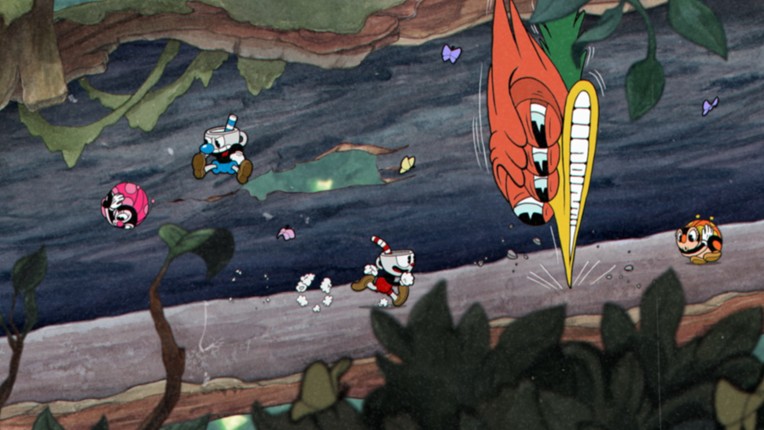
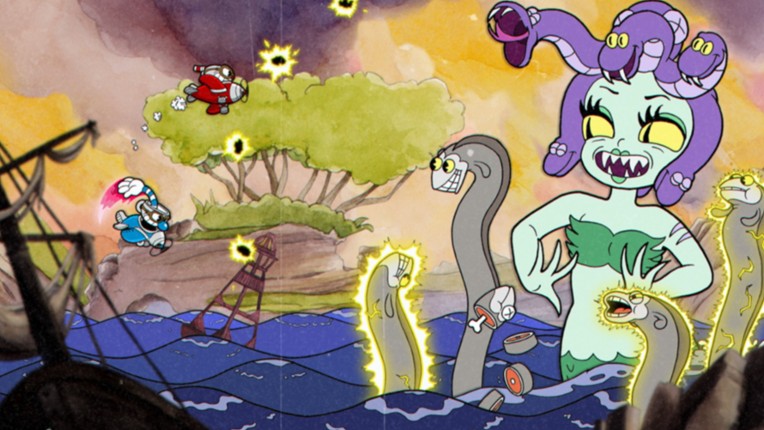
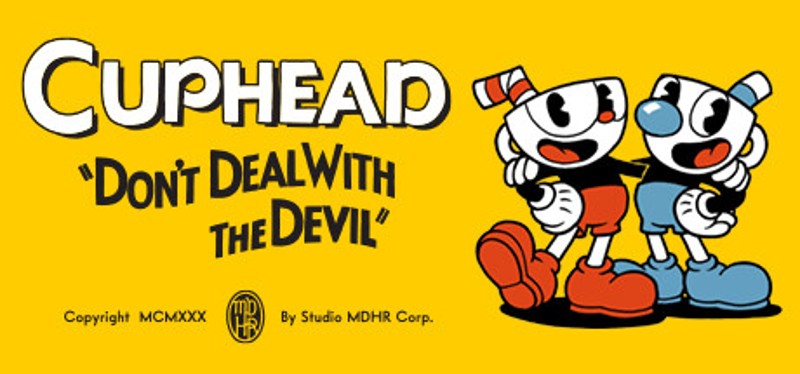
Cuphead is a classic run and gun action game heavily focused on boss battles. Inspired by cartoons of the 1930s, the visuals and audio are painstakingly created with the same techniques of the era, i.e. traditional cel animation (hand drawn & hand inked!), watercolor backgrounds, and original jazz recordings. Play as Cuphead or Mugman (in single player or co-op) as you traverse strange worlds, acq… If you enjoyed this game, see our list of games similar to Cuphead.
View Game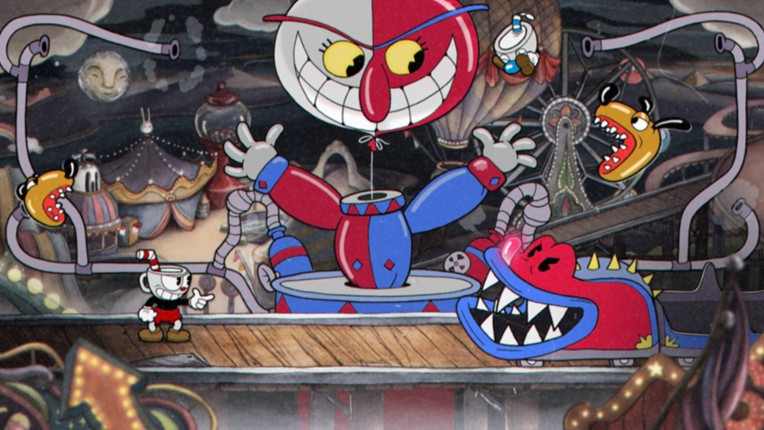
18 View Game 94%Game Brain ScoreMost mentioned positive aspects:humor, storyMost mentioned negative aspects:grinding, replayability97% User Score 9,663 reviewsCritic Score 88%5 reviewsWhile loosely connected, this meta-narrative experience ditches standard combat for breaking the fourth wall and playfully antagonizing the player directly. If you enjoyed this game, see our list of games similar to There Is No Game: Wrong Dimension.View Game
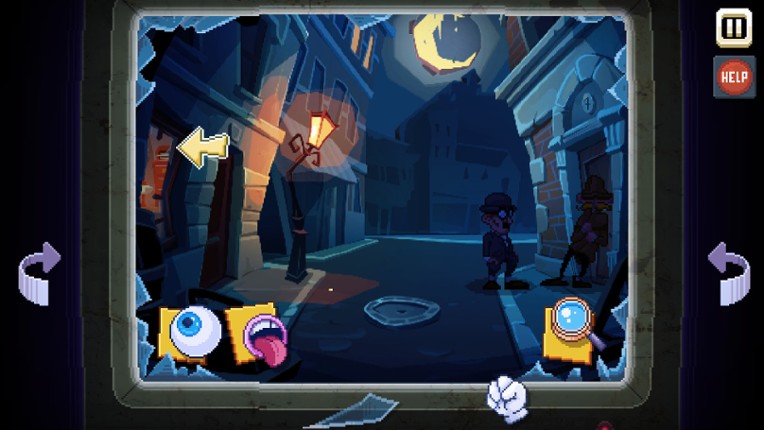
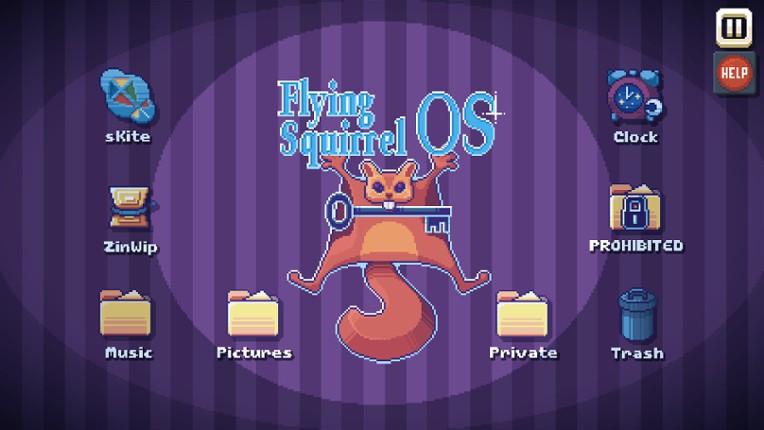
- 96%Game Brain ScoreMost mentioned positive aspects:story, gameplayMost mentioned negative aspects:grinding, stability96% User Score 2,202 reviewsKeeps Undertale's absurdist humor and pixel aesthetic but layers in surreal psychological horror and clicker mechanics for chaotic comedic effect. If you enjoyed this game, see our list of games similar to Duck Simulator 2.View Game
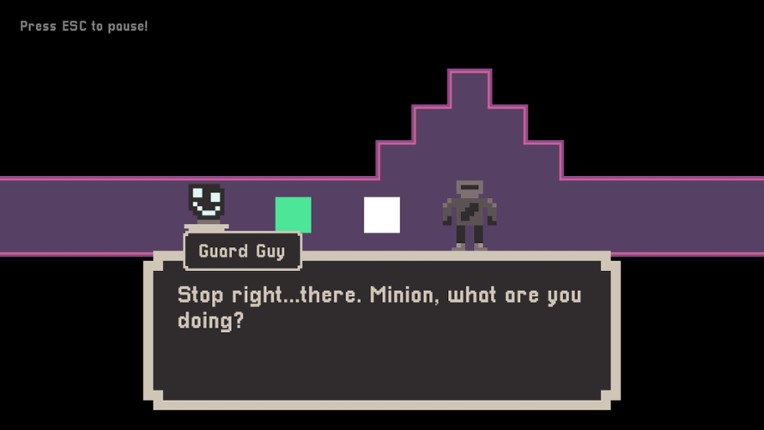
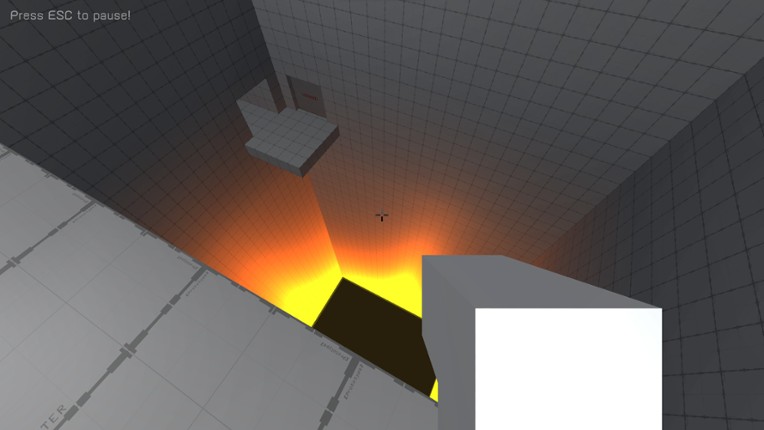

- 99%Game Brain ScoreMost mentioned positive aspects:music, storyMost mentioned negative aspects:grinding, stability99% User Score 6,248 reviews
Endacopia is a Point-and-Click Puzzle Adventure that is visually reminiscent of early computer edutainment games... with underlying horrors. If you enjoyed this game, see our list of games similar to Endacopia.
View Game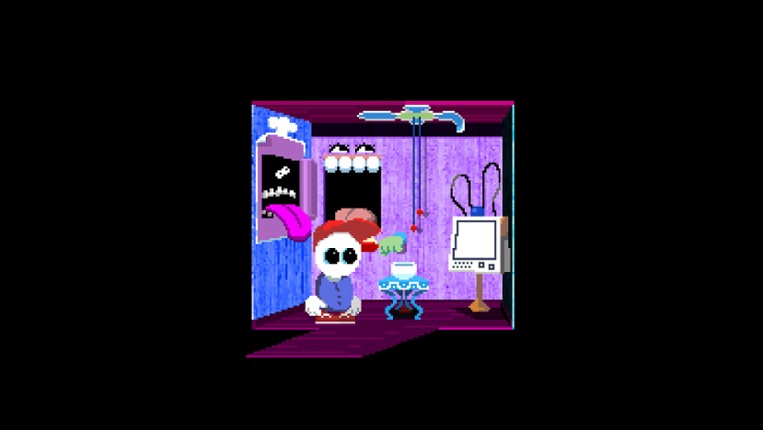
- View Game90%Game Brain ScoreMost mentioned positive aspects:story, gameplayMost mentioned negative aspects:grinding, stability90% User Score 1,328 reviews
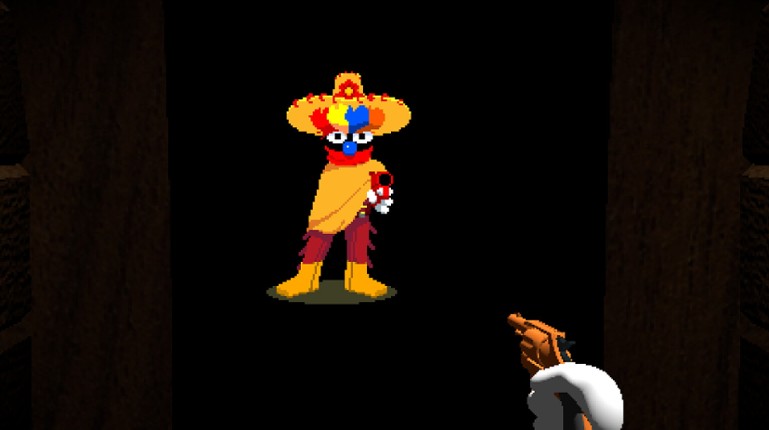
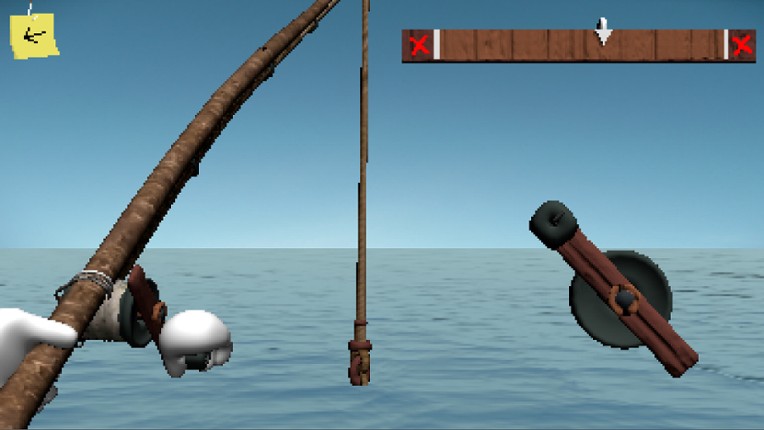
Get prepared for the FIRST EVER shooter game based on Rage Comics ! Rage Wars is a well-made action game with a variety of weapons, worlds and enemies to challenge with. If you enjoyed this game, see our list of games similar to Rage Wars.
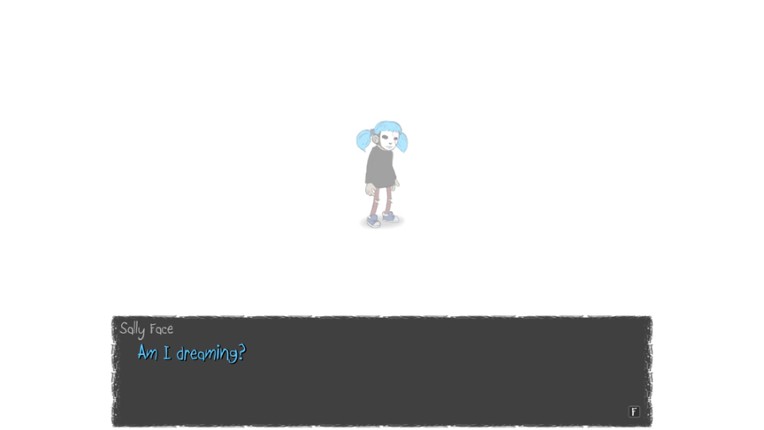
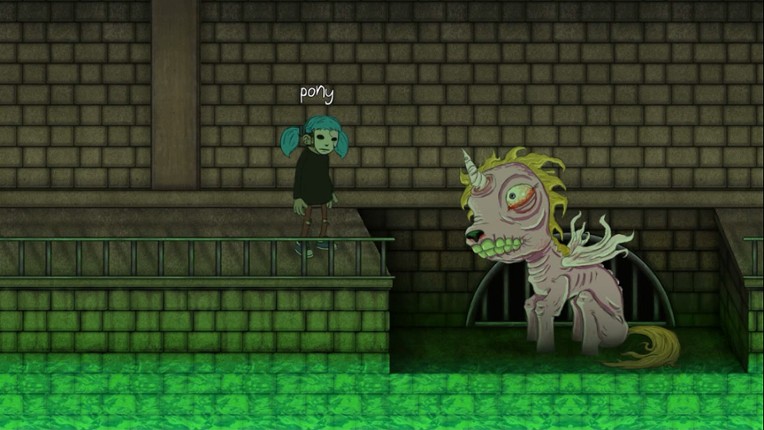
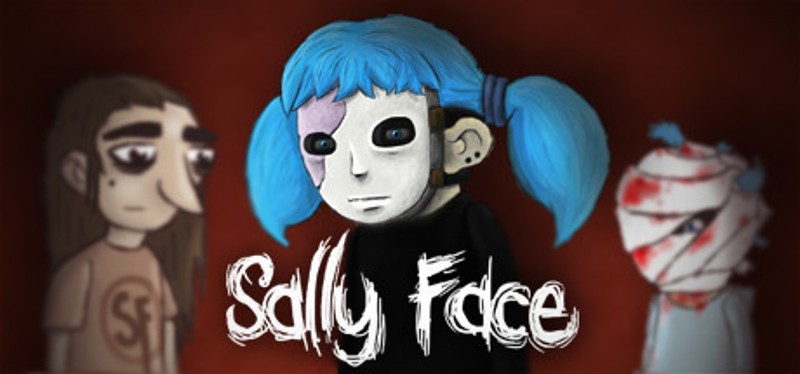
- 97%Game Brain ScoreMost mentioned positive aspects:story, graphicsMost mentioned negative aspects:grinding, stability97% User Score 14,426 reviewsThis narrative-driven journey mirrors the unsettling undertones and character attachments of the inspiration while focusing on eerie, supernatural exploration over active combat. If you enjoyed this game, see our list of games similar to Sally Face.View Game
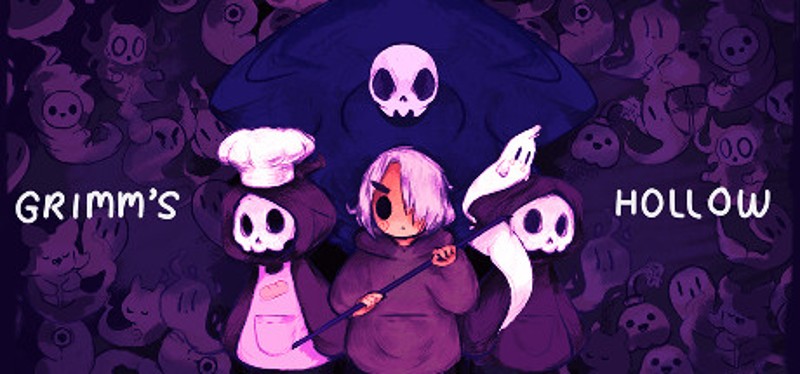
- 99%Game Brain ScoreMost mentioned positive aspects:story, emotionalMost mentioned negative aspects:grinding, stability99% User Score 7,364 reviewsCombines atmospheric horror and comedy with repeated turn-based combat rounds in a cute but melancholic fantasy world. If you enjoyed this game, see our list of games similar to Grimm's Hollow.View Game
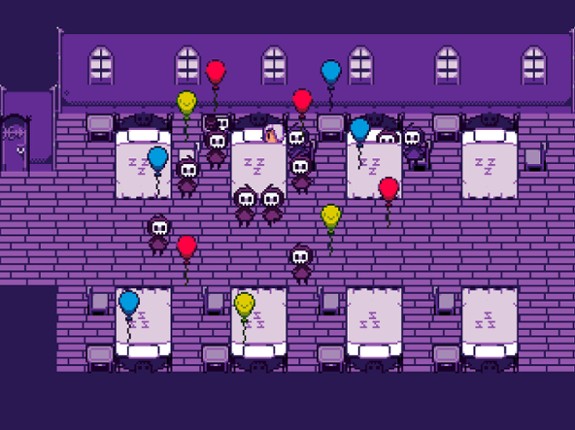
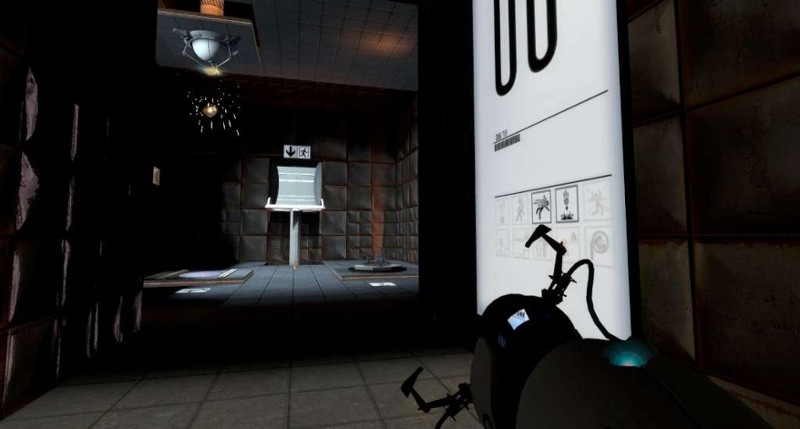
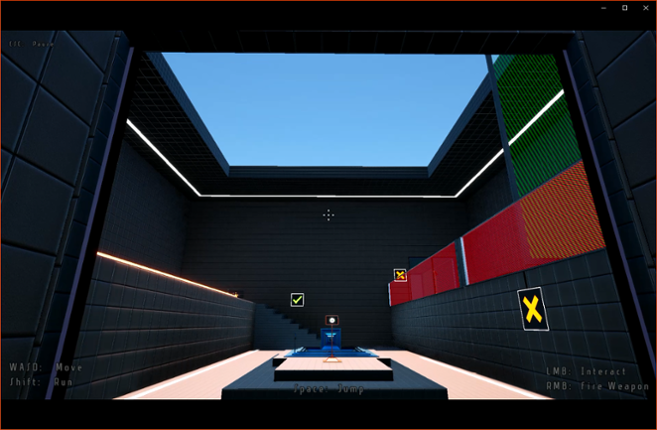
- 96%Game Brain ScoreMost mentioned positive aspects:story, gameplayMost mentioned negative aspects:grinding, stability99% User Score 54,199 reviewsCritic Score 80%1 reviewsFor those who enjoyed the dark humor, this classic offers a tighter, physics-based puzzle experience that replaces emotional narrative with cold, calculated experimentation. If you enjoyed this game, see our list of games similar to Portal.View Game
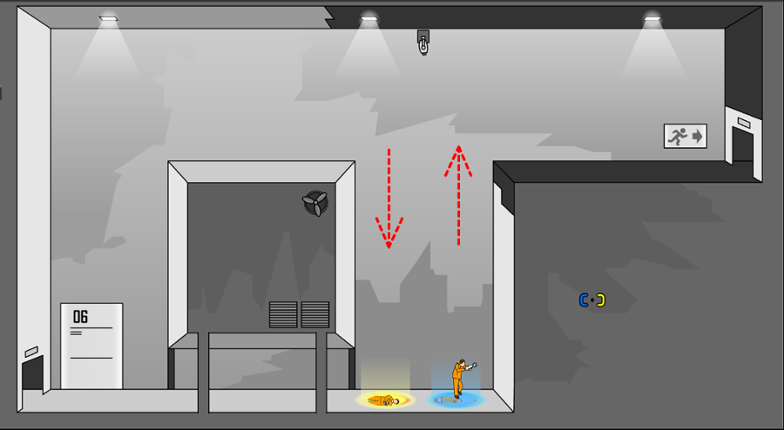
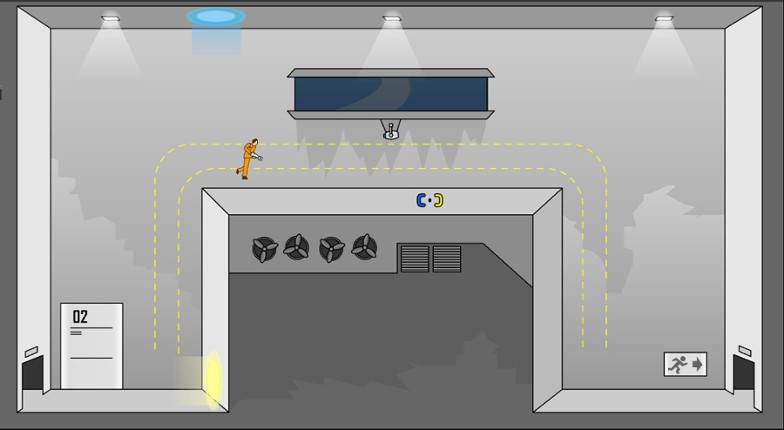
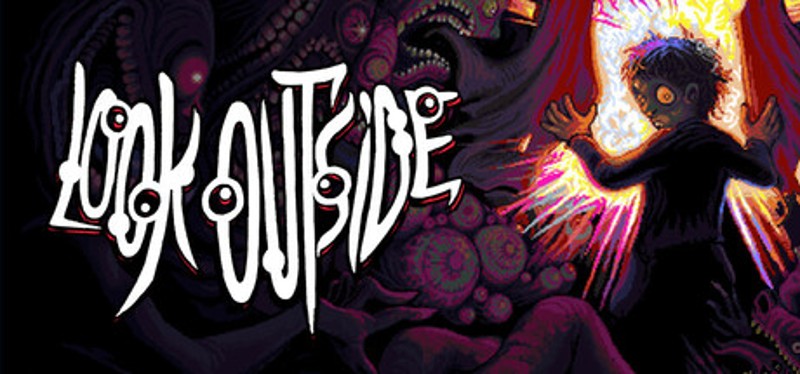
- 94%Game Brain ScoreMost mentioned positive aspects:story, musicMost mentioned negative aspects:grinding, stability98% User Score 10,171 reviewsCritic Score 80%2 reviewsPresents a Lovecraftian-inspired turn-based RPG with isometric pixel art and a heavier emphasis on horror and violent thriller elements. If you enjoyed this game, see our list of games similar to Look Outside.View Game
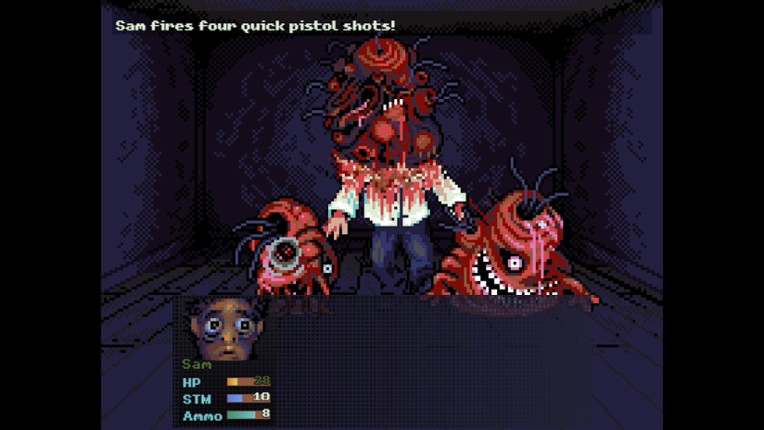
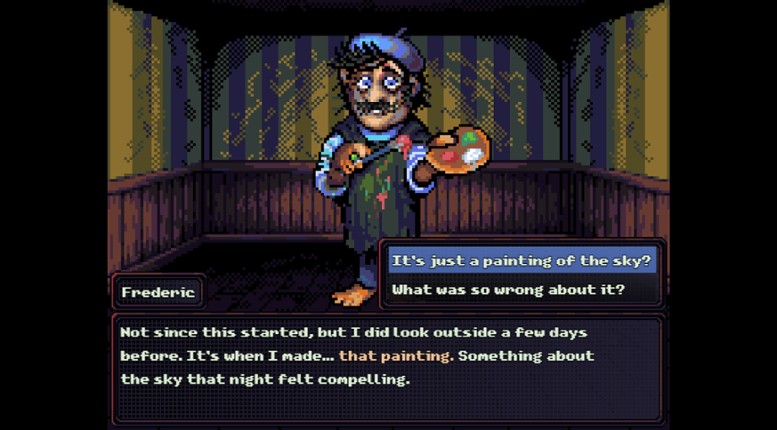
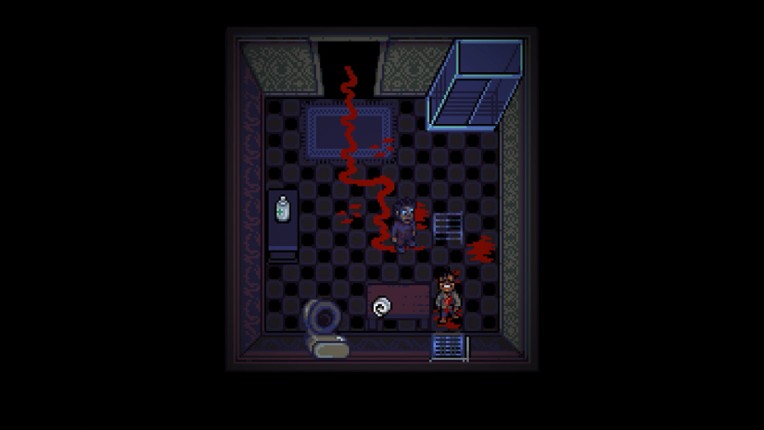
- 99%Game Brain ScoreMost mentioned positive aspects:story, gameplayMost mentioned negative aspects:grinding, stability99% User Score 62,619 reviewsThis minimal retro exploration serves as an atmospheric outlier, focusing on environmental discovery rather than the emotional character-driven dialogue of its inspiration. If you enjoyed this game, see our list of games similar to a Place of Much Learning.View Game
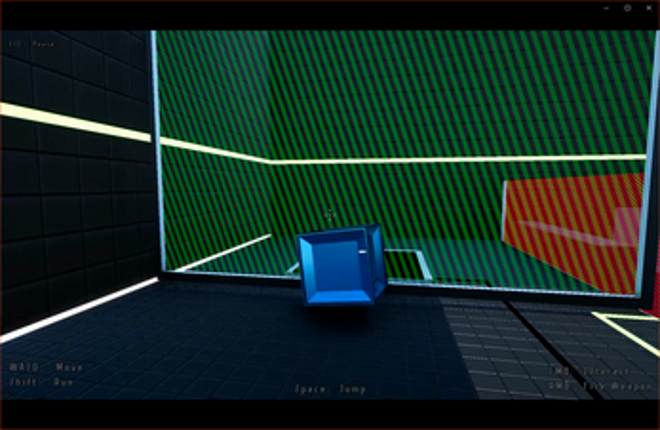
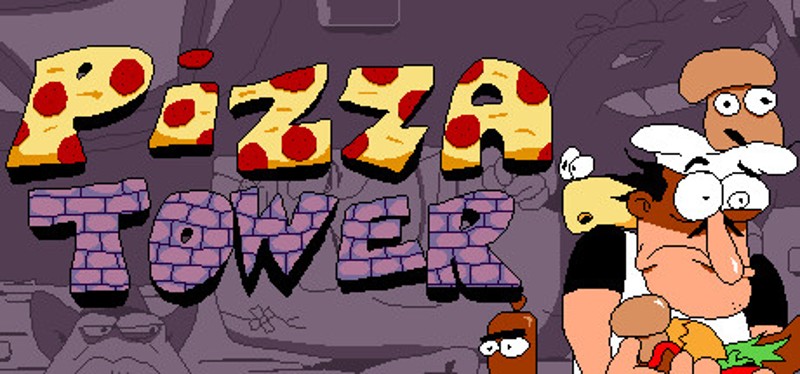
- 97%Game Brain ScoreMost mentioned positive aspects:music, gameplayMost mentioned negative aspects:grinding, stability98% User Score 49,086 reviewsCritic Score 90%1 reviewsSwaps Undertale's emotional storytelling for pure adrenaline, matching its pixel-art charm and meme culture with relentless co-op platforming. If you enjoyed this game, see our list of games similar to Pizza Tower.View Game
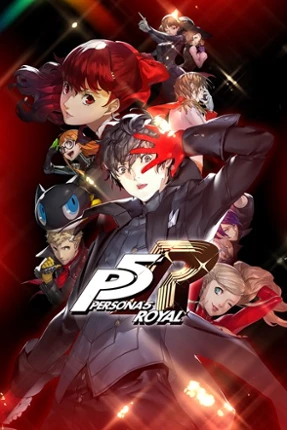
- 97%Game Brain ScoreMost mentioned positive aspects:story, musicMost mentioned negative aspects:grinding, monetization97% User Score 41,862 reviews
Both games excel at subverting the traditional RPG formula by forcing you to weigh your moral agency against the consequences of your combat decisions. The shared emphasis on deeply developed party members creates a lasting emotional investment that makes every dialogue choice feel consequential.
While Undertale thrives on meta-narrative brevity and minimalist charm, Persona 5 Royal demands a massive time commitment for its polished, anime-inspired heist mechanics. You will trade the former's witty, bite-sized subversion for the latter's sprawling, stylized tactical depth.
Pick this up if you want profound character-driven narratives but can live without the retro aesthetic and bite-sized runtimes of Toby Fox's world.
If you enjoyed this game, see our list of games similar to Persona 5 Royal.View Game

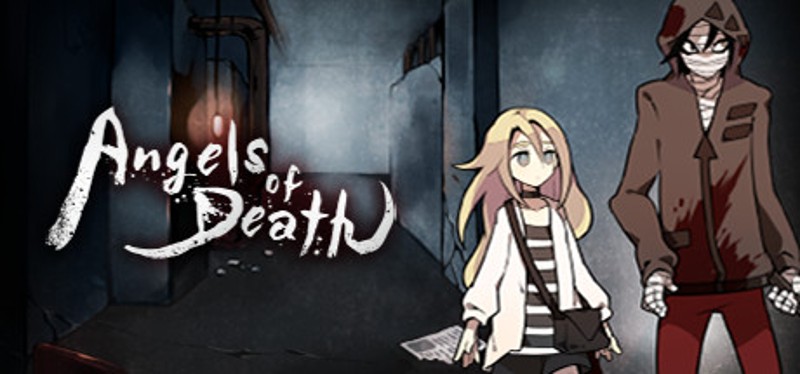
- 89%Game Brain ScoreMost mentioned positive aspects:story, musicMost mentioned negative aspects:grinding, replayability96% User Score 1,231 reviewsCritic Score 70%3 reviewsChannels Undertale's retro pixel aesthetic and psychological darkness into a horror-focused escape narrative with heavy atmosphere over combat agency. If you enjoyed this game, see our list of games similar to Angels of Death.View Game
- 98%Game Brain ScoreMost mentioned positive aspects:story, gameplayMost mentioned negative aspects:grinding, stability98% User Score 26,548 reviews
Includes: Base Game MiSide - Soundtrack Let's imagine that you have a game in which you care for a character. But could you imagine one day getting into that game yourself? Features Original visual styleThe authors hope to emphasize the contrast of colorful anime style against the background of the disturbing adventures of the main character. Interesting plotThe game has an unexpectedly developing… If you enjoyed this game, see our list of games similar to MiSide.
View Game
31 View Game 89%Game Brain ScoreMost mentioned positive aspects:humor, storyMost mentioned negative aspects:grinding, stability95% User Score 9,559 reviewsCritic Score 60%1 reviewsMuch like the genre-bending original, this title pairs a cute, top-down aesthetic with surprisingly dark themes, albeit through a fast-paced action-adventure loop. If you enjoyed this game, see our list of games similar to Turnip Boy Commits Tax Evasion.View Game
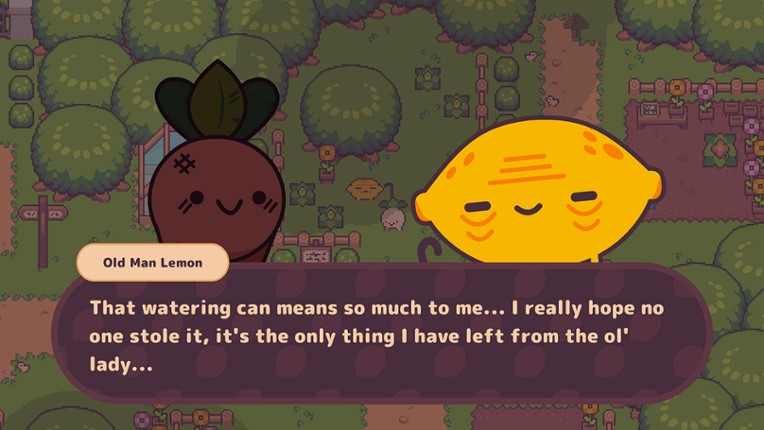
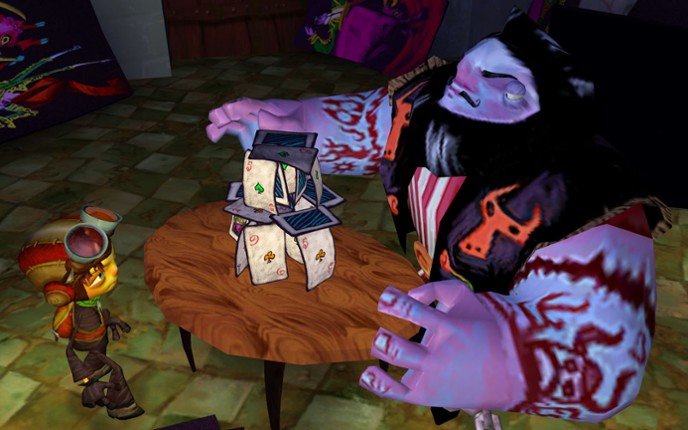
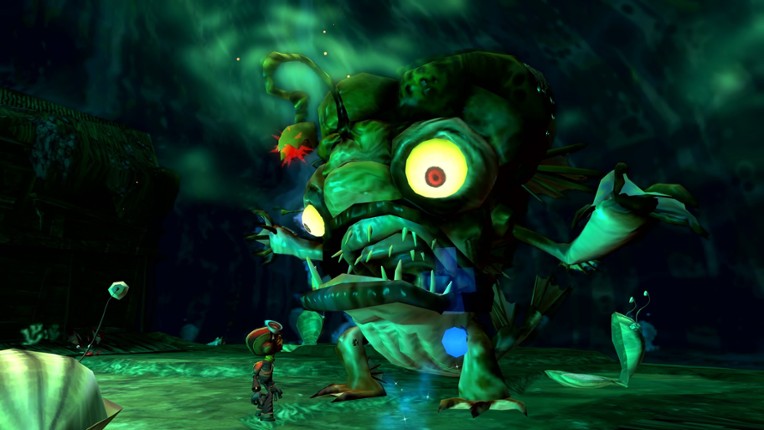
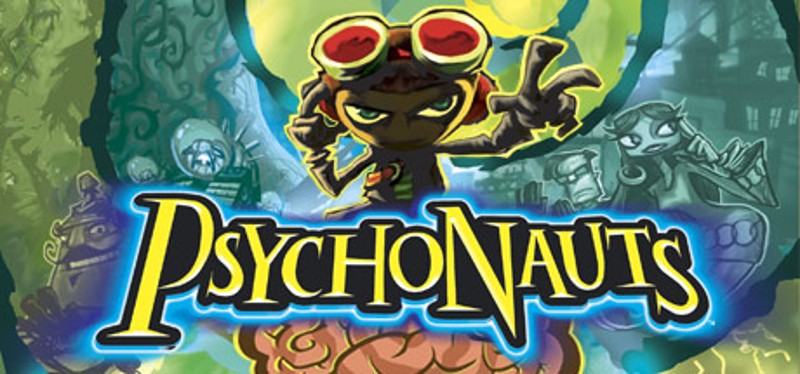
- 90%Game Brain ScoreMost mentioned positive aspects:story, gameplayMost mentioned negative aspects:grinding, stability95% User Score 13,549 reviewsCritic Score 85%9 reviewsSharing the quirky humor and psychological depth, this 3D platformer explores mental landscapes instead of retro-style dungeons through a humorous, surreal lens. If you enjoyed this game, see our list of games similar to Psychonauts.View Game
- 85%Game Brain ScoreMost mentioned positive aspects:story, humorMost mentioned negative aspects:grinding, stability94% User Score 5,833 reviewsCritic Score 74%9 reviewsTakes Undertale's indie charm and multiple endings but channels them through dating sim traditions and unexpectedly elaborate bird-based lore. If you enjoyed this game, see our list of games similar to Hatoful Boyfriend.View Game
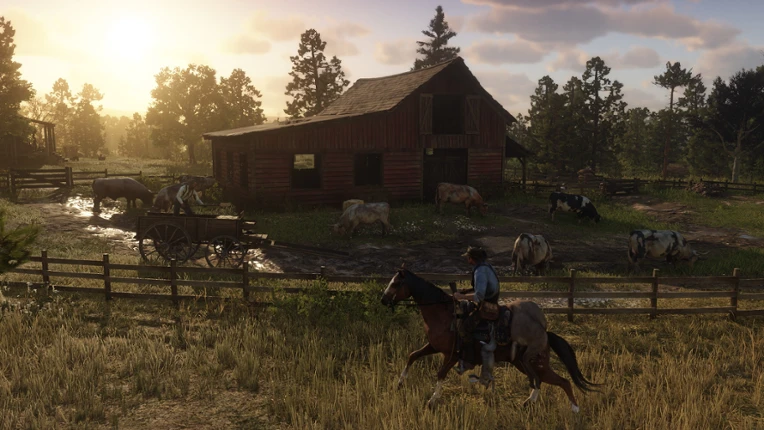
- 92%Game Brain ScoreMost mentioned positive aspects:story, graphicsMost mentioned negative aspects:stability, grinding92% User Score 284,640 reviewsCritic Score 93%66 reviewsOffers a sprawling, realistic Western epic with rich narrative depth and mature drama, diverging from Undertale’s fantastical and quirky style. If you enjoyed this game, see our list of games similar to Red Dead Redemption 2.View Game

35 View Game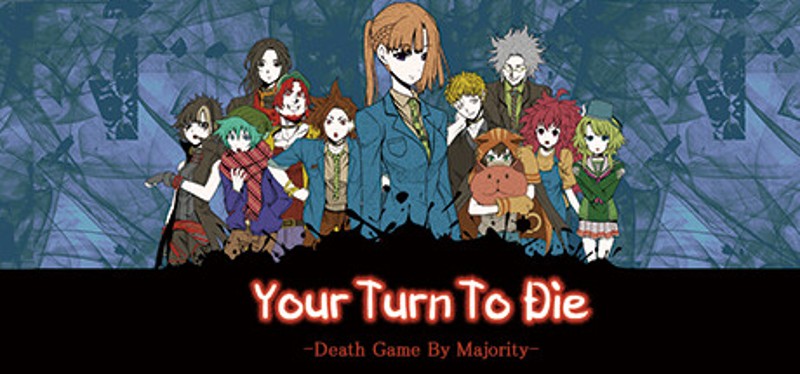 99%Game Brain ScoreMost mentioned positive aspects:story, musicMost mentioned negative aspects:replayability, grinding99% User Score 2,466 reviewsPlayers craving the darker, death-focused choices of a pacifist or genocide run will appreciate this high-stakes, narrative-heavy psychological social deduction game. If you enjoyed this game, see our list of games similar to Your Turn to Die: Death Game by Majority.View Game


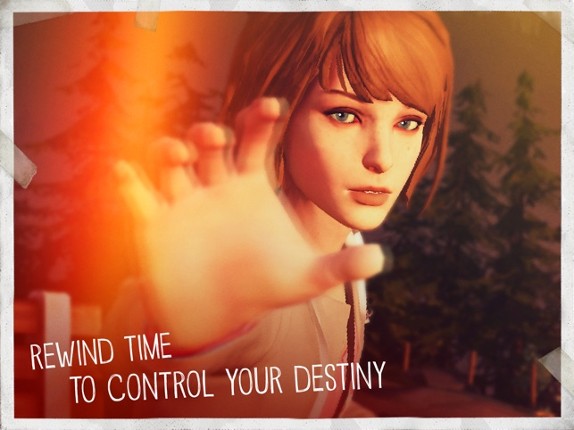
- 86%Game Brain ScoreMost mentioned positive aspects:story, musicMost mentioned negative aspects:stability, grinding95% User Score 75,297 reviewsCritic Score 75%8 reviewsTrades pixel art for episodic third-person drama that explores time manipulation and complex LGBTQ+ relationships in a modern fantasy setting. If you enjoyed this game, see our list of games similar to Life is Strange.View Game

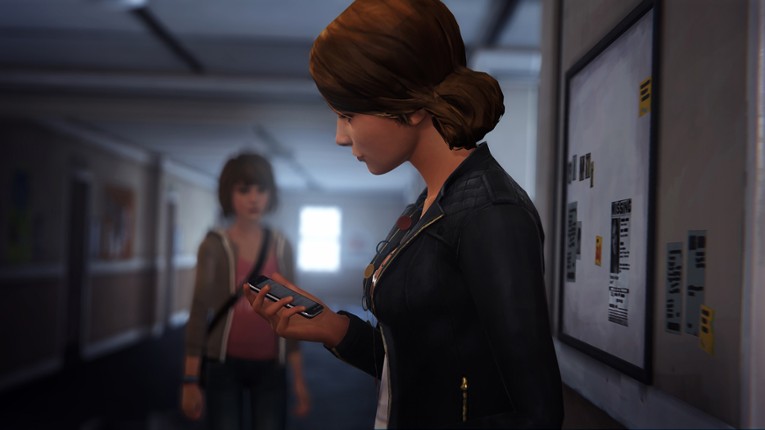
- 89%Game Brain ScoreMost mentioned positive aspects:story, gameplayMost mentioned negative aspects:grinding, replayability95% User Score 72,832 reviewsCritic Score 82%30 reviews
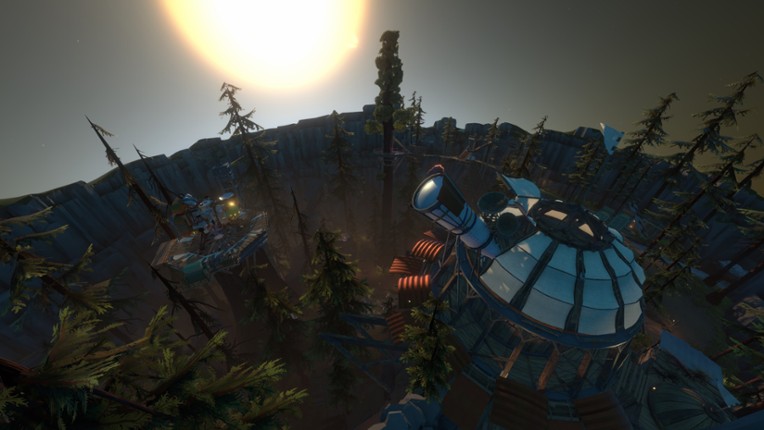
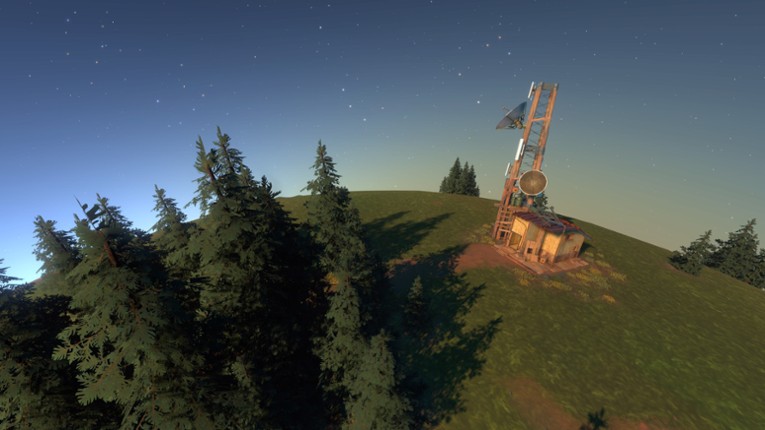
Outer Wilds: Archaeologist Edition contains Outer Wilds base game and Echoes of the Eye expansion. If you enjoyed this game, see our list of games similar to Outer Wilds.
View Game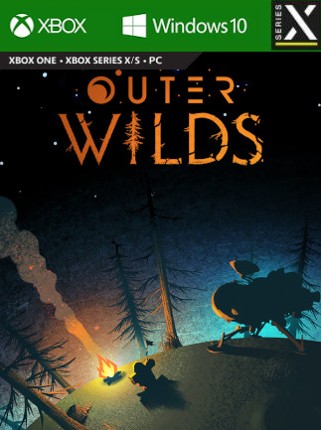
38 View Game 96%Game Brain ScoreMost mentioned positive aspects:story, musicMost mentioned negative aspects:grinding, replayability96% User Score 4,475 reviews
Welcome to Find Love or Die Trying, a dating show where ending up single means ending up dead! Will you find love? Or only score a date with death? Not sure why you'd sign up for this, but now that you're here, you've got 7 days to get one of the lovely ladies on your tropical island getaway to fall in love with you. If she's willing to put a ring on it, you're both free to leave. This version i… If you enjoyed this game, see our list of games similar to Find Love or Die Trying.
View Game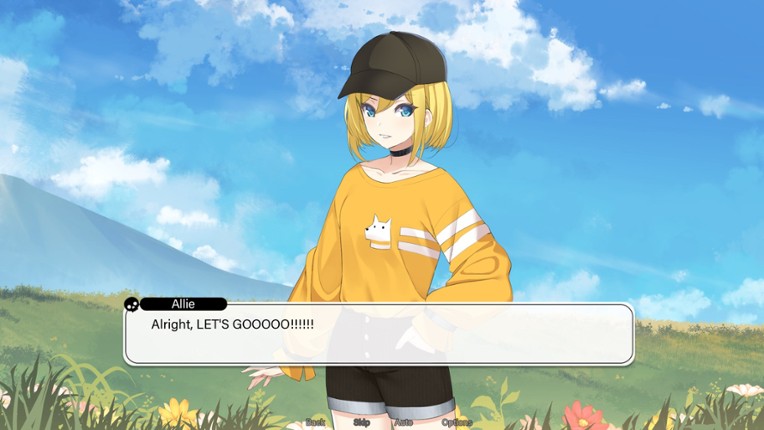
- 92%Game Brain ScoreMost mentioned positive aspects:story, musicMost mentioned negative aspects:replayability, grinding96% User Score 35,756 reviewsCritic Score 83%4 reviewsDelivers an emotional, linear story driven by retro pixel art and a heartfelt romance, trading Undertale's branching paths for focused storytelling. If you enjoyed this game, see our list of games similar to To the Moon.View Game

- 89%Game Brain ScoreMost mentioned positive aspects:story, emotionalMost mentioned negative aspects:grinding, stability97% User Score 7,929 reviewsCritic Score 81%15 reviewsDelivers Undertale's turn-based emotion through time-loop mechanics and LGBTQ+ party dynamics, building intimacy across multiple playthroughs. If you enjoyed this game, see our list of games similar to In Stars And Time.View Game
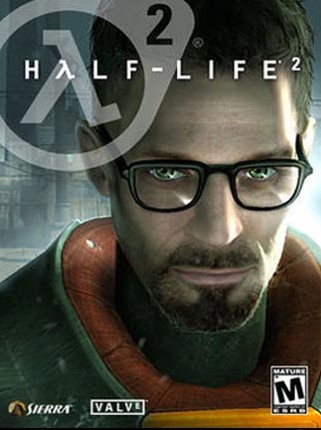
- 94%Game Brain ScoreMost mentioned positive aspects:story, gameplayMost mentioned negative aspects:grinding, stability97% User Score 139,598 reviewsCritic Score 88%5 reviewsSwaps Undertale's emotional storytelling for physics-driven puzzle solving and alien exploration in a sprawling sci-fi world. If you enjoyed this game, see our list of games similar to Half-Life 2.View Game
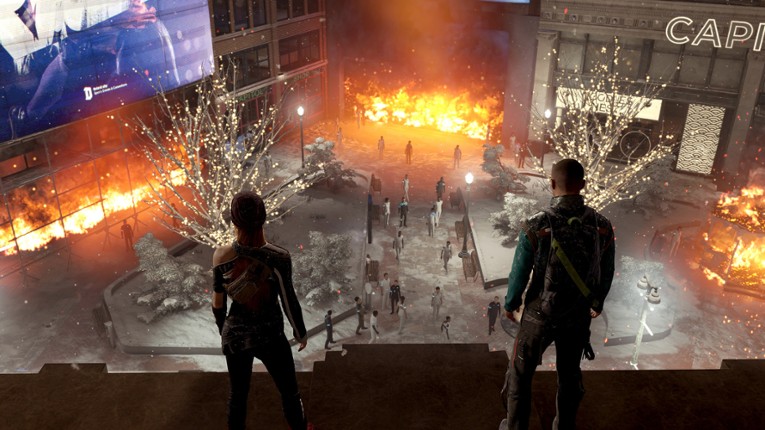
- 87%Game Brain ScoreMost mentioned positive aspects:story, graphicsMost mentioned negative aspects:grinding, stability95% User Score 66,027 reviewsCritic Score 79%49 reviews
How Far Will You Go To Be Free If you enjoyed this game, see our list of games similar to Detroit: Become Human.
View Game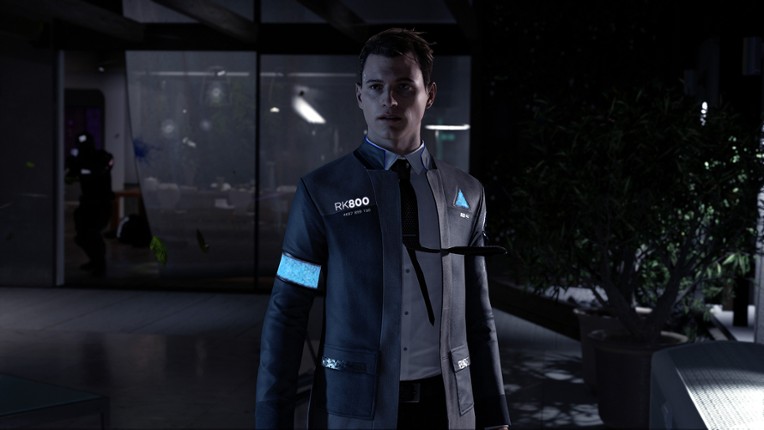
43 View Game
 97%Game Brain ScoreMost mentioned positive aspects:story, musicMost mentioned negative aspects:grinding, stability97% User Score 124,463 reviewsFans of the turn-based system will find a more serious, high-fantasy tactical epic here, trading indie charm for a polished, cinematic production style. If you enjoyed this game, see our list of games similar to Clair Obscur: Expedition 33.View Game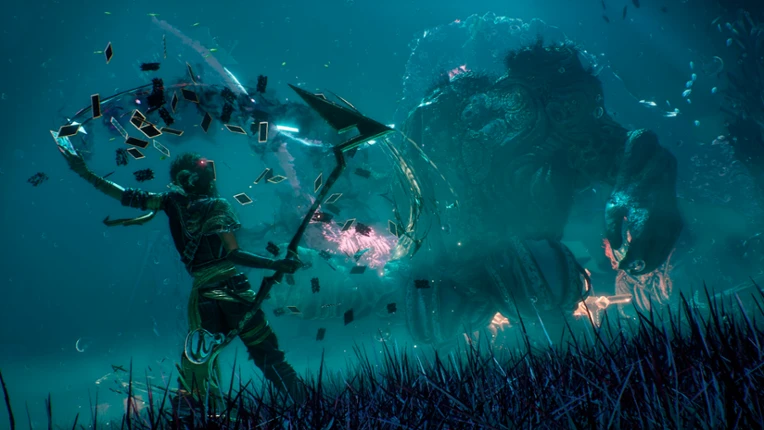
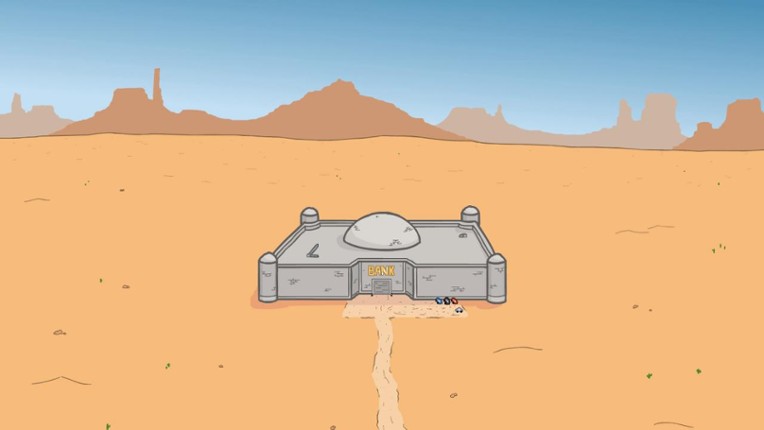
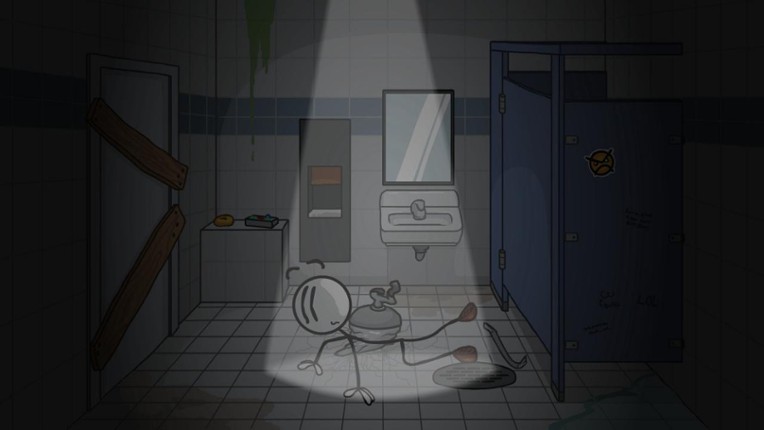
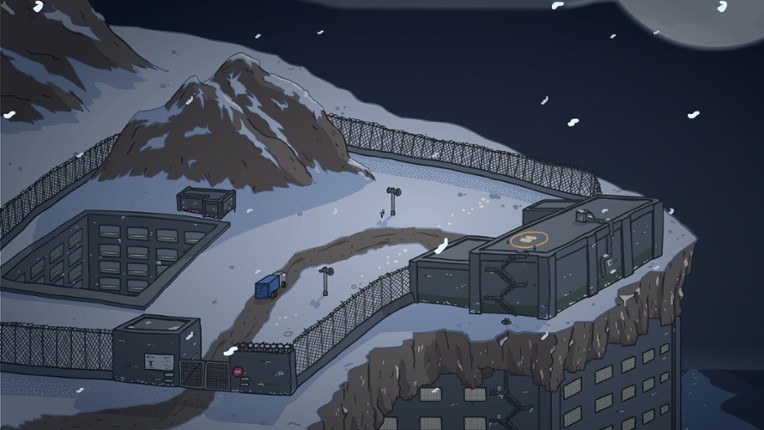
- 99%Game Brain ScoreMost mentioned positive aspects:humor, storyMost mentioned negative aspects:grinding, stability99% User Score 39,529 reviewsEchoes Undertale's branching narratives and comedic tone through a free parody adventure that embraces meta-humor and hand-drawn aesthetics over action gameplay. If you enjoyed this game, see our list of games similar to Completing the Mission.View Game
- 91%Game Brain ScoreMost mentioned positive aspects:humor, gameplayMost mentioned negative aspects:grinding, stability97% User Score 58,212 reviewsCritic Score 80%4 reviews
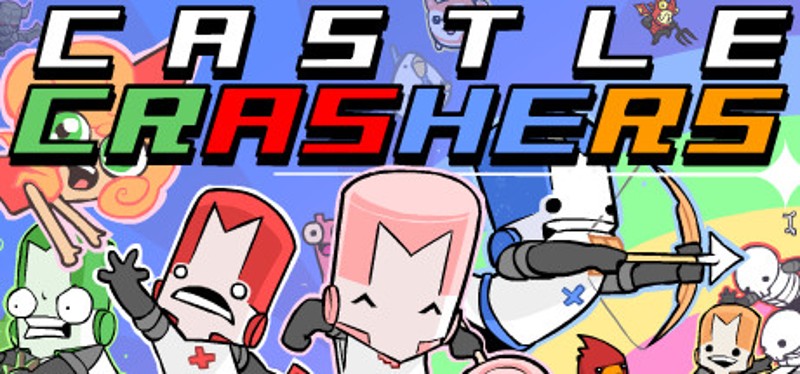
This four player RPG adventure will let you hack, slash, and smash your way to victory. Featuring hand-drawn characters, Castle Crashers delivers unique hi-res illustrated visuals and intense gameplay action. Play with up to three friends and discover mind-boggling magic and mystery in the amazing world created just for you! If you enjoyed this game, see our list of games similar to Castle Crashers.
View Game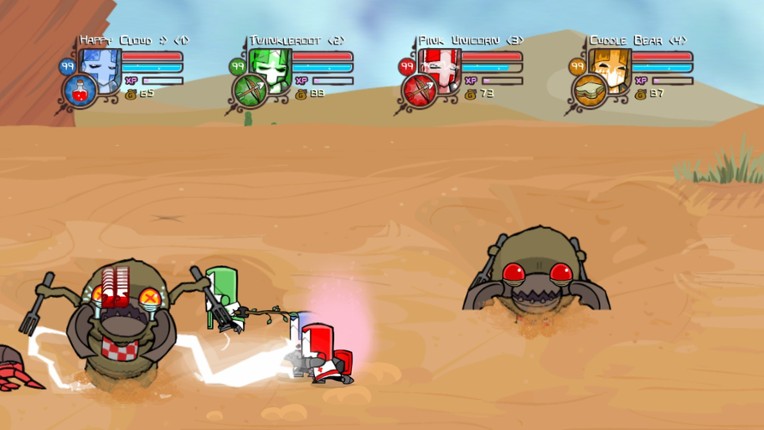

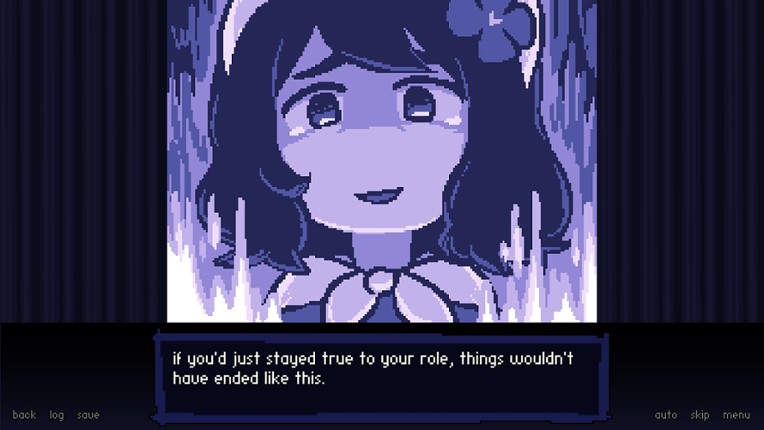
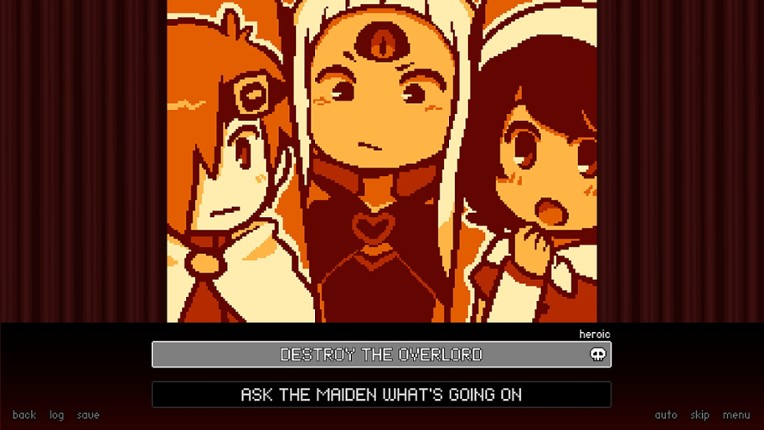
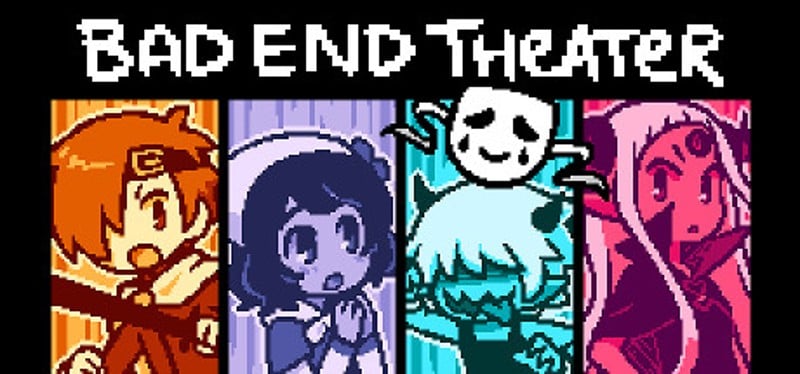
- 98%Game Brain ScoreMost mentioned positive aspects:story, musicMost mentioned negative aspects:grinding98% User Score 5,354 reviewsFocuses on branching narrative with a colorful anime-inspired style and a strong female lead adding LGBTQ+ romance to the fantasy setting. If you enjoyed this game, see our list of games similar to BAD END THEATER.View Game
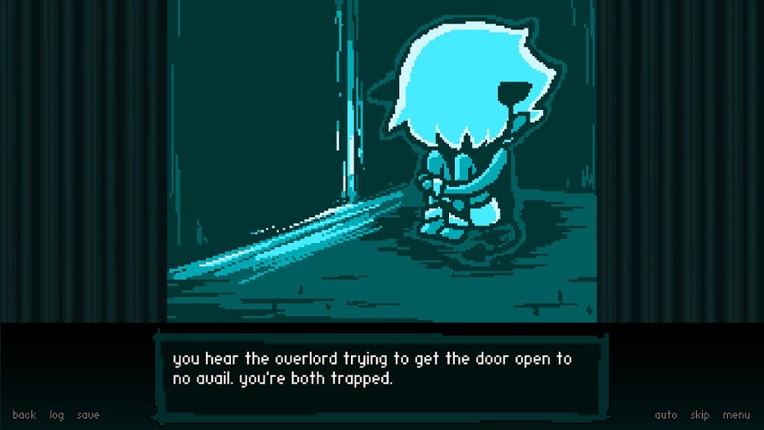
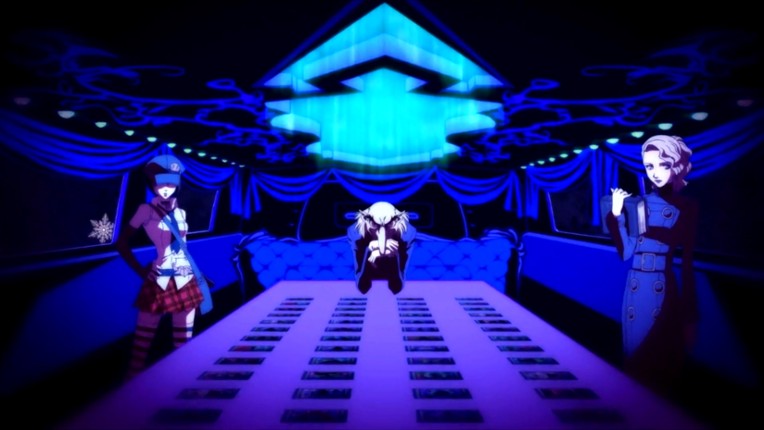
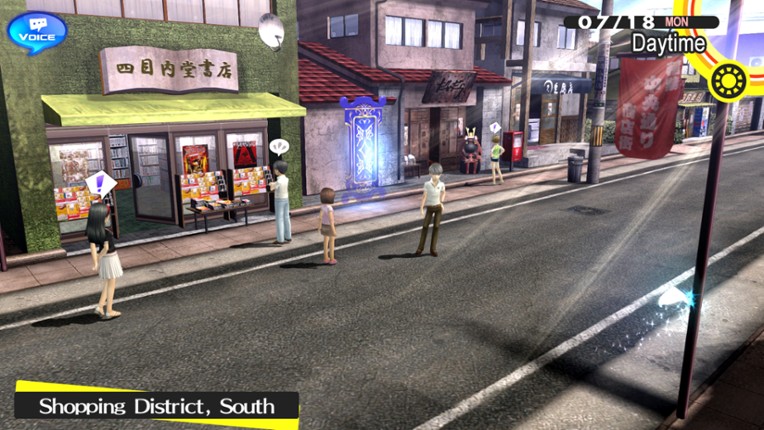
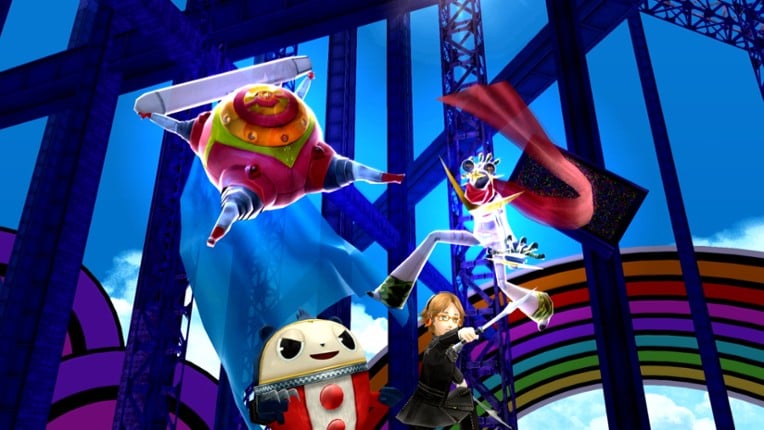
- 96%Game Brain ScoreMost mentioned positive aspects:story, musicMost mentioned negative aspects:grinding, optimization97% User Score 83,242 reviewsCritic Score 90%1 reviewsBlends emotional detective storytelling with party-based turn-based combat and mature themes, emphasizing mystery over whimsy. If you enjoyed this game, see our list of games similar to Persona 4 Golden.View Game
- 98%Game Brain ScoreMost mentioned positive aspects:story, gameplayMost mentioned negative aspects:grinding, optimization98% User Score 1,847 reviews
Fast paced precision platforming. AI spawned traps. Cocky voice lines. Combat. Puzzles. Snails. Unicorns. A story about artificial intelligence and a dark secret to uncover.The evil AI Squid tries to predict your movement a few seconds ahead of time and uses that information in an attempt to stop you from reaching the end of the level. Will you win that intellectual battle or will Squid find yet a… If you enjoyed this game, see our list of games similar to Will You Snail.
View Game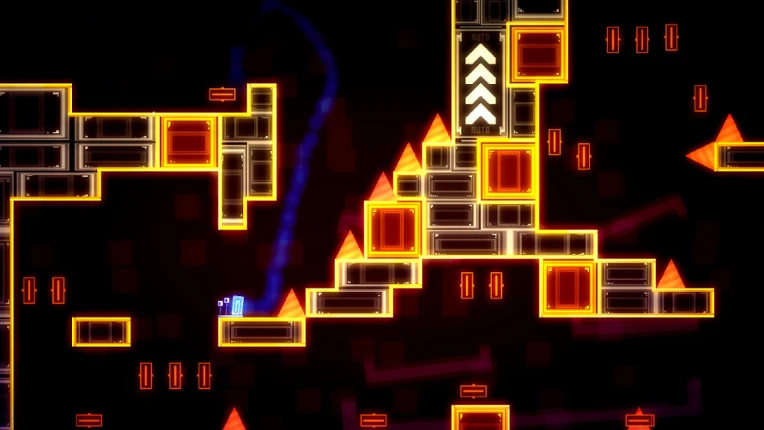
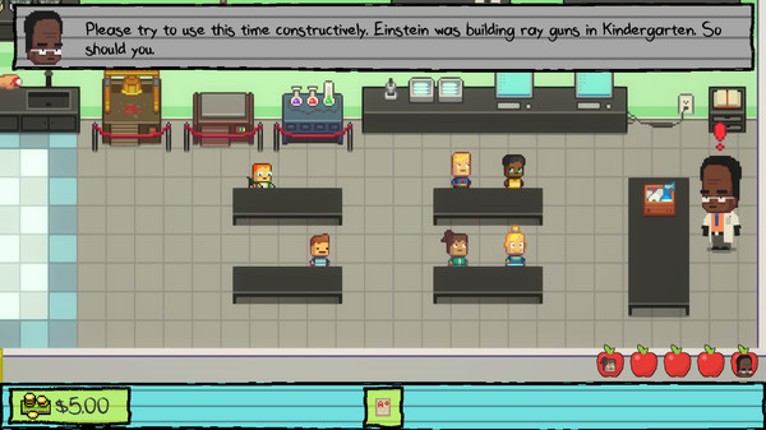
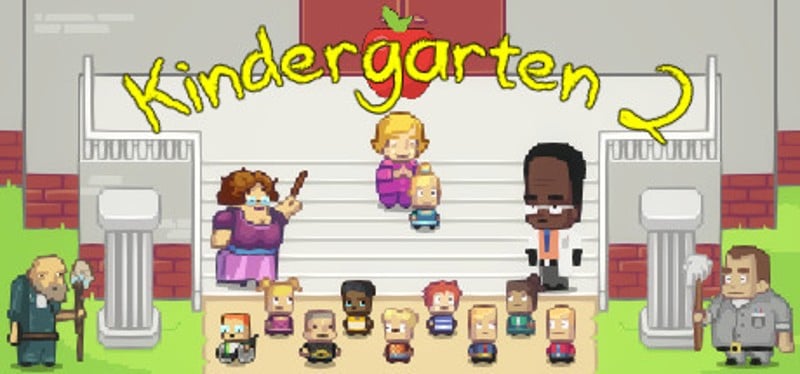
- 98%Game Brain ScoreMost mentioned positive aspects:story, humorMost mentioned negative aspects:grinding, stability98% User Score 6,938 reviewsInjects dark humor and unsettling psychological horror into a pixel-art environment while maintaining narrative choices with a more twisted tone. If you enjoyed this game, see our list of games similar to Kindergarten 2.View Game
- 99%Game Brain ScoreMost mentioned positive aspects:story, emotionalMost mentioned negative aspects:replayability, stability99% User Score 4,352 reviews
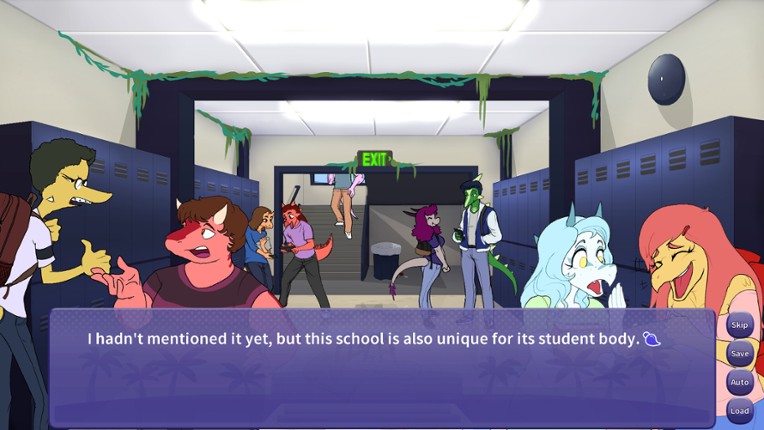
I Wani Hug that Gator! Is a choice-driven narrative about teenagers struggling to find their way. Help Inco, loser highschooler extraordinaire, navigate his budding friendships (and romance!) while surviving being the only human in a dinosaur-filled school. If you enjoyed this game, see our list of games similar to I Wani Hug that Gator!.
View Game


 View Game



























Frequently Asked Questions
DELTARUNE is the spiritual successor, also by Toby Fox, featuring exceptional music and emotionally resonant storytelling. Omori delivers similar psychological depth with turn-based combat and multiple endings. LISA: The UNDONE balances dark humor with profound character moments, creating lasting emotional impact through its post-apocalyptic setting and quirky cast.
DELTARUNE directly mirrors Undertale's blend of turn-based RPG with bullet-hell dodging sequences. Vs. Alfie: Moonlit Melodies combines rhythm mechanics with bullet hell action, while Everhood offers a musical twist on the same combat philosophy, creating dynamic encounters that reward player skill and timing.
Omori explores psychological horror through its atmospheric journey and disturbing narrative twists. Changed delivers survival horror elements with story-driven intensity, while LISA: The UNDONE creates an unsettling post-apocalyptic world filled with dark humor and grim subject matter that resonates long after completion.
Most games like Undertale are affordably priced indie titles. DELTARUNE offers free chapters with optional paid content. Changed and LISA: The UNDONE are budget-friendly purchases. Hollow Knight provides exceptional value with free expansions and no microtransactions, making it a standout indie investment.
DELTARUNE features Toby Fox's exceptional compositions rivaling Undertale itself. Vs. Alfie: Moonlit Melodies integrates an incredible soundtrack that drives its rhythm-based gameplay. LISA: The UNDONE offers eclectic, bizarre music enhancing dark humor and emotional moments, while Omori delivers a memorable score supporting its atmospheric narrative.
Omori features multiple endings with significant replay value tied to player decisions. DELTARUNE incorporates choice-driven narrative branching similar to Undertale's impact system. Vs. Alfie: Moonlit Melodies and Changed also reward different playstyles and decisions, encouraging replays to experience alternate outcomes and storylines.